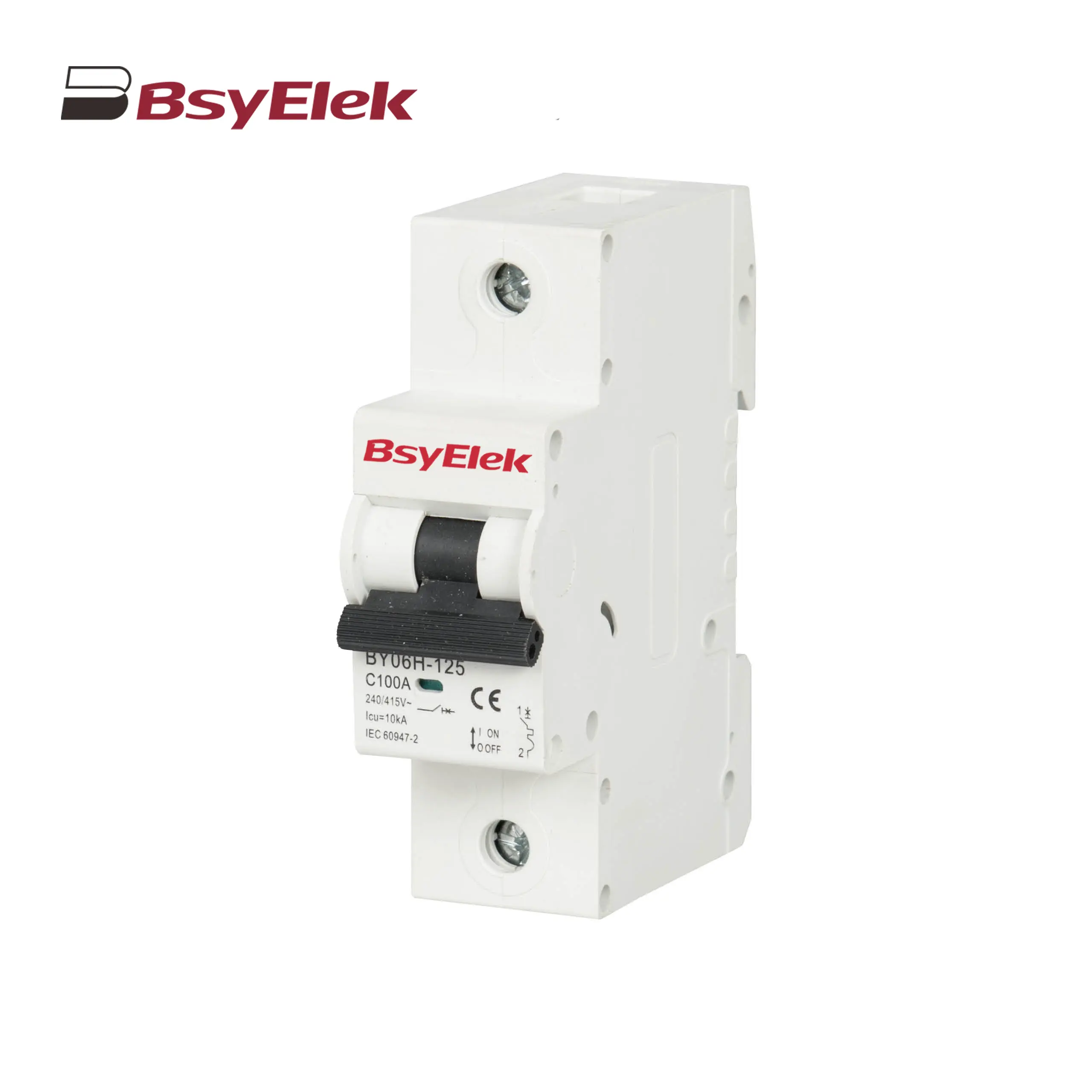
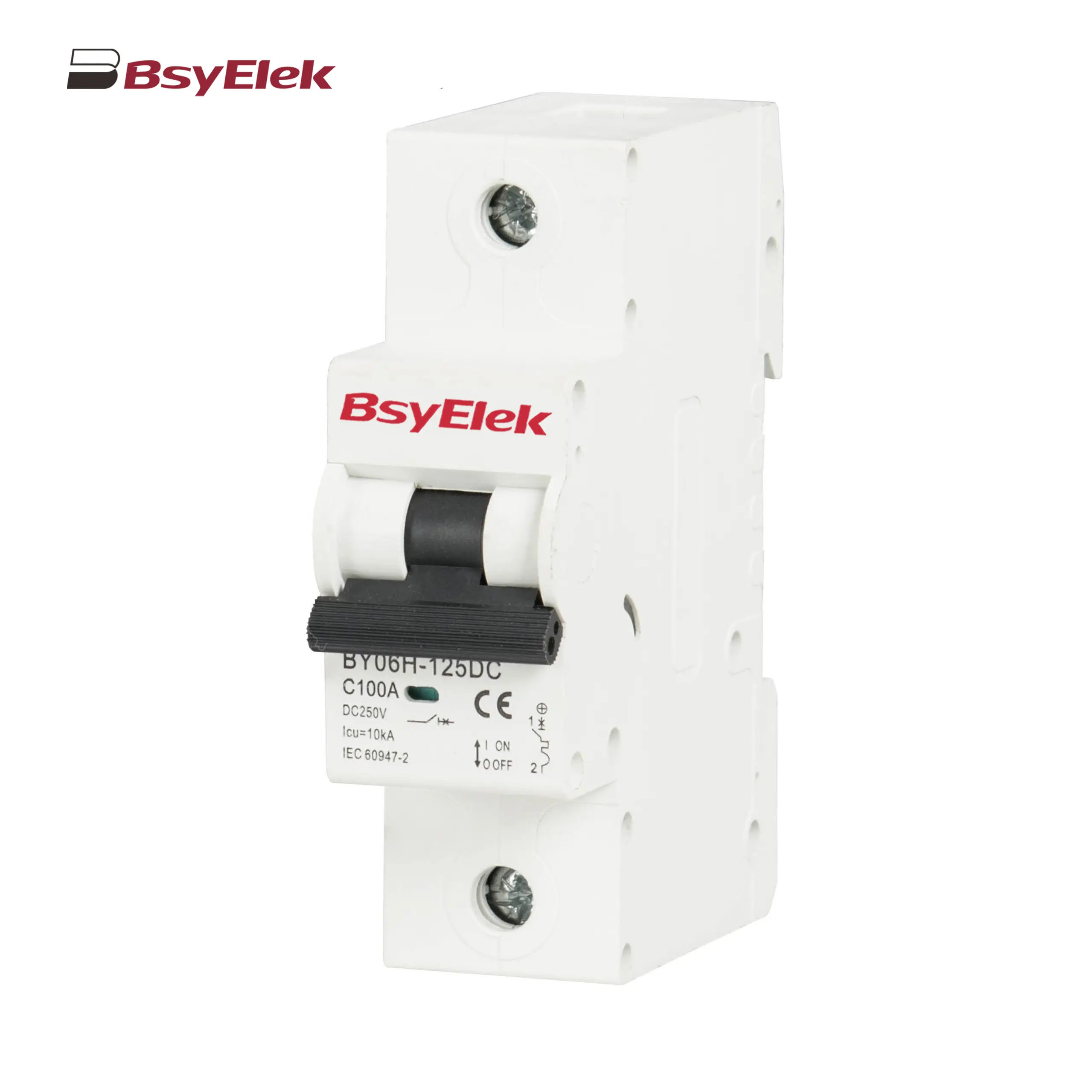
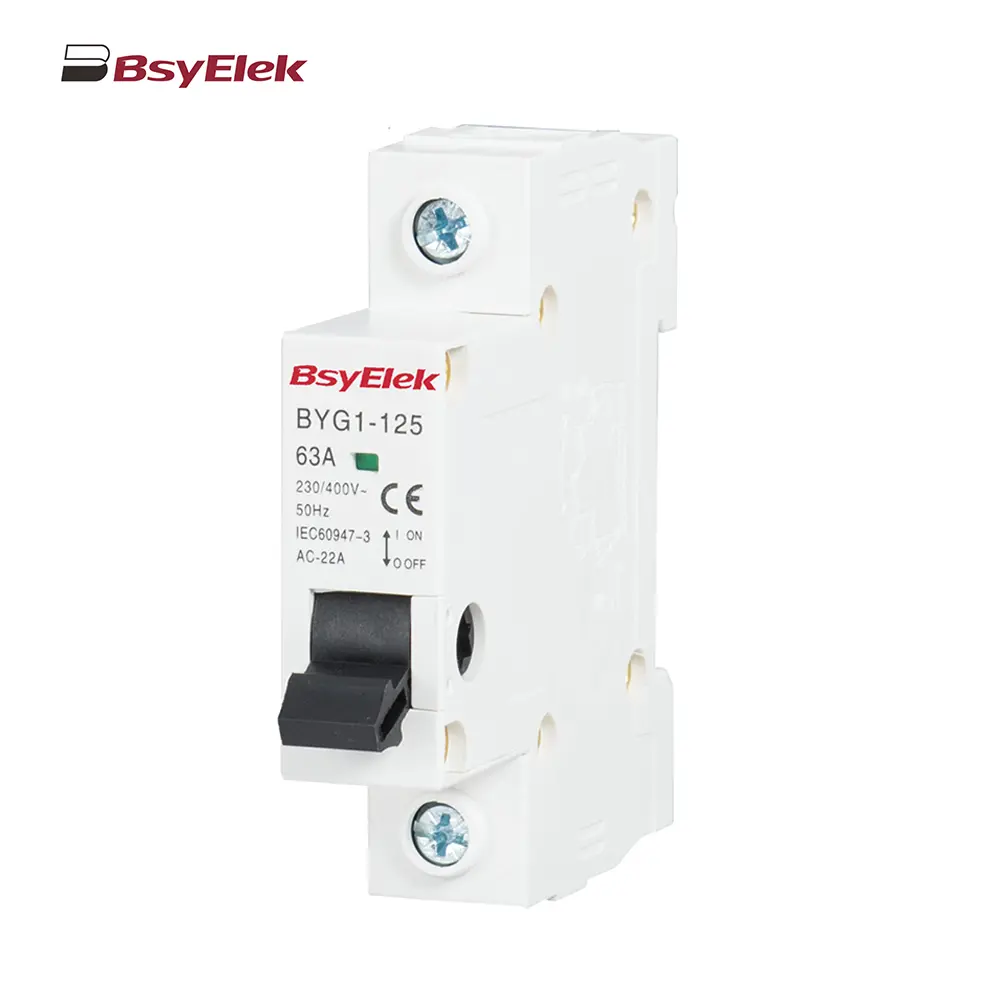
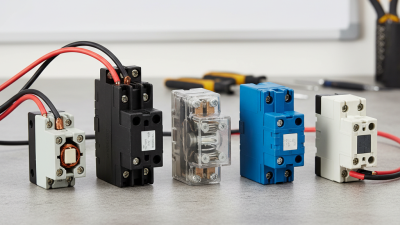
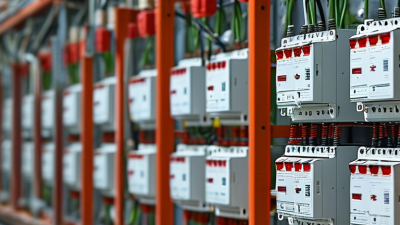
BY06H-125 MCB 10-15KA Miniature Circuit Breaker
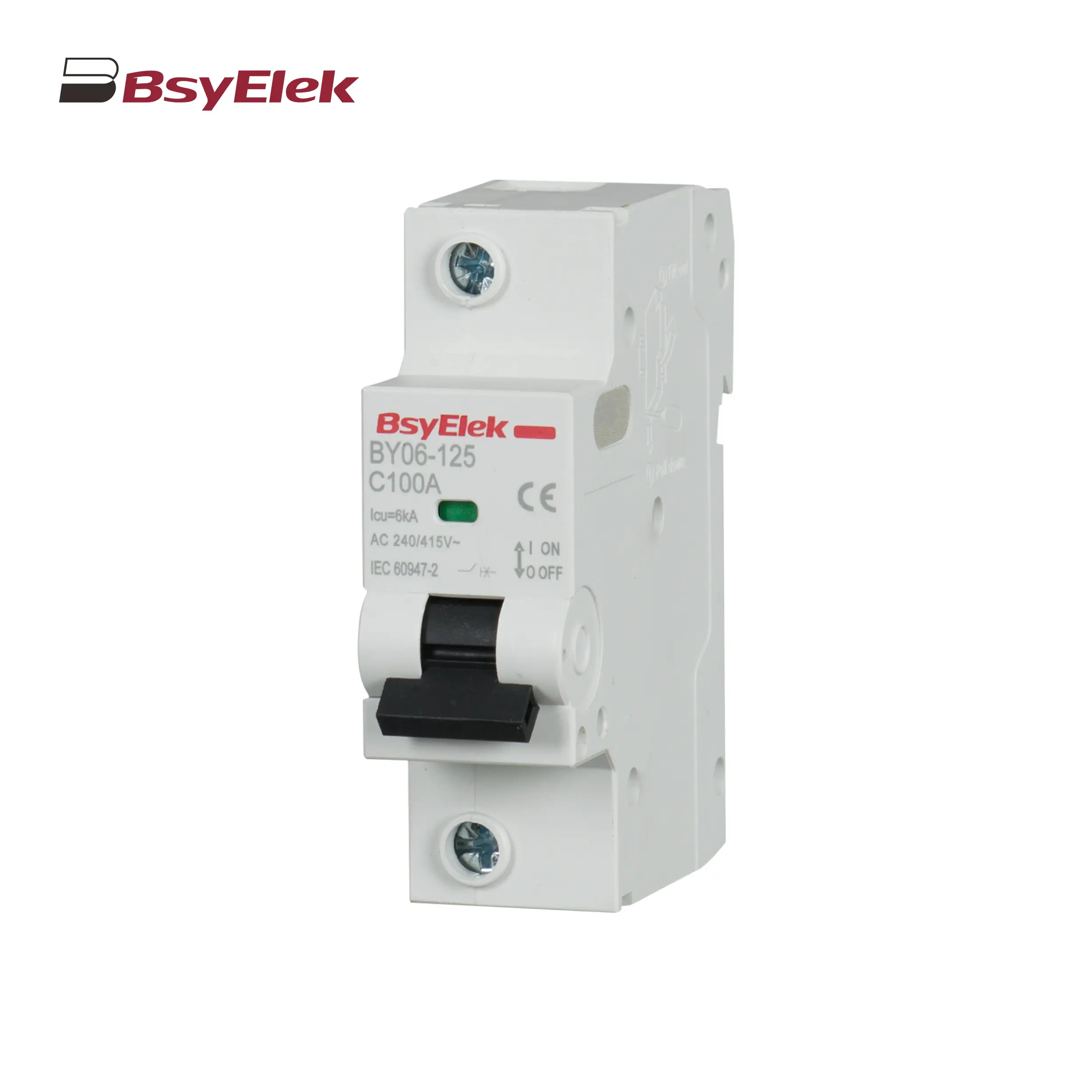
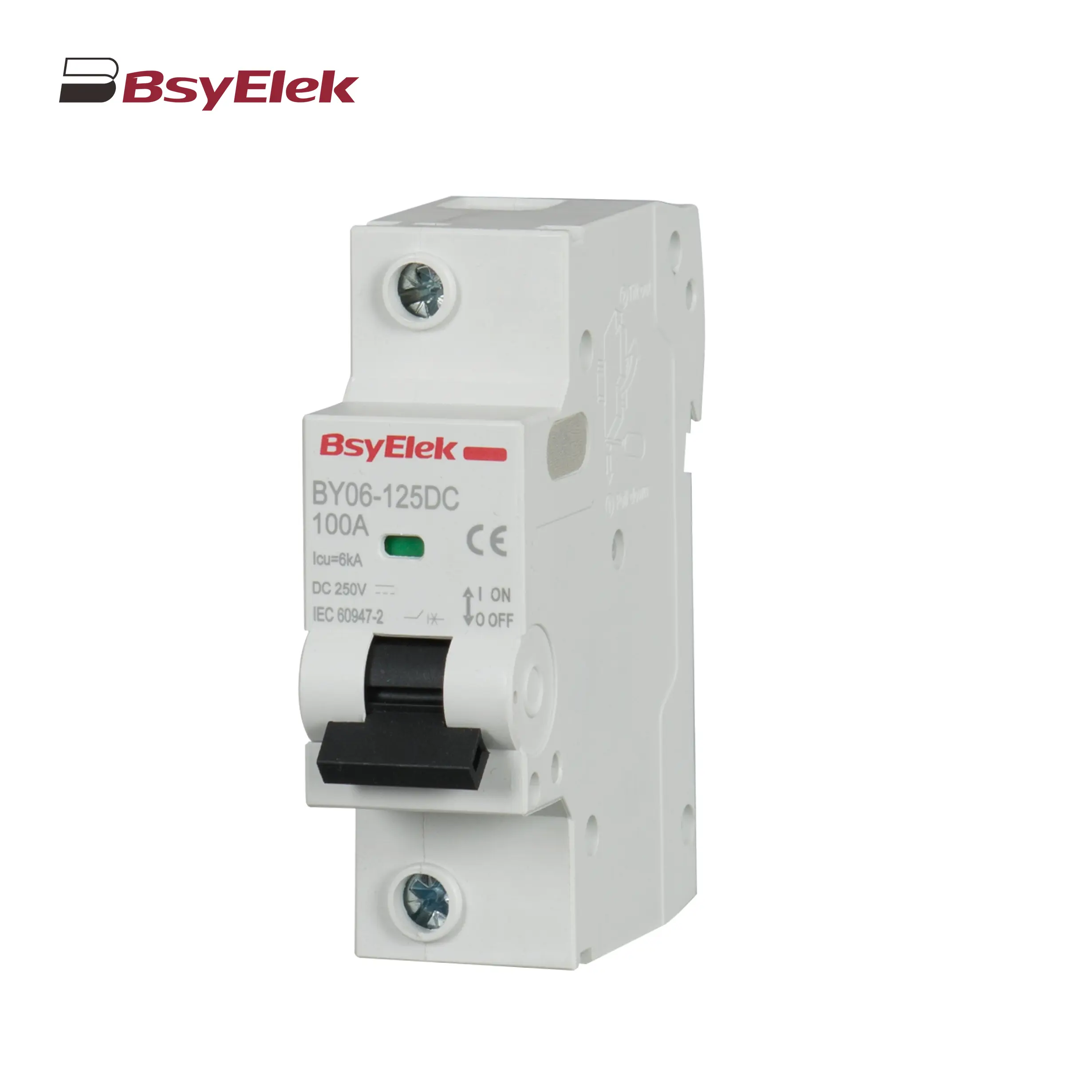
BY06-125 MCB 6KA Miniature Circuit Breaker
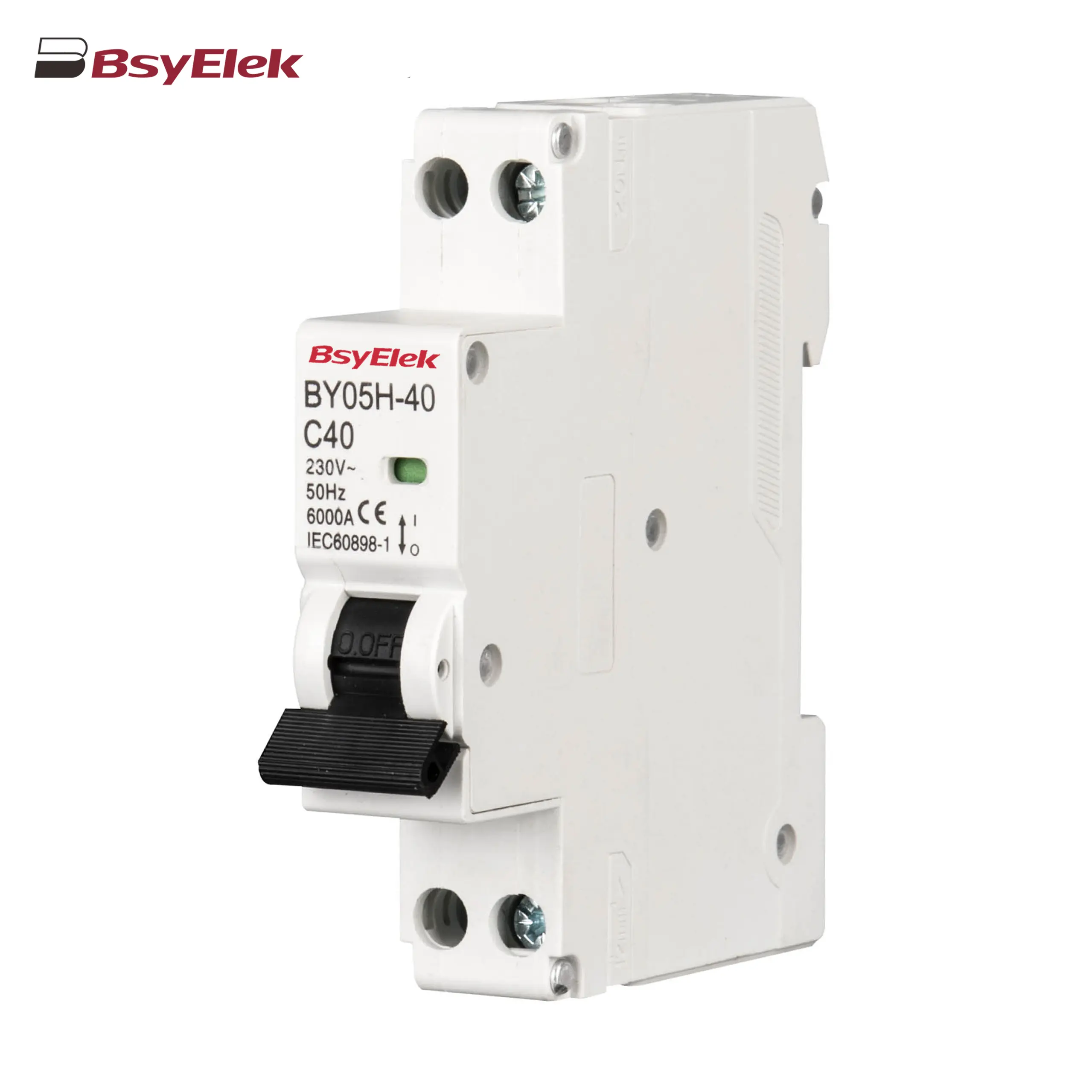
BY05H-40 MCB Single Modular 6KA Miniature Circuit Breaker
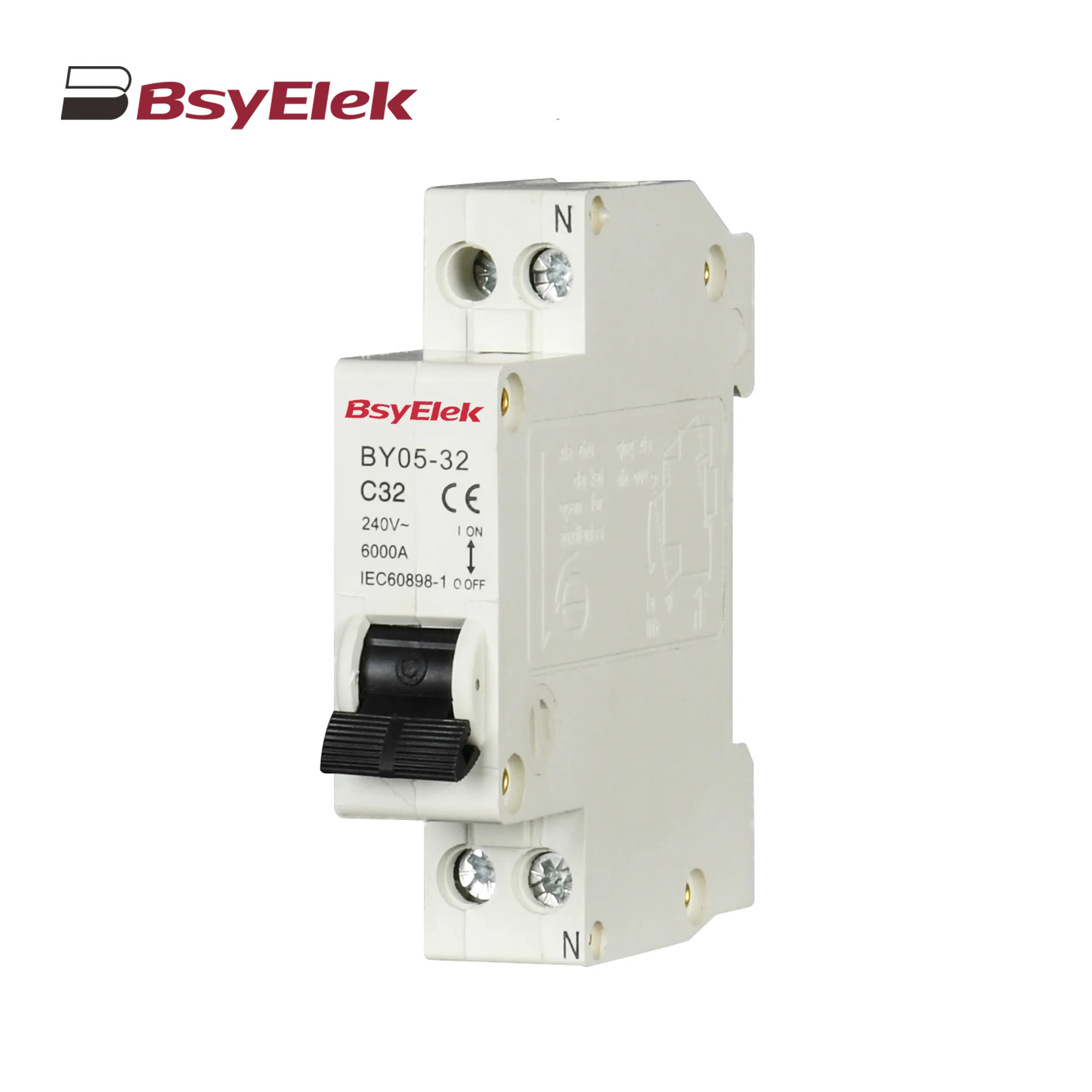
BY05-32 MCB Single Modular 3KA Miniature Circuit Breaker
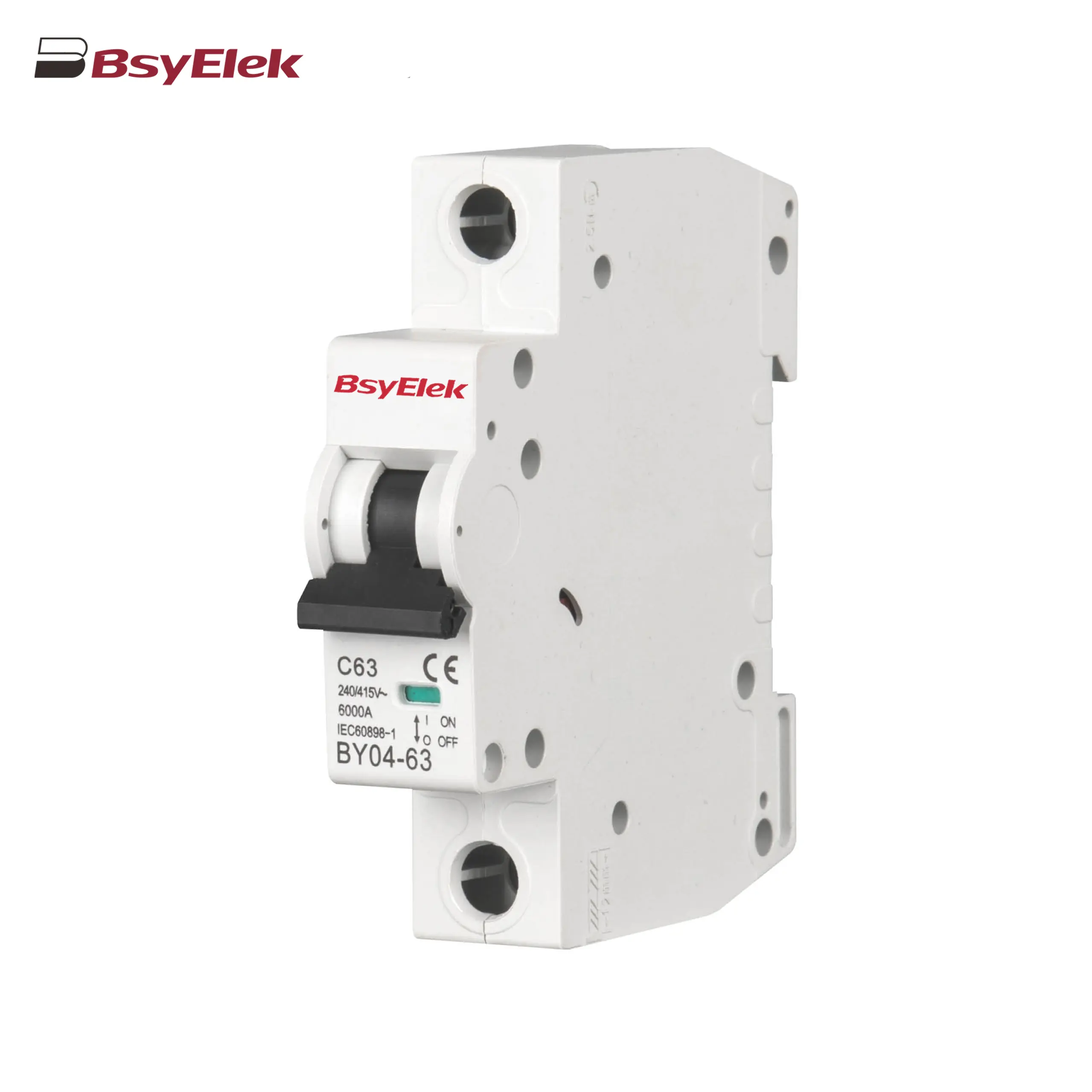
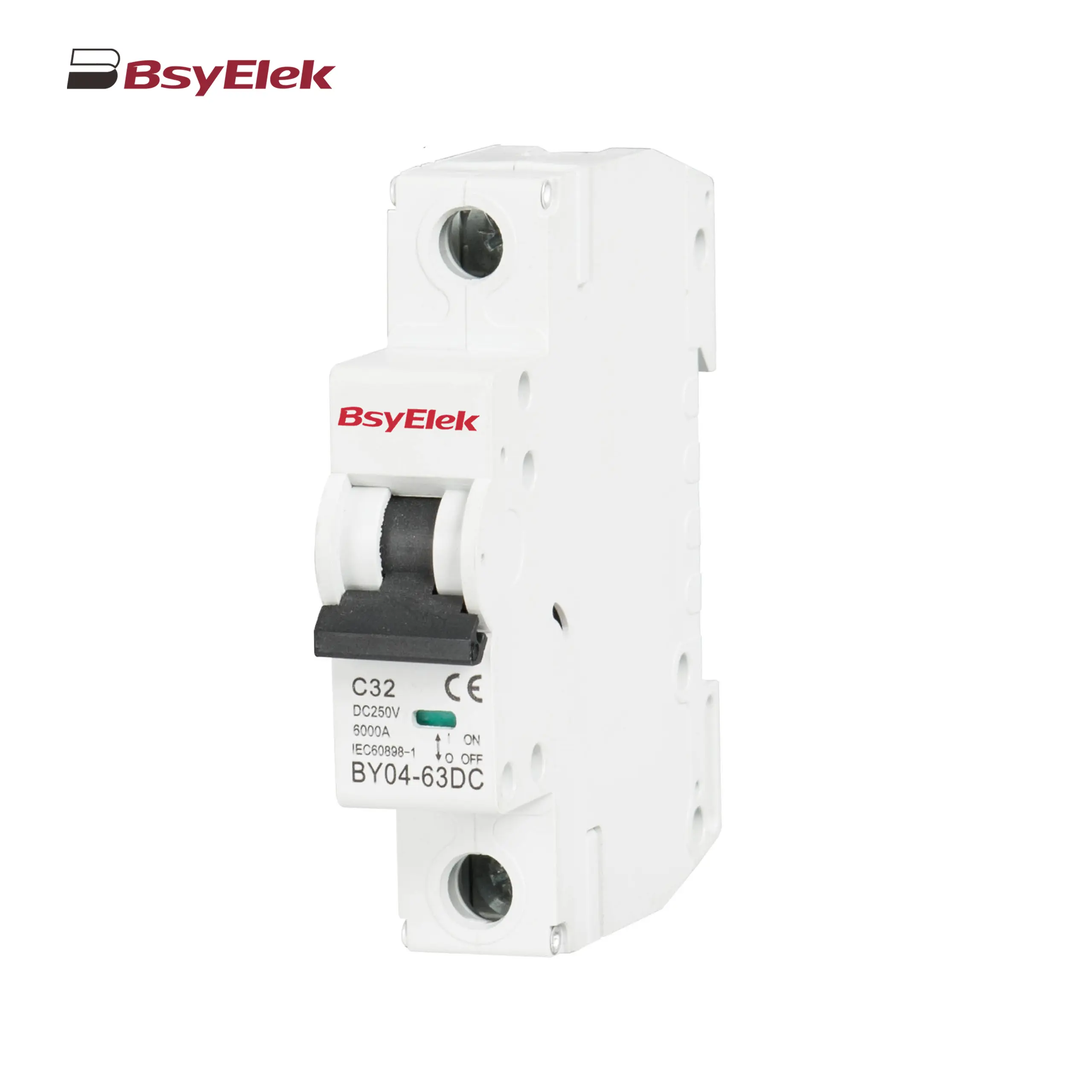
BY04-63 MCB 6-10KA Miniature Circuit Breaker
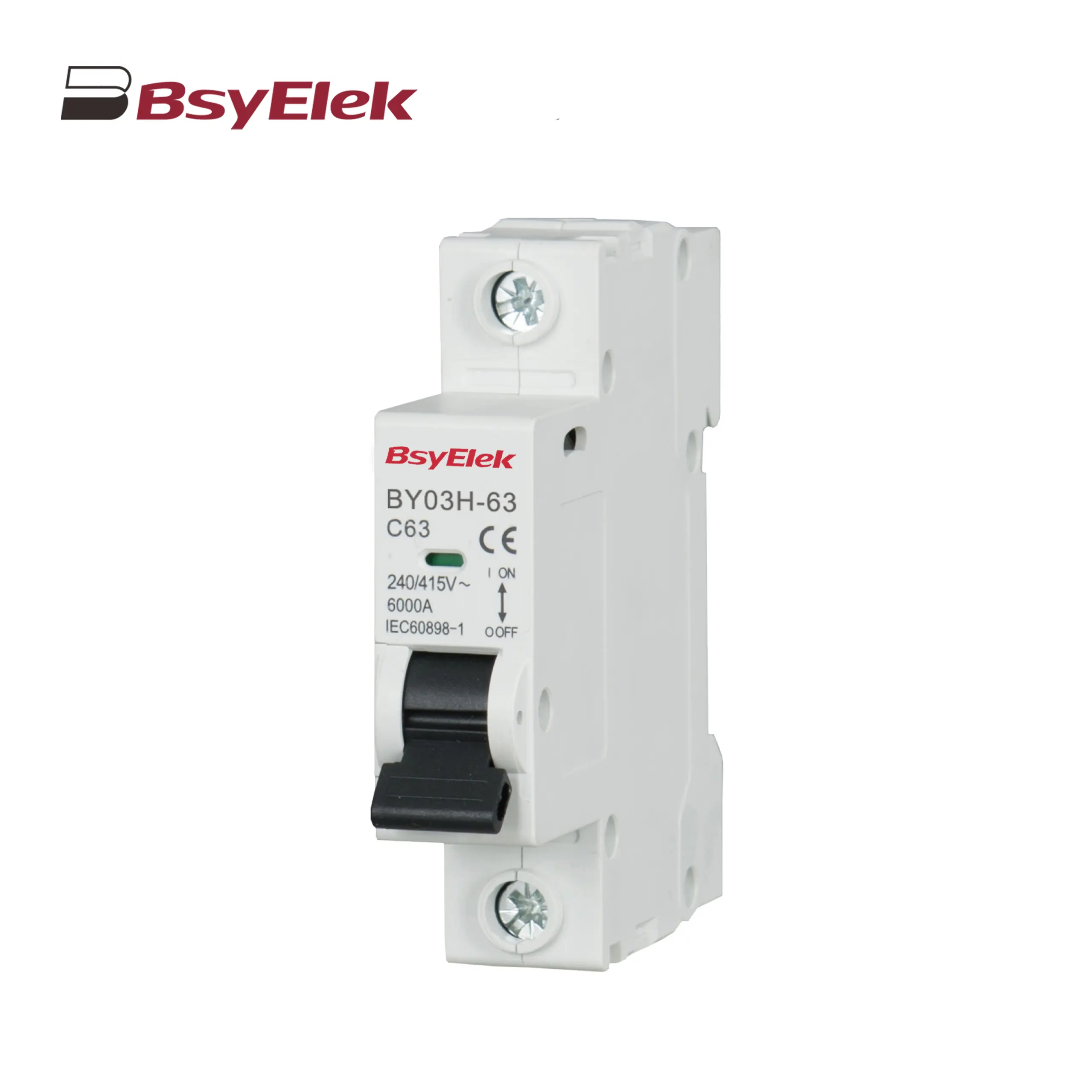
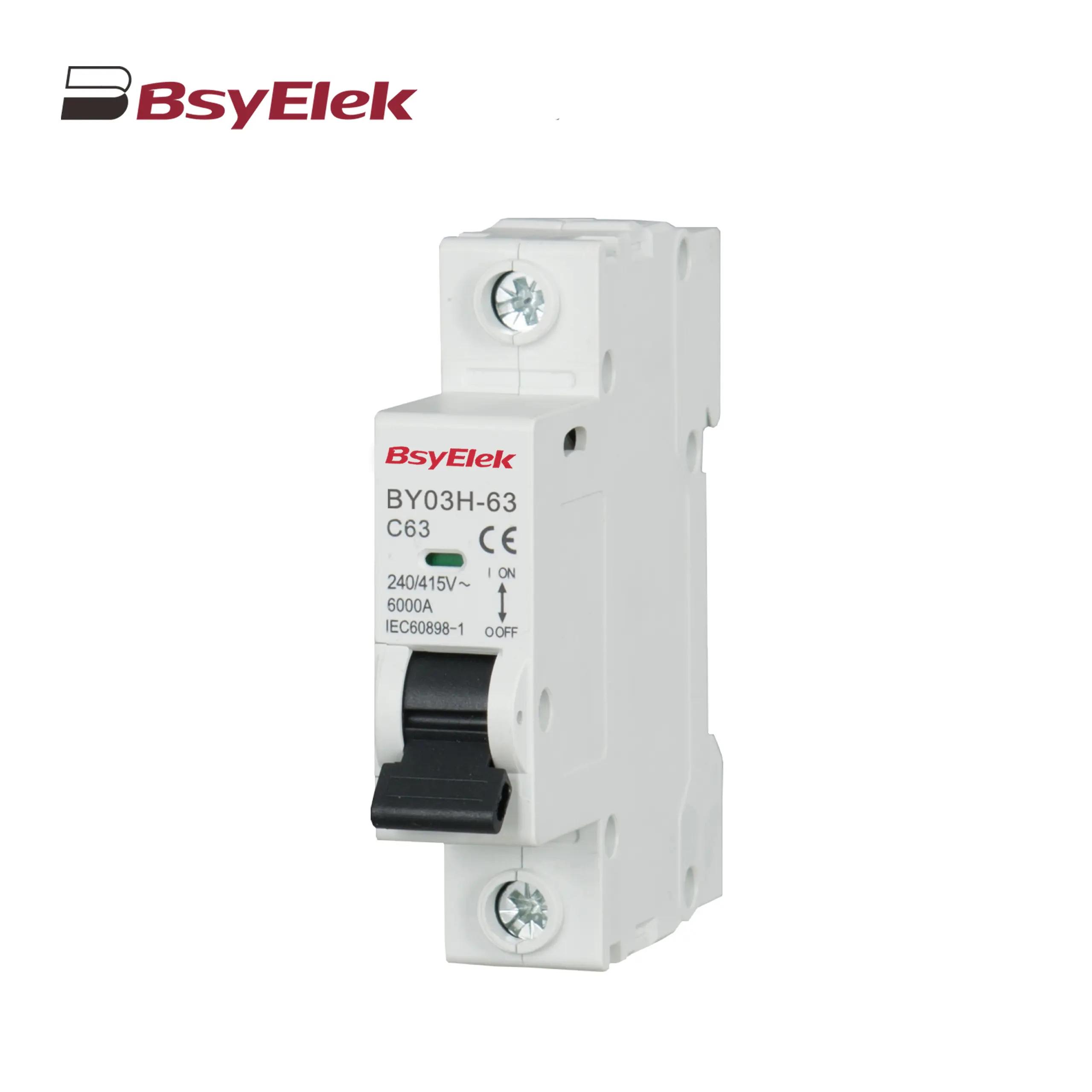
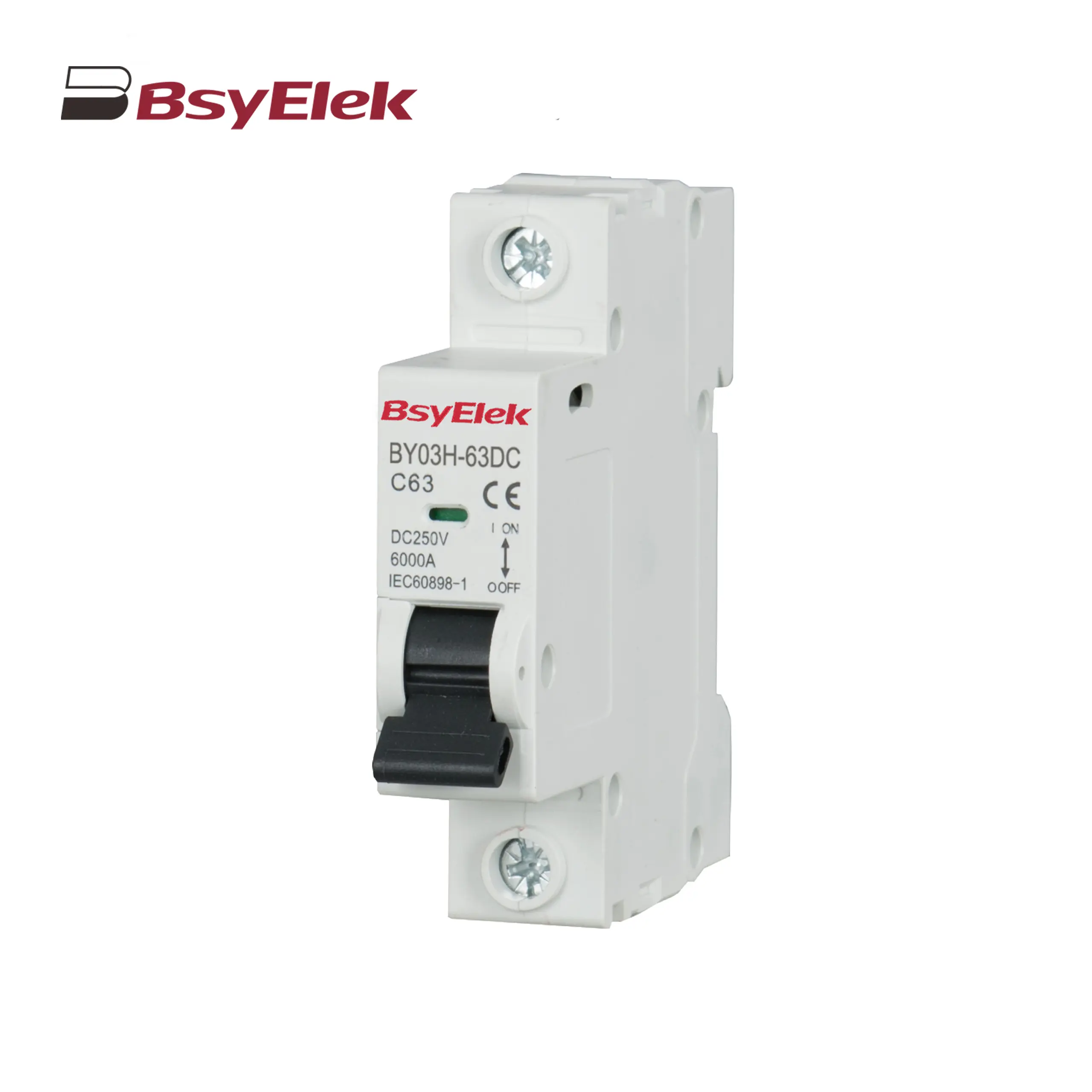
BY03H-63 MCB 6KA Miniature Circuit Breaker
BY03-63 MCB 4.5KA Miniature Circuit Breaker
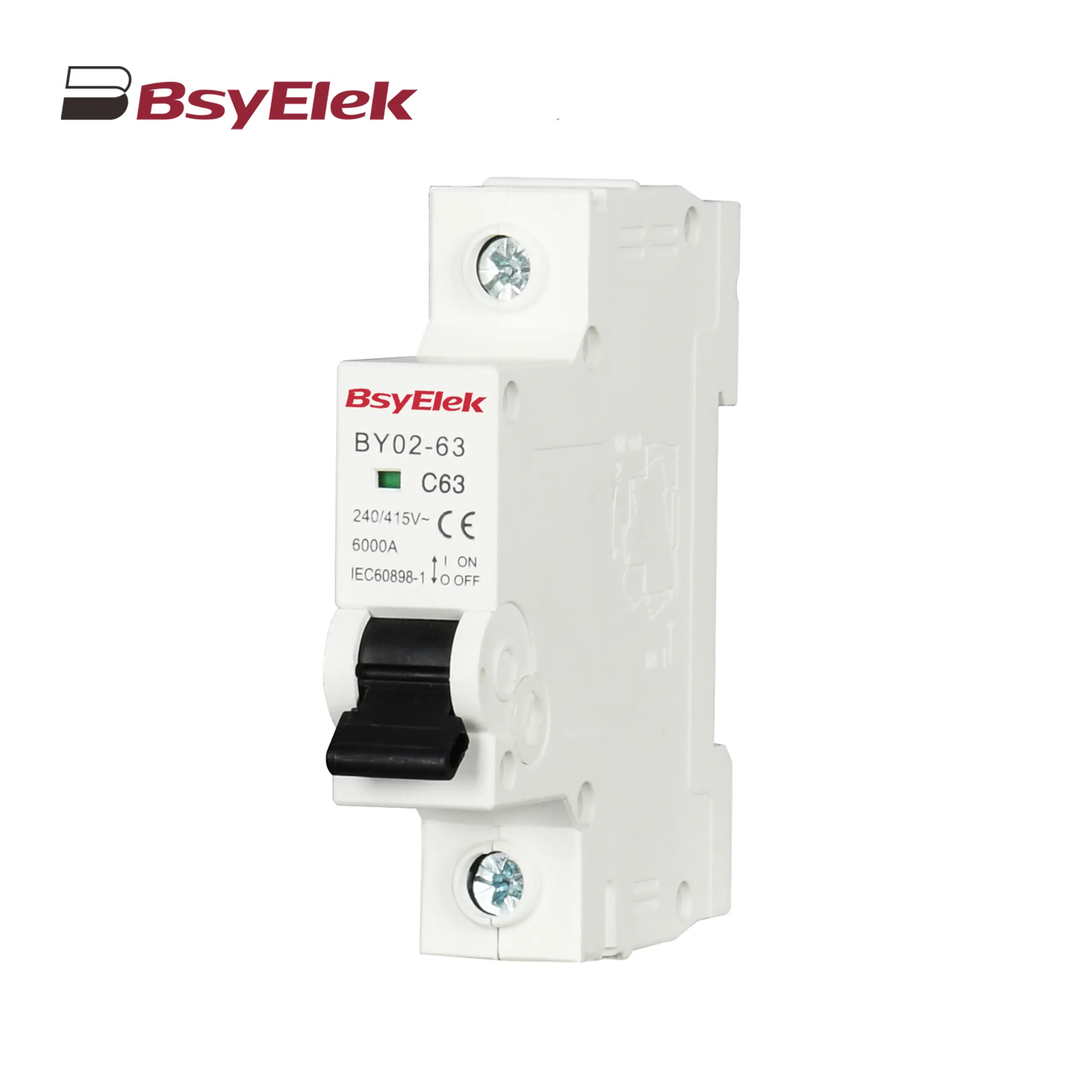
BY02-63 MCB 3kA Miniature Circuit Breaker
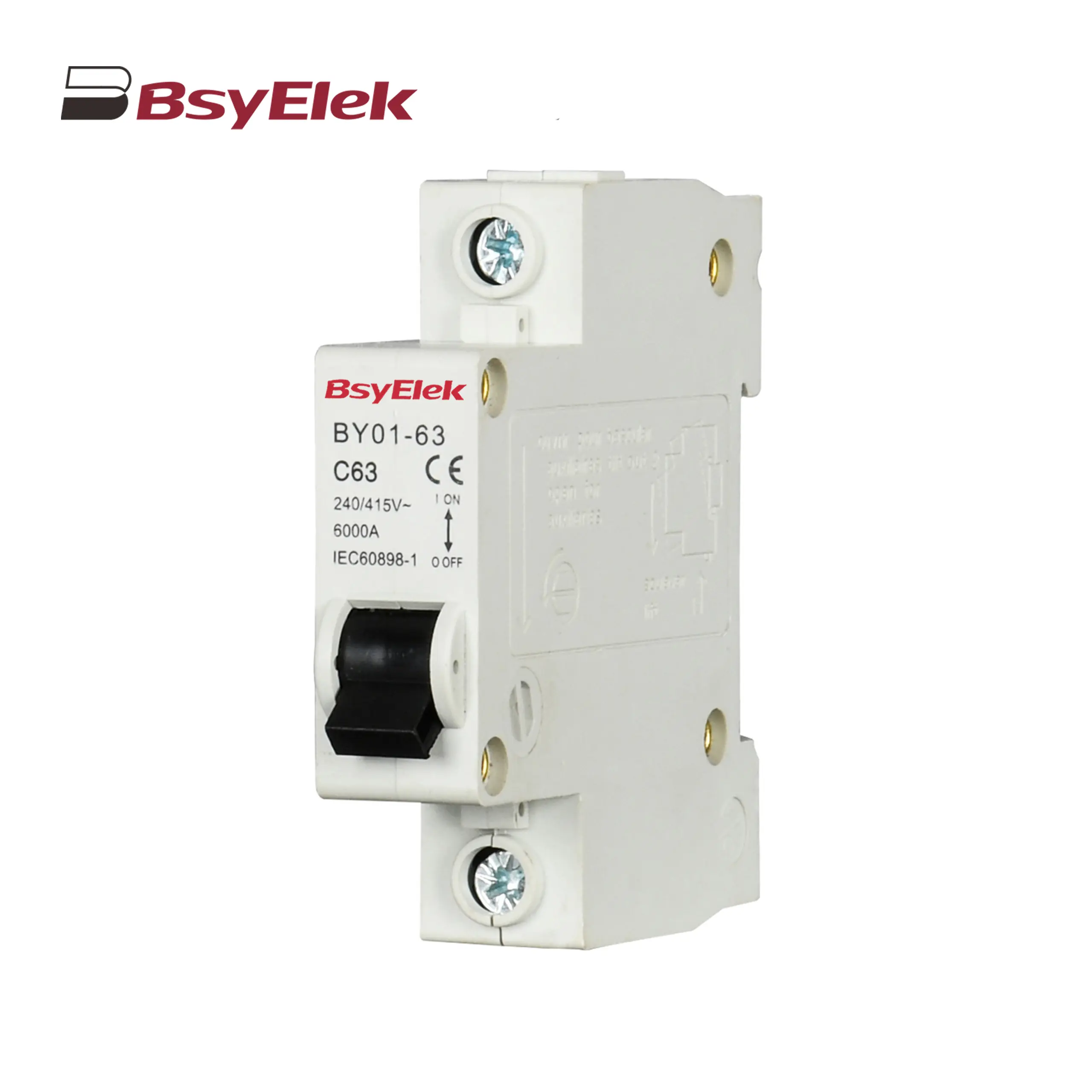
BY01-63 MCB 3kA Miniature Circuit Breaker
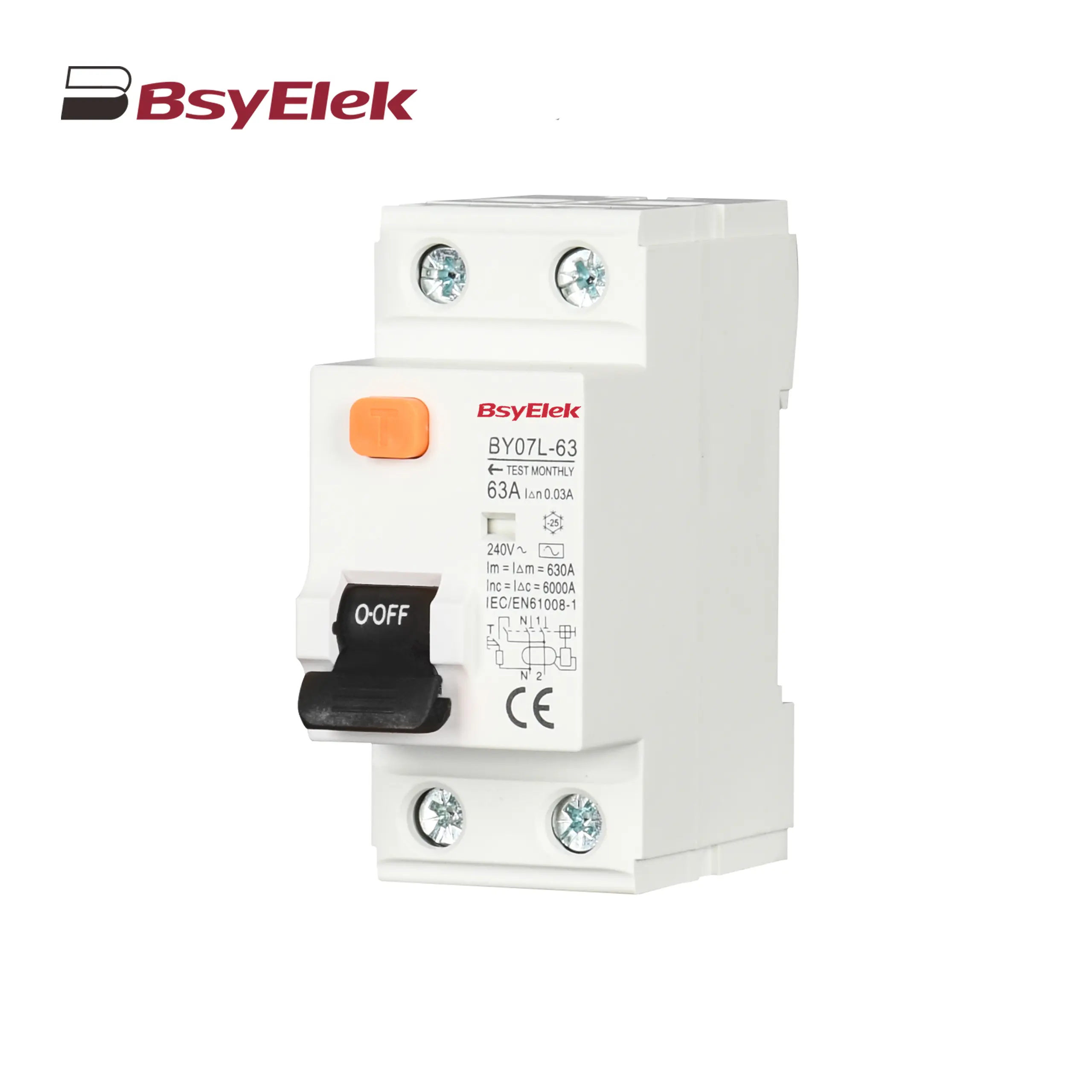
BY07L-63 RCCB 6KA Residual Current Circuit Breaker
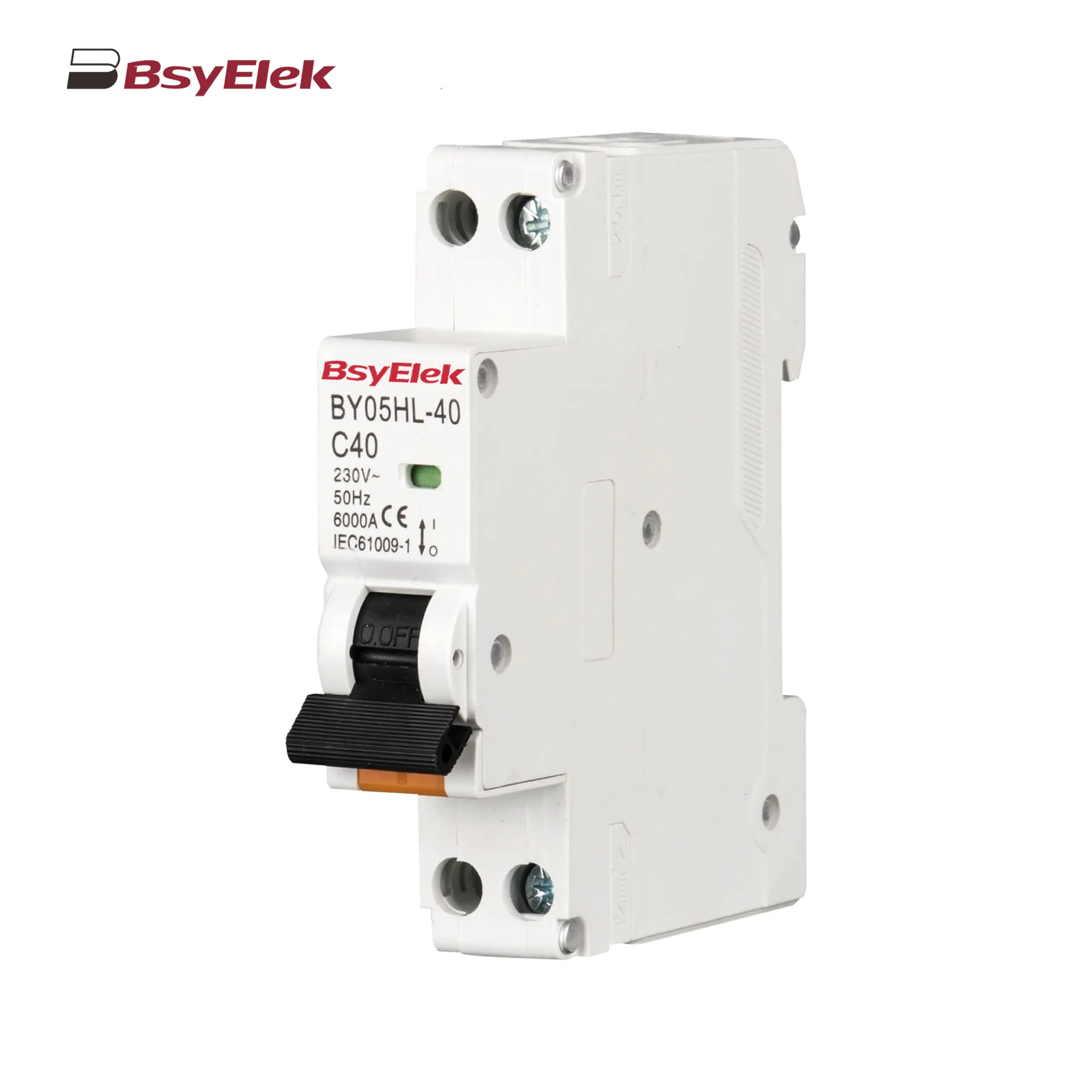
BY05HL-40 RCBO 6KA Residual Current Circuit Breaker with Over-current Protection
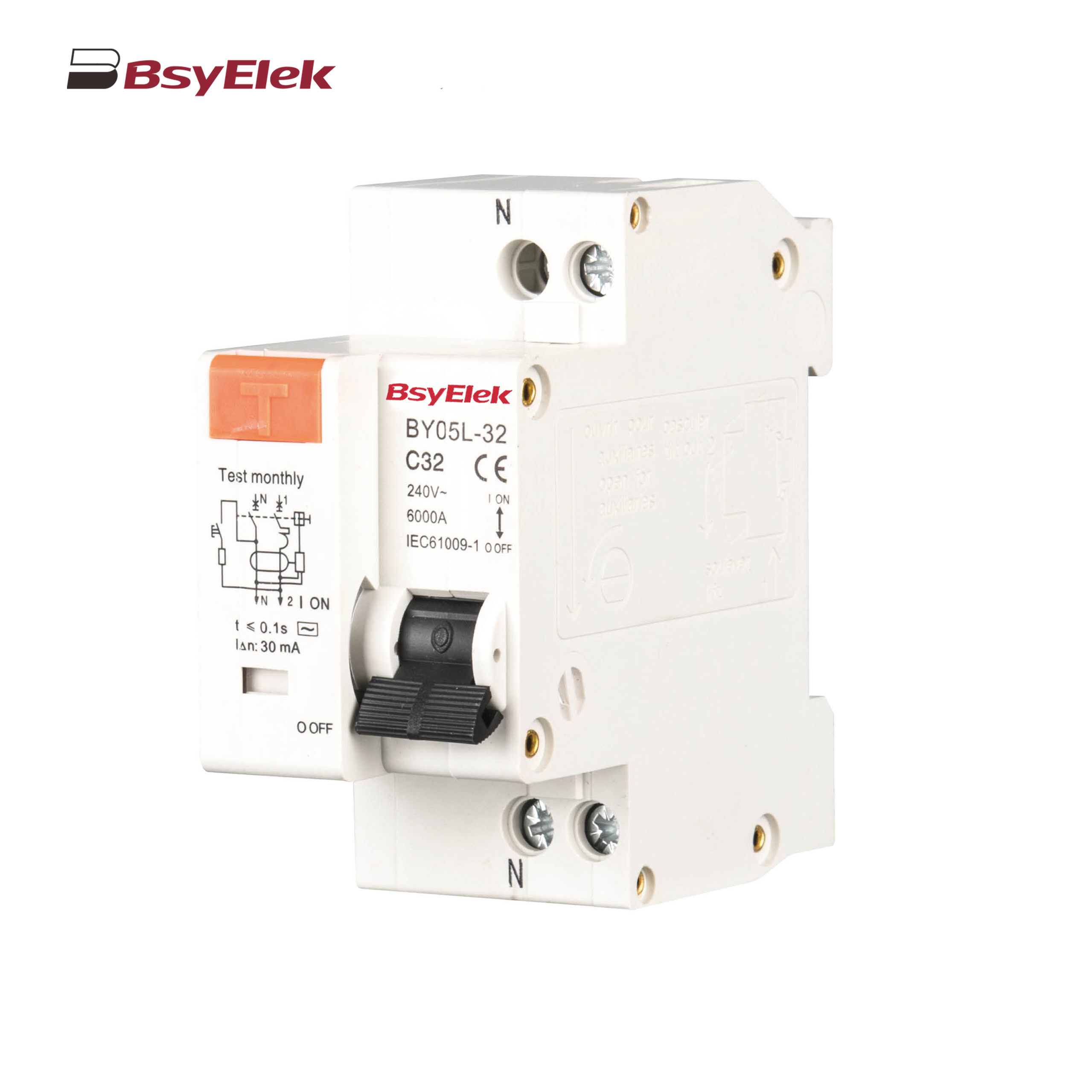
BY05L-32 RCBO 3KA Residual Current Circuit Breaker with Over-current Protection
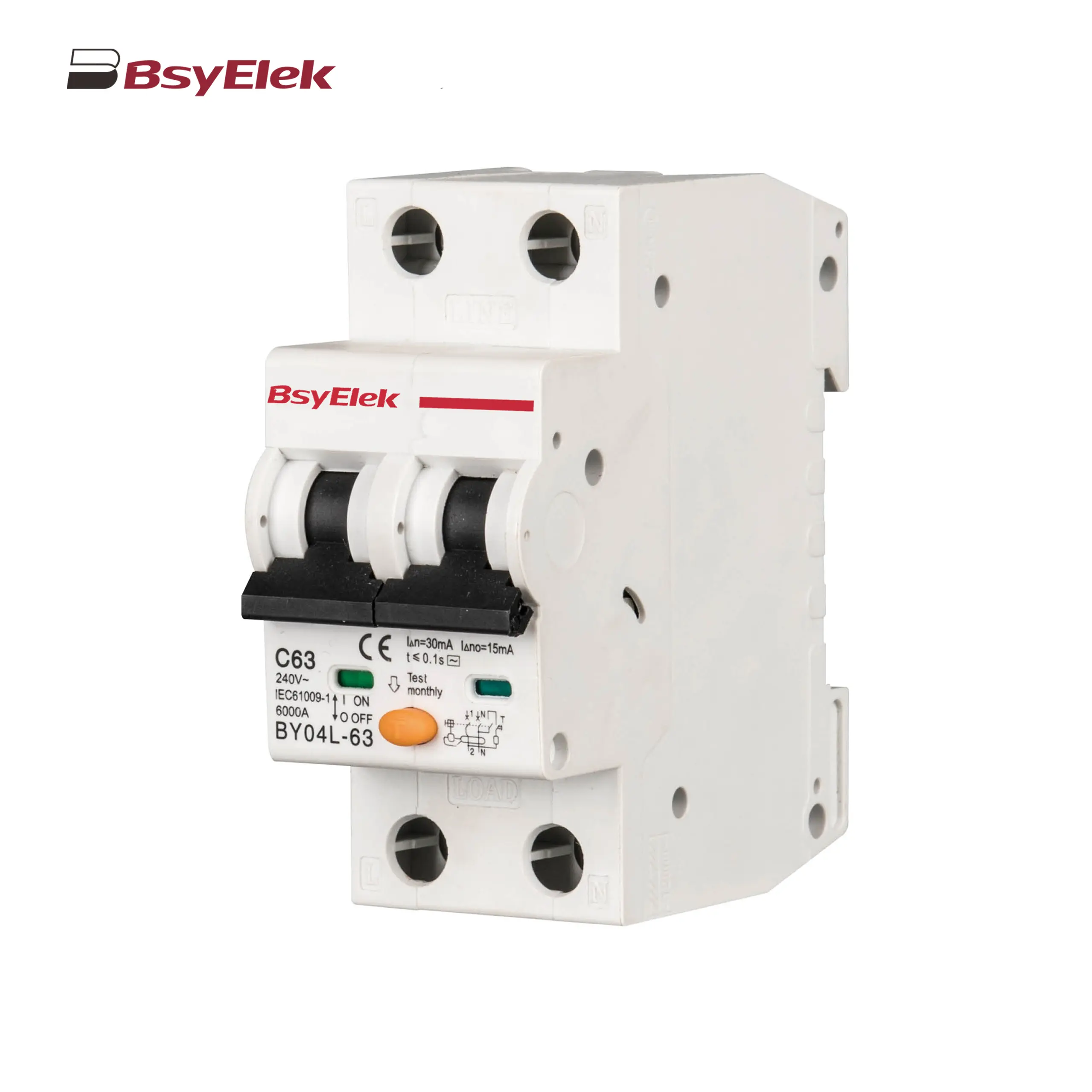
BY04L-63 RCBO 6KA Residual Current Circuit Breaker with Over-current Protection
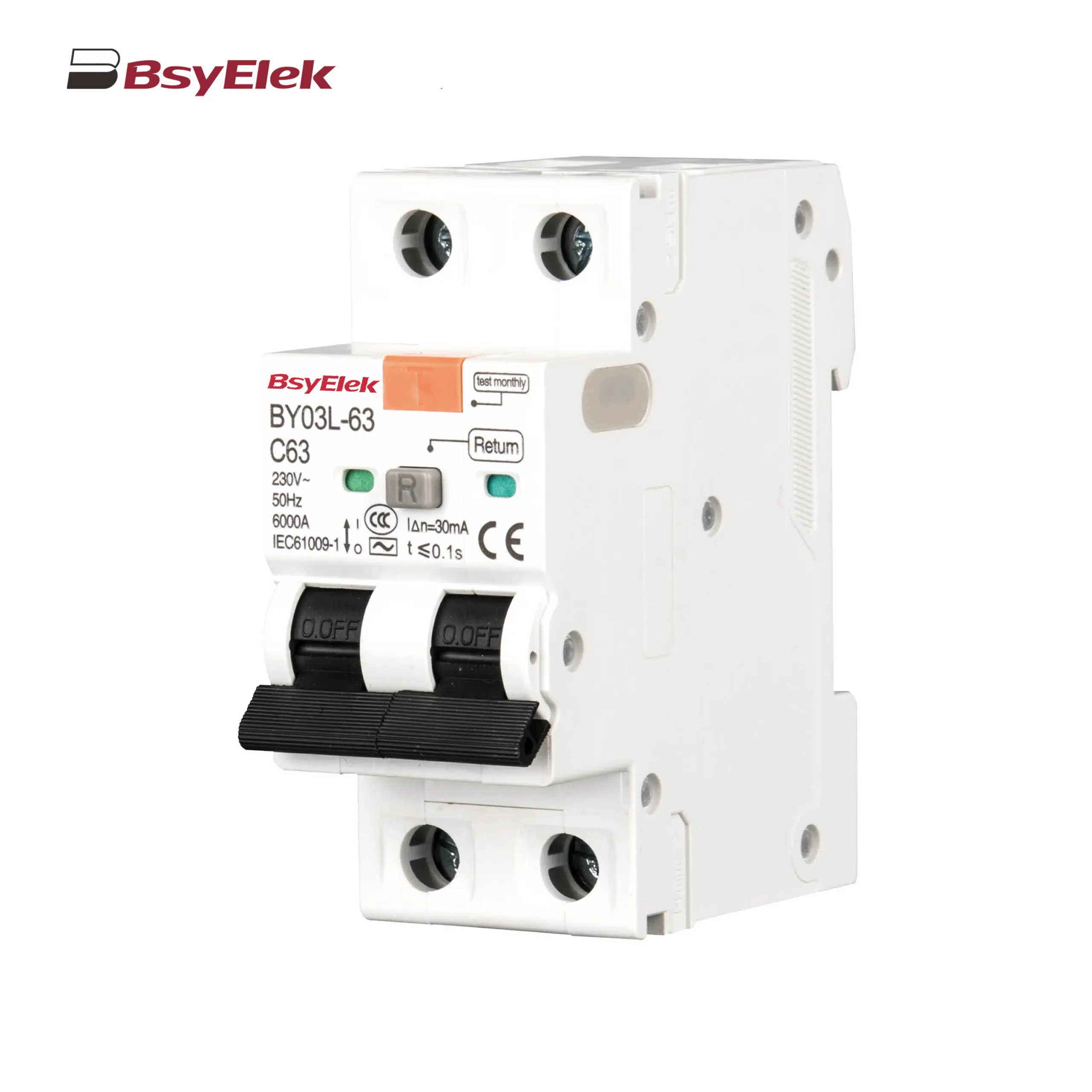
BY03L-63 RCBO 4.5KA Residual Current Circuit Breaker with Over-current Protection
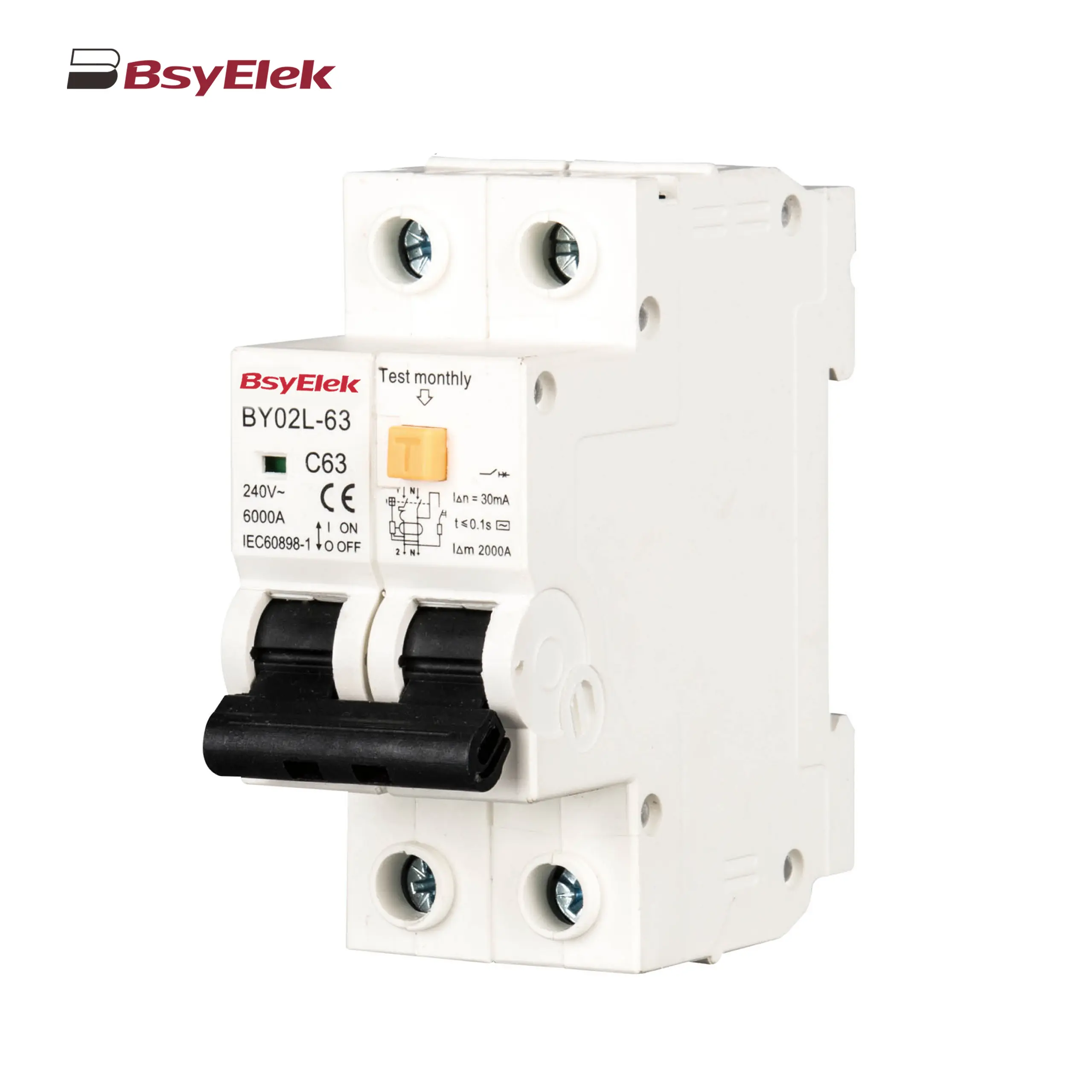
BY02L-63 RCBO 3KA Residual Current Circuit Breaker with Over-current Protection
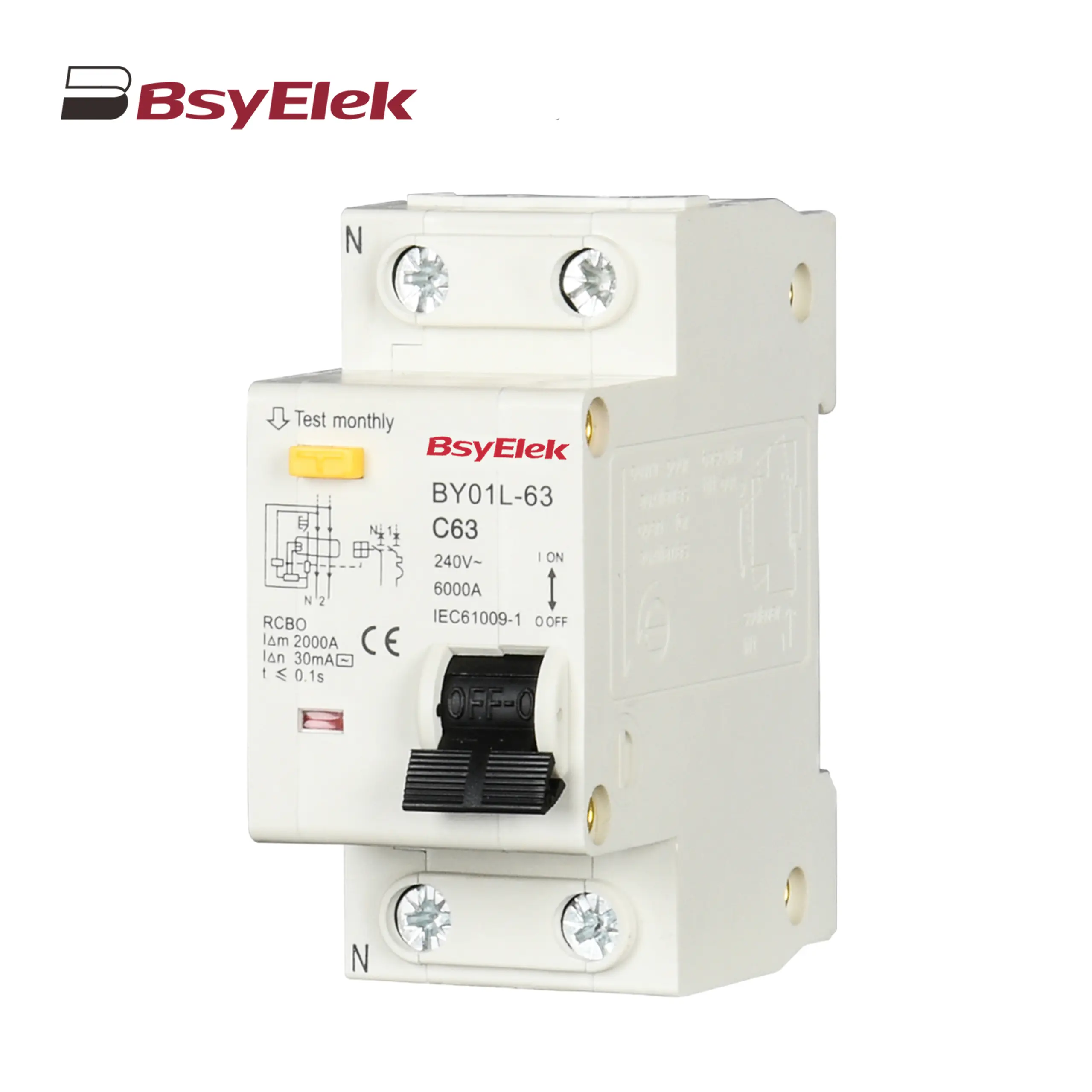
BY01L-63 RCBO 1P+N 3KA Residual Current Circuit Breaker with Over-current Protection
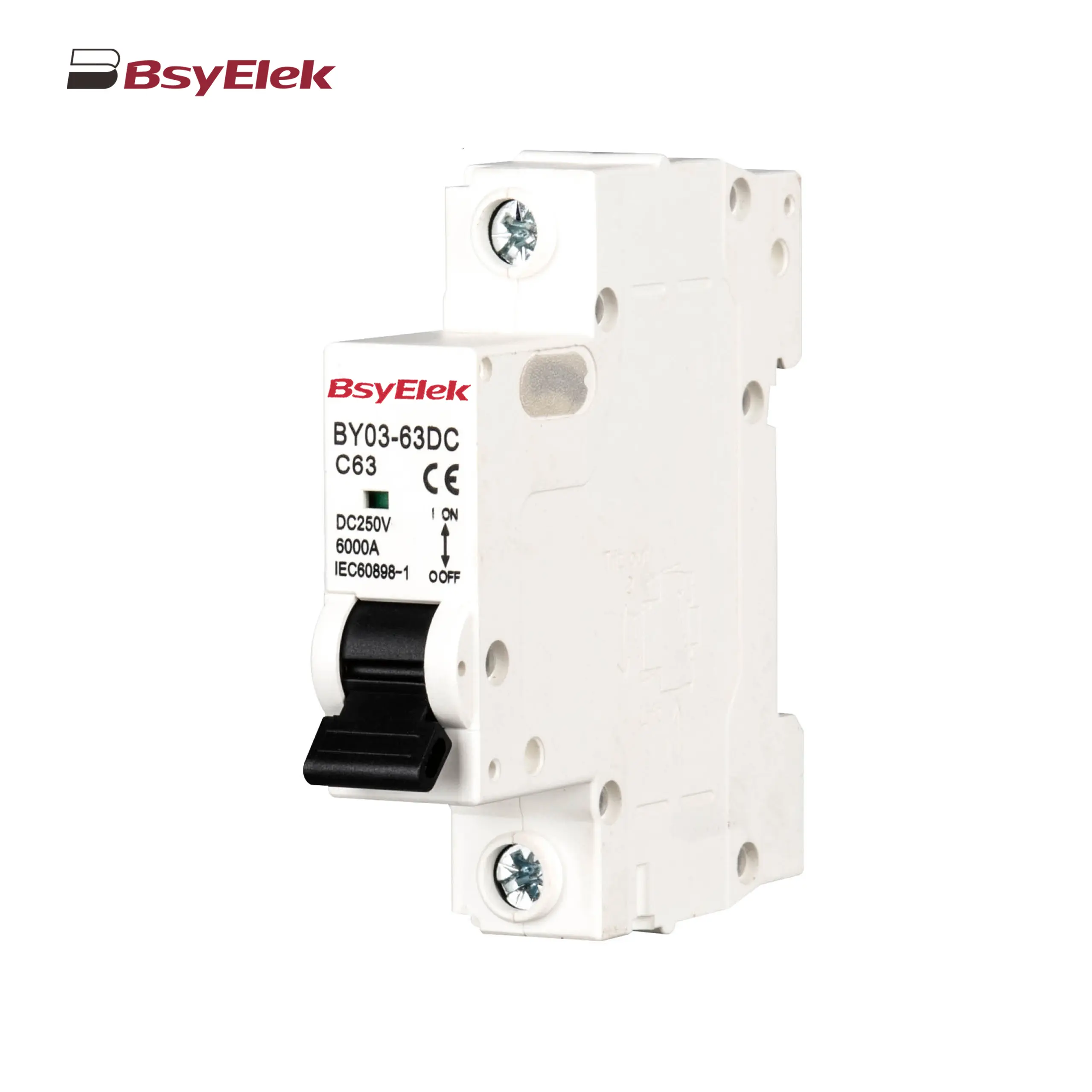
BY06H-125DC MCB 10-15kA DC Miniature Circuit Breaker
BY06-125DC MCB 6kA DC Miniature Circuit Breaker
BY04-63DC MCB 6-10kA DC Miniature Circuit Breaker
BY03H-63DC MCB 6kA DC Miniature Circuit Breaker
BY03-63DC MCB 4.5kA DC Miniature Circuit Breaker
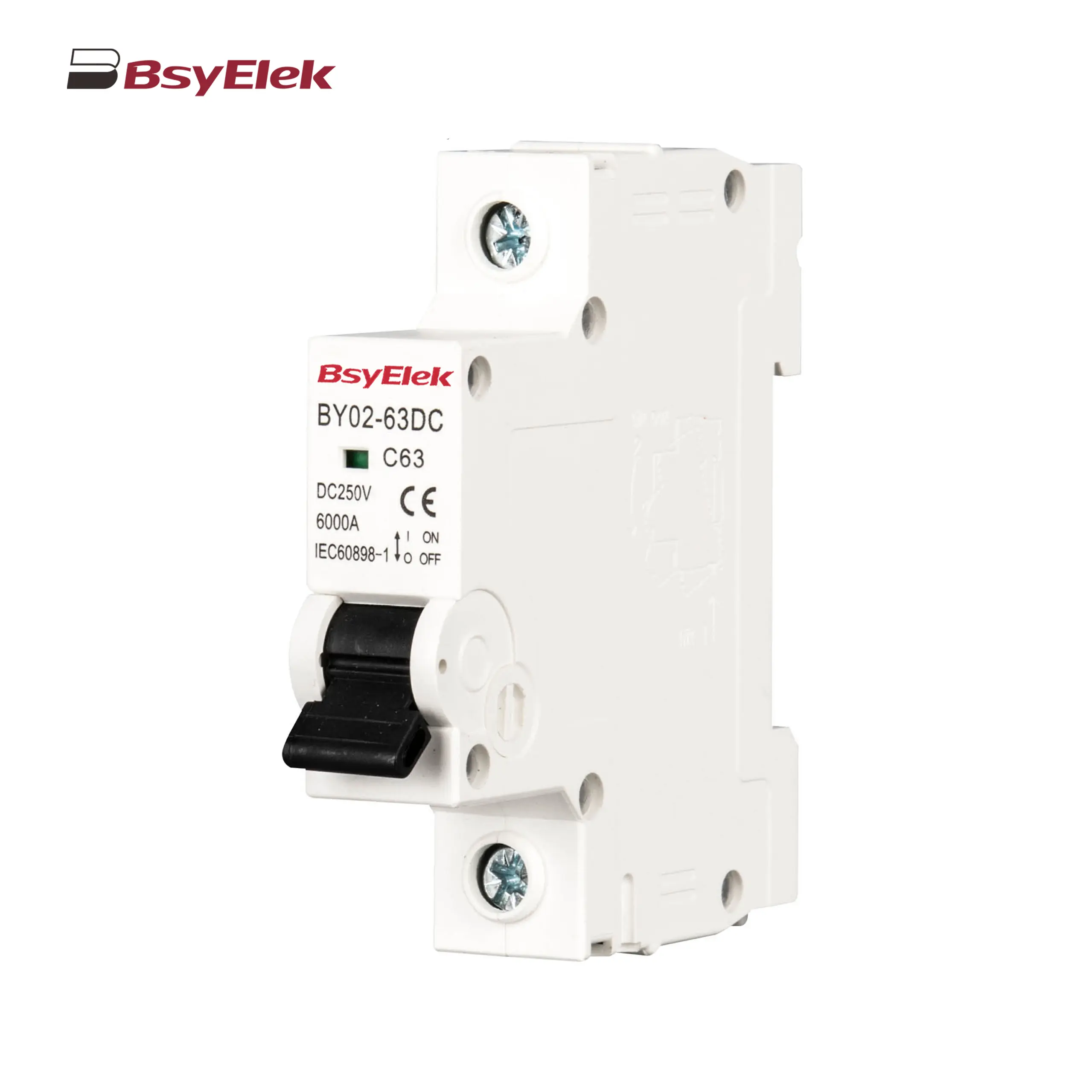
BY02-63DC MCB 3kA DC Miniature Circuit Breaker
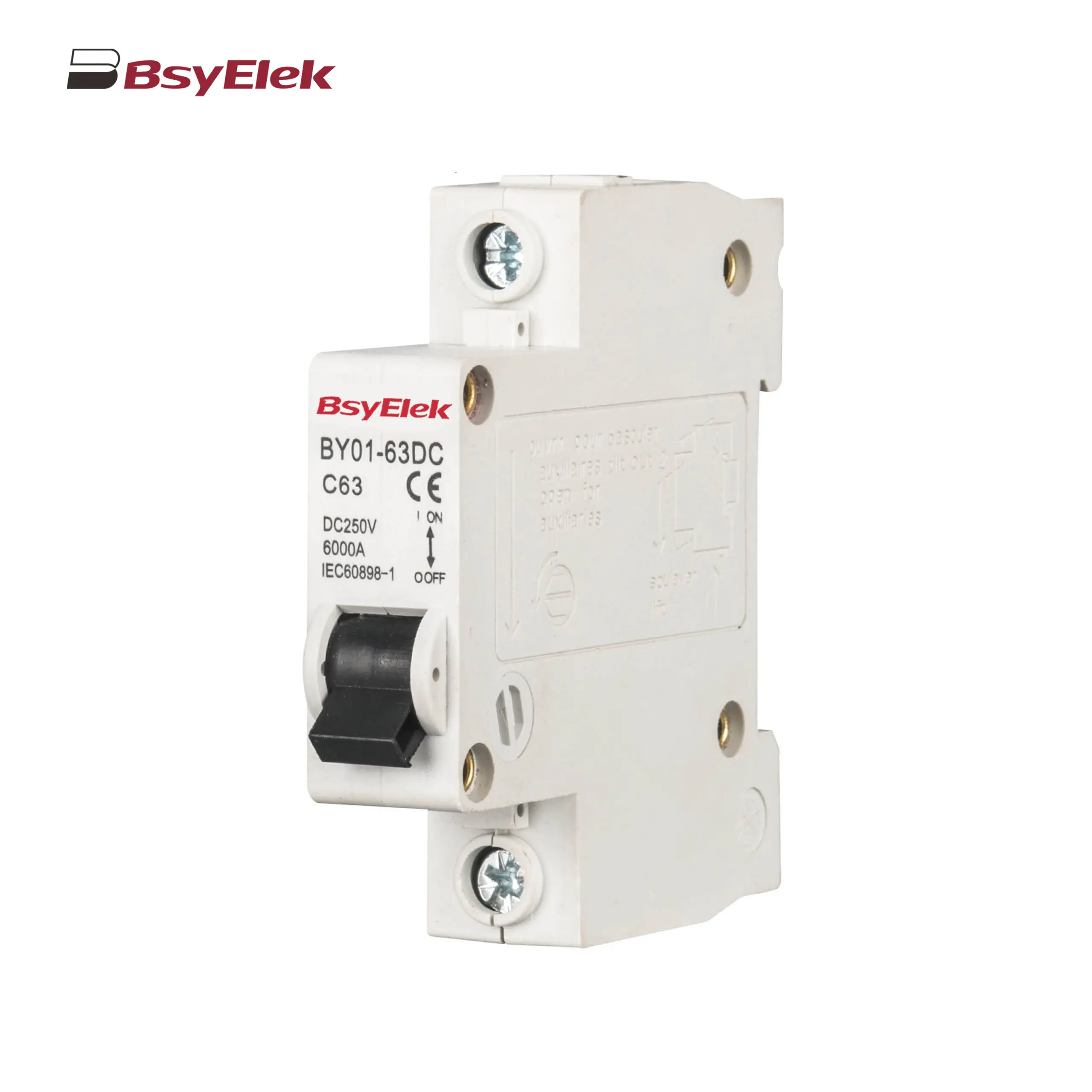
BY01-63DC MCB 3kA DC Miniature Circuit Breaker
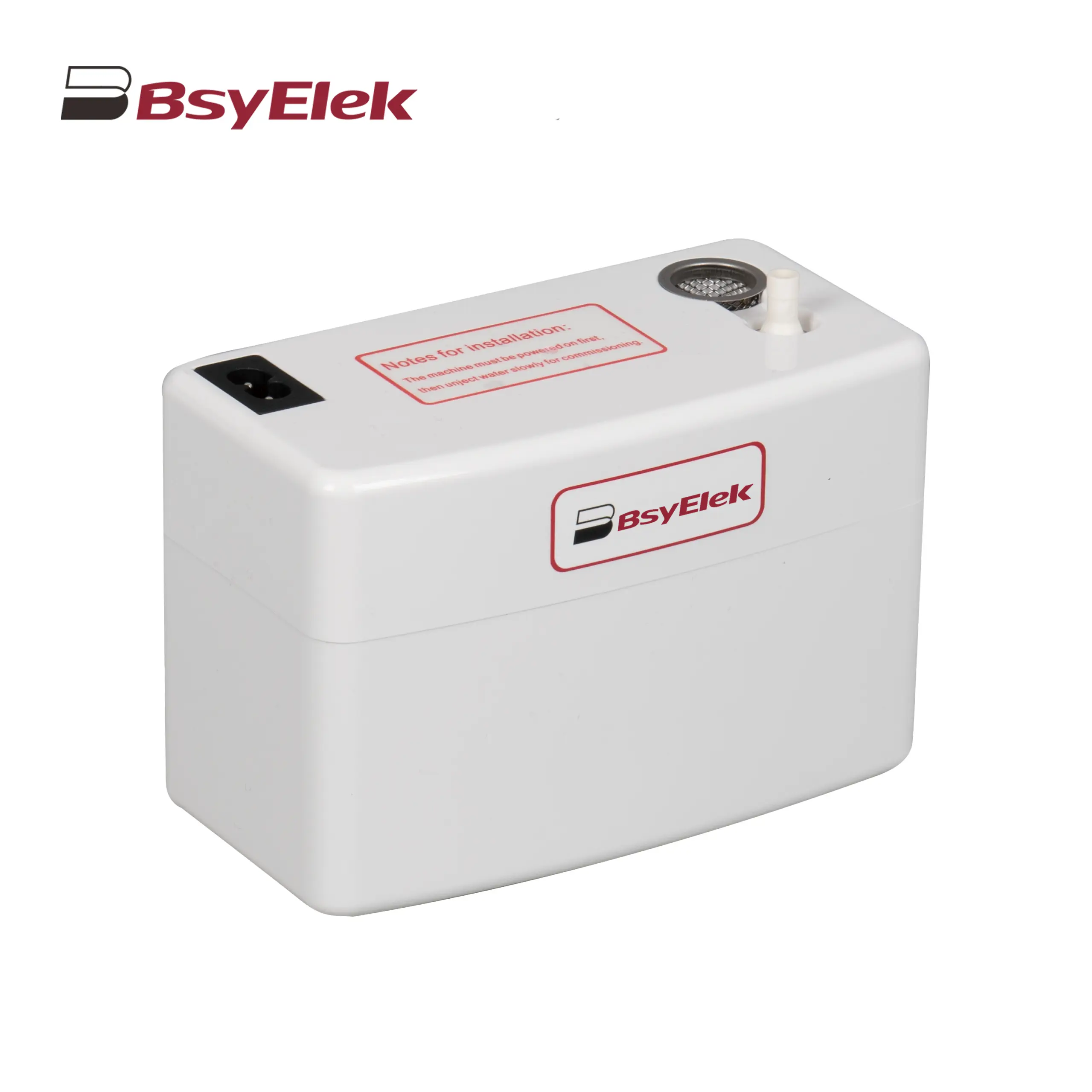
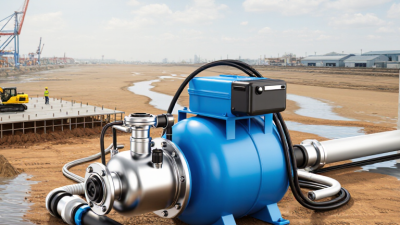
BY-5018 1.8M Engineering Drainage Pump
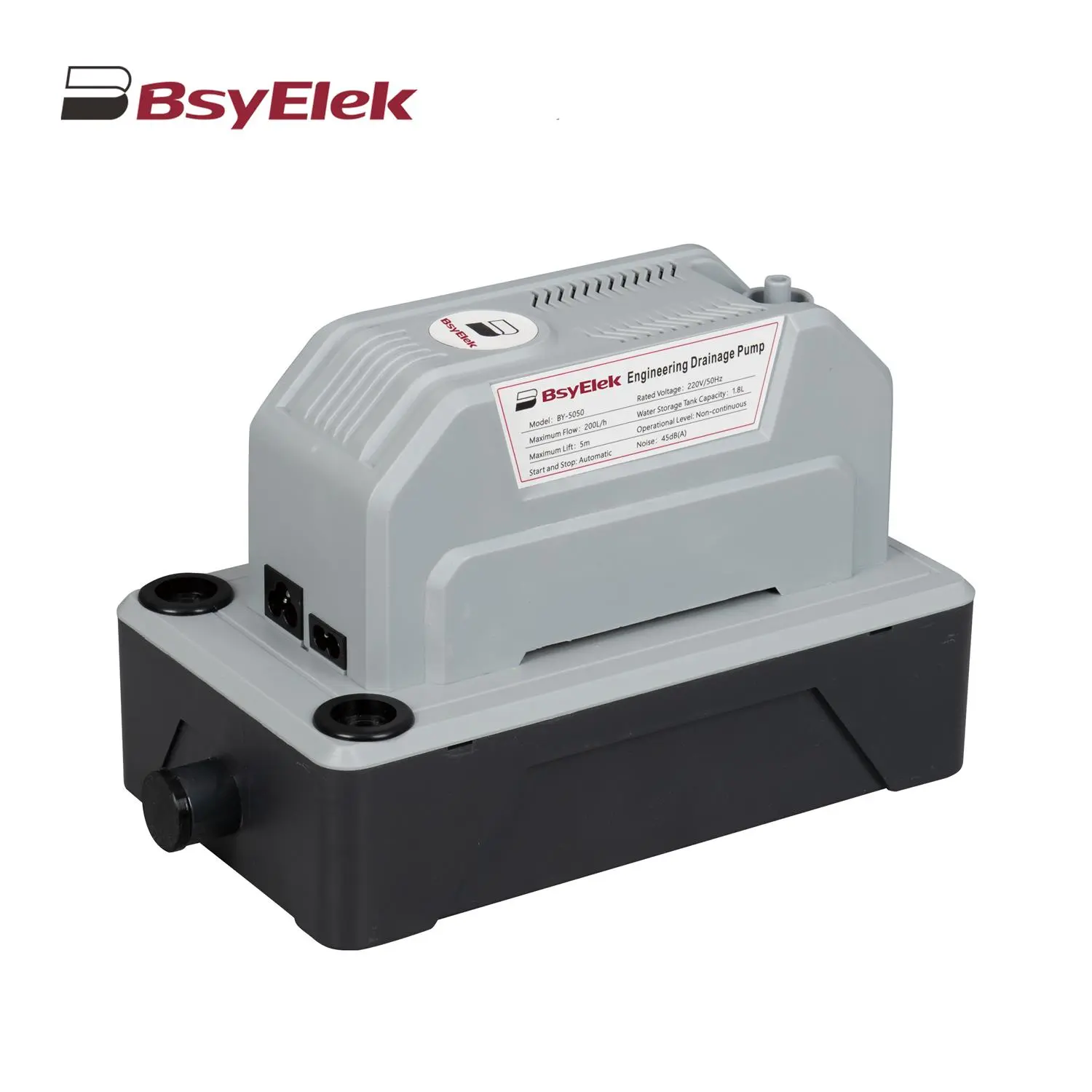
BY-5050 5M Engineering Drainage Pump
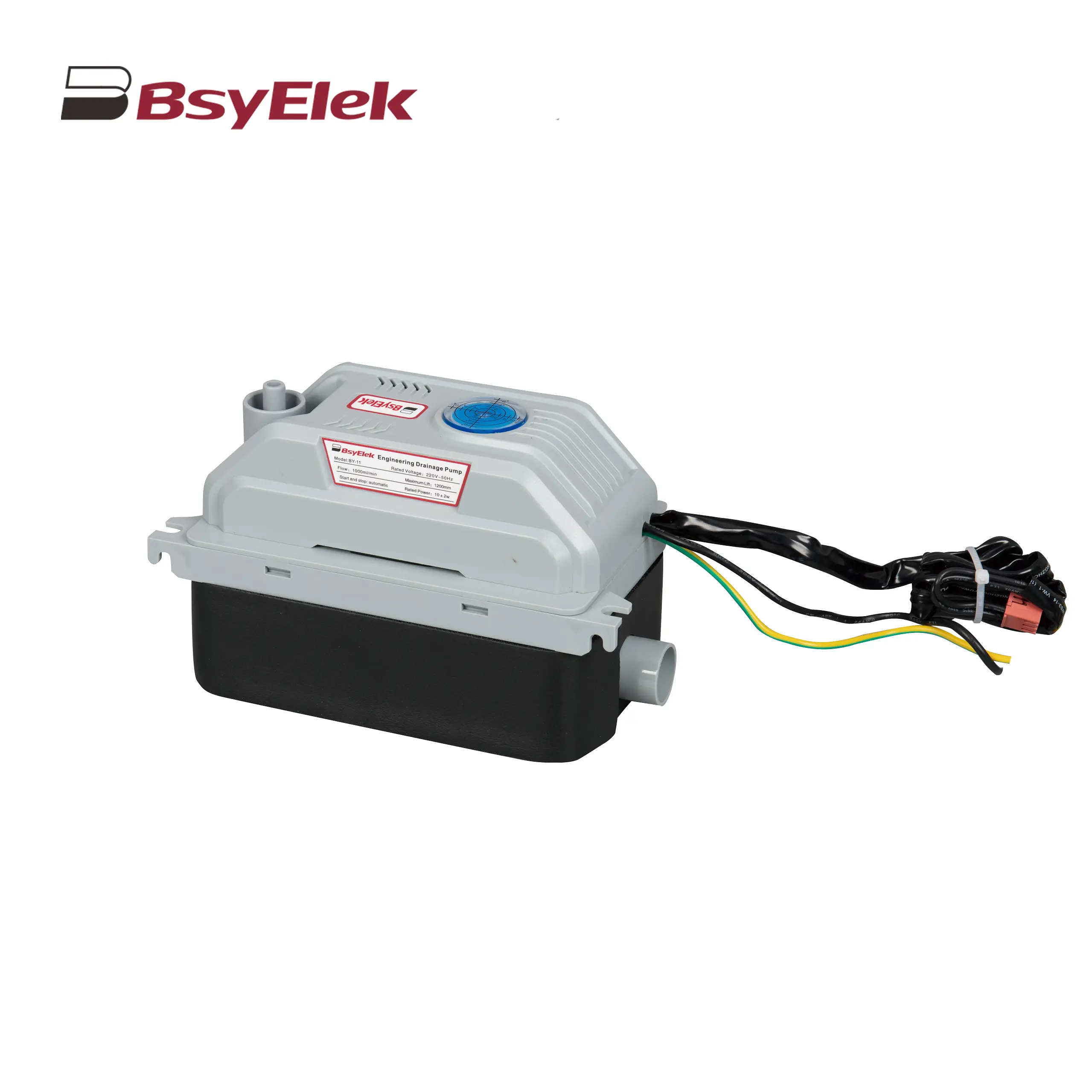
BY-11 1.2M Engineering Drainage Pump
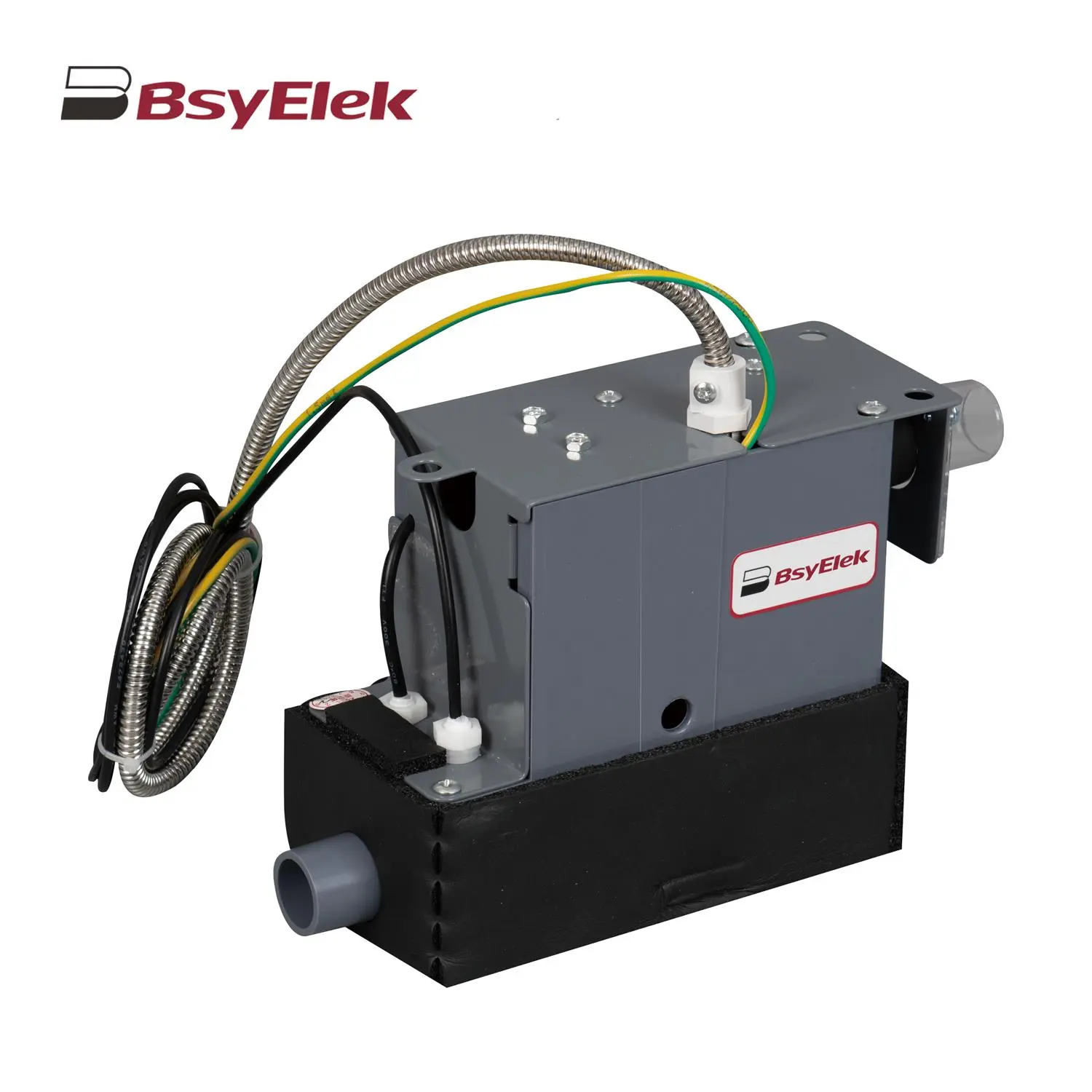
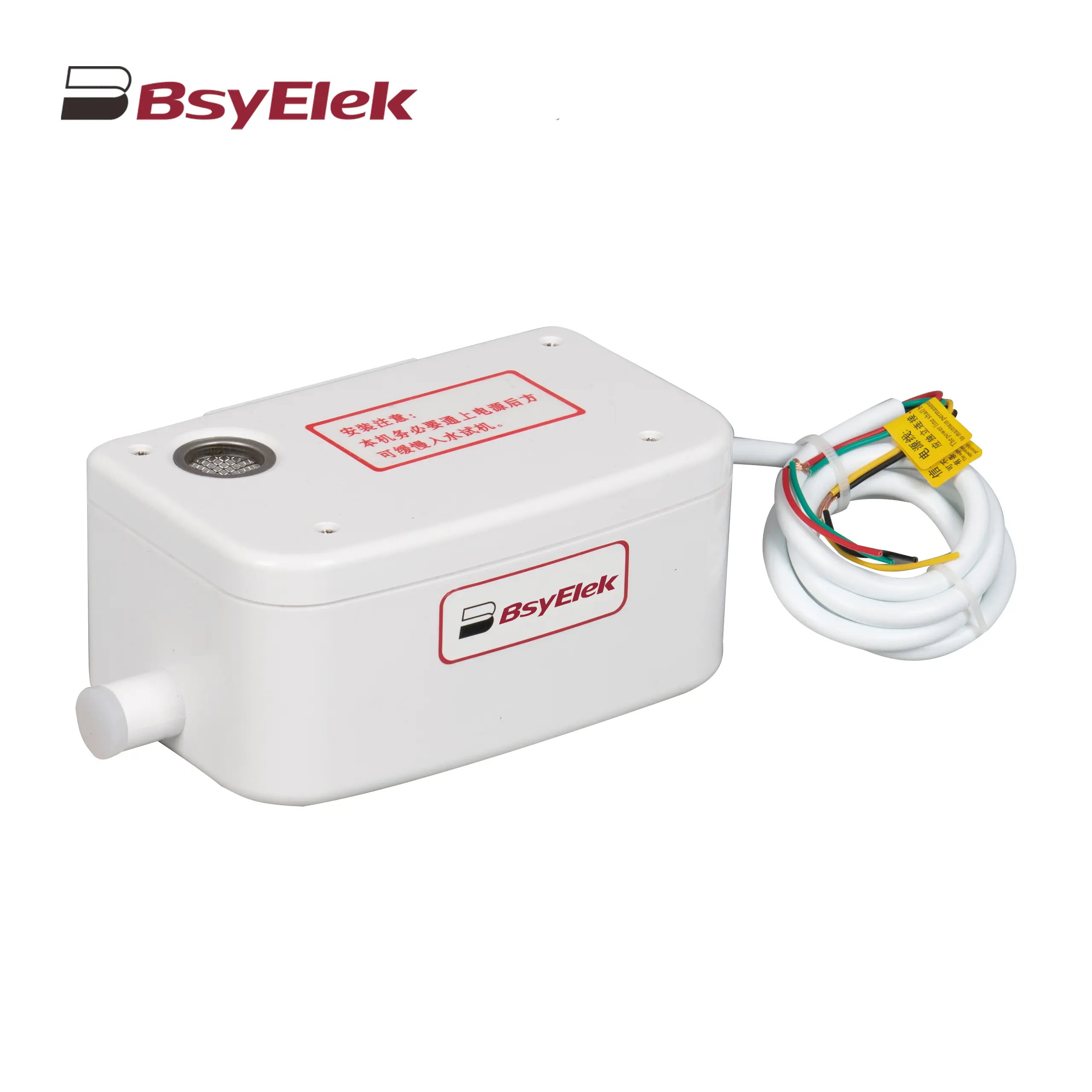
SBH-05 0.7M Original Drainage Pump of Duct Type Air Conditioner
BY-24A/40A 10M Drainage Pump of Air Conditioner
BY-50A 12M Drainage Pump of Air Conditioner
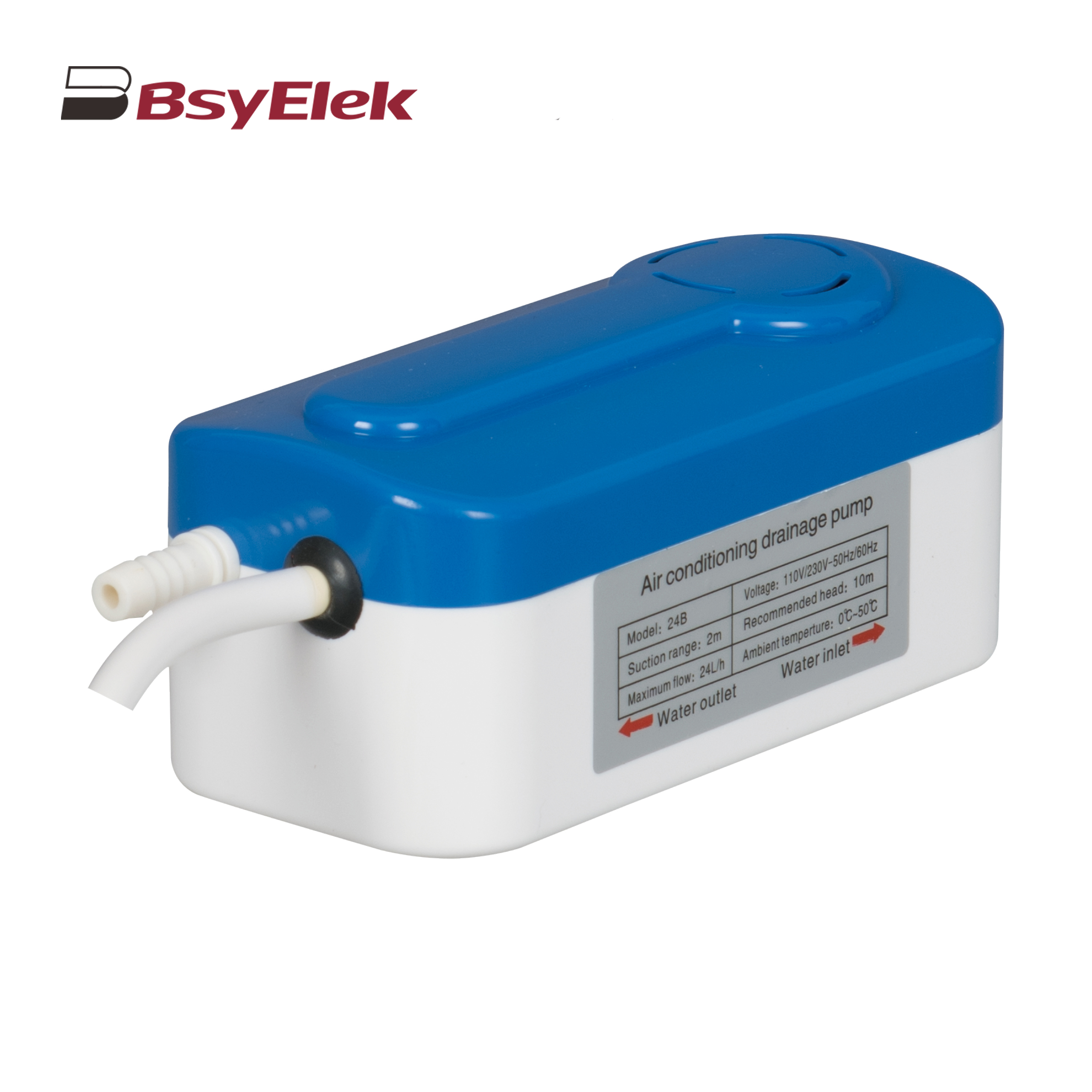
BY-24B/40B 10M Split Type Drainage Pump
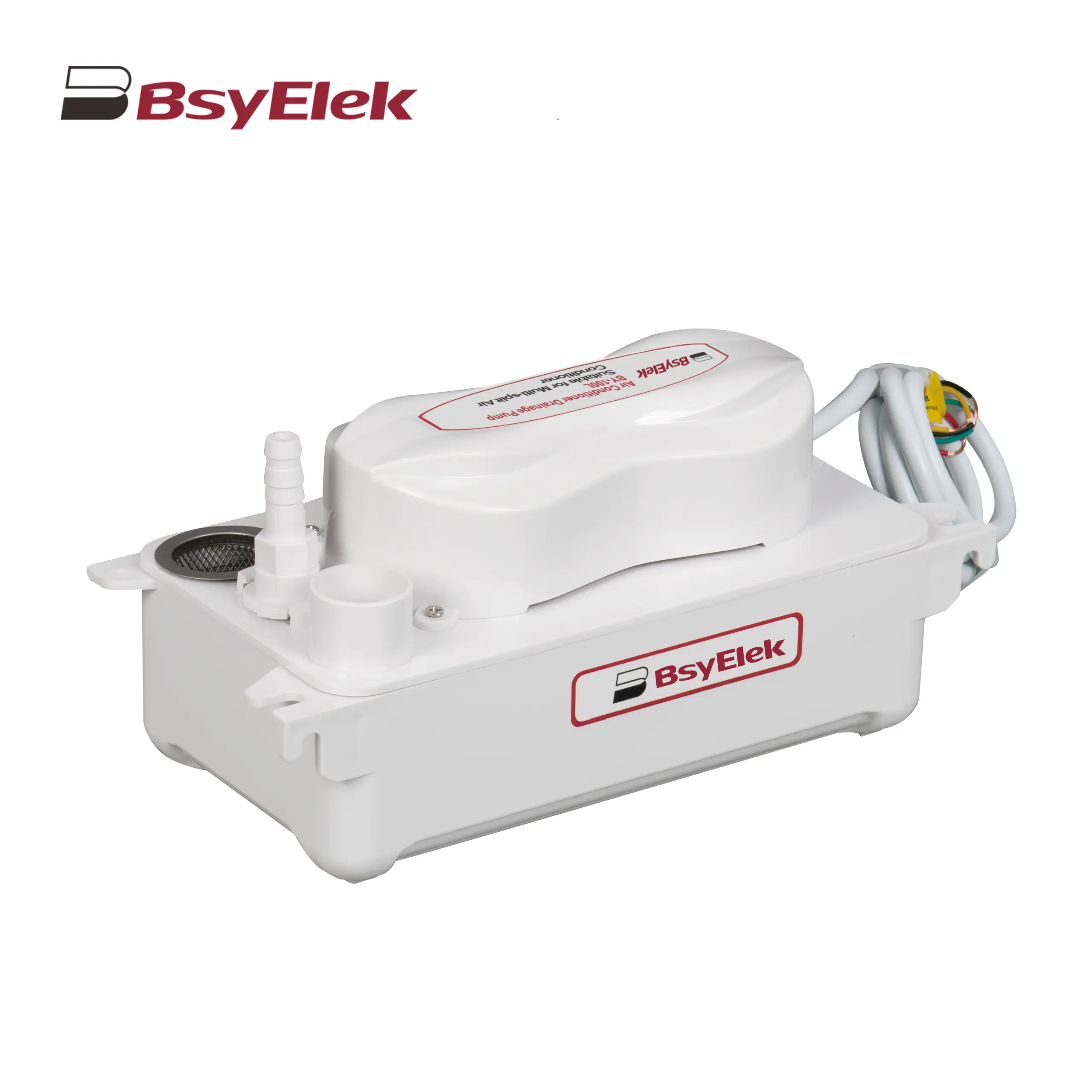
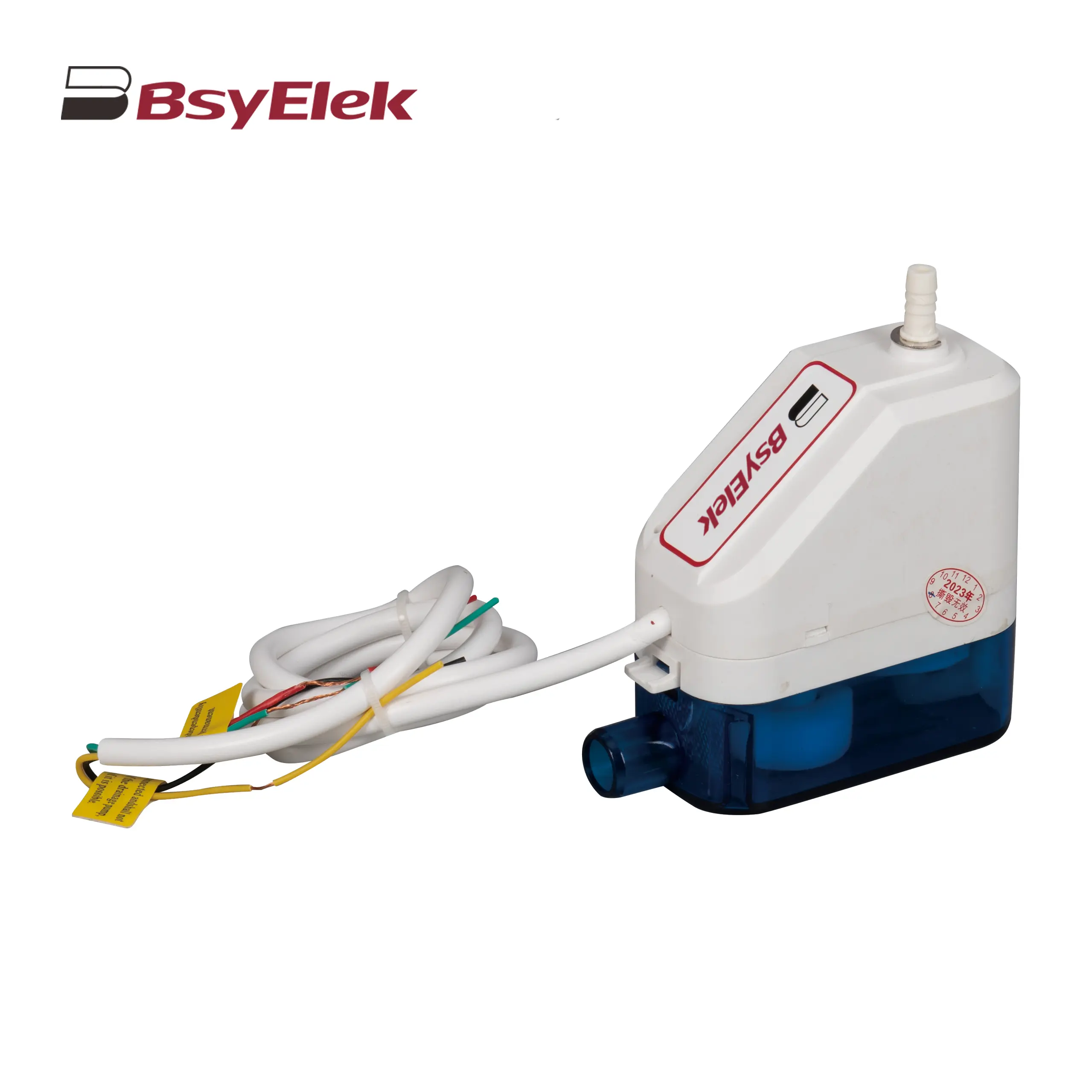
BY-100L 2M Drainage Pump of Air Conditioner
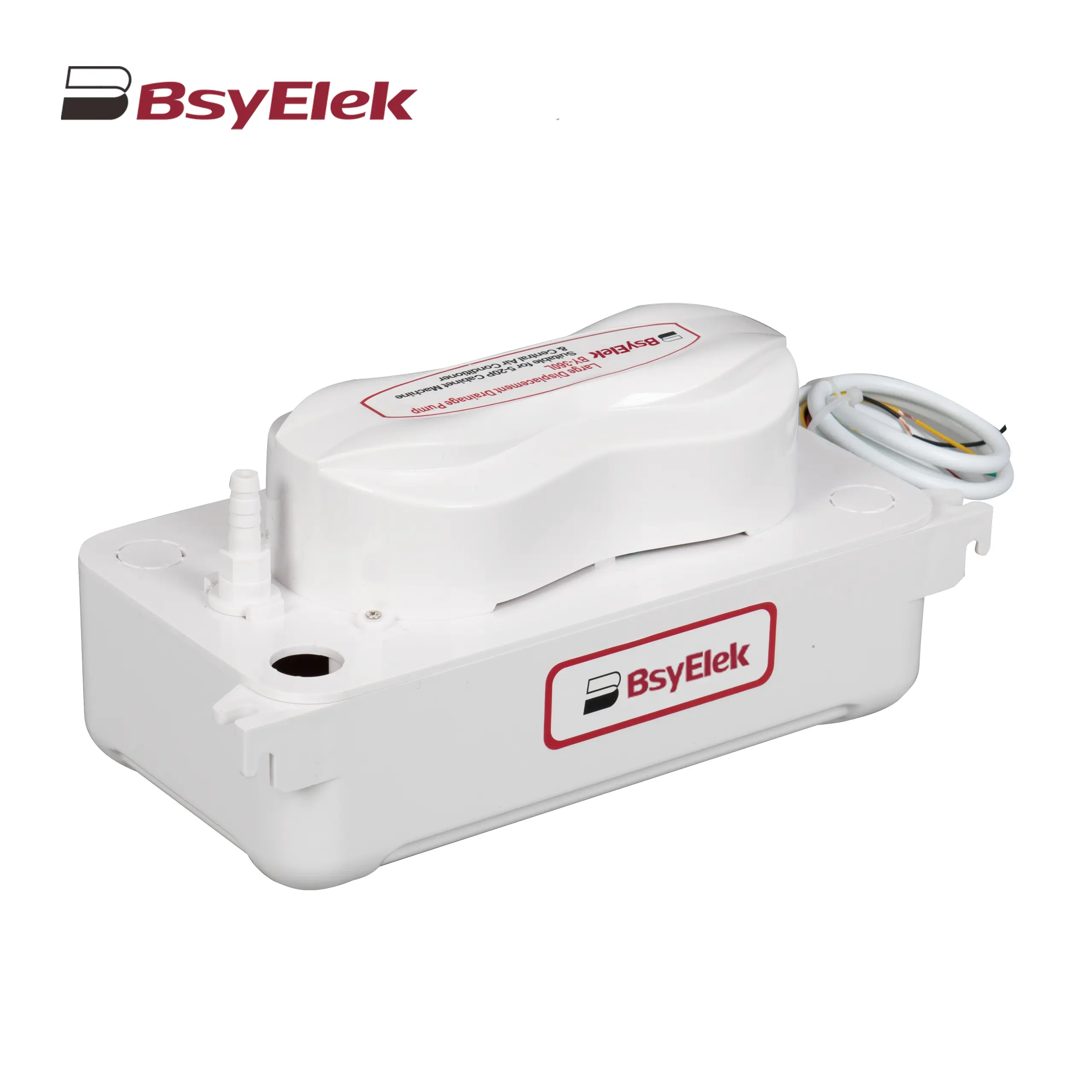
BY-360L 6M Large Displacement Drainage Pump
BY-24C/40C 10M Corner Drainage Pump
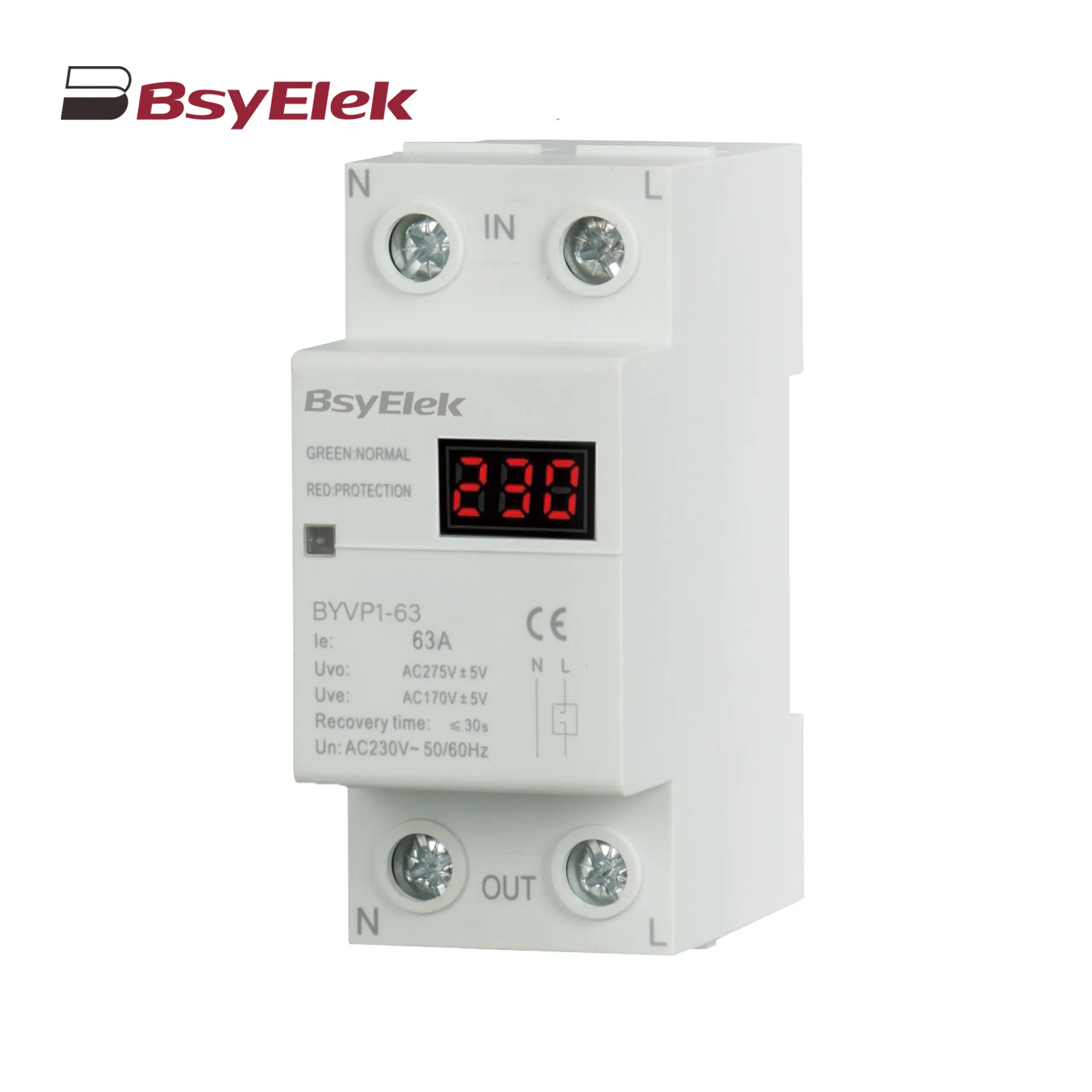
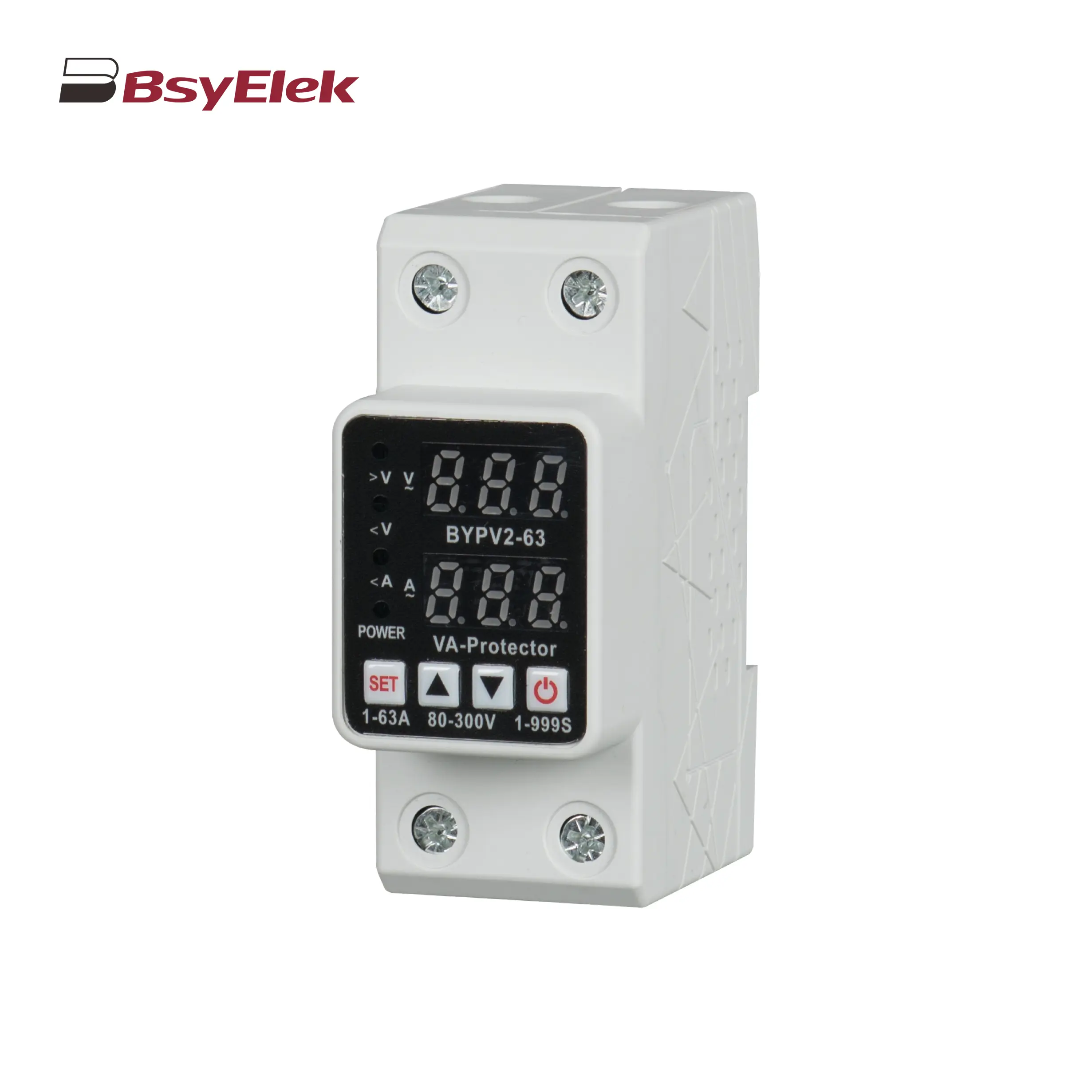
Choosing China Top Adjustable Voltage Protector Manufacturers requires more than comparing prices or product photographs. Buyers should examine operating range, rated current, response behavior, mounting style, and the protection features documented for each model. An Adjustable Voltage Protector can help disconnect equipment when supply voltage moves beyond configured limits. Its suitability depends on the appliance, electrical environment, and installation requirements.
Look for manufacturers that publish clear datasheets, wiring diagrams, test information, and practical guidance for selecting settings. Ask how products are checked during production and what technical support is available after delivery. Details matter. A compact relay protector for a household circuit may not suit a control cabinet with different load demands. Confirm compatibility before comparing quotations, and request product samples when evaluation is important. Product claims should be checked against test records, not accepted from a sales page alone.
A useful supplier comparison also considers communication, lead times, customization options, and consistency between samples and bulk orders. Some product pages provide limited technical detail; that is a real reason to ask follow-up questions. No single manufacturer is ideal for every application. This guide introduces practical ways to assess Chinese suppliers, understand key product specifications, and prepare focused questions before requesting a quotation. The aim is not to promise perfect protection, but to help buyers make a more informed shortlist and identify information that still needs verification.
An adjustable voltage protector is a monitoring device placed between a power supply and connected equipment. It measures incoming voltage and compares it with user-set upper and lower limits. If voltage moves outside that range, the protector can disconnect the load to reduce the risk of damage. That matters. A refrigerator may tolerate brief fluctuations differently from a sensitive control board, so one setting does not suit every application.
Many models let users adjust the cut-off thresholds and the reconnection delay. For example, after a low-voltage event, the device may wait several minutes before restoring power. This pause can help equipment restart more safely. Not instantly. When choosing a protector, check its rated current, voltage range, response behavior, and compatibility with the load. An undersized unit can overheat, while poorly chosen thresholds may cause repeated shutdowns or leave equipment exposed.
Installation details matter too. Keep the device accessible, follow its wiring instructions, and have a qualified electrician handle fixed electrical connections. A protector cannot correct every power-quality problem, and its display may not reveal short disturbances. That is an imperfect limitation worth considering. For frequent trips, record the readings and event times; the pattern may point to a supply issue or a setting that needs careful review.
China Top Adjustable Voltage Protector Manufacturers
An adjustable voltage protector samples the incoming supply through a sensing circuit and compares measured voltage with user-set upper and lower limits. If voltage stays outside that range, its control circuit opens a relay or contactor to disconnect the load. Many models add a delay before reconnection, reducing repeated switching during unstable supply conditions. It monitors and disconnects; it does not regulate voltage.
IEEE Std 1159-2019 outlines methods for monitoring power quality, including voltage variations and interruptions. A historical EPRI-commissioned study estimated that power disturbances cost U.S. businesses between $104 billion and $164 billion annually. That estimate is not a current cost forecast, but it shows why reliable monitoring matters. A protector’s actual response depends on its sensing accuracy, trip settings, and installation. A setting can still be wrong for the equipment.
Tips: Set limits using the load’s rated voltage and operating range. Check the specified trip delay and reconnection time, then verify them under controlled conditions. Keep a record of voltage readings; one threshold rarely fits every site.
Adjustable voltage protectors are commonly available as single-phase or three-phase units, with DIN-rail models for control cabinets and socket-style models for individual appliances. Core specifications include rated voltage, operating range, maximum current, trip response, and restart delay.
The IEA’s Electricity 2024 report projects global electricity demand will grow by an average of 3.4% annually from 2024 to 2026. That growth makes correctly matched protection more important, especially where motors, compressors, or long cable runs create noticeable voltage changes.
Settings should reflect the equipment, not just the protector’s widest adjustment range. For example, a workshop unit may need separate high- and low-voltage thresholds, an adjustable delay, and a clear fault indicator. Three-phase models should also specify phase-loss and phase-sequence monitoring; these features are not universal.
IEC 61000-4-30 provides measurement methods for power-quality parameters, useful when comparing test data with field conditions. Check whether published accuracy, trip time, and reset behavior were tested under stated conditions.
One detail is easy to miss: a generous current rating does not guarantee suitable switching capacity. Installation environment matters too. Dust, heat, and cramped enclosures can affect service life. The specification sheet may look complete, yet real wiring conditions still deserve a careful review.
China’s adjustable voltage protector manufacturing landscape benefits from a broad electrical-equipment supply chain, but national output figures are only a partial guide. The National Bureau of Statistics’ 2023 Statistical Communiqué reported that value added in electrical machinery and equipment manufacturing rose 12.9%. That growth signals industrial momentum, not a measured increase in voltage-protector sales. This distinction matters. Manufacturers in this segment typically differentiate through voltage thresholds, response delays, rated current, and repeatable calibration. A practical inspection should verify trip and recovery points on a programmable power source, then repeat tests across several units. Small setting drift can affect downstream equipment.
Standards and traceability also shape product development. IEC 61000-4-11 describes immunity tests for voltage dips and interruptions; it is a useful technical reference, not a product certification by itself. Buyers should request test conditions, calibration records, wiring diagrams, and clear operating limits. China’s dense component ecosystem can support flexible production, yet supplier capability varies, and published national data rarely isolates this product category. That is an imperfect evidence gap. It is worth checking whether a quoted protection range remains stable under realistic load and temperature conditions, rather than relying on a catalogue figure alone.
Selecting a Chinese adjustable voltage protector manufacturer begins with the actual installation conditions. Specify nominal voltage, maximum current, trip thresholds, response delay, and automatic recovery requirements. A protector serving a small control cabinet may need different settings from one handling a motor load. Ask how the manufacturer verifies accuracy across operating temperatures, not just at room temperature. Details matter.
Review technical documents alongside the product sample. Request test reports that identify the tested model, conditions, and measured results. Check whether production uses calibrated equipment and whether each unit receives functional testing. A polished brochure is easy to assess; consistent inspection records are harder. Ask how defects are recorded and corrected, and whether replacement parts or technical support are available after purchase.
Tips: Send a written specification and installation scenario. Compare samples against it. Confirm lead times, packaging, and inspection records before placing a bulk order. A video call can help, but it cannot replace independent sample testing. If an answer sounds vague, ask for a document or measurement. That small extra step can prevent a costly mismatch.
For a 230 V nominal supply, ±10% corresponds to 207–253 V. EN 50160 describes this range for public low-voltage supply characteristics; it is a supply-quality reference, not a required trip range for voltage protectors. When evaluating a manufacturer, compare the product’s declared adjustable thresholds and tolerances with your application, and request documented test results.