Why Choose a Drainage Pump for Global Projects?
Why choose a Drainage Pump for global projects? The answer begins with changing water risks. The UN World Water Development Report 2024 cites data showing that 2.2 billion people lacked safely managed drinking water in 2022. Meanwhile, the World Meteorological Organization’s State of Global Water Resources 2023 reported the driest river-flow conditions in more than three decades. These figures reveal a difficult operating environment. Projects must manage flooding, groundwater, stormwater, and construction-site runoff with greater precision.
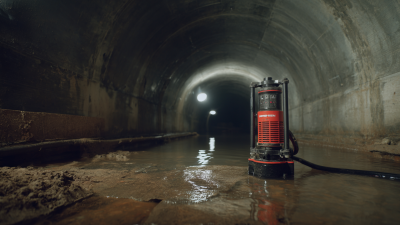
A correctly selected Drainage Pump can remove accumulated water from tunnels, basements, quarries, ports, and urban worksites. It can protect equipment, preserve concrete quality, and reduce costly work interruptions. Field experience shows that performance depends on more than flow rate. Solids handling, lift height, power availability, corrosion resistance, cable protection, and service access all matter. Small details matter.
The Hydraulic Institute and ISO 9906 provide useful guidance for pump performance testing and verification. However, laboratory results cannot represent every remote project. Mud, sand, unstable electricity, and delayed spare parts can change the outcome quickly. A pump that succeeds in a clean test tank may struggle in muddy excavation water. That possibility deserves honest consideration.
For international contractors, drainage equipment should be assessed through documented curves, realistic duty points, safety procedures, and local maintenance capacity. Manufacturers with traceable testing, clear manuals, and responsive technical support offer stronger assurance. Yet no single pump fits every climate or site. Careful design, field inspection, and regular monitoring remain essential for reliable global drainage.
What Is a Drainage Pump and How Does It Work?
Why Choose a Drainage Pump for Global Projects?
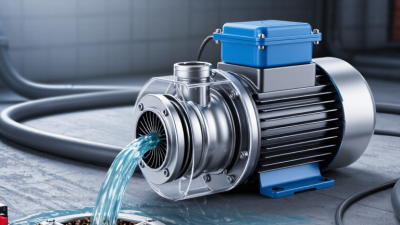
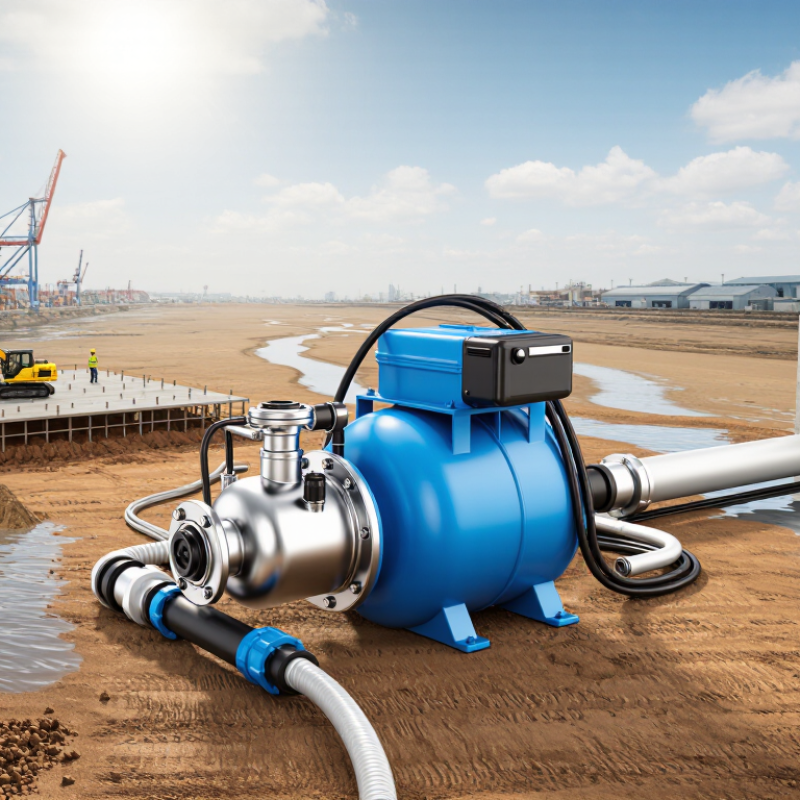
A drainage pump removes unwanted water from construction sites, basements, tunnels, and low-lying areas. Most systems use a centrifugal impeller driven by an electric motor. The rotating impeller creates pressure, drawing water through an intake and pushing it into a discharge pipe. A strainer blocks large debris, while a check valve helps prevent backflow after shutdown.
Submersible models operate inside the water. Their sealed motor reduces priming problems and saves space. Surface-mounted pumps remain outside the sump and can simplify inspection. A float switch or sensor starts the pump when water reaches a set level. Small details matter. Poor cable protection, undersized pipes, or blocked screens can quickly reduce performance.
The United Nations World Water Development Report 2024 identifies agriculture as responsible for about 70% of global freshwater withdrawals. This pressure makes controlled drainage increasingly important on many projects. The WMO State of the Global Climate 2023 also reported record climate indicators and costly extreme weather impacts, increasing flood-management demands. However, a pump cannot correct poor site grading or weak maintenance planning. In my field experience, selecting capacity only from average rainfall is a common mistake. Peak inflow, solids, elevation, power quality, and local safety requirements deserve equal attention. The calculation is rarely perfect. That is why monitoring and periodic reassessment should remain part of the design.
Why Choose a Drainage Pump for Global Projects? - What Is a Drainage Pump and How Does It Work?
| Pump Type |
How It Works |
Typical Flow Range |
Typical Head Range |
Suitable Water Conditions |
Common Global Project Uses |
| Submersible Drainage Pump |
An electric motor and impeller operate while the pump is immersed. Water enters through the casing and is discharged through a connected hose or pipe. |
Approximately 5–1,000 m³/h |
Approximately 5–100 m |
Clean water, rainwater, groundwater, and light-to-moderately contaminated water, depending on the impeller and screen design. |
Construction sites, basements, excavations, tunnels, utility chambers, and flood-control operations. |
| Vortex Impeller Pump |
A recessed impeller creates a swirling flow, allowing suspended solids to pass through with reduced contact with the impeller. |
Approximately 5–500 m³/h |
Approximately 5–60 m |
Dirty water containing suspended solids and soft debris; exact particle limits depend on the pump passage size. |
Sewage bypass, drainage pits, stormwater systems, wastewater handling, and municipal maintenance. |
| Cutter or Grinder Pump |
A rotating cutting mechanism reduces fibrous materials and soft solids before the fluid passes through the discharge line. |
Approximately 2–150 m³/h |
Approximately 20–120 m |
Wastewater containing rags, fibers, and small soft solids; not intended for large stones or abrasive mineral solids. |
Pressurized sewer systems, remote sanitation networks, temporary bypass pumping, and industrial wastewater transfer. |
| Self-Priming Surface Pump |
The pump is installed outside the water source and uses a priming chamber to remove air from the suction line during startup. |
Approximately 10–1,500 m³/h |
Approximately 5–90 m |
Rainwater, drainage water, and wastewater with limited solids, subject to suction and passage requirements. |
Large excavations, open channels, flood response, irrigation drainage, and projects requiring easy pump access. |
| Axial-Flow Drainage Pump |
An axial impeller moves a large volume of water parallel to the shaft, producing high flow at relatively low pressure. |
Approximately 500–20,000 m³/h |
Approximately 2–15 m |
Relatively clean or lightly contaminated water with limited abrasive solids. |
Flood-control stations, irrigation drainage, stormwater diversion, canals, and large-area dewatering. |
| Selection Dimension |
What to Check |
Why It Matters for Global Projects |
Practical Guidance |
| Required Flow |
The volume of water that must be removed per unit of time, measured in m³/h or L/s. |
Insufficient flow can delay construction, increase flood exposure, and reduce system reliability. |
Base the calculation on inflow, rainfall intensity, groundwater conditions, and a suitable design allowance. |
| Total Dynamic Head |
Static lift plus friction losses, fittings, valves, and the required discharge pressure. |
A pump selected without calculating total head may deliver less water than expected or consume excessive energy. |
Use the pump performance curve at the actual duty point rather than relying only on the maximum head value. |
| Solid Size and Type |
Maximum particle size, fibrous materials, sand, gravel, and abrasive content. |
Solids can clog the pump, damage the impeller, or accelerate wear in the casing and discharge system. |
Select an appropriate free passage, vortex design, or cutting mechanism according to the water quality. |
| Power Supply |
Available voltage, frequency, phase configuration, generator capacity, and protection requirements. |
Electrical standards and site conditions vary between countries and remote project locations. |
Confirm compatibility with the local electrical system and provide overload, earth-leakage, and dry-run protection where required. |
| Installation Environment |
Submerged or surface installation, available space, access, ambient temperature, and flood exposure. |
A suitable installation method improves safety, serviceability, and operating continuity. |
Use submersible equipment where space is limited; use surface pumps where inspection and rapid relocation are priorities. |
| Portability and Maintenance |
Lifting points, transport weight, spare-parts access, inspection intervals, and local technical support. |
Remote or temporary projects require fast deployment and simple maintenance procedures. |
Prioritize robust construction, standardized connections, accessible wear components, and documented maintenance instructions. |
Note: The performance ranges are representative engineering ranges for general comparison. Actual capacity, head, solid-passage size, efficiency, and electrical requirements vary with pump design and operating conditions; final selection should be based on the manufacturer’s performance curve and project calculations.
Why Drainage Pumps Suit Diverse Global Project Conditions
Global projects rarely offer predictable drainage conditions.
One site may face monsoon rain, while another handles shallow groundwater or sudden snowmelt. Drainage pumps suit these differences because they remove water quickly from changing work areas.
At a coastal construction site, salty water can challenge ordinary components.
On a remote road project, mud, stones, and limited electricity create different demands. Field teams should check flow rate, lifting height, solids handling, power access, and transport weight before selection. A pump that works well in a clean excavation may struggle in thick sediment. These details matter.
Selection should also reflect local climate and maintenance skills.
Models with adjustable discharge can support changing site conditions. Portable frames help crews move equipment between trenches, basements, and temporary sumps. Still, assumptions can fail. During one project review, we underestimated how fast fine sediment would block the intake. That mistake showed the value of regular inspections and clear cleaning procedures. Reliable practice includes checking hoses, seals, float controls, and electrical protection before every shift. Teams should record water levels and operating time. Small details reveal larger problems early. No pump fits every site.
Key Factors for Selecting a Drainage Pump
Choosing a drainage pump for a global project requires more than comparing flow rates. Site conditions often decide whether a pump performs reliably.
Measure the required head carefully. A pump may move 80 cubic meters per hour at low lift, but much less through long discharge pipes. Include vertical height, pipe friction, bends, valves, and temporary hose sections. Check the expected water level range before selecting capacity. Site conditions change. Muddy water can contain sand, fibers, or small stones, so the solids-handling diameter matters. A narrow passage may clog during a storm, even when laboratory tests look acceptable. Use corrosion-resistant materials when water contains salt, chemicals, or industrial residue. Confirm the pump’s duty cycle, motor cooling method, and protection rating for outdoor installation.
Power compatibility deserves equal attention. Verify voltage, frequency, starting current, grounding requirements, and generator capacity with a qualified technician. An efficient pump is still unsuitable if local power fluctuates or replacement parts are difficult to obtain. For remote projects, inspect the service design: lifting points, access to seals, cable length, and cleaning procedures can reduce downtime. Keep spare wear components available where transport is slow. I have seen projects specify maximum flow while ignoring maintenance access. That mistake becomes expensive in a flooded excavation. Selection is not perfectly predictable; real water may be dirtier, deeper, or colder than planned. Record those assumptions and review them with field operators before ordering.
How to Install and Operate Drainage Pumps Effectively
Drainage pumps are practical for global construction, mining, agriculture, and emergency water control projects. Their compact design allows teams to remove rainwater, seepage, and wastewater from confined areas. However, effective performance depends more on installation discipline than pump size. Site conditions differ widely. Mud, voltage changes, and uneven discharge routes can quickly expose weak planning.
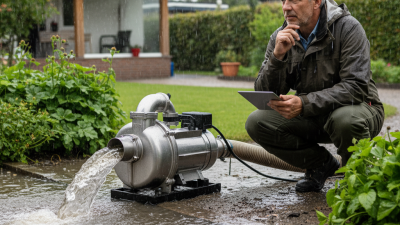
Before installation, inspect the casing, power cable, inlet screen, and float switch. Confirm that the voltage matches the local electrical supply. Place the pump on a firm, level surface away from loose sediment. Connect a discharge hose with the correct diameter, then secure every joint with suitable clamps. Keep the hose free from sharp bends. Use a residual-current protection device and follow local electrical requirements. The pump must never run while dry.
During operation, watch the water level, vibration, noise, and discharge flow. A sudden rattling sound may indicate trapped debris or an unstable base. Stop the pump before clearing the inlet. Never pull it by the cable. Clean the screen after muddy work and inspect seals regularly. In cold regions, drain remaining water before storage to prevent internal damage. I once treated a small pump as nearly maintenance-free, and that assumption caused an avoidable blockage. Field conditions change faster than manuals suggest. Record operating hours and inspection findings, even when the project seems routine.
Maintenance, Safety, and Lifecycle Considerations
Why Choose a Drainage Pump for Global Projects?
Water management is rarely predictable across international construction sites. Heavy rain, rising groundwater, and sudden flooding can stop work within hours. A drainage pump provides controlled removal when natural drainage is too slow. Its value becomes clearer when maintenance, safety, and service life are considered together. Flow rate matters, but it is not the whole decision.
Maintenance starts before installation. Operators should inspect the intake, impeller, seals, cables, and discharge hose regularly. A muddy impeller can reduce performance before failure becomes obvious. Maintenance logs should record operating hours, unusual vibration, water quality, and replaced parts. Safety needs equal attention. Lockout procedures must be followed before clearing blockages. Electrical connections require protection from standing water and damaged insulation. In wet pits, never trust appearance alone. Small oversights become expensive.
Lifecycle planning can reduce waste and unexpected downtime. A durable pump may consume more initially but cost less during repeated projects. Repairable components, accessible inspection points, and locally available spare parts improve long-term reliability. Global projects also face different temperatures, sediment levels, voltage conditions, and service skills. I have seen schedules assume clean water and perfect access. That assumption is often wrong. Engineers should review real site conditions, not only supplier data. The cheapest quotation may become the most expensive choice after several avoidable repairs.



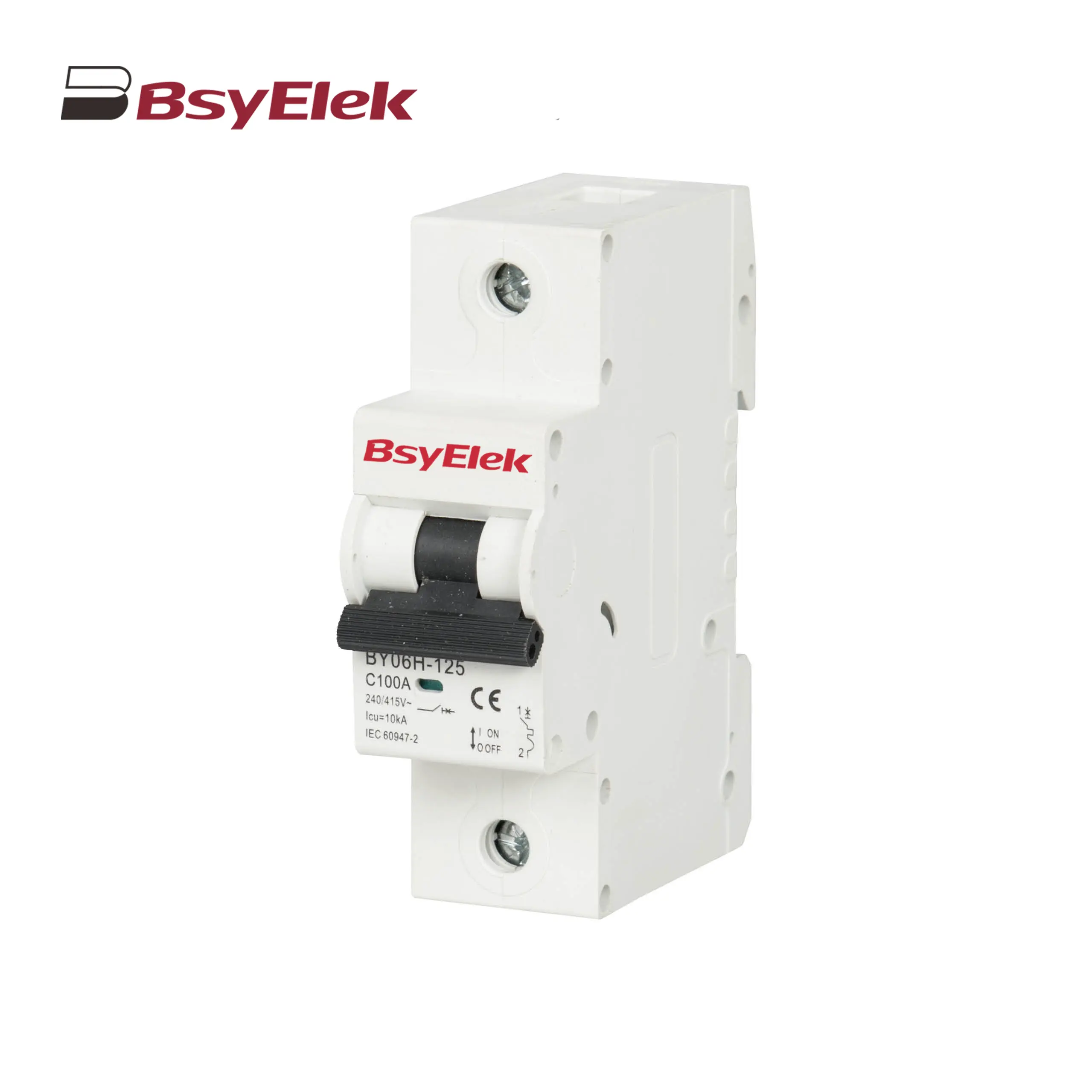 BY06H-125 MCB 10-15KA Miniature Circuit Breaker
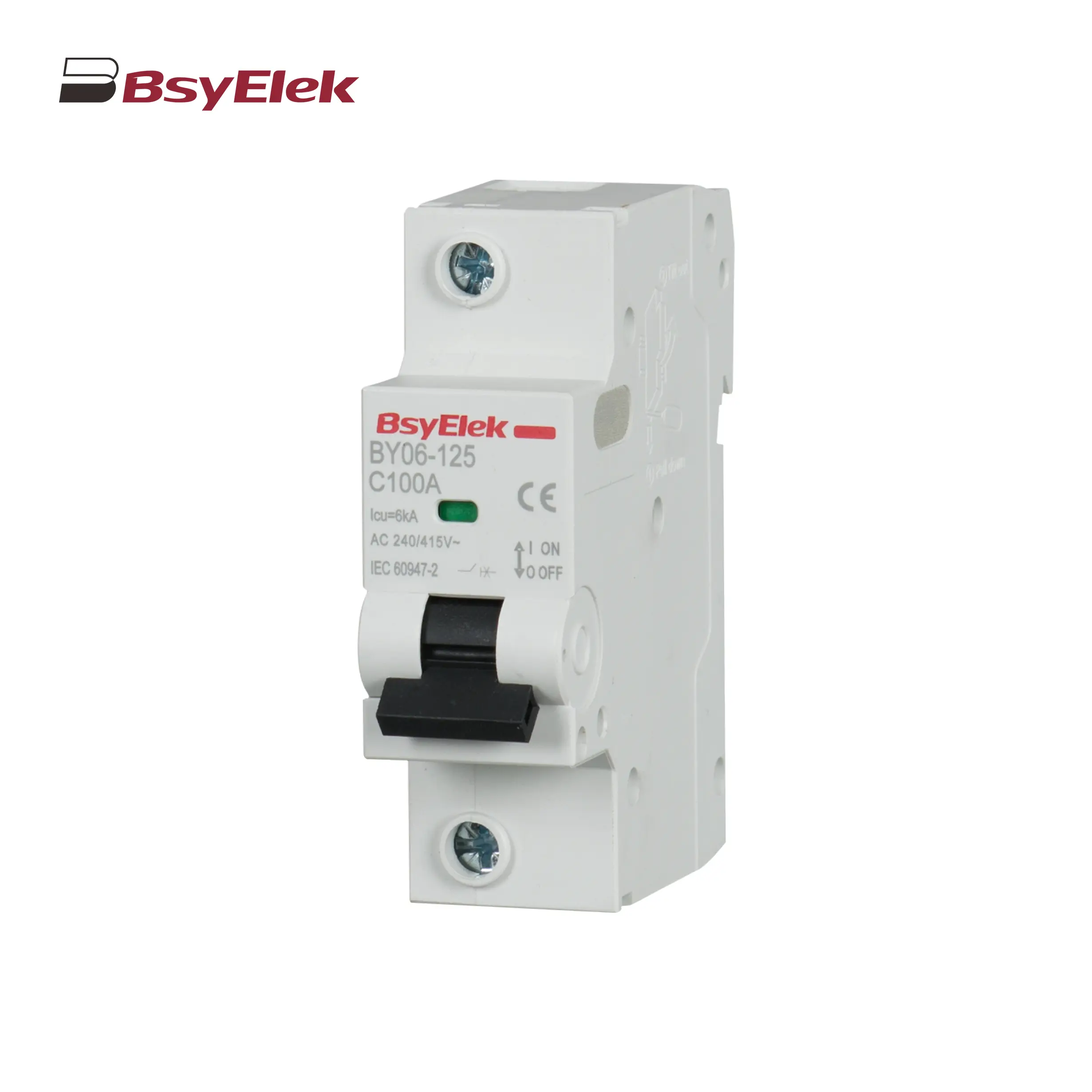 BY06-125 MCB 6KA Miniature Circuit Breaker
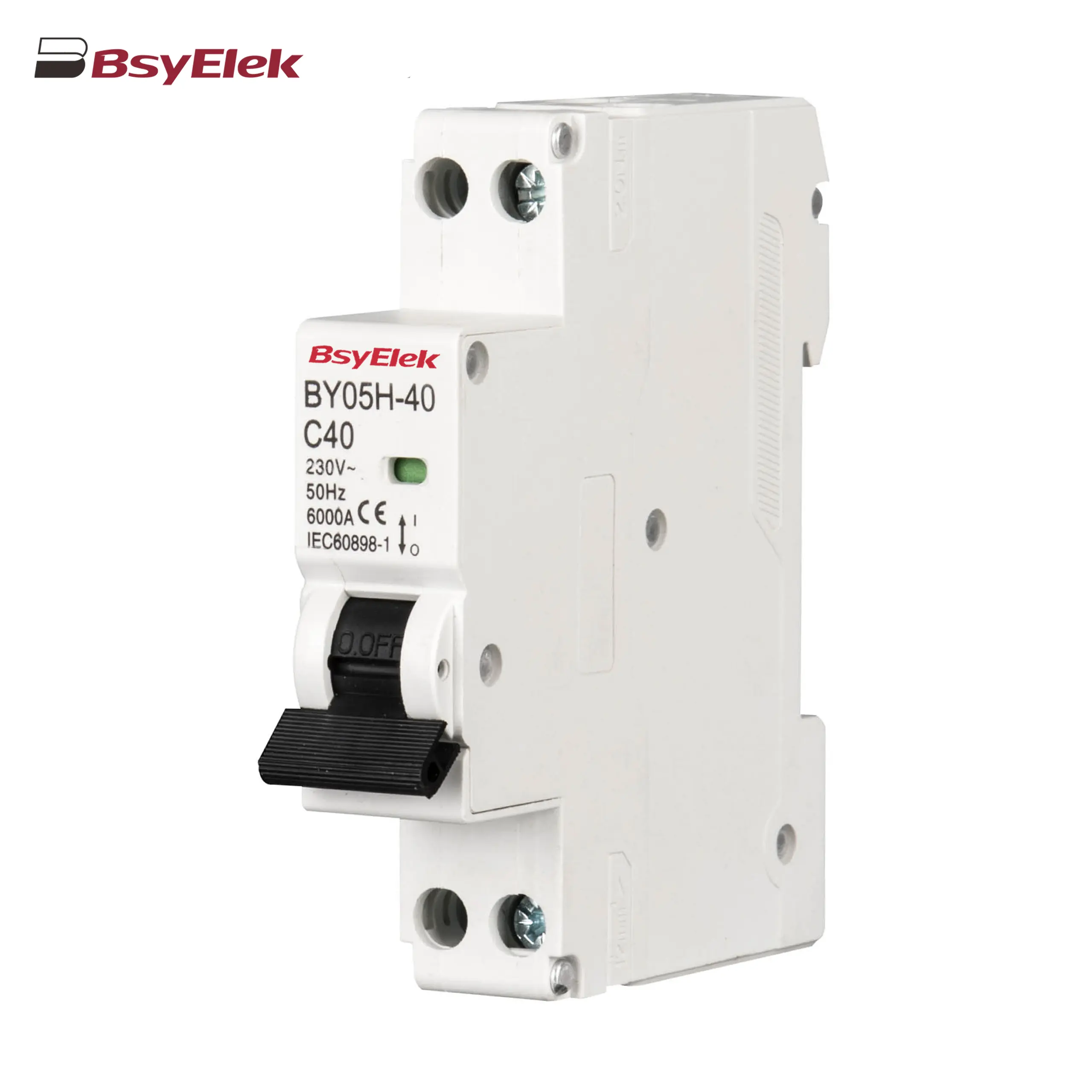 BY05H-40 MCB Single Modular 6KA Miniature Circuit Breaker
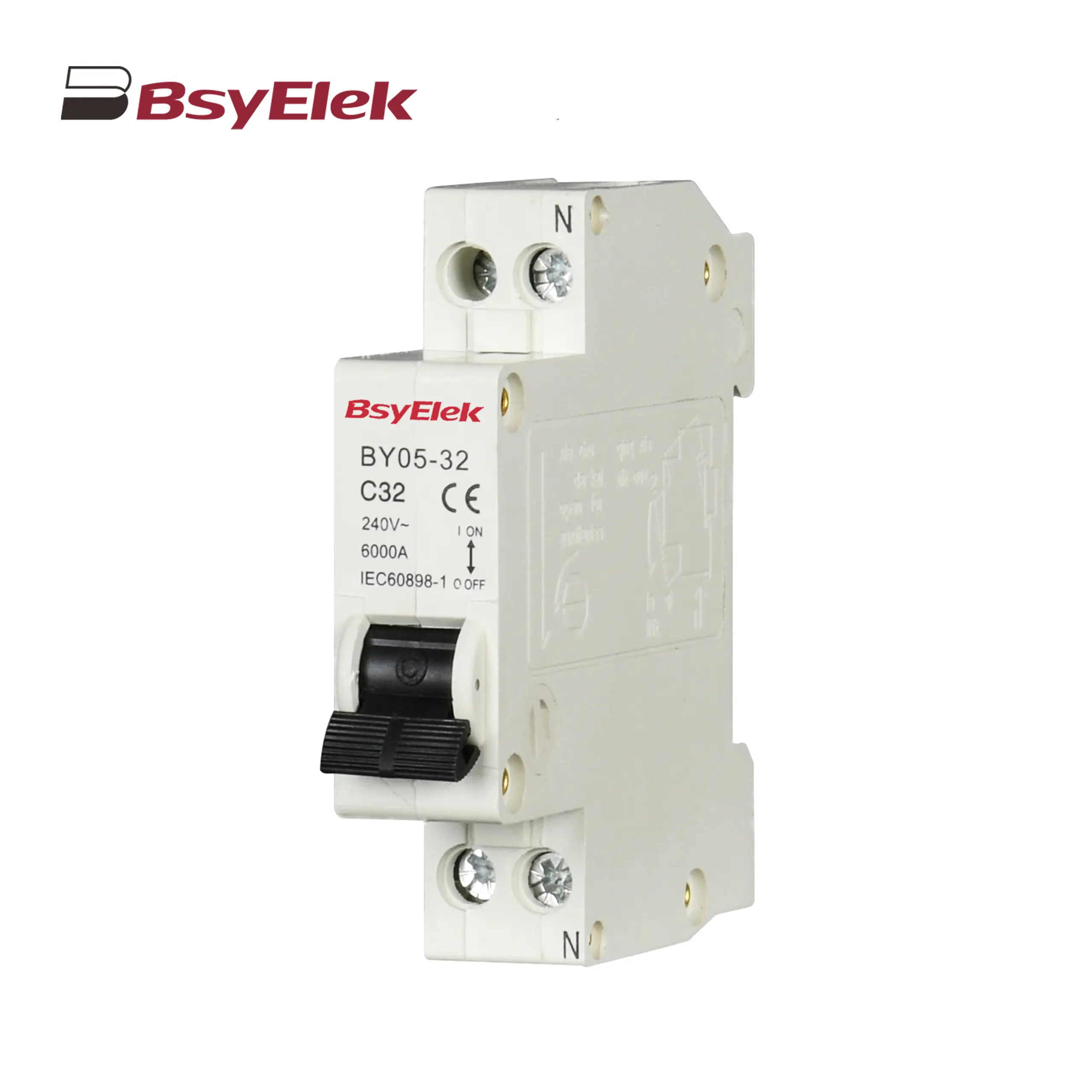 BY05-32 MCB Single Modular 3KA Miniature Circuit Breaker
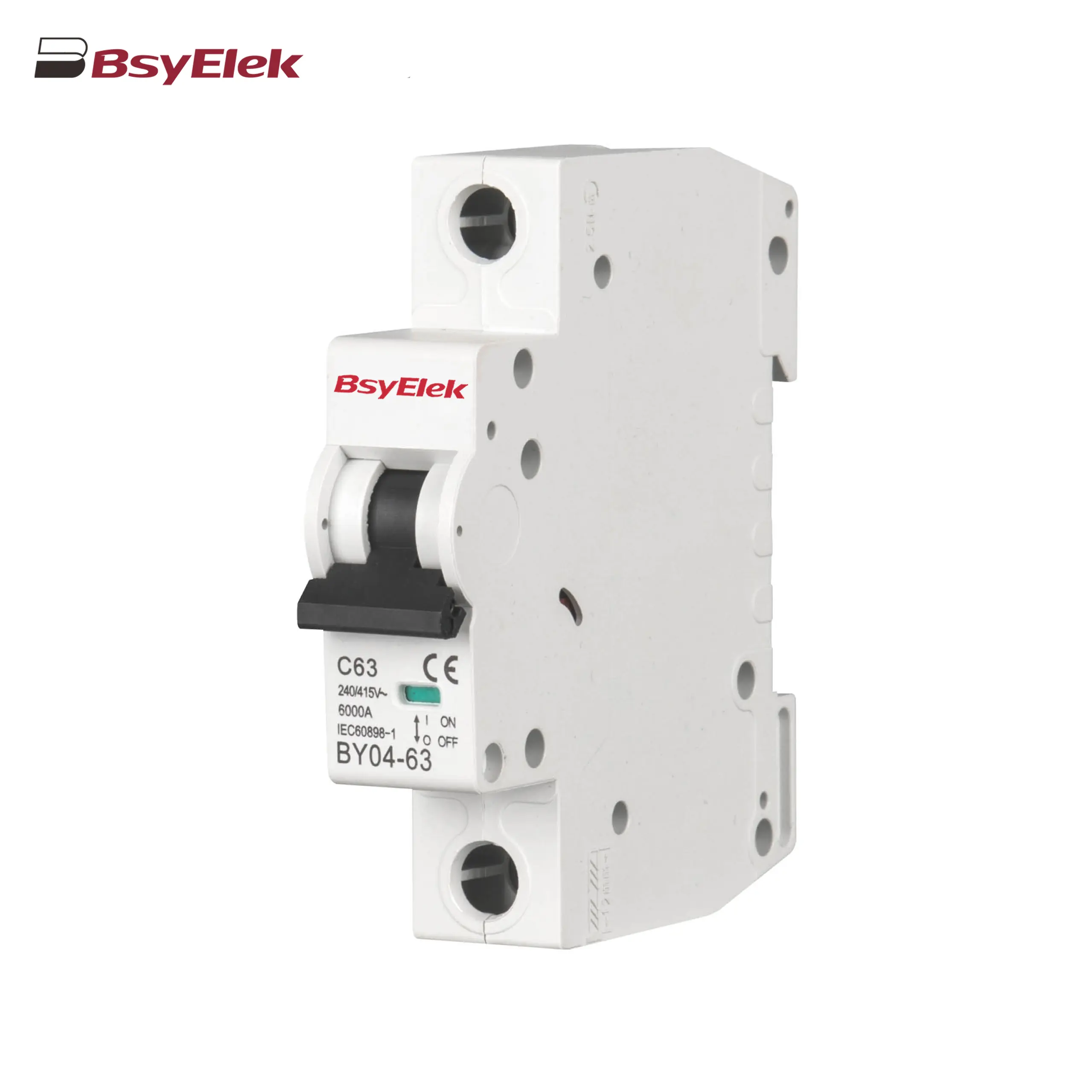 BY04-63 MCB 6-10KA Miniature Circuit Breaker
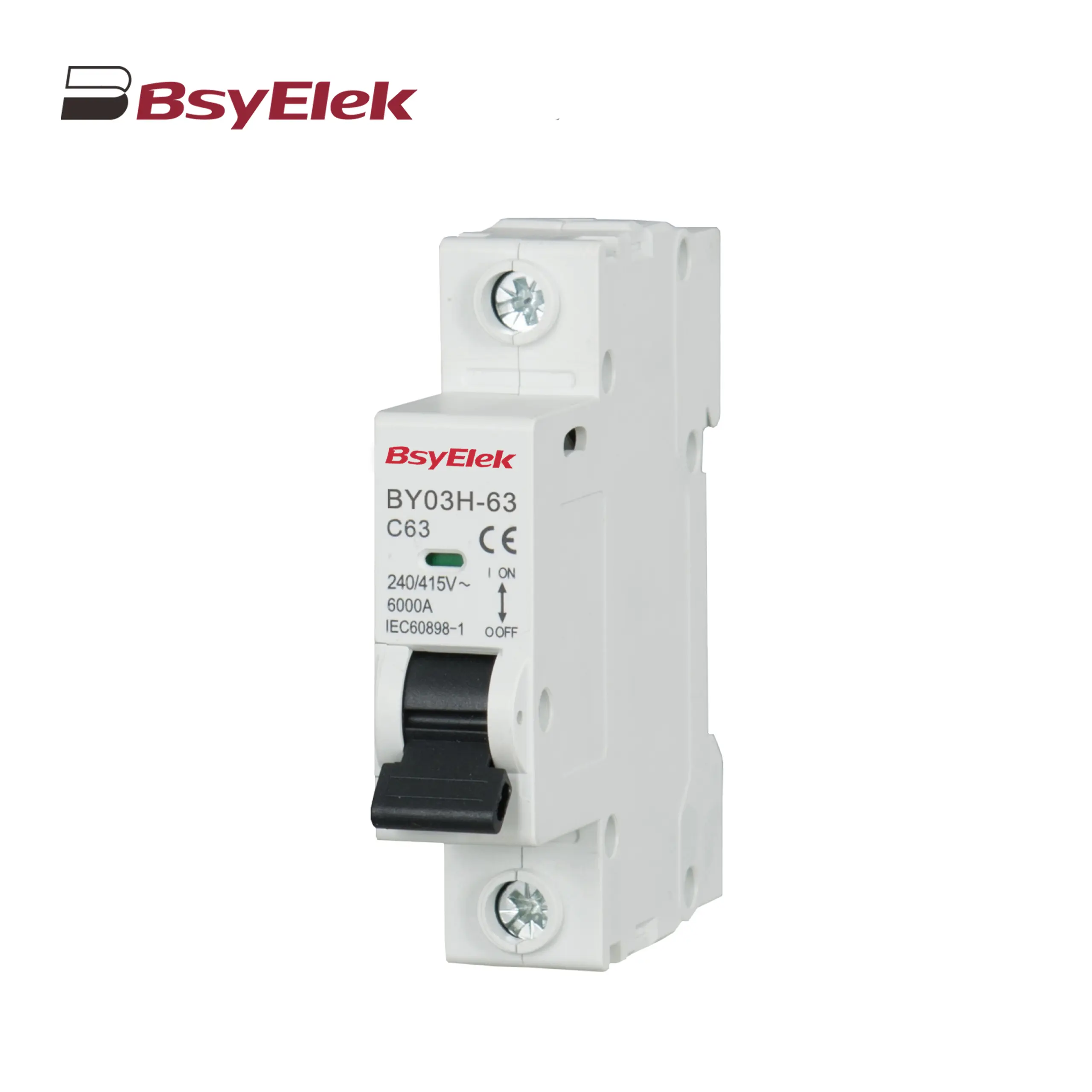 BY03H-63 MCB 6KA Miniature Circuit Breaker
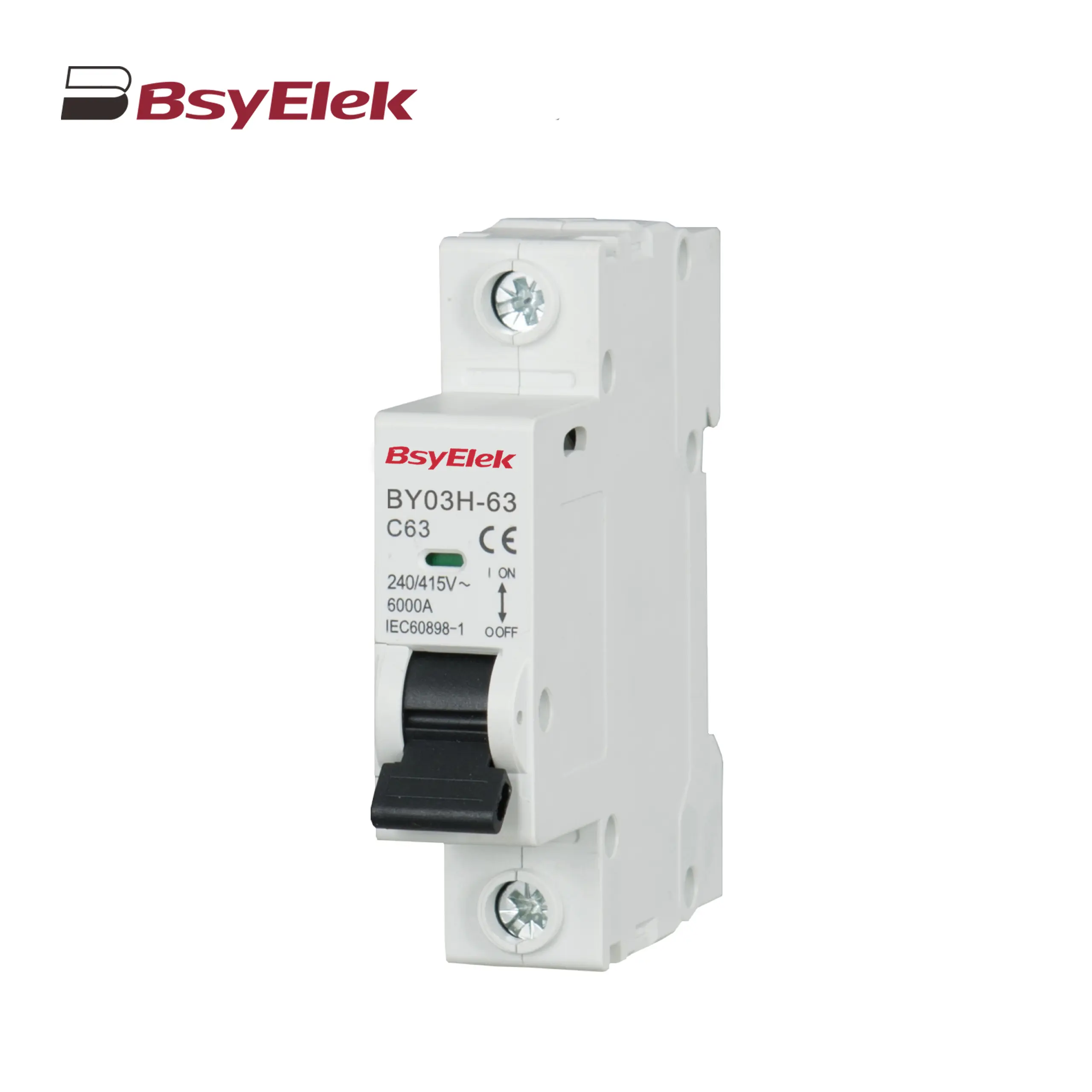 BY03-63 MCB 4.5KA Miniature Circuit Breaker
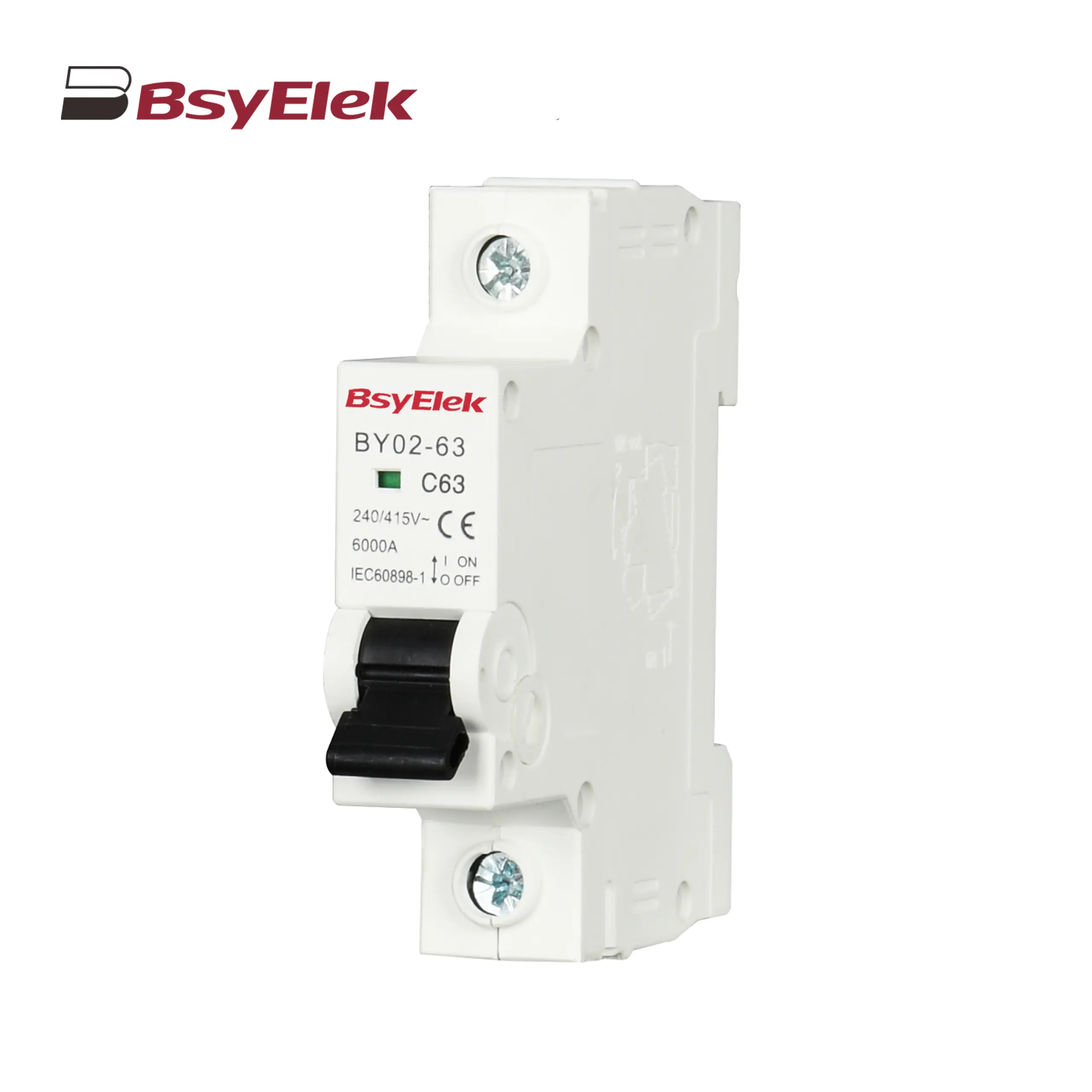 BY02-63 MCB 3kA Miniature Circuit Breaker
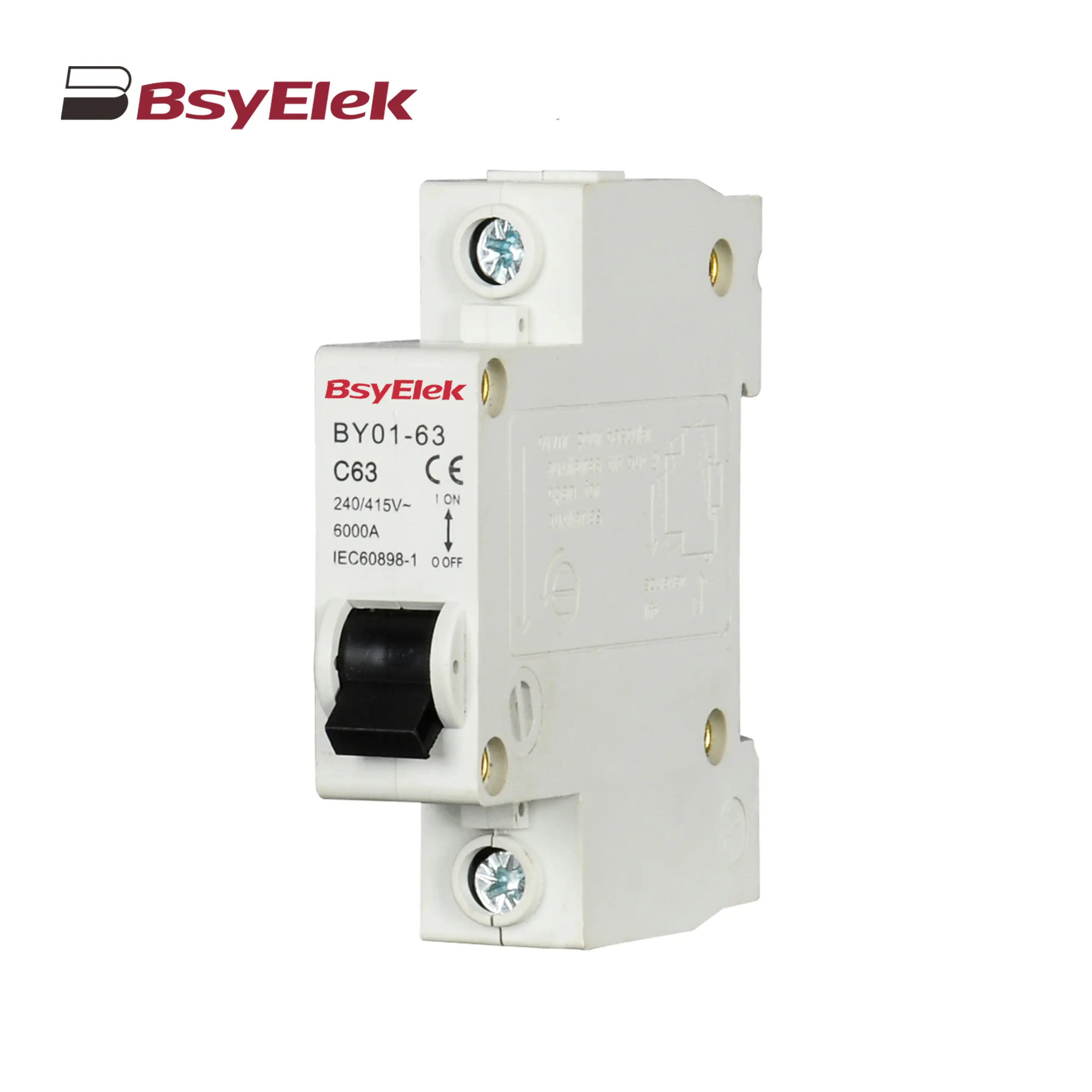 BY01-63 MCB 3kA Miniature Circuit Breaker
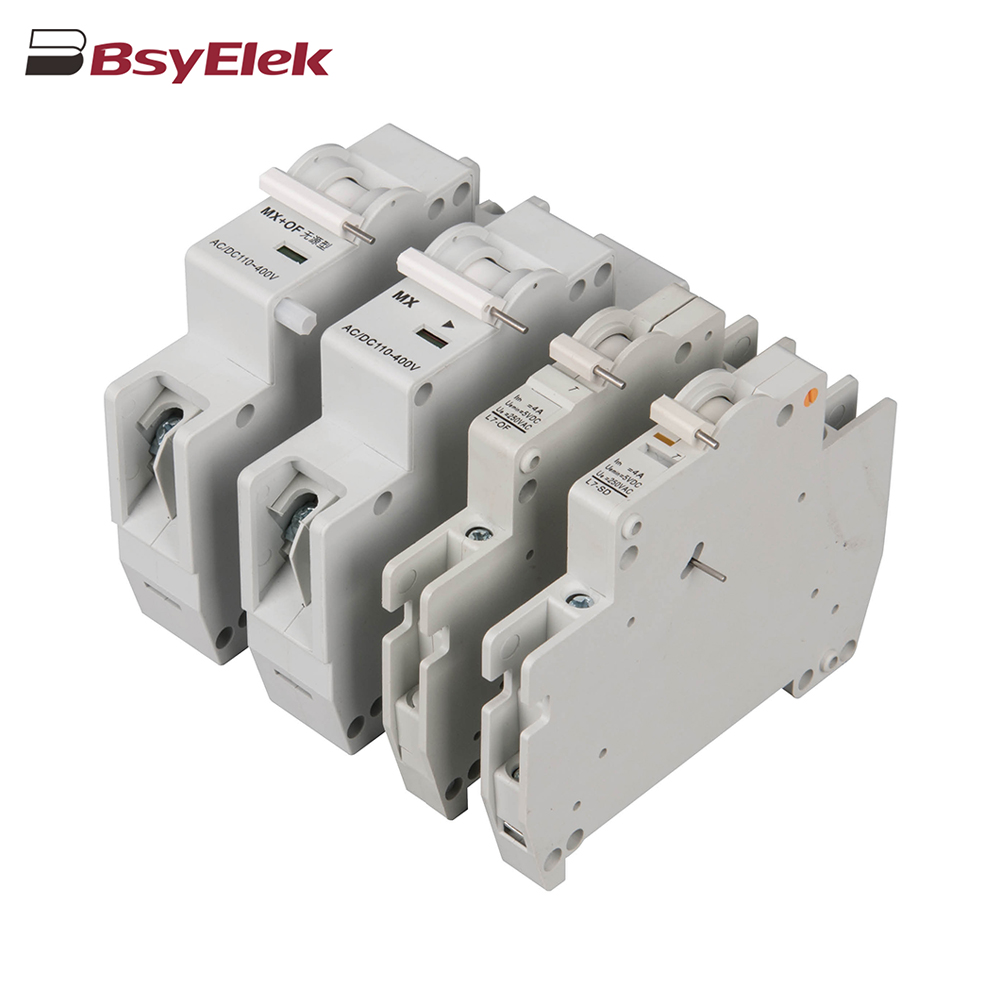 OF SD MX OF MCB Miniature Circuit Breaker Accessories
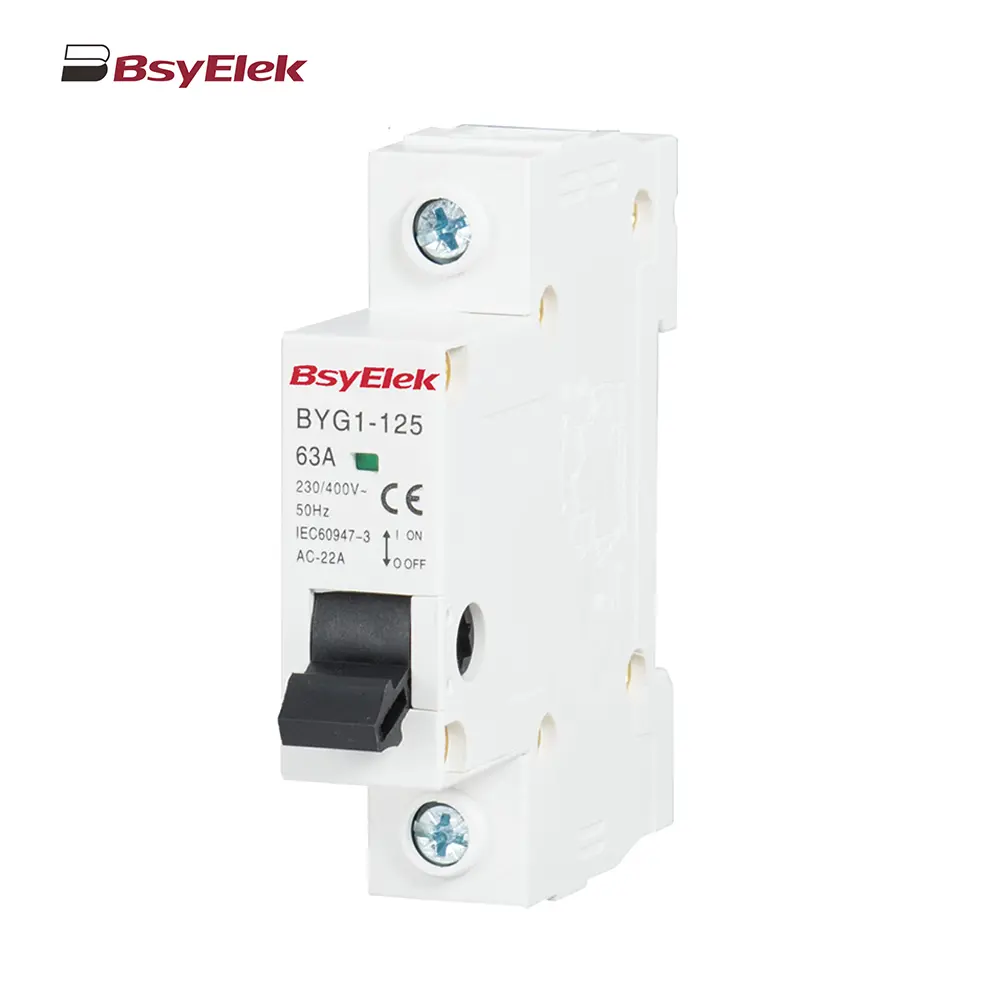 BYG1-125 Main Switch MCB Isolator Switch
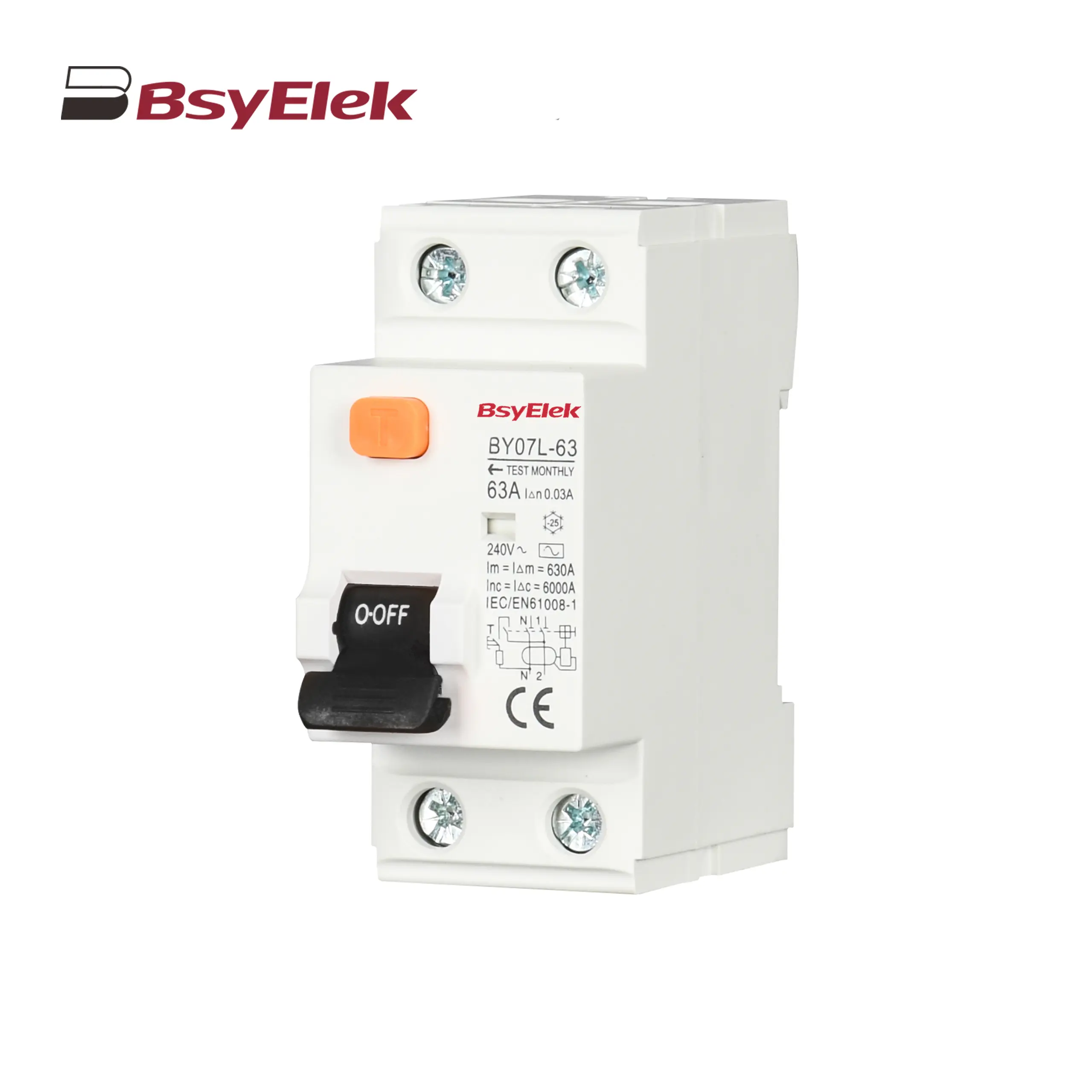 BY07L-63 RCCB 6KA Residual Current Circuit Breaker
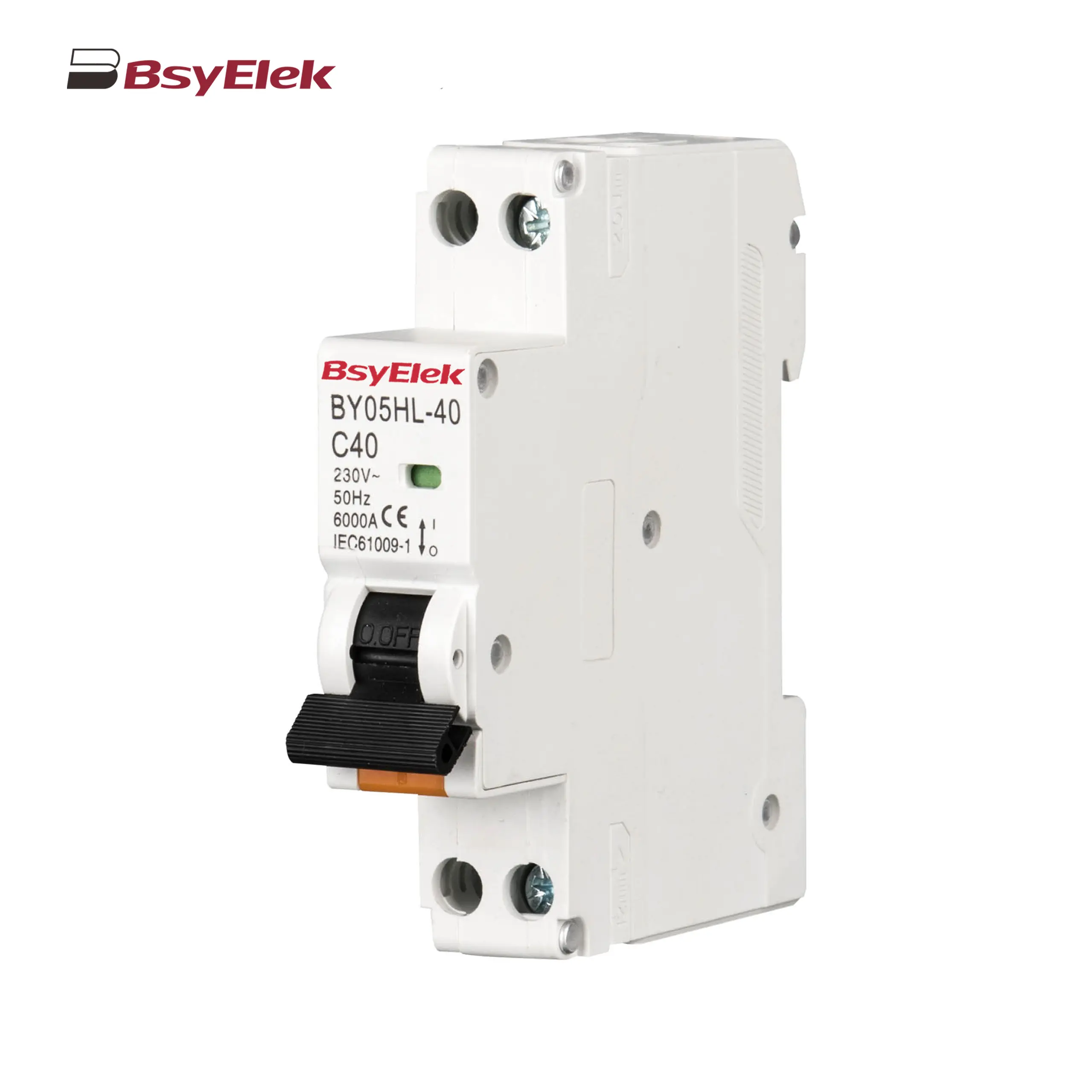 BY05HL-40 RCBO 6KA Residual Current Circuit Breaker with Over-current Protection
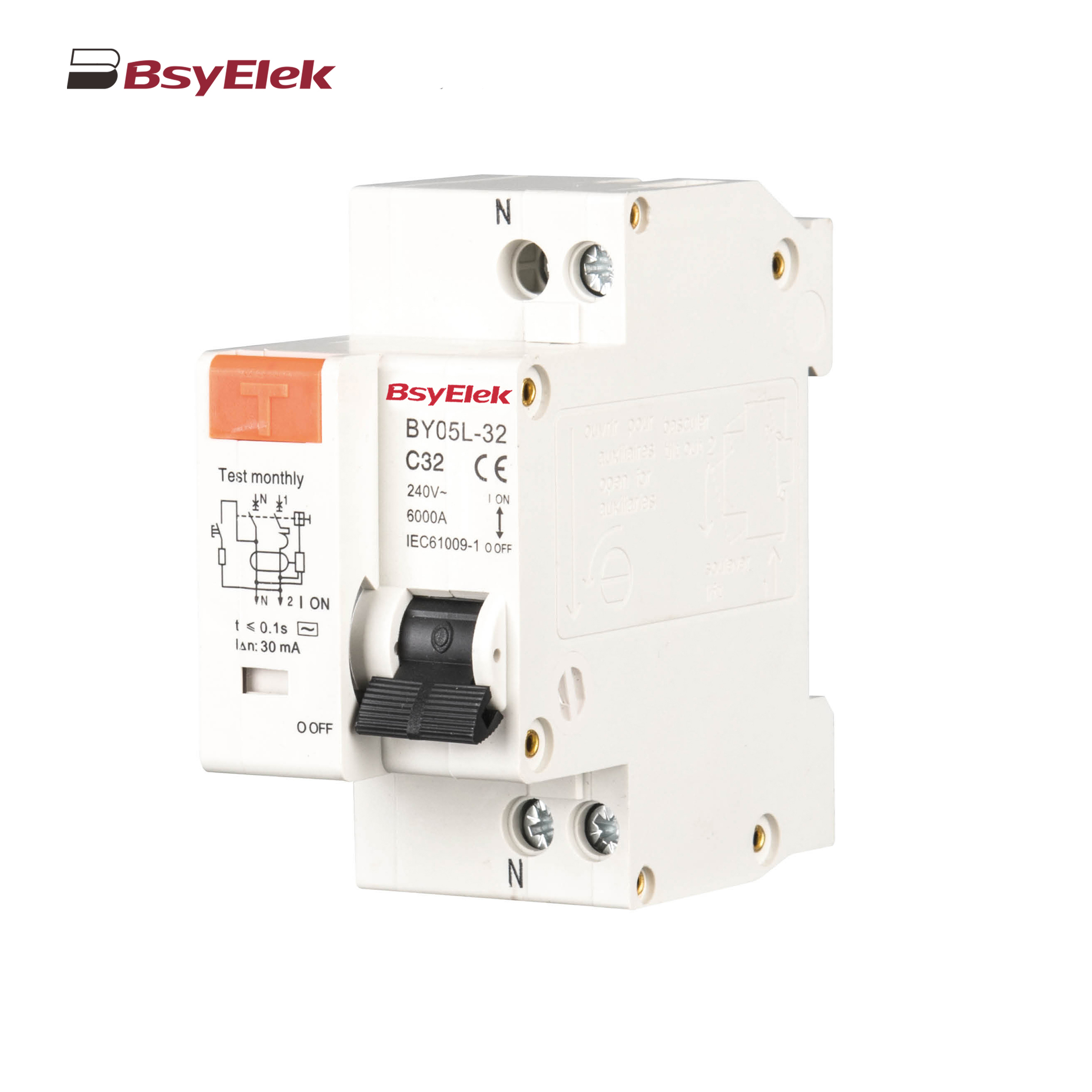 BY05L-32 RCBO 3KA Residual Current Circuit Breaker with Over-current Protection
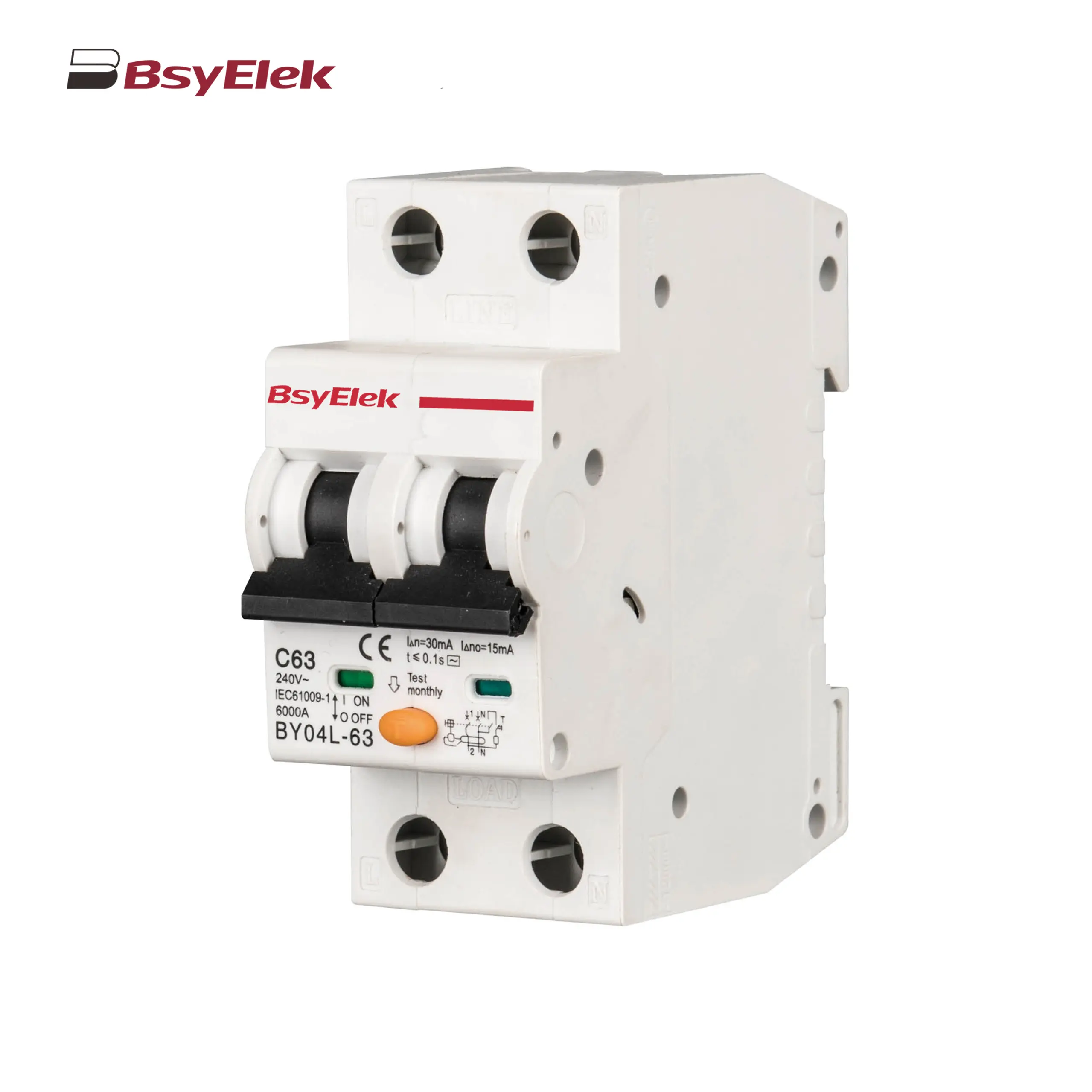 BY04L-63 RCBO 6KA Residual Current Circuit Breaker with Over-current Protection
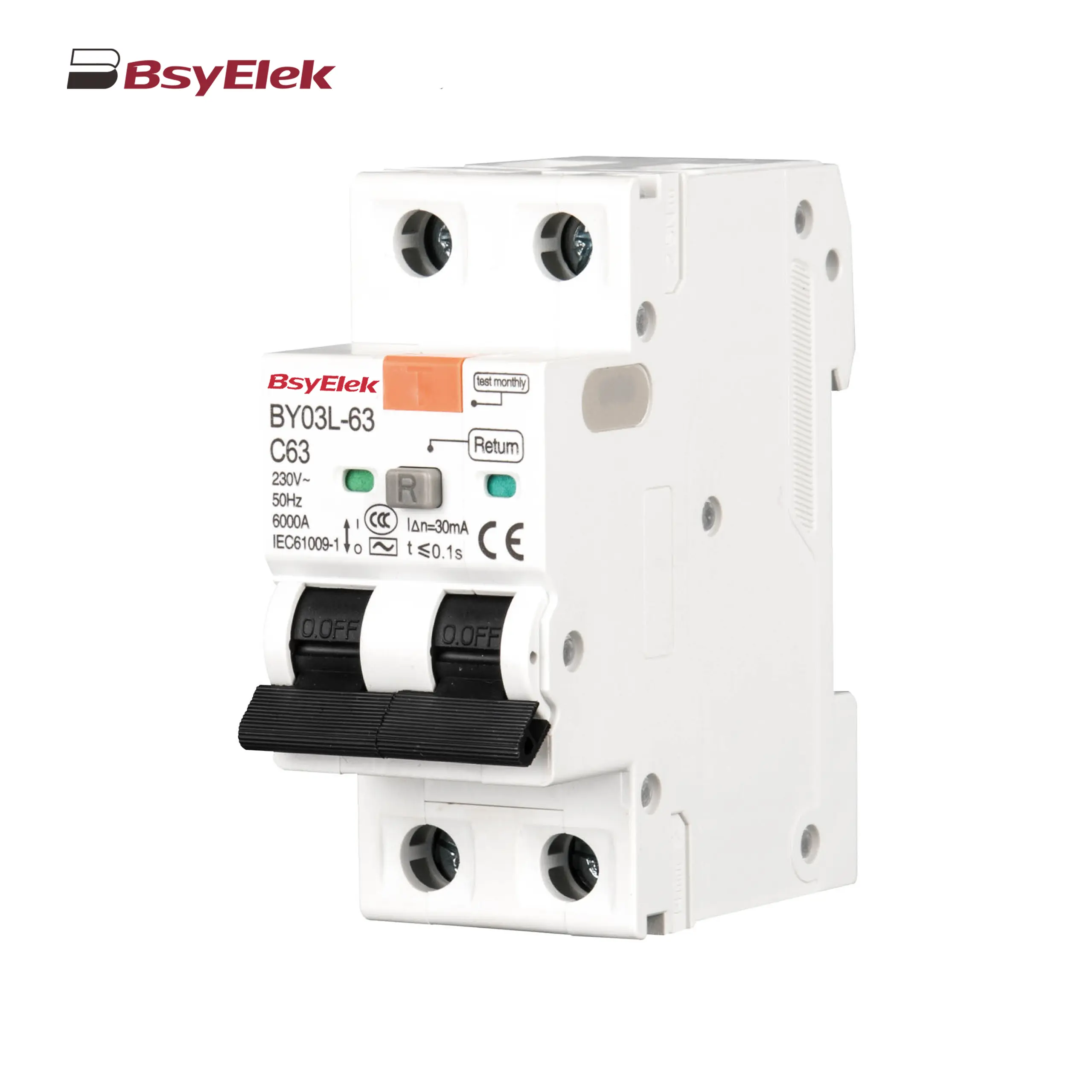 BY03L-63 RCBO 4.5KA Residual Current Circuit Breaker with Over-current Protection
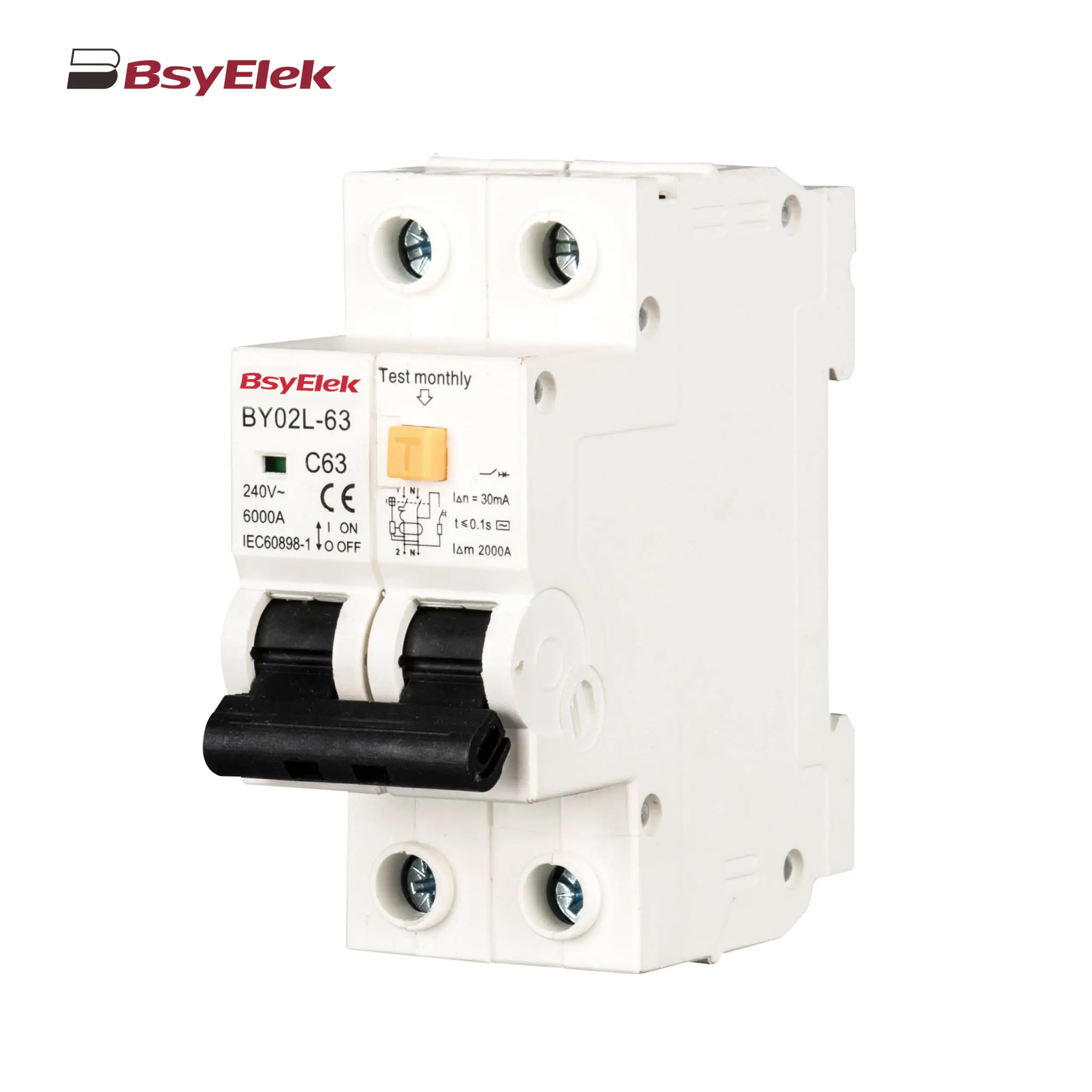 BY02L-63 RCBO 3KA Residual Current Circuit Breaker with Over-current Protection
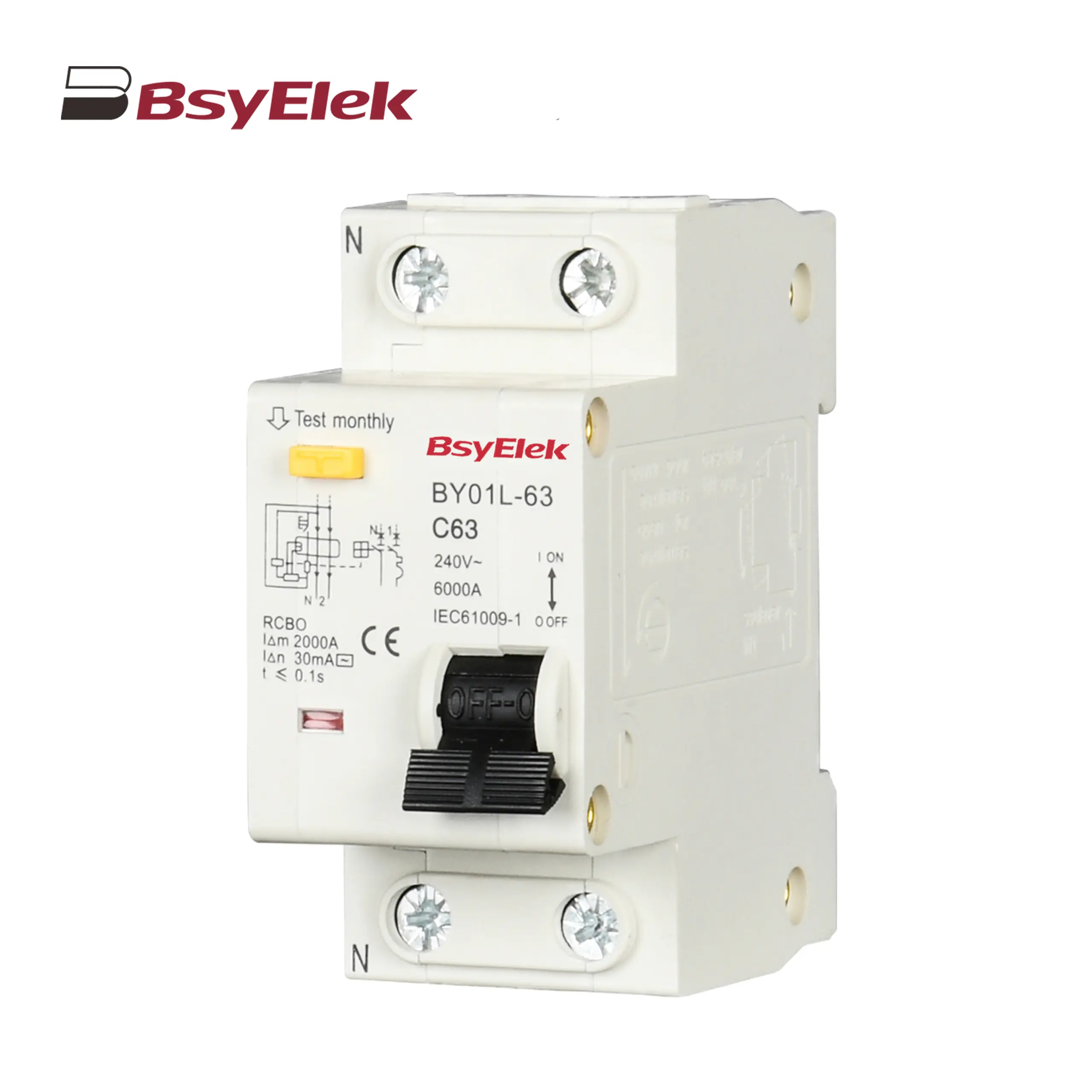 BY01L-63 RCBO 1P+N 3KA Residual Current Circuit Breaker with Over-current Protection
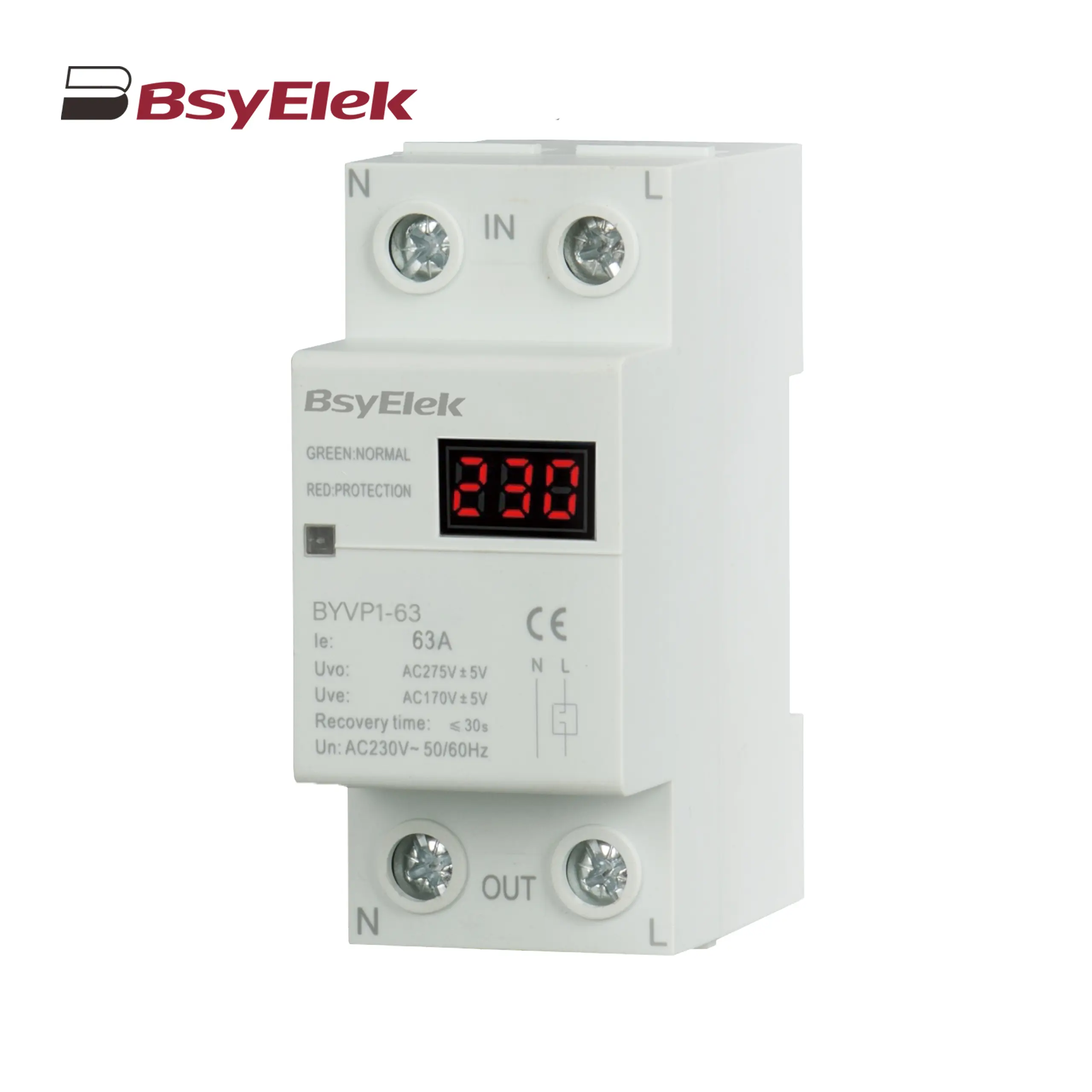 BYVP1-63 100A Single Display Overvoltage and Undervoltage Protector
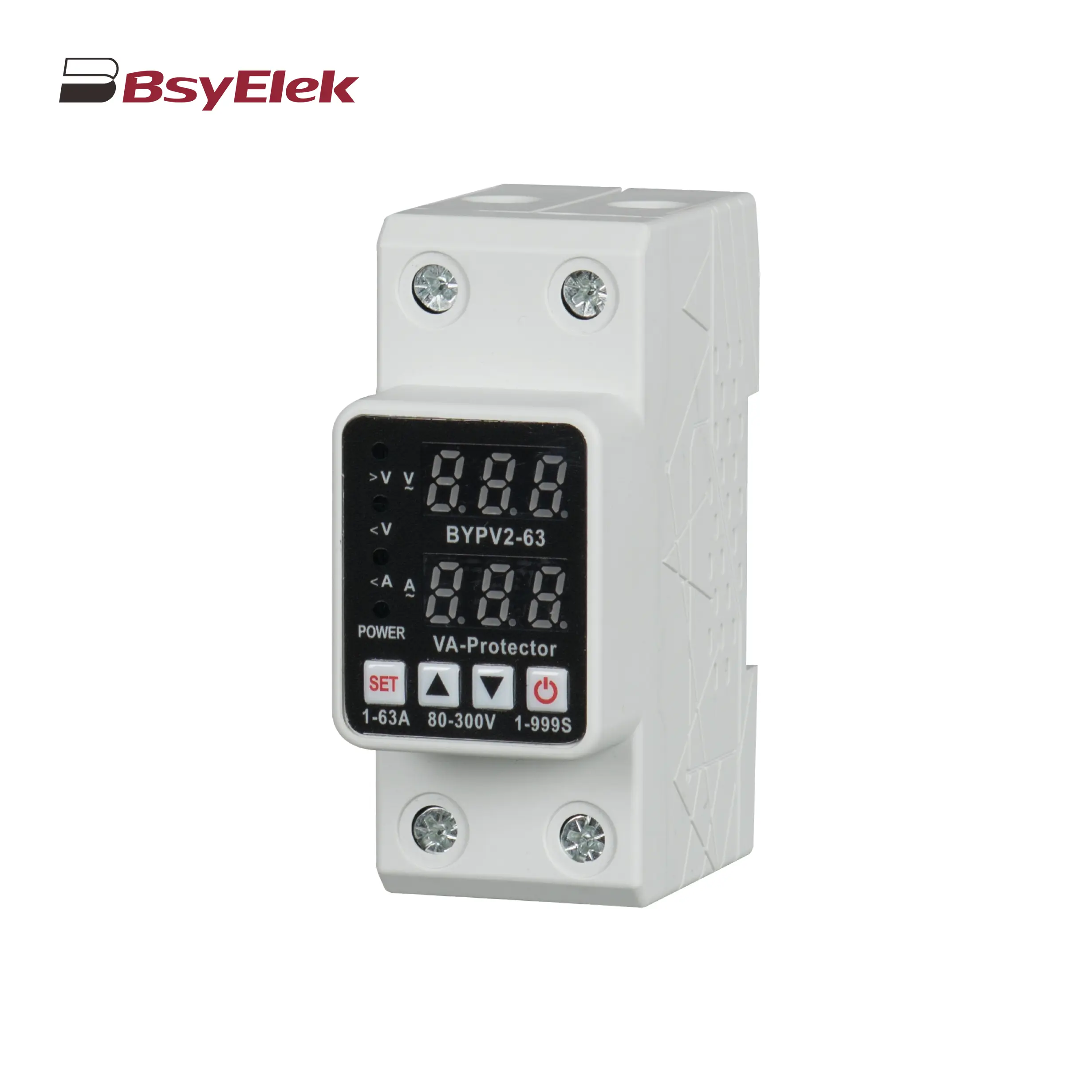 BYVP2-63 40A 63A Adjustable Dual Display Overvoltage and Undervoltage Protector
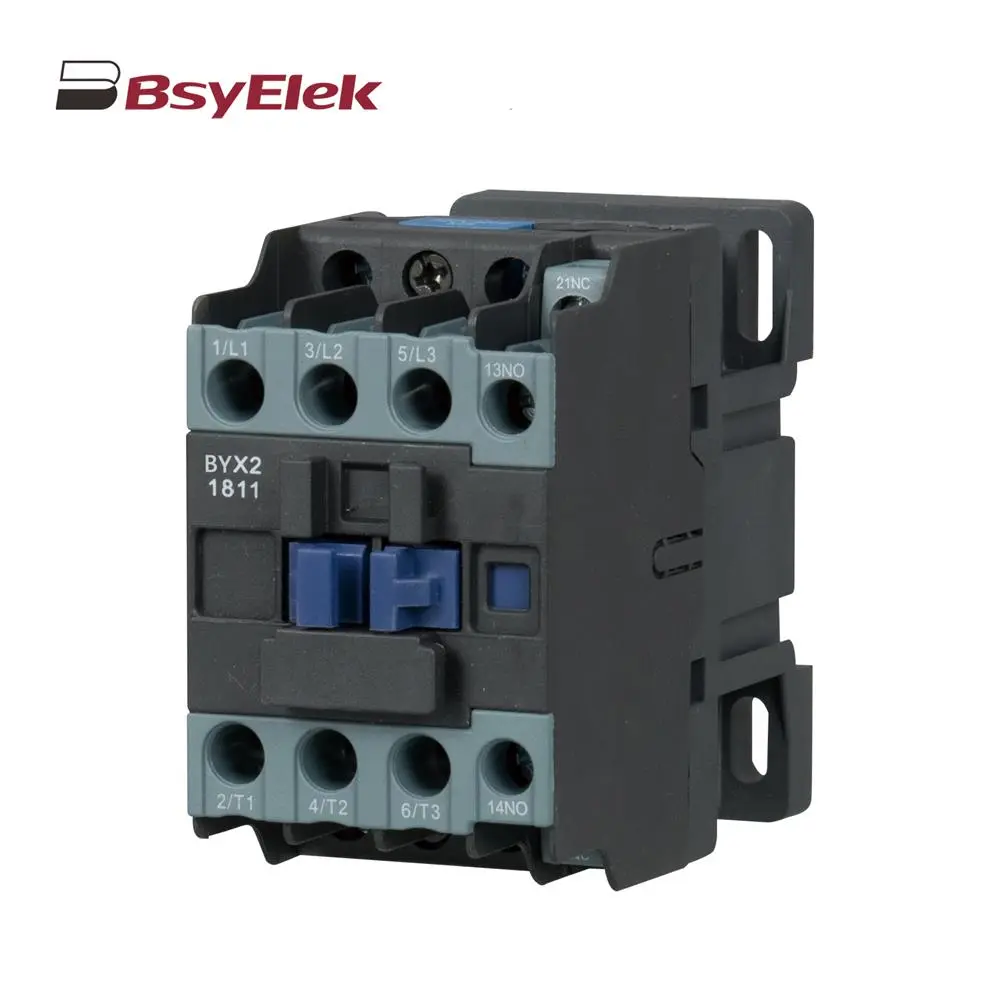 BYX2 6-95A AC Contactor
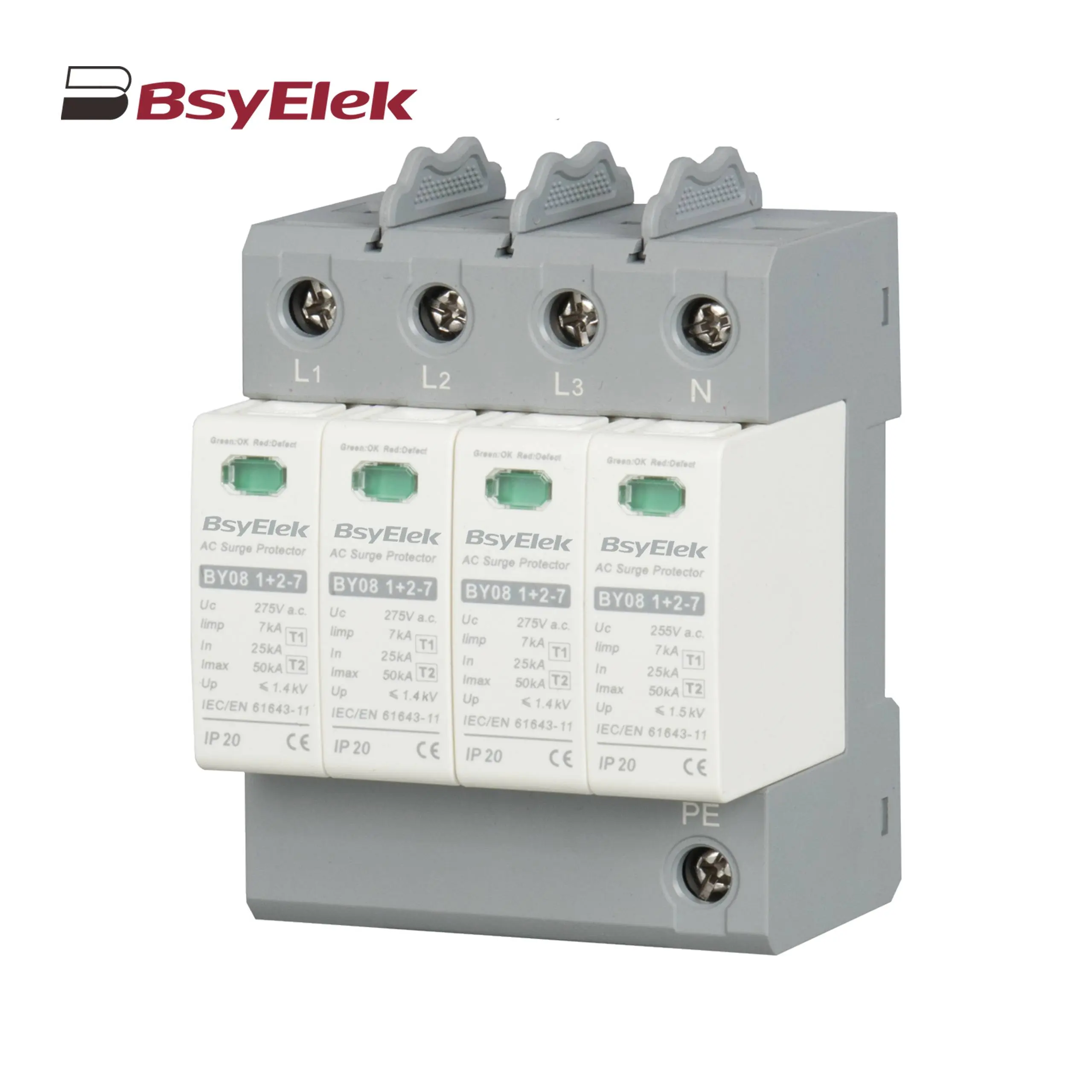 BY08 1+2-7 SPD Class T1+T2 Imax 50KA Surge Protective Device
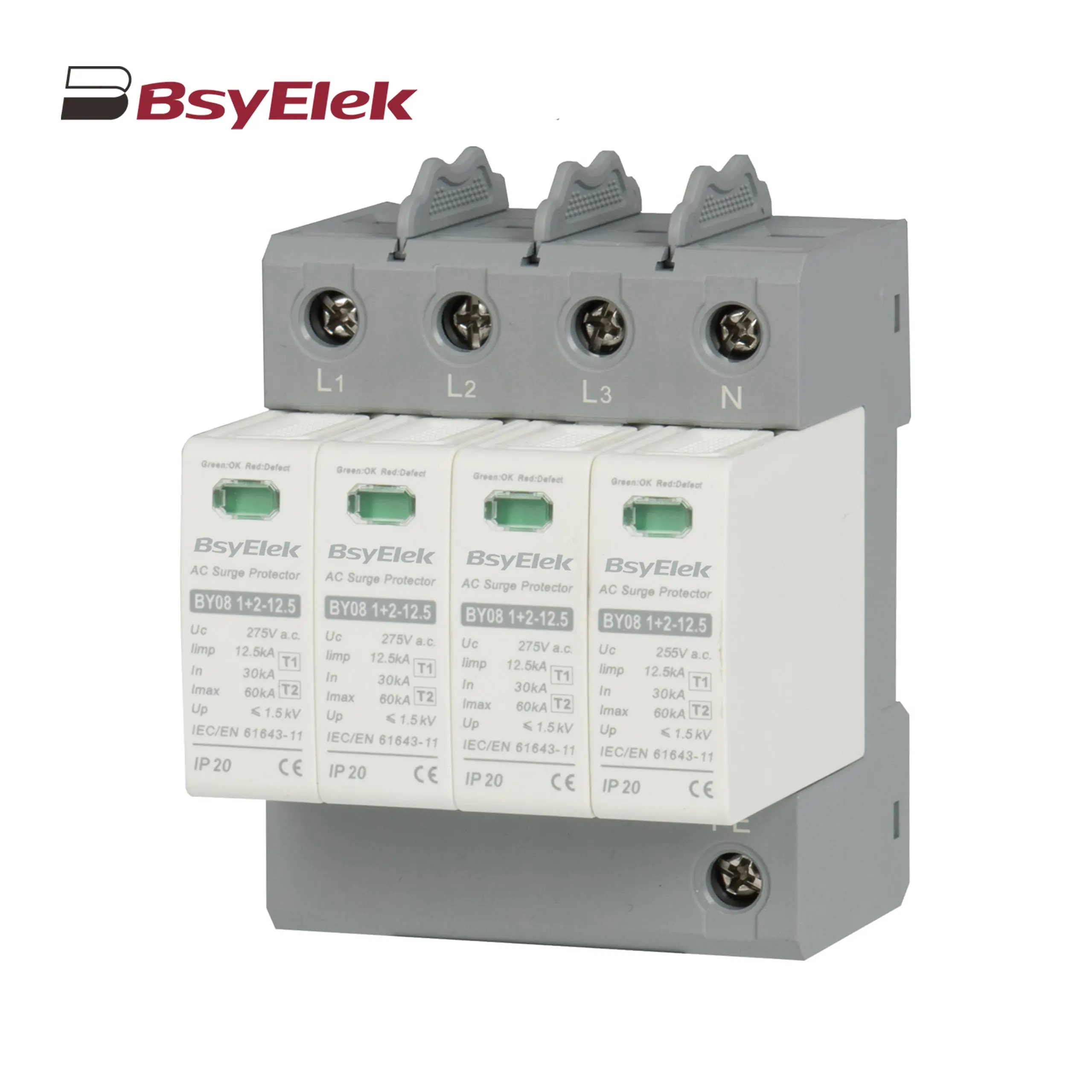 BY08 1+2-12.5 SPD Class T1+T2 Imax 60KA Surge Protective Device
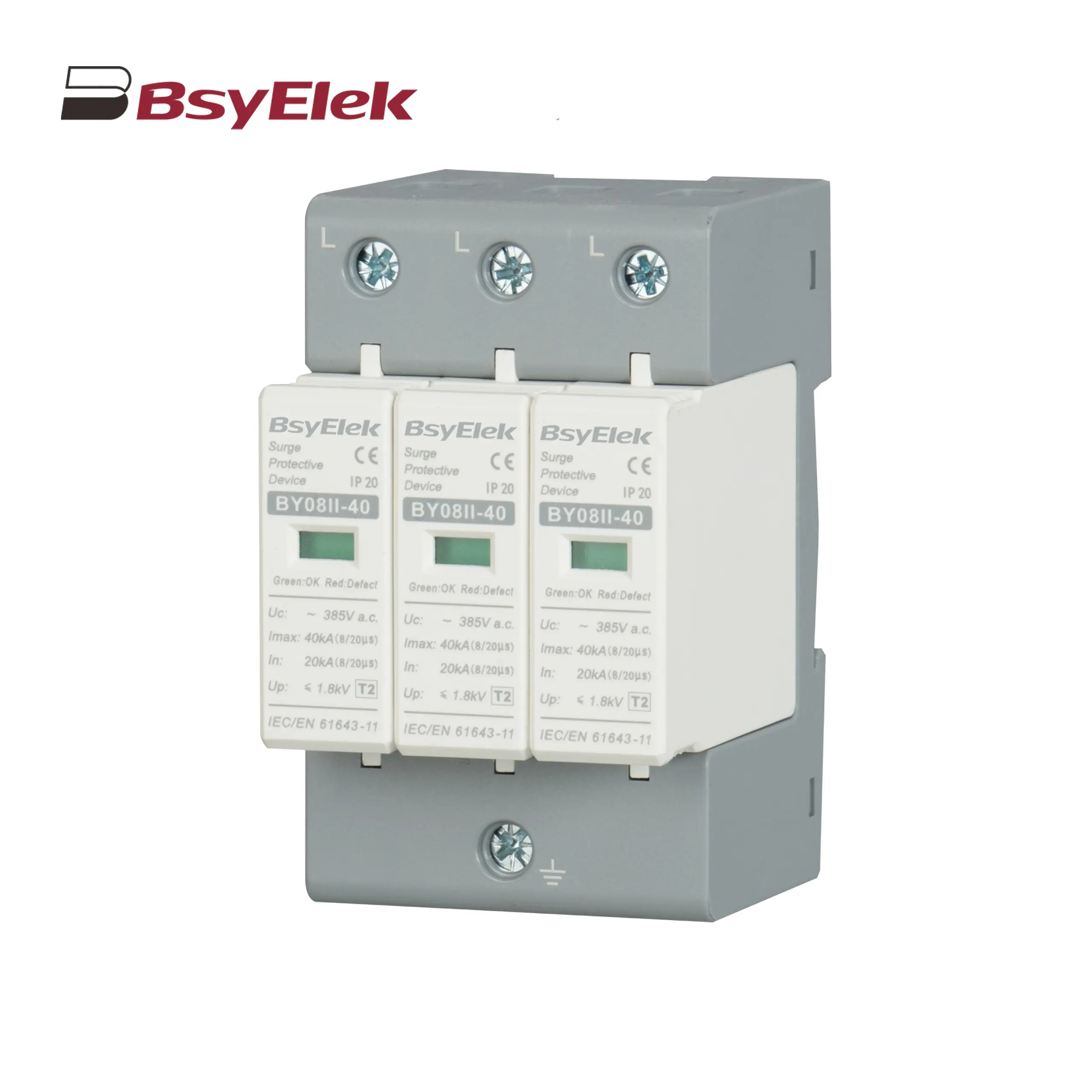 BY08II-40 SPD Class T2 Imax 40KA Surge Protective Device
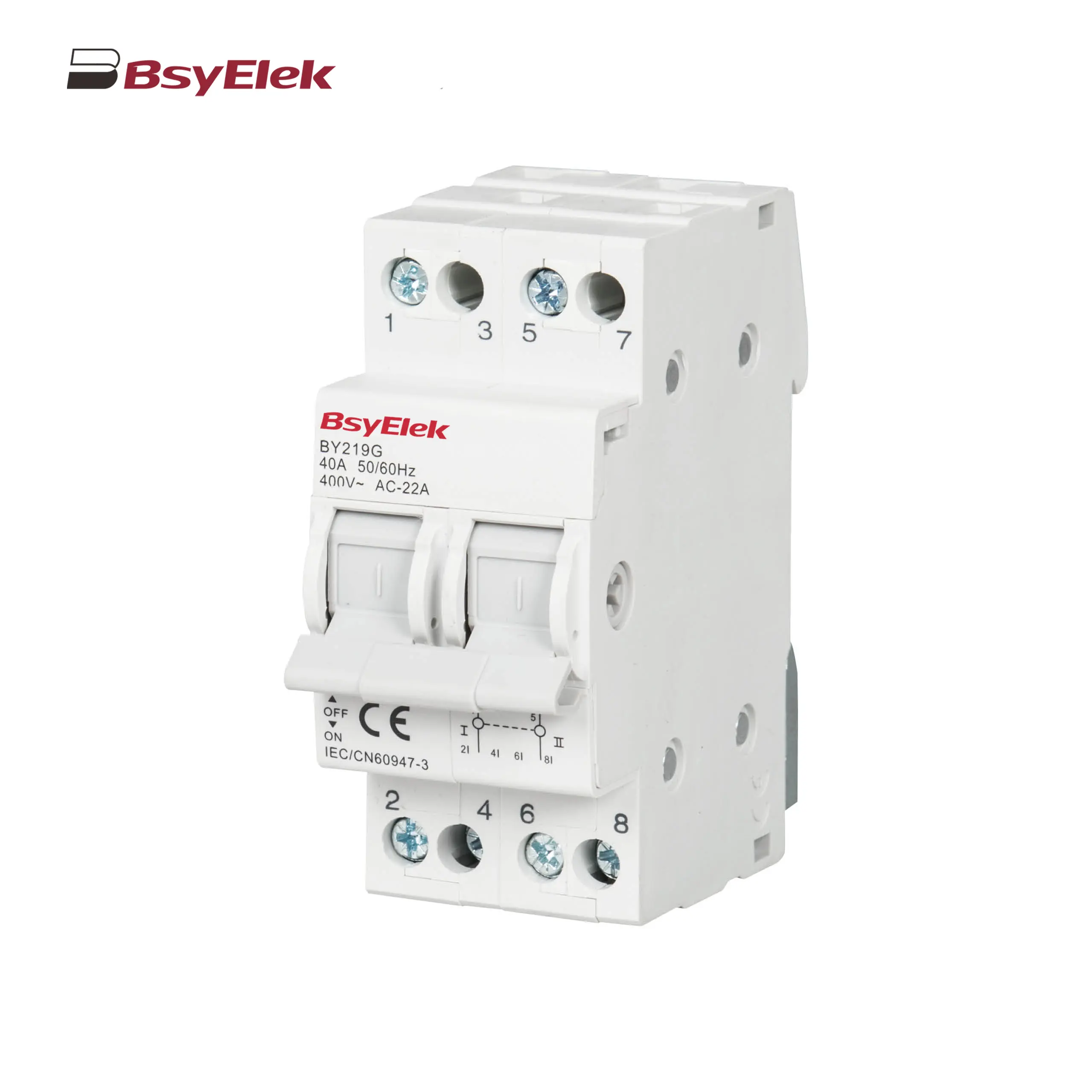 BY19G 63A Manual Changeover Switch
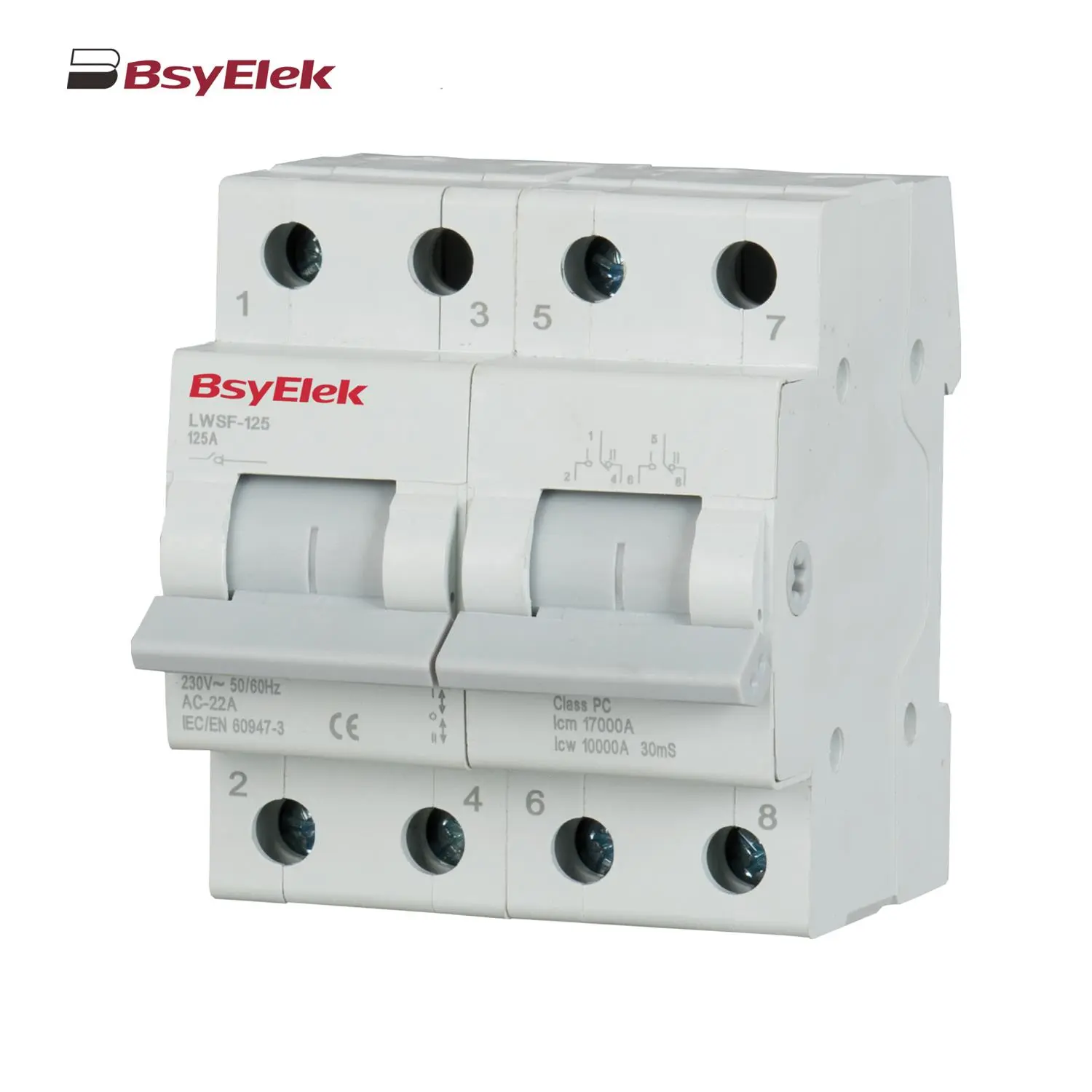 LWSF-125 125A Manual Changeover Switch
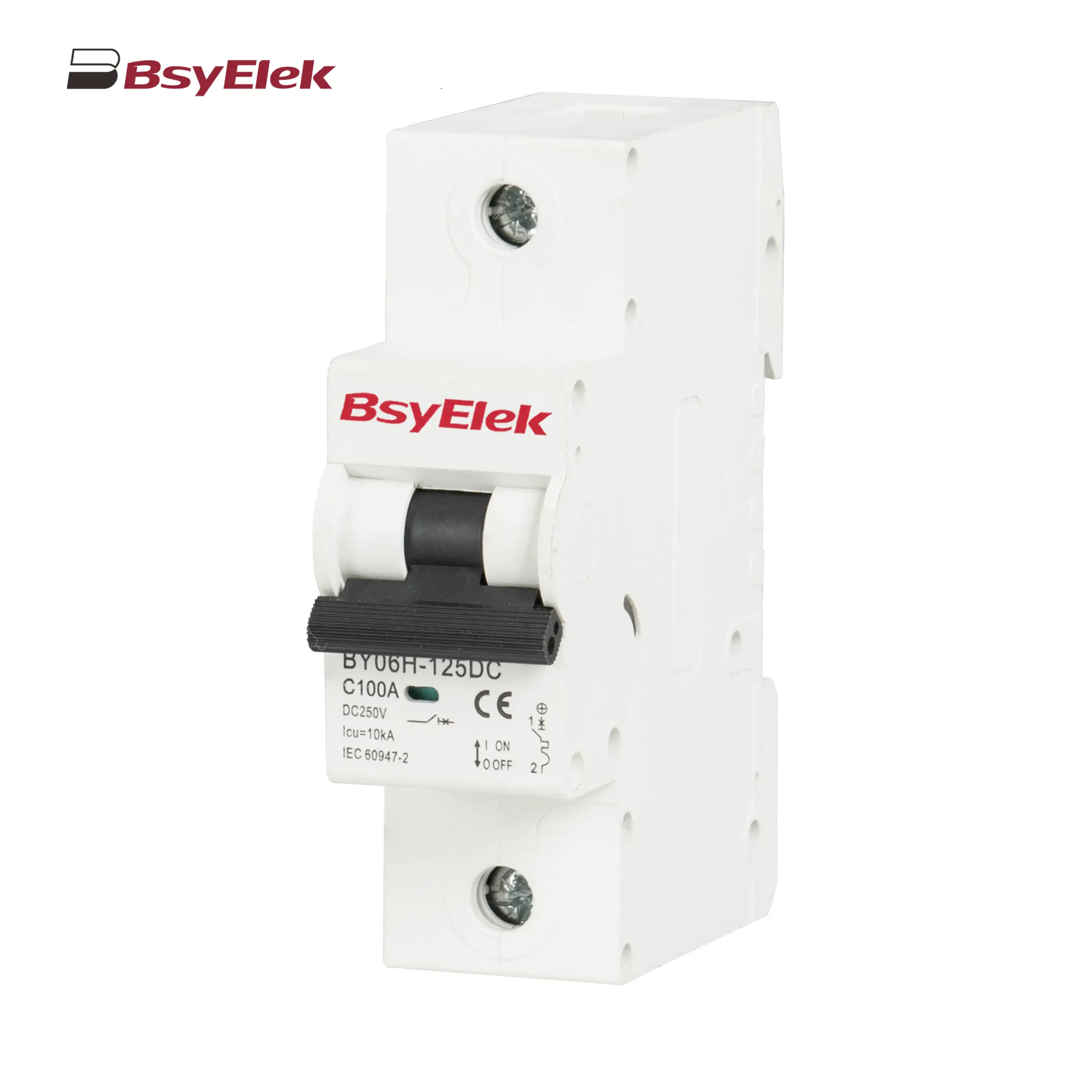 BY06H-125DC MCB 10-15kA DC Miniature Circuit Breaker
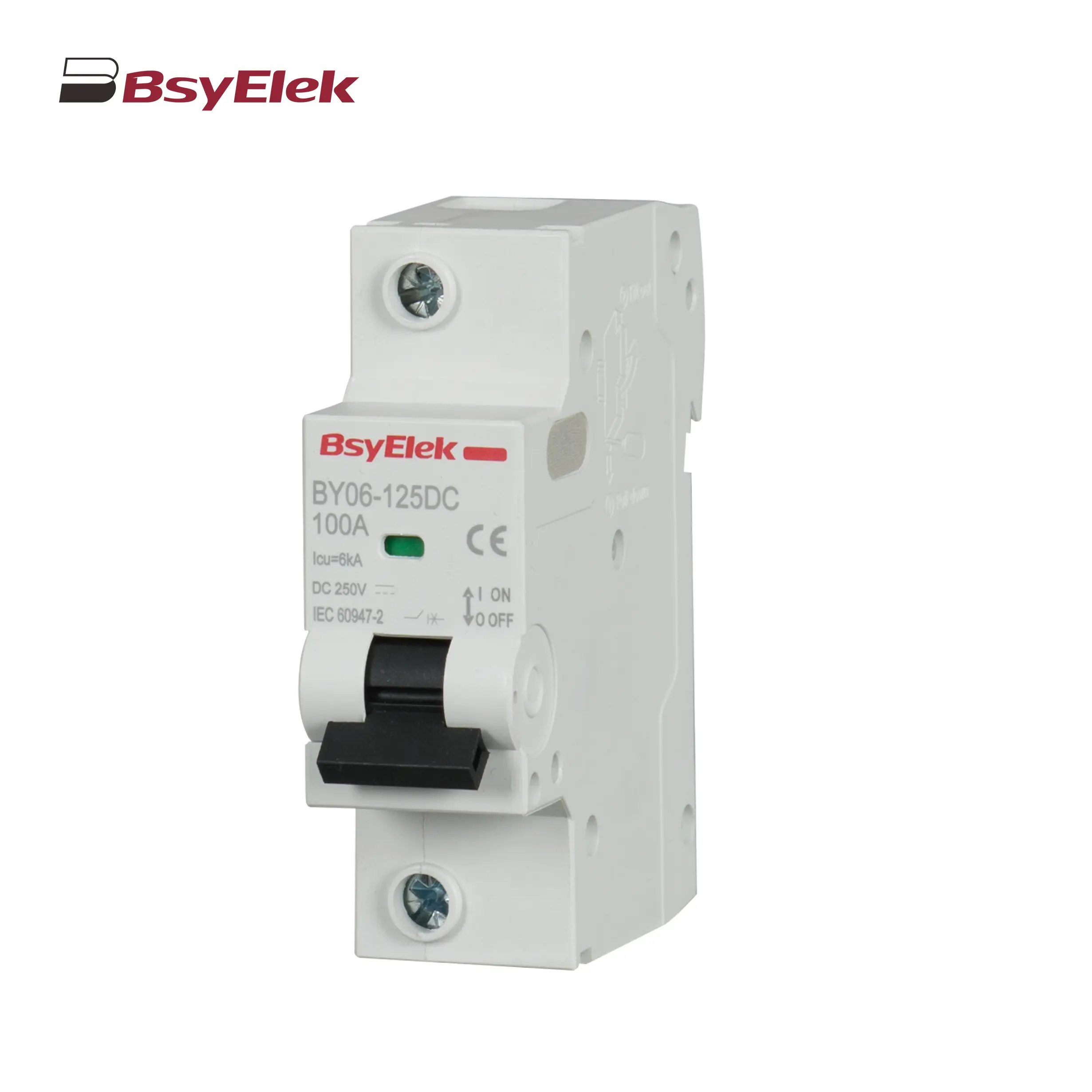 BY06-125DC MCB 6kA DC Miniature Circuit Breaker
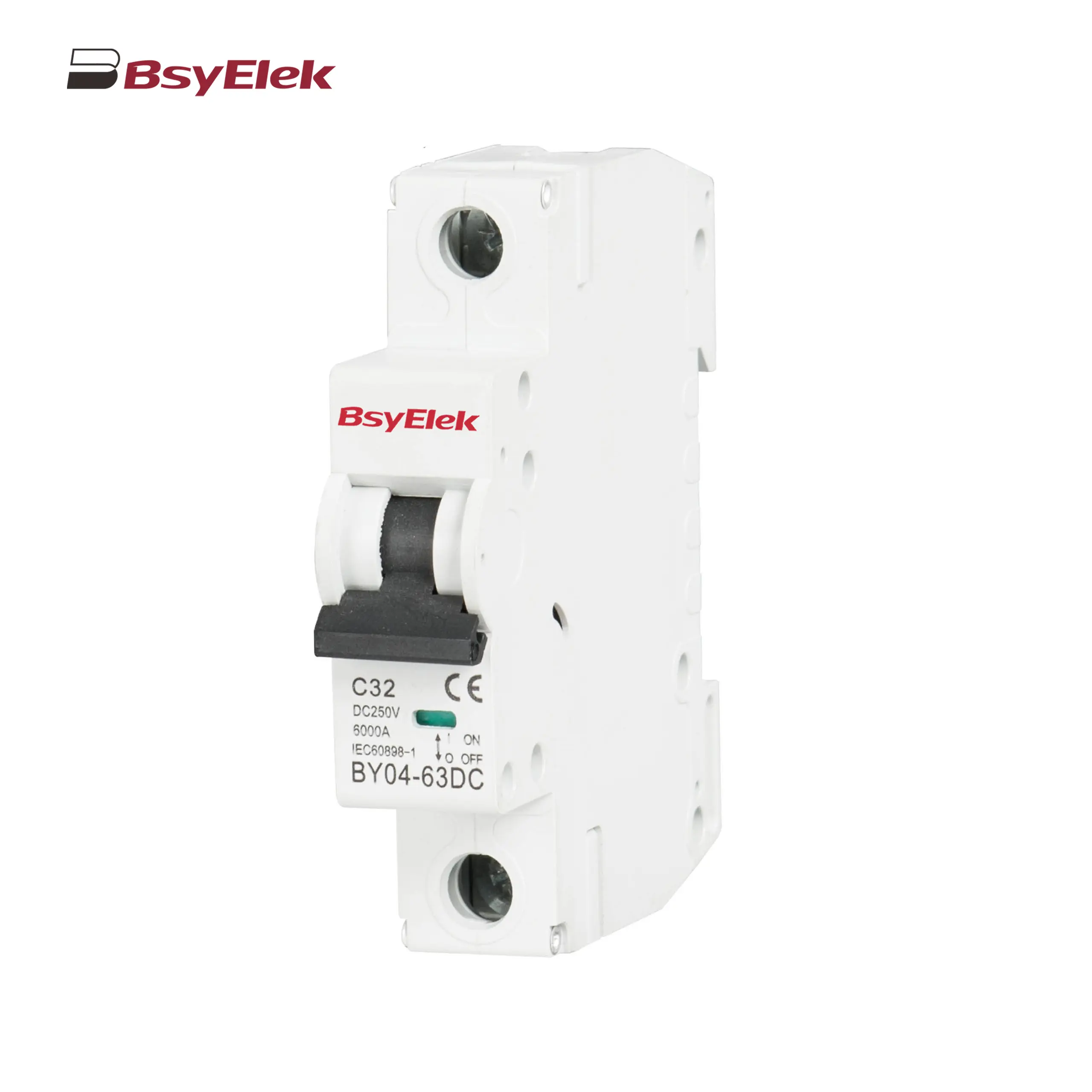 BY04-63DC MCB 6-10kA DC Miniature Circuit Breaker
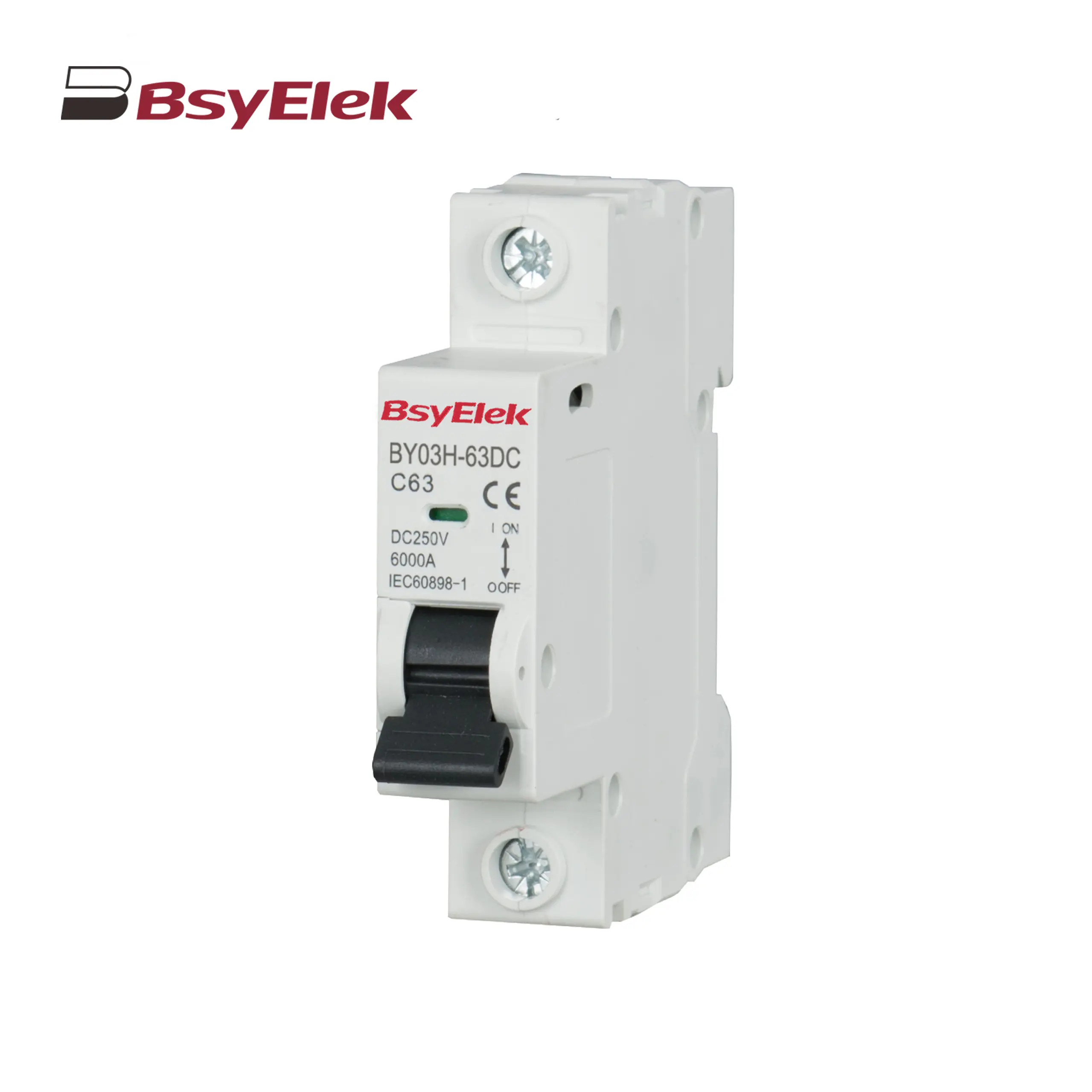 BY03H-63DC MCB 6kA DC Miniature Circuit Breaker
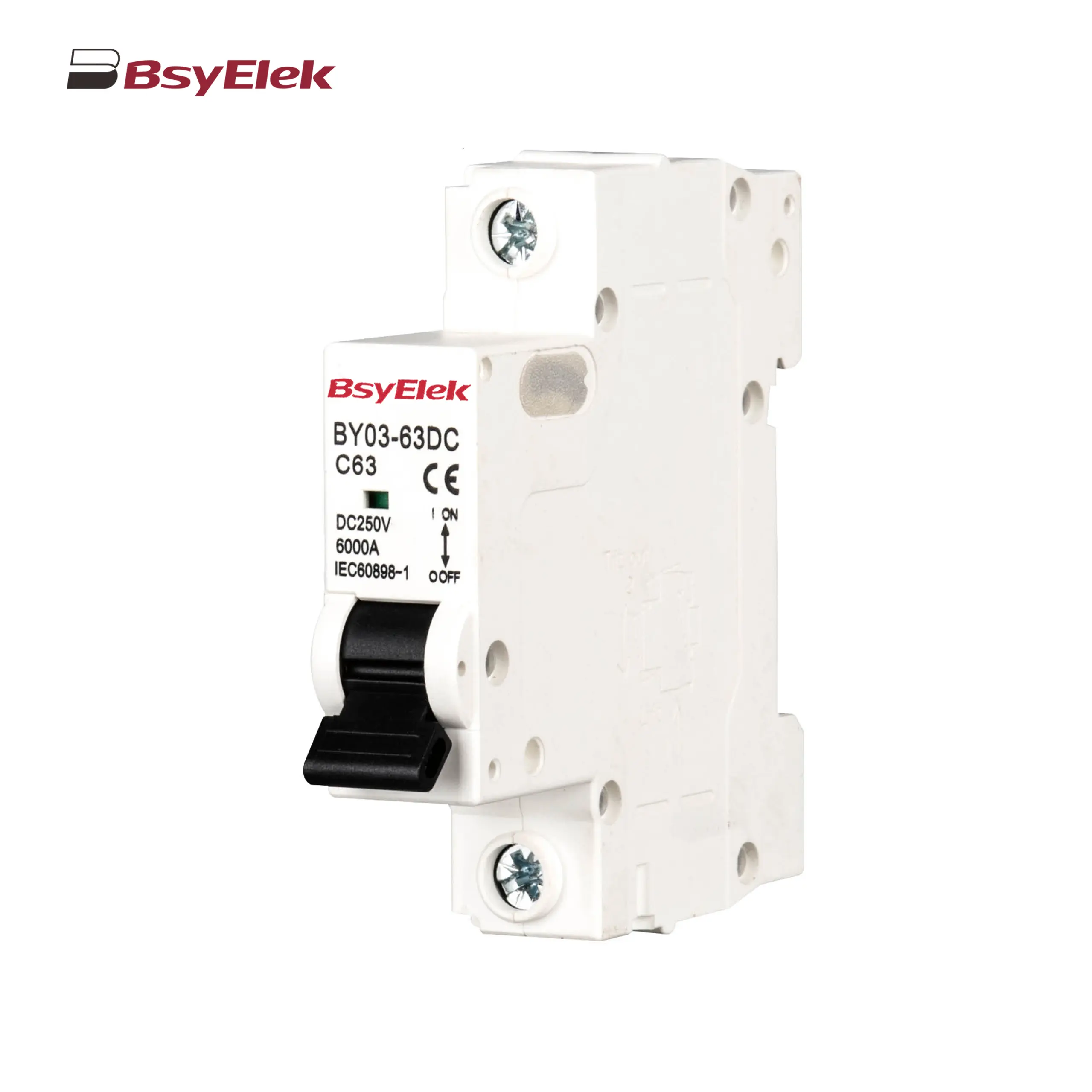 BY03-63DC MCB 4.5kA DC Miniature Circuit Breaker
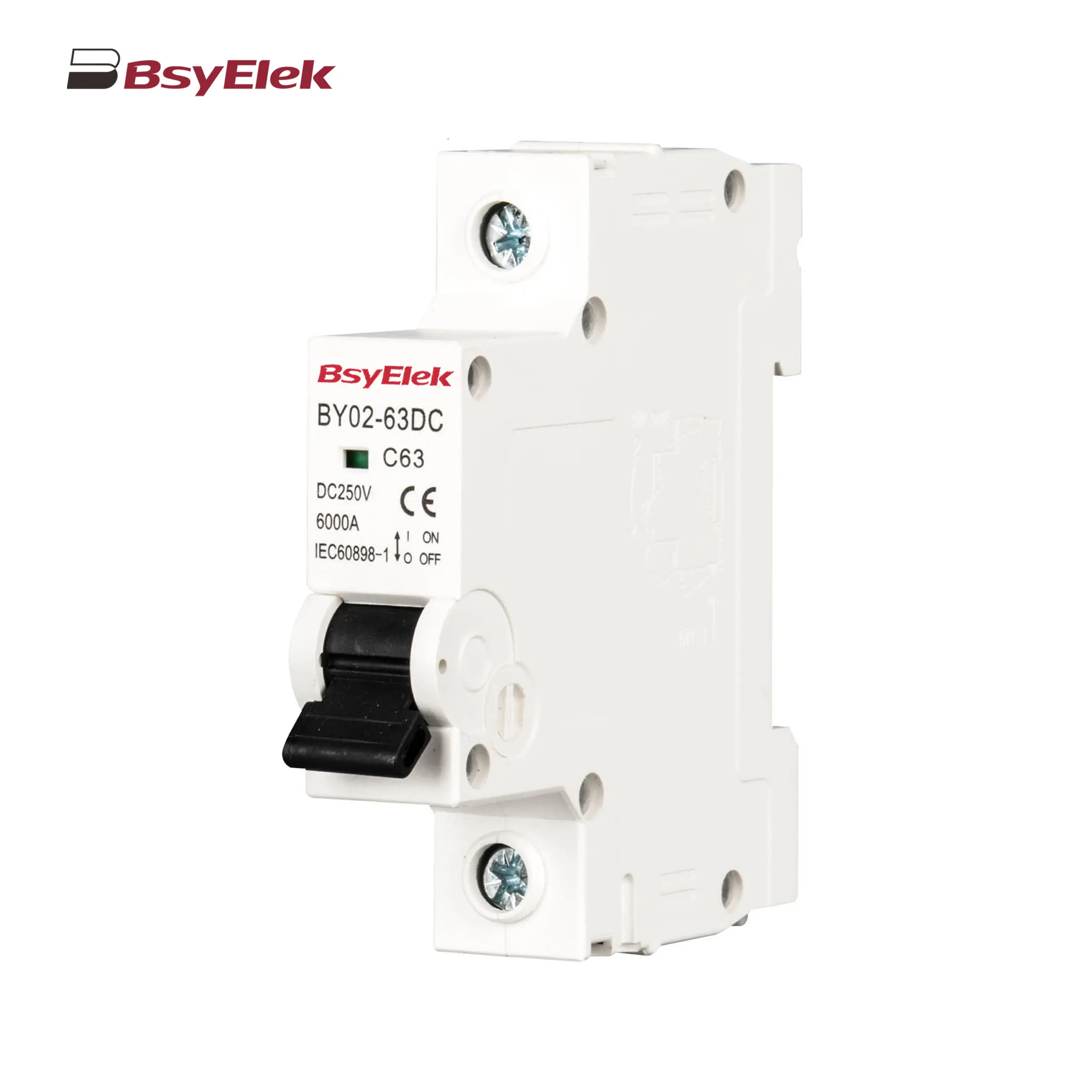 BY02-63DC MCB 3kA DC Miniature Circuit Breaker
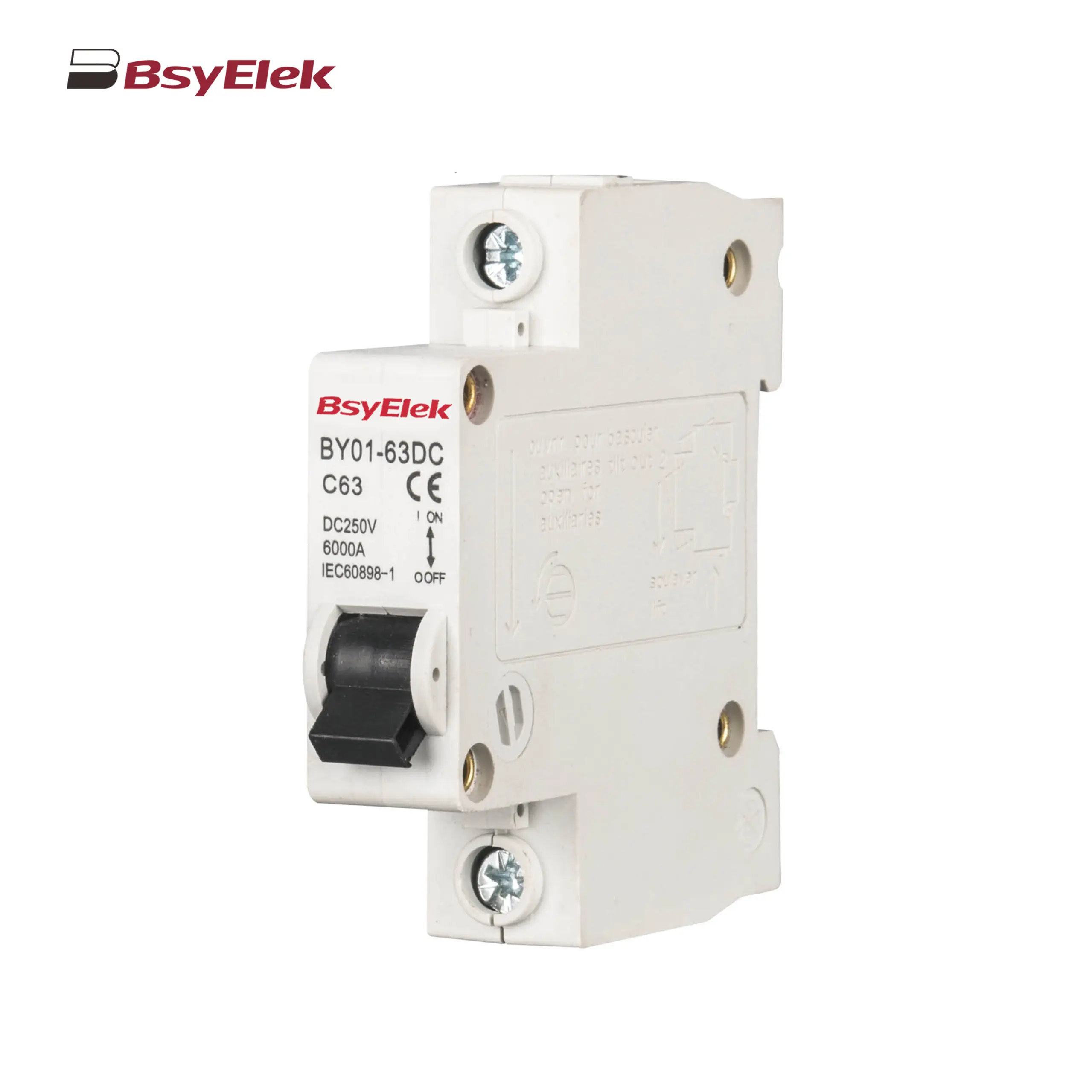 BY01-63DC MCB 3kA DC Miniature Circuit Breaker
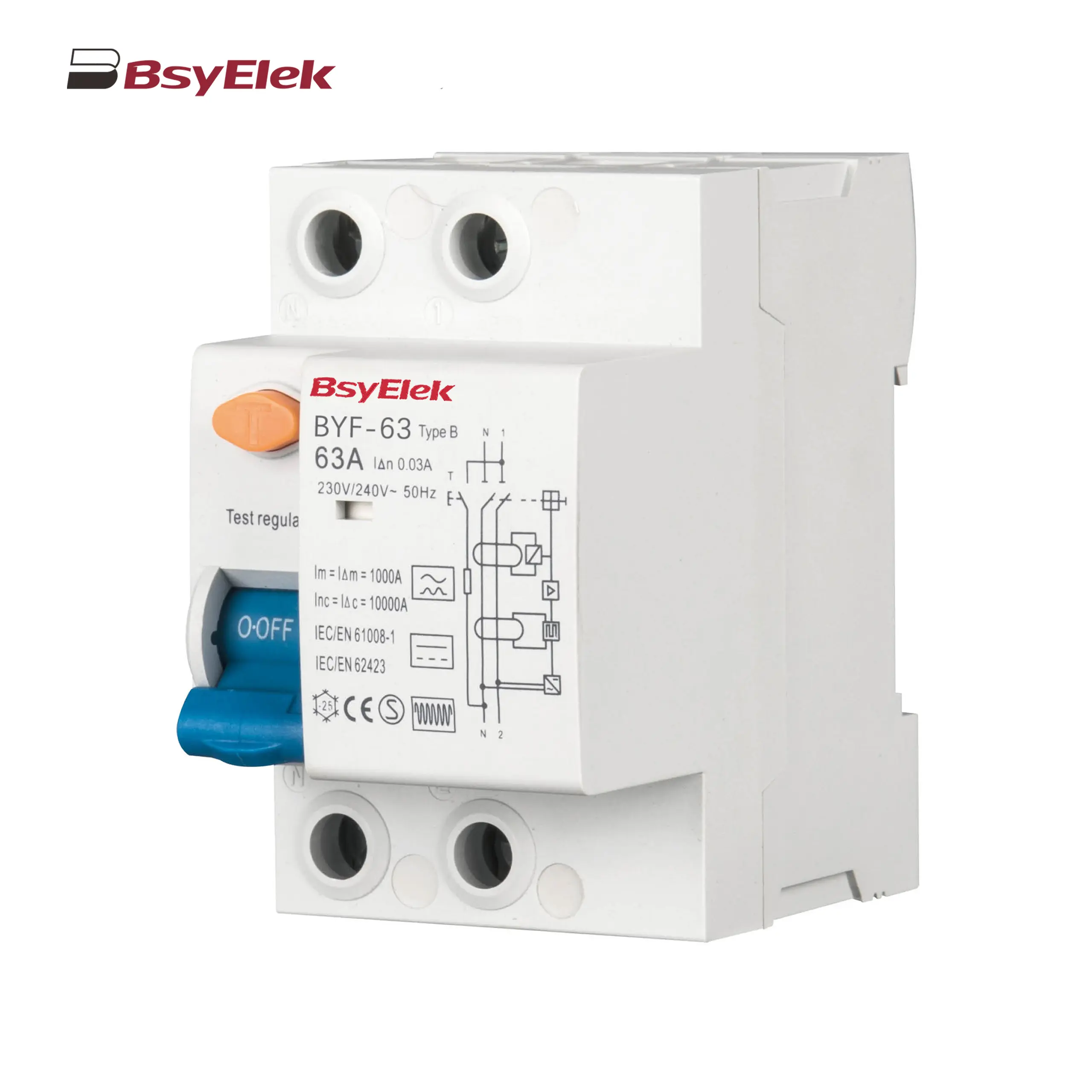 BYF-63 RCD 10KA Type B AC+A+Smoothing DC Residual Current Device
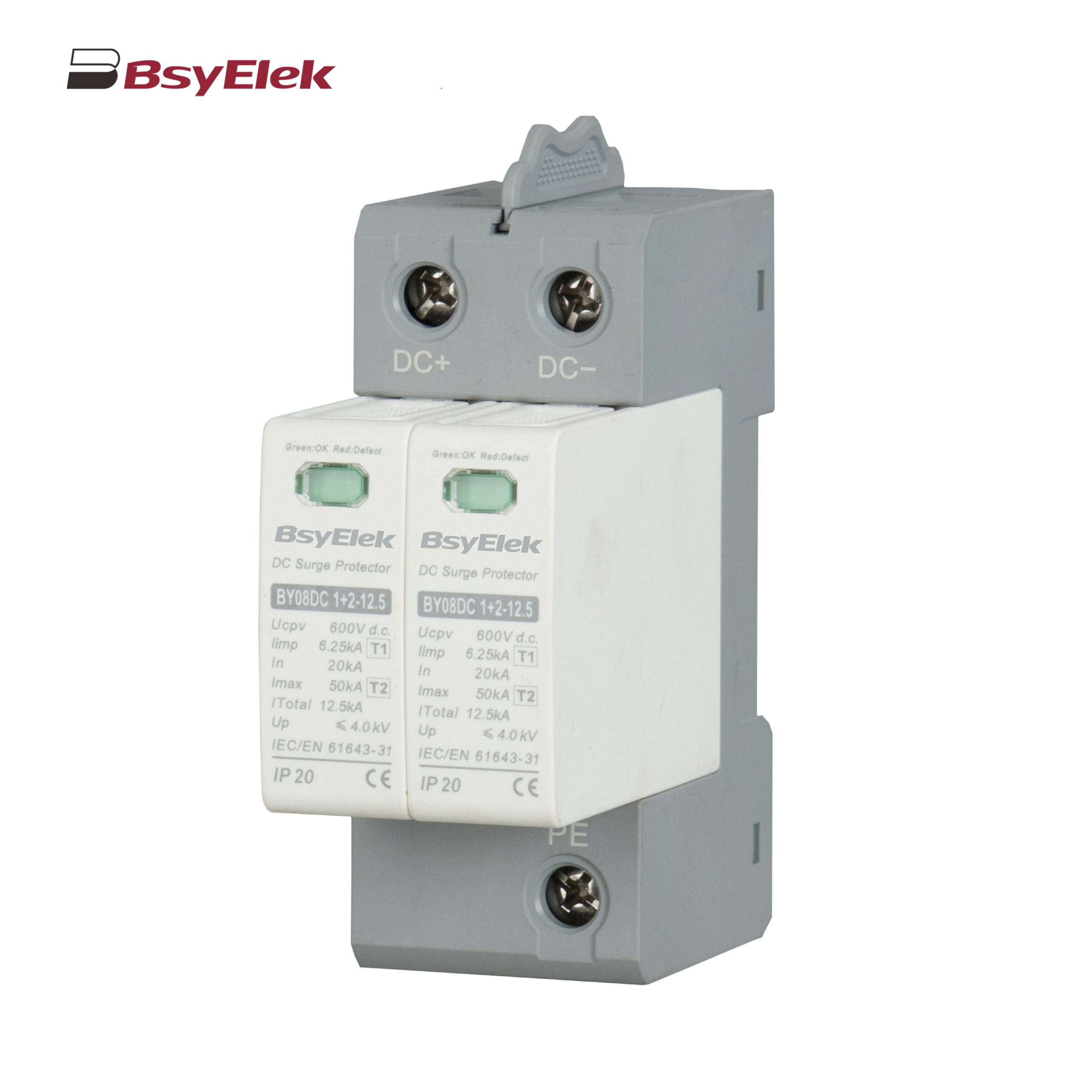 BY08DC 1+2-12.5 SPD Class T1+T2 40KA DC Surge Protective Device
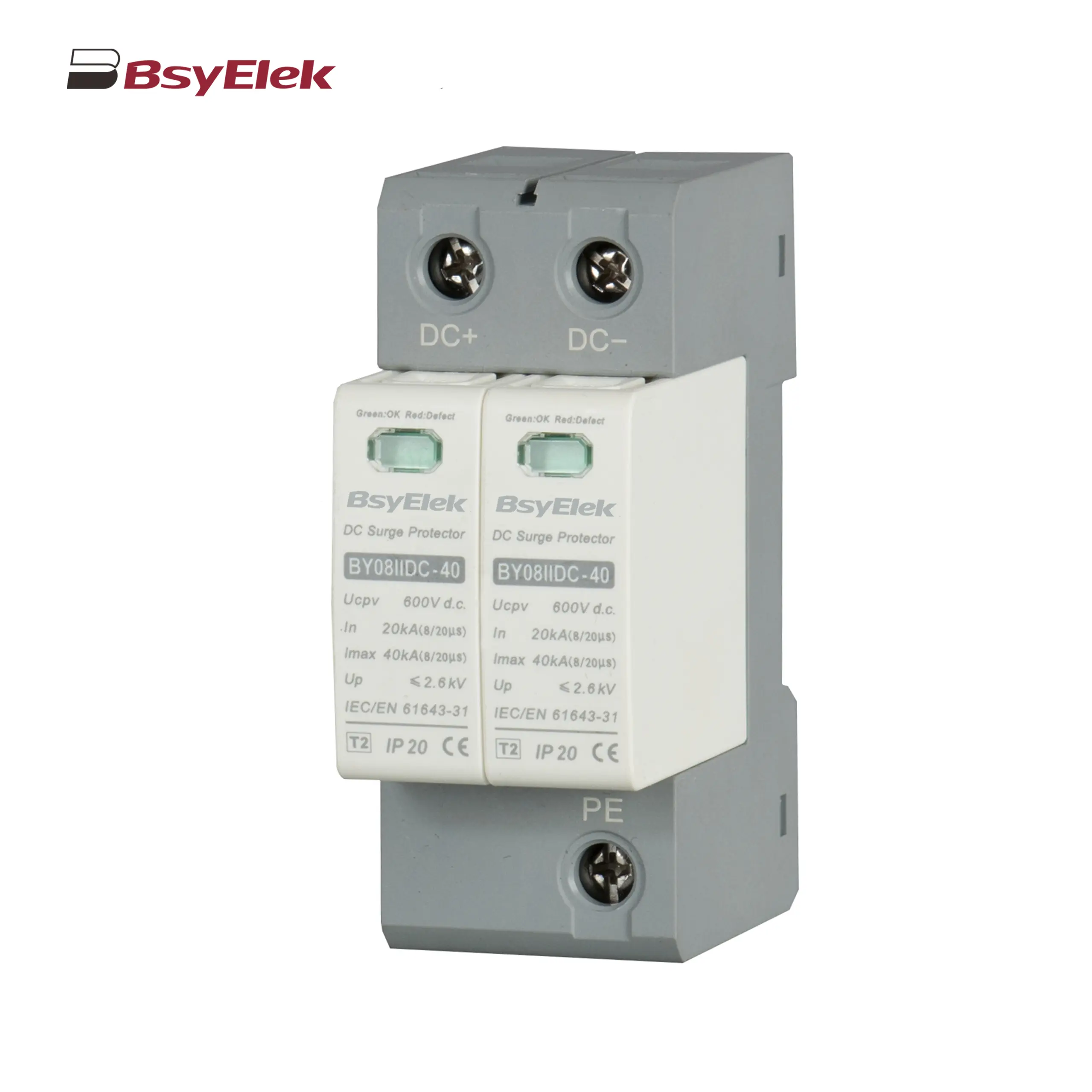 BY08IIDC-40 SPD Class T2 40KA DC Surge Protective Device
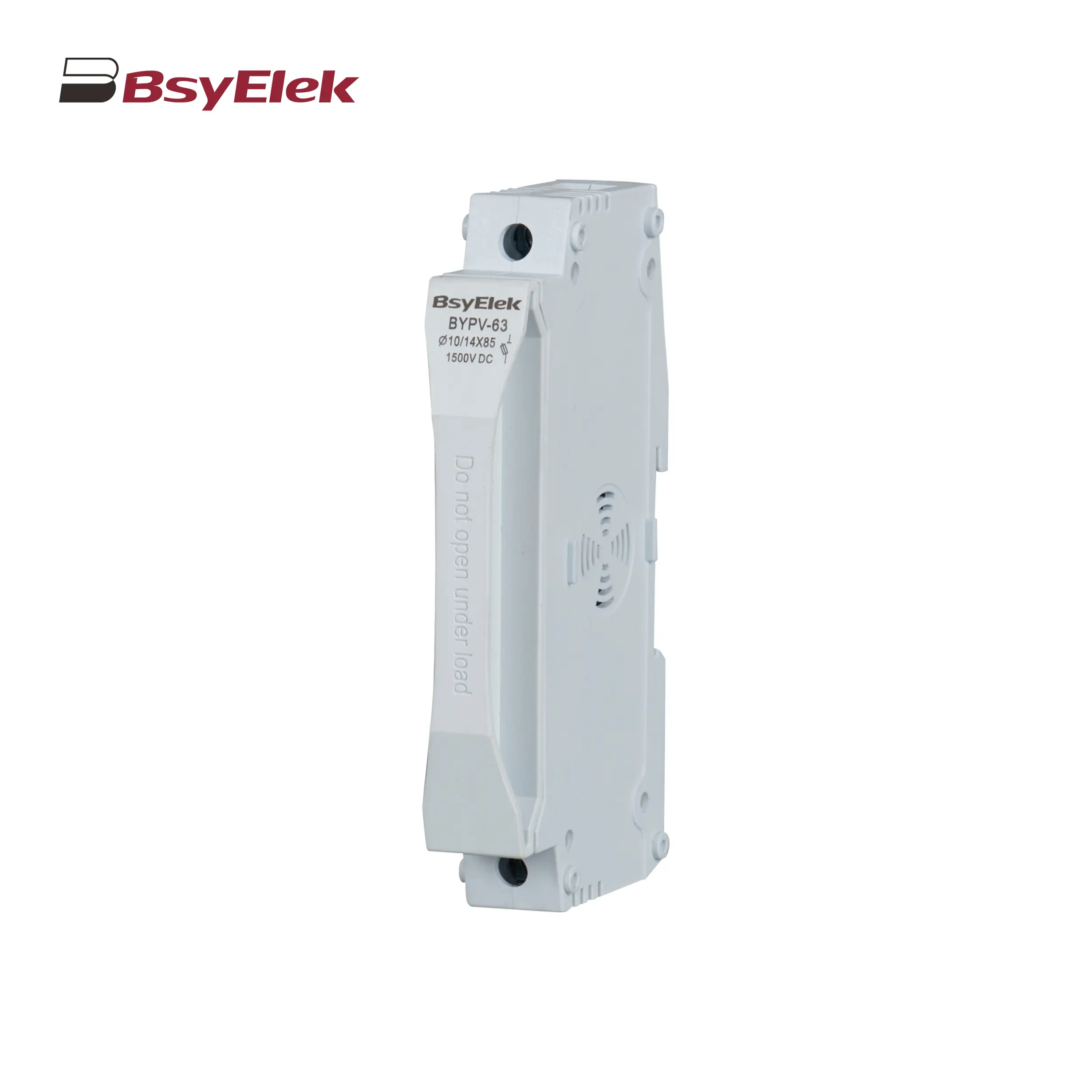 BYPV-63 1500VDC 50A Fuse Holder with 10x85mm 14x85mm Fuse Link
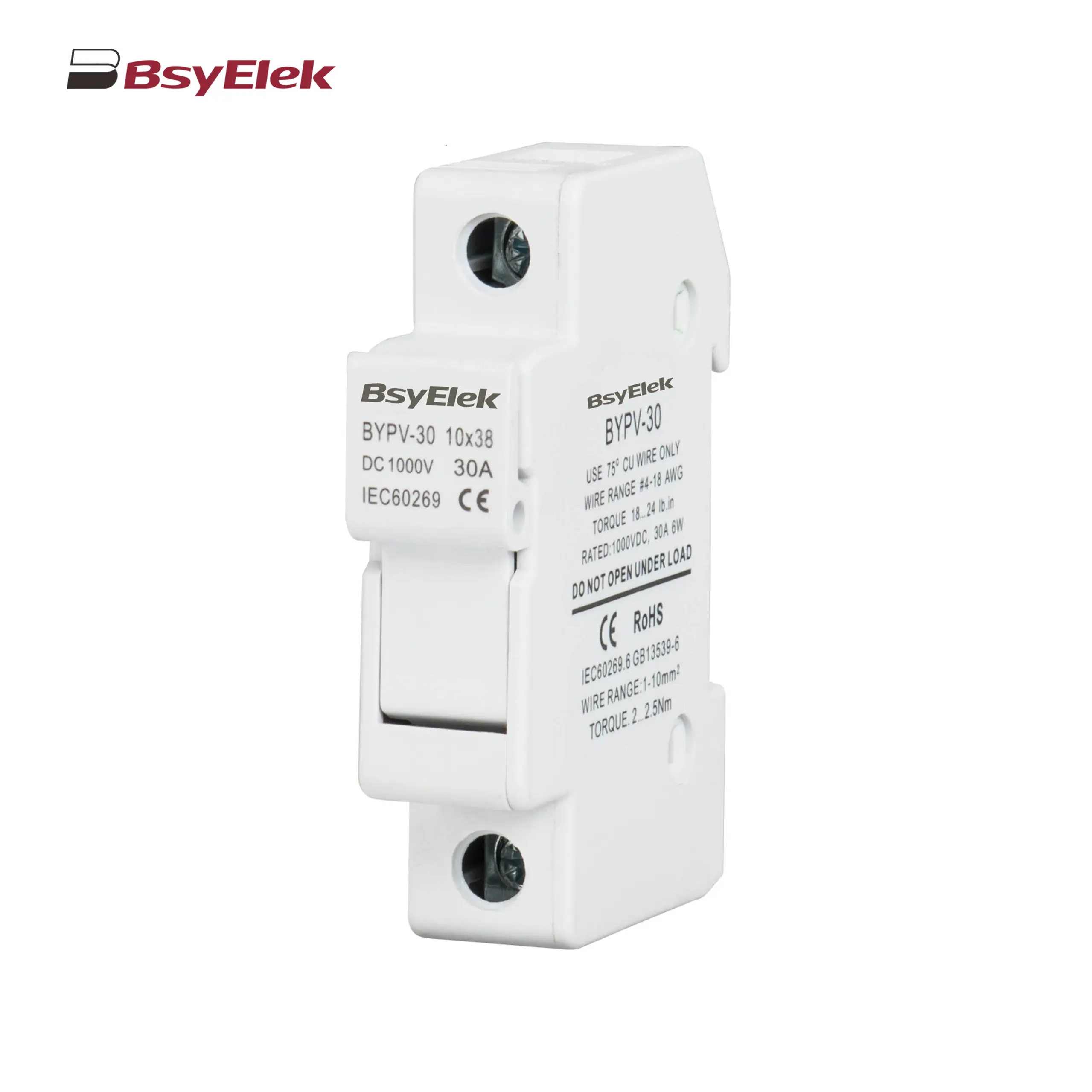 BYPV-30 1000VDC 32A Fuse Holder with 10x38mm Fuse Link
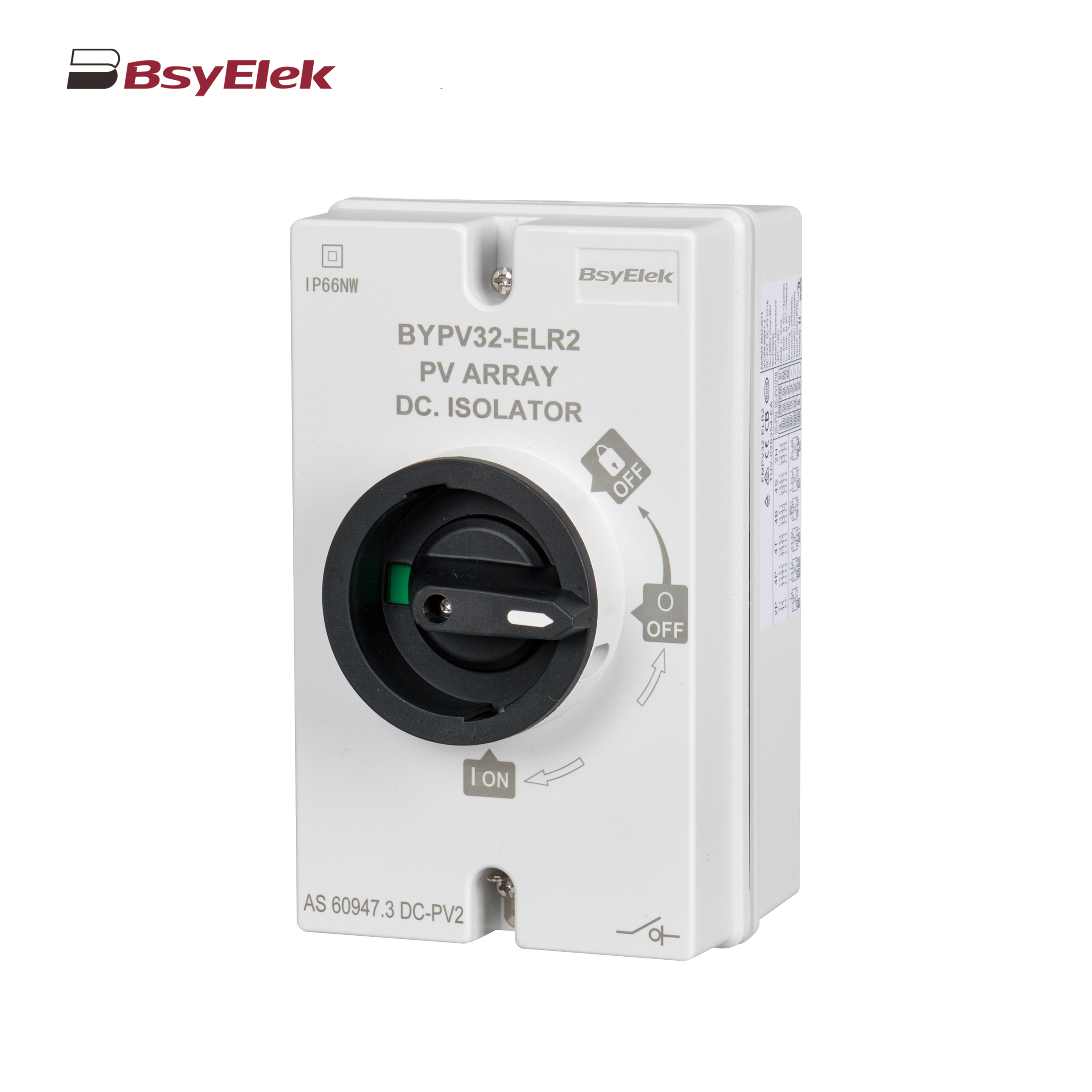 BYPV-ELR2 PV Isolator Switch with Enclosed Version
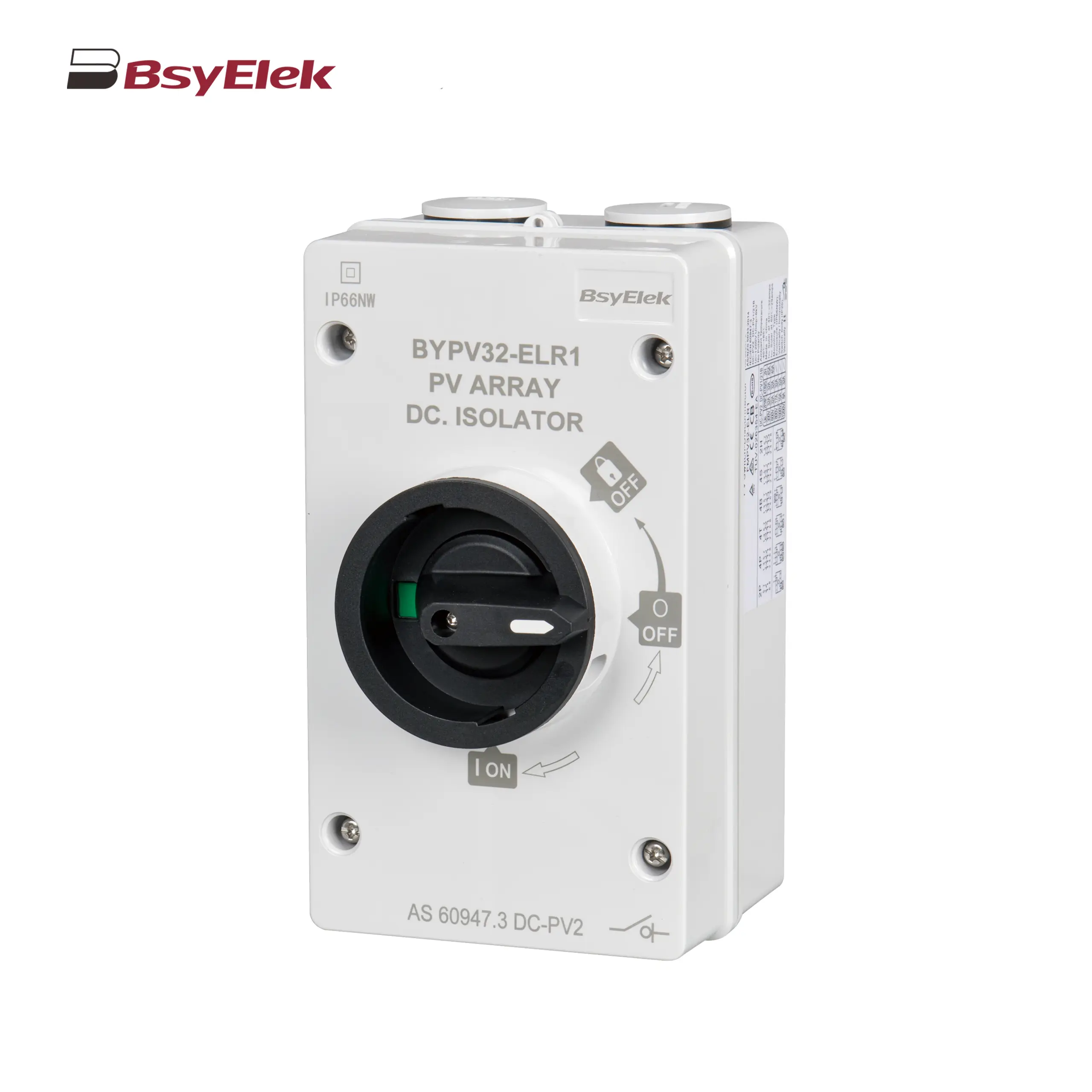 BYPV-ELR1 PV Isolator Switch with Enclosed Version
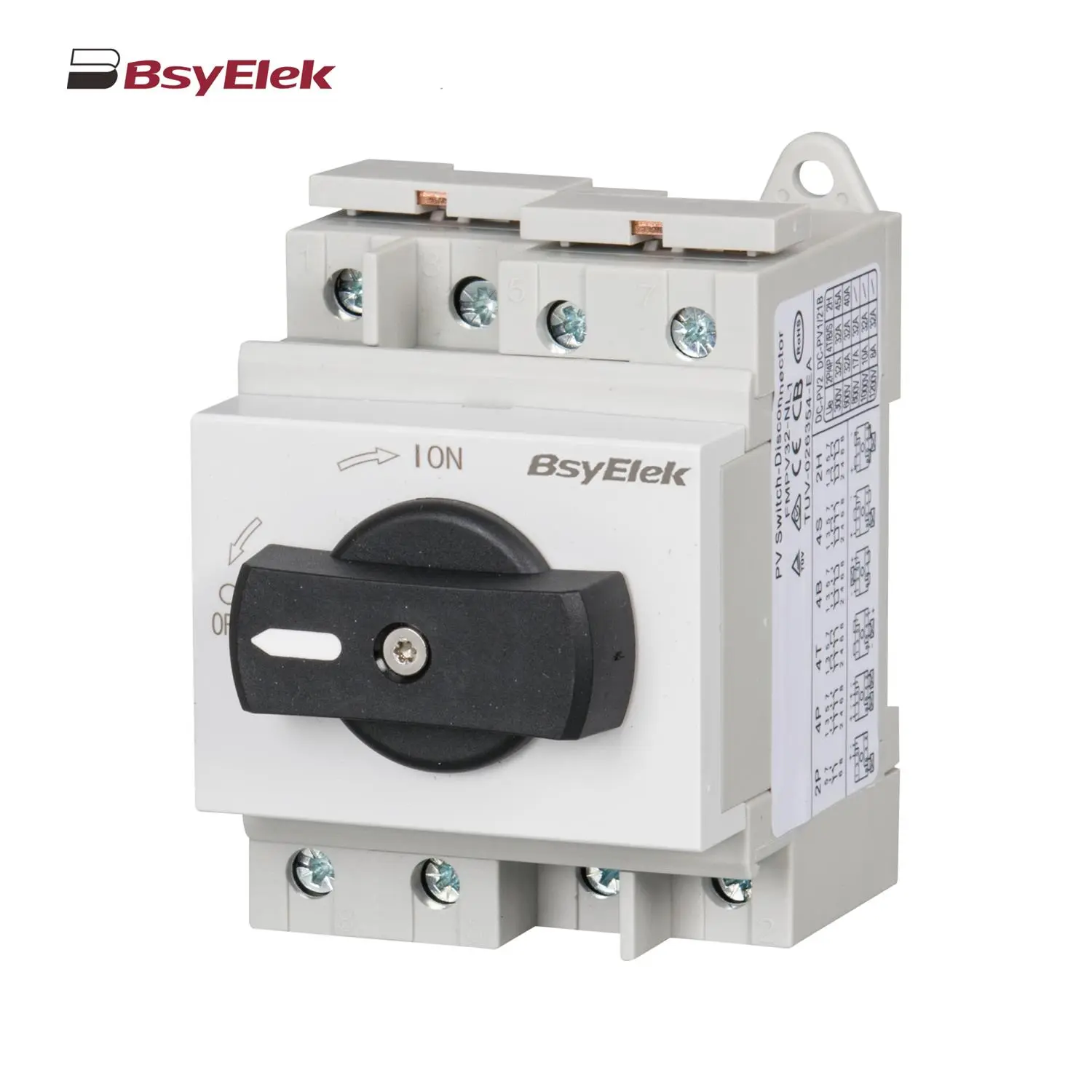 BYPV-NL1/T PV Isolator Switch with Ultra-thin Lever Handle
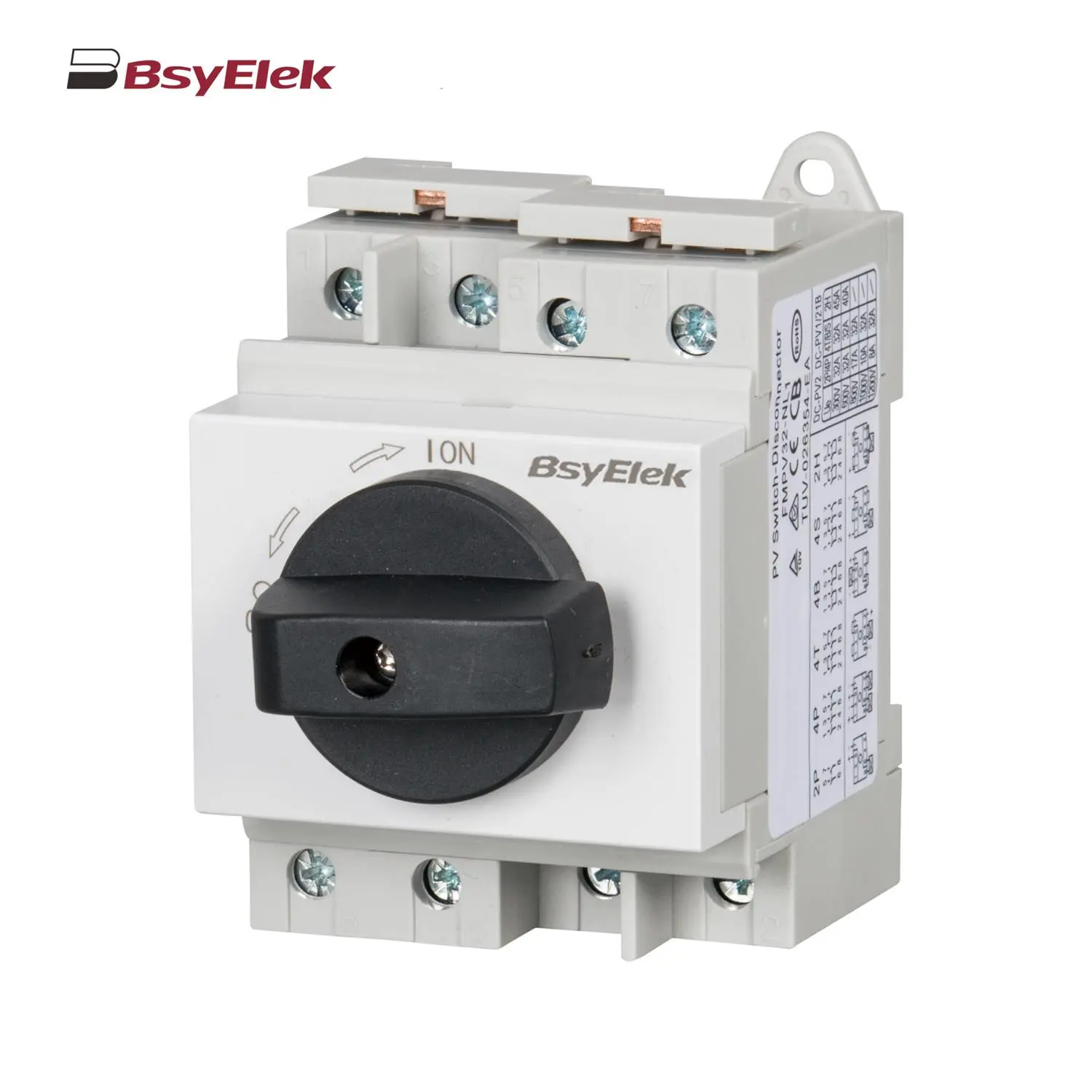 BYPV-NL1 PV Isolator Switch with Lever Handle
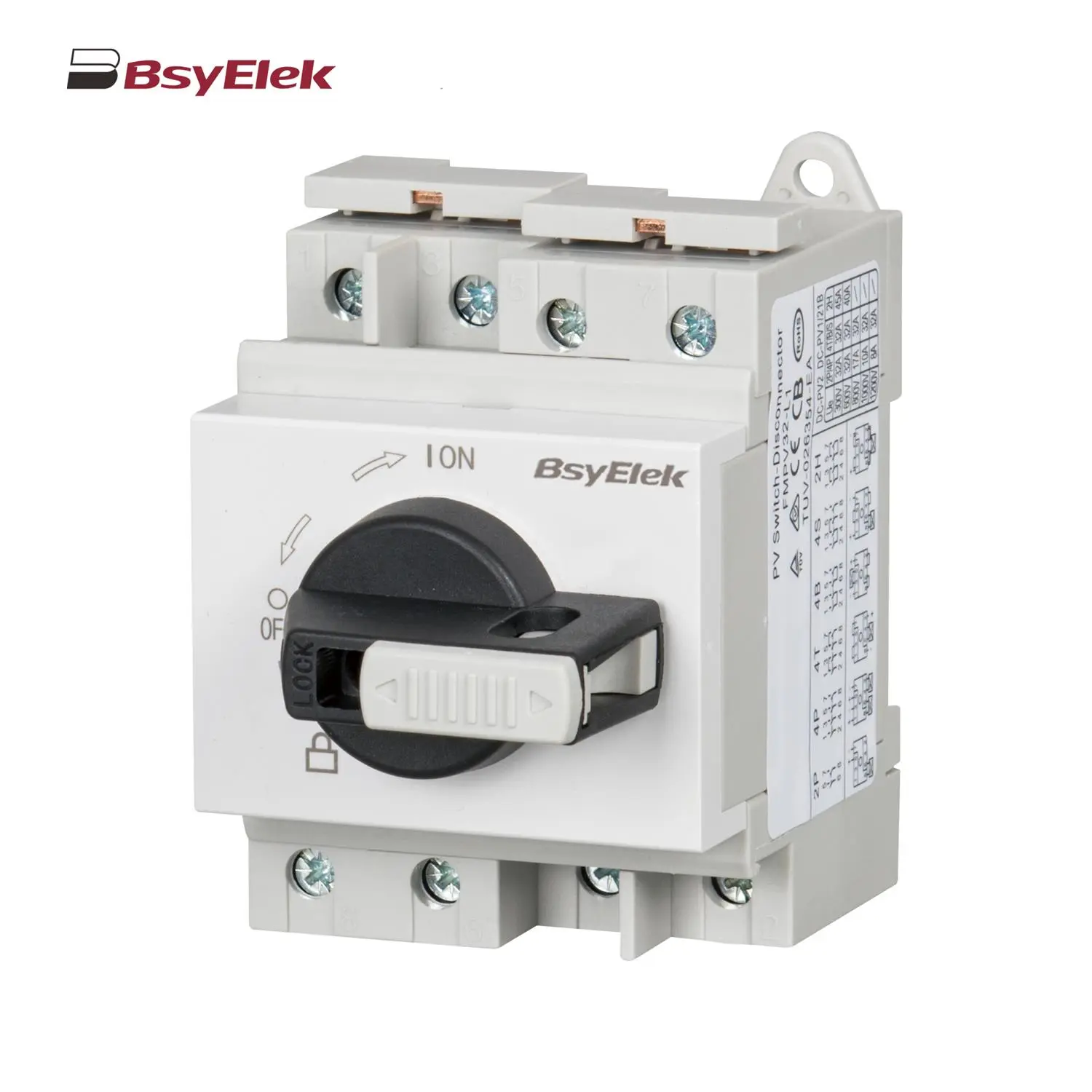 BYPV-L1/L2 PV Isolator Switch with Lockable Lever Handle
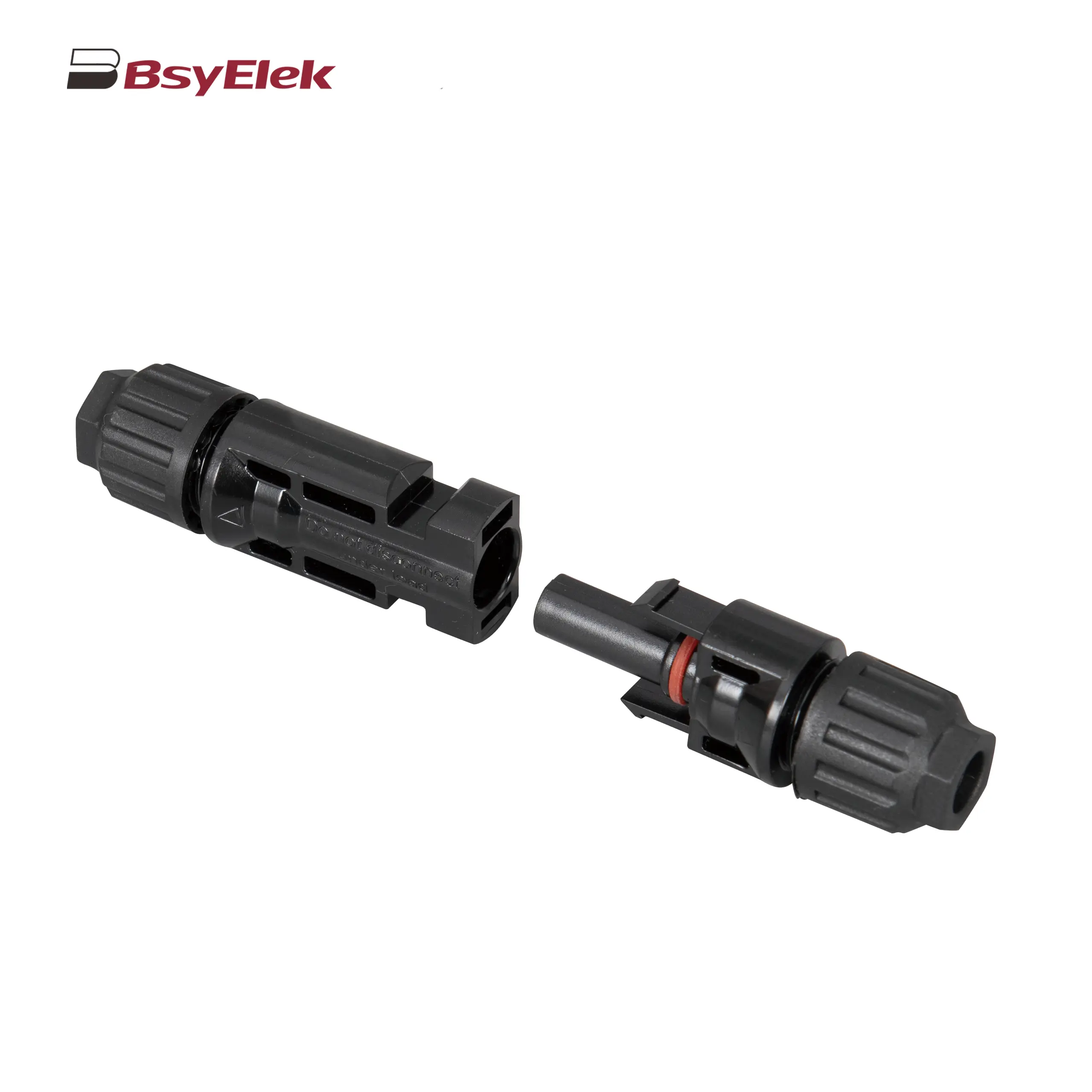 PV-BY-01 30A/50A 1000V Photovoltaic Connector
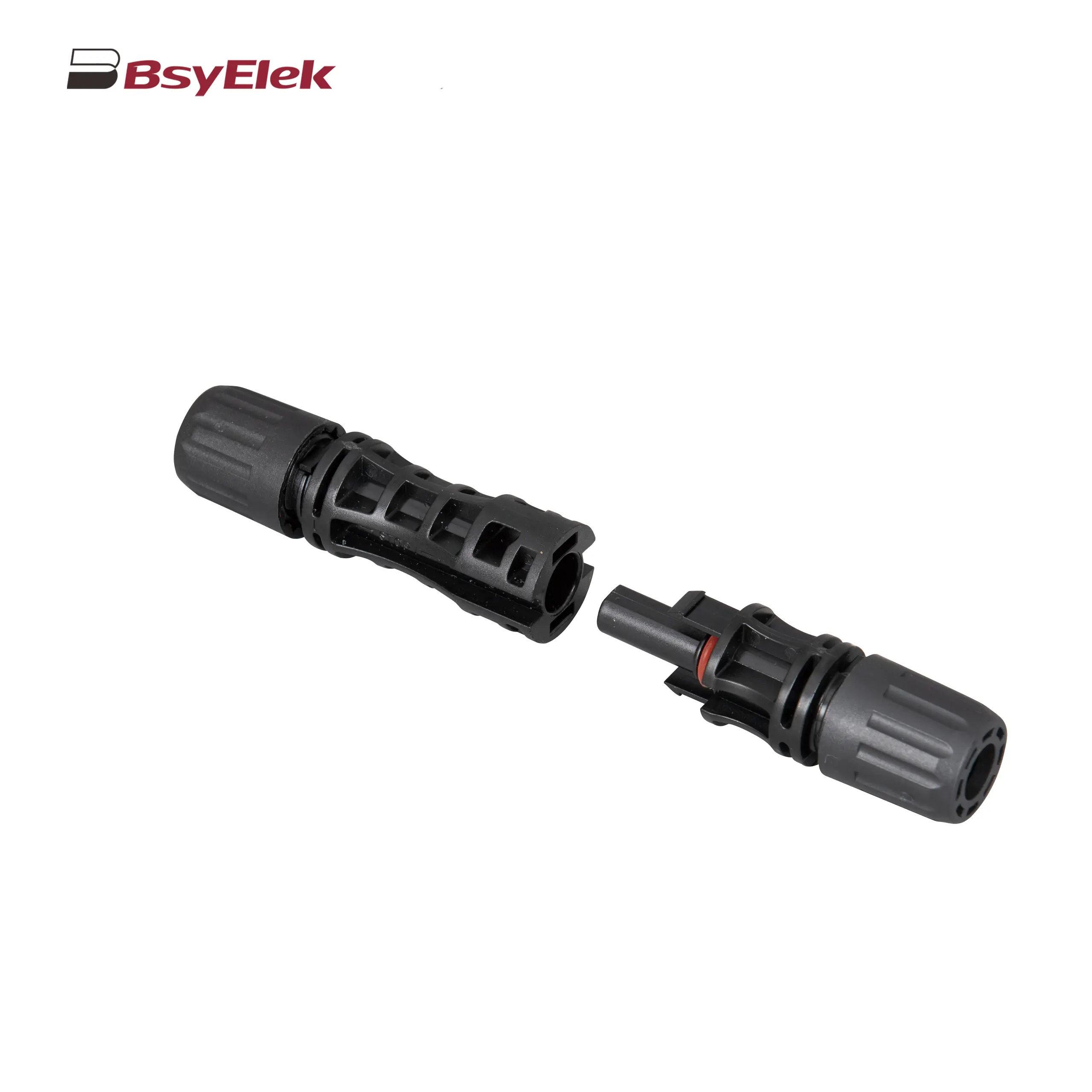 PV-BY-02 30A/50A 1500V Photovoltaic Connector
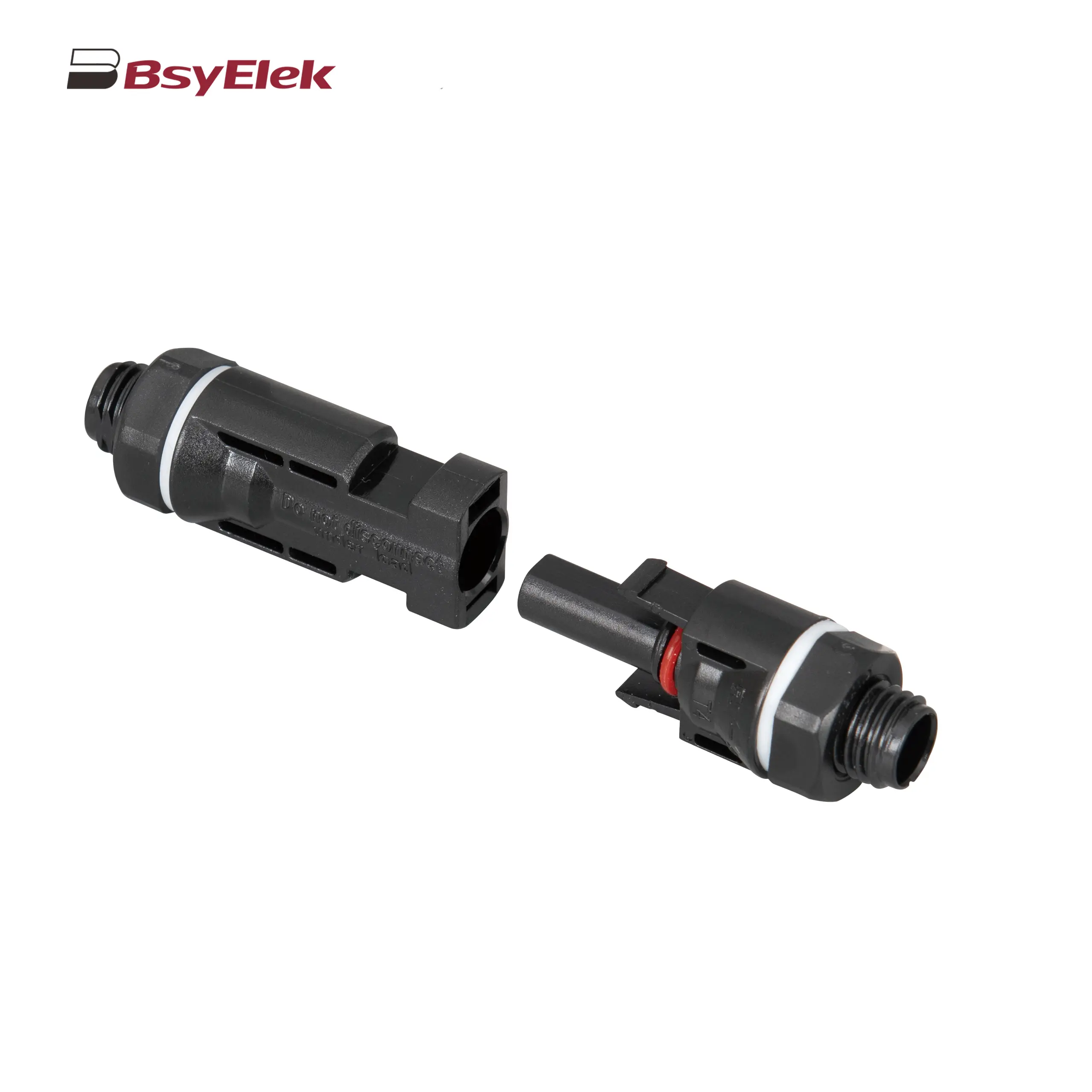 PV-BY-03 30A/50A 1000V Panel Mount Photovoltaic Connector
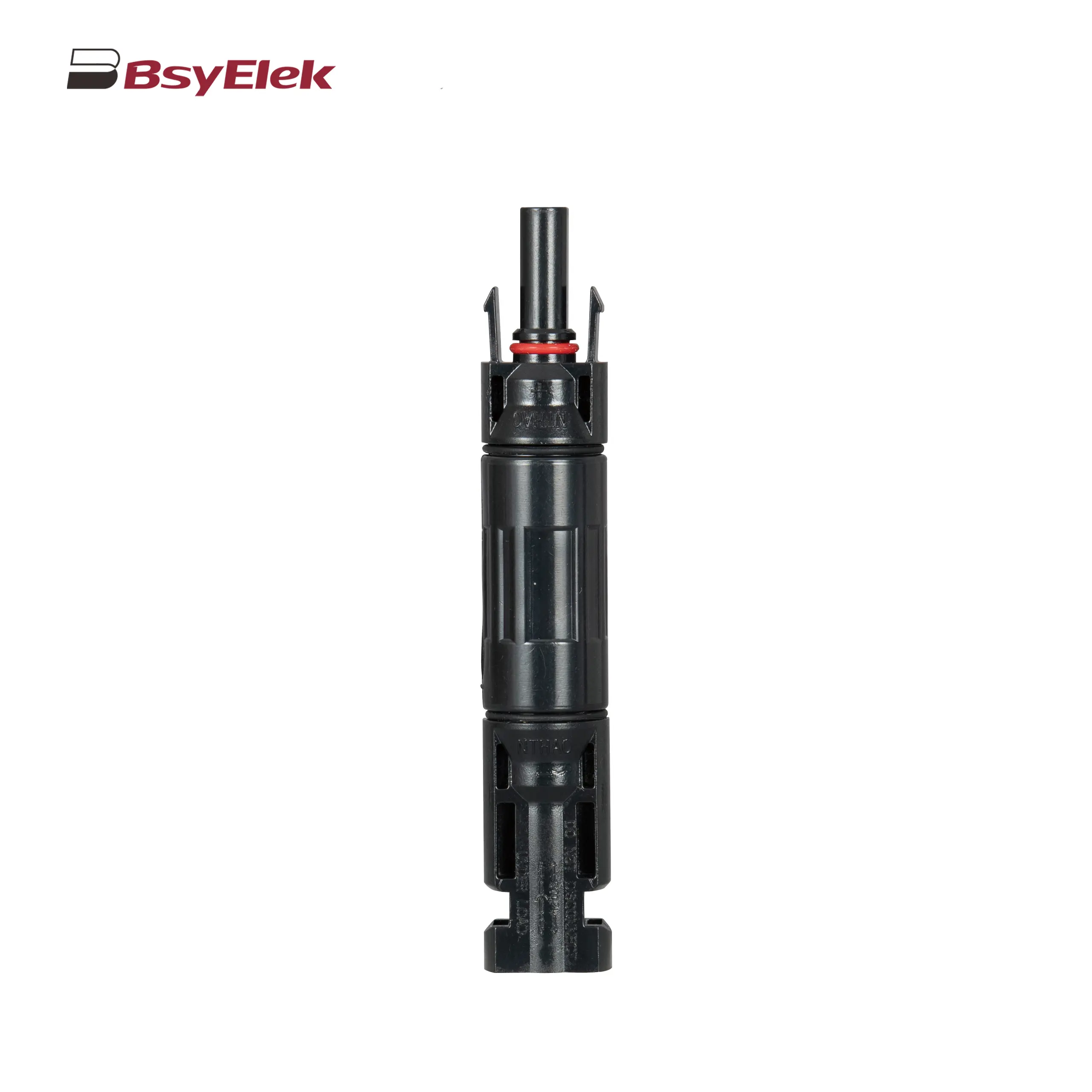 PV-BY-F01 30A 1500V Diode/Fuse Type Connector
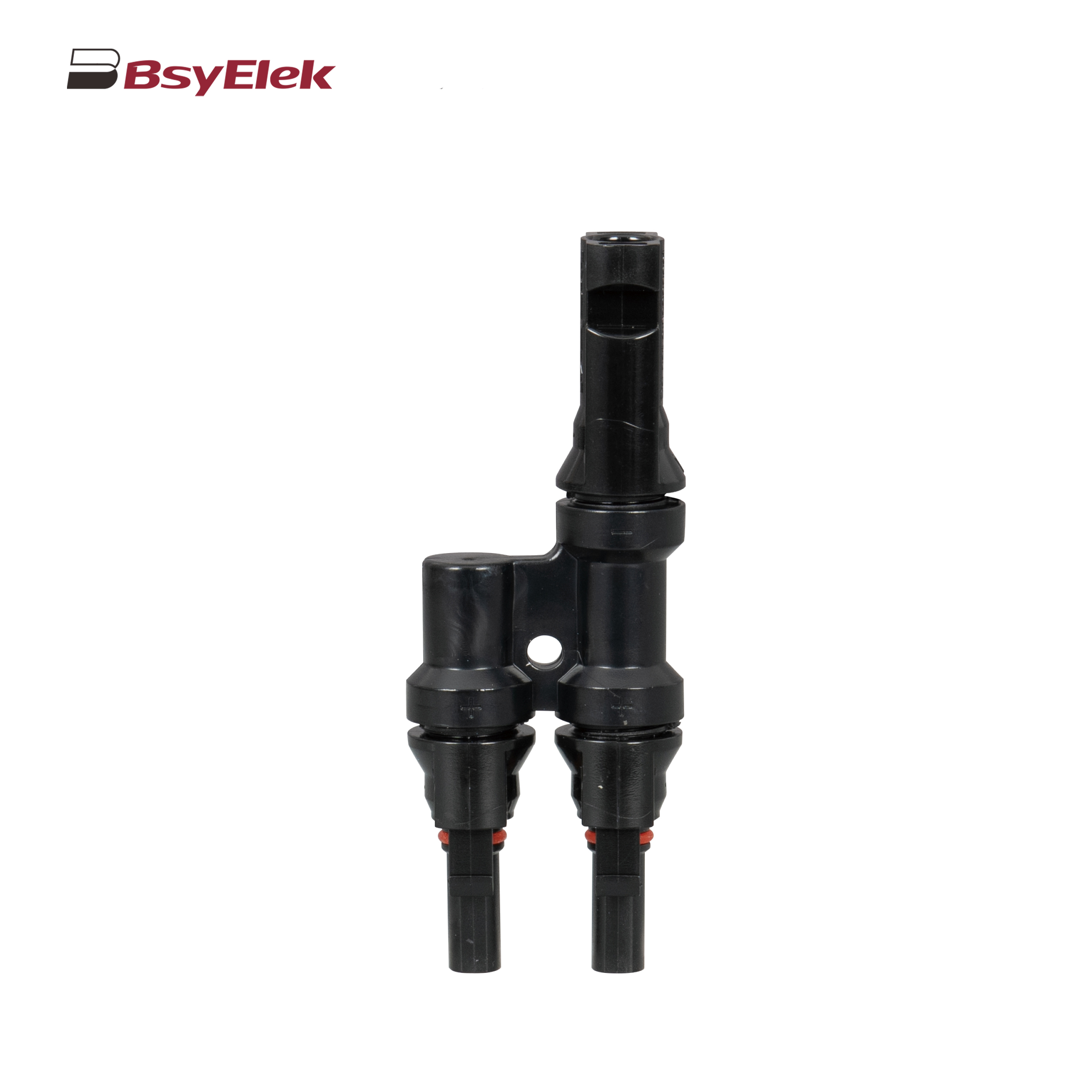 PV-BY-T 50A 1500V T Type Branch Connector
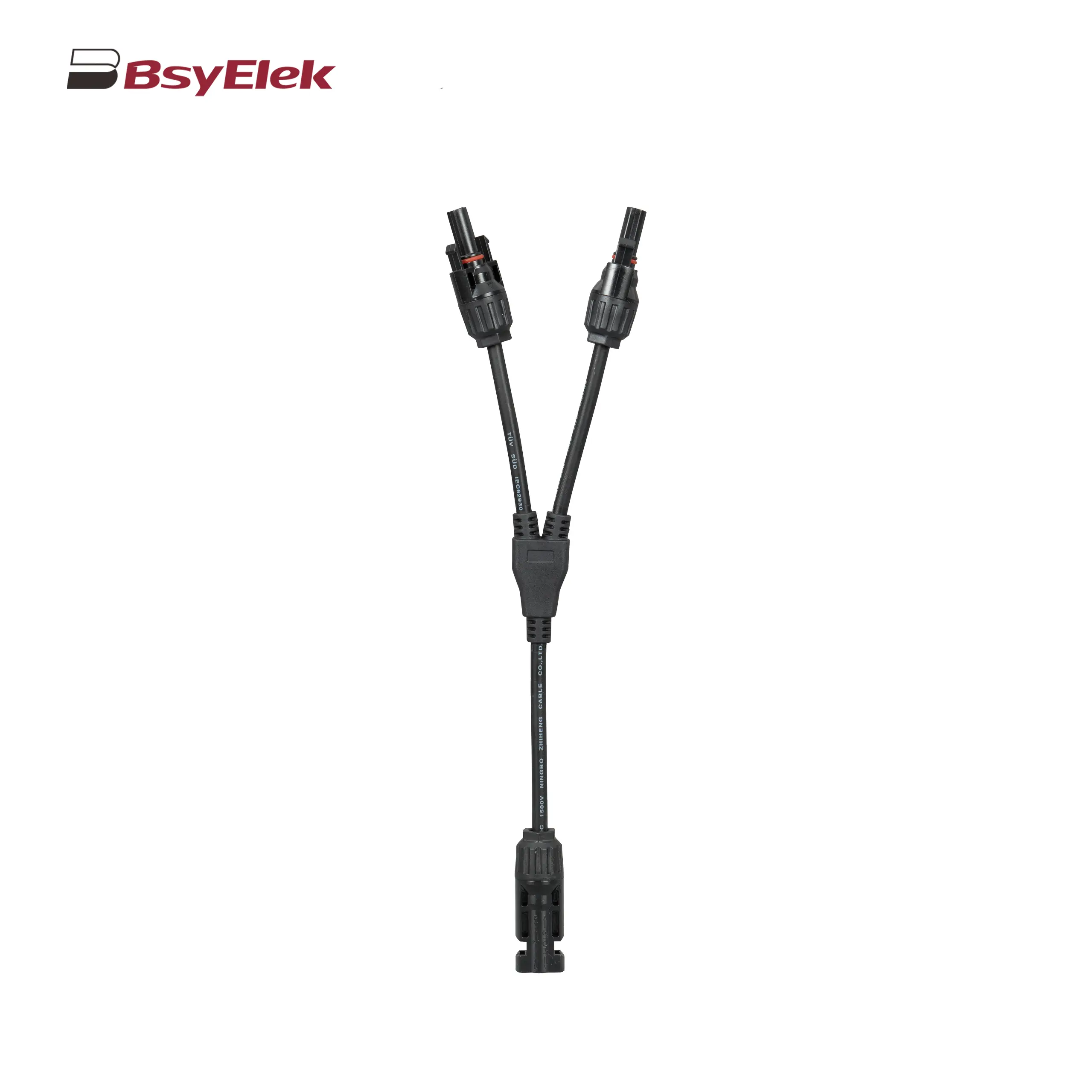 PV-BY-Y 30A 1500V Y Type Branch Connector
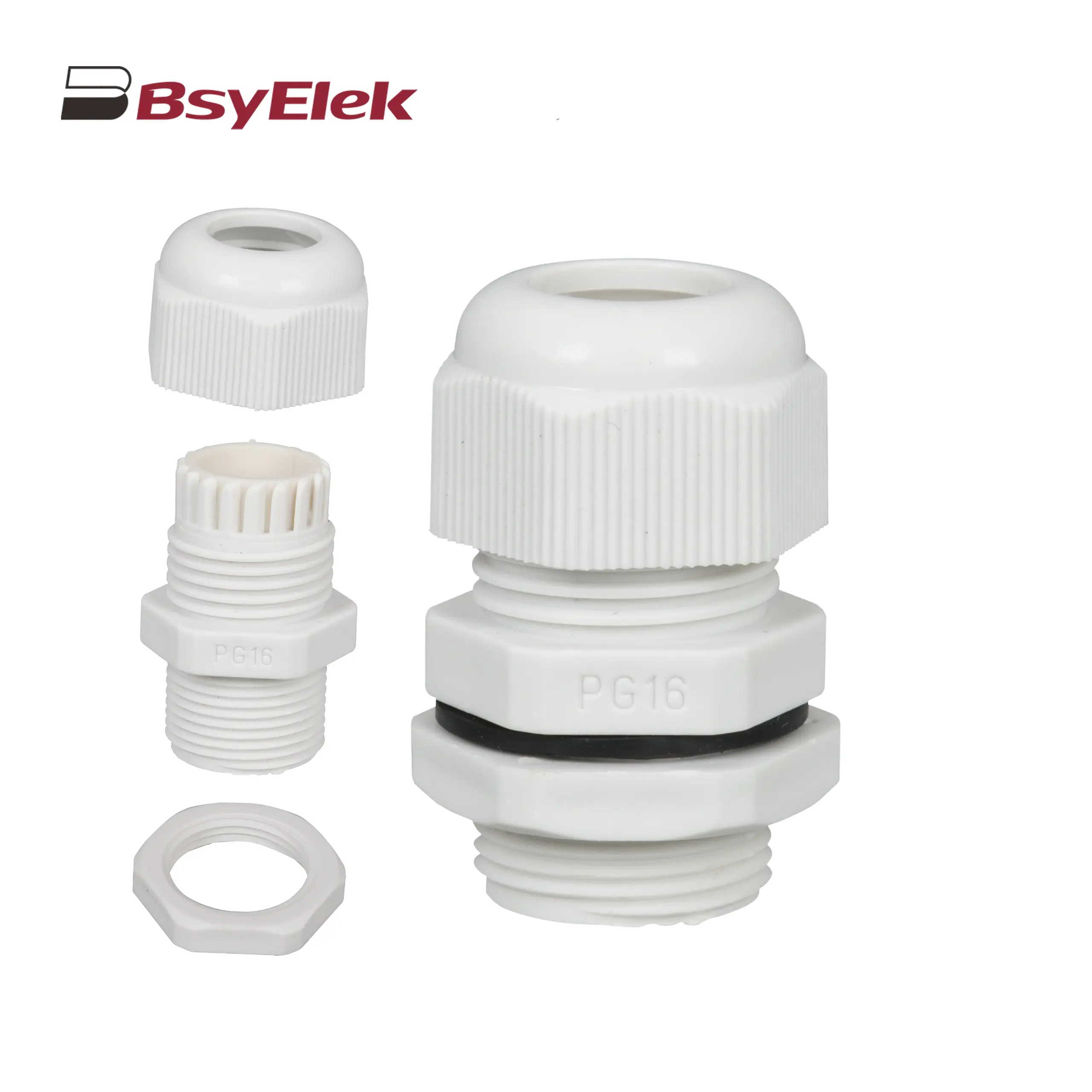 PG Waterproof Cable Gland with Washer
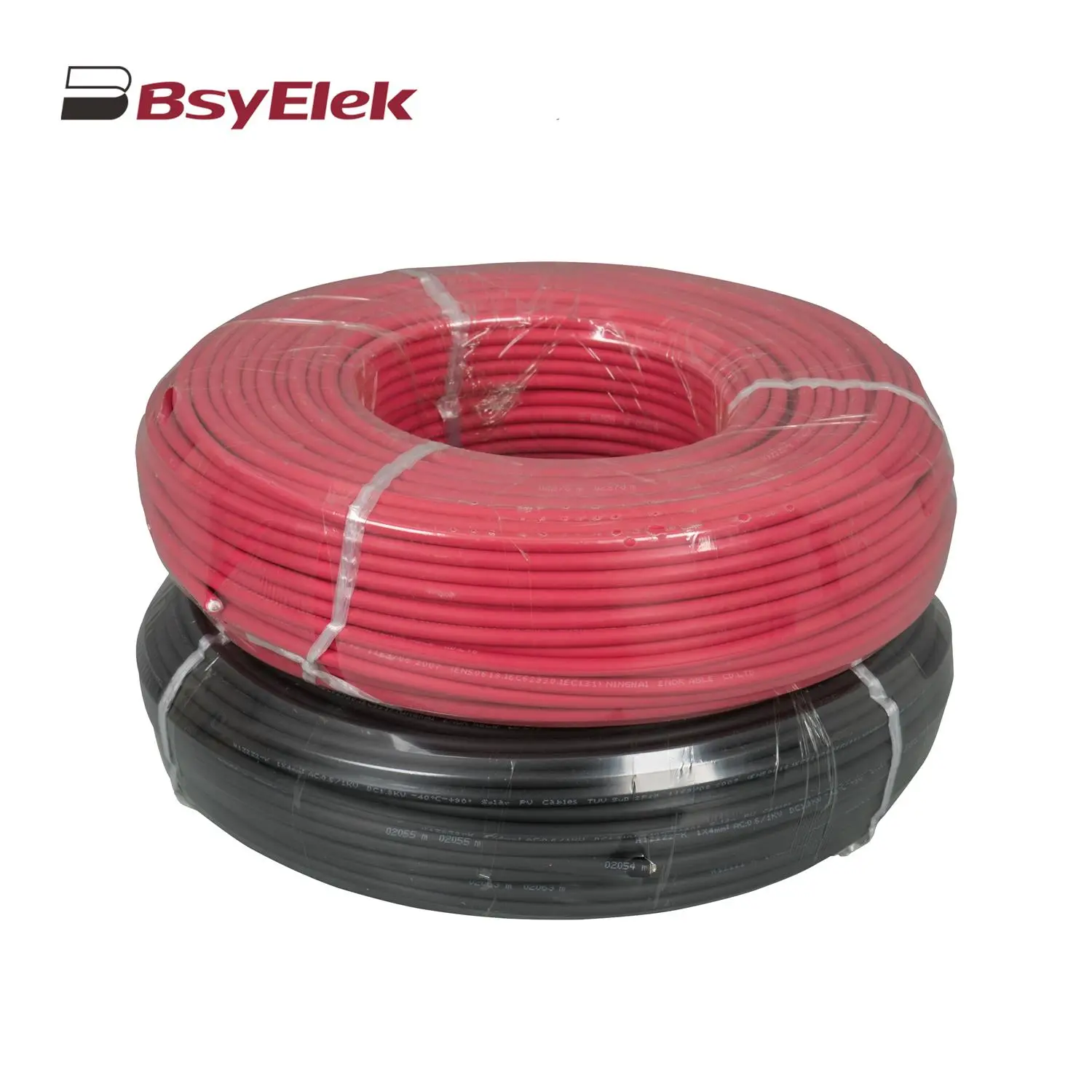 Photovoltaic Cable
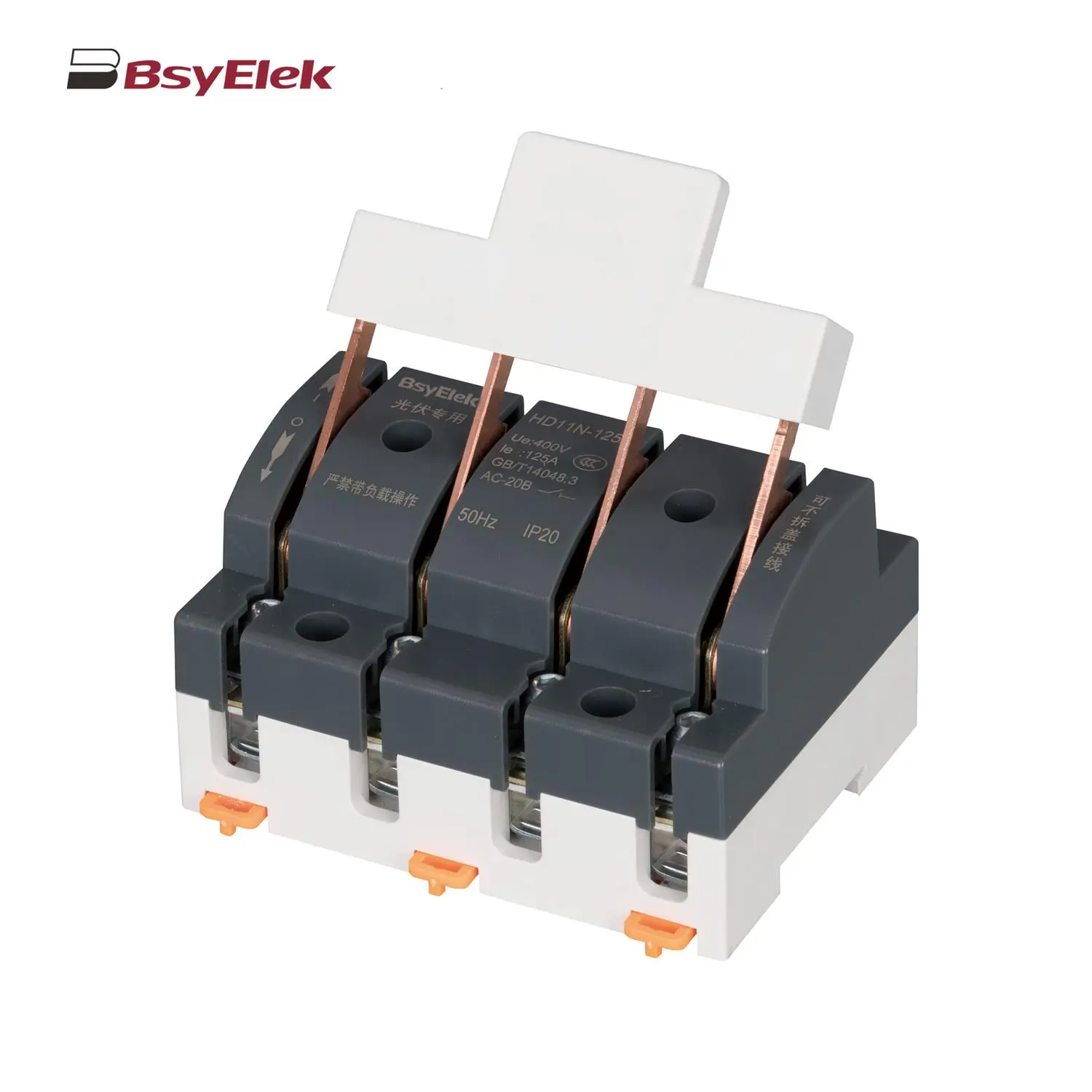 HD11N Photovoltaic Knife Switch
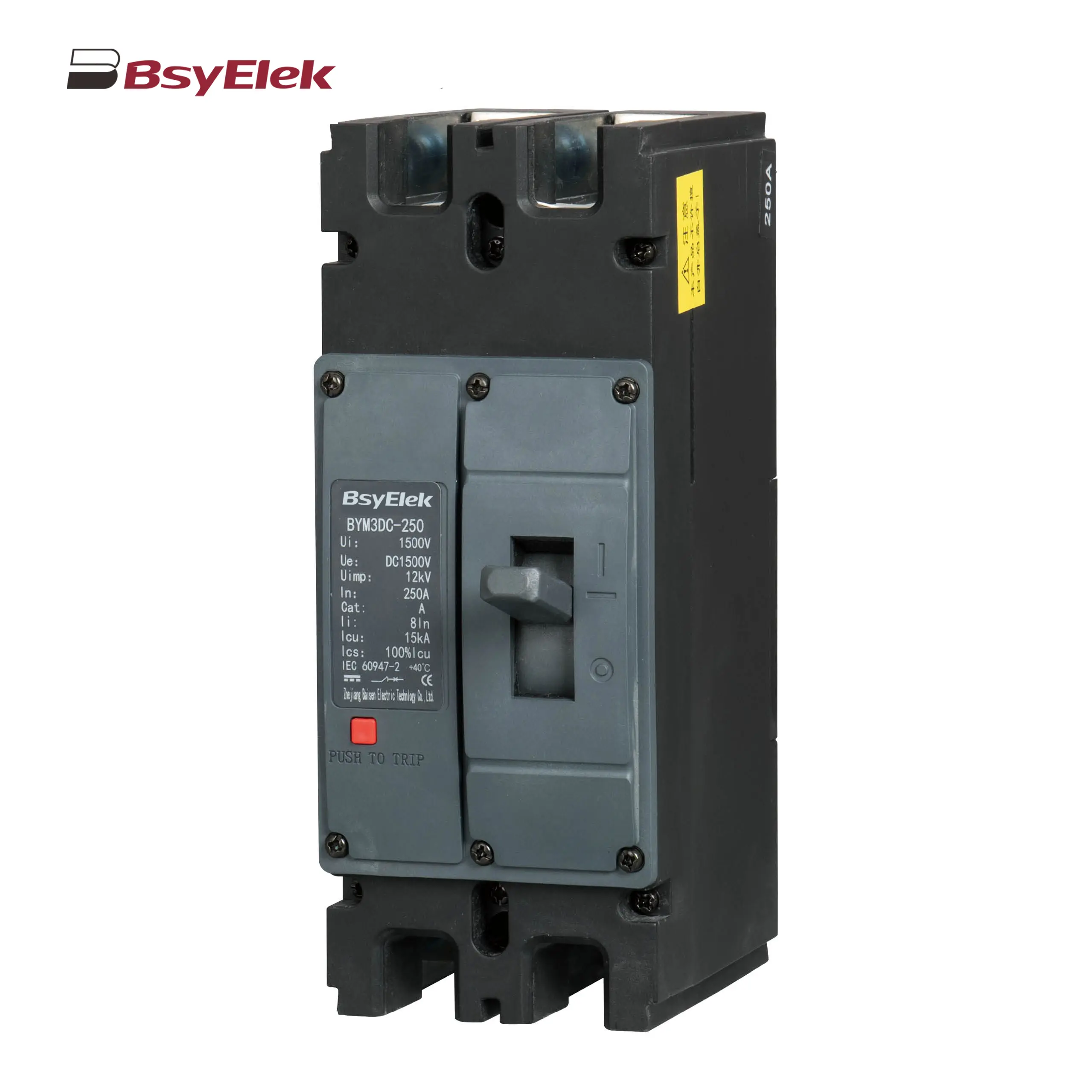 BYM3DC MCCB Photovoltaic DC Molded Case Circuit Breaker
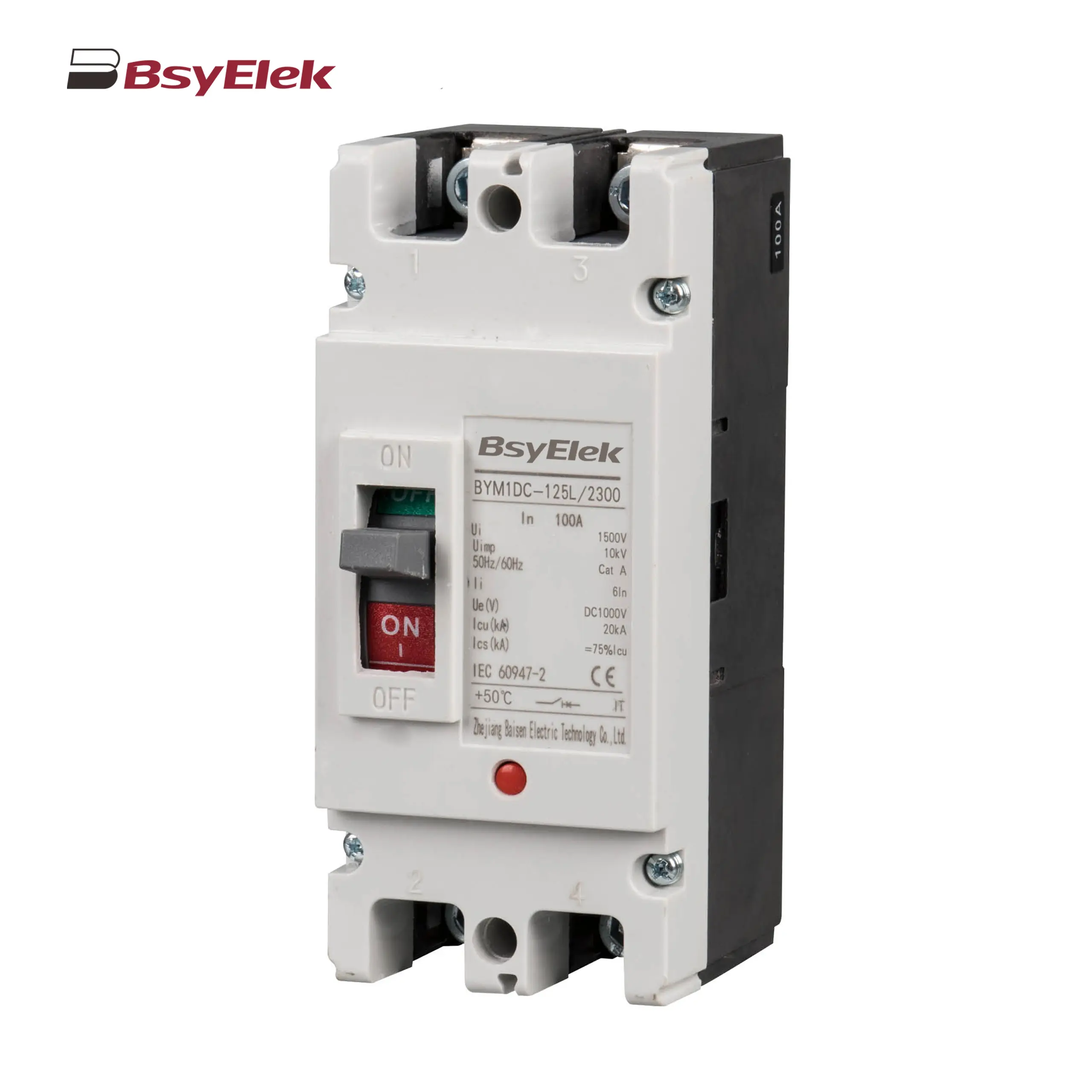 BYM1DC MCCB 1000VDC Thermal Magnetic Type DC Molded Case Circuit Breaker
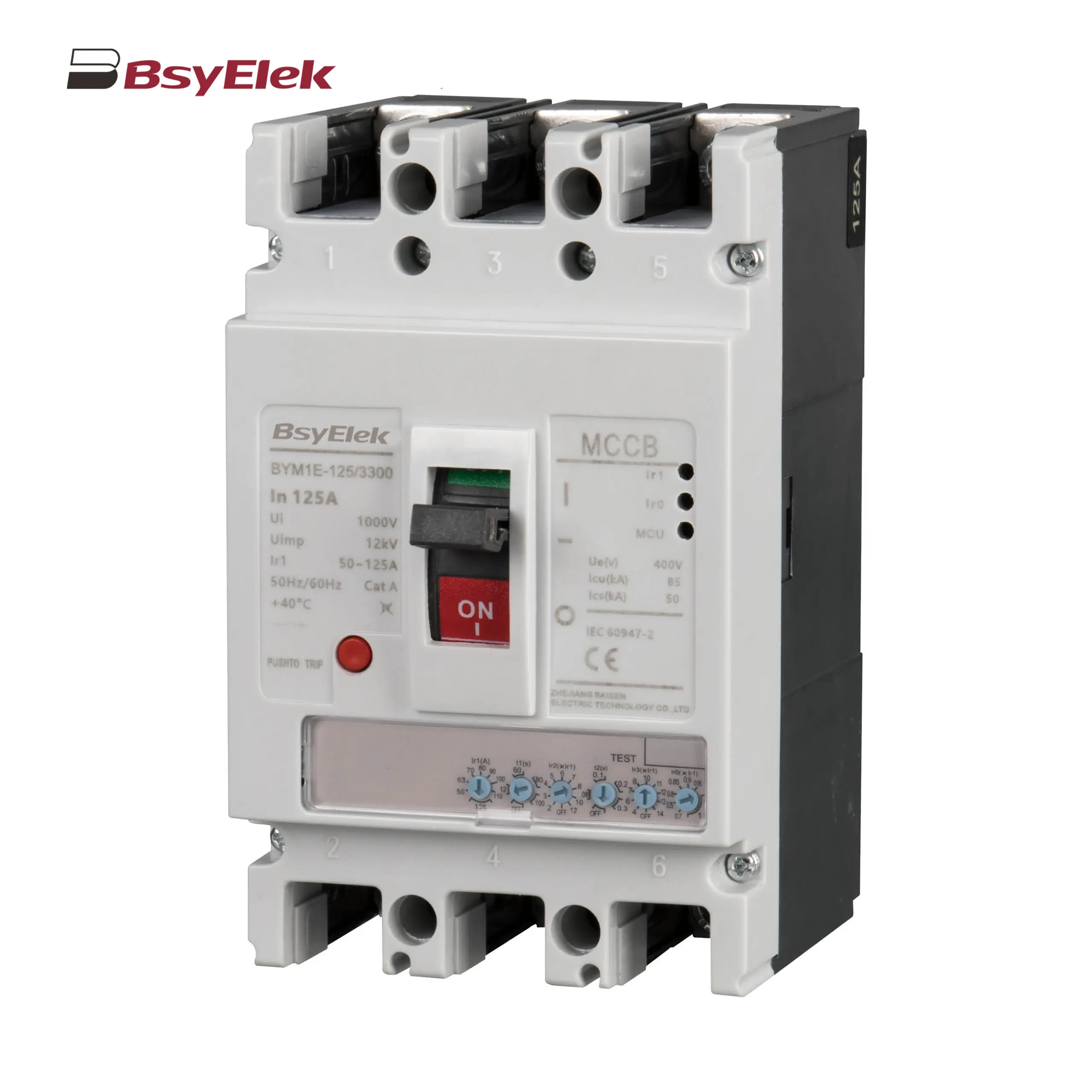 BYM1E MCCB Electronic Type Molded Case Circuit Breaker
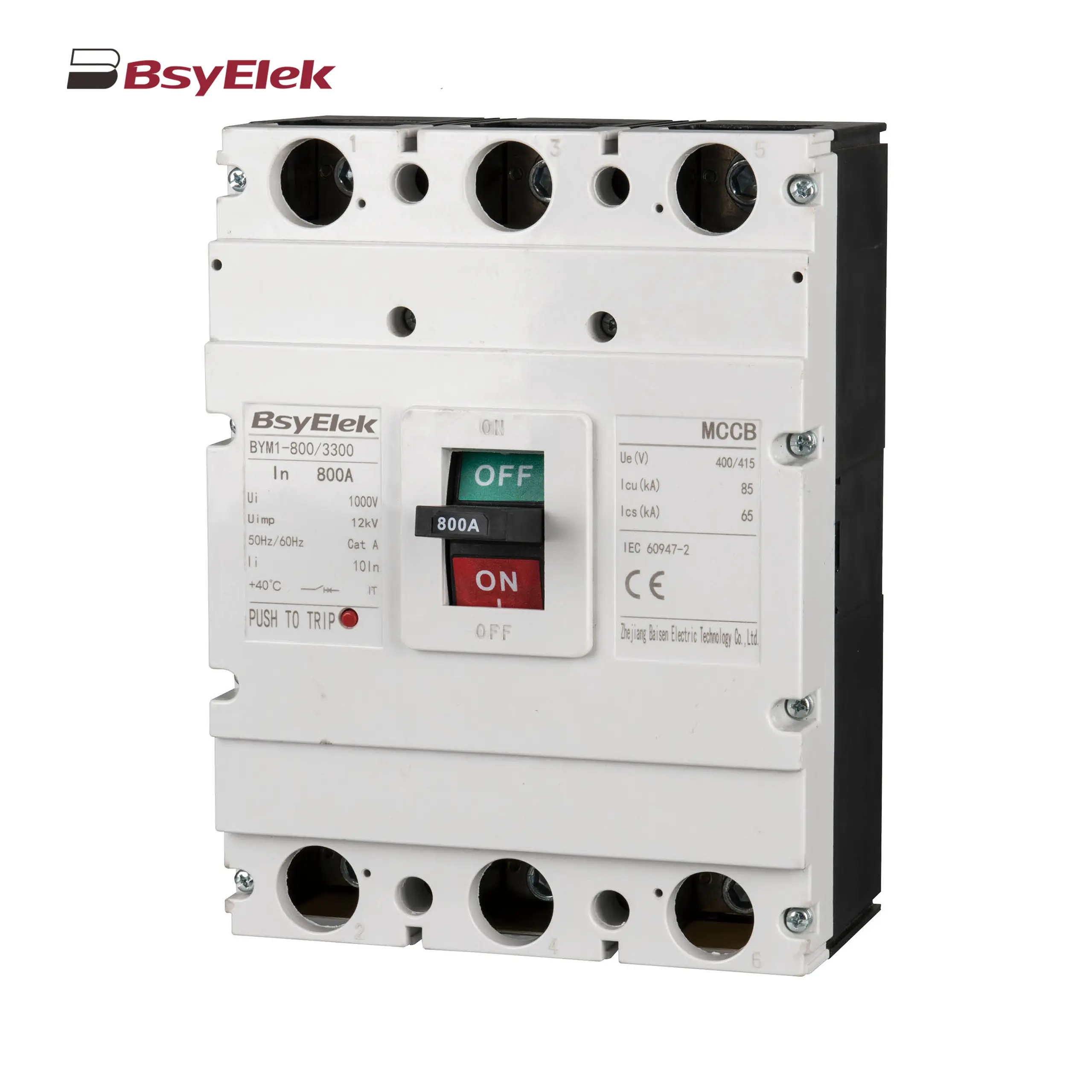 BYM1 MCCB Thermal Magnetic AC Molded Case Circuit Breaker
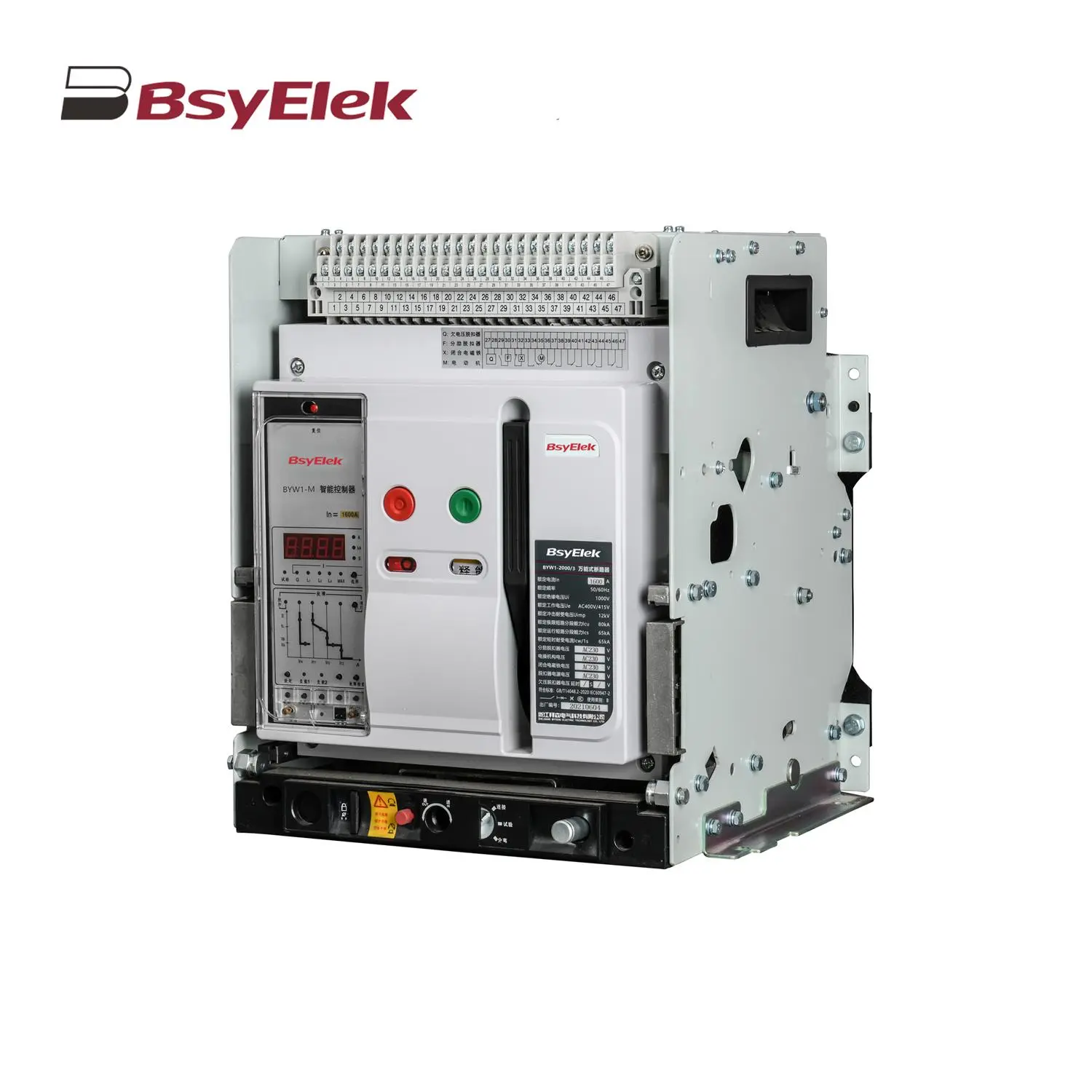 BYW1 ACB Intelligent Universal Air Circuit Breaker
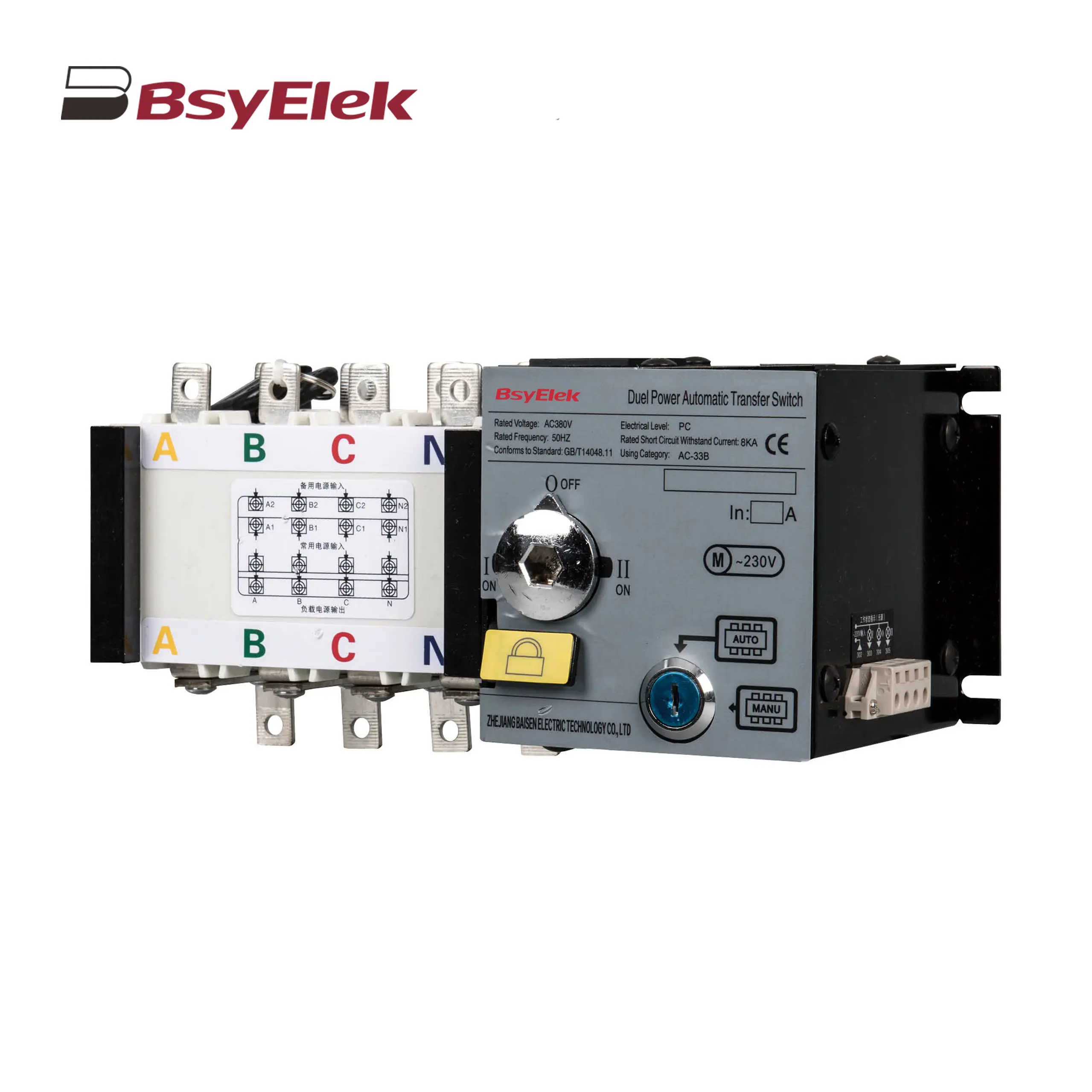 BYQ1 ATS Isolated Type PC Level Dual Power Automatic Transfer Switch
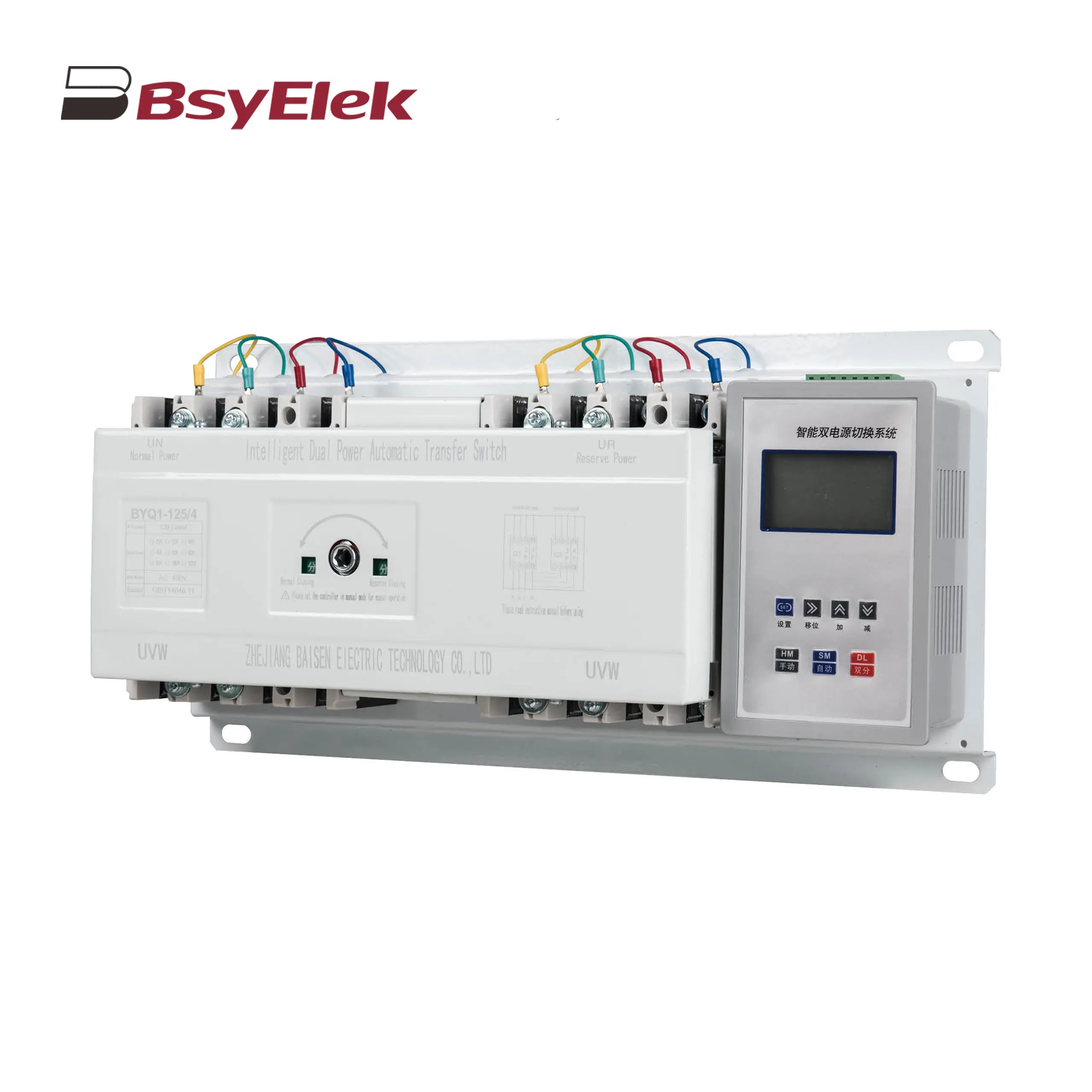 BYQ1 ATS Intelligent Type CB Level Dual Power Automatic Transfer Switch
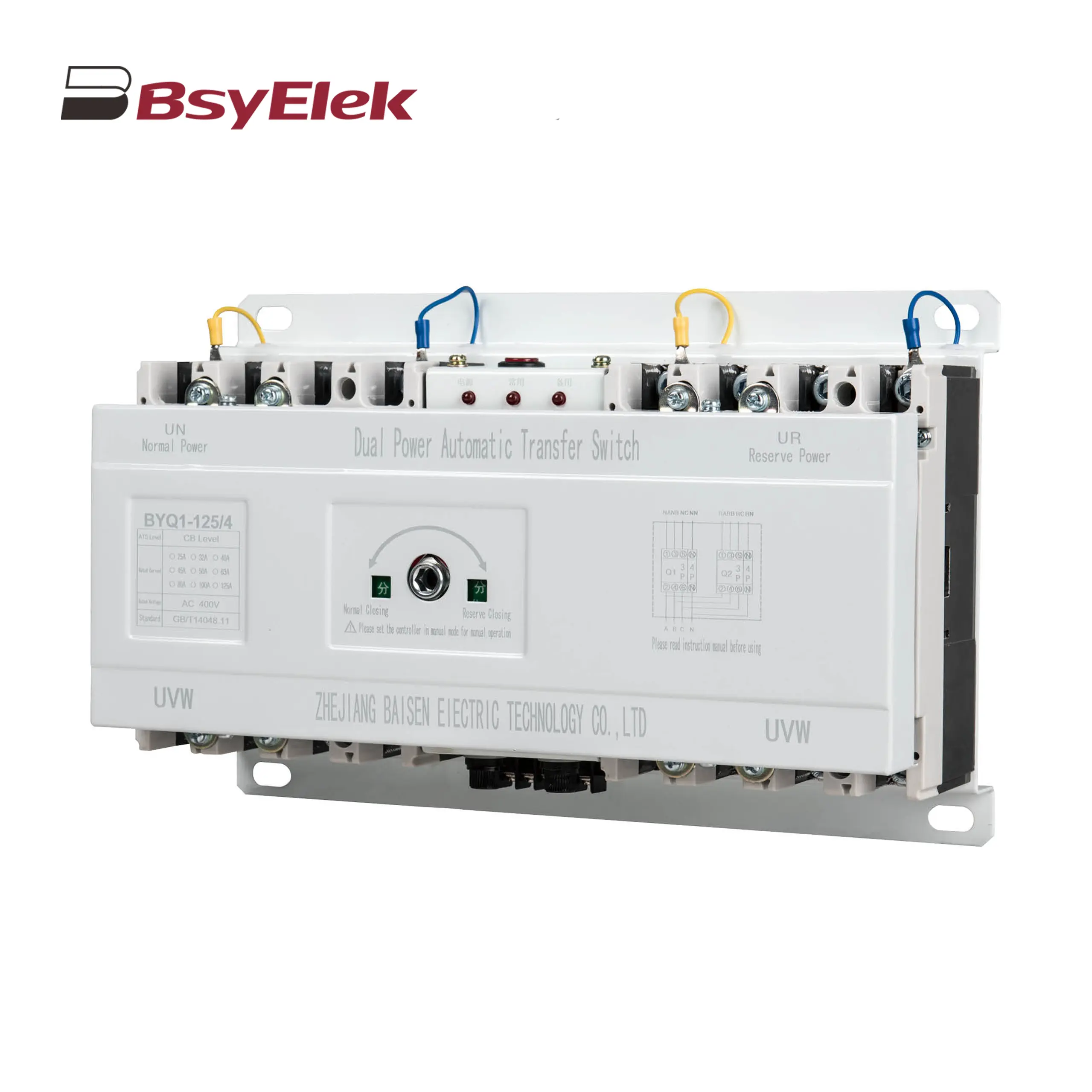 BYQ1 ATS End Type CB Level Dual Power Automatic Transfer Switch
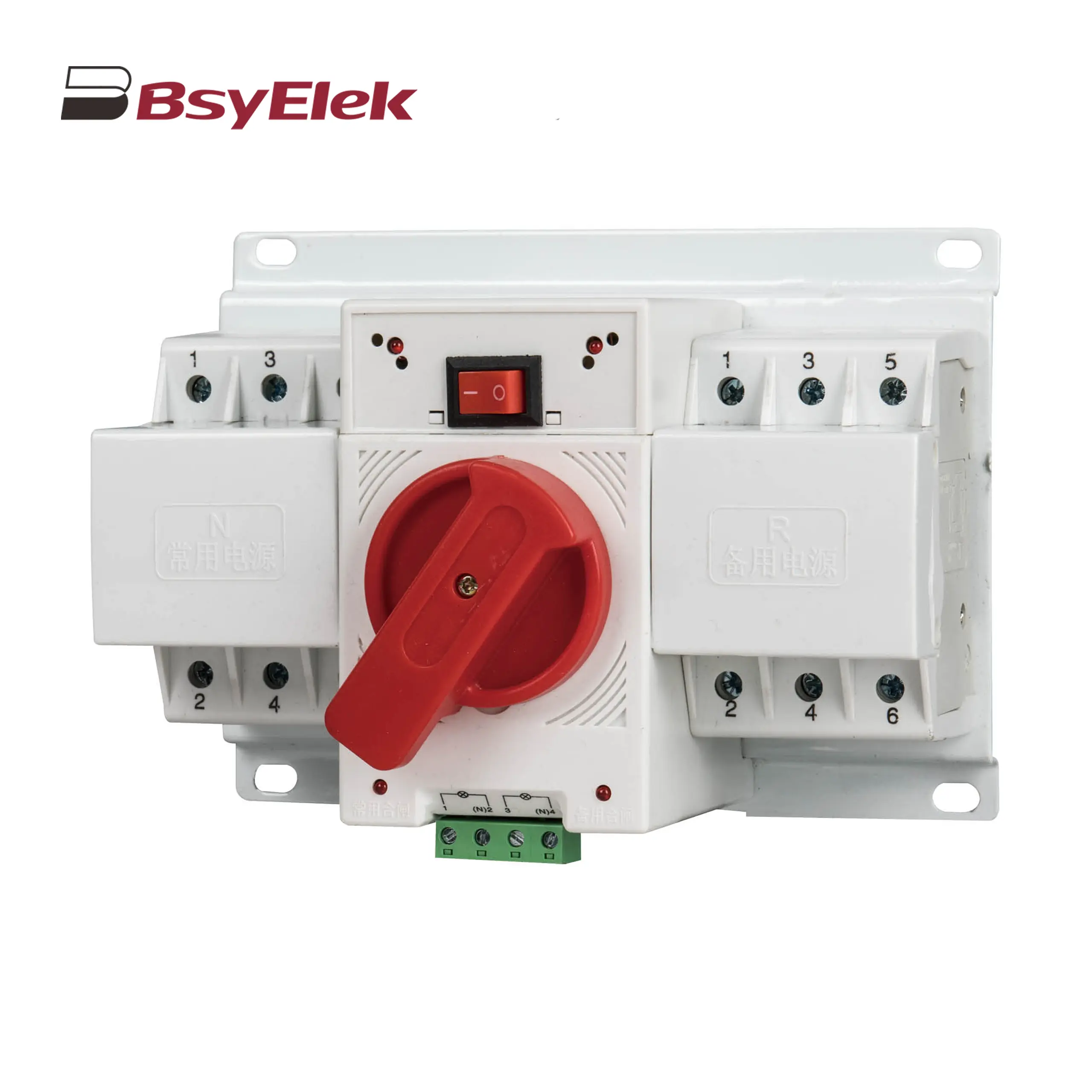 BYQ1 ATS Mini Type CB Level Dual Power Automatic Transfer Switch
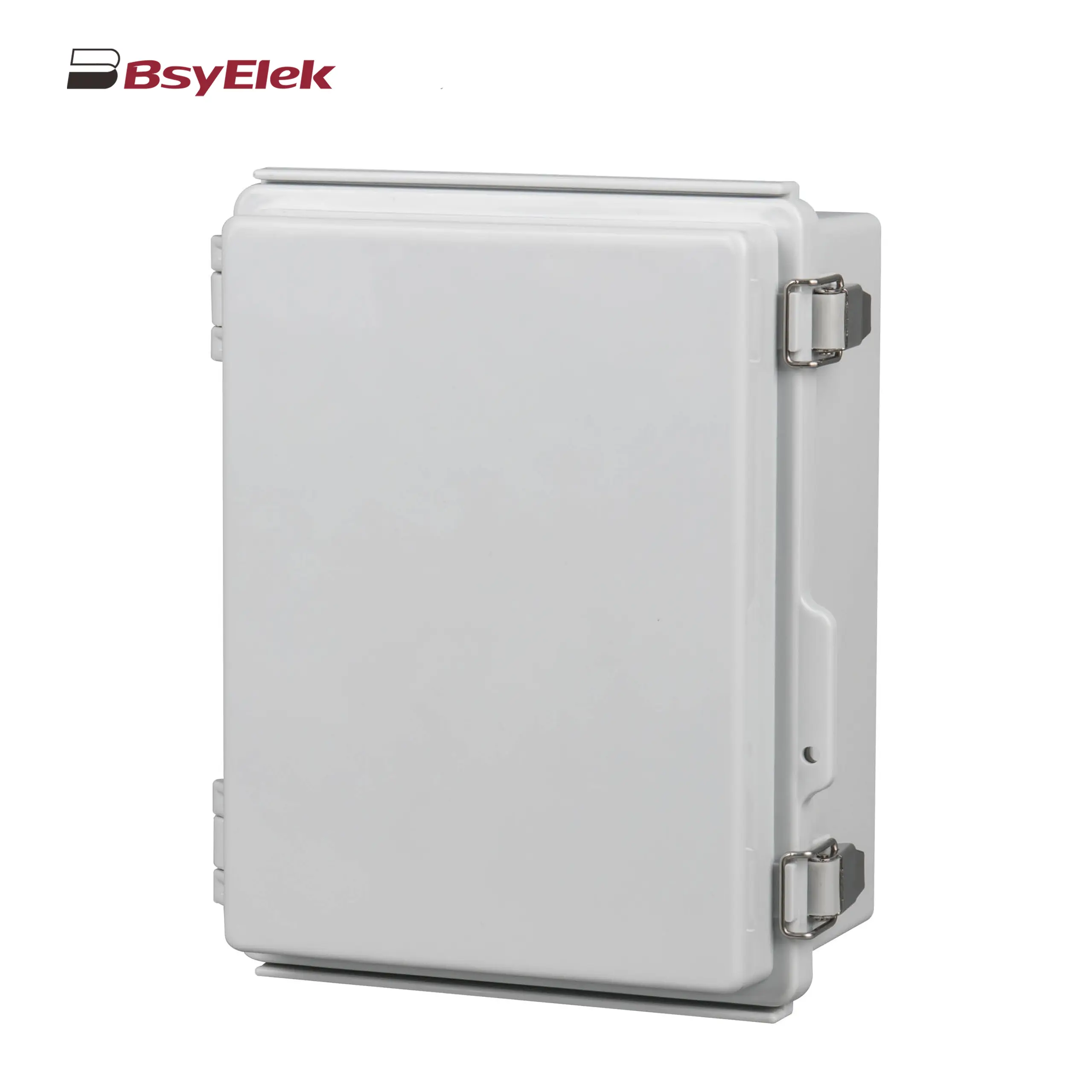 Stainless Steel Hinge Type Electrical Box
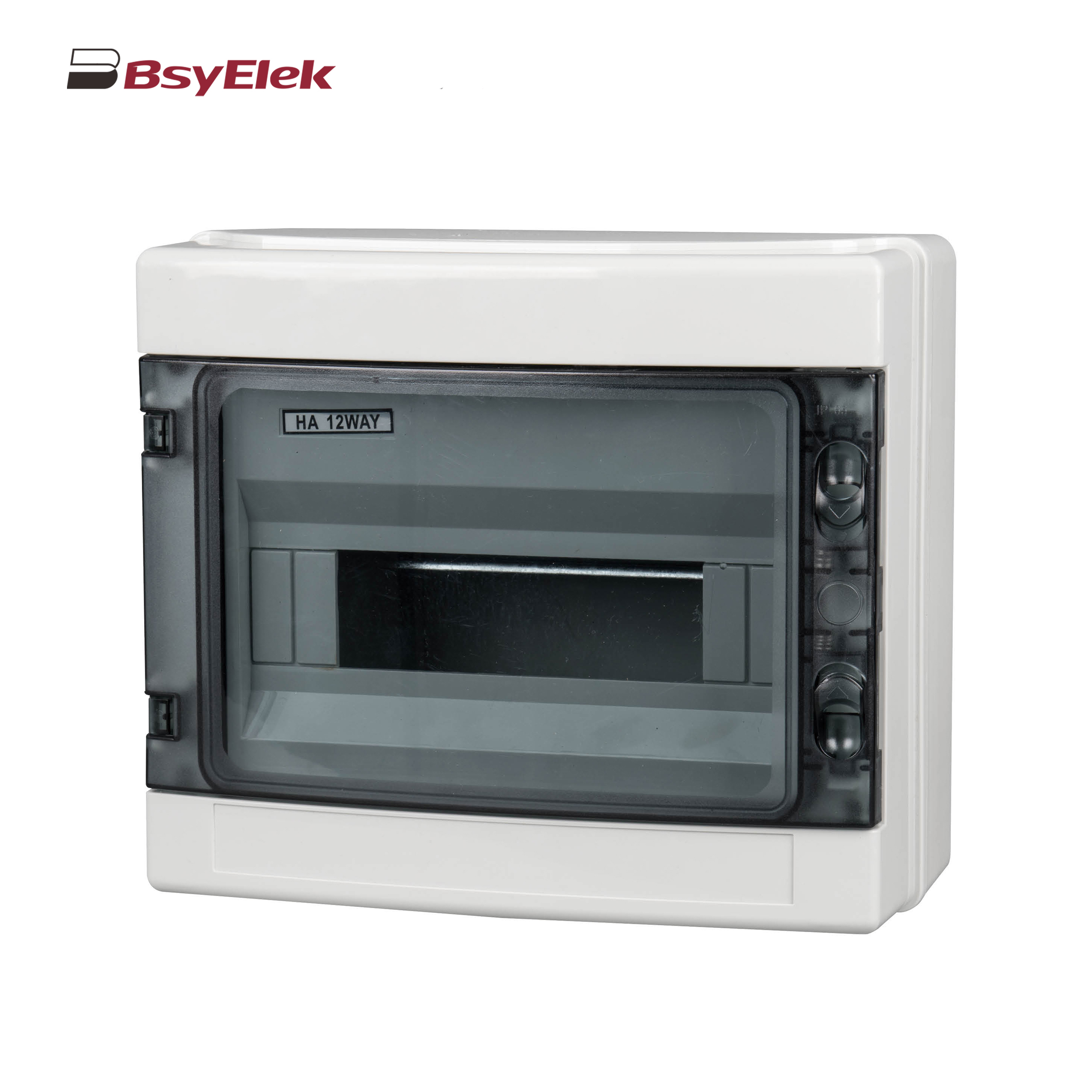 HA Waterproof Distribution Box
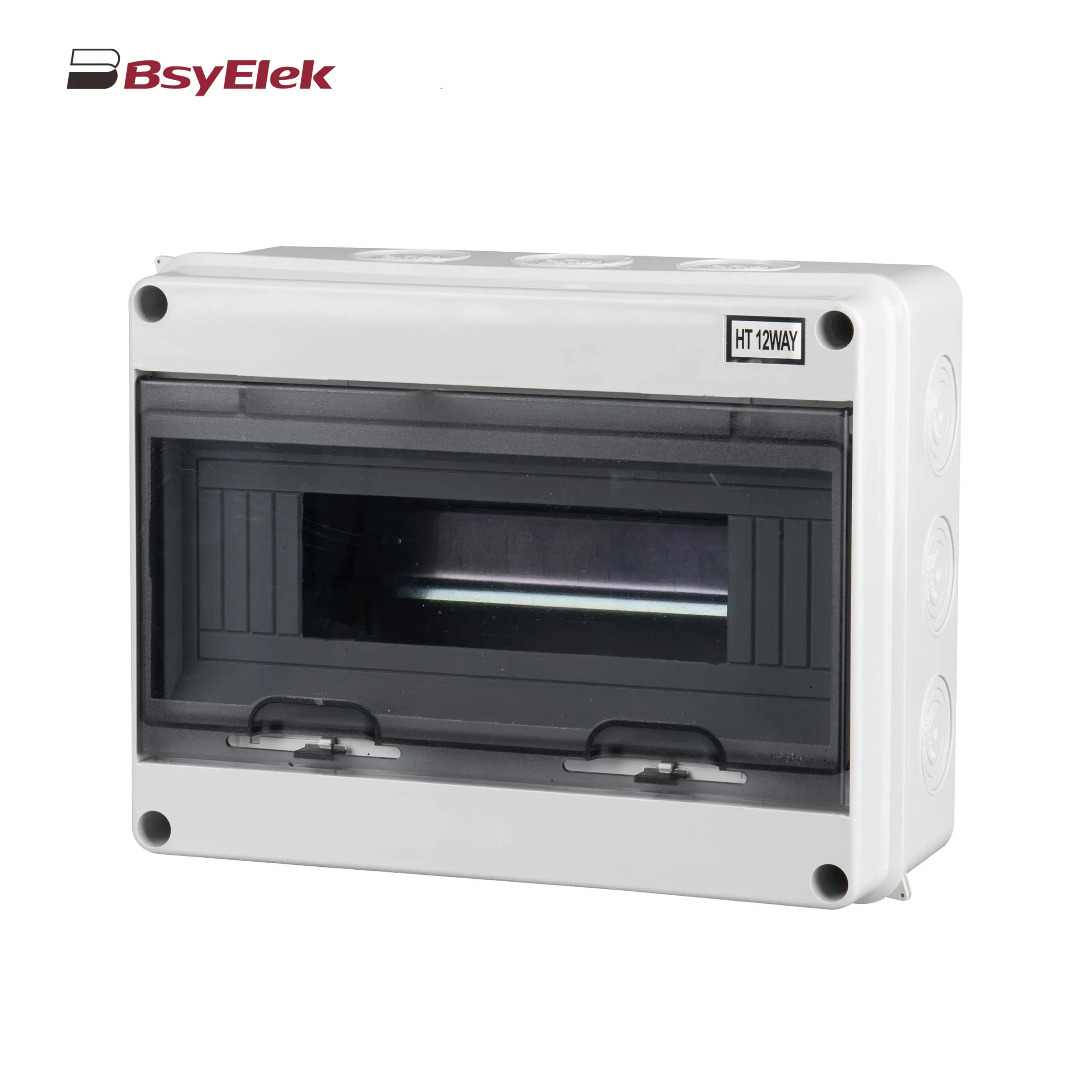 HT Waterproof Distribution Box
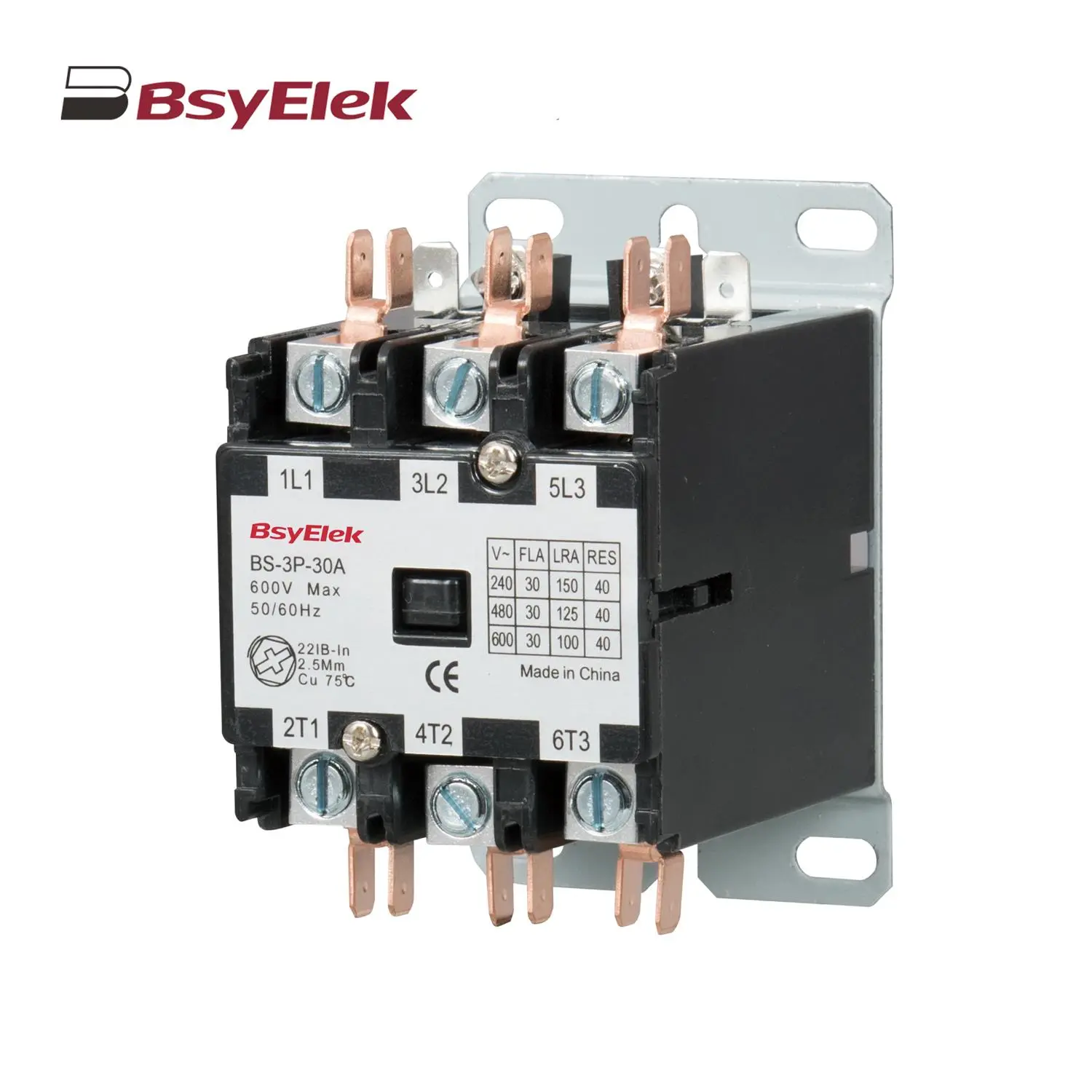 BS Definite Purpose Magnetic AC Contactor
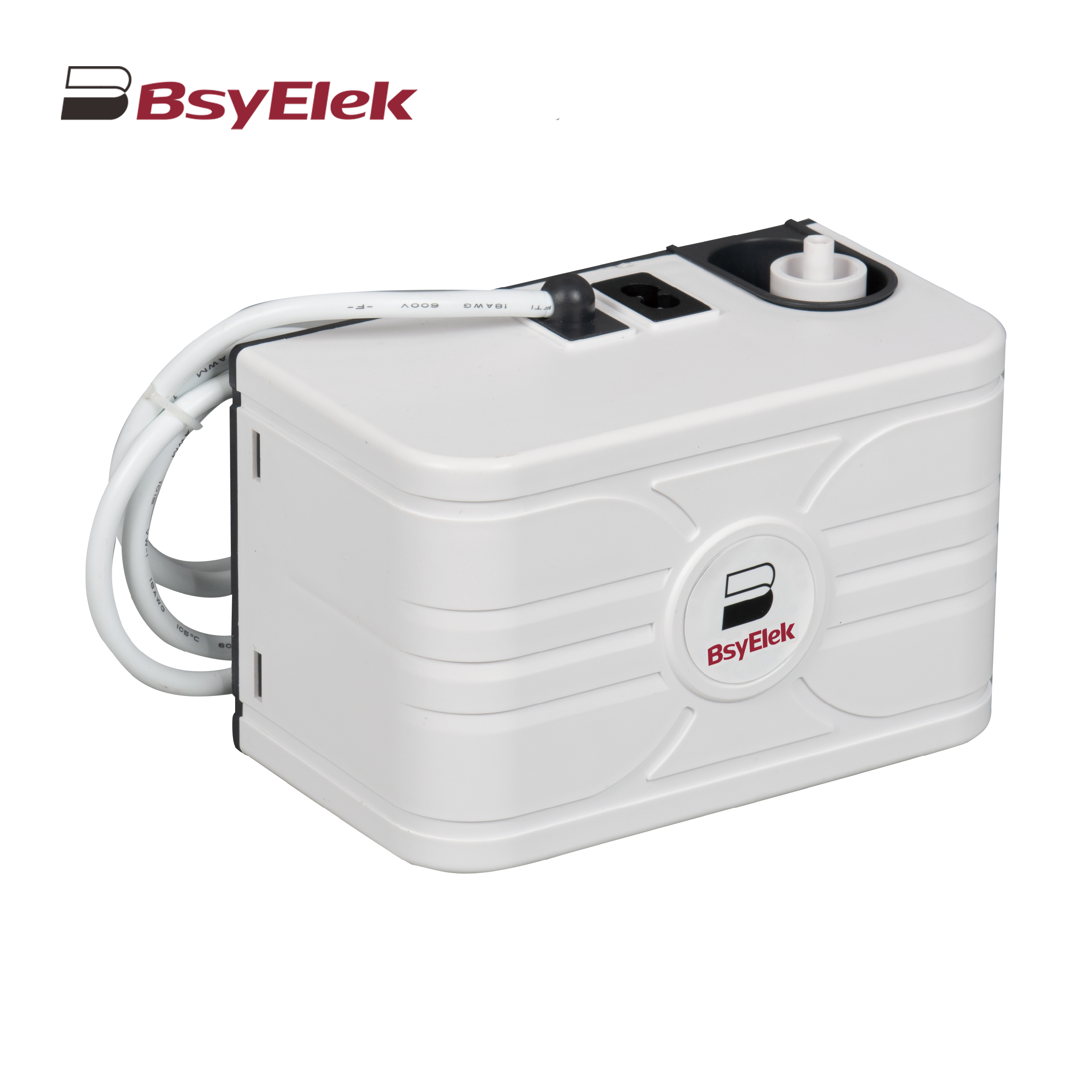 BY-5018 1.8M Engineering Drainage Pump
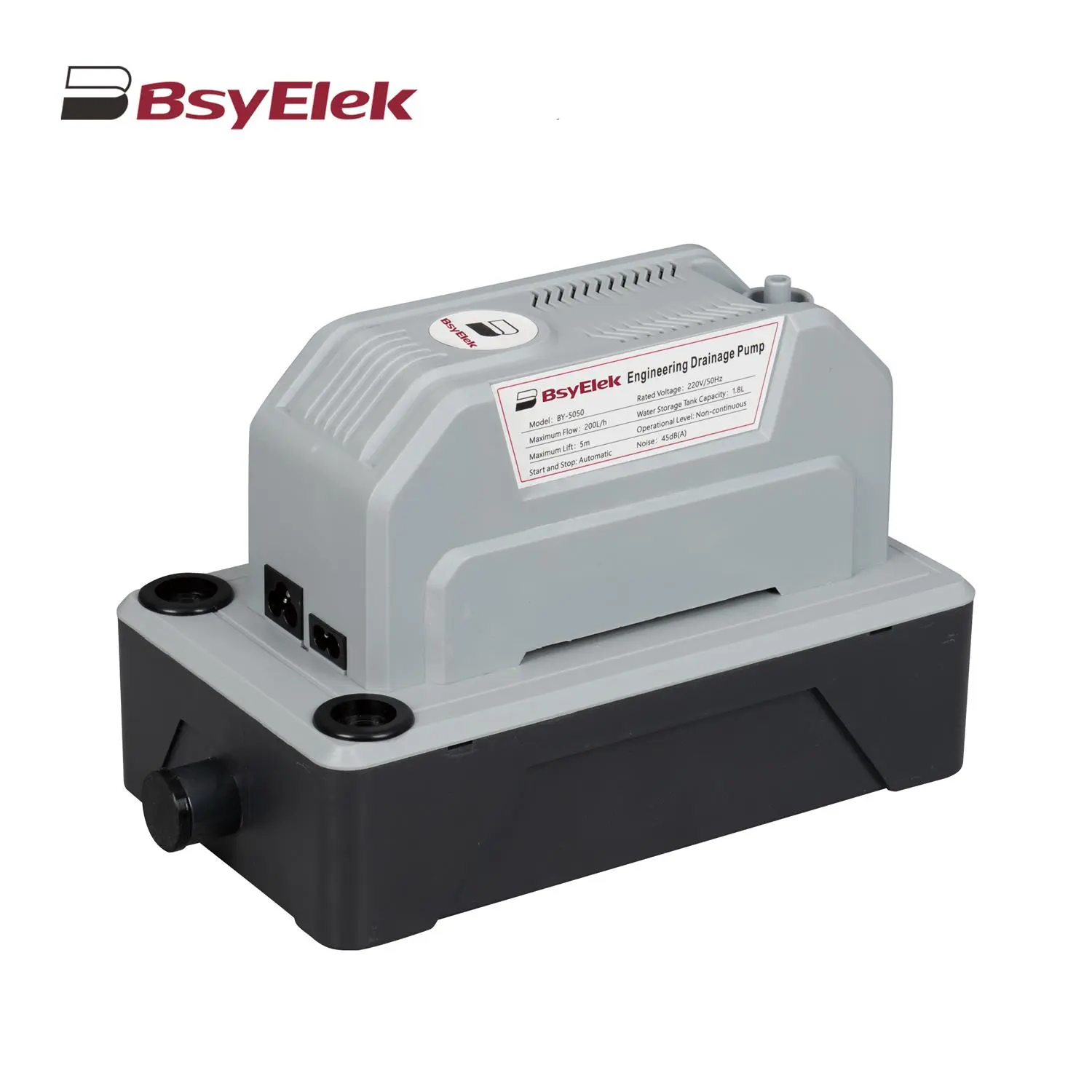 BY-5050 5M Engineering Drainage Pump
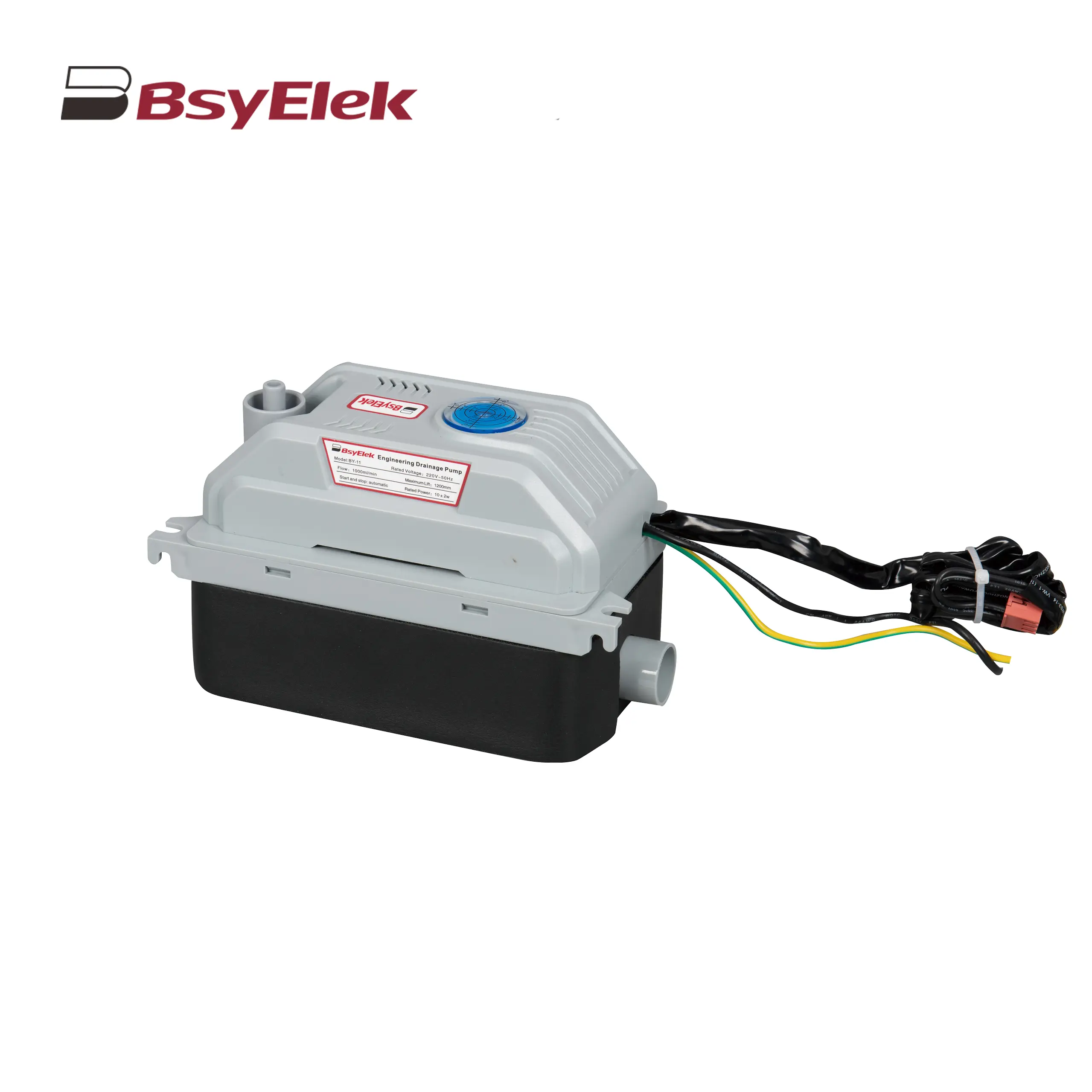 BY-11 1.2M Engineering Drainage Pump
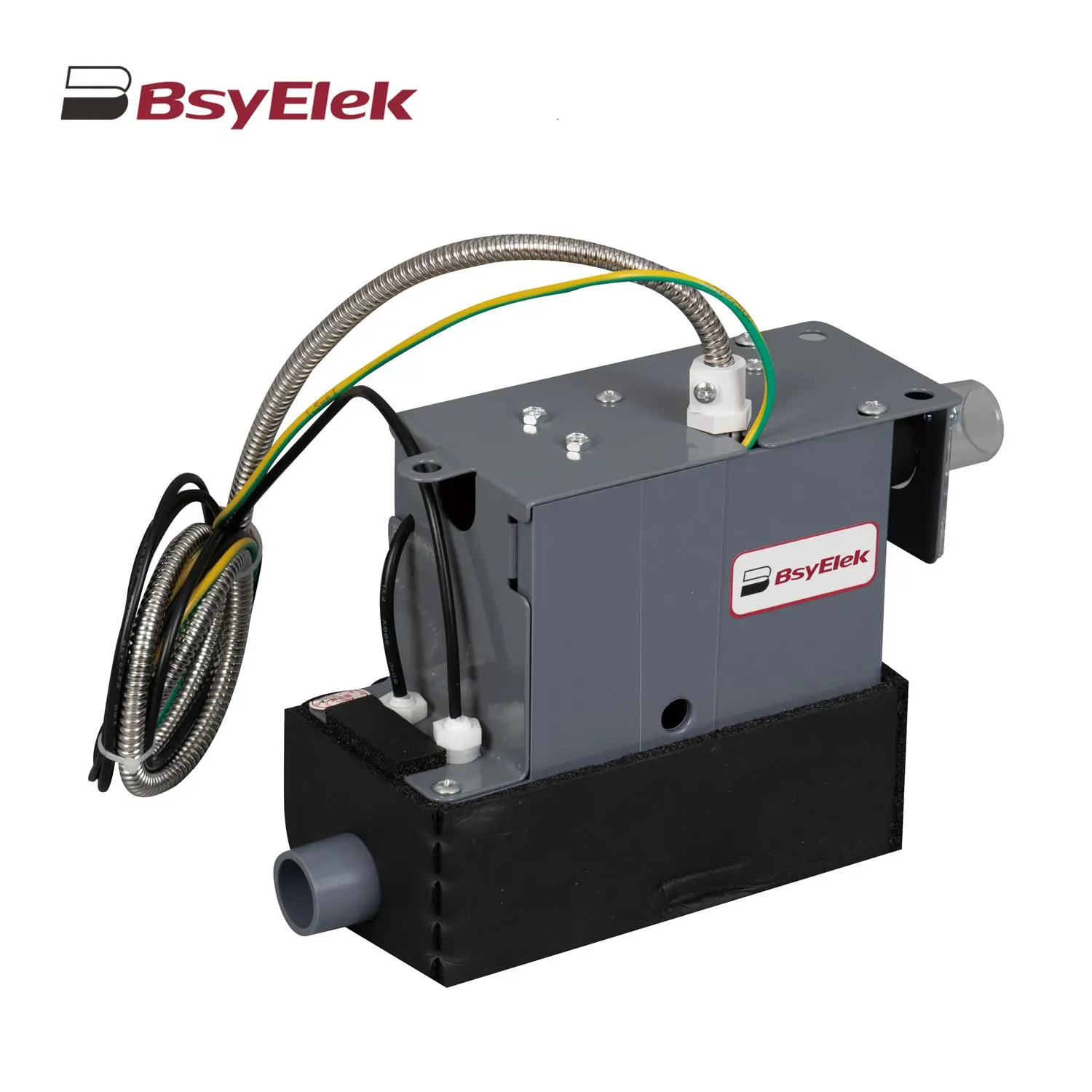 SBH-05 0.7M Original Drainage Pump of Duct Type Air Conditioner
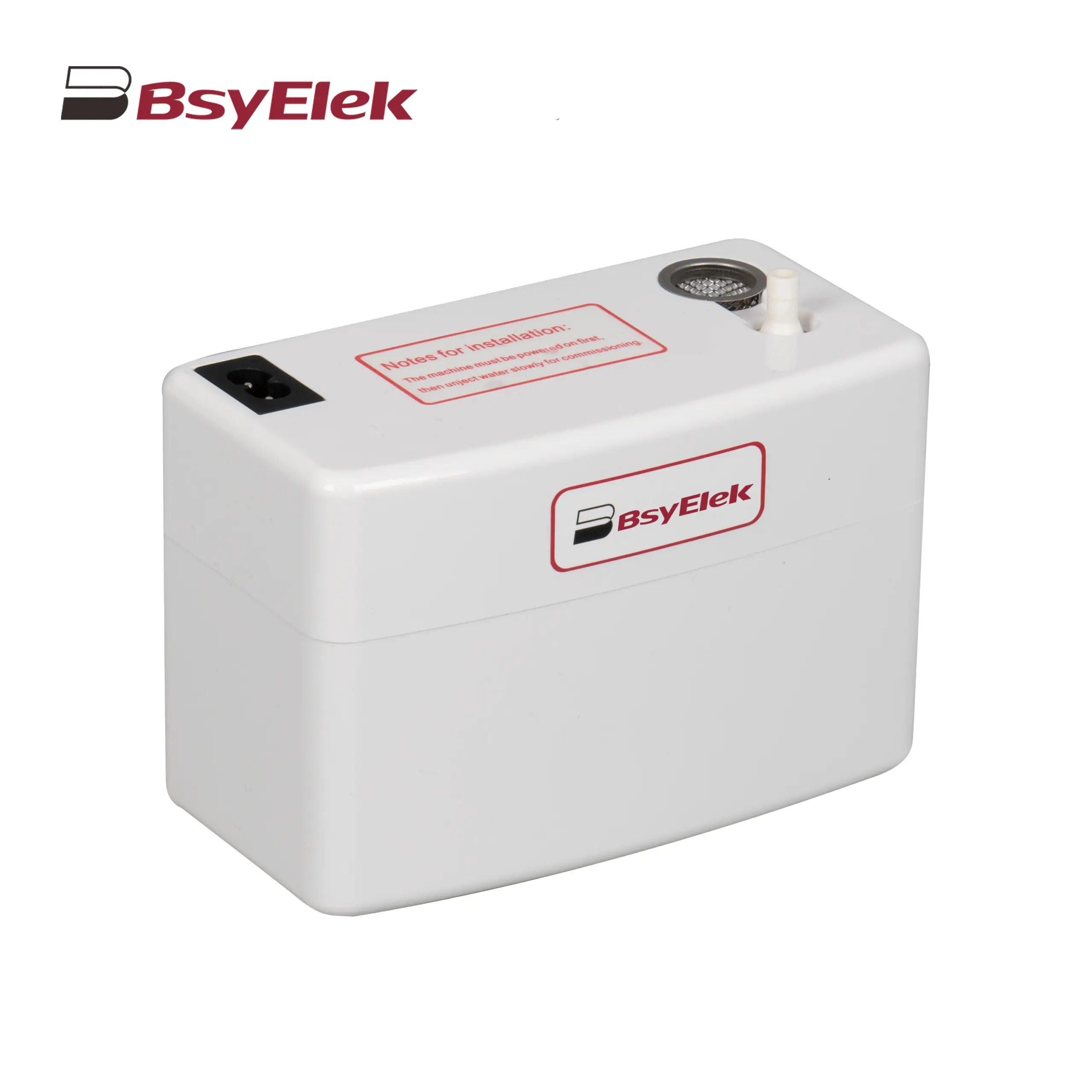 BY-24A/40A 10M Drainage Pump of Air Conditioner
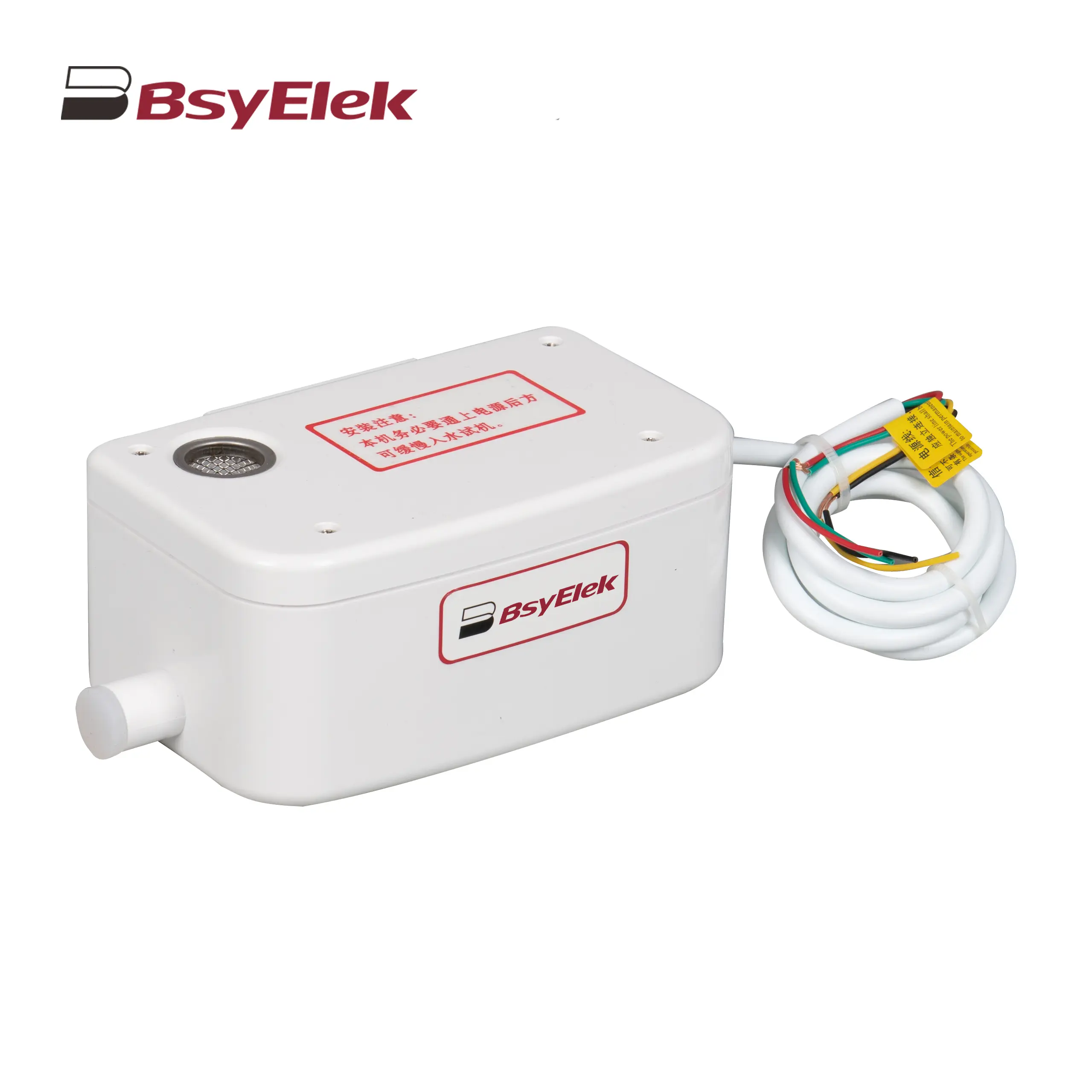 BY-50A 12M Drainage Pump of Air Conditioner
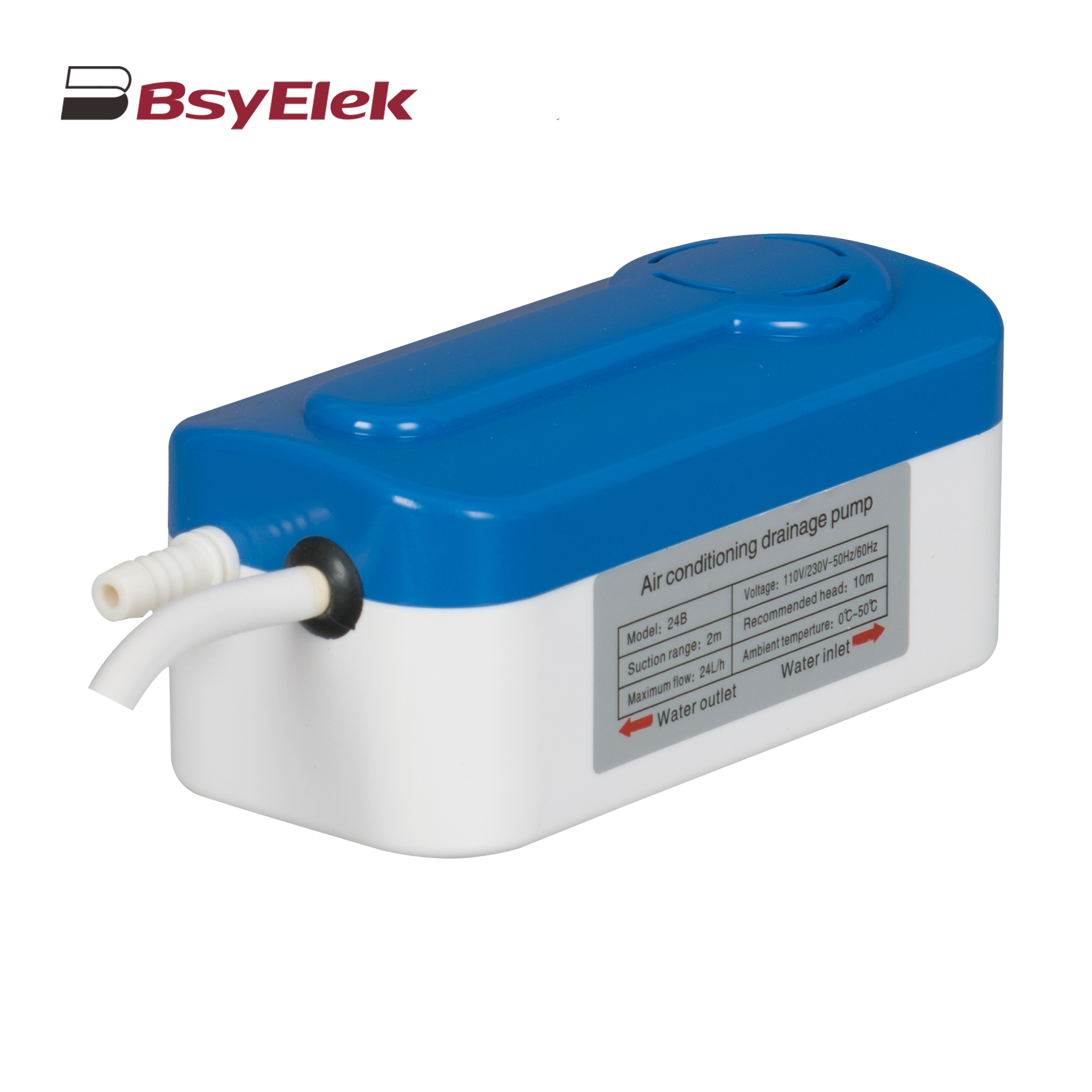 BY-24B/40B 10M Split Type Drainage Pump
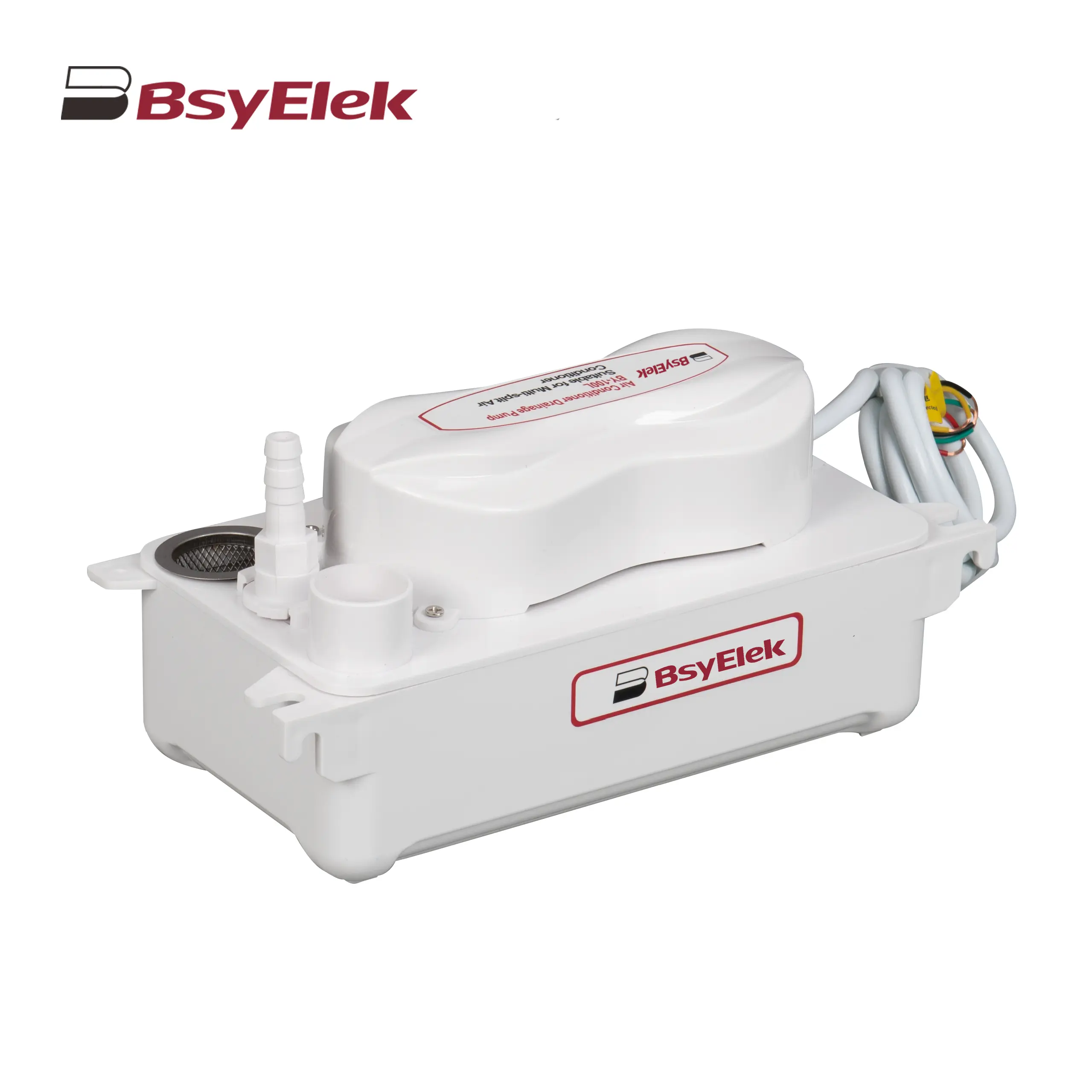 BY-100L 2M Drainage Pump of Air Conditioner
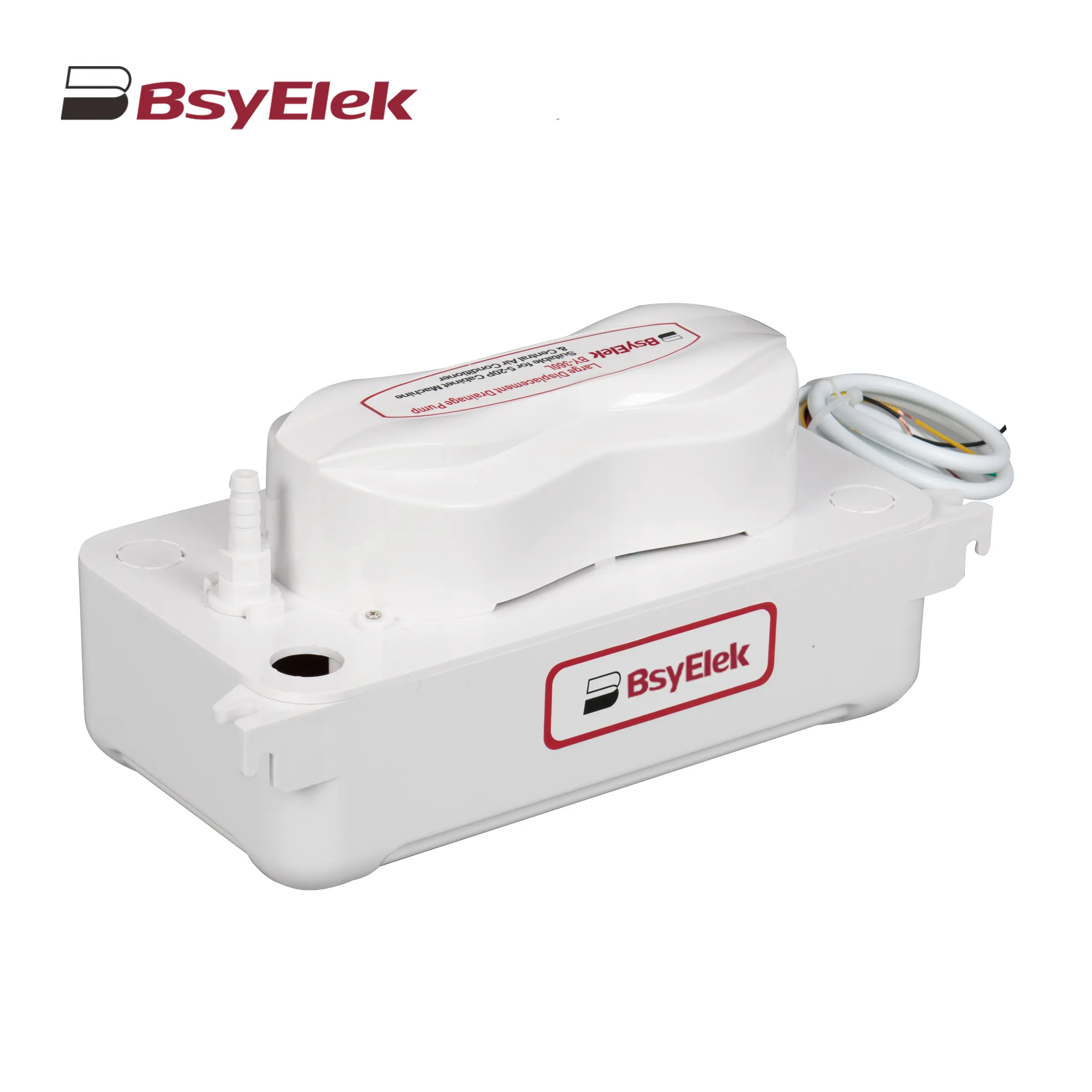 BY-360L 6M Large Displacement Drainage Pump
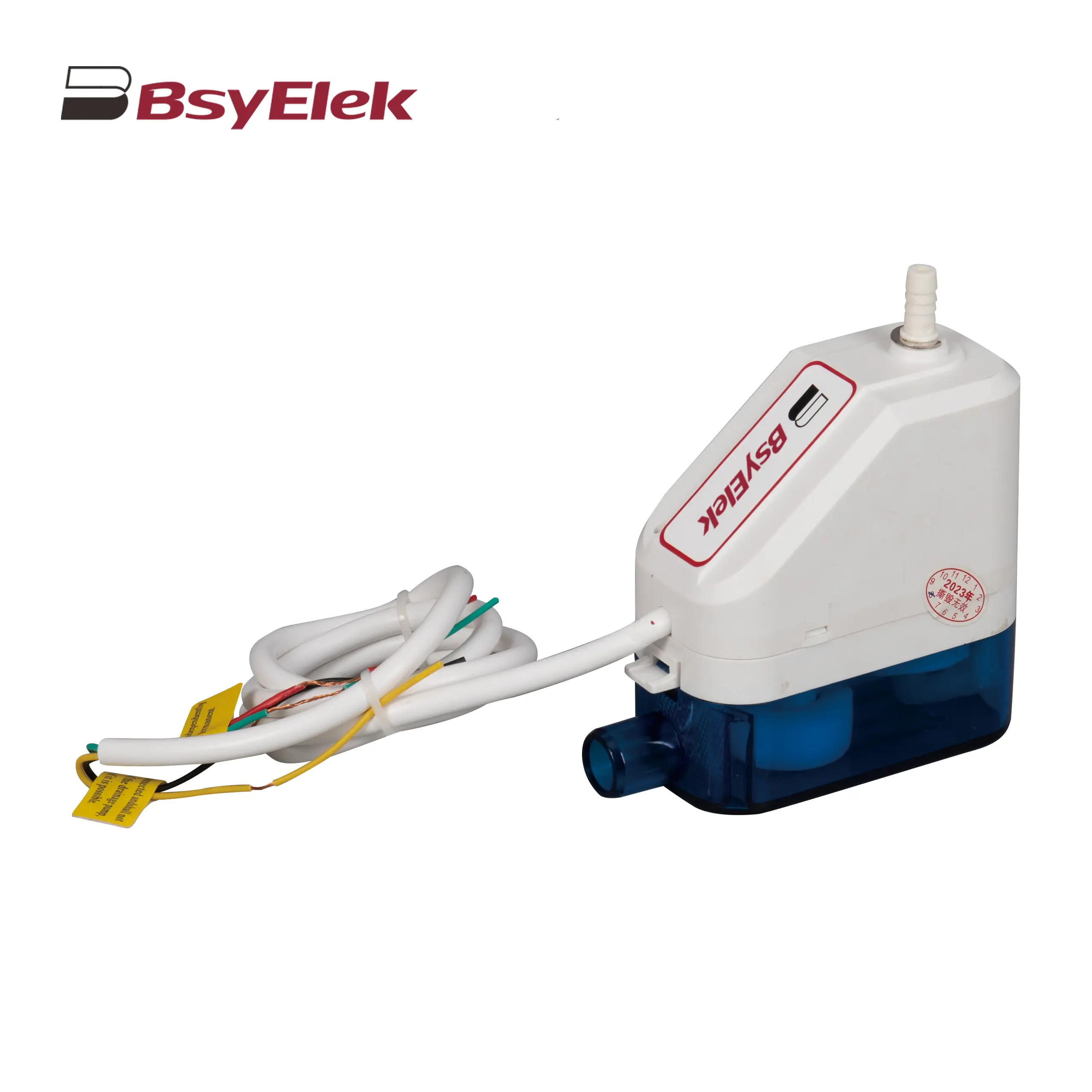 BY-24C/40C 10M Corner Drainage Pump