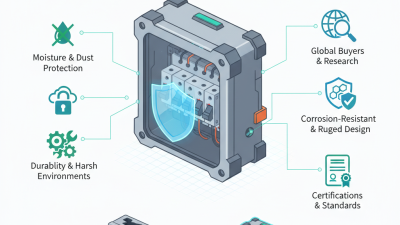
Best Automatic Transfer Switch Solutions for Global Buyers?
In today's fast-paced world, reliability and efficiency in power management have become paramount. Automatic Transfer Switch (ATS) solutions are critical in ensuring that power continues to flow without interruption during outages. Renowned industry expert, Dr. Emily Carter, states, "The right Automatic Transfer Switch can make or break your power infrastructure." Her insight underscores the importance of selecting the best options for diverse needs.
As global buyers explore ATS solutions, understanding various features is essential. Factors like response time, load capacity, and ease of integration with existing systems play a significant role. Buyers must also consider the geographical challenges that may affect deployment. Each region has unique power demands and regulatory requirements that impact the effectiveness of an Automatic Transfer Switch.
Moreover, while many solutions promise efficiency, it is vital to question their long-term reliability and maintenance needs. Costs can escalate unexpectedly, clouding decisions. Buyers must remain vigilant and seek solutions that not only provide immediate benefits but also ensure sustainable performance over time.
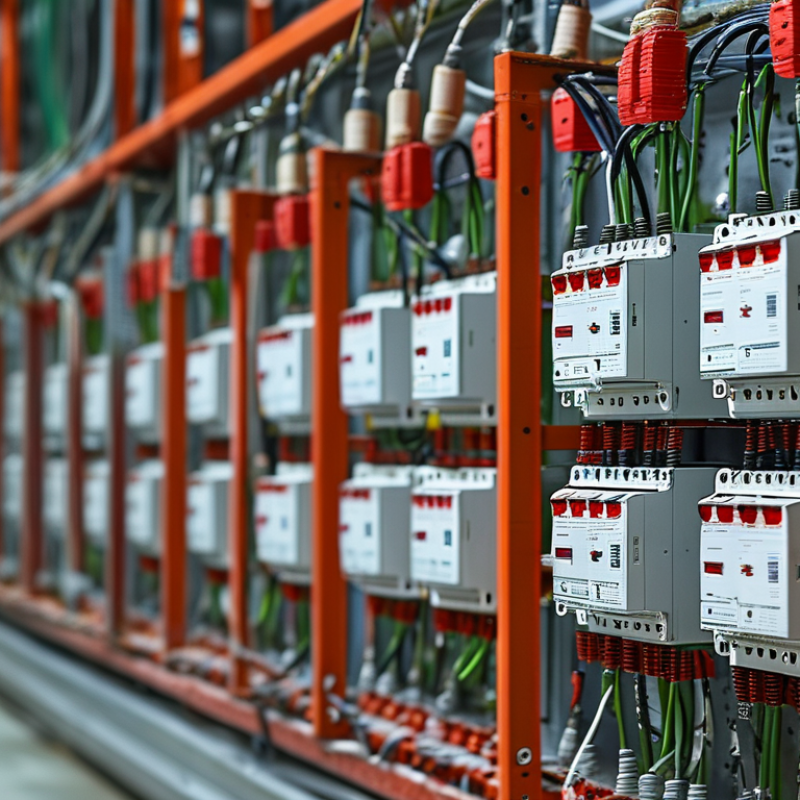
Understanding Automatic Transfer Switches and Their Functions
Automatic Transfer Switches (ATS) play a crucial role in ensuring a reliable power supply. They automatically switch between the main power source and a backup generator. This transition occurs seamlessly during power outages. Understanding this functionality is vital for those seeking dependable energy solutions.
The design of an ATS is relatively straightforward. It consists of sensors and control mechanisms that monitor incoming voltage. If the main supply fails, the ATS detects this and activates the backup power source. This helps prevent systems from crashing or failing unexpectedly. Many systems depend heavily on this technology, especially in critical environments.
However, not all ATS solutions are equal. Variations exist in terms of speed, capacity, and control features. Buyers may find it challenging to choose the right system. Reflecting on individual needs and operational requirements is crucial. Each facility's demands can significantly influence the selection process. It's essential to weigh various options thoughtfully to find the most suitable match.
Key Features to Consider When Selecting an Automatic Transfer Switch
When choosing an automatic transfer switch (ATS), several key features deserve attention. One important aspect is the switch's capacity. According to recent industry reports, optimal sizing can prevent overload situations, enhancing reliability. Ensure the ATS can handle your total load demand. This avoids potential equipment damage and downtime.
Another critical feature is the switch's speed of operation. A transfer switch must react quickly to power outages. Studies show that quicker switchovers reduce the risk of operational interruptions. Being aware of the switch's response time can help you choose a product that meets your needs.
When evaluating options, consider the switch's monitoring capabilities. Advanced switches come with digital controls and remote monitoring options. These features allow for easier maintenance and troubleshooting. Such functions are increasingly essential, as reports indicate that proactive maintenance can extend equipment life.
Pay attention to environmental ratings too. Products rated for extreme temperatures can withstand harsher conditions. This impacts their longevity and functionality. Make sure the chosen ATS is suited for your location's climate.
Keep in mind that the installation process varies. Hiring professional services may ensure proper setup and compliance with safety regulations. It’s crucial to weigh the benefits of expert installation against potential costs. Enjoy peace of mind knowing your automatic transfer switch is reliable and efficient.
Best Automatic Transfer Switch Solutions for Global Buyers
This chart illustrates key features of Automatic Transfer Switches (ATS), including their load capacity, response time, frequency compatibility, and price. These factors are essential for global buyers when selecting the best ATS solutions to meet their needs.
Top Automatic Transfer Switch Brands and Their Global Availability
When considering automatic transfer switch (ATS) solutions, global availability is crucial. Many top brands offer reliable products across various regions. It's essential to understand how these switches function in different environments. Automatic transfer switches detect power outages and automatically switch to a backup power source. This reliability is vital for both residential and commercial applications, especially in areas prone to power disruptions.
Each brand tends to have its strengths and weaknesses. Some excel in innovation, while others focus on durability. Availability can fluctuate based on regional distribution networks. Certain brands may have limited reach in specific countries, affecting accessibility for buyers. Researching the regional specifics of each brand is crucial. Local service and support can impact performance and reliability.
Choosing the right ATS is not just about choosing popular brands. The right solution should meet specific needs. Buyers should consider factors like power requirements and installation support. It’s common to overlook long-term maintenance while focusing too much on upfront costs. Investing time in assessing options can lead to better long-term outcomes. This approach emphasizes thoughtful selection and invites further reflection on buyer responsibilities in the decision-making process.
Best Automatic Transfer Switch Solutions for Global Buyers
| Region |
Switch Type |
Rated Capacity (kVA) |
Voltage Rating (V) |
Key Features |
| North America |
Open Transition |
100 |
120/240 |
Fast Switching, Durable Design |
| Europe |
Closed Transition |
80 |
400 |
Seamless Transfer, Advanced Control |
| Asia-Pacific |
Smart Transfer |
60 |
230 |
Remote Monitoring, Energy Efficiency |
| Middle East |
Manual Transfer |
50 |
400 |
Cost-effective, Simple Operation |
| Africa |
Dual Power |
75 |
230 |
Robust Build, Versatile Use |
Comparative Analysis of Different Automatic Transfer Switch Solutions
When choosing an automatic transfer switch (ATS), many factors impact decision-making. The technology of ATS systems has evolved significantly. Buyers often seek options that align with their energy needs. Analyzing various solutions helps identify the right features. A high-quality ATS should be reliable and efficient. Look for ease of installation and maintenance, as these factors influence long-term performance.
Different types of ATS solutions exist. Some offer analog controls while others provide digital interfaces. Digital systems can provide better diagnostics and remote monitoring capabilities. However, they may require more specialized knowledge for installation. On the flip side, analog systems tend to be simpler but might lack advanced functionalities. Consider your operational expertise when selecting an ATS.
Evaluating performance is also essential. Factors such as transfer time and load capabilities should be understood clearly. Some systems may perform well under specific conditions but fail under others. This inconsistency can lead to issues during critical situations. Testing various solutions in real-life scenarios can offer valuable insights. Different environments may yield different results, requiring careful planning. Ultimately, the right choice is based on thorough analysis and assessment of your particular needs.
Best Practices for Installing and Maintaining Automatic Transfer Switches
When installing automatic transfer switches (ATS), understanding best practices is crucial for ensuring reliability. A well-executed installation can prevent power interruptions. Research from the International Electrotechnical Commission (IEC) indicates that incorrect installation can lead to a 30% failure rate in ATS systems. Clear installation guidelines help mitigate this risk.
Conducting regular maintenance is essential for longevity. According to a report by the Electric Power Research Institute, routine checks can increase system efficiency by up to 25%. Maintenance should include inspecting connections and testing power transfer during simulated outages. This proactive approach identifies potential issues before they escalate.
Documenting maintenance activities is often overlooked. Yet, detailed logs help track performance trends. Operators may notice patterns that indicate when components need replacement. An understudied aspect is employee training. Properly trained staff ensure maintenance procedures are followed consistently. This can create gaps in knowledge that lead to errors. Regular training can alleviate these issues, fostering a culture of reliability and preparedness.



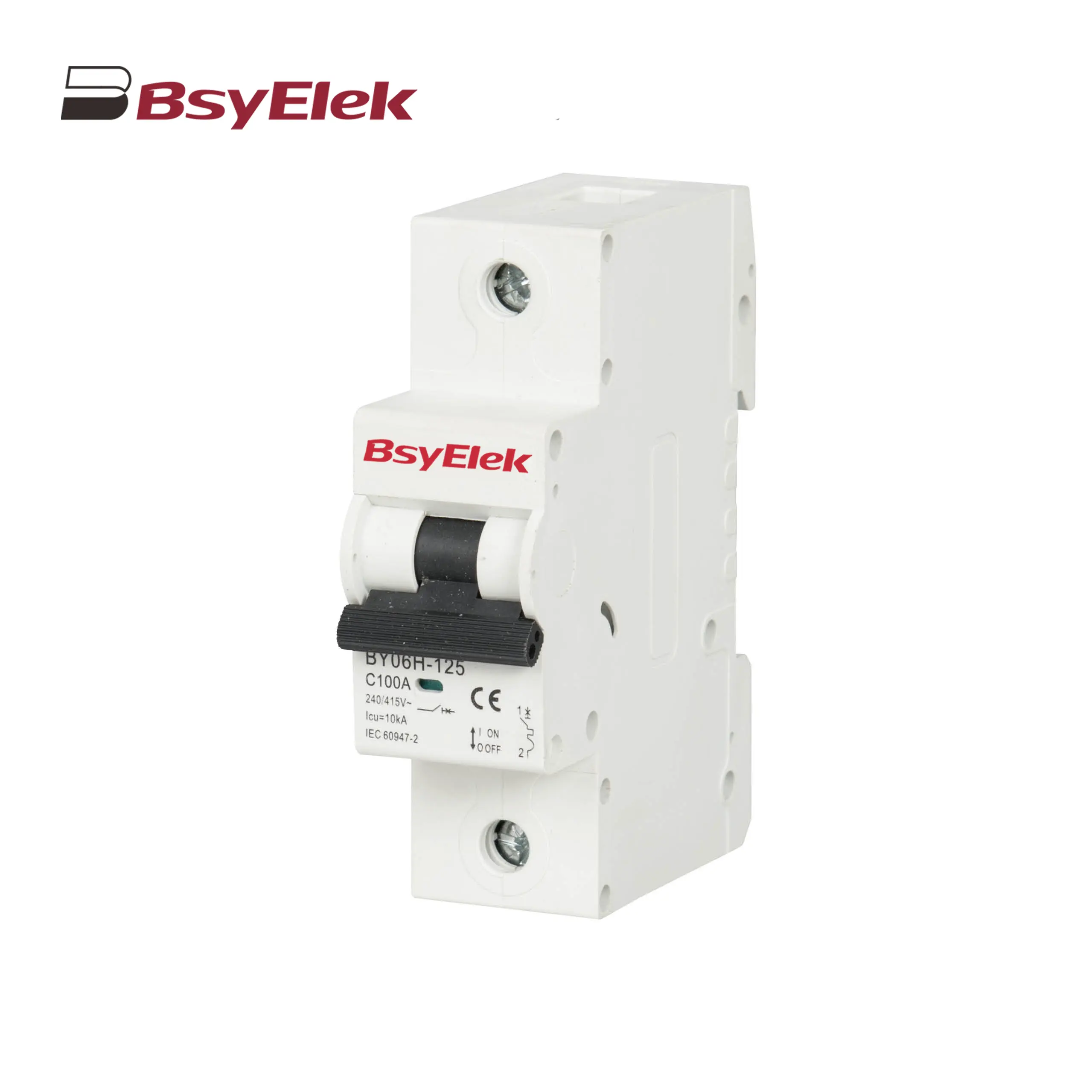 BY06H-125 MCB 10-15KA Miniature Circuit Breaker
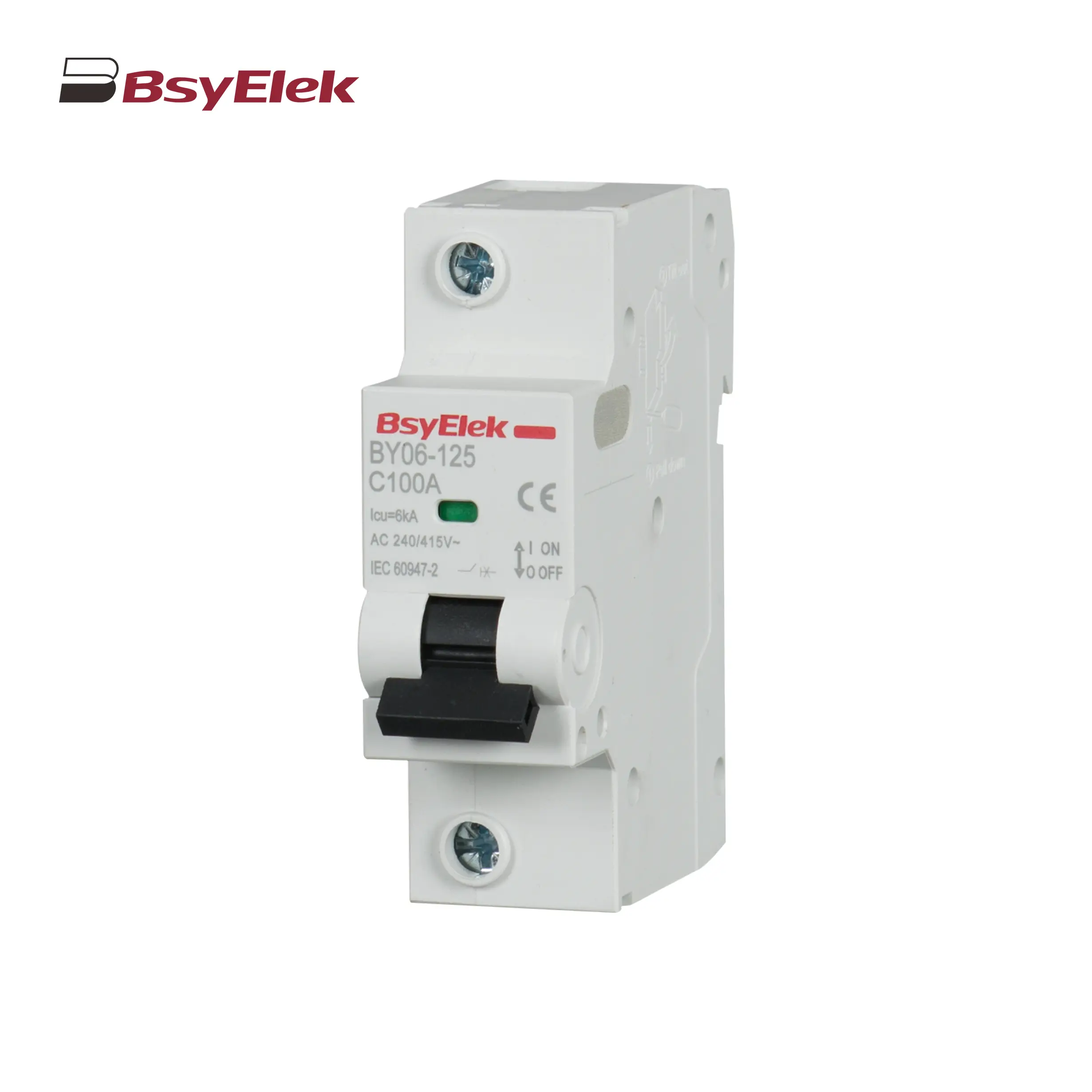 BY06-125 MCB 6KA Miniature Circuit Breaker
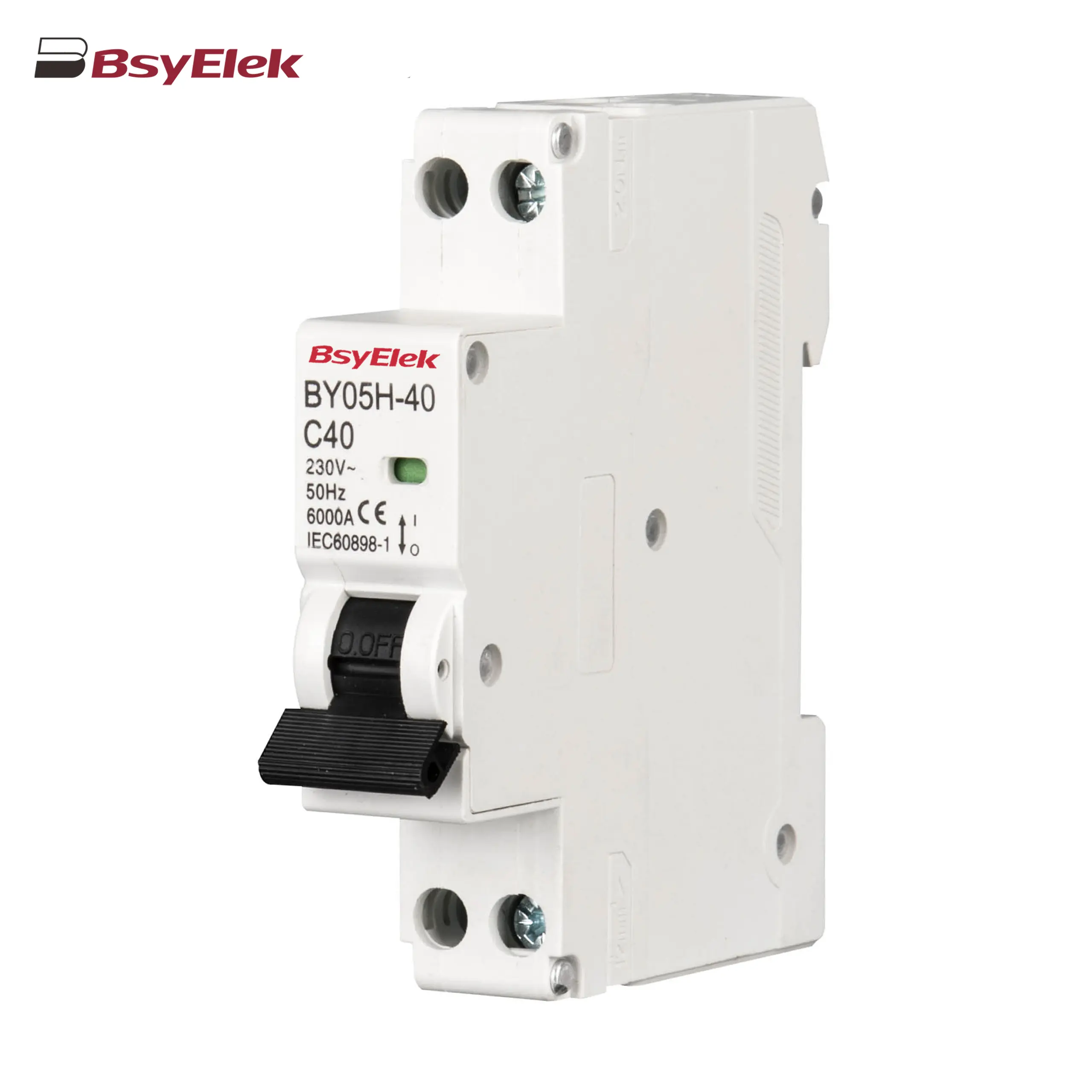 BY05H-40 MCB Single Modular 6KA Miniature Circuit Breaker
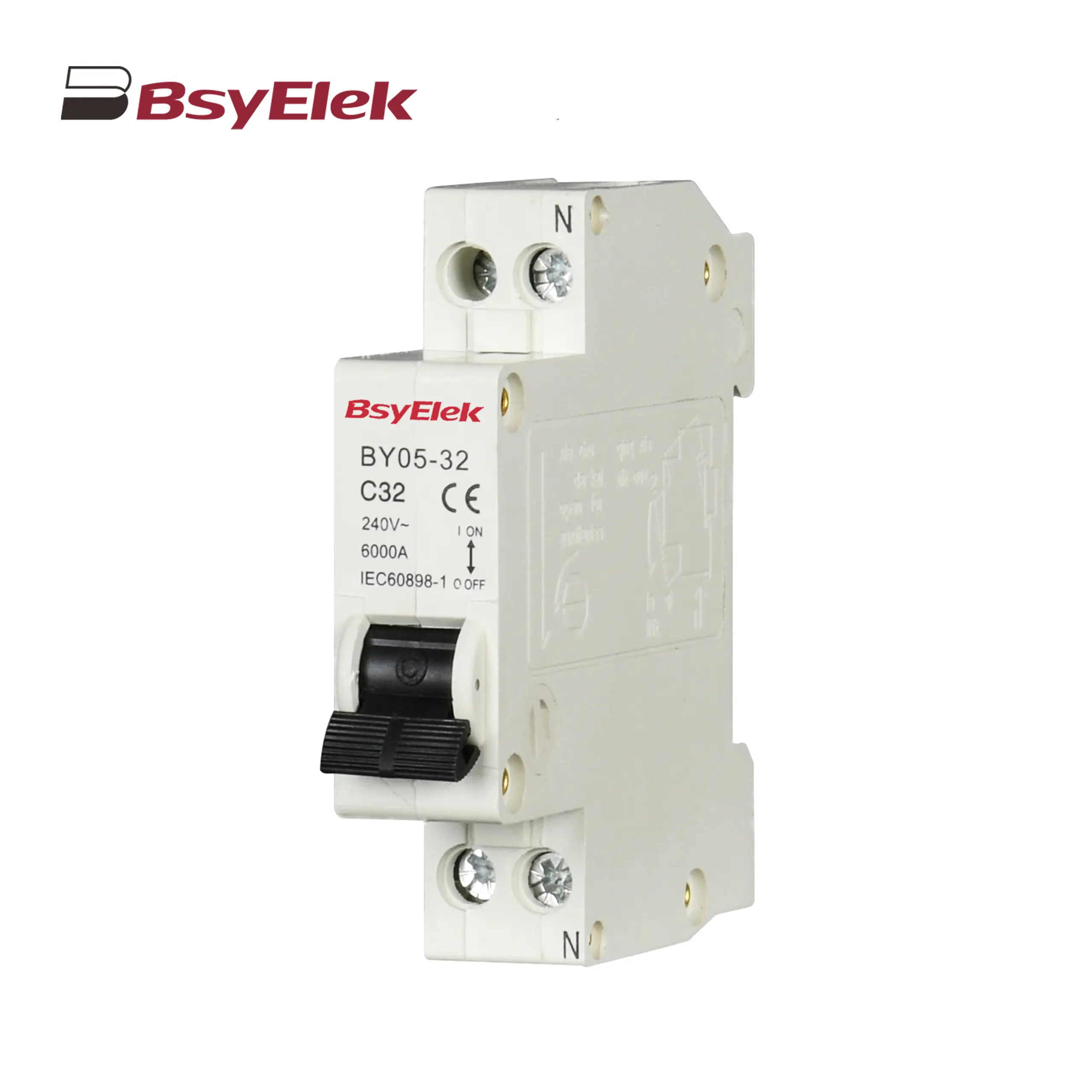 BY05-32 MCB Single Modular 3KA Miniature Circuit Breaker
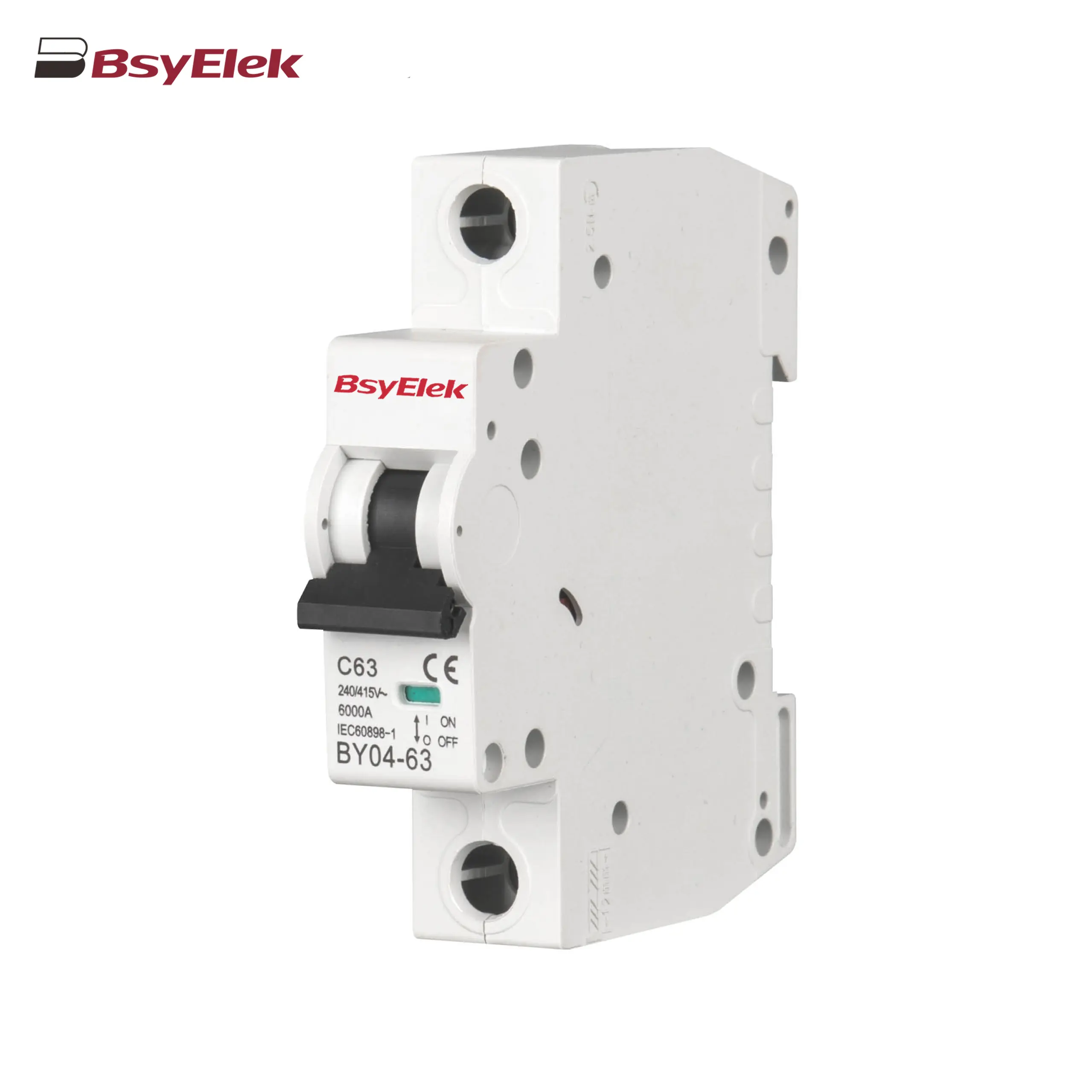 BY04-63 MCB 6-10KA Miniature Circuit Breaker
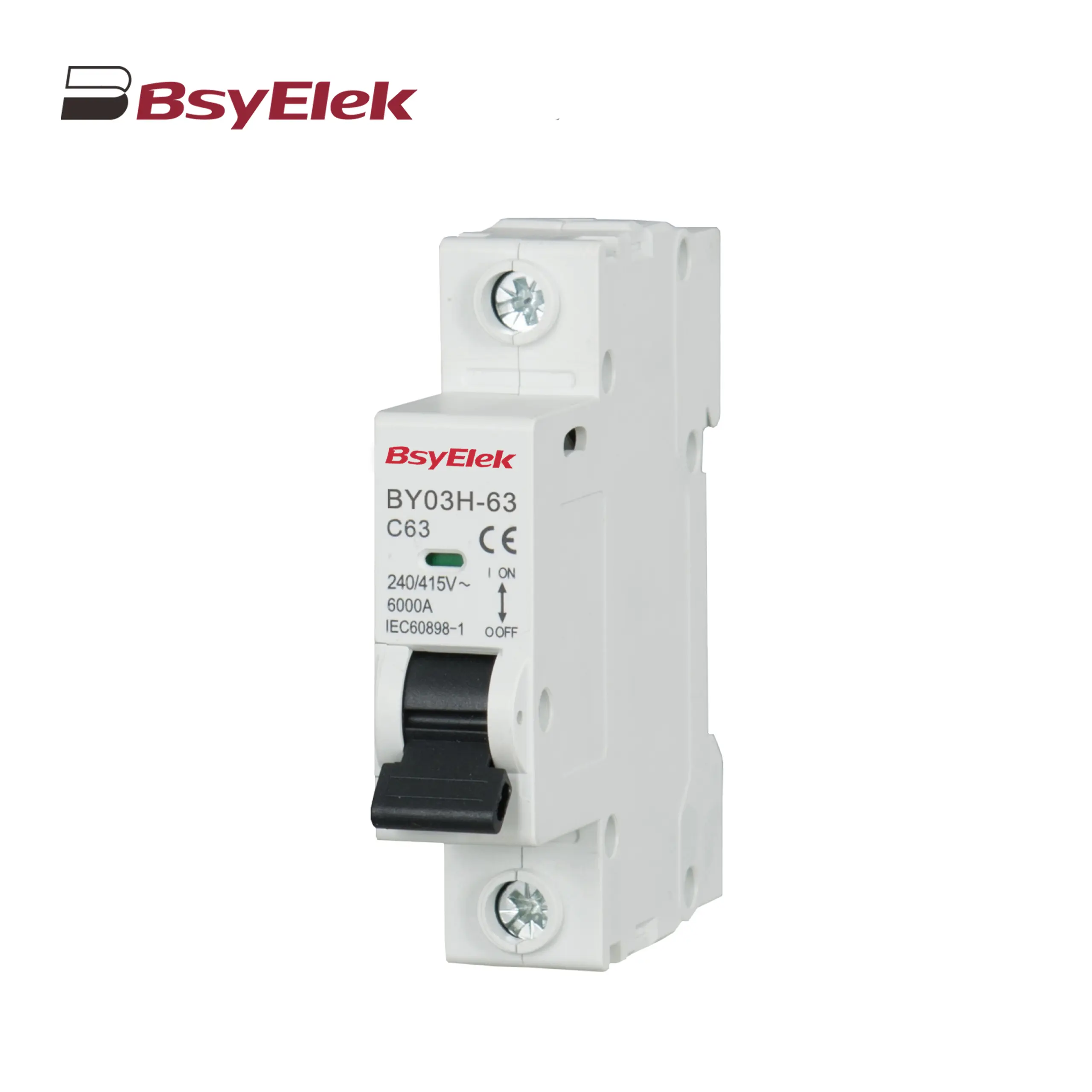 BY03H-63 MCB 6KA Miniature Circuit Breaker
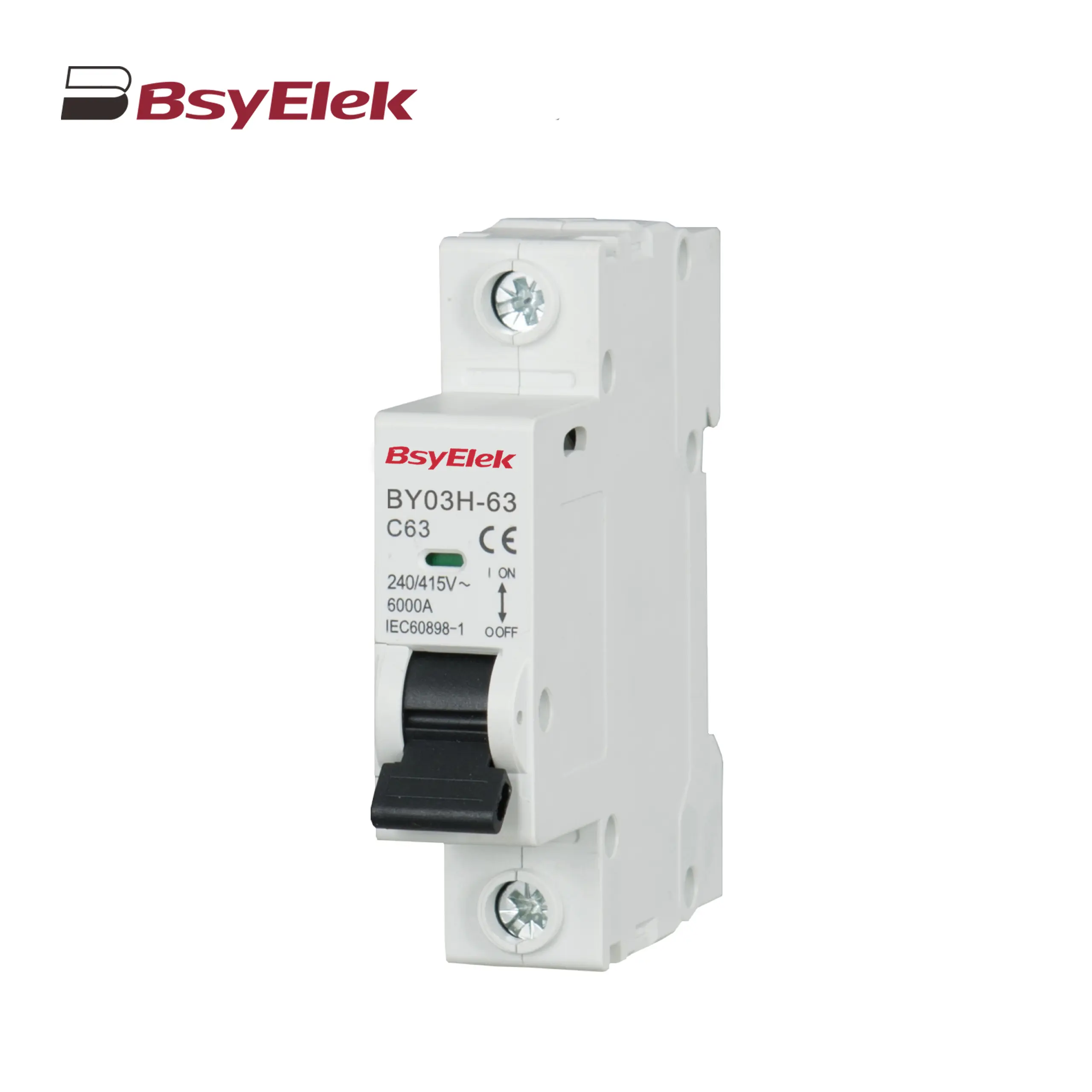 BY03-63 MCB 4.5KA Miniature Circuit Breaker
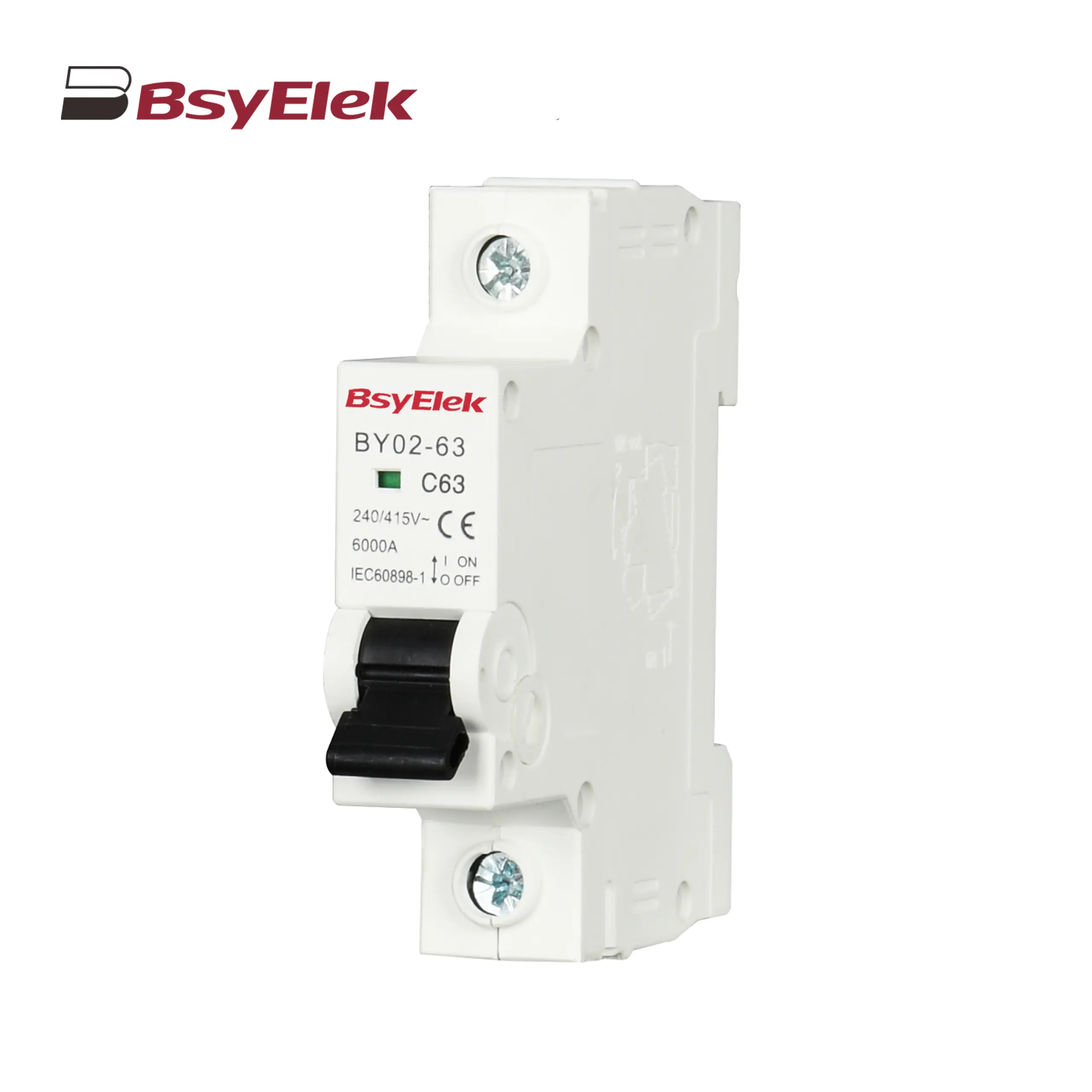 BY02-63 MCB 3kA Miniature Circuit Breaker
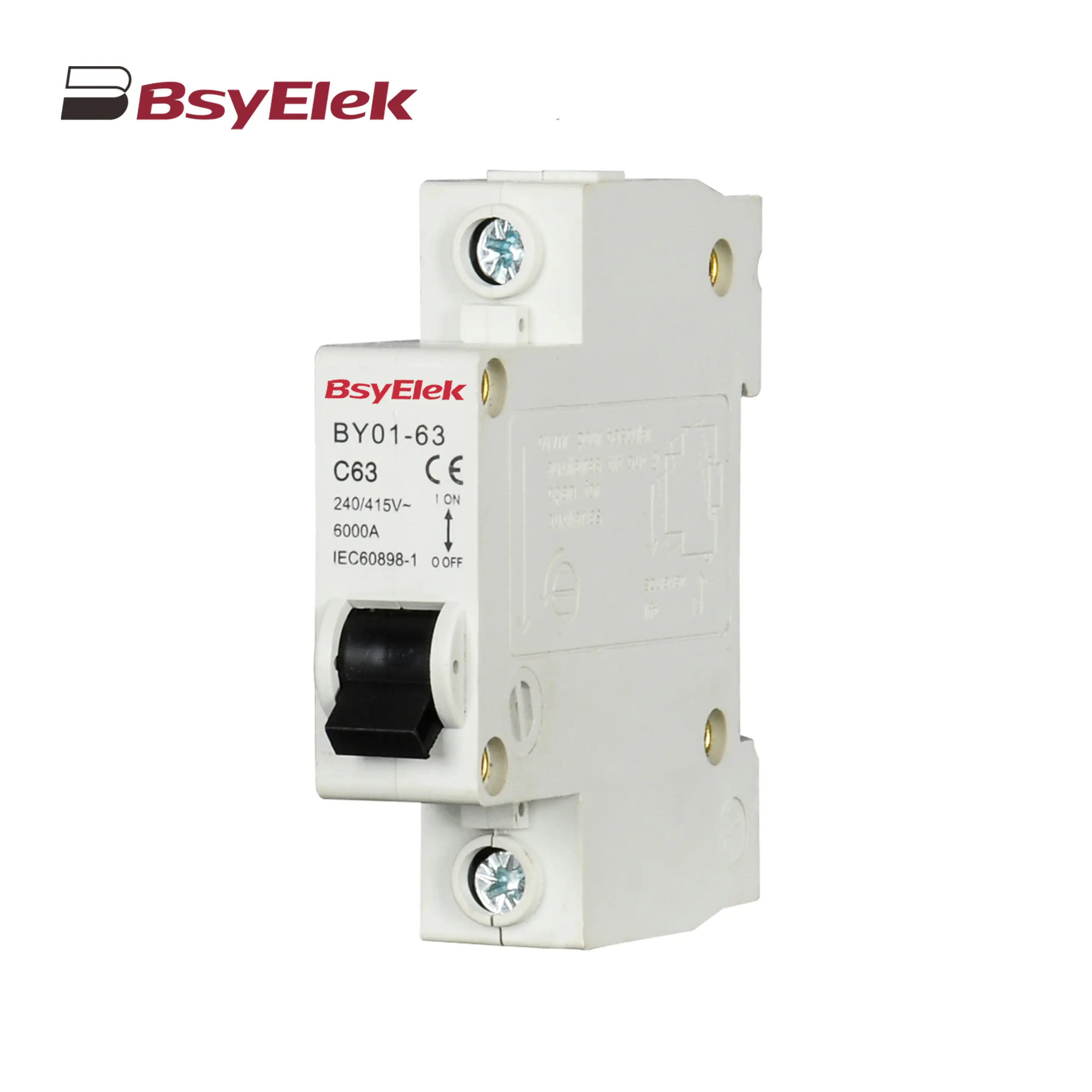 BY01-63 MCB 3kA Miniature Circuit Breaker
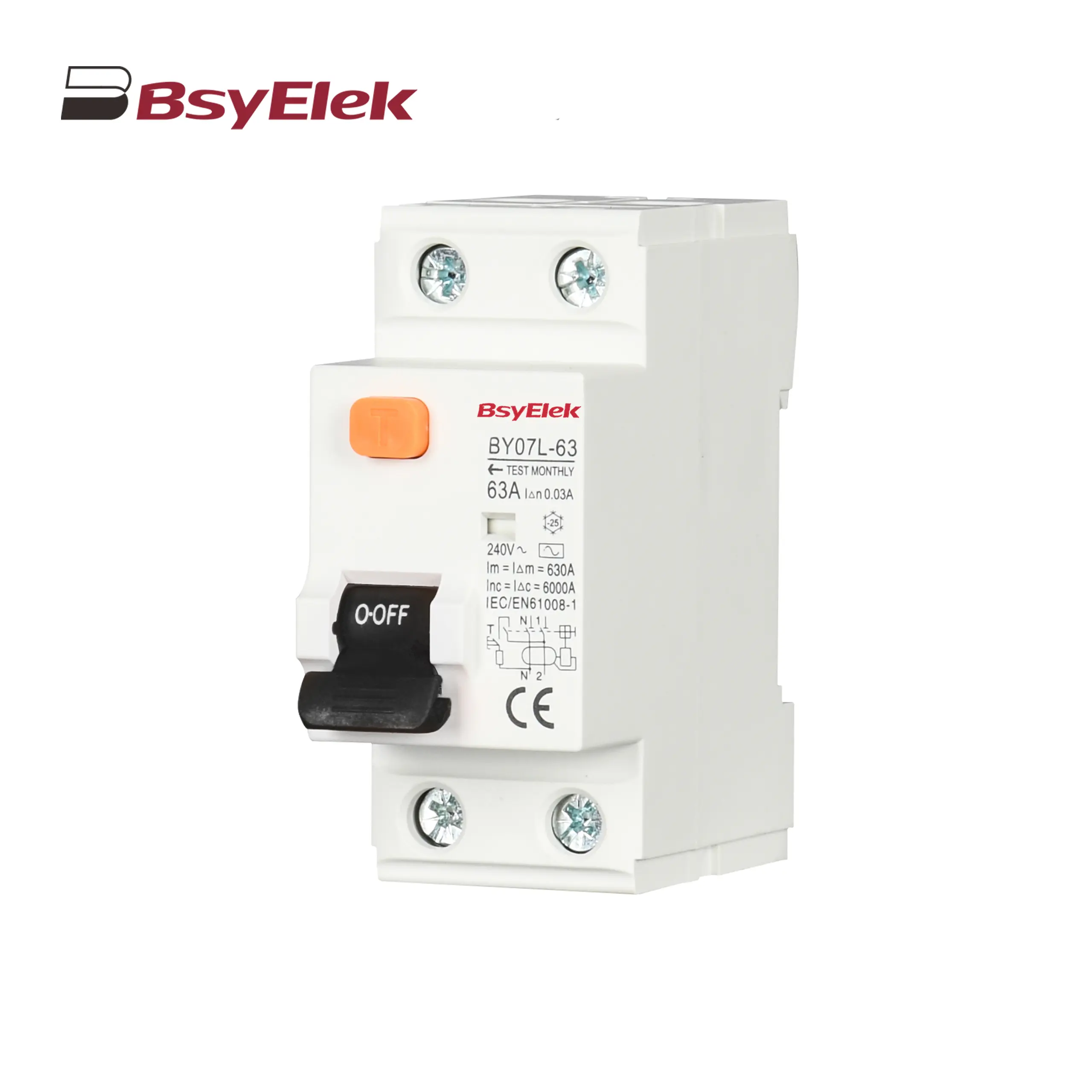 BY07L-63 RCCB 6KA Residual Current Circuit Breaker
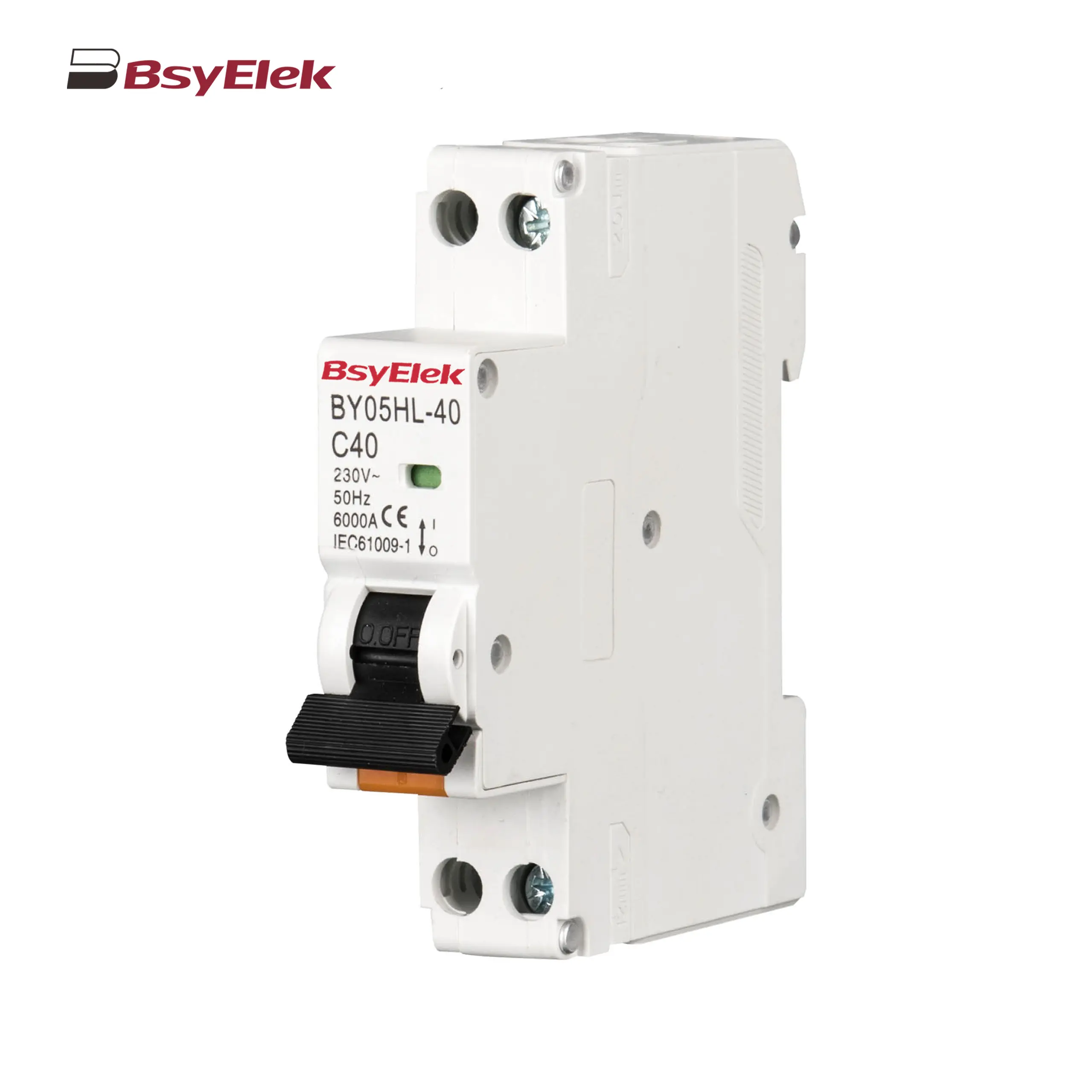 BY05HL-40 RCBO 6KA Residual Current Circuit Breaker with Over-current Protection
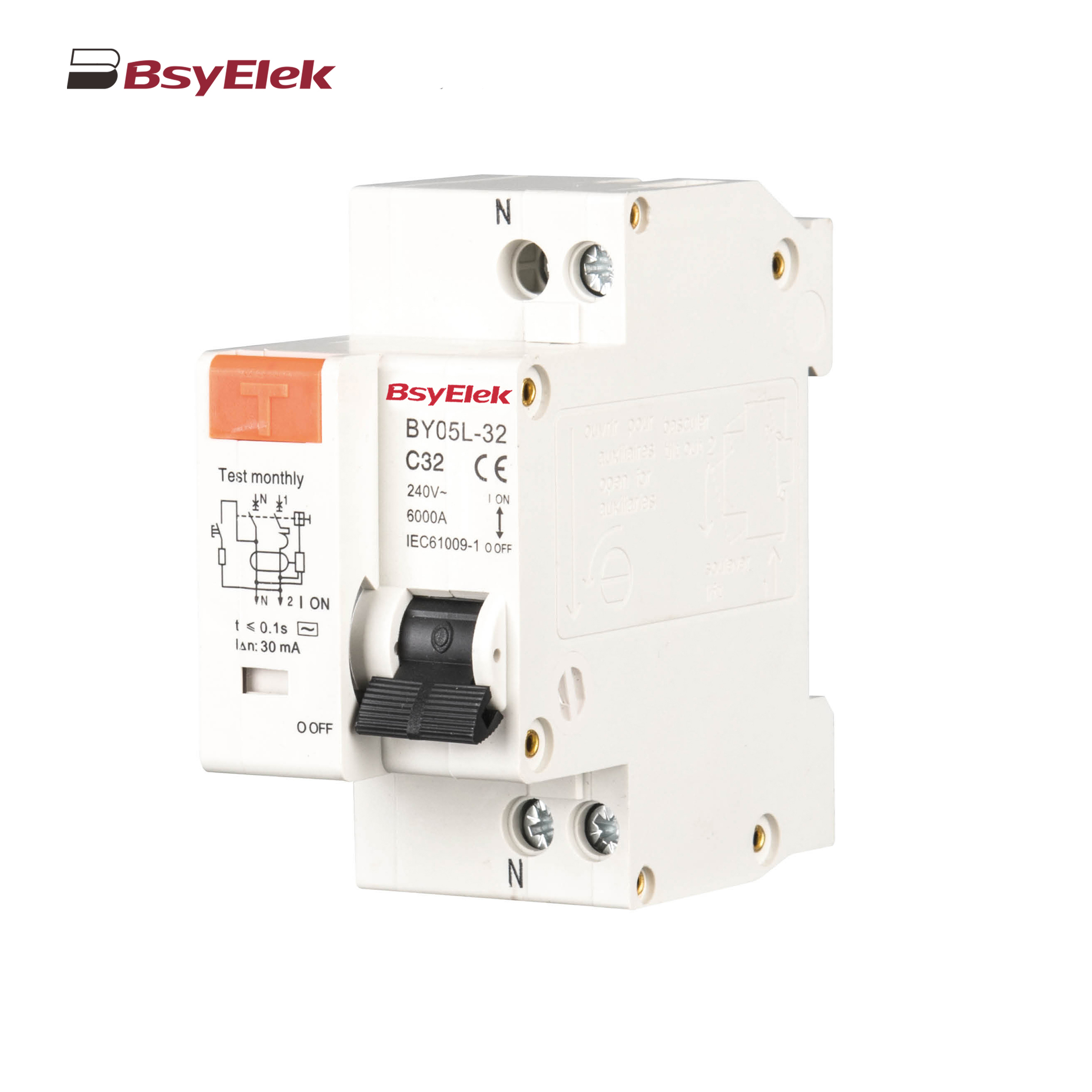 BY05L-32 RCBO 3KA Residual Current Circuit Breaker with Over-current Protection
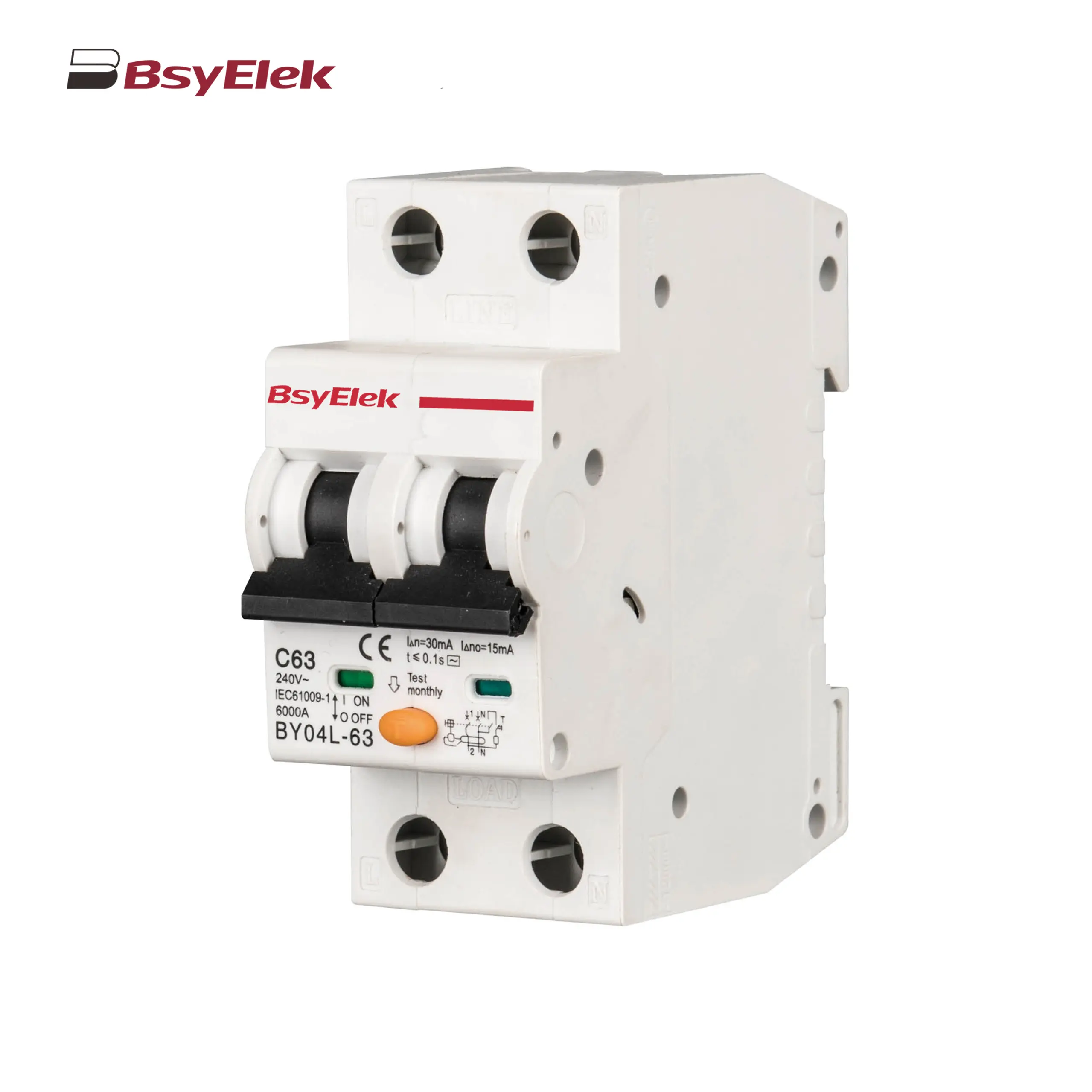 BY04L-63 RCBO 6KA Residual Current Circuit Breaker with Over-current Protection
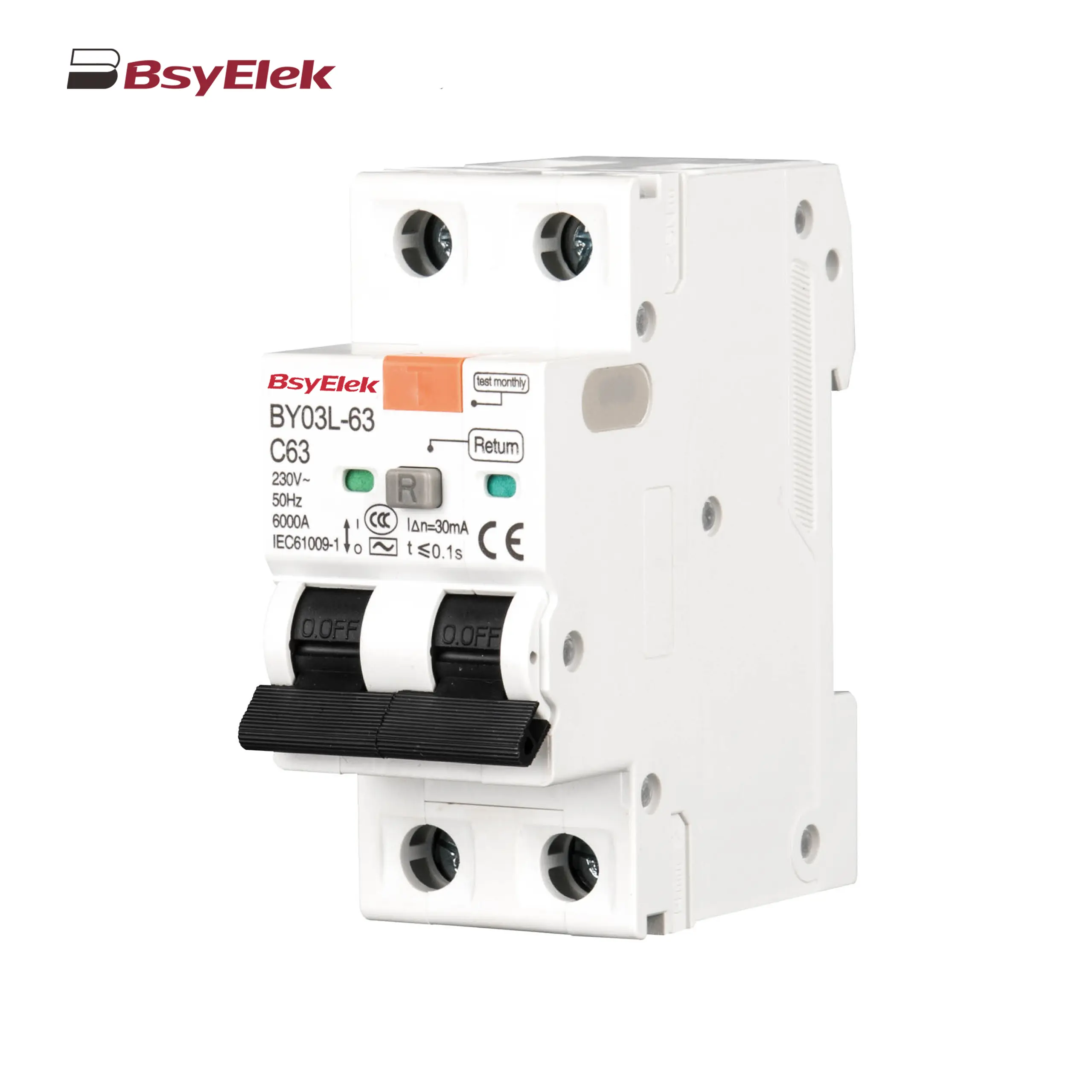 BY03L-63 RCBO 4.5KA Residual Current Circuit Breaker with Over-current Protection
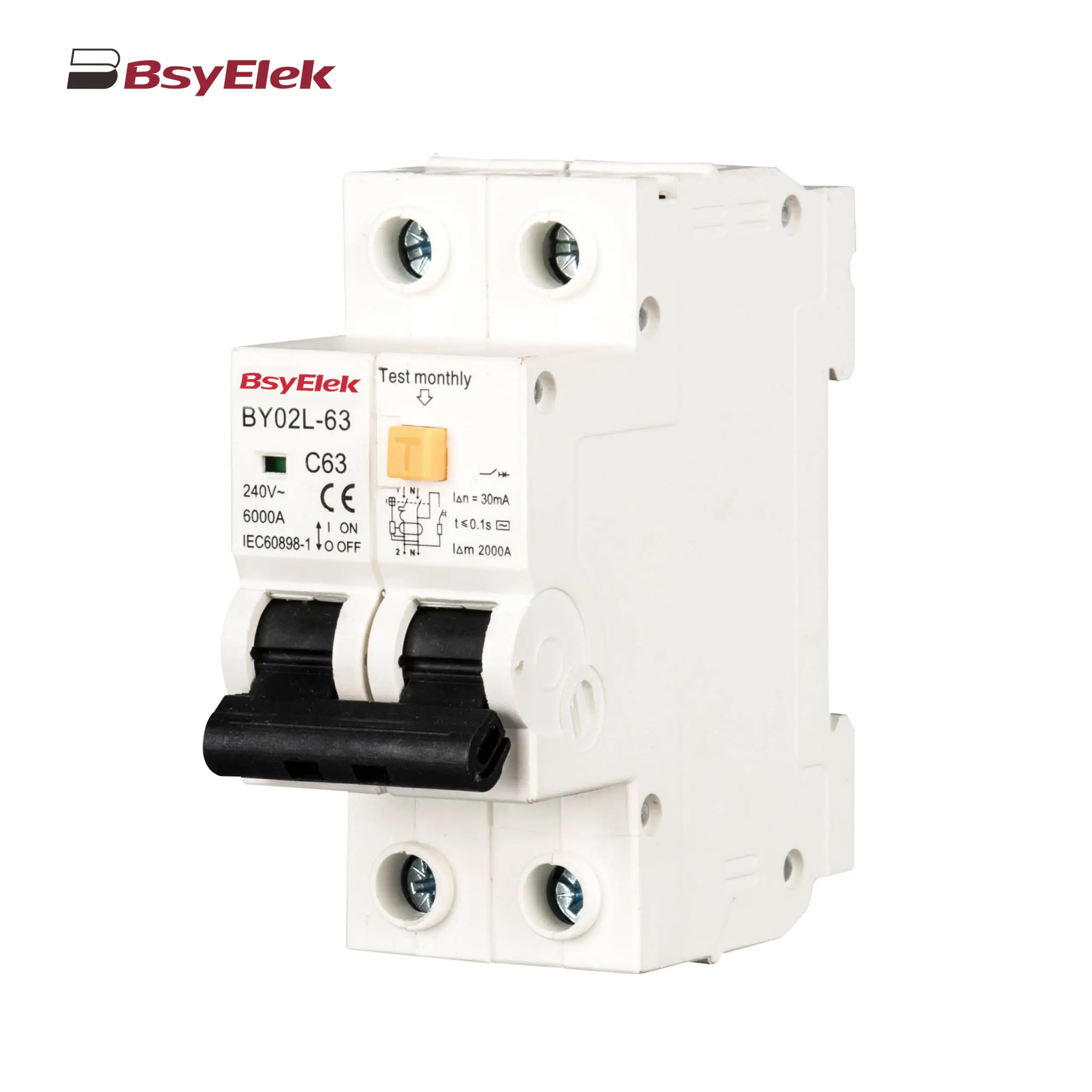 BY02L-63 RCBO 3KA Residual Current Circuit Breaker with Over-current Protection
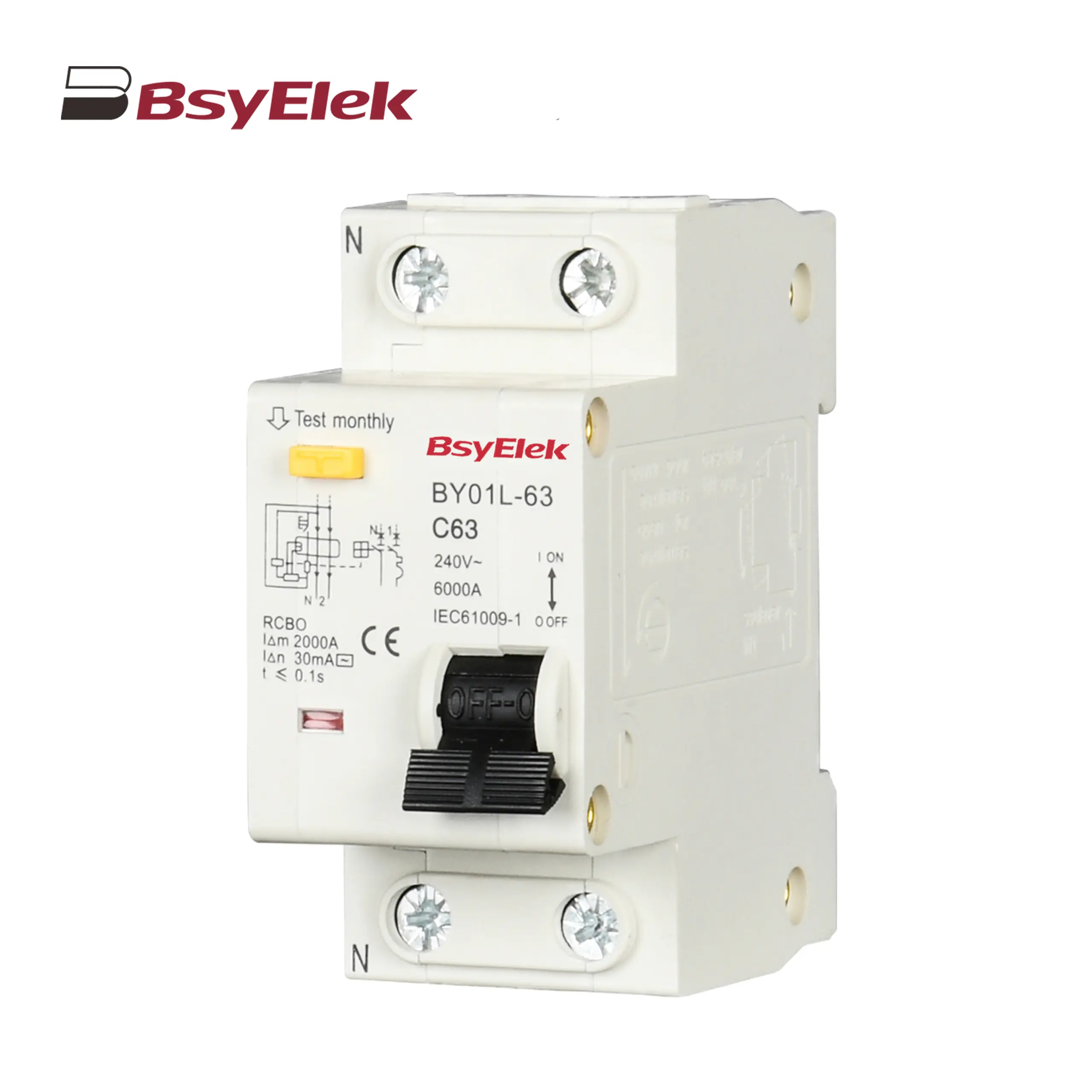 BY01L-63 RCBO 1P+N 3KA Residual Current Circuit Breaker with Over-current Protection
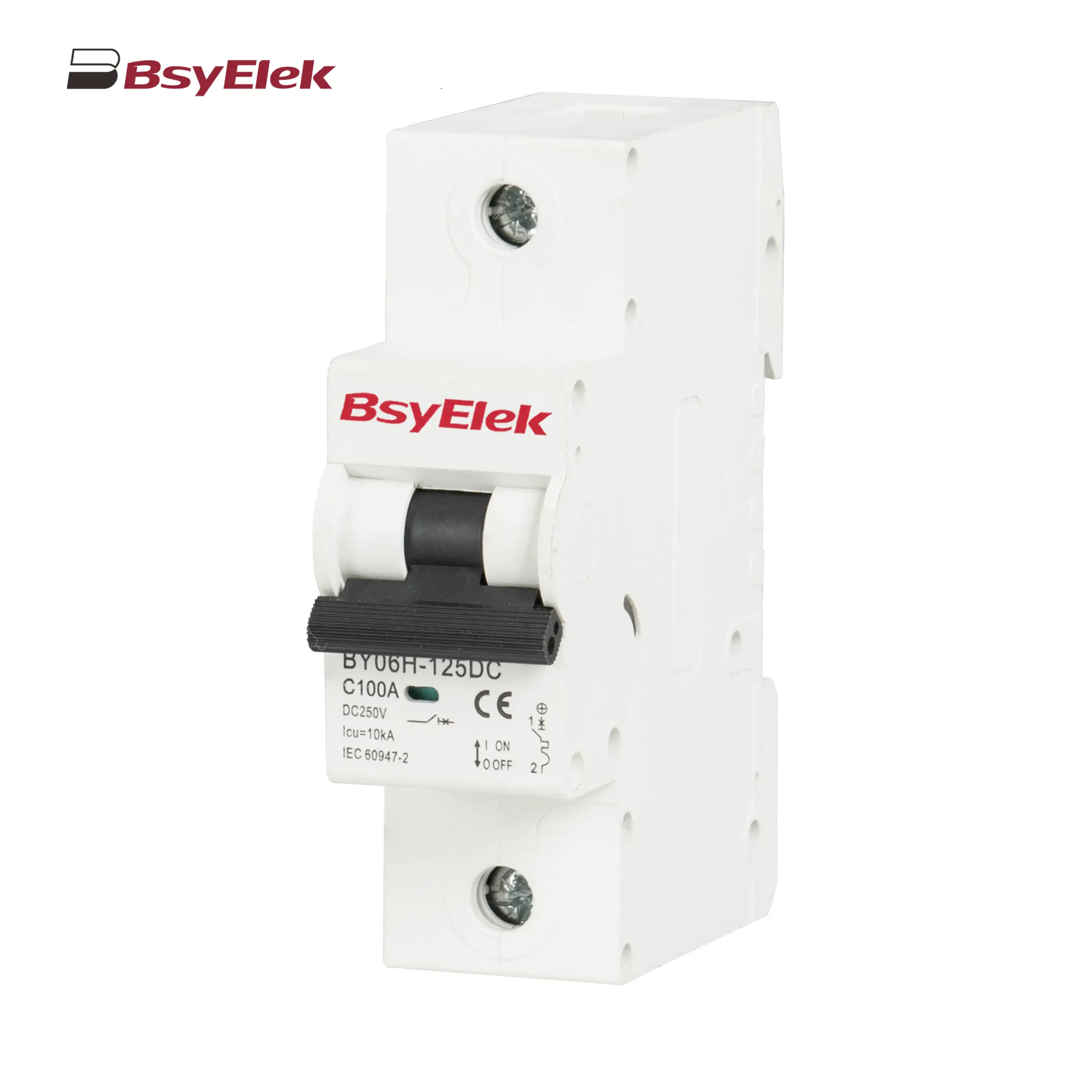 BY06H-125DC MCB 10-15kA DC Miniature Circuit Breaker
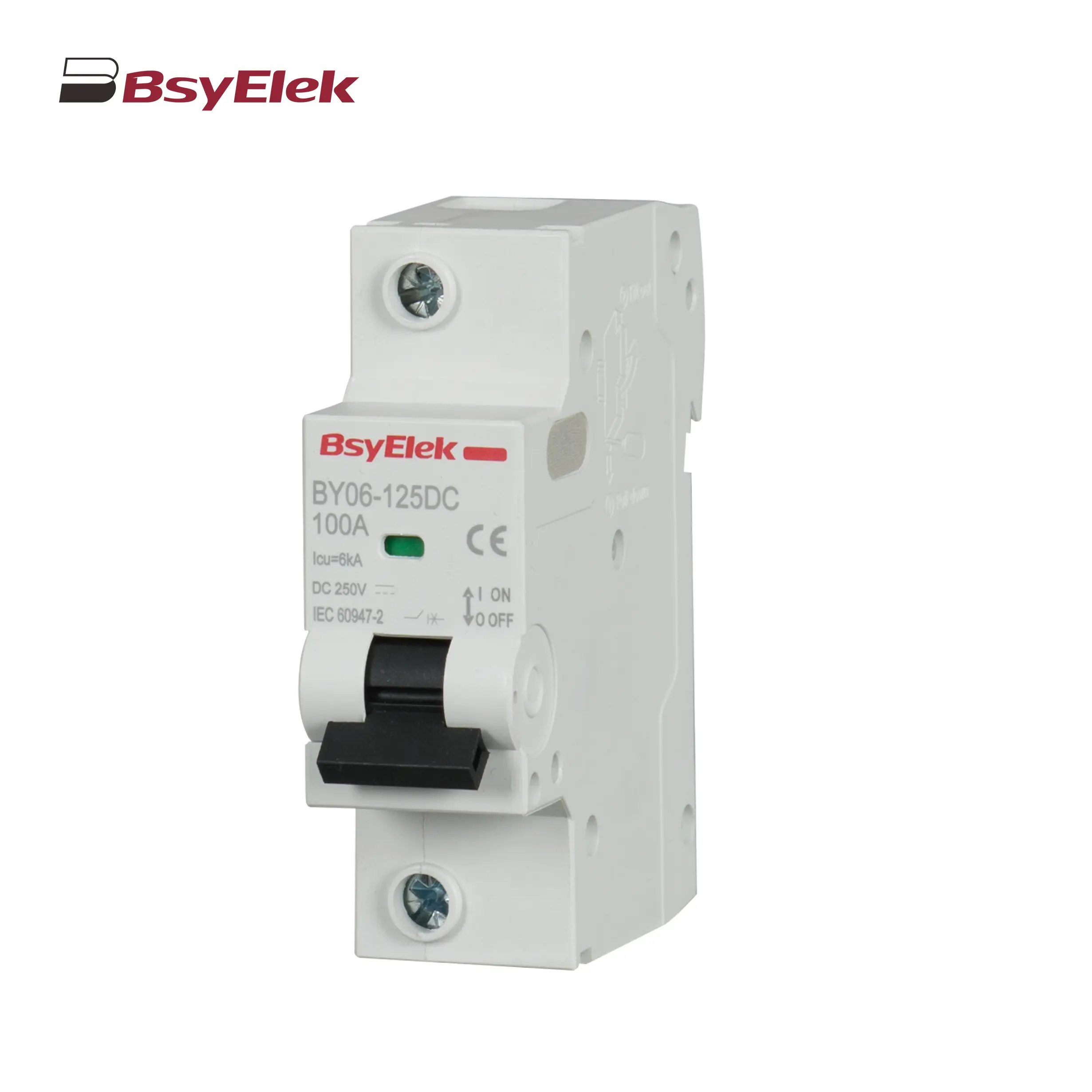 BY06-125DC MCB 6kA DC Miniature Circuit Breaker
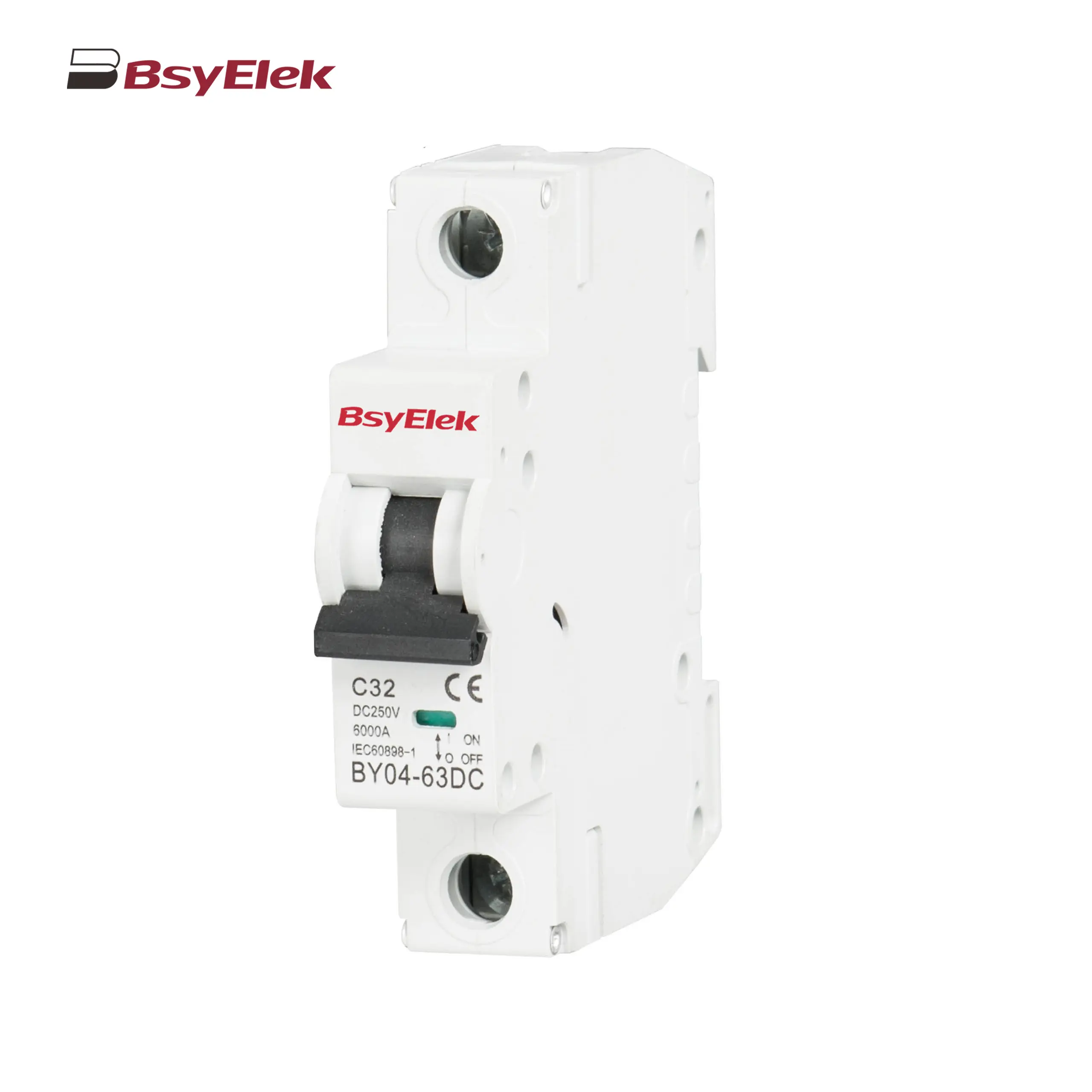 BY04-63DC MCB 6-10kA DC Miniature Circuit Breaker
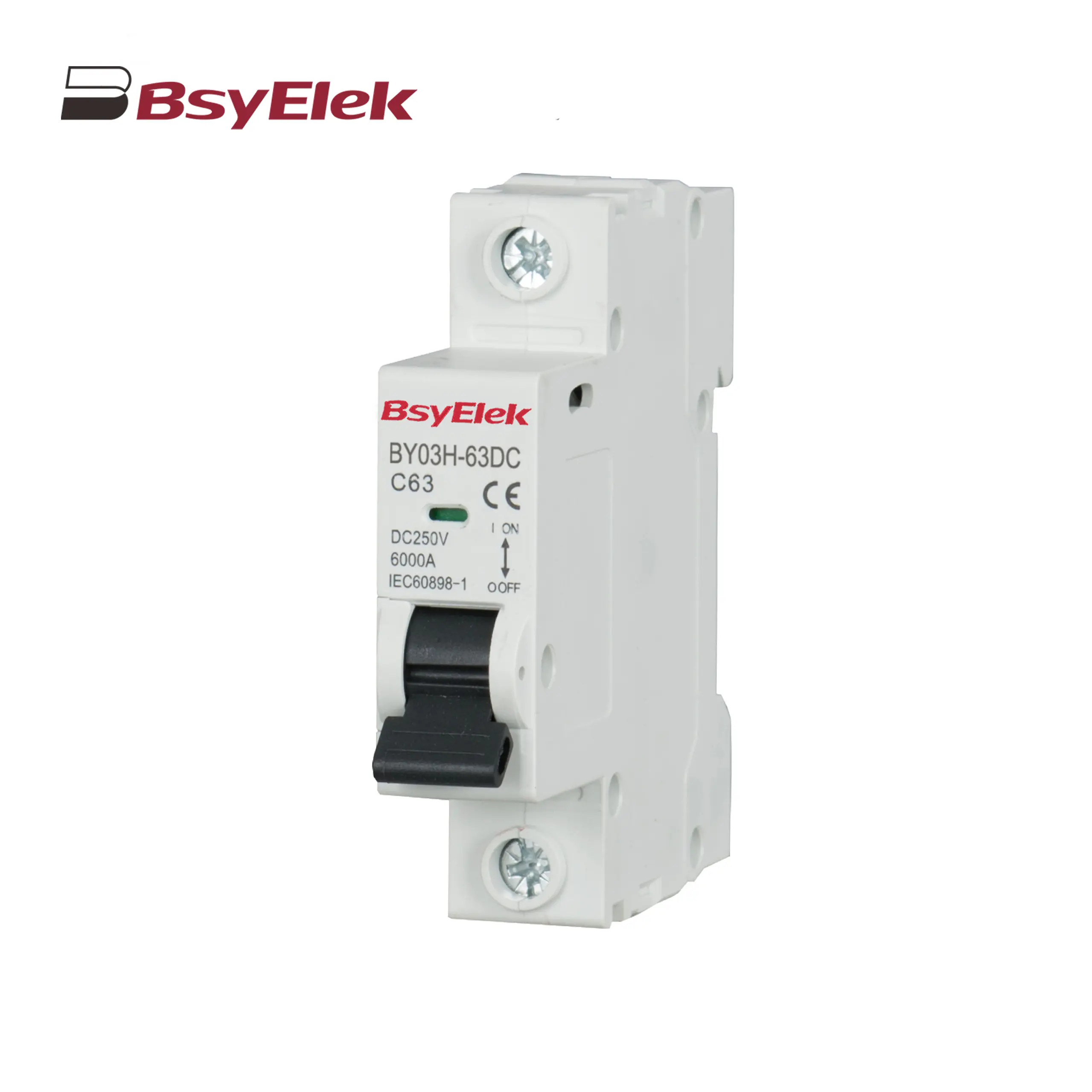 BY03H-63DC MCB 6kA DC Miniature Circuit Breaker
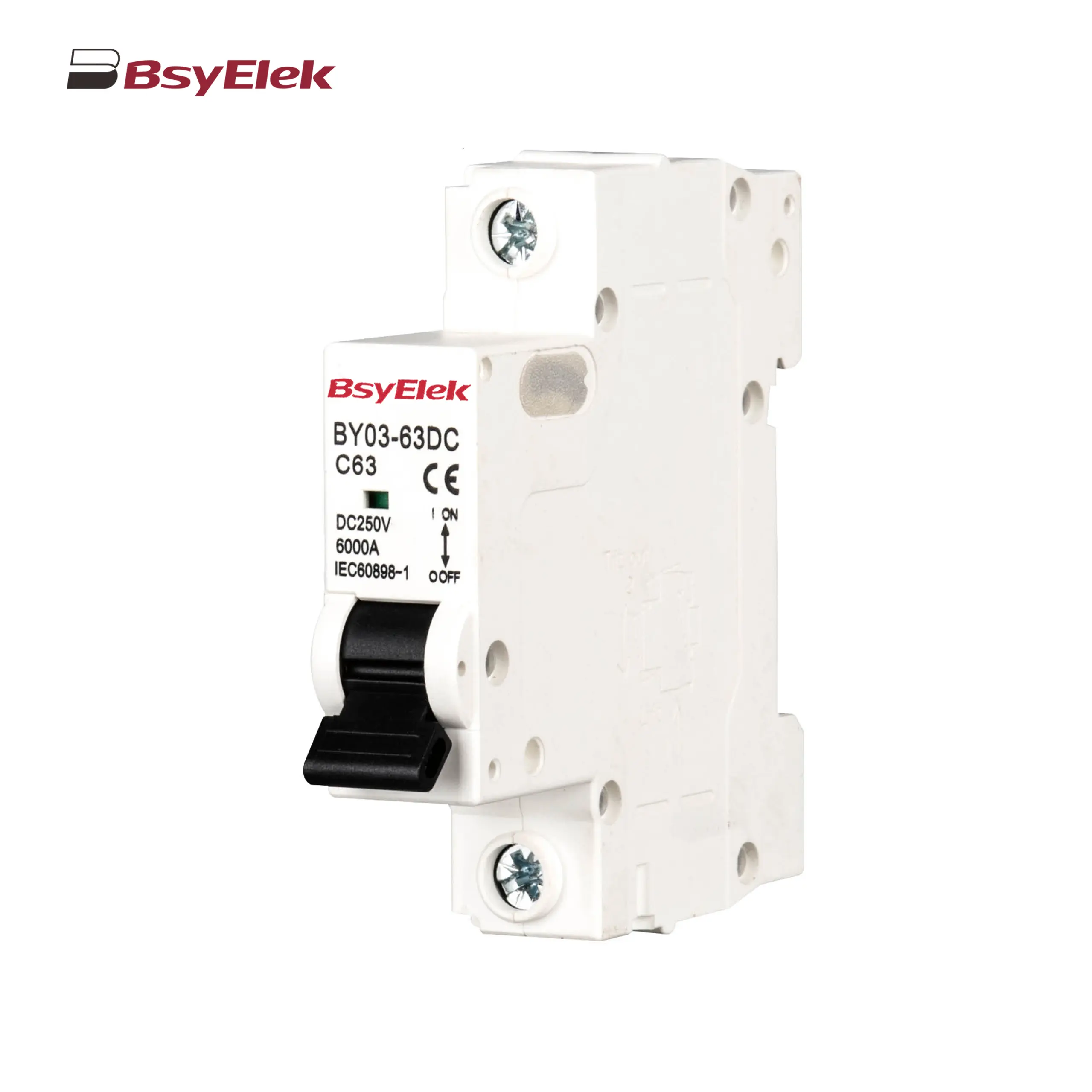 BY03-63DC MCB 4.5kA DC Miniature Circuit Breaker
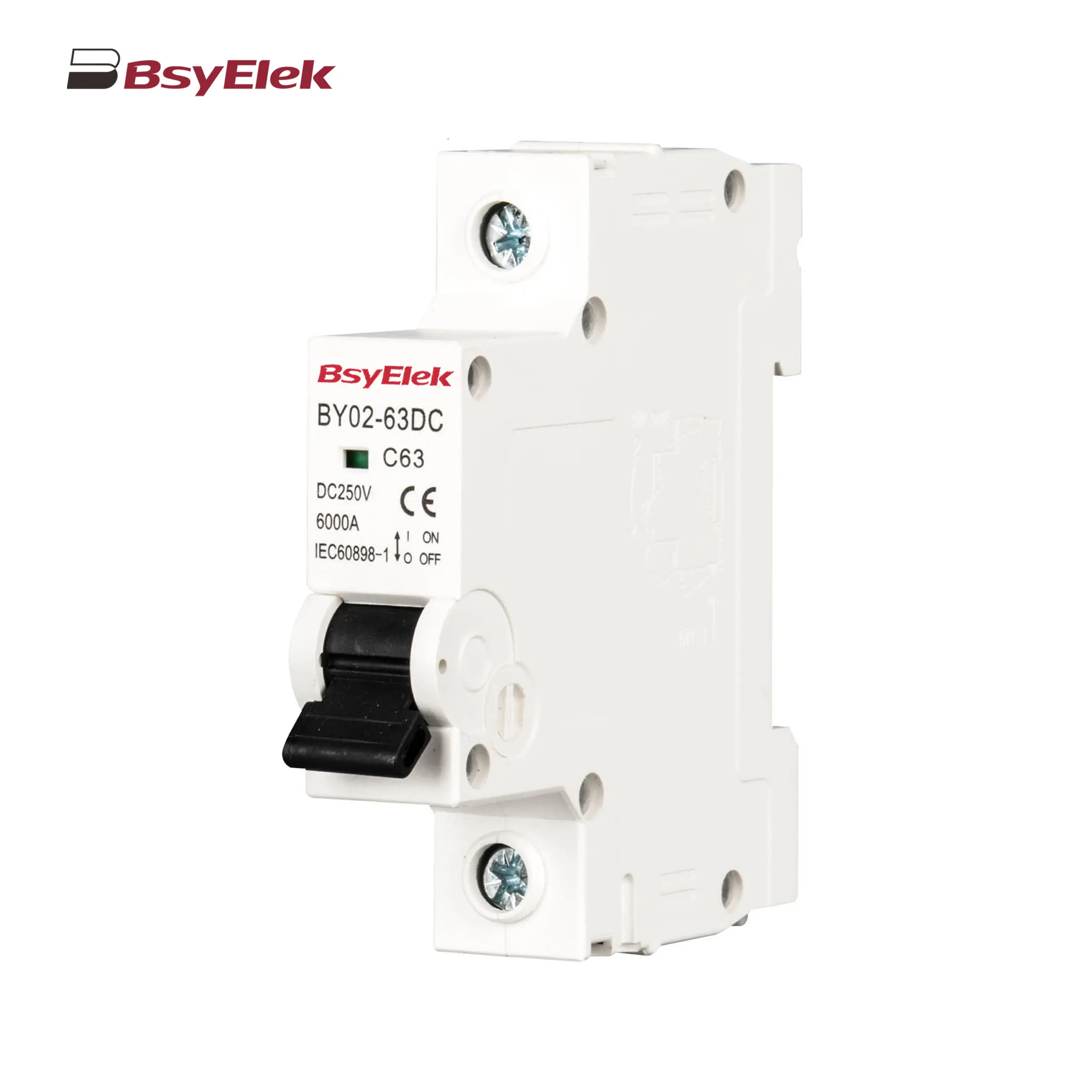 BY02-63DC MCB 3kA DC Miniature Circuit Breaker
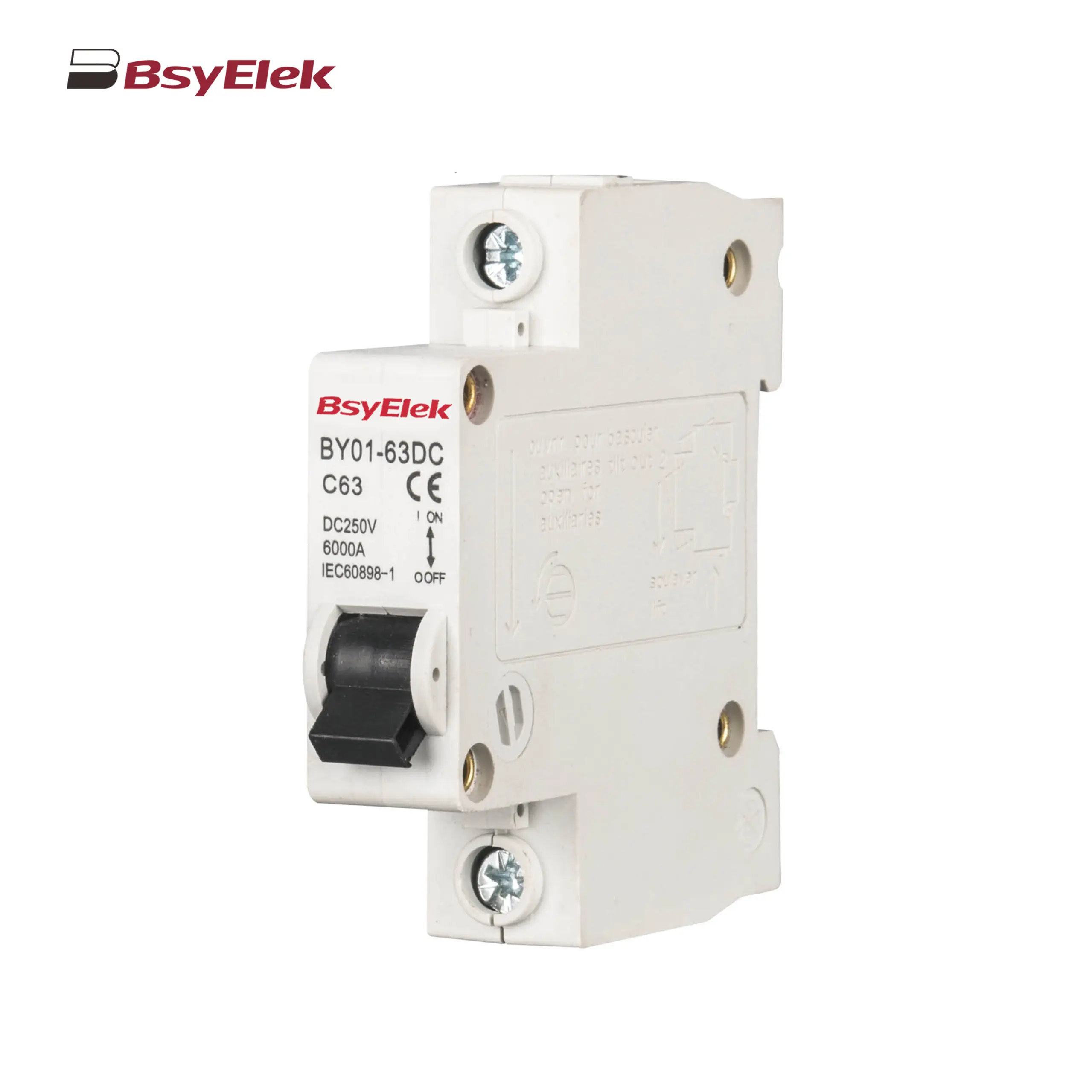 BY01-63DC MCB 3kA DC Miniature Circuit Breaker
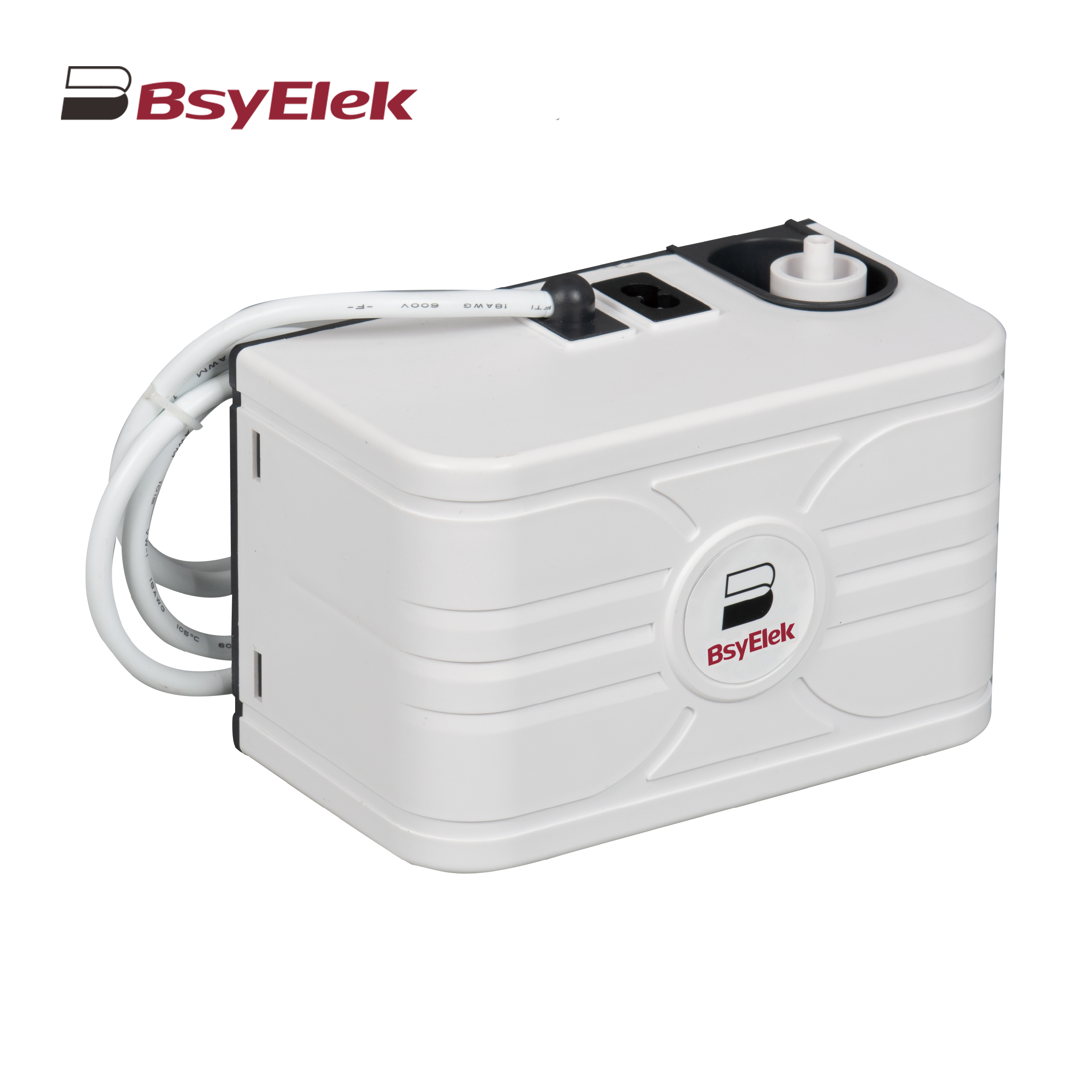 BY-5018 1.8M Engineering Drainage Pump
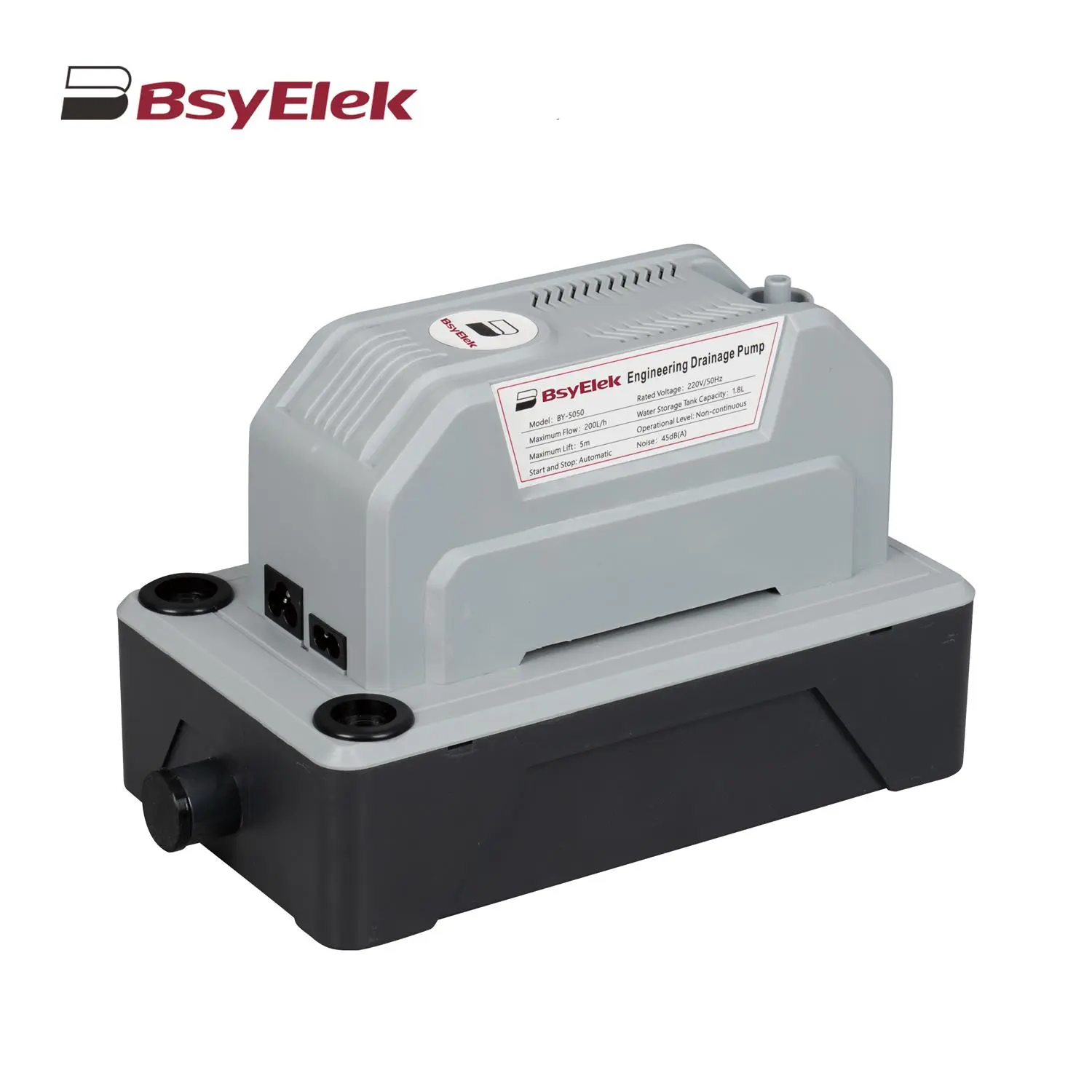 BY-5050 5M Engineering Drainage Pump
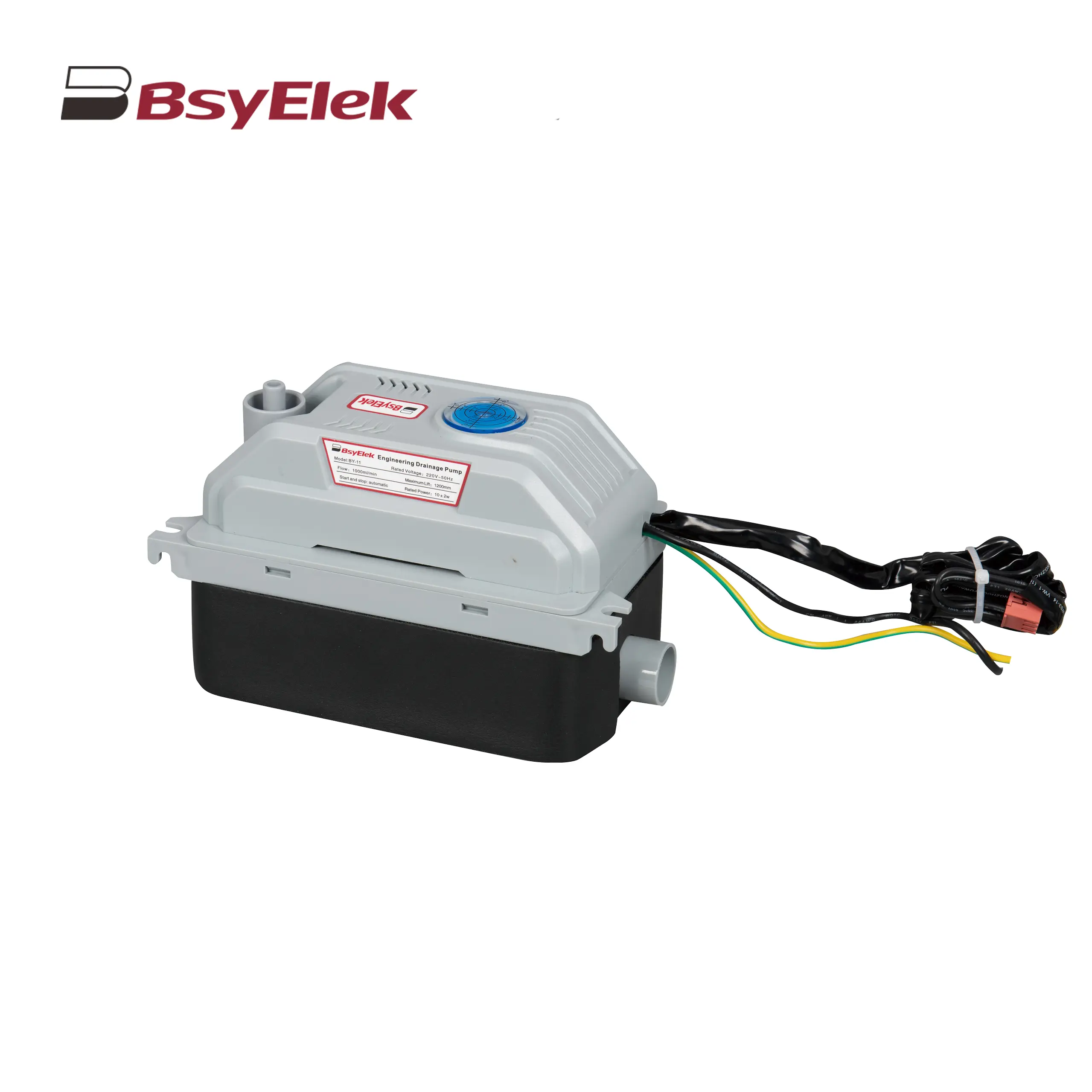 BY-11 1.2M Engineering Drainage Pump
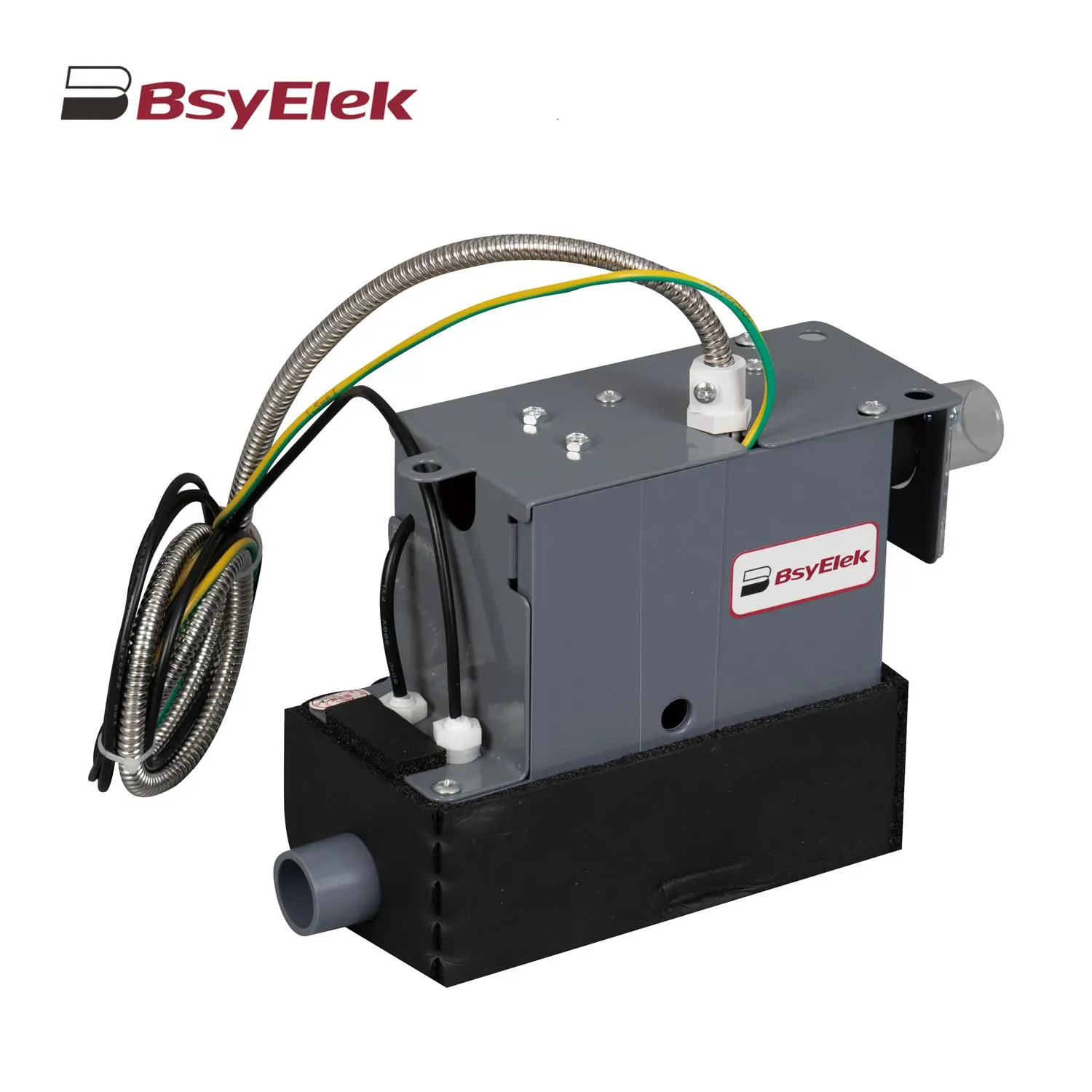 SBH-05 0.7M Original Drainage Pump of Duct Type Air Conditioner
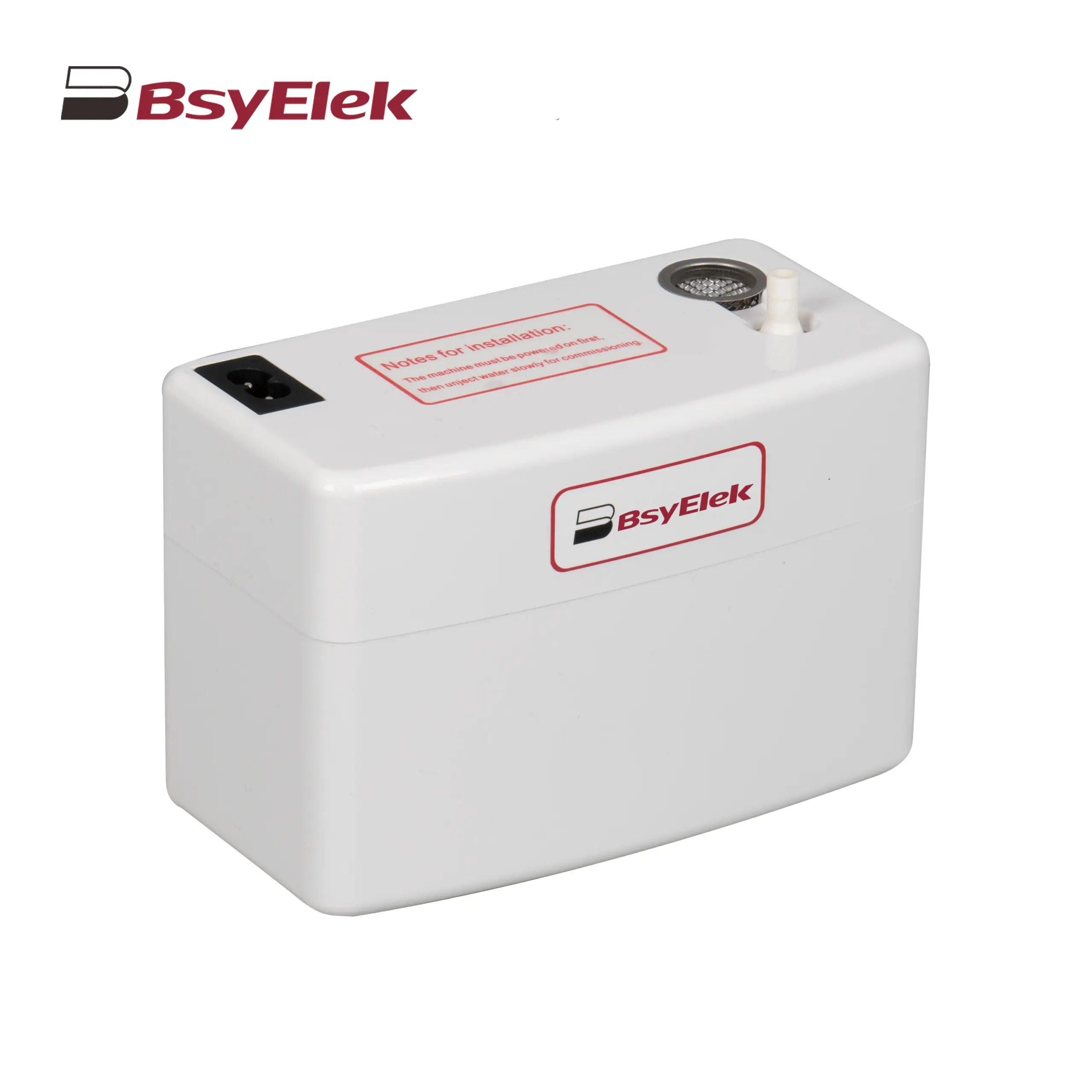 BY-24A/40A 10M Drainage Pump of Air Conditioner
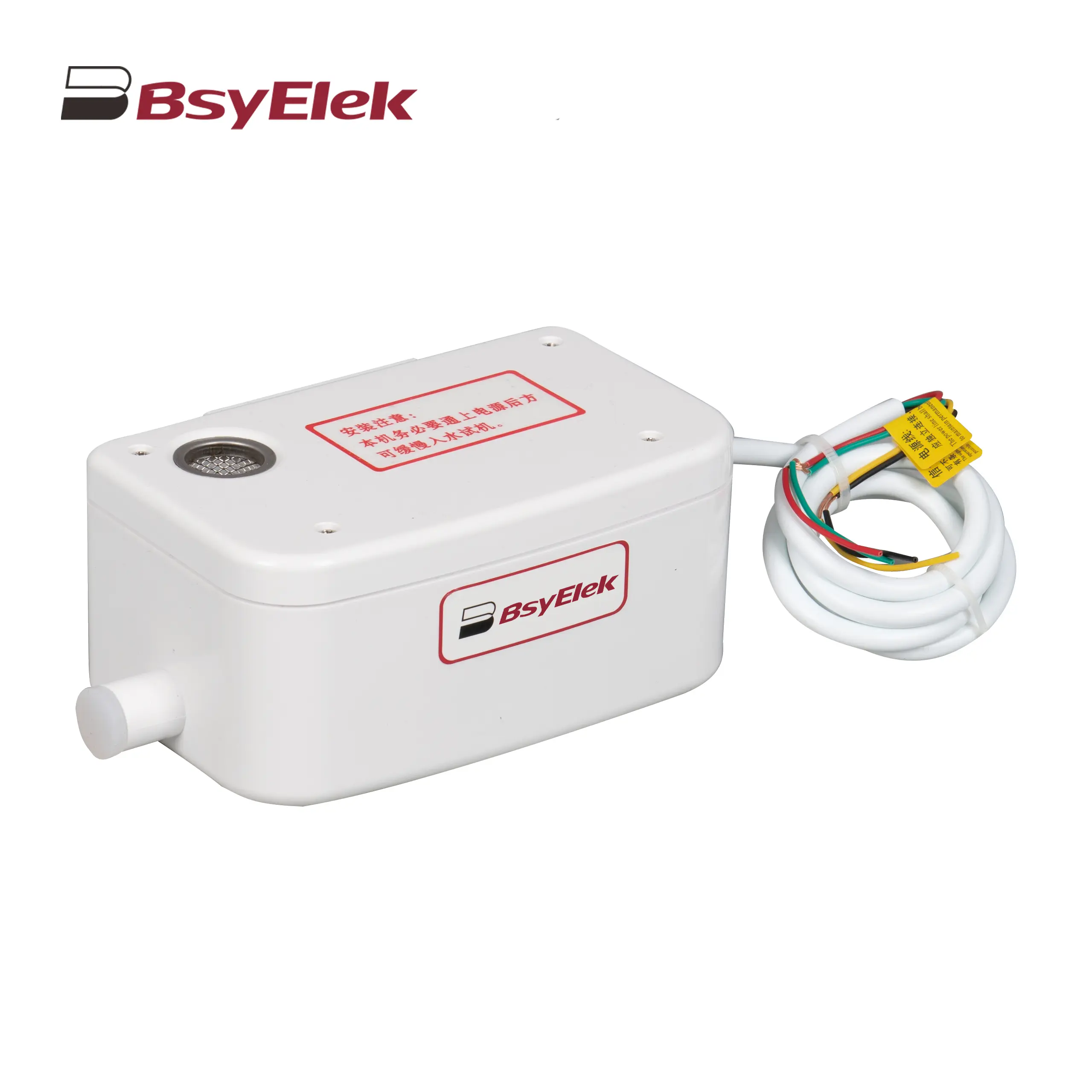 BY-50A 12M Drainage Pump of Air Conditioner
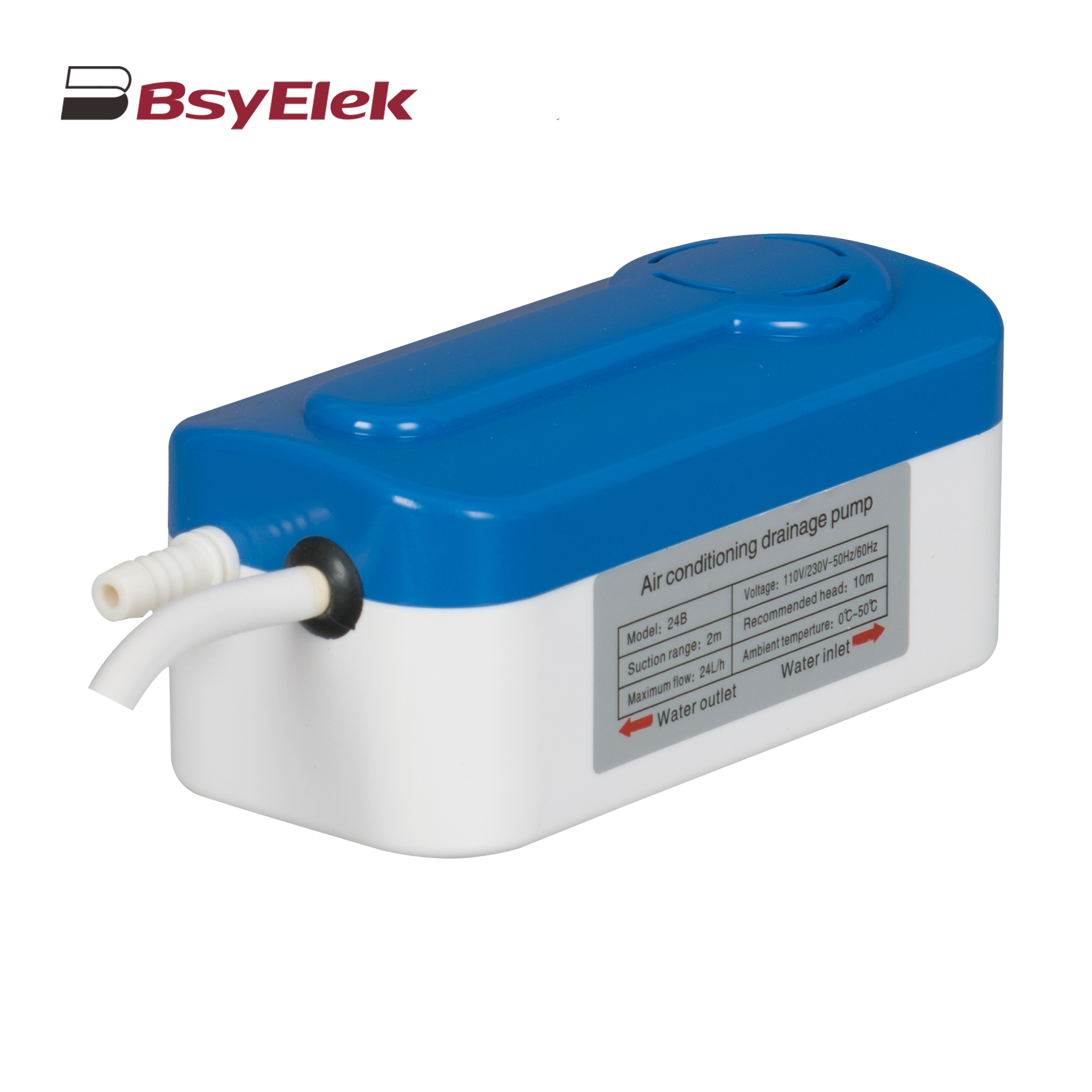 BY-24B/40B 10M Split Type Drainage Pump
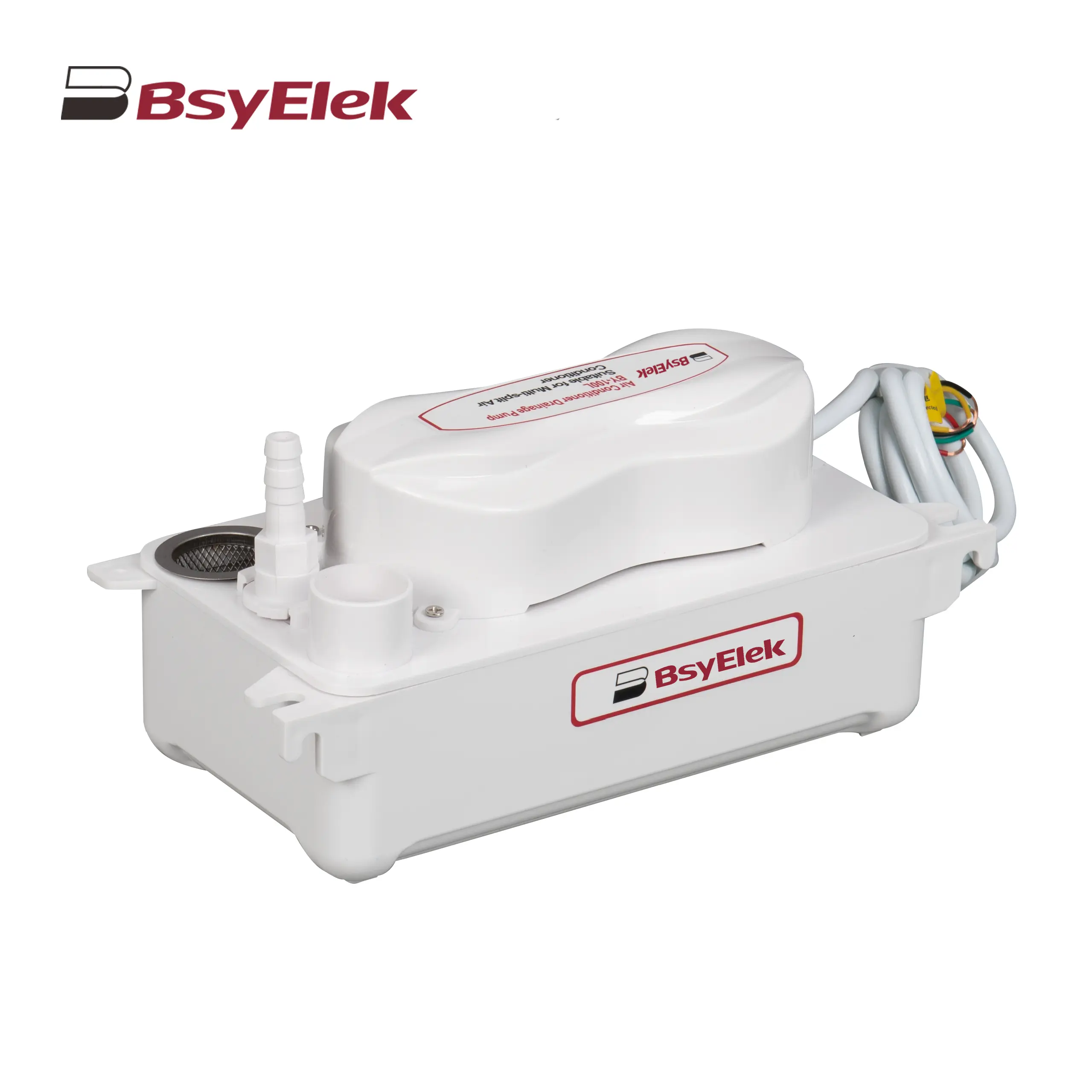 BY-100L 2M Drainage Pump of Air Conditioner
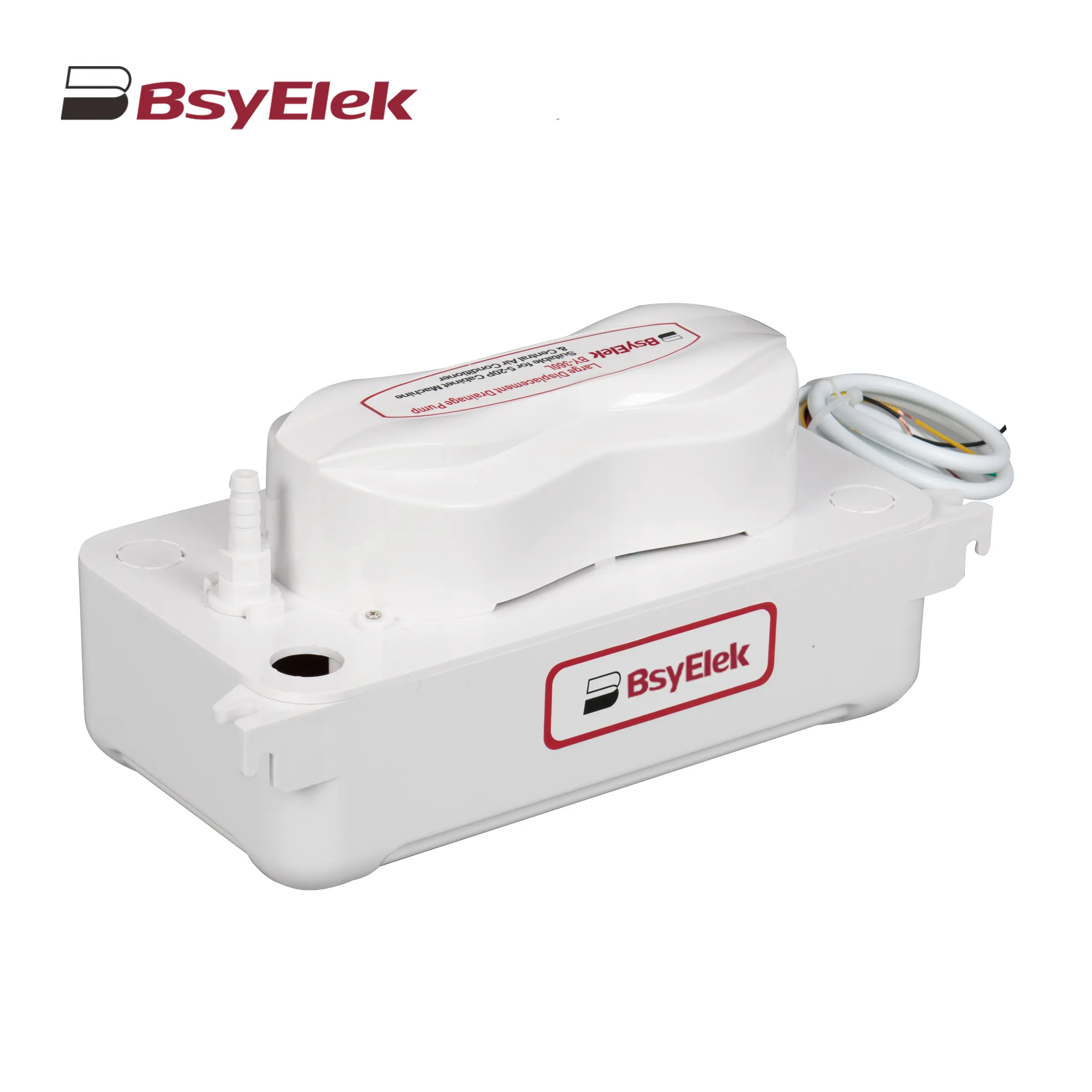 BY-360L 6M Large Displacement Drainage Pump
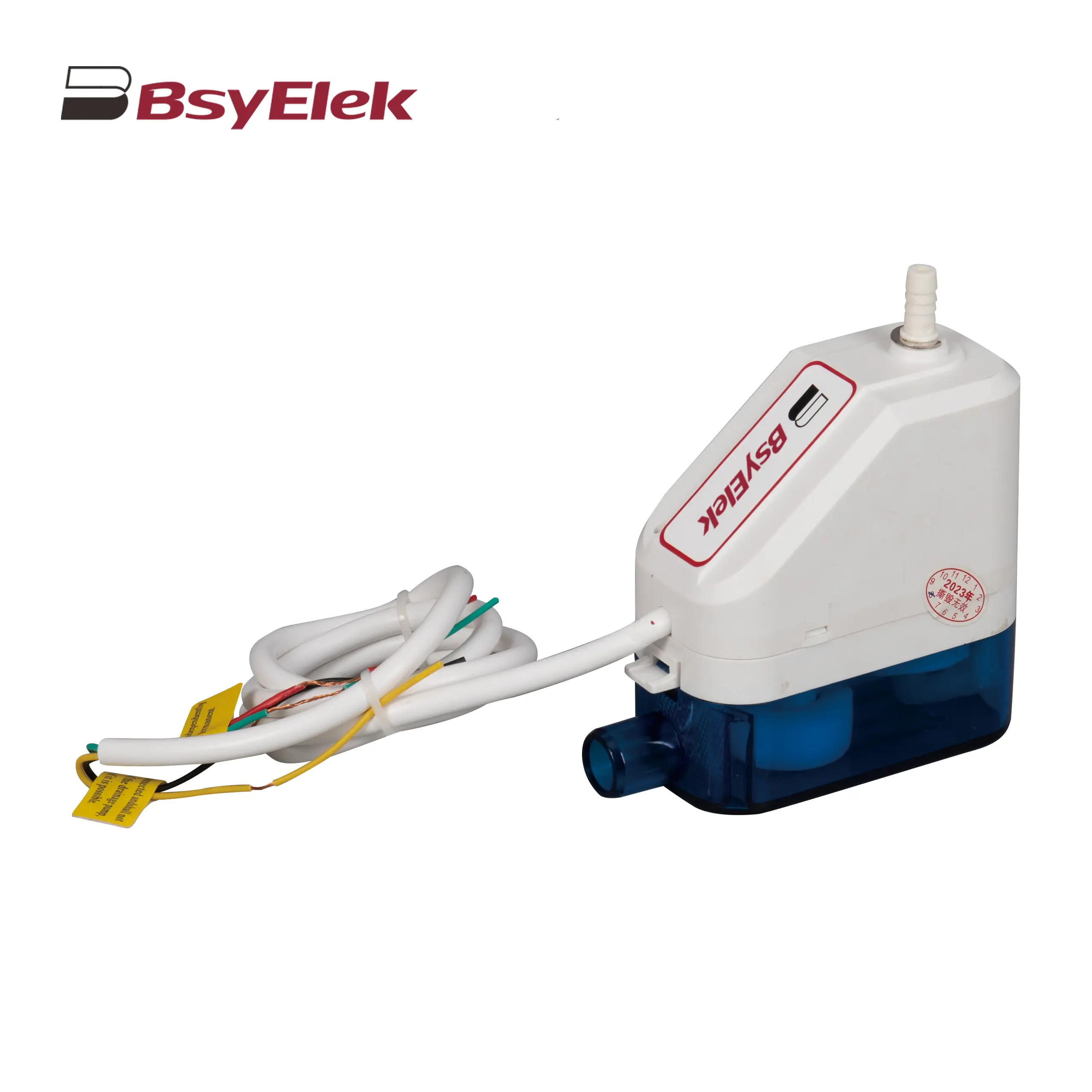 BY-24C/40C 10M Corner Drainage Pump
What is a miniature circuit breaker (MCB)?
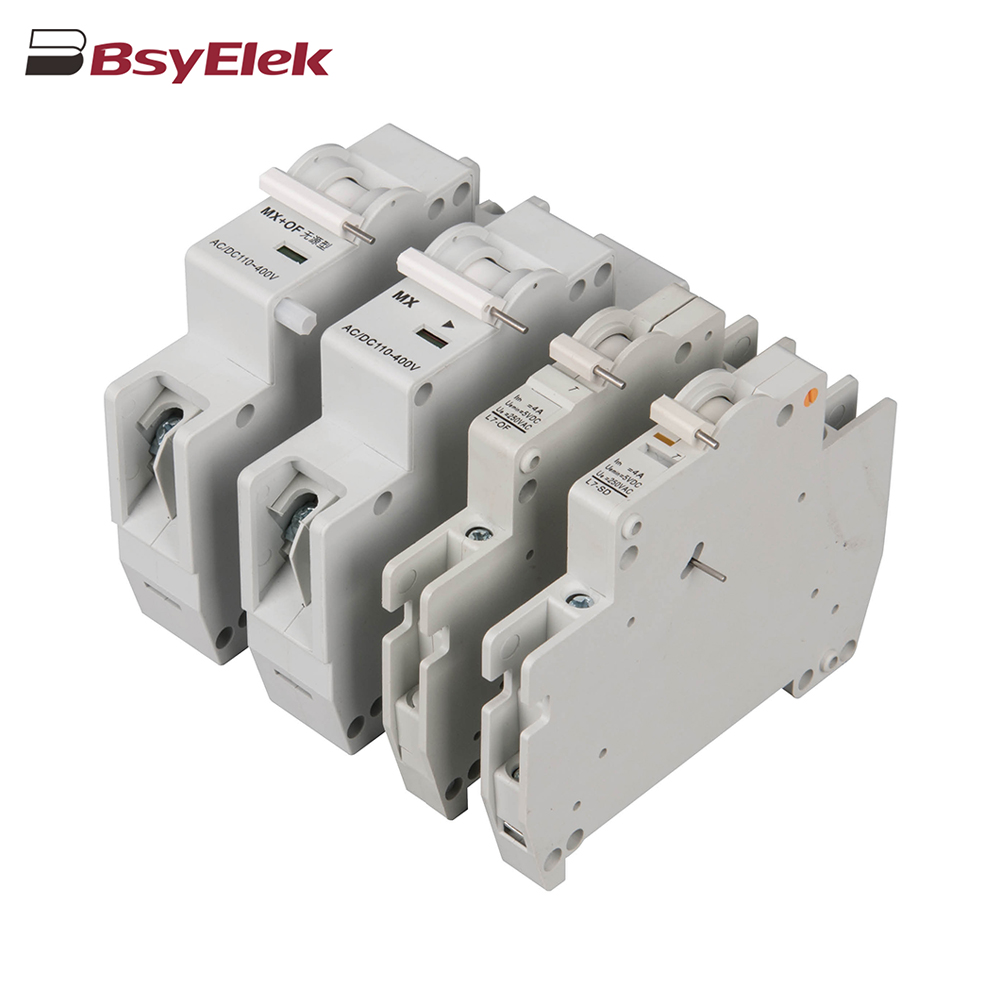 OF SD MX OF MCB Miniature Circuit Breaker Accessories
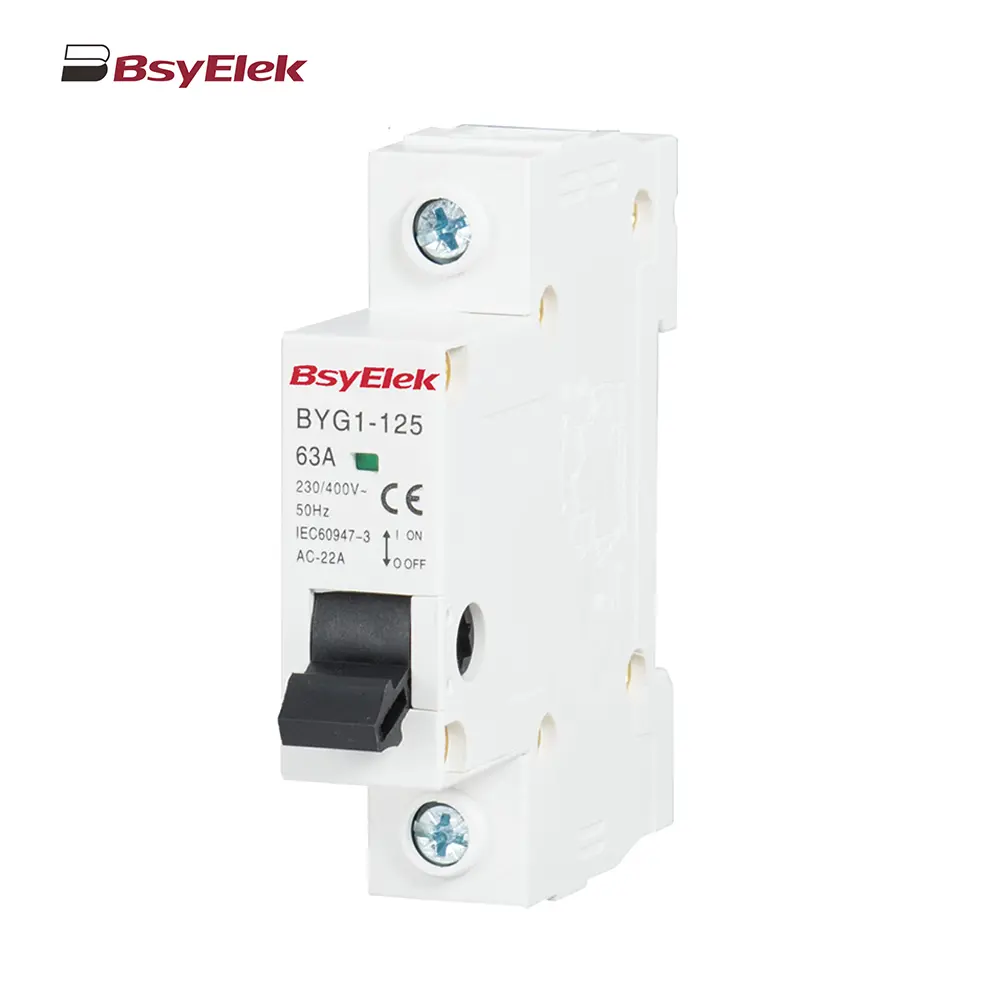 BYG1-125 Main Switch MCB Isolator Switch
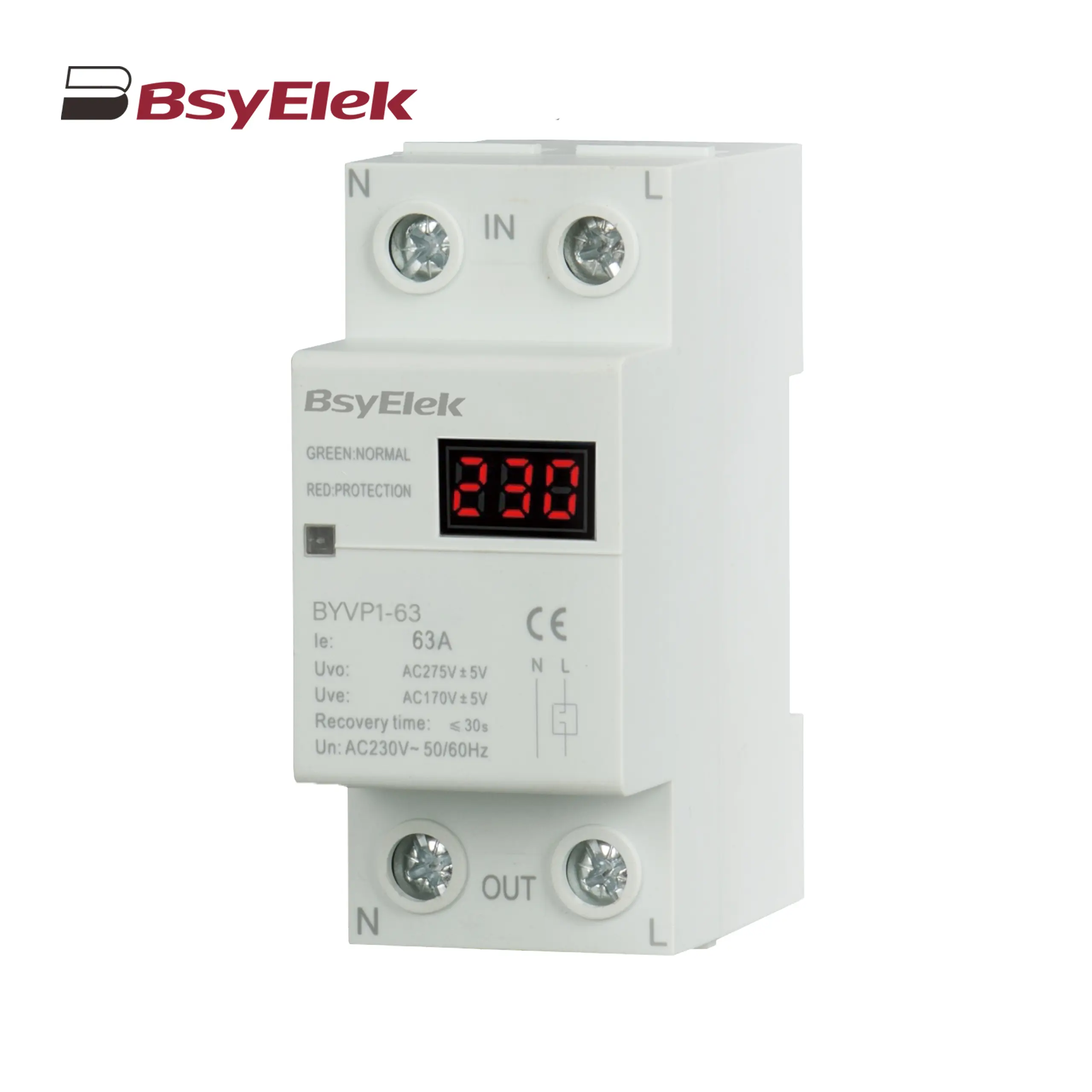 BYVP1-63 100A Single Display Overvoltage and Undervoltage Protector
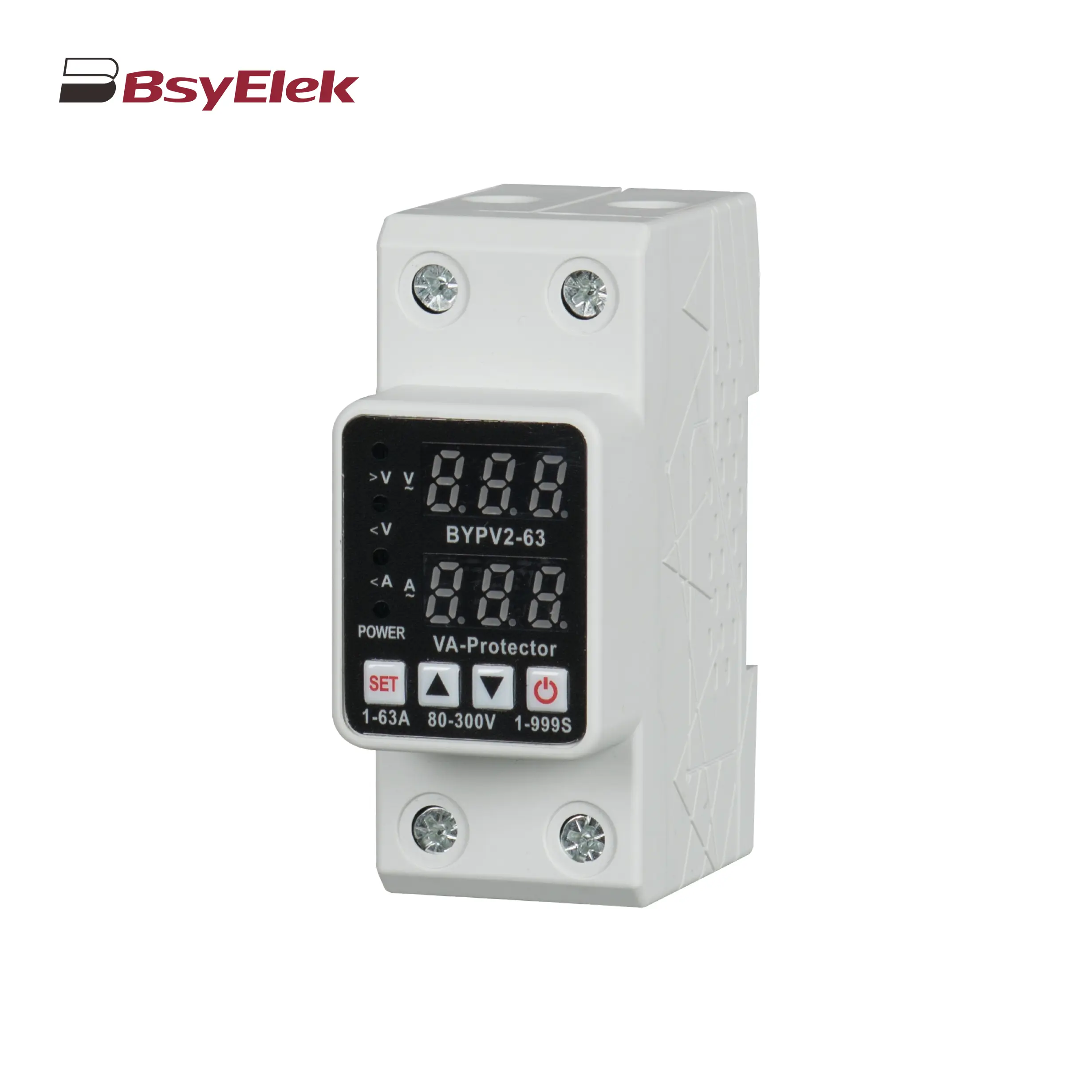 BYVP2-63 40A 63A Adjustable Dual Display Overvoltage and Undervoltage Protector
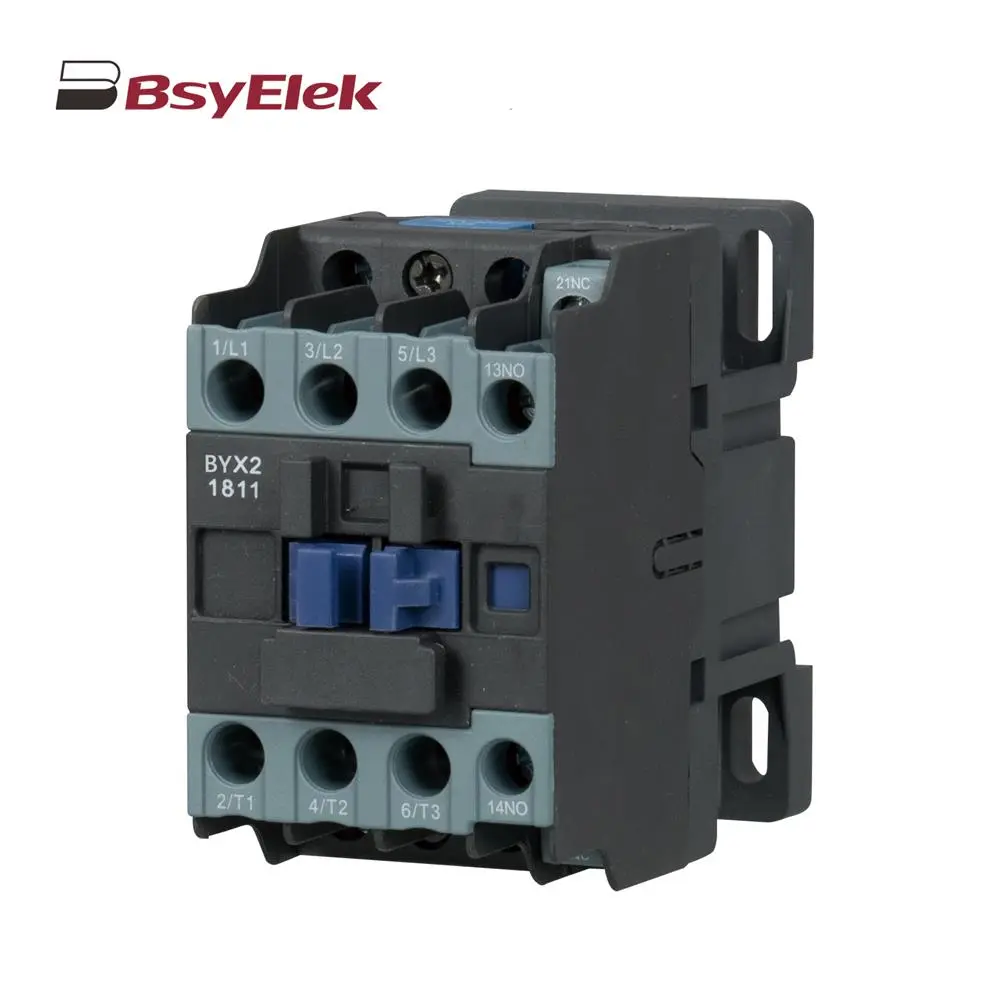 BYX2 6-95A AC Contactor
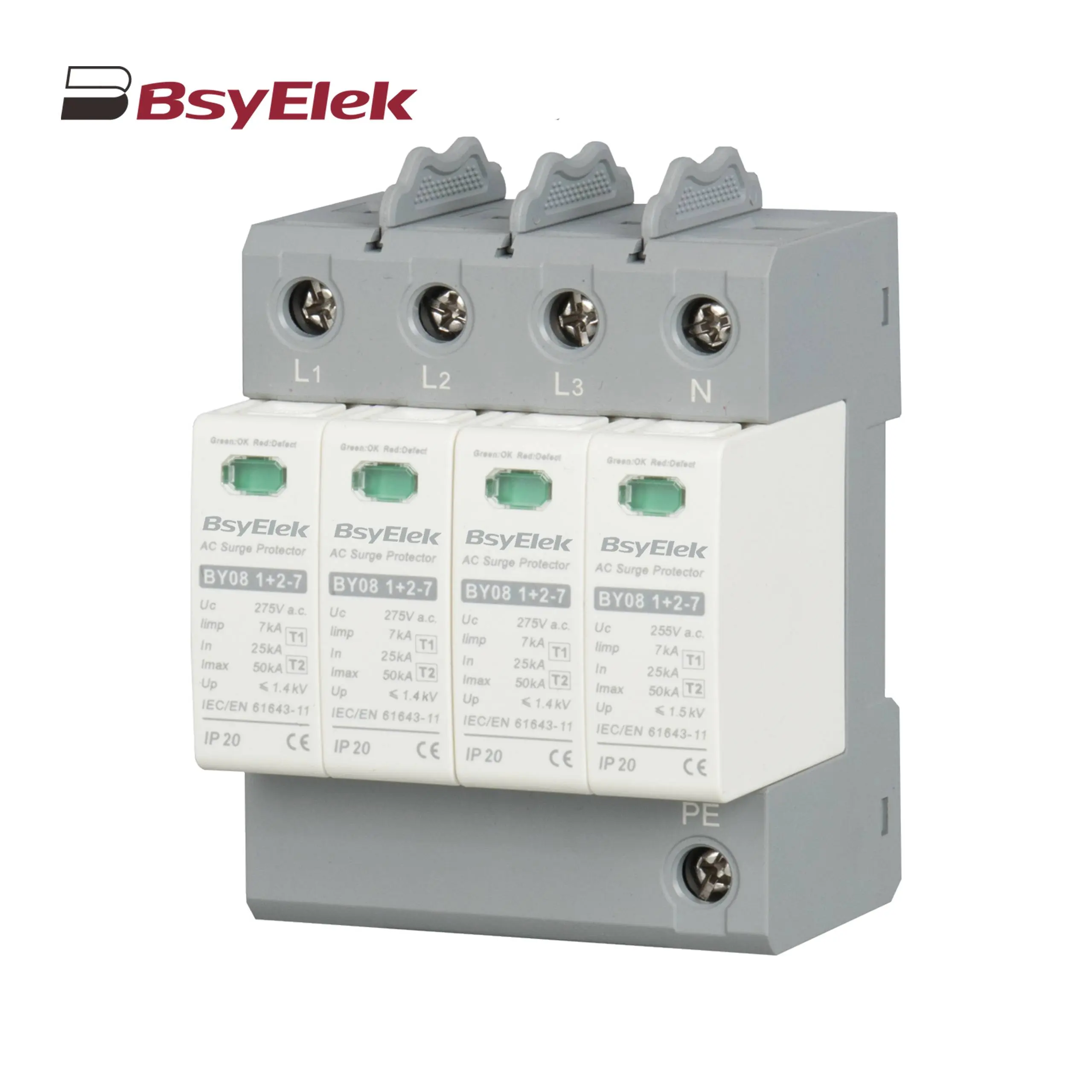 BY08 1+2-7 SPD Class T1+T2 Imax 50KA Surge Protective Device
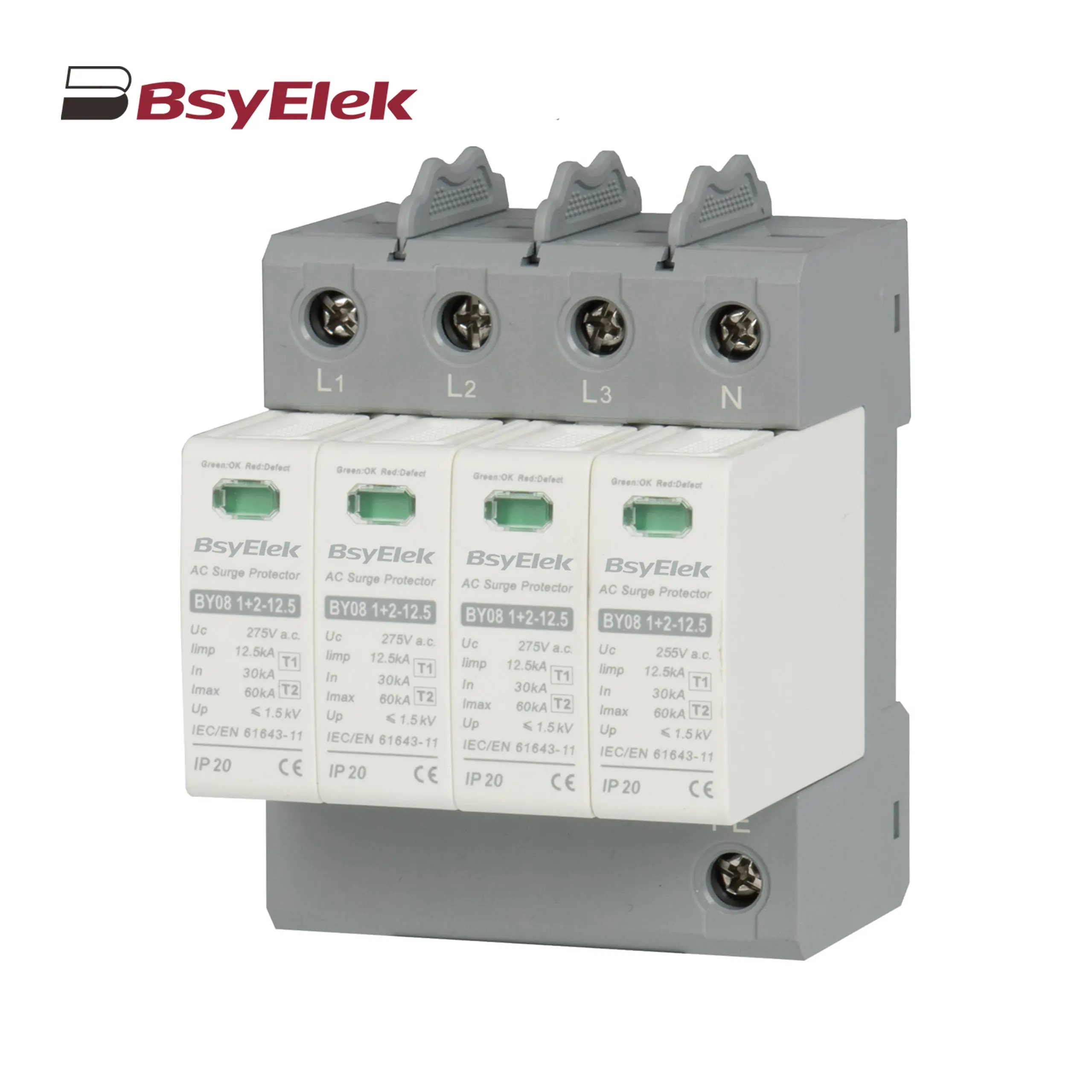 BY08 1+2-12.5 SPD Class T1+T2 Imax 60KA Surge Protective Device
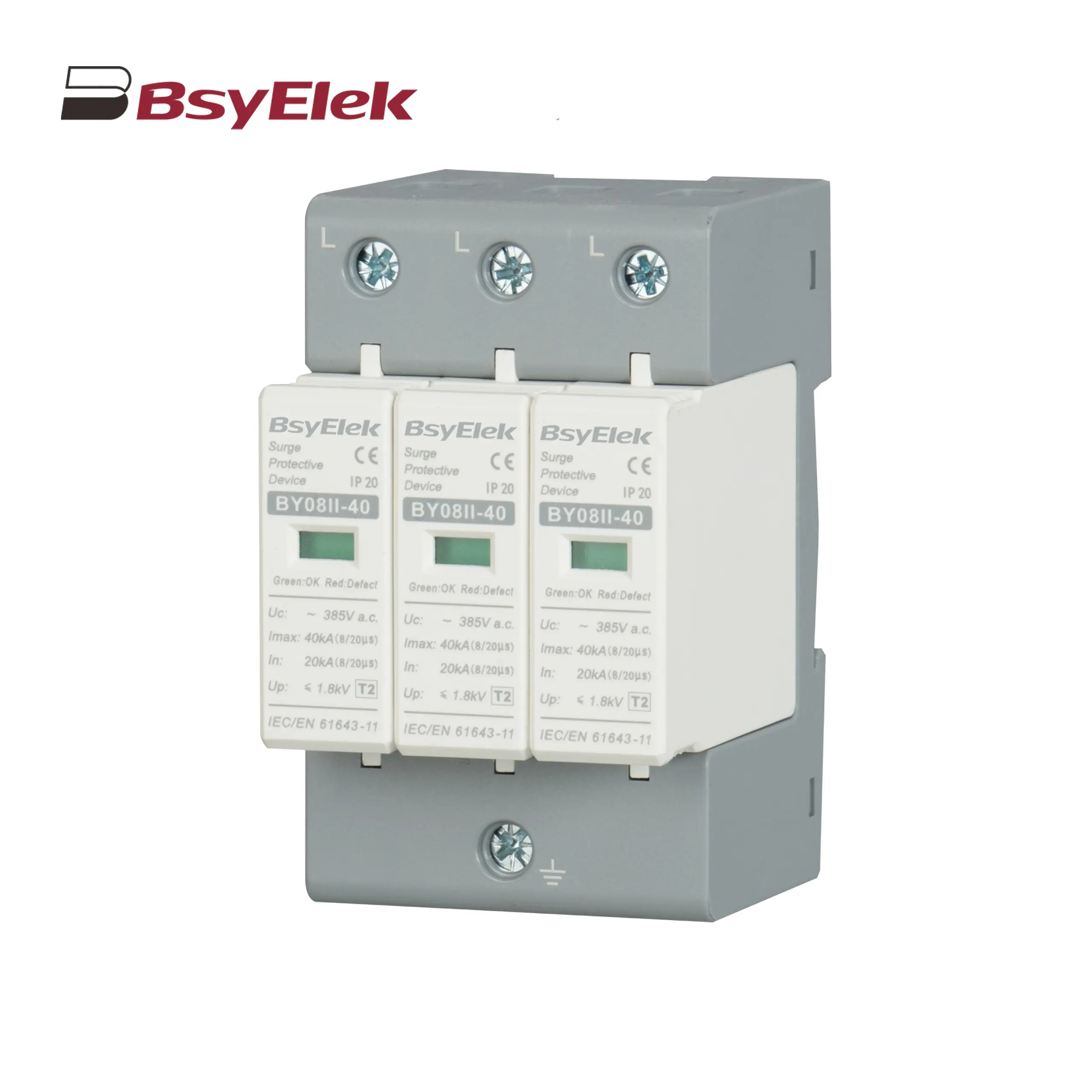 BY08II-40 SPD Class T2 Imax 40KA Surge Protective Device
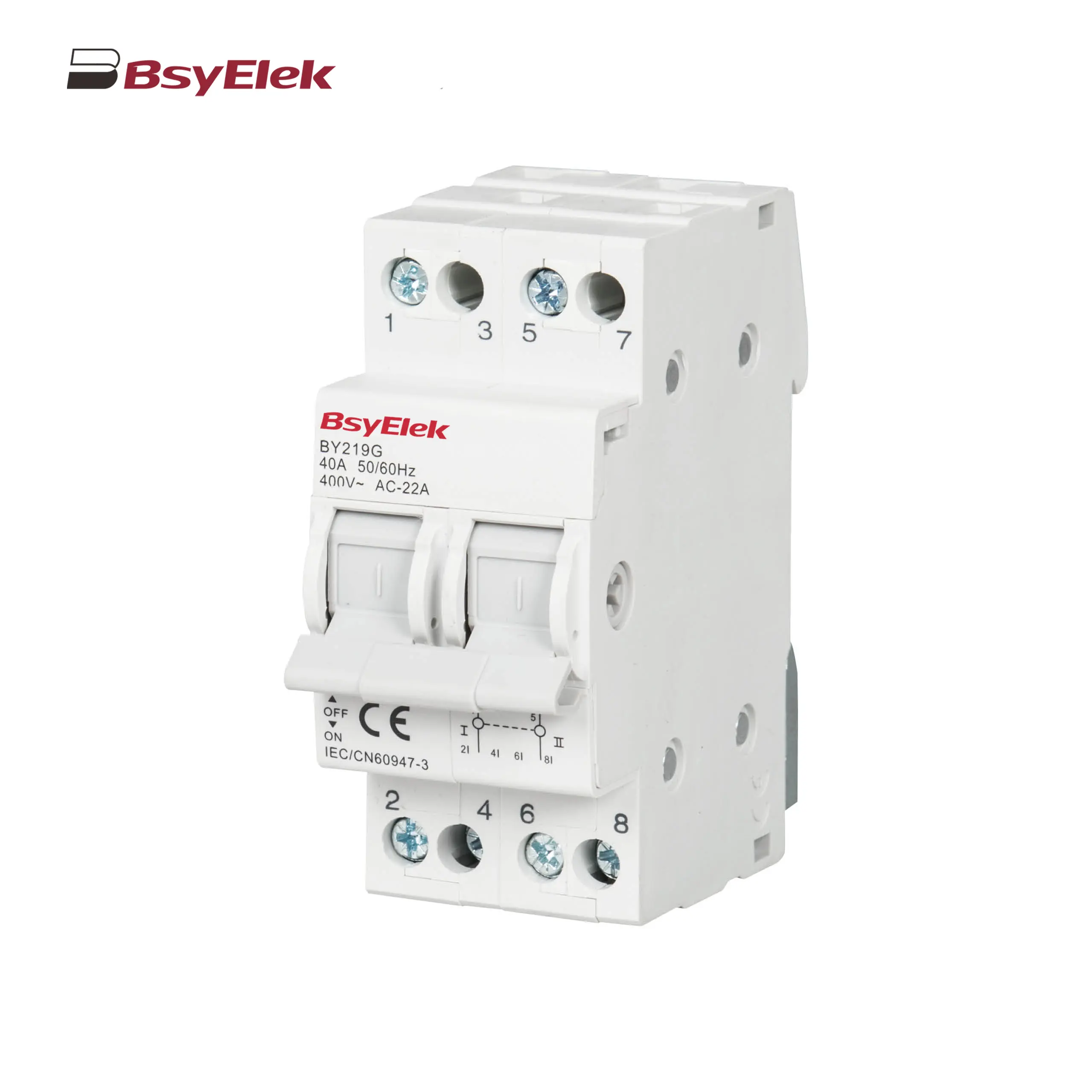 BY19G 63A Manual Changeover Switch
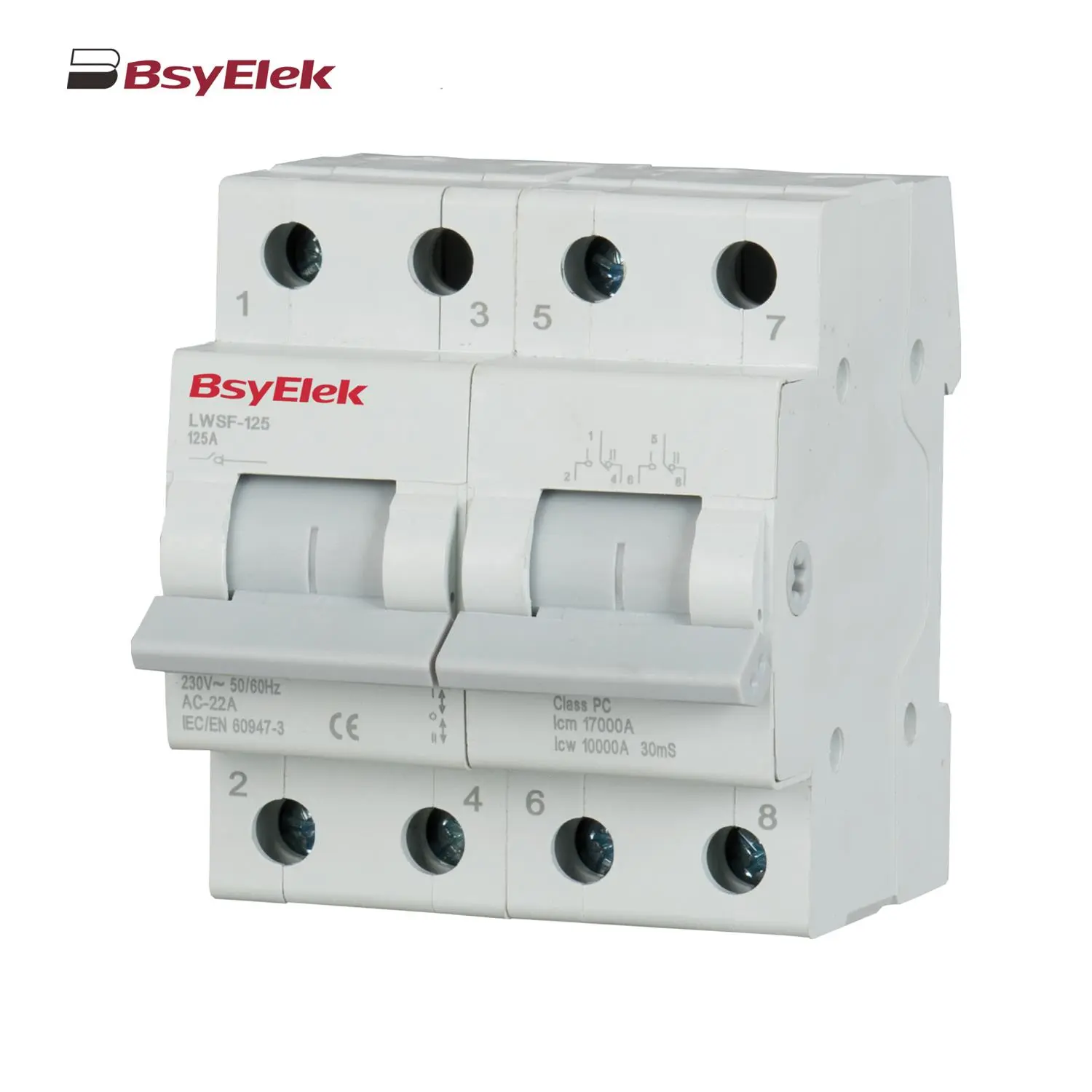 LWSF-125 125A Manual Changeover Switch
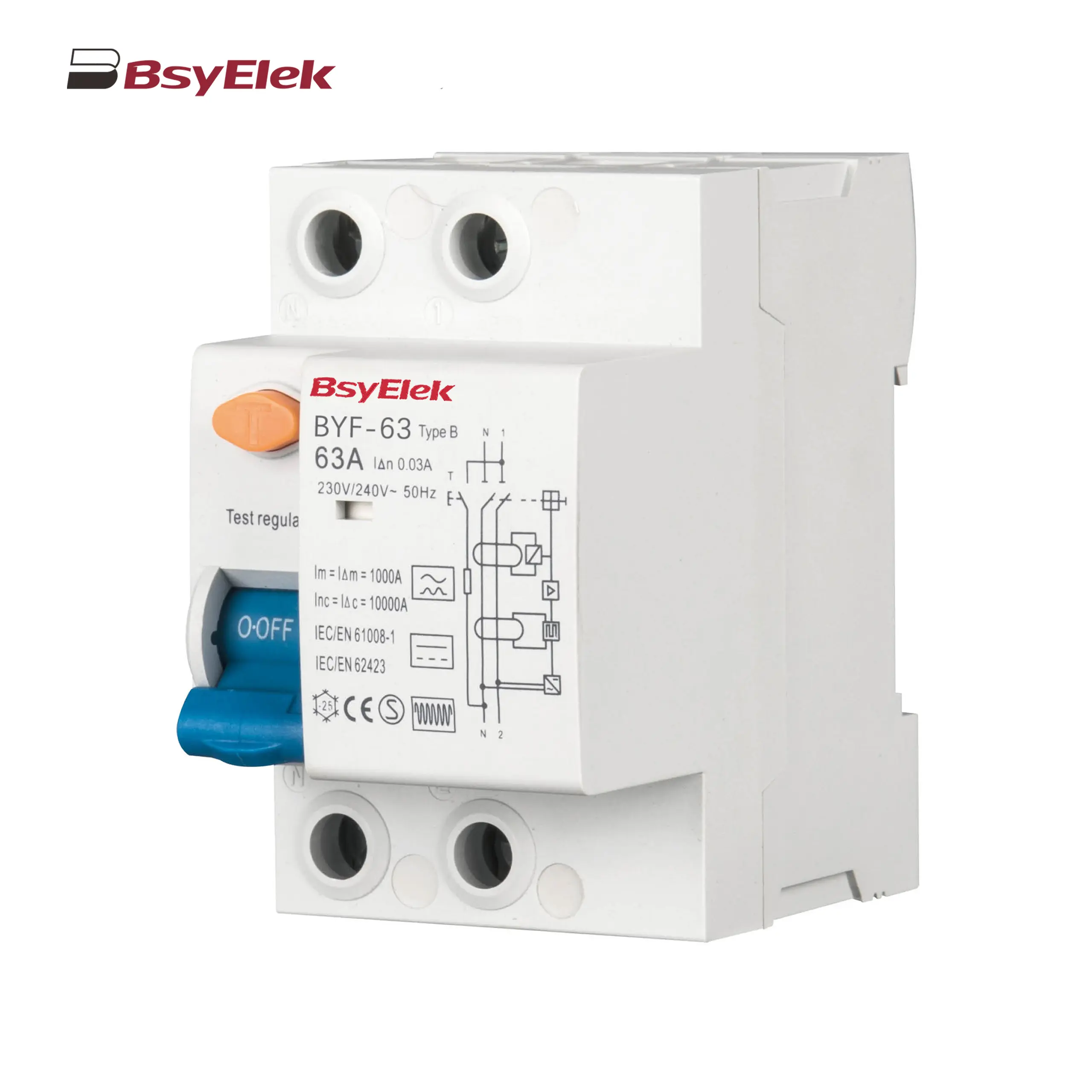 BYF-63 RCD 10KA Type B AC+A+Smoothing DC Residual Current Device
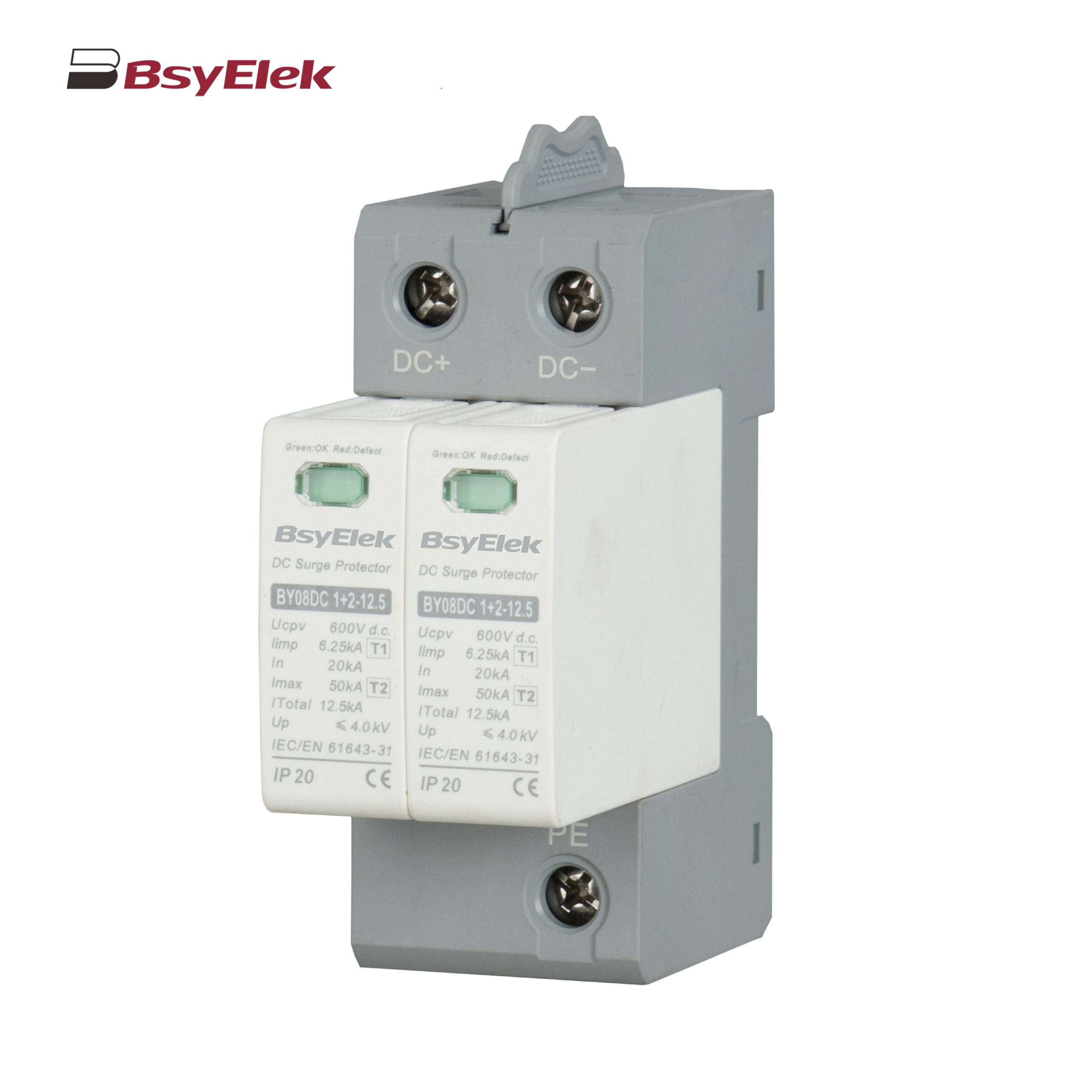 BY08DC 1+2-12.5 SPD Class T1+T2 40KA DC Surge Protective Device
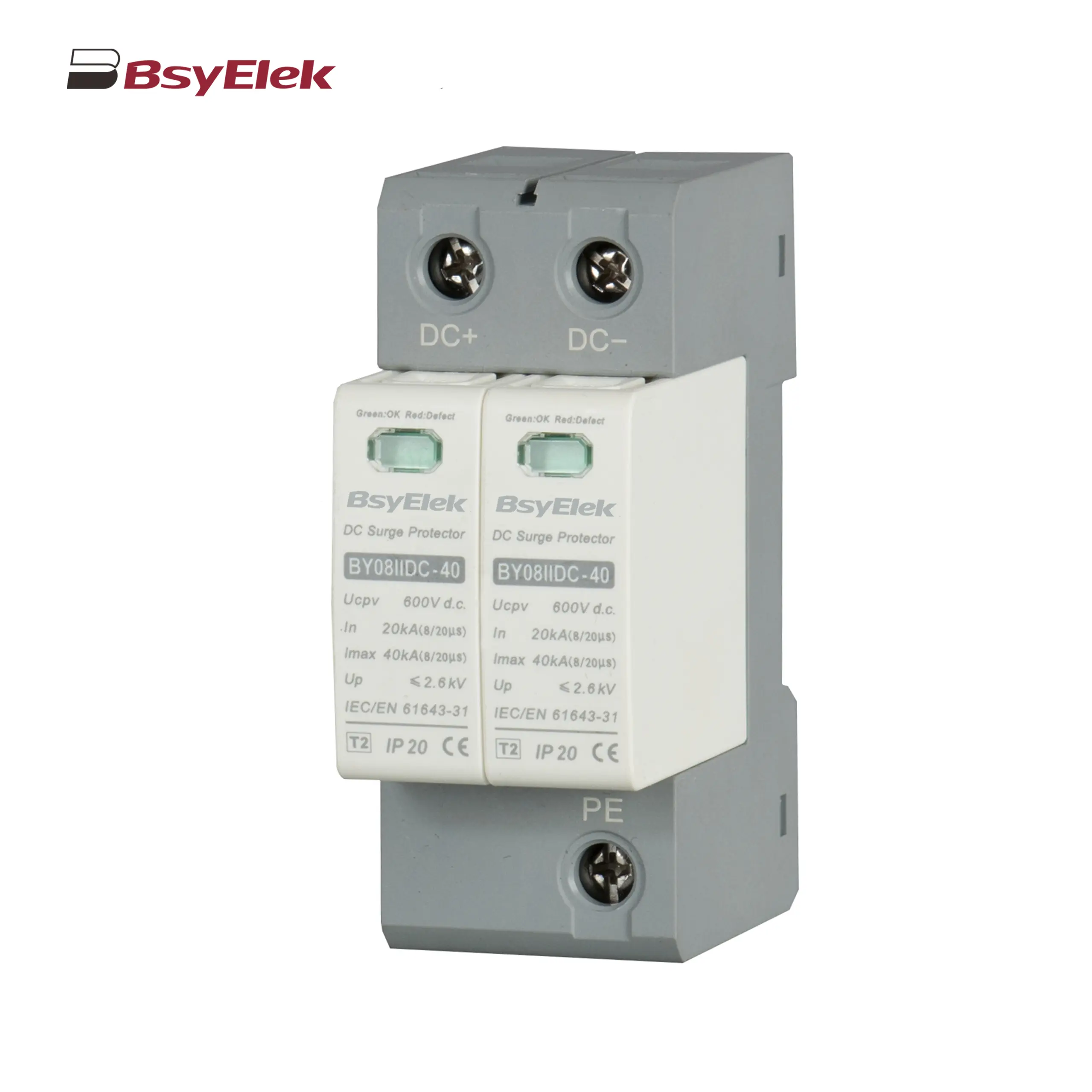 BY08IIDC-40 SPD Class T2 40KA DC Surge Protective Device
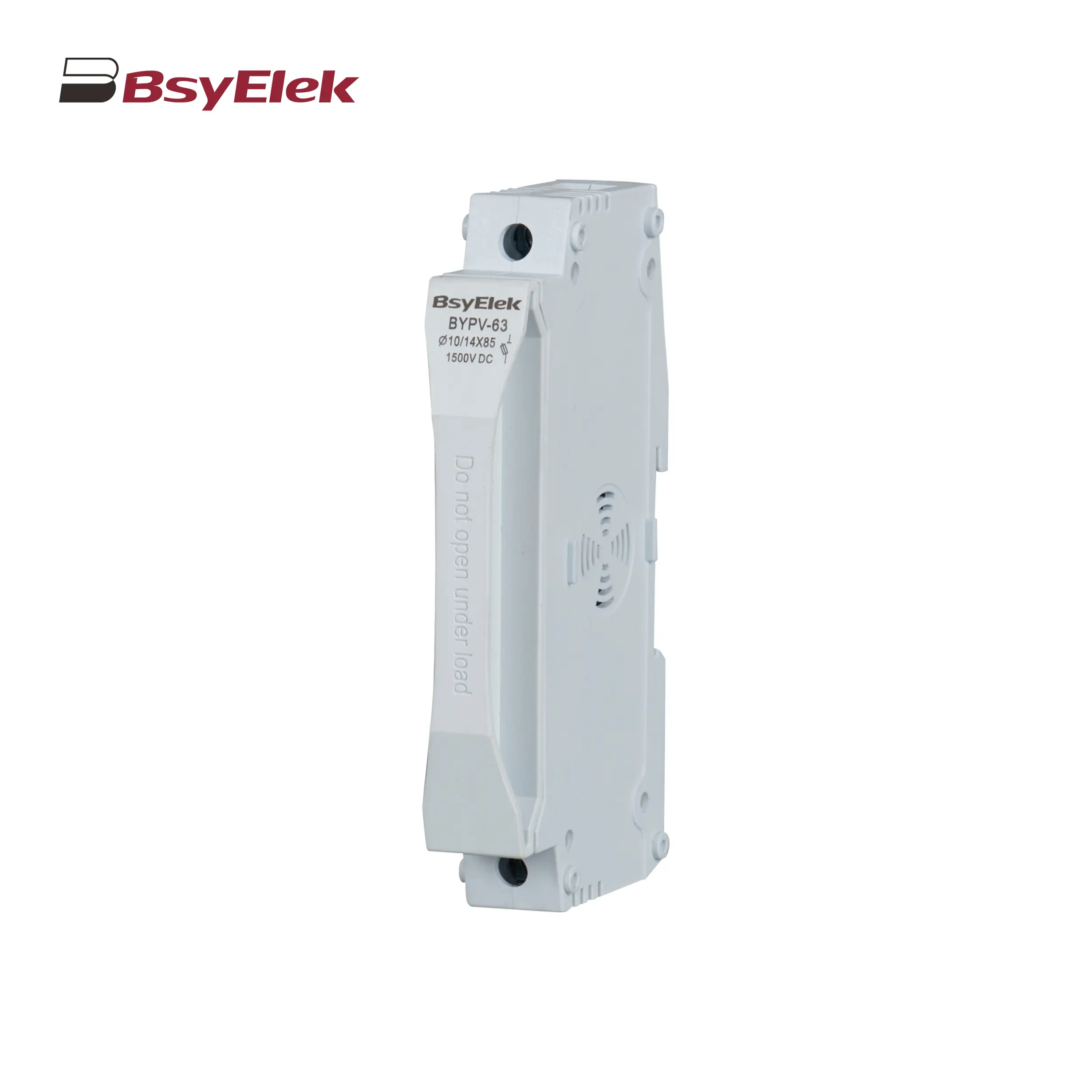 BYPV-63 1500VDC 50A Fuse Holder with 10x85mm 14x85mm Fuse Link
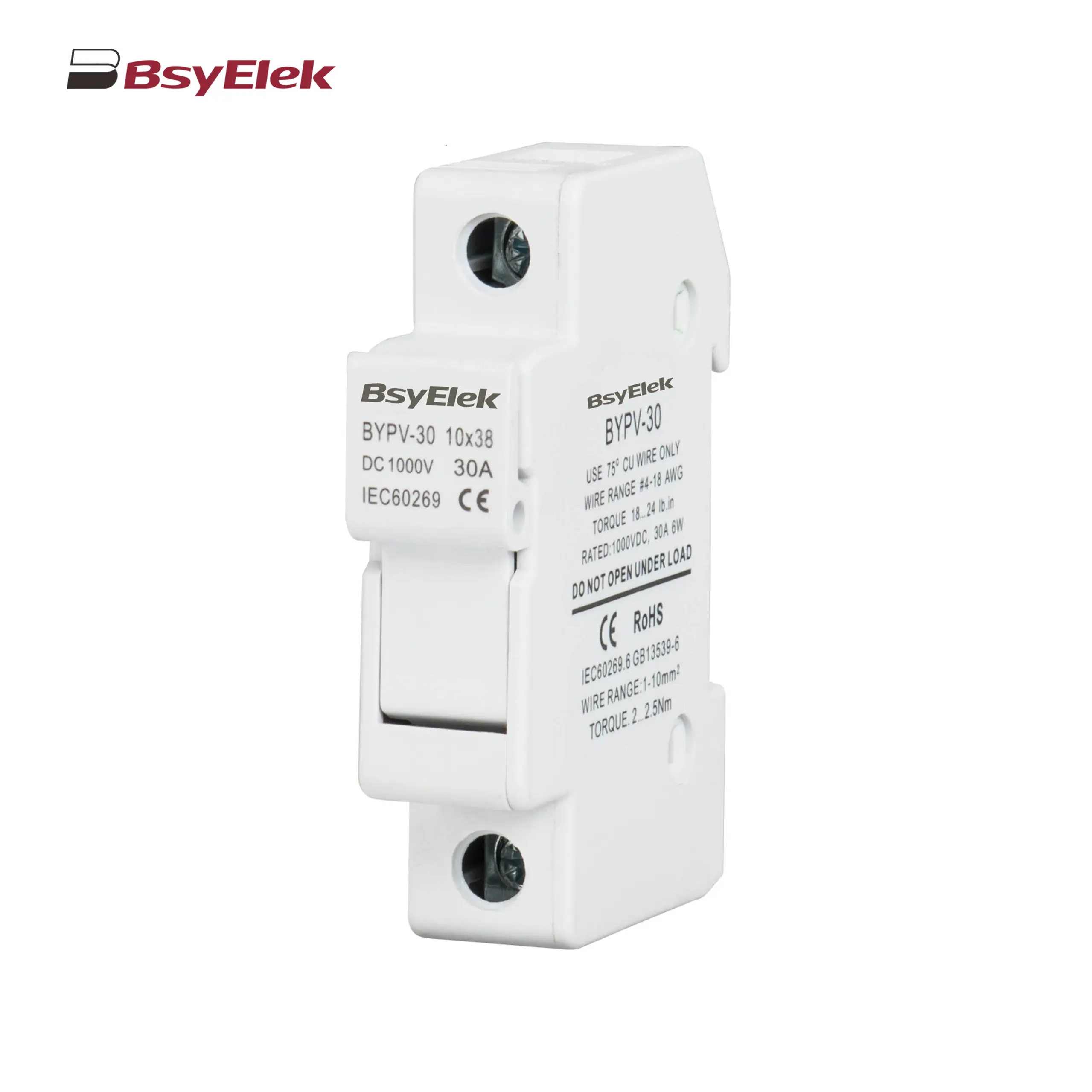 BYPV-30 1000VDC 32A Fuse Holder with 10x38mm Fuse Link
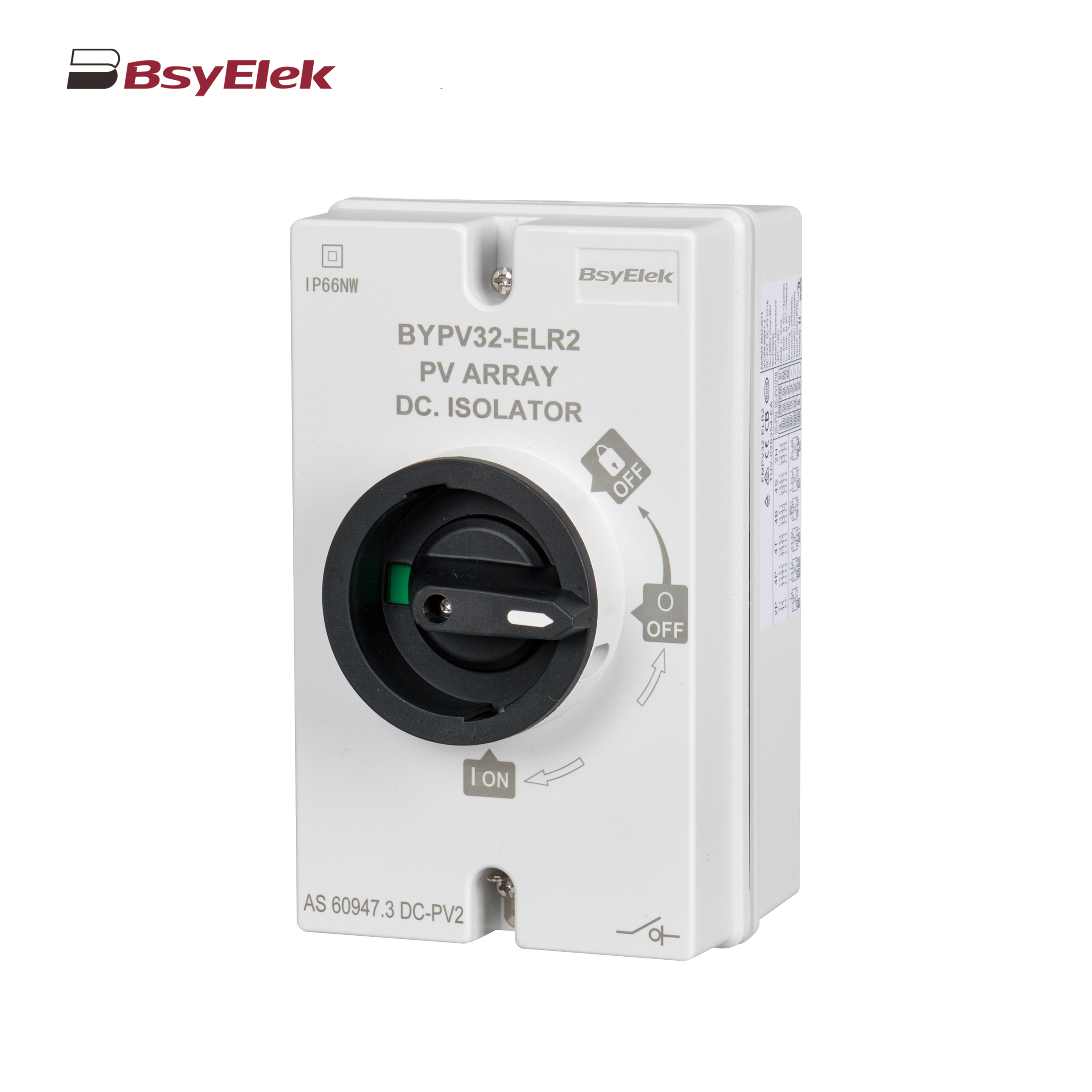 BYPV-ELR2 PV Isolator Switch with Enclosed Version
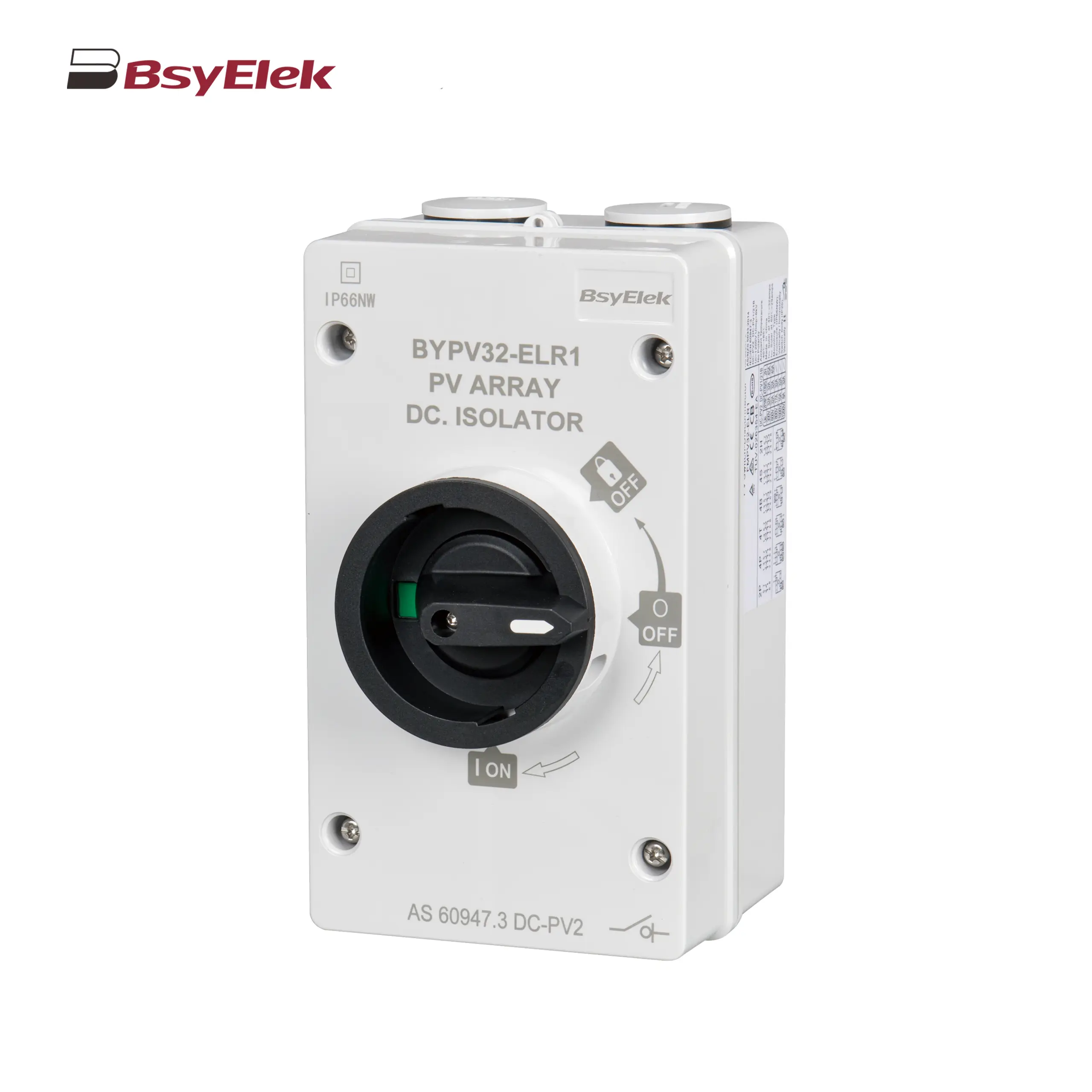 BYPV-ELR1 PV Isolator Switch with Enclosed Version
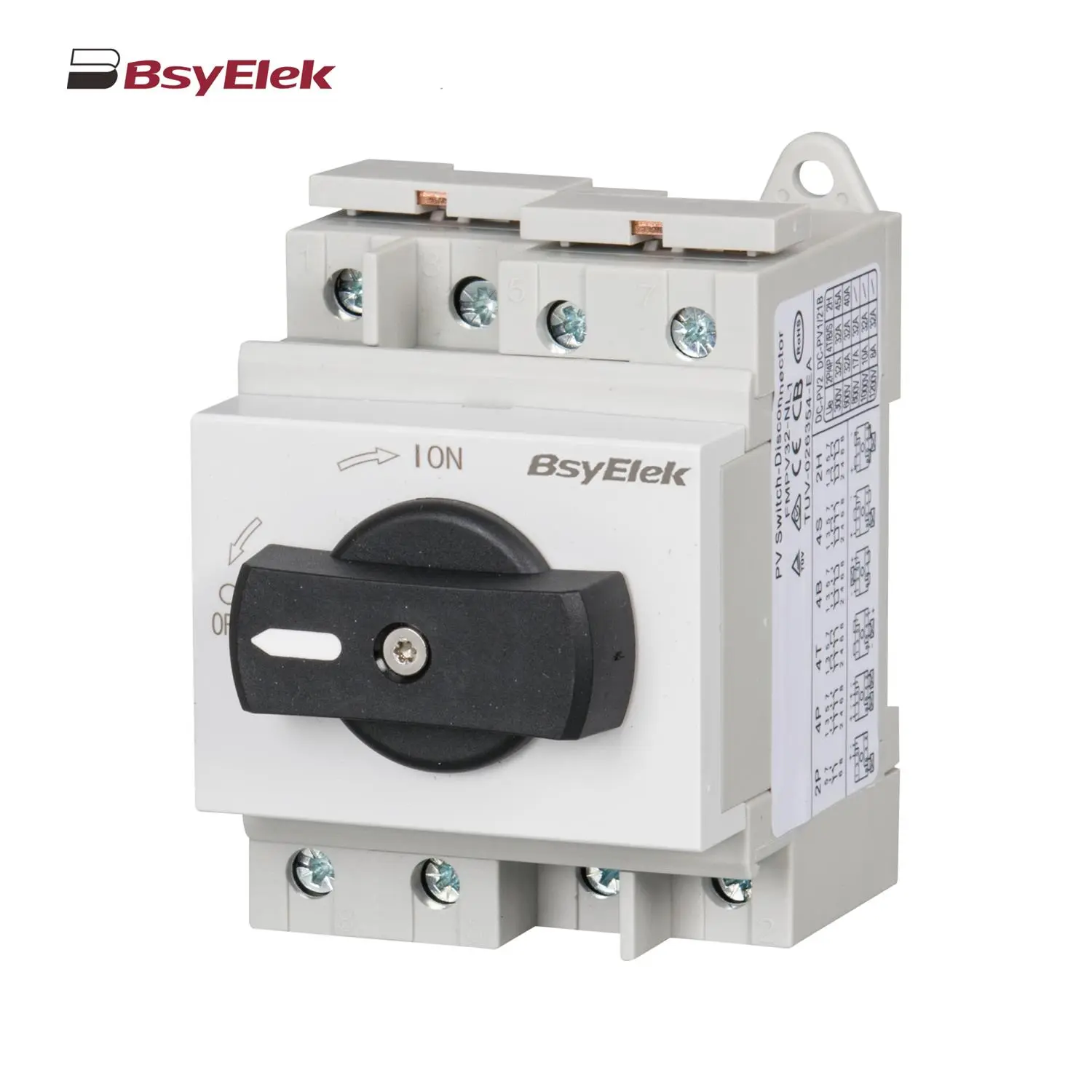 BYPV-NL1/T PV Isolator Switch with Ultra-thin Lever Handle
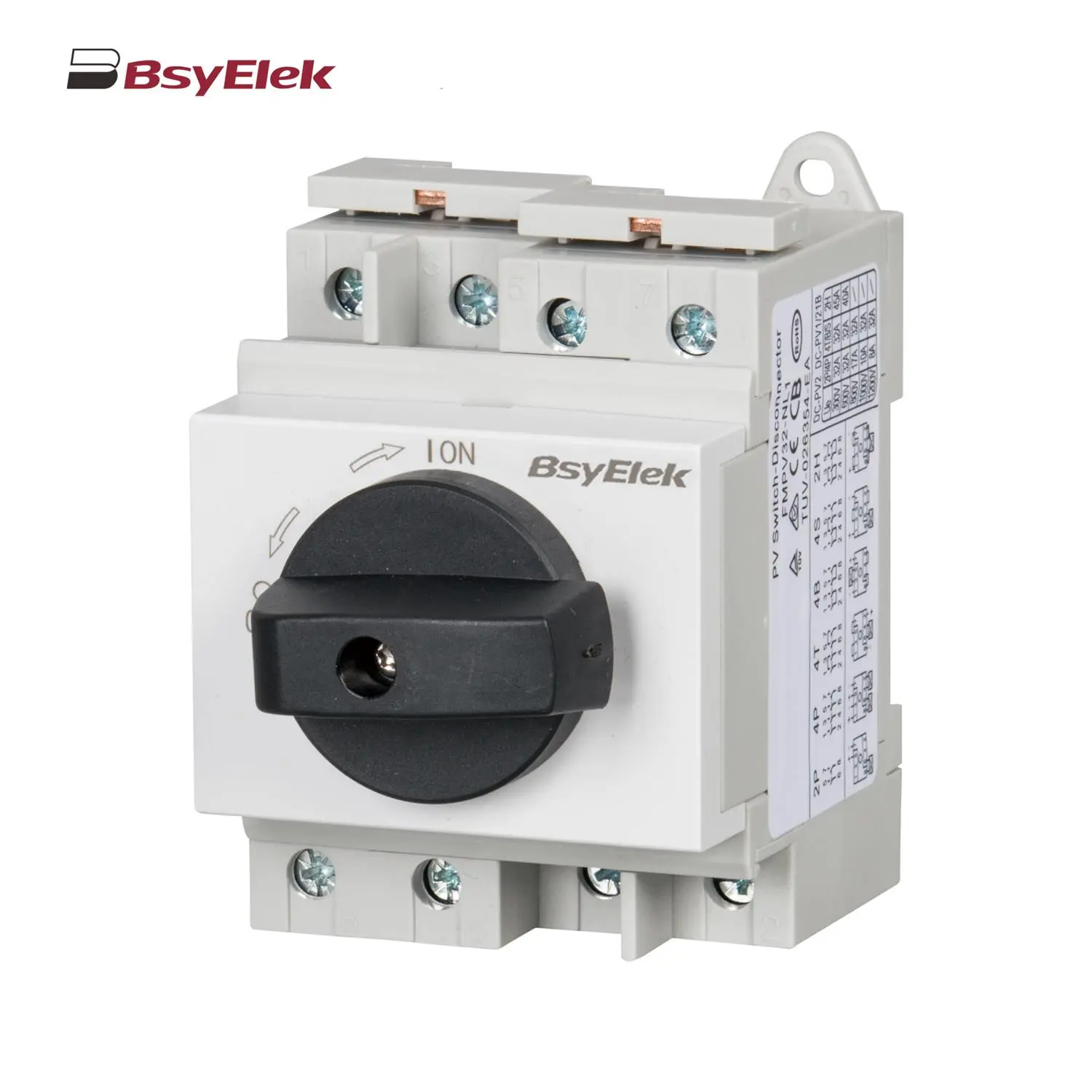 BYPV-NL1 PV Isolator Switch with Lever Handle
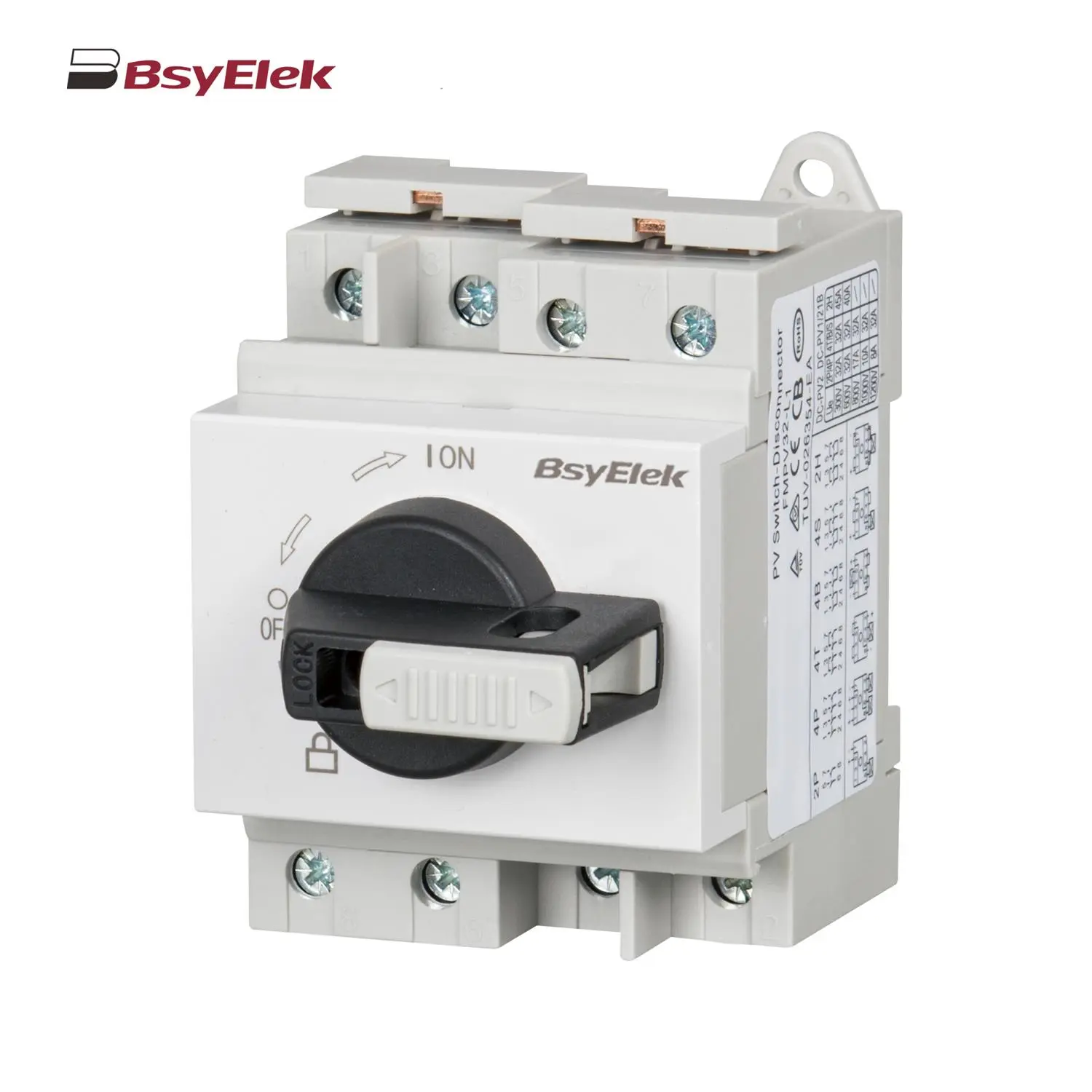 BYPV-L1/L2 PV Isolator Switch with Lockable Lever Handle
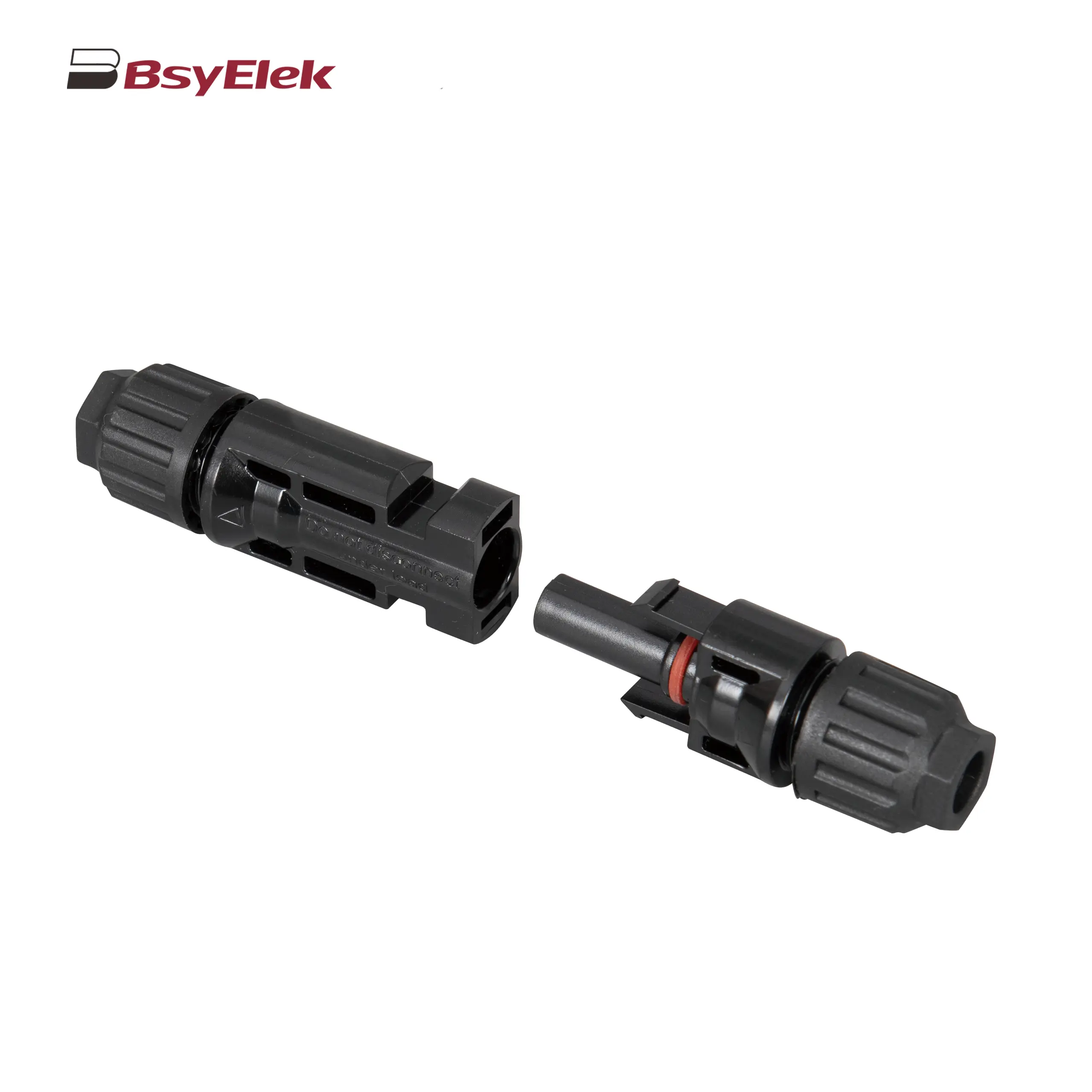 PV-BY-01 30A/50A 1000V Photovoltaic Connector
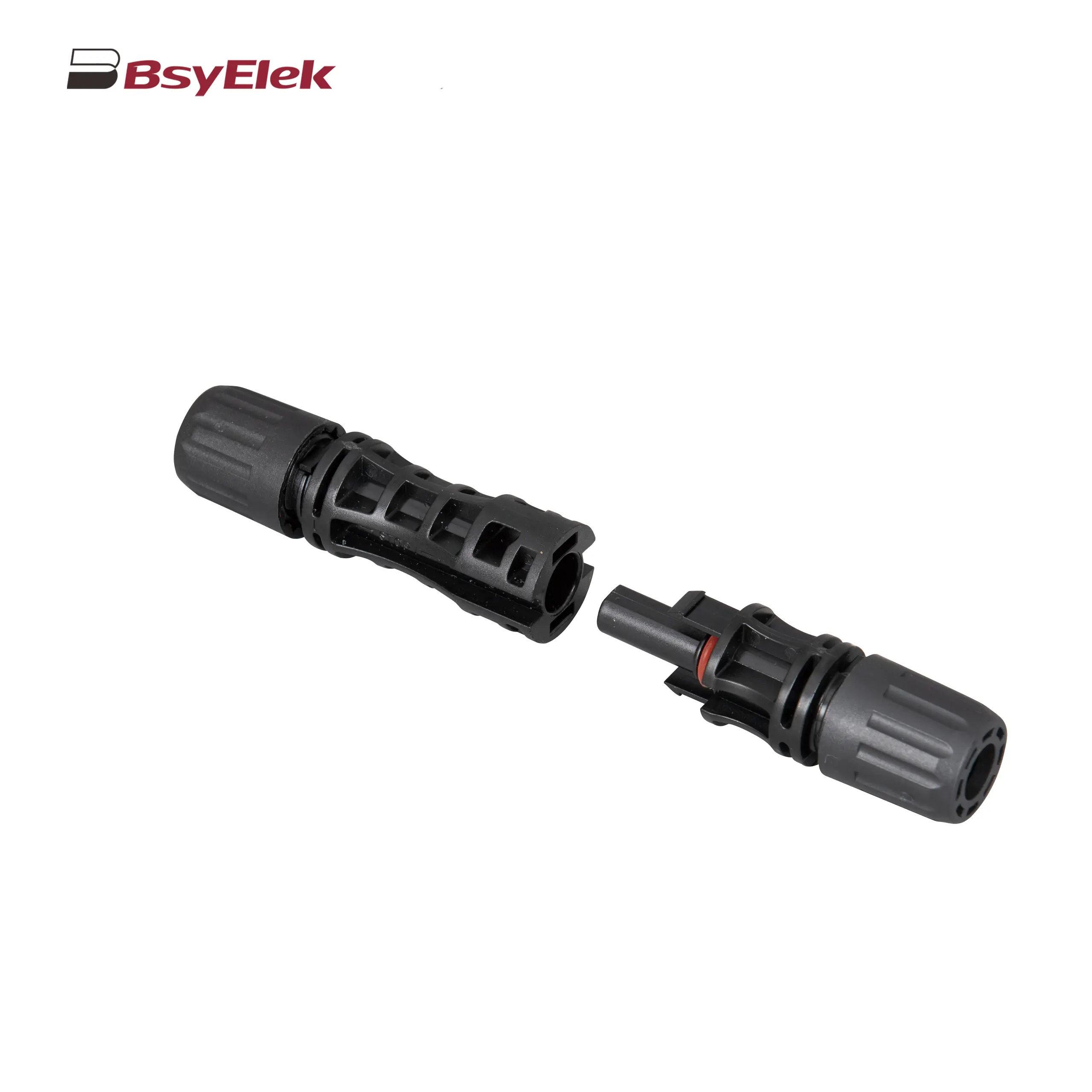 PV-BY-02 30A/50A 1500V Photovoltaic Connector
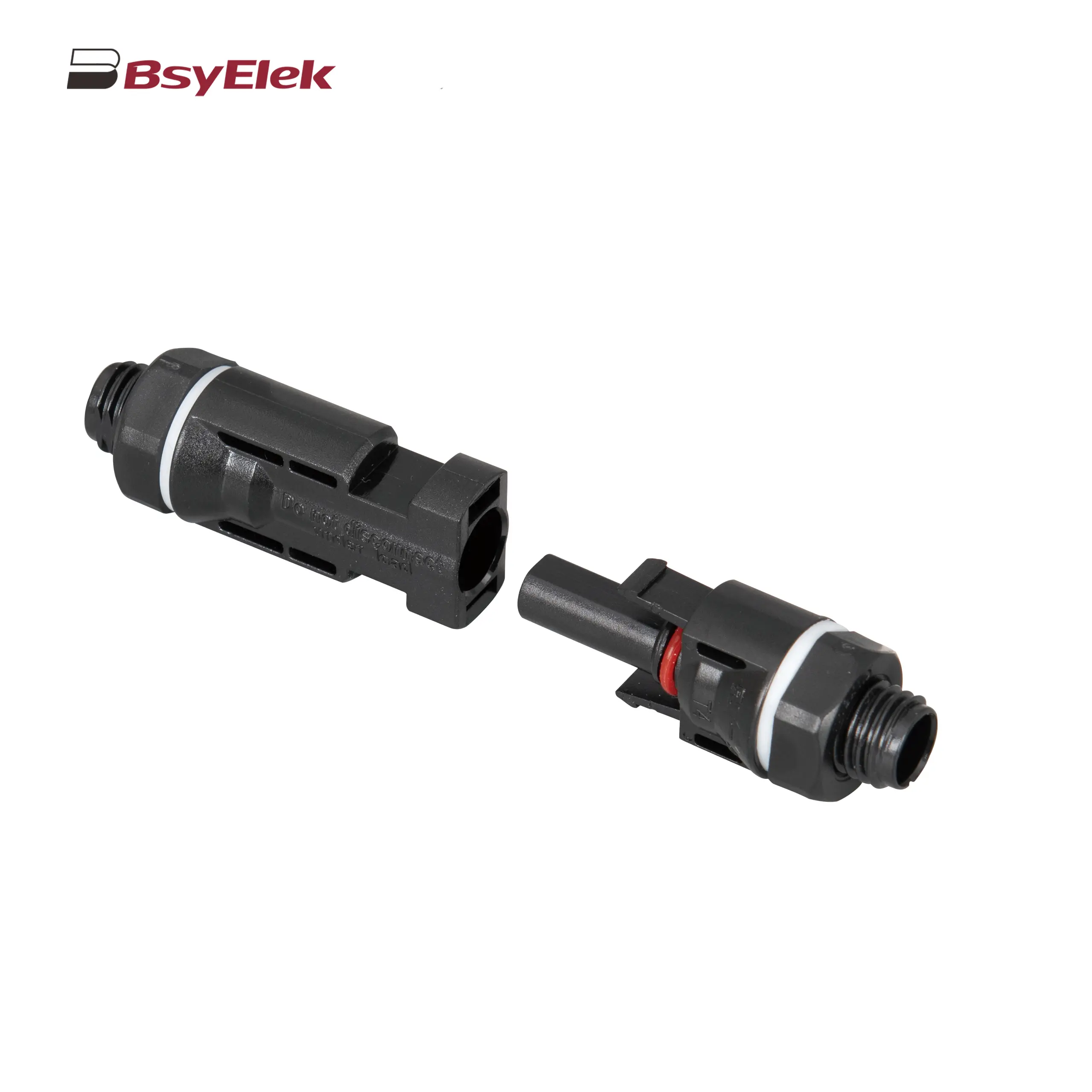 PV-BY-03 30A/50A 1000V Panel Mount Photovoltaic Connector
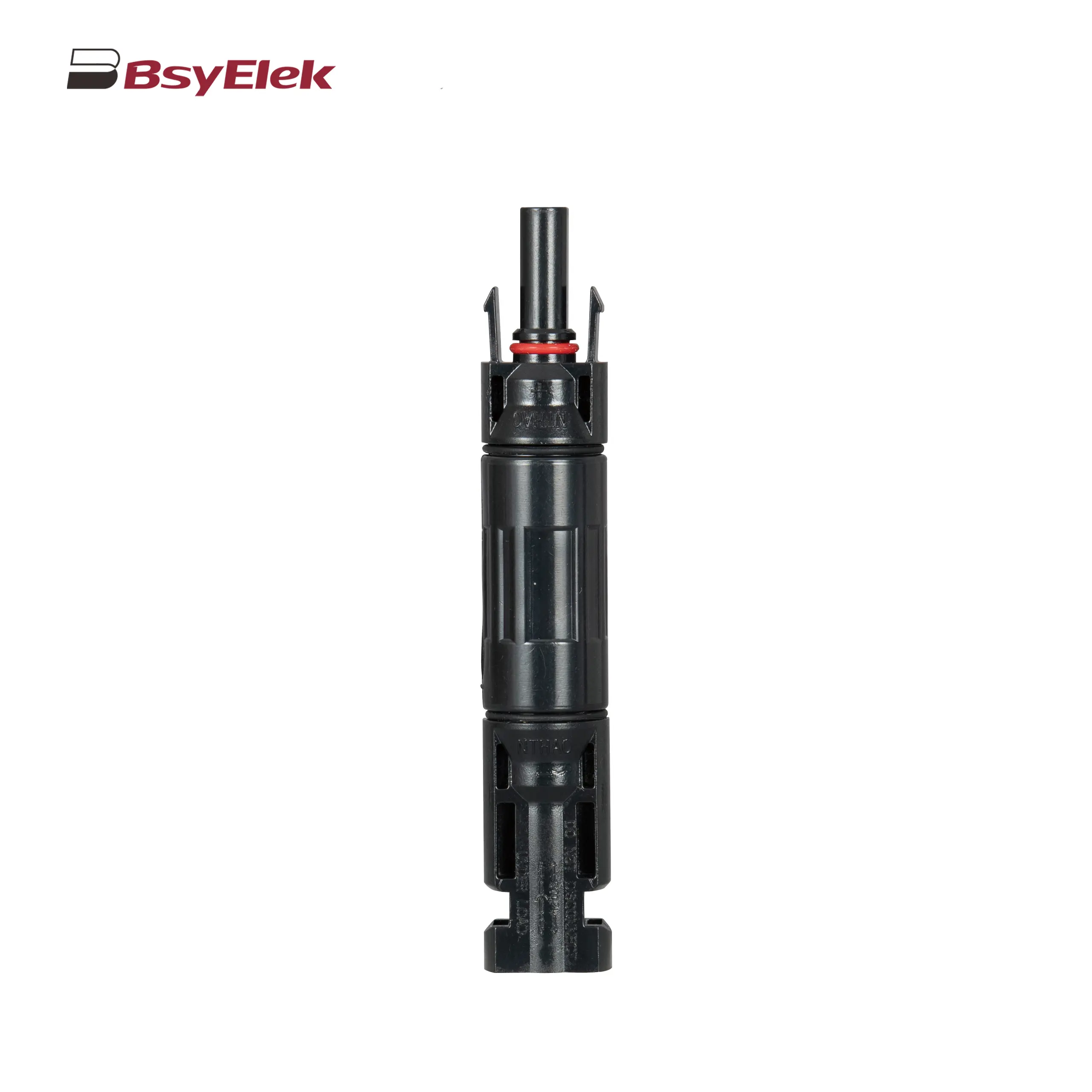 PV-BY-F01 30A 1500V Diode/Fuse Type Connector
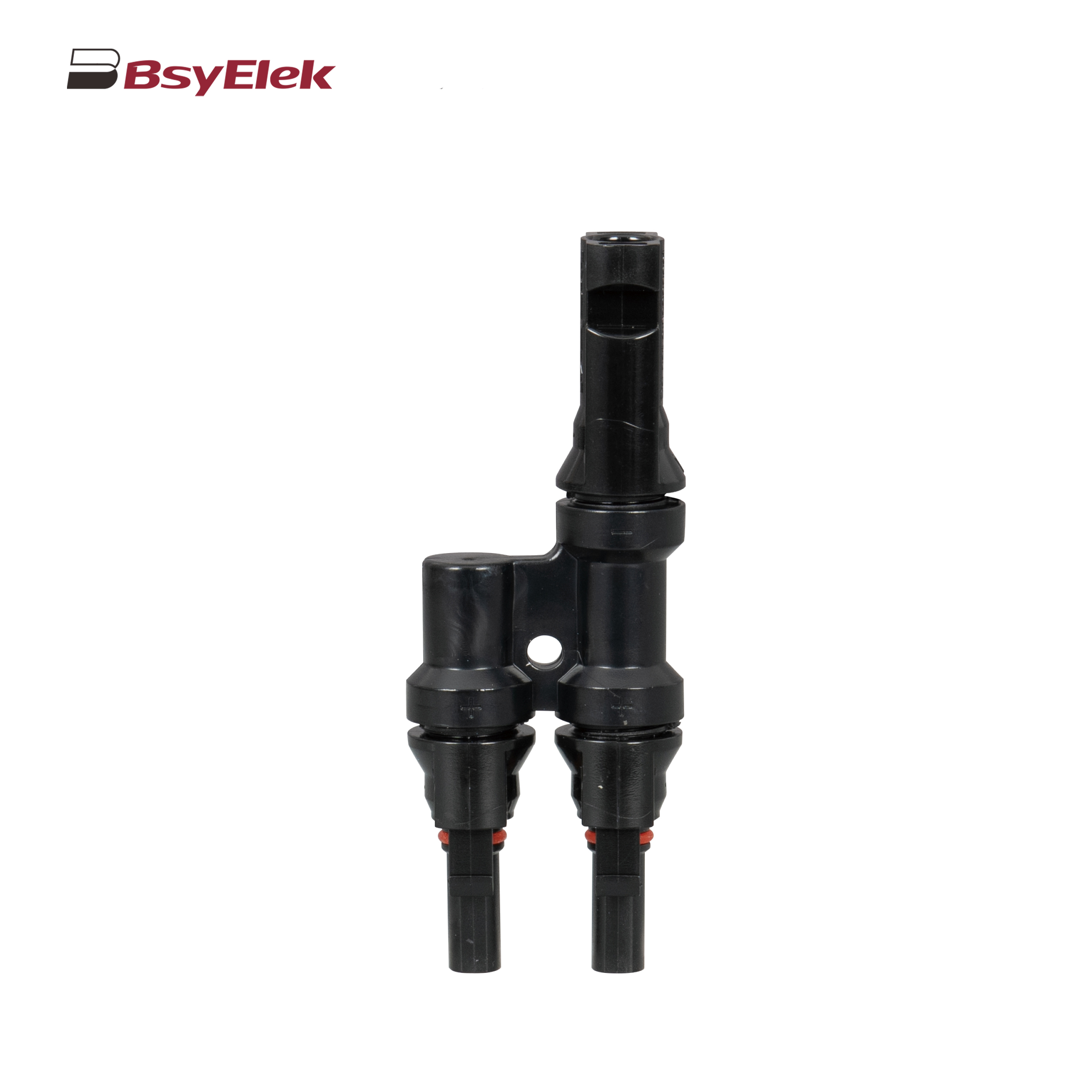 PV-BY-T 50A 1500V T Type Branch Connector
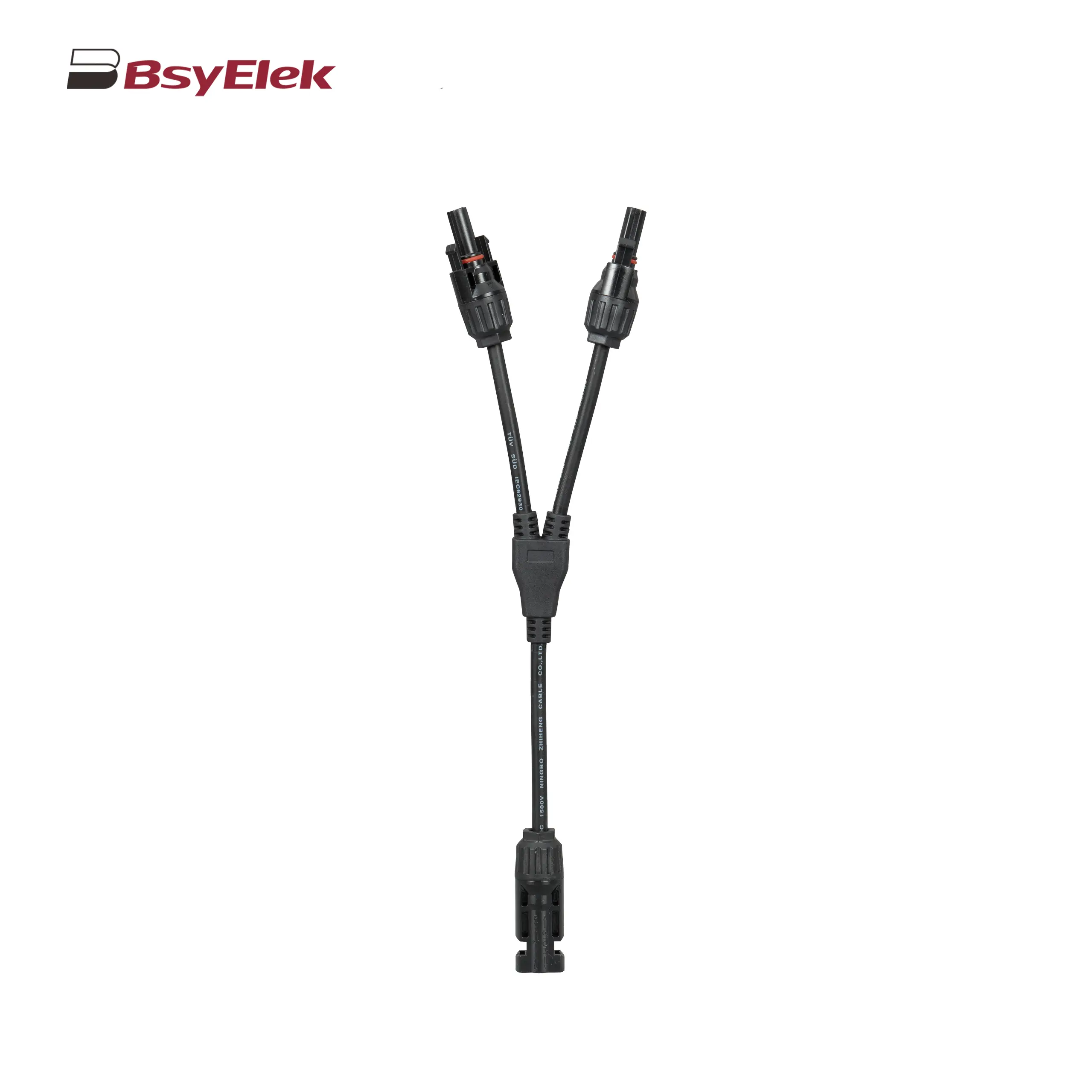 PV-BY-Y 30A 1500V Y Type Branch Connector
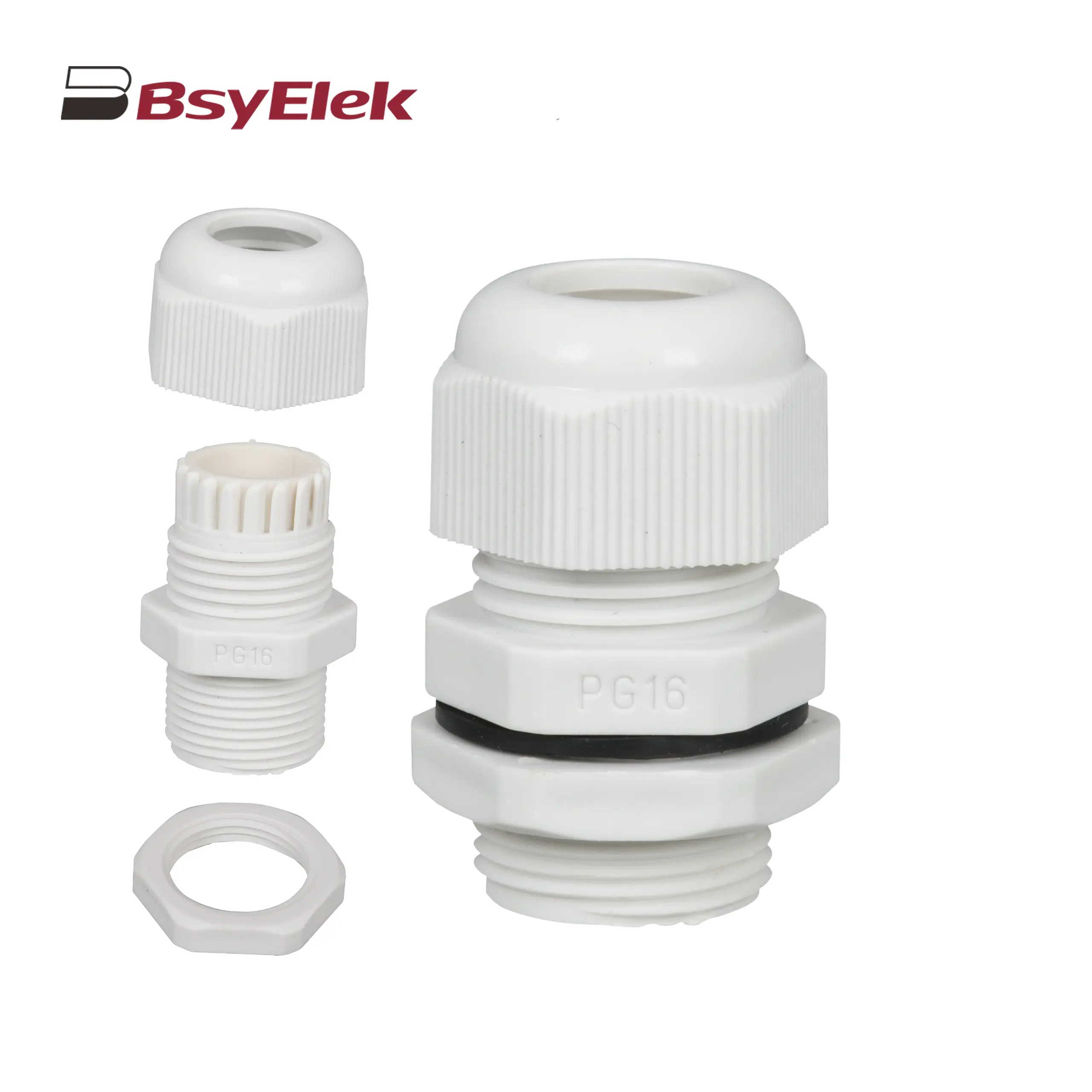 PG Waterproof Cable Gland with Washer
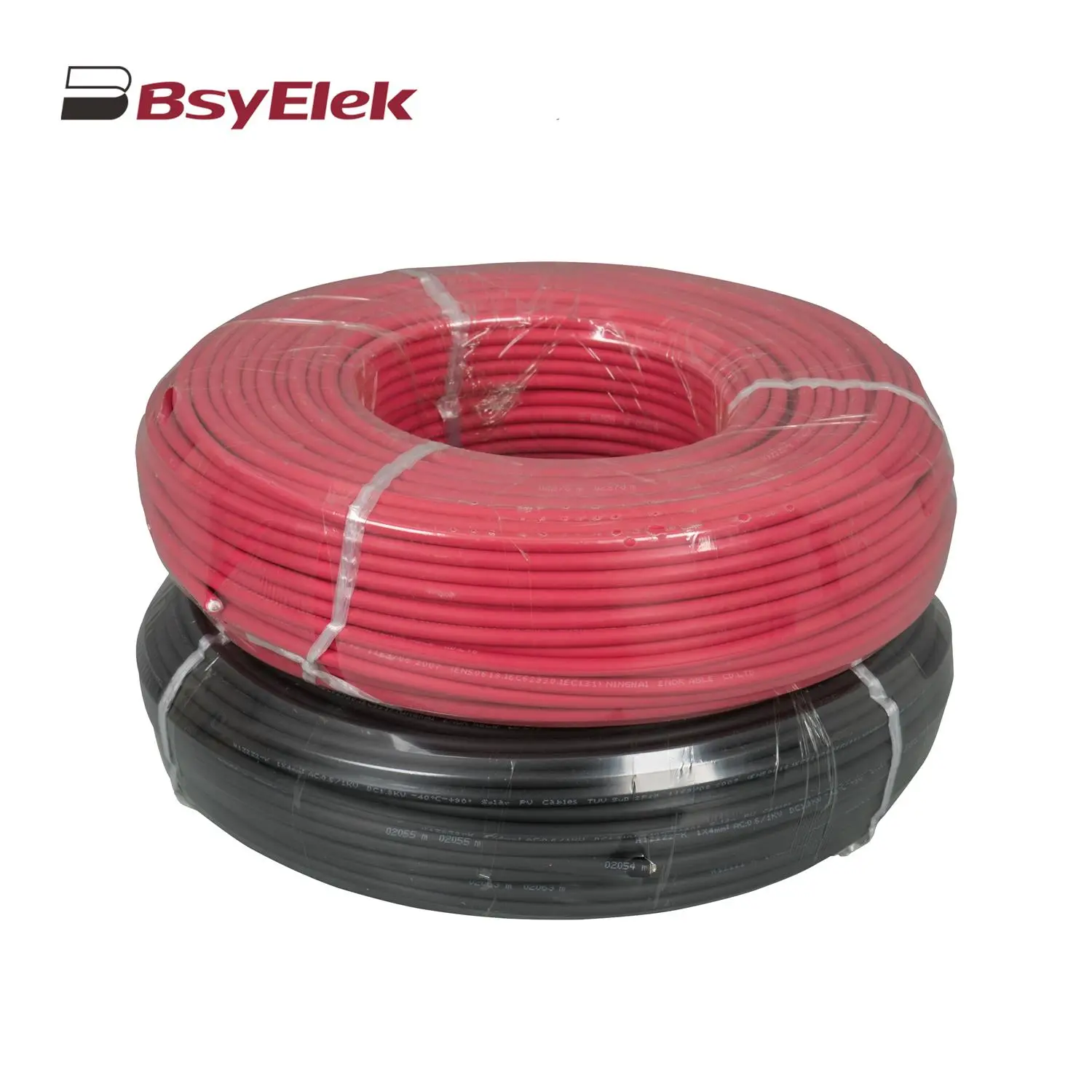 Photovoltaic Cable
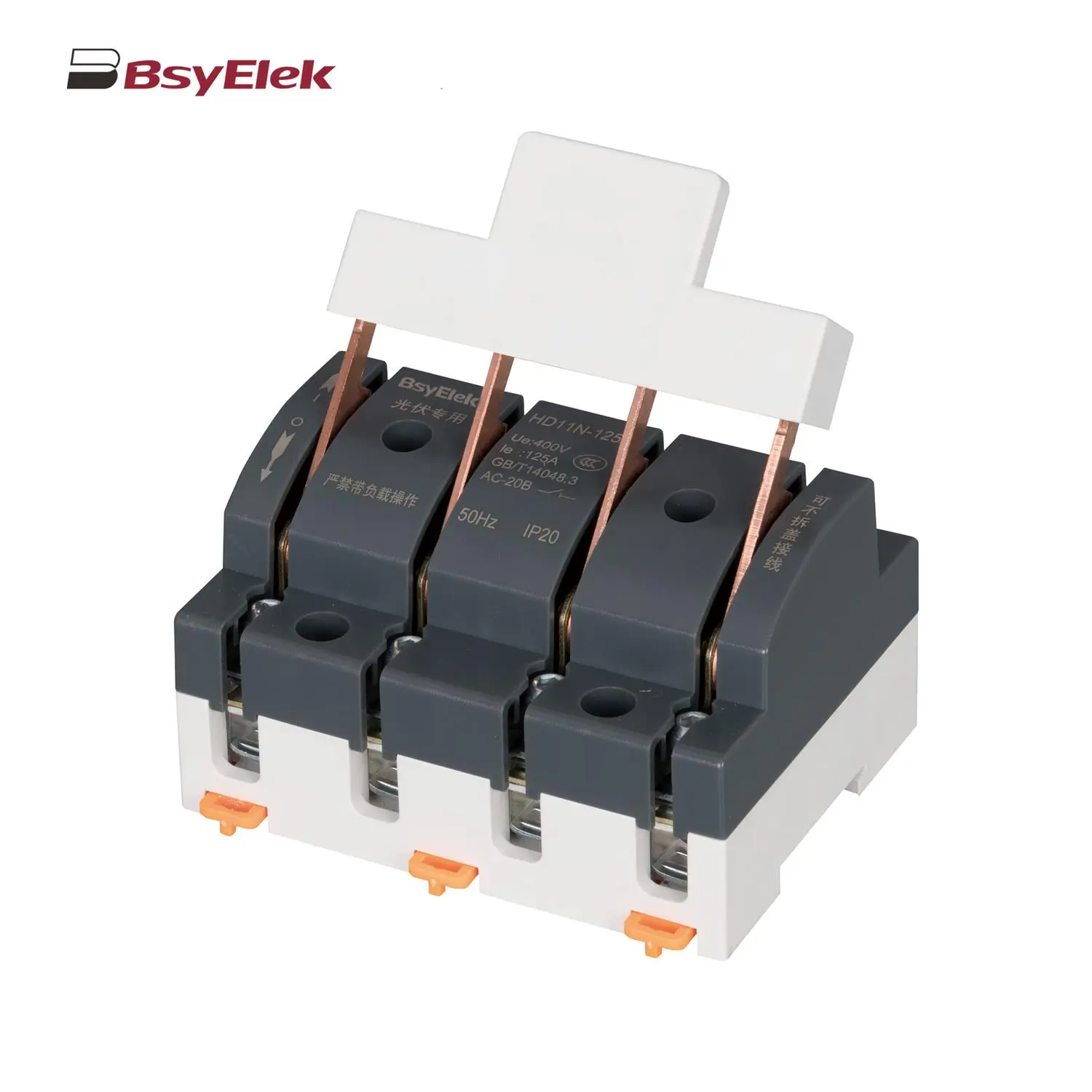 HD11N Photovoltaic Knife Switch
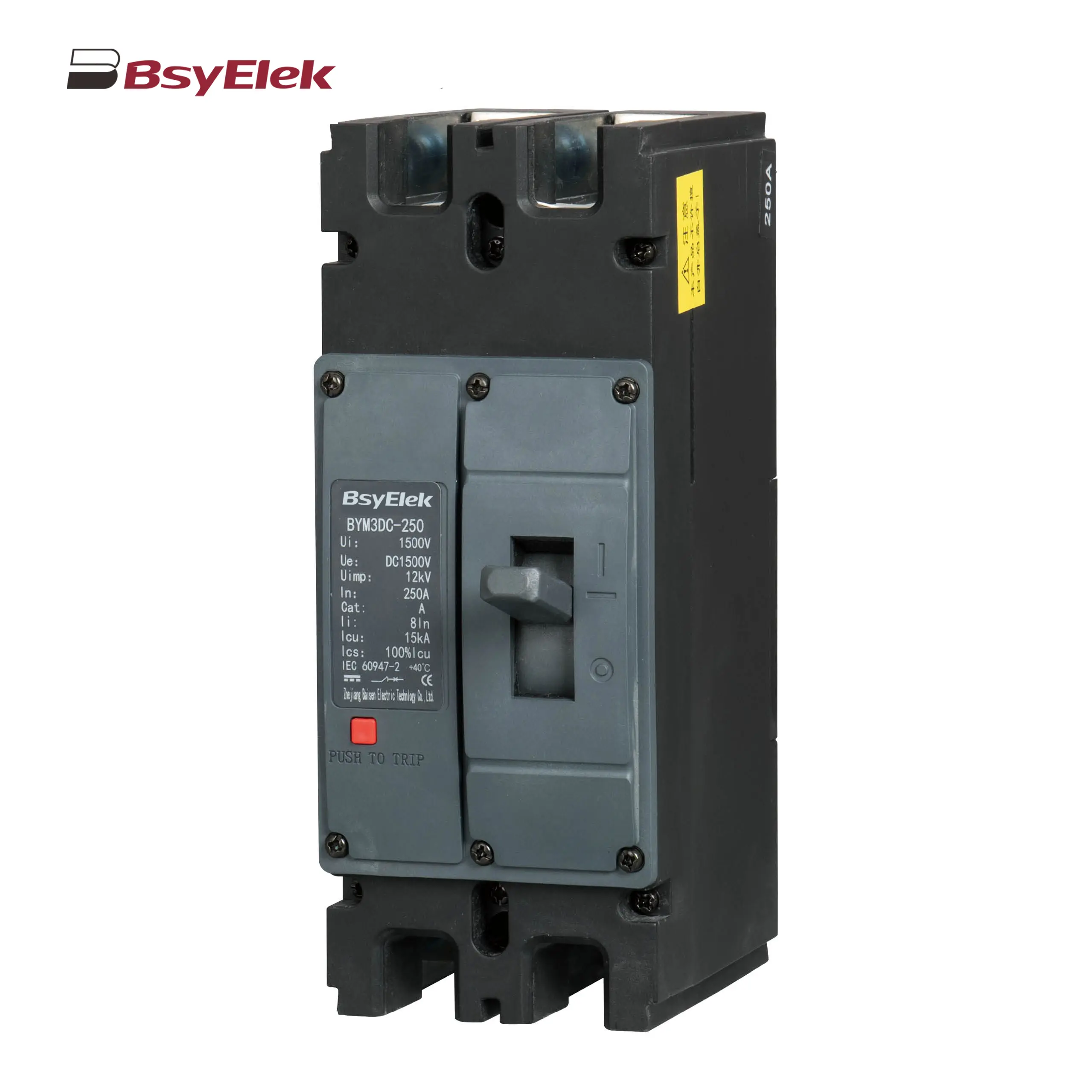 BYM3DC MCCB Photovoltaic DC Molded Case Circuit Breaker
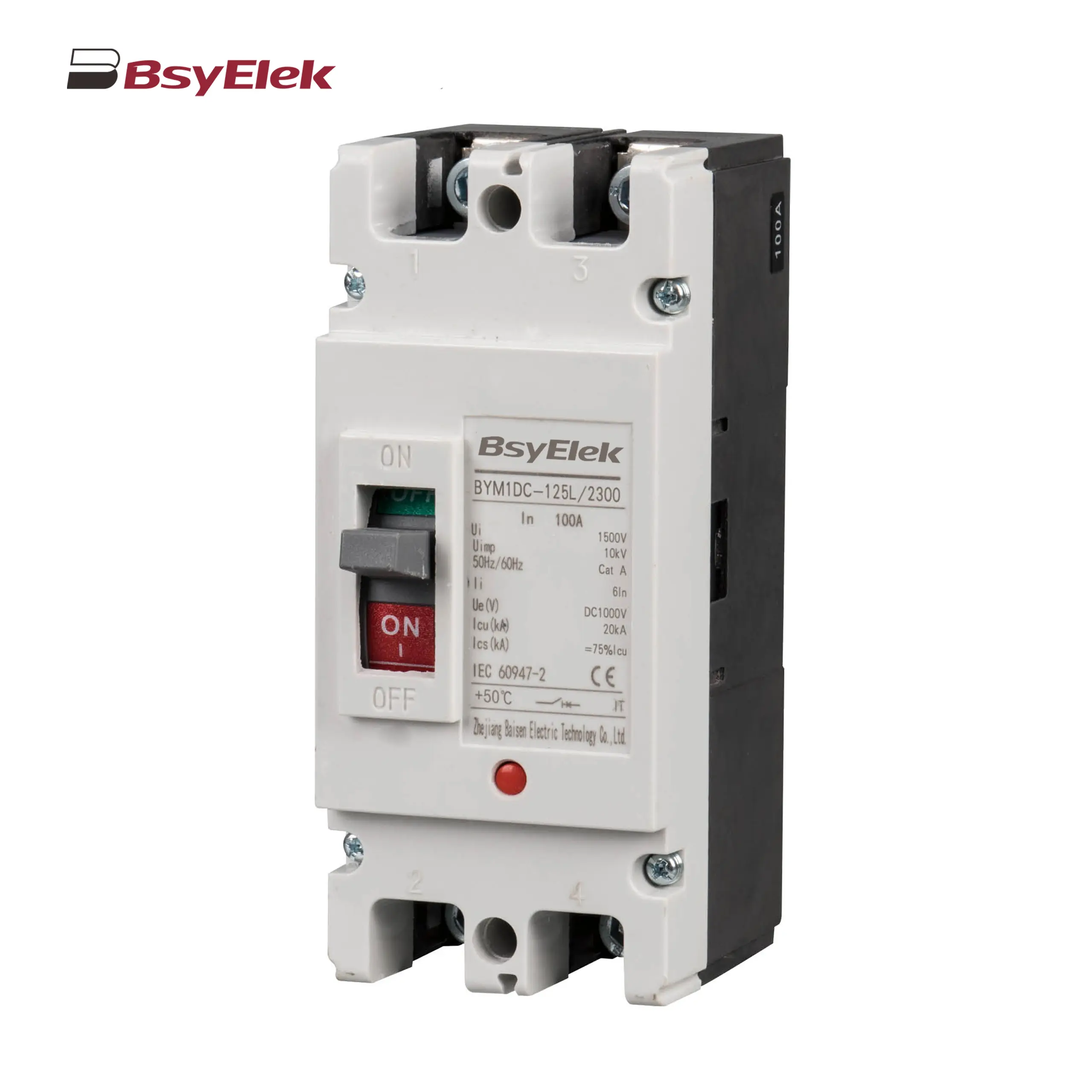 BYM1DC MCCB 1000VDC Thermal Magnetic Type DC Molded Case Circuit Breaker
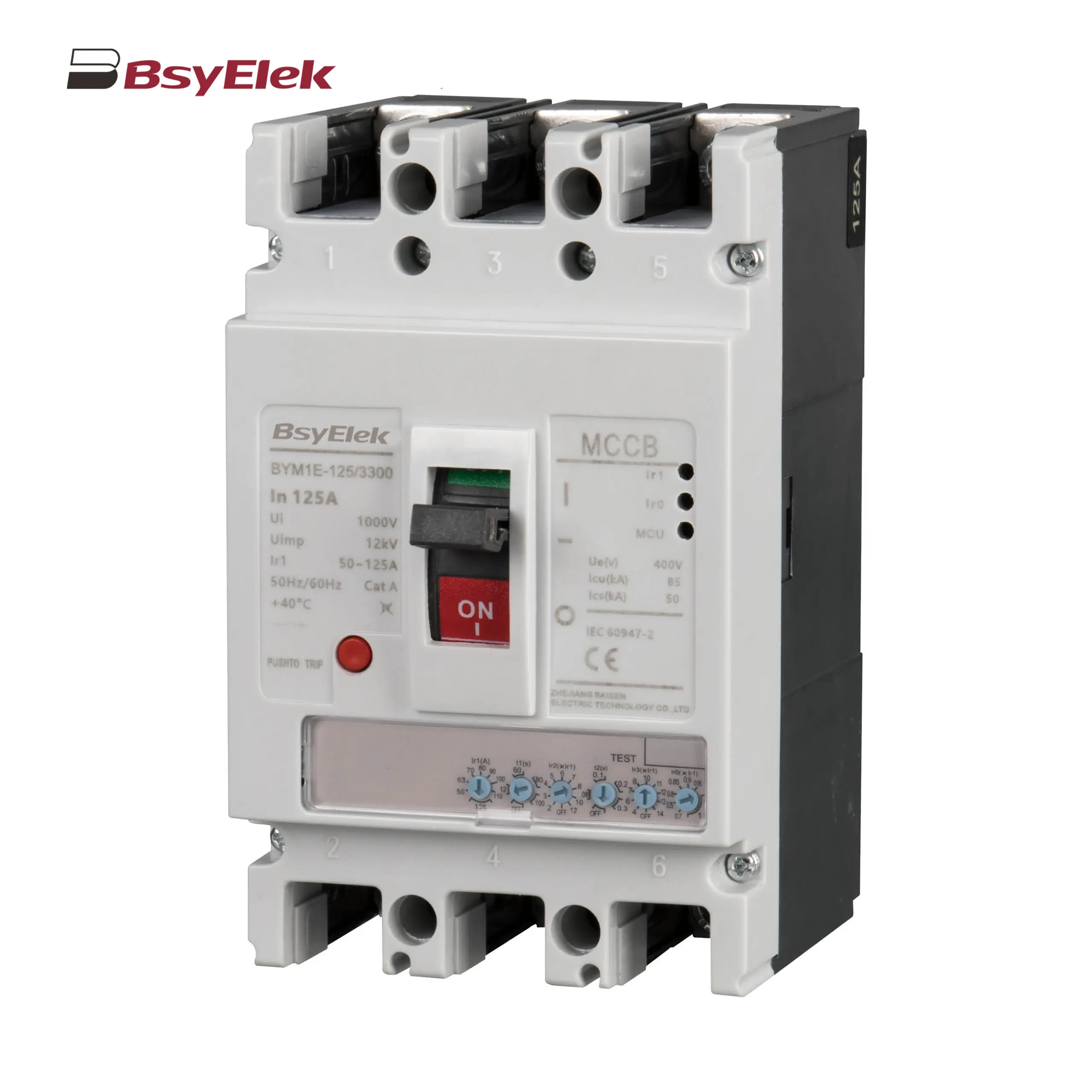 BYM1E MCCB Electronic Type Molded Case Circuit Breaker
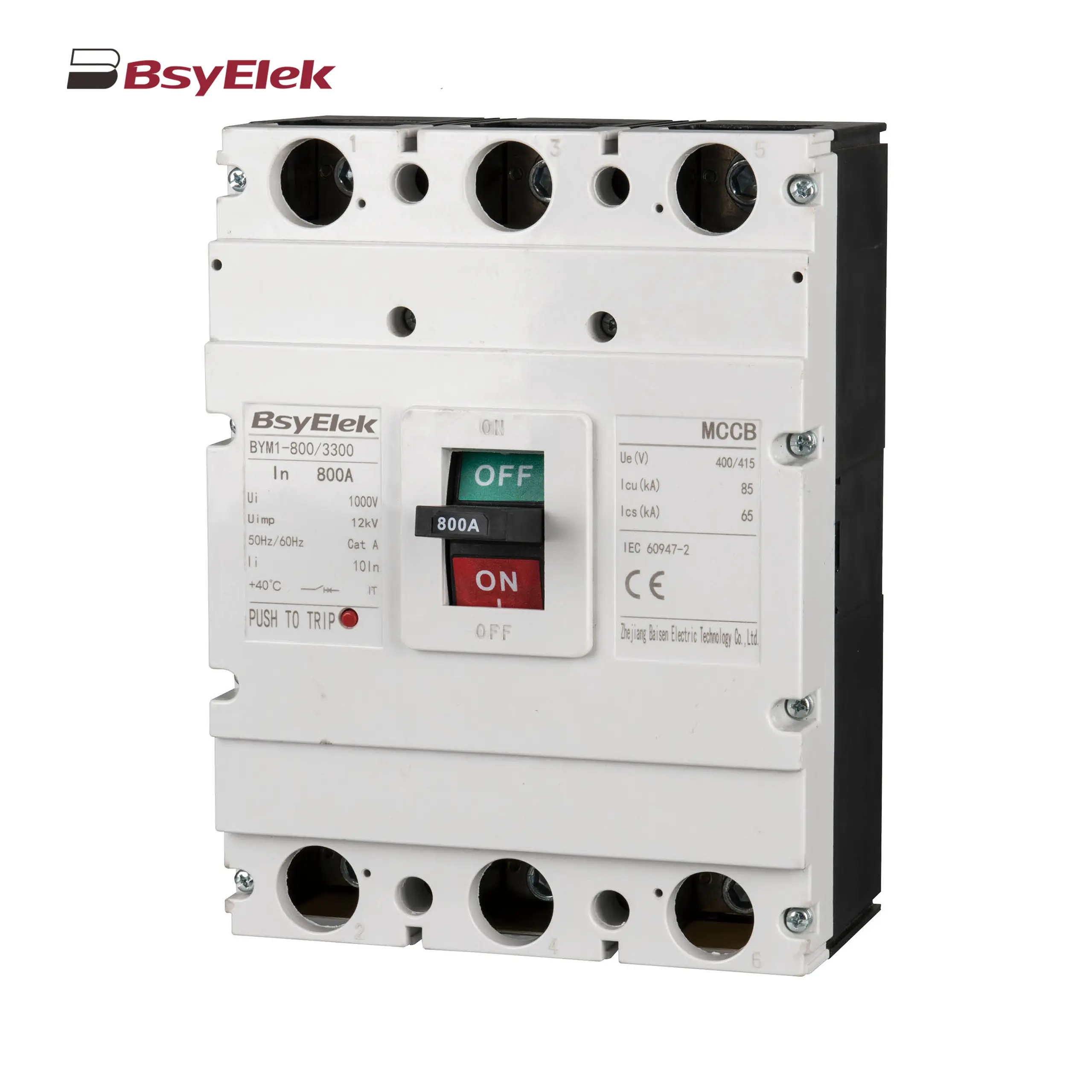 BYM1 MCCB Thermal Magnetic AC Molded Case Circuit Breaker
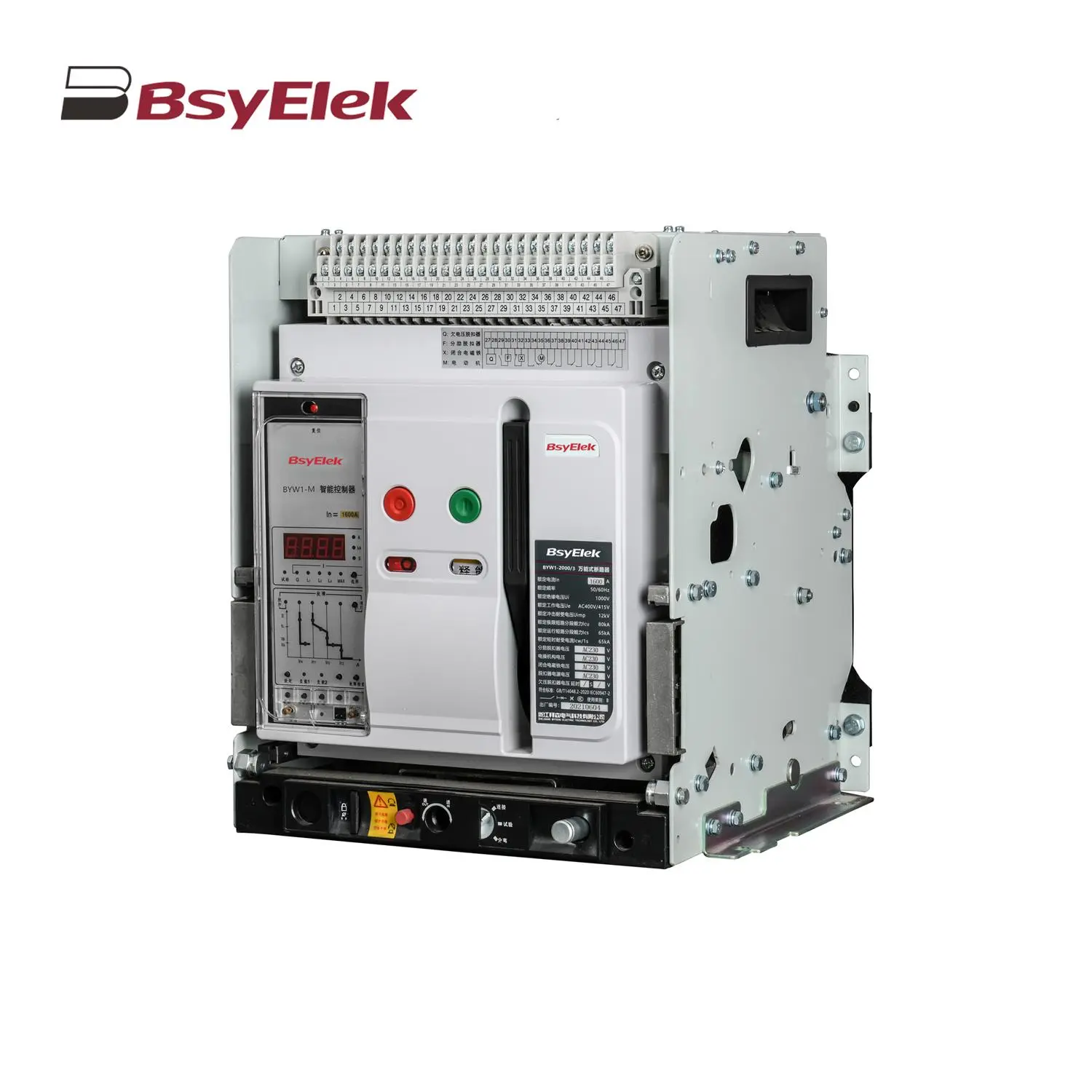 BYW1 ACB Intelligent Universal Air Circuit Breaker
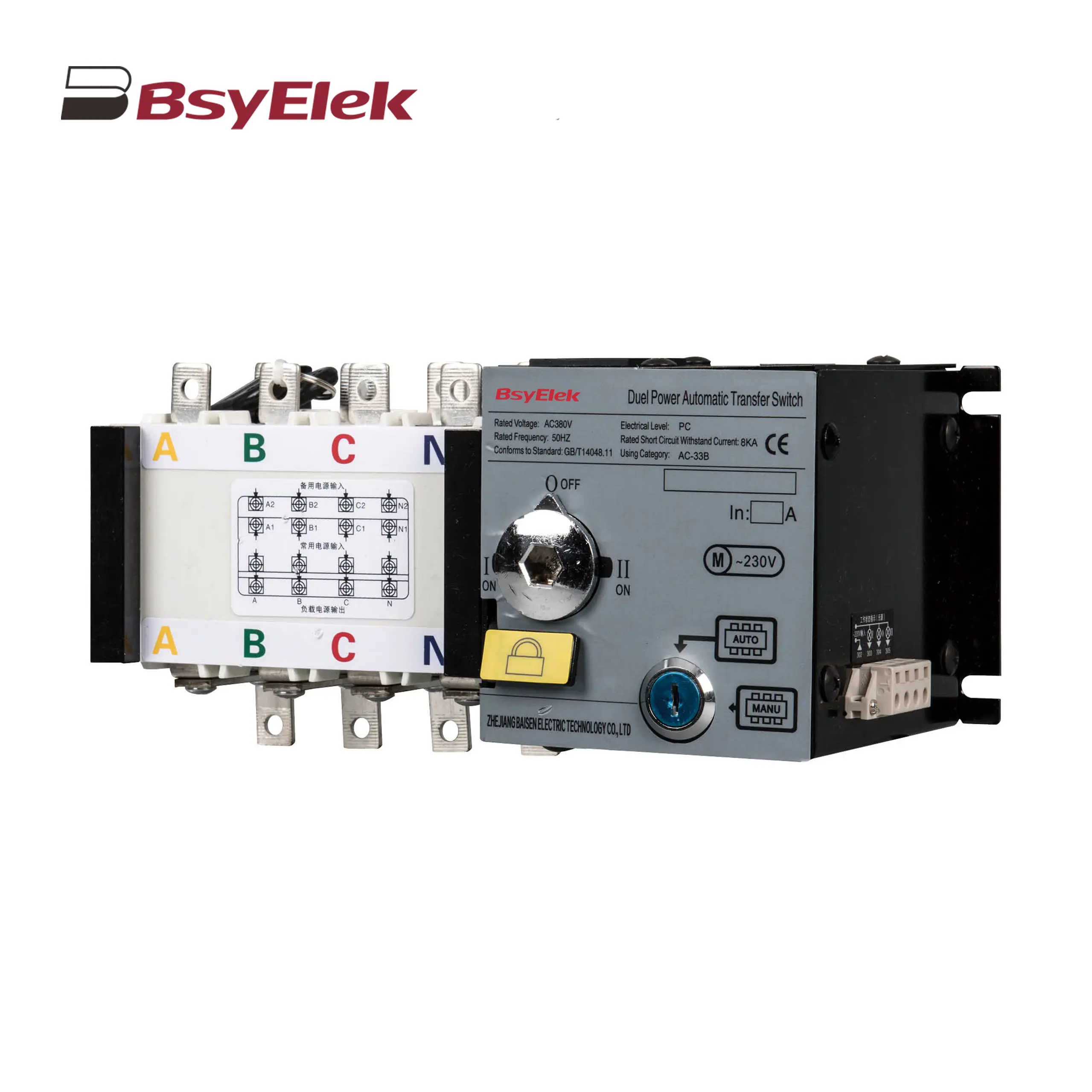 BYQ1 ATS Isolated Type PC Level Dual Power Automatic Transfer Switch
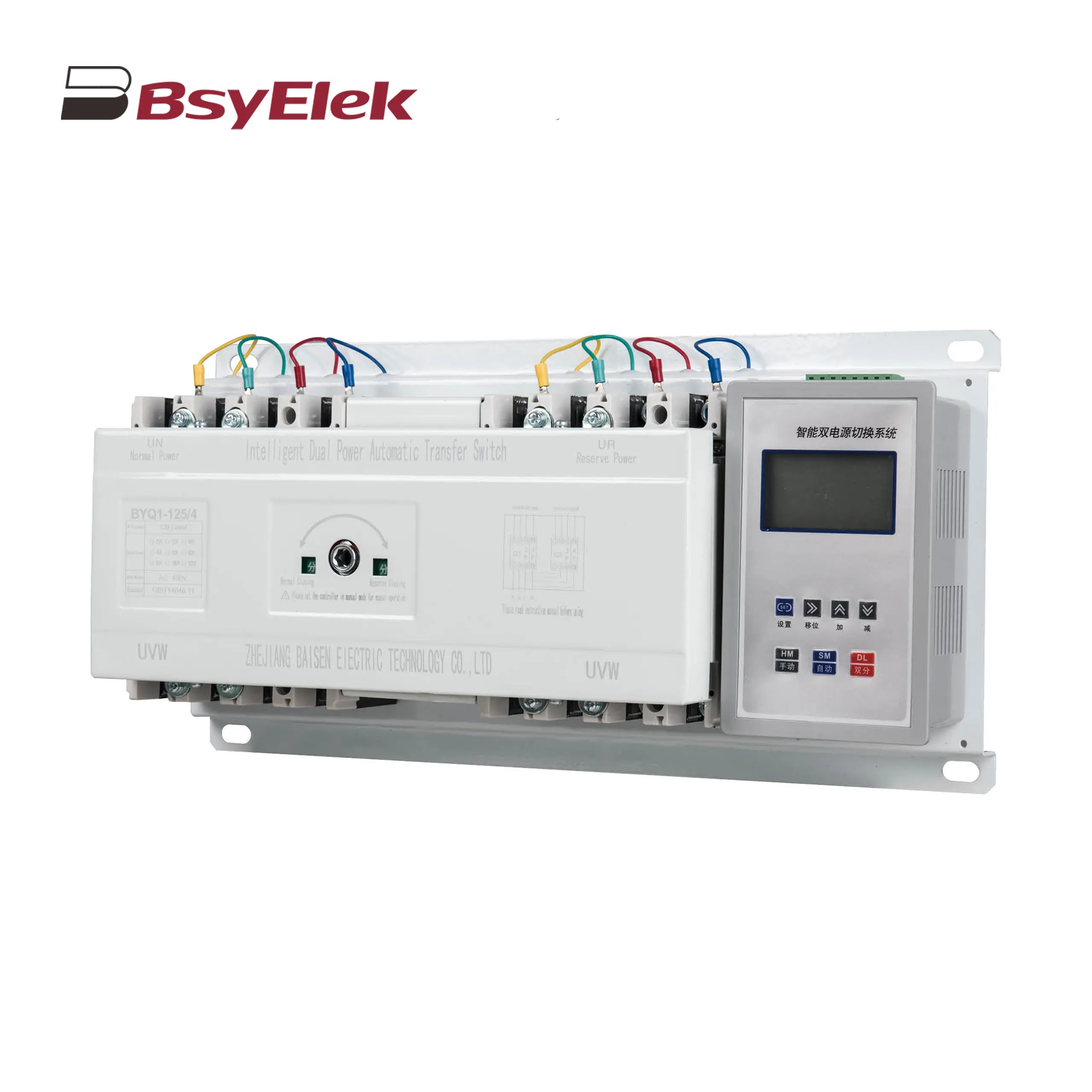 BYQ1 ATS Intelligent Type CB Level Dual Power Automatic Transfer Switch
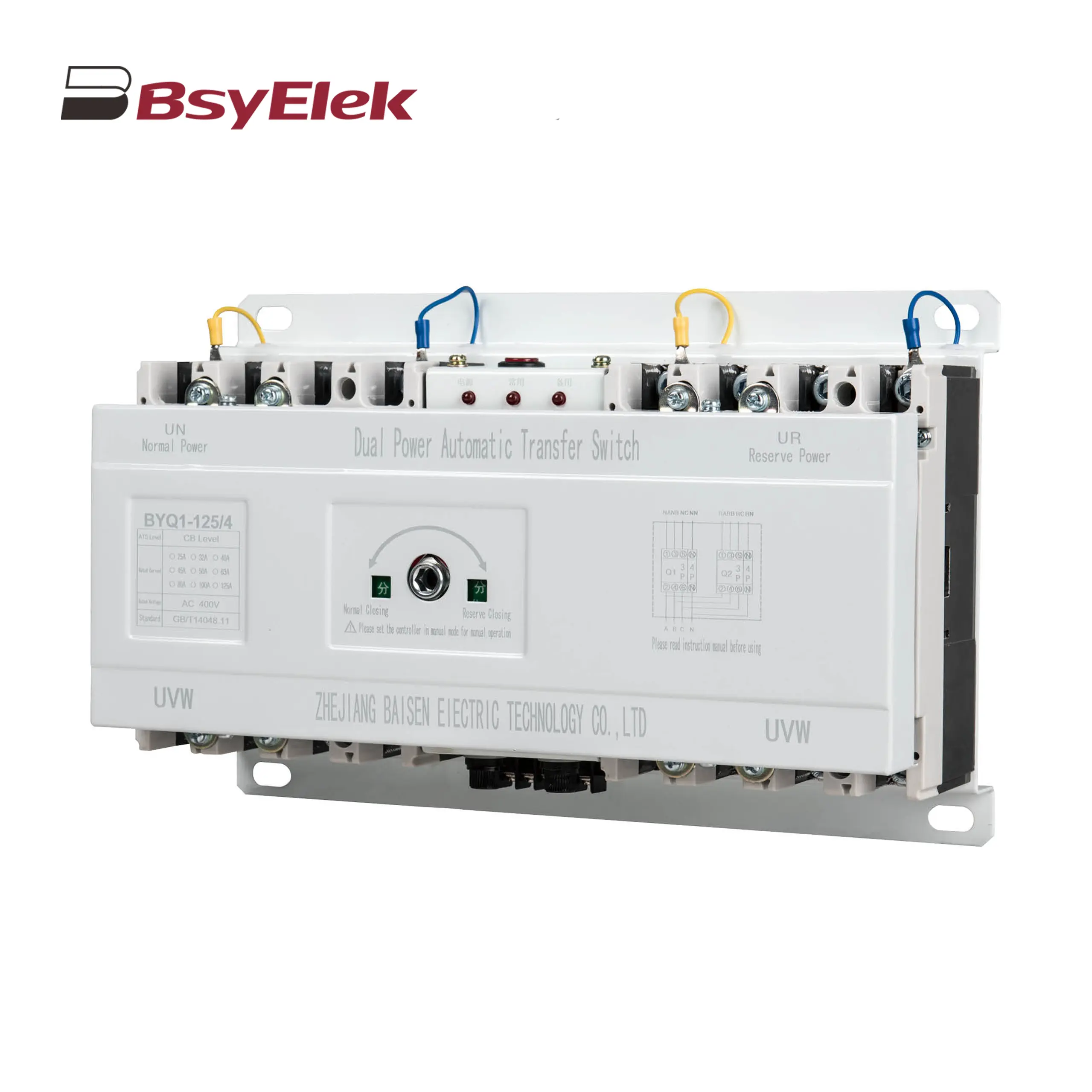 BYQ1 ATS End Type CB Level Dual Power Automatic Transfer Switch
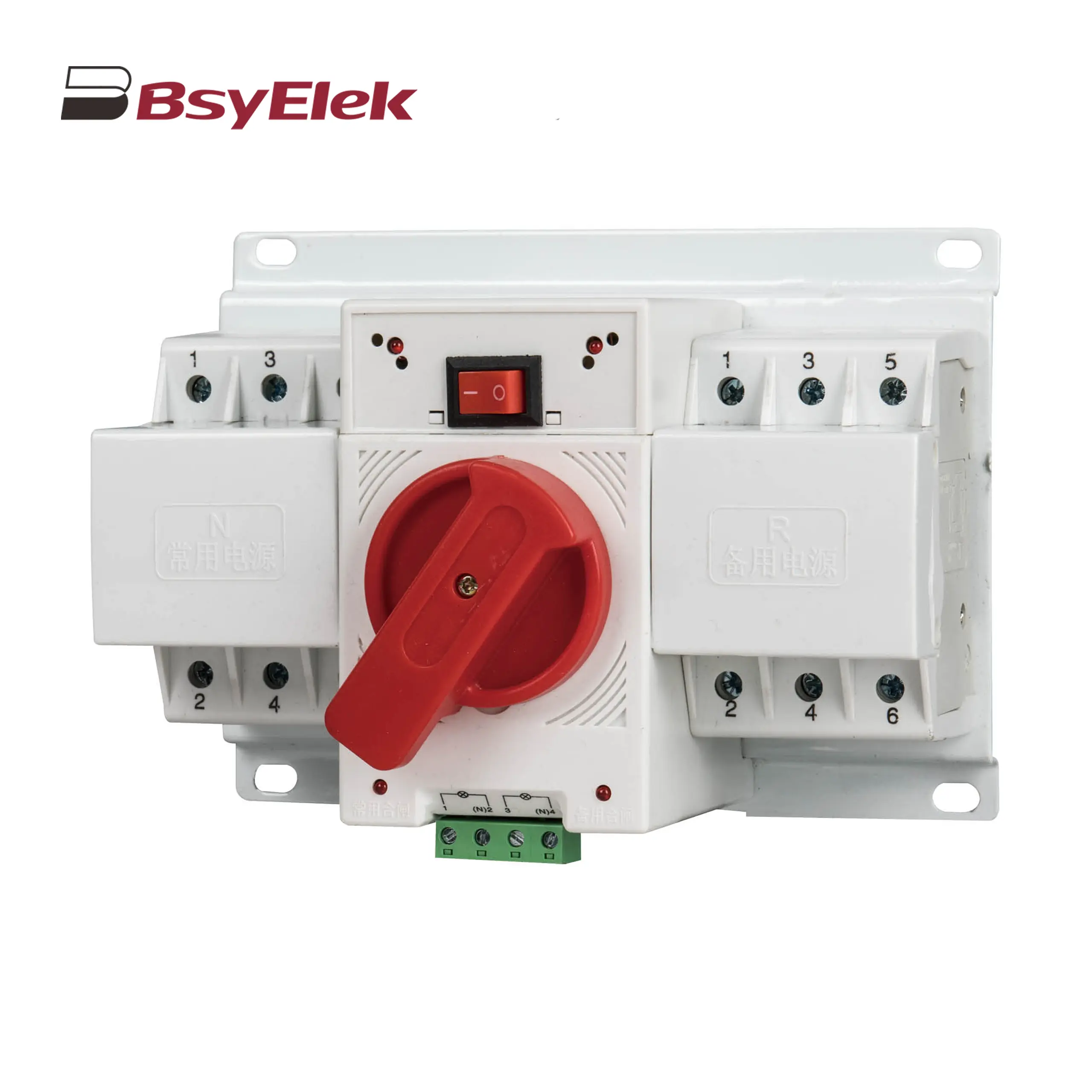 BYQ1 ATS Mini Type CB Level Dual Power Automatic Transfer Switch
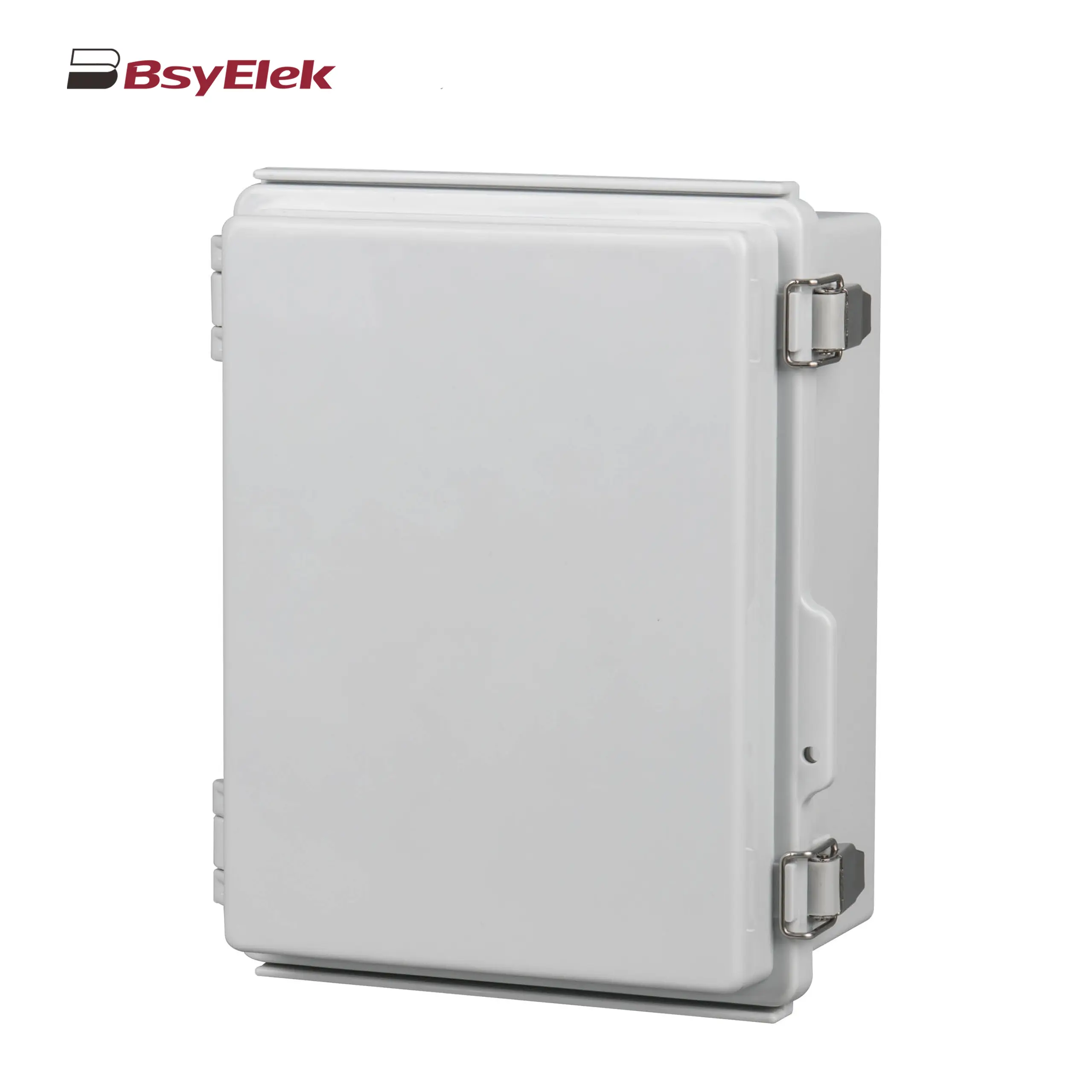 Stainless Steel Hinge Type Electrical Box
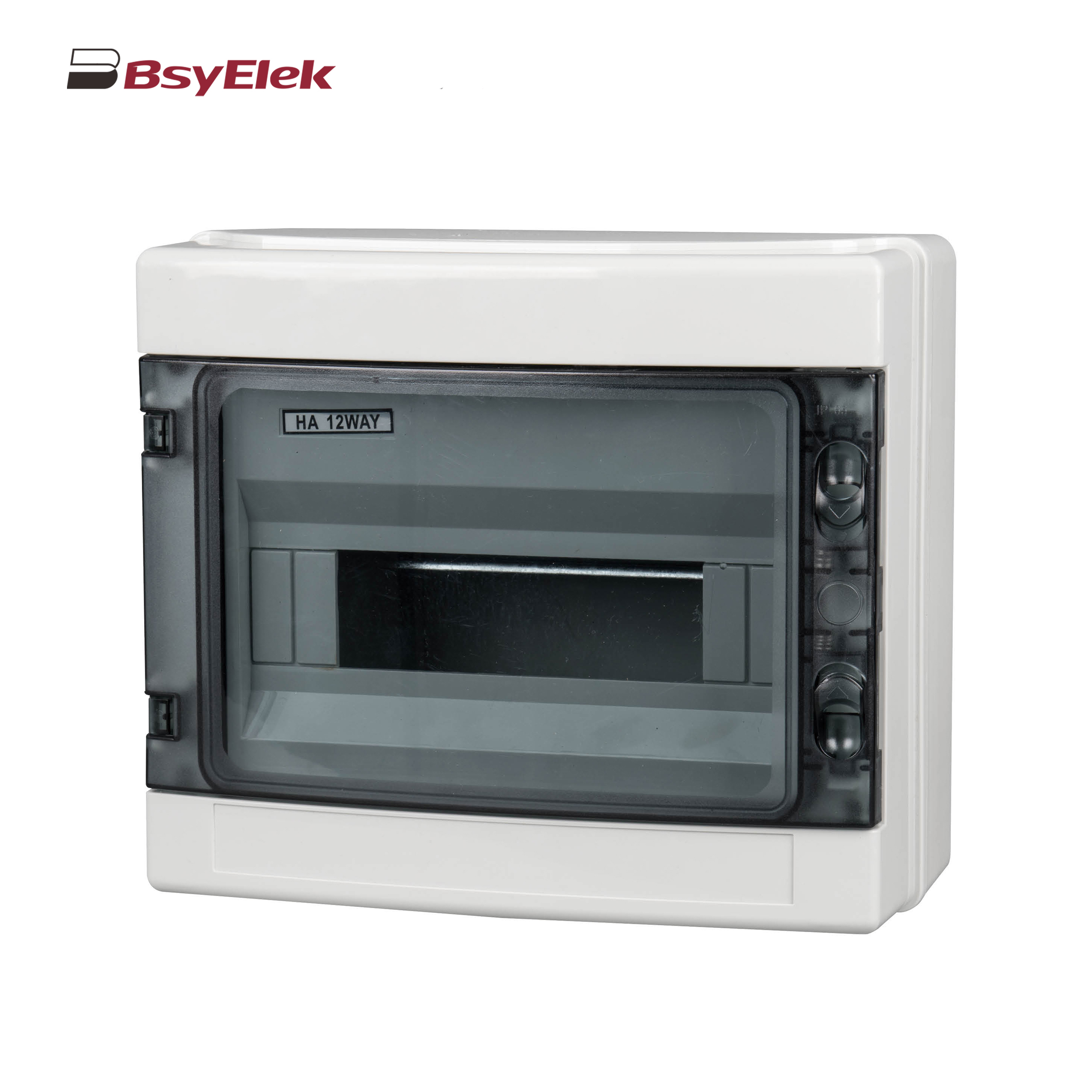 HA Waterproof Distribution Box
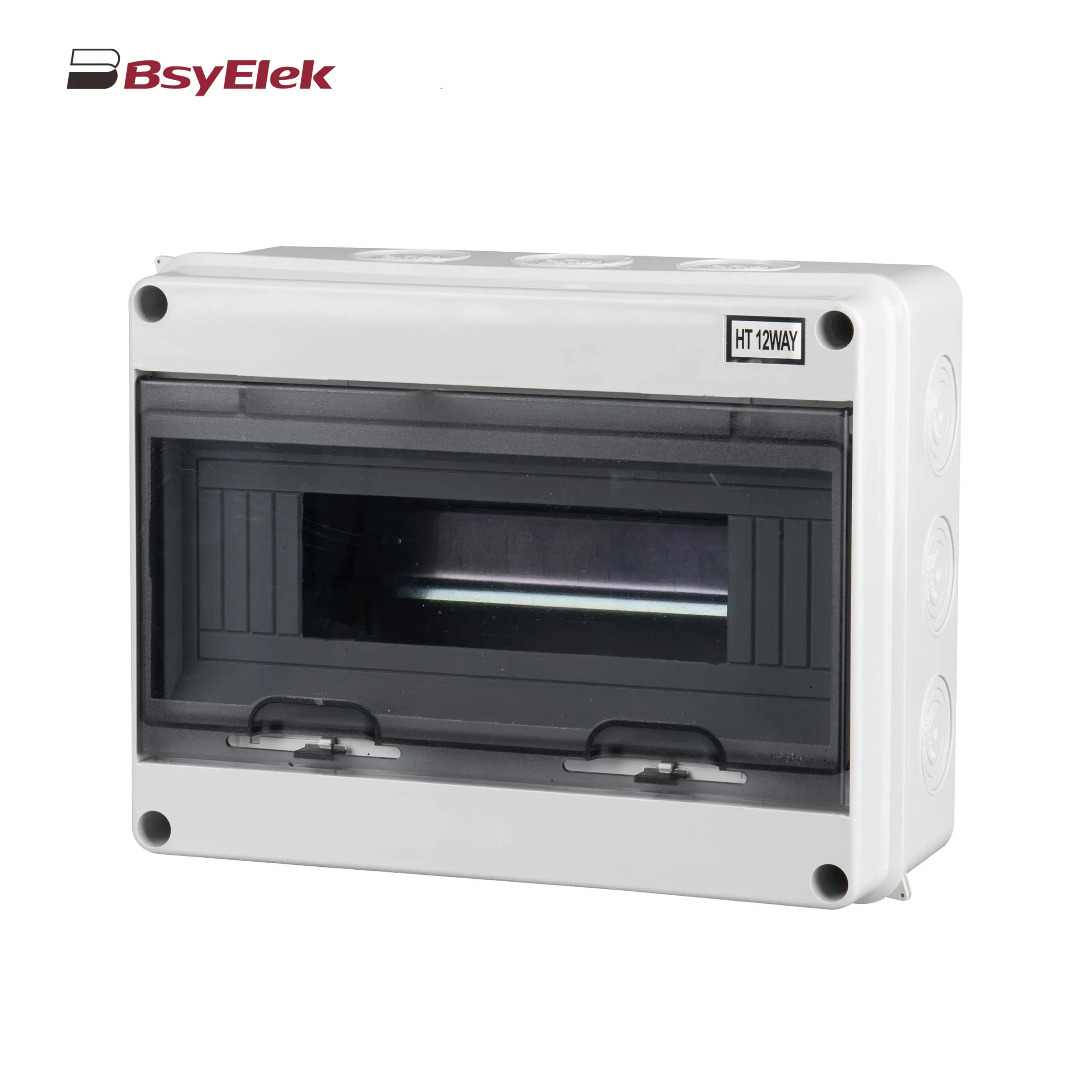 HT Waterproof Distribution Box
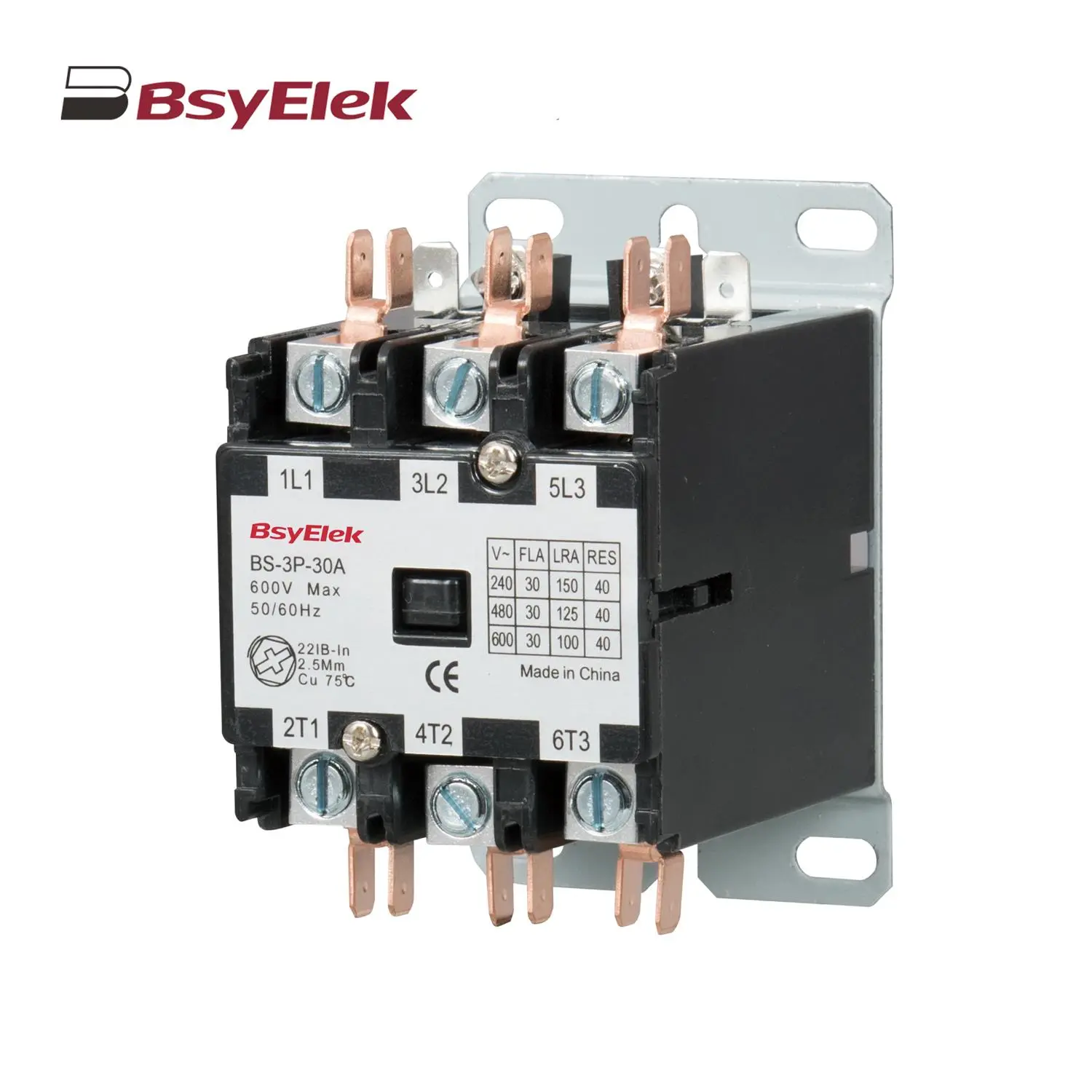 BS Definite Purpose Magnetic AC Contactor