2026 Top Waterproof Distribution Box Features Buyers Must Know
In the realm of electrical distribution, the "Waterproof Distribution Box" stands out as a crucial element for safety and efficiency. Industry expert Dr. Lisa Chang emphasizes, “Choosing the right waterproof distribution box can prevent catastrophic failures in wet environments.” Her insight underscores the importance of selecting high-quality features in these essential devices.
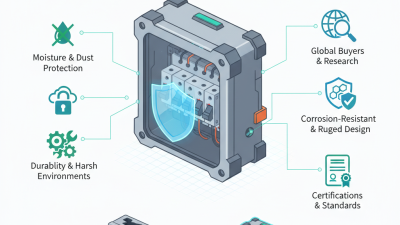
When considering a waterproof distribution box, several factors come into play. The materials should be robust and corrosion-resistant to endure harsh conditions. Additionally, the design must facilitate proper sealing to protect internal components from water exposure. Neglecting these details can lead to equipment damage and increased costs.
Moreover, buyers need to be aware of certification standards that ensure reliability. Not all waterproof distribution boxes meet these essential criteria. Ensuring a reliable source is paramount. Remember, a well-chosen waterproof distribution box not only safeguards your investments but also enhances operational longevity.
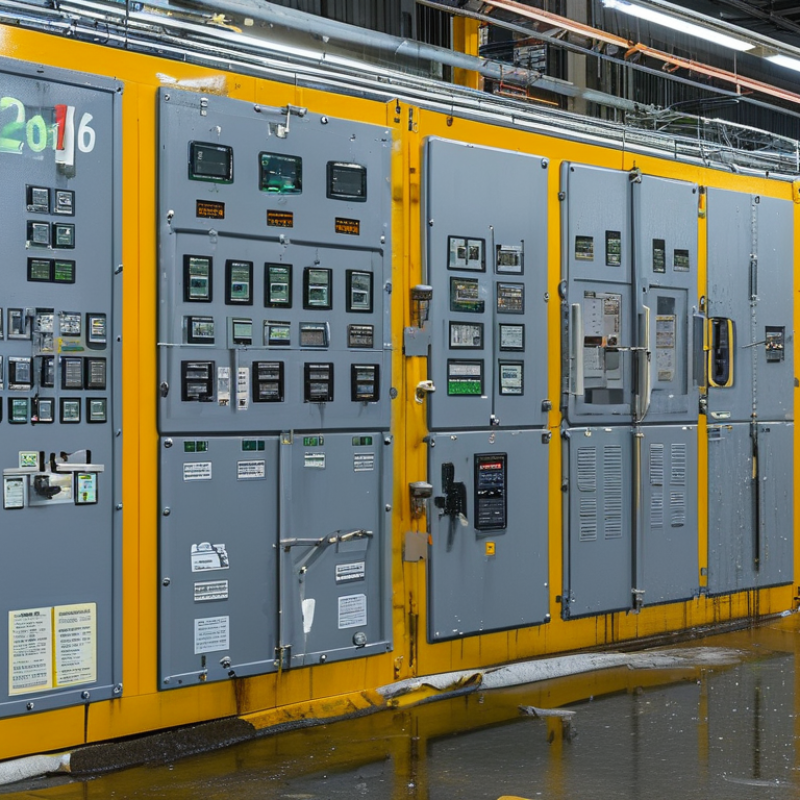
Key Functions of a Waterproof Distribution Box
Waterproof distribution boxes play a crucial role in various electrical applications. Their primary function is to protect electrical connections from moisture and environmental elements. This is vital in industries such as construction, marine, and agriculture, where exposure to water can cause significant damage. According to a report by MarketsandMarkets, the global waterproof enclosure market is projected to reach $5 billion by 2026. This growth highlights the increasing reliance on reliable and durable electrical solutions.
One key feature of waterproof distribution boxes is their IP (Ingress Protection) rating. An IP rating indicates how well the box can resist dust and water. For example, an IP68 rating means the box can be submerged in water beyond 1 meter without compromising its integrity. Furthermore, professionals consider the material of these boxes. Common materials include polycarbonate and metal, each offering different levels of protection. Polycarbonate boxes are lightweight and resistant to impact. However, they may not withstand extreme temperatures as effectively as metal options.
Electrical engineers often face challenges in selecting the right distribution box. The right size and configuration can impact installation and maintenance. Regular inspections are essential, as prolonged exposure to moisture can lead to corrosion. The complexity of electrical systems necessitates careful consideration of each component. As such, comprehensive training and adherence to safety standards are crucial in maintaining reliability in electrical distributions.
Material Durability and Resistance to Environmental Factors
When selecting a waterproof distribution box, understanding material durability is crucial. Not all materials withstand environmental factors effectively. High-quality plastic, such as polycarbonate, offers excellent resistance to UV radiation and impact. According to a report by the International Journal of Environmental Research and Public Health, polycarbonate can endure extreme temperatures, ranging from -40°C to 120°C.
Metal distribution boxes, like those made from stainless steel, are also popular. They provide superior resistance to weathering and corrosion. Research indicates that stainless steel has a lifespan of over 50 years in harsh environments. However, it's essential to recognize that while metals are durable, they can still be vulnerable to rust if not properly maintained.
Environmental factors play a significant role in the selection of materials. Humidity, temperature fluctuations, and exposure to chemicals can compromise the functionality of the distribution box. A study from the National Electrical Manufacturers Association highlights that improper materials can lead to electrical failures. Therefore, proper assessments of the operating environment and material attributes are vital. The choice of material should reflect the conditions the box will face to ensure longevity and safety.
2026 Top Waterproof Distribution Box Features
Importance of IP Ratings in Waterproof Distribution Boxes
When selecting a waterproof distribution box, understanding the significance of IP ratings is crucial. IP stands for Ingress Protection. It defines the level of protection against solids and liquids. A higher IP rating indicates better waterproof capabilities. For instance, an IP65 rating means it is dust-tight and can withstand water from low-pressure sources. This level of protection is vital in outdoor settings where exposure to elements is inevitable.
Waterproofing is not merely a feature but a necessity. Many users overlook the implications of inadequate waterproofing. A simple oversight could lead to equipment failure or safety hazards. In environments with severe weather conditions, the right IP rating can make all the difference. Often, people discover too late that their equipment was not adequately protected. Reflecting on past experiences can inform future decisions on essential equipment.
Choosing a waterproof distribution box requires careful consideration. Evaluating the specific IP rating ensures compatibility with environmental needs. It can prevent costly damages and ensure operational reliability. Ultimately, understanding these ratings not only promotes safety but also fosters long-term efficiency. This knowledge empowers users to make informed choices for their projects.
Essential Features for Installation and Maintenance
When selecting a waterproof distribution box, certain features stand out for installation and maintenance. Ensure the box has a robust enclosure. Materials like polycarbonate or metal provide longevity and protection. Check the ingress protection (IP) rating. A higher IP rating guarantees better resistance to dust and water.
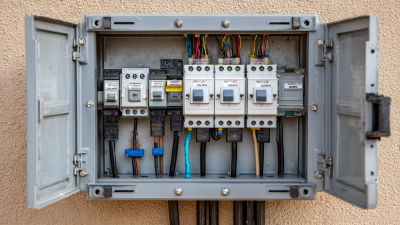
Easy access for maintenance is crucial. Consider boxes with hinged doors. This design simplifies servicing without removing the entire unit. Additionally, pay attention to the mounting options. Flexible installation could save time and effort when setting up.
Ventilation should not be overlooked. Some designs offer built-in ventilation to prevent overheating. However, this can compromise waterproofing. Assess the trade-off carefully. Regular checks for integrity are essential, even with quality products. Seals and gaskets can wear out over time. Users must remain vigilant for signs of degradation. Each feature contributes to the overall effectiveness and lifespan of the distribution box.
Comparative Analysis of Different Waterproof Distribution Box Models
When exploring waterproof distribution boxes, understanding various models is crucial for making an informed decision. A recent study from the International Electrotechnical Commission (IEC) indicates that nearly 25% of electrical failures can be attributed to inadequate water resistance. This highlights the importance of selecting a robust waterproof design that meets specific application requirements.
Comparative analysis reveals distinct features among popular models. For example, some boxes offer IP67 ratings, ensuring complete protection against dust and temporary immersion in water. Meanwhile, others might provide IP55 ratings, which offer protection against limited dust ingress and water spray. Users must assess the specific installation environment, as materials used in these boxes can influence both durability and compliance with safety standards.
Interestingly, a significant number of buyers overlook the importance of thermal stability. Reports indicate that waterproof distribution boxes can also help with temperature control, but not all models effectively manage heat. Some may show signs of wear or degradation after prolonged exposure to extreme temperatures. As a result, consumers should carefully evaluate the thermal characteristics along with the waterproof capabilities.



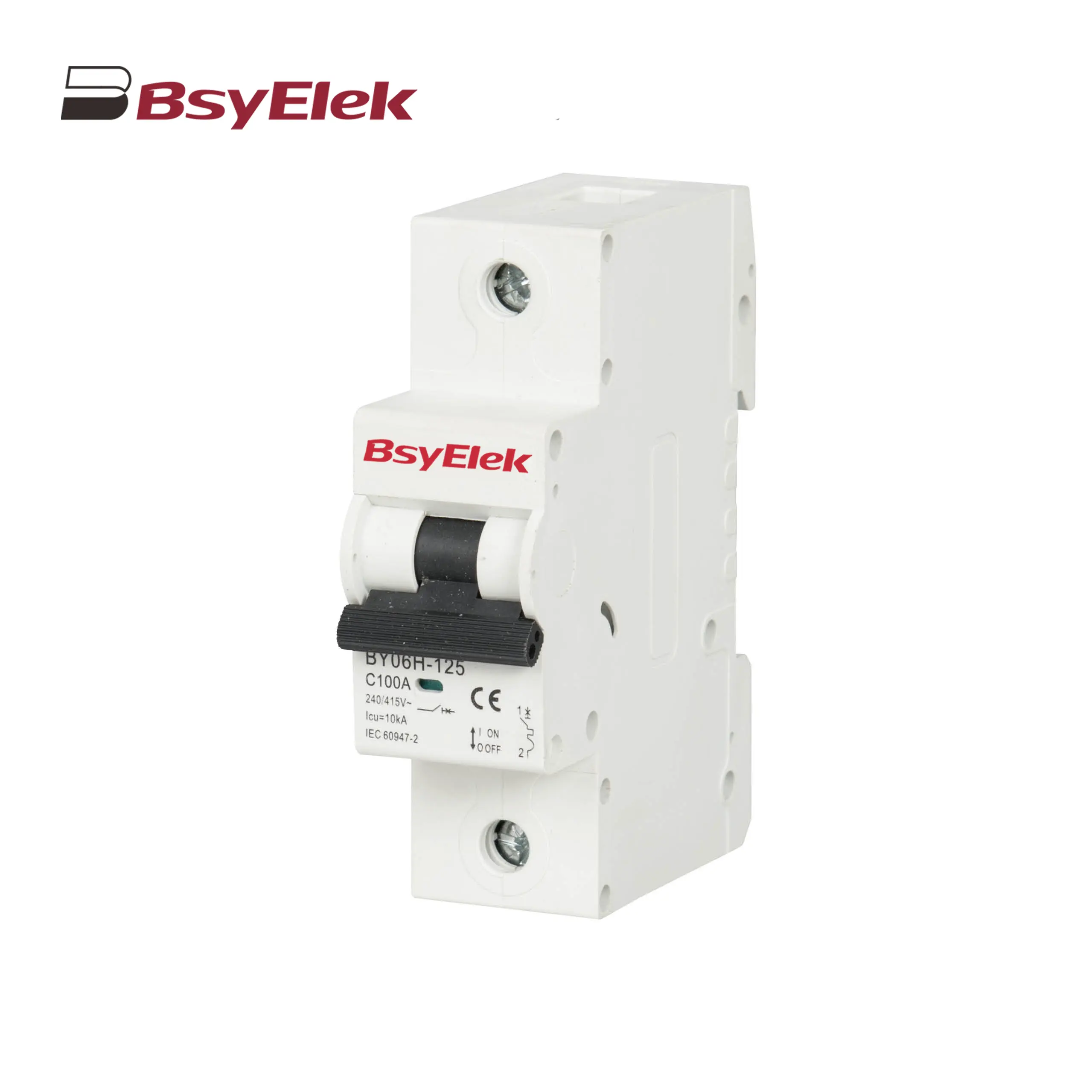 BY06H-125 MCB 10-15KA Miniature Circuit Breaker
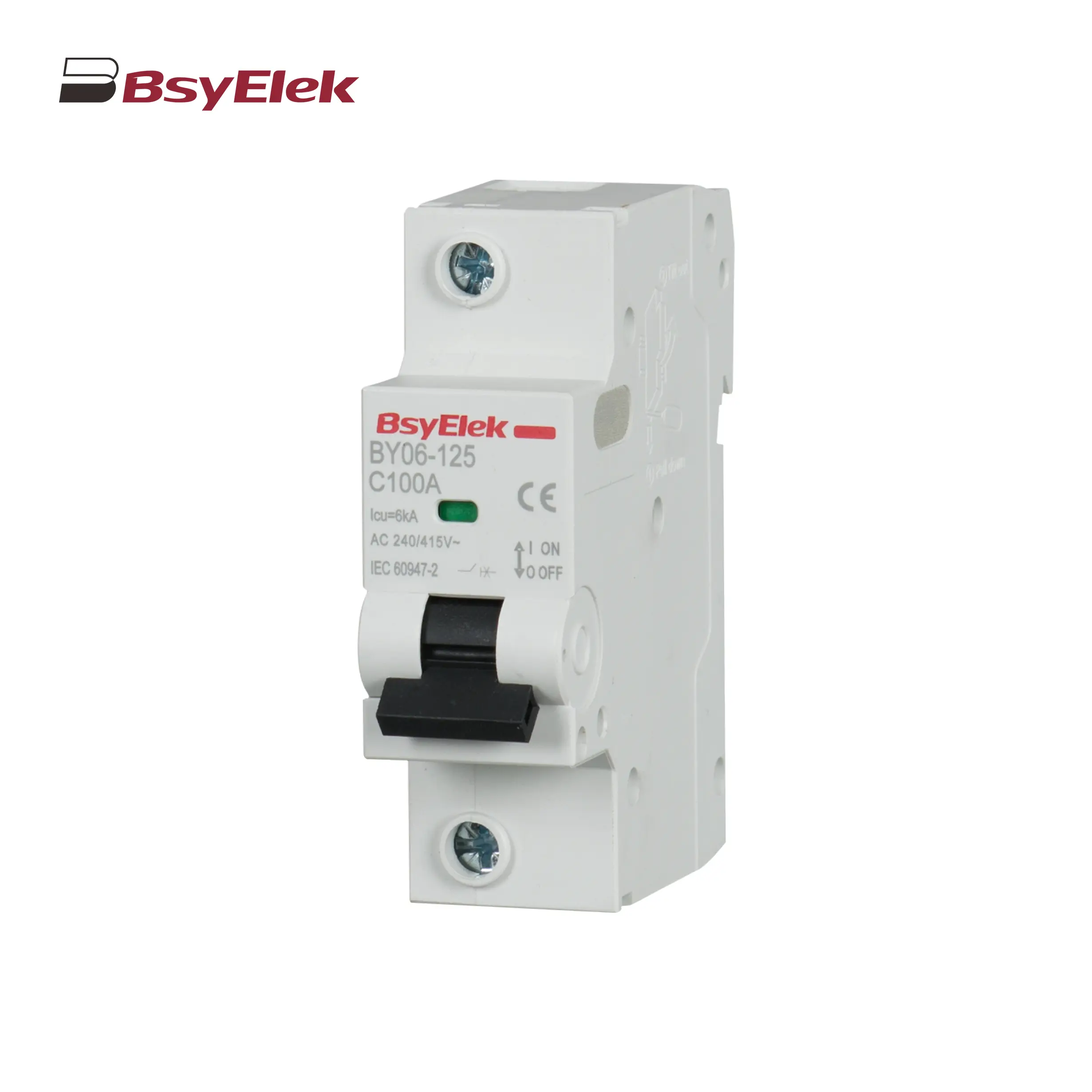 BY06-125 MCB 6KA Miniature Circuit Breaker
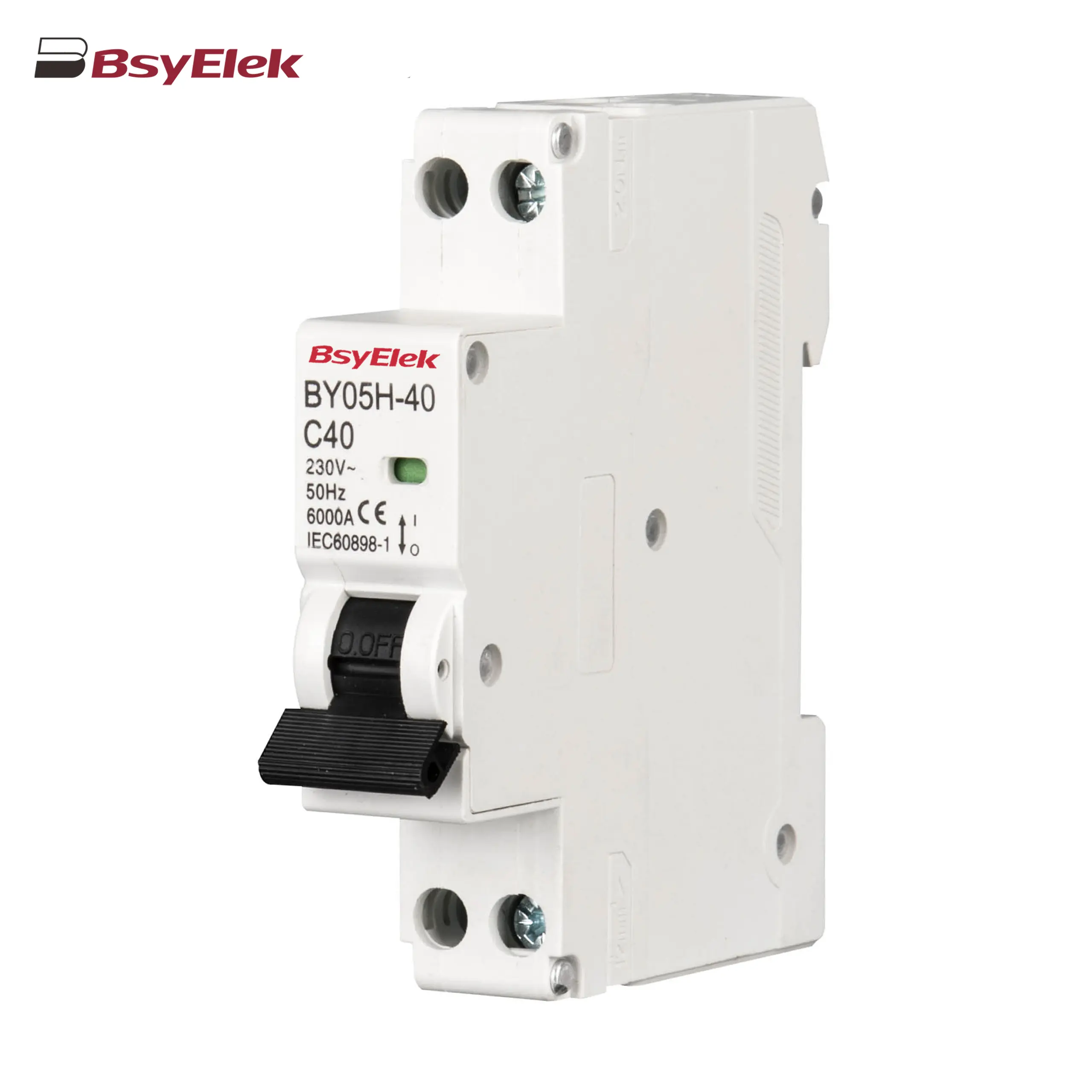 BY05H-40 MCB Single Modular 6KA Miniature Circuit Breaker
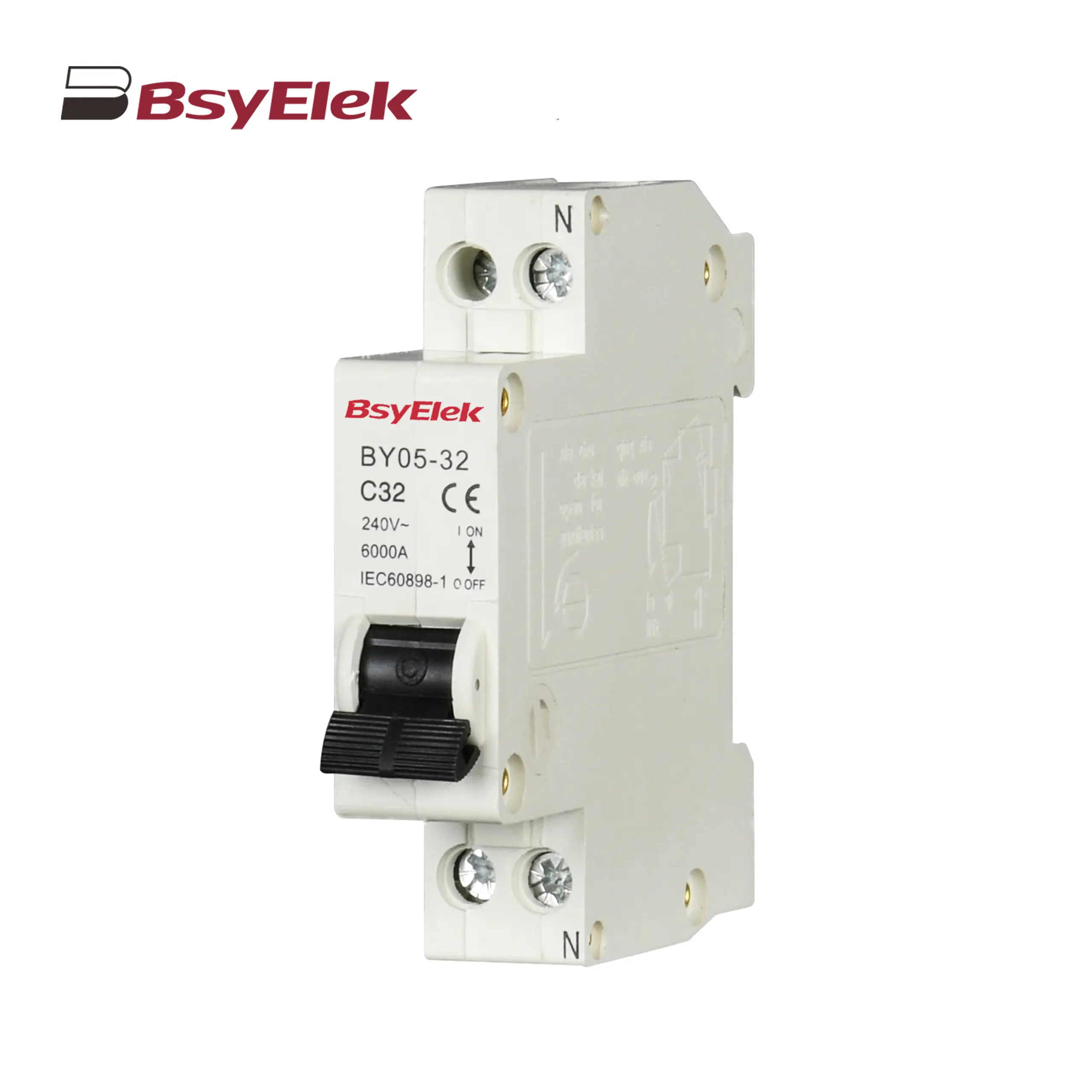 BY05-32 MCB Single Modular 3KA Miniature Circuit Breaker
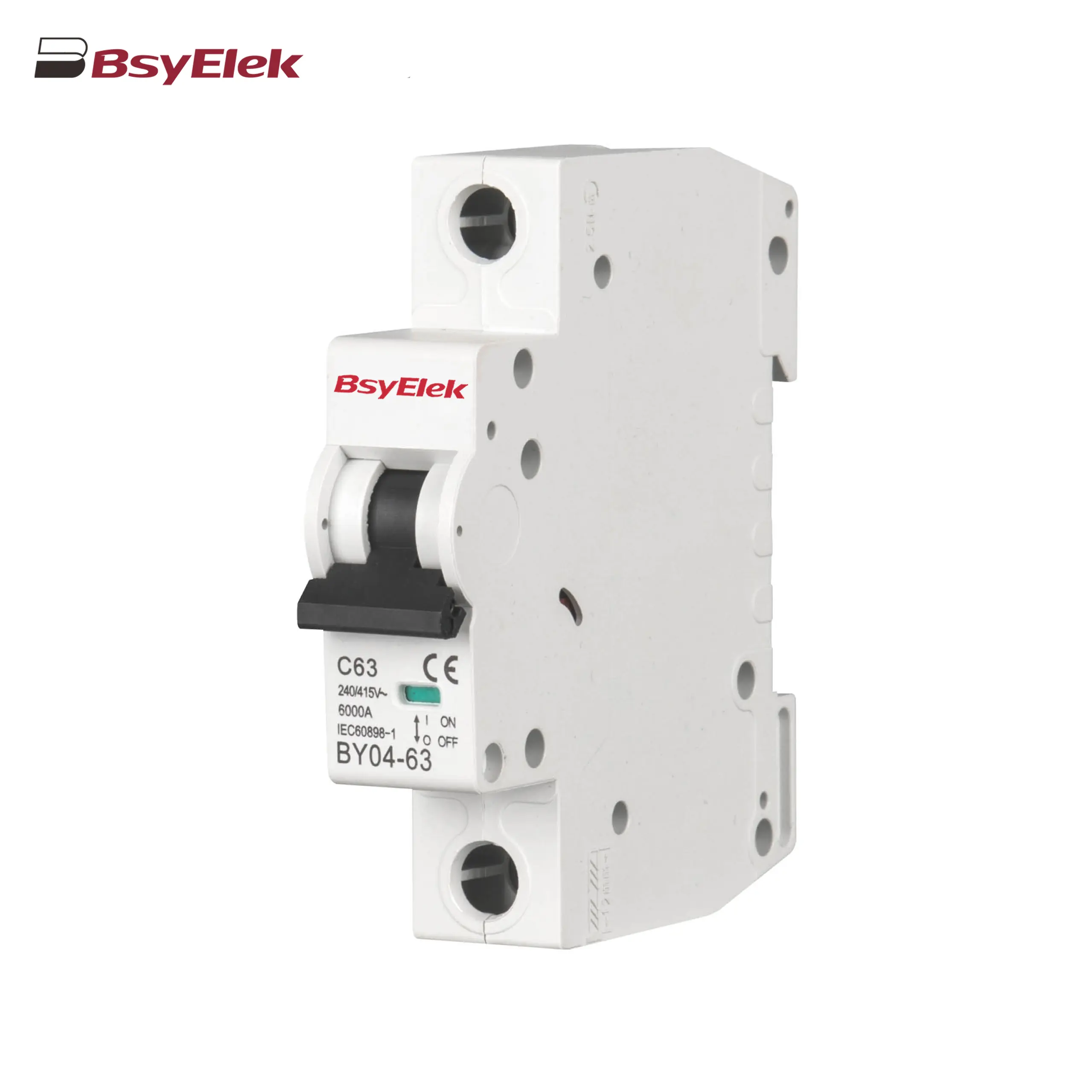 BY04-63 MCB 6-10KA Miniature Circuit Breaker
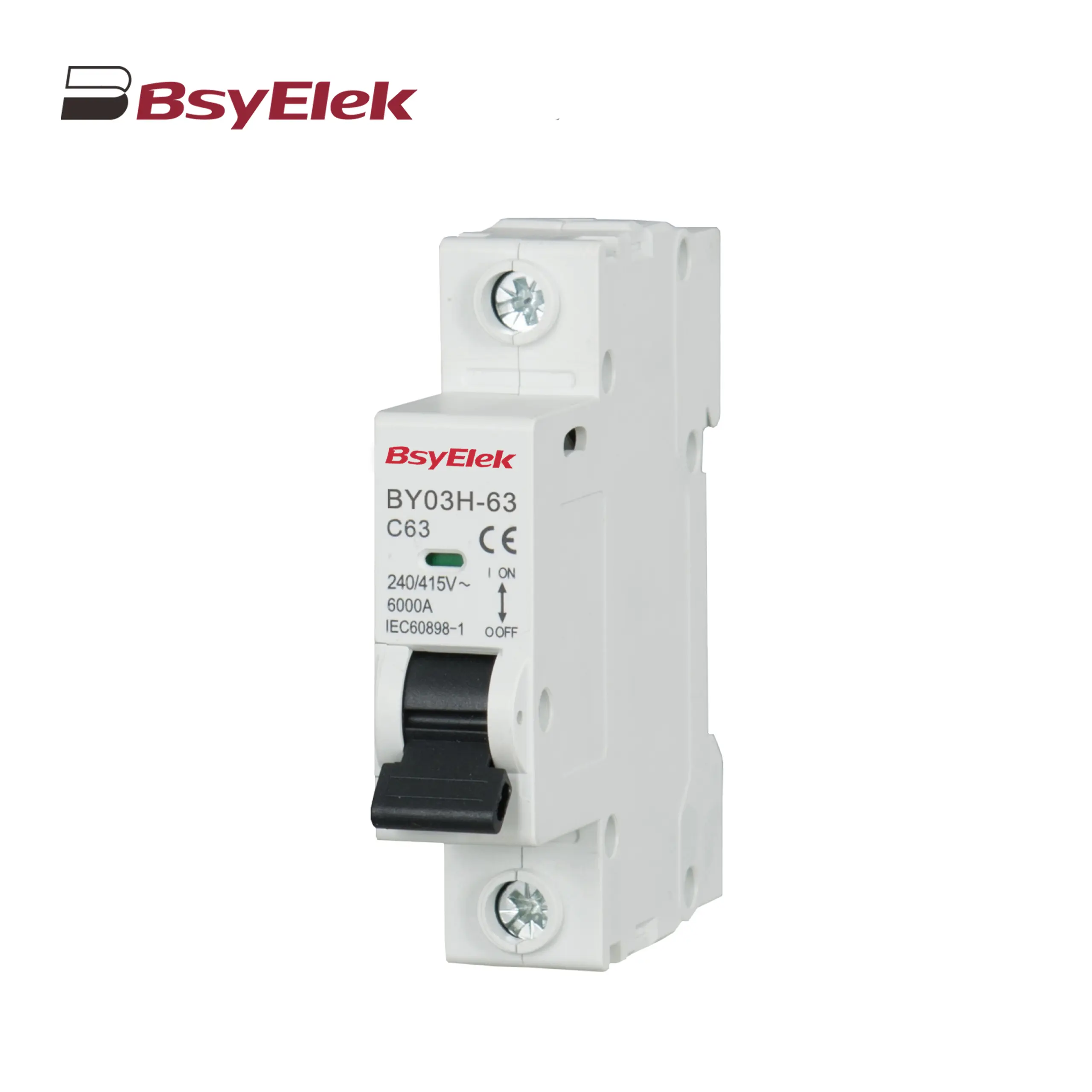 BY03H-63 MCB 6KA Miniature Circuit Breaker
 BY03-63 MCB 4.5KA Miniature Circuit Breaker
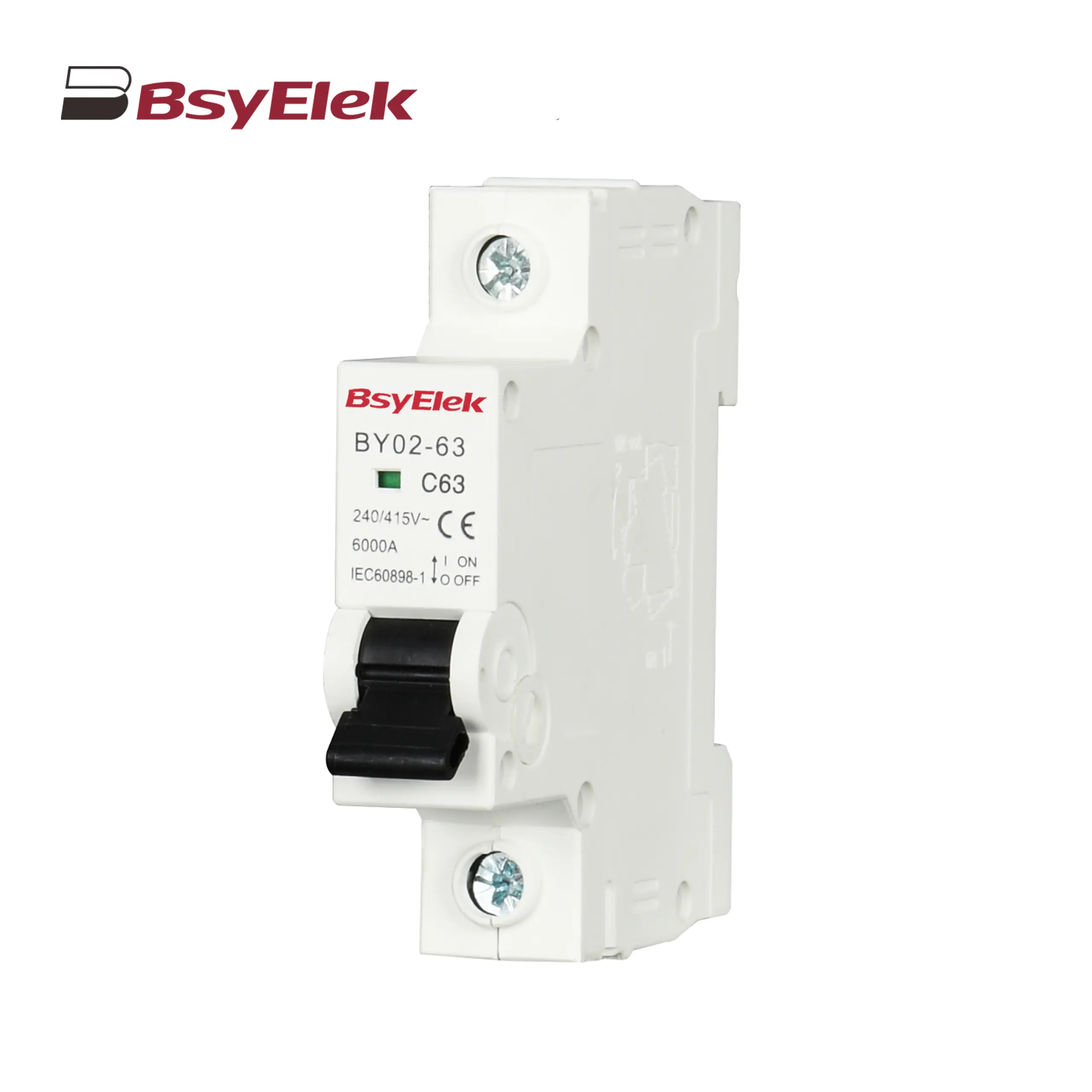 BY02-63 MCB 3kA Miniature Circuit Breaker
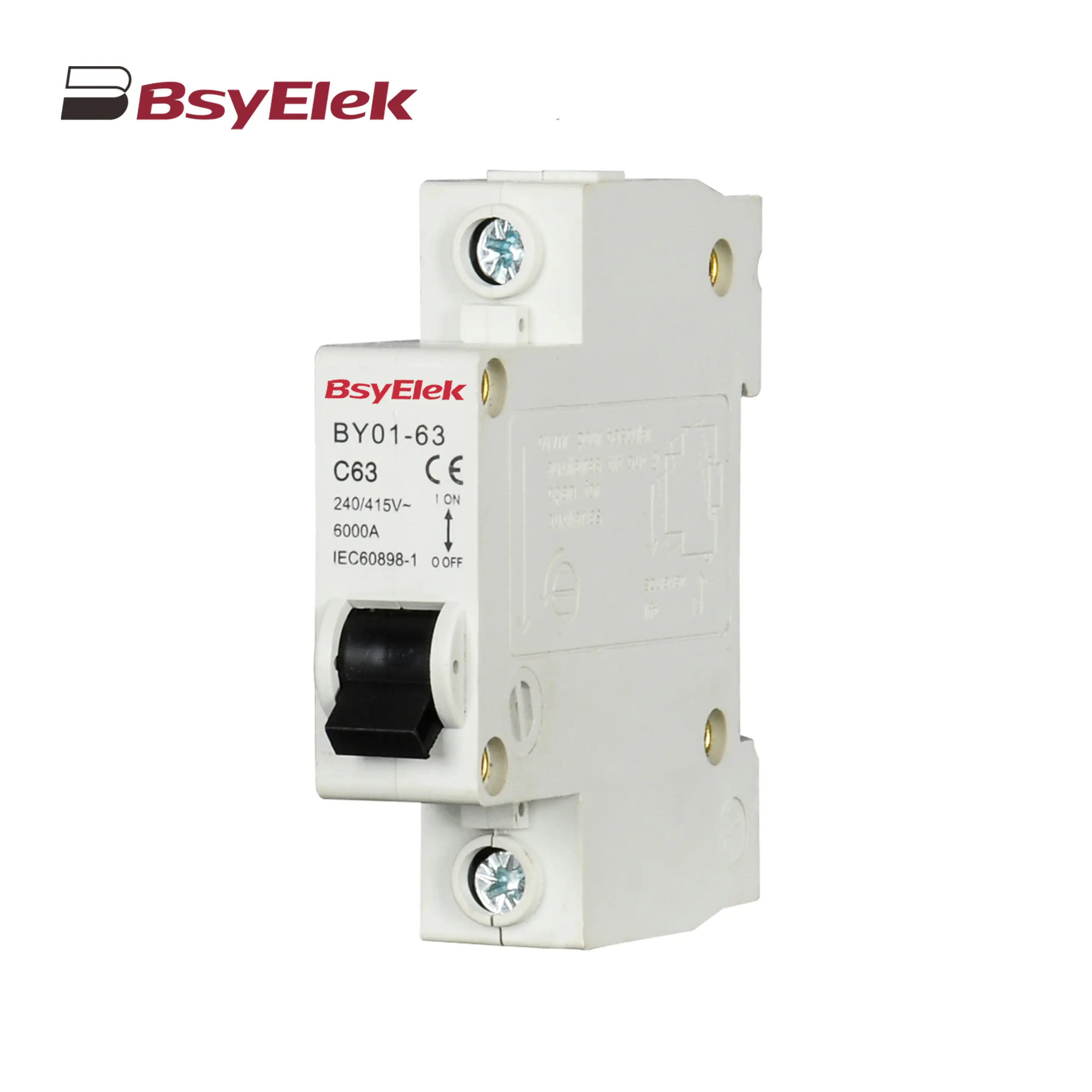 BY01-63 MCB 3kA Miniature Circuit Breaker
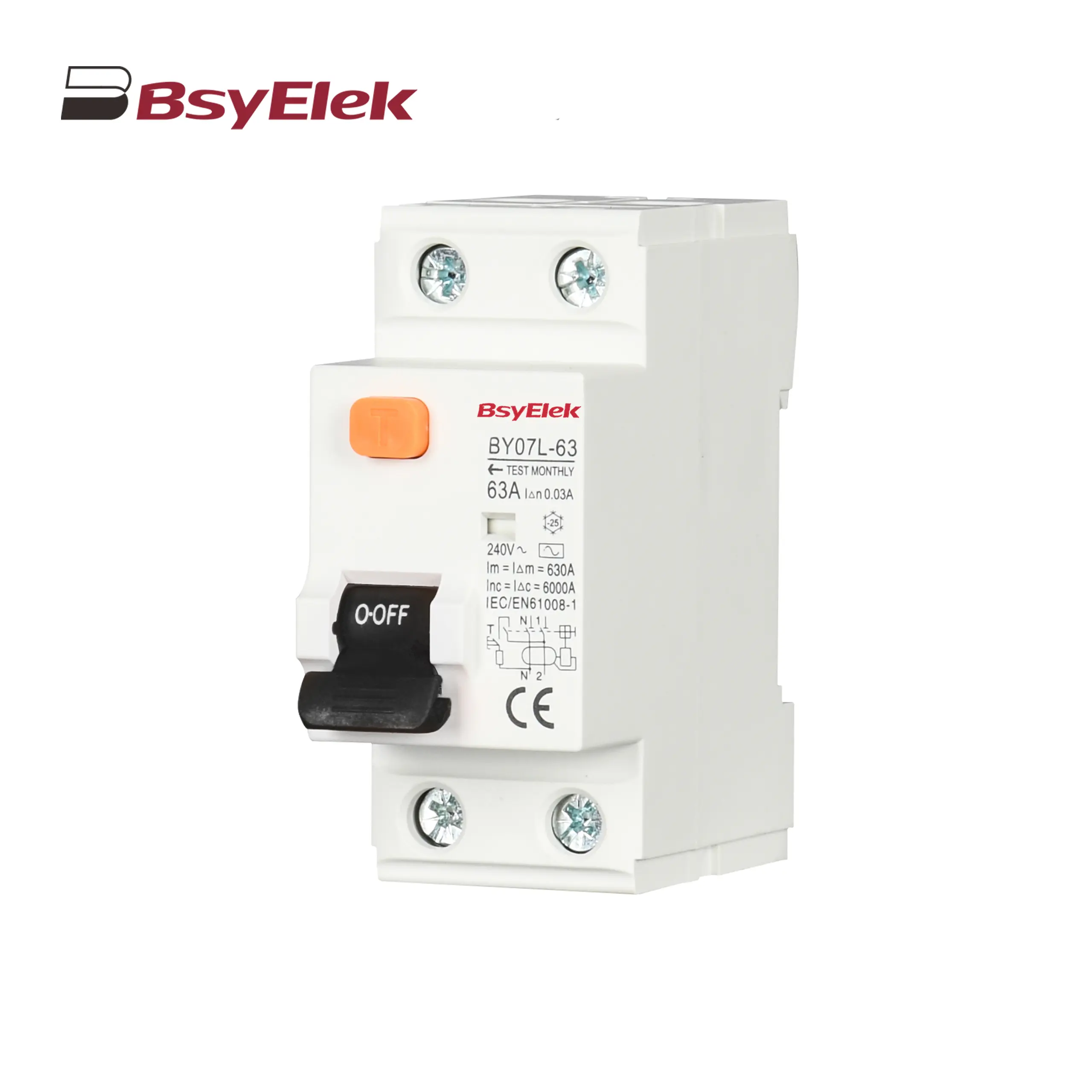 BY07L-63 RCCB 6KA Residual Current Circuit Breaker
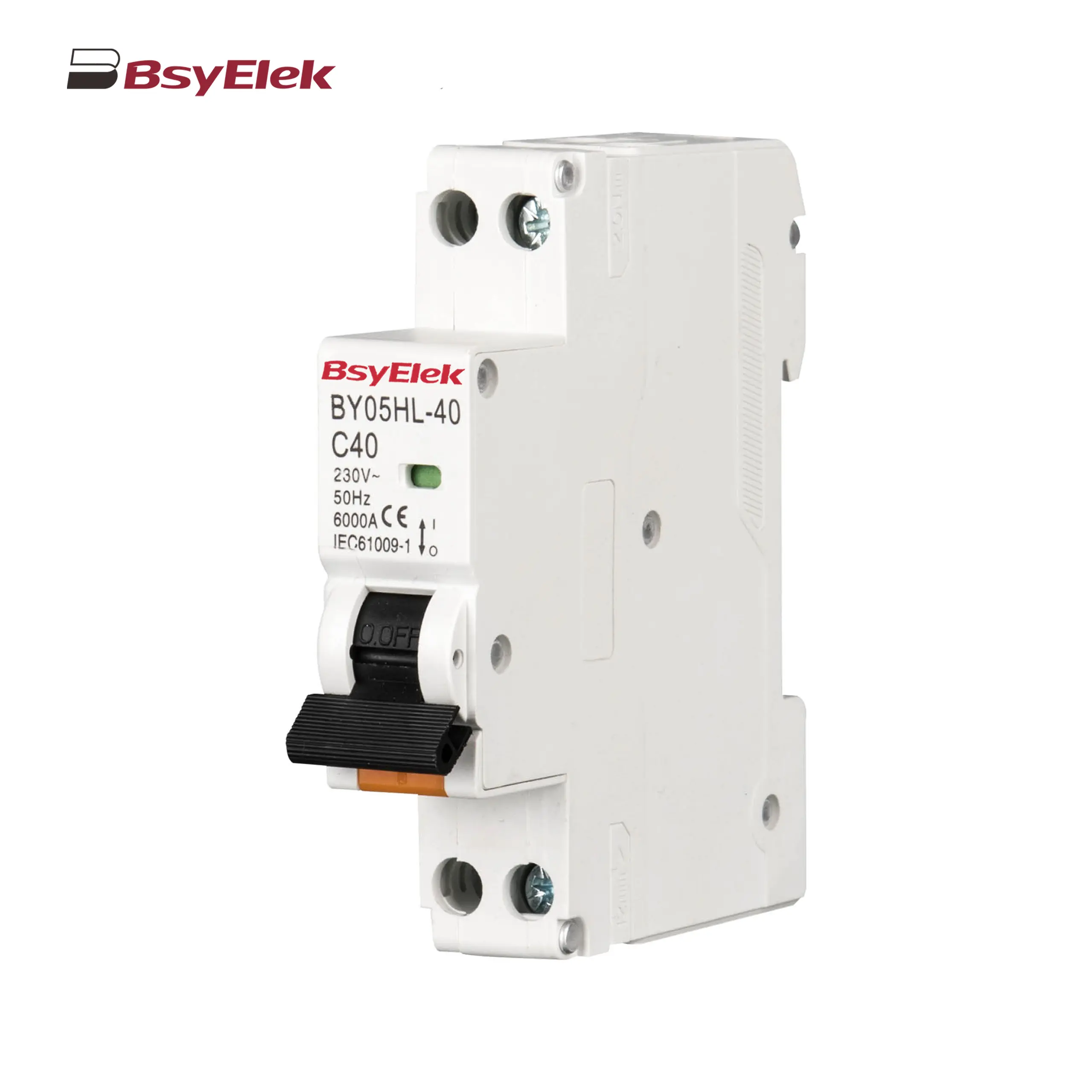 BY05HL-40 RCBO 6KA Residual Current Circuit Breaker with Over-current Protection
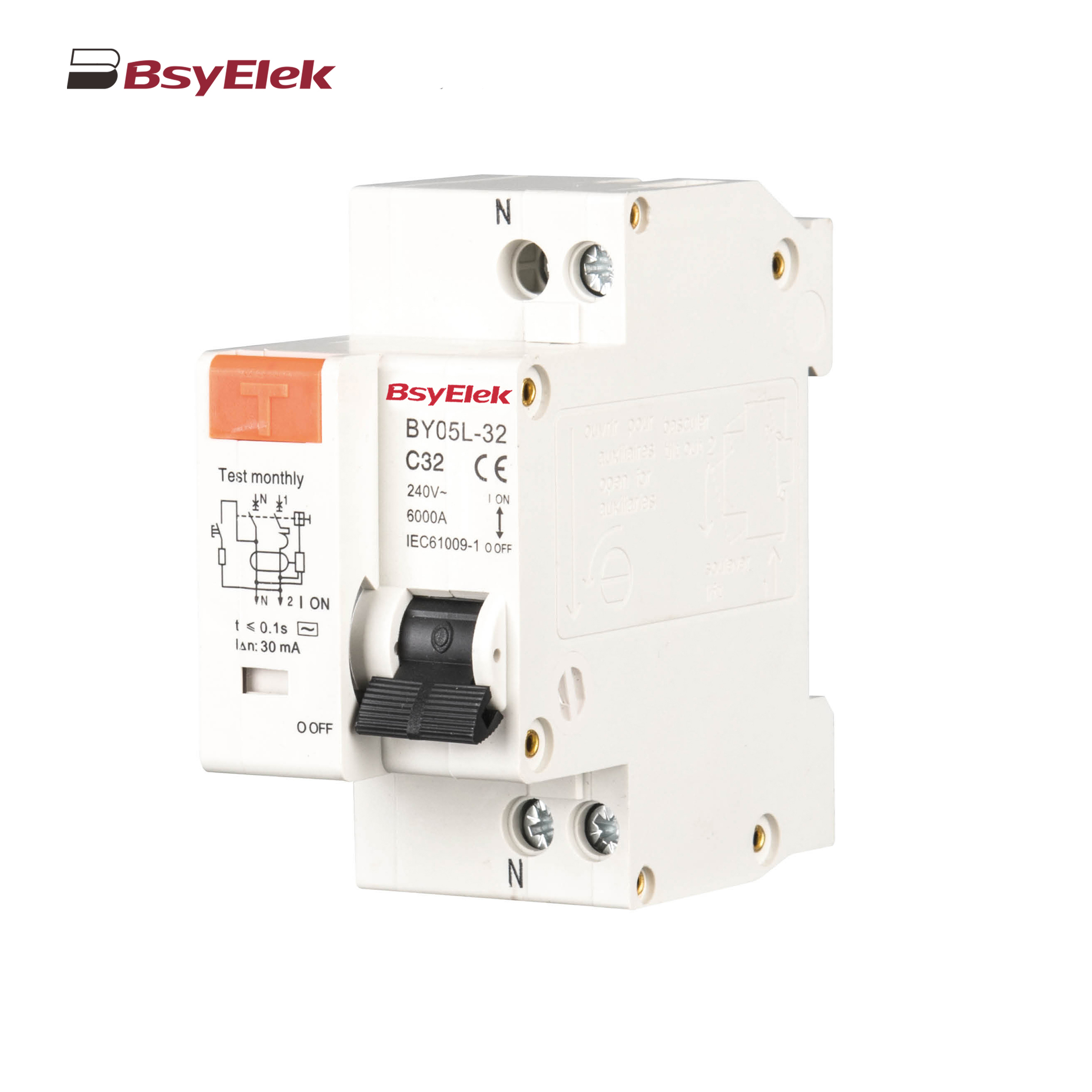 BY05L-32 RCBO 3KA Residual Current Circuit Breaker with Over-current Protection
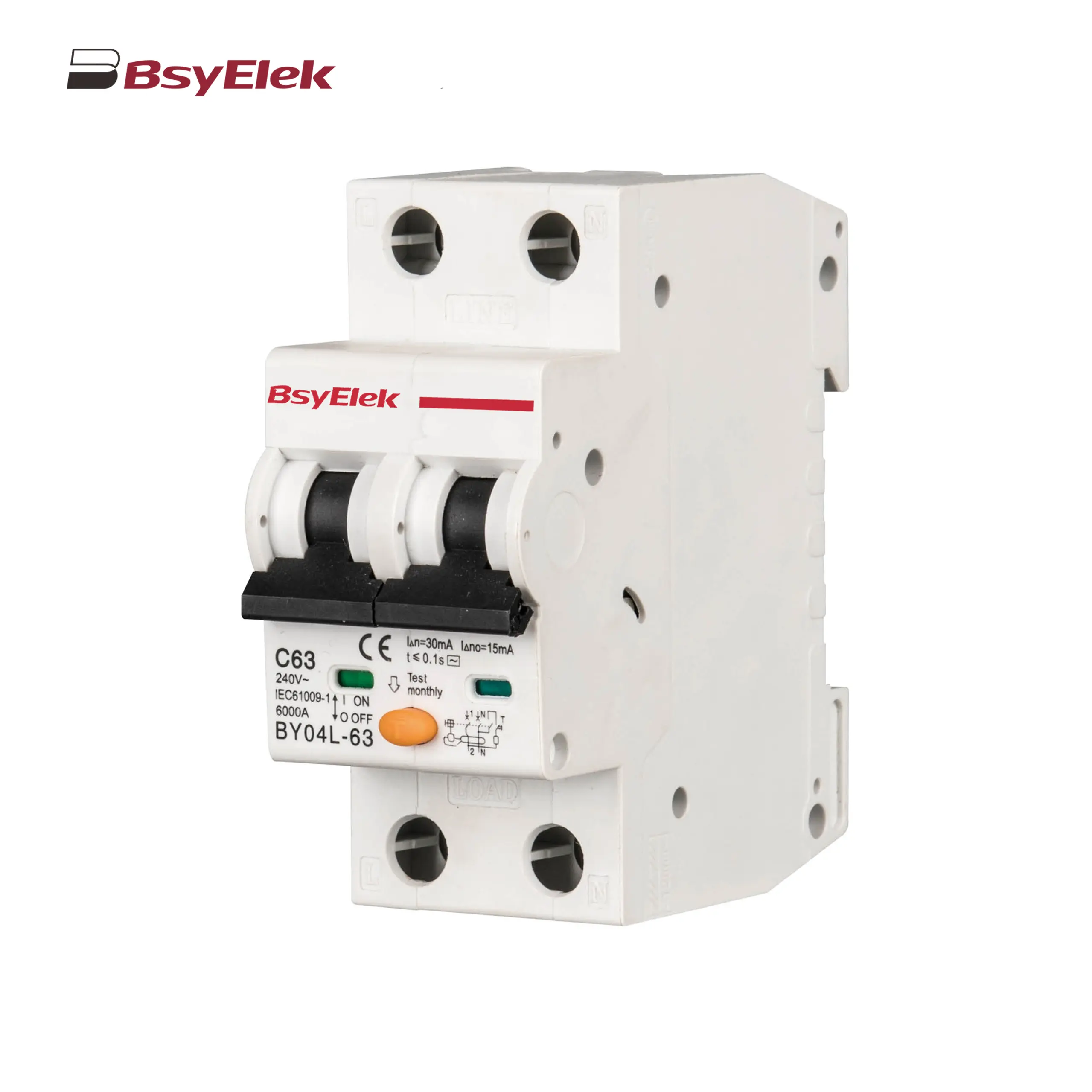 BY04L-63 RCBO 6KA Residual Current Circuit Breaker with Over-current Protection
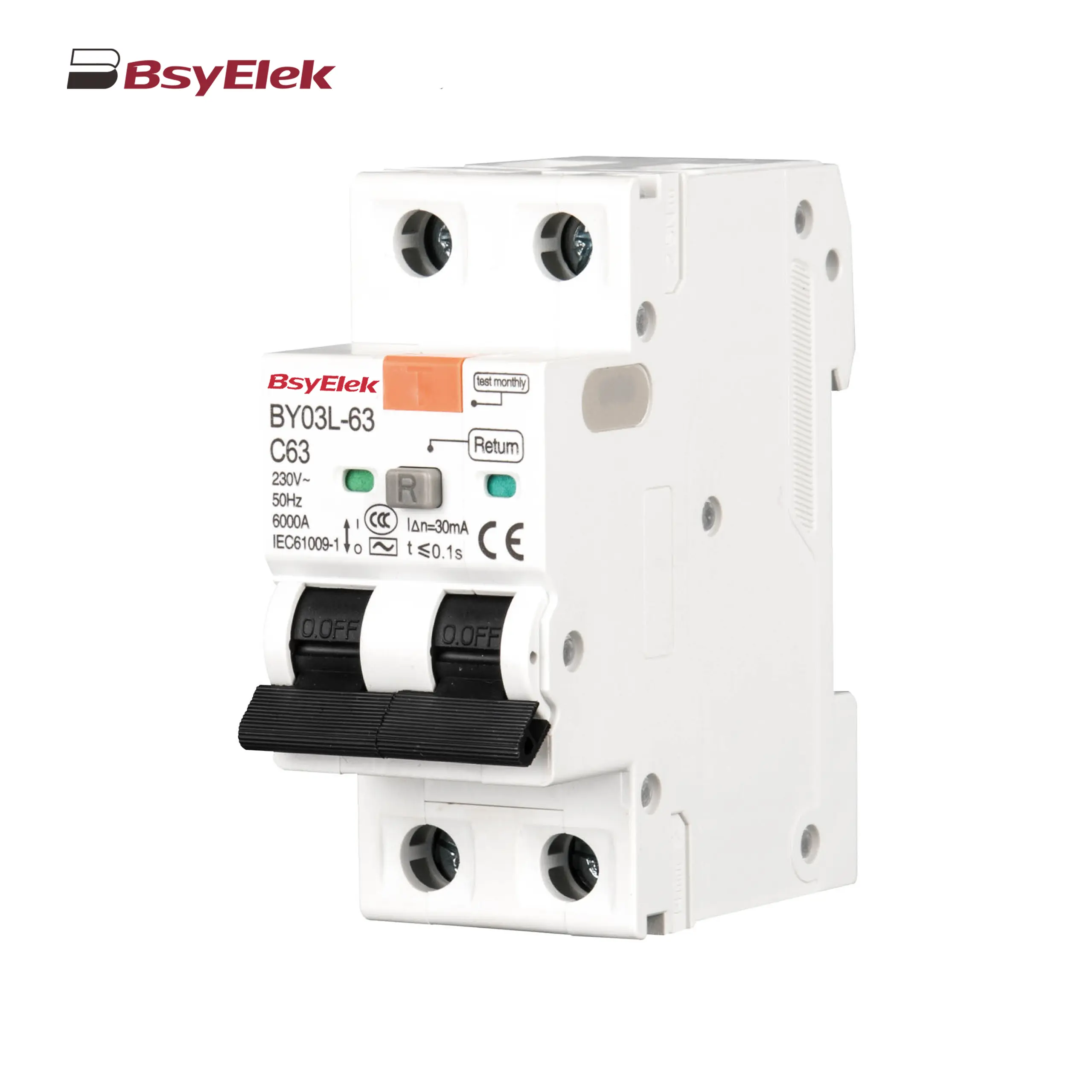 BY03L-63 RCBO 4.5KA Residual Current Circuit Breaker with Over-current Protection
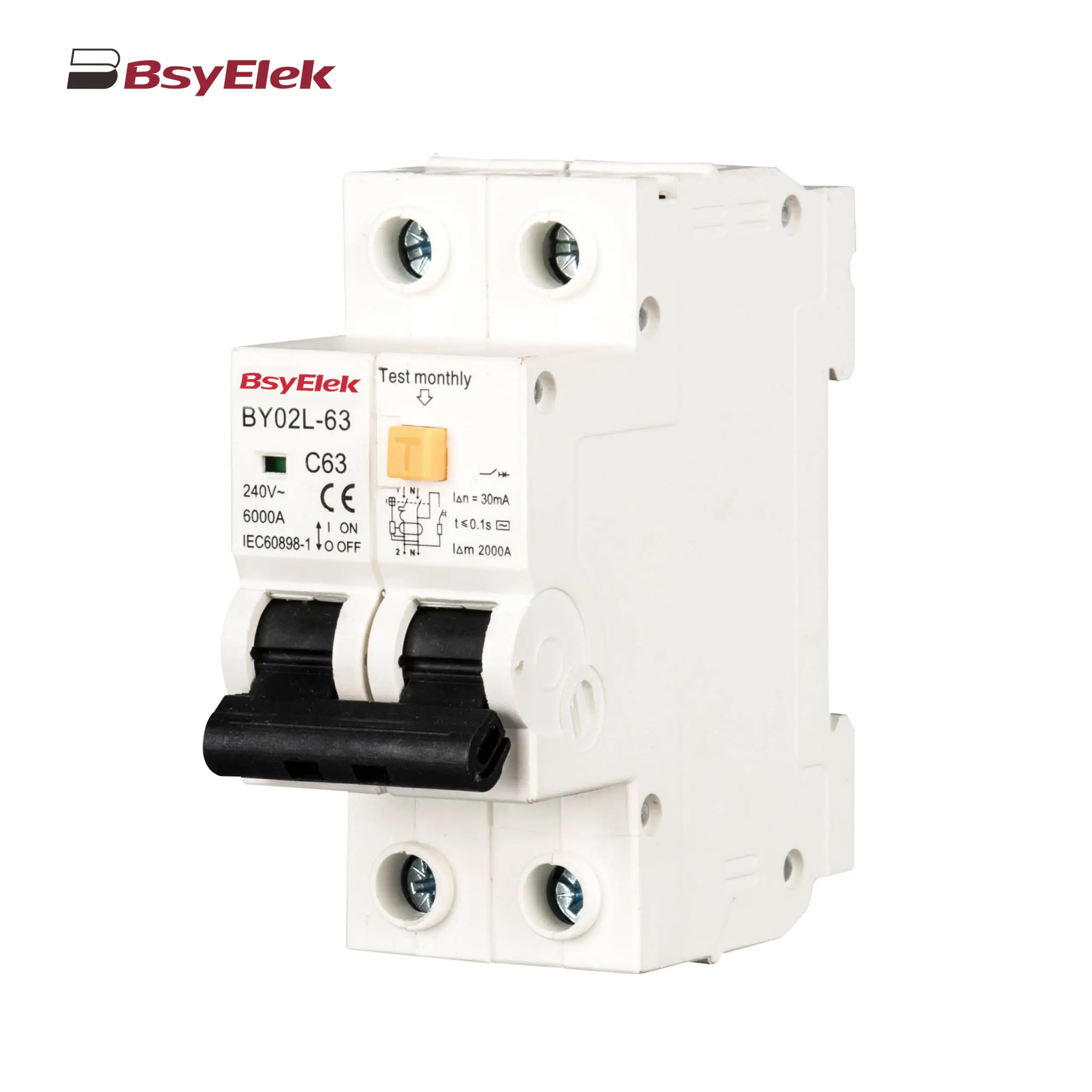 BY02L-63 RCBO 3KA Residual Current Circuit Breaker with Over-current Protection
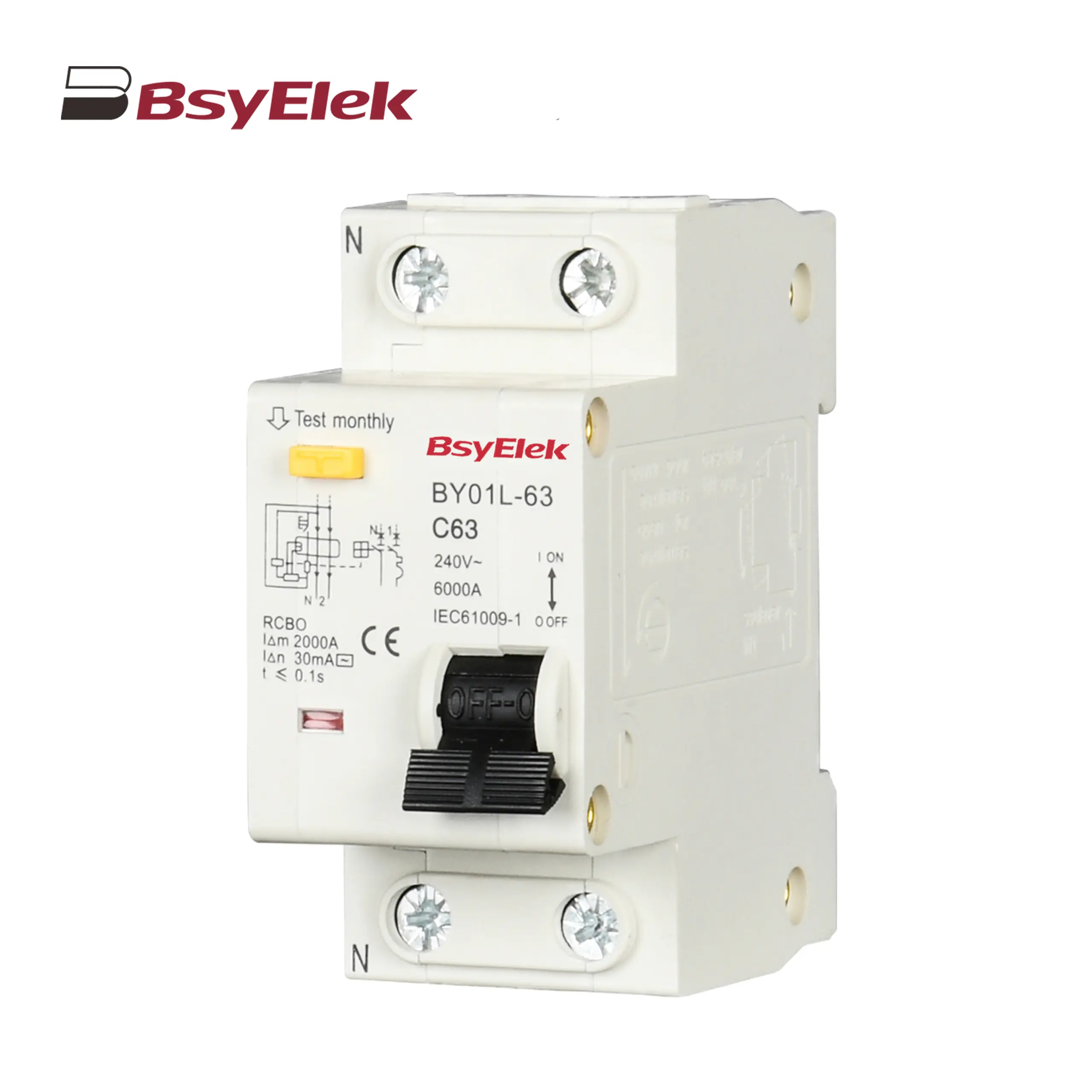 BY01L-63 RCBO 1P+N 3KA Residual Current Circuit Breaker with Over-current Protection
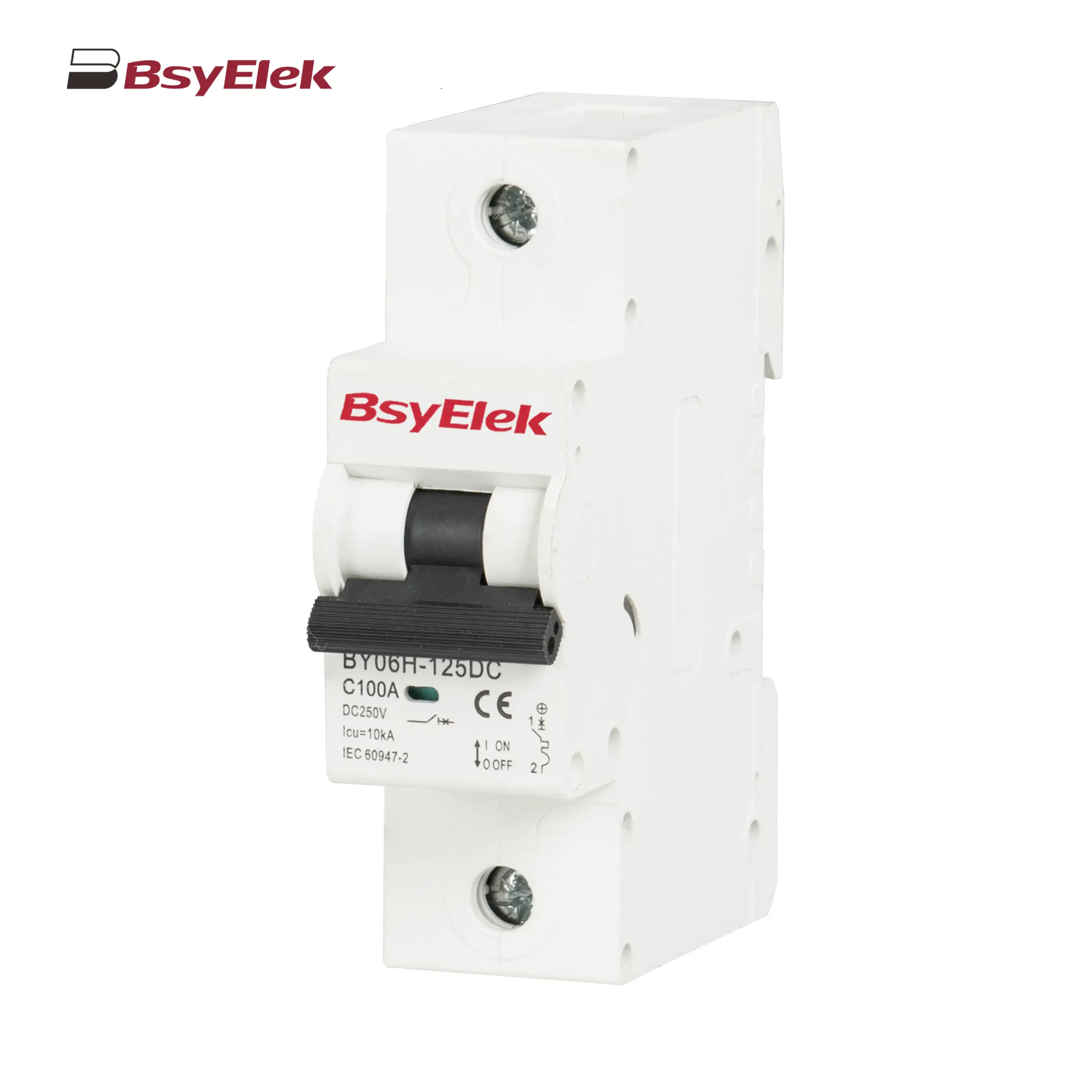 BY06H-125DC MCB 10-15kA DC Miniature Circuit Breaker
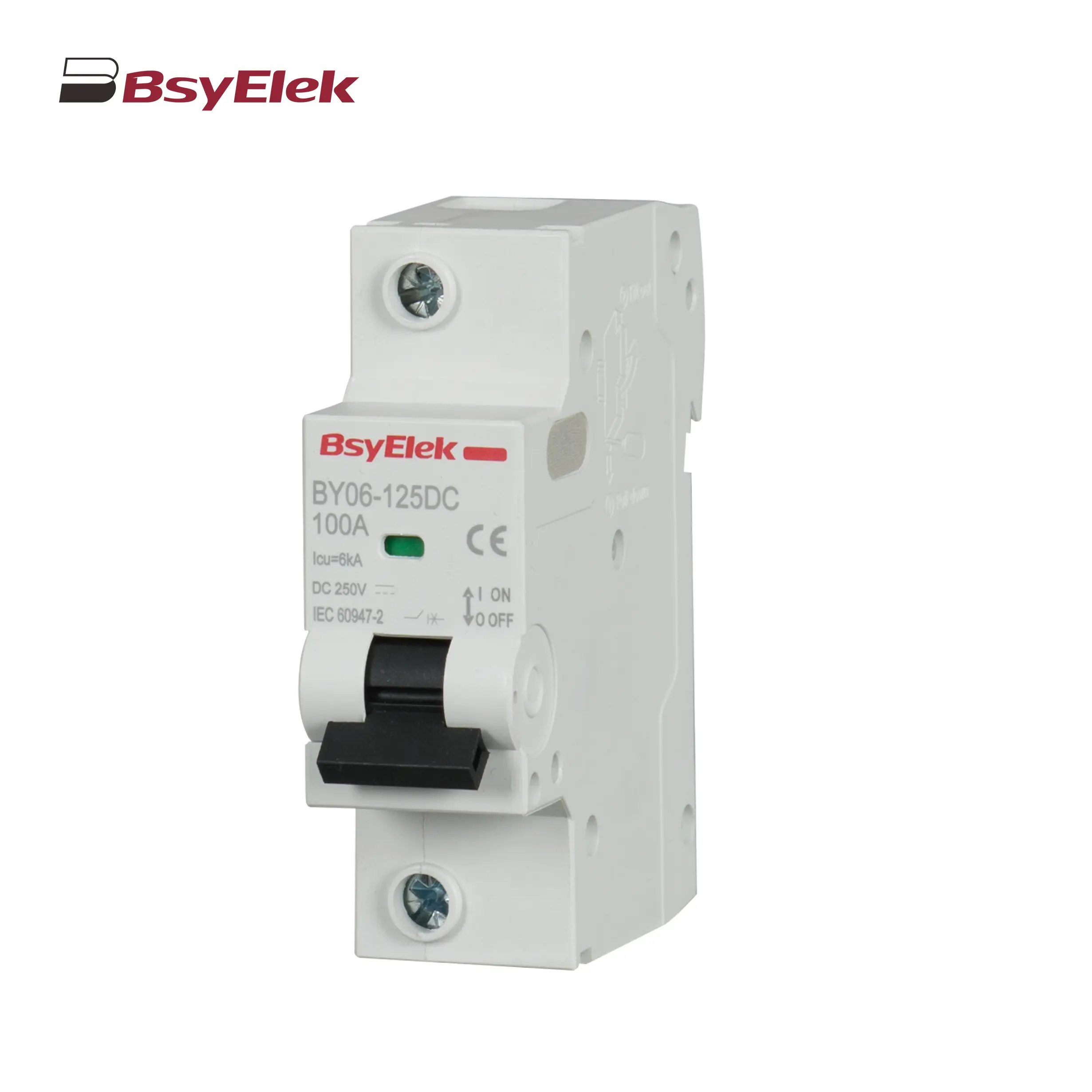 BY06-125DC MCB 6kA DC Miniature Circuit Breaker
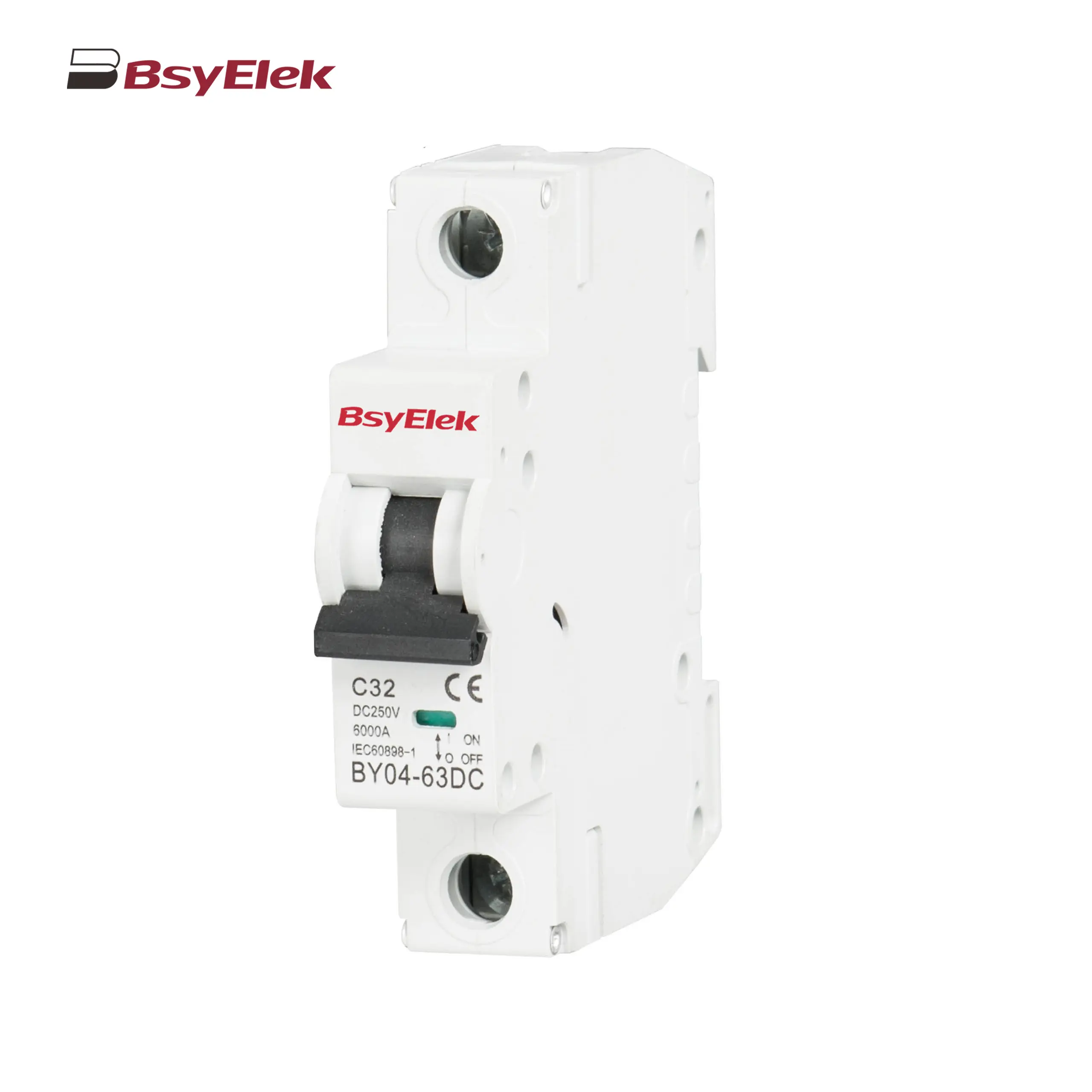 BY04-63DC MCB 6-10kA DC Miniature Circuit Breaker
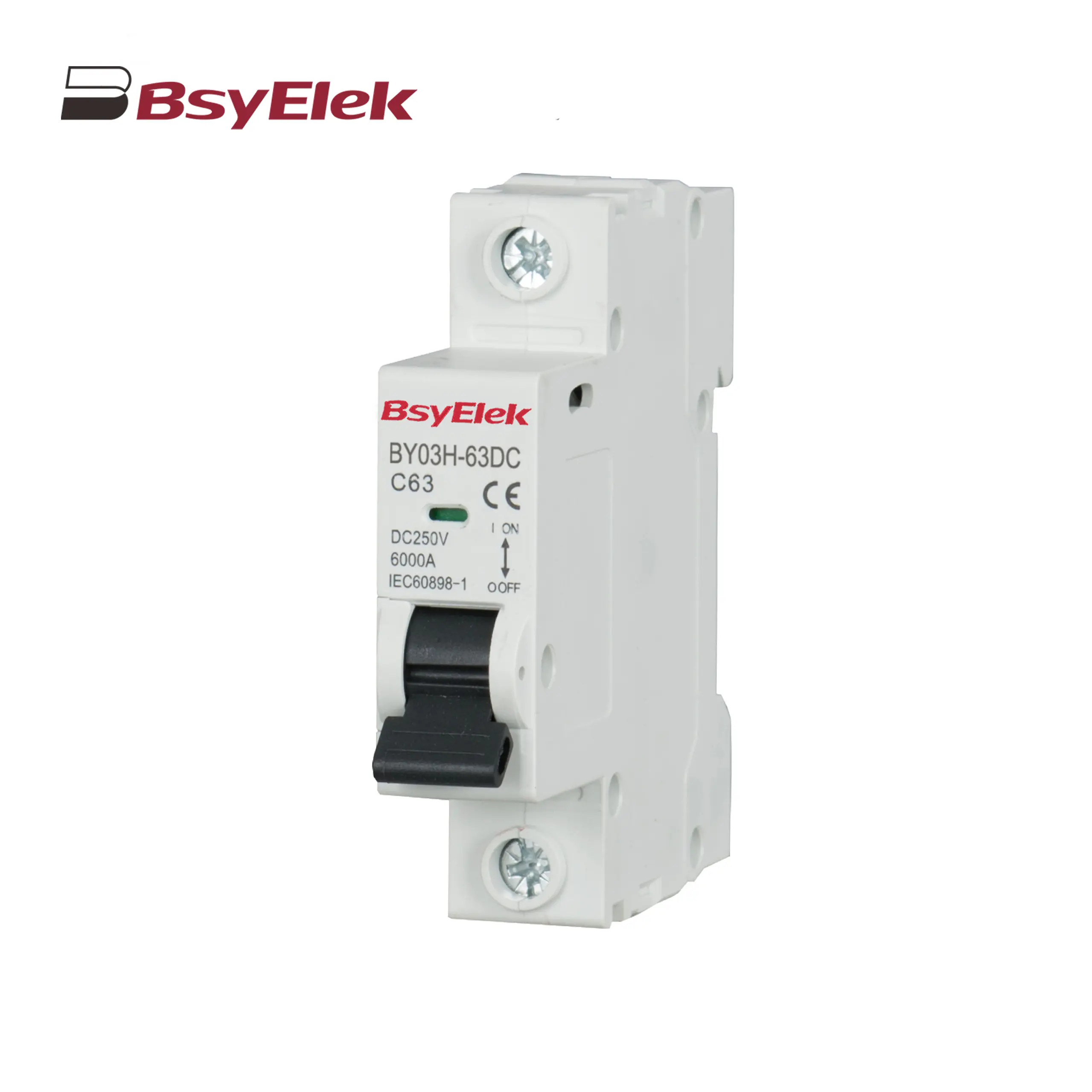 BY03H-63DC MCB 6kA DC Miniature Circuit Breaker
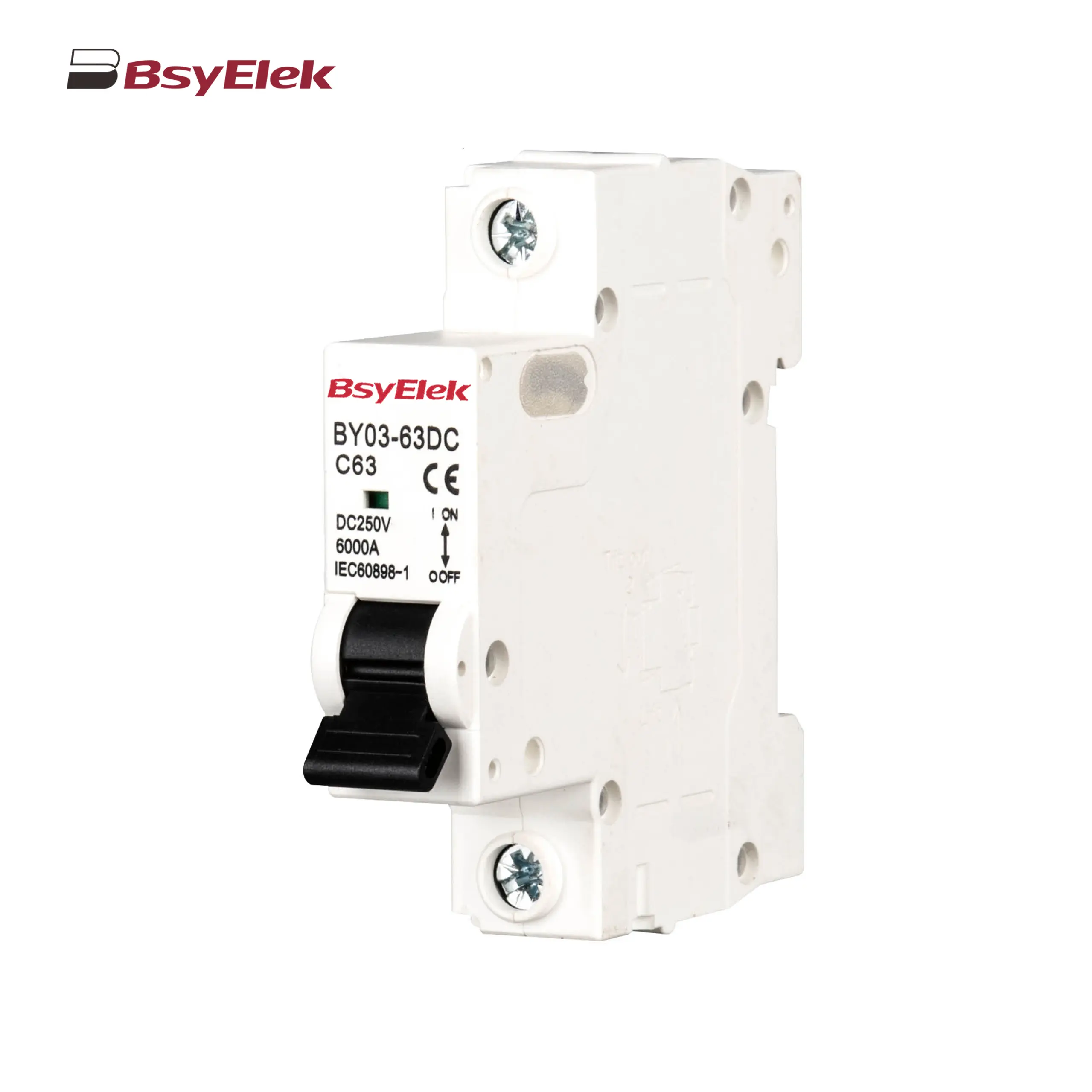 BY03-63DC MCB 4.5kA DC Miniature Circuit Breaker
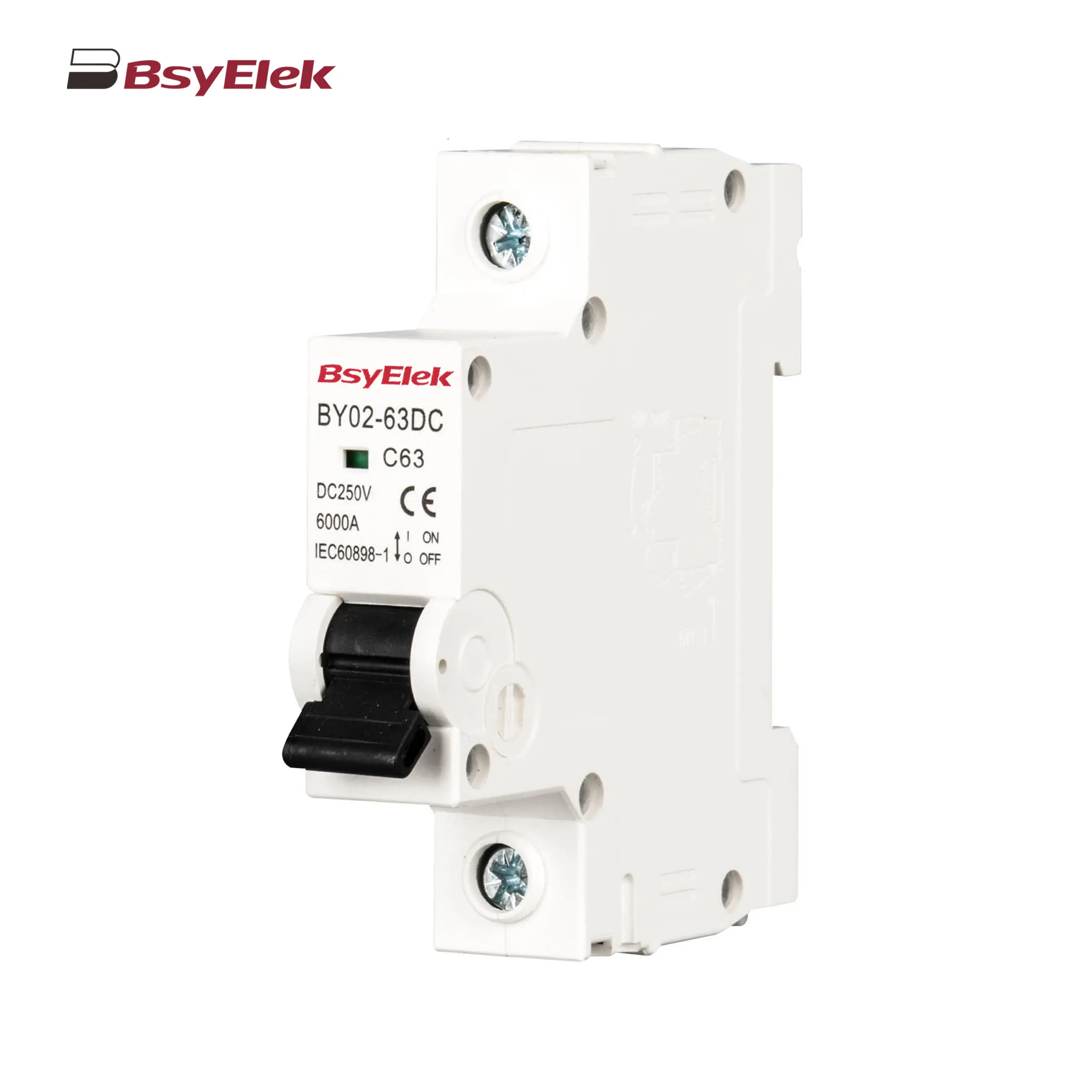 BY02-63DC MCB 3kA DC Miniature Circuit Breaker
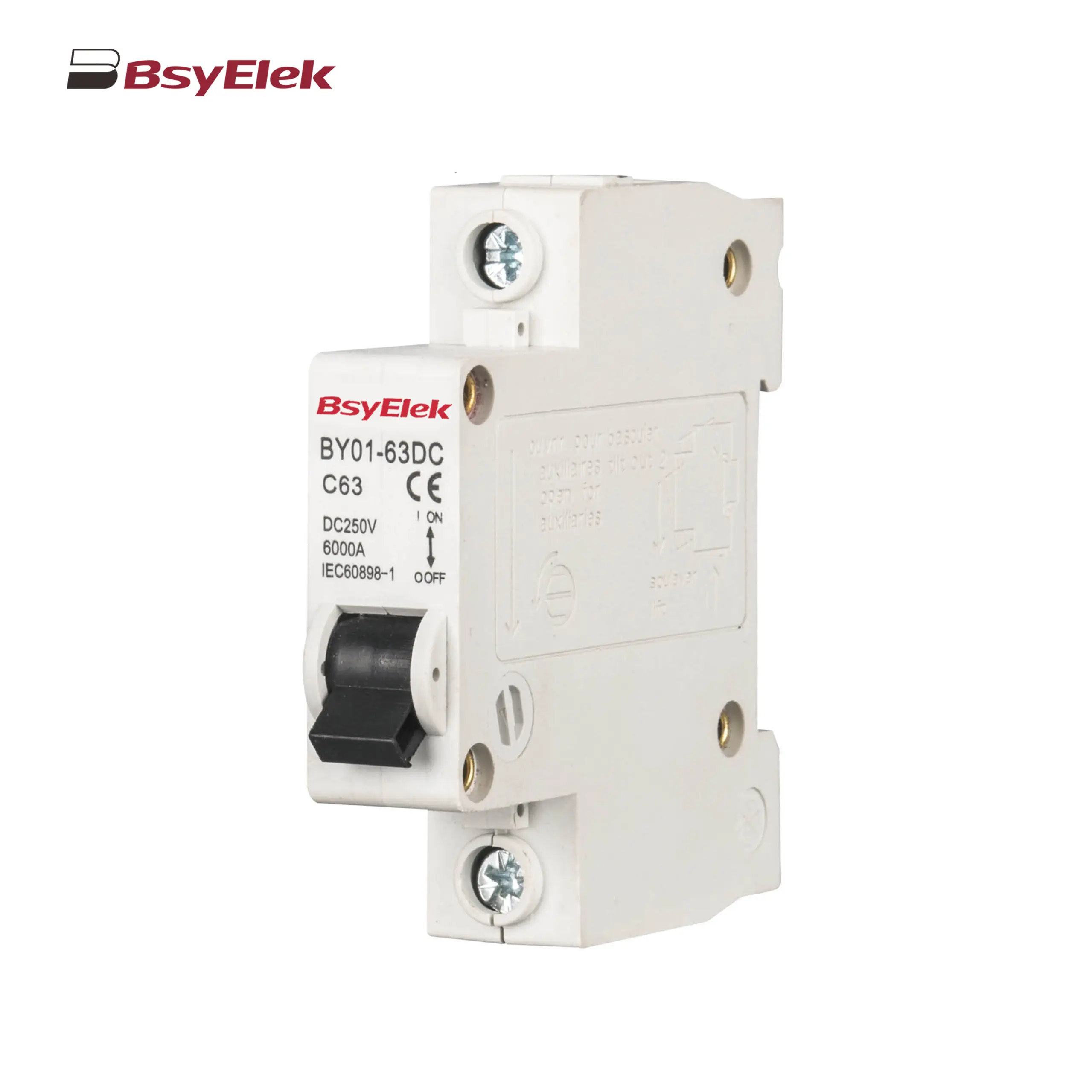 BY01-63DC MCB 3kA DC Miniature Circuit Breaker
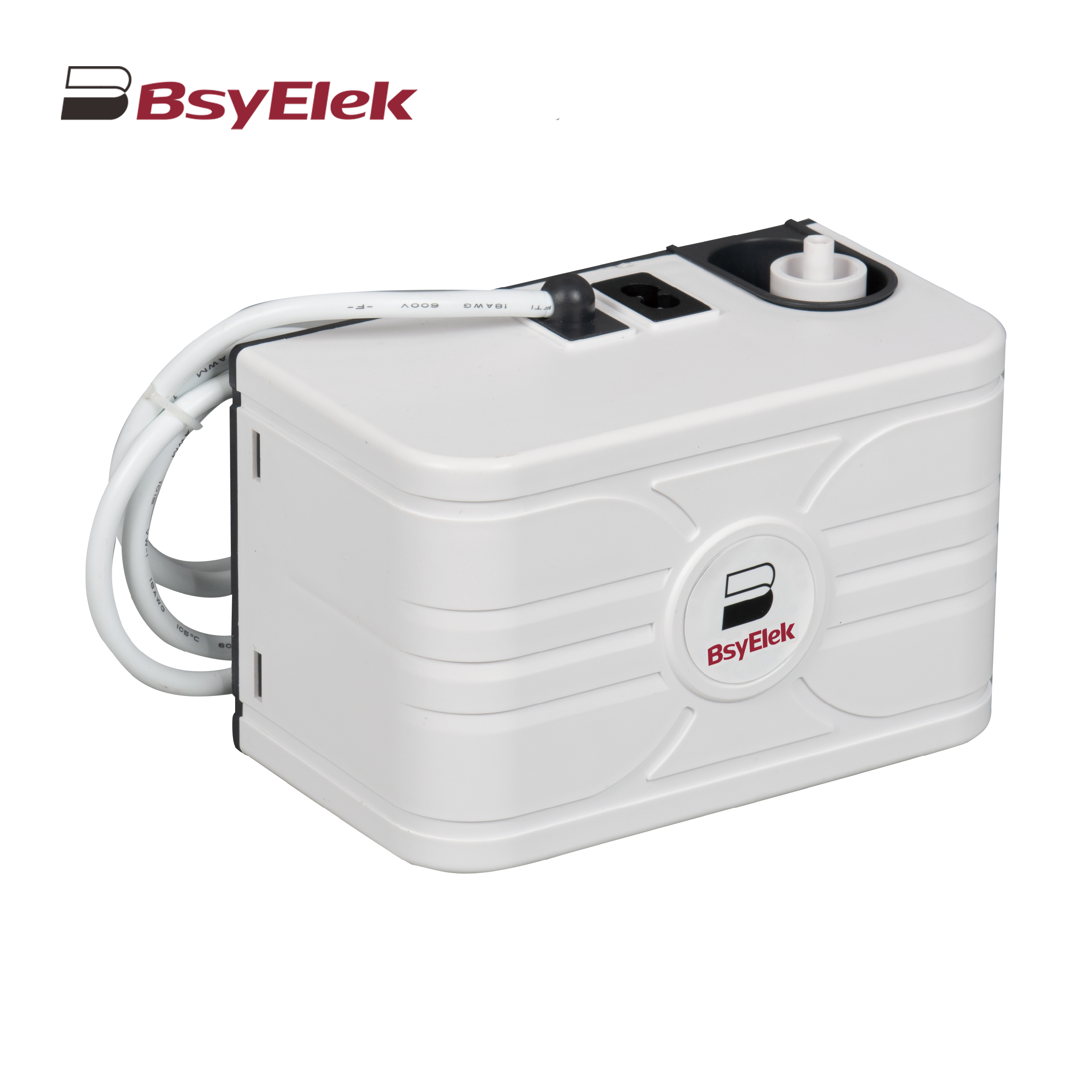 BY-5018 1.8M Engineering Drainage Pump
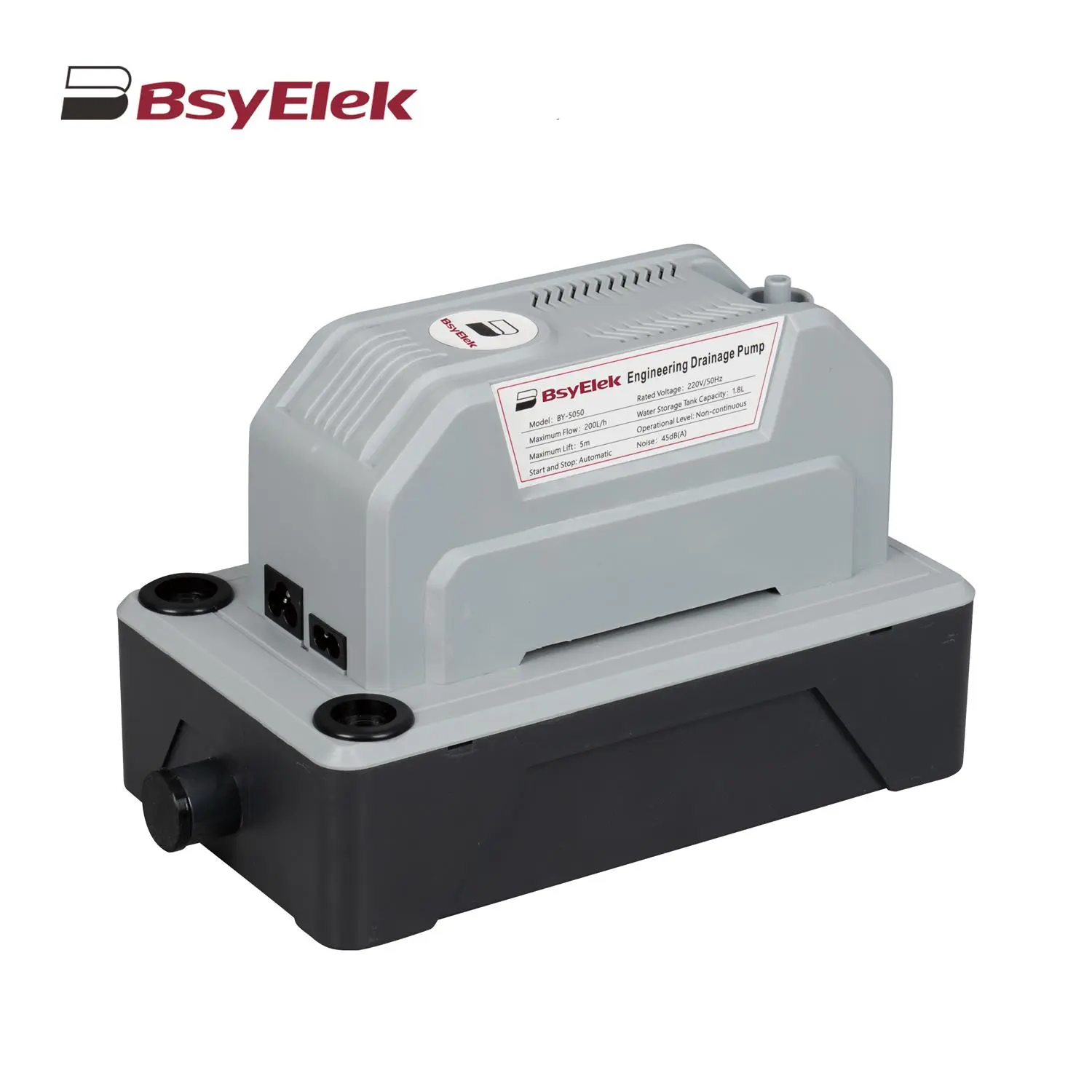 BY-5050 5M Engineering Drainage Pump
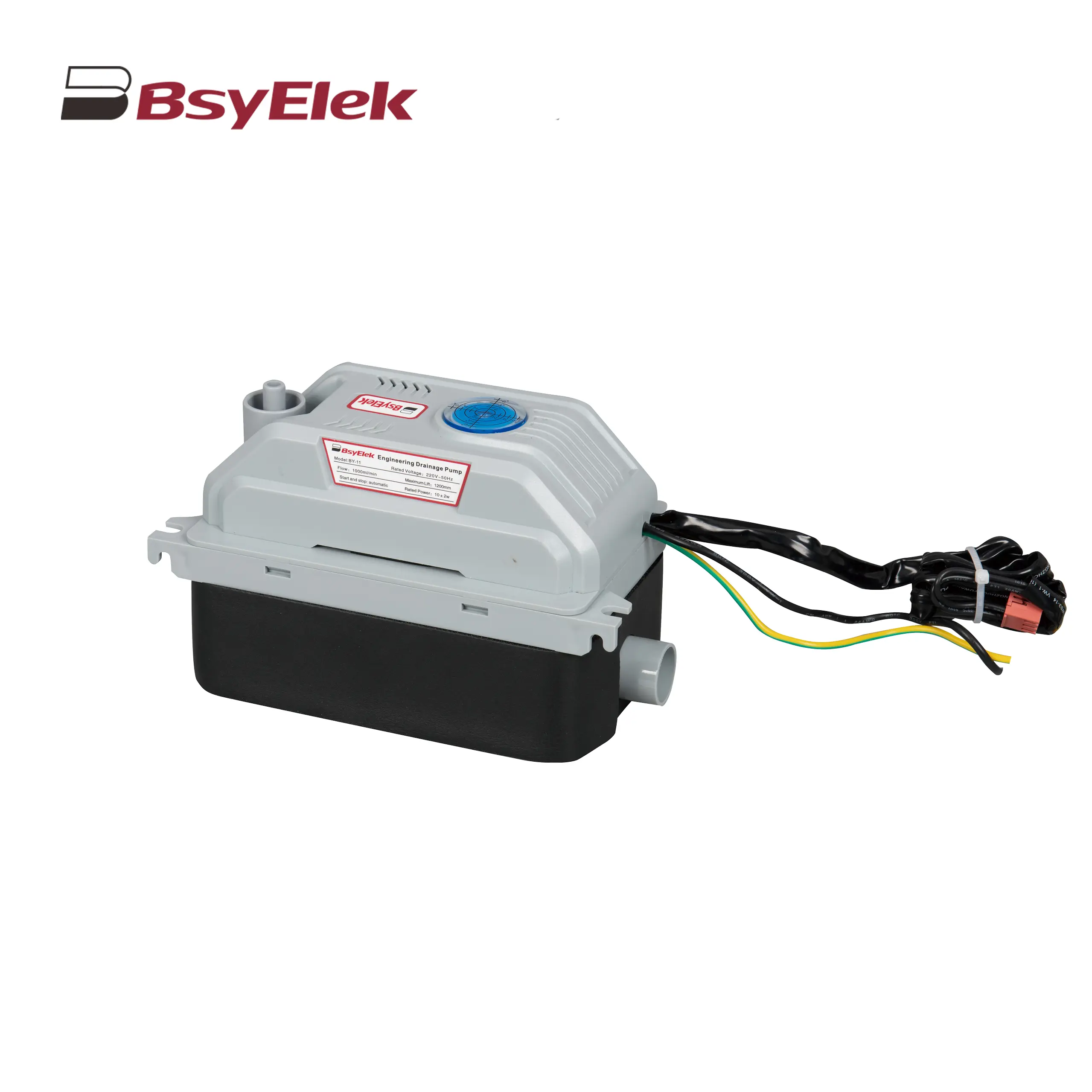 BY-11 1.2M Engineering Drainage Pump
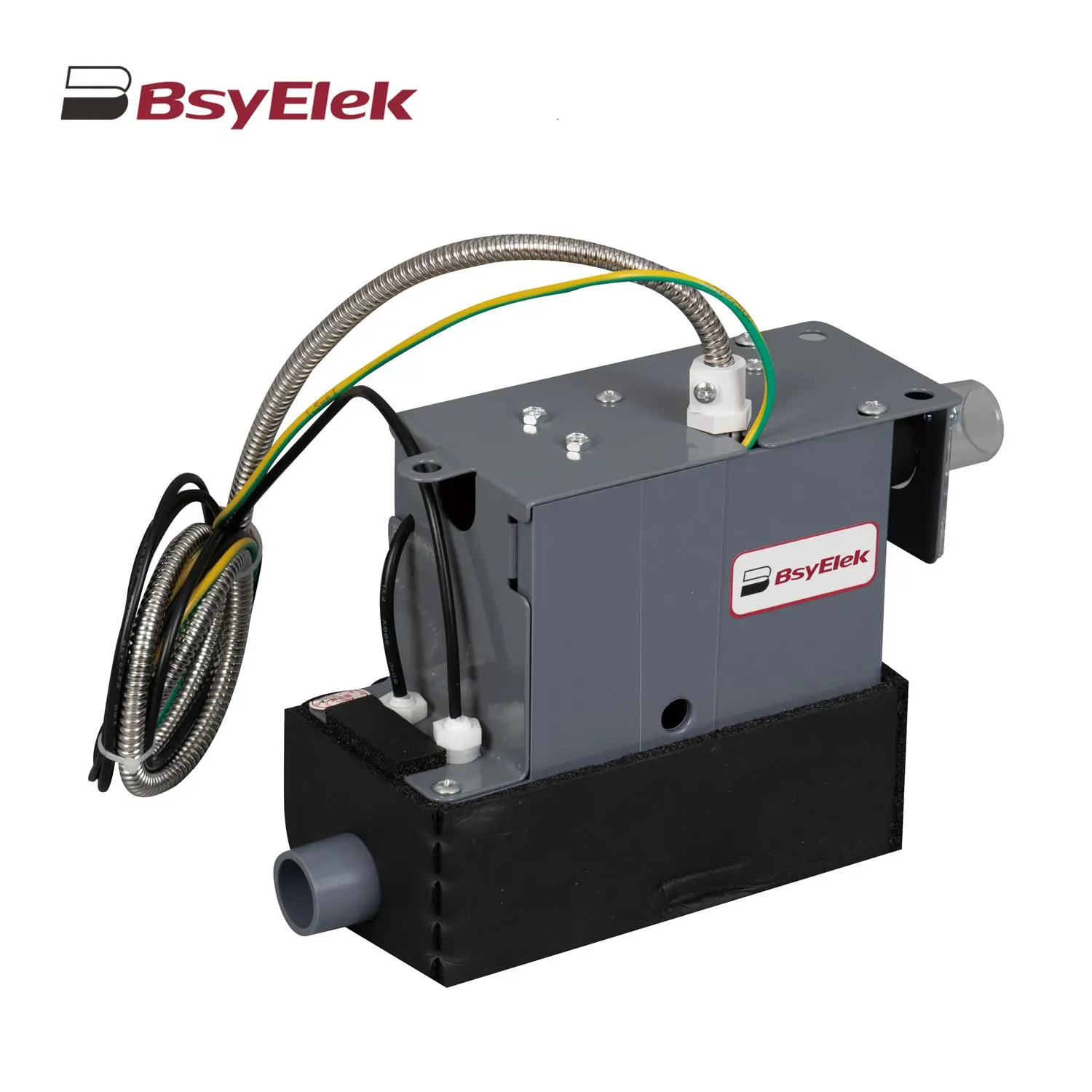 SBH-05 0.7M Original Drainage Pump of Duct Type Air Conditioner
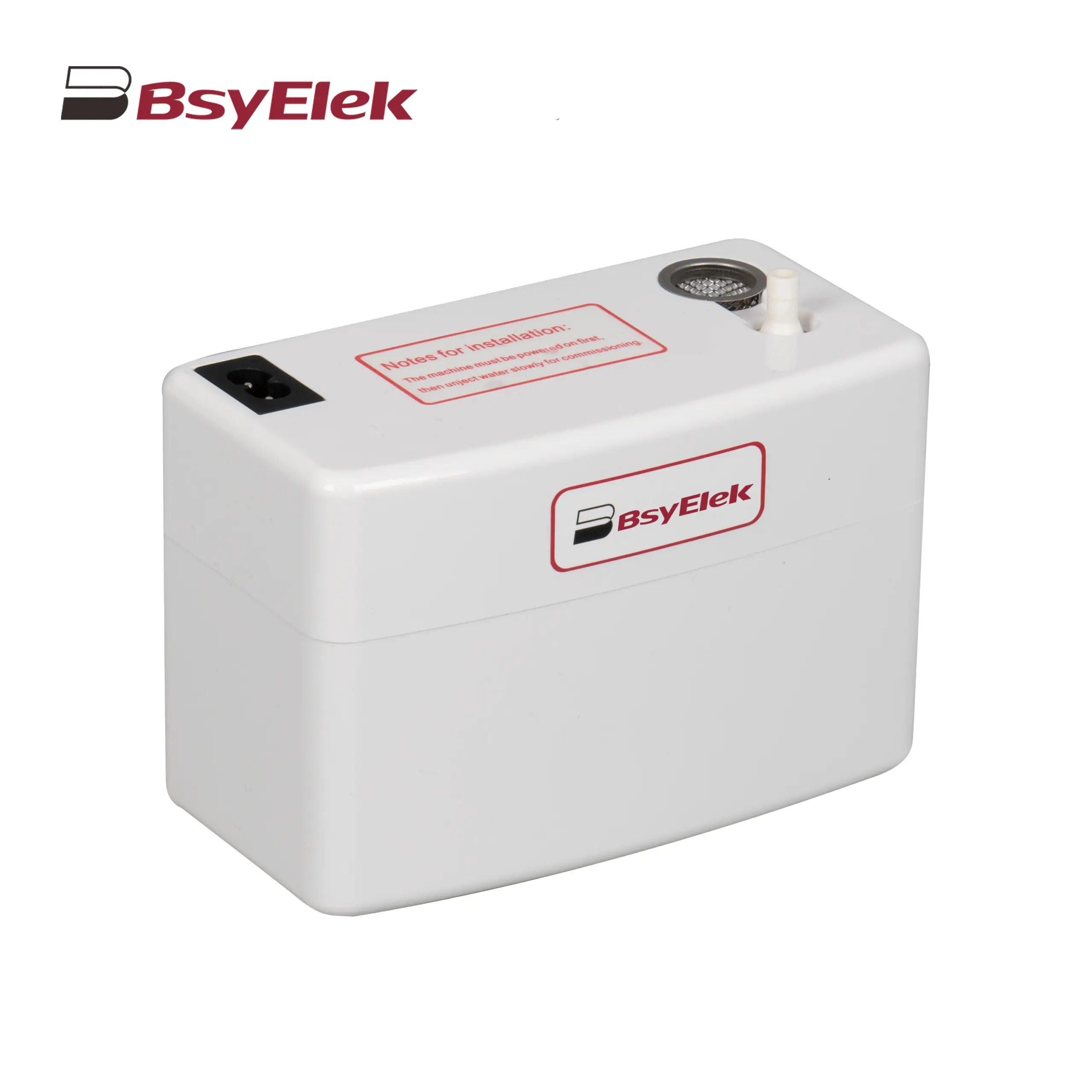 BY-24A/40A 10M Drainage Pump of Air Conditioner
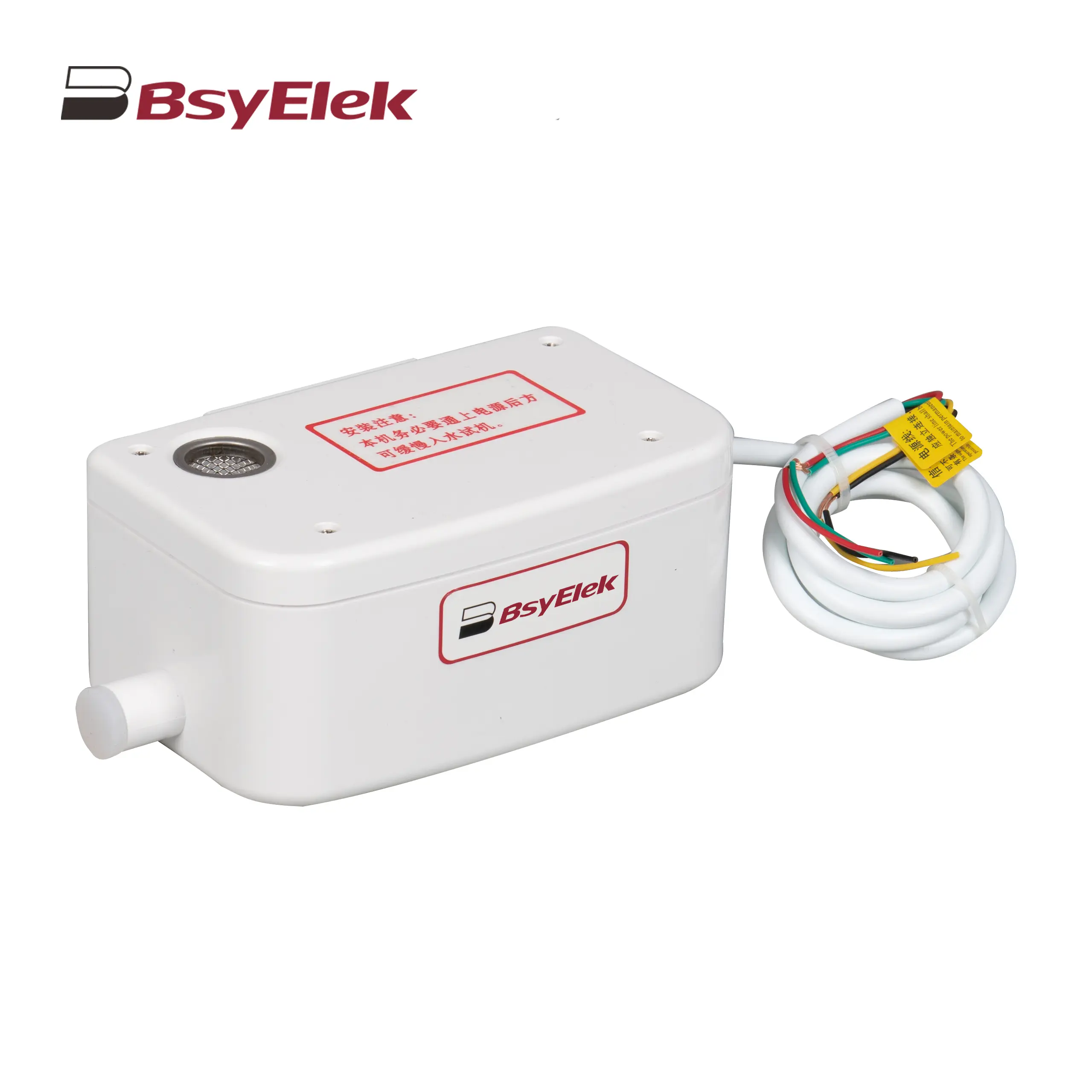 BY-50A 12M Drainage Pump of Air Conditioner
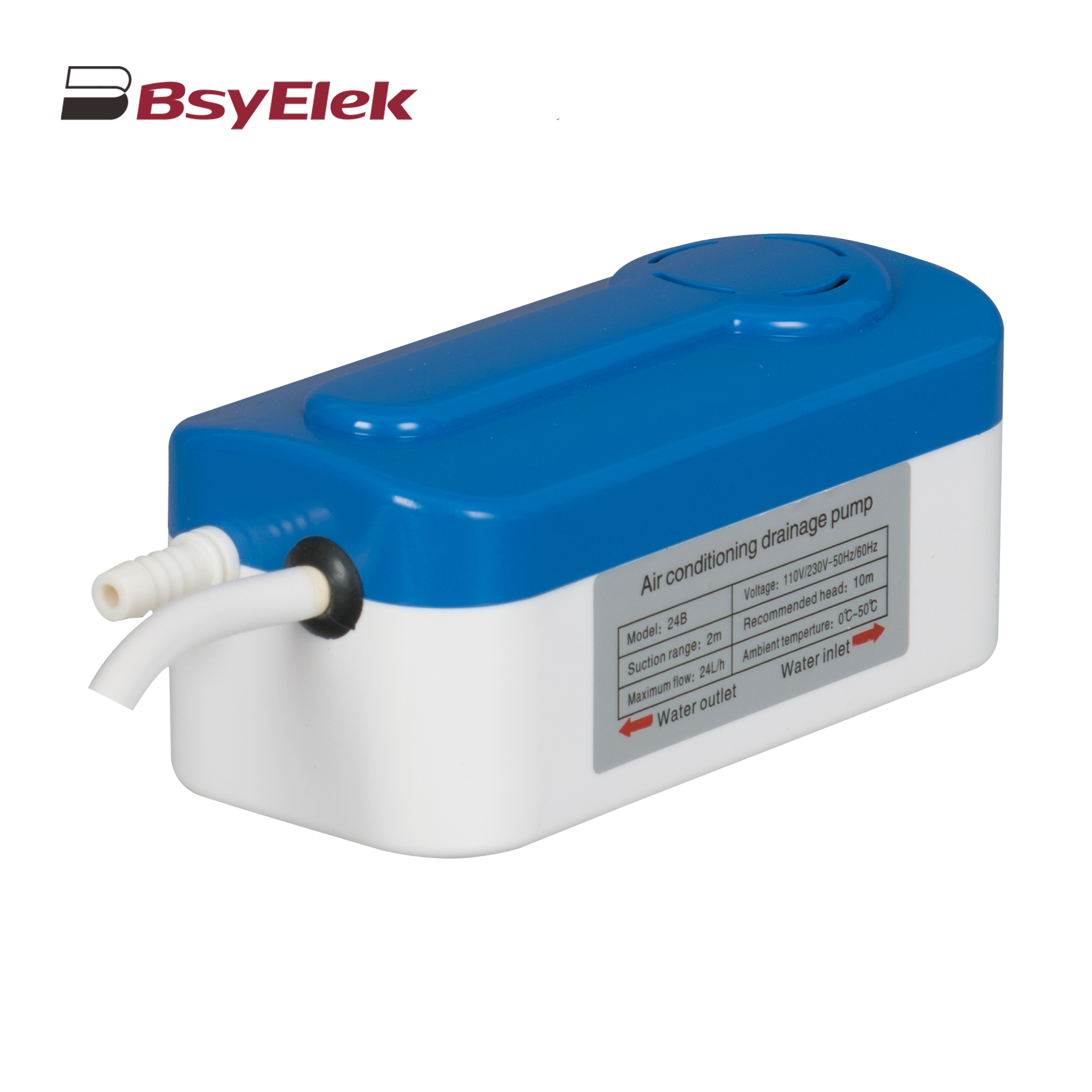 BY-24B/40B 10M Split Type Drainage Pump
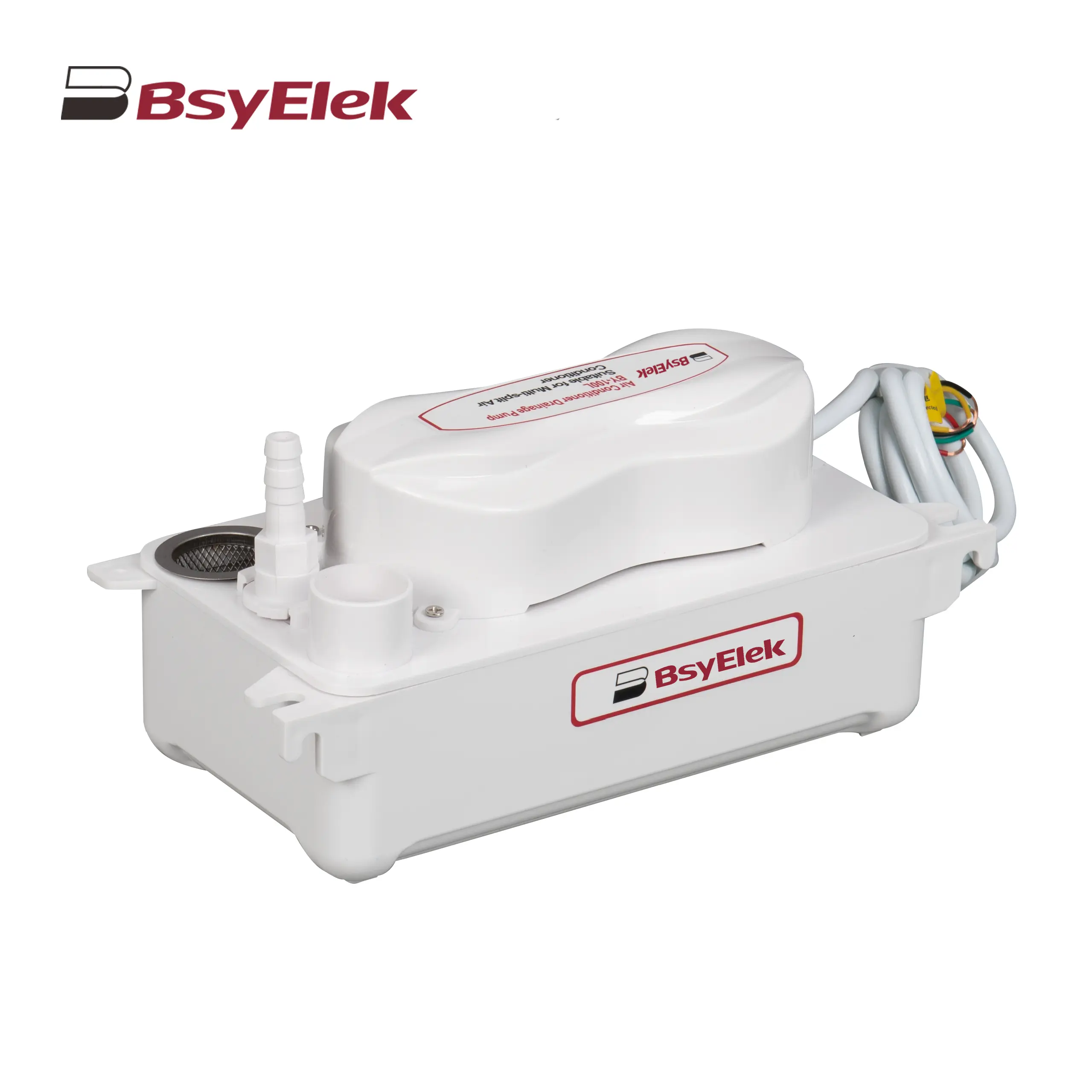 BY-100L 2M Drainage Pump of Air Conditioner
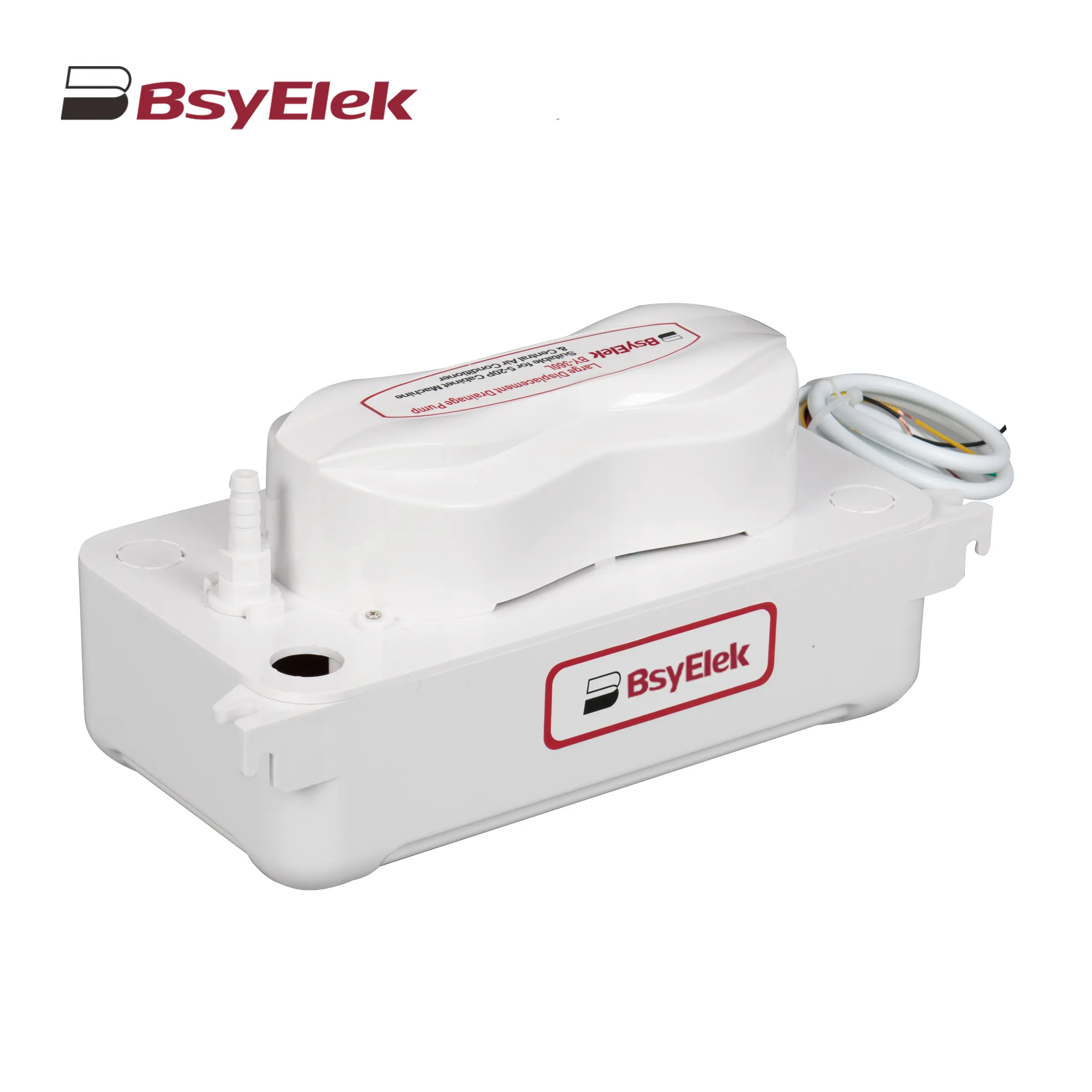 BY-360L 6M Large Displacement Drainage Pump
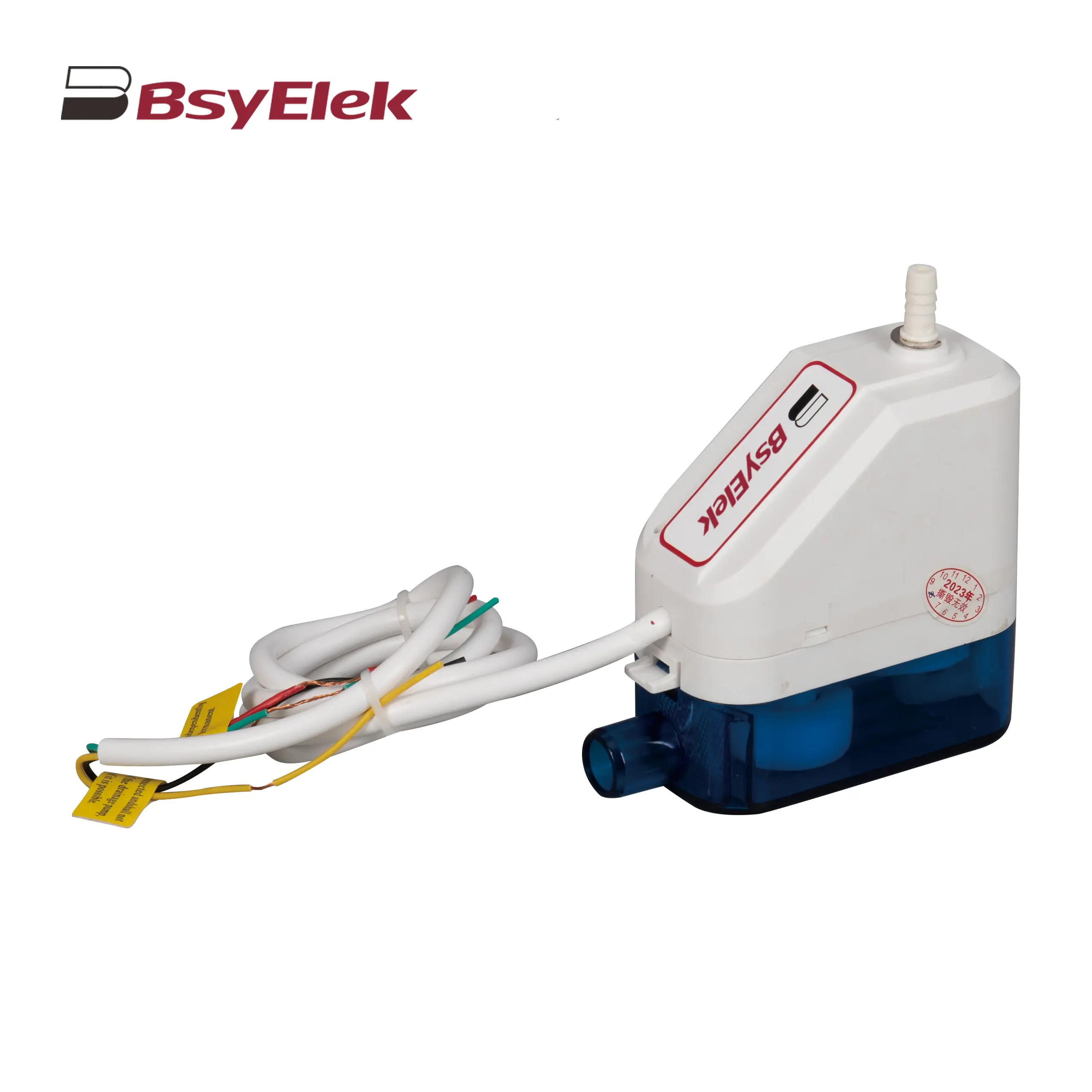 BY-24C/40C 10M Corner Drainage Pump
What is a miniature circuit breaker (MCB)?
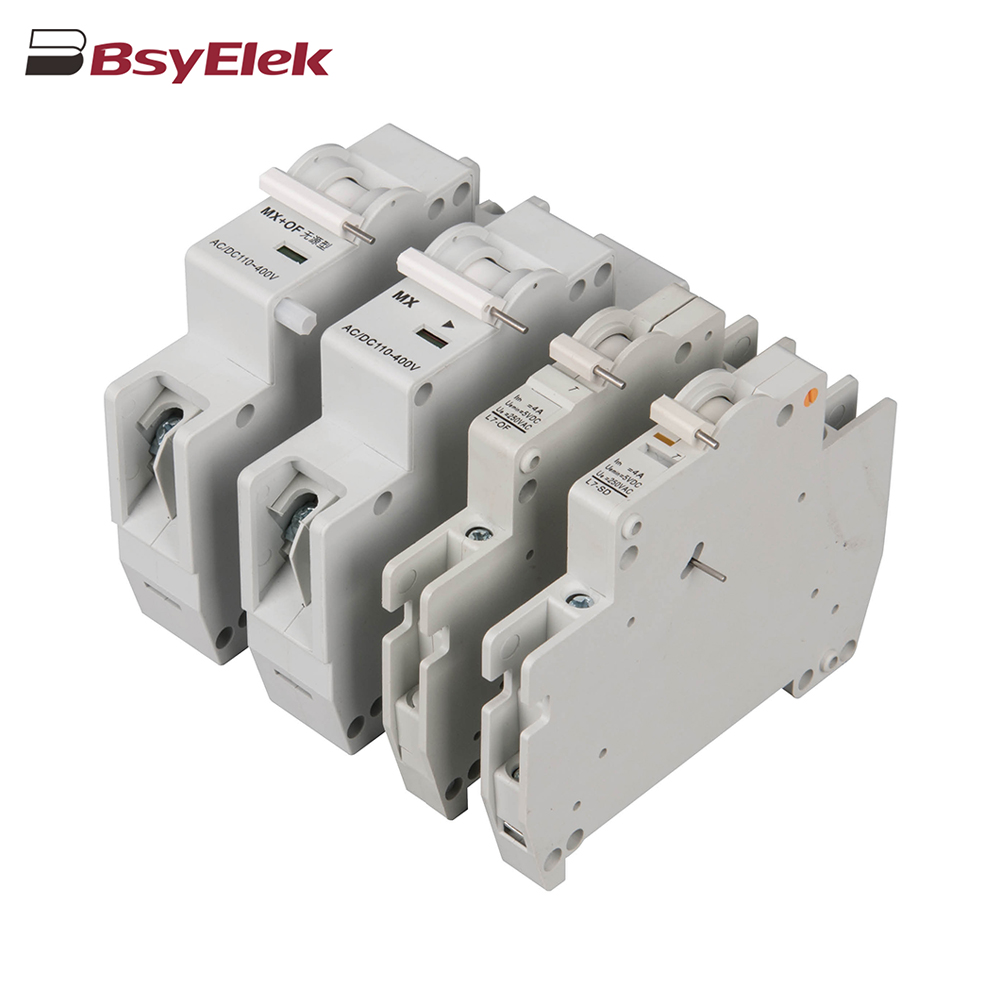 OF SD MX OF MCB Miniature Circuit Breaker Accessories
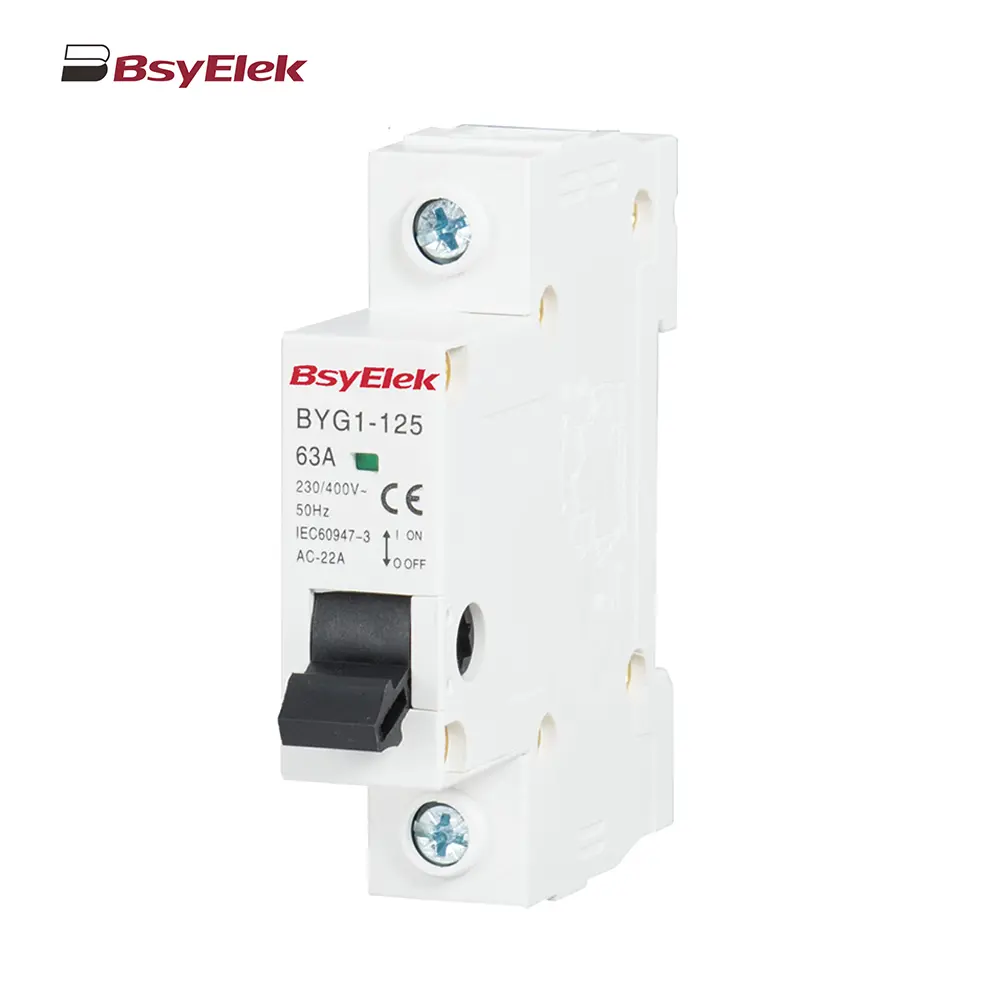 BYG1-125 Main Switch MCB Isolator Switch
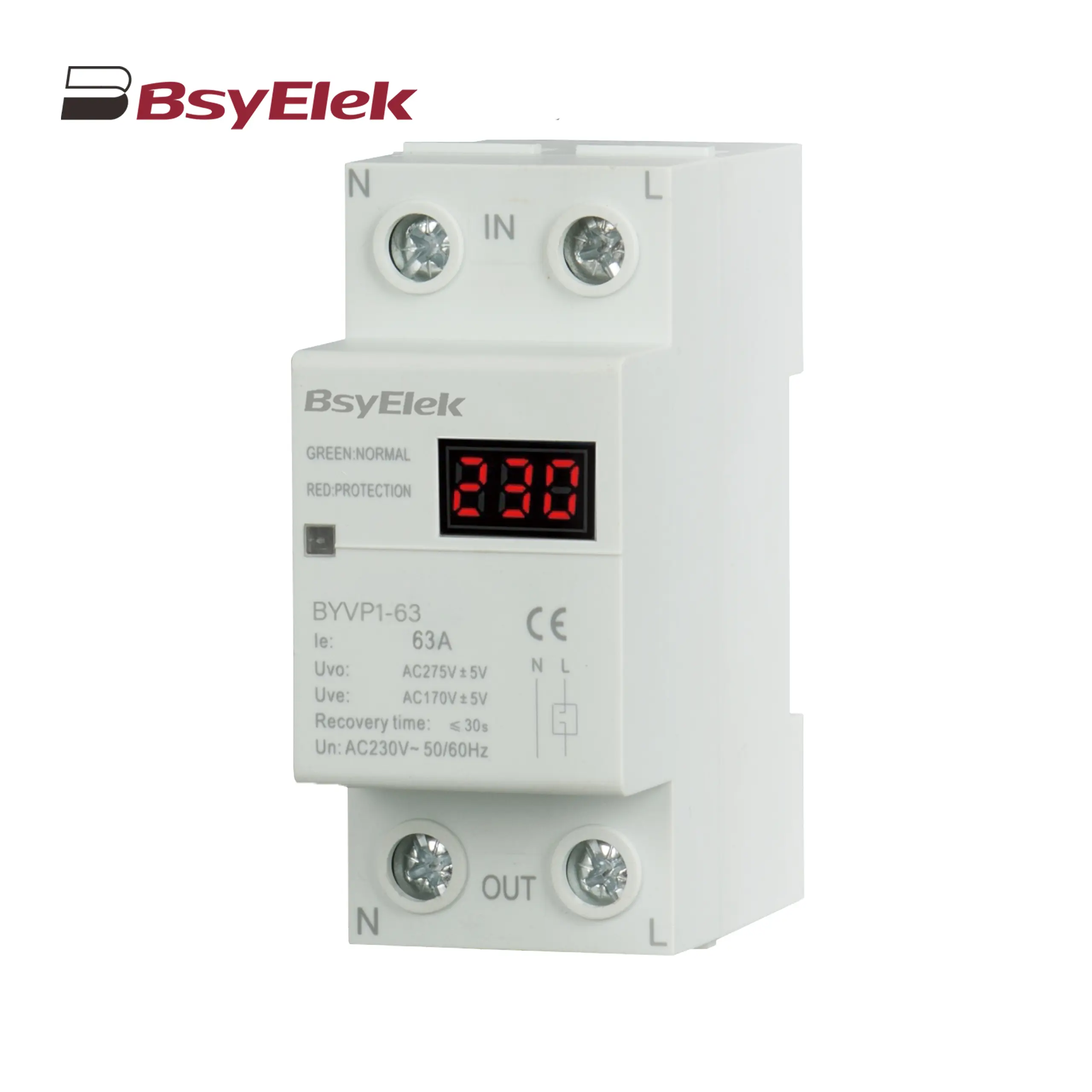 BYVP1-63 100A Single Display Overvoltage and Undervoltage Protector
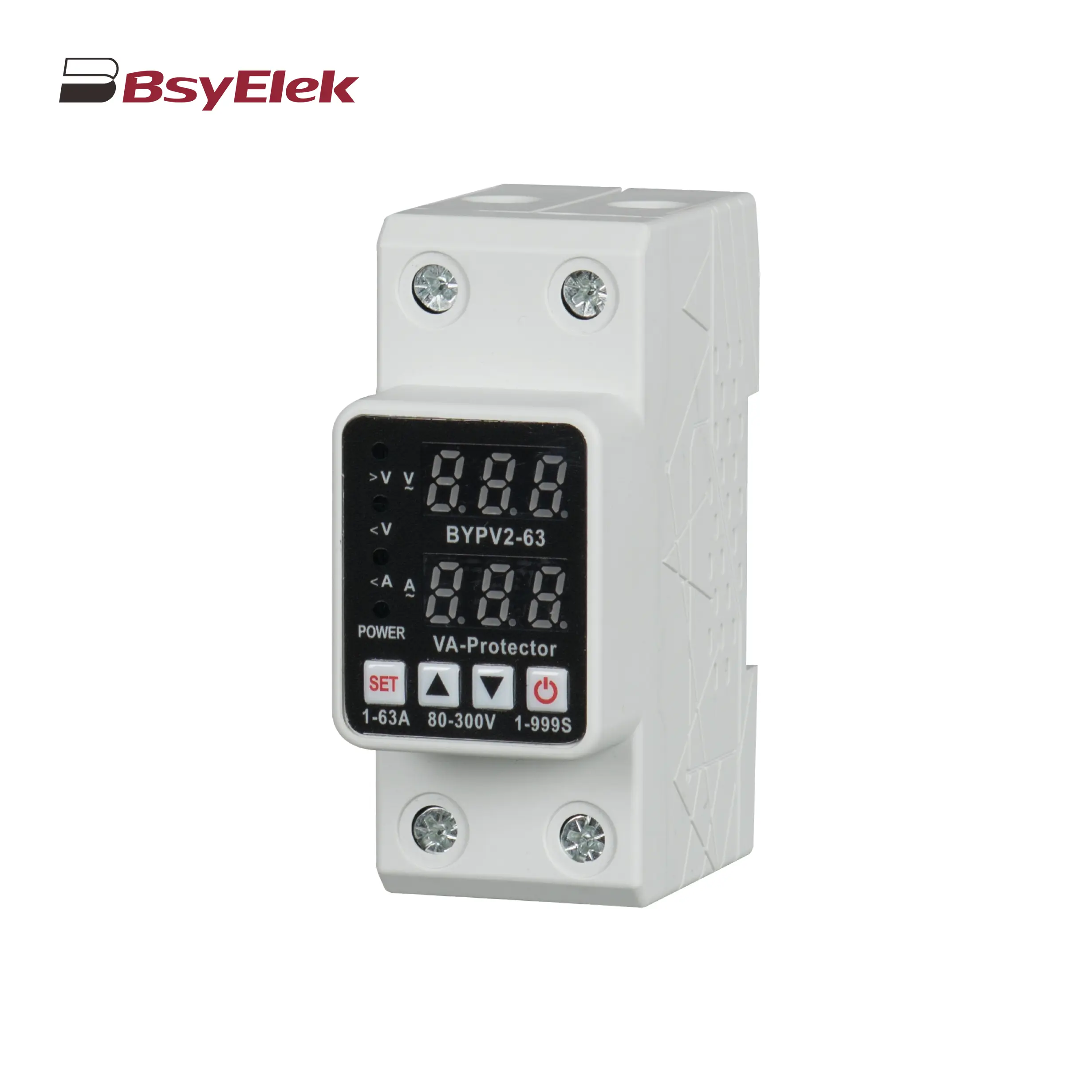 BYVP2-63 40A 63A Adjustable Dual Display Overvoltage and Undervoltage Protector
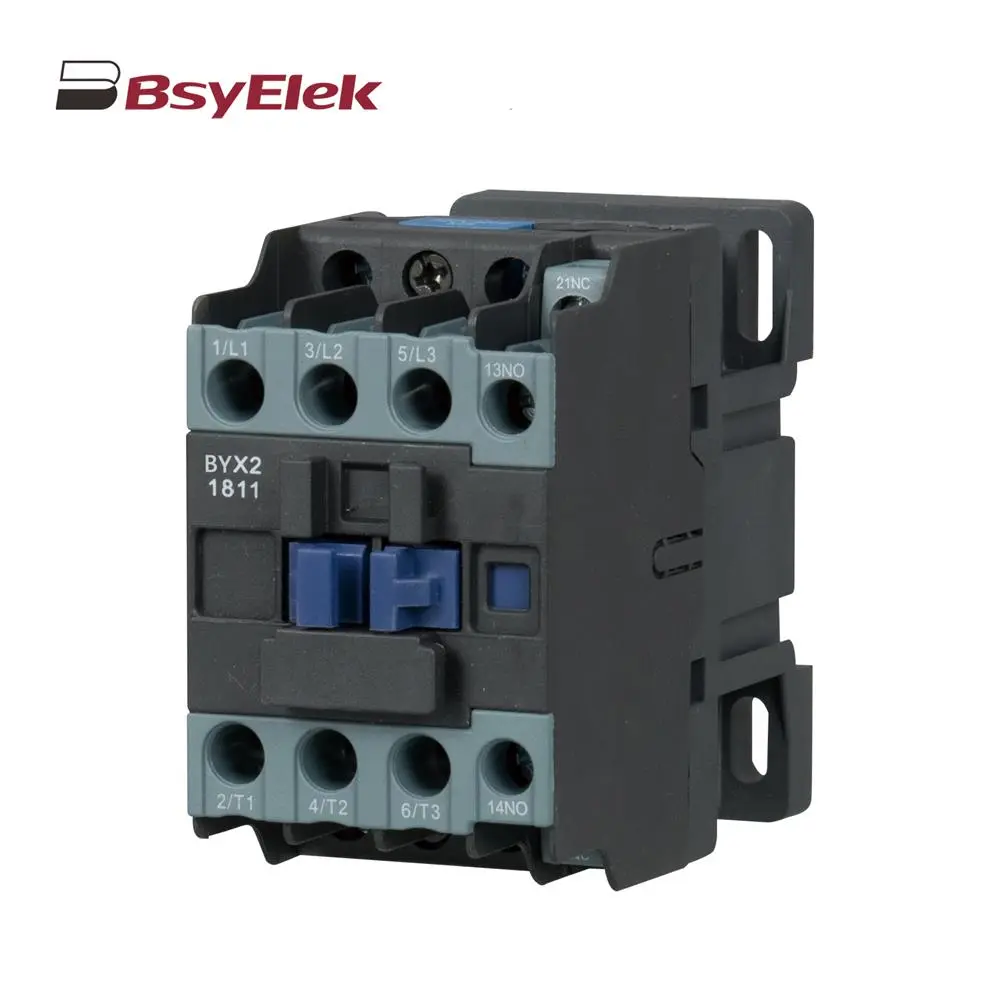 BYX2 6-95A AC Contactor
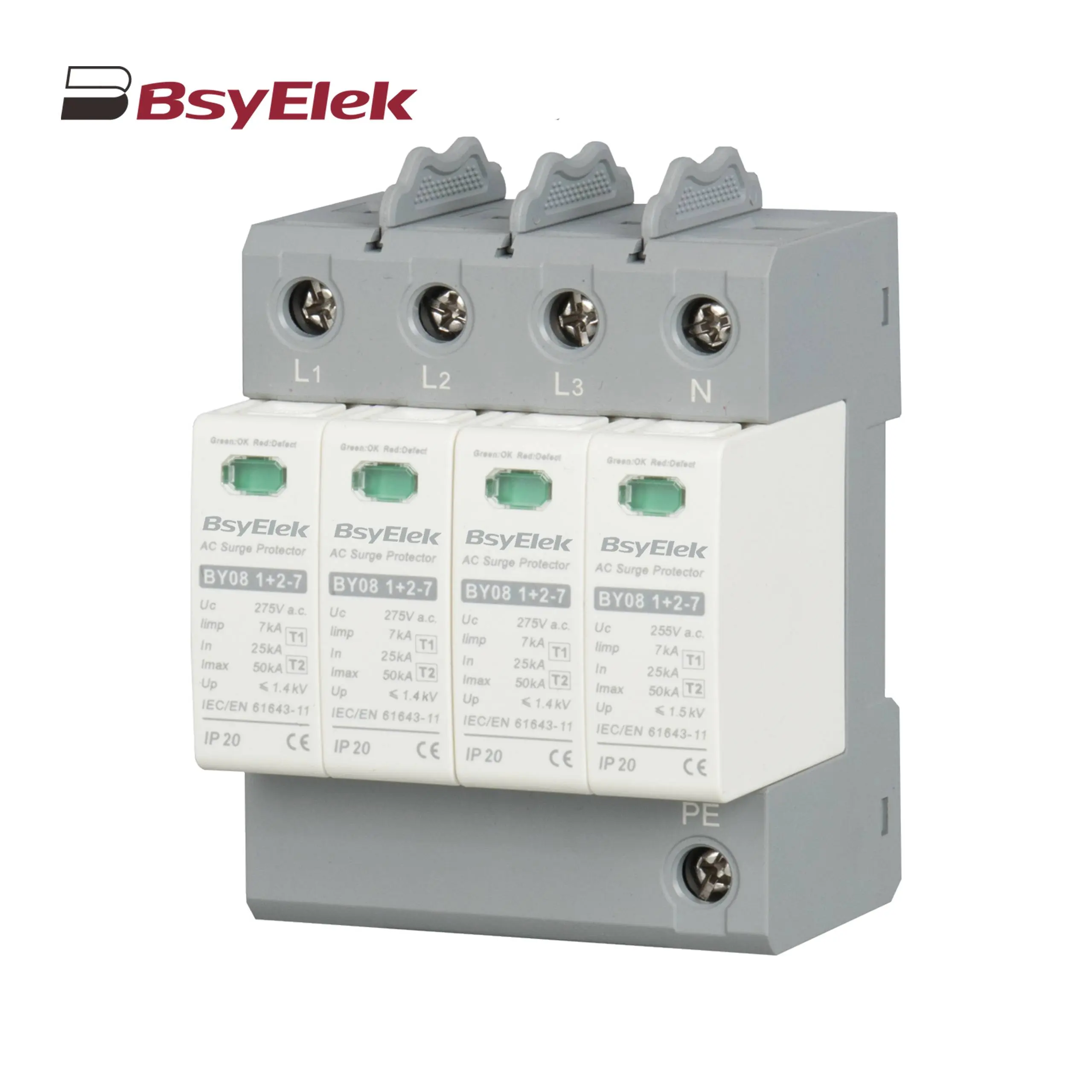 BY08 1+2-7 SPD Class T1+T2 Imax 50KA Surge Protective Device
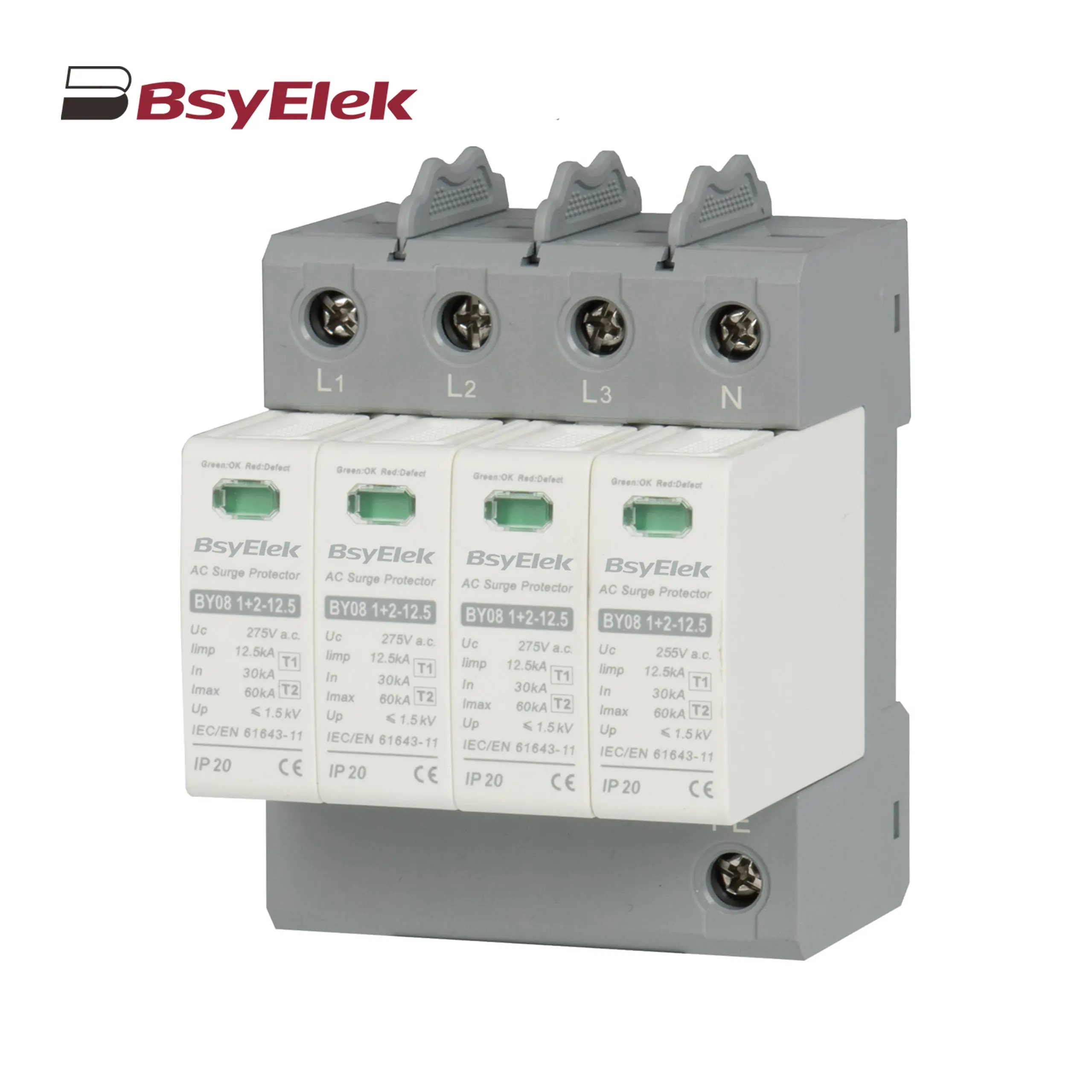 BY08 1+2-12.5 SPD Class T1+T2 Imax 60KA Surge Protective Device
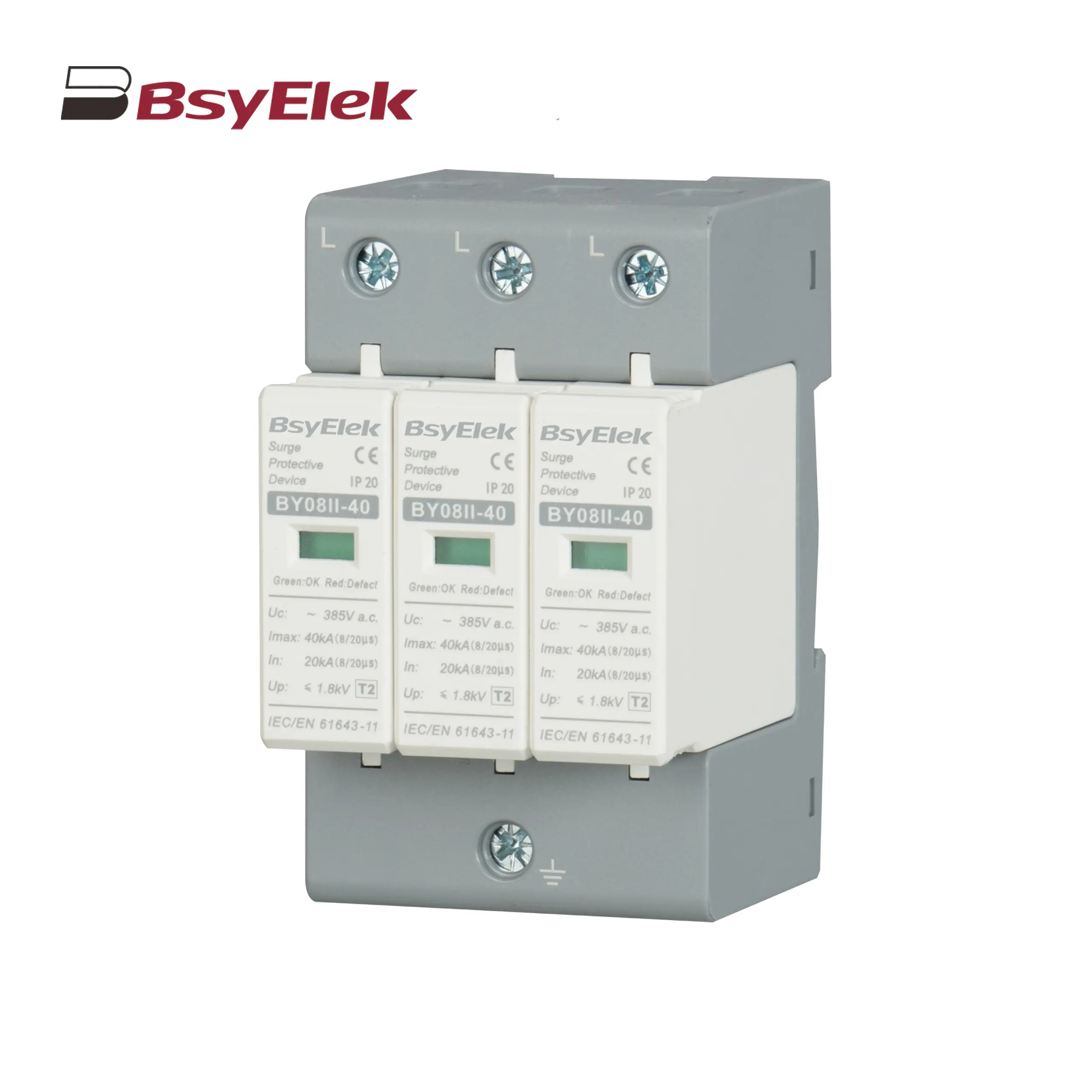 BY08II-40 SPD Class T2 Imax 40KA Surge Protective Device
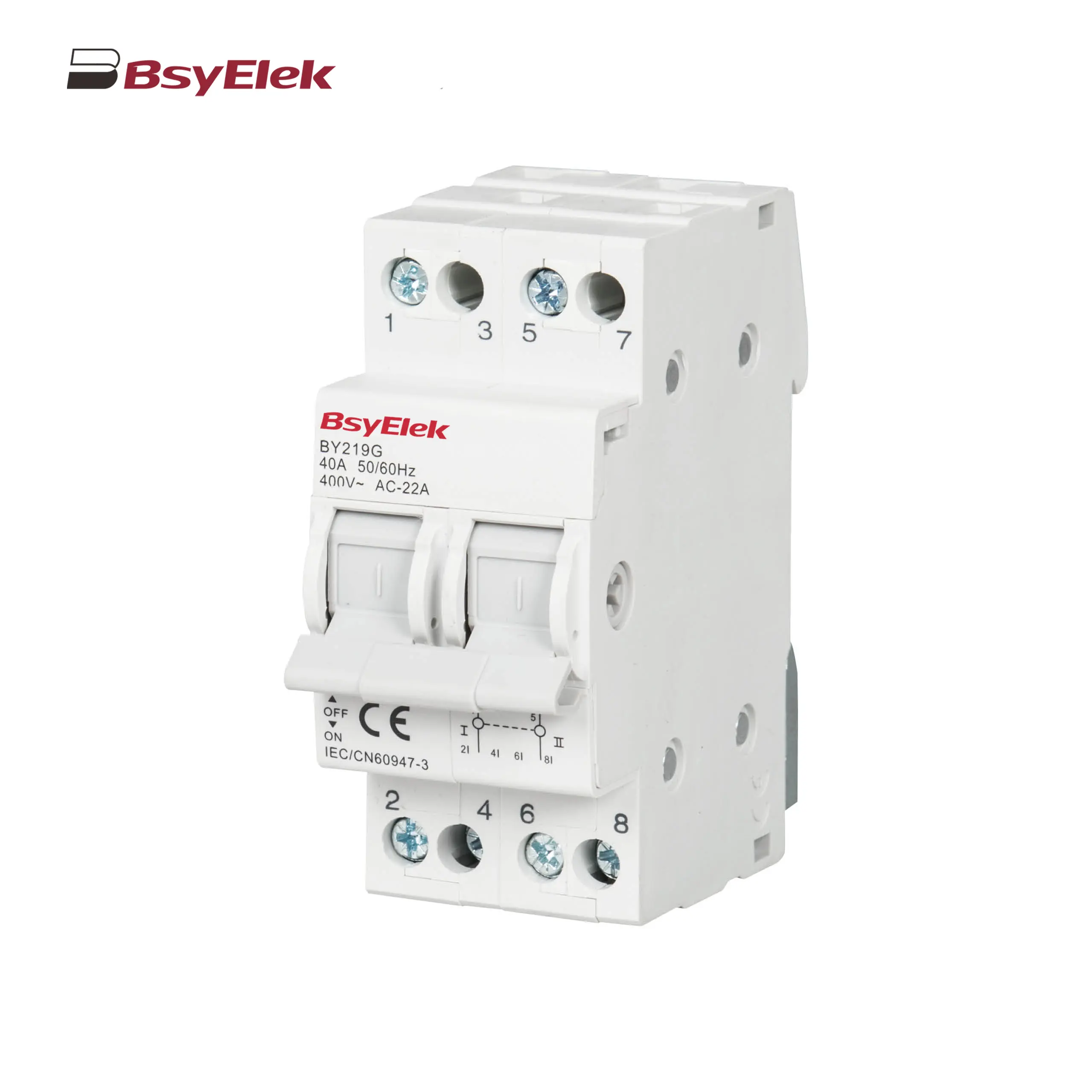 BY19G 63A Manual Changeover Switch
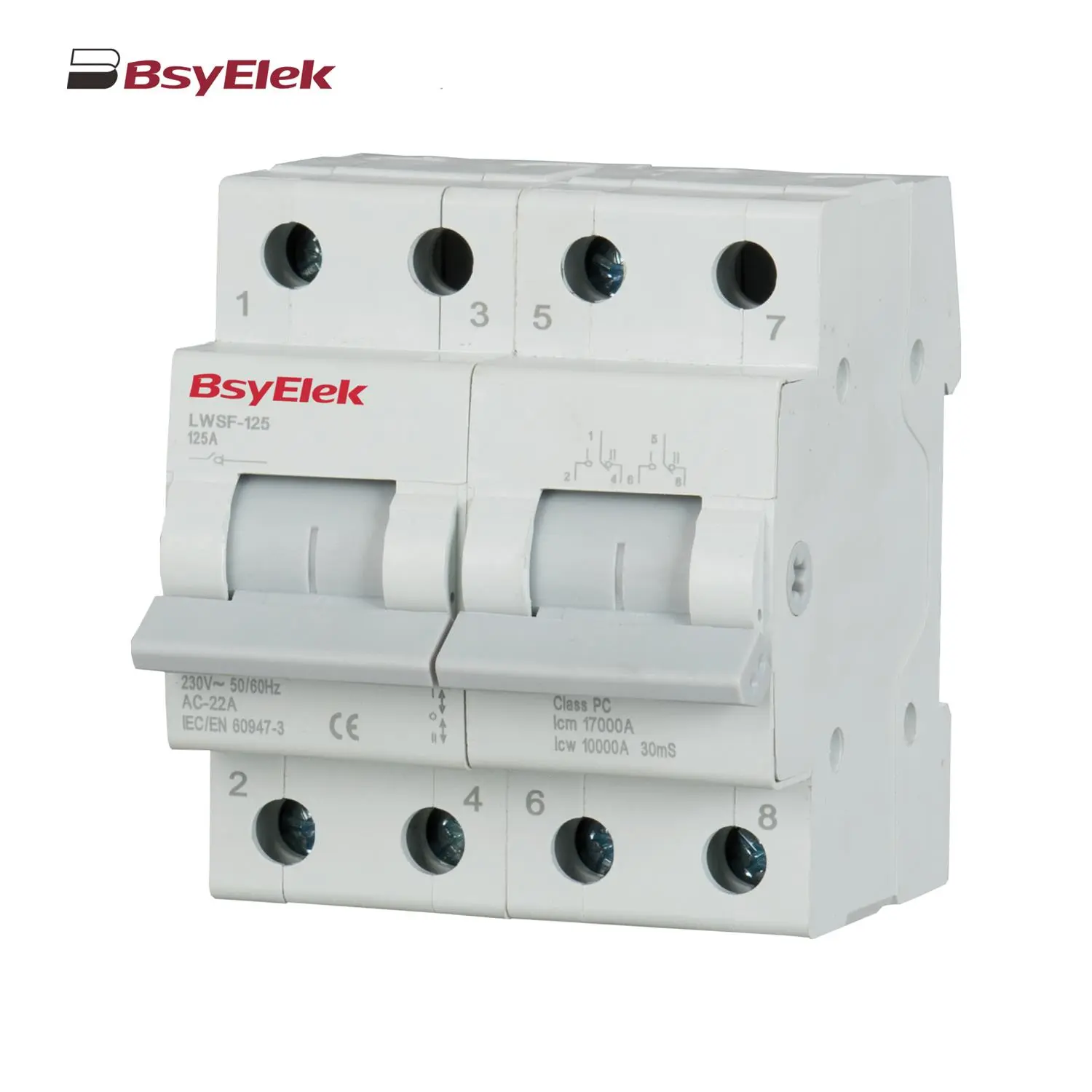 LWSF-125 125A Manual Changeover Switch
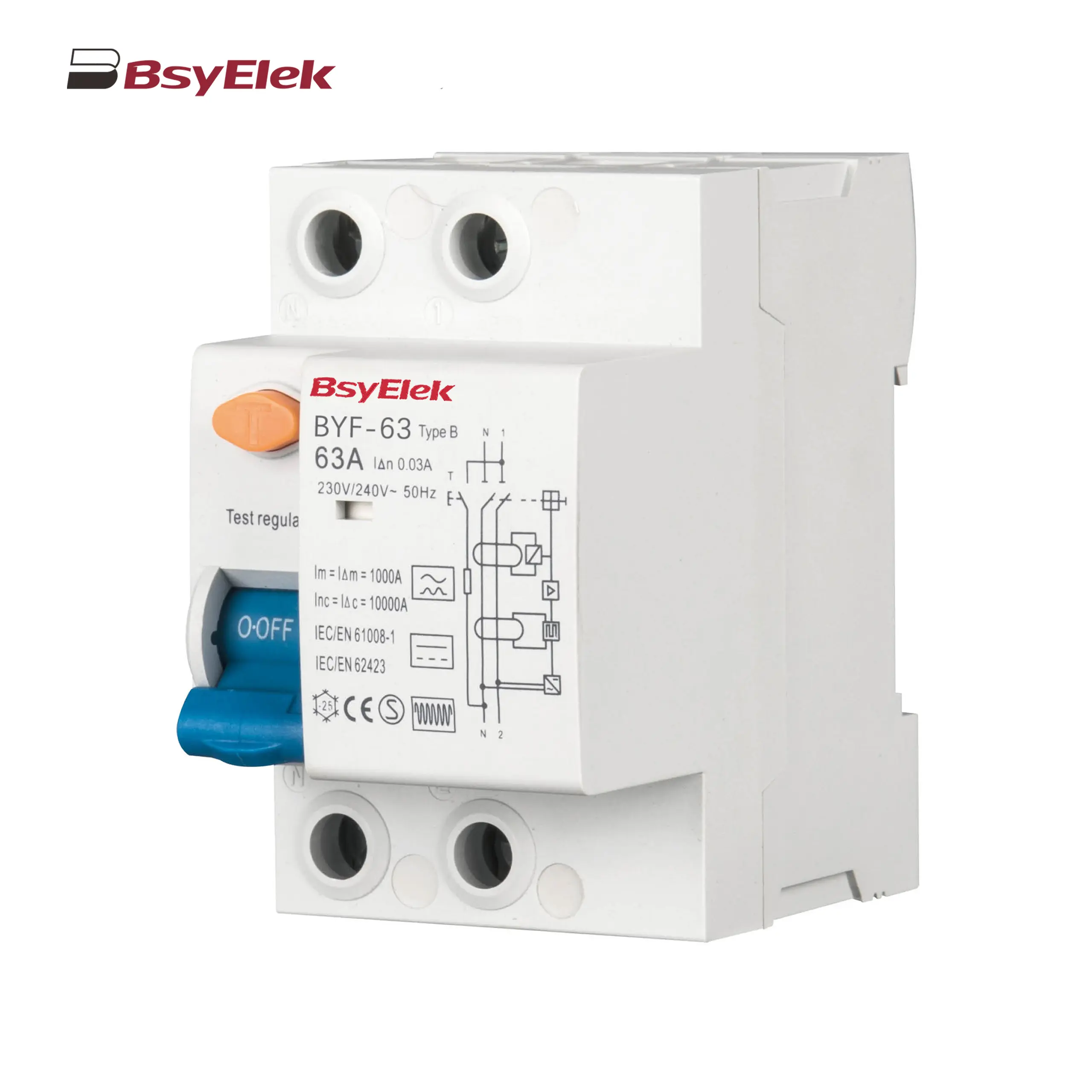 BYF-63 RCD 10KA Type B AC+A+Smoothing DC Residual Current Device
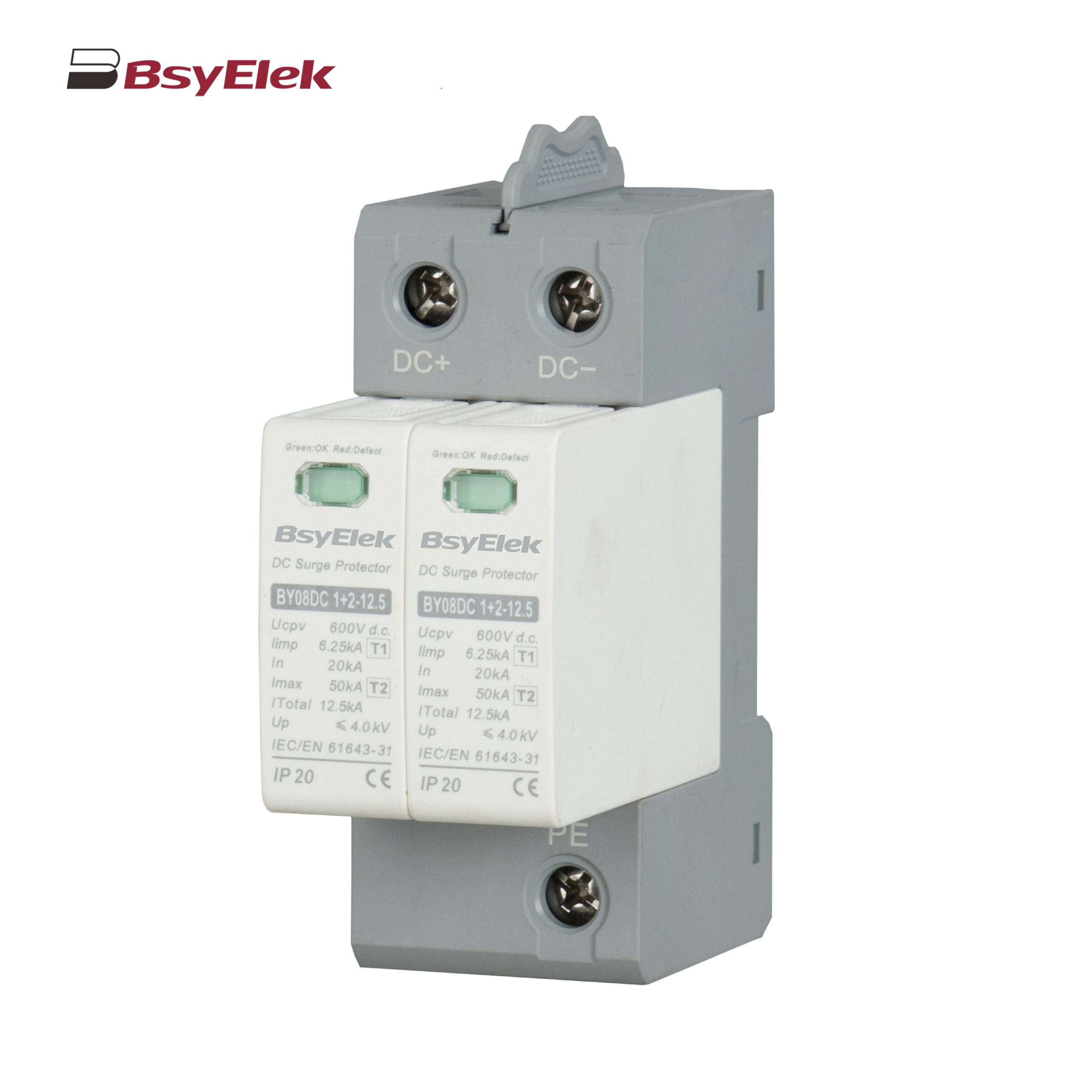 BY08DC 1+2-12.5 SPD Class T1+T2 40KA DC Surge Protective Device
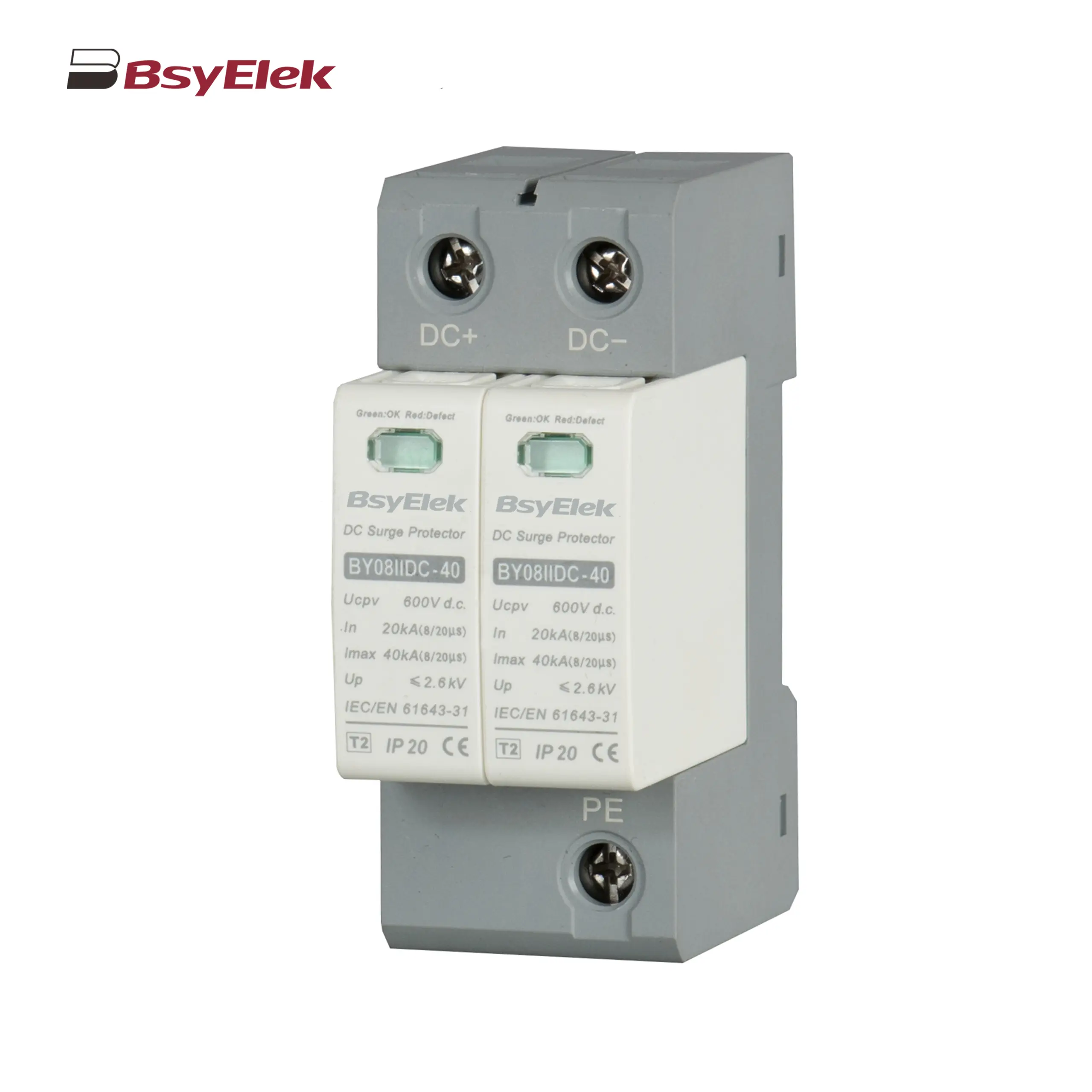 BY08IIDC-40 SPD Class T2 40KA DC Surge Protective Device
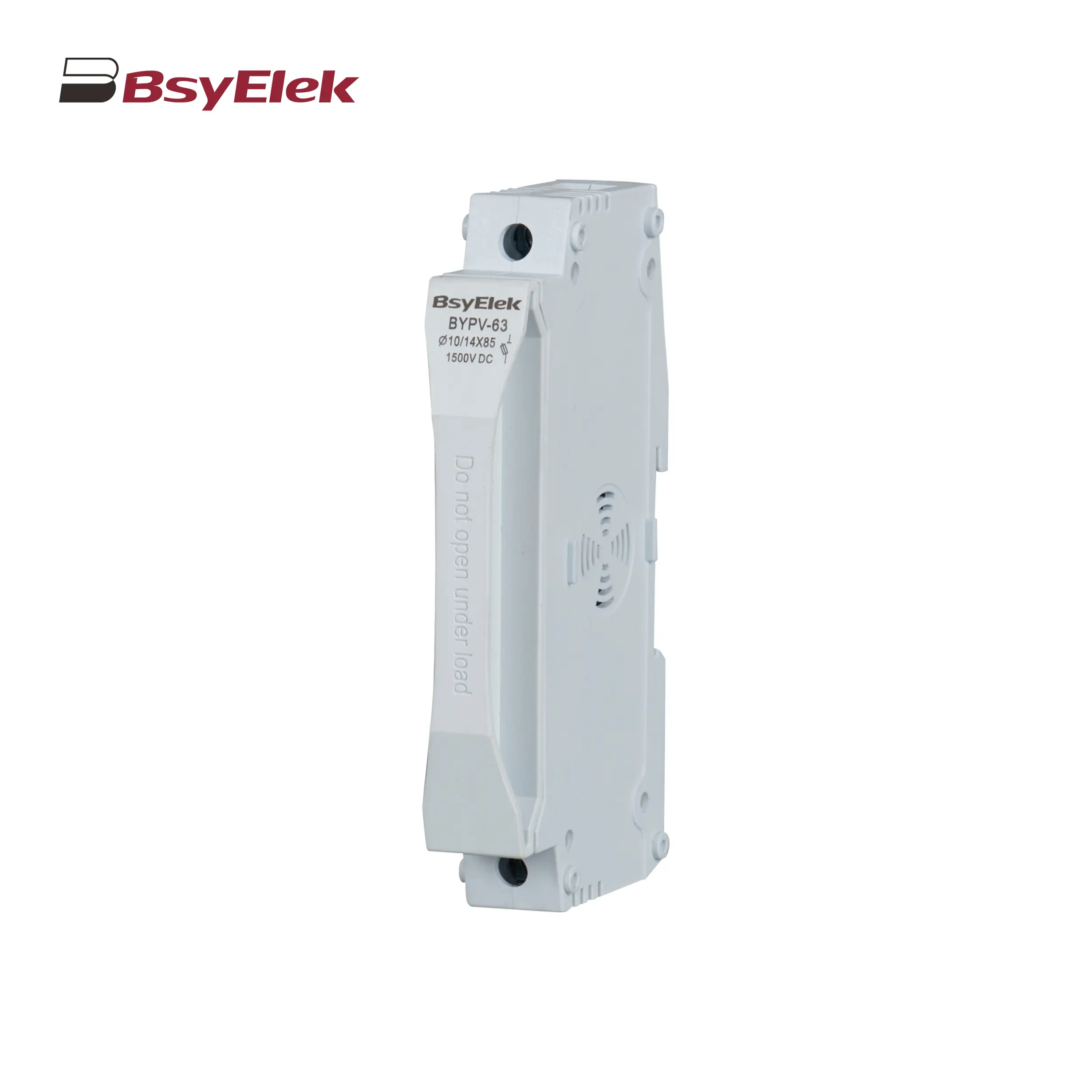 BYPV-63 1500VDC 50A Fuse Holder with 10x85mm 14x85mm Fuse Link
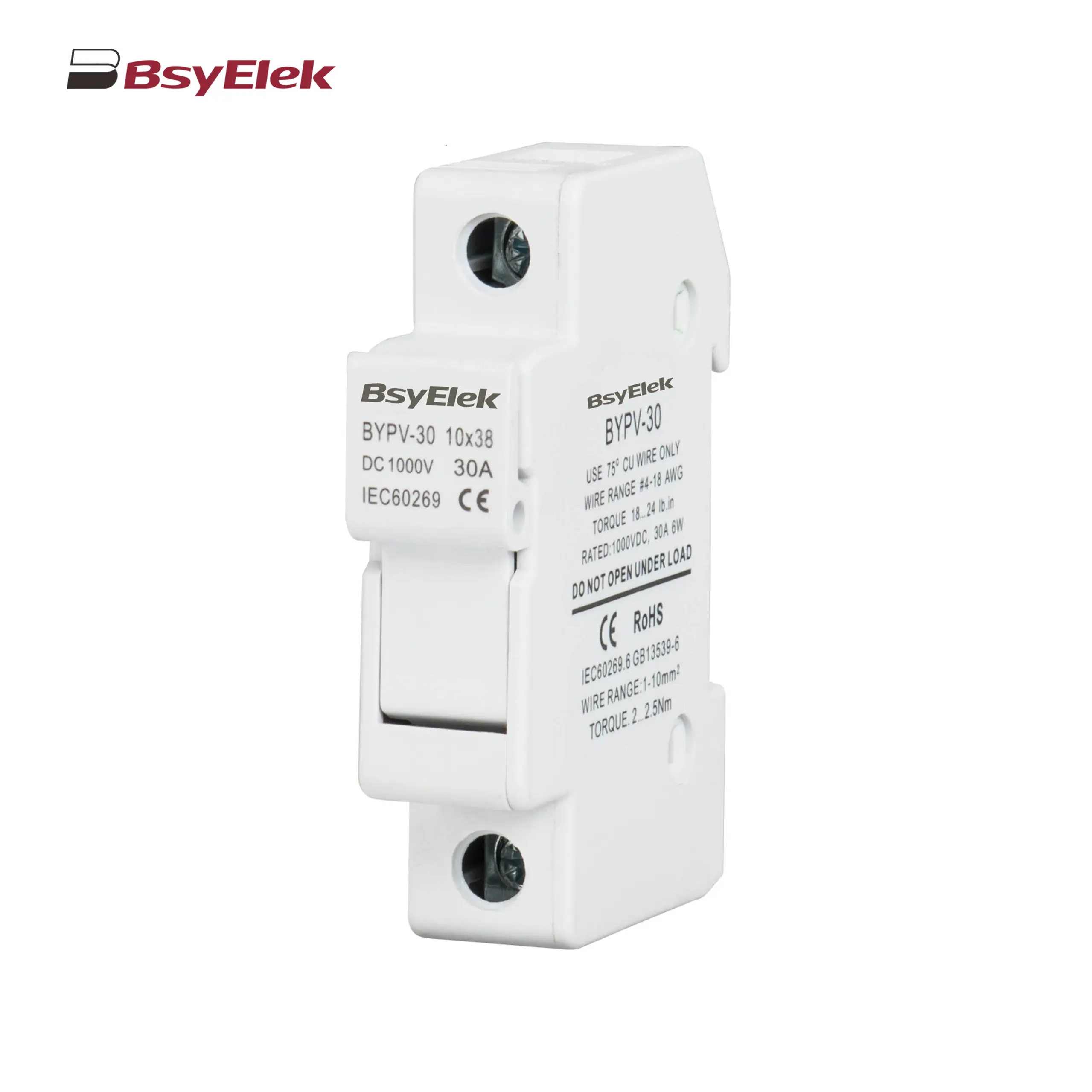 BYPV-30 1000VDC 32A Fuse Holder with 10x38mm Fuse Link
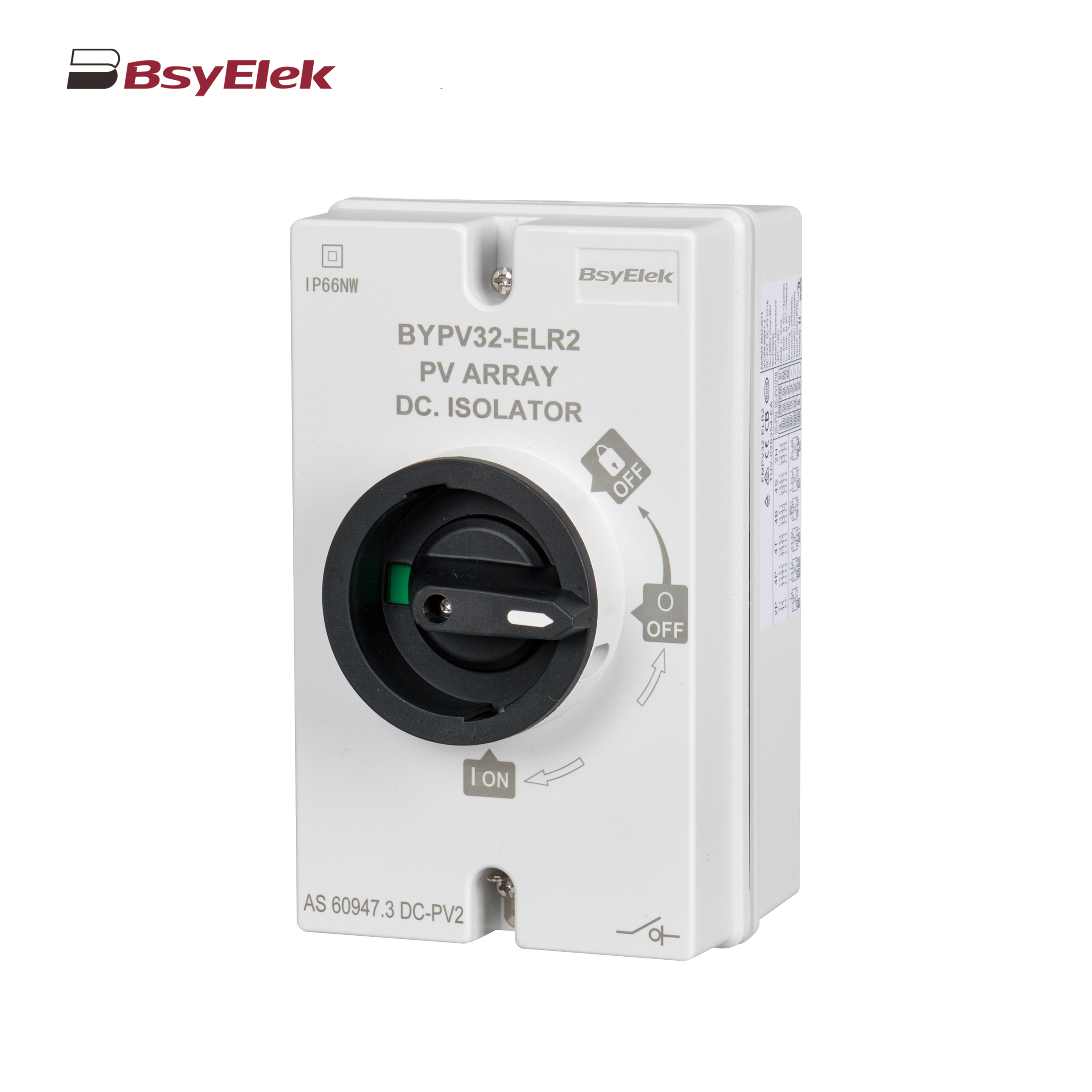 BYPV-ELR2 PV Isolator Switch with Enclosed Version
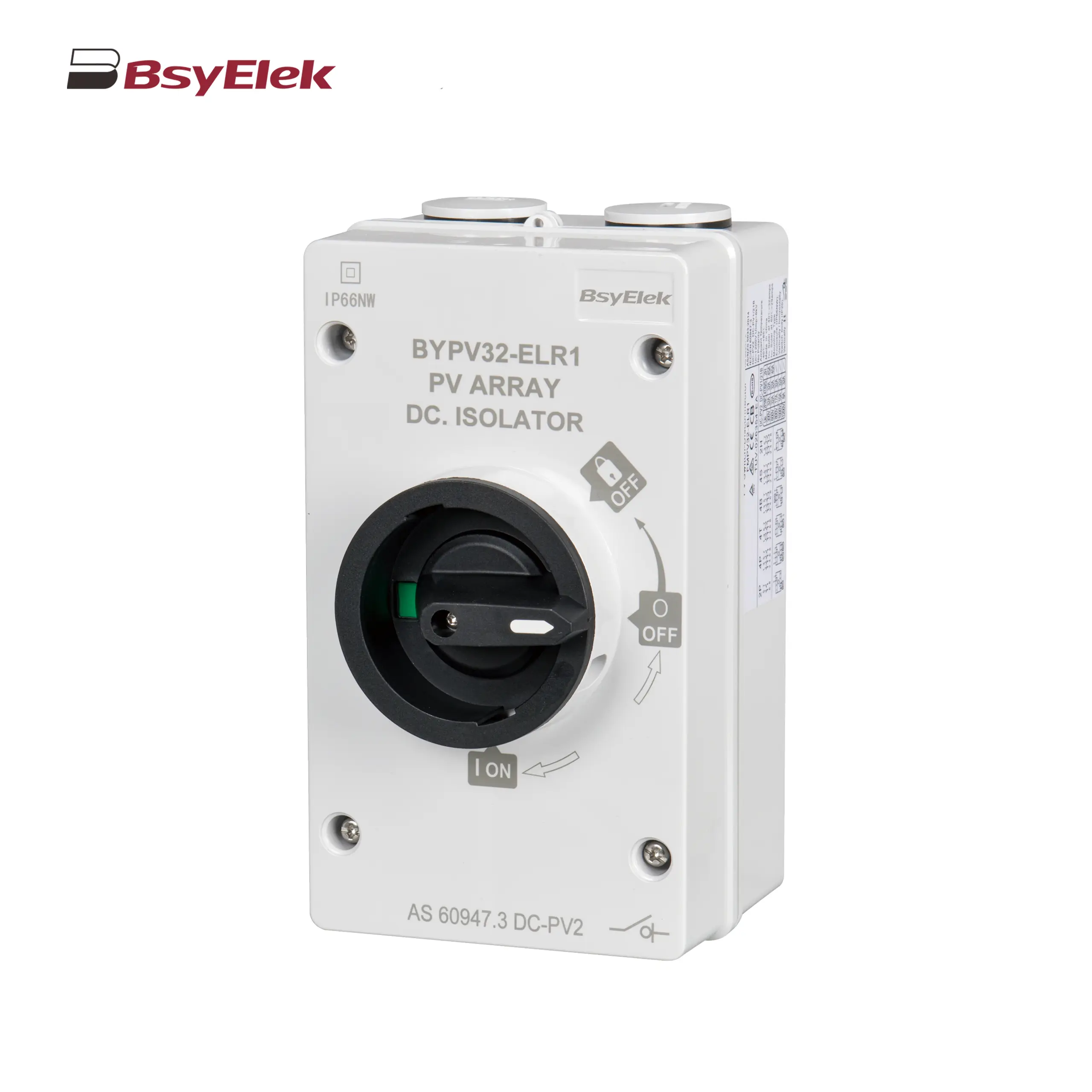 BYPV-ELR1 PV Isolator Switch with Enclosed Version
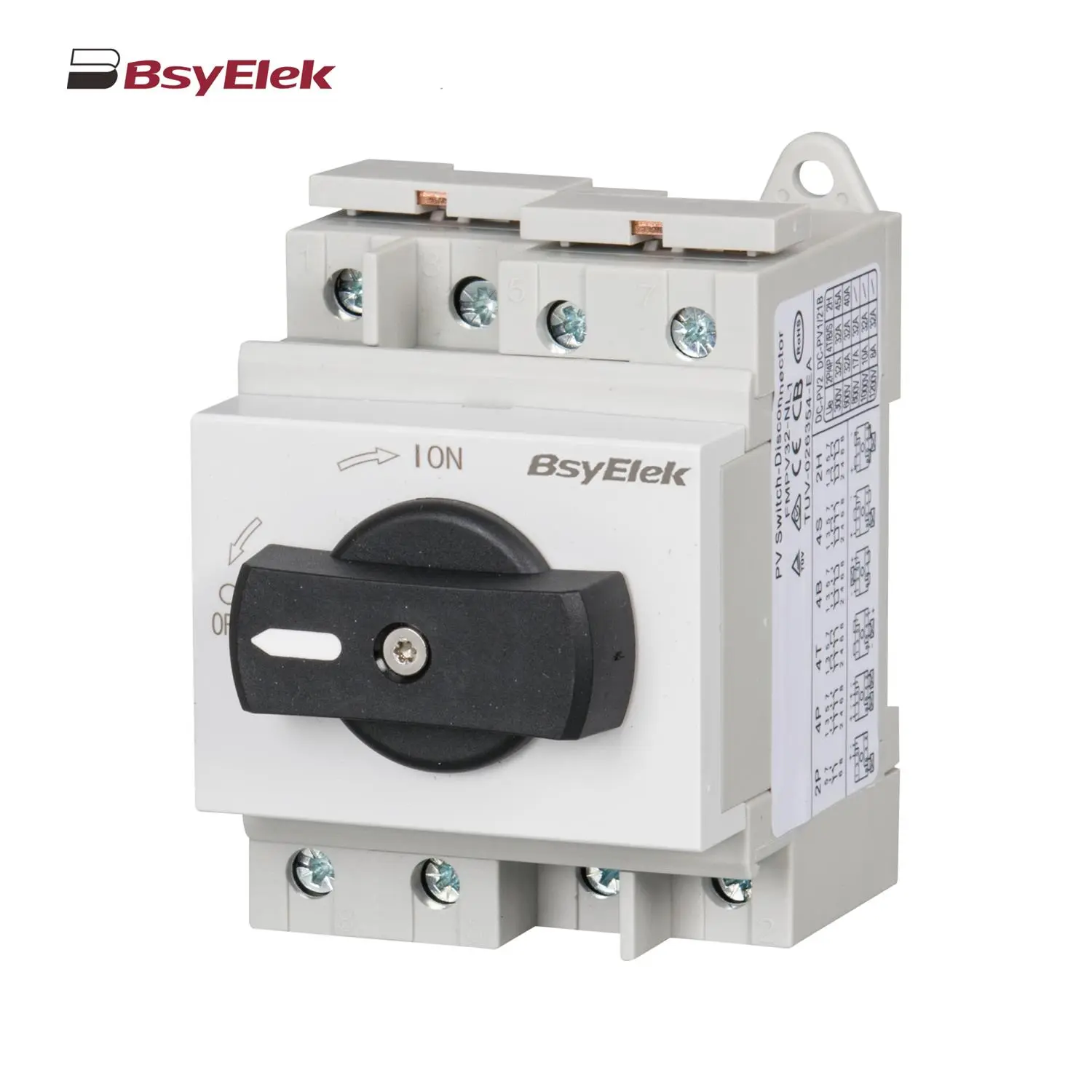 BYPV-NL1/T PV Isolator Switch with Ultra-thin Lever Handle
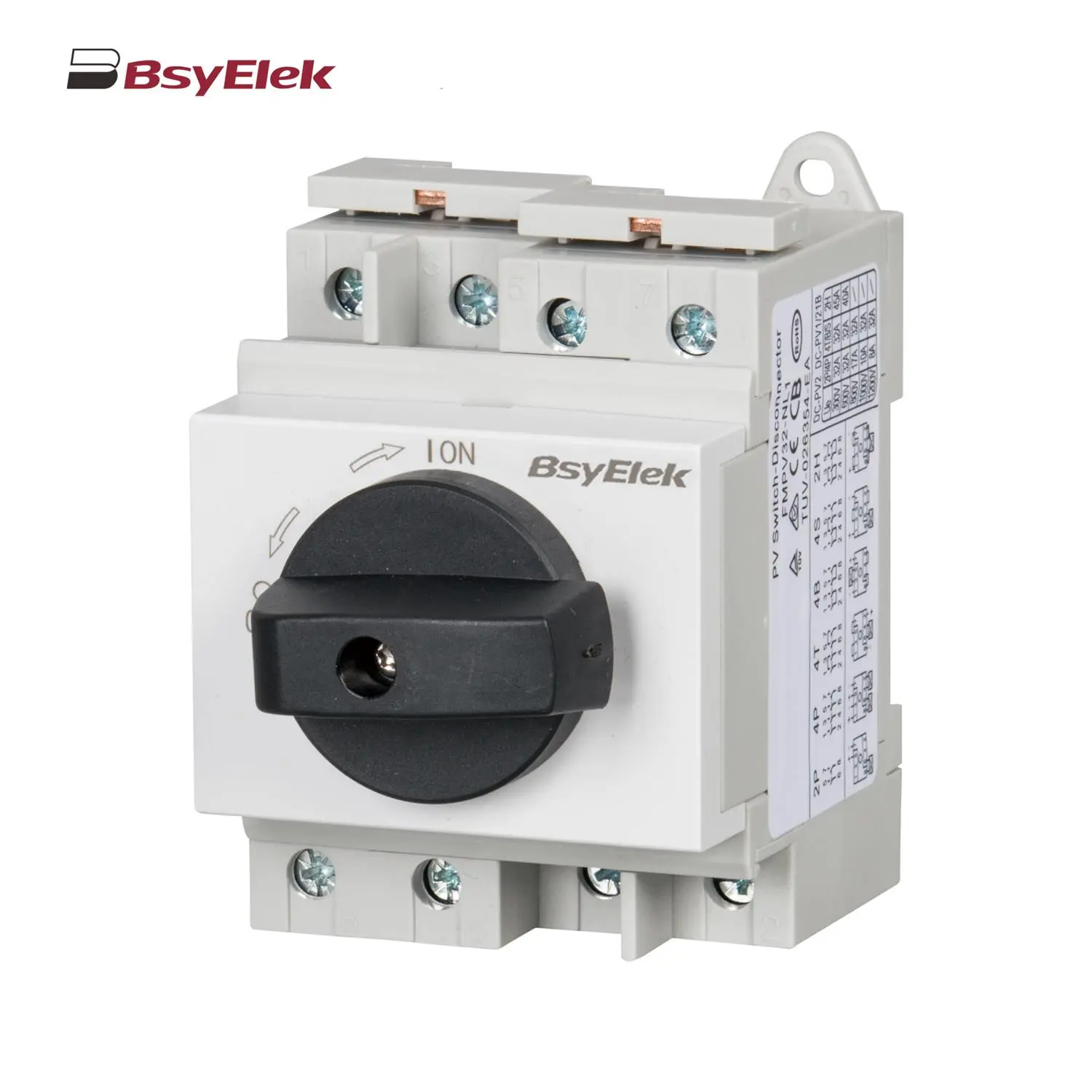 BYPV-NL1 PV Isolator Switch with Lever Handle
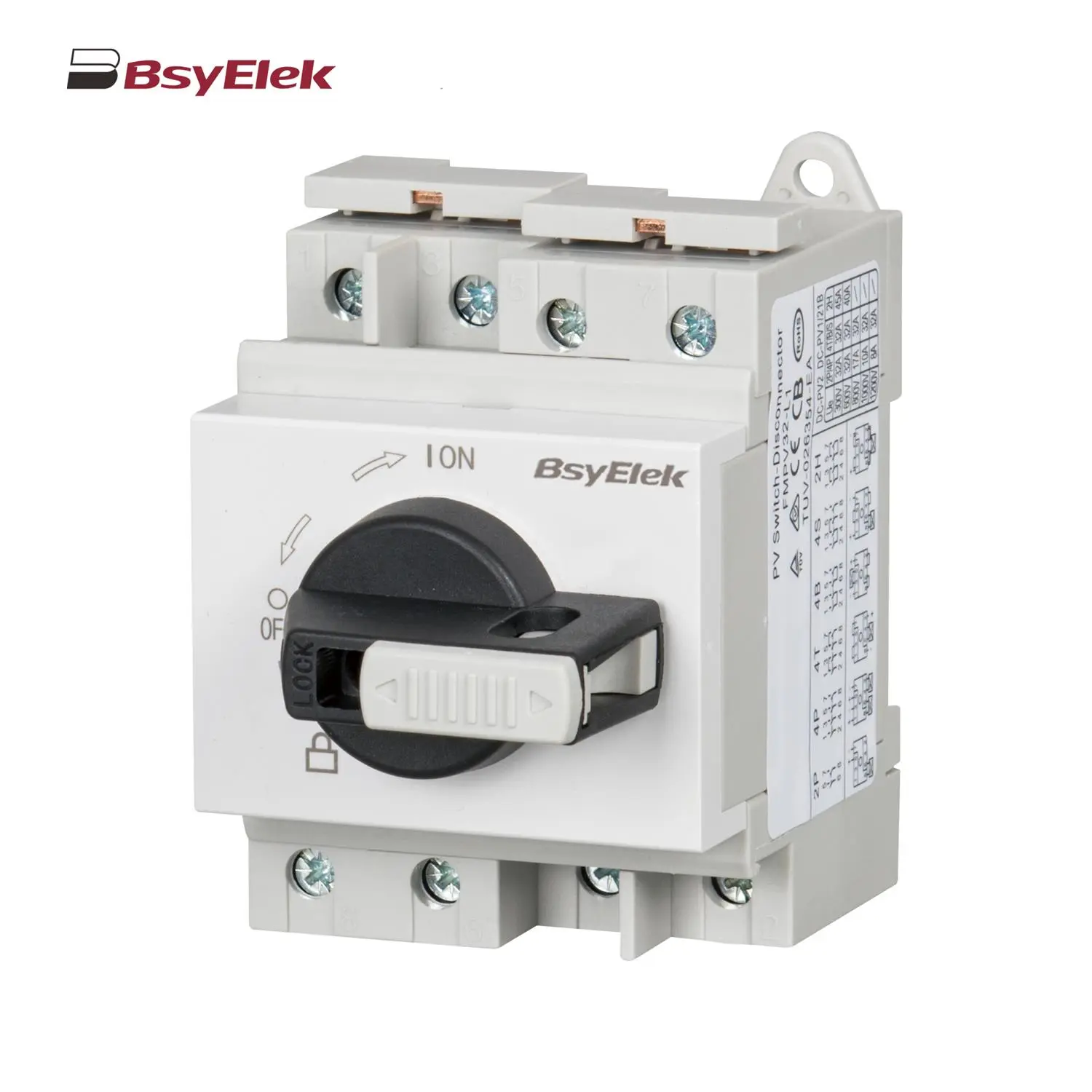 BYPV-L1/L2 PV Isolator Switch with Lockable Lever Handle
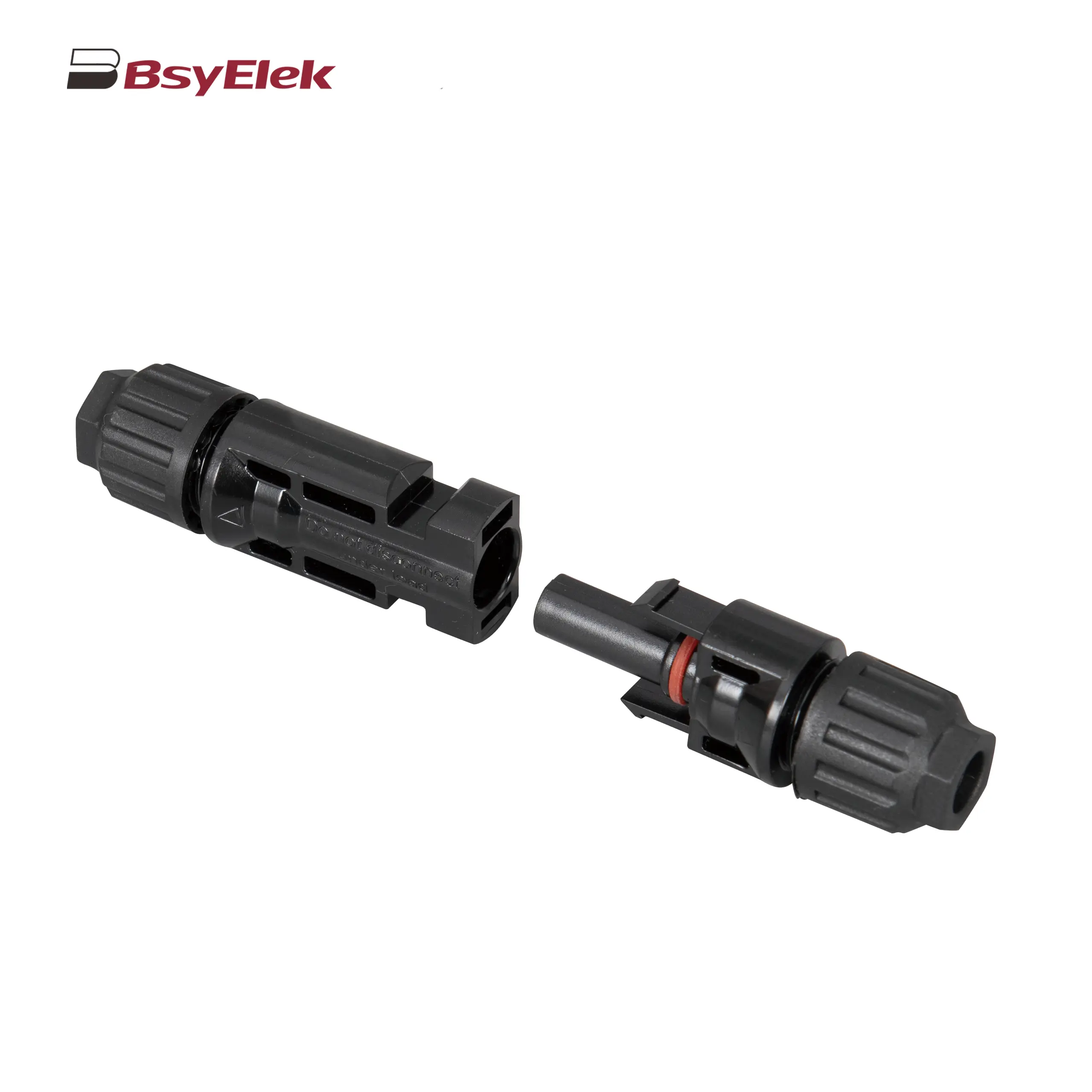 PV-BY-01 30A/50A 1000V Photovoltaic Connector
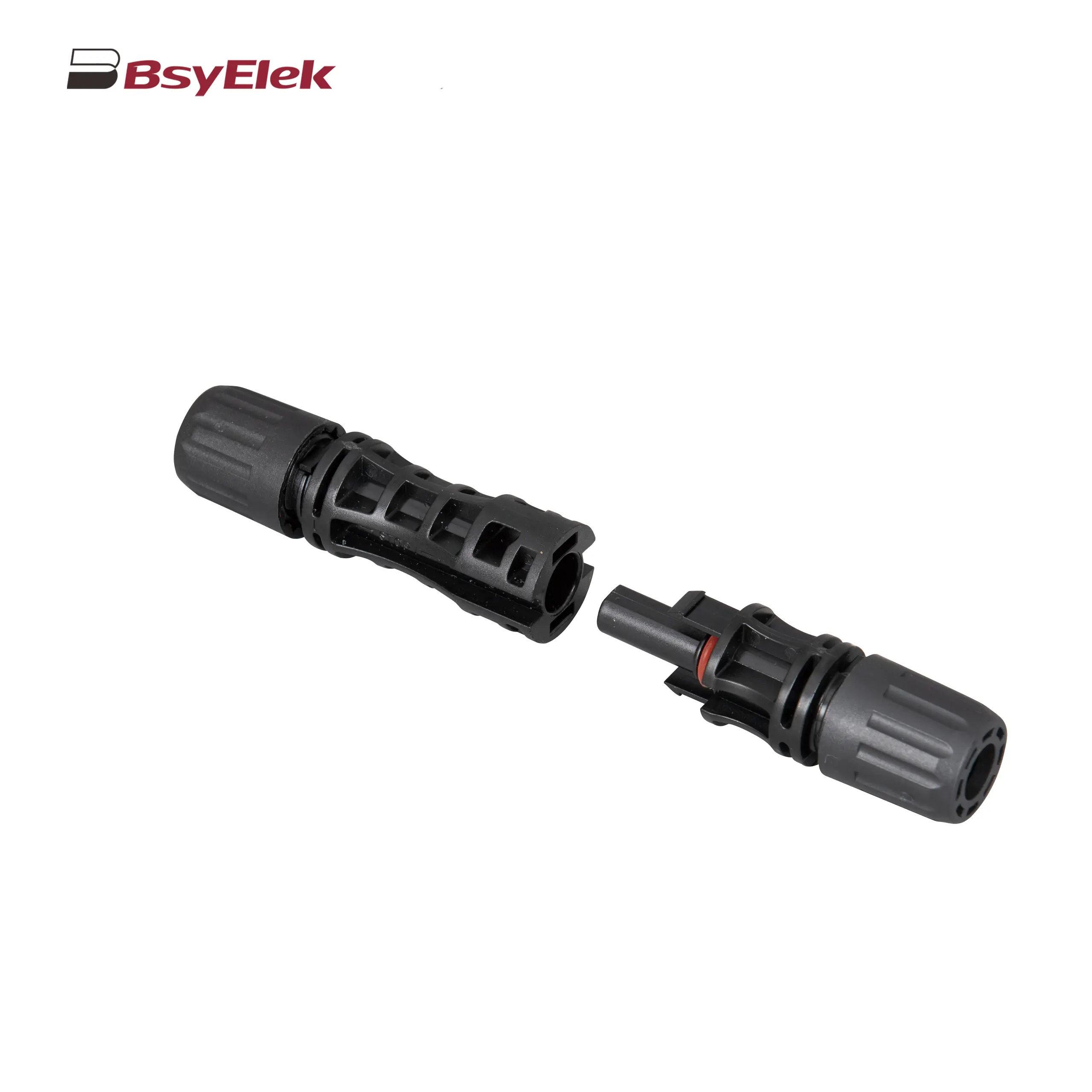 PV-BY-02 30A/50A 1500V Photovoltaic Connector
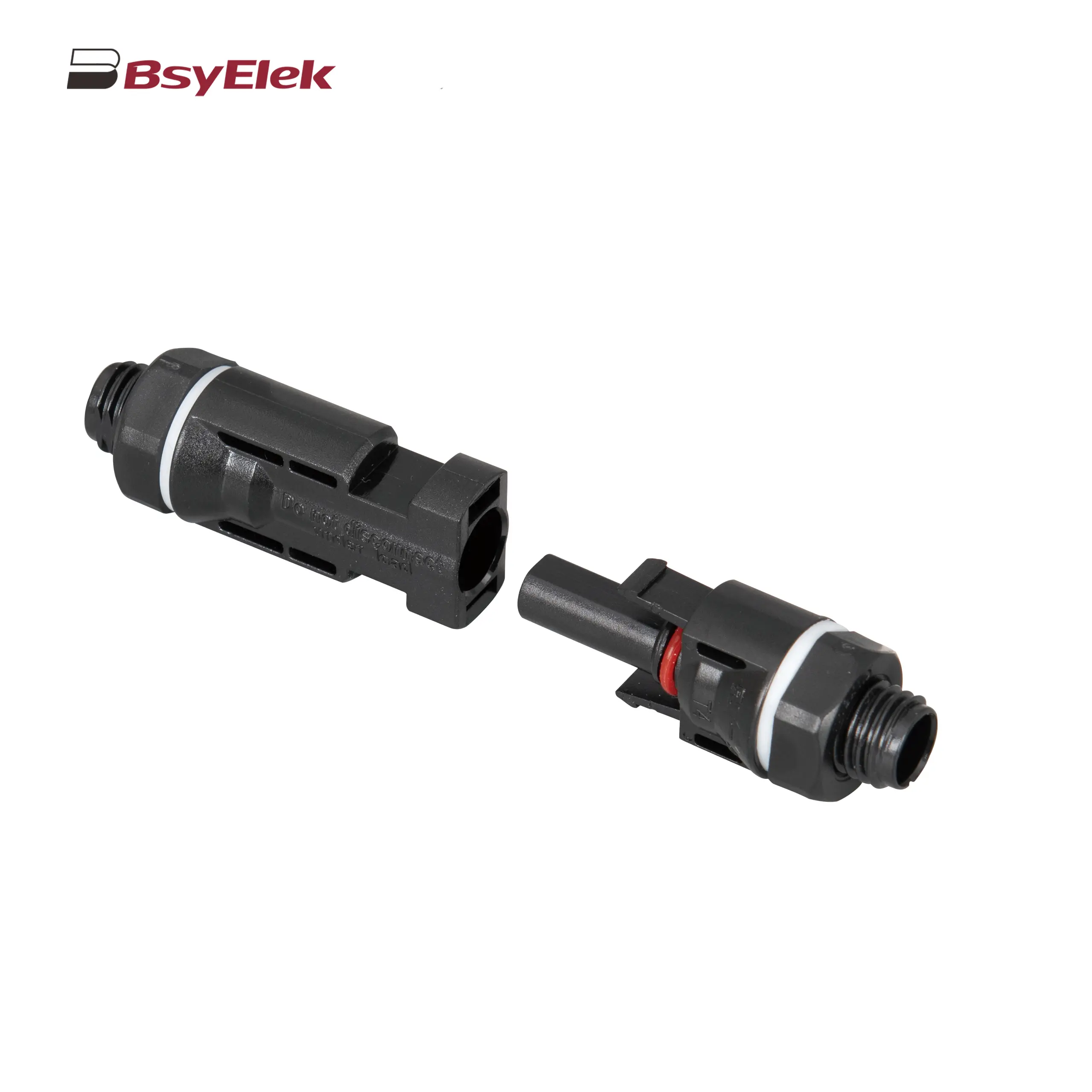 PV-BY-03 30A/50A 1000V Panel Mount Photovoltaic Connector
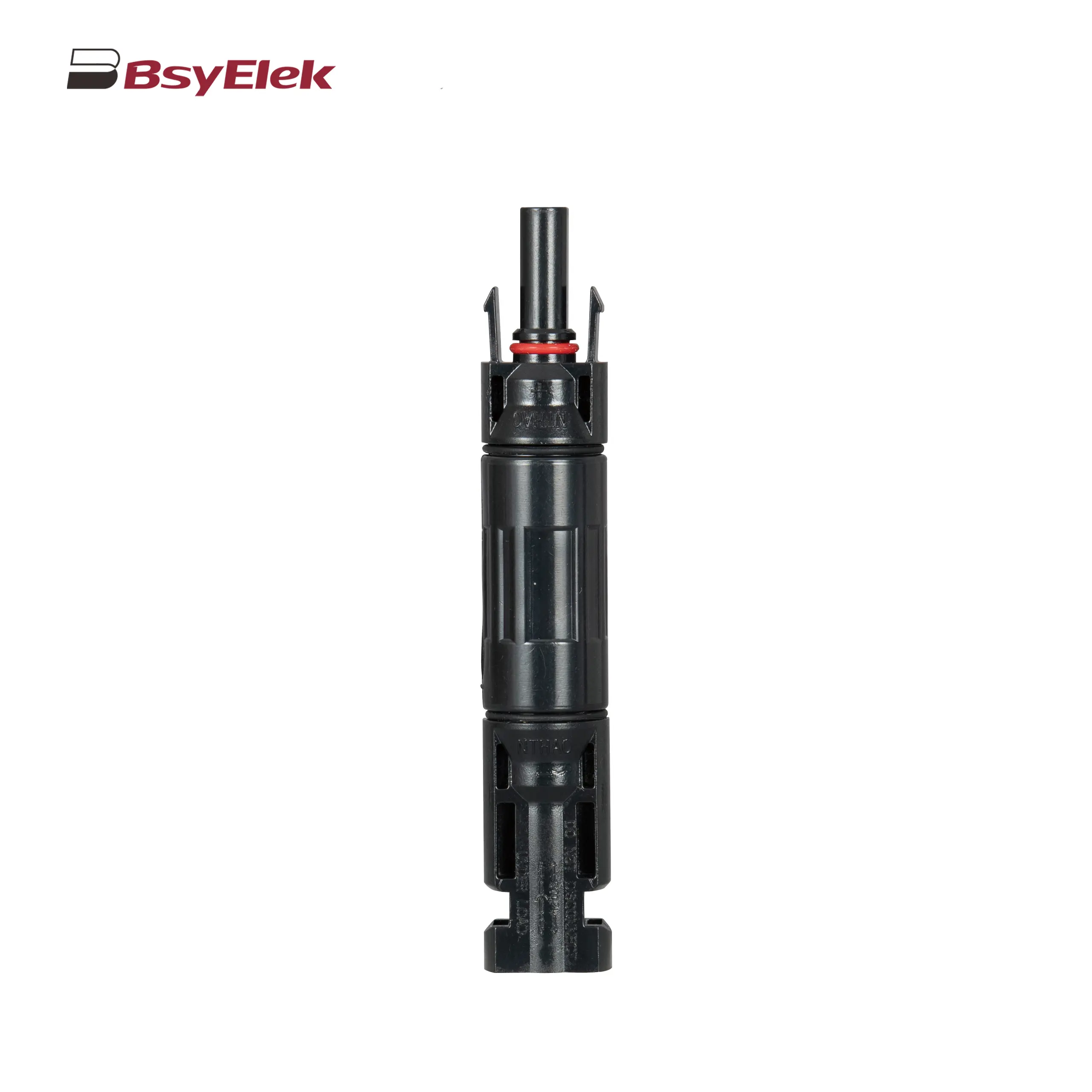 PV-BY-F01 30A 1500V Diode/Fuse Type Connector
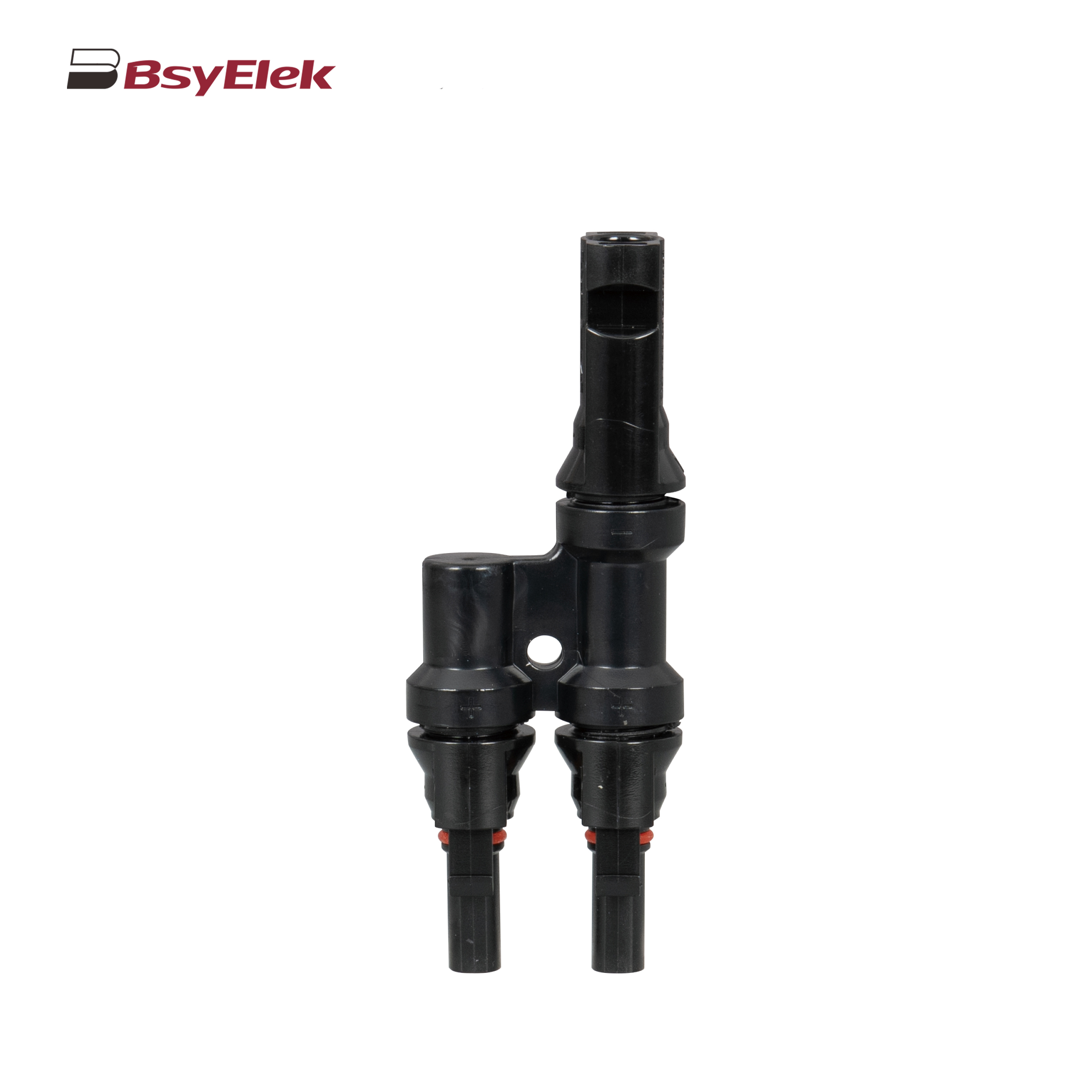 PV-BY-T 50A 1500V T Type Branch Connector
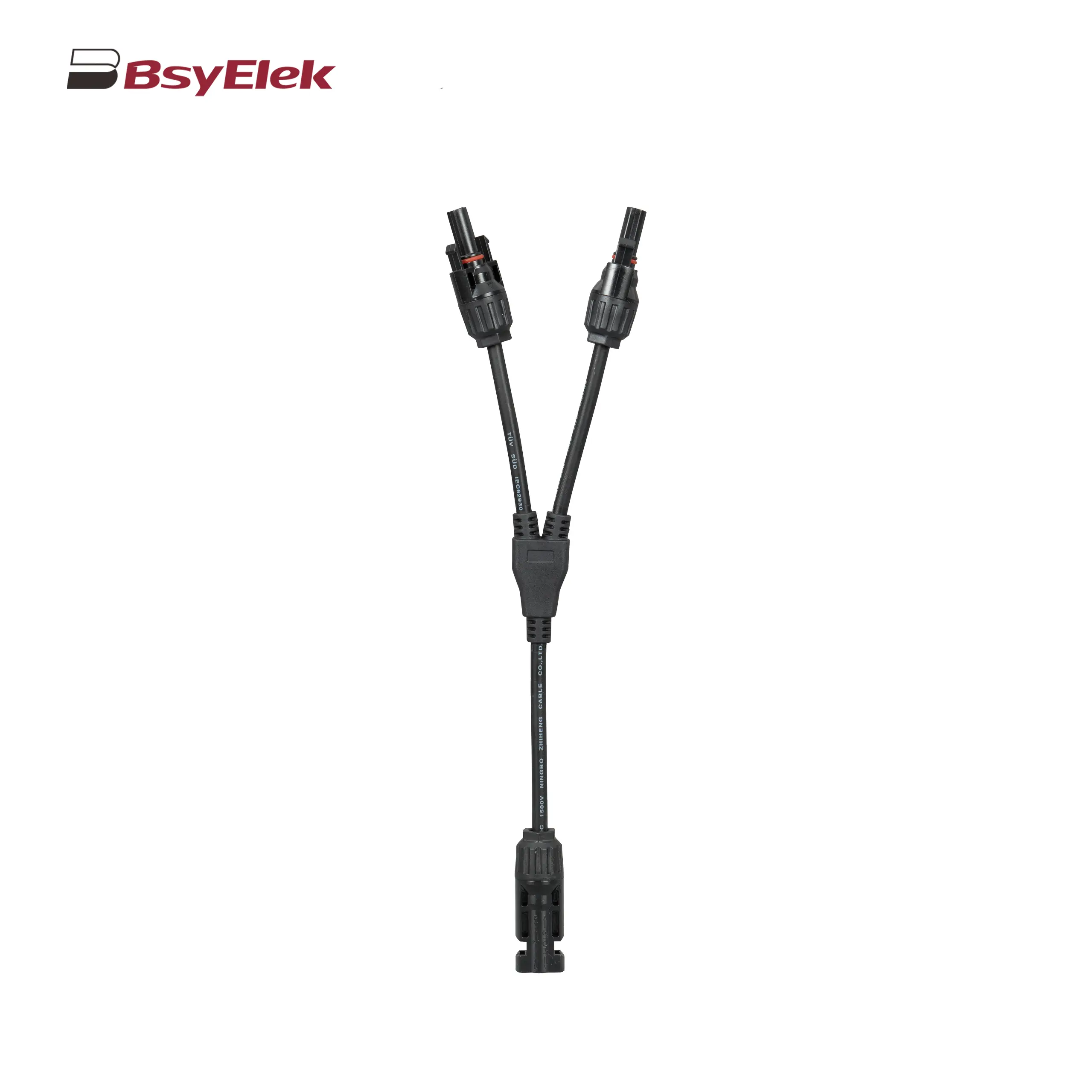 PV-BY-Y 30A 1500V Y Type Branch Connector
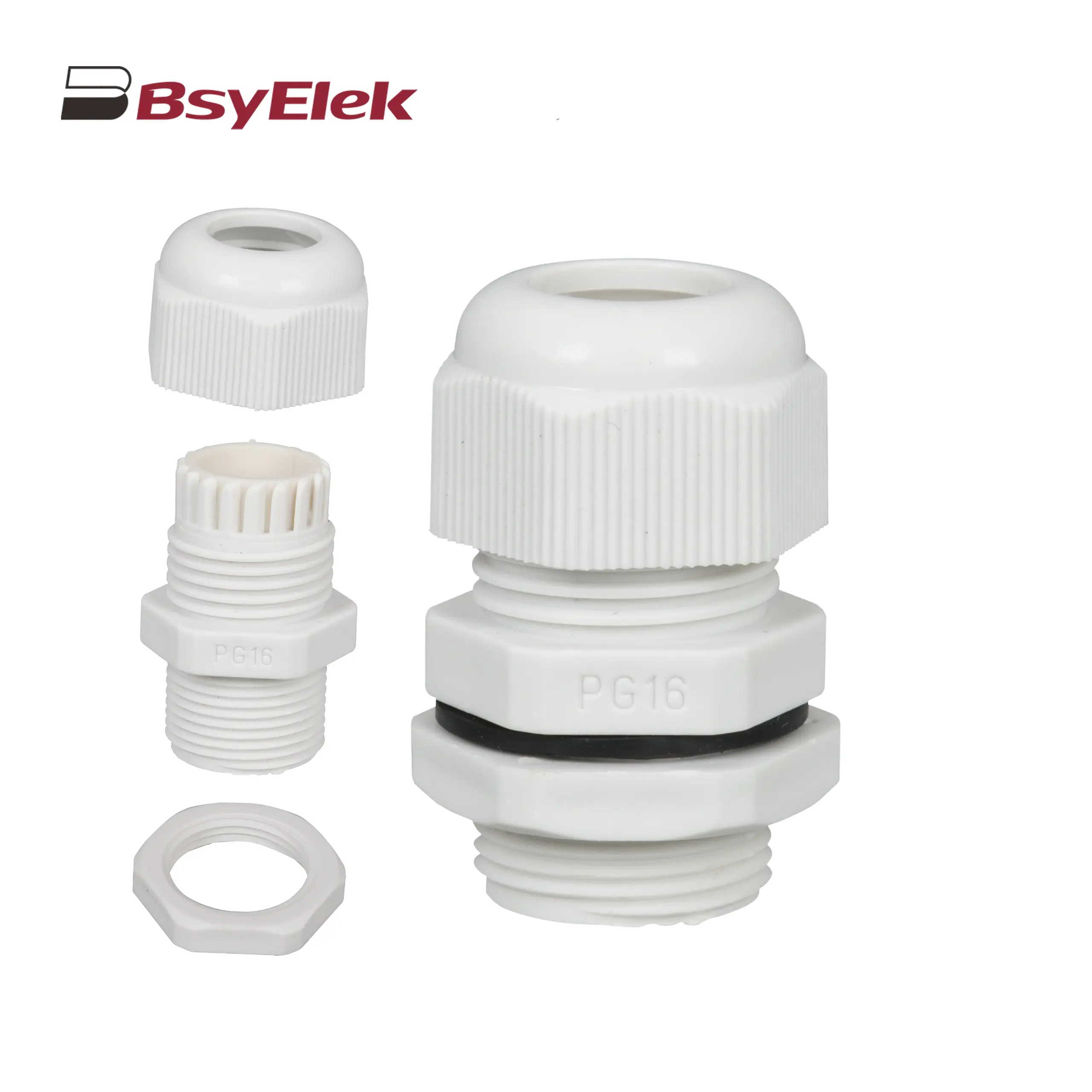 PG Waterproof Cable Gland with Washer
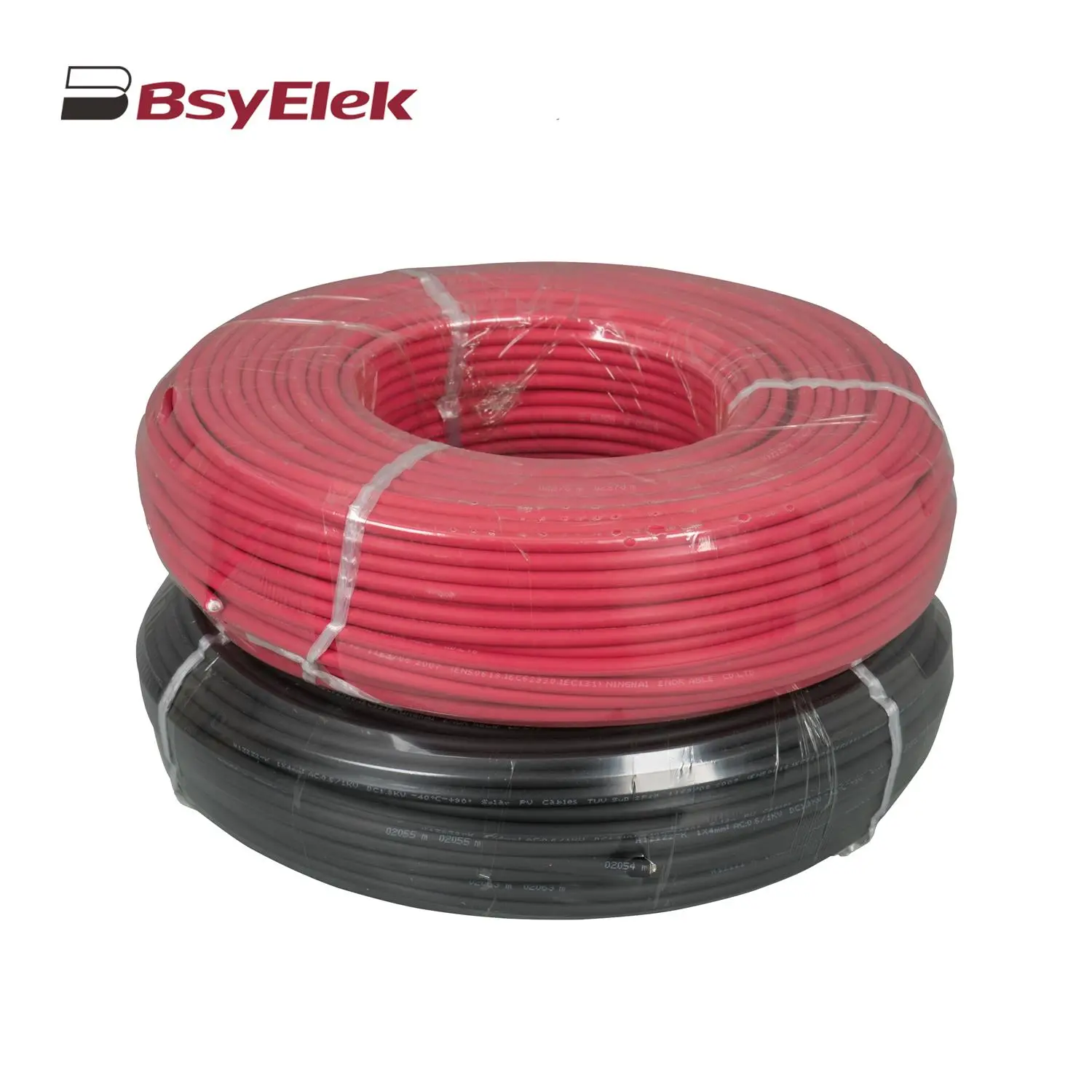 Photovoltaic Cable
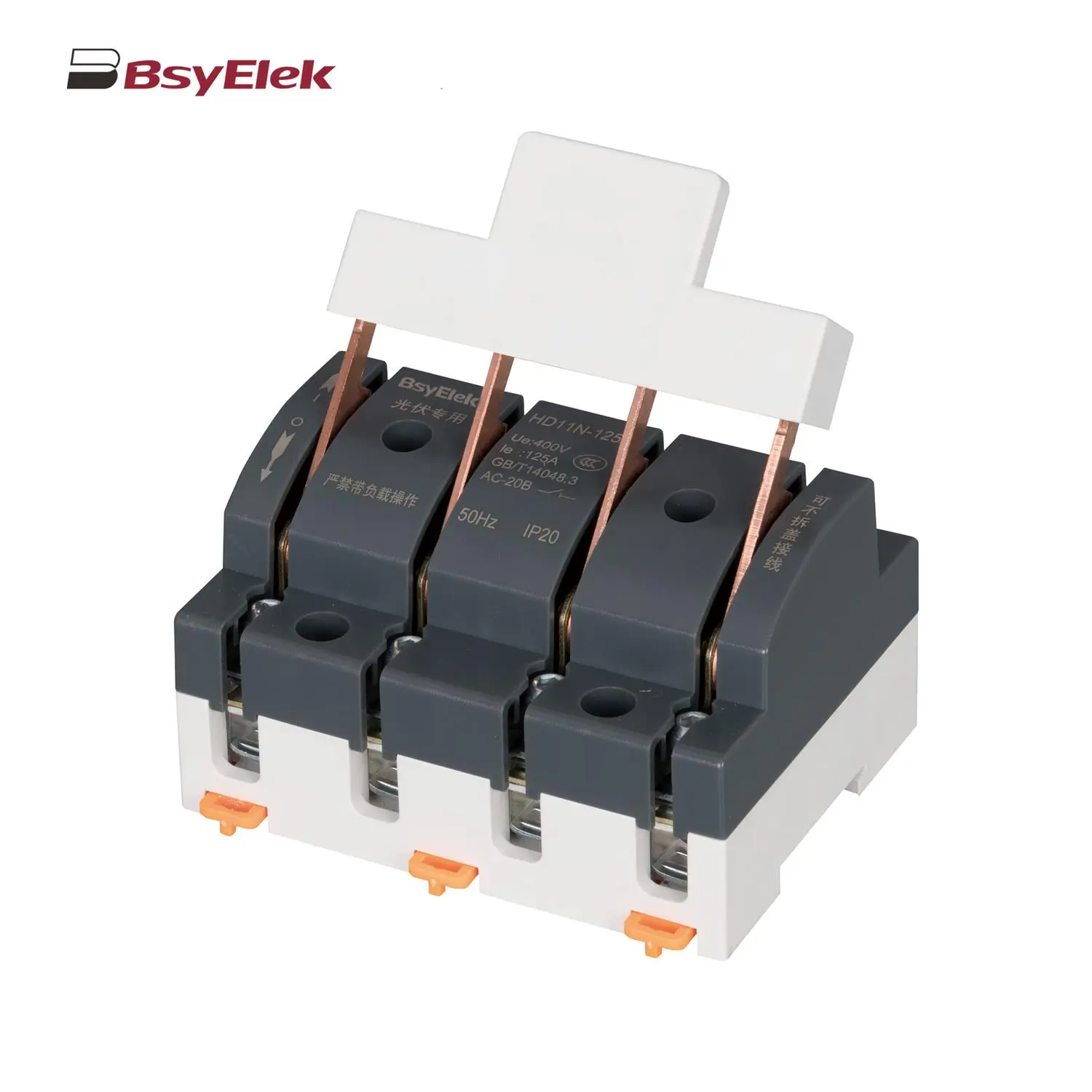 HD11N Photovoltaic Knife Switch
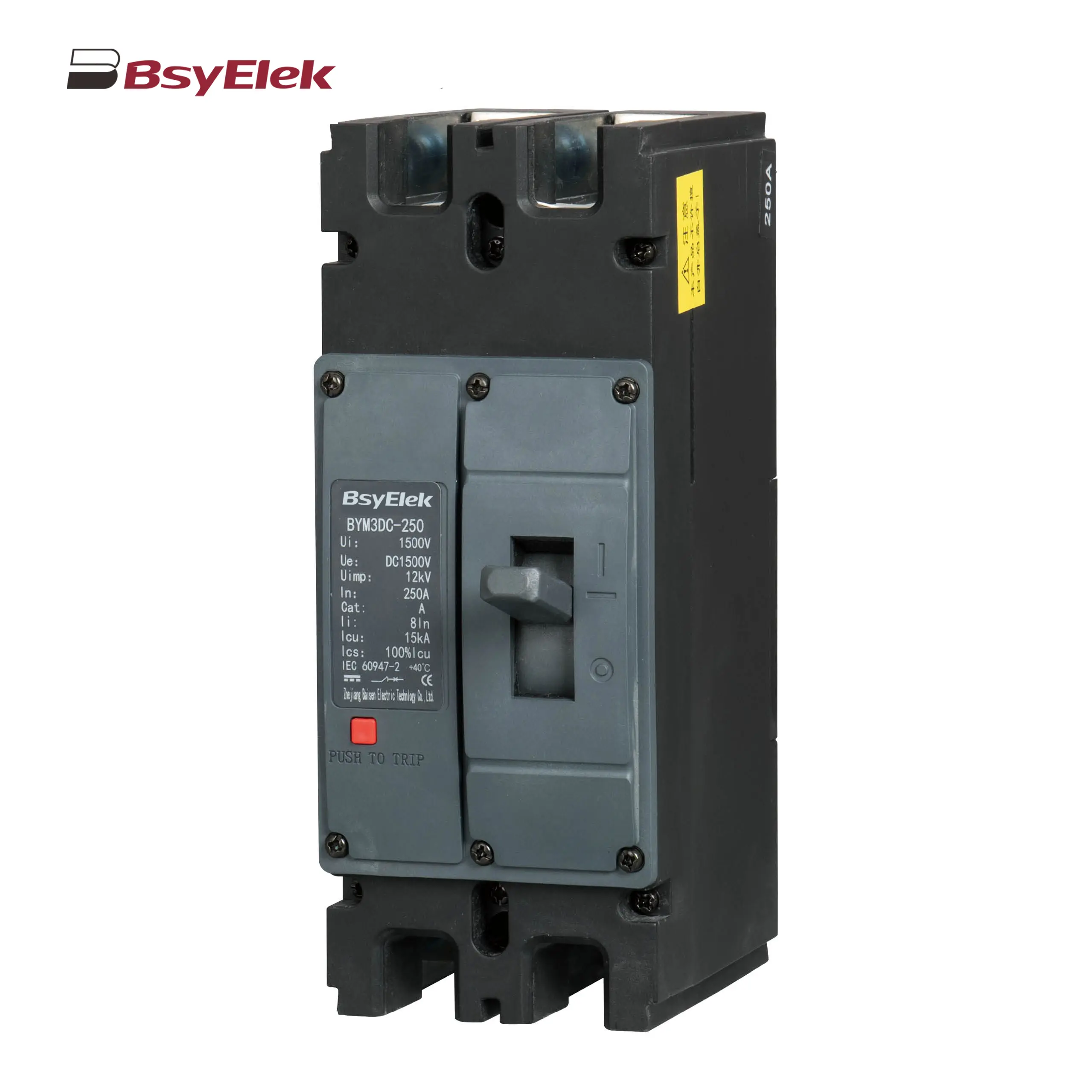 BYM3DC MCCB Photovoltaic DC Molded Case Circuit Breaker
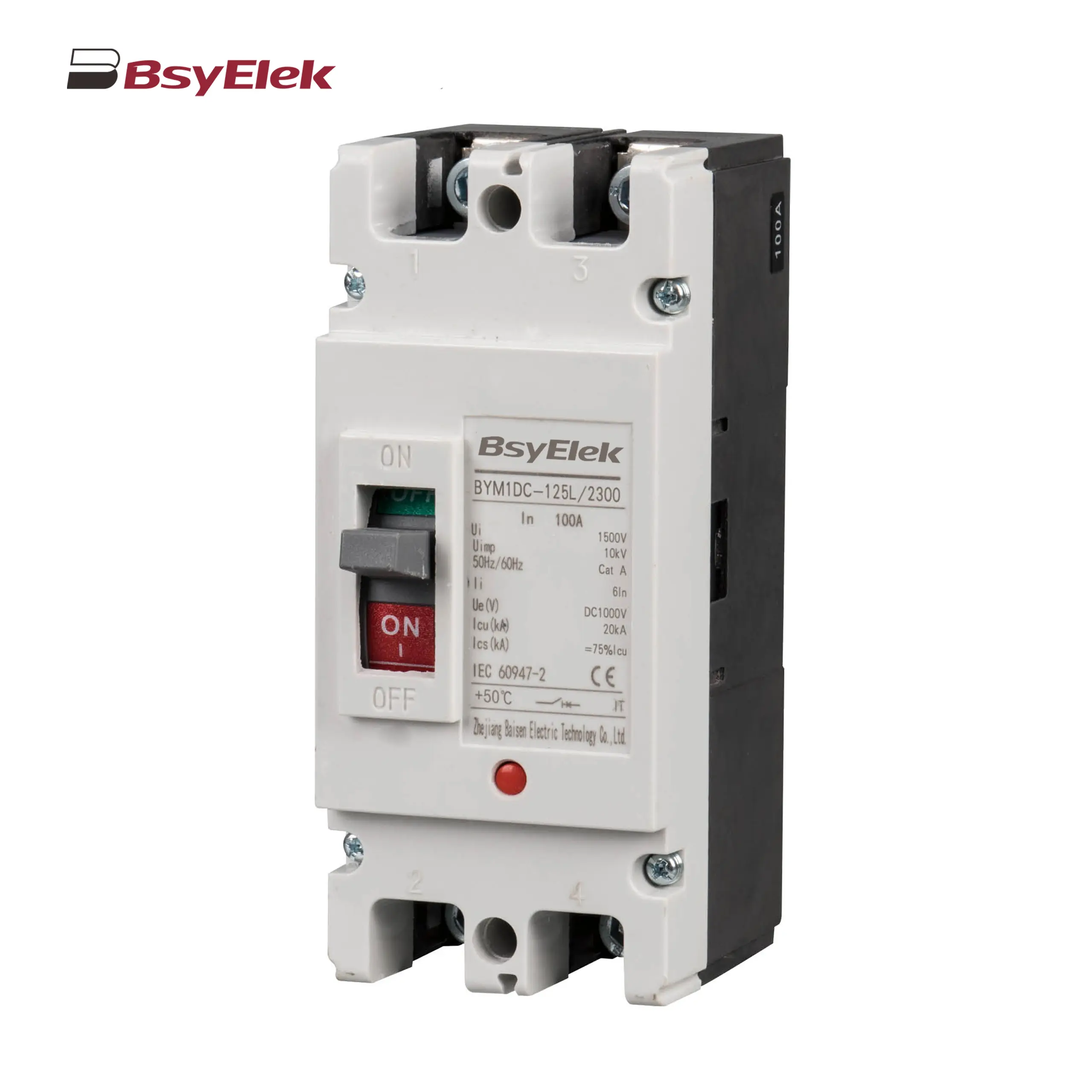 BYM1DC MCCB 1000VDC Thermal Magnetic Type DC Molded Case Circuit Breaker
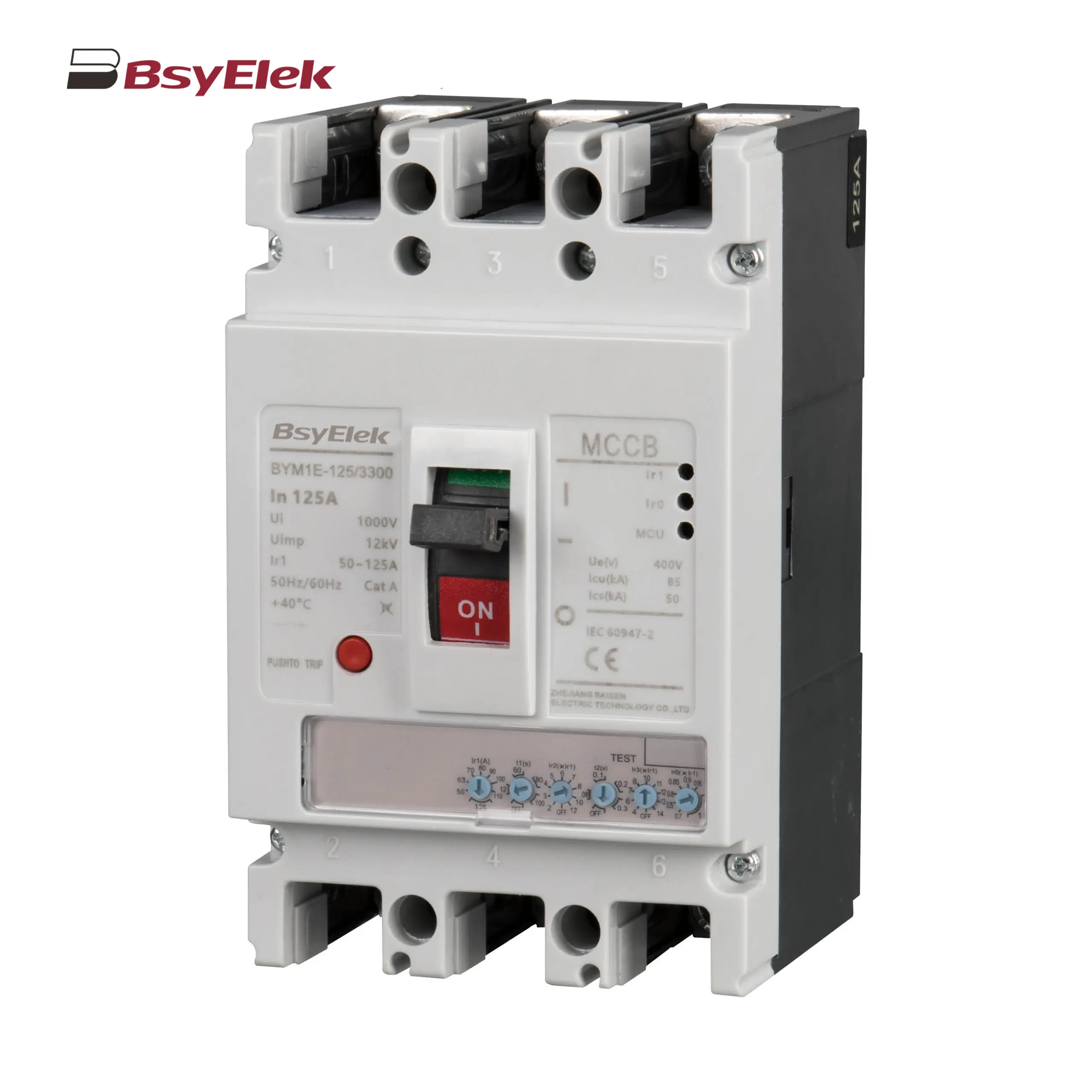 BYM1E MCCB Electronic Type Molded Case Circuit Breaker
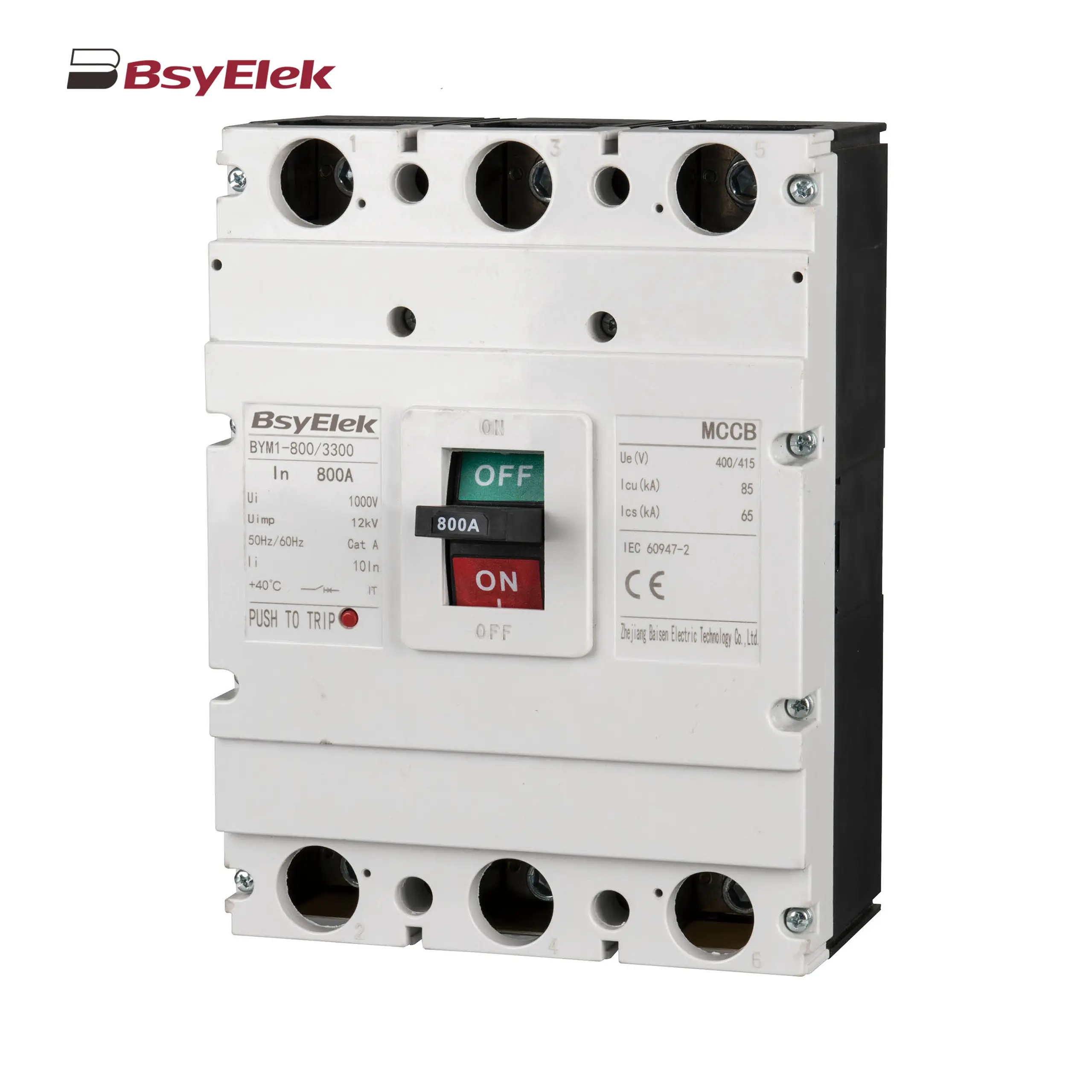 BYM1 MCCB Thermal Magnetic AC Molded Case Circuit Breaker
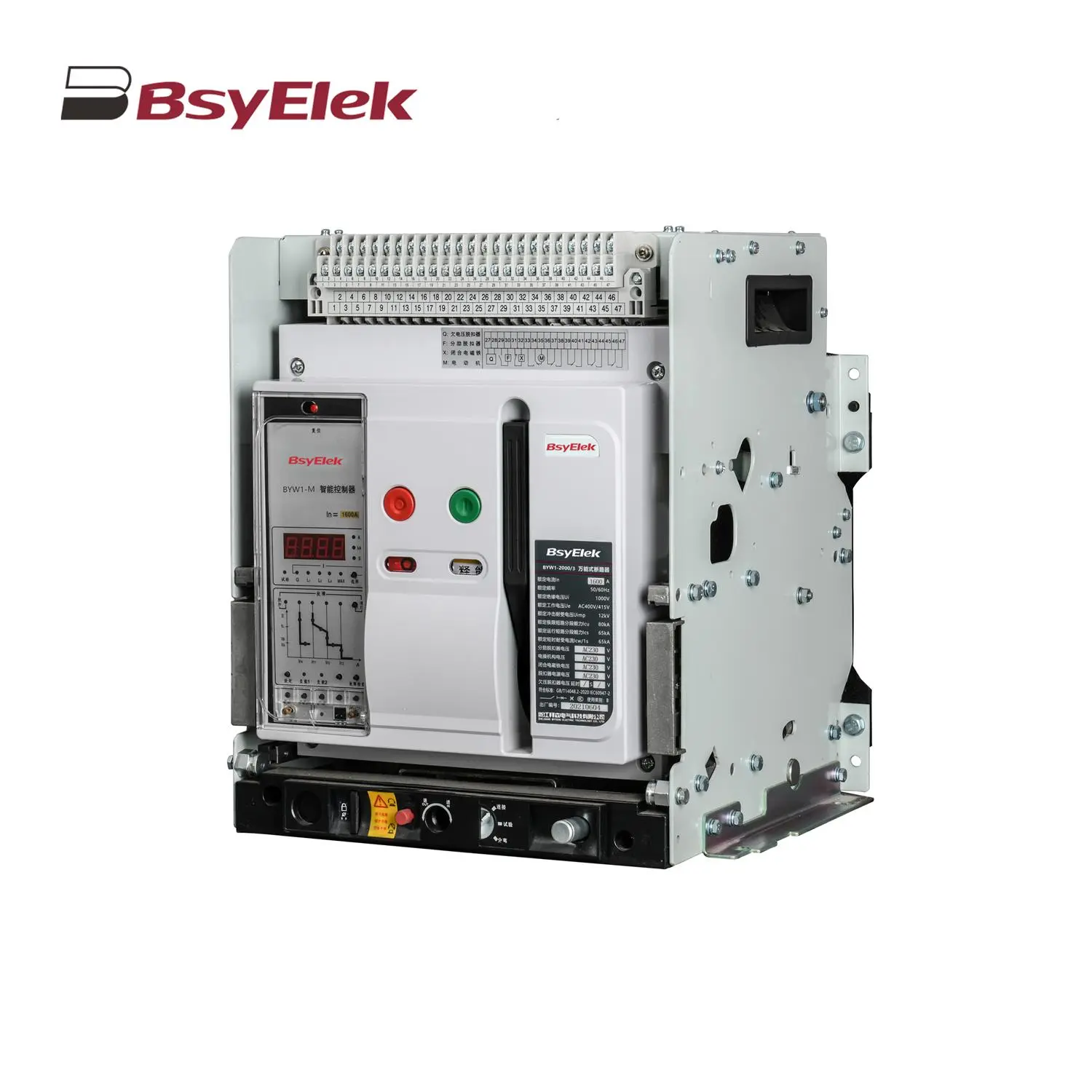 BYW1 ACB Intelligent Universal Air Circuit Breaker
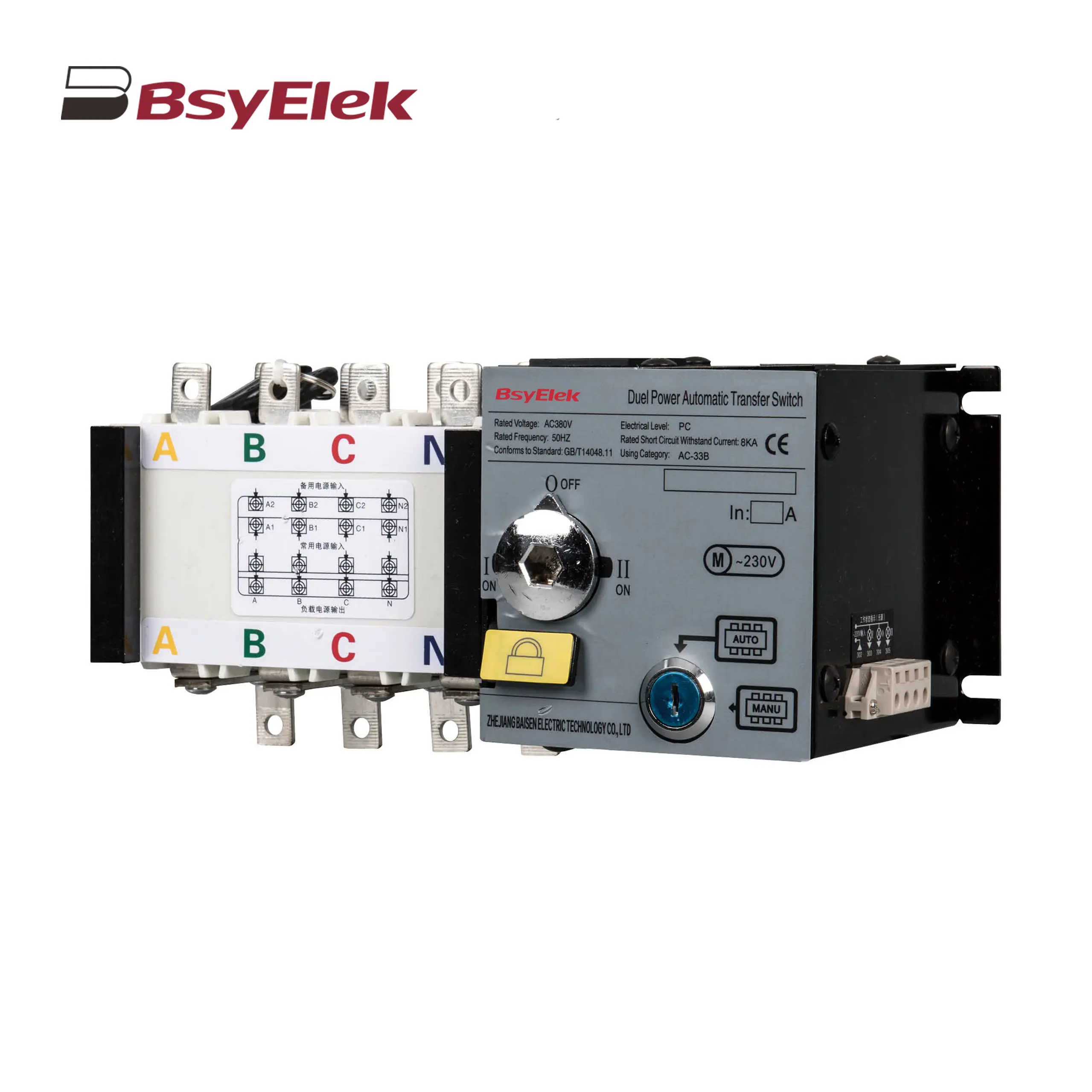 BYQ1 ATS Isolated Type PC Level Dual Power Automatic Transfer Switch
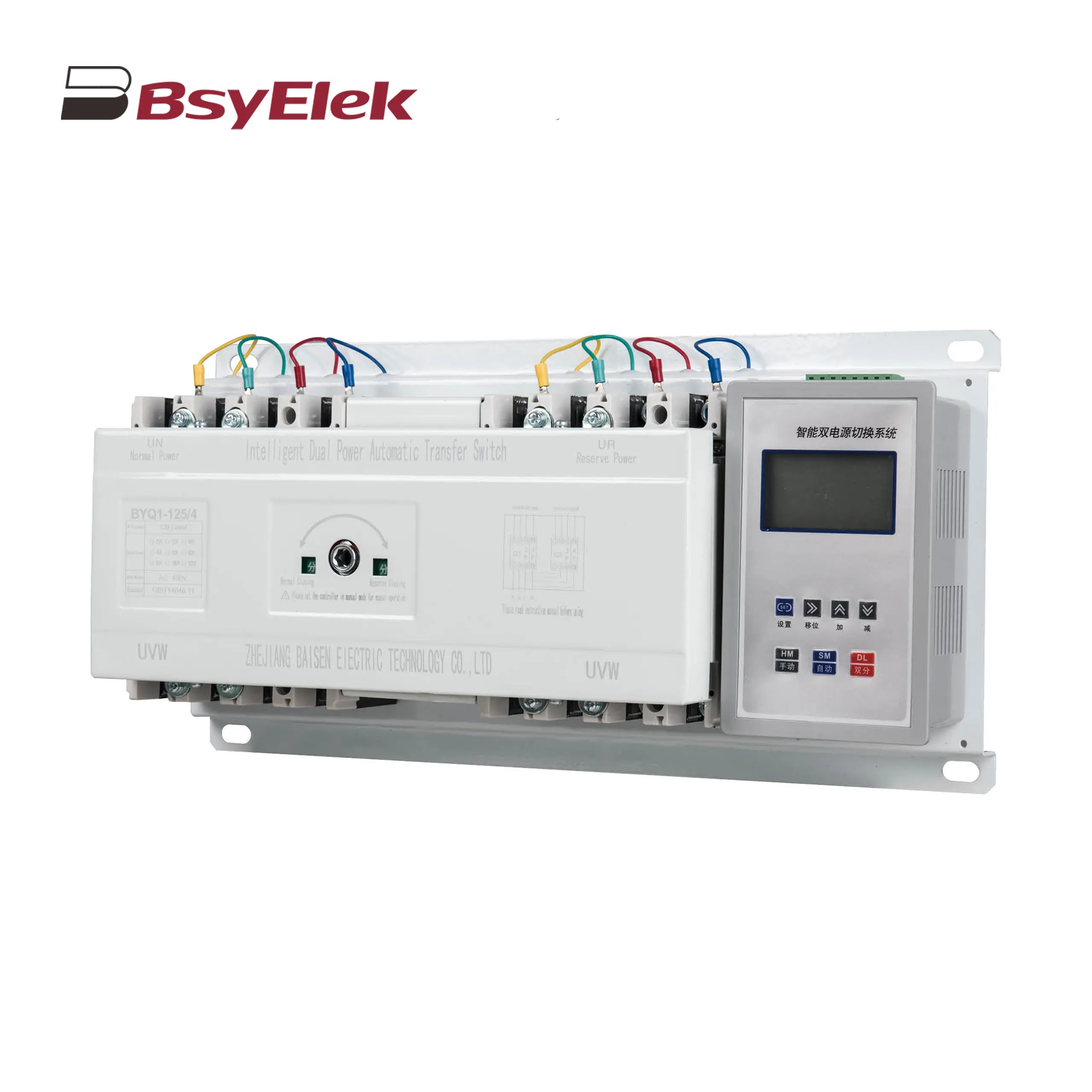 BYQ1 ATS Intelligent Type CB Level Dual Power Automatic Transfer Switch
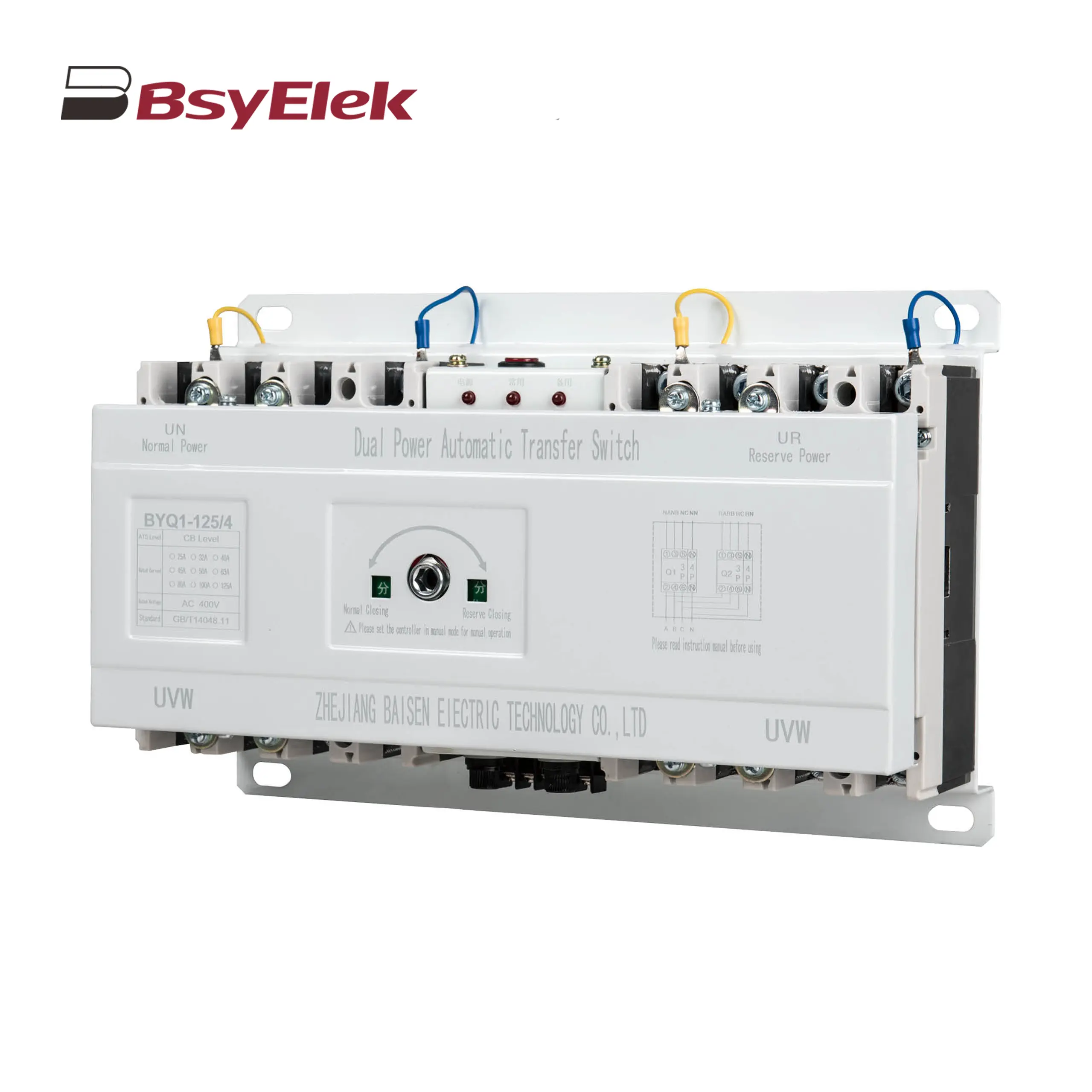 BYQ1 ATS End Type CB Level Dual Power Automatic Transfer Switch
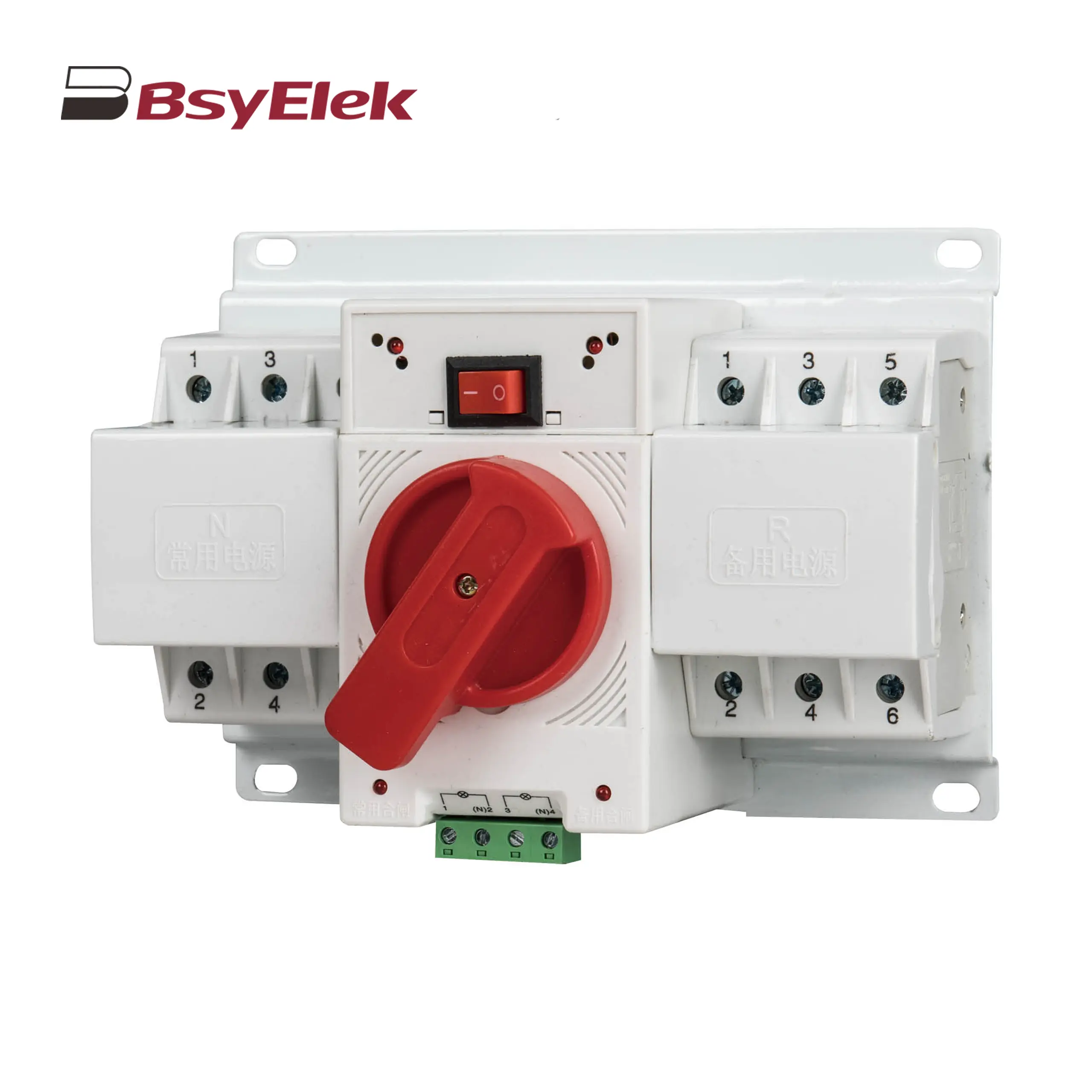 BYQ1 ATS Mini Type CB Level Dual Power Automatic Transfer Switch
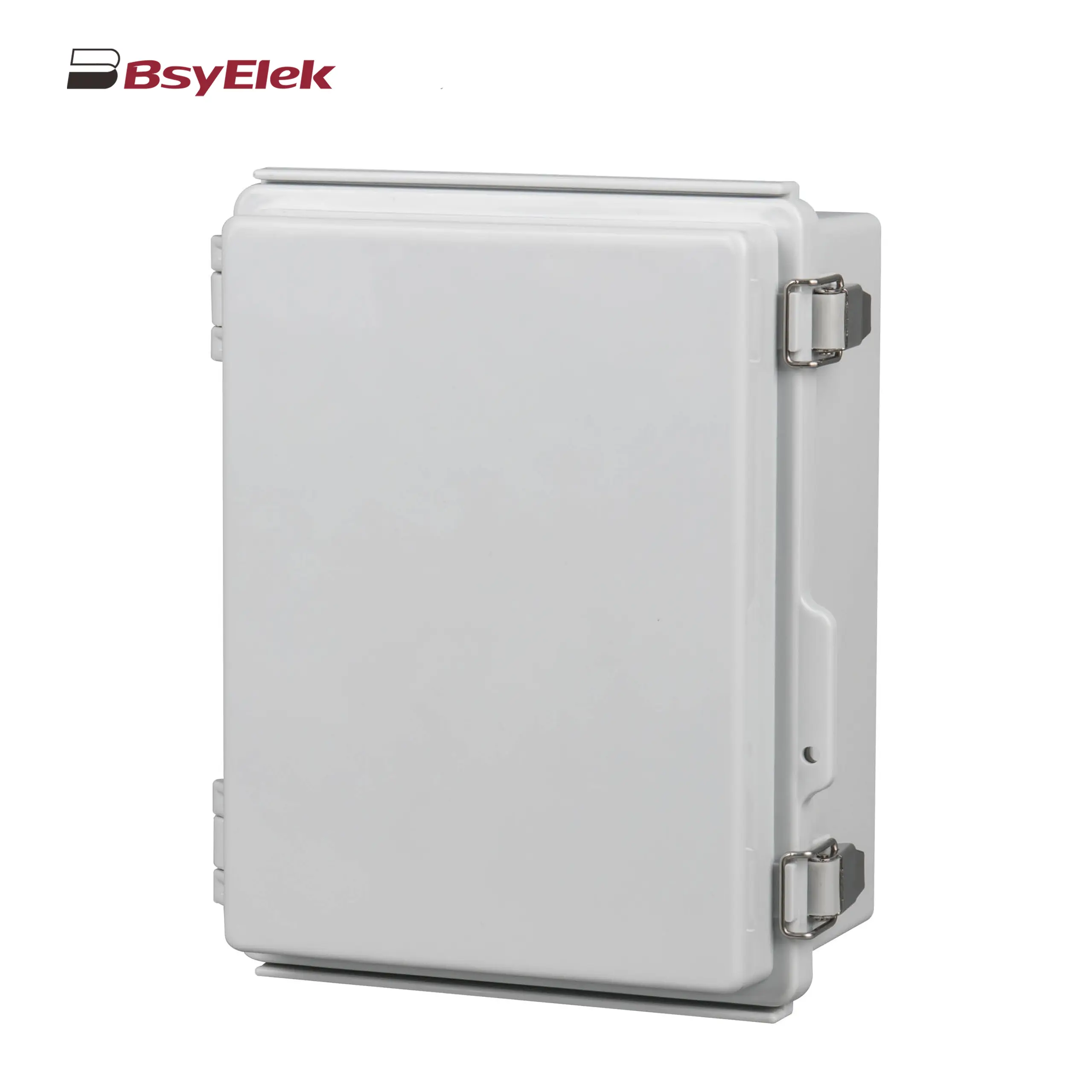 Stainless Steel Hinge Type Electrical Box
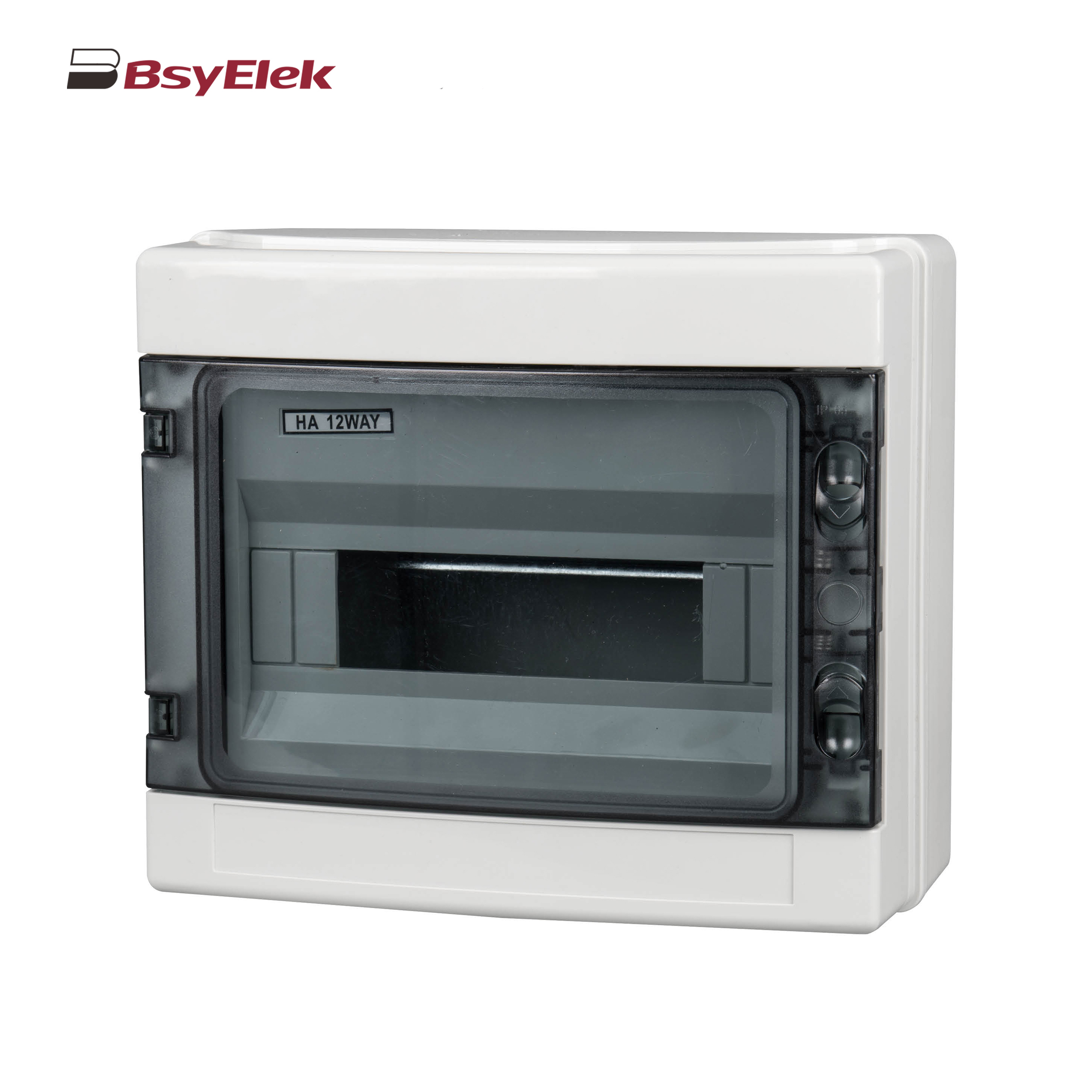 HA Waterproof Distribution Box
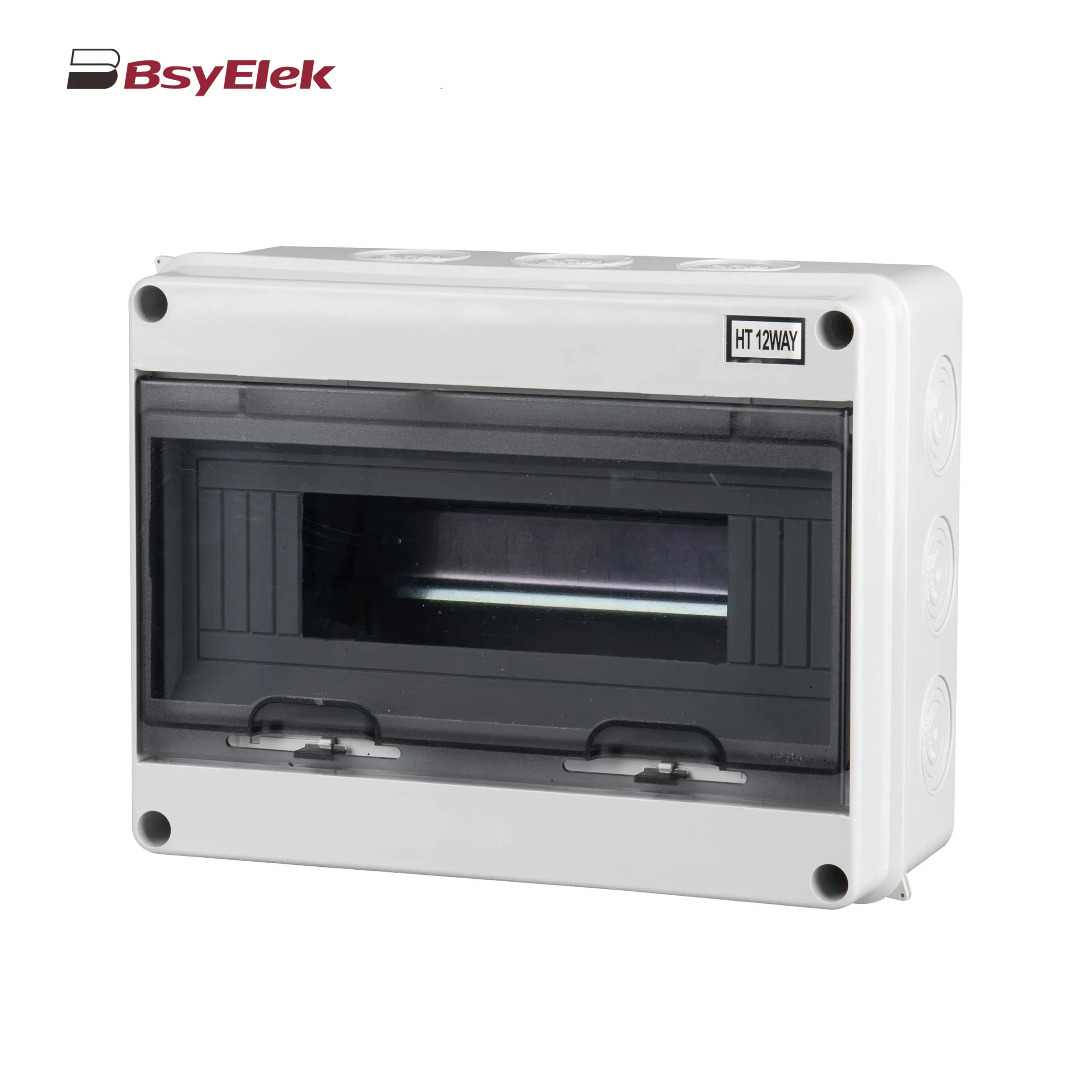 HT Waterproof Distribution Box
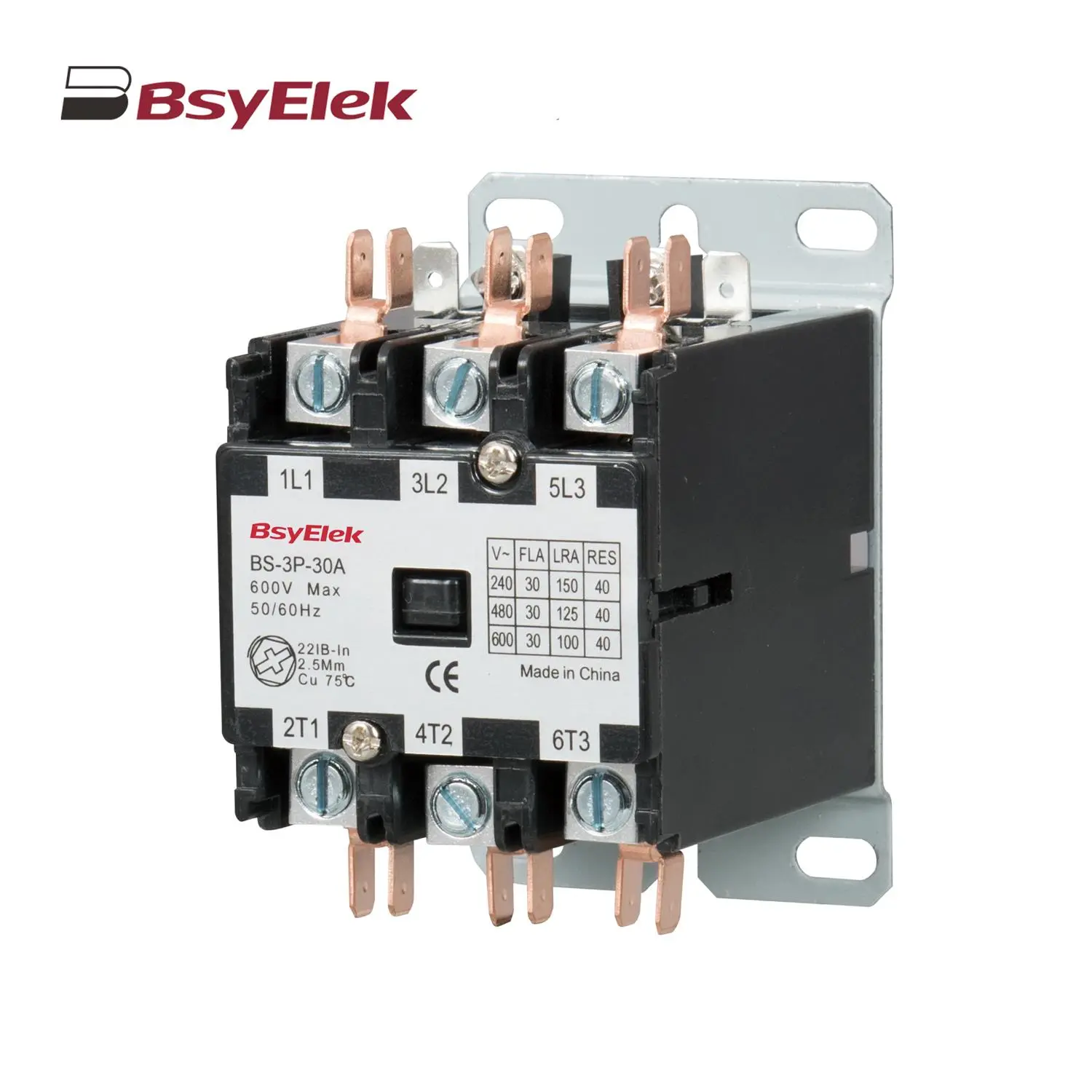 BS Definite Purpose Magnetic AC Contactor