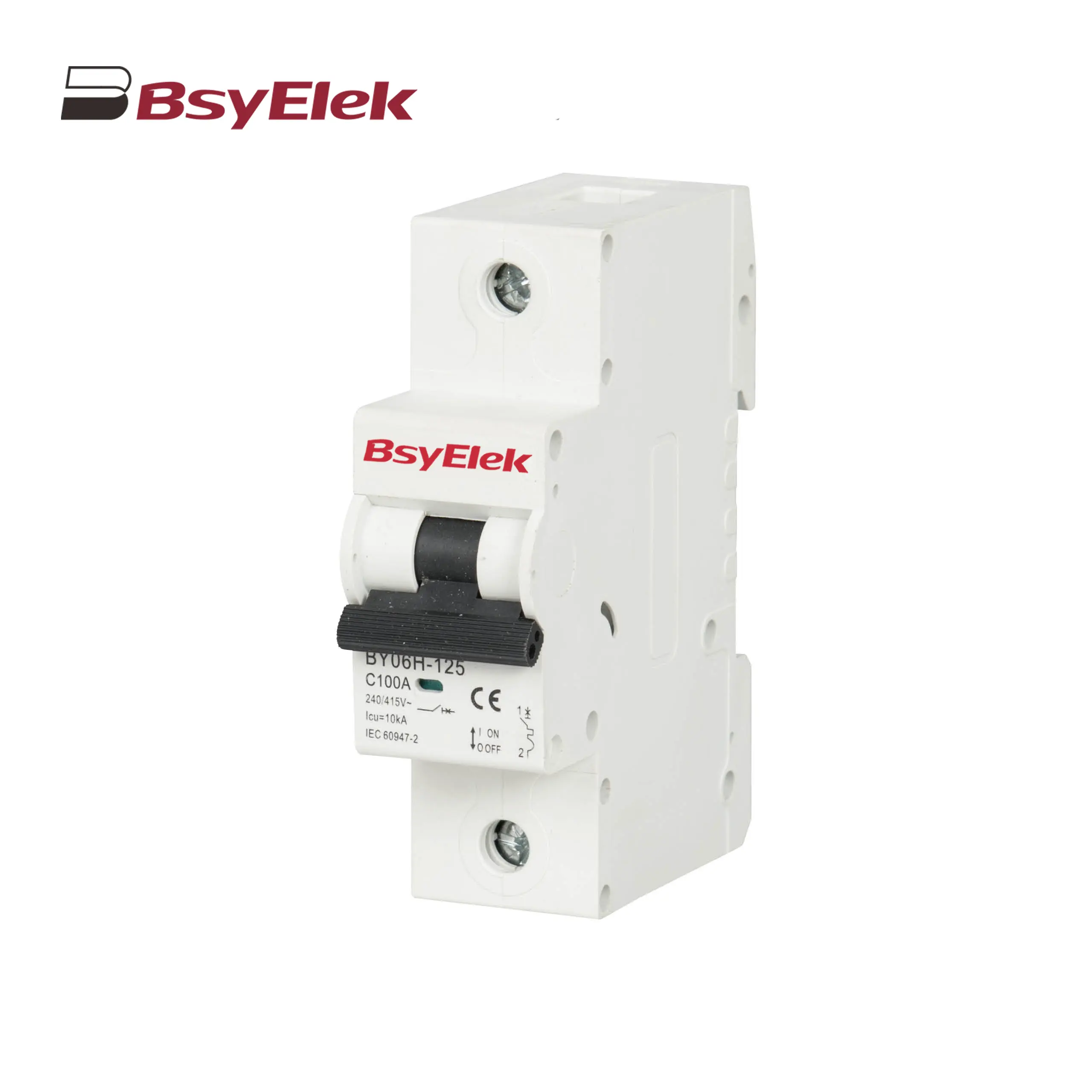
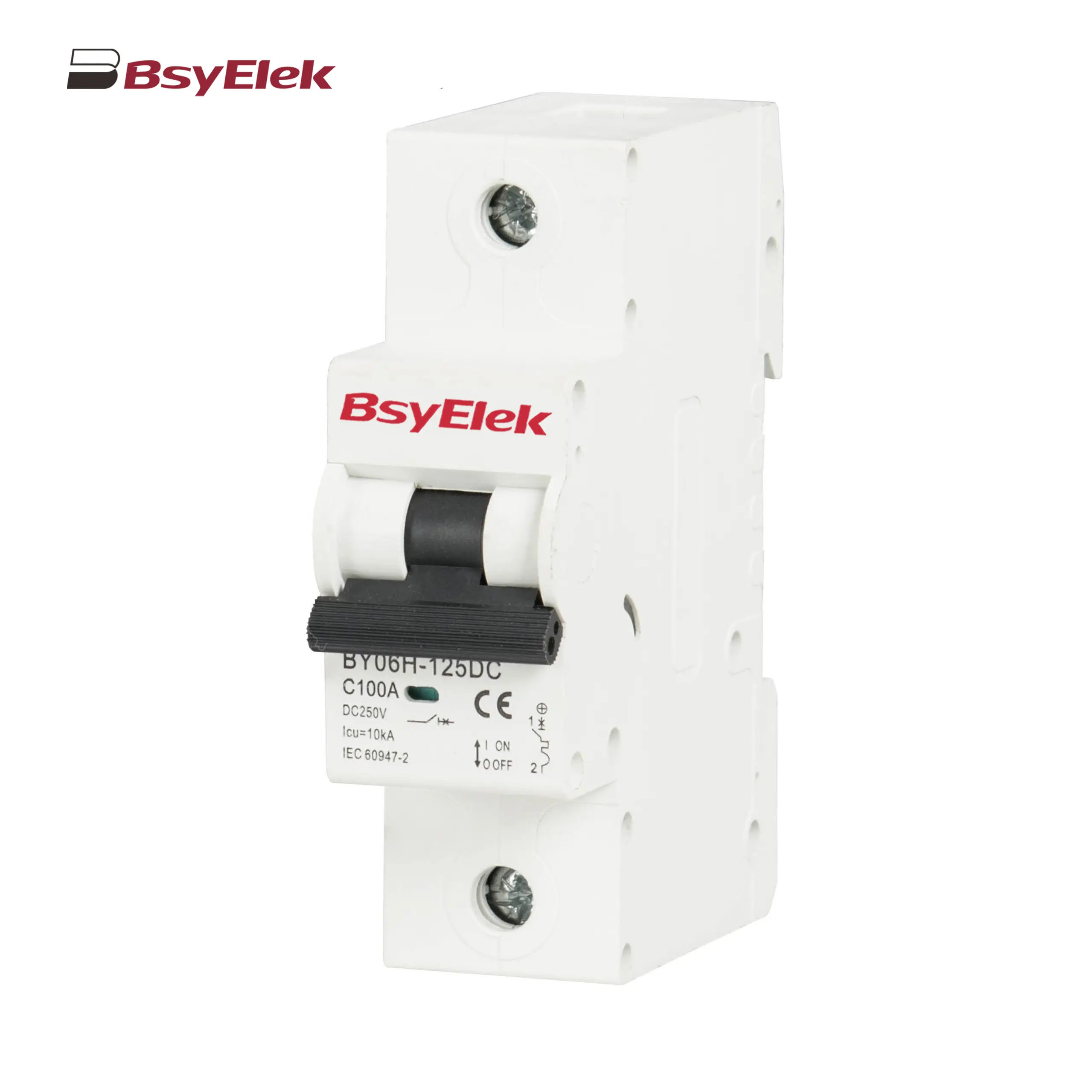
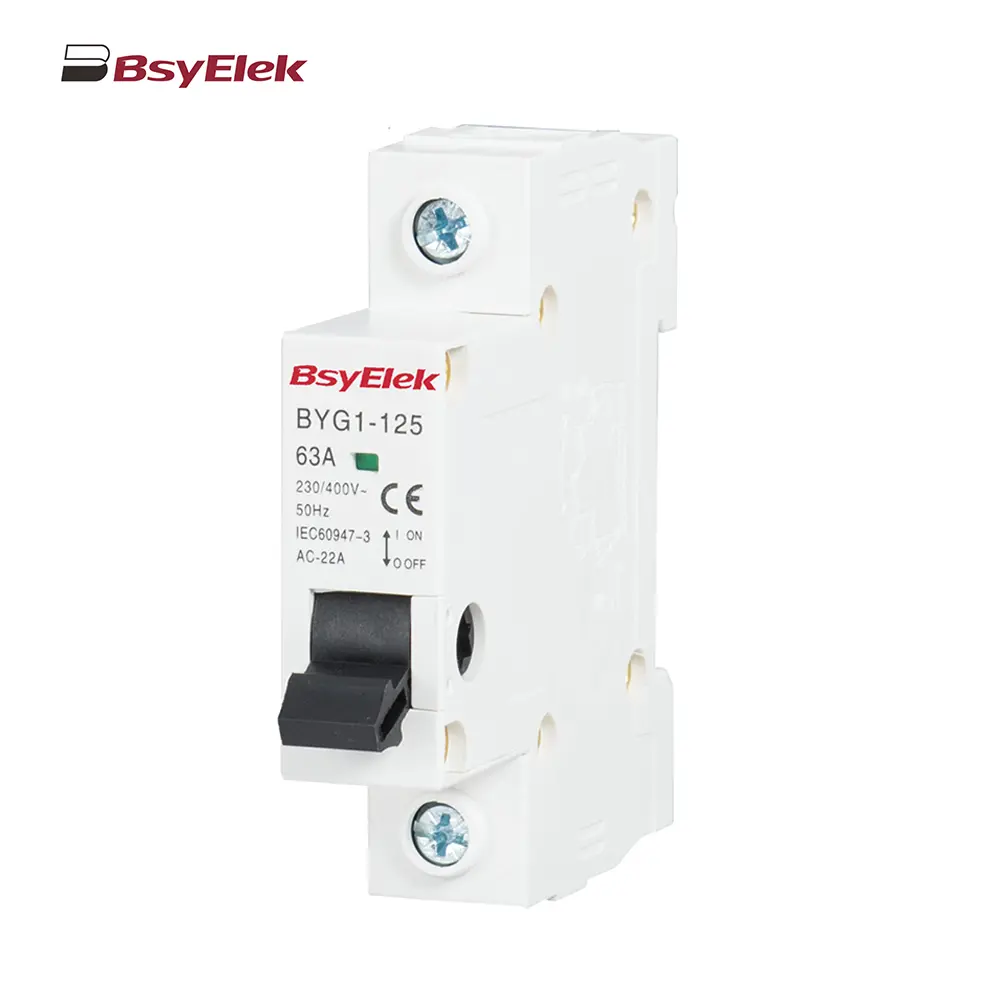
BY06H-125 MCB 10-15KA Miniature Circuit Breaker
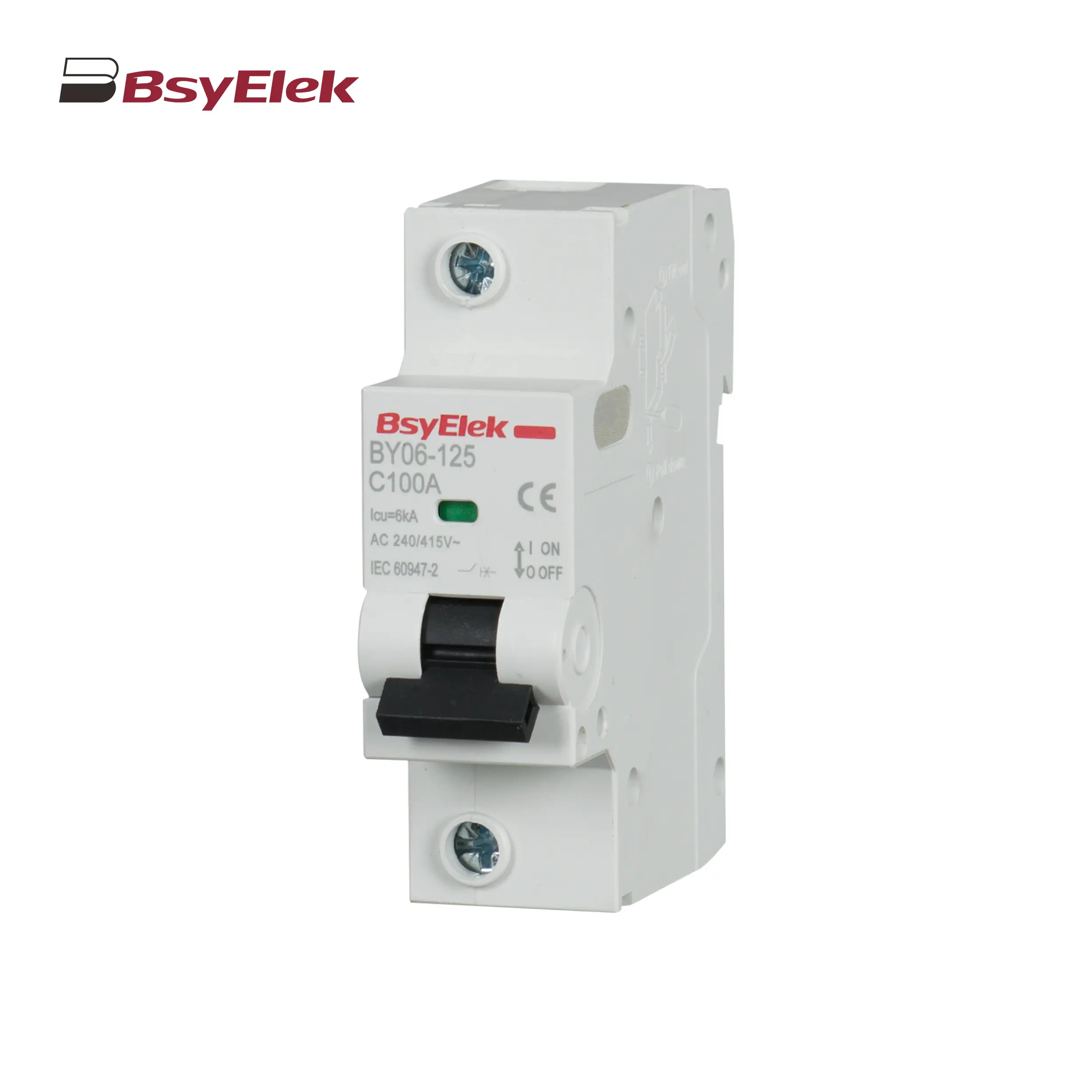
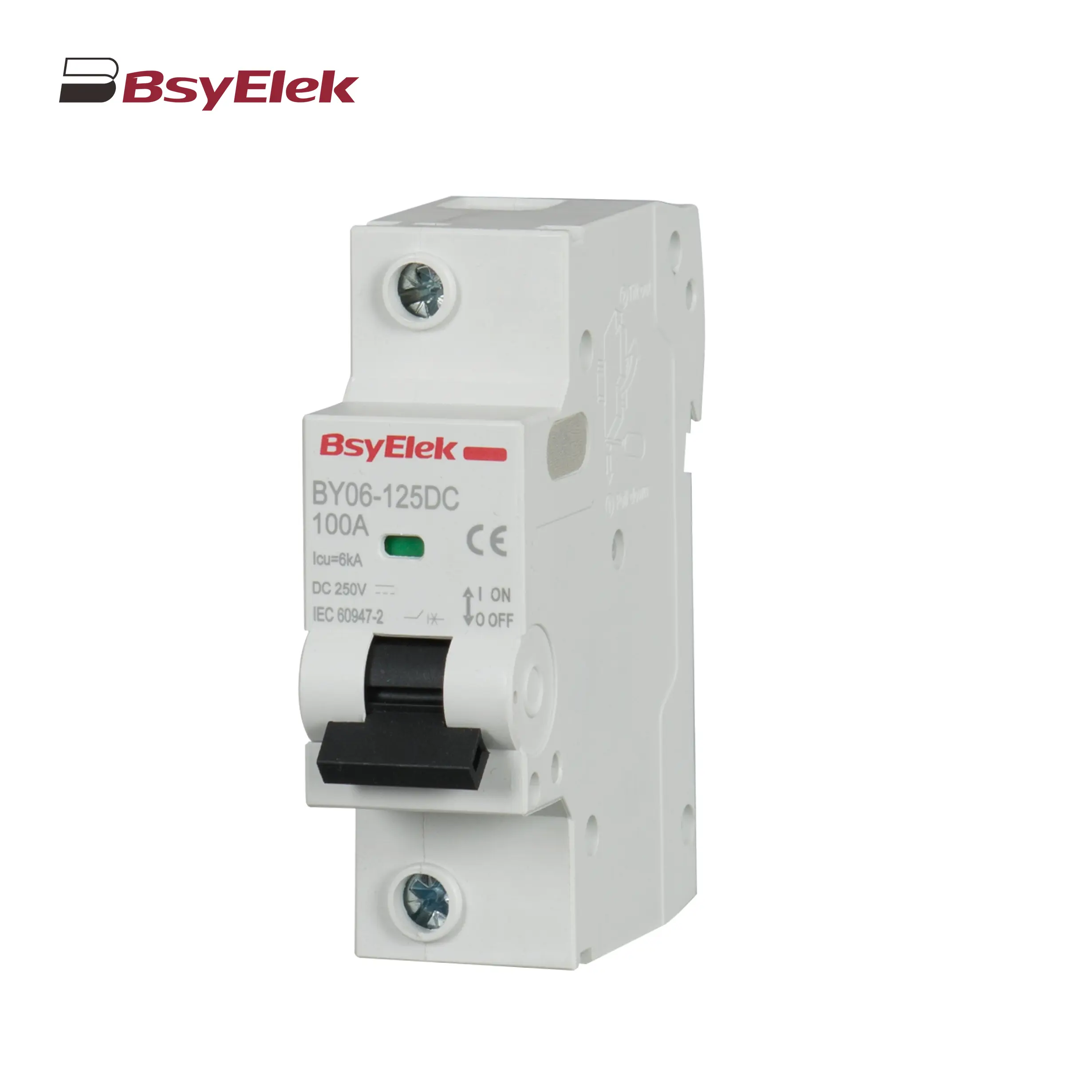
BY06-125 MCB 6KA Miniature Circuit Breaker
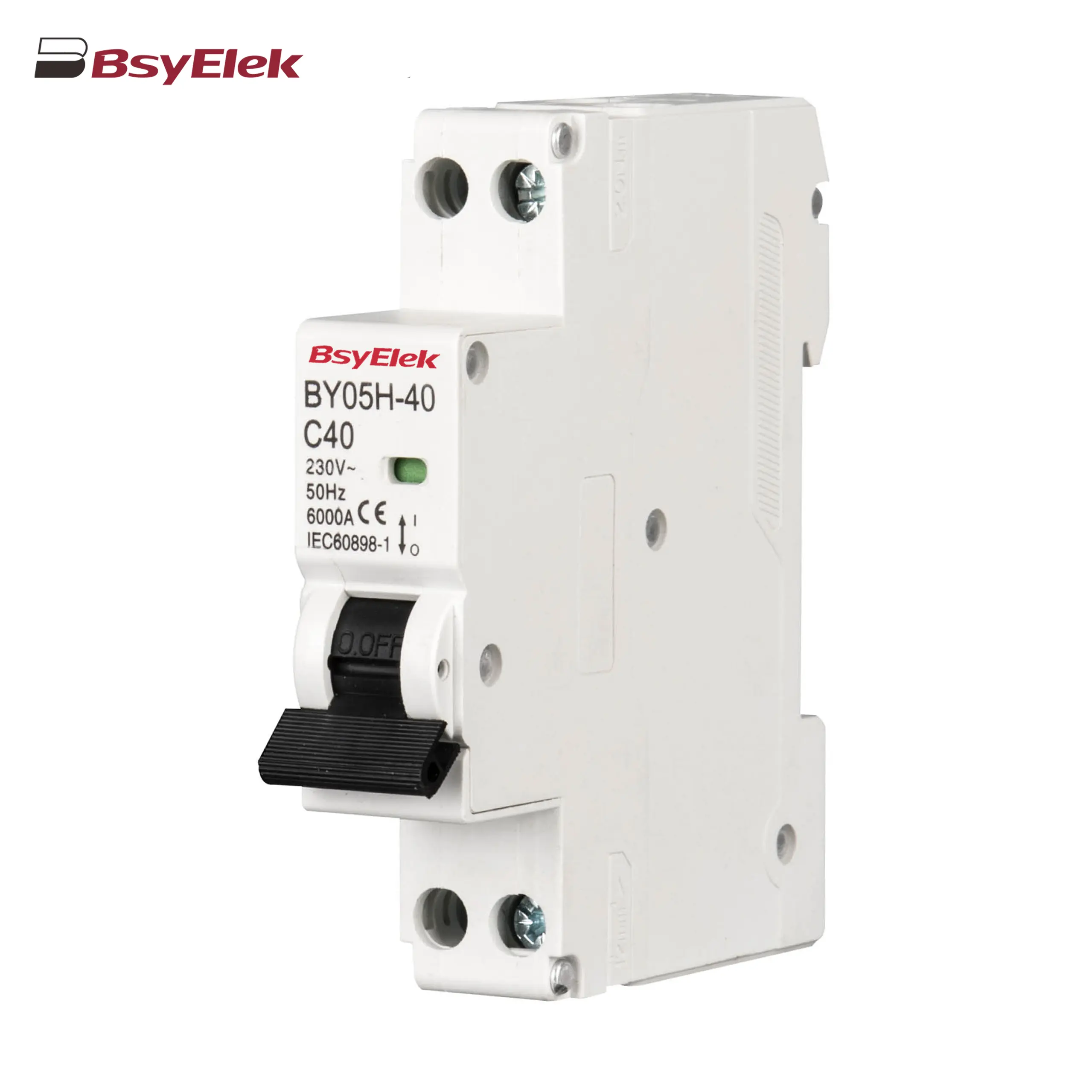
BY05H-40 MCB Single Modular 6KA Miniature Circuit Breaker
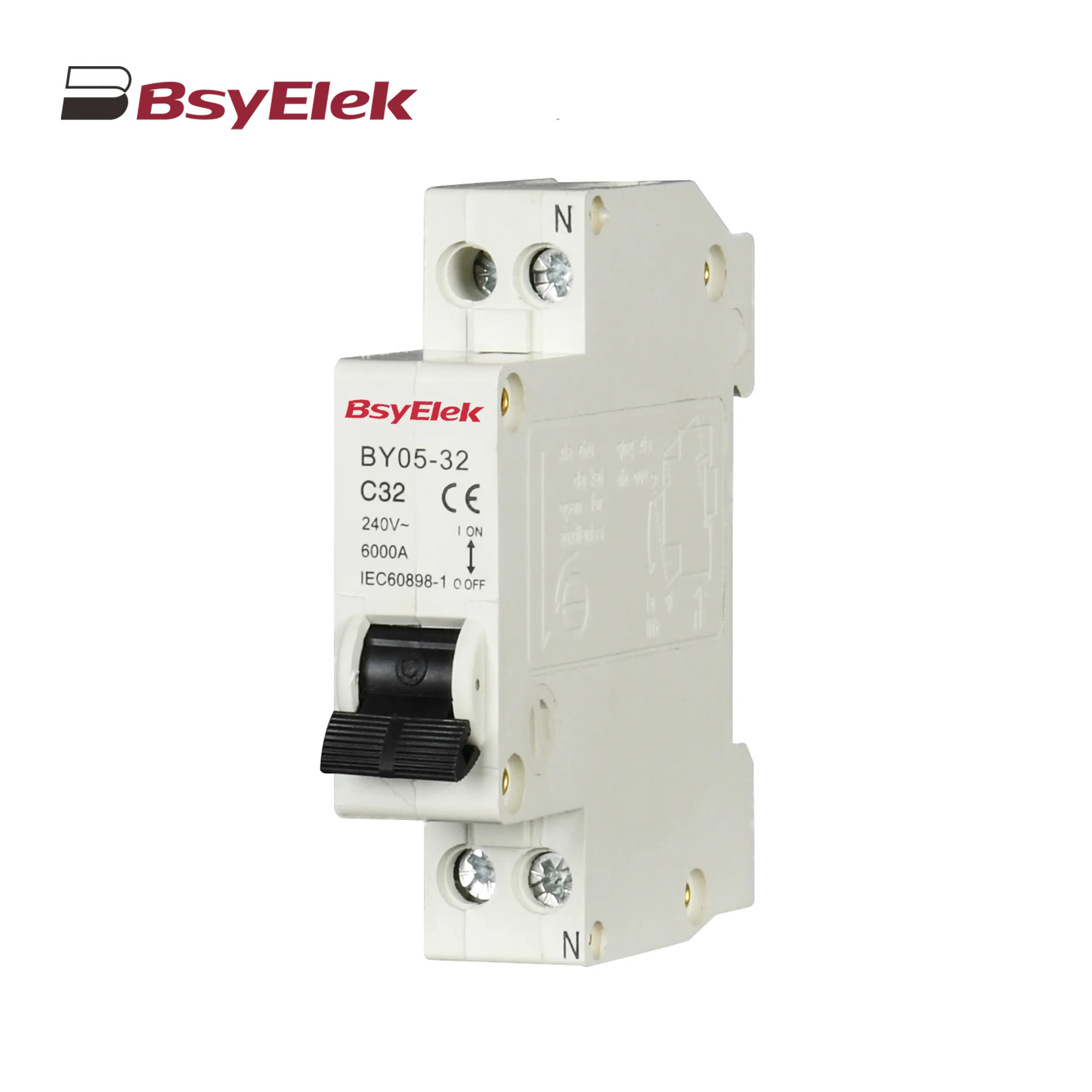
BY05-32 MCB Single Modular 3KA Miniature Circuit Breaker
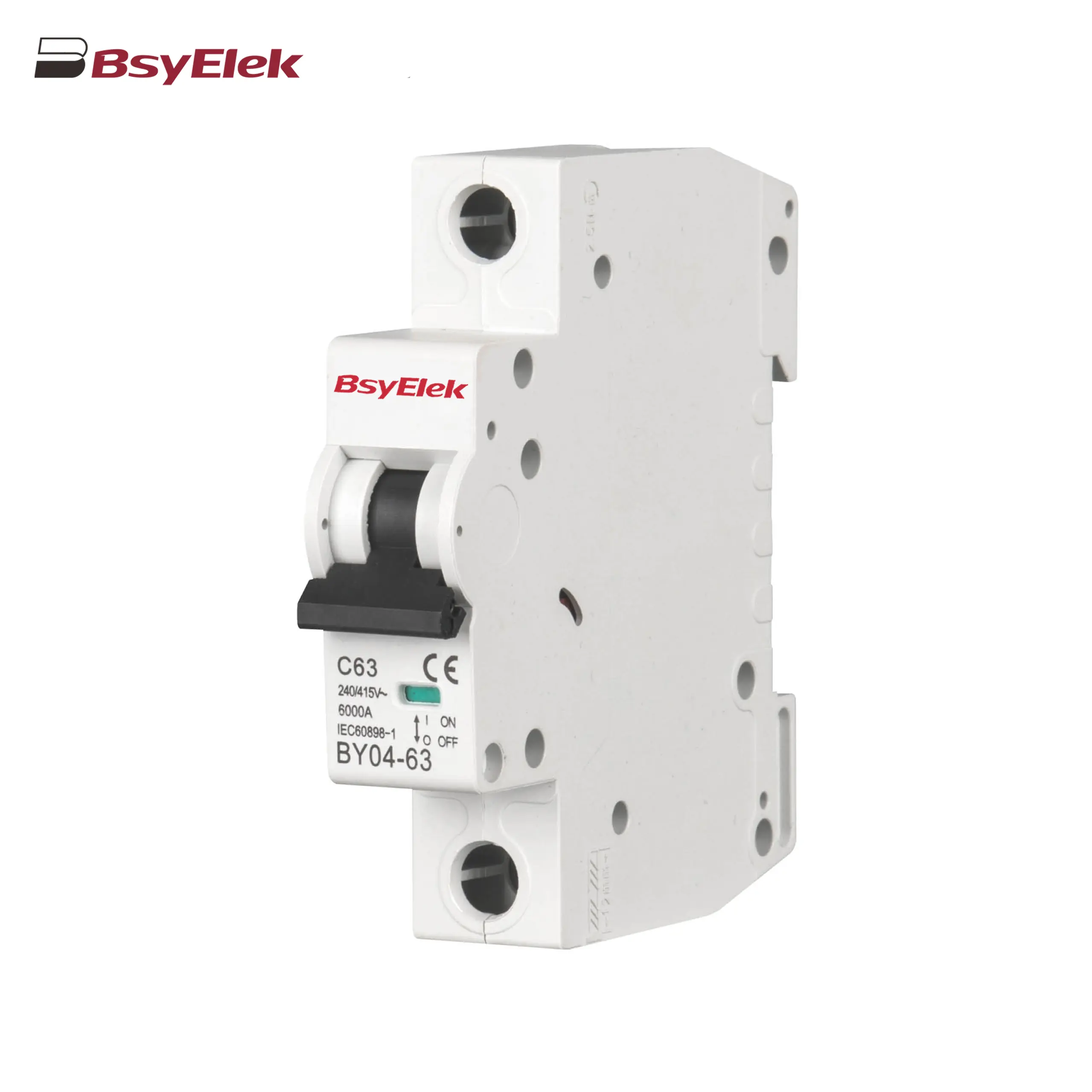
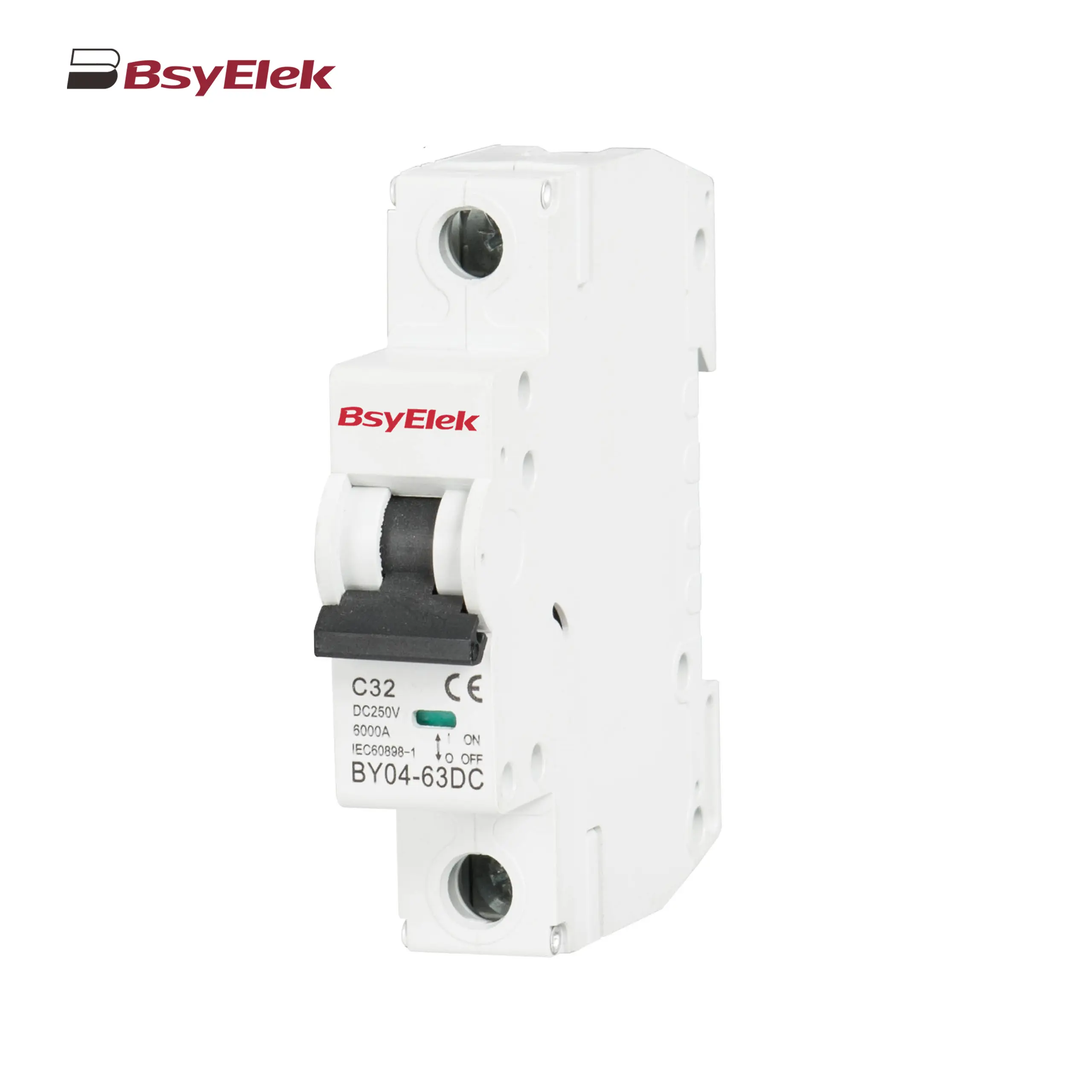
BY04-63 MCB 6-10KA Miniature Circuit Breaker
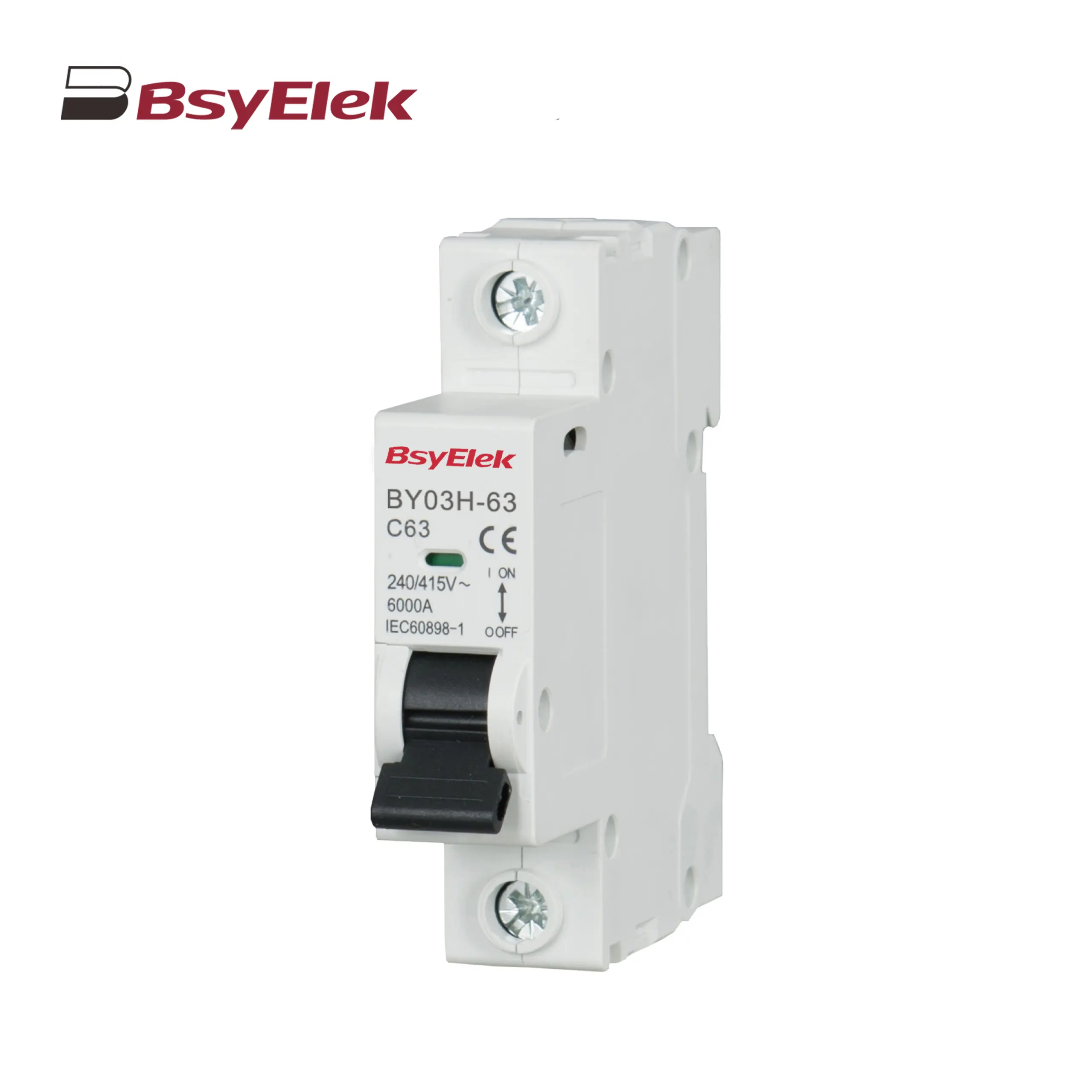
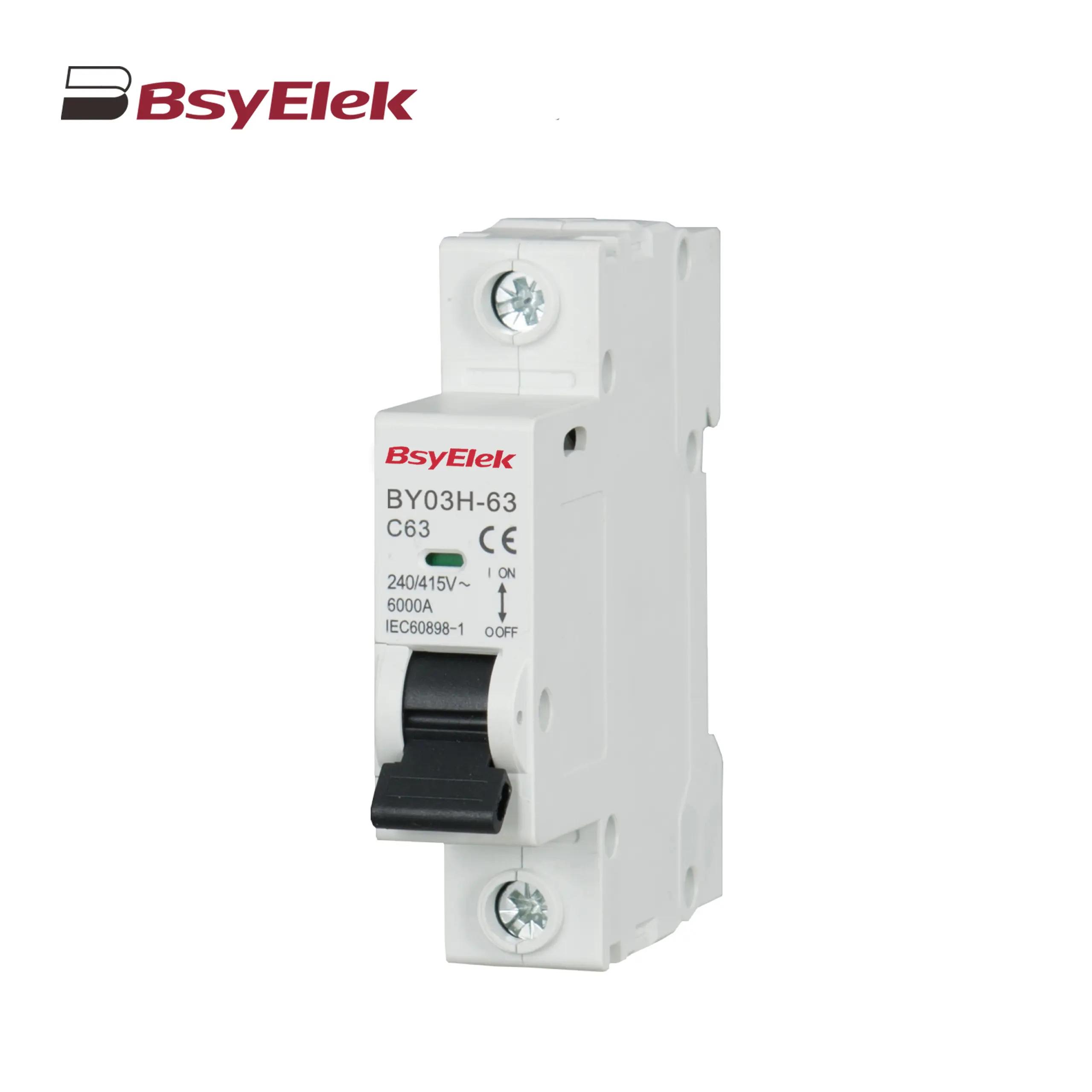
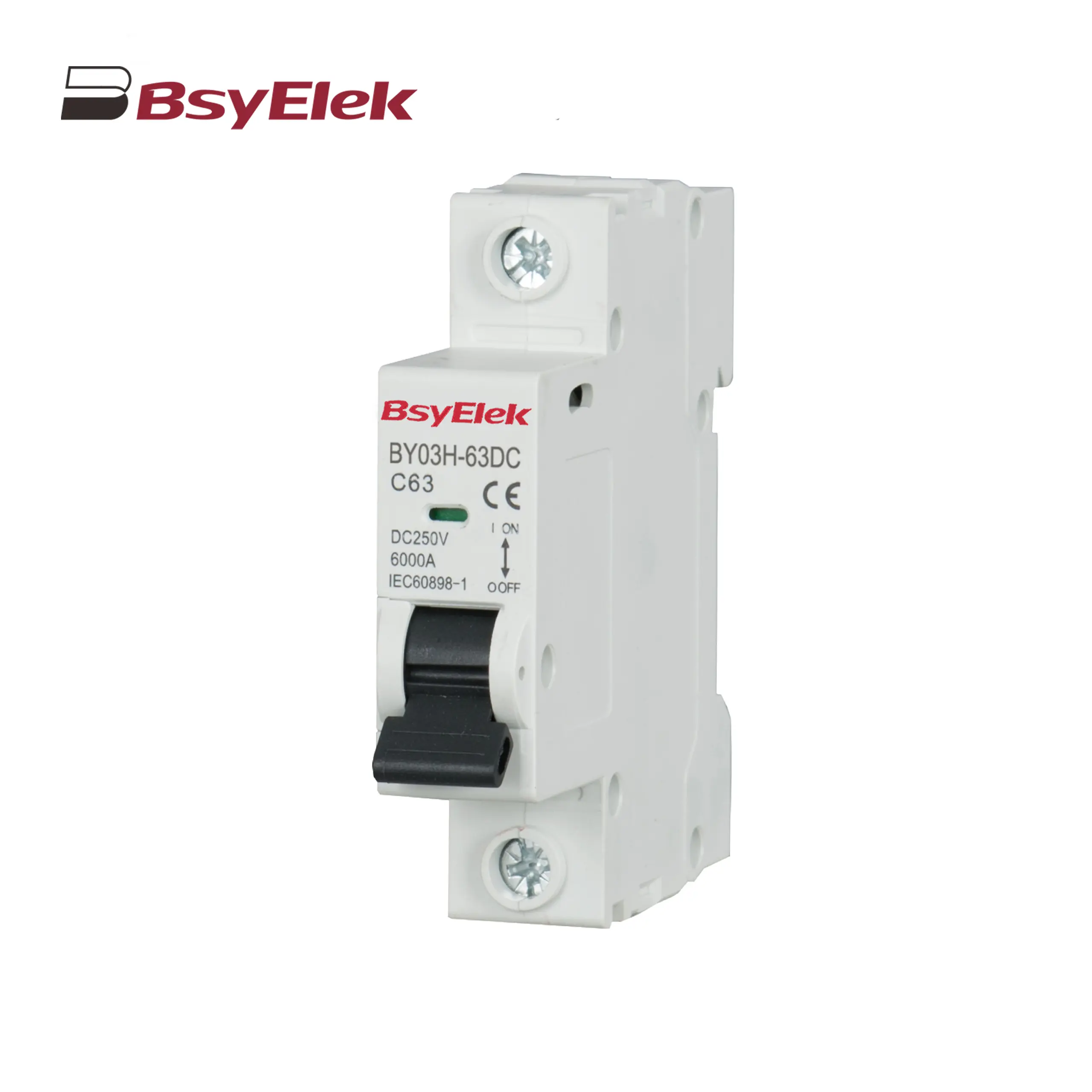
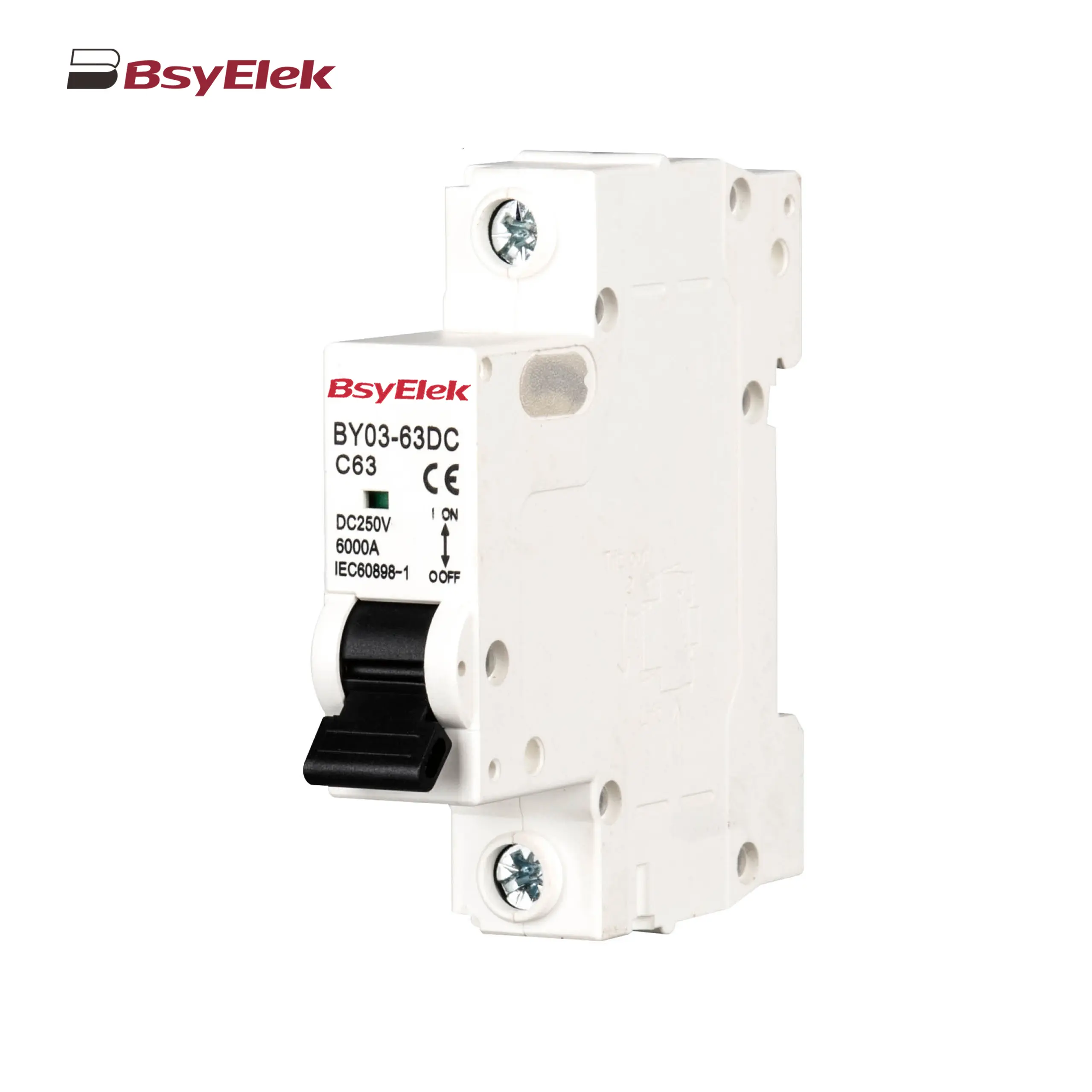
BY03H-63 MCB 6KA Miniature Circuit Breaker
BY03-63 MCB 4.5KA Miniature Circuit Breaker
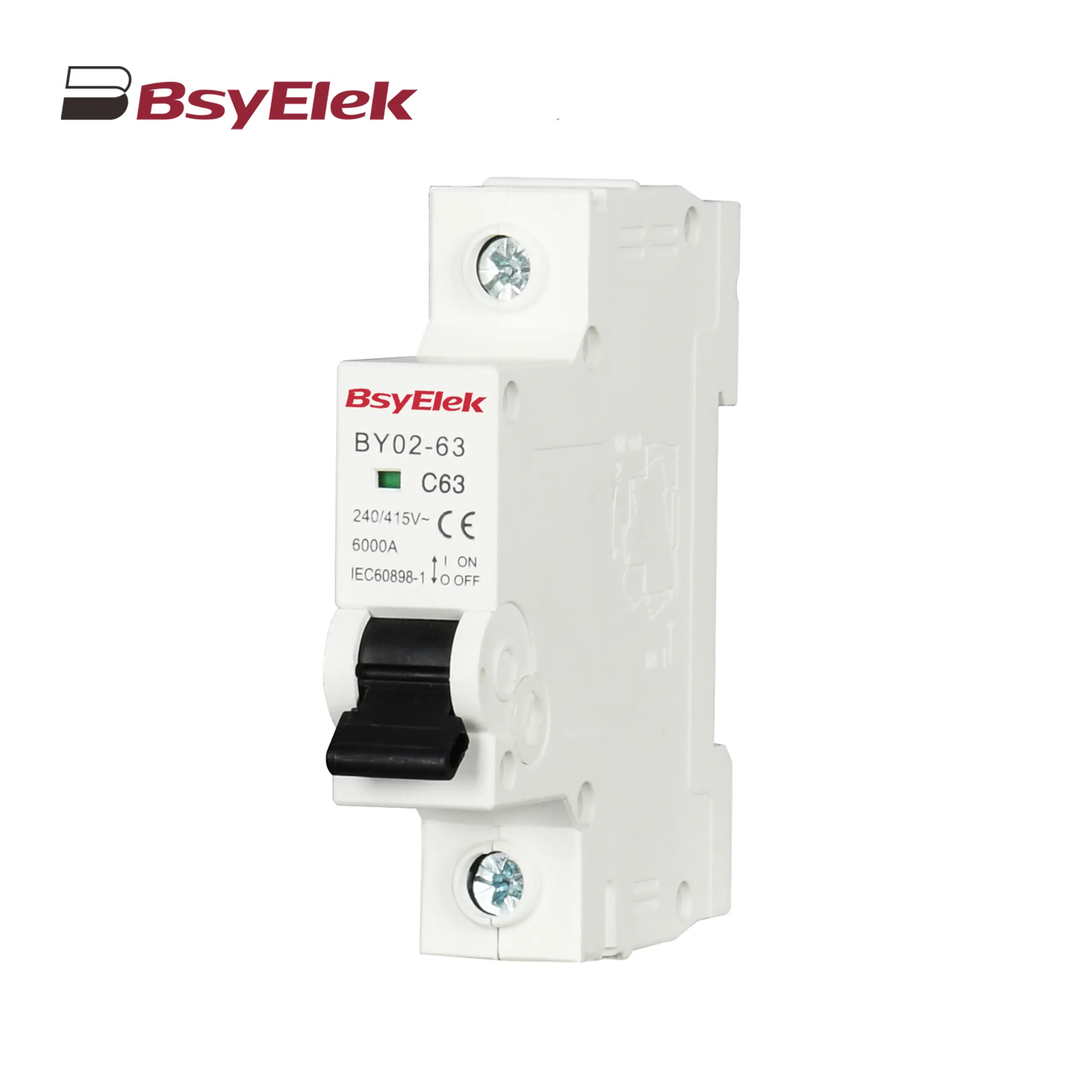
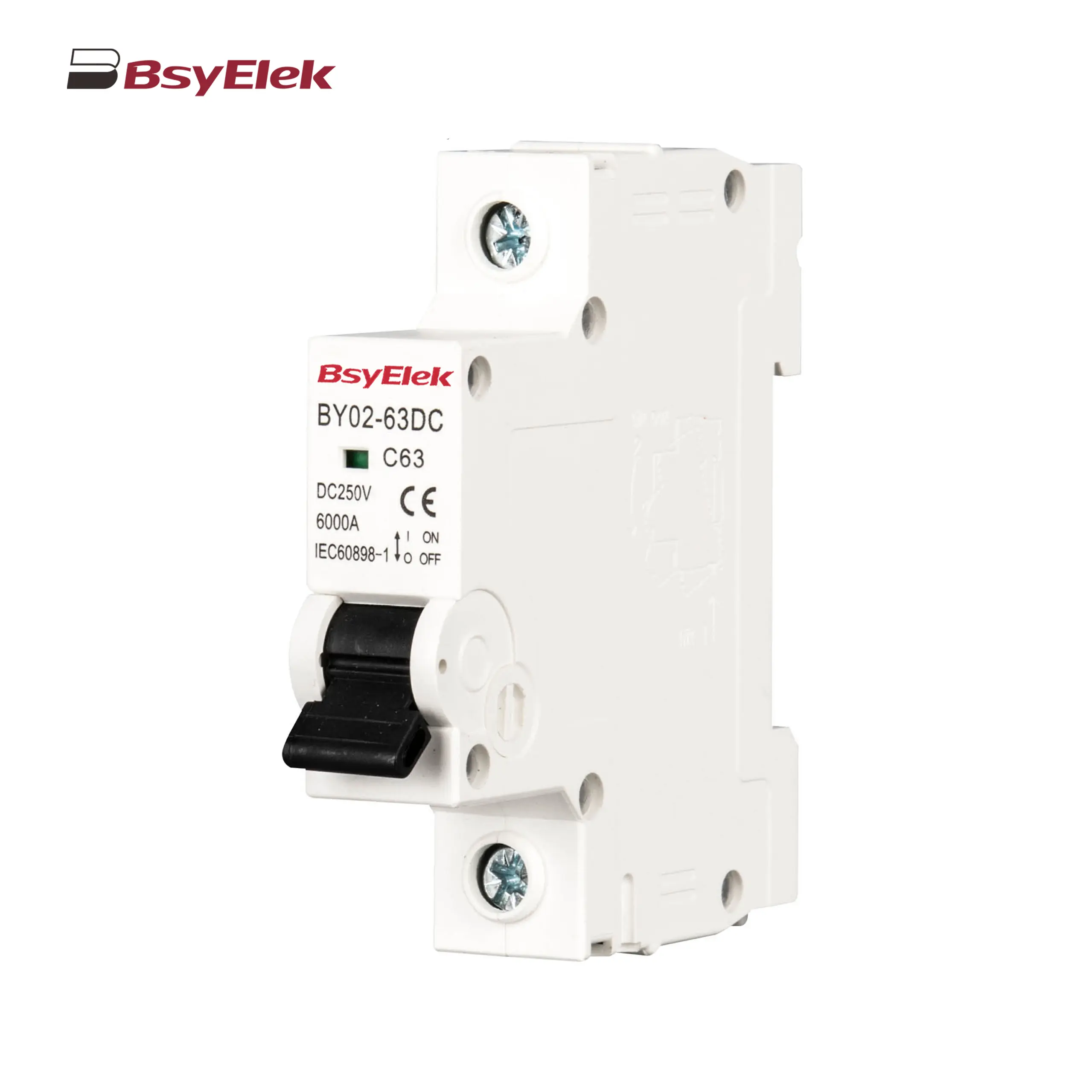
BY02-63 MCB 3kA Miniature Circuit Breaker
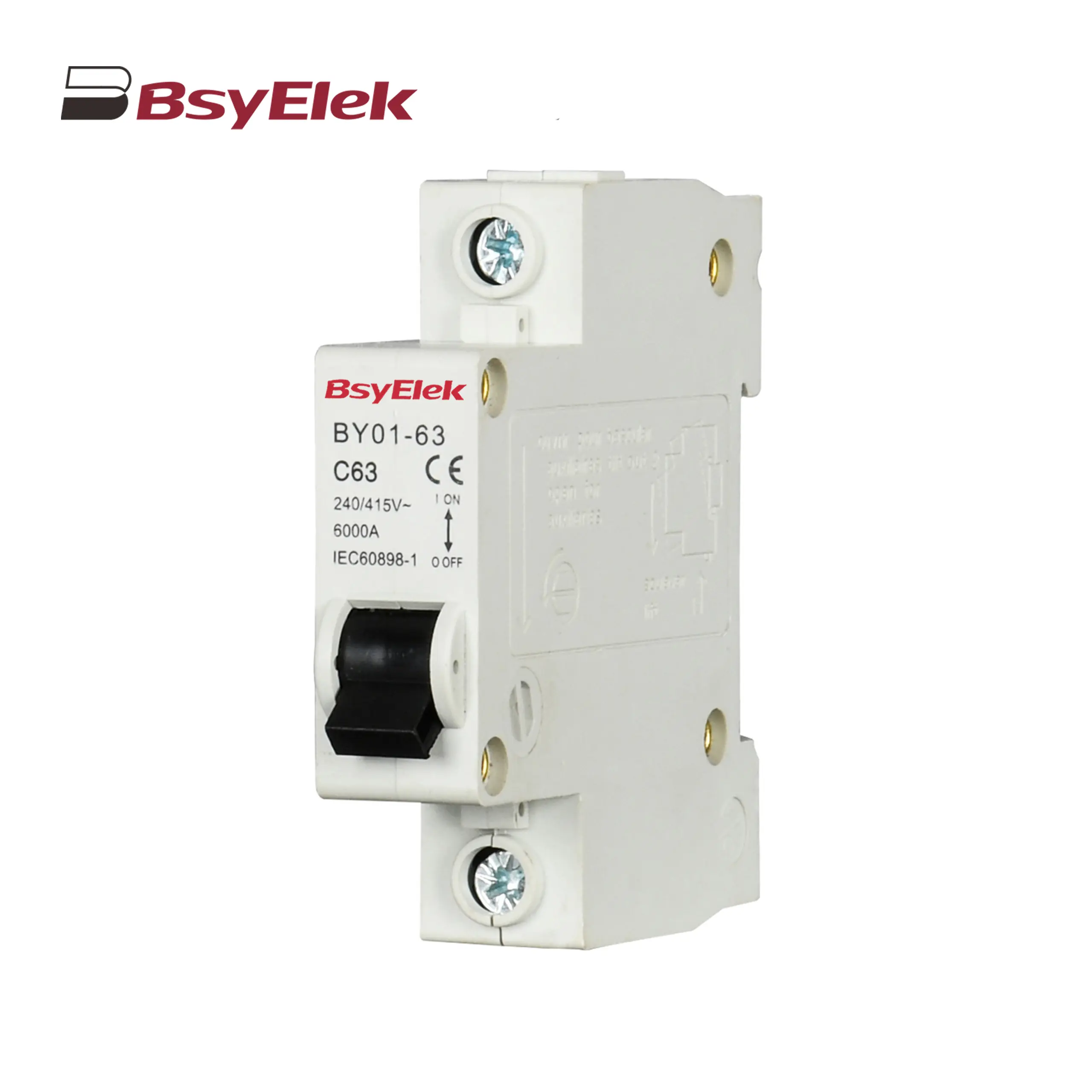
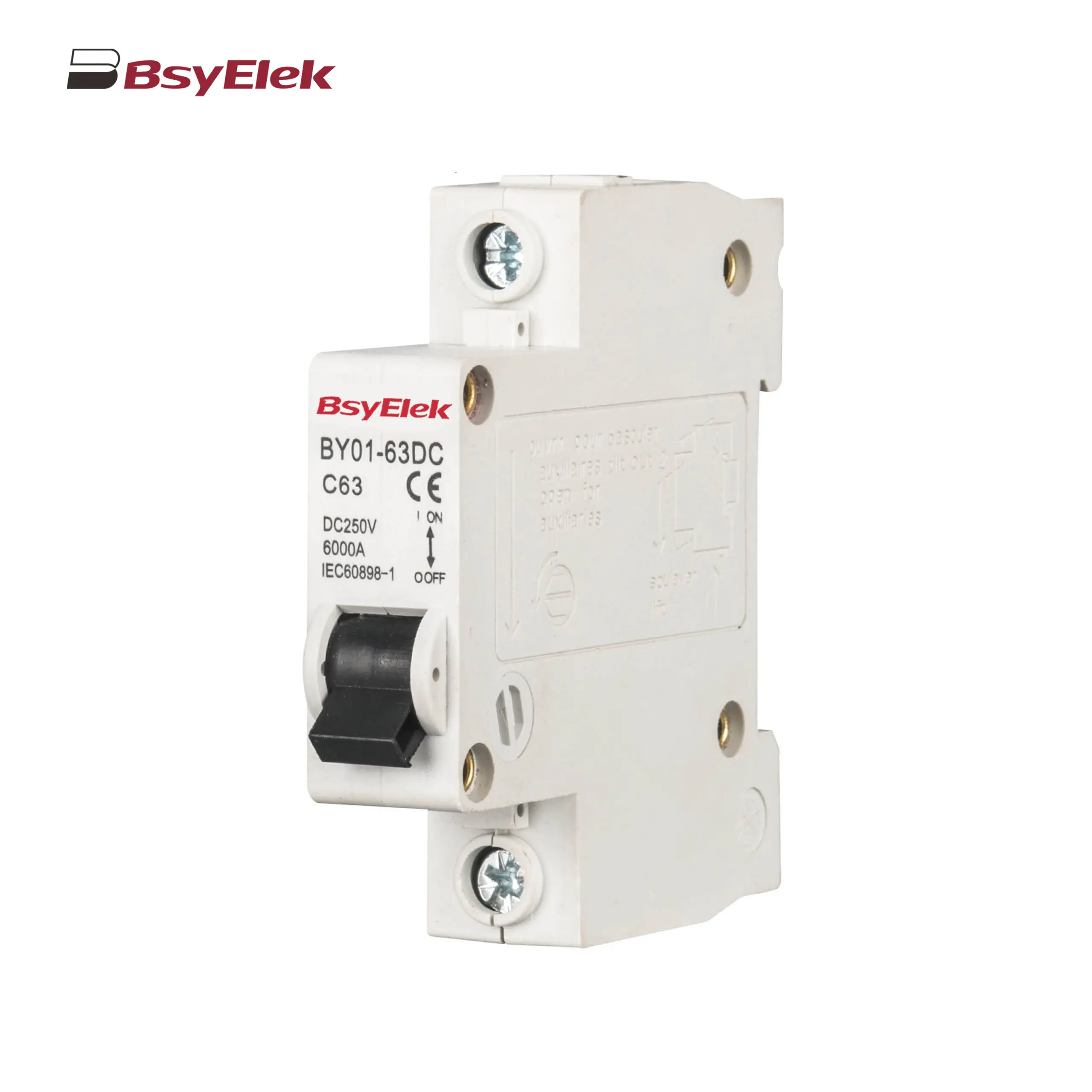
BY01-63 MCB 3kA Miniature Circuit Breaker
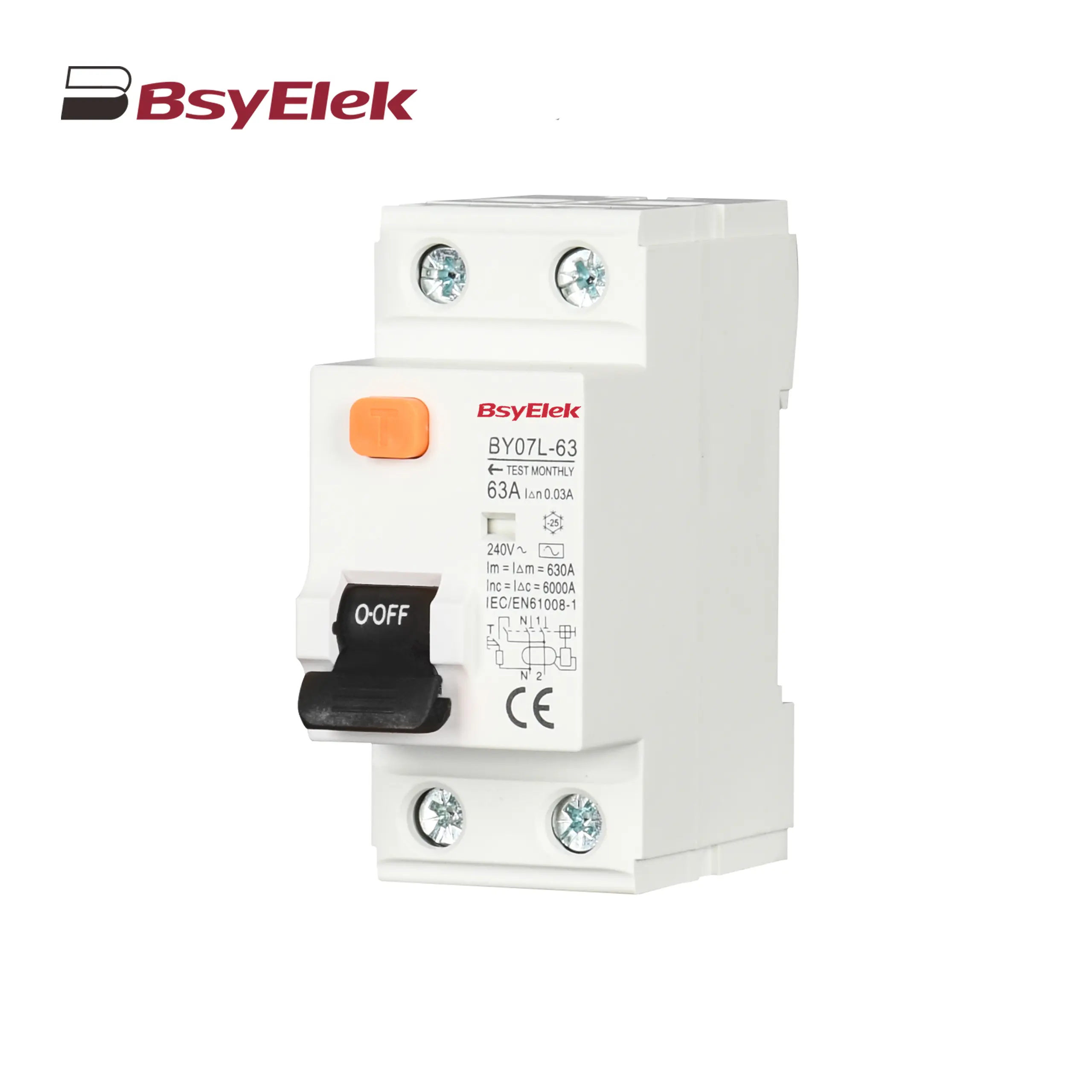
BY07L-63 RCCB 6KA Residual Current Circuit Breaker
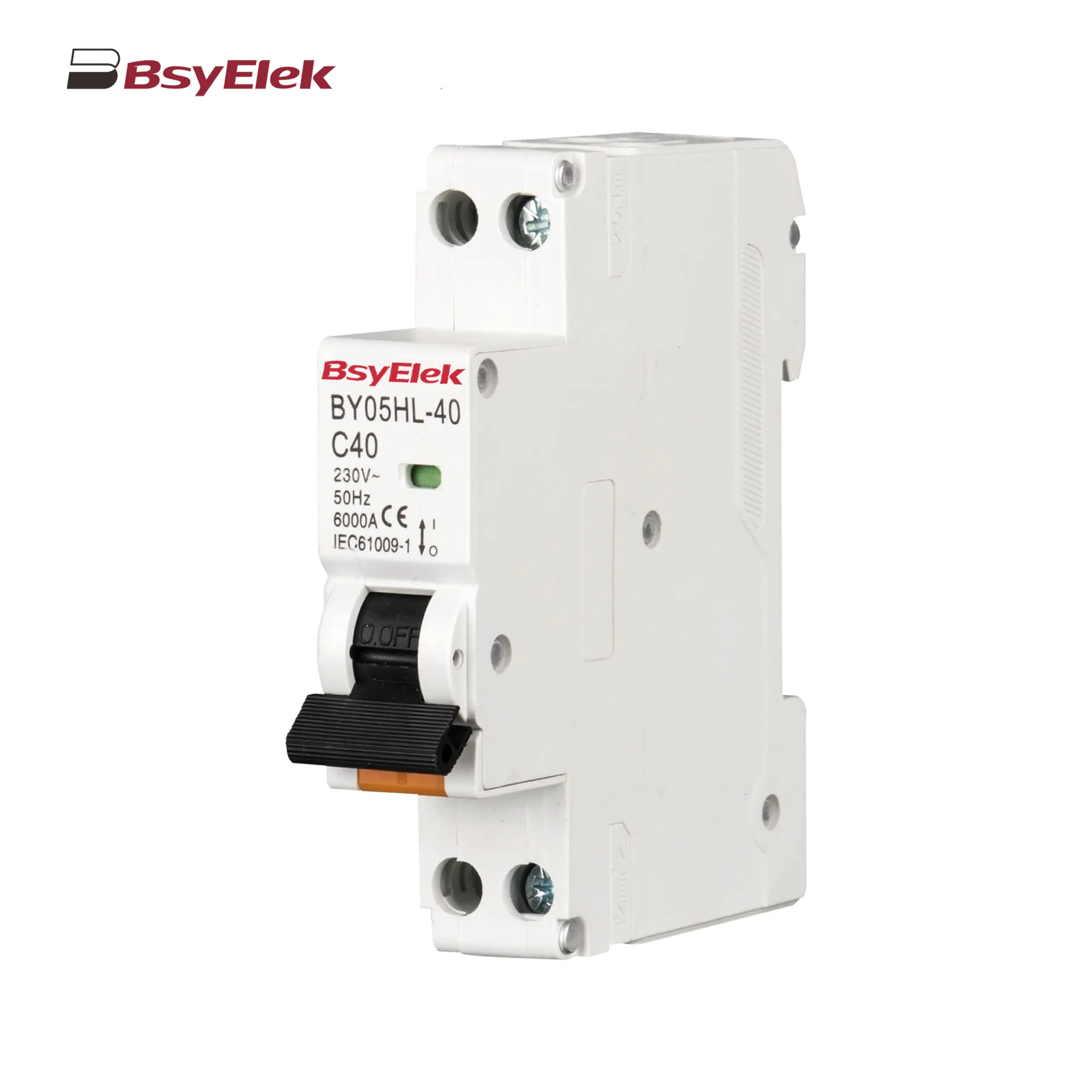
BY05HL-40 RCBO 6KA Residual Current Circuit Breaker with Over-current Protection
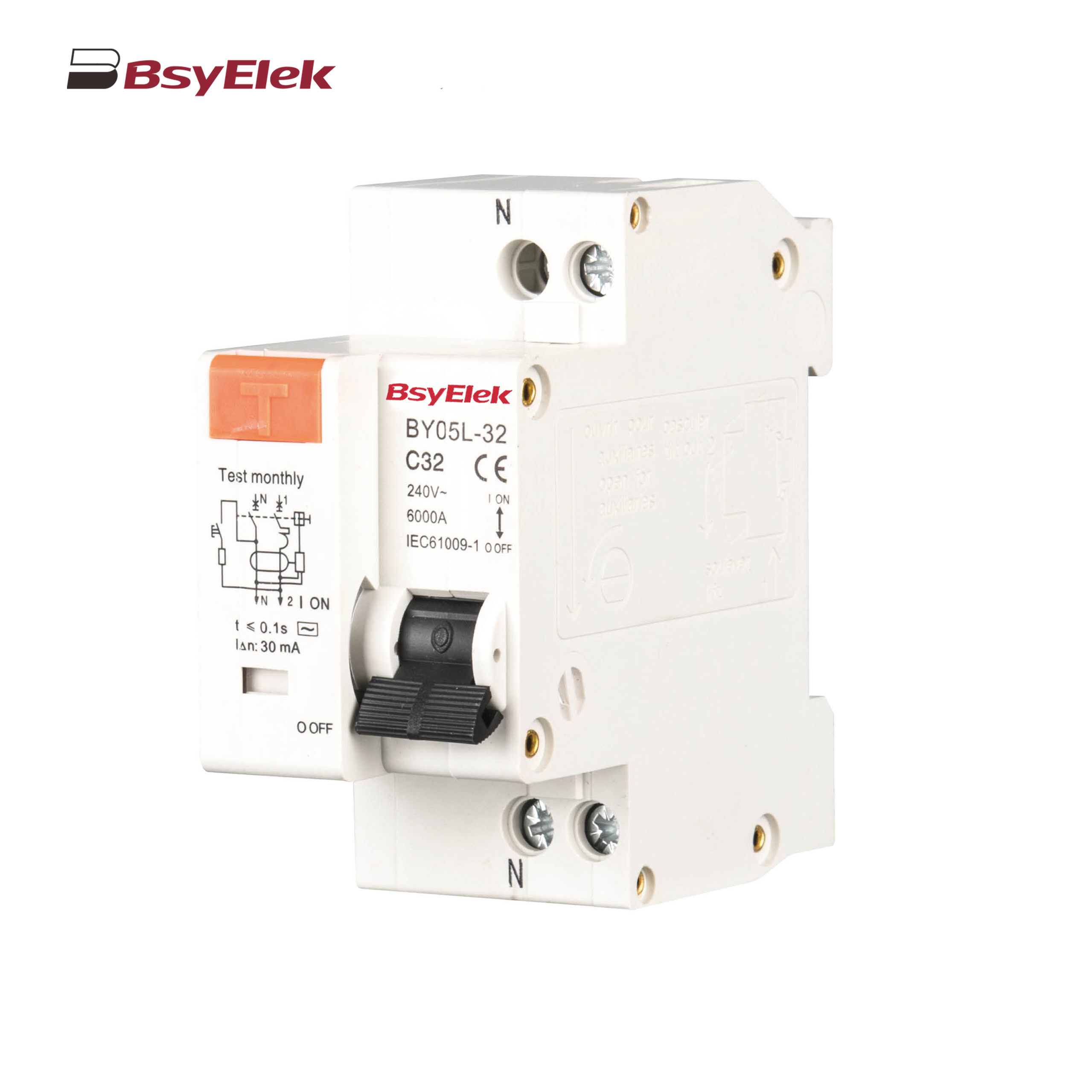
BY05L-32 RCBO 3KA Residual Current Circuit Breaker with Over-current Protection
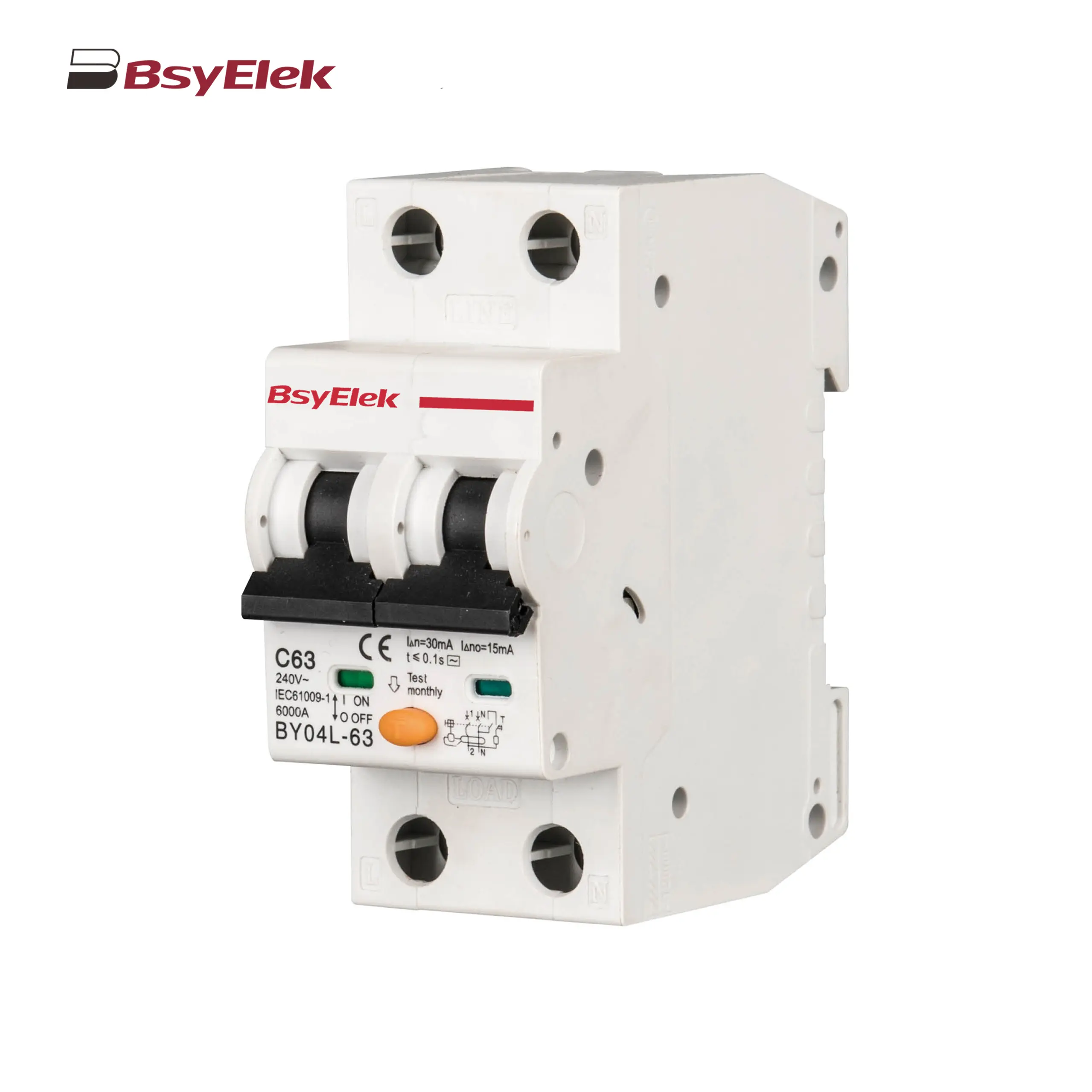
BY04L-63 RCBO 6KA Residual Current Circuit Breaker with Over-current Protection
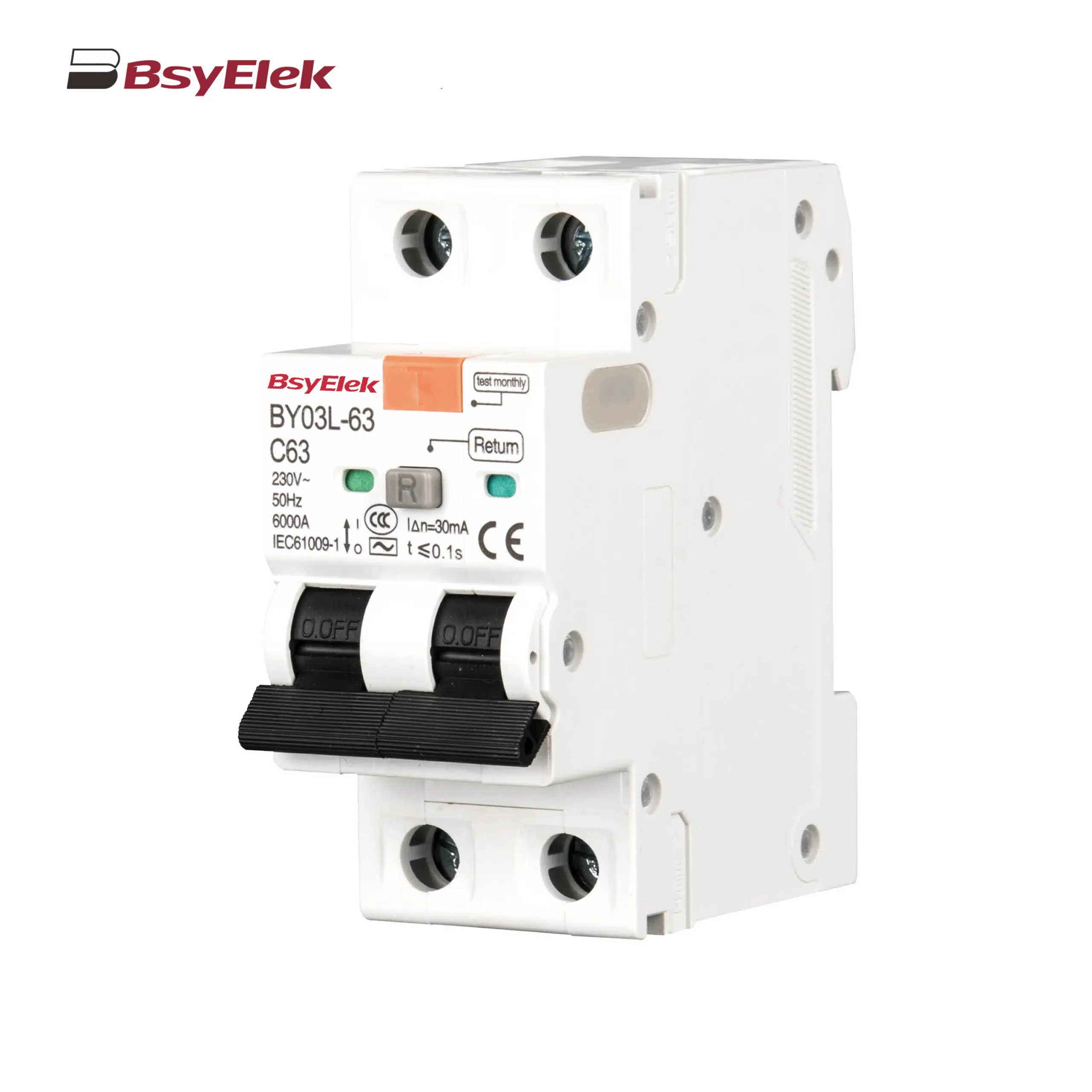
BY03L-63 RCBO 4.5KA Residual Current Circuit Breaker with Over-current Protection
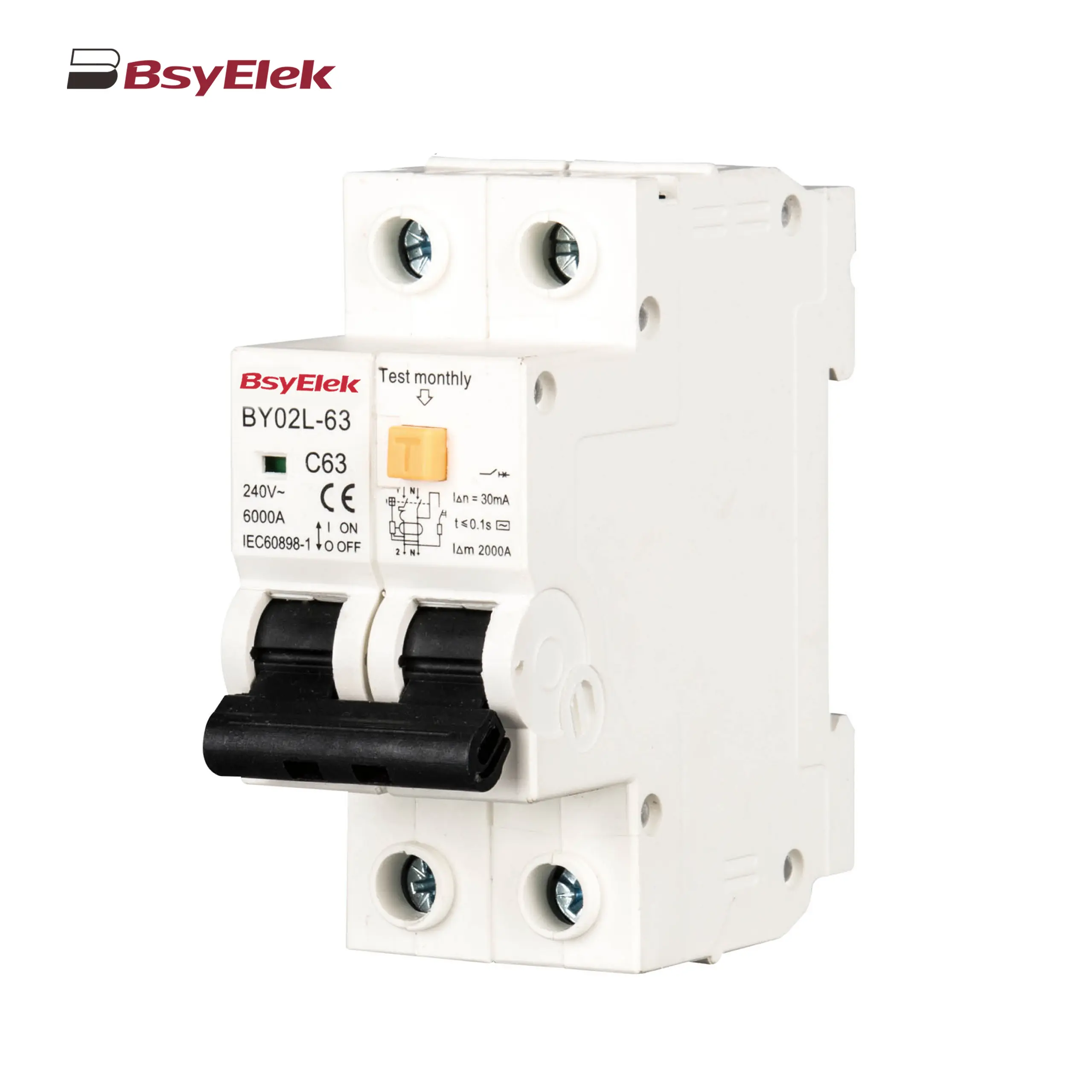
BY02L-63 RCBO 3KA Residual Current Circuit Breaker with Over-current Protection
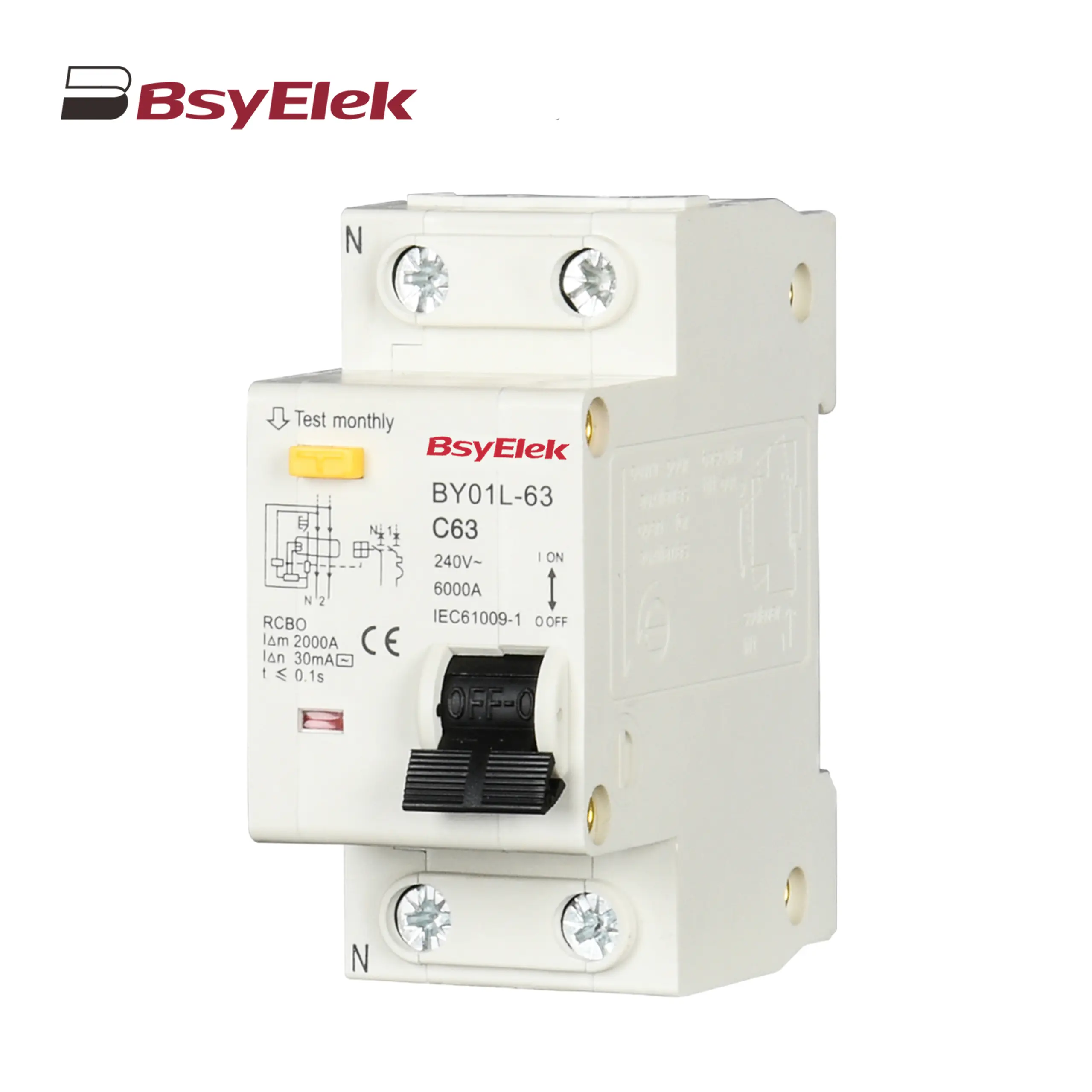
BY01L-63 RCBO 1P+N 3KA Residual Current Circuit Breaker with Over-current Protection
BY06H-125DC MCB 10-15kA DC Miniature Circuit Breaker
BY06-125DC MCB 6kA DC Miniature Circuit Breaker
BY04-63DC MCB 6-10kA DC Miniature Circuit Breaker
BY03H-63DC MCB 6kA DC Miniature Circuit Breaker
BY03-63DC MCB 4.5kA DC Miniature Circuit Breaker
BY02-63DC MCB 3kA DC Miniature Circuit Breaker
BY01-63DC MCB 3kA DC Miniature Circuit Breaker
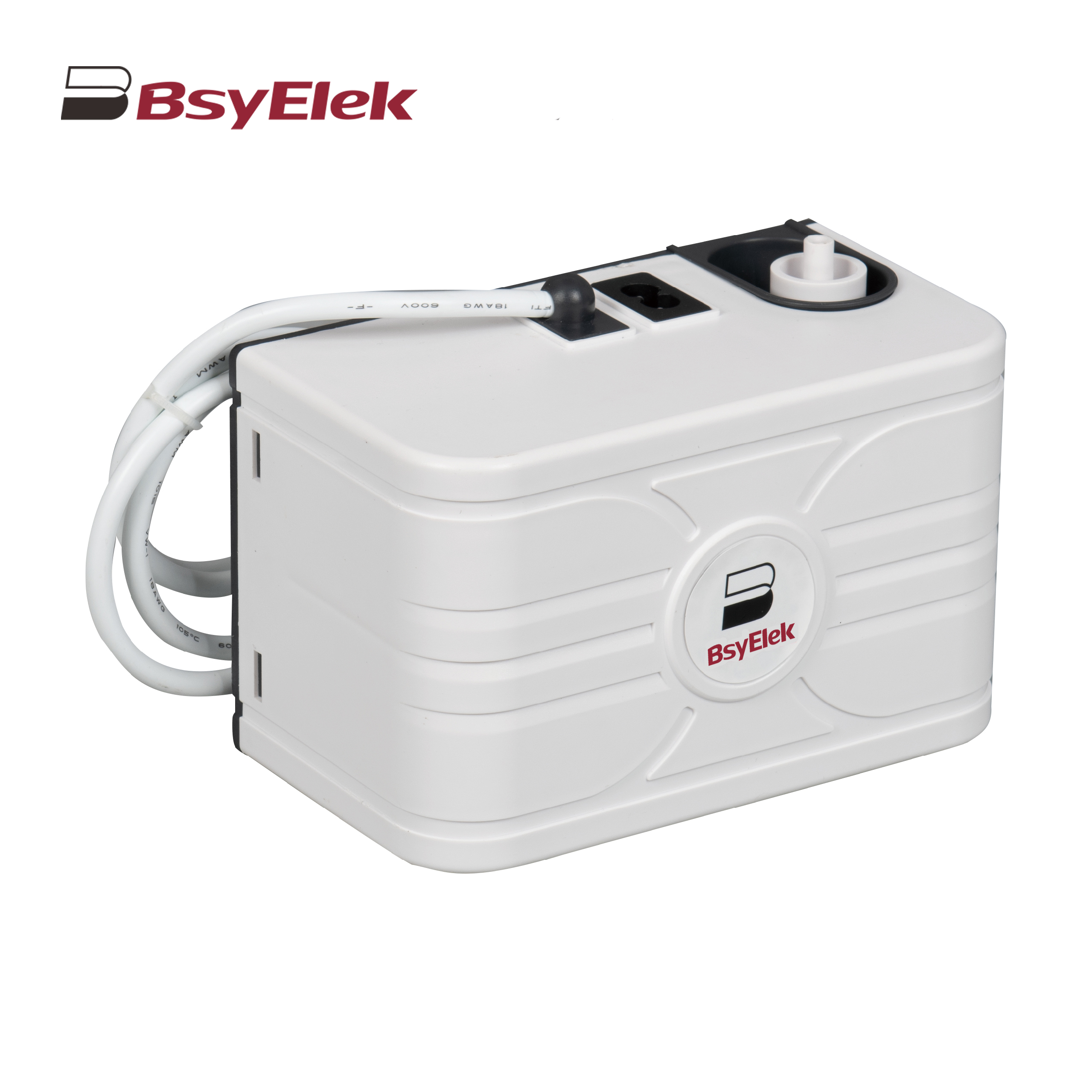
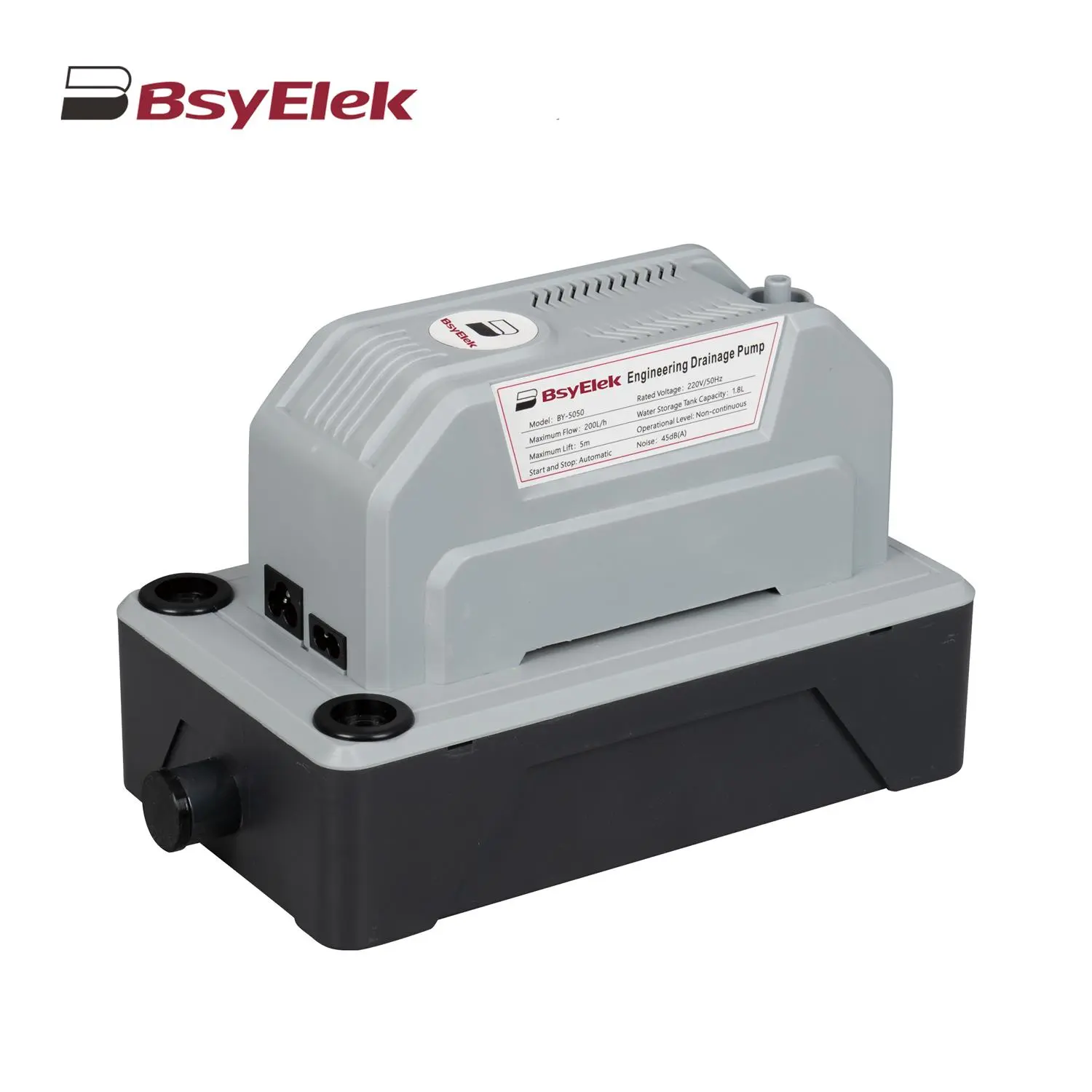
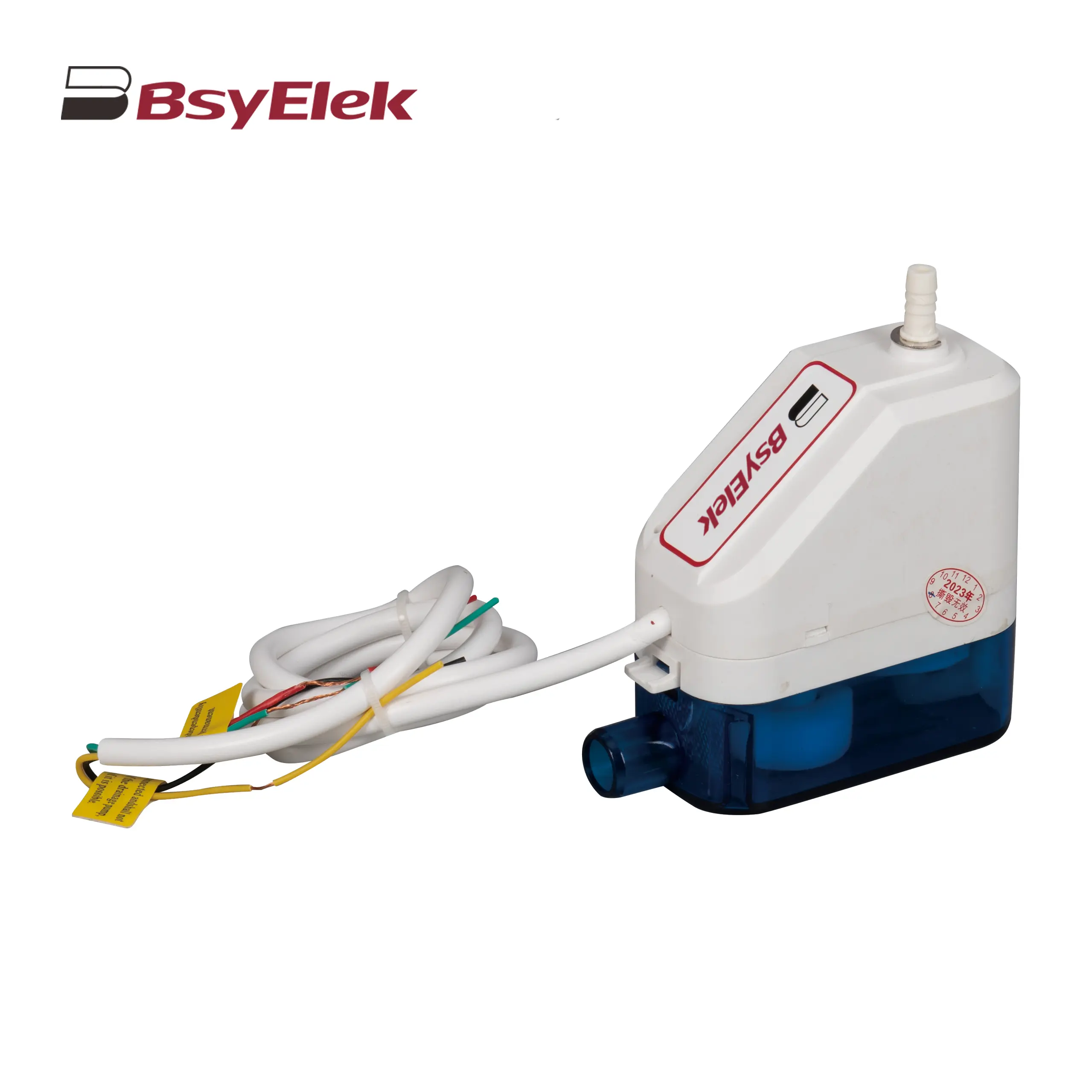
BY-5018 1.8M Engineering Drainage Pump
BY-5050 5M Engineering Drainage Pump
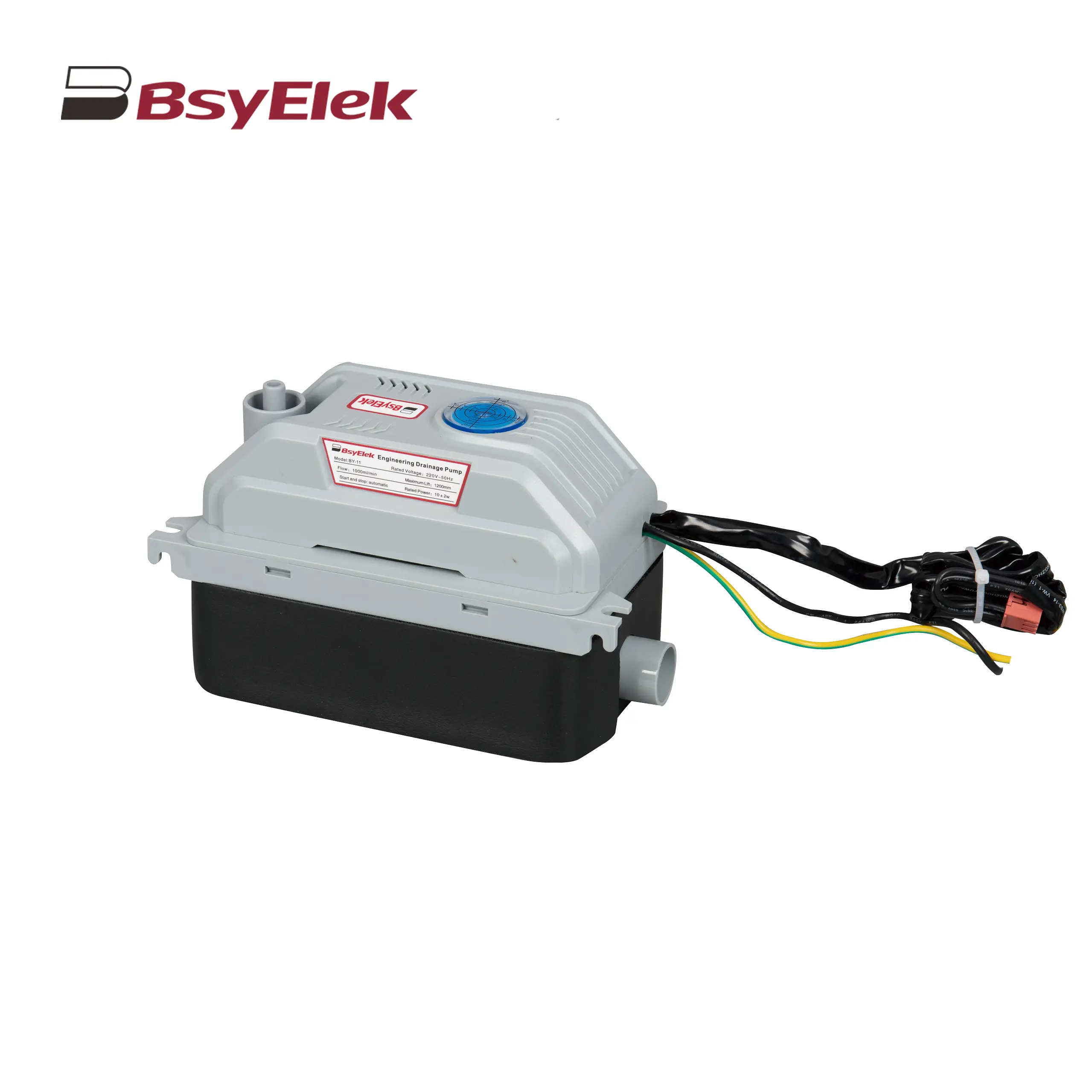
BY-11 1.2M Engineering Drainage Pump
SBH-05 0.7M Original Drainage Pump of Duct Type Air Conditioner
BY-24A/40A 10M Drainage Pump of Air Conditioner
BY-50A 12M Drainage Pump of Air Conditioner
BY-24B/40B 10M Split Type Drainage Pump
BY-100L 2M Drainage Pump of Air Conditioner
BY-360L 6M Large Displacement Drainage Pump
BY-24C/40C 10M Corner Drainage Pump
Choosing a Molded Case Circuit Breaker in 2026 means matching its trip behavior, ratings, and construction to the equipment it protects. A breaker beside a factory motor may face different starting currents and fault conditions than one serving a lighting panel. The label alone is not enough. Engineers and facility teams also check voltage, available fault current, load profile, enclosure conditions, and coordination with upstream devices.
Common types include thermal-magnetic breakers, electronic-trip models, current-limiting designs, and breakers configured for specific AC or DC applications. Some offer adjustable settings; others use fixed trip characteristics. Each choice involves trade-offs. Electronic trips can provide more precise settings and monitoring features, while simpler designs may suit less complex circuits. Actual capabilities vary by model, so published ratings and manufacturer instructions matter.
This guide compares the leading molded case breaker types expected to matter in 2026, explains where each is commonly used, and highlights selection criteria that are easy to miss. In practice, categories can overlap. A neat chart cannot capture every site condition. Review the system study, installation environment, and coordination requirements before choosing a device. This overview supports that evaluation, but it cannot replace qualified engineering review or product-specific documentation.
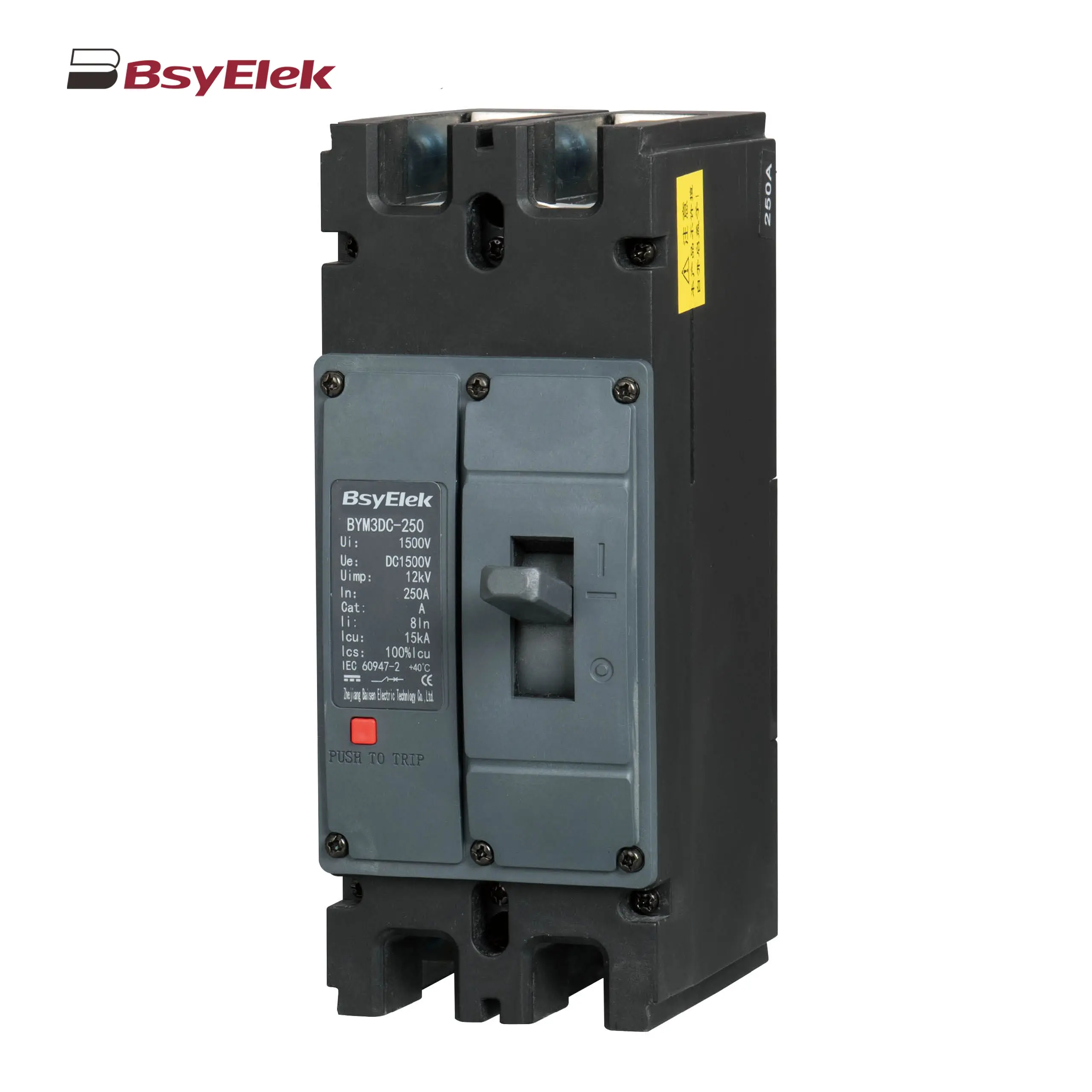
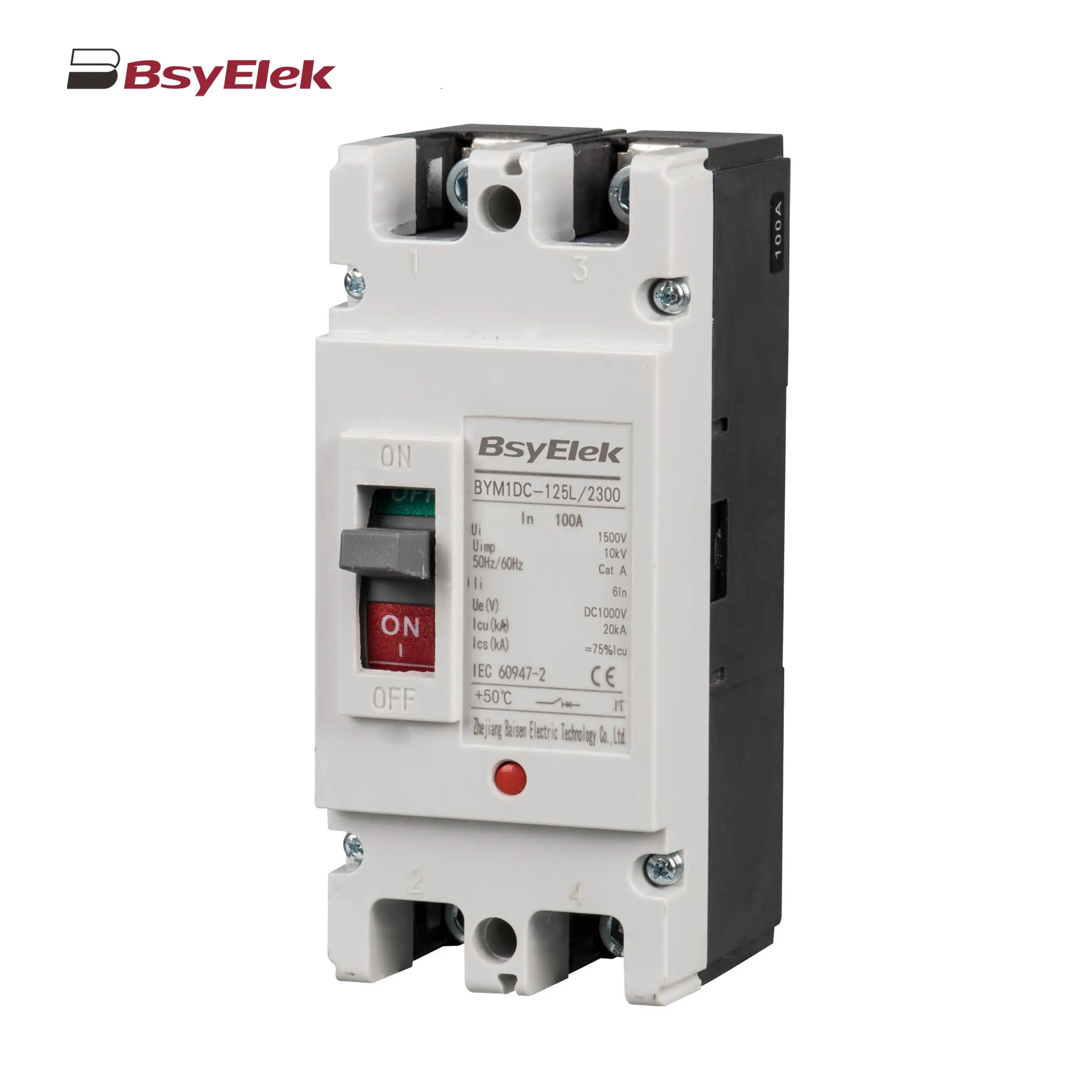
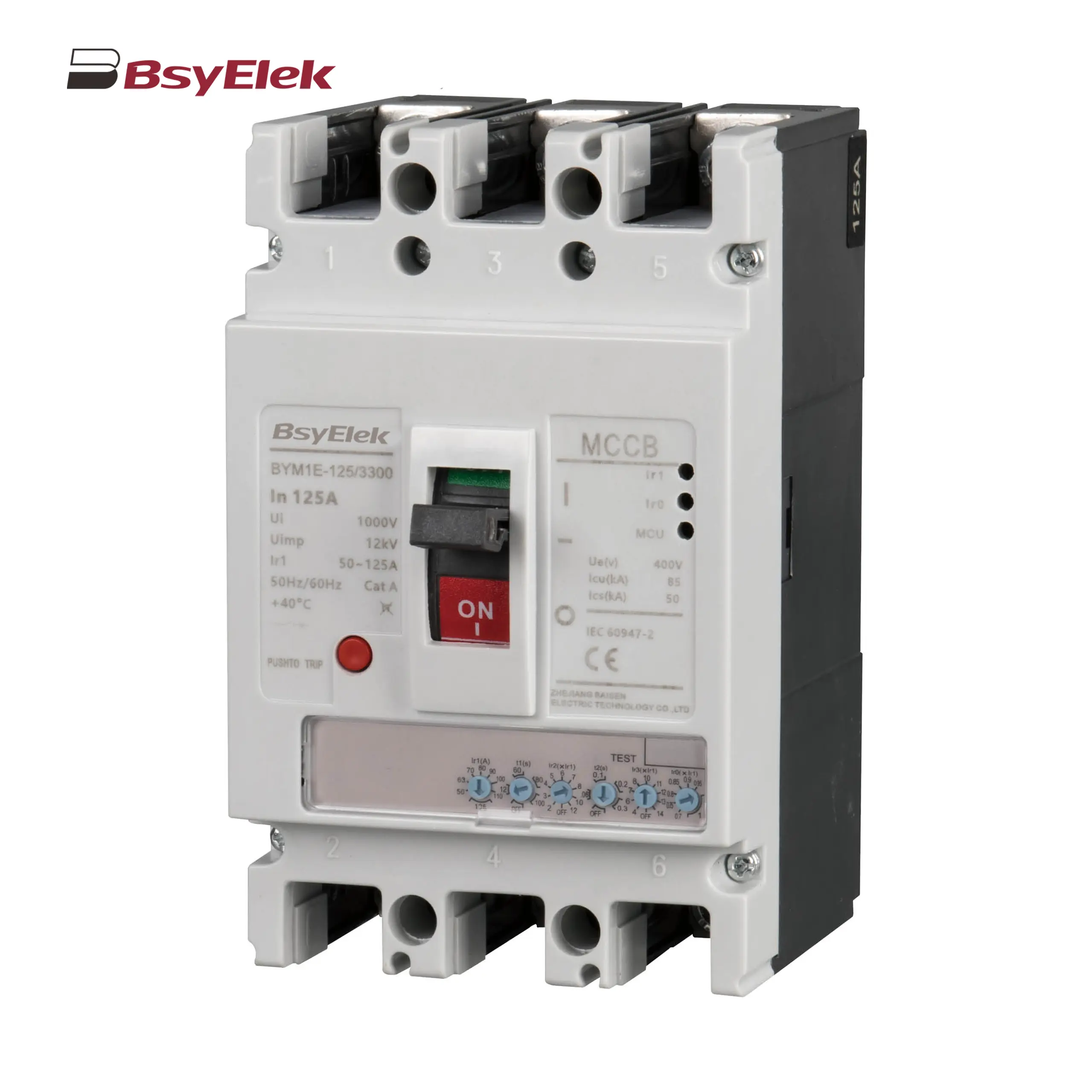
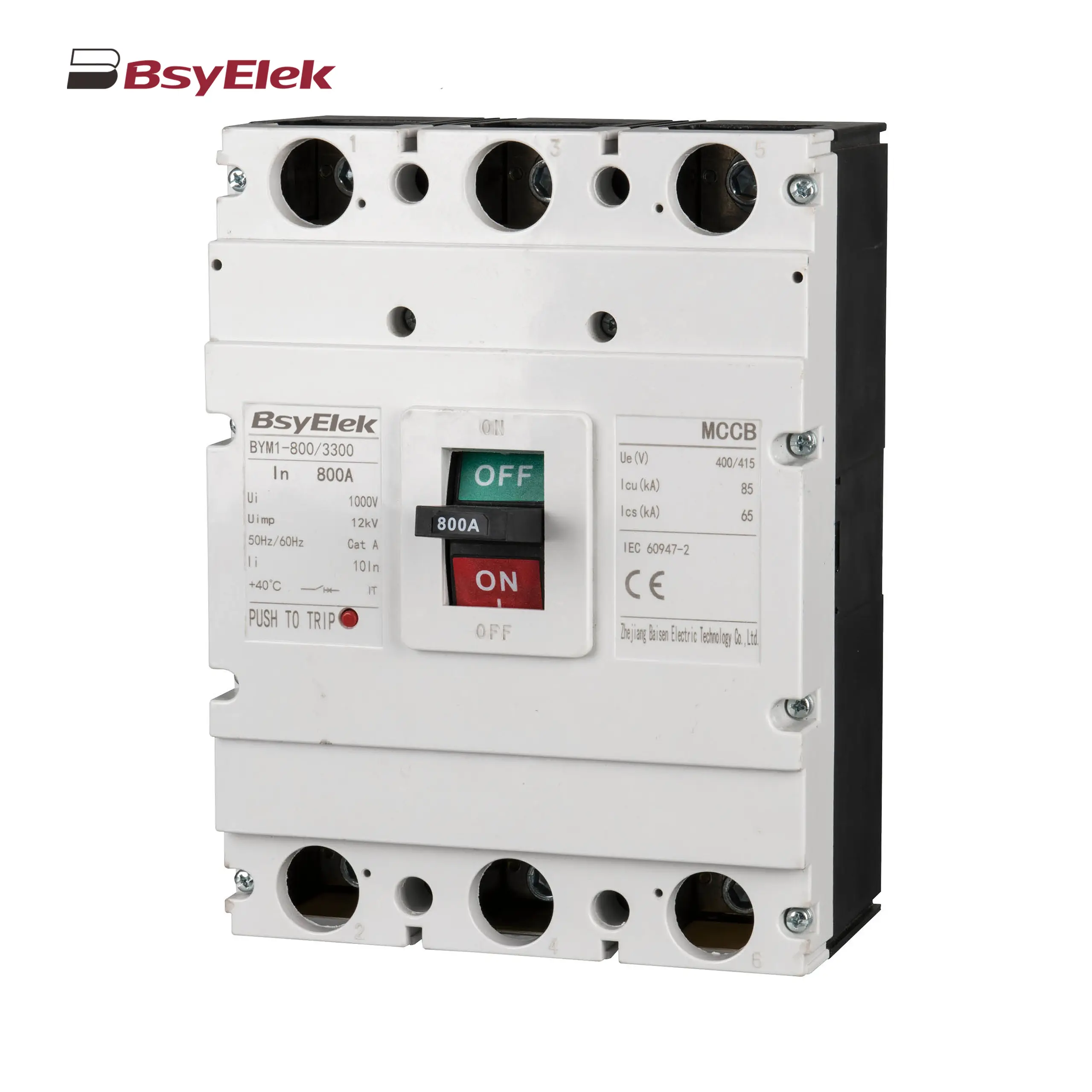
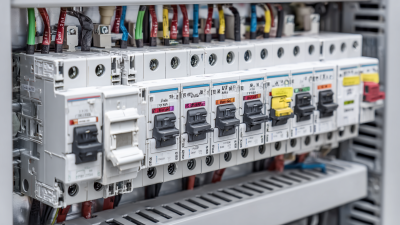
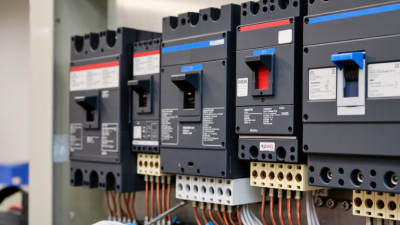
A molded case circuit breaker (MCCB) is a resettable electrical protection device housed in a strong, insulated case. It opens a circuit when current exceeds a safe level, helping protect wiring and equipment from overloads and short circuits. Inside, a thermal-magnetic trip unit is common: heat responds to sustained overloads, while magnetic action reacts quickly to high fault current. Some models use electronic trip units for more adjustable protection.
The molded case supports and insulates internal parts, but it does not make a breaker suitable for every installation. MCCBs vary by current rating, interrupting capacity, pole count, and trip settings. The confusing part is that a larger frame does not automatically mean safer protection. The breaker must match the circuit, conductor size, and expected fault current. Selection and installation should follow equipment documentation and be handled by a qualified professional. In 2026, thermal-magnetic and electronic-trip designs remain useful categories to compare.
Tips: Check the nameplate before replacing a breaker. Confirm voltage, current, and interrupting ratings. Never assume that a breaker that physically fits is electrically appropriate. If a unit trips repeatedly, find the cause rather than repeatedly resetting it.
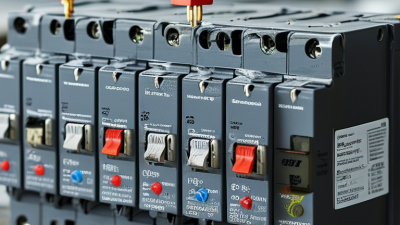
Molded case circuit breakers are commonly grouped by how their trip units detect faults. Thermal-magnetic models use a heat-responsive element for sustained overloads and a magnetic element for rapid short-circuit response. This combination suits many general distribution panels. That distinction matters. Magnetic-only models respond to high fault currents but do not provide thermal overload protection, so the surrounding system must address overloads separately.
Electronic-trip MCCBs use current sensors and electronic controls to detect abnormal conditions. Depending on the model, users may be able to adjust long-time, short-time, and instantaneous settings. Some units also offer ground-fault protection. These options can support more precise coordination in complex systems, but settings require care. A poorly chosen delay can leave equipment exposed longer than intended. Check the device’s published trip curves and rating data rather than assuming all electronic units behave alike.
What Are the Top Molded Case Circuit Breaker Types in 2026
Which MCCB Types Stand Out in 2026?
In 2026, the strongest MCCB choice depends on the load and the protection task. Thermal-magnetic units suit many standard feeders, pairing a thermal overload response with magnetic short-circuit protection. Electronic-trip models offer more precise, adjustable settings, useful where coordination matters across several distribution levels. Current-limiting types can reduce let-through energy during faults, helping protect downstream equipment. DC-rated MCCBs serve specific direct-current systems; never assume an AC rating covers DC.
Demand matters. The International Energy Agency’s Electricity 2024 report projected global electricity demand would grow by an average 3.4% annually from 2024 through 2026. That growth does not make one breaker type universally superior; it makes careful fault-current, voltage, and coordination checks more important. IEC 60947-2 provides the relevant framework for low-voltage circuit-breakers, but a standard alone cannot confirm suitability for a particular installation. This distinction is easy to miss.
Tips: Match interrupting capacity to the available fault current, then verify trip settings against cable limits and the coordination study. Check enclosure temperature and installation conditions, too. Small details matter. When specifications are uncertain, document the assumptions and get a qualified engineer to review them.
Typical availability of key capabilities by trip-unit type. A value of 1 means the capability is commonly available; 0 means it is not inherent to that type. Exact functions depend on the MCCB model and configuration.
Thermal-magnetic units provide thermal overload and magnetic short-circuit protection. Electronic trip units add configurable protection options; ground-fault protection and communications are available on selected models.
Where Are Different MCCB Types Commonly Used?
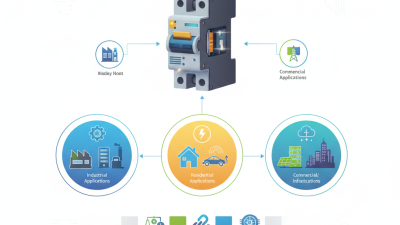
Thermal-magnetic MCCBs are common in small commercial panels, workshops, and building feeders. Their thermal element responds to sustained overloads, while the magnetic element trips quickly during short circuits. Electronic-trip models suit larger facilities where adjustable protection and coordination matter, such as hospitals, factories, and data centers. Current-limiting MCCBs are useful where prospective fault current is high and equipment protection is critical. DC-rated MCCBs serve battery systems, photovoltaic installations, and other direct-current circuits. Check the rating carefully. AC and DC duties are not interchangeable.
Demand patterns help explain these applications. The U.S. Department of Energy’s 2024 data center report estimates that data centers used 4.4% of U.S. electricity in 2023, potentially reaching 6.7–12% by 2028. The International Energy Agency’s Electricity 2024 report estimates global data center, AI, and cryptocurrency consumption could exceed 1,000 TWh in 2026. These figures point to growing pressure on facility distribution systems, not a universal breaker choice. The field is rarely tidy. Engineers still need to check fault current, voltage, ambient temperature, cable ratings, and protection coordination against site conditions. Small details matter. A highly adjustable trip unit can help, but it may add setup complexity that a simpler panel does not need.
Comparing molded case circuit breakers starts with the system, not the product label. Check the rated current, operating voltage, number of poles, and short-circuit interrupting capacity. These figures must suit the panel and the available fault current. A 100-ampere rating alone tells you little about whether a breaker is suitable.
Look for the trip unit type, too. Thermal-magnetic units are common for straightforward protection; electronic units may offer adjustable settings and clearer monitoring. More features are not automatically better.
For a practical comparison, review the manufacturer’s data sheet and confirm the conditions behind each rating. Ambient temperature, enclosure design, and installation method can affect performance. Check whether settings support coordination with upstream and downstream devices, so a fault does not unnecessarily shut down a larger section.
Consider pole configuration and accessories only where the application needs them. A tidy comparison table can still mislead if it mixes ratings measured under different conditions. That detail is easy to miss.
Tips: Write down the load, system voltage, and expected fault level before comparing models. Then verify the selected breaker against the panel documentation. For example, a workshop panel serving motors may need different trip settings from one serving lighting circuits. Ask a qualified electrical professional to review the selection. Small differences matter.