What Is the Best China Molded Case Circuit Breaker?
Choosing the best China Molded Case Circuit Breaker requires more than comparing price, amperage, or brand recognition. A reliable selection must match short-circuit capacity, trip performance, insulation strength, installation conditions, and maintenance requirements. In factories, one incorrect rating can overheat a feeder, interrupt production, or damage sensitive equipment. The details matter.
The International Energy Agency’s Electricity 2024 report projects strong global electricity-demand growth through 2026, driven by industry, cooling, data centers, and electrification. This expansion increases demand for dependable low-voltage protection. Meanwhile, IEC 60947-2 defines important requirements for circuit breakers, including temperature performance, endurance, and interruption capability. UL 489 remains widely referenced for molded-case circuit breakers in North American applications. These standards provide a technical baseline, not a complete buying decision.
A strong China-made Molded Case Circuit Breaker should offer verified test results, stable thermal-magnetic or electronic trip settings, clear certification records, and traceable quality control. Look closely at Icu and Ics values. Also check enclosure protection, terminal design, operating temperature, and spare-parts support. Certification alone is not enough.
That assumption is incomplete.
Factory audits, sample testing, and installation feedback often reveal weaknesses hidden by brochures. Market reports can describe growth, but they rarely prove long-term field reliability for one manufacturer. Therefore, this guide compares Chinese MCCB options through standards compliance, real application experience, protection accuracy, lifecycle value, and supplier credibility. The best choice is not always the cheapest unit. It is the breaker that protects equipment consistently, trips predictably, and remains supportable years after installation.
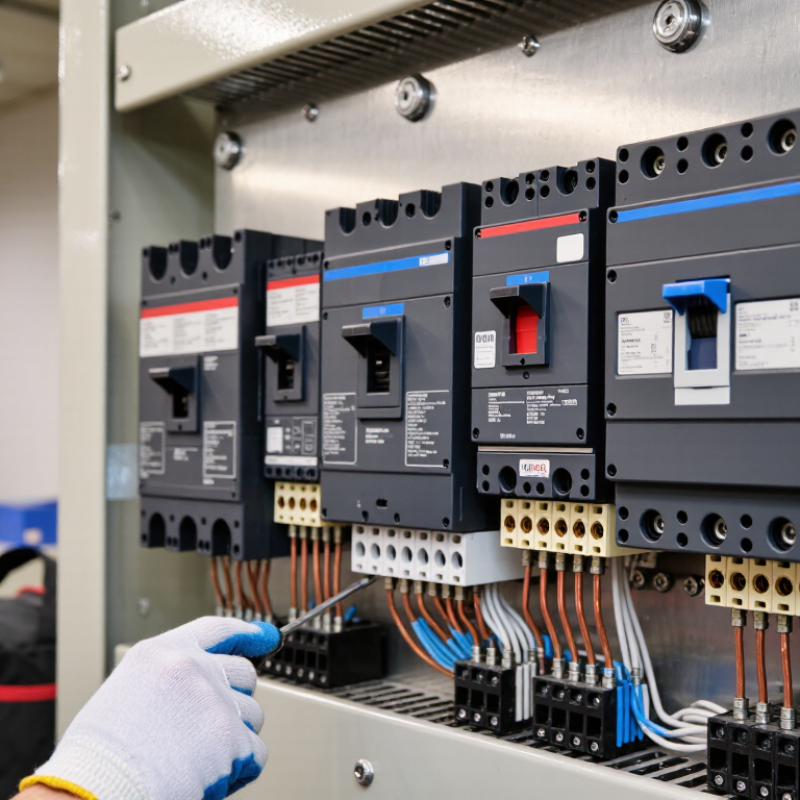
MCCB Fundamentals: IEC 60947-2 Ratings, Poles, and 16–1600 A Frames
What Is the Best China Molded Case Circuit Breaker?
The best molded case circuit breaker depends on the installation, not its origin. IEC 60947-2 provides the main framework for selection. Check the rated operational voltage, continuous current, and short-circuit breaking capacity. A 250 A breaker may suit a motor feeder, but its interrupting capacity must match the available fault current. Icu shows ultimate breaking capacity, while Ics indicates service breaking capacity. Both deserve attention.
Pole selection follows the system. A two-pole device can protect a single-phase circuit. Three-pole units suit many three-phase loads. Four-pole versions can switch the neutral when the design requires it. Frame size is not the same as trip rating. Common frames range from 16 to 1600 A, with adjustable thermal, magnetic, or electronic protection. In real panel checks, wiring space and terminal temperature often matter more than the catalogue image. That detail is easy to overlook.
Tips: Confirm the actual load current, cable size, ambient temperature, and prospective fault current. Compare Icu and Ics at the working voltage. Verify coordination with upstream and downstream devices. For 16–1600 A applications, adjustable settings can improve selectivity, but poor adjustment can reduce protection. A neat datasheet is not enough. Installation quality still decides performance.
Breaking Capacity: Comparing Icu and Ics from 10 kA to 150 kA
What Is the Best China Molded Case Circuit Breaker?
Breaking capacity is the practical test of a molded case circuit breaker. It determines whether the device can interrupt a fault safely. Ratings commonly range from 10 kA to 150 kA. However, a higher number is not automatically better.
IEC 60947-2:2016 defines Icu as ultimate short-circuit breaking capacity. It defines Ics as service short-circuit breaking capacity. The standard recognizes Ics values of 25%, 50%, 75%, or 100% of Icu. China’s GB/T 14048.2-2020 follows the same core testing logic. For example, a breaker rated 50 kA Icu and 25 kA Ics may survive a severe fault, but repeated service performance remains limited.
That distinction matters in factories, data rooms, and solar distribution panels. A 10 kA device may suit a small branch circuit with low prospective fault current. Main feeders often require 50 kA, 70 kA, or higher. At 150 kA, engineers must verify enclosure strength, cable impedance, and tested coordination. I have seen specifications compare only Icu. That is an avoidable weakness. Field selection should examine Ics, voltage, pole configuration, trip settings, and test certificates together. The final choice should match the calculated fault current, not a dramatic catalog number.
China Manufacturer Evaluation: Testing, Certification, and Quality Controls
What Is the Best China Molded Case Circuit Breaker?
A reliable molded case circuit breaker needs more than a competitive price. During supplier evaluation, request test records for temperature rise, overload, short-circuit interruption, insulation, and mechanical endurance. IEC 60947-2 defines key requirements for low-voltage circuit breakers, but compliance claims still need verification. Look for reports from an ISO/IEC 17025-accredited laboratory. Each report should show the exact model, frame size, test current, test date, and sample condition.
Certification must match the target market. CCC may support domestic sales, while IEC CB reports can simplify international acceptance. Some projects also require certification against UL 489 or other regional standards. MarketsandMarkets’ Circuit Breaker Market report projects continued growth through 2029, driven by grid upgrades and industrial electrification. That growth increases supplier choices, but it also increases documentation risk. A certificate alone is not proof of consistent production.
Tips: Ask for three recent production samples, not one selected sample. Check terminal torque with a calibrated tool. Review incoming-material records for contacts, housings, and trip units. Confirm serial-number traceability from assembly to final test. Quality controls should include routine dielectric testing, trip-current checks, visual inspection, and calibrated equipment records. ISO’s 2023 Survey reported more than 1.2 million ISO 9001 certificates worldwide, yet certification does not guarantee perfect products. That is the uncomfortable part. Factory audits can miss weak follow-up controls, especially when corrective actions remain informal. Request closure evidence, not promises.
Best-Choice Framework: Matching Voltage, Current, Icu, Ics, and Application
What Is the Best China Molded Case Circuit Breaker?
Best-Choice Framework: Matching Voltage, Current, Icu, Ics, and Application
Choosing the best China molded case circuit breaker starts with the system voltage. The breaker’s rated voltage must meet or exceed the installation voltage. A 400 V distribution board needs a suitable 400 V class device, not a lower-rated model. Then measure the actual load current. Select a frame and trip range that support continuous operation without nuisance trips. Leave practical margin, but avoid excessive oversizing.
Current is only one part.
Icu indicates the maximum short-circuit current the breaker can interrupt safely. Ics reflects its service interruption capability during repeated fault conditions. For critical facilities, a higher Ics value can support better operational continuity. Always compare these ratings with the prospective fault current at the installation point. A rating that looks impressive may be inadequate after cable impedance and transformer capacity are considered.
Application details often change the decision. Motors need allowance for starting current. Outdoor panels may require derating in high temperatures. High-altitude sites can also affect performance. Check pole configuration, adjustable trip functions, selectivity, and accessory compatibility. In field inspections, I have seen breakers selected correctly on paper but poorly matched to enclosure heat. That mistake is easy to miss. No worksheet is perfect without site data. Review the load profile, fault calculation, ambient conditions, and coordination study before approval.
Best-Choice Framework for Molded Case Circuit Breakers
Use the system voltage first, then select a breaker with a continuous current rating above the design load and an Icu at least equal to the prospective short-circuit current at the installation point. Ics indicates the service short-circuit rating after interruption and is commonly specified as a percentage of Icu.
Engineering reference examples for 400–415 V low-voltage systems. Values are representative selection targets, not a universal rating table; final selection must be verified against the actual load, installation fault level, coordination study, and applicable IEC 60947-2 requirements.



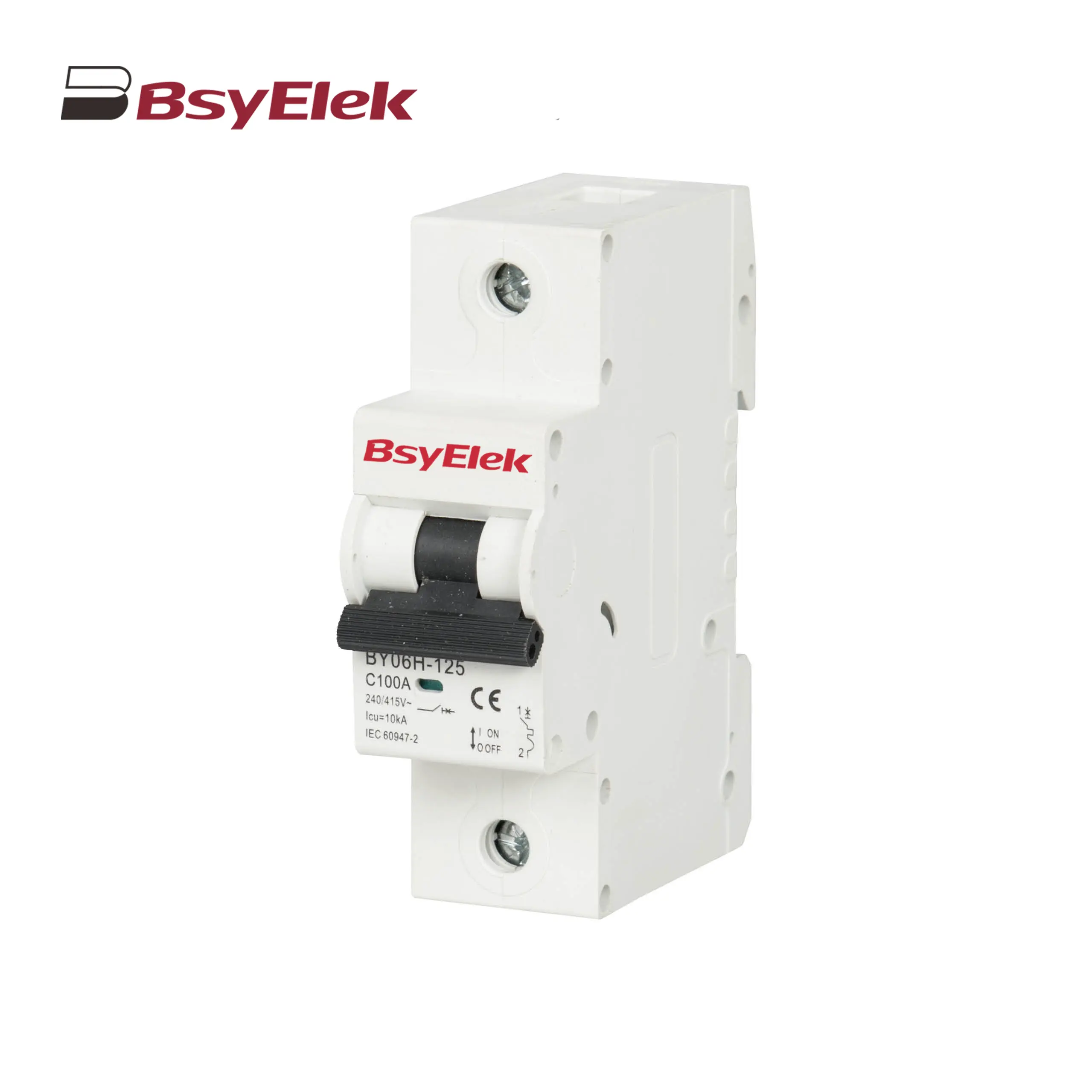 BY06H-125 MCB 10-15KA Miniature Circuit Breaker
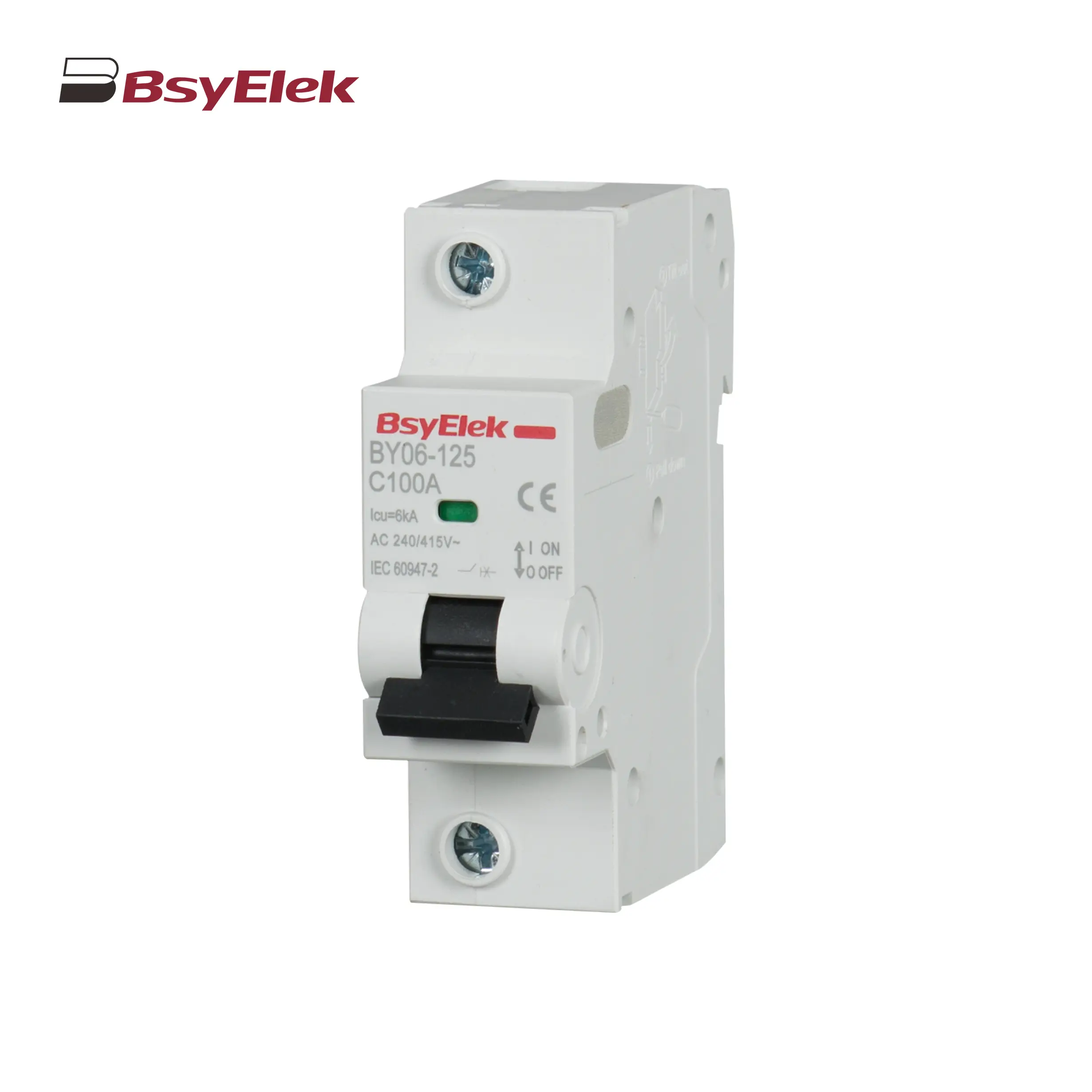 BY06-125 MCB 6KA Miniature Circuit Breaker
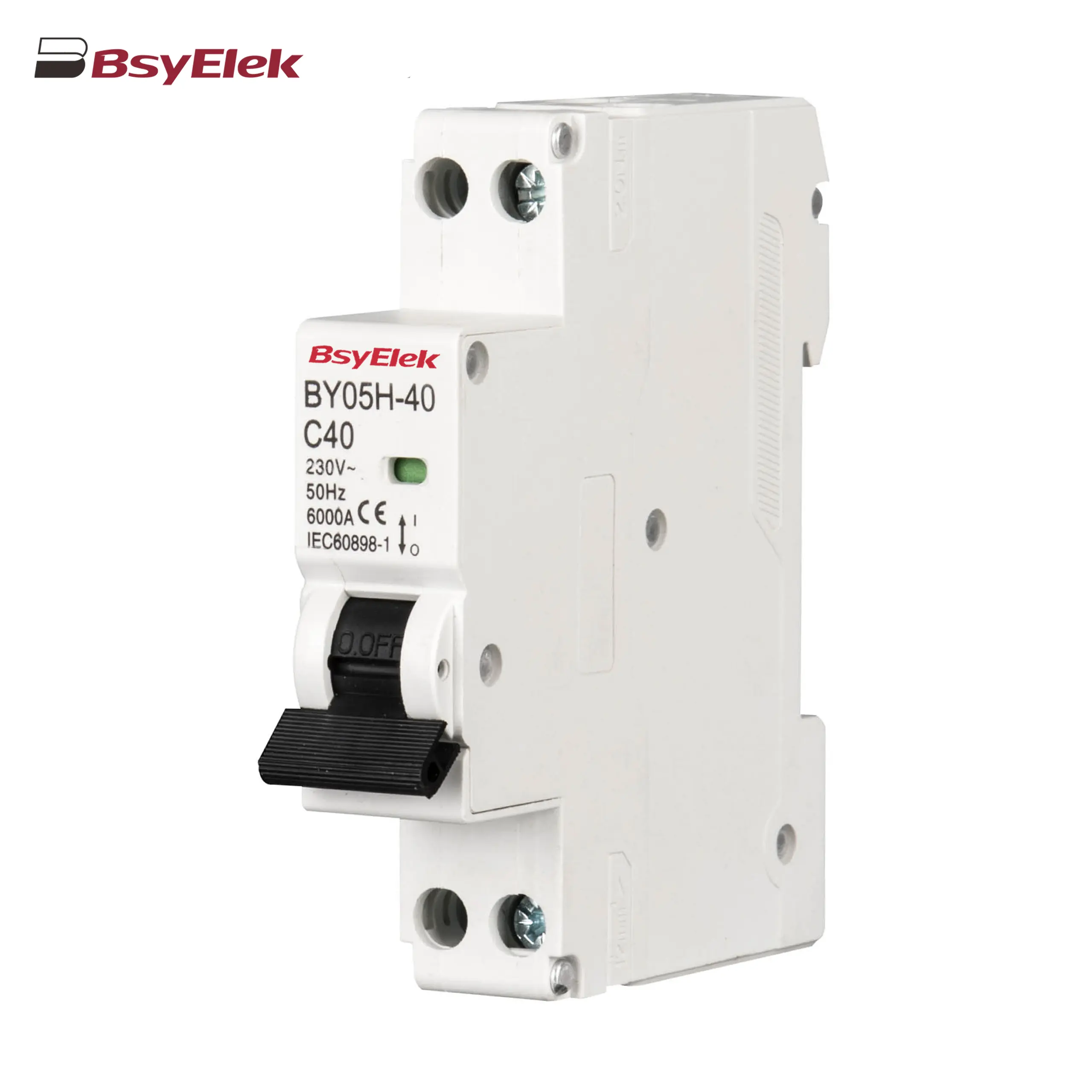 BY05H-40 MCB Single Modular 6KA Miniature Circuit Breaker
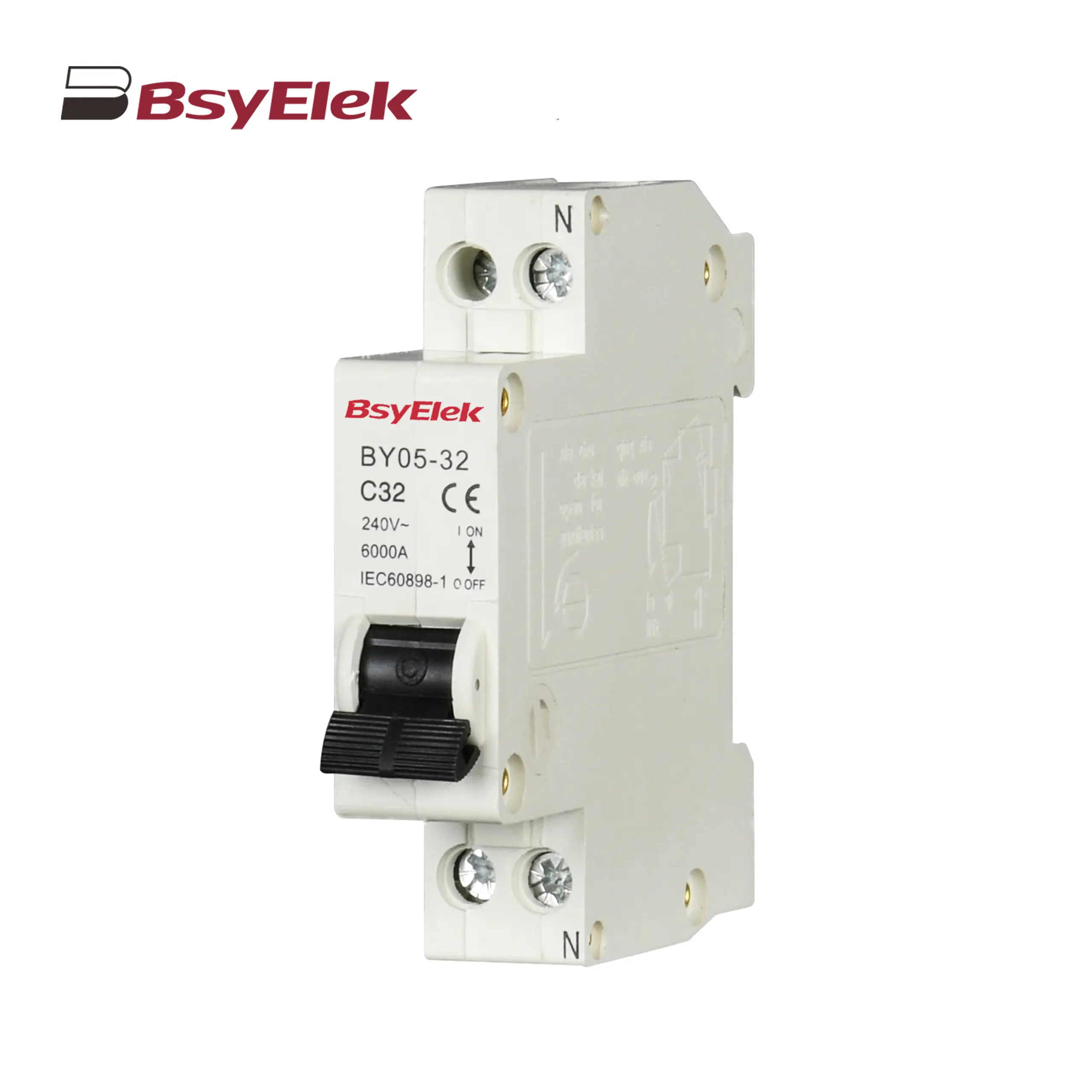 BY05-32 MCB Single Modular 3KA Miniature Circuit Breaker
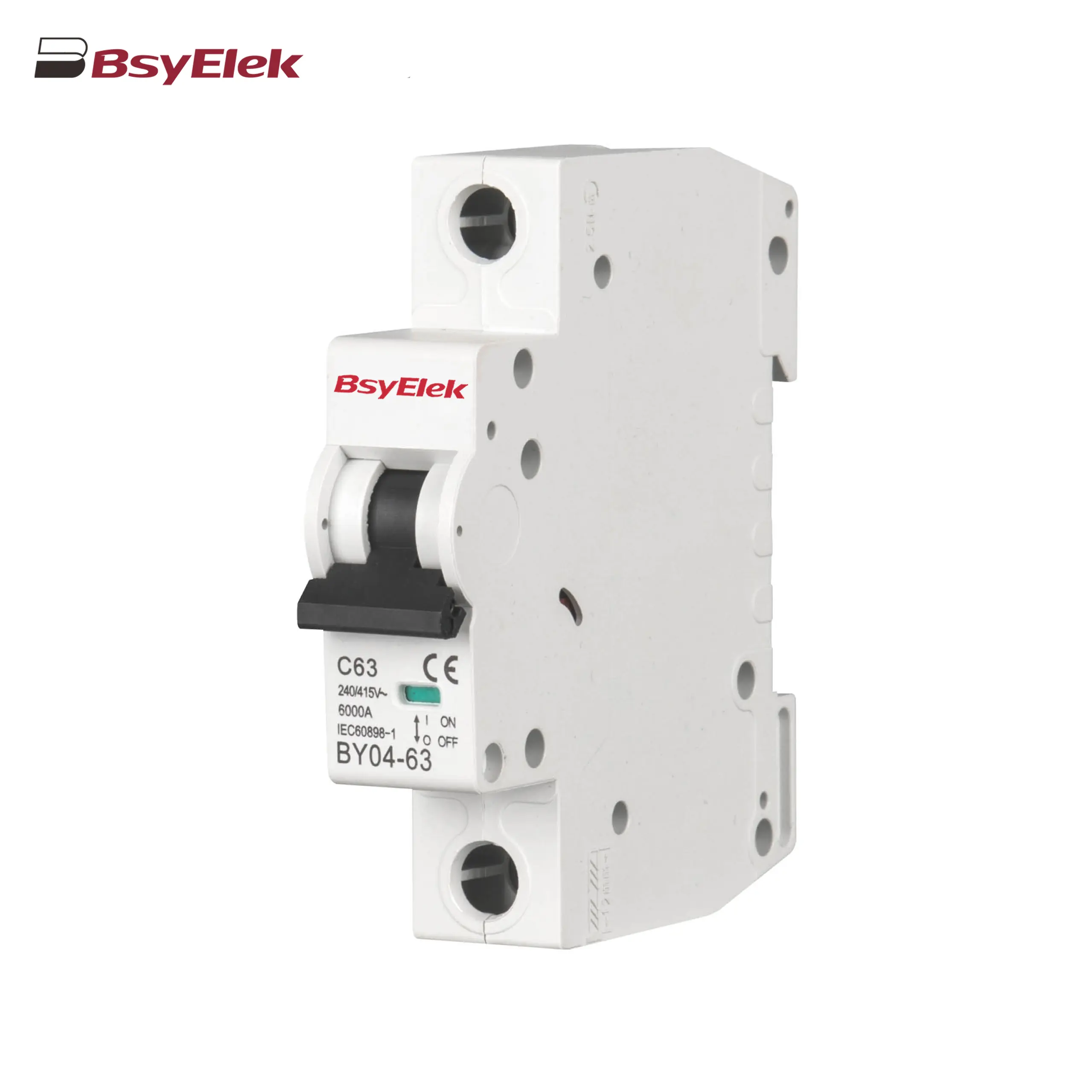 BY04-63 MCB 6-10KA Miniature Circuit Breaker
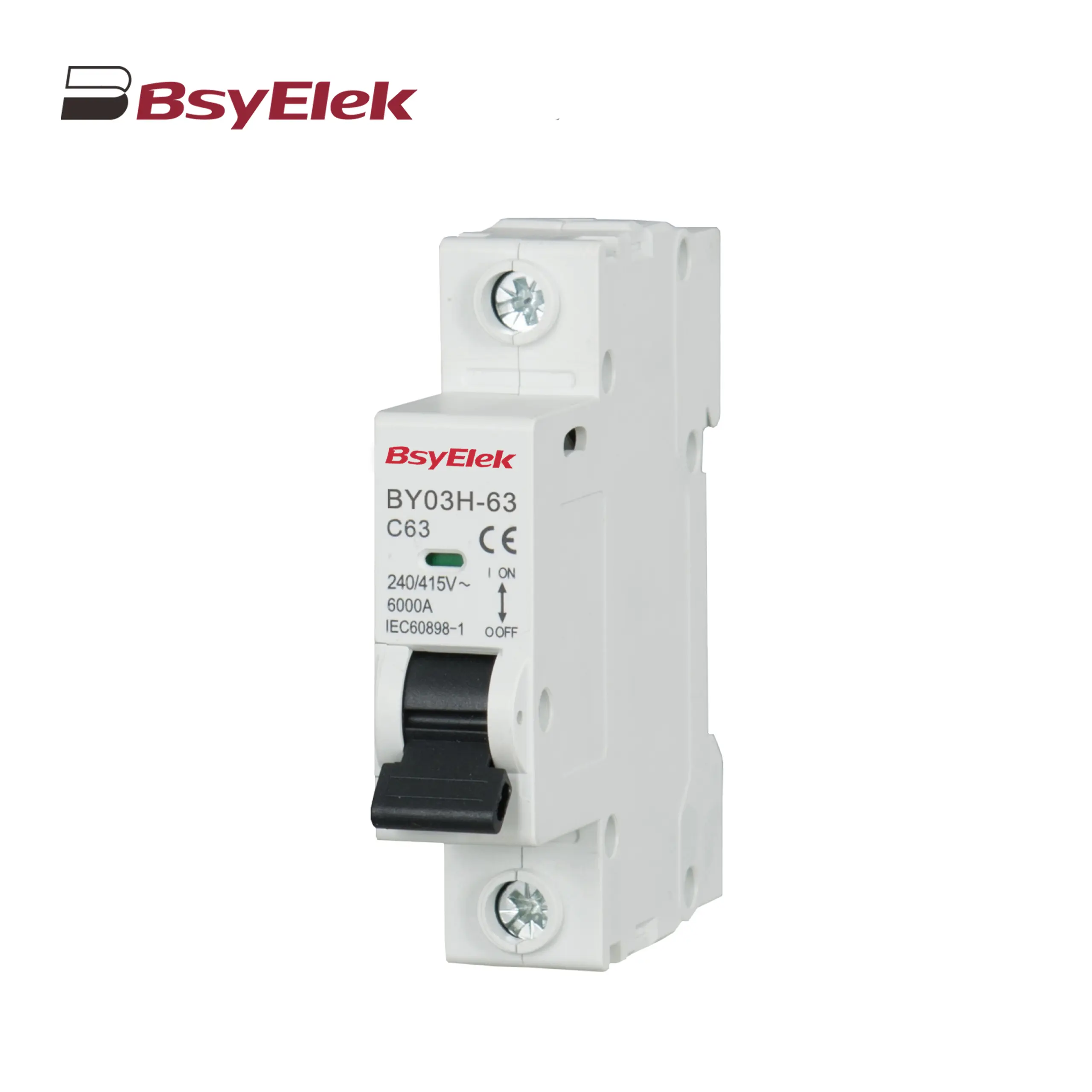 BY03H-63 MCB 6KA Miniature Circuit Breaker
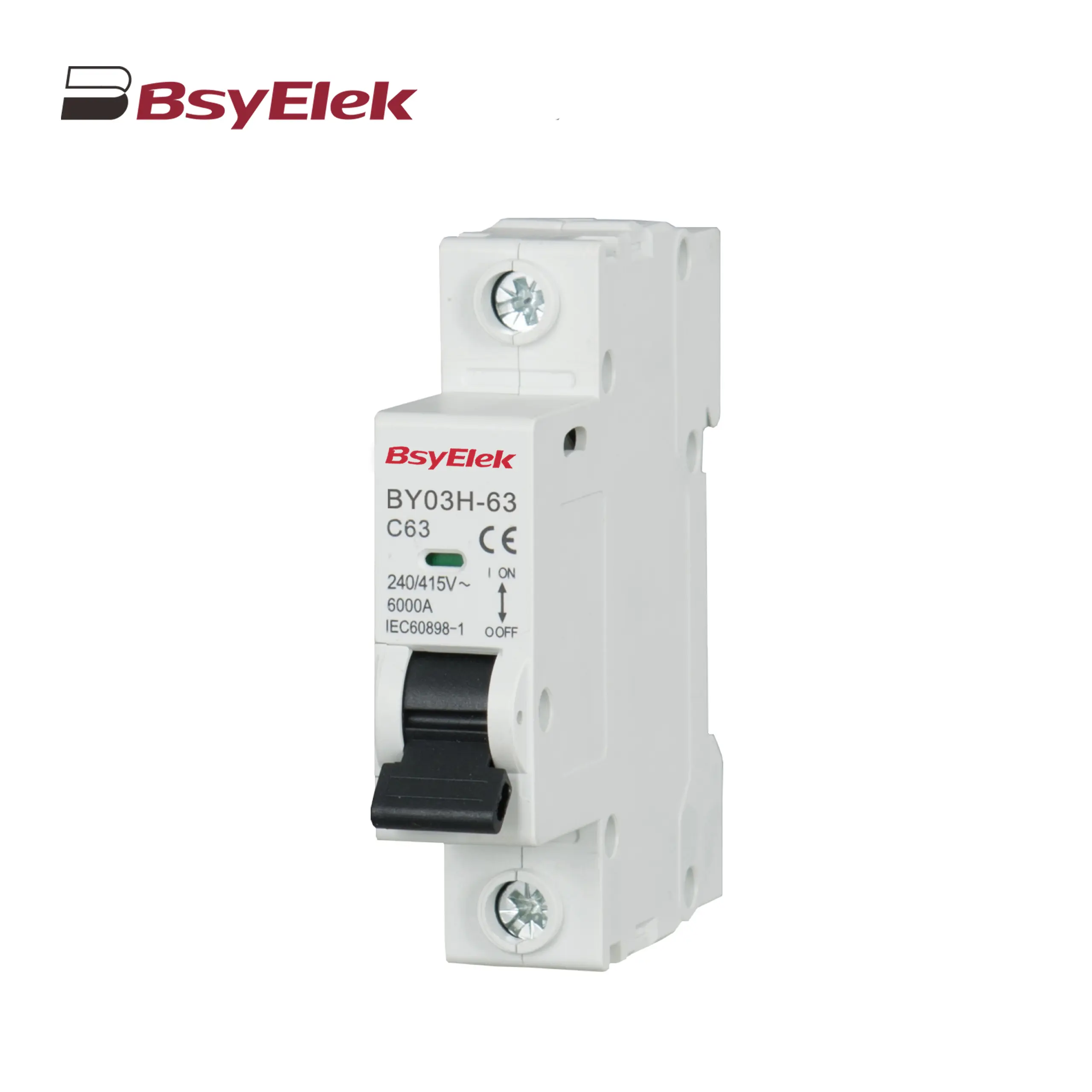 BY03-63 MCB 4.5KA Miniature Circuit Breaker
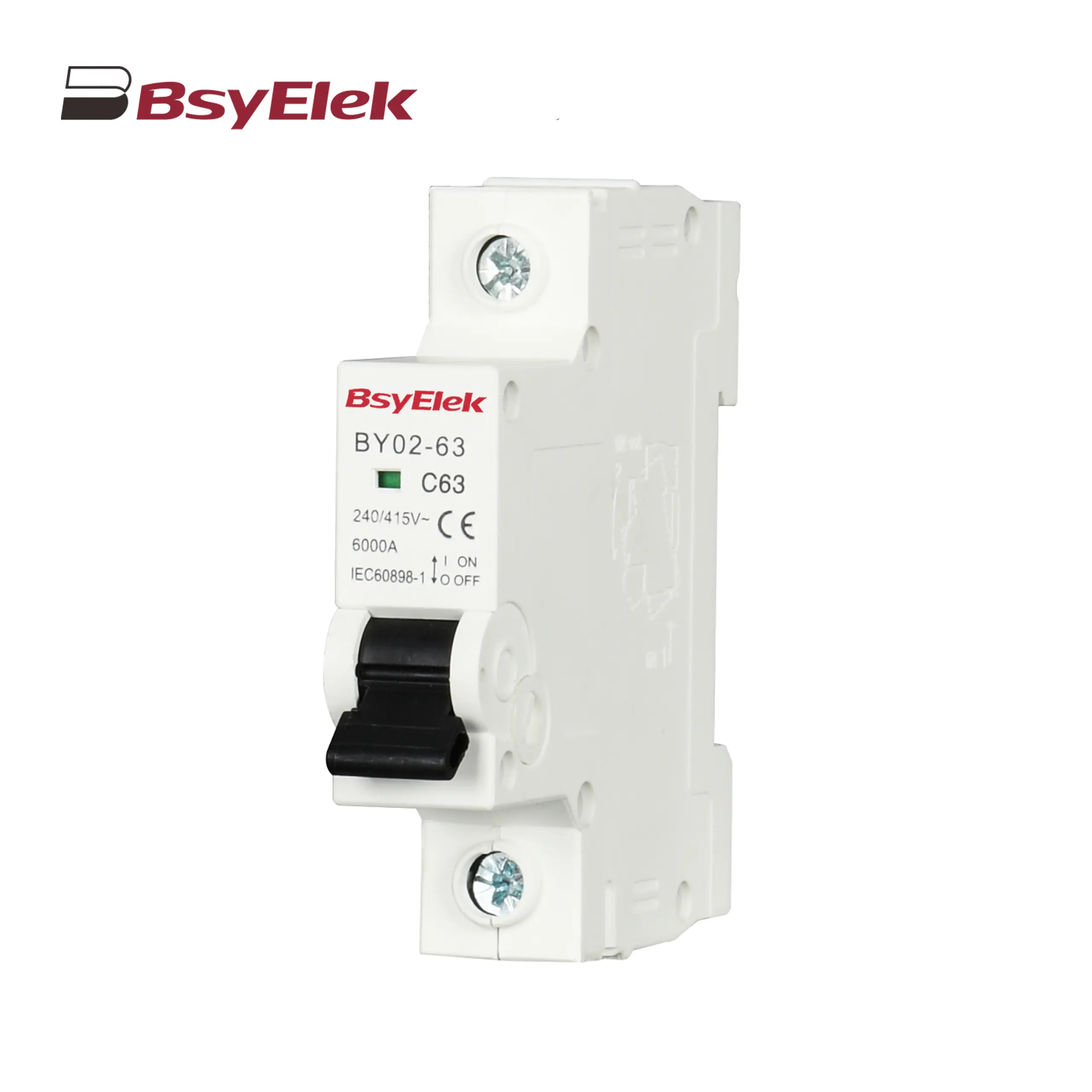 BY02-63 MCB 3kA Miniature Circuit Breaker
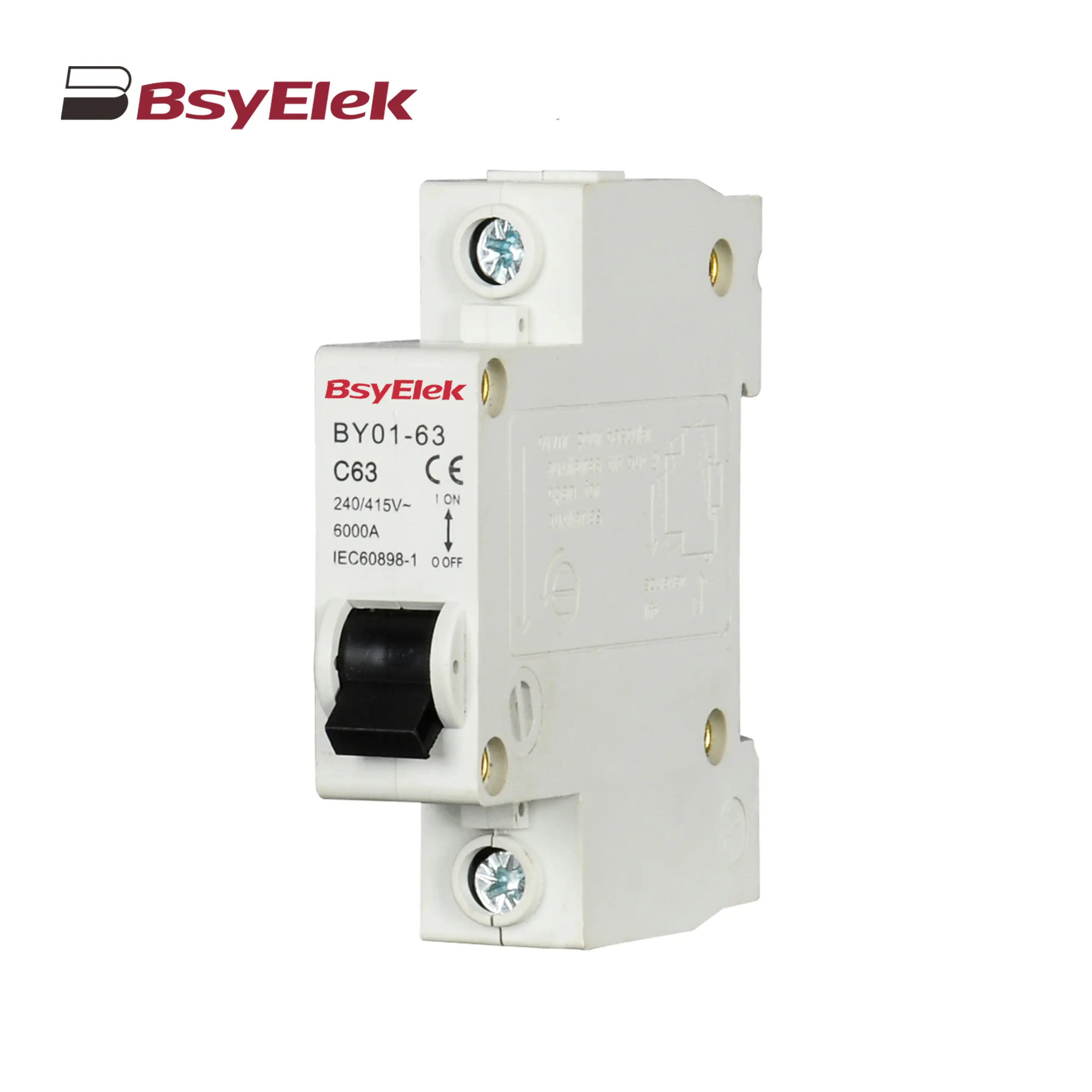 BY01-63 MCB 3kA Miniature Circuit Breaker
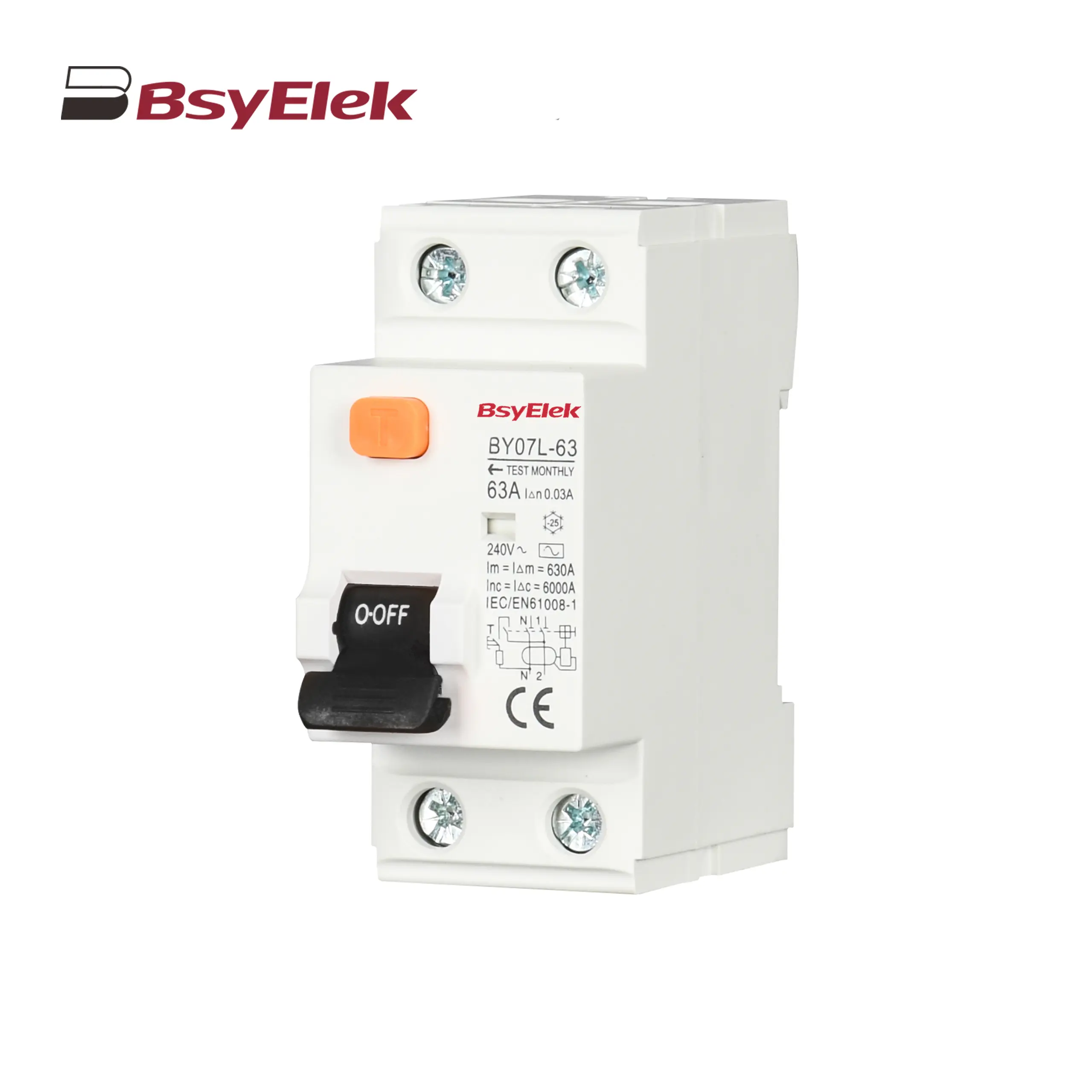 BY07L-63 RCCB 6KA Residual Current Circuit Breaker
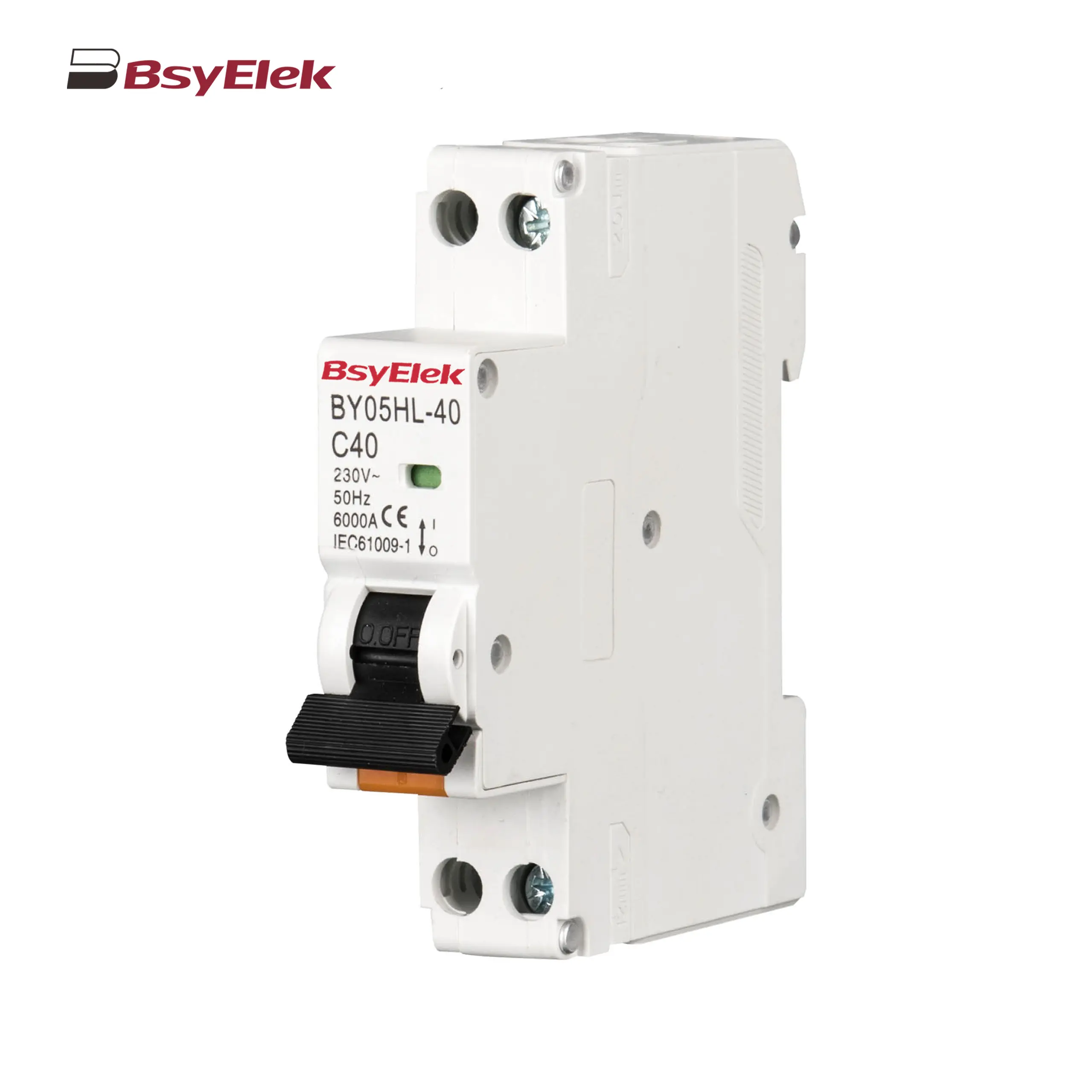 BY05HL-40 RCBO 6KA Residual Current Circuit Breaker with Over-current Protection
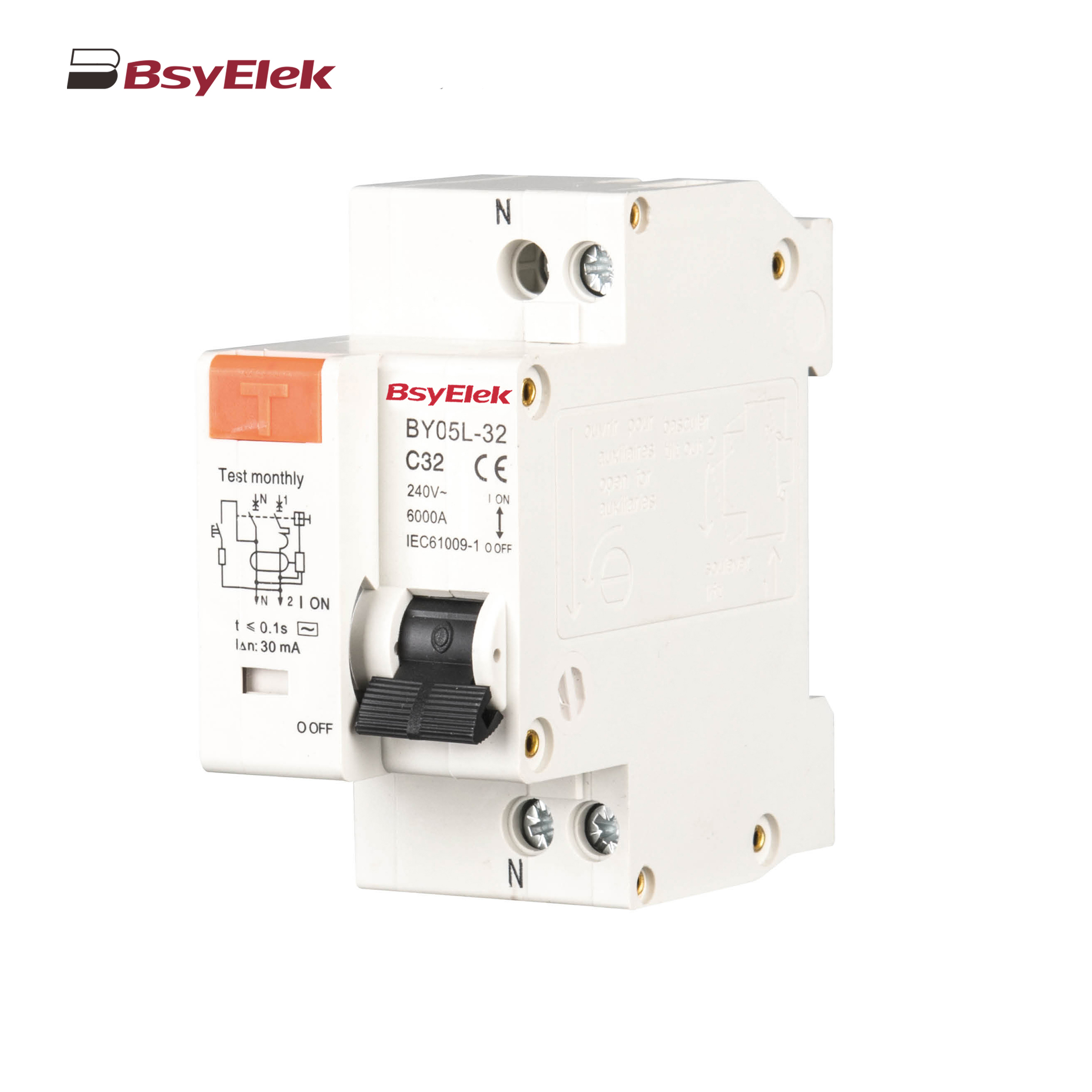 BY05L-32 RCBO 3KA Residual Current Circuit Breaker with Over-current Protection
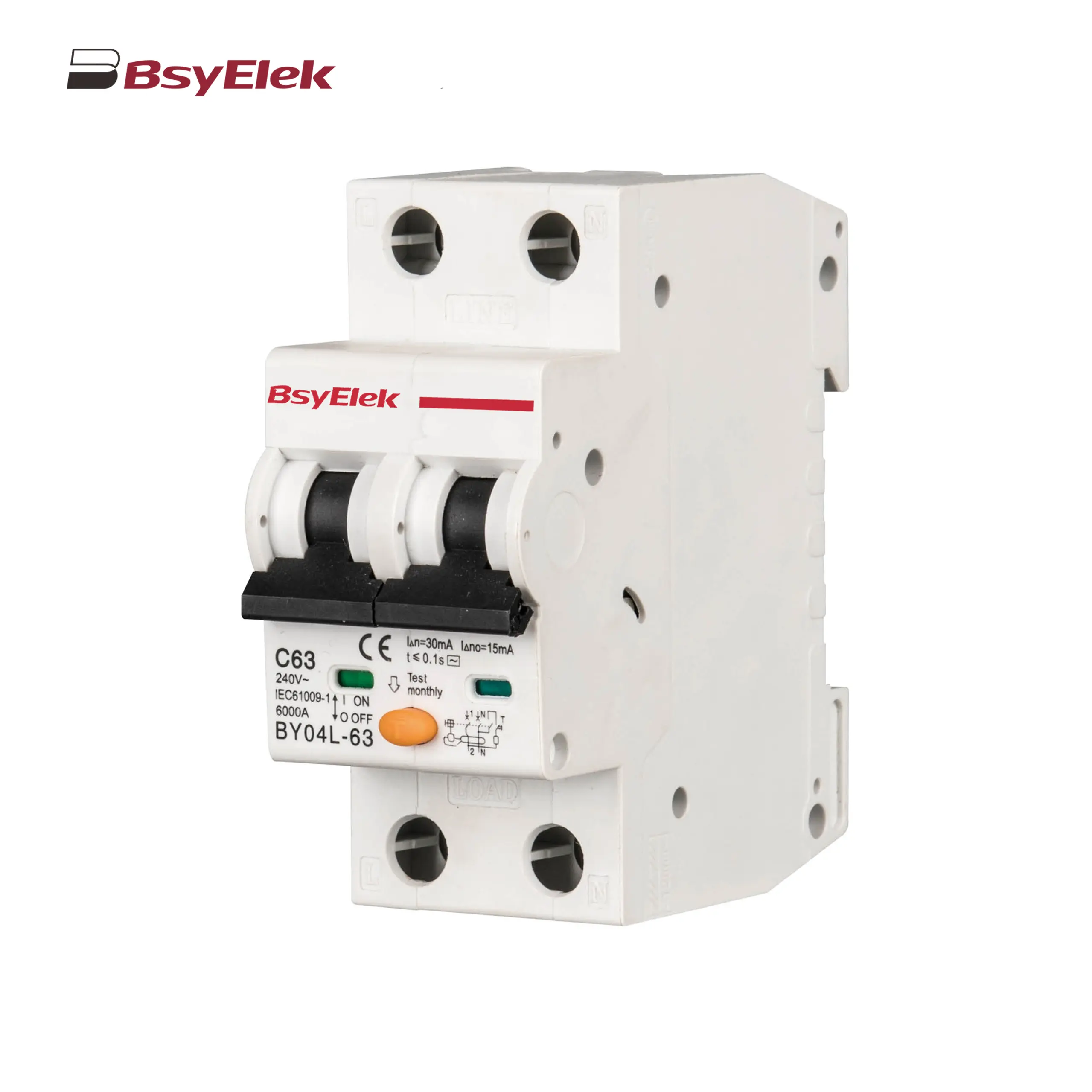 BY04L-63 RCBO 6KA Residual Current Circuit Breaker with Over-current Protection
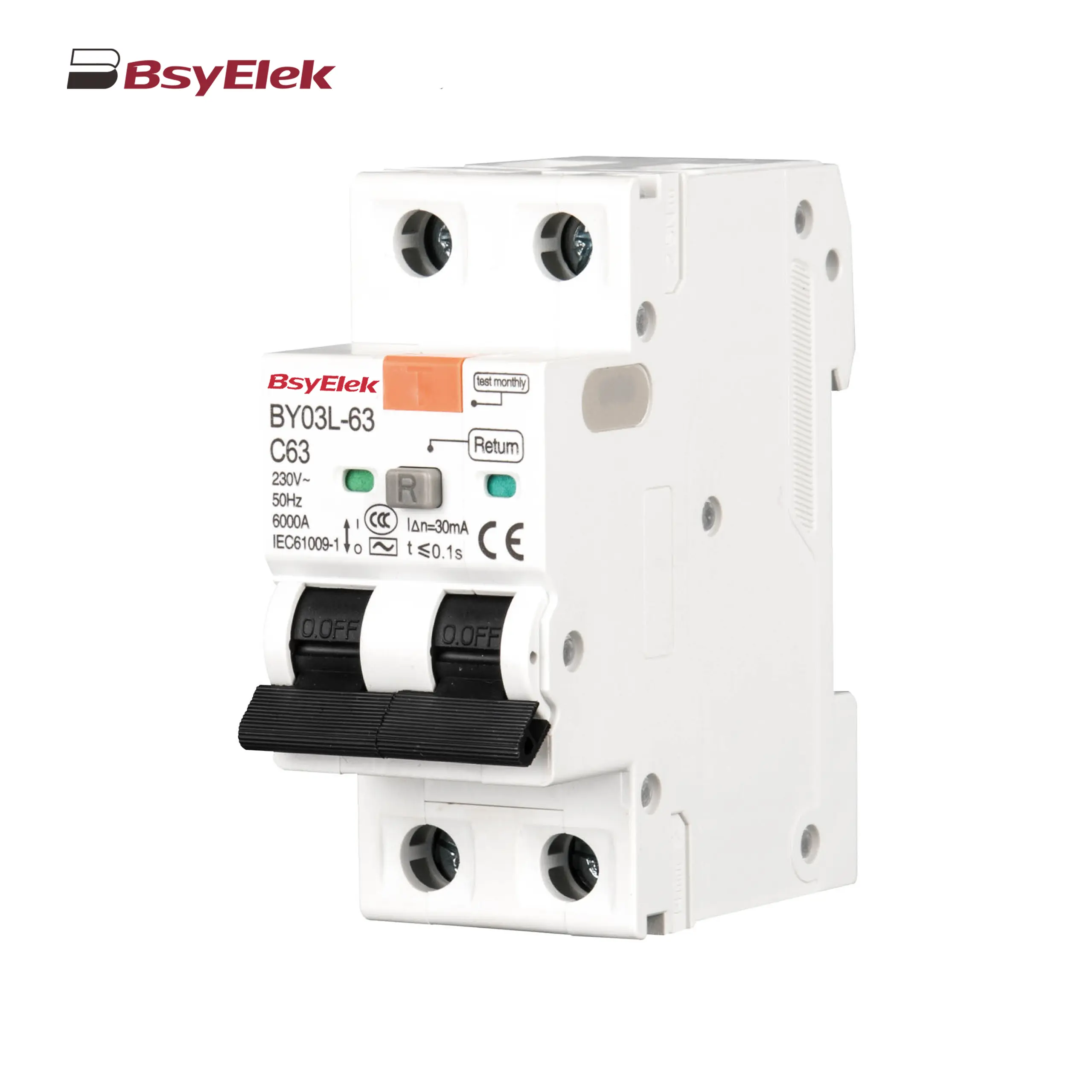 BY03L-63 RCBO 4.5KA Residual Current Circuit Breaker with Over-current Protection
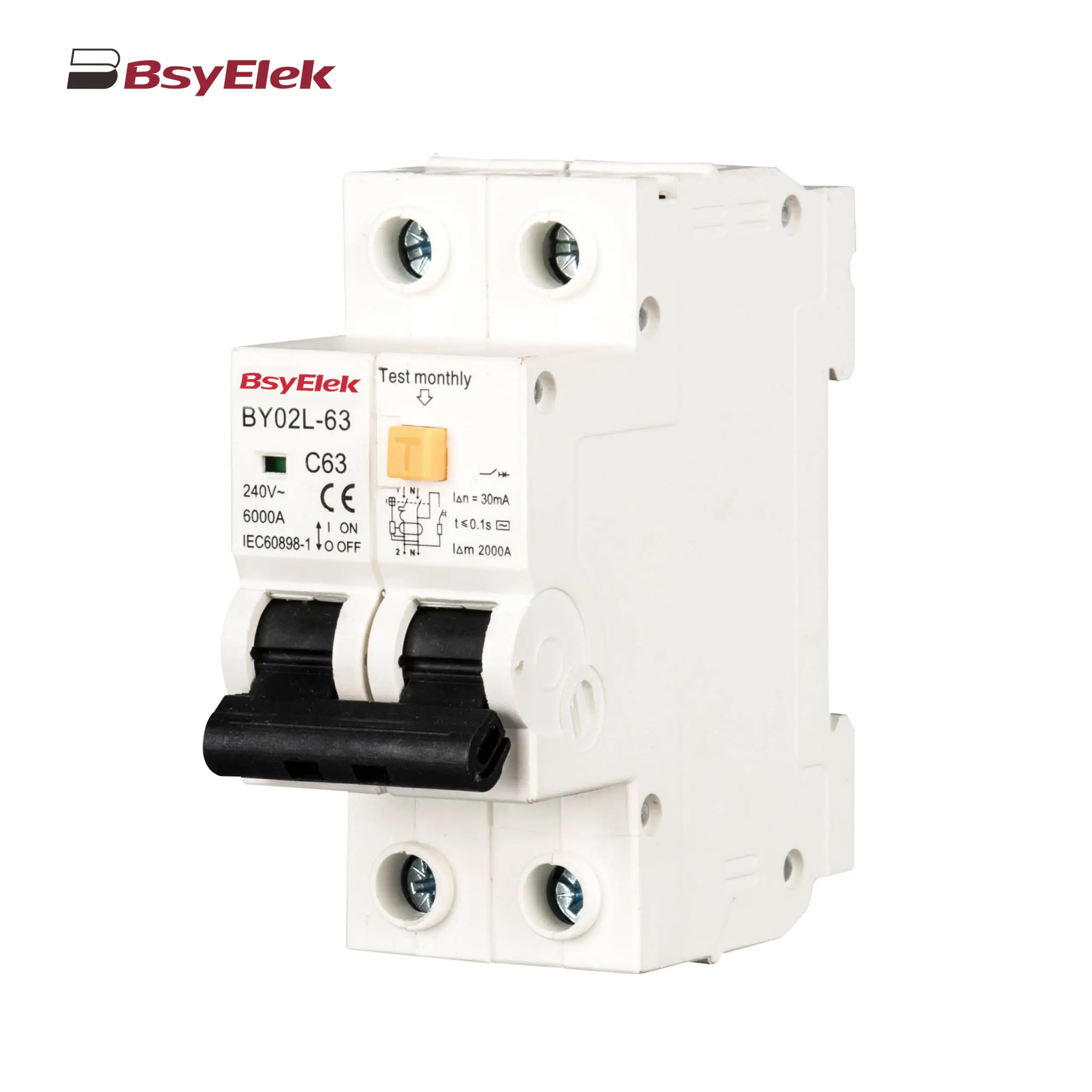 BY02L-63 RCBO 3KA Residual Current Circuit Breaker with Over-current Protection
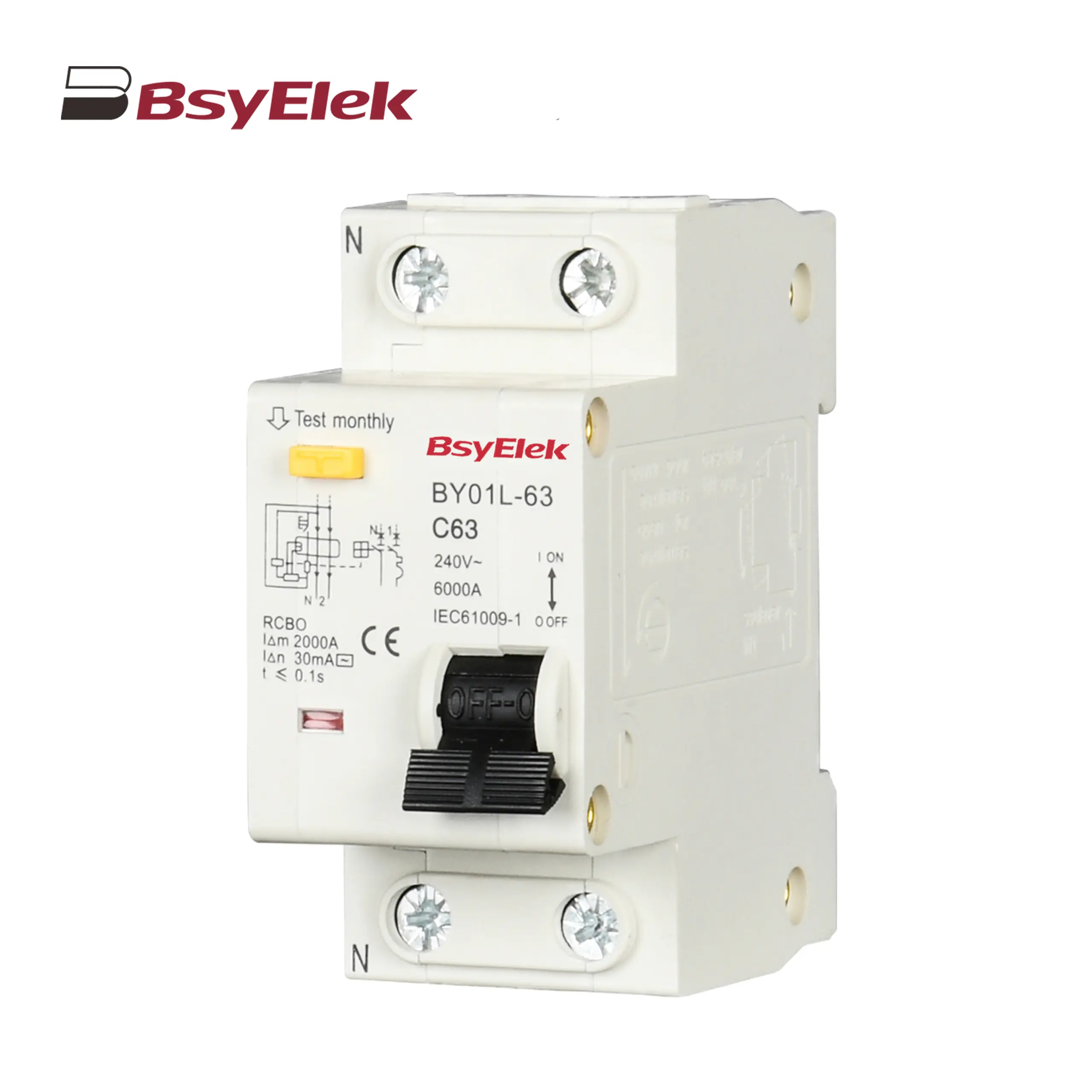 BY01L-63 RCBO 1P+N 3KA Residual Current Circuit Breaker with Over-current Protection
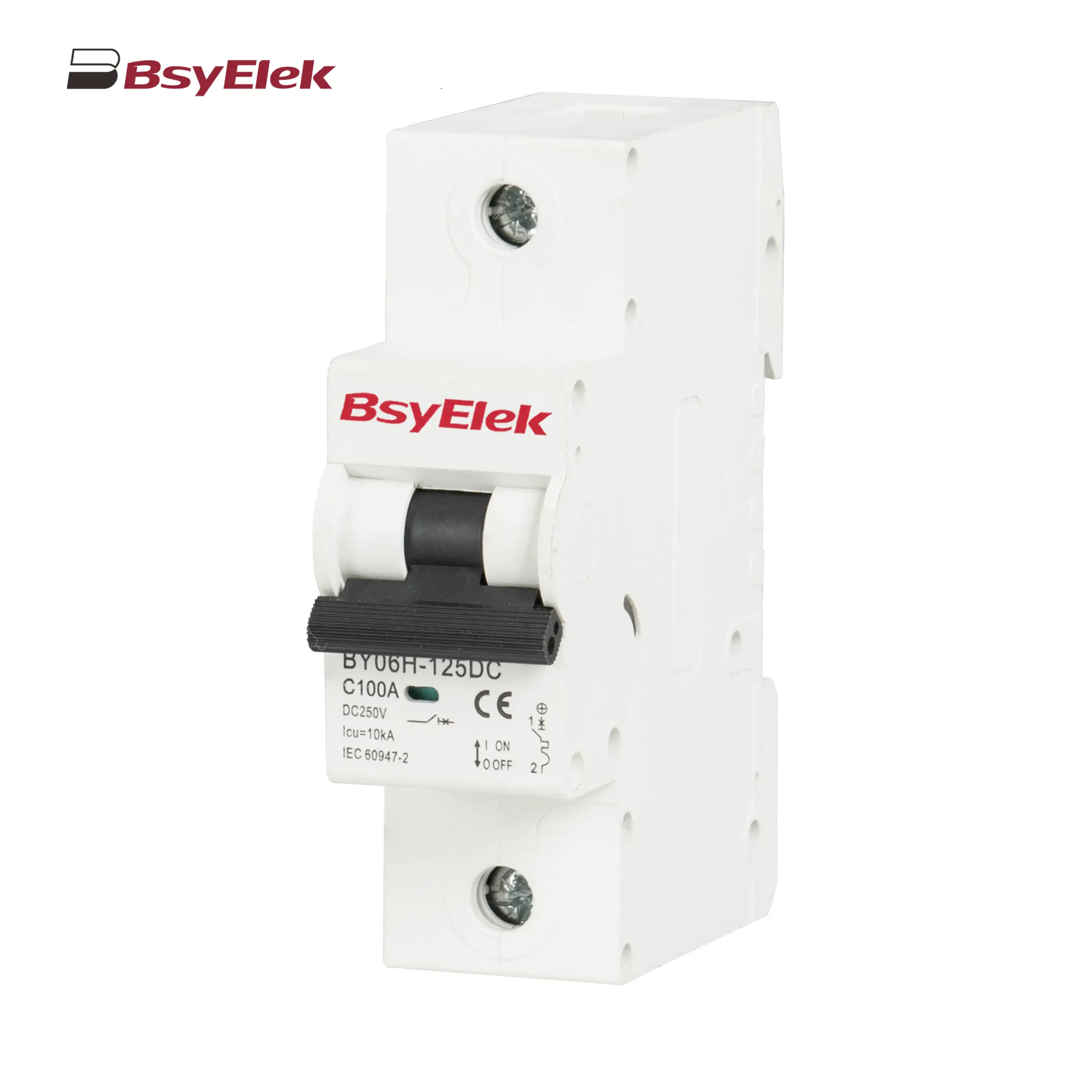 BY06H-125DC MCB 10-15kA DC Miniature Circuit Breaker
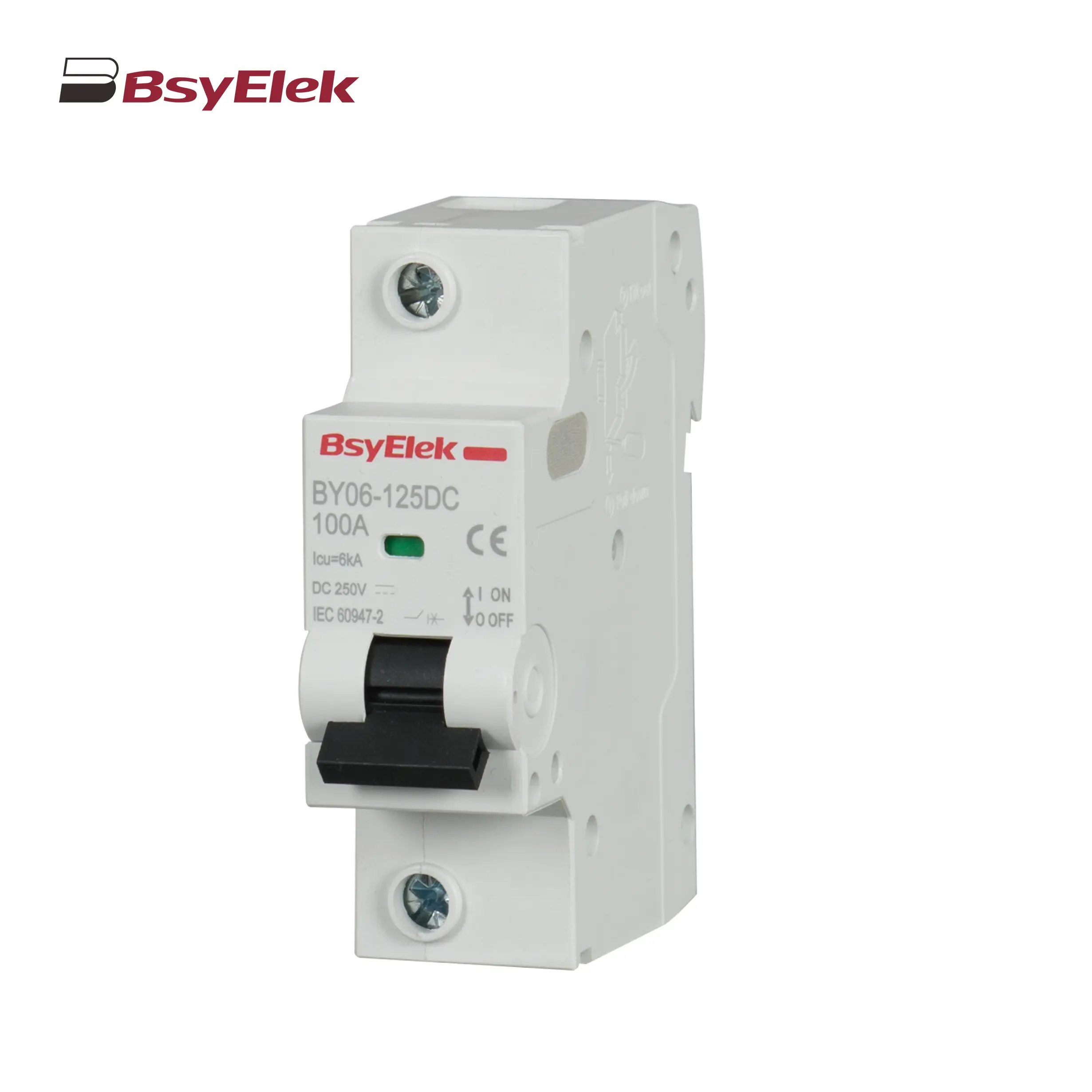 BY06-125DC MCB 6kA DC Miniature Circuit Breaker
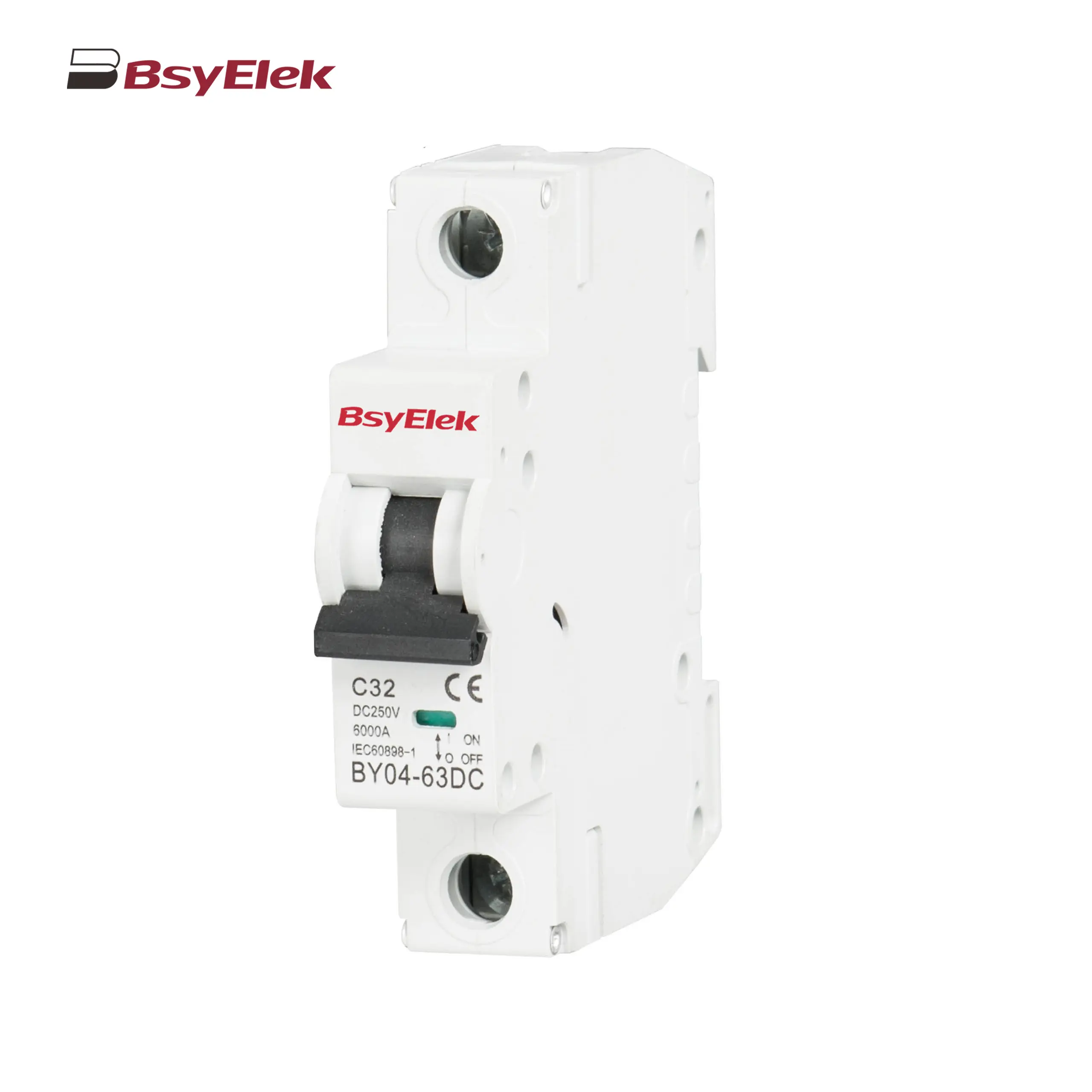 BY04-63DC MCB 6-10kA DC Miniature Circuit Breaker
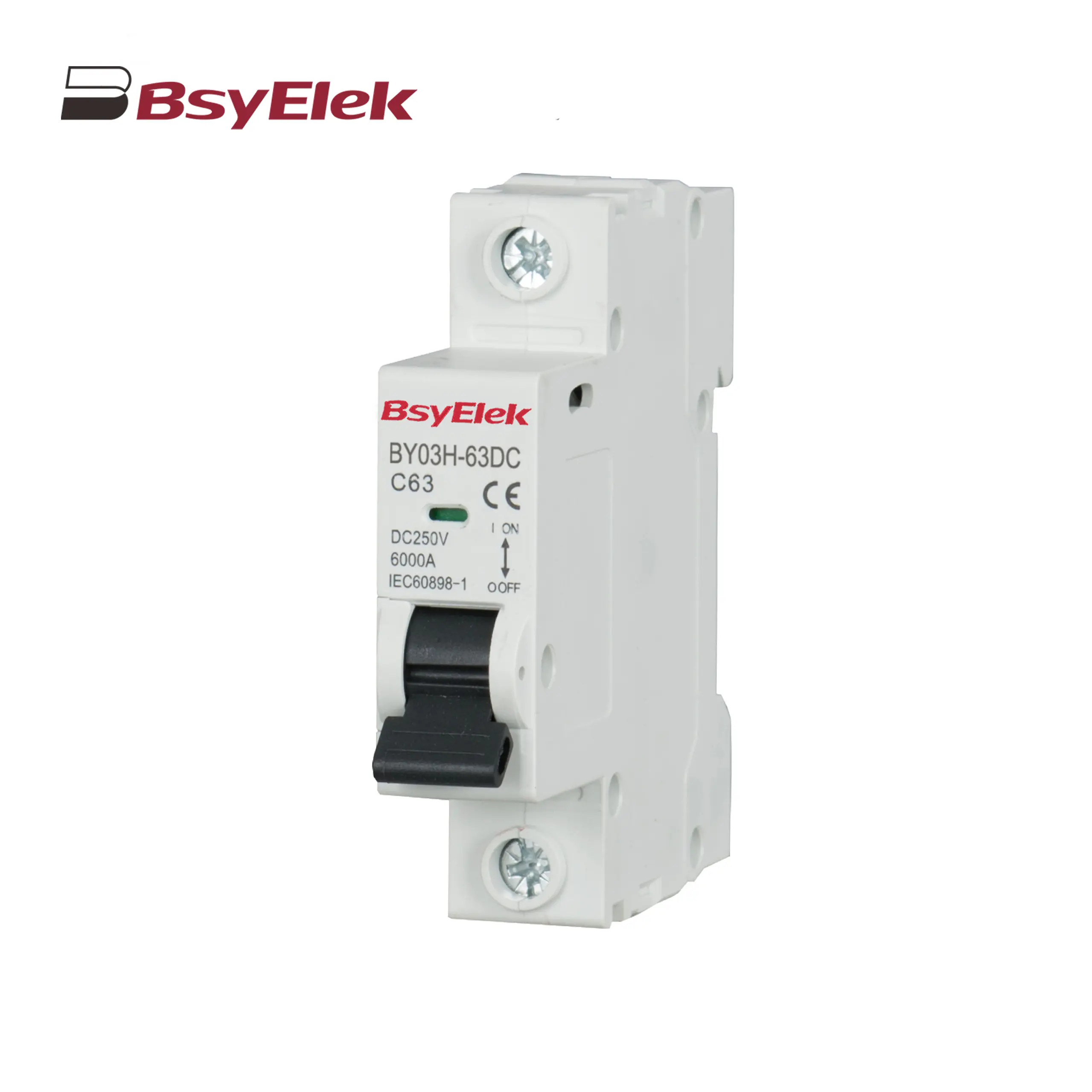 BY03H-63DC MCB 6kA DC Miniature Circuit Breaker
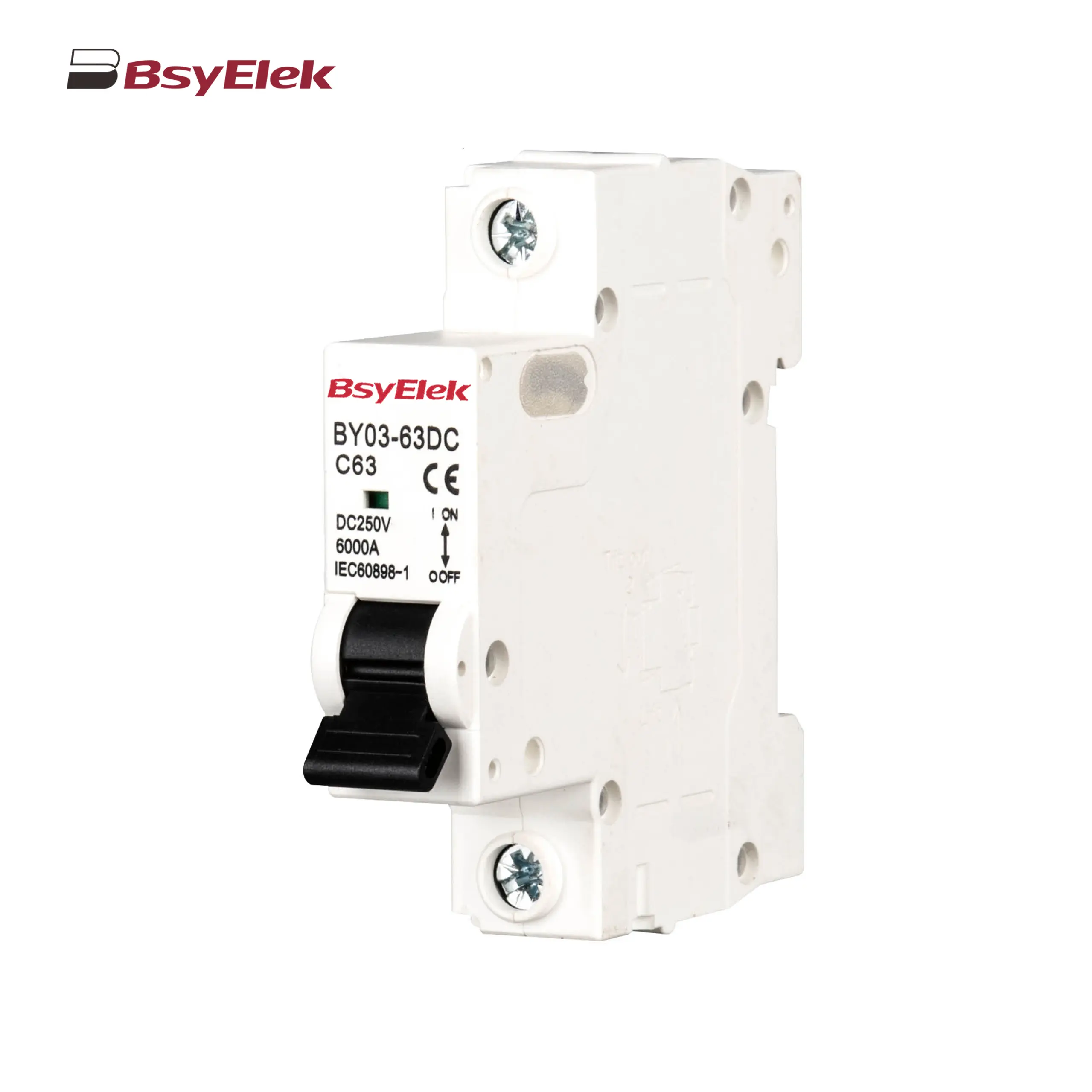 BY03-63DC MCB 4.5kA DC Miniature Circuit Breaker
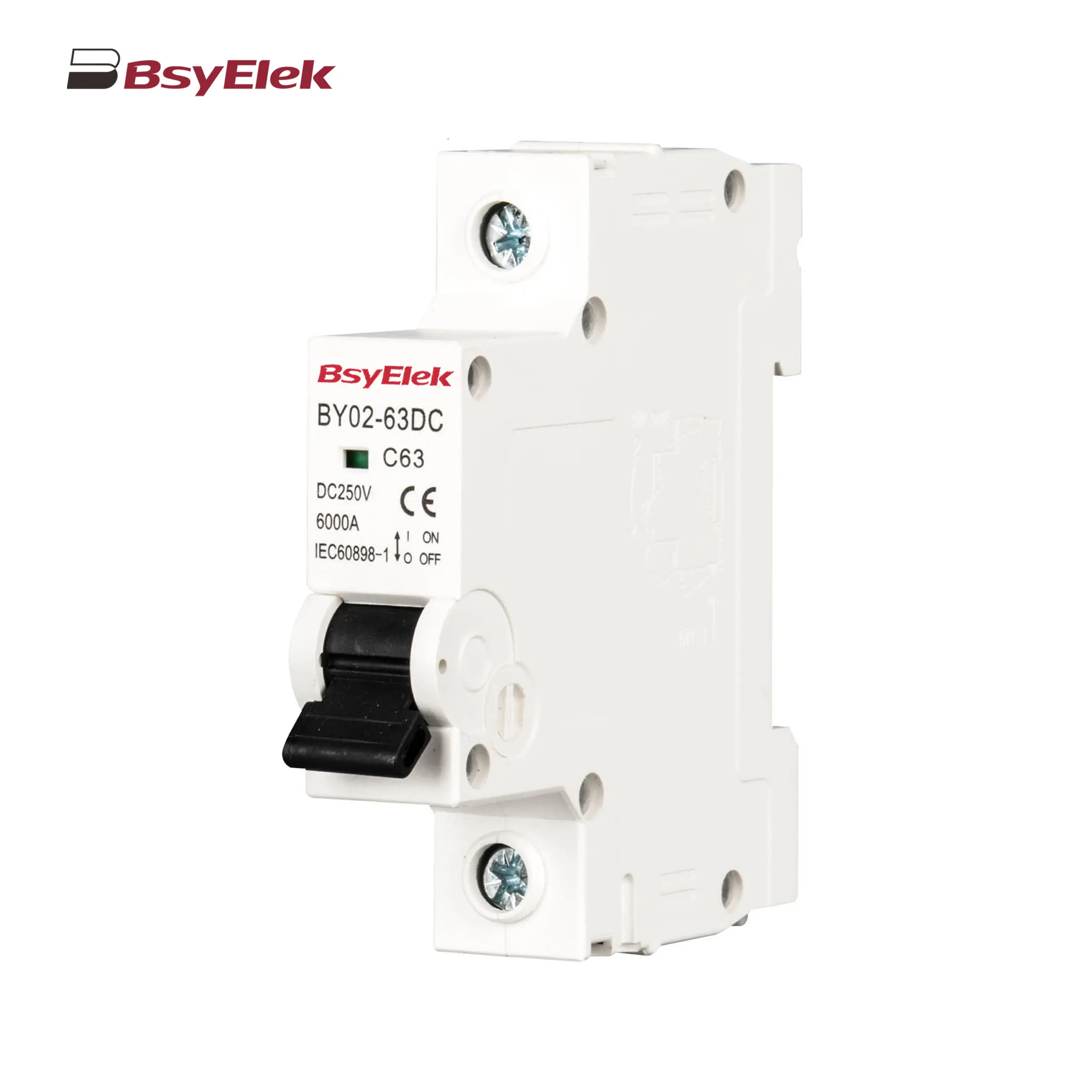 BY02-63DC MCB 3kA DC Miniature Circuit Breaker
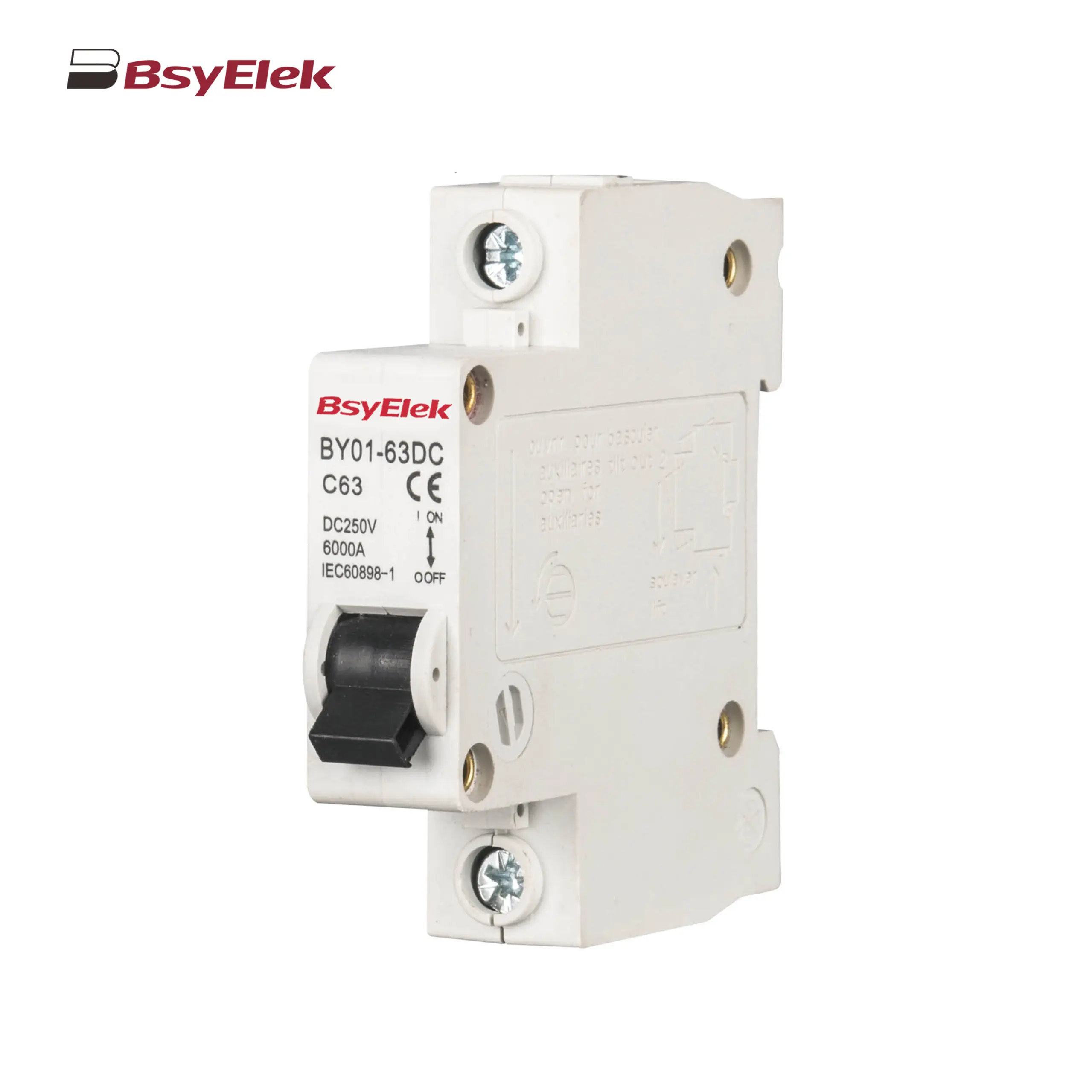 BY01-63DC MCB 3kA DC Miniature Circuit Breaker
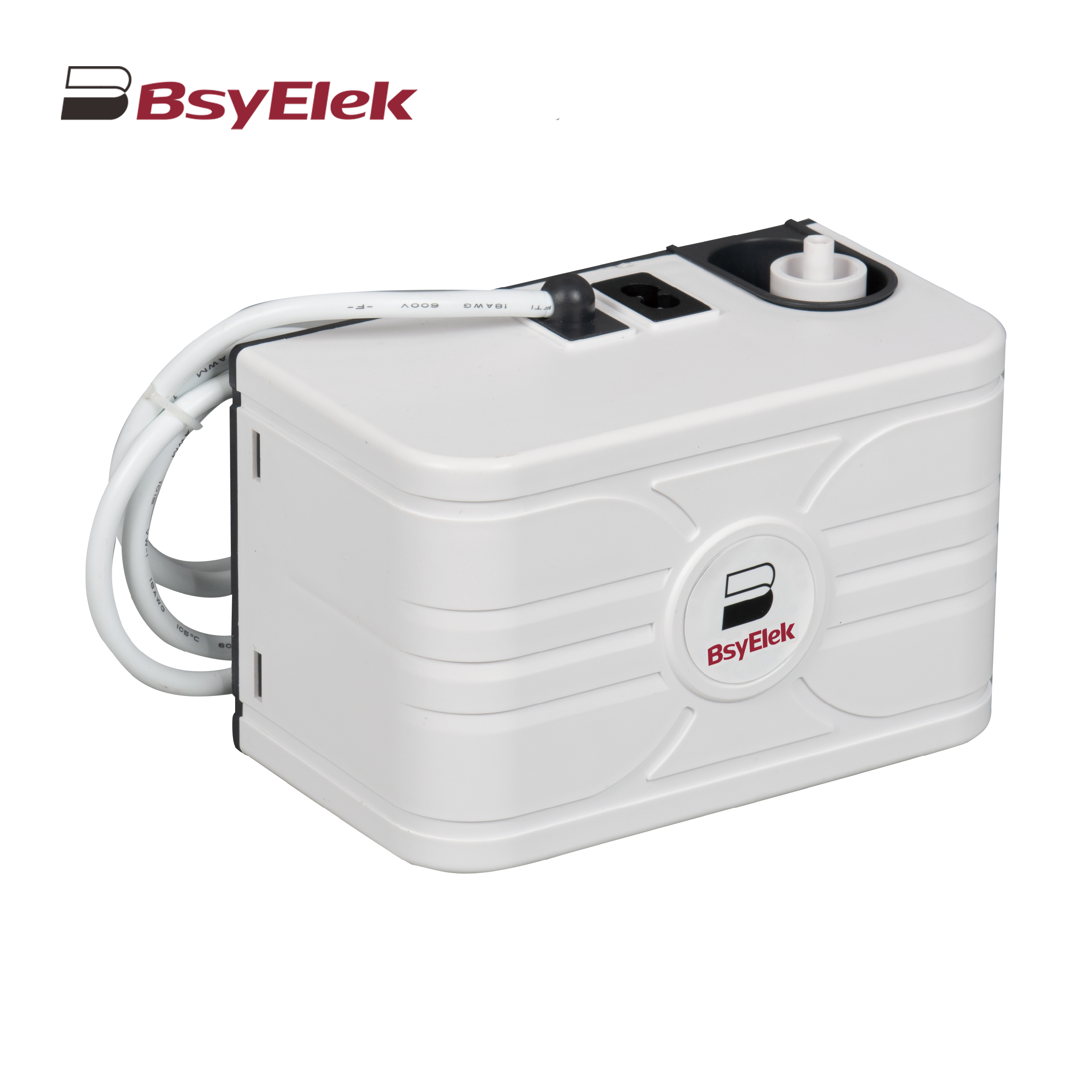 BY-5018 1.8M Engineering Drainage Pump
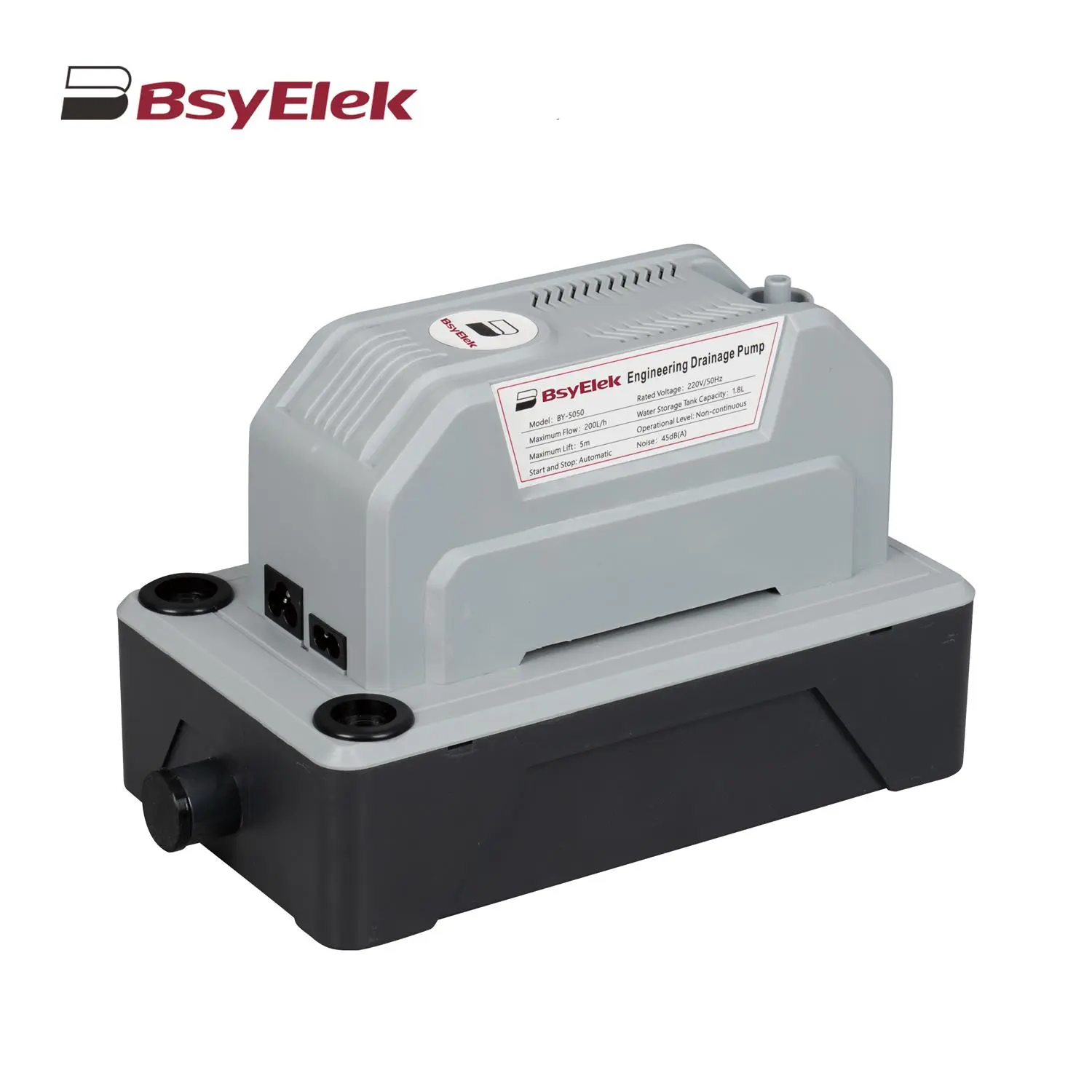 BY-5050 5M Engineering Drainage Pump
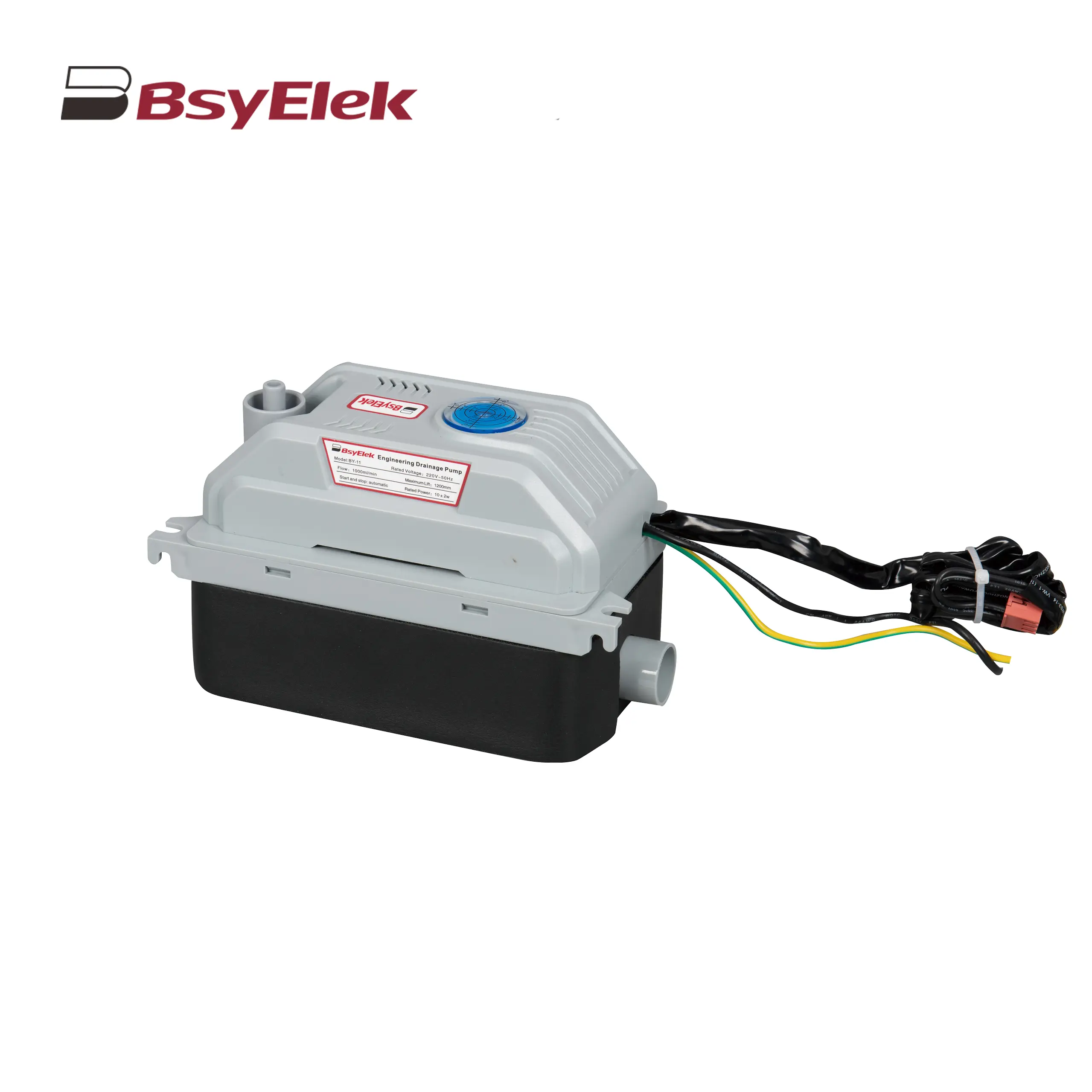 BY-11 1.2M Engineering Drainage Pump
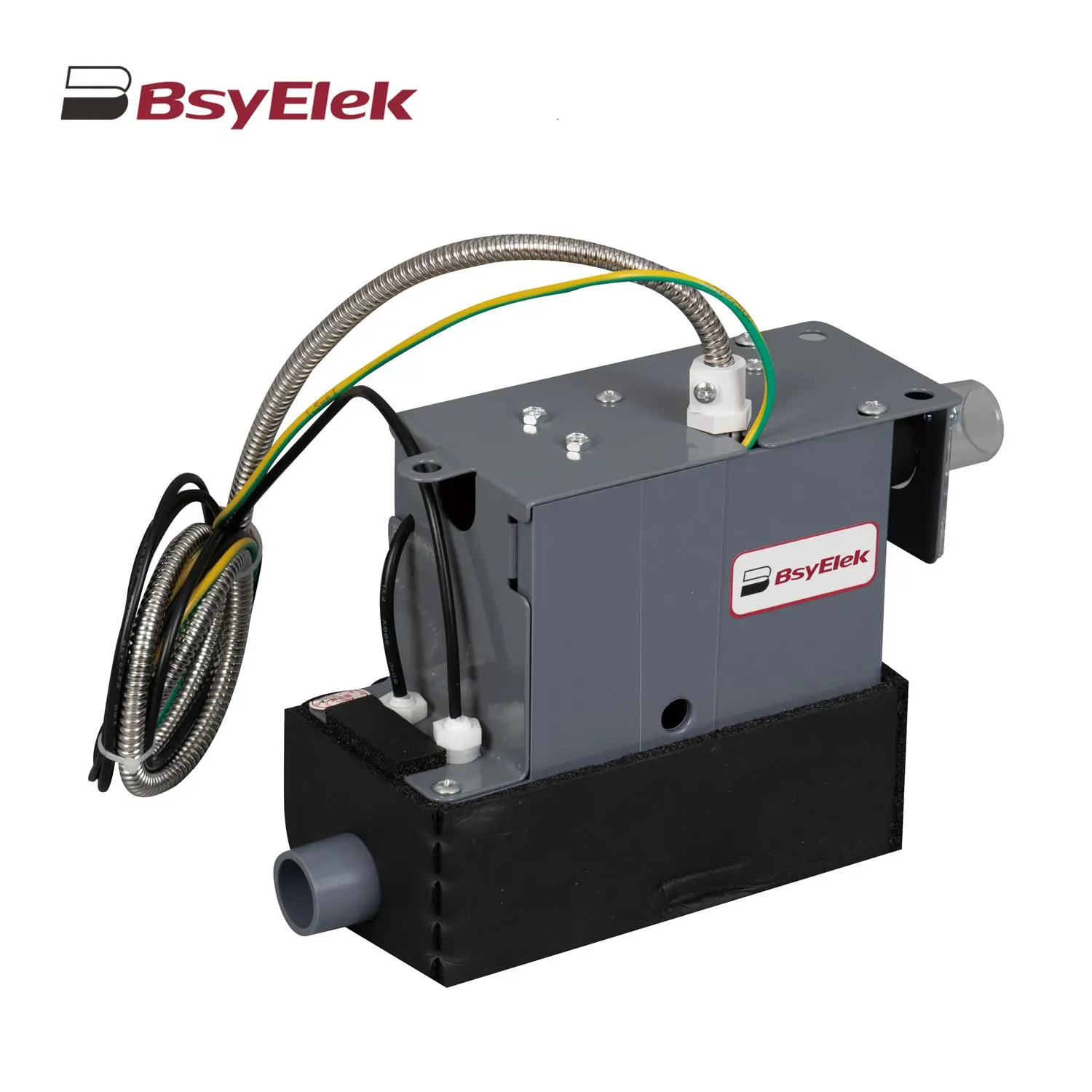 SBH-05 0.7M Original Drainage Pump of Duct Type Air Conditioner
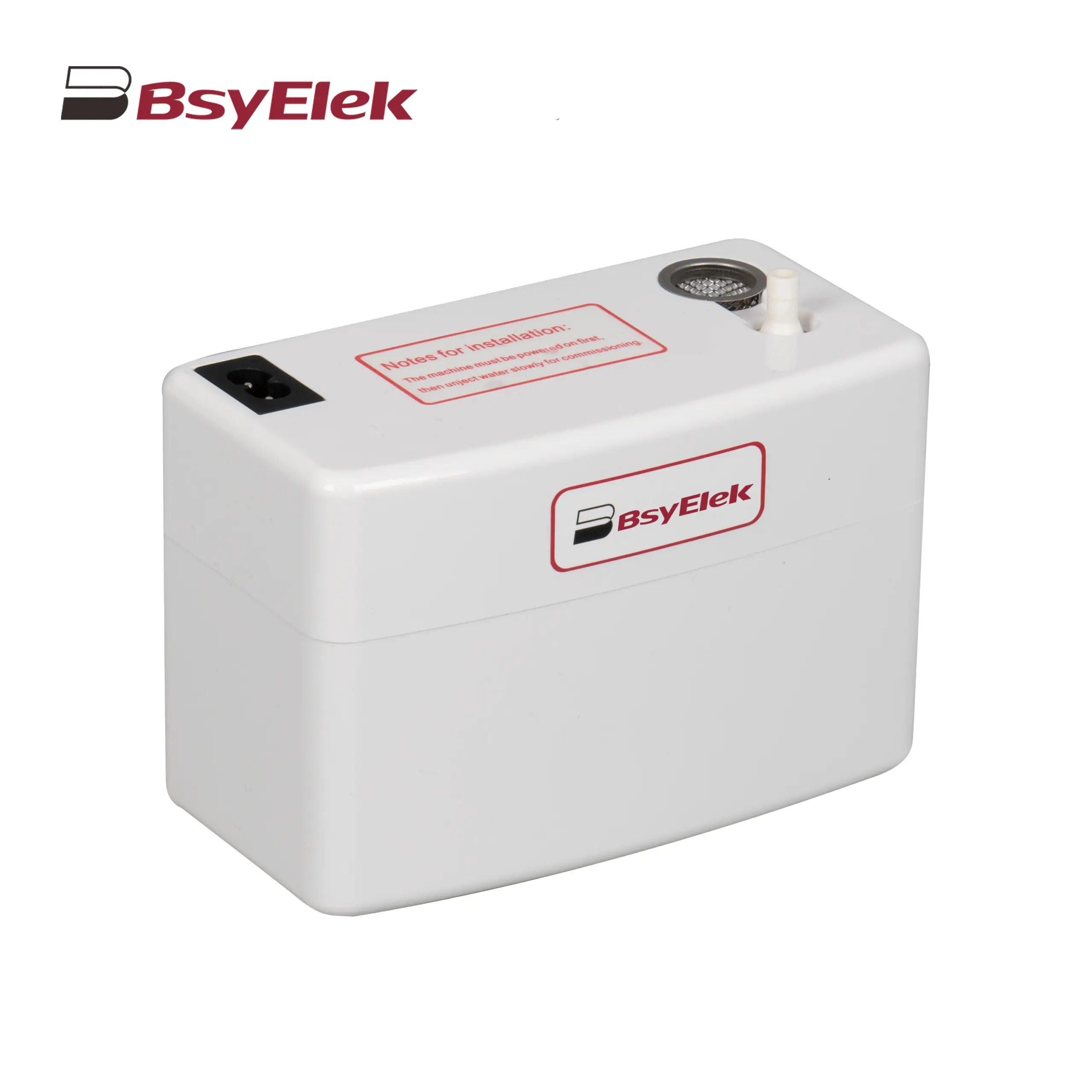 BY-24A/40A 10M Drainage Pump of Air Conditioner
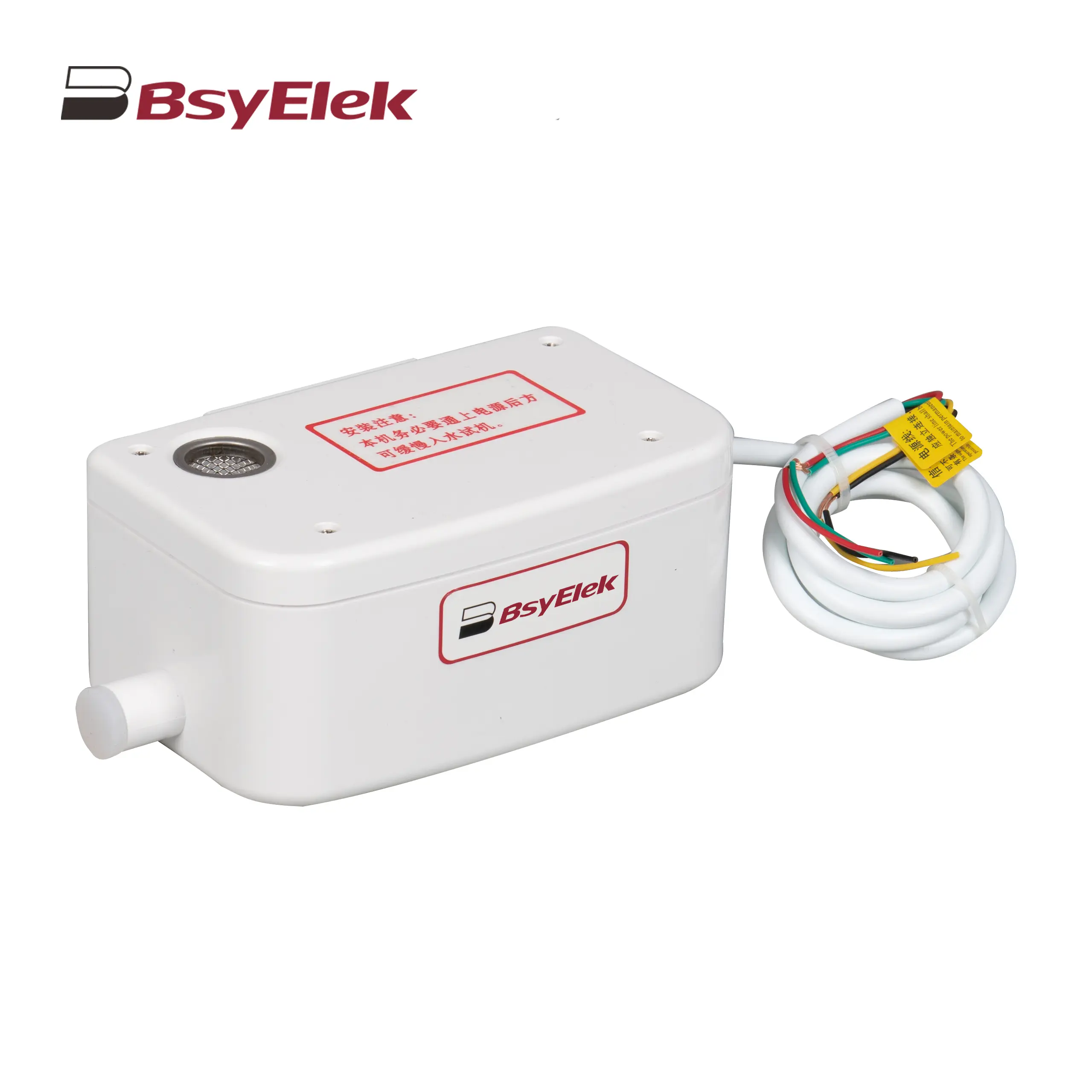 BY-50A 12M Drainage Pump of Air Conditioner
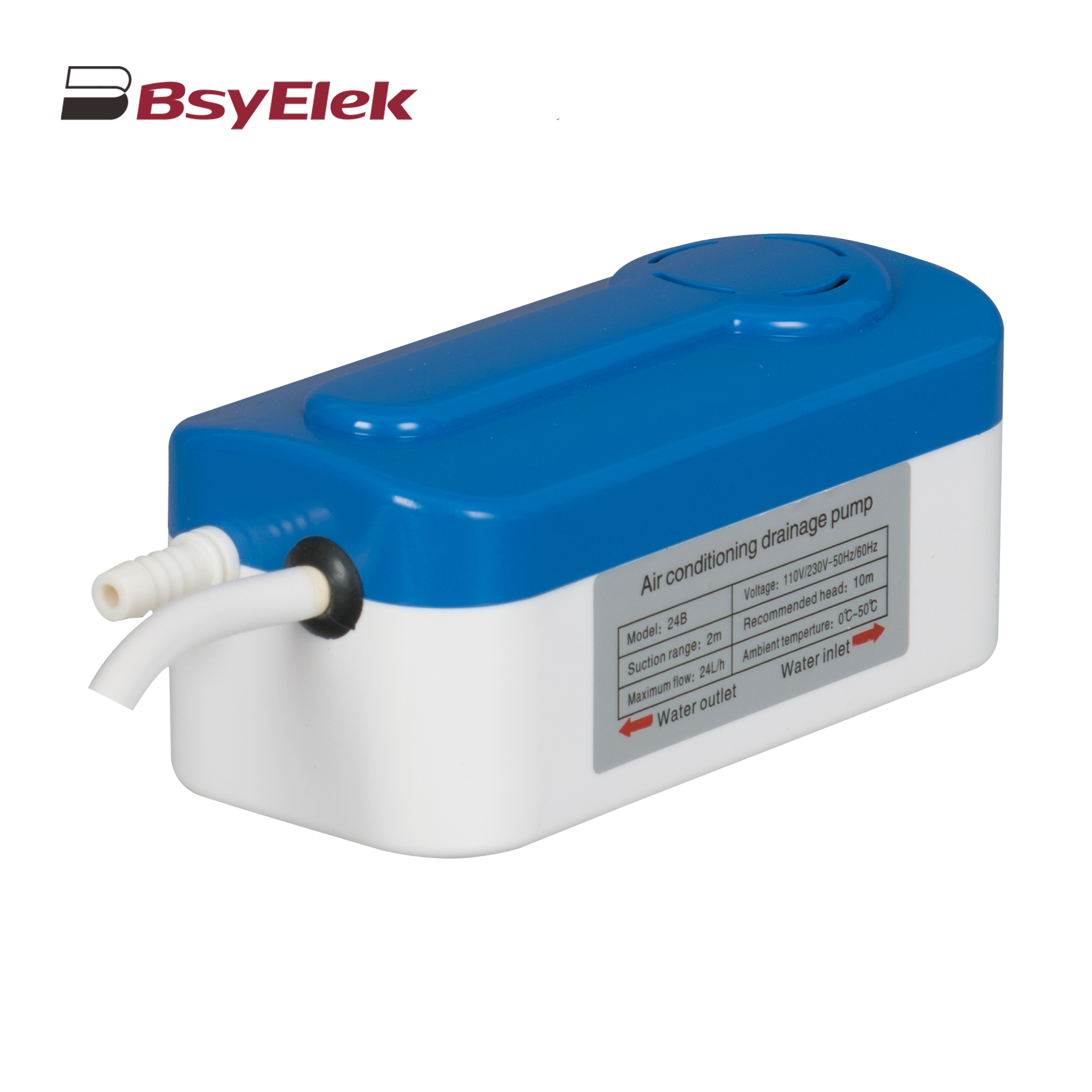 BY-24B/40B 10M Split Type Drainage Pump
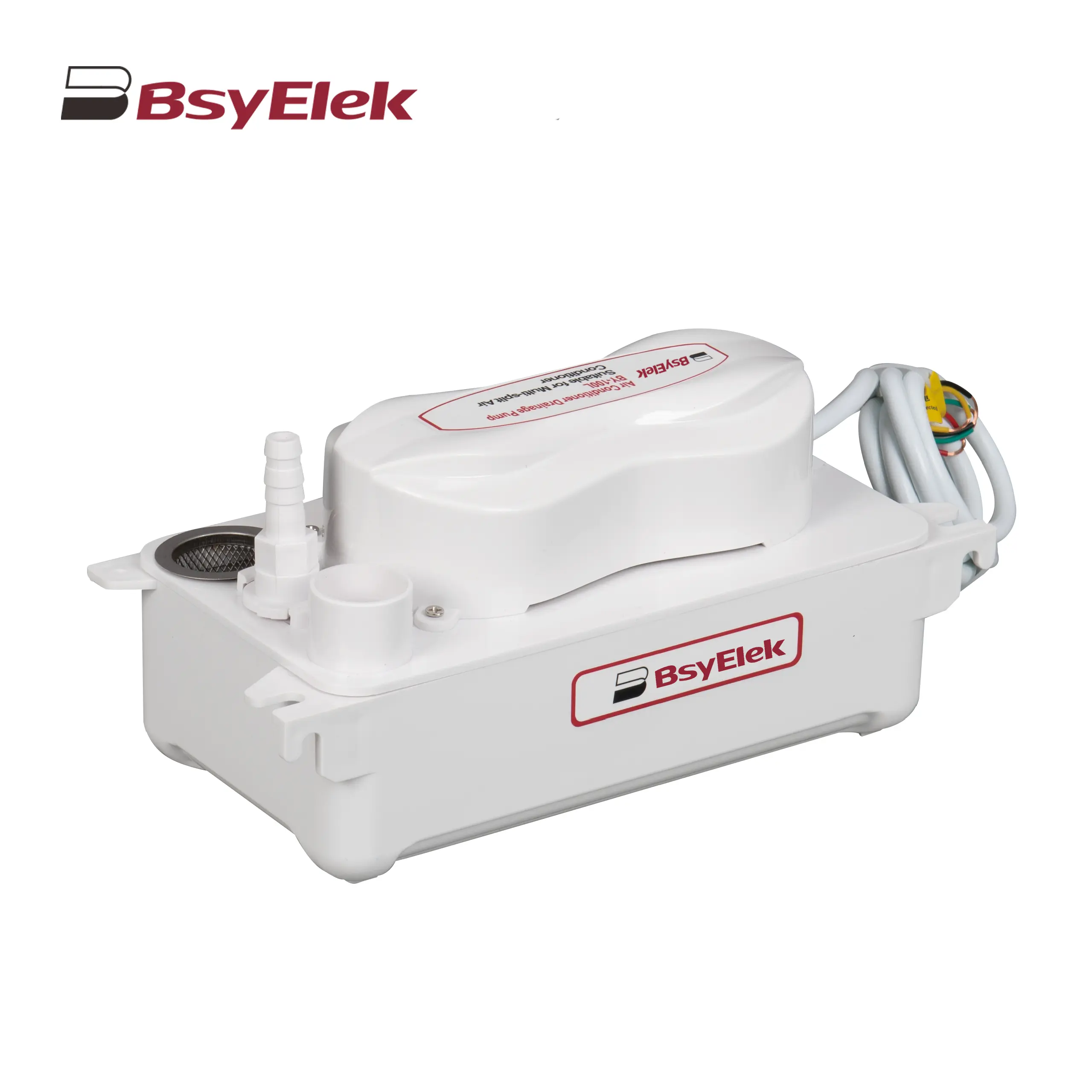 BY-100L 2M Drainage Pump of Air Conditioner
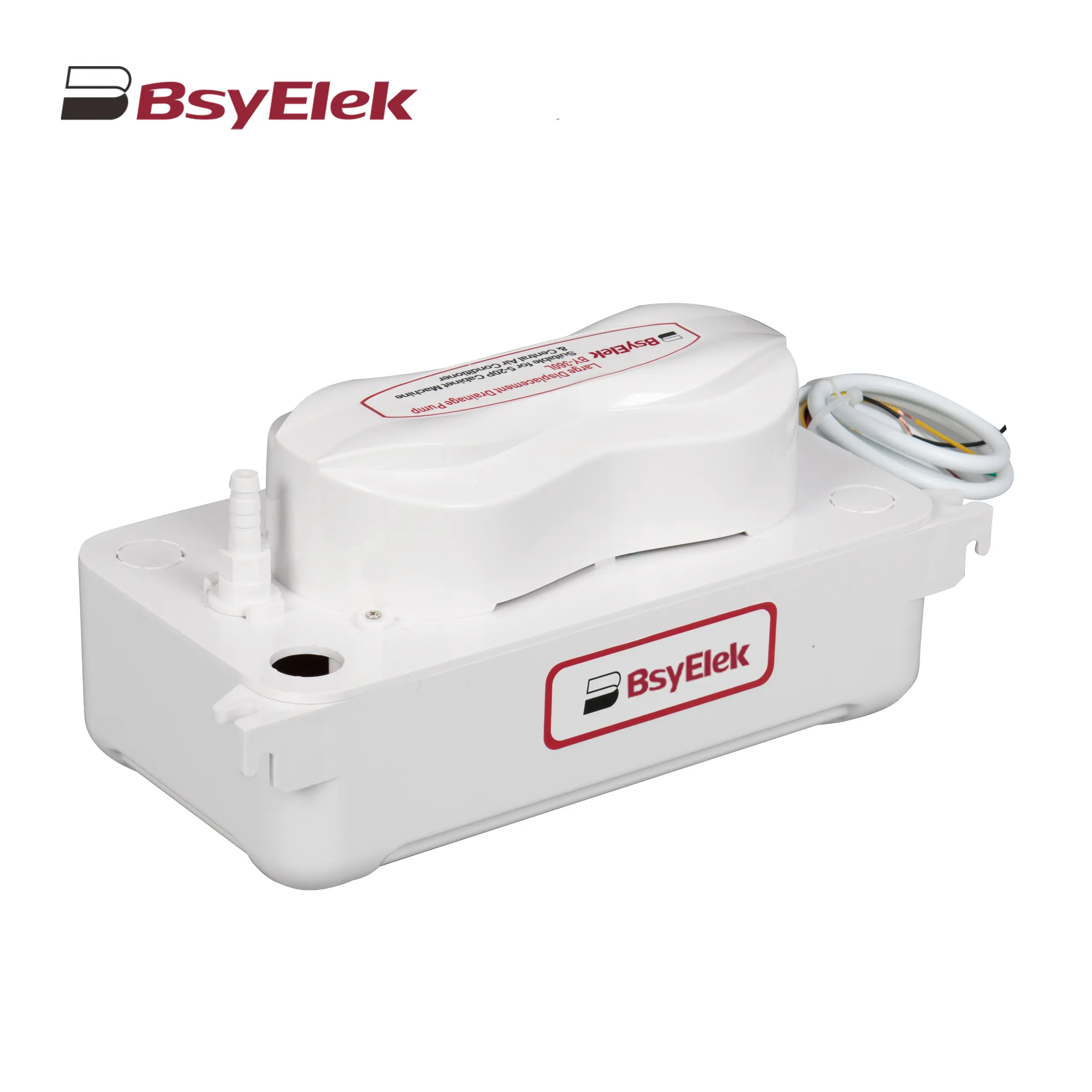 BY-360L 6M Large Displacement Drainage Pump
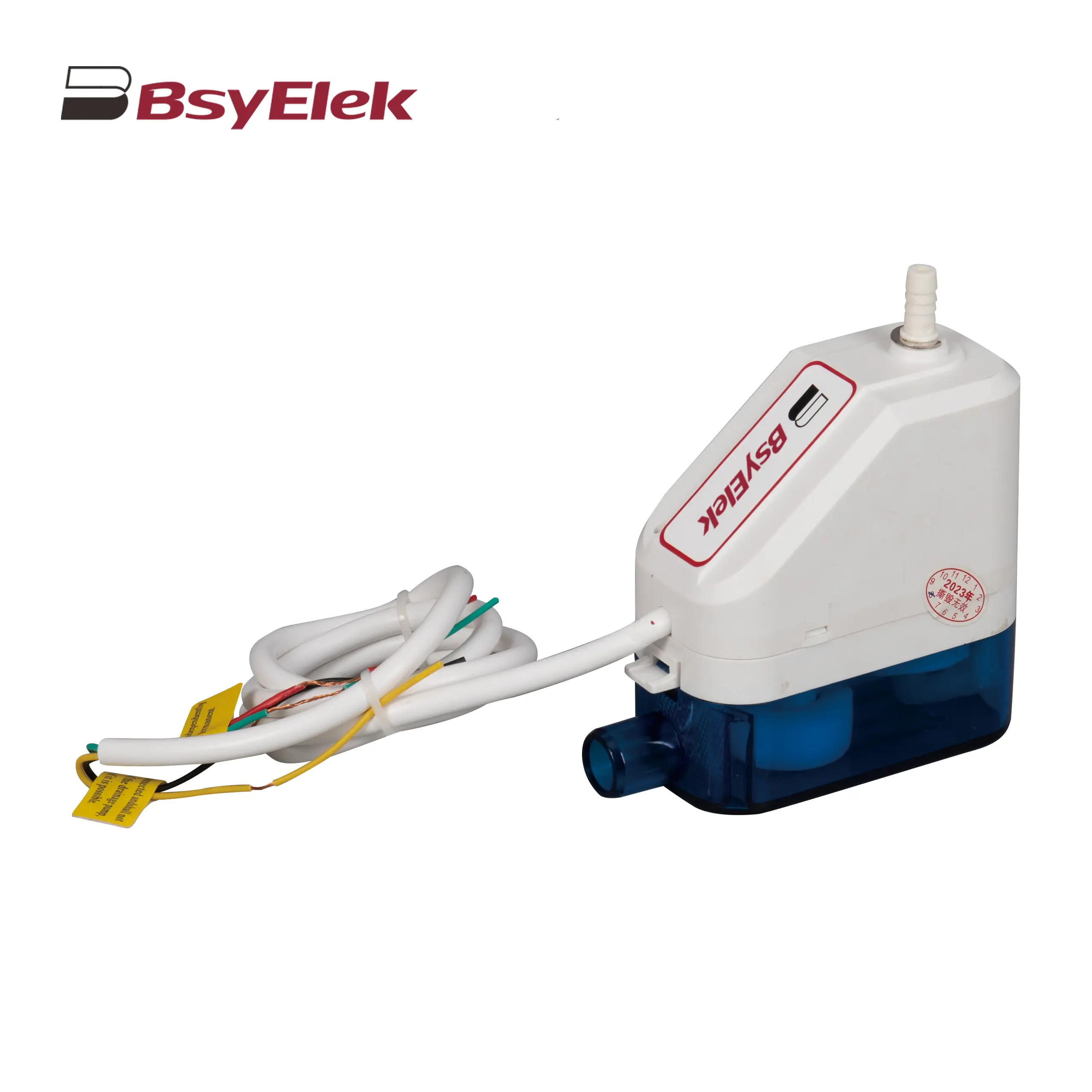 BY-24C/40C 10M Corner Drainage Pump
What is a miniature circuit breaker (MCB)?
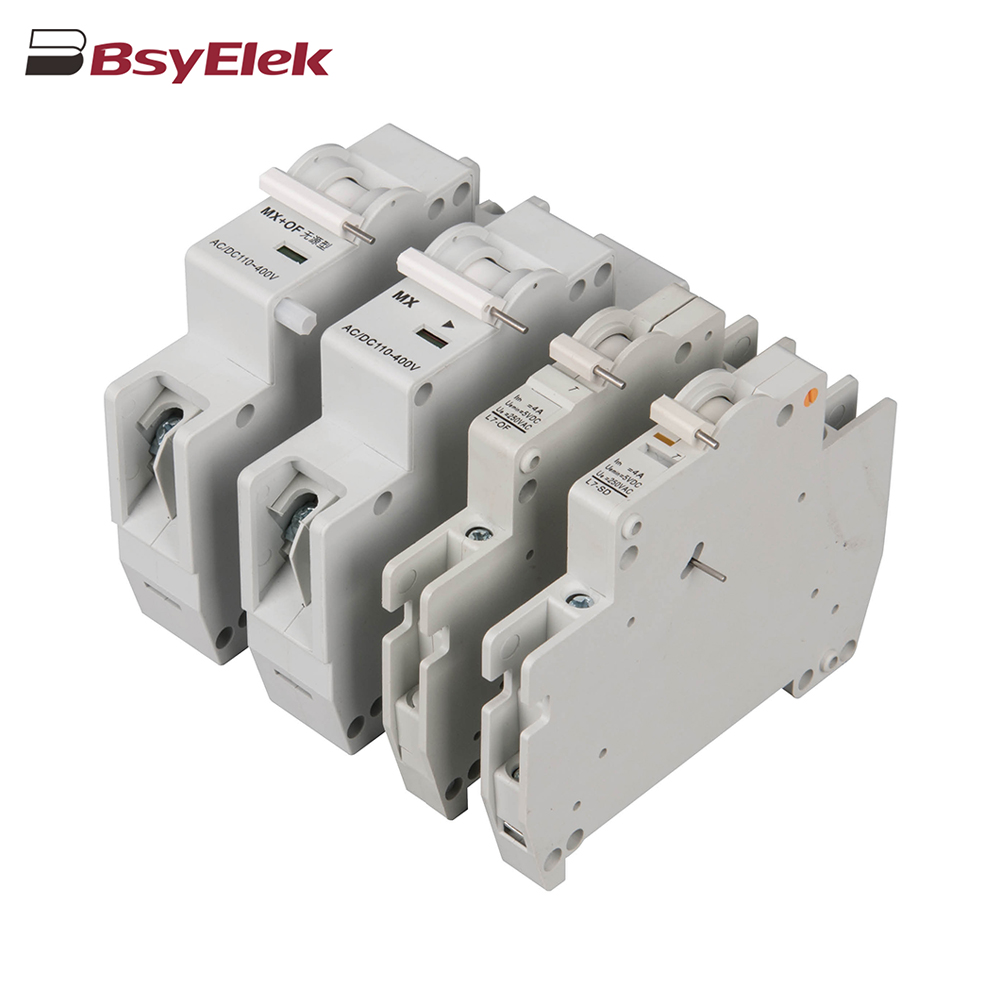 OF SD MX OF MCB Miniature Circuit Breaker Accessories
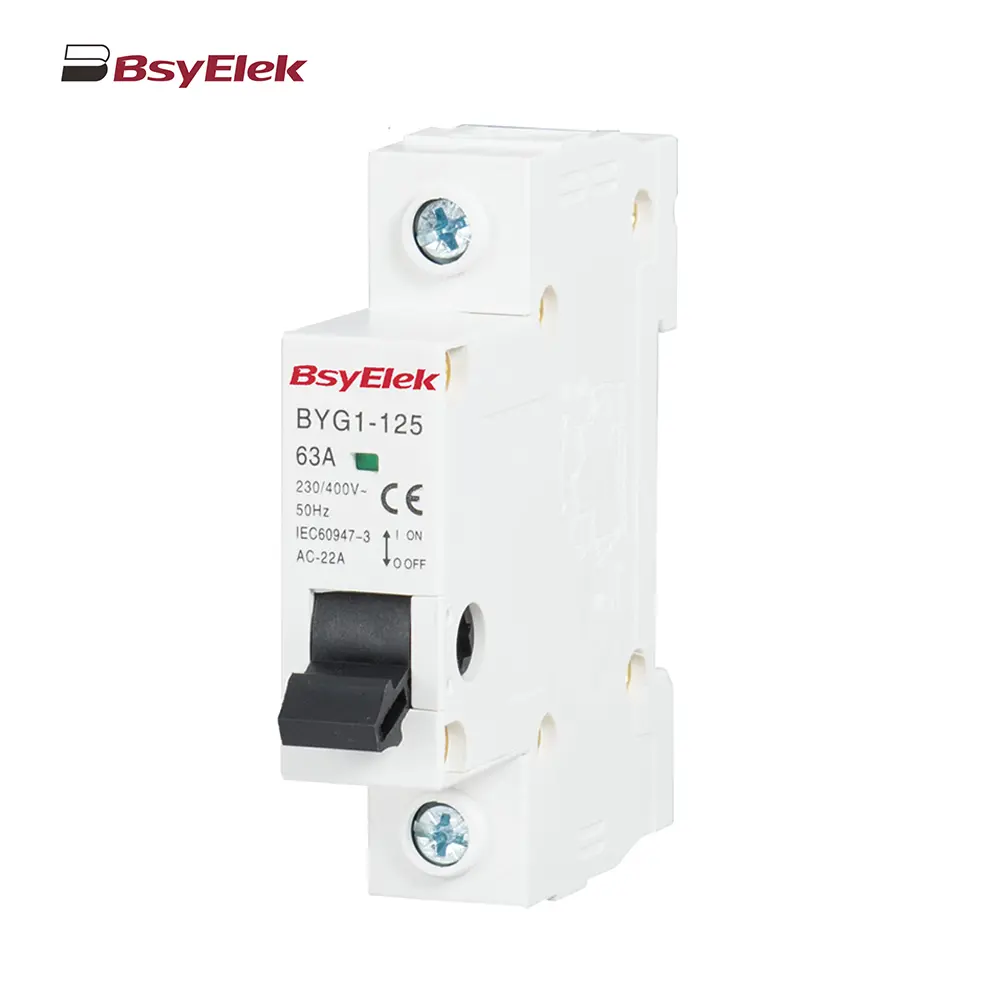 BYG1-125 Main Switch MCB Isolator Switch
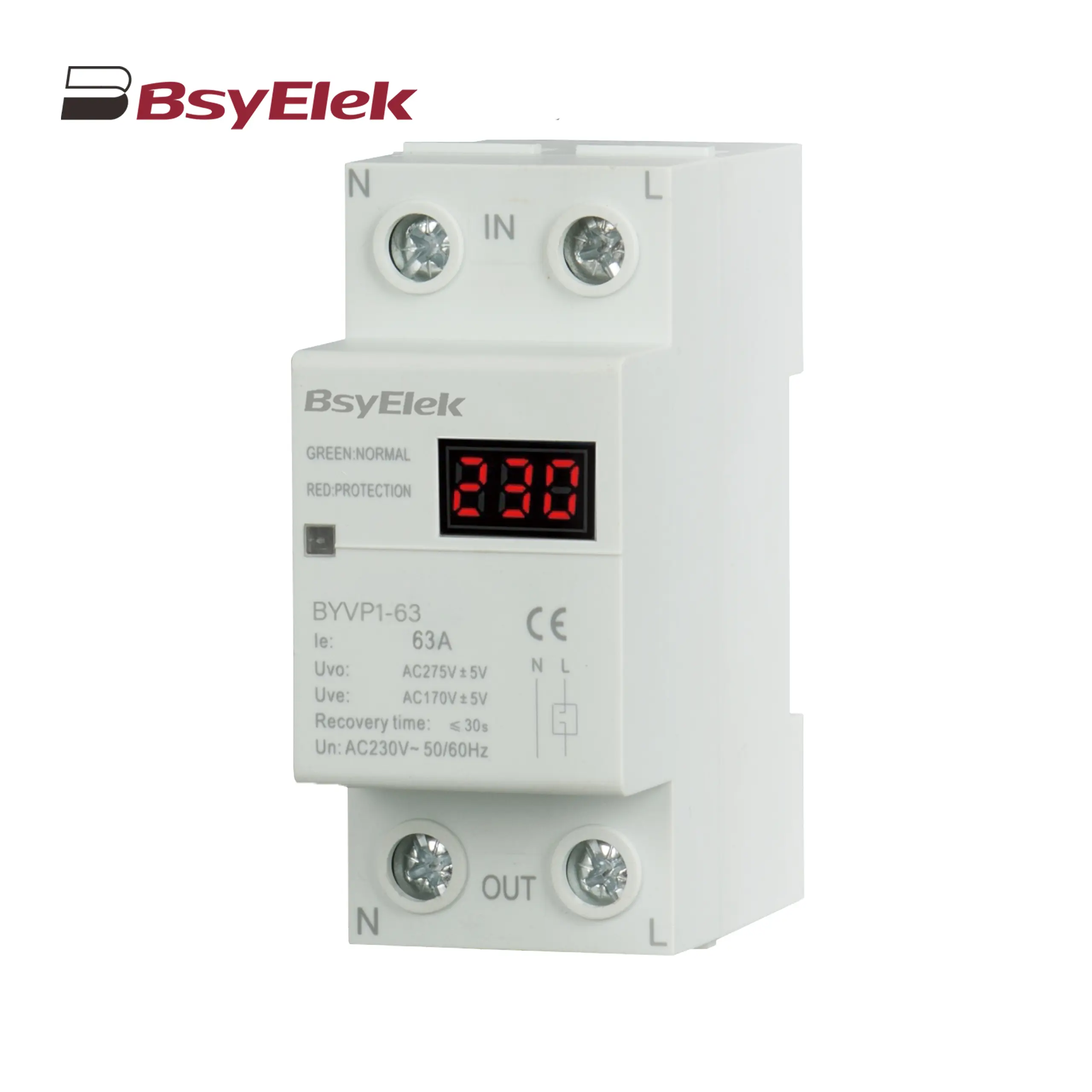 BYVP1-63 100A Single Display Overvoltage and Undervoltage Protector
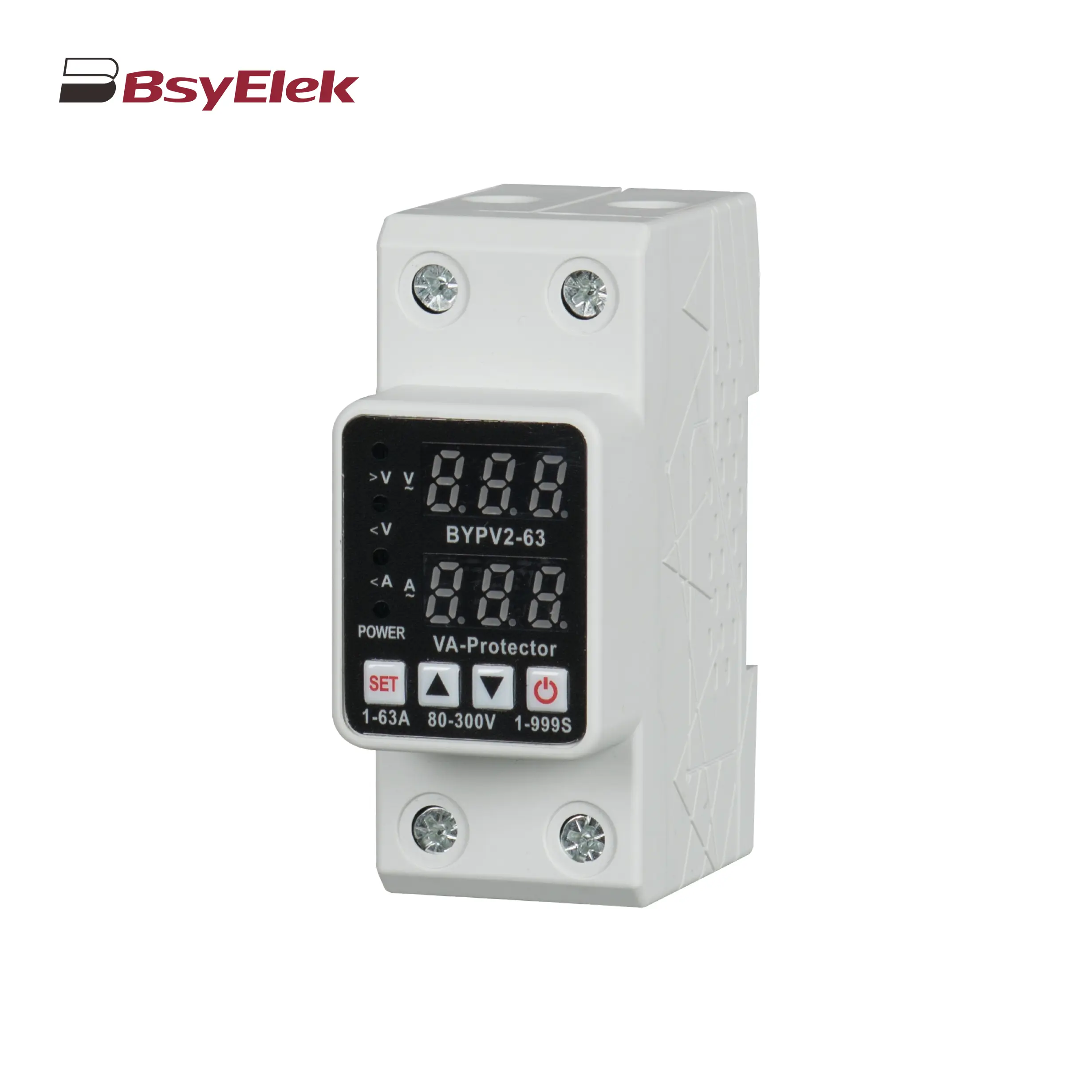 BYVP2-63 40A 63A Adjustable Dual Display Overvoltage and Undervoltage Protector
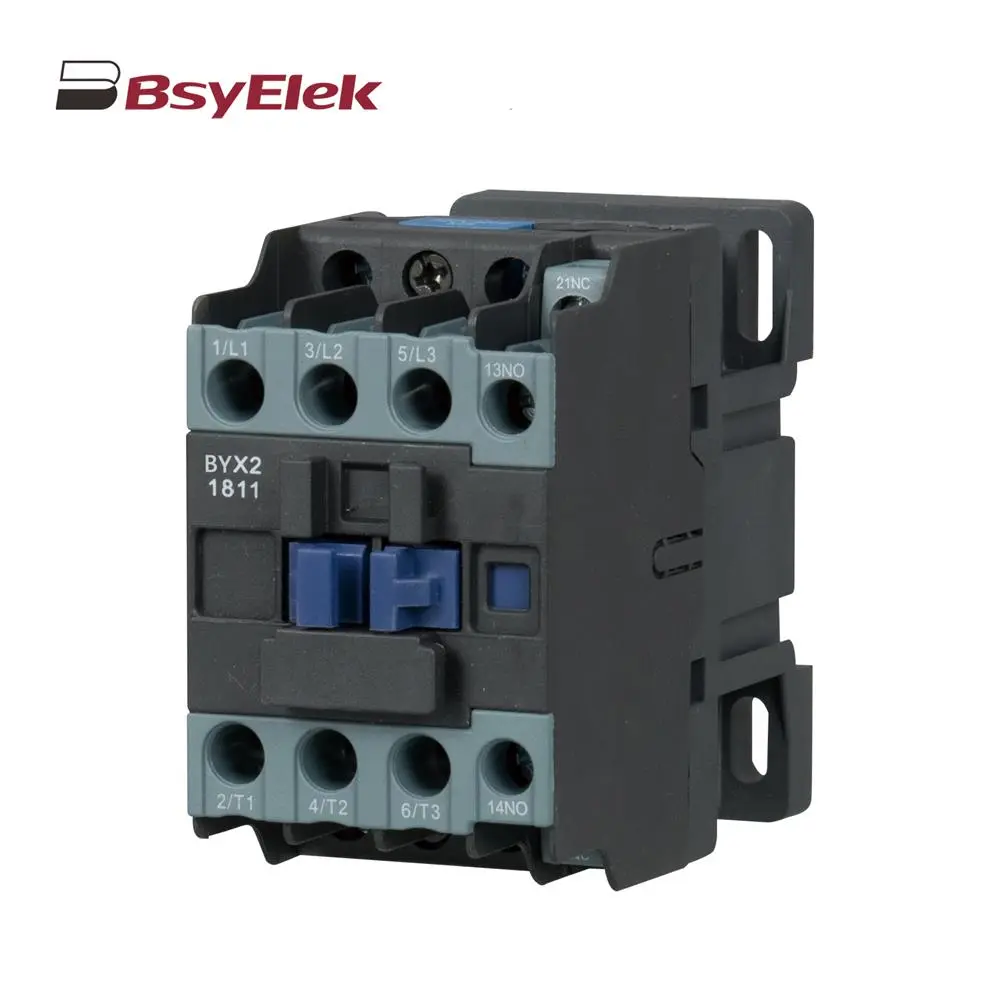 BYX2 6-95A AC Contactor
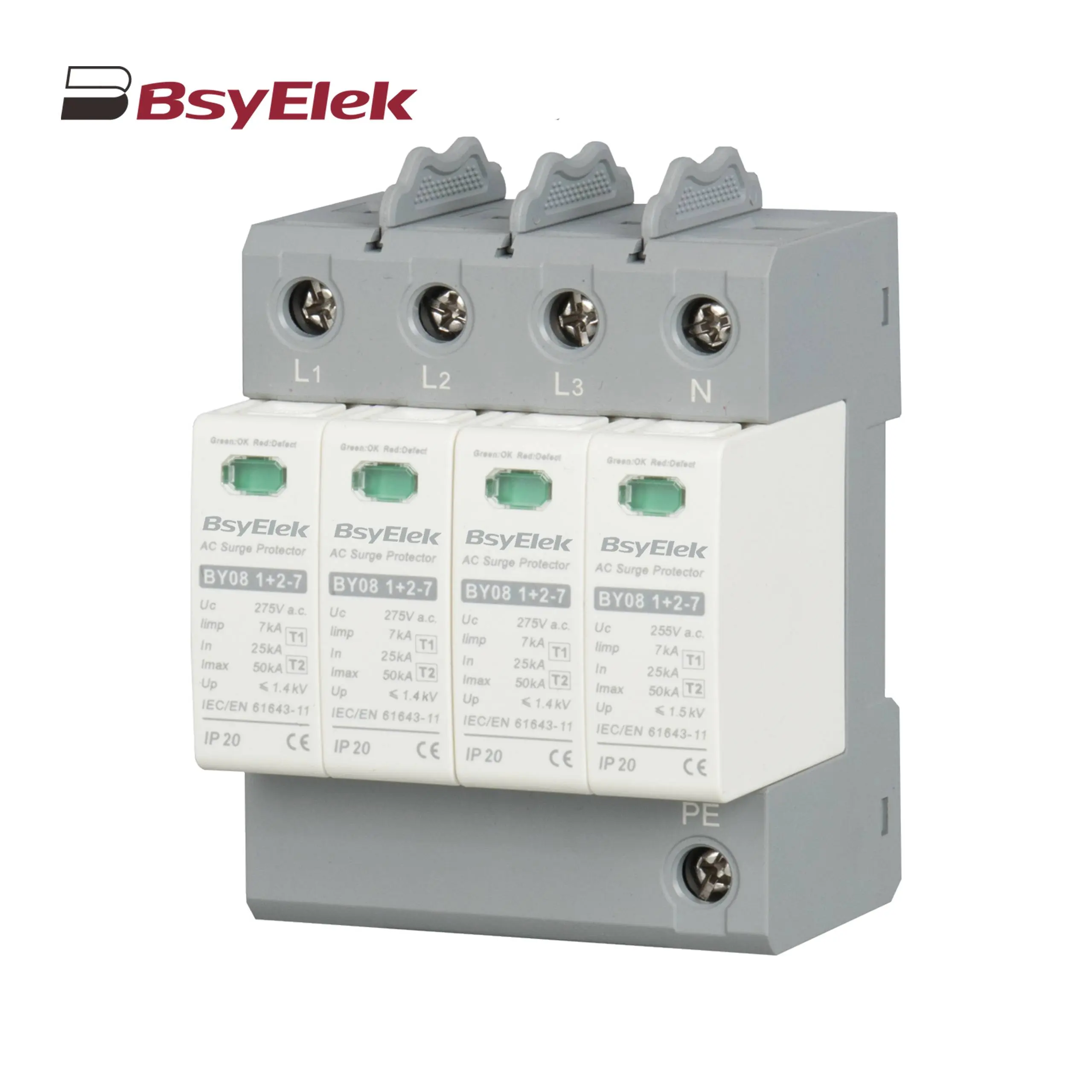 BY08 1+2-7 SPD Class T1+T2 Imax 50KA Surge Protective Device
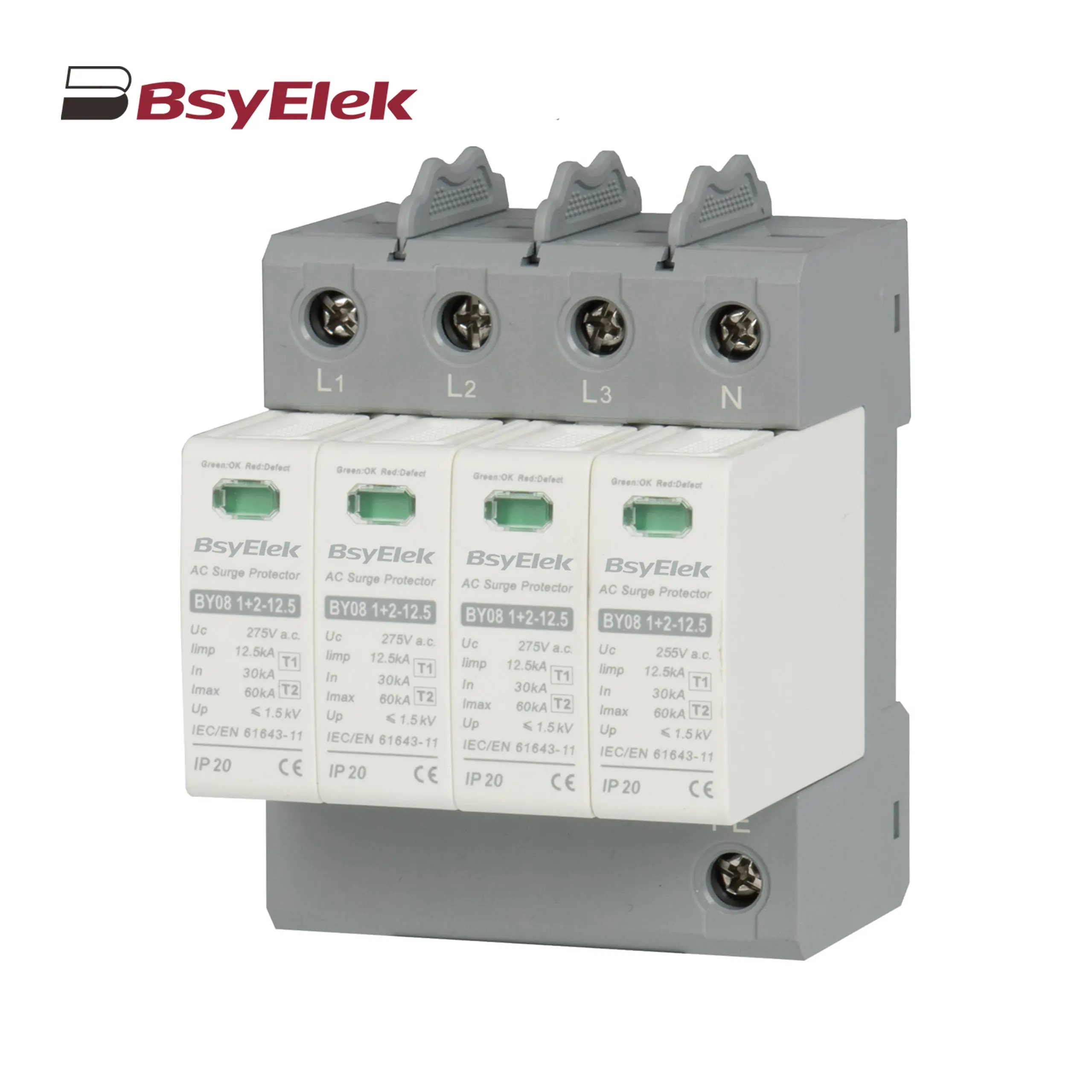 BY08 1+2-12.5 SPD Class T1+T2 Imax 60KA Surge Protective Device
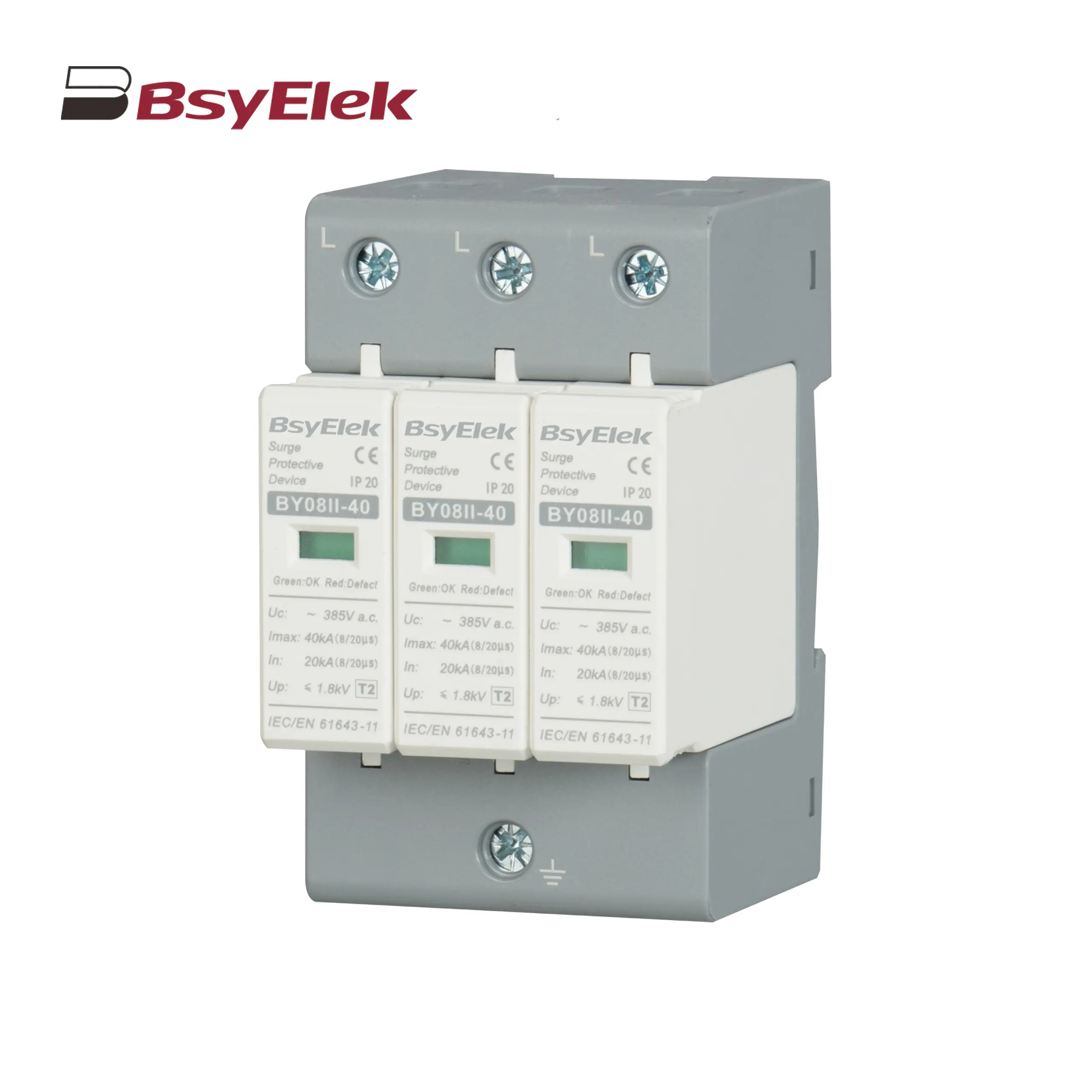 BY08II-40 SPD Class T2 Imax 40KA Surge Protective Device
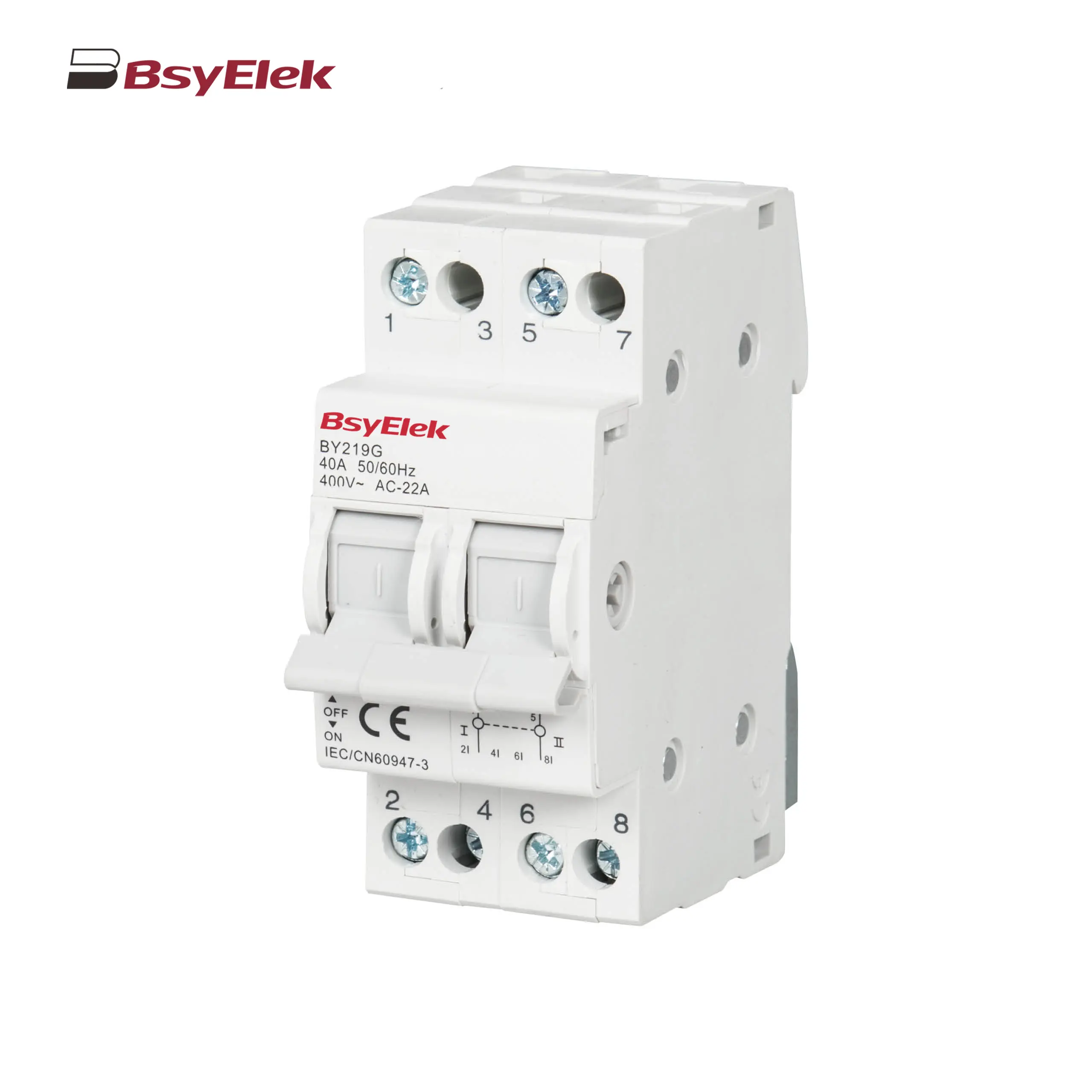 BY19G 63A Manual Changeover Switch
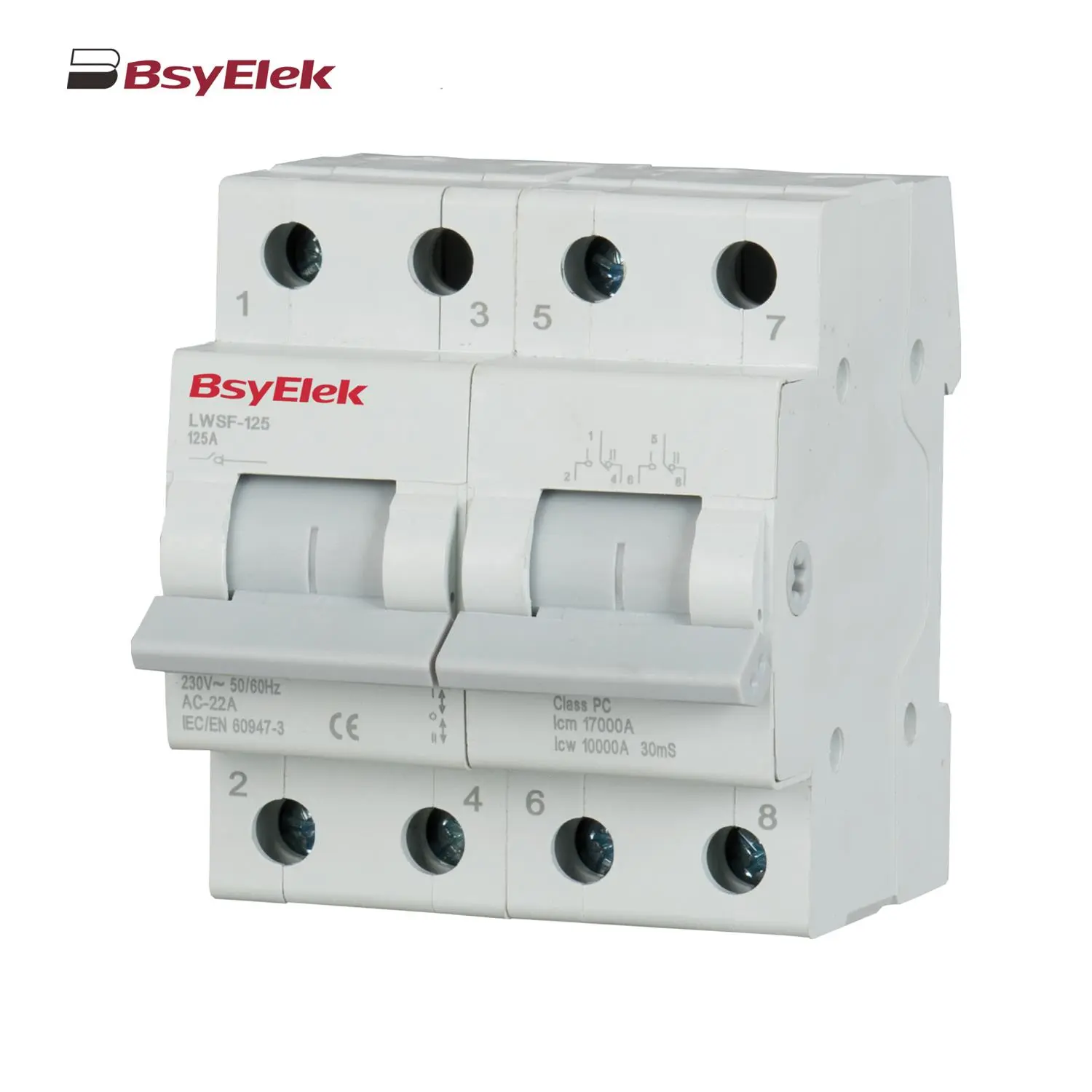 LWSF-125 125A Manual Changeover Switch
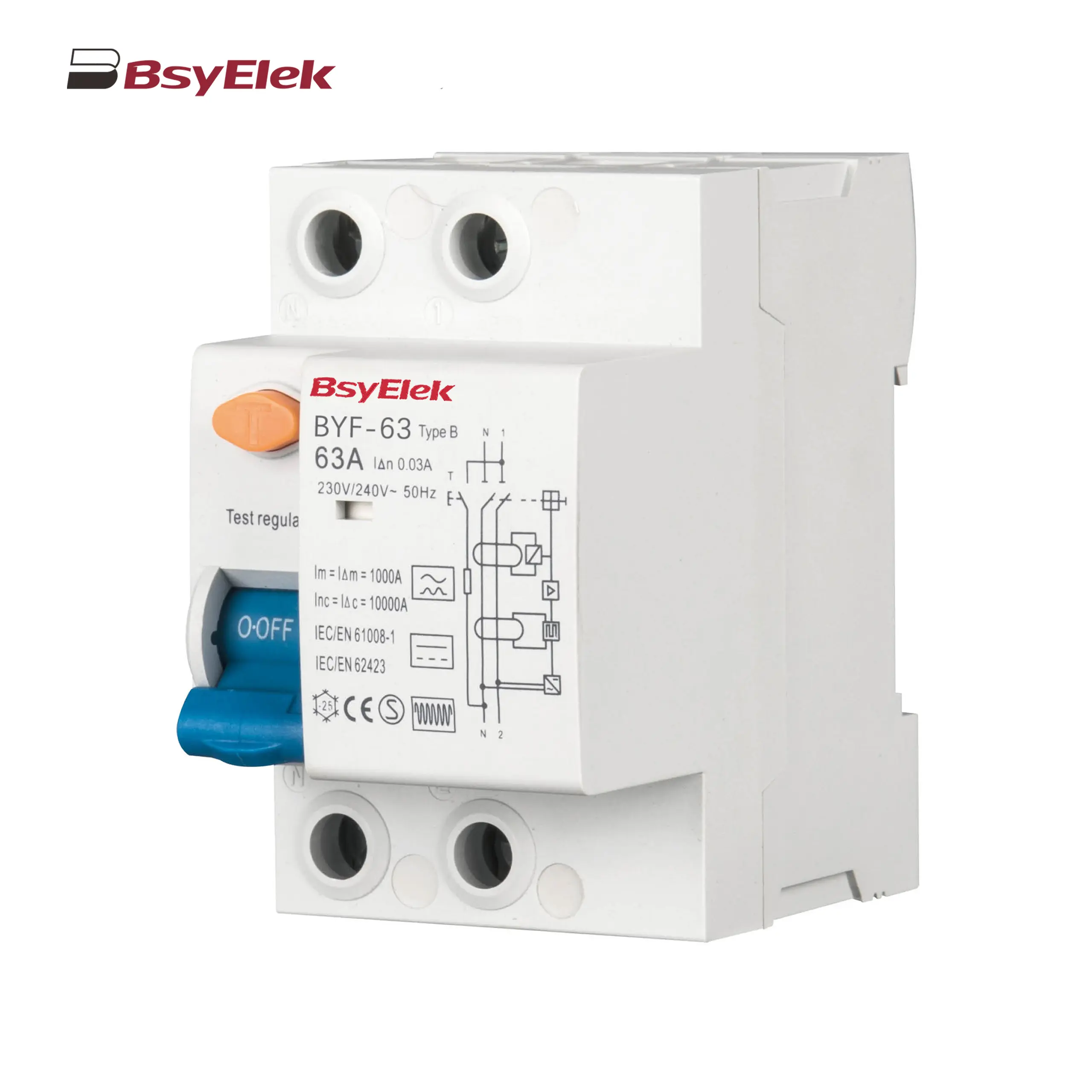 BYF-63 RCD 10KA Type B AC+A+Smoothing DC Residual Current Device
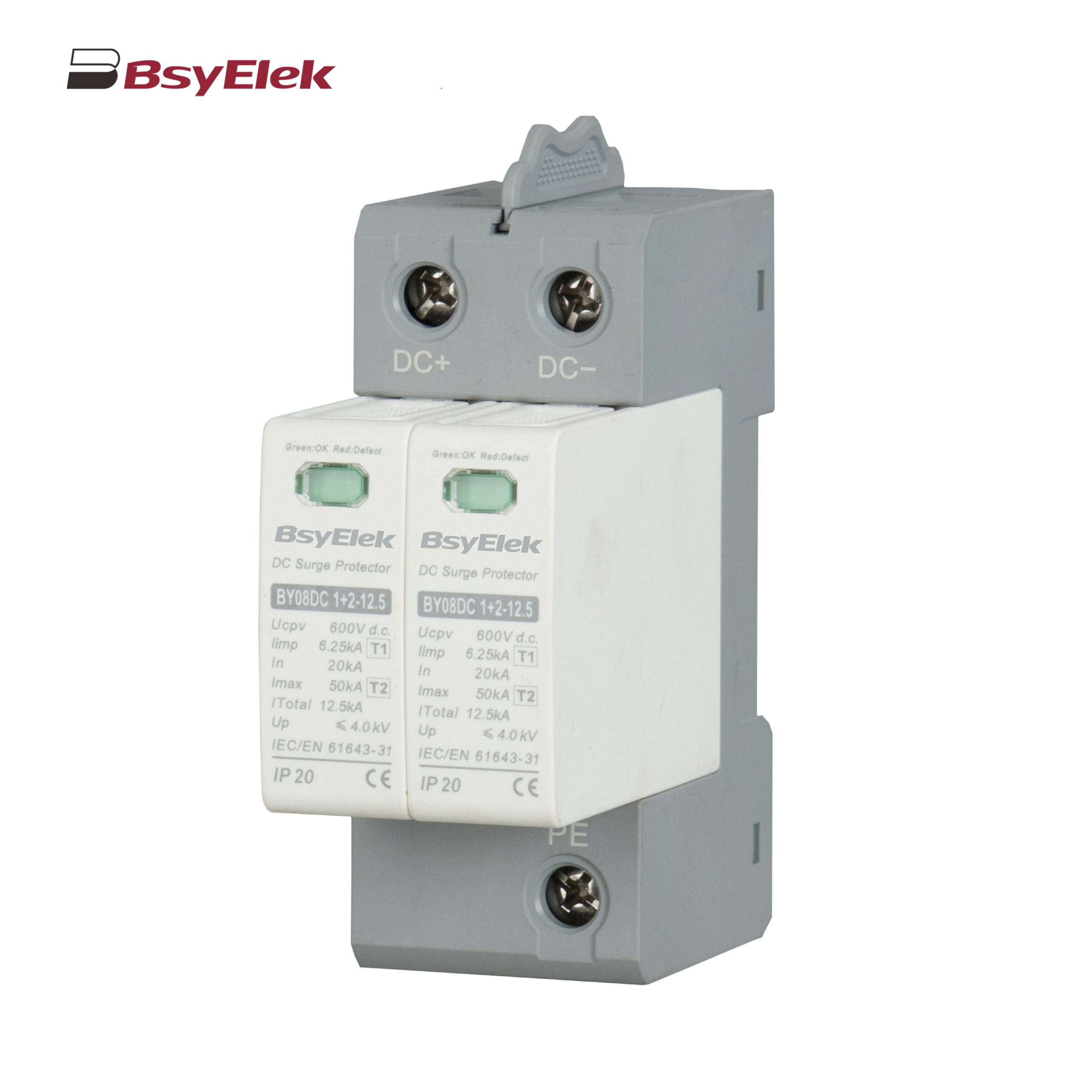 BY08DC 1+2-12.5 SPD Class T1+T2 40KA DC Surge Protective Device
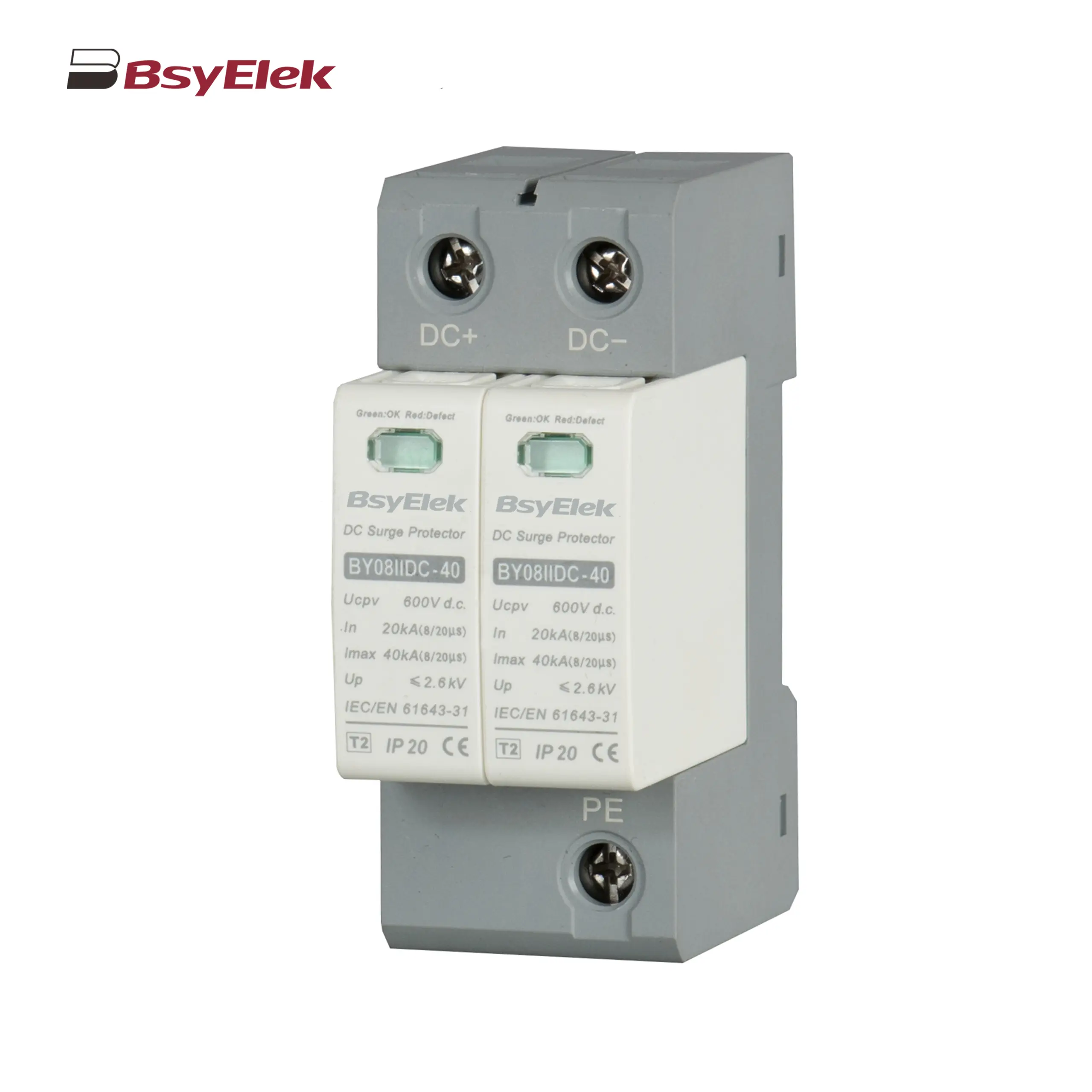 BY08IIDC-40 SPD Class T2 40KA DC Surge Protective Device
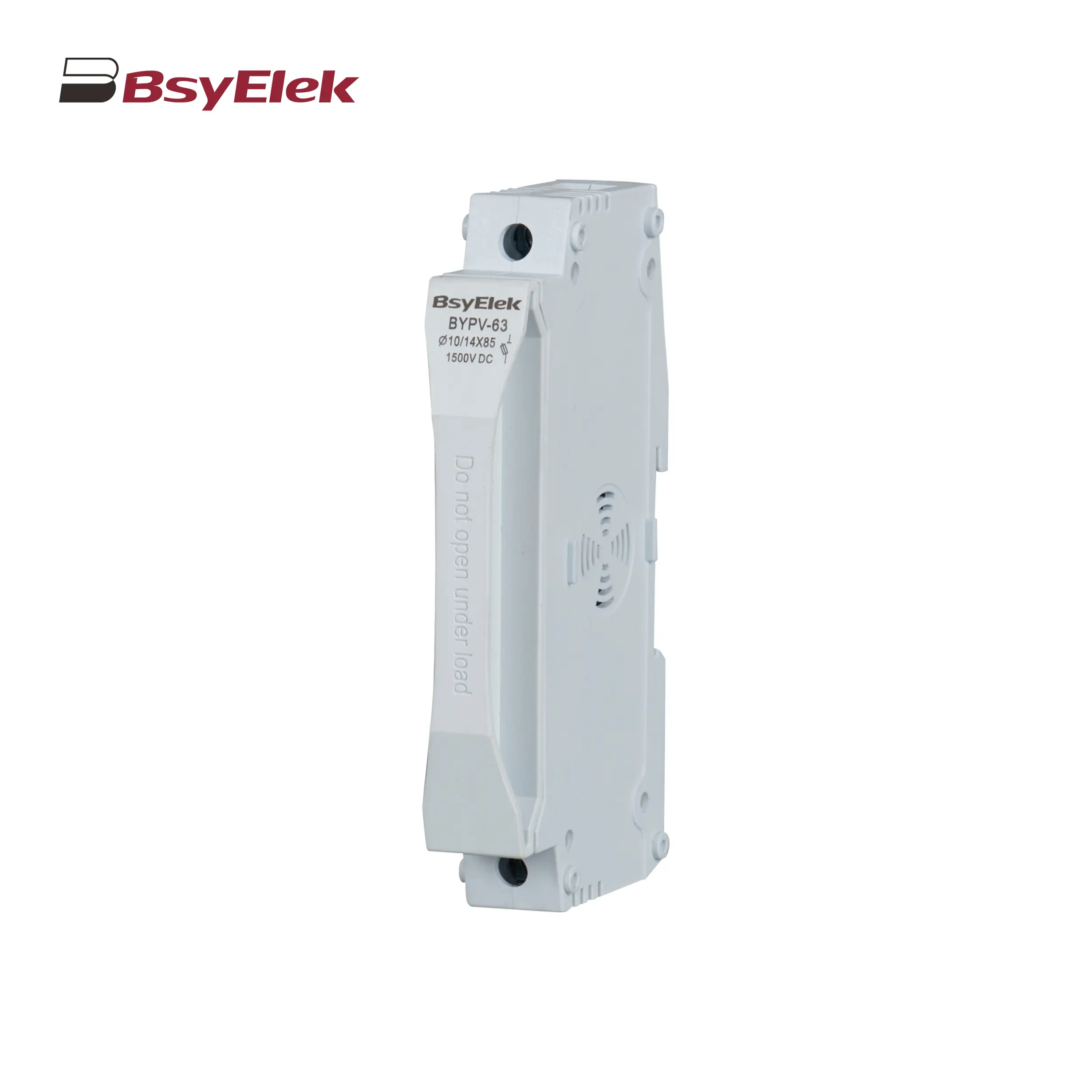 BYPV-63 1500VDC 50A Fuse Holder with 10x85mm 14x85mm Fuse Link
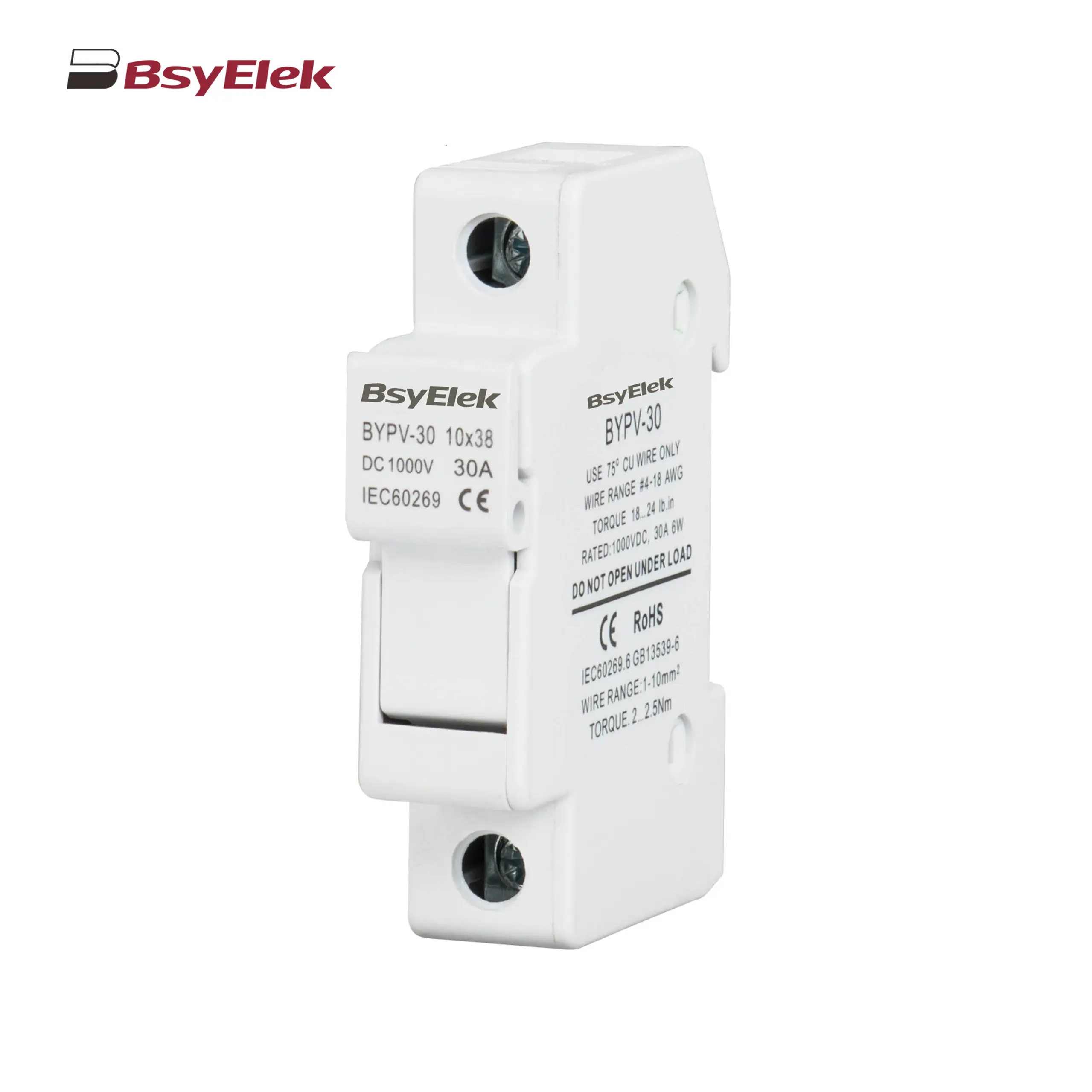 BYPV-30 1000VDC 32A Fuse Holder with 10x38mm Fuse Link
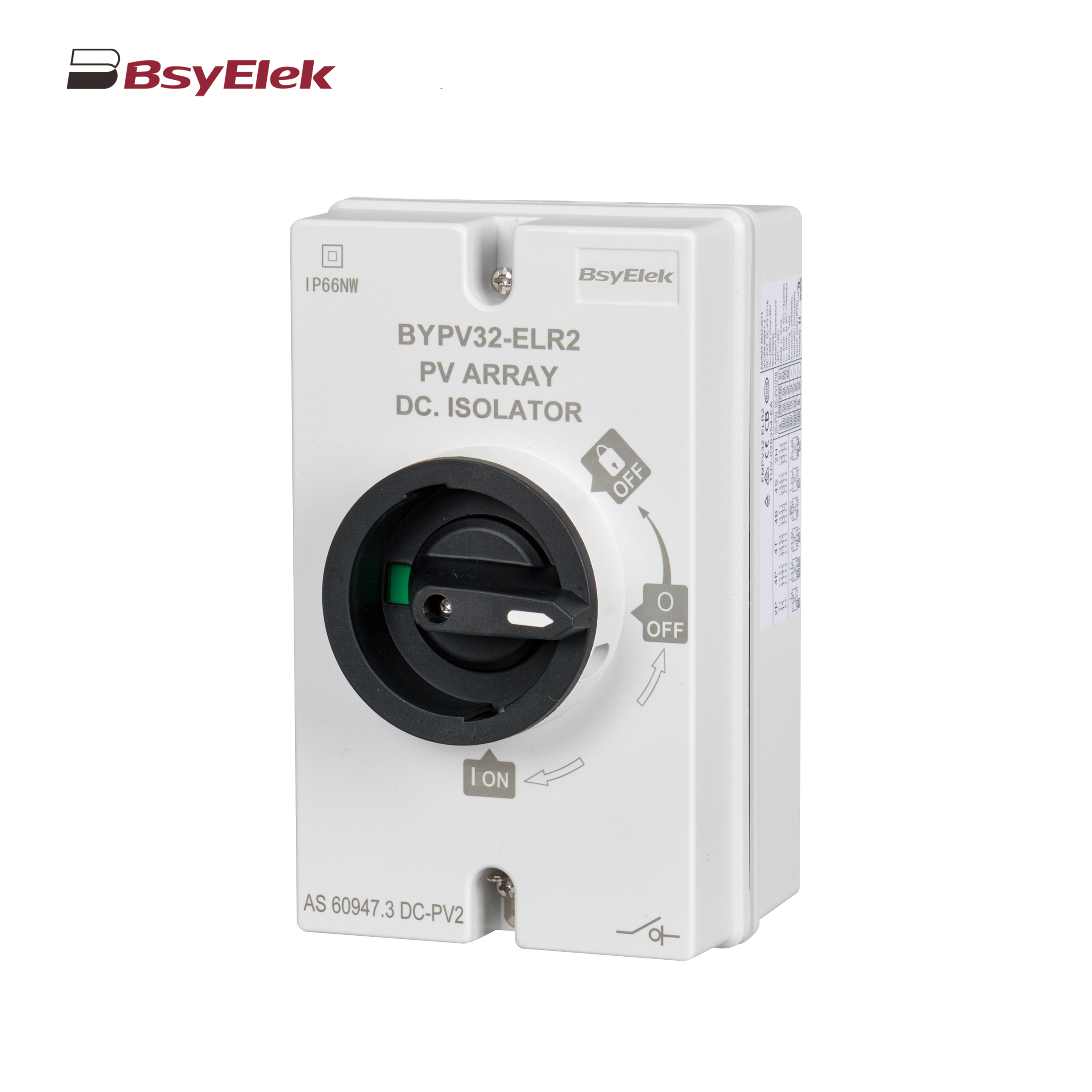 BYPV-ELR2 PV Isolator Switch with Enclosed Version
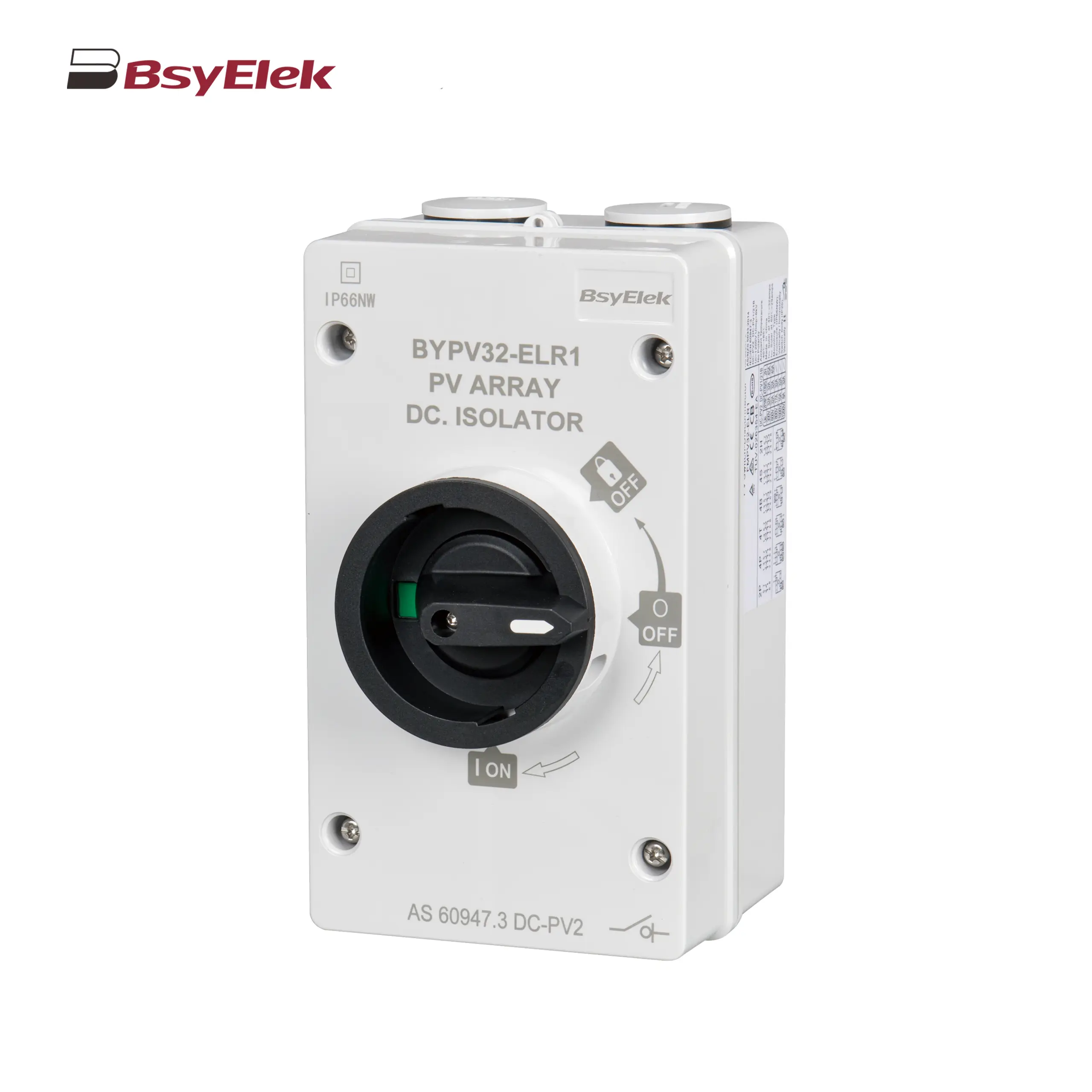 BYPV-ELR1 PV Isolator Switch with Enclosed Version
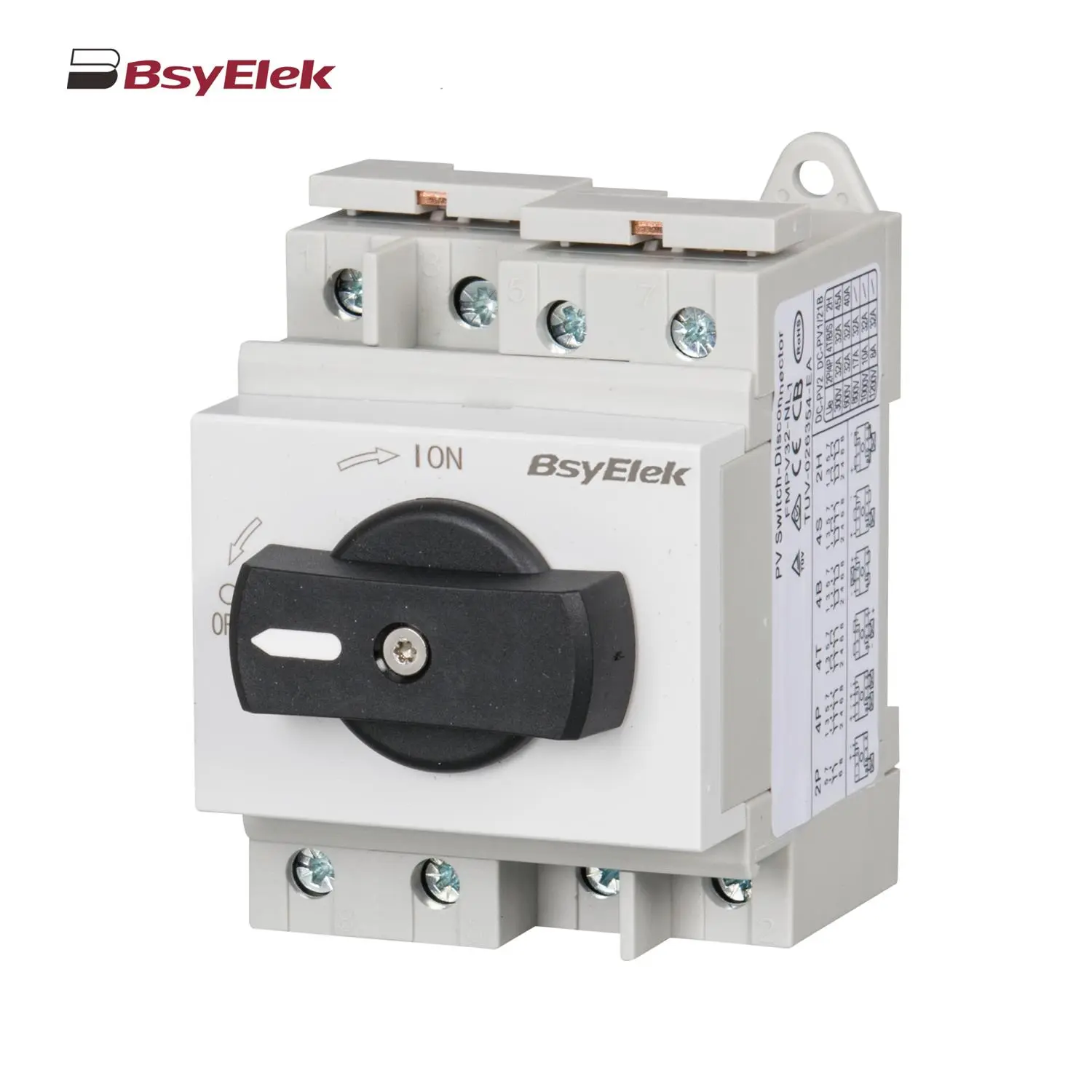 BYPV-NL1/T PV Isolator Switch with Ultra-thin Lever Handle
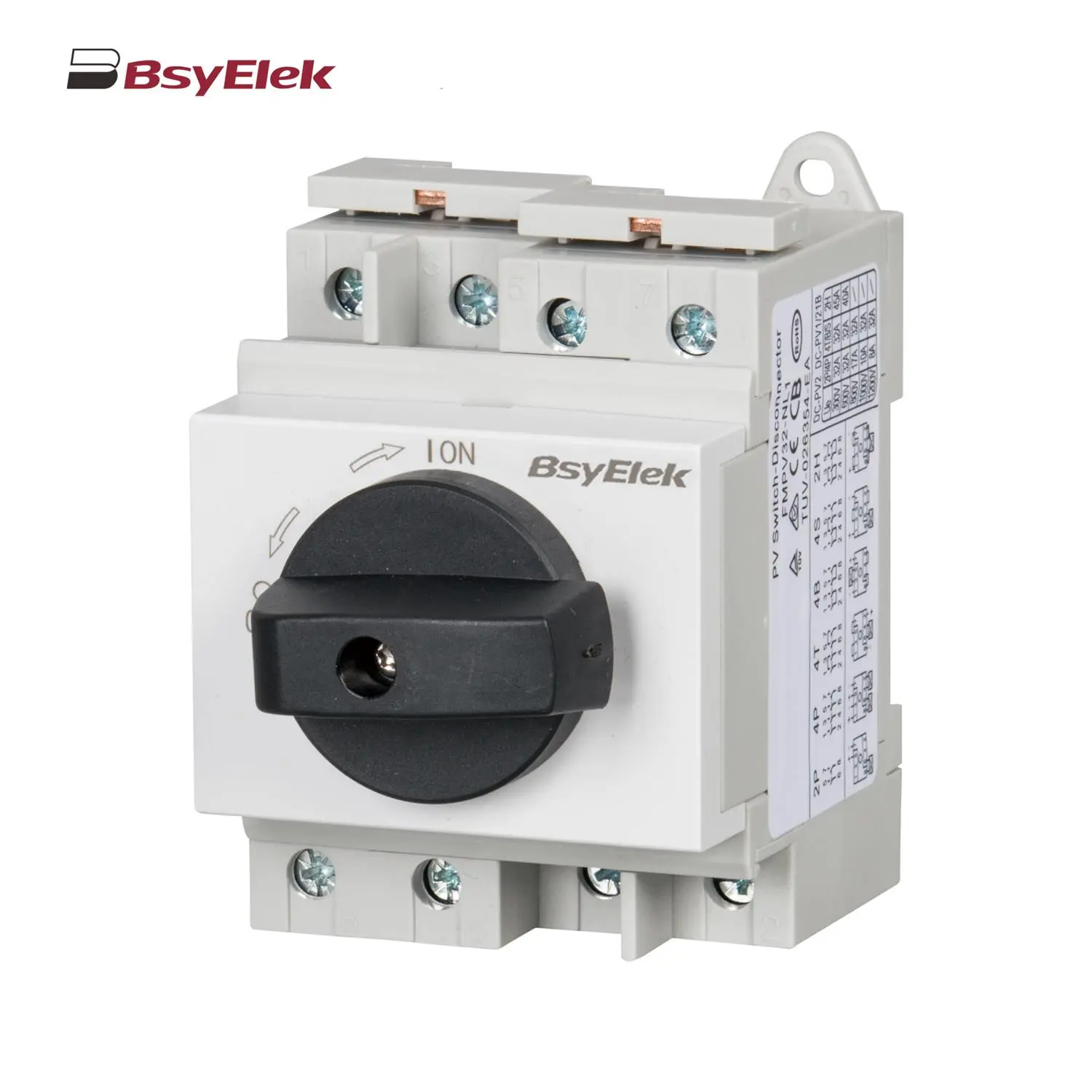 BYPV-NL1 PV Isolator Switch with Lever Handle
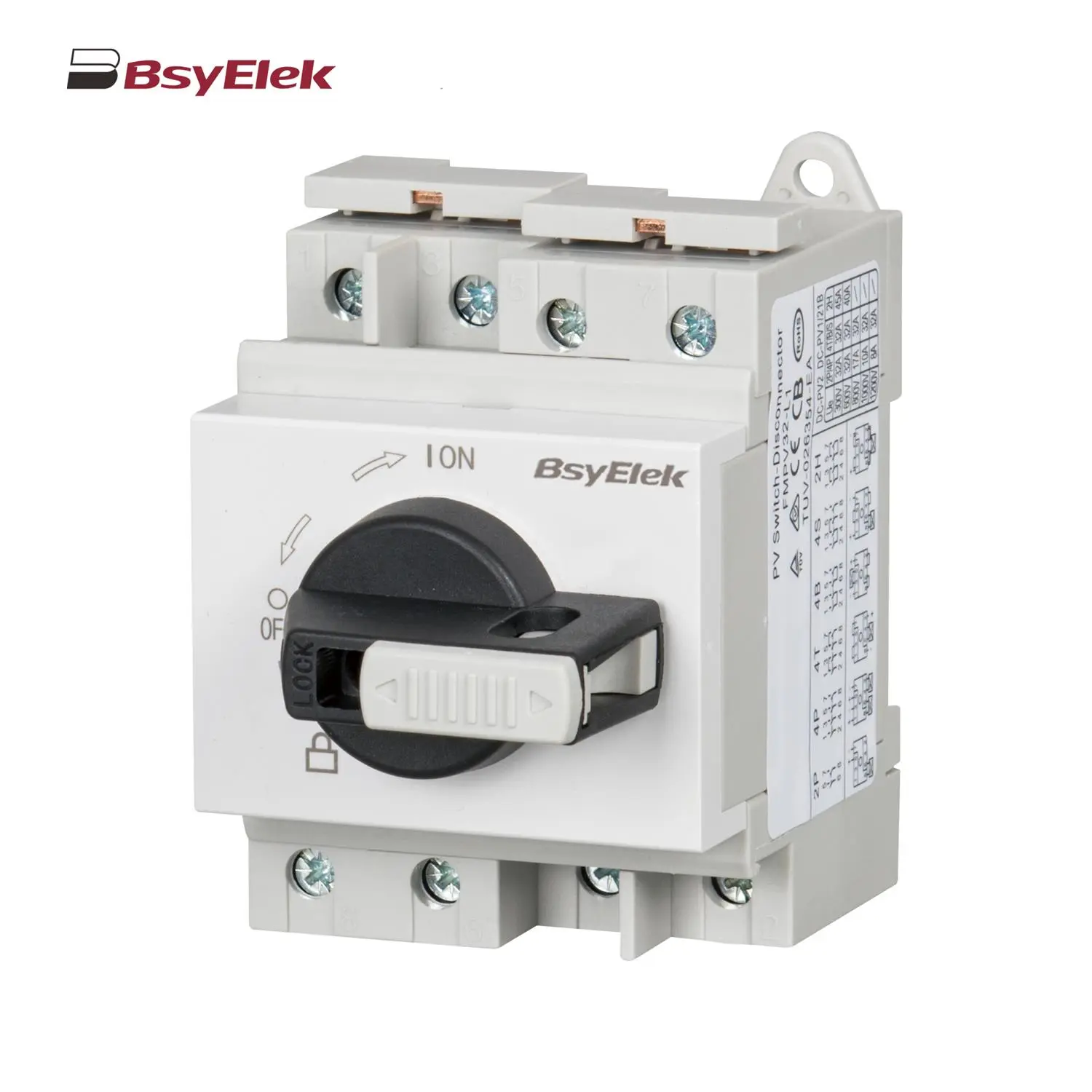 BYPV-L1/L2 PV Isolator Switch with Lockable Lever Handle
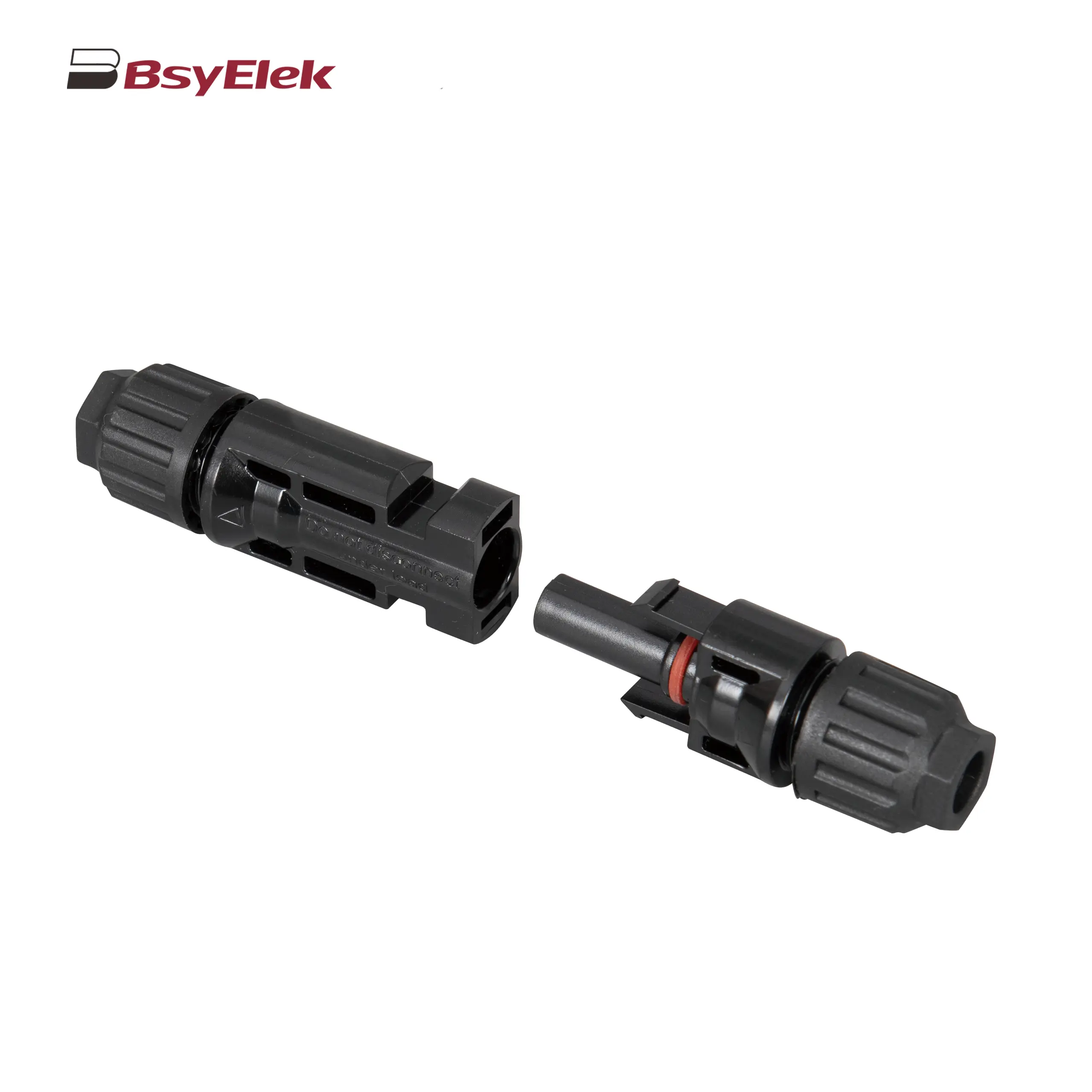 PV-BY-01 30A/50A 1000V Photovoltaic Connector
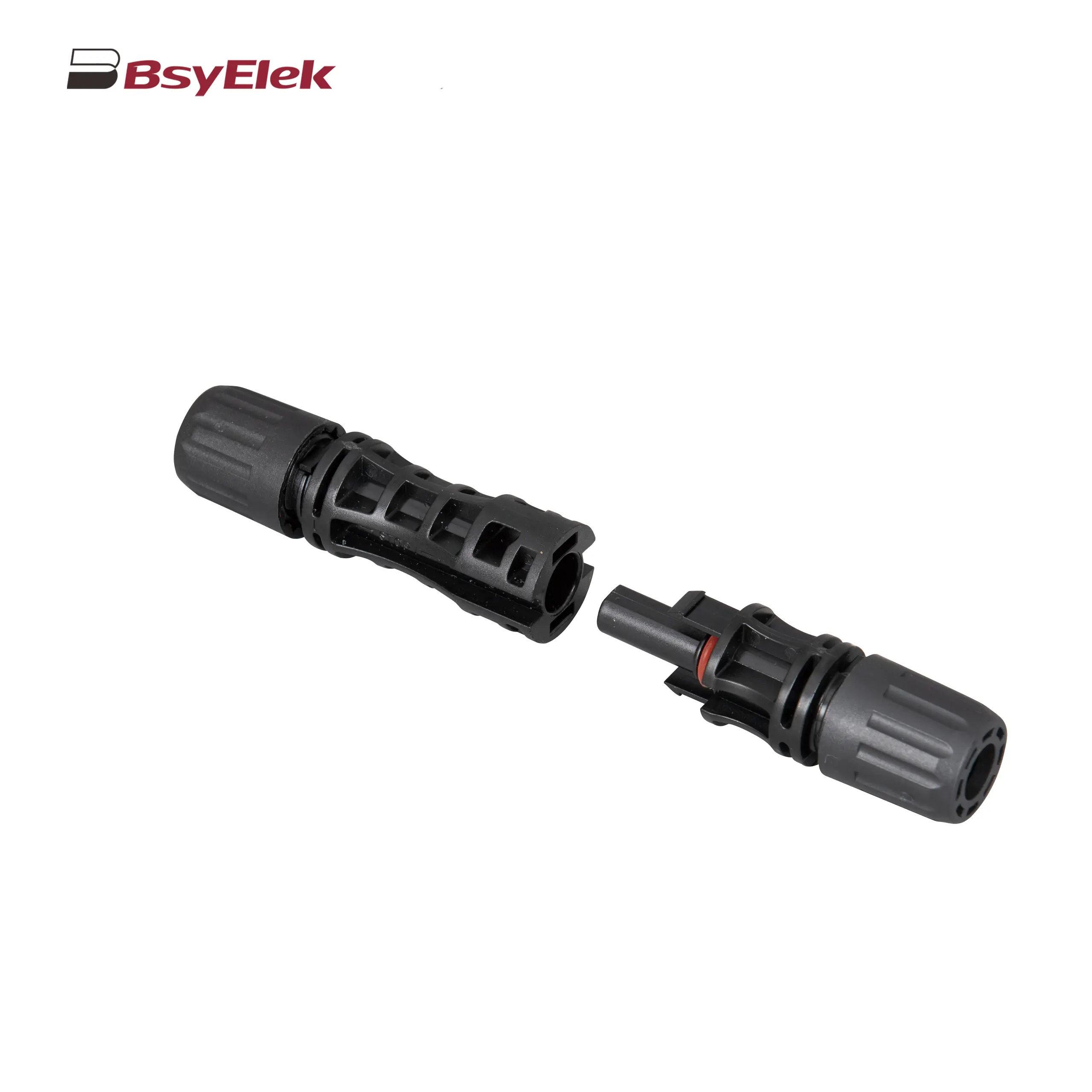 PV-BY-02 30A/50A 1500V Photovoltaic Connector
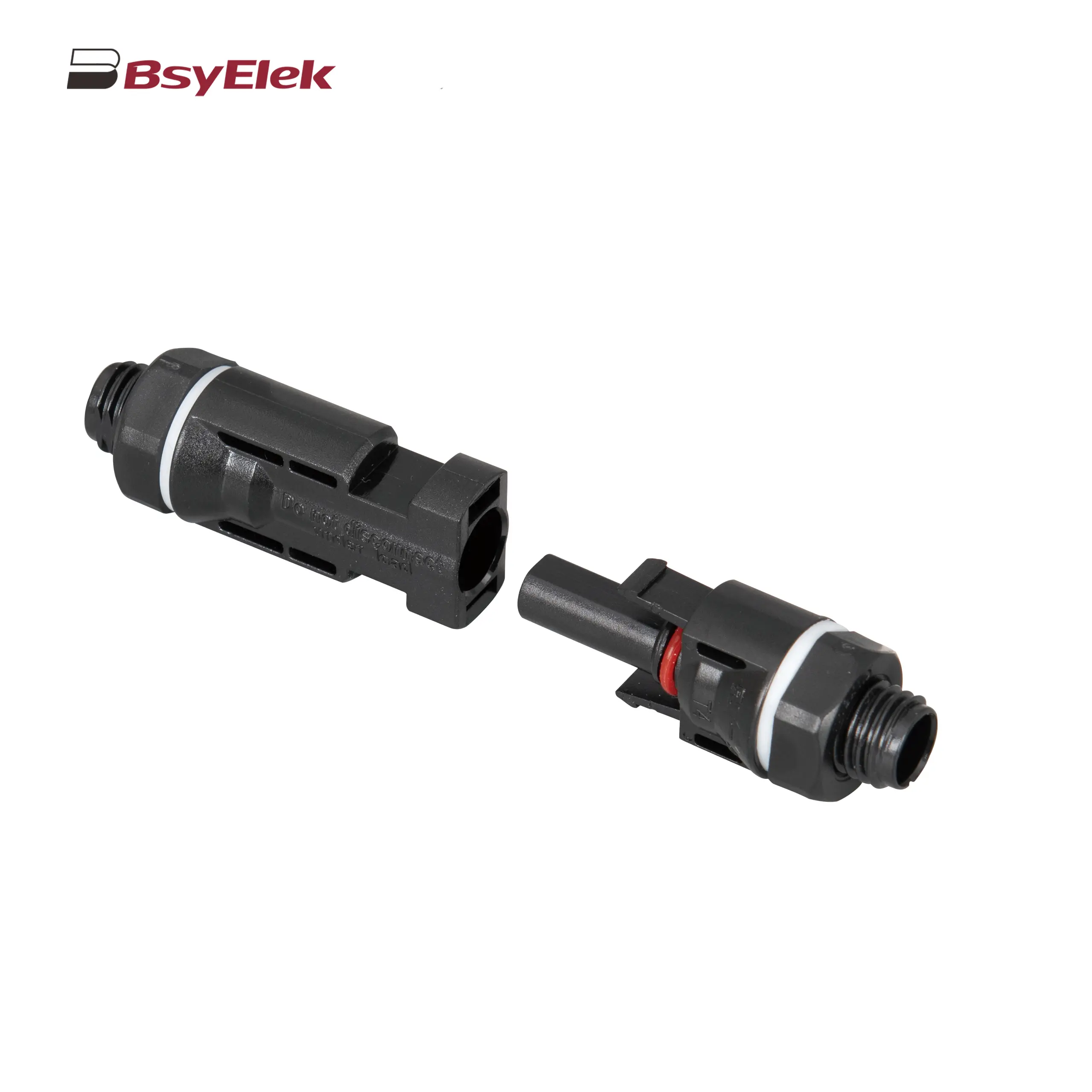 PV-BY-03 30A/50A 1000V Panel Mount Photovoltaic Connector
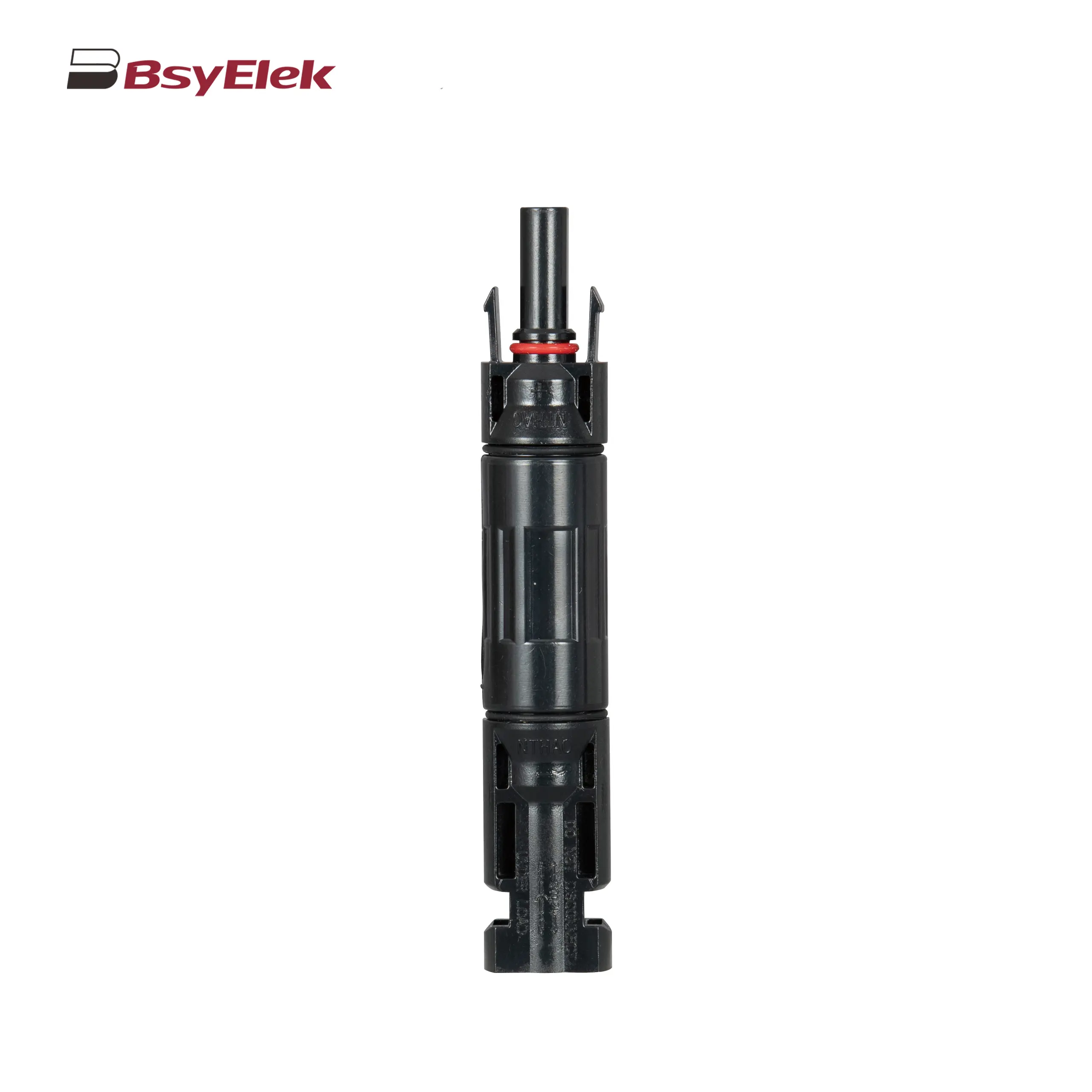 PV-BY-F01 30A 1500V Diode/Fuse Type Connector
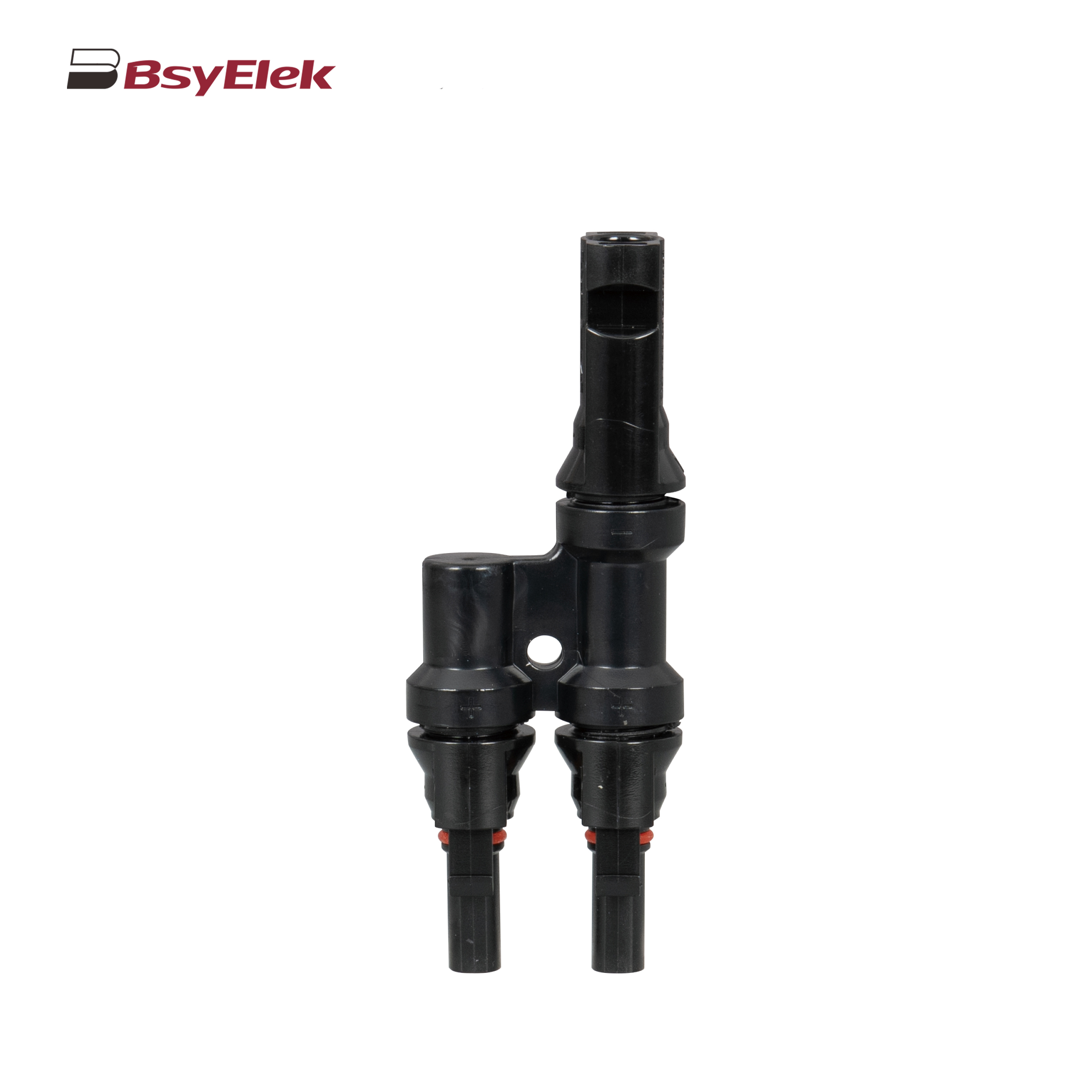 PV-BY-T 50A 1500V T Type Branch Connector
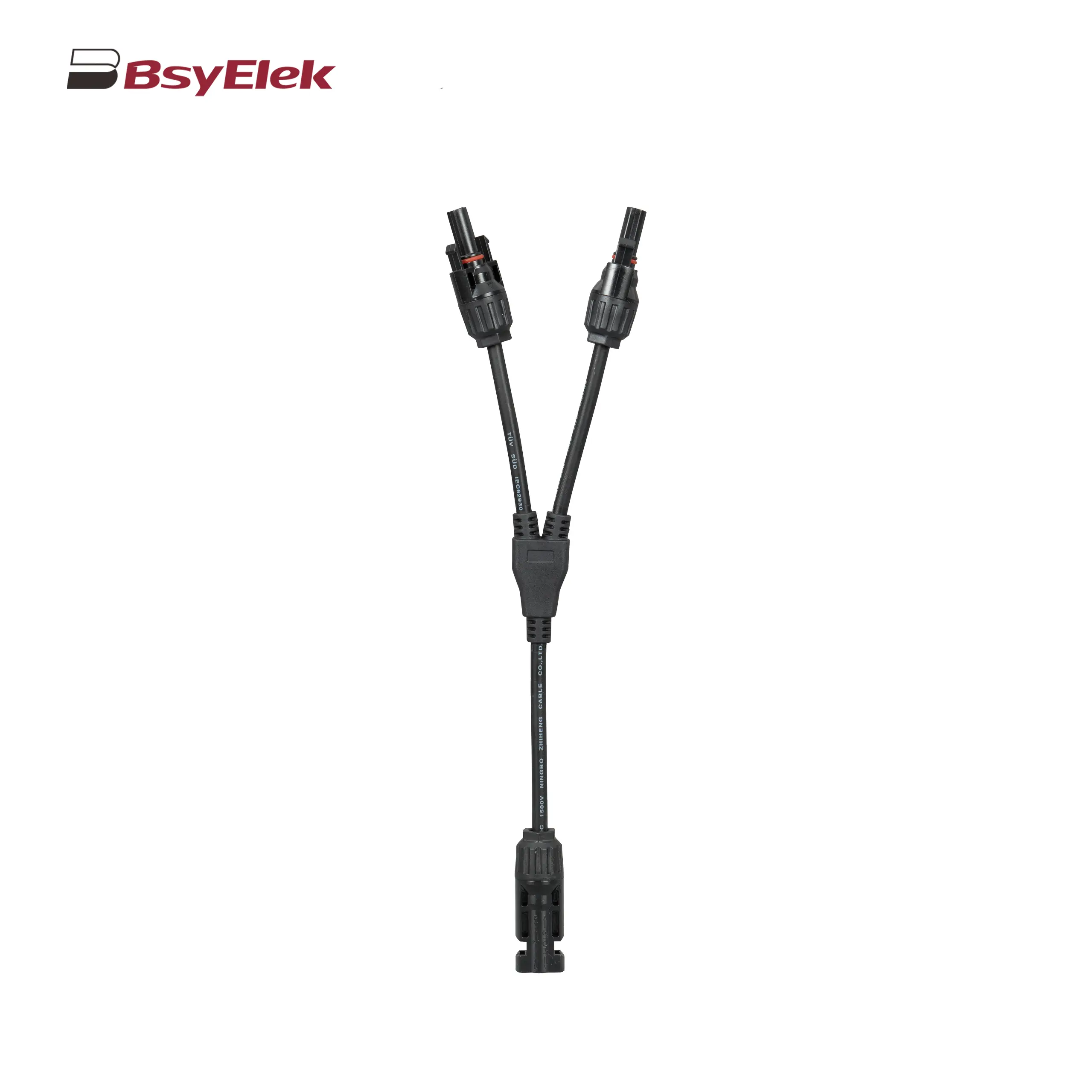 PV-BY-Y 30A 1500V Y Type Branch Connector
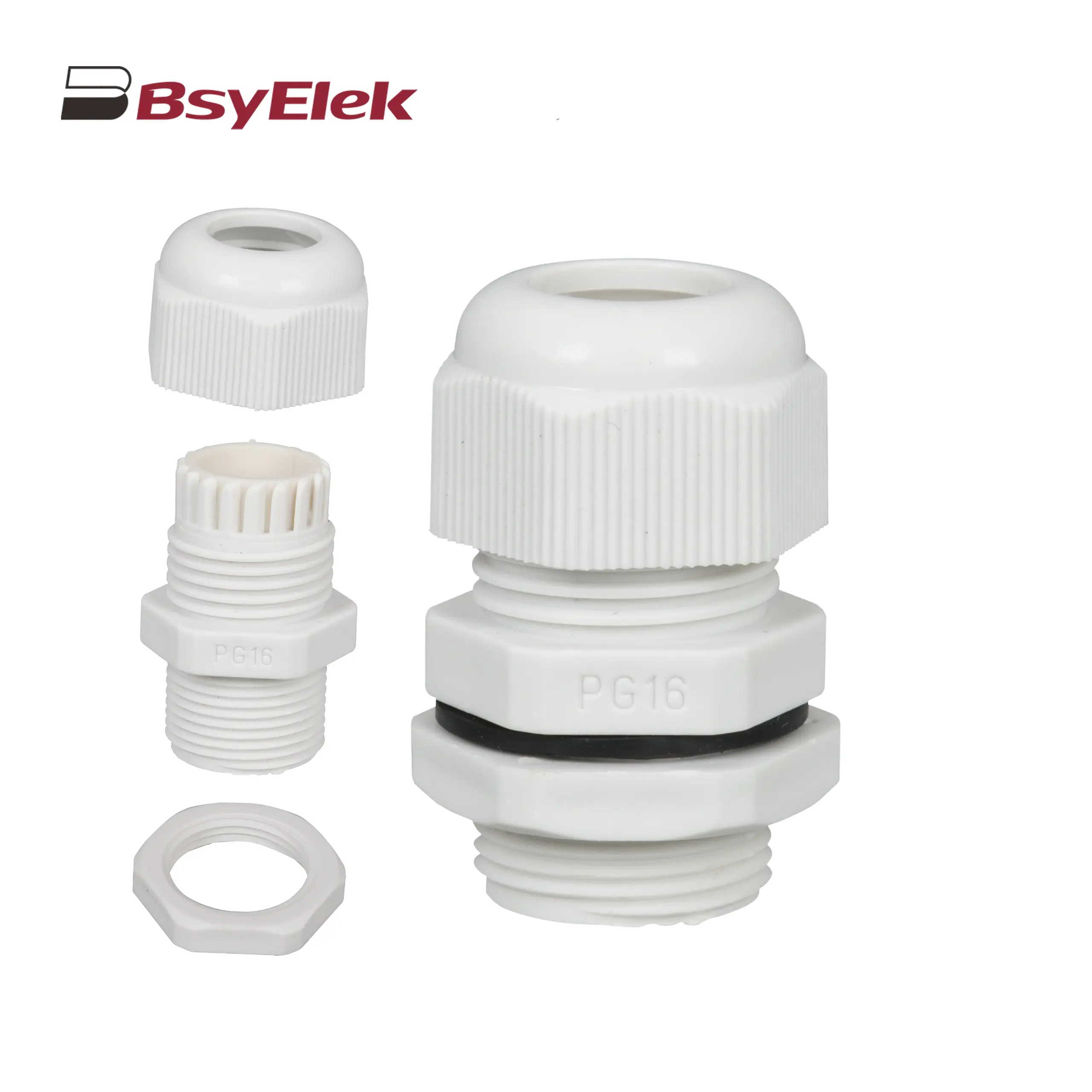 PG Waterproof Cable Gland with Washer
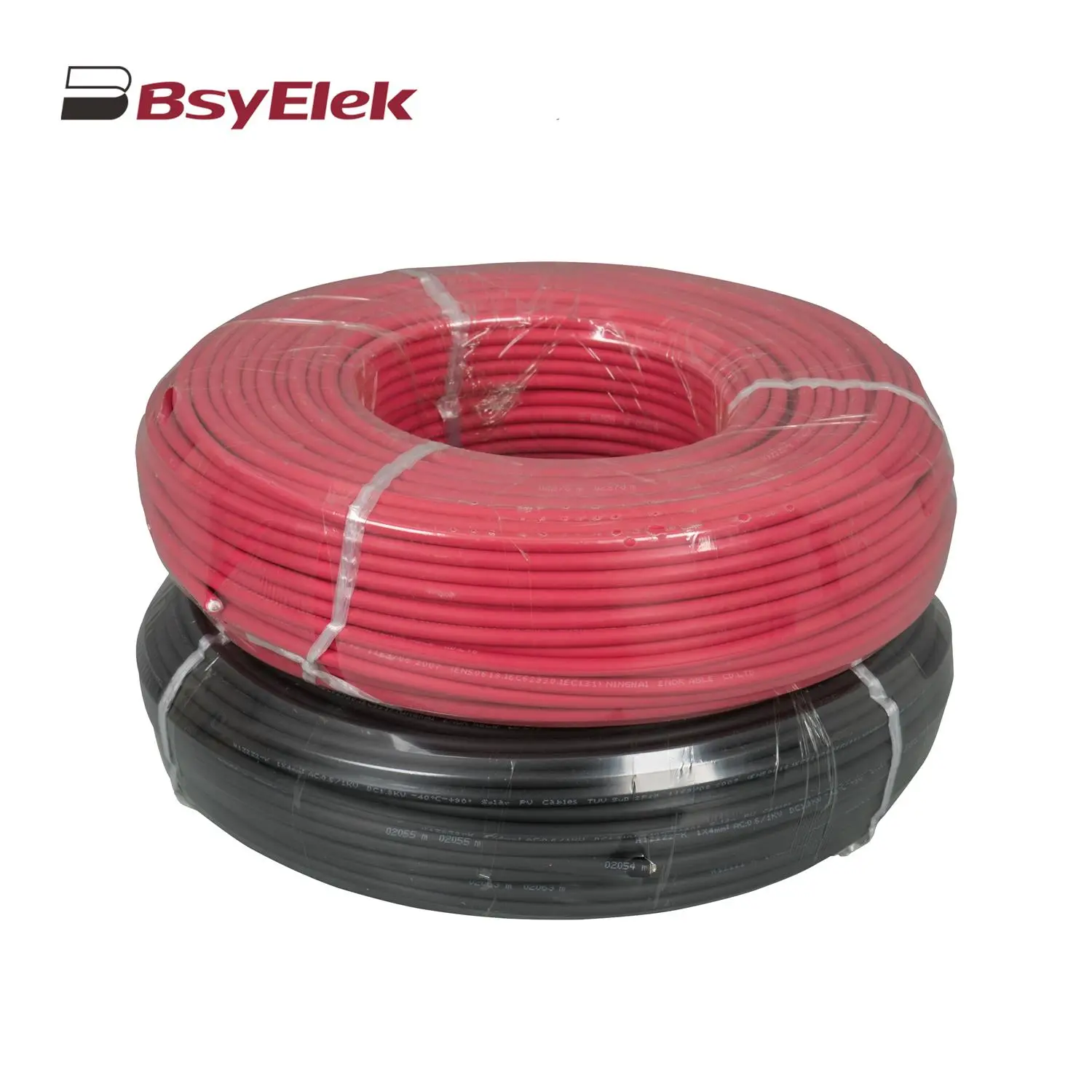 Photovoltaic Cable
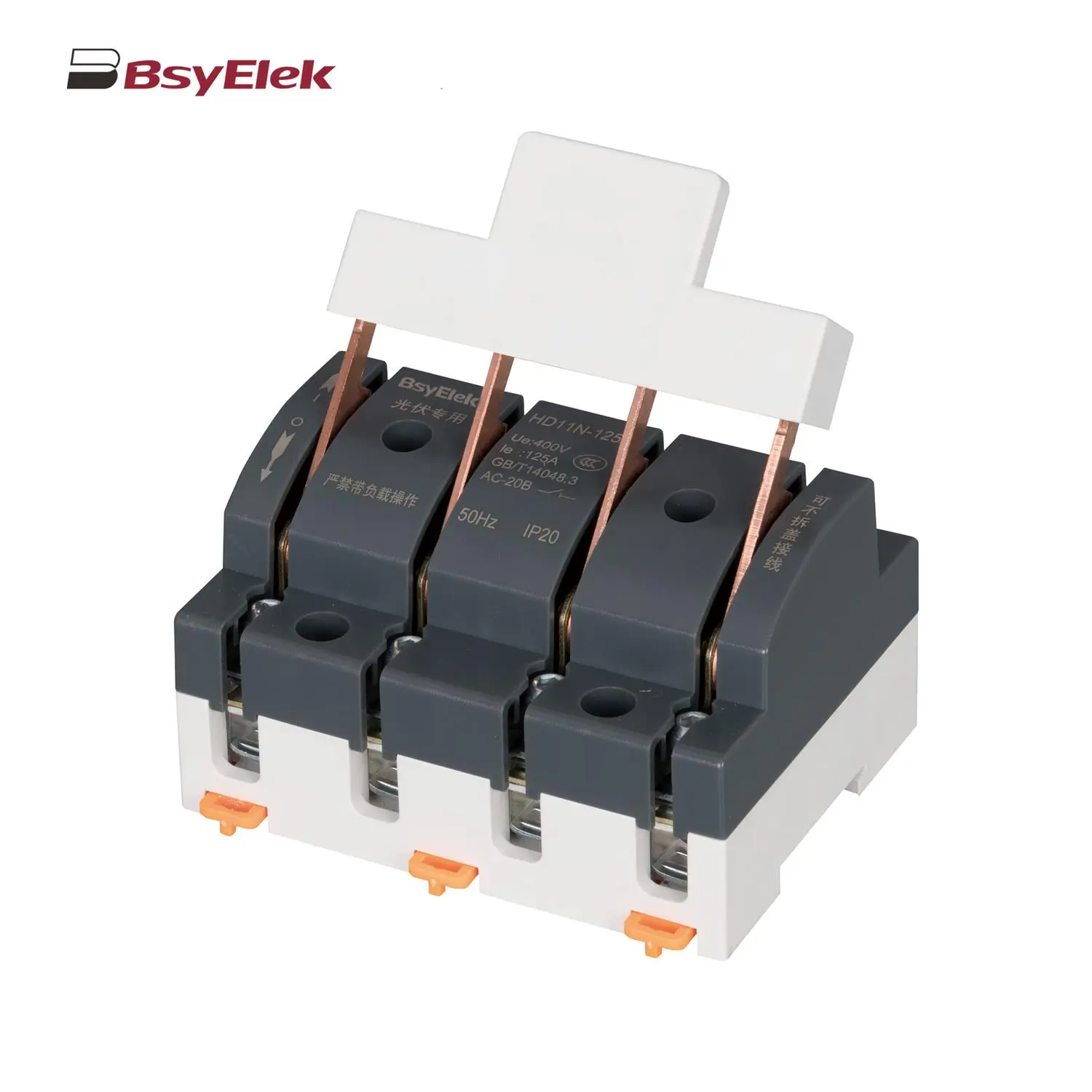 HD11N Photovoltaic Knife Switch
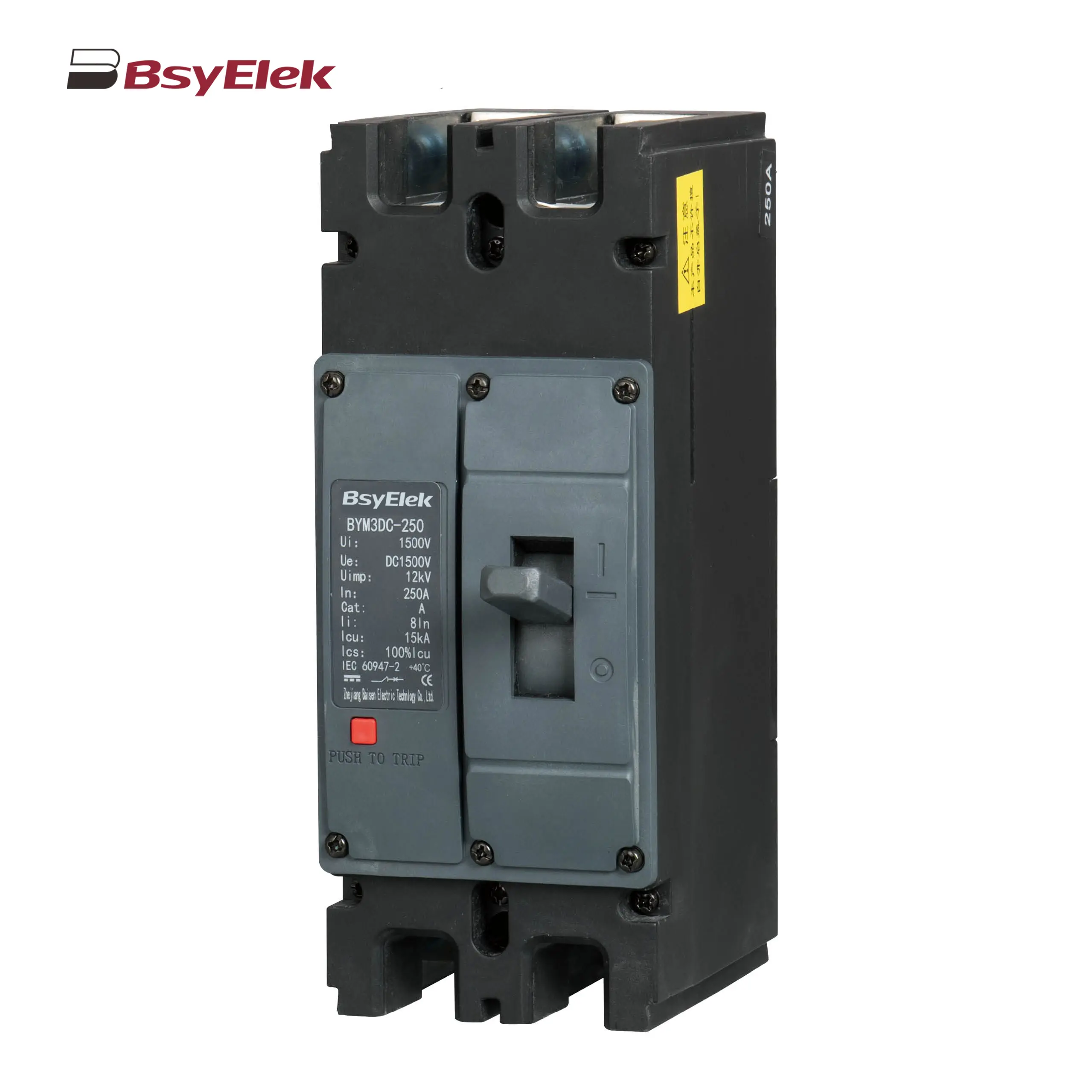 BYM3DC MCCB Photovoltaic DC Molded Case Circuit Breaker
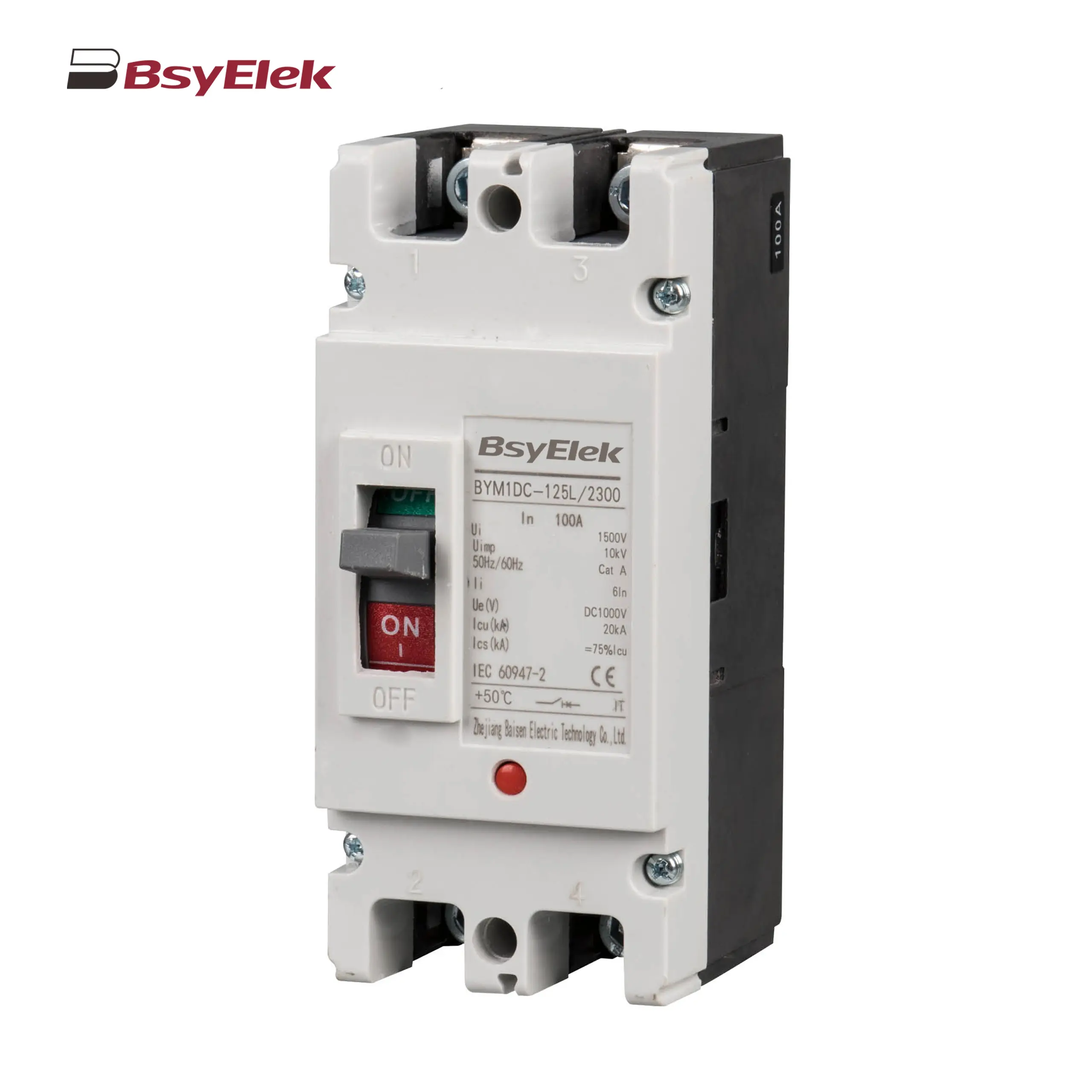 BYM1DC MCCB 1000VDC Thermal Magnetic Type DC Molded Case Circuit Breaker
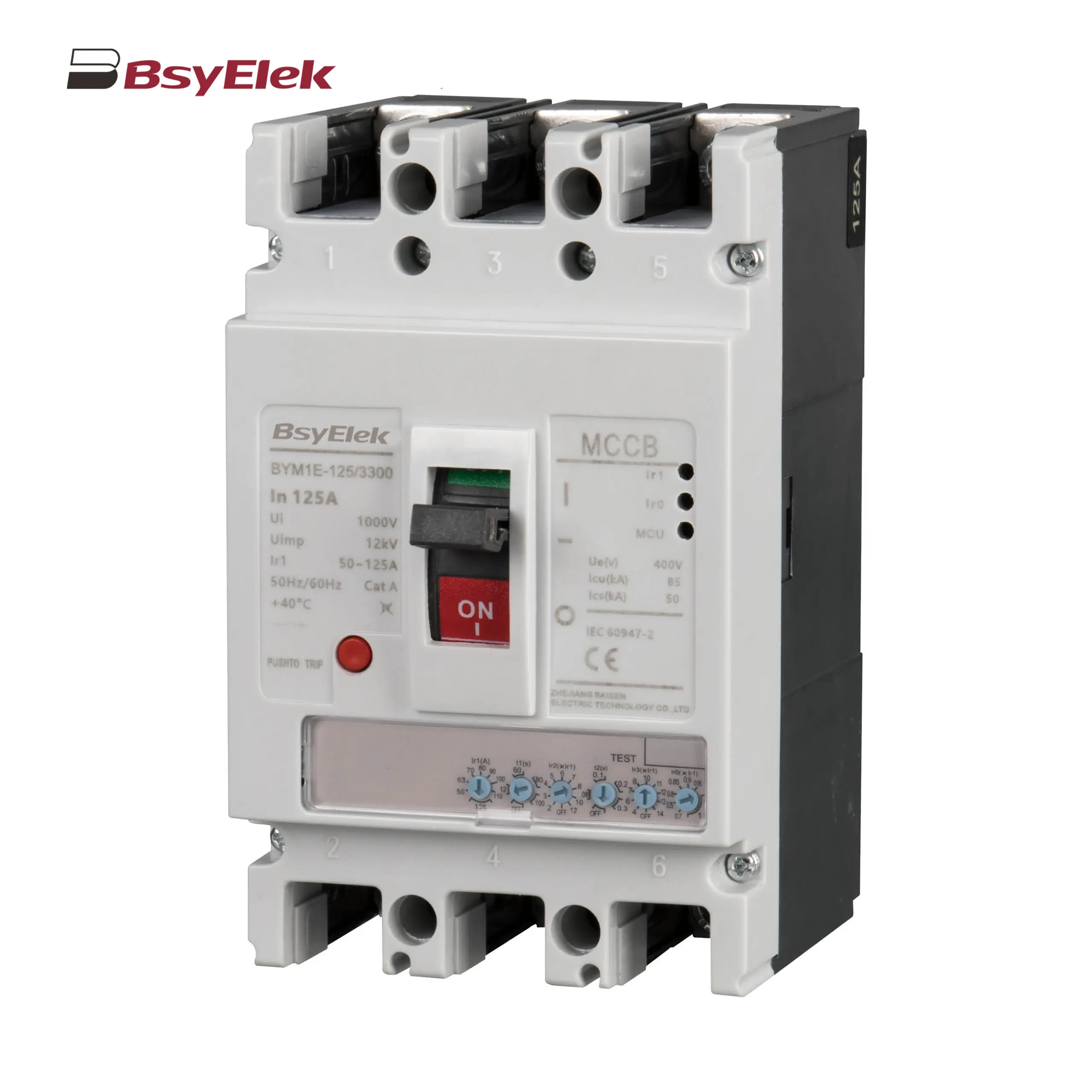 BYM1E MCCB Electronic Type Molded Case Circuit Breaker
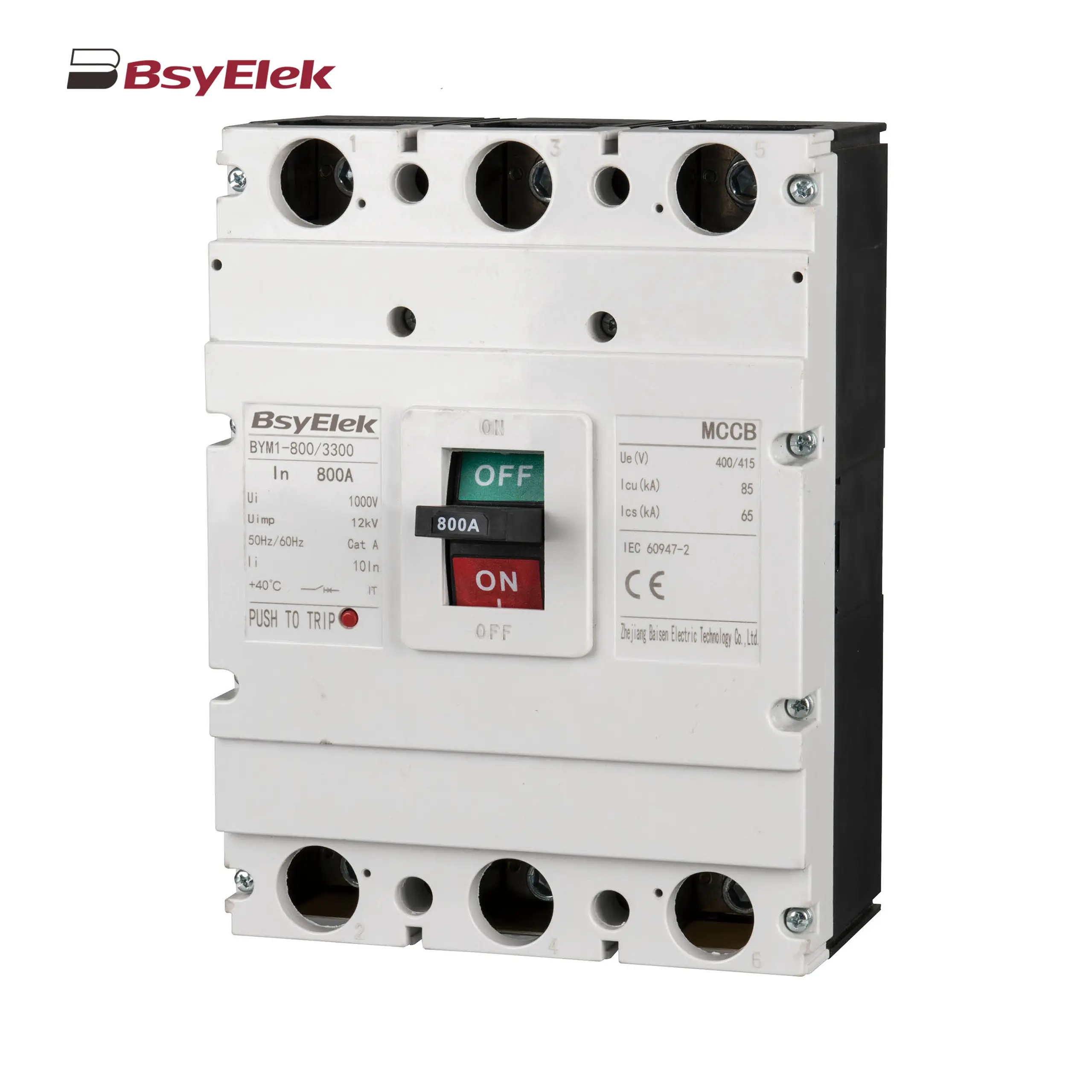 BYM1 MCCB Thermal Magnetic AC Molded Case Circuit Breaker
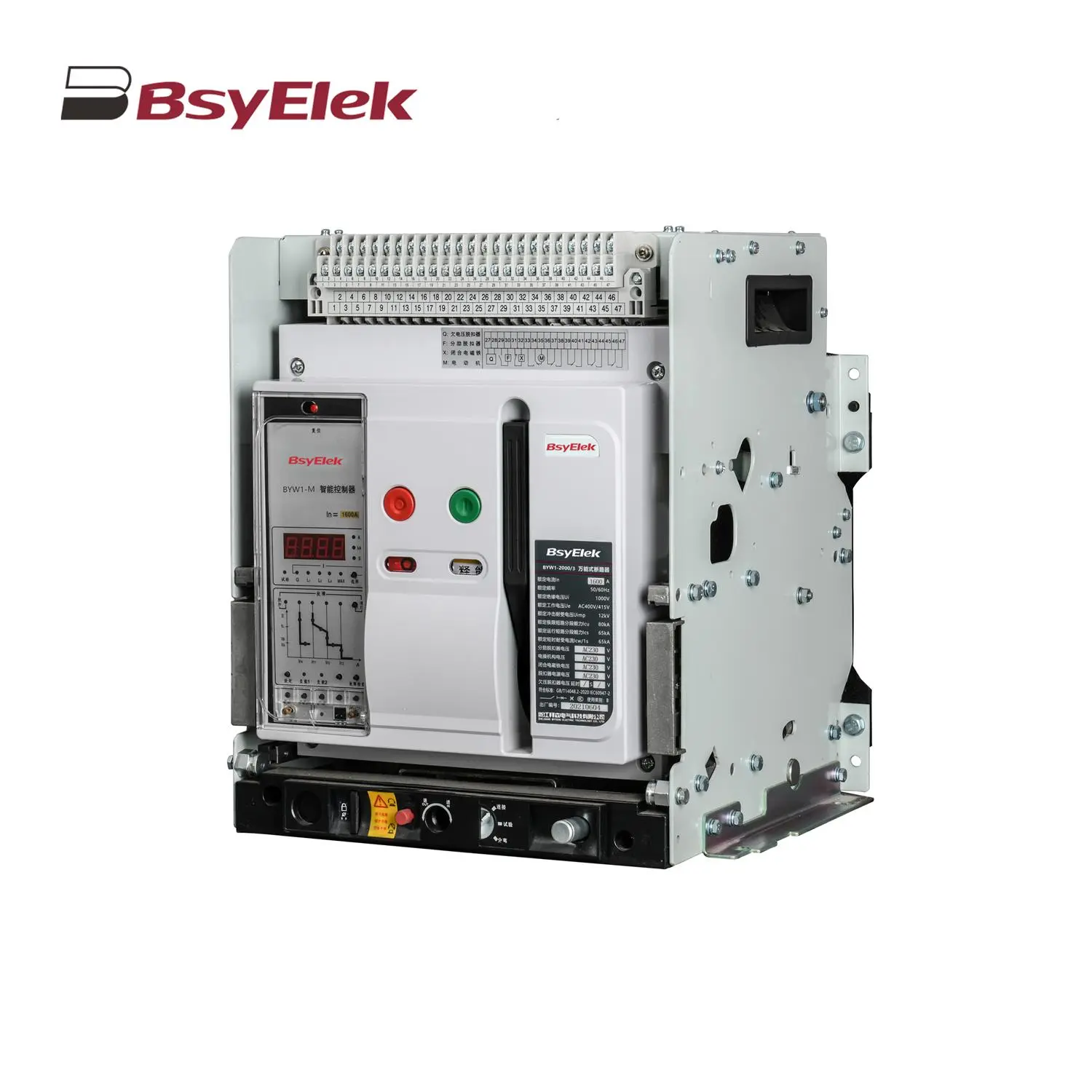 BYW1 ACB Intelligent Universal Air Circuit Breaker
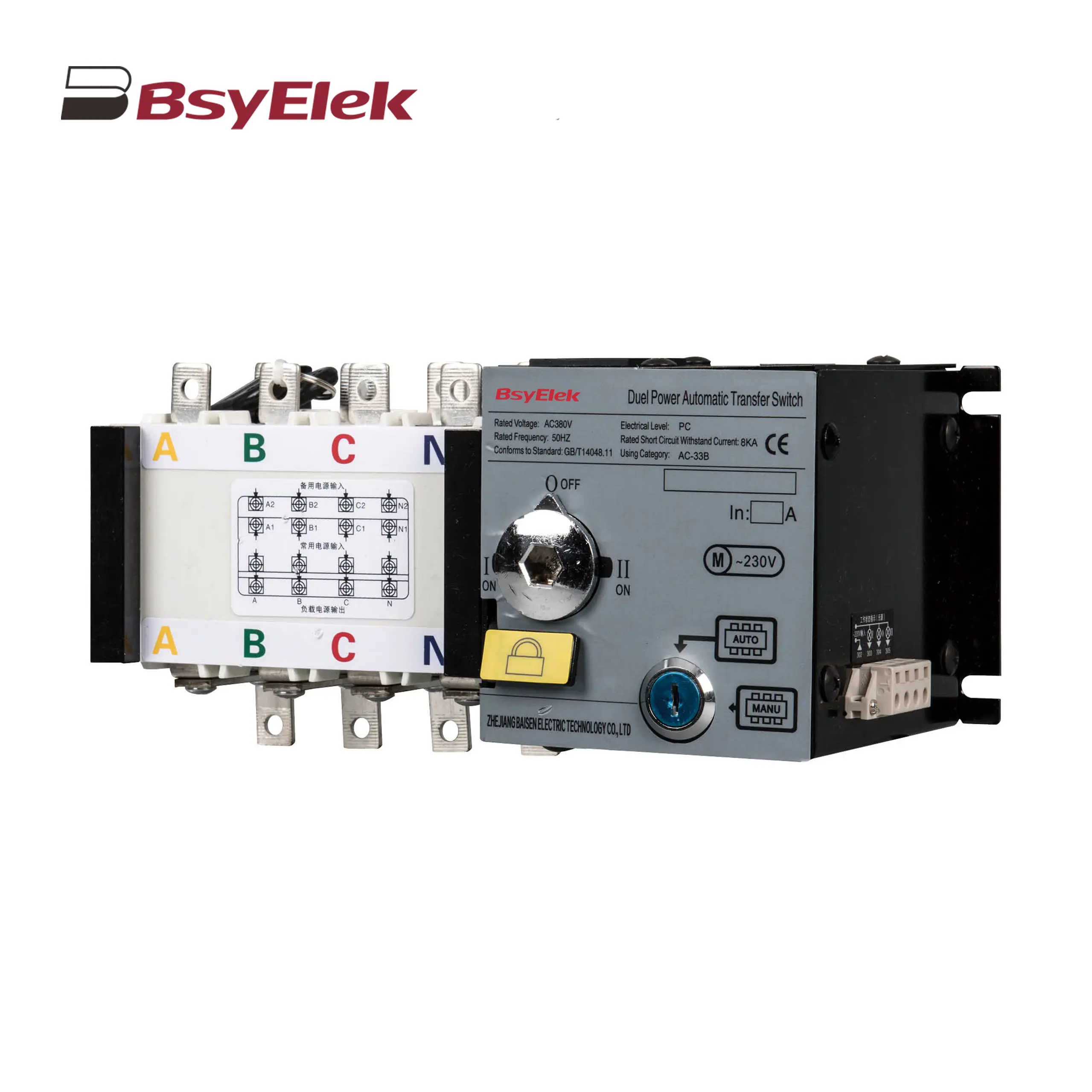 BYQ1 ATS Isolated Type PC Level Dual Power Automatic Transfer Switch
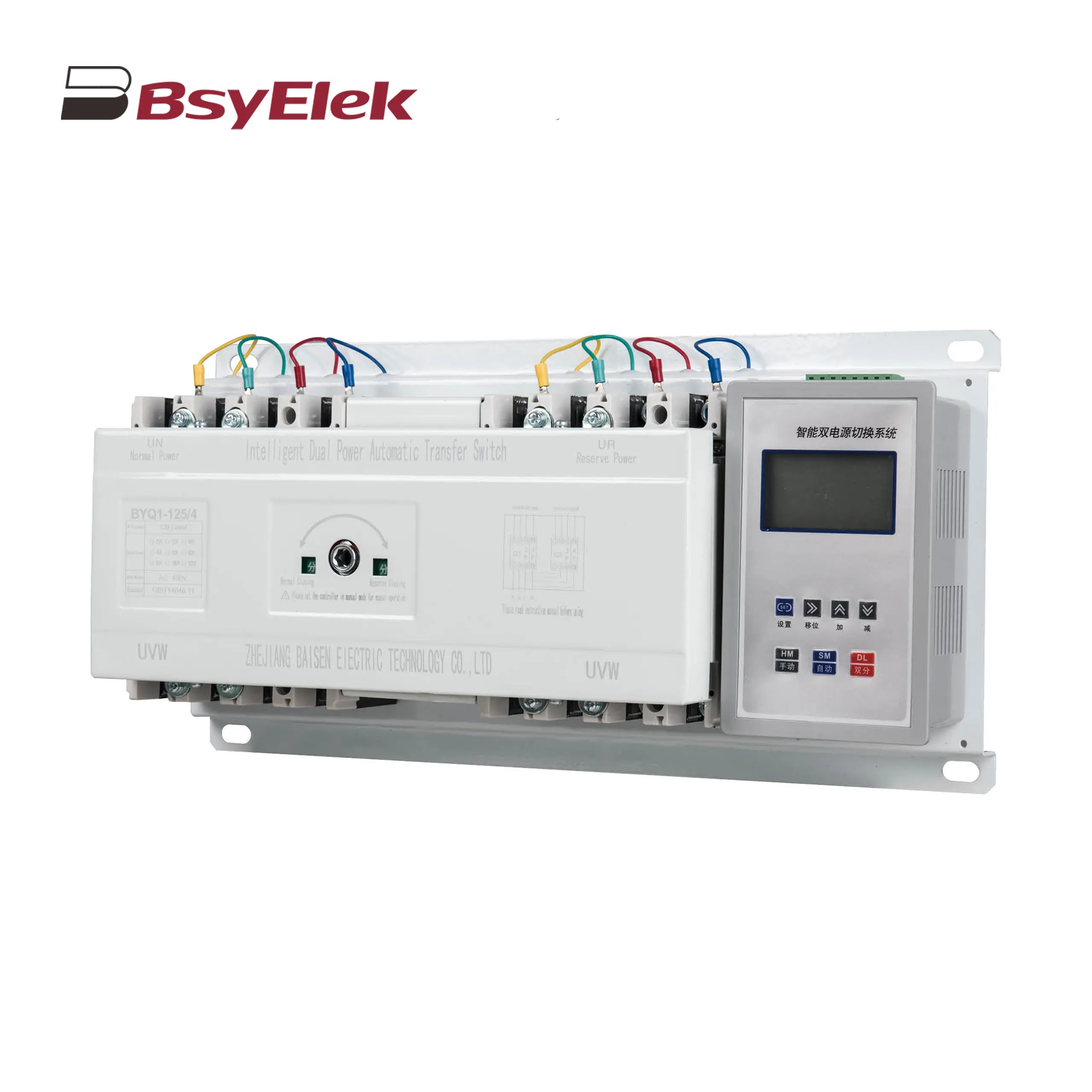 BYQ1 ATS Intelligent Type CB Level Dual Power Automatic Transfer Switch
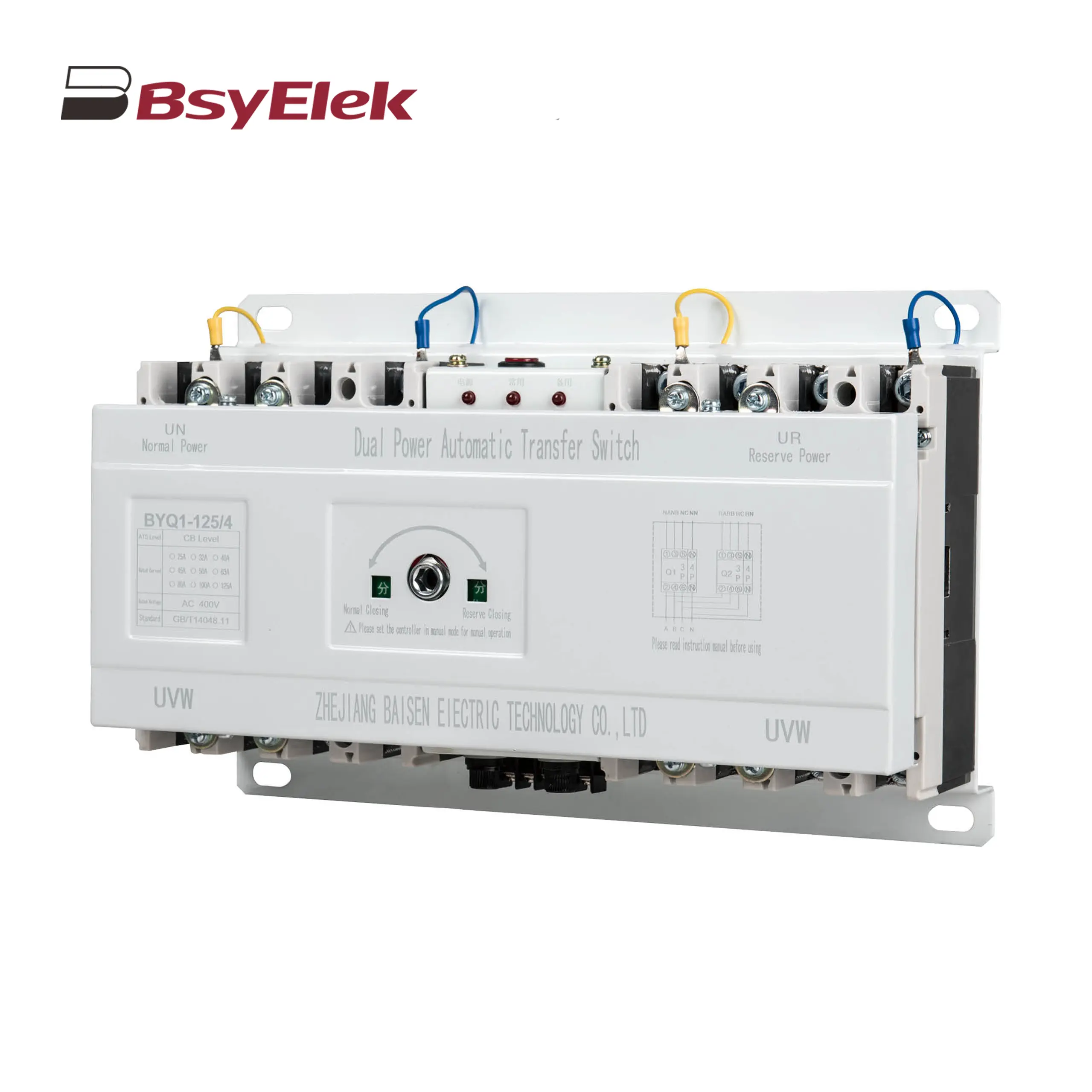 BYQ1 ATS End Type CB Level Dual Power Automatic Transfer Switch
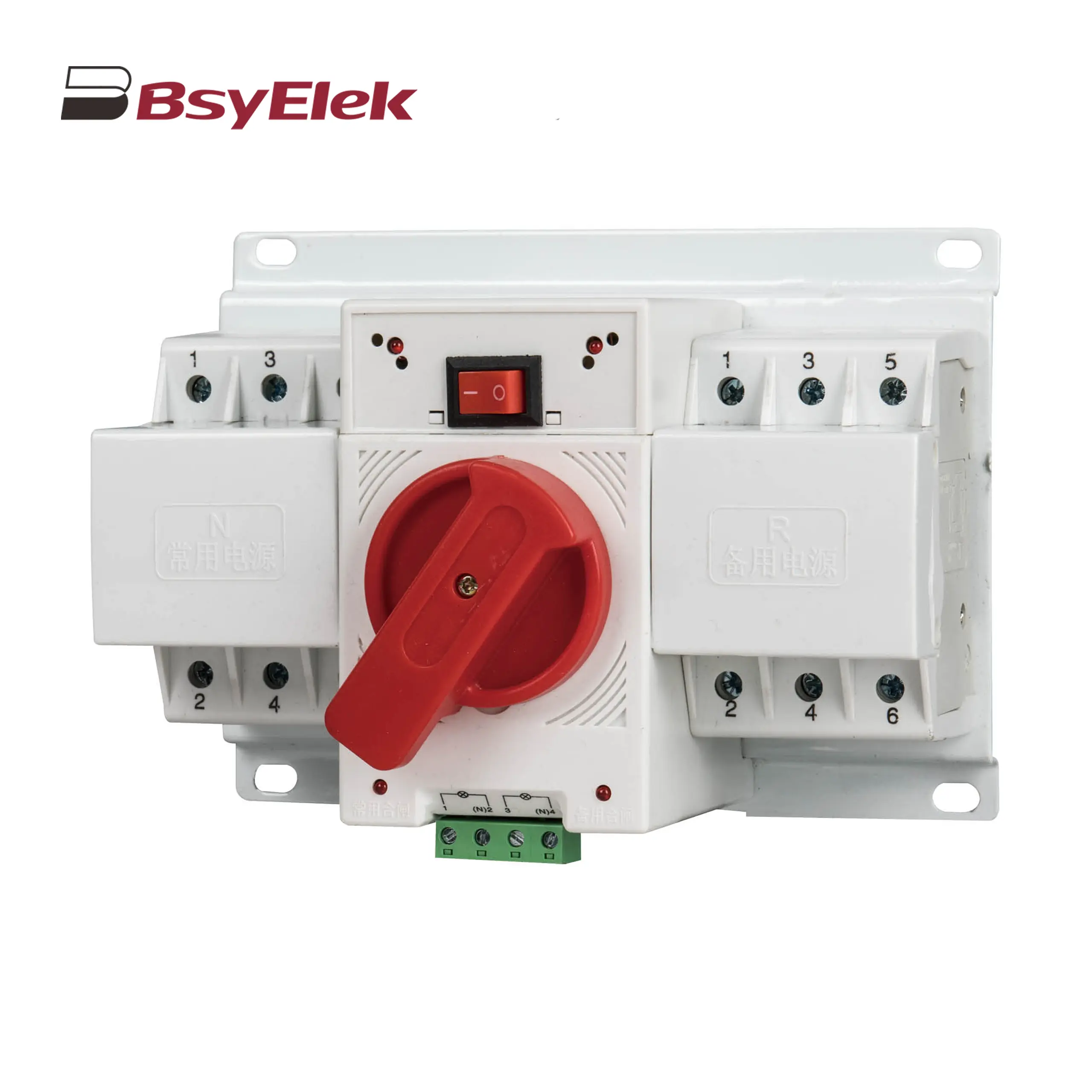 BYQ1 ATS Mini Type CB Level Dual Power Automatic Transfer Switch
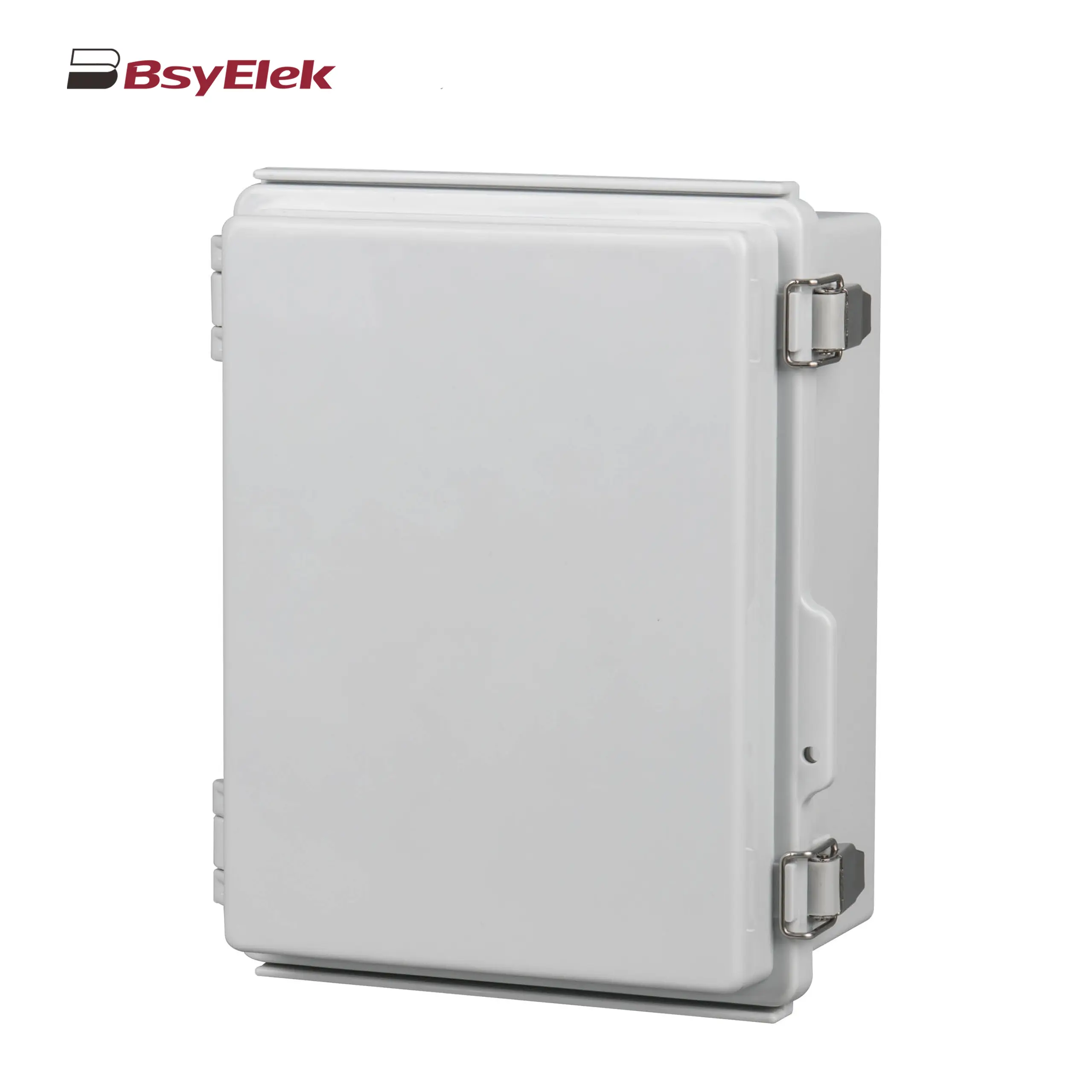 Stainless Steel Hinge Type Electrical Box
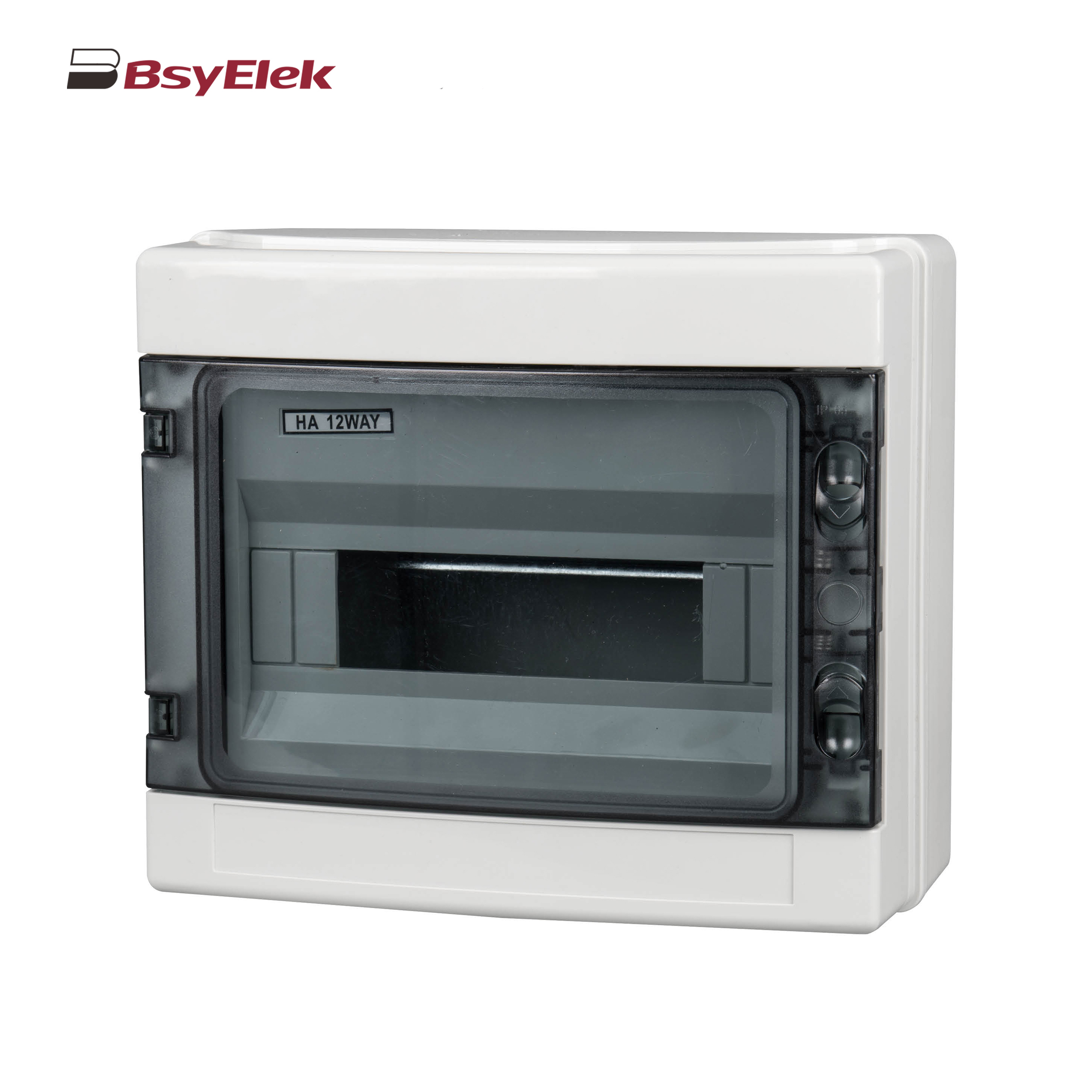 HA Waterproof Distribution Box
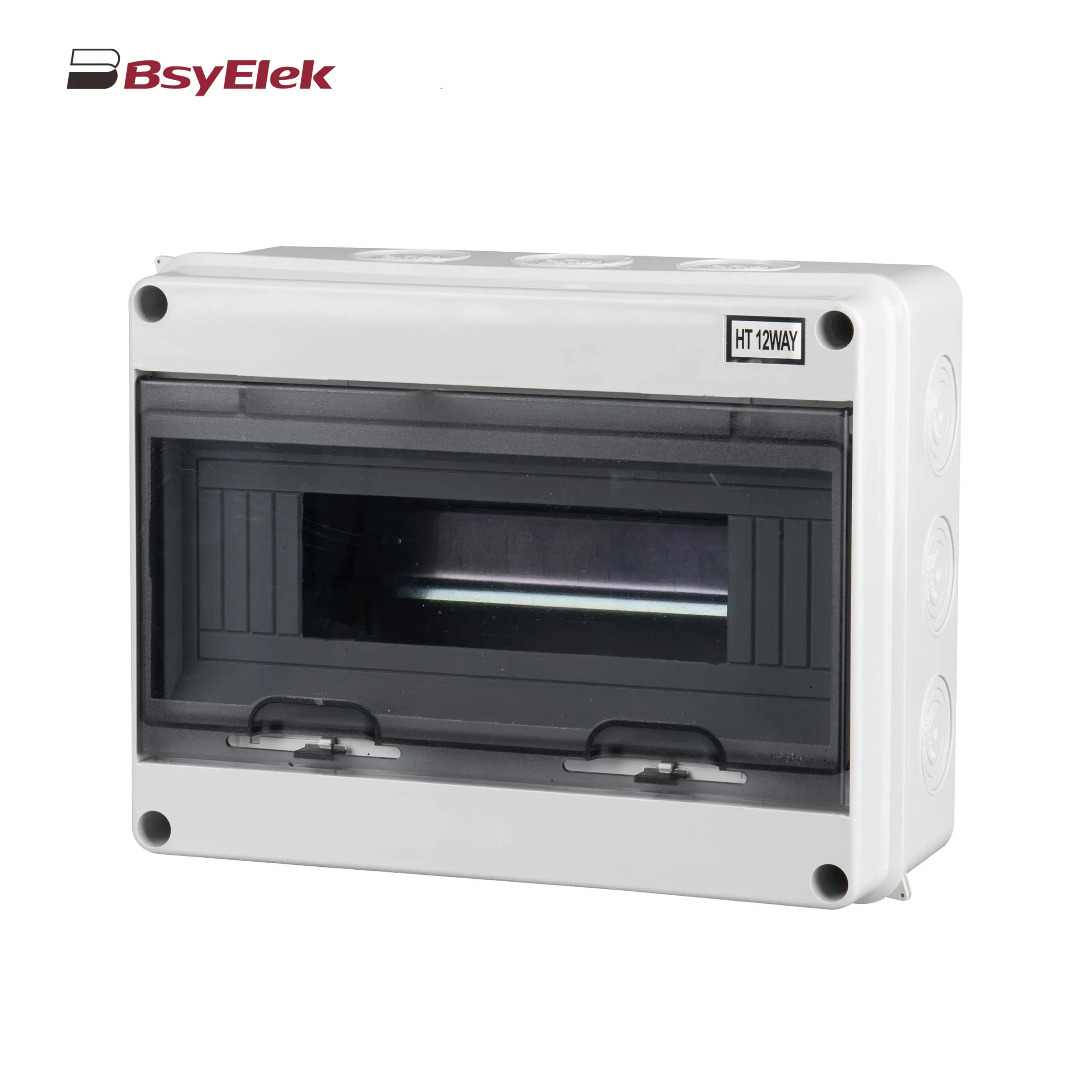 HT Waterproof Distribution Box
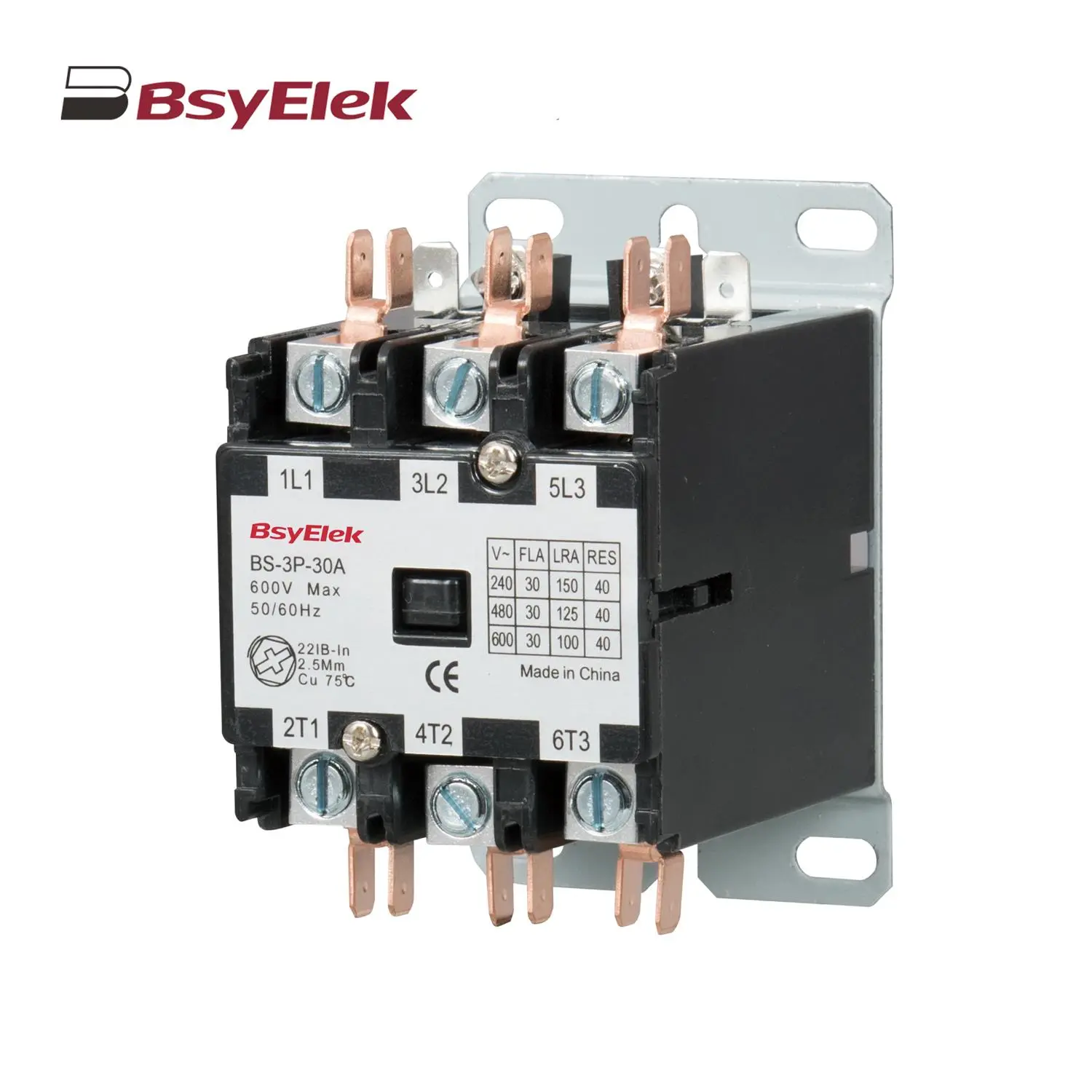 BS Definite Purpose Magnetic AC Contactor