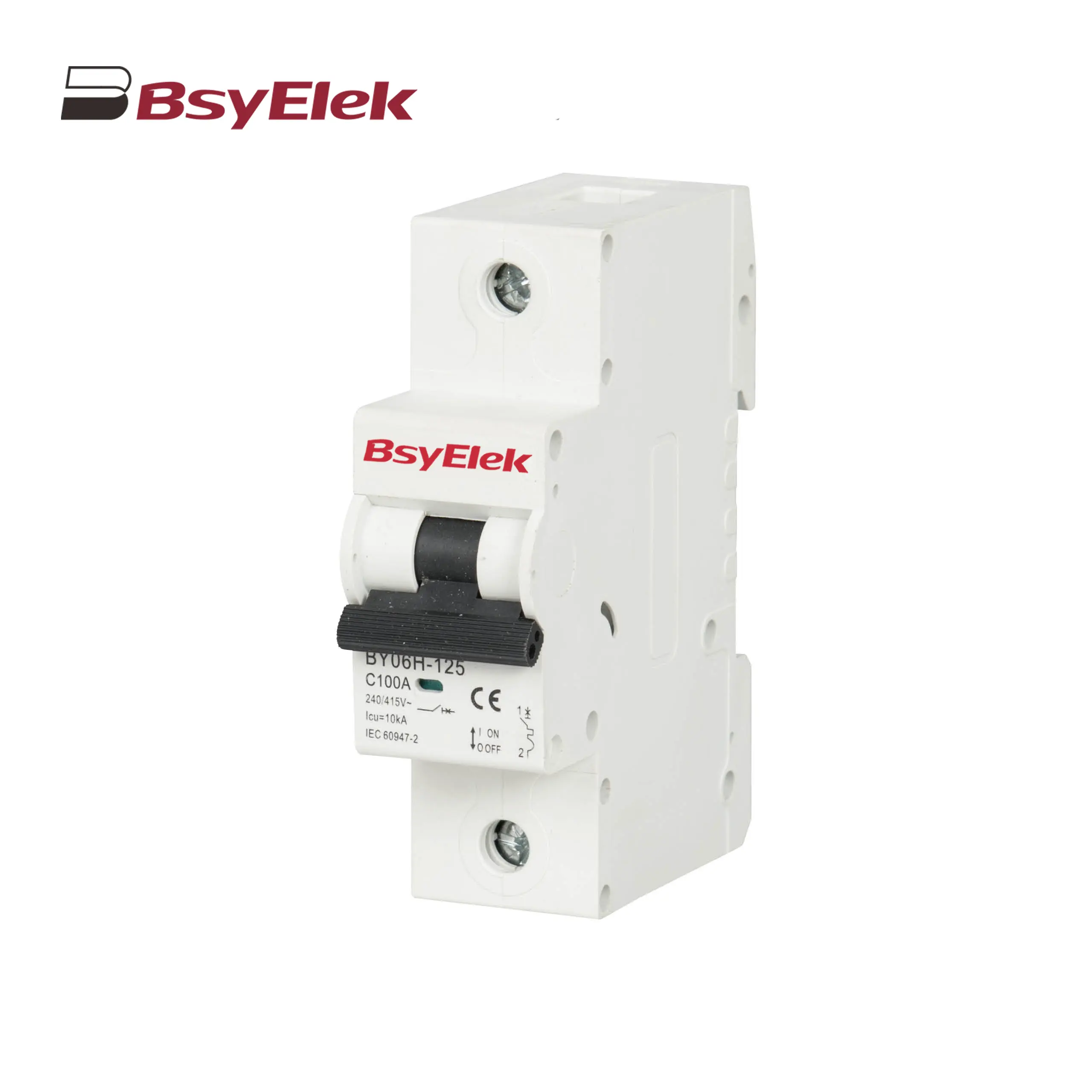
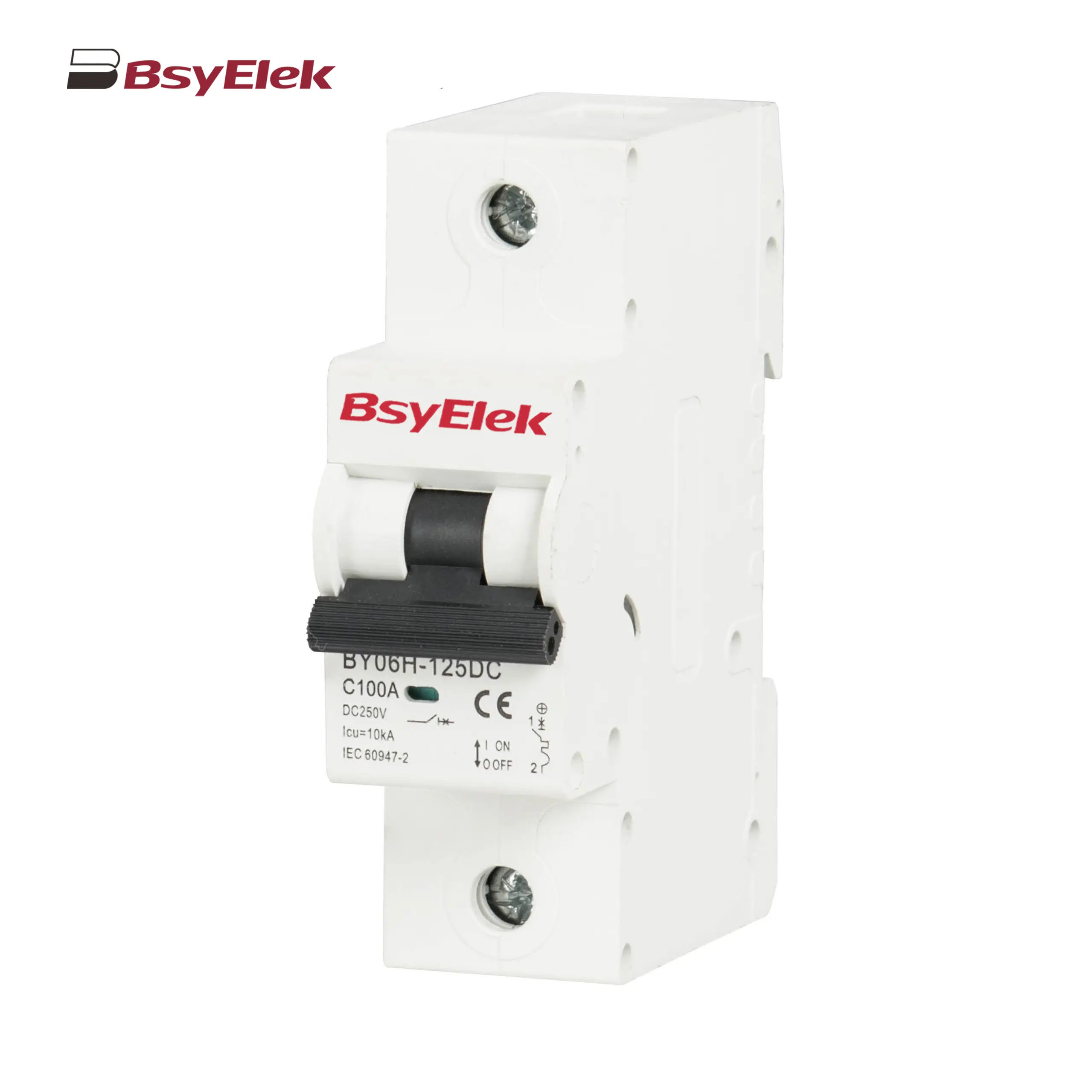
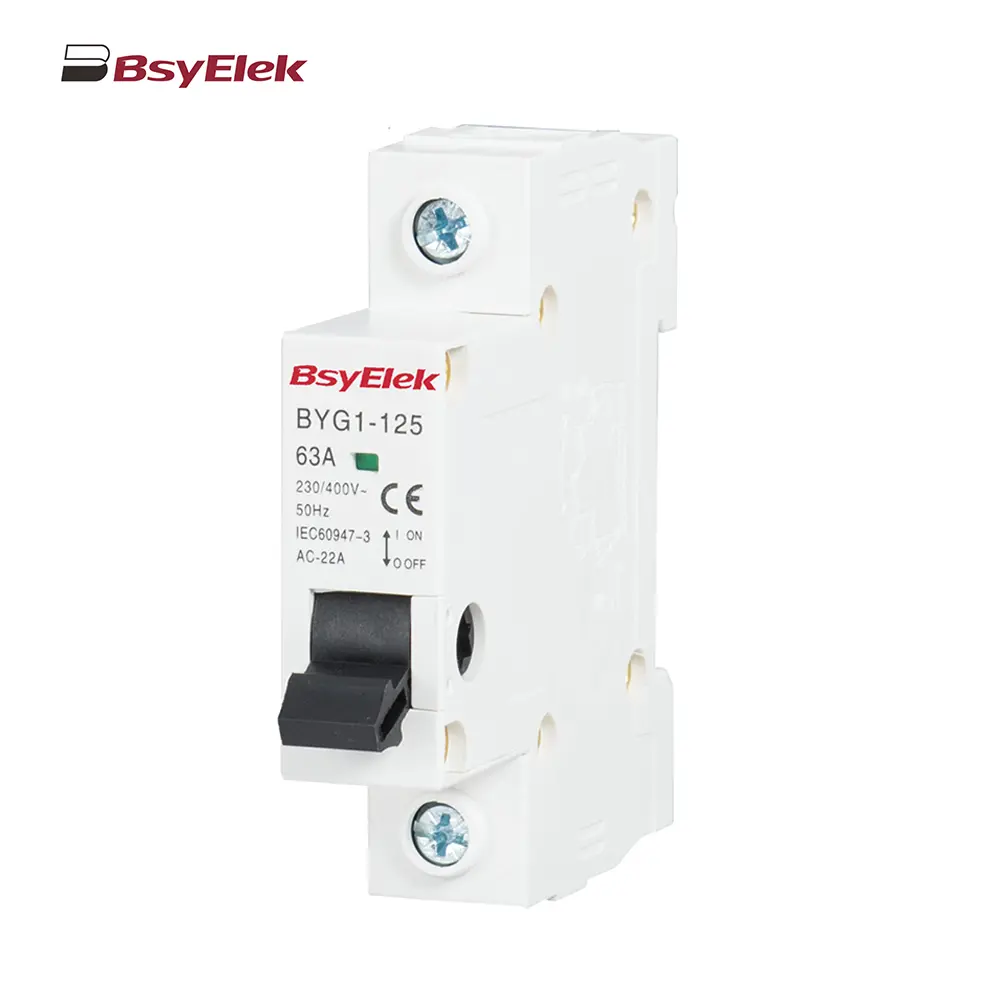
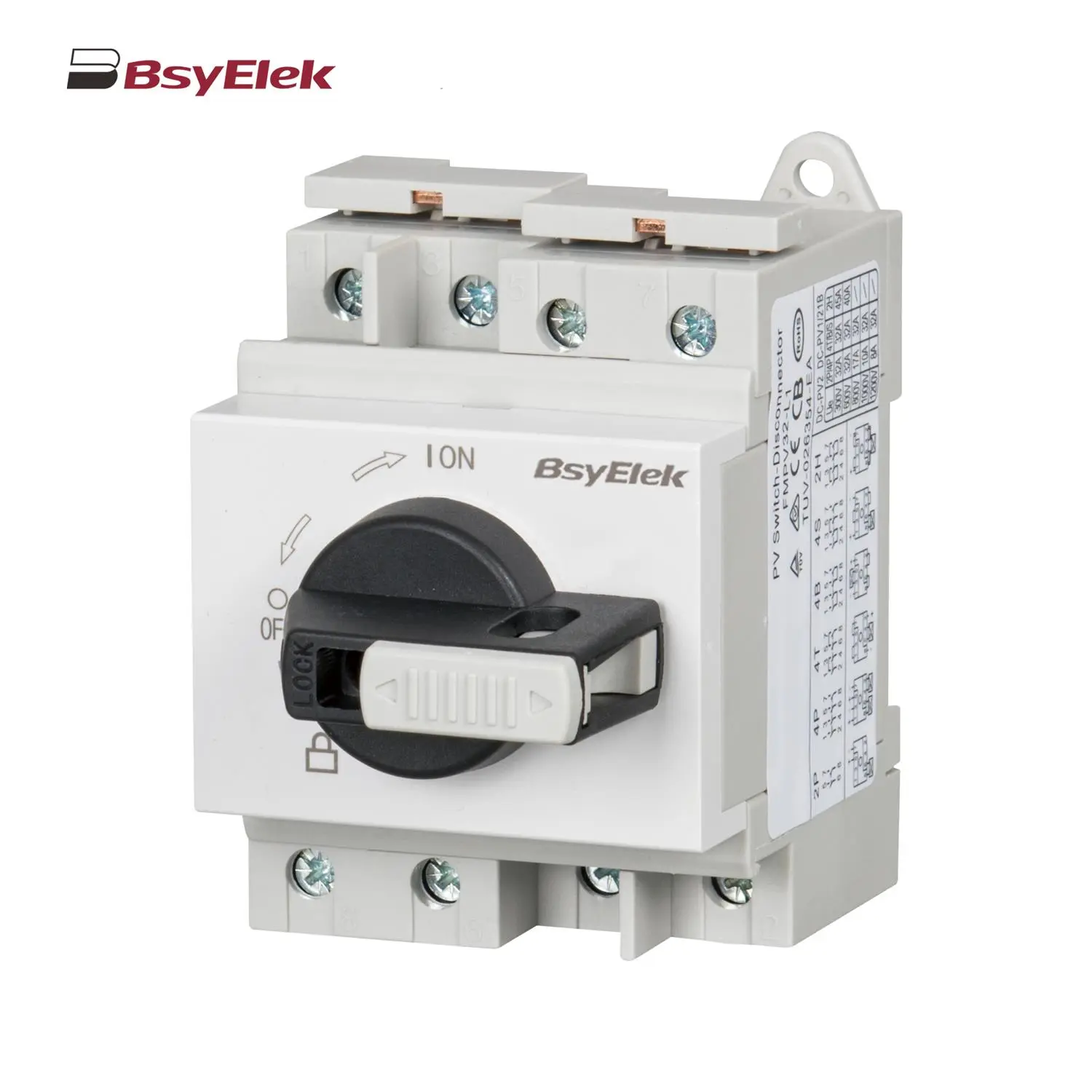
BY06H-125 MCB 10-15KA Miniature Circuit Breaker
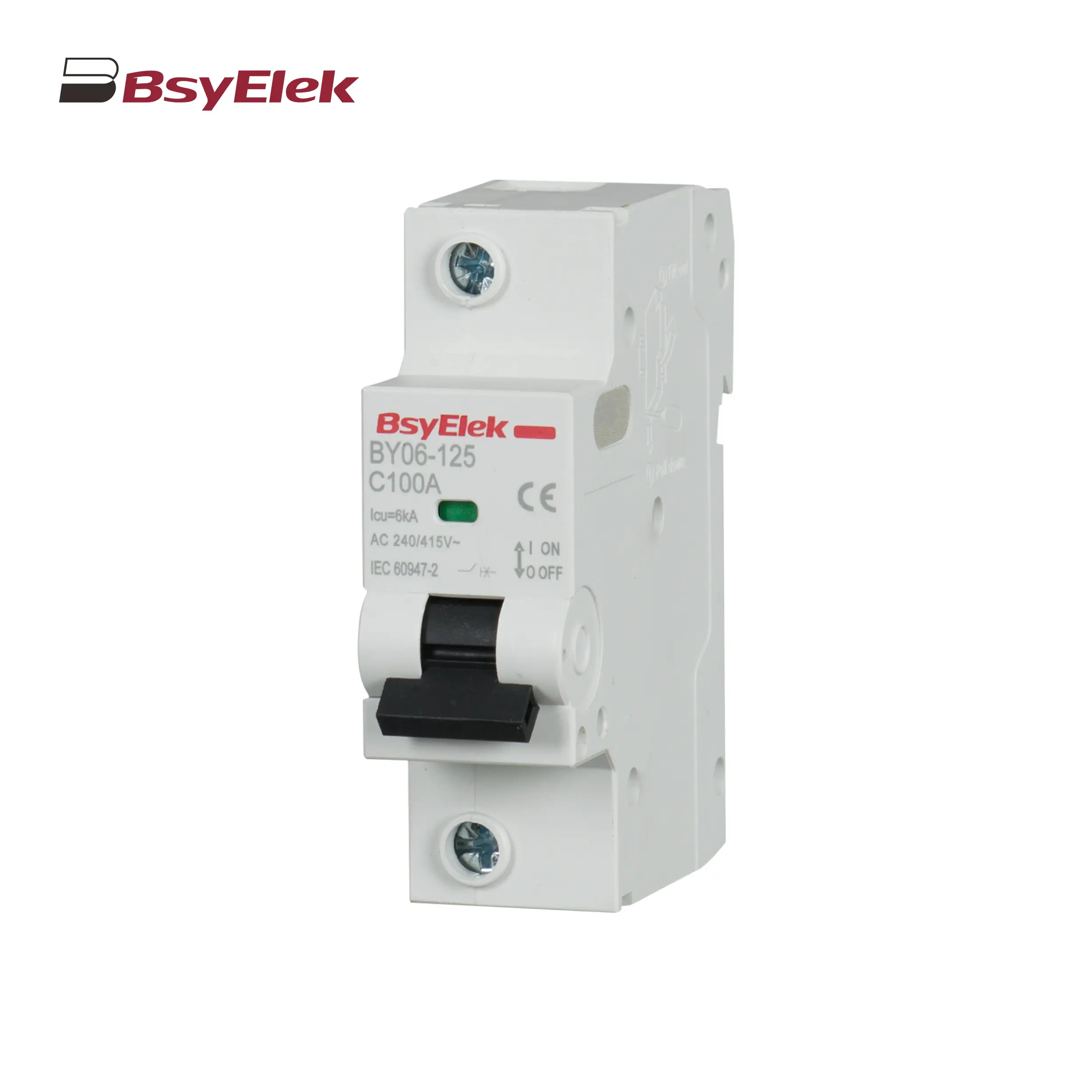
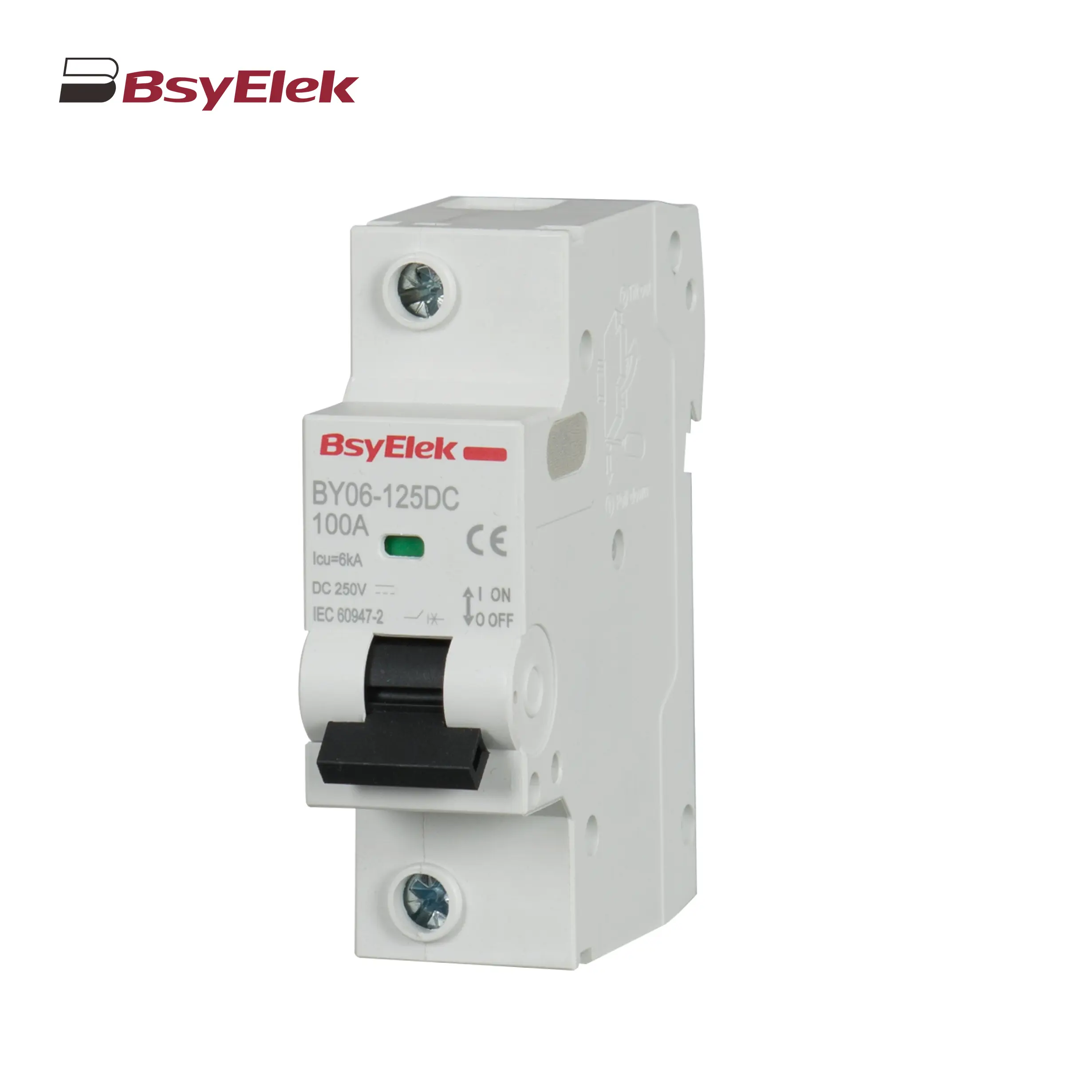
BY06-125 MCB 6KA Miniature Circuit Breaker
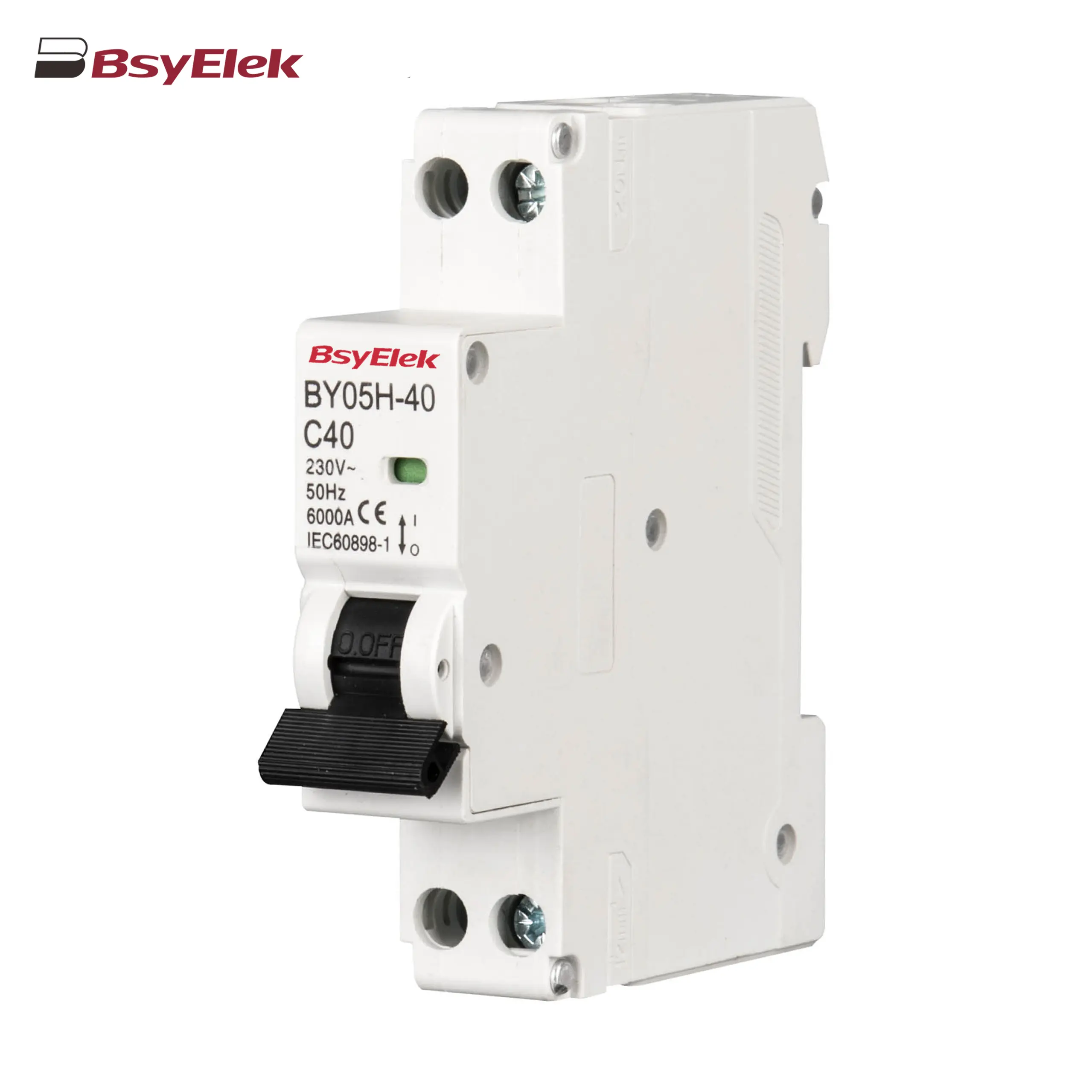
BY05H-40 MCB Single Modular 6KA Miniature Circuit Breaker
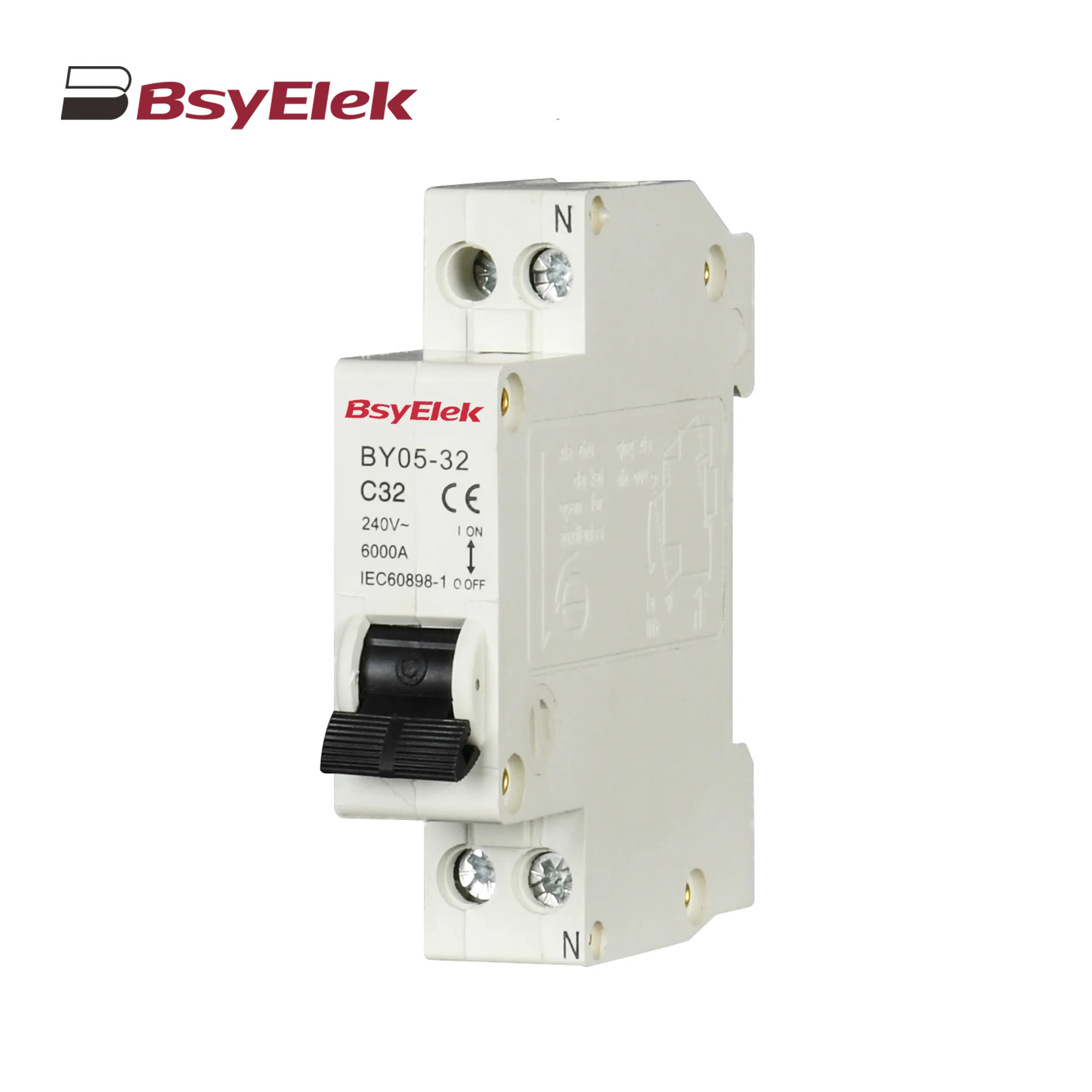
BY05-32 MCB Single Modular 3KA Miniature Circuit Breaker
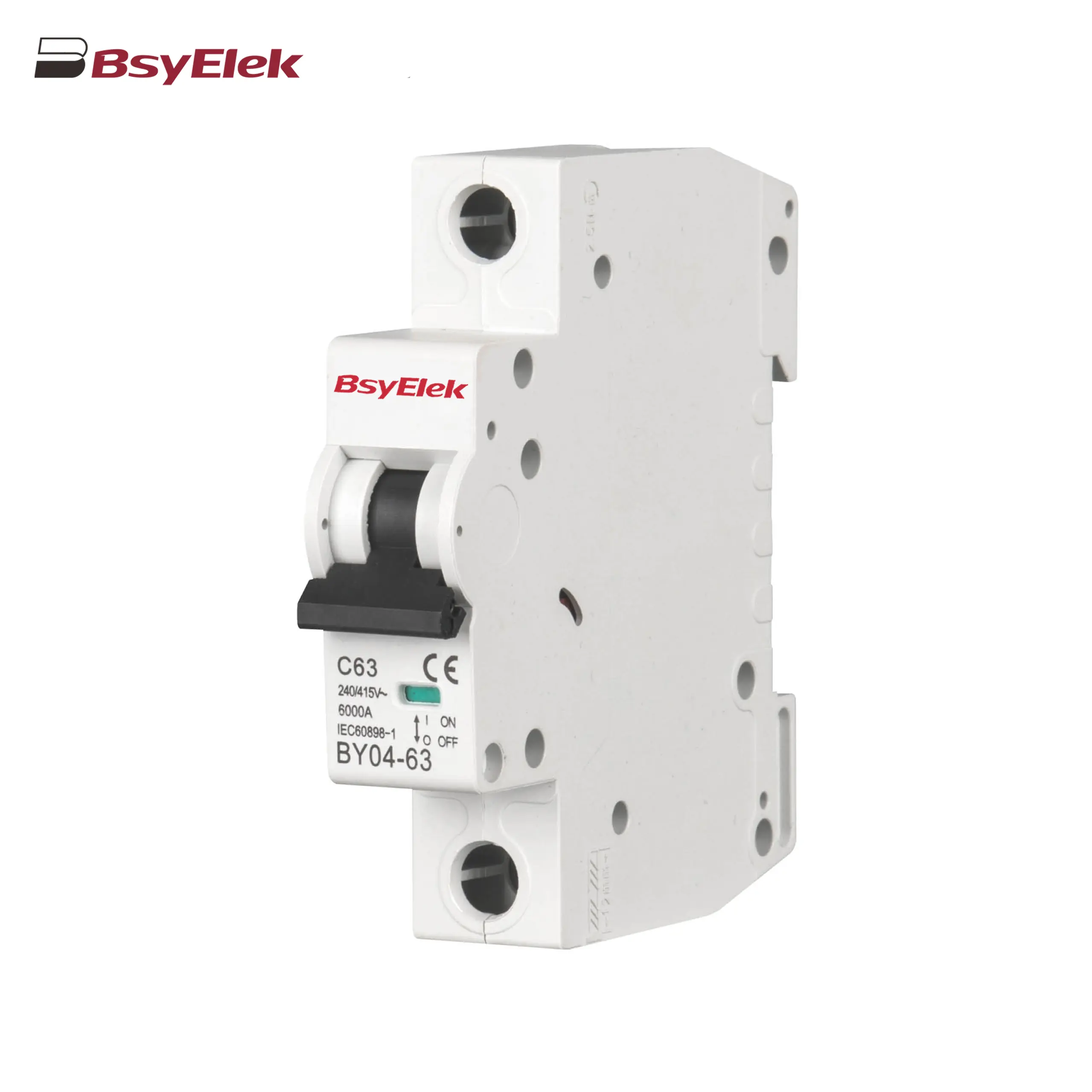
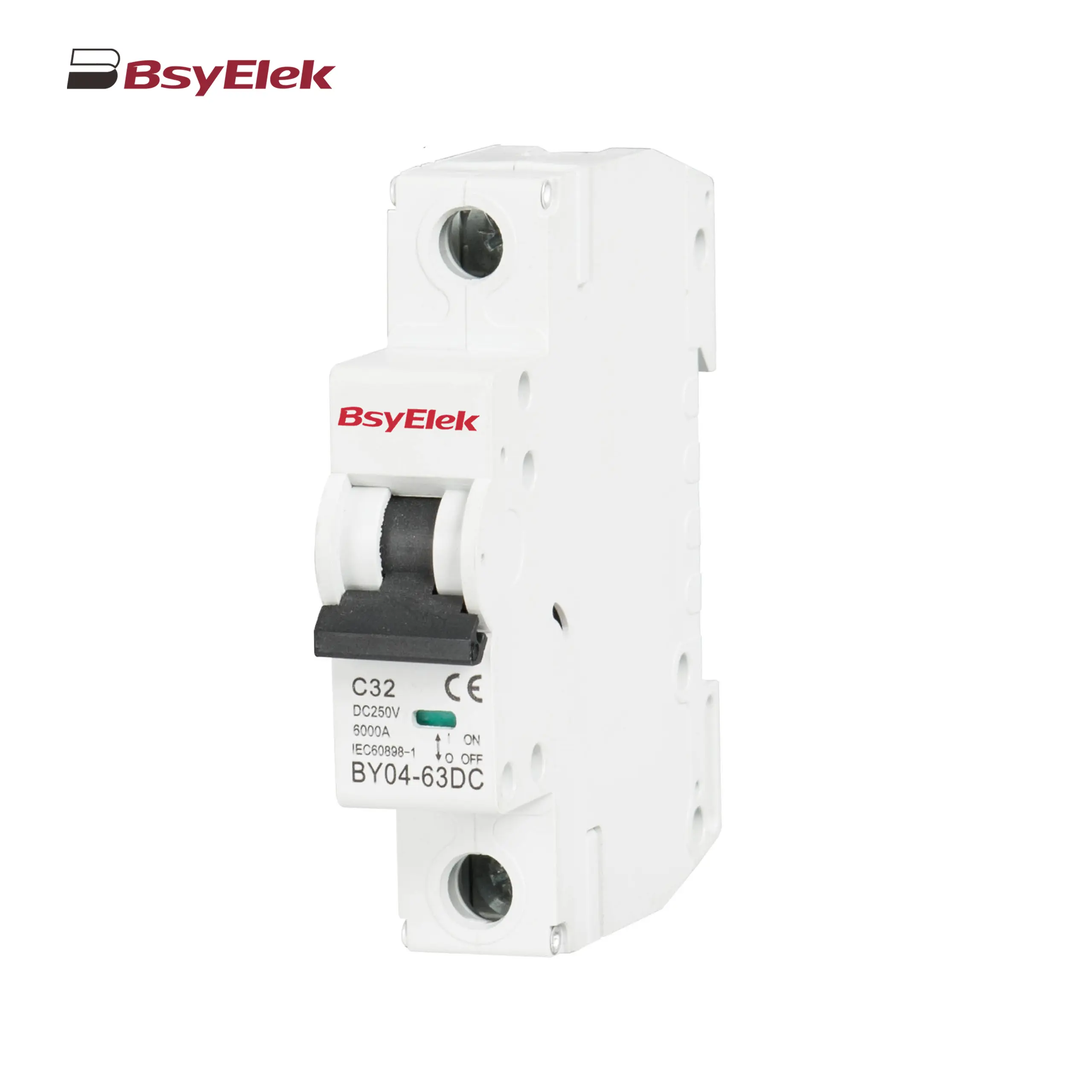
BY04-63 MCB 6-10KA Miniature Circuit Breaker
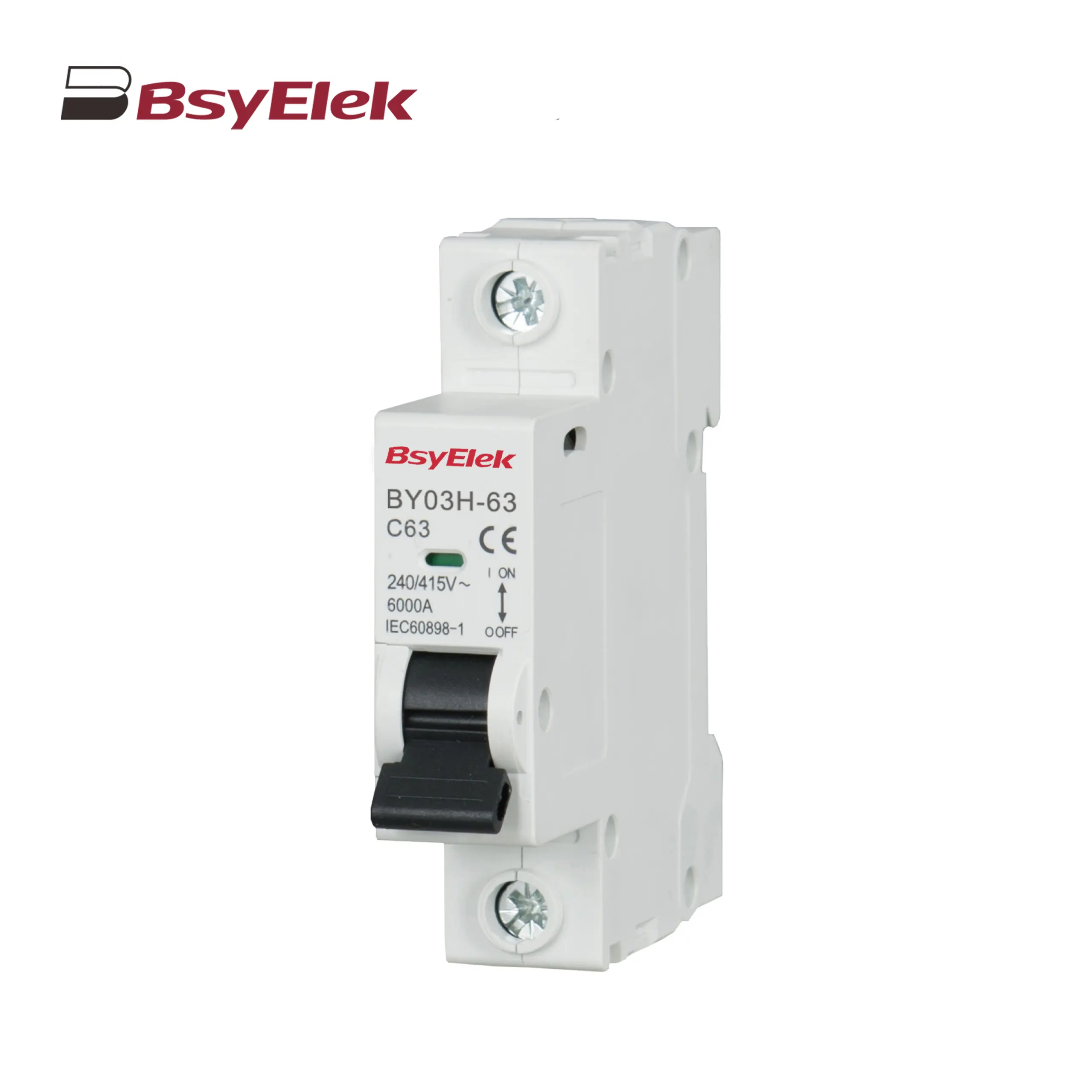
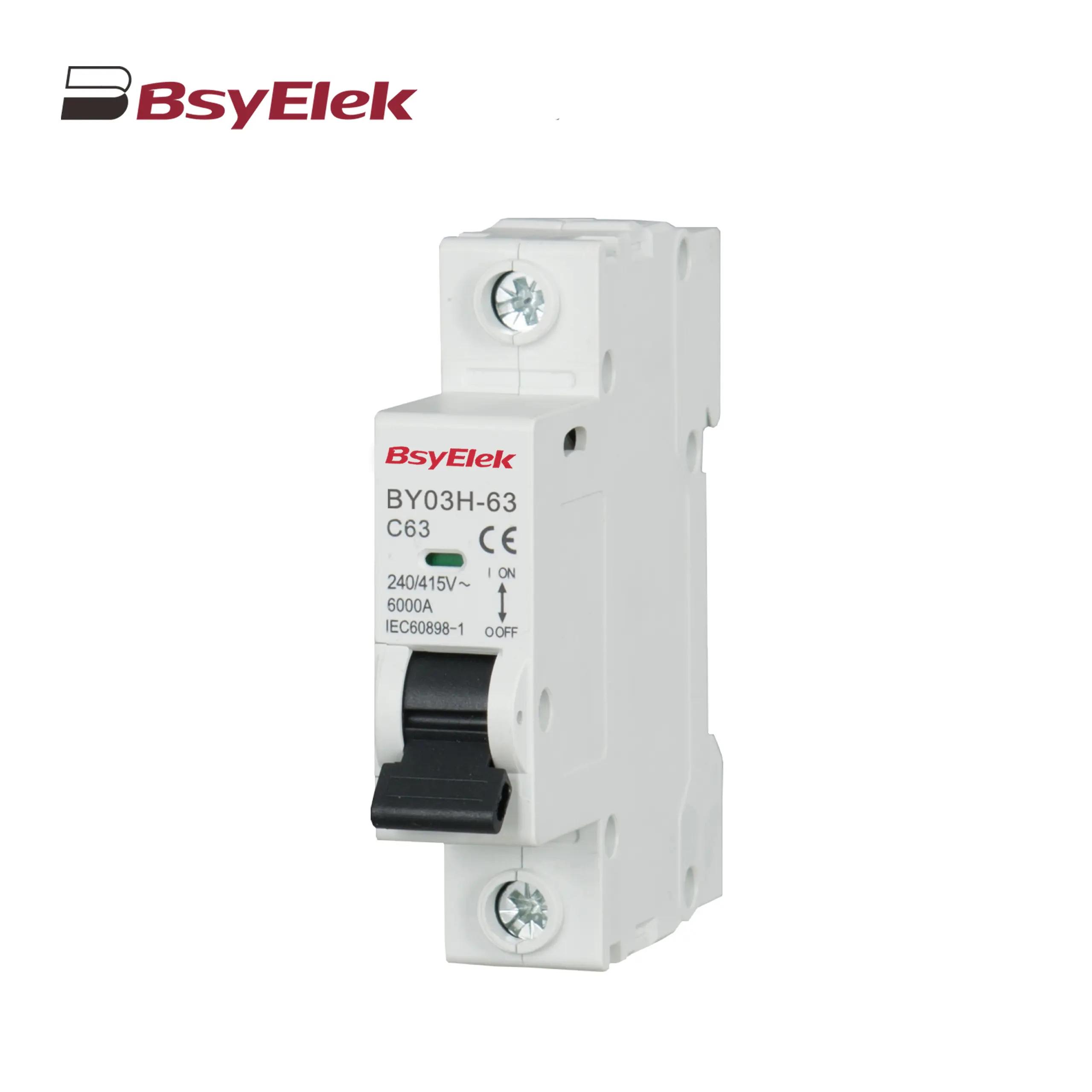
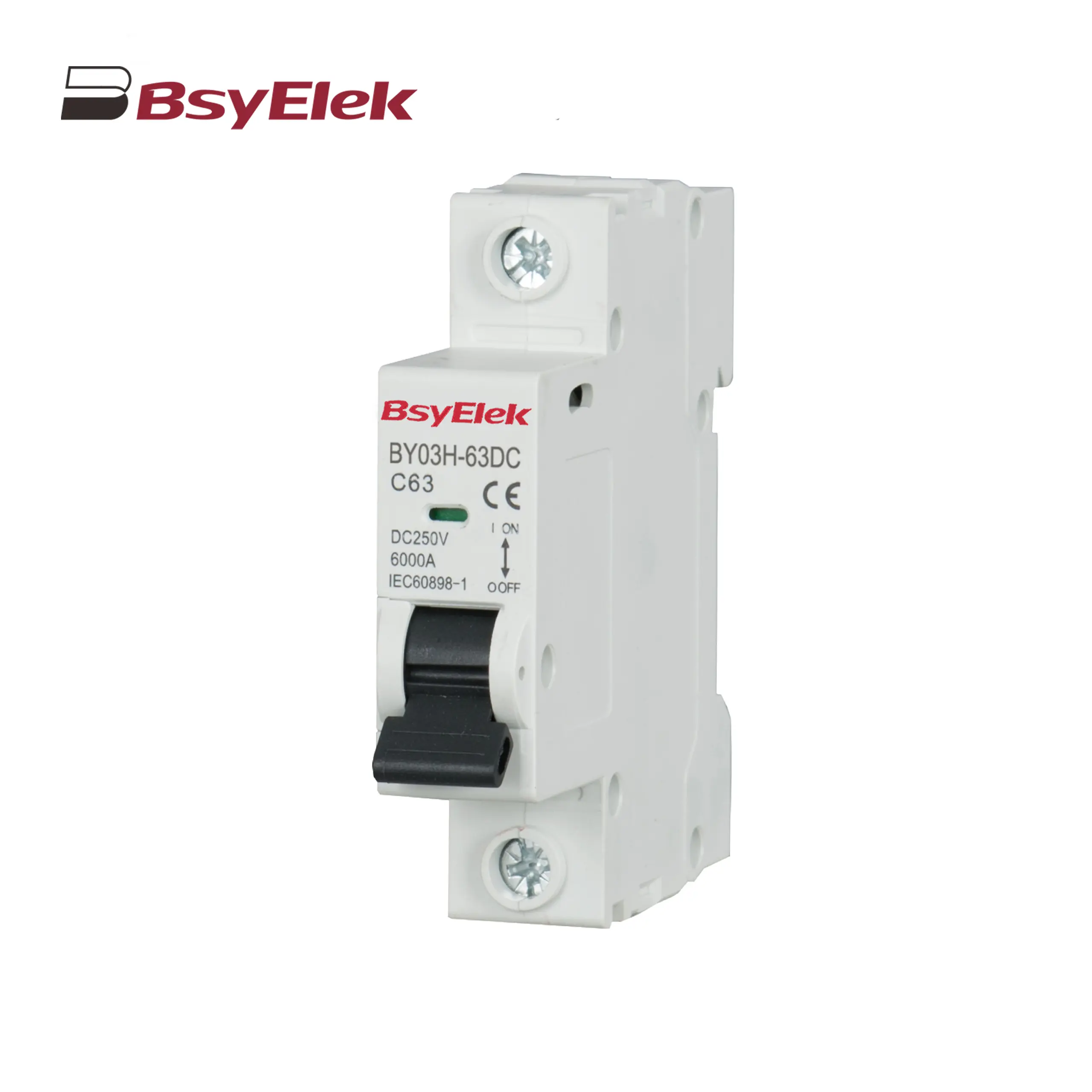
BY03H-63 MCB 6KA Miniature Circuit Breaker
BY03-63 MCB 4.5KA Miniature Circuit Breaker
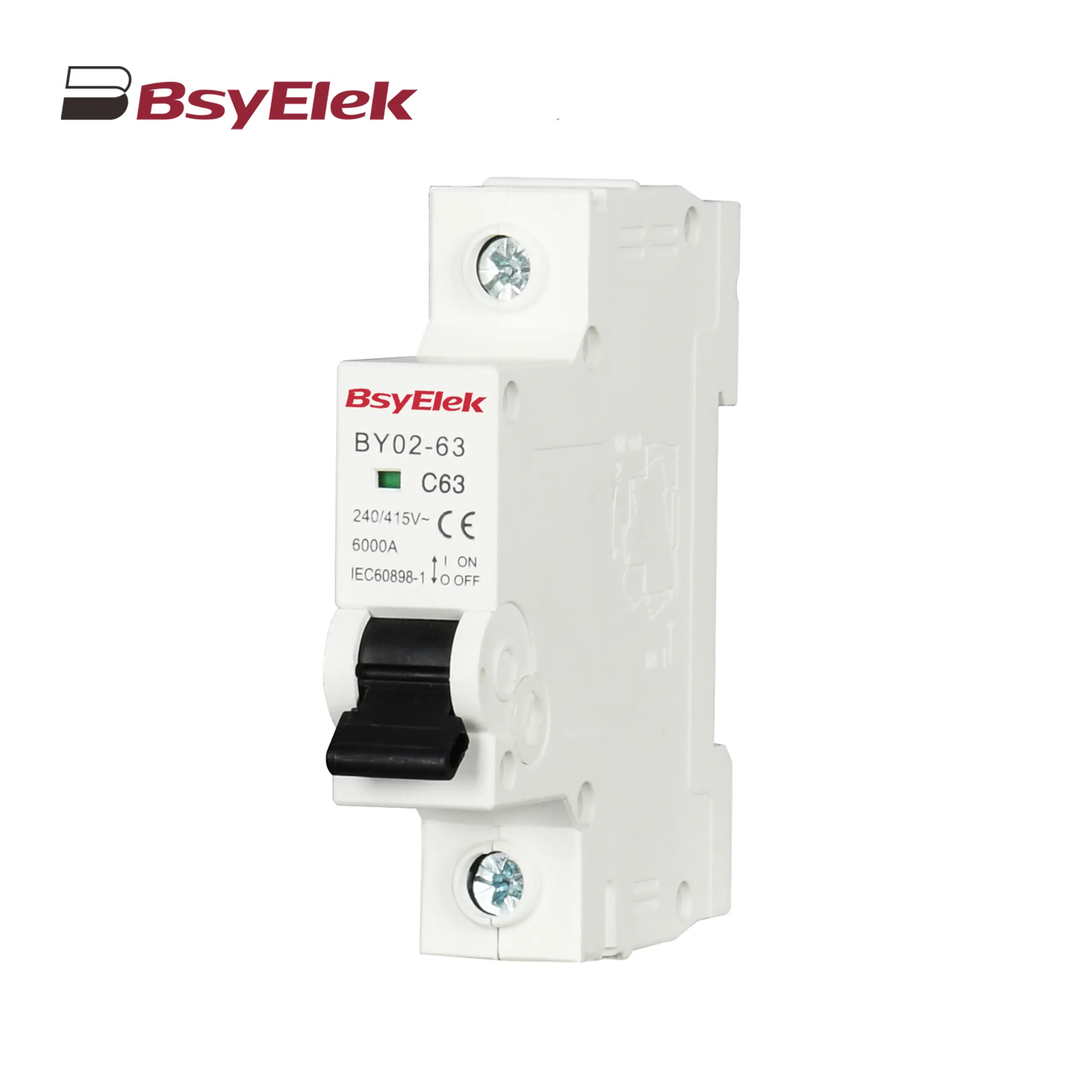
BY02-63 MCB 3kA Miniature Circuit Breaker
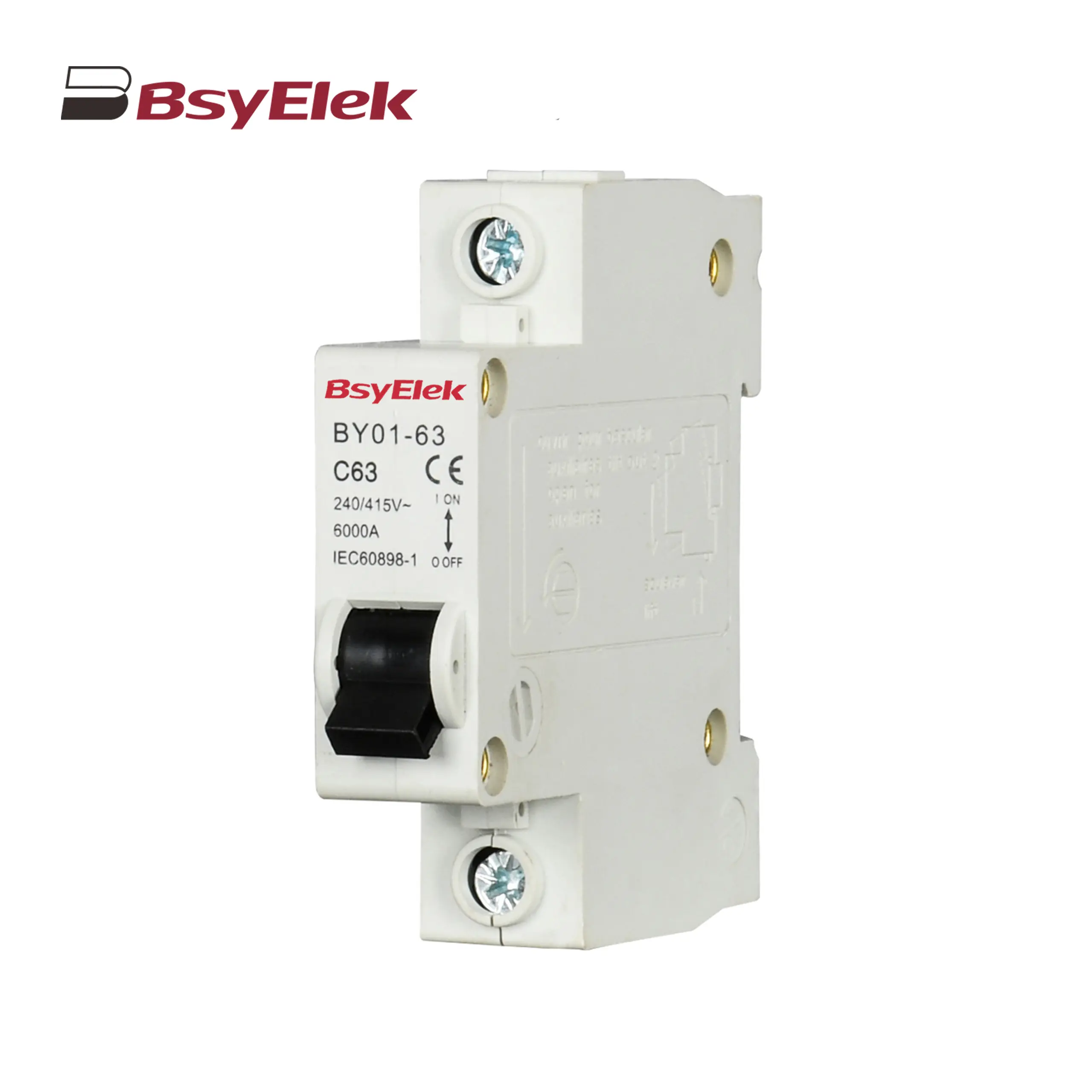
BY01-63 MCB 3kA Miniature Circuit Breaker
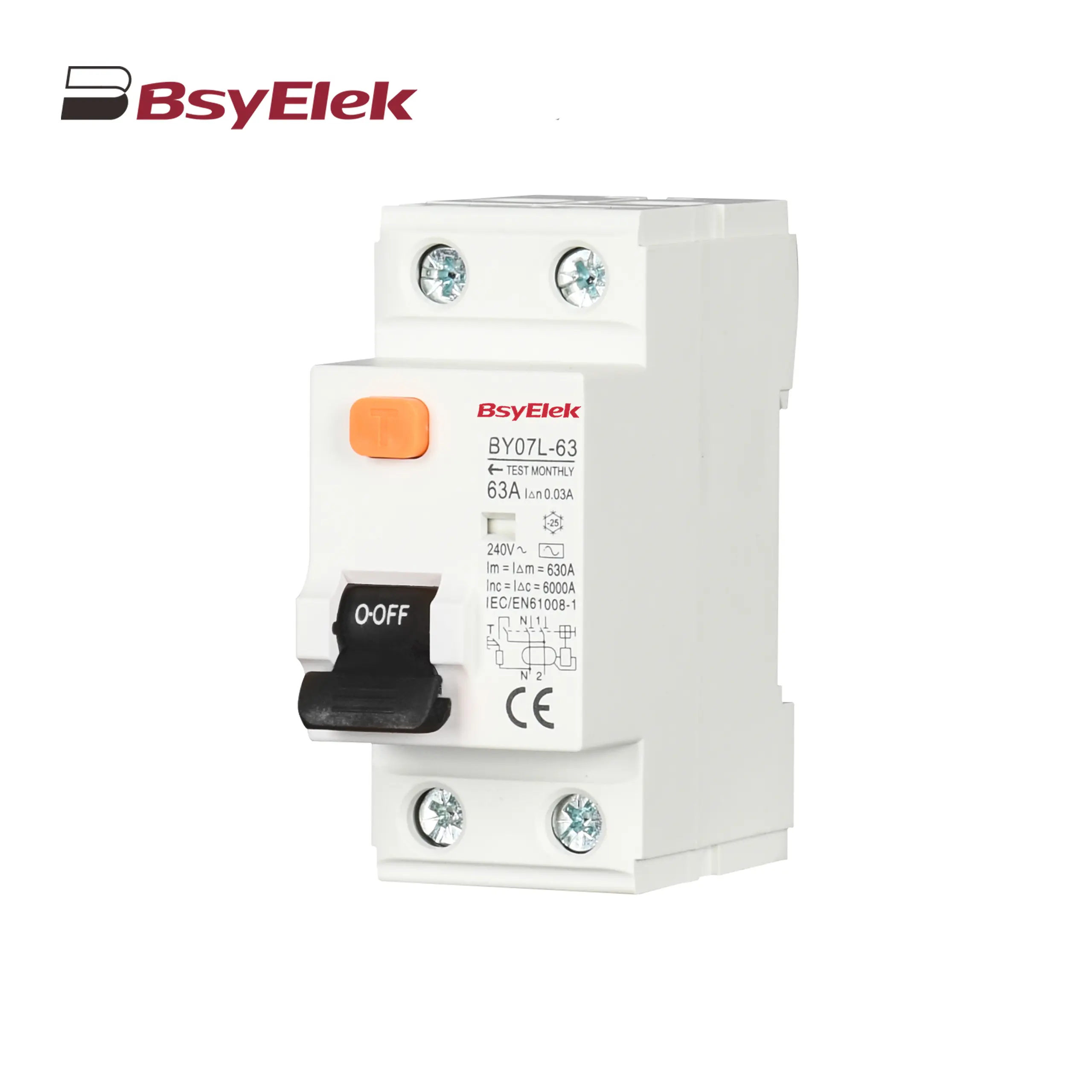
BY07L-63 RCCB 6KA Residual Current Circuit Breaker
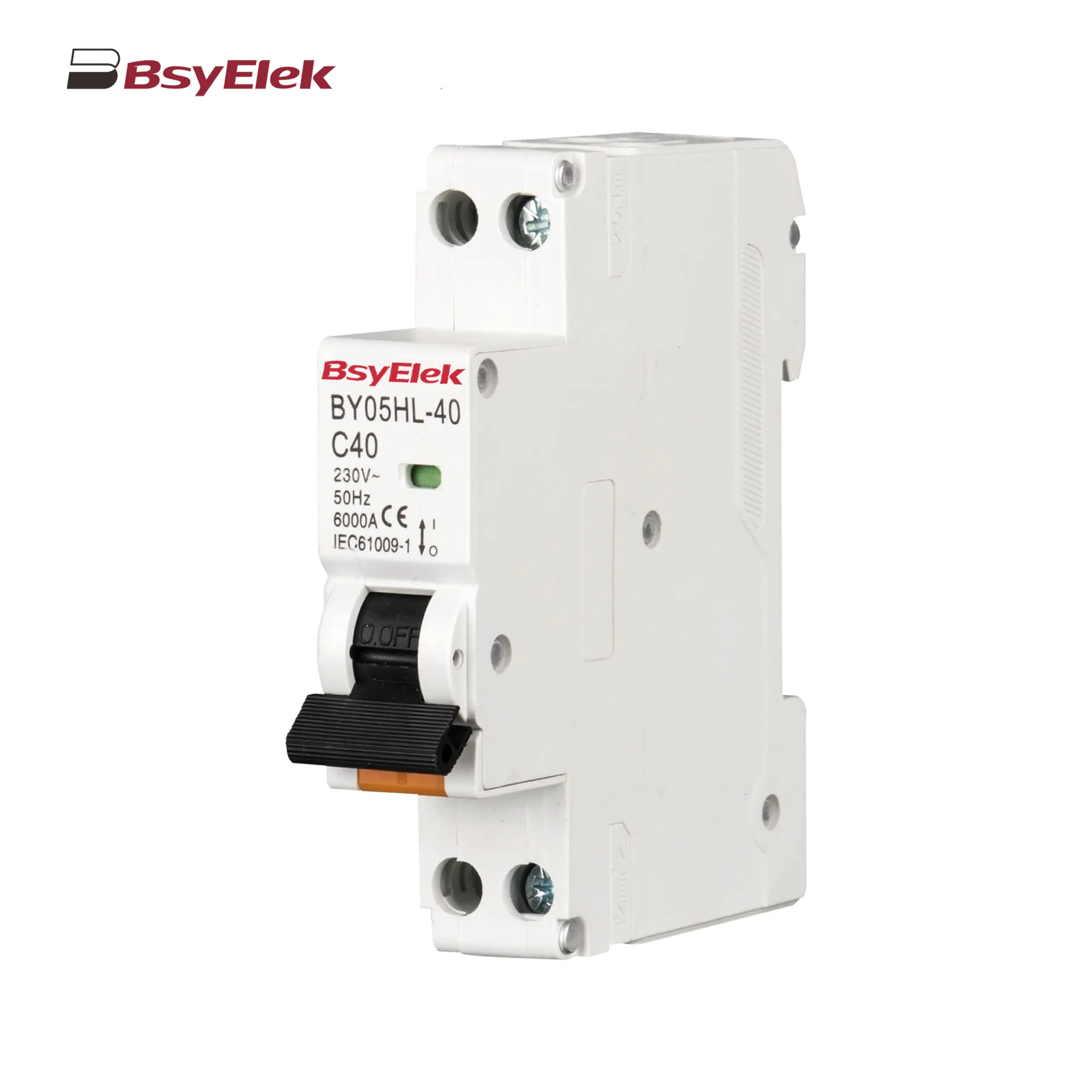
BY05HL-40 RCBO 6KA Residual Current Circuit Breaker with Over-current Protection
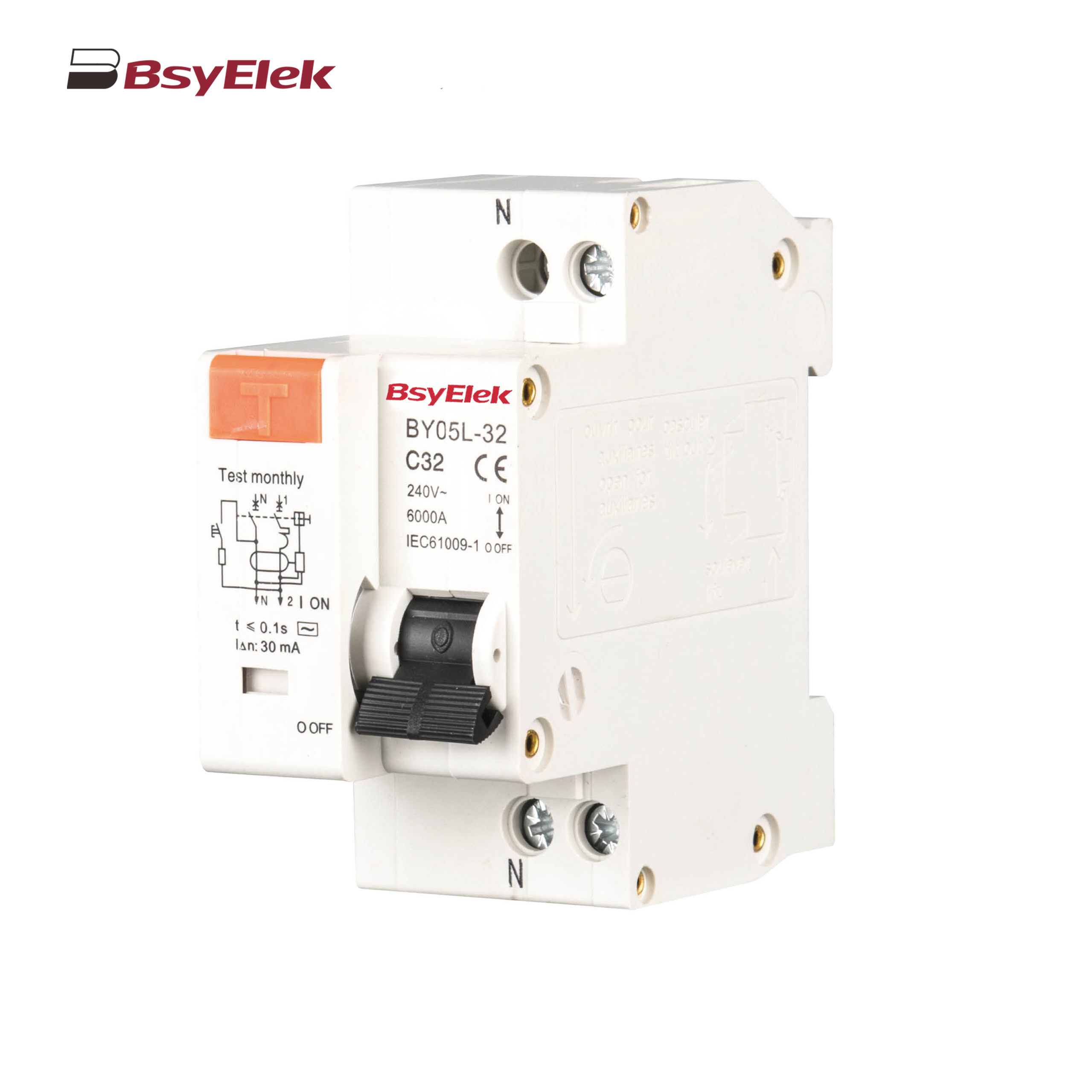
BY05L-32 RCBO 3KA Residual Current Circuit Breaker with Over-current Protection
BY04L-63 RCBO 6KA Residual Current Circuit Breaker with Over-current Protection
BY03L-63 RCBO 4.5KA Residual Current Circuit Breaker with Over-current Protection
BY02L-63 RCBO 3KA Residual Current Circuit Breaker with Over-current Protection
BY01L-63 RCBO 1P+N 3KA Residual Current Circuit Breaker with Over-current Protection
BY06H-125DC MCB 10-15kA DC Miniature Circuit Breaker
BY06-125DC MCB 6kA DC Miniature Circuit Breaker
BY04-63DC MCB 6-10kA DC Miniature Circuit Breaker
BY03H-63DC MCB 6kA DC Miniature Circuit Breaker
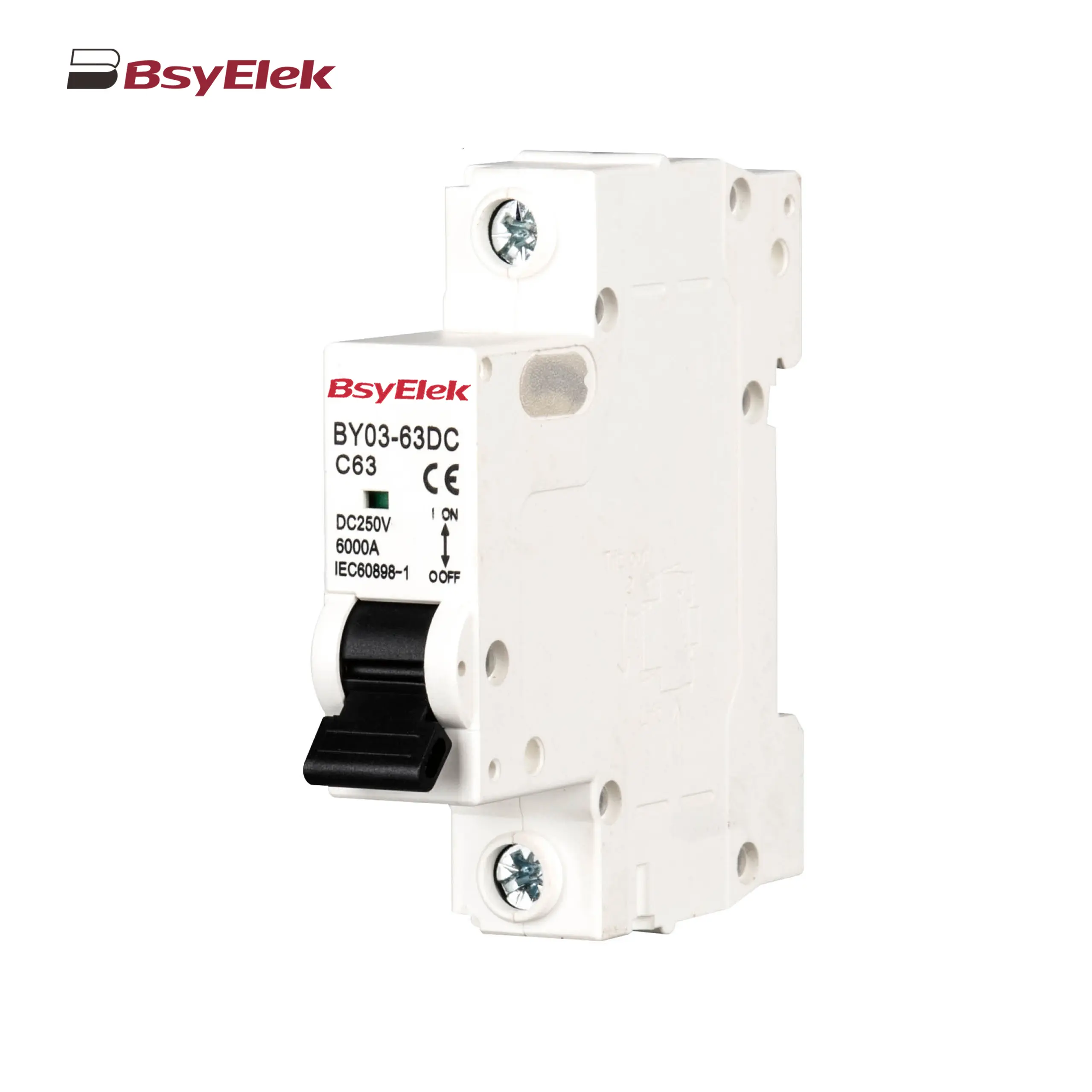
BY03-63DC MCB 4.5kA DC Miniature Circuit Breaker
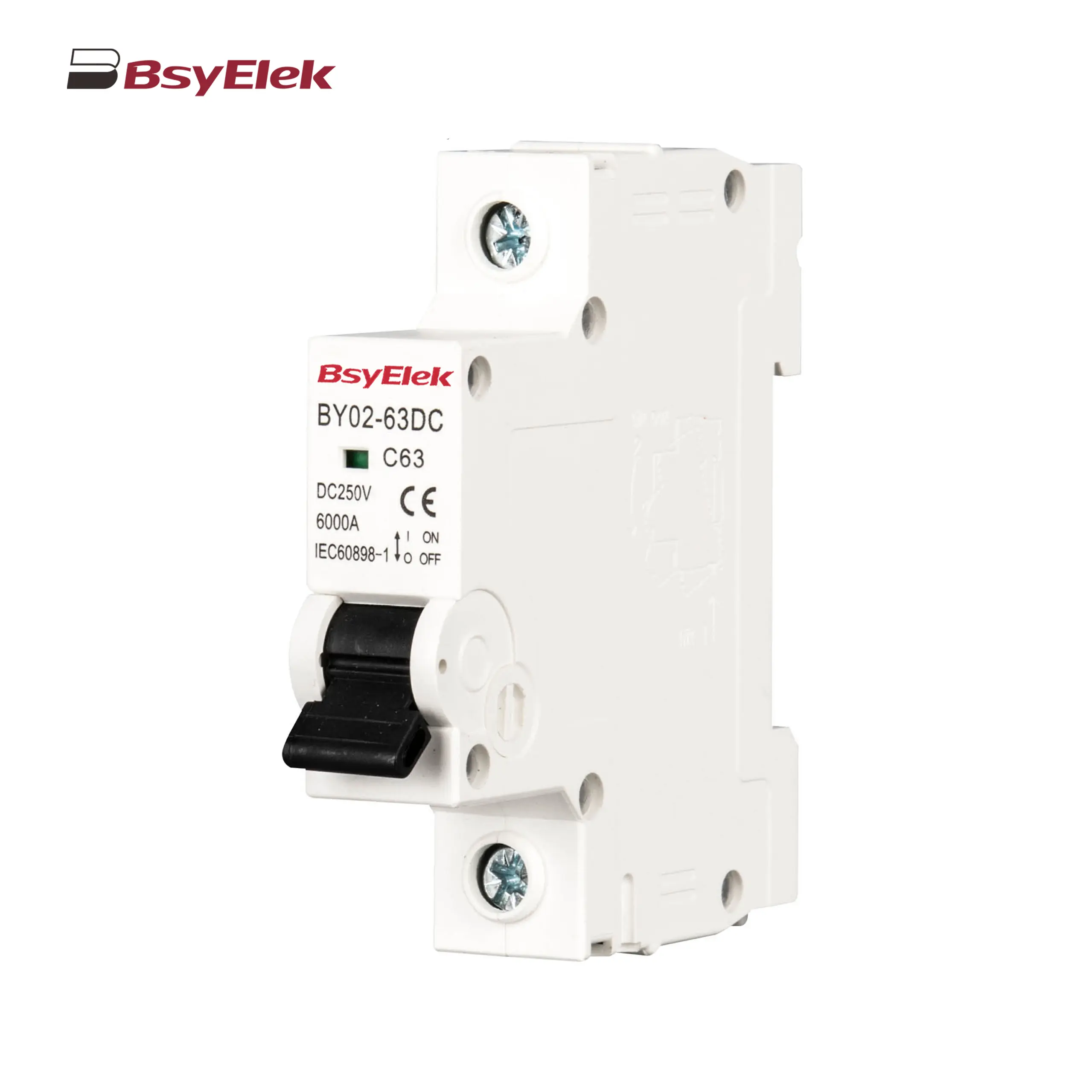
BY02-63DC MCB 3kA DC Miniature Circuit Breaker
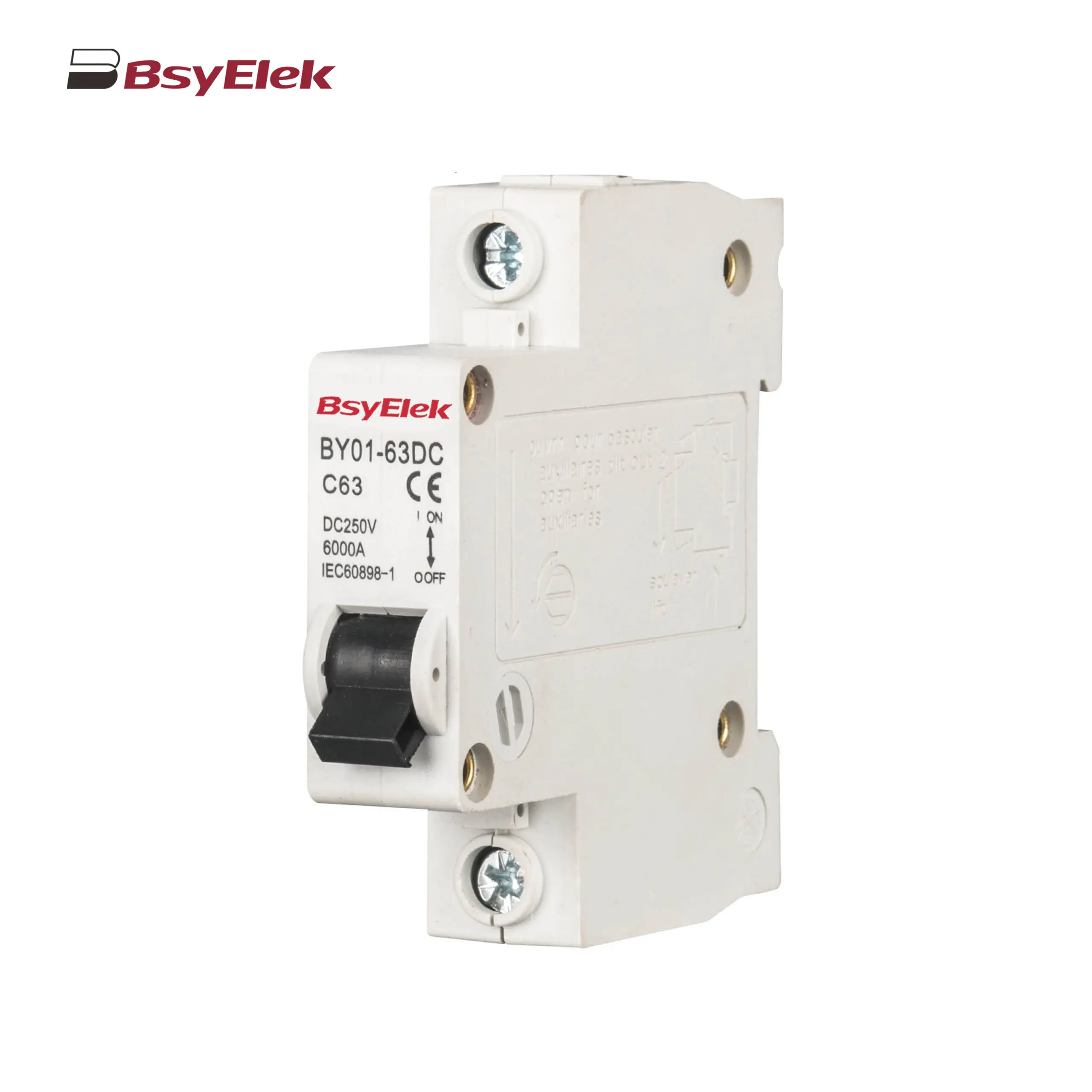
BY01-63DC MCB 3kA DC Miniature Circuit Breaker
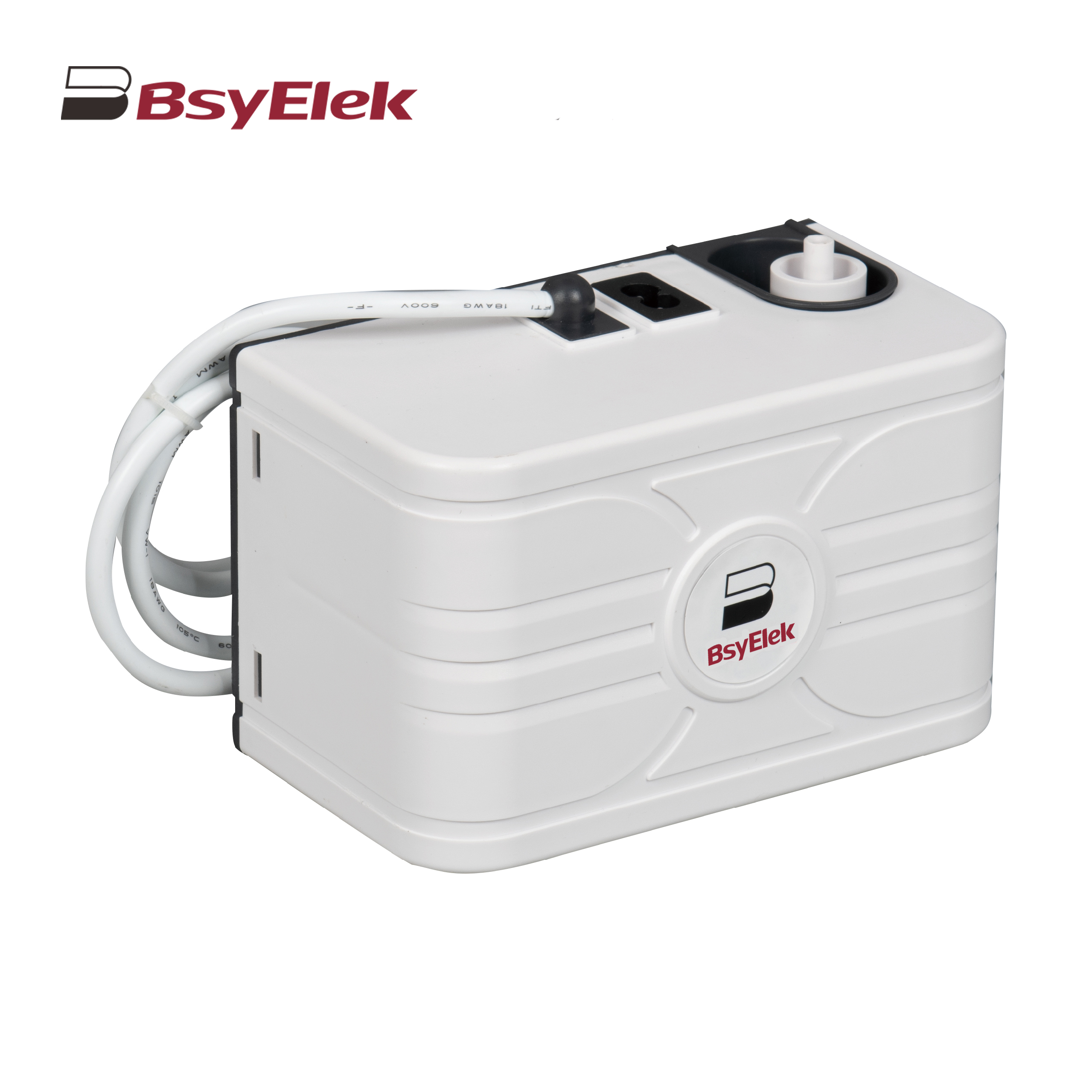
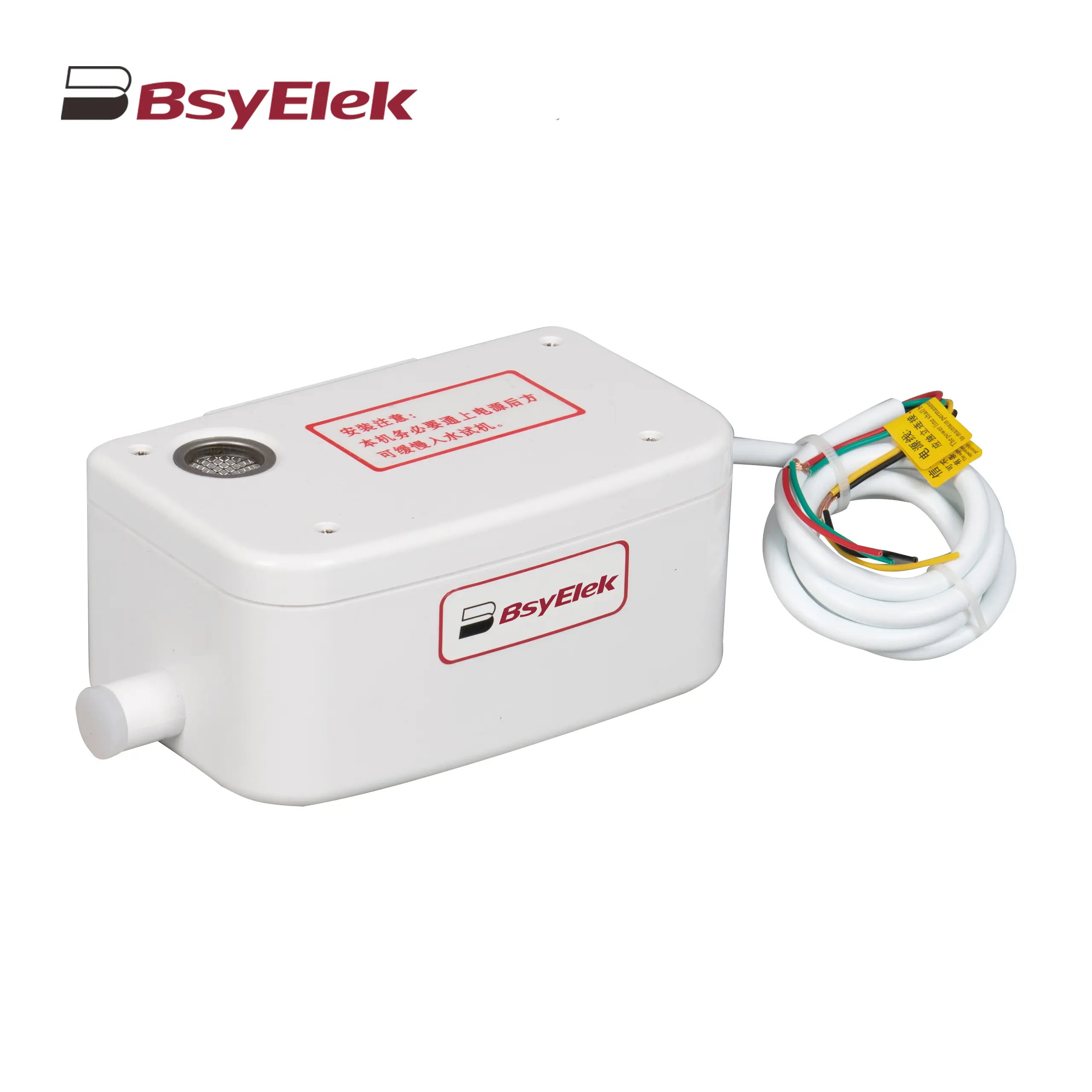
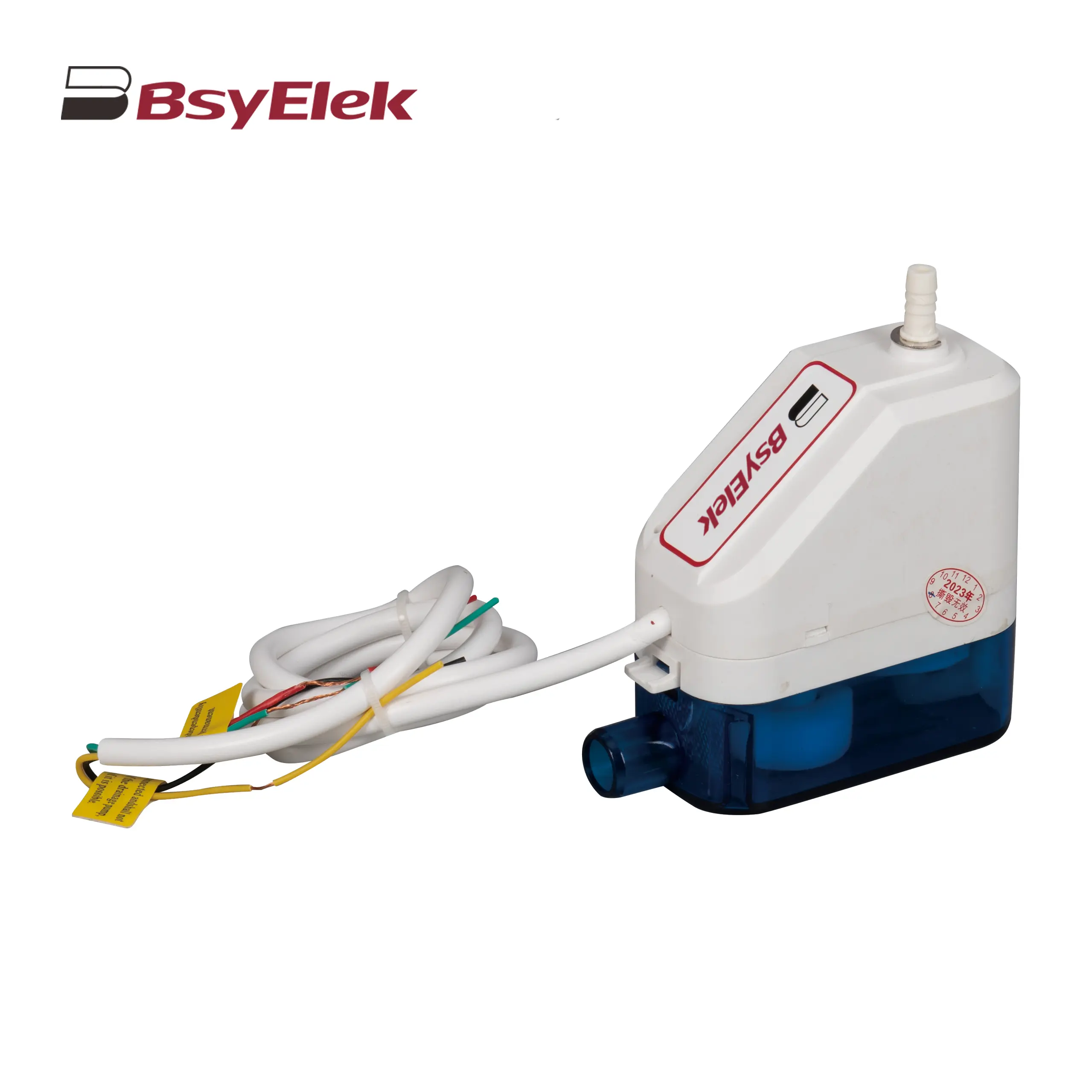
BY-5018 1.8M Engineering Drainage Pump
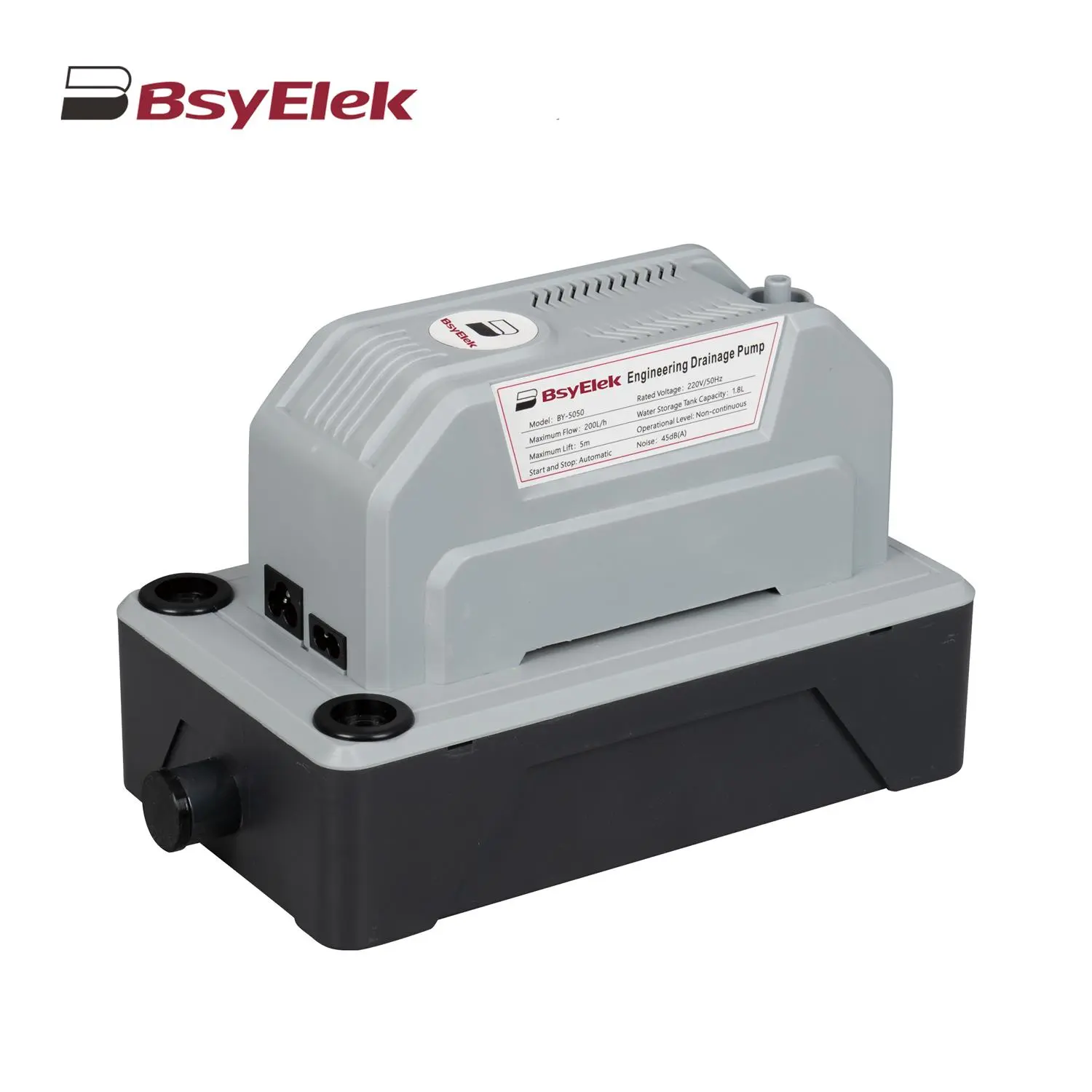
BY-5050 5M Engineering Drainage Pump
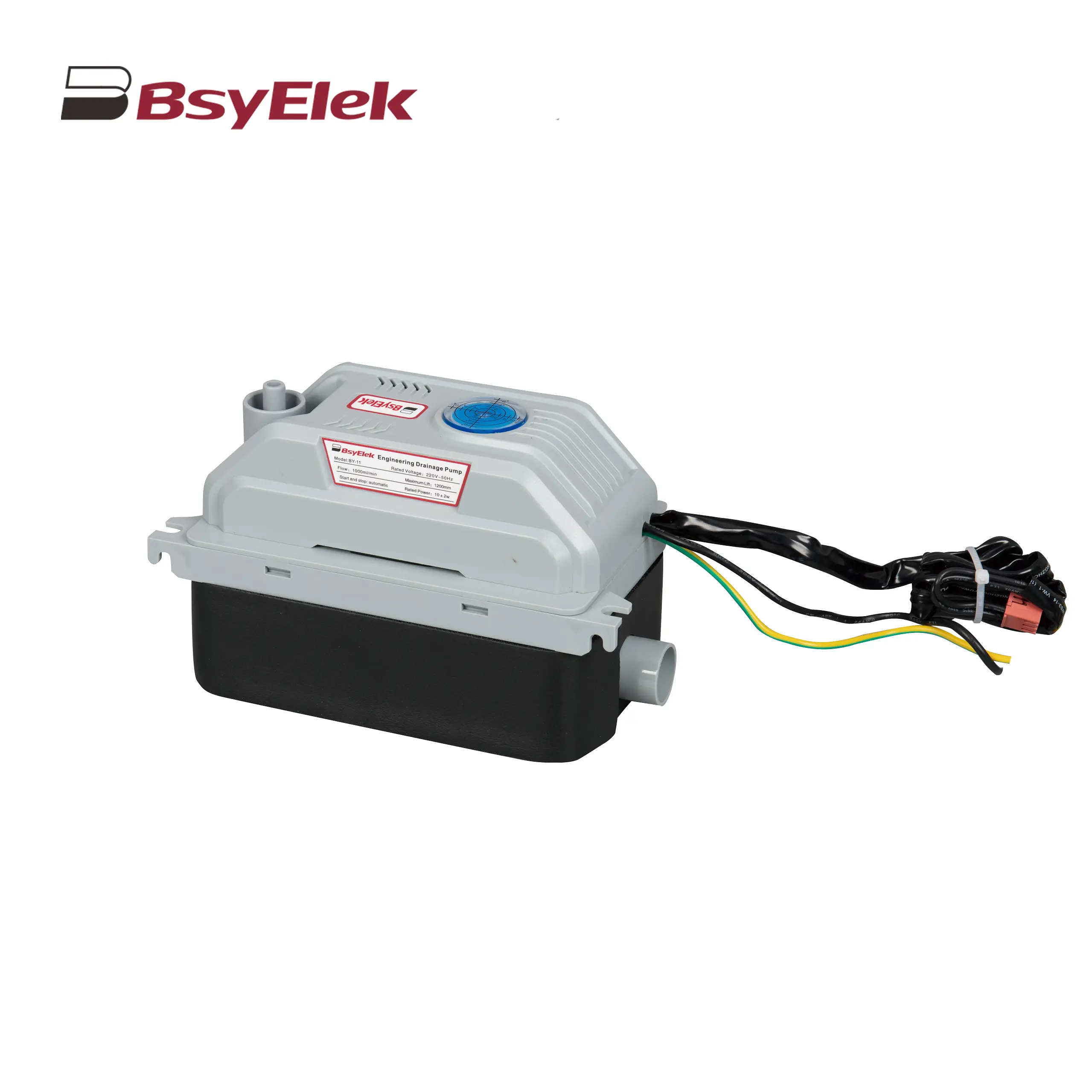
BY-11 1.2M Engineering Drainage Pump
SBH-05 0.7M Original Drainage Pump of Duct Type Air Conditioner
BY-24A/40A 10M Drainage Pump of Air Conditioner
BY-50A 12M Drainage Pump of Air Conditioner
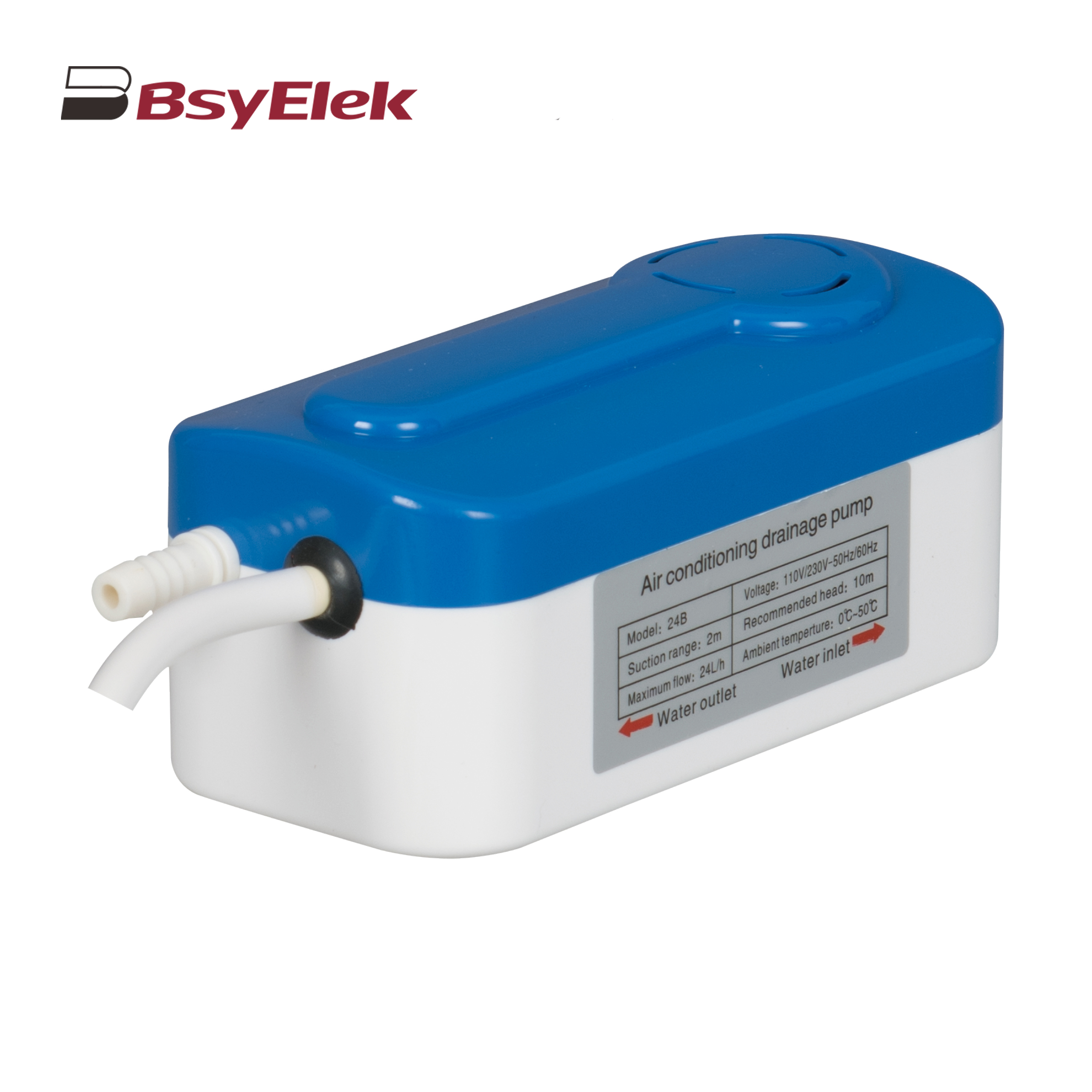
BY-24B/40B 10M Split Type Drainage Pump
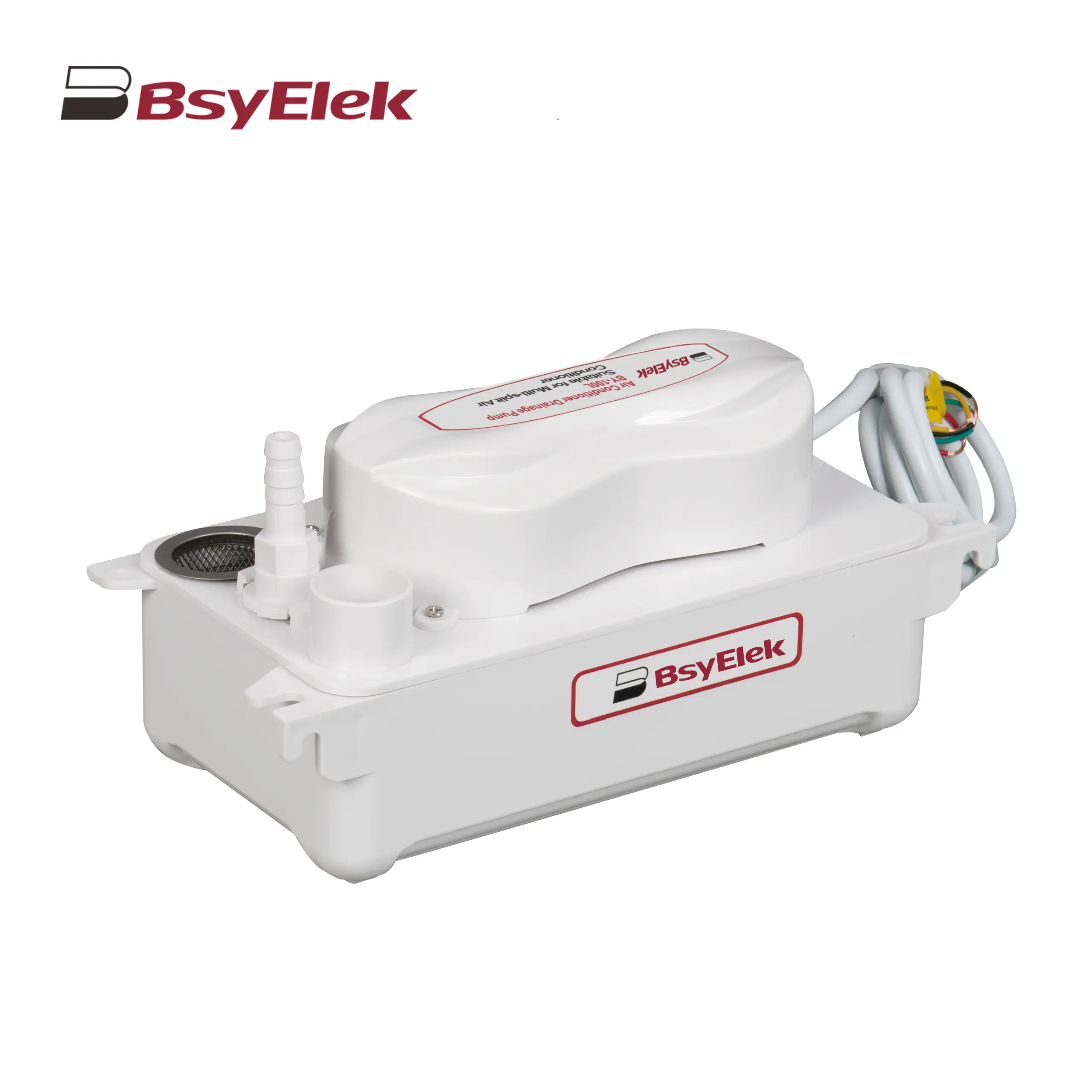
BY-100L 2M Drainage Pump of Air Conditioner
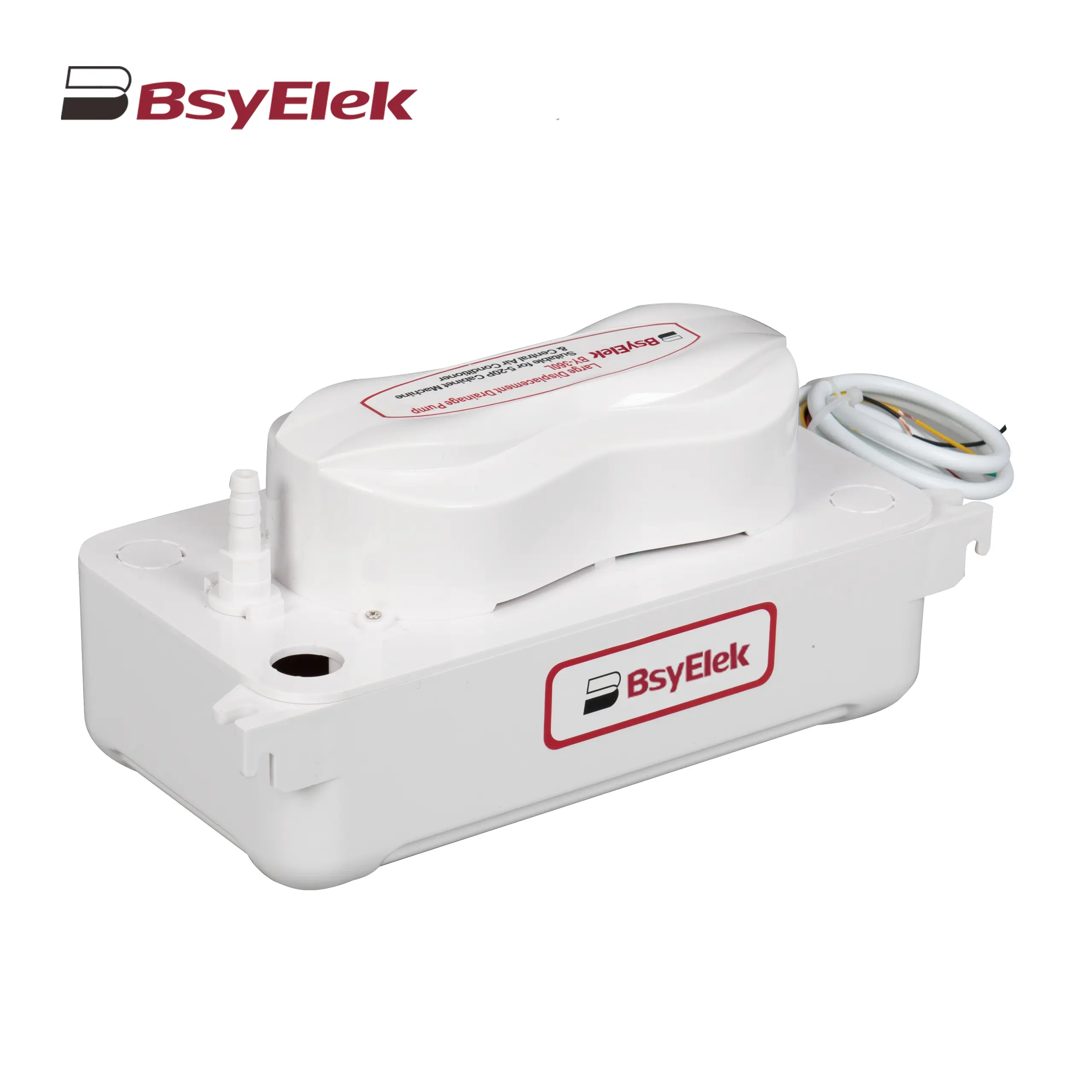
BY-360L 6M Large Displacement Drainage Pump
BY-24C/40C 10M Corner Drainage Pump
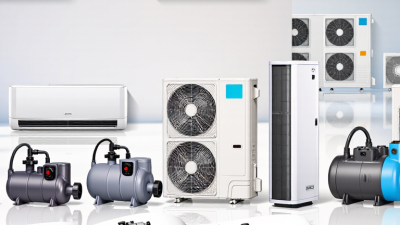
Choosing among the Top Air Conditioner Pump Manufacturers in China requires more than comparing catalog prices. A pump may look similar on a product sheet, yet differ in flow stability, noise, materials, and service support. Small details matter: a clean housing, secure electrical connections, and consistent performance during repeated operating cycles. This guide examines the factors buyers can verify before requesting samples or quotations.
HVAC researcher and ASHRAE Fellow Dr. William Bahnfleth brings a systems-level perspective to equipment evaluation. The following is an editorial paraphrase, not a verified verbatim quotation: “Judge a pump by how reliably it serves the entire HVAC system, not by its label alone.” That principle is useful here. A pump’s stated capacity means little without its operating conditions, installation requirements, and maintenance expectations. Buyers should check technical documentation and ask manufacturers how they validate performance.
The sections ahead outline key pump types, manufacturer capabilities, quality indicators, and questions to ask during supplier screening. They also consider how communication, customization, and after-sales support affect long-term ownership. No supplier should be treated as the best choice for every application. Details can be easy to overlook. Even a promising specification deserves a closer look against the actual system and operating environment.
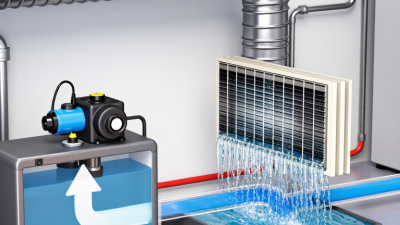
An air conditioner pump usually refers to a condensate pump. It removes water collected as warm, humid air cools across the indoor coil. Gravity drainage is simplest, but it may not work when an indoor unit sits below the drain outlet or far from an exterior wall. The pump lifts condensate through a small tube to a suitable drain point. That matters. Without reliable drainage, water can overflow a tray, stain a ceiling, or damage nearby materials.
A typical unit uses a reservoir, float switch, motor, and discharge line. As water rises, the float activates the motor; when the level drops, pumping stops. For HVAC installers, matching pump capacity and lift height to the installation is essential. A high stated flow rate alone can be misleading, because performance changes with vertical lift, tubing length, and bends. Small details matter. In a tight ceiling void, noise and access for cleaning may matter as much as capacity. Filters, dust, and algae can affect operation, so periodic inspection helps prevent blockages. Buyers comparing Chinese manufacturers can review rated lift, noise data, materials, and test procedures. A polished specification sheet cannot show every real installation condition, so verify the pump against the actual layout.
When evaluating Chinese air conditioner pump manufacturers, start with the operating conditions, not the catalogue headline. Confirm the pump’s flow rate and lift at your actual pipe length and height. Ask for performance curves at different voltages and temperatures. A pump that looks adequate on paper may struggle with a long, narrow drain line.
Quality evidence matters. Request endurance-test records, inspection procedures, and traceable component specifications. Check how the manufacturer controls motor winding, sealing, and float-switch assembly. These details affect leakage, cycling, and service life. Listen to a running sample in a quiet room. Noise is easy to overlook during purchasing. It is harder to ignore in a bedroom.
The International Energy Agency’s 2018 report, The Future of Cooling, projected global air-conditioner stock could rise from 1.6 billion units to 5.6 billion by 2050, with cooling electricity demand potentially tripling. That growth makes consistent production and reliable testing important selection criteria. Compare sample results with production-batch records, and ask how defects are handled. Certifications help, but they do not replace product-specific test data. I would still verify the numbers independently; supplier documents can be incomplete. A small omission can matter.
Suggested weighting for a structured supplier evaluation. These percentages are a practical assessment framework, not market-survey results; adjust them to fit your project requirements.
Prioritize reliability and verified performance, then assess quality controls, engineering support, production capability, regulatory compliance, and after-sales service. Request test records and supporting documentation when comparing suppliers.
China’s leading air-conditioner pump manufacturers are best assessed by what their products can reliably do, not by factory size alone. The International Energy Agency’s Future of Cooling report estimated that China held about 570 million air conditioners in 2016, roughly 35% of the global stock. It projects global ownership to reach 5.6 billion units by 2050. That scale makes dependable condensate drainage and efficient pump operation increasingly important.
For buyers, check rated flow at the required lift, noise, power use, and performance after repeated start-stop cycles. Ask for test records covering leakage, blocked outlets, and long operating periods. Small details matter. A pump that works well on a clean bench may behave differently when dust, vibration, and warm cabinet air are present. The IEA report describes cooling demand, not a ranking of pump suppliers, so it should not be treated as proof that any manufacturer is “leading.”
A capable Chinese supplier should provide clear specifications, traceable quality checks, and samples that match production units. Confirm whether stated flow rates apply at the actual installation height; free-flow figures can mislead. I would also compare service response and spare-part availability, not just price. This part is easy to overlook. Even well-documented products can need further validation in a real installation.
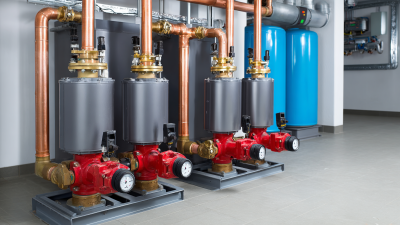
China’s pump suppliers serve several distinct HVAC needs. Their ranges may include compact condensate pumps, tank-style units, and water-circulation pumps. Compare flow rate, lift height, noise, and duty cycle under the same test conditions. Small differences matter. A pump lifting water through a narrow tube behaves differently from one draining a nearby tray.
The International Energy Agency’s Future of Cooling report projects global air-conditioner stock will grow from 1.6 billion units in 2018 to 5.6 billion by 2050. That scale makes efficiency, durability, and serviceability worth checking—not just unit price. Ask manufacturers for measured flow and lift curves, leak-test procedures, and endurance-test records. A polished catalogue alone proves little. Factory visits or third-party inspections can help verify assembly lines, motor winding, and final testing.
Certifications need careful reading. ISO 9001 concerns quality-management systems; it does not certify every pump’s performance. Check whether certificates are current and cover the actual factory and product. For relevant markets, request applicable electrical-safety and material-compliance documents, with model numbers matching the quotation. This comparison is not perfect: suppliers may test under different conditions. Requesting the test setup in writing can make the figures more useful.
Selecting a Chinese air-conditioner pump manufacturer starts with operating conditions, not a catalogue headline. Record required flow, vertical lift, duty cycle, ambient temperature, supply voltage, and acceptable noise at the installation point. These details distinguish a ceiling-cassette drain pump from one serving a long condensate route. The IEA’s The Future of Cooling (2018) estimated 1.6 billion air conditioners worldwide, potentially rising to 5.6 billion by 2050. That growth makes application fit and repeatable production more useful than a low sample price. Forecasts can mislead.
Ask suppliers for pump curves at stated voltage, lift, and water temperature; one maximum-flow figure can hide trade-offs. Check float-switch response, backflow protection, noise readings, leak testing, and batch traceability under consistent test conditions. UNEP’s Global Cooling Watch 2023 projects installed cooling capacity could more than triple by 2050 under current trends. For each target market, verify applicable electrical and safety documentation, spare-part availability, packaging, and language support before approving tooling. Request pilot samples and inspect actual drain routing, since drawings rarely show cramped service spaces. Factory tests help, but humid job sites can still expose weaknesses.
Application-based manufacturer selection guide. This table compares product requirements and verification points rather than ranking or identifying individual companies.
| Pump Category | Typical Application | Key Data to Specify | How to Assess Product Fit | Manufacturer Evidence to Request |
|---|---|---|---|---|
| Condensate removal pump | Removing condensate from air conditioners, fan-coil units, and other HVAC equipment when gravity drainage is not practical. | Required flow at the actual lift; total vertical lift; horizontal discharge distance; inlet arrangement; liquid temperature; supply voltage and frequency. | Ask for the pump performance curve and confirm that it covers the required operating point. Allow for routing, bends, and installation conditions when checking discharge performance. | Model-specific performance curve, installation instructions, electrical specifications, and test records for flow and lift. |
| Mini split or low-profile condensate pump | Concealed installation near indoor air-conditioning units where space, access, and noise are important. | Unit dimensions; reservoir or sensor arrangement; discharge tubing size; operating noise data and test conditions; power consumption; alarm or shut-off options. | Check that the pump fits the available installation space and can be accessed for cleaning. Compare noise only when the measurement method and conditions are stated. | Dimensioned drawings, mounting details, noise test method, maintenance guidance, and information on float or sensor operation. |
| Built-in or equipment-integrated drain pump | Packaged, cassette, or ducted equipment designed with a pump integrated into the air-conditioning unit. | Required lift and flow; connection interface; control signal; available installation envelope; intended service life and duty conditions. | Confirm compatibility with the equipment control system and drain arrangement. Evaluate the pump as part of the complete unit, not only as a standalone component. | Interface drawings, electrical connection details, control sequence, reliability test plan, and integration or validation records. |
| Condensate lift pump | Moving condensate from a collection point to a higher or more distant drain connection. | Static lift; required flow at that lift; discharge line diameter and length; permitted liquid temperature; start/stop levels. | Do not select by maximum flow or maximum head alone: request the performance curve and check the flow available at the required lift and pipe layout. | Performance data at stated test conditions, recommended pipe layout, operating limits, and evidence of repeatable production testing. |
| Hydronic circulation pump | Circulating water in compatible heating or cooling circuits; this is a different duty from removing condensate. | Design flow and head; fluid type; operating temperature and pressure; connection size; control method; electrical supply. | Match the pump to the system curve and fluid conditions. Verify materials and seals are suitable for the specified fluid and operating temperature. | Hydraulic curve, materials list, operating limits, electrical data, and applicable safety and conformity documentation. |
| Electrical and environmental suitability | All pump categories, with requirements depending on installation location and destination market. | Rated voltage and frequency; current and power; insulation and earthing details; enclosure protection rating; ambient and liquid-temperature limits. | Check the exact model and configuration against the installation conditions. An IP rating describes enclosure protection under specified tests and does not by itself establish overall product safety. | Model-specific nameplate data, wiring diagram, test reports, and any required market-specific declarations or certificates. |
| Safety, compliance, and market access | Products supplied as components or finished equipment for domestic, commercial, or export markets. | Destination countries; whether the pump is sold as a component or finished product; applicable electrical, EMC, chemical, and labeling requirements. | Confirm applicable rules for the product and market before purchase. IEC 60335-2-41 addresses safety requirements for pumps; IEC 60335-2-40 addresses air conditioners, heat pumps, and dehumidifiers. Applicability depends on product scope and market rules. | Current reports and declarations for the exact model, issuing laboratory or body details where relevant, and documentation supporting any claimed conformity. Consider ISO 9001 certification as evidence of a quality-management system, not as product certification. |
| Production consistency and service | Ongoing OEM, contract-manufacturing, or private-label supply. | Annual demand; order quantity; lead time; change-control requirements; spare-parts needs; warranty terms; traceability expectations. | Assess sample-to-production consistency, process controls, inspection criteria, response times, and the supplier’s ability to support the required order schedule. | Factory audit information, incoming and final inspection plans, batch traceability examples, change-notification procedure, warranty terms, and corrective-action process. |
Selection note: Compare manufacturers using the same duty point, installation layout, electrical supply, and destination-market requirements. Request model-specific documents and independently verify certificates or test reports before placing an order.