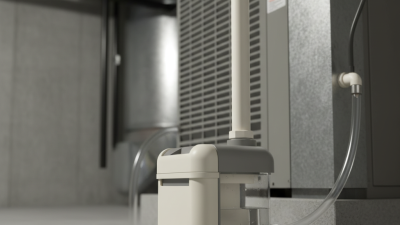
What Is an Air Conditioner Pump and How Does It Work?
An Air Conditioner Pump may look like a small accessory, but it helps keep cooling equipment operating as intended. In many installations, the term refers to a condensate pump. This unit collects water produced when warm, humid air meets a cold evaporator coil, then moves it through a drain line. Without reliable drainage, water can gather in a pan, trigger a safety switch, or stain a ceiling. The pump does not cool the room. It handles the water that cooling creates.
The distinction matters. Some readers use “air conditioner pump” to mean a condensate pump; others mean the compressor, which circulates refrigerant. These components do very different jobs. The International Energy Agency’s 2018 report, The Future of Cooling, estimated that cooling used about 10% of global electricity. It also projected that energy demand for space cooling could more than triple by 2050. Those figures make equipment efficiency and maintenance worth understanding, though a pump alone does not determine an air conditioner’s energy use. Small component. Real consequences.
This guide explains what an Air Conditioner Pump is, how its float switch and motor move condensate, and where it fits in a cooling system. It also covers common warning signs, basic maintenance, and when a qualified technician should inspect the unit. A useful caution: pump designs vary, so one installation’s troubleshooting steps may not suit another. The manual matters.
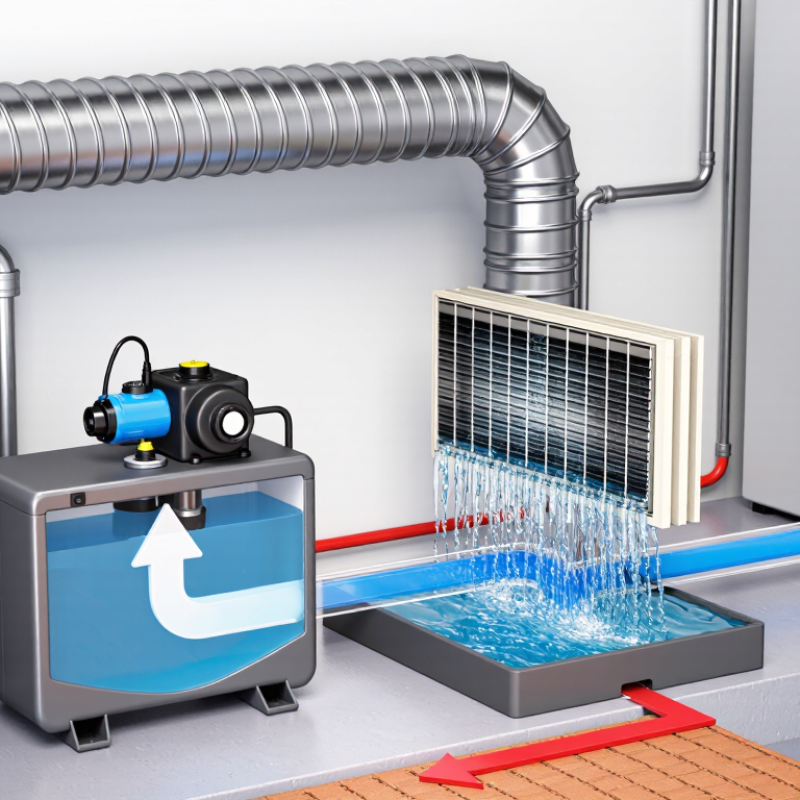
Air Conditioner Pumps Defined: Compressor, Condensate, and Heat-Pump Roles
In an air conditioner, “pump” can refer to different components. The compressor is the main moving part in the refrigerant circuit. It draws in low-pressure refrigerant vapor and compresses it, raising its pressure and temperature. The hot vapor then releases heat at the outdoor coil. It is not a water pump, though people sometimes use the same word loosely. The naming is a little messy.
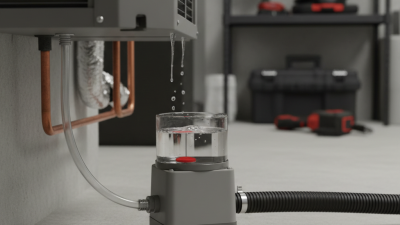
A condensate pump handles water instead. As warm, humid room air passes over the cold indoor coil, moisture collects and drips into a drain pan. If gravity cannot carry it to a drain, a small pump lifts the water through a narrow tube. A float switch often starts the pump when the pan fills. A clogged tube or dirty pan can cause leaks, so visible water deserves attention.
A heat pump uses the refrigeration cycle to move heat, rather than create it directly. In cooling mode, it carries indoor heat outside; in heating mode, a reversing valve changes the refrigerant’s path. The outdoor coil can frost in cold, damp weather, and the system may briefly run a defrost cycle. The exact controls vary, so unusual noise or repeated icing calls for a qualified technician’s inspection.
What Is an Air Conditioner Pump and How Does It Work? — Air Conditioner Pumps Defined: Compressor, Condensate, and Heat-Pump Roles
| Part or System |
What It Moves or Circulates |
Main Role |
How It Works |
Where You’ll Find It |
Common Clues of a Problem |
| Refrigerant compressor |
Refrigerant vapor |
Raises the refrigerant’s pressure and temperature and drives it around the refrigeration circuit. |
It draws in low-pressure refrigerant vapor from the evaporator and compresses it into hot, high-pressure vapor. The condenser then releases heat from that vapor. |
In the outdoor unit of many split air conditioners; in a packaged unit, it is inside the equipment cabinet. |
The system may fail to cool or heat properly, trip a breaker, or make unusual mechanical sounds. These symptoms can have other causes, so diagnosis is needed. |
| Condensate pump |
Condensate water |
Moves collected drain water to a suitable discharge point when gravity drainage is not practical. |
Water collects in a reservoir. A float switch typically activates the pump when the water reaches a set level and stops it after the level falls. |
Often near an indoor air handler, furnace, or ductless indoor unit, especially where the drain outlet is above the unit or no suitable gravity-drain route is available. |
Water in or around the reservoir, a full-water alarm, or a unit that stops after a safety switch activates. A blocked drain or faulty float can cause similar signs. |
| Heat-pump system |
Heat via circulating refrigerant |
Provides heating and cooling by transferring heat between indoors and outdoors. |
In cooling mode, it moves indoor heat outdoors. In heating mode, a reversing valve changes the refrigerant flow so the system can absorb heat outdoors and release it indoors. The compressor is one component of this cycle. |
In systems designed for both heating and cooling, including many ducted and ductless systems. |
Insufficient heating or cooling, unexpected mode changes, or persistent ice on the outdoor coil may indicate a fault, but weather and operating conditions matter. |
Key distinction: “Air conditioner pump” is an informal, ambiguous term. It may refer to the refrigerant compressor, a condensate-water pump, or a heat-pump system; these perform different jobs.
Core Components and Refrigerant Flow: From Evaporator to Condenser
An air conditioner “pump” usually means its compressor. It does not pump chilled air; it circulates refrigerant through a sealed loop. At the indoor evaporator, low-pressure refrigerant absorbs heat from room air and boils into vapor. A fan draws warm air across the coil. The refrigerant leaves warmer, but the room air feels cooler. Small details matter: a dirty filter can restrict airflow and weaken heat transfer.
The compressor raises the vapor’s pressure and temperature, then sends it to the outdoor condenser. There, a fan moves outside air across the coil, and the refrigerant releases heat as it condenses into liquid. An expansion valve then reduces its pressure, cooling it before it returns to the evaporator. The cycle repeats. Real systems are less tidy than diagrams; airflow, coil condition, and refrigerant charge all affect performance.
The U.S. Department of Energy estimates that air conditioning uses about 6% of U.S. electricity. The International Energy Agency’s 2018 report, The Future of Cooling, projects that global energy demand for space cooling could more than triple by 2050 under its baseline scenario. That makes efficient heat transfer important. It also makes routine maintenance easy to underestimate.
How Compression and Heat Transfer Follow the Vapor-Compression Cycle
An air conditioner’s “pump” usually means its compressor, the component that moves refrigerant through a sealed circuit. The term can be a little misleading: a separate condensate pump may move drain water, but it does not drive cooling. That distinction matters. In the evaporator coil, low-pressure refrigerant absorbs heat from indoor air and changes into vapor. You may feel the result as cooler air leaving the vents, while the refrigerant carries the removed heat away.
The compressor squeezes that vapor, raising its pressure and temperature. Hot refrigerant then flows through the outdoor condenser coil, where a fan helps release heat into the outside air. As it cools, the refrigerant condenses into liquid. A small expansion valve or metering device then drops its pressure, cooling it before it returns to the evaporator. The cycle repeats. It is tempting to say the unit “creates cold,” but it actually transfers heat from indoors to outdoors. The wording is simple; the process is less so. Dirty coils, restricted airflow, or incorrect refrigerant charge can disrupt heat transfer, so symptoms alone do not reliably identify the fault.
Performance Metrics: COP 2.5–4.0, EER, and DOE SEER2 Ratings
An air conditioner’s compressor acts as its refrigerant pump, moving heat from indoors to outdoors. Its efficiency can be described by COP, or the ratio of useful cooling to electrical energy used. A COP of 2.5–4.0 means the system moves roughly 2.5 to 4 units of heat for each unit of electricity consumed. That is a ratio, not a promise of a particular electricity bill. Real homes rarely behave like test rooms.
EER measures cooling output in BTU per hour divided by electrical input in watts under specified test conditions. It helps compare performance at a particular operating point, such as during hot weather. DOE SEER2 ratings estimate seasonal efficiency using updated test procedures and varied operating conditions. Higher ratings generally indicate less energy use for comparable cooling, but compare similar system sizes and configurations. A shaded outdoor unit and clean filter matter, too.
A rating can still mislead. Duct leaks, poor airflow, or an oversized system may reduce real-world performance. Check the rating for the complete matched system, not just one component, and ask how the test conditions relate to your climate. Small details count. A quiet, steady cycle may feel more comfortable than a system that starts and stops often, even when the numbers look close.
Safety and Standards: EPA Refrigerant Rules and ASHRAE 15 Guidance
An air conditioner pump may move condensate water away from an indoor unit, or circulate refrigerant in specialized equipment. These are different components with different risks. A small condensate pump often sits beside a drain pan, lifting water through a narrow tube. If it clogs, water can spill onto flooring or nearby electrical parts. Keep the drain path clear, and disconnect power before inspecting the unit. Water and wiring do not mix.
Refrigerant work requires greater care. In the United States, EPA rules restrict refrigerant handling and require proper recovery practices; technicians must hold the applicable certification for regulated work. Refrigerant should not be released into the atmosphere. The exact requirements depend on the refrigerant and the task, so check current federal rules and local requirements. ASHRAE Standard 15 provides safety guidance for refrigeration systems, including design and installation considerations that can affect ventilation, leak detection, and machinery-room safeguards. Applicable provisions depend on the system, refrigerant, and adopted code edition. Details matter. A label on the equipment can help identify the refrigerant, but it does not replace a qualified assessment. Even experienced installers can overlook a small leak path; careful inspection is worth the extra time.



 BY06H-125 MCB 10-15KA Miniature Circuit Breaker
 BY06-125 MCB 6KA Miniature Circuit Breaker
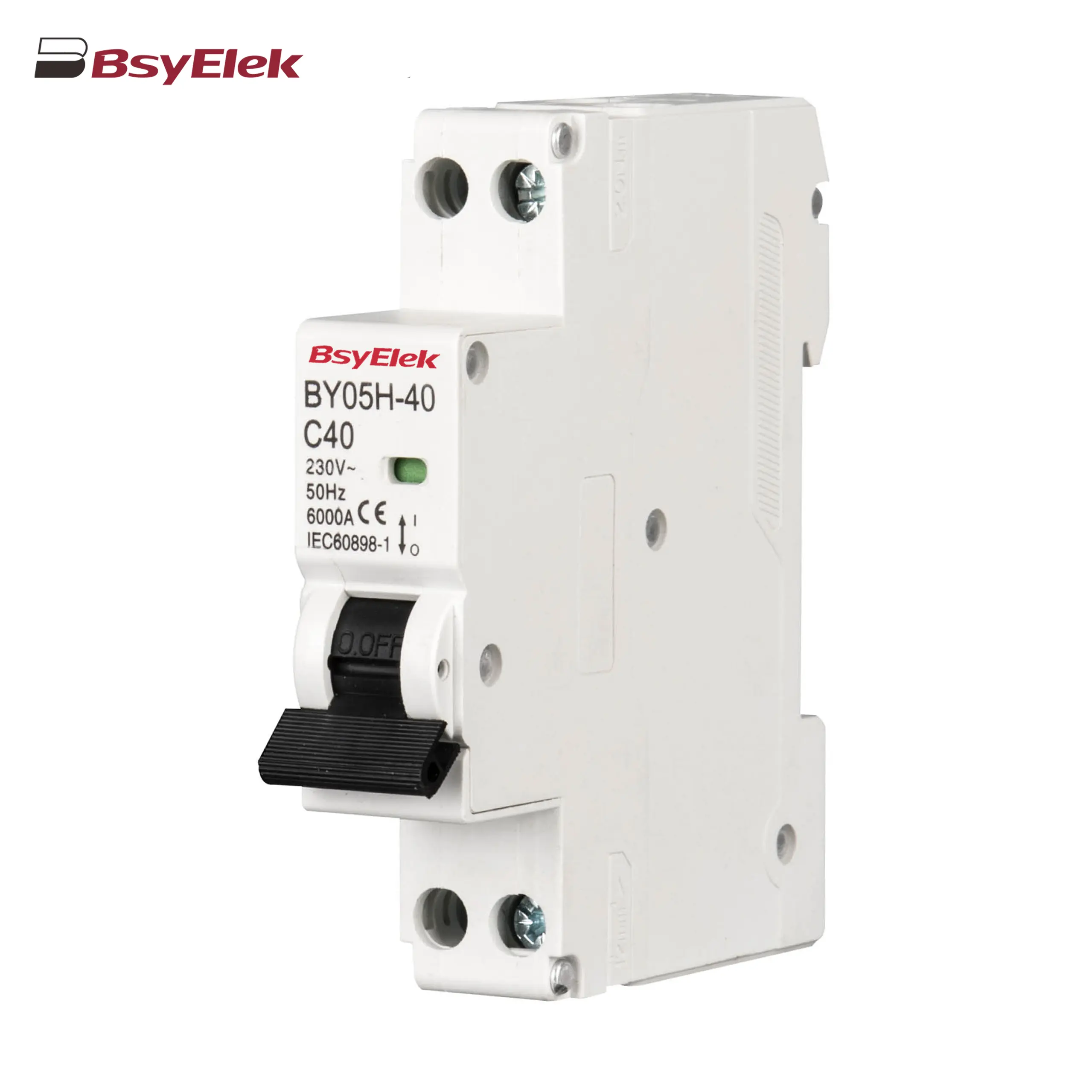 BY05H-40 MCB Single Modular 6KA Miniature Circuit Breaker
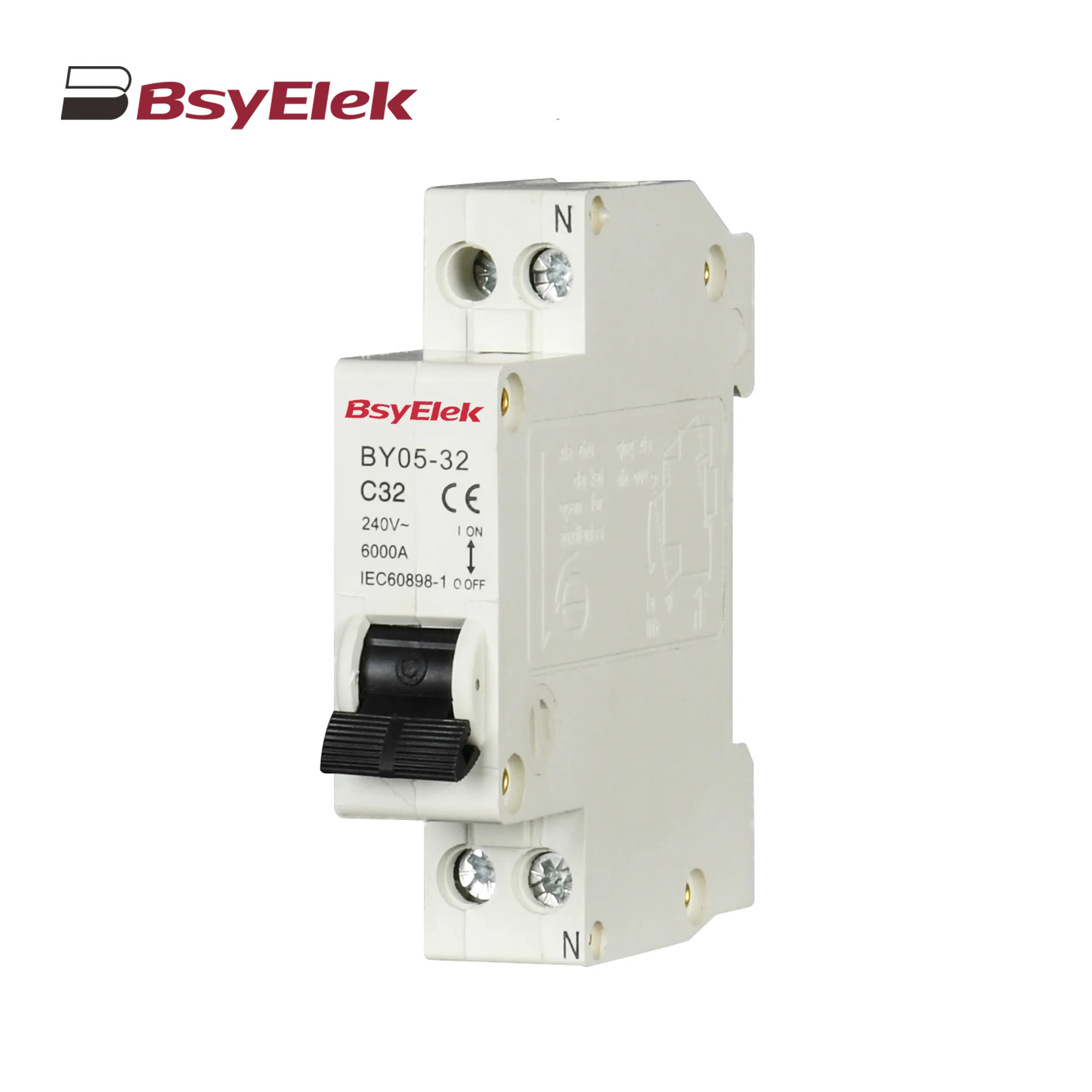 BY05-32 MCB Single Modular 3KA Miniature Circuit Breaker
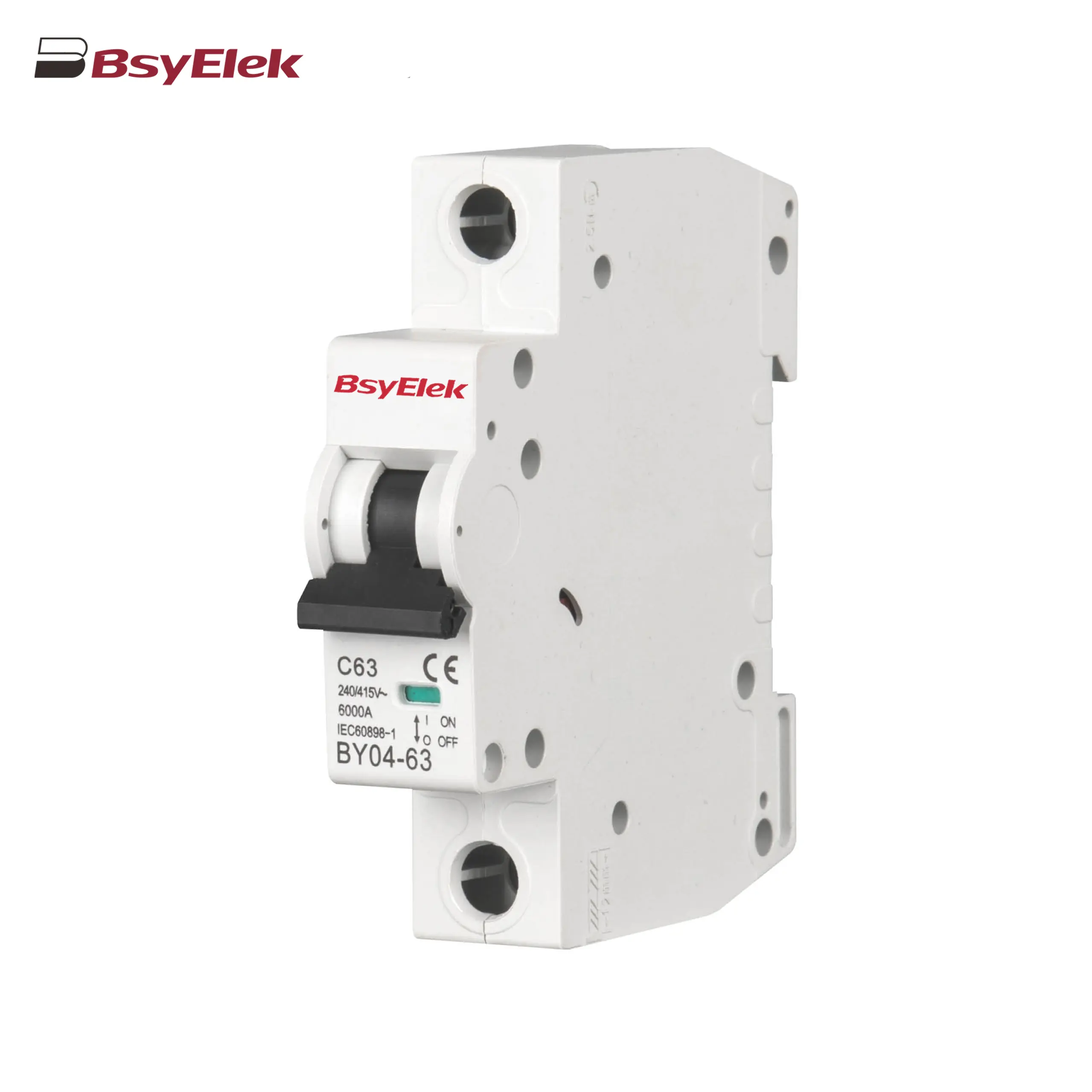 BY04-63 MCB 6-10KA Miniature Circuit Breaker
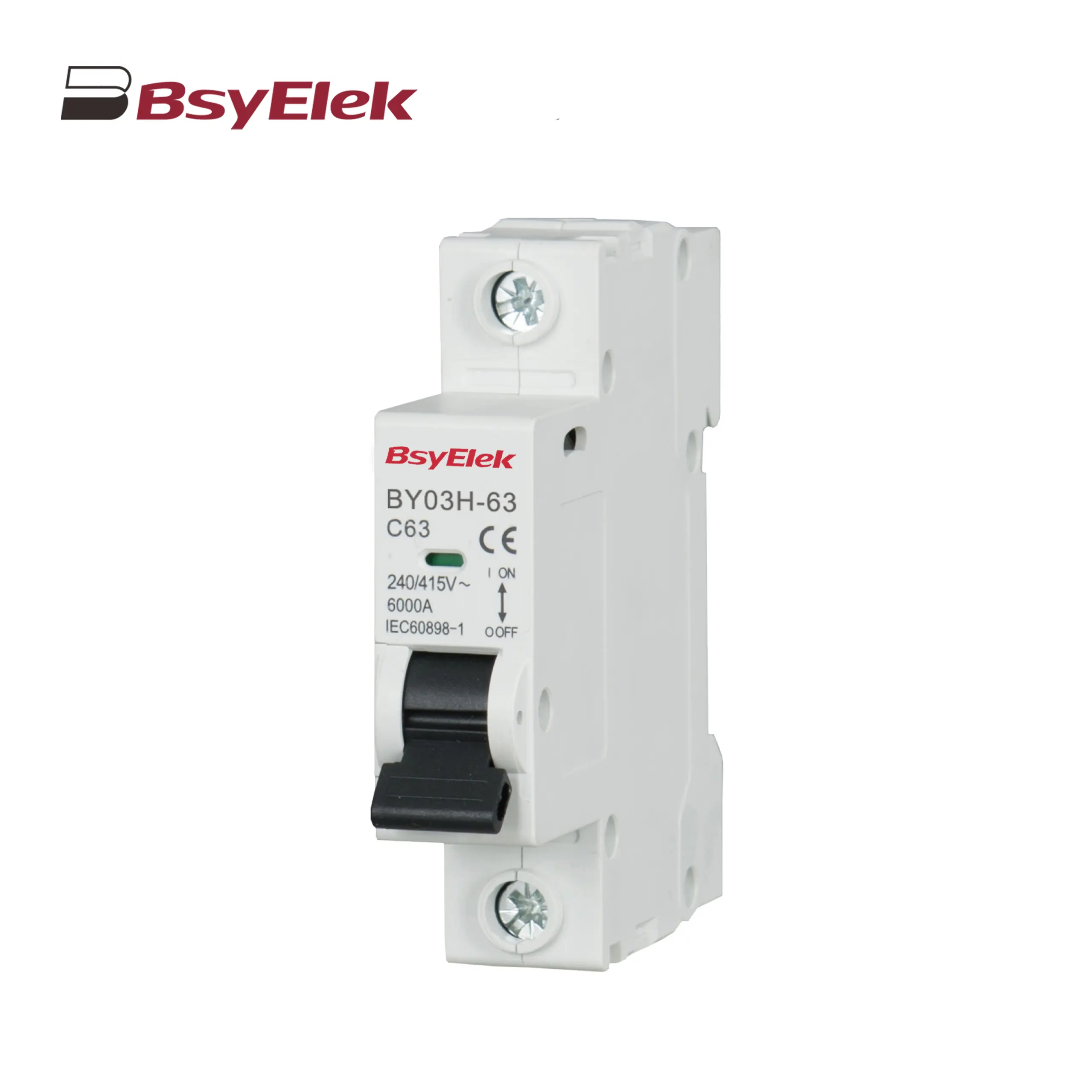 BY03H-63 MCB 6KA Miniature Circuit Breaker
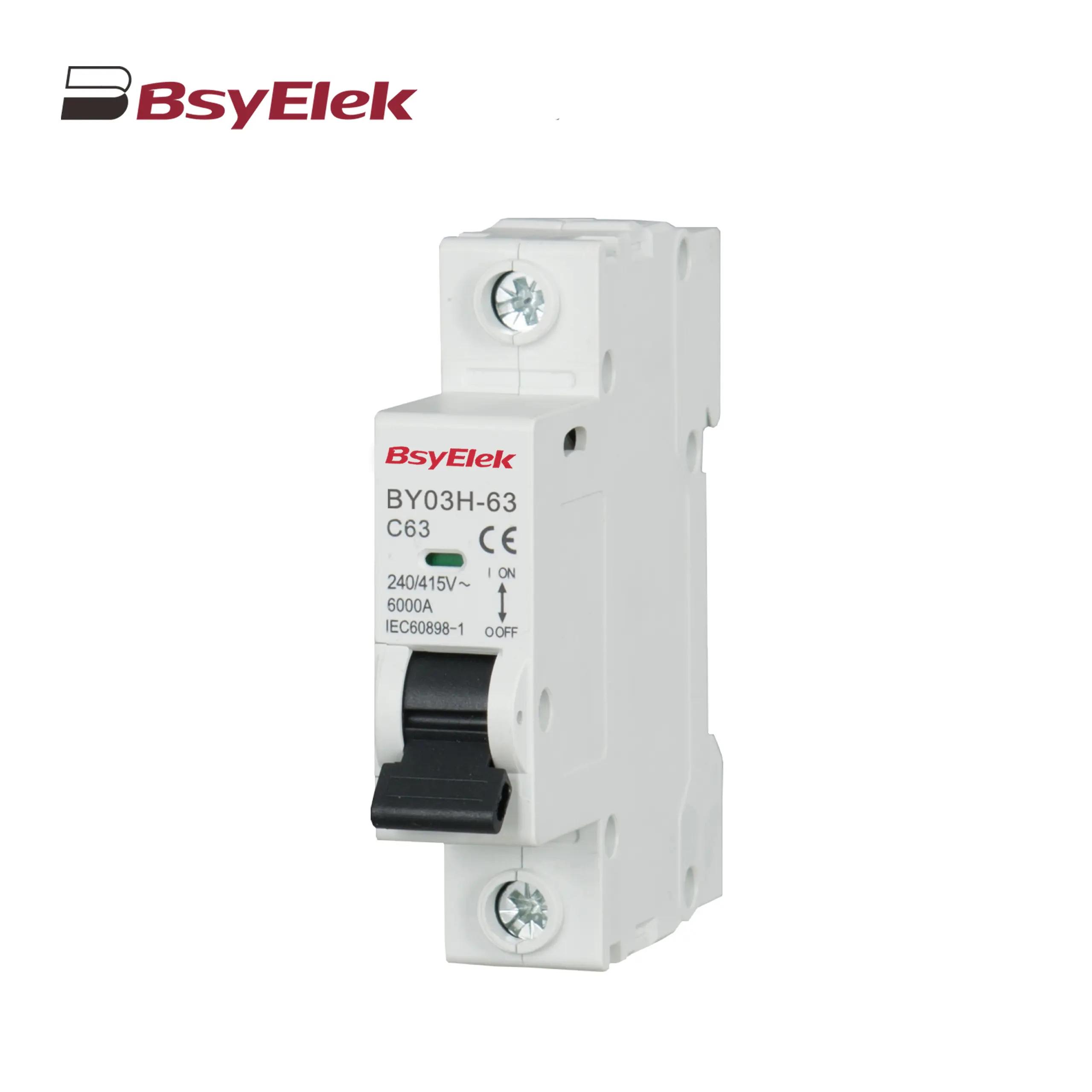 BY03-63 MCB 4.5KA Miniature Circuit Breaker
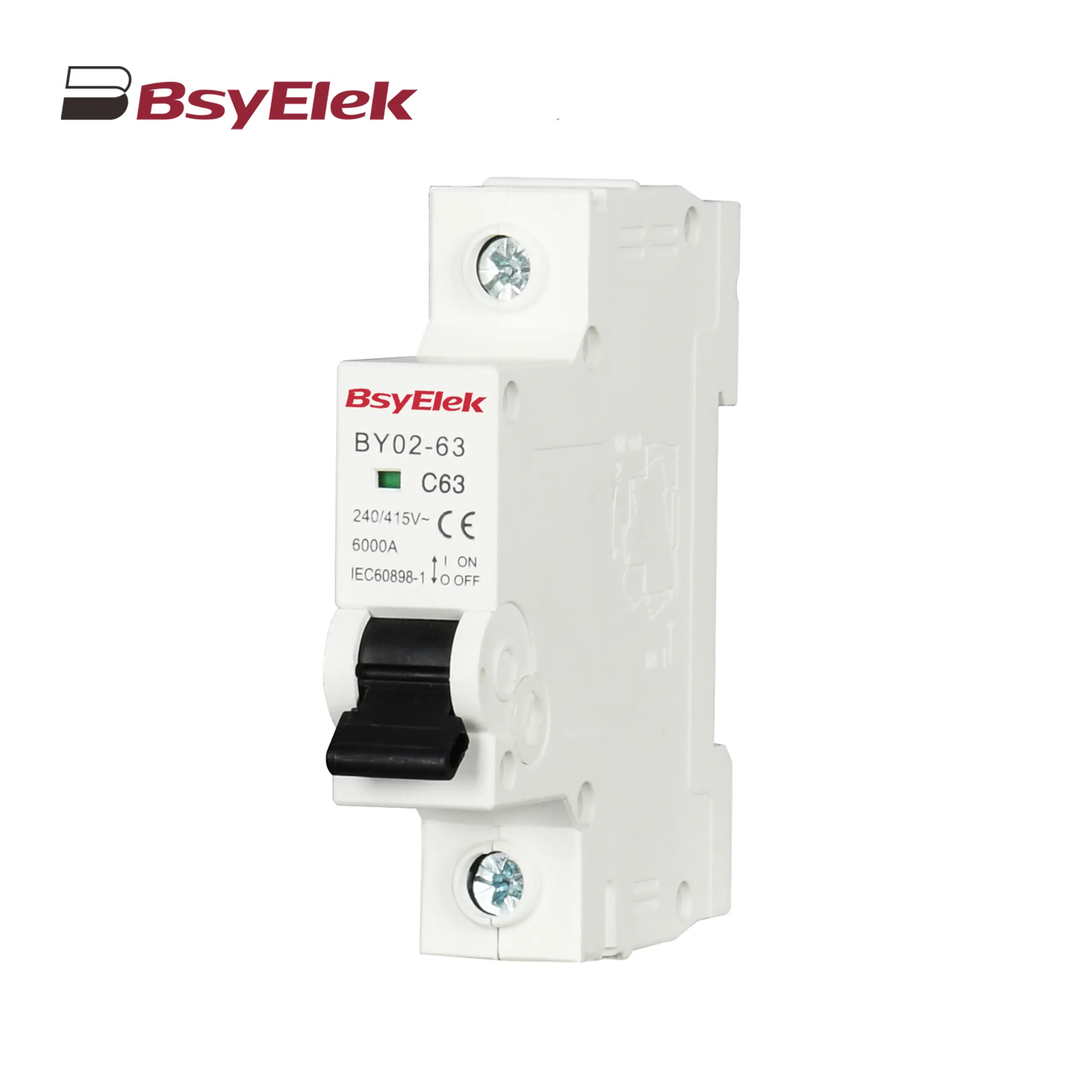 BY02-63 MCB 3kA Miniature Circuit Breaker
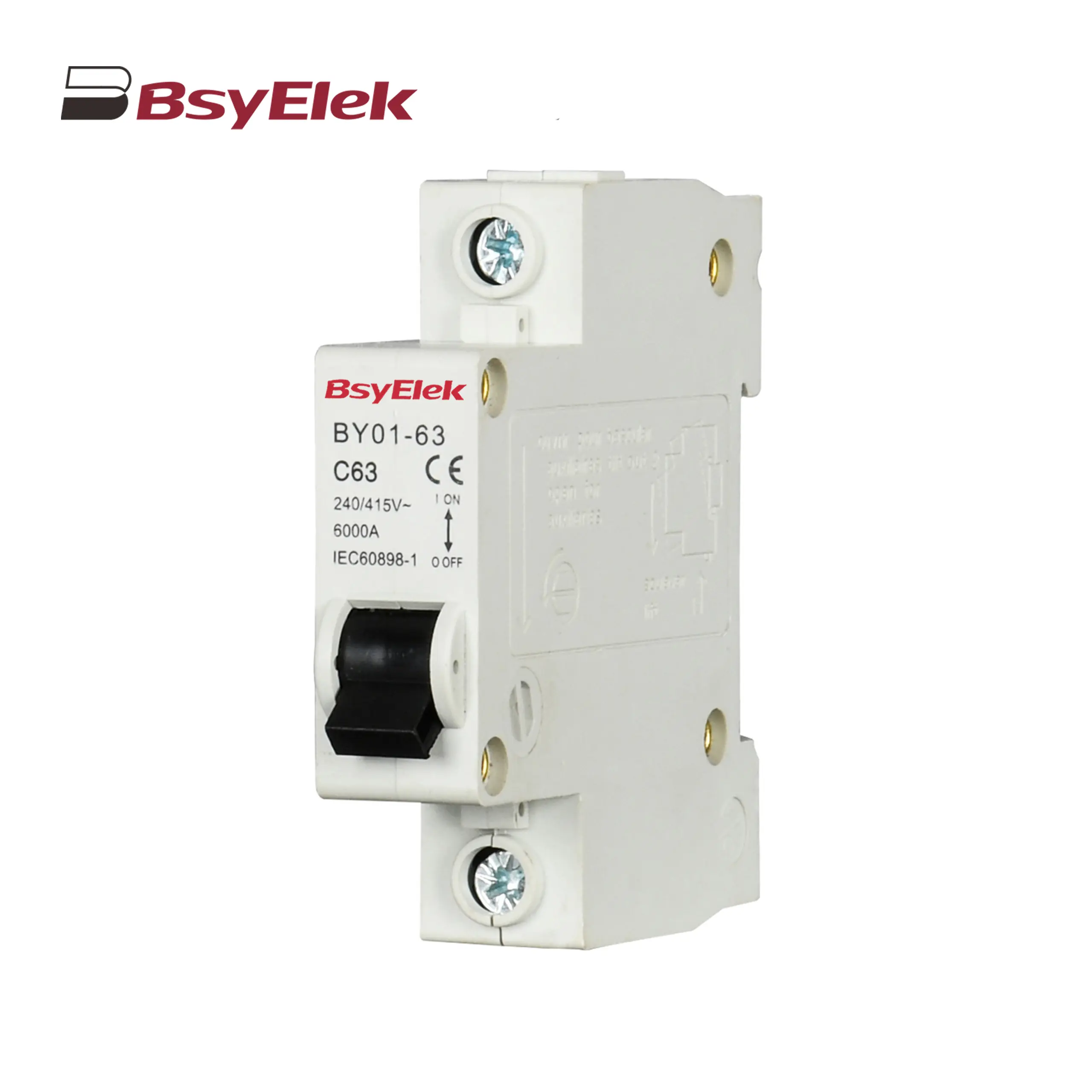 BY01-63 MCB 3kA Miniature Circuit Breaker
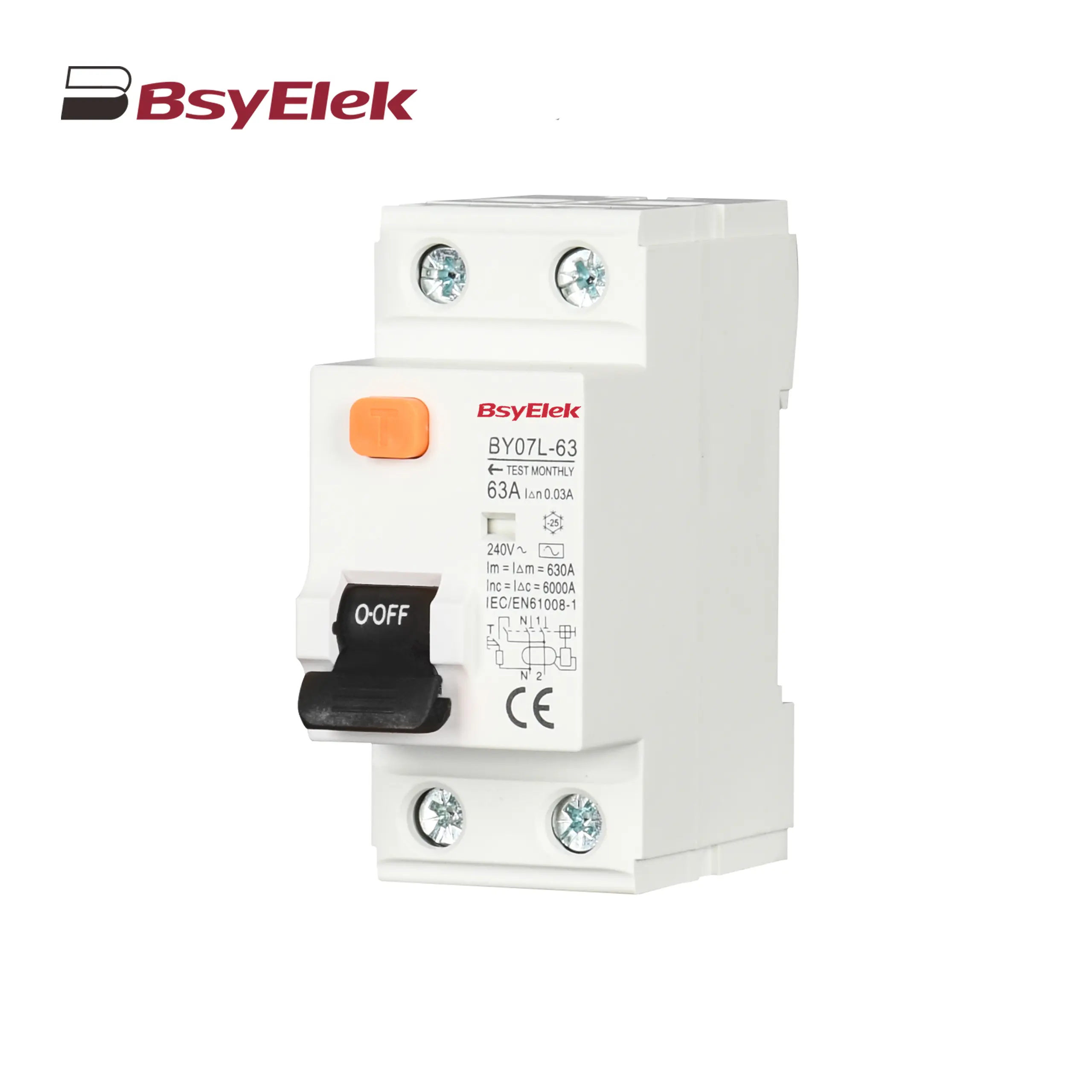 BY07L-63 RCCB 6KA Residual Current Circuit Breaker
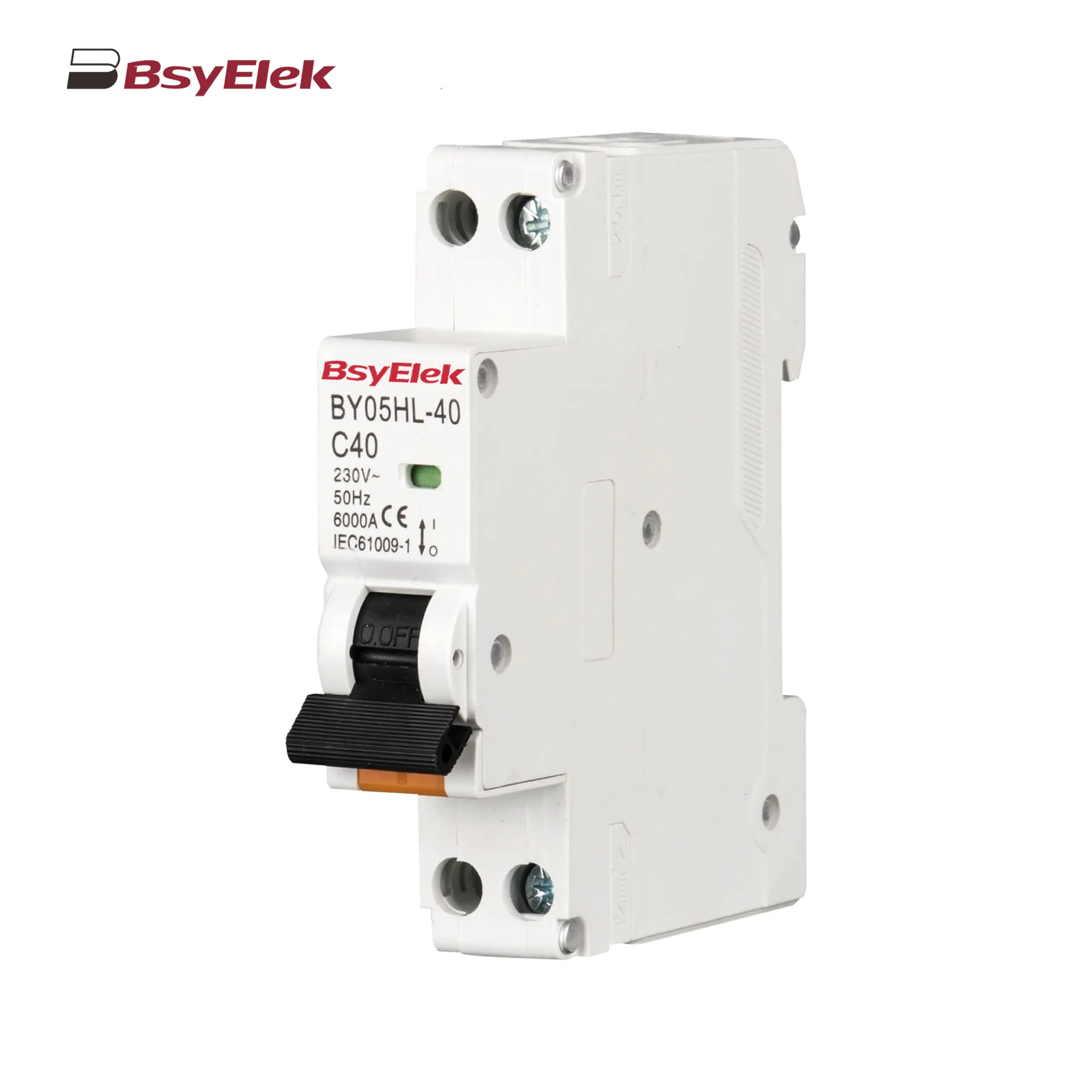 BY05HL-40 RCBO 6KA Residual Current Circuit Breaker with Over-current Protection
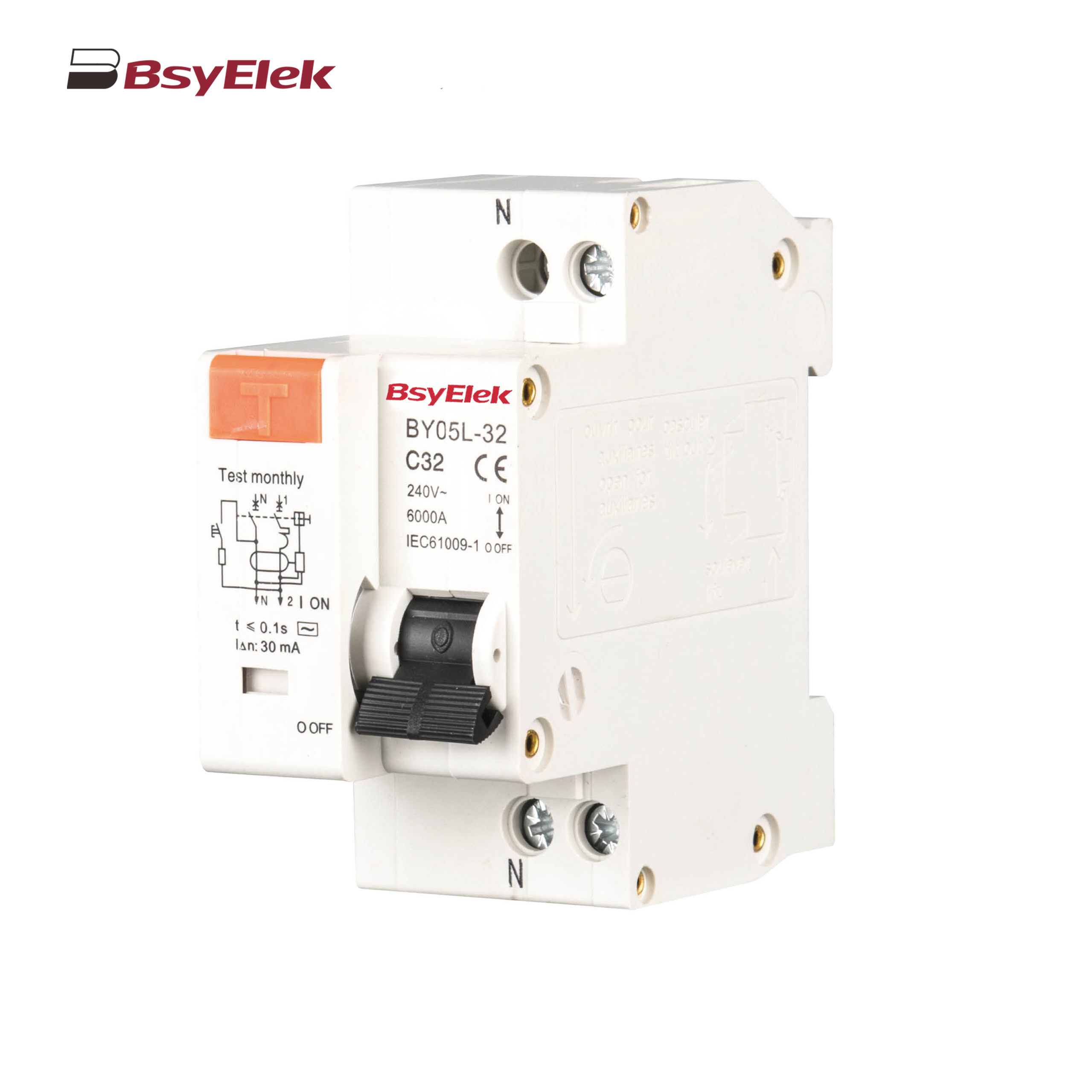 BY05L-32 RCBO 3KA Residual Current Circuit Breaker with Over-current Protection
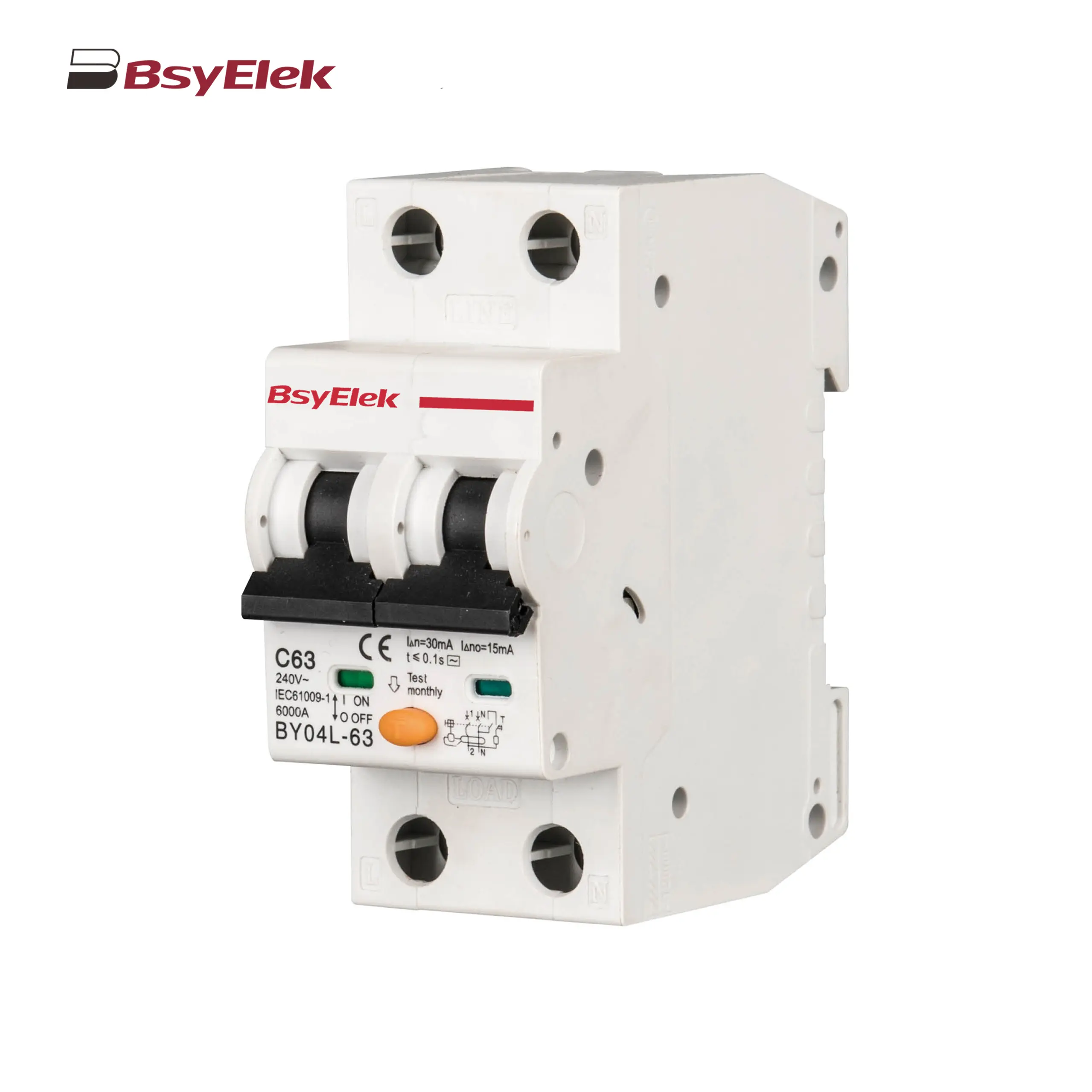 BY04L-63 RCBO 6KA Residual Current Circuit Breaker with Over-current Protection
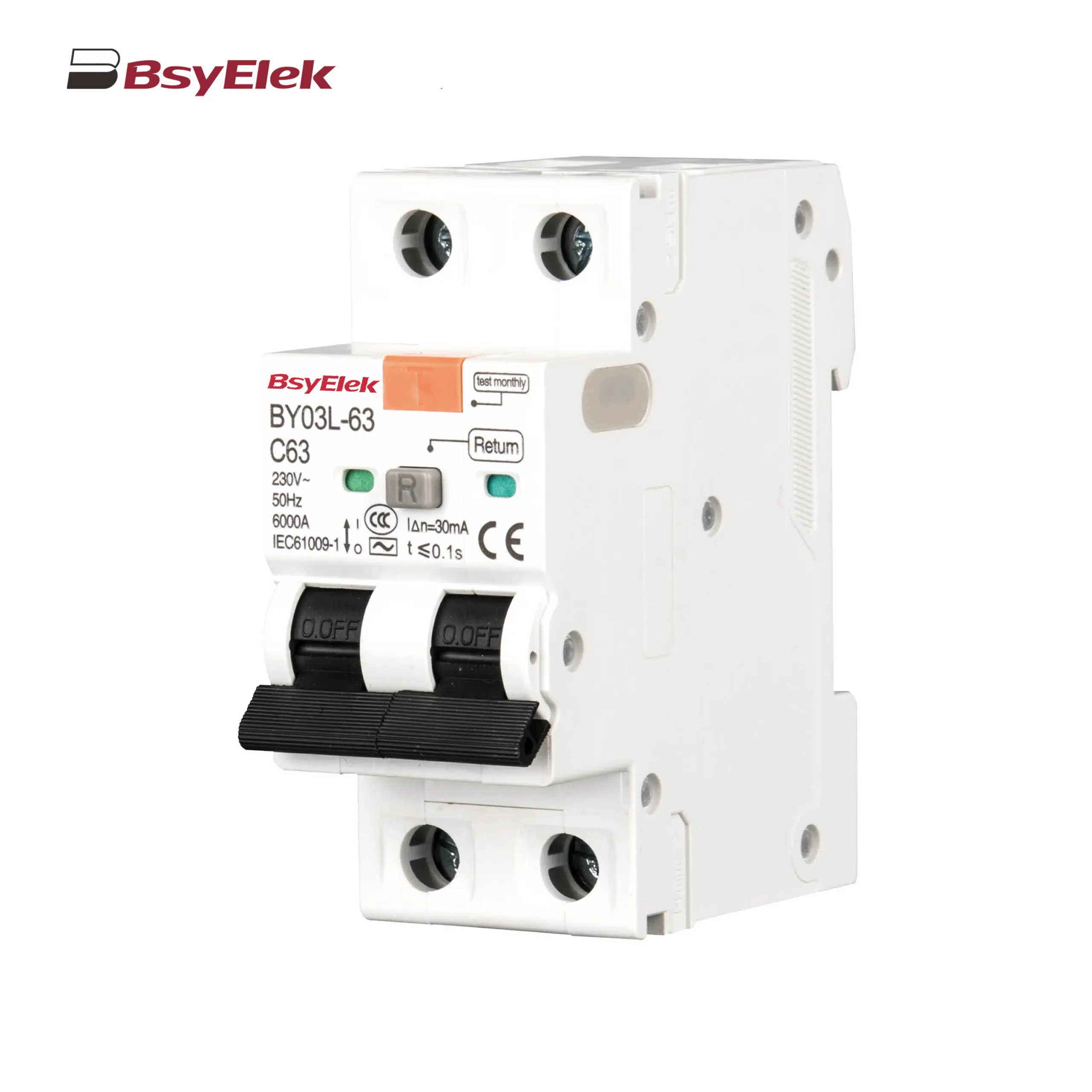 BY03L-63 RCBO 4.5KA Residual Current Circuit Breaker with Over-current Protection
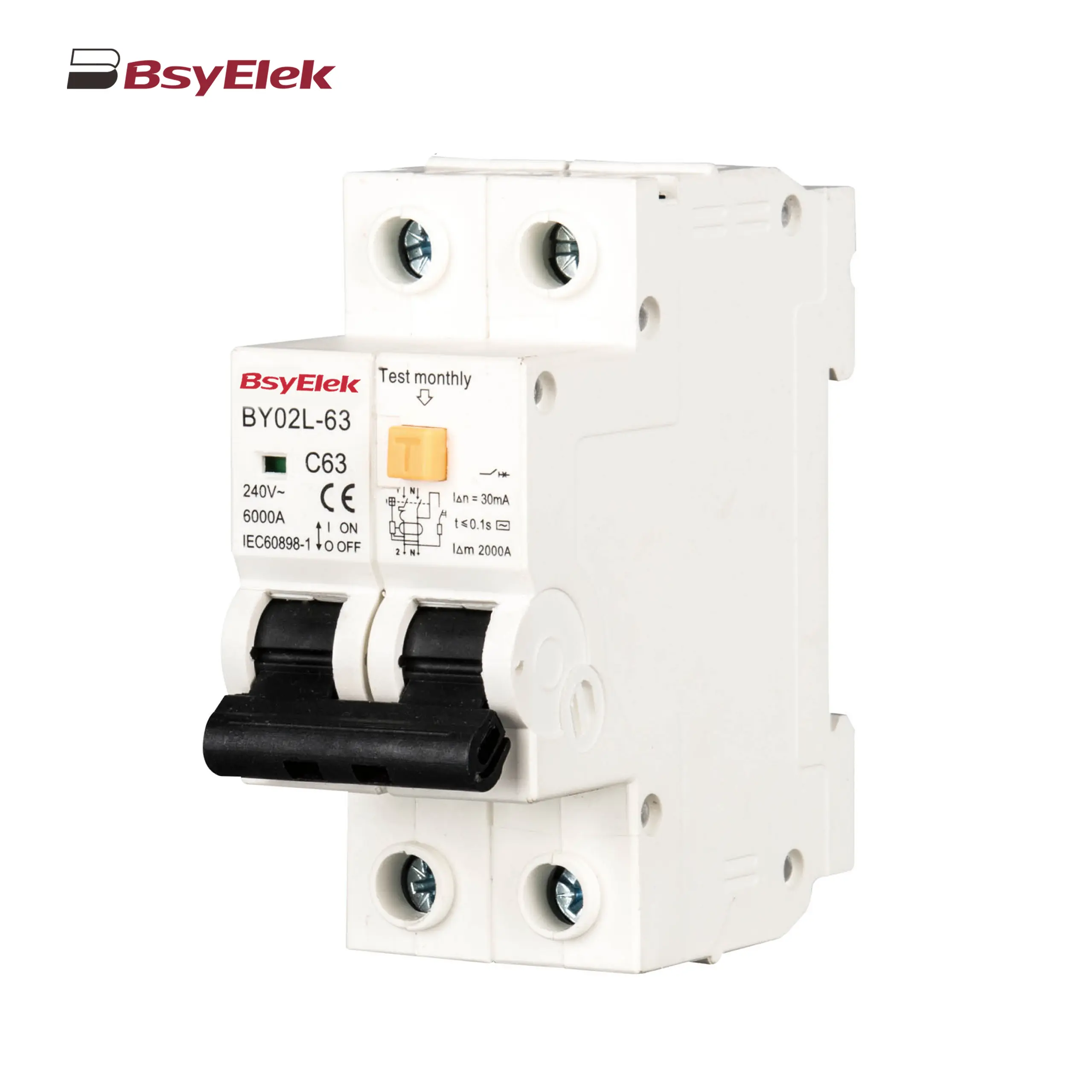 BY02L-63 RCBO 3KA Residual Current Circuit Breaker with Over-current Protection
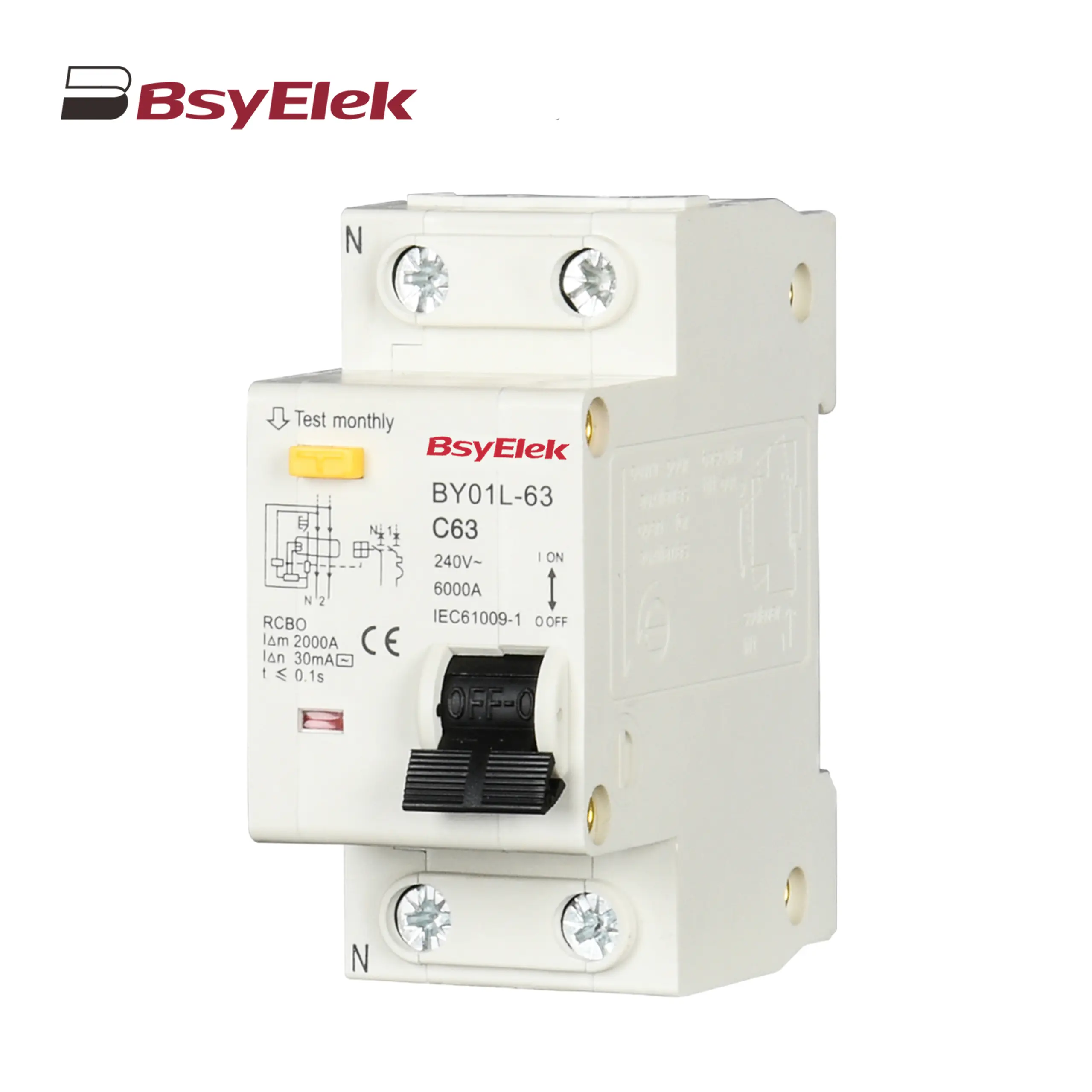 BY01L-63 RCBO 1P+N 3KA Residual Current Circuit Breaker with Over-current Protection
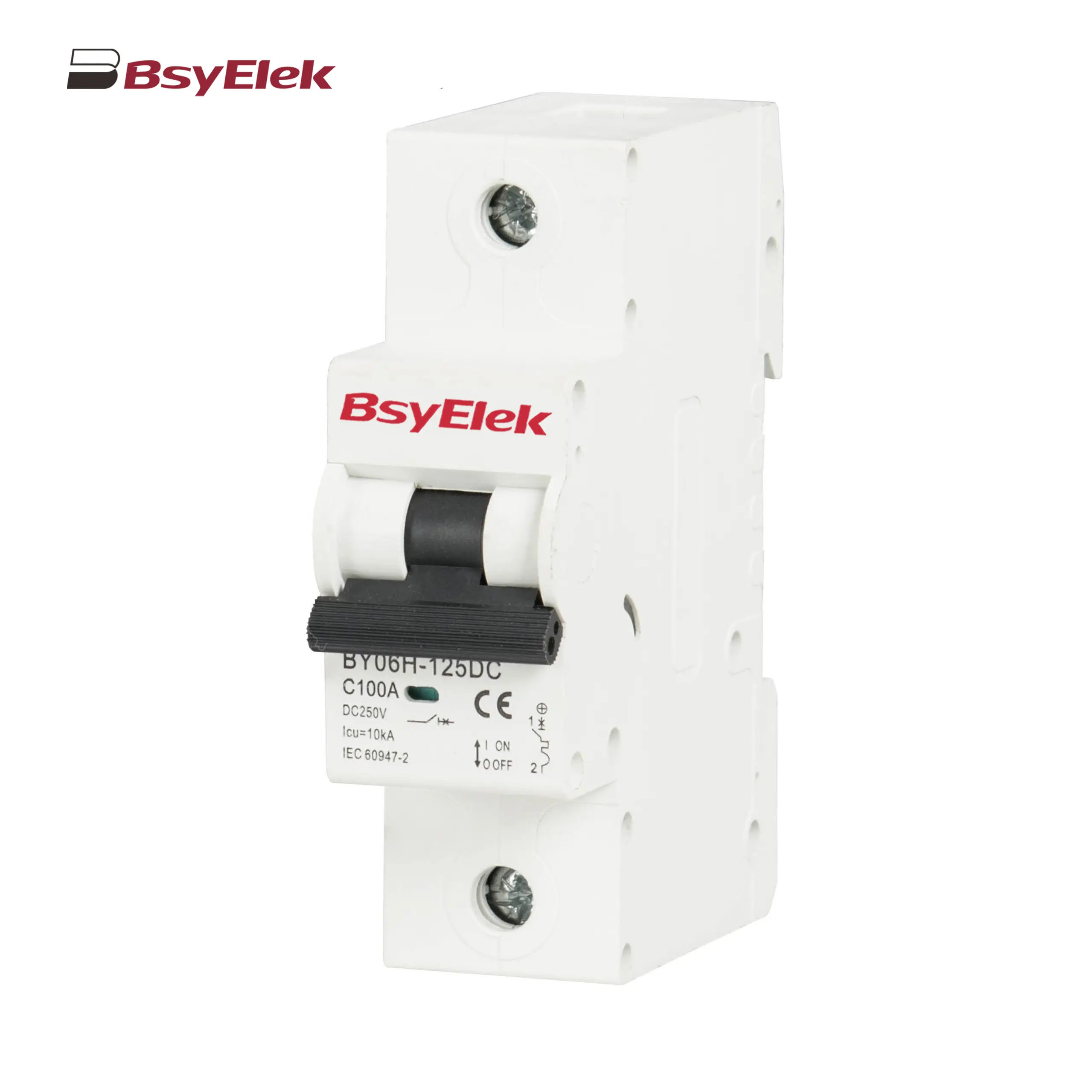 BY06H-125DC MCB 10-15kA DC Miniature Circuit Breaker
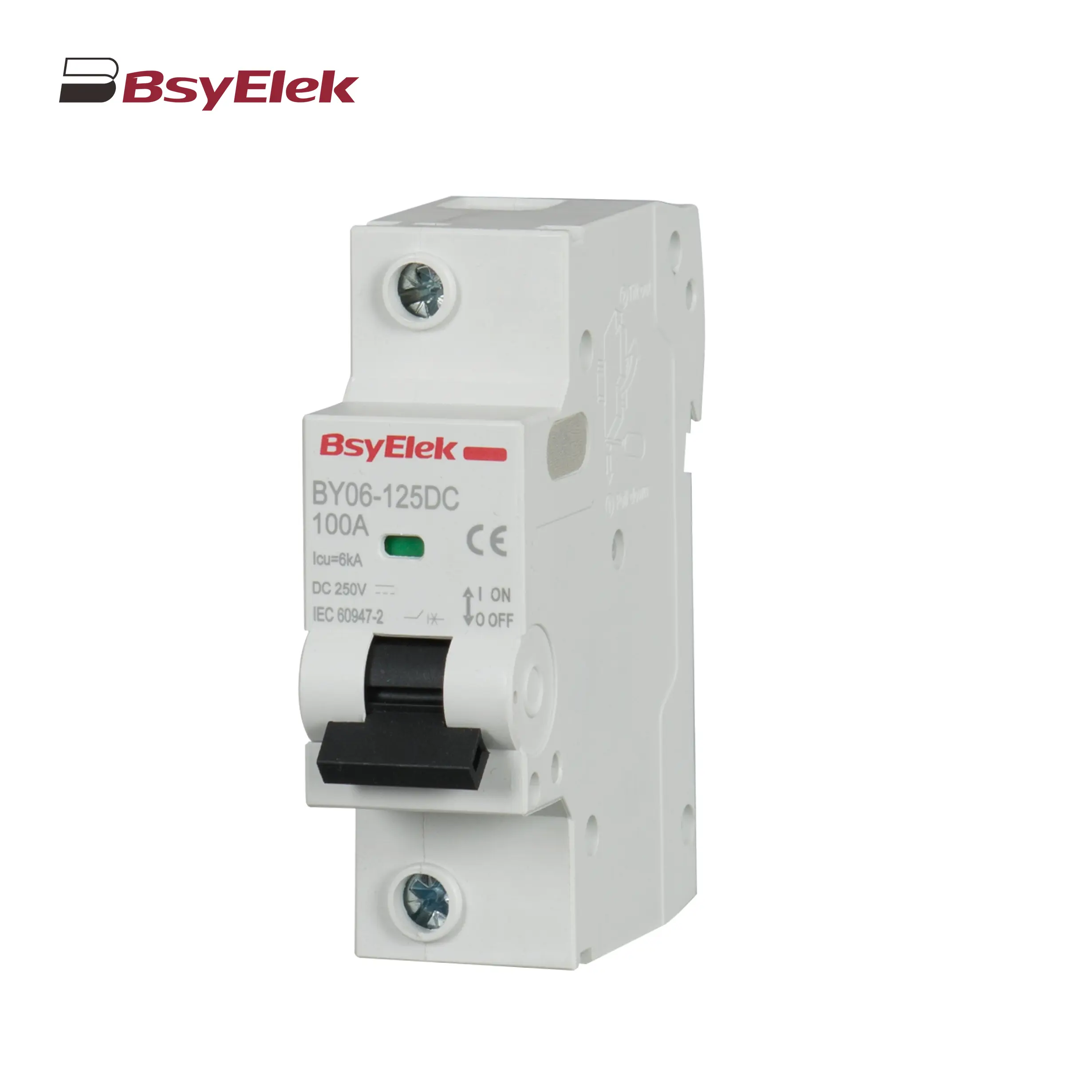 BY06-125DC MCB 6kA DC Miniature Circuit Breaker
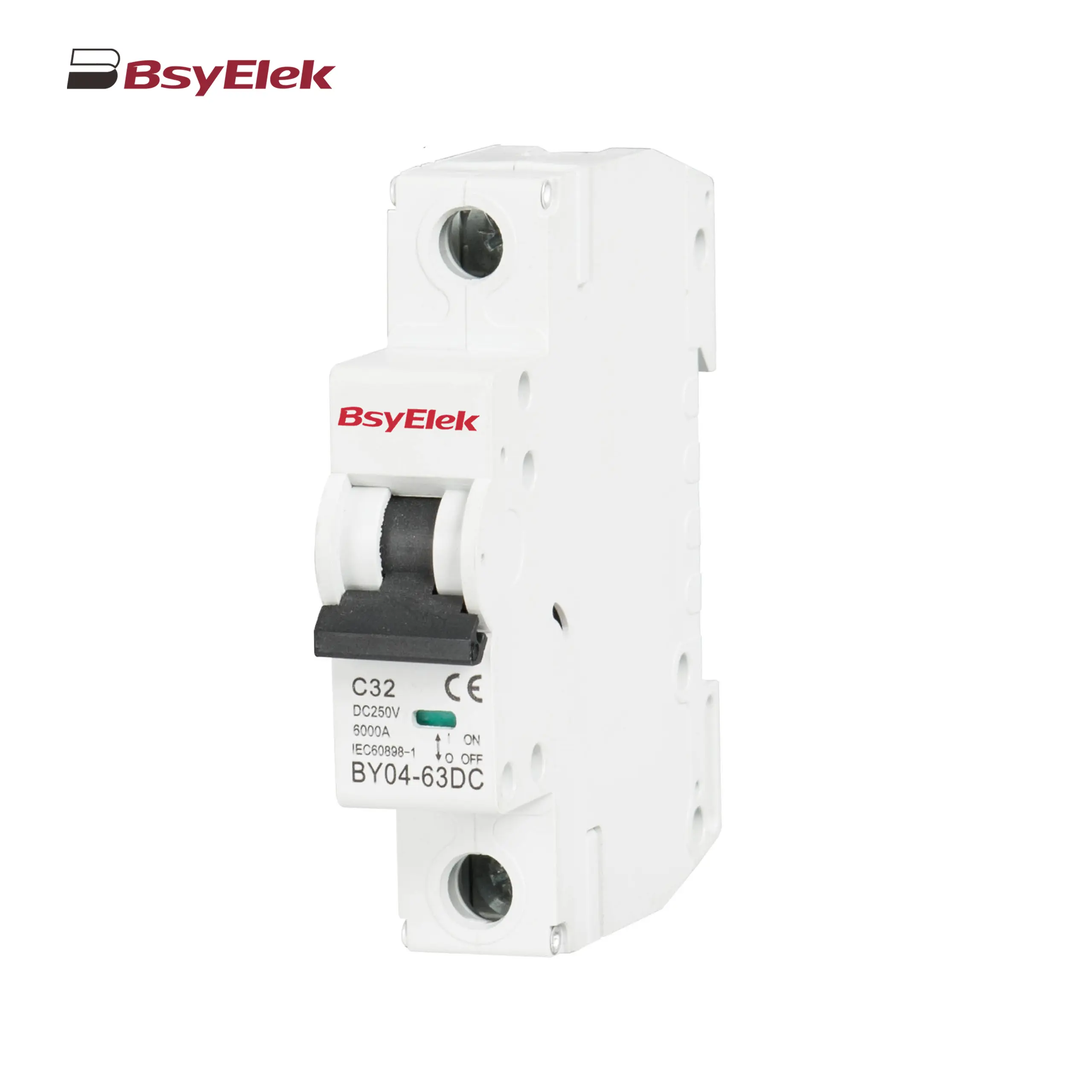 BY04-63DC MCB 6-10kA DC Miniature Circuit Breaker
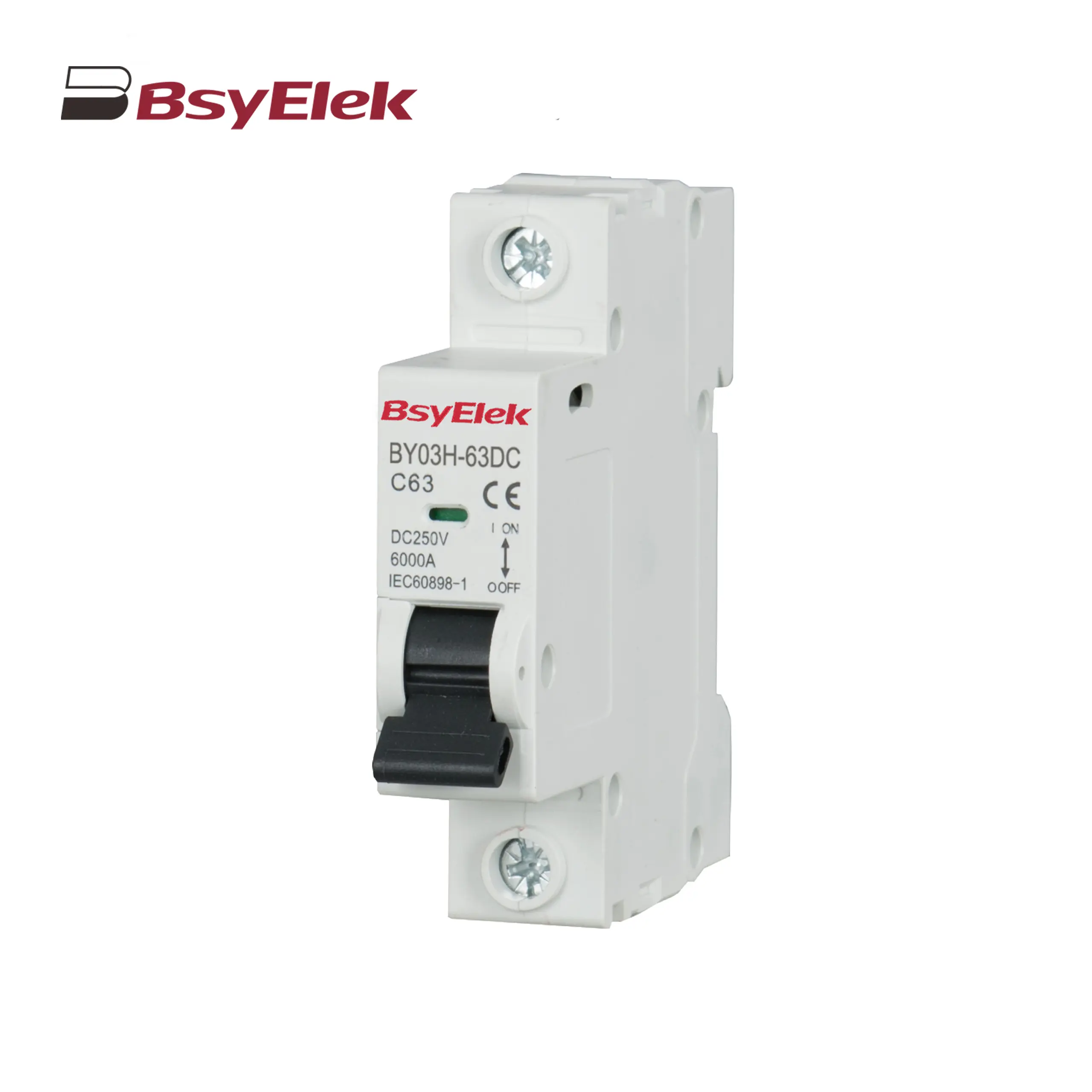 BY03H-63DC MCB 6kA DC Miniature Circuit Breaker
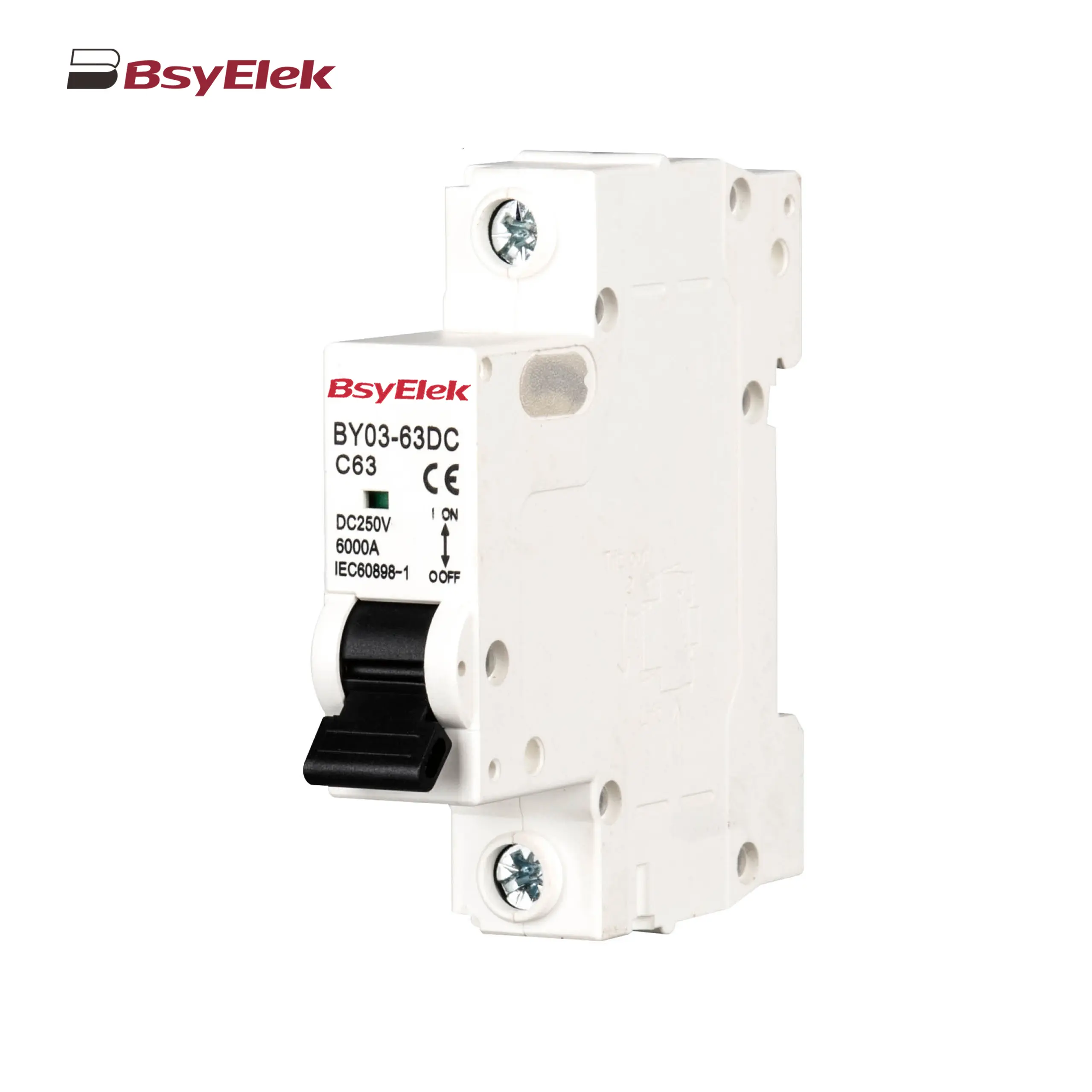 BY03-63DC MCB 4.5kA DC Miniature Circuit Breaker
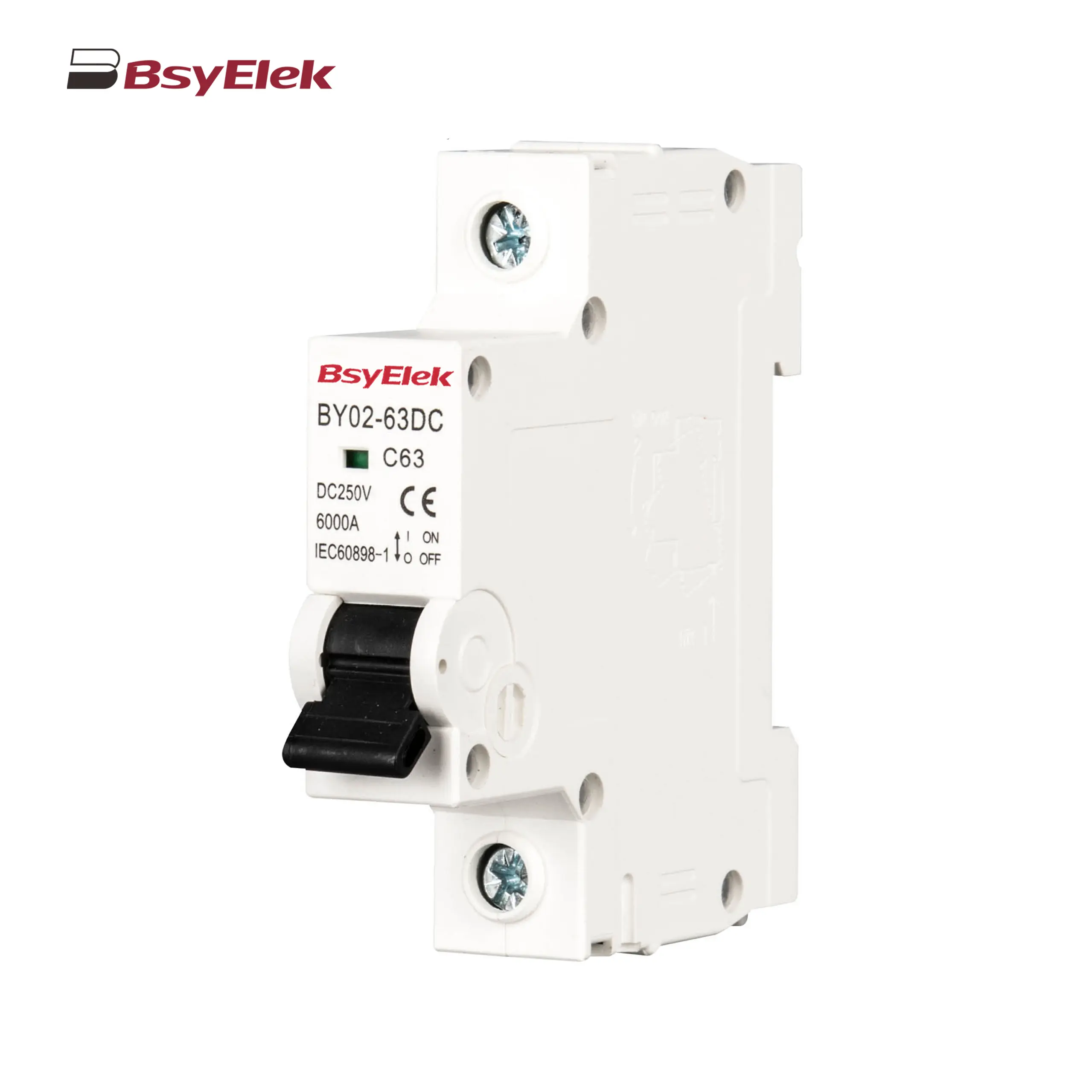 BY02-63DC MCB 3kA DC Miniature Circuit Breaker
 BY01-63DC MCB 3kA DC Miniature Circuit Breaker
 BY-5018 1.8M Engineering Drainage Pump
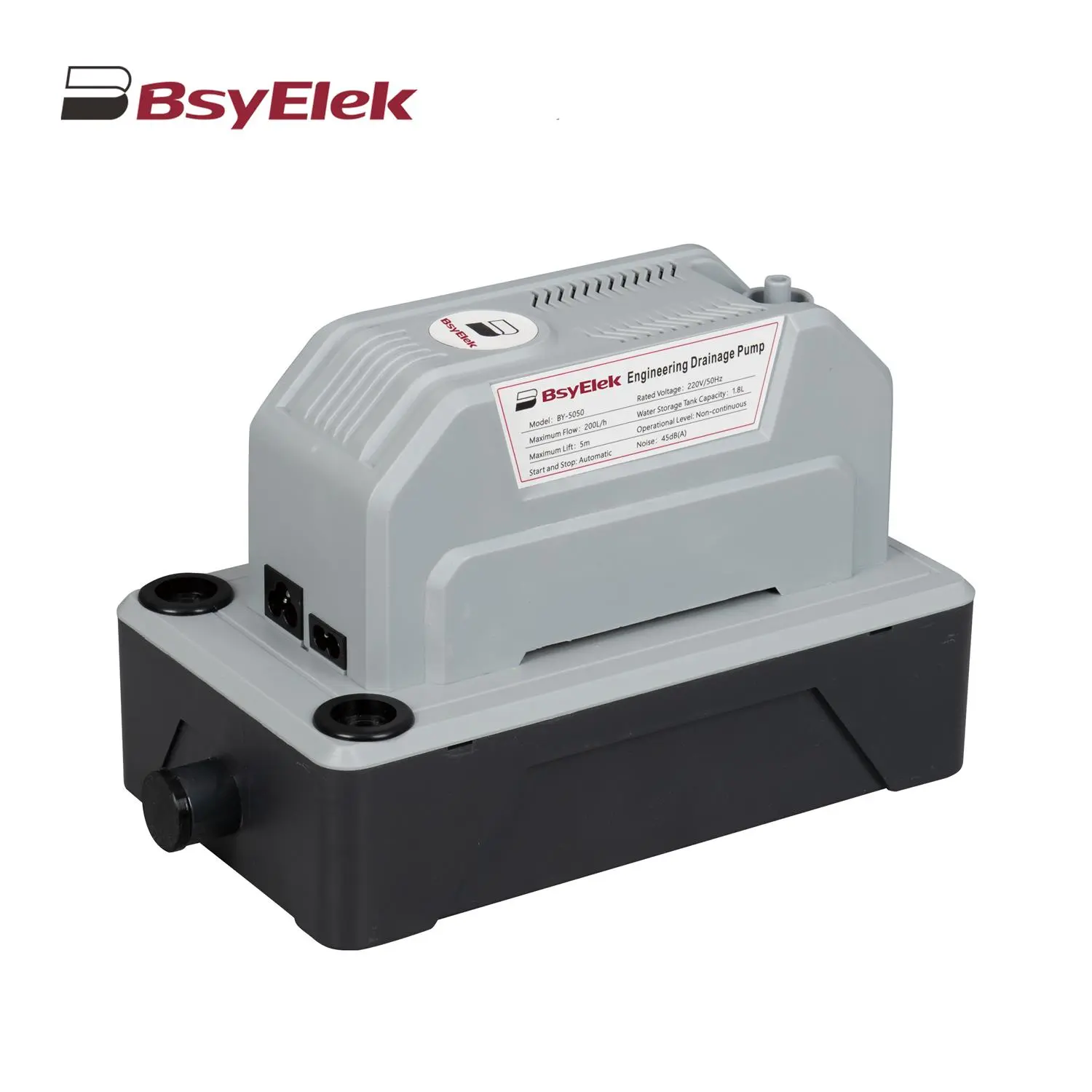 BY-5050 5M Engineering Drainage Pump
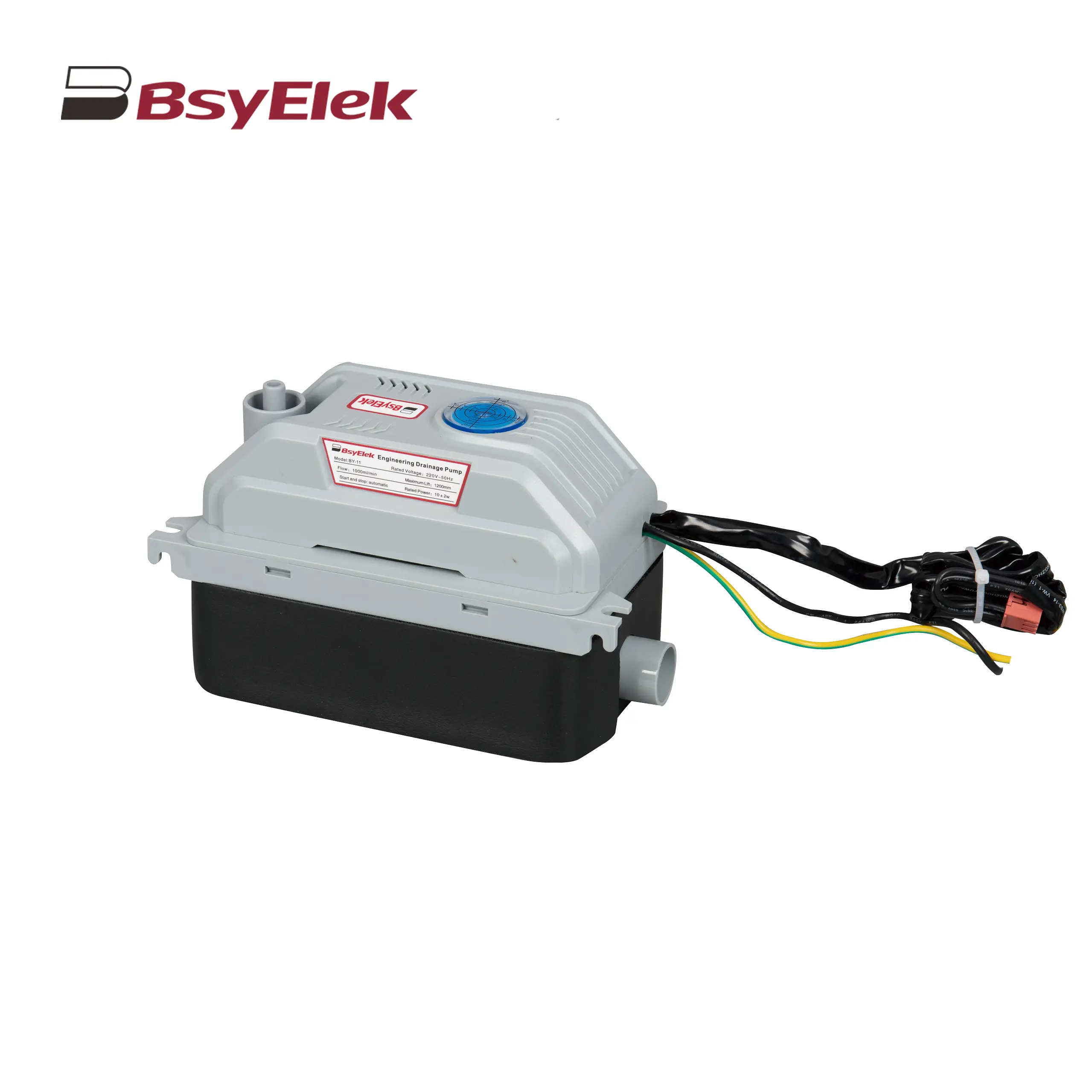 BY-11 1.2M Engineering Drainage Pump
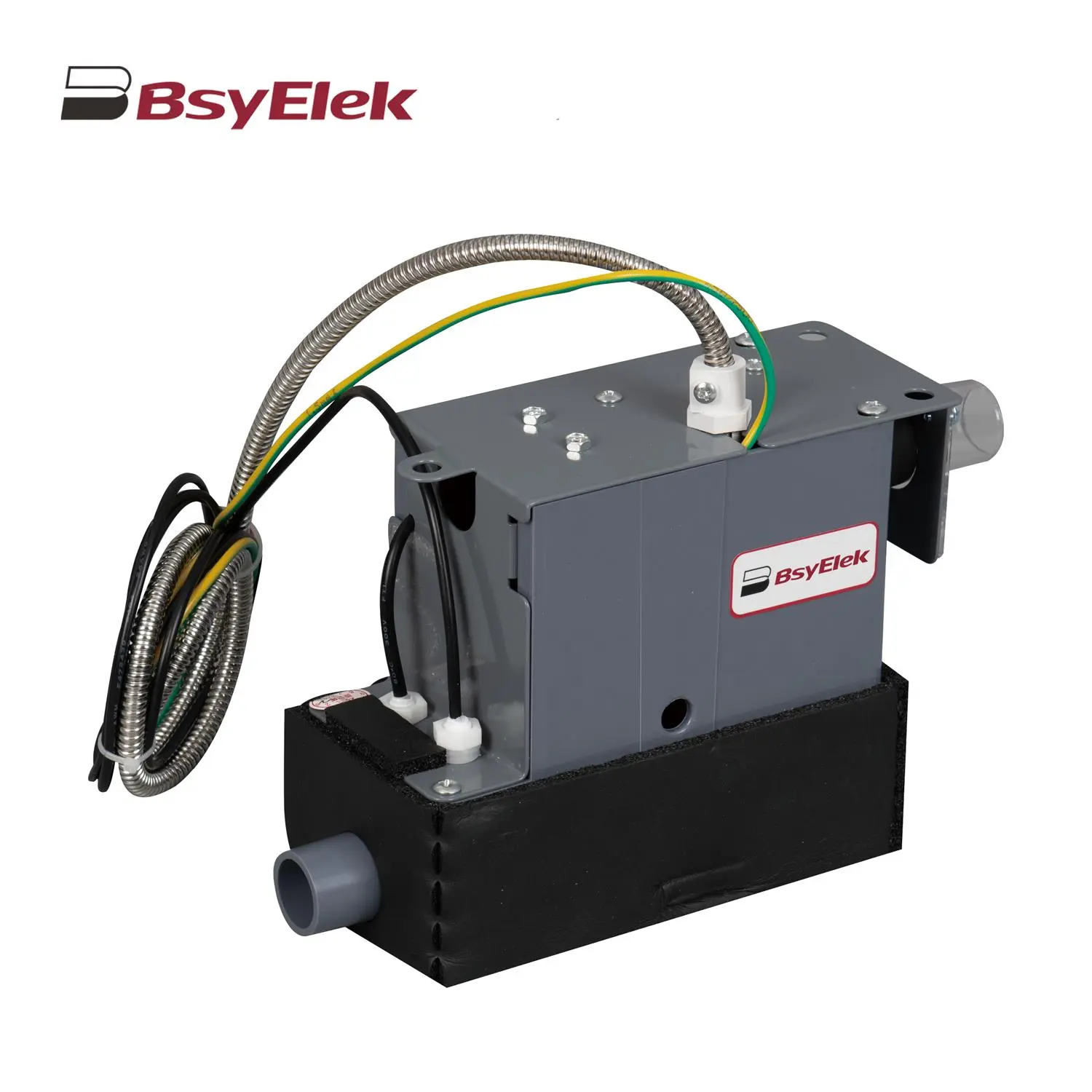 SBH-05 0.7M Original Drainage Pump of Duct Type Air Conditioner
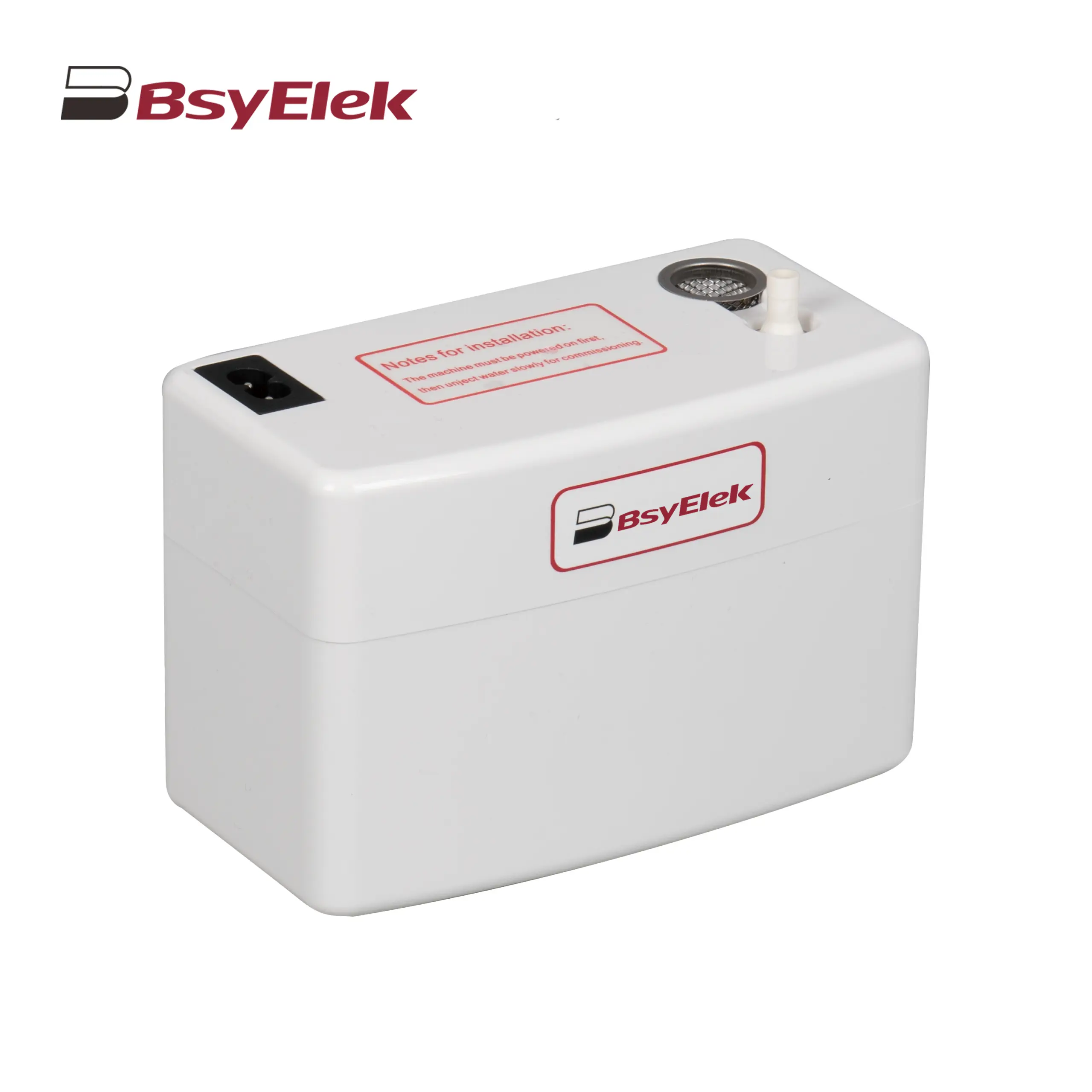 BY-24A/40A 10M Drainage Pump of Air Conditioner
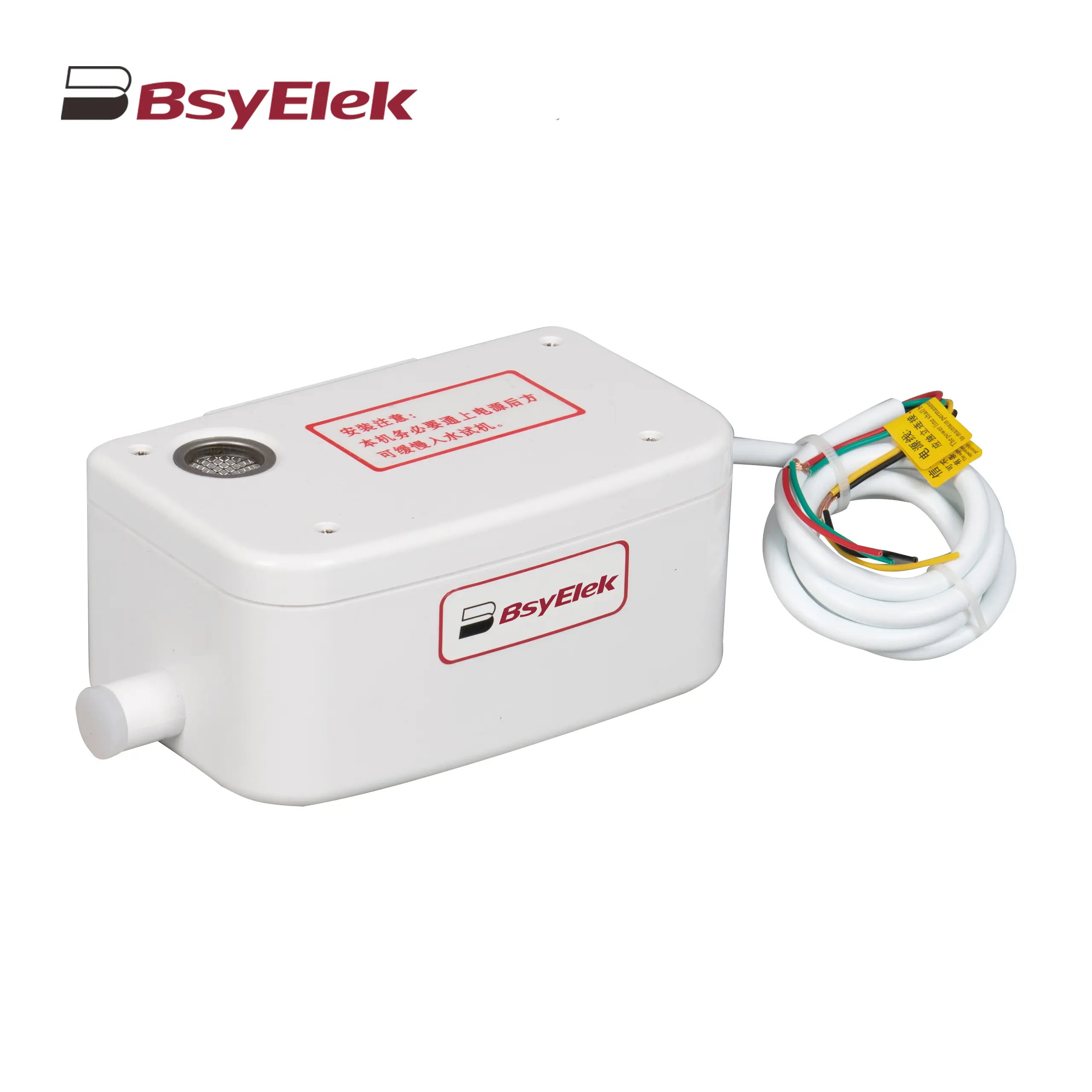 BY-50A 12M Drainage Pump of Air Conditioner
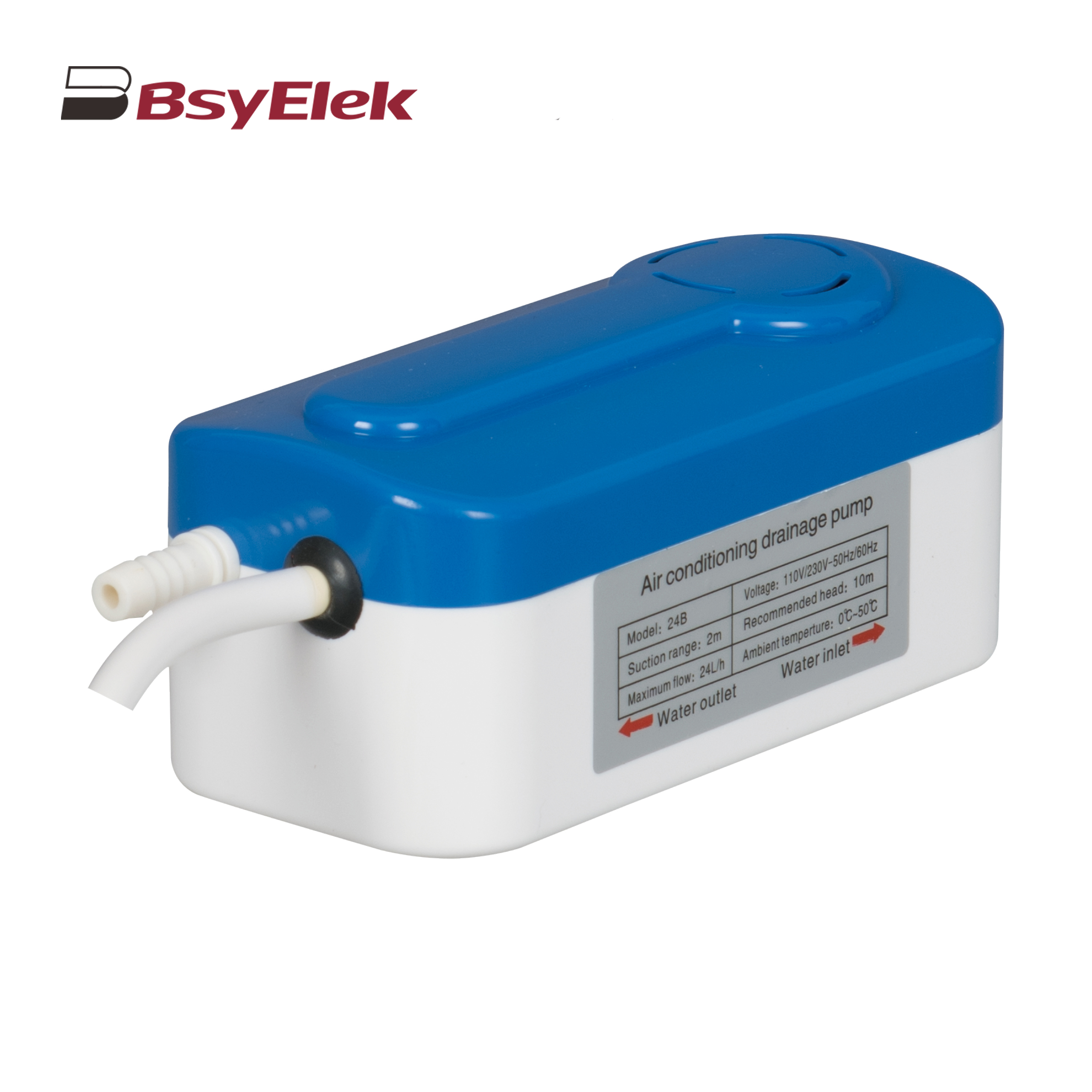 BY-24B/40B 10M Split Type Drainage Pump
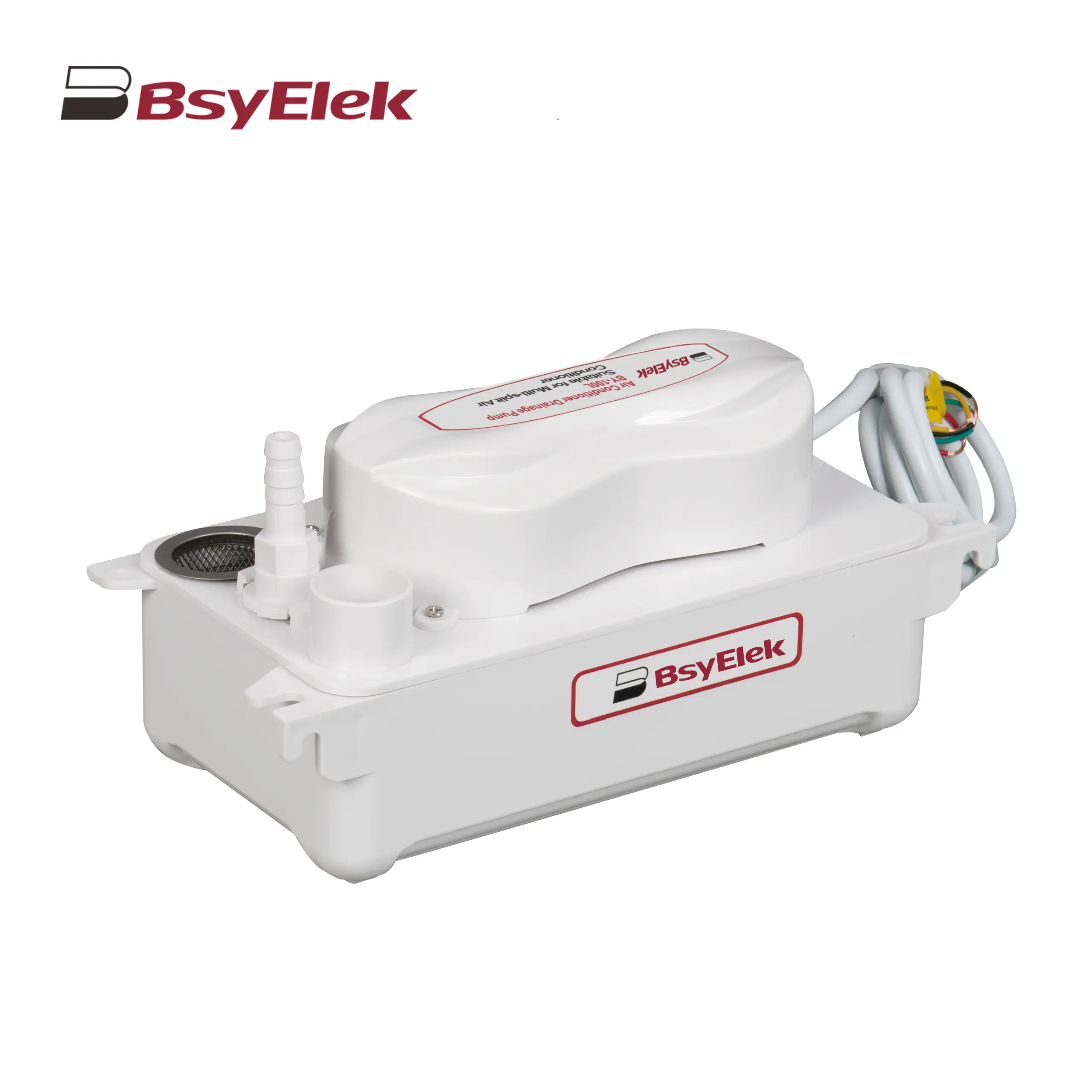 BY-100L 2M Drainage Pump of Air Conditioner
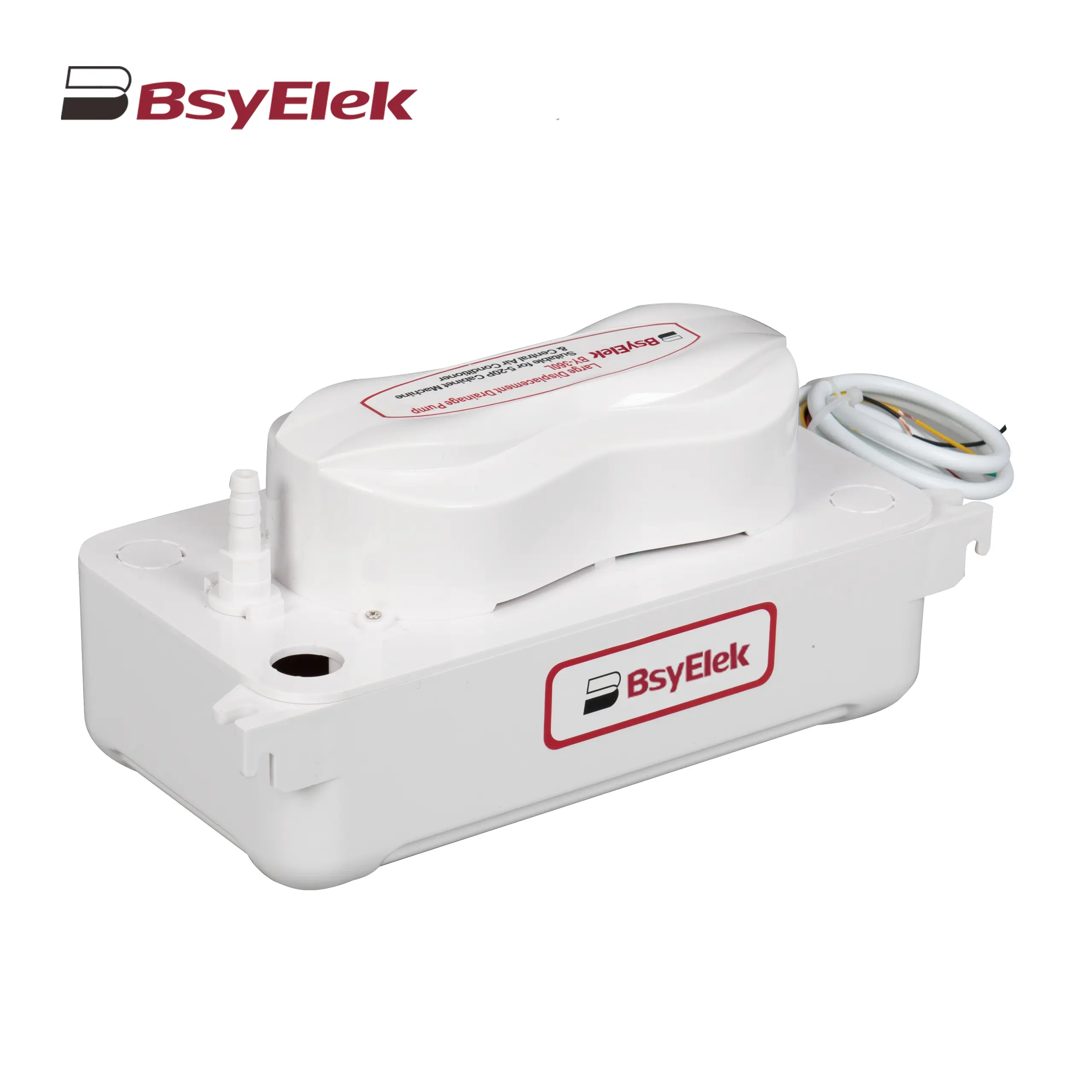 BY-360L 6M Large Displacement Drainage Pump
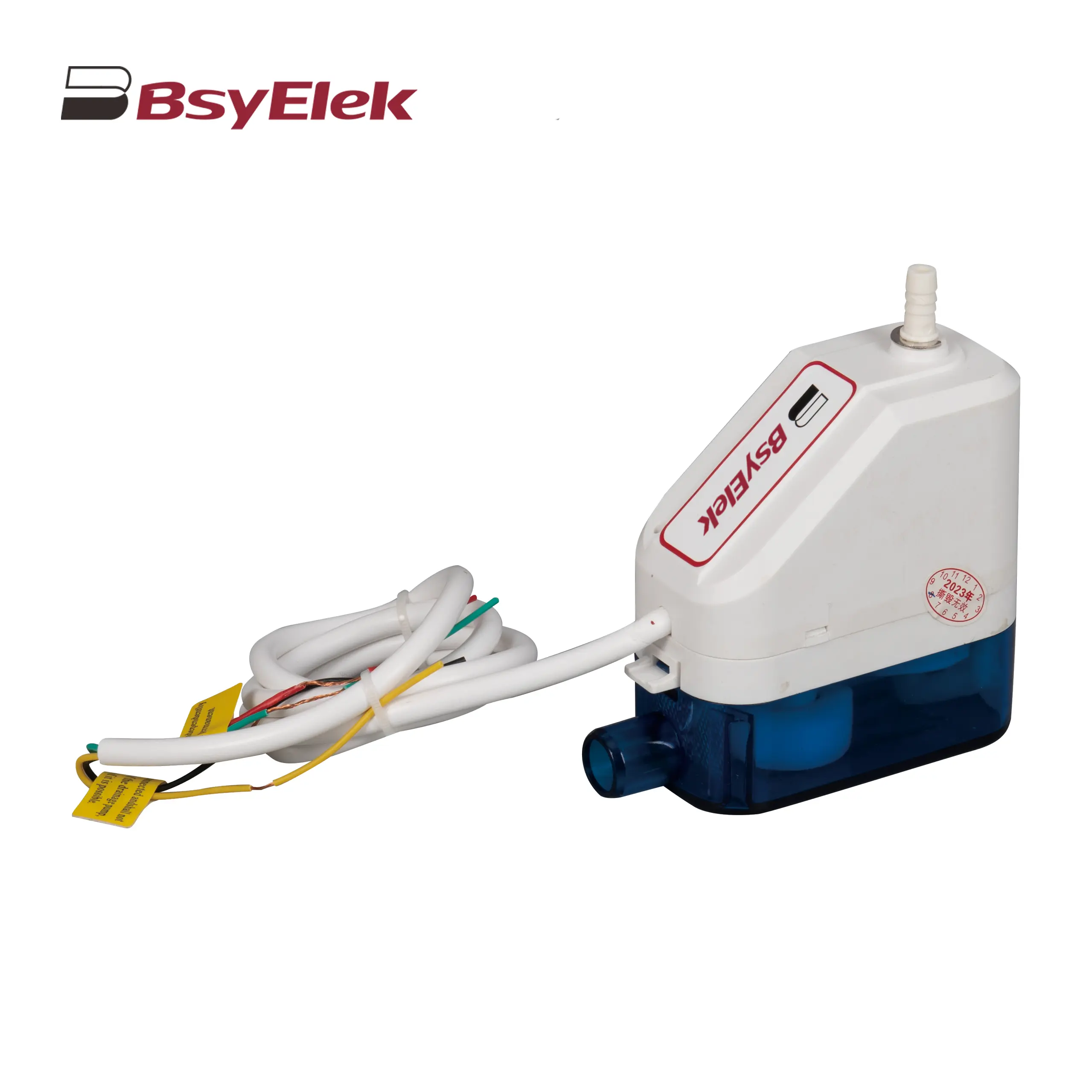 BY-24C/40C 10M Corner Drainage Pump
What is a miniature circuit breaker (MCB)?
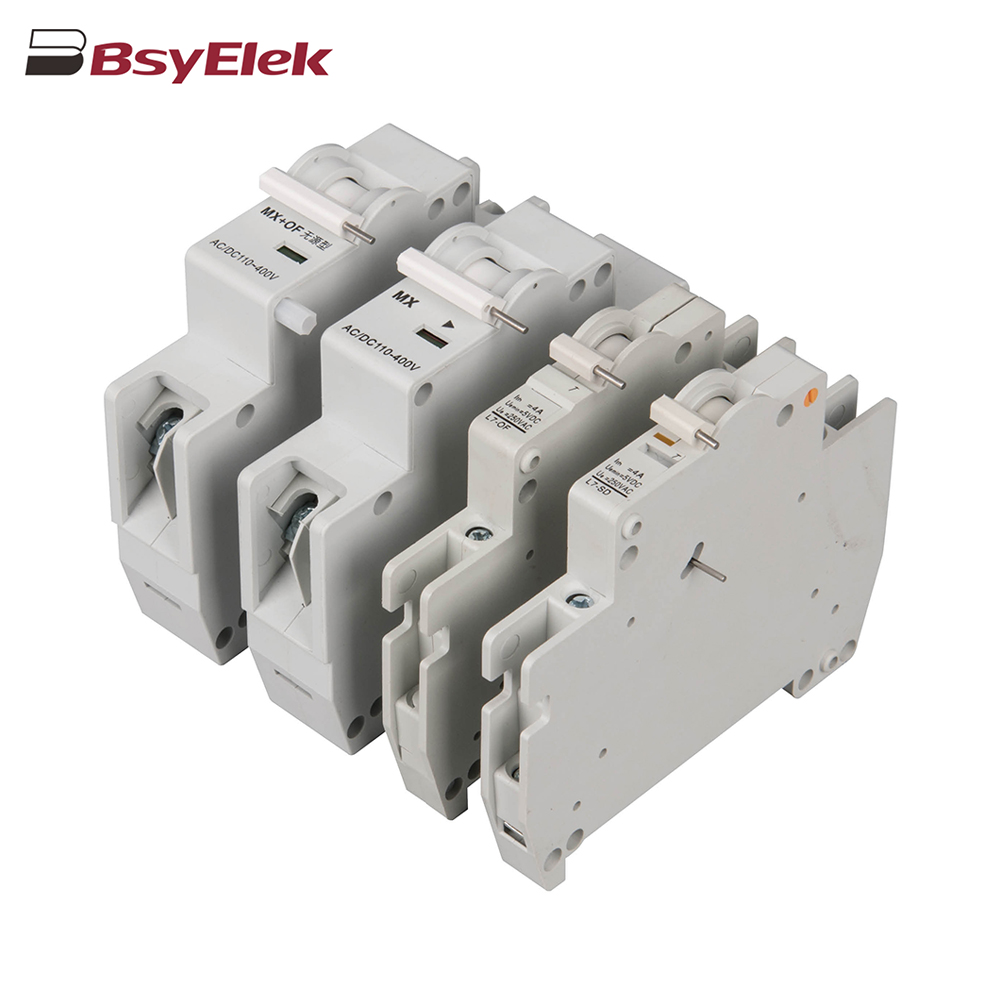 OF SD MX OF MCB Miniature Circuit Breaker Accessories
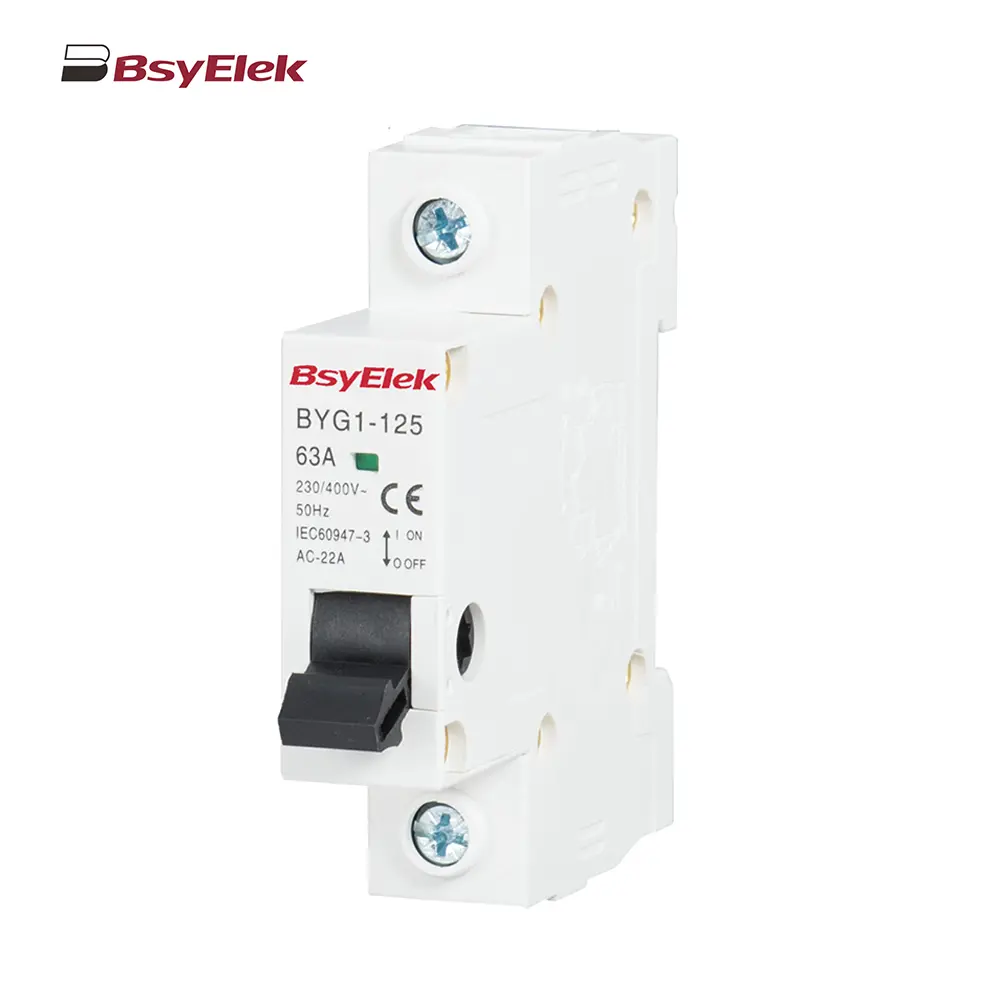 BYG1-125 Main Switch MCB Isolator Switch
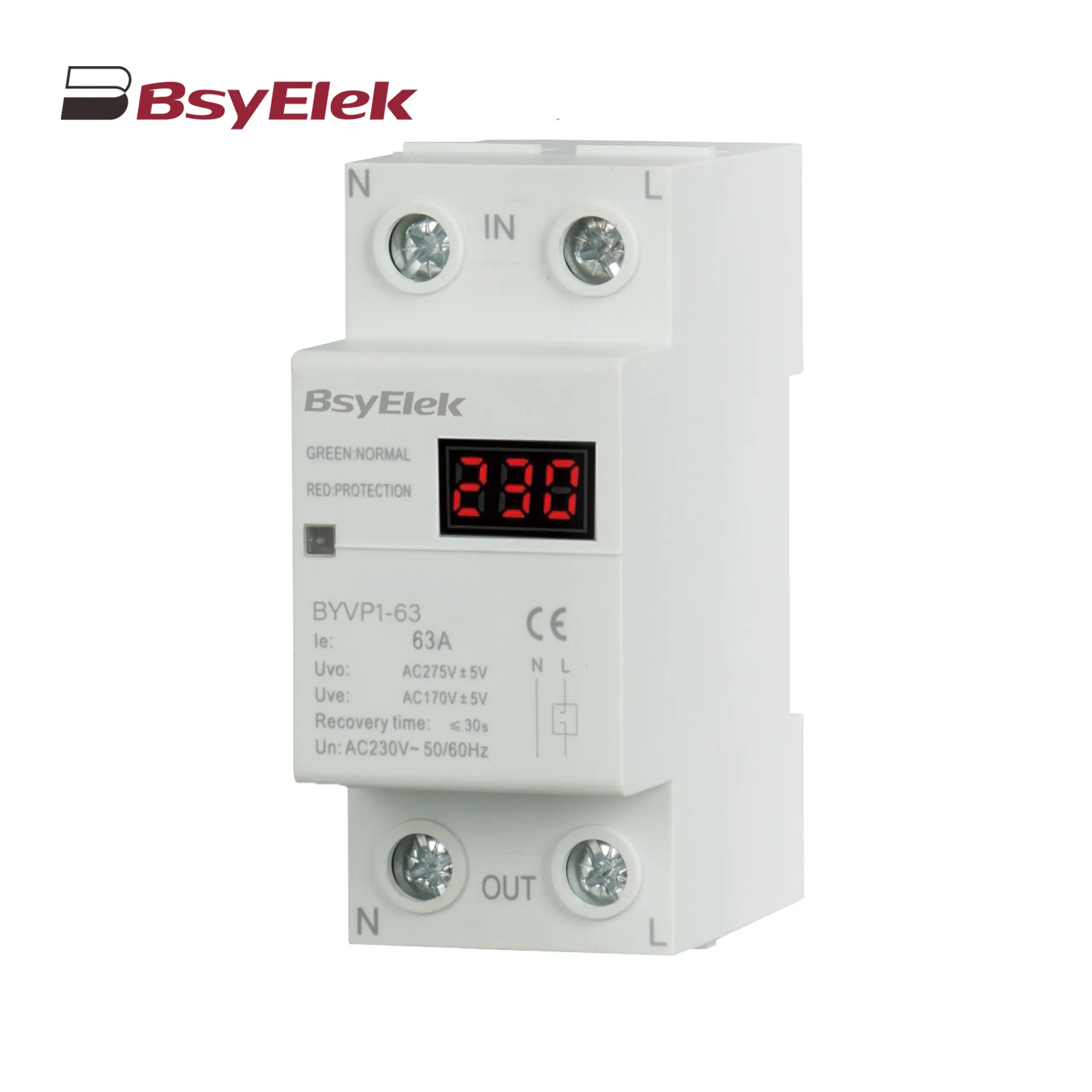 BYVP1-63 100A Single Display Overvoltage and Undervoltage Protector
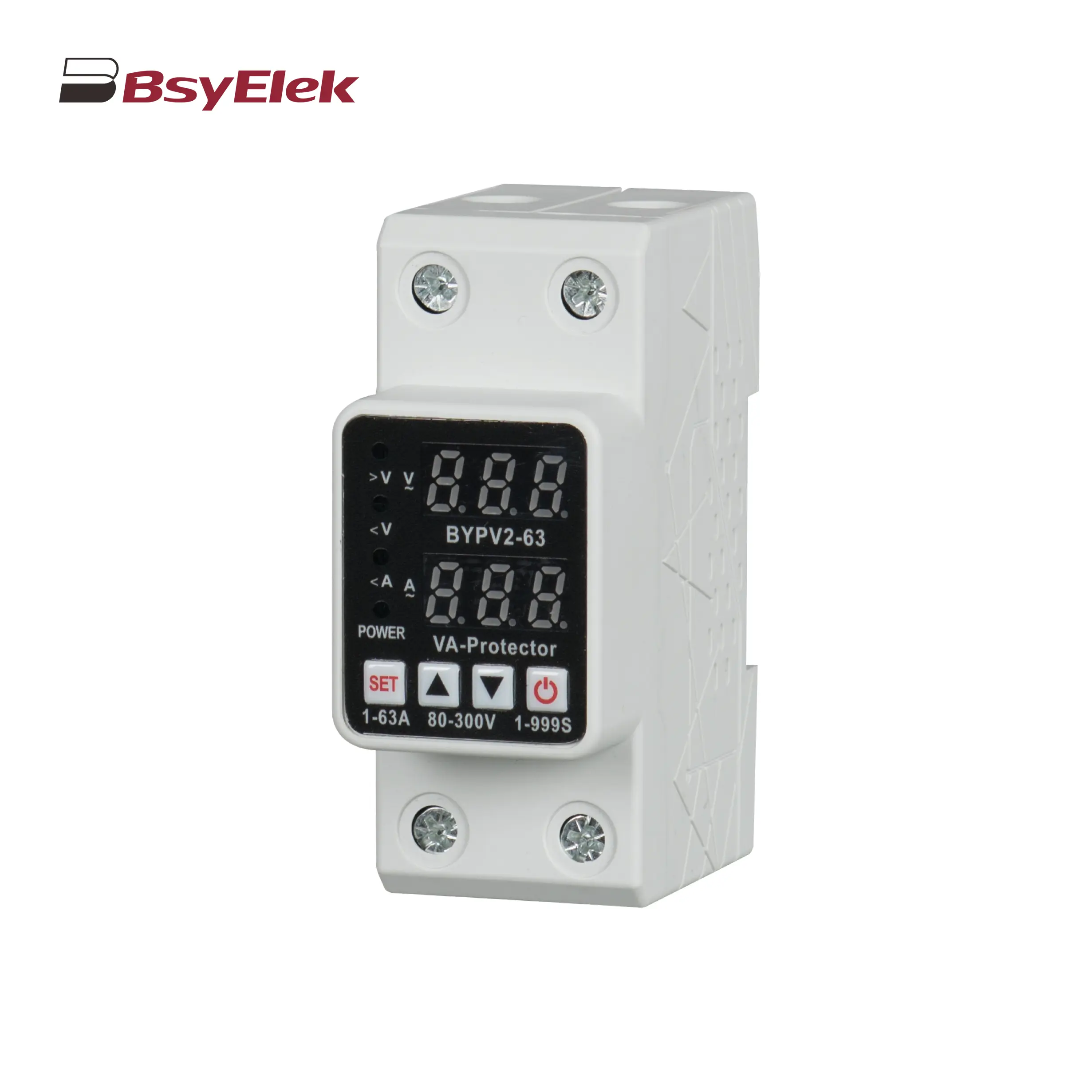 BYVP2-63 40A 63A Adjustable Dual Display Overvoltage and Undervoltage Protector
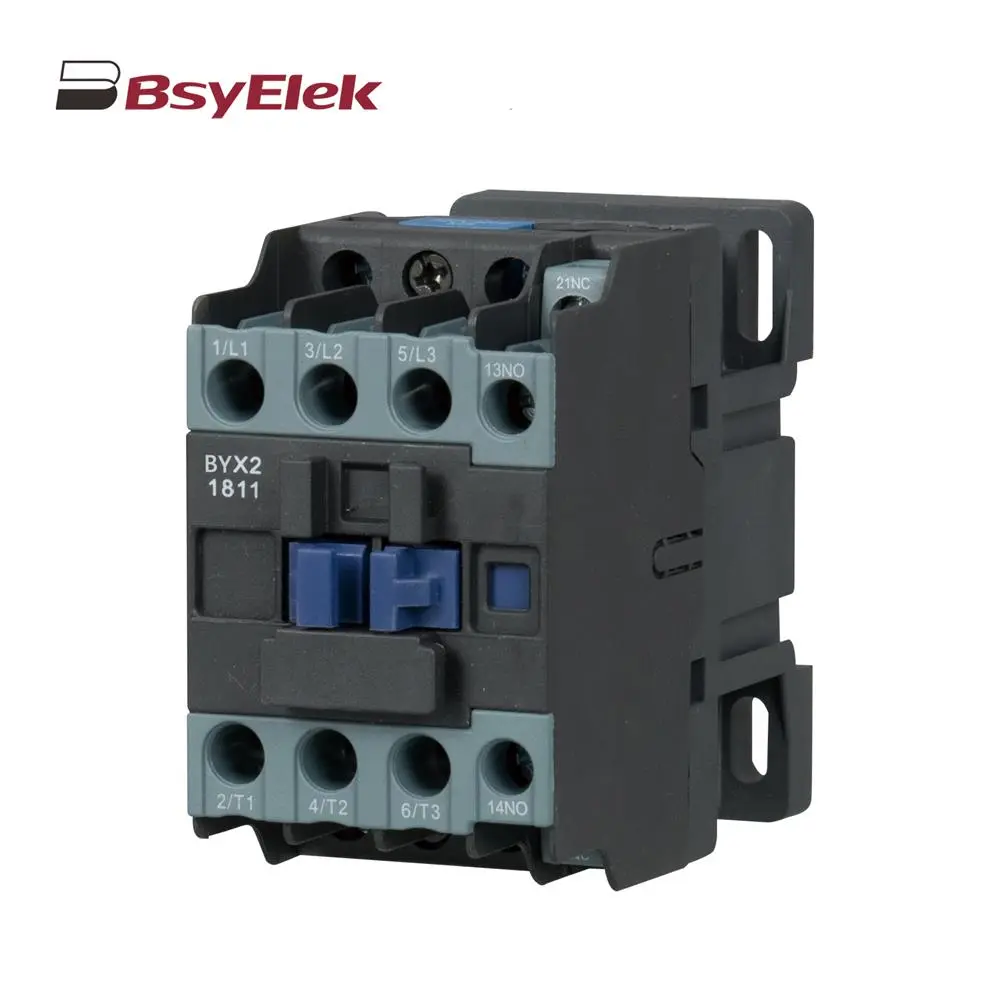 BYX2 6-95A AC Contactor
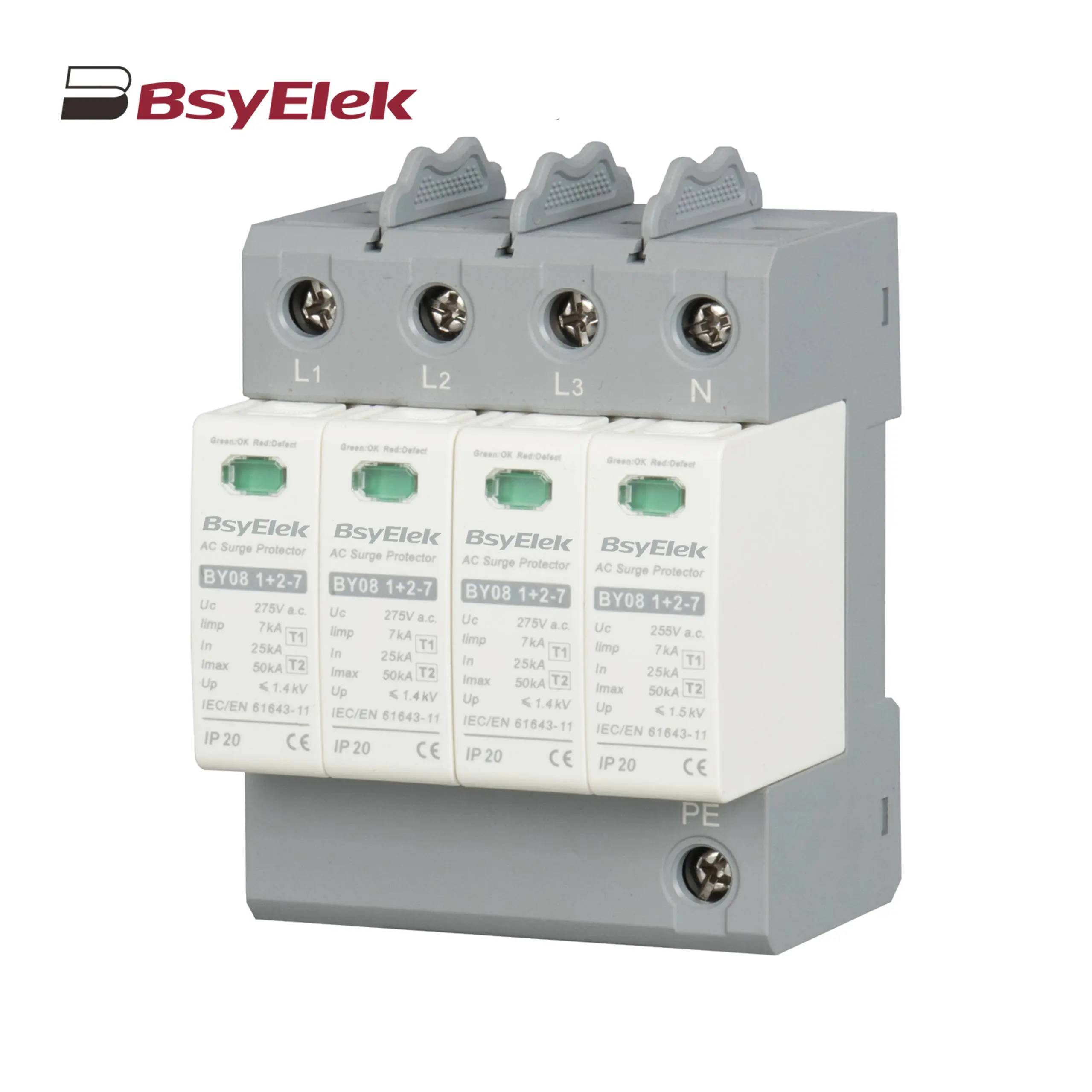 BY08 1+2-7 SPD Class T1+T2 Imax 50KA Surge Protective Device
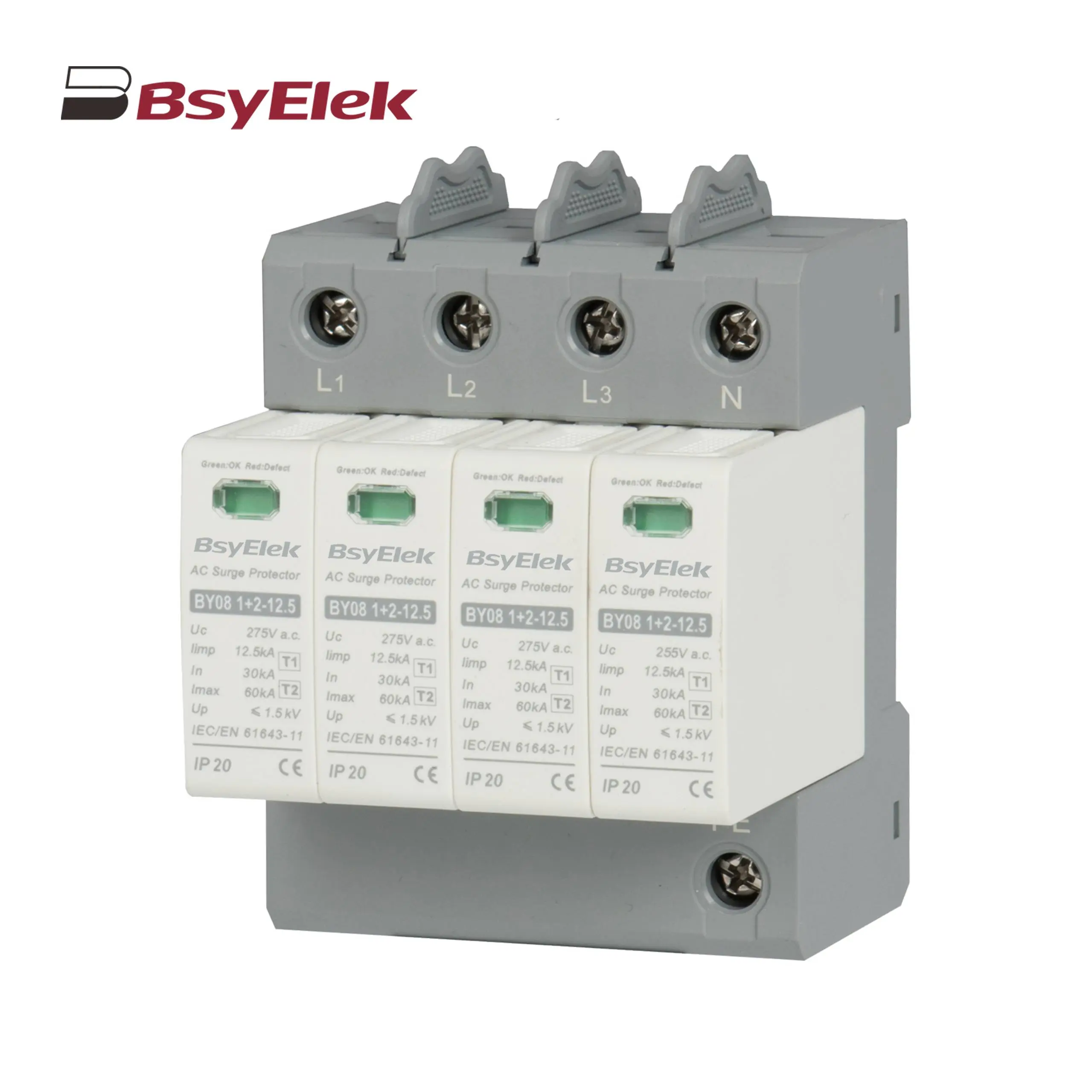 BY08 1+2-12.5 SPD Class T1+T2 Imax 60KA Surge Protective Device
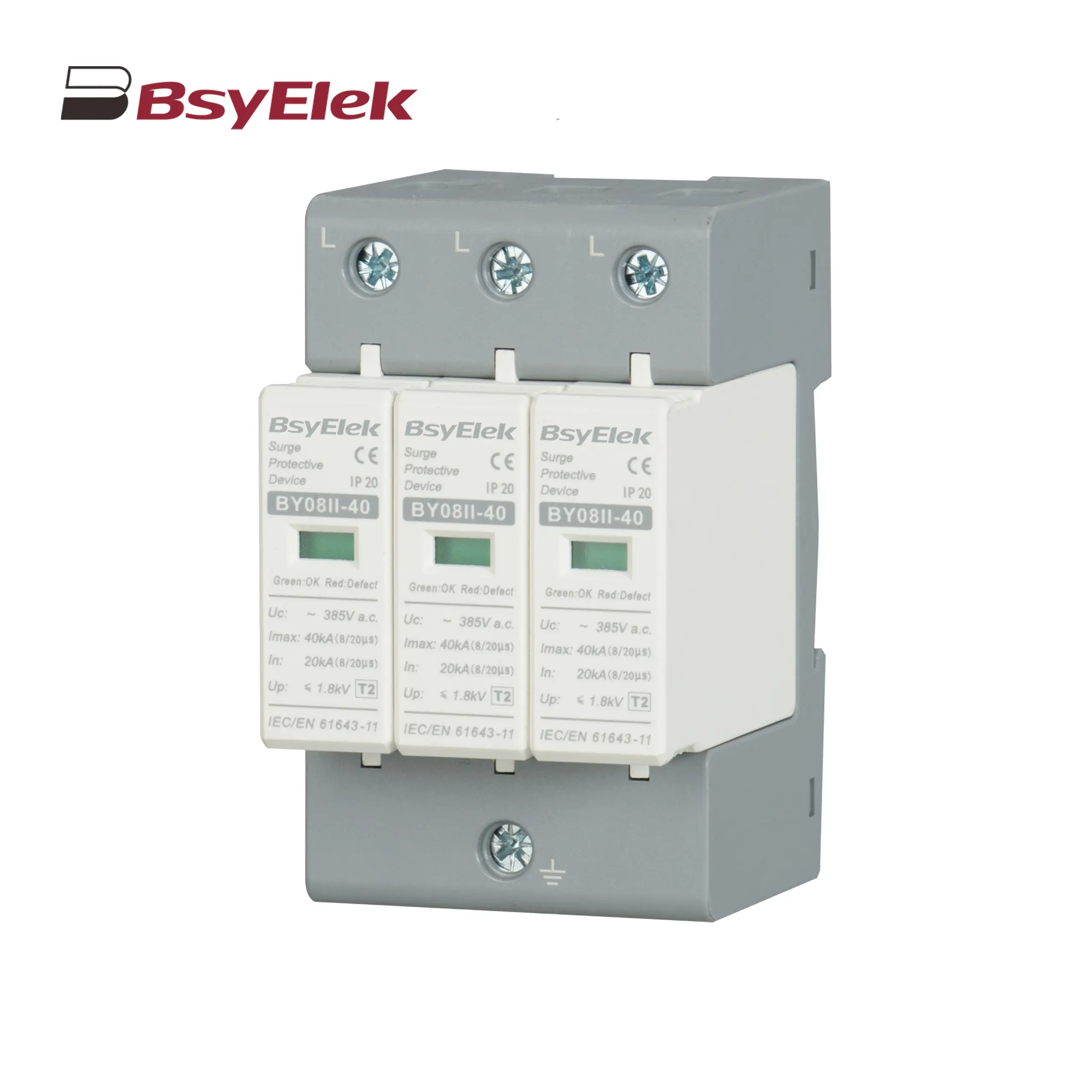 BY08II-40 SPD Class T2 Imax 40KA Surge Protective Device
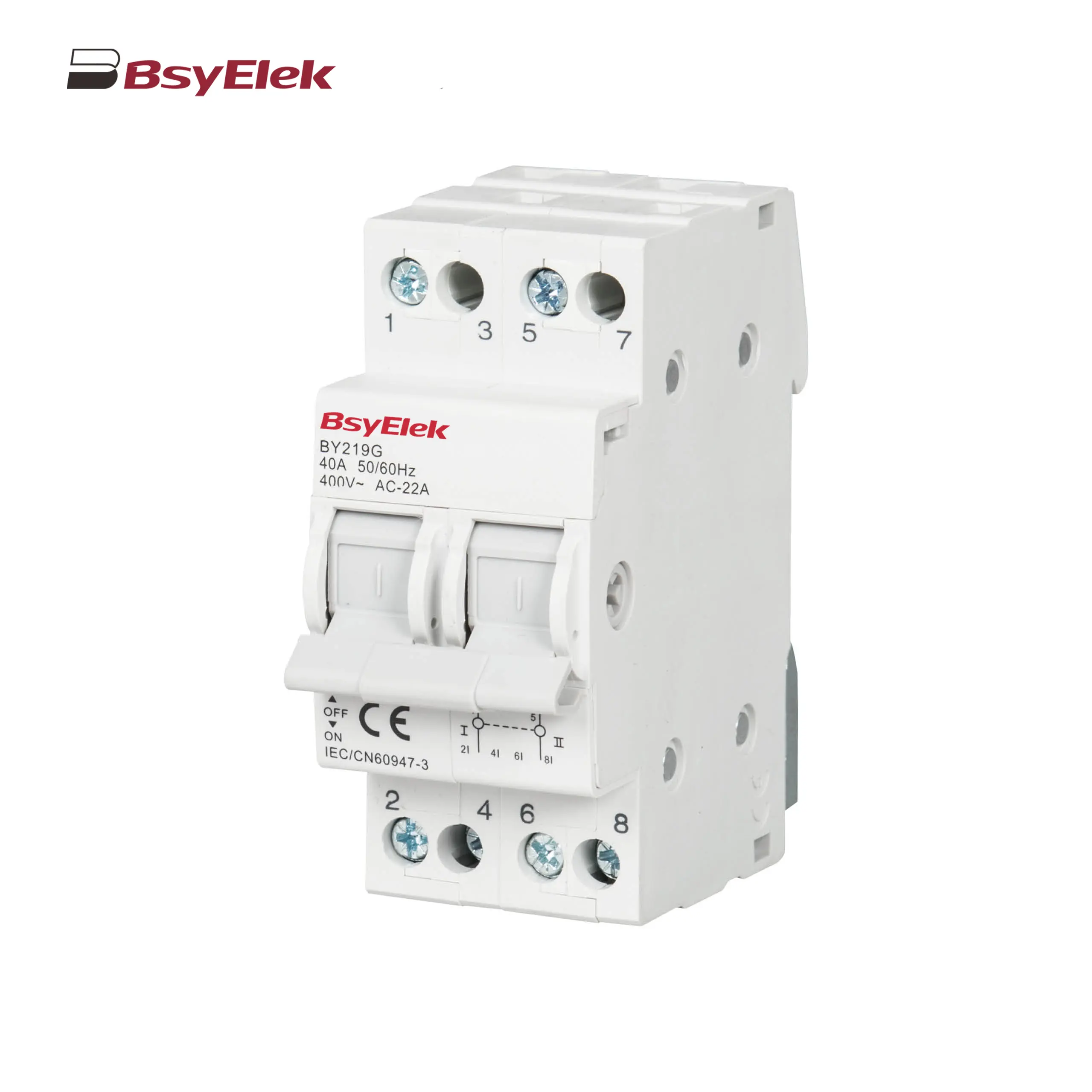 BY19G 63A Manual Changeover Switch
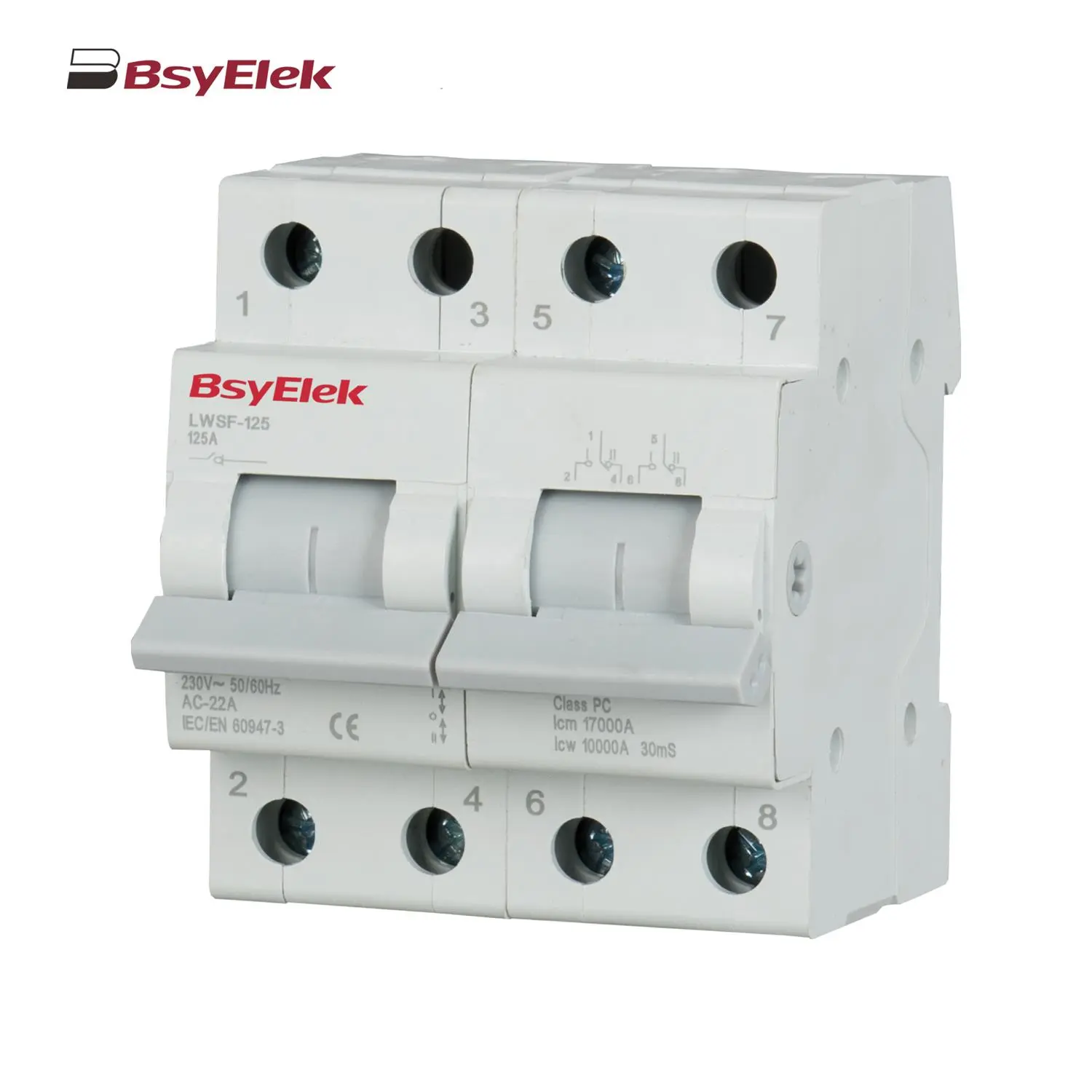 LWSF-125 125A Manual Changeover Switch
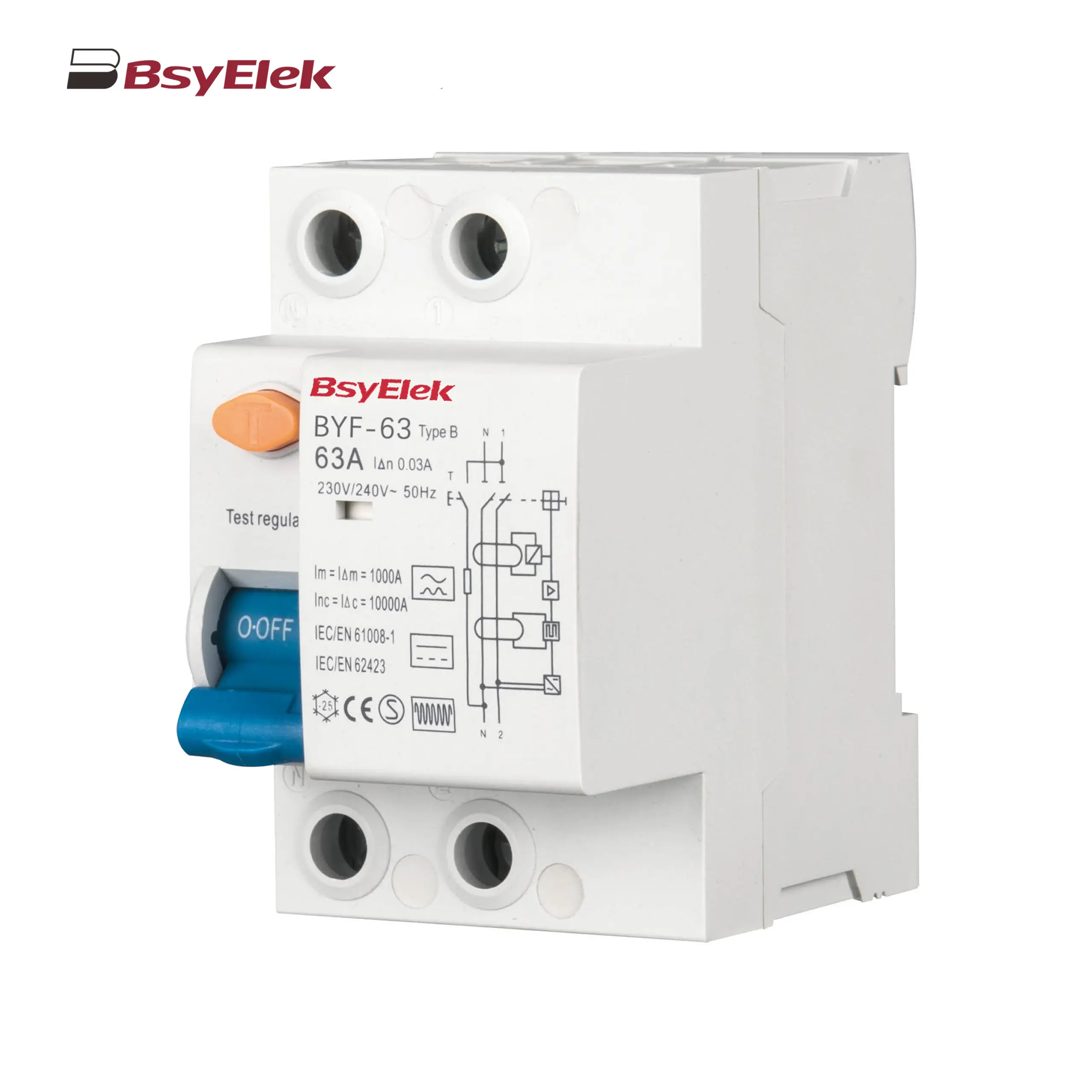 BYF-63 RCD 10KA Type B AC+A+Smoothing DC Residual Current Device
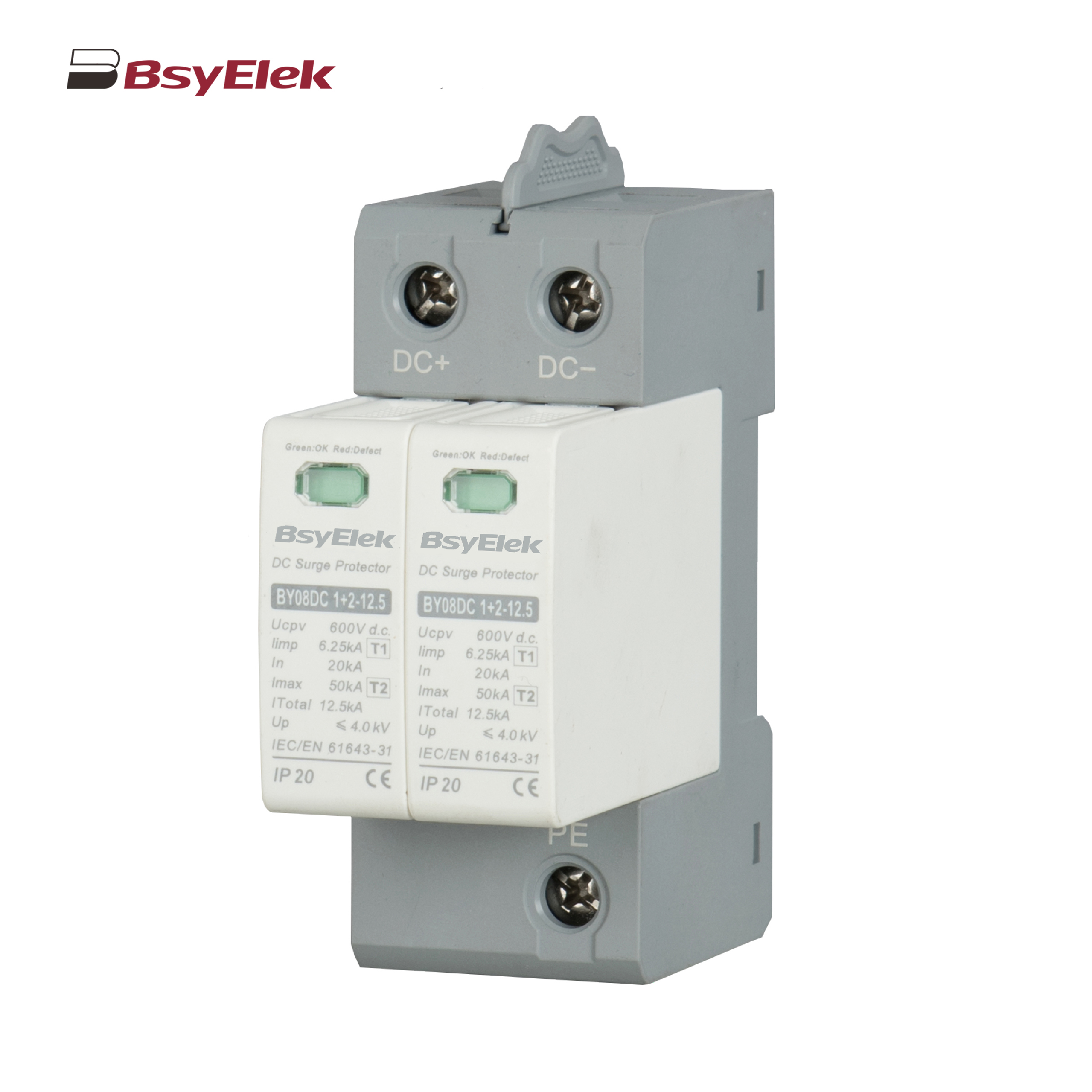 BY08DC 1+2-12.5 SPD Class T1+T2 40KA DC Surge Protective Device
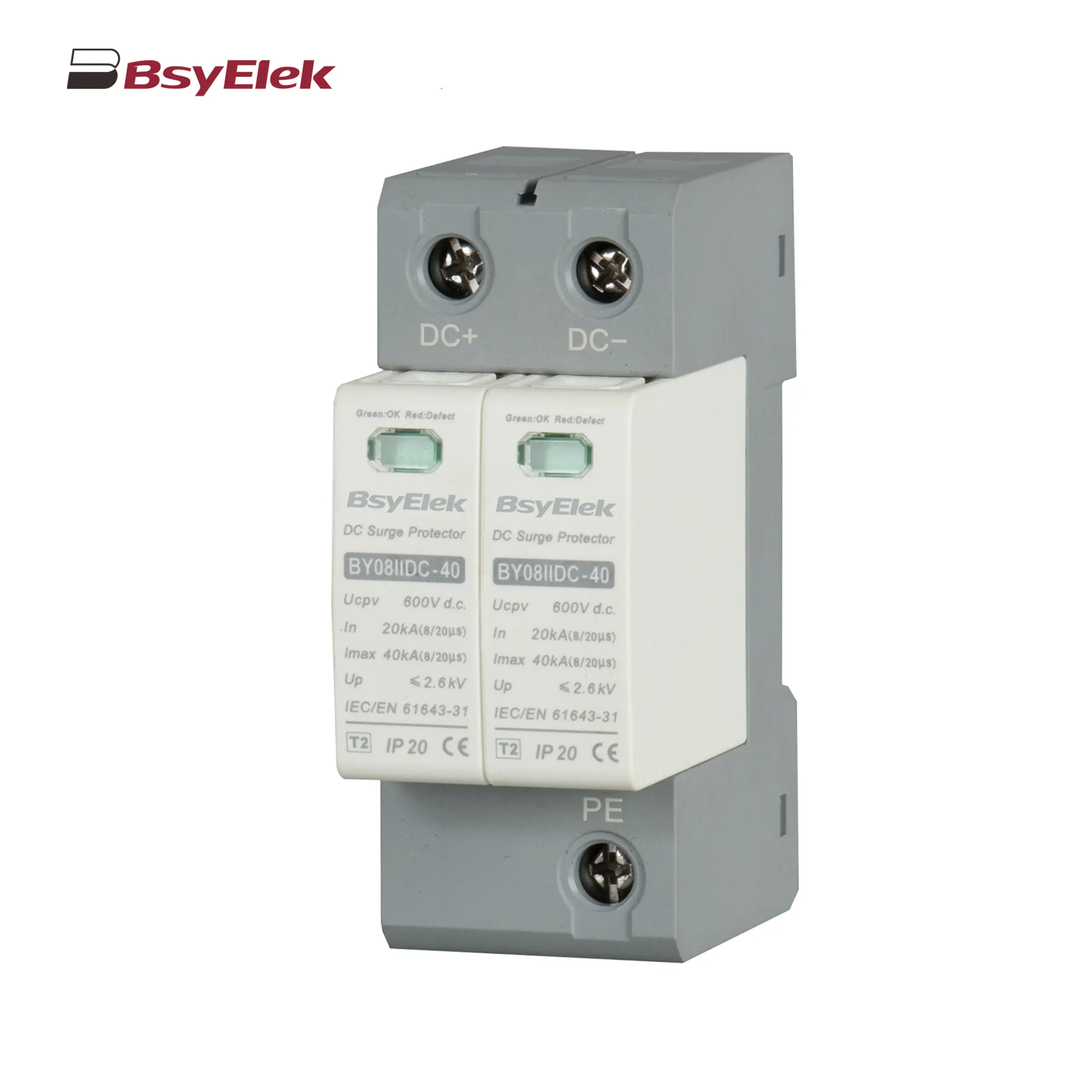 BY08IIDC-40 SPD Class T2 40KA DC Surge Protective Device
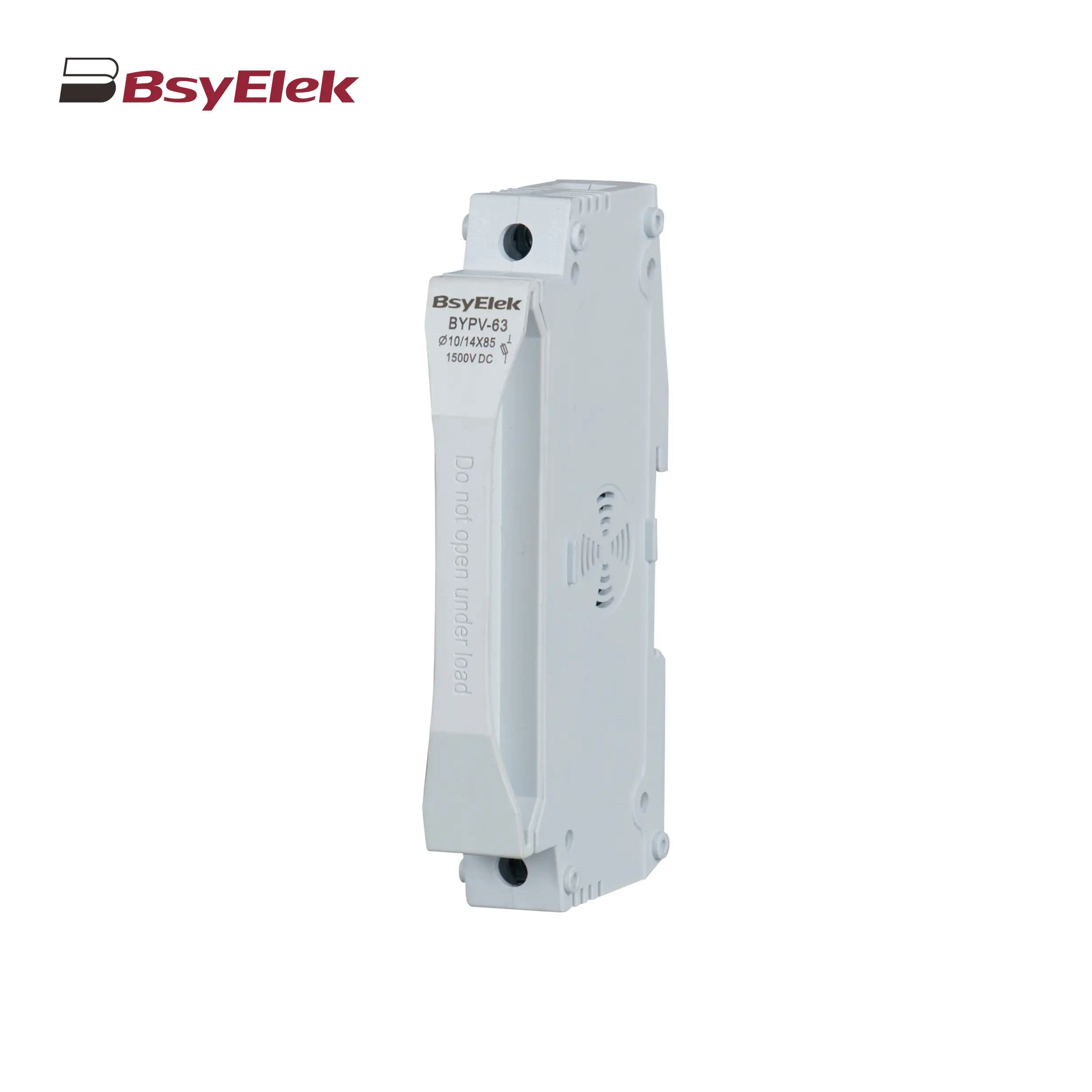 BYPV-63 1500VDC 50A Fuse Holder with 10x85mm 14x85mm Fuse Link
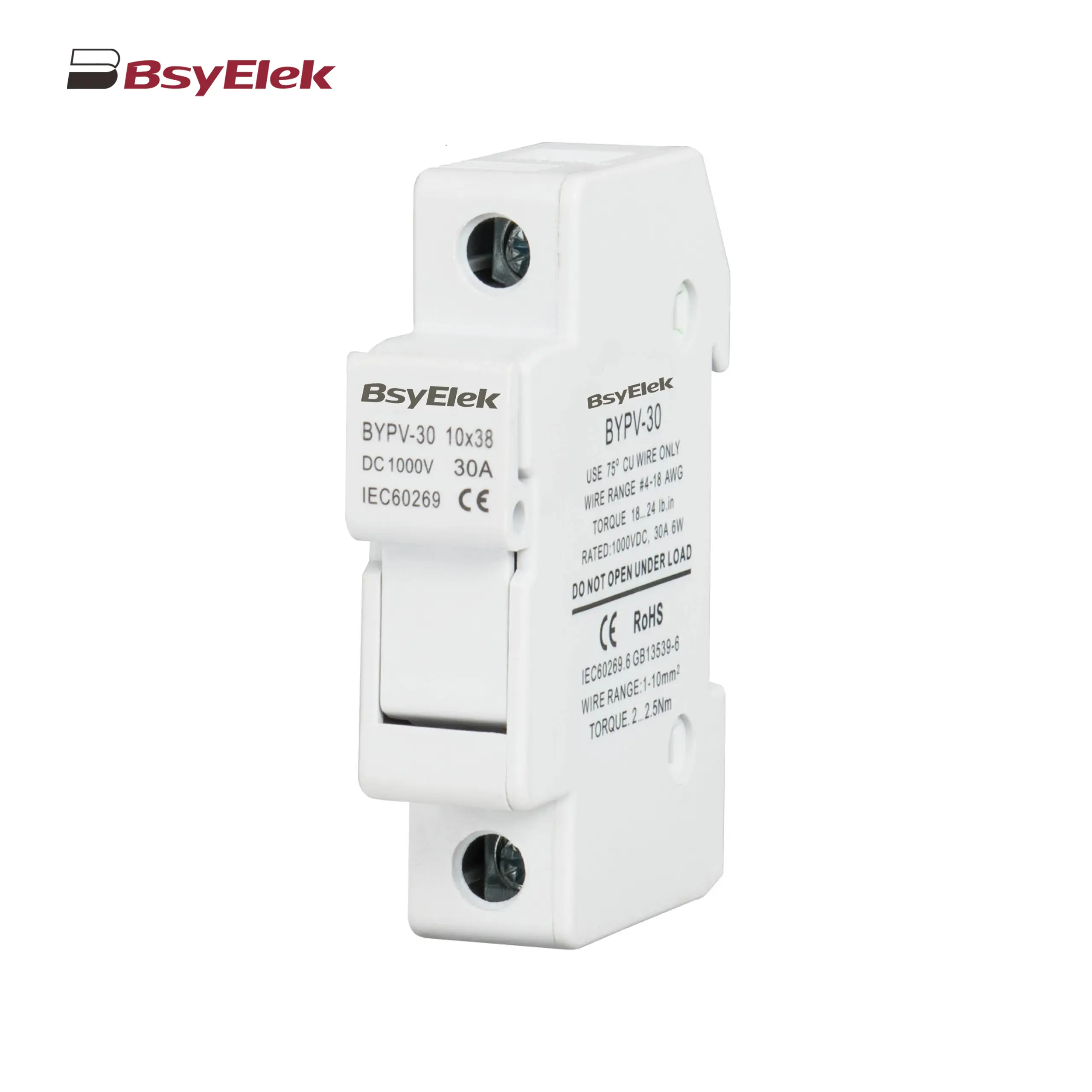 BYPV-30 1000VDC 32A Fuse Holder with 10x38mm Fuse Link
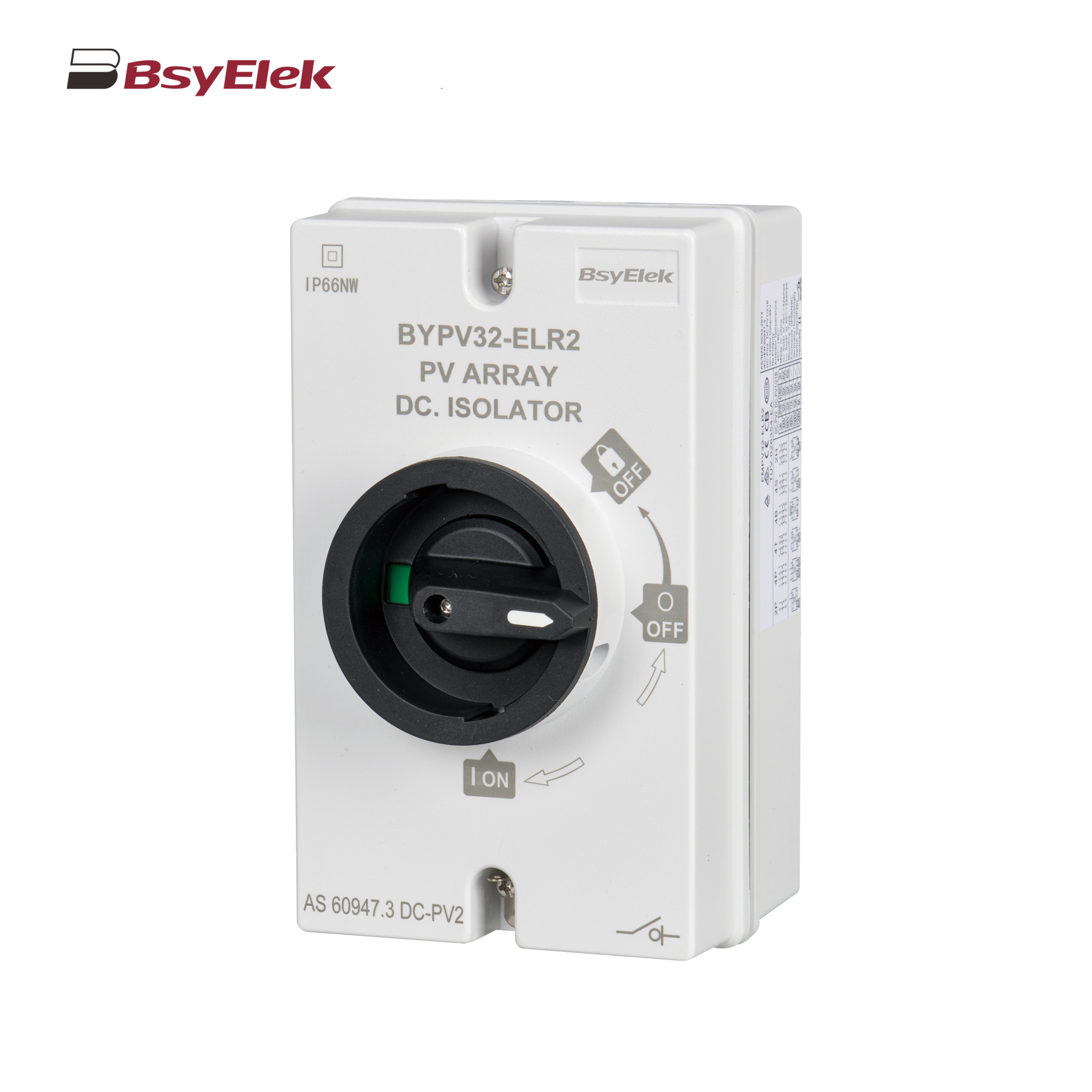 BYPV-ELR2 PV Isolator Switch with Enclosed Version
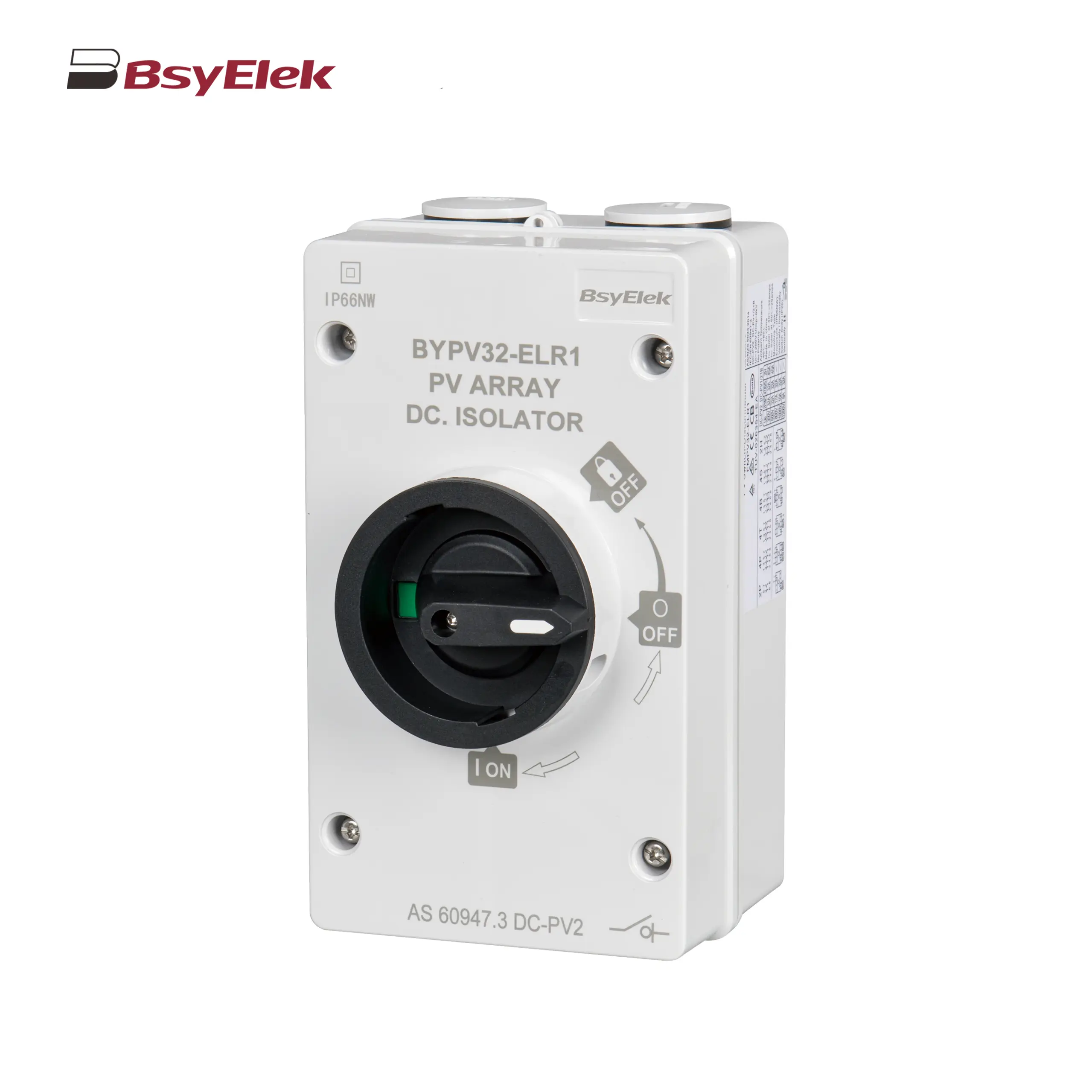 BYPV-ELR1 PV Isolator Switch with Enclosed Version
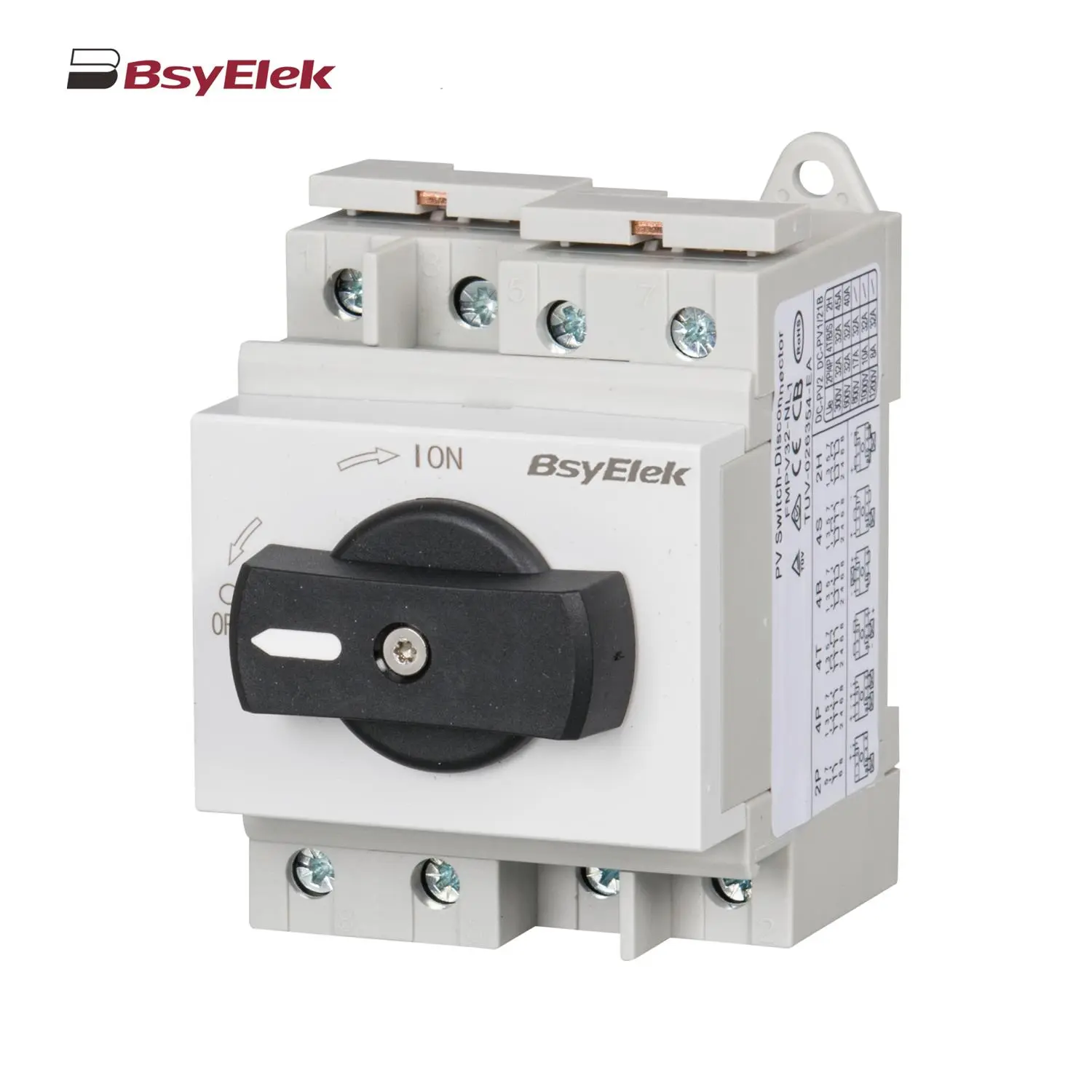 BYPV-NL1/T PV Isolator Switch with Ultra-thin Lever Handle
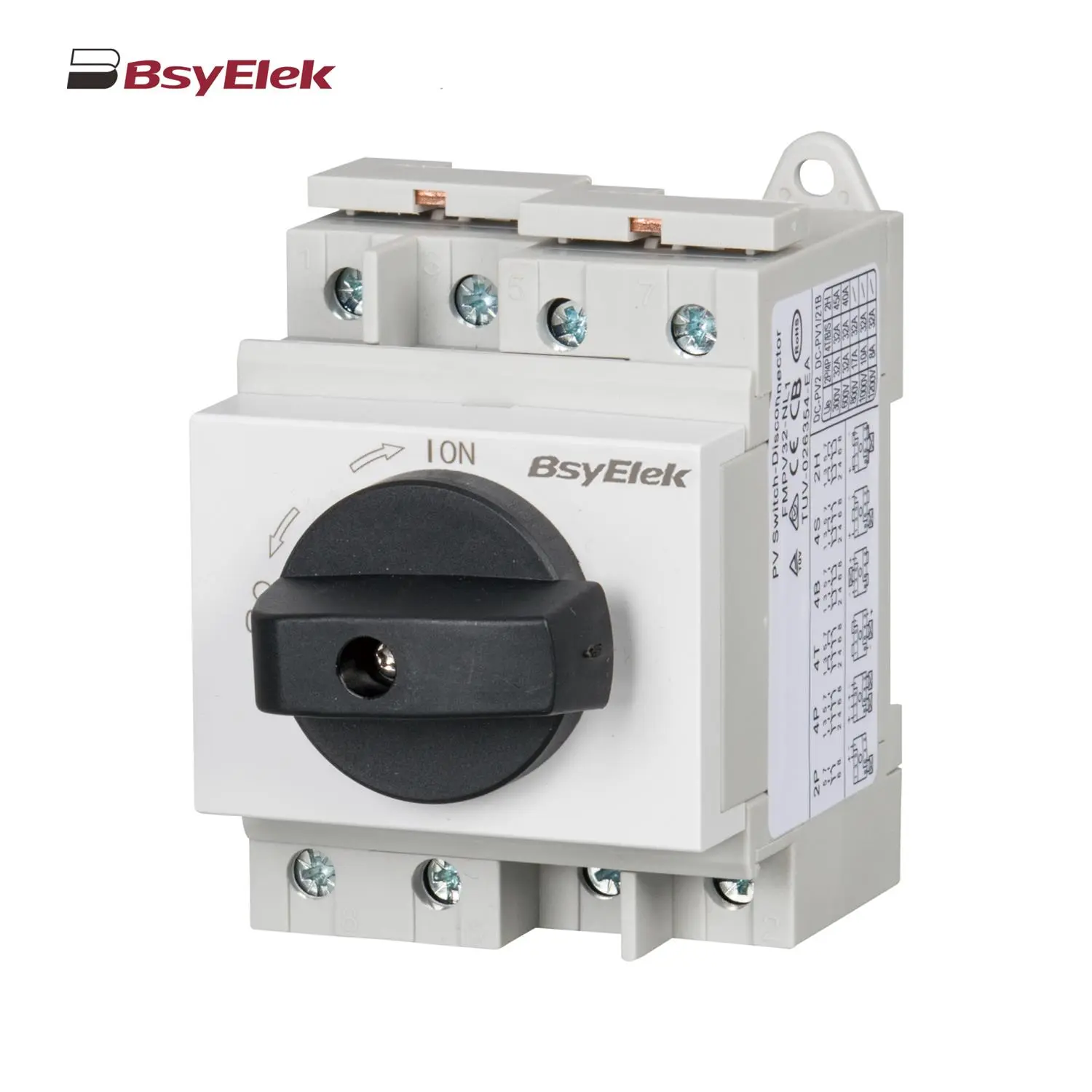 BYPV-NL1 PV Isolator Switch with Lever Handle
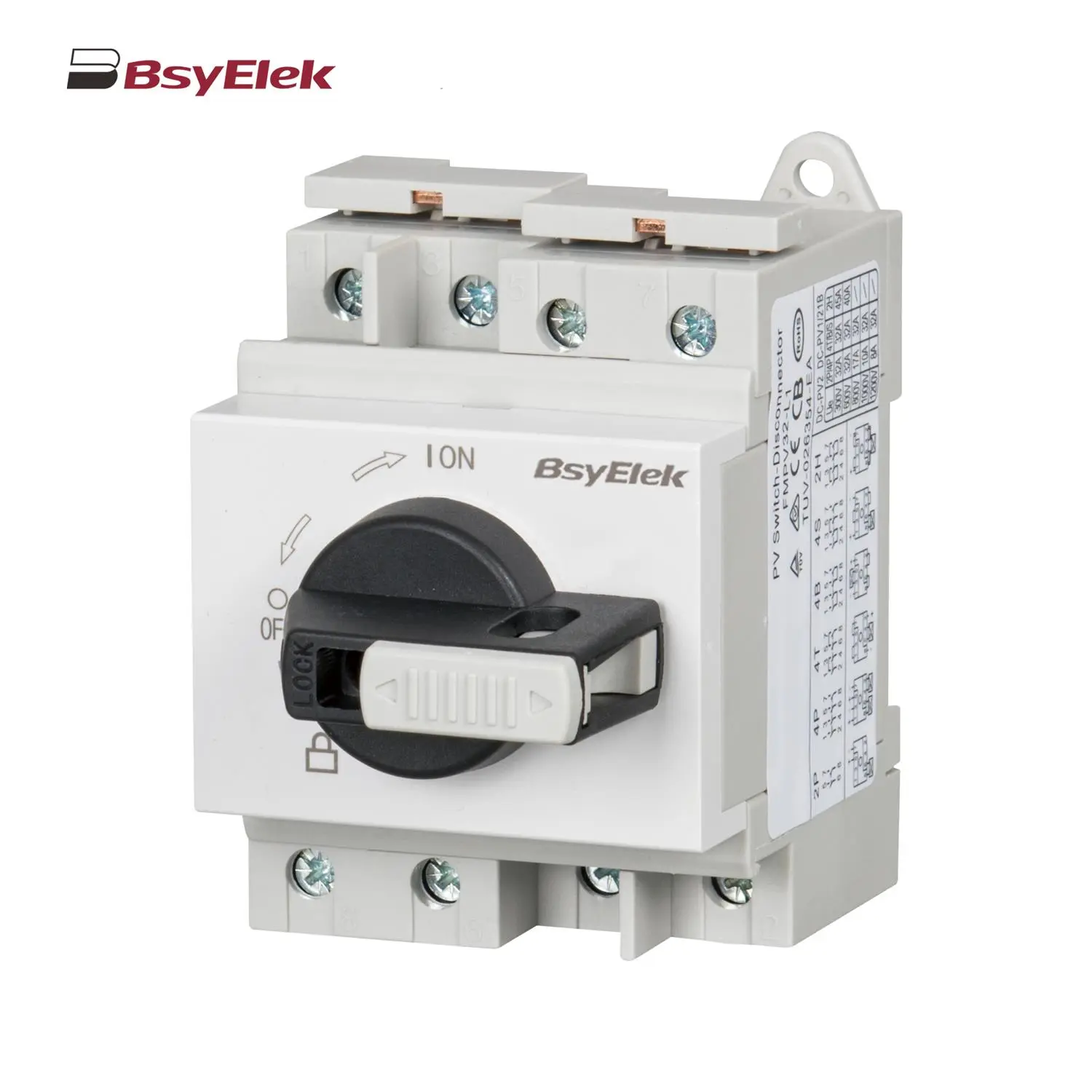 BYPV-L1/L2 PV Isolator Switch with Lockable Lever Handle
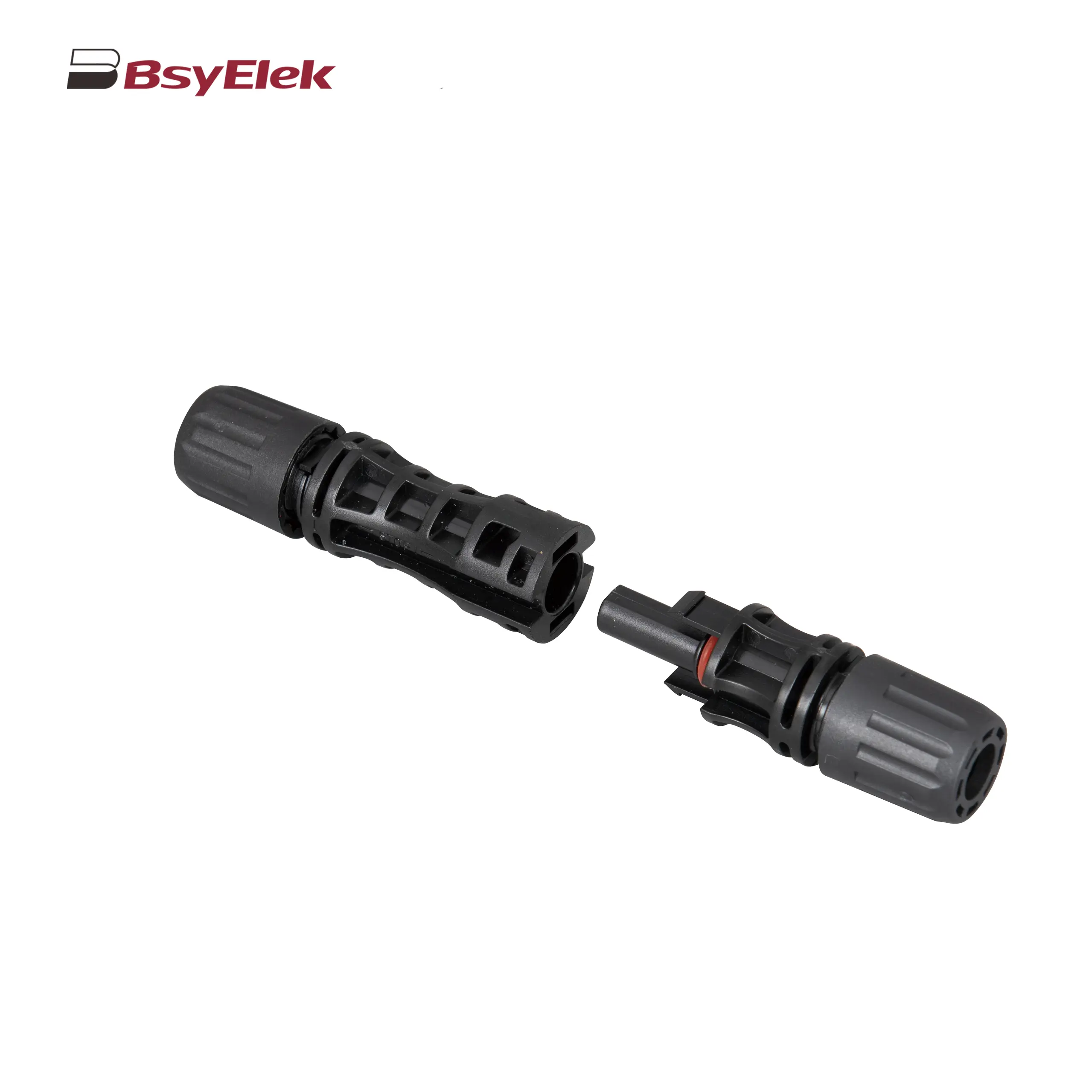
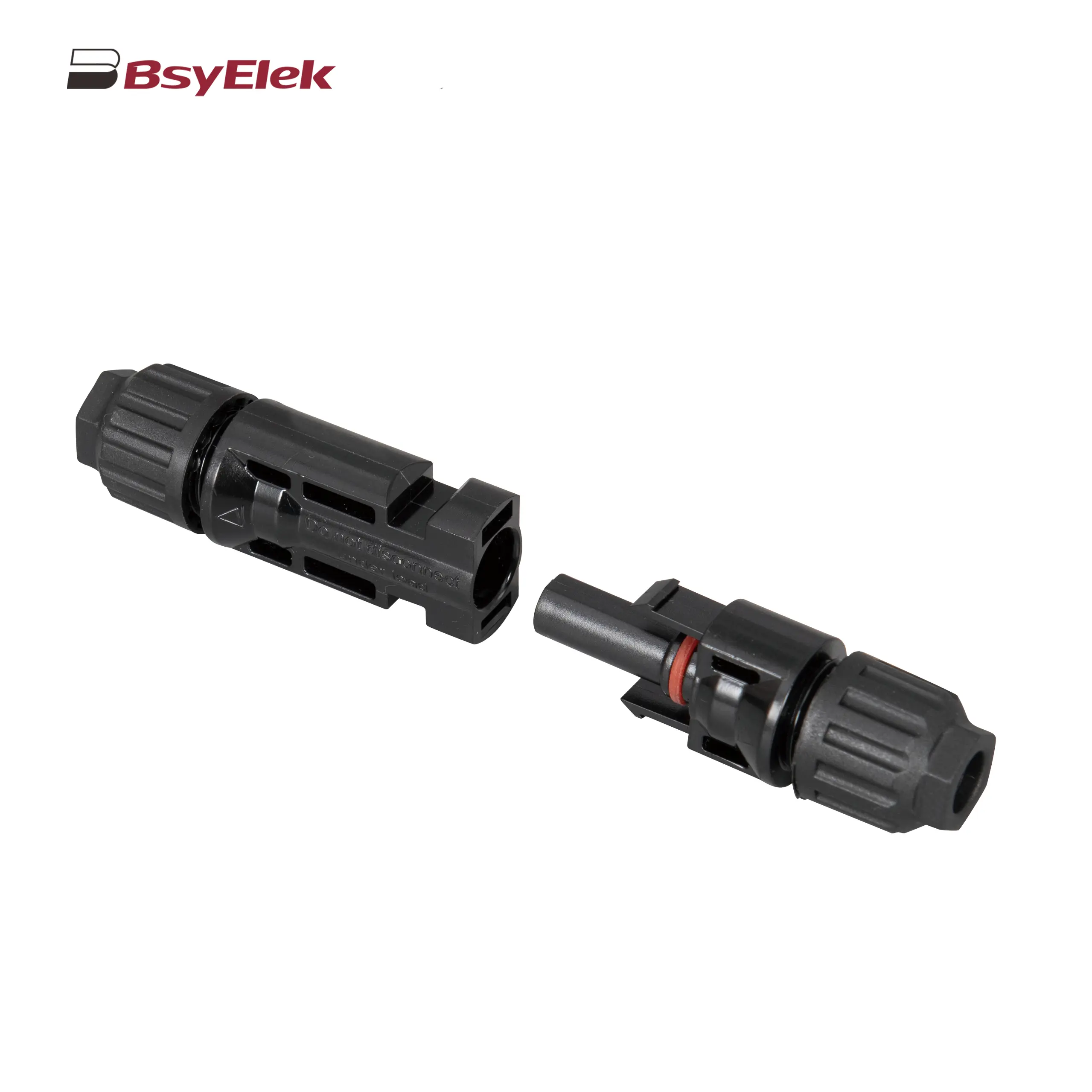 PV-BY-01 30A/50A 1000V Photovoltaic Connector
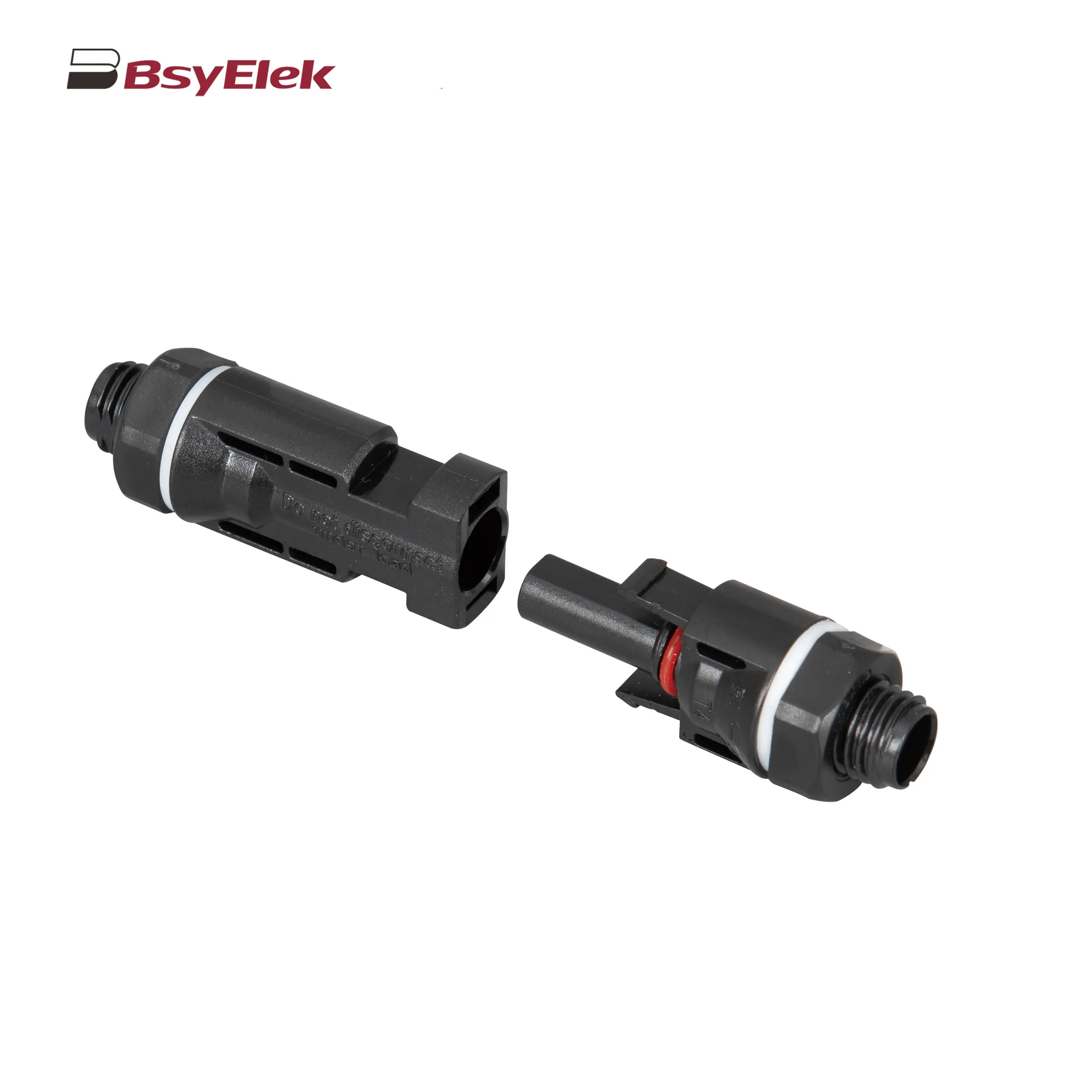
 PV-BY-02 30A/50A 1500V Photovoltaic Connector
 PV-BY-03 30A/50A 1000V Panel Mount Photovoltaic Connector
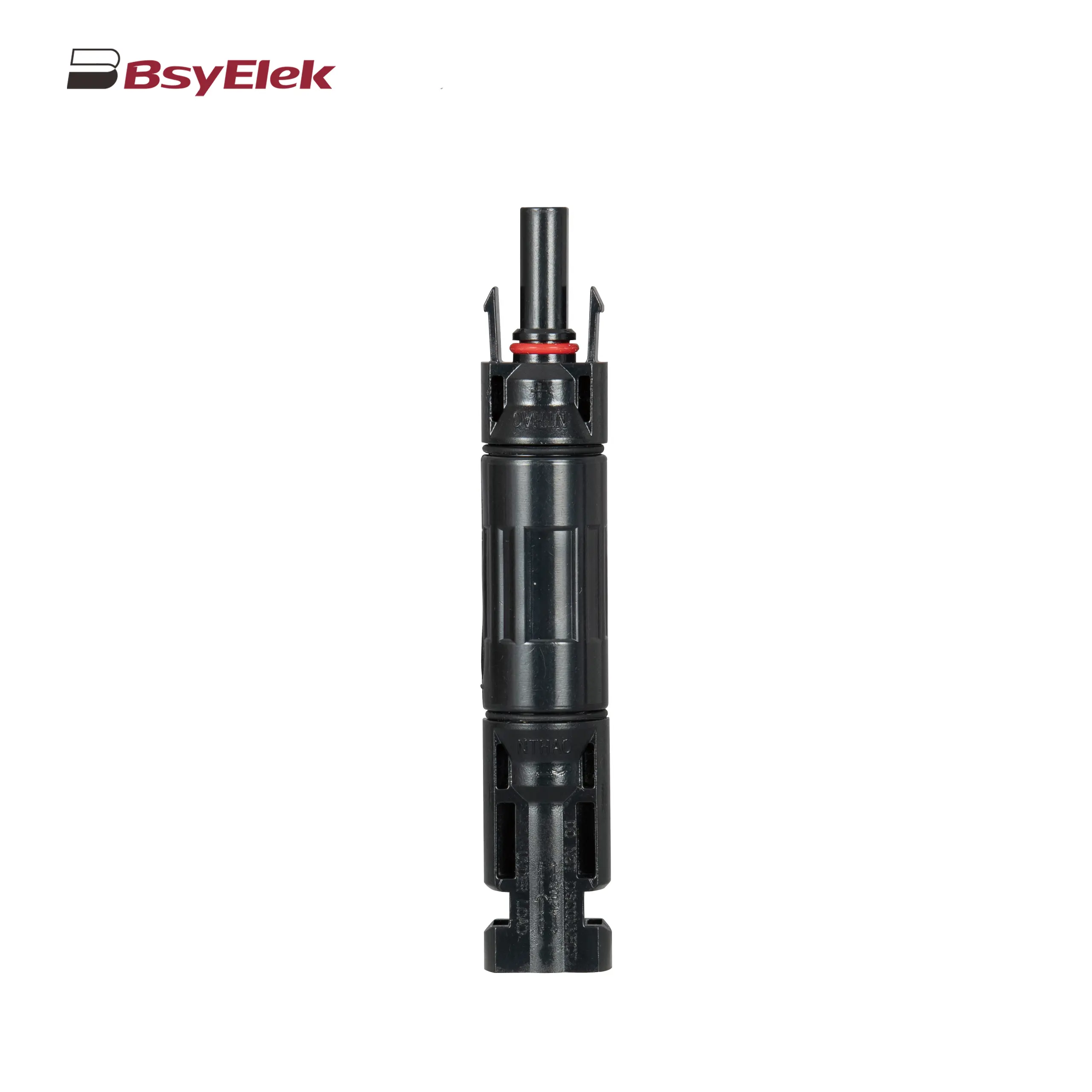 PV-BY-F01 30A 1500V Diode/Fuse Type Connector
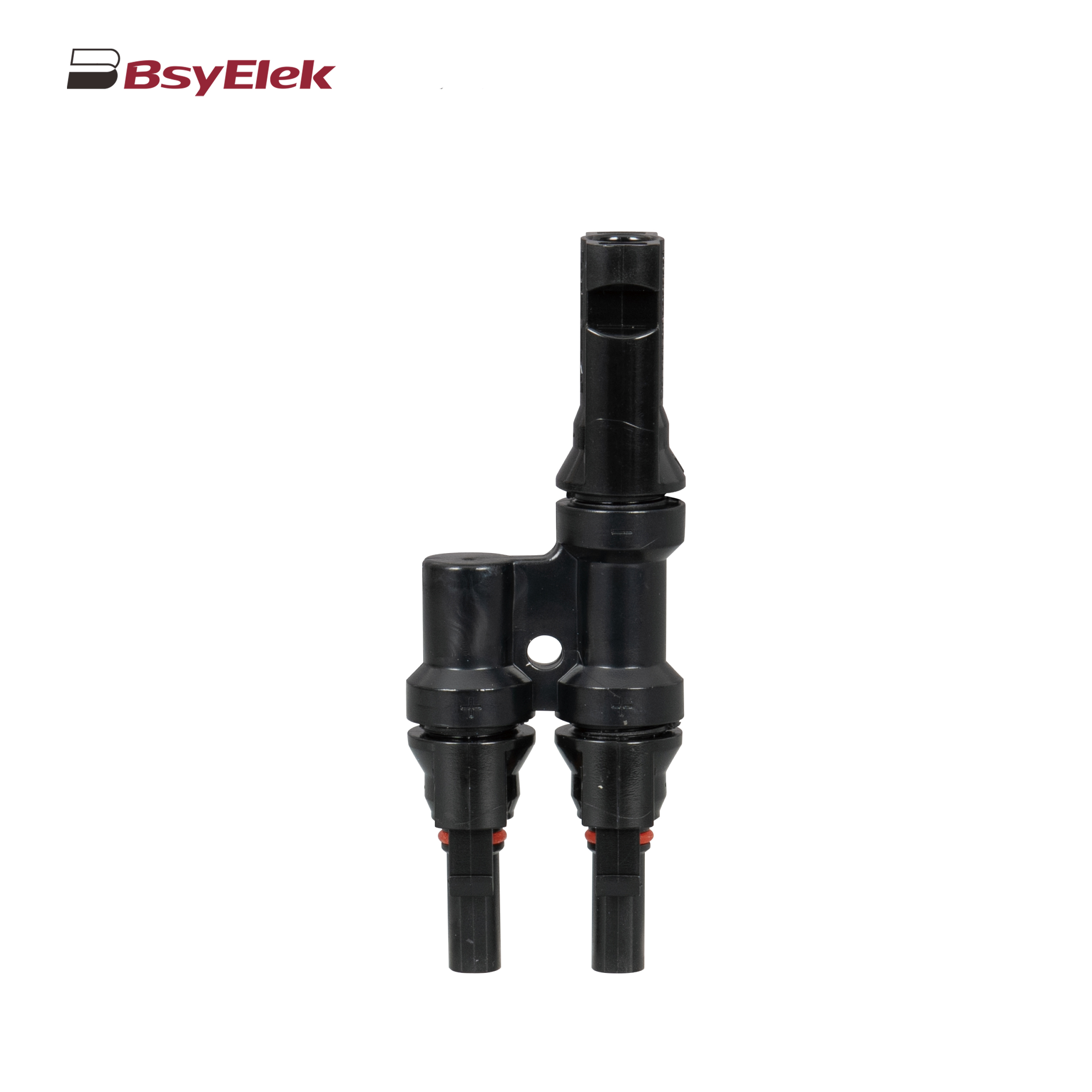 PV-BY-T 50A 1500V T Type Branch Connector
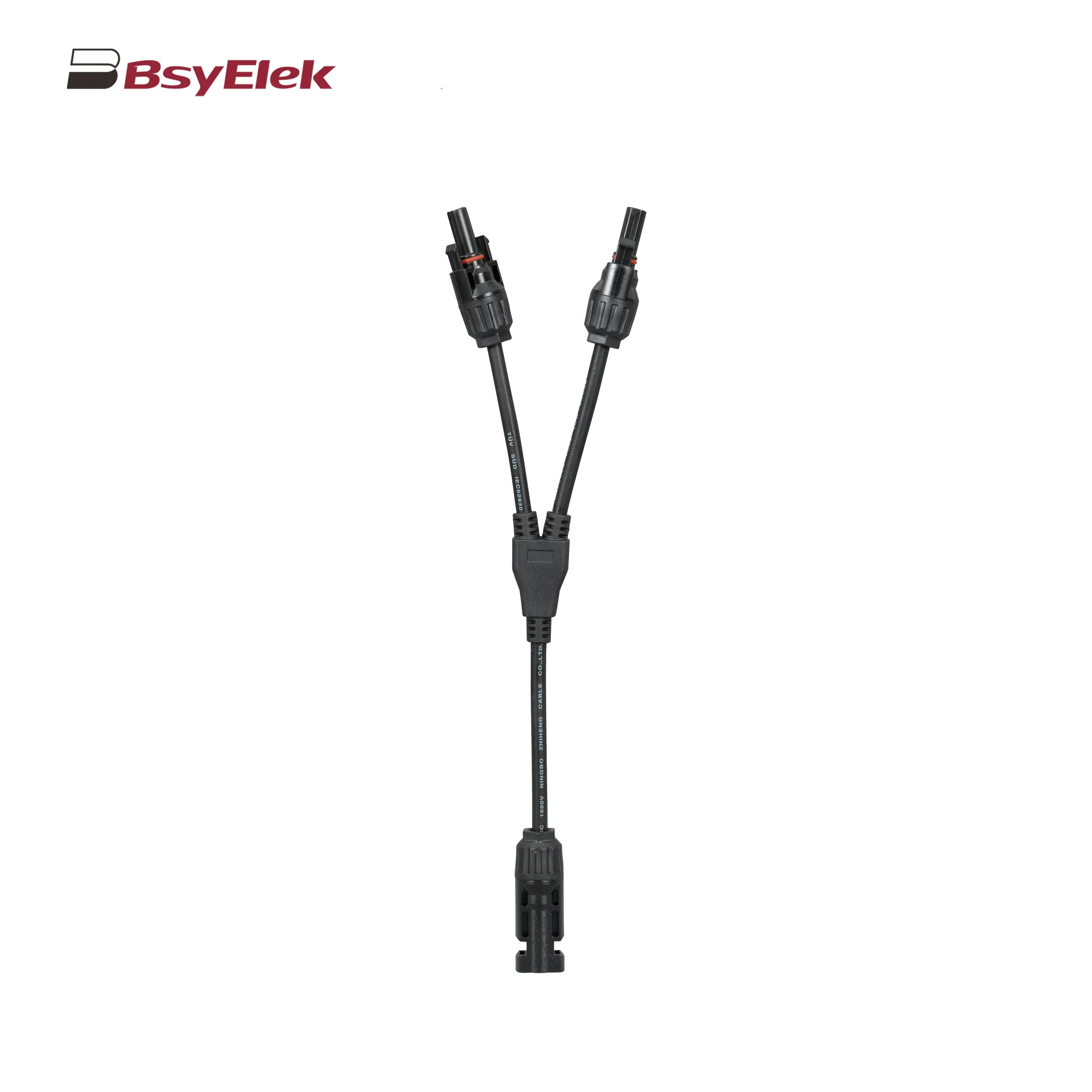 PV-BY-Y 30A 1500V Y Type Branch Connector
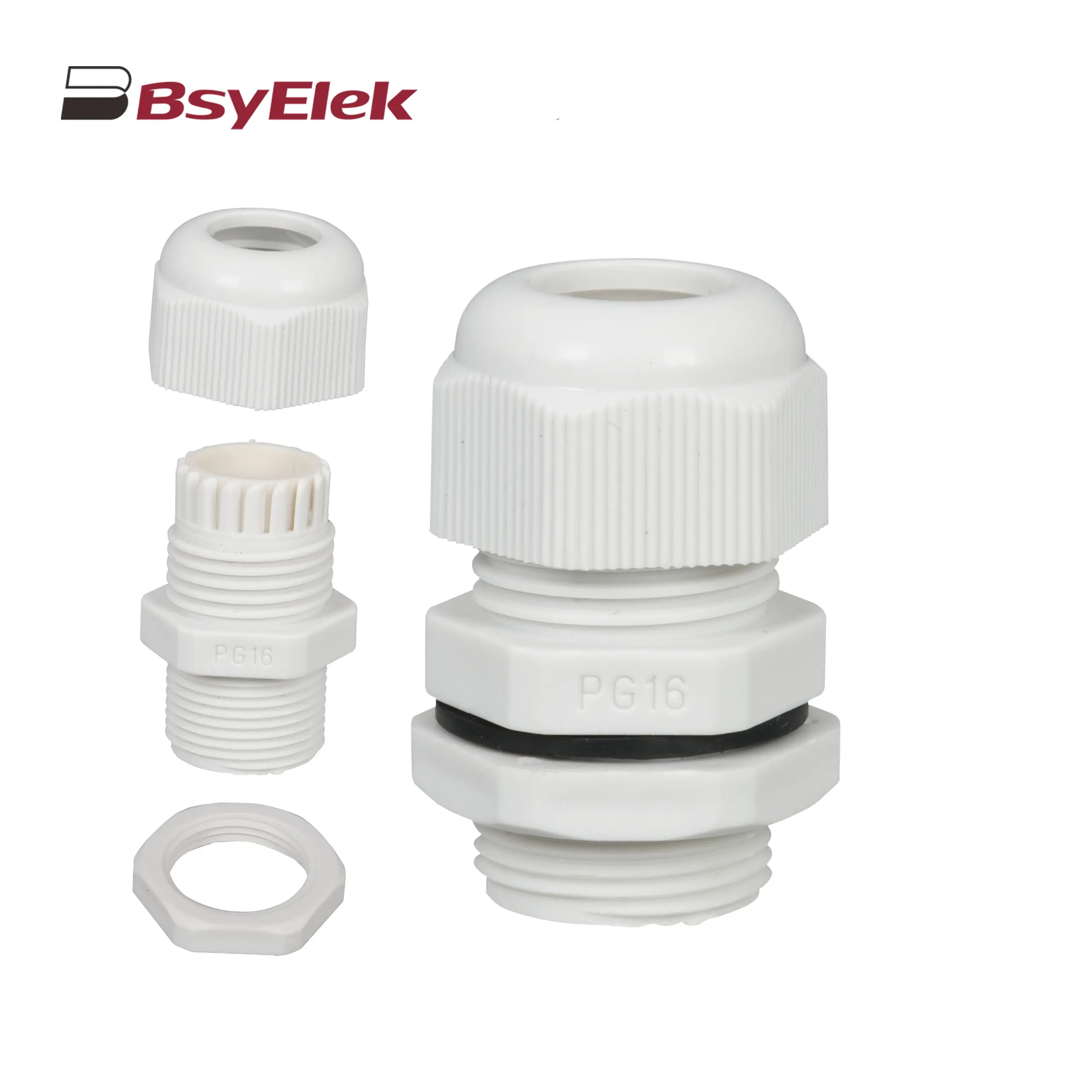 PG Waterproof Cable Gland with Washer
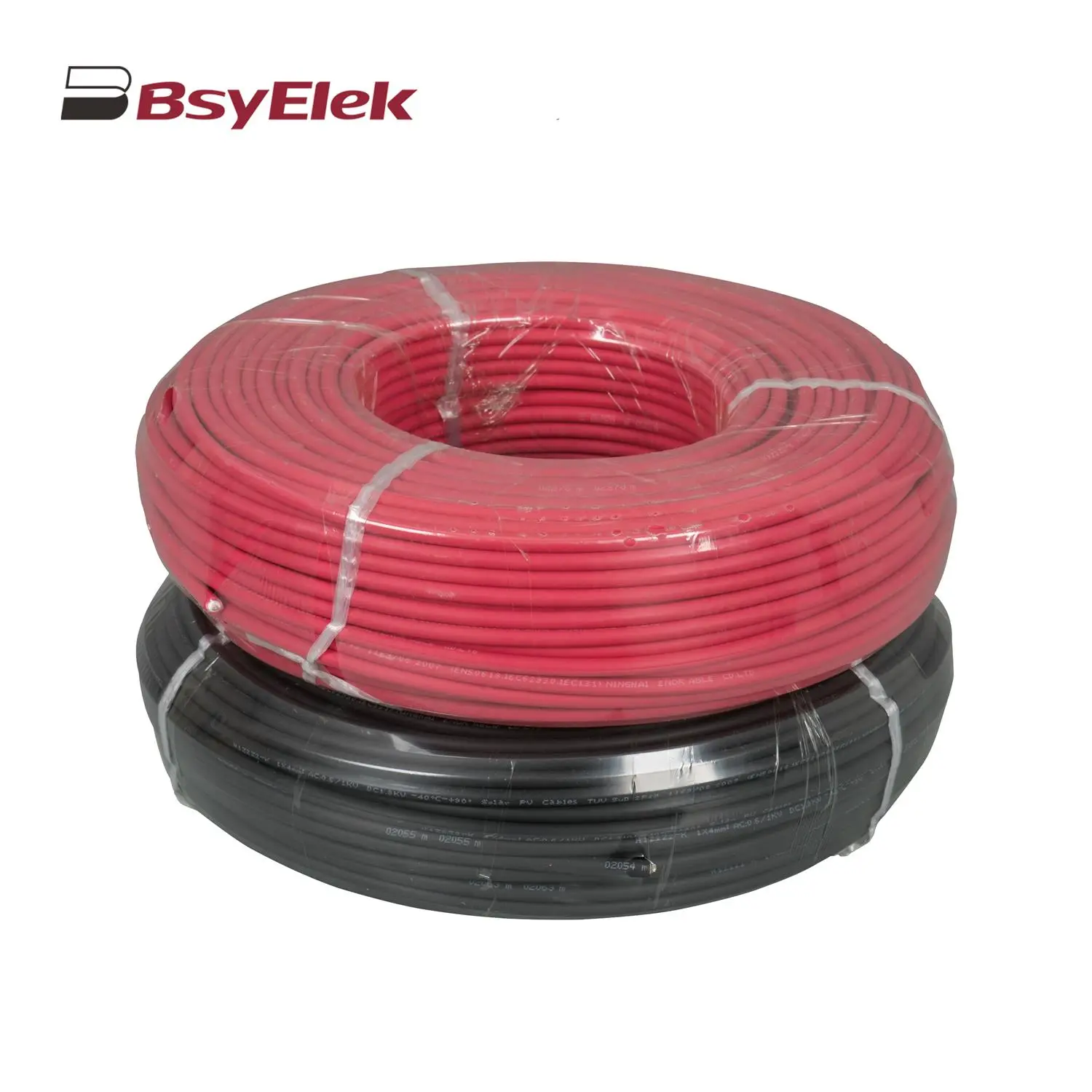 Photovoltaic Cable
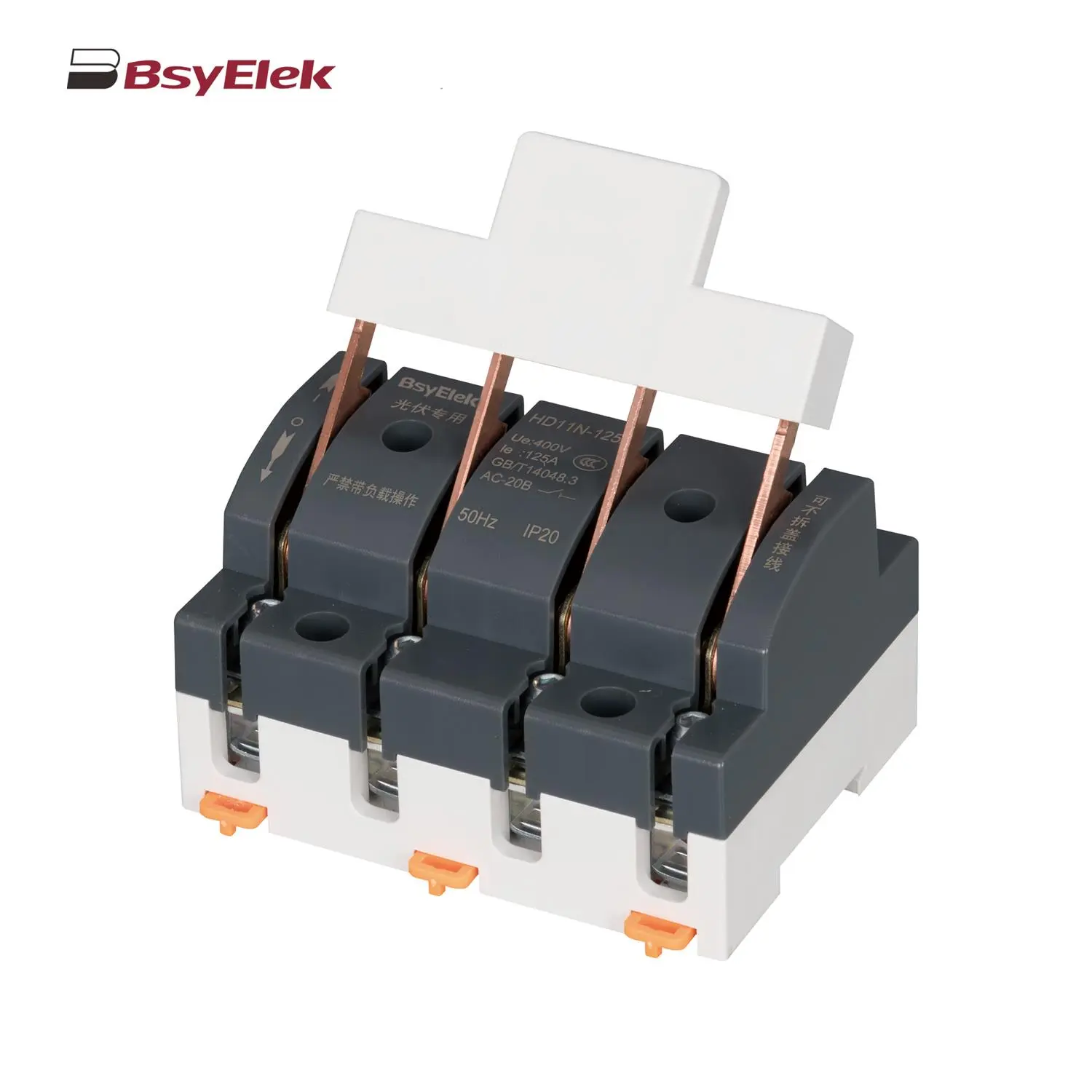 HD11N Photovoltaic Knife Switch
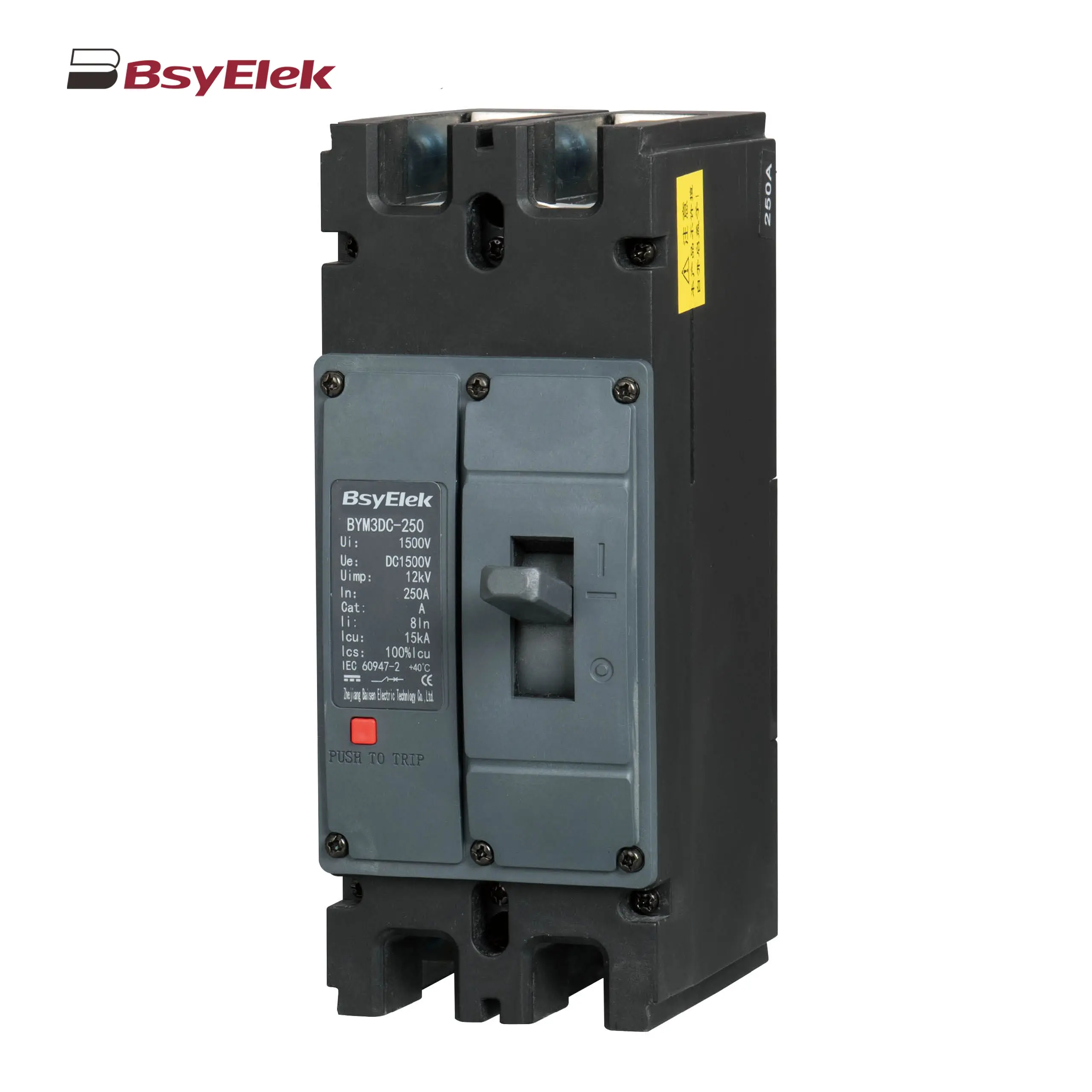 BYM3DC MCCB Photovoltaic DC Molded Case Circuit Breaker
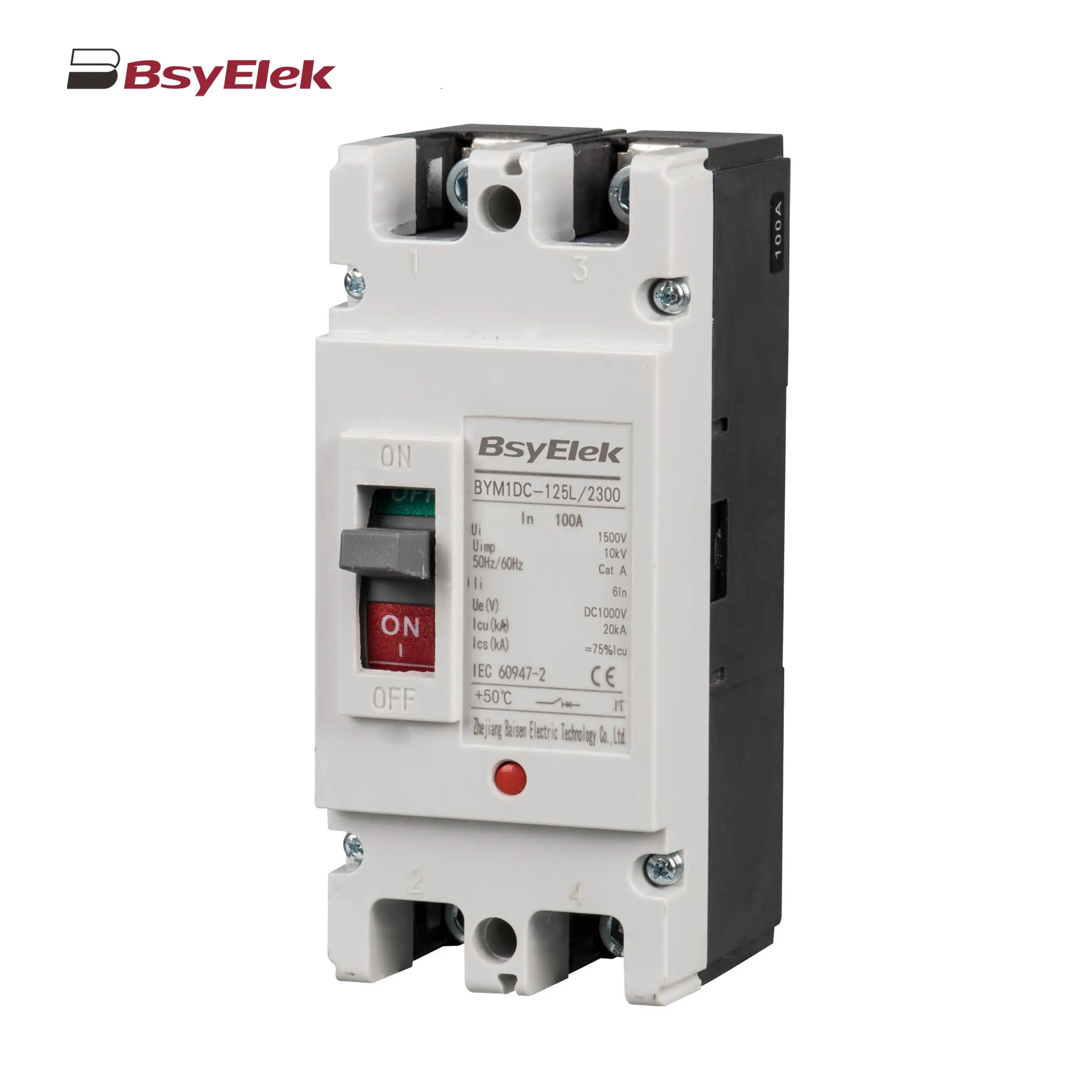 BYM1DC MCCB 1000VDC Thermal Magnetic Type DC Molded Case Circuit Breaker
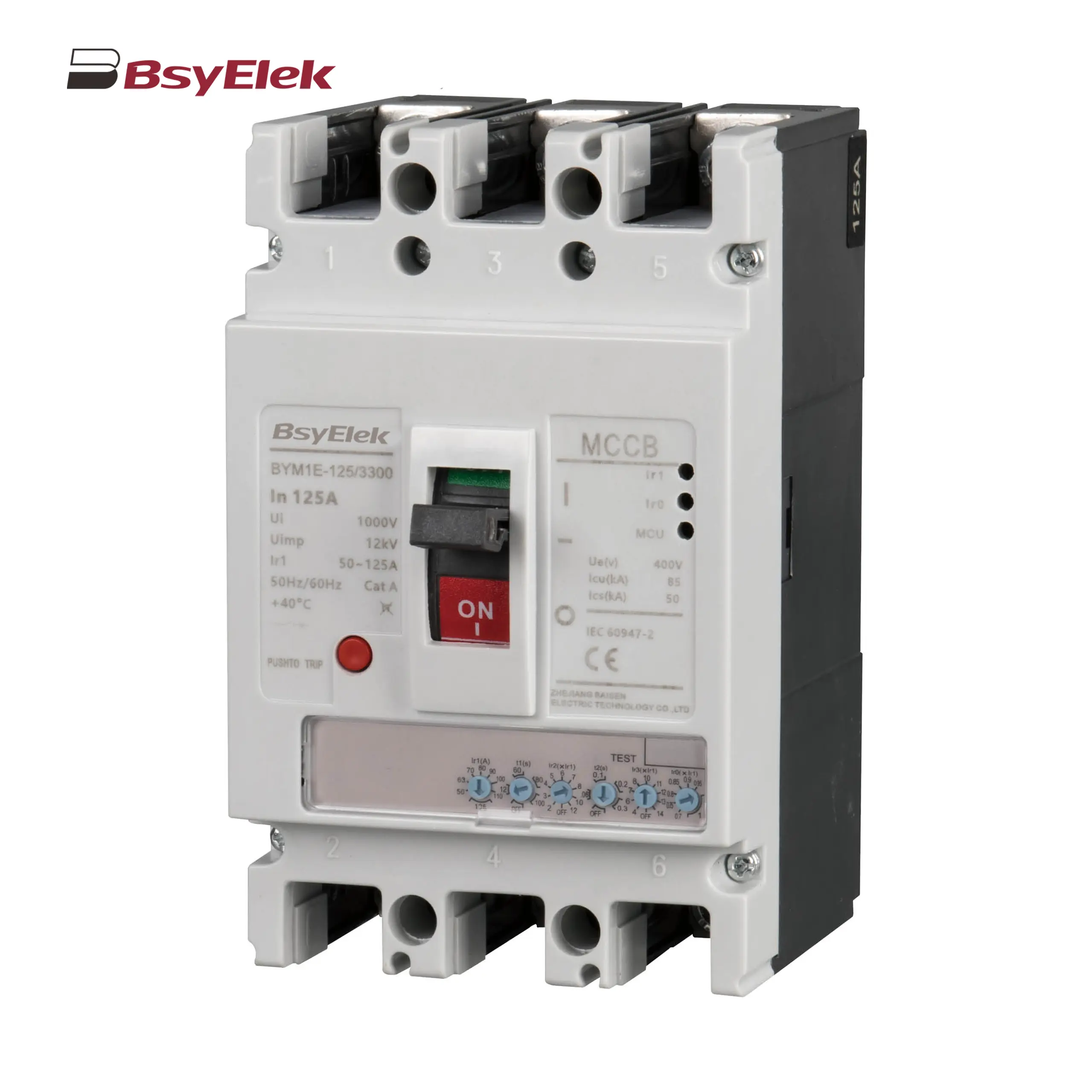 BYM1E MCCB Electronic Type Molded Case Circuit Breaker
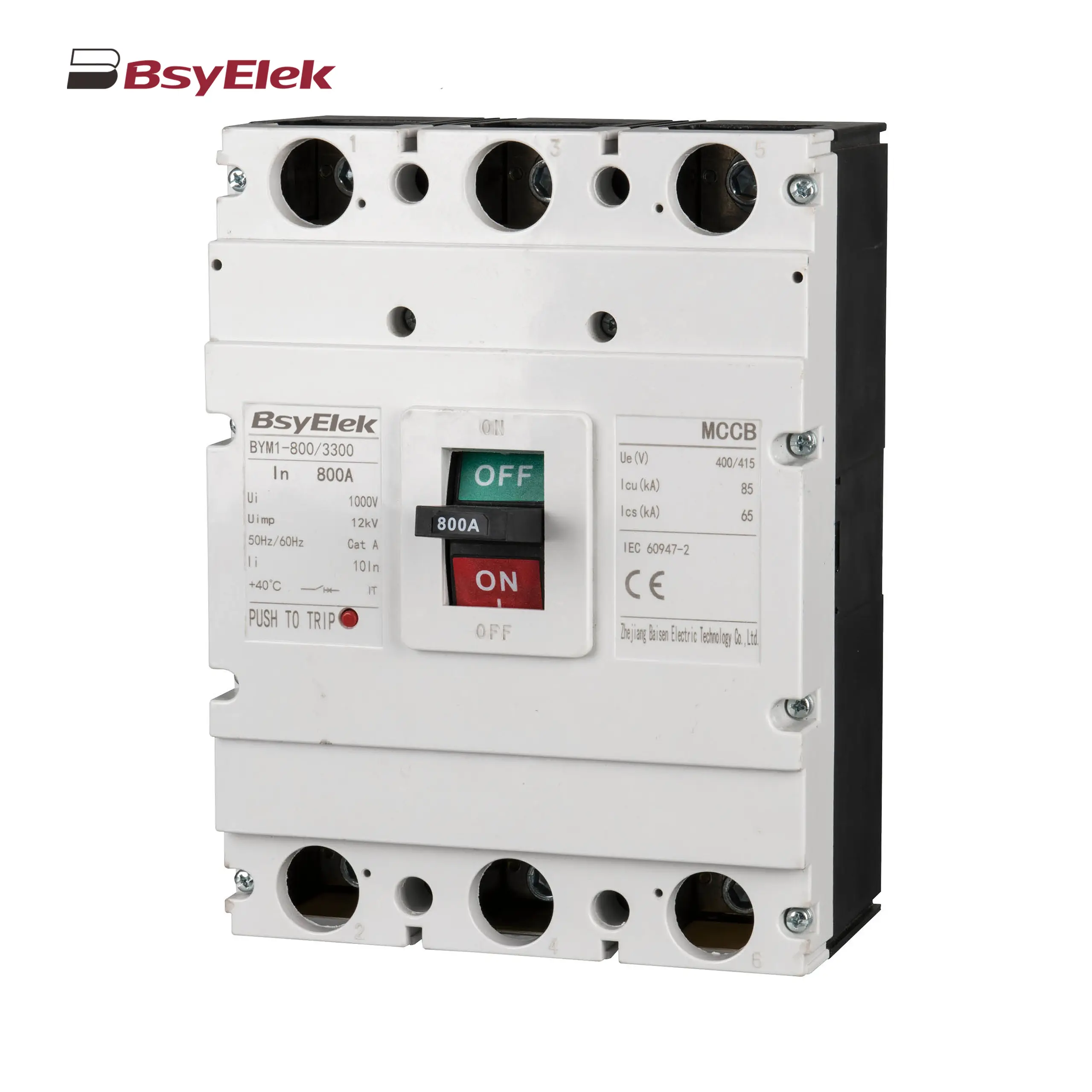 BYM1 MCCB Thermal Magnetic AC Molded Case Circuit Breaker
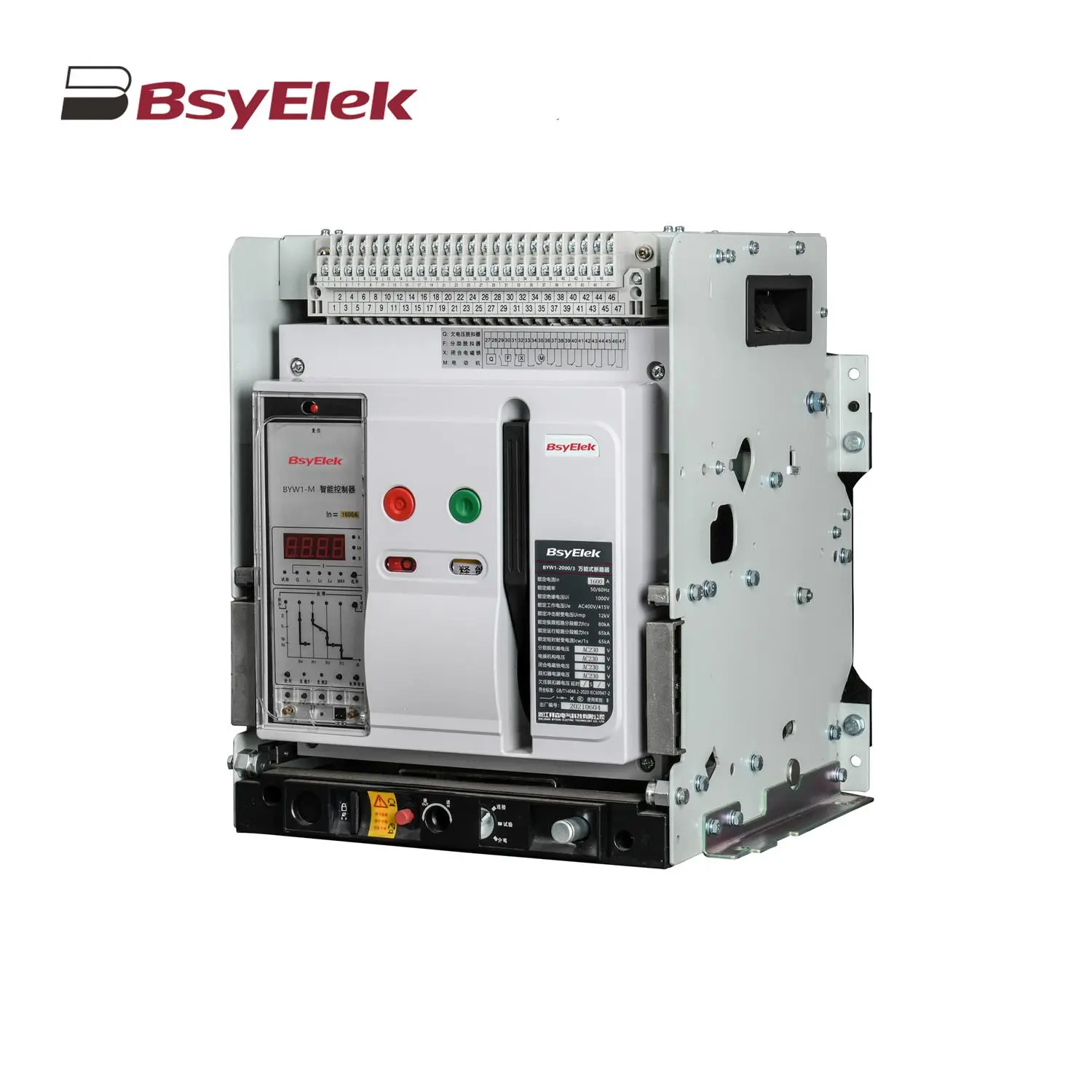 BYW1 ACB Intelligent Universal Air Circuit Breaker
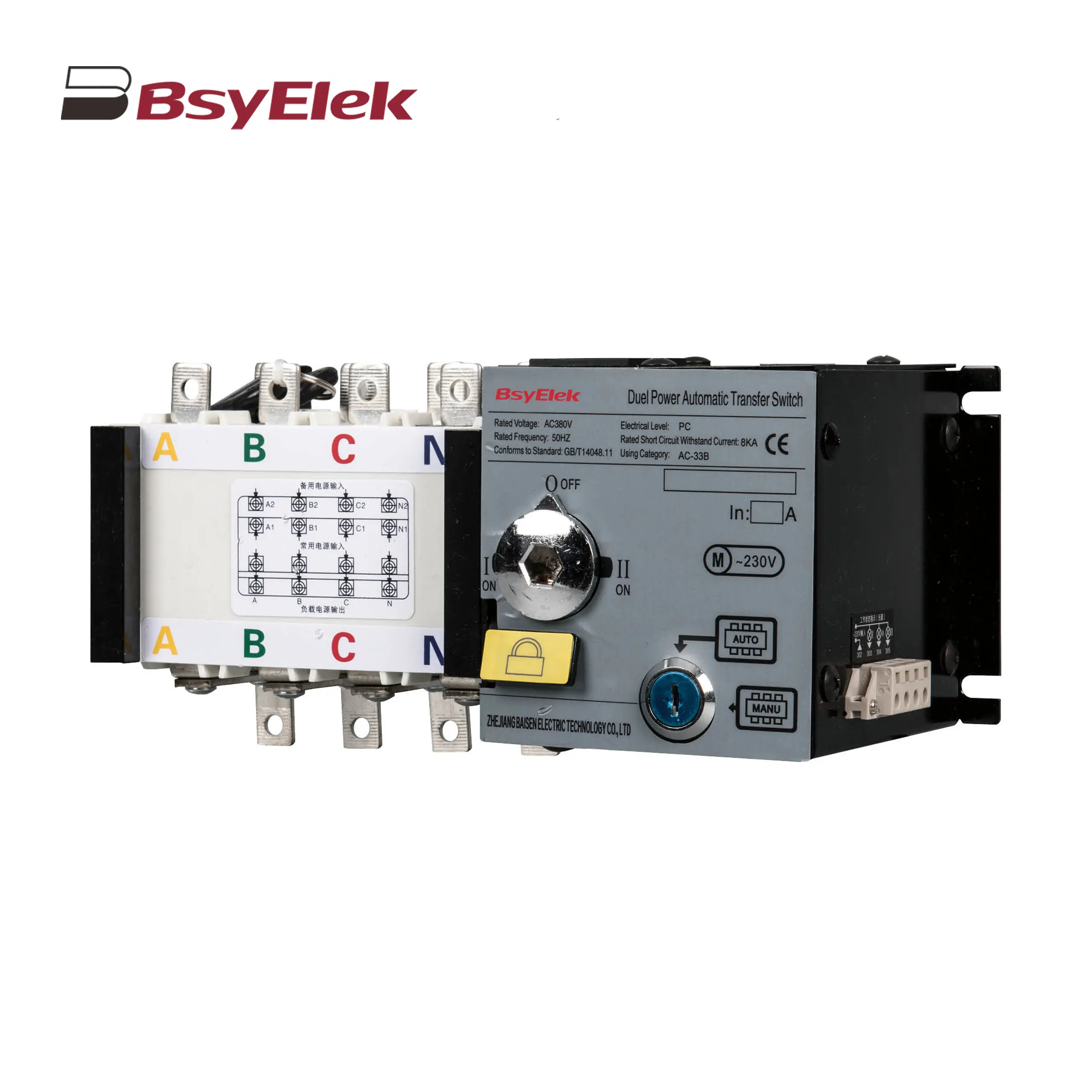 BYQ1 ATS Isolated Type PC Level Dual Power Automatic Transfer Switch
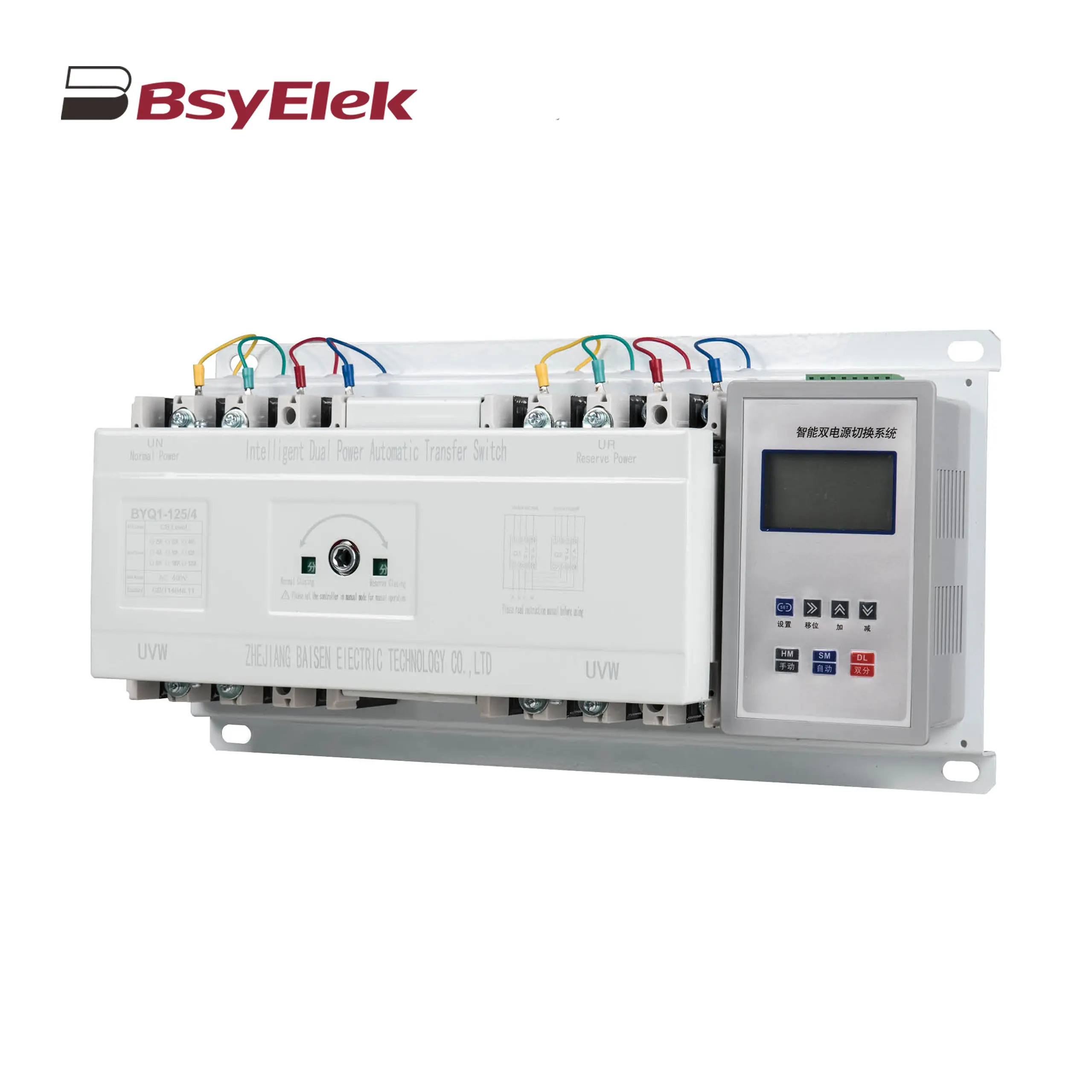 BYQ1 ATS Intelligent Type CB Level Dual Power Automatic Transfer Switch
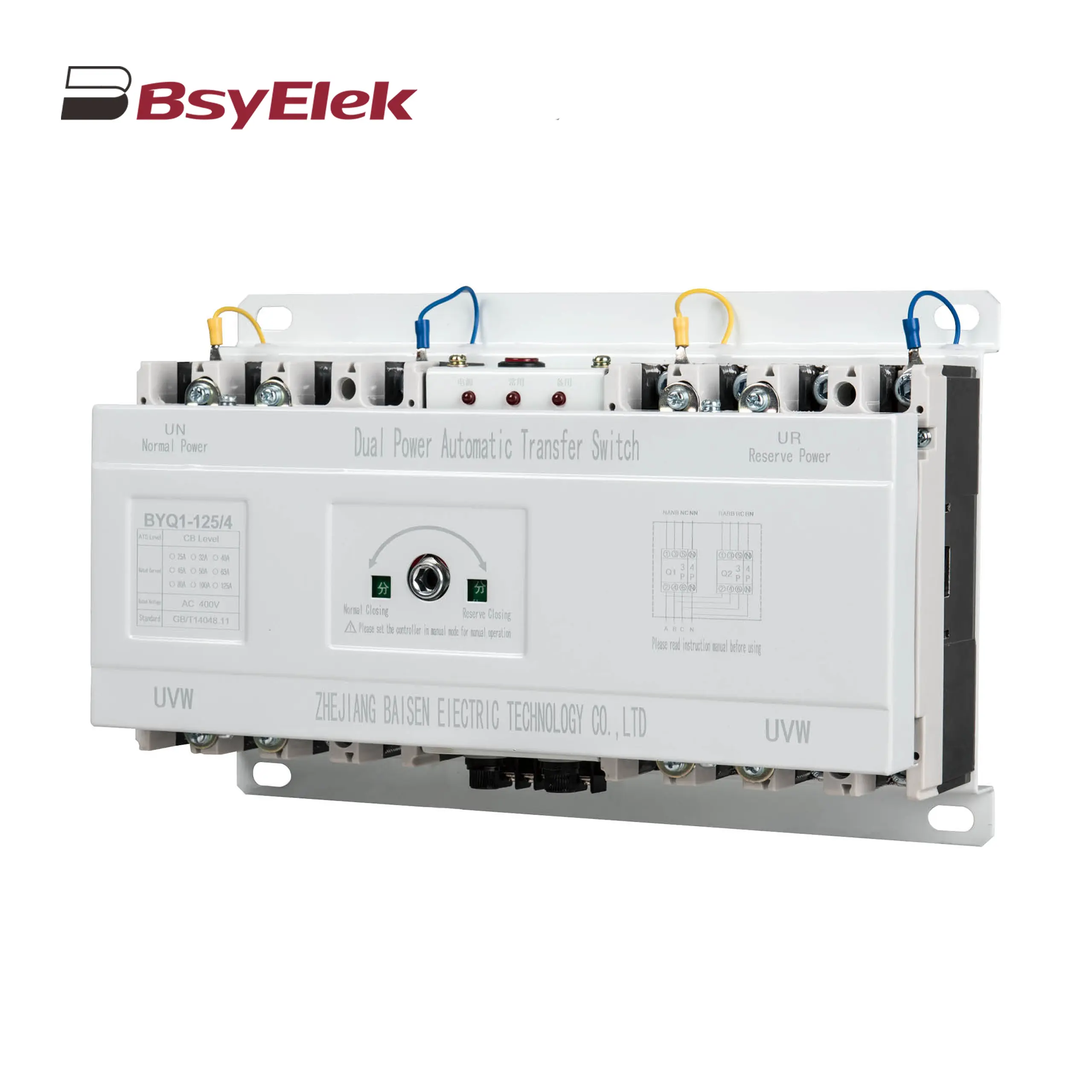 BYQ1 ATS End Type CB Level Dual Power Automatic Transfer Switch
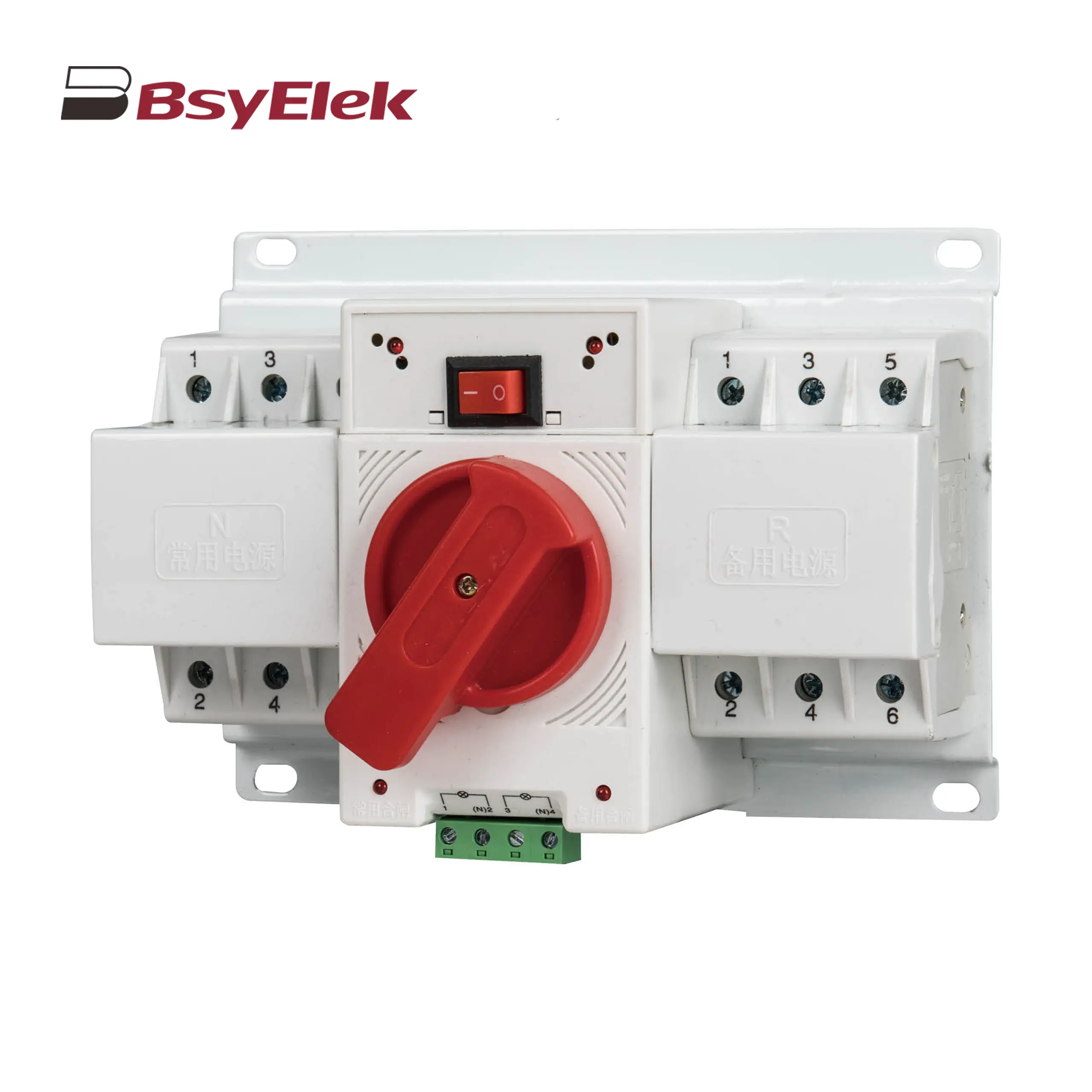 BYQ1 ATS Mini Type CB Level Dual Power Automatic Transfer Switch
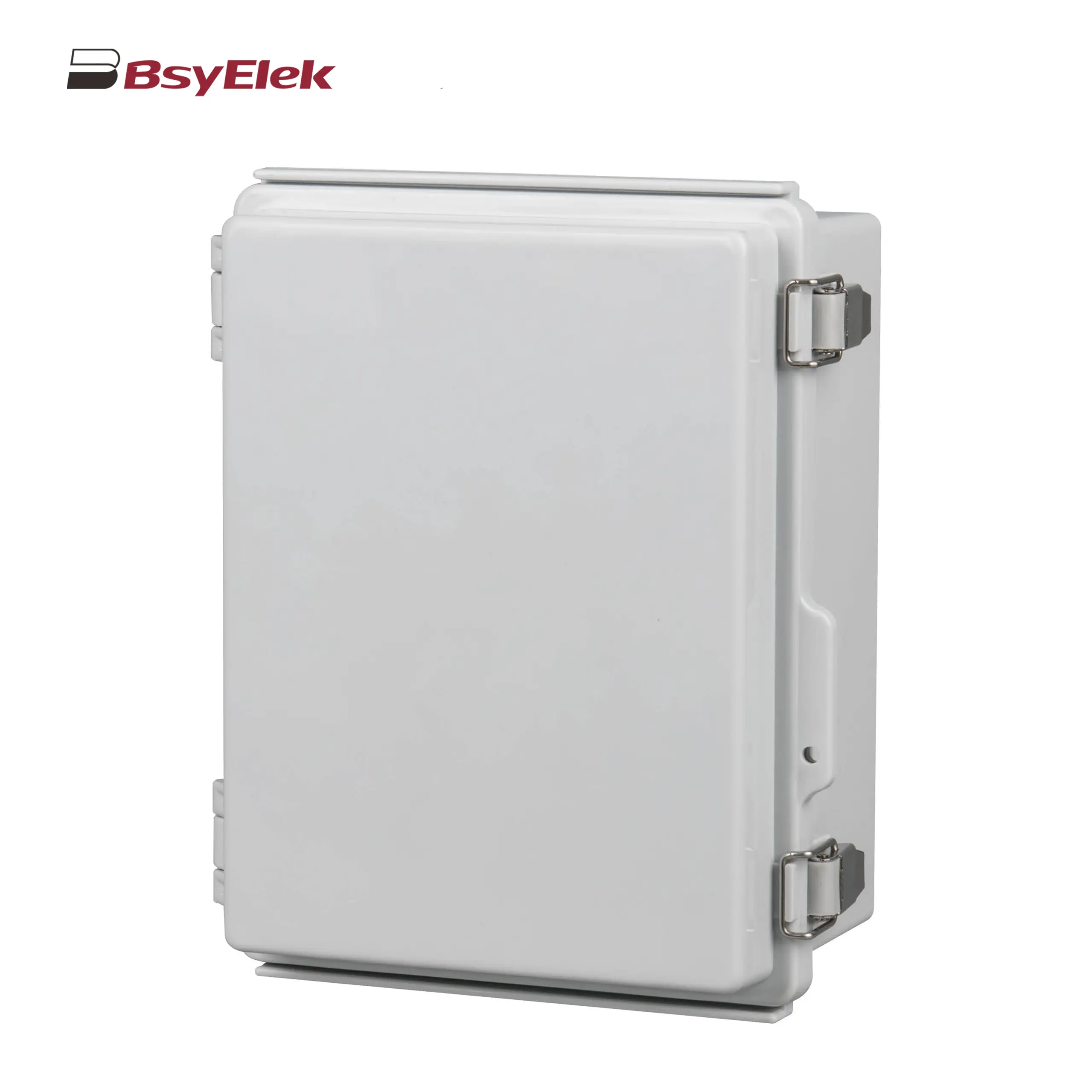 Stainless Steel Hinge Type Electrical Box
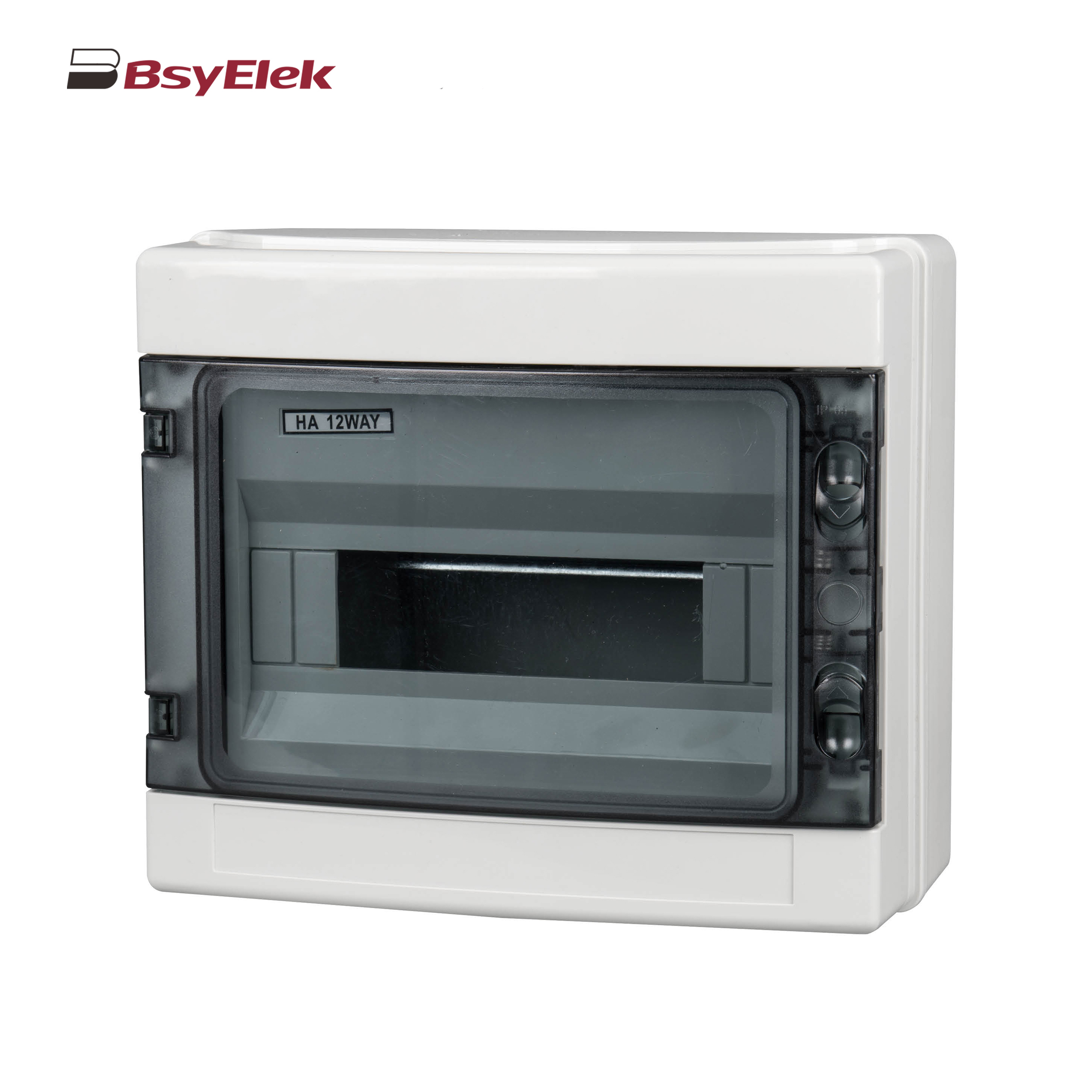 HA Waterproof Distribution Box
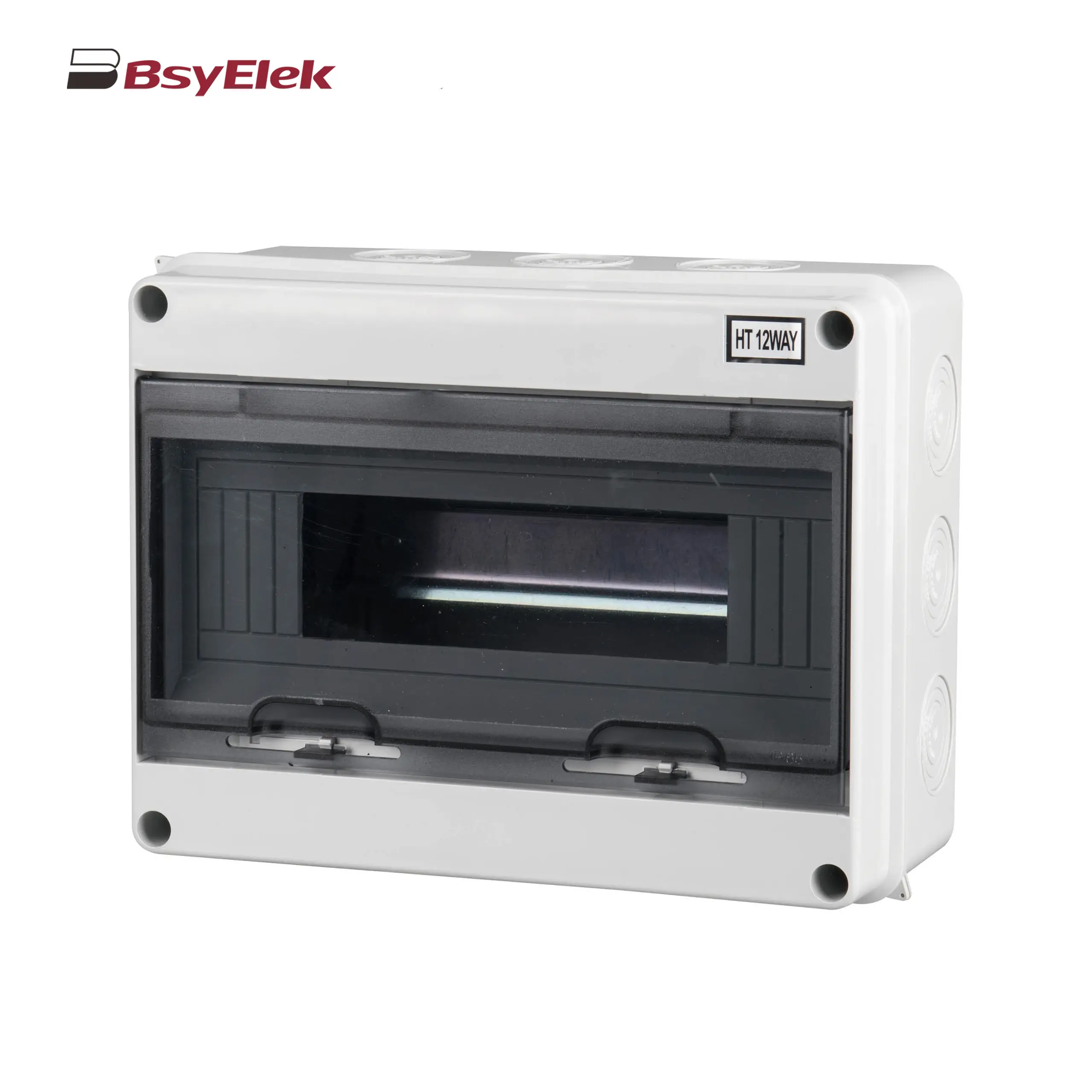 HT Waterproof Distribution Box
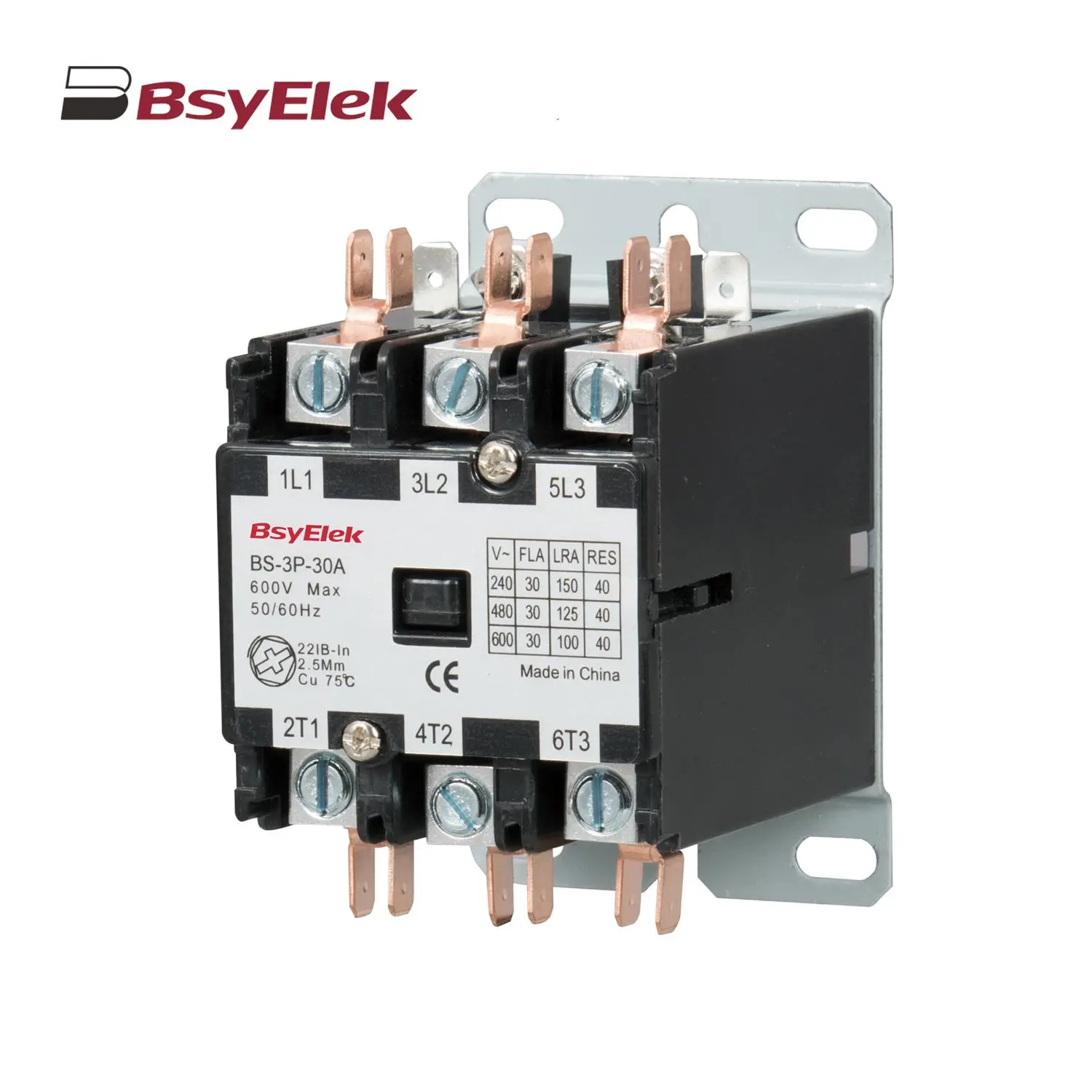 BS Definite Purpose Magnetic AC Contactor