Why Do You Need a Surge Protective Device for Your Business?
In today’s digital landscape, businesses rely heavily on technology. A sudden power surge can disrupt operations and lead to costly damage. According to a report by the Electrical Safety Foundation International, power surges account for approximately $26 billion in losses annually in the United States alone. The importance of a Surge Protective Device cannot be overstated.
Many companies underestimate the risks associated with electrical surges. They may believe that their existing infrastructure is sufficient. However, the reality is that even minor fluctuations can harm sensitive equipment. A Surge Protective Device acts as a critical line of defense, safeguarding valuable assets and ensuring business continuity.
Investing in a Surge Protective Device is not just a safety measure; it is essential for long-term sustainability. Studies show that nearly 60% of businesses without adequate surge protection experience major disruptions. Reflecting on these statistics, it becomes clear that protecting your business from power surges is an investment worth making.

Importance of Electrical Surge Protection for Businesses
Electrical surges can occur due to various reasons, such as lightning strikes or power grid issues. For businesses, these surges pose significant risks. They can damage sensitive equipment, leading to costly repairs or replacements. Protecting your business's electrical systems is crucial for long-term stability.
Investing in a surge protective device (SPD) can save your business from extensive damage. It acts as a shield against voltage spikes. Without this protection, vital systems may fail unexpectedly. Businesses rely heavily on technology, and any downtime can disrupt operations.
Tips for choosing an SPD include assessing your business's specific needs. Evaluate the types of equipment you use. Ensure that the device you select can handle those particular devices. Installation should be performed by a qualified electrician. Regular maintenance checks are also essential to ensure it operates efficiently. Remember, ignoring surge protection could result in significant financial loss over time.
Importance of Electrical Surge Protection for Businesses
Types of Surge Protective Devices Available on the Market
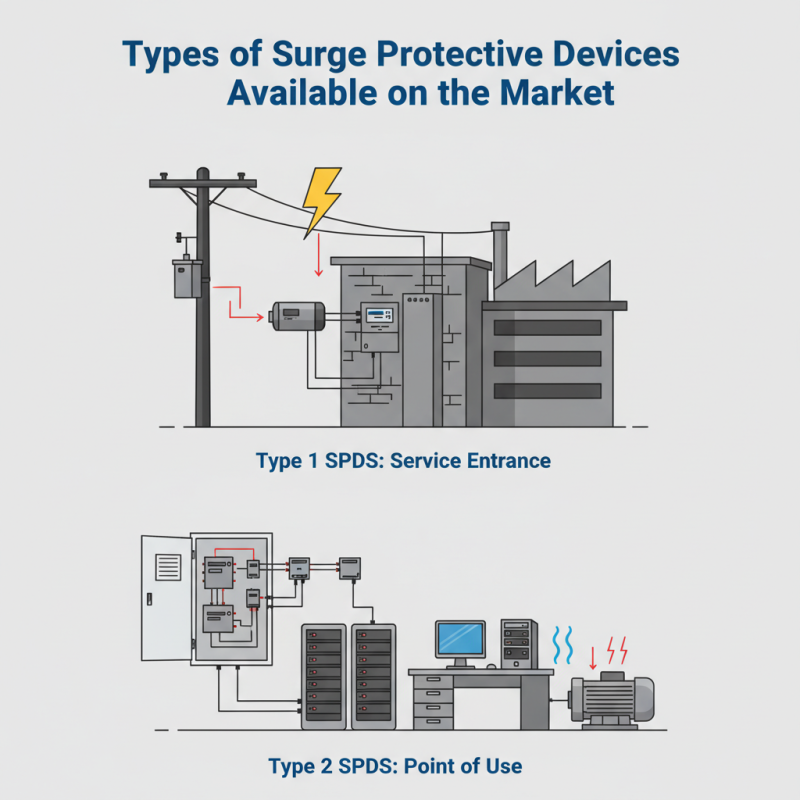
When considering surge protective devices (SPDs) for businesses, it is essential to know the different types available. The two main categories are Type 1 and Type 2 SPDs. Type 1 devices are typically installed at the service entrance. They protect against external surges from lightning strikes or utility switching. In contrast, Type 2 SPDs are installed at the point of use within the electrical system. They safeguard sensitive equipment from internal surges caused by motor start-ups or power supply fluctuations.
Statistics highlight the importance of SPDs. According to a report by the Institute of Electrical and Electronics Engineers (IEEE), 80% of power quality disturbances come from within the facility. Another study by the National Electrical Manufacturers Association (NEMA) shows that electrical surges can cause up to $2 billion in damages annually for businesses. Investing in the appropriate SPD type can significantly reduce these risks, keeping equipment and data safe.
It’s crucial to evaluate your specific needs before selecting an SPD. Factors include the level of exposure to external surges and the sensitivity of your equipment. Misjudging these needs could lead to inadequate protection. Regular assessments of surge protection strategies should become a business priority, as technology and threats evolve over time. Understanding these nuances will ultimately enhance your business's resilience against electrical harm.
How Surge Protective Devices Work to Safeguard Equipment
Surge Protective Devices (SPDs) play a crucial role in safeguarding business equipment against voltage spikes. A surge can occur due to various factors, including lightning strikes, power outages, or even equipment failures. According to a study by the Institute of Electrical and Electronics Engineers (IEEE), over 80% of power disturbances are caused by surges. Without proper protection, businesses risk damaging or losing critical electronic equipment, which can lead to costly downtime.
SPDs function by diverting excess voltage away from sensitive devices. They absorb and limit voltage spikes, allowing equipment to operate safely. The National Fire Protection Association (NFPA) states that electrical surge events account for significant property damage, often leading to fires. An SPD may reduce the chances of such incidents and prolong the lifespan of electrical equipment.
However, it's important to regularly test and replace these devices, as their effectiveness can diminish over time. While some businesses believe that a single SPD is sufficient, experts recommend multiple units for comprehensive protection. Inadequate surge protection could expose a business to risks that lead to financial losses and damage to its reputation.
Why Do You Need a Surge Protective Device for Your Business? - How Surge Protective Devices Work to Safeguard Equipment
| Dimension |
Data |
| Typical Voltage Surge (V) |
6000 |
| Average Cost of Equipment Damage ($) |
10,000 |
| Percentage of Businesses Affected by Surges (%) |
30 |
| Average Lifespan of Surge Protector (years) |
3-5 |
| Reduction in Equipment Failure Risk (%) |
80 |
Benefits of Implementing Surge Protection in a Business Setting
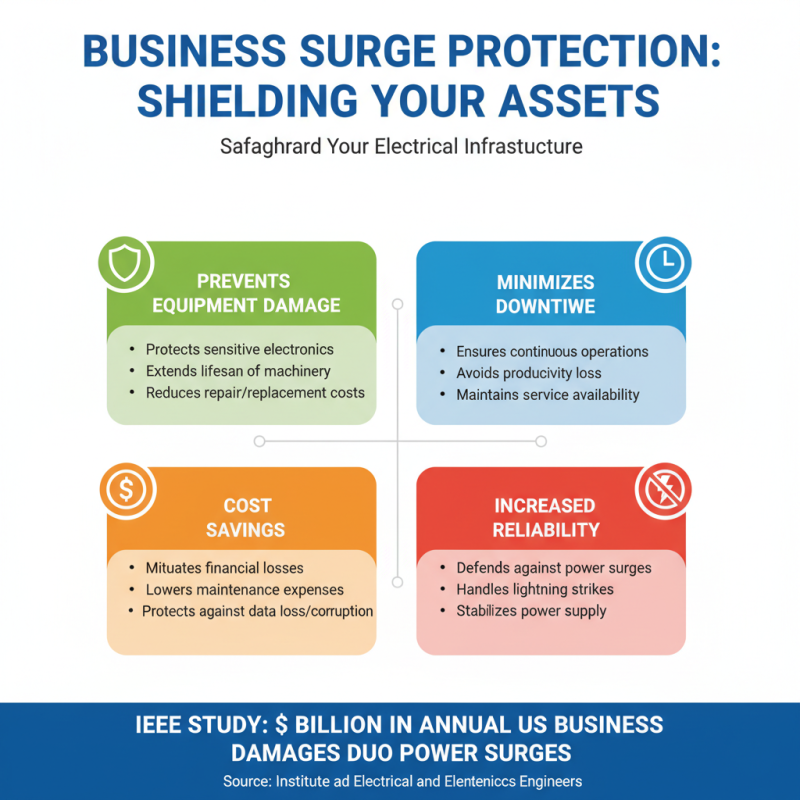
Surge protective devices (SPDs) are essential for businesses aiming to safeguard their electrical infrastructure. A study by the Institute of Electrical and Electronics Engineers (IEEE) reveals that power surges cause approximately $1 billion in damage annually to U.S. businesses. These surges can result from lightning strikes, utility switching, or even equipment malfunctions. Without adequate protection, the cost of repairs and downtime can significantly impact a company's bottom line.
Implementing surge protection not only prevents costly damage but also extends the lifespan of valuable equipment. Businesses that invest in SPDs see an average equipment life increase of 20-30%. This can translate to better performance and reduced replacement costs over time. Reliable power is crucial for operations, and even a minor disruption can lead to data loss or production delays.
Despite the clear advantages, many businesses overlook surge protection. They often believe that their existing electrical systems are sufficient. However, outdated systems leave them vulnerable to unforeseen surges. Investing in SPDs represents a proactive step in protecting assets. The decision to ensure robust surge protection can mean the difference between sustained operations and unexpected setbacks.
Cost Analysis of Surge Protection Versus Potential Losses due to Surges
Surge protective devices (SPDs) play a crucial role in safeguarding your business. The potential losses from power surges can be staggering. According to the Institute of Electrical and Electronics Engineers (IEEE), power surges can cause damages ranging from hundreds to millions of dollars annually. A single electrical incident can lead to downtime and costly repairs, affecting your bottom line. The National Fire Protection Association (NFPA) reports that electrical surges contribute significantly to equipment failure and fire hazards.
Analyzing the cost of surge protection reveals a compelling case. Investing in SPDs can incur a one-time setup cost of around $300 to $1,500, depending on your systems. In contrast, companies without surge protection face an average loss of $25,000 per incident due to repairs and downtime. Moreover, critical data may be irretrievably lost, leading to additional expenses related to data recovery. The decision to implement surge protection is clear, yet many businesses still overlook it, underestimating their vulnerability to electrical disruptions.
Failing to install SPDs may seem like a cost-saving choice, but it could be a false economy. The potential for massive losses overshadows the initial investment. Some businesses rationalize this risk, believing their systems are robust. However, this is often a naive viewpoint. Electrical surges are unpredictable, and not being prepared can lead to dire consequences. Understanding the tangible risks associated with power surges is essential for making informed decisions about surge protection.



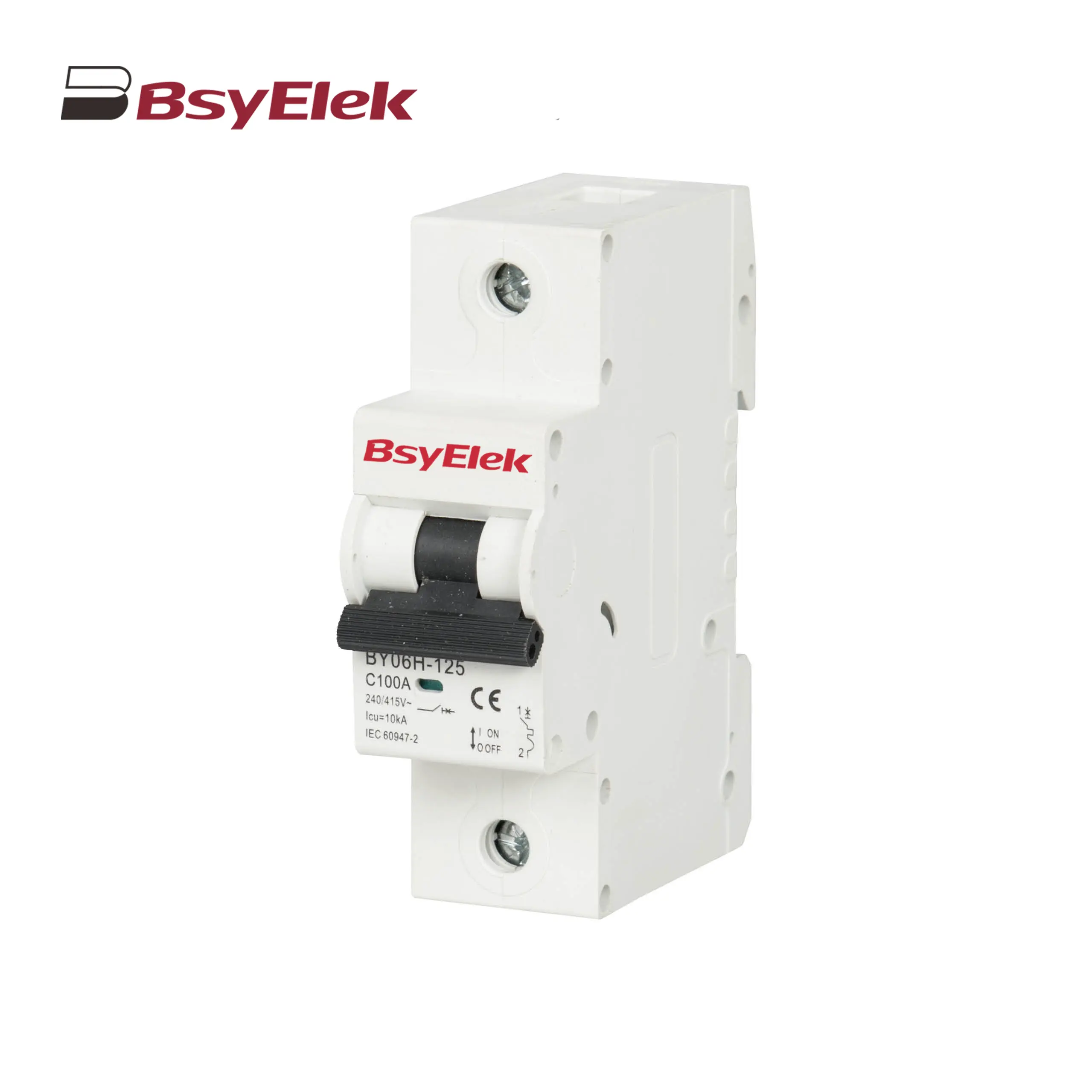 BY06H-125 MCB 10-15KA Miniature Circuit Breaker
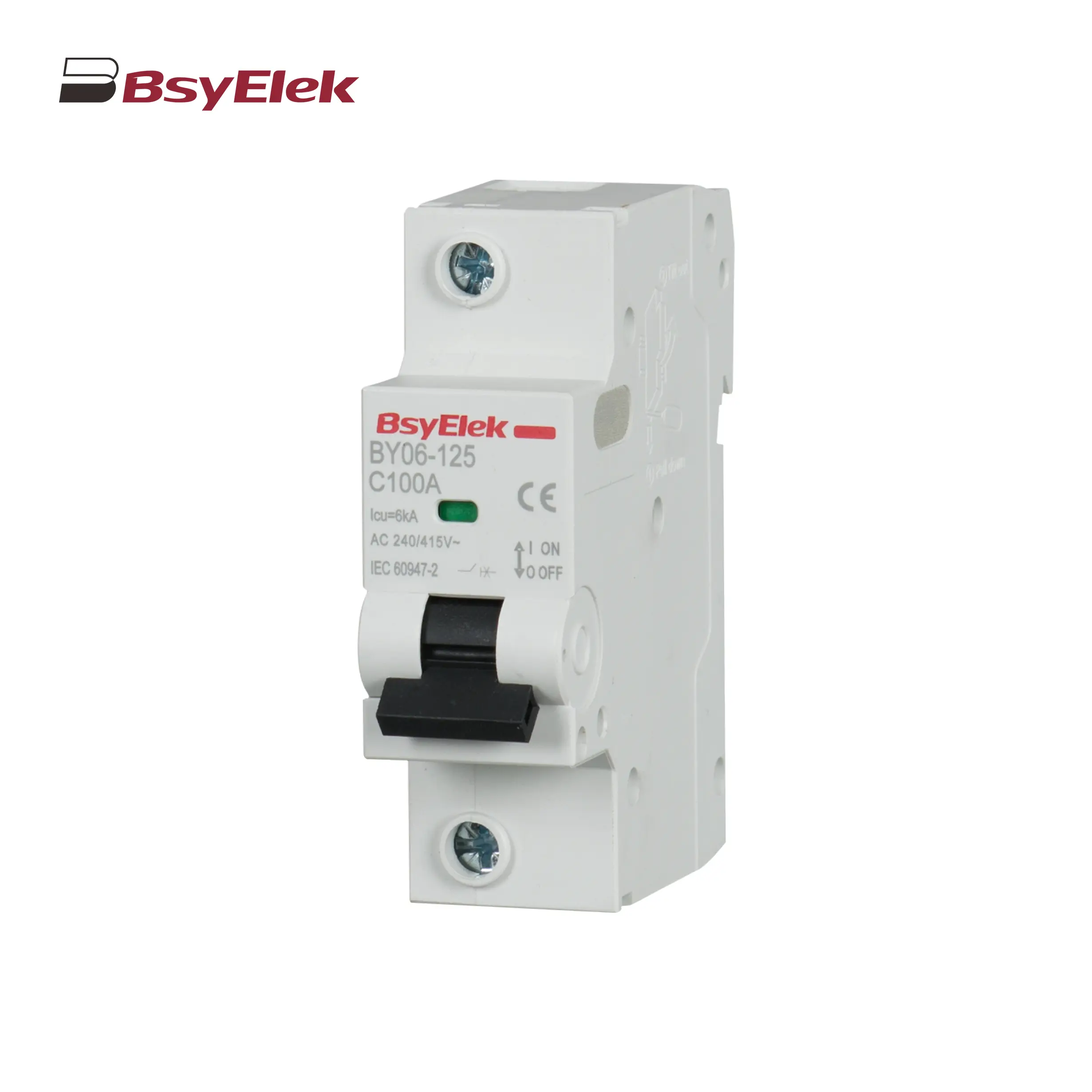 BY06-125 MCB 6KA Miniature Circuit Breaker
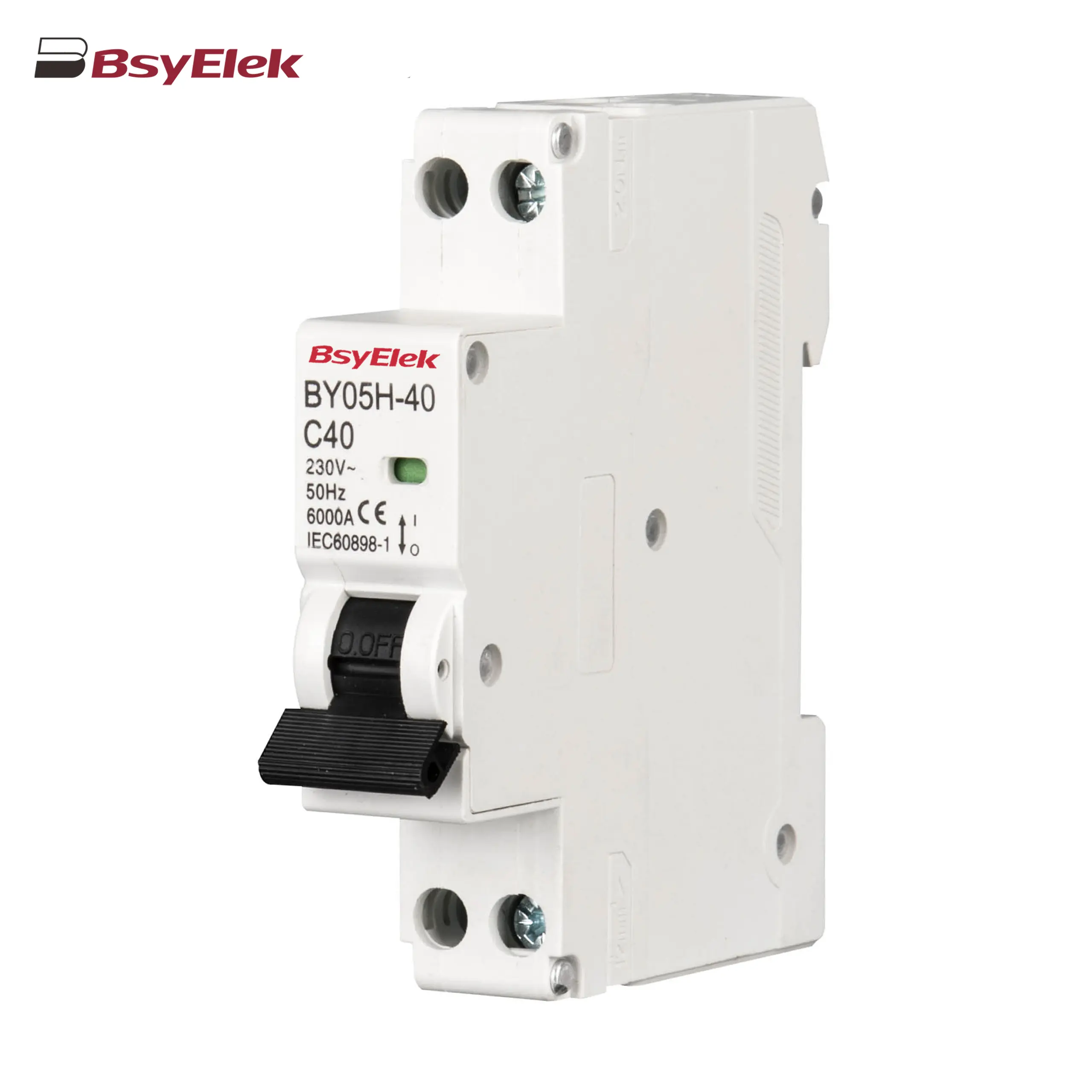 BY05H-40 MCB Single Modular 6KA Miniature Circuit Breaker
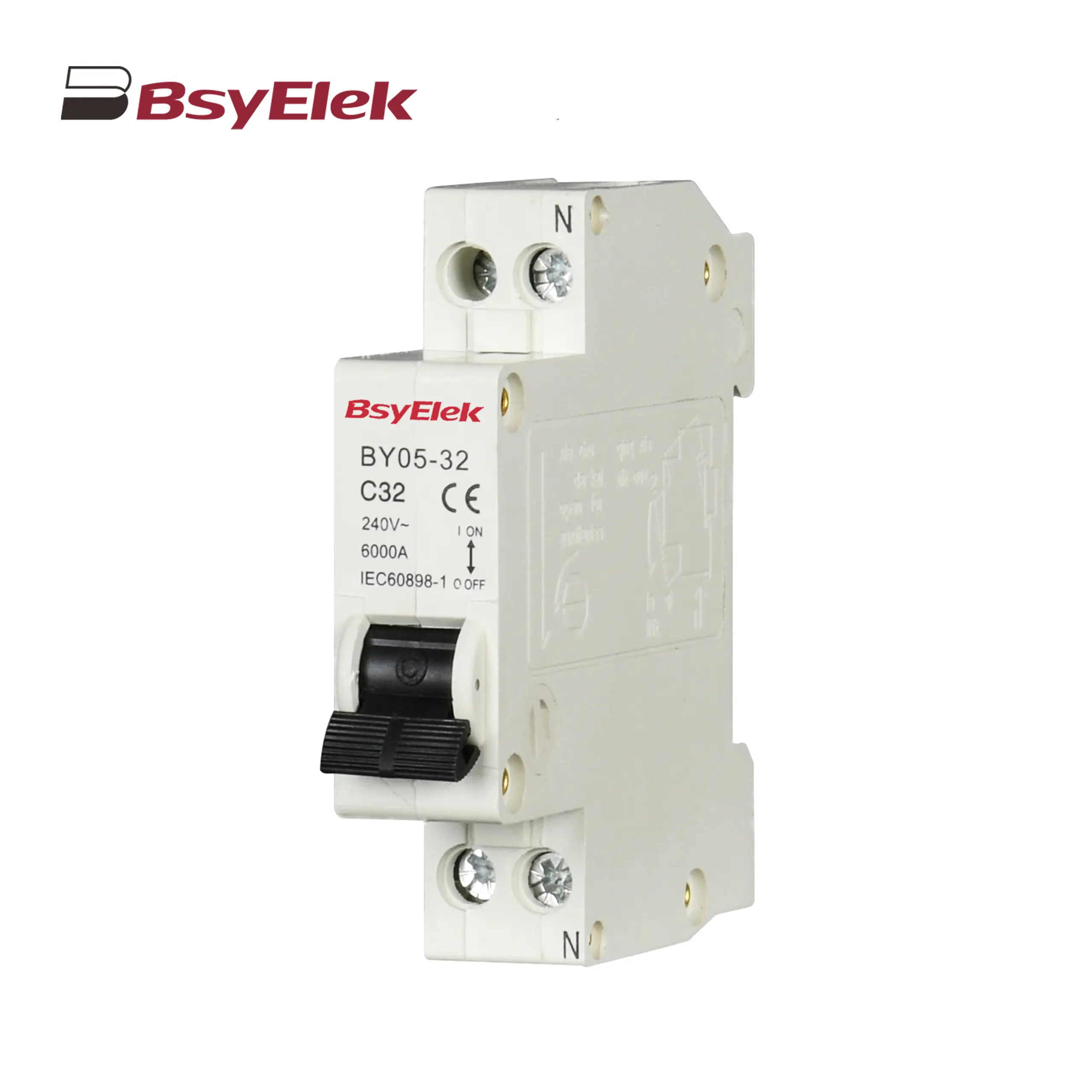 BY05-32 MCB Single Modular 3KA Miniature Circuit Breaker
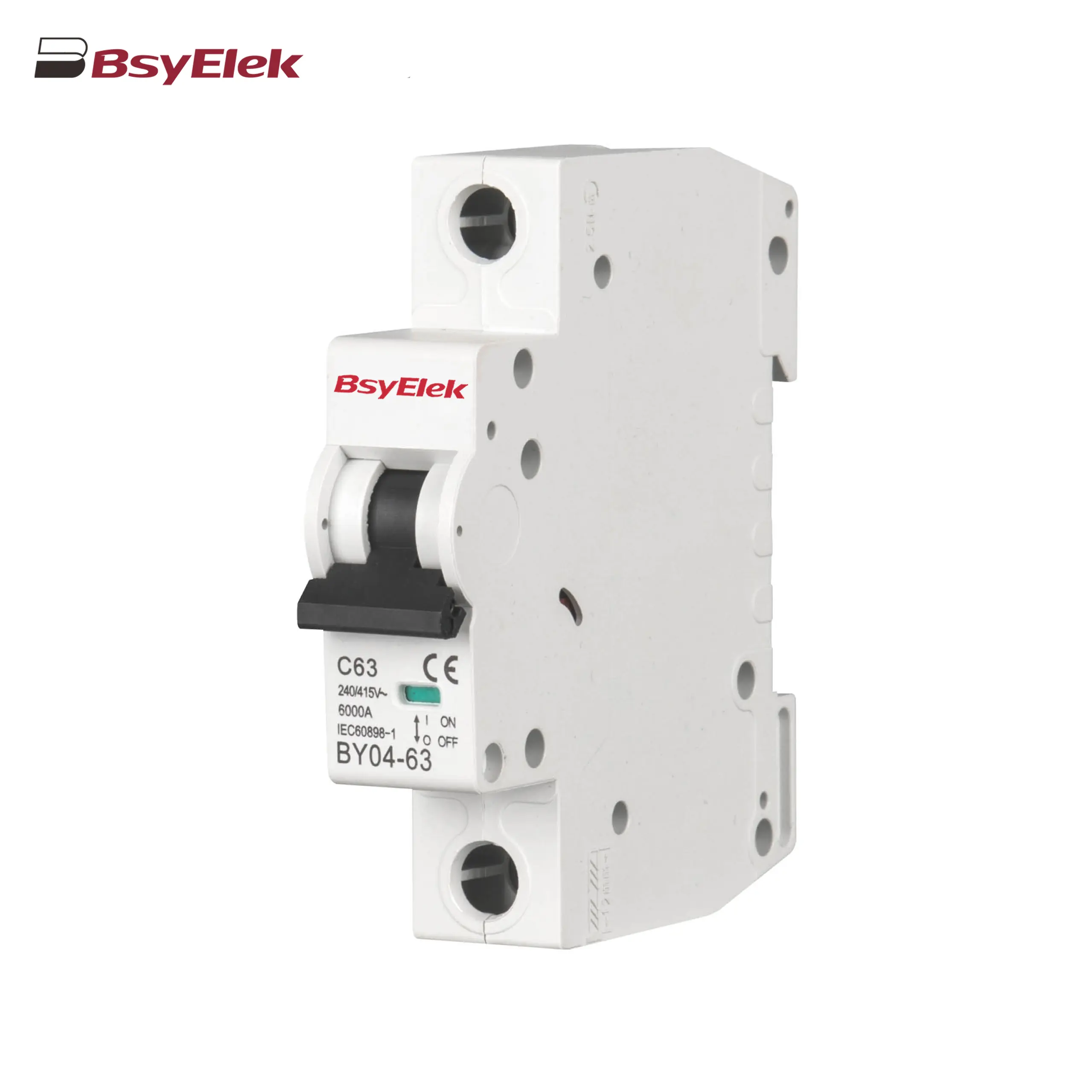 BY04-63 MCB 6-10KA Miniature Circuit Breaker
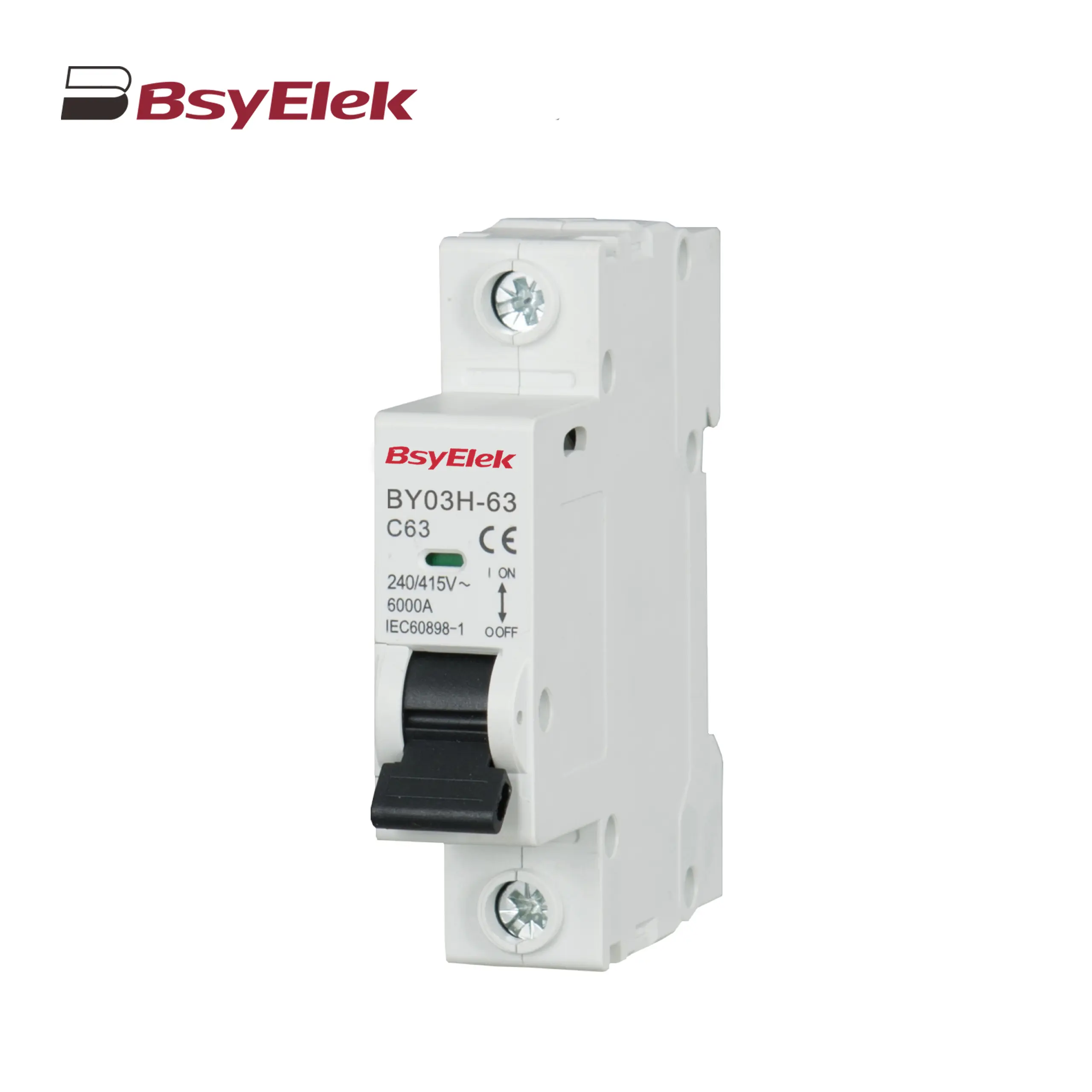
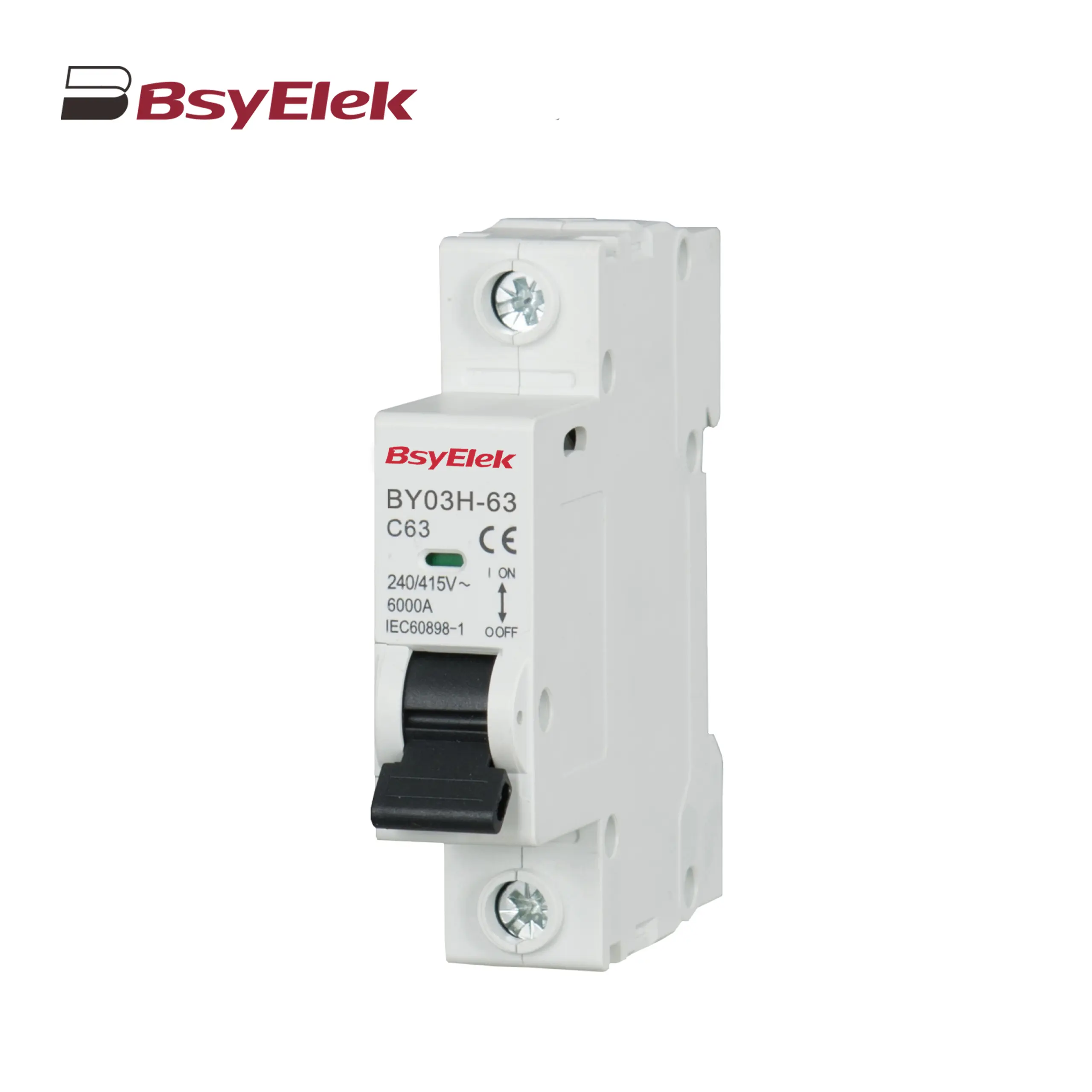 BY03H-63 MCB 6KA Miniature Circuit Breaker
 BY03-63 MCB 4.5KA Miniature Circuit Breaker
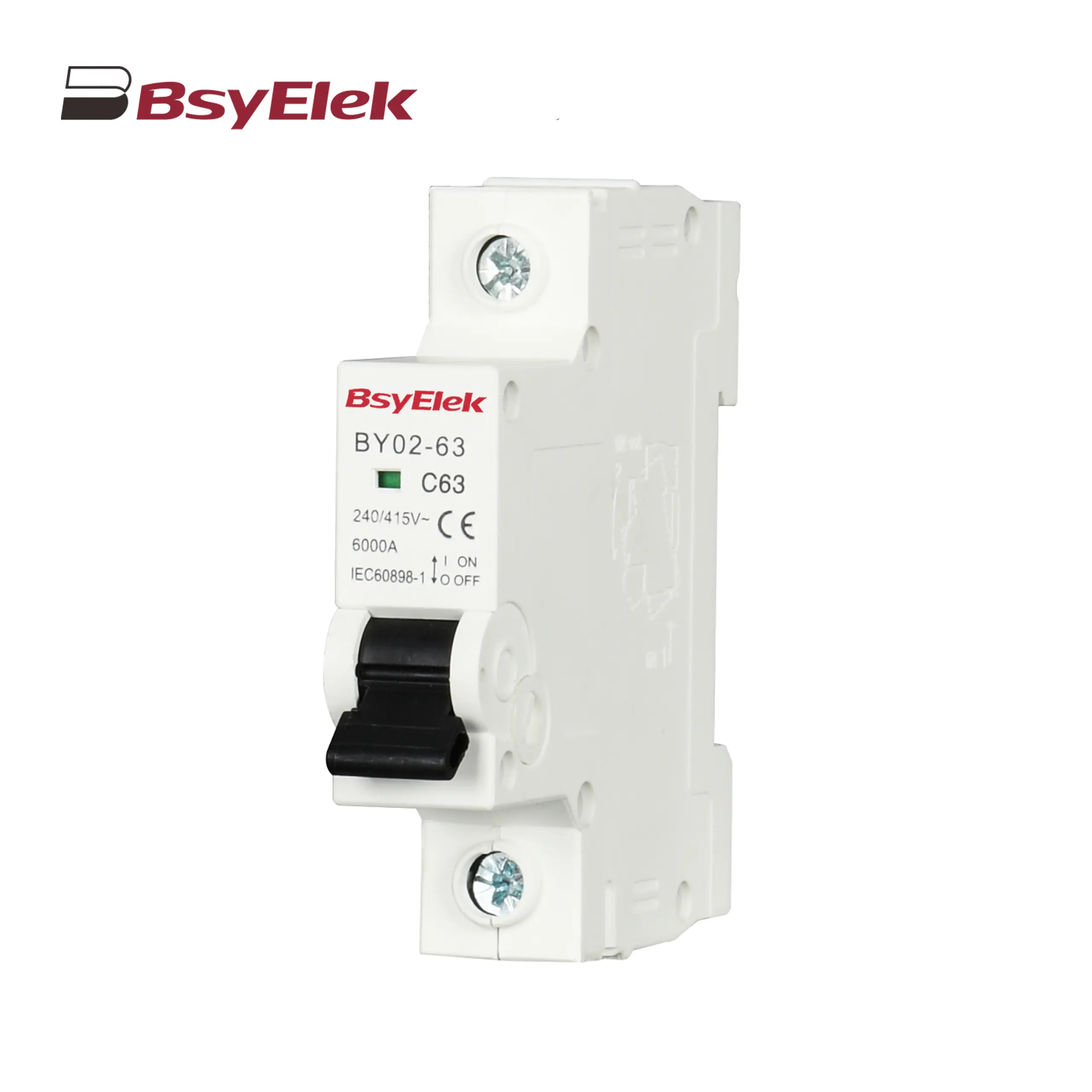 BY02-63 MCB 3kA Miniature Circuit Breaker
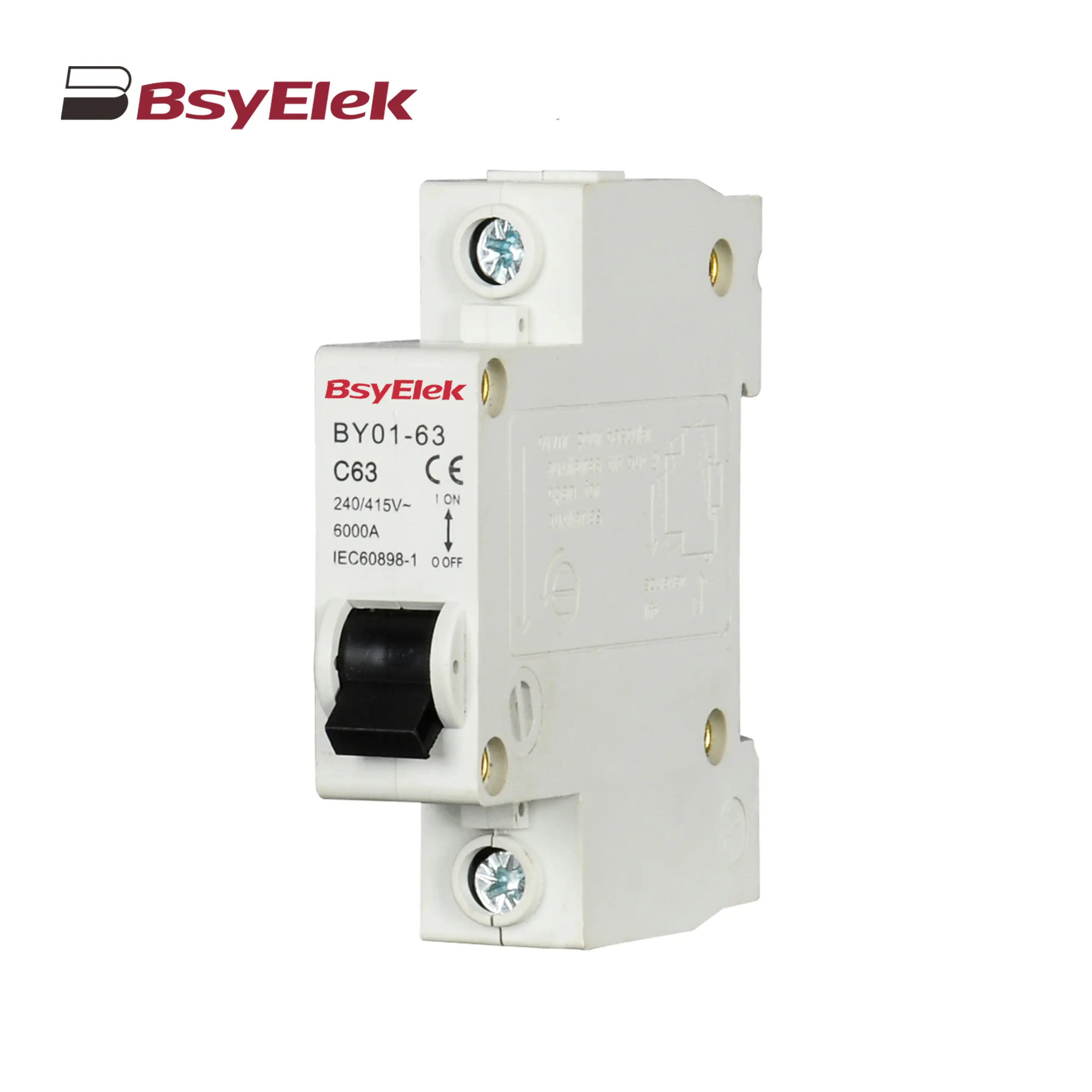 BY01-63 MCB 3kA Miniature Circuit Breaker
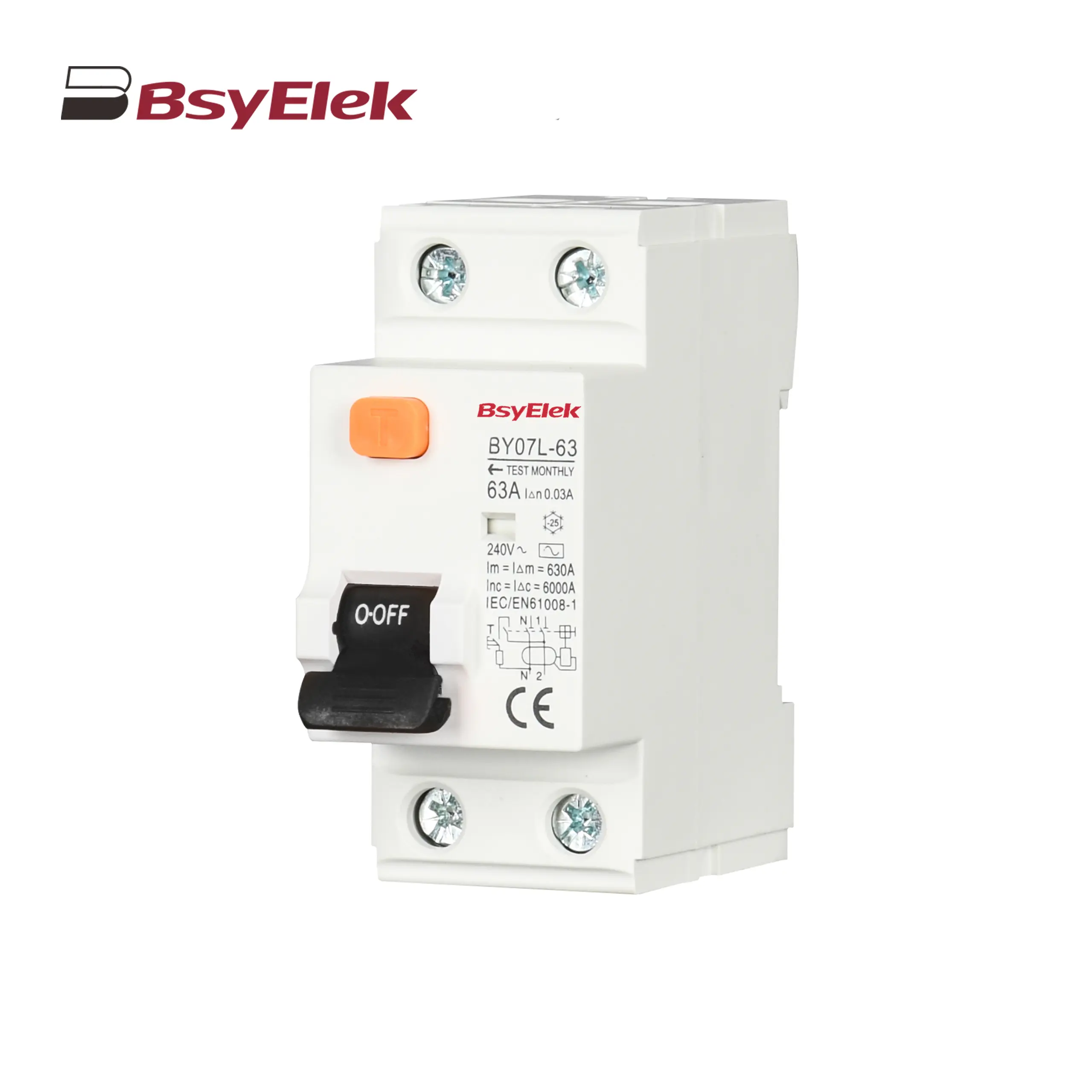 BY07L-63 RCCB 6KA Residual Current Circuit Breaker
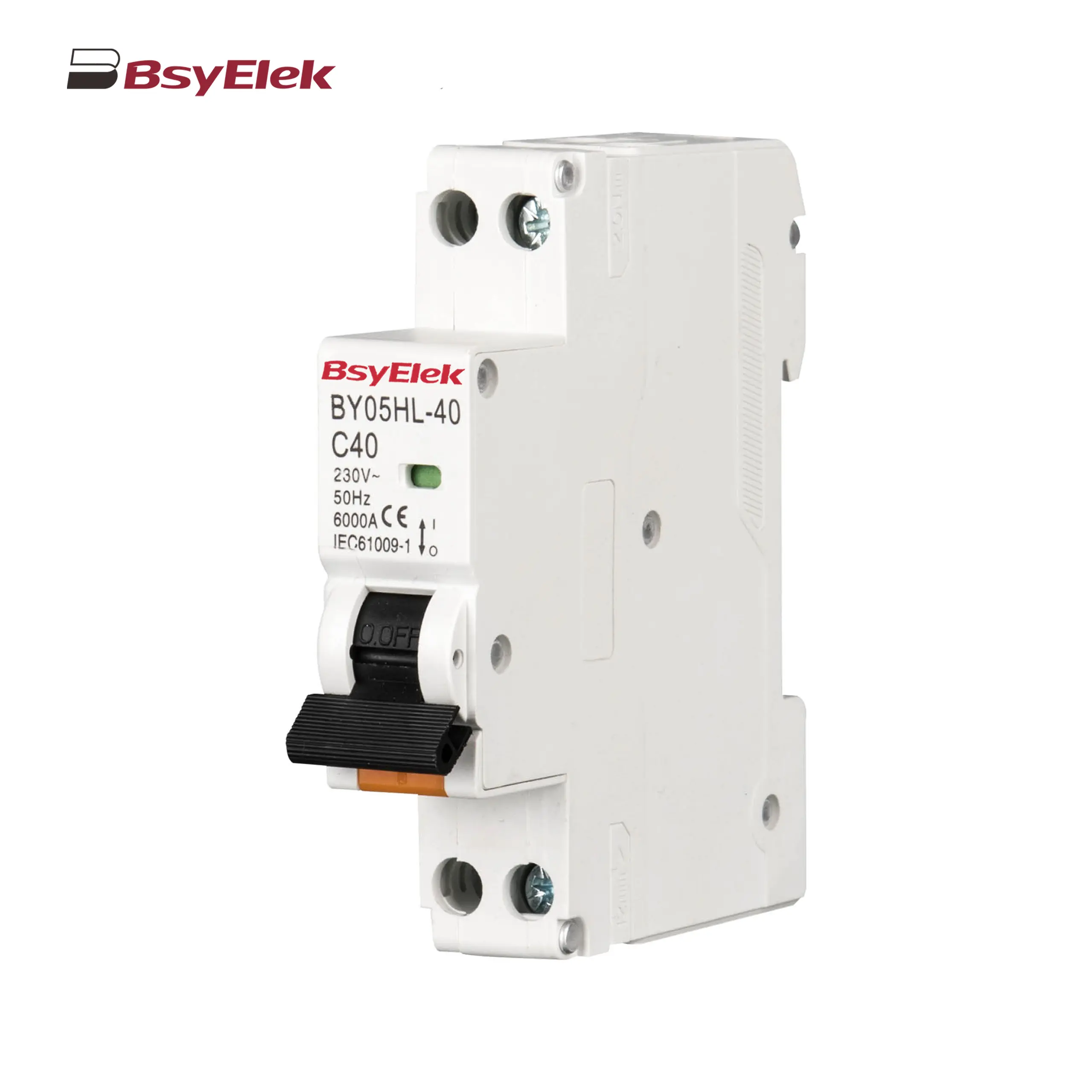 BY05HL-40 RCBO 6KA Residual Current Circuit Breaker with Over-current Protection
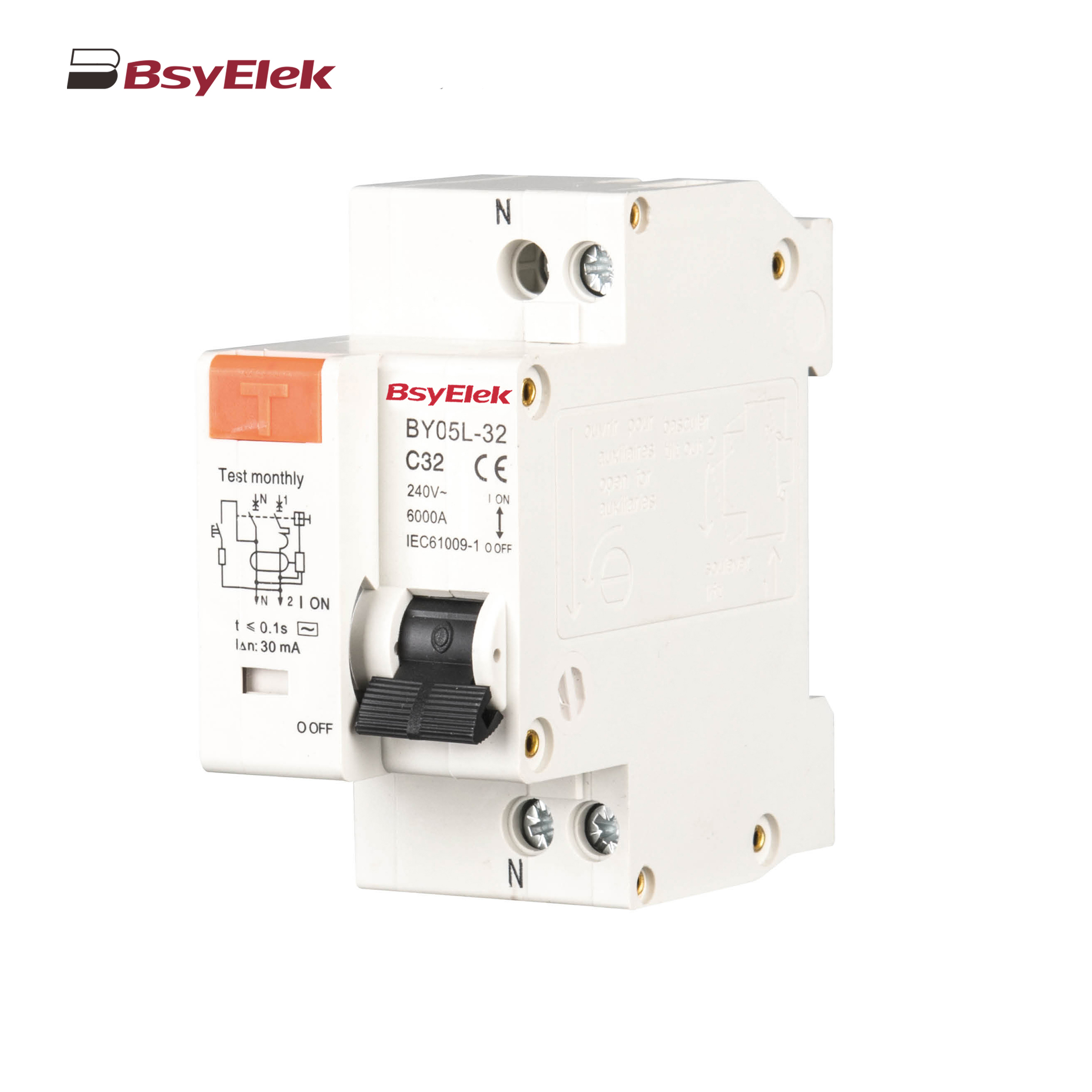 BY05L-32 RCBO 3KA Residual Current Circuit Breaker with Over-current Protection
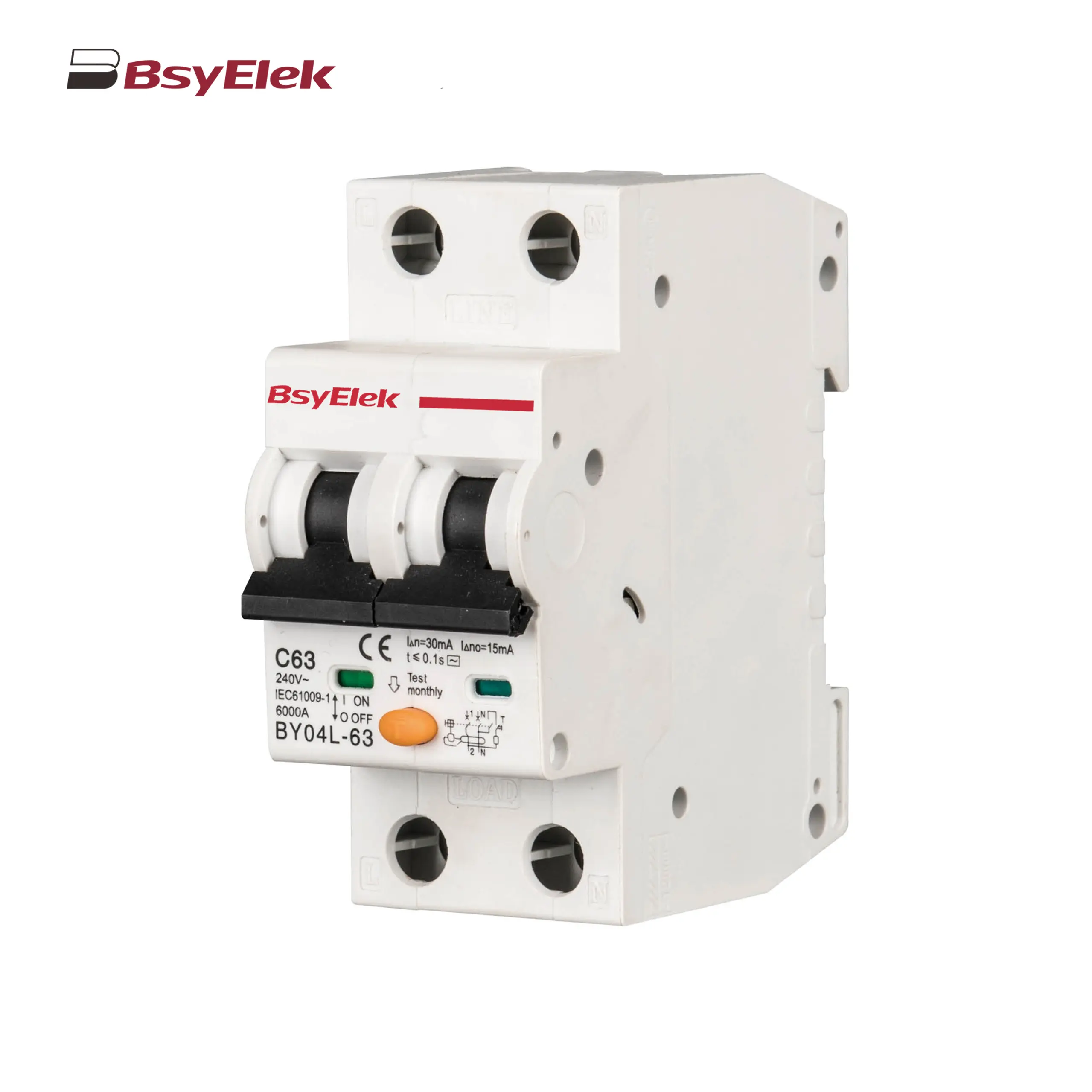 BY04L-63 RCBO 6KA Residual Current Circuit Breaker with Over-current Protection
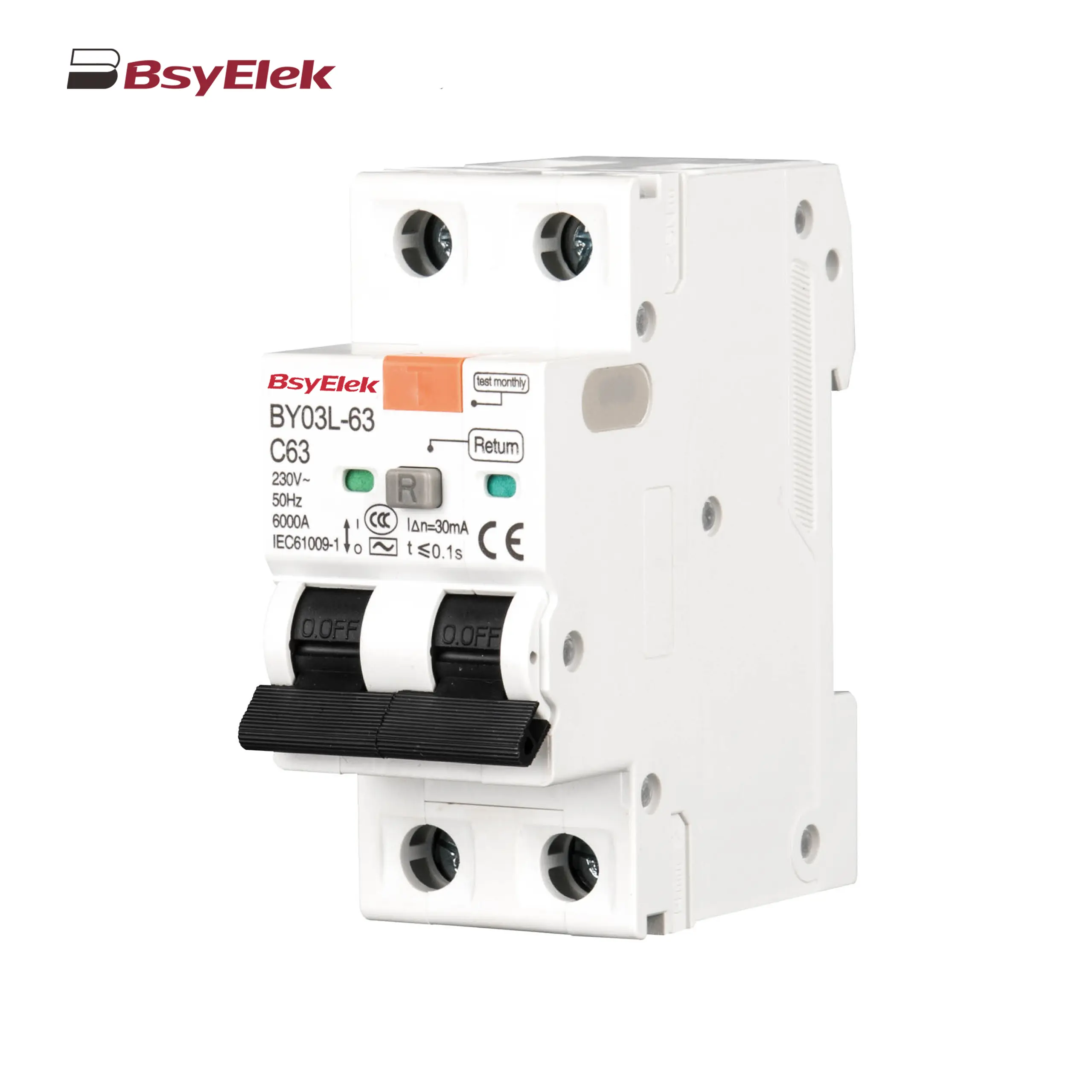 BY03L-63 RCBO 4.5KA Residual Current Circuit Breaker with Over-current Protection
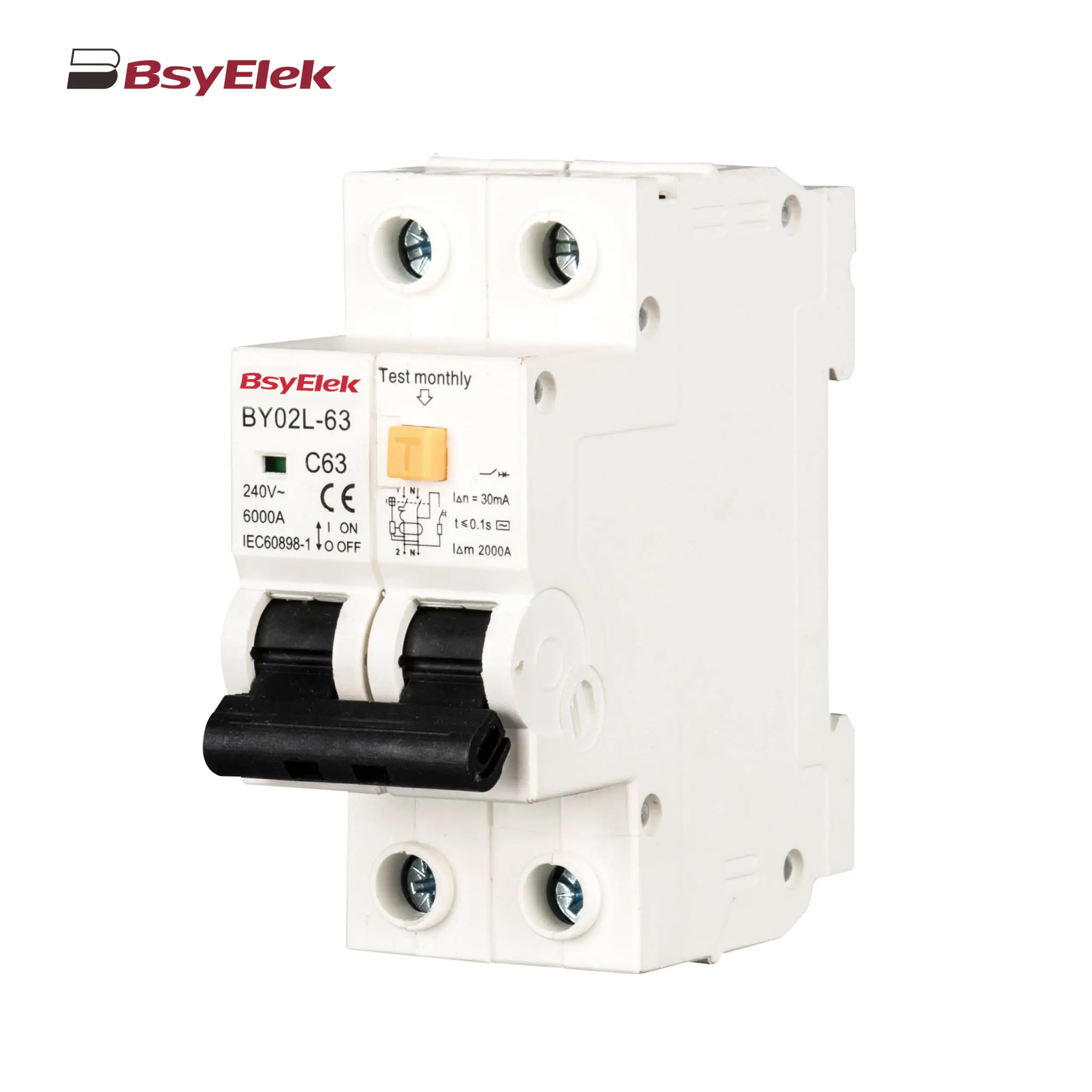 BY02L-63 RCBO 3KA Residual Current Circuit Breaker with Over-current Protection
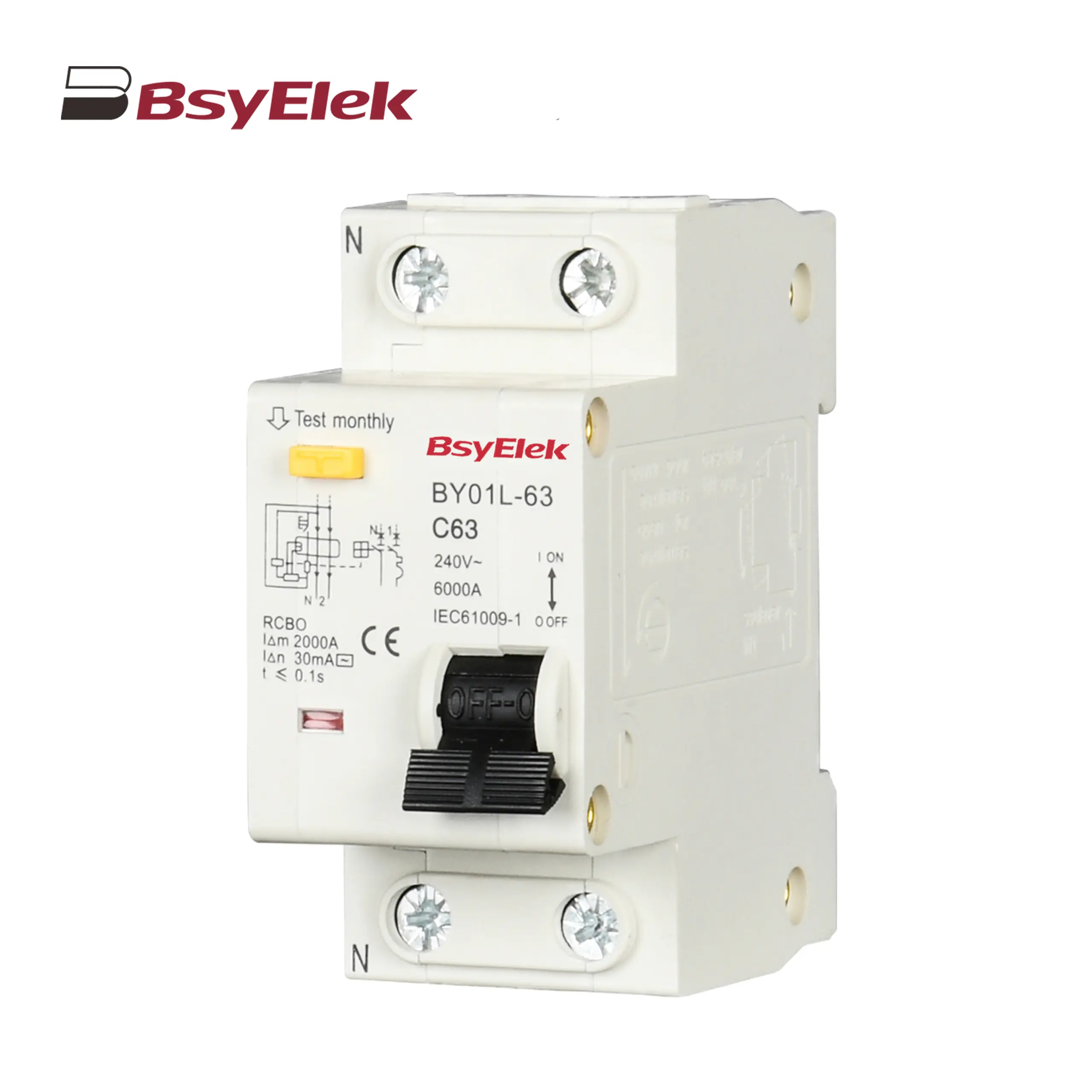 BY01L-63 RCBO 1P+N 3KA Residual Current Circuit Breaker with Over-current Protection
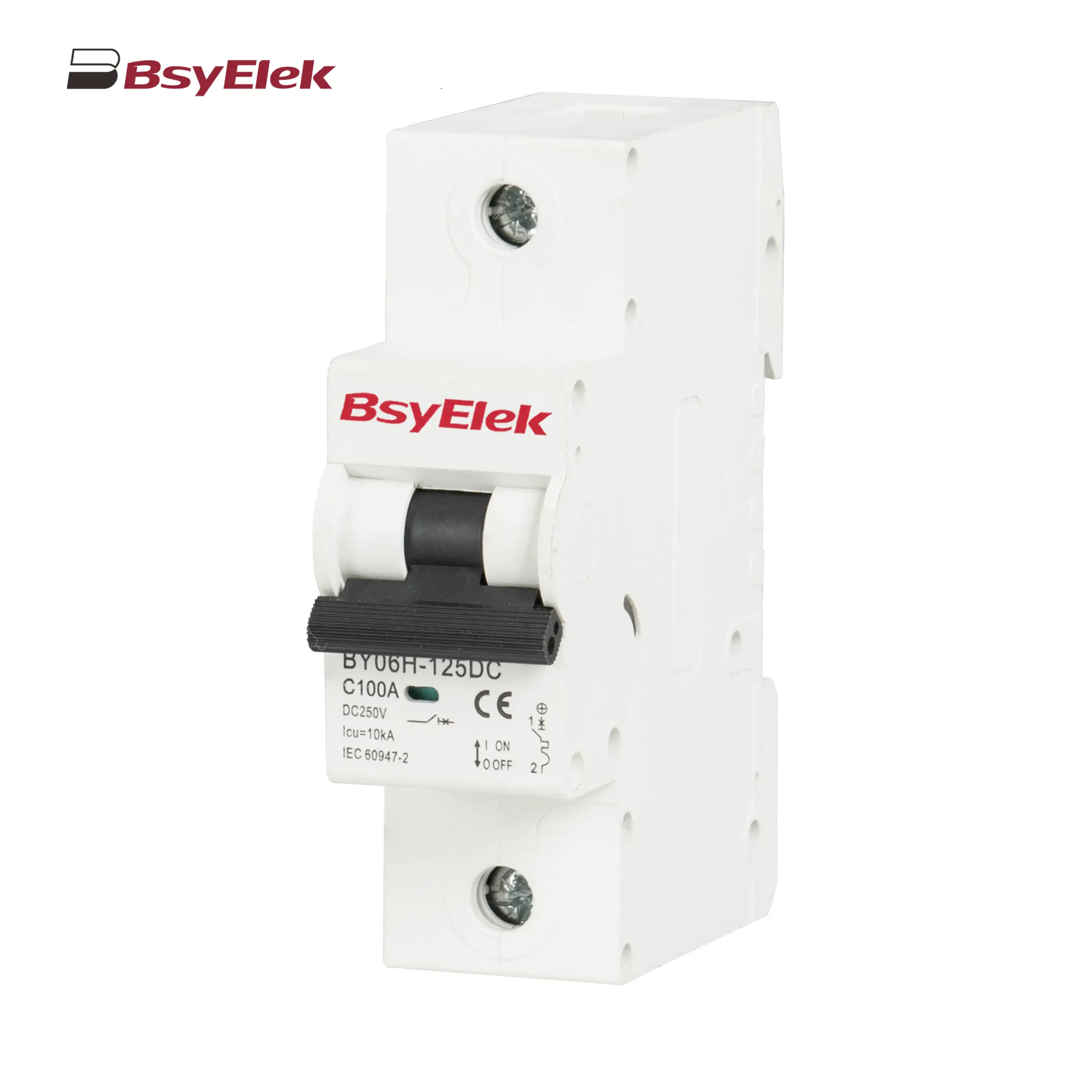 BY06H-125DC MCB 10-15kA DC Miniature Circuit Breaker
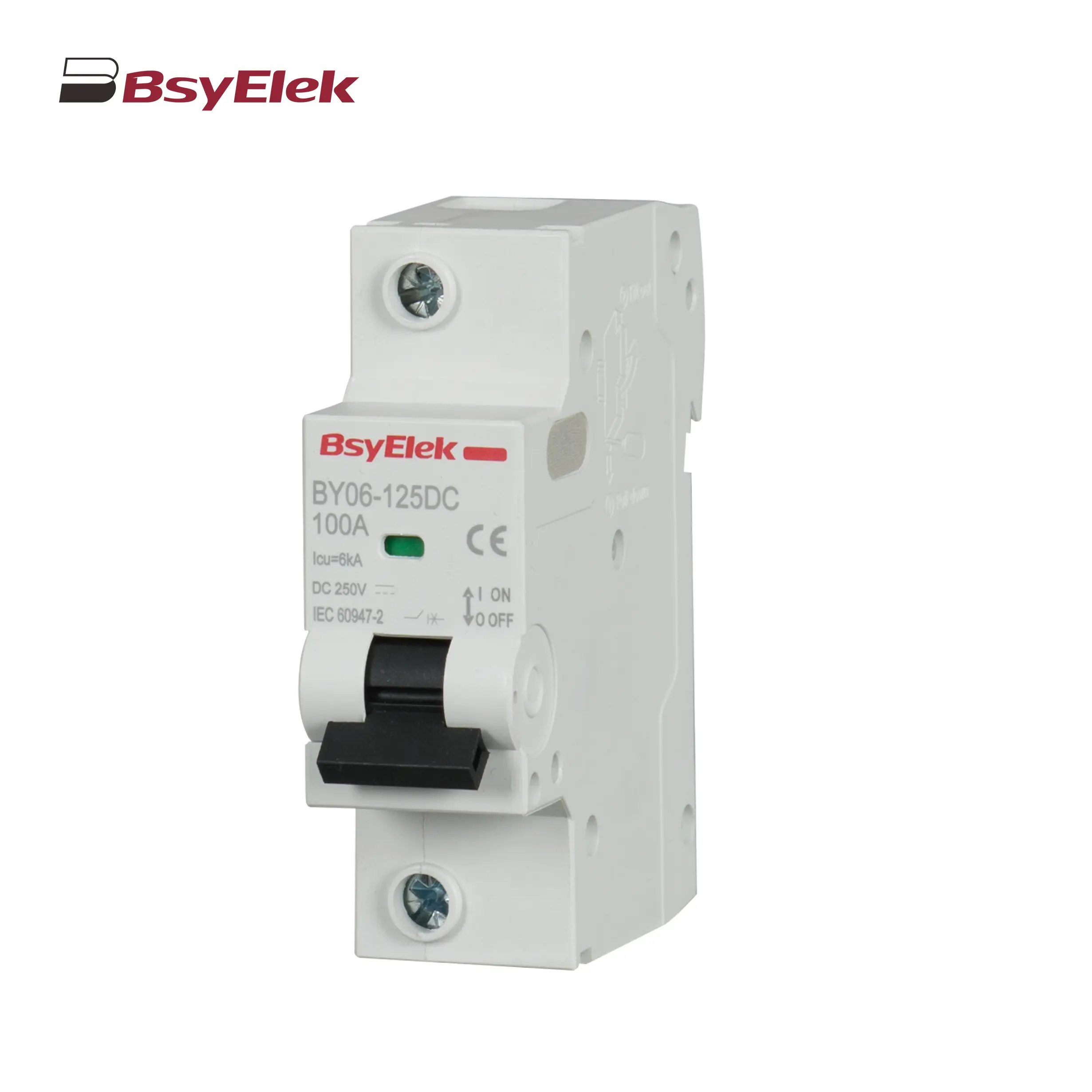 BY06-125DC MCB 6kA DC Miniature Circuit Breaker
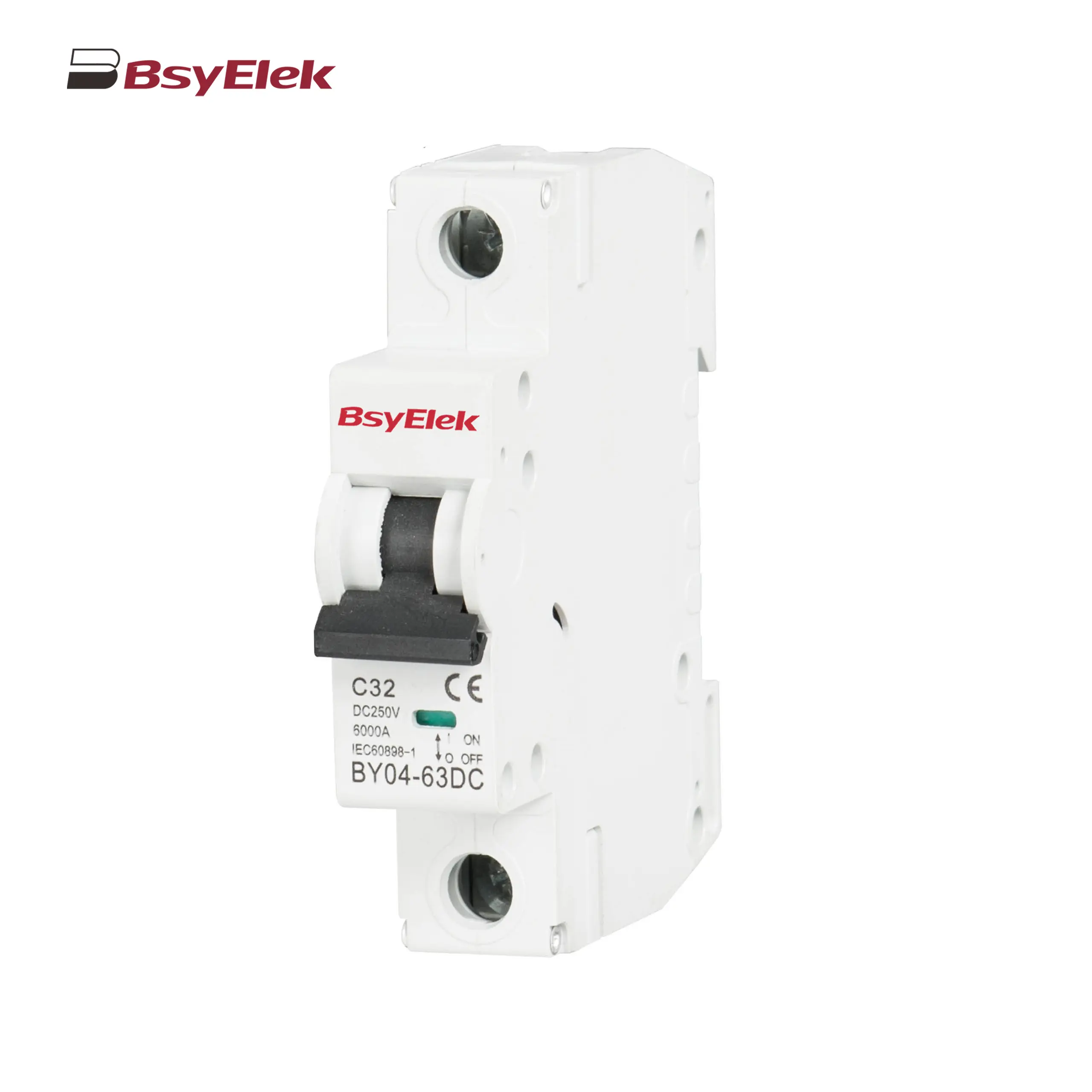 BY04-63DC MCB 6-10kA DC Miniature Circuit Breaker
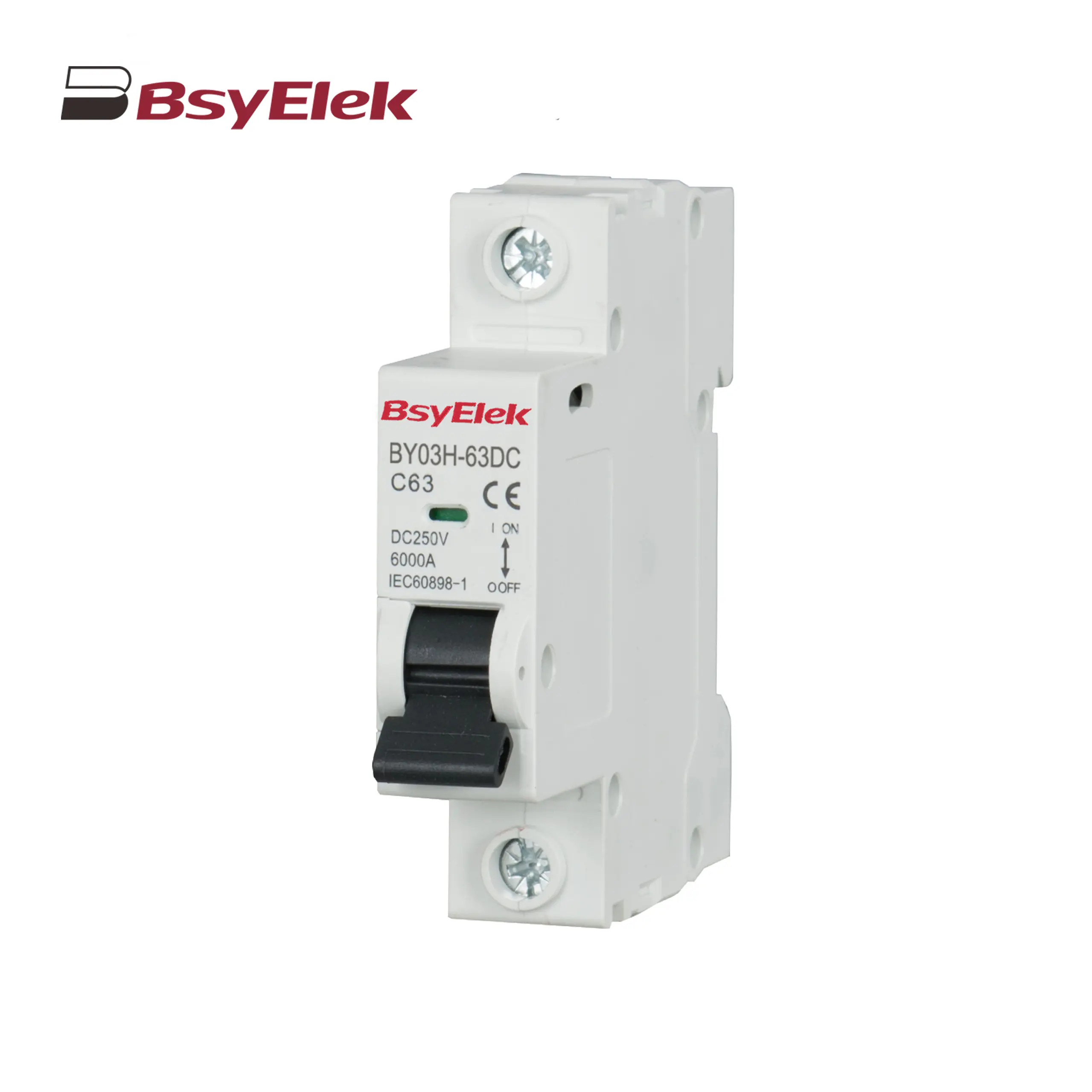 BY03H-63DC MCB 6kA DC Miniature Circuit Breaker
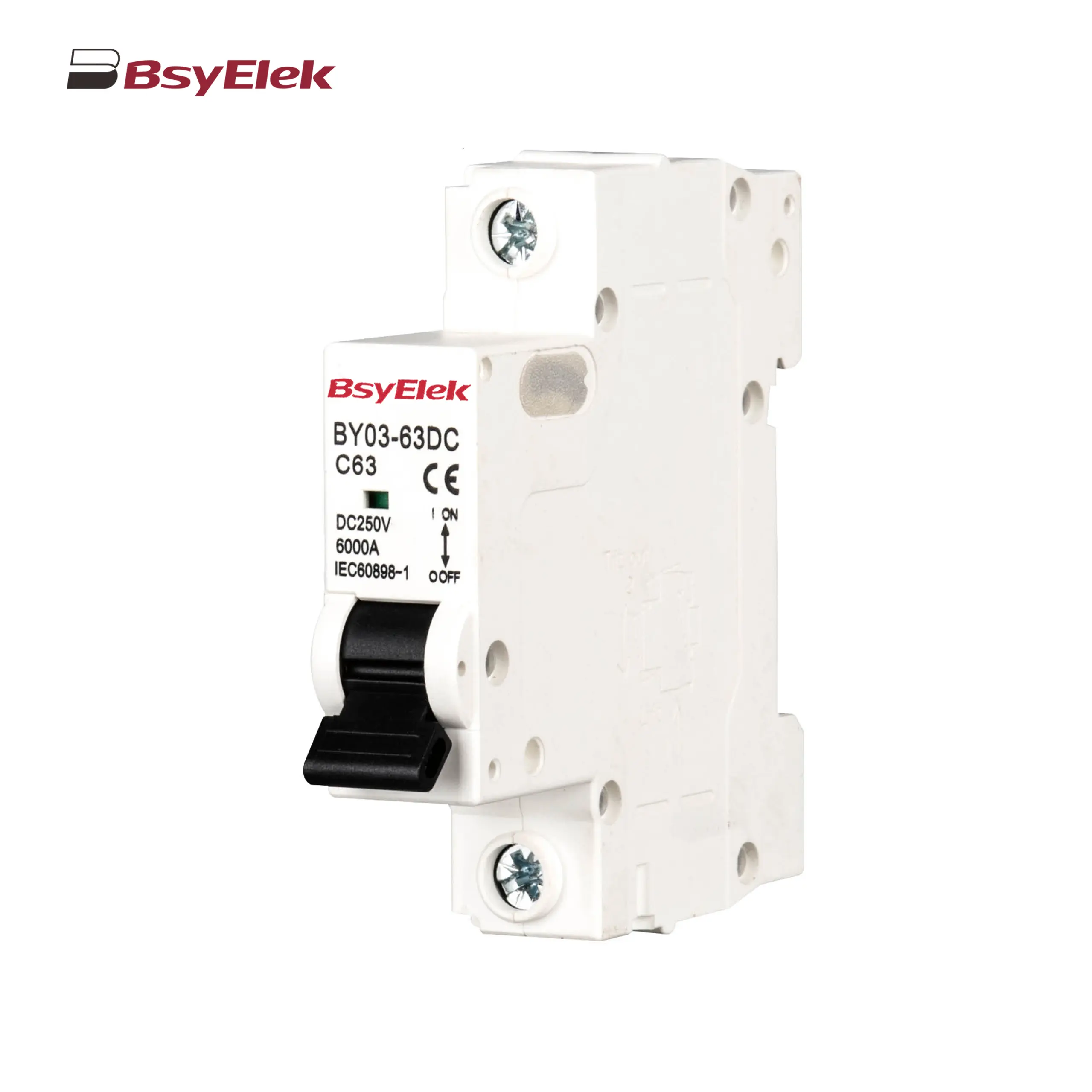 BY03-63DC MCB 4.5kA DC Miniature Circuit Breaker
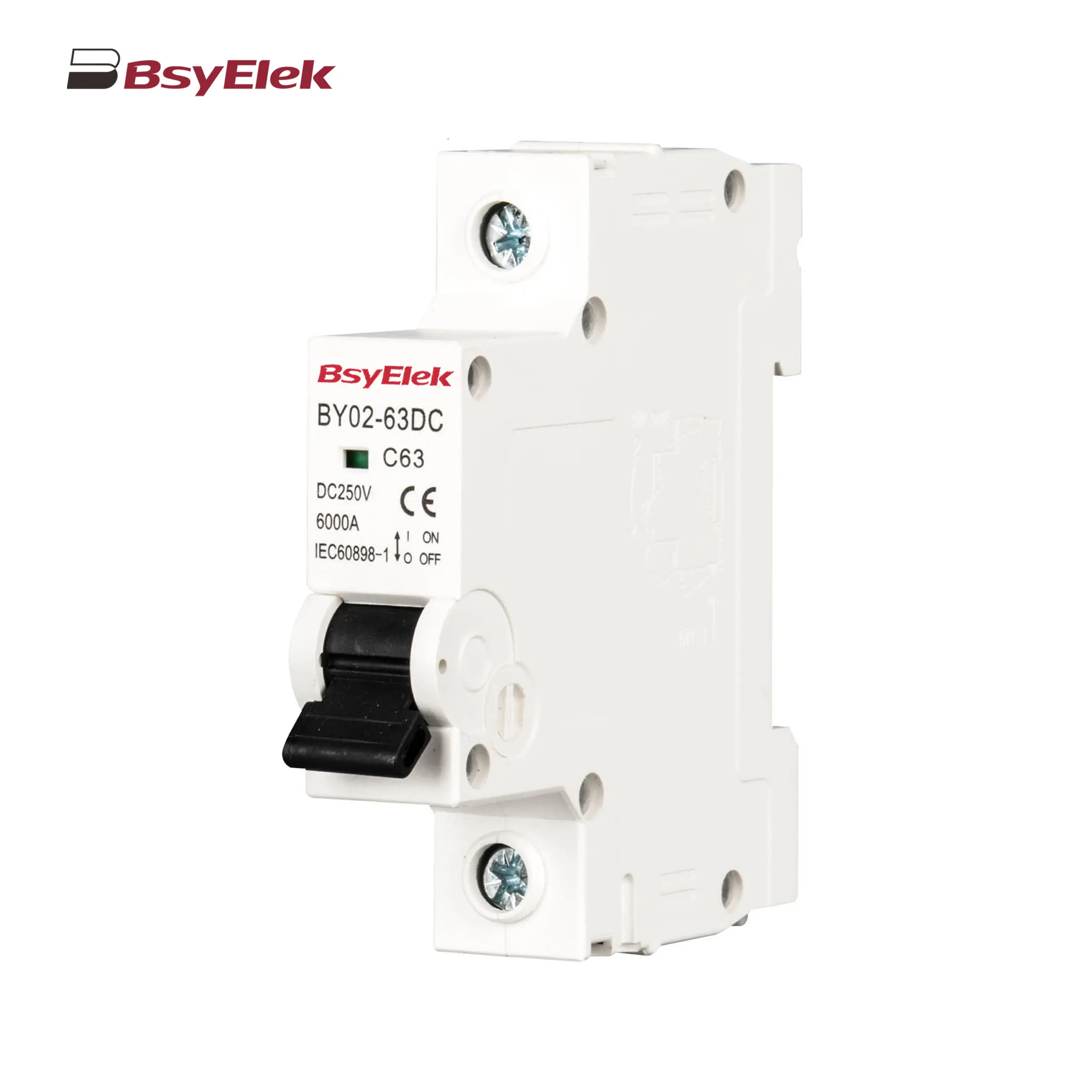 BY02-63DC MCB 3kA DC Miniature Circuit Breaker
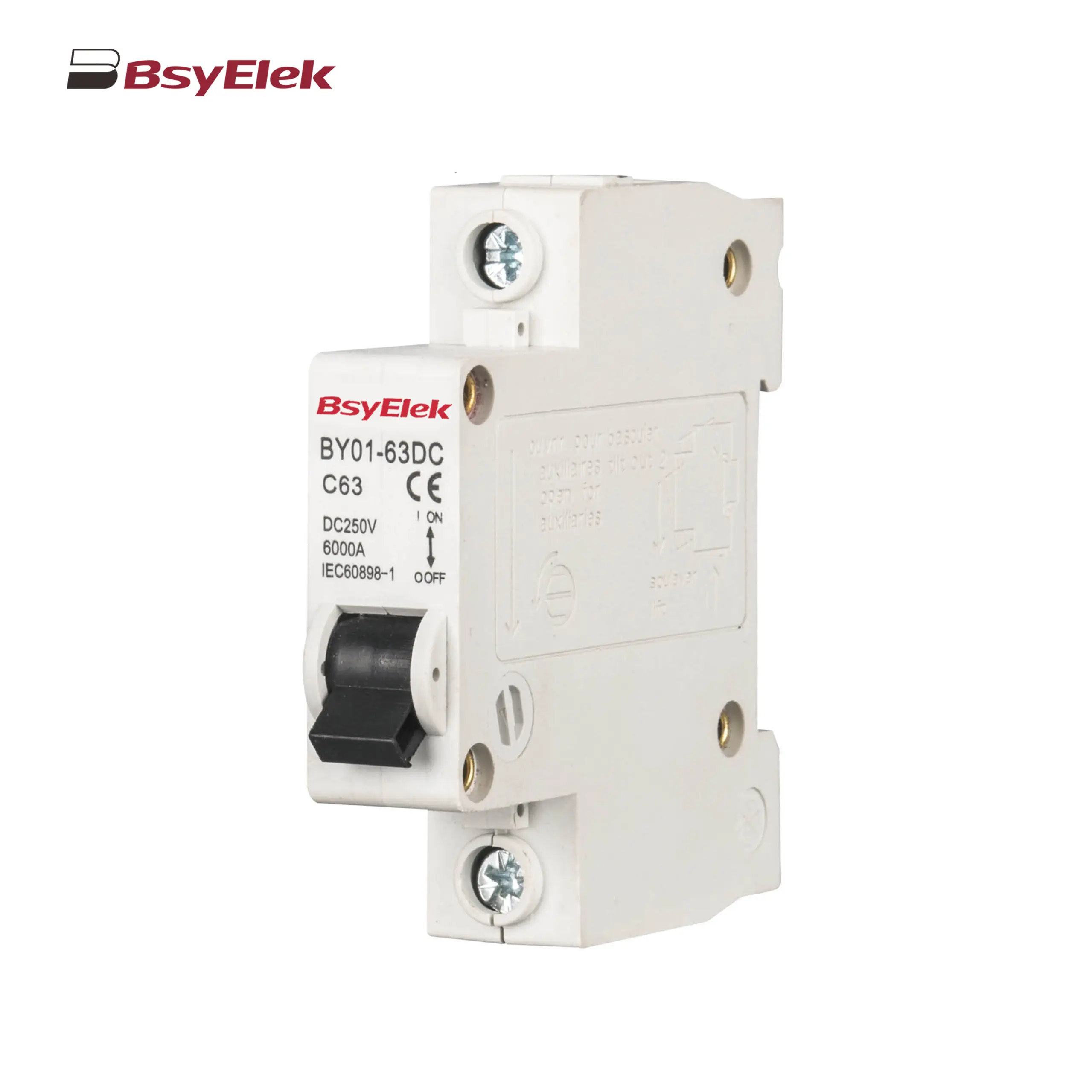 BY01-63DC MCB 3kA DC Miniature Circuit Breaker
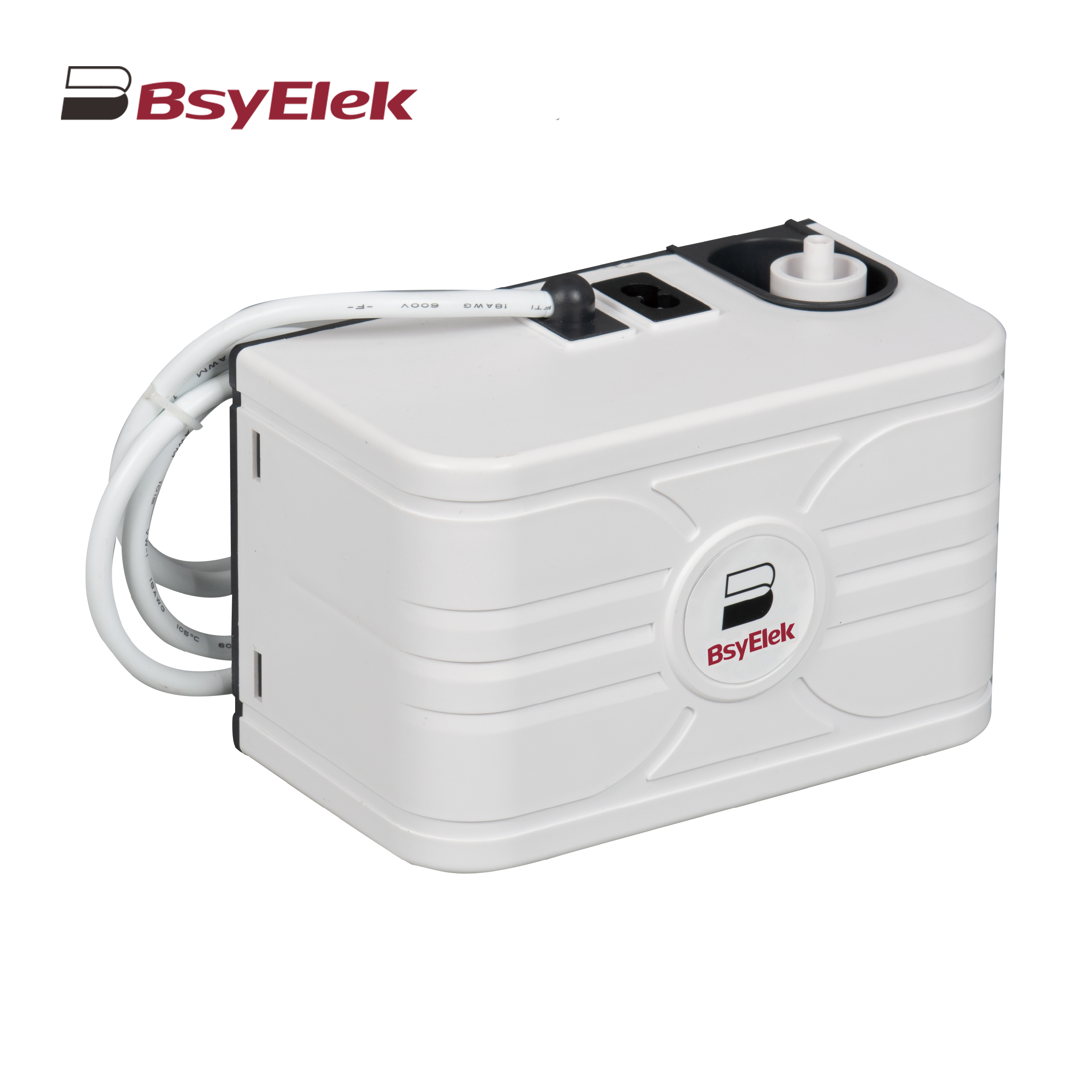 BY-5018 1.8M Engineering Drainage Pump
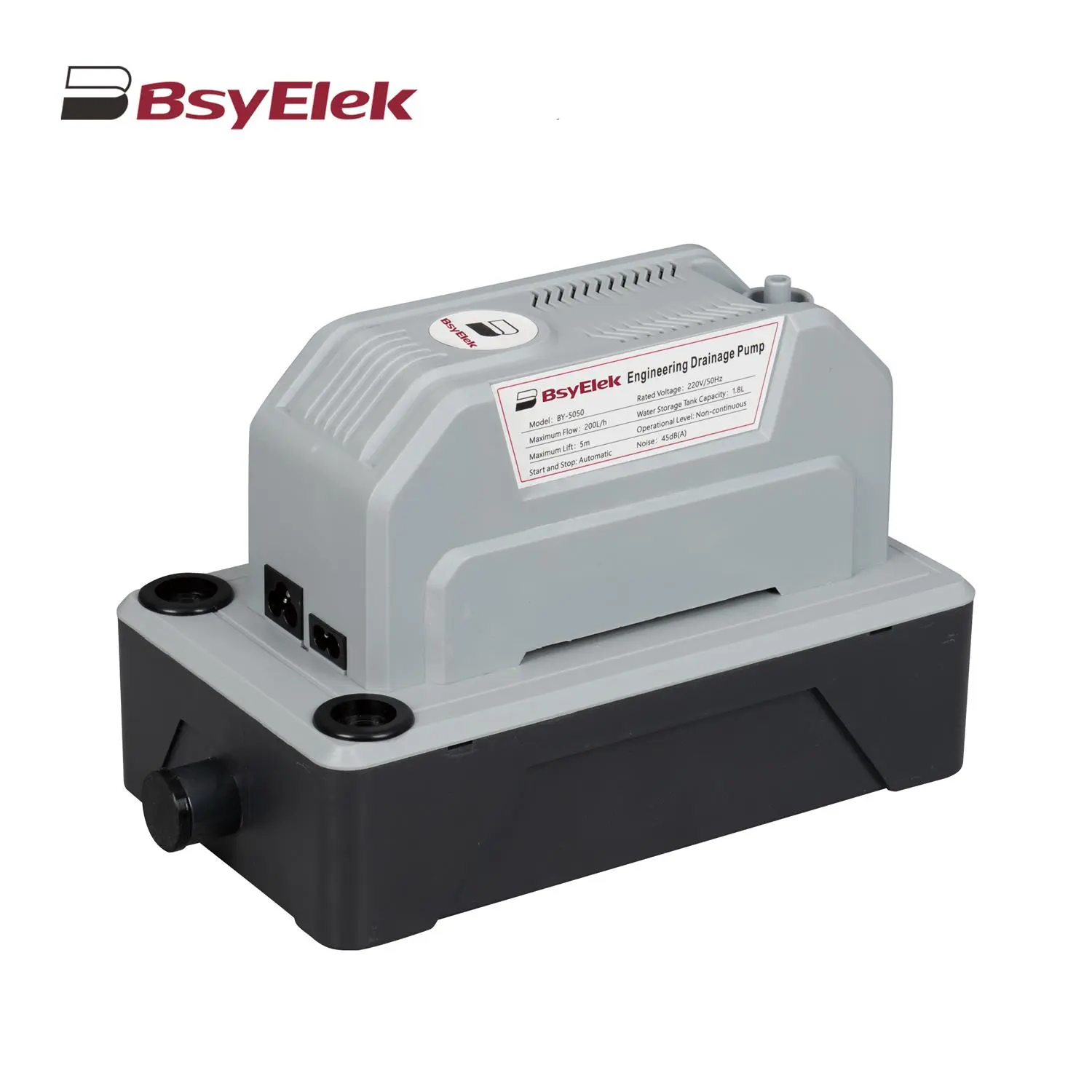 BY-5050 5M Engineering Drainage Pump
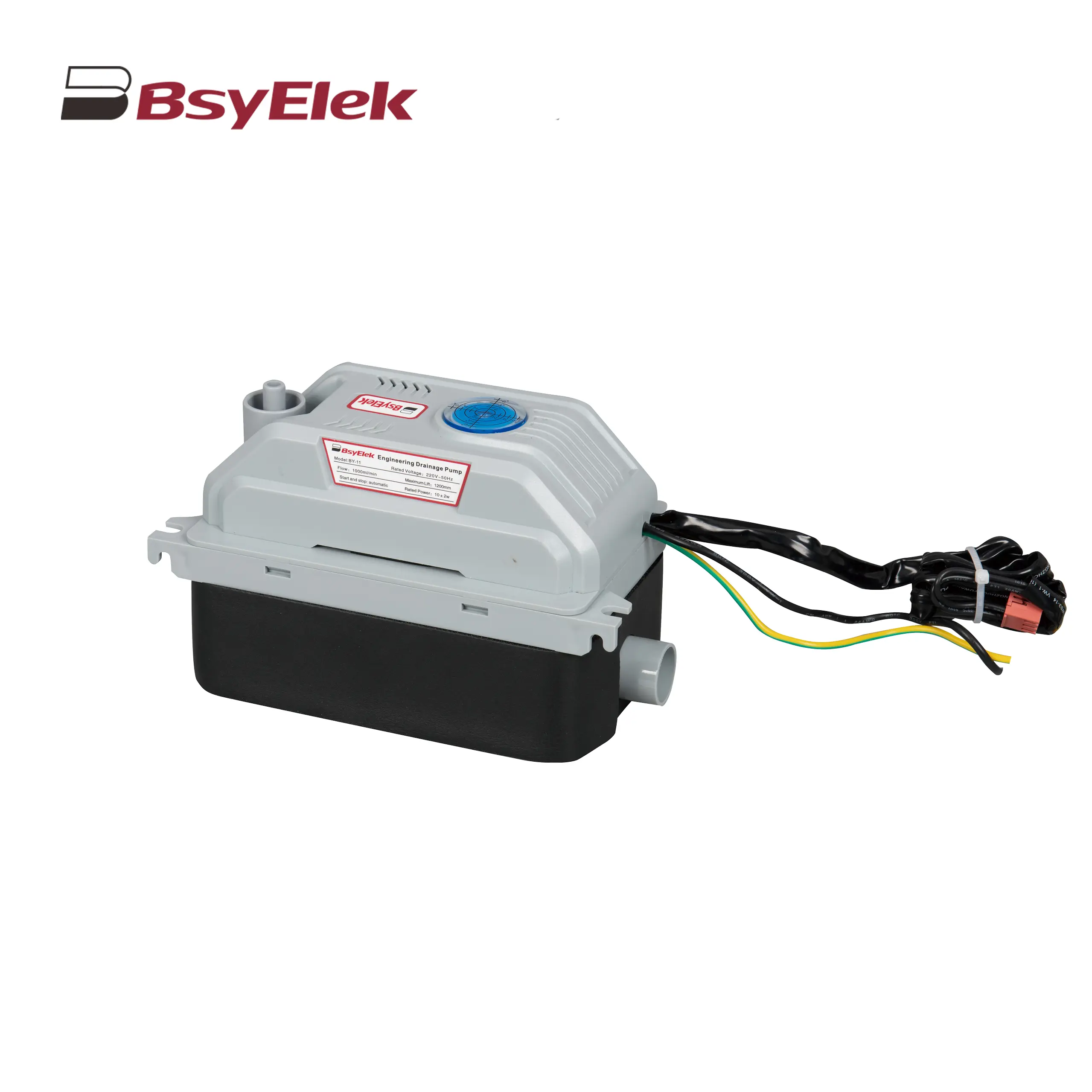 BY-11 1.2M Engineering Drainage Pump
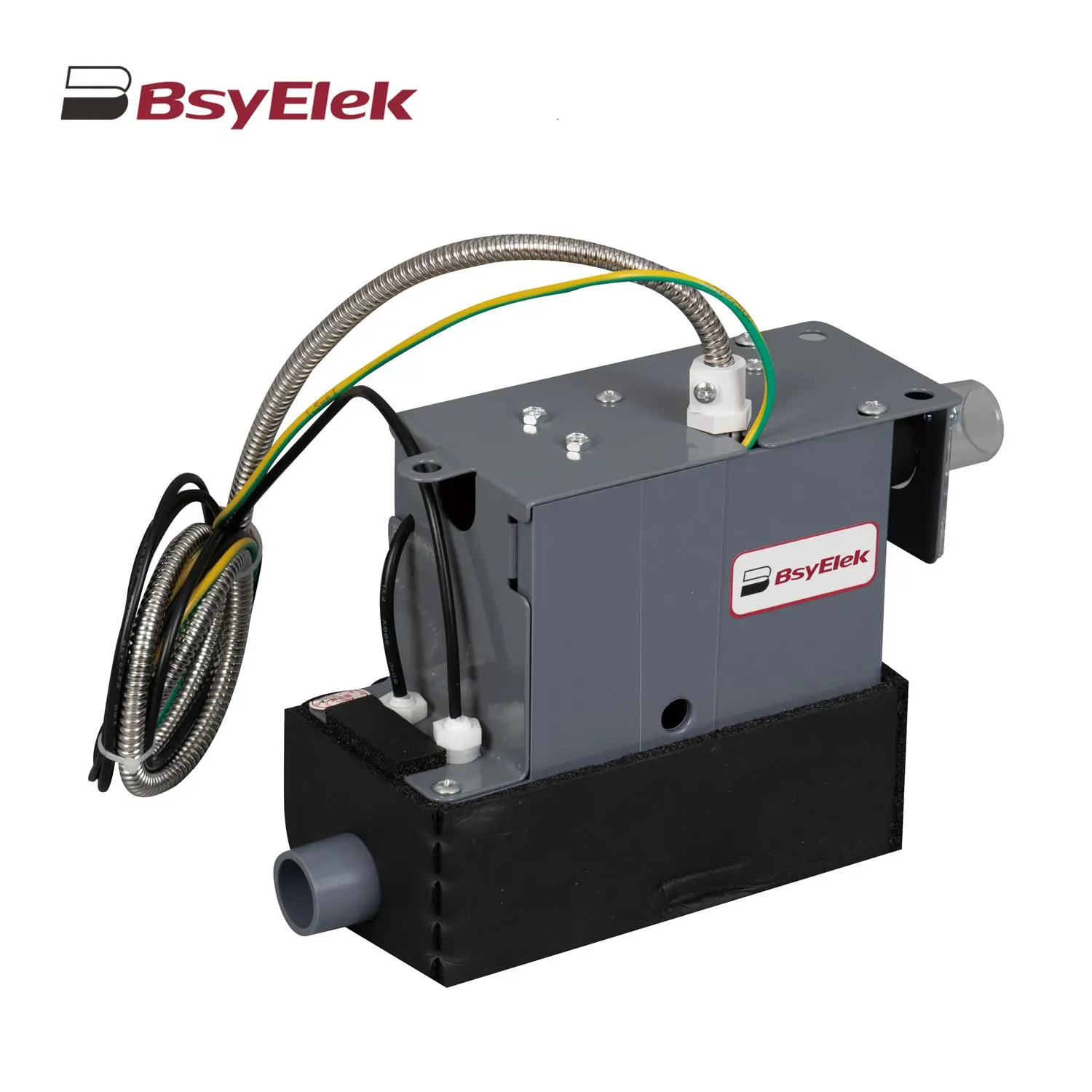 SBH-05 0.7M Original Drainage Pump of Duct Type Air Conditioner
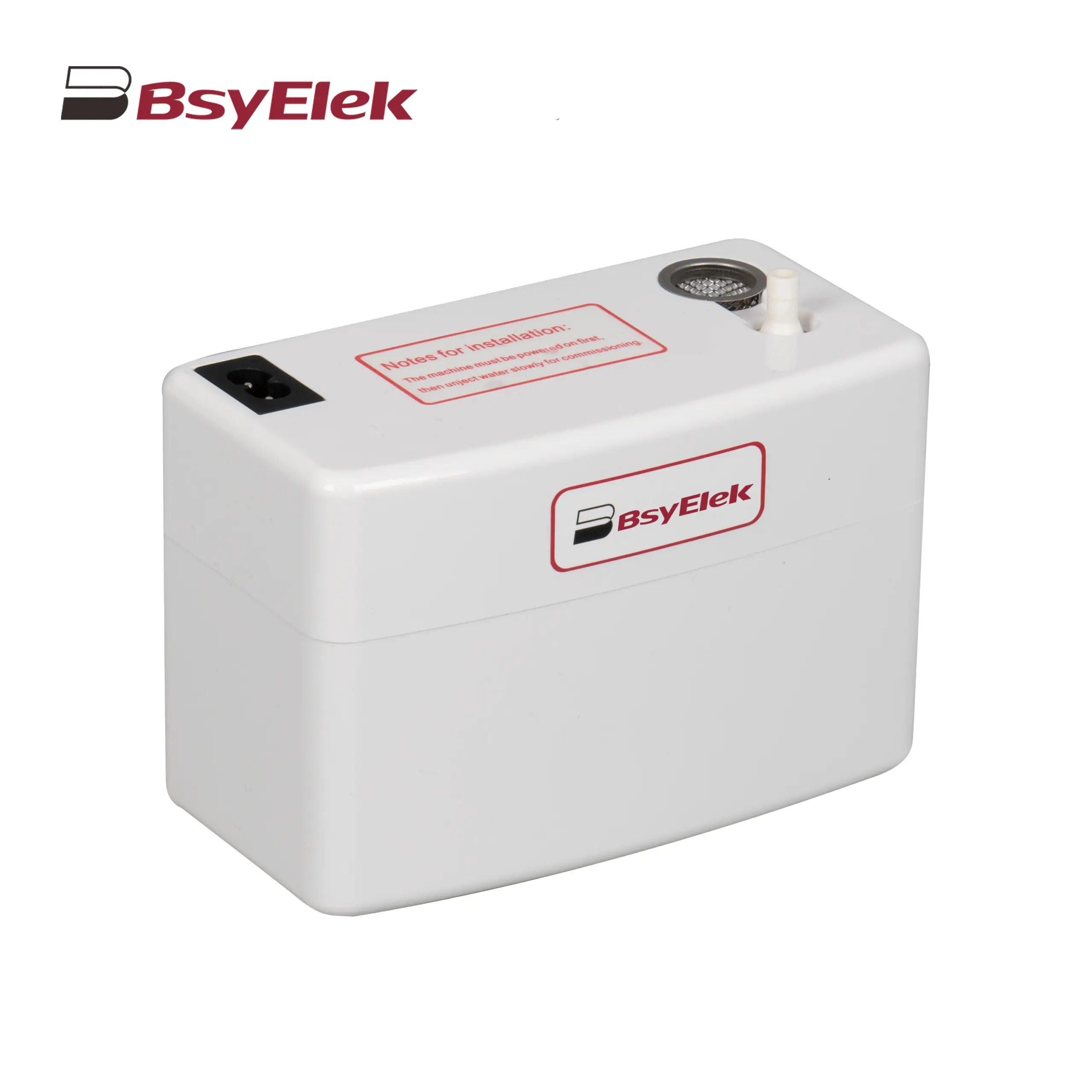 BY-24A/40A 10M Drainage Pump of Air Conditioner
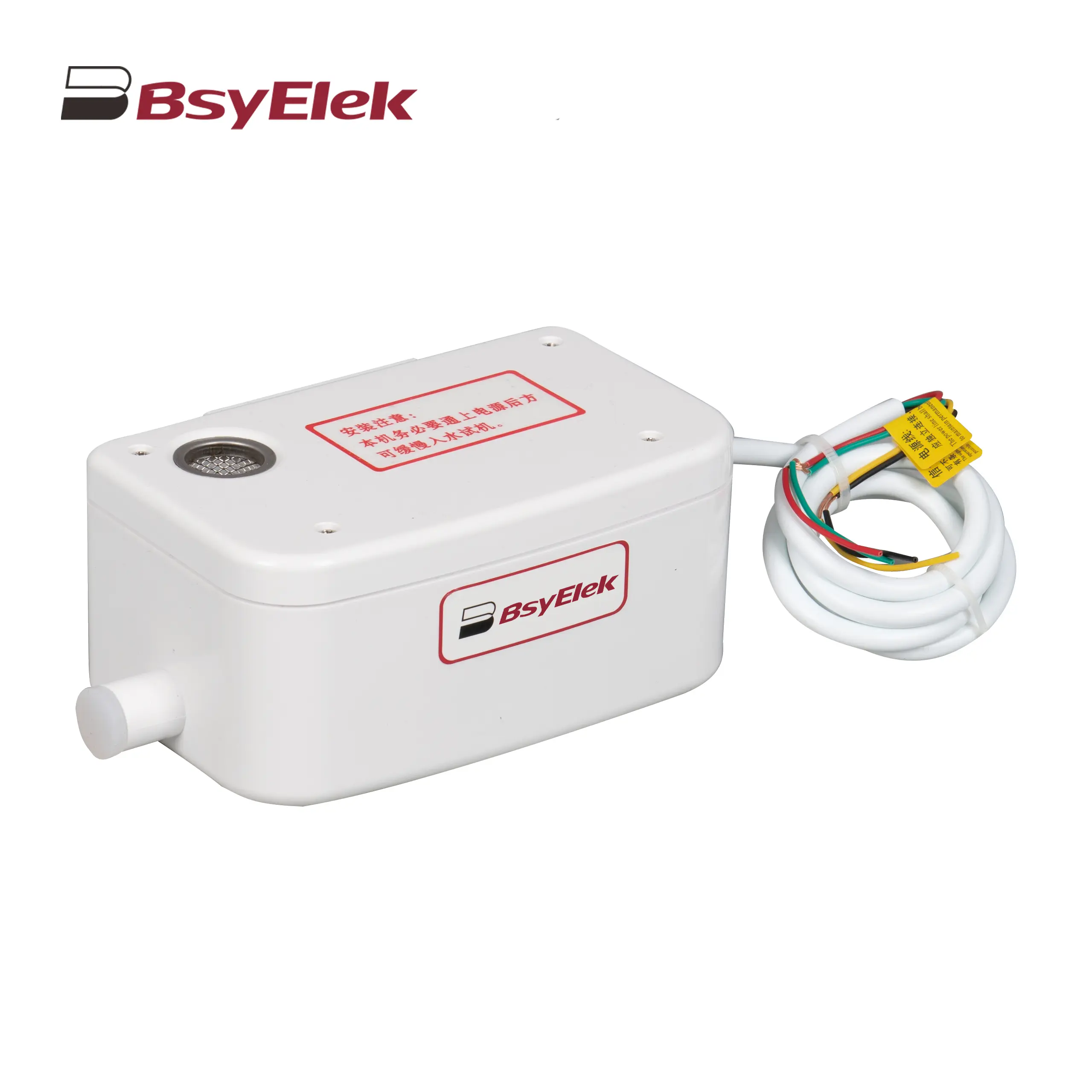 BY-50A 12M Drainage Pump of Air Conditioner
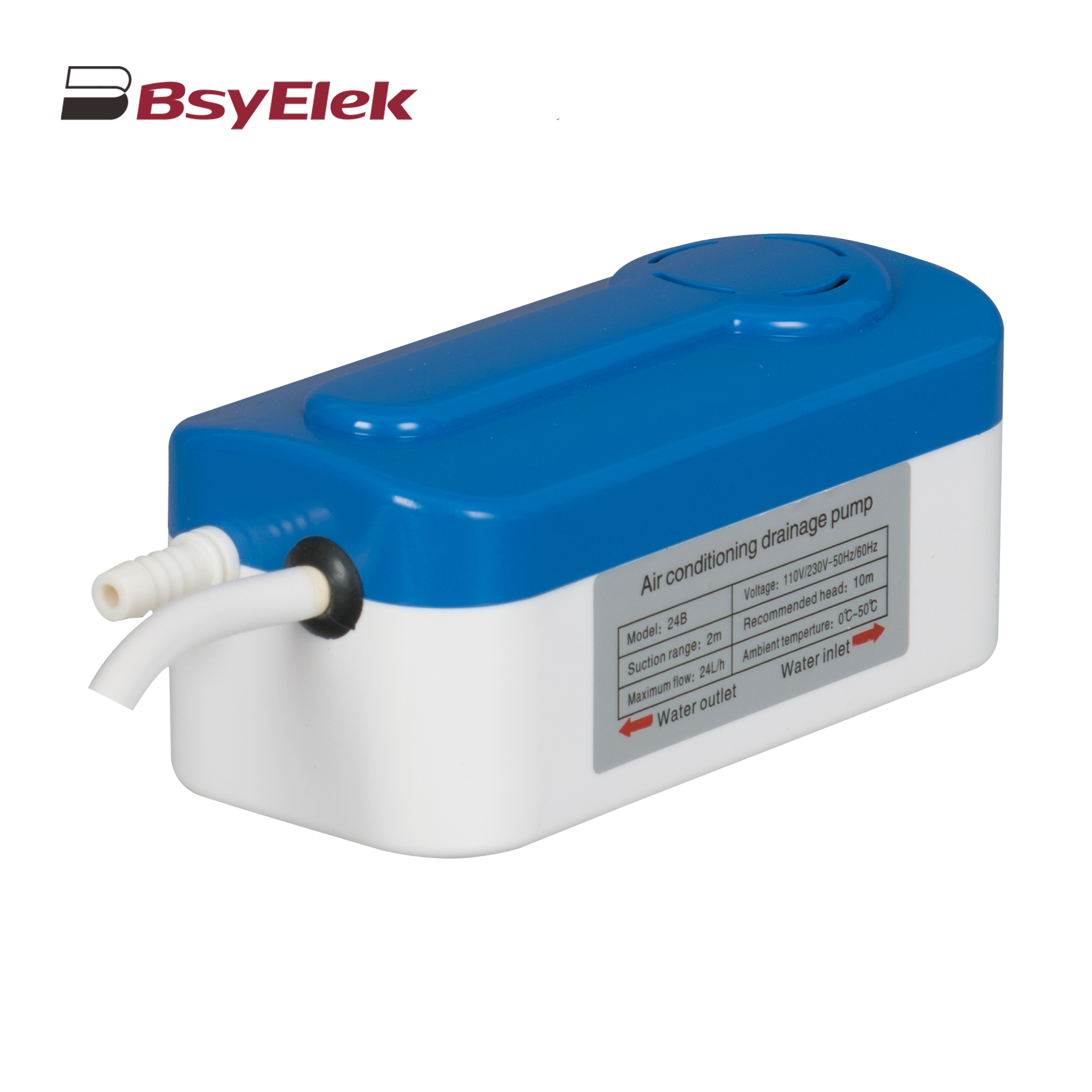 BY-24B/40B 10M Split Type Drainage Pump
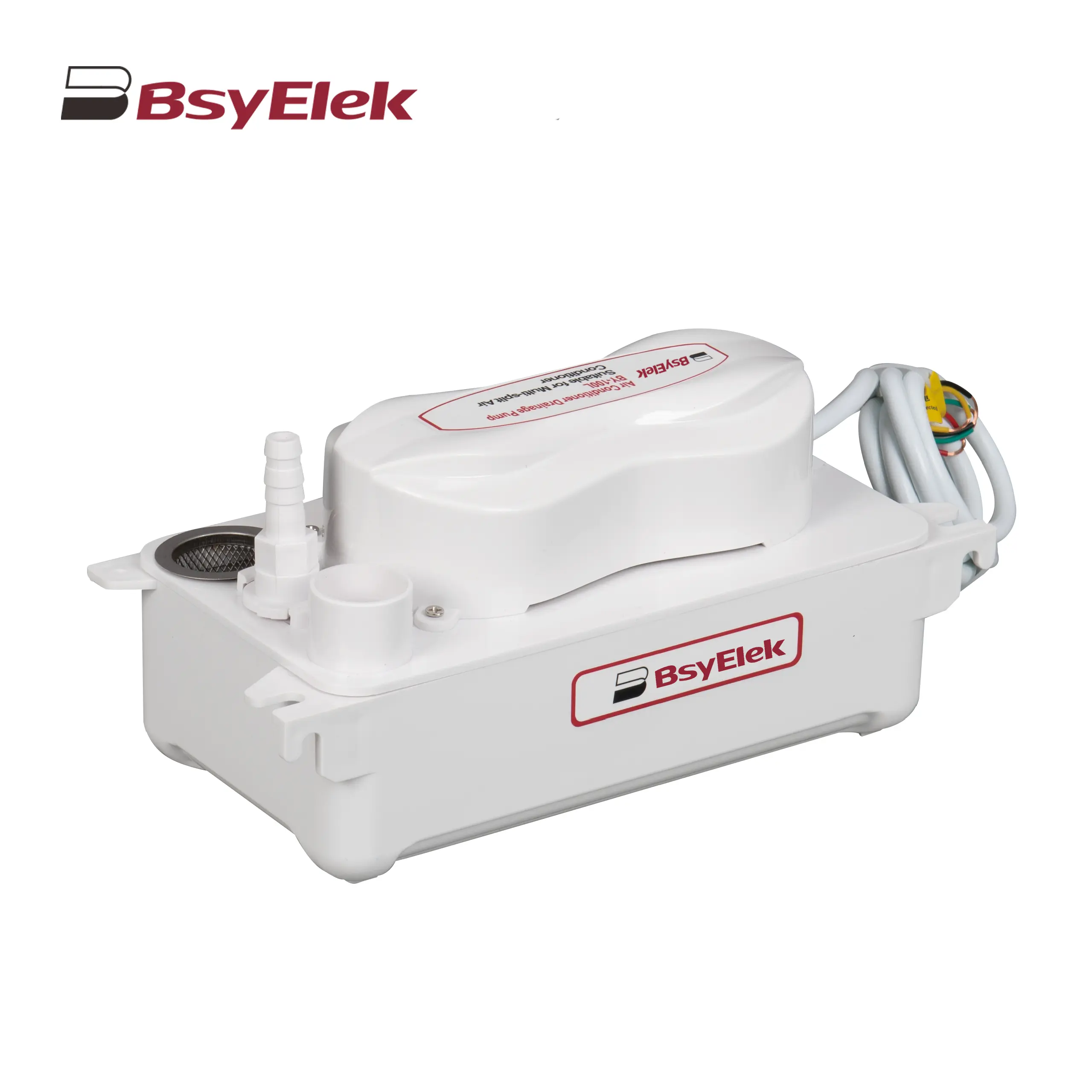 BY-100L 2M Drainage Pump of Air Conditioner
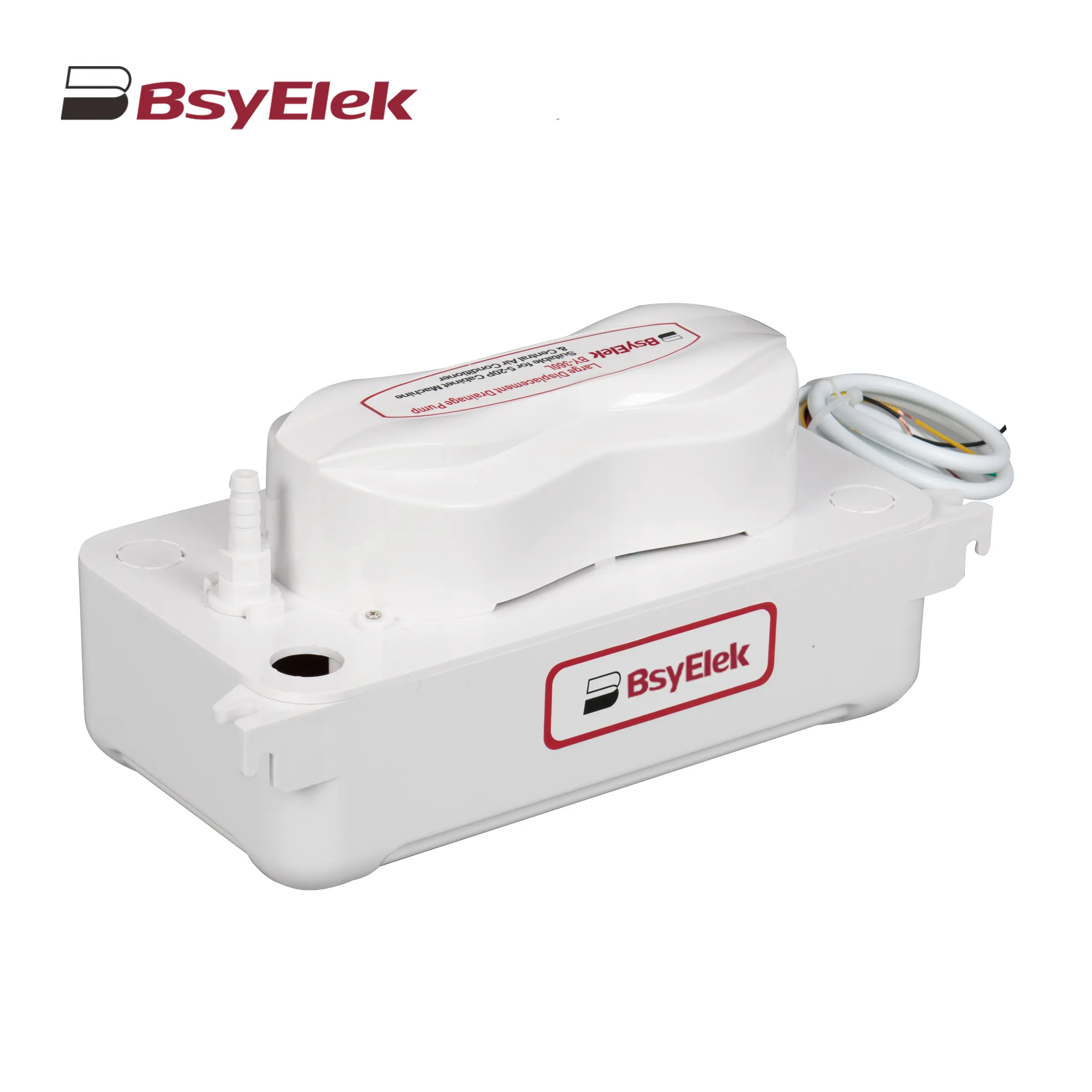 BY-360L 6M Large Displacement Drainage Pump
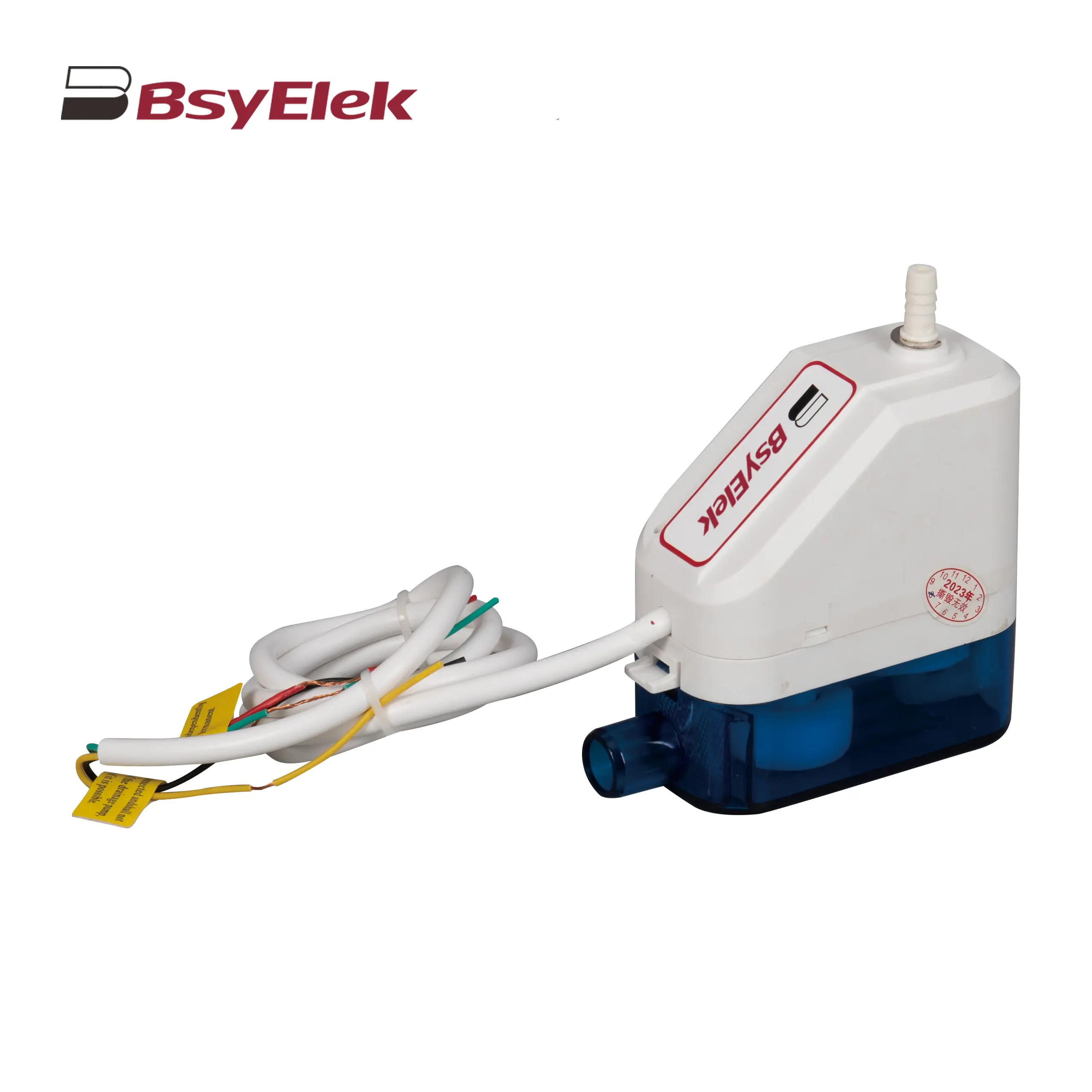 BY-24C/40C 10M Corner Drainage Pump
What is a miniature circuit breaker (MCB)?
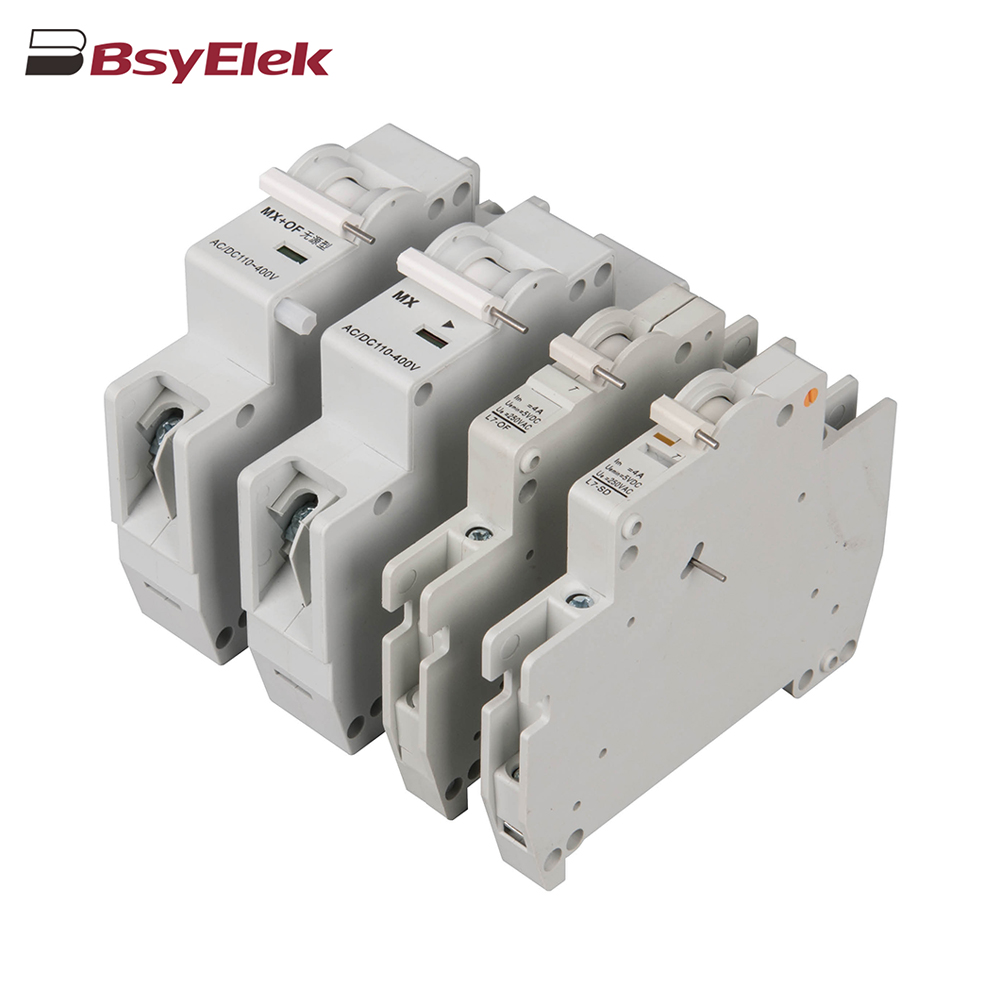 OF SD MX OF MCB Miniature Circuit Breaker Accessories
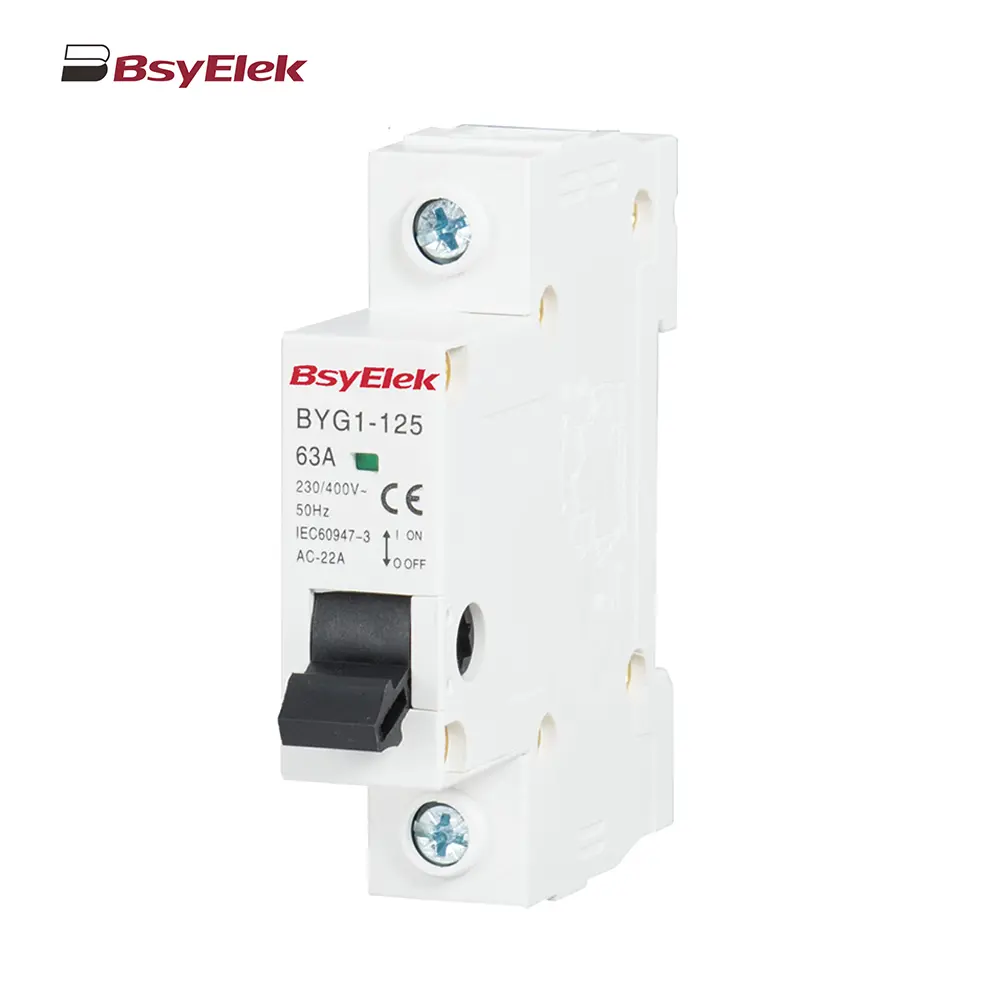 BYG1-125 Main Switch MCB Isolator Switch
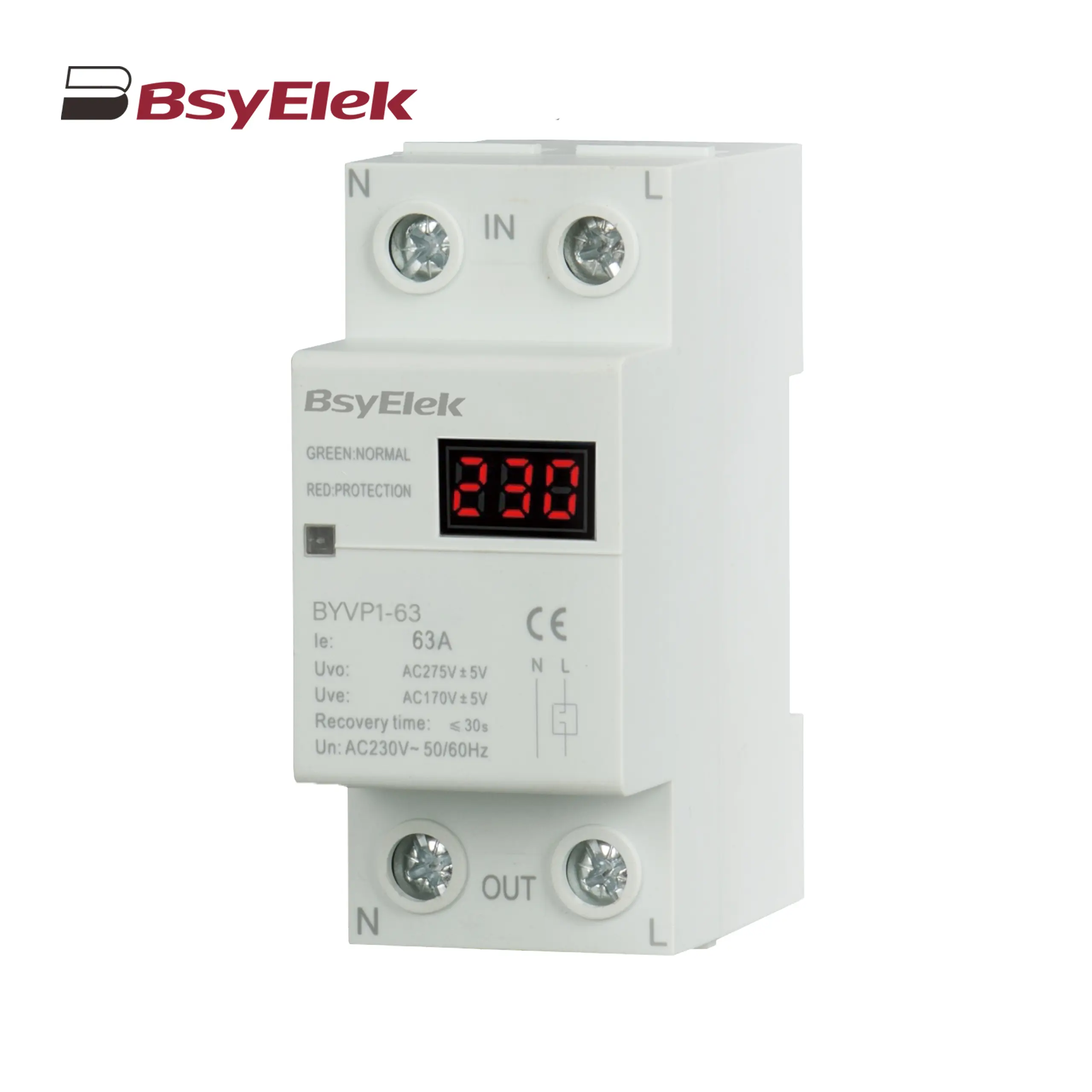 BYVP1-63 100A Single Display Overvoltage and Undervoltage Protector
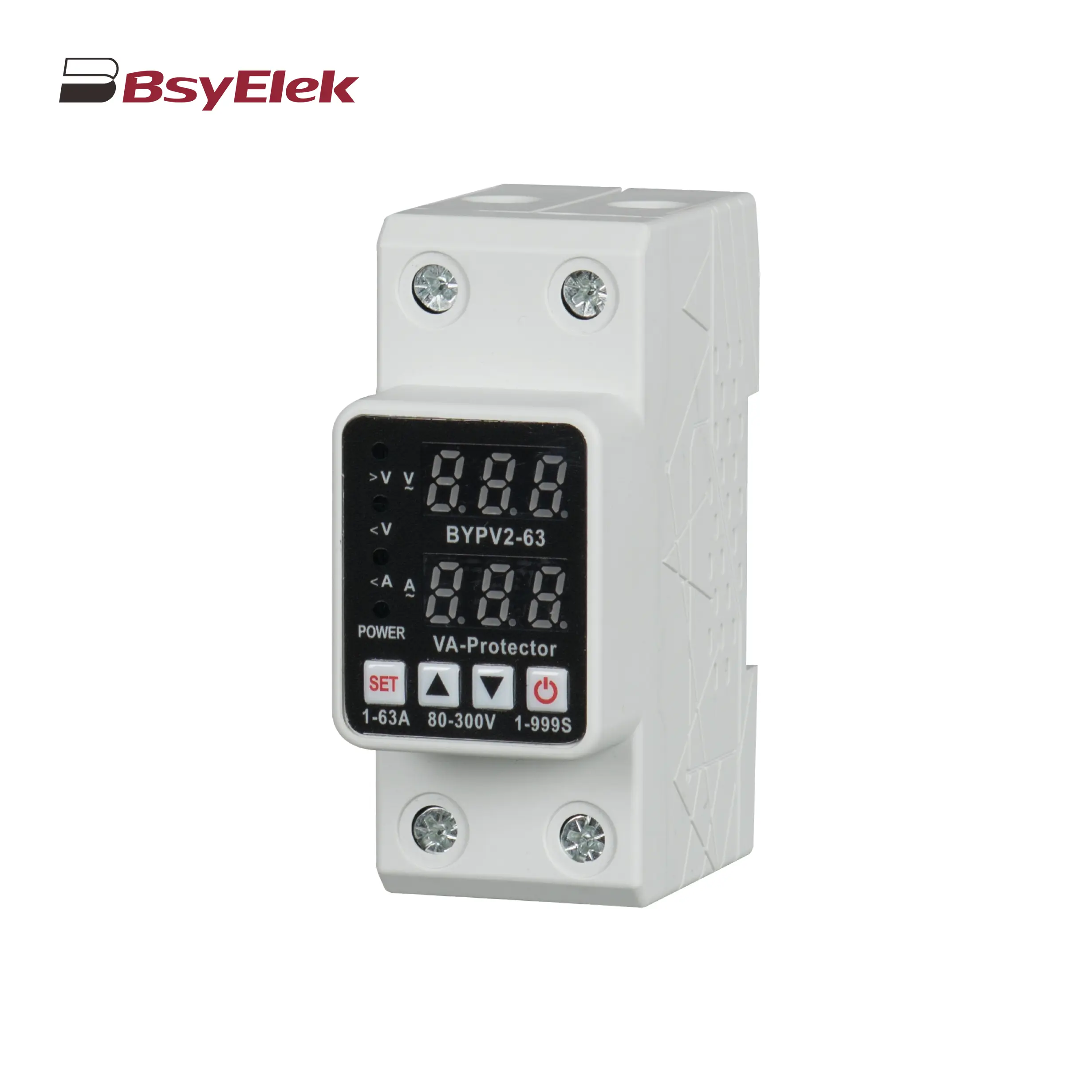 BYVP2-63 40A 63A Adjustable Dual Display Overvoltage and Undervoltage Protector
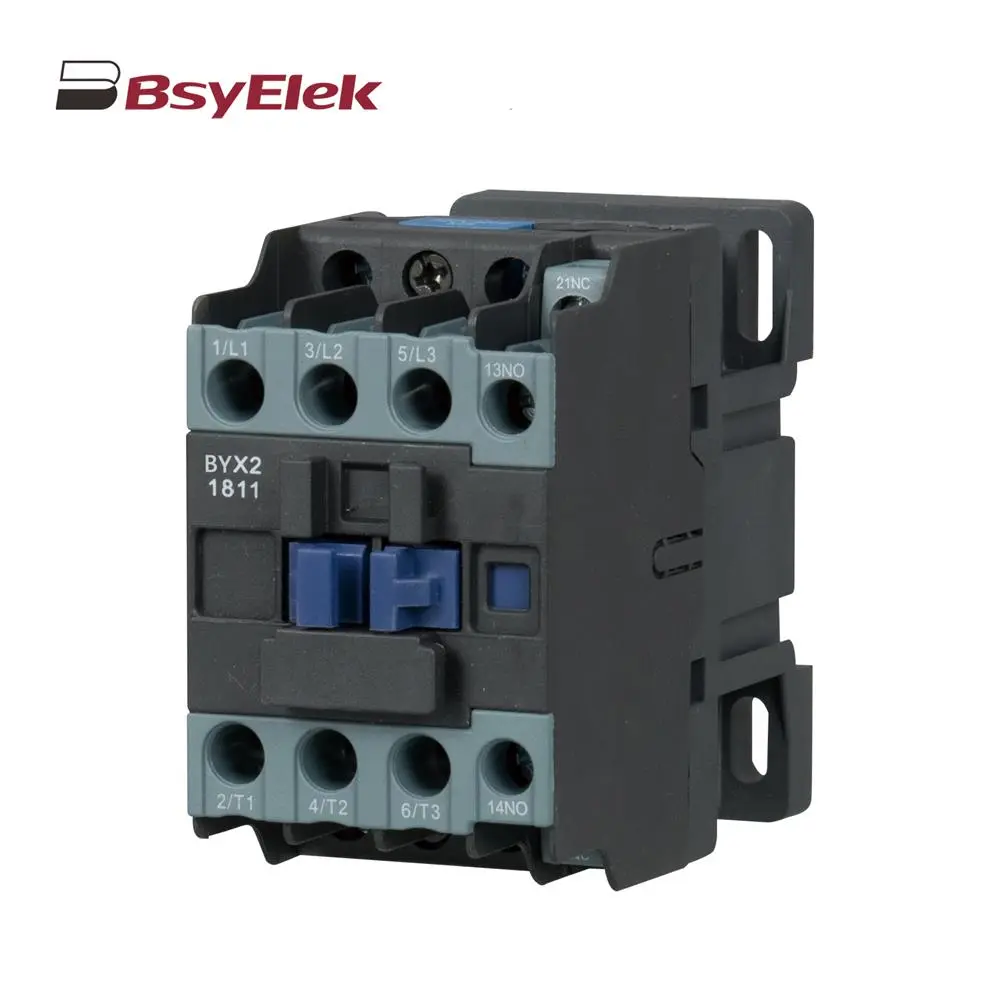 BYX2 6-95A AC Contactor
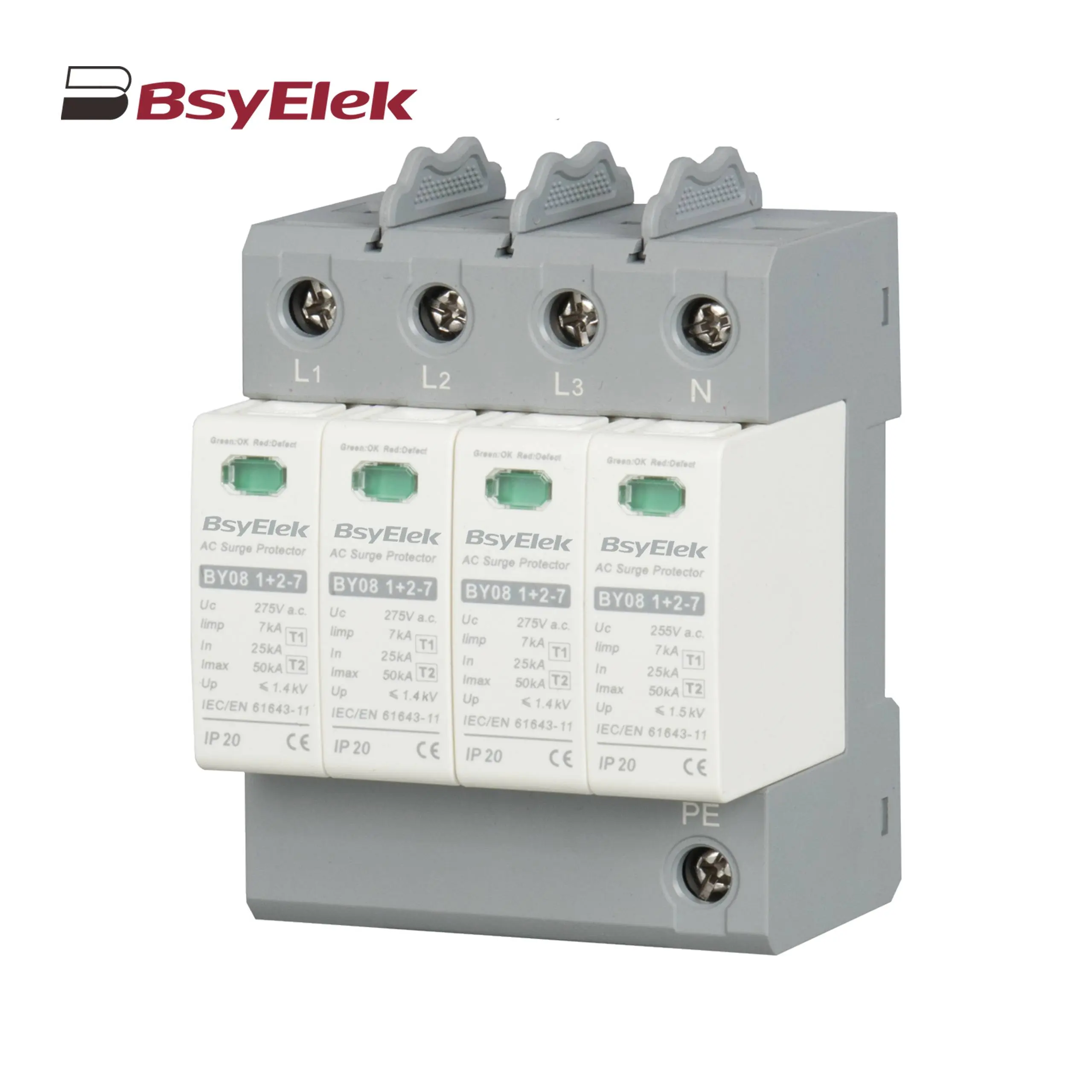 BY08 1+2-7 SPD Class T1+T2 Imax 50KA Surge Protective Device
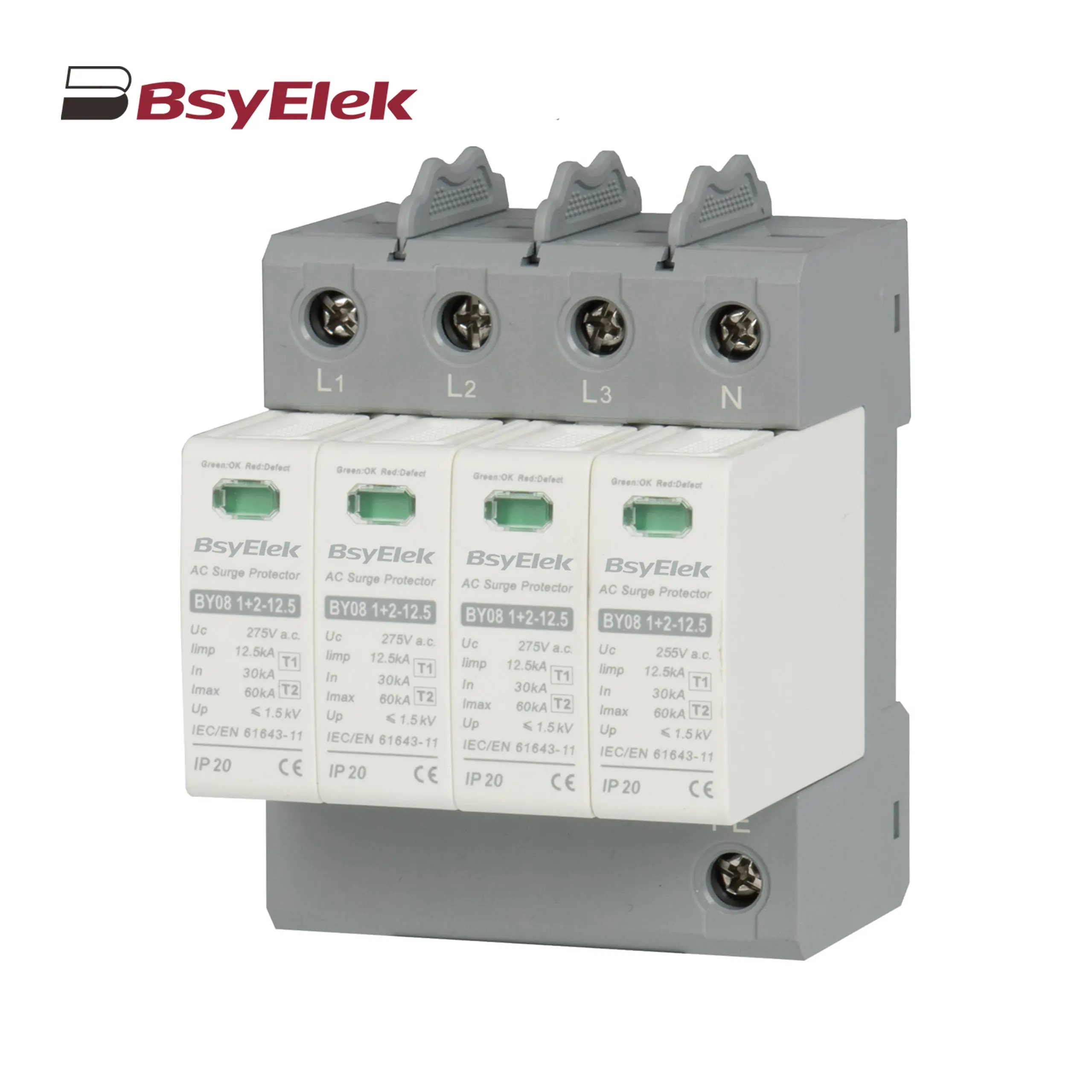 BY08 1+2-12.5 SPD Class T1+T2 Imax 60KA Surge Protective Device
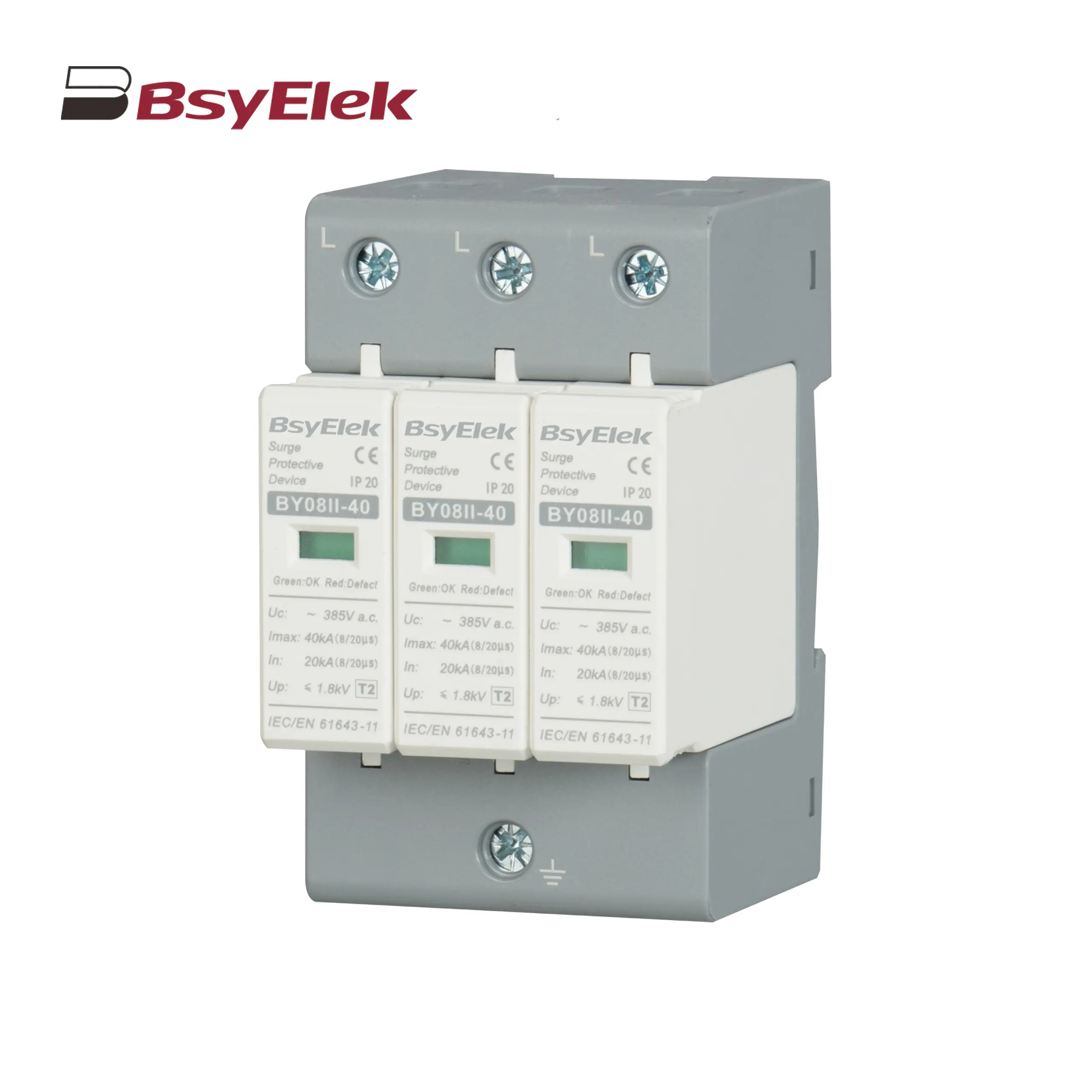 BY08II-40 SPD Class T2 Imax 40KA Surge Protective Device
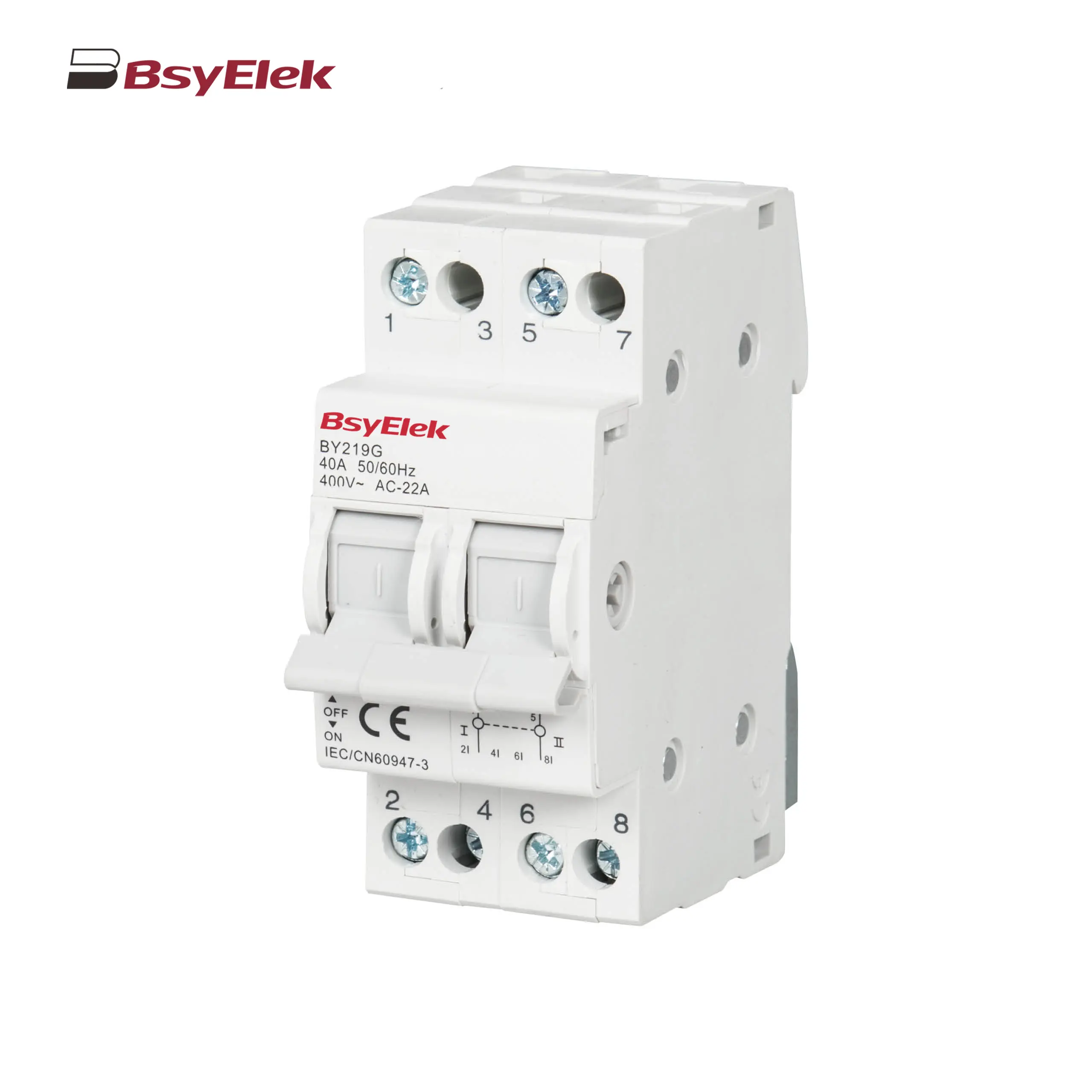 BY19G 63A Manual Changeover Switch
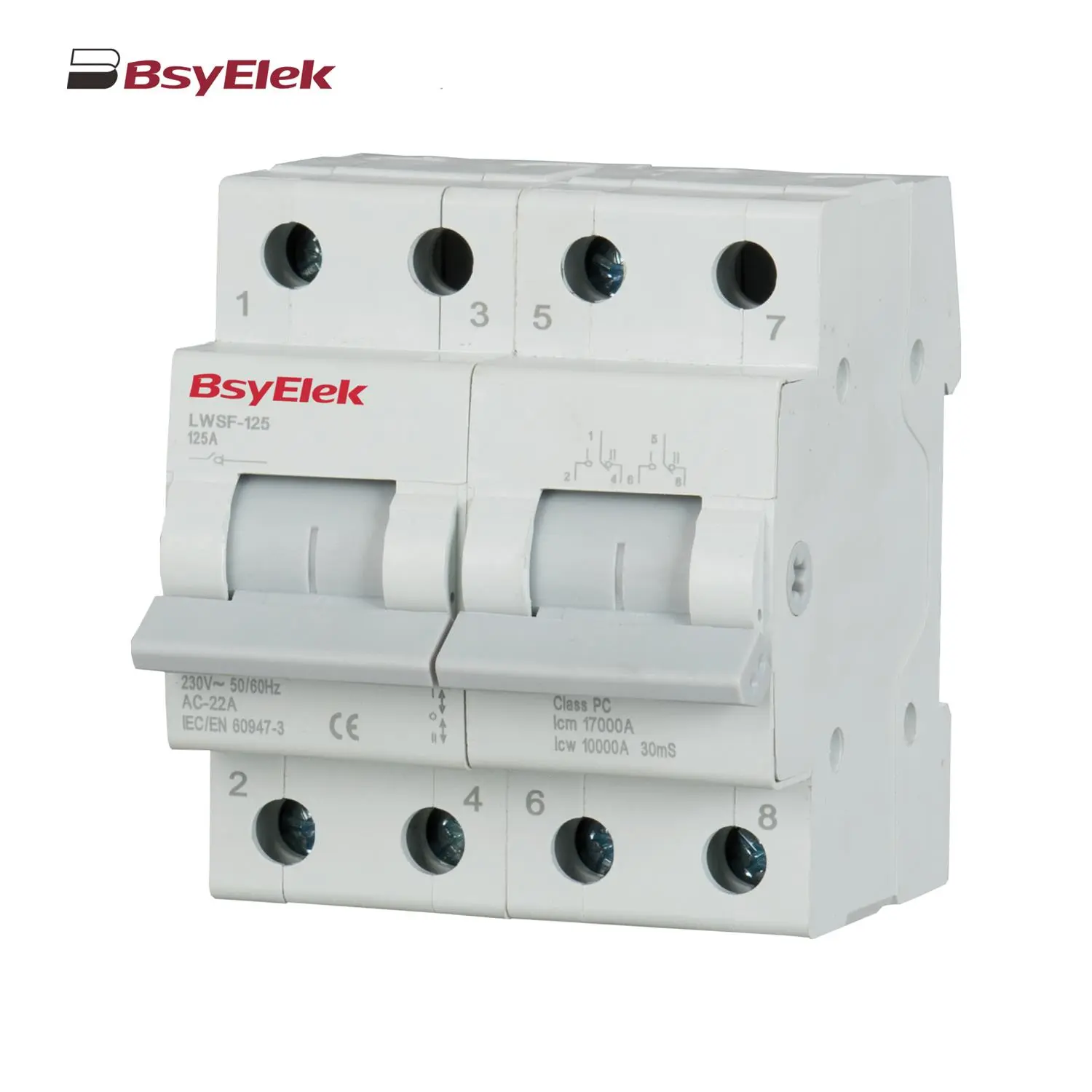 LWSF-125 125A Manual Changeover Switch
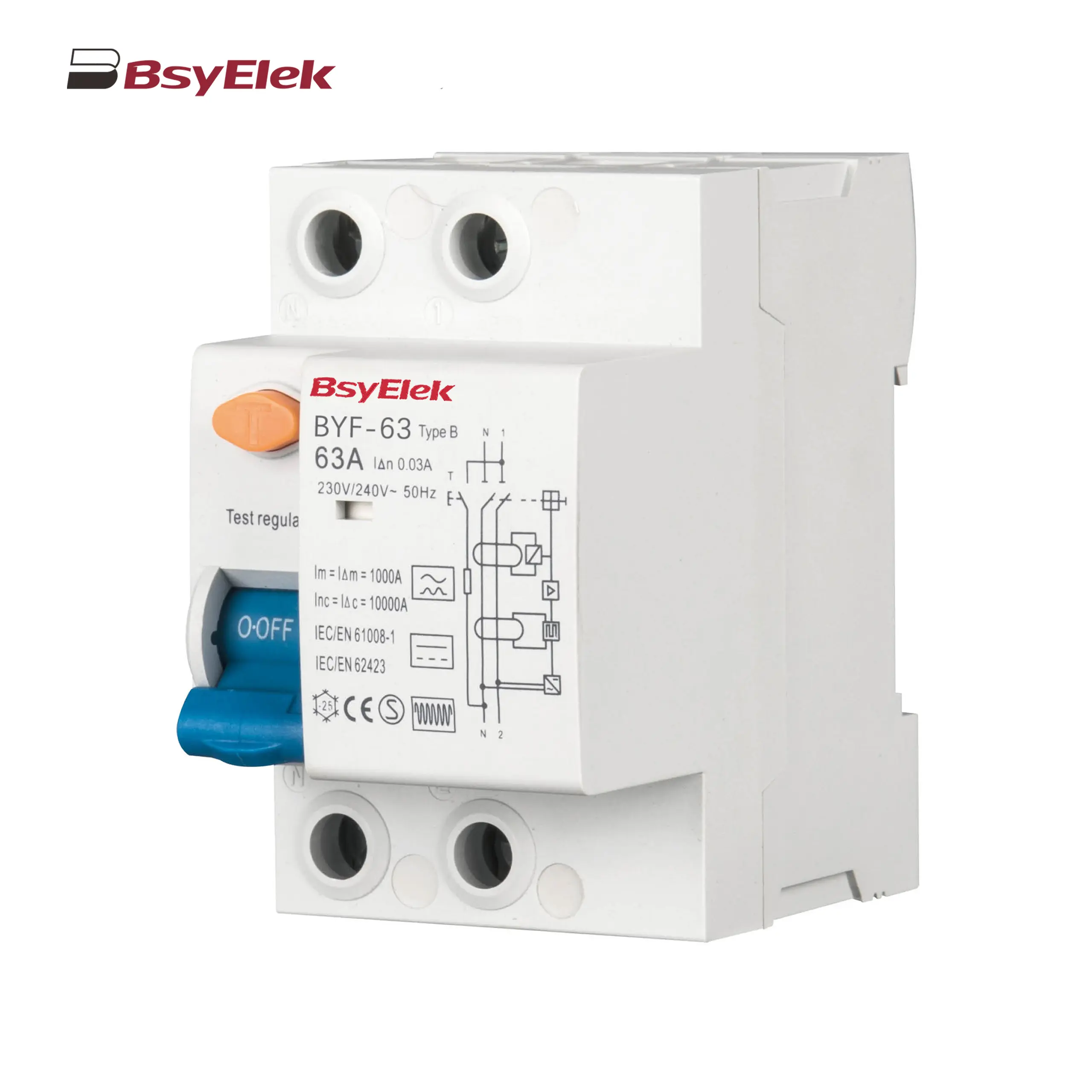 BYF-63 RCD 10KA Type B AC+A+Smoothing DC Residual Current Device
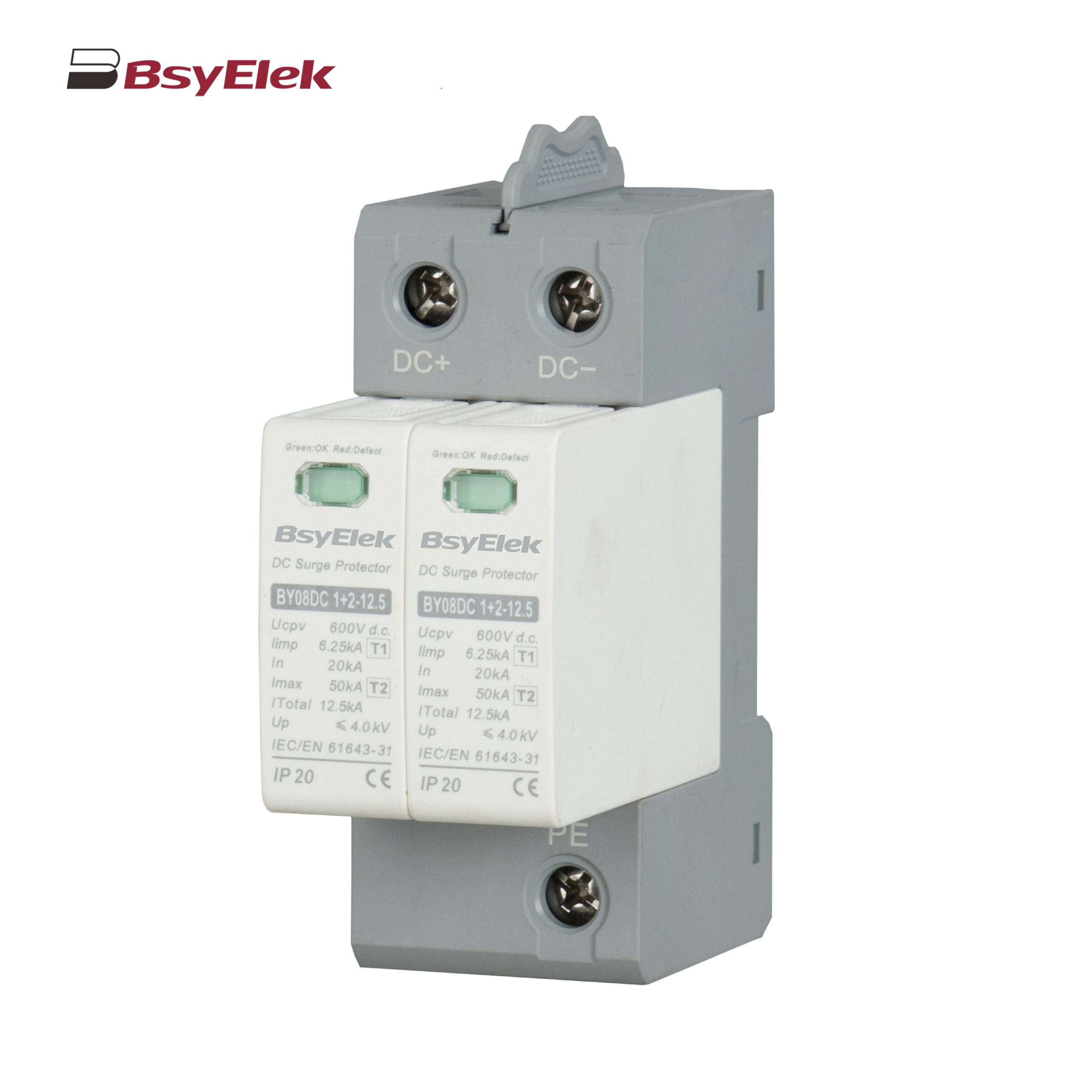 BY08DC 1+2-12.5 SPD Class T1+T2 40KA DC Surge Protective Device
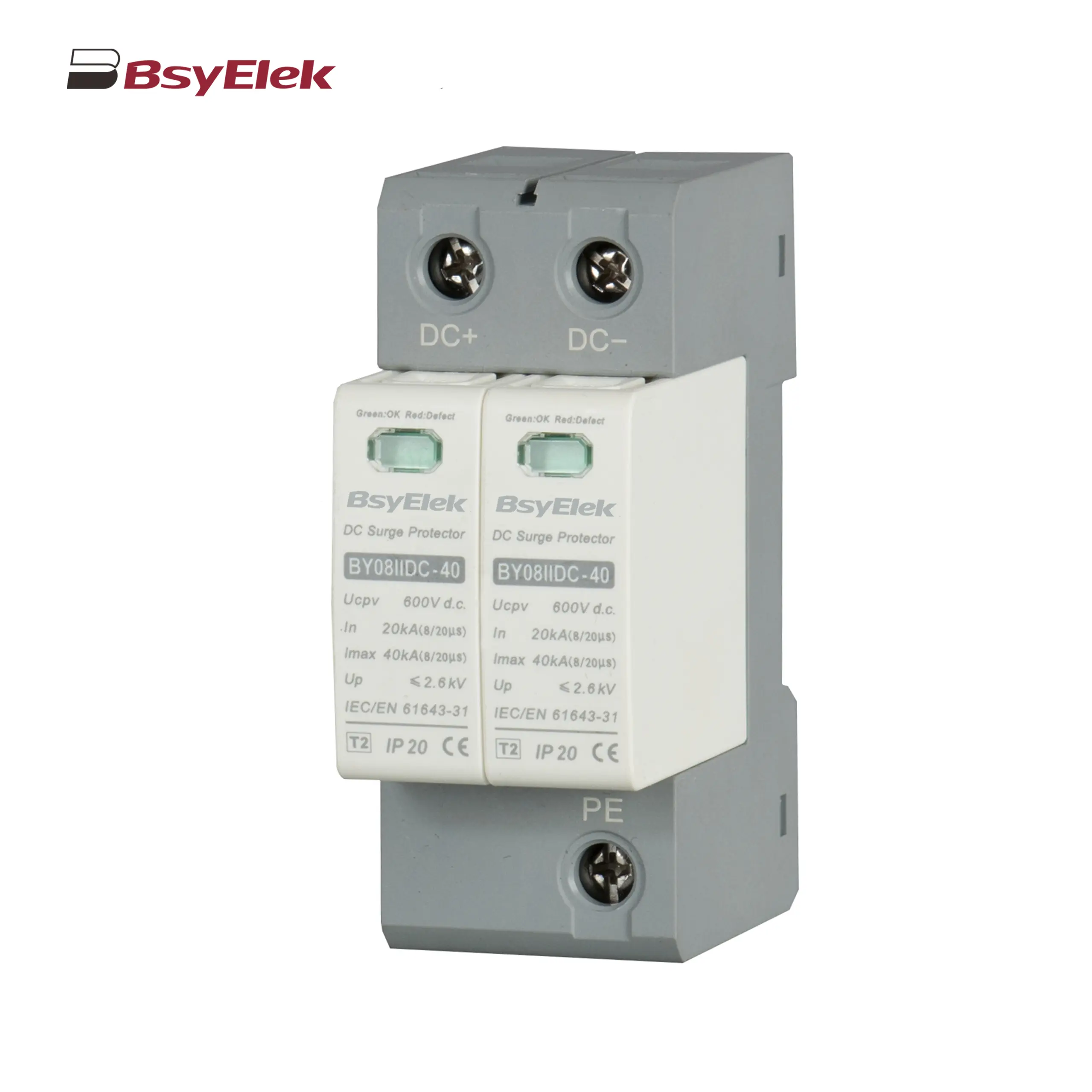 BY08IIDC-40 SPD Class T2 40KA DC Surge Protective Device
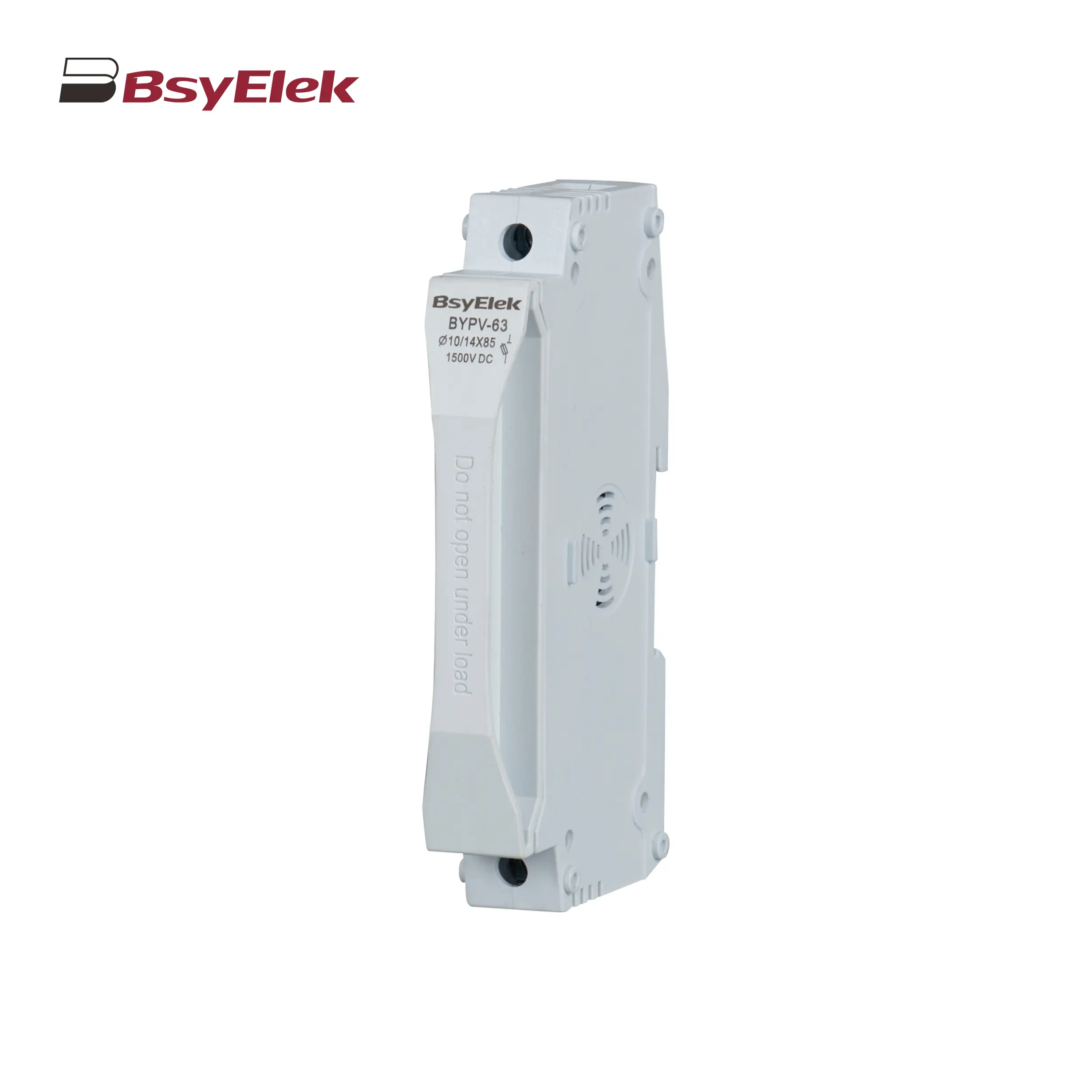 BYPV-63 1500VDC 50A Fuse Holder with 10x85mm 14x85mm Fuse Link
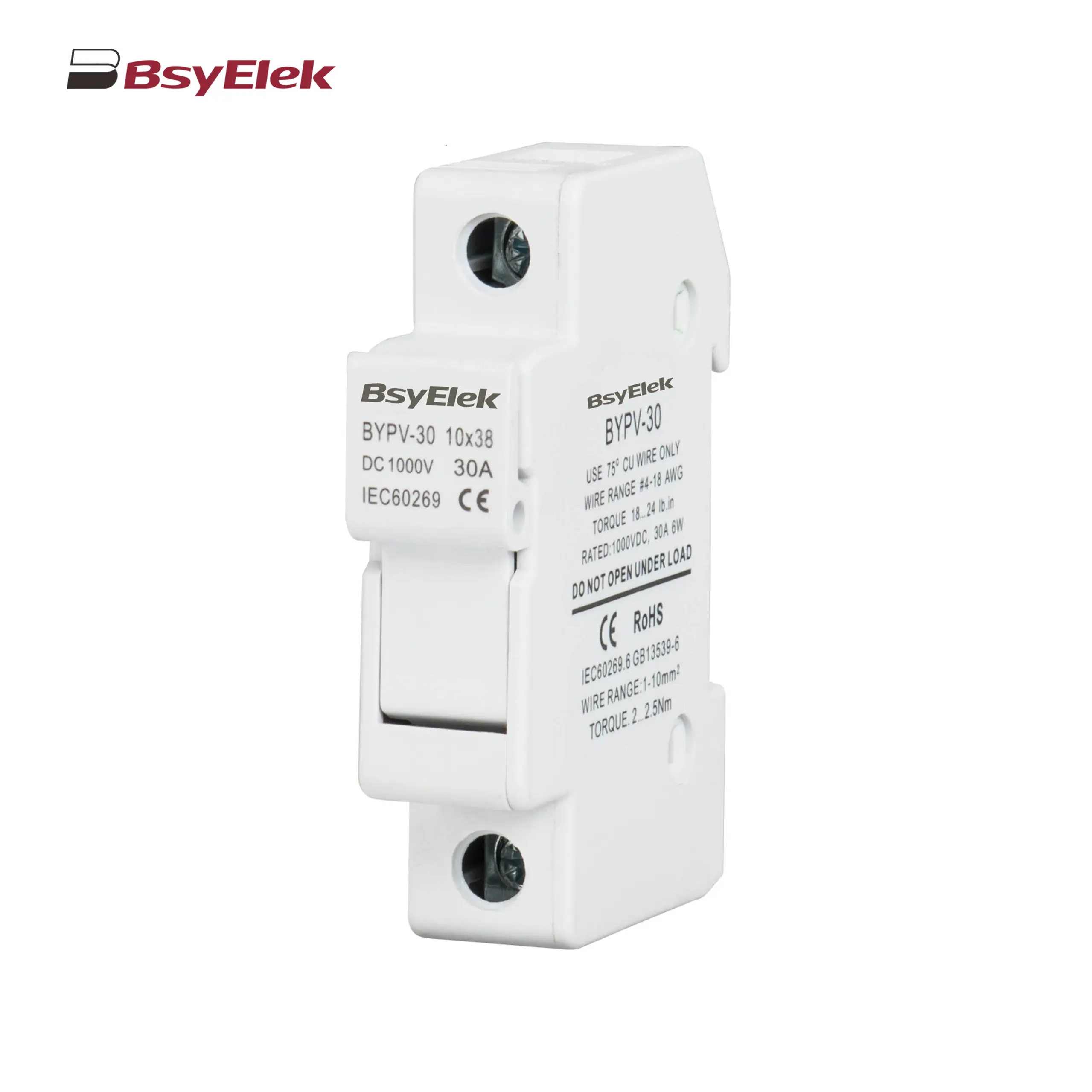 BYPV-30 1000VDC 32A Fuse Holder with 10x38mm Fuse Link
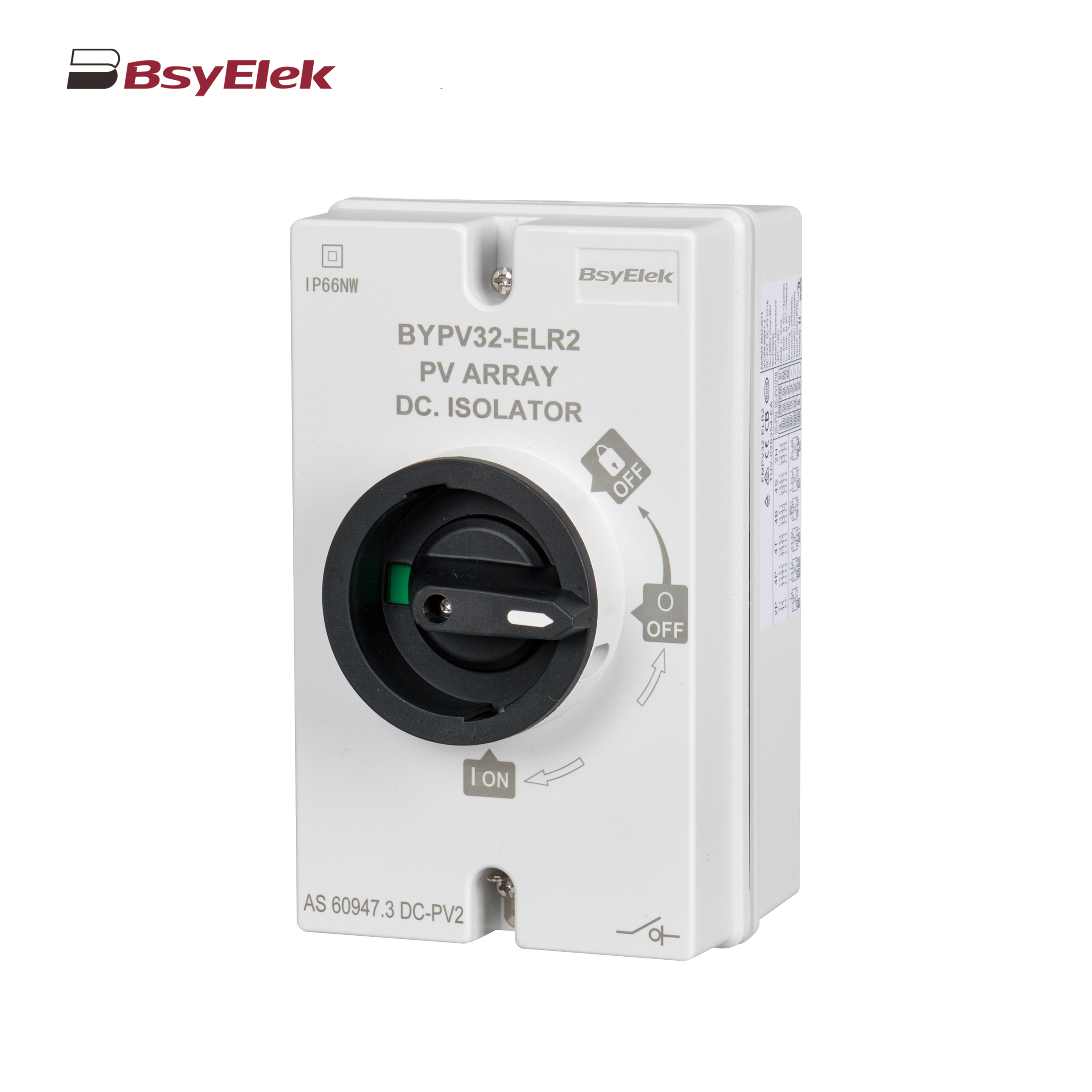 BYPV-ELR2 PV Isolator Switch with Enclosed Version
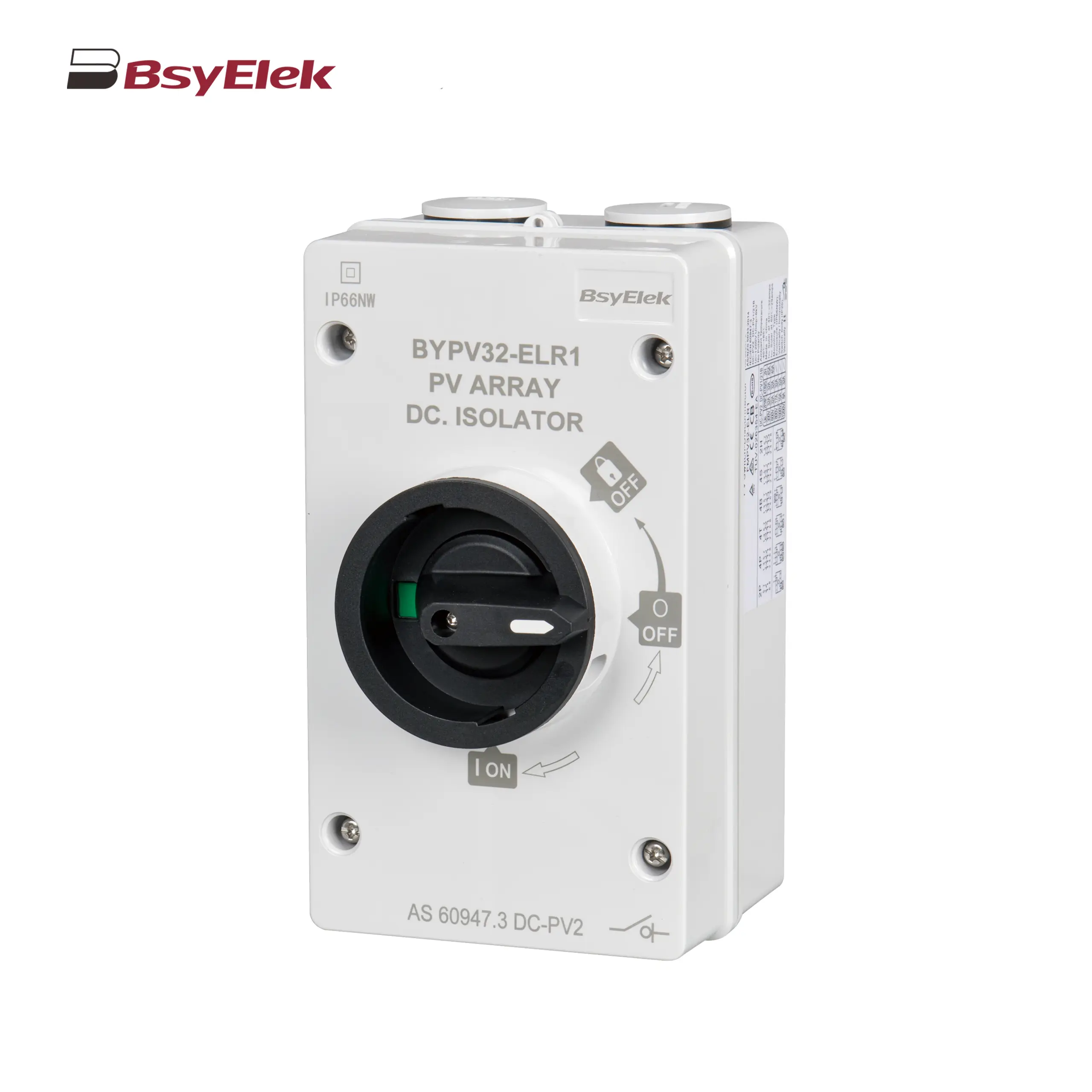 BYPV-ELR1 PV Isolator Switch with Enclosed Version
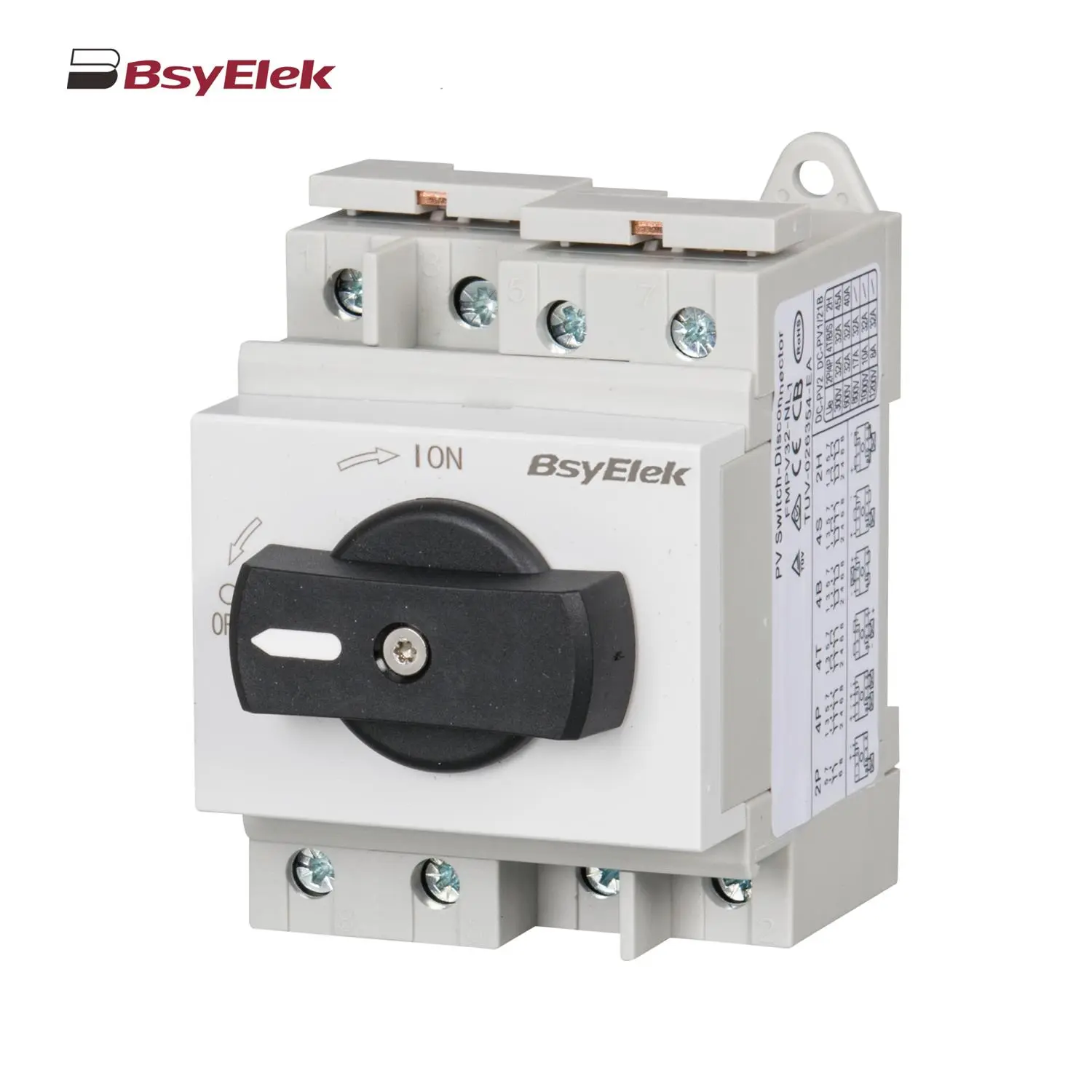 BYPV-NL1/T PV Isolator Switch with Ultra-thin Lever Handle
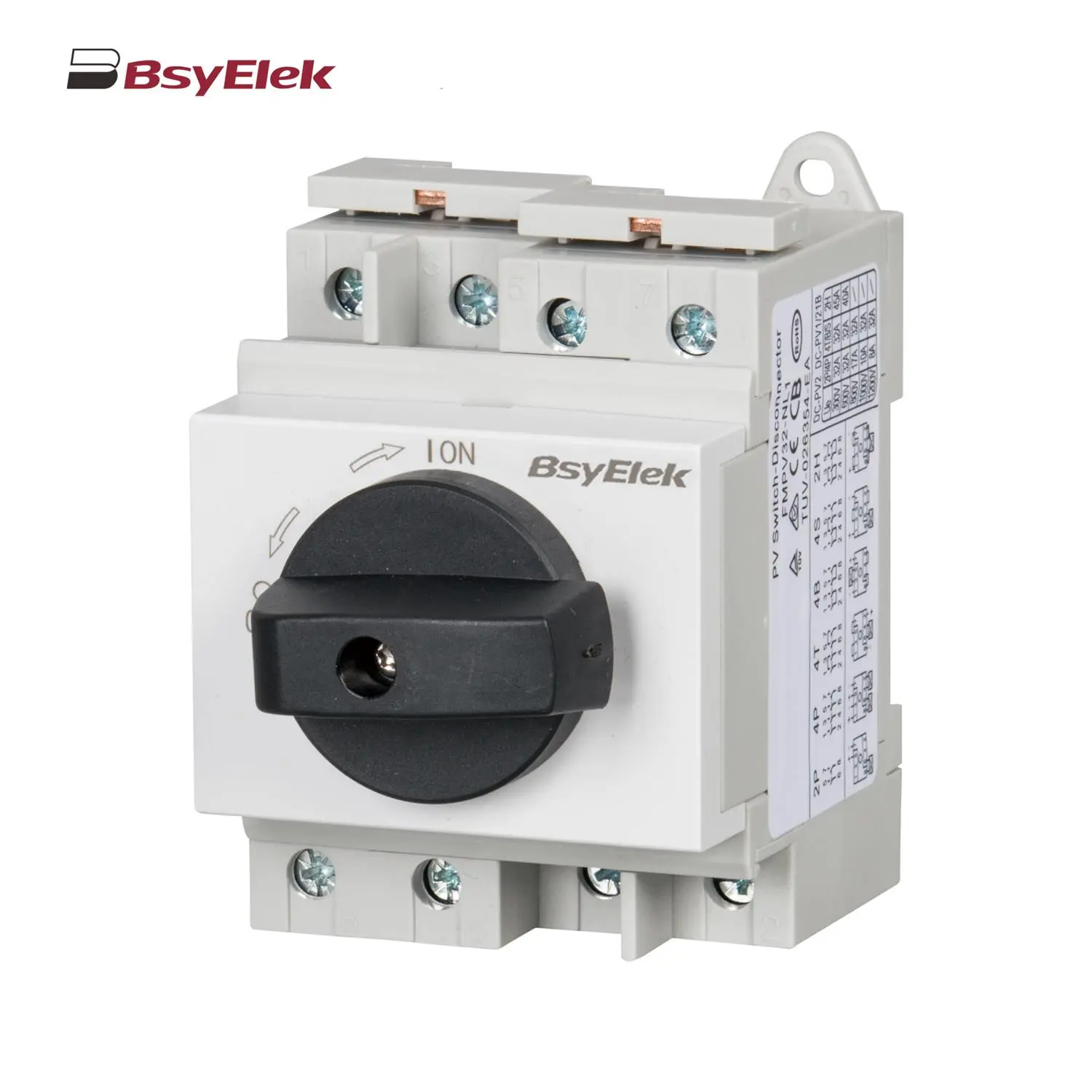 BYPV-NL1 PV Isolator Switch with Lever Handle
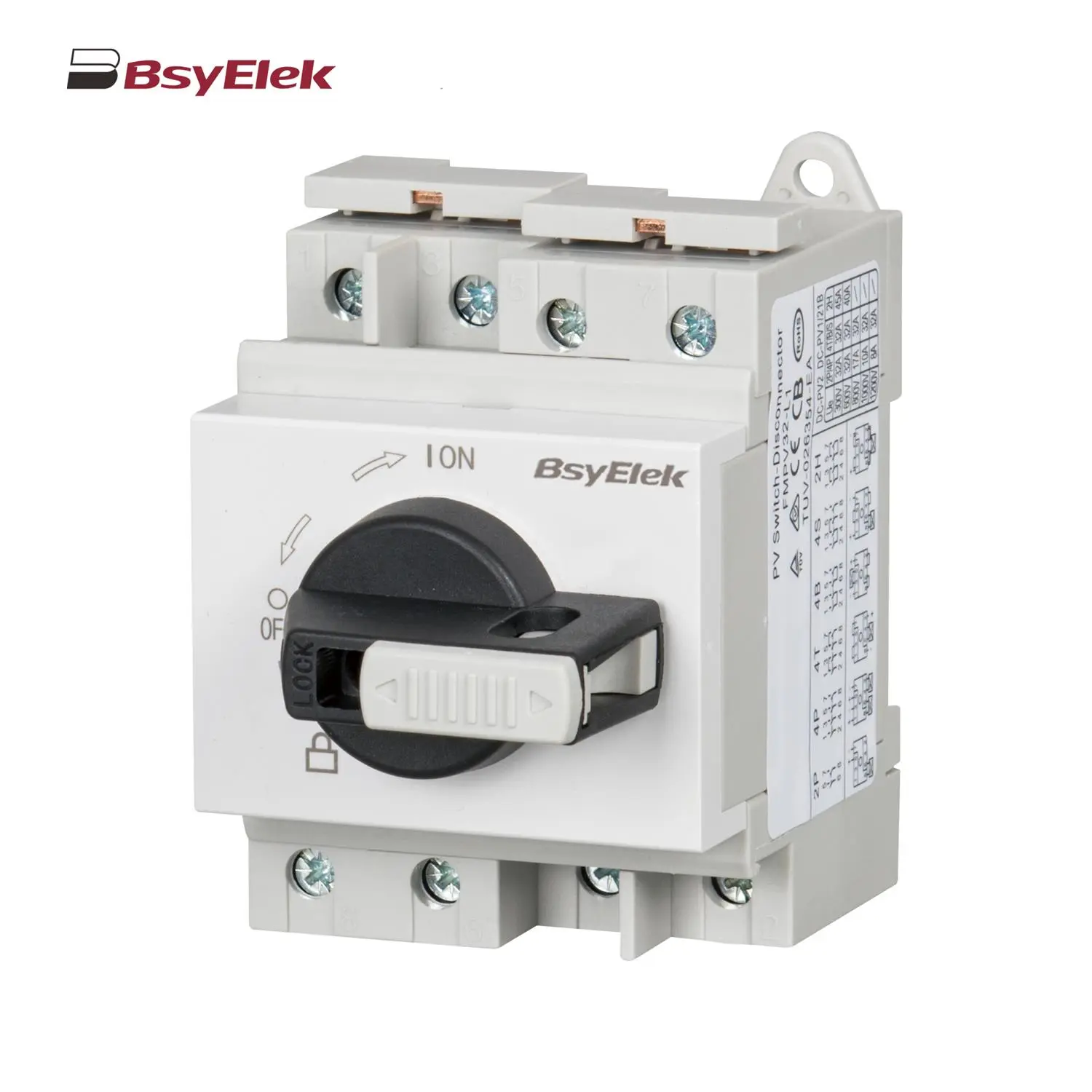 BYPV-L1/L2 PV Isolator Switch with Lockable Lever Handle
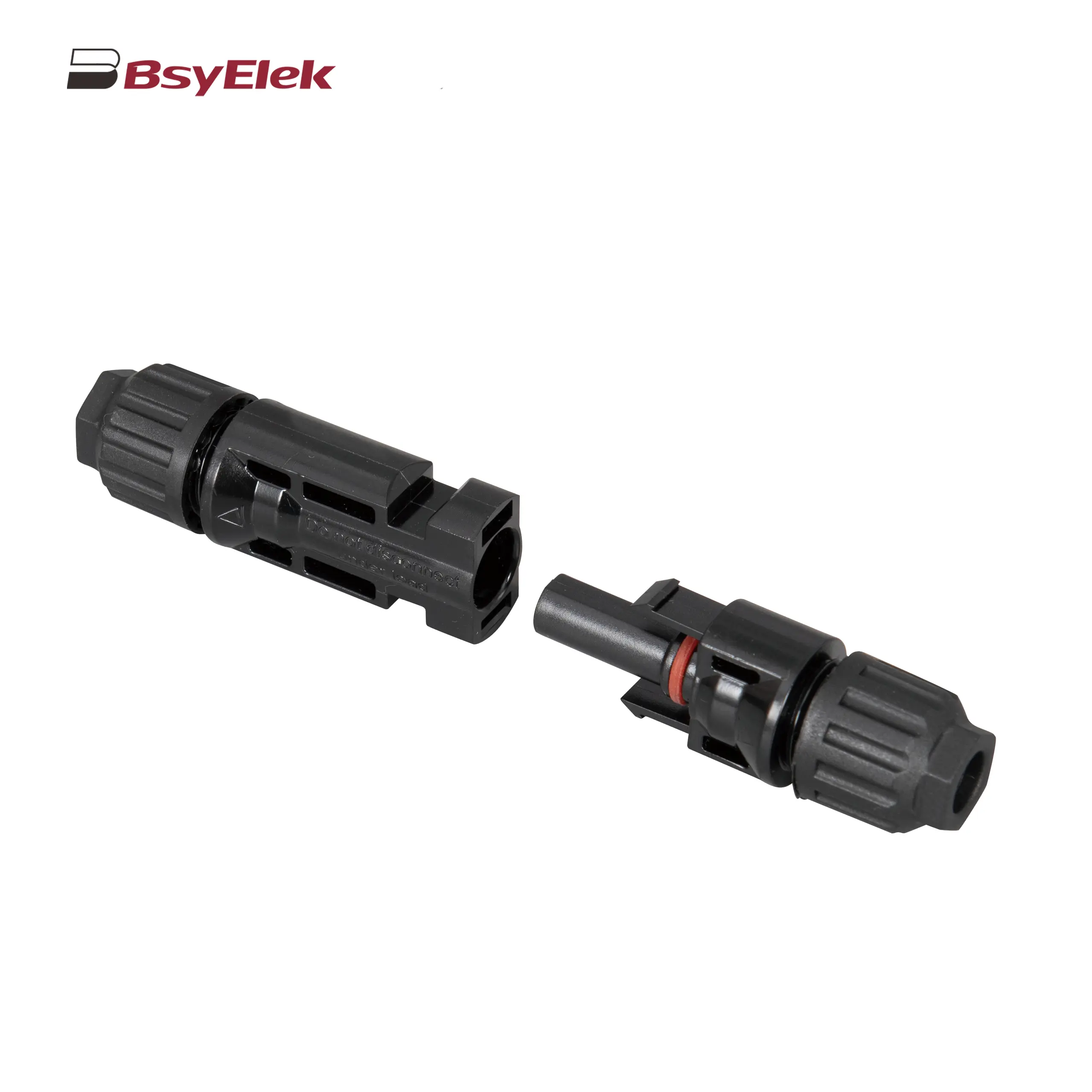 PV-BY-01 30A/50A 1000V Photovoltaic Connector
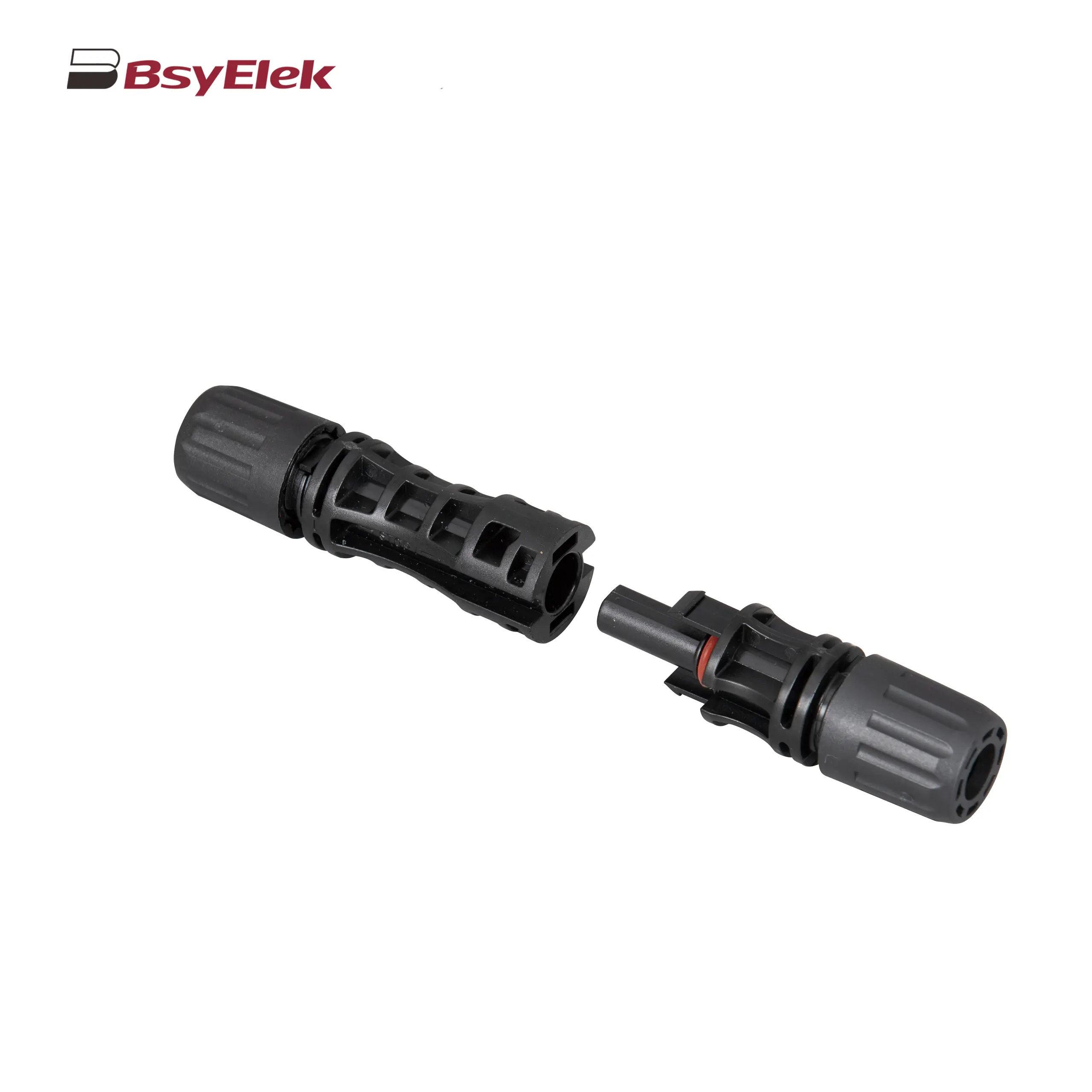 PV-BY-02 30A/50A 1500V Photovoltaic Connector
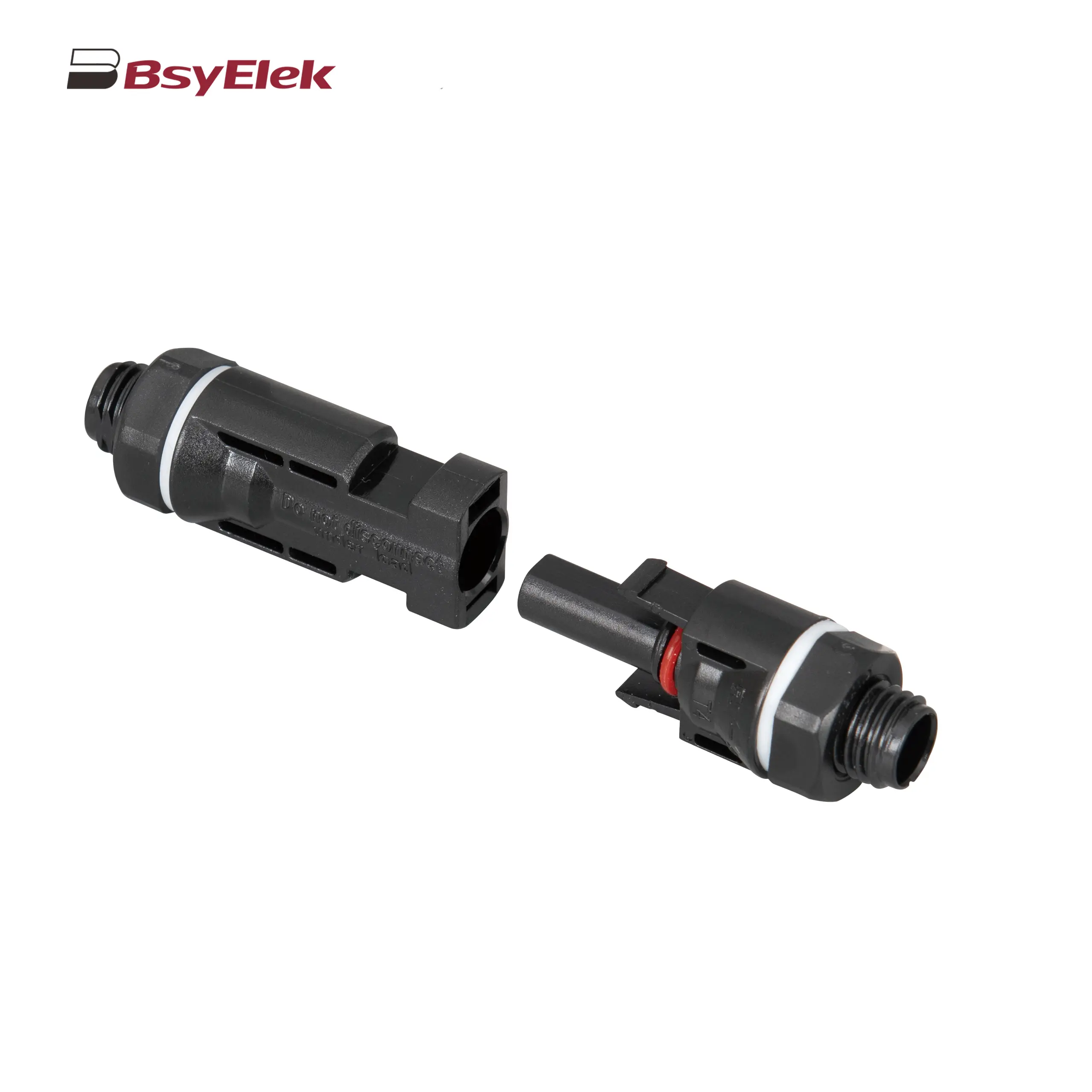 PV-BY-03 30A/50A 1000V Panel Mount Photovoltaic Connector
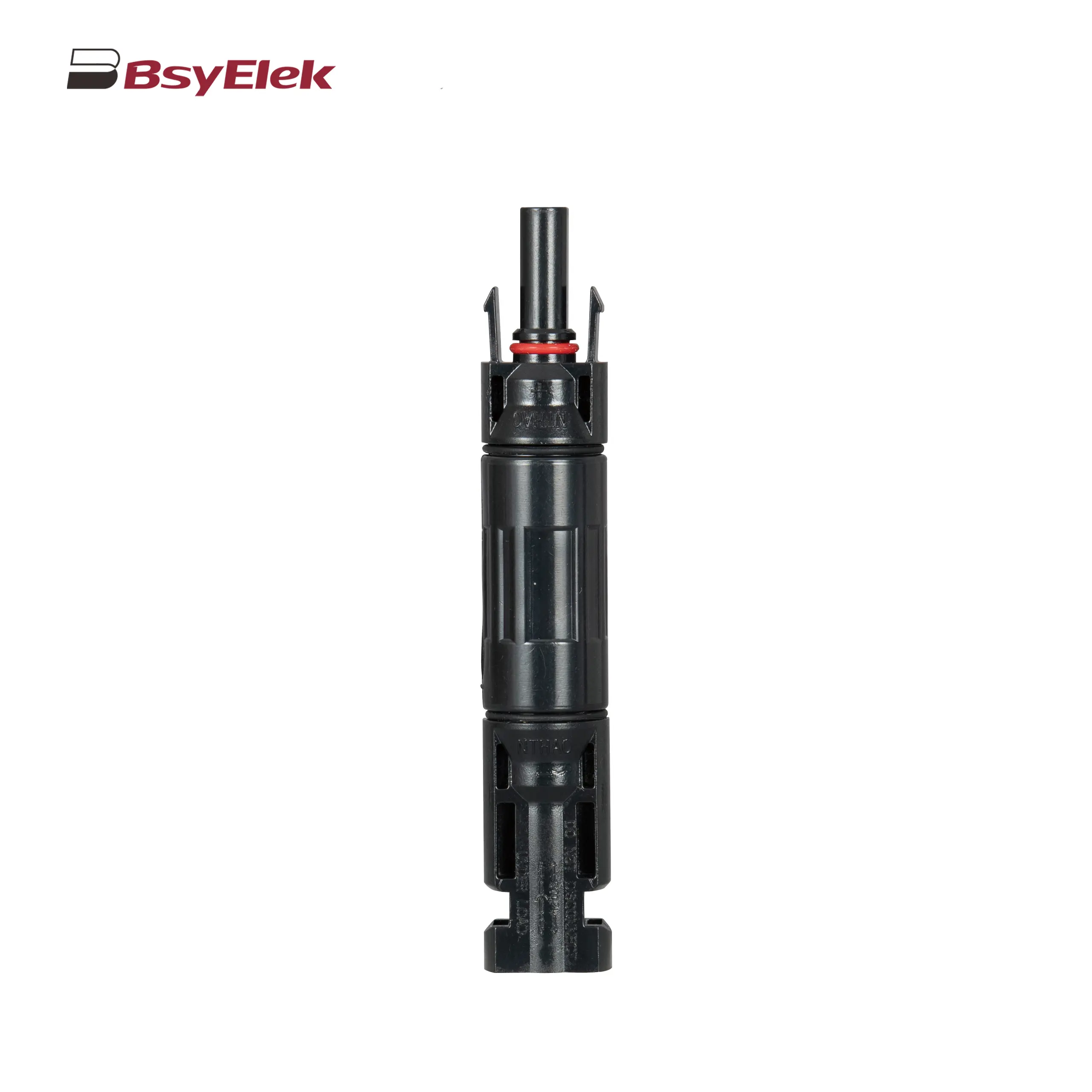 PV-BY-F01 30A 1500V Diode/Fuse Type Connector
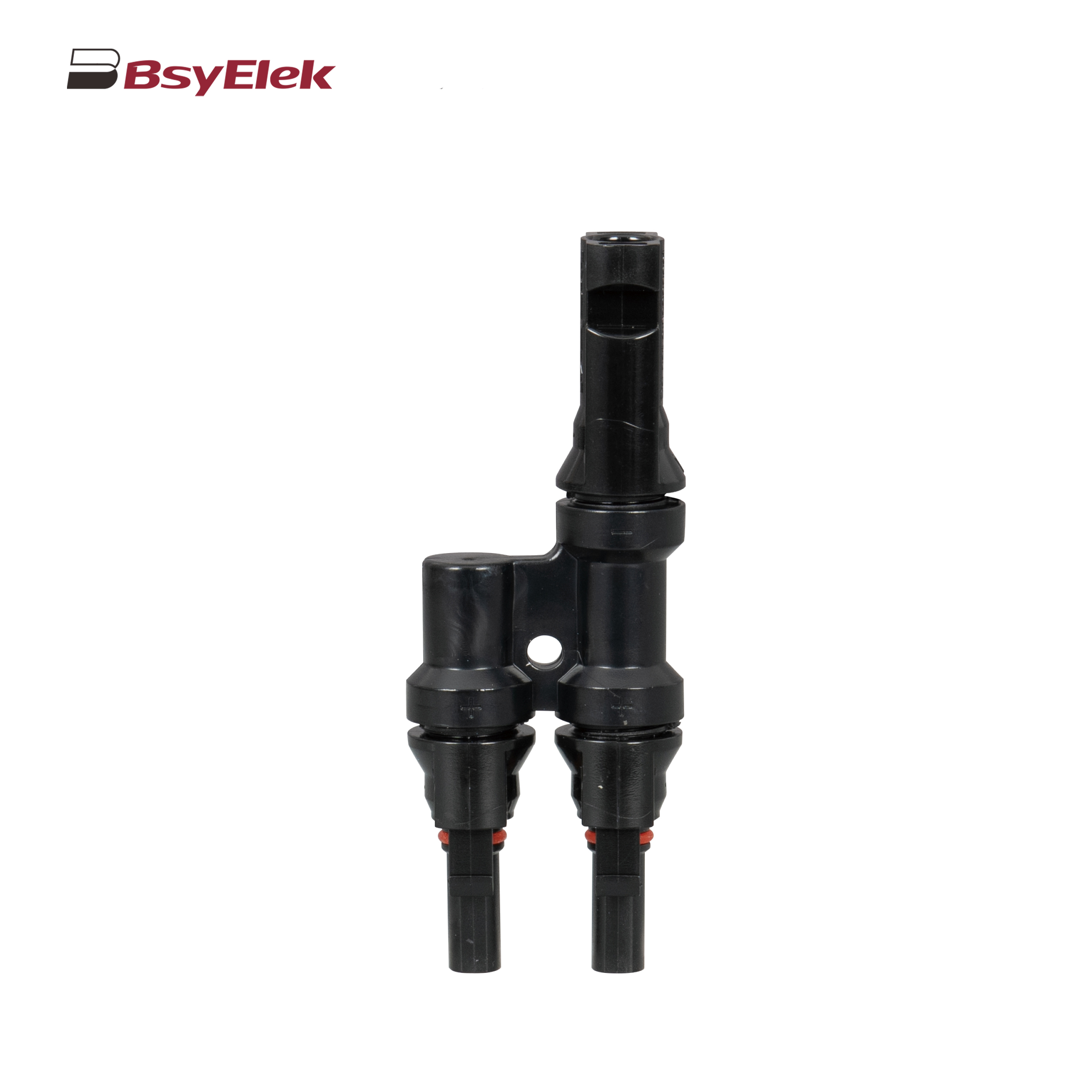 PV-BY-T 50A 1500V T Type Branch Connector
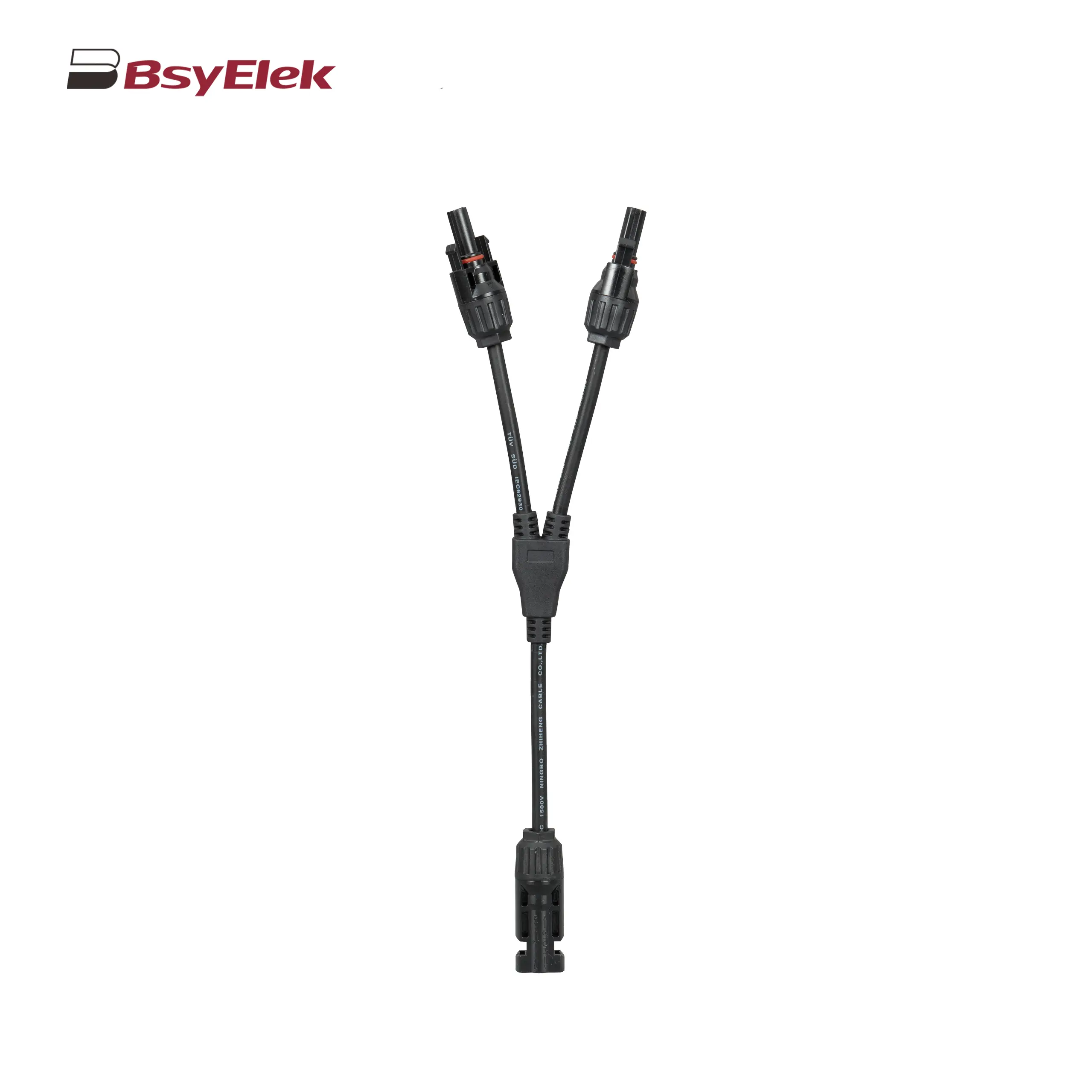 PV-BY-Y 30A 1500V Y Type Branch Connector
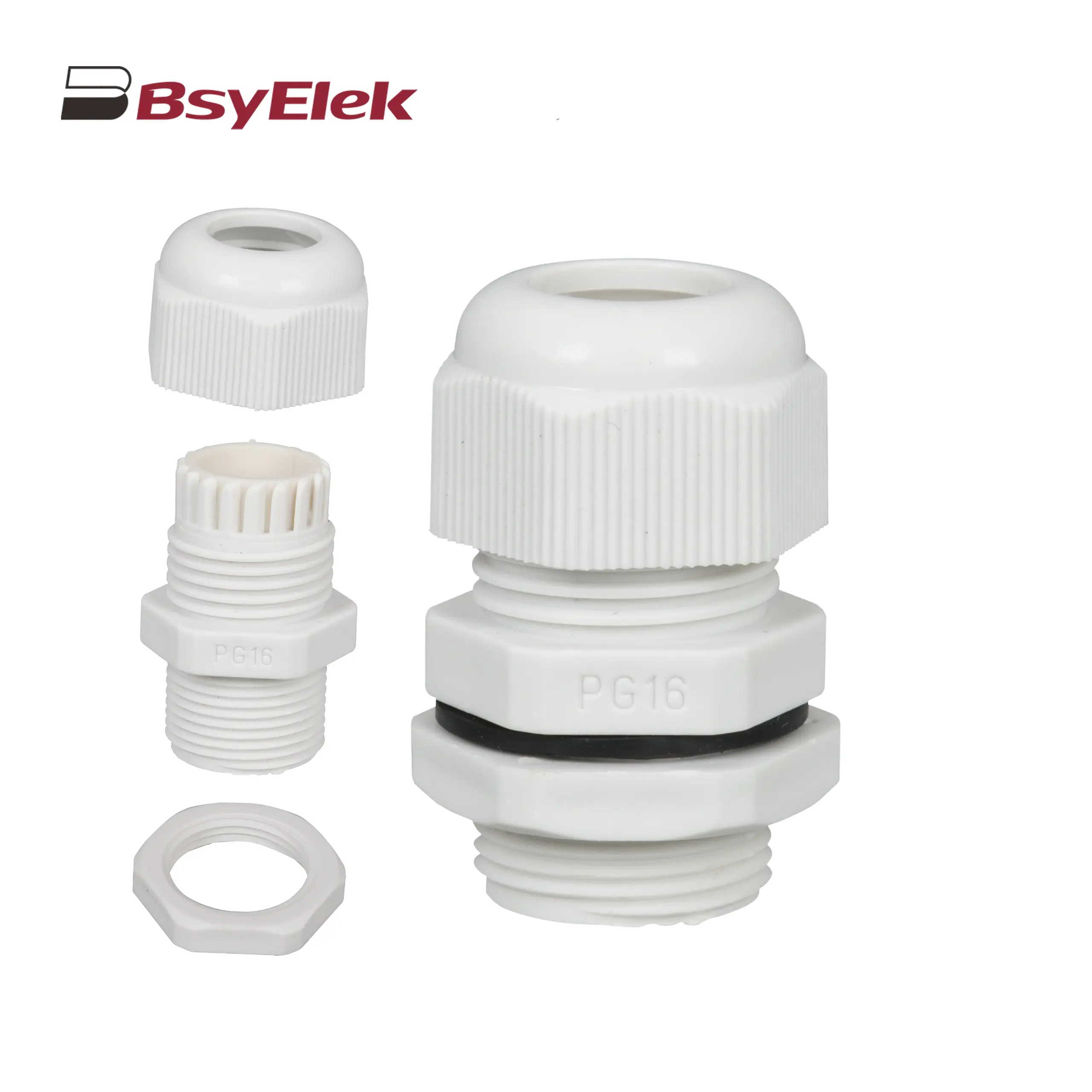 PG Waterproof Cable Gland with Washer
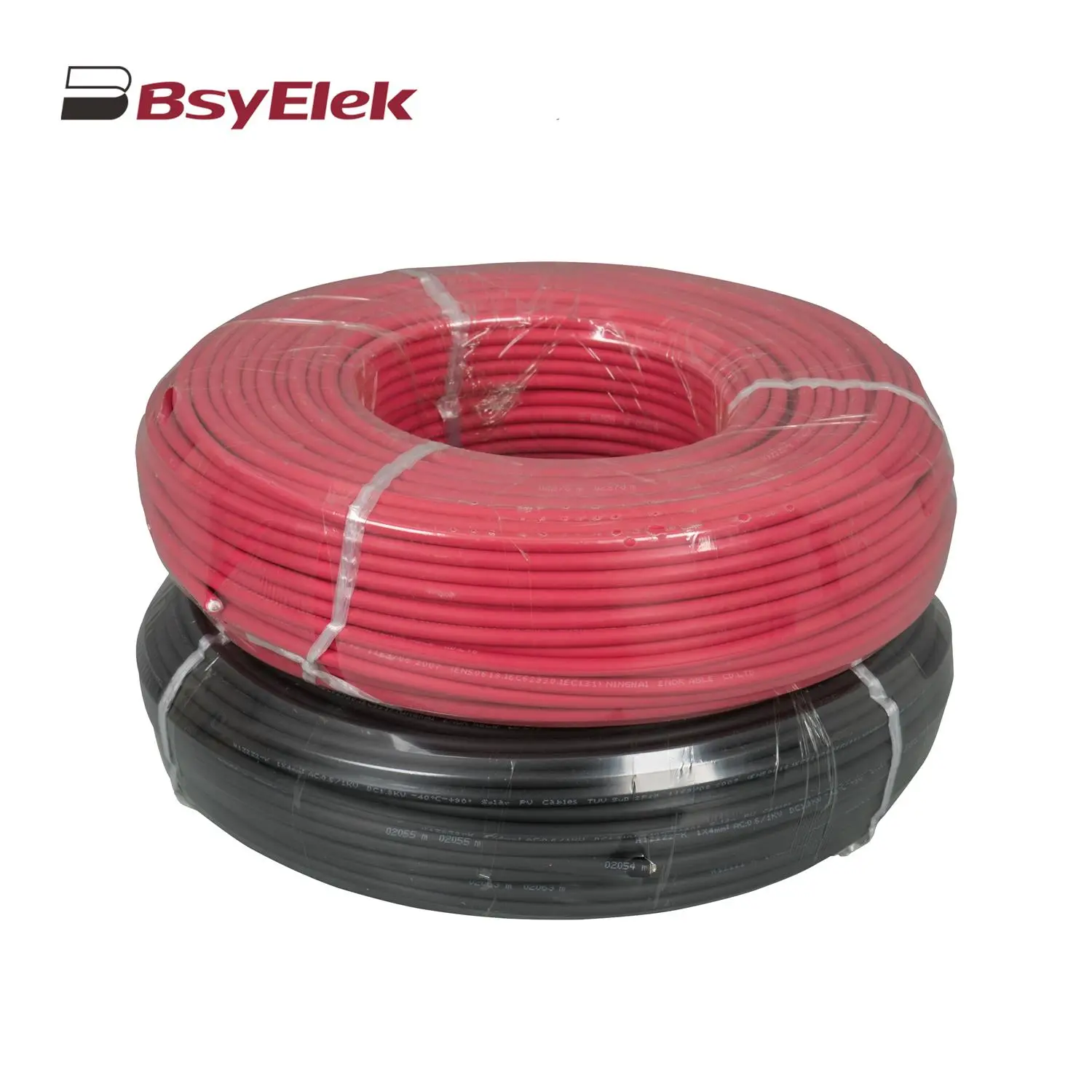 Photovoltaic Cable
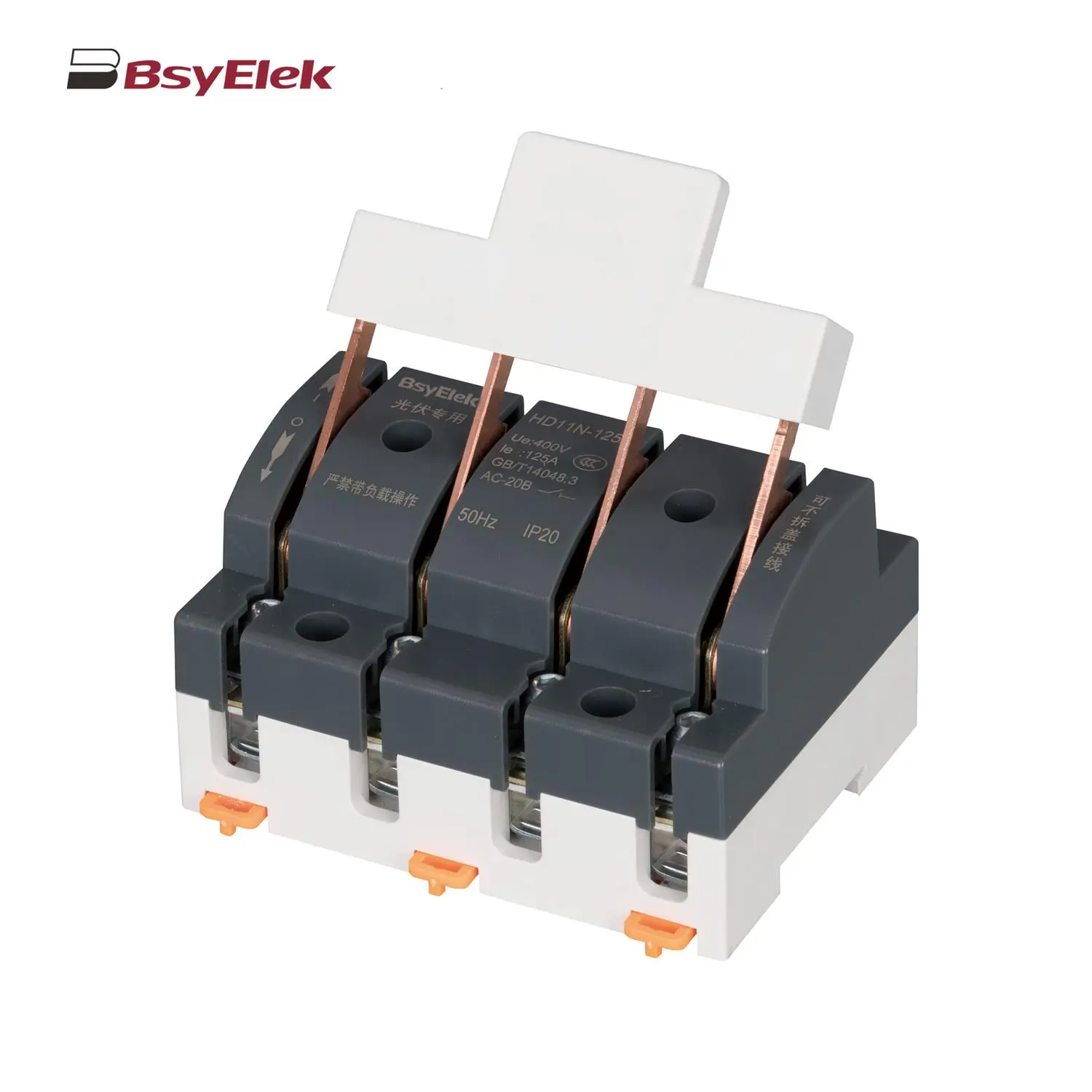 HD11N Photovoltaic Knife Switch
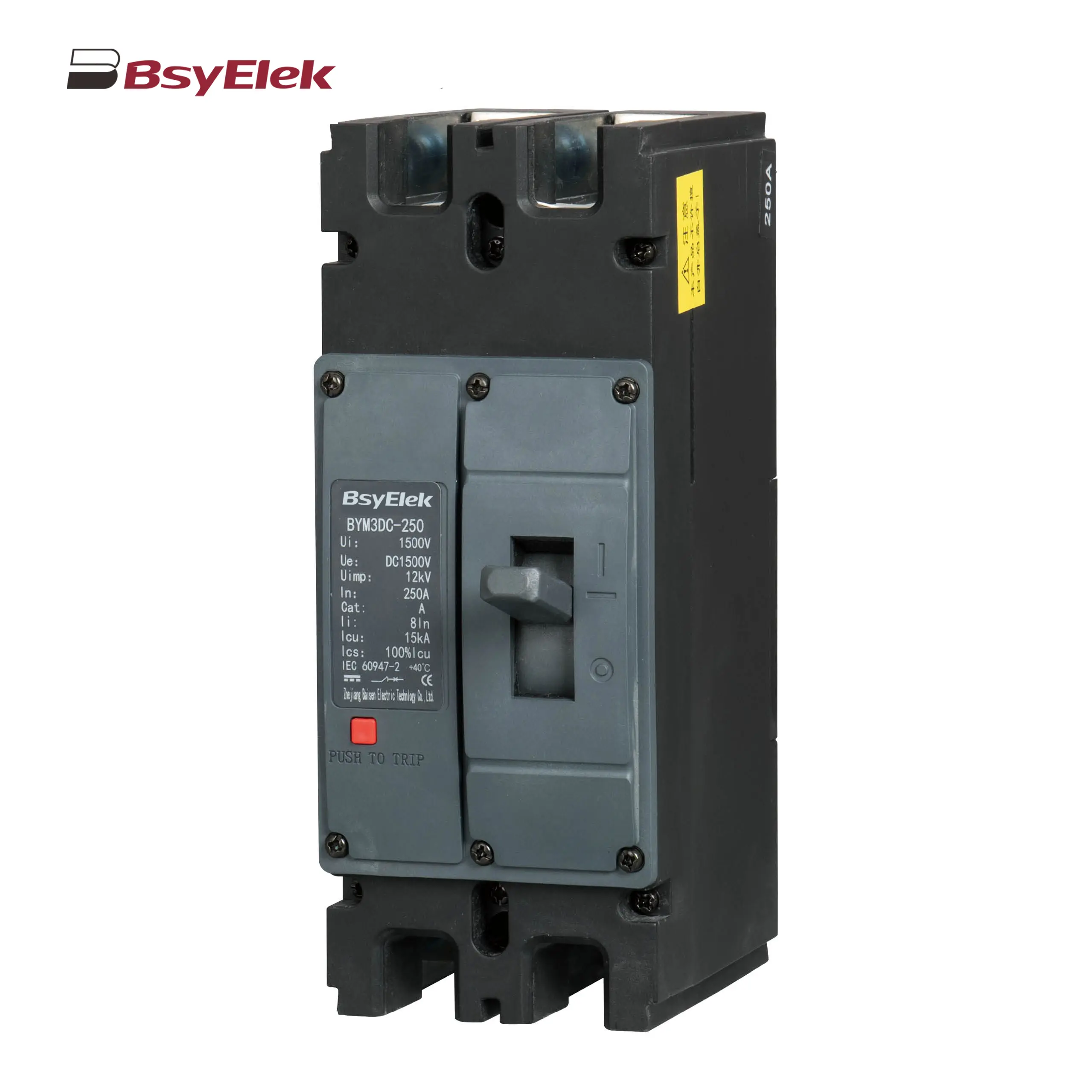 BYM3DC MCCB Photovoltaic DC Molded Case Circuit Breaker
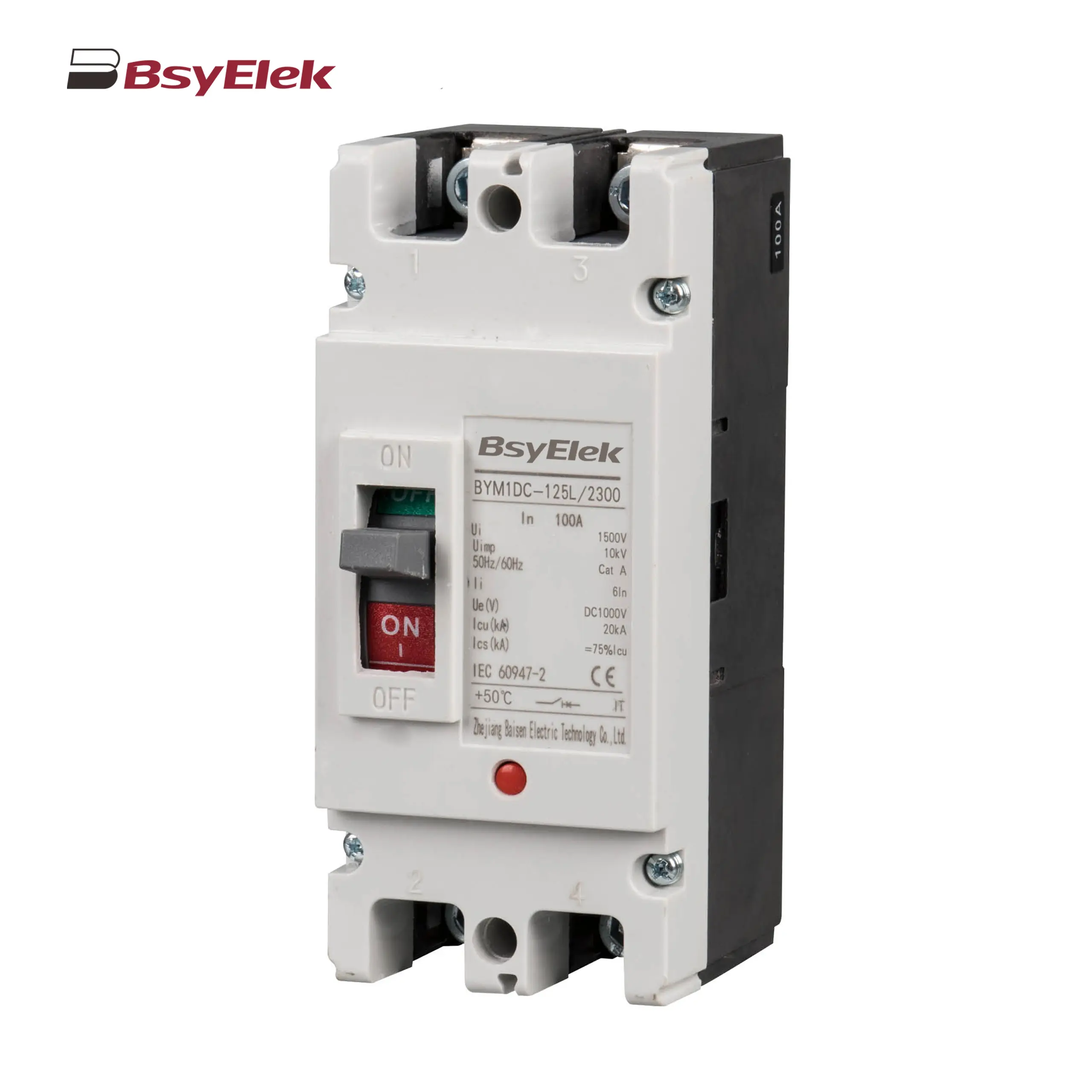 BYM1DC MCCB 1000VDC Thermal Magnetic Type DC Molded Case Circuit Breaker
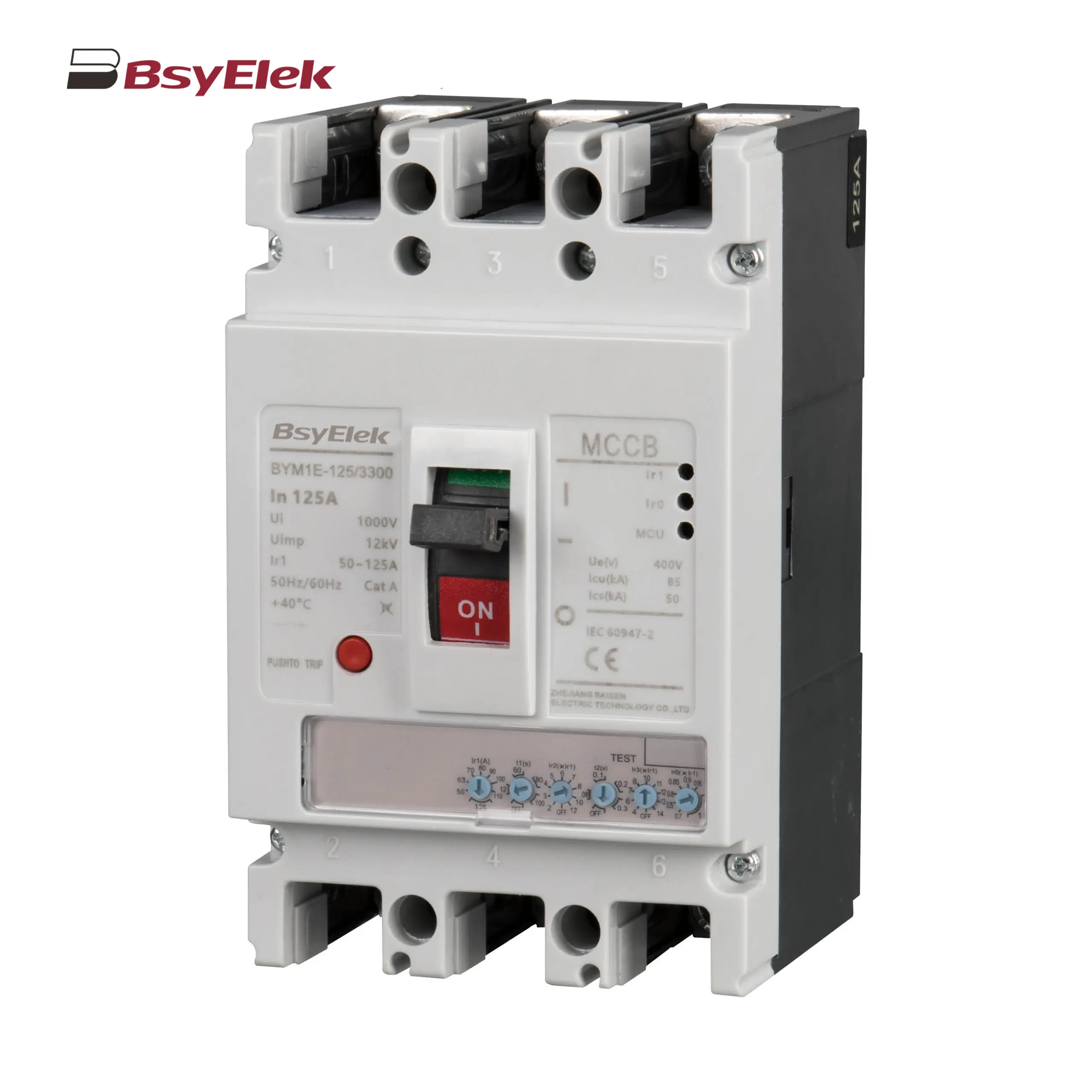 BYM1E MCCB Electronic Type Molded Case Circuit Breaker
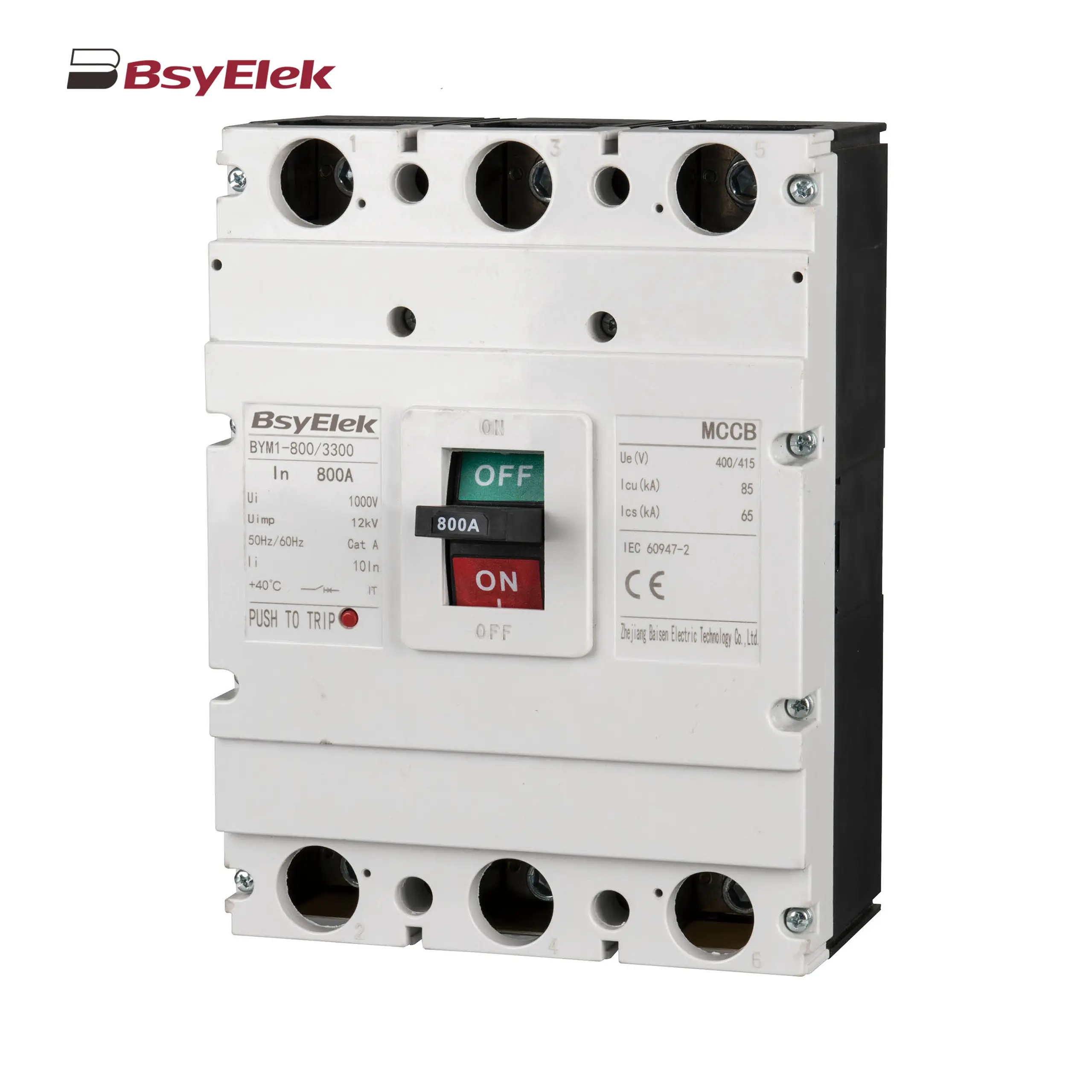 BYM1 MCCB Thermal Magnetic AC Molded Case Circuit Breaker
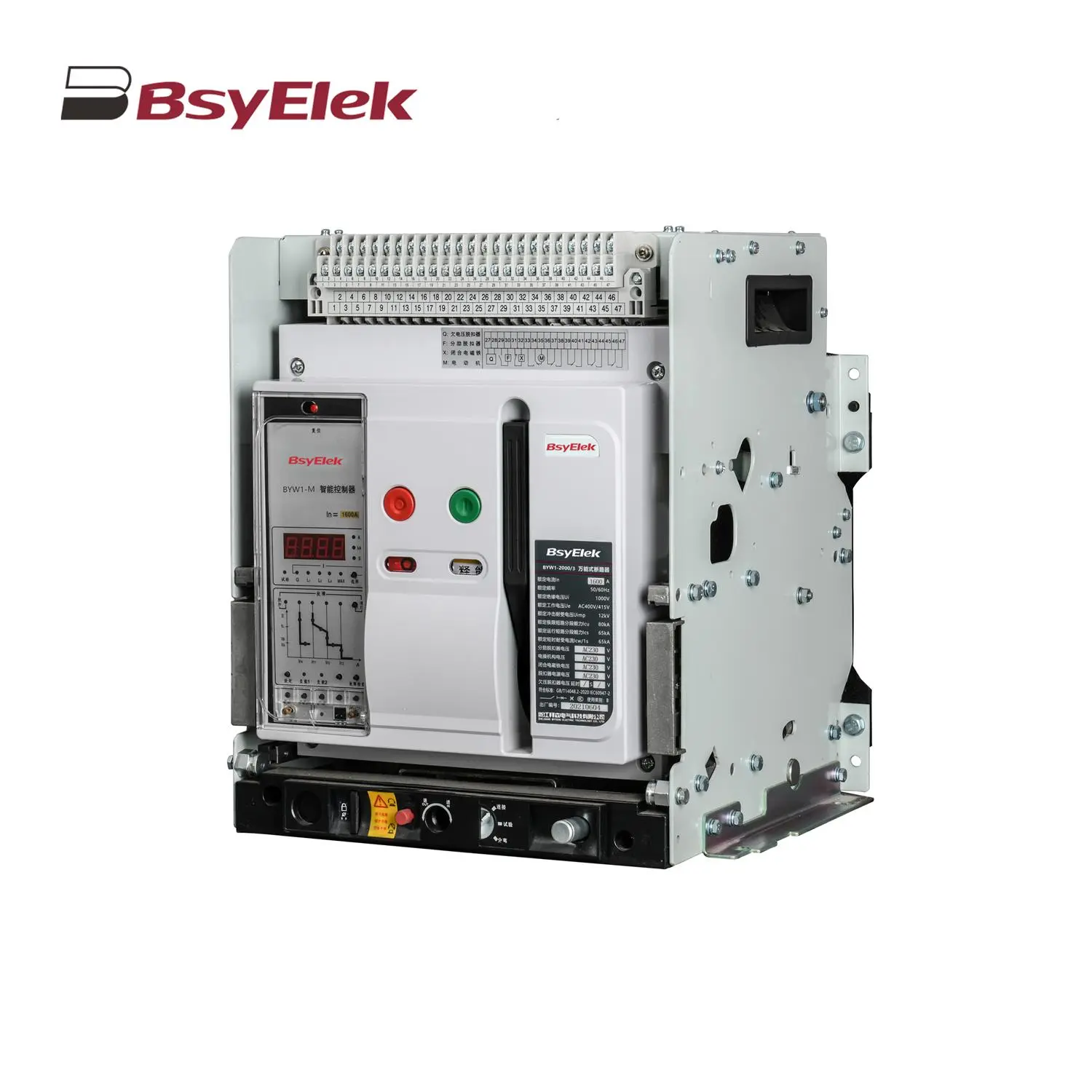 BYW1 ACB Intelligent Universal Air Circuit Breaker
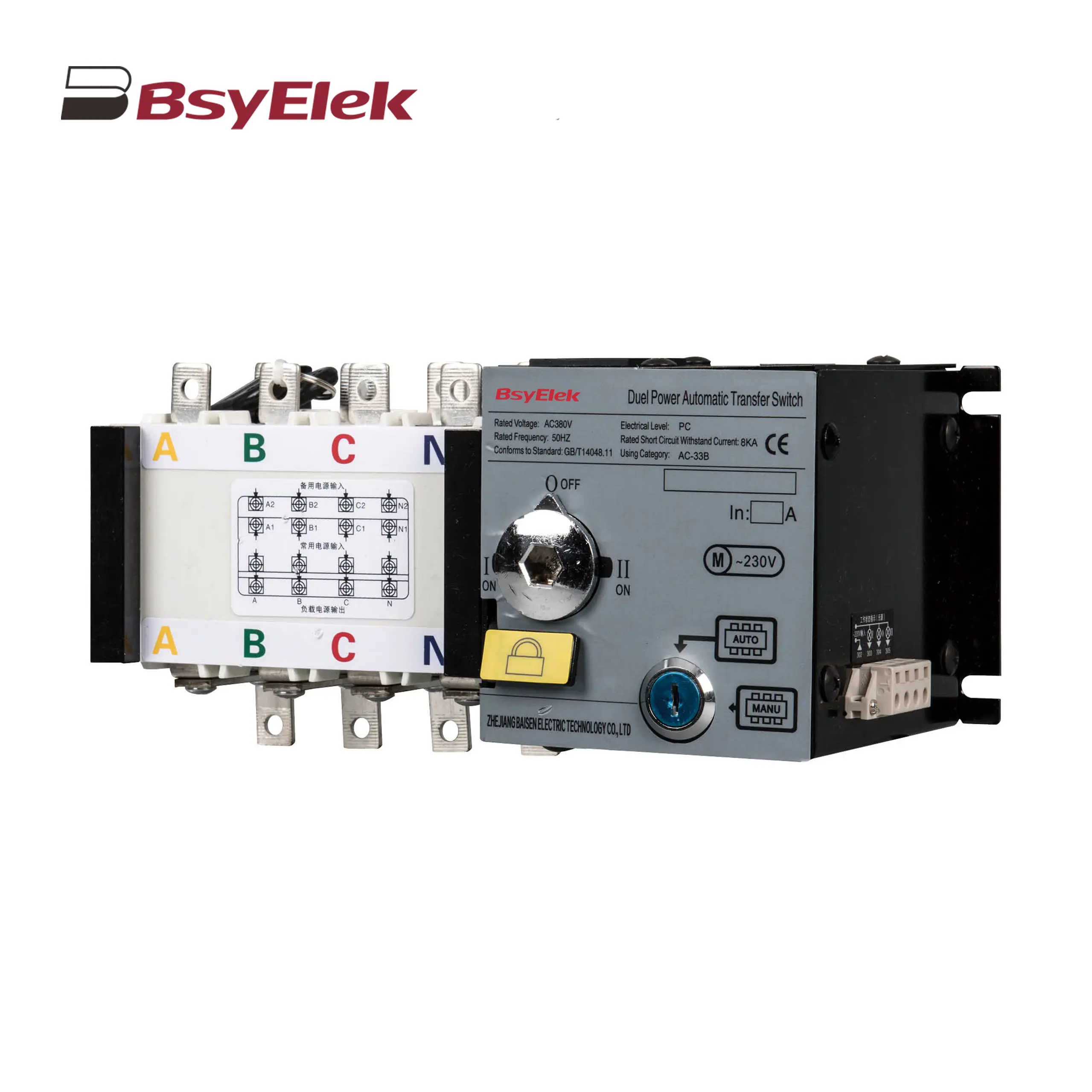 BYQ1 ATS Isolated Type PC Level Dual Power Automatic Transfer Switch
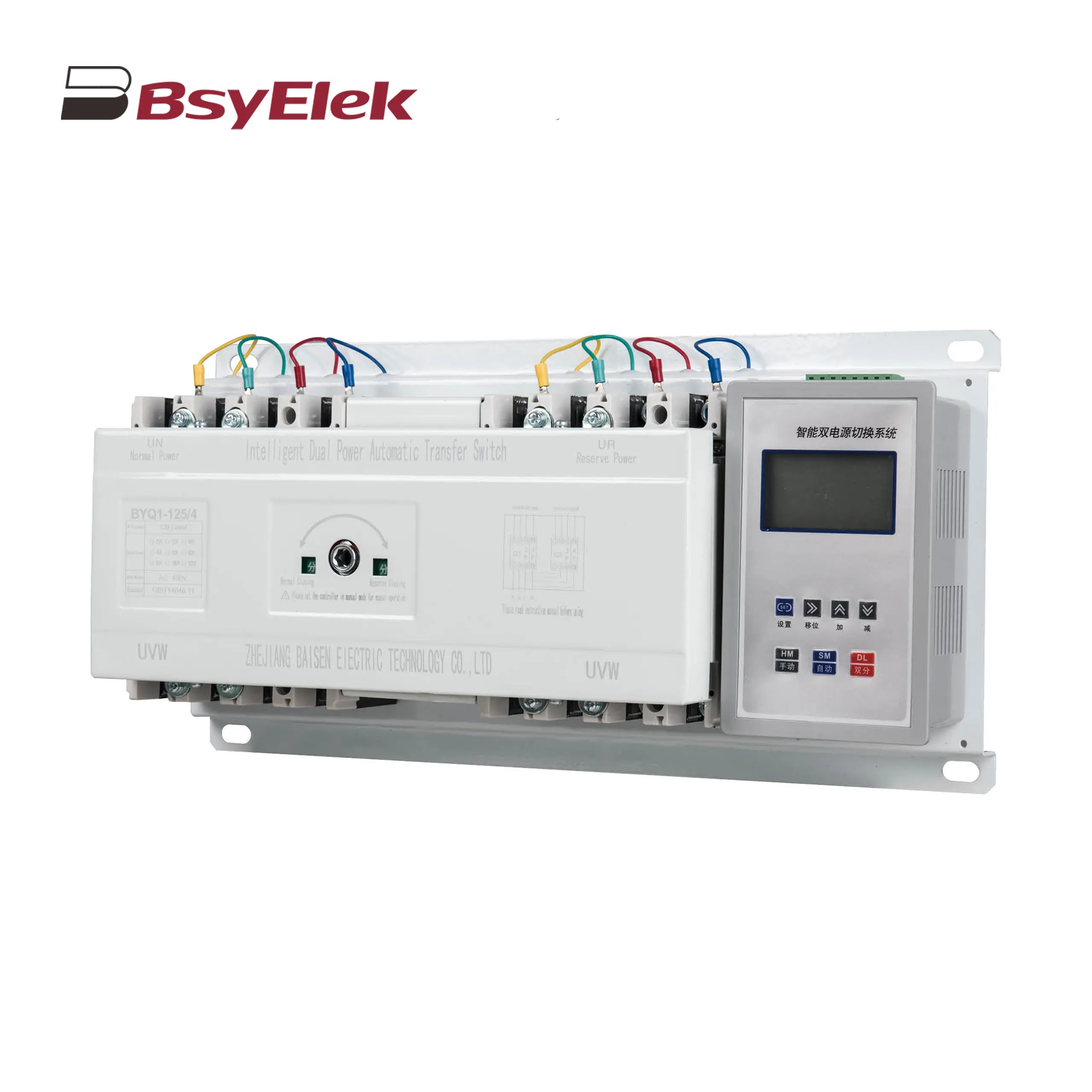 BYQ1 ATS Intelligent Type CB Level Dual Power Automatic Transfer Switch
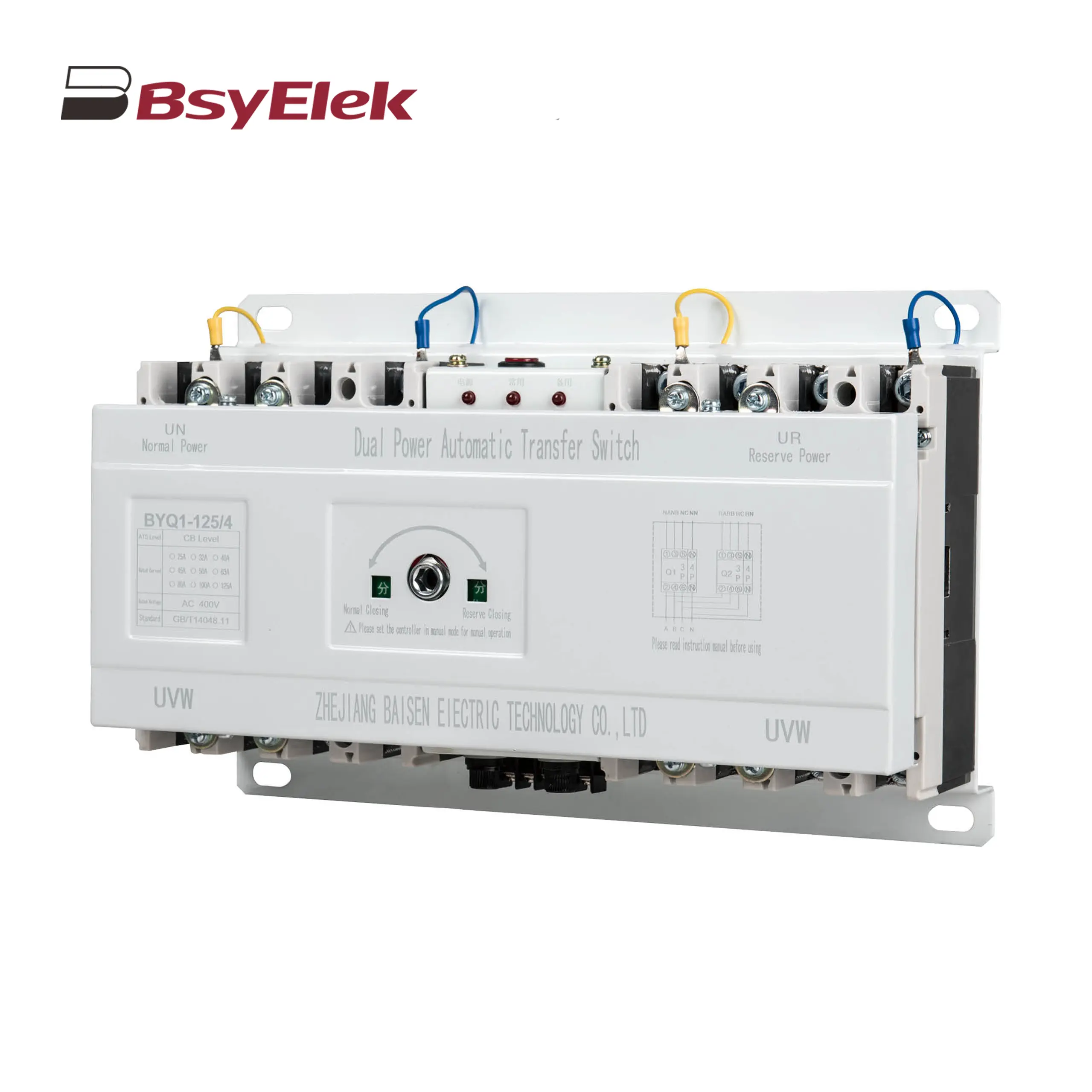 BYQ1 ATS End Type CB Level Dual Power Automatic Transfer Switch
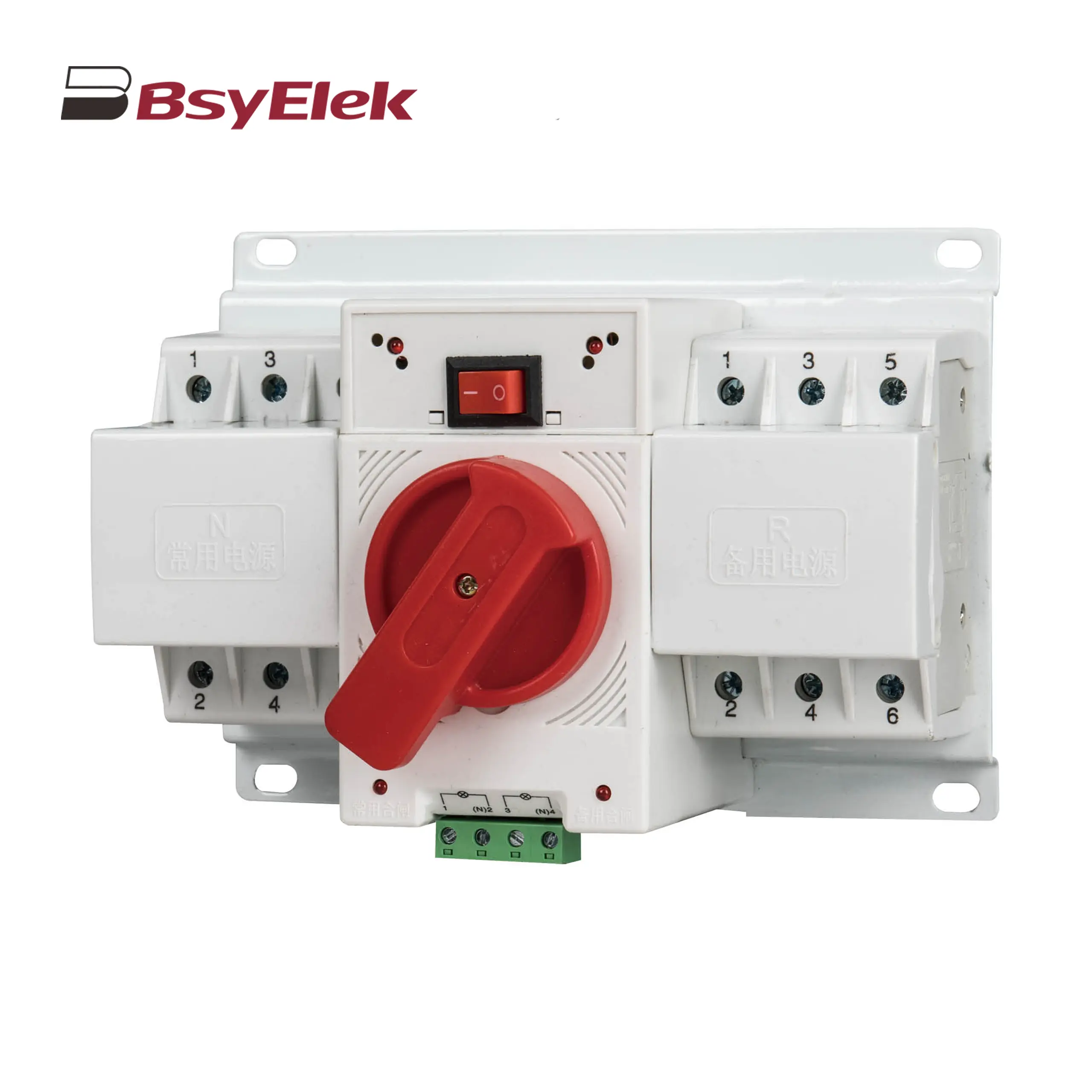 BYQ1 ATS Mini Type CB Level Dual Power Automatic Transfer Switch
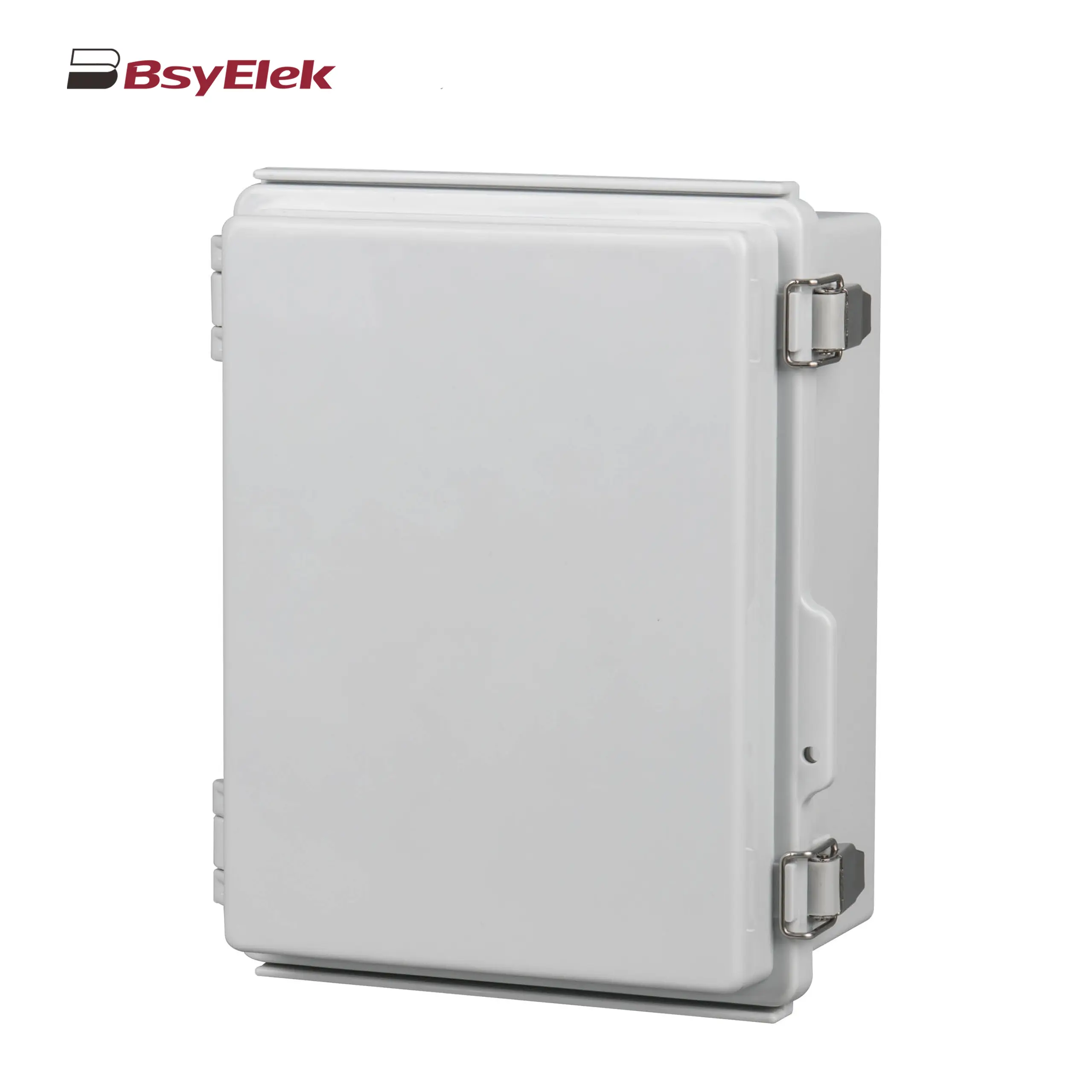 Stainless Steel Hinge Type Electrical Box
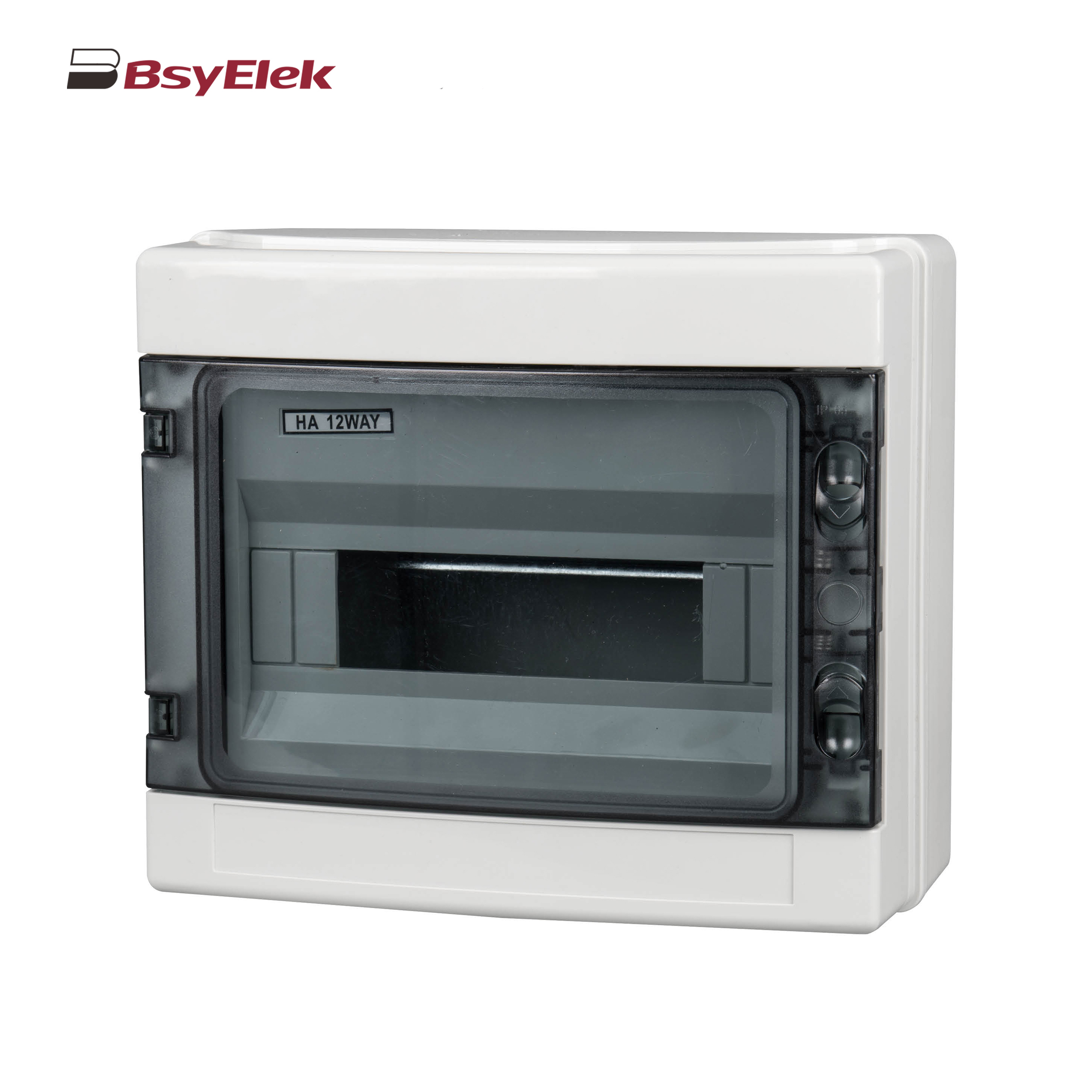 HA Waterproof Distribution Box
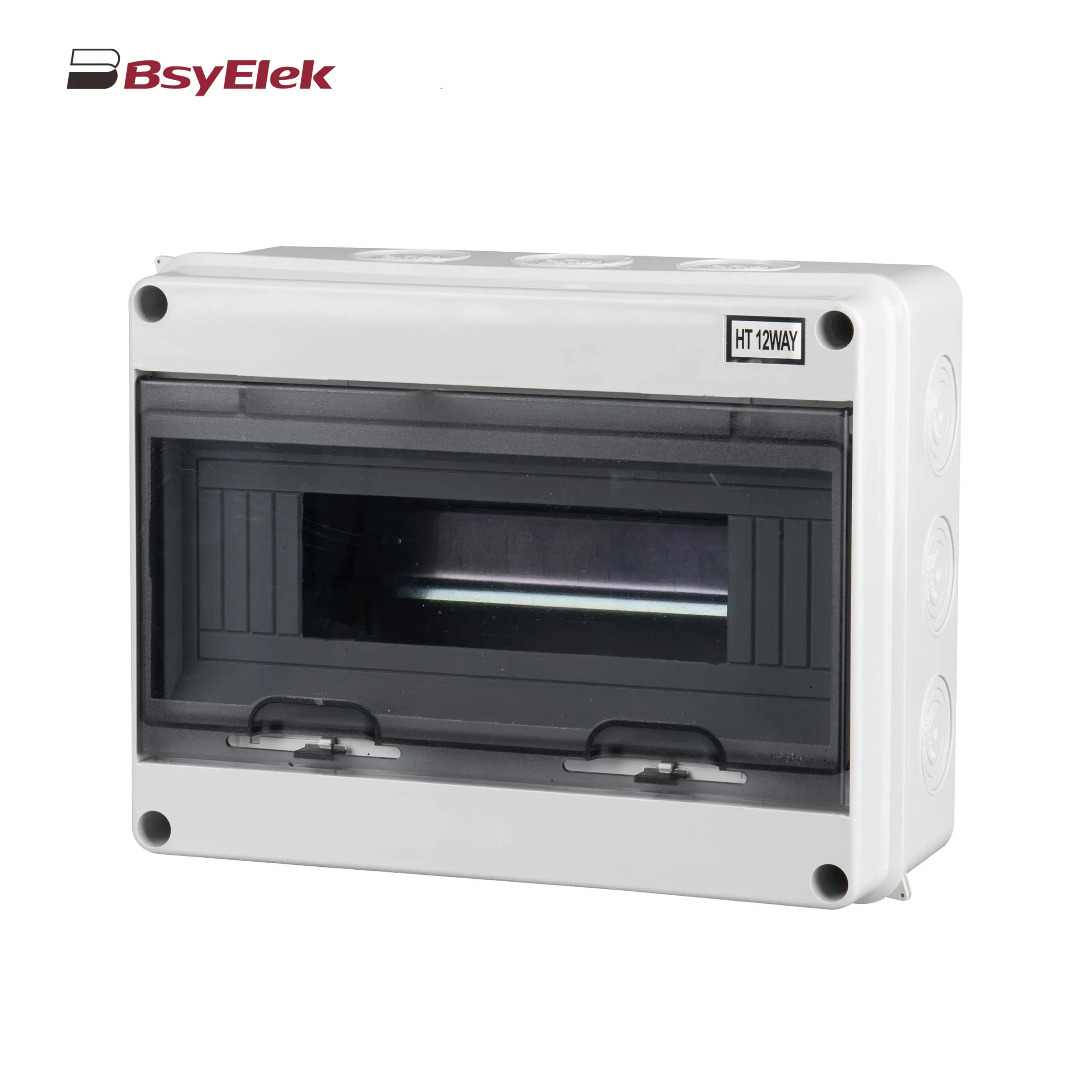 HT Waterproof Distribution Box
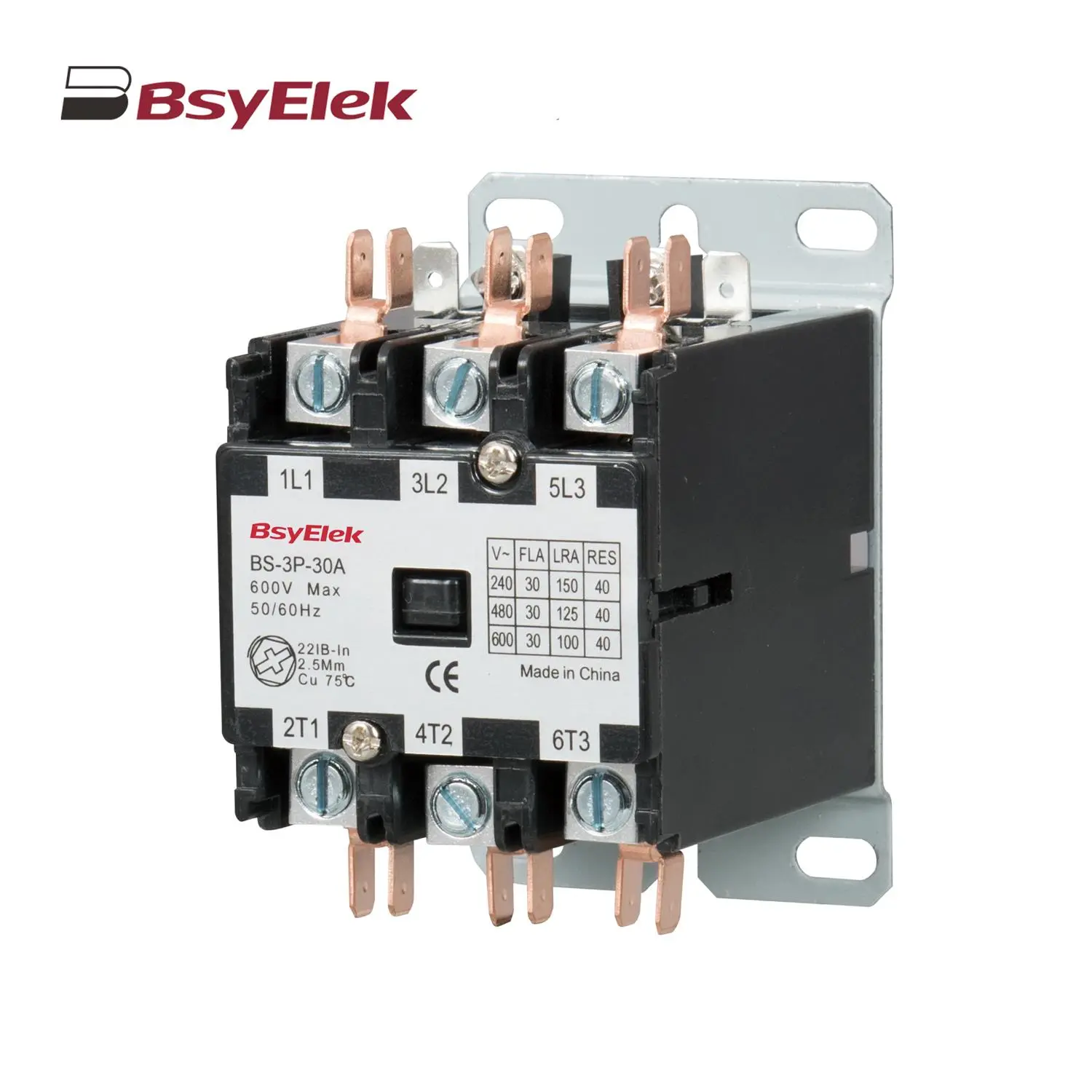 BS Definite Purpose Magnetic AC Contactor