Top 10 Essential Tips for Choosing a Condensate Pump?
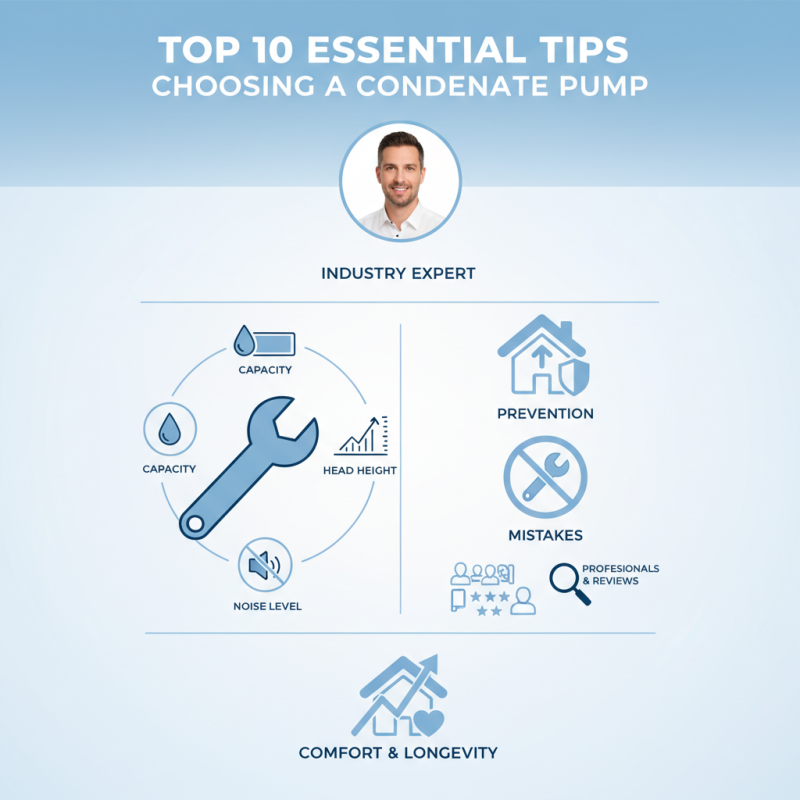
When it comes to selecting a condensate pump, making the right choice can significantly impact your HVAC system's efficiency. Renowned industry expert, David Turner, emphasizes, "A well-chosen condensate pump is vital for preventing water damage and improving overall system performance."
Choosing the perfect condensate pump involves understanding your needs. Factors like the pump's capacity, head height, and noise level should be considered. Many homeowners overlook these details, leading to inefficient systems. A mistake can result in leaks or clogs, damaging your property.
It’s essential to gather insights from professionals and reviews. Engaging with experts helps identify reliable brands. Remember, your choice affects not just performance but also longevity. Thus, investing in the right condensate pump is more than just a purchase; it's a critical decision for your home’s comfort.
Understanding the Role and Importance of Condensate Pumps in HVAC Systems
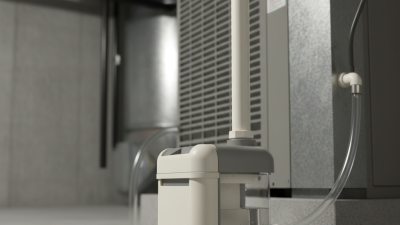
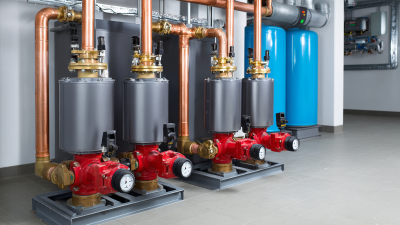
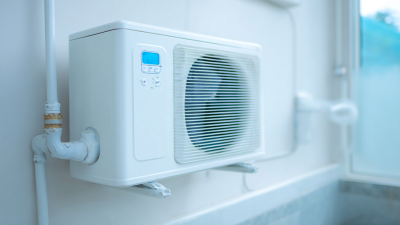
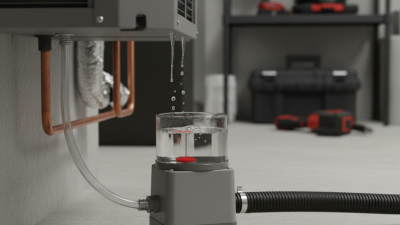
Condensate pumps play a crucial role in HVAC systems. They help remove excess moisture produced during the cooling process. Without them, water can accumulate, leading to mold growth or system damage. They ensure that your air conditioning unit operates efficiently by safely disposing of condensate water.
Choosing the right condensate pump is essential. Consider factors such as pump capacity and head height. You also need to think about installation space. A pump that fits well is more likely to work effectively. Sometimes, homeowners overlook maintenance needs. Regular checks can prevent breakdowns.
Traditionally, many people don’t fully grasp the importance of this device. Ignoring it can cost more in repairs later. Being informed is key to making wise choices. Do your research and stay proactive with maintenance.
Key Specifications to Consider When Selecting a Condensate Pump
Choosing the right condensate pump involves careful consideration of several key specifications. The pump's flow rate is crucial. Look for a model that meets or exceeds your system's needs. Studies indicate that a flow rate of 30 gallons per hour is common in residential applications. However, commercial setups may require pumps rated for up to 100 gallons per hour. Assess your requirements based on the volume of condensate produced.
Another critical specification is the lift height. It defines how high the pump can discharge water. Many pumps offer a lift height of around 15 feet. This ensures effective drainage in various installation scenarios. Yet, some systems may face higher demands due to building structure. Monitoring lift capacity is vital as too low a rating may lead to inefficiencies.
Materials for construction can also impact reliability. Pumps made from corrosion-resistant materials tend to last longer. For instance, those using stainless steel components perform better in harsh environments. Industry reports suggest that lower-grade materials can significantly reduce a pump's lifespan. Properly evaluate the environment where the pump will be used. Ensuring the right choices can prevent future headaches and costly repairs.
Top 10 Essential Tips for Choosing a Condensate Pump
| Feature |
Description |
Importance |
| Pump Capacity |
The volume of condensate the pump can handle, usually rated in gallons per hour (GPH). |
Critical for ensuring the pump can handle your specific application needs. |
| Lift Height |
The vertical height the pump can lift water, measured in feet. |
Ensures the pump can effectively move condensate to the desired discharge point. |
| Power Source |
Type of power needed for the pump, typically electric. |
Influences installation options and operating costs. |
| Noise Level |
The amount of sound produced by the pump during operation, measured in decibels (dB). |
Important for residential applications where noise can be a concern. |
| Construction Material |
Materials used in the pump's construction, such as plastic or stainless steel. |
Affects durability and resistance to corrosion. |
| Automatic Shut-off |
Feature that turns off the pump when the water level is low. |
Prevents dry running and potential pump damage. |
| Size and Dimensions |
Physical size of the pump, affecting installation space. |
Ensures compatibility with existing drainage systems. |
| Warranty |
Duration and coverage of the pump's warranty. |
Indicates manufacturer confidence and offers peace of mind. |
| Cost |
Price range for the pump, affecting budget considerations. |
Balances performance and features against budget constraints. |
| Maintenance Requirements |
Frequency and type of maintenance needed for optimal operation. |
Impacts long-term usability and costs of ownership. |
Analyzing Pump Types: Choosing Between Submersible and Non-Submersible Models
When selecting a condensate pump, the choice between submersible and non-submersible models is crucial. Submersible pumps sit beneath the water level and are often more compact. They can handle larger volumes and tend to be quieter during operation. According to a 2022 market analysis by the American Pump Association, submersible pumps account for over 40% of sales in residential applications. This popularity stems from their efficiency and space-saving design.
On the other hand, non-submersible pumps are usually installed above ground. They are easier to access for maintenance, which can be beneficial. These pumps can handle a variety of liquid types but may struggle with high volumes compared to their submersible counterparts. A report from the International Pump Manufacturers Organization suggests that non-submersible pumps are preferred in industrial settings for processing aggressive liquids. However, they can be noisier and bulky, factors that may not suit every homeowner's needs.
The decision between these types involves various trade-offs. Considerations such as pump maintenance and installation space are vital. Reflecting on specific requirements can guide your choice. Will accessibility be crucial for you? Analyzing your unique needs is paramount before making a final decision.
Evaluating Pump Capacity: Determining the Right Flow Rate for Your Needs
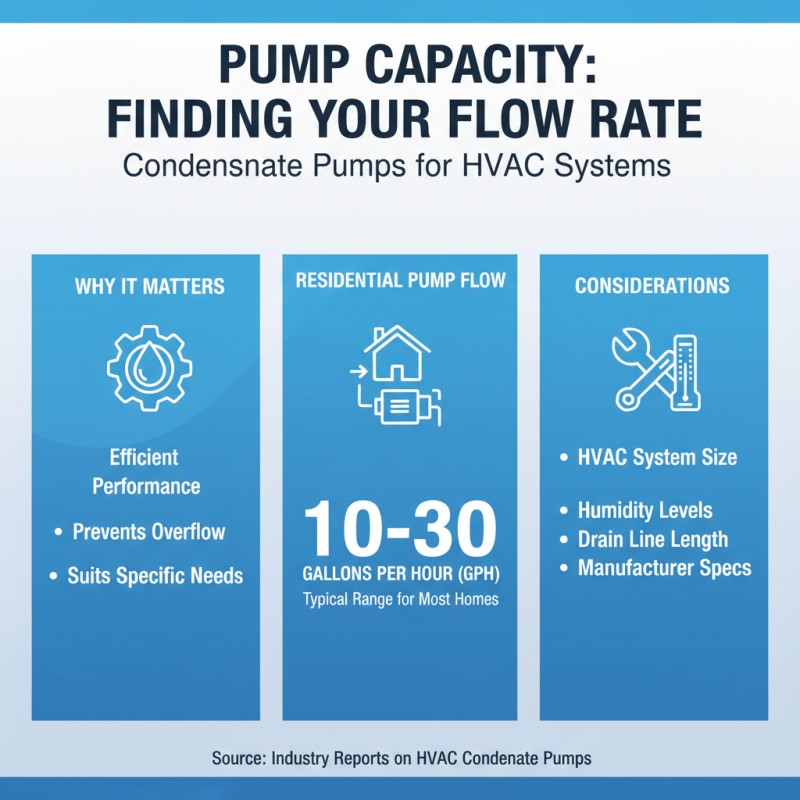
When selecting a condensate pump, evaluating pump capacity is crucial. Understanding the right flow rate ensures efficient performance for your specific applications. According to industry reports, the typical flow rate for residential condensate pumps ranges from 10 to 30 gallons per hour. This range suits most HVAC systems, yet needs vary.
Consider the entire setup when determining flow needs. Think about the devices producing condensate. For instance, a high-efficiency furnace may generate more water than anticipated. Users commonly underestimate this, leading to under-sized pumps. Inadequate capacity can cause frequent cycling or pump failure, creating maintenance issues.
It's also vital to factor in vertical lift height. Pumps lose efficiency over greater distances. Experts recommend calculating the total vertical lift and matching it with the pump’s specifications. Reports indicate that improper evaluation of these metrics can result in 20% more energy consumption. This data shows the importance of thorough assessment in choosing the ideal pump for long-term efficiency.
Maintenance Considerations: Ensuring Longevity and Optimal Performance
When selecting a condensate pump, maintenance considerations are crucial for ensuring longevity and optimal performance. Regular maintenance can prevent unexpected breakdowns. Inspect the pump’s power supply and connections routinely. Check for any signs of wear or damage. A small issue, if neglected, can escalate into a significant problem.
Cleaning the pump regularly can help maintain efficiency. Remove debris and buildup that may obstruct functionality. Ensure that the drainage line is clear to avoid backups. Sometimes, users underestimate the importance of this step. A clean pump not only works better but lasts longer.
Listen for unusual noises during operation. These sounds can indicate potential faults. Responding early can save you time and money. Noticing vibration can also be insightful. This could signal an imbalance or alignment issue. Ignoring these signs may lead to premature failure. Taking the time for simple checks can enhance the pump's performance significantly.
Top 10 Essential Tips for Choosing a Condensate Pump



 BY06H-125 MCB 10-15KA Miniature Circuit Breaker
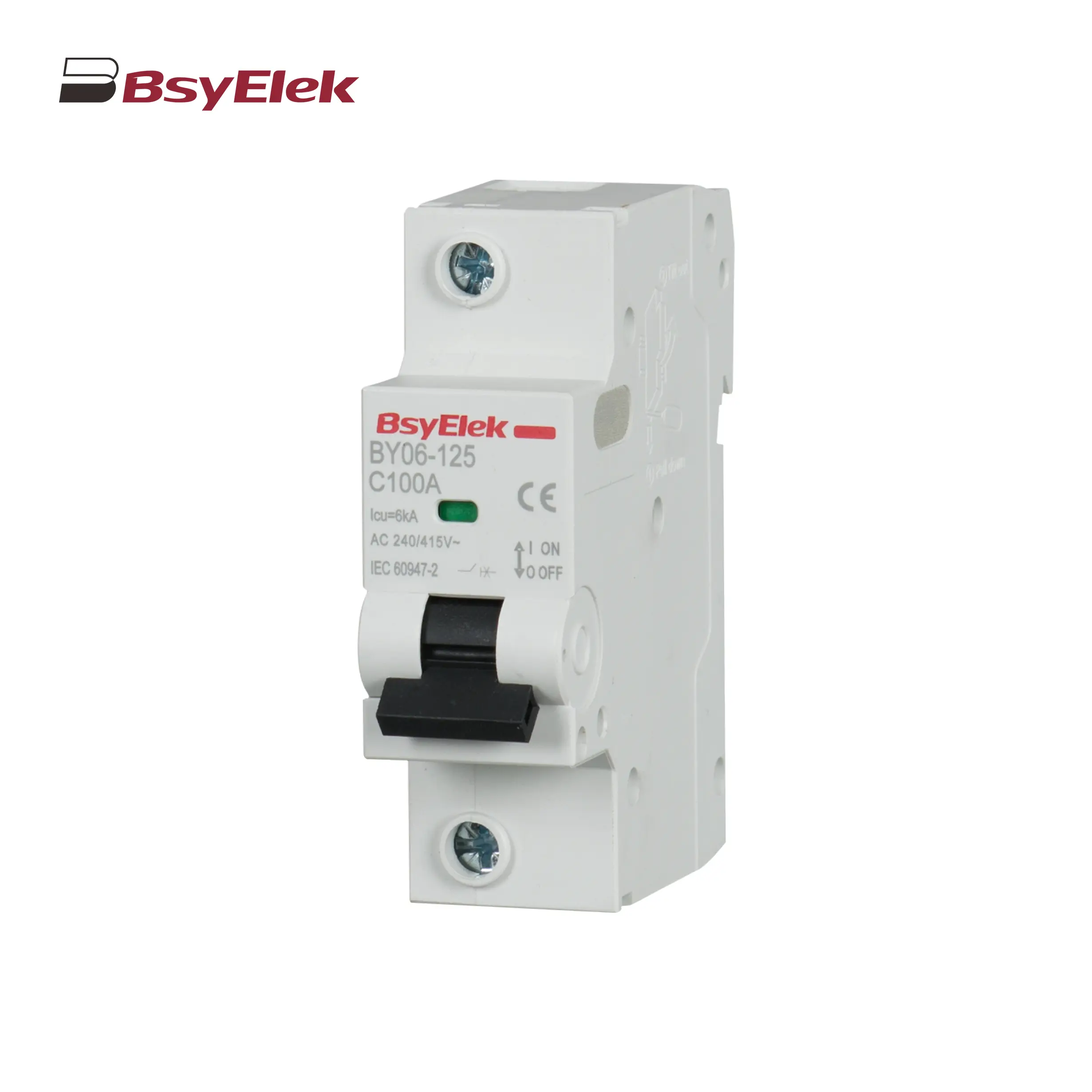 BY06-125 MCB 6KA Miniature Circuit Breaker
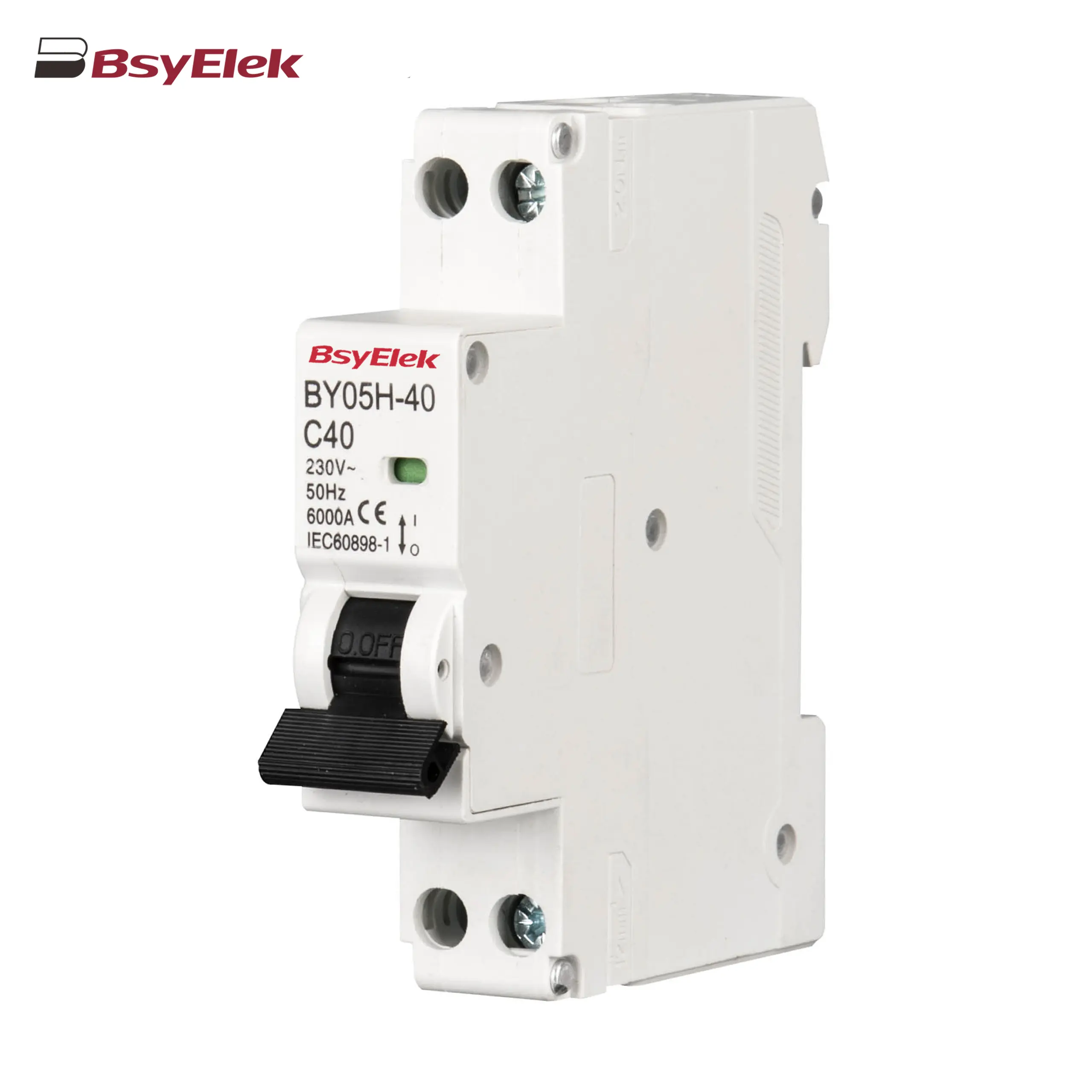 BY05H-40 MCB Single Modular 6KA Miniature Circuit Breaker
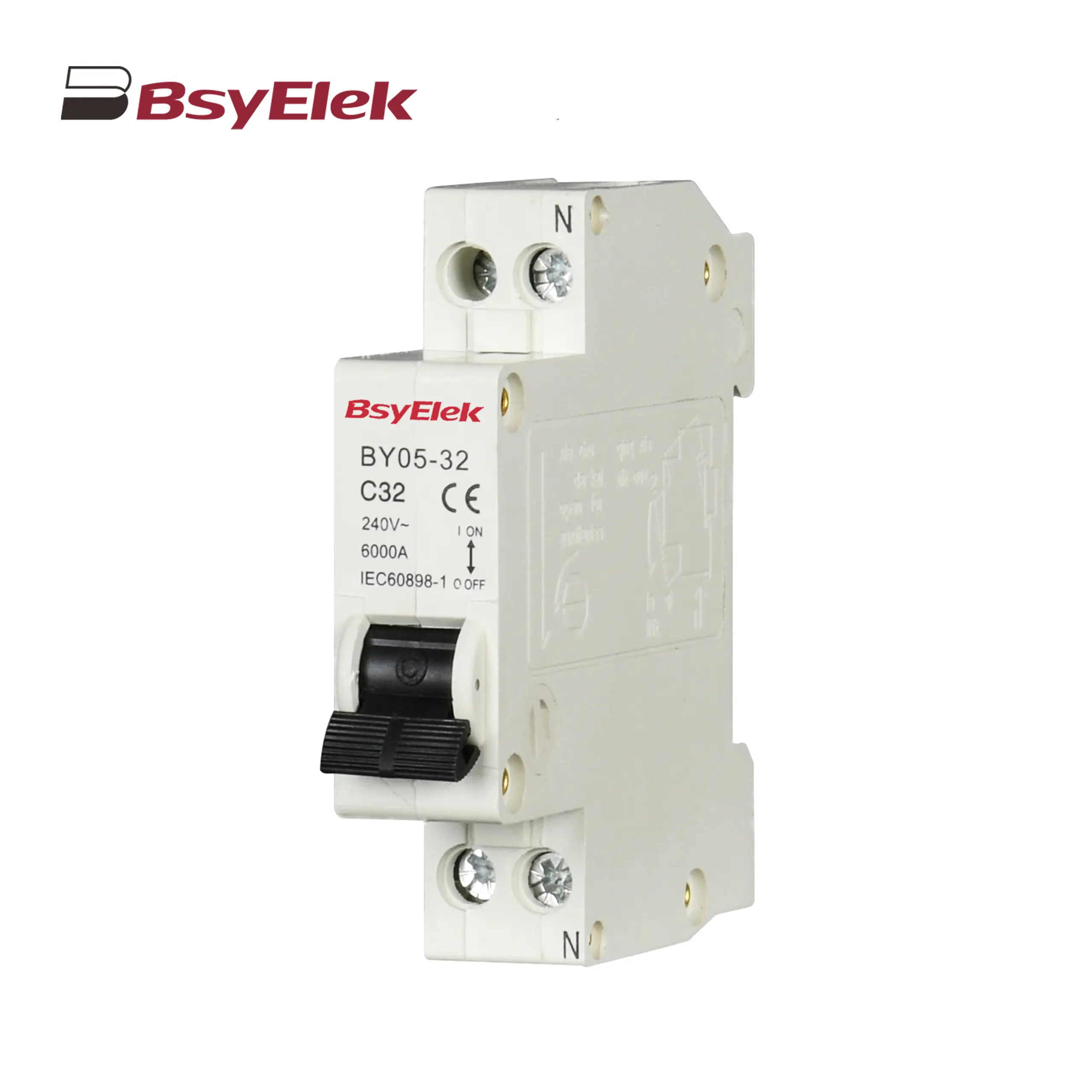 BY05-32 MCB Single Modular 3KA Miniature Circuit Breaker
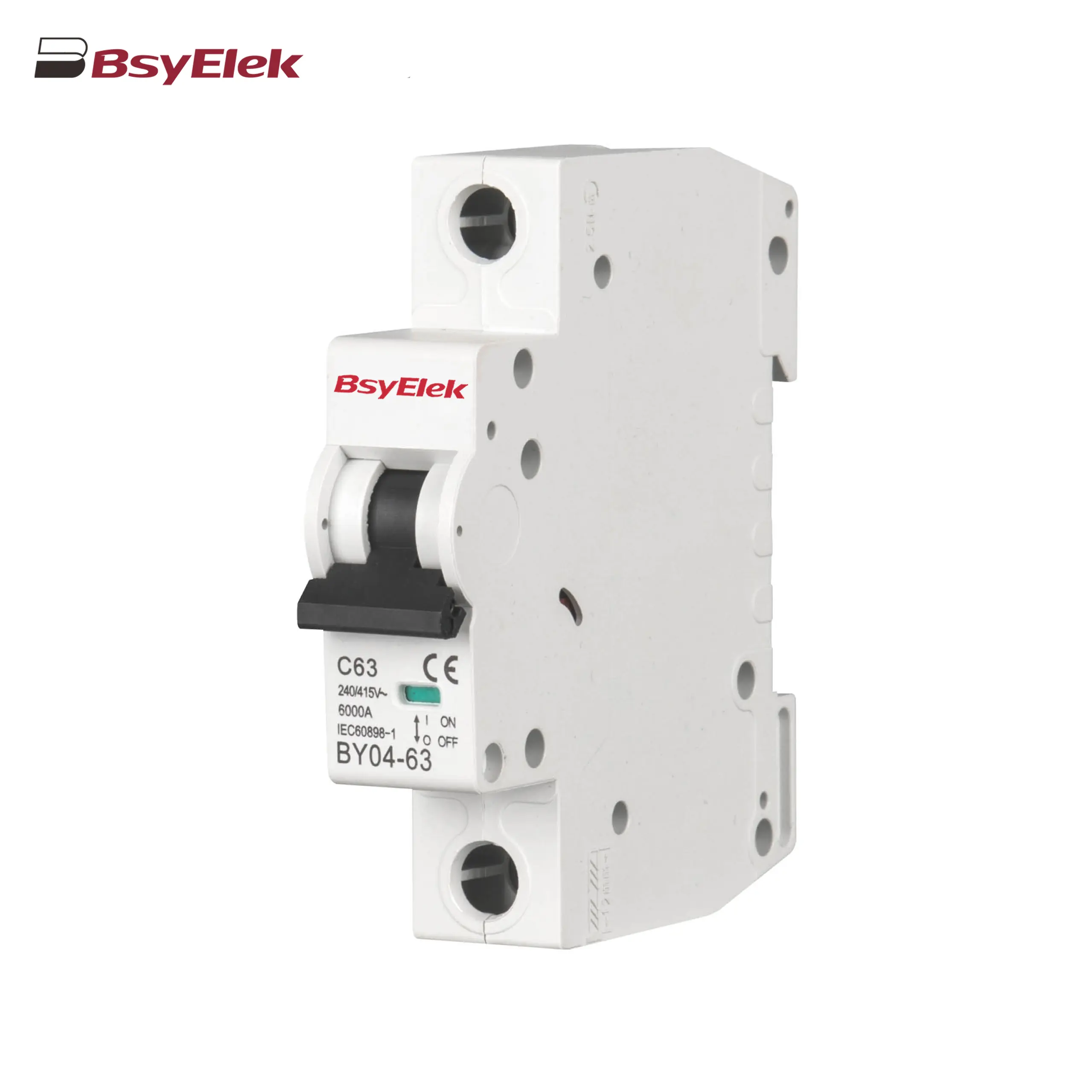 BY04-63 MCB 6-10KA Miniature Circuit Breaker
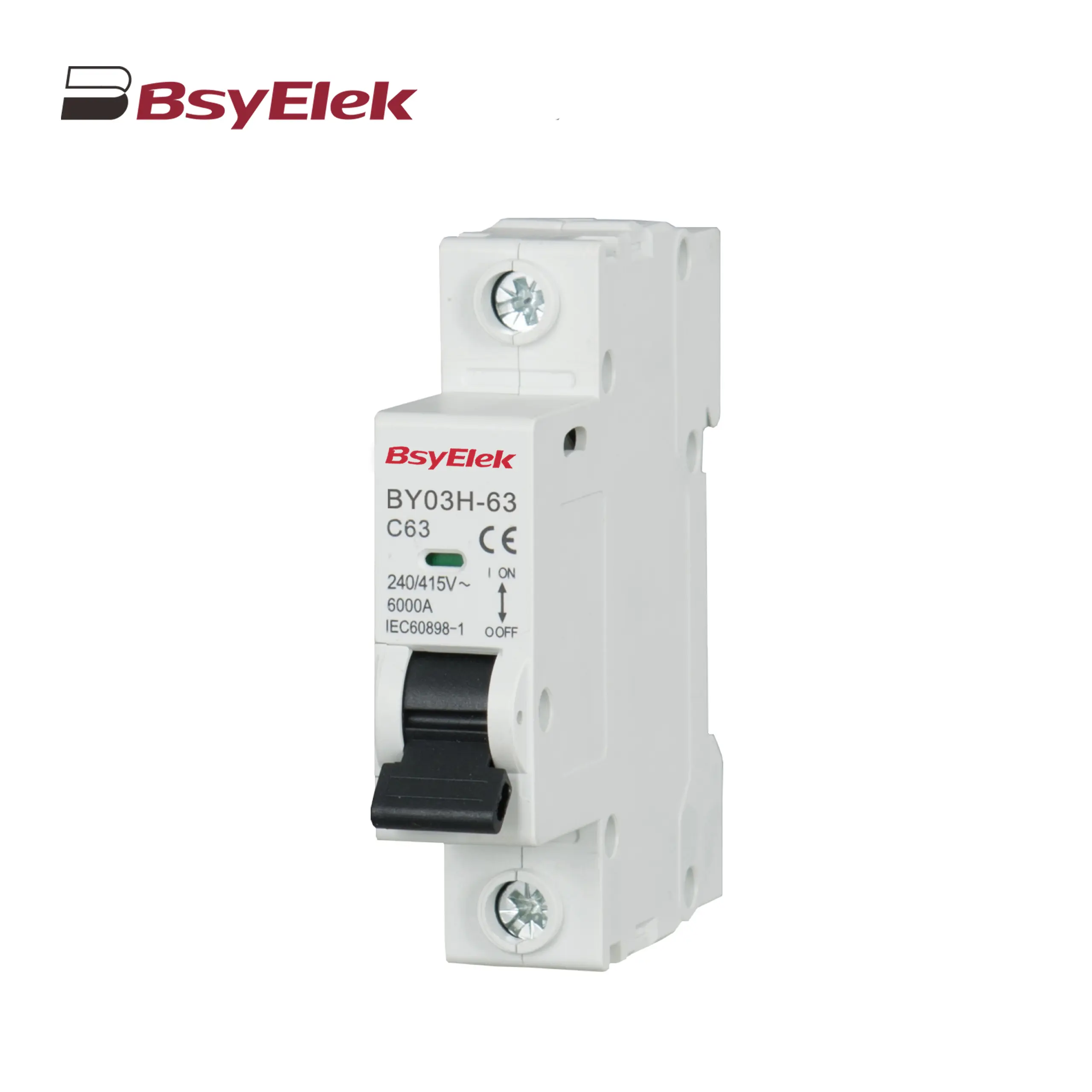
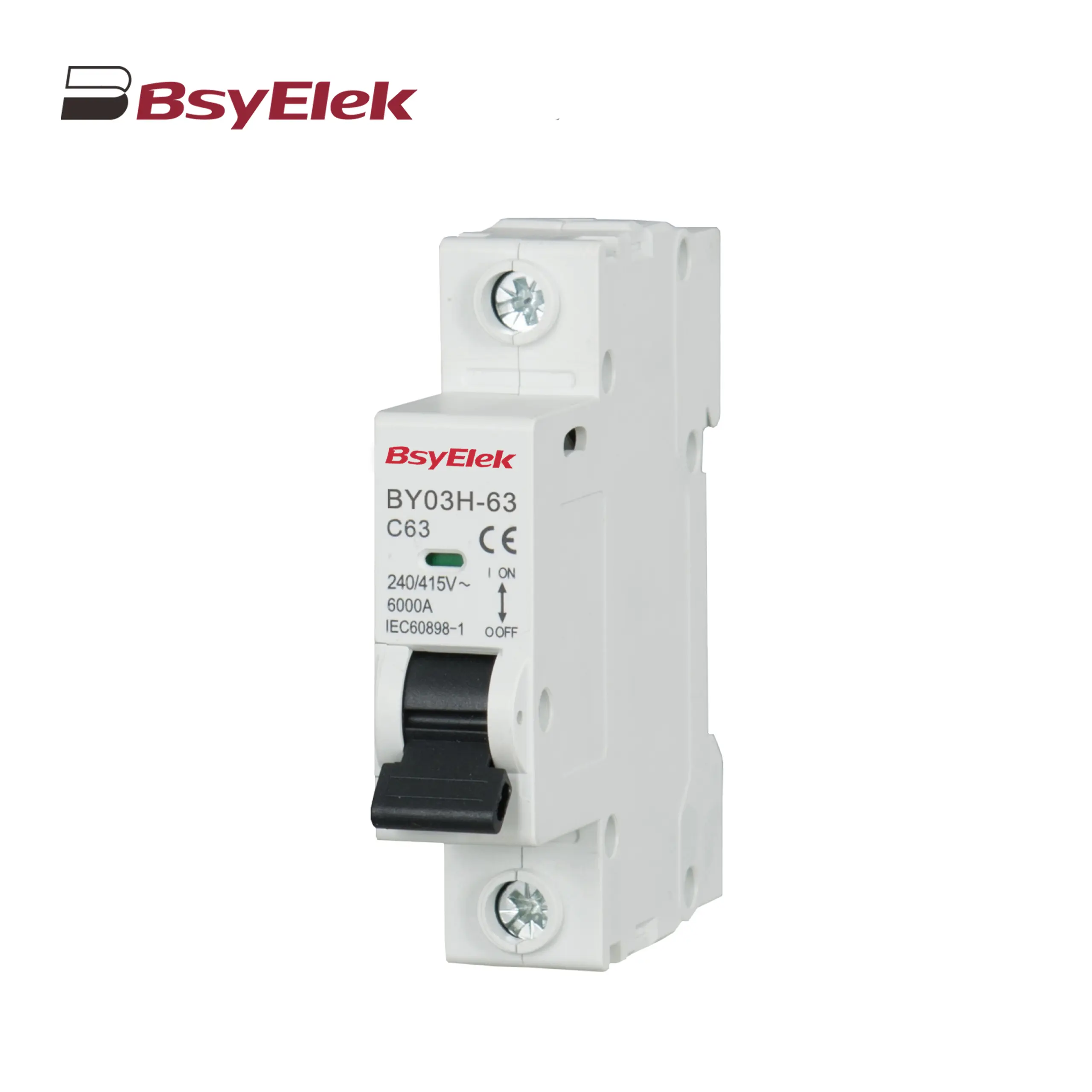 BY03H-63 MCB 6KA Miniature Circuit Breaker
 BY03-63 MCB 4.5KA Miniature Circuit Breaker
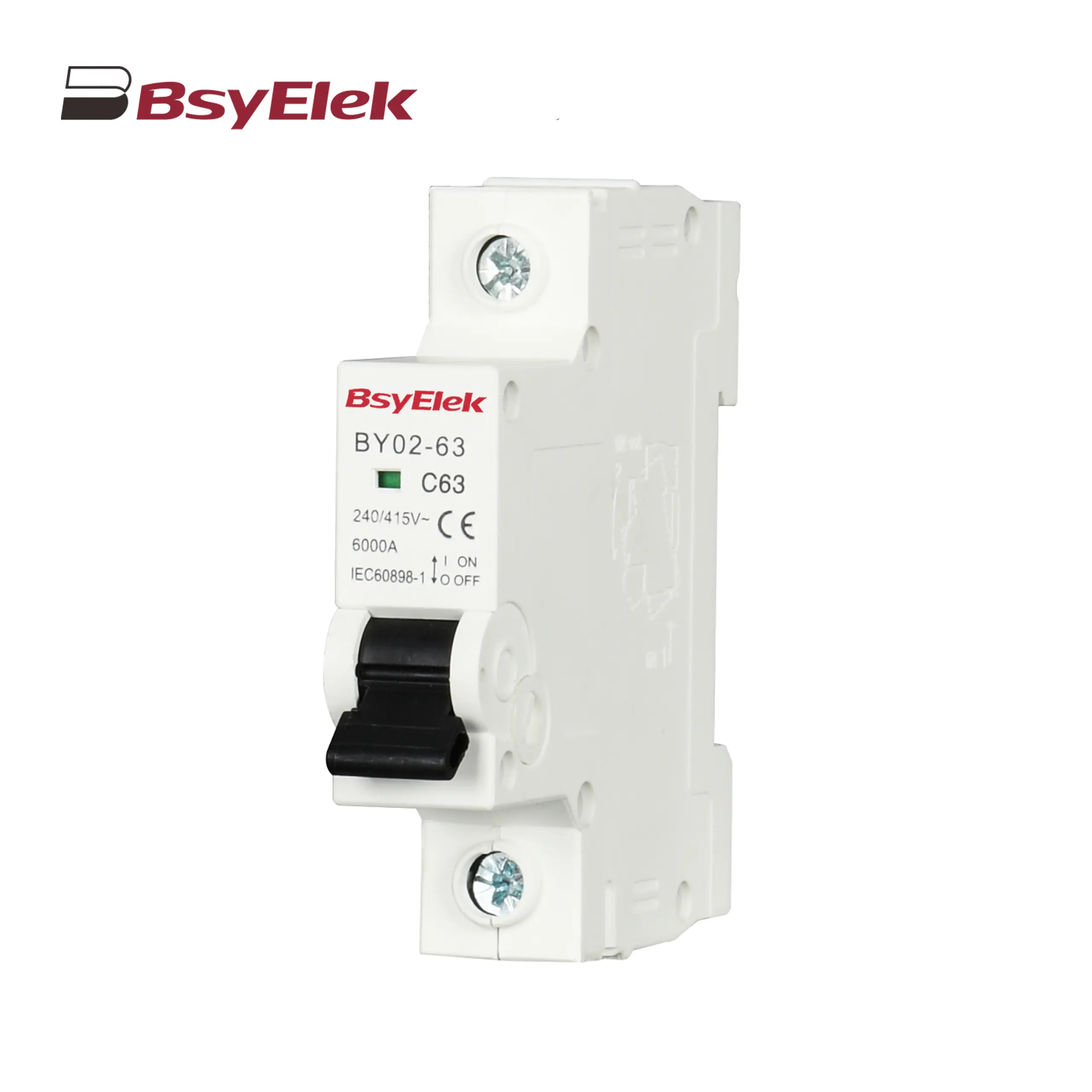 BY02-63 MCB 3kA Miniature Circuit Breaker
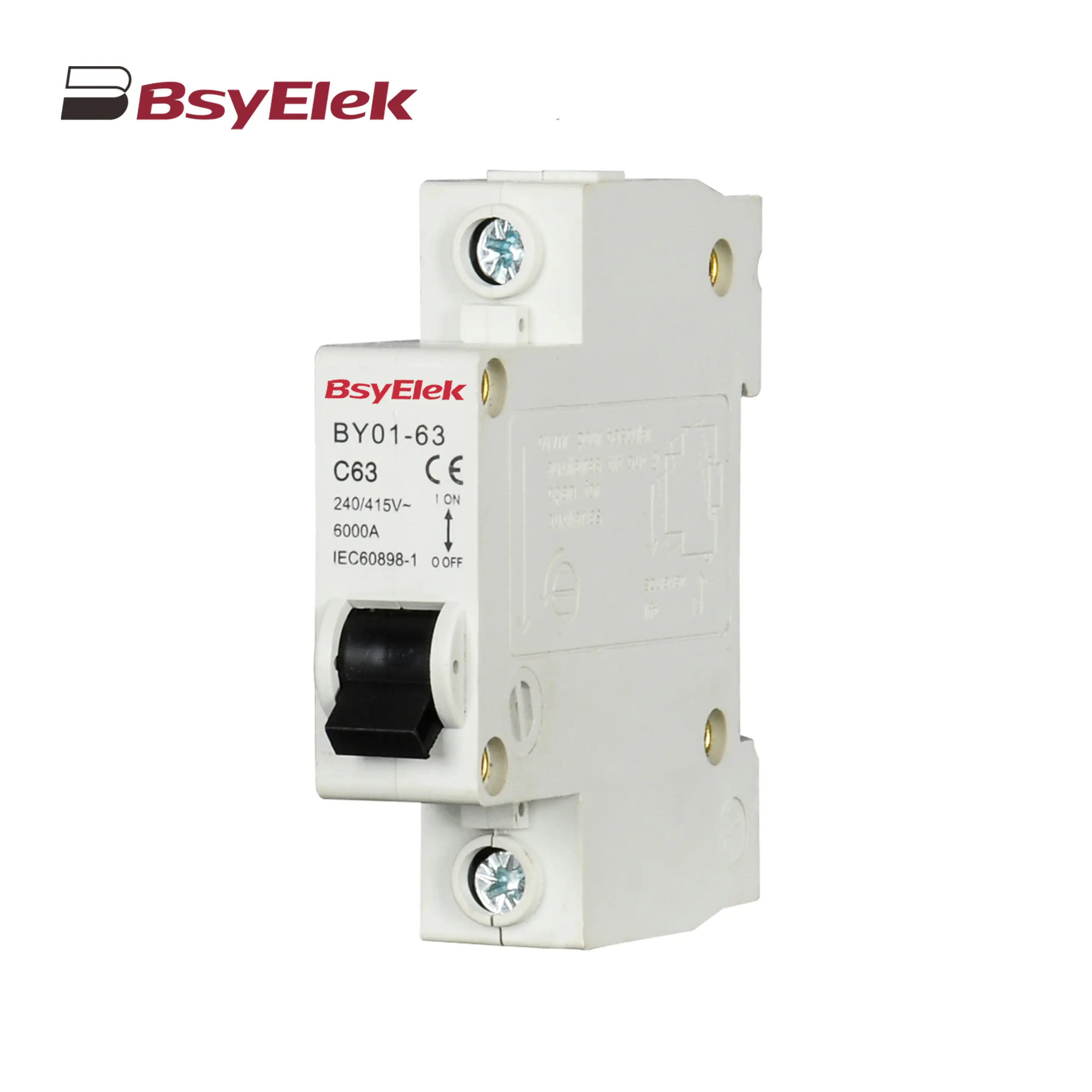 BY01-63 MCB 3kA Miniature Circuit Breaker
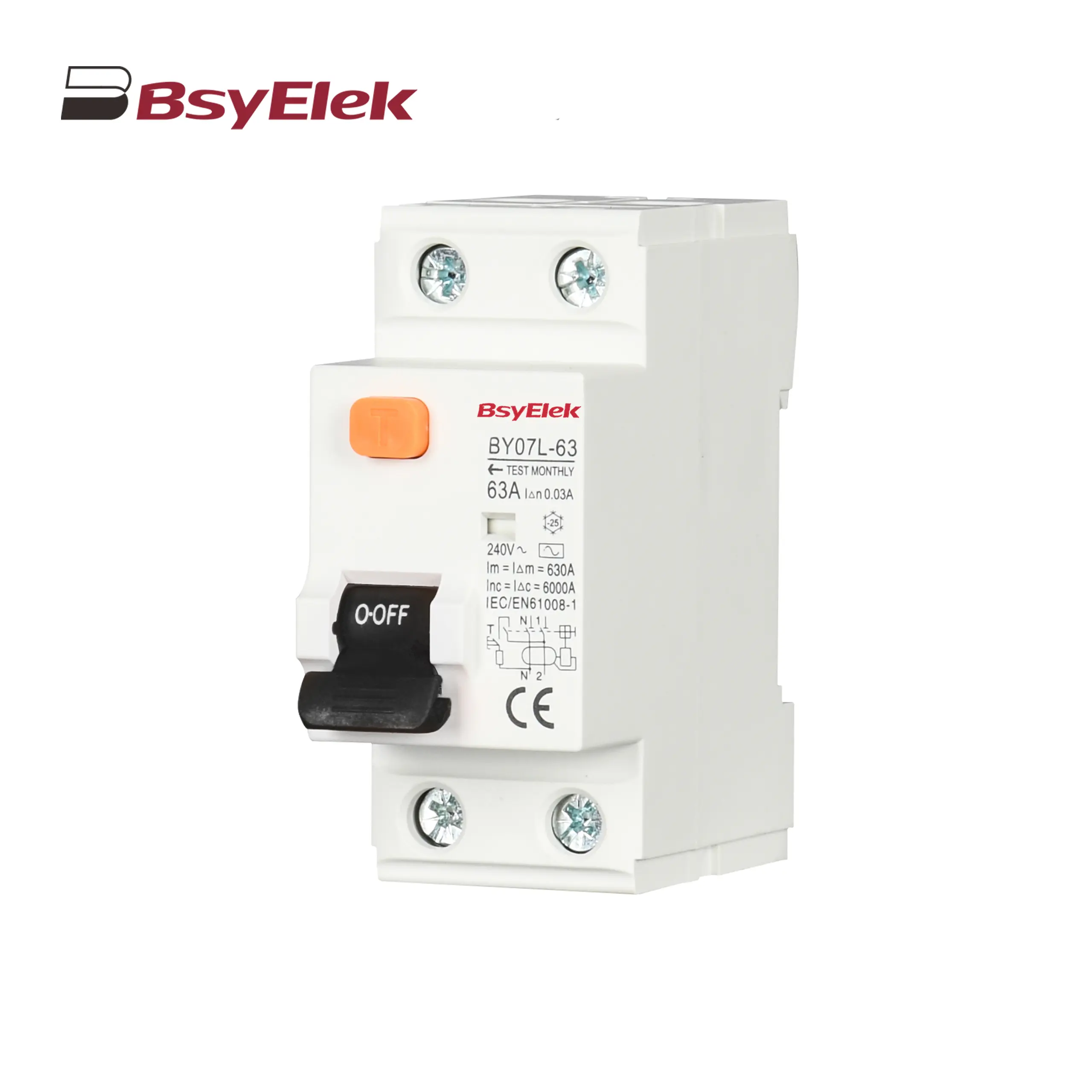 BY07L-63 RCCB 6KA Residual Current Circuit Breaker
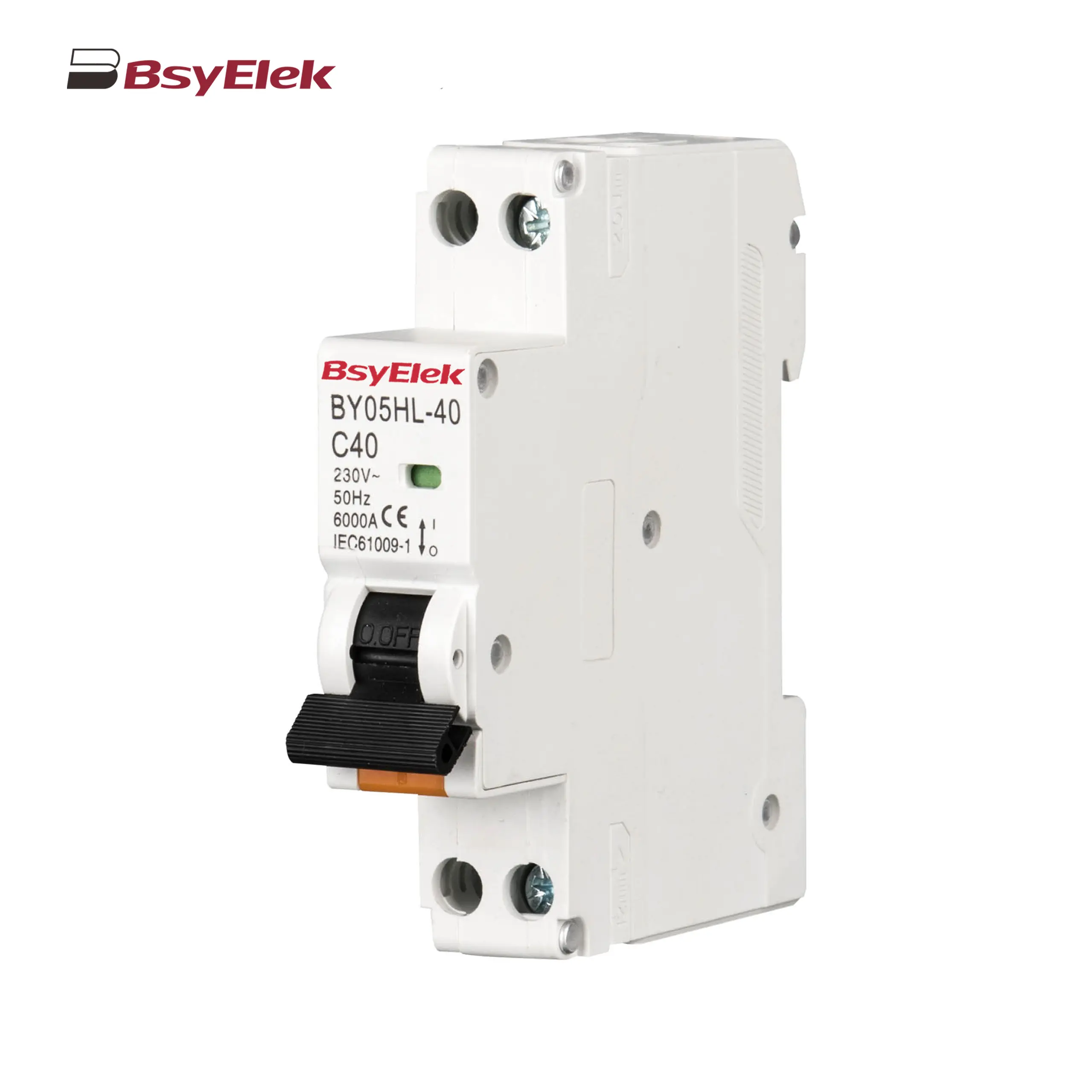 BY05HL-40 RCBO 6KA Residual Current Circuit Breaker with Over-current Protection
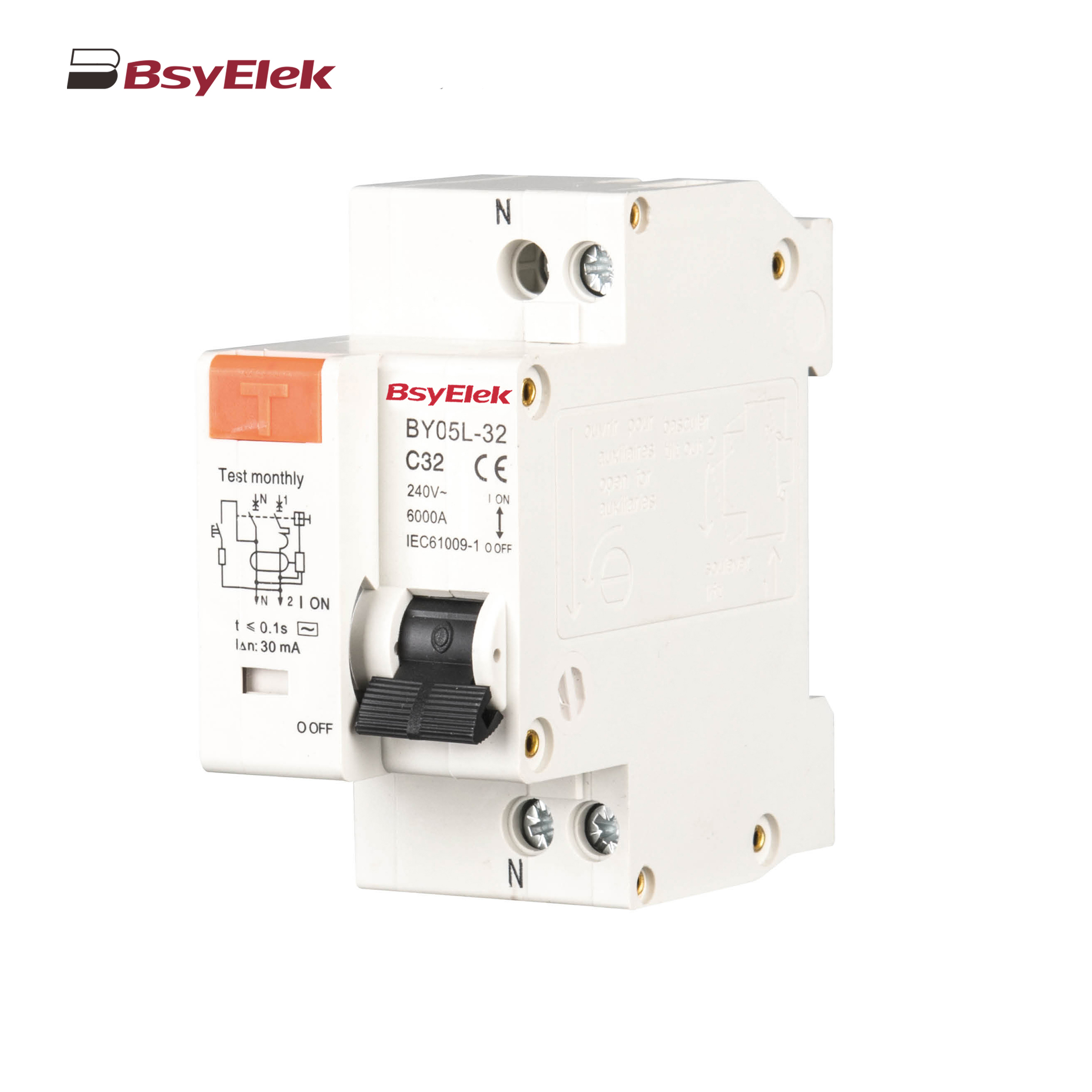 BY05L-32 RCBO 3KA Residual Current Circuit Breaker with Over-current Protection
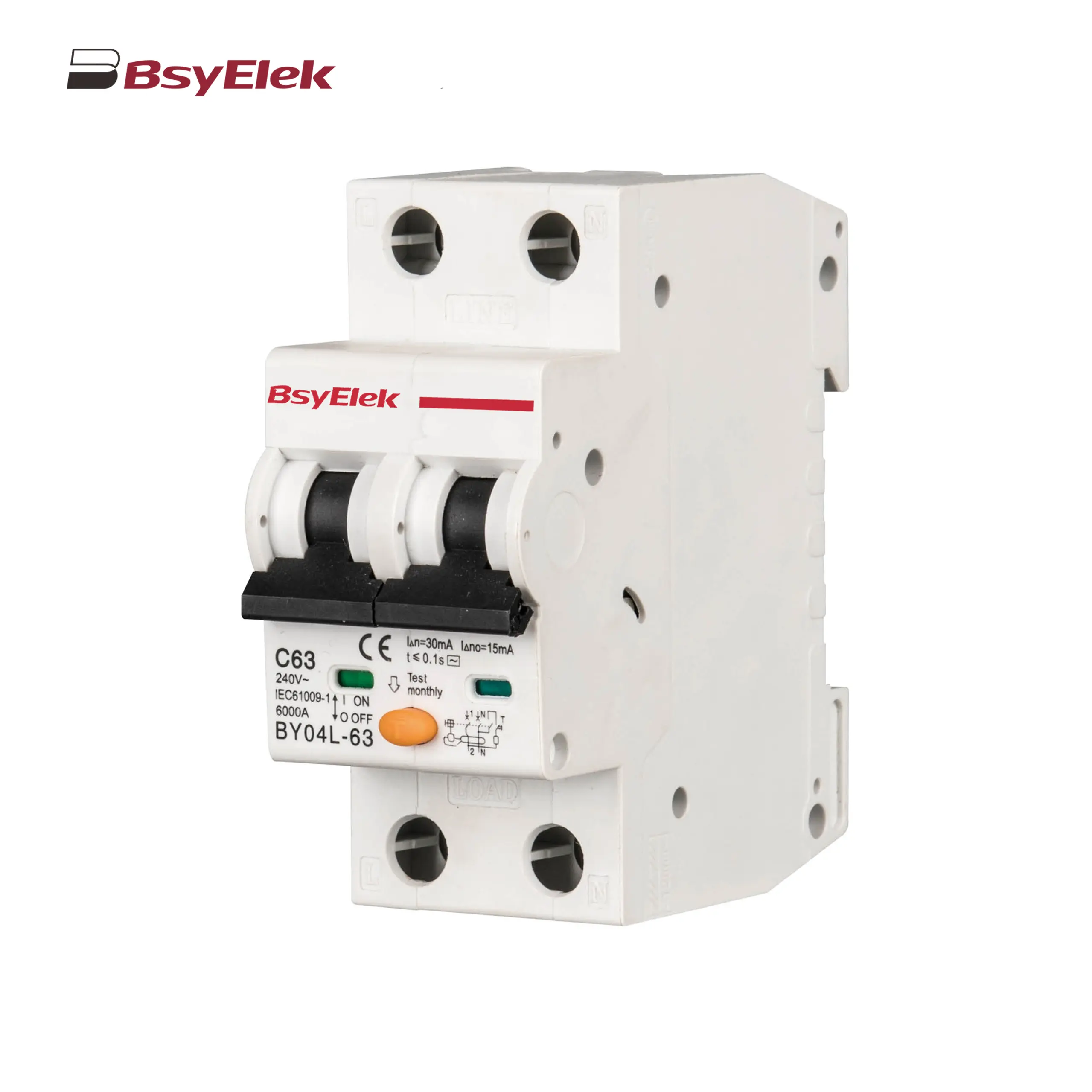 BY04L-63 RCBO 6KA Residual Current Circuit Breaker with Over-current Protection
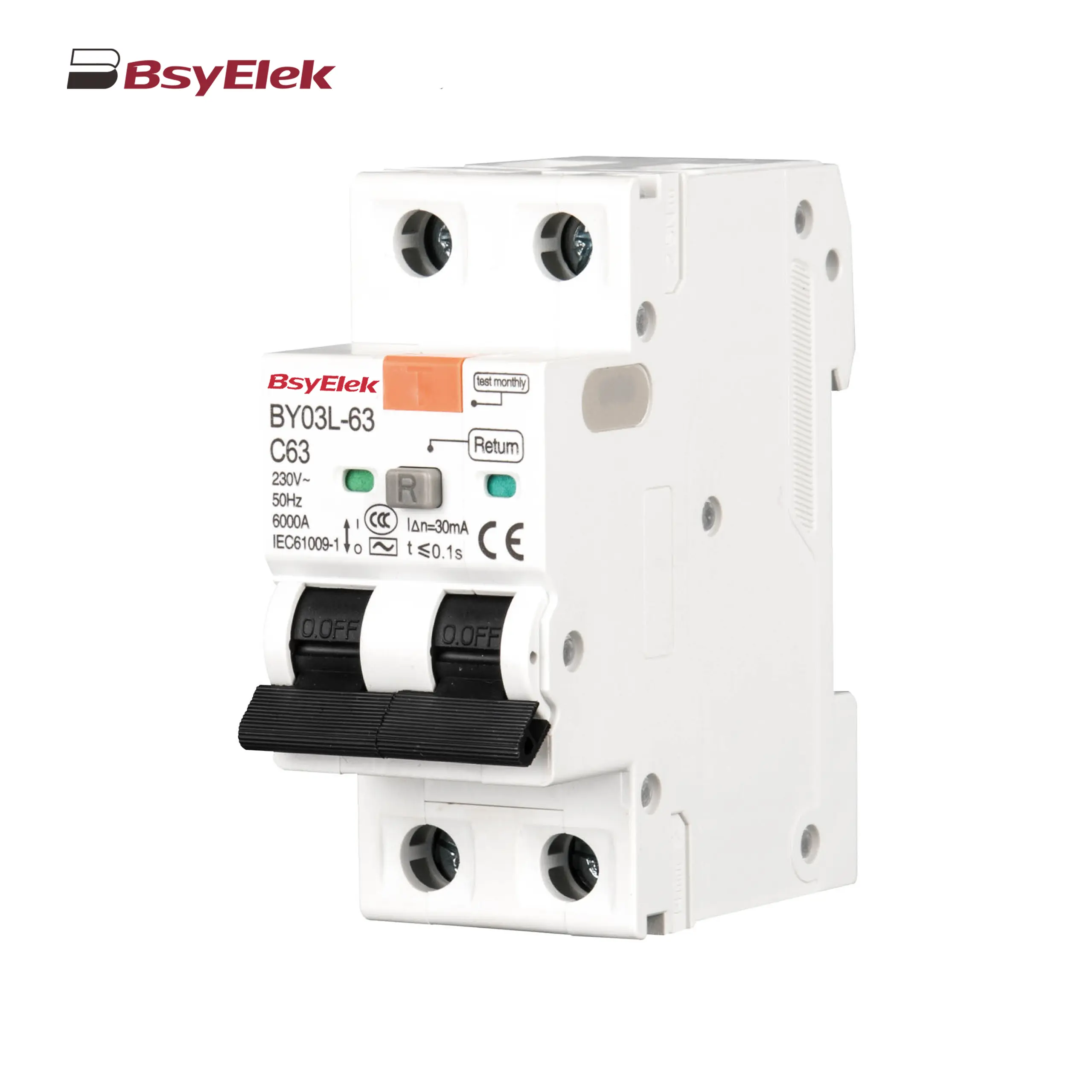 BY03L-63 RCBO 4.5KA Residual Current Circuit Breaker with Over-current Protection
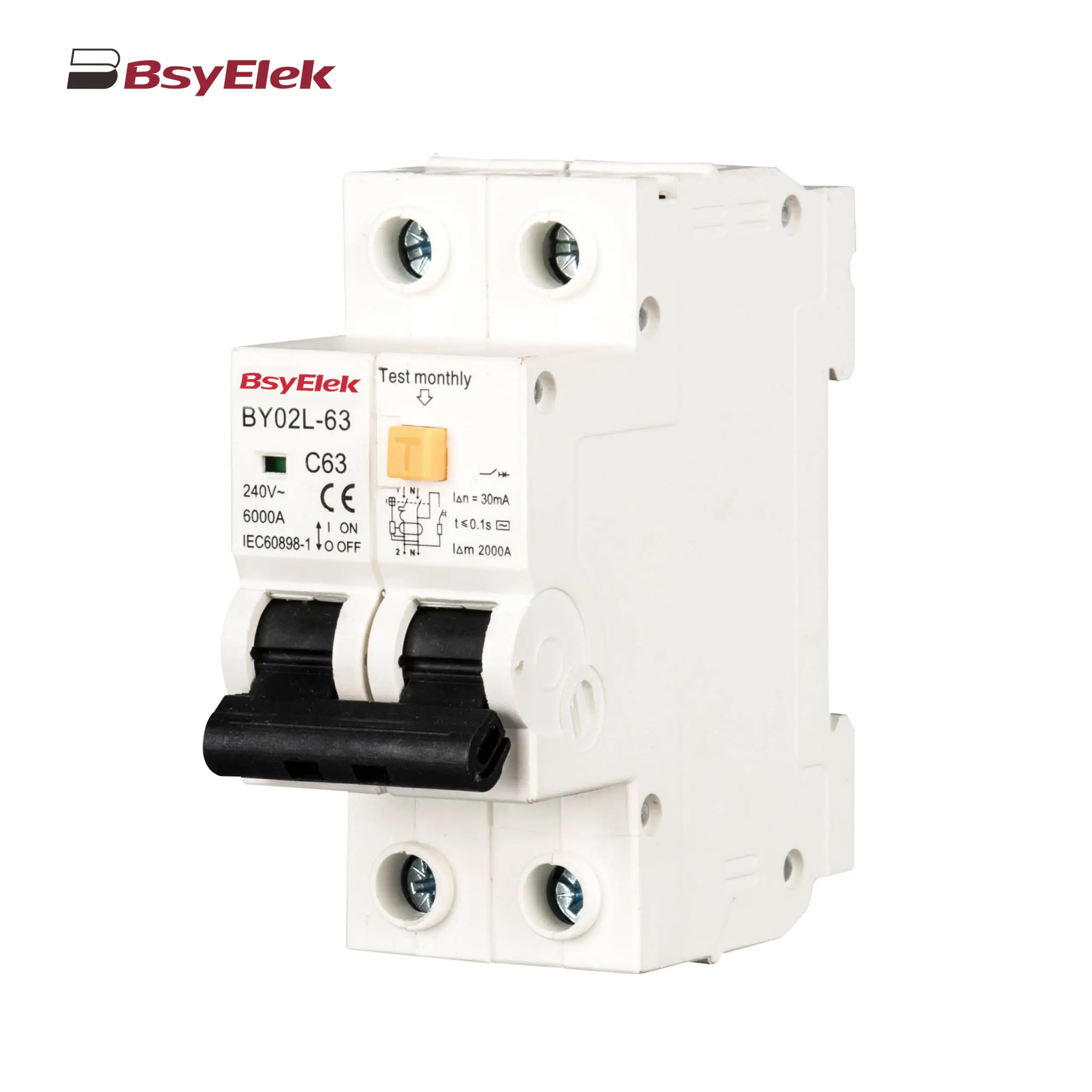 BY02L-63 RCBO 3KA Residual Current Circuit Breaker with Over-current Protection
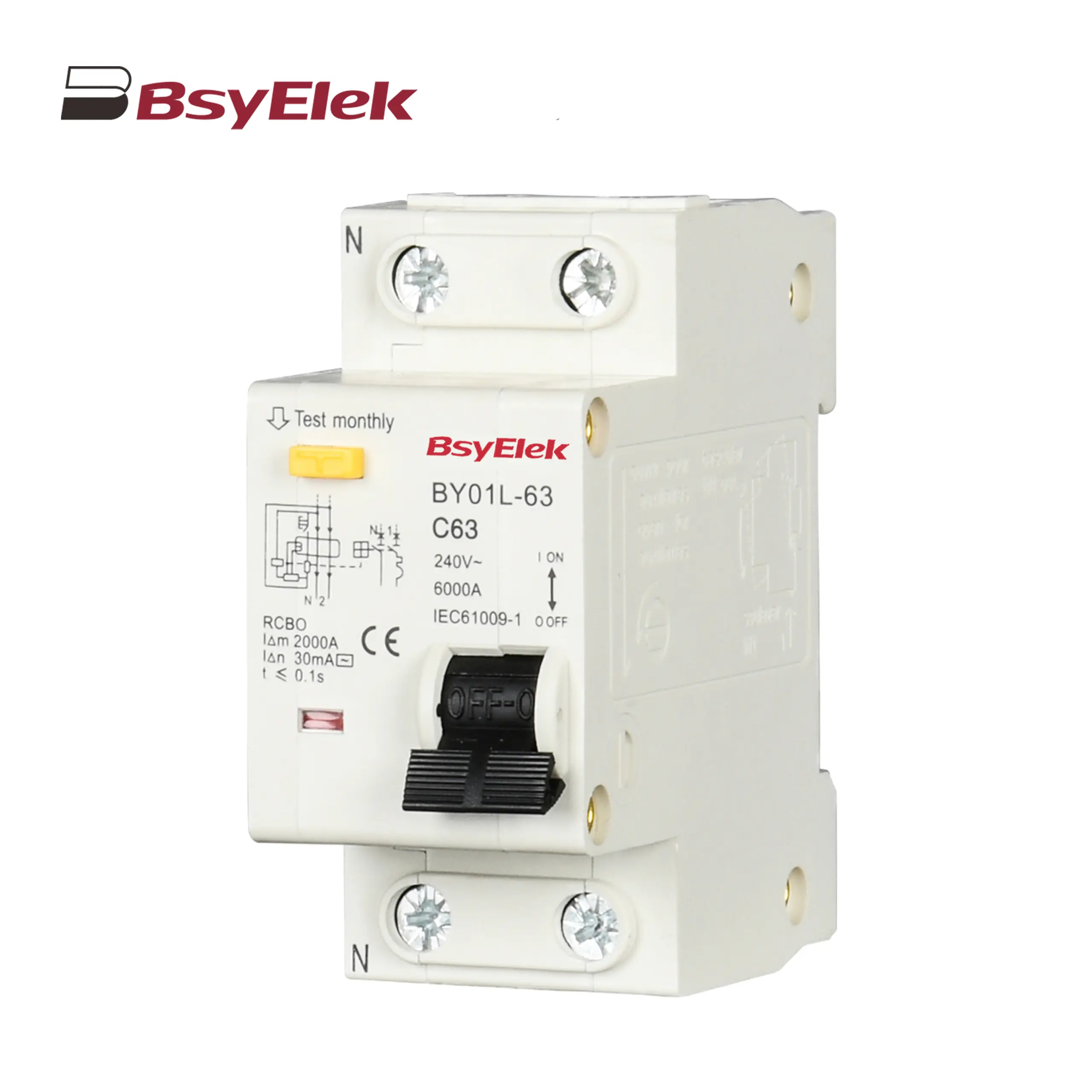 BY01L-63 RCBO 1P+N 3KA Residual Current Circuit Breaker with Over-current Protection
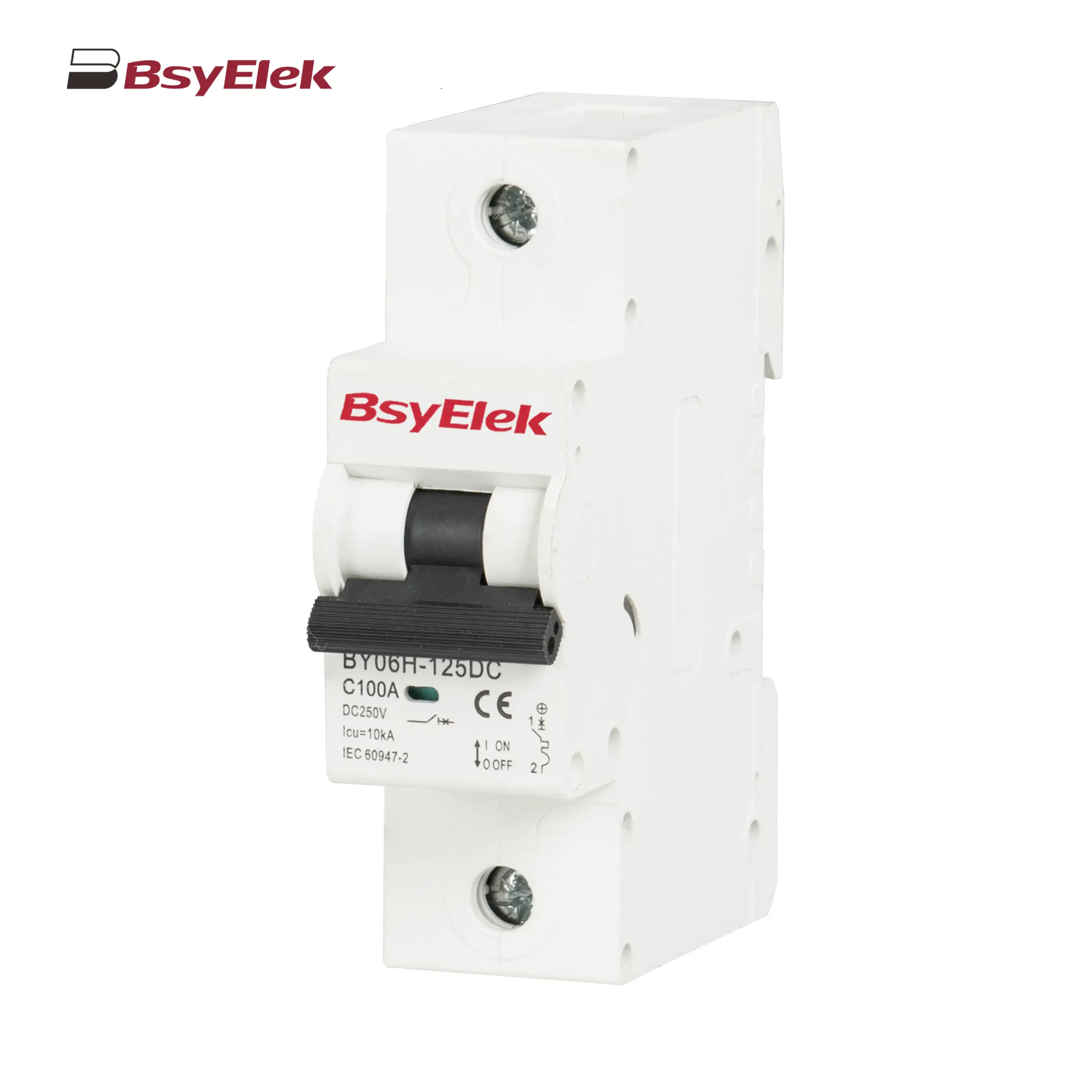 BY06H-125DC MCB 10-15kA DC Miniature Circuit Breaker
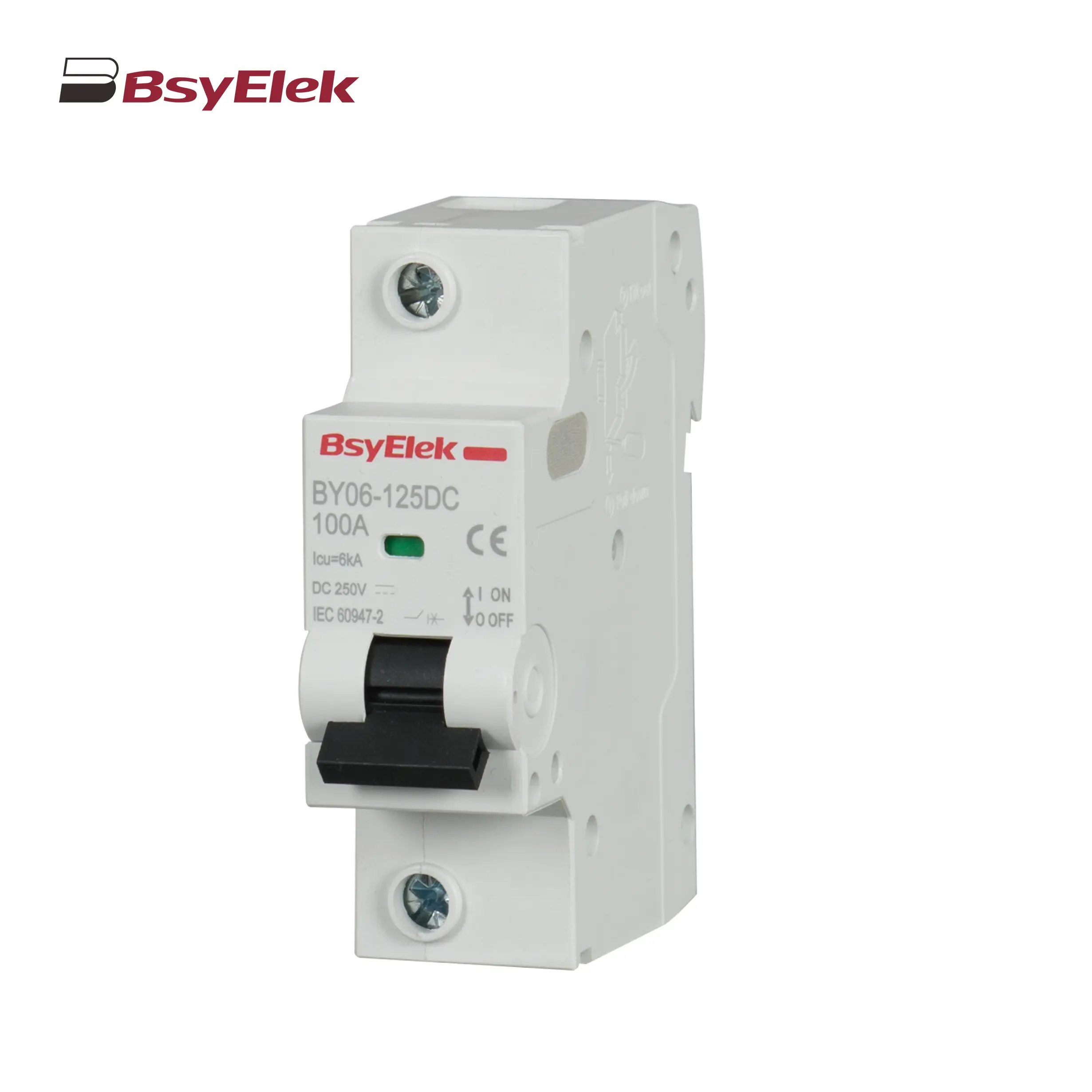 BY06-125DC MCB 6kA DC Miniature Circuit Breaker
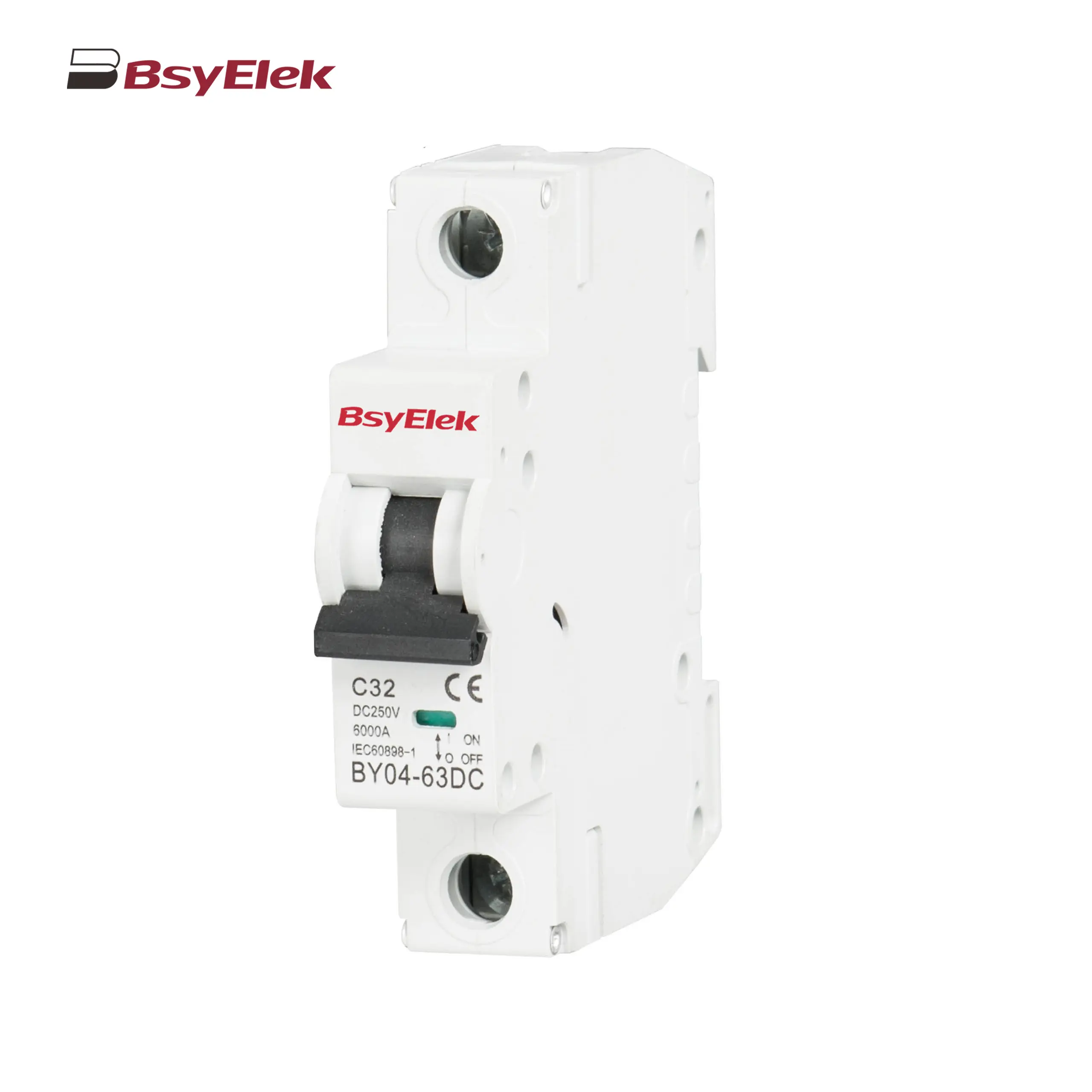 BY04-63DC MCB 6-10kA DC Miniature Circuit Breaker
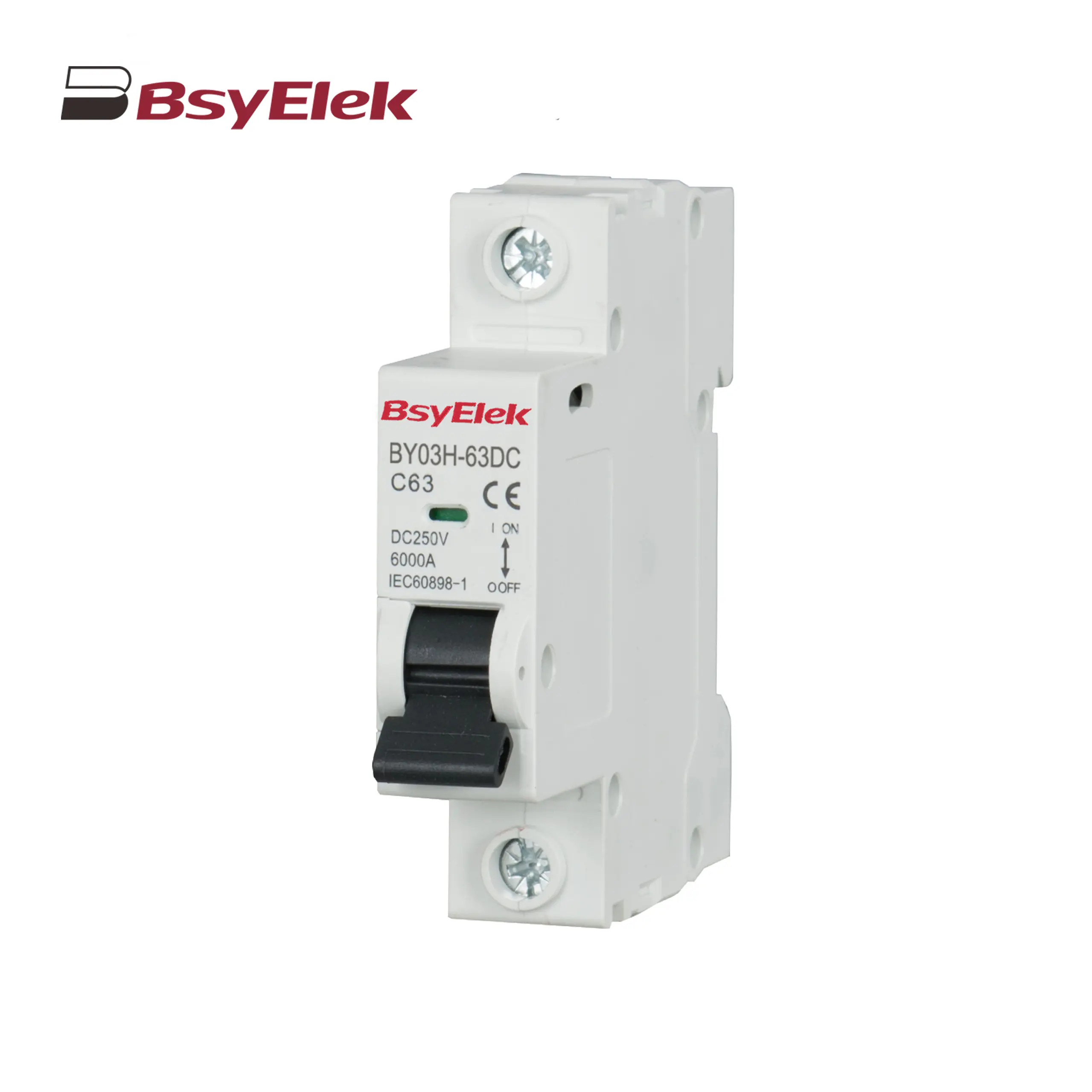 BY03H-63DC MCB 6kA DC Miniature Circuit Breaker
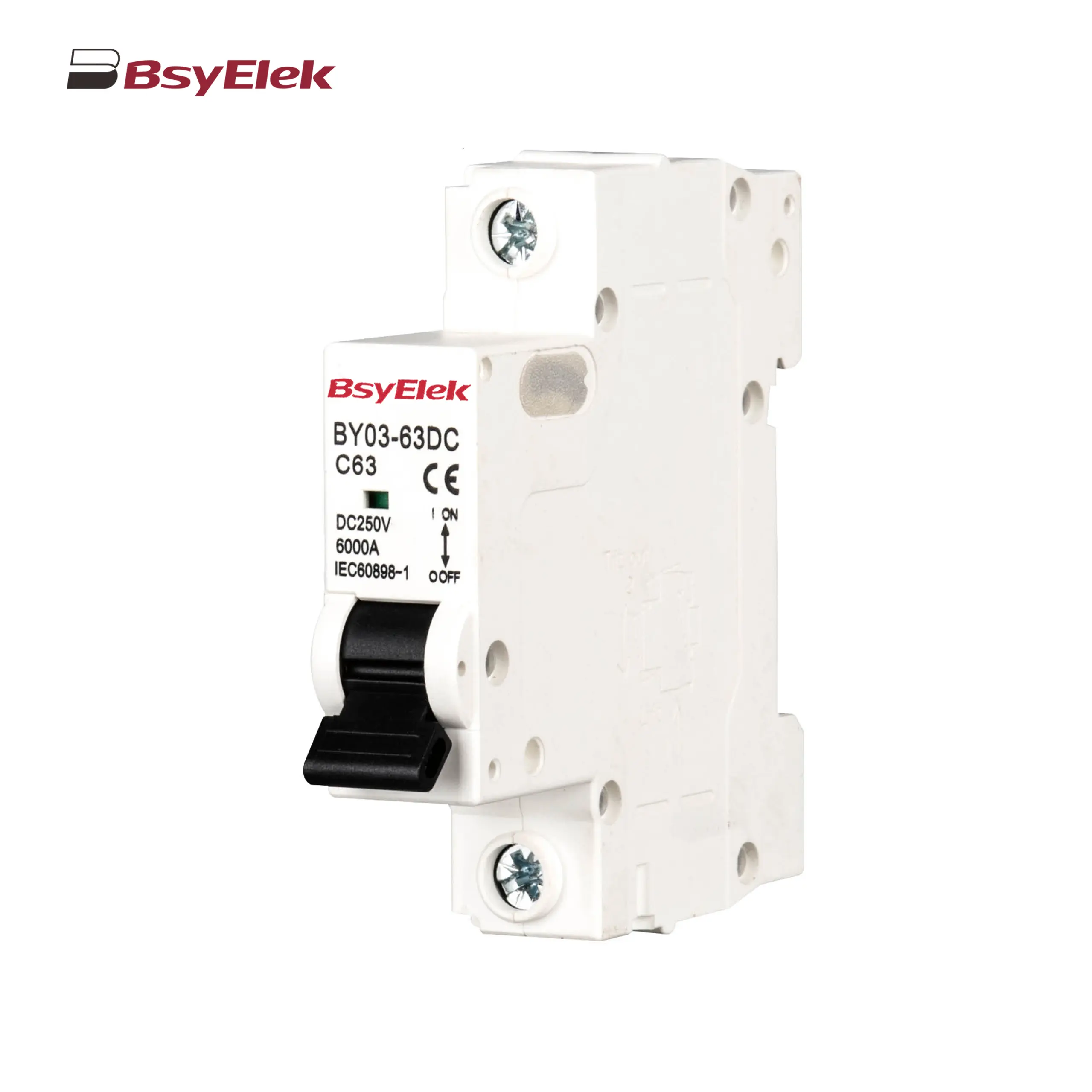 BY03-63DC MCB 4.5kA DC Miniature Circuit Breaker
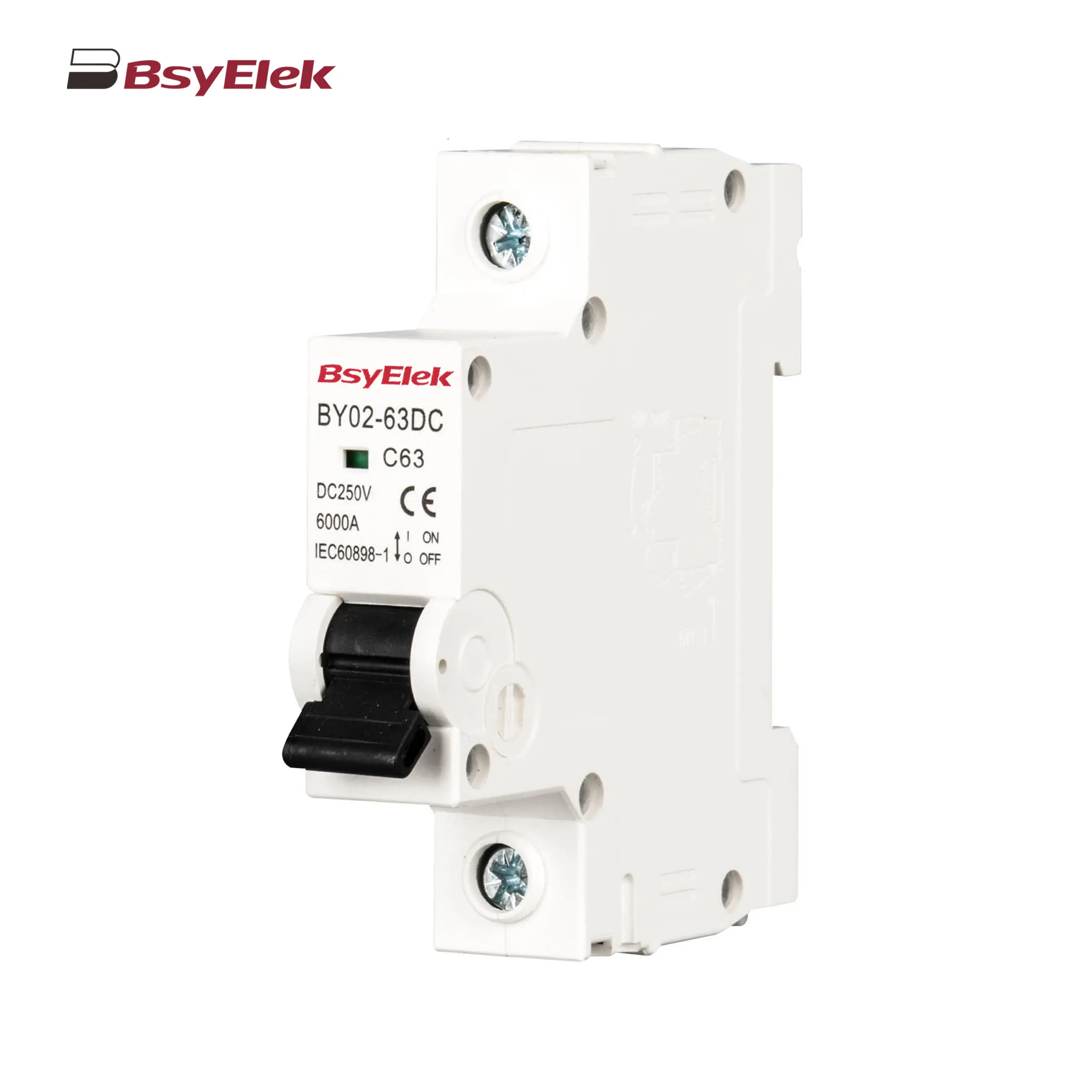 BY02-63DC MCB 3kA DC Miniature Circuit Breaker
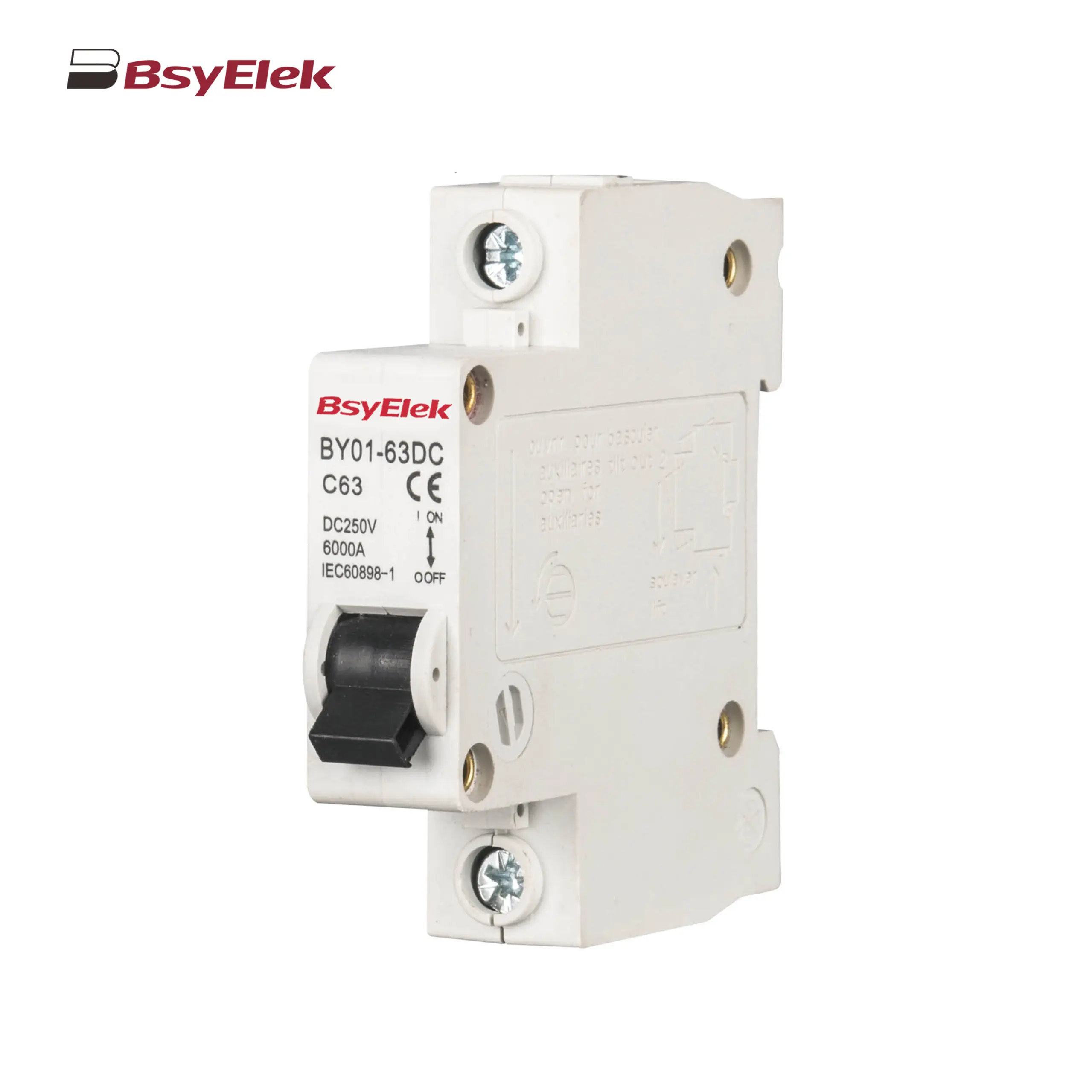 BY01-63DC MCB 3kA DC Miniature Circuit Breaker
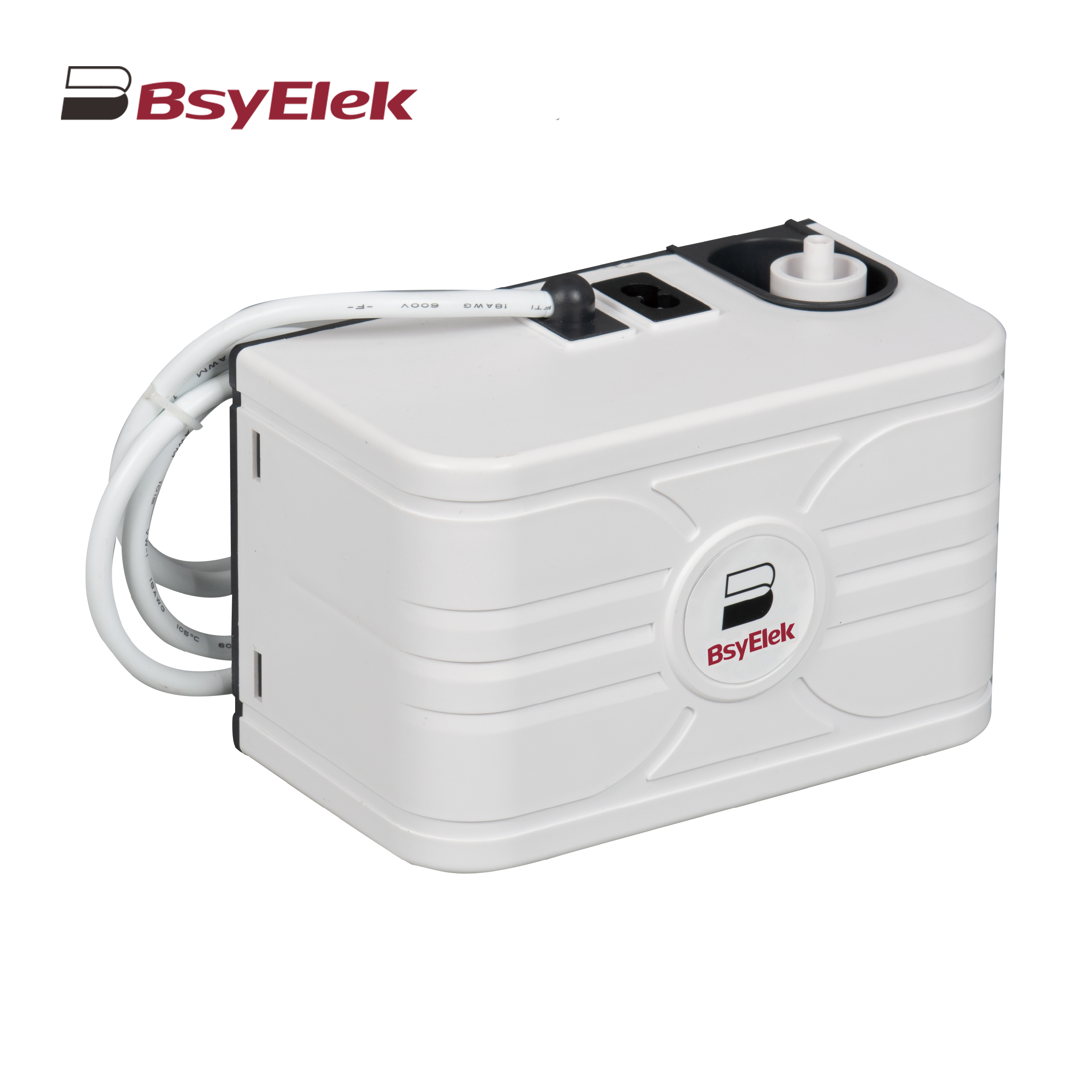 BY-5018 1.8M Engineering Drainage Pump
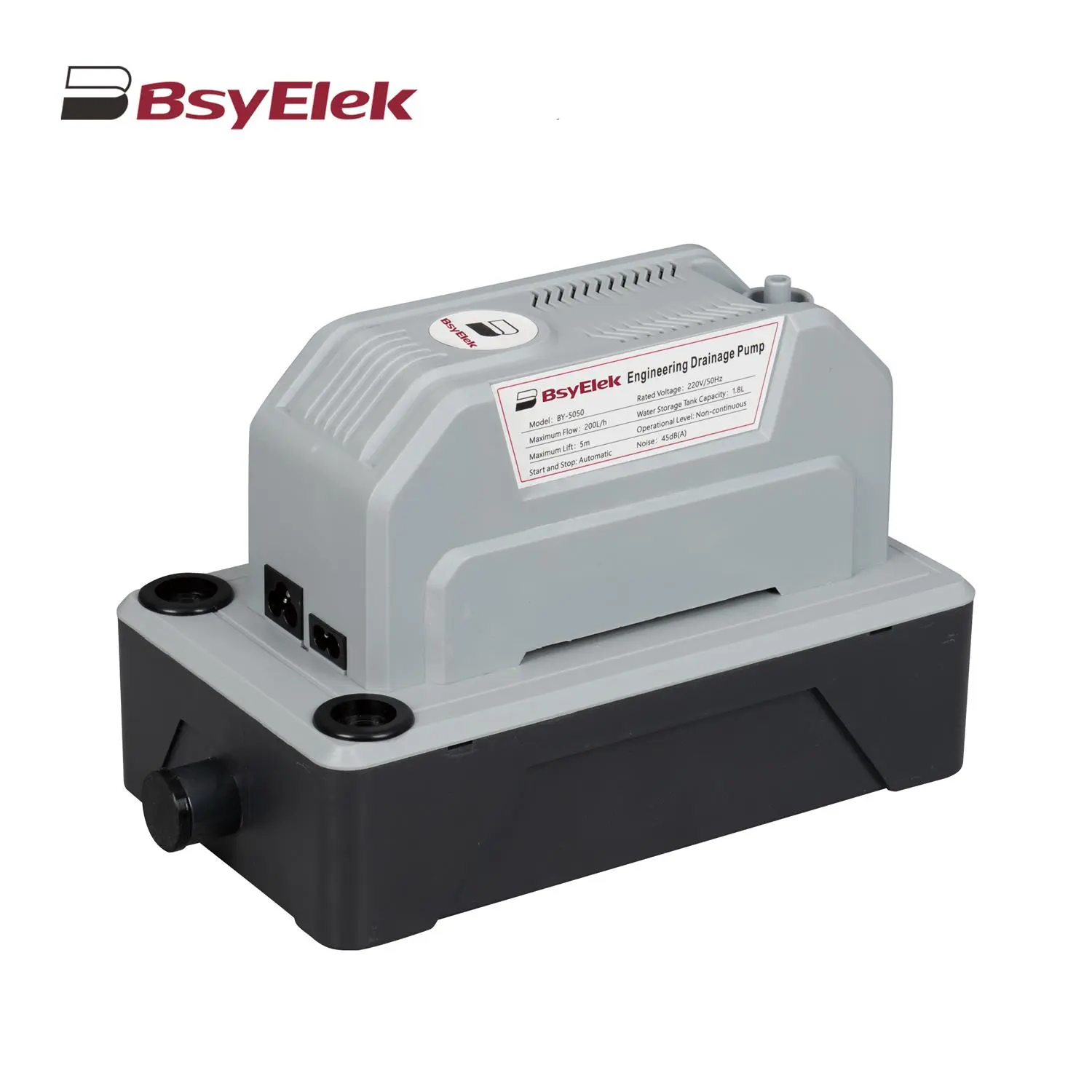 BY-5050 5M Engineering Drainage Pump
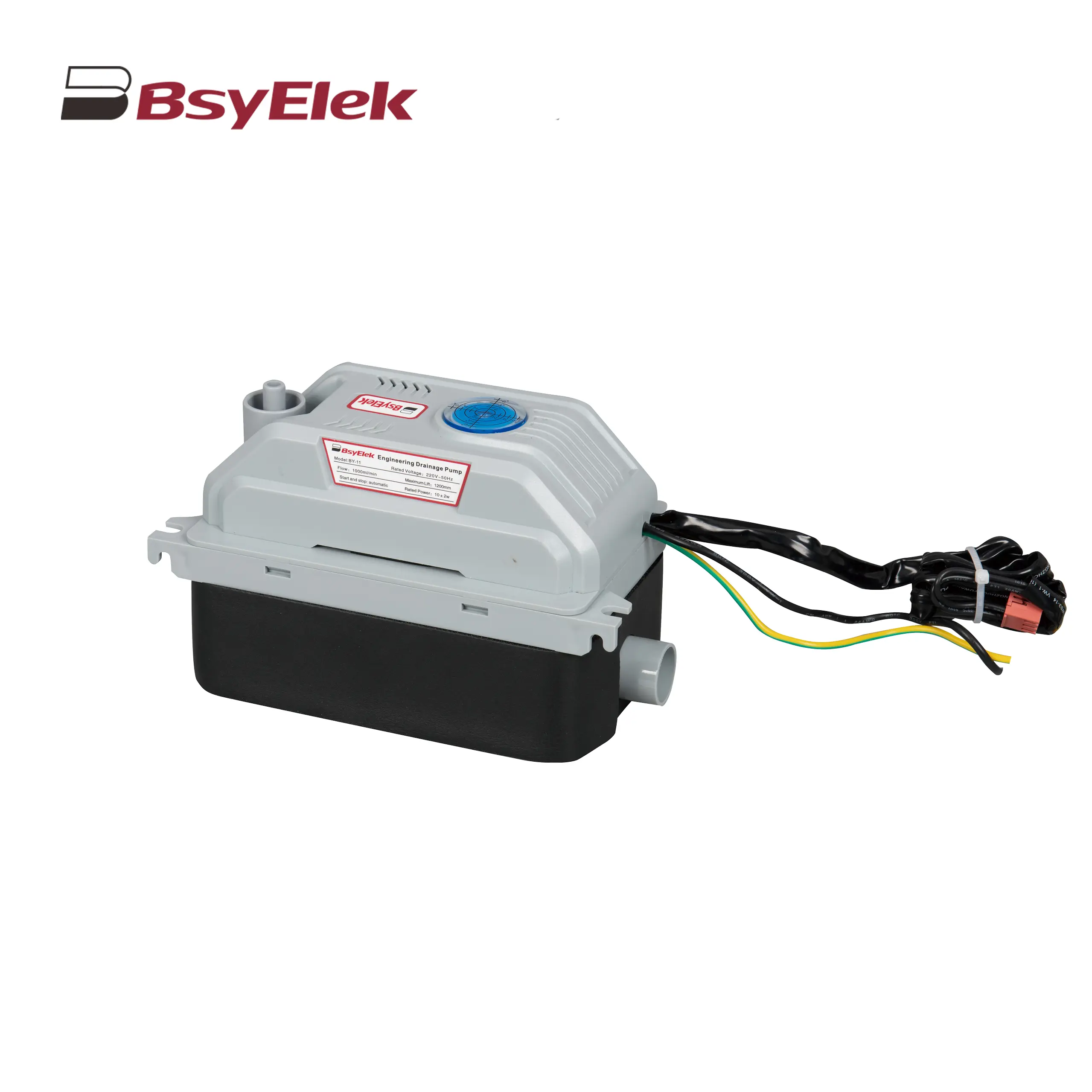 BY-11 1.2M Engineering Drainage Pump
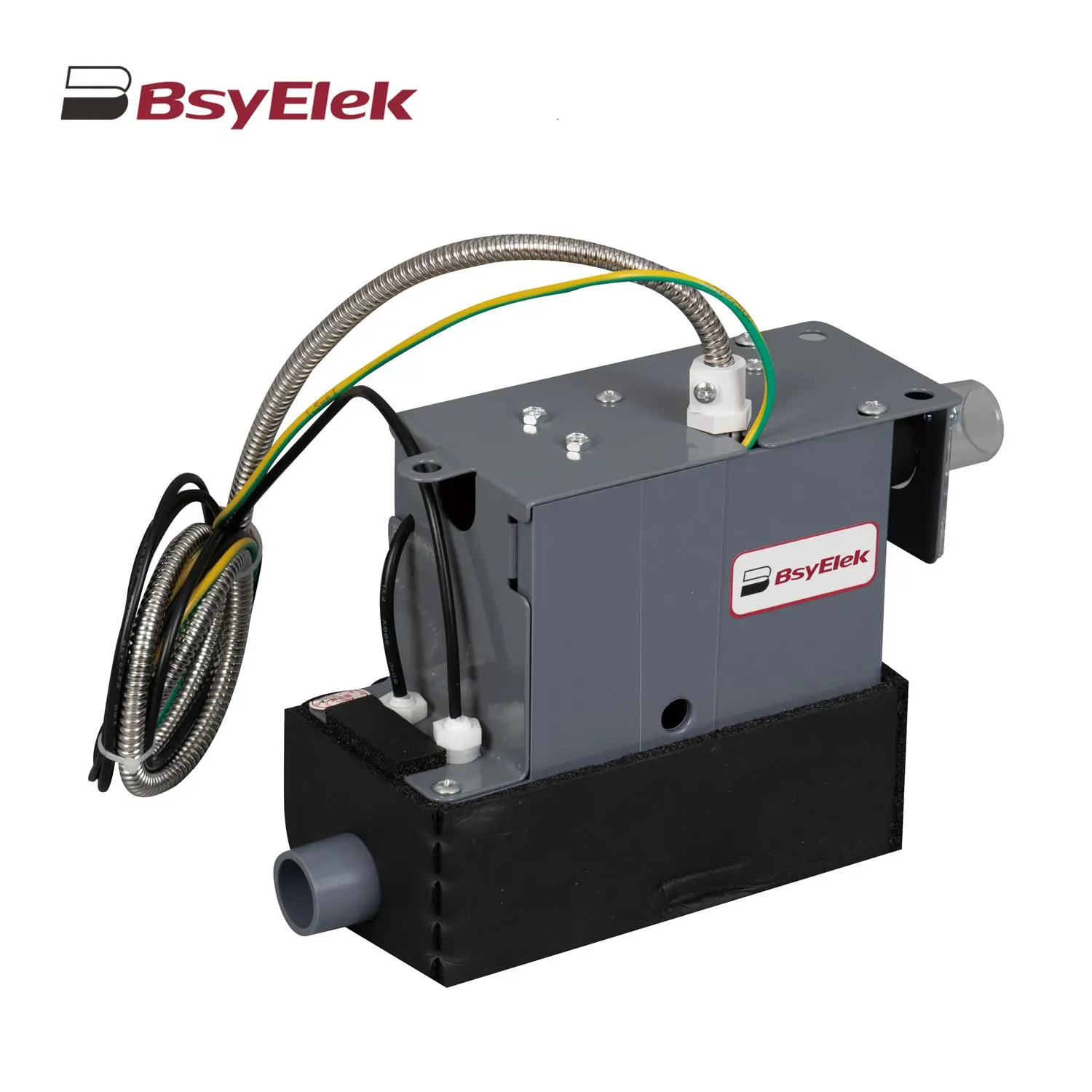 SBH-05 0.7M Original Drainage Pump of Duct Type Air Conditioner
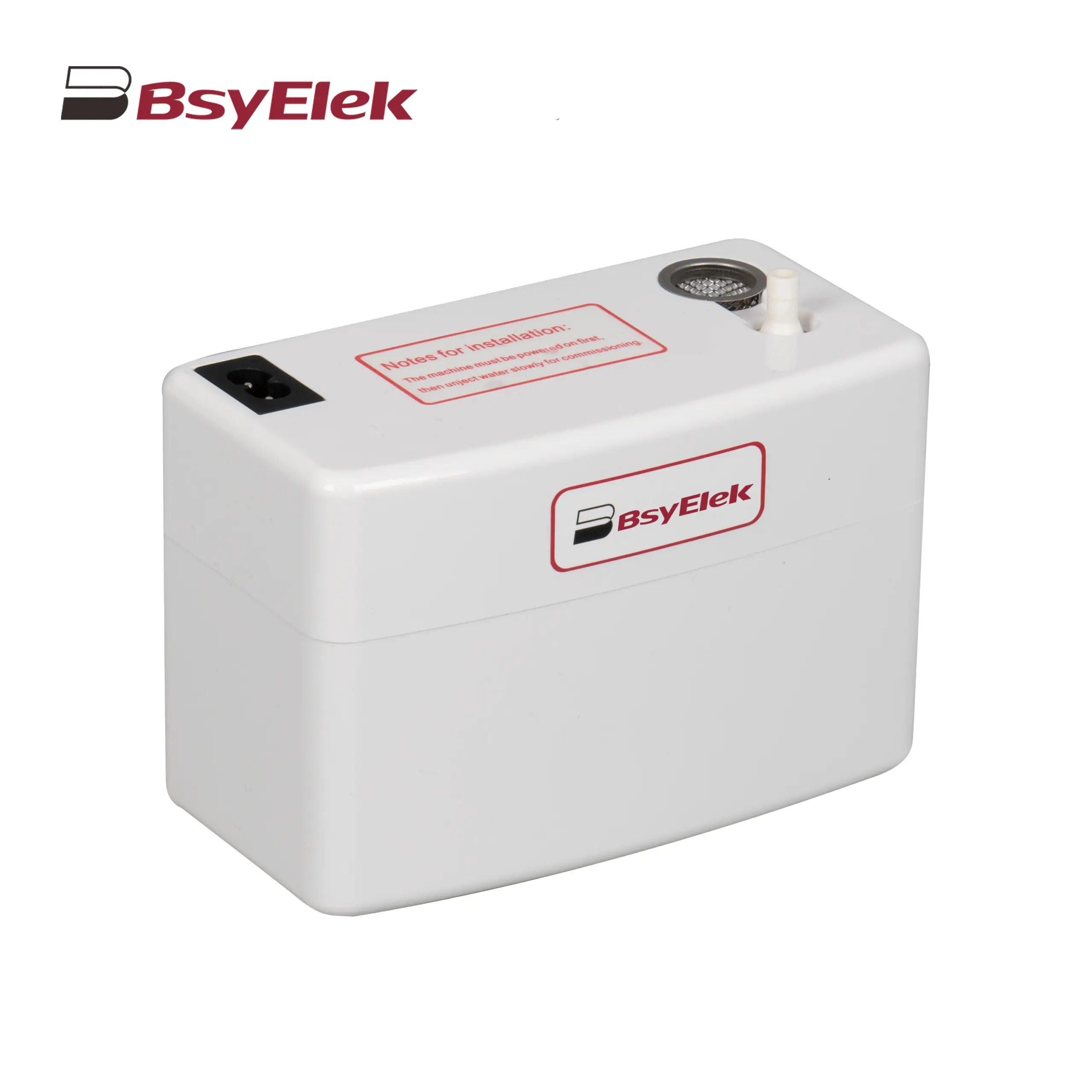 BY-24A/40A 10M Drainage Pump of Air Conditioner
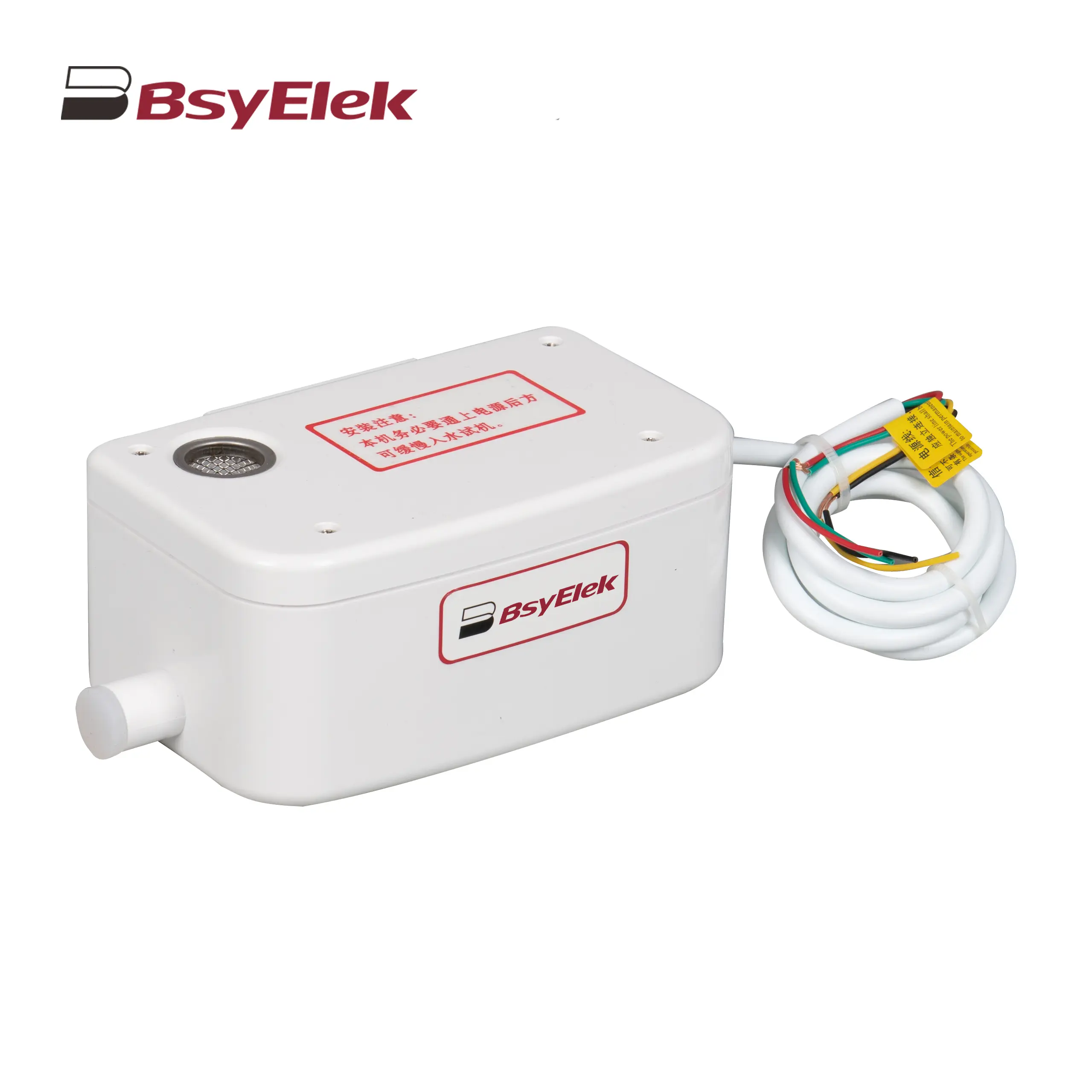 BY-50A 12M Drainage Pump of Air Conditioner
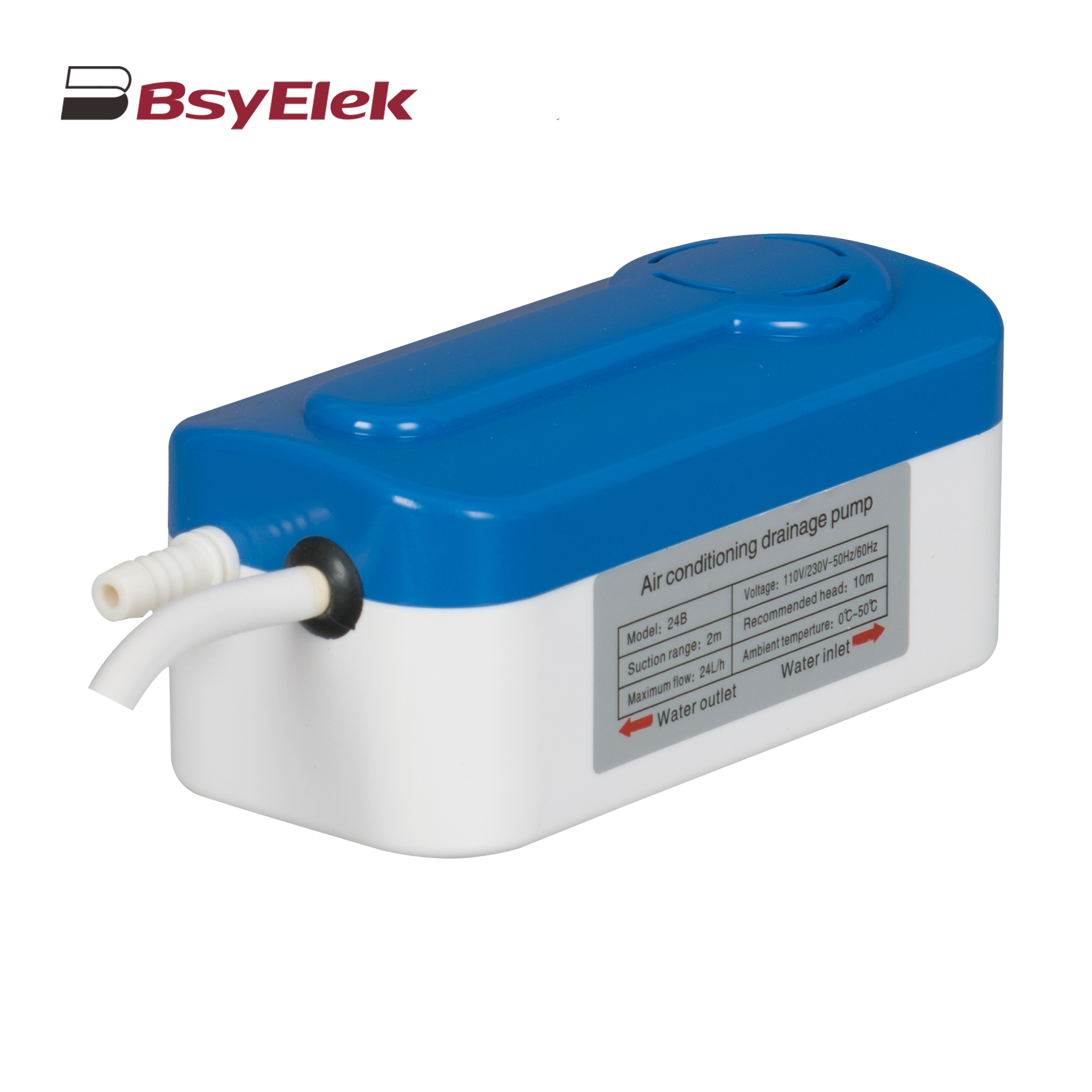 BY-24B/40B 10M Split Type Drainage Pump
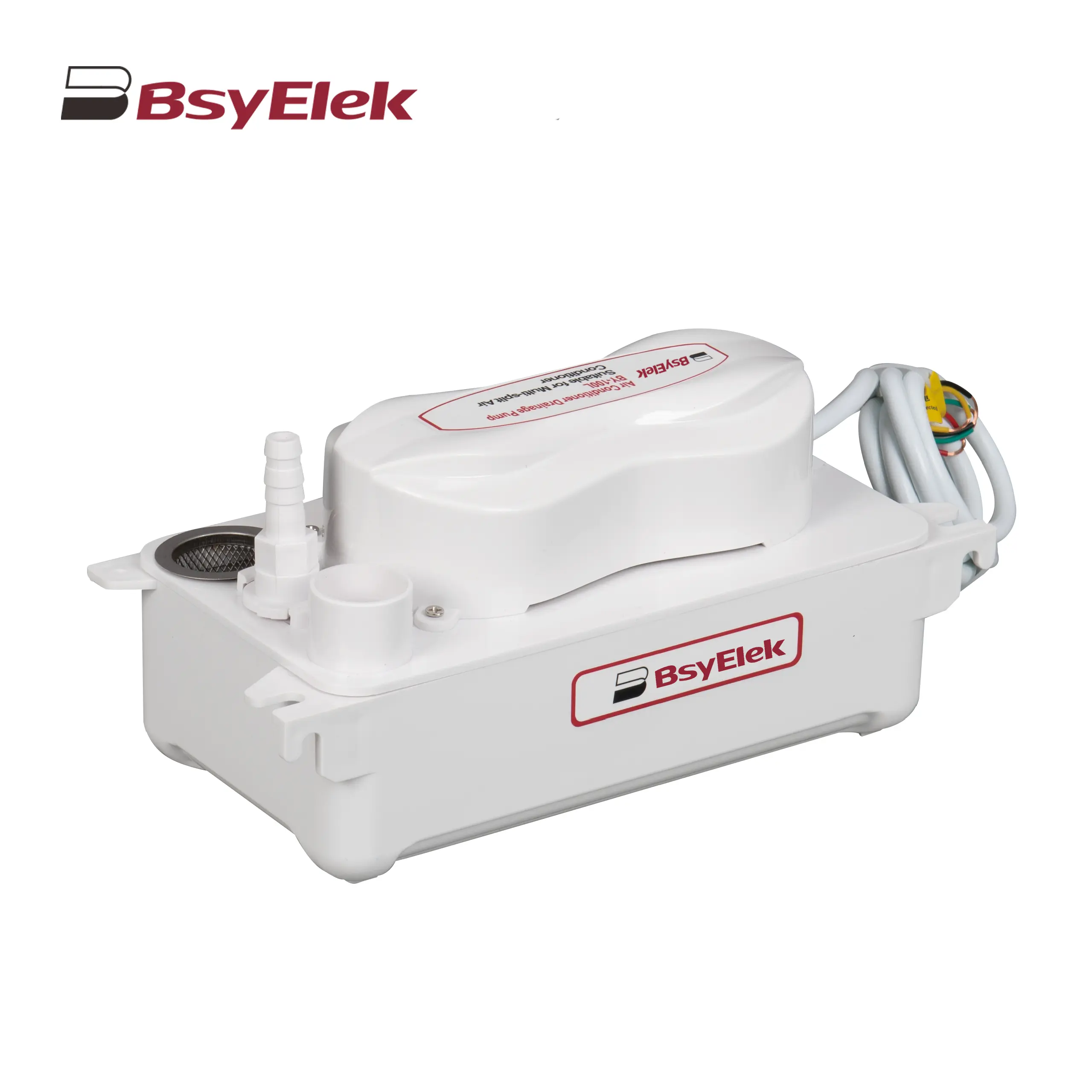 BY-100L 2M Drainage Pump of Air Conditioner
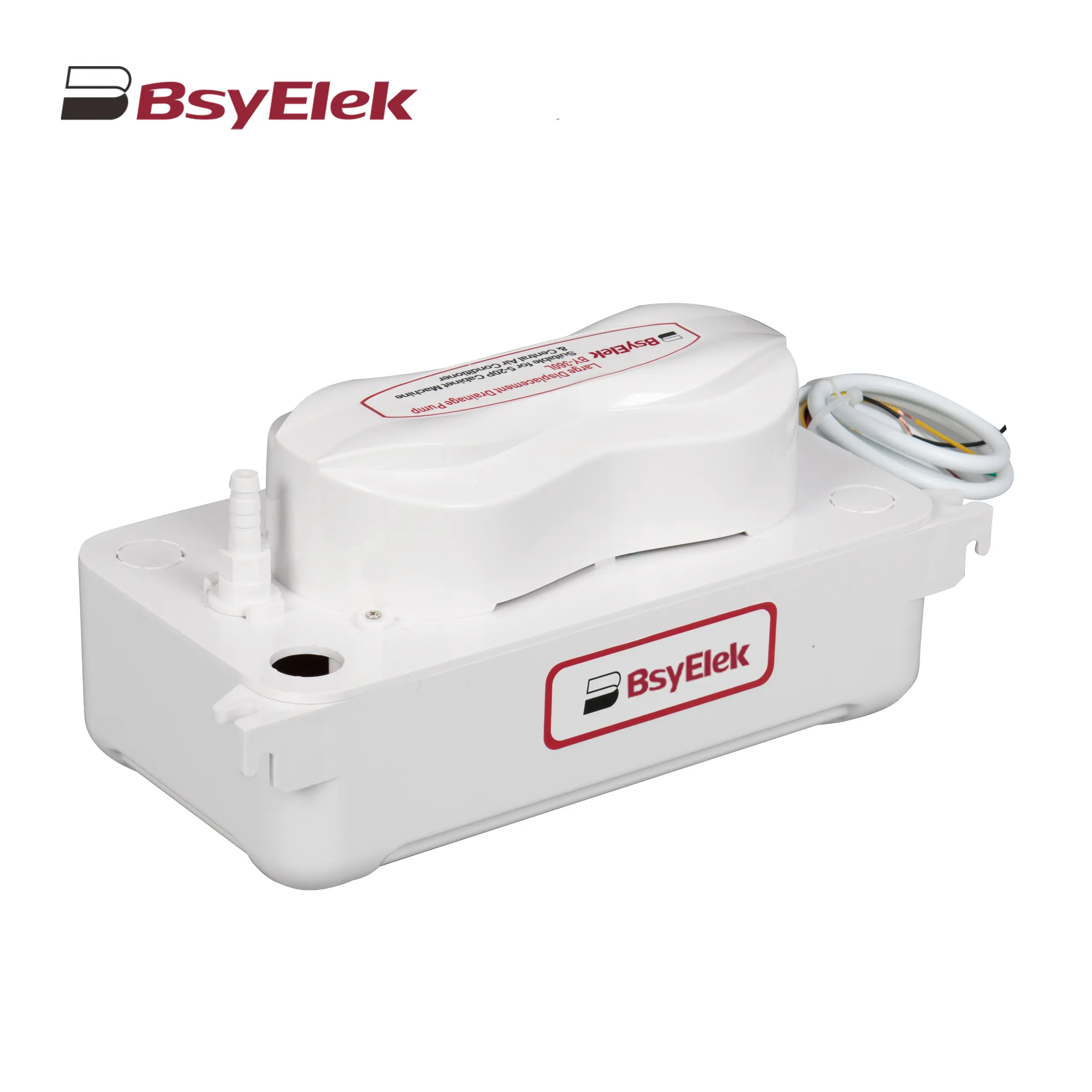 BY-360L 6M Large Displacement Drainage Pump
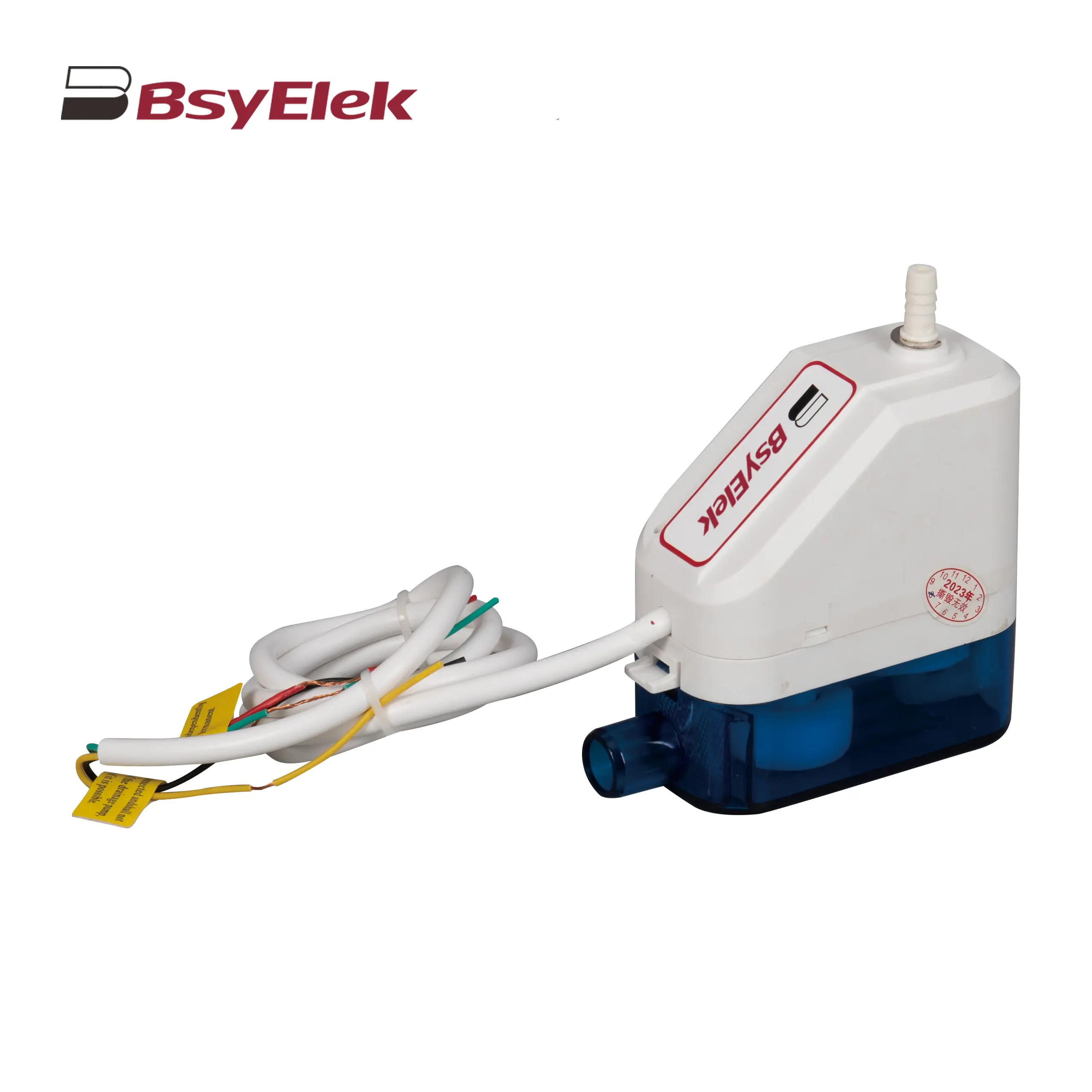 BY-24C/40C 10M Corner Drainage Pump
What is a miniature circuit breaker (MCB)?
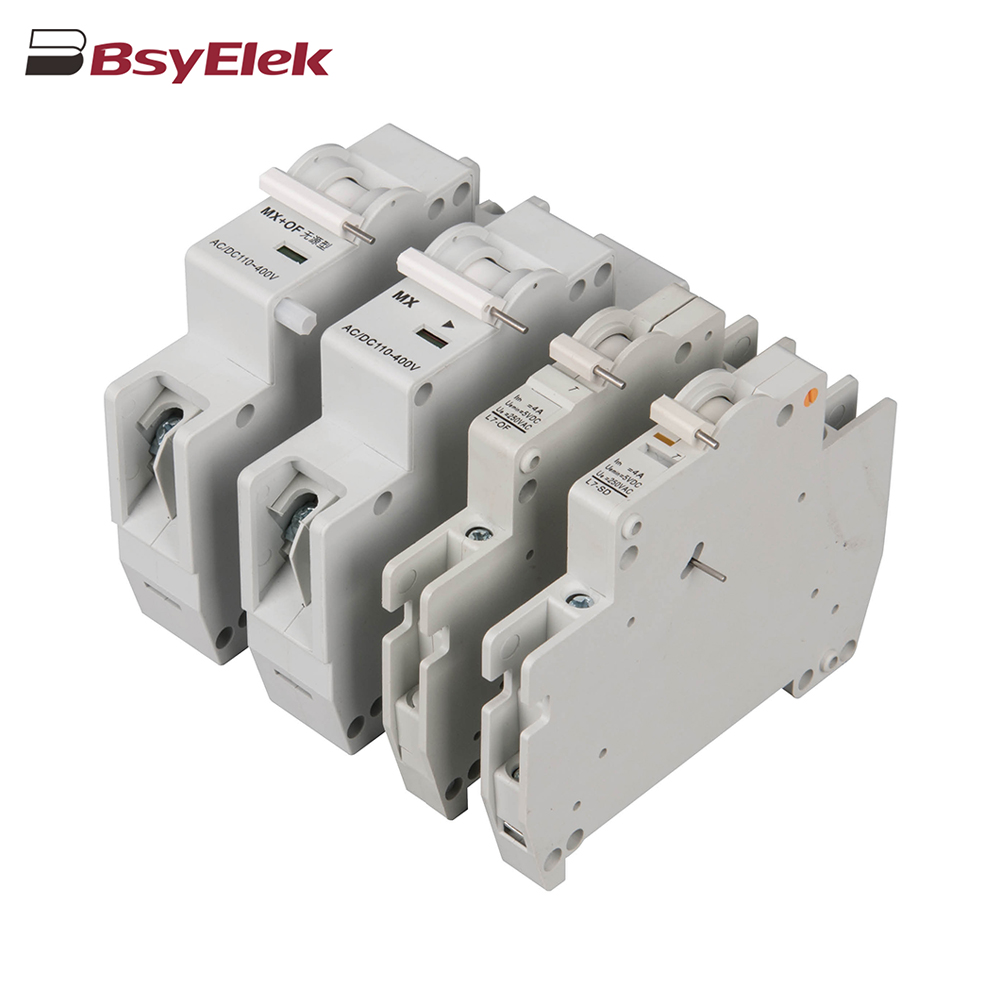 OF SD MX OF MCB Miniature Circuit Breaker Accessories
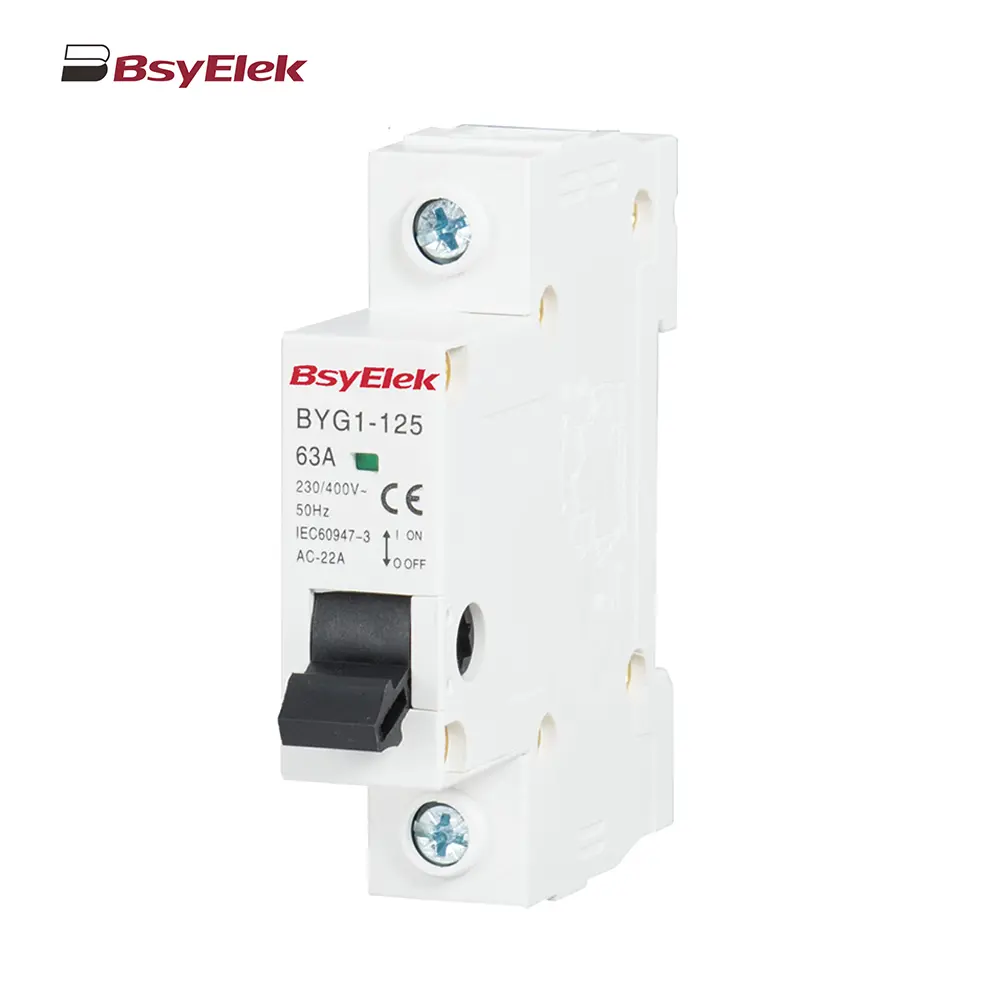 BYG1-125 Main Switch MCB Isolator Switch
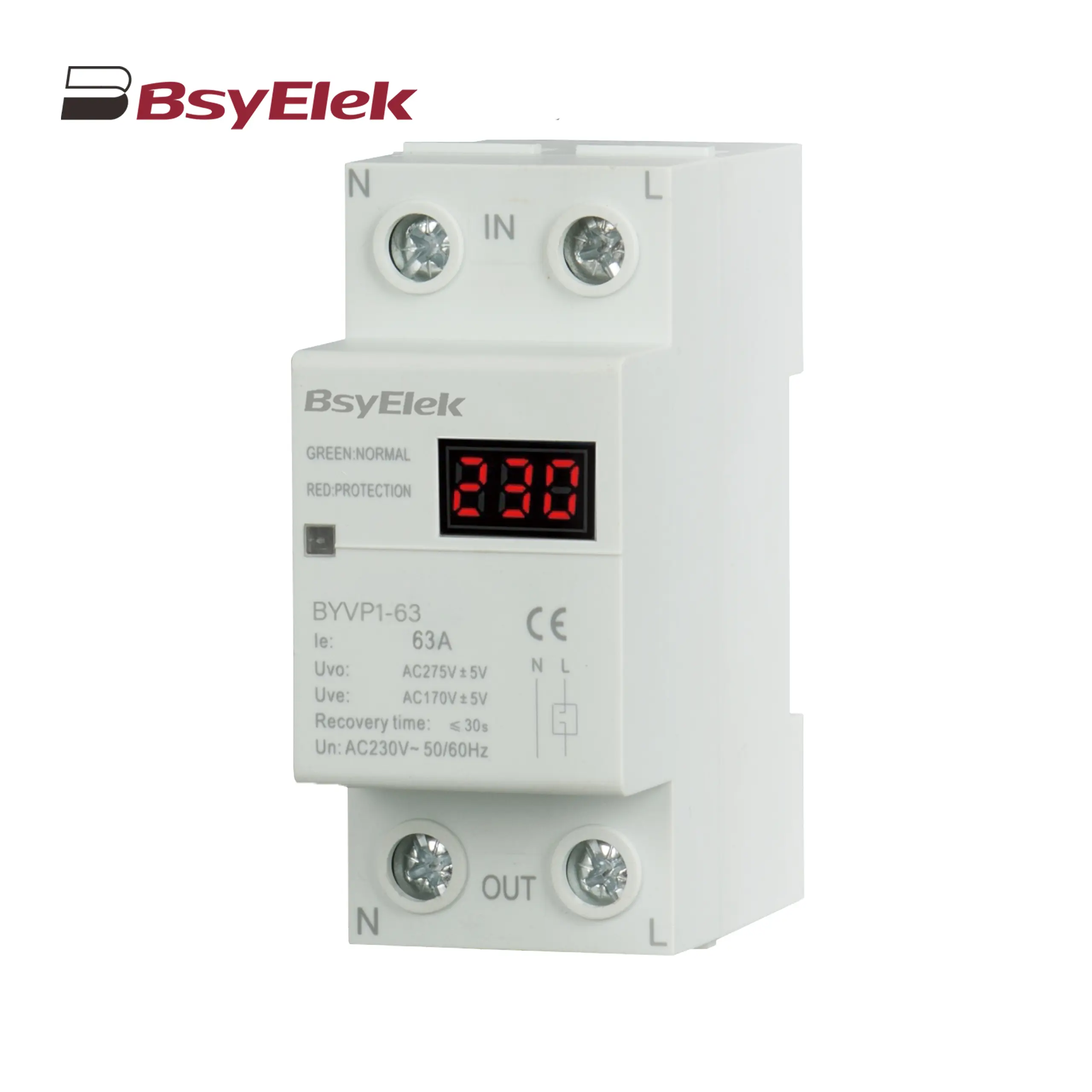 BYVP1-63 100A Single Display Overvoltage and Undervoltage Protector
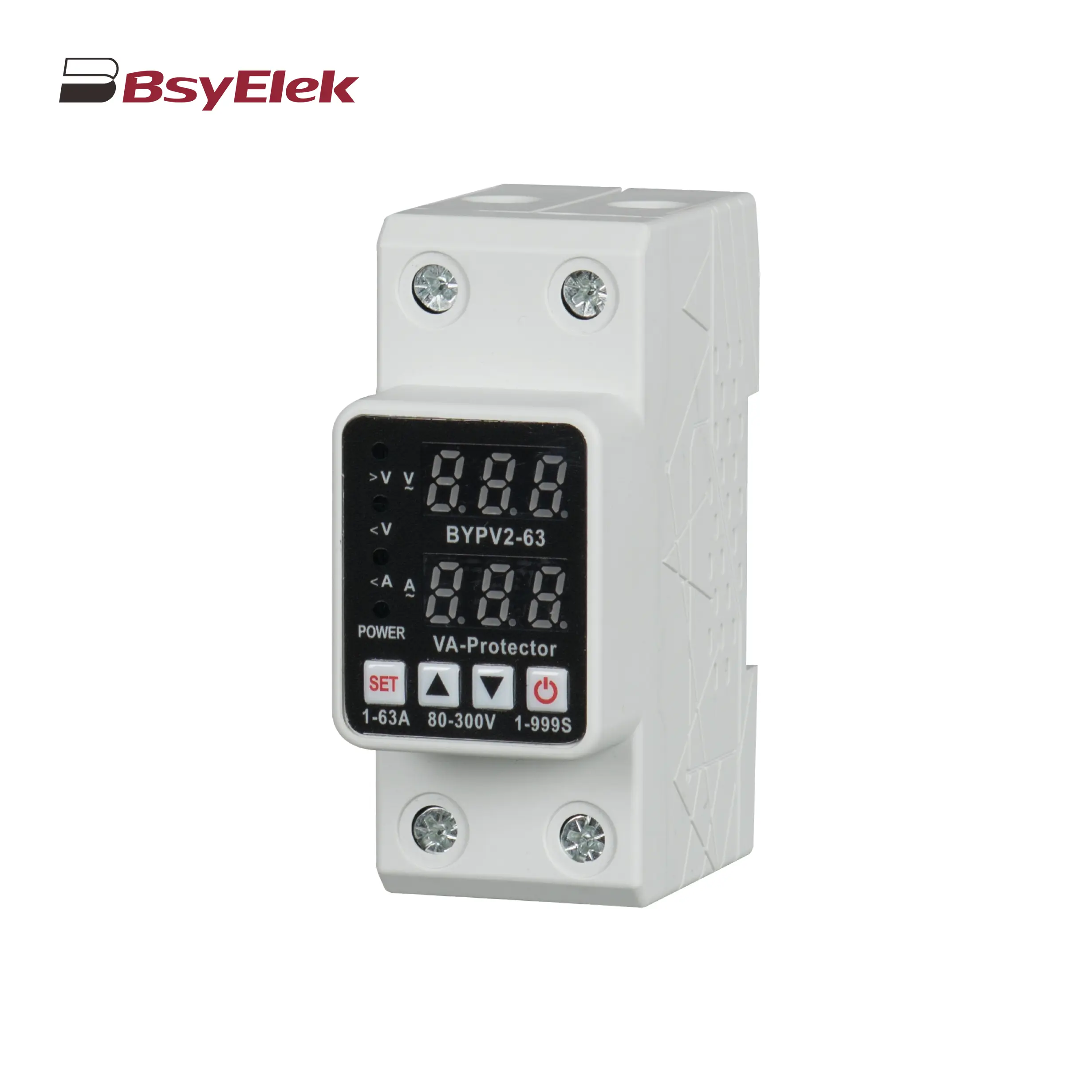 BYVP2-63 40A 63A Adjustable Dual Display Overvoltage and Undervoltage Protector
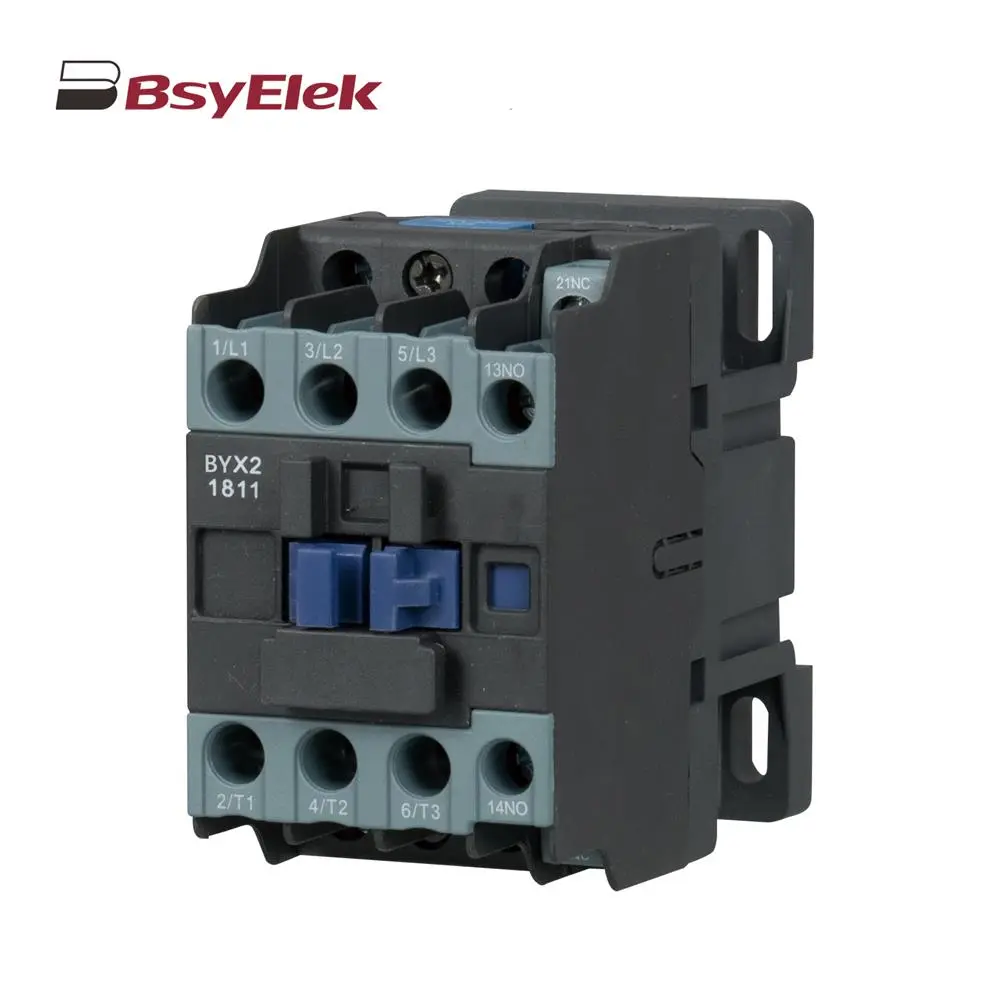 BYX2 6-95A AC Contactor
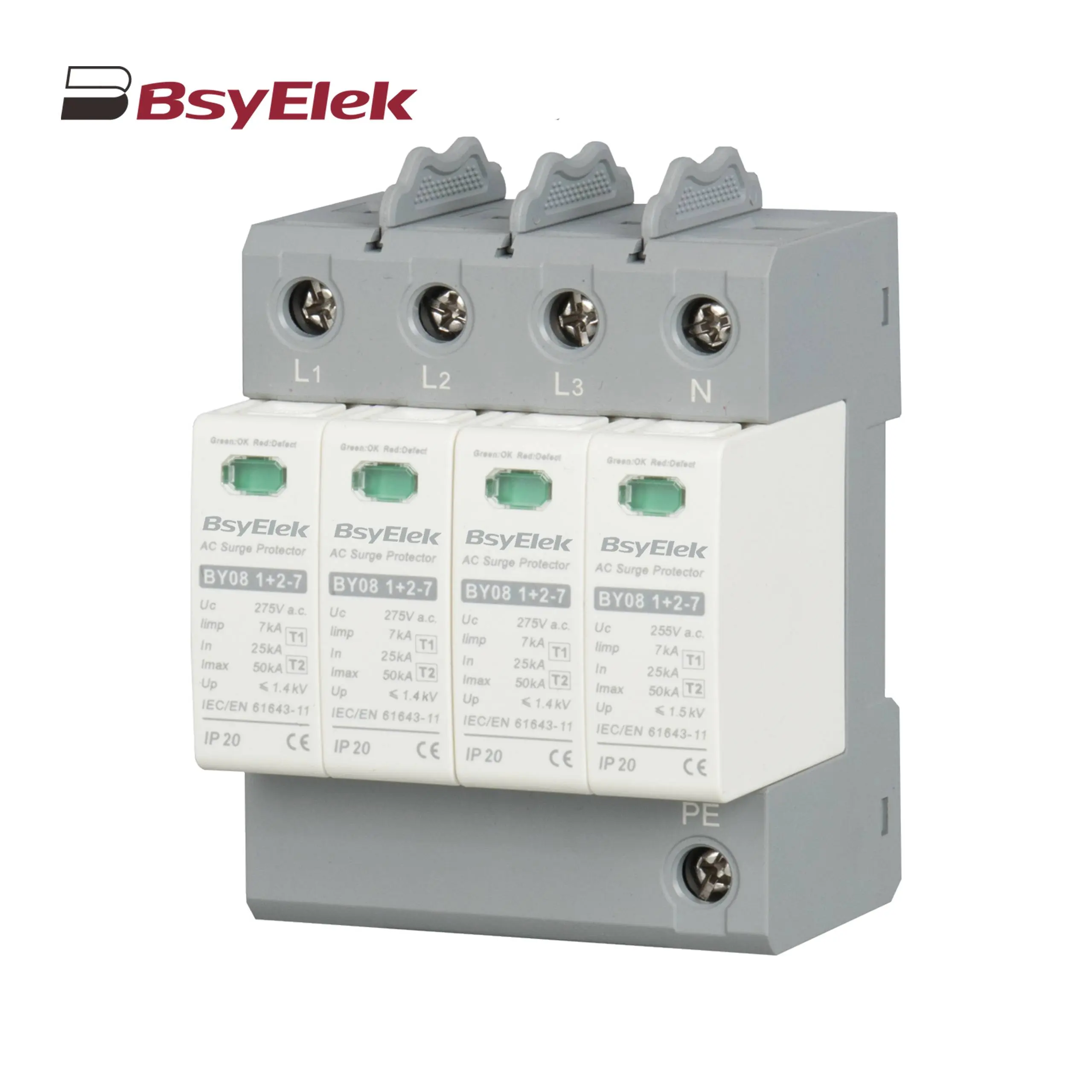 BY08 1+2-7 SPD Class T1+T2 Imax 50KA Surge Protective Device
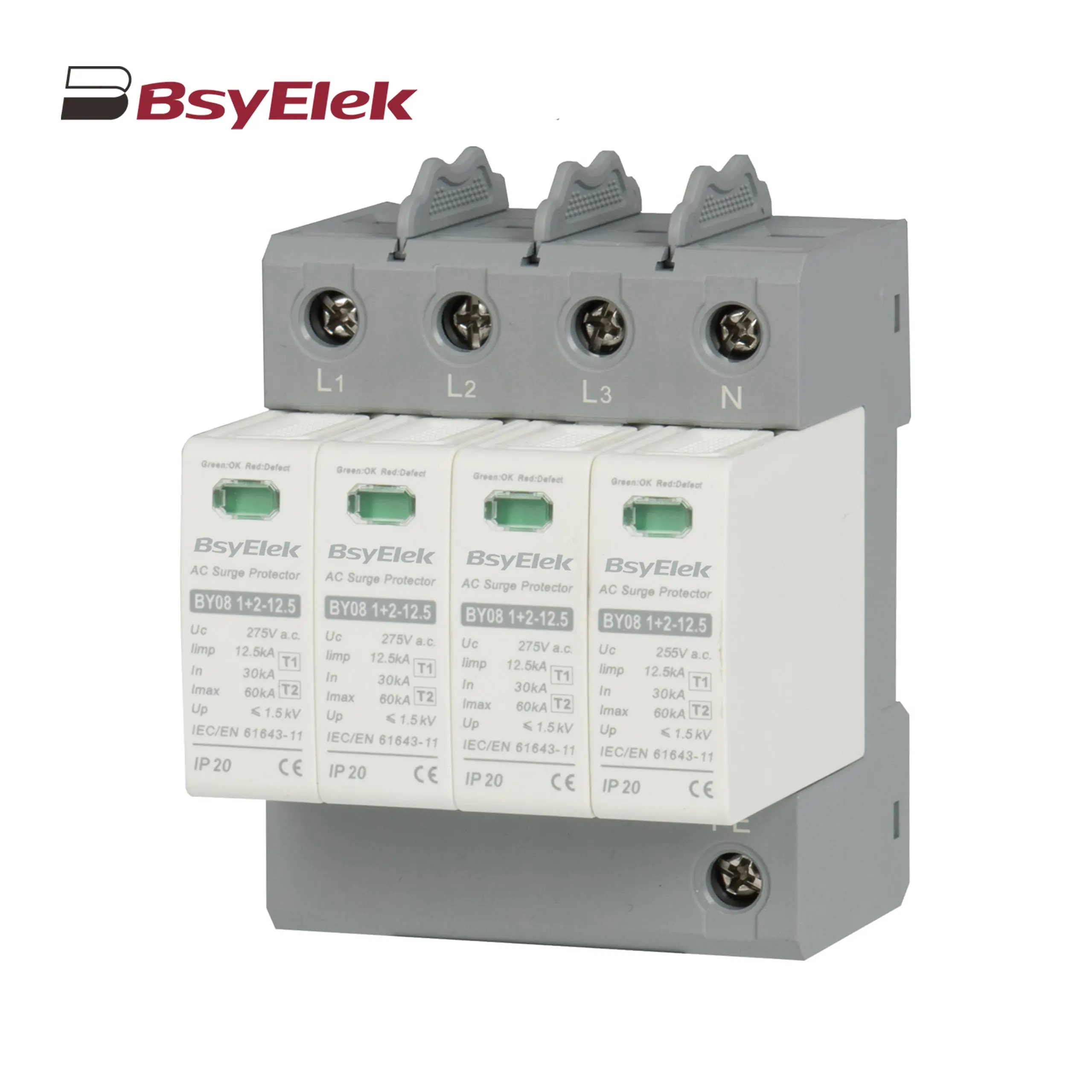 BY08 1+2-12.5 SPD Class T1+T2 Imax 60KA Surge Protective Device
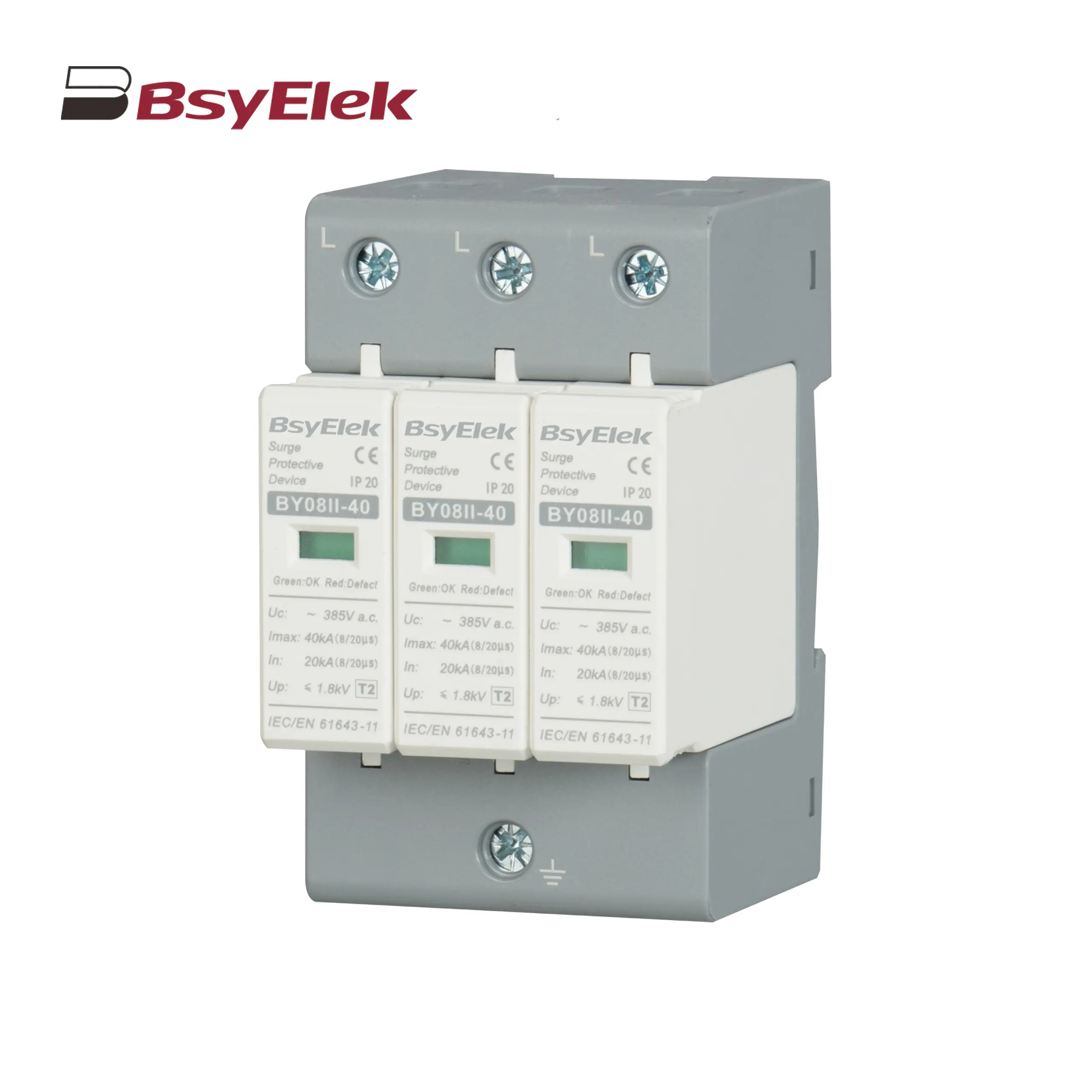 BY08II-40 SPD Class T2 Imax 40KA Surge Protective Device
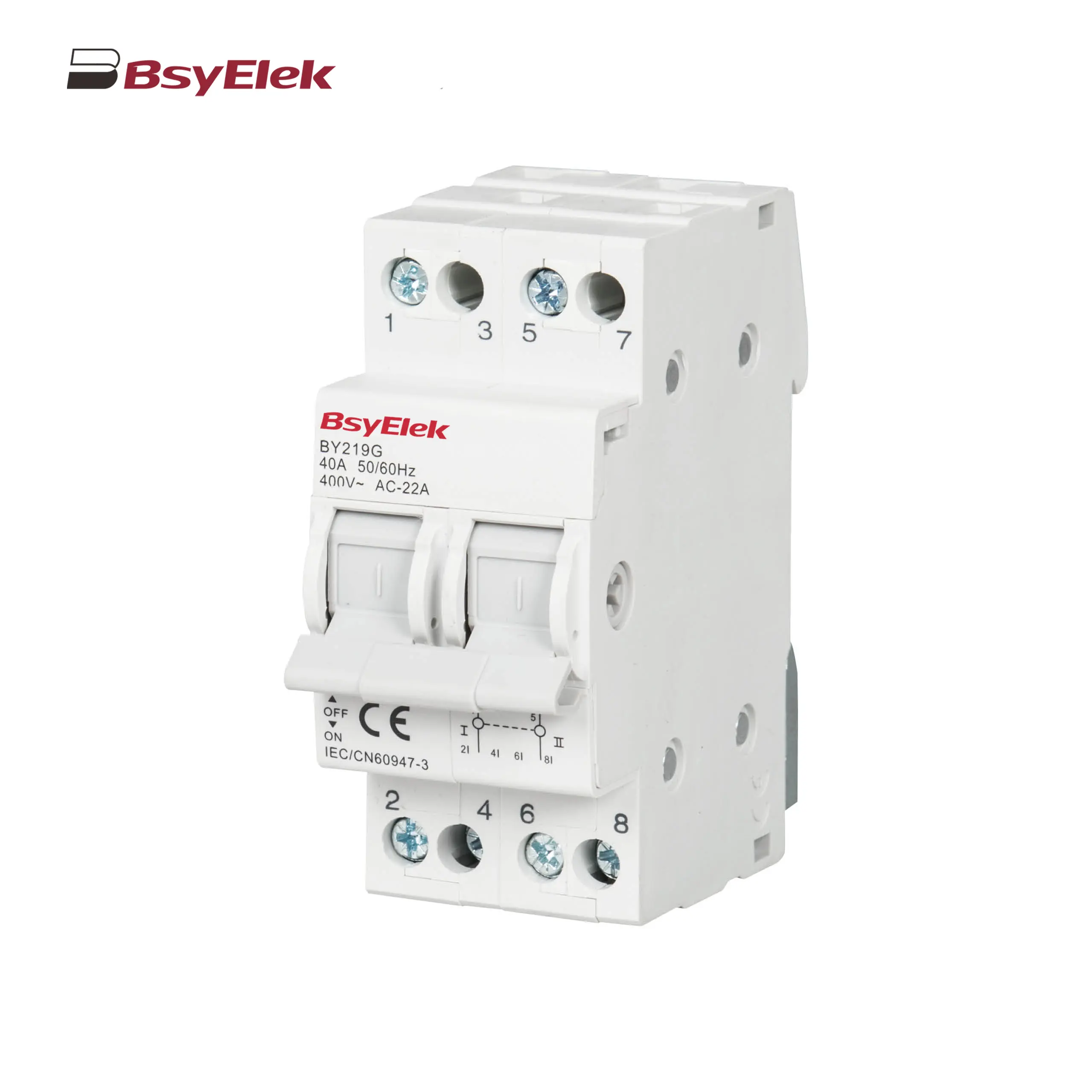 BY19G 63A Manual Changeover Switch
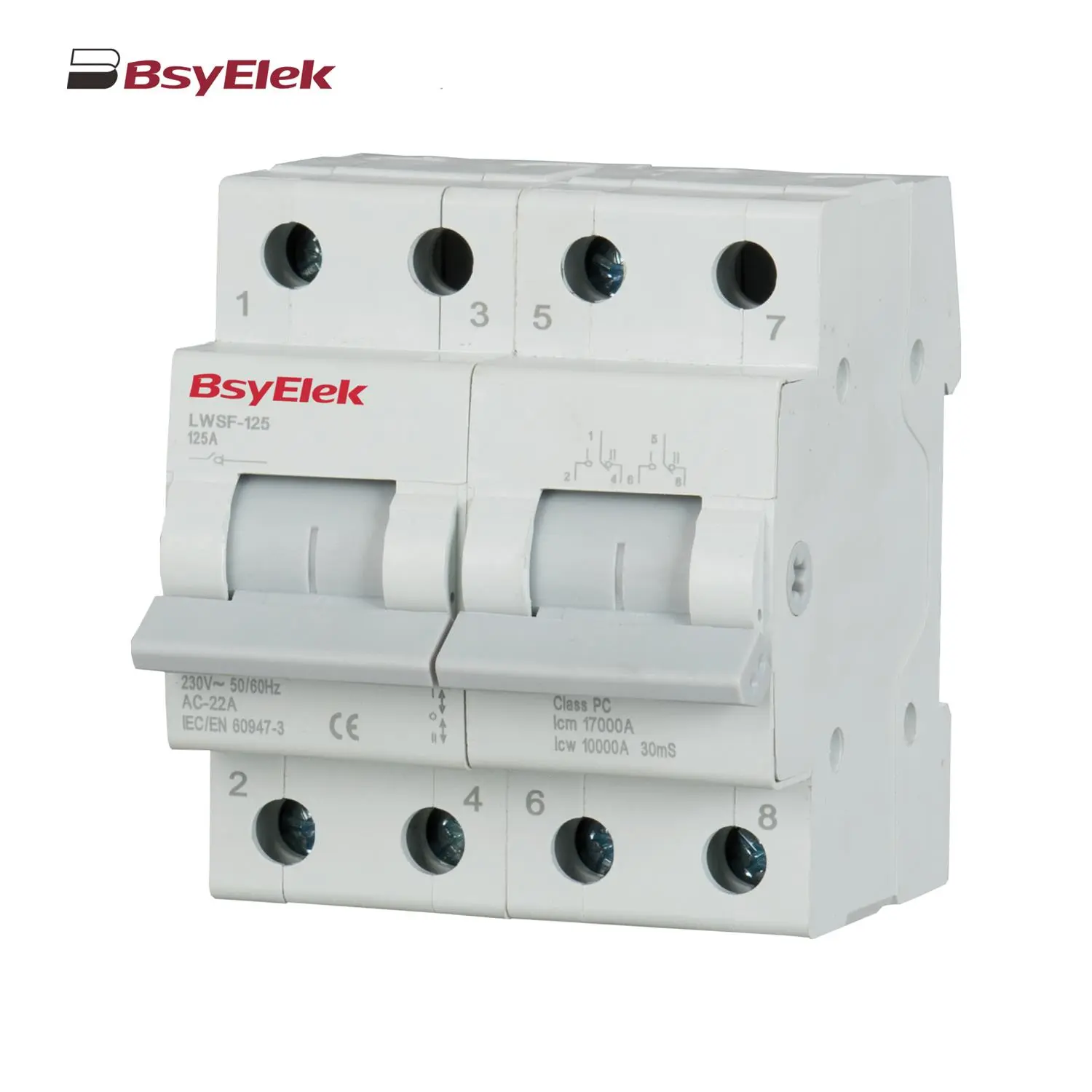 LWSF-125 125A Manual Changeover Switch
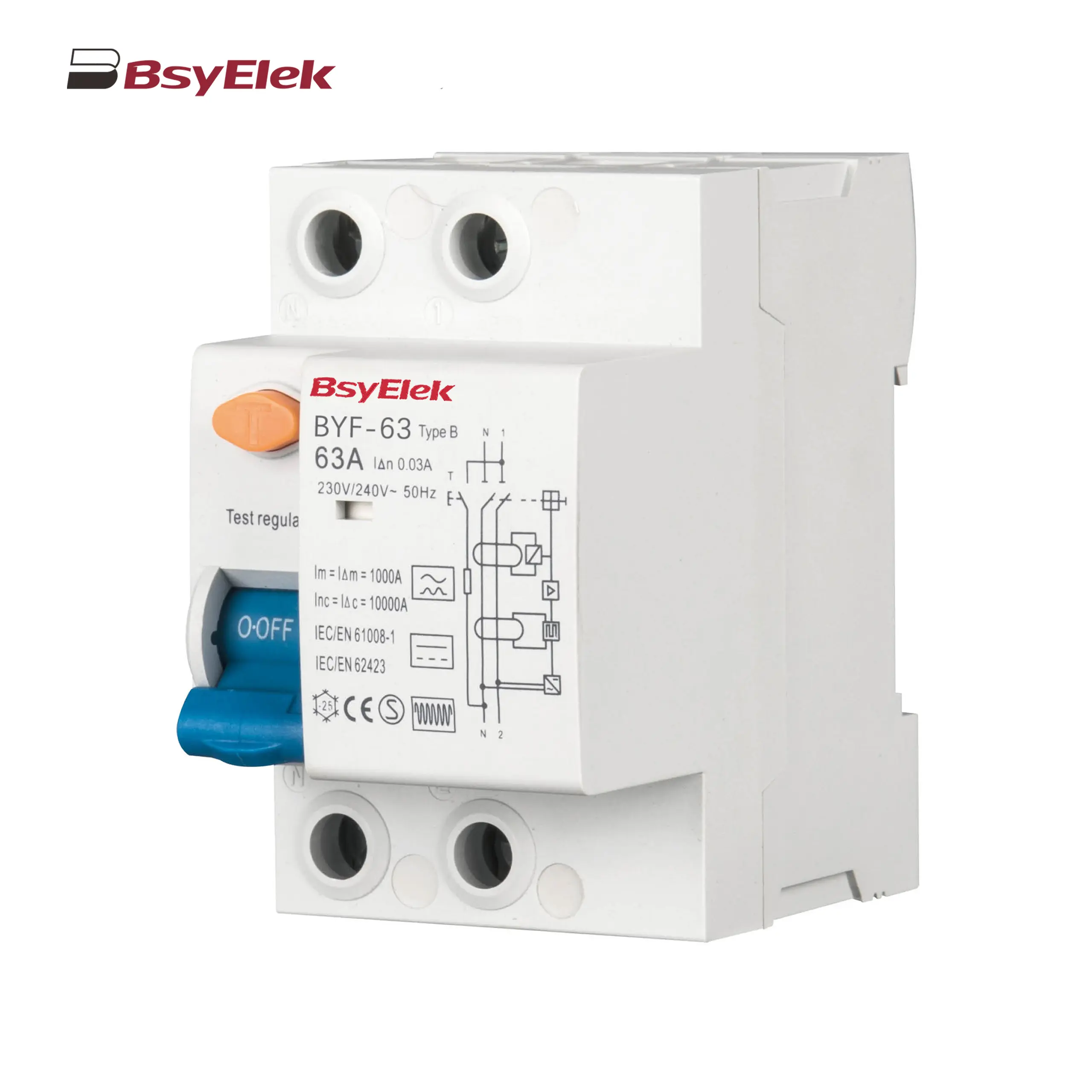 BYF-63 RCD 10KA Type B AC+A+Smoothing DC Residual Current Device
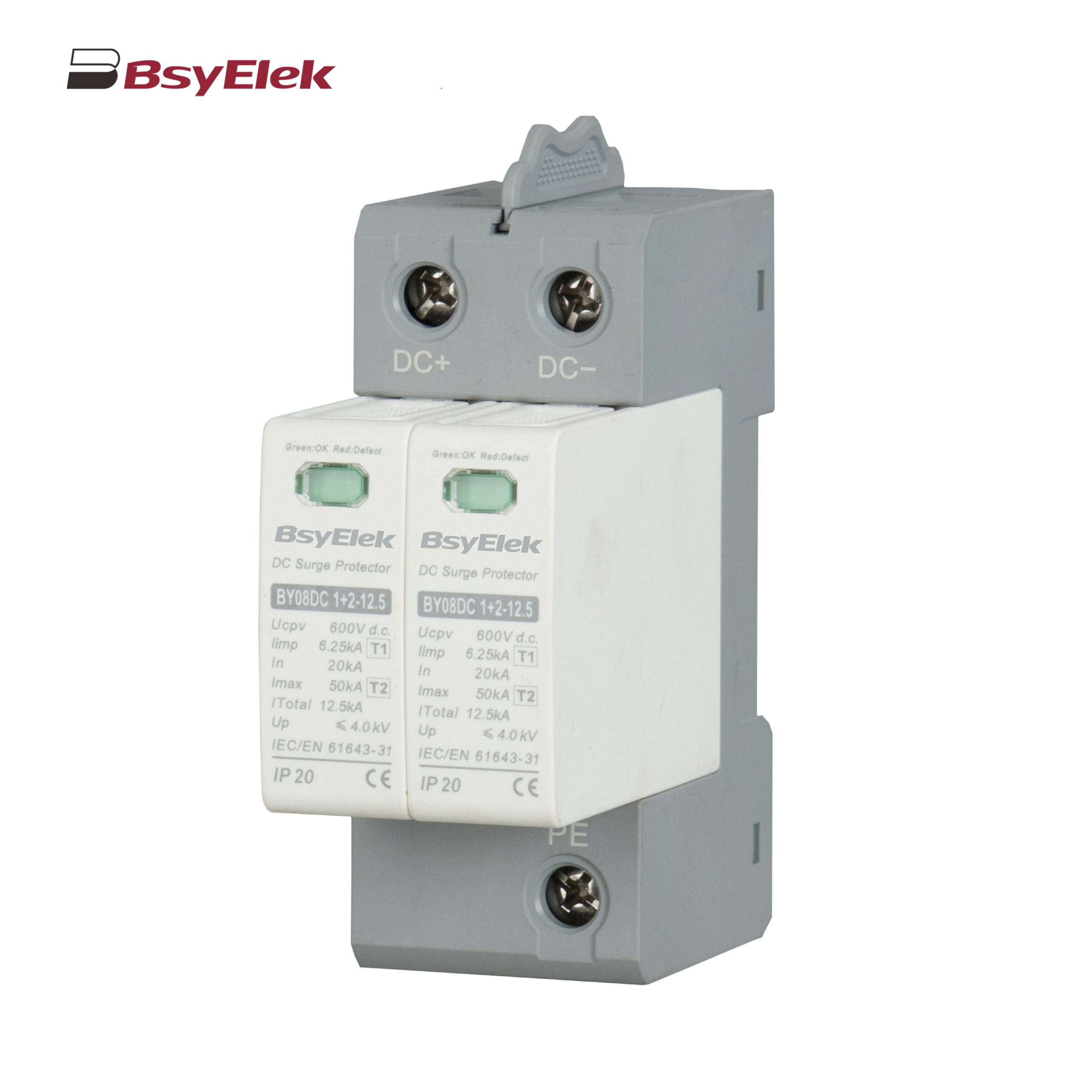 BY08DC 1+2-12.5 SPD Class T1+T2 40KA DC Surge Protective Device
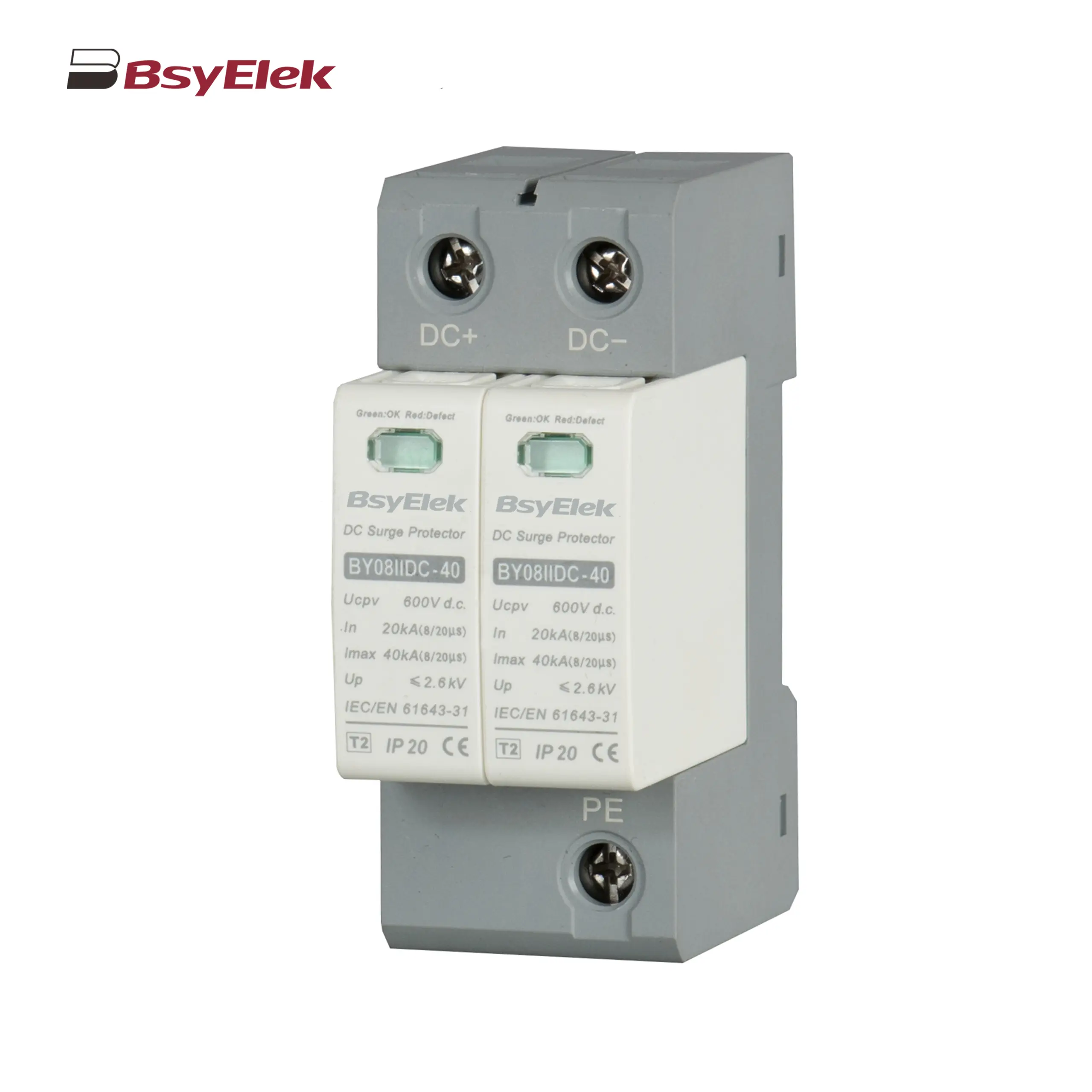 BY08IIDC-40 SPD Class T2 40KA DC Surge Protective Device
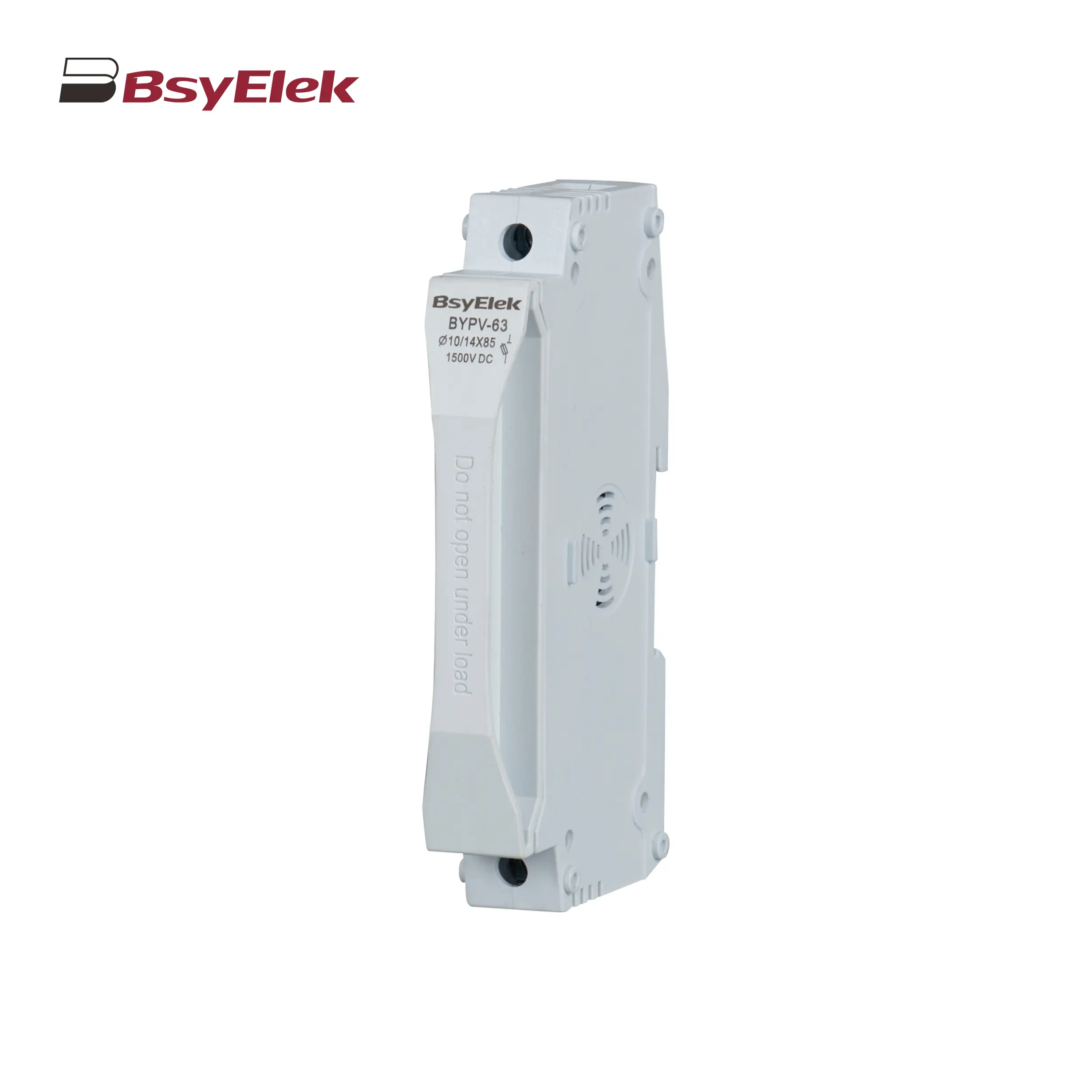 BYPV-63 1500VDC 50A Fuse Holder with 10x85mm 14x85mm Fuse Link
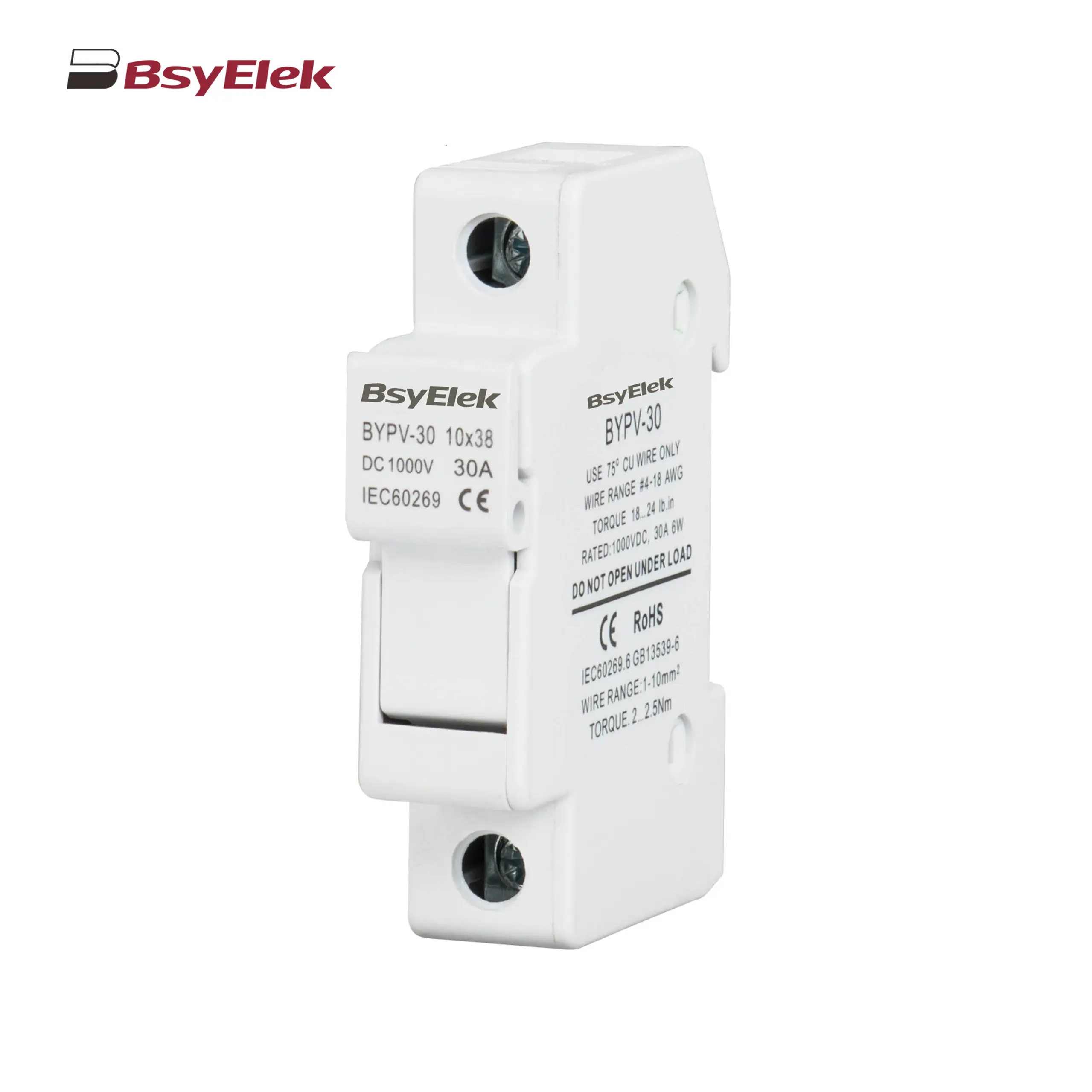 BYPV-30 1000VDC 32A Fuse Holder with 10x38mm Fuse Link
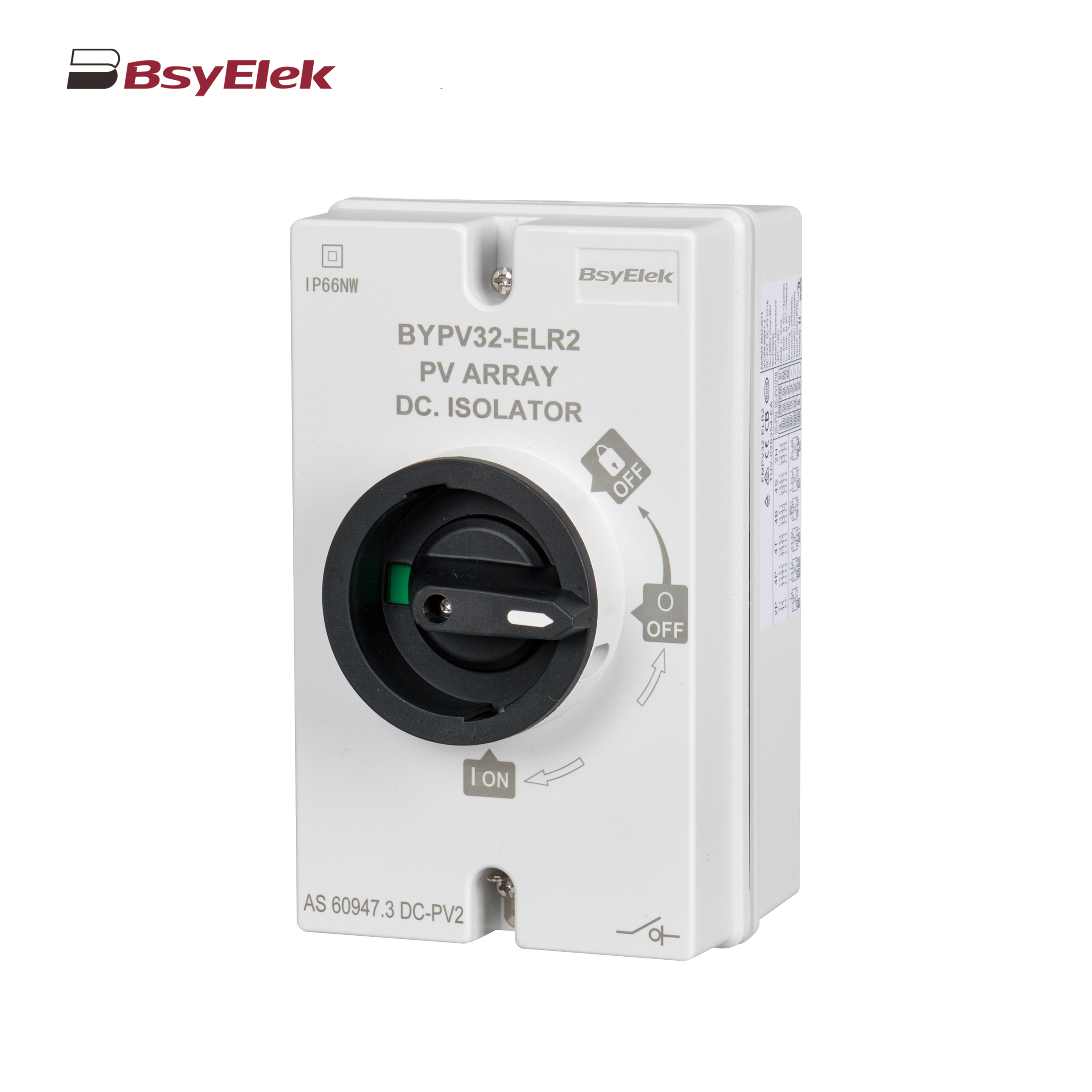 BYPV-ELR2 PV Isolator Switch with Enclosed Version
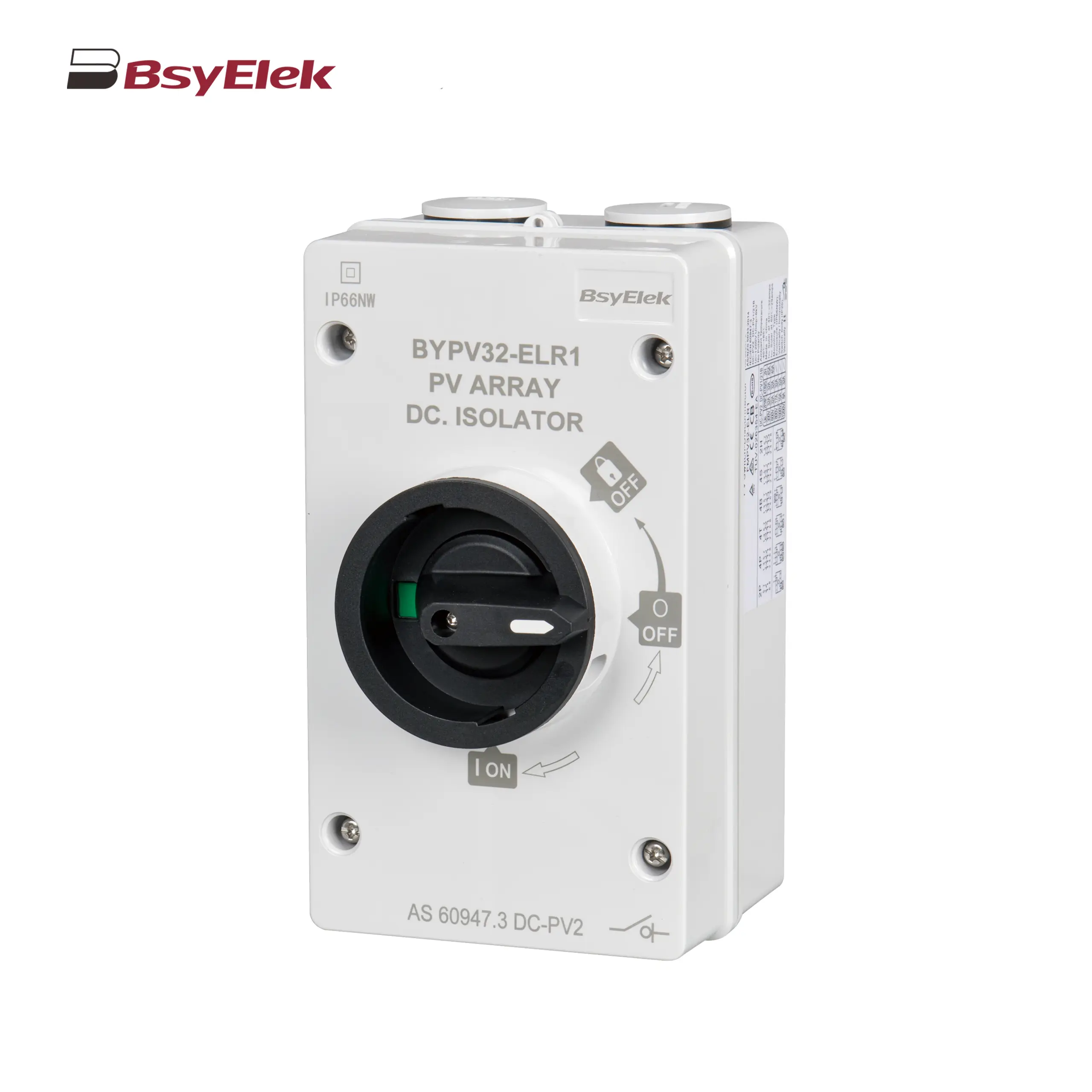 BYPV-ELR1 PV Isolator Switch with Enclosed Version
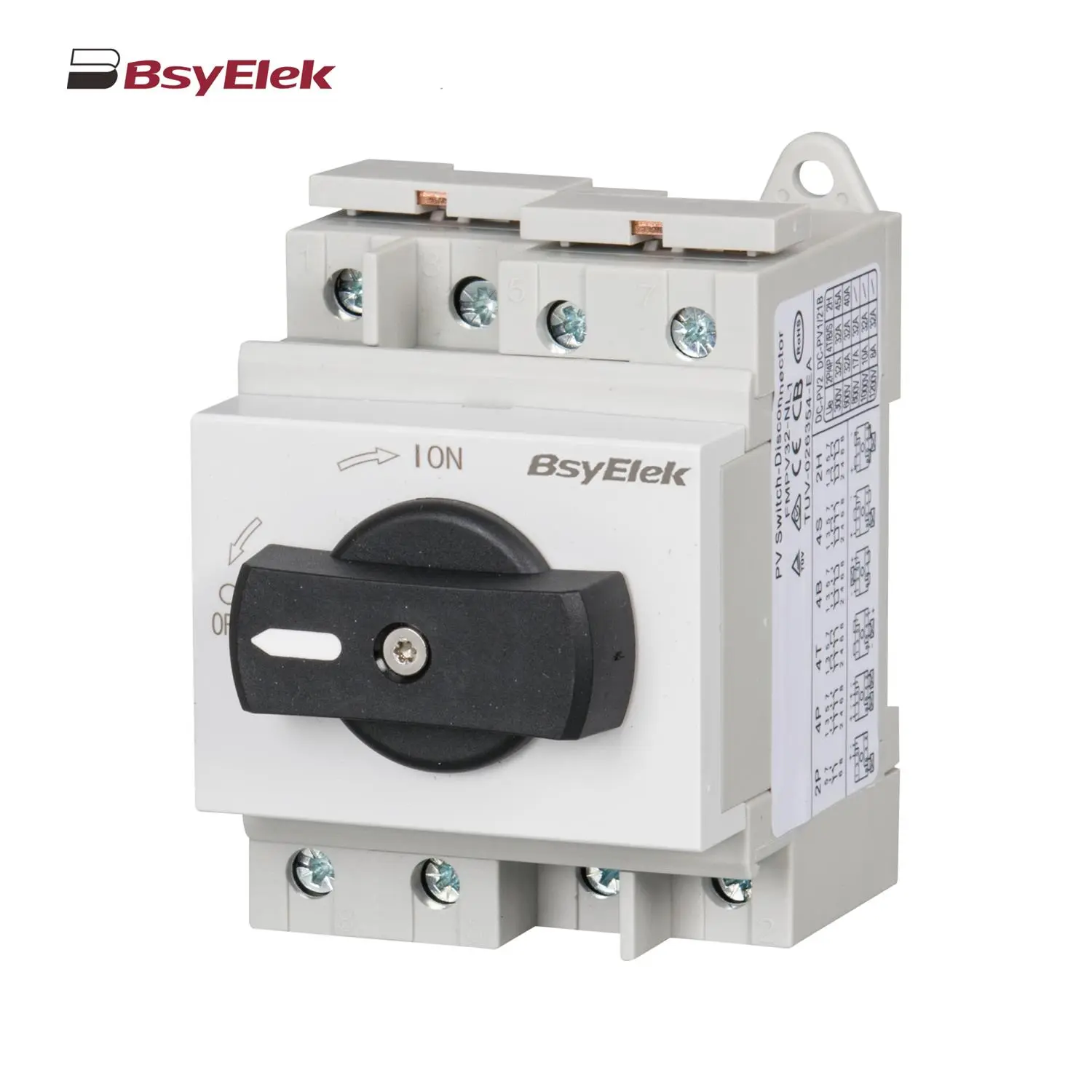 BYPV-NL1/T PV Isolator Switch with Ultra-thin Lever Handle
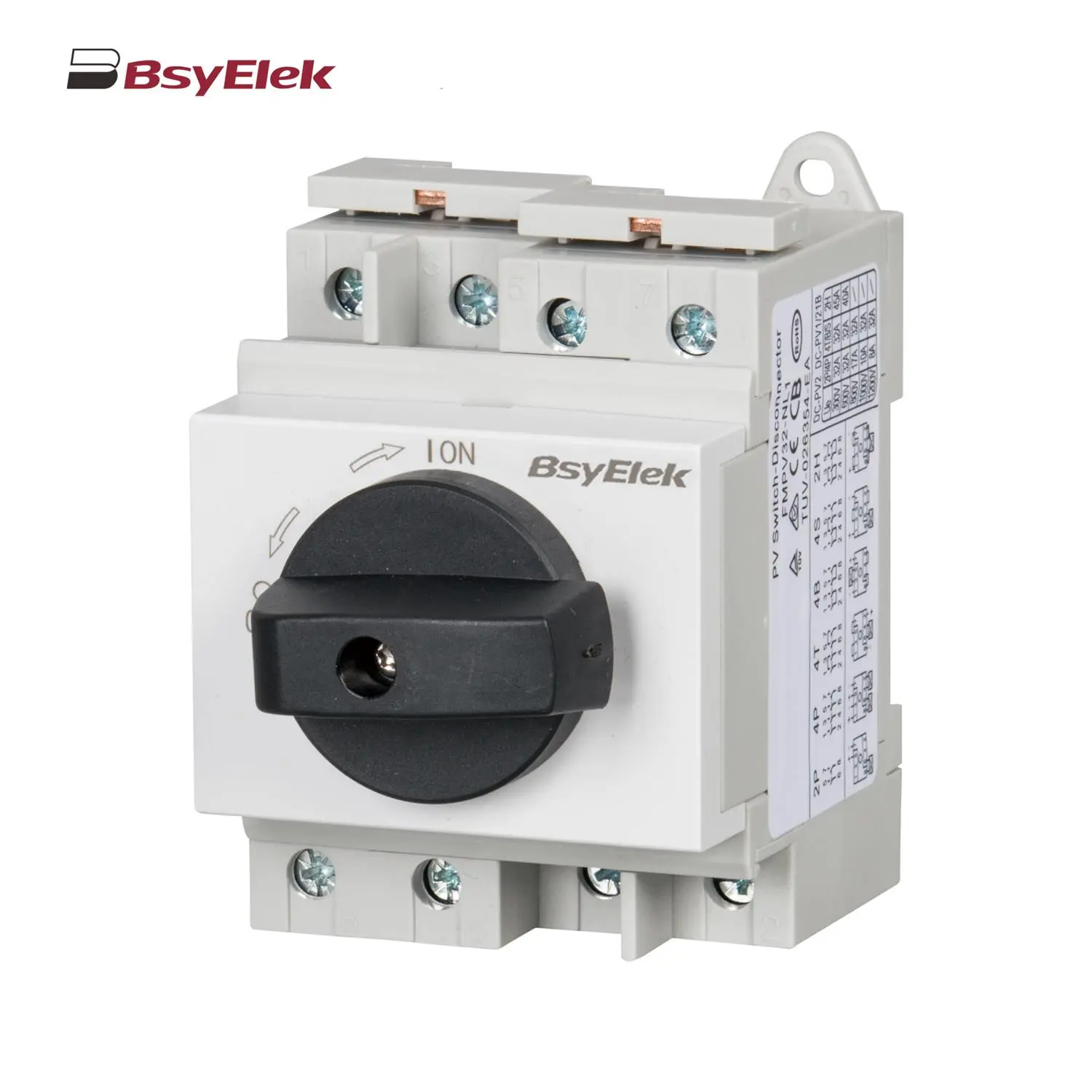 BYPV-NL1 PV Isolator Switch with Lever Handle
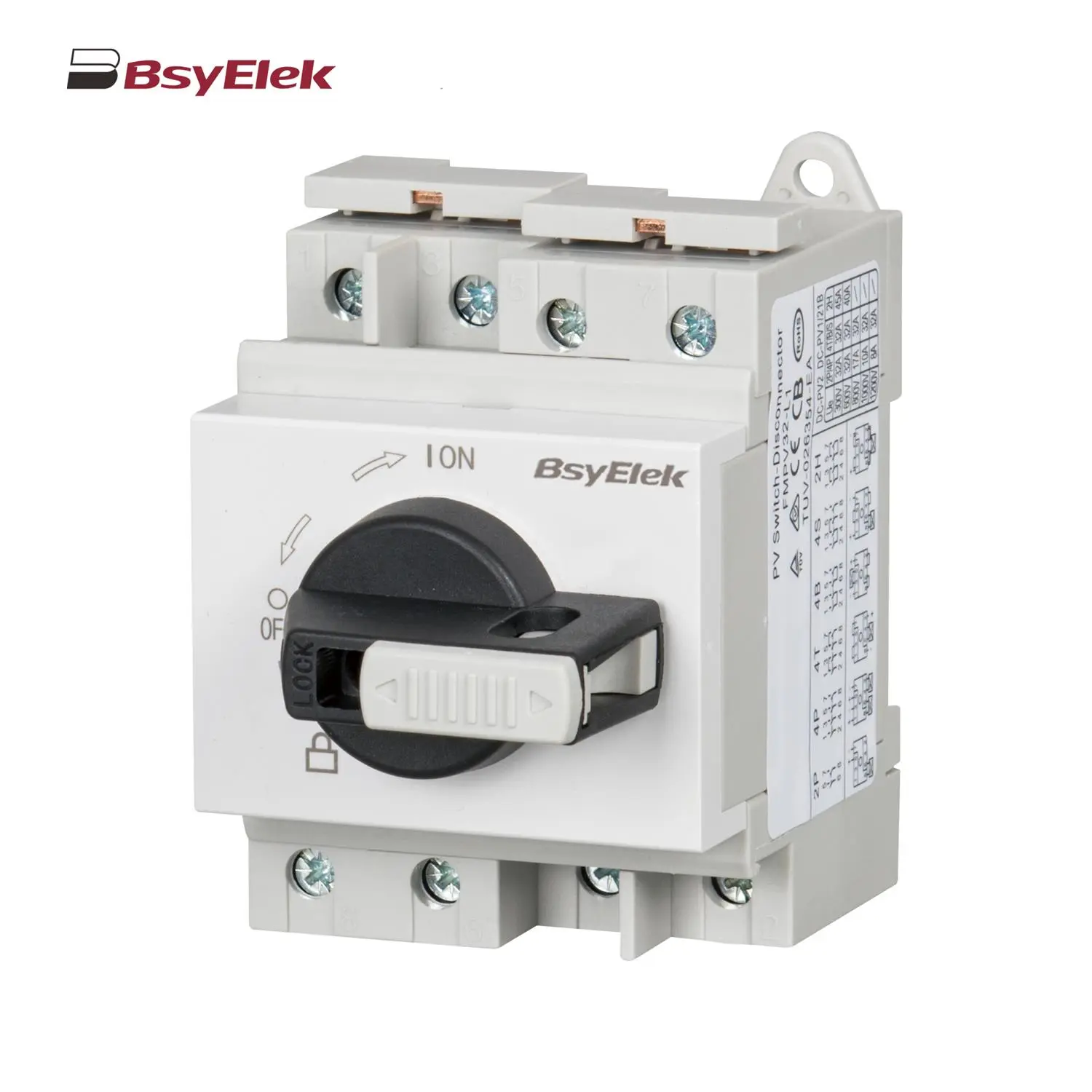 BYPV-L1/L2 PV Isolator Switch with Lockable Lever Handle
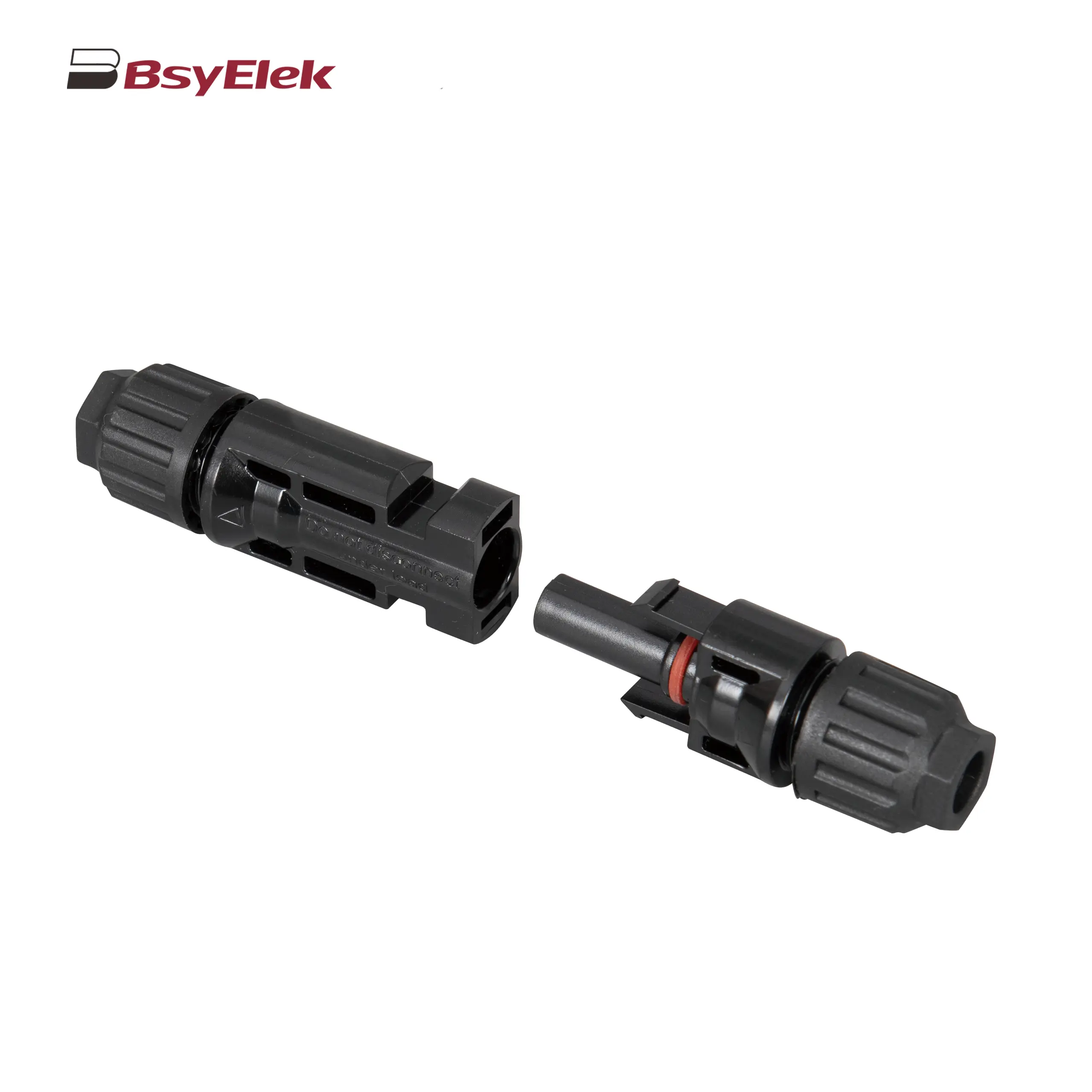 PV-BY-01 30A/50A 1000V Photovoltaic Connector
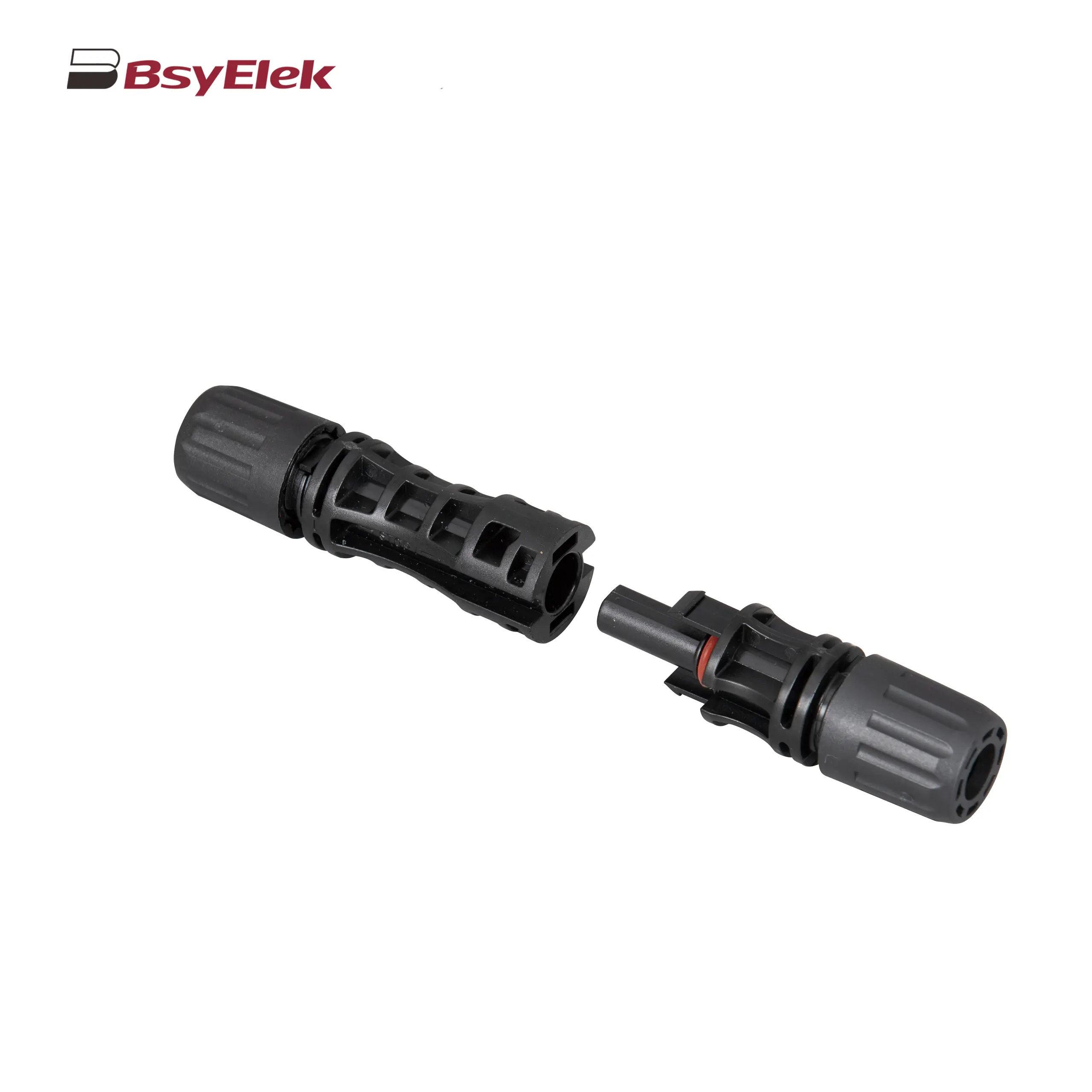 PV-BY-02 30A/50A 1500V Photovoltaic Connector
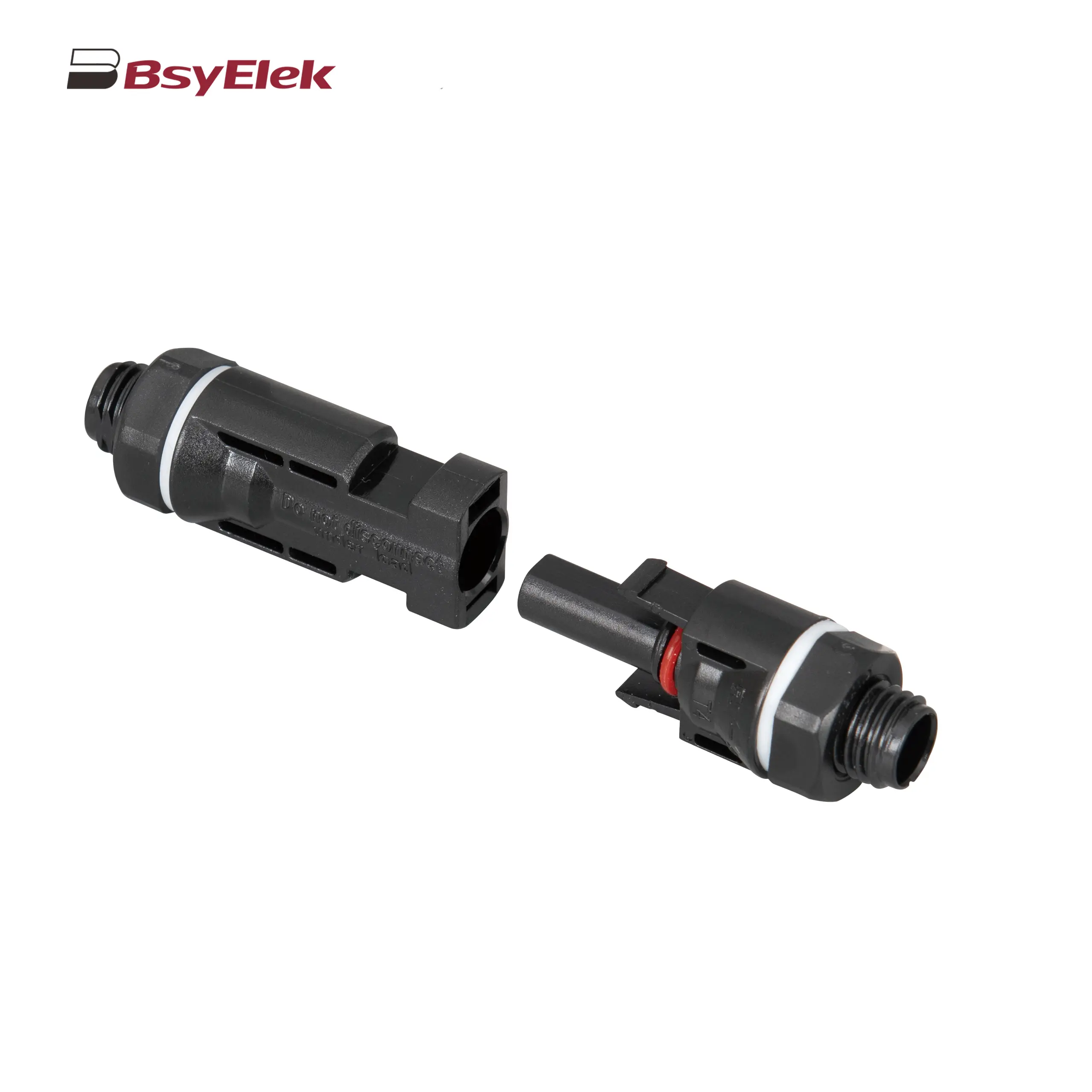 PV-BY-03 30A/50A 1000V Panel Mount Photovoltaic Connector
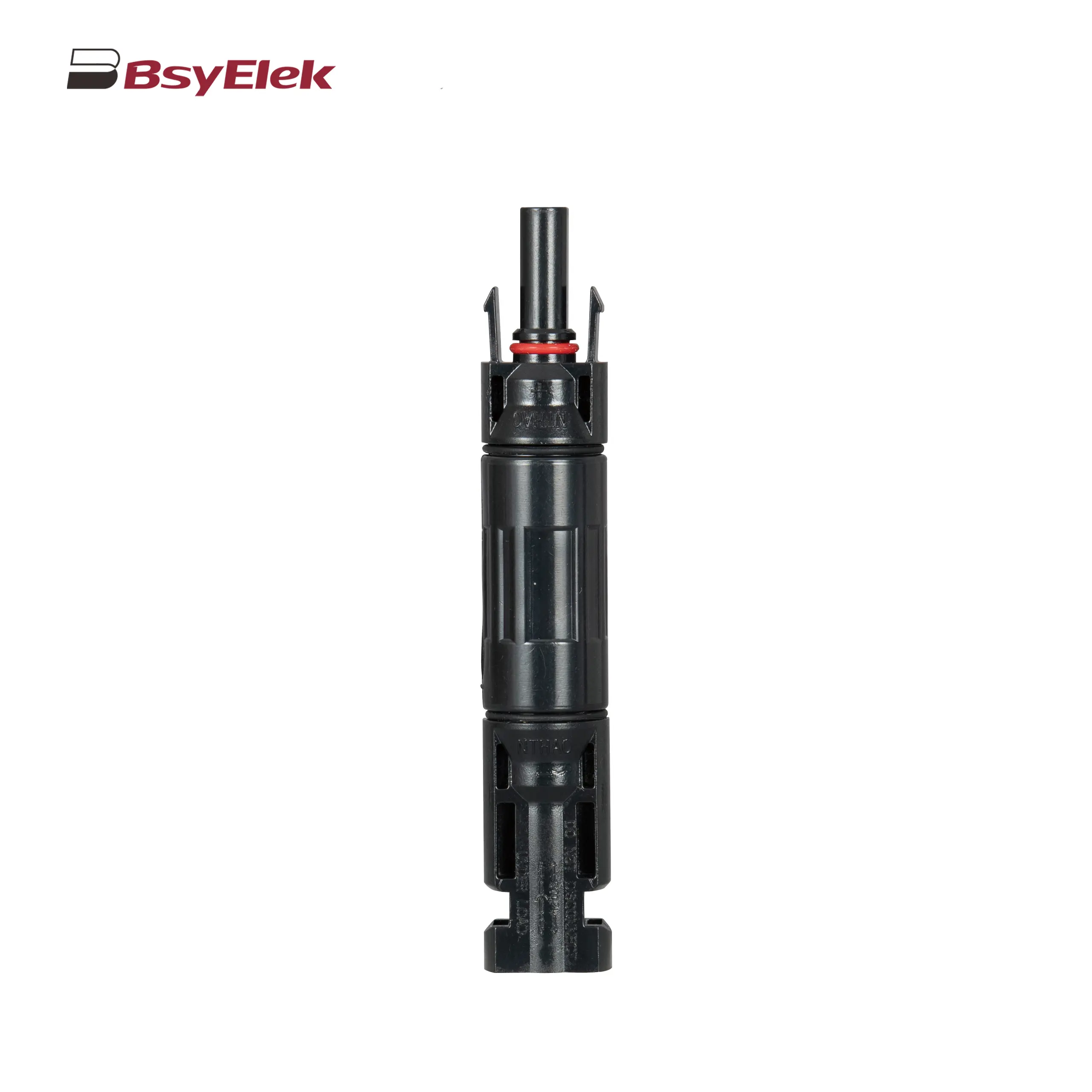 PV-BY-F01 30A 1500V Diode/Fuse Type Connector
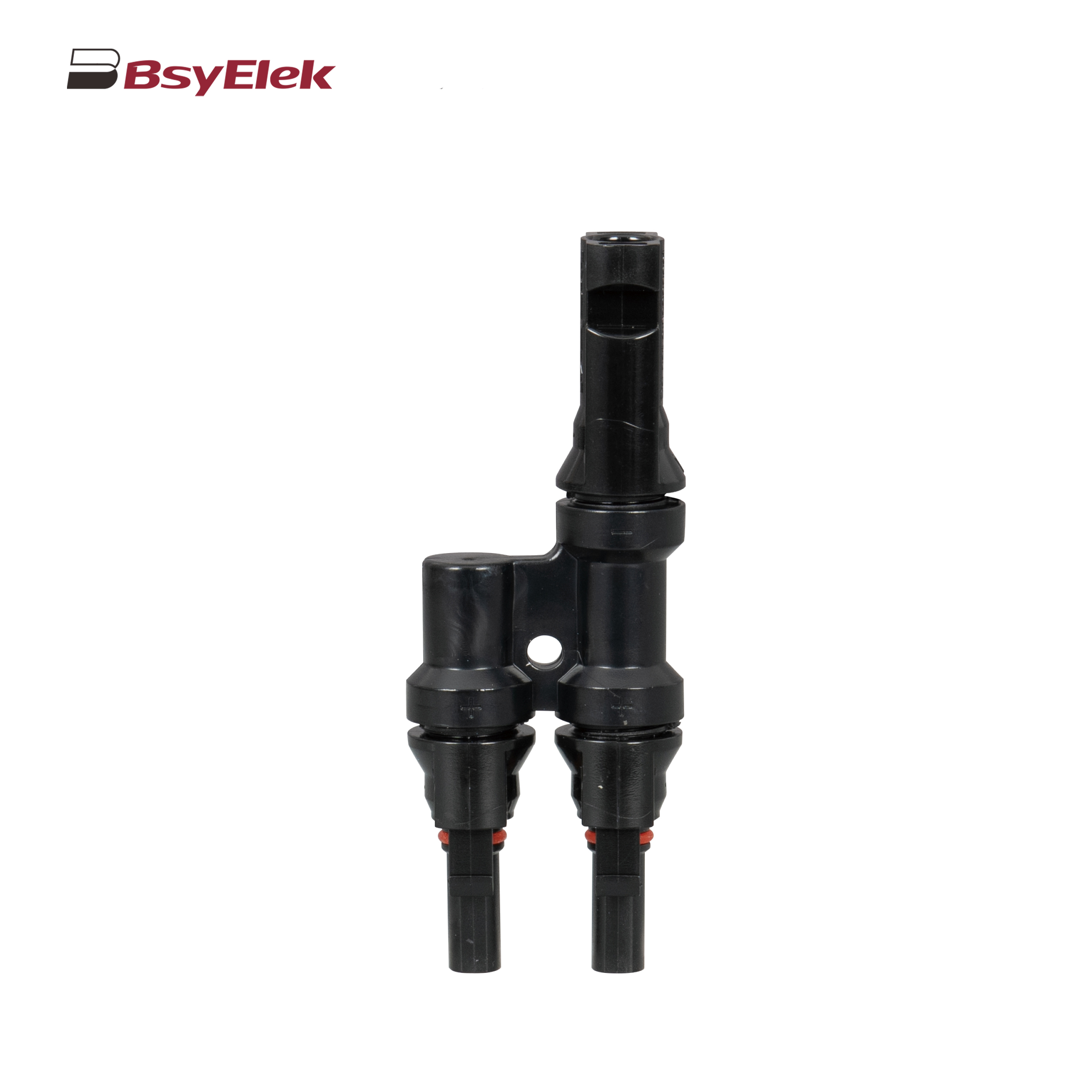 PV-BY-T 50A 1500V T Type Branch Connector
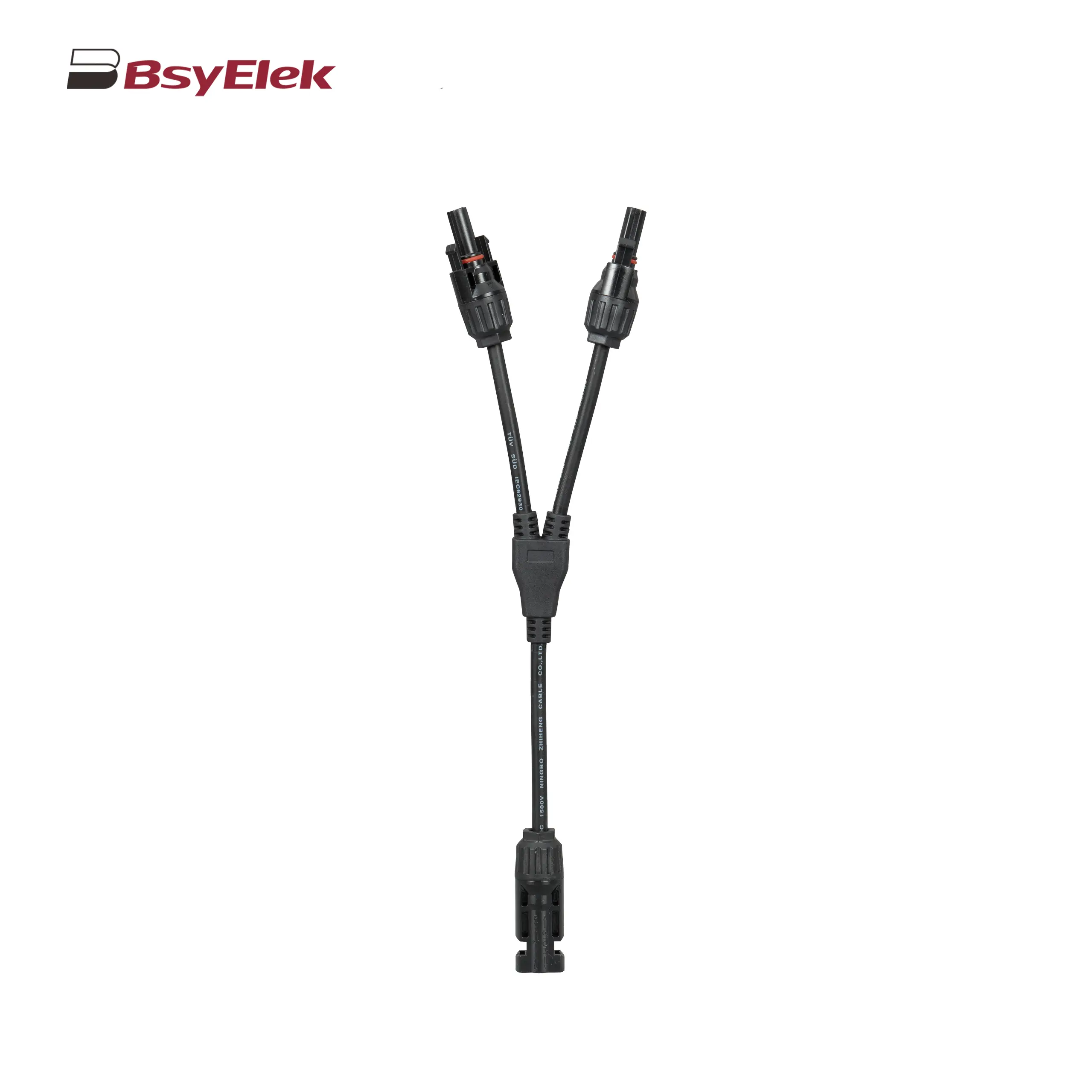 PV-BY-Y 30A 1500V Y Type Branch Connector
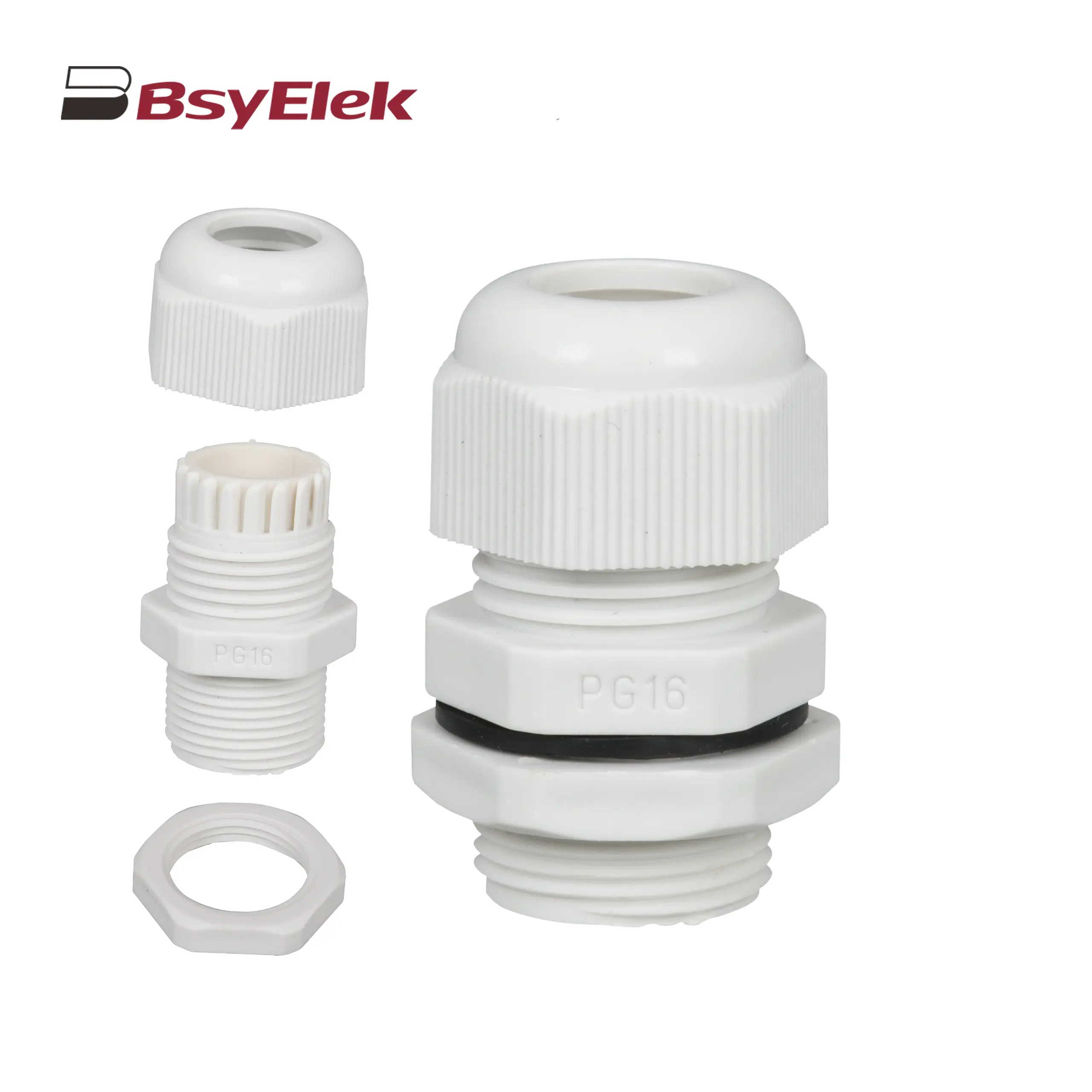 PG Waterproof Cable Gland with Washer
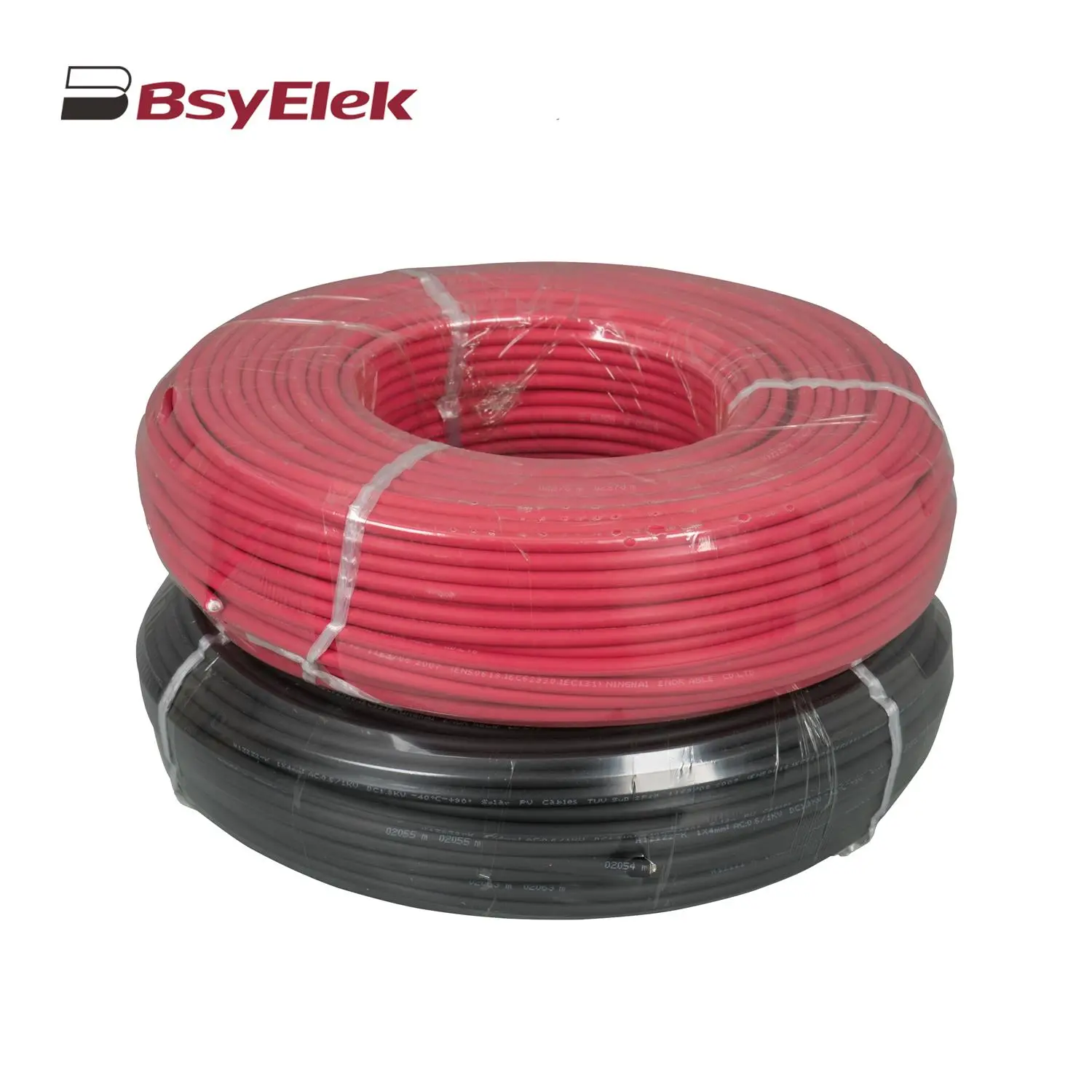 Photovoltaic Cable
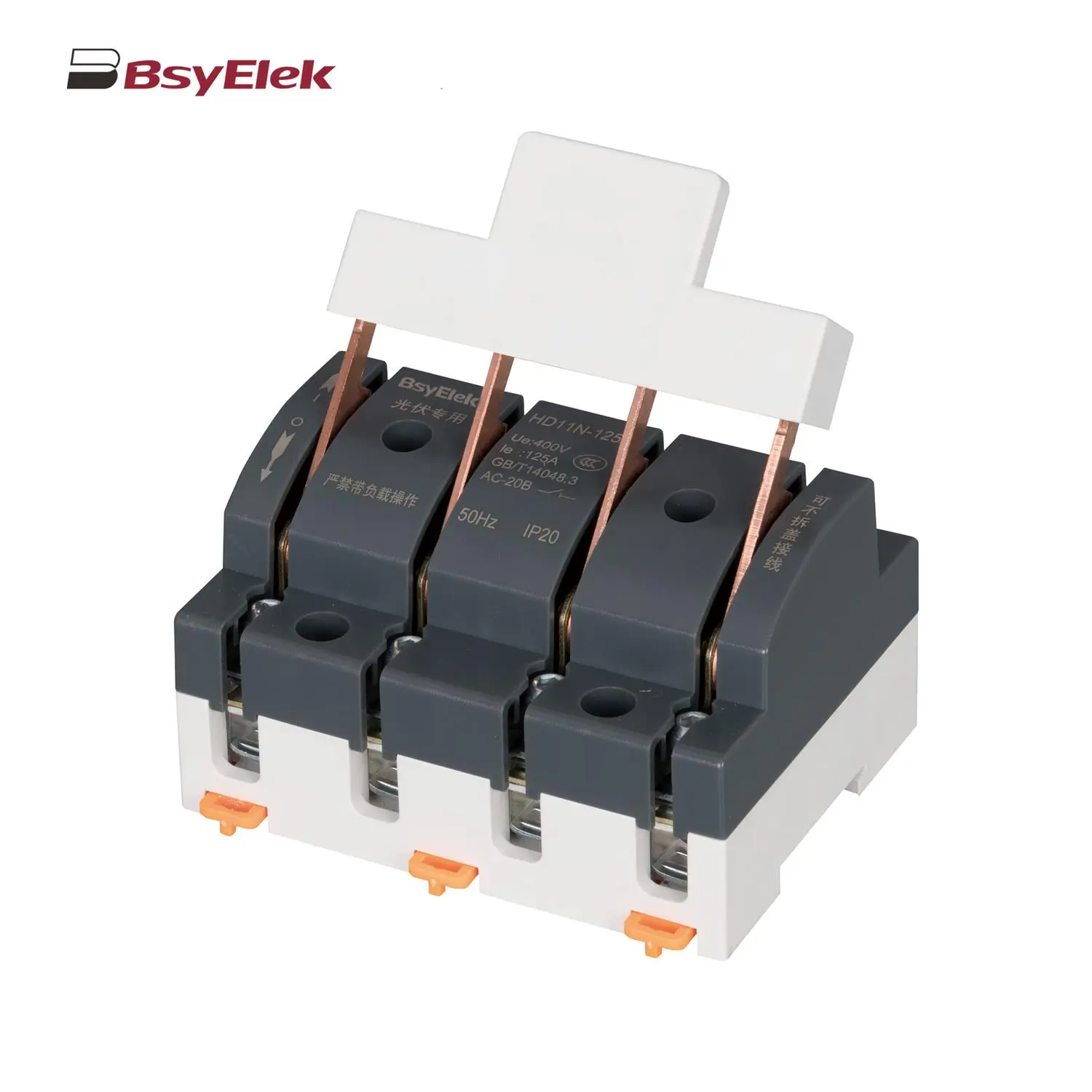 HD11N Photovoltaic Knife Switch
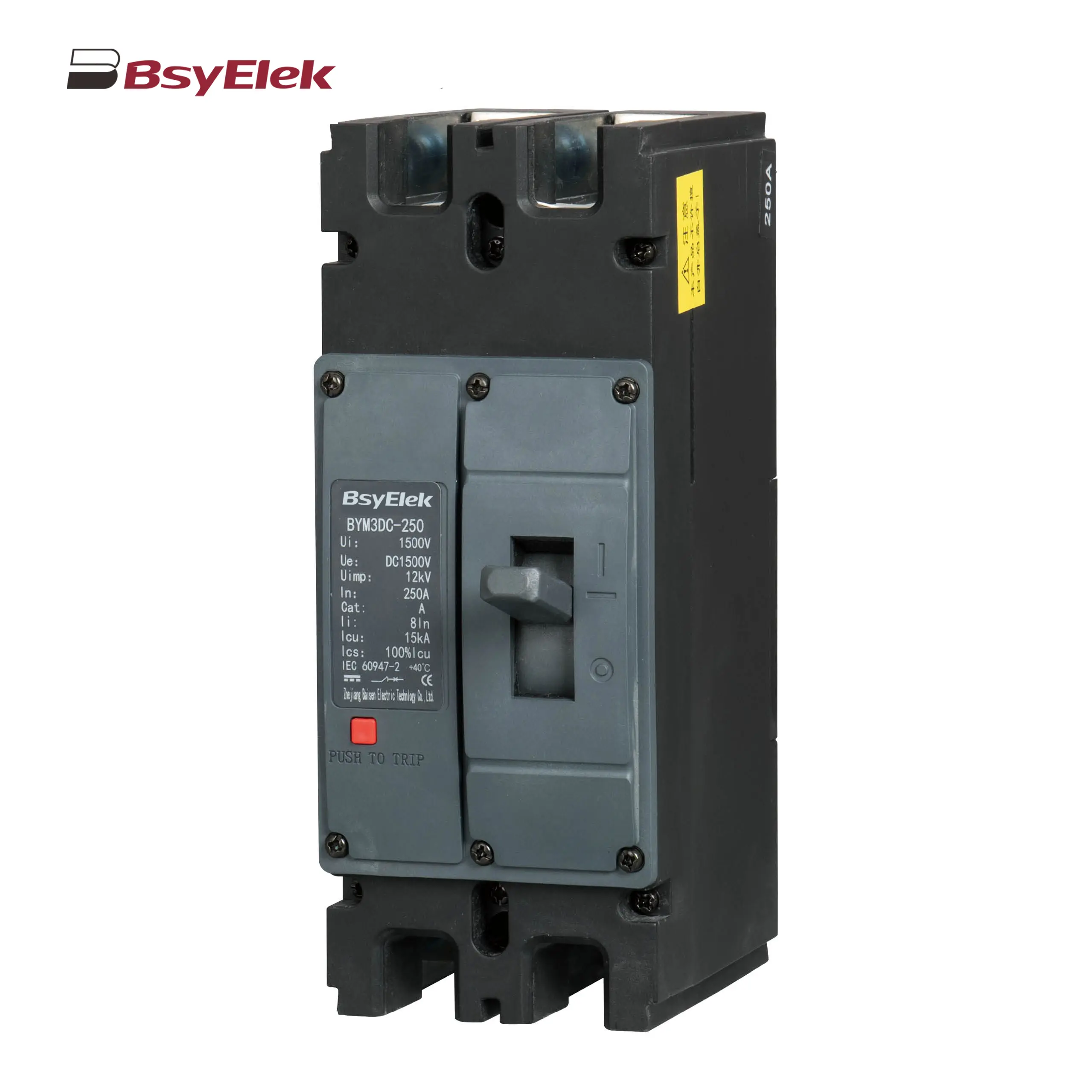 BYM3DC MCCB Photovoltaic DC Molded Case Circuit Breaker
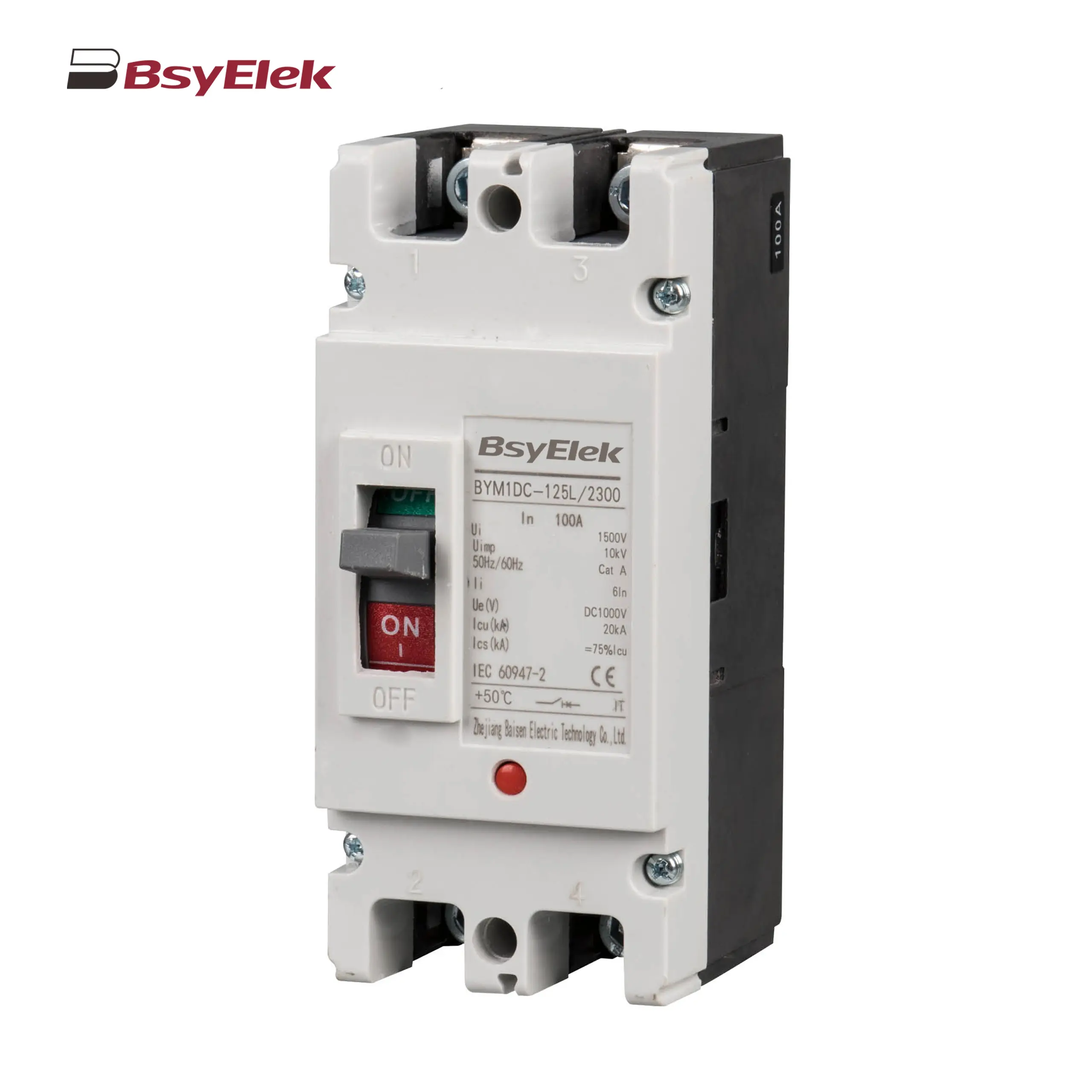 BYM1DC MCCB 1000VDC Thermal Magnetic Type DC Molded Case Circuit Breaker
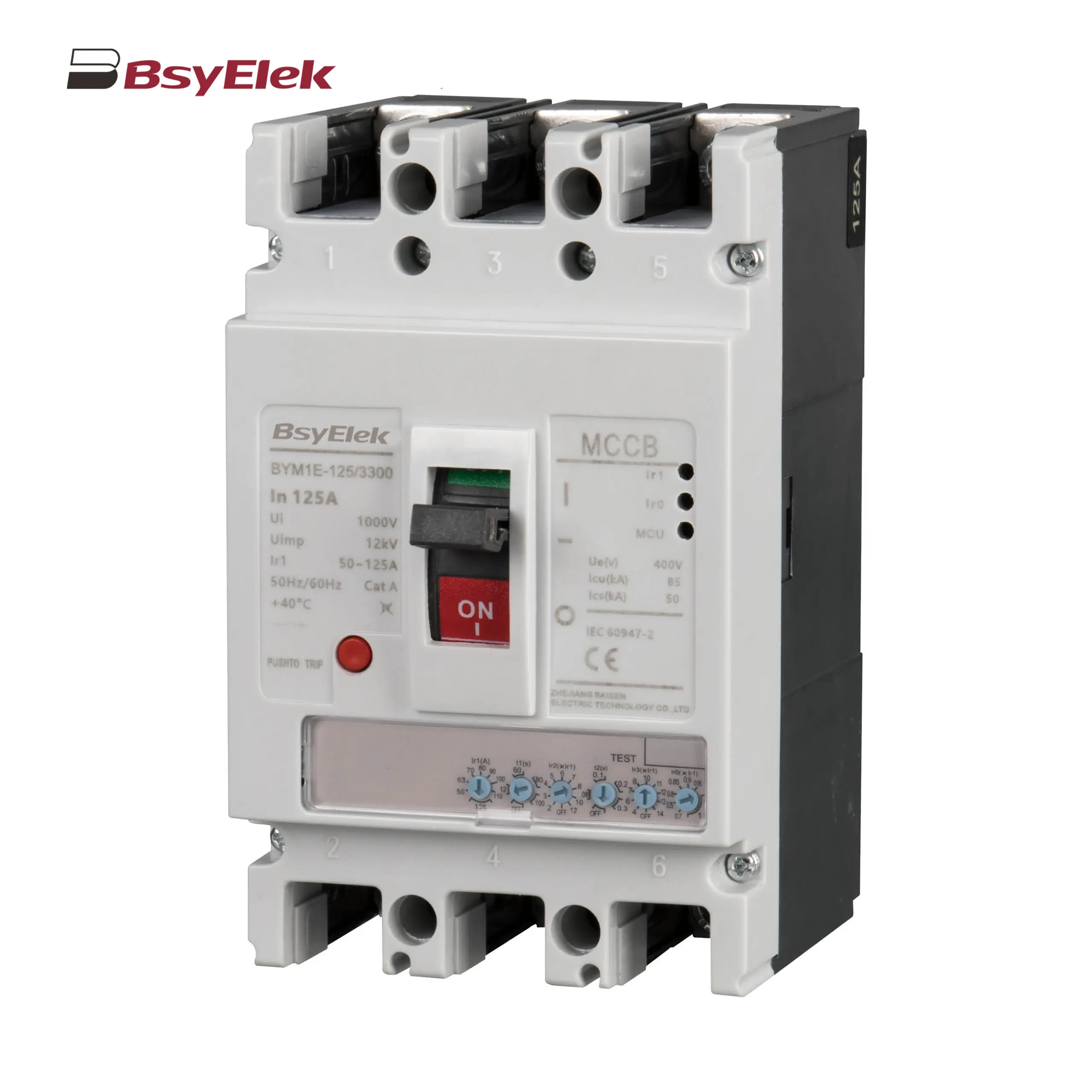 BYM1E MCCB Electronic Type Molded Case Circuit Breaker
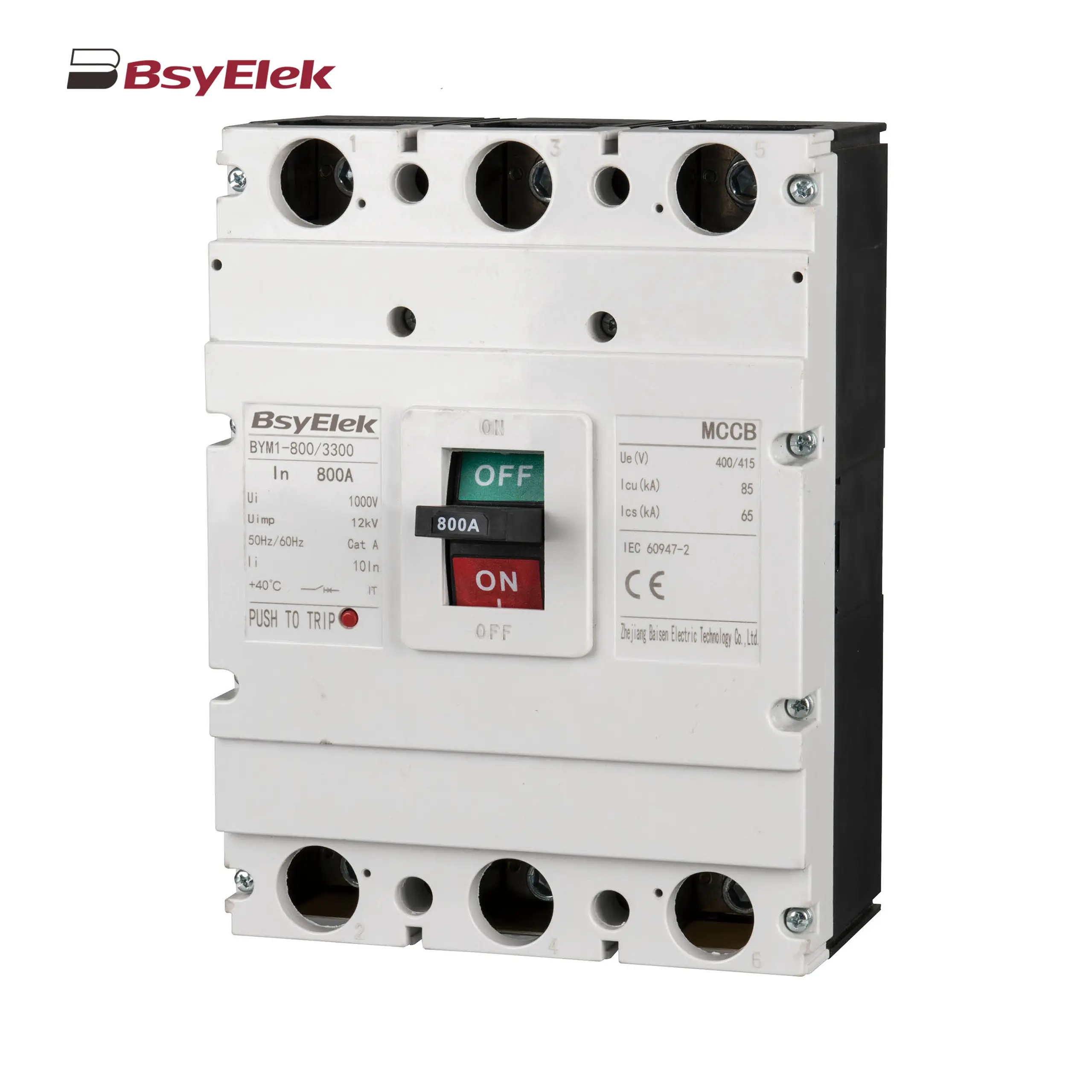 BYM1 MCCB Thermal Magnetic AC Molded Case Circuit Breaker
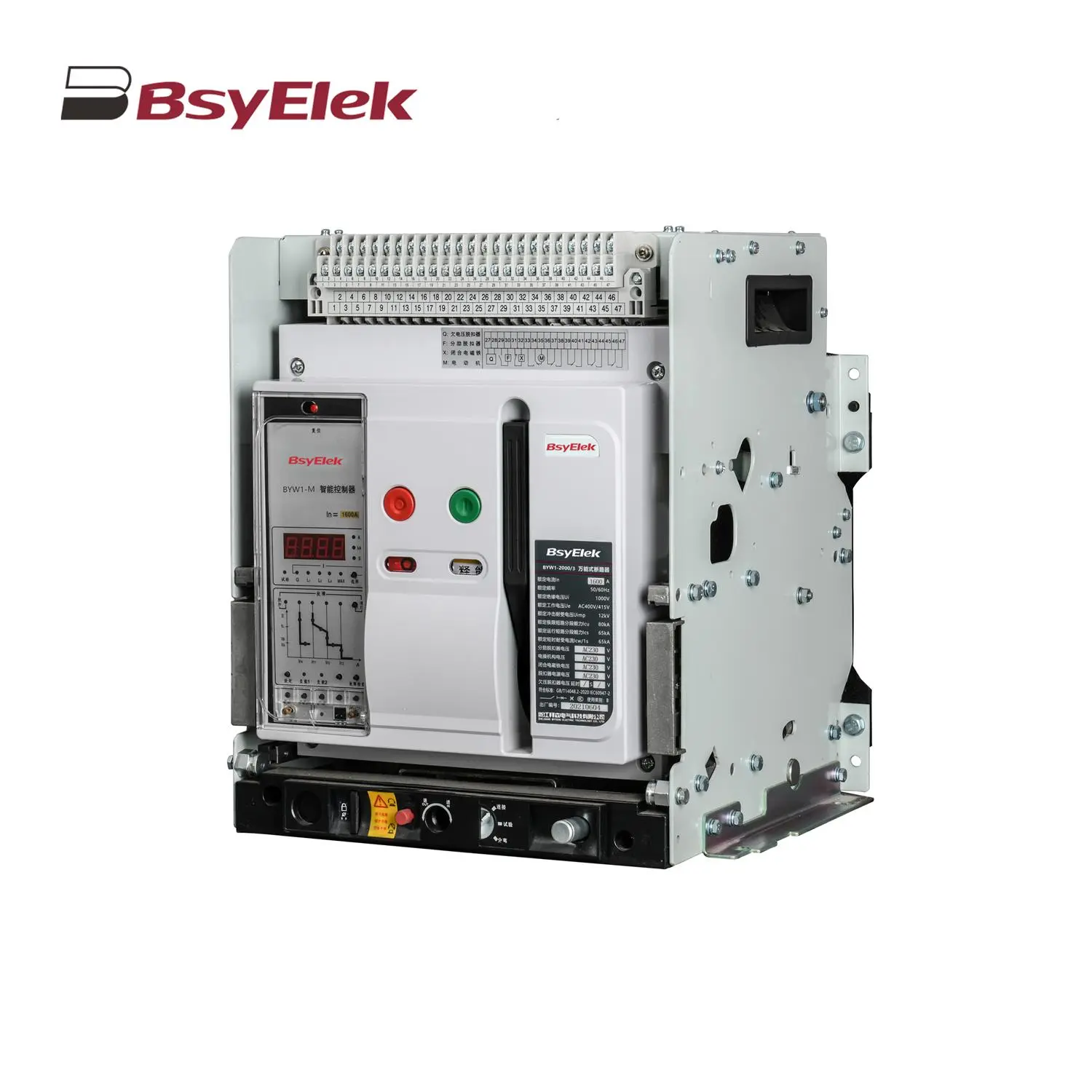 BYW1 ACB Intelligent Universal Air Circuit Breaker
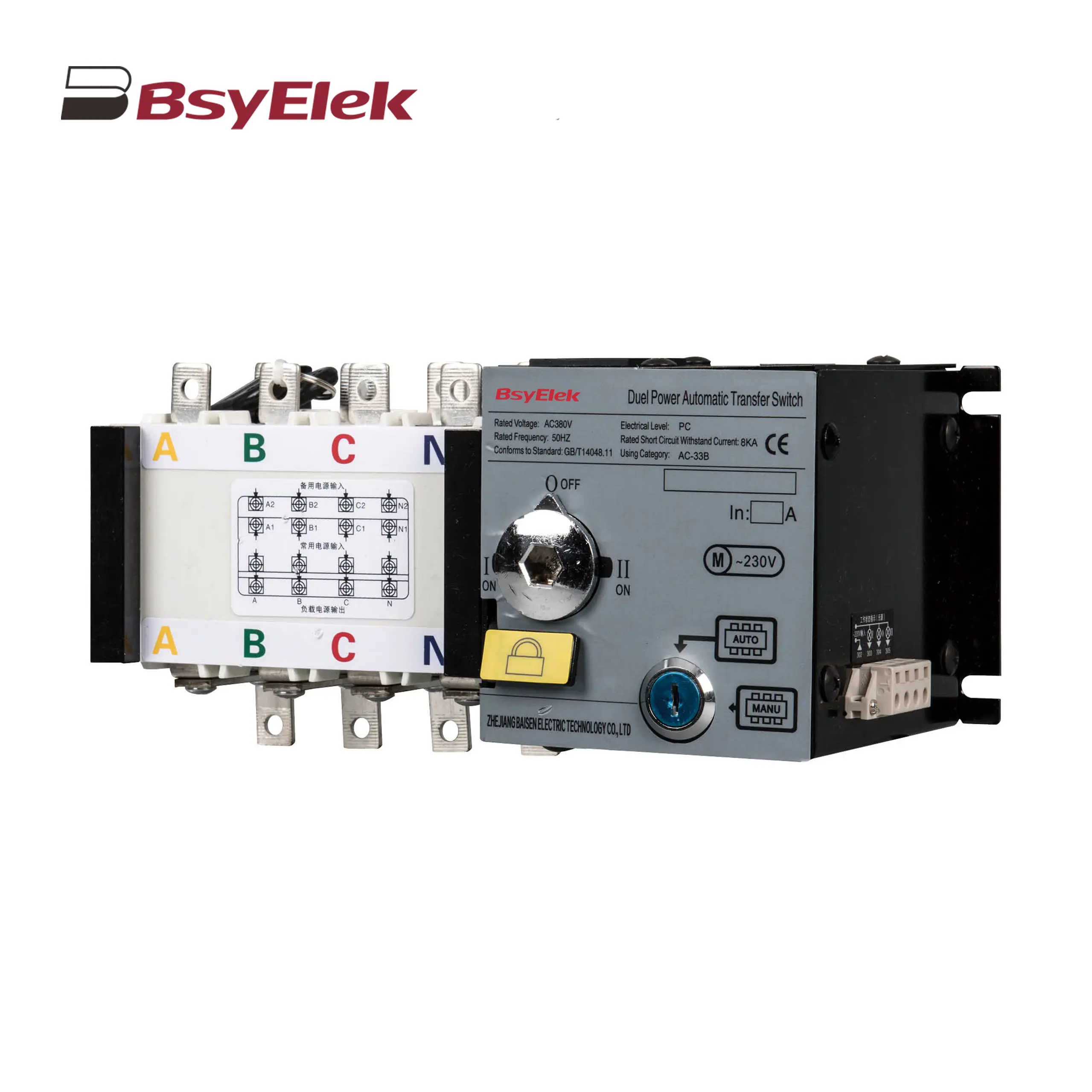 BYQ1 ATS Isolated Type PC Level Dual Power Automatic Transfer Switch
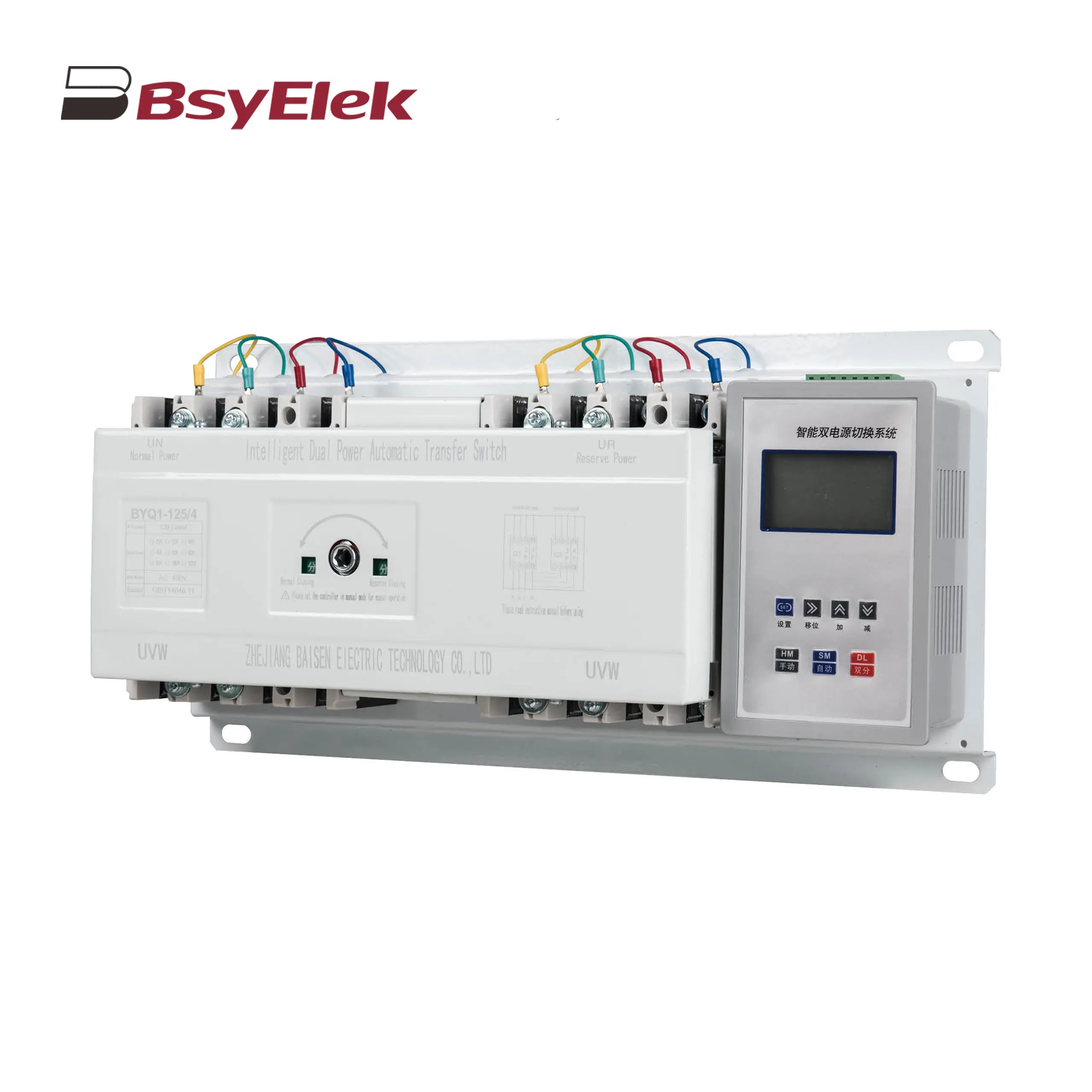 BYQ1 ATS Intelligent Type CB Level Dual Power Automatic Transfer Switch
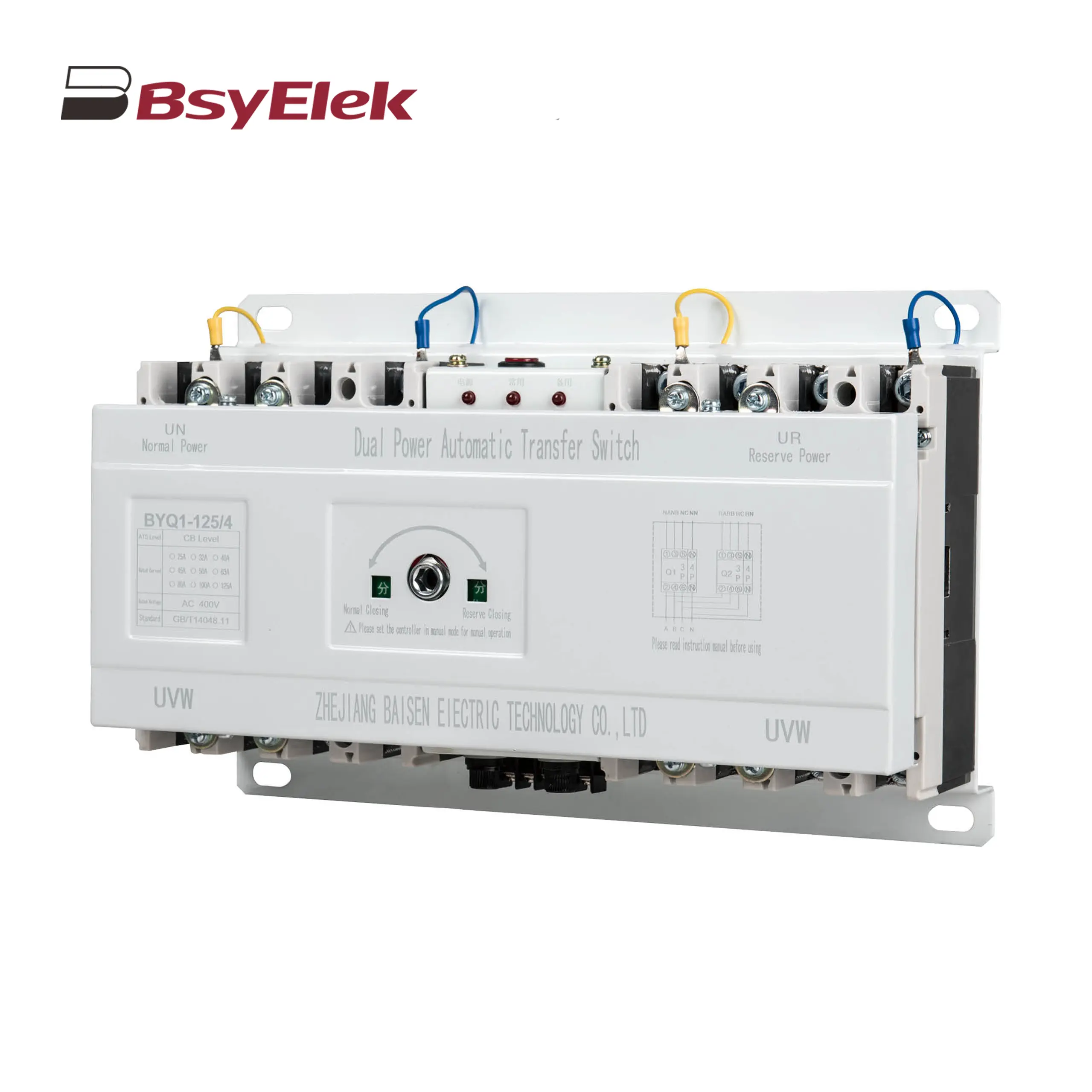 BYQ1 ATS End Type CB Level Dual Power Automatic Transfer Switch
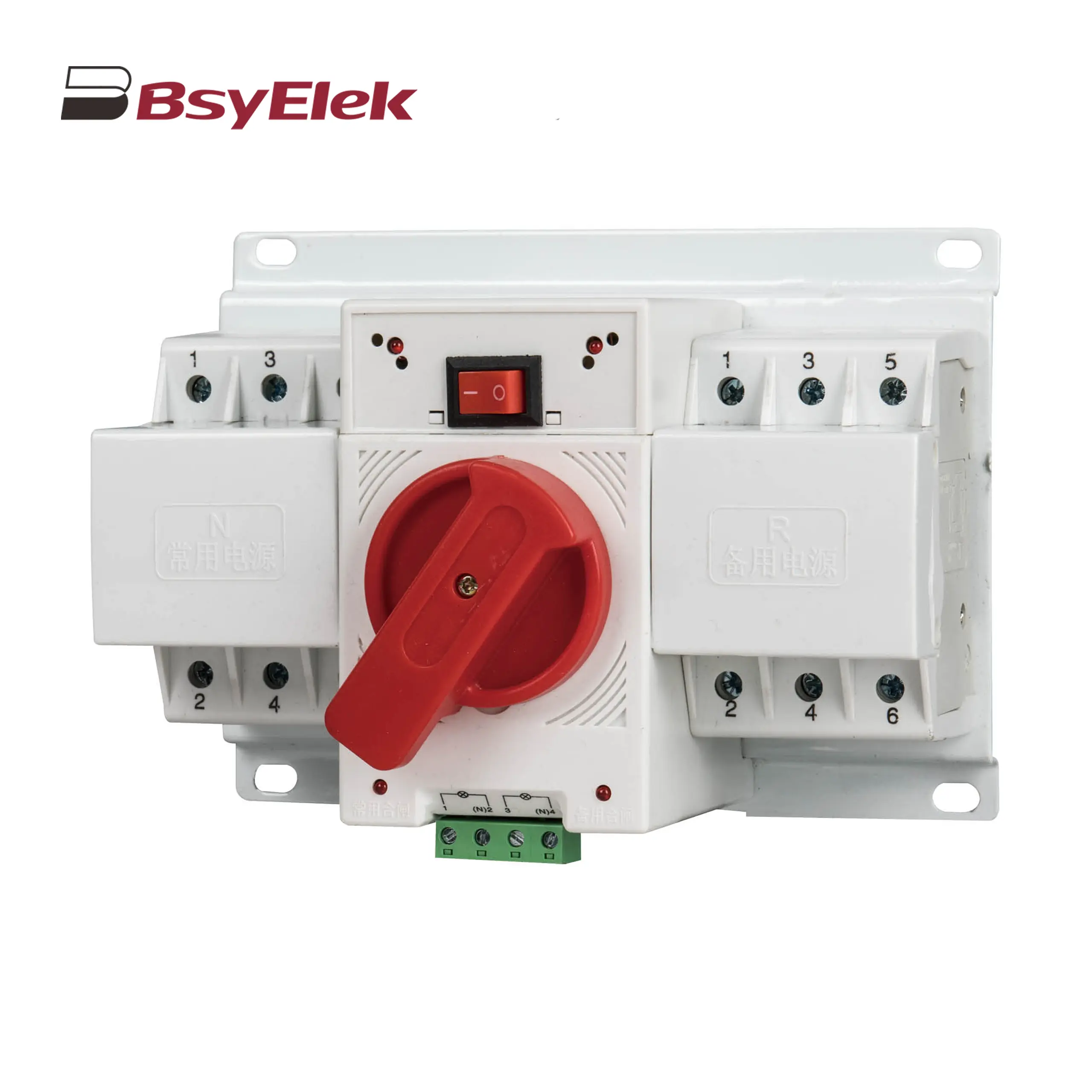 BYQ1 ATS Mini Type CB Level Dual Power Automatic Transfer Switch
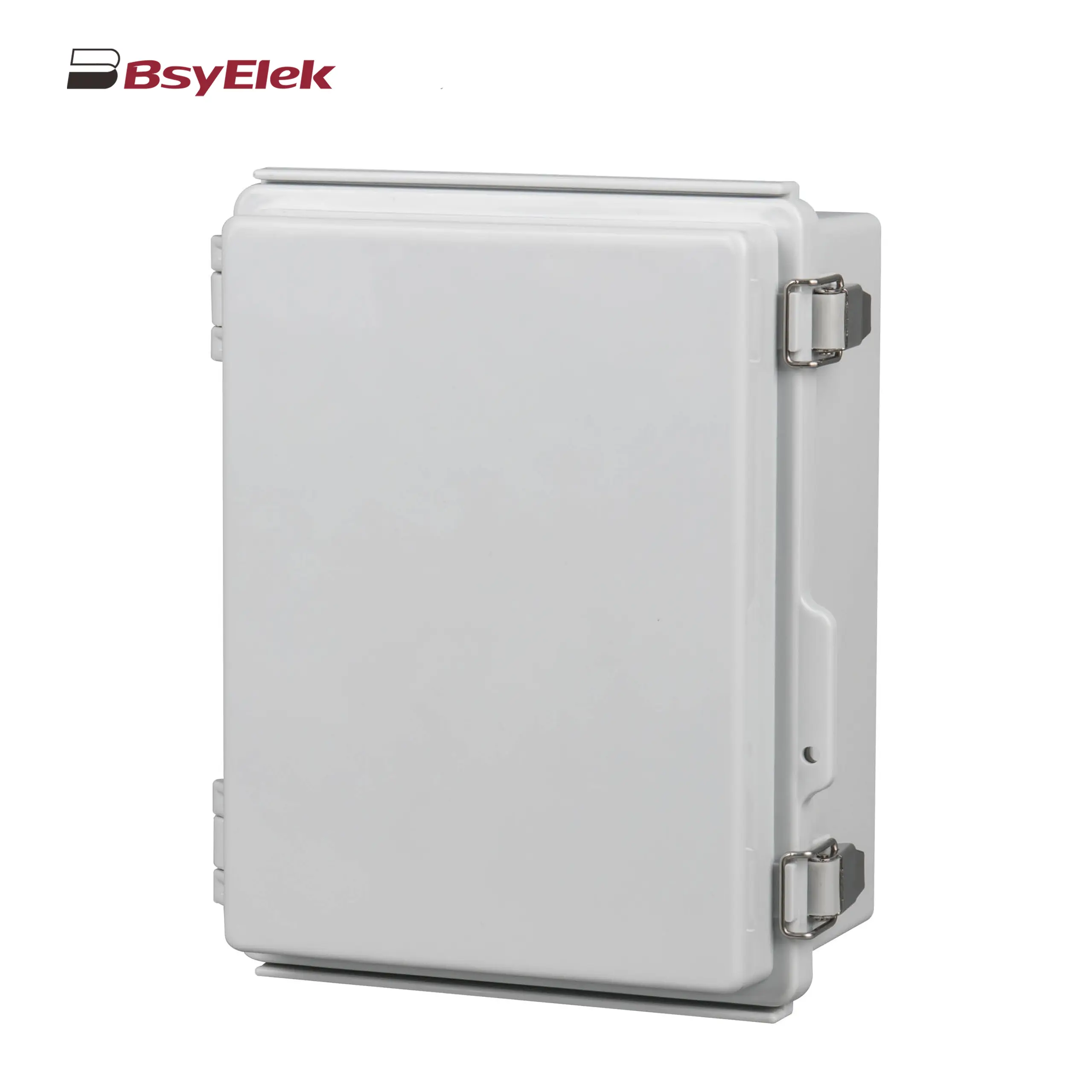 Stainless Steel Hinge Type Electrical Box
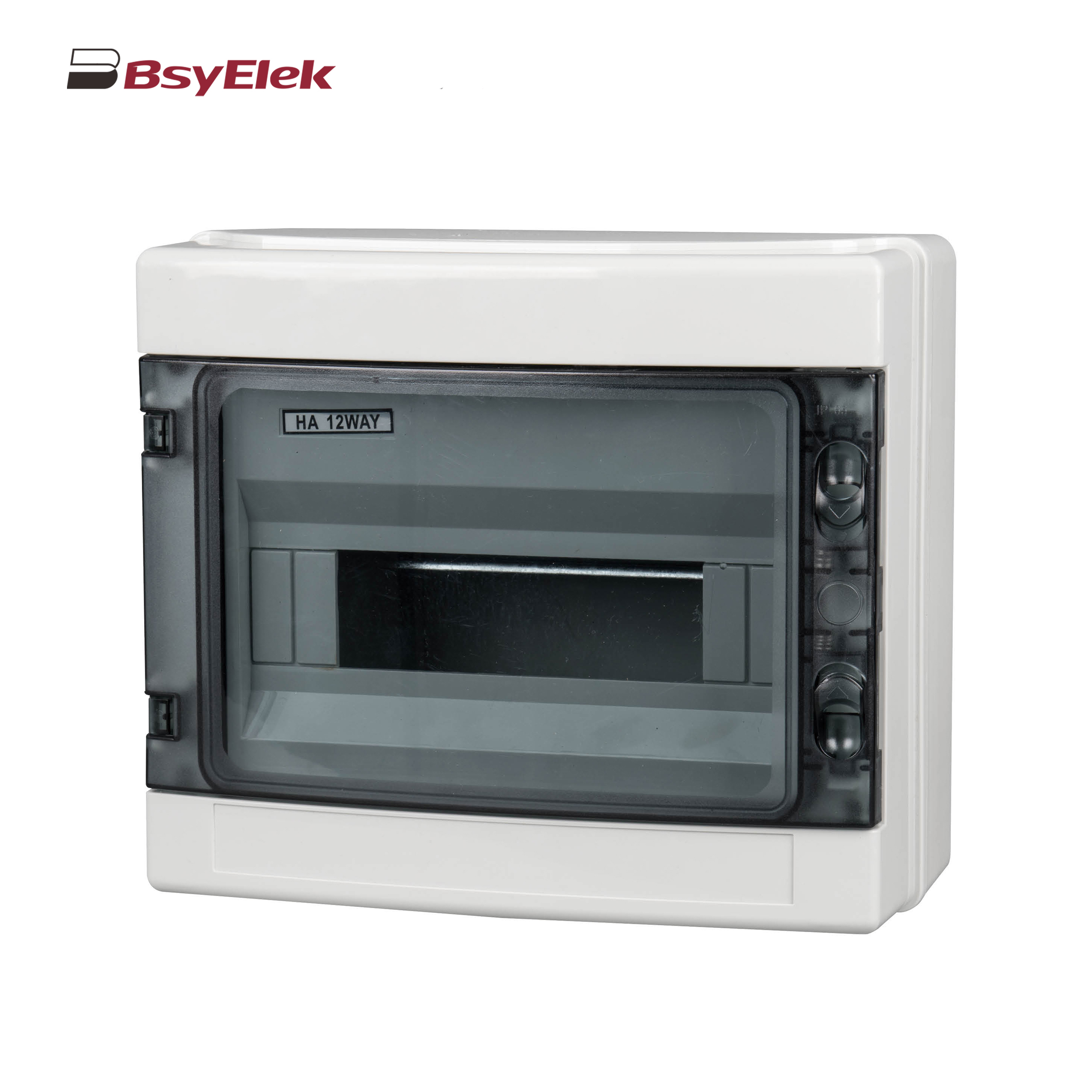 HA Waterproof Distribution Box
 HT Waterproof Distribution Box
 BS Definite Purpose Magnetic AC Contactor