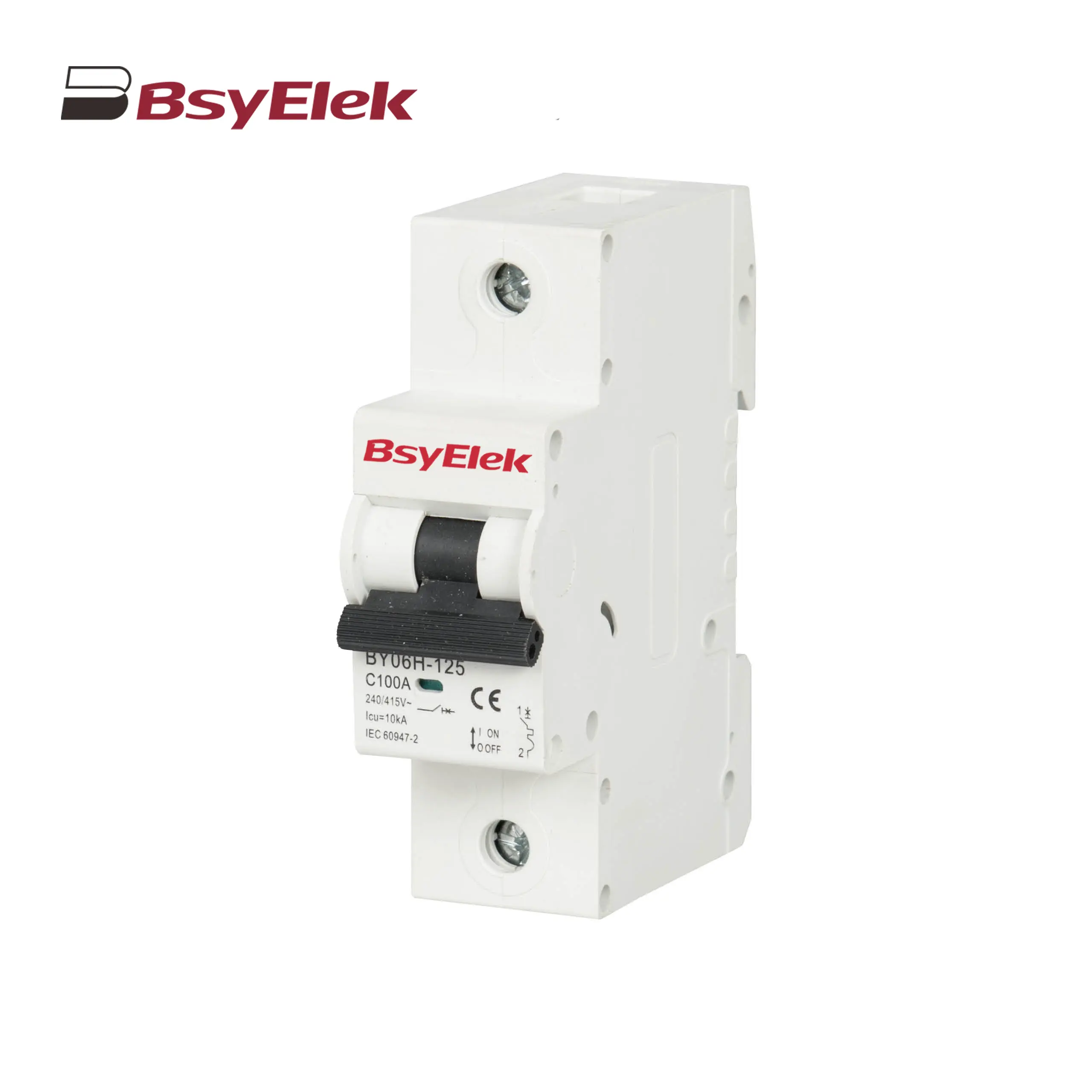
 BY06H-125 MCB 10-15KA Miniature Circuit Breaker
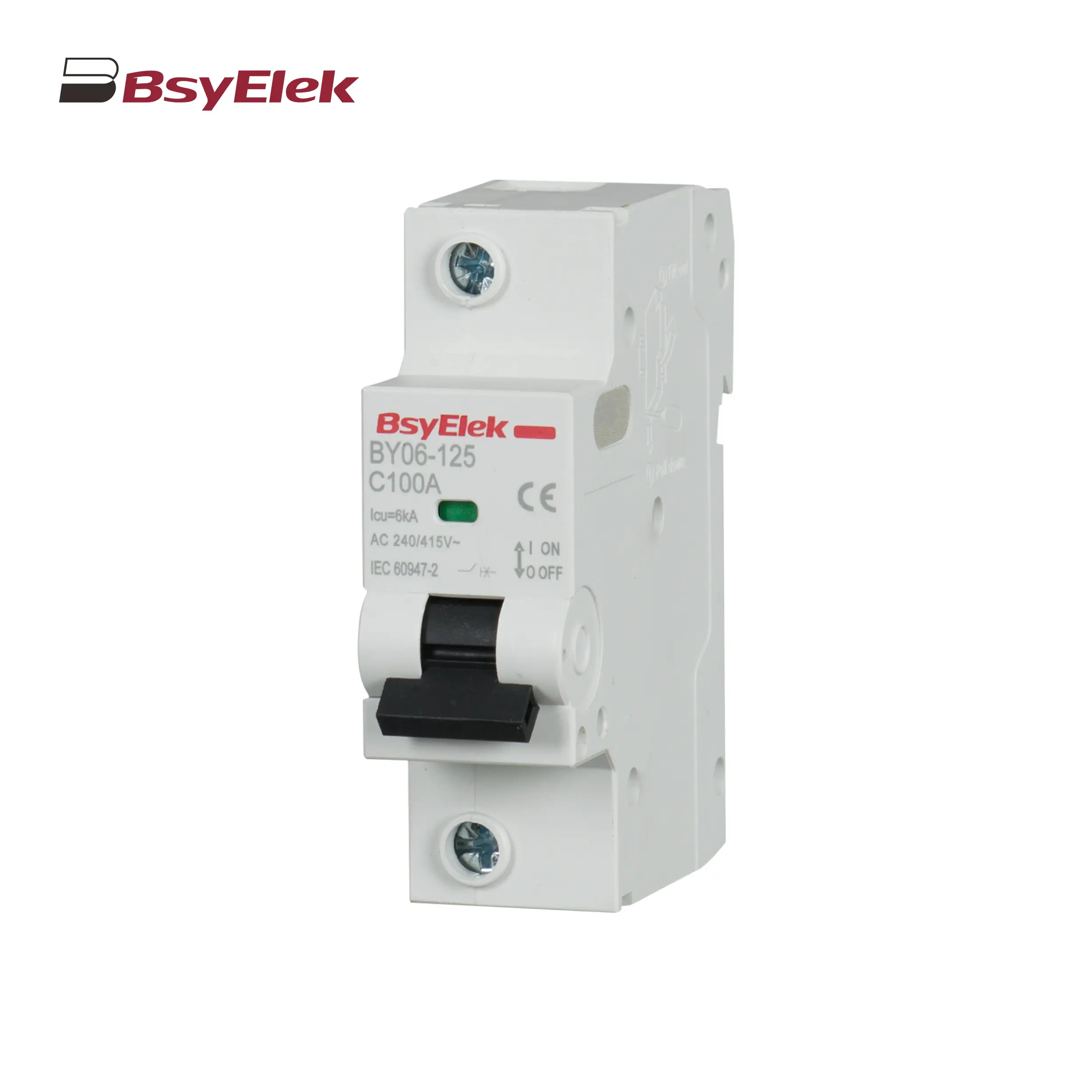 BY06-125 MCB 6KA Miniature Circuit Breaker
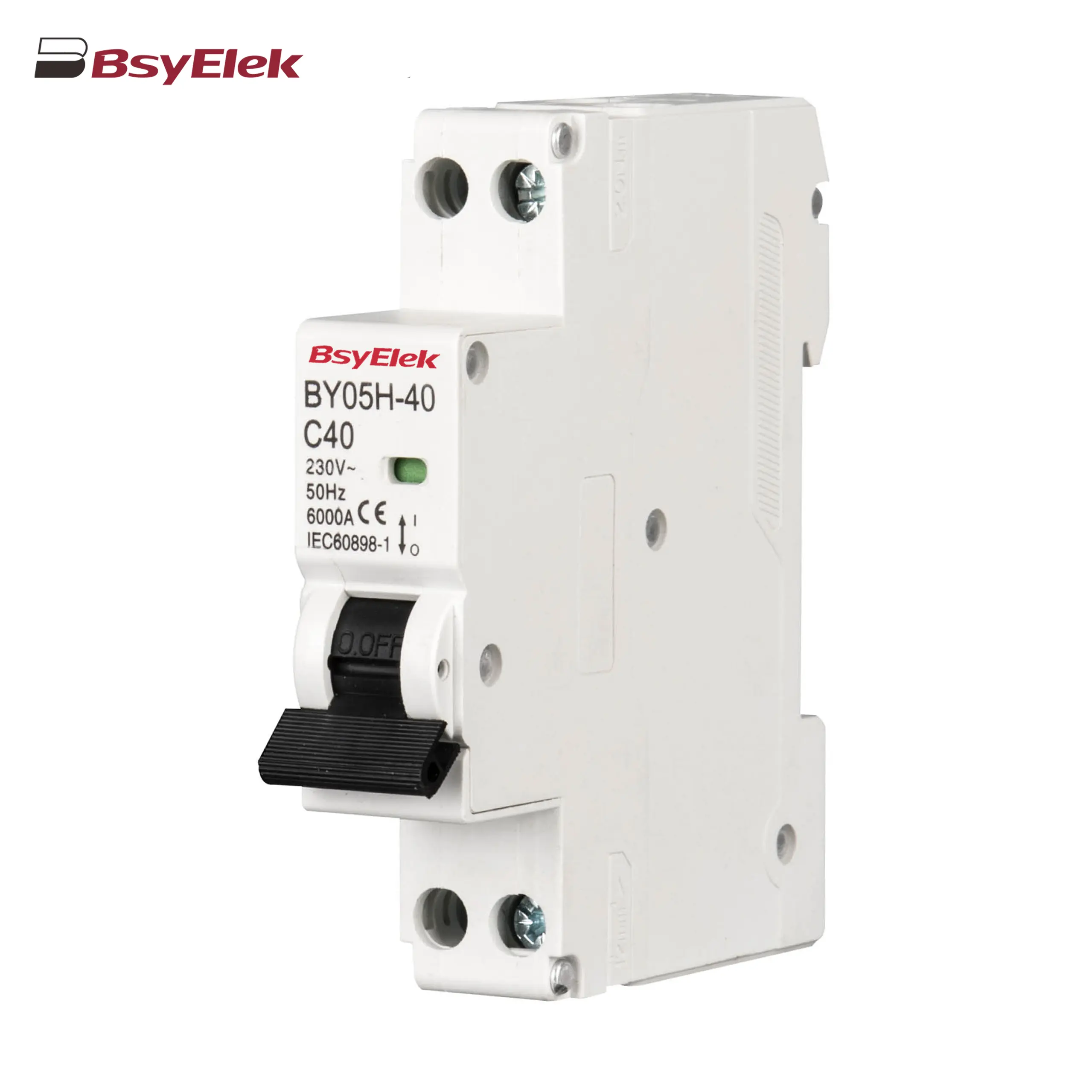 BY05H-40 MCB Single Modular 6KA Miniature Circuit Breaker
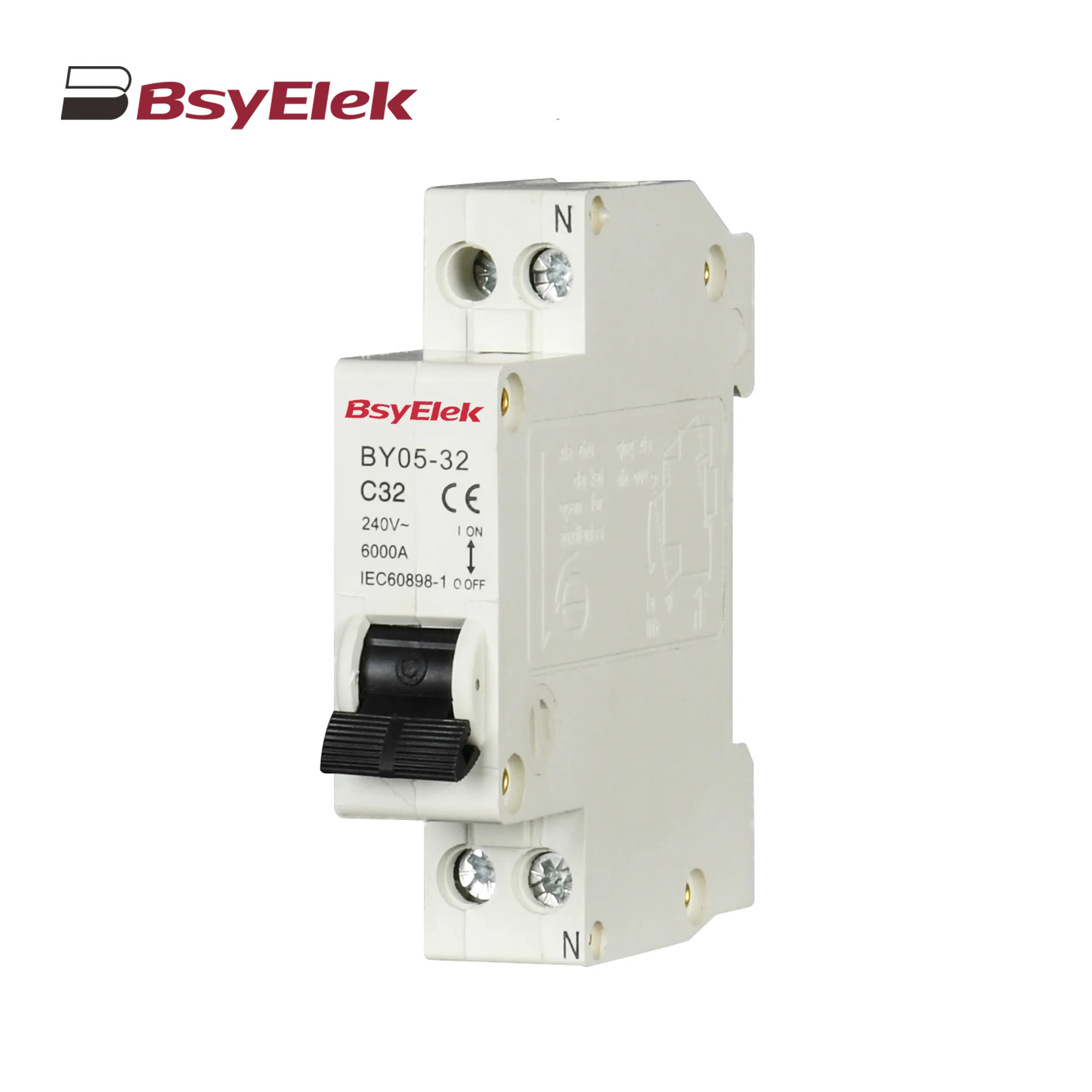 BY05-32 MCB Single Modular 3KA Miniature Circuit Breaker
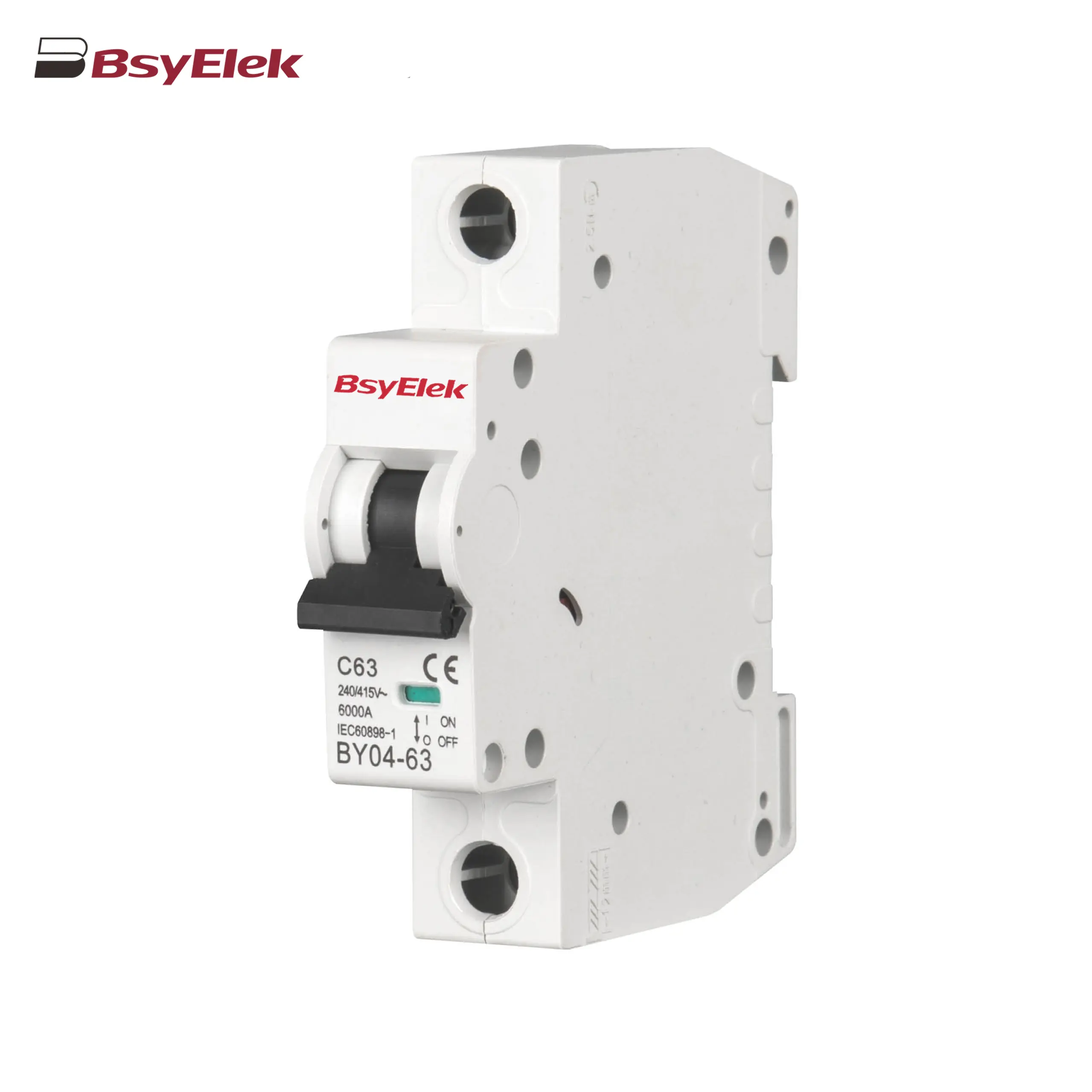 BY04-63 MCB 6-10KA Miniature Circuit Breaker
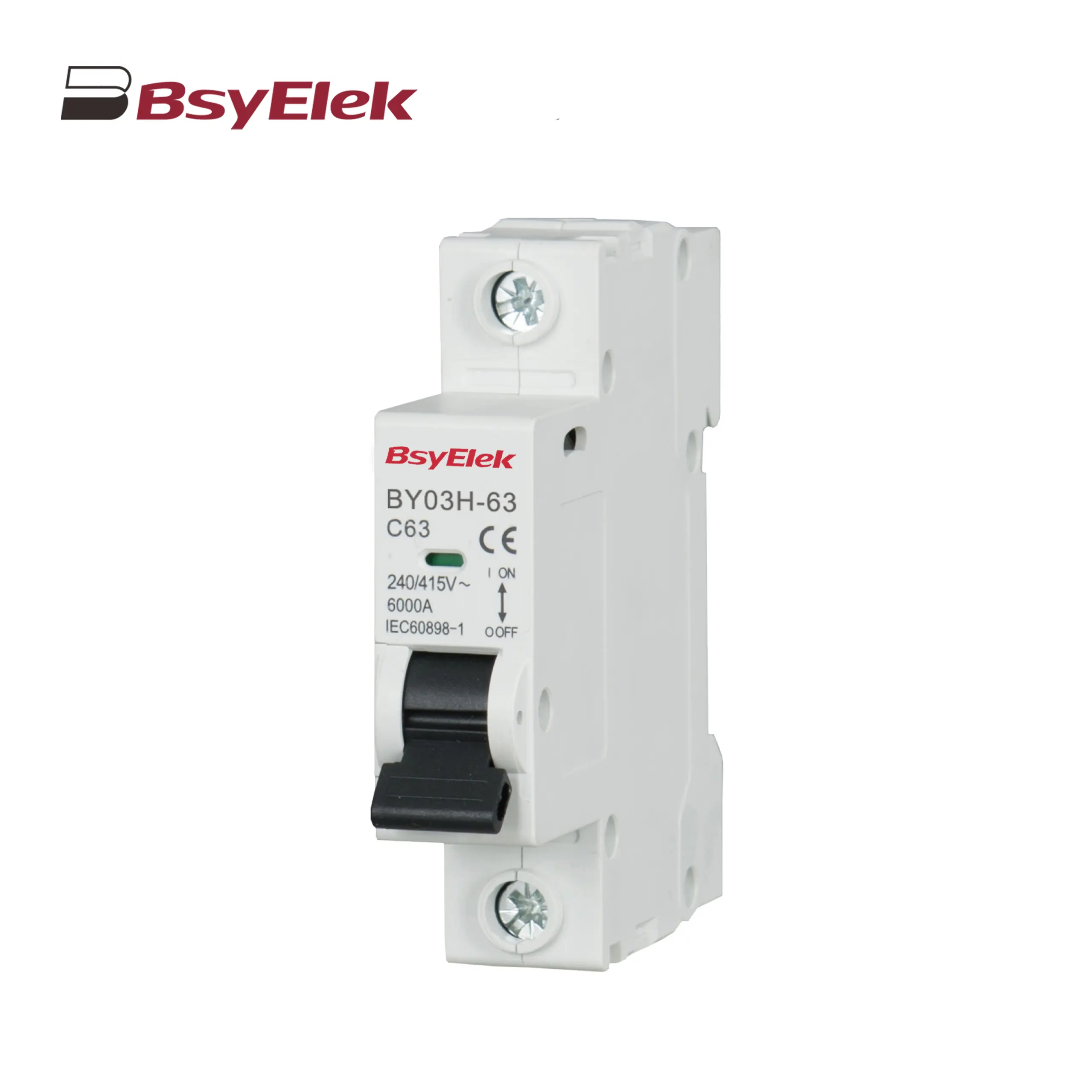 BY03H-63 MCB 6KA Miniature Circuit Breaker
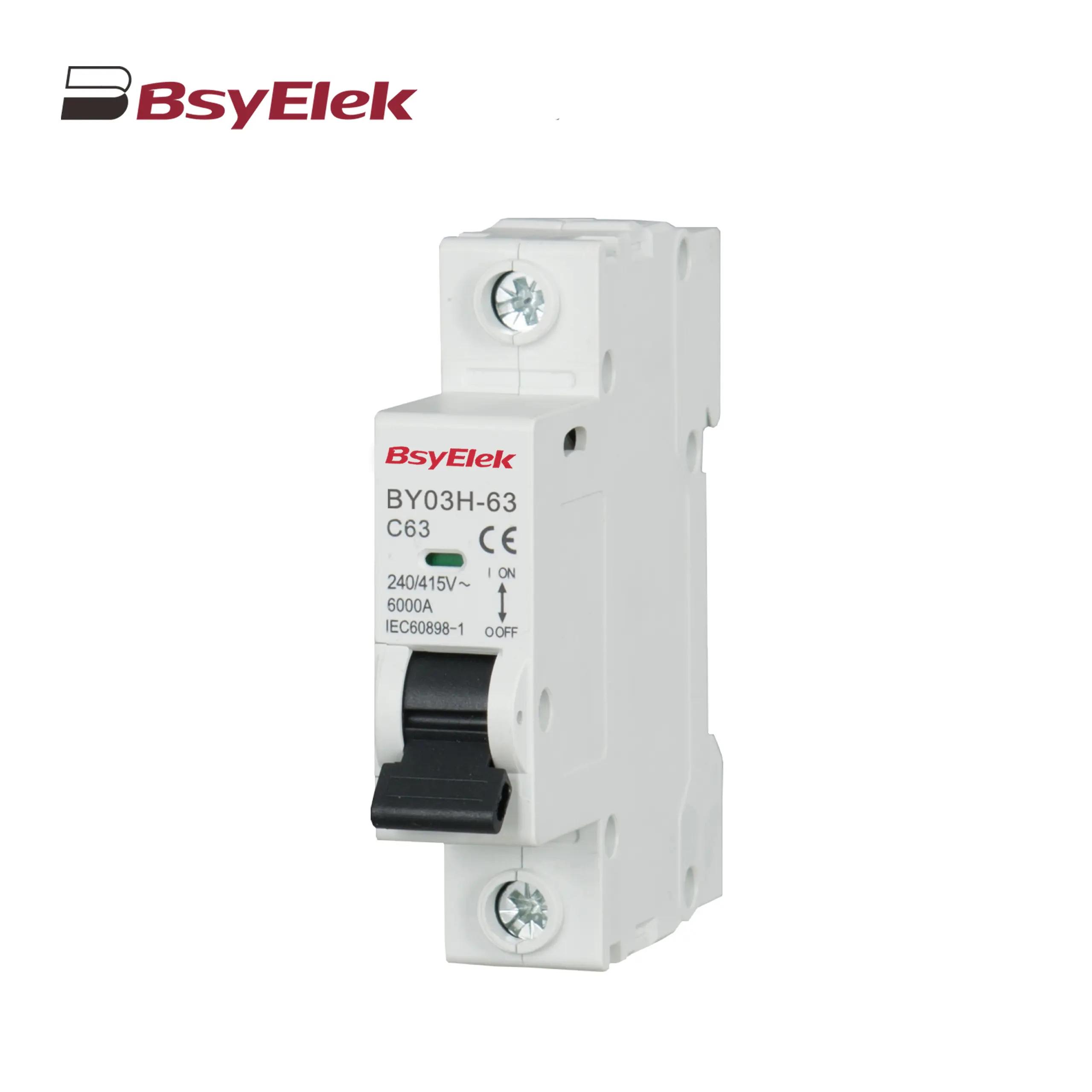 BY03-63 MCB 4.5KA Miniature Circuit Breaker
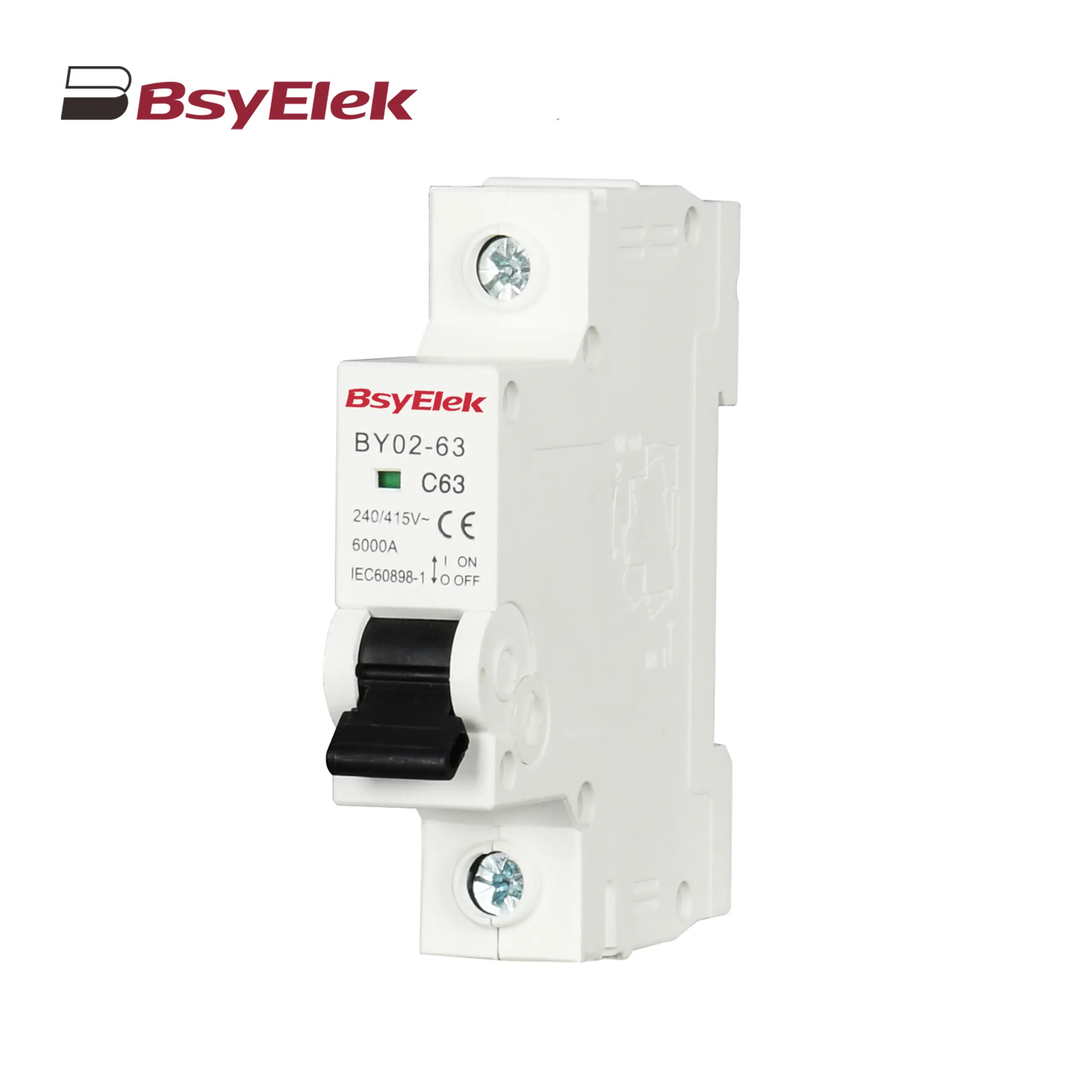 BY02-63 MCB 3kA Miniature Circuit Breaker
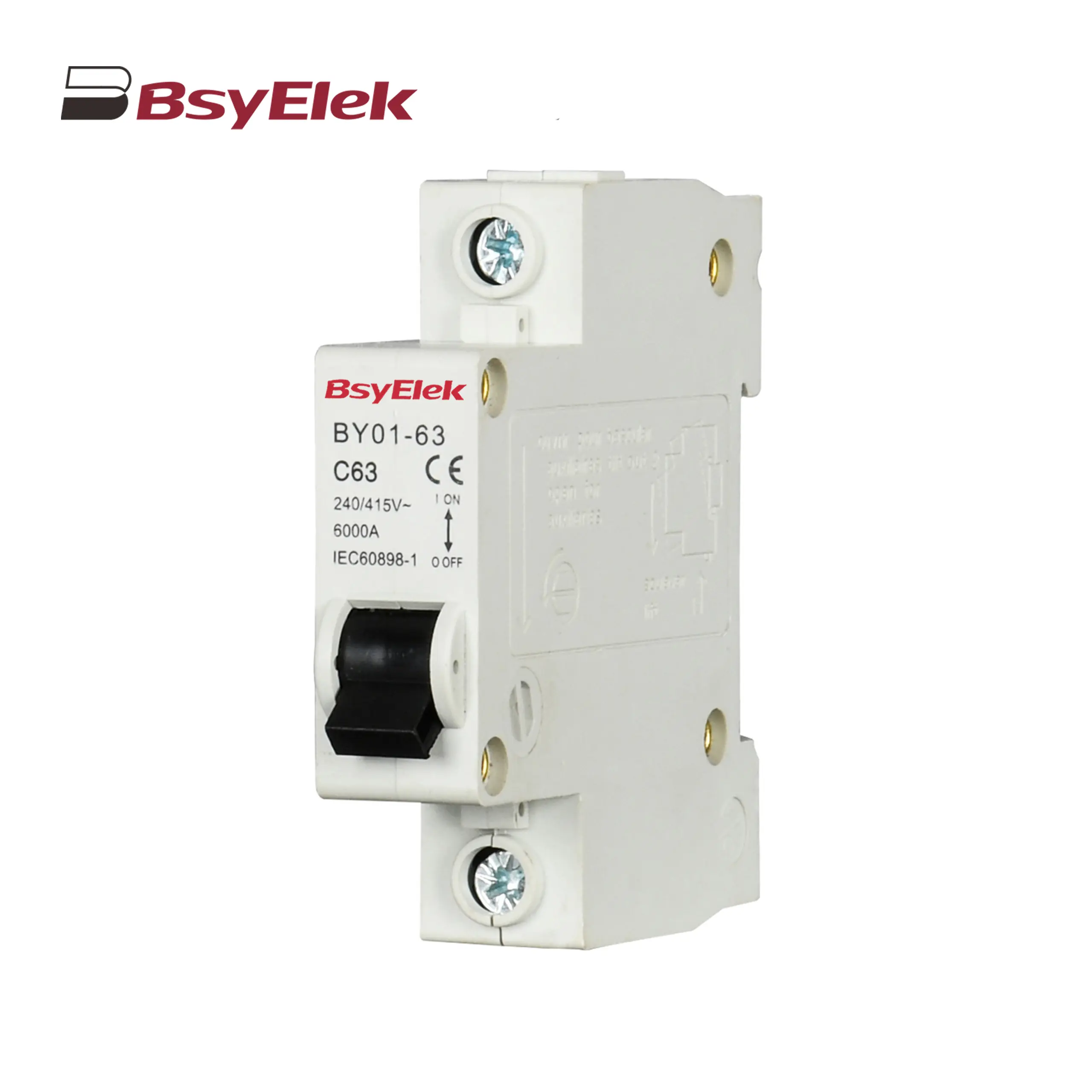 BY01-63 MCB 3kA Miniature Circuit Breaker
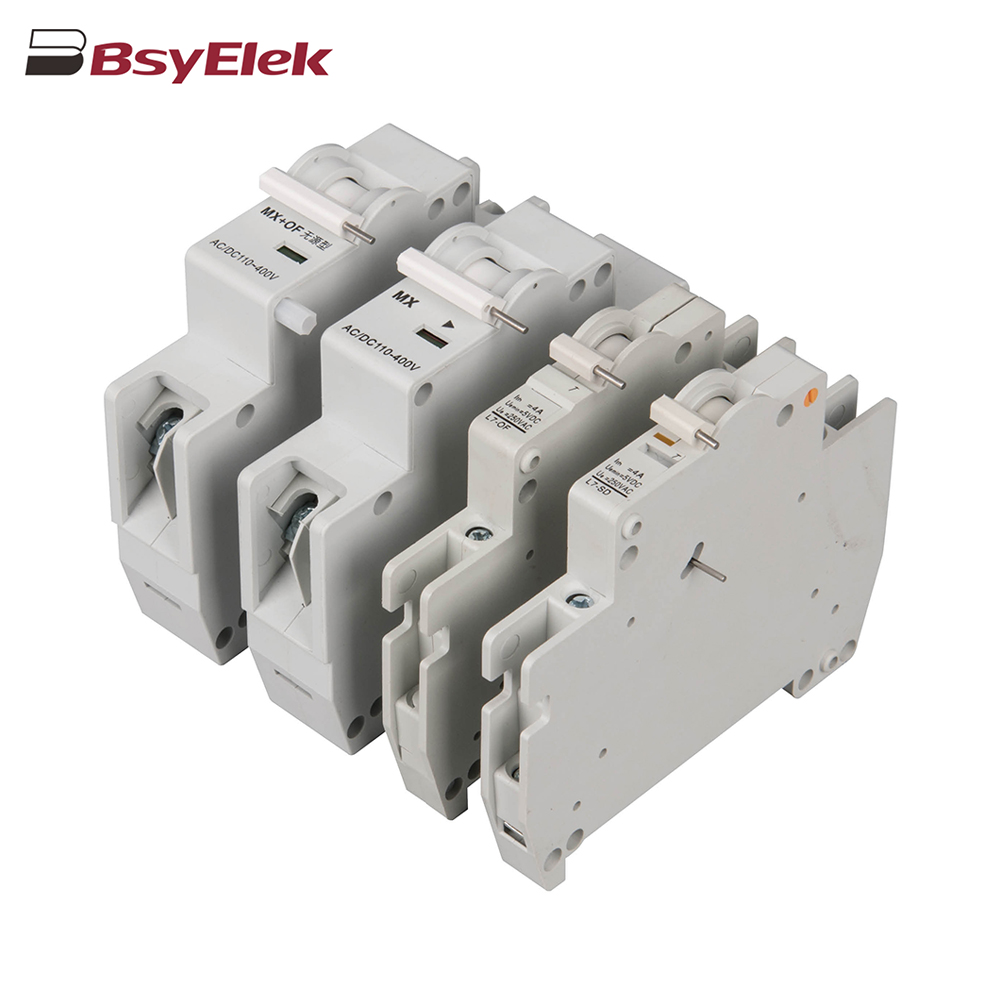 OF SD MX OF MCB Miniature Circuit Breaker Accessories
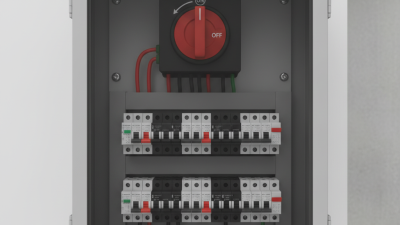
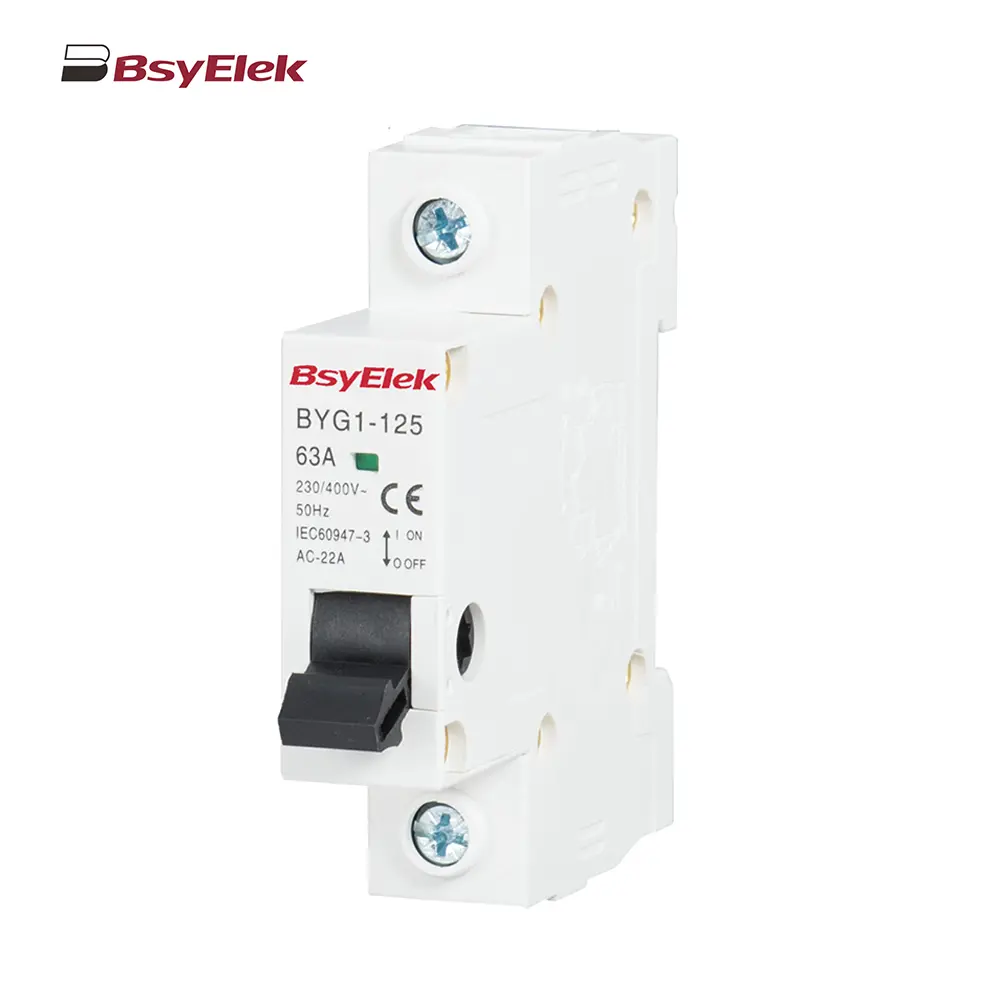 BYG1-125 Main Switch MCB Isolator Switch
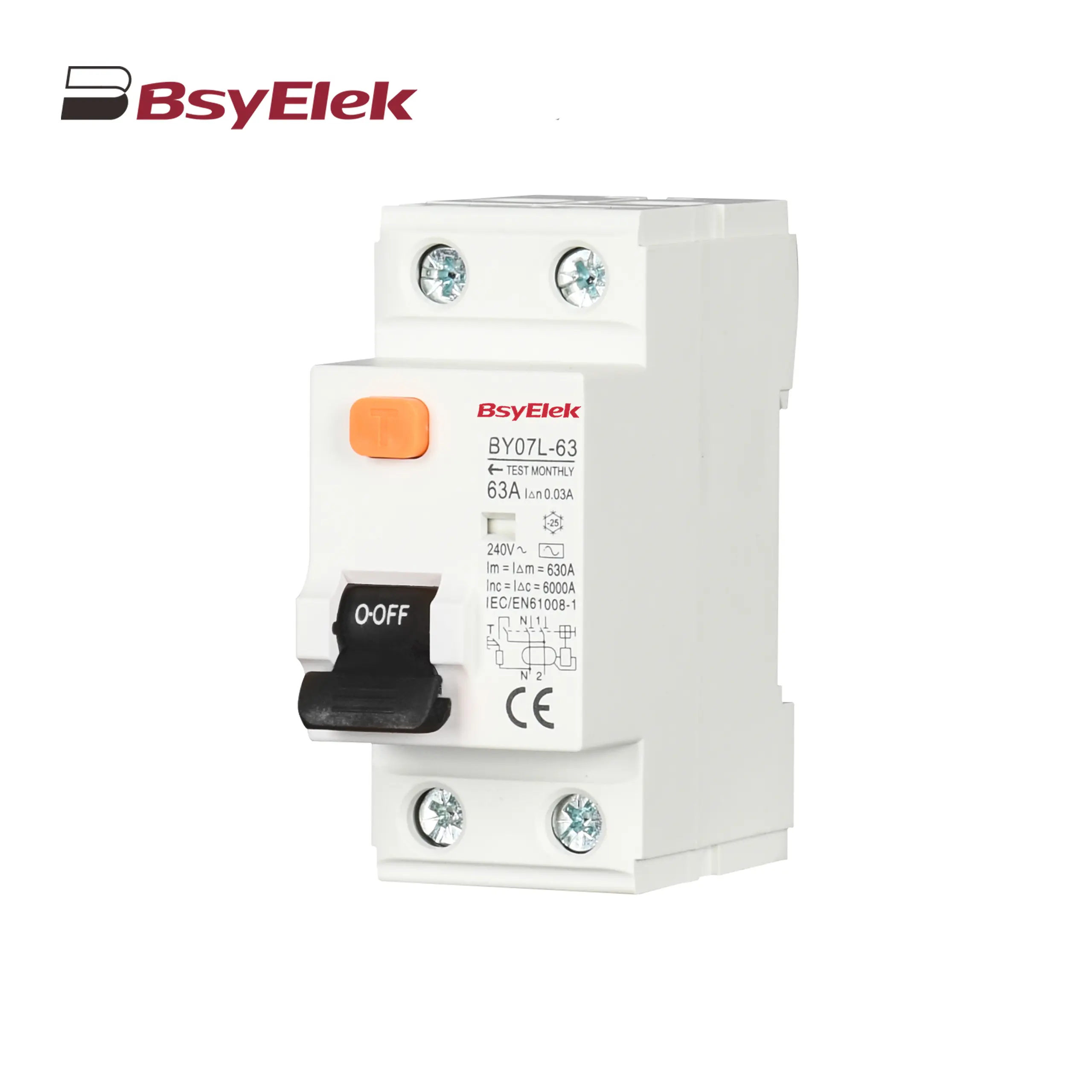 BY07L-63 RCCB 6KA Residual Current Circuit Breaker
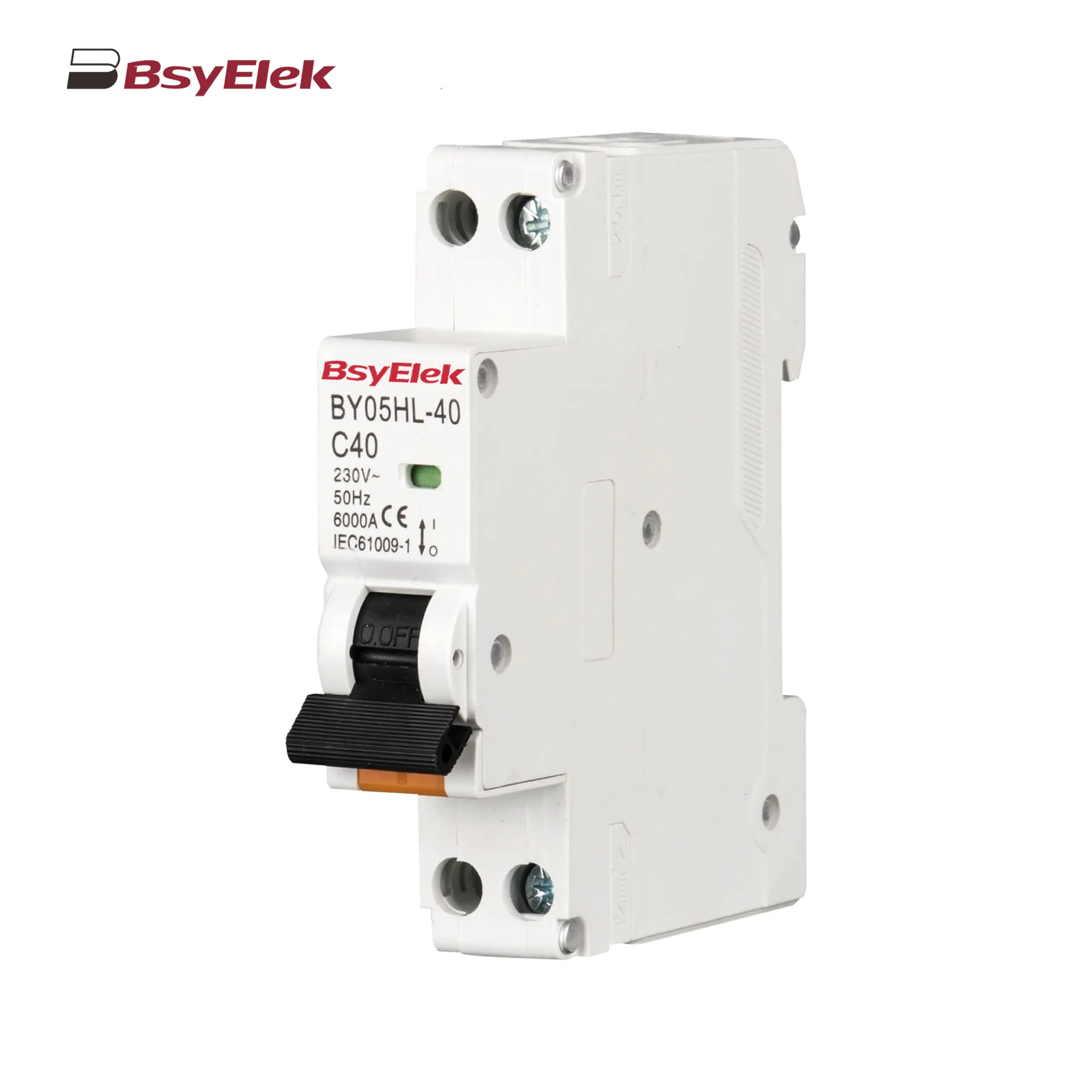 BY05HL-40 RCBO 6KA Residual Current Circuit Breaker with Over-current Protection
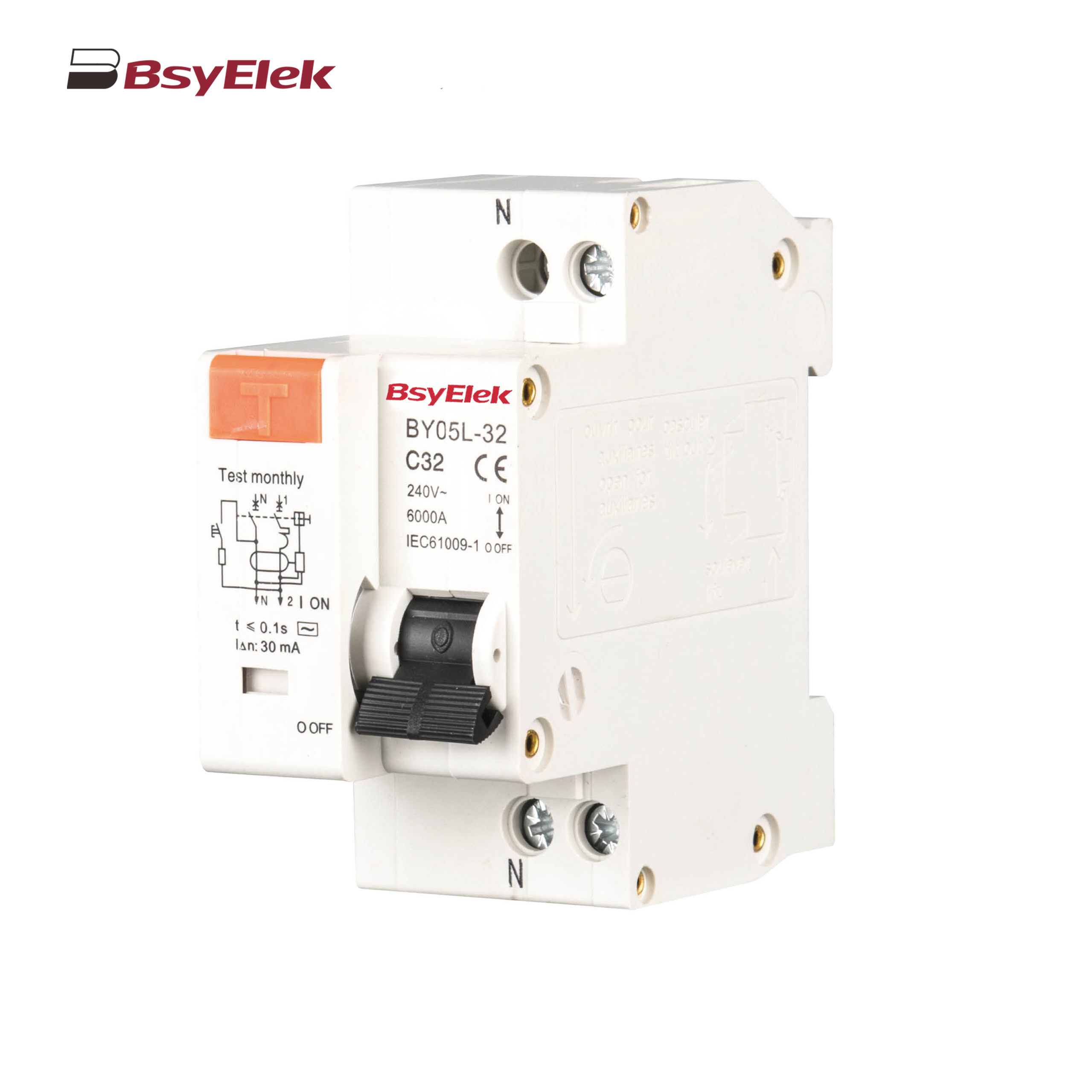 BY05L-32 RCBO 3KA Residual Current Circuit Breaker with Over-current Protection
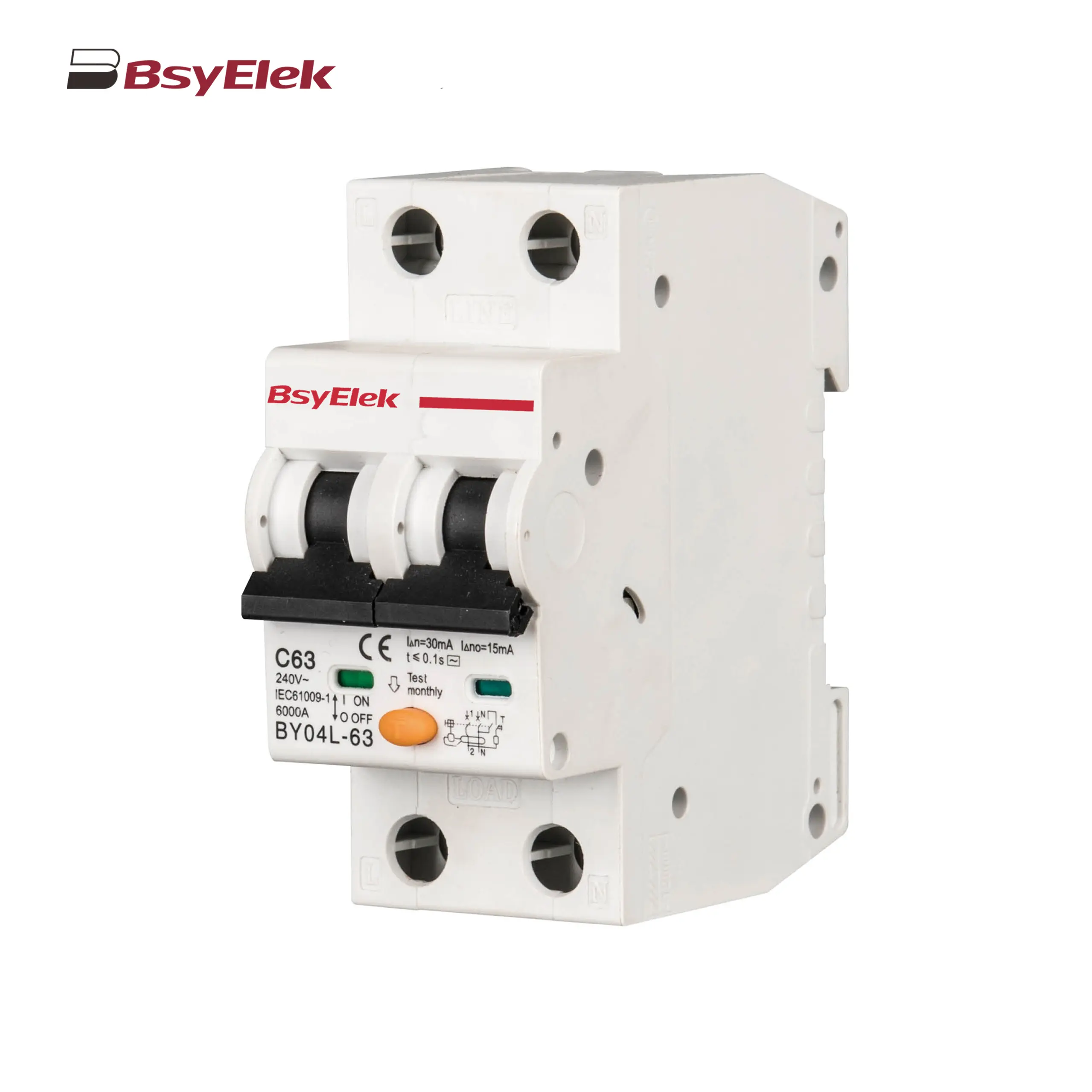 BY04L-63 RCBO 6KA Residual Current Circuit Breaker with Over-current Protection
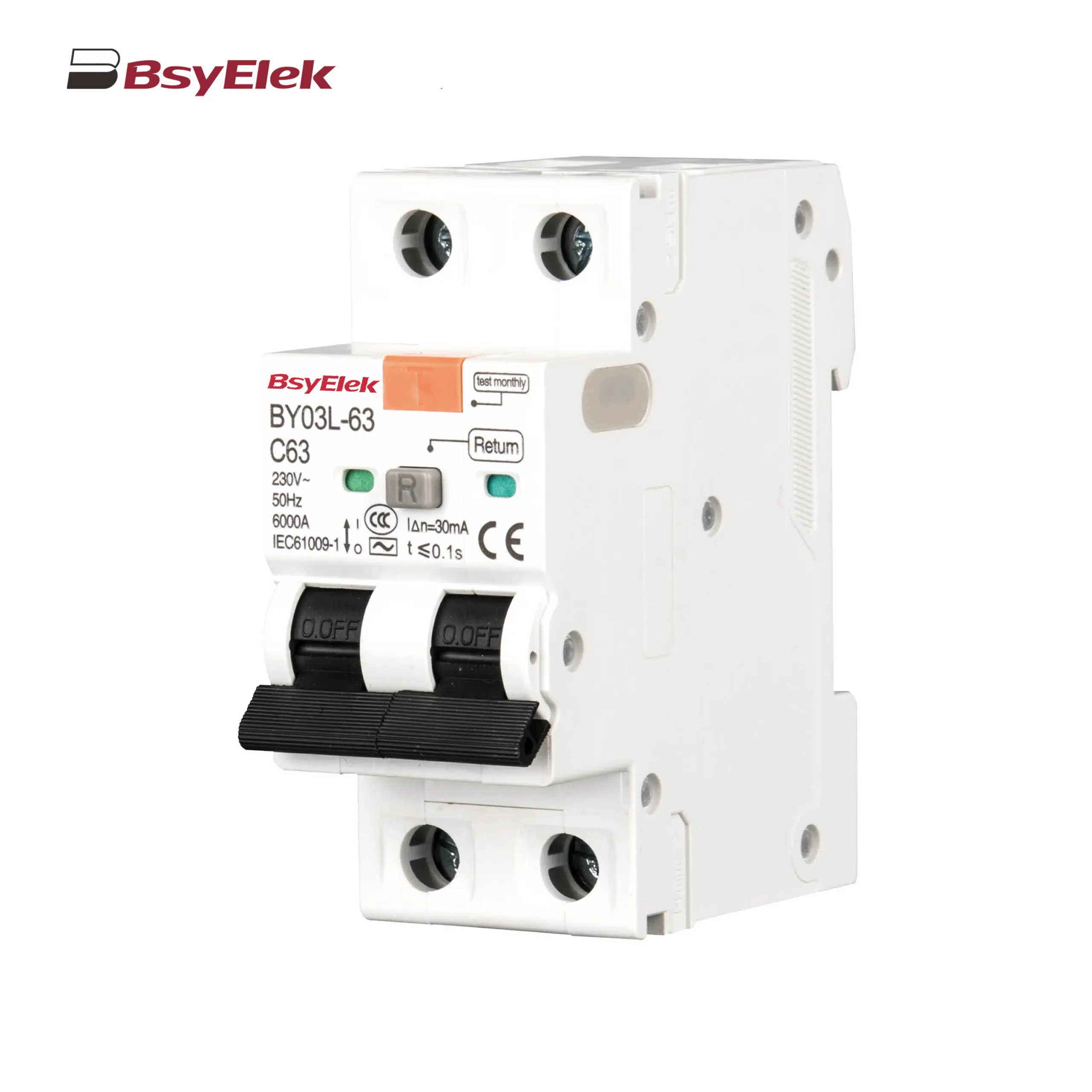 BY03L-63 RCBO 4.5KA Residual Current Circuit Breaker with Over-current Protection
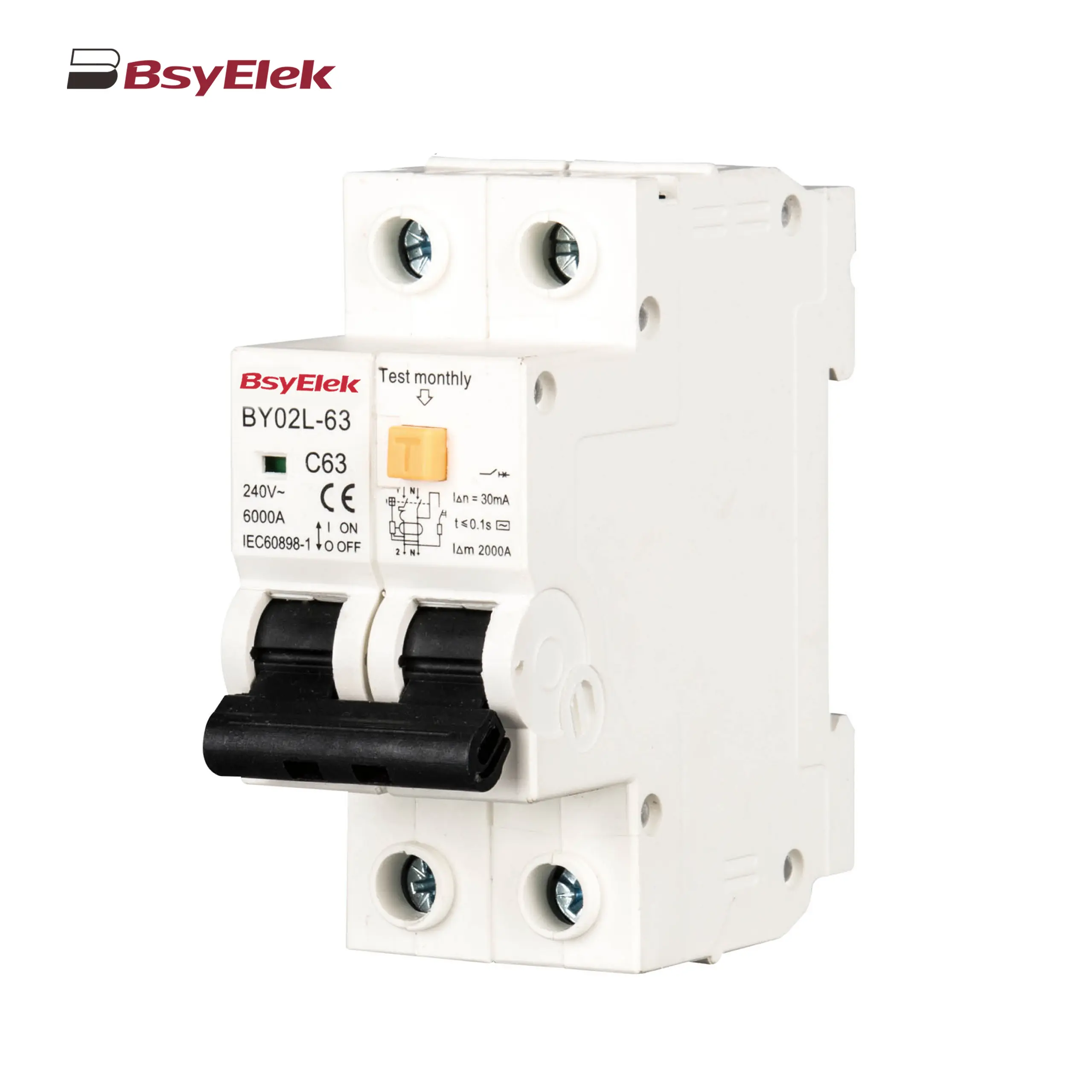 BY02L-63 RCBO 3KA Residual Current Circuit Breaker with Over-current Protection
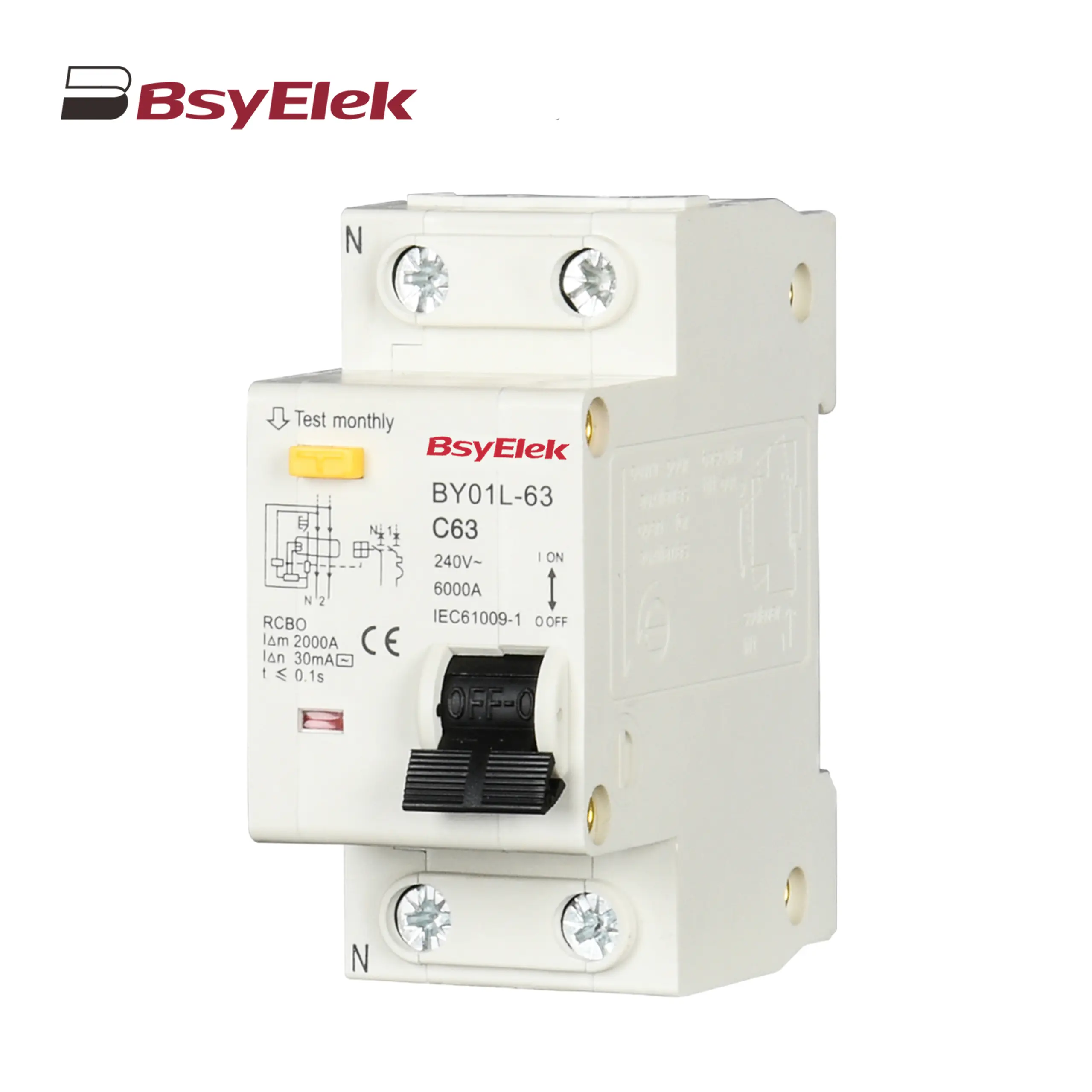 BY01L-63 RCBO 1P+N 3KA Residual Current Circuit Breaker with Over-current Protection
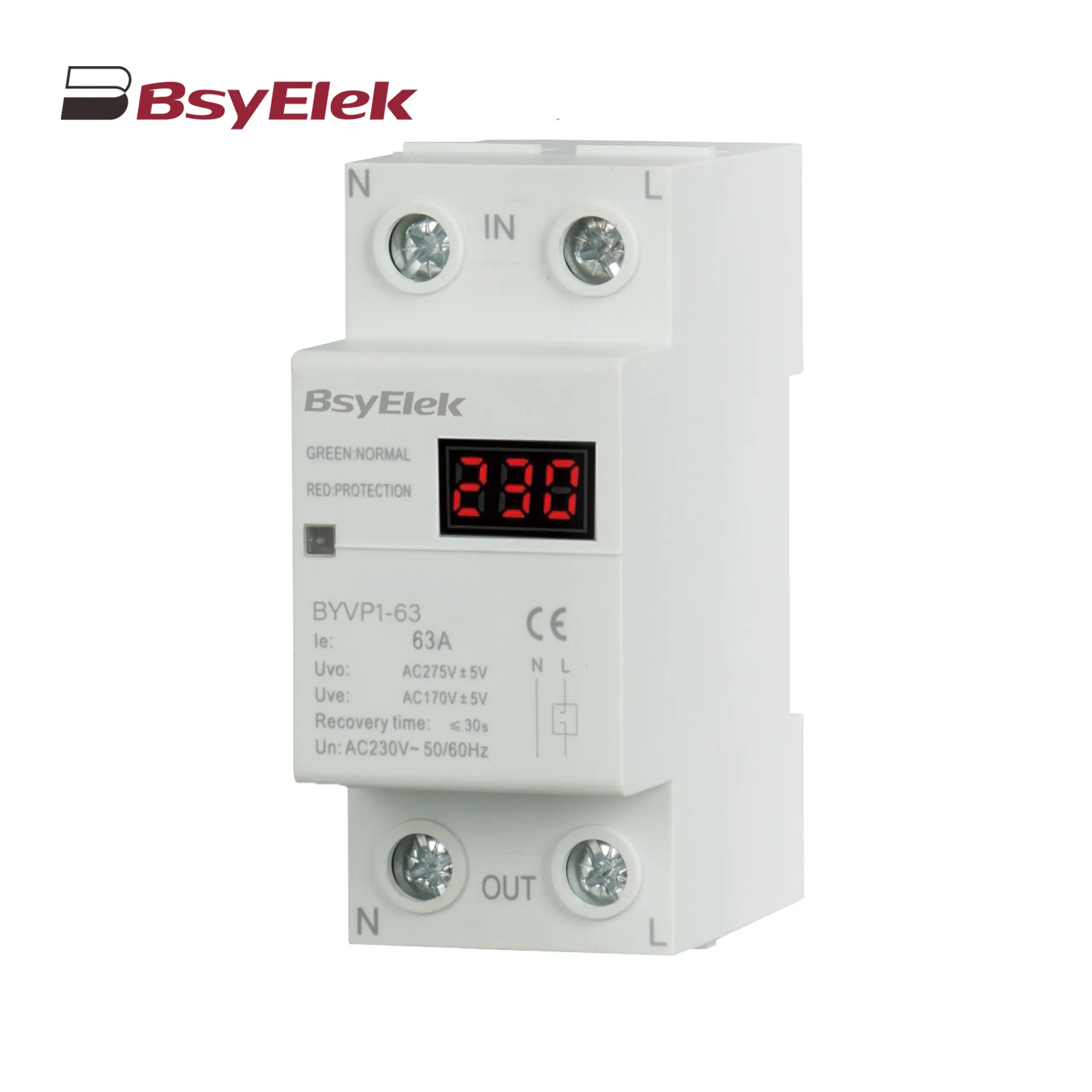 BYVP1-63 100A Single Display Overvoltage and Undervoltage Protector
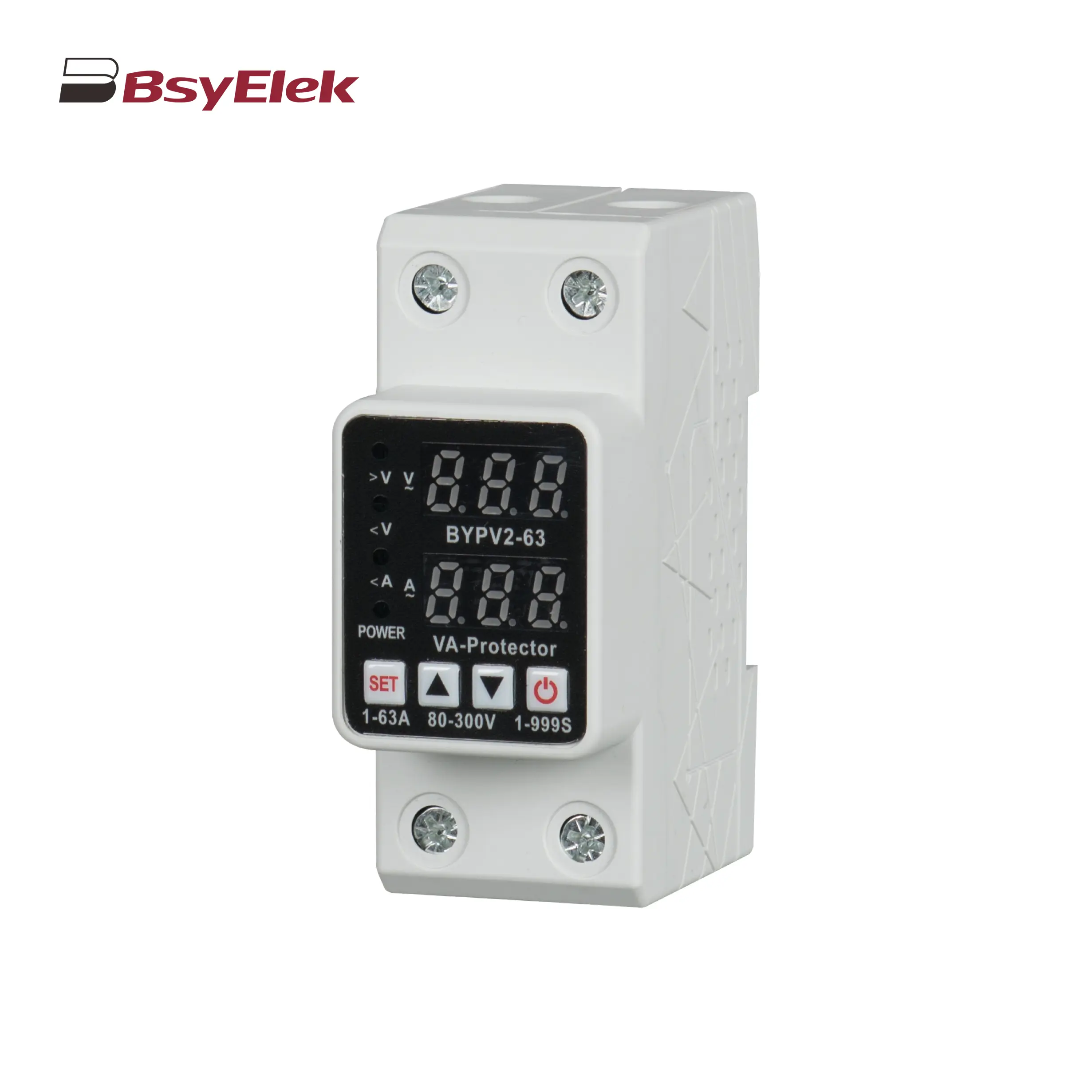 BYVP2-63 40A 63A Adjustable Dual Display Overvoltage and Undervoltage Protector
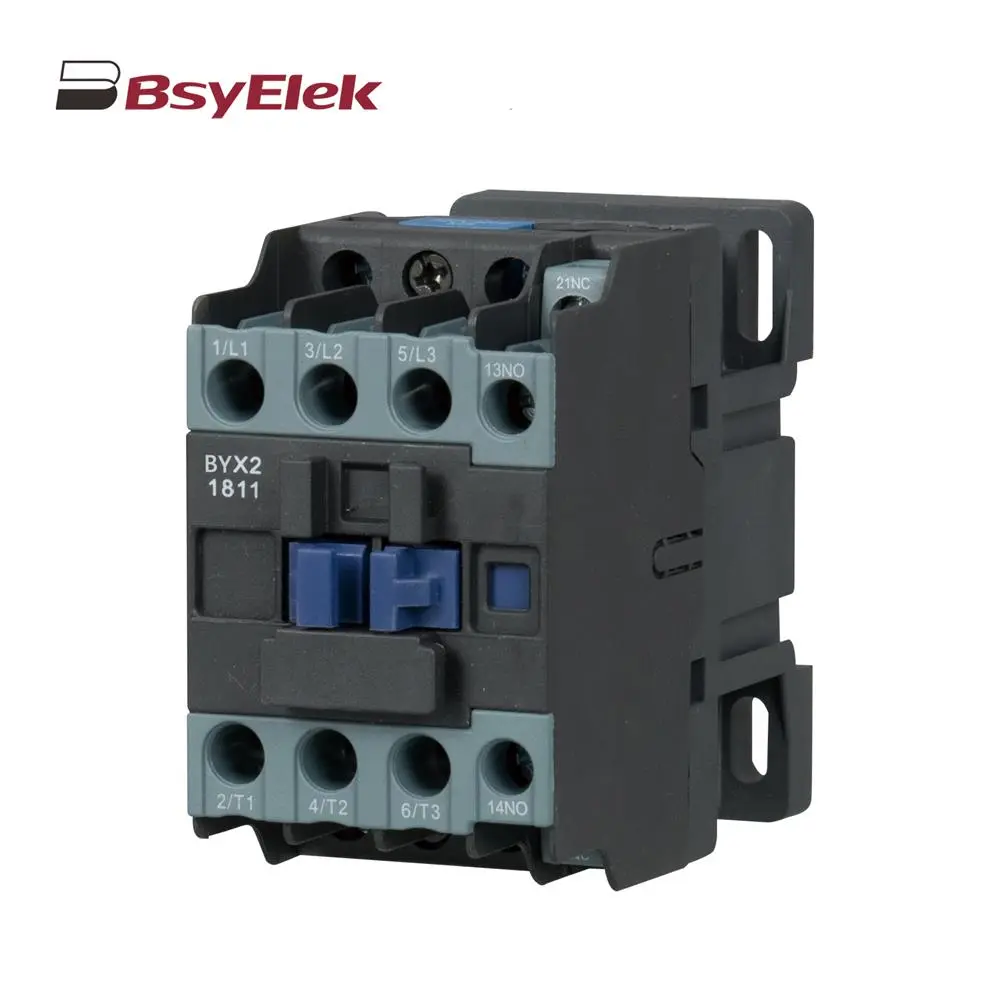 BYX2 6-95A AC Contactor
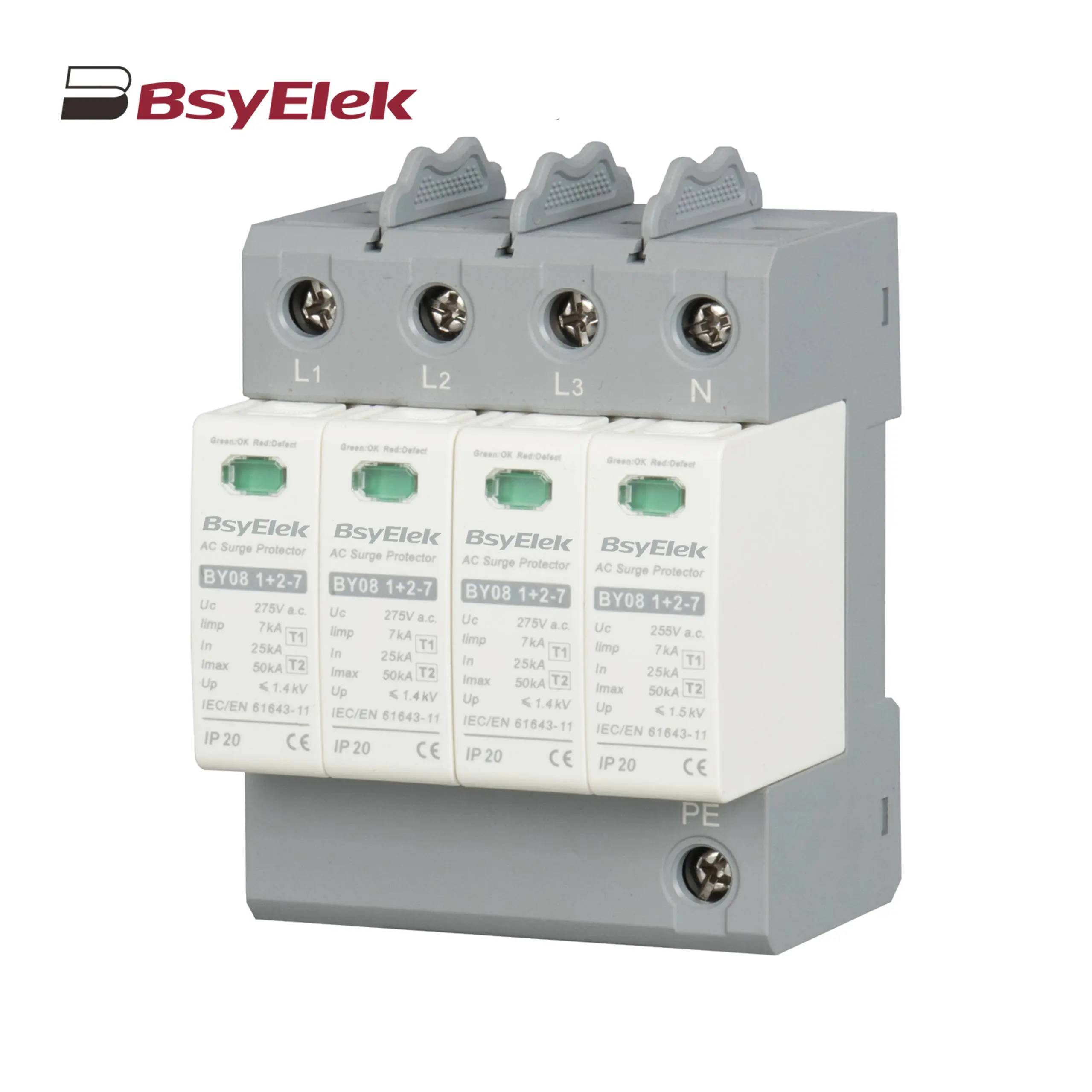 BY08 1+2-7 SPD Class T1+T2 Imax 50KA Surge Protective Device
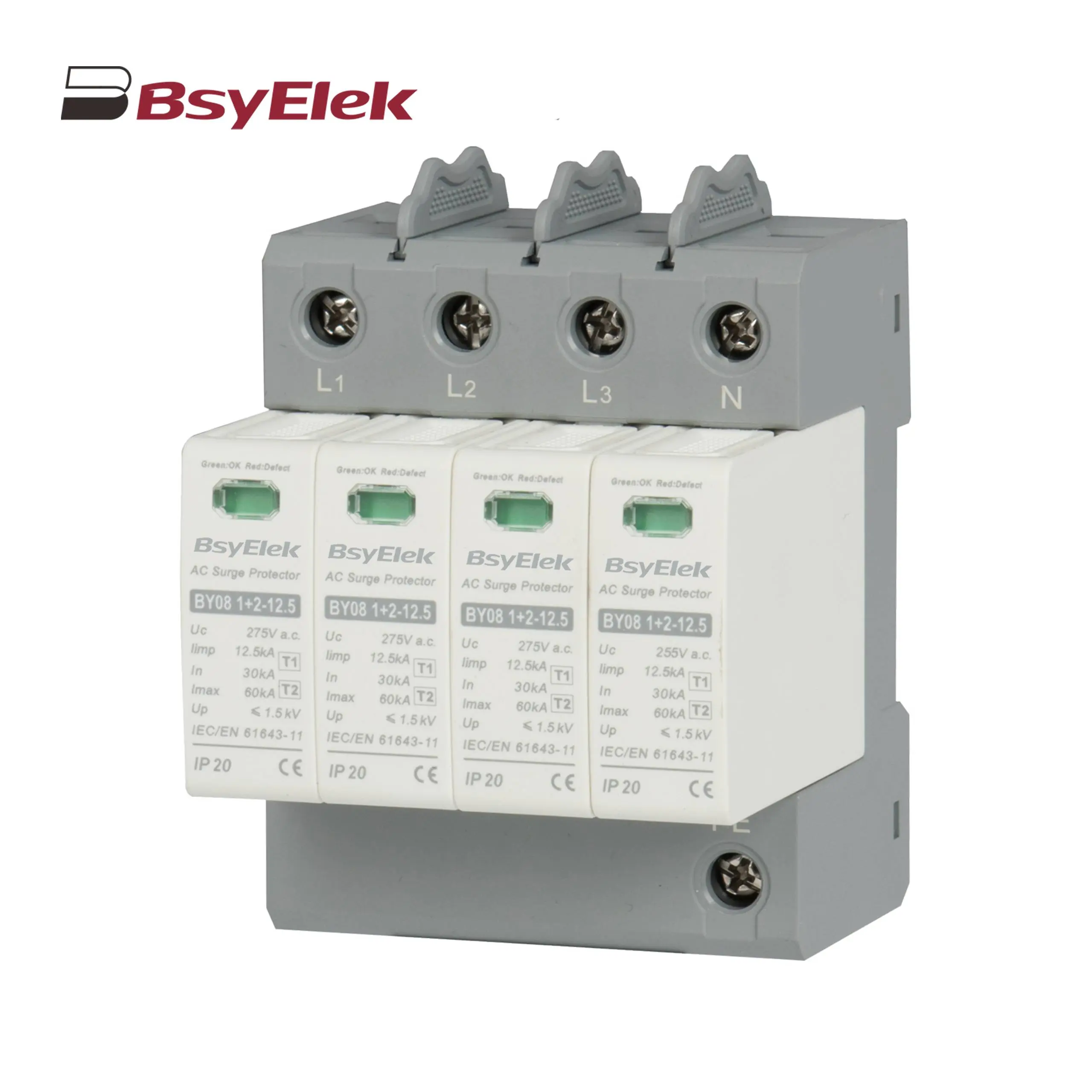 BY08 1+2-12.5 SPD Class T1+T2 Imax 60KA Surge Protective Device
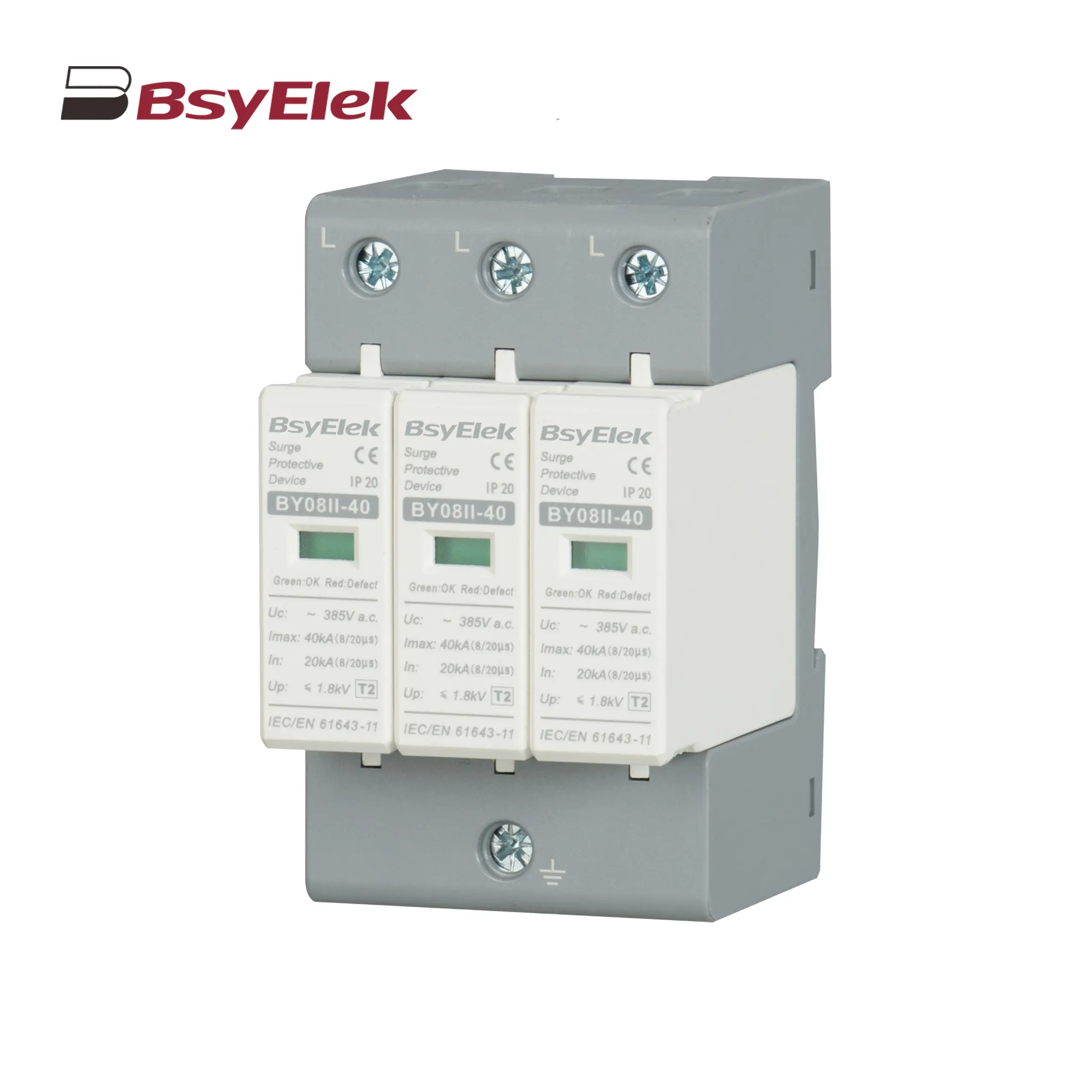 BY08II-40 SPD Class T2 Imax 40KA Surge Protective Device
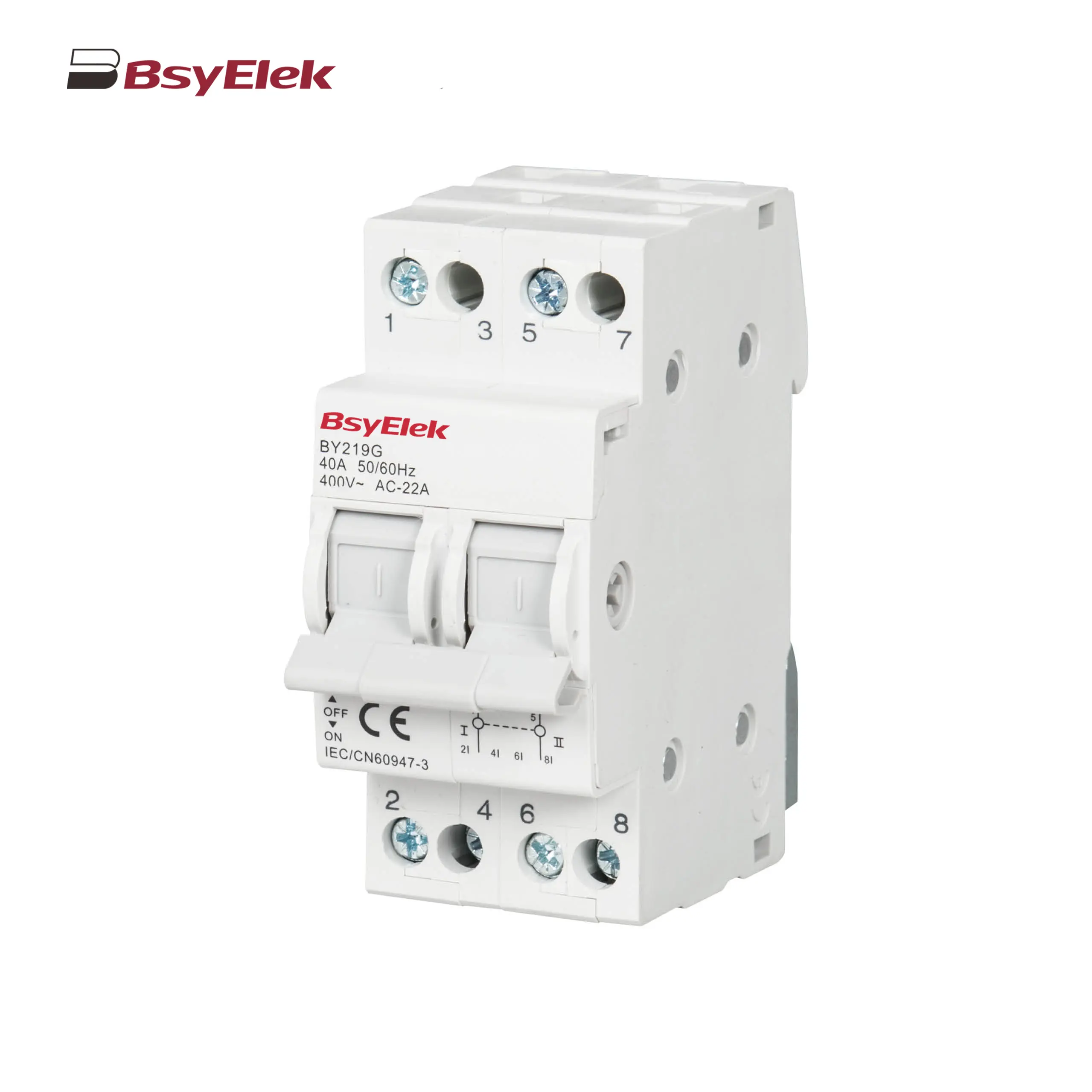 BY19G 63A Manual Changeover Switch
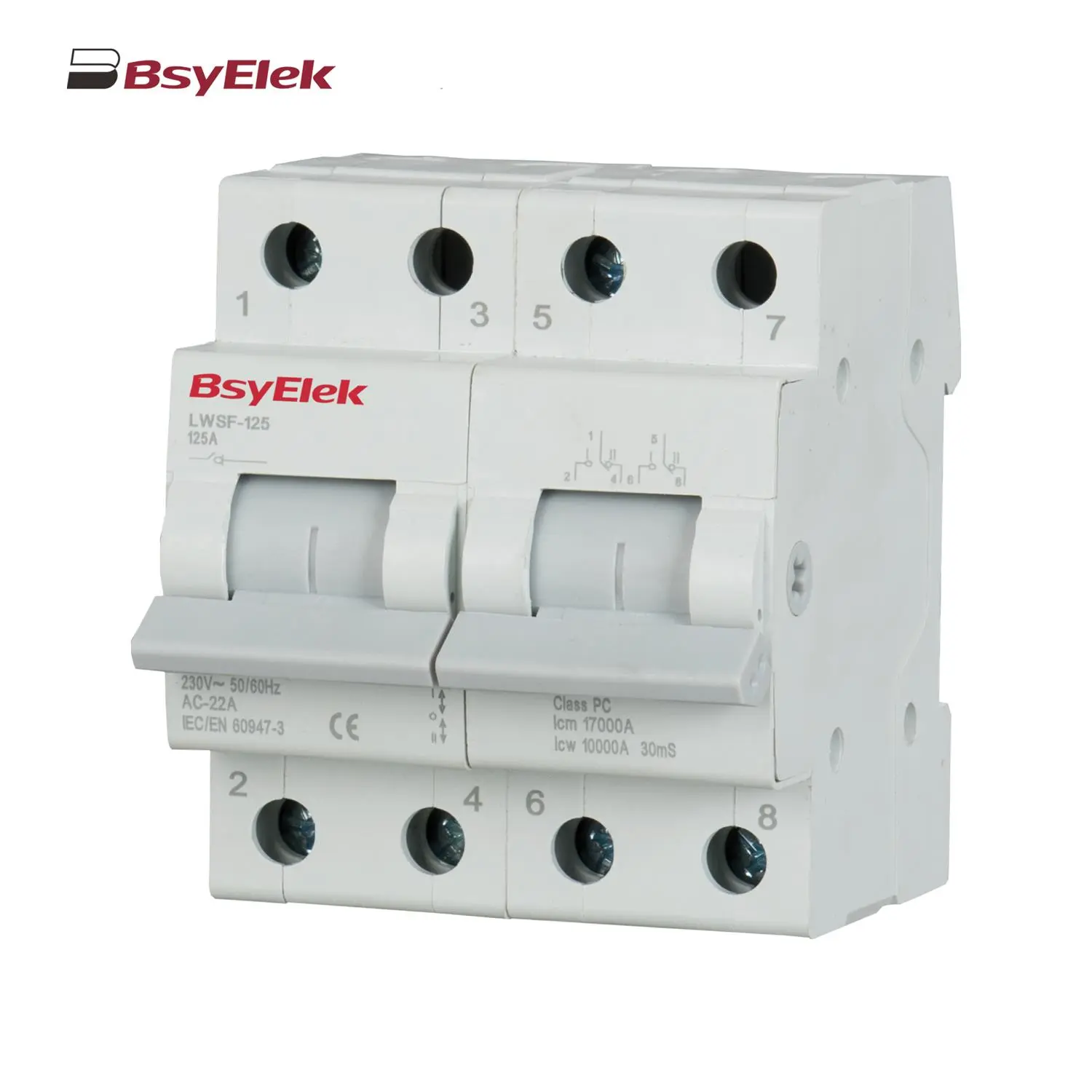 LWSF-125 125A Manual Changeover Switch
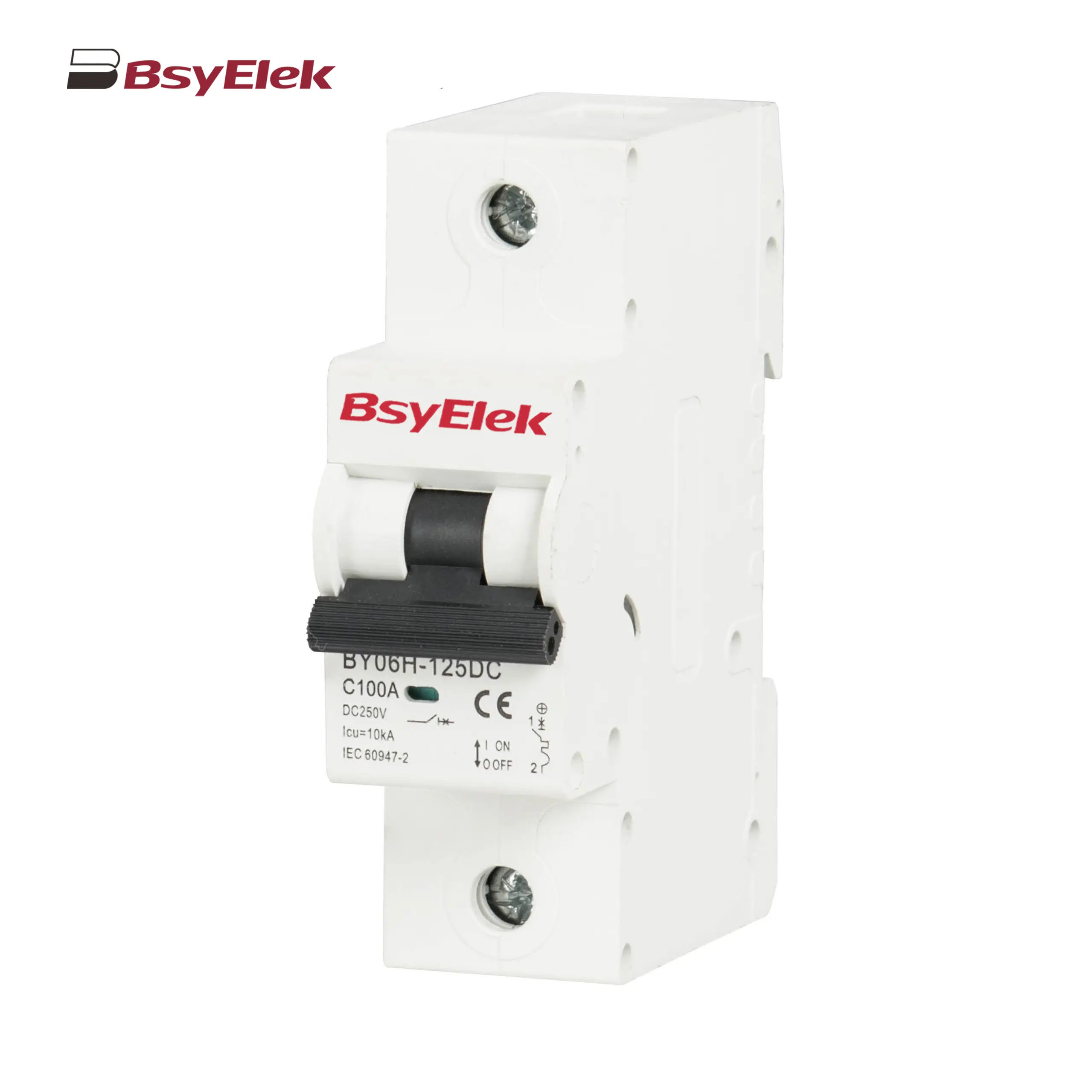 BY06H-125DC MCB 10-15kA DC Miniature Circuit Breaker
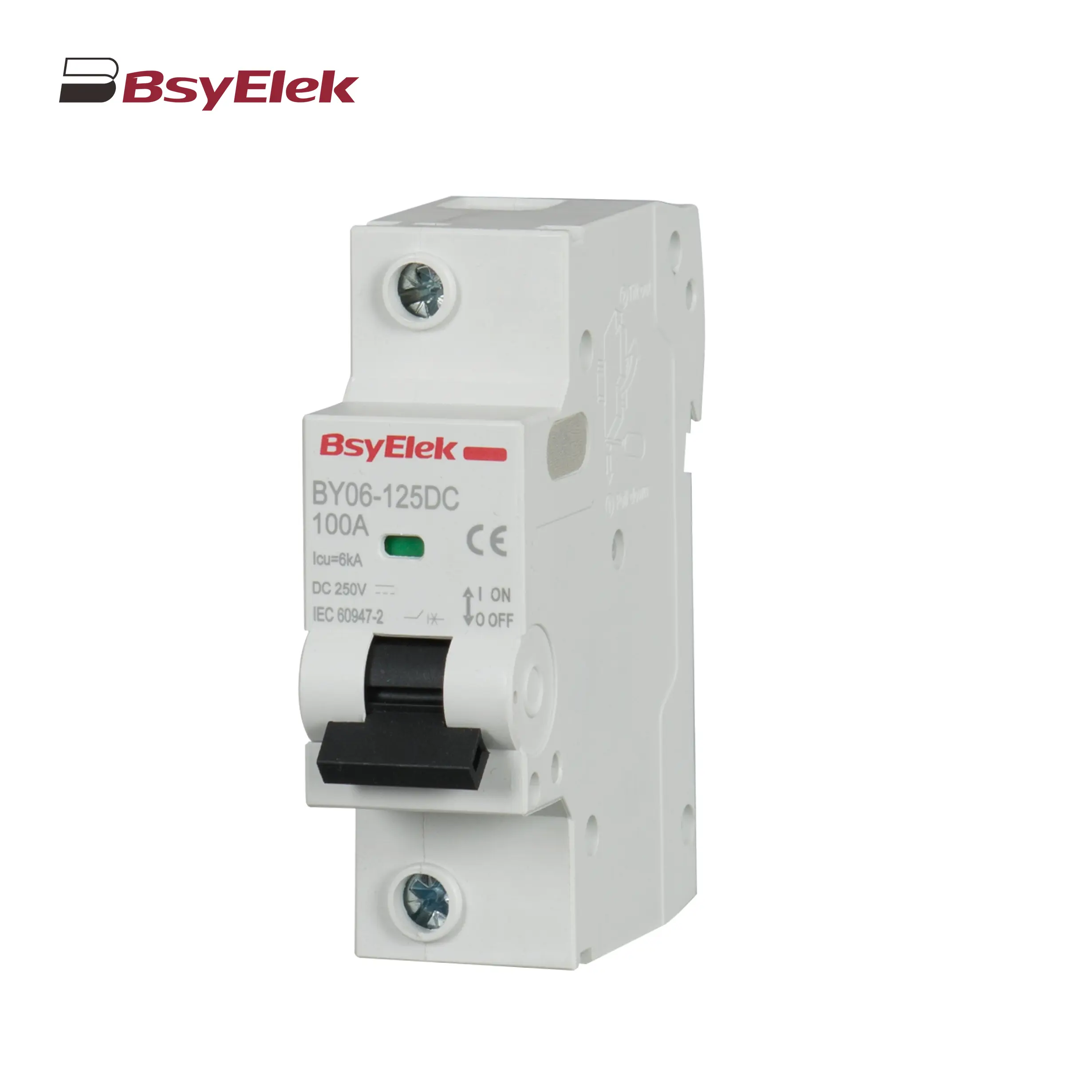 BY06-125DC MCB 6kA DC Miniature Circuit Breaker
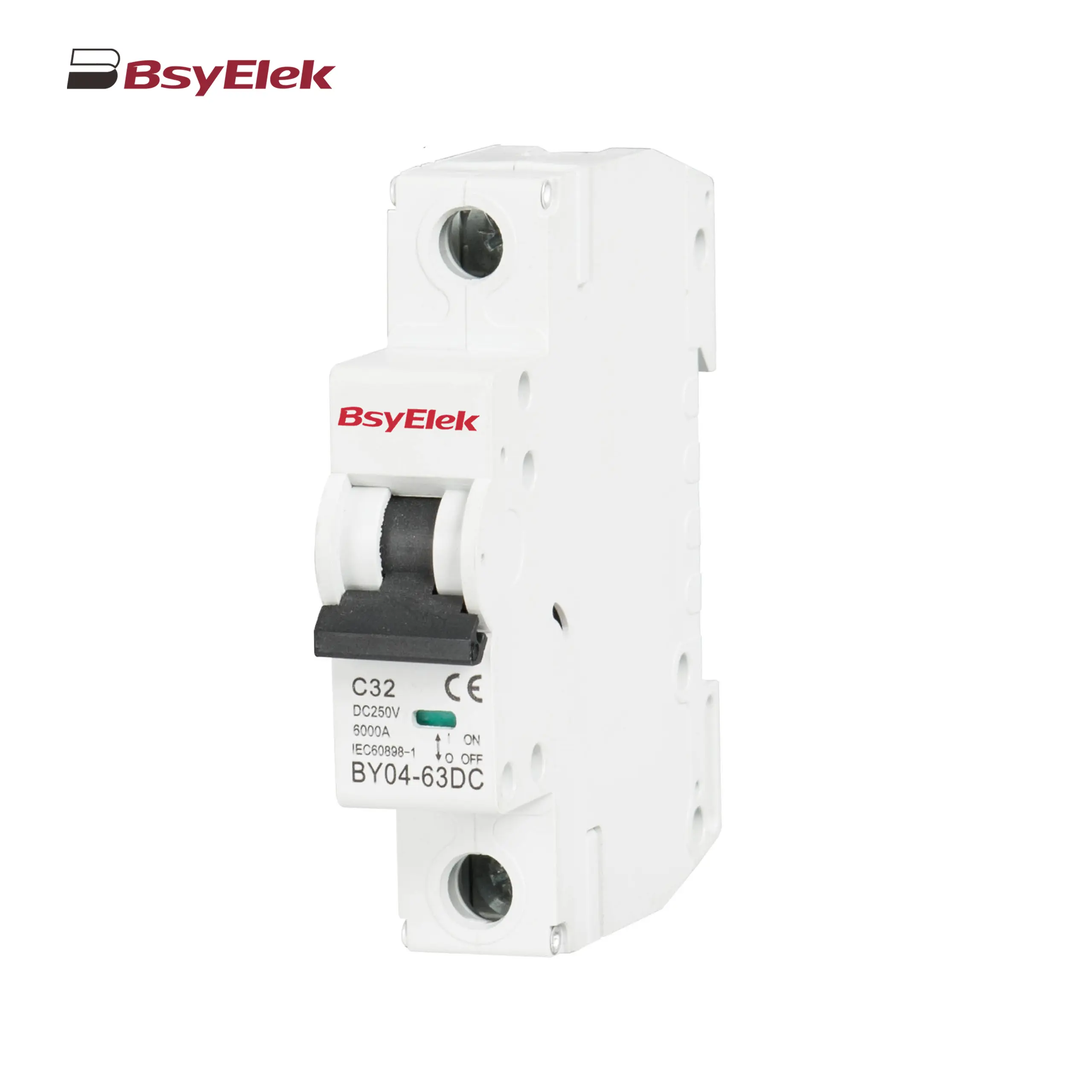 BY04-63DC MCB 6-10kA DC Miniature Circuit Breaker
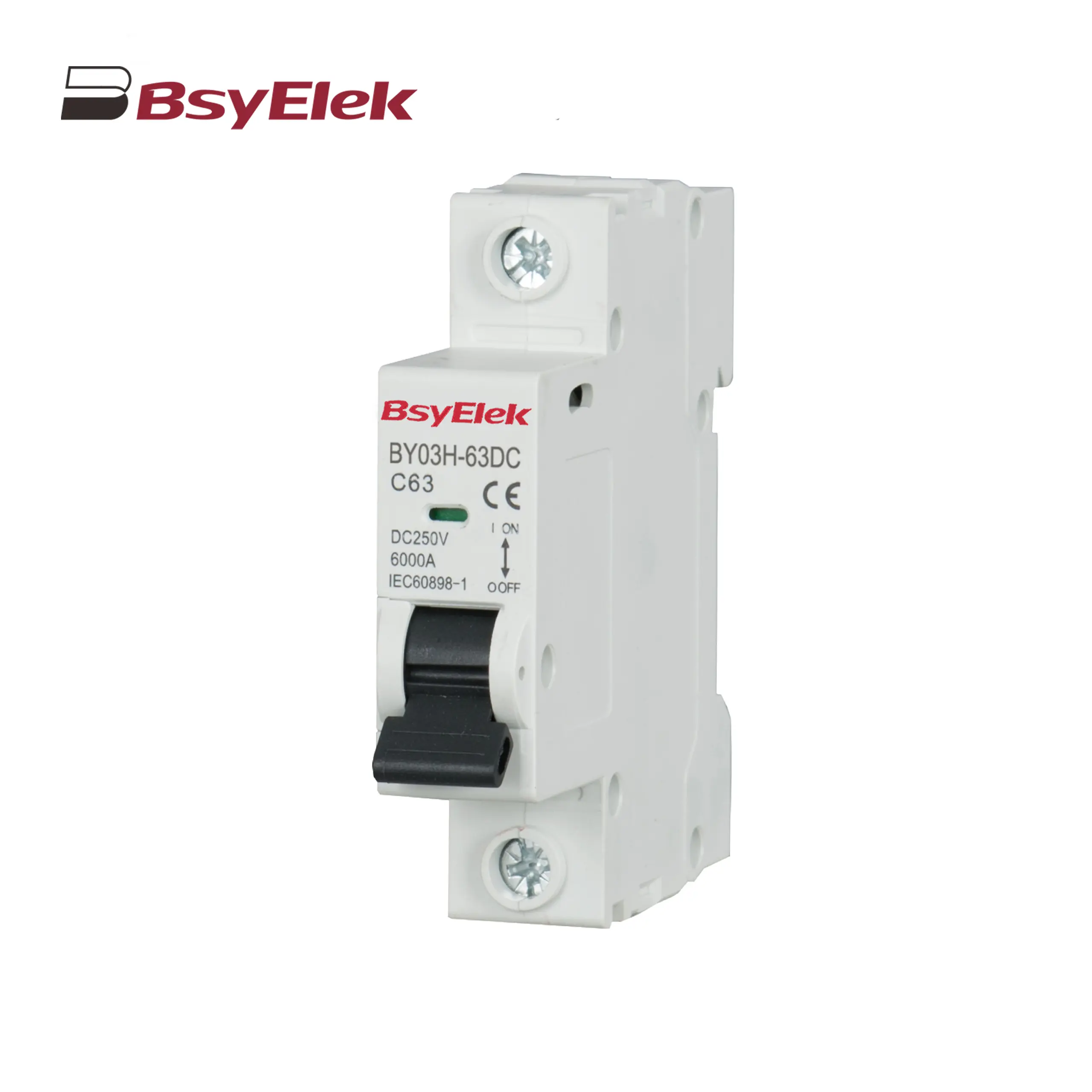 BY03H-63DC MCB 6kA DC Miniature Circuit Breaker
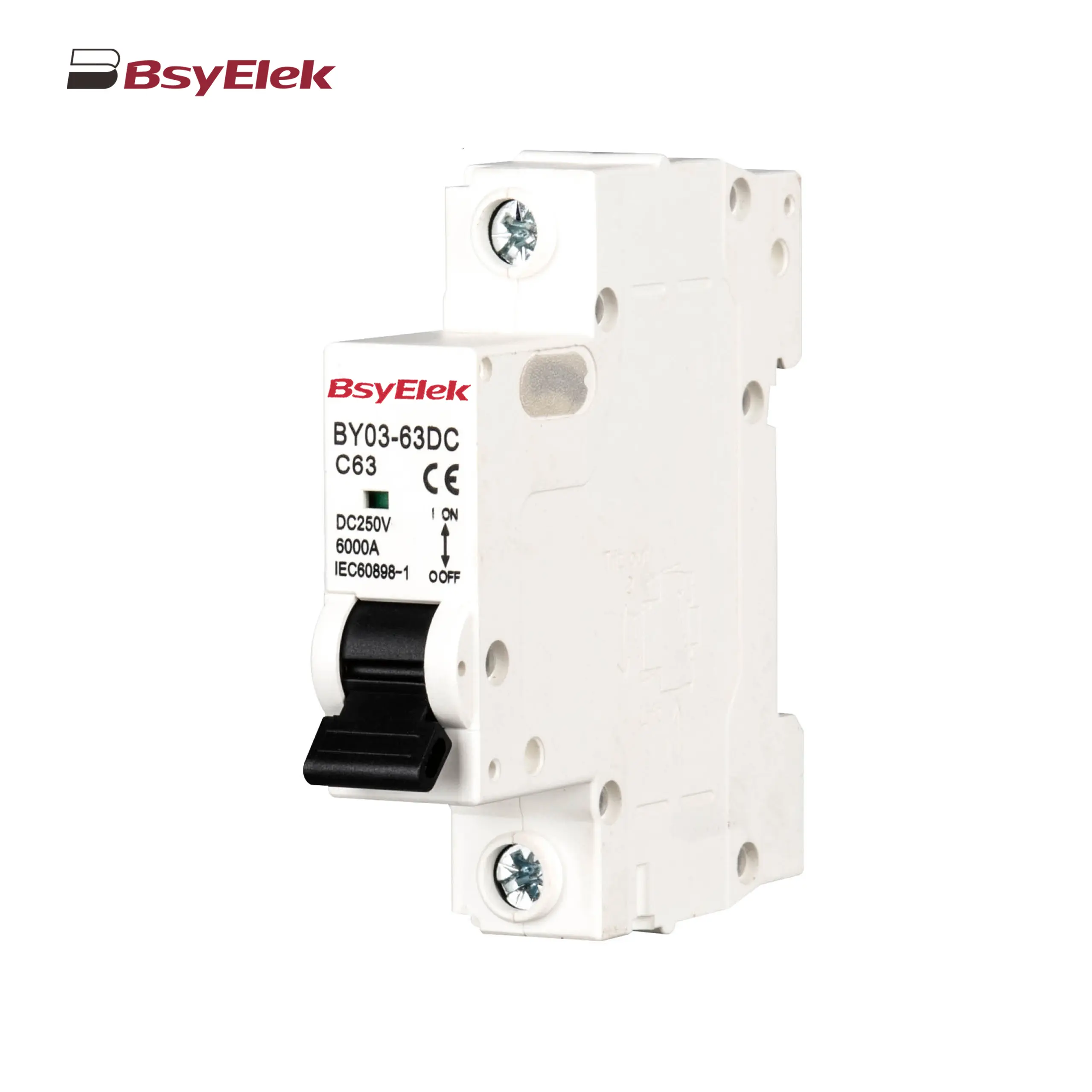 BY03-63DC MCB 4.5kA DC Miniature Circuit Breaker
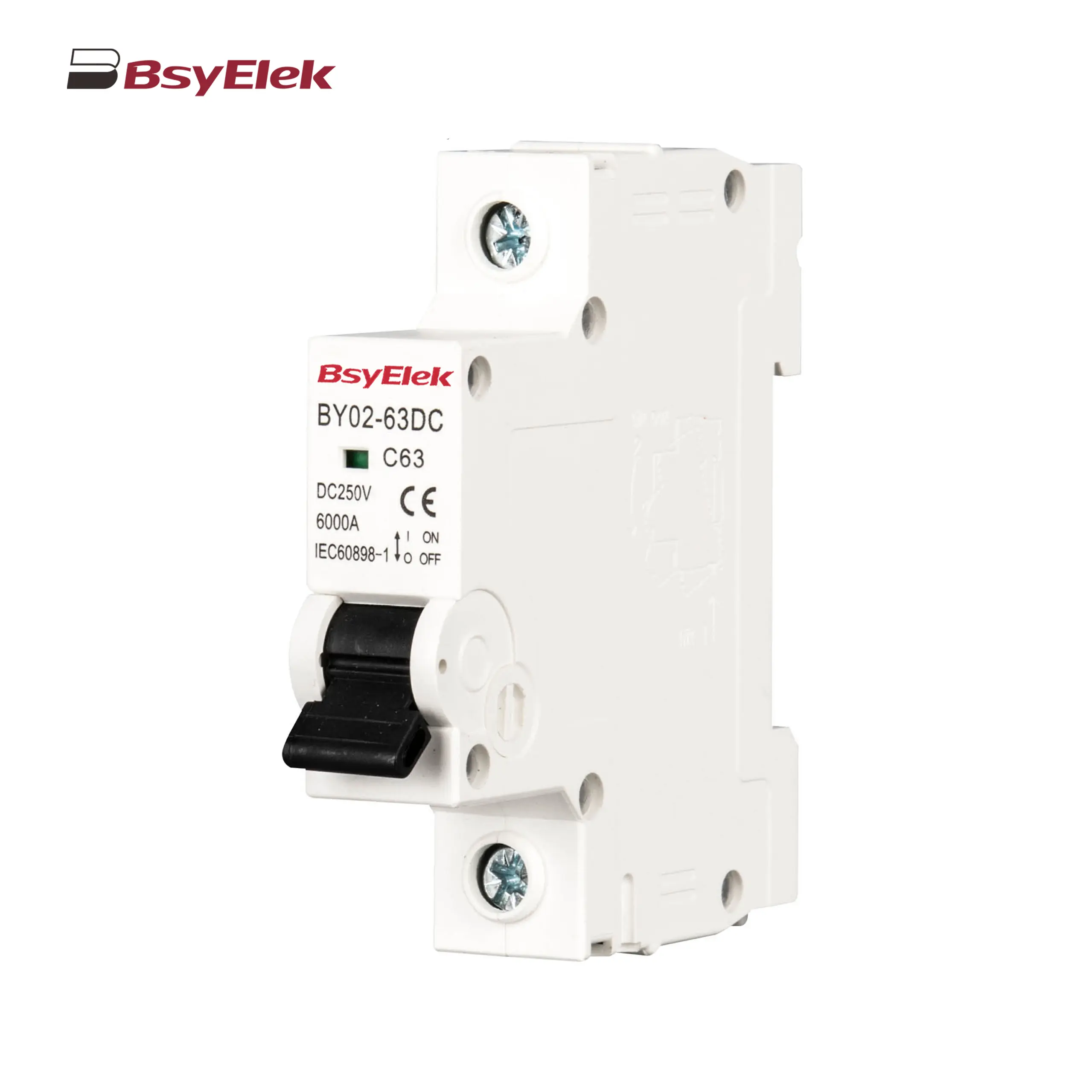 BY02-63DC MCB 3kA DC Miniature Circuit Breaker
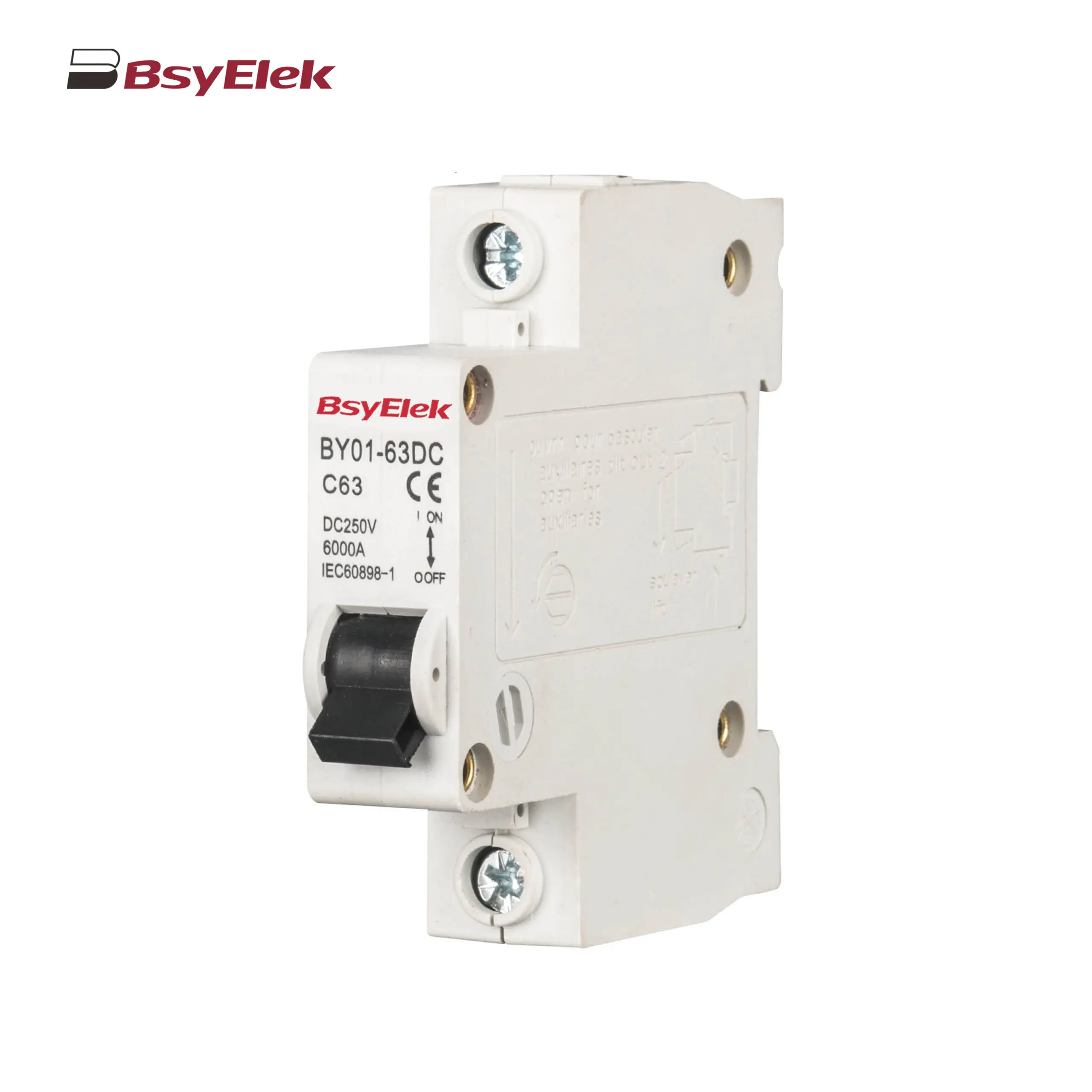 BY01-63DC MCB 3kA DC Miniature Circuit Breaker
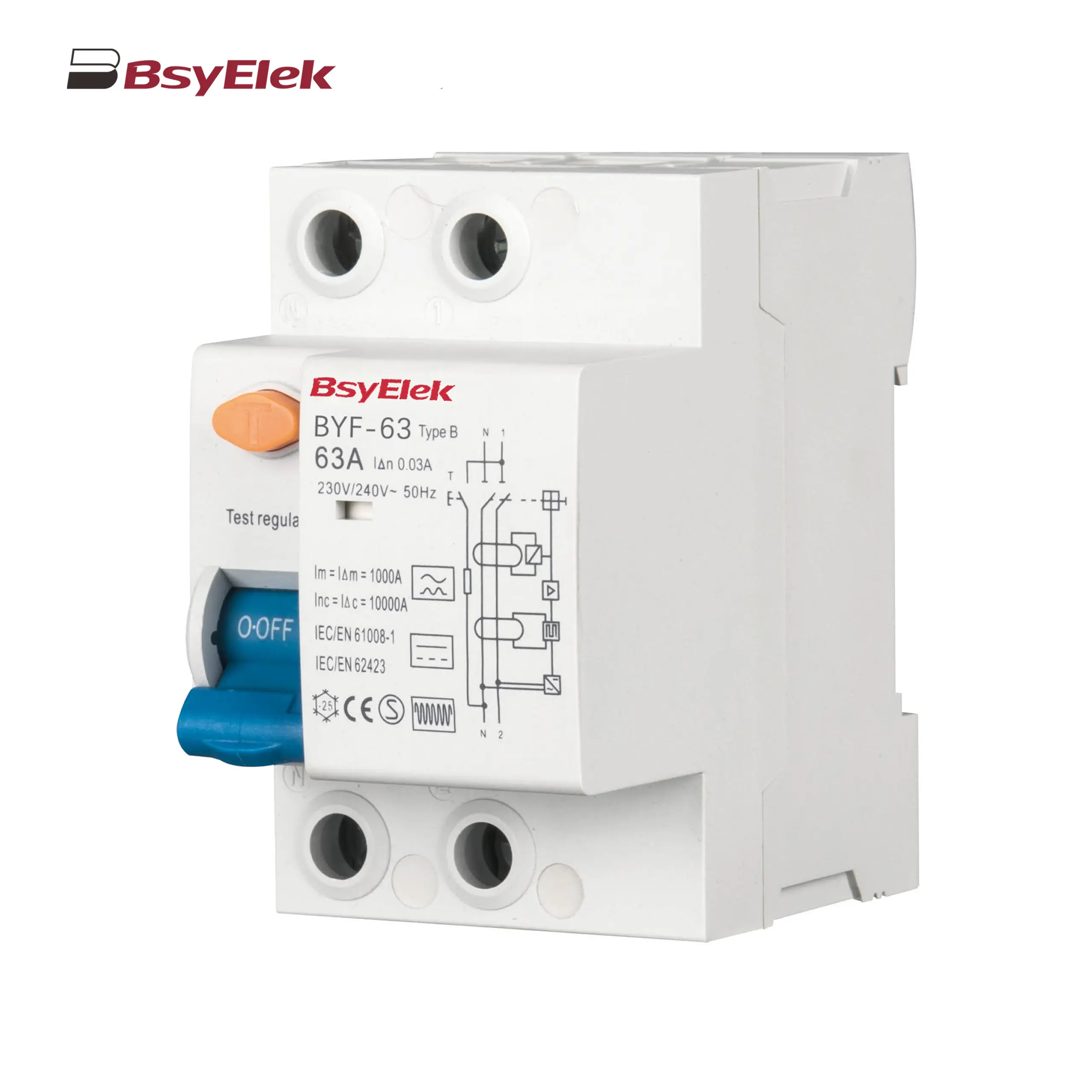 BYF-63 RCD 10KA Type B AC+A+Smoothing DC Residual Current Device
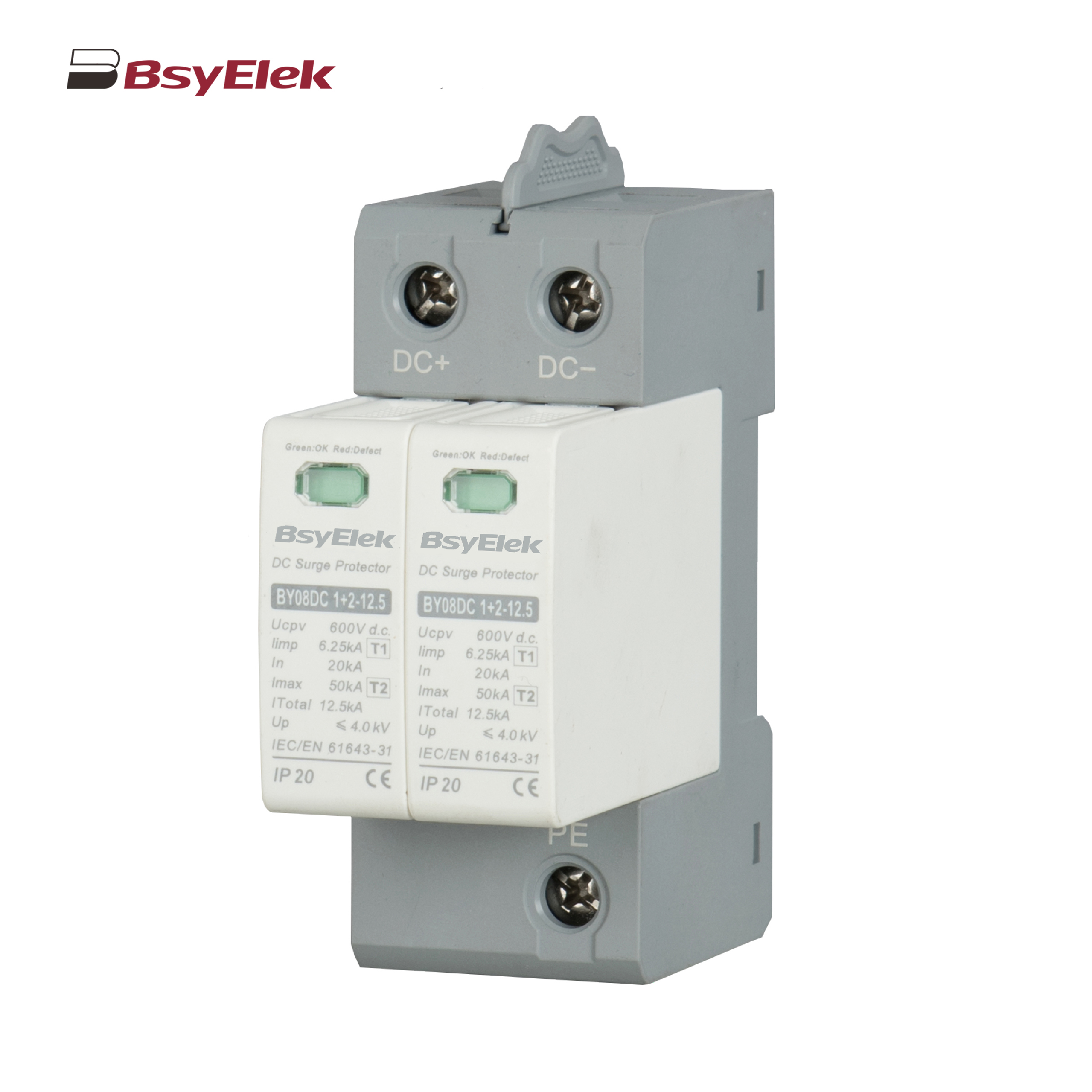 BY08DC 1+2-12.5 SPD Class T1+T2 40KA DC Surge Protective Device
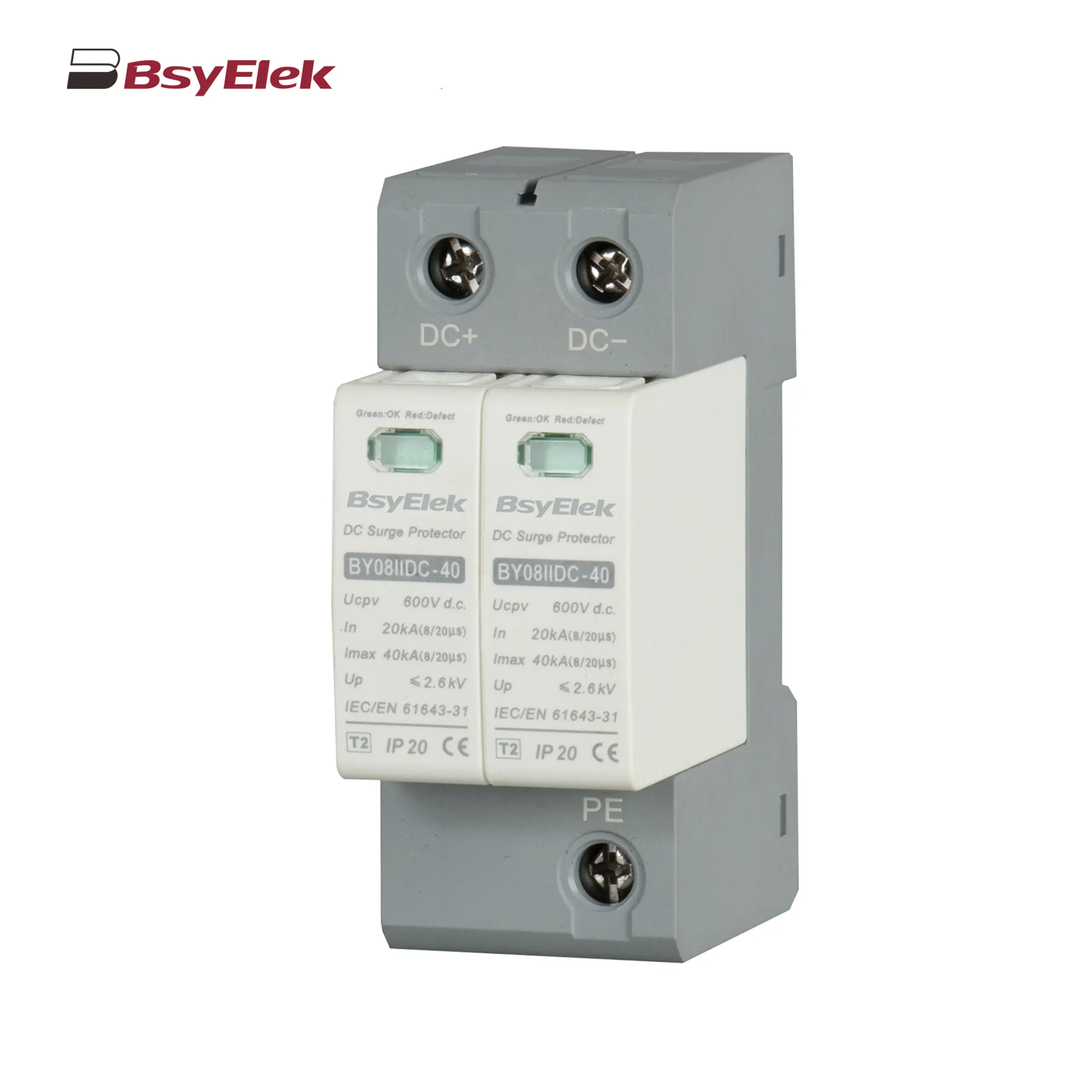 BY08IIDC-40 SPD Class T2 40KA DC Surge Protective Device
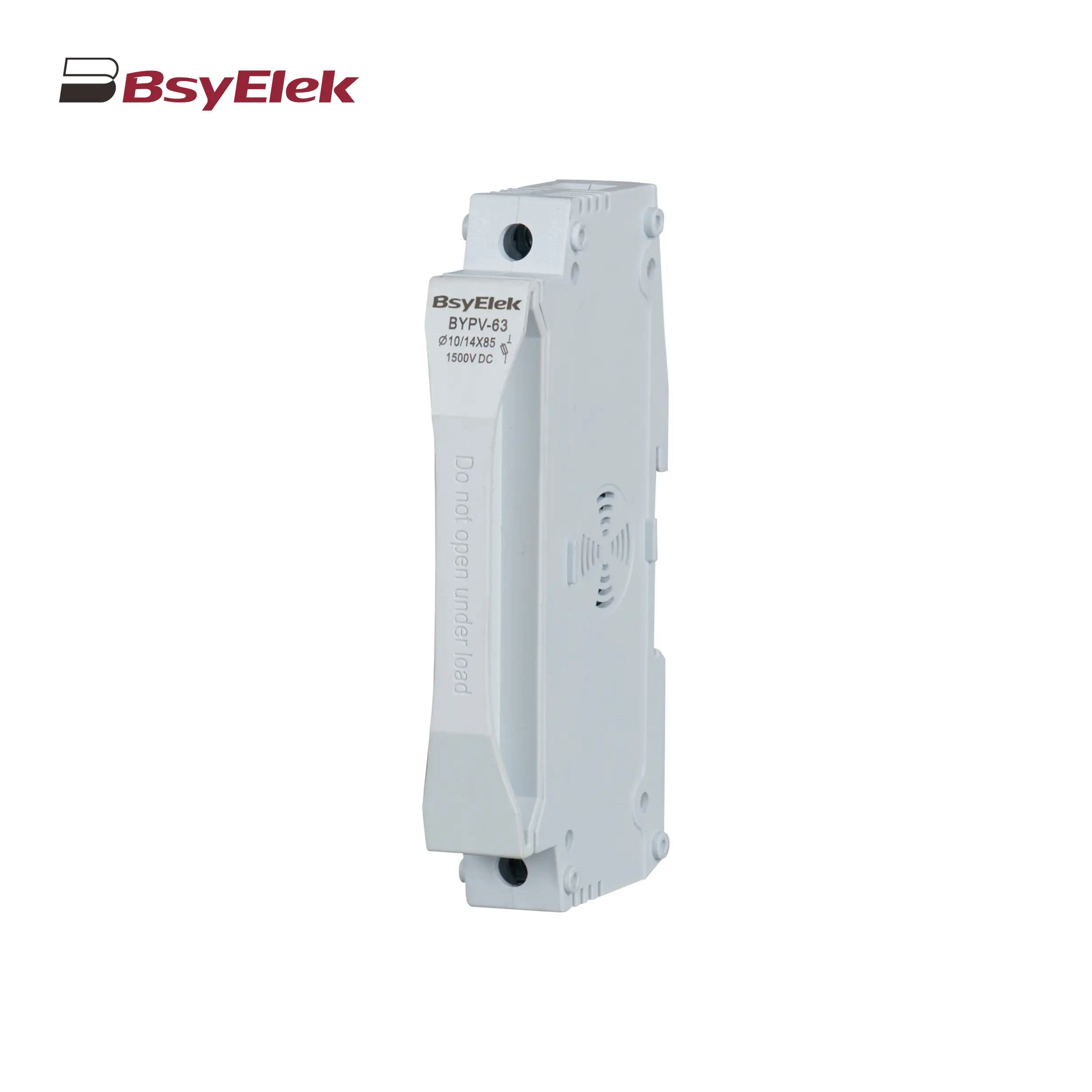 BYPV-63 1500VDC 50A Fuse Holder with 10x85mm 14x85mm Fuse Link
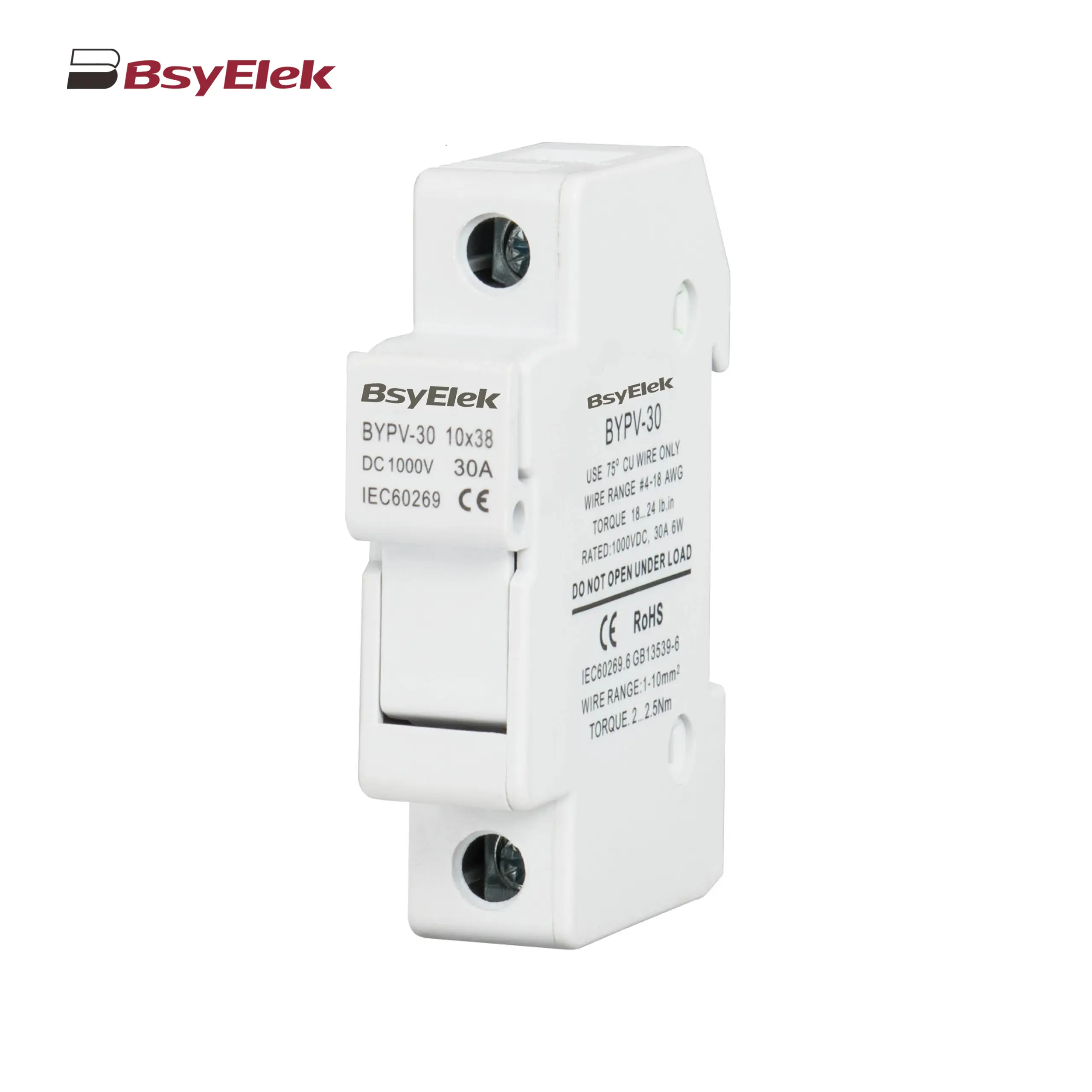 BYPV-30 1000VDC 32A Fuse Holder with 10x38mm Fuse Link
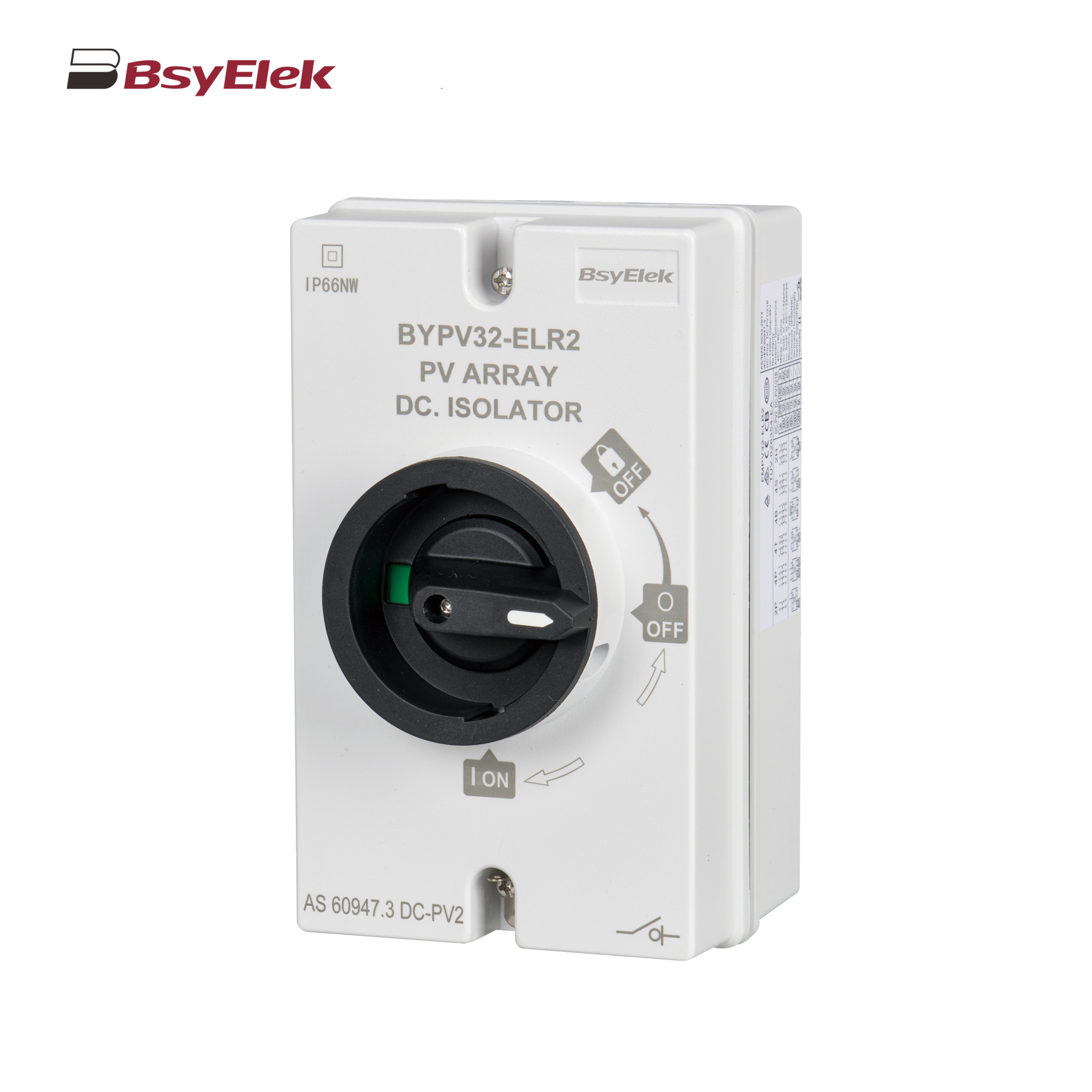 BYPV-ELR2 PV Isolator Switch with Enclosed Version
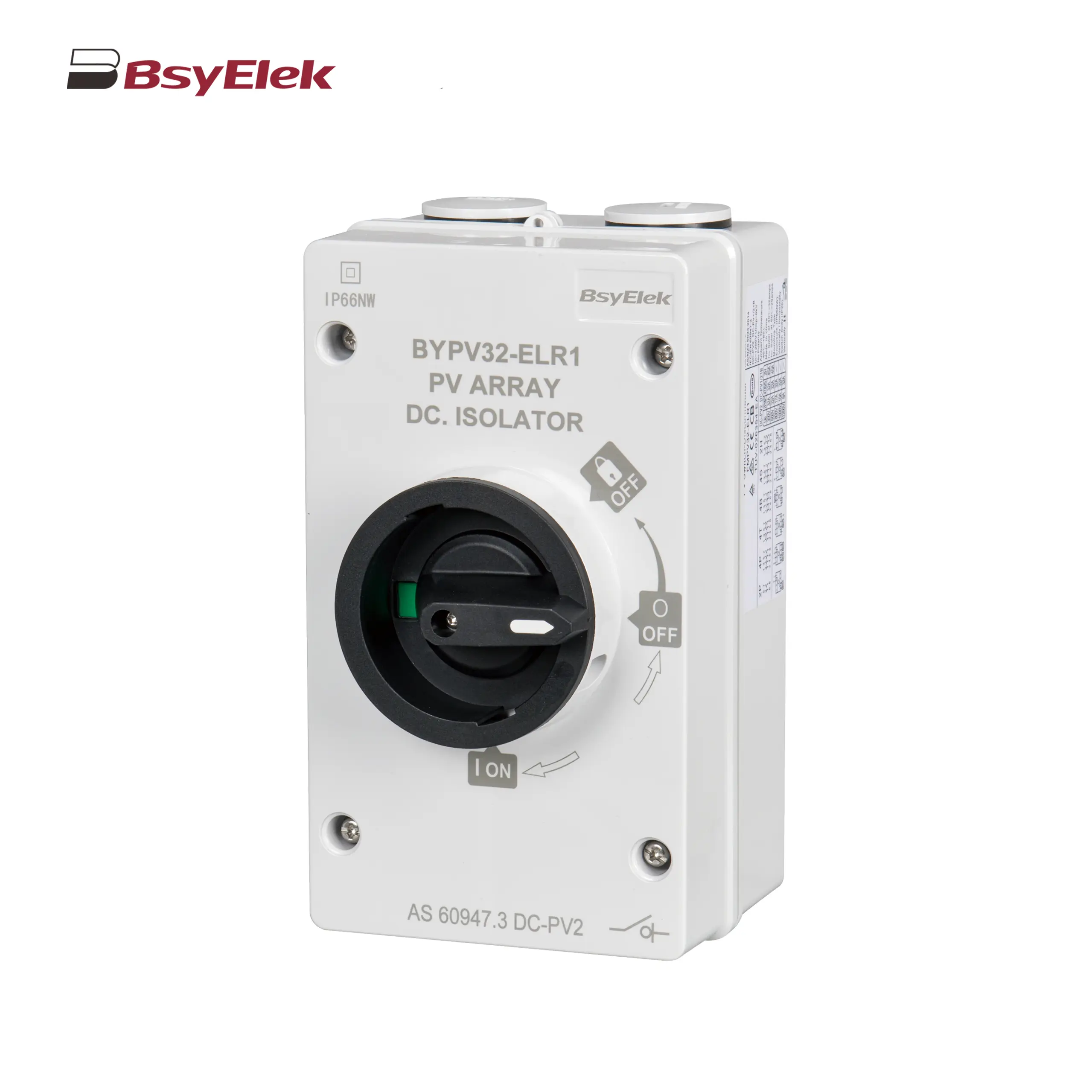 BYPV-ELR1 PV Isolator Switch with Enclosed Version
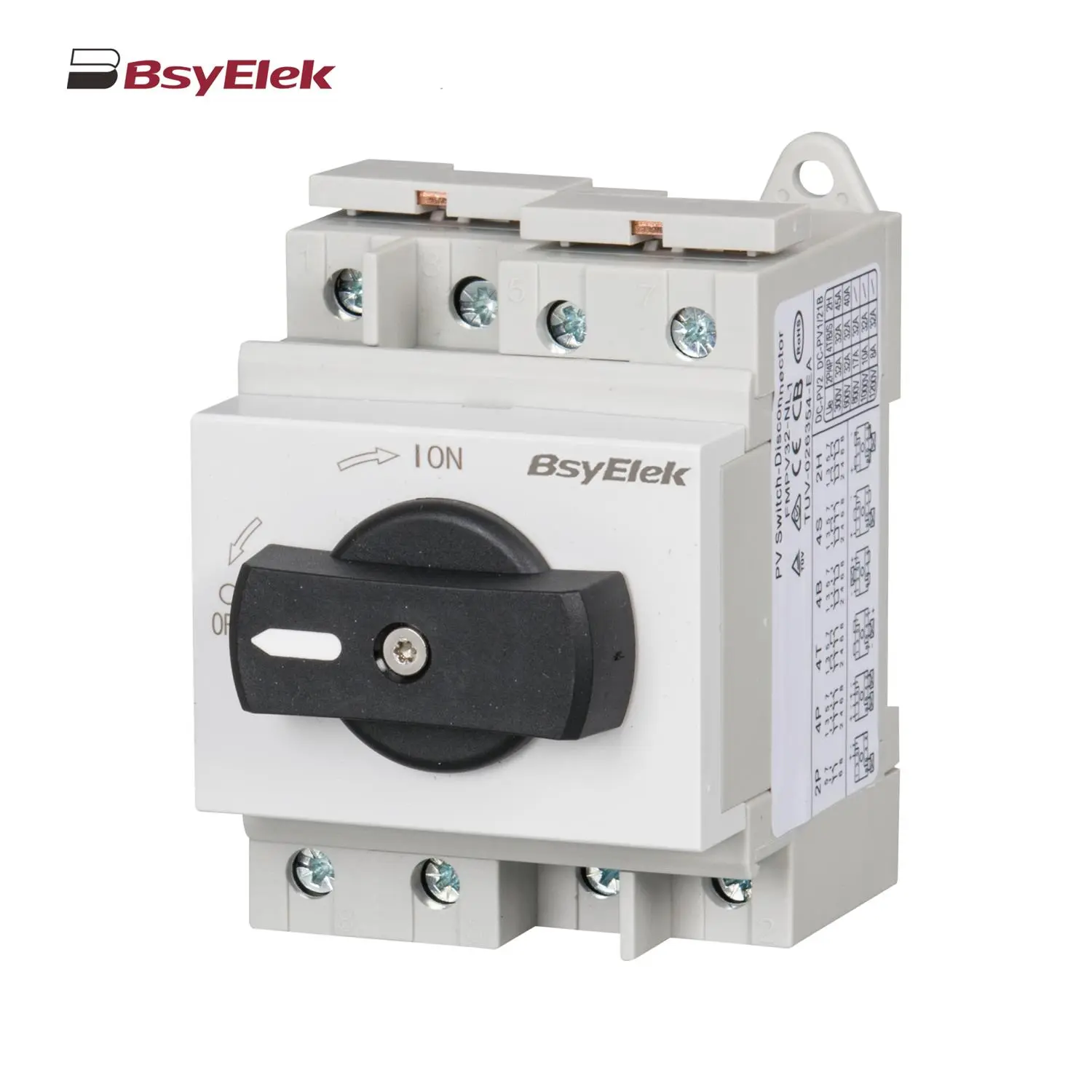 BYPV-NL1/T PV Isolator Switch with Ultra-thin Lever Handle
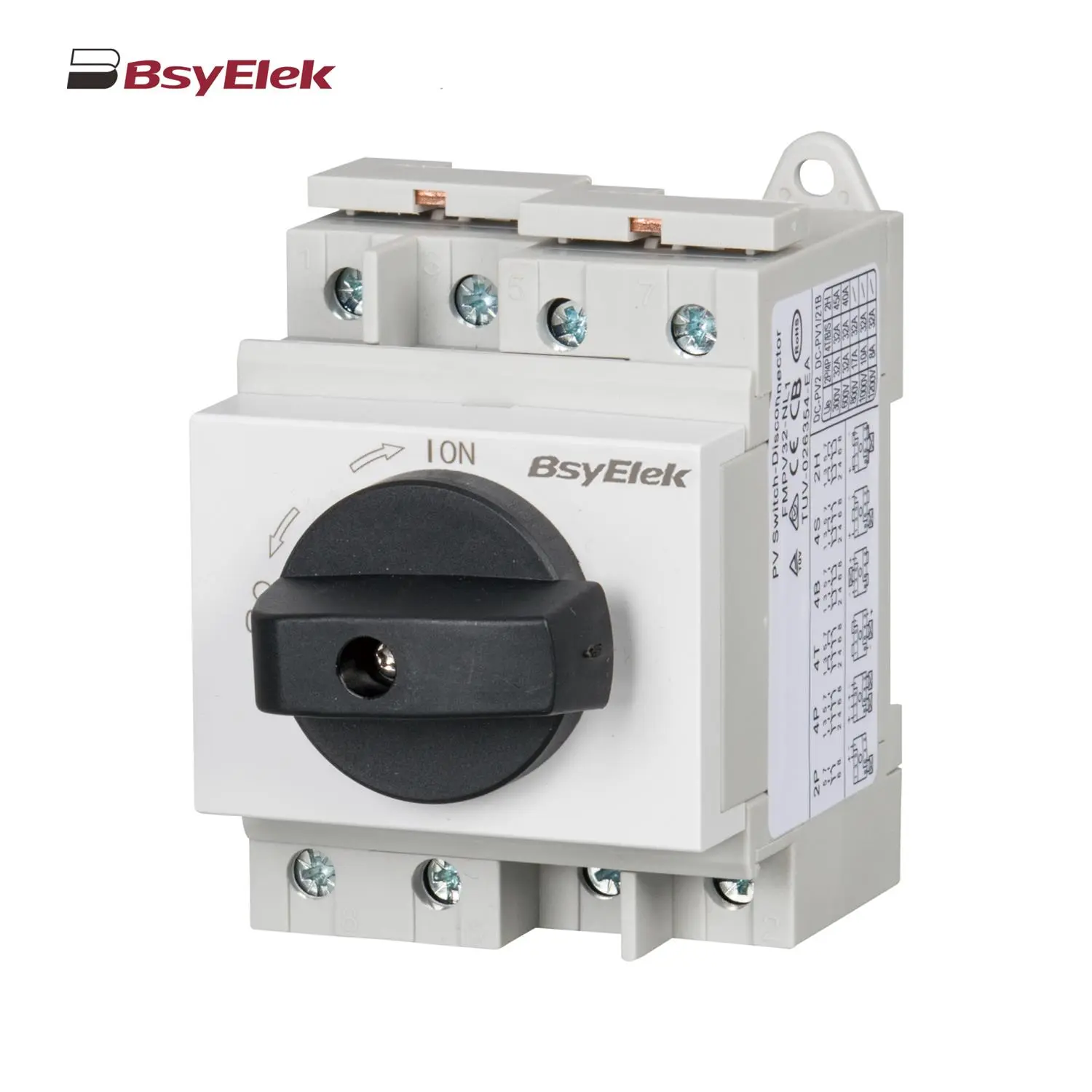 BYPV-NL1 PV Isolator Switch with Lever Handle
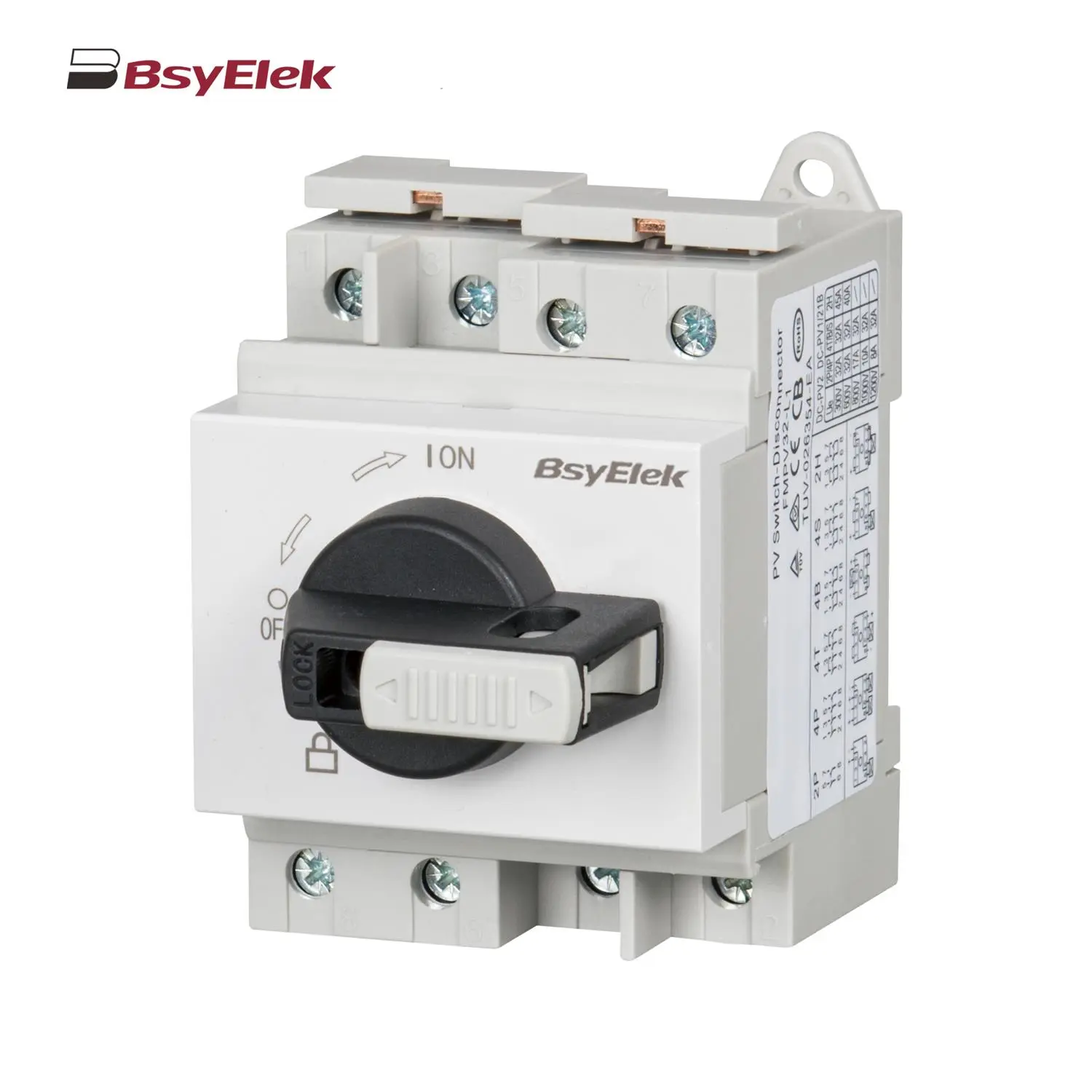 BYPV-L1/L2 PV Isolator Switch with Lockable Lever Handle
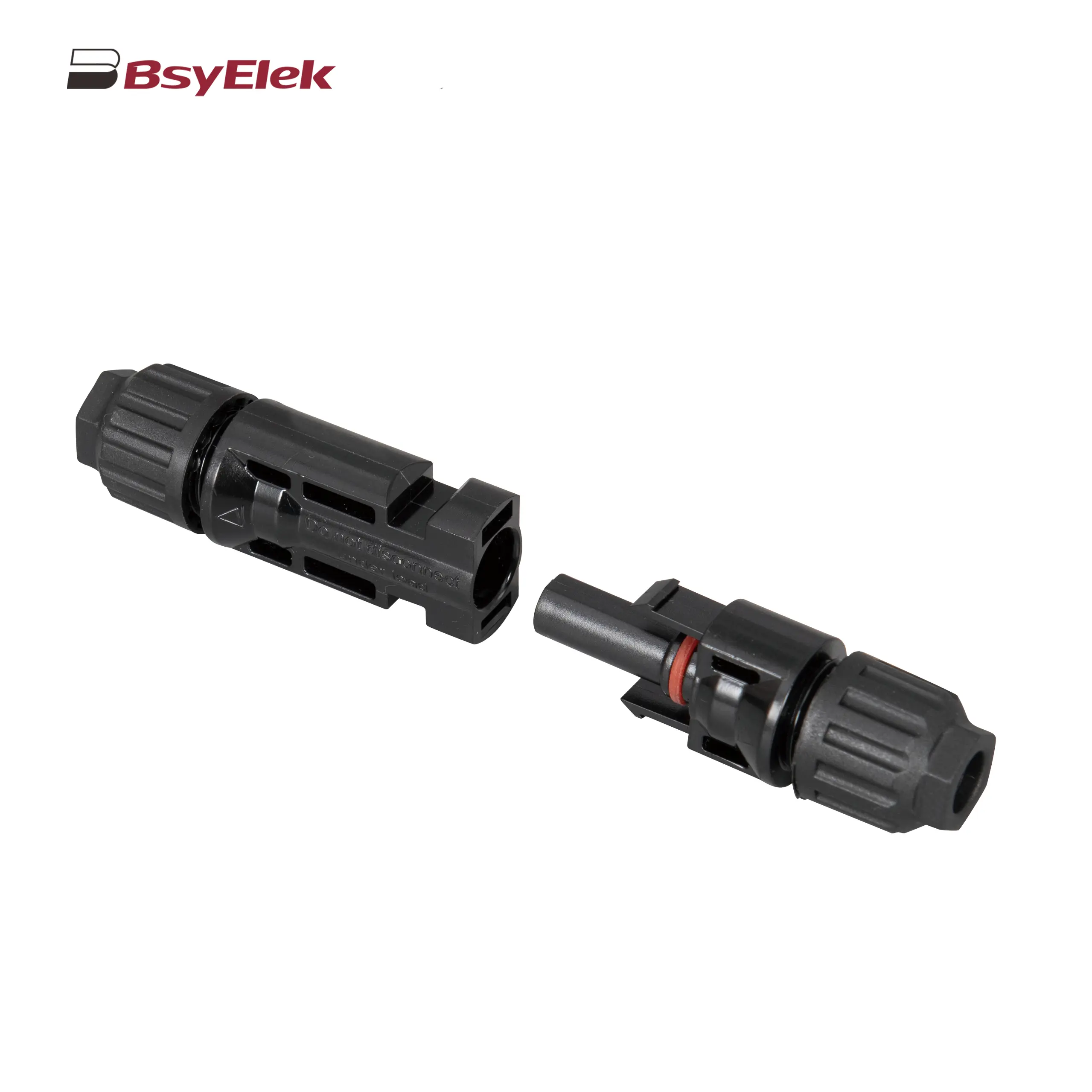 PV-BY-01 30A/50A 1000V Photovoltaic Connector
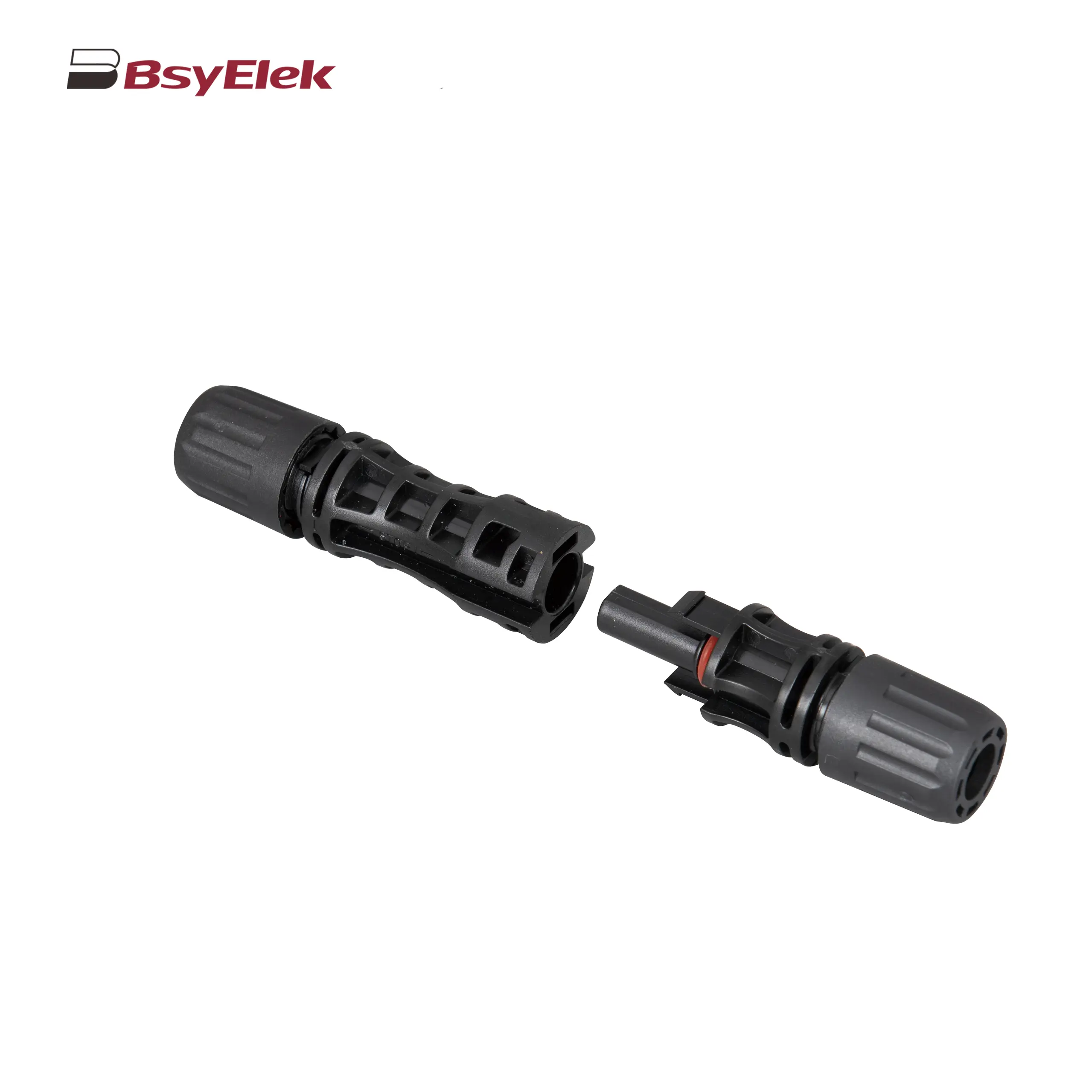 PV-BY-02 30A/50A 1500V Photovoltaic Connector
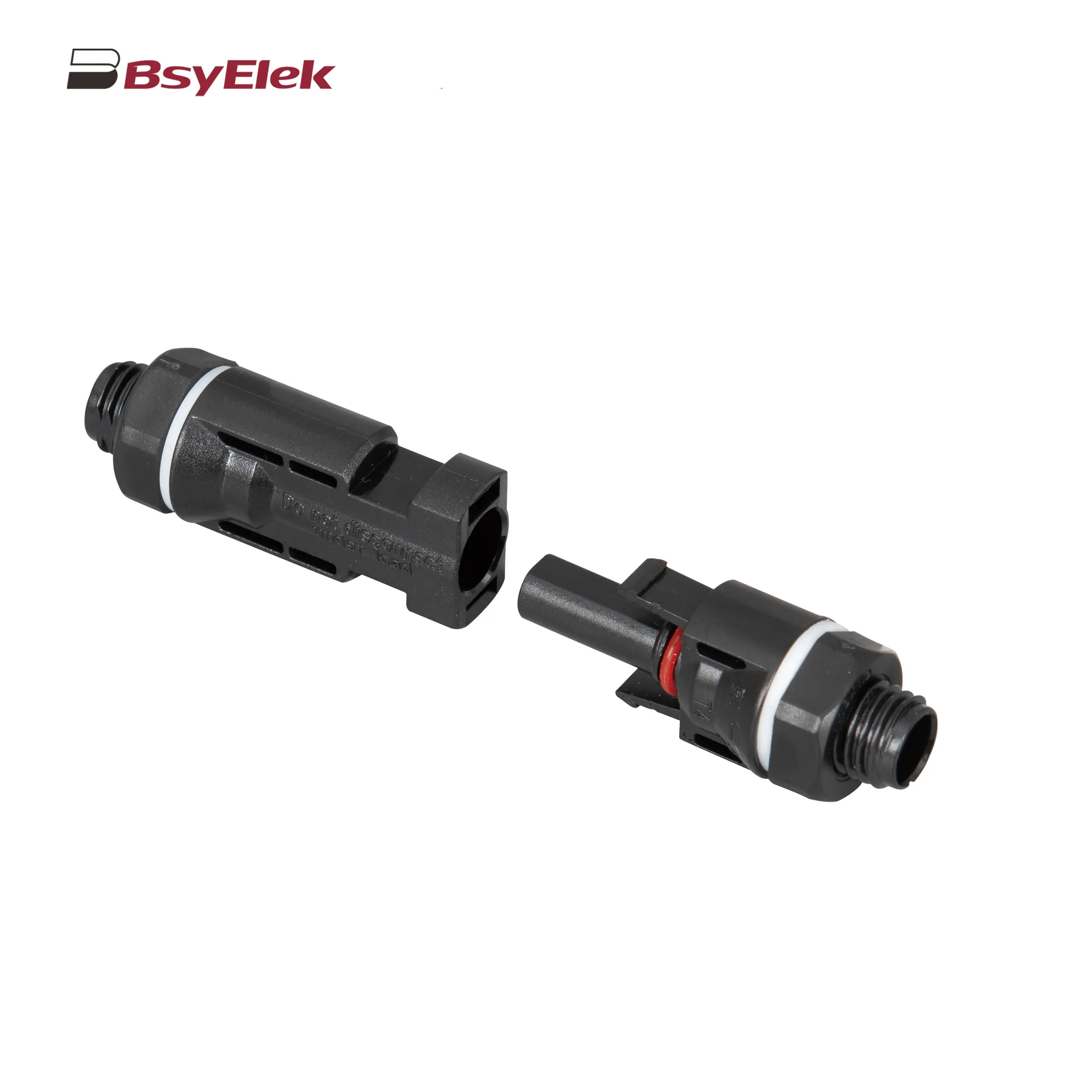 PV-BY-03 30A/50A 1000V Panel Mount Photovoltaic Connector
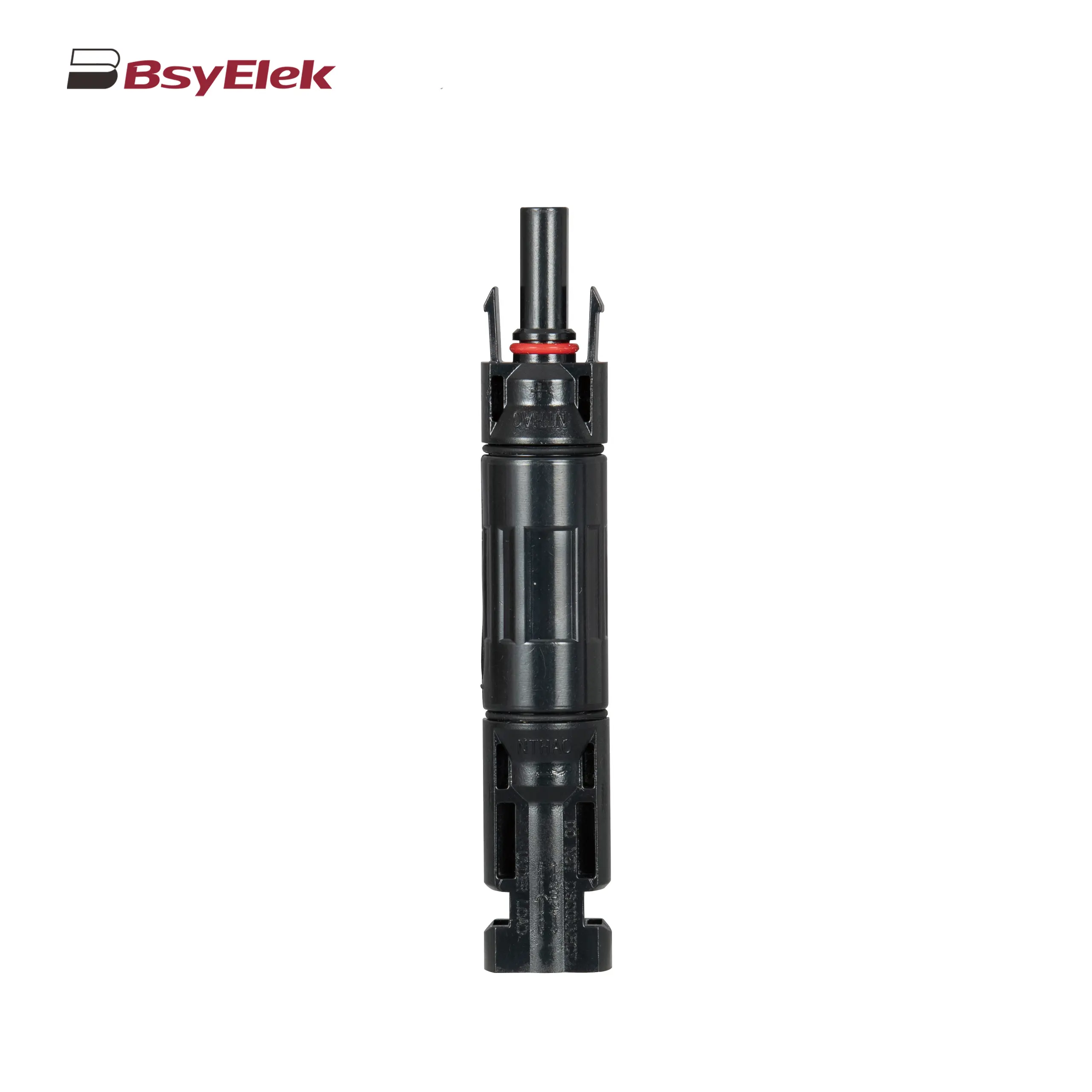 PV-BY-F01 30A 1500V Diode/Fuse Type Connector
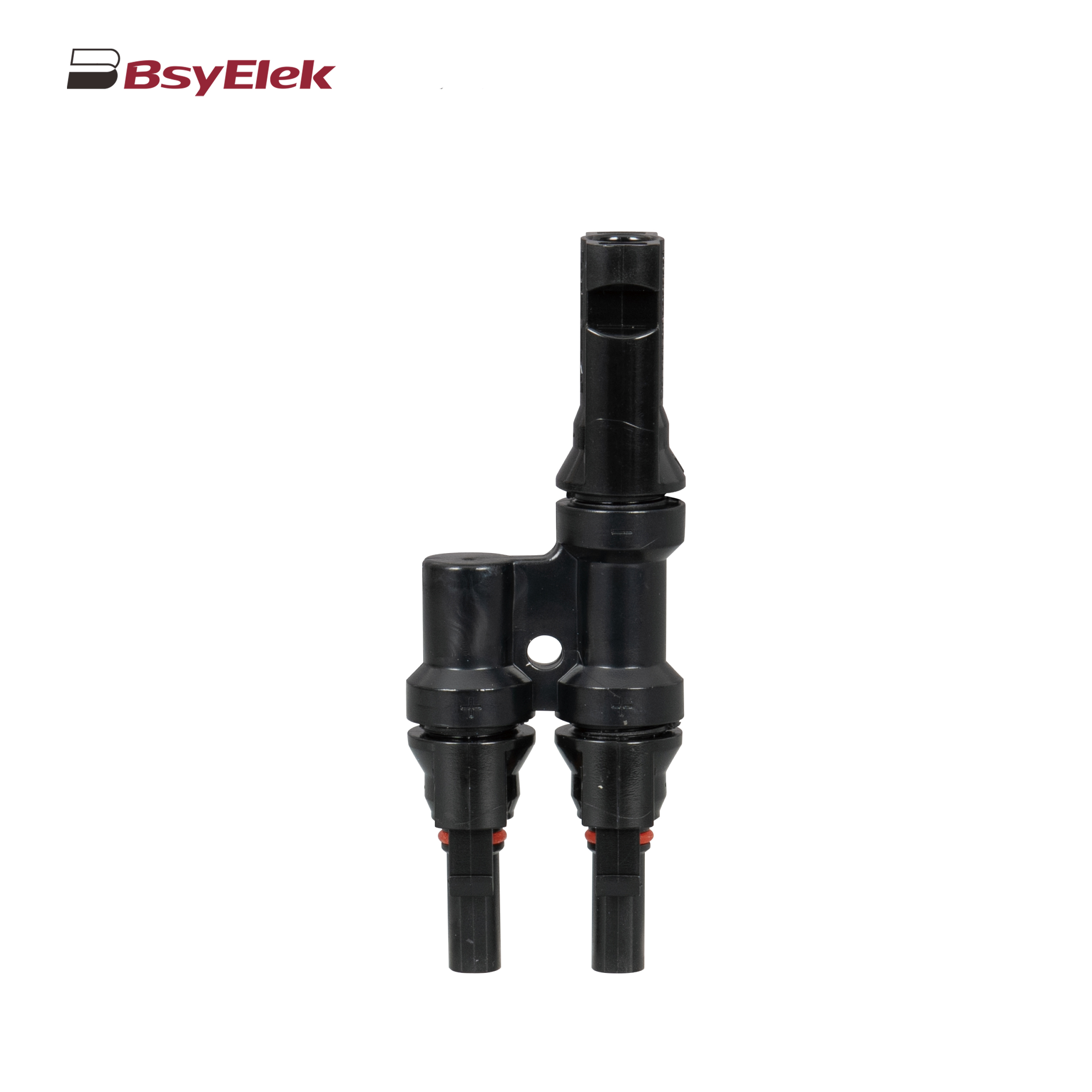 PV-BY-T 50A 1500V T Type Branch Connector
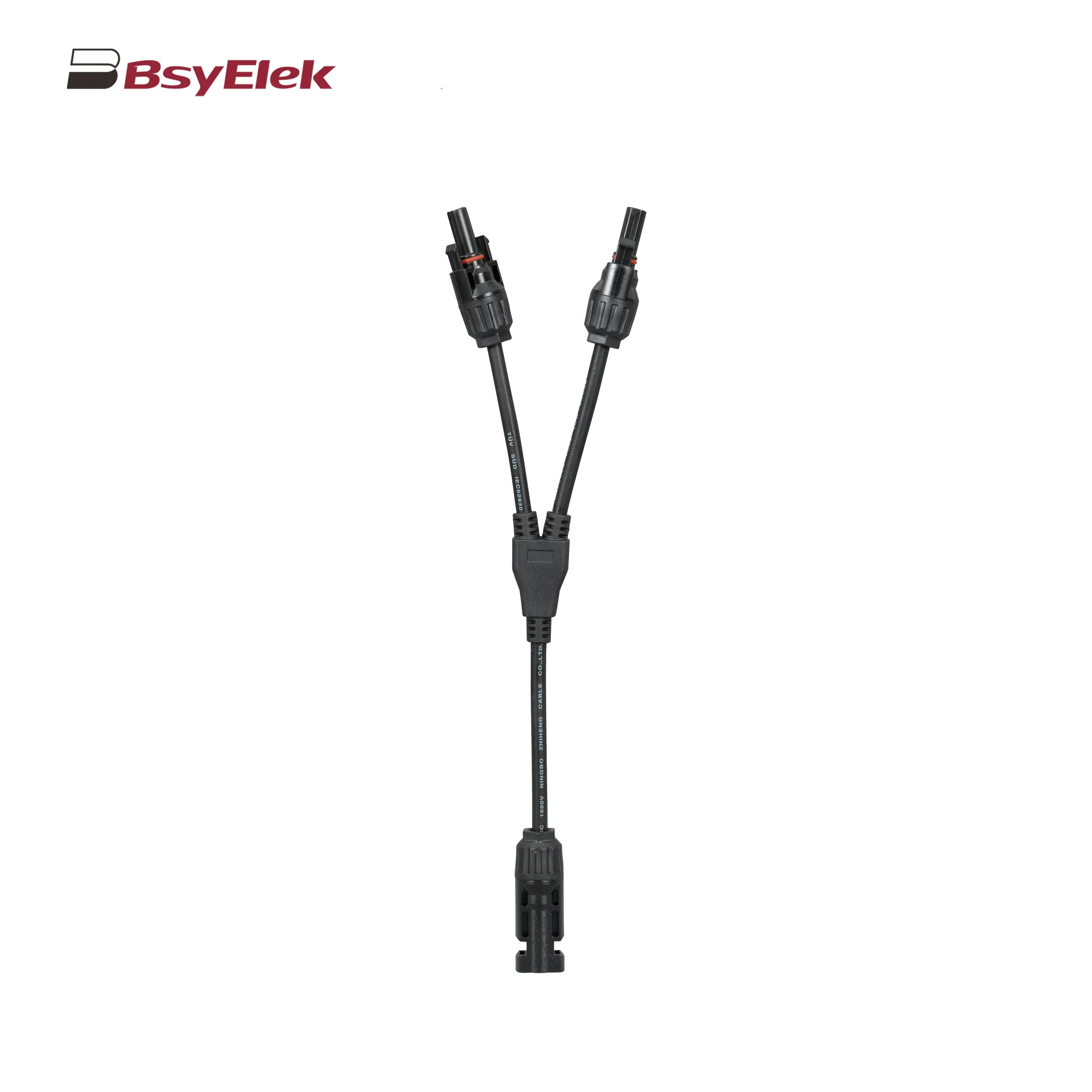 PV-BY-Y 30A 1500V Y Type Branch Connector
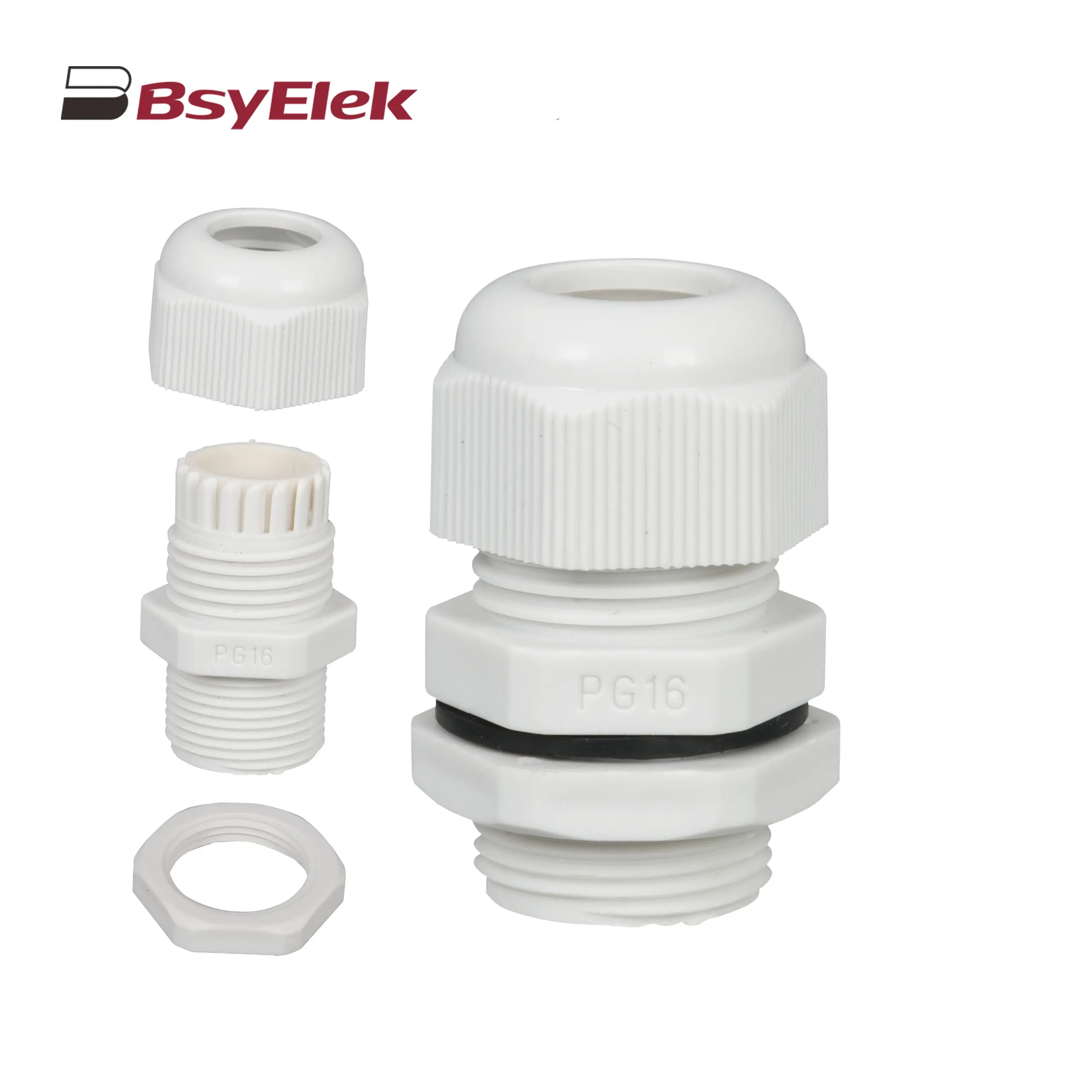 PG Waterproof Cable Gland with Washer
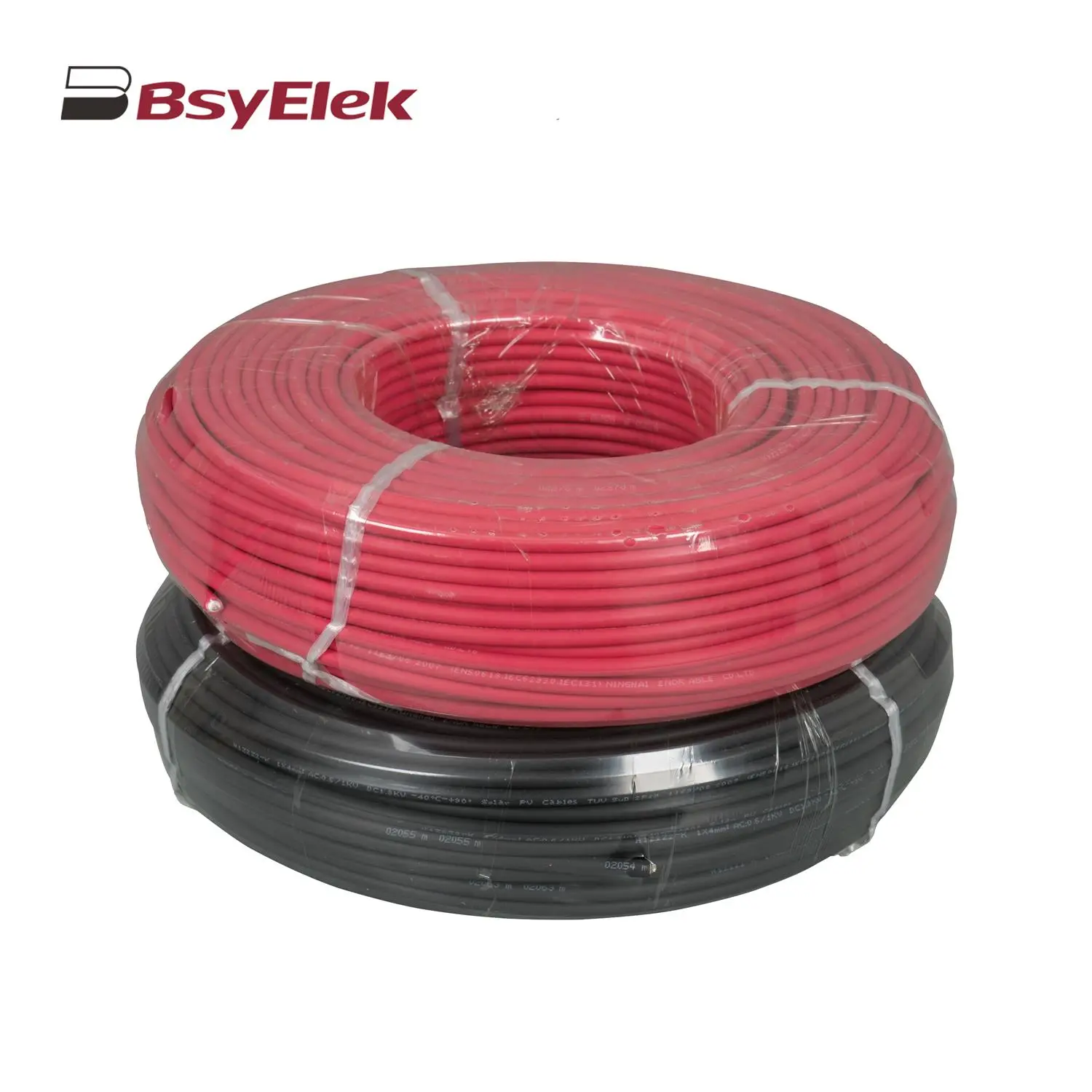 Photovoltaic Cable
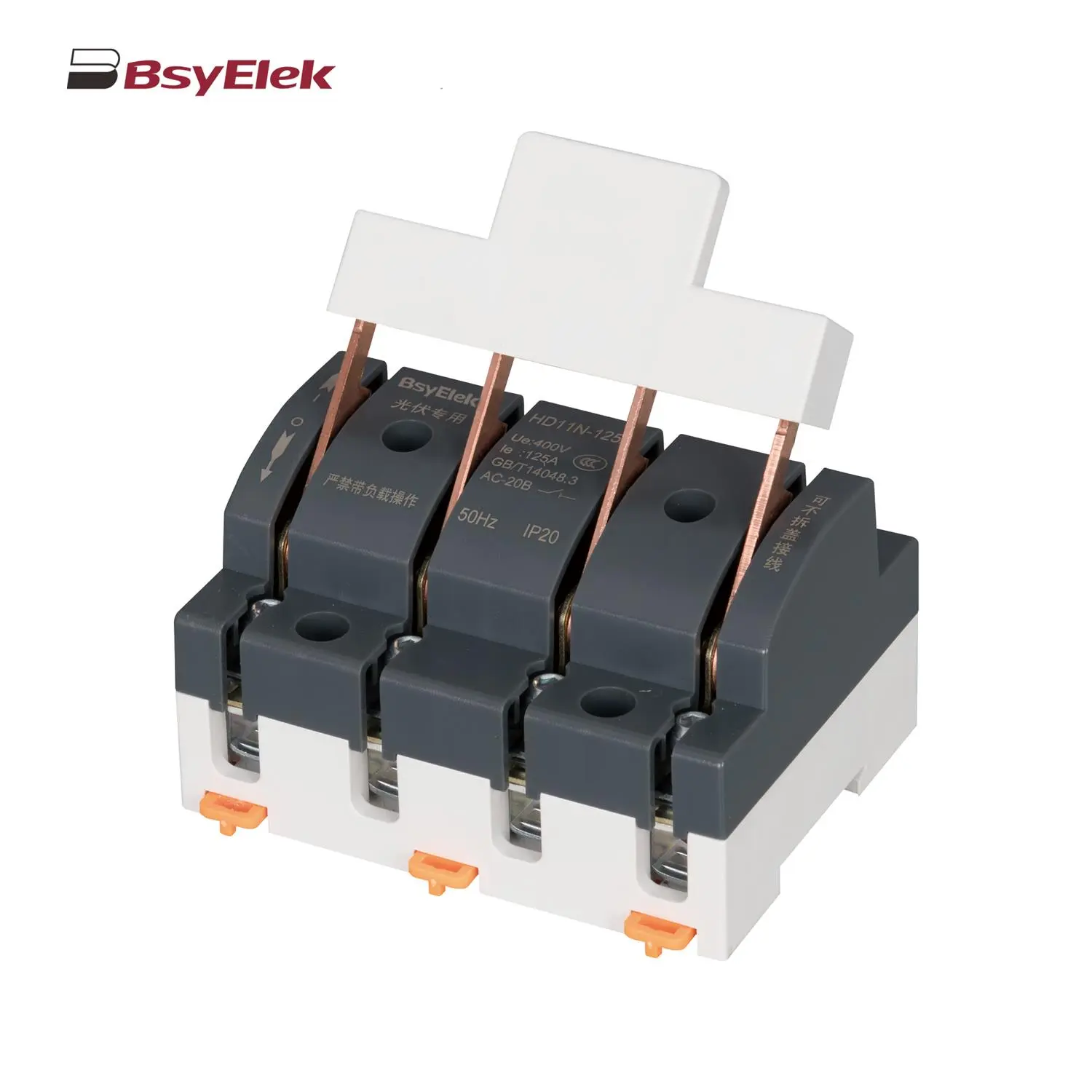 HD11N Photovoltaic Knife Switch
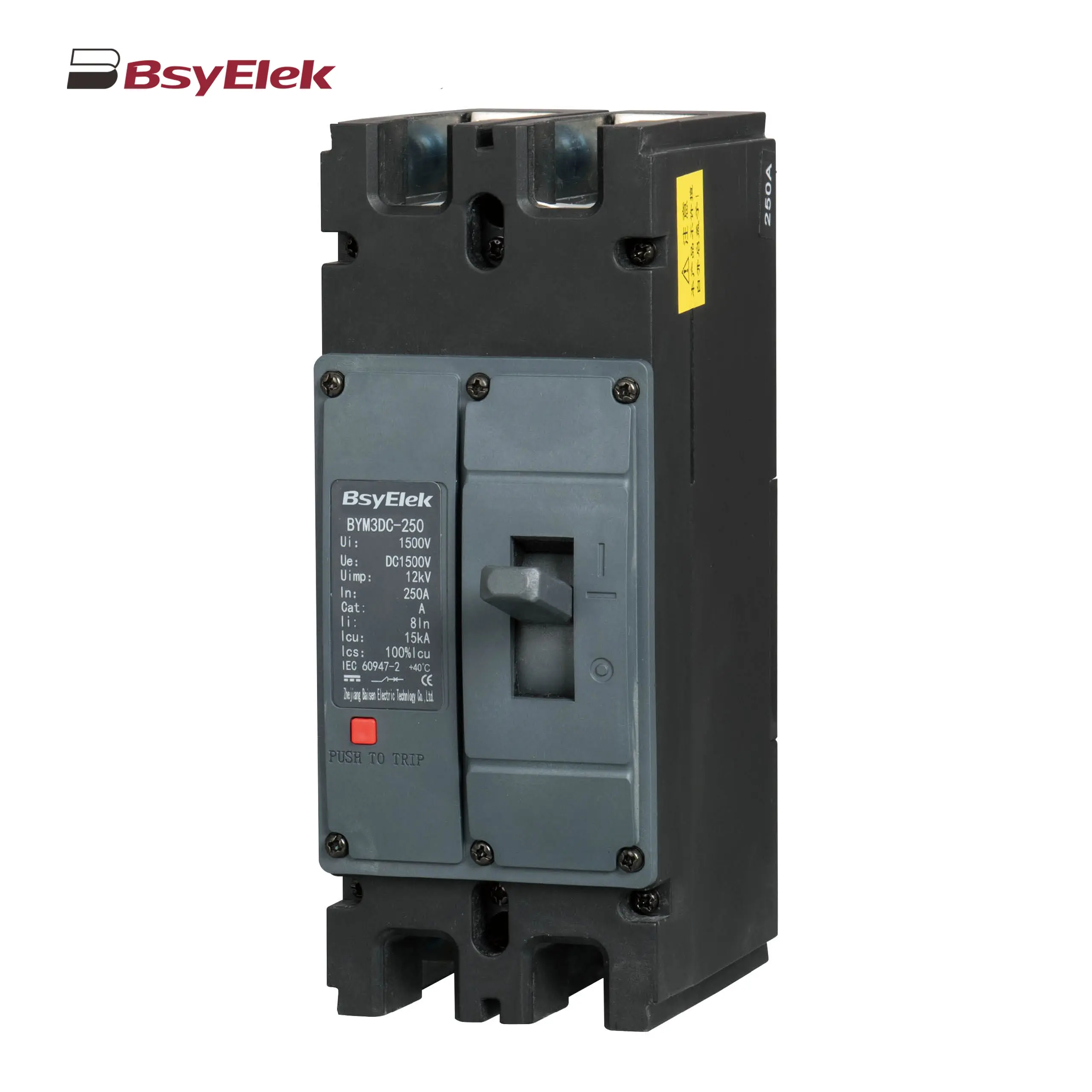 BYM3DC MCCB Photovoltaic DC Molded Case Circuit Breaker
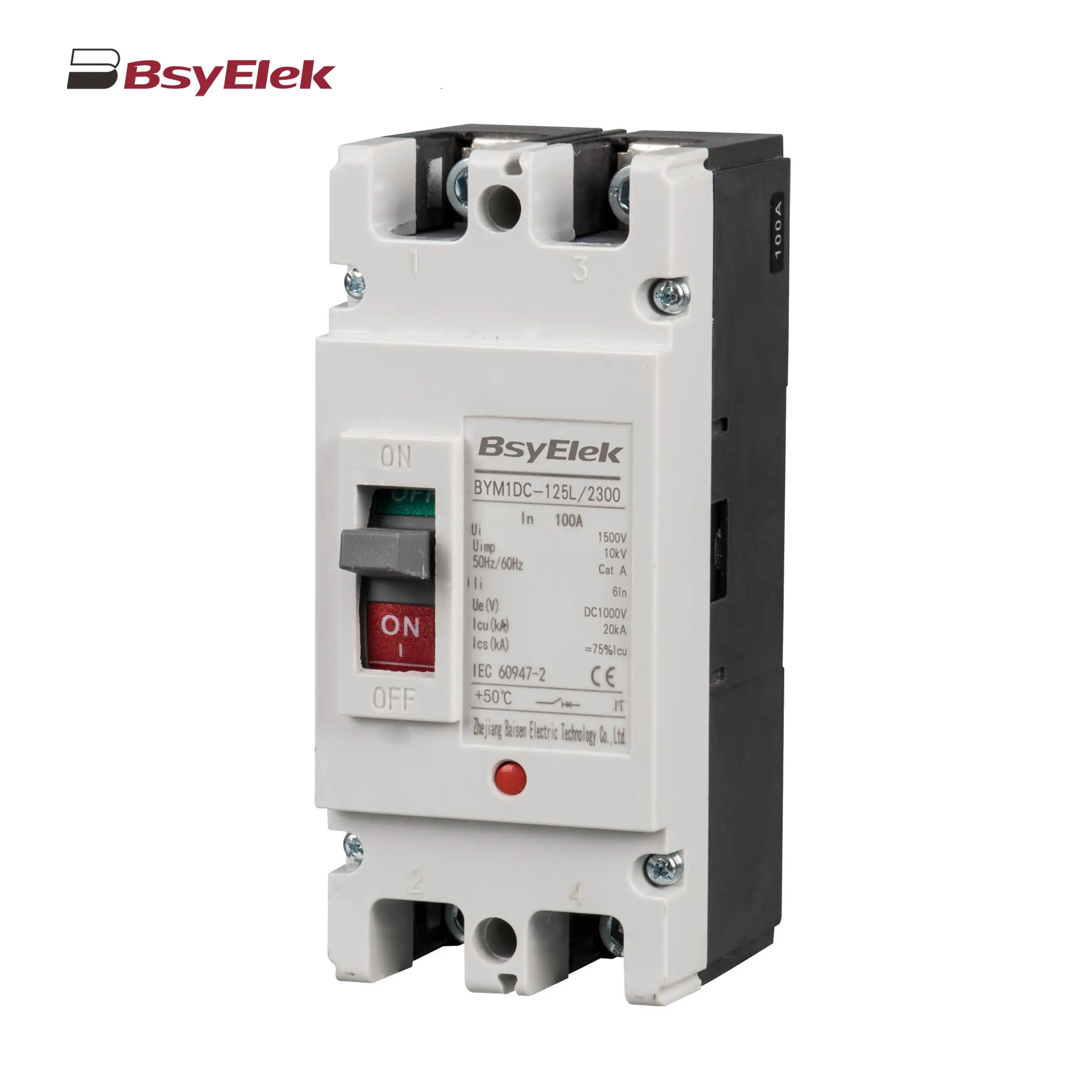 BYM1DC MCCB 1000VDC Thermal Magnetic Type DC Molded Case Circuit Breaker
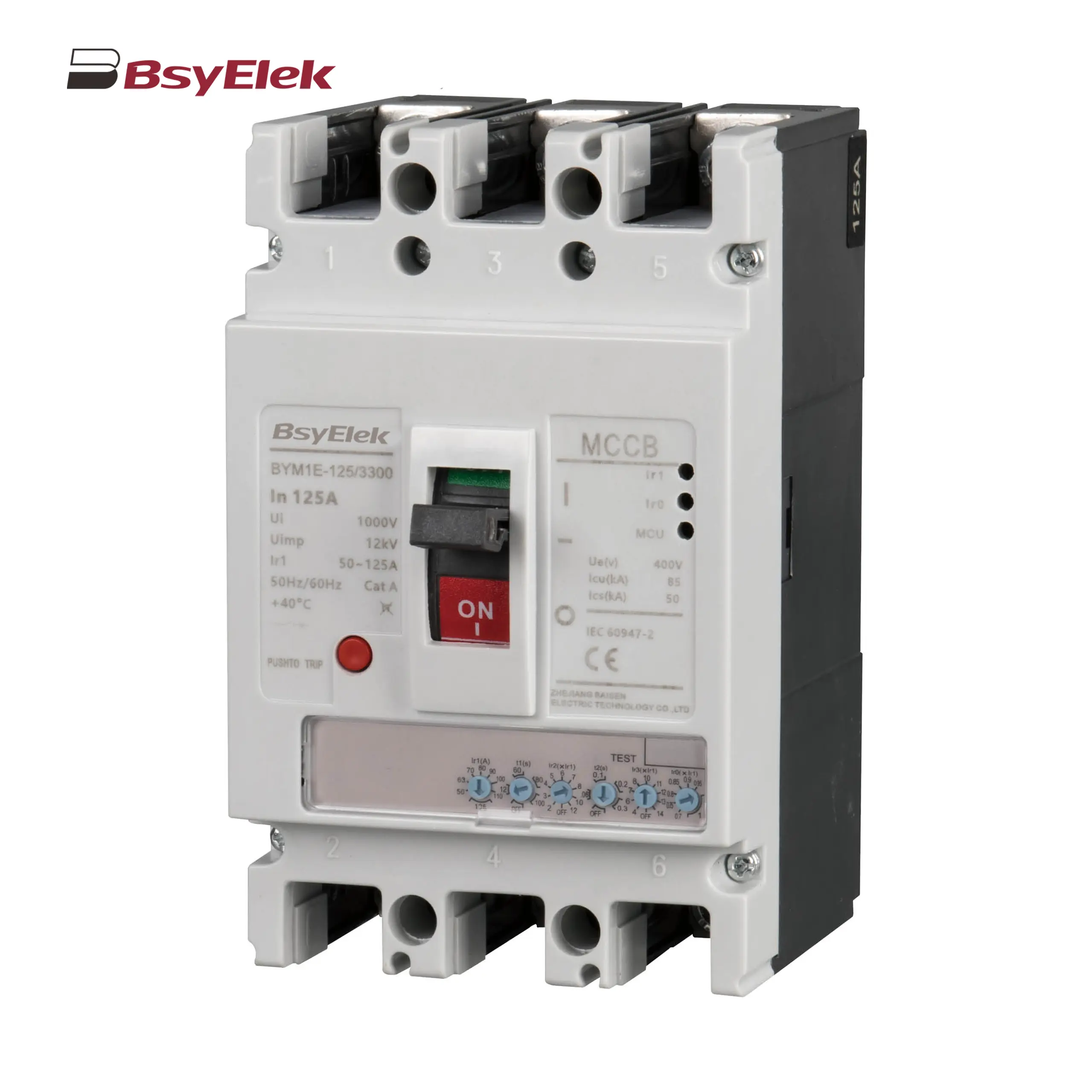 BYM1E MCCB Electronic Type Molded Case Circuit Breaker
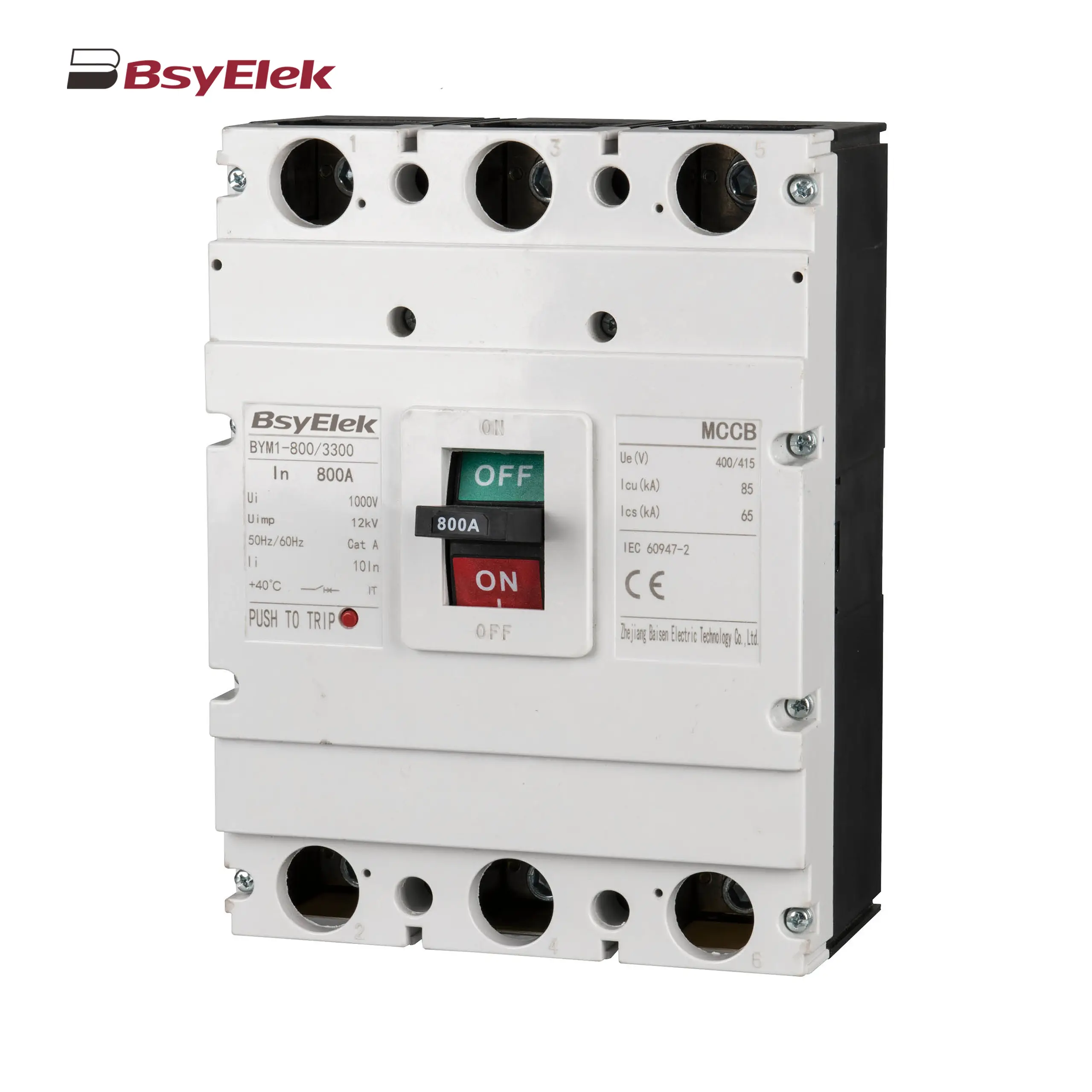 BYM1 MCCB Thermal Magnetic AC Molded Case Circuit Breaker
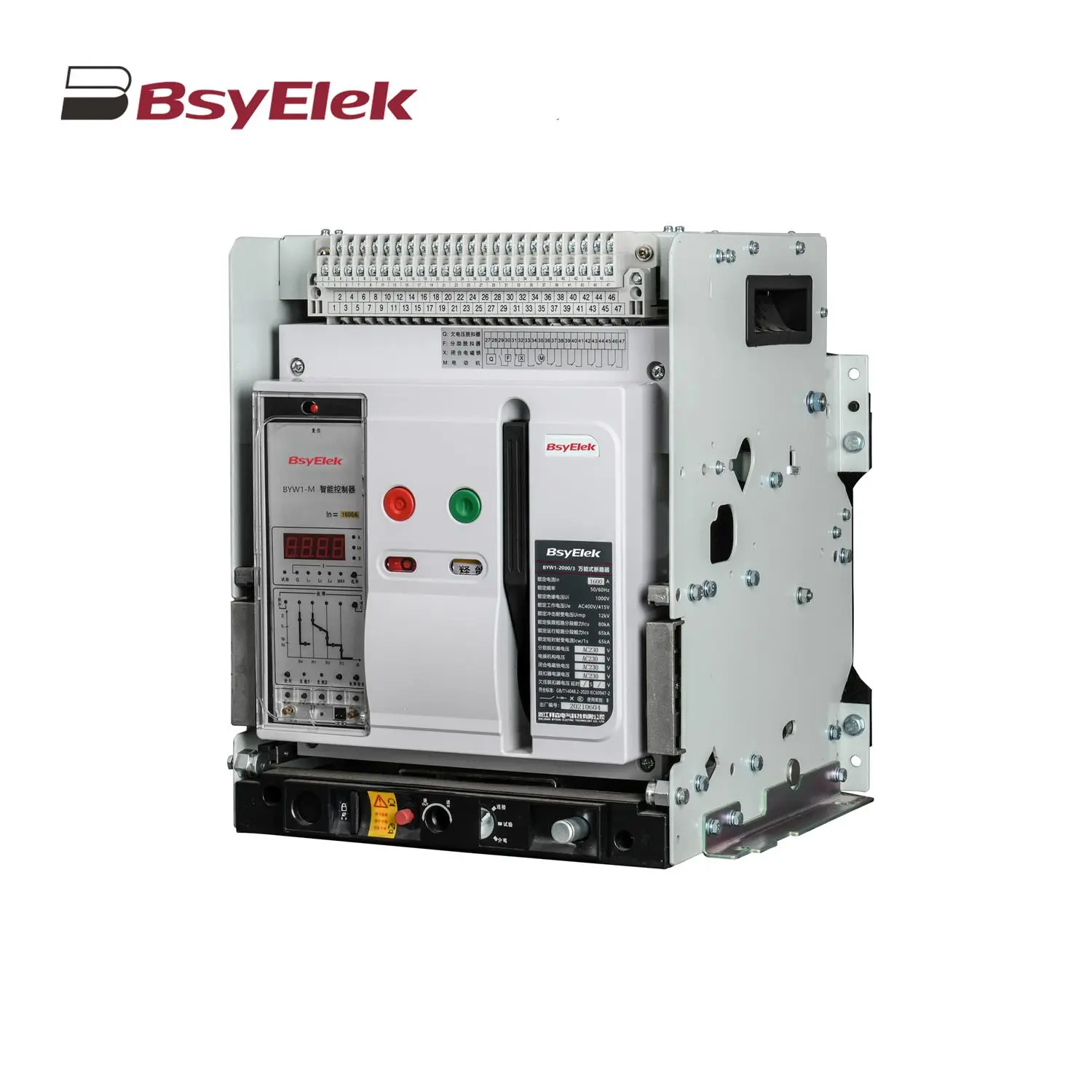 BYW1 ACB Intelligent Universal Air Circuit Breaker
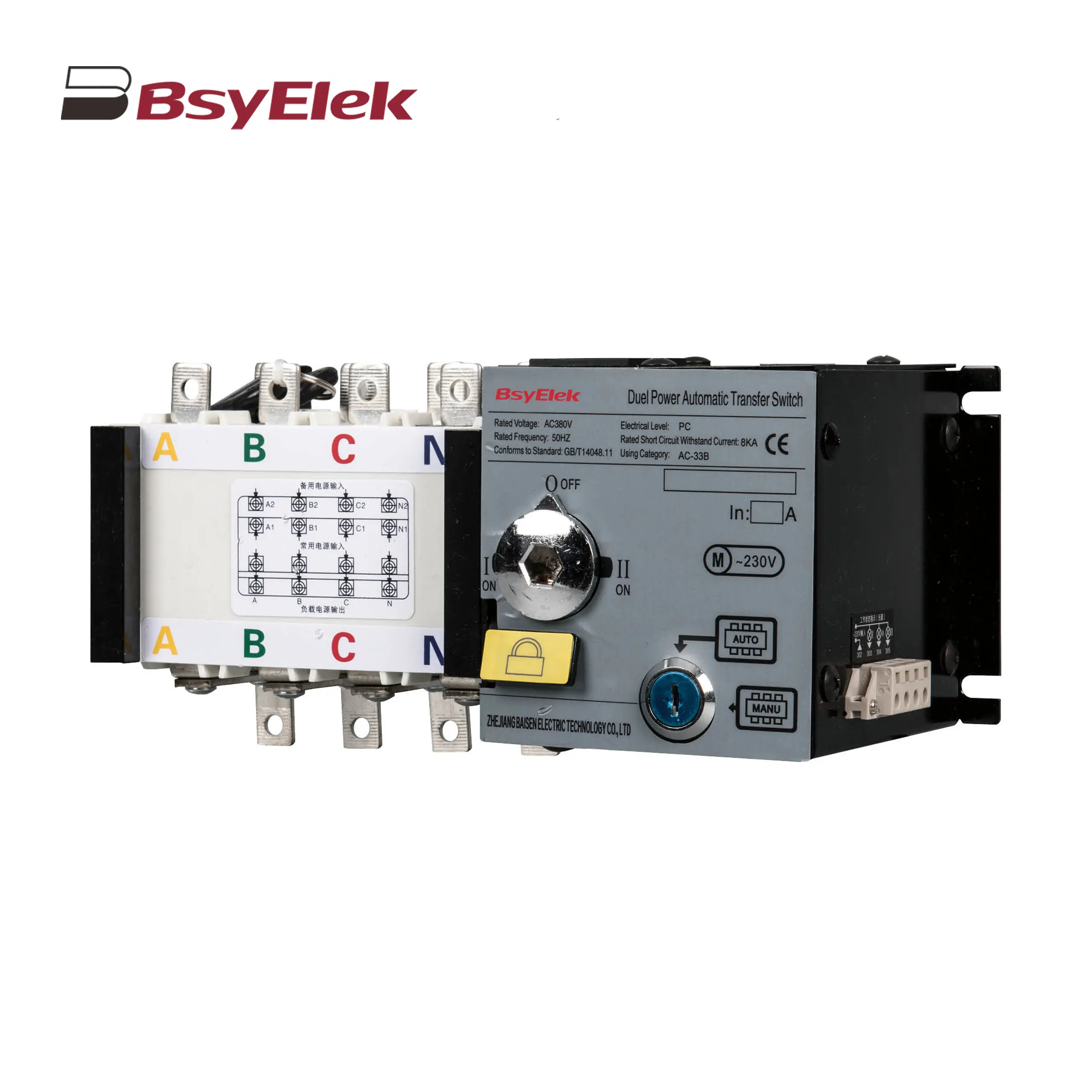 BYQ1 ATS Isolated Type PC Level Dual Power Automatic Transfer Switch
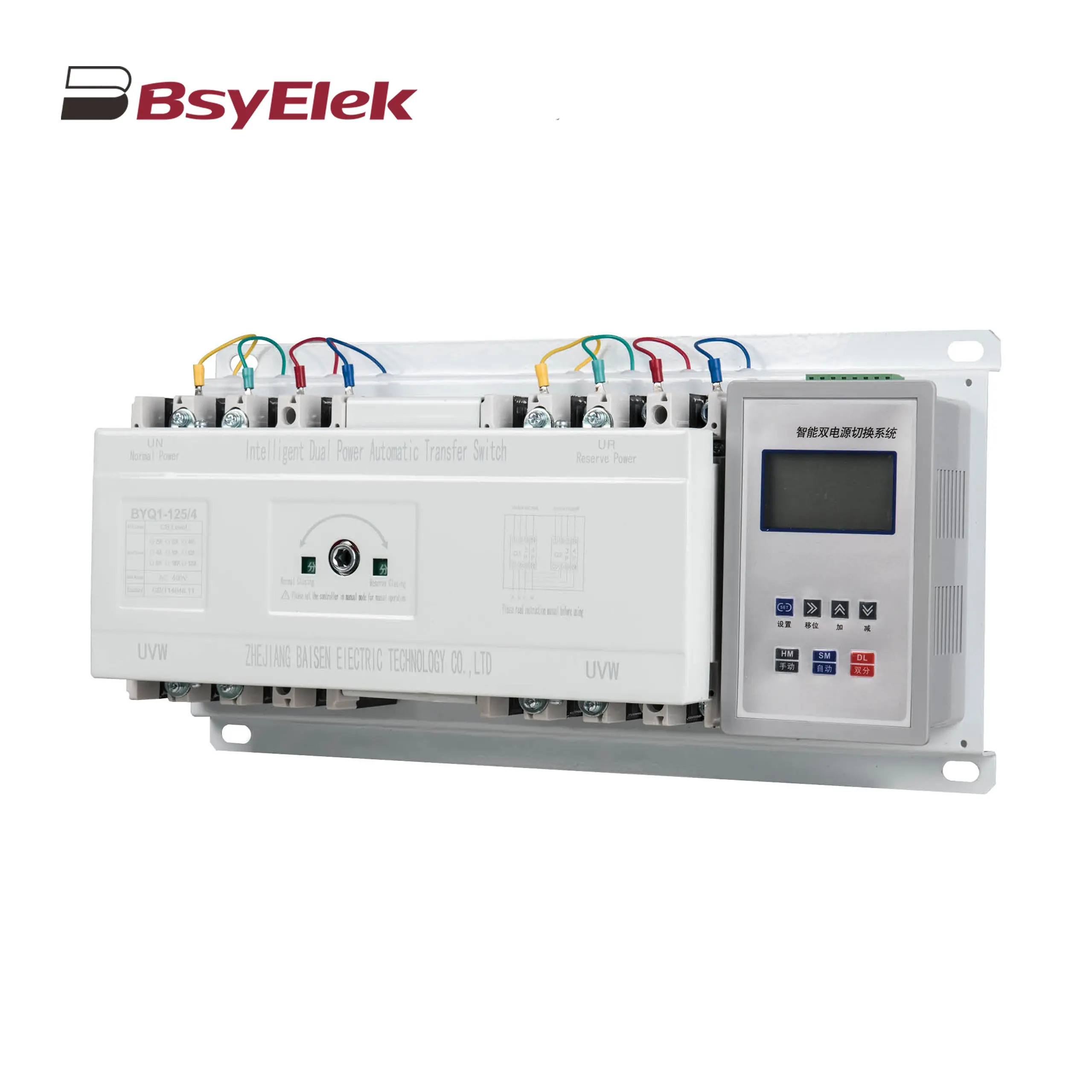 BYQ1 ATS Intelligent Type CB Level Dual Power Automatic Transfer Switch
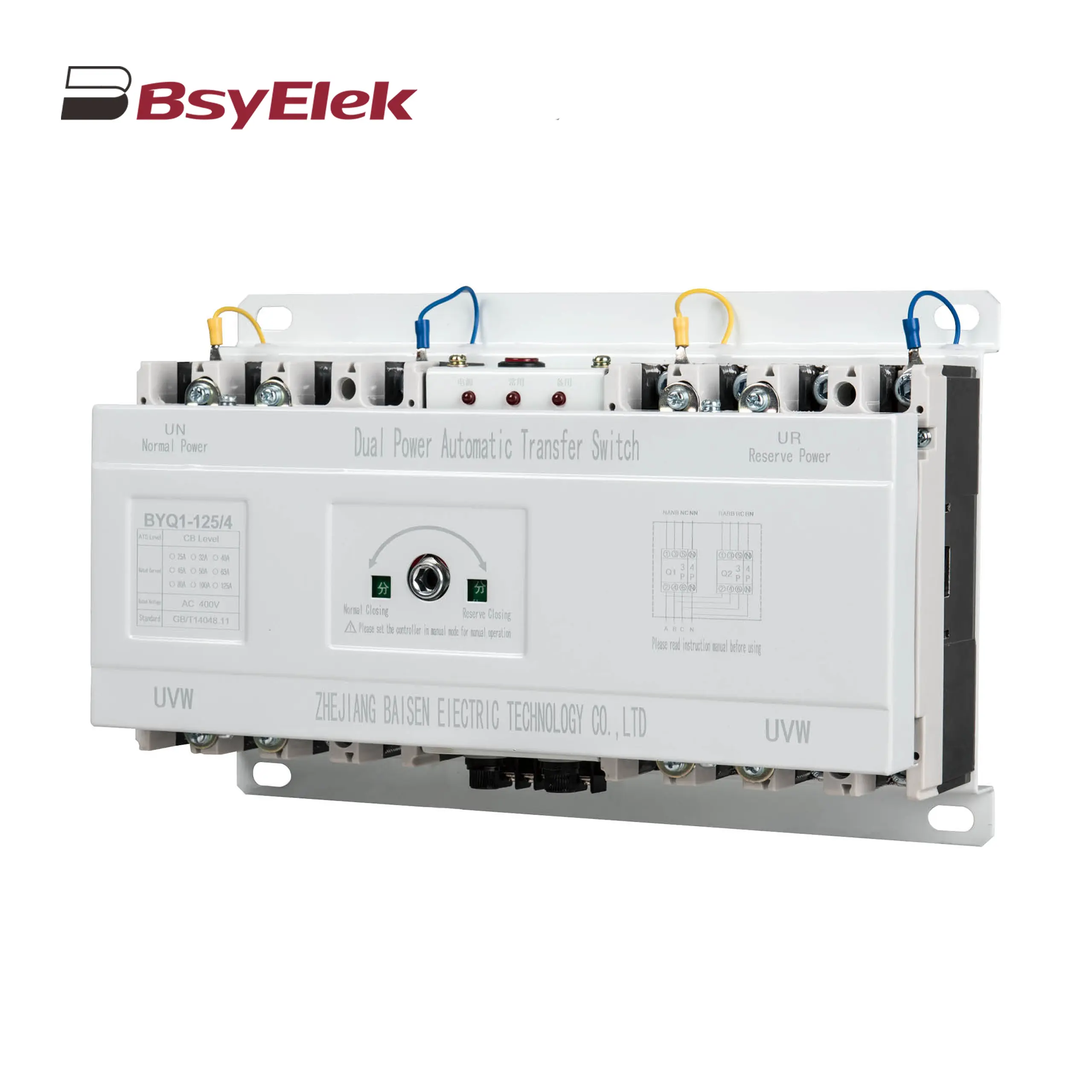 BYQ1 ATS End Type CB Level Dual Power Automatic Transfer Switch
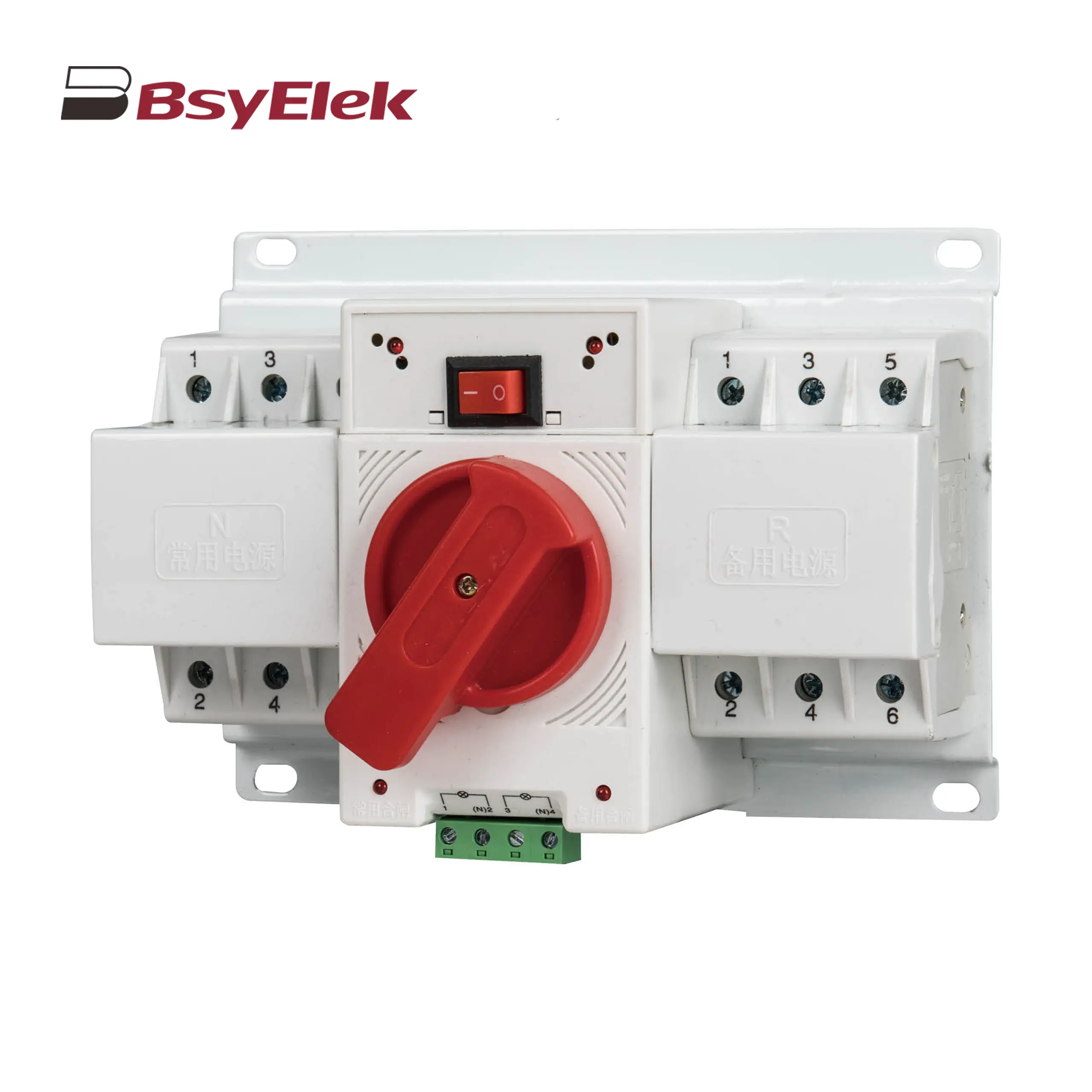 BYQ1 ATS Mini Type CB Level Dual Power Automatic Transfer Switch
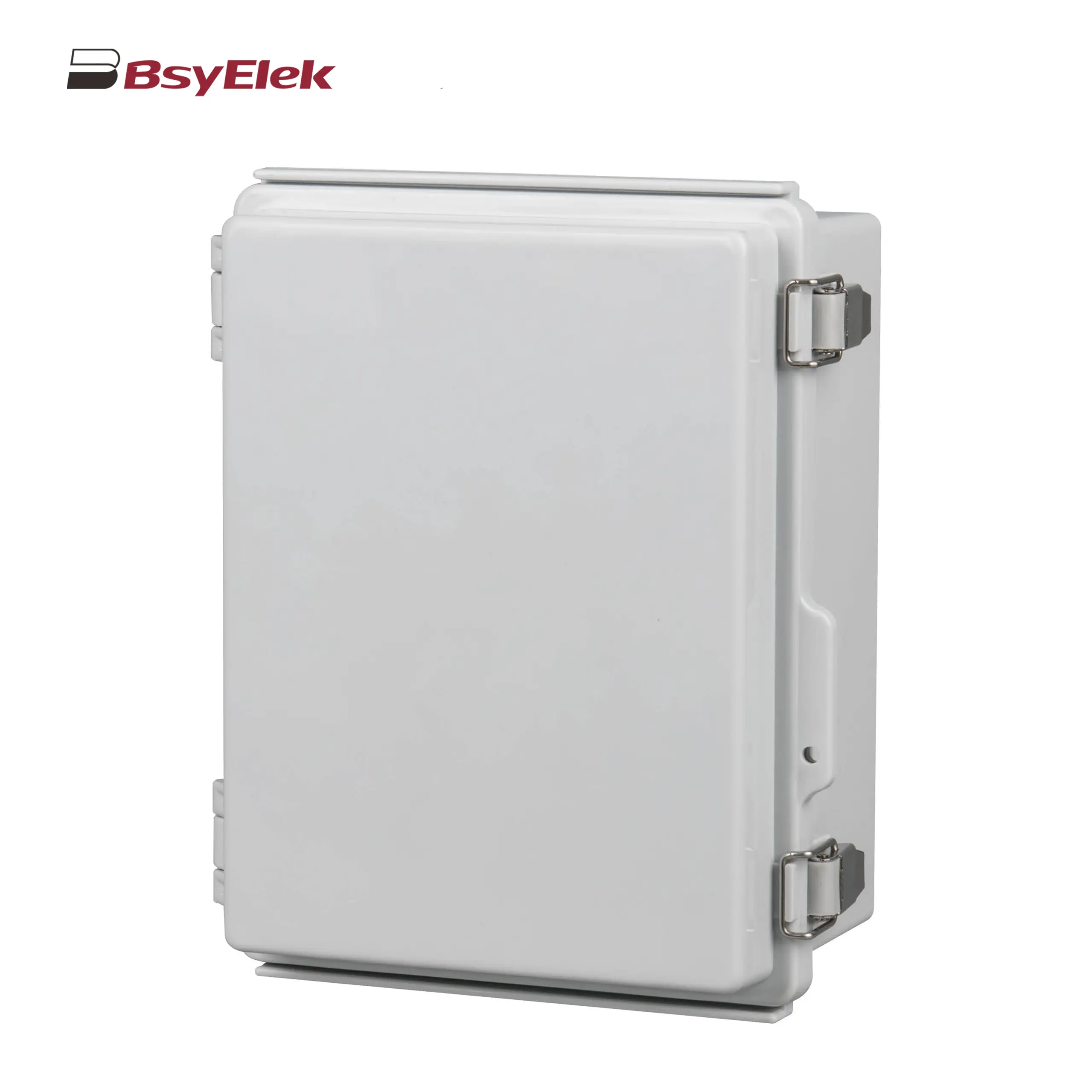 Stainless Steel Hinge Type Electrical Box
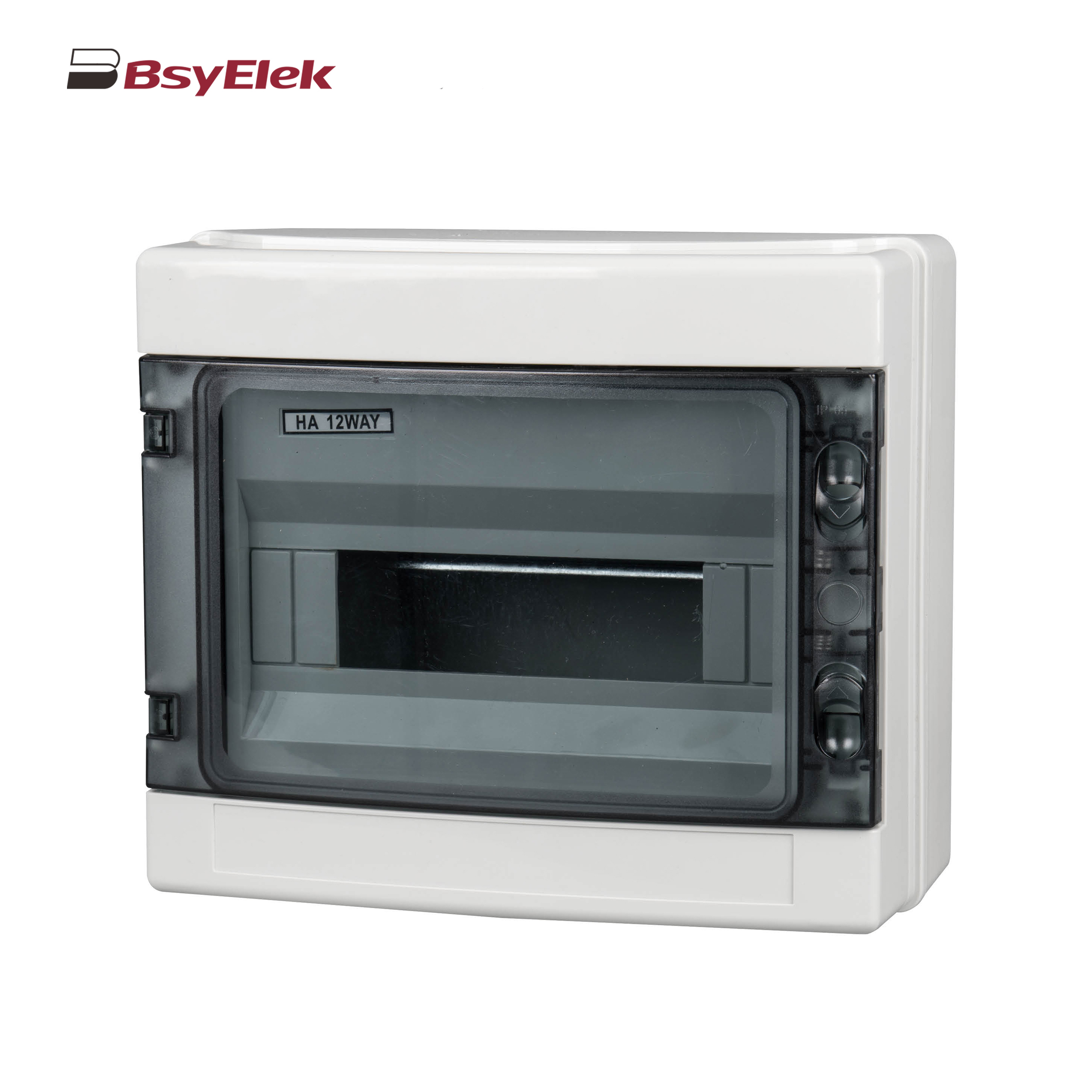 HA Waterproof Distribution Box
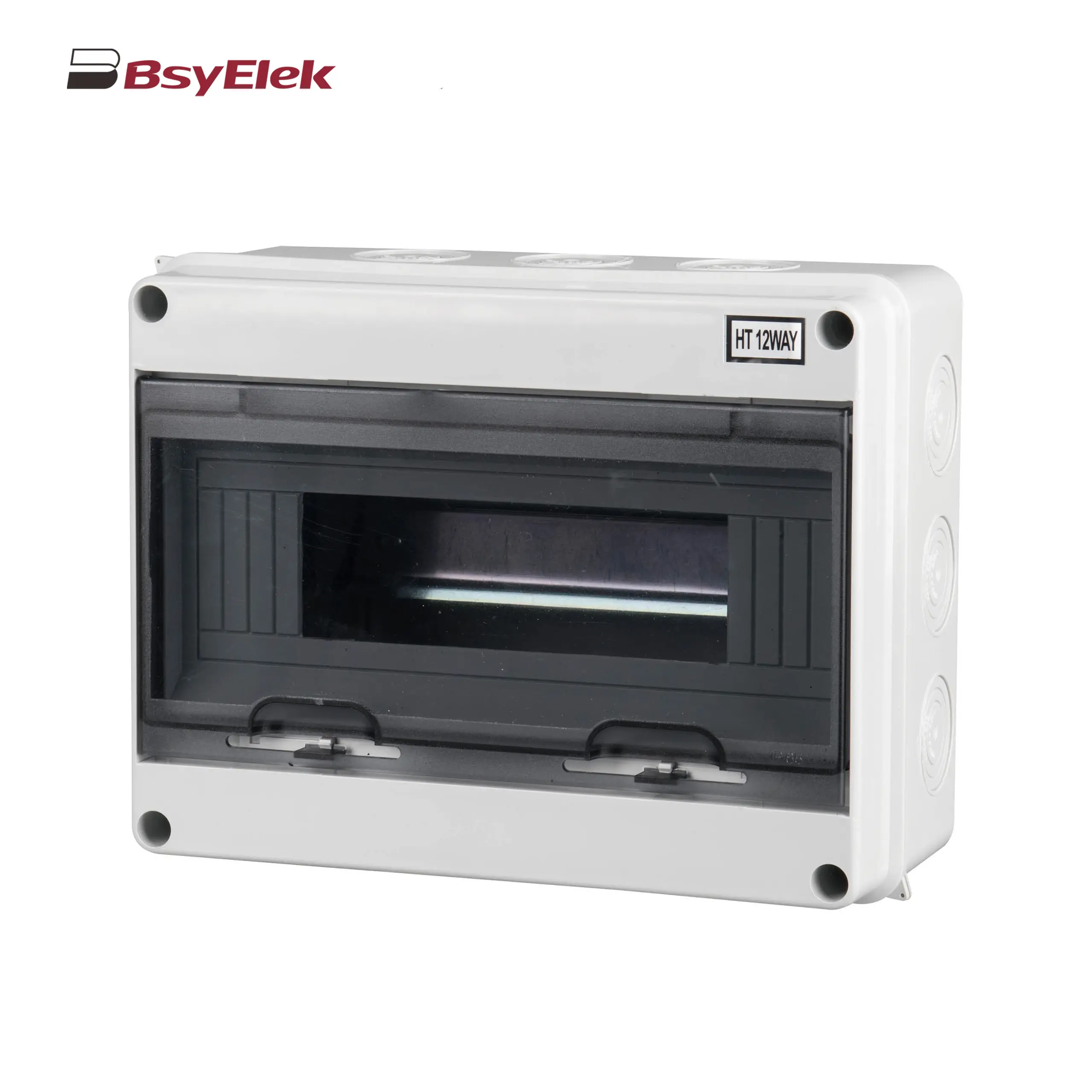 HT Waterproof Distribution Box
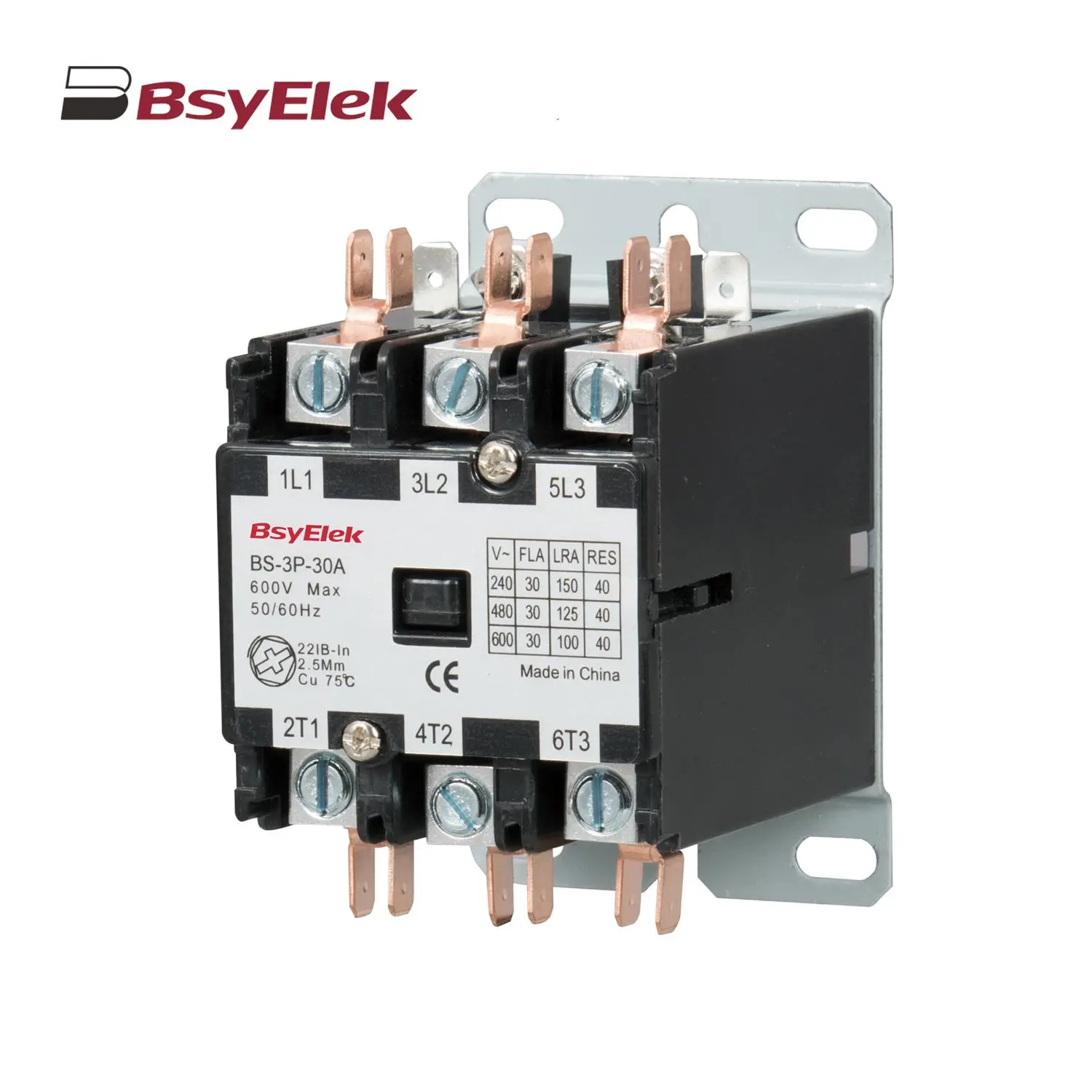 BS Definite Purpose Magnetic AC Contactor
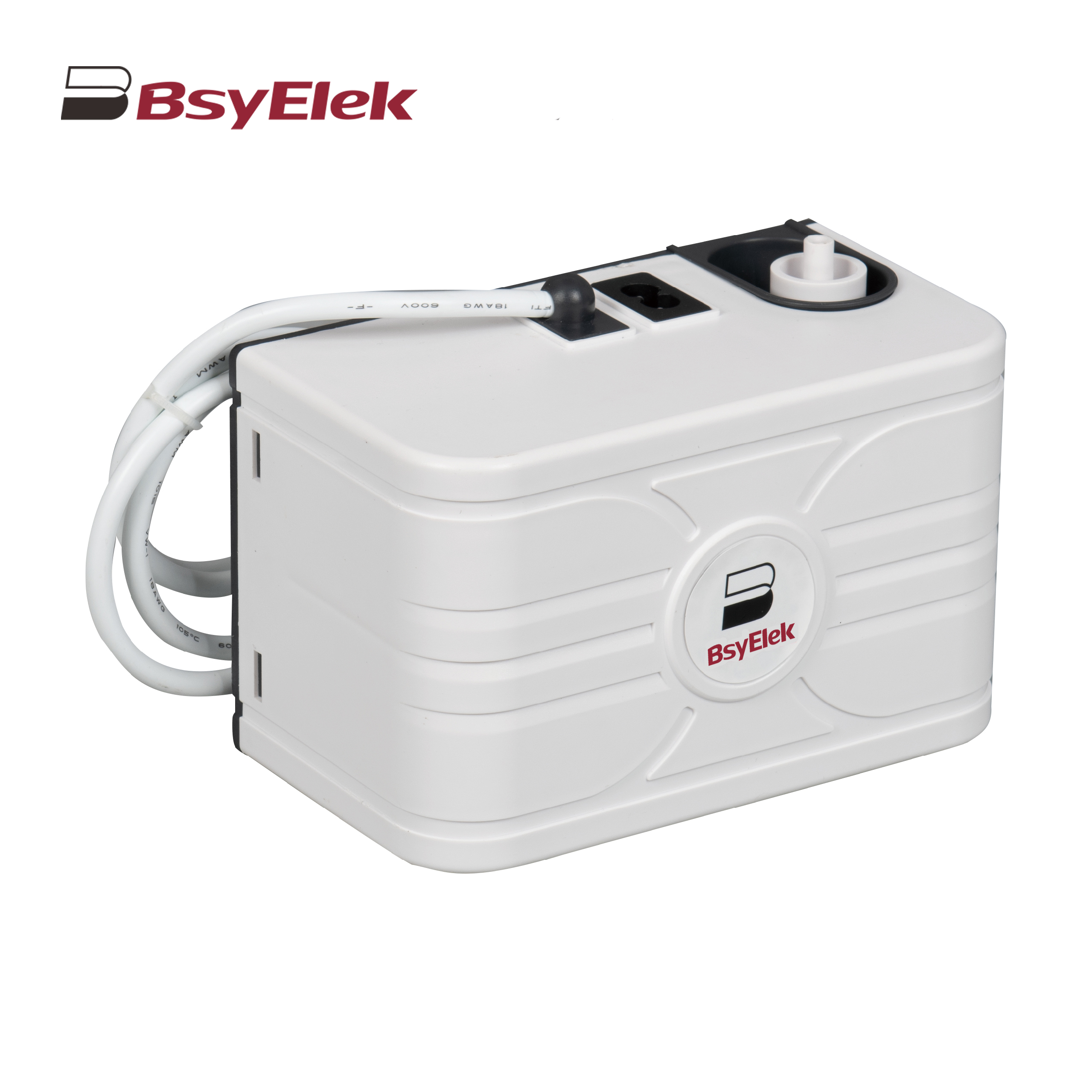 BY-5018 1.8M Engineering Drainage Pump
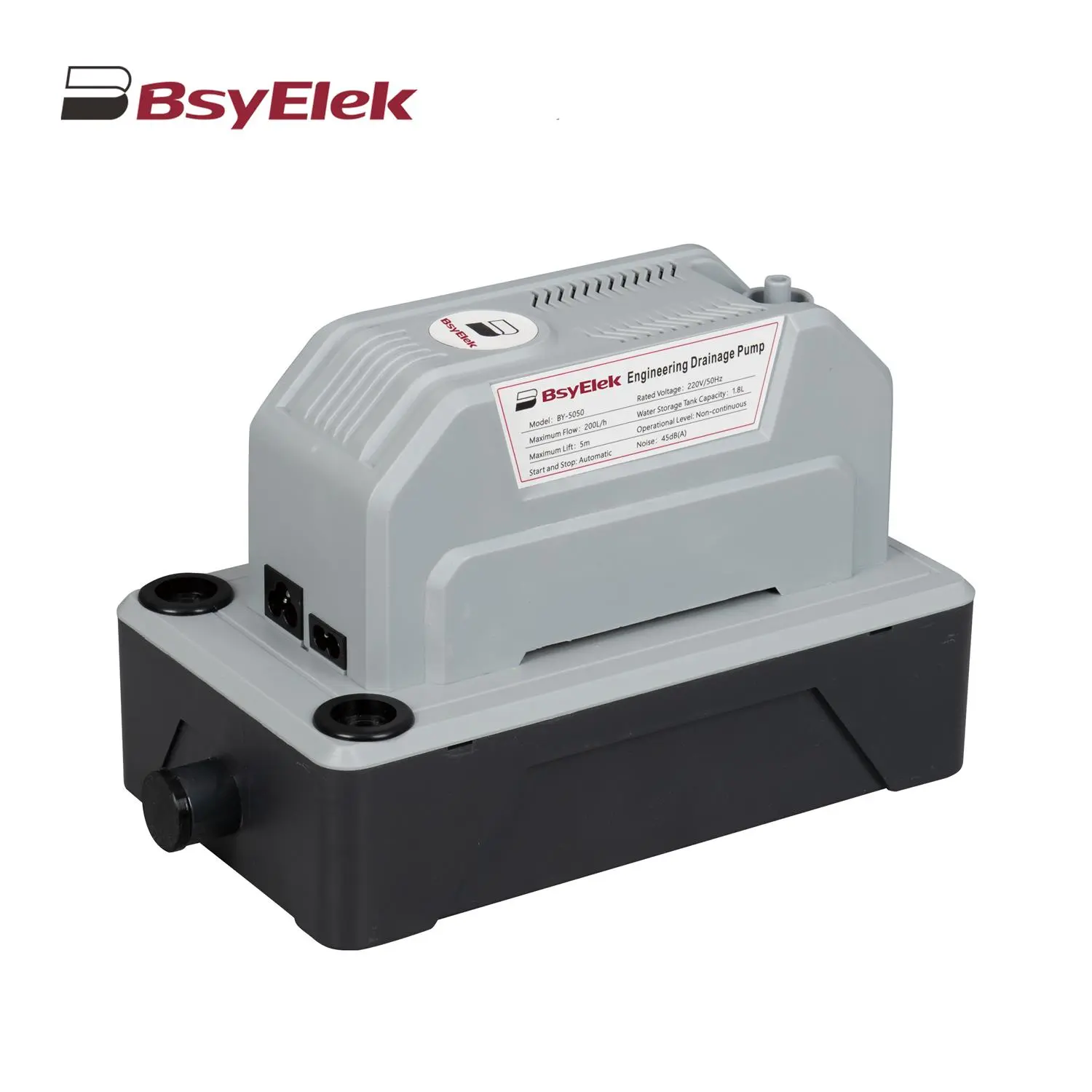 BY-5050 5M Engineering Drainage Pump
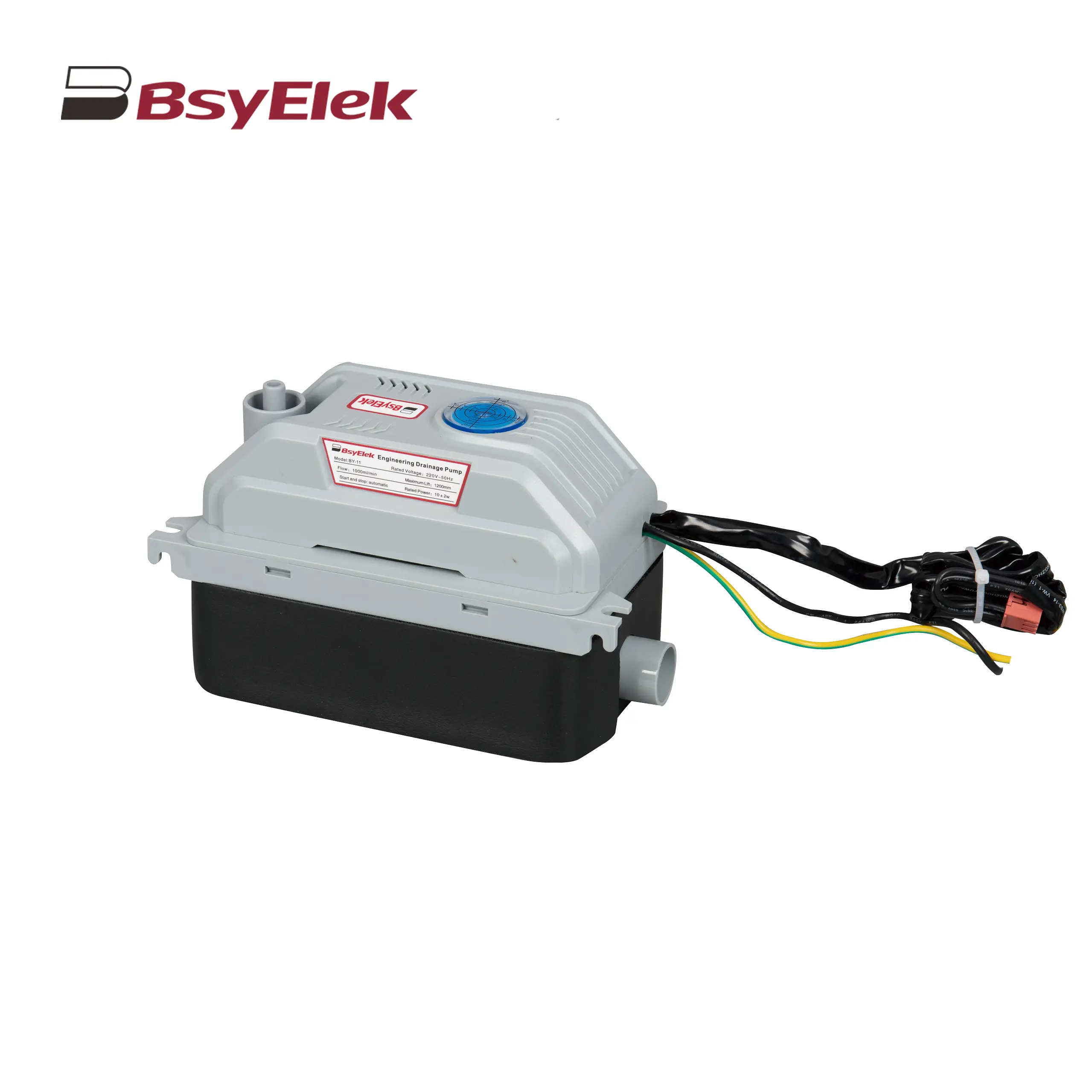 BY-11 1.2M Engineering Drainage Pump
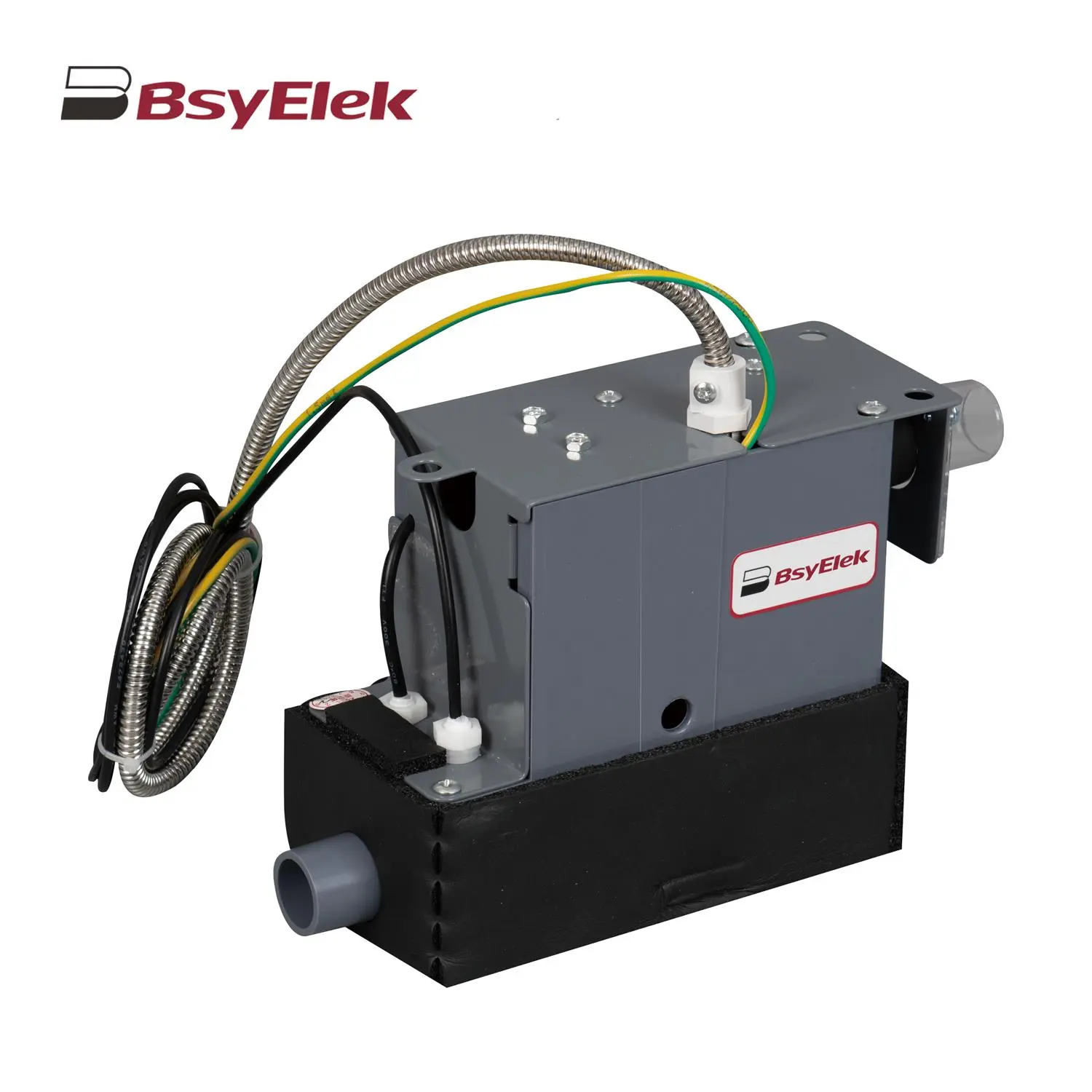 SBH-05 0.7M Original Drainage Pump of Duct Type Air Conditioner
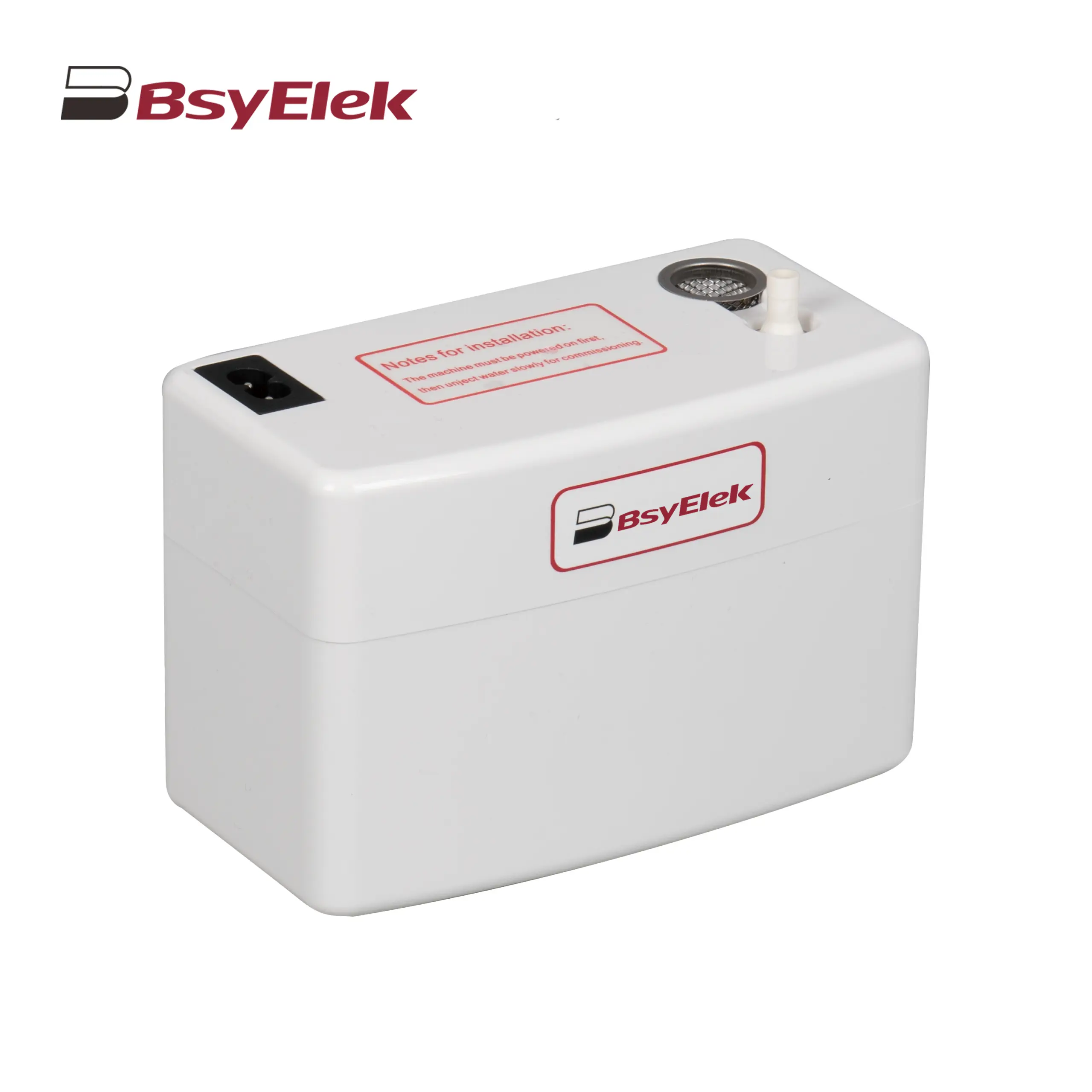 BY-24A/40A 10M Drainage Pump of Air Conditioner
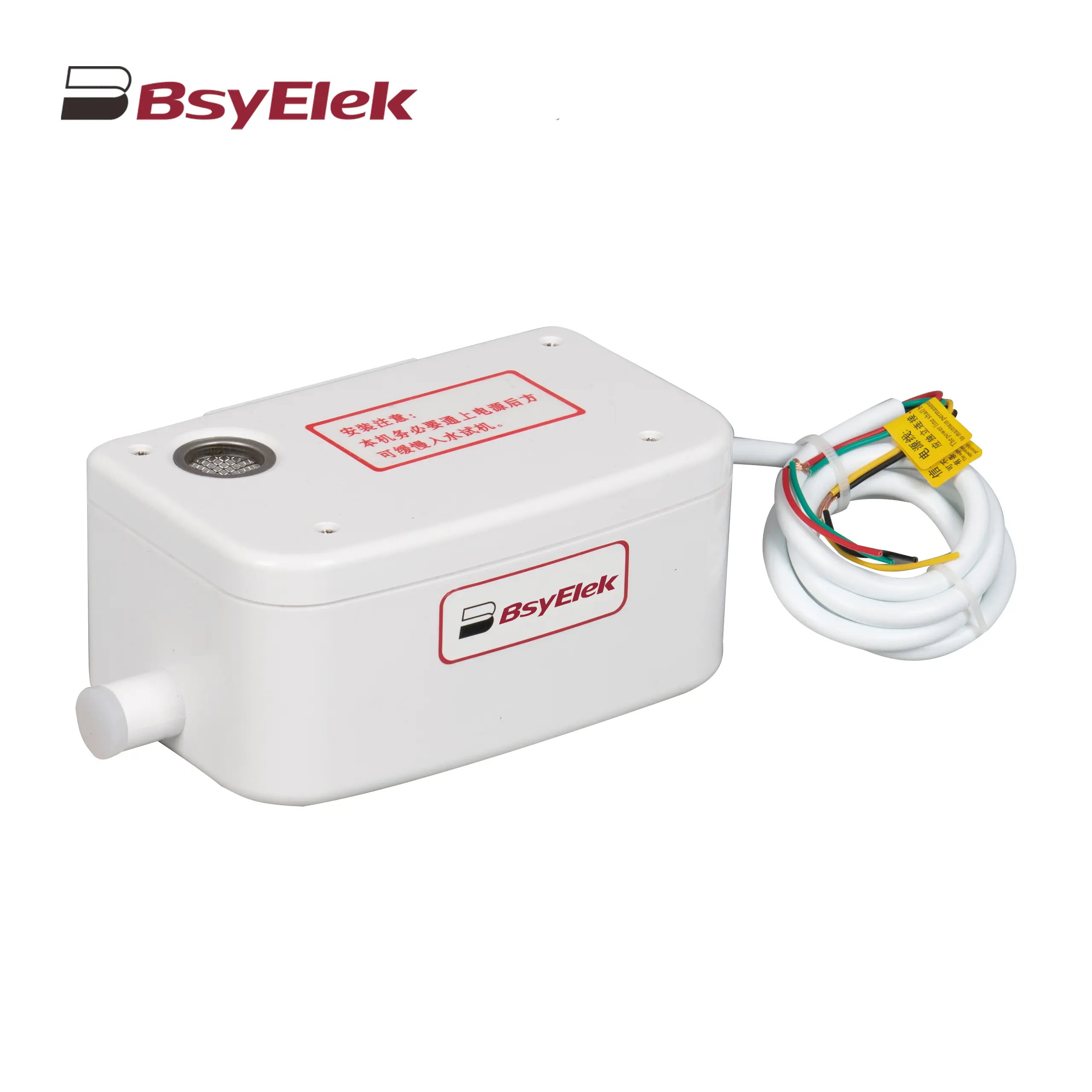 BY-50A 12M Drainage Pump of Air Conditioner
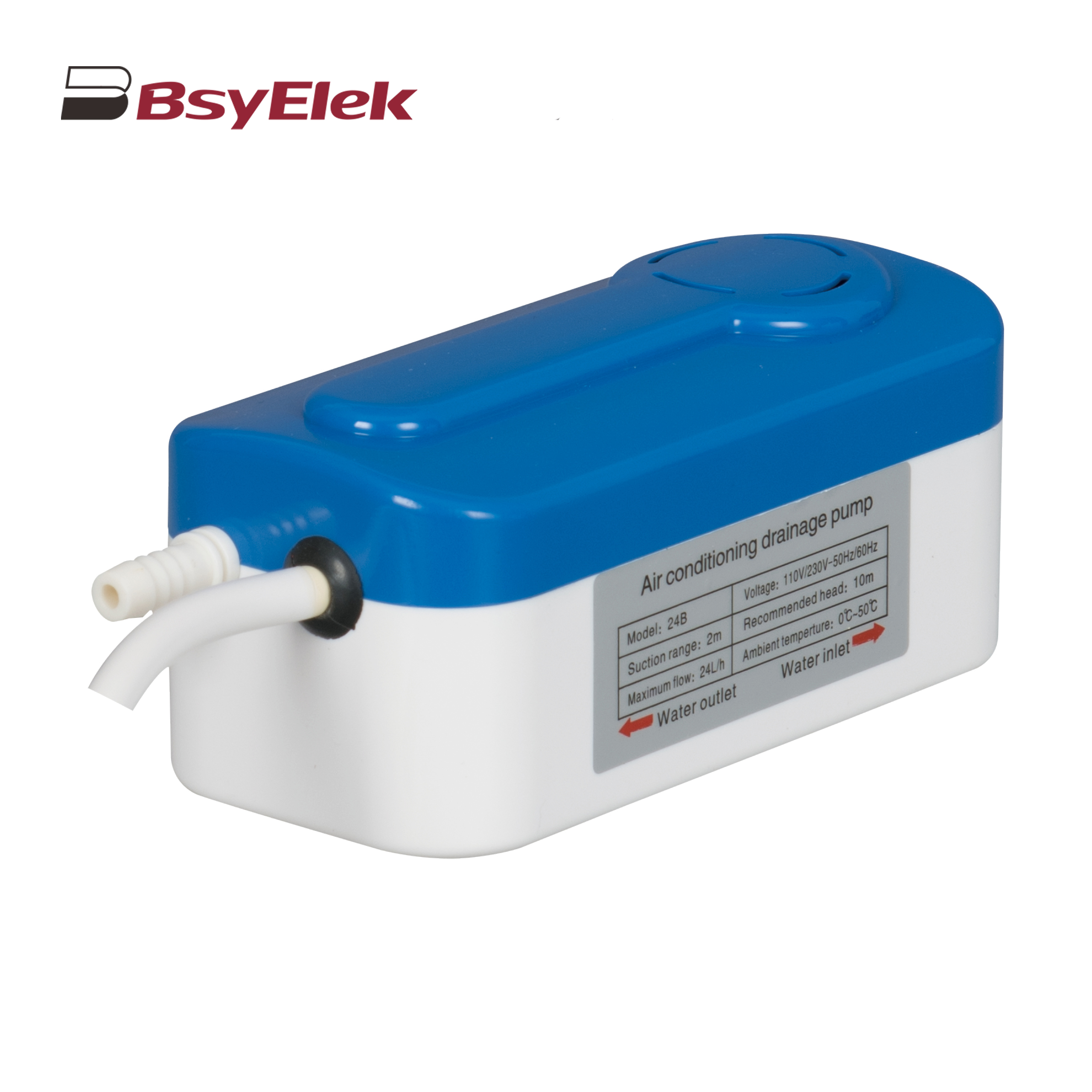 BY-24B/40B 10M Split Type Drainage Pump
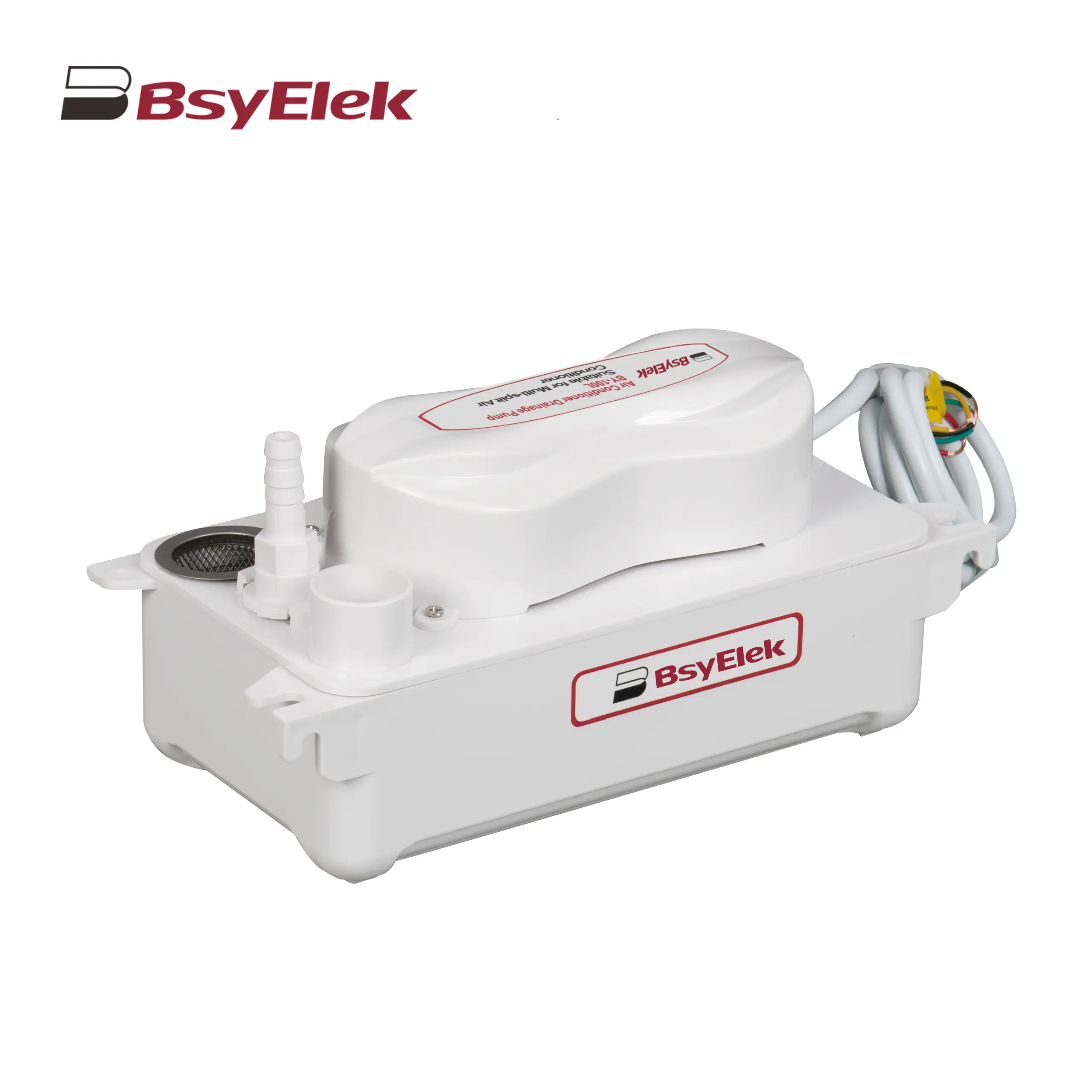 BY-100L 2M Drainage Pump of Air Conditioner
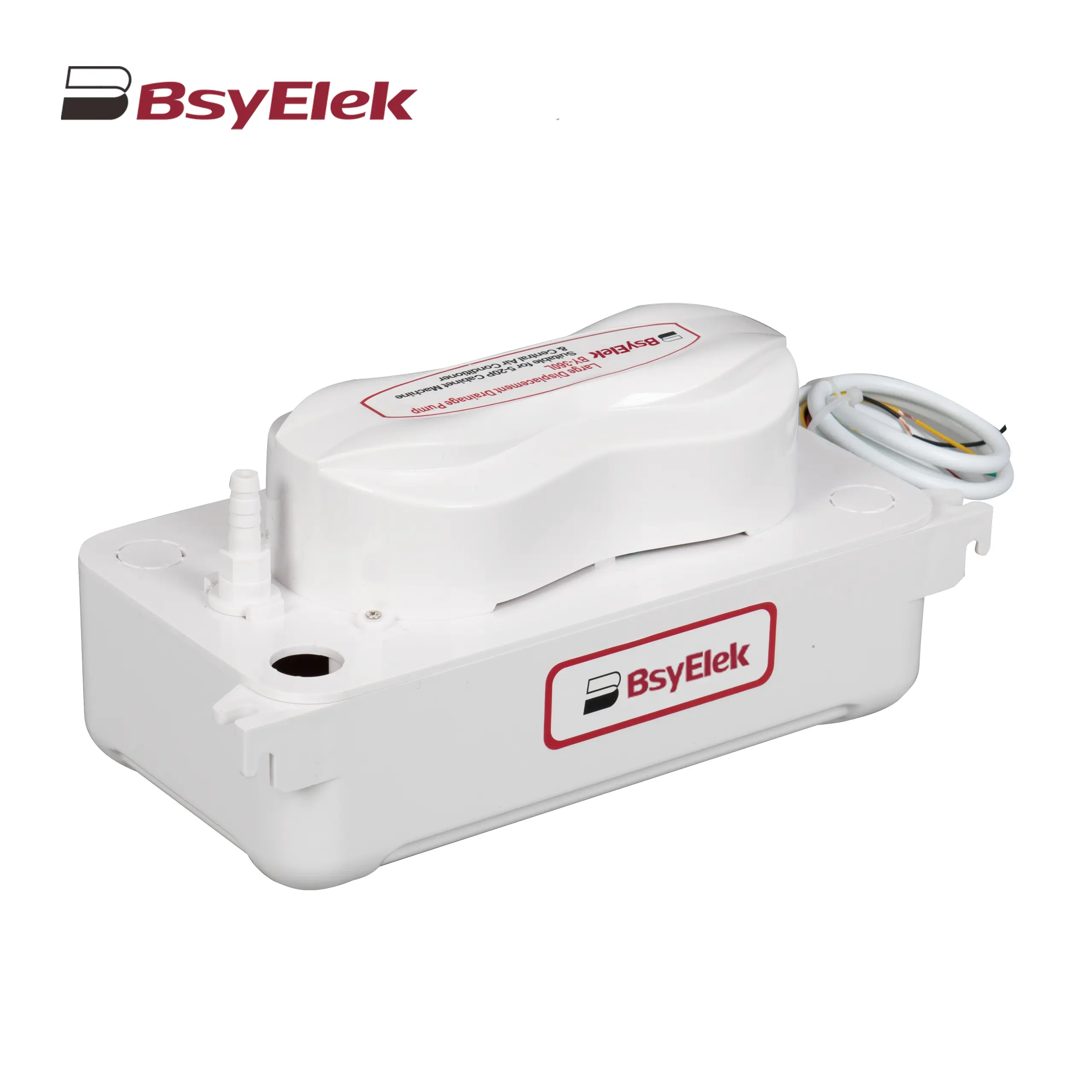 BY-360L 6M Large Displacement Drainage Pump
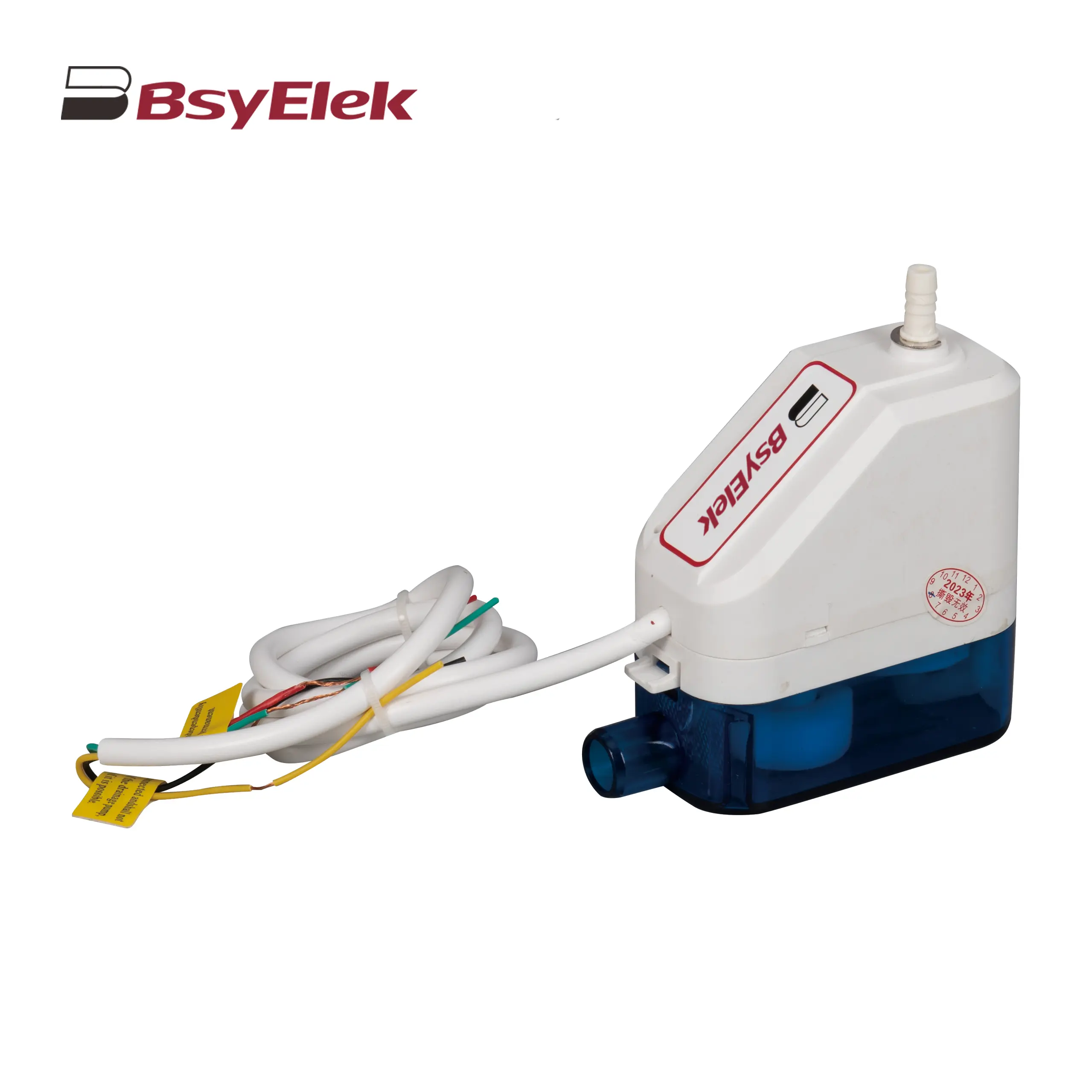 BY-24C/40C 10M Corner Drainage Pump
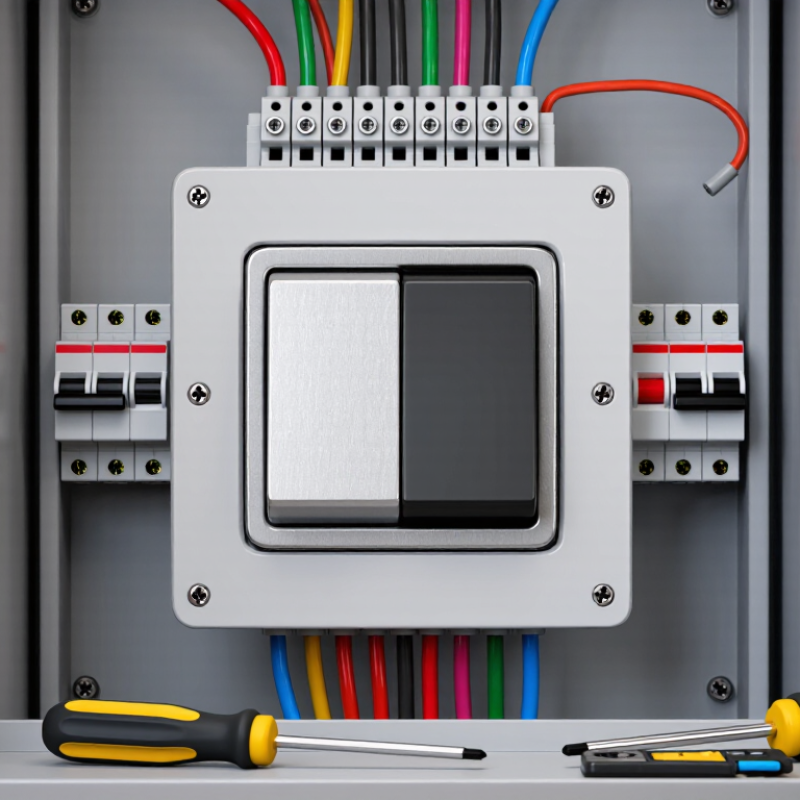
How to Choose the Right Main Switch for Your Needs? — Check Installation Conditions and Safety Standards
| Selection factor | What to check | Practical selection guidance | Example or reference |
|---|---|---|---|
| Supply type and voltage | Confirm whether the installation is single-phase or three-phase, the nominal voltage, and the earthing arrangement. | Choose a switch with a voltage rating and pole arrangement suitable for the supply. Follow local rules on which conductors must be switched; protective earth is not switched. | A single-phase installation may use a two-pole device where the applicable rules require switching line and neutral. A three-phase installation commonly requires three or four poles, depending on the neutral and local requirements. |
| Rated current | Determine the design current, expected load, conductor capacity, and any applicable demand or diversity calculations. | The switch rating must be suitable for the load and coordinated with the conductors and upstream protection. Do not select a rating from connected load alone without checking the installation design. | For a designed circuit with a 40 A design current, a suitably rated device may be considered only after checking cable capacity, protective-device coordination, and installation conditions. |
| Switch-disconnector or circuit breaker | Decide whether the device is intended for isolation only or must also provide overcurrent protection. | A switch-disconnector provides switching and isolation within its rating; it does not automatically provide overload or short-circuit protection. Use a circuit breaker or separate protective device where protection is required. | Check the device’s declared function and ratings rather than relying on its appearance or handle position. |
| Short-circuit conditions | For a circuit breaker, check the prospective short-circuit current at the installation point and the device’s breaking capacity. For an isolator, verify the required coordination with upstream protection. | The protective arrangement must be capable of safely clearing the fault current expected at that point. Obtain the fault-level information from the installation design or a qualified electrician. | Breaking capacity is a circuit-breaker selection parameter; it should not be confused with the normal-load current rating. |
| Load characteristics | Identify whether the load is resistive, motor-driven, transformer-based, or has high inrush current. | Check the device’s utilization category and switching duty for the intended load. Motor and transformer applications may require different ratings from simple resistive loads. | For motor loads, confirm the applicable motor-switching duty and coordination with the motor’s overload and short-circuit protection. |
| Installation location and enclosure | Assess exposure to dust, water, corrosion, temperature, impact, and access by unqualified persons. | Select an enclosure and installation method suitable for the actual environment, and follow the manufacturer’s stated operating limits and local installation rules. | Outdoor, wash-down, or dusty locations may require a more protective enclosure than a clean, dry indoor electrical room. |
| Mounting and access | Check available panel space, mounting type, cable entry, terminal capacity, operating clearance, and access for safe isolation. | Confirm that the device fits the distribution board or enclosure and that conductors can be connected within the specified terminal range and tightening requirements. | Allow for safe operation, inspection, and maintenance; do not obstruct the operating handle or identification markings. |
| Isolation and emergency needs | Consider whether a readily accessible main means of isolation is required and whether an emergency switching function applies. | Locate and identify the switch according to the installation design and local rules. Emergency switching requirements, where applicable, are distinct from routine isolation. | Clearly label the device and the circuits or equipment it controls. |
| Standards and compliance | Check the locally adopted electrical installation rules, product standards, certification requirements, and authority having jurisdiction. | Use a device approved for the intended function and market. Standard editions and national adaptations vary, so verify the current requirements for the project location. | Relevant IEC standards can include IEC 60947-3 for switches, disconnectors, switch-disconnectors and fuse-combination units; IEC 60947-2 for circuit breakers; and IEC 60364 for electrical installations. Local adoptions may differ. |
| Final verification | Confirm ratings, pole count, terminals, enclosure, coordination, labeling, and installation instructions before purchase and commissioning. | Have selection and installation checked by a qualified electrical professional, especially where fault levels, protective coordination, or local compliance requirements are uncertain. | The correct choice depends on the complete installation—not just the switch’s current rating. |
Note: The examples are general selection guidance, not a substitute for a site-specific electrical design. Always follow the applicable local regulations and the device manufacturer’s instructions.