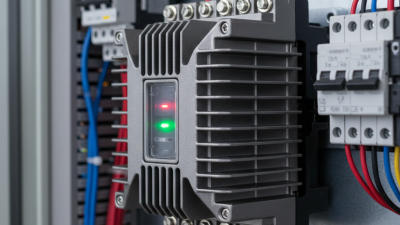
Why You Should Use Magnetic Contactors for Electrical Control Systems?
Magnetic contactors are vital components in modern electrical control systems. They serve as reliable switches for managing large electrical loads. In industrial settings, operational efficiency is crucial. Here, the choice of components can make a significant impact. Magnetic contactors allow for safe and efficient control over machinery and lighting systems.
Using magnetic contactors minimizes the risk of electrical overload. These devices ensure that equipment operates smoothly without sudden failures. Their durability stands out in various applications, from HVAC systems to motor controls. However, selecting the right contactor requires expertise. It’s important to recognize that not all magnetic contactors are created equal.
Proper installation and maintenance are key to maximizing their benefits. Neglecting these aspects may lead to performance issues or increased operational costs. Understanding the specifications of magnetic contactors is essential. A poorly chosen model might fail under pressure. Therefore, gaining insights into their functionality is paramount for optimal use in any electrical control system.
Understanding the Functionality of Magnetic Contactors in Electrical Systems
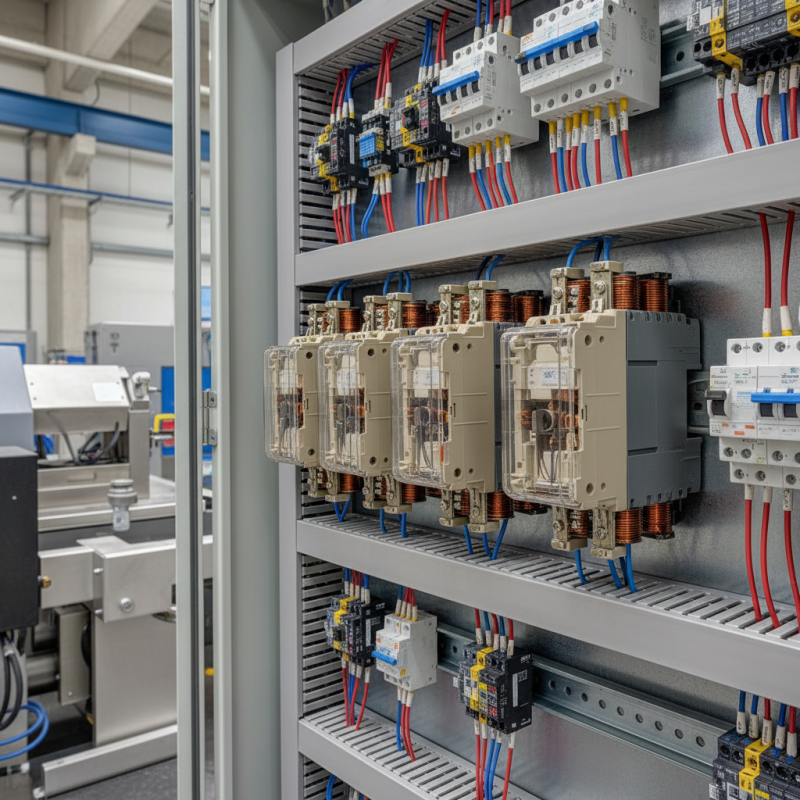
Magnetic contactors play a crucial role in electrical control systems. They offer a reliable method for controlling power to various electrical devices. According to industry reports, approximately 80% of industrial machinery utilizes magnetic contactors for their operation. This prevalent use underscores their importance in ensuring efficient control over motors and other equipment.
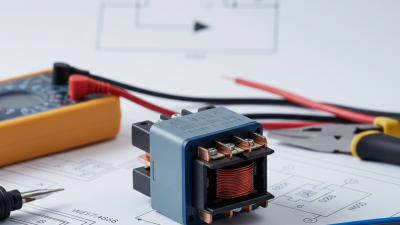
These devices operate by using an electromagnetic coil to close or open circuits. When the coil is energized, it creates a magnetic field that pulls the contact together. This mechanism allows for quick and safe switching of electrical loads. The lifespan of magnetic contactors can exceed 1 million operations, making them a resilient choice for continuous use. However, improper installation or overloading can lead to premature failures, emphasizing the need for careful application and monitoring.
In addition to reliability, magnetic contactors enhance safety in electrical systems. They provide overcurrent protection and help prevent electric shock hazards. Yet, it's essential to realize that not all configurations are optimal. Miscalculating the specifications can result in inefficiencies or system failures. Regular maintenance checks are necessary to ensure peak performance and longevity of these devices.
Benefits of Using Magnetic Contactors Over Traditional Relays
Magnetic contactors offer significant advantages over traditional relays in electrical control systems. One major benefit is their durability. They can handle higher voltages and currents than standard relays. This durability translates to a longer lifespan. For critical applications, this reliability is essential.
Another advantage is the speed of operation. Magnetic contactors respond more quickly to electrical signals. This quick response can improve system efficiency. Additionally, they generate less heat during operation, which is beneficial for controlling temperatures in compact systems.
However, it's important to recognize potential downsides. Magnetic contactors can be more complex to install. They may require additional components, leading to a longer setup time. Also, their size might be a concern in tight spaces. Overall, weighing these factors can help in making the right choice for specific needs.
Application Scenarios for Magnetic Contactors in Modern Control Systems
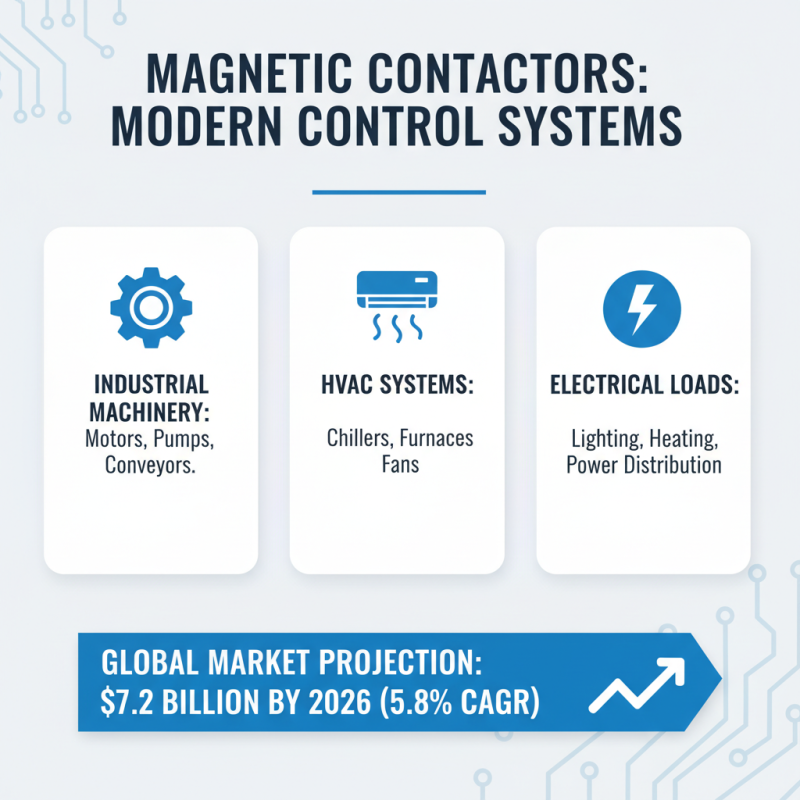
Magnetic contactors play a crucial role in modern electrical control systems. They are commonly used in various applications, ranging from industrial machinery to HVAC systems. According to industry reports, the global magnetic contactor market is projected to reach $7.2 billion by 2026, with an annual growth rate of 5.8%. This highlights their increasing importance in controlling larger electrical loads efficiently.
In industrial settings, magnetic contactors are essential for managing electric motors. For instance, they enable the automation of conveyor systems and robotic arms. By providing reliable control, they enhance operational efficiency and safety. The ability to handle high inrush currents is a significant advantage. Data indicates that improper motor control can lead to energy wastage and equipment failures, emphasizing the need for effective solutions.
**Tips:** When selecting a magnetic contactor, consider the voltage ratings and the load type. Make sure to assess the specific requirements of your application for optimal performance.
In HVAC systems, magnetic contactors help regulate compressors and fans. They assist in managing the overall energy consumption of the system. Reports show that energy-efficient control systems can reduce operating costs by up to 25%. However, improper installation or insufficient ratings may lead to system inefficiencies. Understanding these nuances is key to maximizing performance.
**Tips:** Regular maintenance checks can prevent potential failures in magnetic contactors. Schedule inspections to ensure longevity and reliability.
Installation and Maintenance Best Practices for Magnetic Contactors
When installing magnetic contactors, attention to detail is key. Proper installation ensures optimal performance and longevity. According to industry reports, incorrect installation is a primary cause of equipment failure, leading to costly downtime. Ensure that all connections are secure and that the contactor is mounted in a suitable area, free from dust and moisture.
Maintenance practices are equally important. Regular inspection is vital. Check for signs of wear or corrosion. A study showed that 70% of electrical failures result from poor maintenance. Routine cleaning and testing can prevent many issues. It’s essential to follow the manufacturer's guidelines for service intervals.
Involvement in training and workshops can provide valuable knowledge. Many technicians may overlook basic maintenance steps. Continual learning can enhance skills. Engaging with professional communities can also shed light on common pitfalls. Good practices must be a focus to avoid unnecessary losses in efficiency and reliability.
Safety Considerations When Integrating Magnetic Contactors into Electrical Systems
When integrating magnetic contactors into electrical systems, safety is paramount. Proper installation is crucial. Ensure that contactors are rated for the load they will handle. Underrated contactors can lead to overheating or failure. Regular maintenance checks are essential to identify wear and tear. Insulation breakdown can be a hidden danger. Visual inspections can reveal issues before they escalate.
Overloading is another concern. It’s vital to match the contactor capacity with operational demands. This prevents damage to equipment and minimizes risk. Use coils designed for the specific voltage of your system. Mismatched voltages can cause malfunctions. Provide appropriate fuses and circuit breakers to protect against short circuits.
Also, consider the environment. Corrosive or dusty settings can affect performance. A protective enclosure may be necessary. Always follow local electrical codes. They offer guidelines that enhance safety. Training personnel is equally important. They should understand potential hazards. Regular safety drills can prepare them for emergencies. This comprehensive approach promotes reliability and protects lives.
Why You Should Use Magnetic Contactors for Electrical Control Systems? - Safety Considerations When Integrating Magnetic Contactors into Electrical Systems
| Dimension |
Value |
| Voltage Rating |
120V - 600V |
| Current Rating |
10A - 1000A |
| Control Type |
Electromechanical |
| Operating Temperature |
-40°C to 60°C |
| Contact Configuration |
Single Pole, Double Pole, Triple Pole |
| Overload Protection |
Thermal or Electronic |
| Applications |
Industrial Machinery, HVAC, Motor Control |
| Integration Considerations |
Safety Standards, Wiring Practices, Load Calculations |



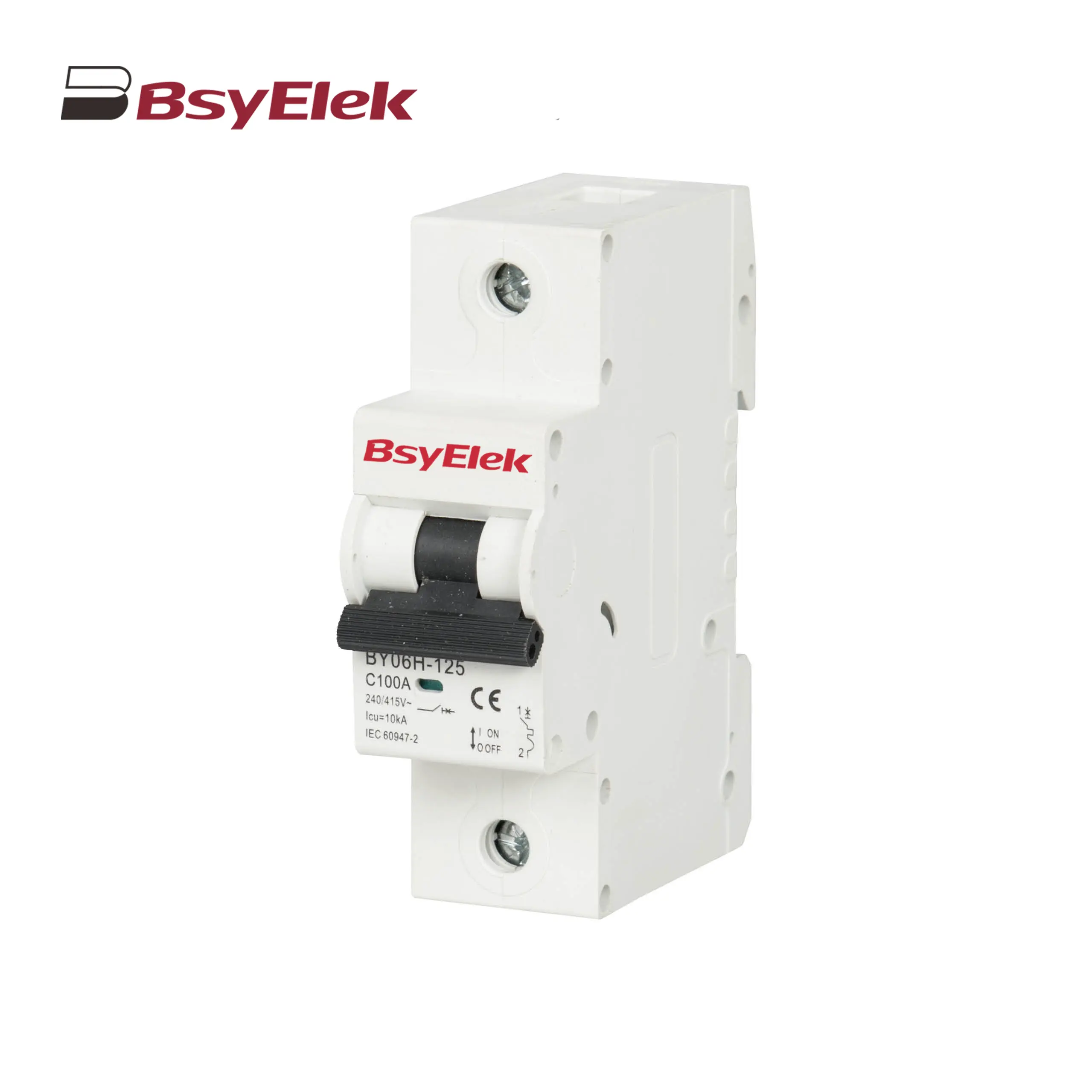 BY06H-125 MCB 10-15KA Miniature Circuit Breaker
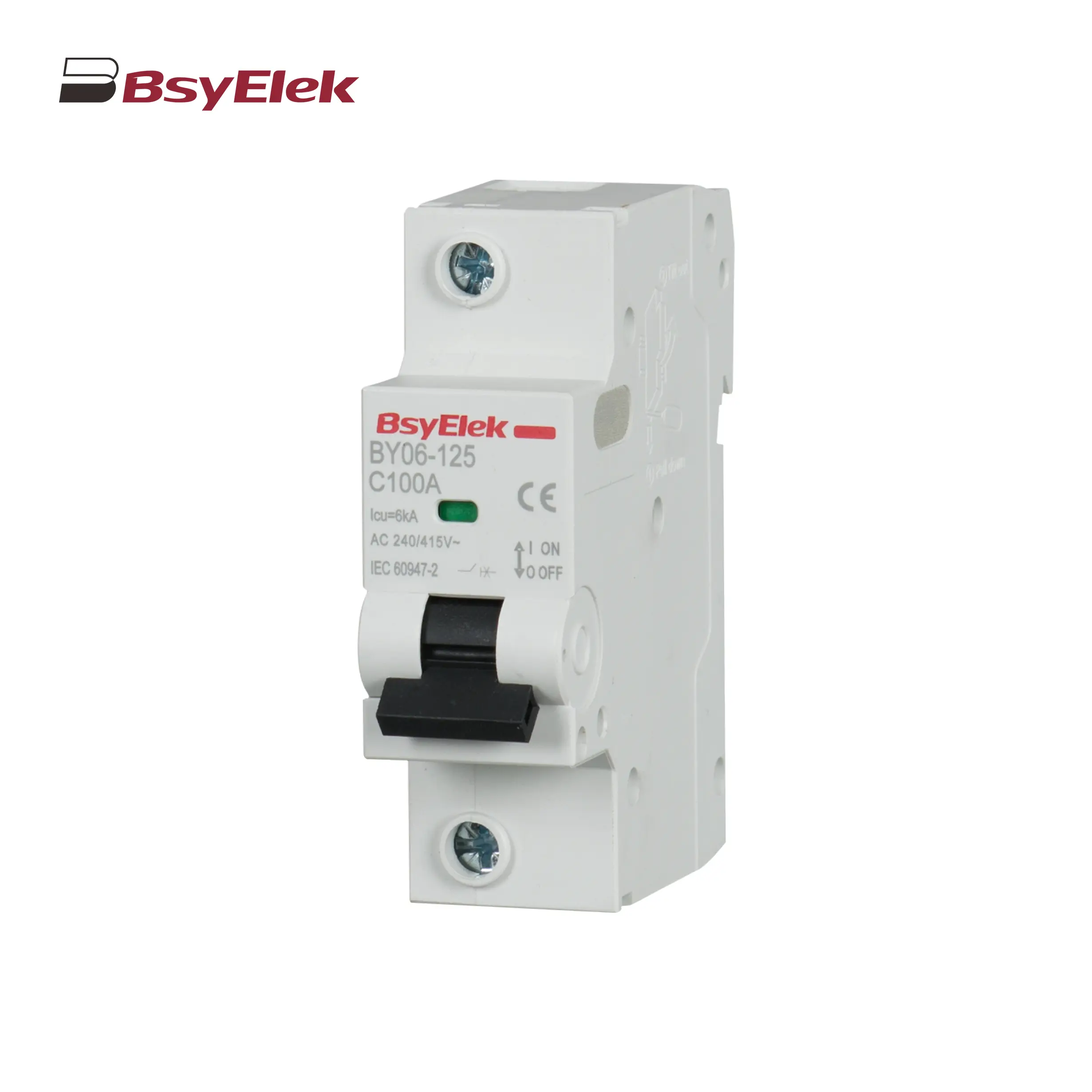 BY06-125 MCB 6KA Miniature Circuit Breaker
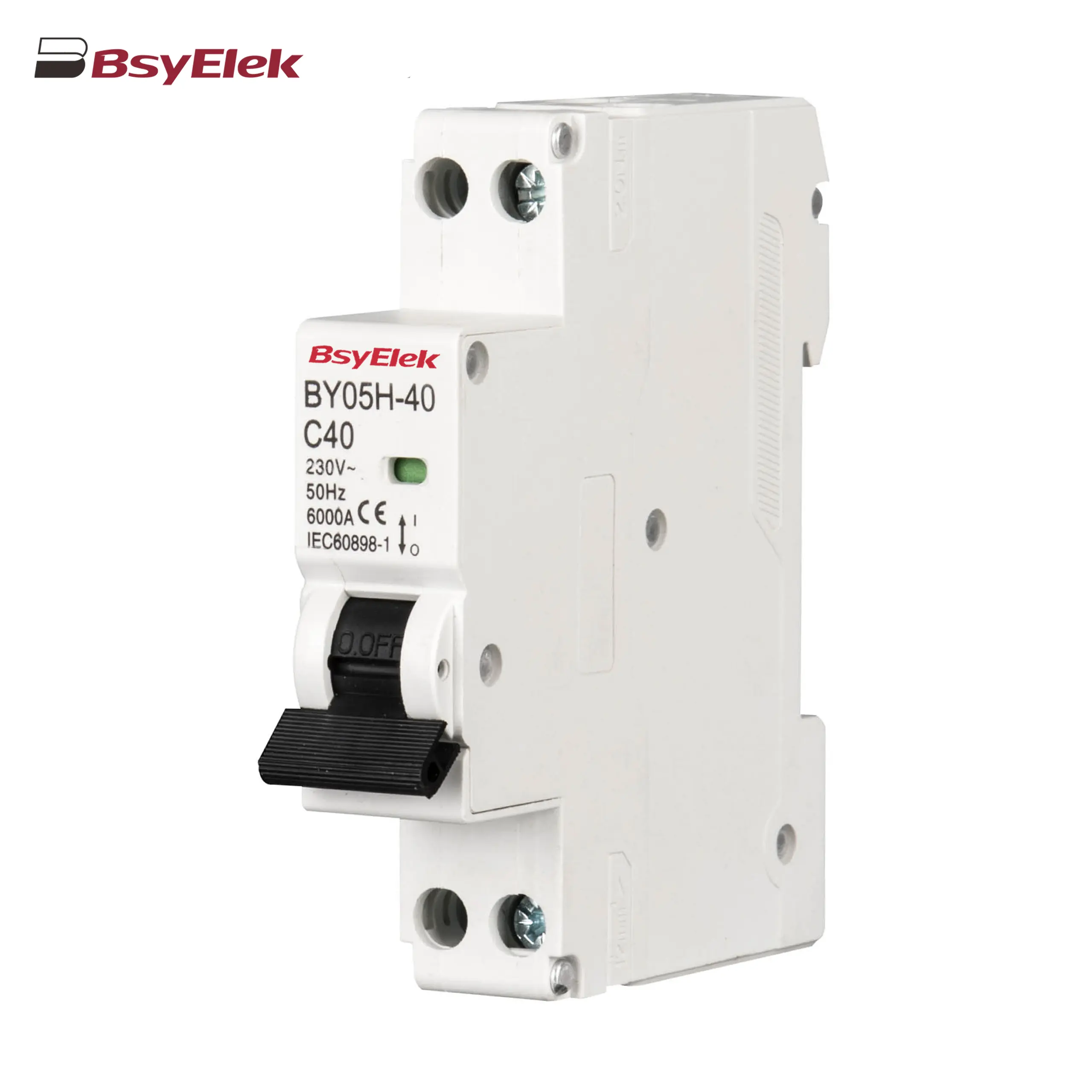 BY05H-40 MCB Single Modular 6KA Miniature Circuit Breaker
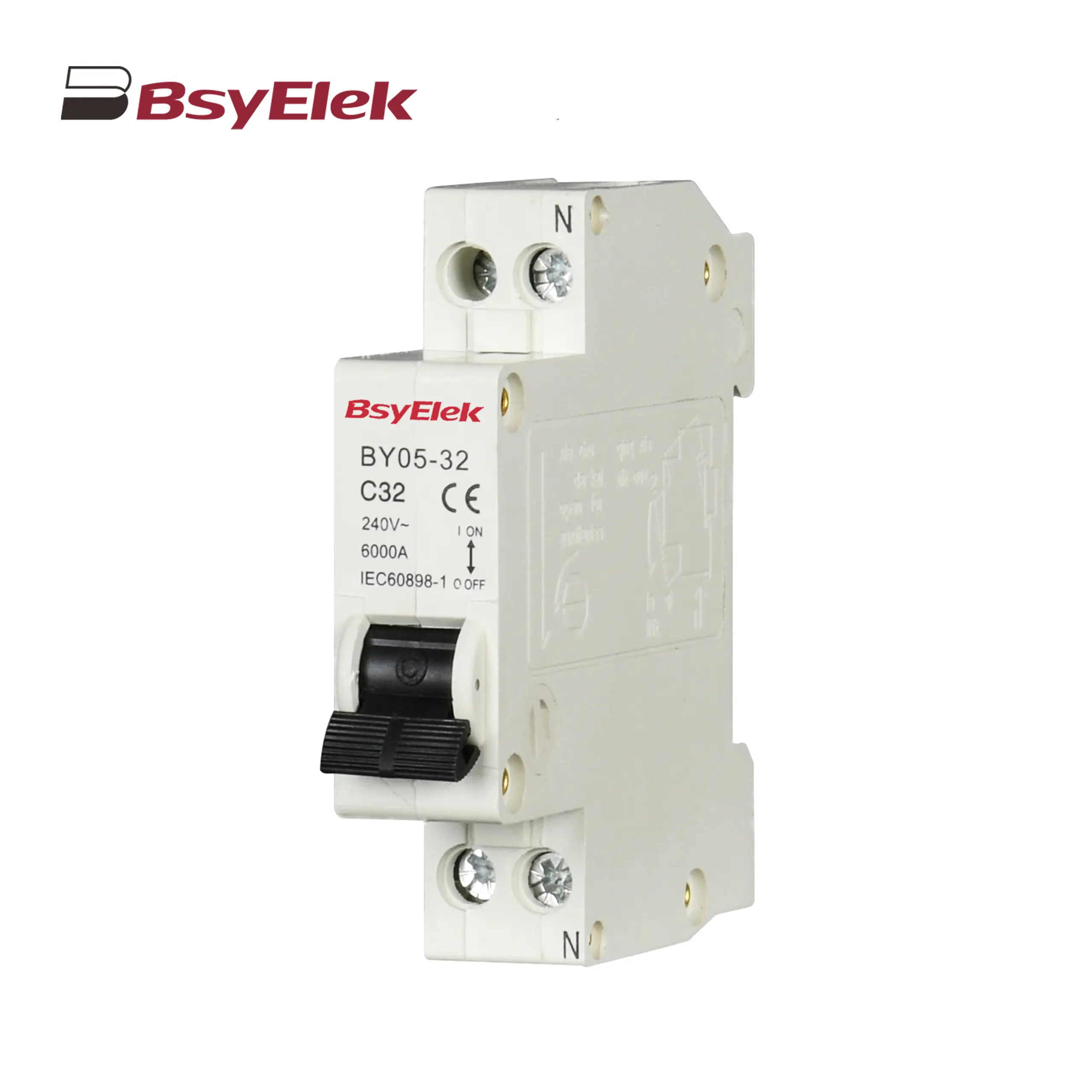 BY05-32 MCB Single Modular 3KA Miniature Circuit Breaker
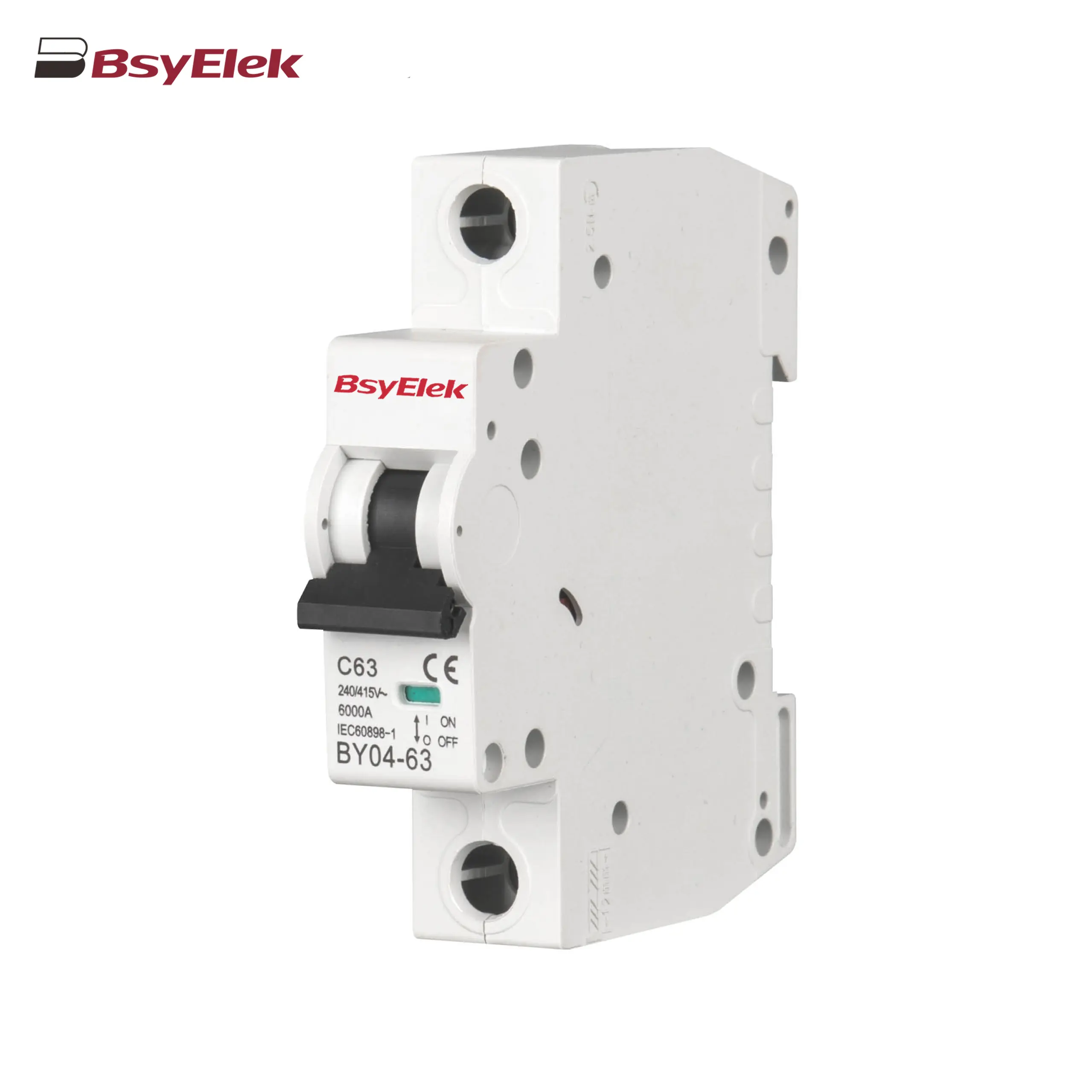 BY04-63 MCB 6-10KA Miniature Circuit Breaker
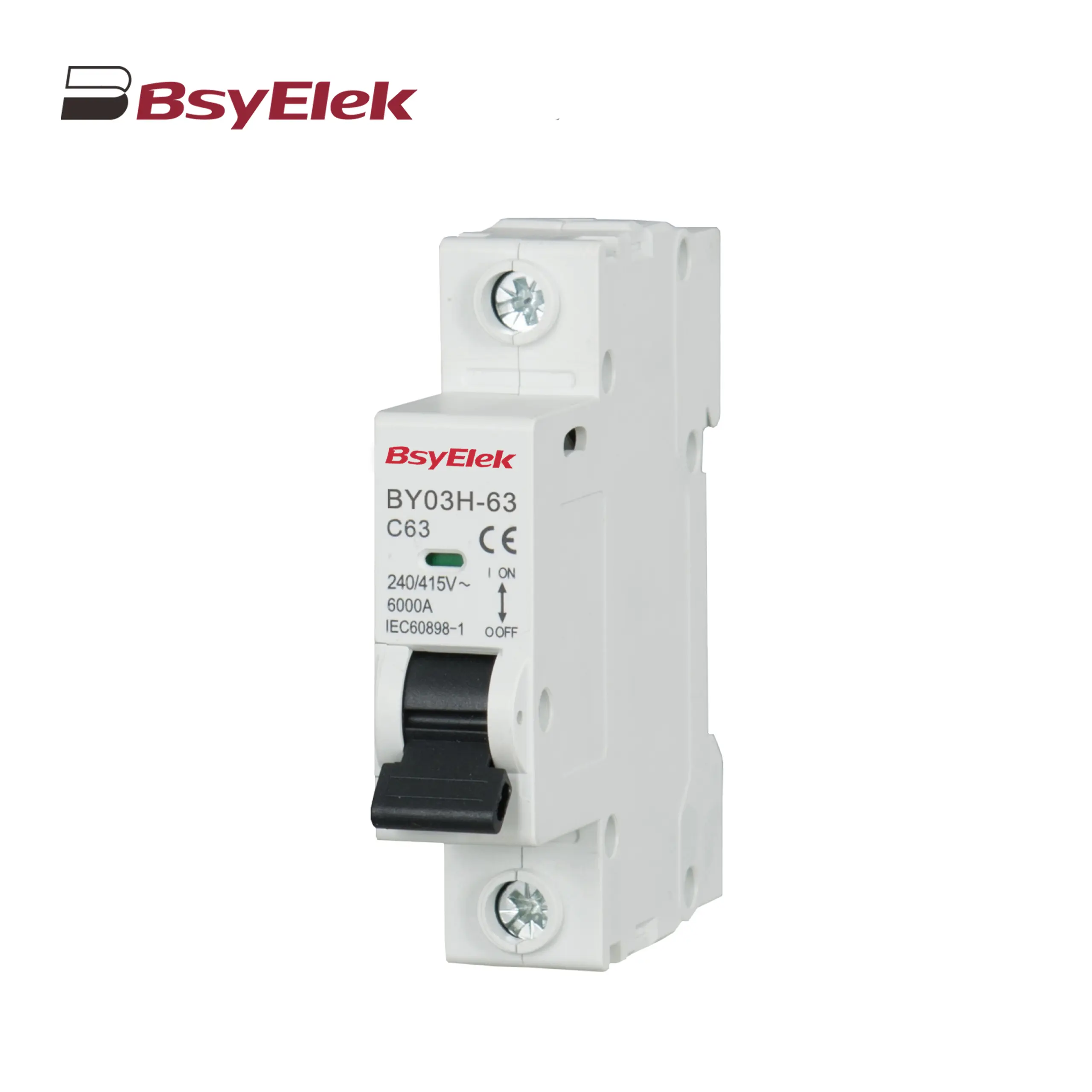 BY03H-63 MCB 6KA Miniature Circuit Breaker
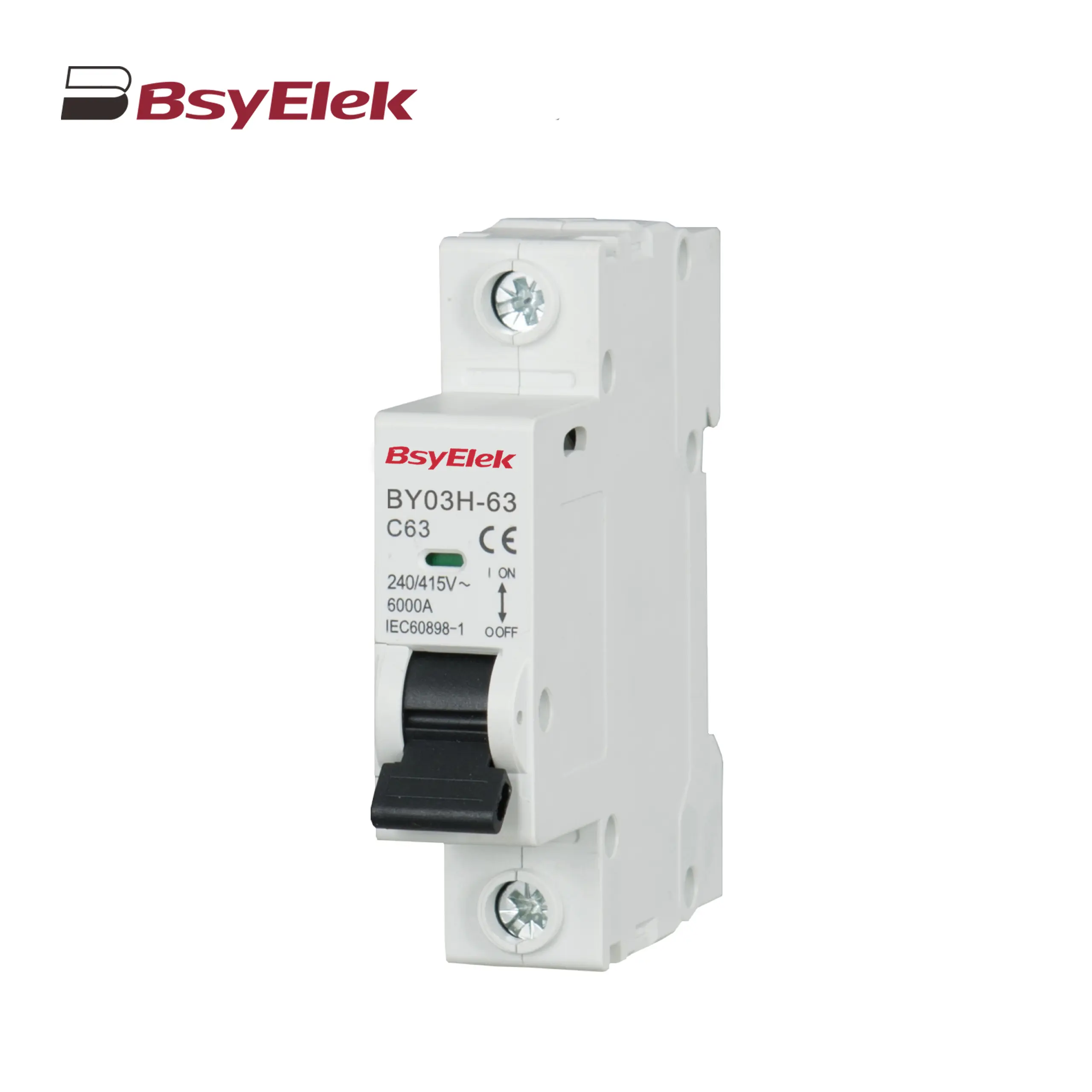 BY03-63 MCB 4.5KA Miniature Circuit Breaker
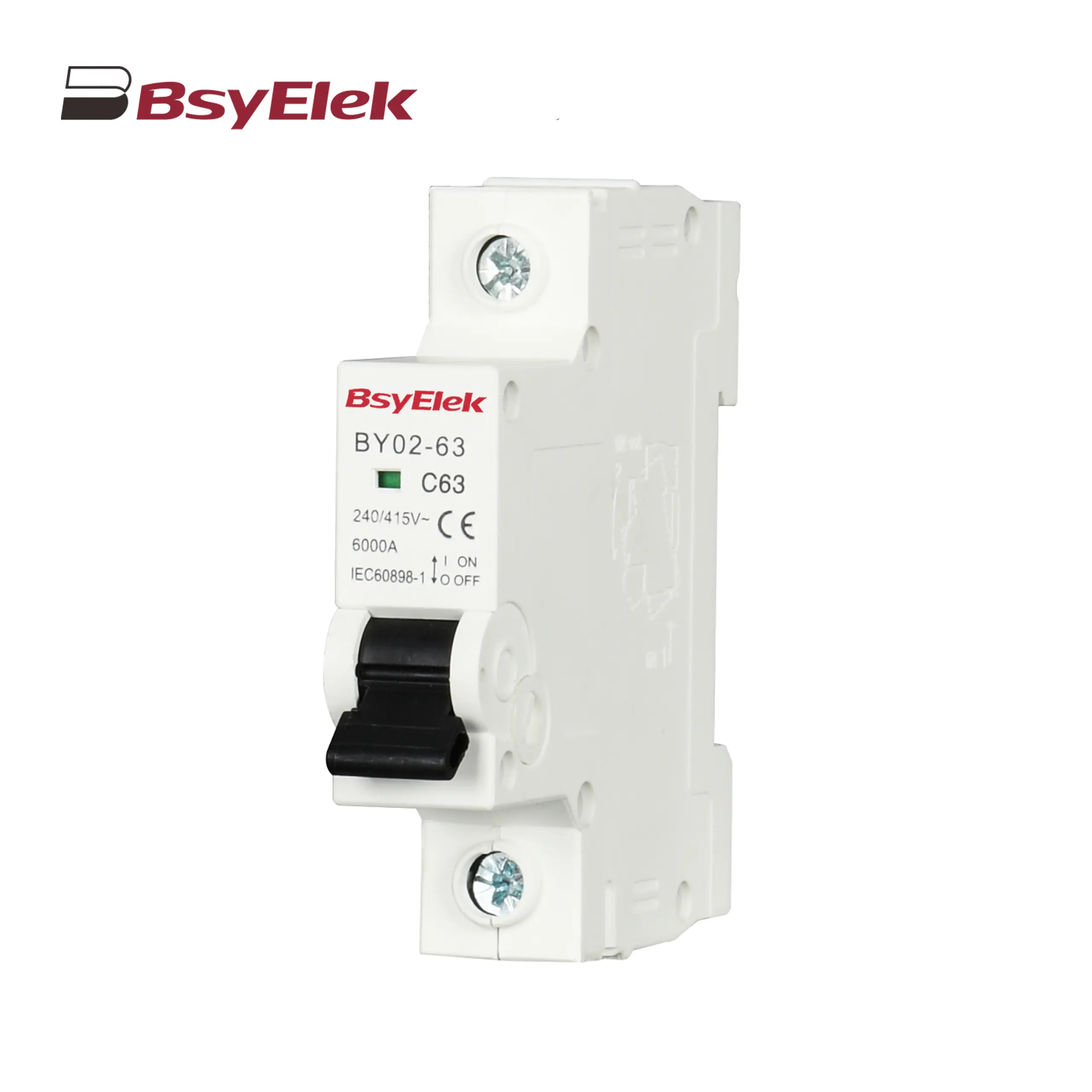 BY02-63 MCB 3kA Miniature Circuit Breaker
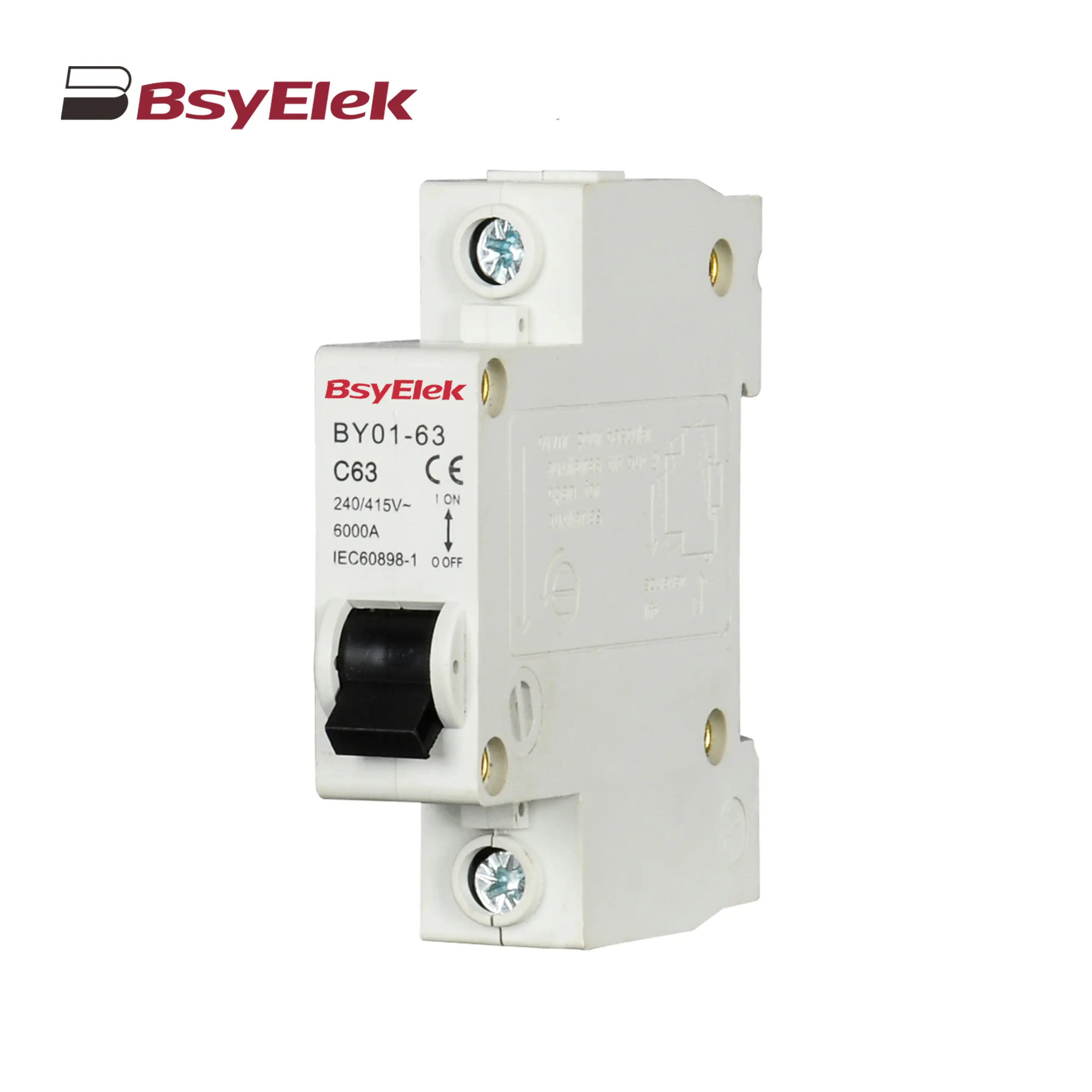 BY01-63 MCB 3kA Miniature Circuit Breaker
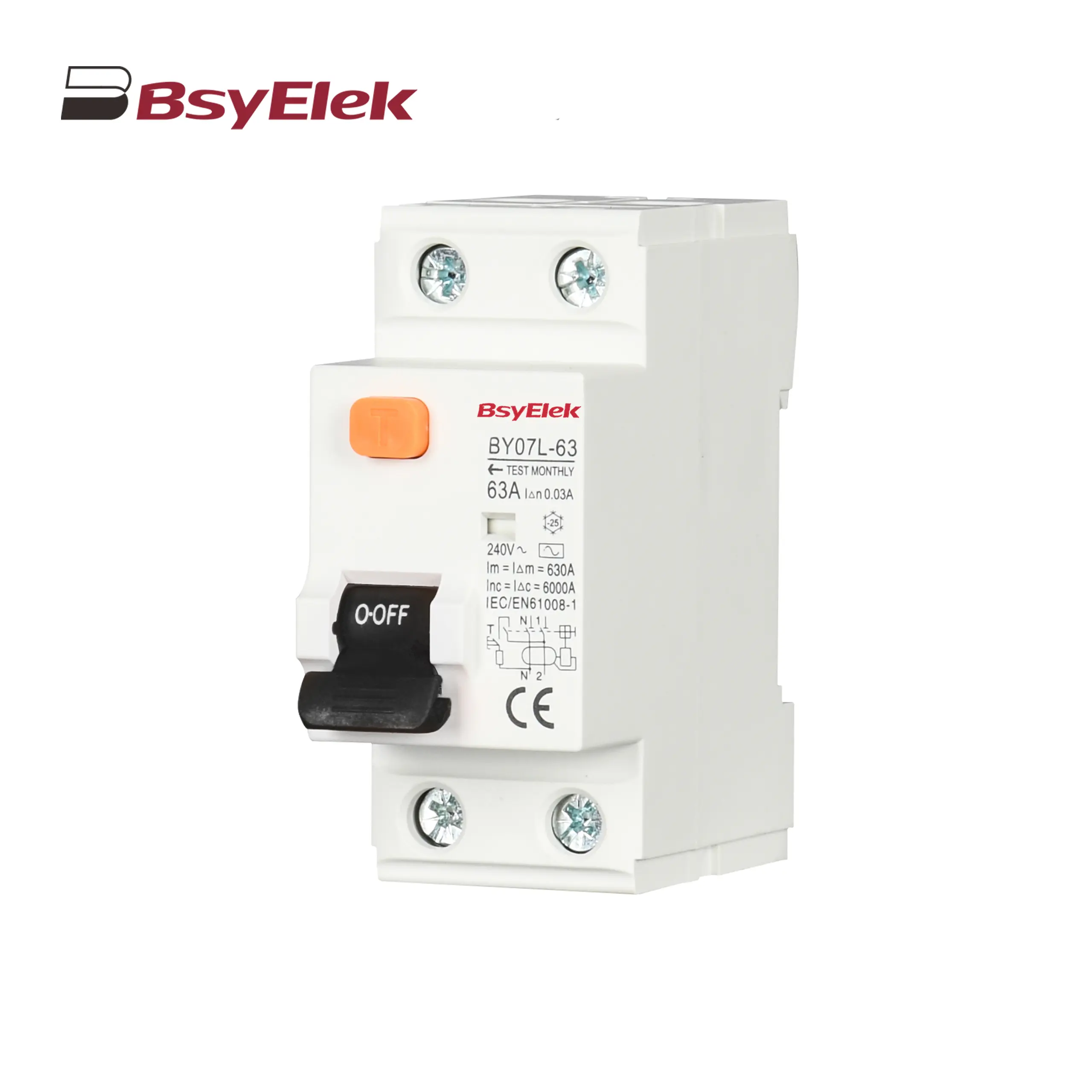 BY07L-63 RCCB 6KA Residual Current Circuit Breaker
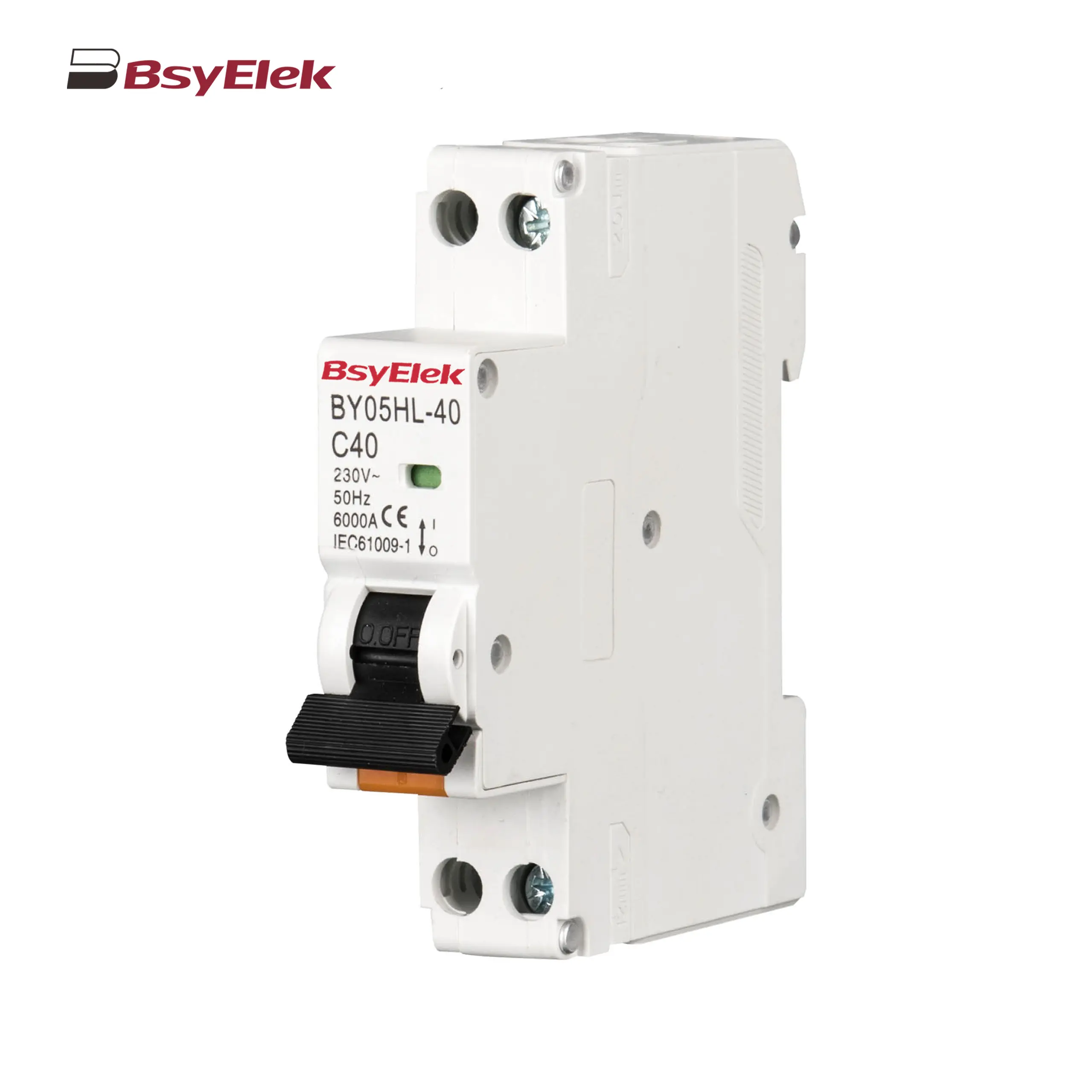 BY05HL-40 RCBO 6KA Residual Current Circuit Breaker with Over-current Protection
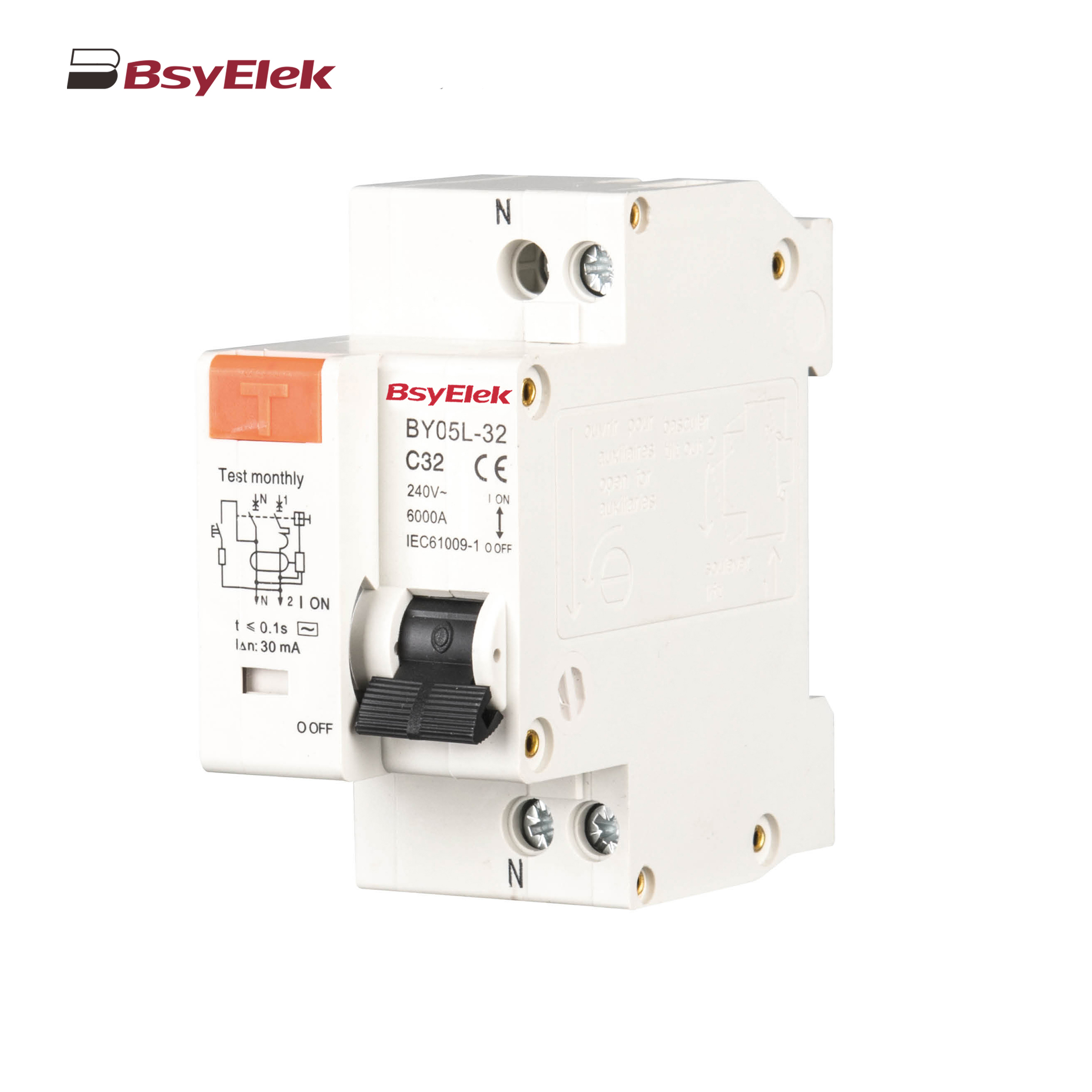 BY05L-32 RCBO 3KA Residual Current Circuit Breaker with Over-current Protection
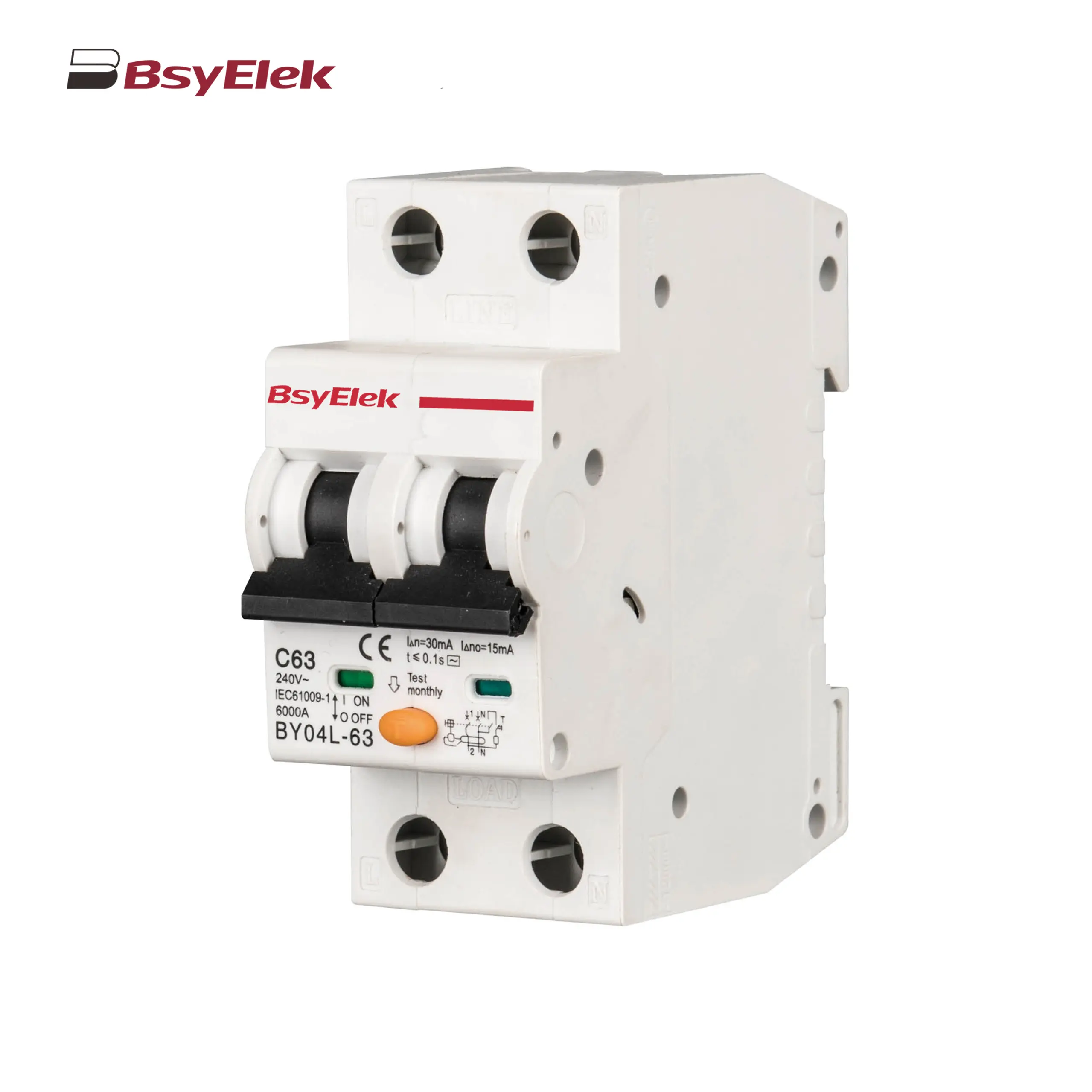 BY04L-63 RCBO 6KA Residual Current Circuit Breaker with Over-current Protection
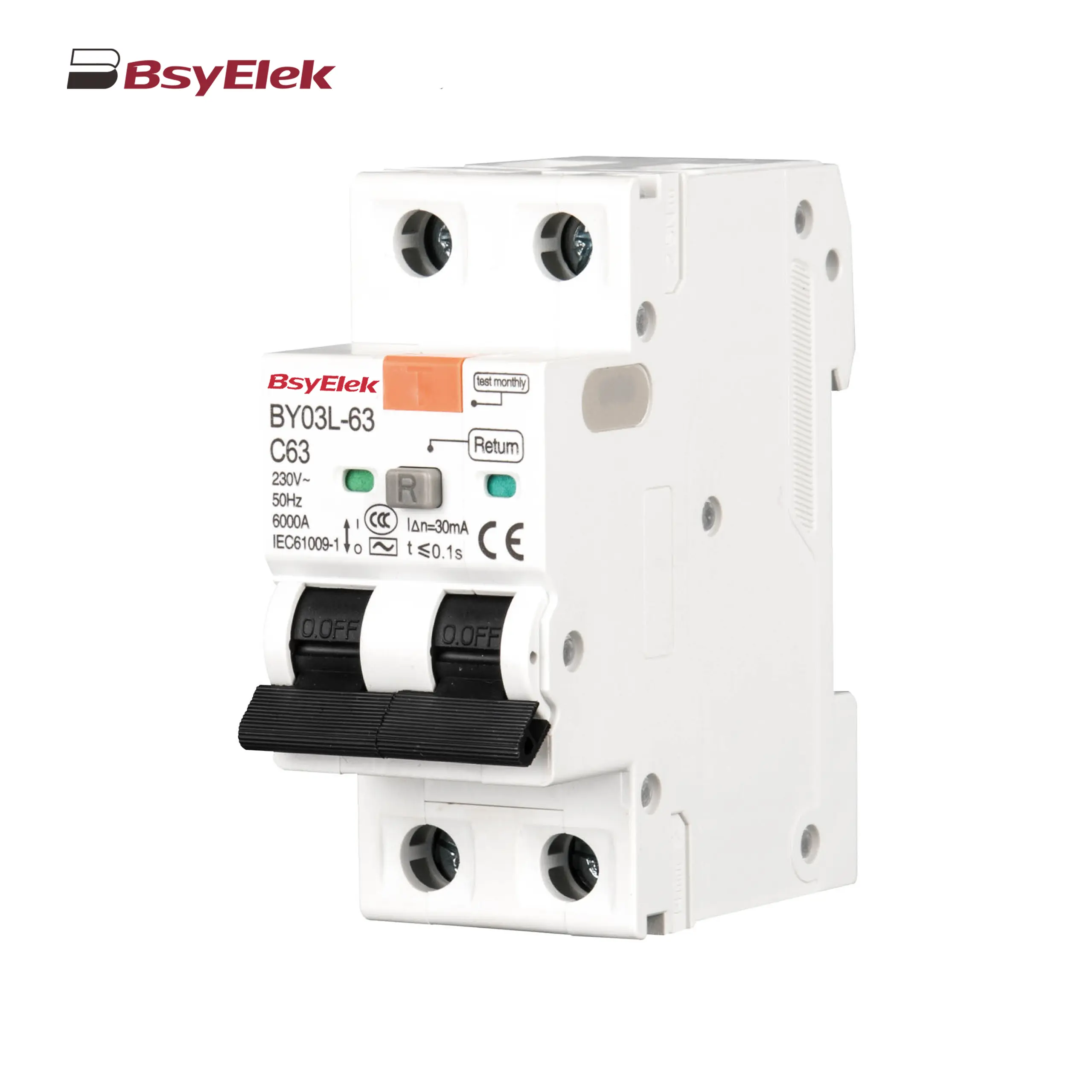 BY03L-63 RCBO 4.5KA Residual Current Circuit Breaker with Over-current Protection
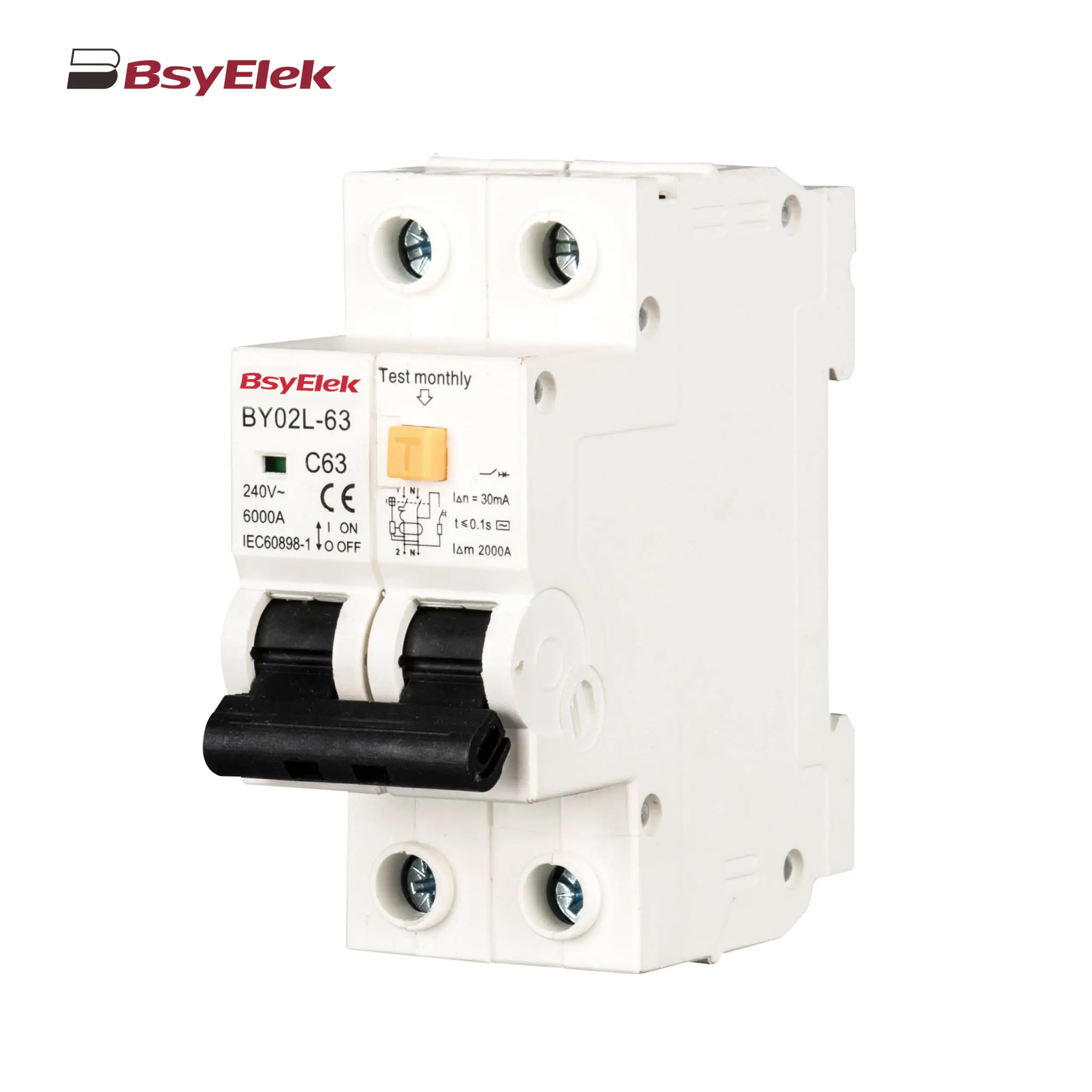 BY02L-63 RCBO 3KA Residual Current Circuit Breaker with Over-current Protection
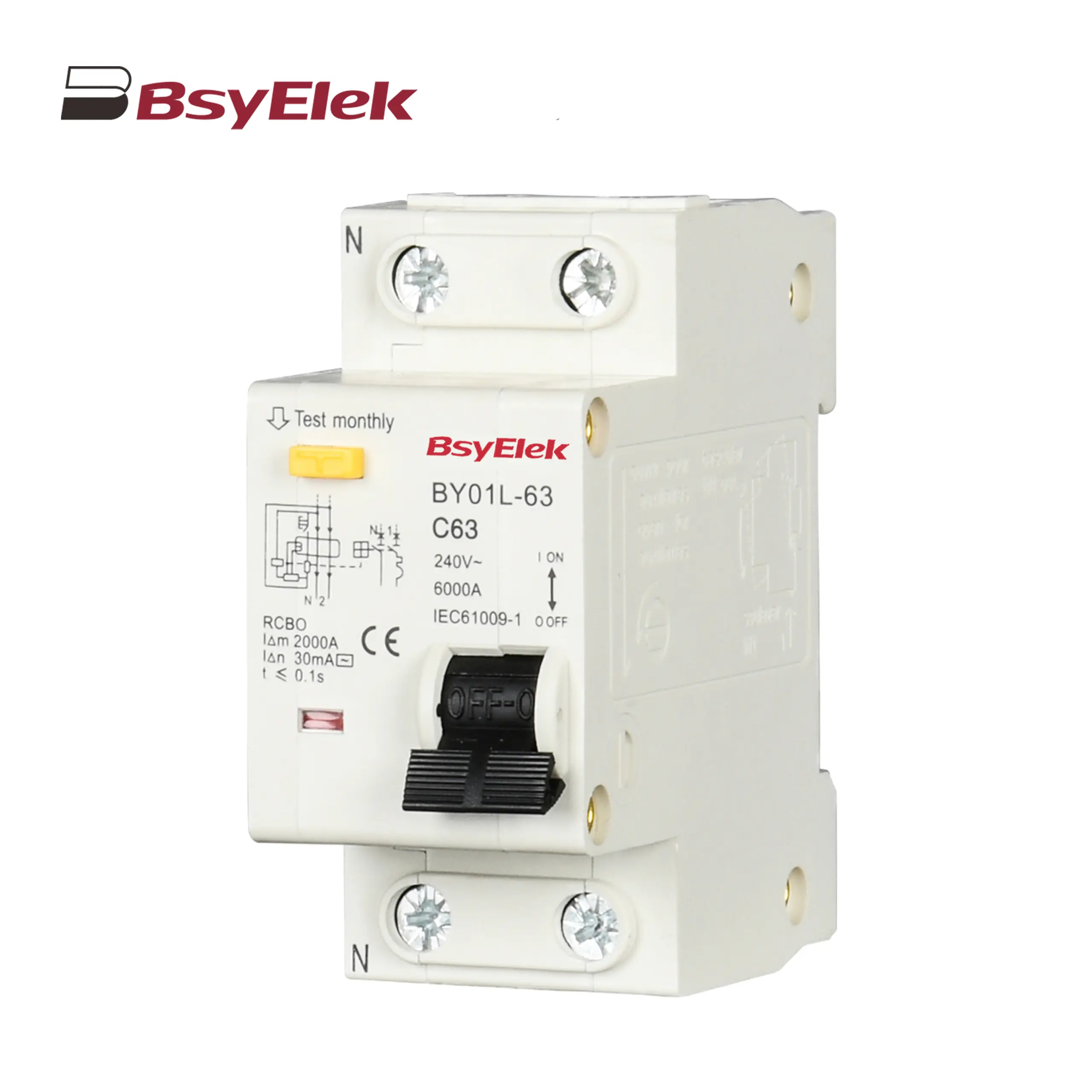 BY01L-63 RCBO 1P+N 3KA Residual Current Circuit Breaker with Over-current Protection
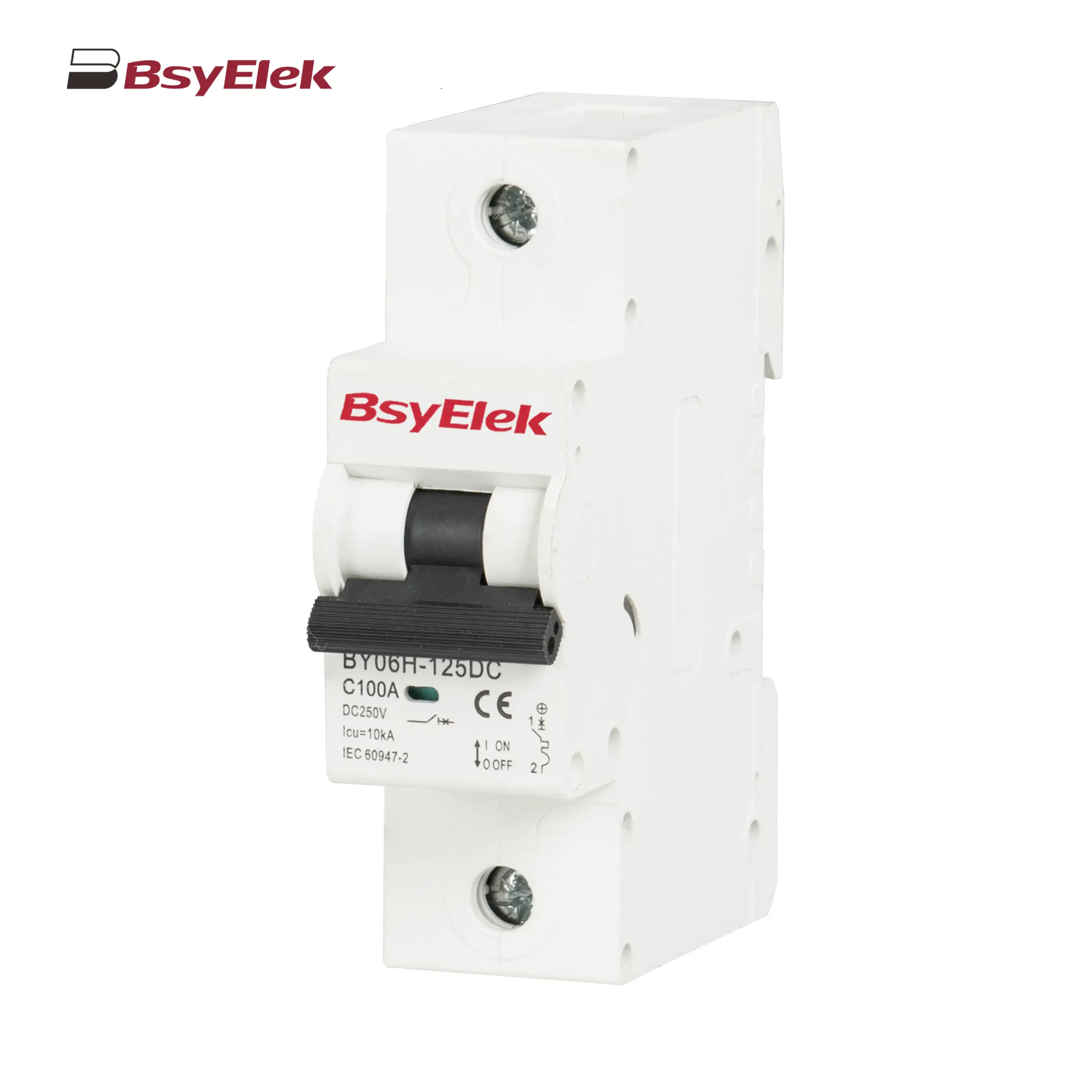 BY06H-125DC MCB 10-15kA DC Miniature Circuit Breaker
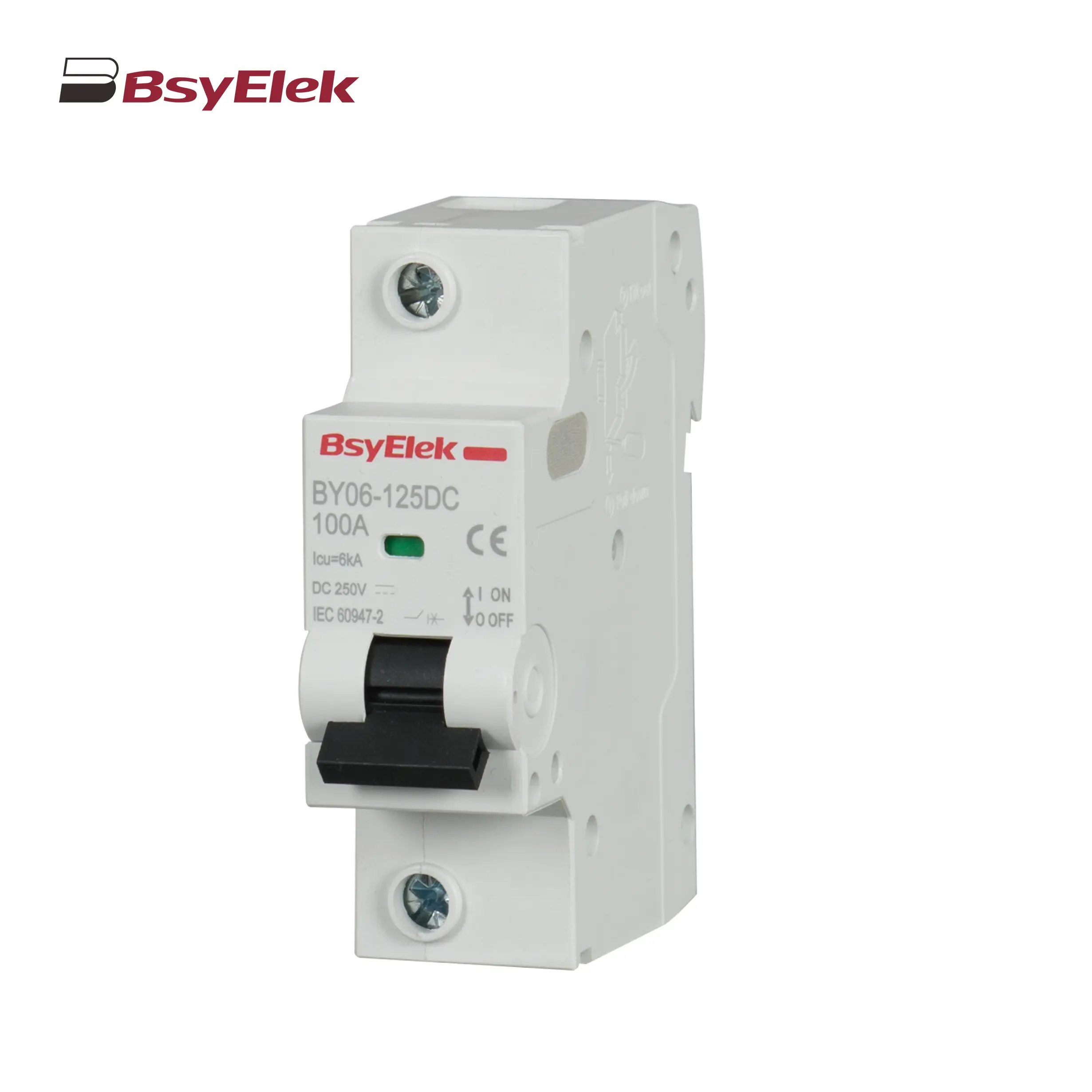 BY06-125DC MCB 6kA DC Miniature Circuit Breaker
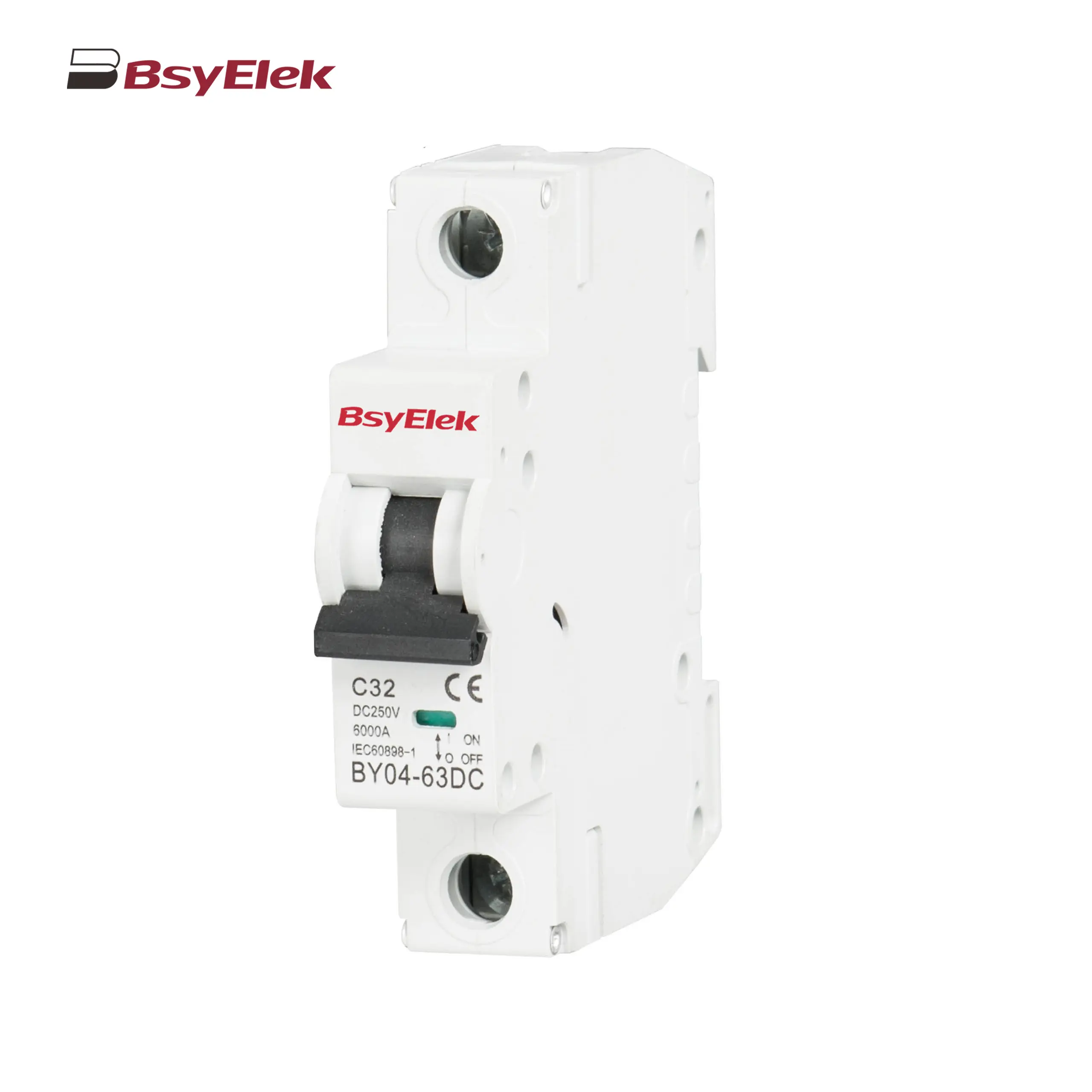 BY04-63DC MCB 6-10kA DC Miniature Circuit Breaker
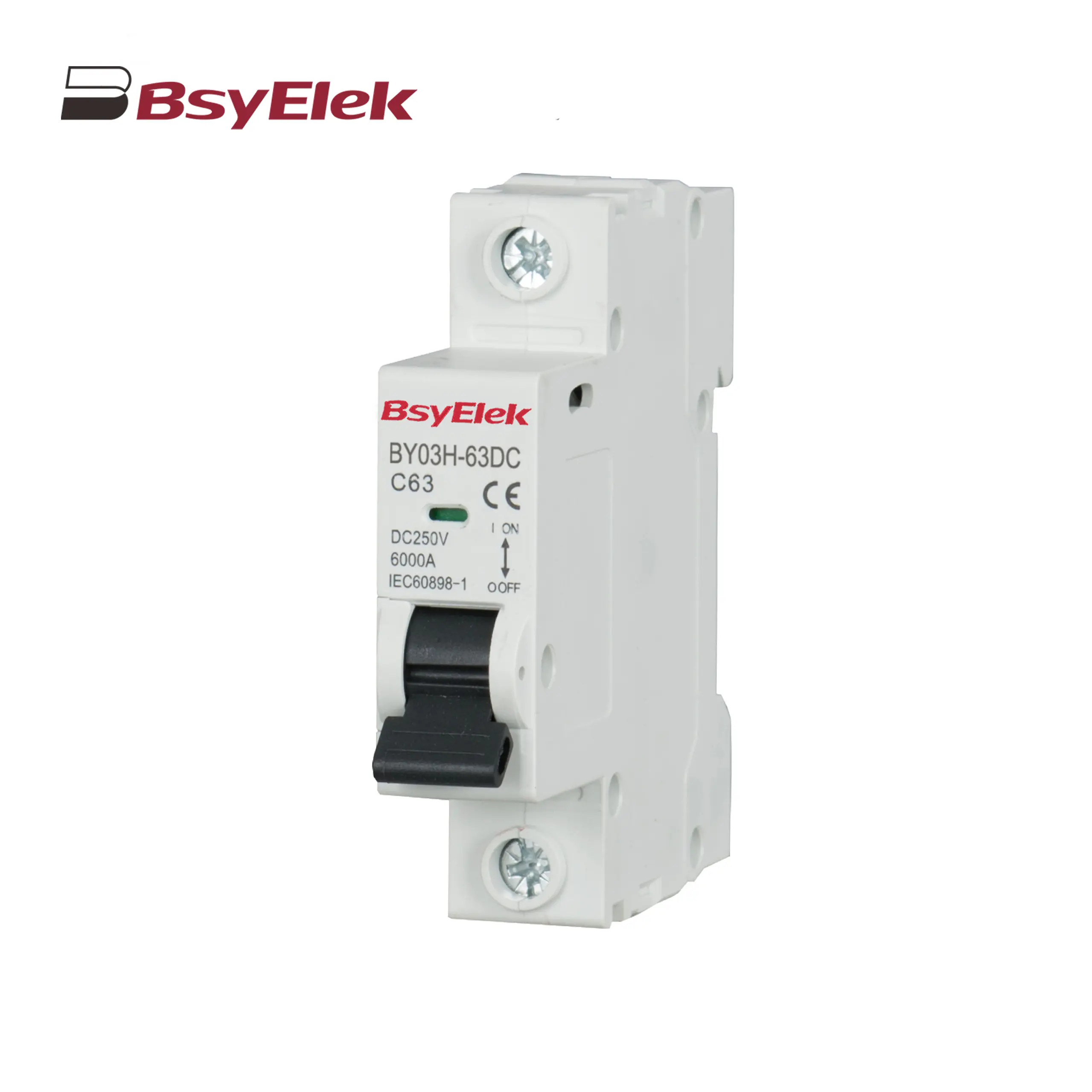 BY03H-63DC MCB 6kA DC Miniature Circuit Breaker
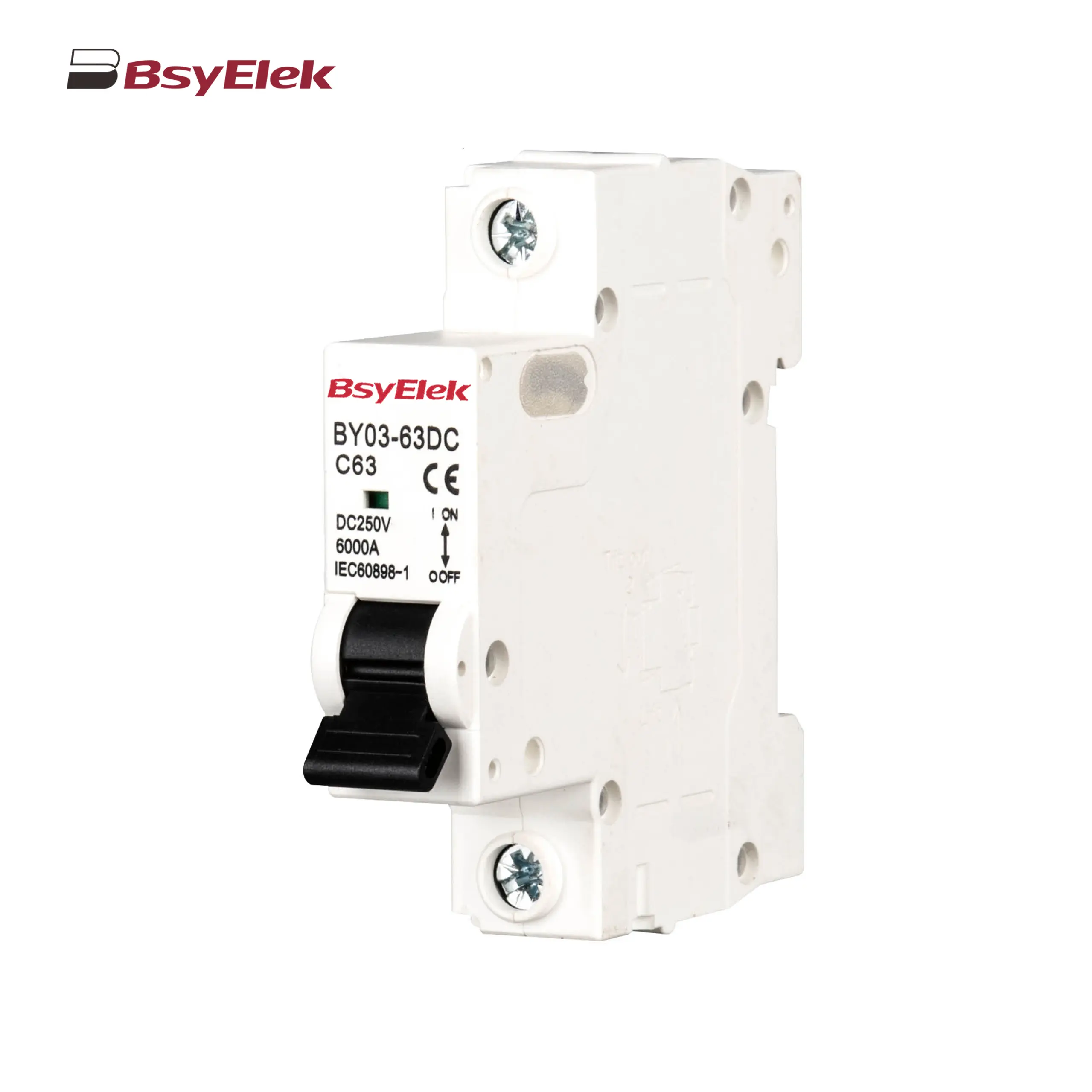 BY03-63DC MCB 4.5kA DC Miniature Circuit Breaker
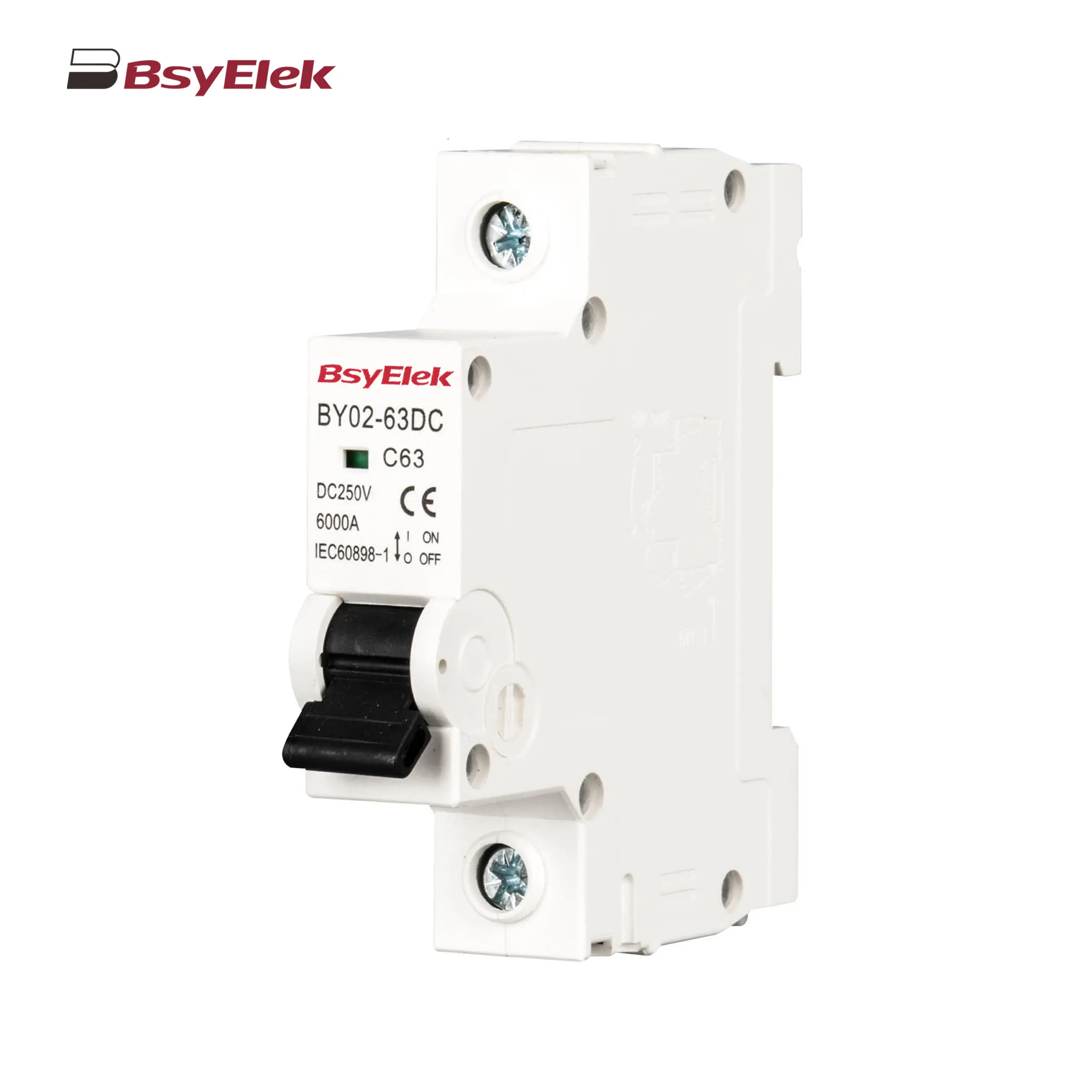 BY02-63DC MCB 3kA DC Miniature Circuit Breaker
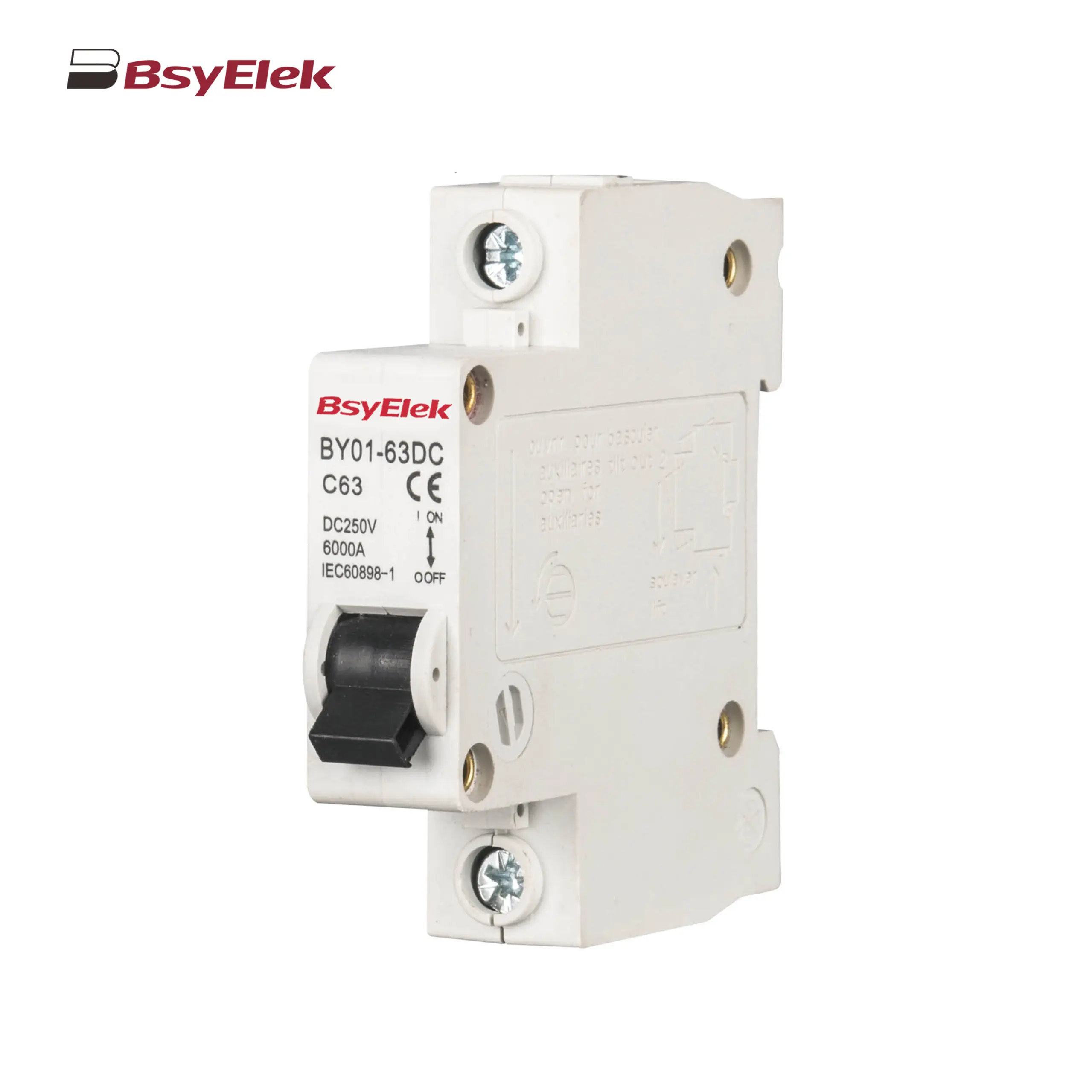 BY01-63DC MCB 3kA DC Miniature Circuit Breaker
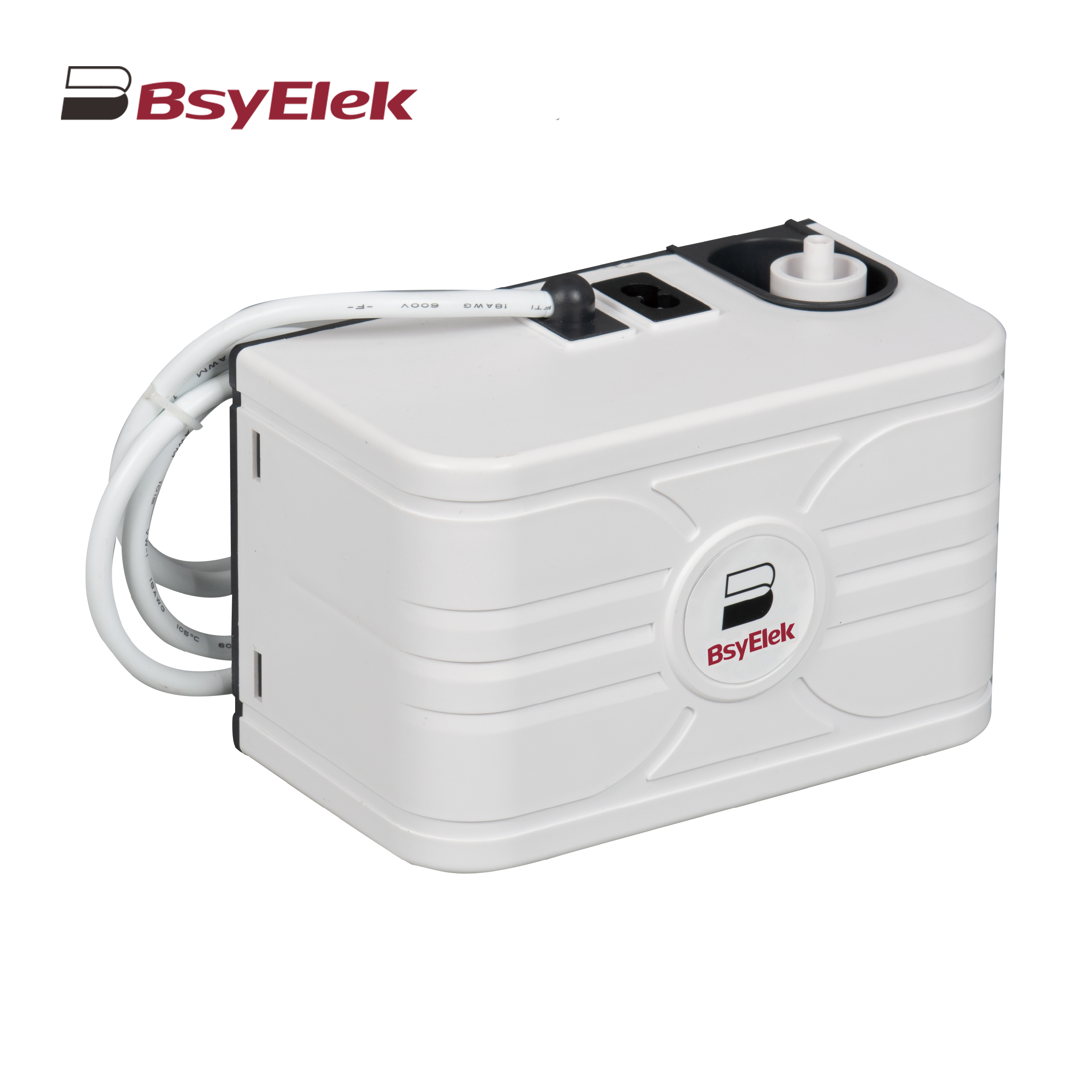 BY-5018 1.8M Engineering Drainage Pump
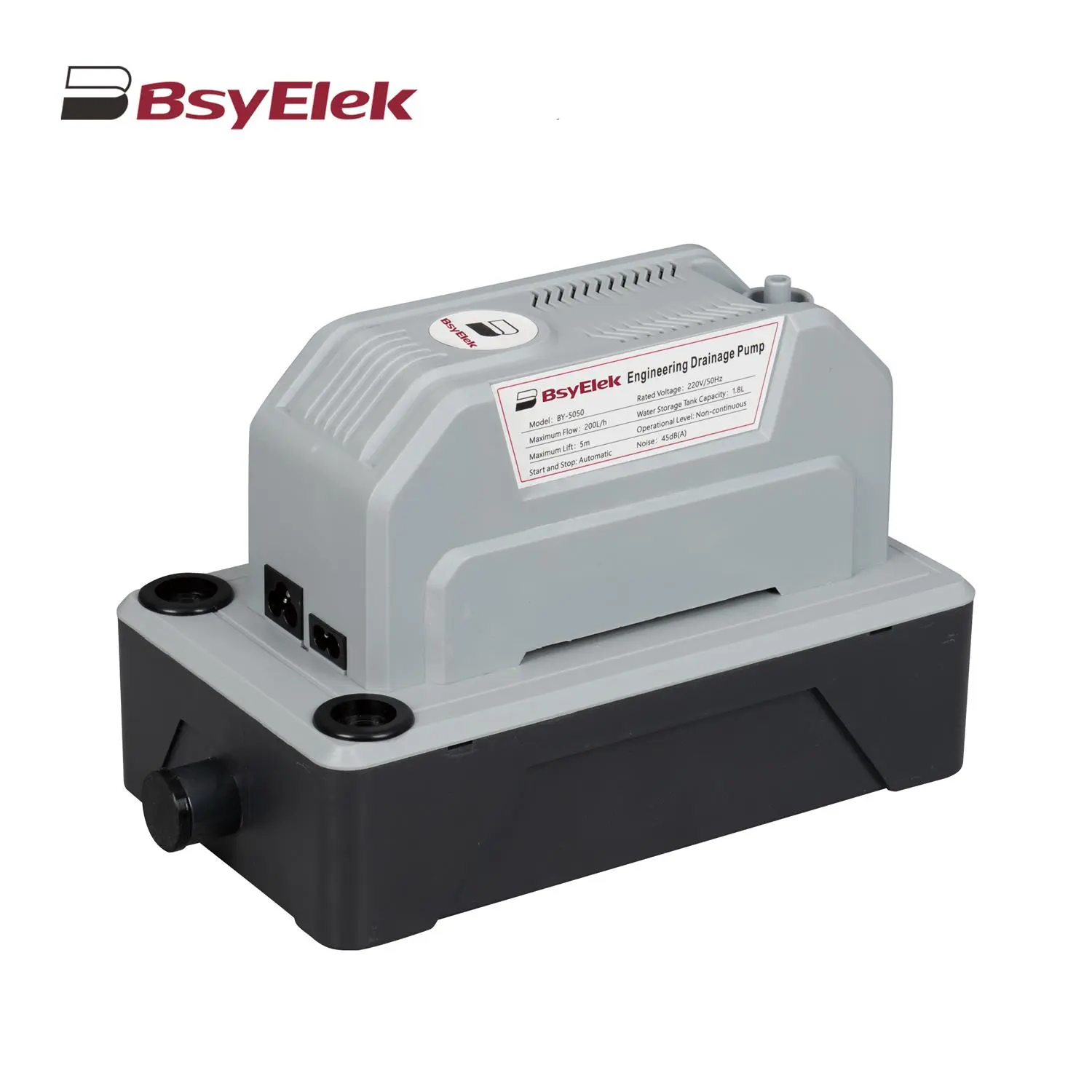 BY-5050 5M Engineering Drainage Pump
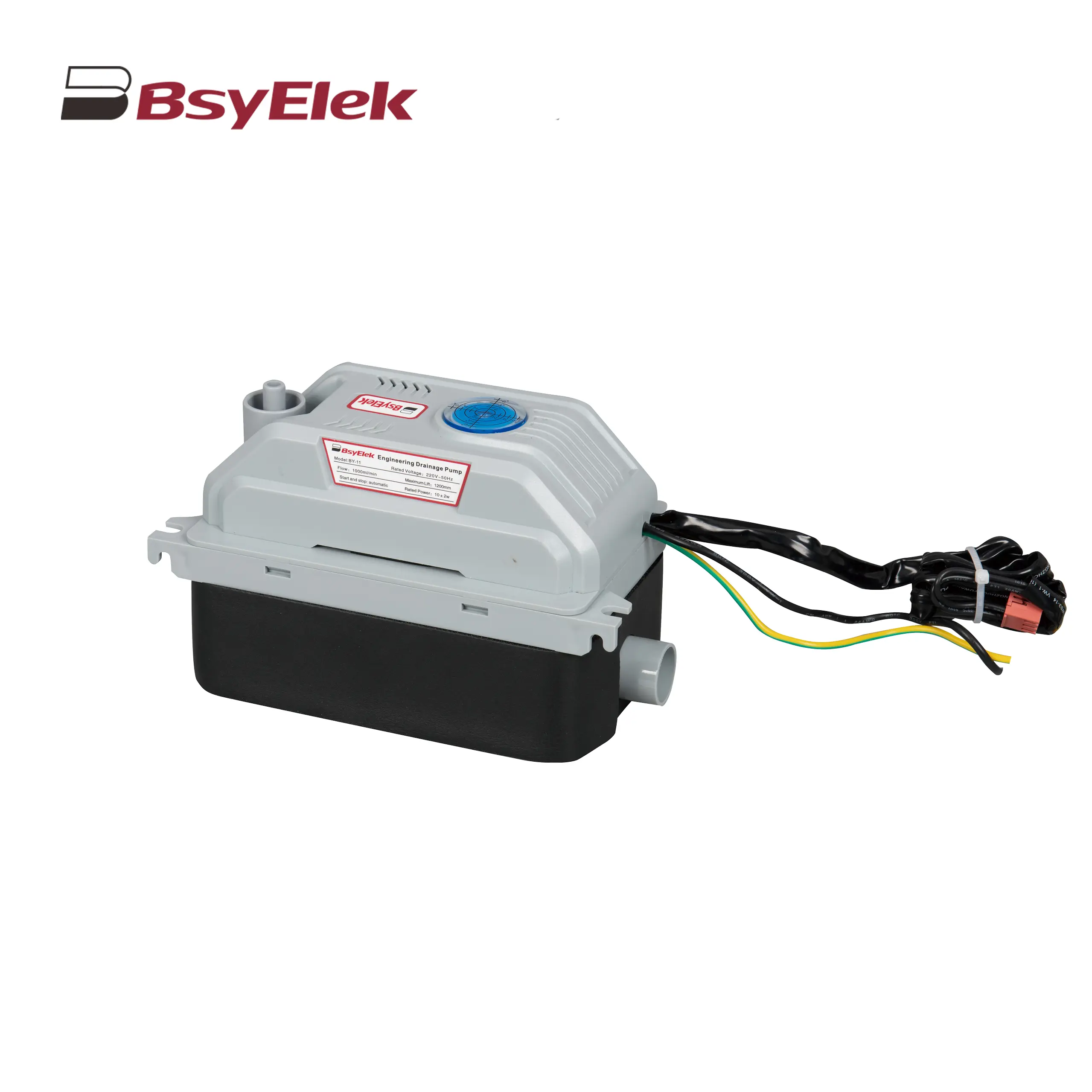 BY-11 1.2M Engineering Drainage Pump
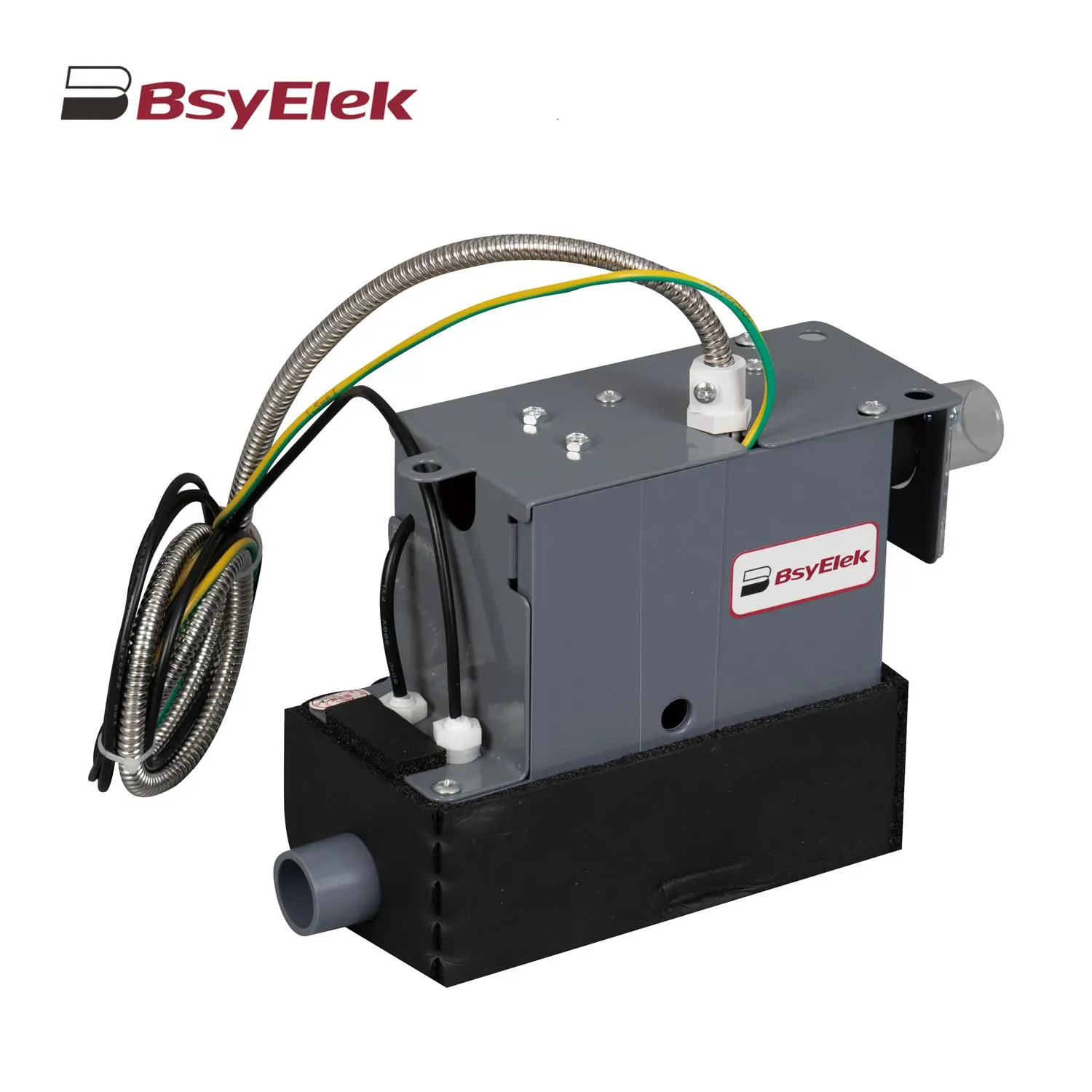 SBH-05 0.7M Original Drainage Pump of Duct Type Air Conditioner
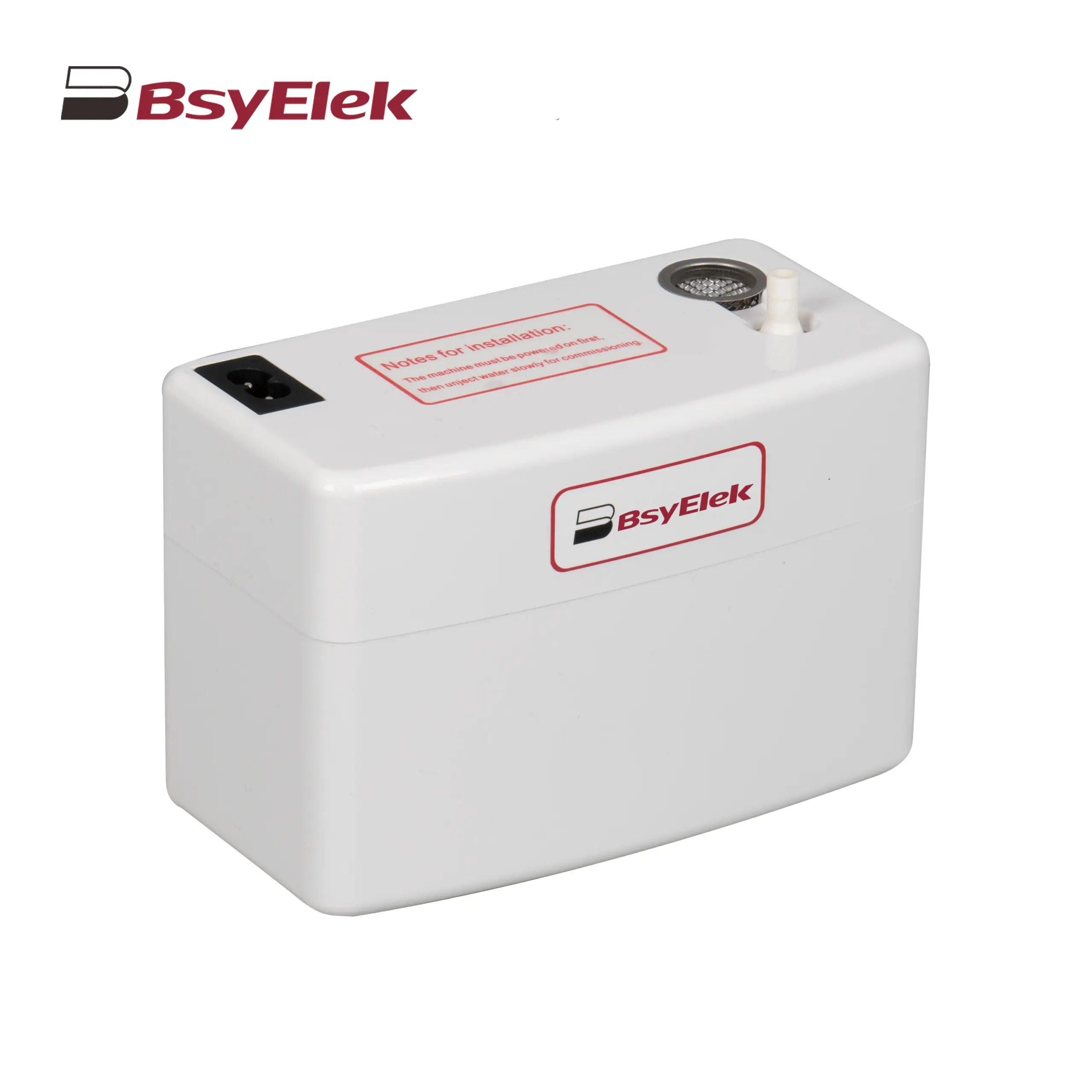 BY-24A/40A 10M Drainage Pump of Air Conditioner
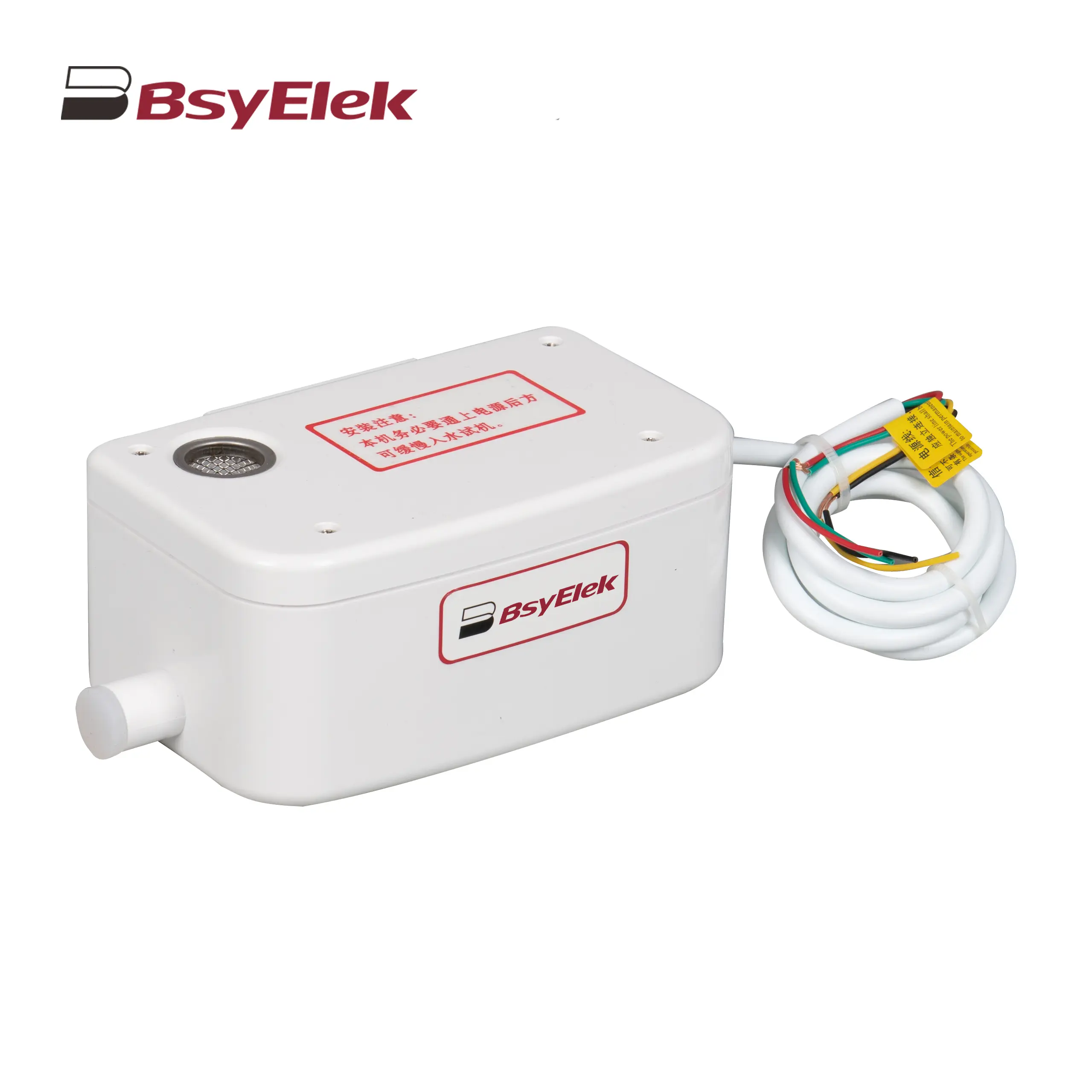 BY-50A 12M Drainage Pump of Air Conditioner
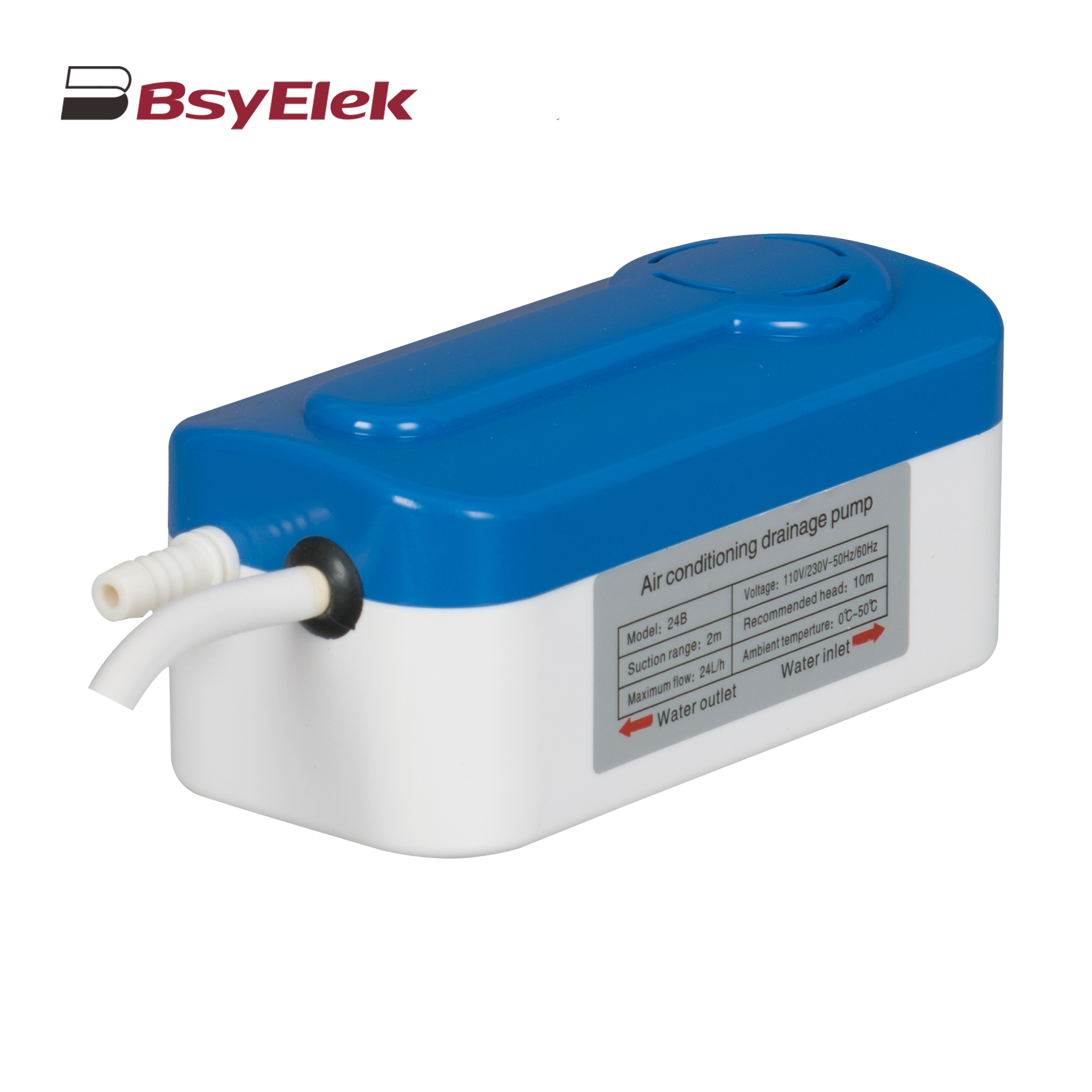 BY-24B/40B 10M Split Type Drainage Pump
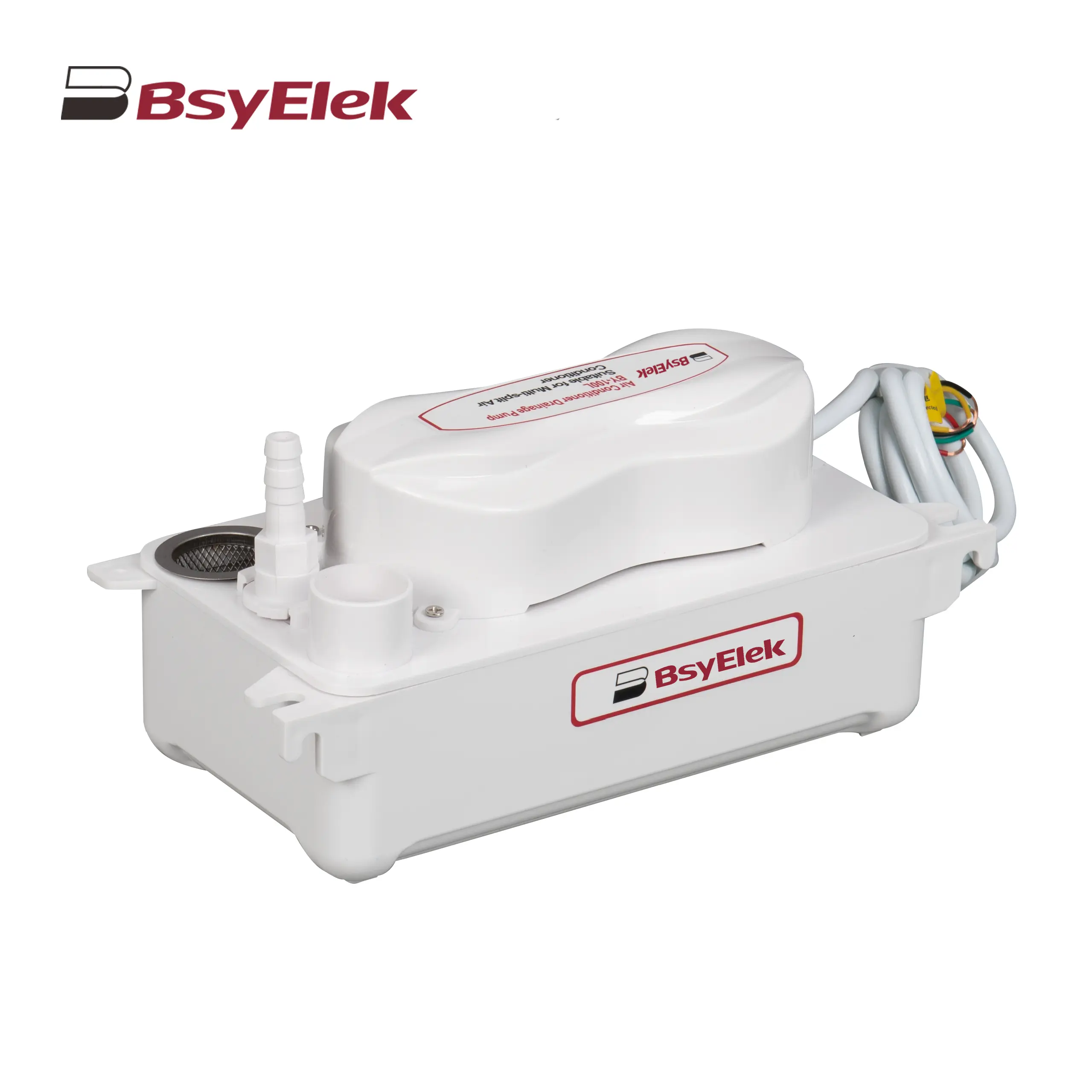 BY-100L 2M Drainage Pump of Air Conditioner
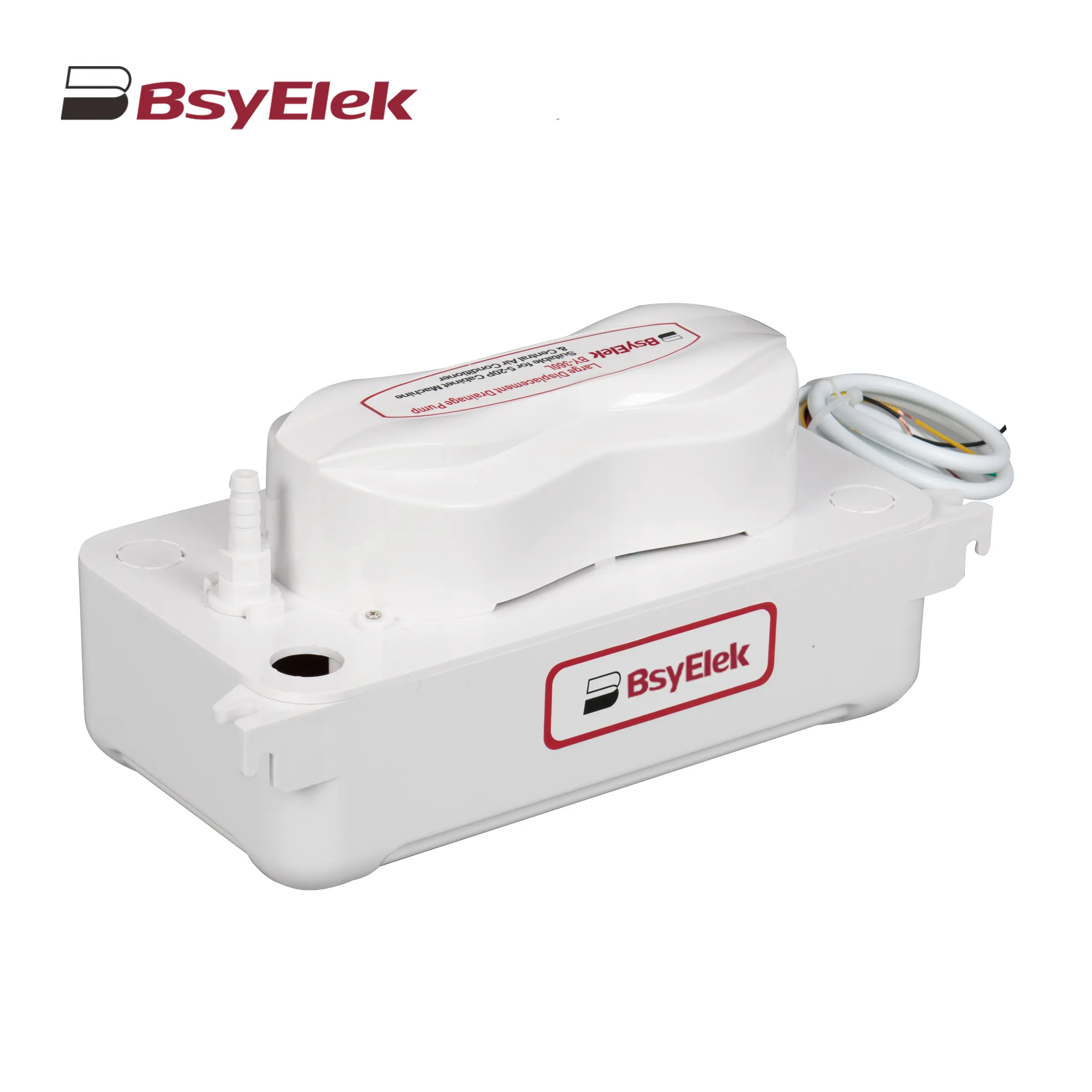 BY-360L 6M Large Displacement Drainage Pump
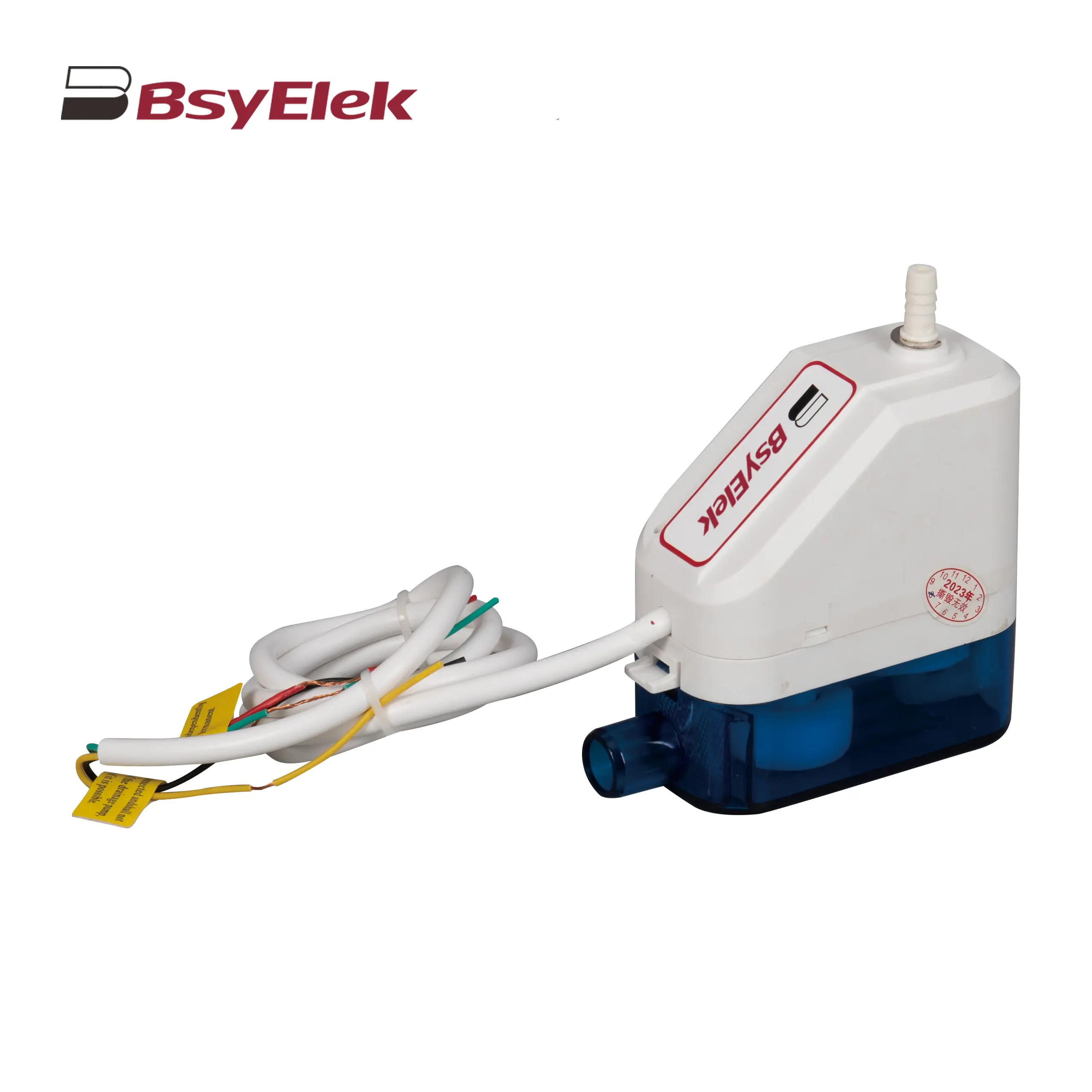 BY-24C/40C 10M Corner Drainage Pump
What is a miniature circuit breaker (MCB)?
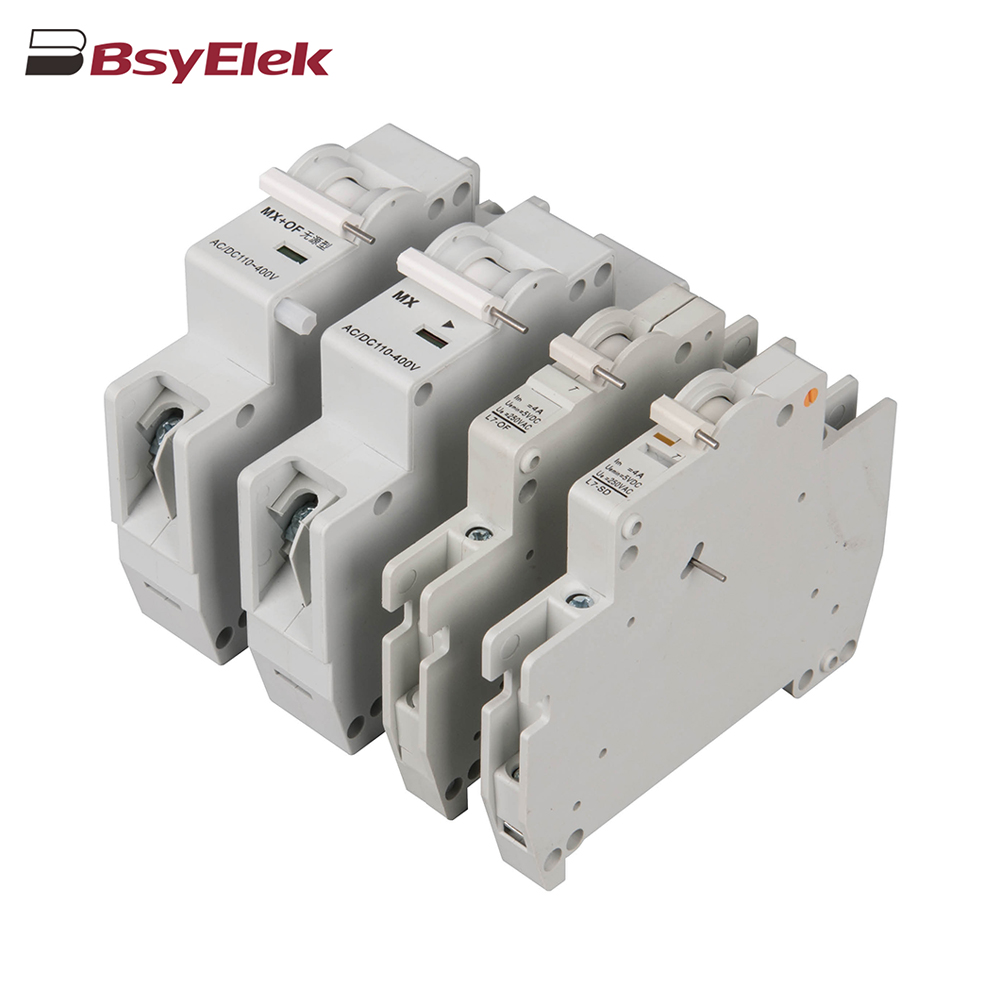 OF SD MX OF MCB Miniature Circuit Breaker Accessories
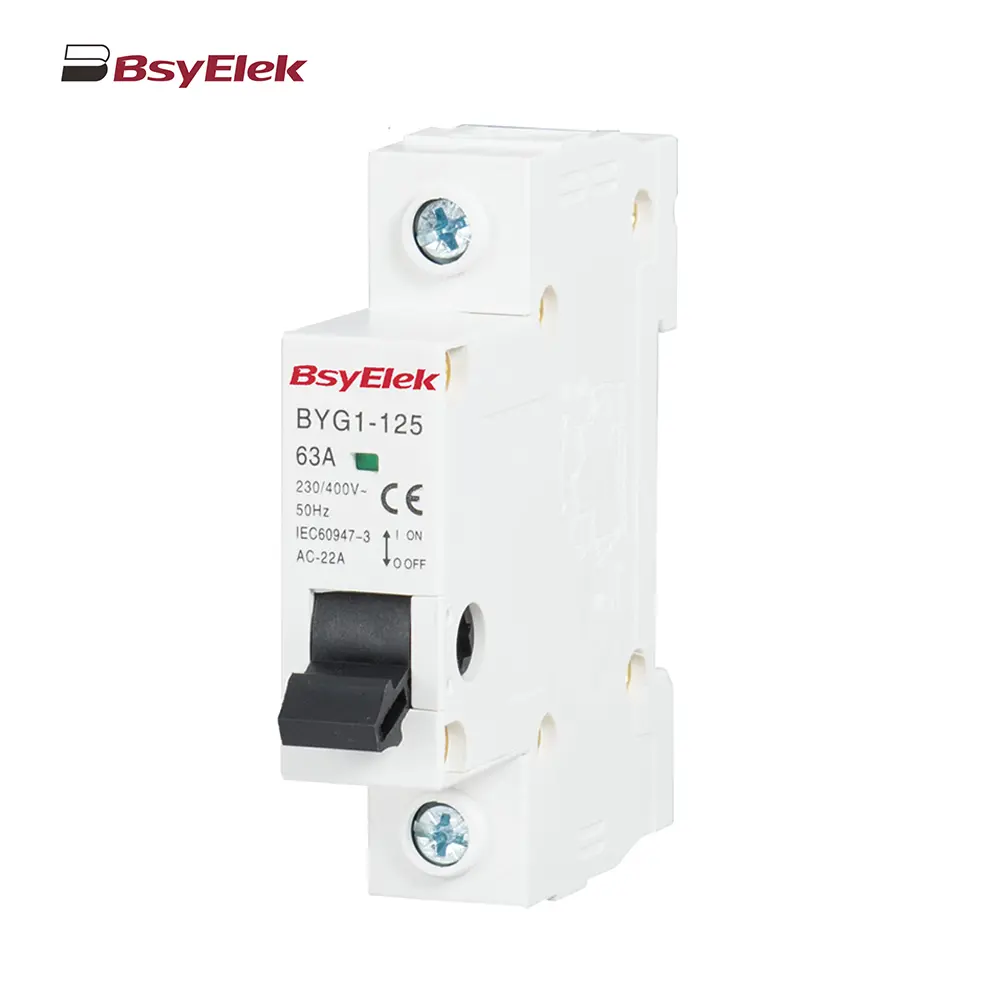 BYG1-125 Main Switch MCB Isolator Switch
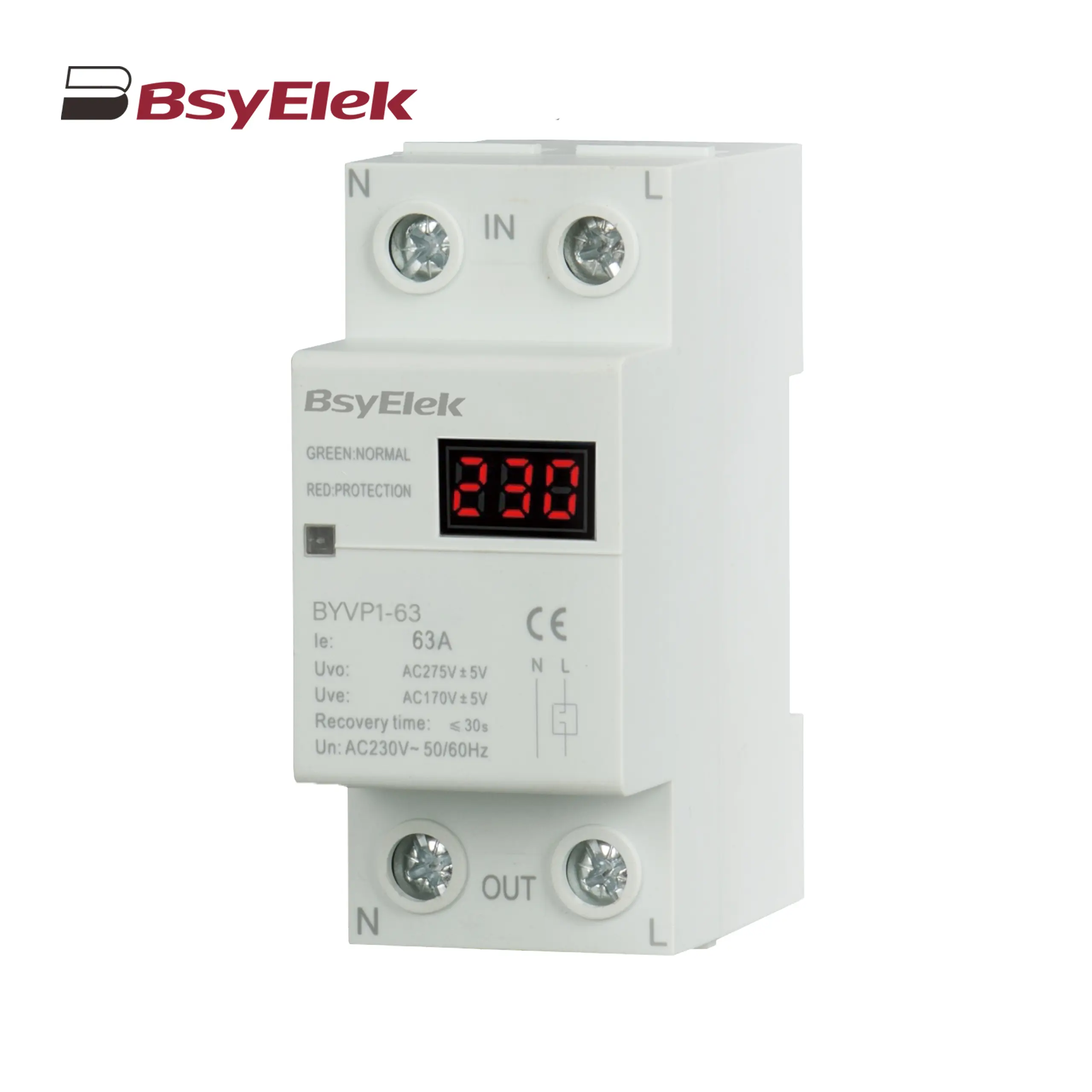 BYVP1-63 100A Single Display Overvoltage and Undervoltage Protector
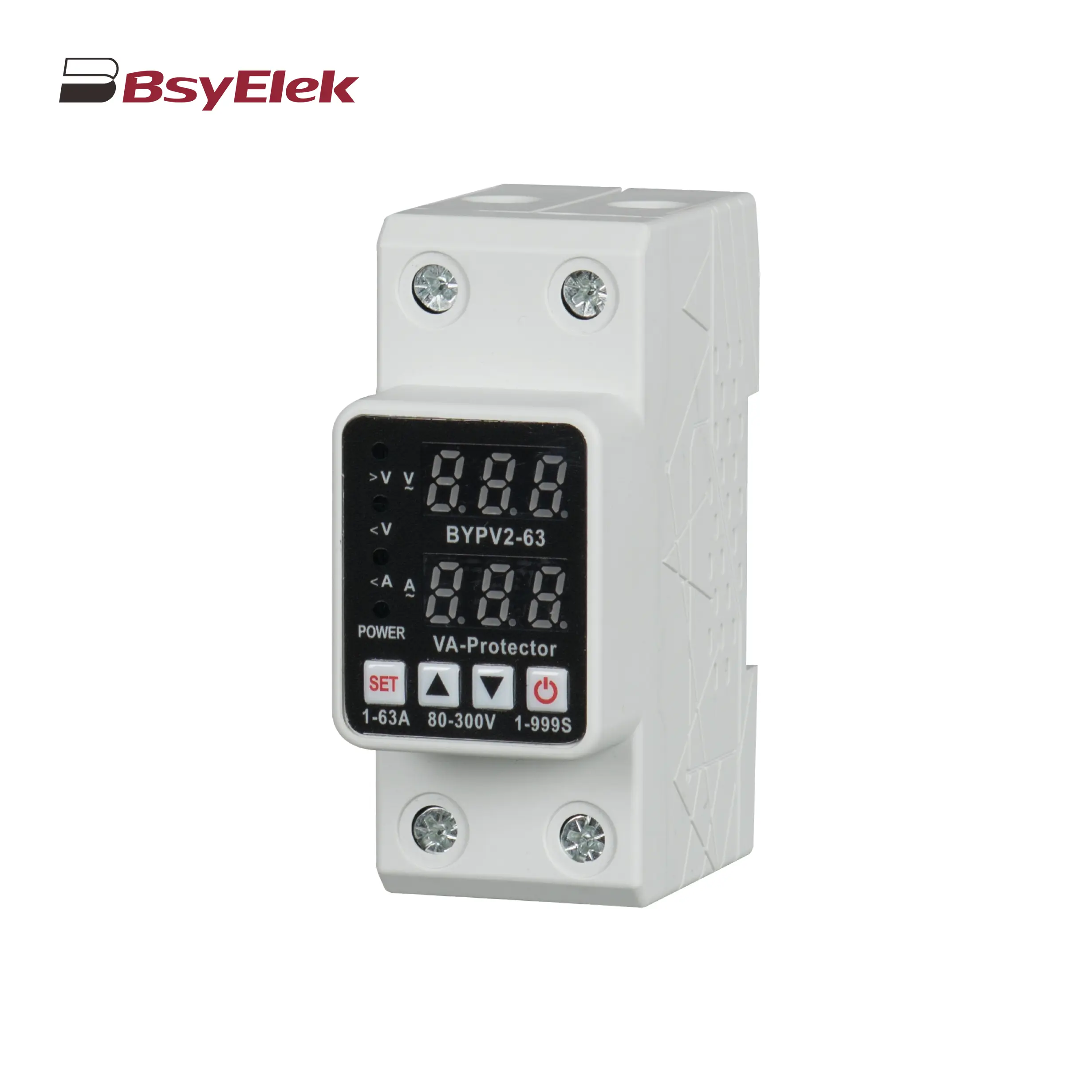 BYVP2-63 40A 63A Adjustable Dual Display Overvoltage and Undervoltage Protector
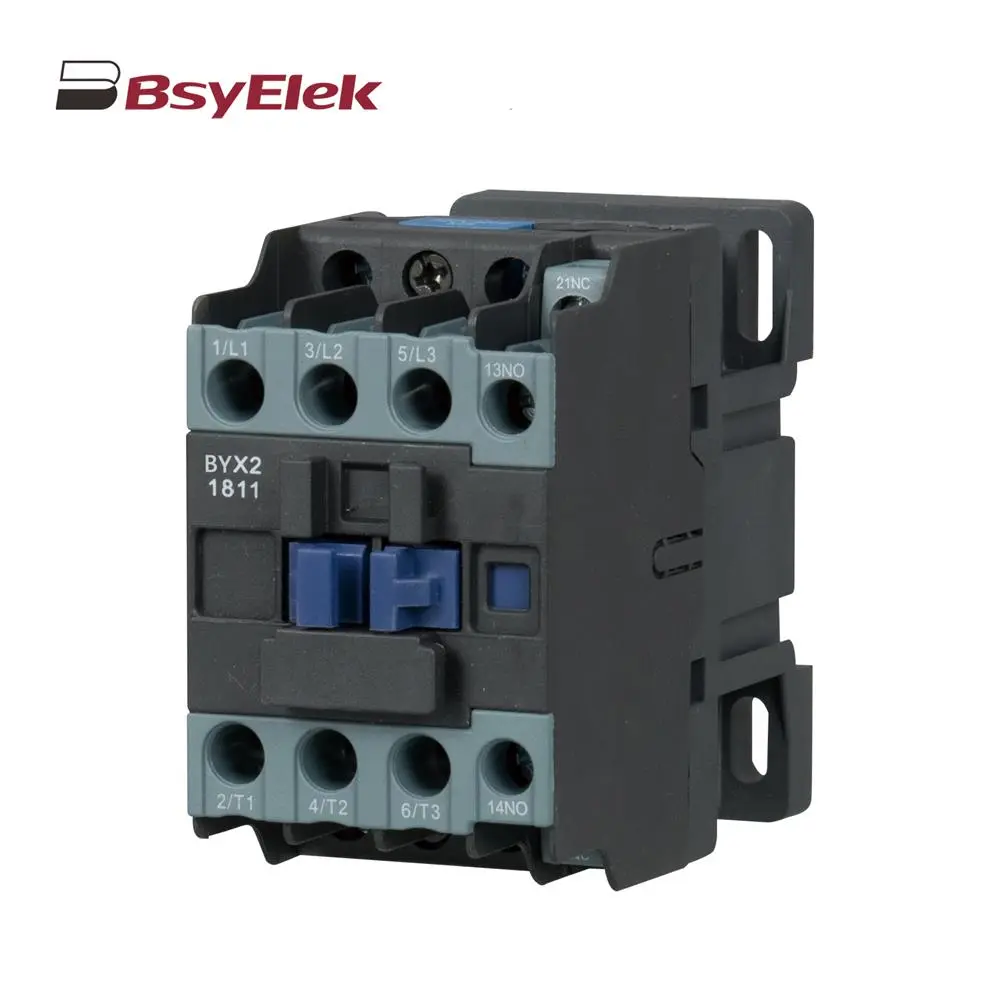 BYX2 6-95A AC Contactor
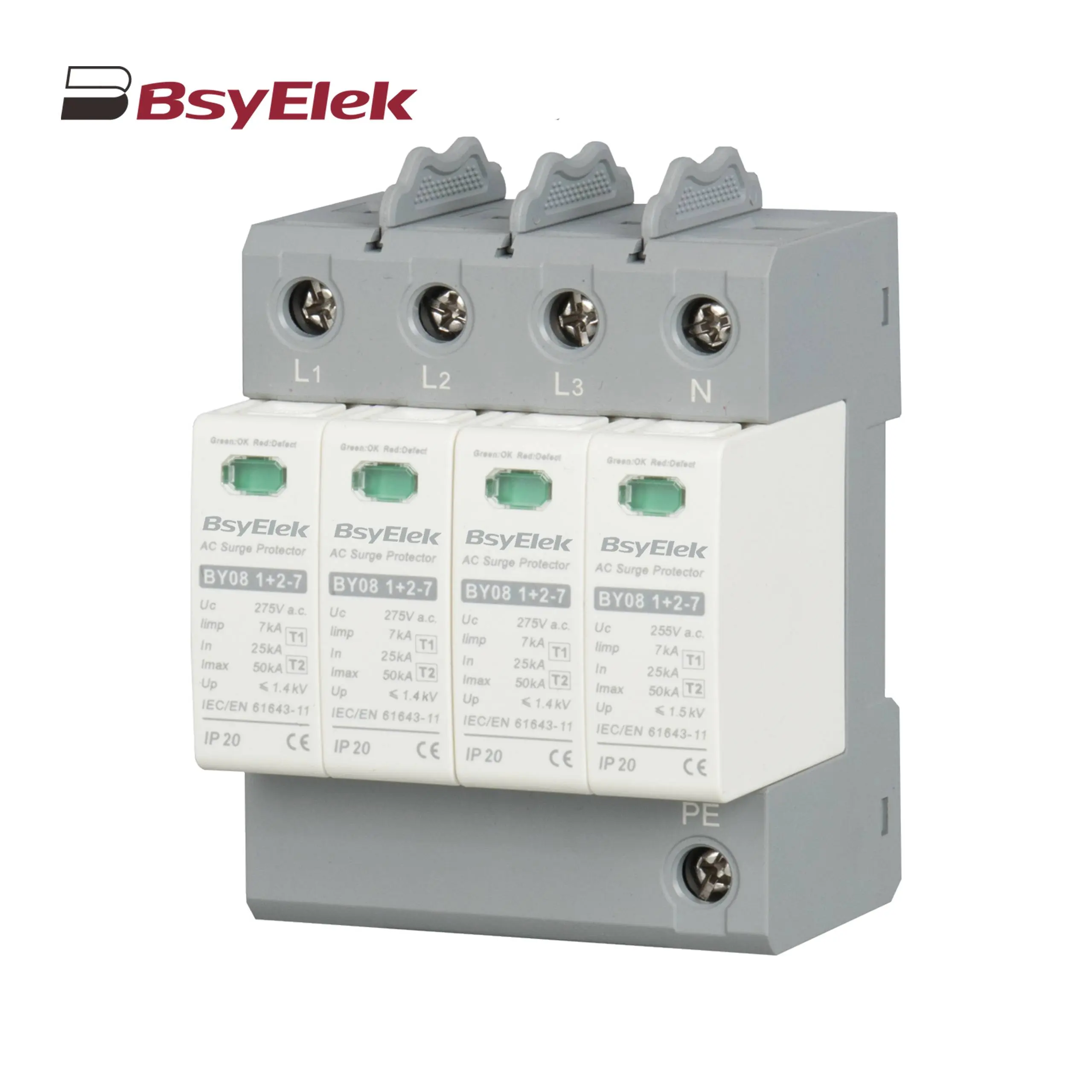 BY08 1+2-7 SPD Class T1+T2 Imax 50KA Surge Protective Device
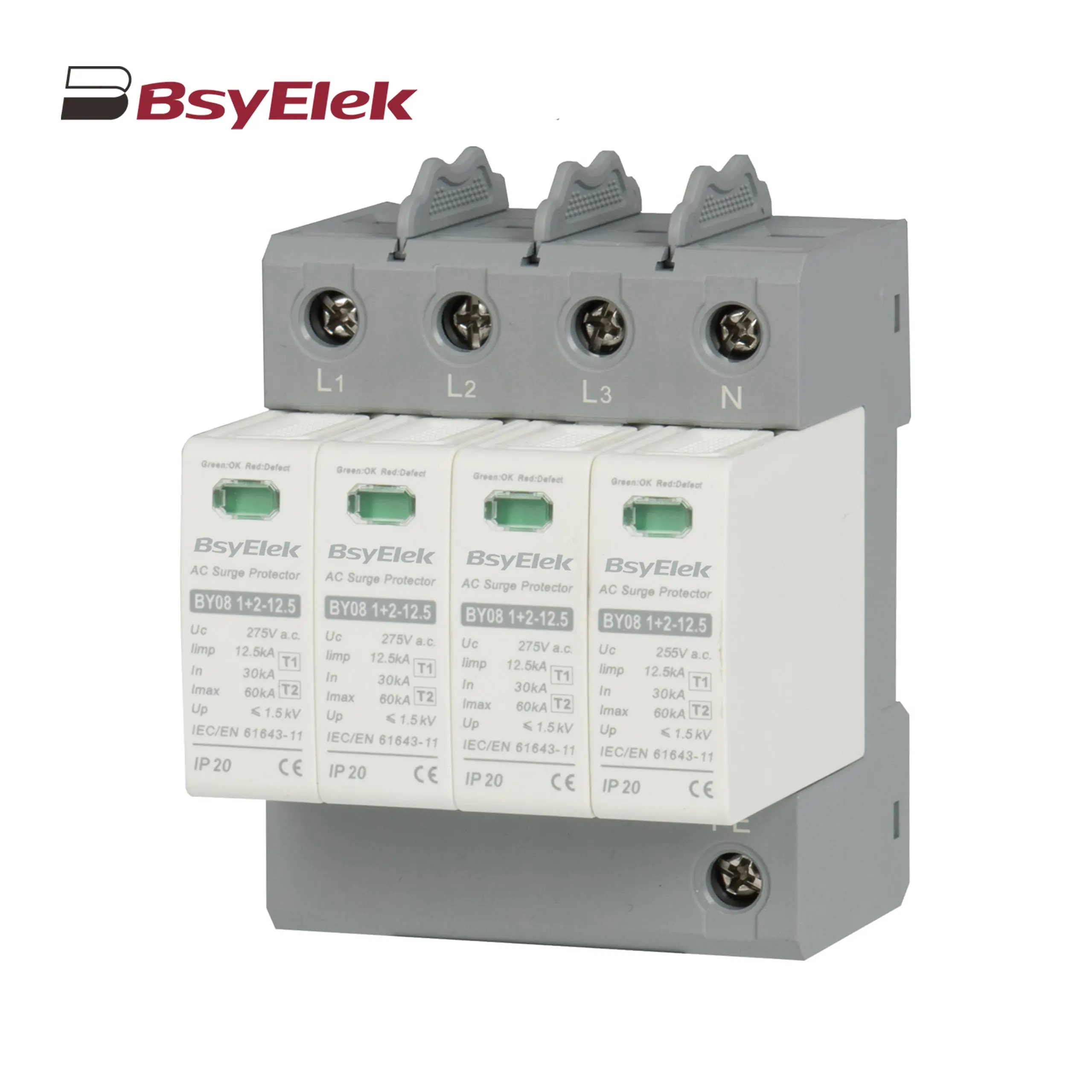 BY08 1+2-12.5 SPD Class T1+T2 Imax 60KA Surge Protective Device
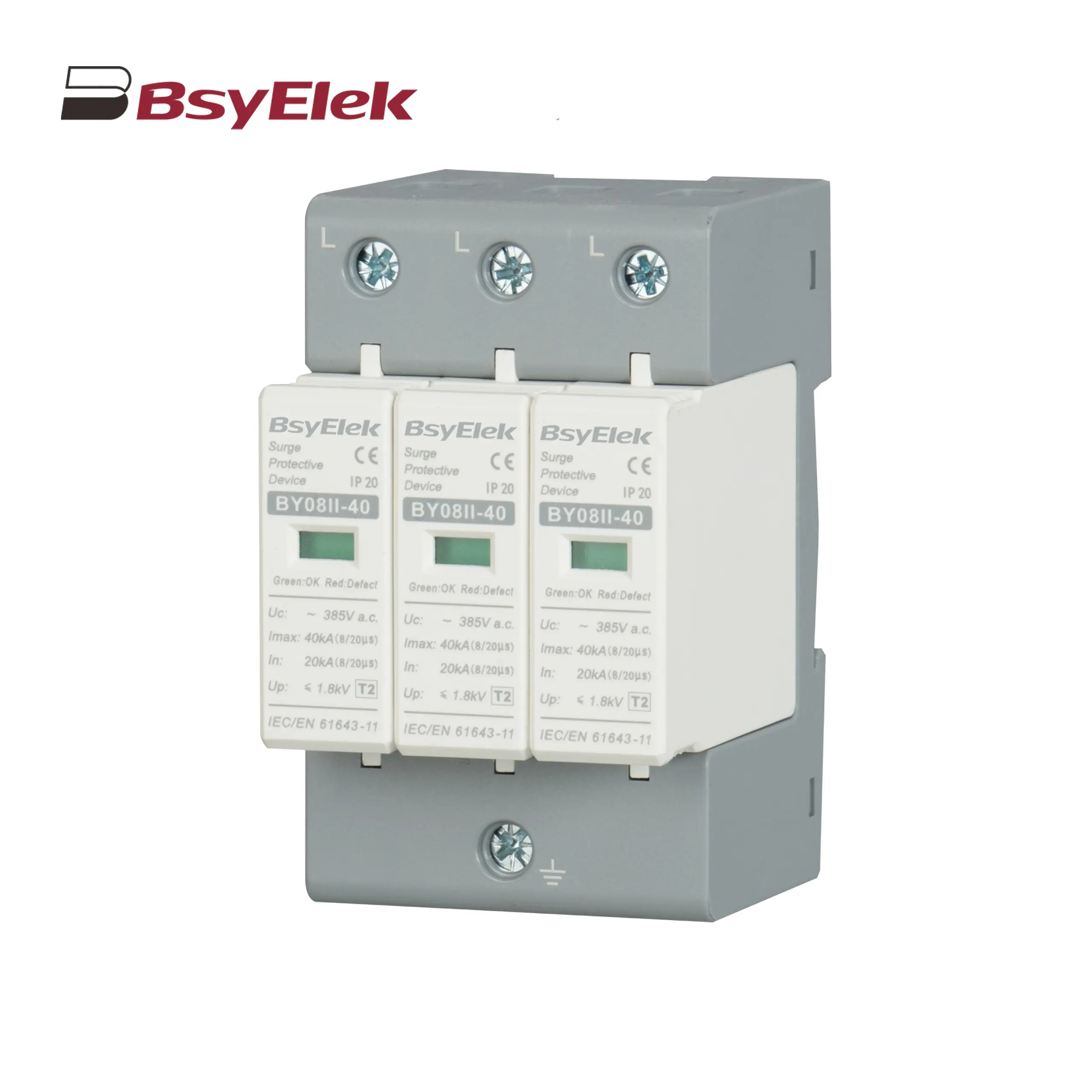 BY08II-40 SPD Class T2 Imax 40KA Surge Protective Device
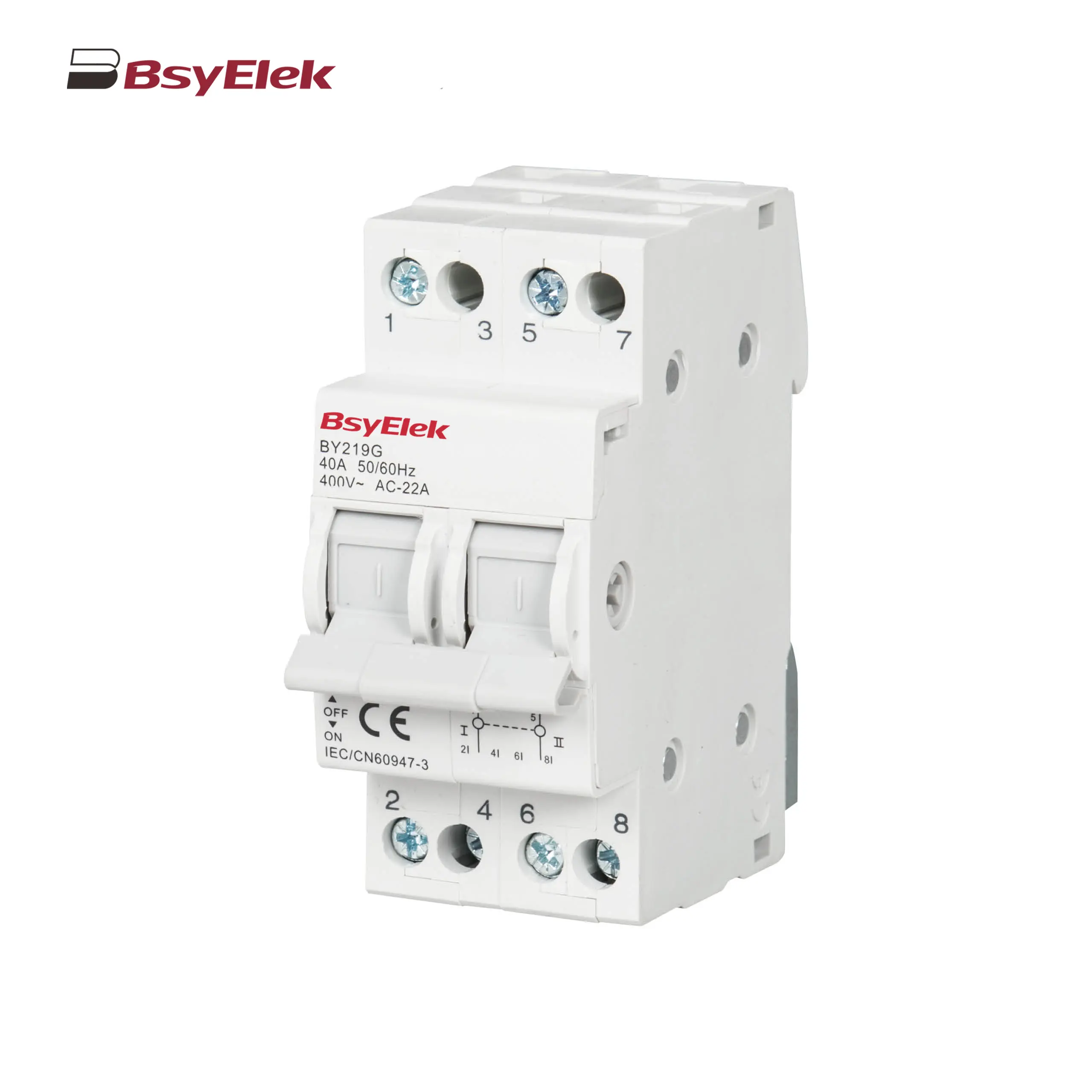 BY19G 63A Manual Changeover Switch
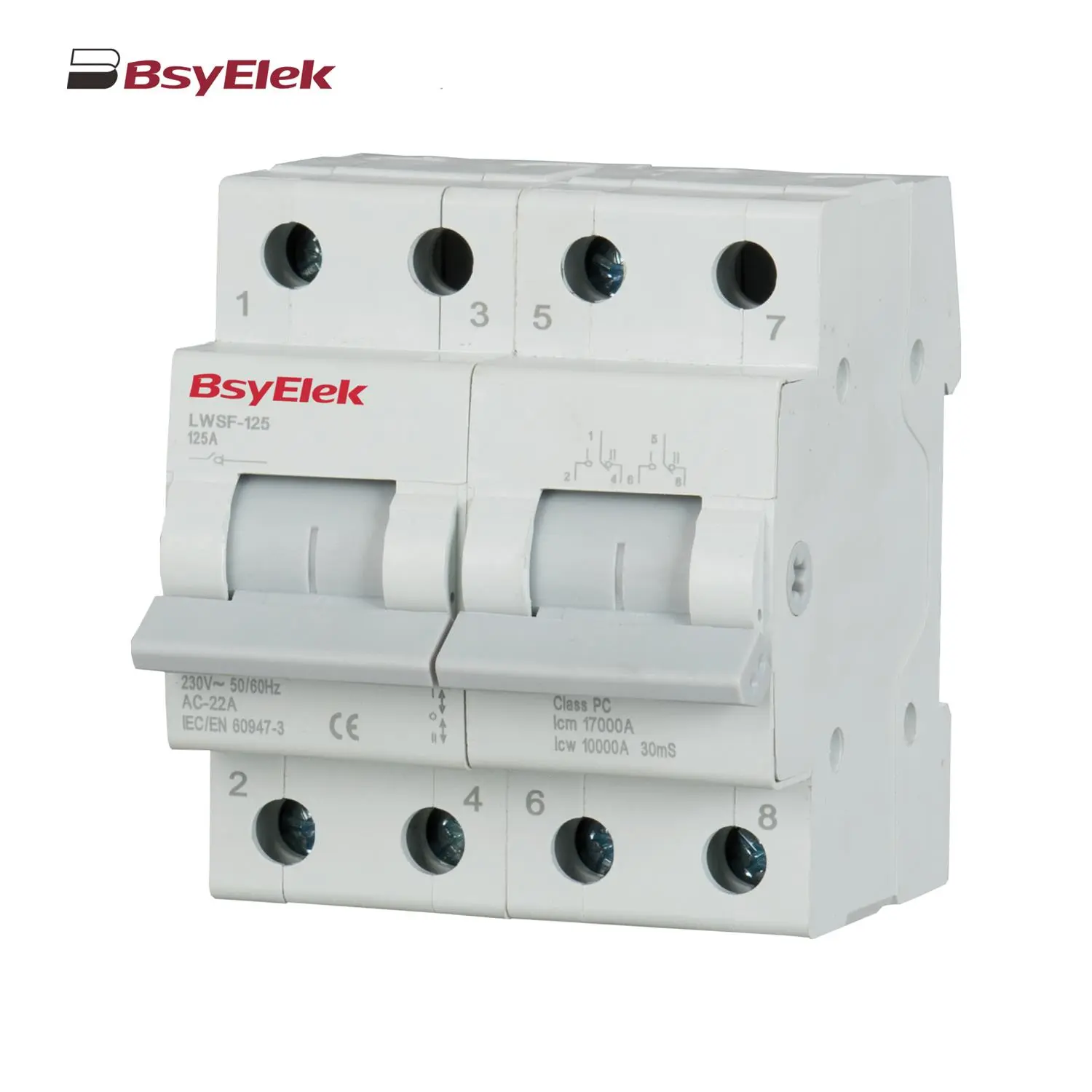 LWSF-125 125A Manual Changeover Switch
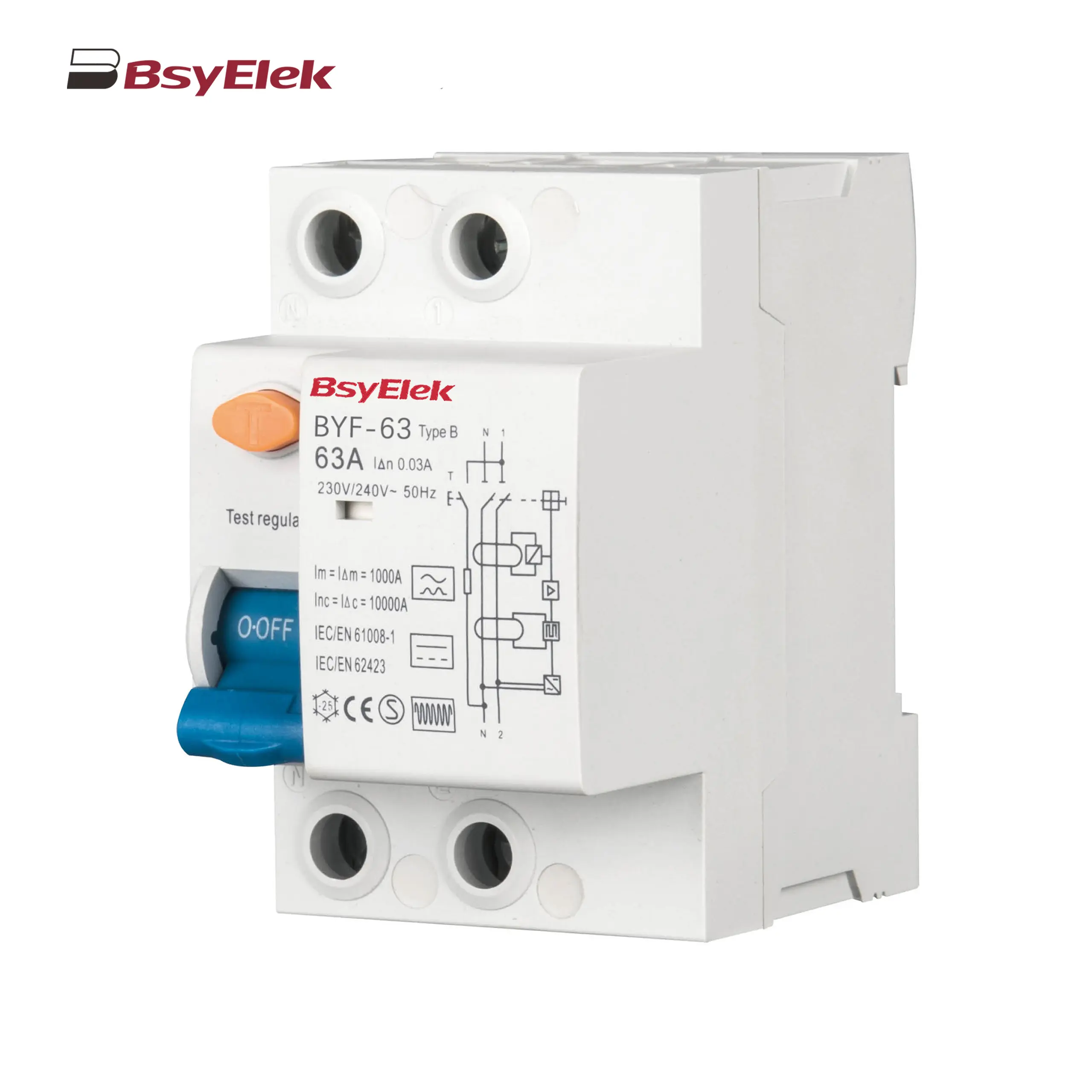 BYF-63 RCD 10KA Type B AC+A+Smoothing DC Residual Current Device
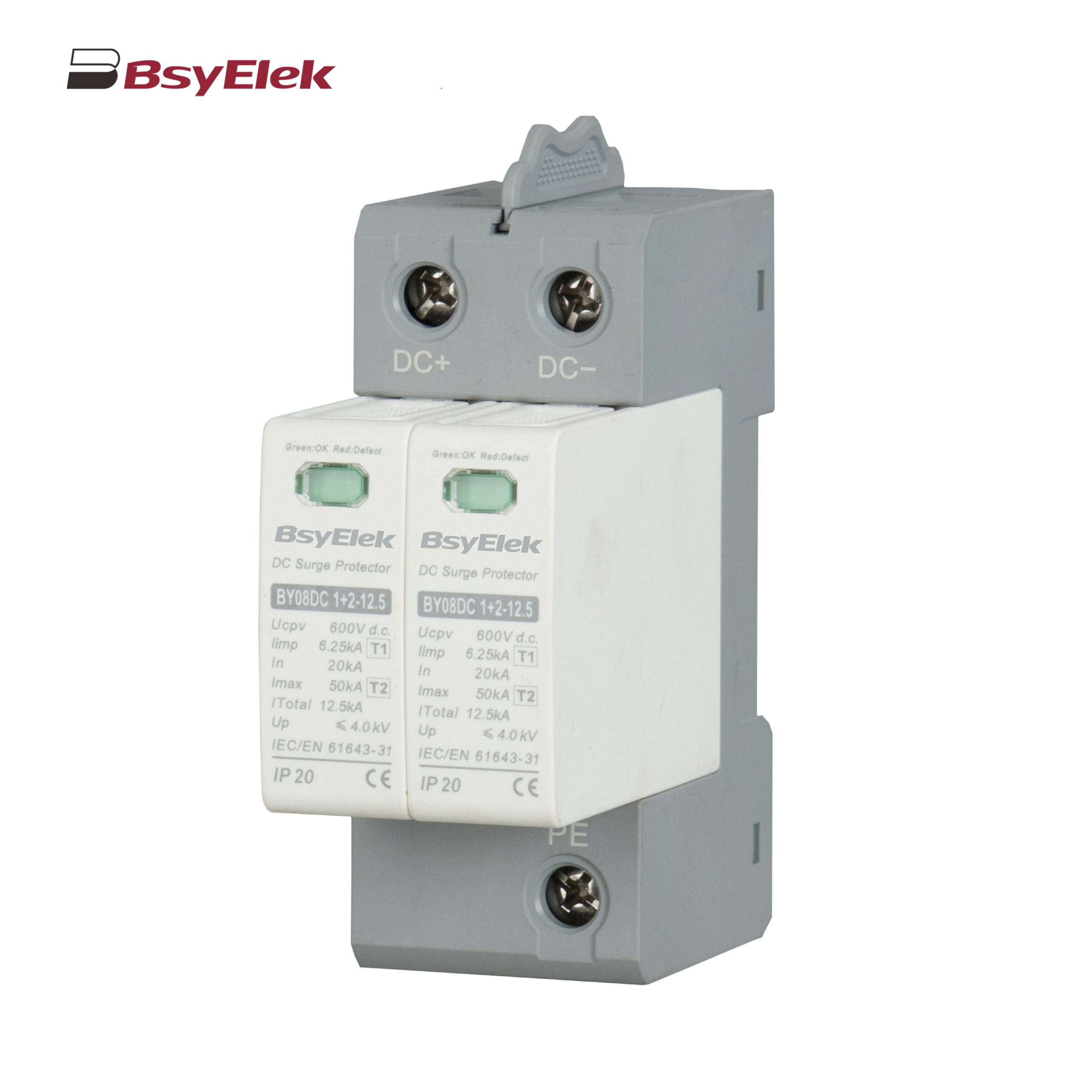 BY08DC 1+2-12.5 SPD Class T1+T2 40KA DC Surge Protective Device
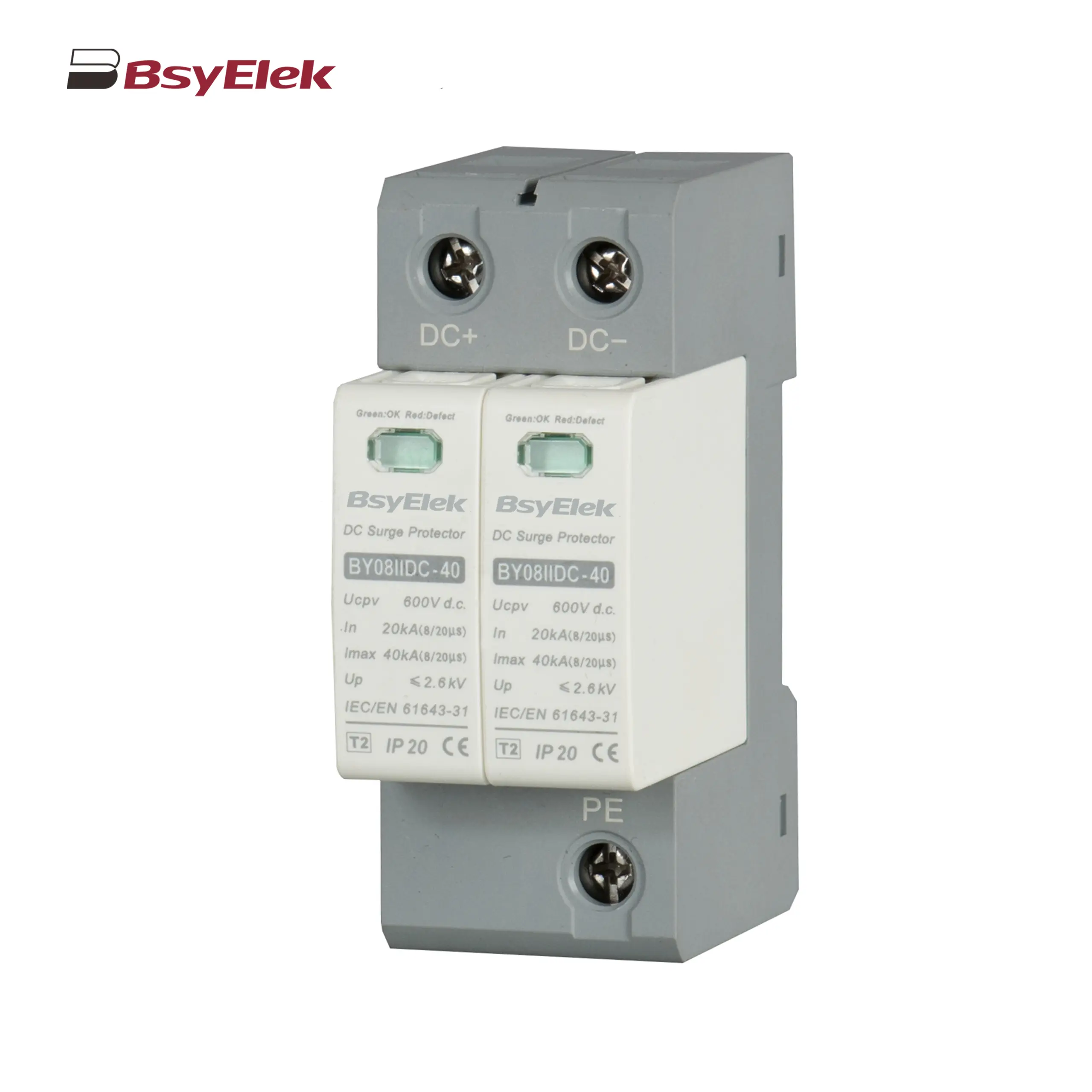 BY08IIDC-40 SPD Class T2 40KA DC Surge Protective Device
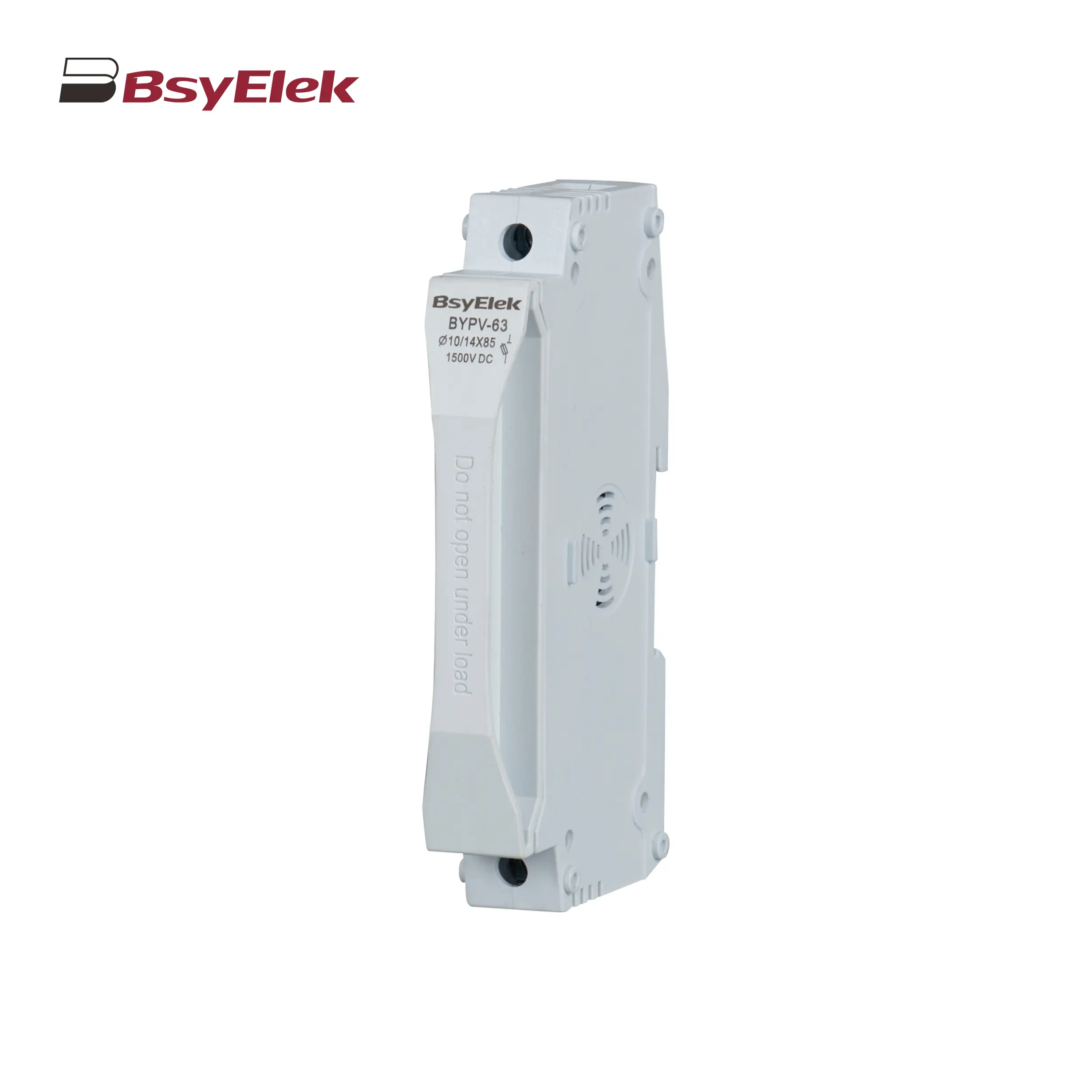 BYPV-63 1500VDC 50A Fuse Holder with 10x85mm 14x85mm Fuse Link
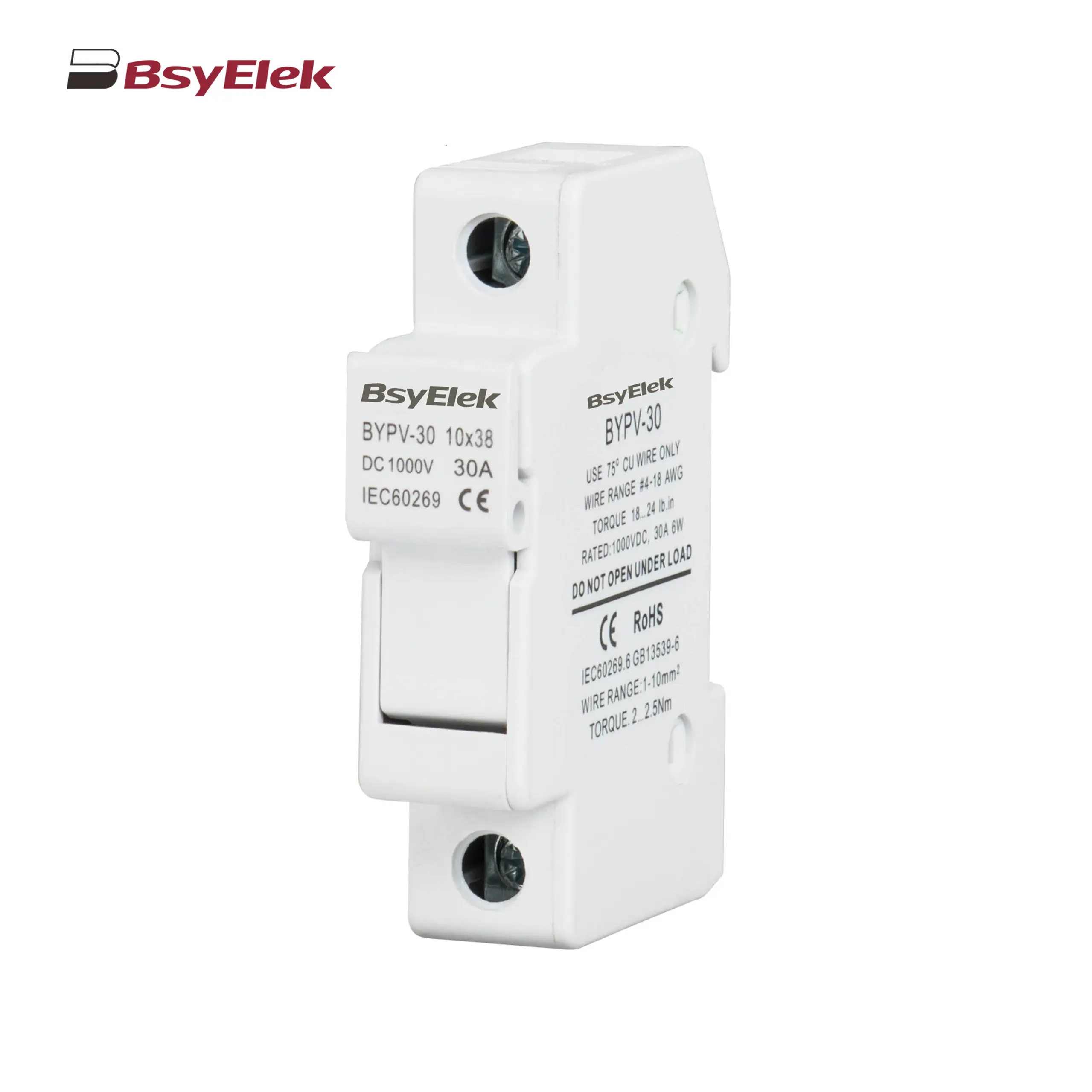 BYPV-30 1000VDC 32A Fuse Holder with 10x38mm Fuse Link
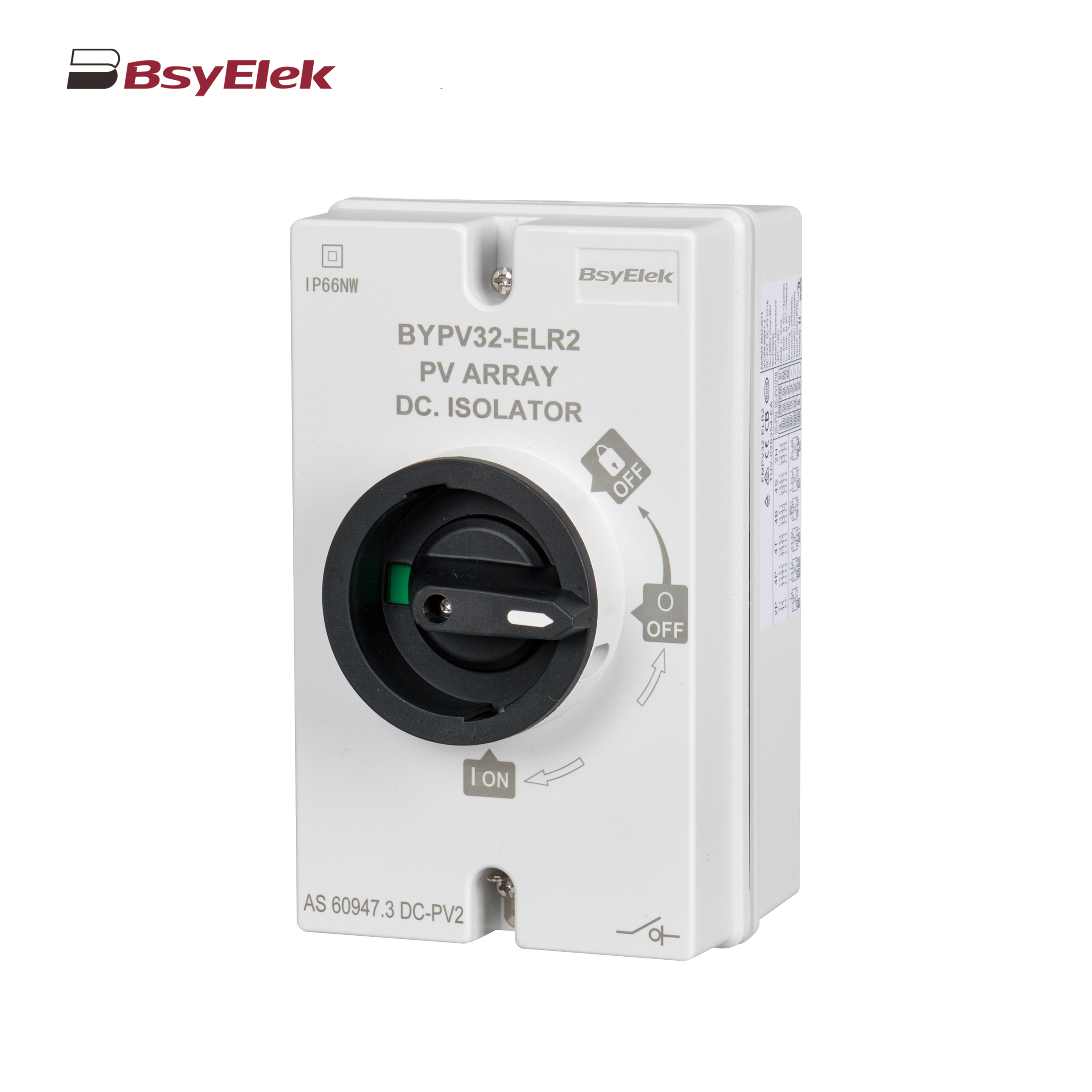 BYPV-ELR2 PV Isolator Switch with Enclosed Version
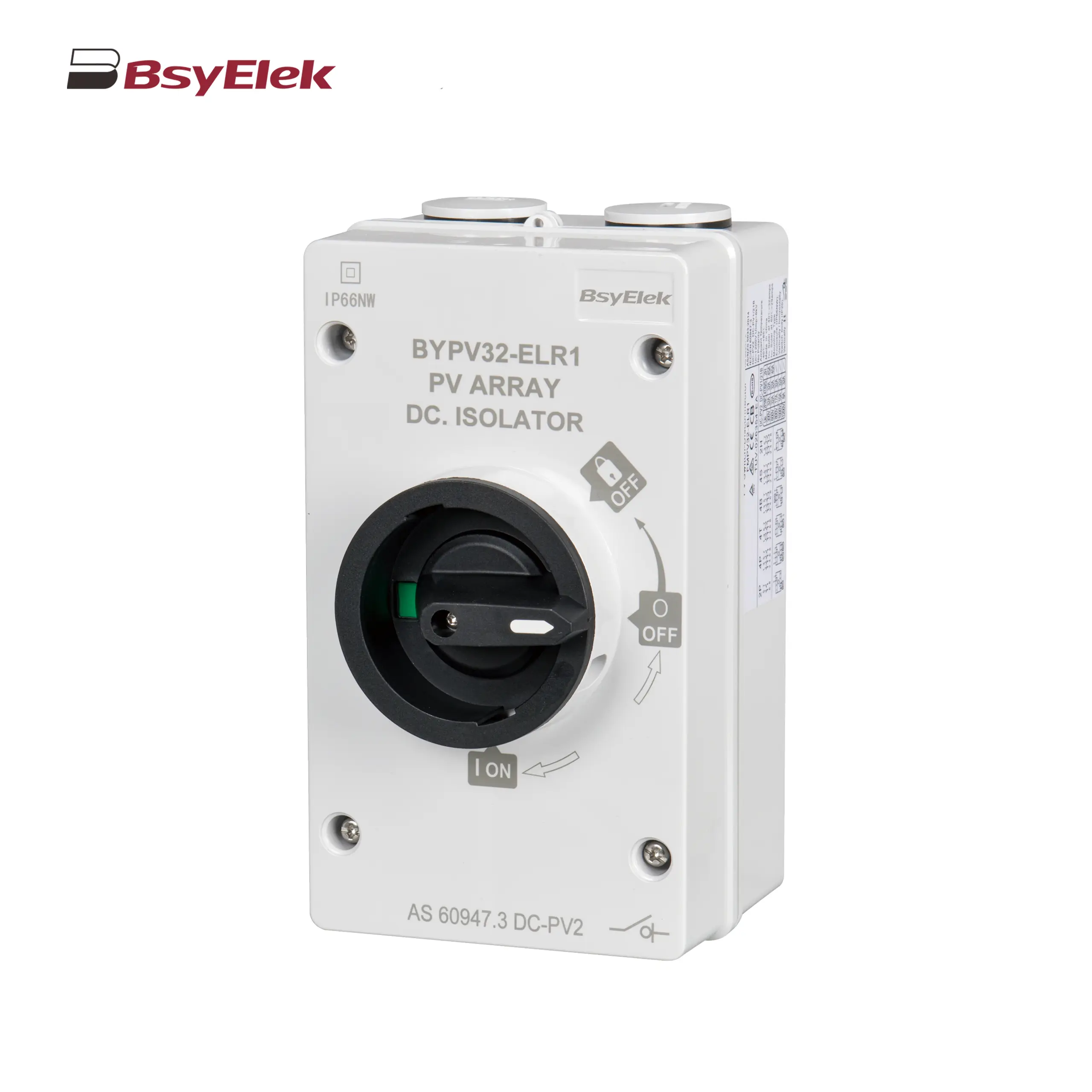 BYPV-ELR1 PV Isolator Switch with Enclosed Version
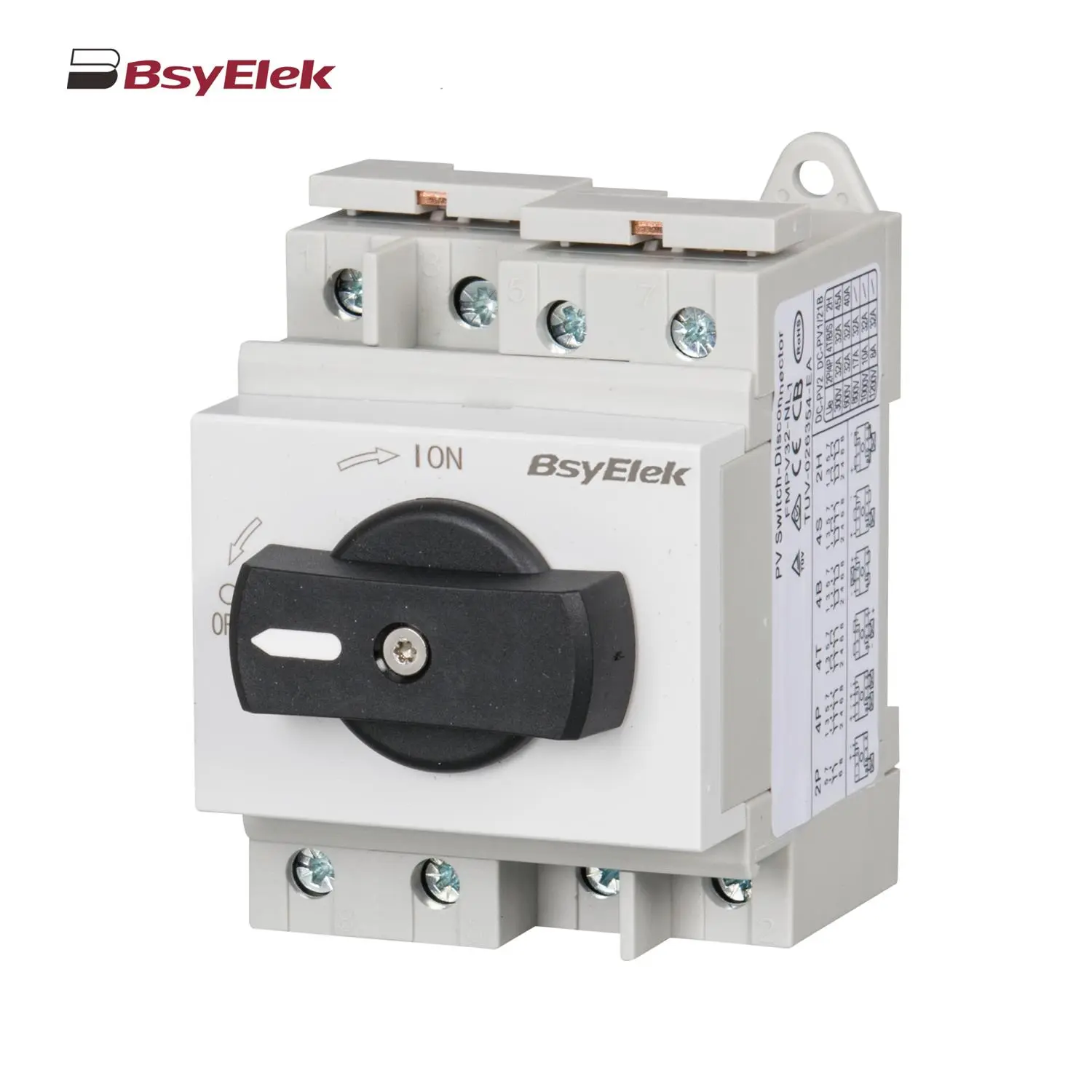 BYPV-NL1/T PV Isolator Switch with Ultra-thin Lever Handle
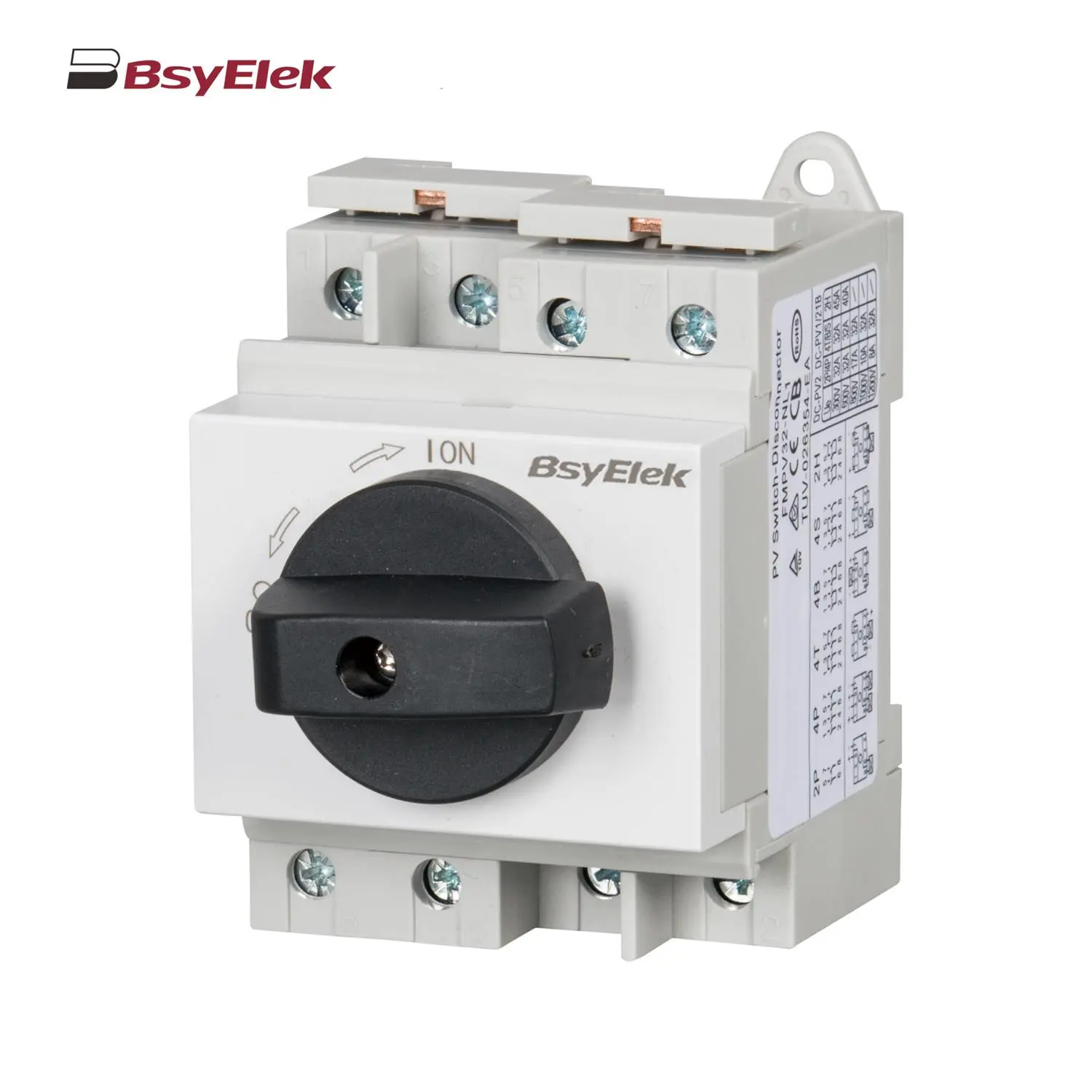 BYPV-NL1 PV Isolator Switch with Lever Handle
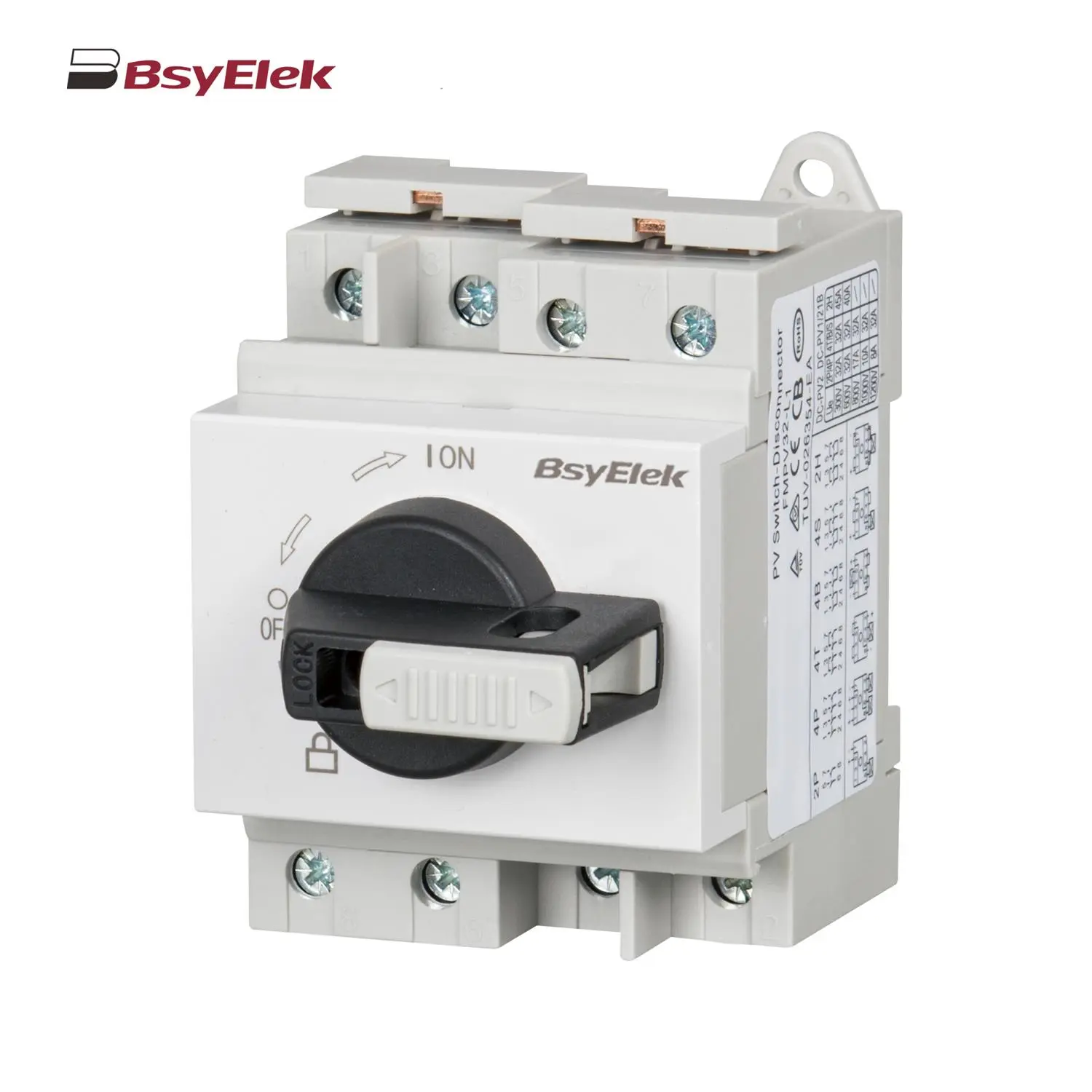 BYPV-L1/L2 PV Isolator Switch with Lockable Lever Handle
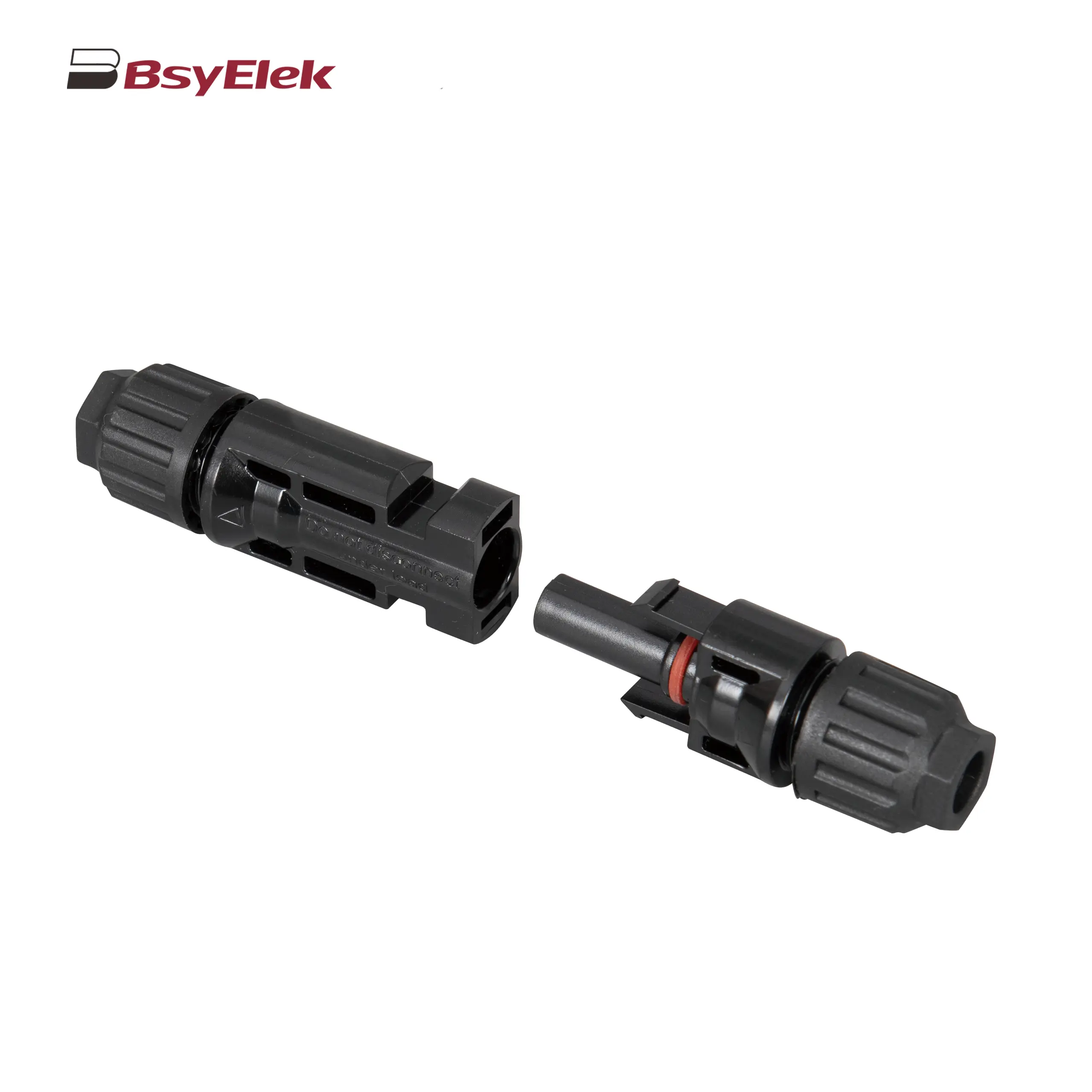 PV-BY-01 30A/50A 1000V Photovoltaic Connector
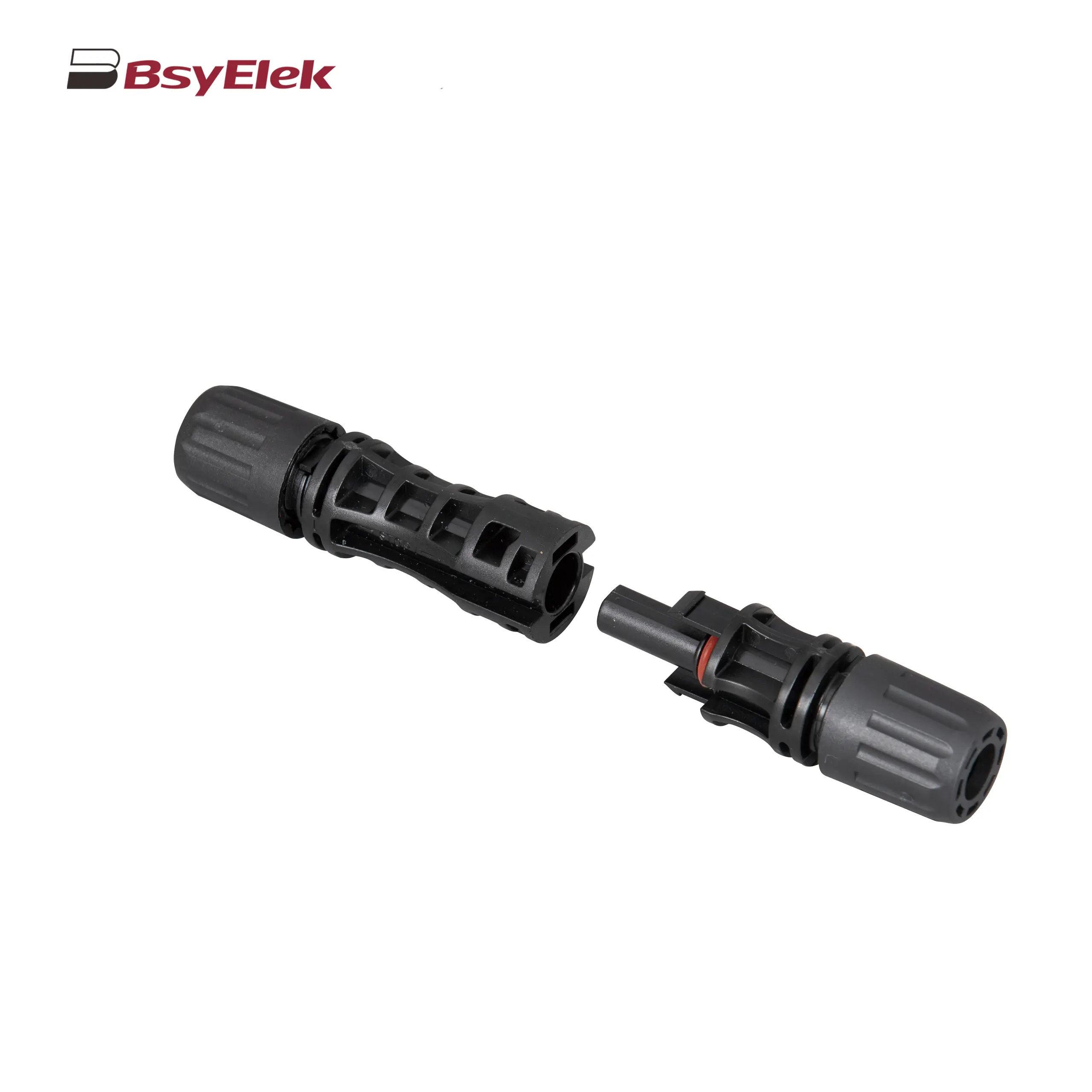 PV-BY-02 30A/50A 1500V Photovoltaic Connector
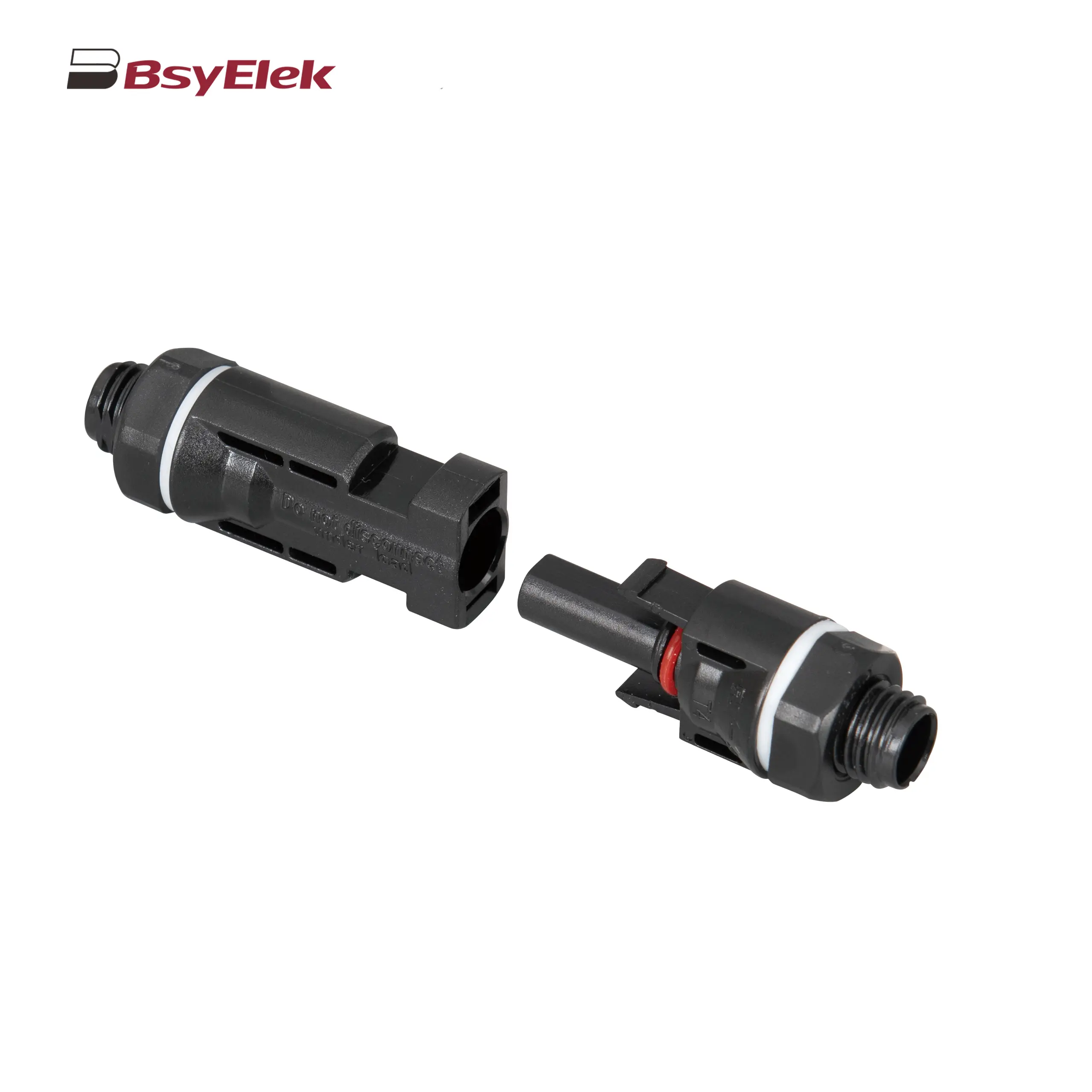 PV-BY-03 30A/50A 1000V Panel Mount Photovoltaic Connector
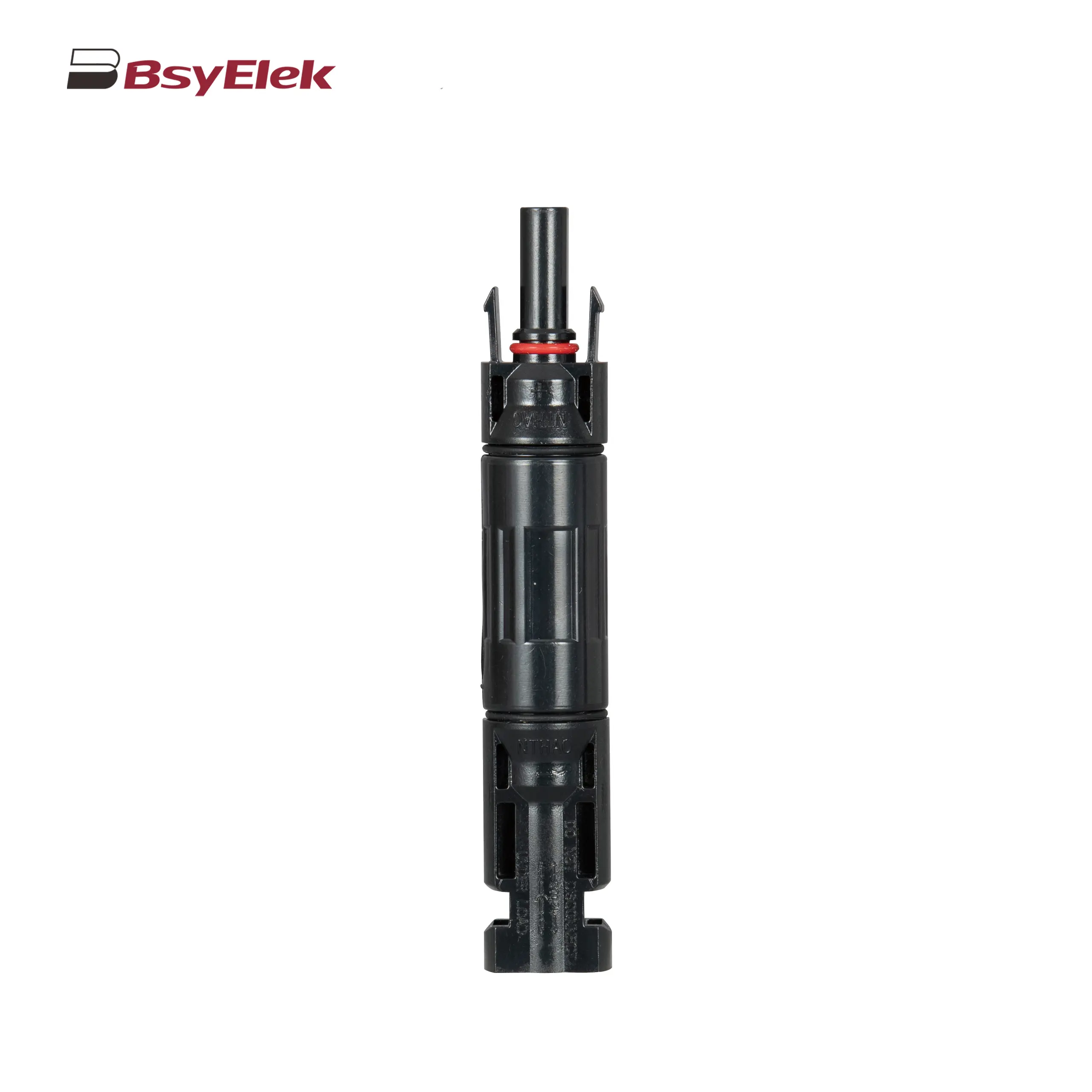 PV-BY-F01 30A 1500V Diode/Fuse Type Connector
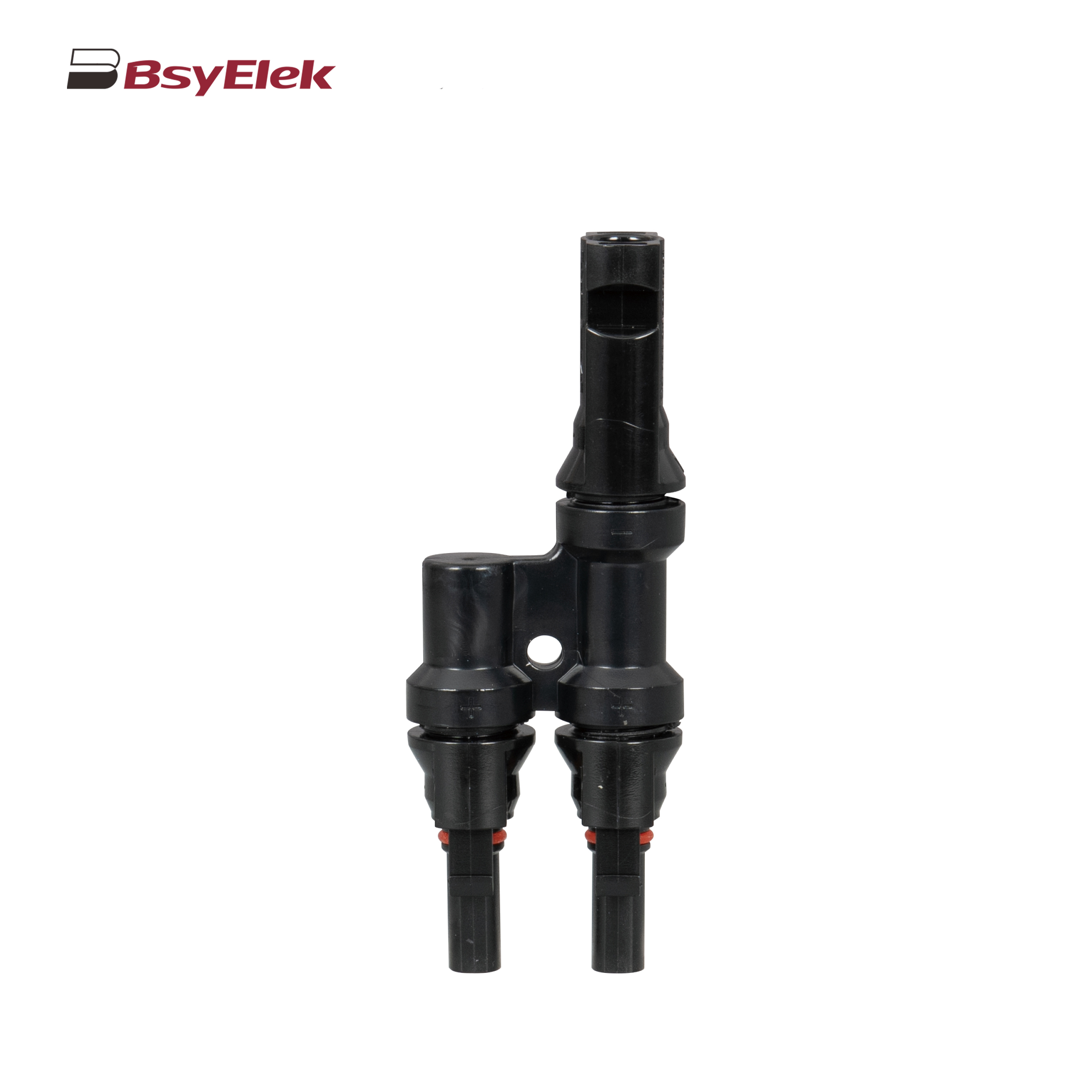 PV-BY-T 50A 1500V T Type Branch Connector
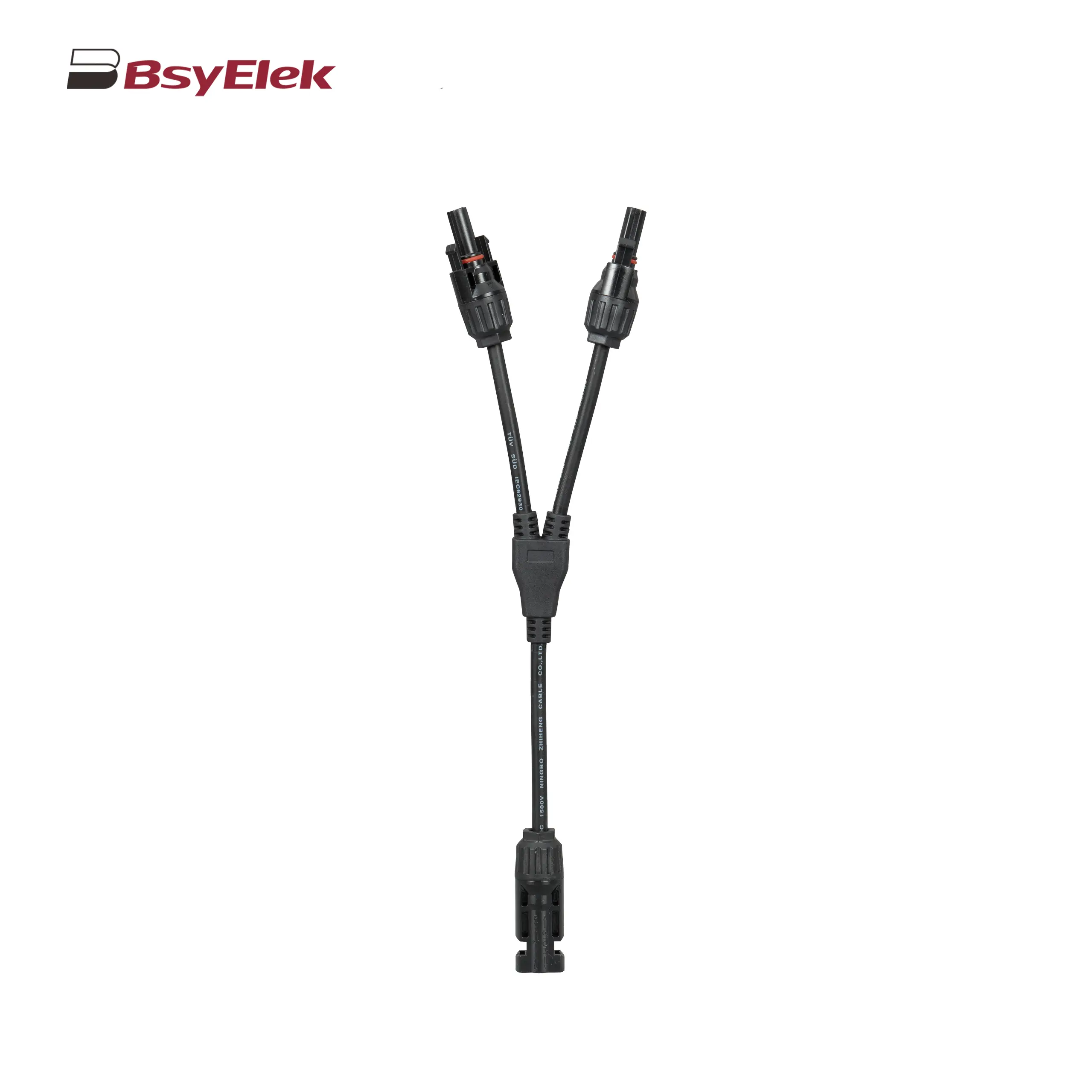 PV-BY-Y 30A 1500V Y Type Branch Connector
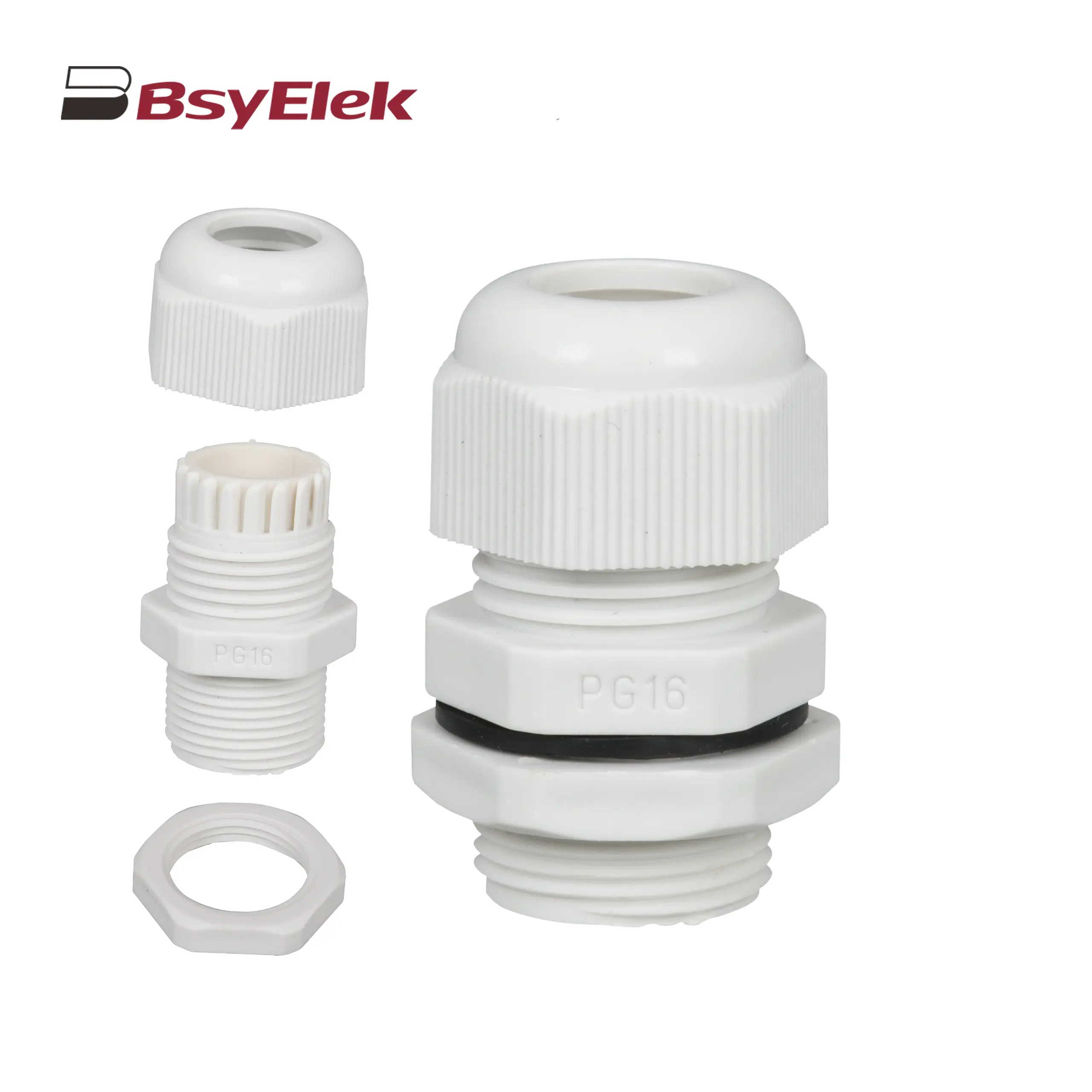 PG Waterproof Cable Gland with Washer
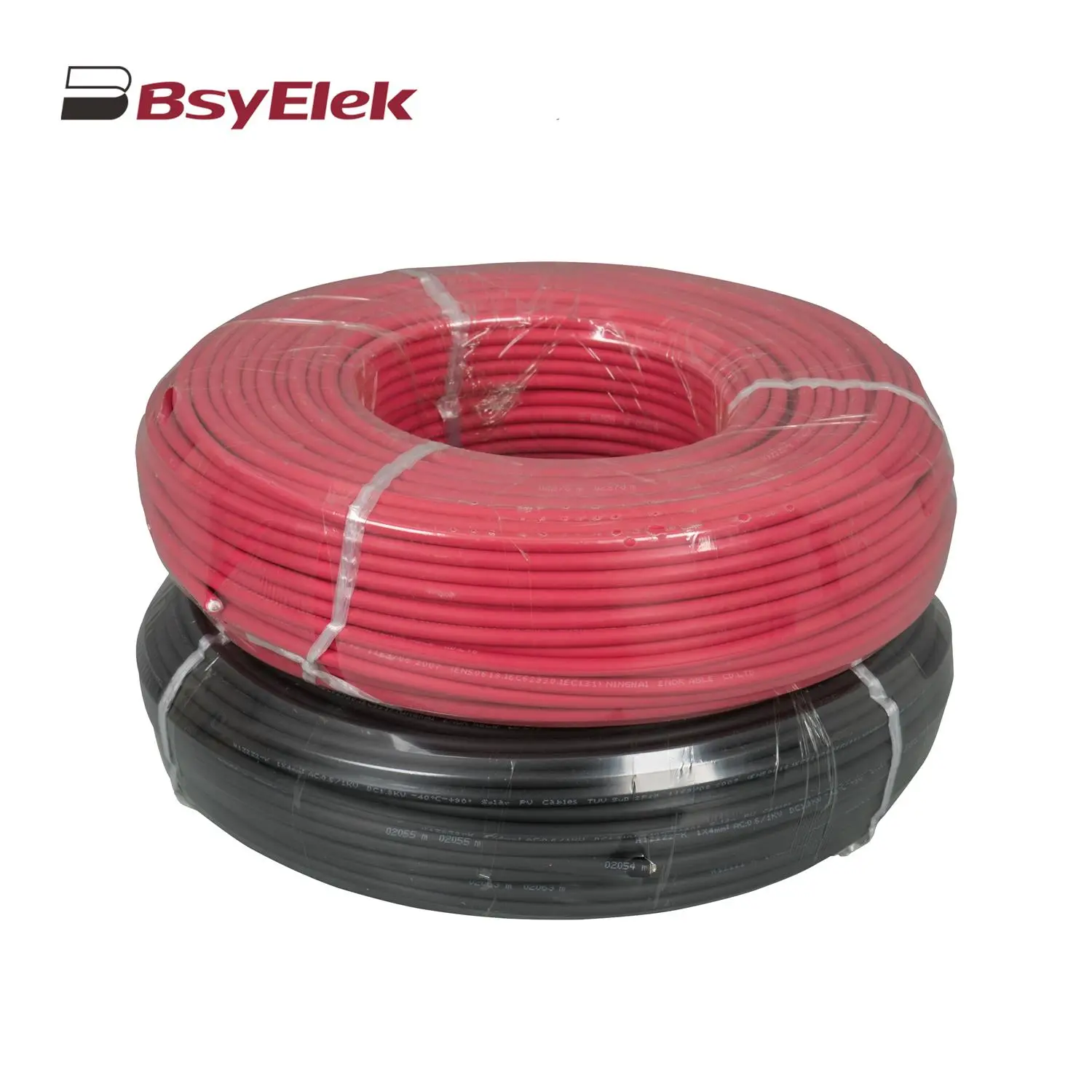 Photovoltaic Cable
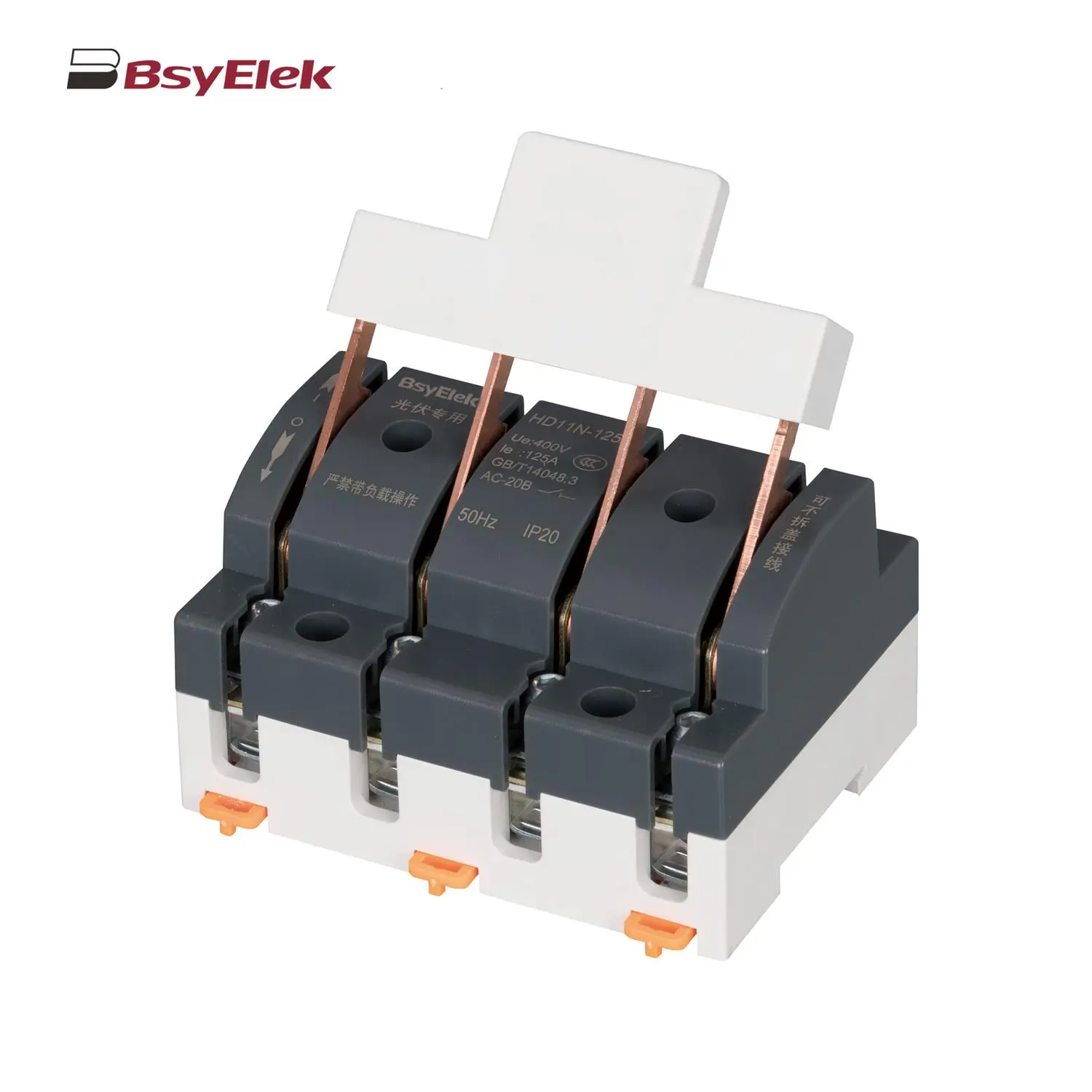 HD11N Photovoltaic Knife Switch
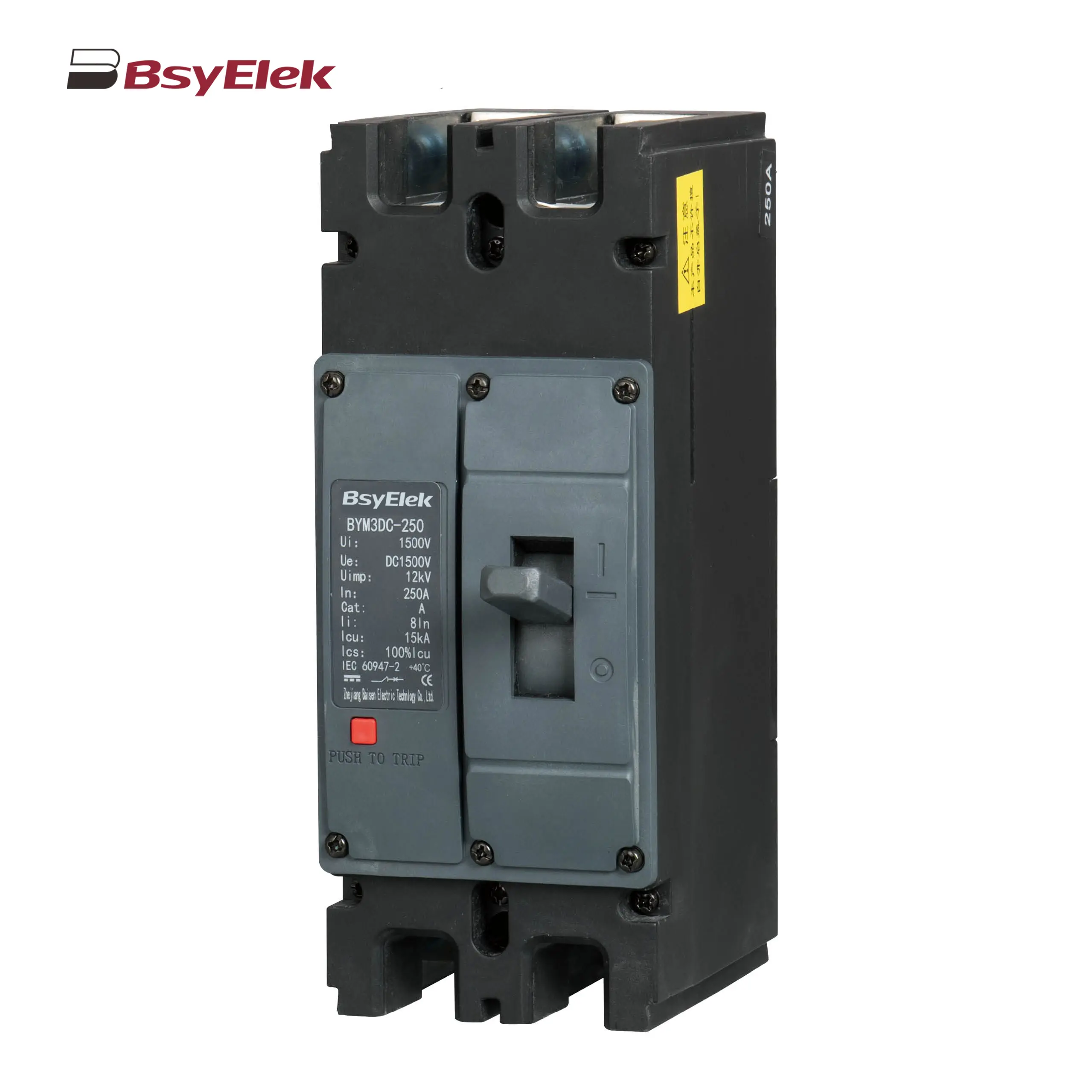 BYM3DC MCCB Photovoltaic DC Molded Case Circuit Breaker
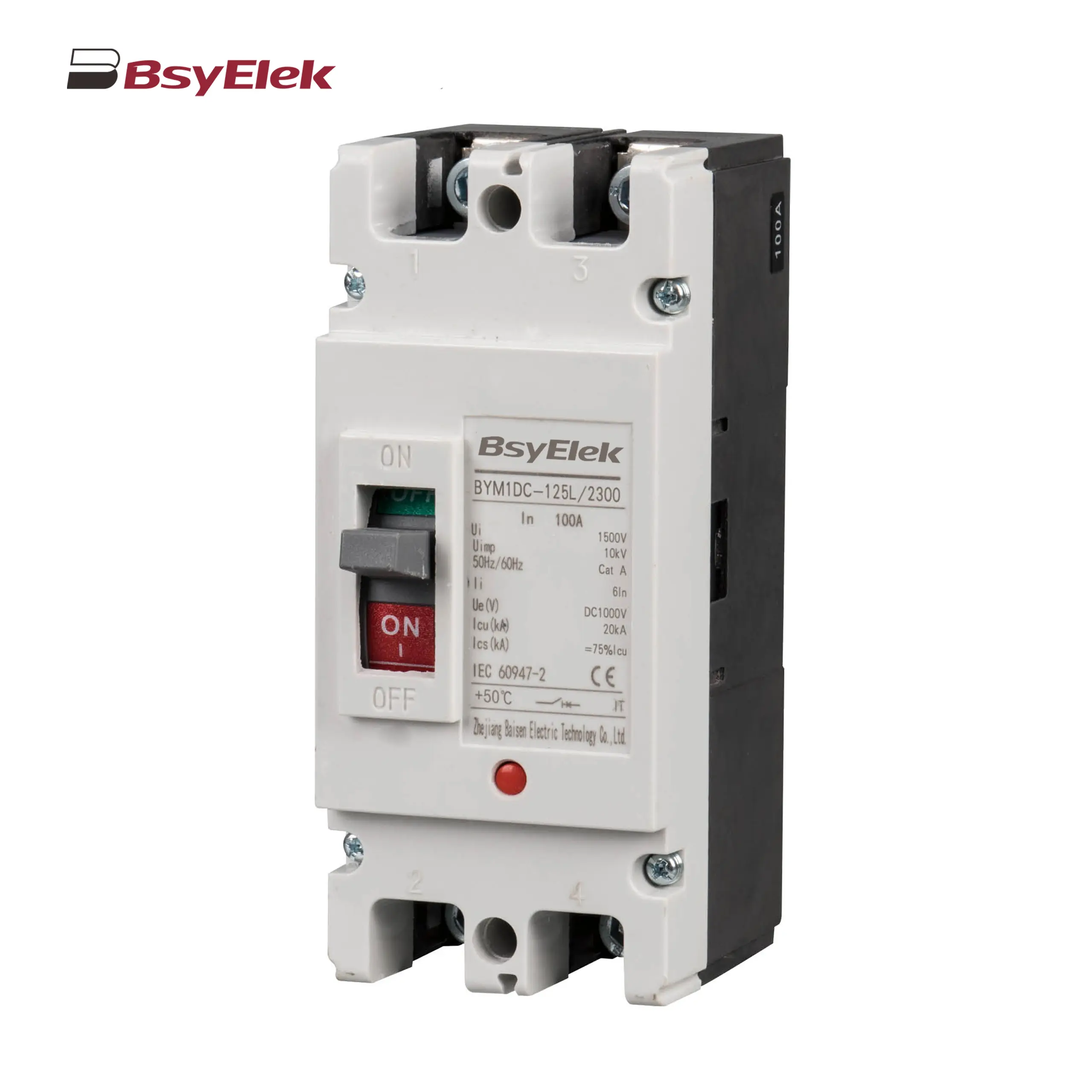 BYM1DC MCCB 1000VDC Thermal Magnetic Type DC Molded Case Circuit Breaker
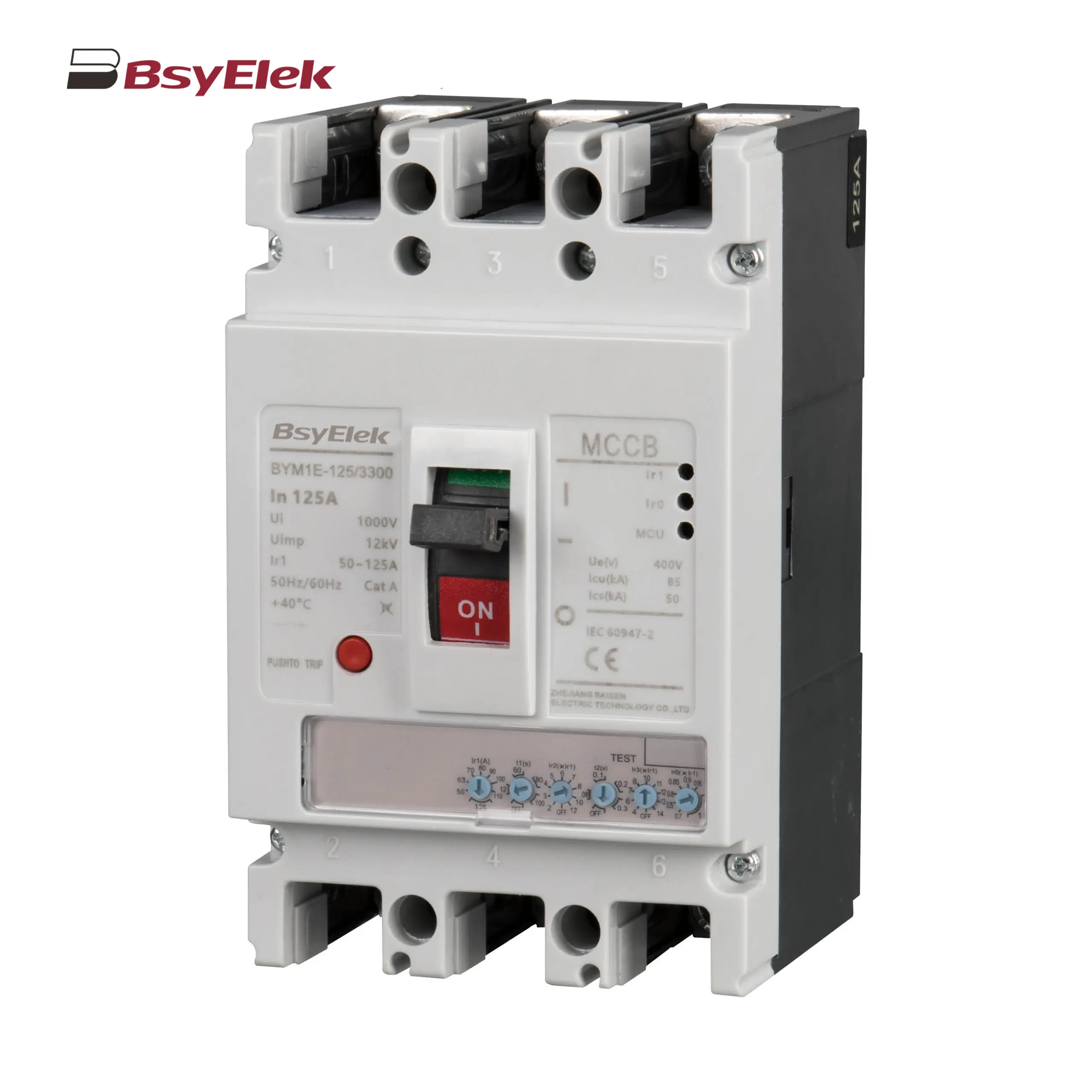 BYM1E MCCB Electronic Type Molded Case Circuit Breaker
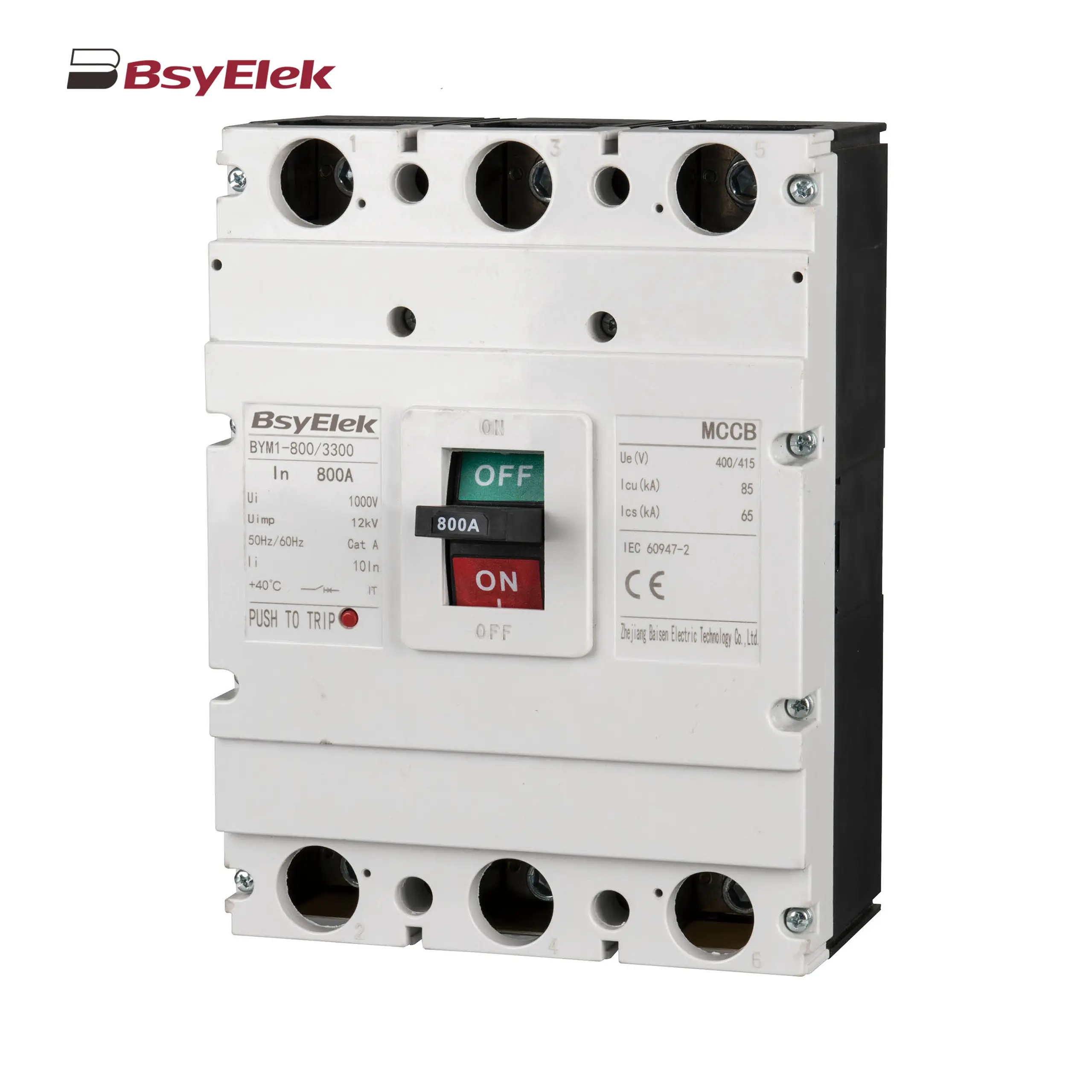 BYM1 MCCB Thermal Magnetic AC Molded Case Circuit Breaker
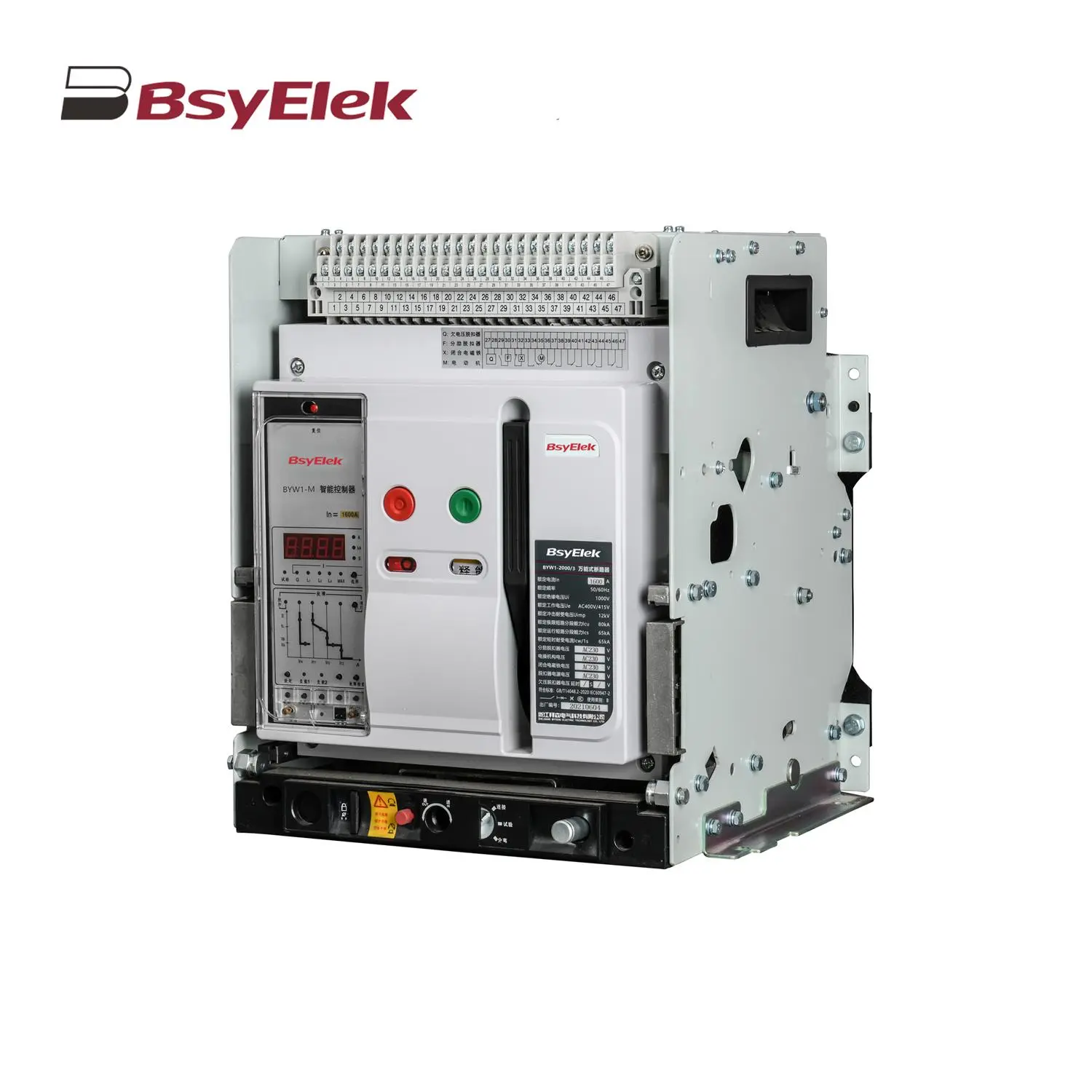 BYW1 ACB Intelligent Universal Air Circuit Breaker
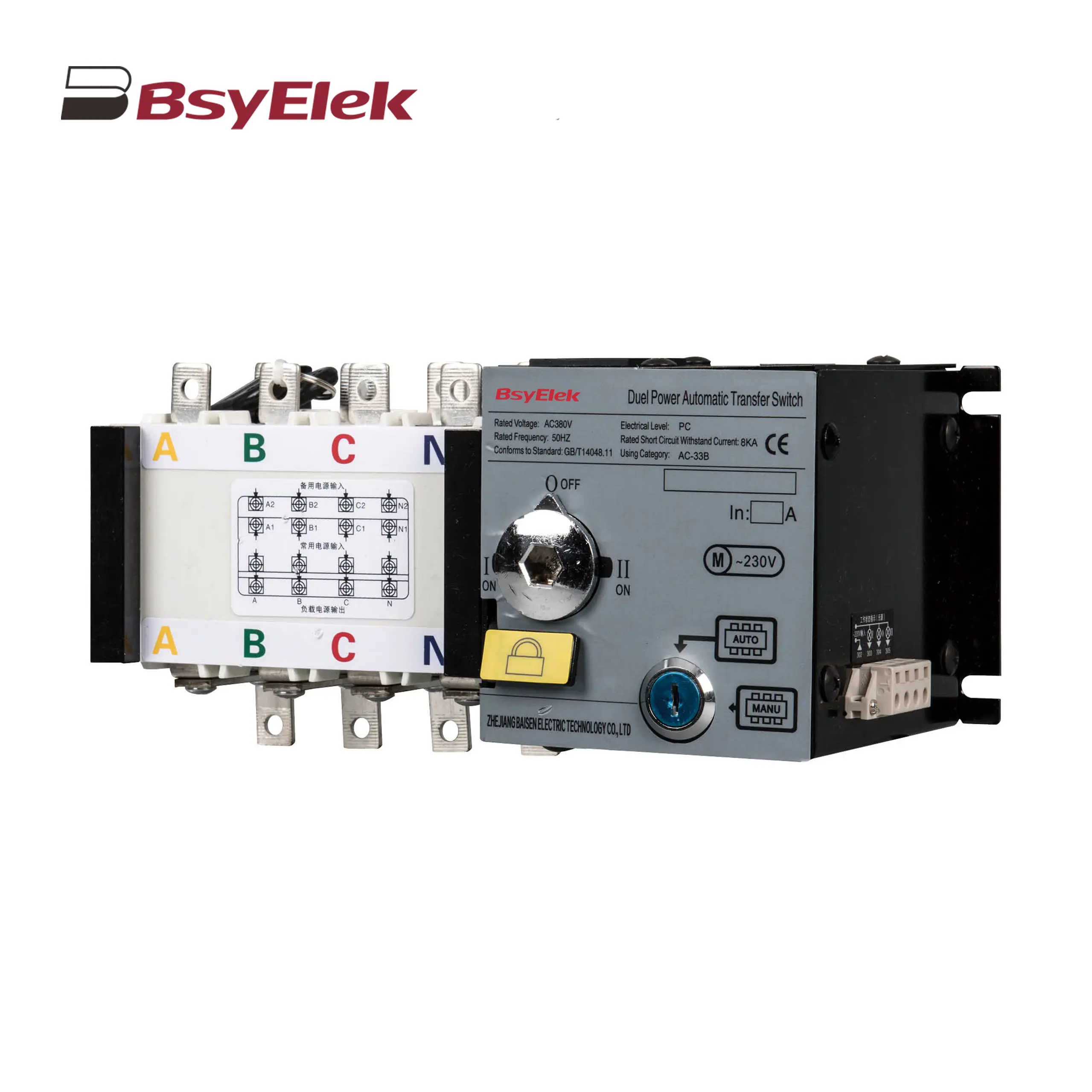 BYQ1 ATS Isolated Type PC Level Dual Power Automatic Transfer Switch
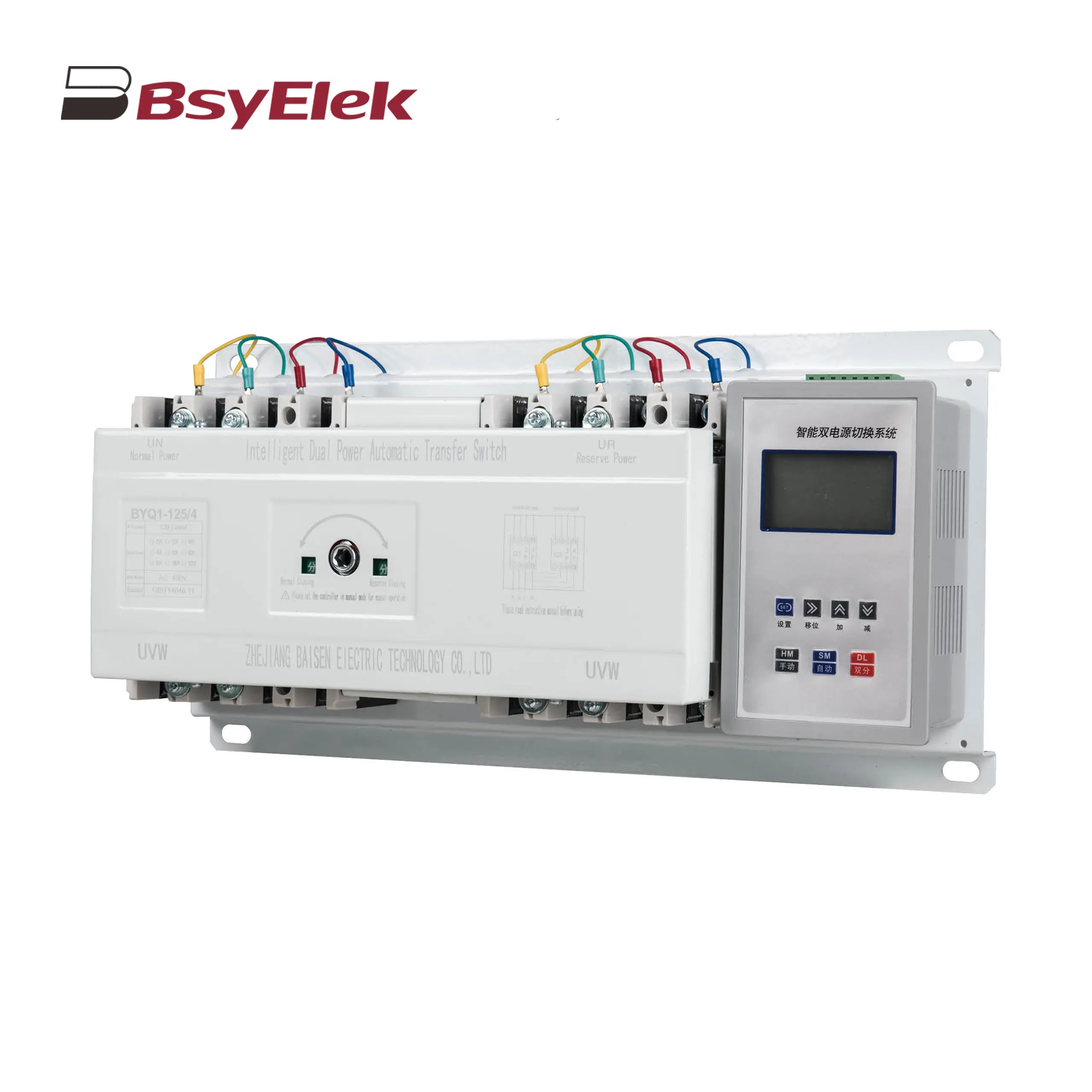 BYQ1 ATS Intelligent Type CB Level Dual Power Automatic Transfer Switch
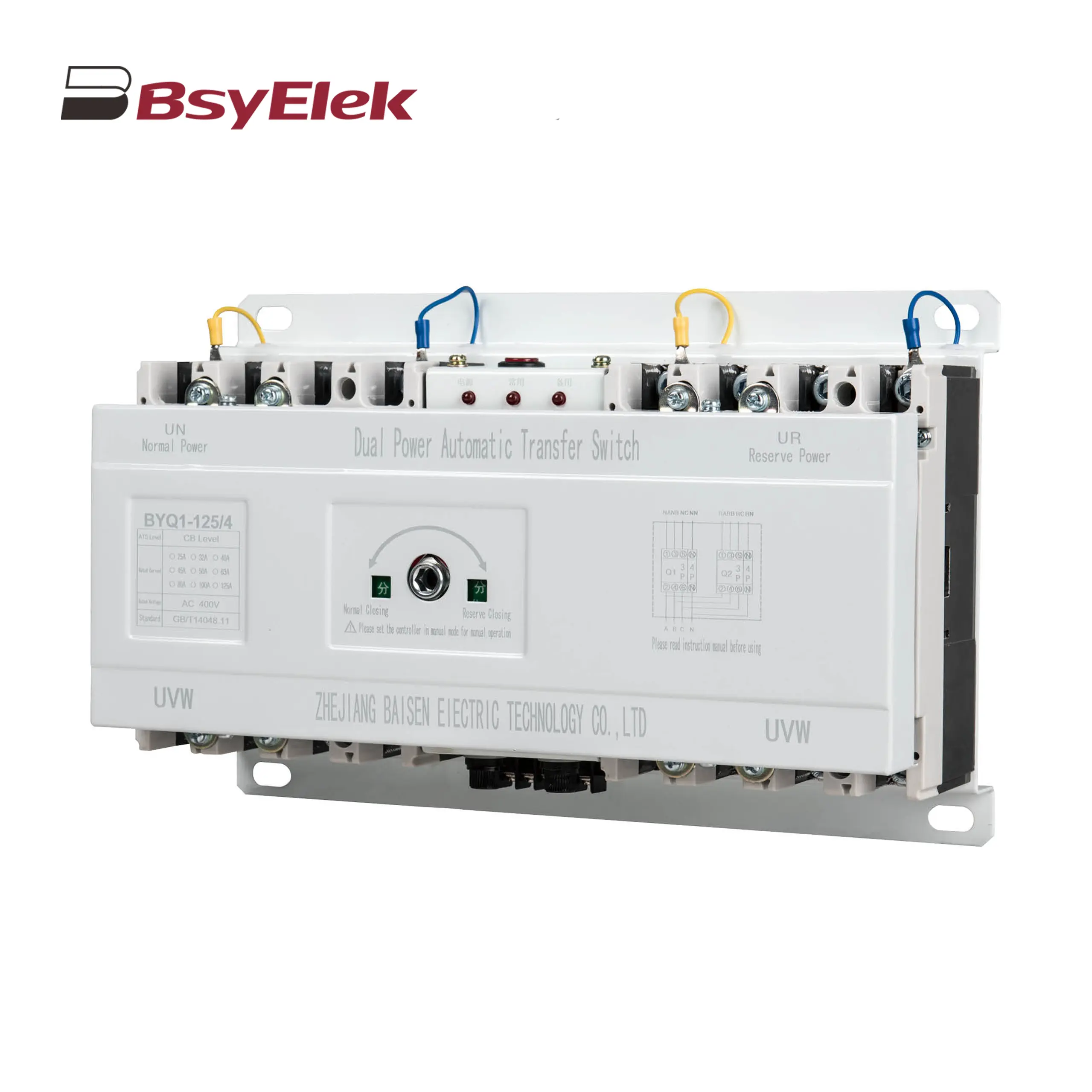 BYQ1 ATS End Type CB Level Dual Power Automatic Transfer Switch
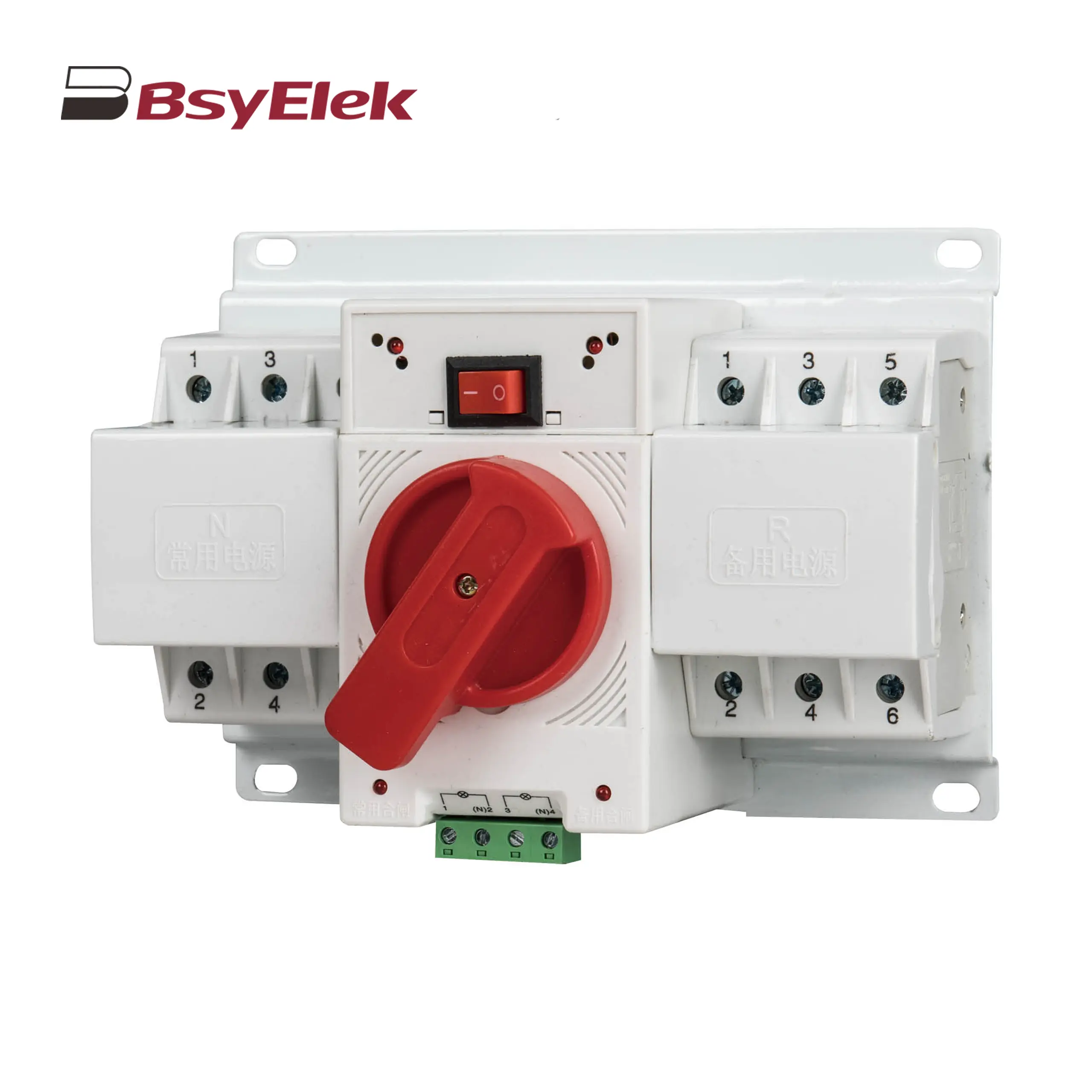 BYQ1 ATS Mini Type CB Level Dual Power Automatic Transfer Switch
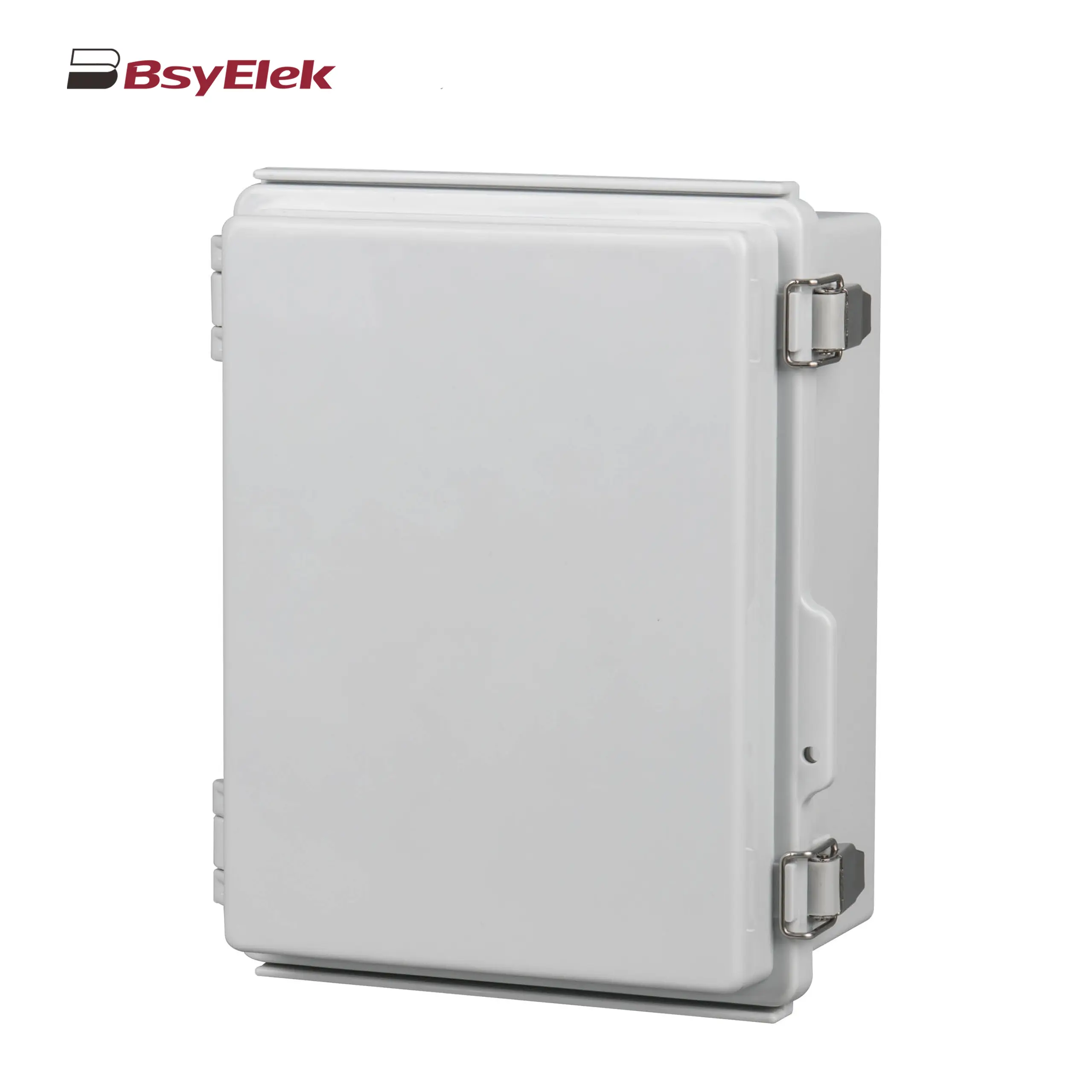 Stainless Steel Hinge Type Electrical Box
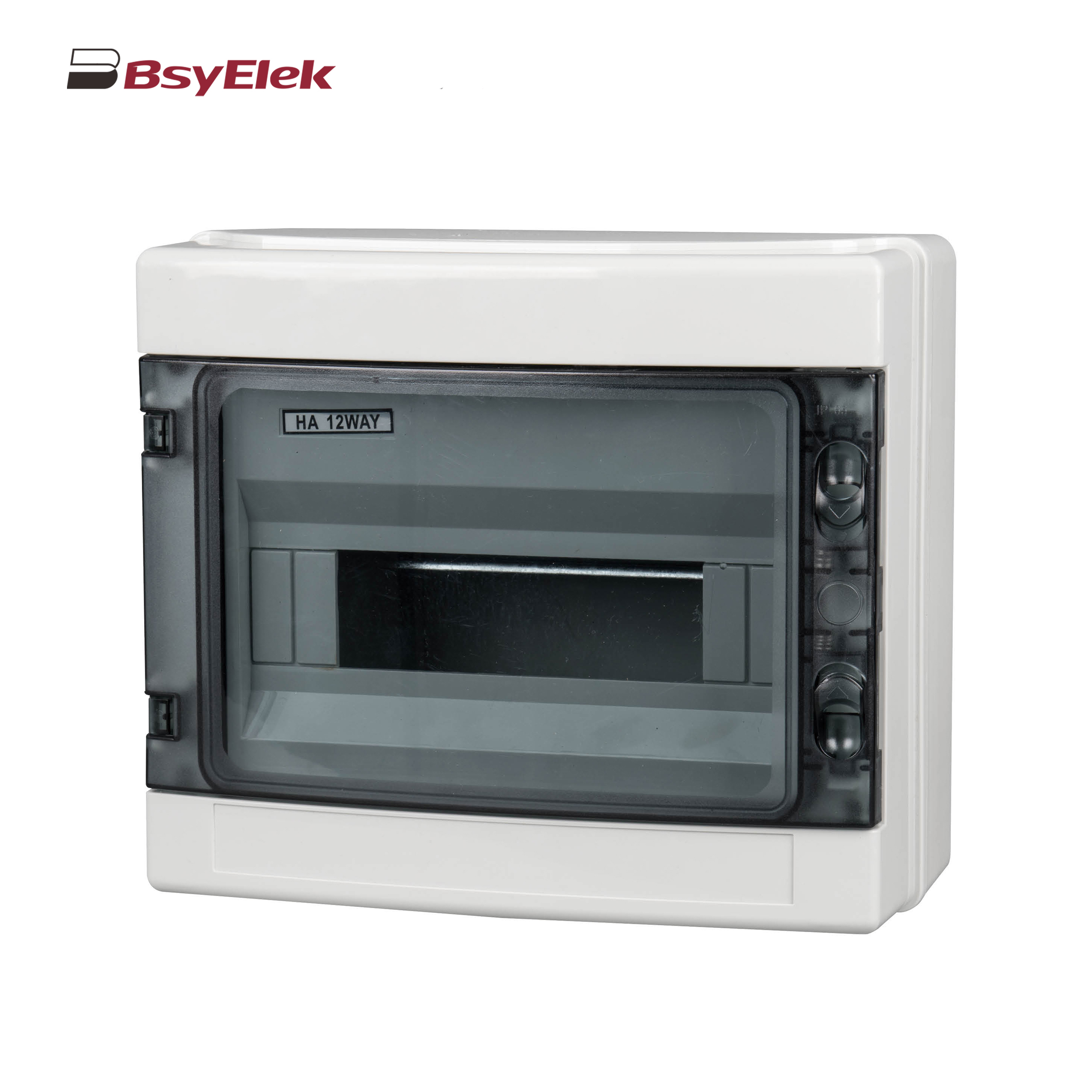 HA Waterproof Distribution Box
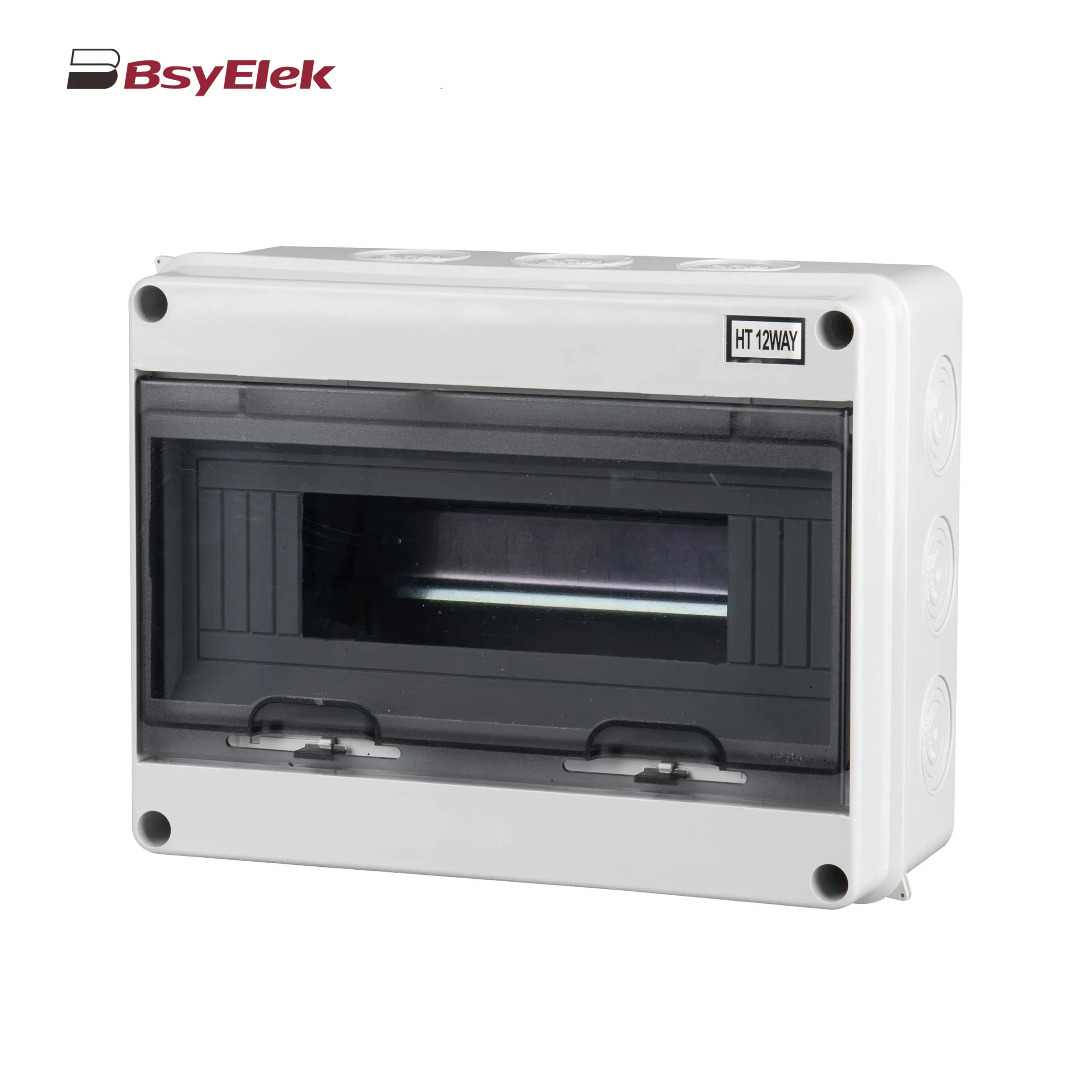 HT Waterproof Distribution Box
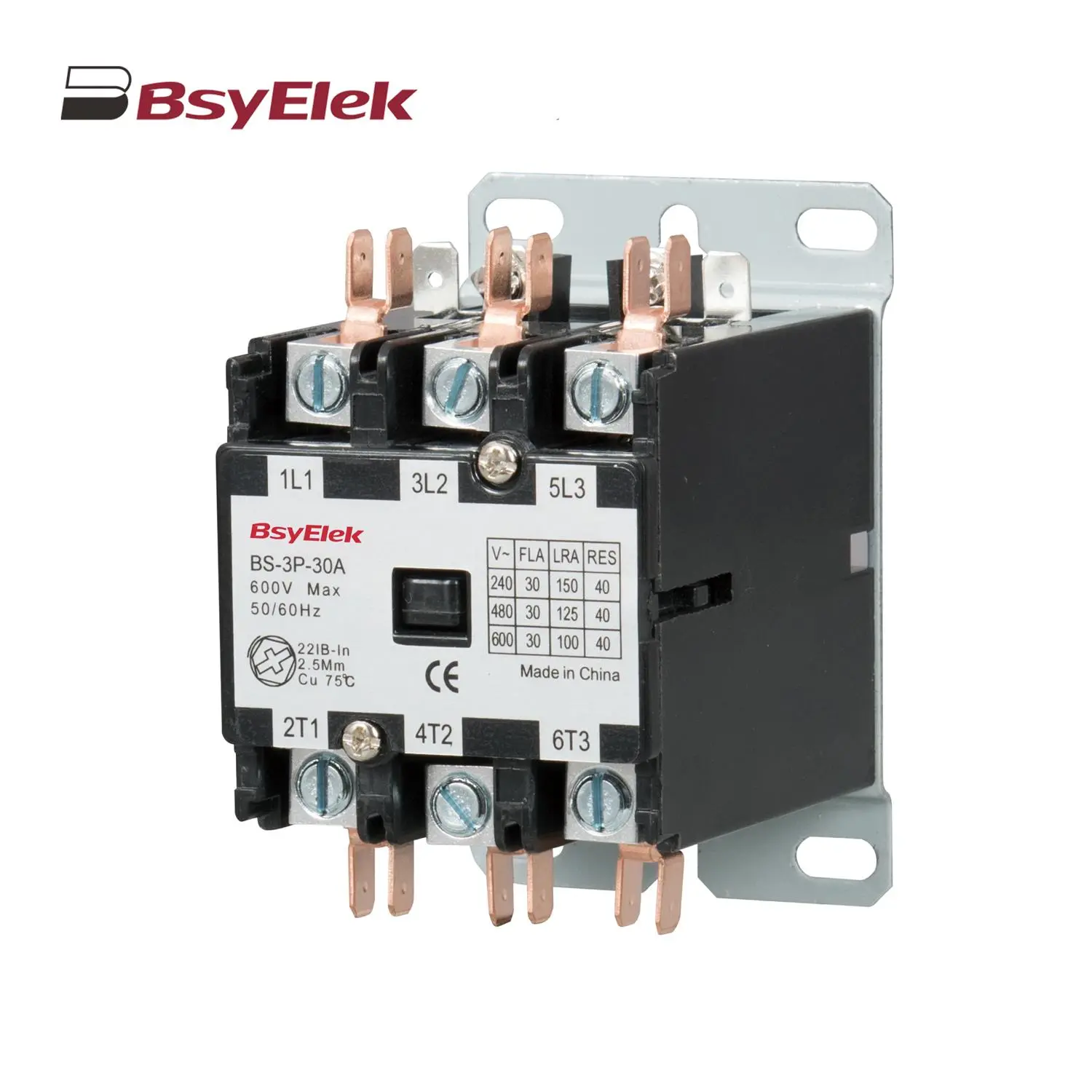 BS Definite Purpose Magnetic AC Contactor