What Is the Best Waterproof Electrical Box for 2026?
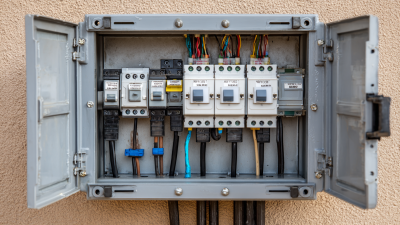
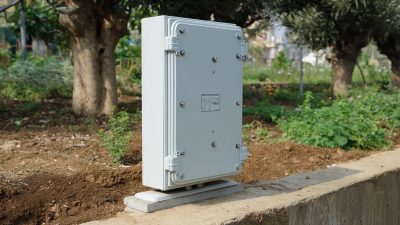
Choosing the best Waterproof Electrical Box for 2026 depends on where it will be installed and what it must protect. A box beside a garden tap faces different conditions from one mounted under a covered porch. Rain, spray, dust, sunlight, and temperature changes can all affect performance. So can the cable entries and the way the cover closes.
That sounds simple. It isn’t always. A product photo may show a sturdy lid, but it cannot confirm the seal, material quality, or suitability for your installation. Check the manufacturer’s stated ingress protection rating, compatible fittings, gasket design, and installation instructions. IP and NEMA ratings use different systems, so don’t treat their numbers as direct equivalents. Also consider whether the enclosure needs room for connectors, switches, or future maintenance. A crowded box can make an otherwise suitable choice frustrating.
This guide compares the features that matter, including construction, mounting options, cover access, and resistance to outdoor exposure. It also explains why “waterproof” on a product label does not guarantee protection in every setup. The rating only applies when the box is installed as specified, with compatible entries properly sealed. That detail is easy to overlook. Before buying, match the enclosure to the location and intended use, then follow the manufacturer’s guidance and applicable electrical requirements. When the installation is uncertain, ask a qualified electrician rather than guessing.
Define Wet-Location Requirements Under NEC Article 314.15
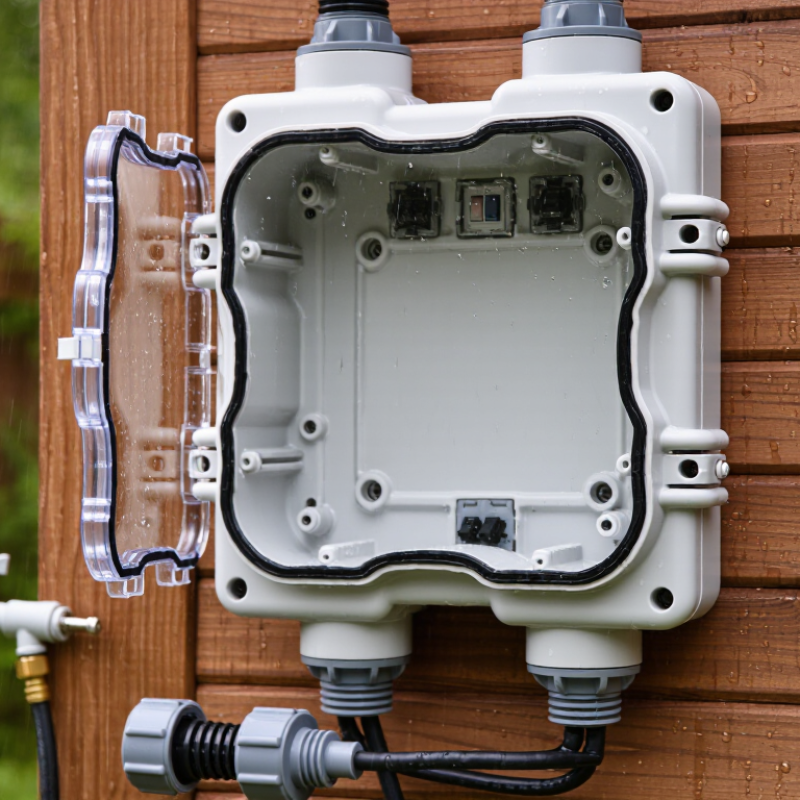
“Waterproof” is not a complete specification. NEC Article 100 defines wet locations to include unprotected areas exposed to weather and places subject to water saturation. Under NEC 314.15, equipment in wet locations must be listed for that use and arranged to prevent moisture from entering or collecting inside. Check the code edition adopted locally; requirements can differ. A rain-exposed patio box is not automatically suitable for a washdown area.
NEMA 250-2020 classifies Type 3R enclosures for protection against falling rain, sleet, and external ice formation. That rating does not mean the enclosure is submersible or suitable for every water exposure. Match the box, cover, hubs, and fittings as a listed assembly, and follow the manufacturer’s installation instructions. One detail is easy to overlook: a poorly seated gasket can undermine an otherwise suitable enclosure. I would pause over that seal, especially where wind-driven rain reaches the box. NEMA’s ratings help compare exposure conditions, but the final choice still depends on the actual location and the adopted NEC.
Compare NEMA 4X Protection Against Hose-Directed Water and Corrosion
What Is the Best Waterproof Electrical Box for 2026?
Compare NEMA 4X Protection Against Hose-Directed Water and Corrosion
A suitable electrical box depends on its actual exposure, not just its label. NEMA 4X enclosures are designed to resist corrosion and protect against hose-directed water. That makes them useful near washdown areas, outdoor equipment, and damp workspaces. They are not designed for submersion. Nor does the rating promise resistance to every cleaning chemical or salt exposure.
Look beyond the enclosure itself. A well-sealed lid can still leak around an unsuitable cable fitting. Check that the box, gasket, and entries maintain the required rating when assembled. Consider the enclosure material, too: stainless steel may suit rough, corrosive settings, while nonmetallic options can reduce weight. Confirm UV and temperature suitability for the installation site. There is no single best box for every job. I would not choose by rating alone; the right details are easy to overlook.
Tips: Inspect the gasket for gaps, then tighten the cover evenly. Use compatible cable glands and follow the maker’s installation instructions. If the box will face frequent spray, verify that the complete setup—not only the empty enclosure—meets the needed protection level.
Interpret IP Ratings: IP66 Water Jets vs. IP67 Immersion at 1 m for 30 Minutes
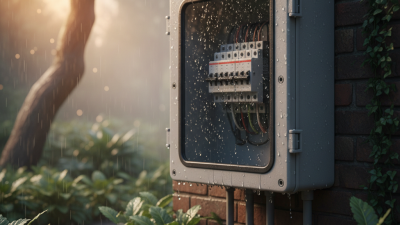
For an outdoor electrical box, the right IP rating depends on how water reaches it. IP ratings describe protection tested under defined conditions; they are not a promise against every installation problem. Check the full enclosure, including its lid, gasket, cable entries, and mounting position. Small details leak.
IP66
means the enclosure resists powerful water jets from different directions during a standardized test. That suits locations exposed to washdown or hard-driven rain, provided the lid is closed and cable glands are fitted correctly.
IP67
tests temporary immersion: up to 1 meter of water for 30 minutes under specified conditions. That is useful where brief flooding or accidental submersion is a realistic risk.
Neither rating automatically replaces the other. An IP67 box is not necessarily tested for IP66 water jets, and an IP66 box is not rated for immersion. This distinction is easy to miss. A box beside a pressure-washed surface may need jet protection; one in a low spot may face standing water instead. Read the manufacturer’s test conditions, then inspect seals and fittings after installation. A damaged gasket can undermine a strong rating, and I would not assume that a laboratory test covers years of sun, grit, or repeated opening.
Verify UL 50E Listings, Materials, Gaskets, and Cable-Entry Ratings
What Is the Best Waterproof Electrical Box for 2026?
For a waterproof electrical box, begin by checking the exact UL 50E listing and enclosure Type designation. Confirm that the listed model matches the box you plan to install, including its cover and mounting arrangement. A rating on a product page may not cover every configuration. Read the manufacturer’s documentation, not just the label.
Materials matter in the place the box will live. Stainless steel can suit corrosive settings, while UV-stable polymers may be lighter and resist rust. Check temperature limits and exposure to sunlight, cleaning chemicals, or salt spray. Inspect the gasket, too. It should sit evenly in its channel and compress without pinching. Small detail, big consequence. A damaged or poorly seated gasket can let water in, even when the enclosure itself is appropriately rated.
Cable-entry ratings deserve the same attention as the box. Match each gland, hub, or conduit fitting to the cable diameter and the enclosure’s required rating. Unused openings need the specified plugs, installed as directed. Don’t assume a drilled hole stays waterproof. In practice, installers can overlook entry hardware when comparing boxes; that is an easy mistake to make. Check the complete assembled setup against the listed instructions, especially where rain can run along a cable into the enclosure.
Select the Best 2026 Box by Fit, Capacity, Installation, and Cost
The best waterproof electrical box for 2026 is the one that fits the installation, not simply the one with the highest rating. Match its protection rating to real exposure, such as rain, washdown, dust, or damp indoor air. Check the enclosure’s dimensions against the devices, connectors, and wire bends it must hold. A box that closes only when wires are pressed flat is too small. Small details matter.
Capacity needs a little foresight. Leave room for splices and future access, while following applicable electrical fill requirements. Inspect gasket placement, cover fasteners, and conduit-entry locations before buying. Entries facing upward can collect water; downward-facing entries may help, when the layout allows. I’d also check whether the material suits sunlight, temperature changes, and nearby corrosive conditions. No single enclosure handles every setting equally well.
Installation can change performance. A carefully sealed box may still leak if the mounting surface is uneven or a cable gland is mismatched. Compare the full cost: enclosure, compatible fittings, mounting hardware, and time required for a clean installation. The cheapest option may need extra parts. That tradeoff is easy to underestimate. I’d rather choose a box with clear instructions and accessible service space than save a little and struggle later.



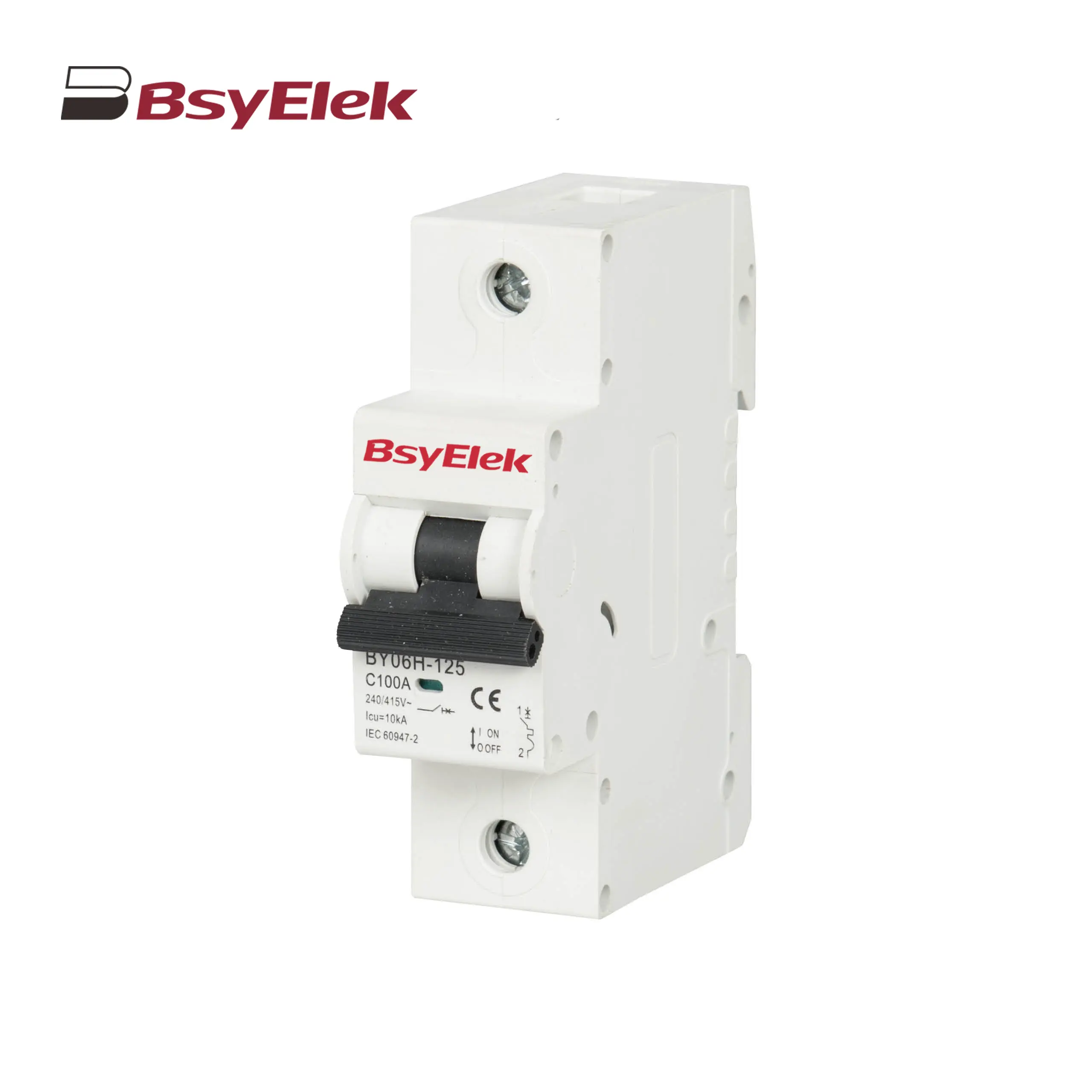 BY06H-125 MCB 10-15KA Miniature Circuit Breaker
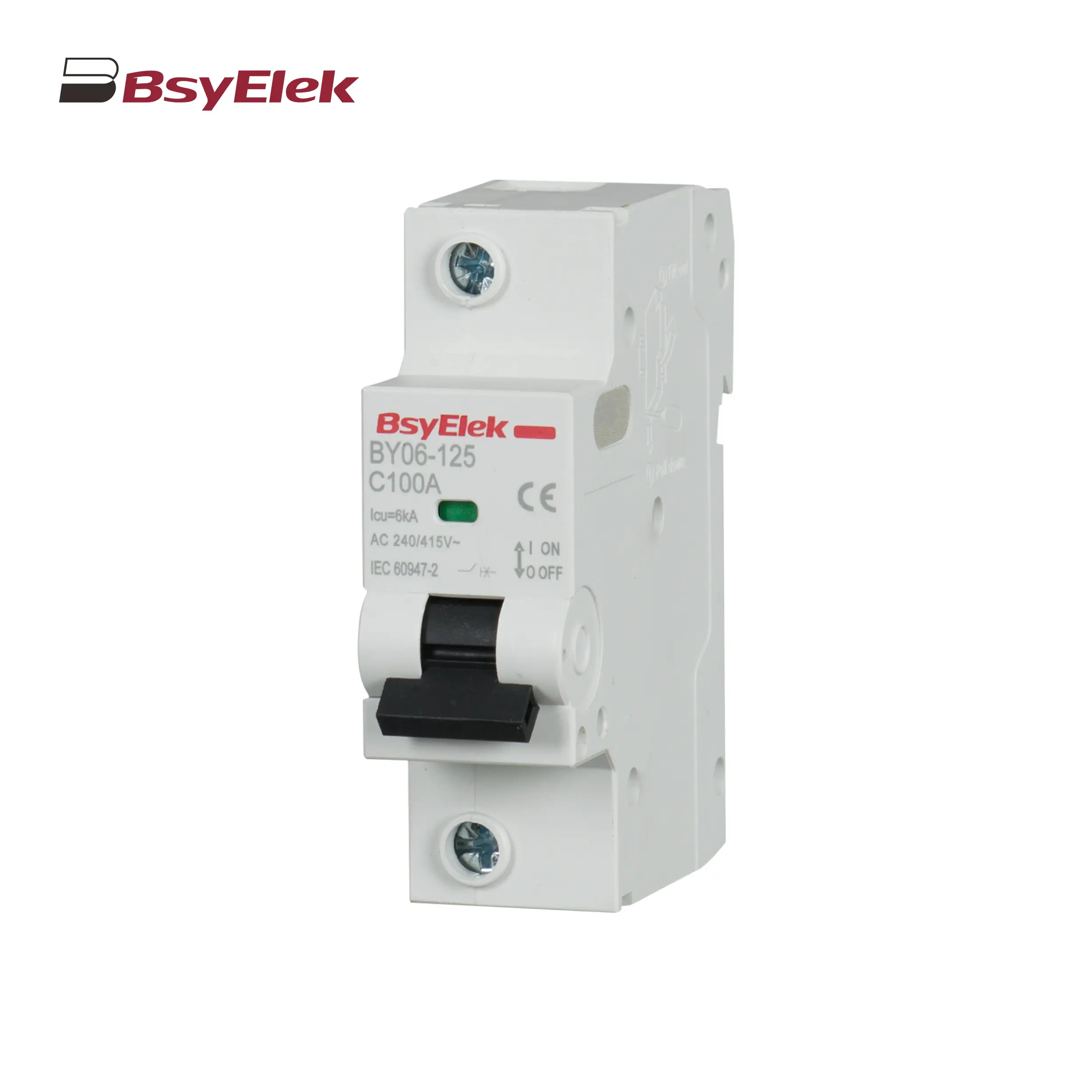 BY06-125 MCB 6KA Miniature Circuit Breaker
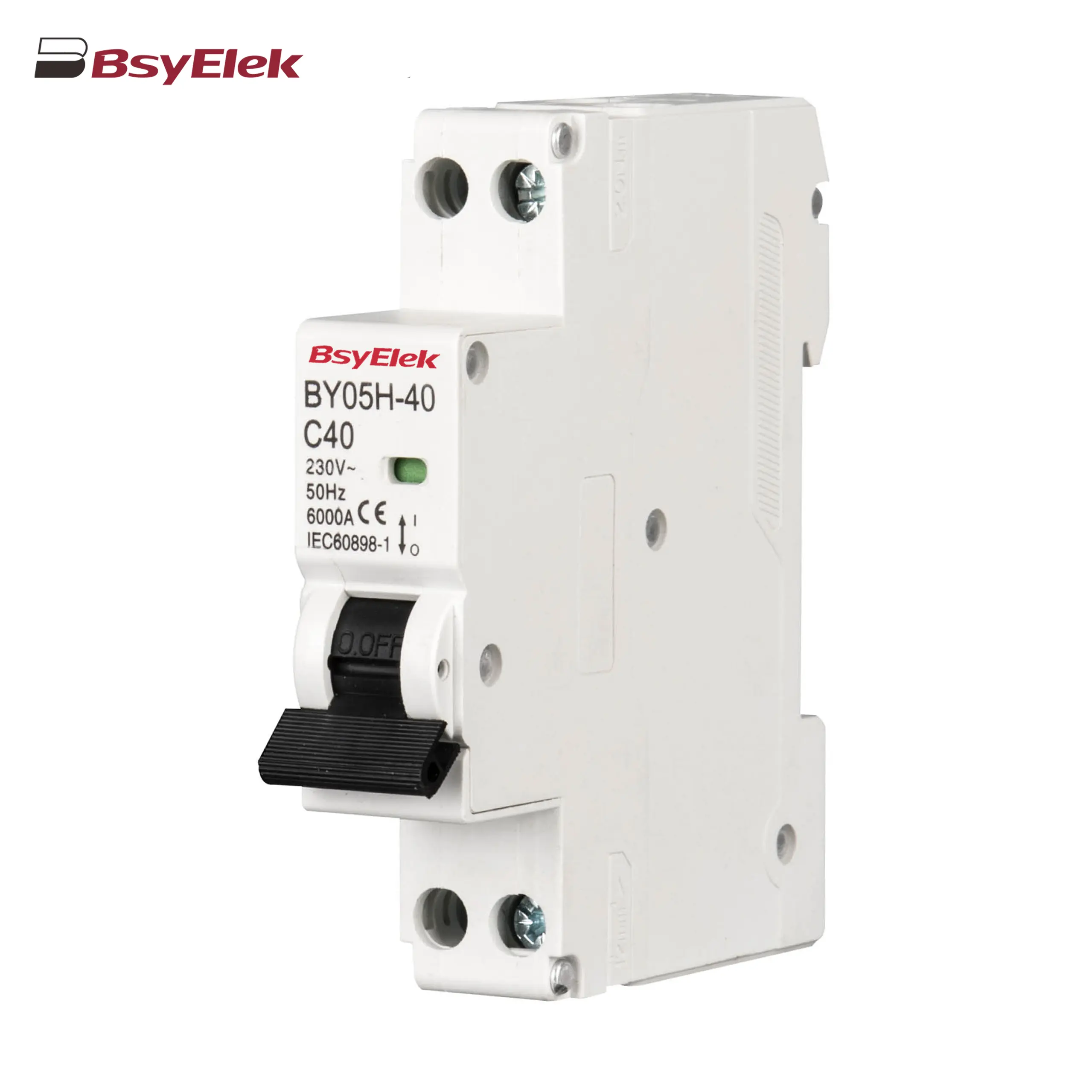 BY05H-40 MCB Single Modular 6KA Miniature Circuit Breaker
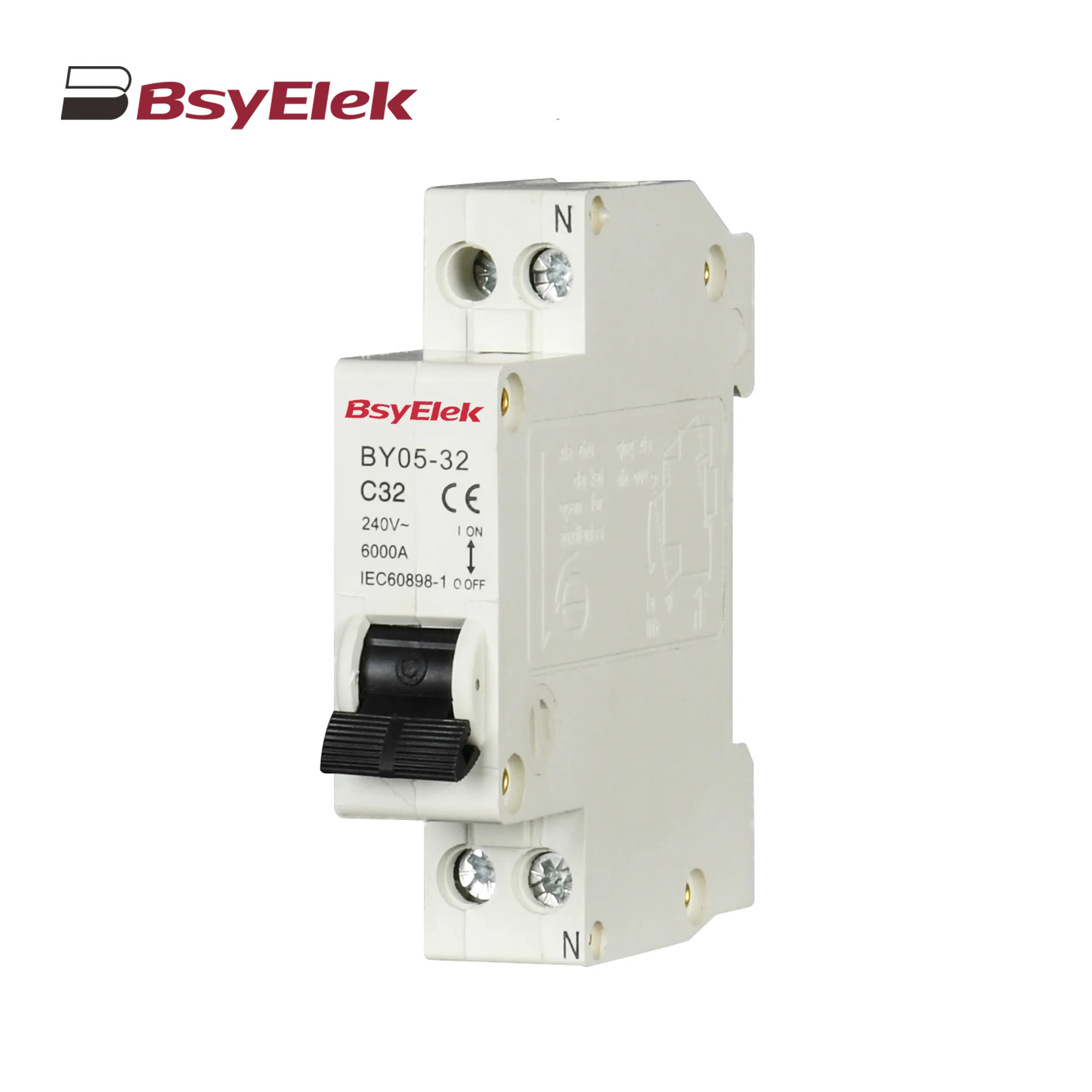 BY05-32 MCB Single Modular 3KA Miniature Circuit Breaker
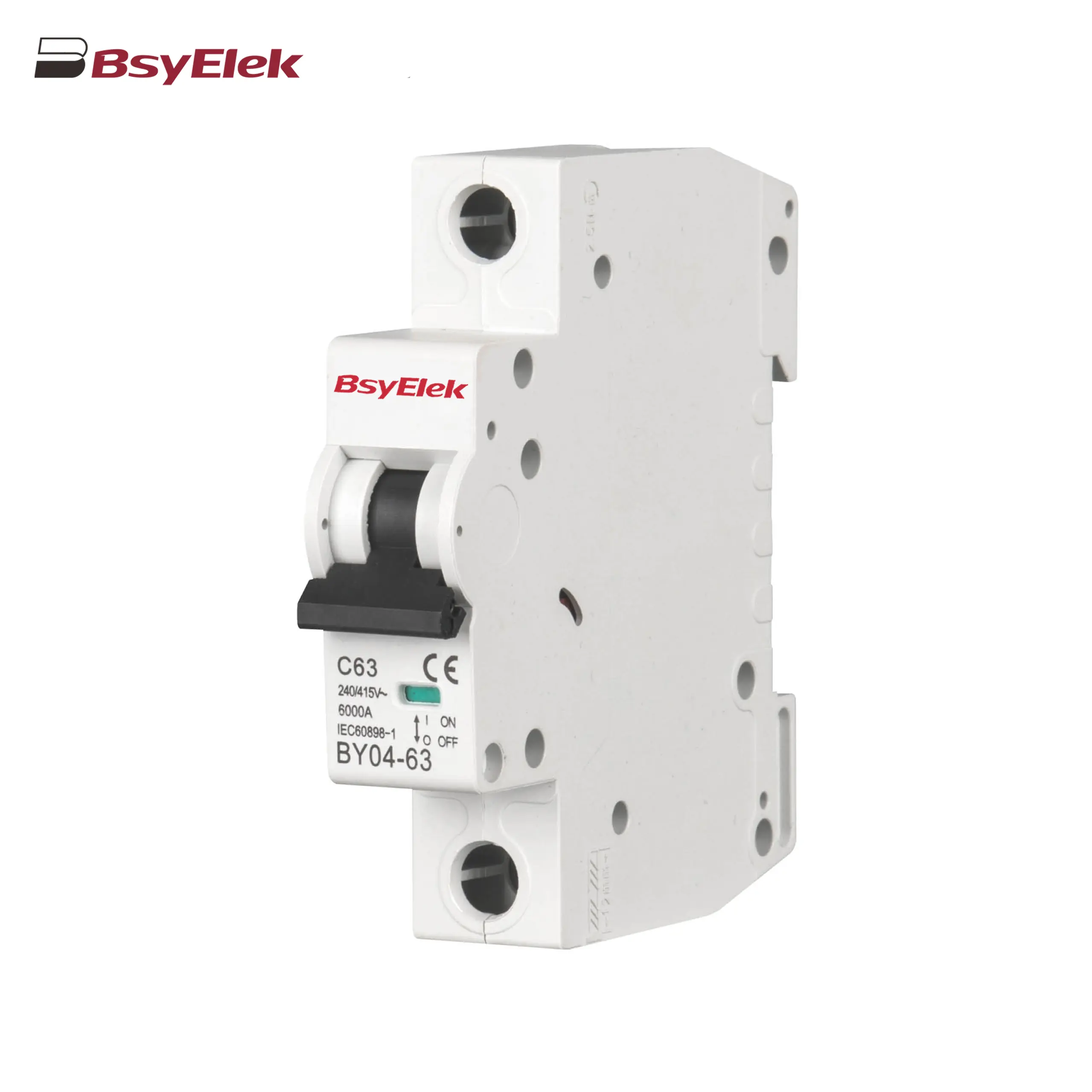 BY04-63 MCB 6-10KA Miniature Circuit Breaker
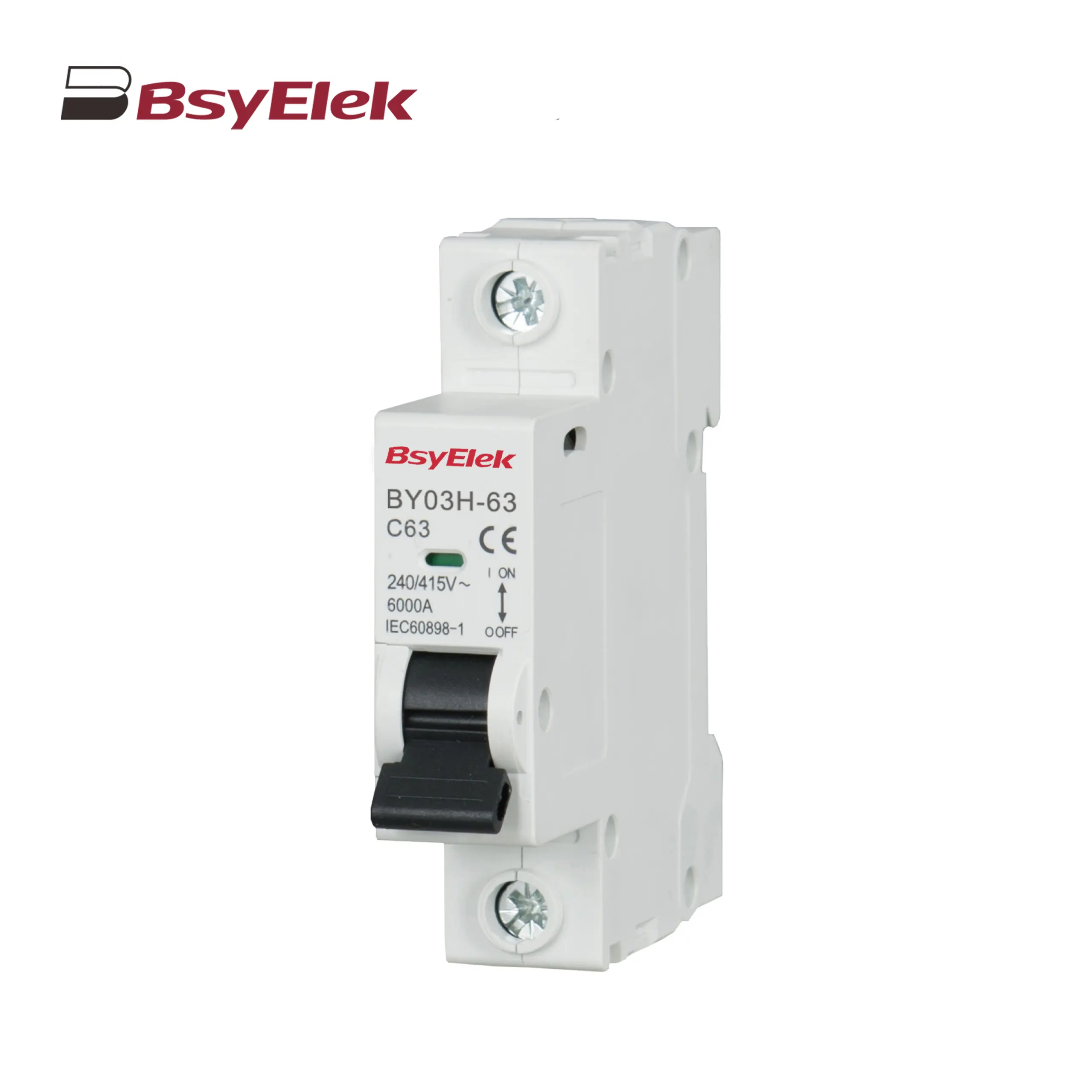 BY03H-63 MCB 6KA Miniature Circuit Breaker
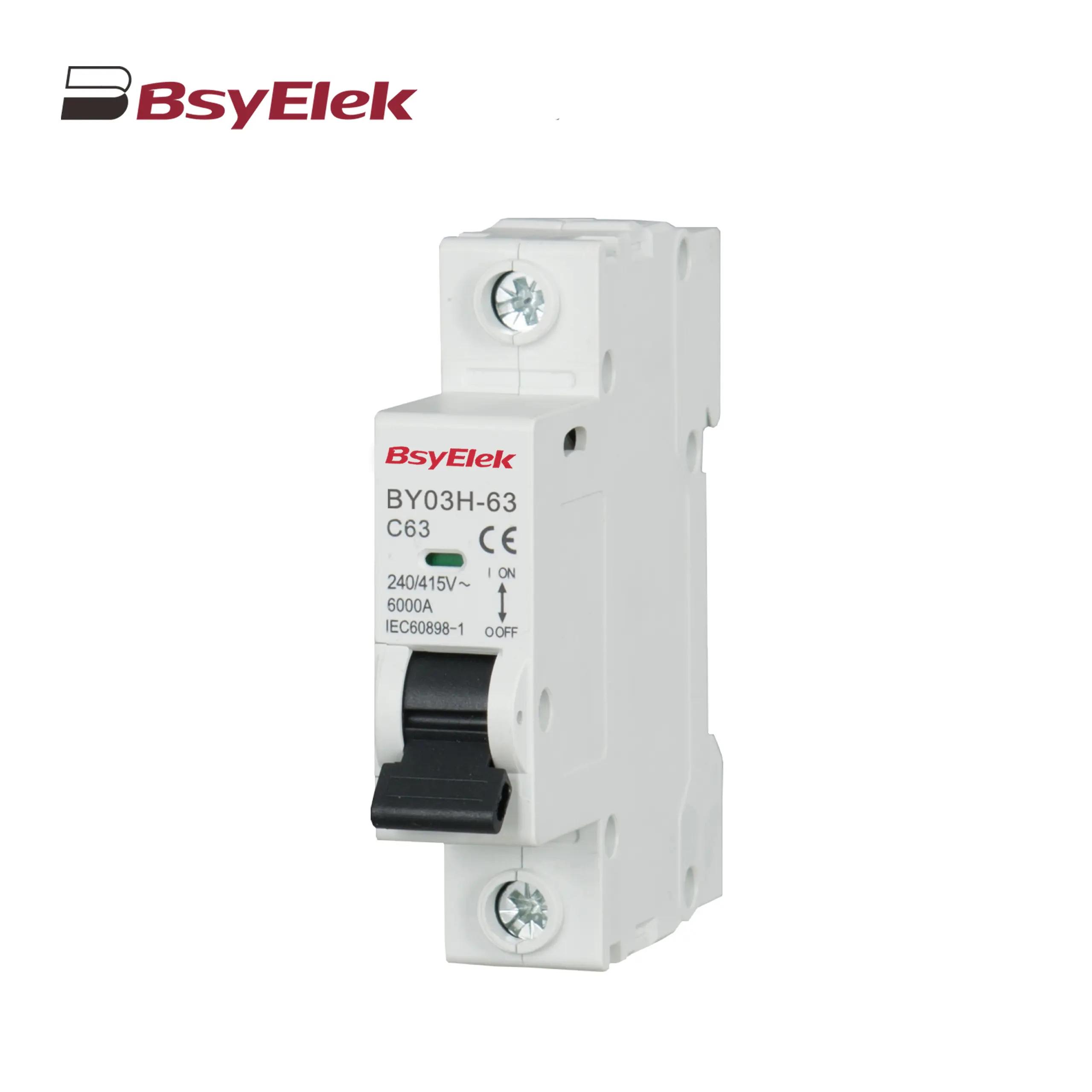 BY03-63 MCB 4.5KA Miniature Circuit Breaker
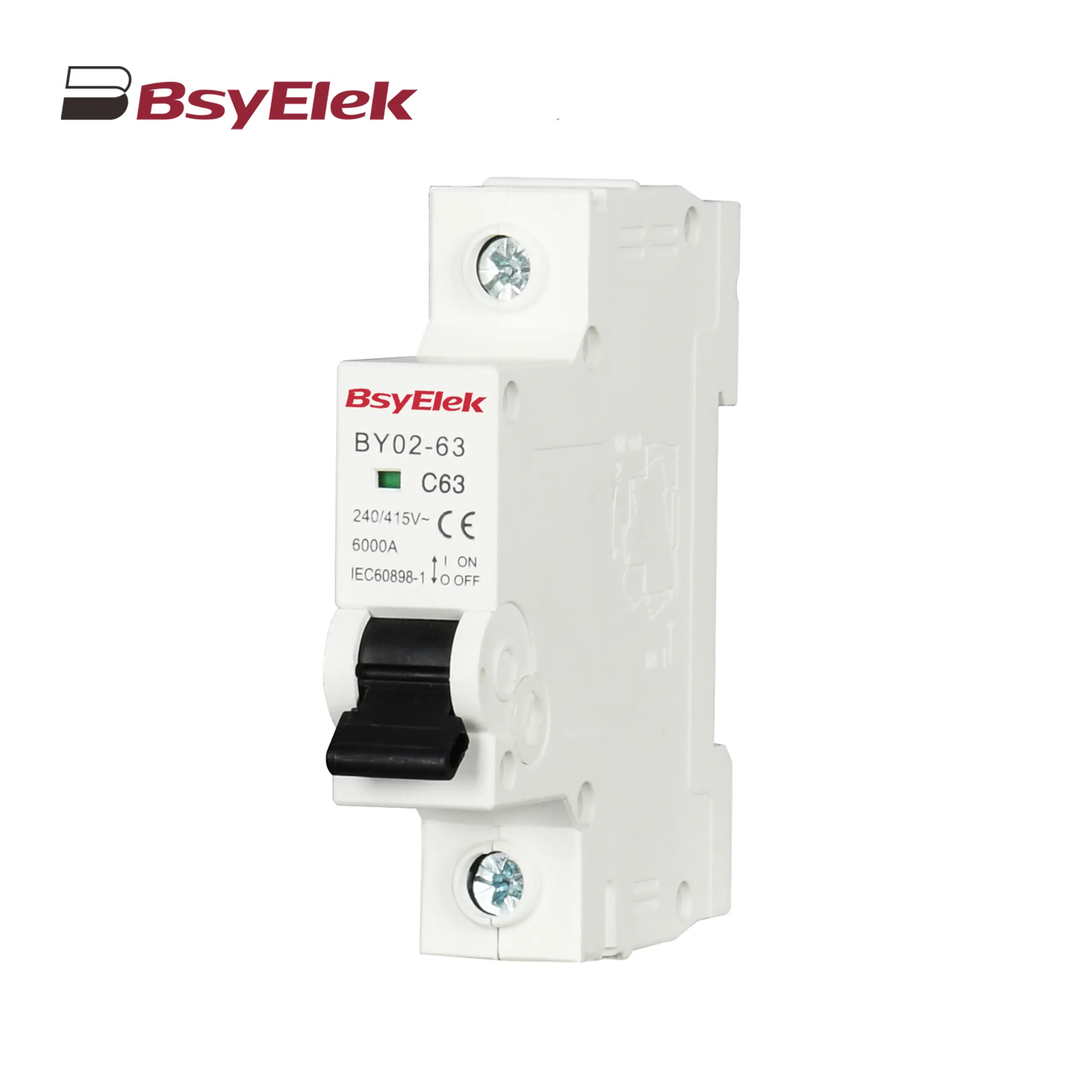 BY02-63 MCB 3kA Miniature Circuit Breaker
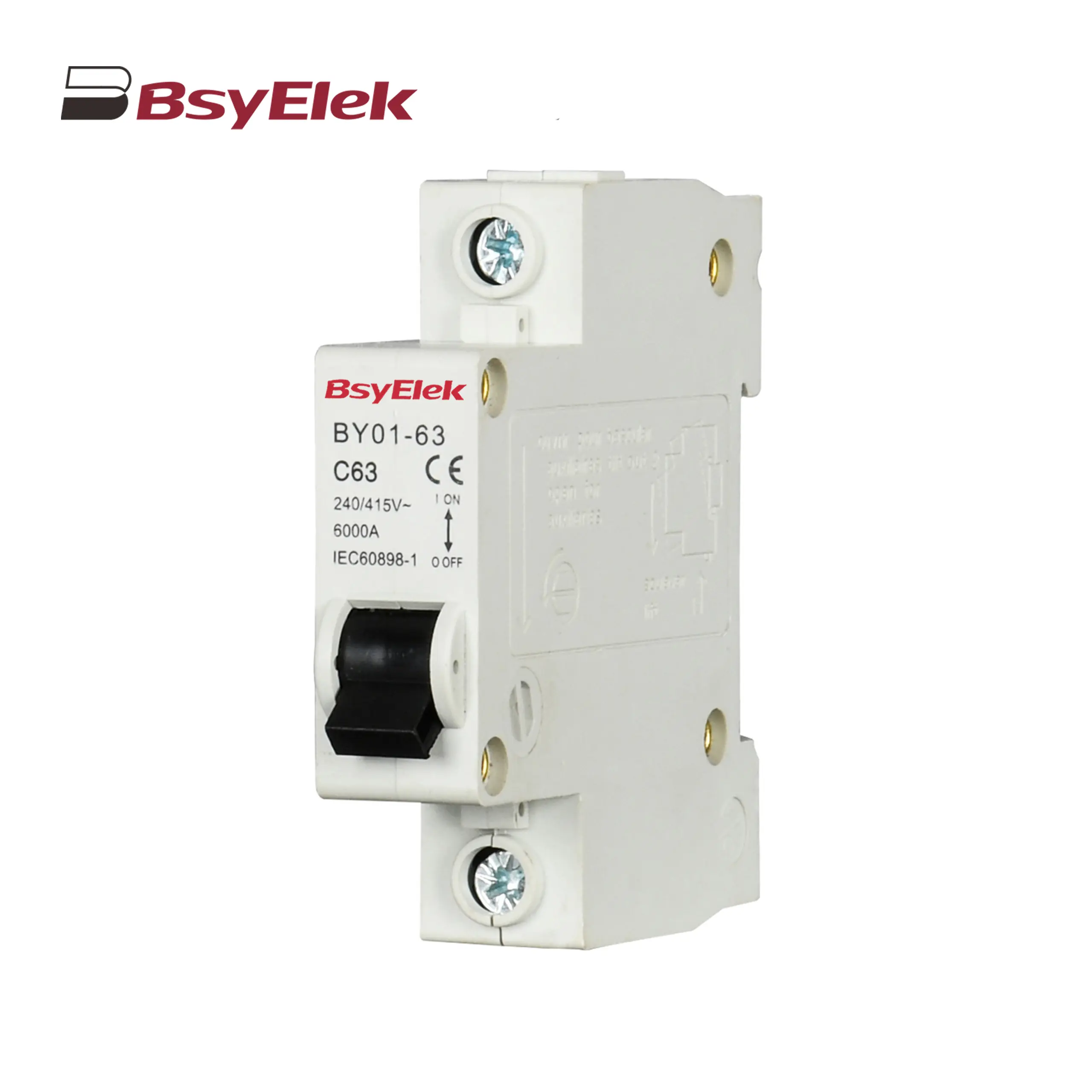 BY01-63 MCB 3kA Miniature Circuit Breaker
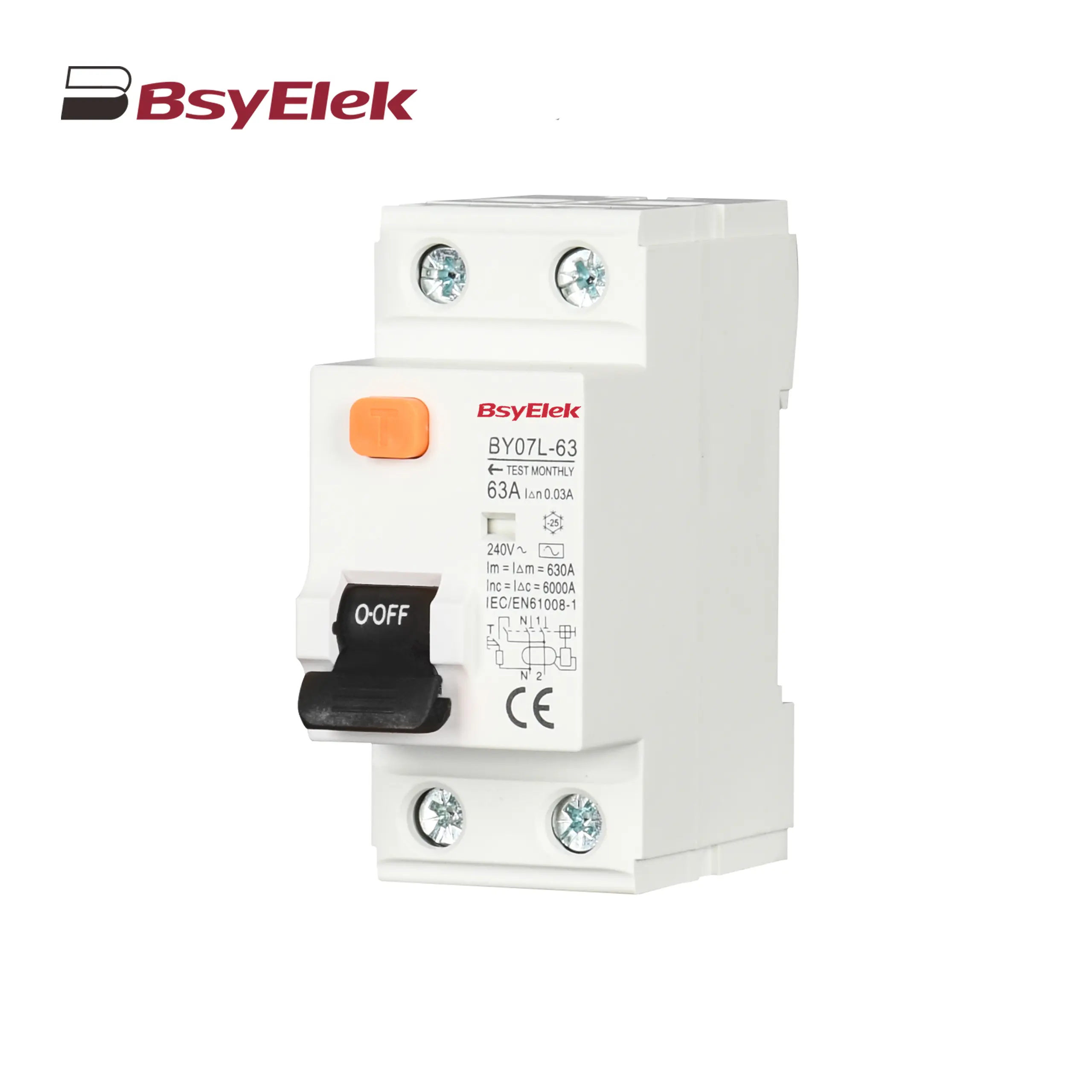 BY07L-63 RCCB 6KA Residual Current Circuit Breaker
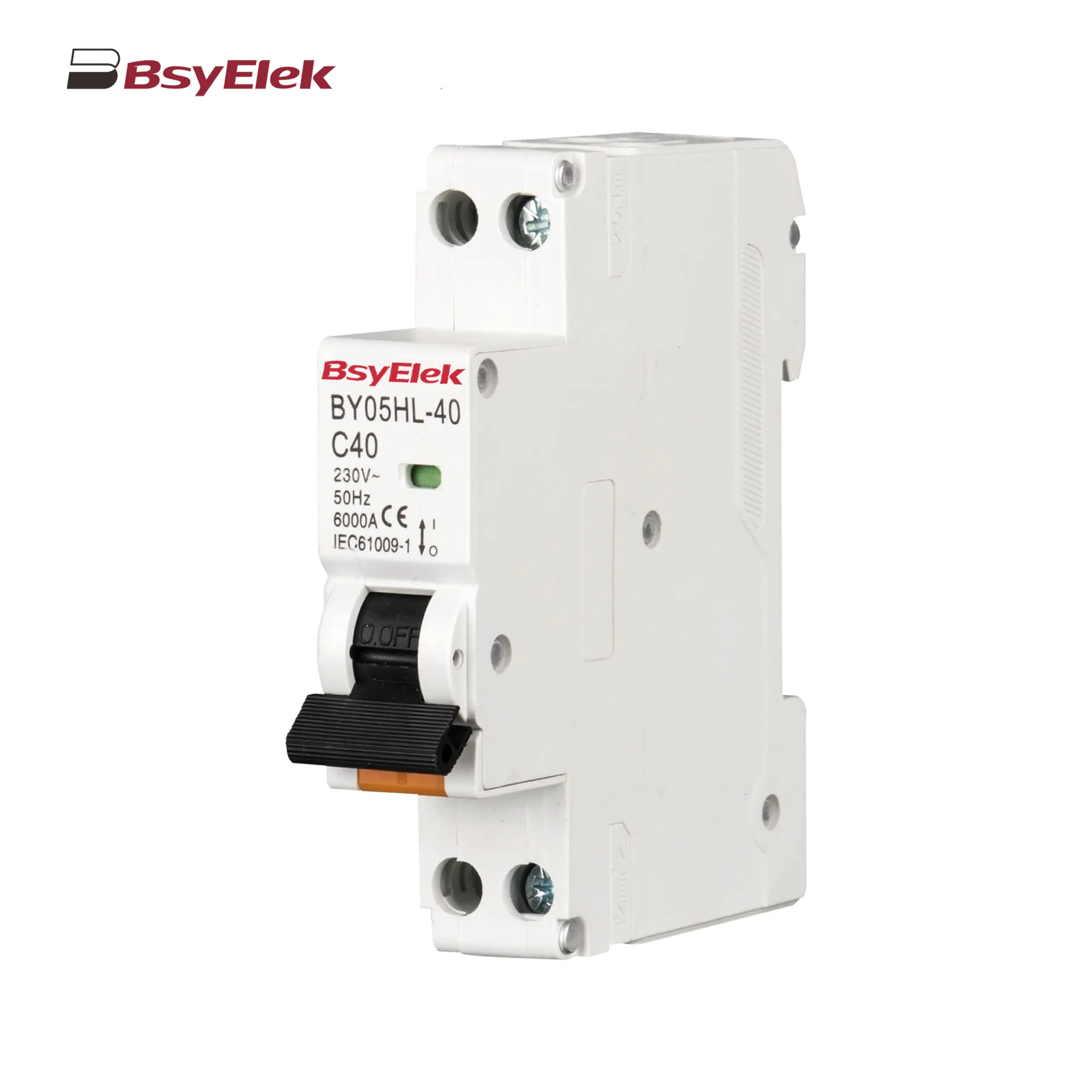 BY05HL-40 RCBO 6KA Residual Current Circuit Breaker with Over-current Protection
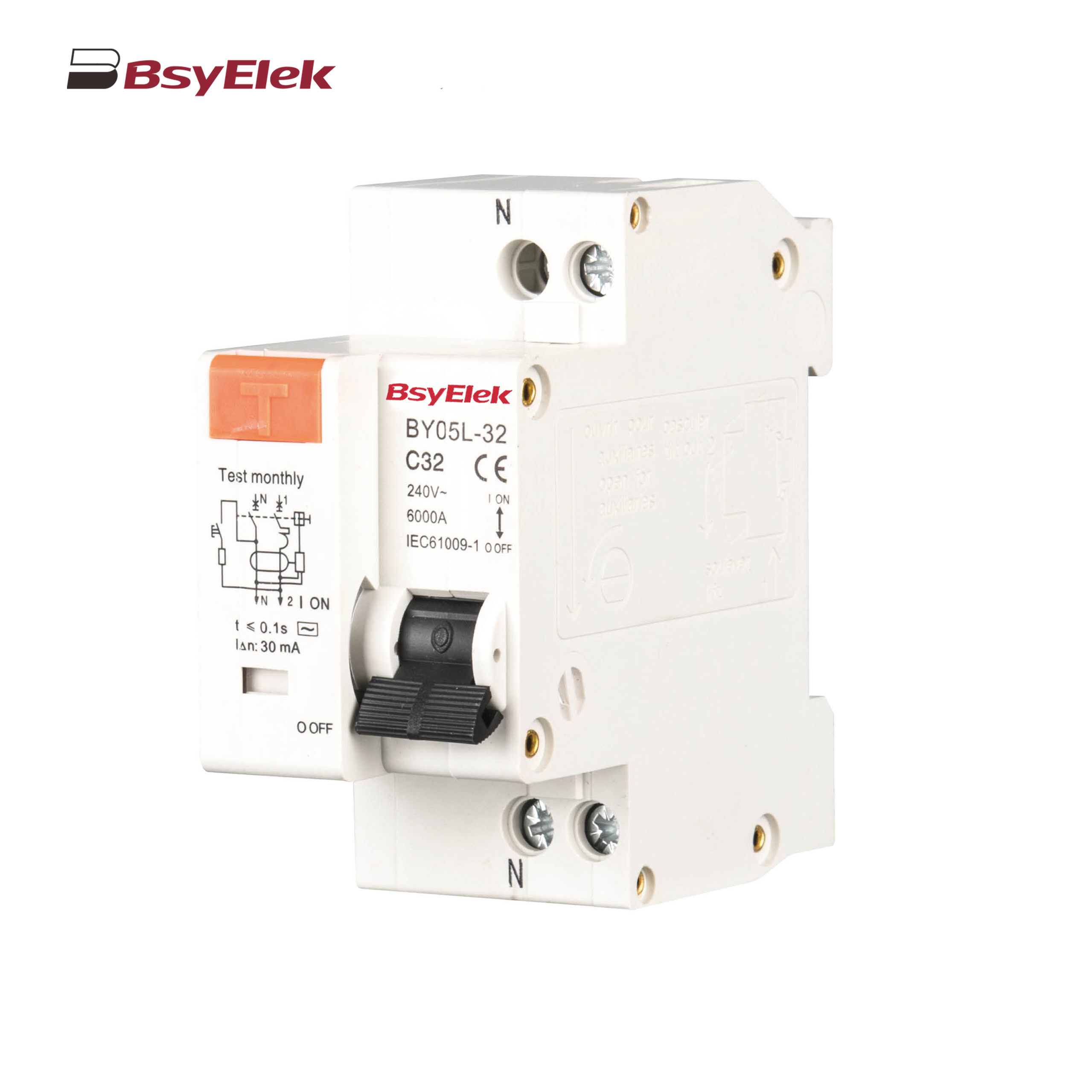 BY05L-32 RCBO 3KA Residual Current Circuit Breaker with Over-current Protection
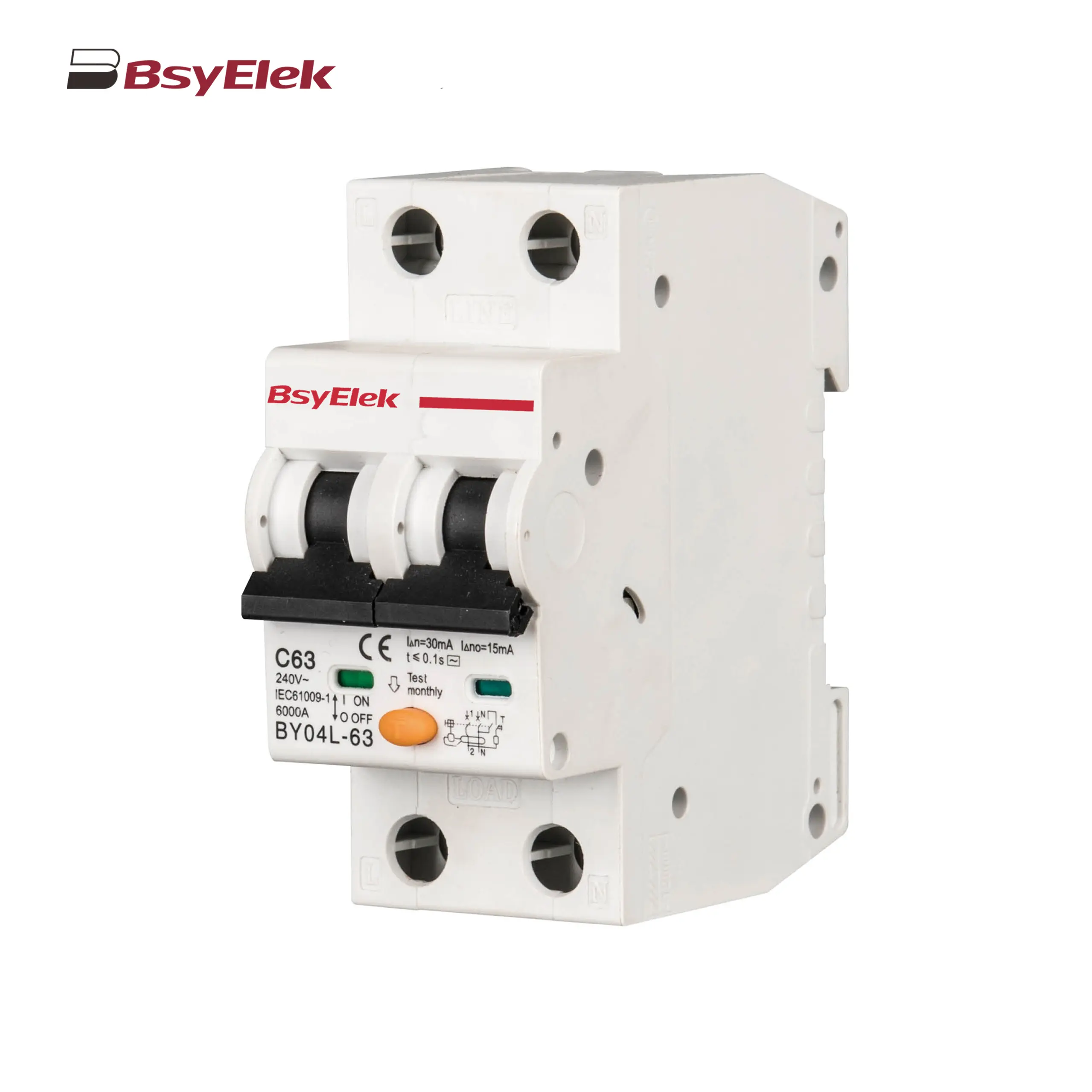 BY04L-63 RCBO 6KA Residual Current Circuit Breaker with Over-current Protection
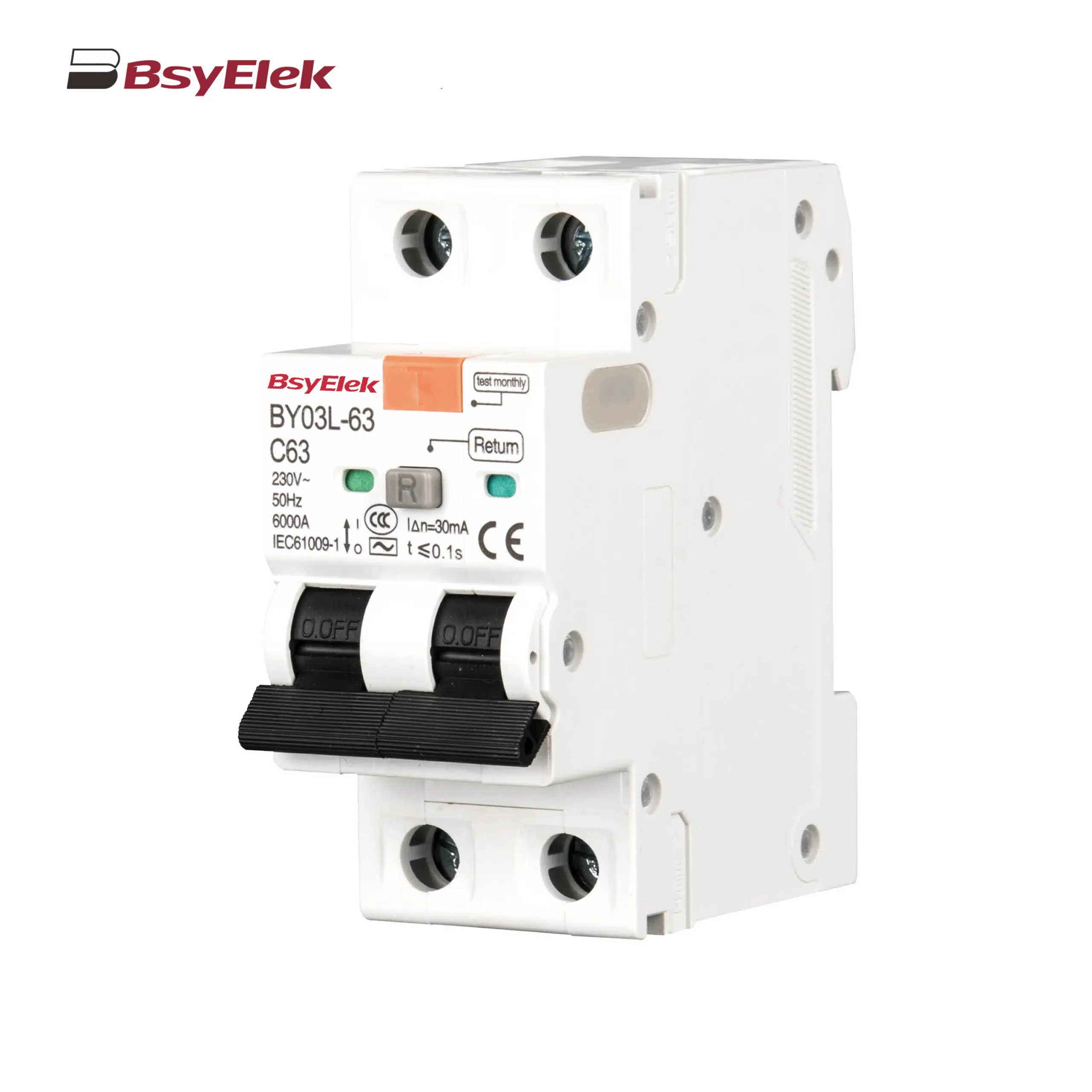 BY03L-63 RCBO 4.5KA Residual Current Circuit Breaker with Over-current Protection
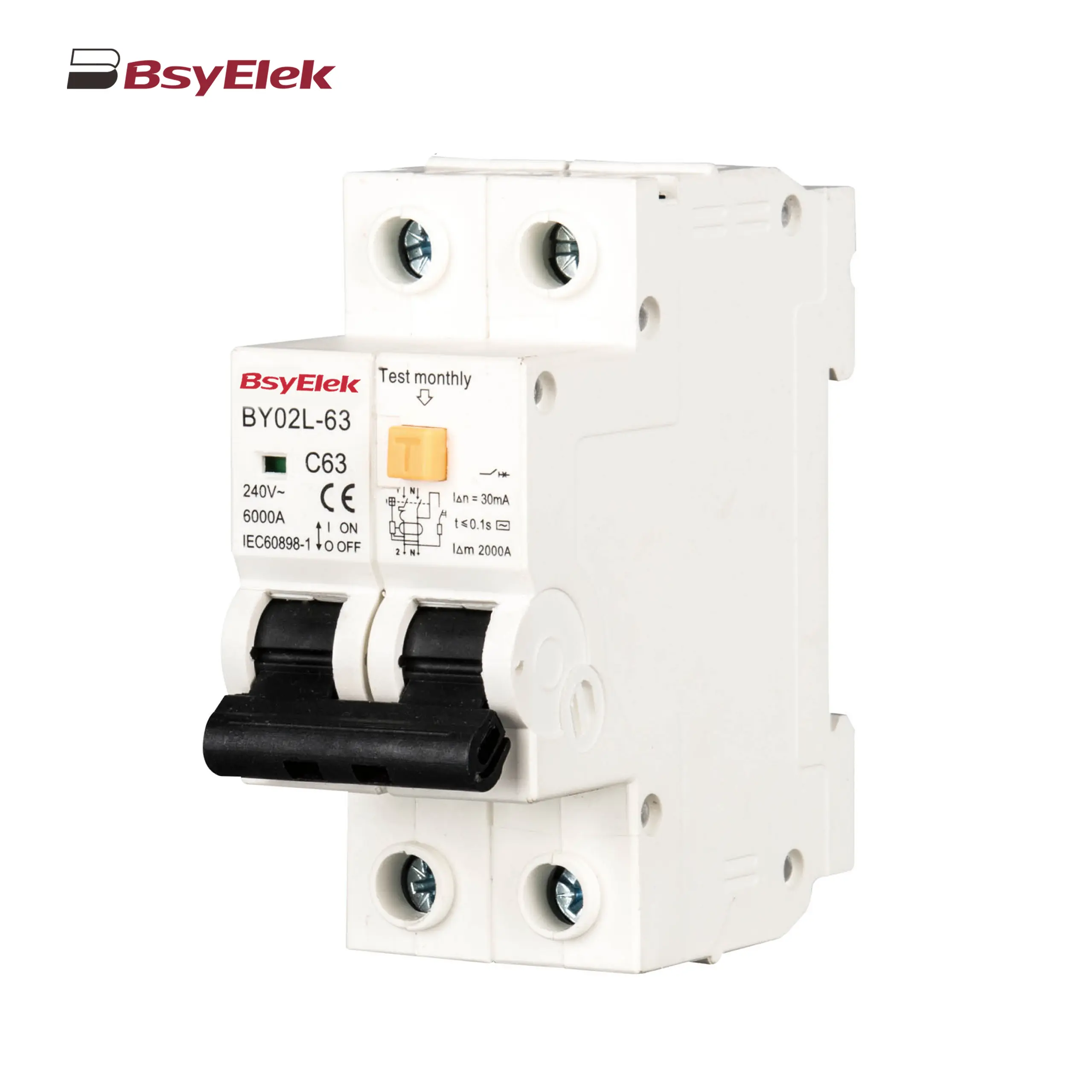 BY02L-63 RCBO 3KA Residual Current Circuit Breaker with Over-current Protection
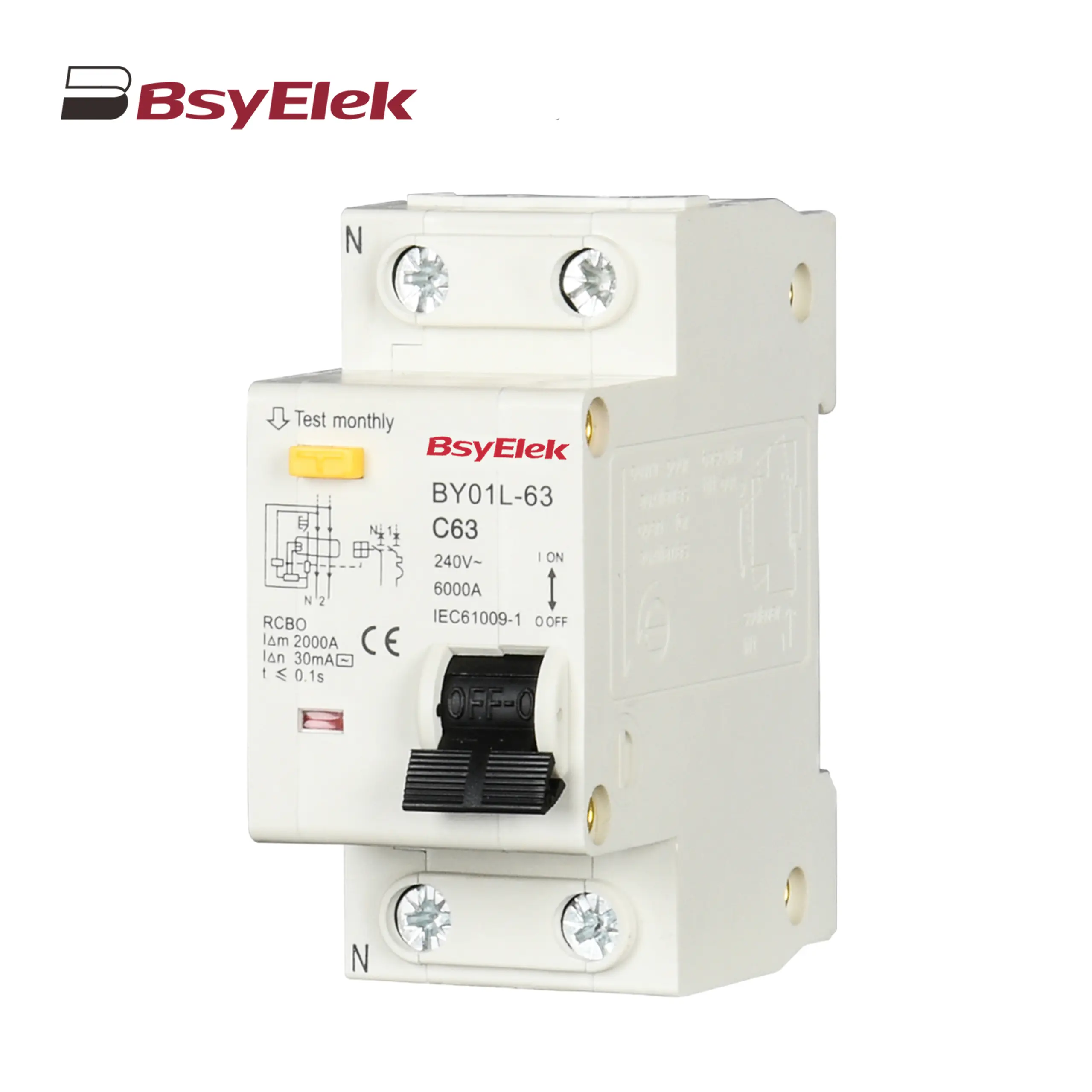 BY01L-63 RCBO 1P+N 3KA Residual Current Circuit Breaker with Over-current Protection
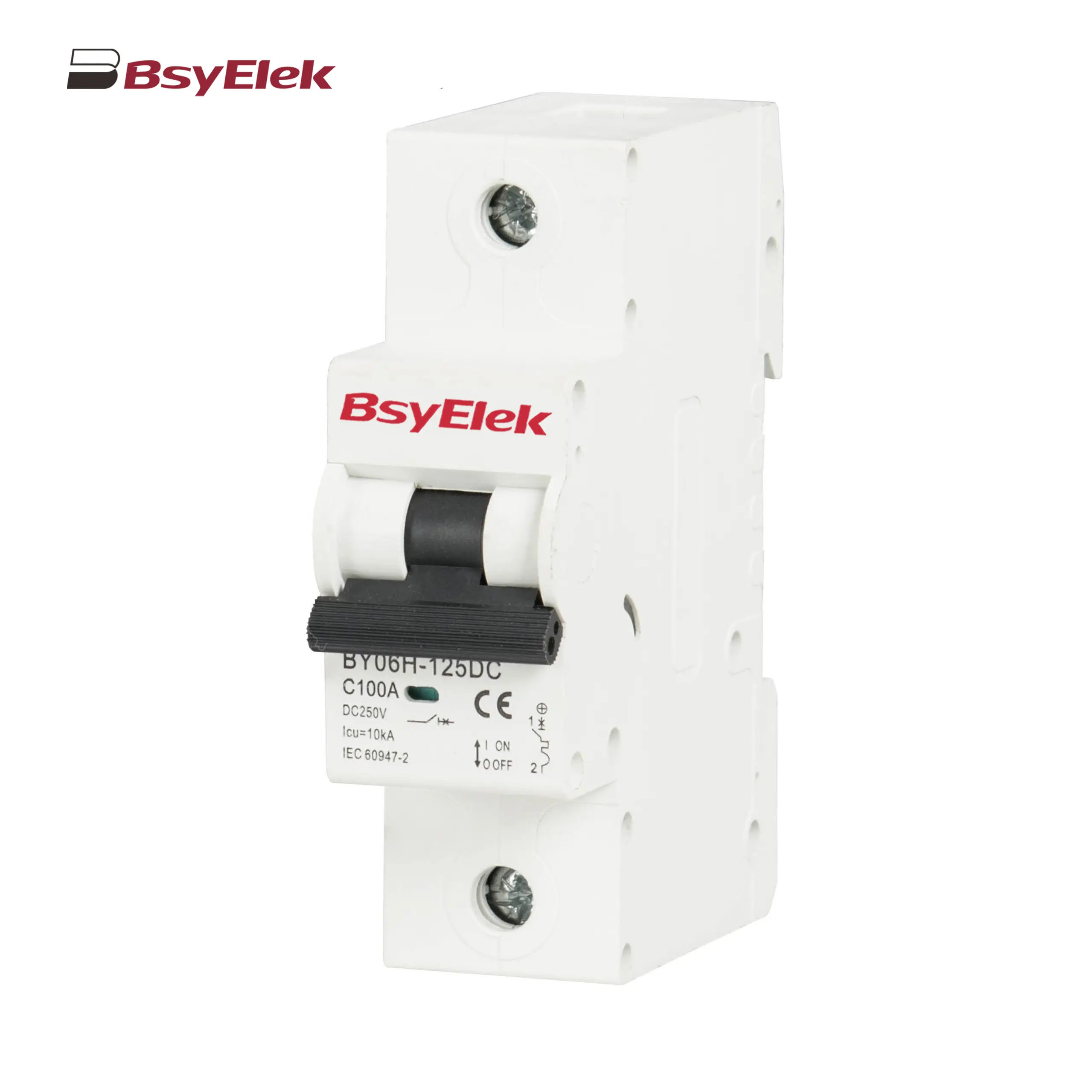 BY06H-125DC MCB 10-15kA DC Miniature Circuit Breaker
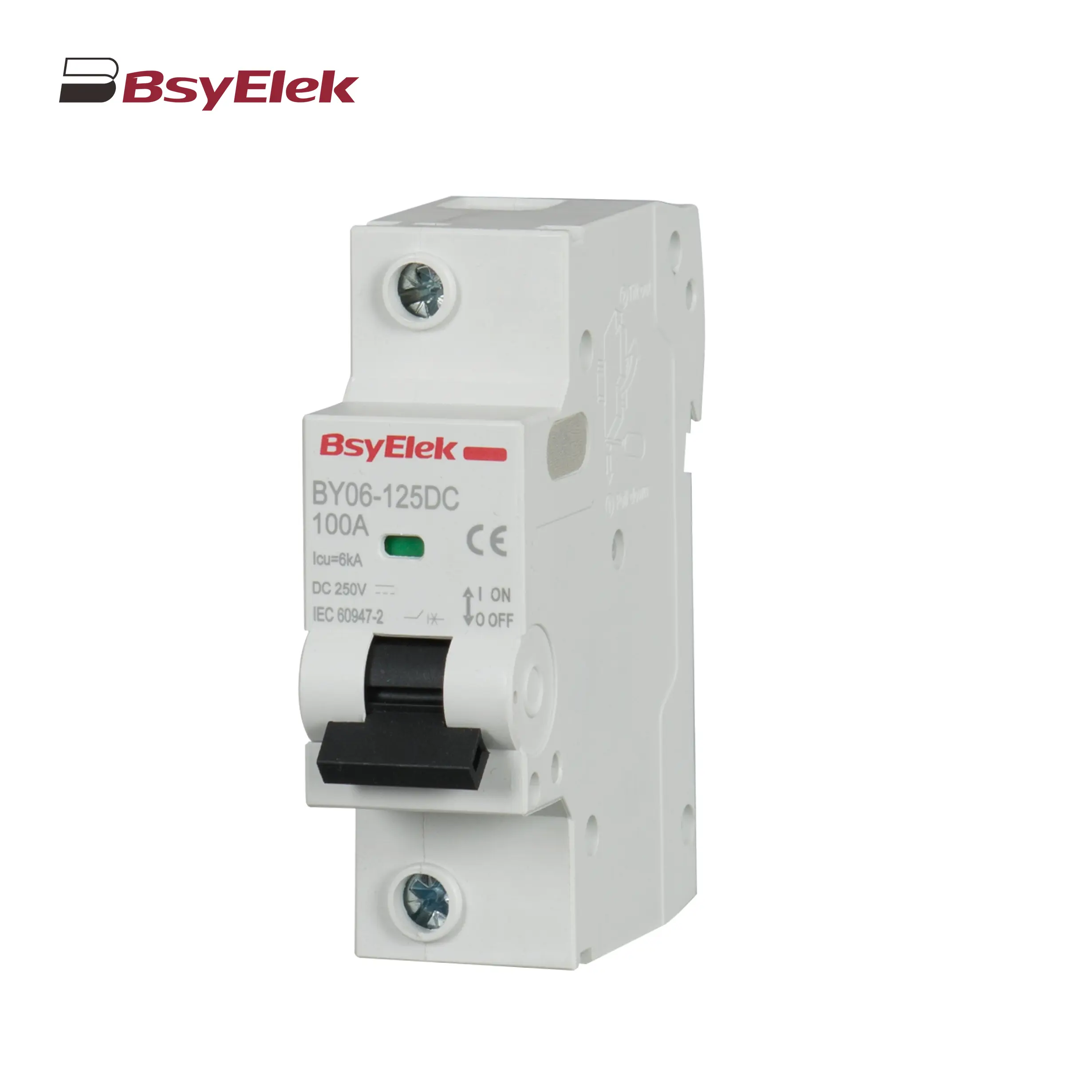 BY06-125DC MCB 6kA DC Miniature Circuit Breaker
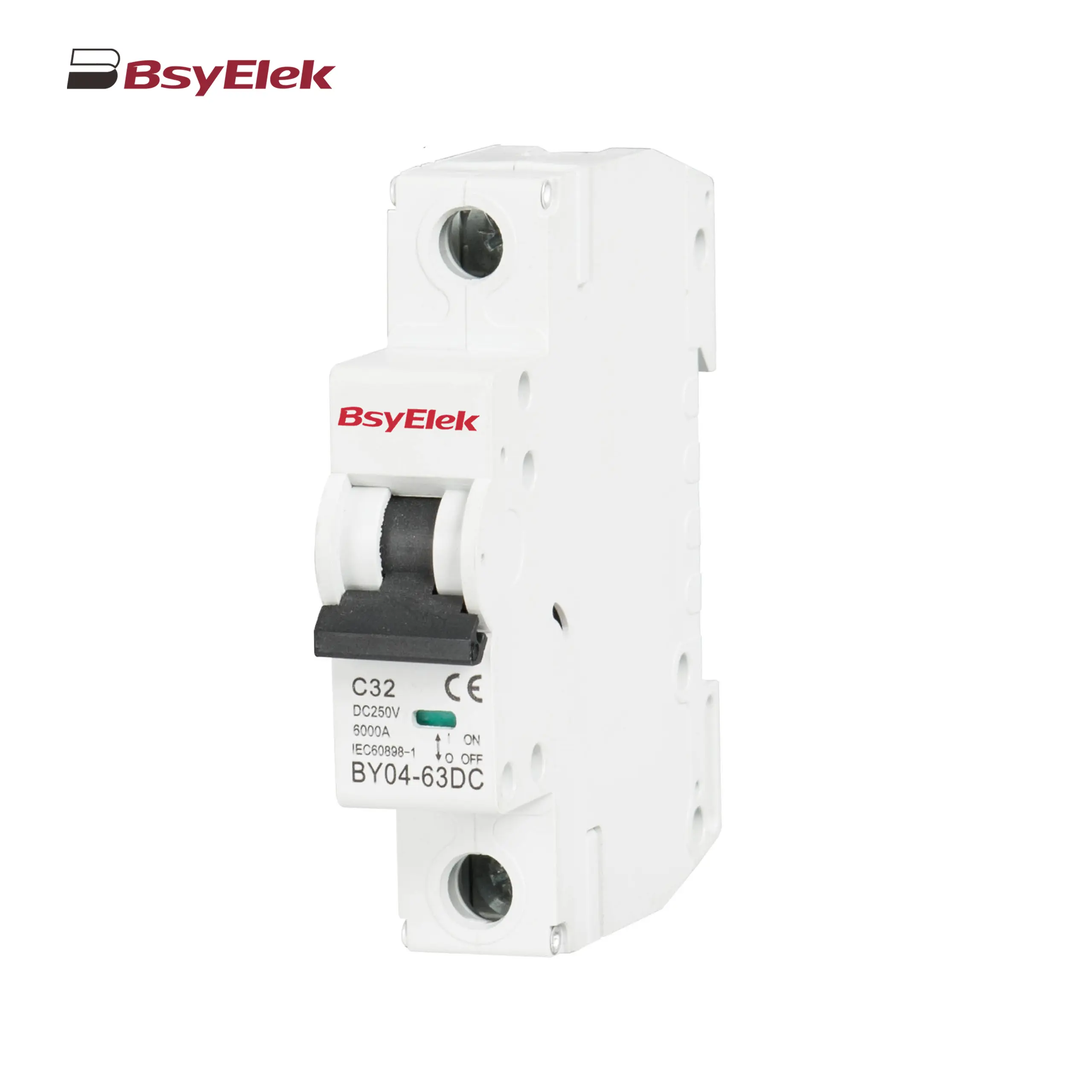 BY04-63DC MCB 6-10kA DC Miniature Circuit Breaker
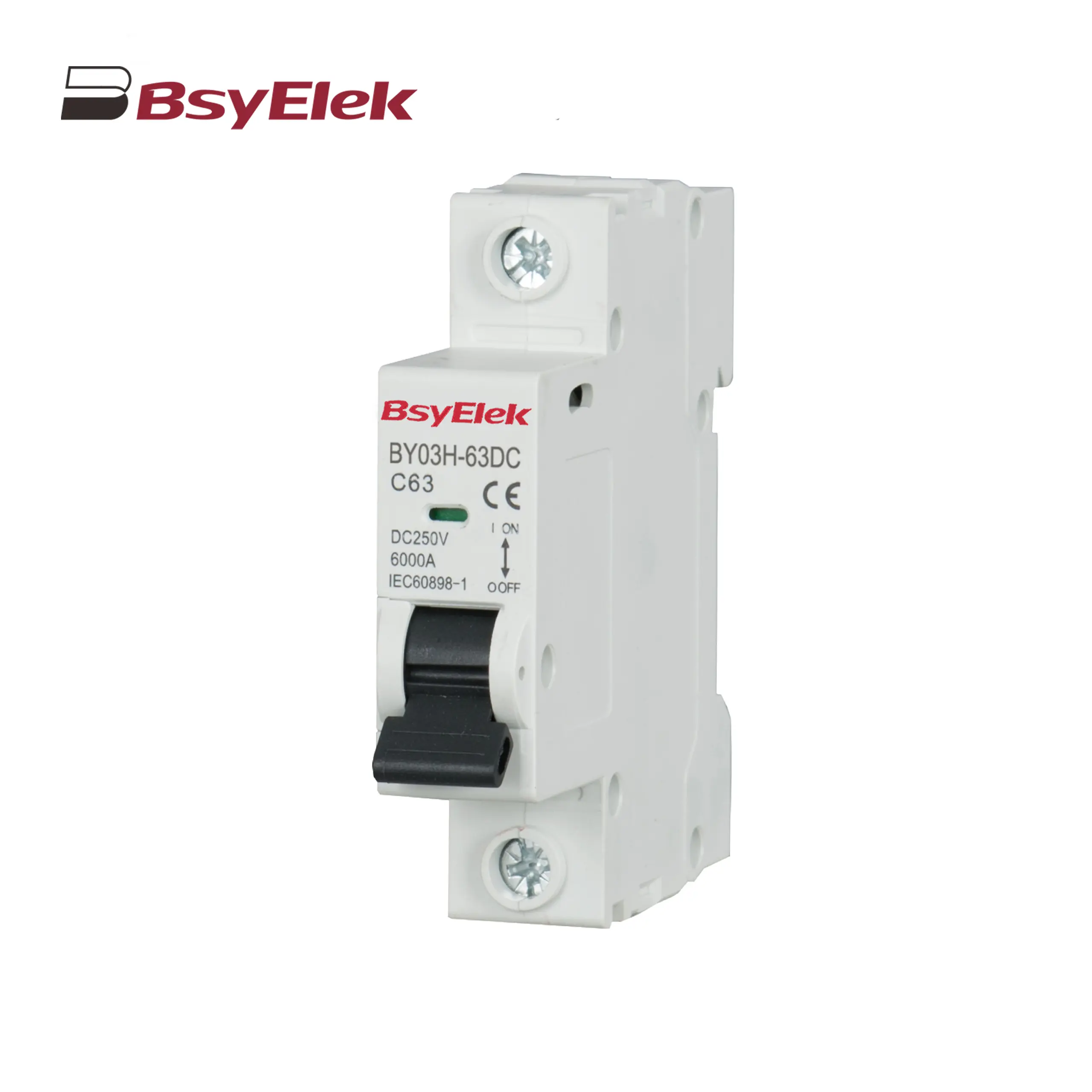 BY03H-63DC MCB 6kA DC Miniature Circuit Breaker
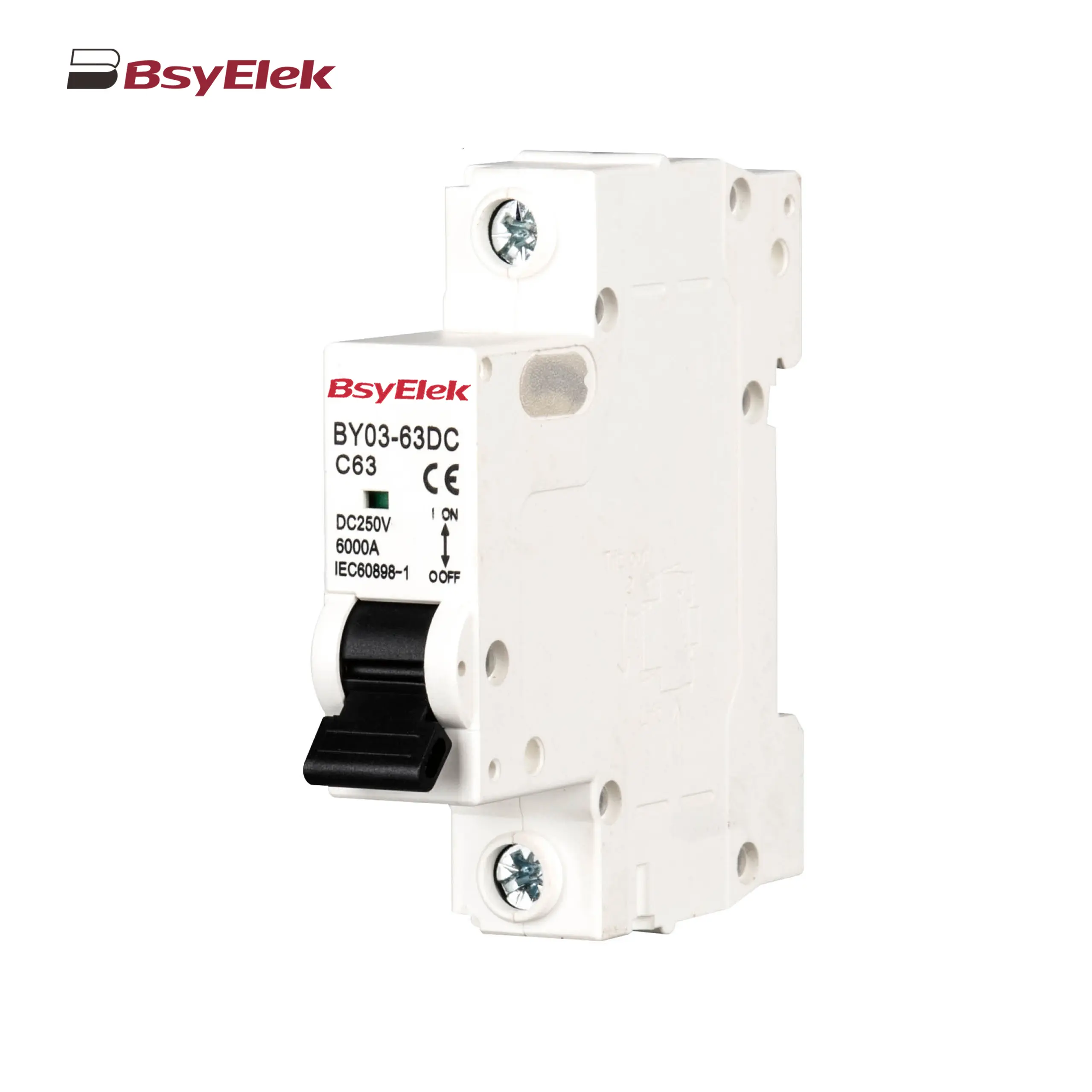 BY03-63DC MCB 4.5kA DC Miniature Circuit Breaker
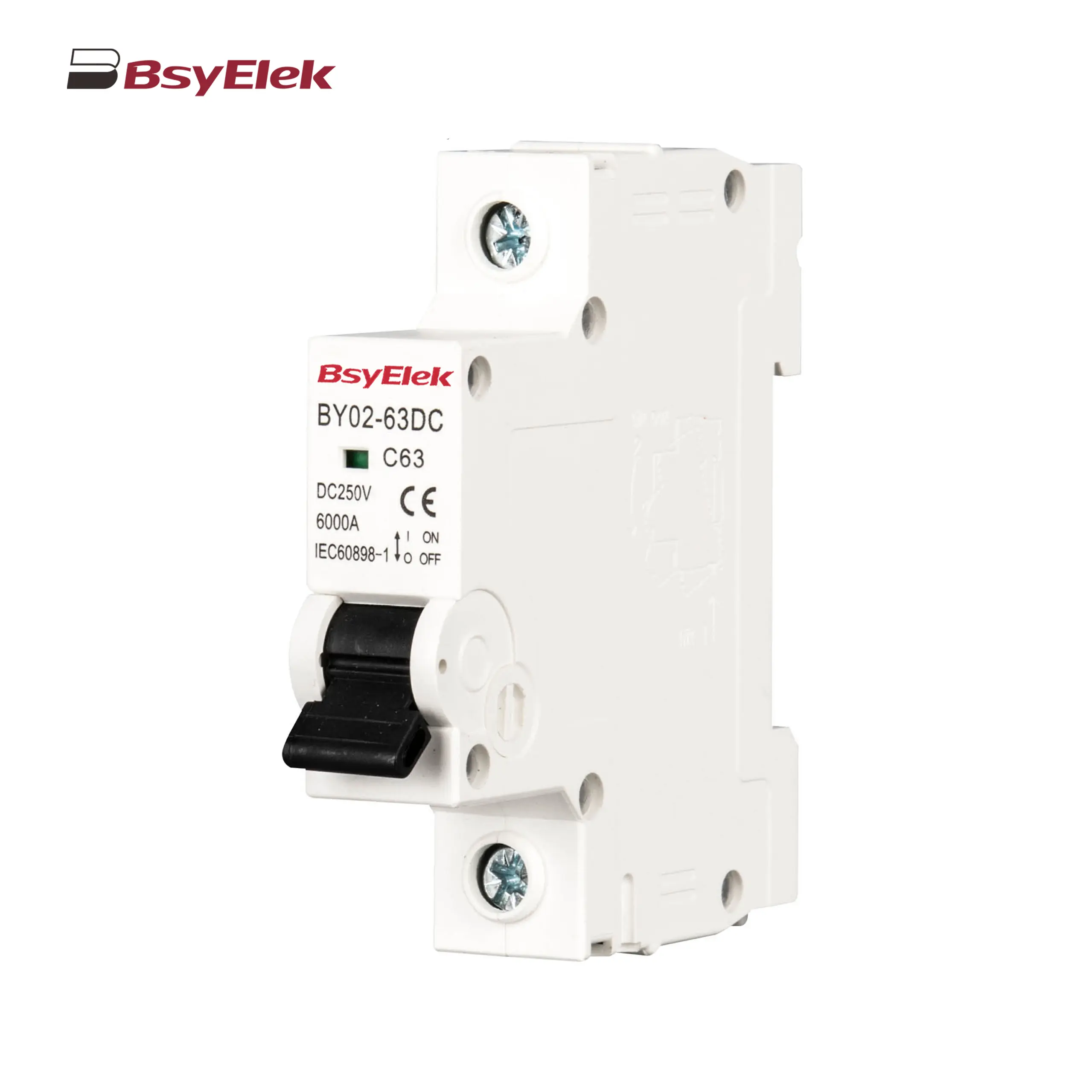 BY02-63DC MCB 3kA DC Miniature Circuit Breaker
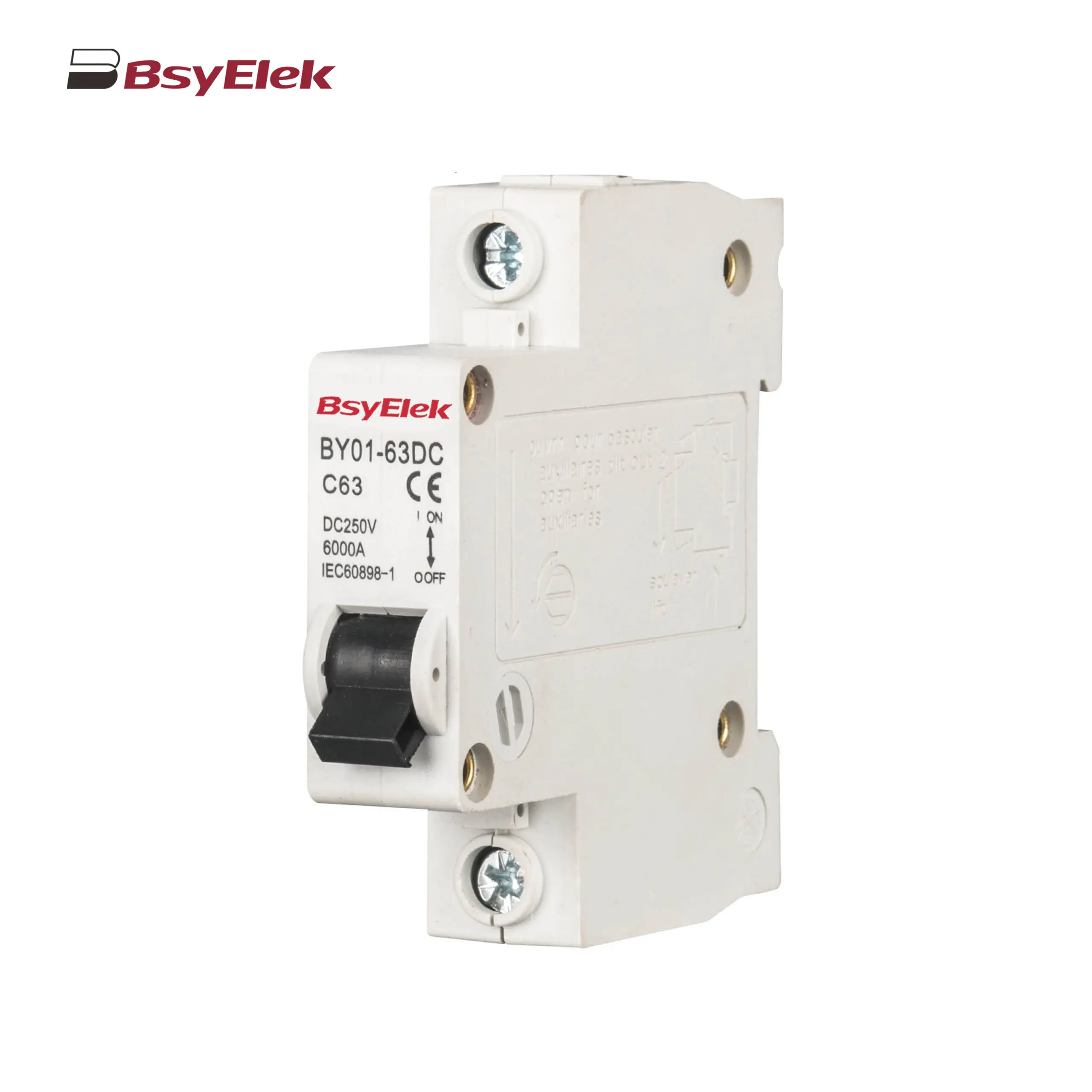 BY01-63DC MCB 3kA DC Miniature Circuit Breaker
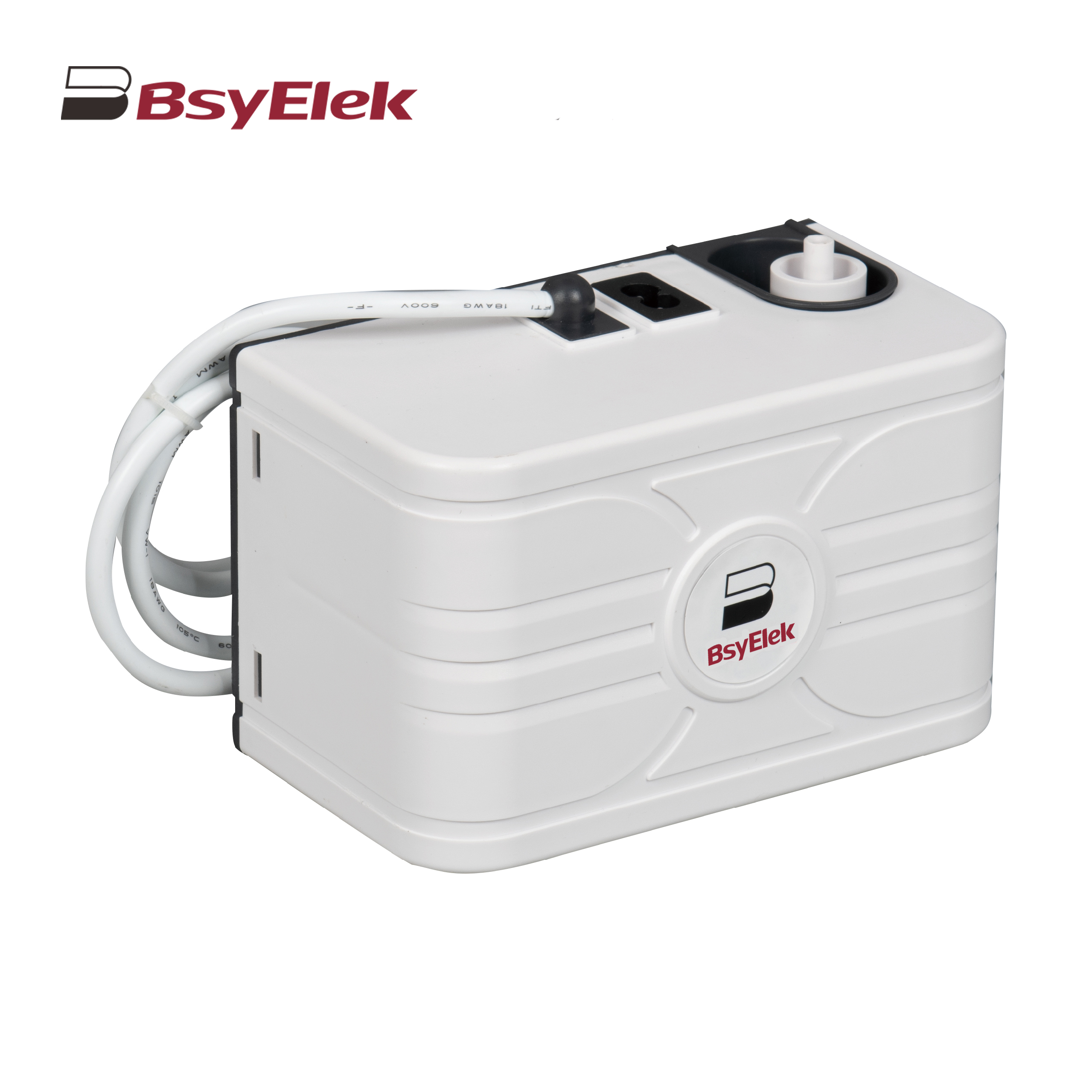 BY-5018 1.8M Engineering Drainage Pump
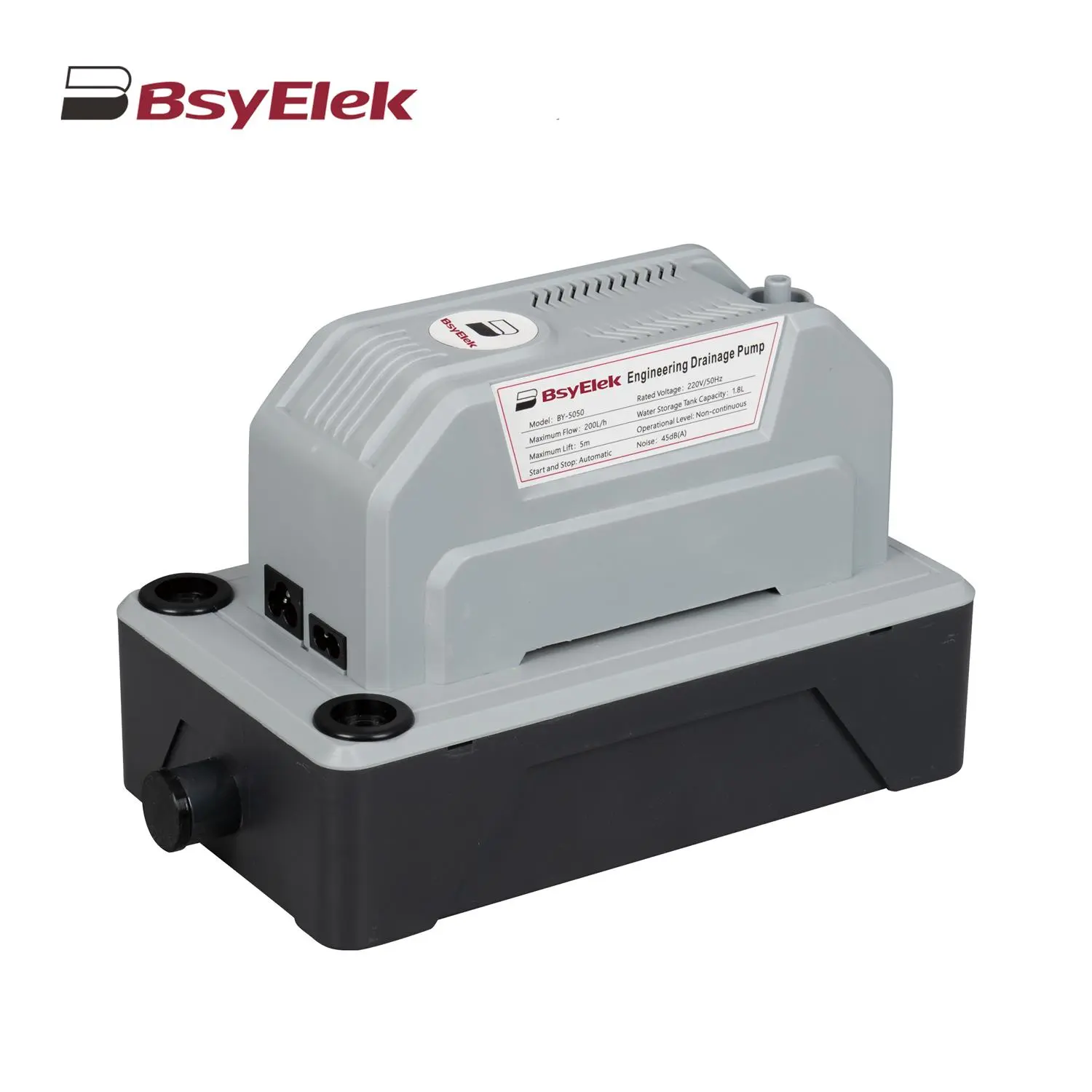 BY-5050 5M Engineering Drainage Pump
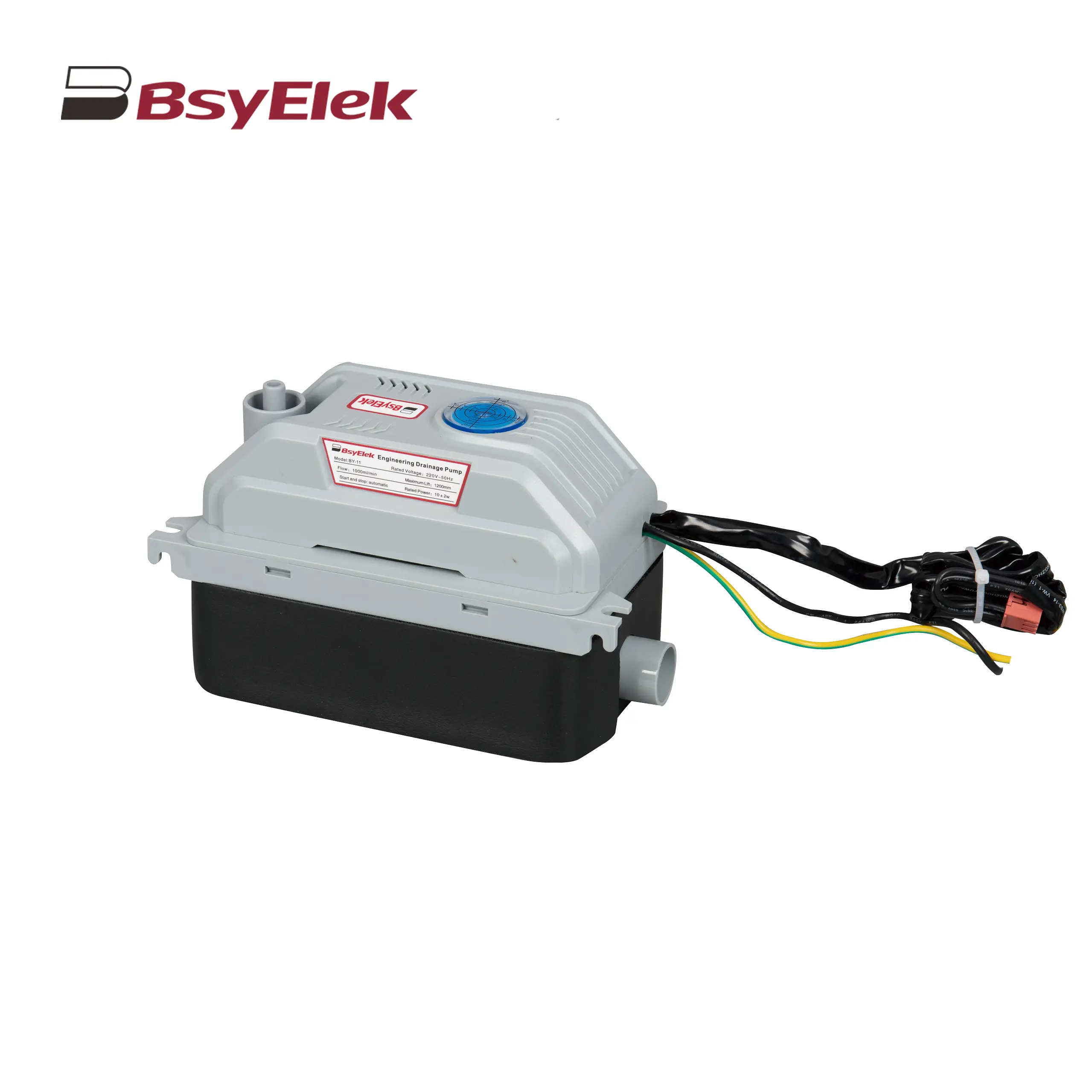 BY-11 1.2M Engineering Drainage Pump
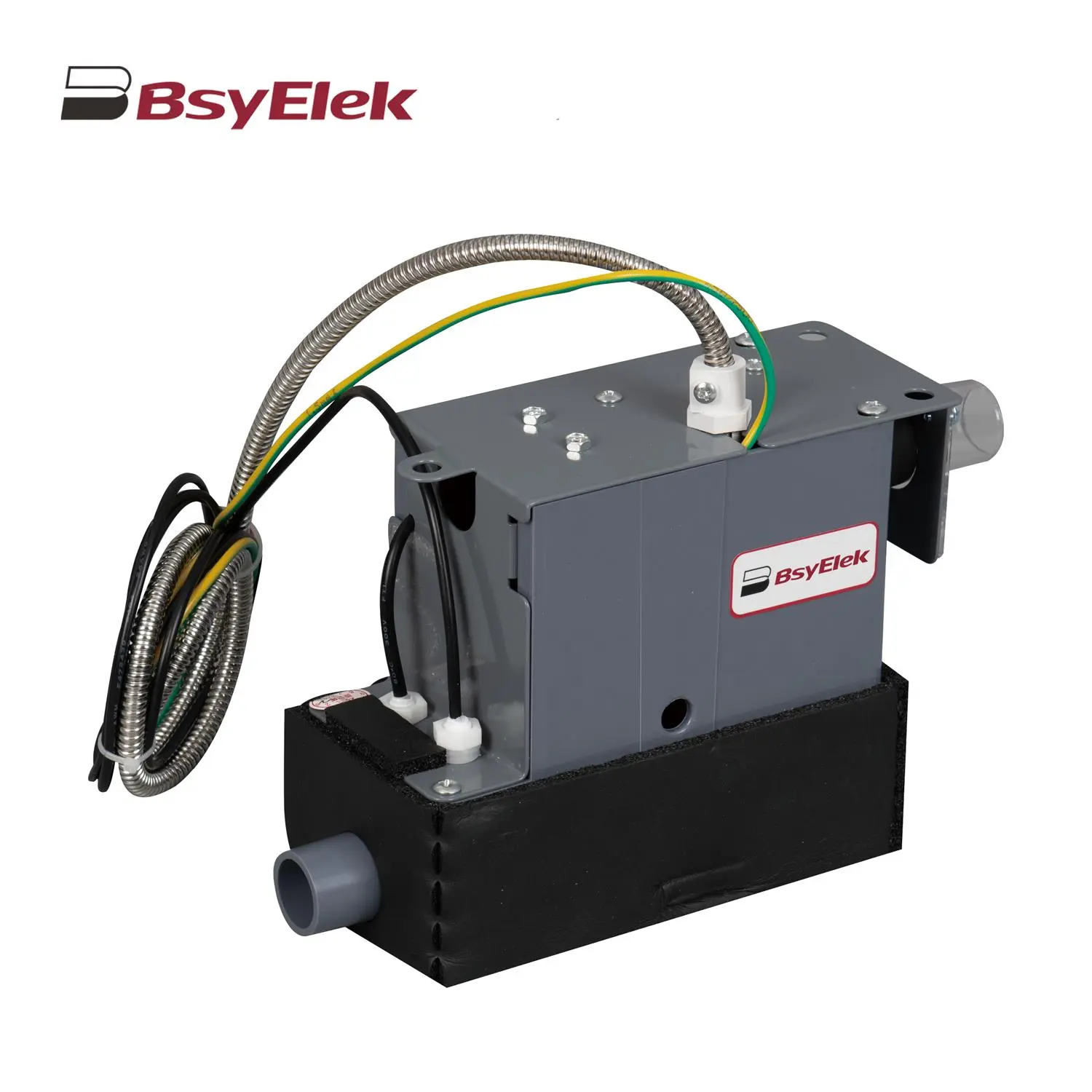 SBH-05 0.7M Original Drainage Pump of Duct Type Air Conditioner
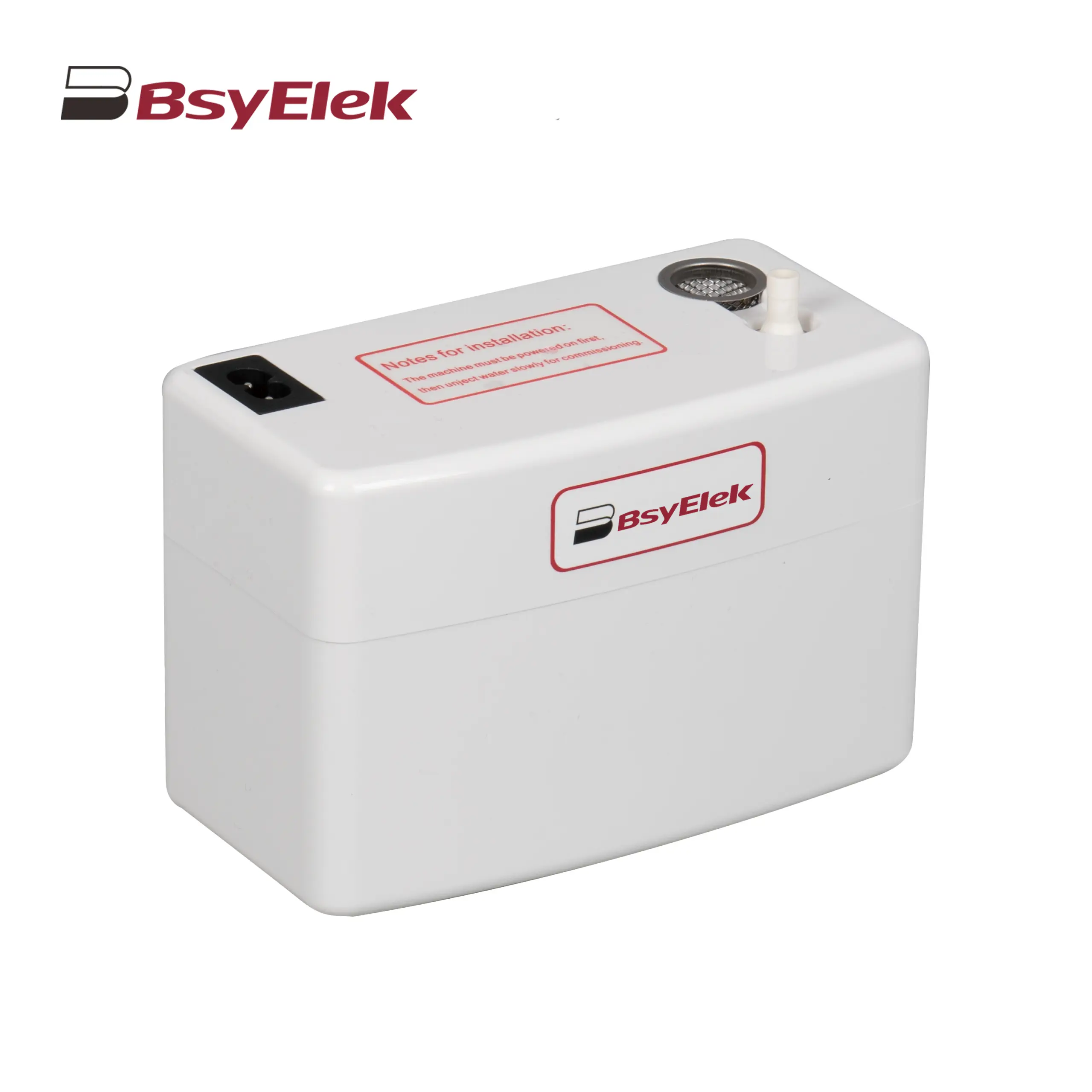 BY-24A/40A 10M Drainage Pump of Air Conditioner
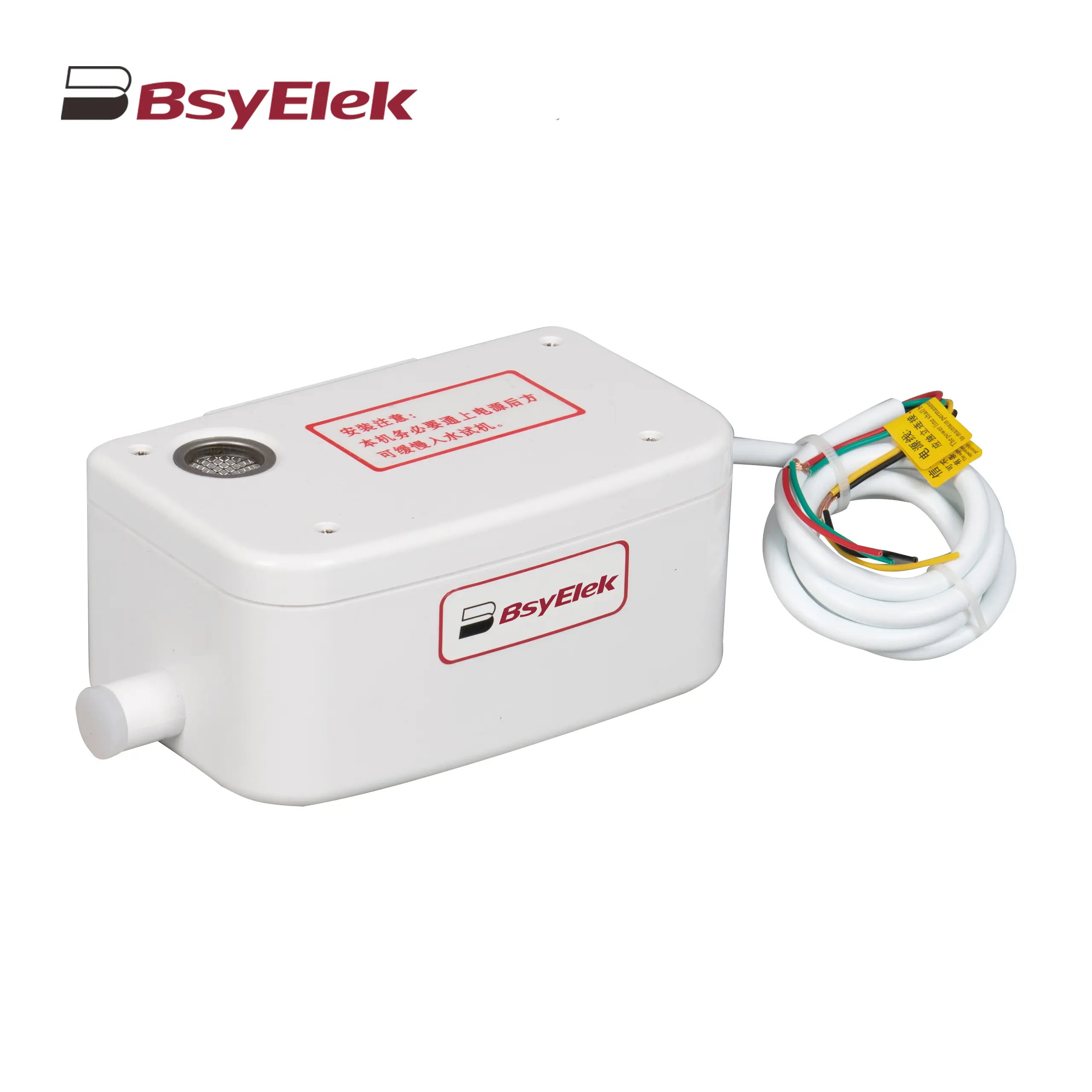 BY-50A 12M Drainage Pump of Air Conditioner
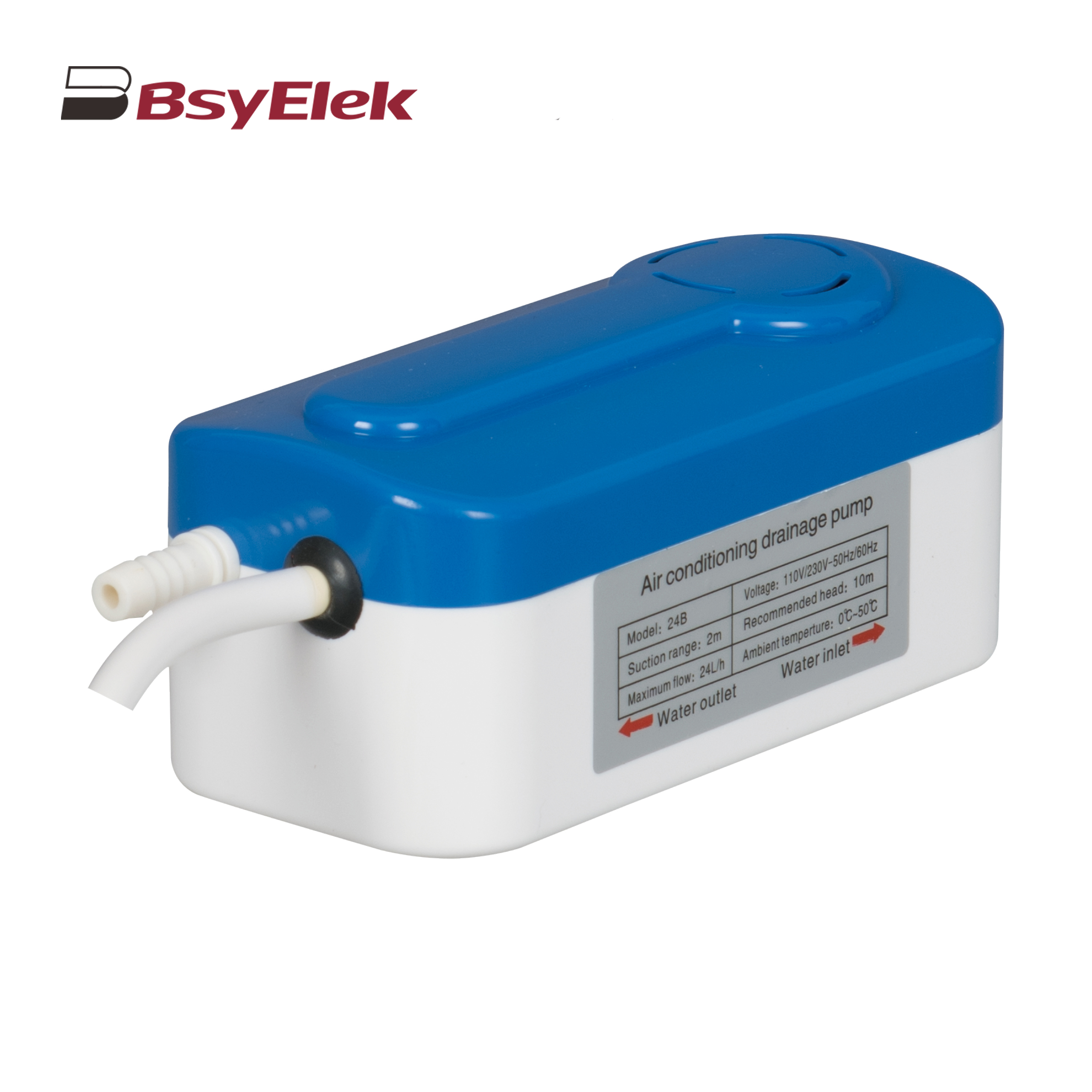 BY-24B/40B 10M Split Type Drainage Pump
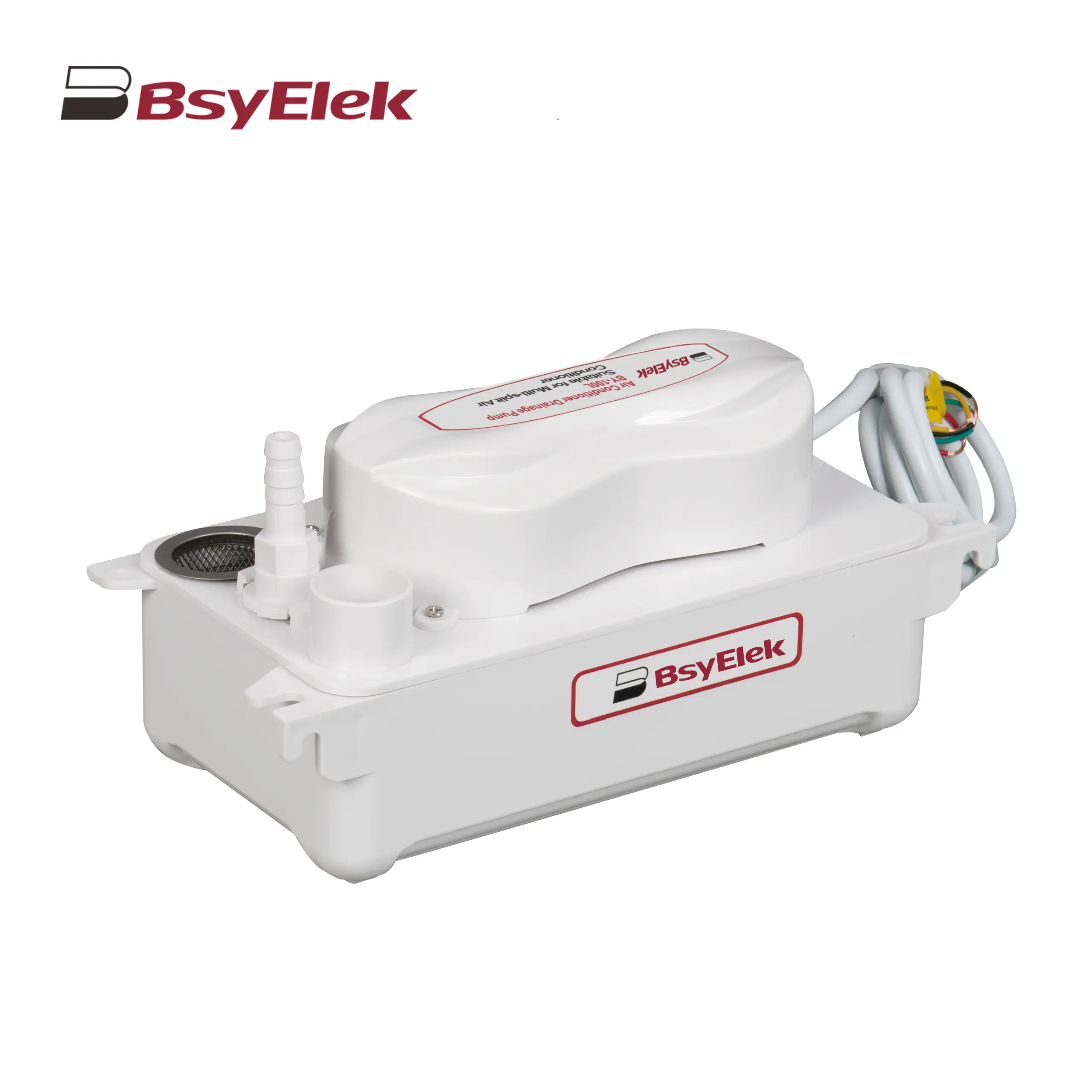 BY-100L 2M Drainage Pump of Air Conditioner
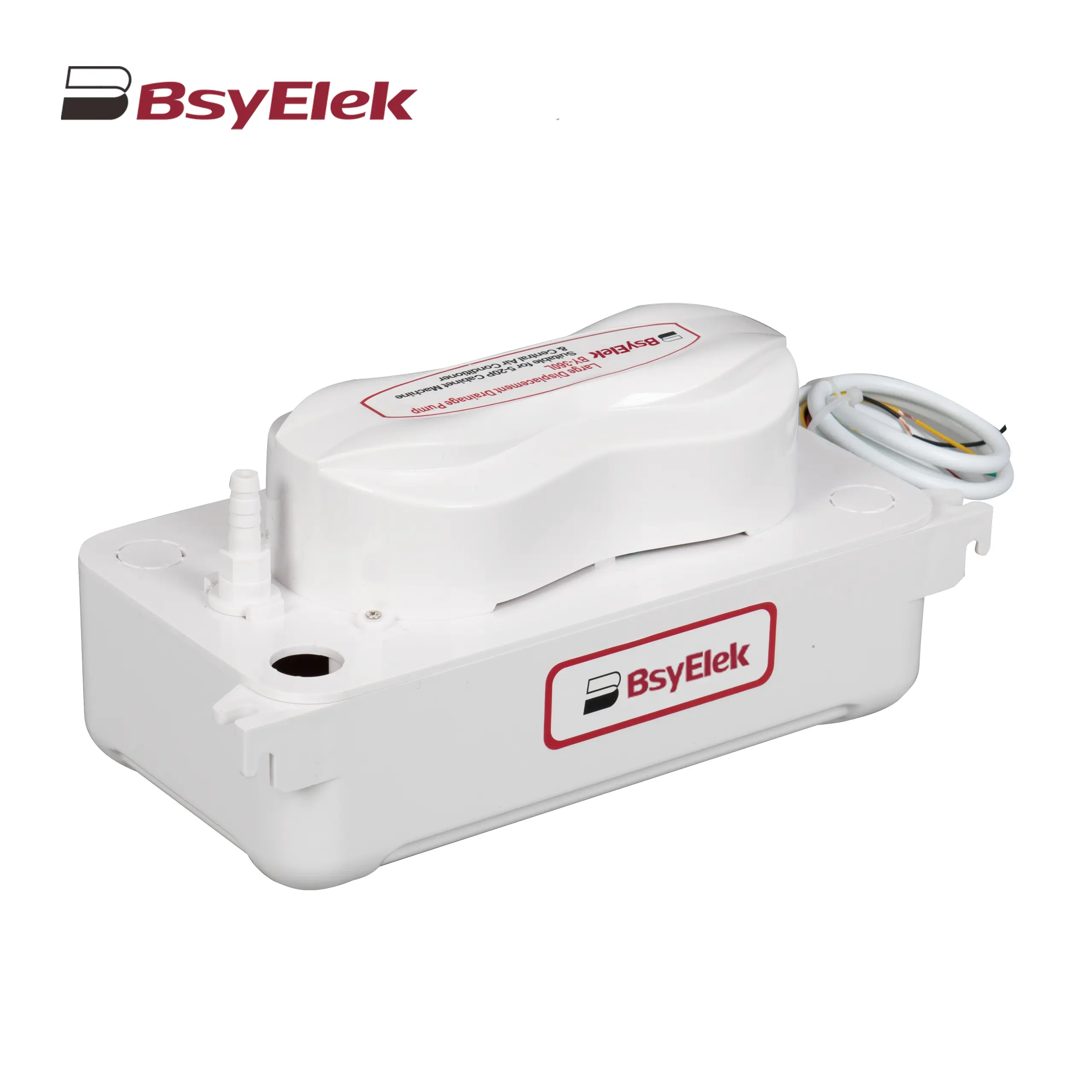 BY-360L 6M Large Displacement Drainage Pump
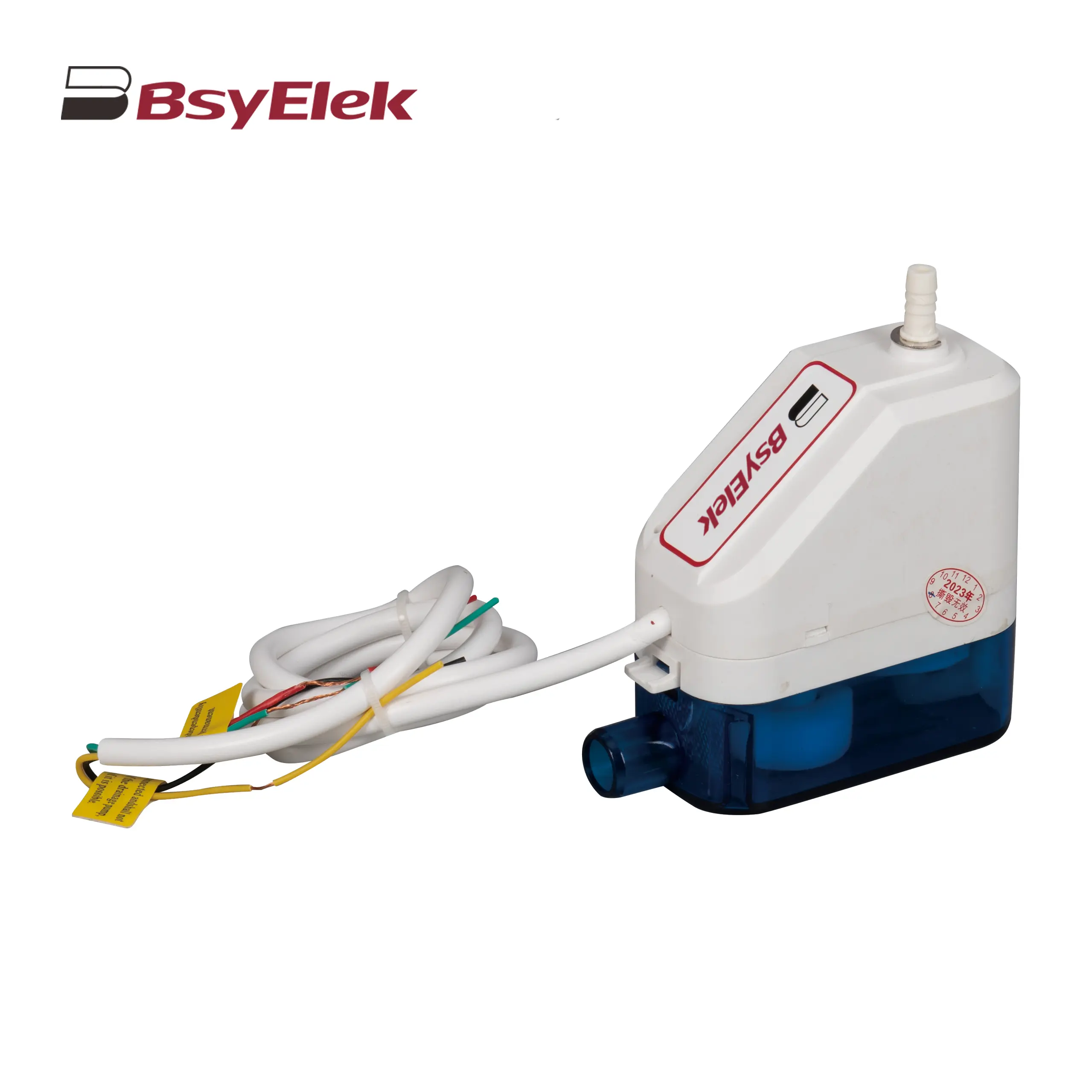 BY-24C/40C 10M Corner Drainage Pump
What is a miniature circuit breaker (MCB)?
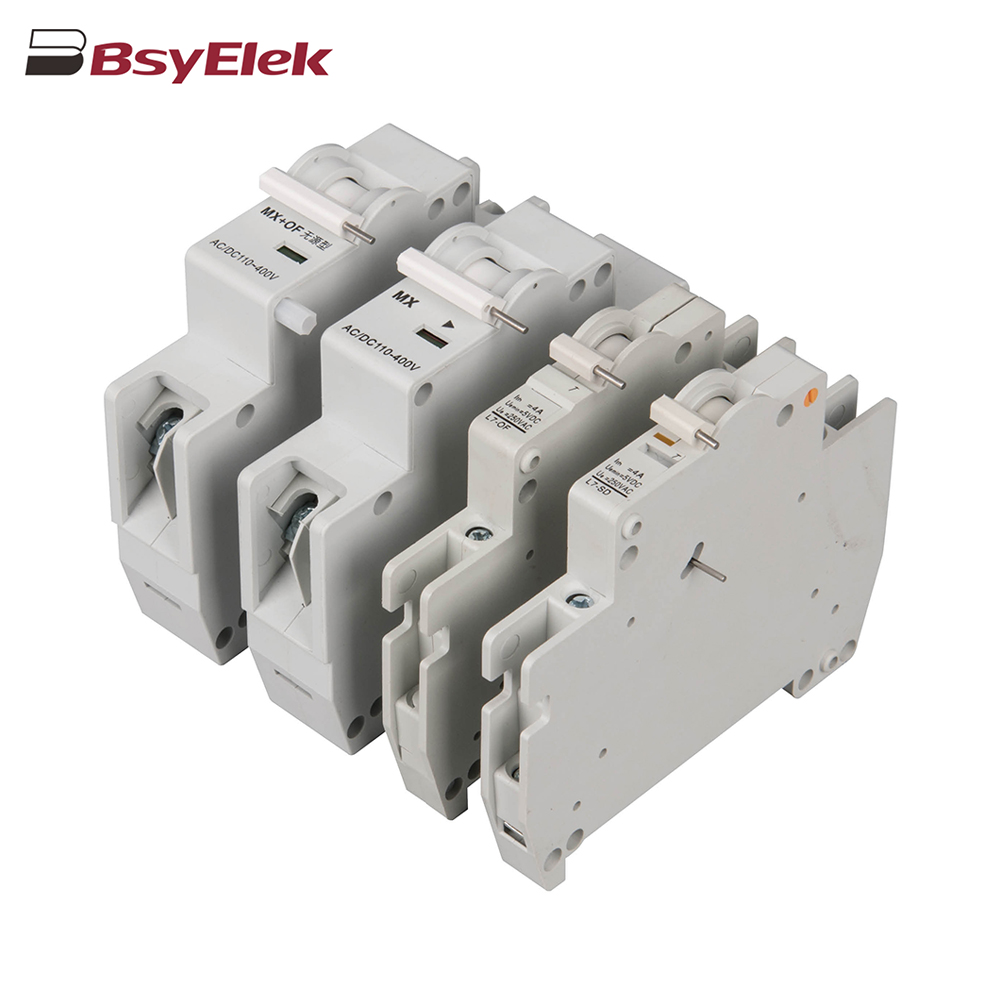 OF SD MX OF MCB Miniature Circuit Breaker Accessories
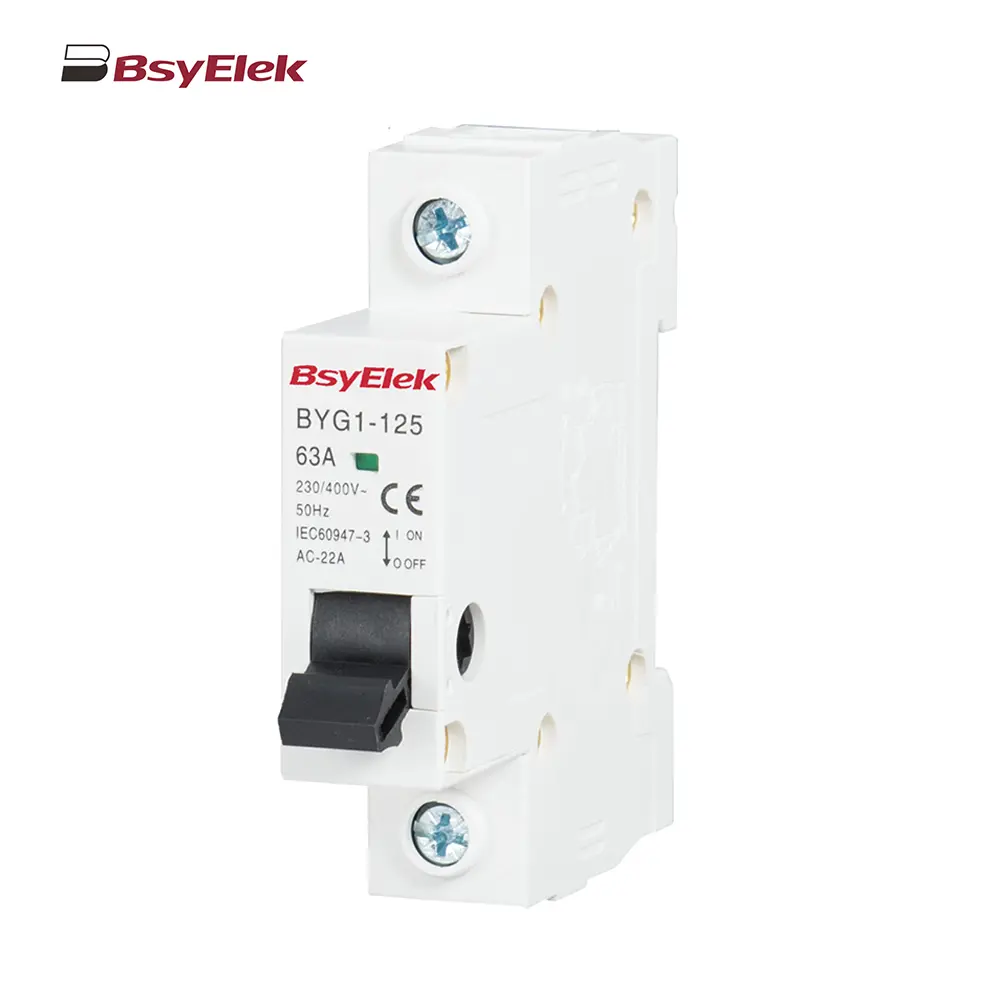 BYG1-125 Main Switch MCB Isolator Switch
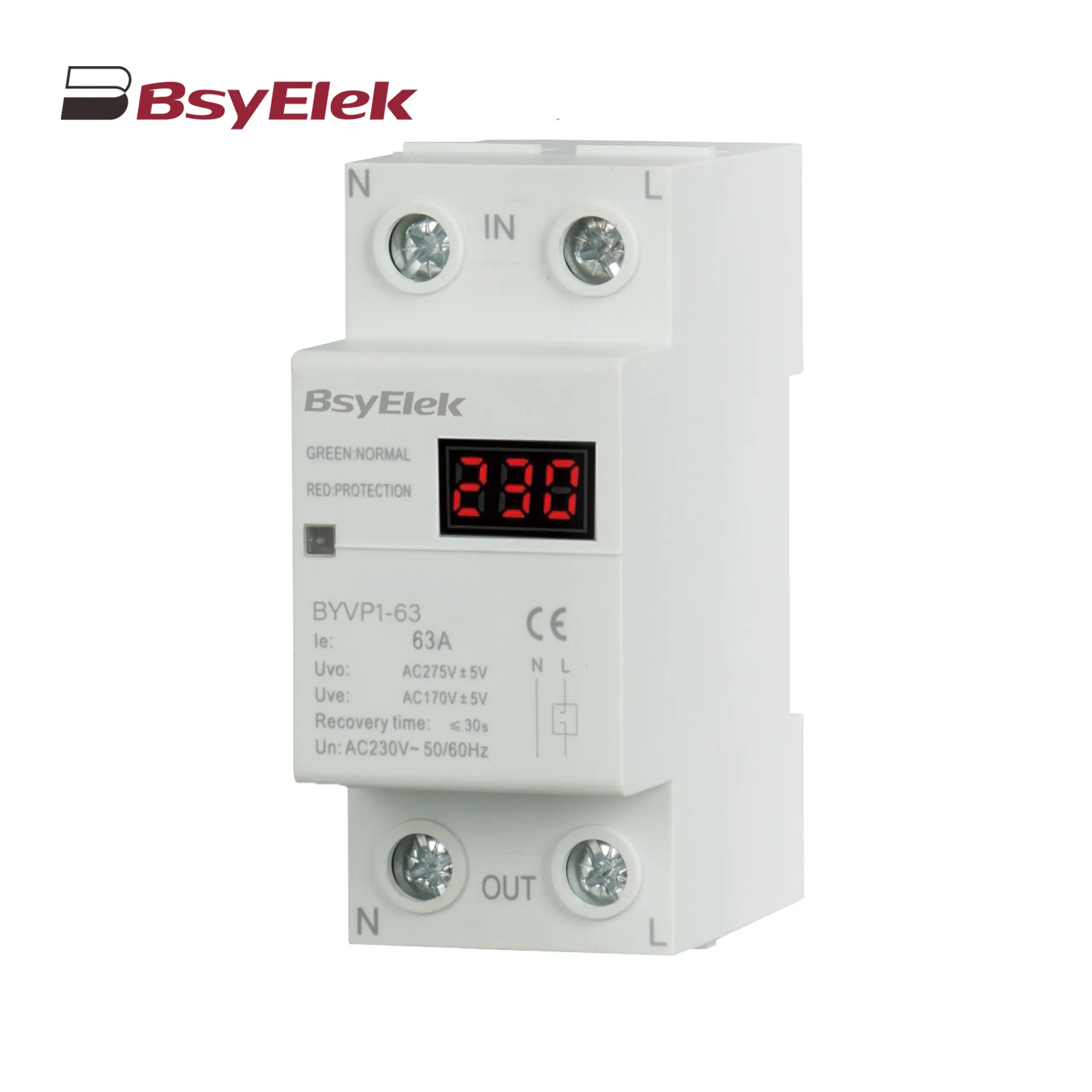 BYVP1-63 100A Single Display Overvoltage and Undervoltage Protector
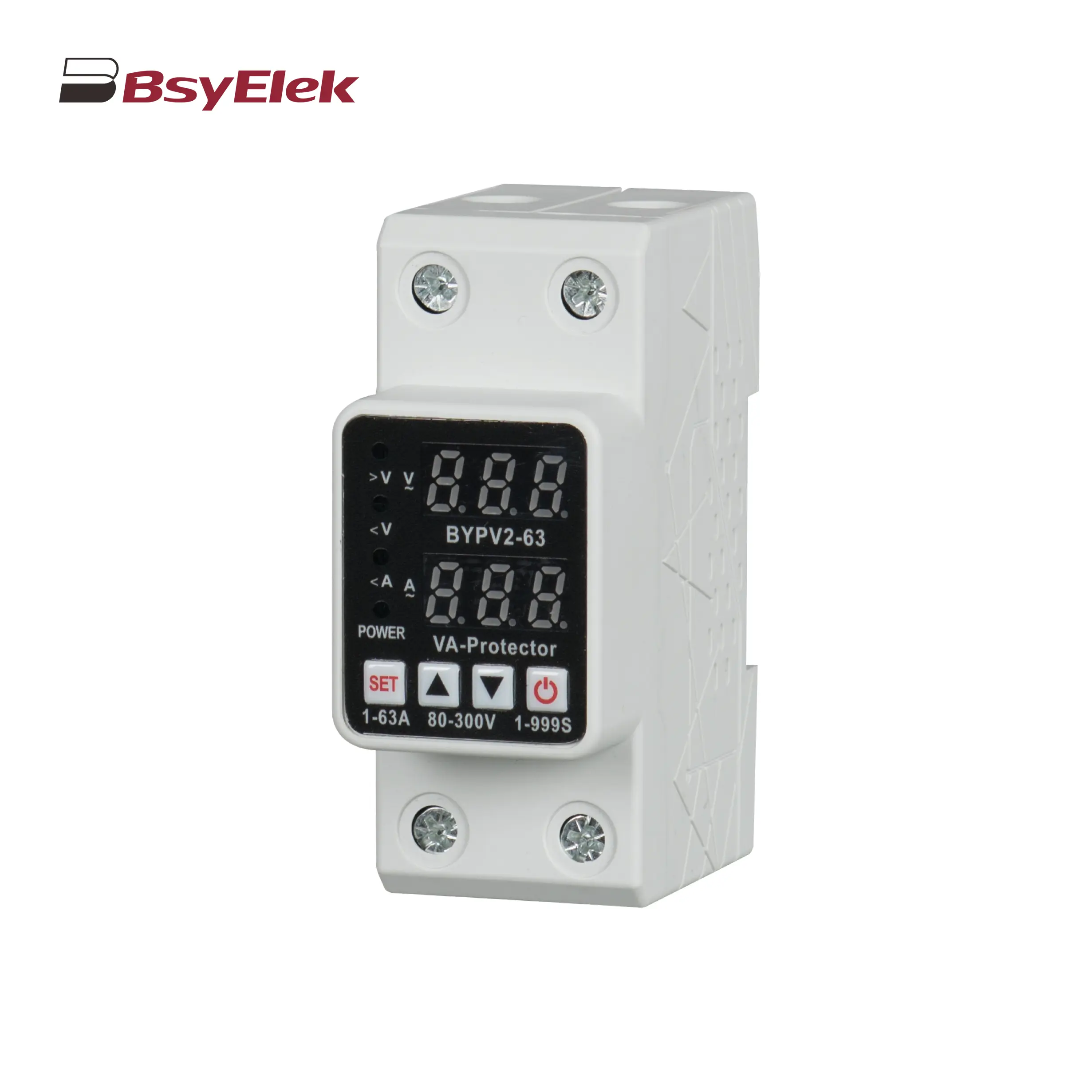 BYVP2-63 40A 63A Adjustable Dual Display Overvoltage and Undervoltage Protector
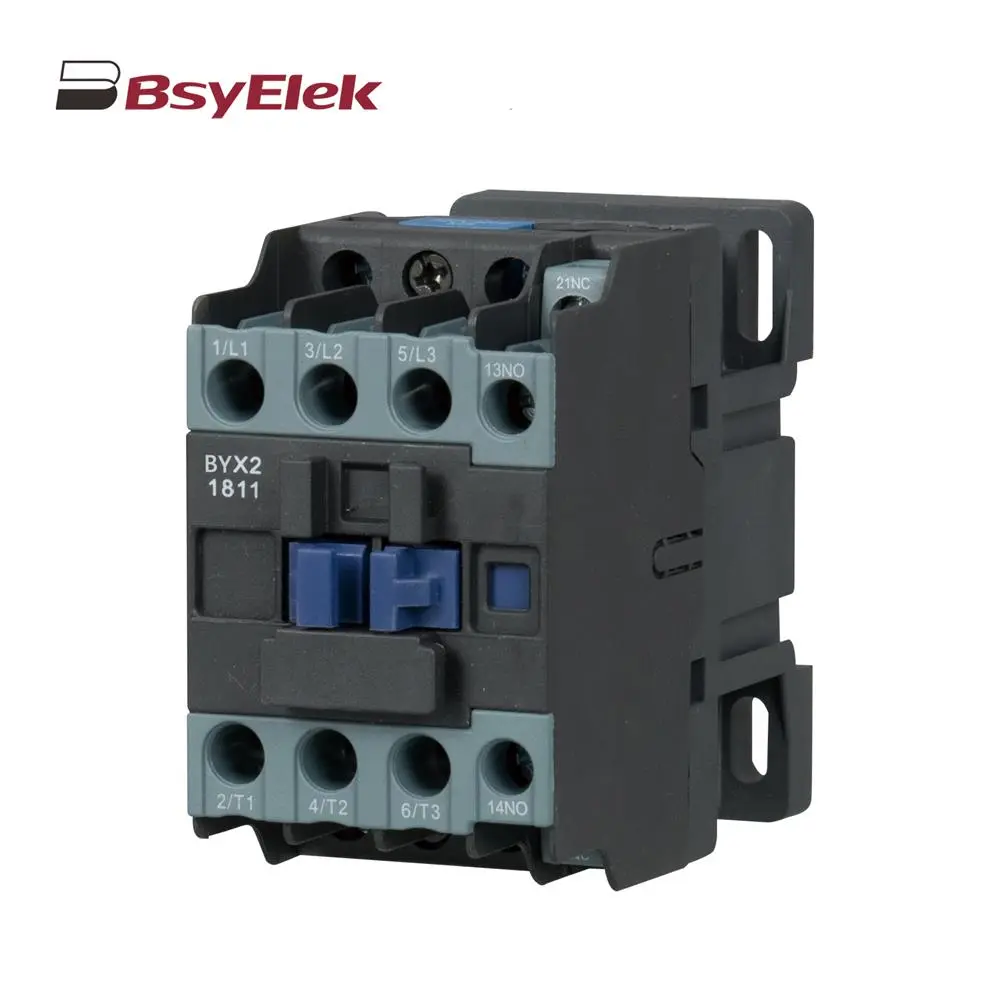 BYX2 6-95A AC Contactor
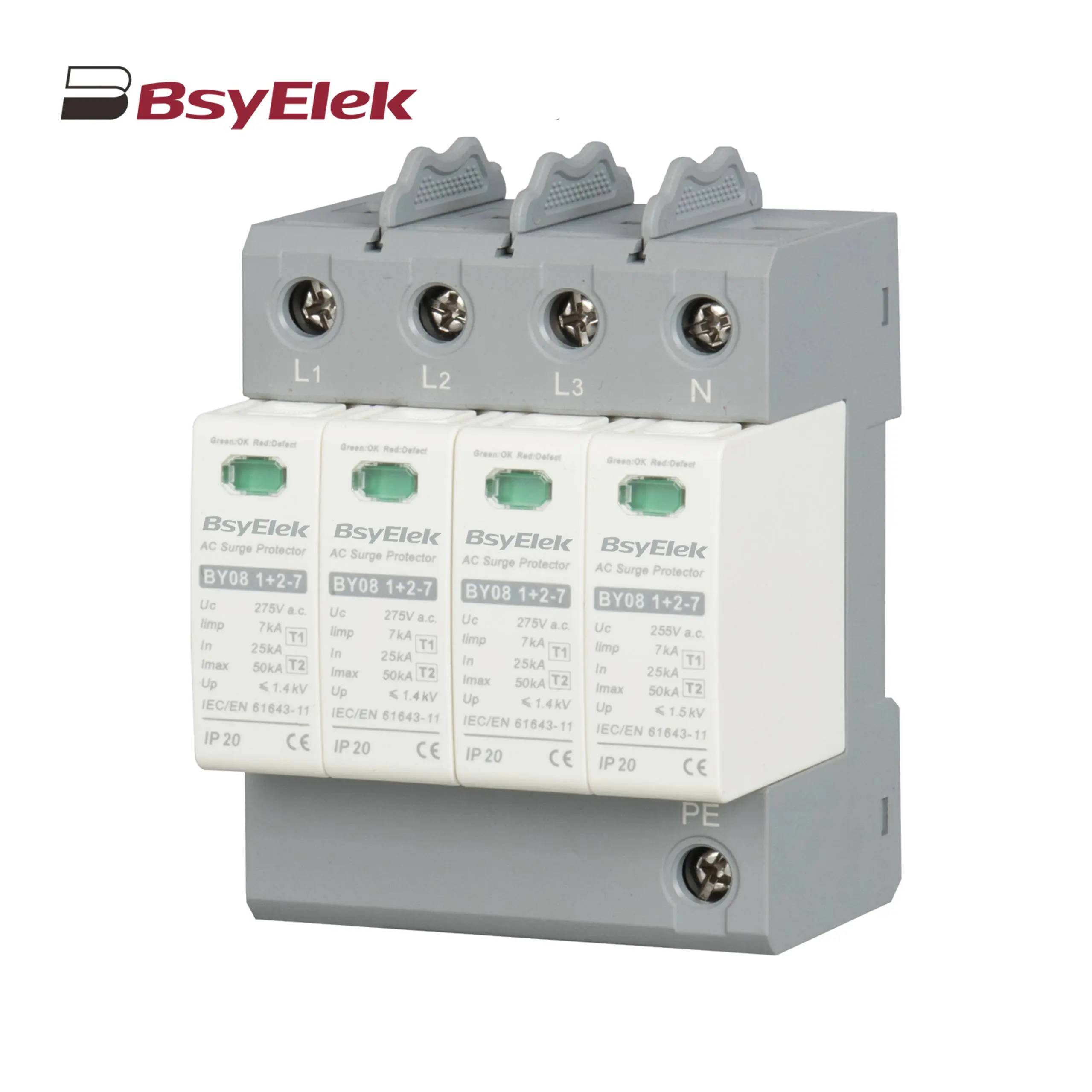 BY08 1+2-7 SPD Class T1+T2 Imax 50KA Surge Protective Device
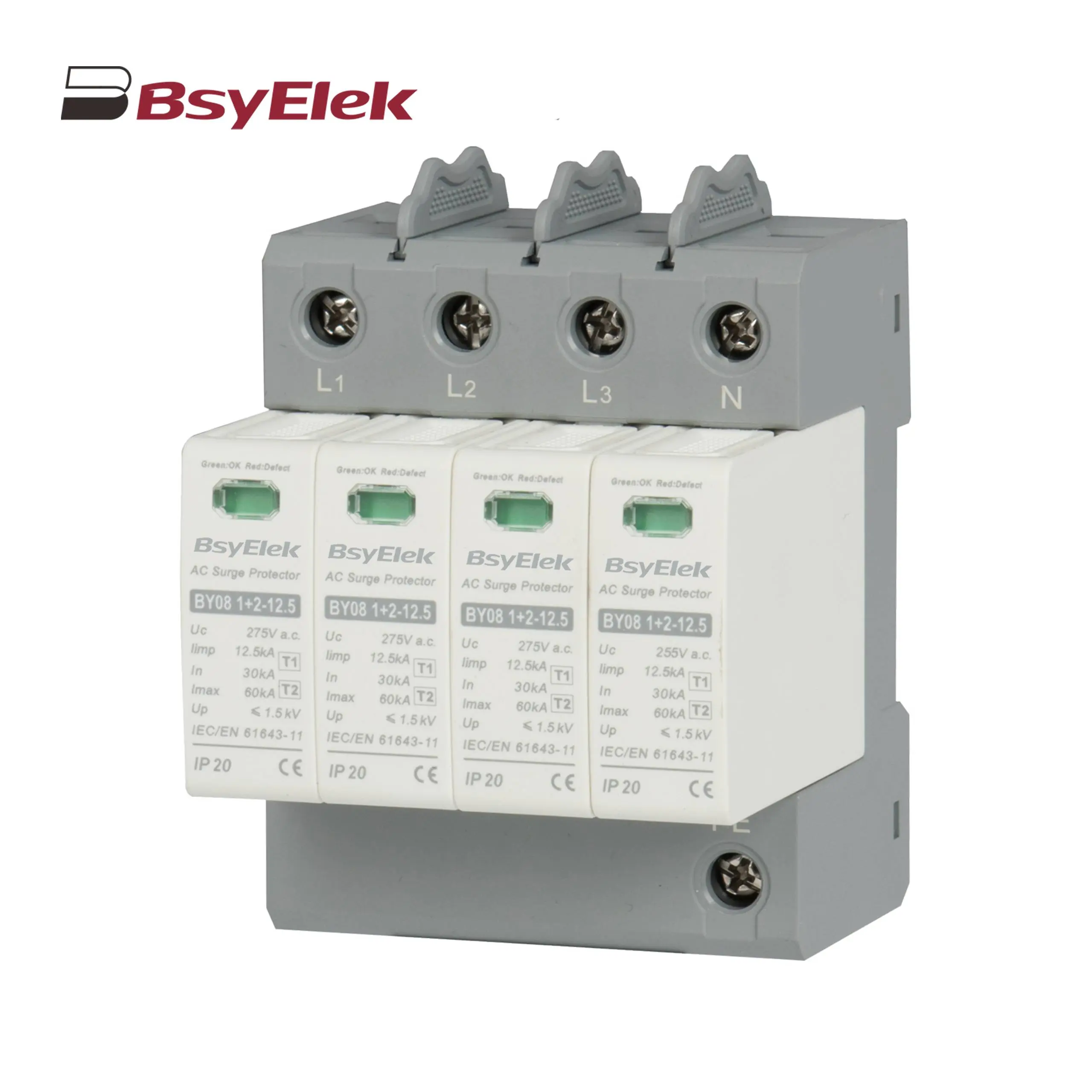 BY08 1+2-12.5 SPD Class T1+T2 Imax 60KA Surge Protective Device
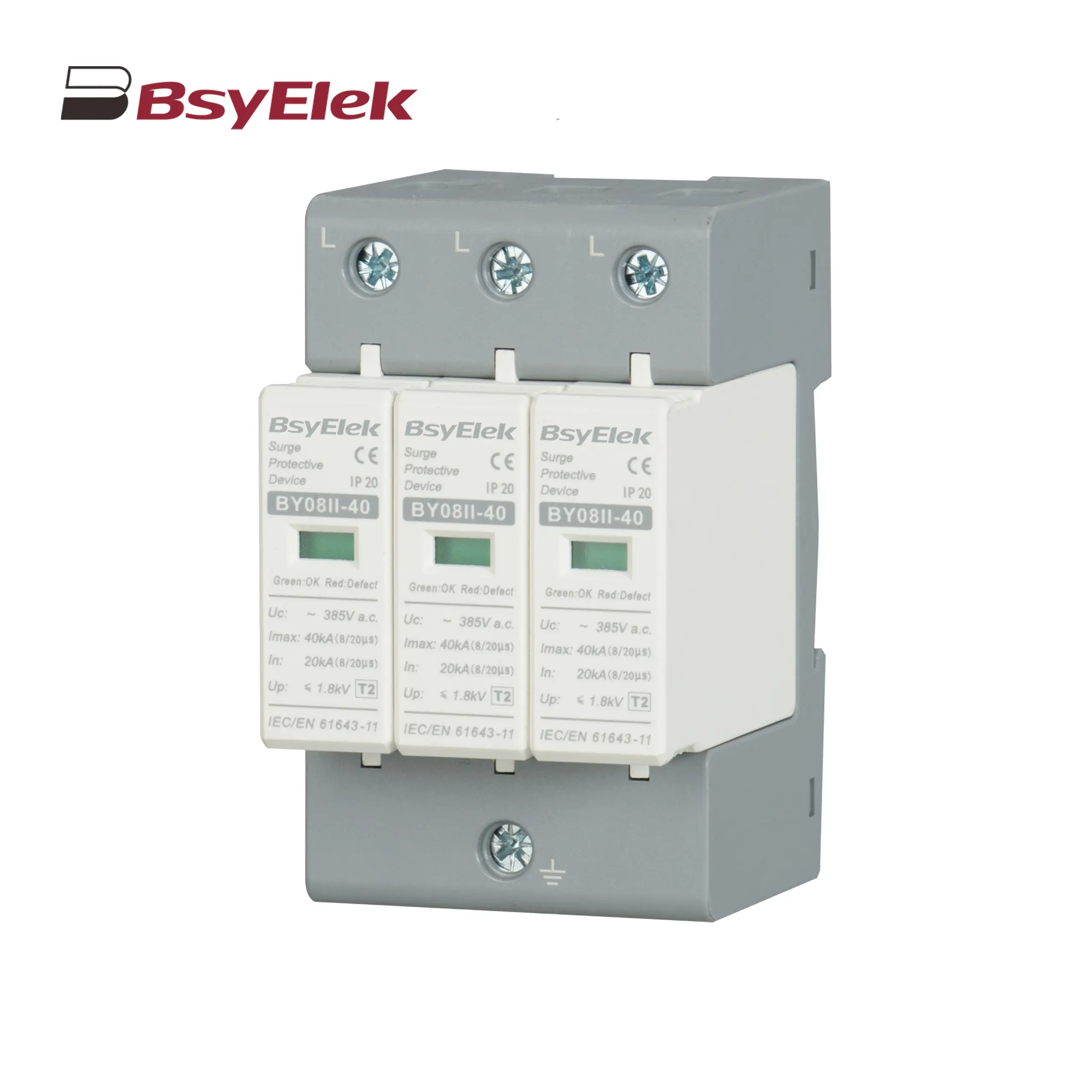 BY08II-40 SPD Class T2 Imax 40KA Surge Protective Device
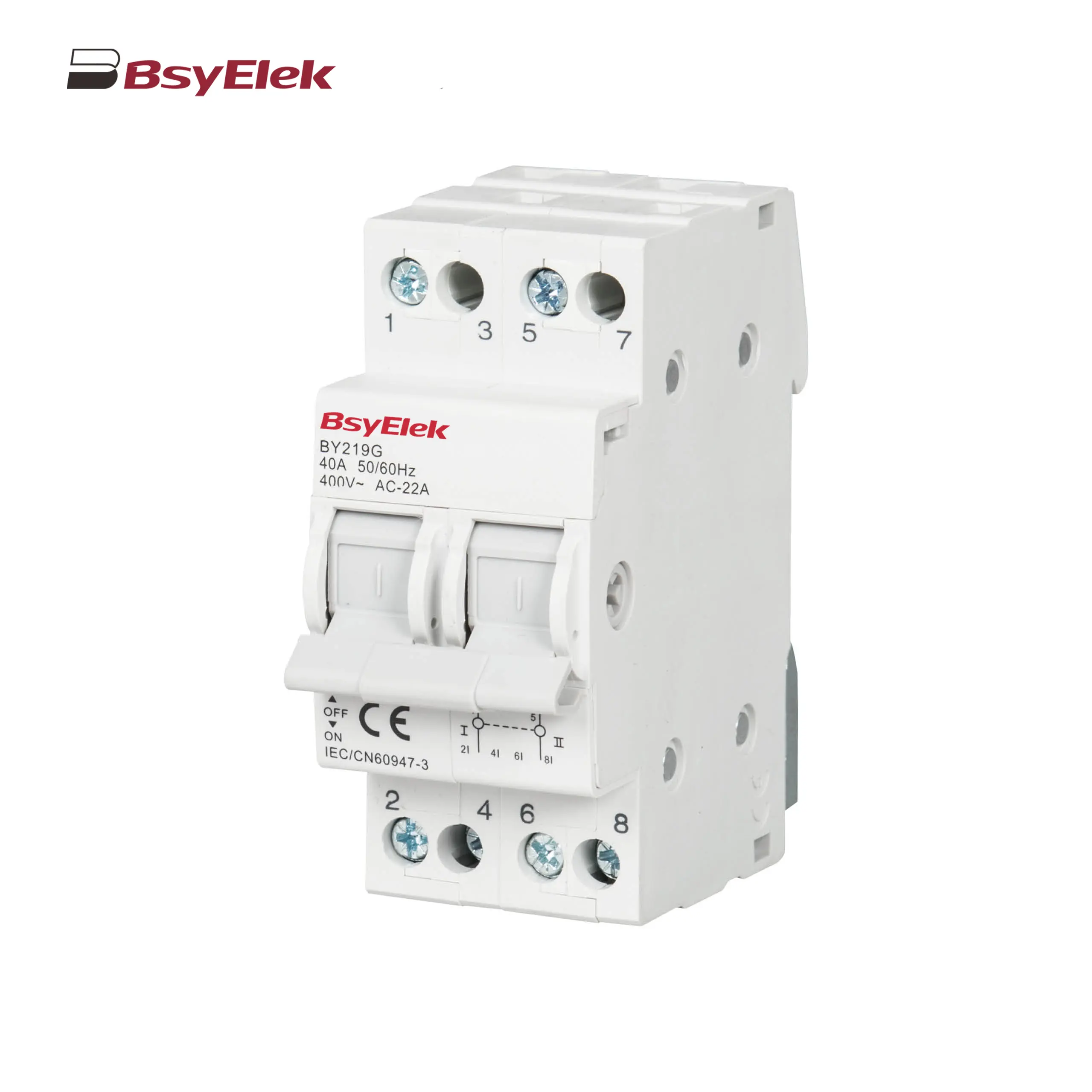 BY19G 63A Manual Changeover Switch
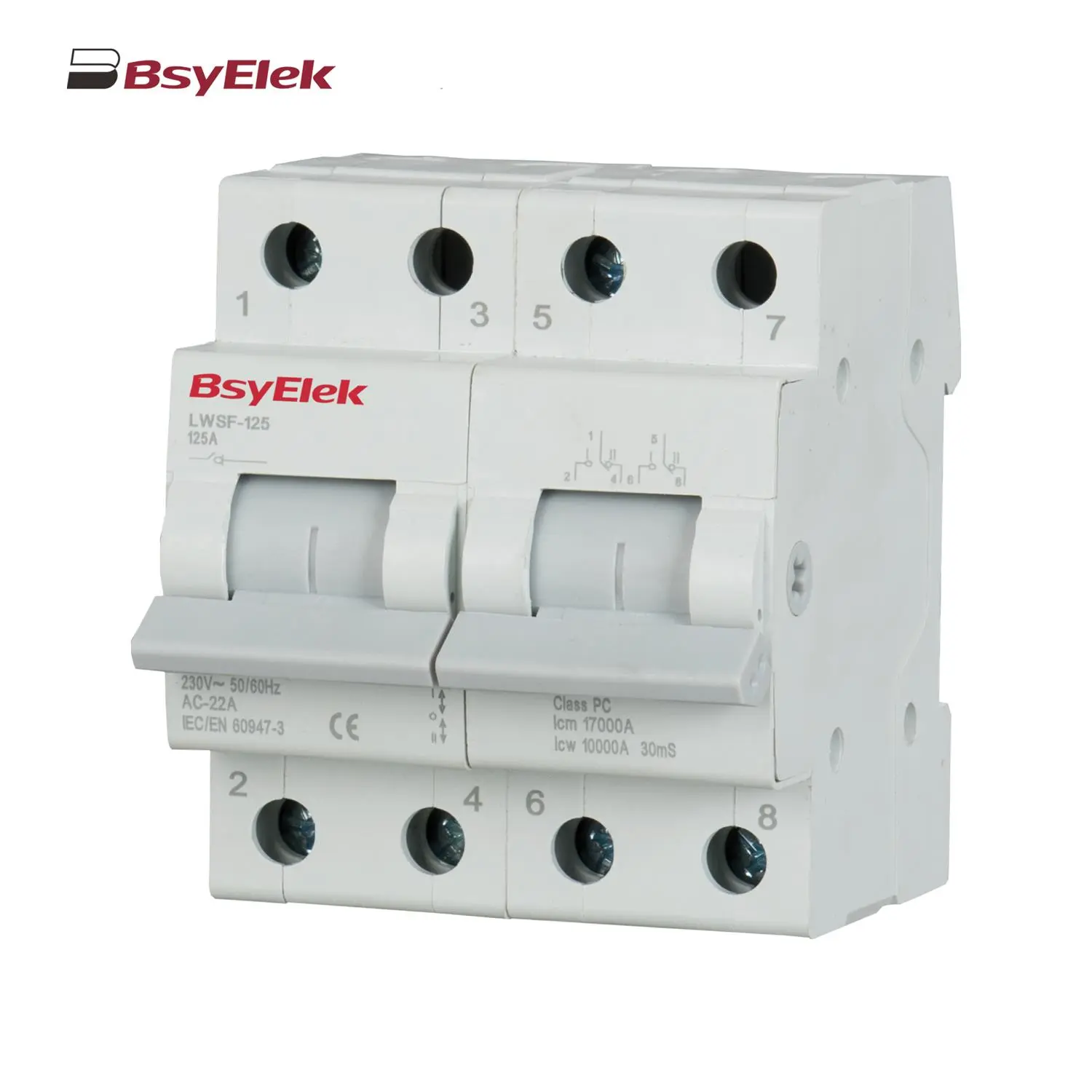 LWSF-125 125A Manual Changeover Switch
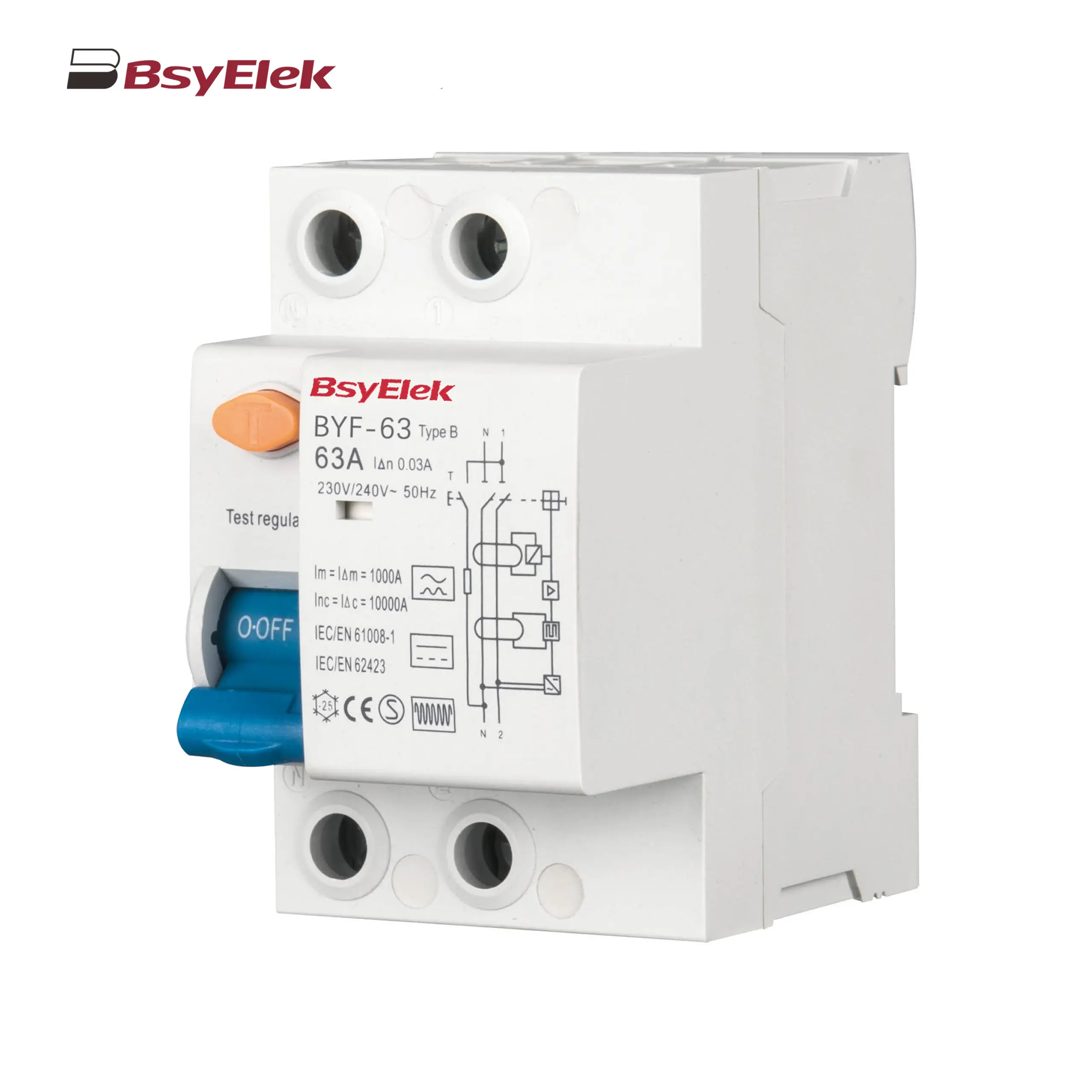 BYF-63 RCD 10KA Type B AC+A+Smoothing DC Residual Current Device
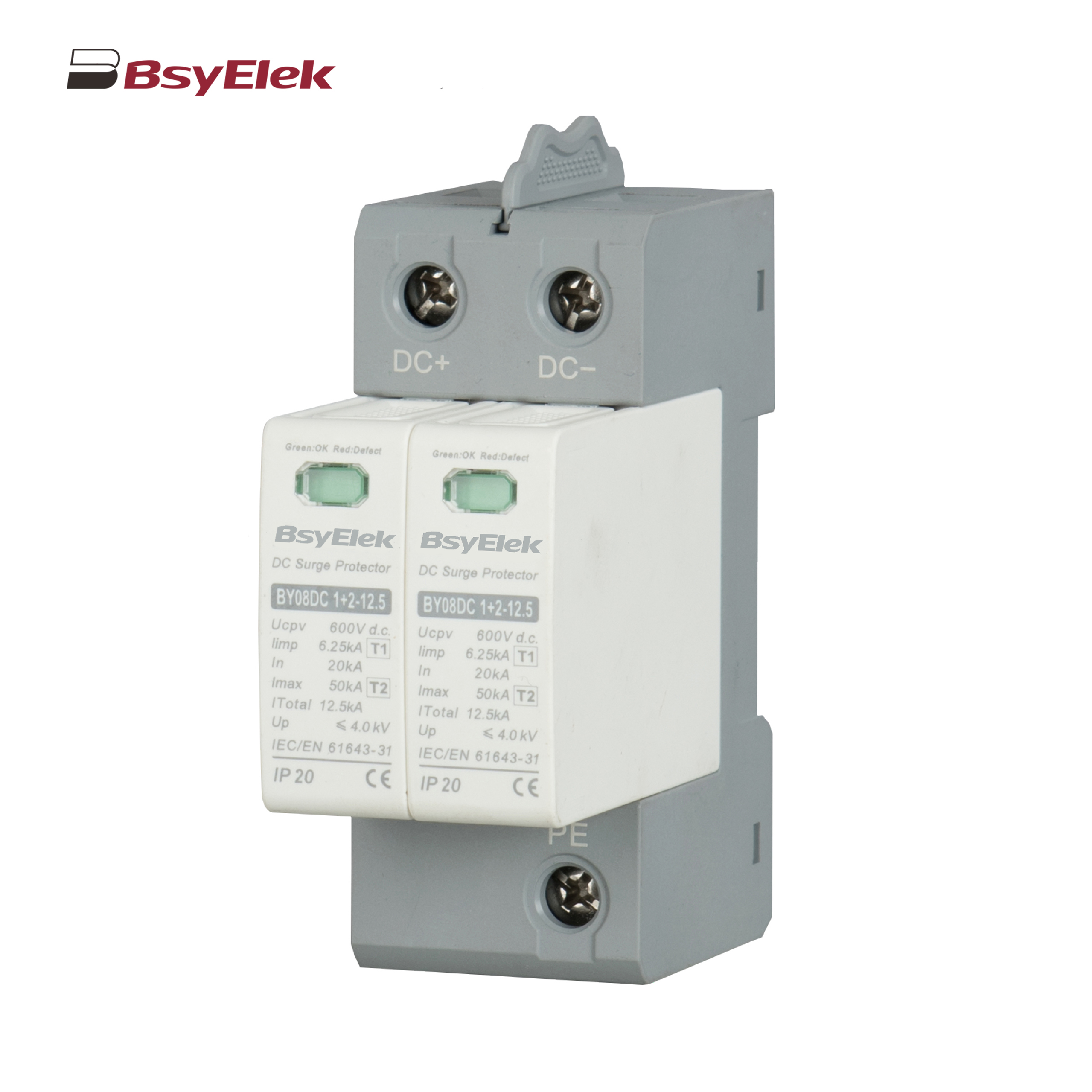 BY08DC 1+2-12.5 SPD Class T1+T2 40KA DC Surge Protective Device
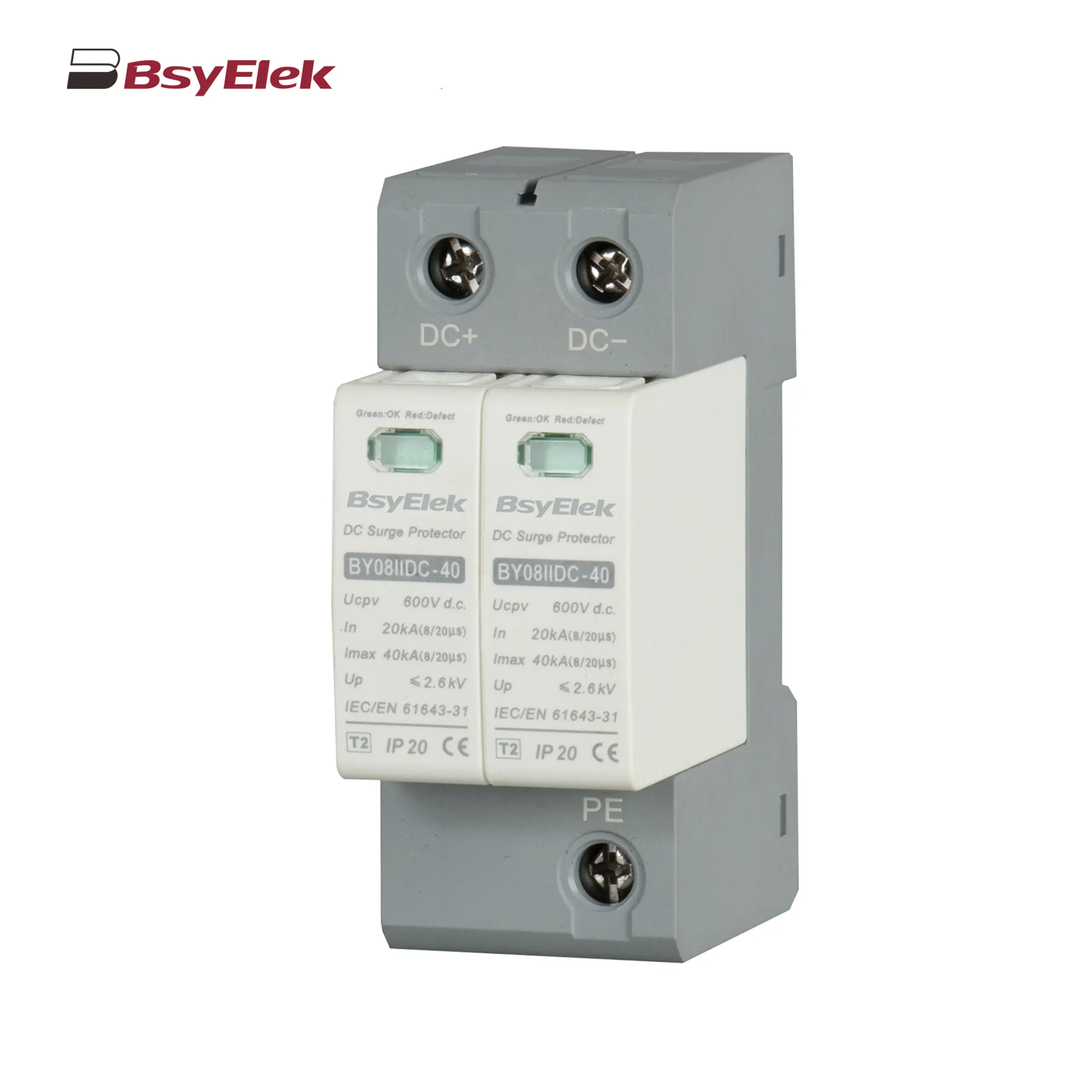 BY08IIDC-40 SPD Class T2 40KA DC Surge Protective Device
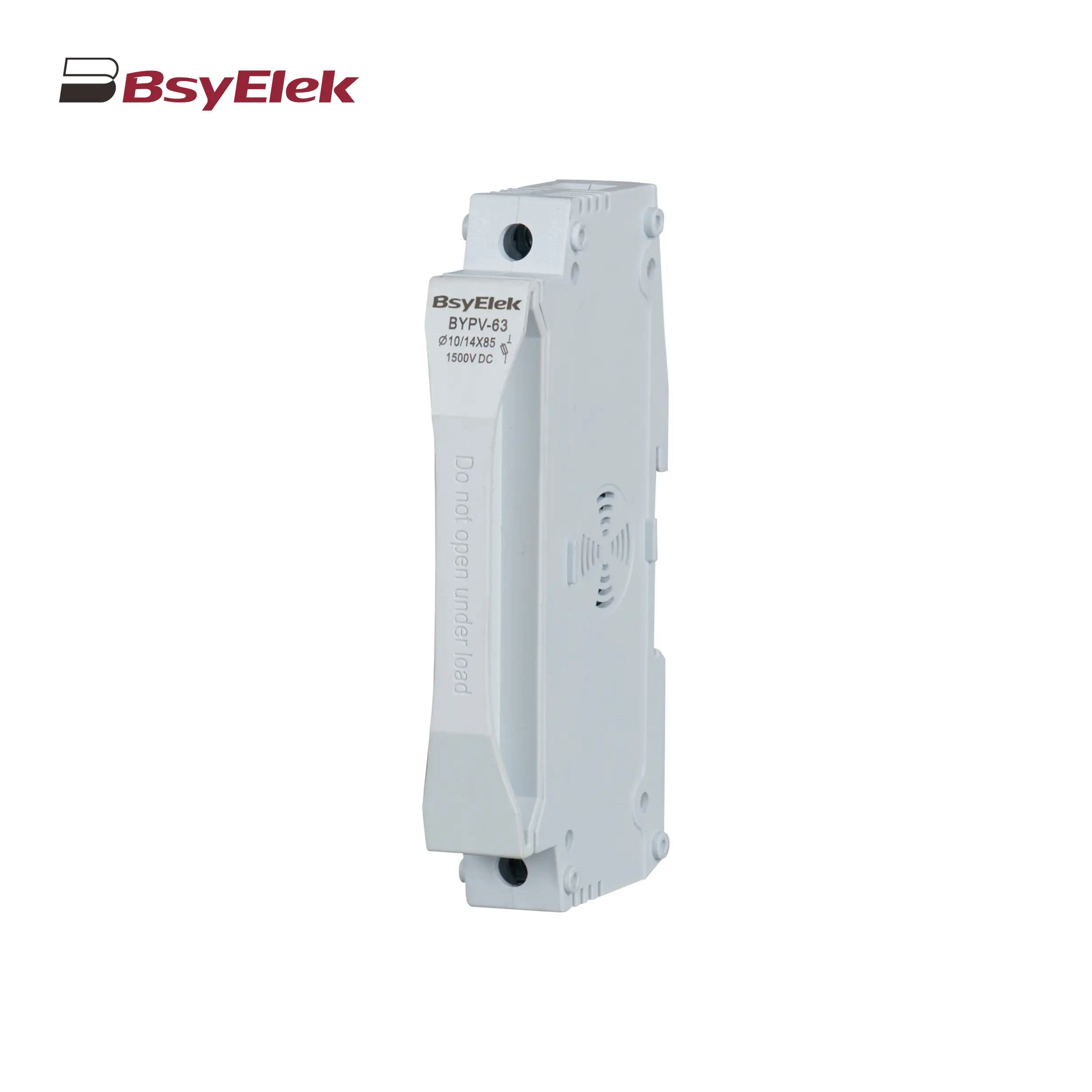 BYPV-63 1500VDC 50A Fuse Holder with 10x85mm 14x85mm Fuse Link
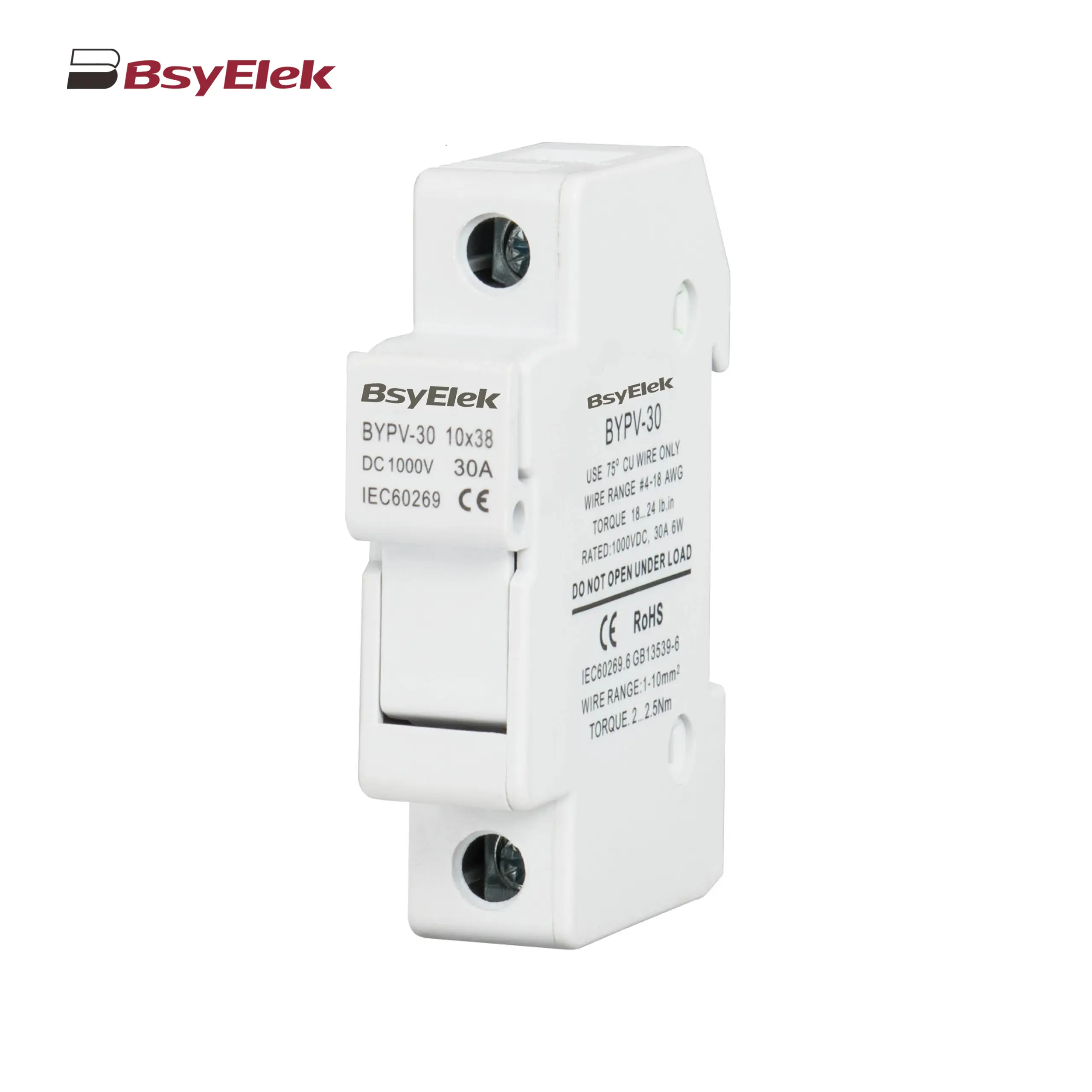 BYPV-30 1000VDC 32A Fuse Holder with 10x38mm Fuse Link
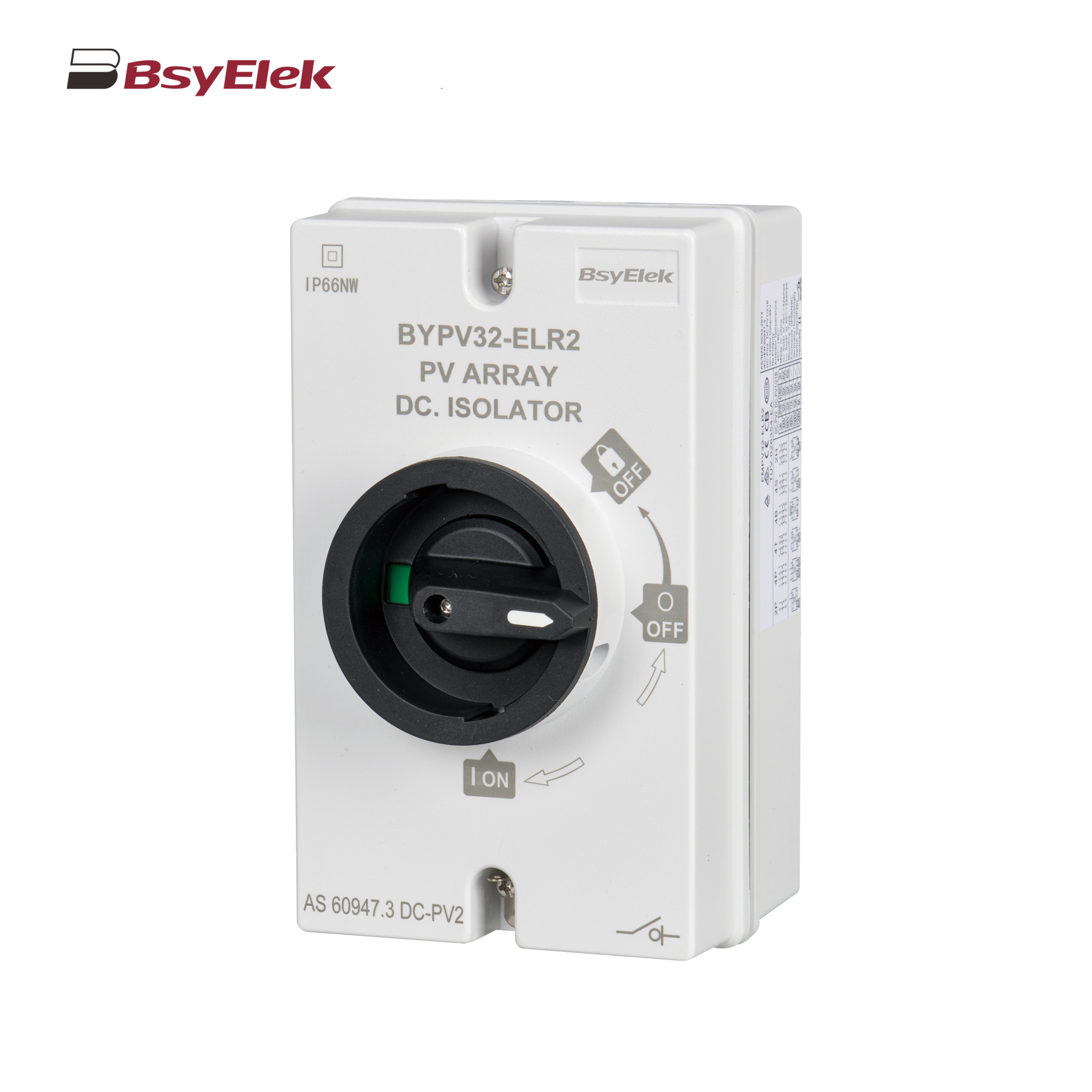 BYPV-ELR2 PV Isolator Switch with Enclosed Version
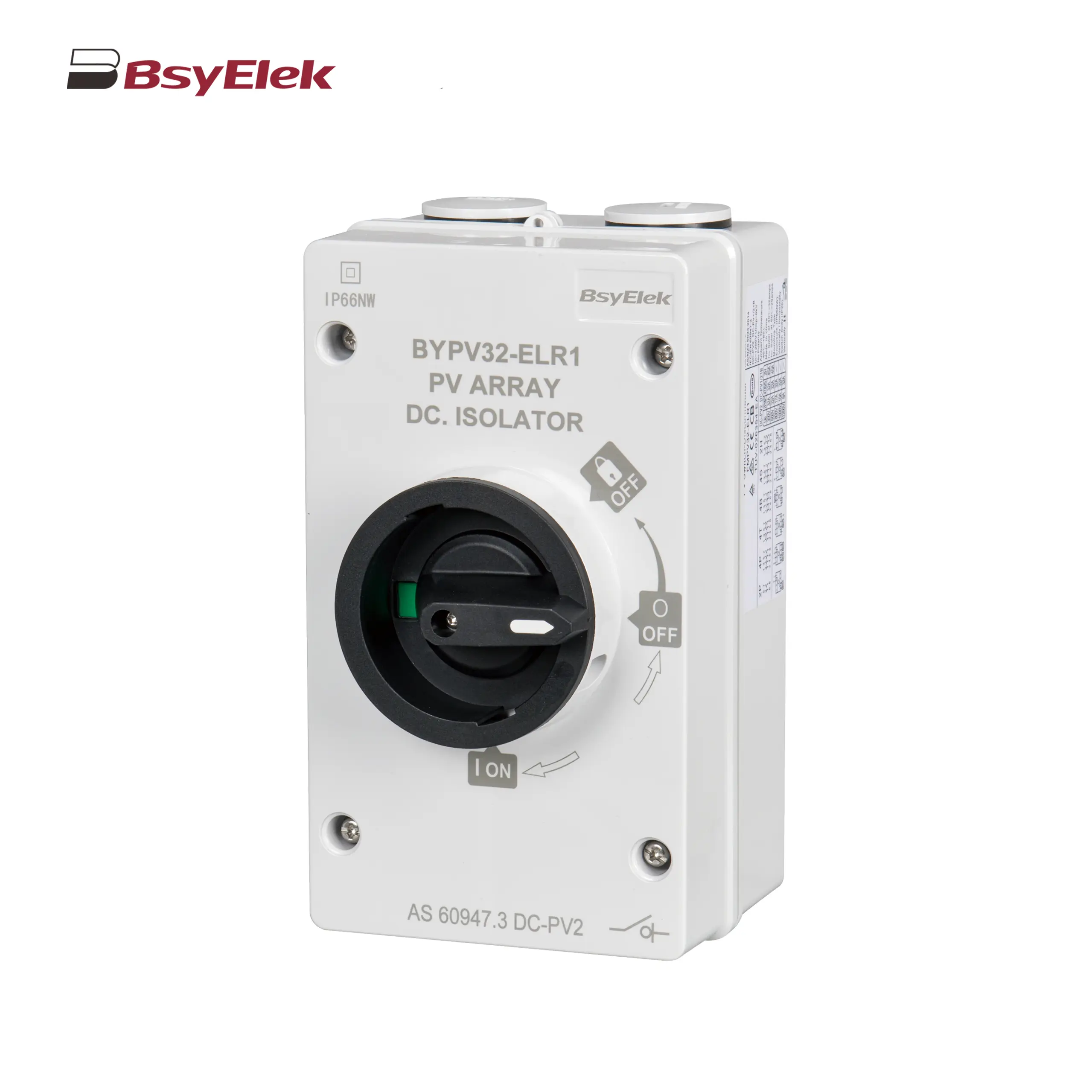 BYPV-ELR1 PV Isolator Switch with Enclosed Version
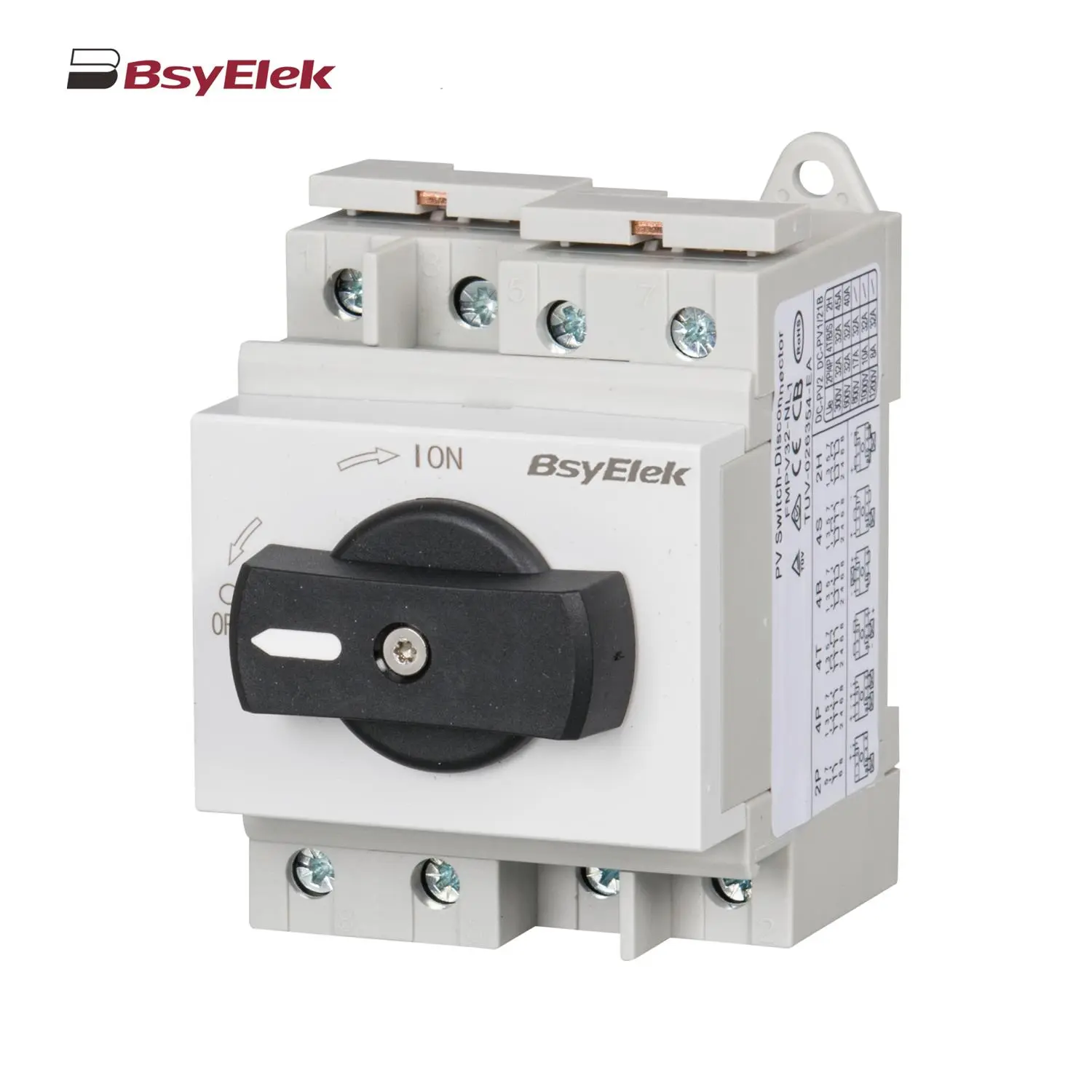 BYPV-NL1/T PV Isolator Switch with Ultra-thin Lever Handle
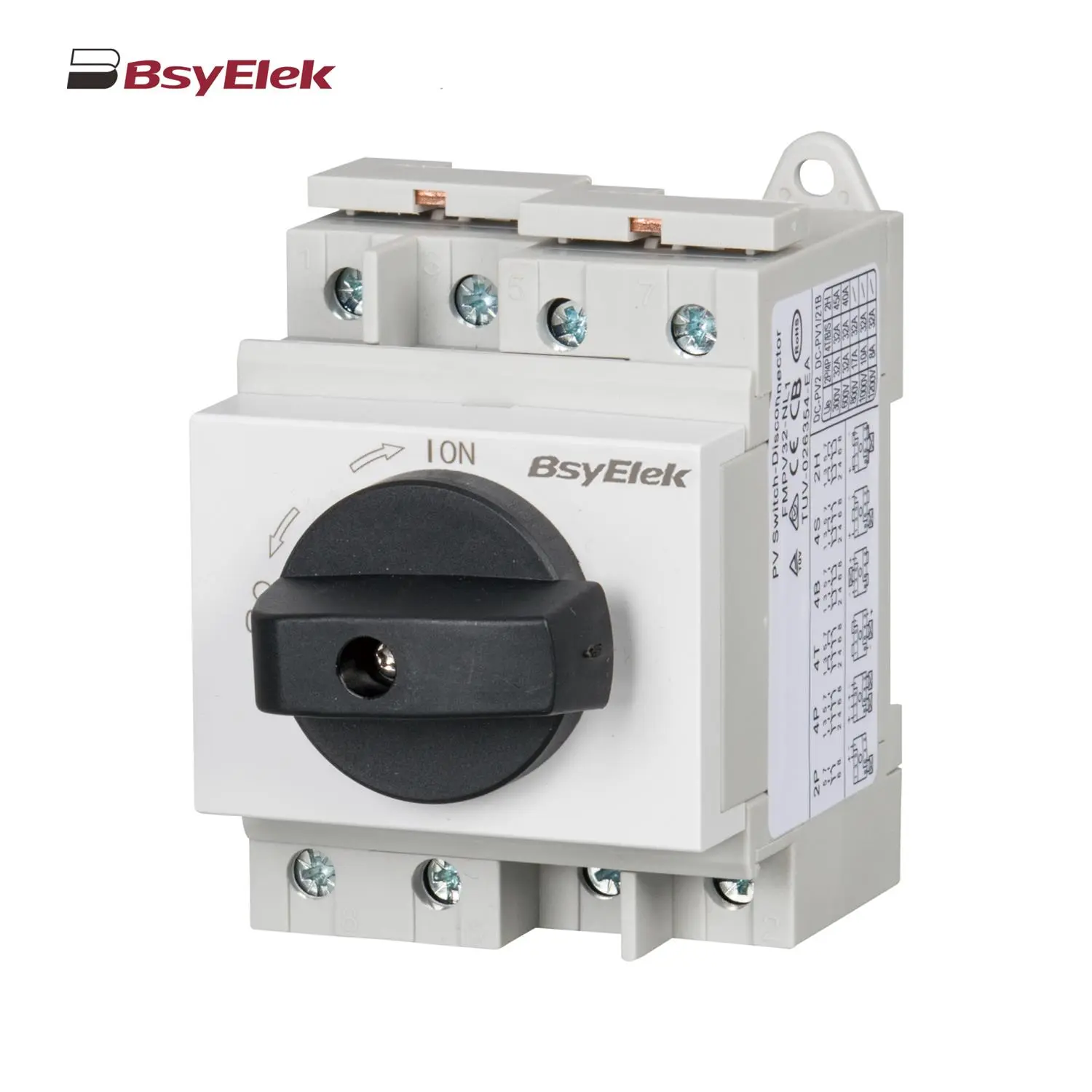 BYPV-NL1 PV Isolator Switch with Lever Handle
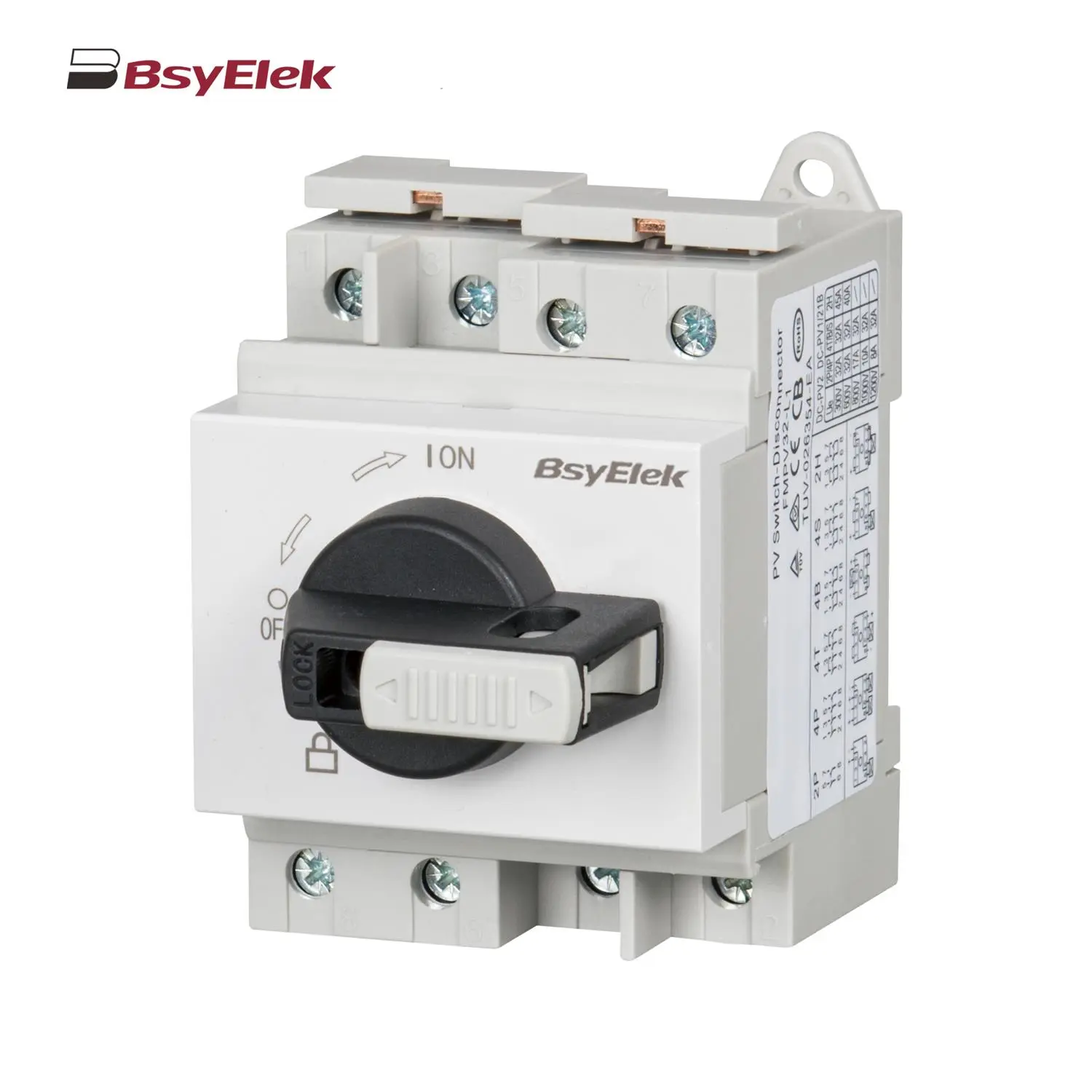 BYPV-L1/L2 PV Isolator Switch with Lockable Lever Handle
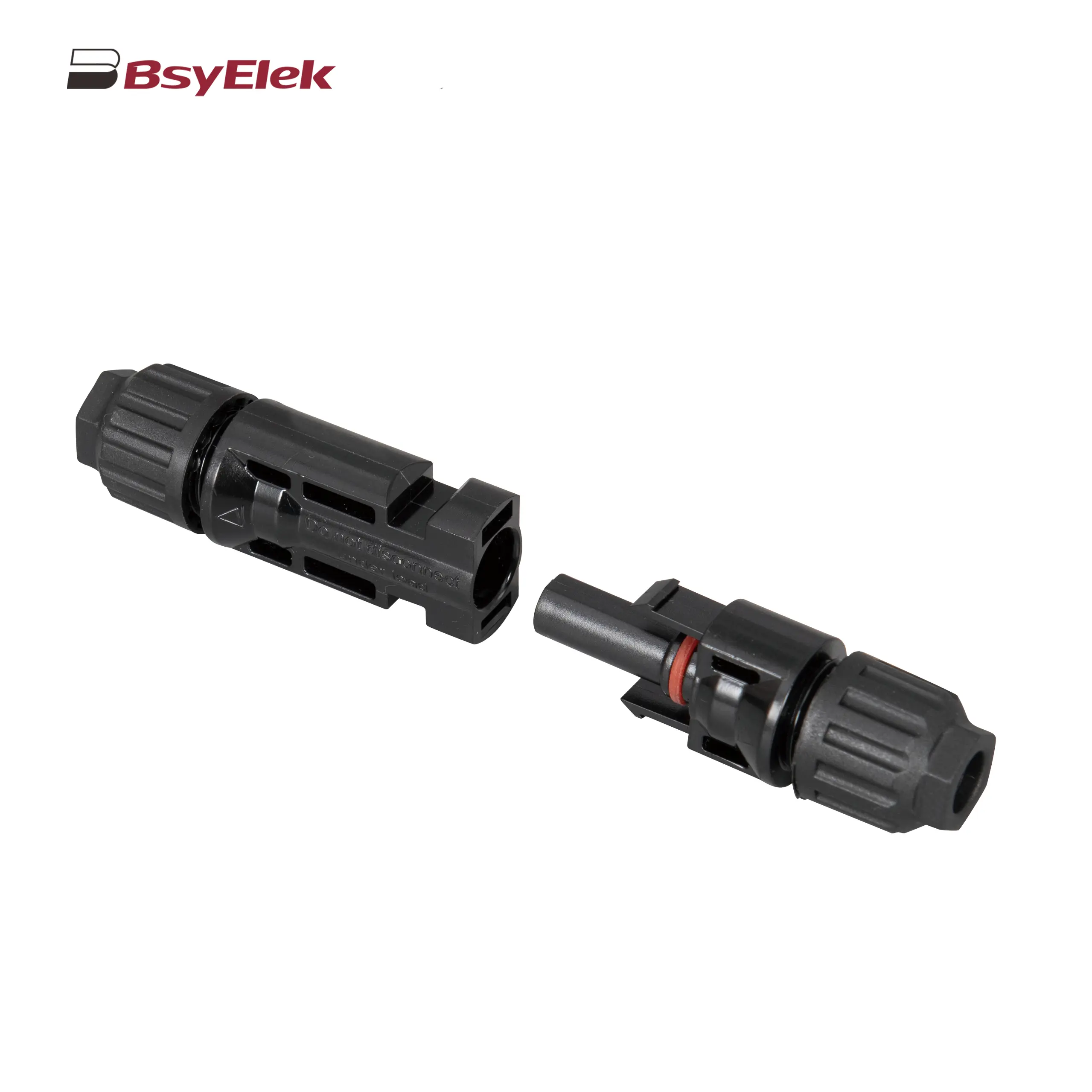 PV-BY-01 30A/50A 1000V Photovoltaic Connector
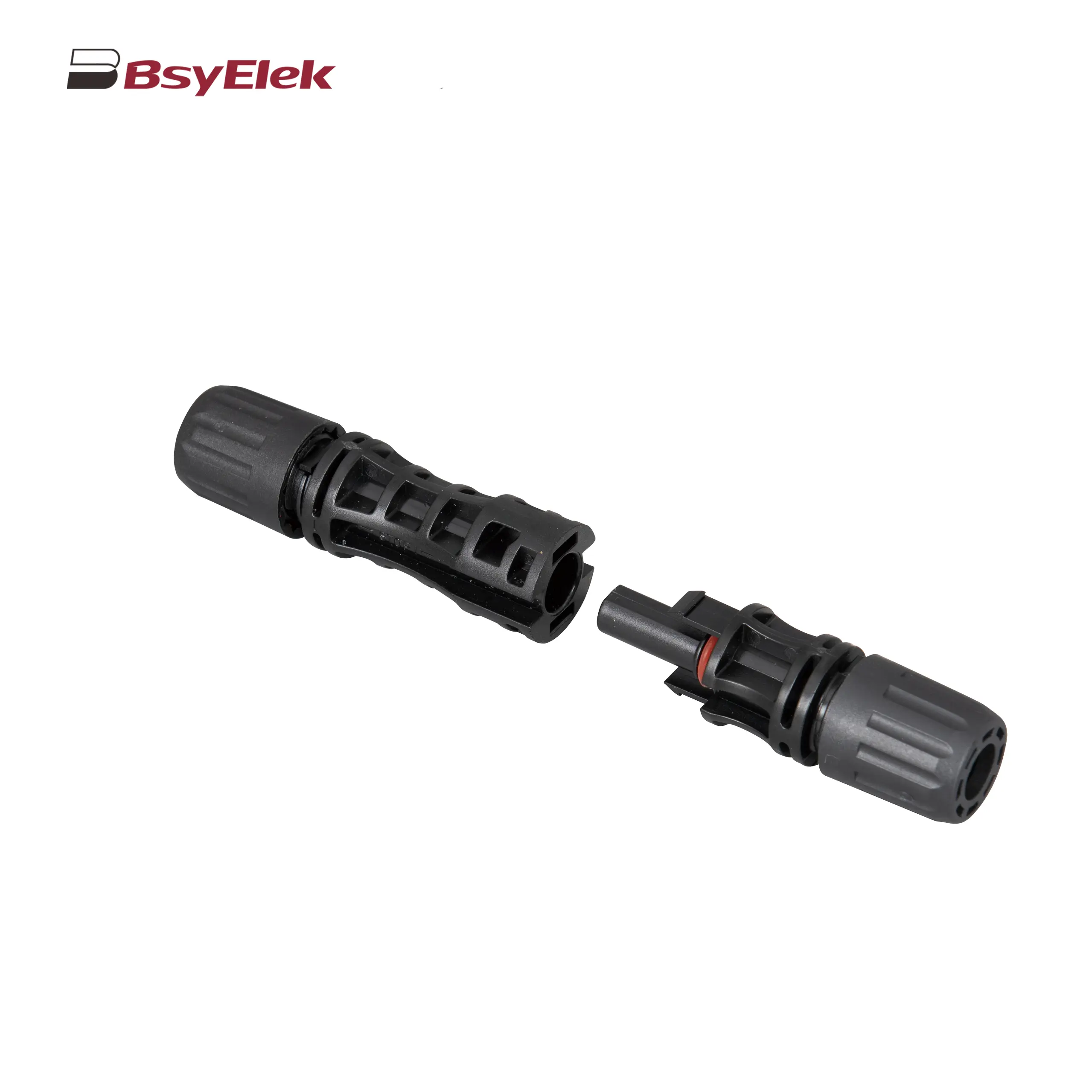 PV-BY-02 30A/50A 1500V Photovoltaic Connector
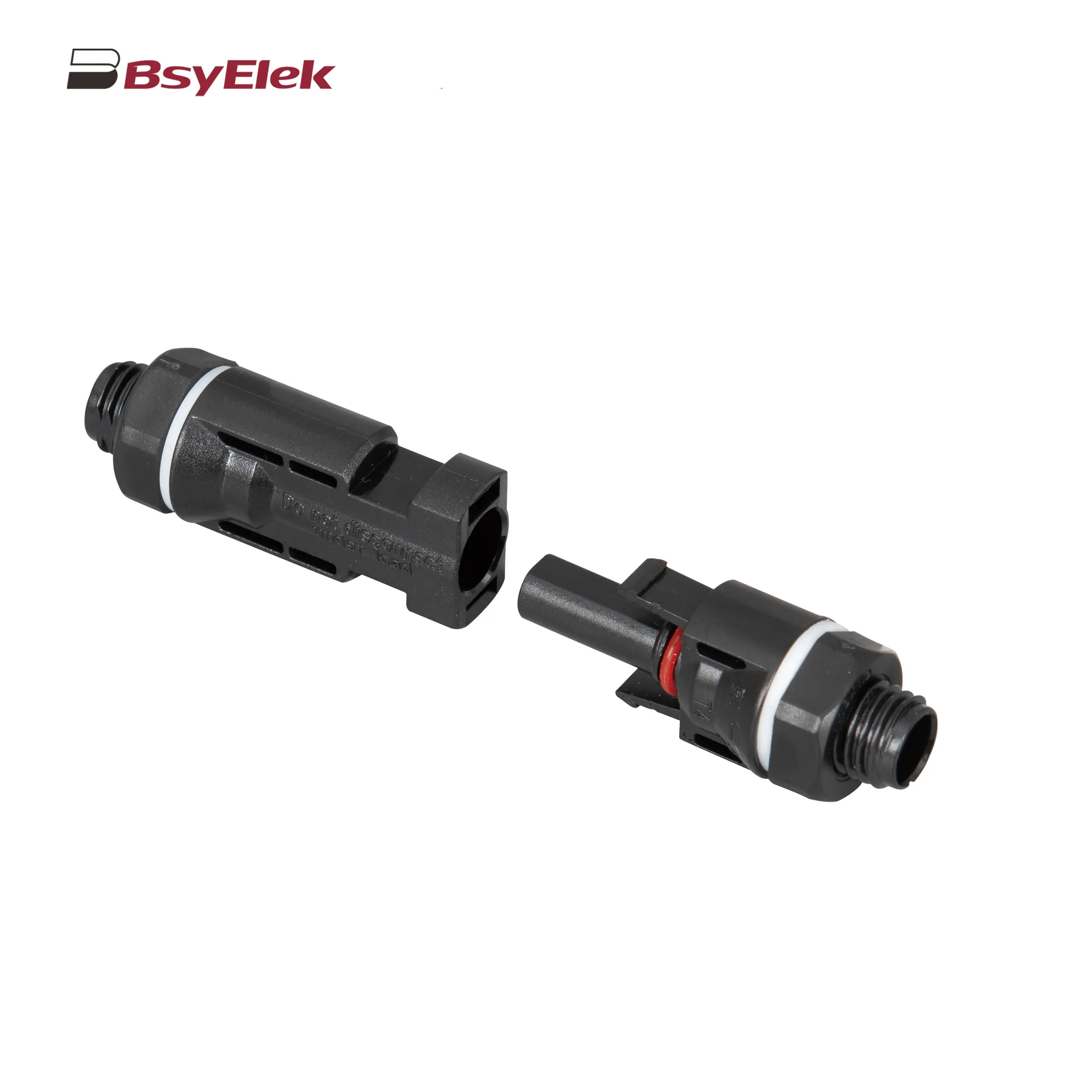 PV-BY-03 30A/50A 1000V Panel Mount Photovoltaic Connector
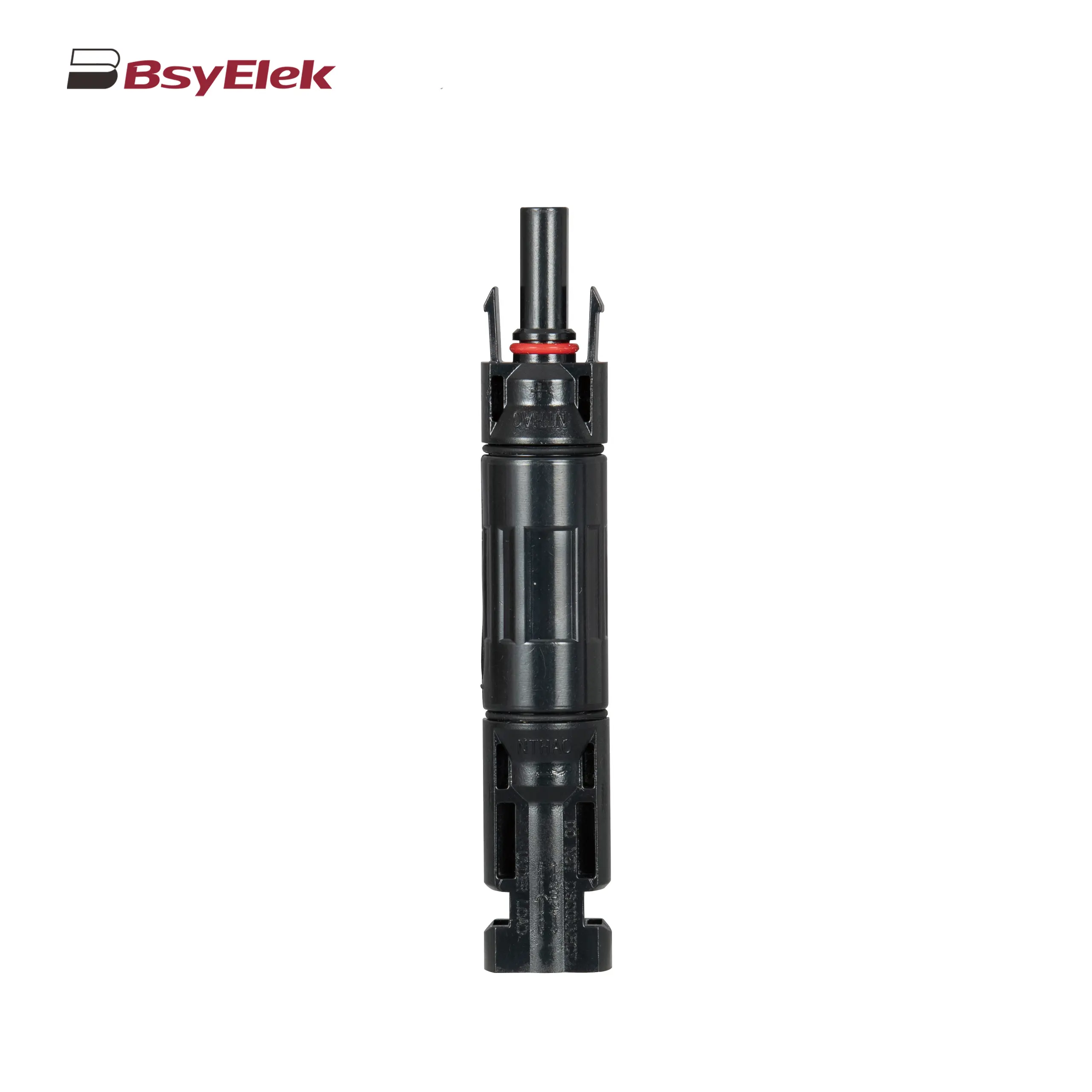 PV-BY-F01 30A 1500V Diode/Fuse Type Connector
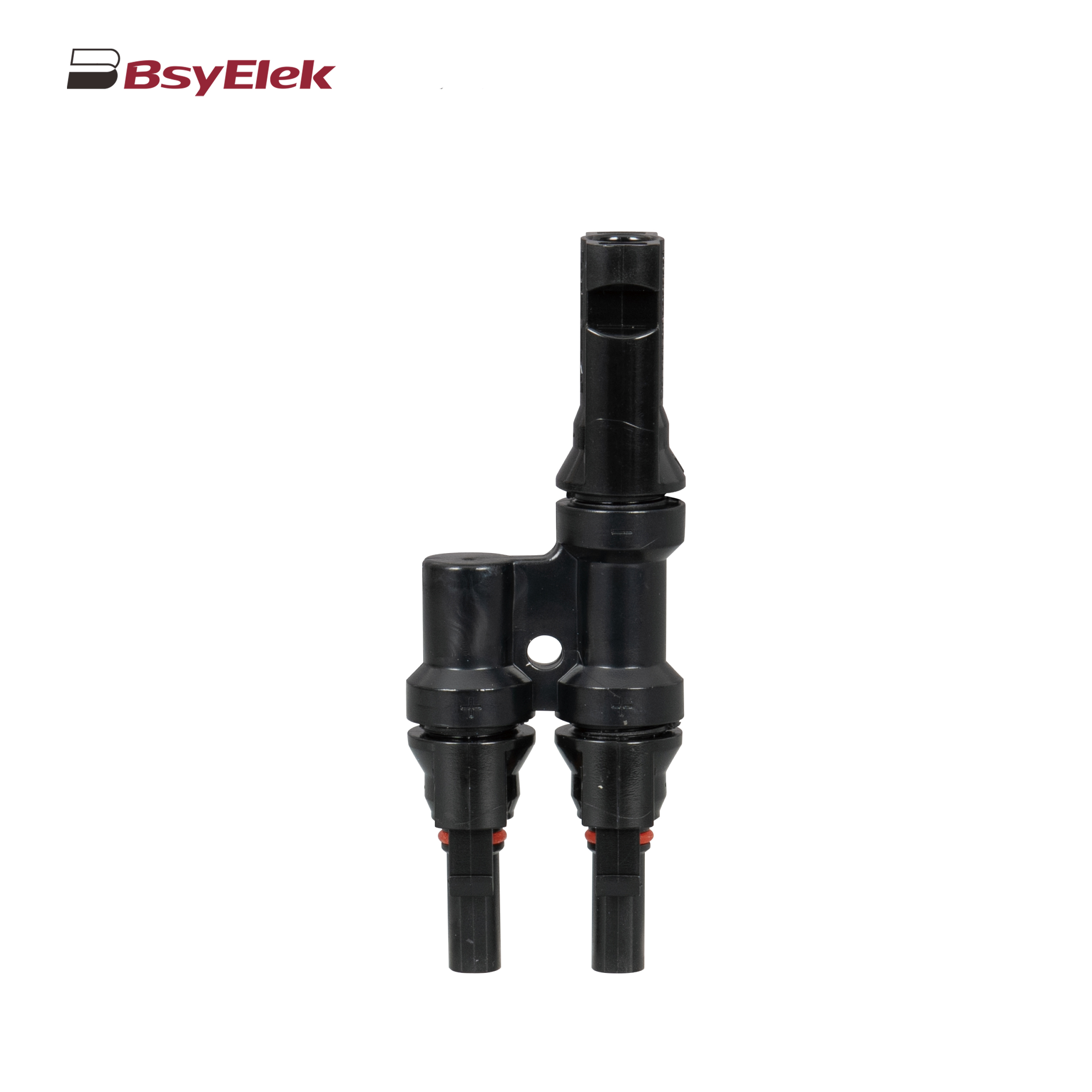 PV-BY-T 50A 1500V T Type Branch Connector
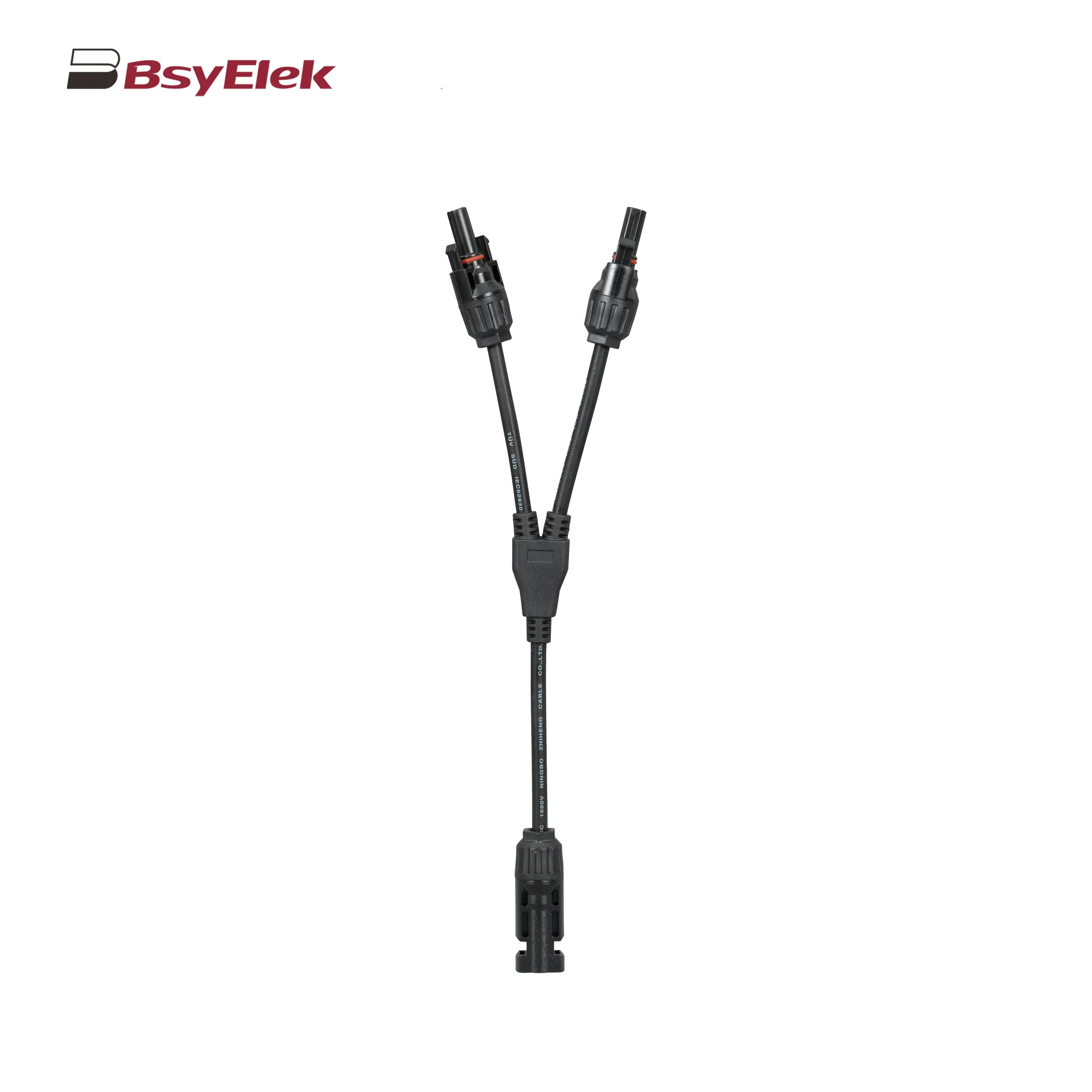 PV-BY-Y 30A 1500V Y Type Branch Connector
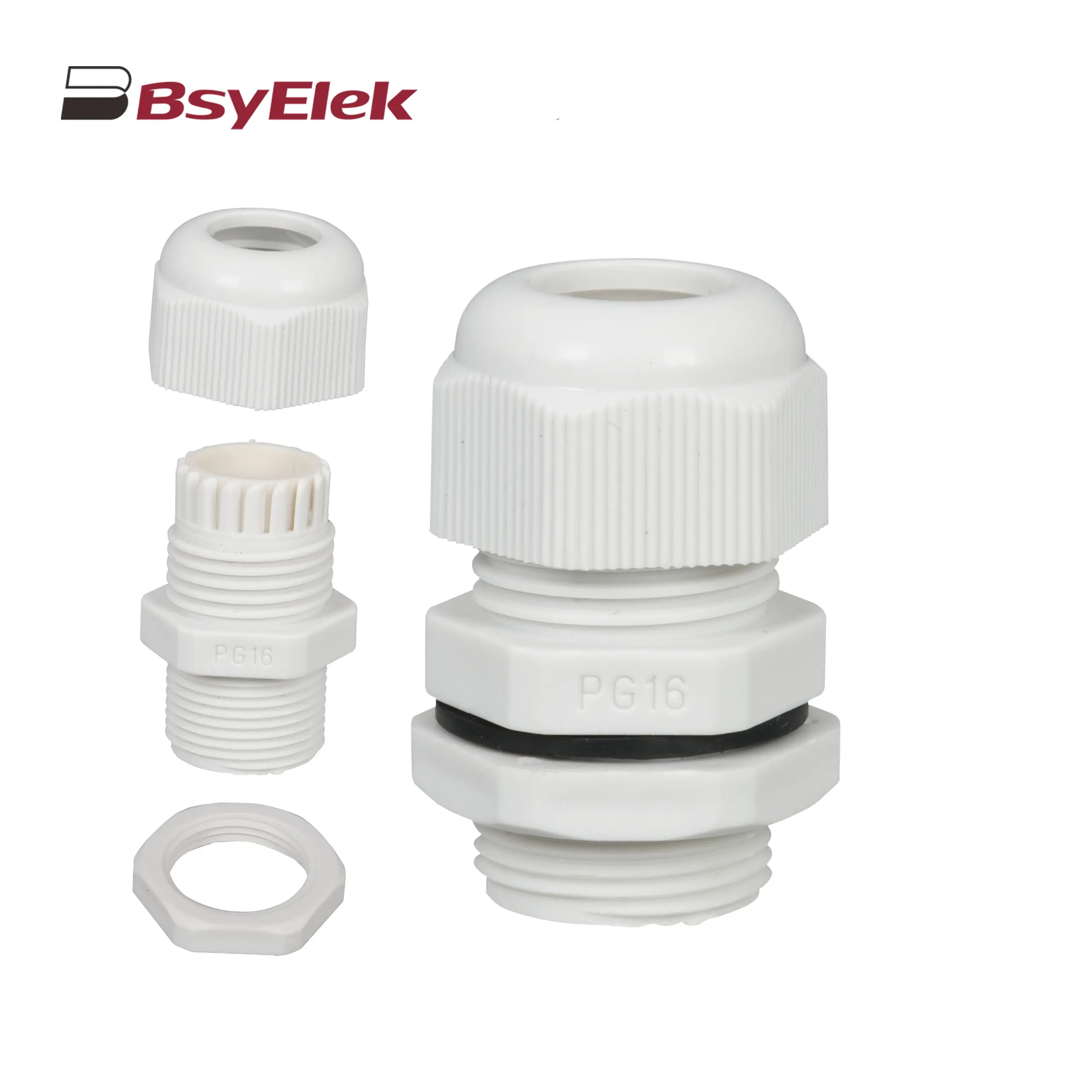 PG Waterproof Cable Gland with Washer
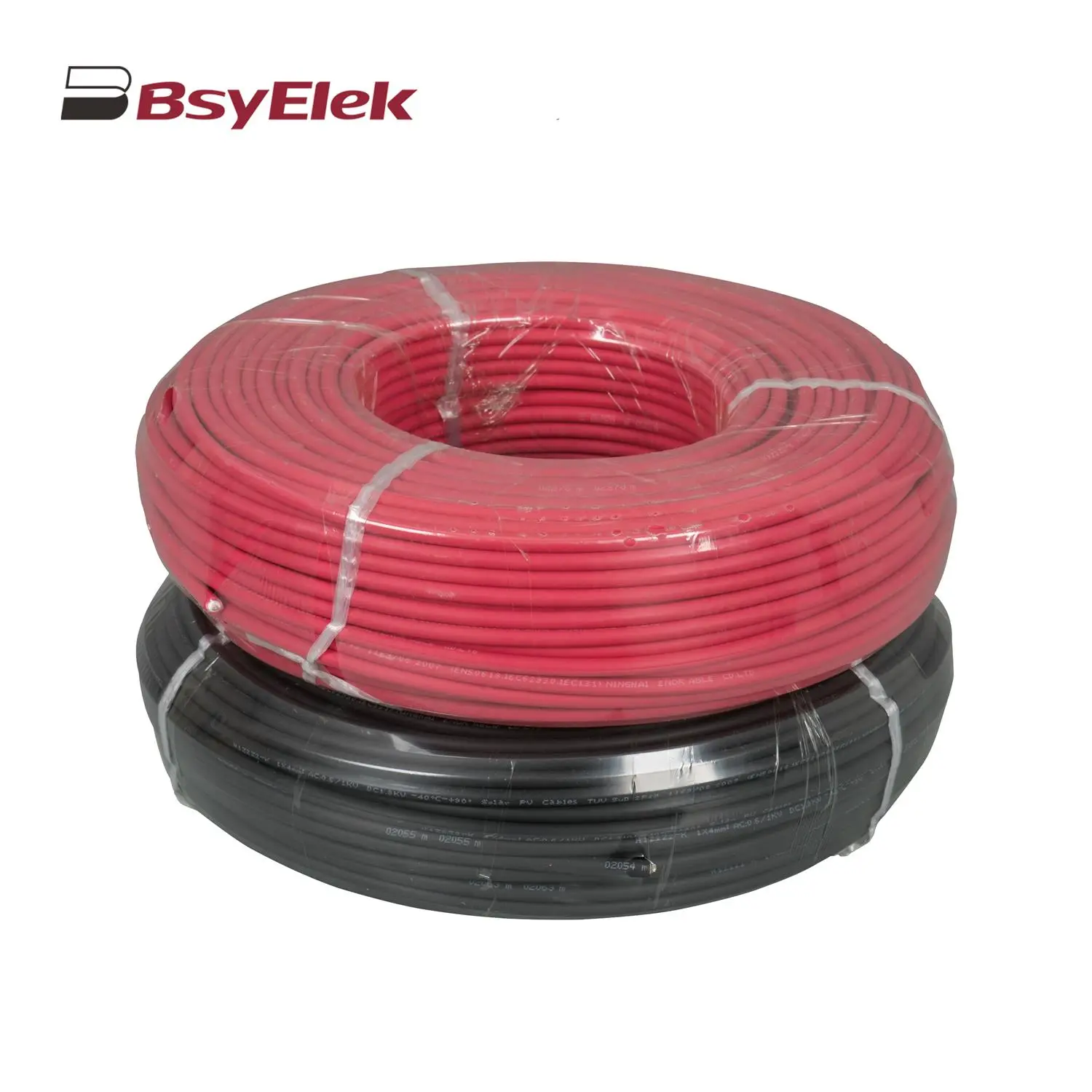 Photovoltaic Cable
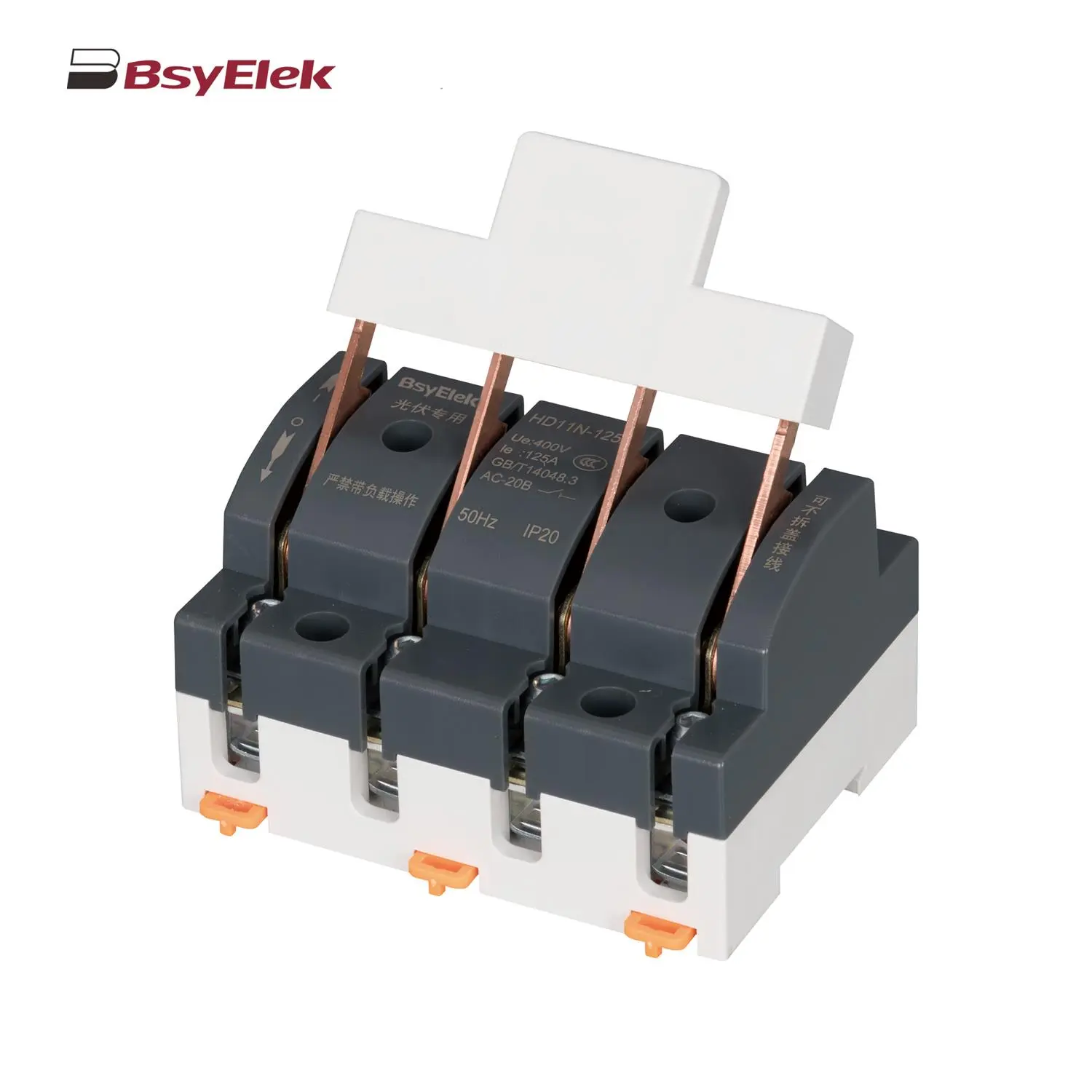 HD11N Photovoltaic Knife Switch
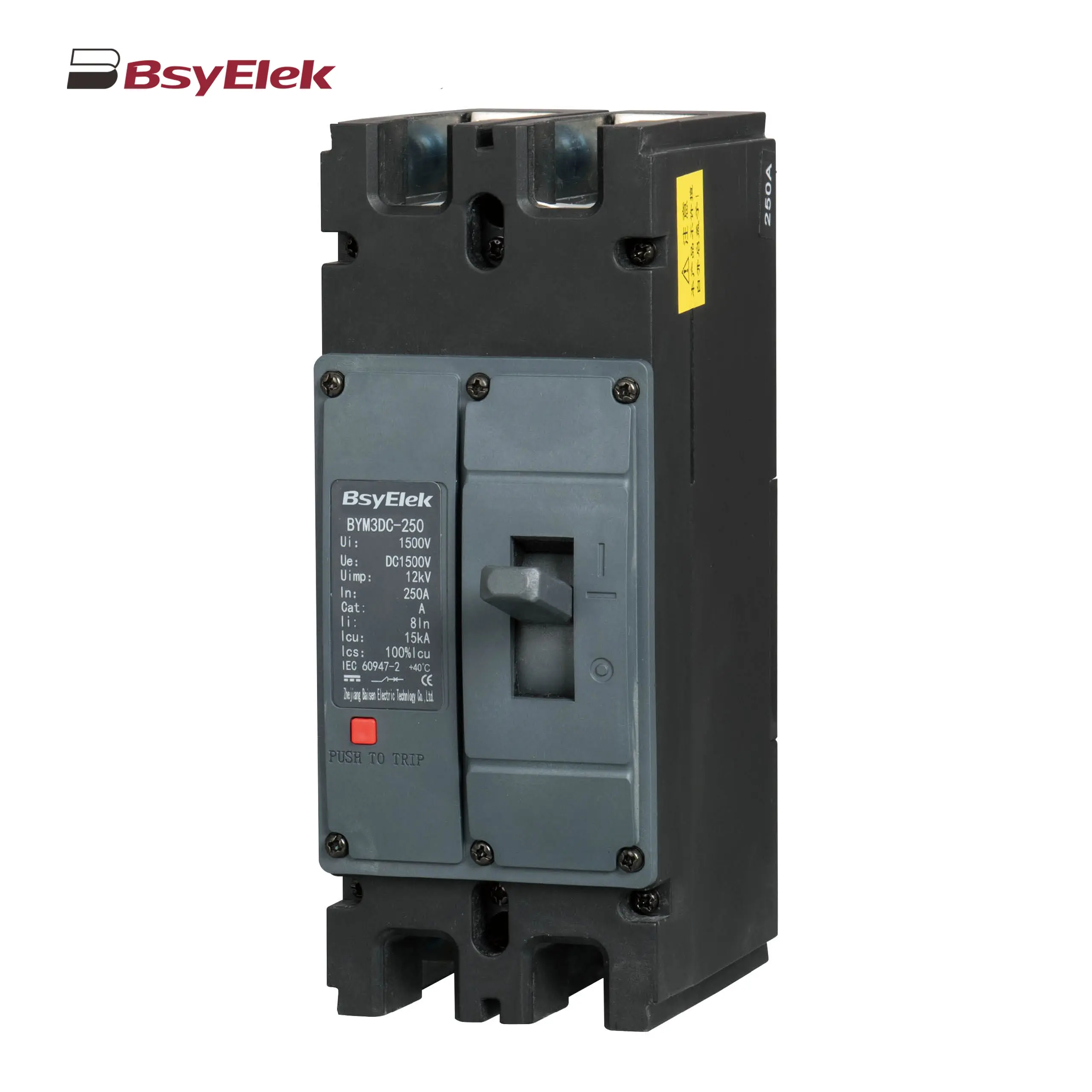 BYM3DC MCCB Photovoltaic DC Molded Case Circuit Breaker
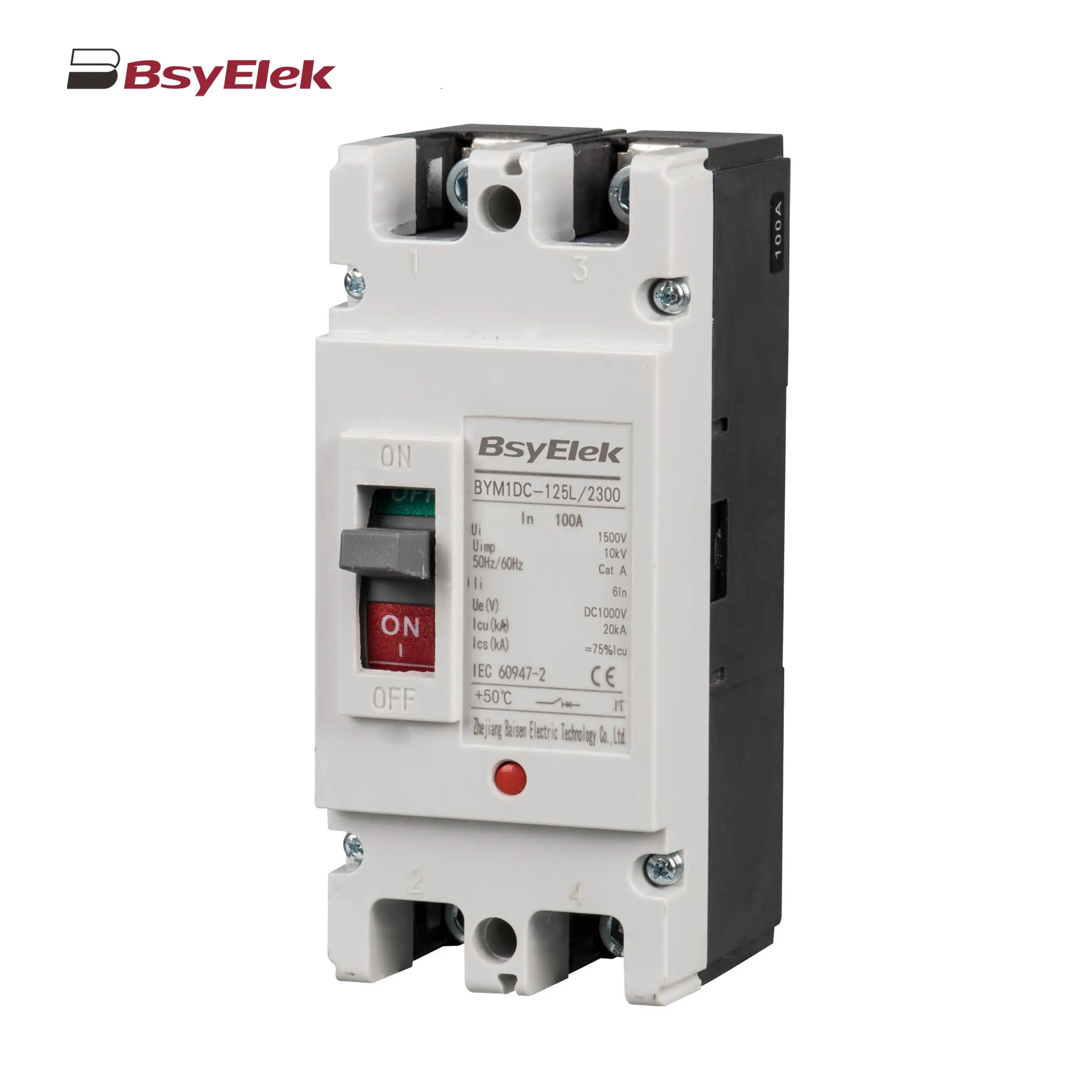 BYM1DC MCCB 1000VDC Thermal Magnetic Type DC Molded Case Circuit Breaker
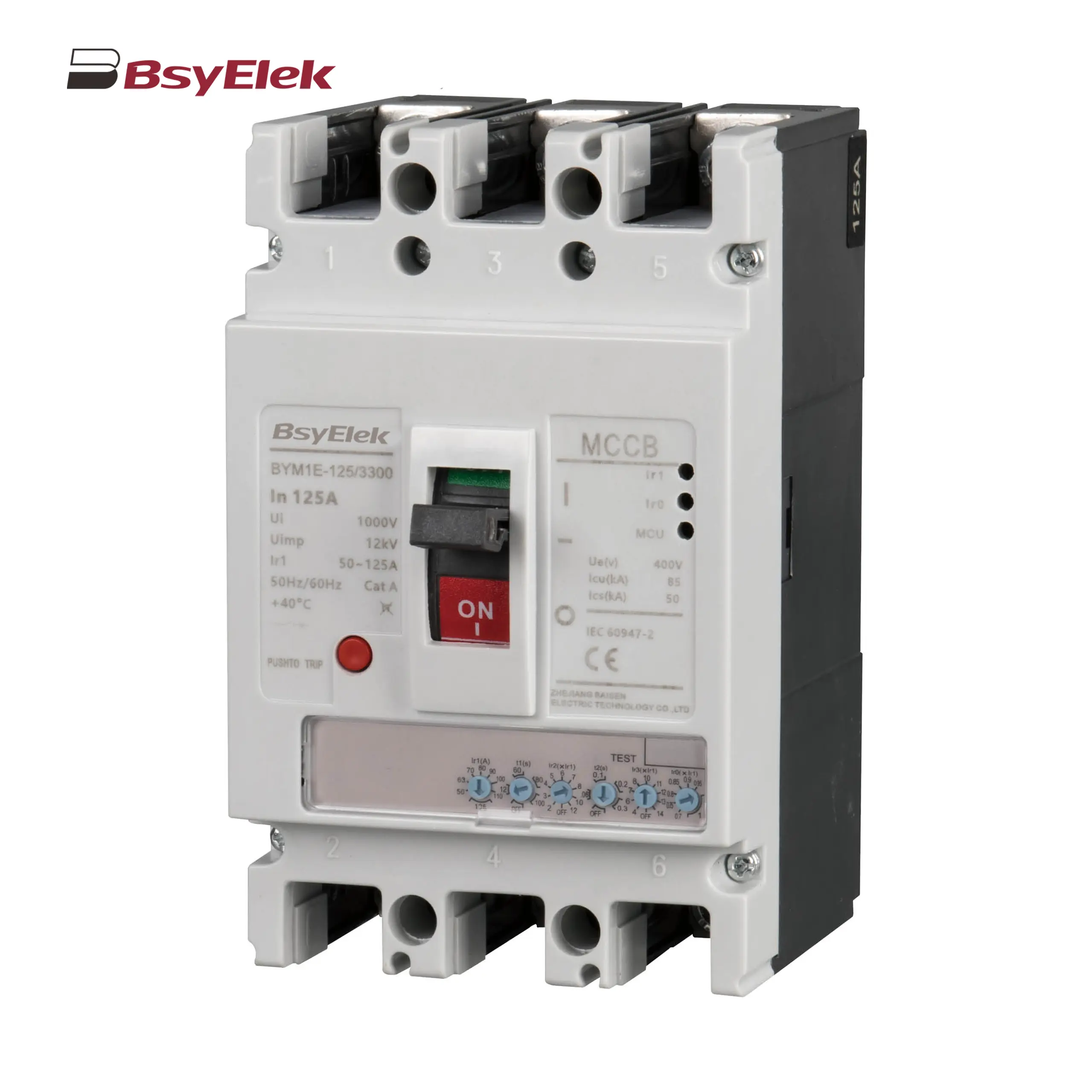 BYM1E MCCB Electronic Type Molded Case Circuit Breaker
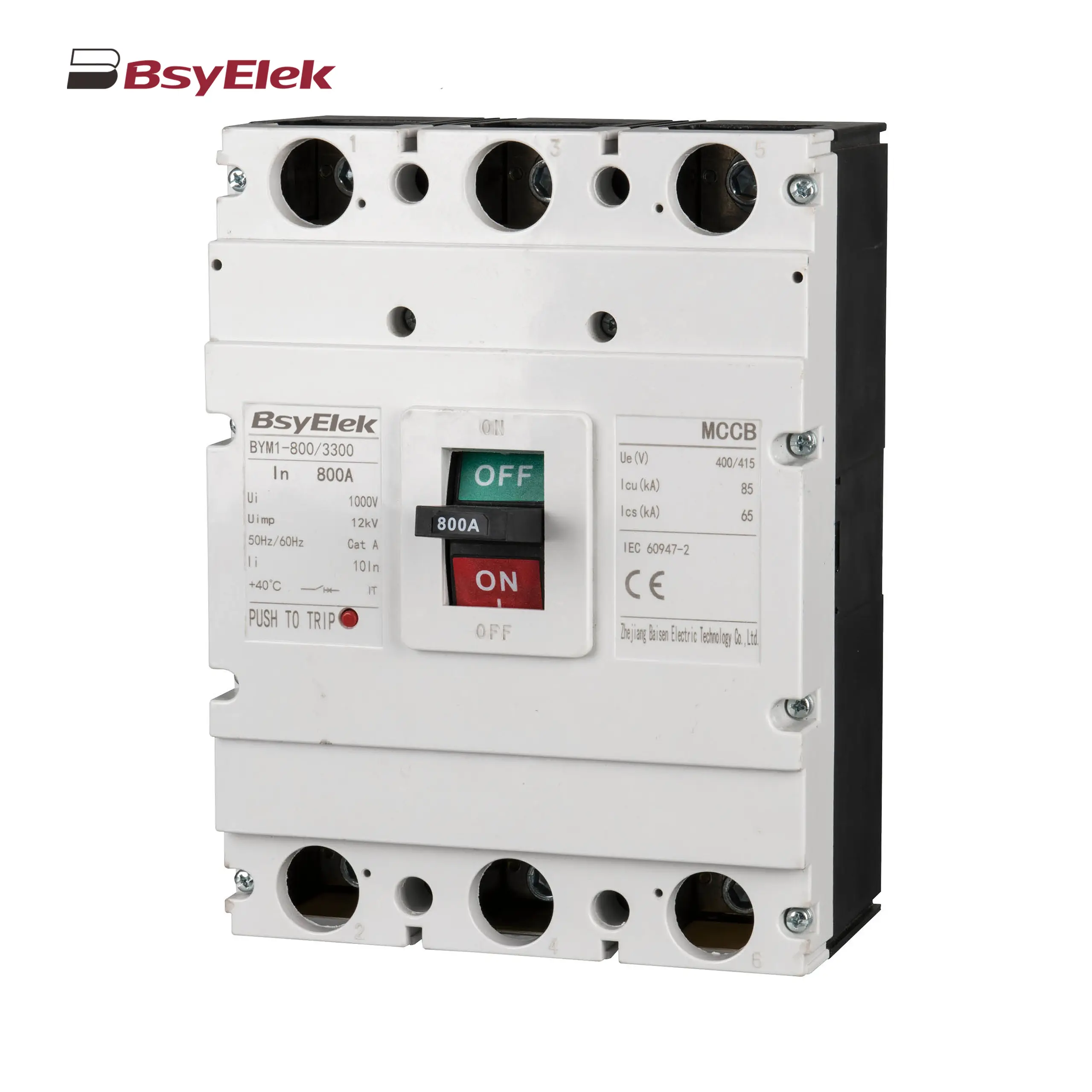 BYM1 MCCB Thermal Magnetic AC Molded Case Circuit Breaker
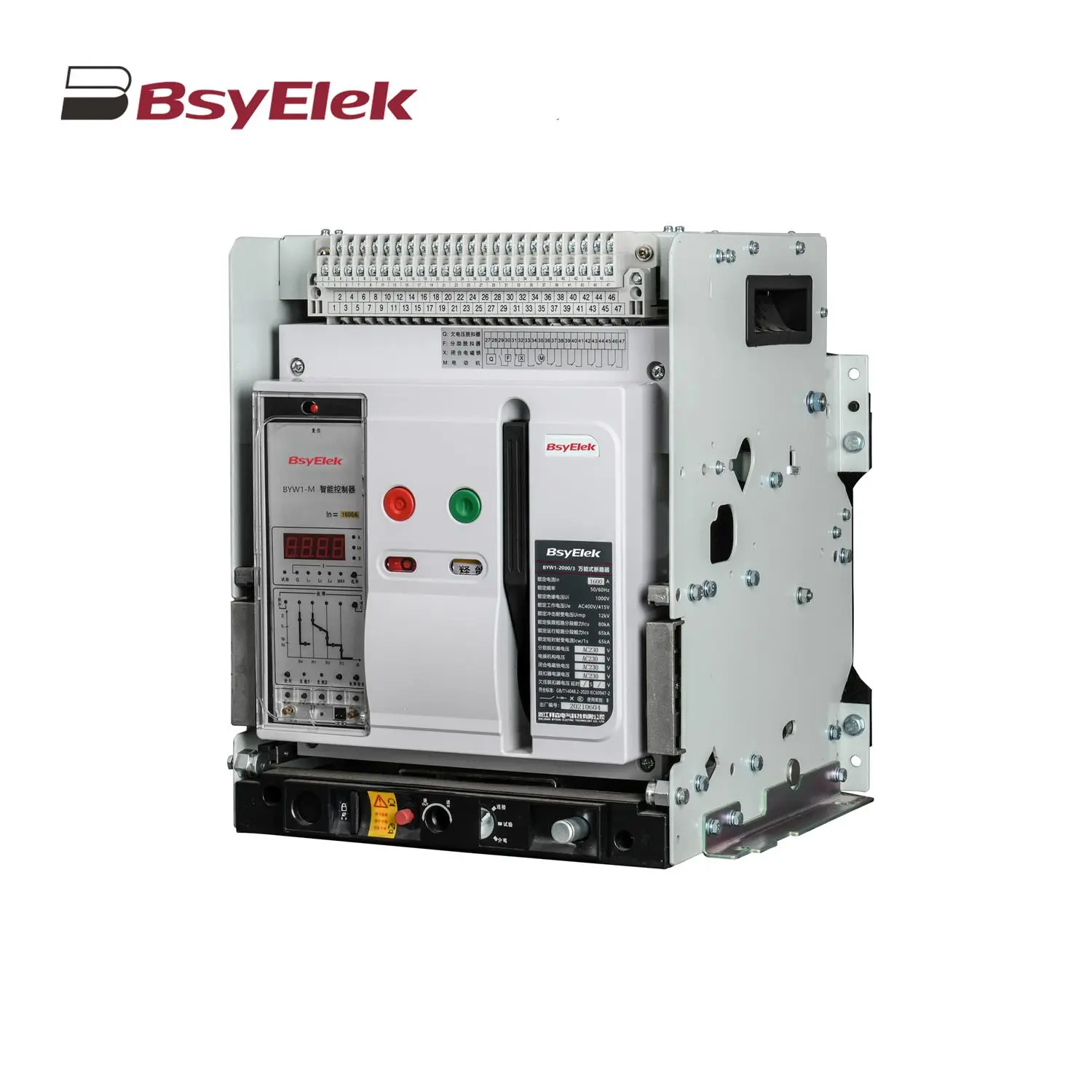 BYW1 ACB Intelligent Universal Air Circuit Breaker
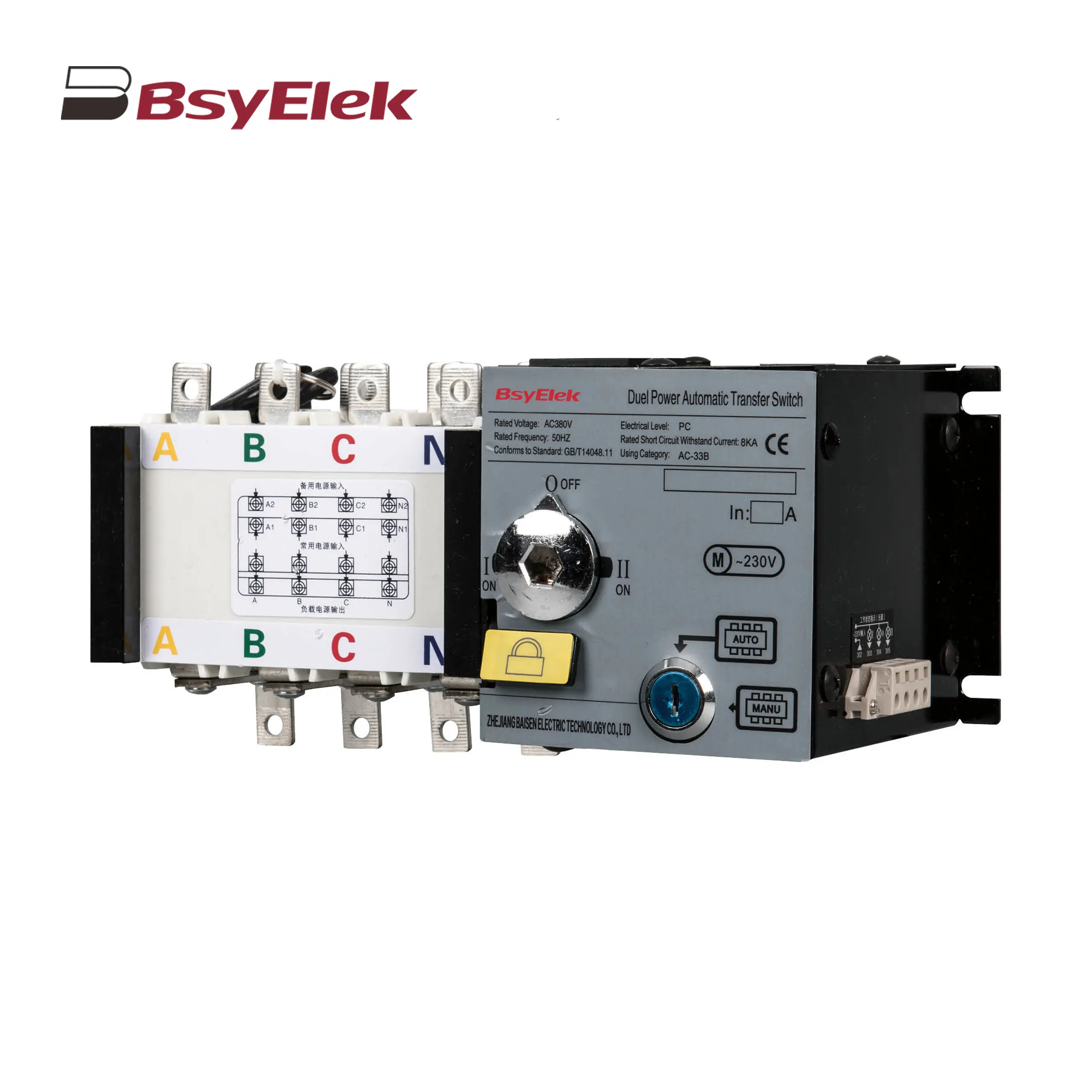 BYQ1 ATS Isolated Type PC Level Dual Power Automatic Transfer Switch
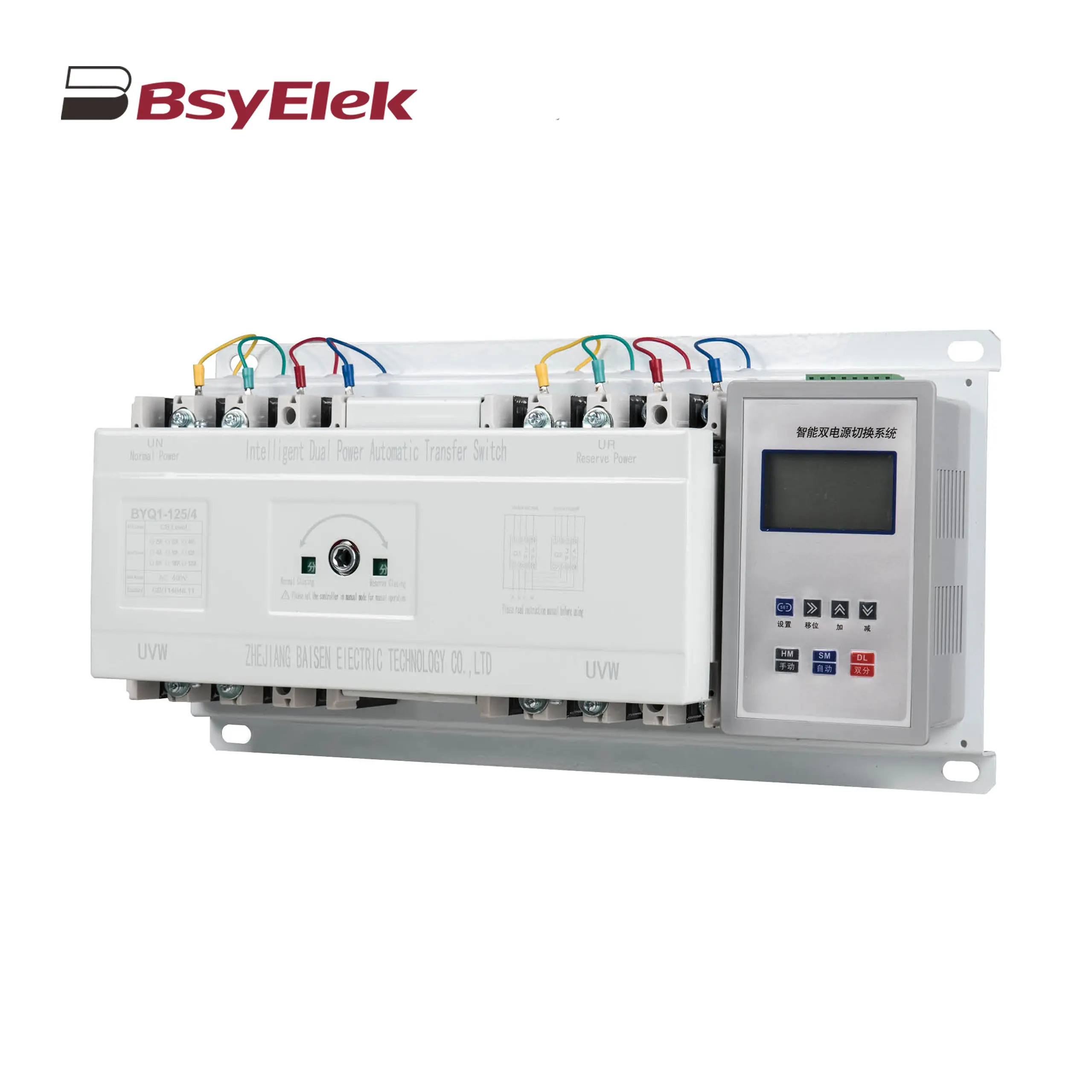 BYQ1 ATS Intelligent Type CB Level Dual Power Automatic Transfer Switch
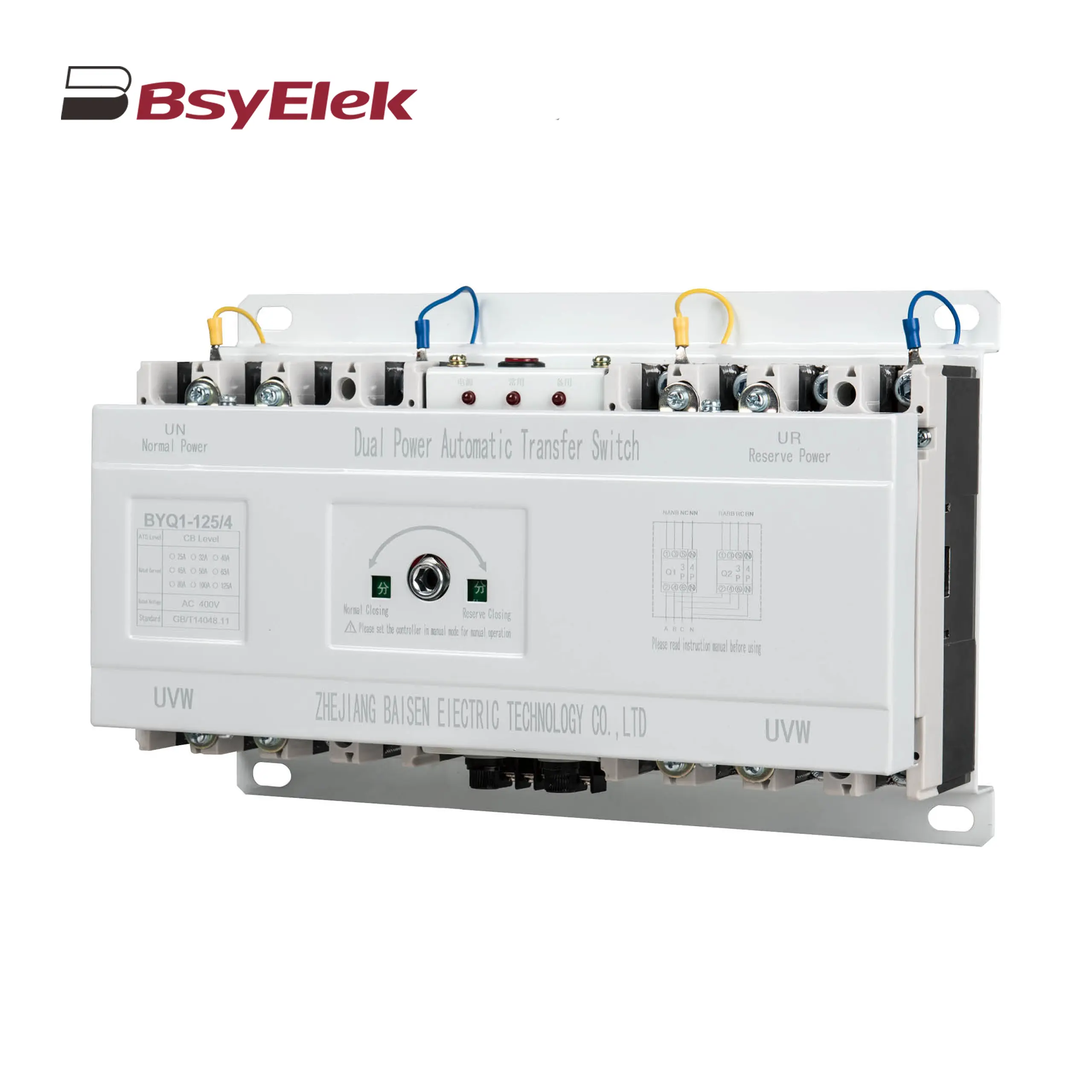 BYQ1 ATS End Type CB Level Dual Power Automatic Transfer Switch
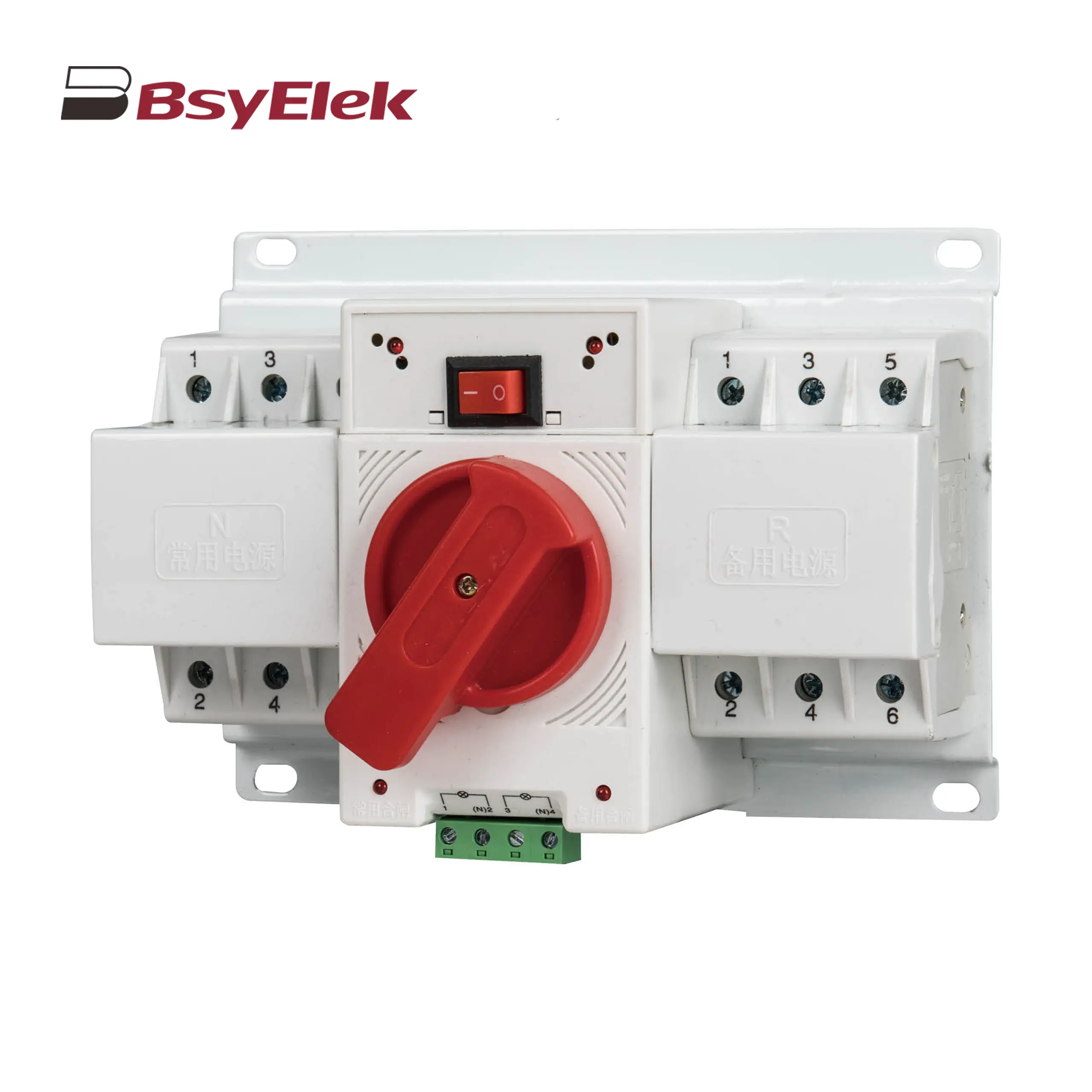 BYQ1 ATS Mini Type CB Level Dual Power Automatic Transfer Switch
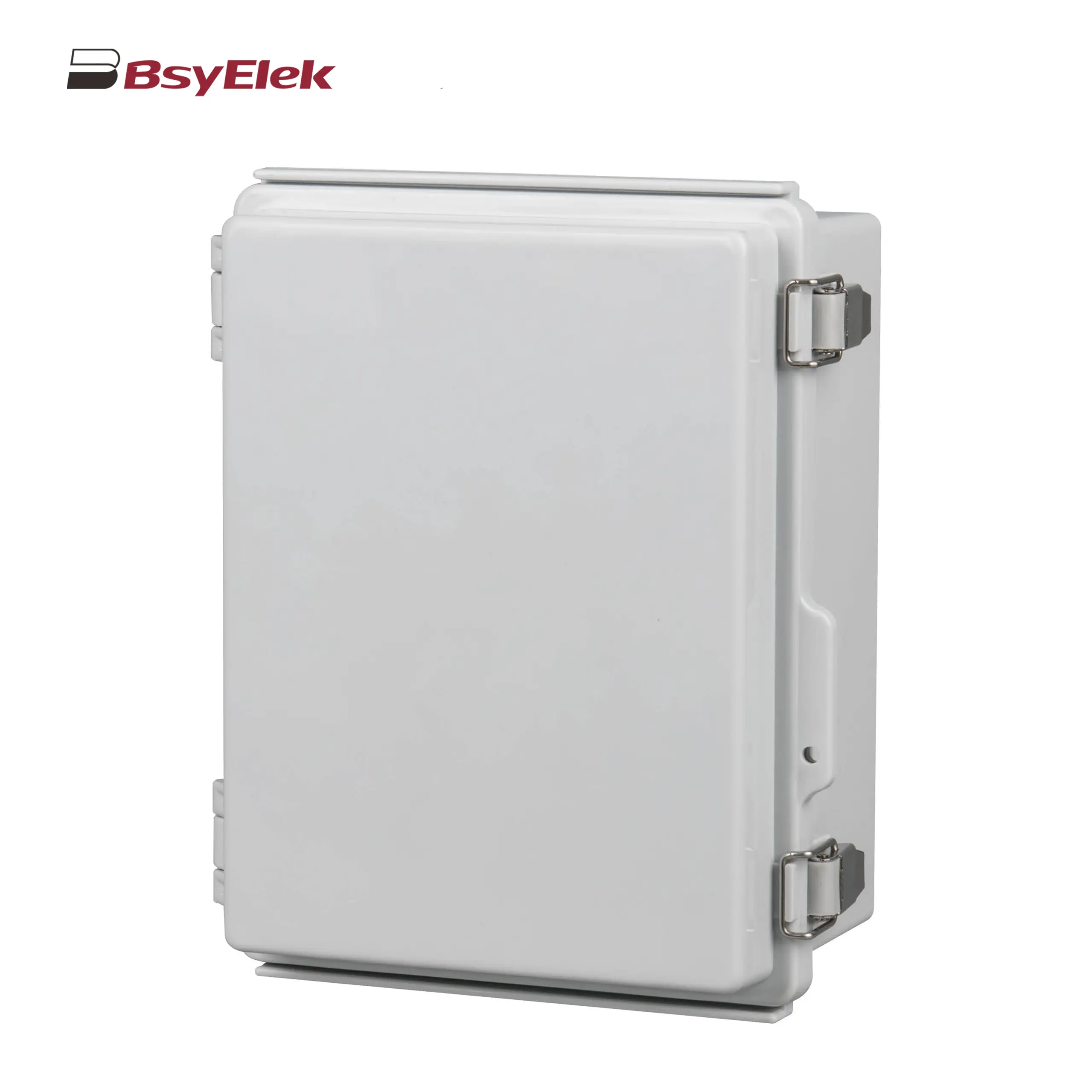 Stainless Steel Hinge Type Electrical Box
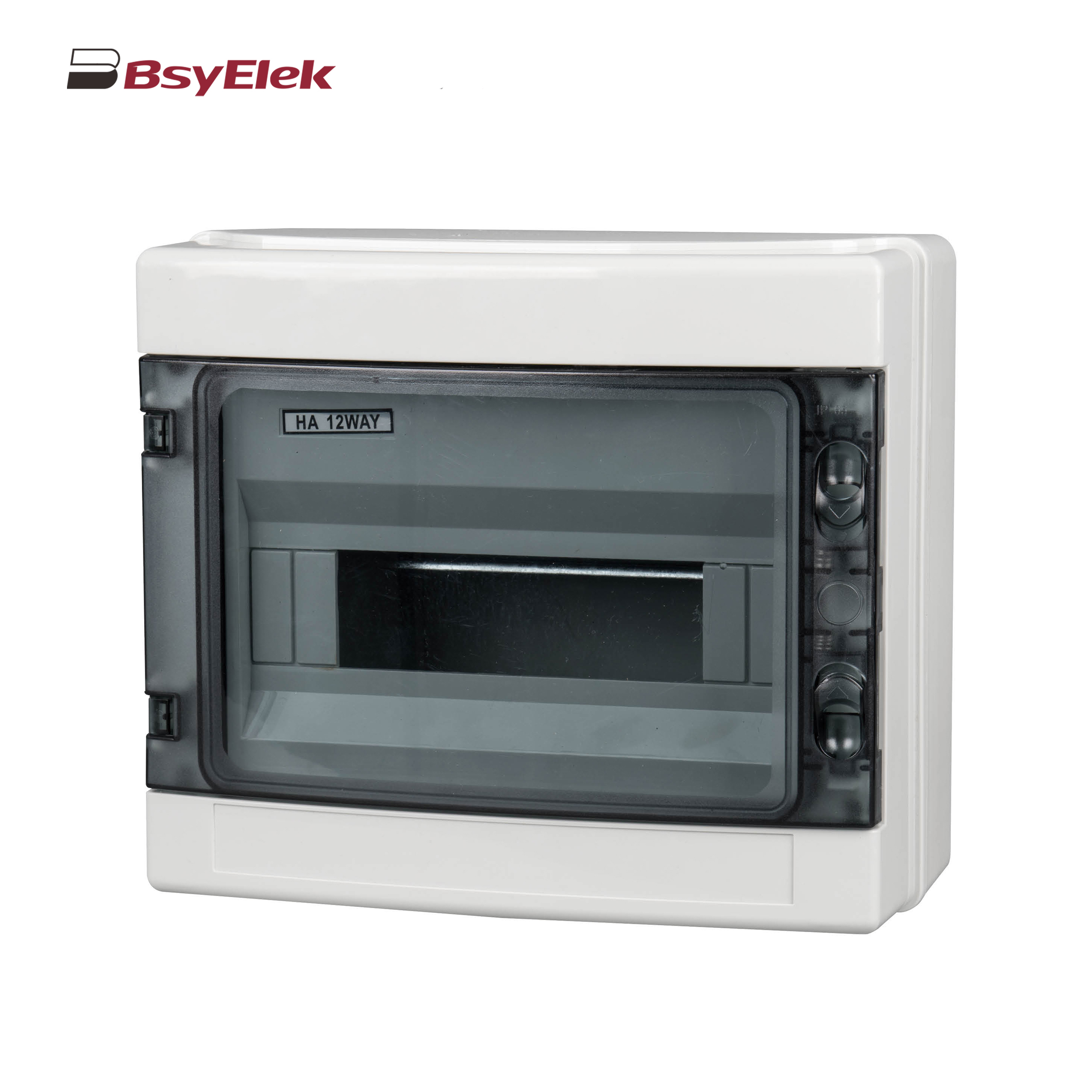 HA Waterproof Distribution Box
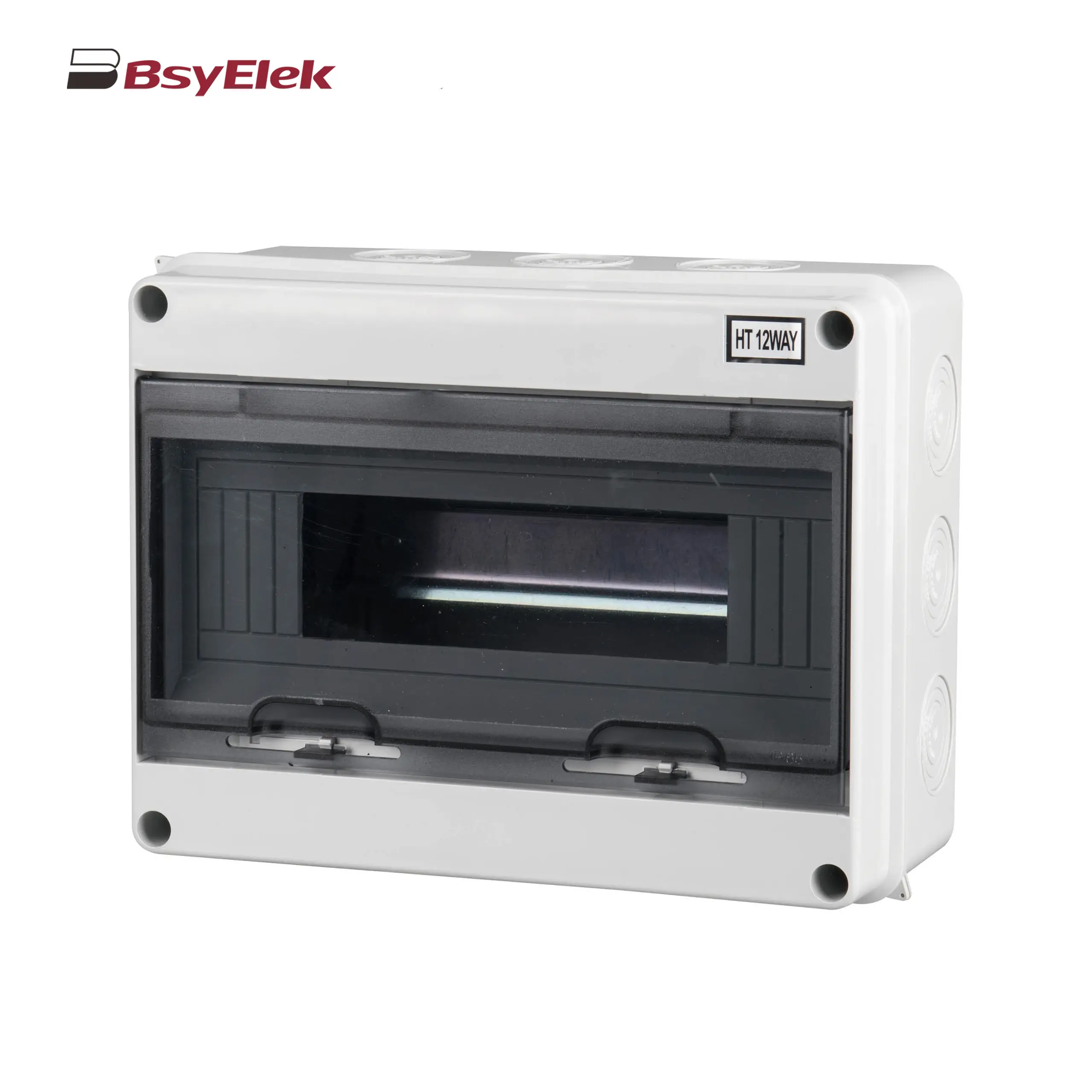 HT Waterproof Distribution Box
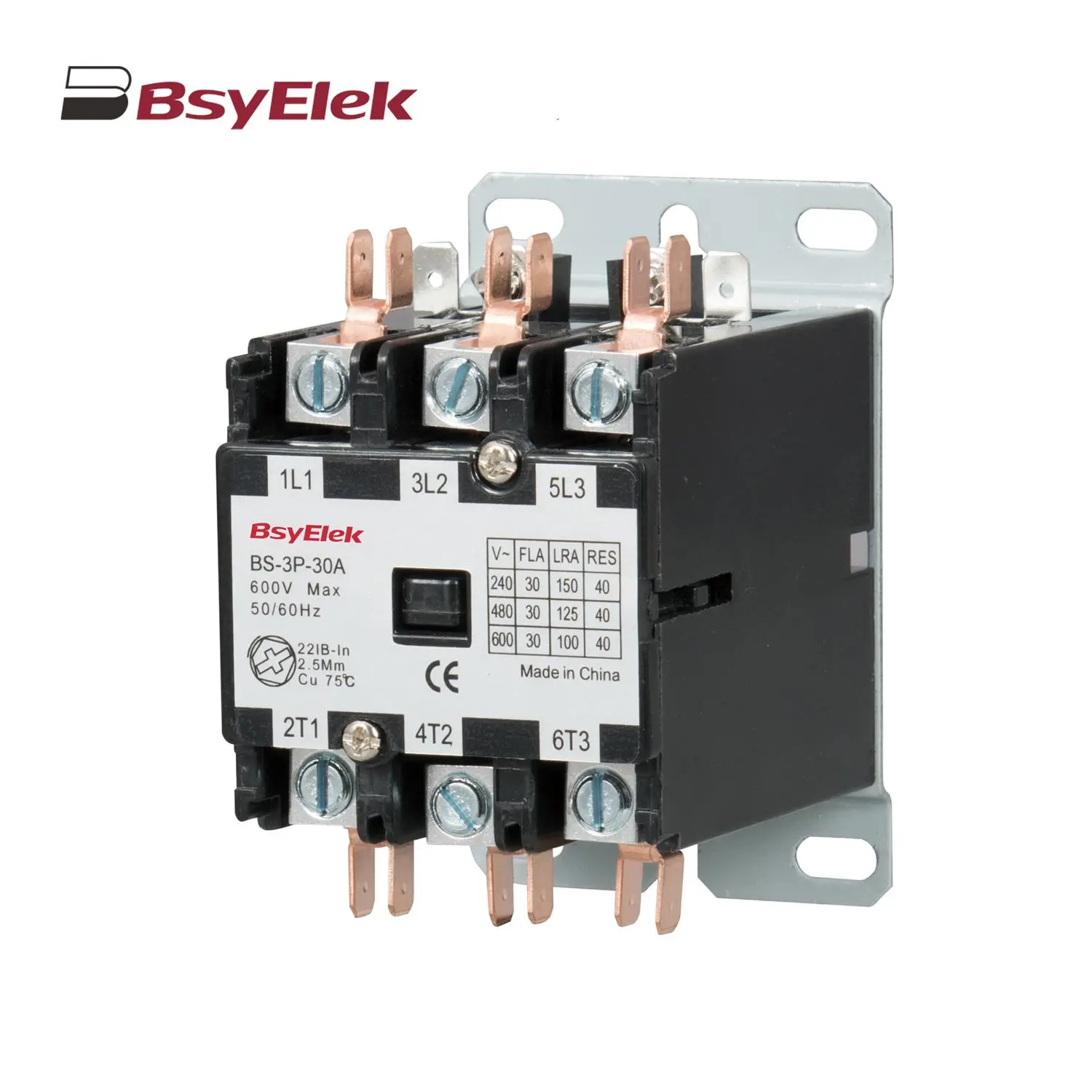 BS Definite Purpose Magnetic AC Contactor