• FaceBook
  • Twitter
  • LinkedIn
  • youtube
  • Instagram
Leave Your Message

Why Choose a Waterproof Electrical Box?

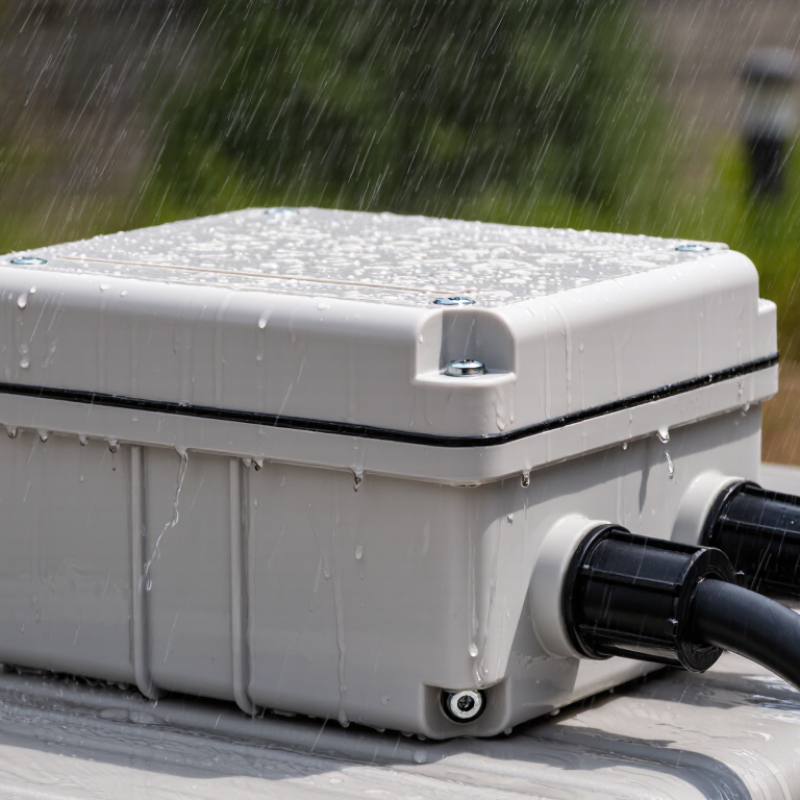
A Waterproof Electrical Box is more than a plastic or metal shell around wiring. It is a practical barrier against rain, condensation, dust, splashes, and accidental water contact. Outdoor lights, garden pumps, pool equipment, and exposed junctions often face changing conditions. A small seal failure can allow moisture to reach terminals. Corrosion may follow quietly.

The National Fire Protection Association reported that electrical distribution and lighting equipment were involved in an estimated 32,620 U.S. home structure fires annually from 2015 to 2019. These incidents caused approximately 470 civilian deaths, 1,100 injuries, and $1.3 billion in direct property damage. A properly selected enclosure cannot prevent every electrical fault. It can, however, reduce exposure to one important risk: environmental moisture. That distinction matters.

Protection should be verified, not assumed. IEC 60529 defines IP ratings, including protection against solid particles and water entry. NEMA 250 provides enclosure classifications for North American applications. These standards help engineers compare products under specified test conditions. For example, an enclosure exposed to driving rain needs different protection than one installed beneath a covered porch. Check the cable glands, gasket, mounting surface, and drainage path. The weakest detail controls the result.

Choose the rating carefully.

Real installations are rarely perfect. Screws loosen, lids warp, and unused openings are sometimes left unsealed. Good design anticipates these failures. A reliable Waterproof Electrical Box should match the location, wiring method, temperature range, and maintenance requirements. It should also carry credible certification and clear installation instructions. When safety, durability, and long-term operating cost matter, water protection becomes a design decision, not an optional feature.

Why Choose a Waterproof Electrical Box?

What “Waterproof” Means: IP65–IP68 and NEMA 4X Enclosure Ratings

A waterproof electrical box protects connections from rain, washdown, condensation, and dust. However, “waterproof” is not one universal rating. IP ratings follow IEC 60529 testing methods. IP65 means the enclosure is dust-tight and resists water jets. IP66 withstands stronger water jets. IP67 permits temporary immersion, commonly up to one metre for 30 minutes. IP68 supports longer or deeper immersion, but the exact test conditions must be stated by the manufacturer.

NEMA 4X covers protection against indoor and outdoor dust, rain, splashing water, hose-directed water, and corrosion. It is often suitable for coastal sites, food-processing areas, and humid utility rooms. Still, NEMA 4X and IP ratings are not direct equivalents. NEMA 4X does not automatically confirm immersion protection. A careful specification must match the enclosure to the real hazard.

Installation details matter. A sealed box can fail when a cable gland is loose, a gasket is pinched, or an unused opening remains uncovered. Field inspections often reveal water tracks near poorly tightened covers. That detail is easy to miss. I would also avoid treating an IP68 label as unlimited underwater protection. Depth, time, temperature, and cable entry design can change performance. Ratings describe tested conditions, not every possible installation.

How Water Causes Electrical Failure: UL 943’s 4–6 mA GFCI Trip Threshold

Why Choose a Waterproof Electrical Box?

Water can create an electrical failure before anyone sees a spark. Moisture forms a thin conductive path between energized parts, grounded metal, or nearby conductors. Even a few milliamps may become dangerous when current travels through a person. Under UL 943, a Class A GFCI is designed to trip when ground-fault current reaches approximately 4–6 mA. That response is intentionally sensitive. It can interrupt power before a small leakage path becomes a severe shock hazard.

A waterproof electrical box helps limit this exposure. Its sealed cover, gasket, and cable entries can keep rain, condensation, and splash water away from terminals. In field inspections, loose fittings and damaged gaskets often appear before the box itself fails. Water may enter slowly. Corrosion follows. Then insulation resistance drops, and the GFCI trips unexpectedly.

The box still needs correct installation. A damaged seal defeats the enclosure. An over-tightened cable gland can also deform the gasket. I once assumed a sealed box made every connection safe. That assumption was wrong.

A waterproof enclosure reduces moisture-related risks, but it cannot repair poor wiring, damaged insulation, or an unsuitable circuit design. Keep the enclosure dry, inspect entry points, and treat repeated 4–6 mA trips as a fault requiring careful testing. Small leaks matter.

Materials and Corrosion Resistance: NEMA 4X Requirements for Outdoor Boxes

Why Choose a Waterproof Electrical Box?

Outdoor electrical boxes face rain, dust, cleaning spray, and changing temperatures. A NEMA 4X enclosure is designed to resist these conditions and corrosion. It protects internal wiring from windblown dust, rain, splashing water, and hose-directed water. However, NEMA 4X is not simply a claim of being waterproof. The enclosure must meet defined construction and testing requirements.

Material selection strongly affects service life. Stainless steel offers excellent resistance in coastal air, processing areas, and locations exposed to frequent washing. Fiberglass-reinforced polyester can resist chemicals while remaining relatively lightweight. Polycarbonate may suit installations needing impact resistance and electrical insulation. Seals also matter. A damaged gasket can allow moisture inside, even when the box body remains intact. Small hardware choices matter too. Corrosion-resistant hinges, latches, and mounting parts help preserve the enclosure’s protective function.

Look closely at the environment.

In field installations, salt residue often collects around door edges and fasteners. Regular inspection can reveal discoloration, cracked seals, or loose fittings before water reaches terminals. Still, material performance depends on exposure, temperature, chemical concentration, and installation quality. NEMA 4X does not guarantee permanent protection in every climate. That point is easy to overlook. Selecting a box only by appearance can create expensive maintenance problems later. A careful specification should identify the corrosive agents, cleaning methods, enclosure material, gasket condition, and required certification.

Why Choose a Waterproof Electrical Box?

Materials and corrosion resistance are important for outdoor enclosures. The chart compares representative Pitting Resistance Equivalent Numbers (PREN) for common stainless-steel grades. PREN is calculated as %Cr + 3.3 × %Mo + 16 × %N; a higher value generally indicates better resistance to chloride-related pitting.

A NEMA 4X enclosure must provide protection against corrosion in addition to dust, rain, splashing water, and hose-directed water. PREN is a material comparison indicator, not a substitute for verified NEMA 4X testing or certification.

Installation and Sealing: NEC 300.5 Burial Depths of 6–24 Inches

A waterproof electrical box protects connections from rain, soil moisture, condensation, and accidental splashing. Underground wiring is treated as a wet location, even when the conduit appears sealed. Conductors must be suitable for wet environments, and the box must be listed for that exposure. A dry-looking trench can still collect water overnight.

NEC 300.5 sets minimum cover depths that commonly range from 6 to 24 inches. The correct depth depends on the wiring method, circuit type, surface above it, and physical protection. In limited residential applications, 6 inches may be permitted with required GFCI protection and approved wiring methods. Other installations may require 12, 18, or 24 inches, especially beneath driveways or areas exposed to vehicle traffic. Table 300.5 should be checked before digging.

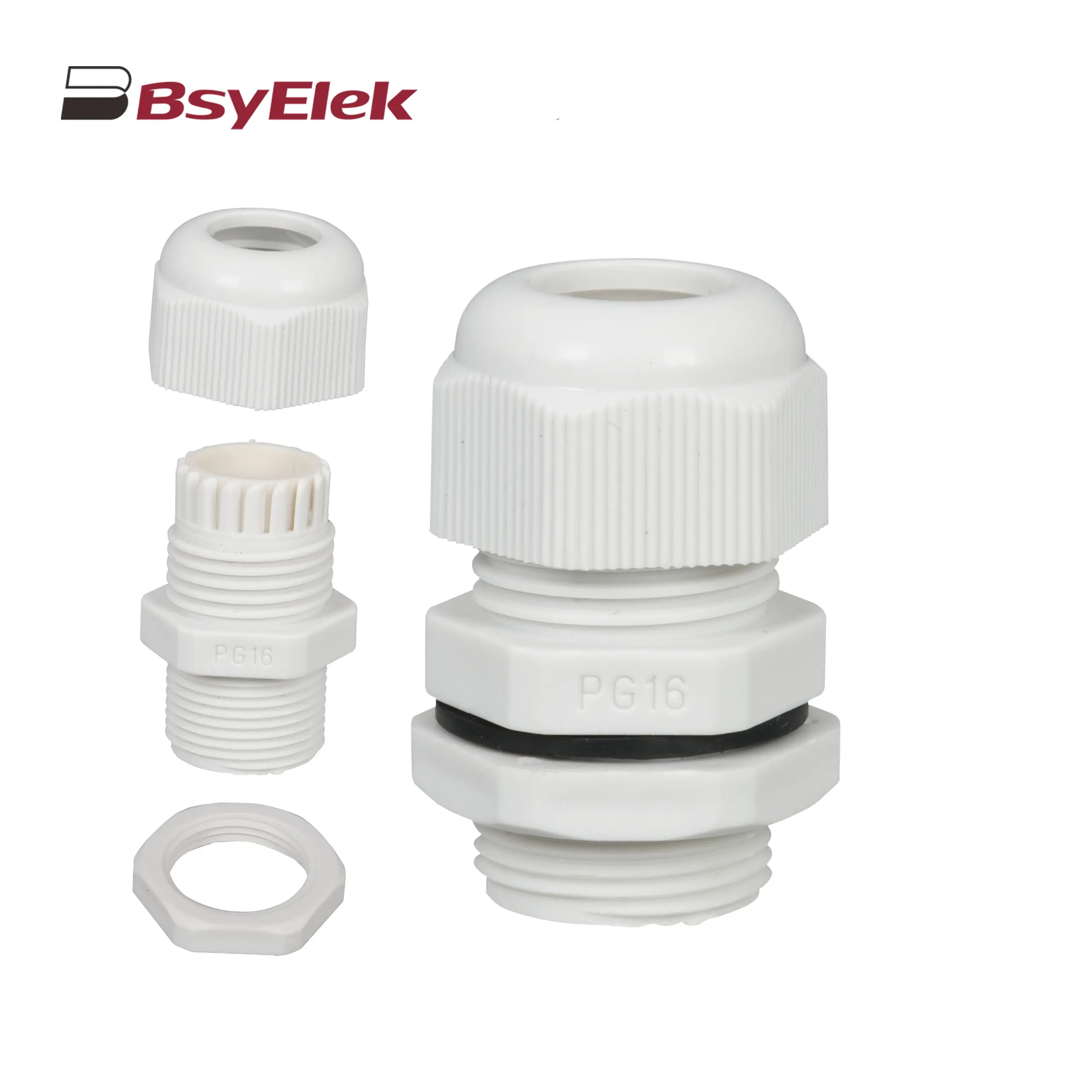
Sealing requires more than adding silicone around a fitting. Use compatible, listed hubs, locknuts, gaskets, and conduit fittings. Keep threaded connections tight, and protect cable entries from sharp edges. Underground raceways can collect water, so the conductors and box must tolerate moisture. I have seen installations fail because the cover was weather-resistant, but the cable entry was not. That detail is easy to miss. Trench depth should be measured from finished grade, not loose soil, and warning tape does not replace required cover. Local inspection rules may impose additional requirements, so confirm the design with the authority having jurisdiction before backfilling.

Choosing the Right Box: UL 50E Tests for Impact, Heat, and Water Resistance

Why Choose a Waterproof Electrical Box?

A waterproof electrical box must resist more than visible rain. Its enclosure should protect wiring during impact, heat exposure, and water entry. UL 50E evaluates enclosure construction through environmental and mechanical performance tests. The applicable enclosure type determines which water exposure tests apply.

Impact resistance matters when tools, gravel, or equipment strike the box. Temperature conditioning also reveals whether plastics, seals, and hinges remain reliable under heat changes. Water testing can include rain, hose-directed water, or temporary immersion, depending on the classification. Passing one test does not prove protection in every installation.

NFPA research estimated an annual average of 35,150 U.S. home fires involving electrical distribution and lighting equipment from 2012 to 2016. These fires caused about 470 deaths and 1,100 injuries. The figures show why enclosure selection deserves careful attention. During field inspections, technicians should check gasket compression, fastener torque, cable-gland sealing, and unused openings. A damaged seal can defeat a strong enclosure.

Small details matter. NEMA 250 ratings can help compare enclosure protection, while UL 50E test requirements support construction verification. Still, ratings are not magic. Poor mounting, trapped moisture, or condensation can create problems after installation. I would recheck the box after severe weather, because the test result reflects controlled conditions, not every real site.

Sources: NFPA, Electrical Fires report; NEMA 250; UL 50E.