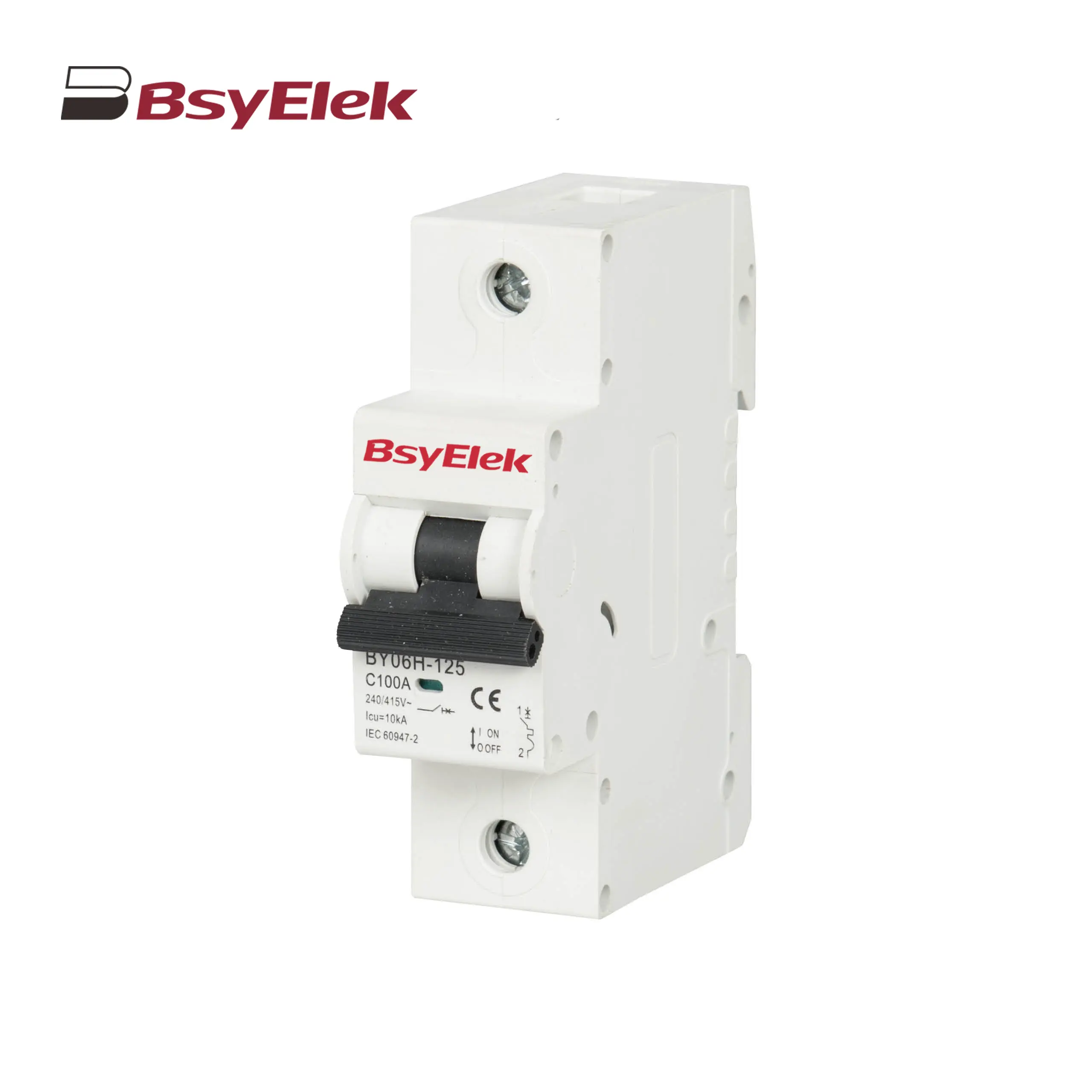
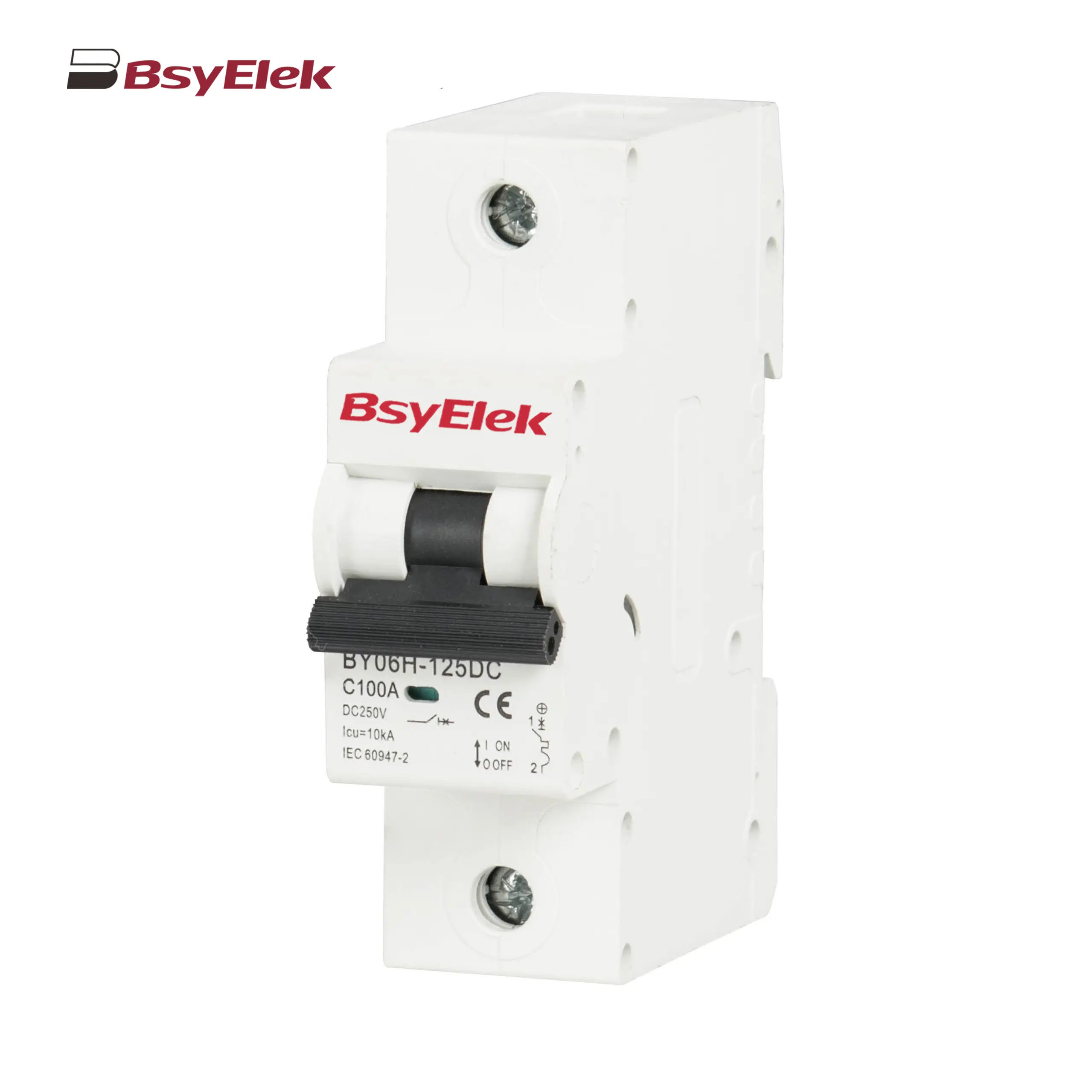
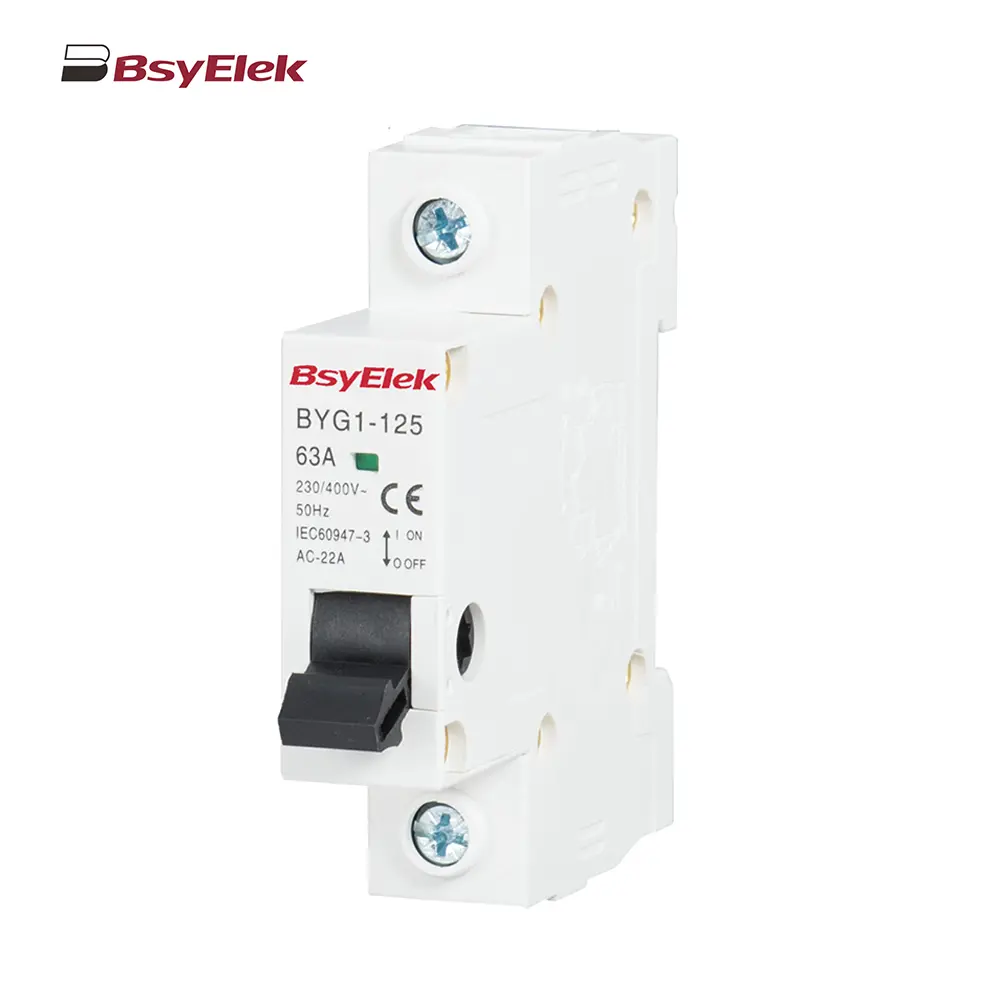
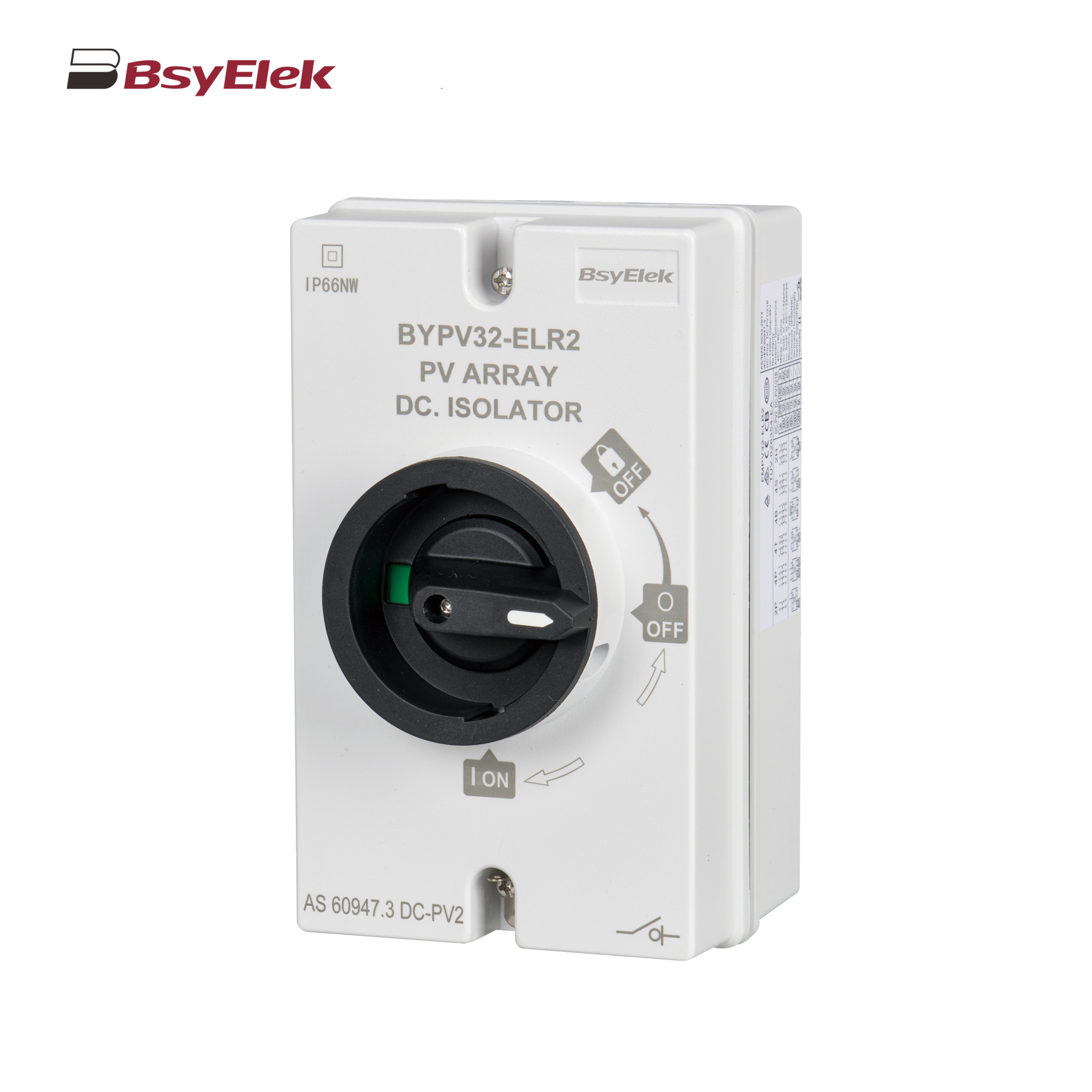
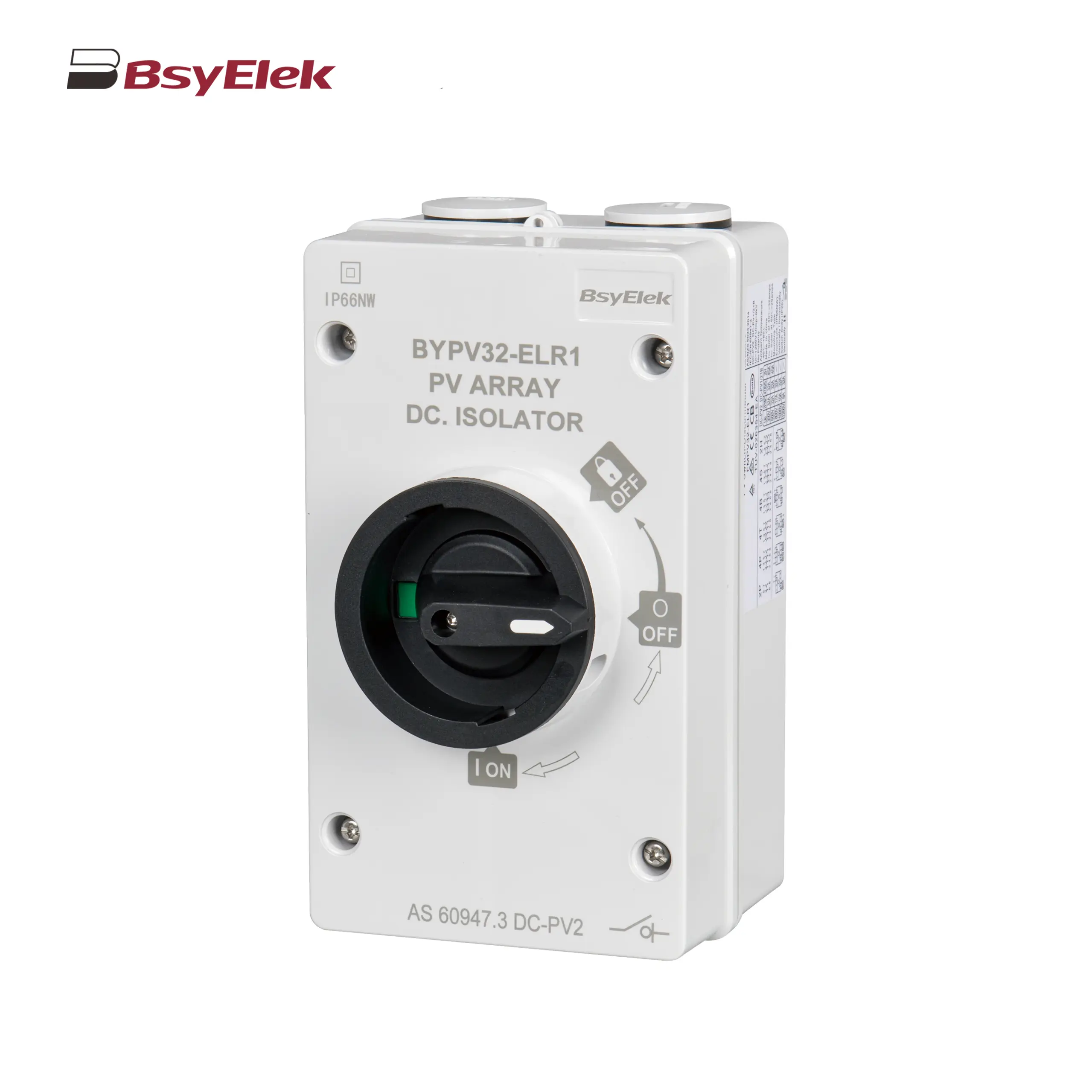
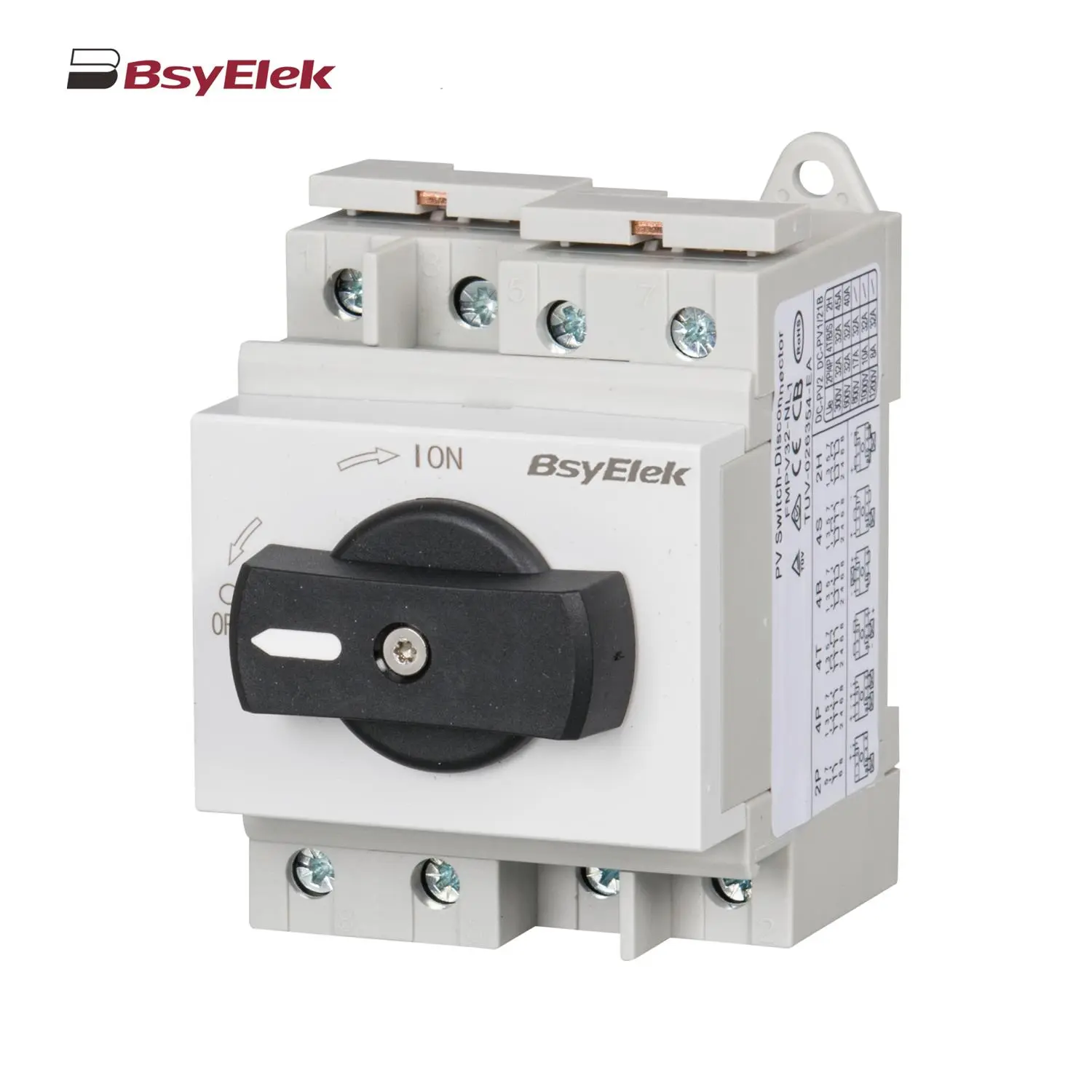
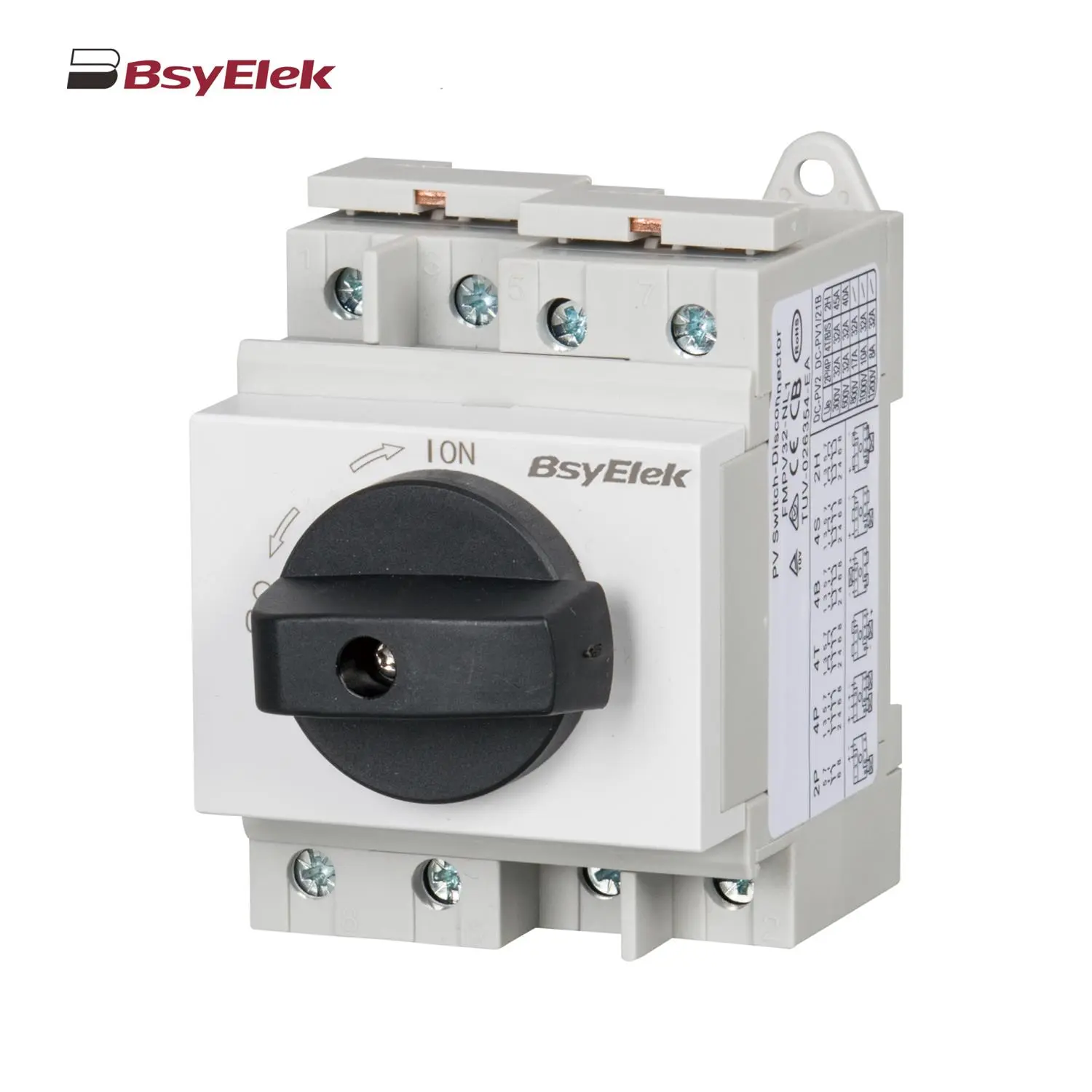
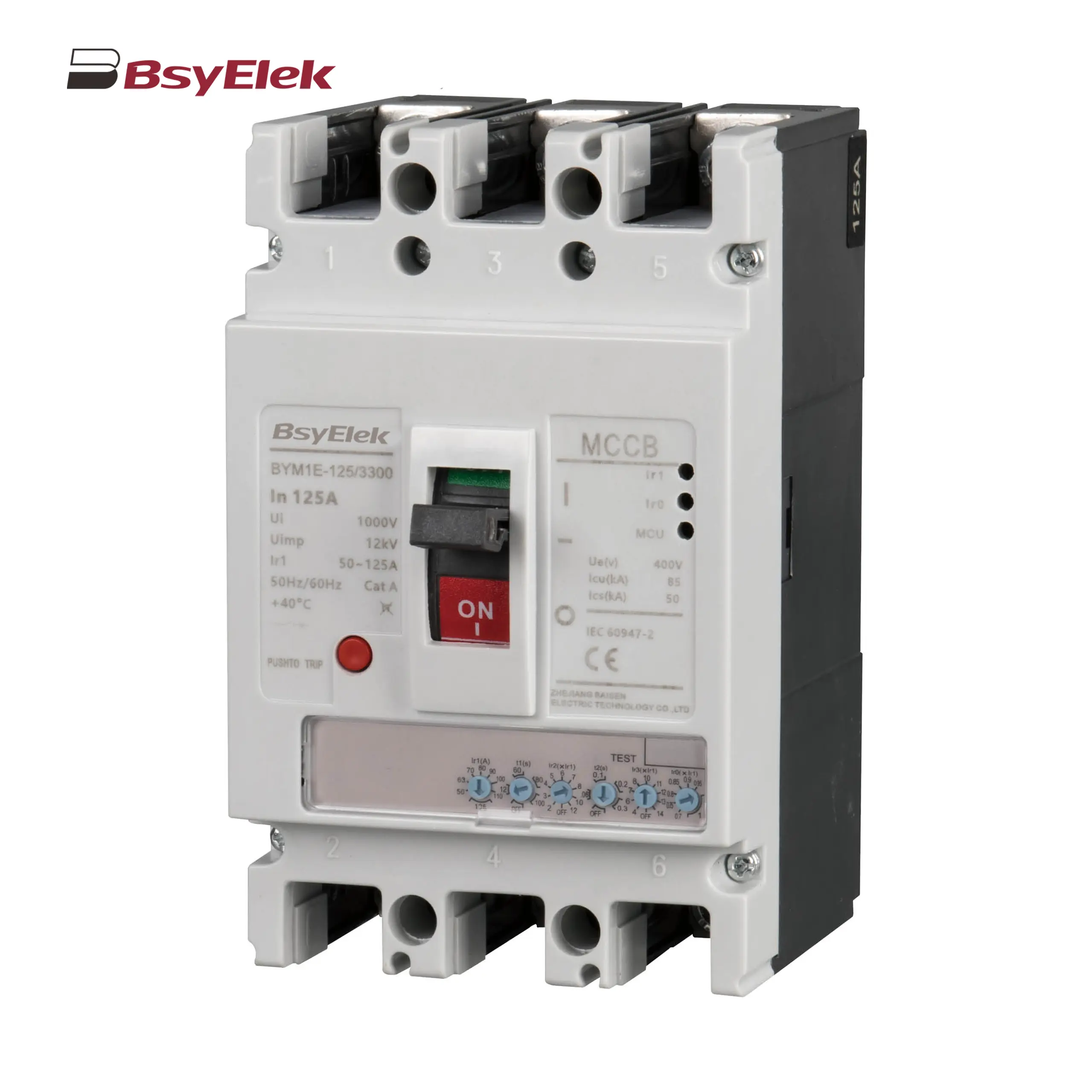
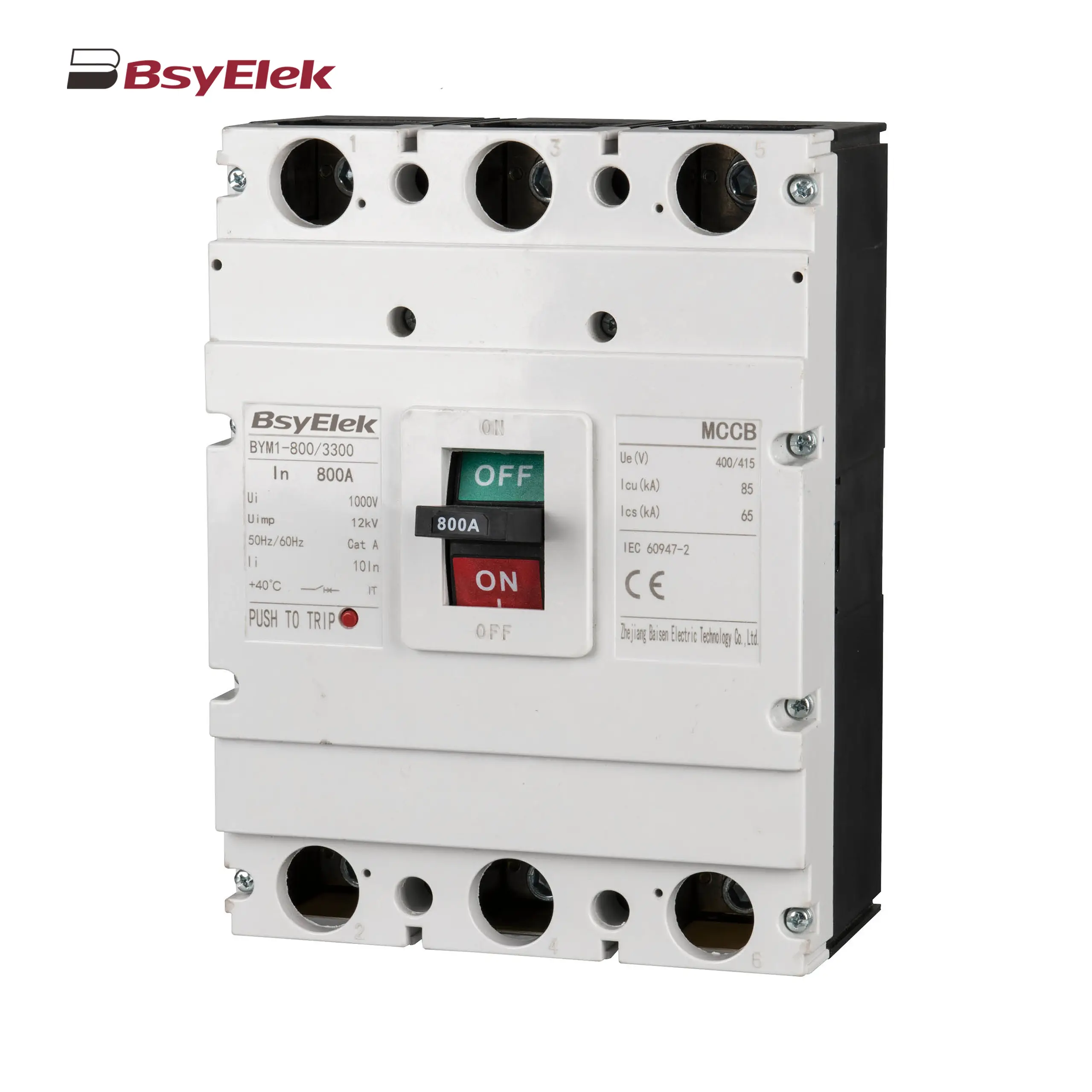
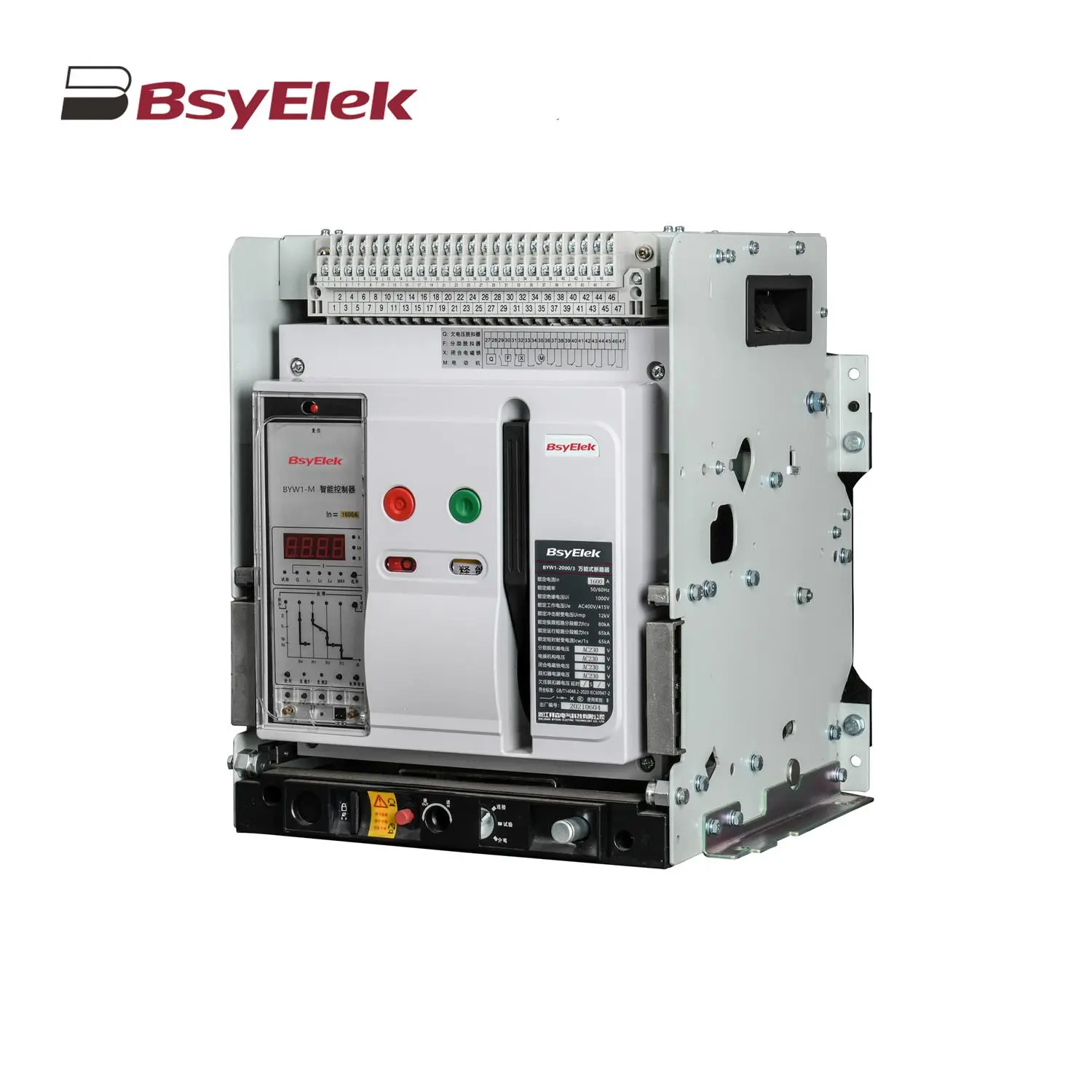
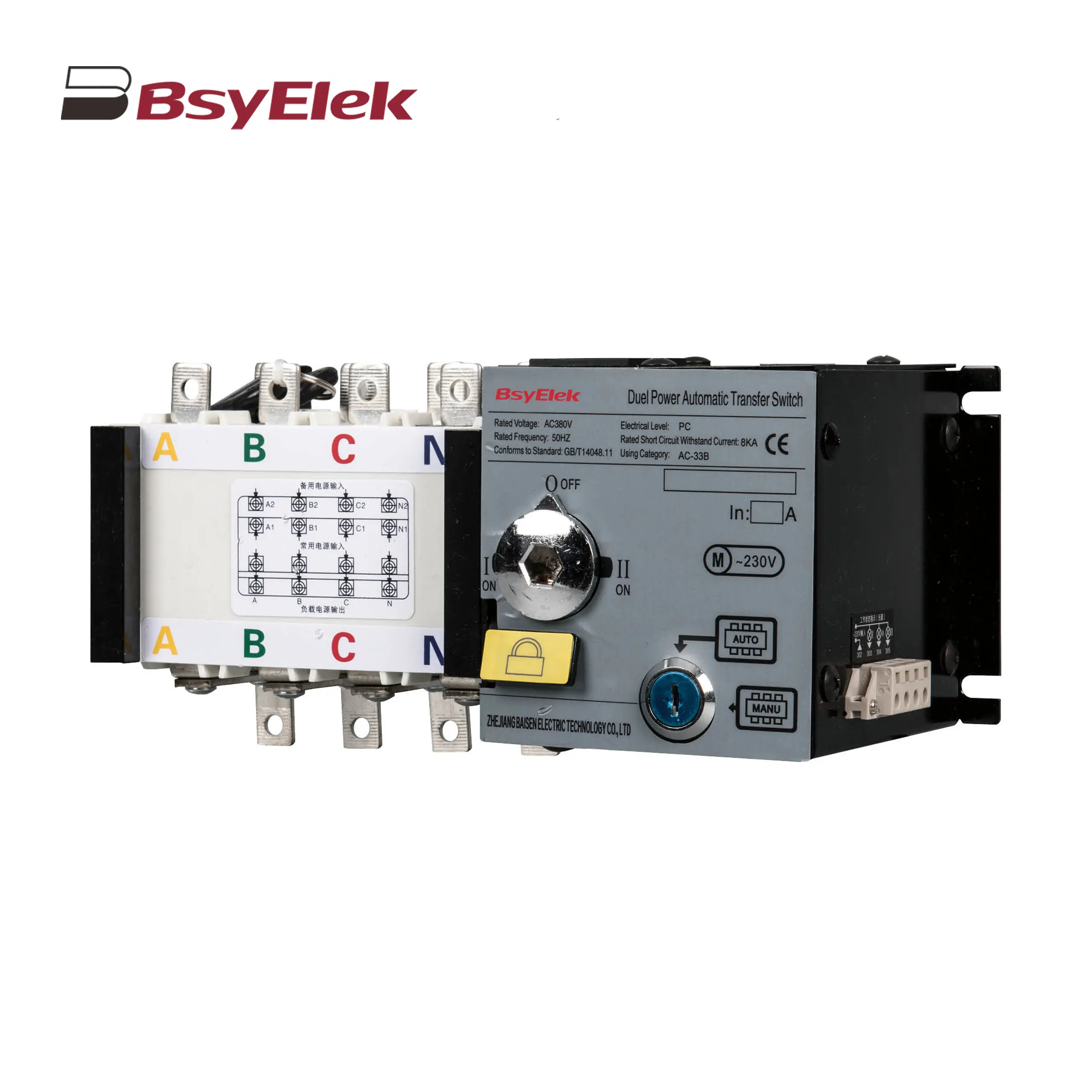
BY06H-125 MCB 10-15KA Miniature Circuit Breaker
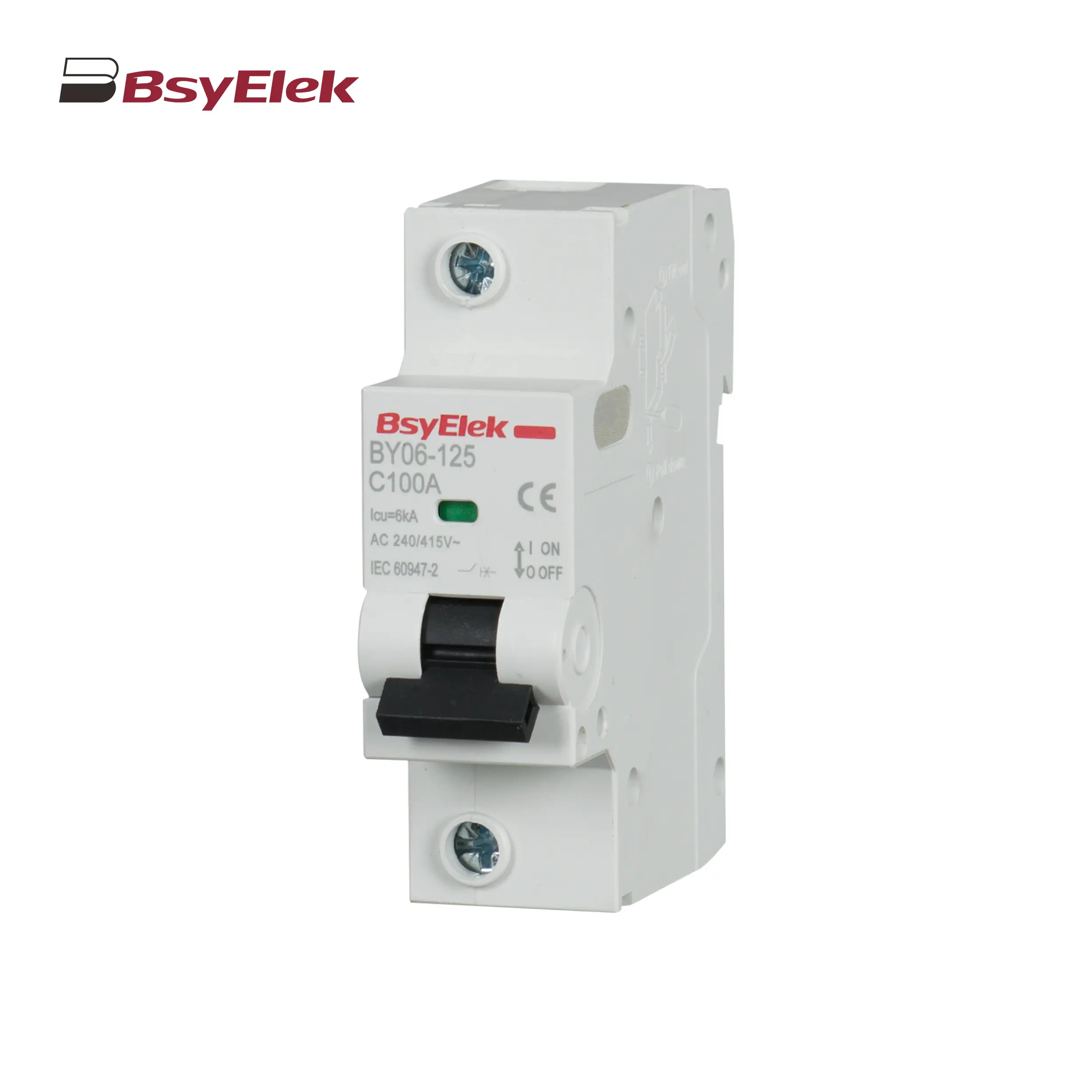
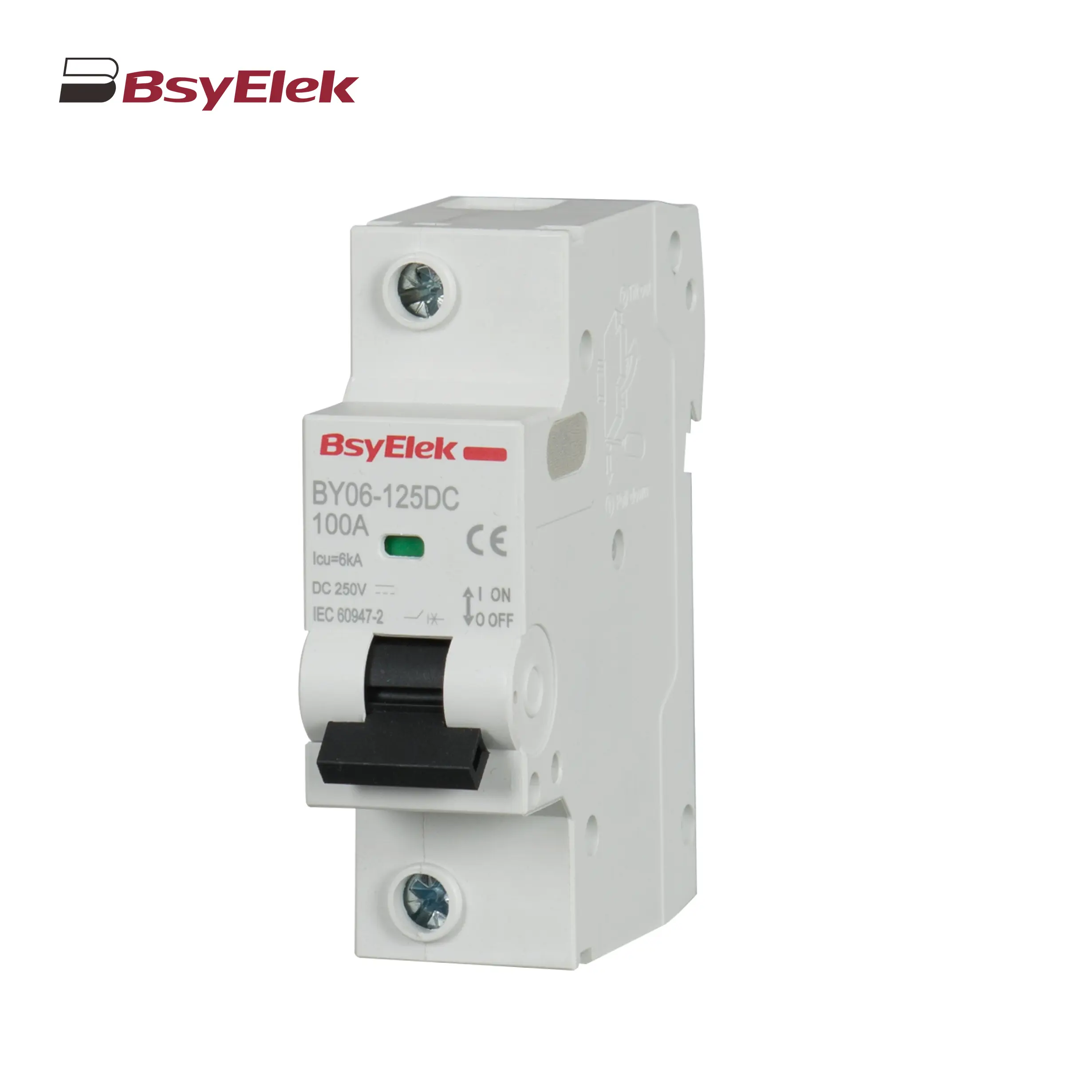
BY06-125 MCB 6KA Miniature Circuit Breaker
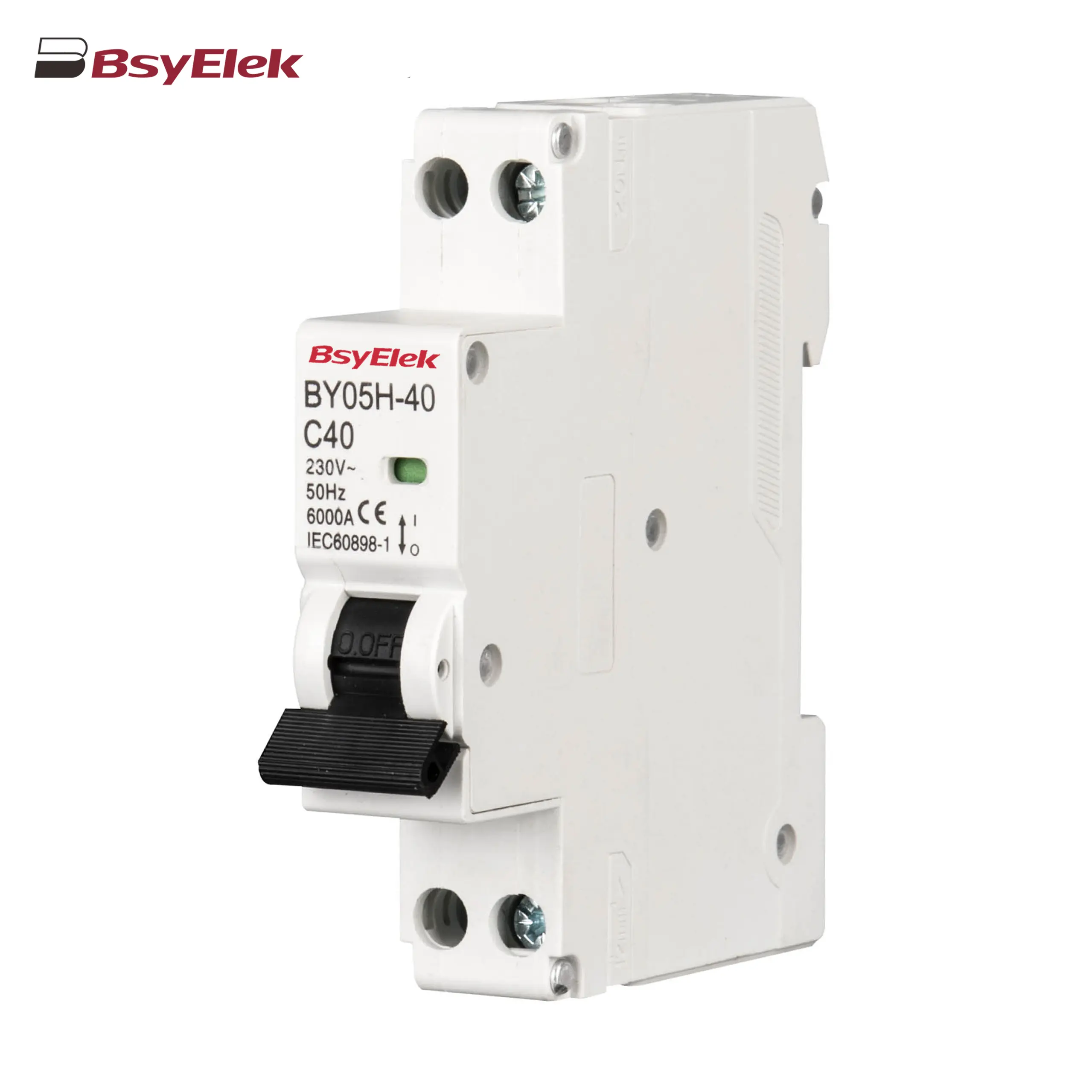
BY05H-40 MCB Single Modular 6KA Miniature Circuit Breaker
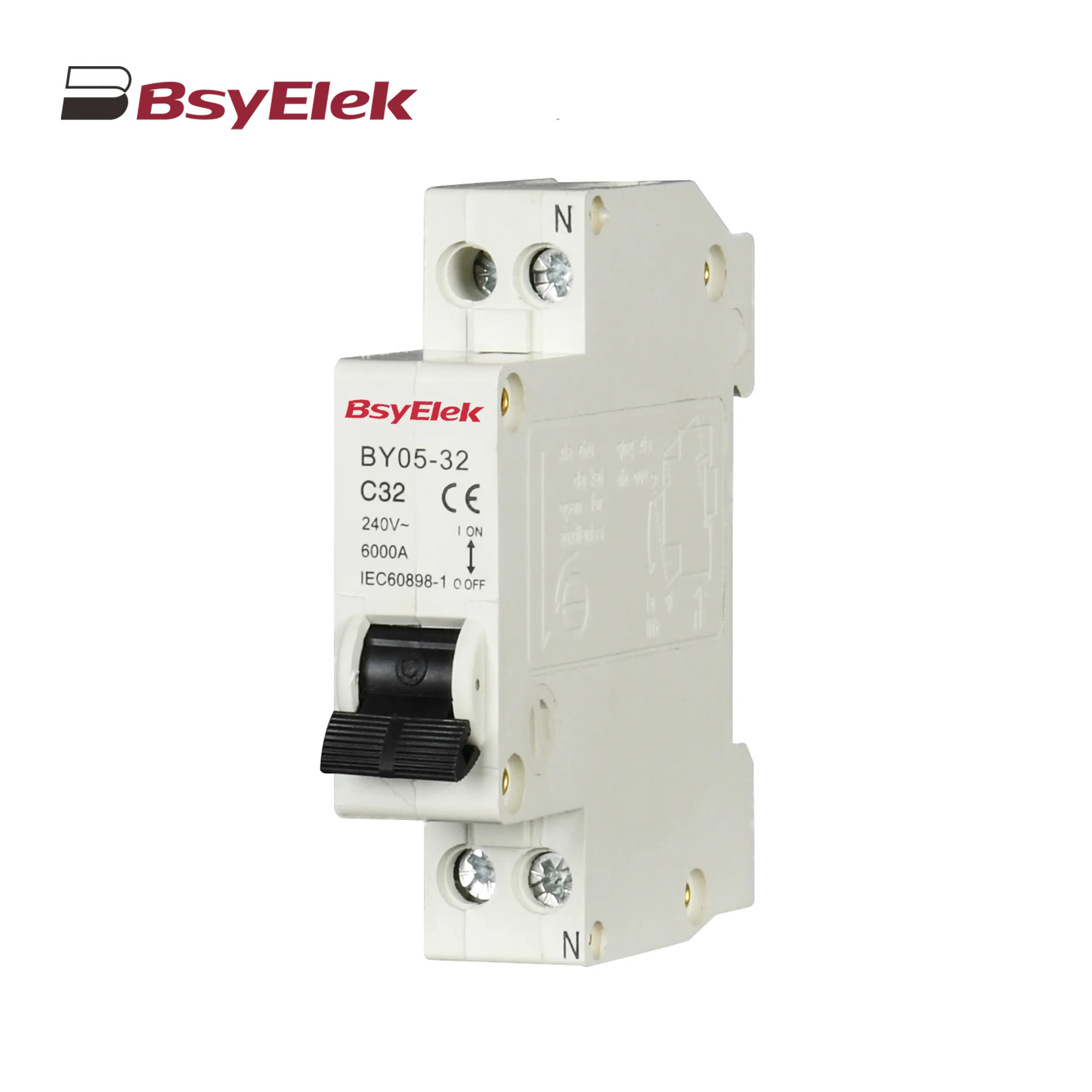
BY05-32 MCB Single Modular 3KA Miniature Circuit Breaker
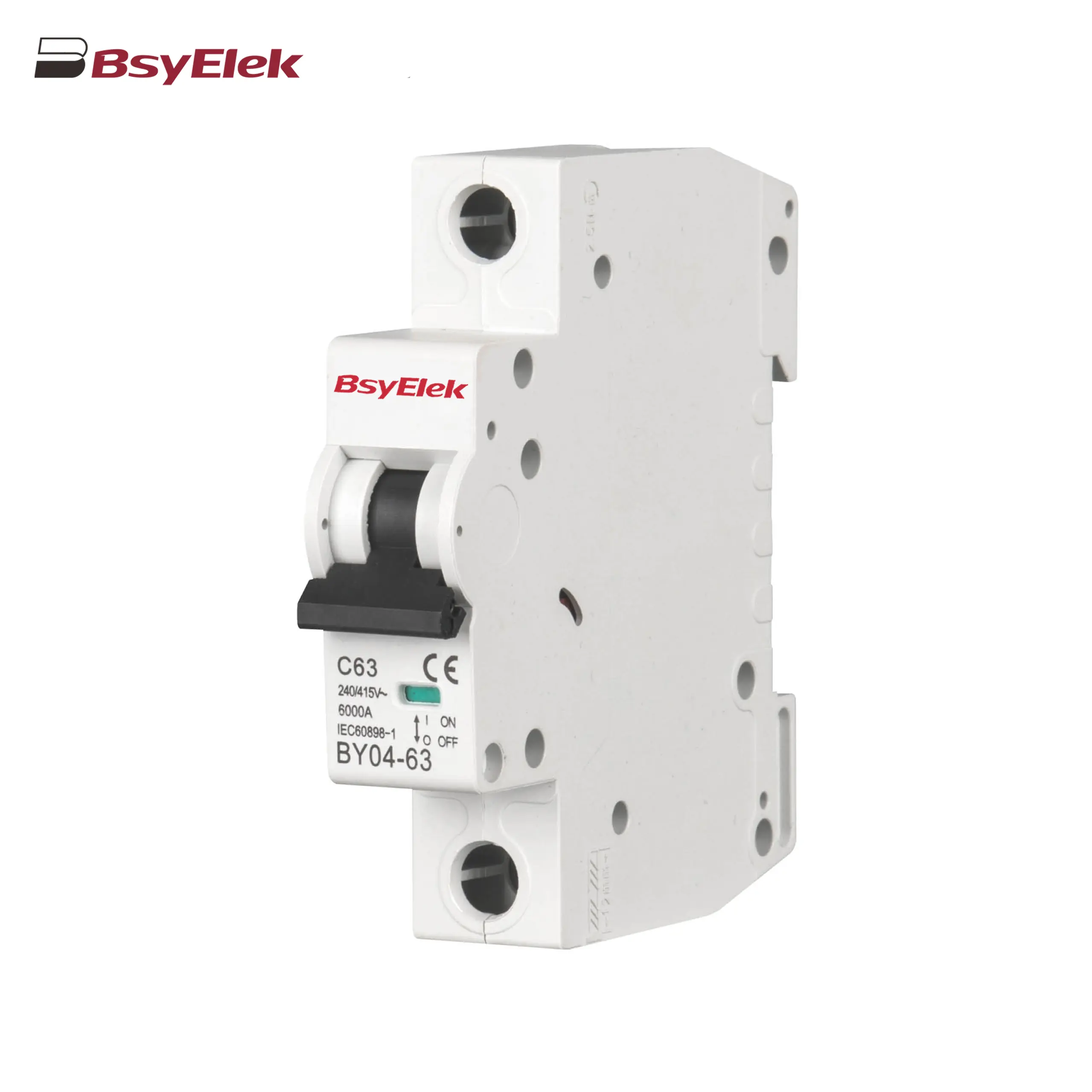
BY04-63 MCB 6-10KA Miniature Circuit Breaker
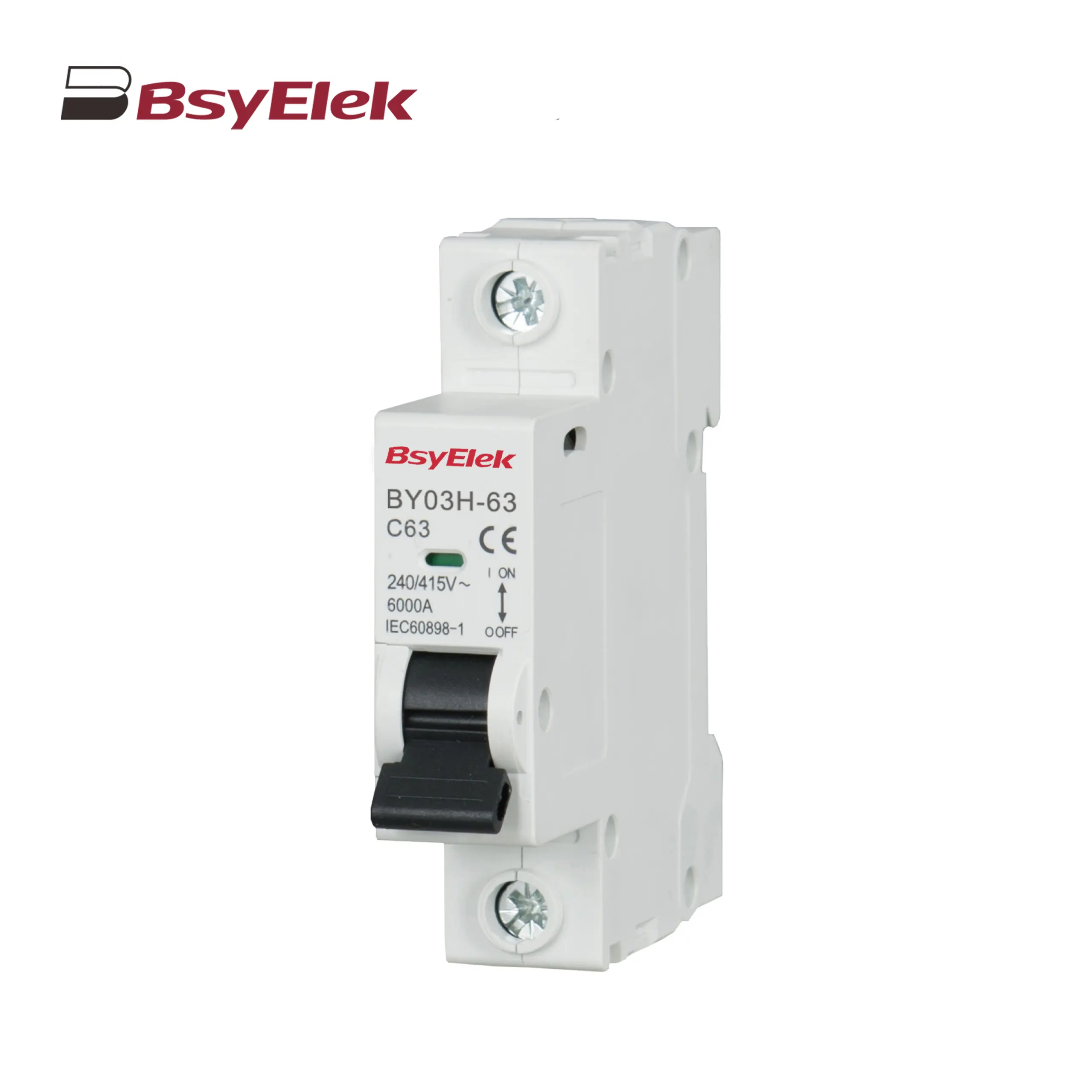
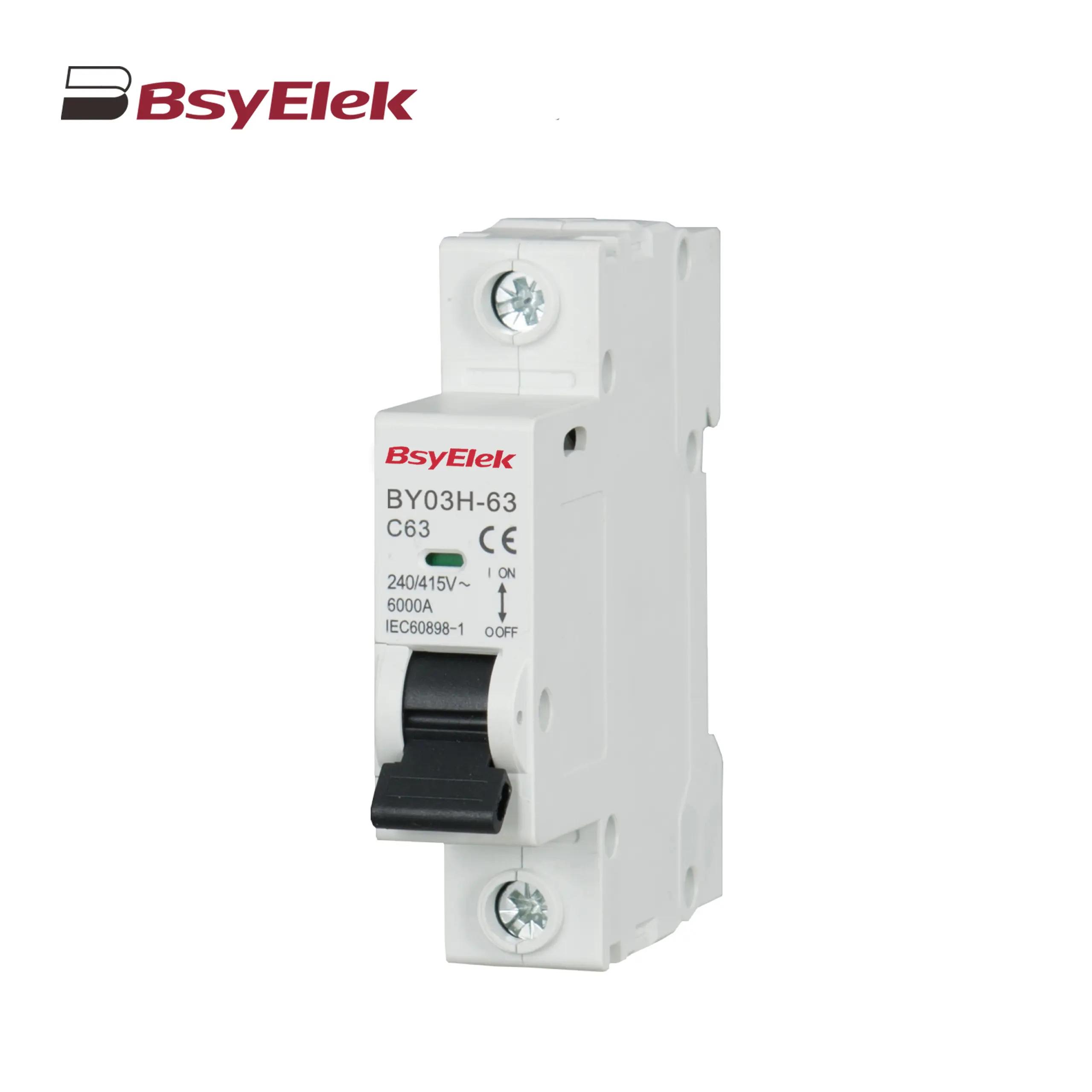
BY03H-63 MCB 6KA Miniature Circuit Breaker
BY03-63 MCB 4.5KA Miniature Circuit Breaker
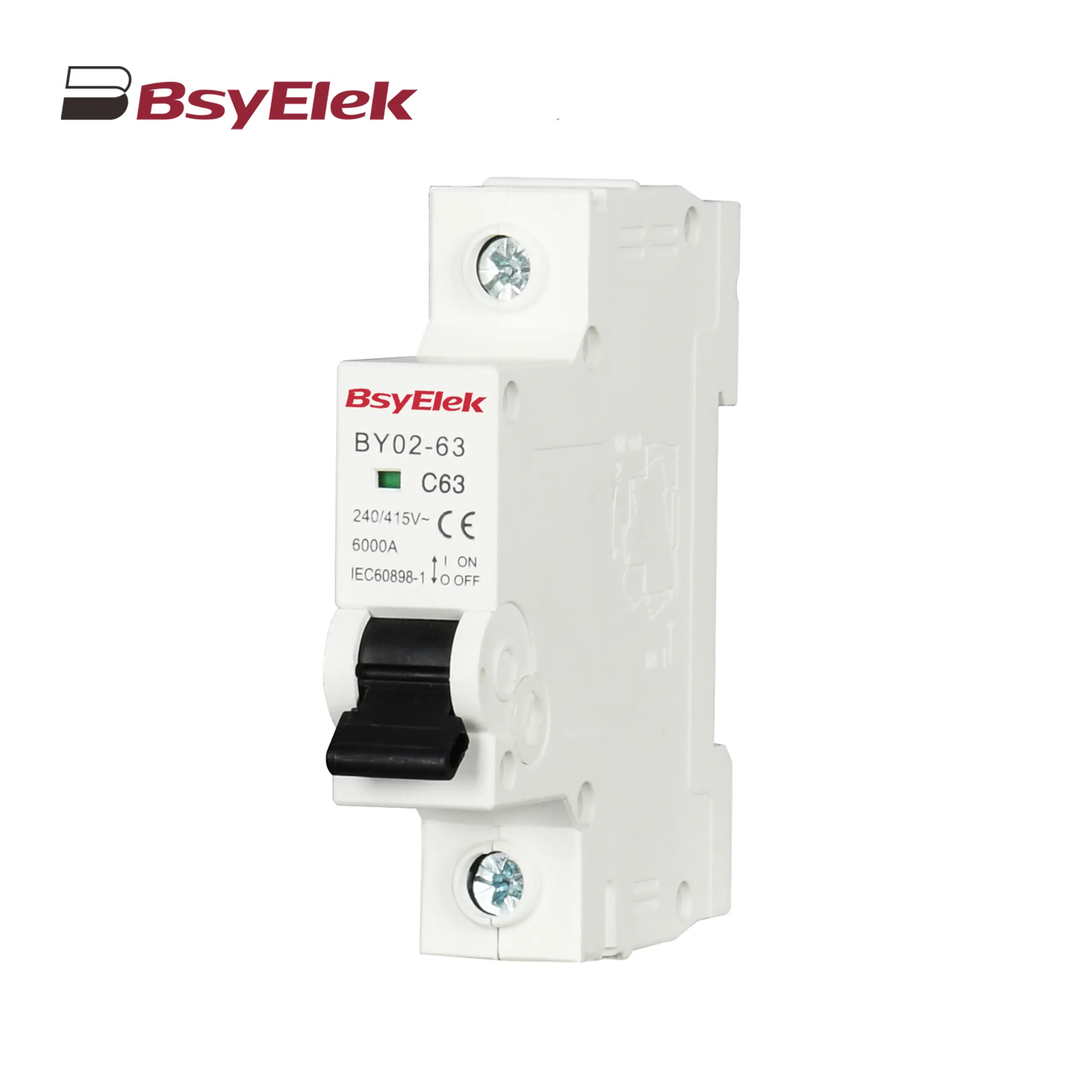
BY02-63 MCB 3kA Miniature Circuit Breaker
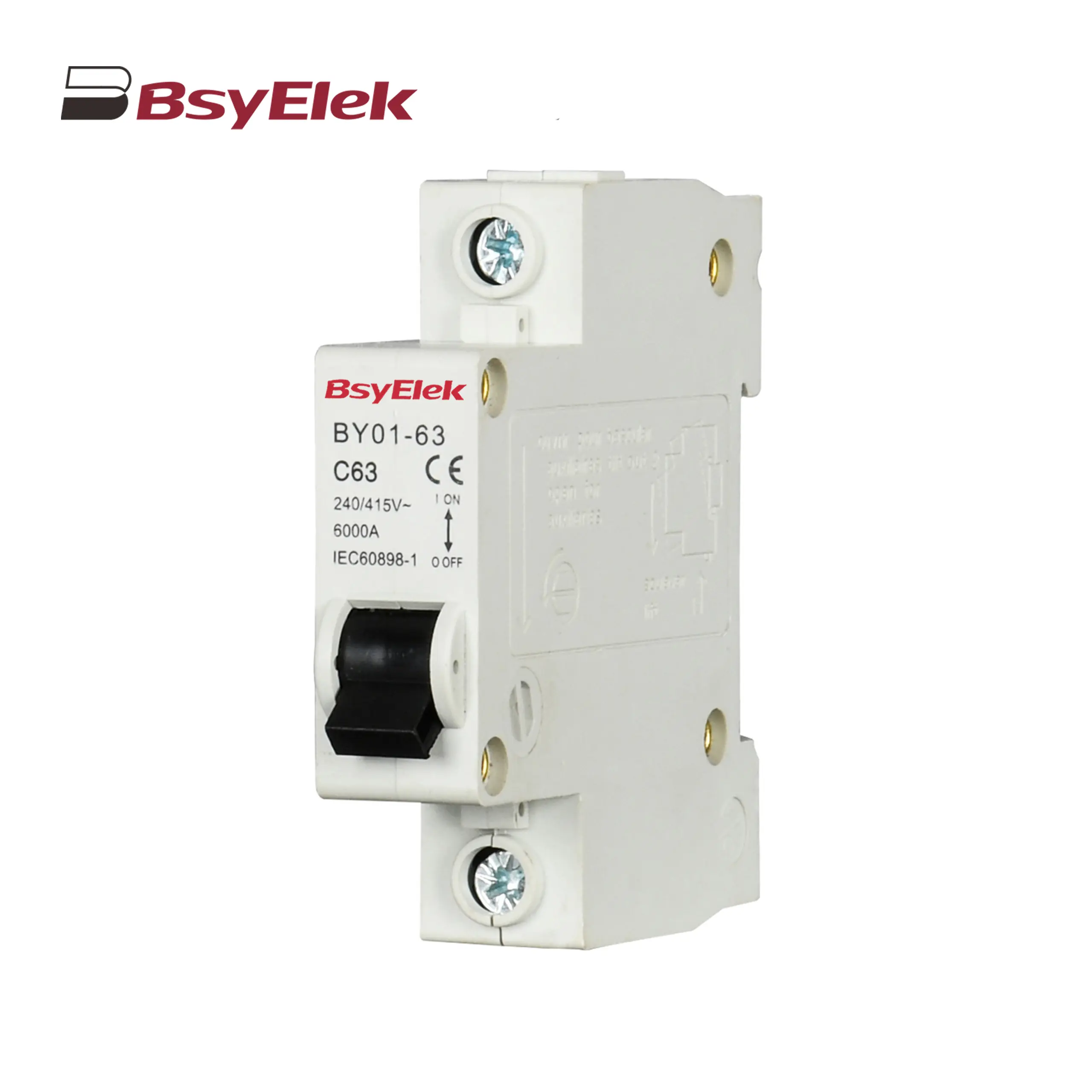
BY01-63 MCB 3kA Miniature Circuit Breaker
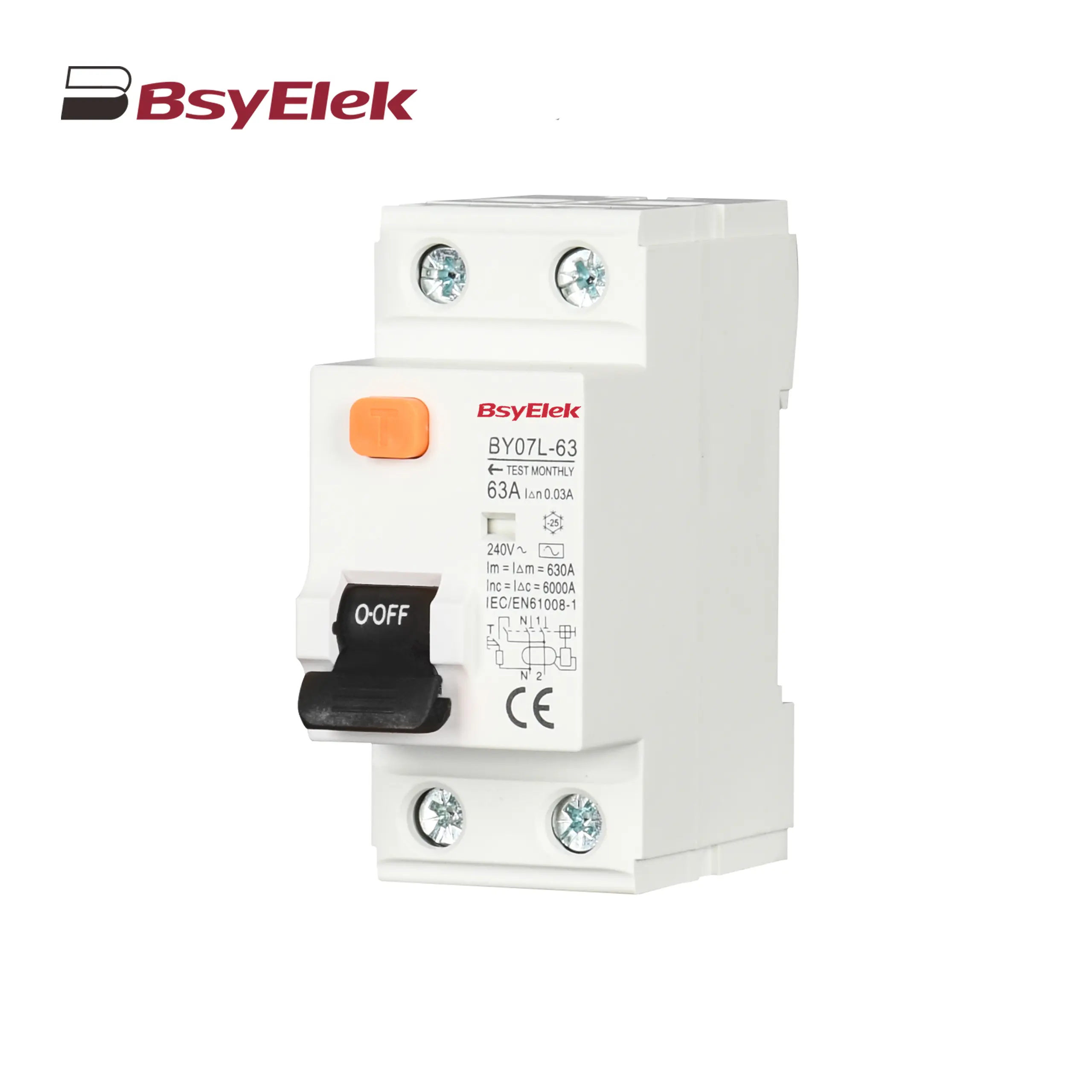
BY07L-63 RCCB 6KA Residual Current Circuit Breaker
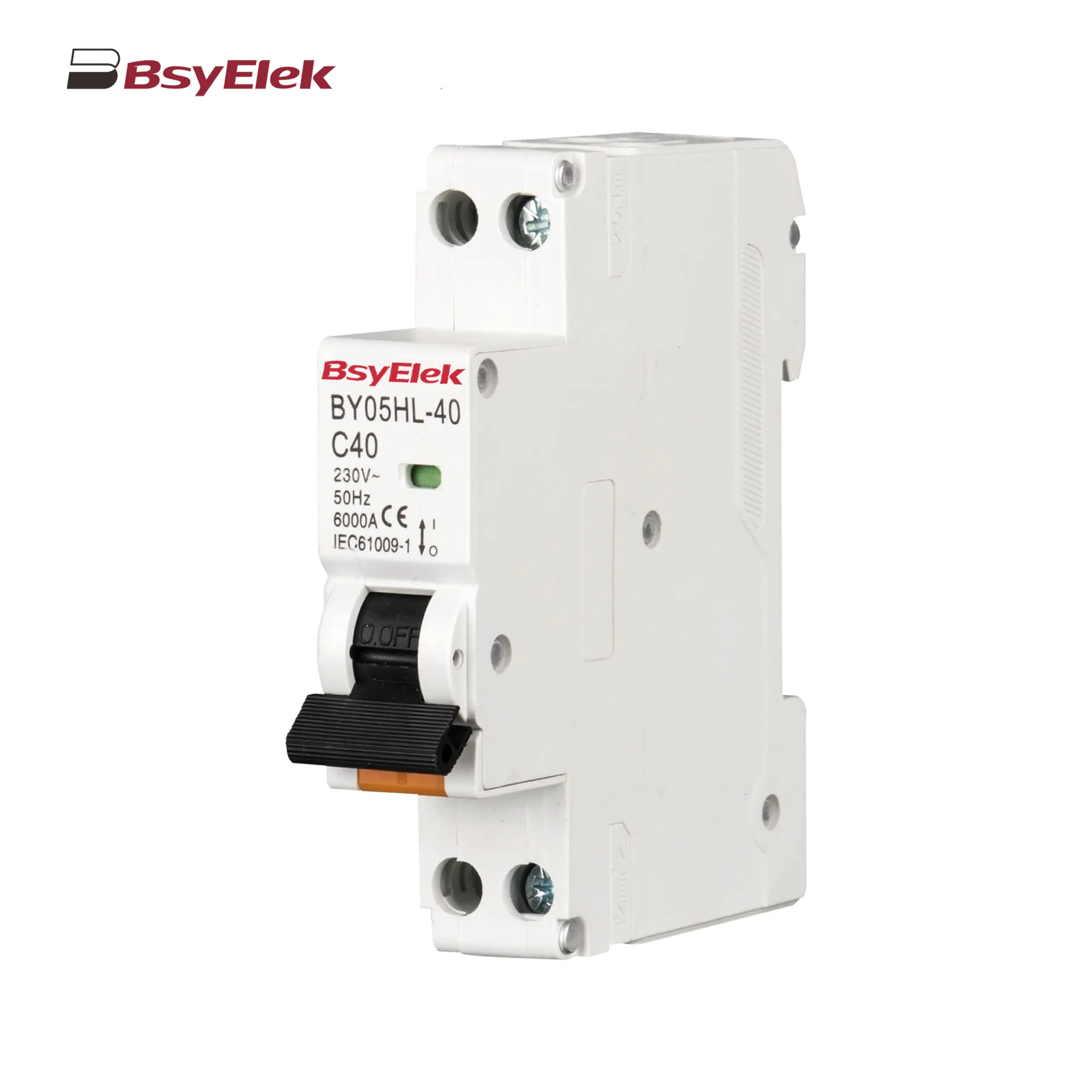
BY05HL-40 RCBO 6KA Residual Current Circuit Breaker with Over-current Protection
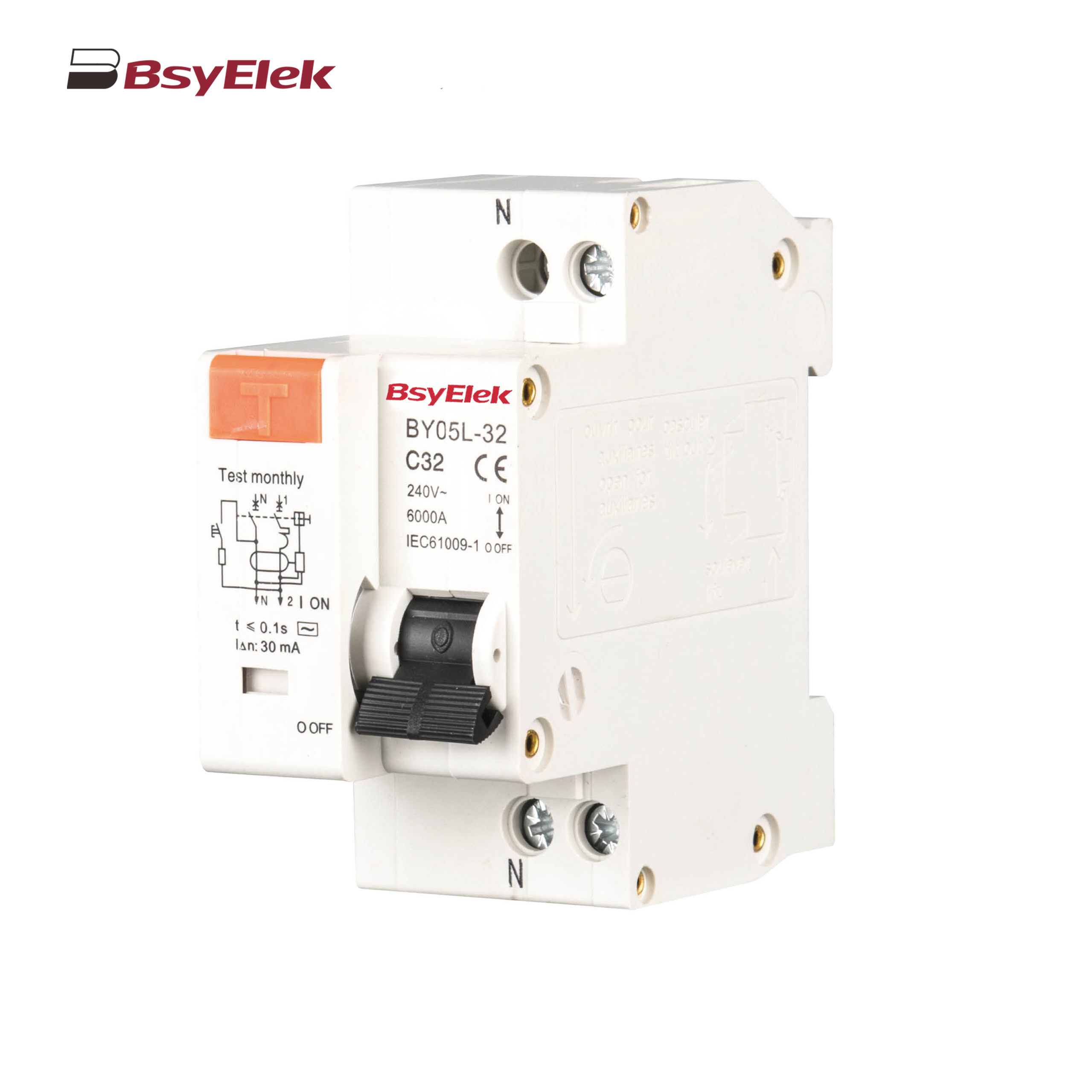
BY05L-32 RCBO 3KA Residual Current Circuit Breaker with Over-current Protection
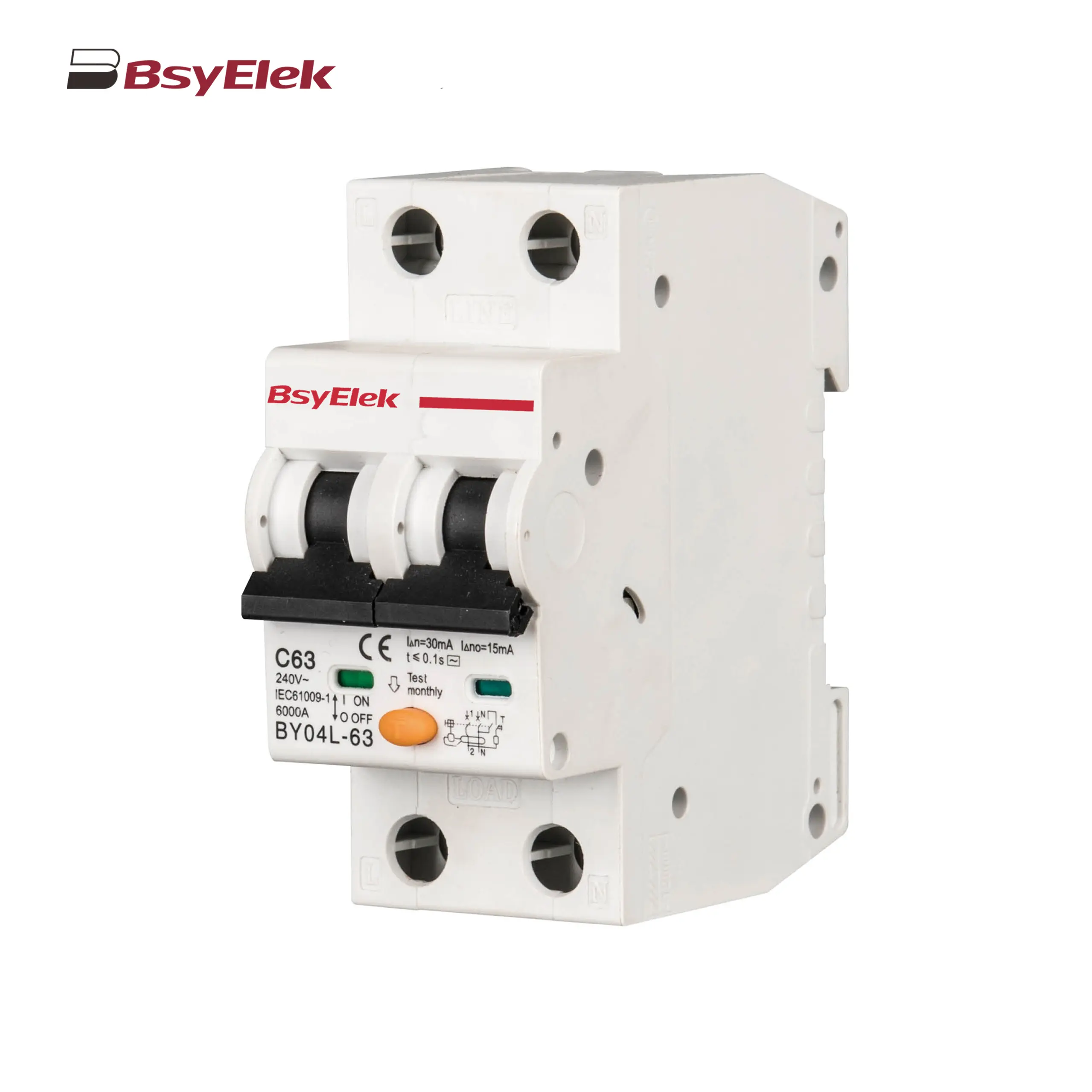
BY04L-63 RCBO 6KA Residual Current Circuit Breaker with Over-current Protection
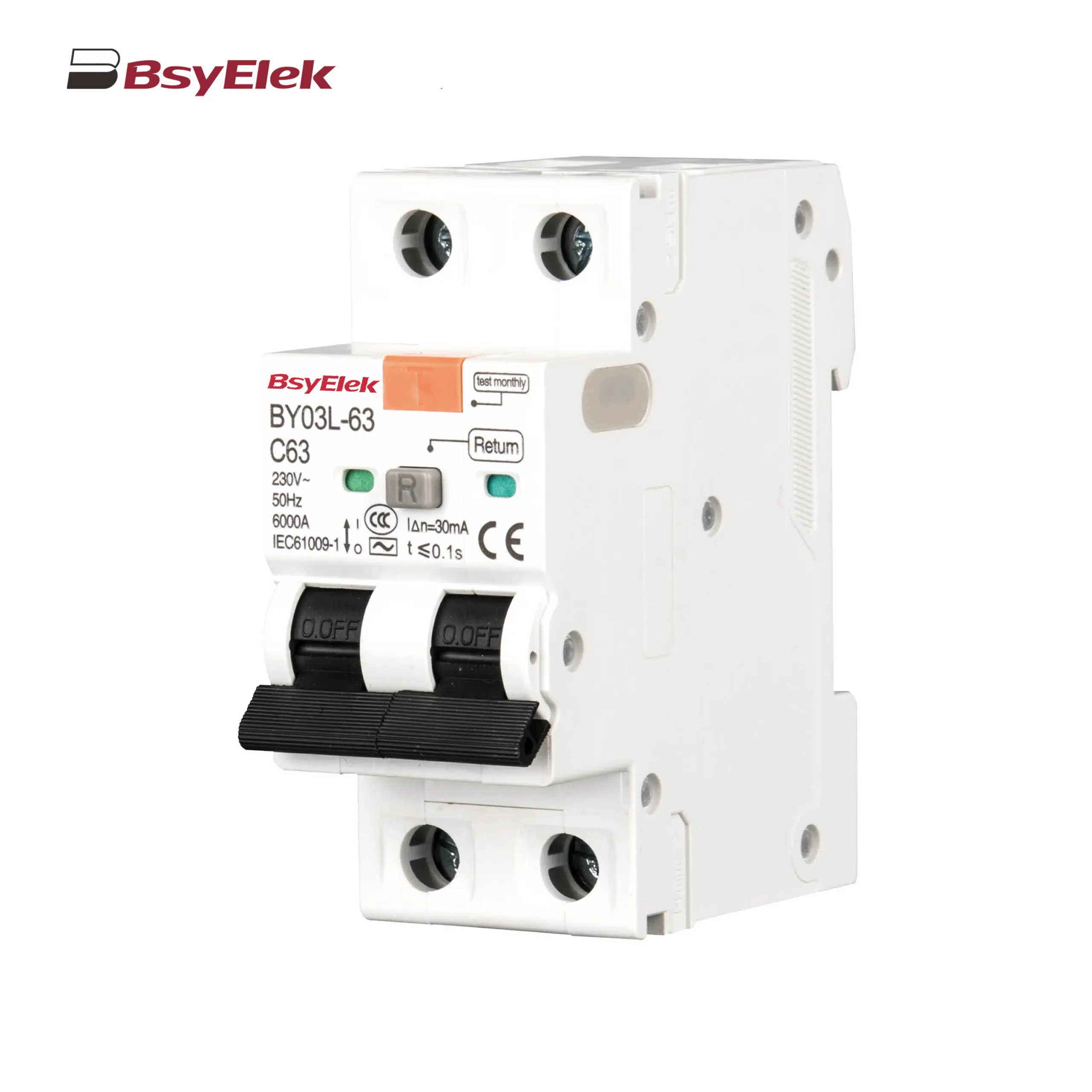
BY03L-63 RCBO 4.5KA Residual Current Circuit Breaker with Over-current Protection
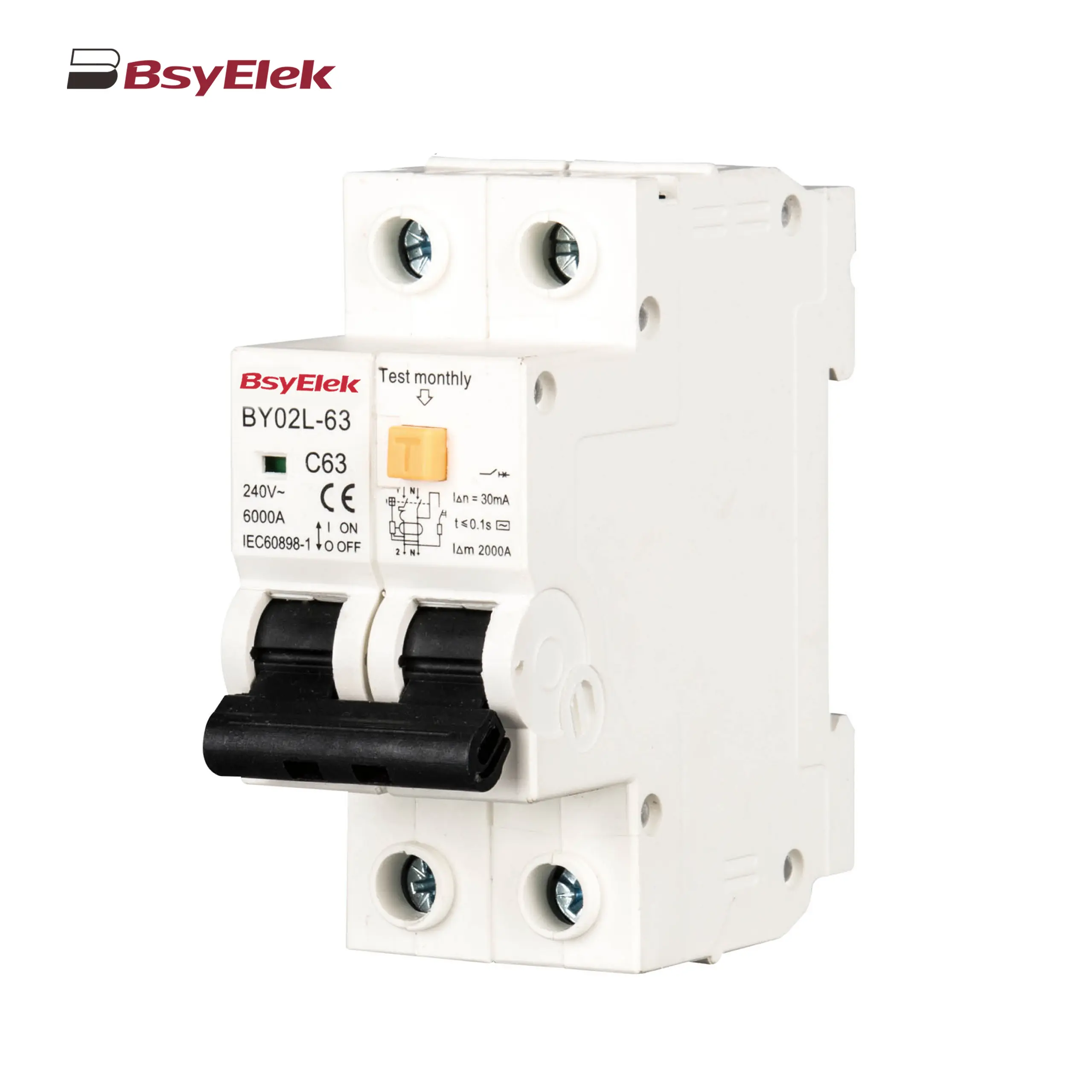
BY02L-63 RCBO 3KA Residual Current Circuit Breaker with Over-current Protection
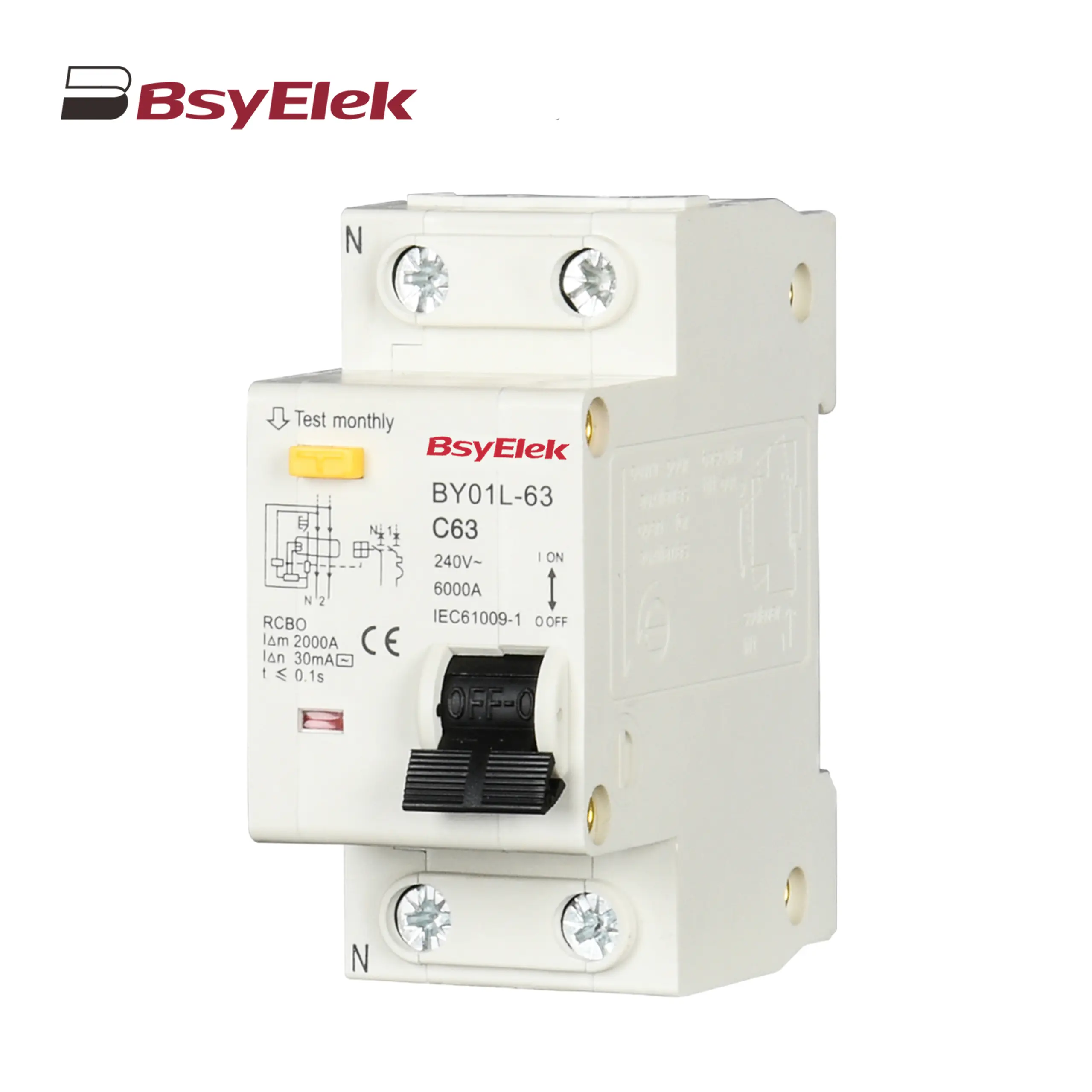
BY01L-63 RCBO 1P+N 3KA Residual Current Circuit Breaker with Over-current Protection
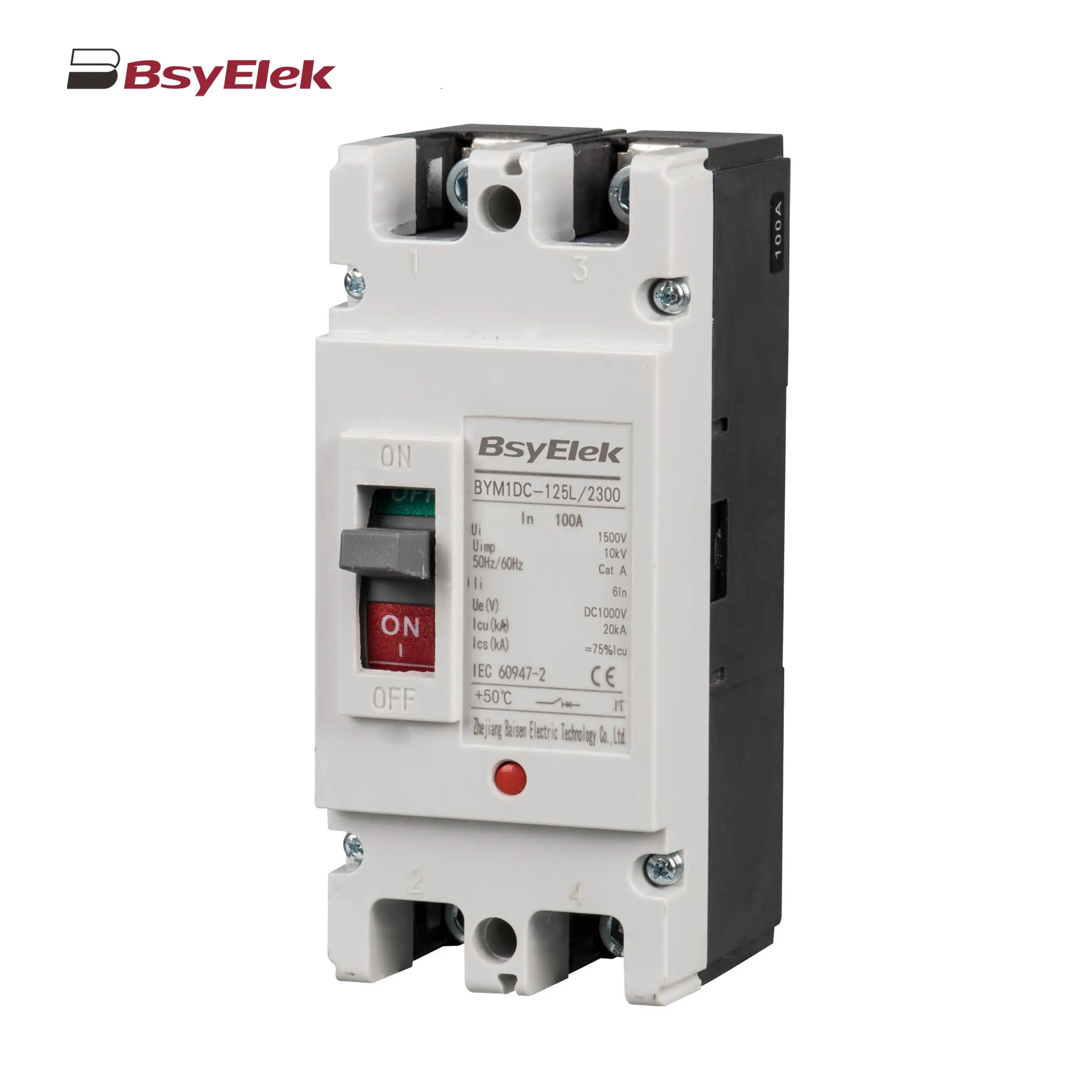
BY06H-125DC MCB 10-15kA DC Miniature Circuit Breaker
BY06-125DC MCB 6kA DC Miniature Circuit Breaker
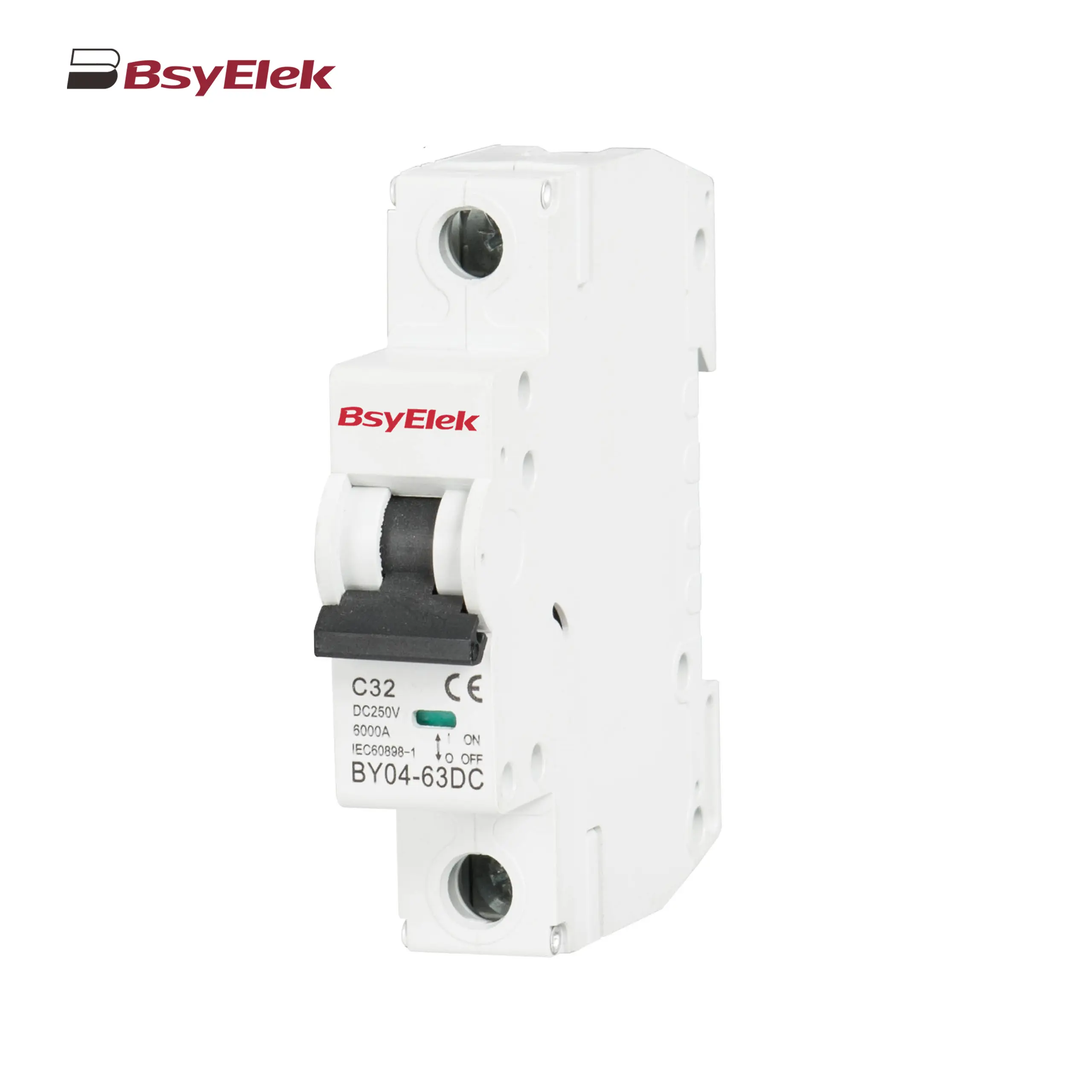
BY04-63DC MCB 6-10kA DC Miniature Circuit Breaker
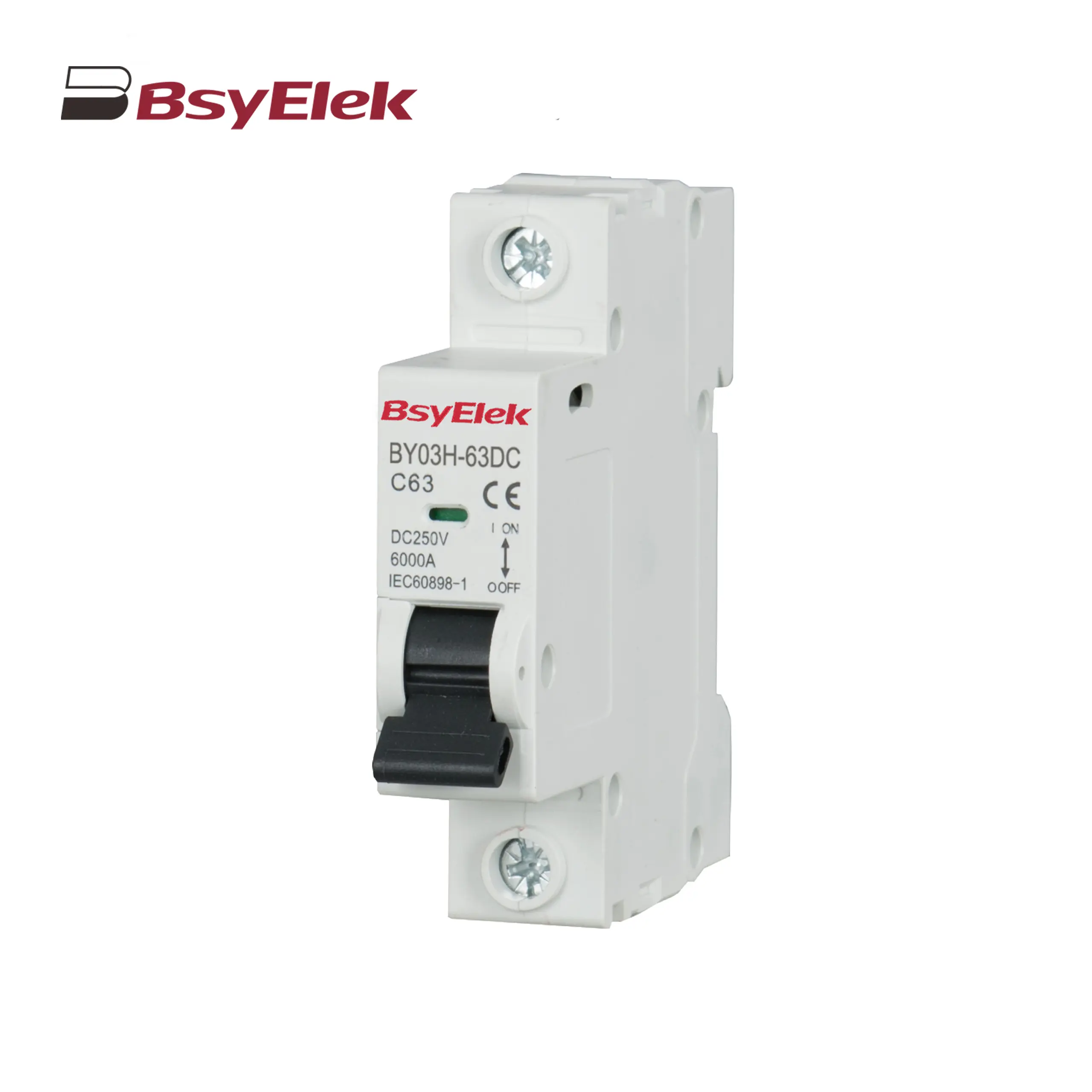
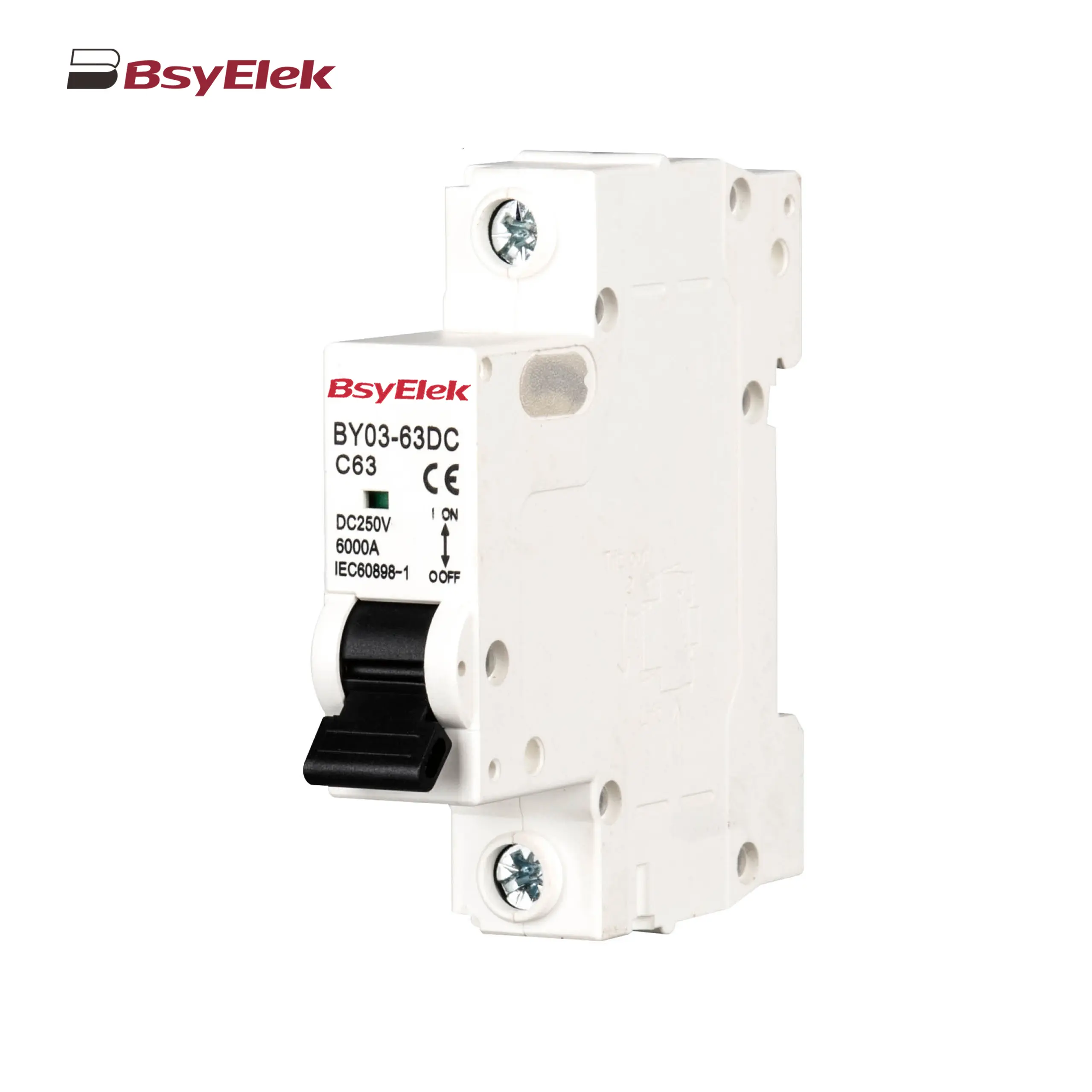
BY03H-63DC MCB 6kA DC Miniature Circuit Breaker
BY03-63DC MCB 4.5kA DC Miniature Circuit Breaker
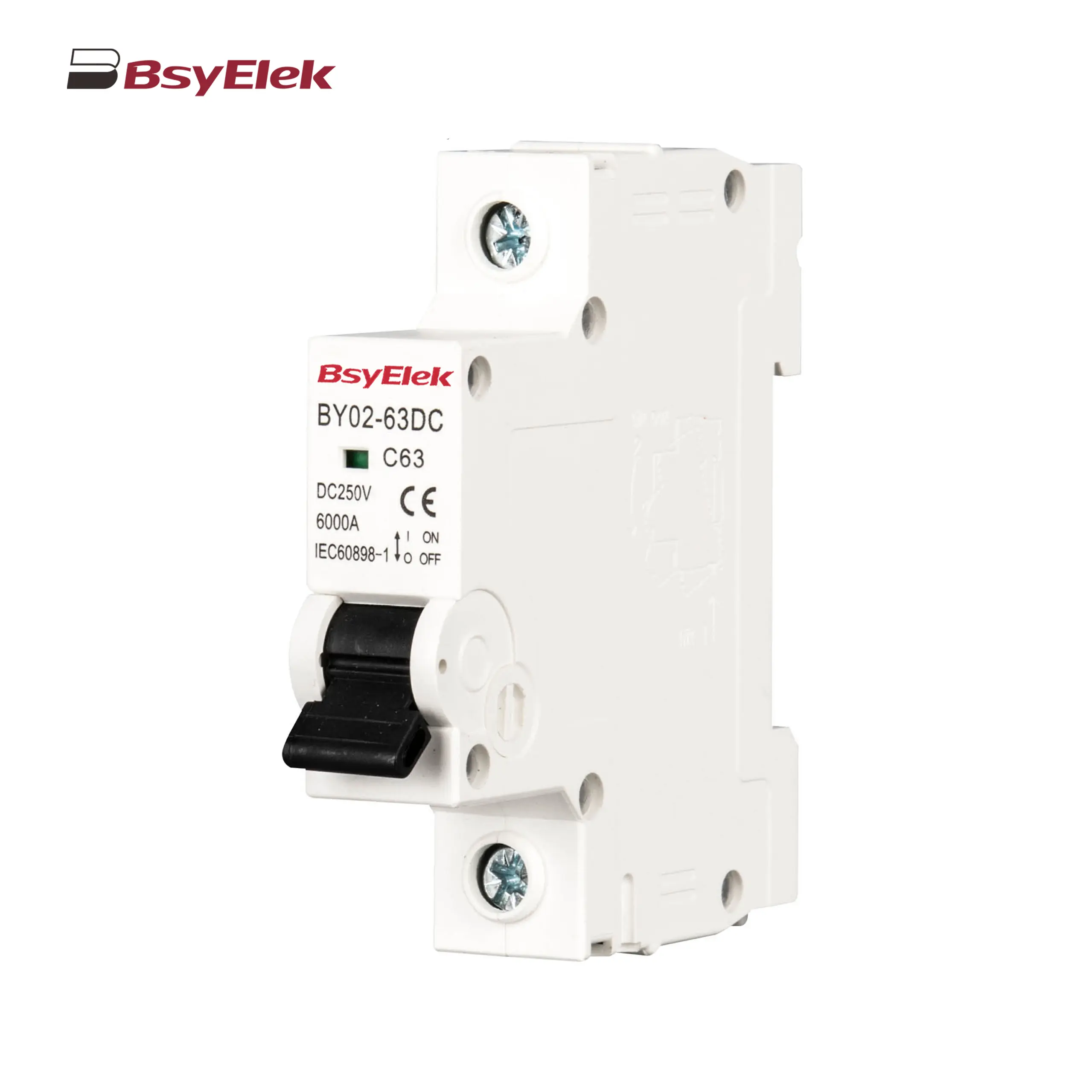
BY02-63DC MCB 3kA DC Miniature Circuit Breaker
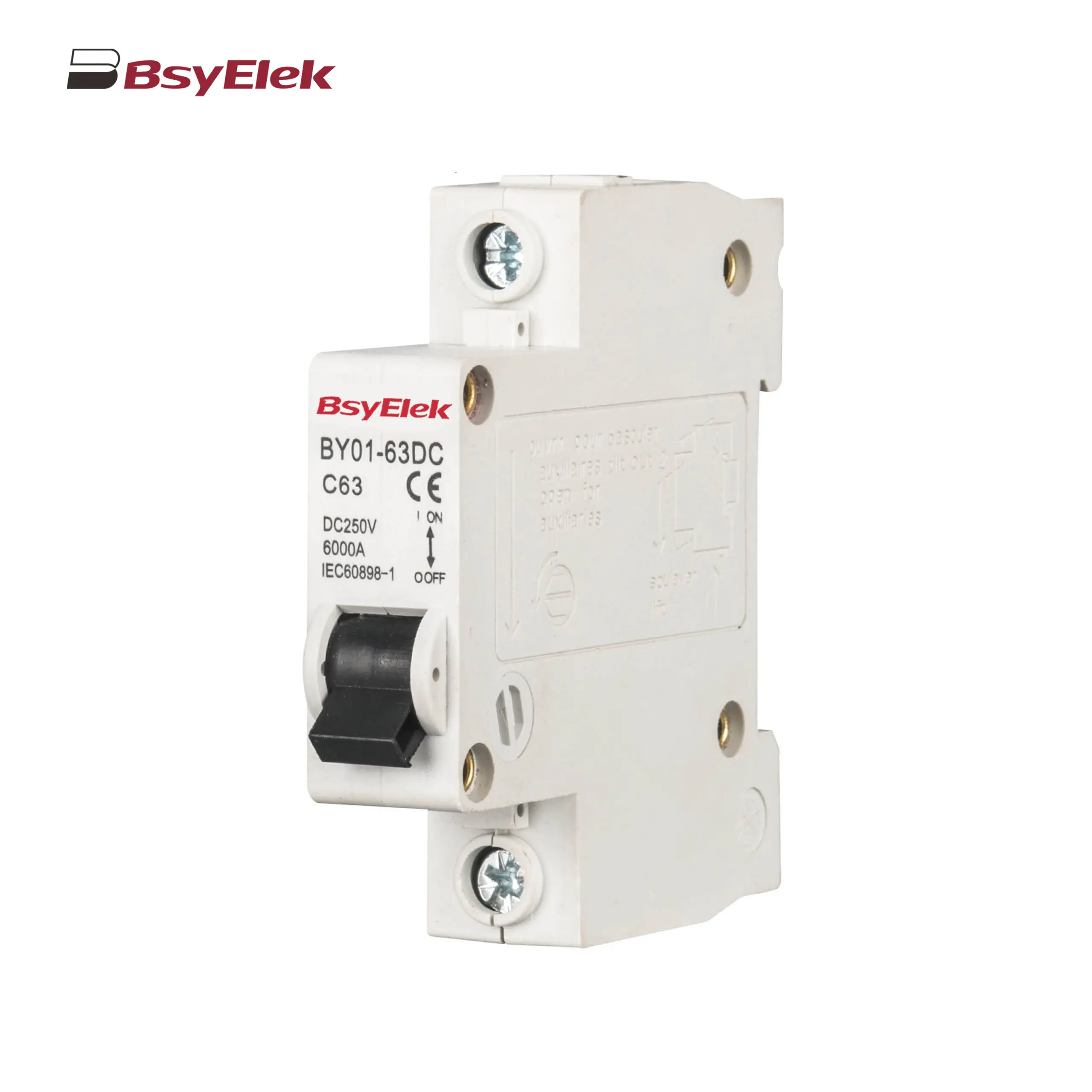
BY01-63DC MCB 3kA DC Miniature Circuit Breaker
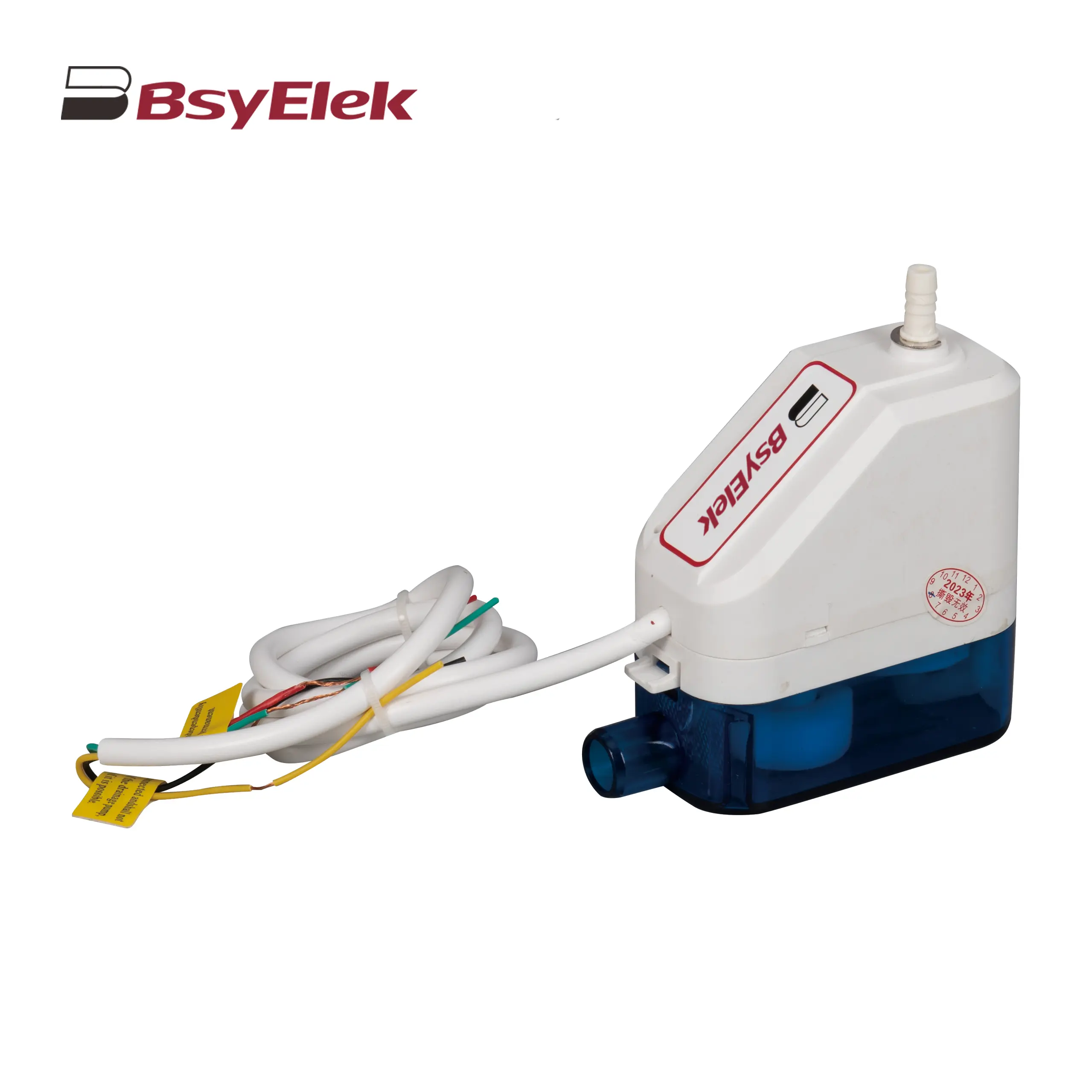
BY-5018 1.8M Engineering Drainage Pump
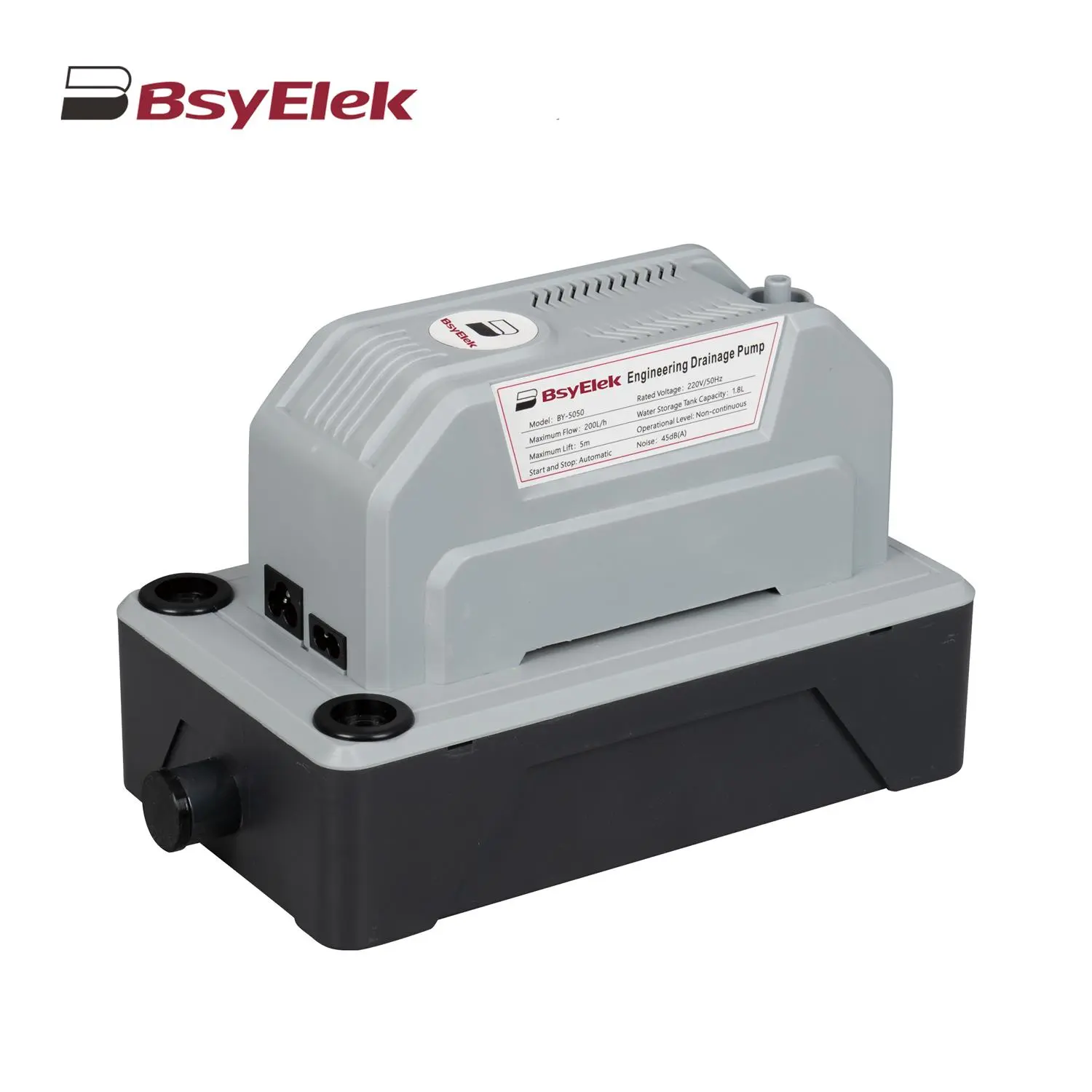
BY-5050 5M Engineering Drainage Pump
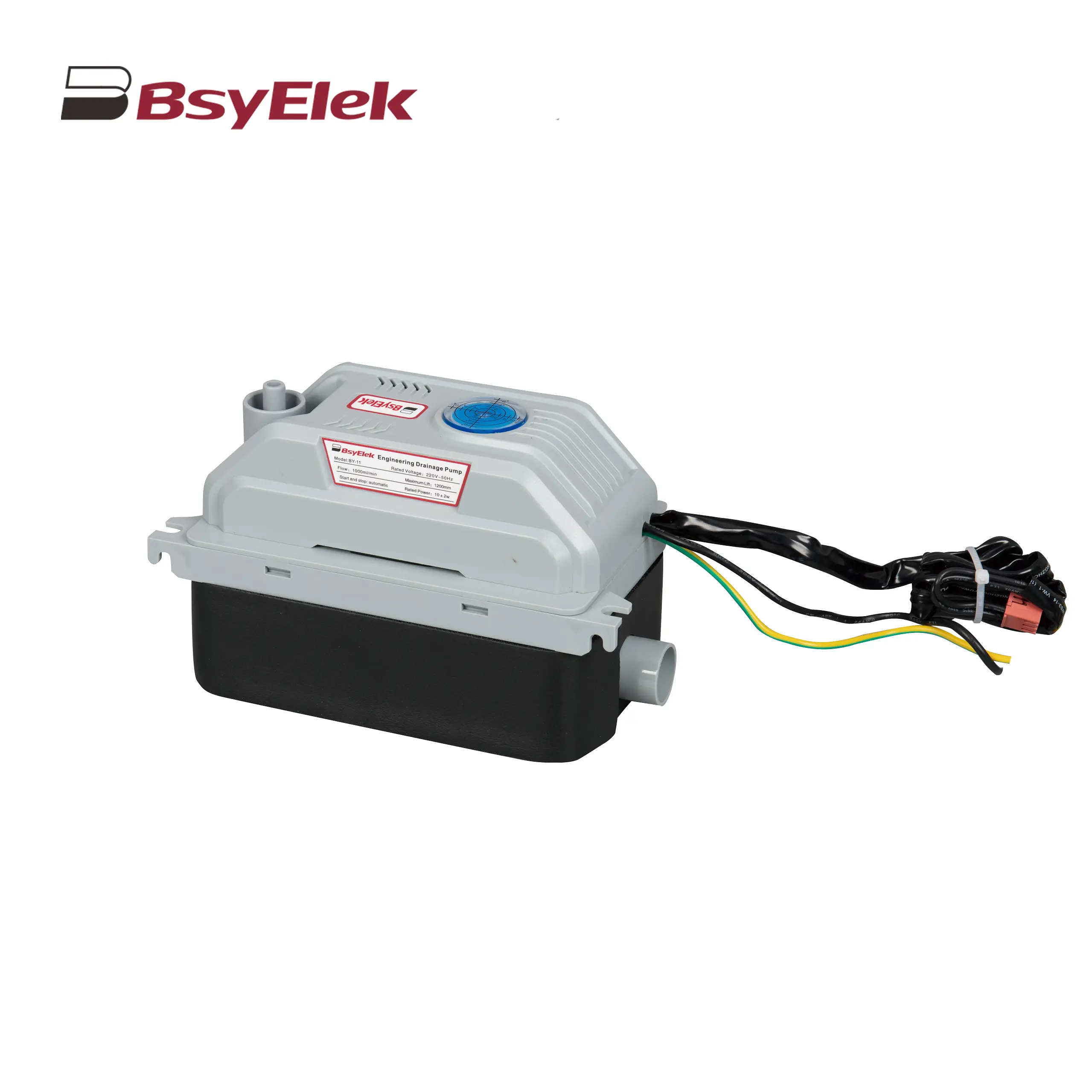
BY-11 1.2M Engineering Drainage Pump
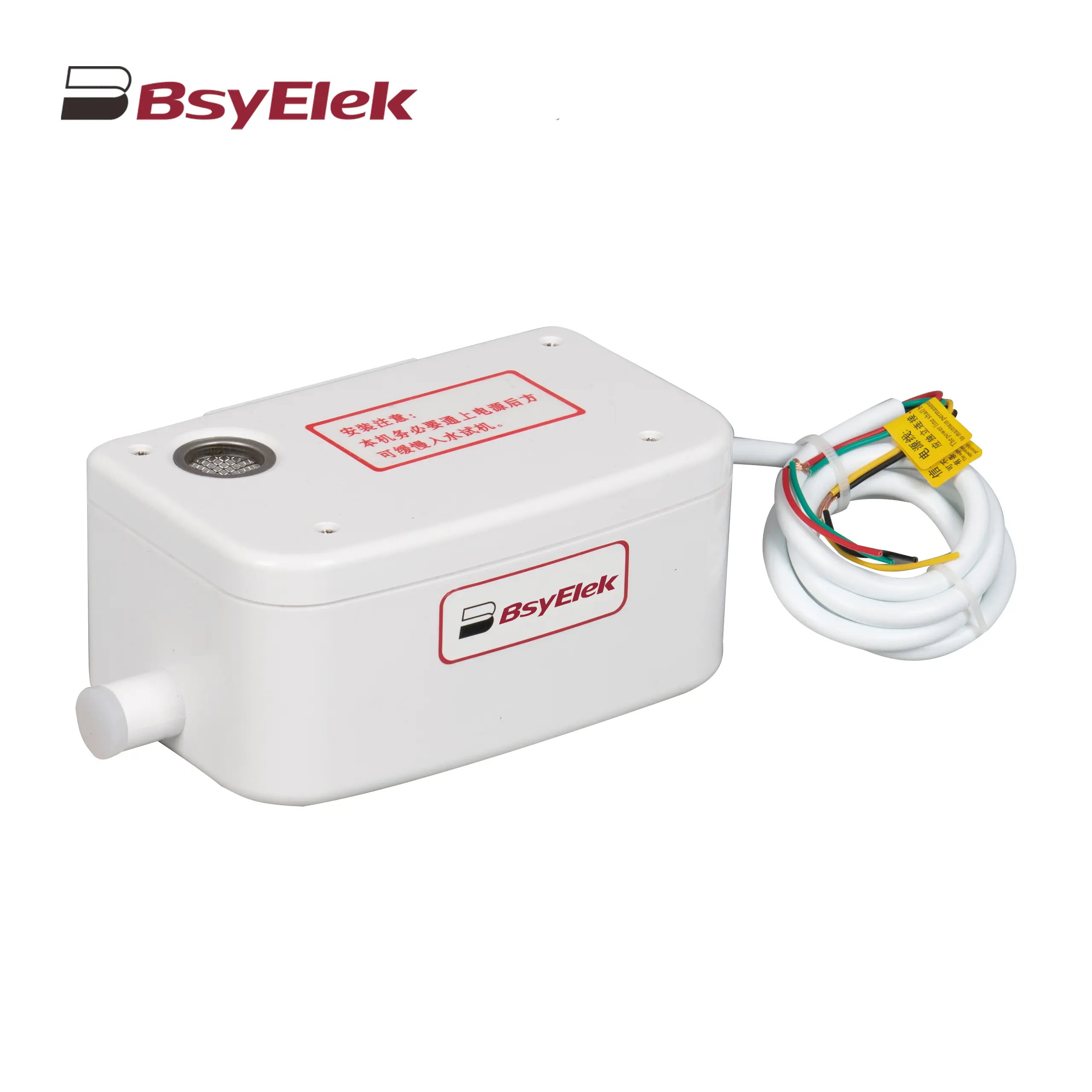
SBH-05 0.7M Original Drainage Pump of Duct Type Air Conditioner
BY-24A/40A 10M Drainage Pump of Air Conditioner
BY-50A 12M Drainage Pump of Air Conditioner
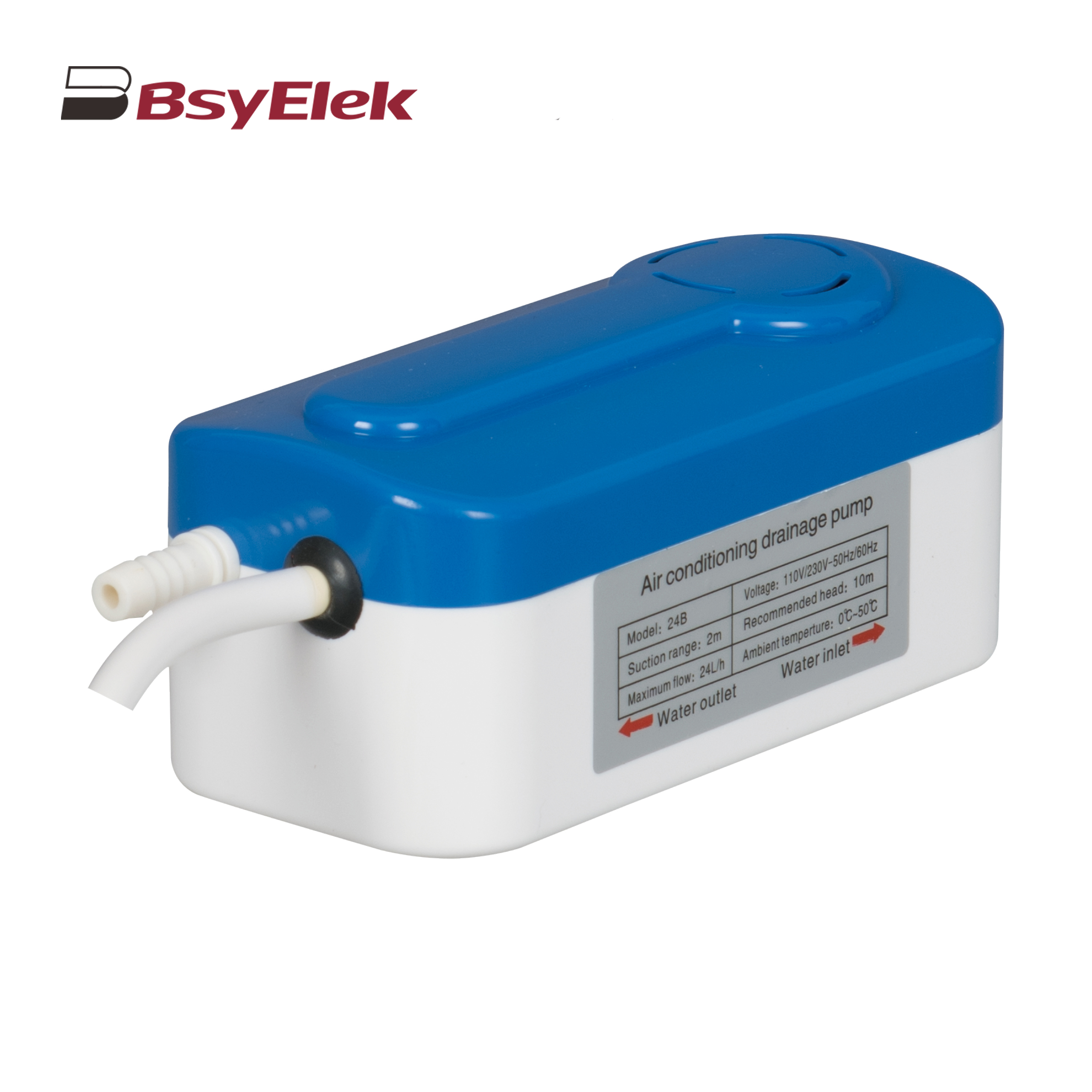
BY-24B/40B 10M Split Type Drainage Pump
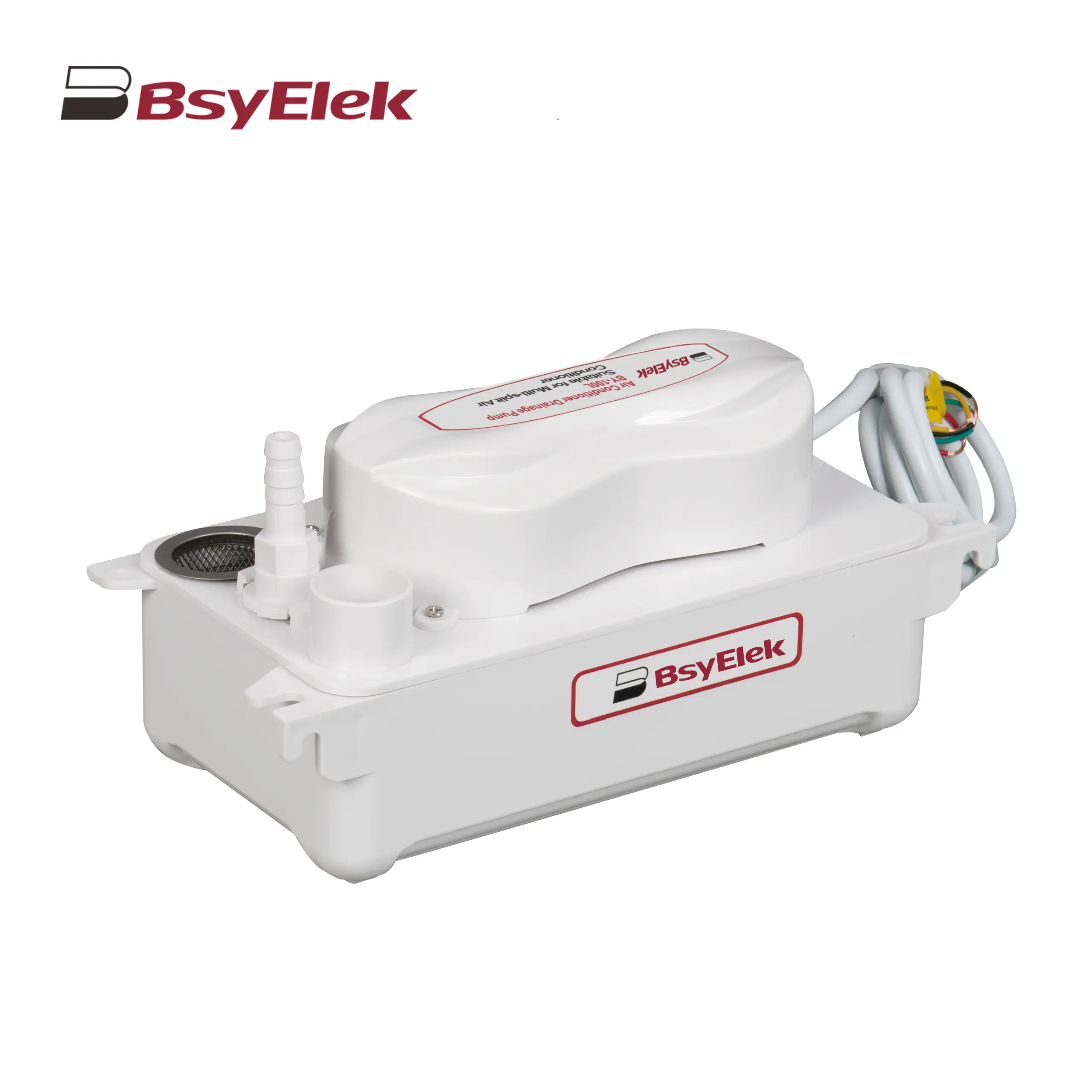
BY-100L 2M Drainage Pump of Air Conditioner
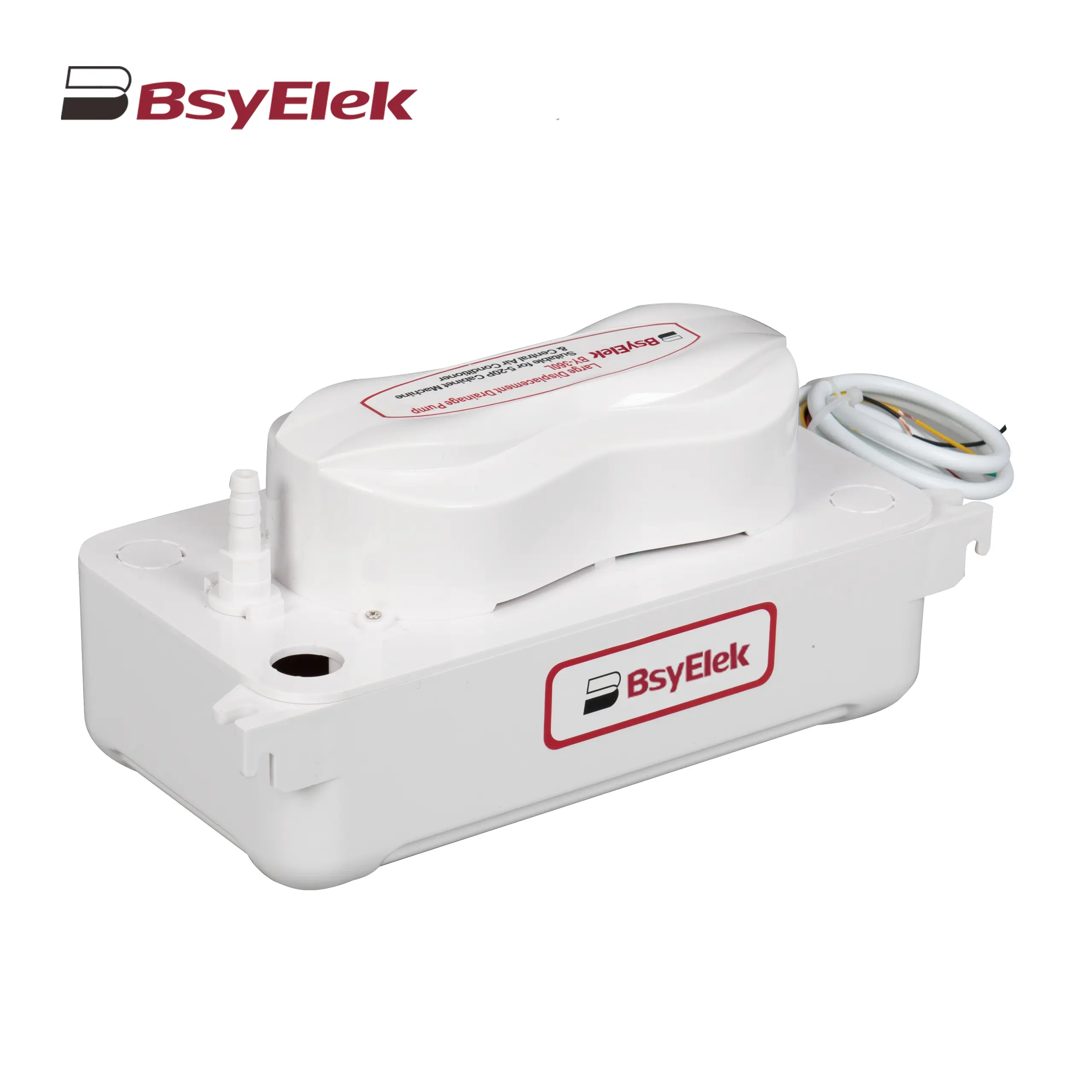
BY-360L 6M Large Displacement Drainage Pump
BY-24C/40C 10M Corner Drainage Pump
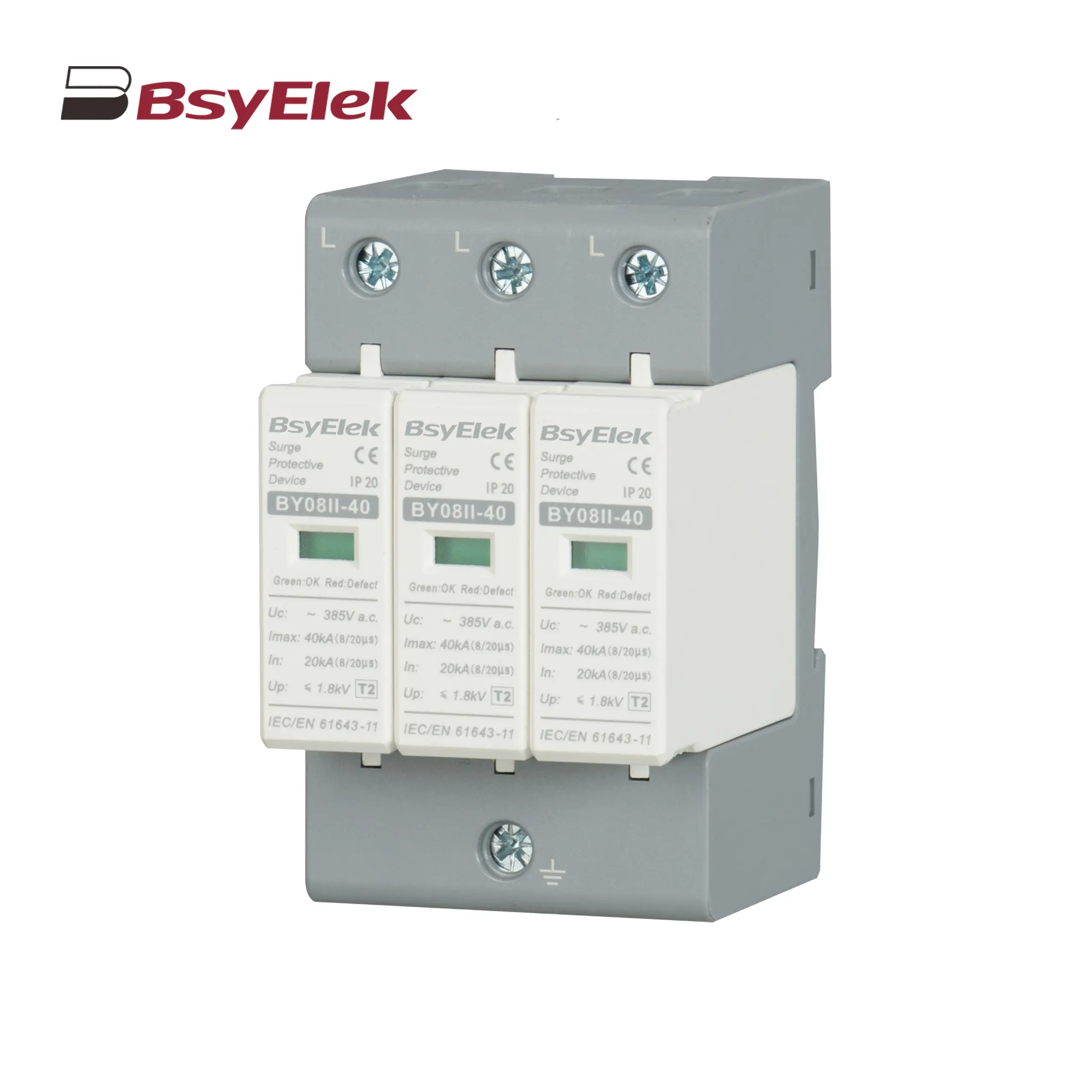
Choosing the best Dc Surge Protector in 2026 starts with the system it must protect. A unit for a solar array may not suit a battery bank, telecom cabinet, or industrial DC supply. Check the system’s nominal voltage and maximum operating voltage before comparing models. A mismatch can leave equipment exposed or cause unwanted disconnections.
Surge ratings deserve careful reading. Compare the stated discharge current, protection level, and response characteristics, while checking whether the specifications follow recognized test methods. Also examine the number of protected poles, replaceable modules, enclosure rating, and temperature range. A device mounted beside an outdoor inverter faces different conditions from one installed in a dry indoor panel. Small details count. Clear status indicators and accessible replacement parts can matter during maintenance, not just at purchase.
There is no single “best” protector for every installation. The right choice depends on the source of possible surges, cable lengths, grounding and bonding arrangements, and the equipment manufacturer’s requirements. Review the product datasheet and installation instructions, and have a qualified professional verify compatibility and installation. DC systems can sustain hazardous arcs, so shortcuts are a poor trade for a lower price. This guide will compare practical selection criteria and common design trade-offs, rather than rely on a headline rating alone. Some product specifications are difficult to compare directly; that uncertainty deserves attention, too.
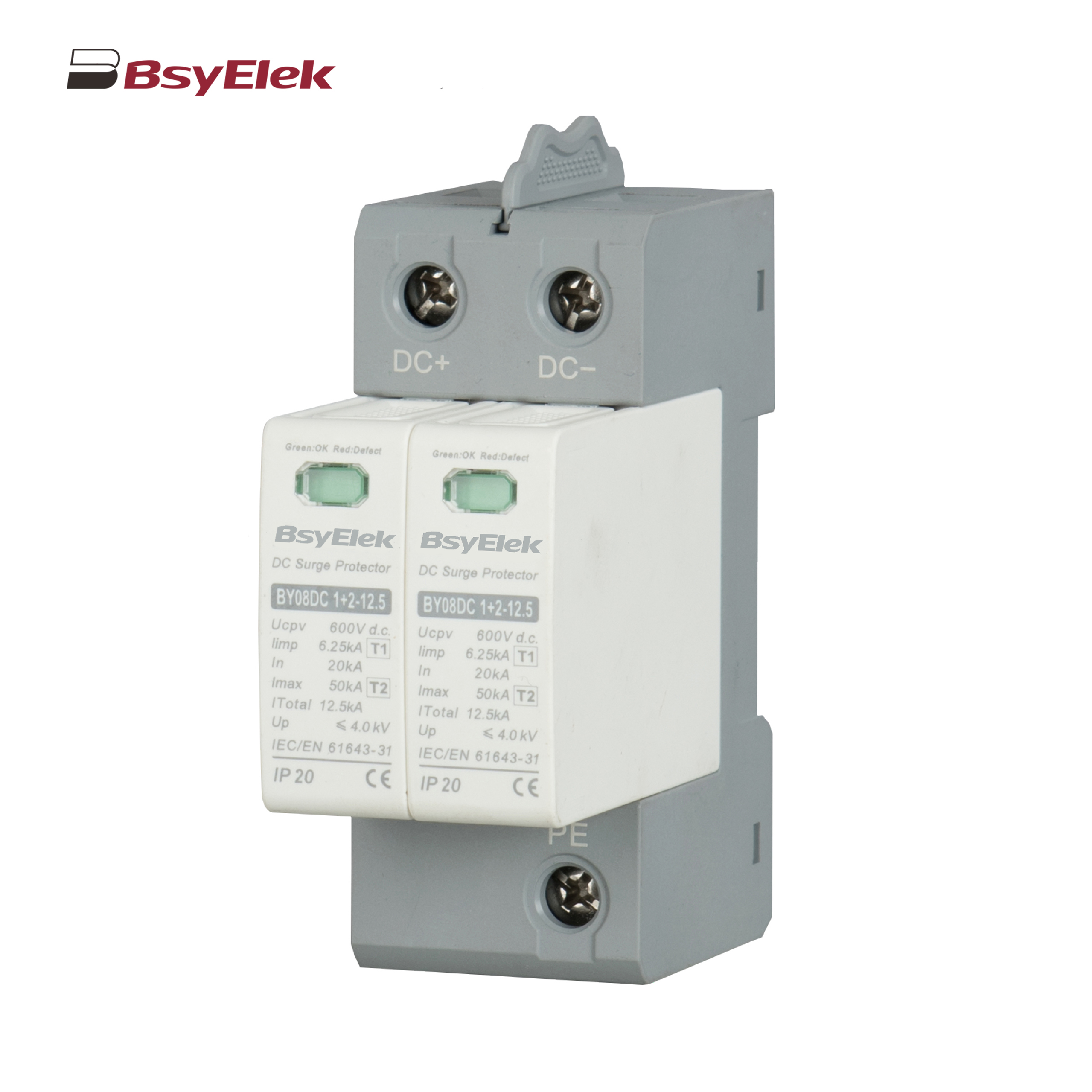
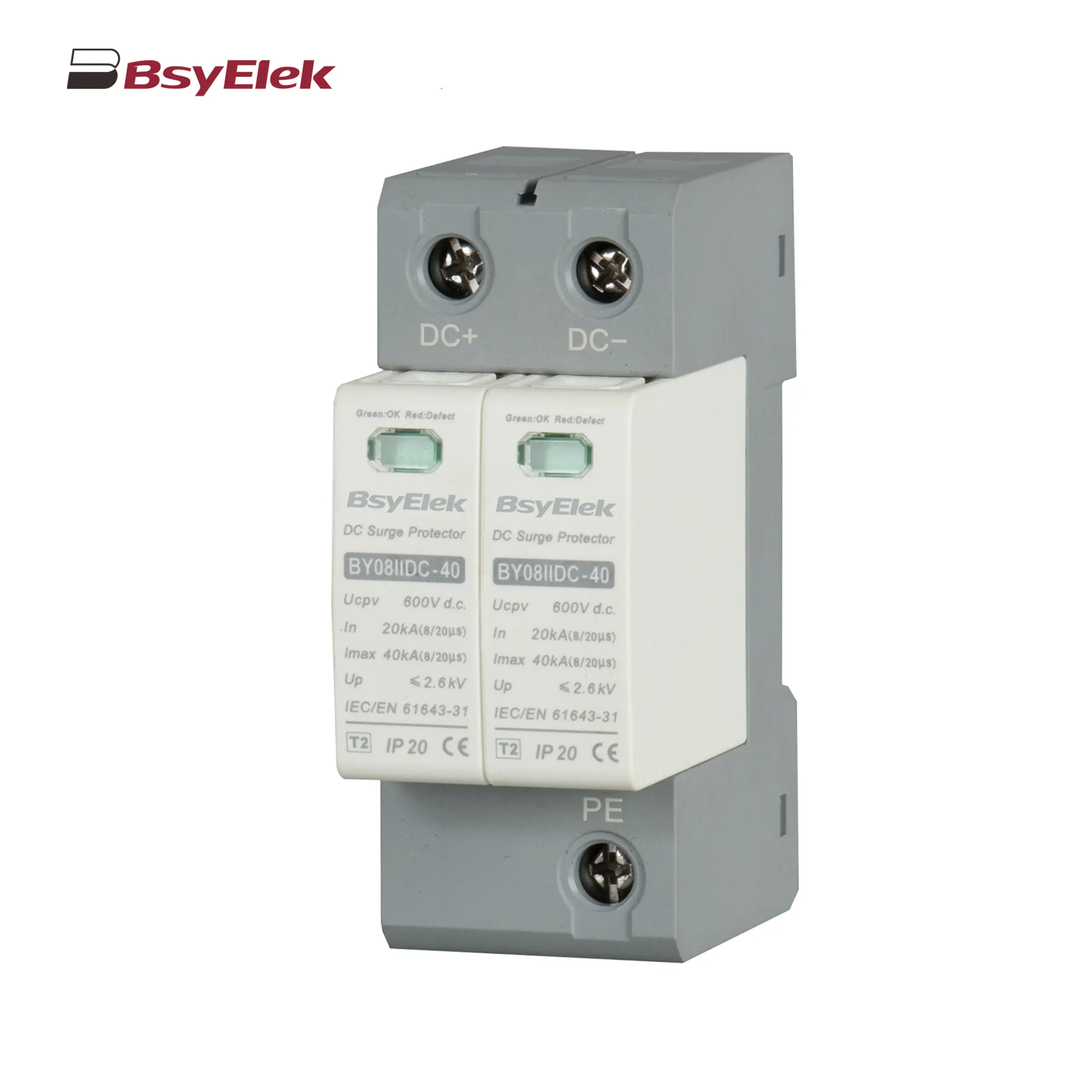
A DC surge protector helps limit brief voltage spikes on direct-current circuits. These spikes may come from nearby lightning, switching equipment, or long cable runs. The protector responds when voltage rises beyond a set level, creating a path for excess current toward the system’s grounding and bonding network. That distinction matters. A fuse or breaker mainly addresses sustained overcurrent, not a fast voltage transient.
Inside the device, components such as metal-oxide varistors or other suppression elements change their electrical behavior during a surge. They conduct more readily for a moment, then return to a high-resistance state as voltage settles. The surge still has to go somewhere. A sound, low-impedance connection helps carry it away from sensitive equipment, while poor bonding can reduce protection. No protector stops every surge, and real installations are rarely perfect.
Choosing a suitable unit means matching its DC voltage rating to the circuit, with attention to maximum operating voltage and available fault current. Solar arrays and battery systems can have different requirements. Check the manufacturer’s installation guidance, including conductor length, overcurrent protection, and status indicators. Heat leaves clues. Discoloration, damaged wiring, or a changed indicator deserves attention, though indicators do not reveal every internal failure. A qualified installer can verify the grounding path and whether the protector fits the actual system.
What a DC surge protector does and how it works
There is no single best DC surge protector for every system. These bars show common photovoltaic DC system voltage classes, not surge-protector ratings. Choose a DC-rated protector with a continuous operating voltage suitable for the array’s maximum cold-weather open-circuit voltage (Voc), and follow local electrical codes and the manufacturer’s installation instructions. During a surge, the protector limits the transient voltage and diverts surge current to the system’s grounding and bonding path.
A good DC surge protector is not chosen by peak-current figures alone. Match its maximum continuous operating voltage to the system’s highest possible DC voltage. For solar arrays, account for the open-circuit voltage rise in cold weather; a mild morning can change the calculation. The protection level, or Up, should remain below the voltage the connected equipment can withstand. Check nominal discharge current and maximum discharge current too, but do not treat them as interchangeable. One describes a test duty; the other marks a higher surge limit. That distinction matters.
Tips: Verify the protector’s short-circuit current rating, thermal disconnect, and system grounding arrangement. Keep connecting leads short and direct; long loops can weaken protection. If a specification is unclear, pause and verify it against the system design.
Installation category matters as well. Type 2 devices commonly address induced surges, while Type 1 or combined Type 1+2 devices may be specified where higher lightning-current handling is required. The right choice depends on the installation, not a universal ranking. I find the voltage check easy to underestimate, especially when several strings feed one inverter. Compare the device’s ratings with the inverter’s input limits and the array’s calculated maximum voltage. A technically impressive protector can still be mismatched. Have a qualified professional confirm selection and placement.
The best protector is the one matched to the system’s voltage, grounding arrangement, and exposure—not simply the model with the largest rating. Start with the equipment’s maximum continuous DC voltage, including cold-weather increases in solar-string voltage. Then check the protector’s maximum continuous operating voltage; it must exceed the system’s real operating voltage without leaving equipment exposed. For photovoltaic systems, IEC 61643-31 covers surge protective devices for DC circuits up to 1,500 volts. Its scope is a useful starting point, not a substitute for checking the installation design.
Surge current ratings matter, but so does protection level: the residual voltage must remain below the connected equipment’s withstand voltage. Consider where the system sits. NOAA reports about 25 million cloud-to-ground lightning flashes in the United States each year, though local exposure varies widely. A long cable run to a rooftop array or remote pump can collect induced surges even without a direct strike. Select the protection type and installation location to suit that wiring path, and verify compatibility with the system’s grounding method. A rating alone cannot show whether a device will coordinate well with upstream protection.
Tips: Check polarity, DC voltage, short-circuit current rating, and the manufacturer’s replacement indicator before installation. Keep leads short; long, looping wires can undermine protection. One detail is easy to overlook: a correctly rated protector still needs inspection after a severe surge.
DC surge protectors are not interchangeable. A photovoltaic string, battery bus, and DC charging circuit face different voltages and surge paths. In its 2023 U.S. Solar Market Insight, SEIA and Wood Mackenzie reported 32.4 GWdc of solar capacity installed that year. More equipment across varied sites makes correct protection selection practical, not merely theoretical.
Type 1 SPDs suit locations where lightning-current surges may enter, such as systems connected to an external lightning protection system. They are tested with a 10/350-microsecond current waveform. Type 2 devices address induced lightning and switching surges, using an 8/20-microsecond waveform; they commonly protect inverter inputs and distribution points. Type 1+2 units combine both functions where the design calls for them. For PV arrays, select a DC-rated device compliant with IEC 61643-31, and check its maximum continuous operating voltage against the array’s cold-weather open-circuit voltage. NOAA estimates about 25 million lightning flashes occur annually in the United States. That is context, not a site-specific risk calculation. Cable length, grounding, and placement still matter. A protector installed far from the equipment may leave a vulnerable stretch of cable. Check the wiring diagram, not just the label.
| Type | Typical Application | Main Protection Role | Key Selection Considerations | Best Fit |
|---|---|---|---|---|
| Type 1 DC SPD | DC systems at an entry point exposed to partial lightning current, particularly where a lightning protection system or a high lightning-current risk is present. | Designed to discharge high-energy surge current associated with direct lightning effects. It is generally installed at the boundary where the DC installation enters the protected area. | Check the required impulse current rating, system voltage, earthing arrangement, and the applicable installation standard. A Type 1 device may not provide sufficient protection on its own for sensitive equipment. | High lightning-current risk |
| Type 2 DC SPD | DC distribution boards, photovoltaic (PV) circuits, battery systems, and DC equipment exposed mainly to induced lightning surges or switching transients. | Limits transient overvoltage and diverts surge current to help protect downstream equipment. Often used at distribution points or close to the equipment being protected. | Match the maximum continuous operating voltage to the DC system. Confirm discharge ratings, protection level, wiring layout, and compatibility with the system’s grounding configuration. | Common downstream protection |
| Combined Type 1+2 DC SPD | Installations that need both lightning-current discharge and downstream surge-voltage limitation at one coordinated location. | Combines the tested functions of Type 1 and Type 2 protection in a single device. It can reduce the need for separate devices at that location, but does not remove the need to assess protection throughout the installation. | Verify that the device is explicitly rated for both types and for the system’s DC voltage and earthing arrangement. Check coordination with any additional SPDs and manufacturer-specified backup protection. | Combined protection point |
| PV-specific DC SPD | PV array strings, combiner boxes, inverter DC inputs, and other photovoltaic DC circuits. | Provides surge protection designed for photovoltaic circuits, where DC voltage can remain present while the array is illuminated. | Use a device suitable for PV service and the array’s maximum open-circuit voltage under the lowest expected temperature. Check polarity, earthing topology, short-circuit conditions, and applicable PV SPD requirements, such as IEC 61643-31 where relevant. | Solar PV circuits |
| Battery or DC-bus SPD | Battery energy-storage systems, DC busbars, and battery-to-inverter connections. | Helps limit transient overvoltage on DC power connections. It is typically selected according to the system voltage and the equipment’s insulation withstand level. | Confirm compatibility with the battery system’s maximum voltage, grounding arrangement, available fault current, and required protective-device coordination. Follow the equipment and installation instructions. | Storage and DC power buses |
| DC signal or data-line SPD | Low-voltage DC control, monitoring, sensor, and communication lines connected to outdoor or surge-exposed equipment. | Limits surges on signal conductors; it is not a substitute for a power-circuit SPD. | Match the working voltage, number of conductors, signal type, bandwidth, and connection method. Coordinate protection with the equipment’s grounding and cabling design. | Control and communication lines |
How to choose: There is no single best DC surge protector for every installation. Select by system type, maximum operating voltage, lightning exposure, grounding arrangement, required protection level, and applicable local standards. Have the design and installation checked by a qualified professional.
Start with the system’s maximum DC voltage, not the protector’s price. For a solar array, calculate the cold-weather open-circuit voltage; it can exceed the module’s rated voltage. Match the protector’s continuous operating voltage and short-circuit rating to the actual circuit.
NOAA’s National Severe Storms Laboratory reports roughly 25 million lightning strikes in the United States each year. That figure signals exposure, not the odds of a surge reaching your equipment. Details matter.
Check the required protection type, number of poles, grounding arrangement, and replacement indicator. IEC 61643-31 specifies requirements and tests for surge protective devices used in photovoltaic DC systems; IEC 61643-32 covers selection and application. Use these standards as a technical reference, then confirm compatibility with the inverter and installation design.
A device with impressive voltage numbers may still be unsuitable if its ratings do not match the array. There is no universal best choice. That is easy to overlook. Ask a qualified installer to verify the calculations, especially where cable runs are long or lightning exposure is high. A careful review may feel tedious, but guessing can leave a costly gap.