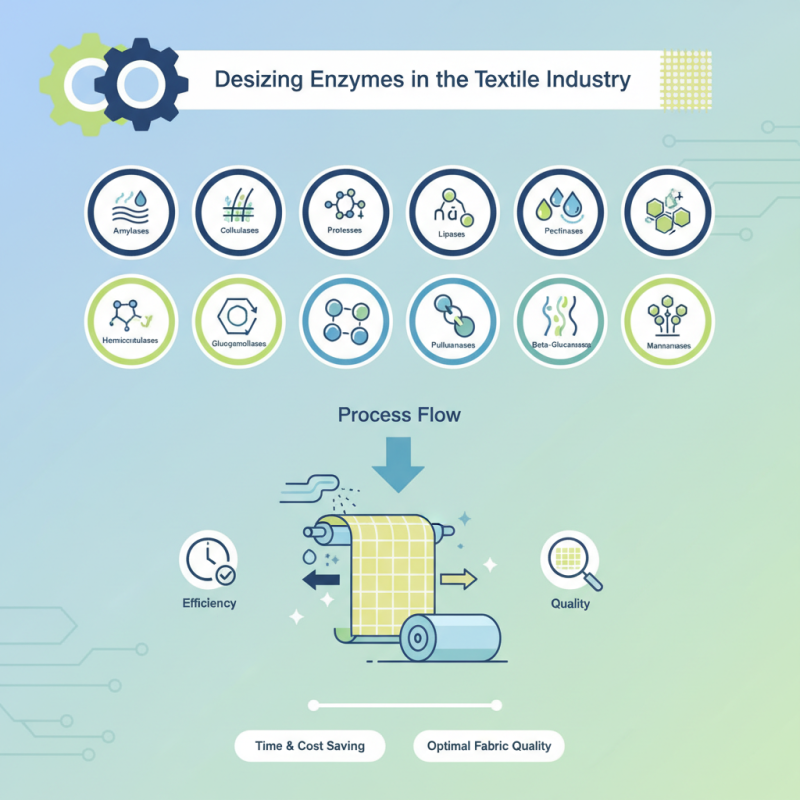
Top 10 Desizing Enzymes You Should Know About?
In the textile industry, efficiency is key. desizing enzymes play a crucial role in this process. These enzymes help remove size materials from woven fabrics, preparing them for dyeing and finishing. Understanding desizing enzymes can lead to better production practices and improved fabric quality.
There are various types of desizing enzymes, each with unique properties. Some are more effective than others, depending on the fabric type and size materials used. Choosing the right desizing enzyme requires careful consideration of multiple factors.
Many manufacturers overlook the importance of this selection. They may choose a standard enzyme without assessing its effectiveness. This can lead to unsatisfactory results. Evaluating enzyme performance can save time and costs in the long run. Embracing the right desizing enzymes is essential for achieving optimal fabric quality while maintaining efficiency.
Overview of Desizing Enzymes and Their Importance in Textile Industry
Desizing enzymes play a critical role in the textile industry. They help remove sizing agents from fabrics before dyeing and finishing. These agents are often applied to improve weaving performance. Efficient desizing ensures better absorbency and color quality in final products. According to a report by Research and Markets, the global textile enzymes market is projected to grow at a CAGR of 8% by 2025. This underscores the increasing reliance on enzymatic processes.
In textile manufacturing, different types of desizing enzymes are used. Amylases are commonly employed to break down starch-based sizing agents. Proteases help eliminate protein-based sizes. Each enzyme has a specific function, affecting the fabric's final characteristics. However, not all desizing processes yield perfect results. Residual sizing agents can sometimes remain, affecting dye uptake. Companies often struggle with balancing enzyme efficacy and cost.
Tips: Always test a small fabric sample. Monitor enzyme concentrations closely. Optimize conditions like pH and temperature for best results. Regular maintenance of enzyme concentrations can lead to improved consistency in production. With increasing environmental regulations, the shift toward enzyme-based solutions could be a sustainable choice.
Top 10 Desizing Enzymes You Should Know About
| Enzyme Name | Source | Application | Optimum pH | Optimum Temperature (°C) |
| Amylase | Bacterial | Desizing of starch from fabrics | 6.0 - 7.5 | 60 - 80 |
| Protease | Fungal | Removal of protein-based sizing agents | 6.0 - 8.0 | 40 - 70 |
| Cellulase | Bacterial/Fungal | Desizing of cotton fabrics | 4.5 - 7.0 | 45 - 65 |
| Pectinase | Fungal | Removal of pectin from fabrics | 4.0 - 6.0 | 50 - 70 |
| Lipase | Microbial | Desizing of fatty sizing agents | 6.5 - 8.5 | 30 - 60 |
| Xylanase | Fungal | Desizing hemicellulose in fabrics | 5.0 - 7.0 | 45 - 75 |
| Mannanase | Fungal | Removal of mannan-based sizing agents | 5.5 - 6.5 | 50 - 70 |
| Chitosanase | Bacterial | Desizing chitin-based fabrics | 5.0 - 7.0 | 30 - 60 |
| Glucanase | Fungal | Reducing glucan content in fabrics | 4.5 - 6.5 | 40 - 80 |
Types of Desizing Enzymes: Amylases, Cellulases, and Beyond
Desizing is an essential step in textile processing. It involves the removal of sizing agents, which are temporary coatings on fibers. The right enzymes can streamline this process significantly. Amylases are one of the most widely used desizing enzymes. They break down starch-based sizing agents, making it easier to wash them away. These enzymes work efficiently at various temperatures, but their effectiveness depends on the right conditions.
Cellulases are another vital type of desizing enzyme. They target cellulose in certain sizing solutions, providing an alternative method for textile preparation. This enzymatic action not only helps in desizing but also enhances the fabric's softness. However, improper use of cellulases can lead to fabric damage. Finding the right balance in enzyme concentration is crucial for optimal results.
Other enzymes, such as pectinases and proteases, can also play a role. Pectinases help to break down pectin-based sizing, while proteases target proteinaceous substances. However, relying too heavily on enzymes without proper testing may lead to inconsistencies in fabric quality. It's essential to rethink enzyme application to achieve not just efficient desizing but also high-quality outcomes.
Factors Influencing the Effectiveness of Desizing Enzymes
The effectiveness of desizing enzymes heavily depends on various factors. One critical factor is the temperature. Optimal temperatures can range from 50 to 68 degrees Celsius. If the temperature is too low, enzyme activity diminishes. Conversely, extremely high temperatures can denature the enzyme, rendering it ineffective and costly.
Another factor is pH level. Most desizing enzymes function best within a pH range of 5.0 to 7.0. Deviating from this range can lead to suboptimal desizing results. It's also vital to consider substrate composition. Different fibers, like cotton and polyester, respond differently to enzymes. The nature of the sizing agents used also impacts enzyme effectiveness.
Tips: Monitor conditions closely during the desizing process. Small changes can lead to significant results. Always test the enzyme on a small scale before full application. This way, you can avoid waste and ensure quality.
Water quality plays a role as well. Impurities in water can inhibit enzyme activity. Hard water, for instance, may contain minerals that interfere with the enzyme's operation. Be mindful of how water quality affects desizing efficiency. Adjusting these factors ensures optimal performance of desizing enzymes, yet many overlook them. It's essential to reflect on these aspects regularly to enhance your processes.
Applications of Desizing Enzymes in Different Textile Processes
Desizing enzymes play a crucial role in textile processes, specifically in preparing fabrics for dyeing and finishing. These enzymes remove sizing agents from fabrics, enhancing their absorbency. A recent industry report indicates that the global desizing enzyme market is projected to grow at a CAGR of 5% from 2021 to 2026. This growth reflects the increasing need for efficient and eco-friendly textile processing.
In fabric preparation, enzymes like amylase are fundamental. They break down starch-based sizing agents, facilitating better dye uptake. However, reliability remains an issue. For instance, variations in enzyme activity can lead to inconsistent results. Fabrics may end up with residual materials, impacting dye adherence. Minimizing these inconsistencies is vital for maintaining high quality in textile manufacturing.
The environmental impact is another area of concern. Although desizing enzymes offer sustainability benefits, incorrect application can still lead to water pollution. Consumers are increasingly seeking organic and biodegradable textiles. In response, the industry must refine enzyme formulations to reduce chemical by-products. Addressing these challenges is key for the future of sustainable textile production.
Future Trends and Innovations in Desizing Enzyme Technology
Desizing enzymes play a crucial role in textile manufacturing. They help remove sizing materials from fabrics. This process improves the quality and feel of textiles. As the industry innovates, new trends emerge in enzyme technology. For example, there is a push for eco-friendly and biodegradable options. The focus on sustainability is reshaping how these enzymes are developed and used.
Another significant trend is the customization of enzymes. Different fabrics require specific enzymes for desizing. Advanced research is leading to tailor-made solutions that enhance efficiency. Moreover, the use of nanotechnology in enzyme formulation is promising. It allows enzymes to work effectively at lower temperatures and with reduced water usage. However, the cost of development can be high. Small manufacturers may struggle to keep up.
Innovation does not come without challenges. Ensuring consistent quality and performance remains a concern. The industry must also navigate regulatory changes. Transparency in enzyme sourcing and usage is increasingly demanded. These factors can complicate the adoption of new technologies. There is a need for ongoing dialogue and collaboration among stakeholders to address these issues.
Top 10 Desizing Enzymes You Should Know About



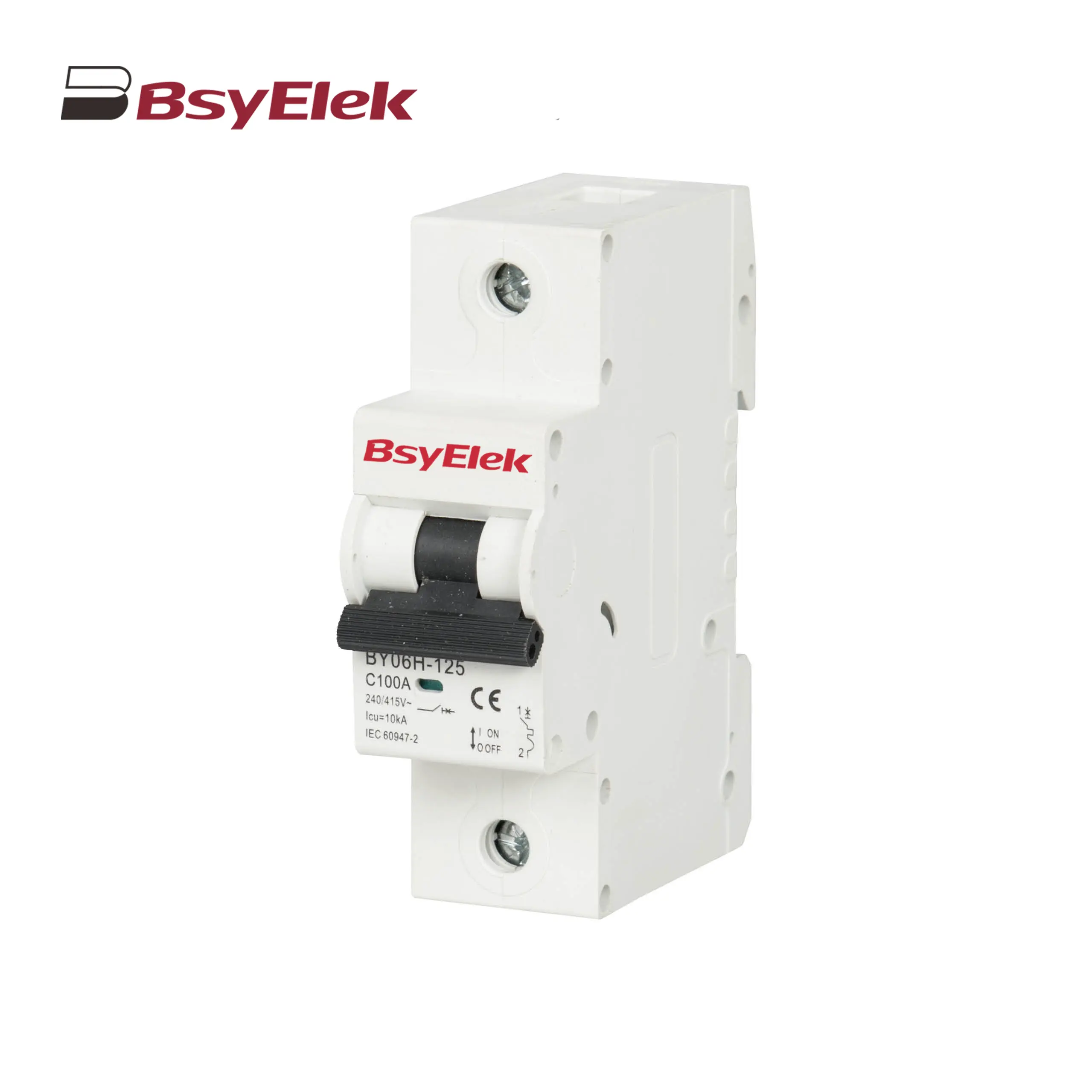 BY06H-125 MCB 10-15KA Miniature Circuit Breaker
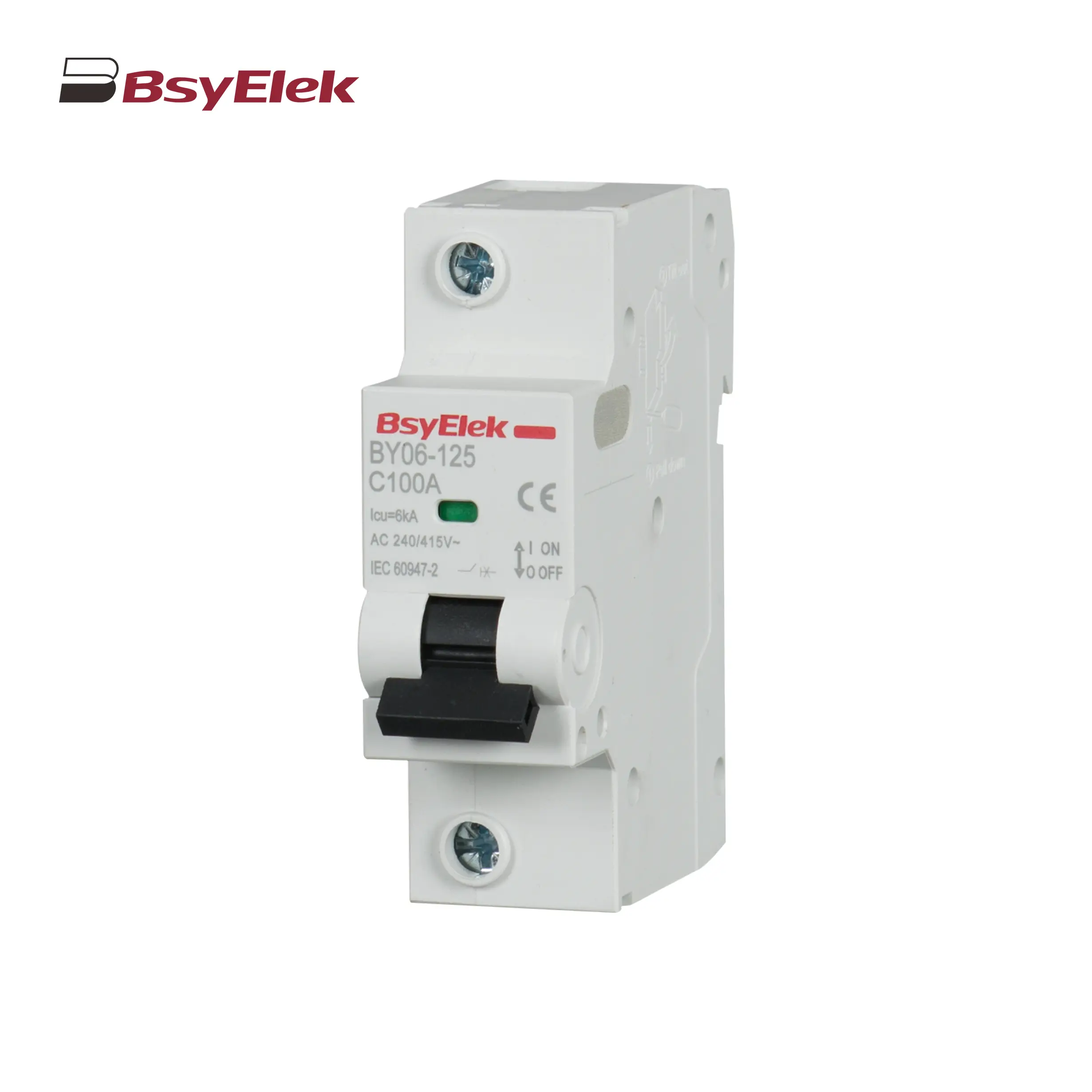 BY06-125 MCB 6KA Miniature Circuit Breaker
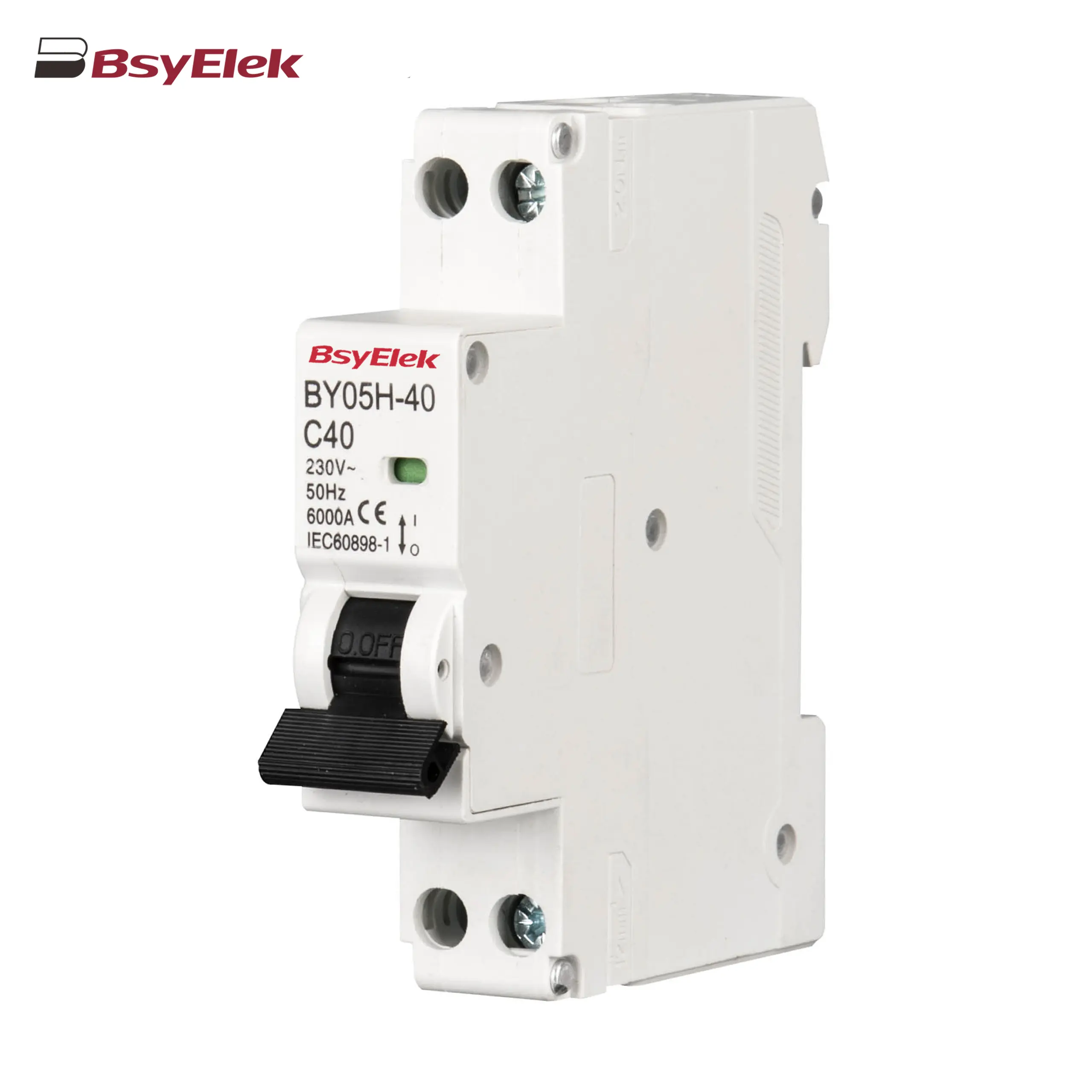 BY05H-40 MCB Single Modular 6KA Miniature Circuit Breaker
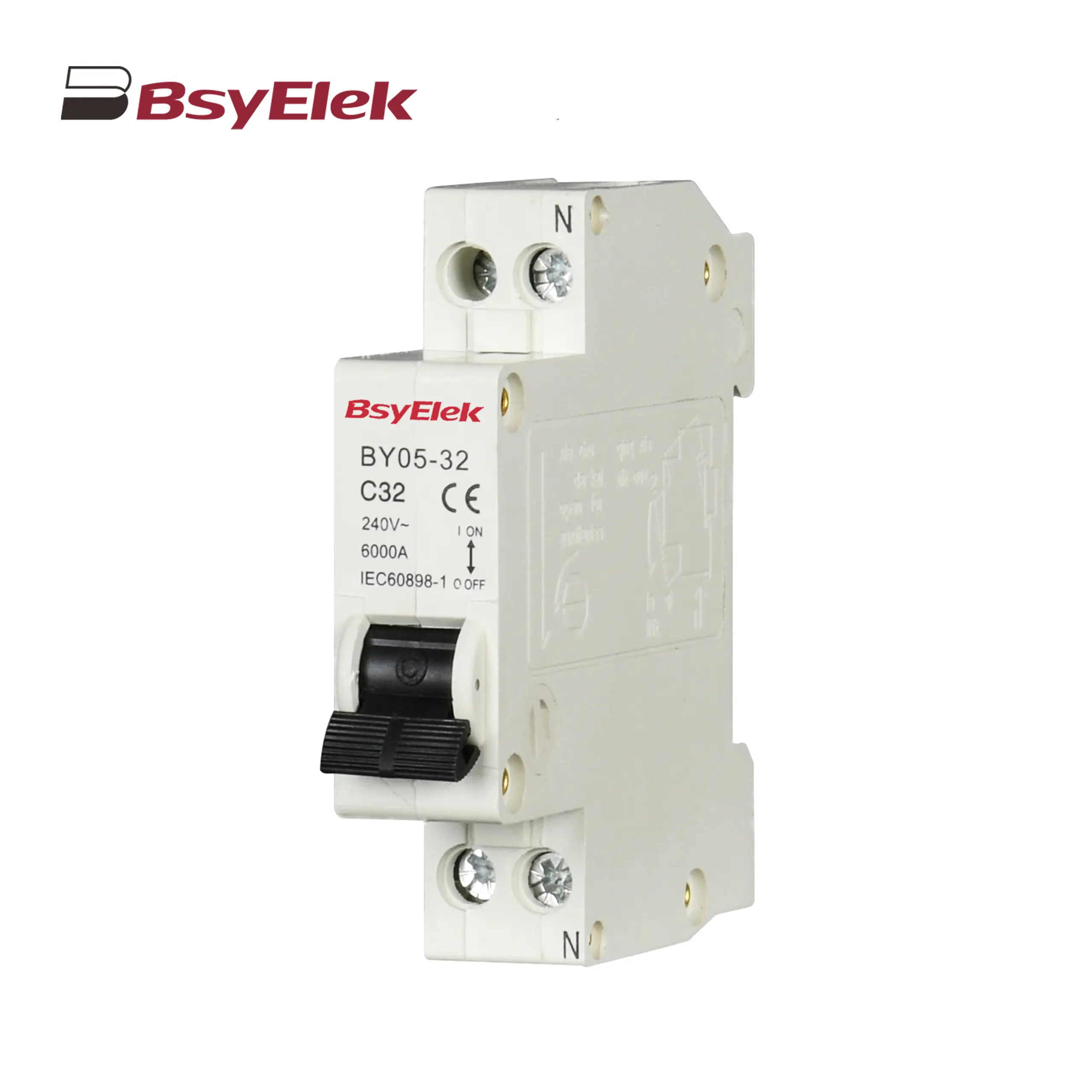 BY05-32 MCB Single Modular 3KA Miniature Circuit Breaker
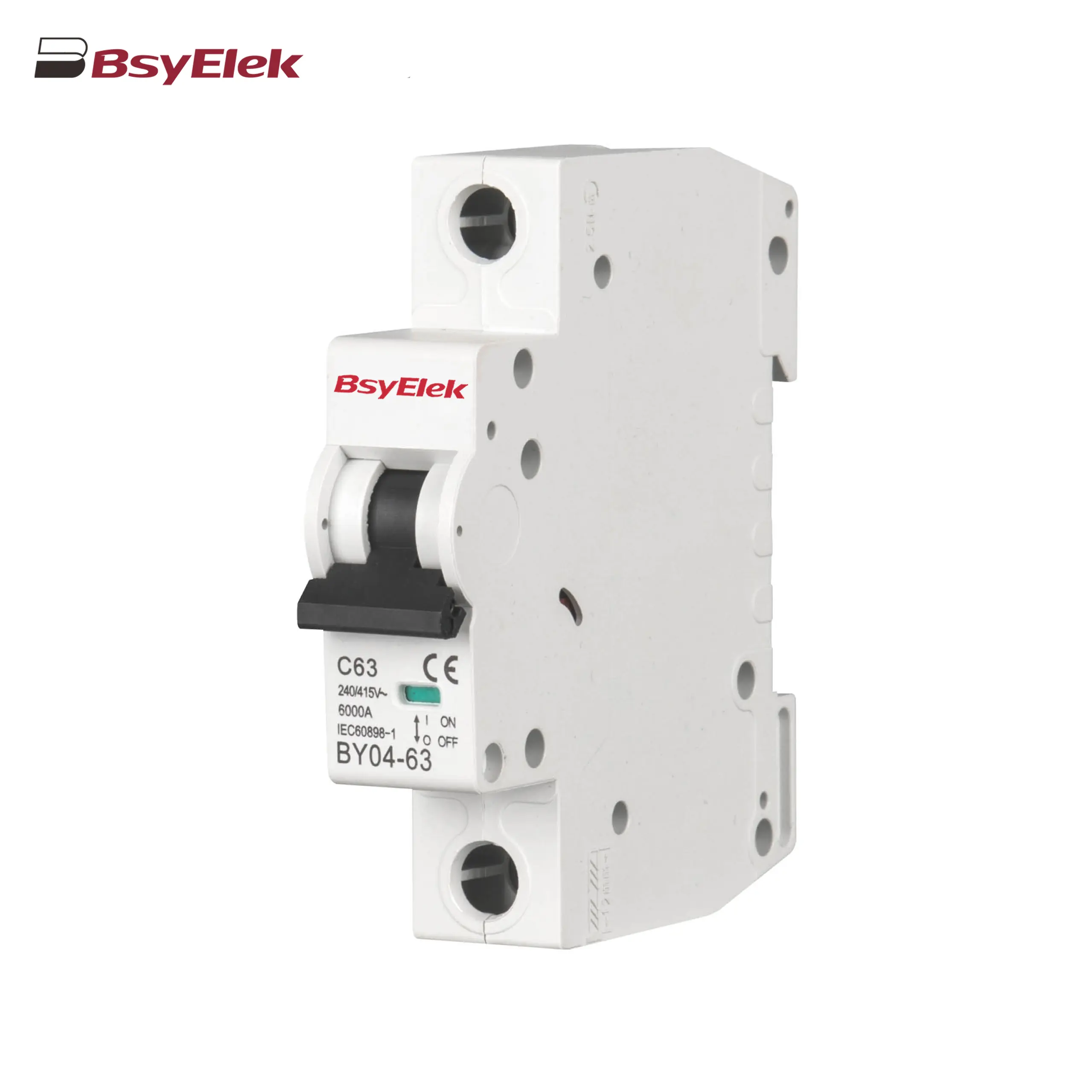 BY04-63 MCB 6-10KA Miniature Circuit Breaker
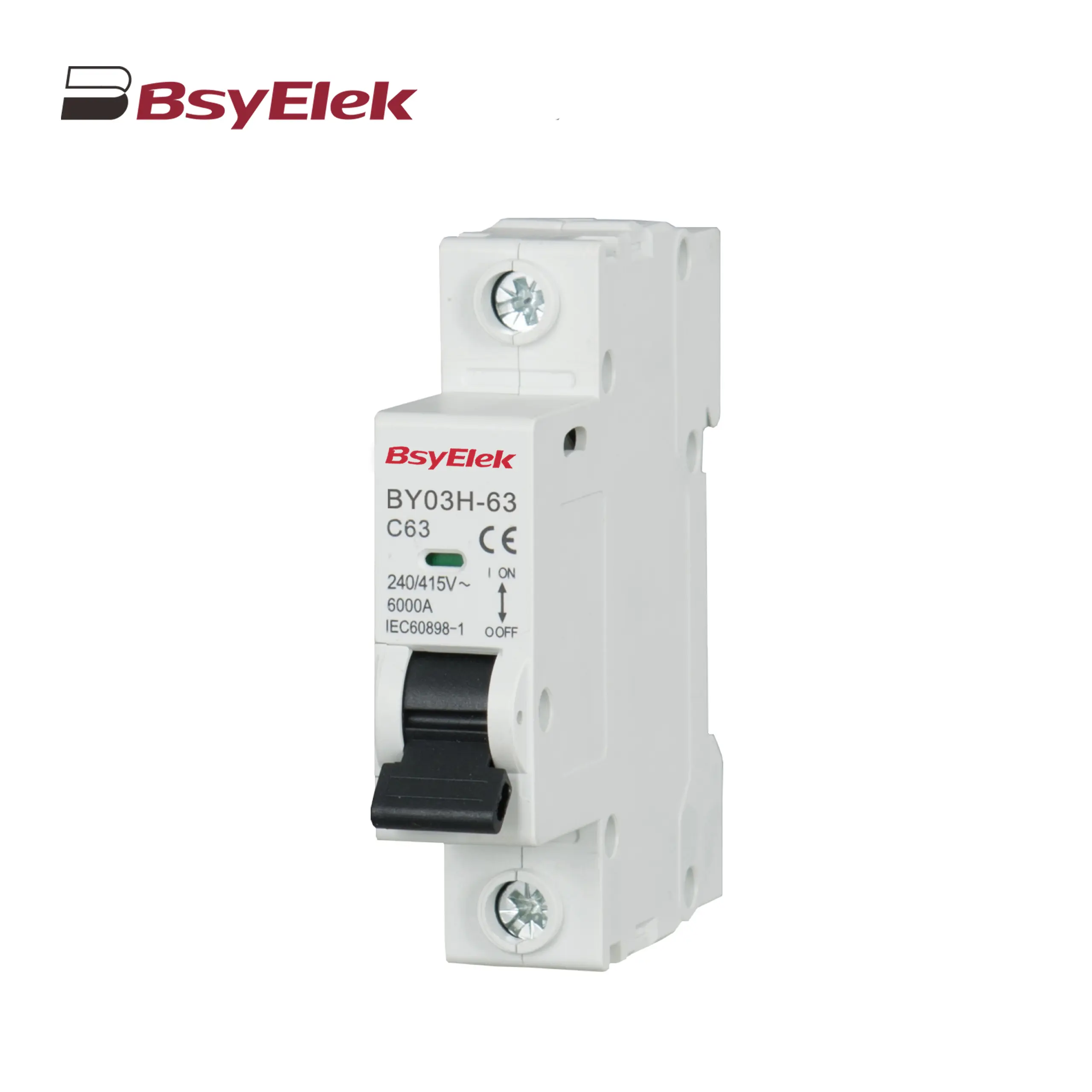
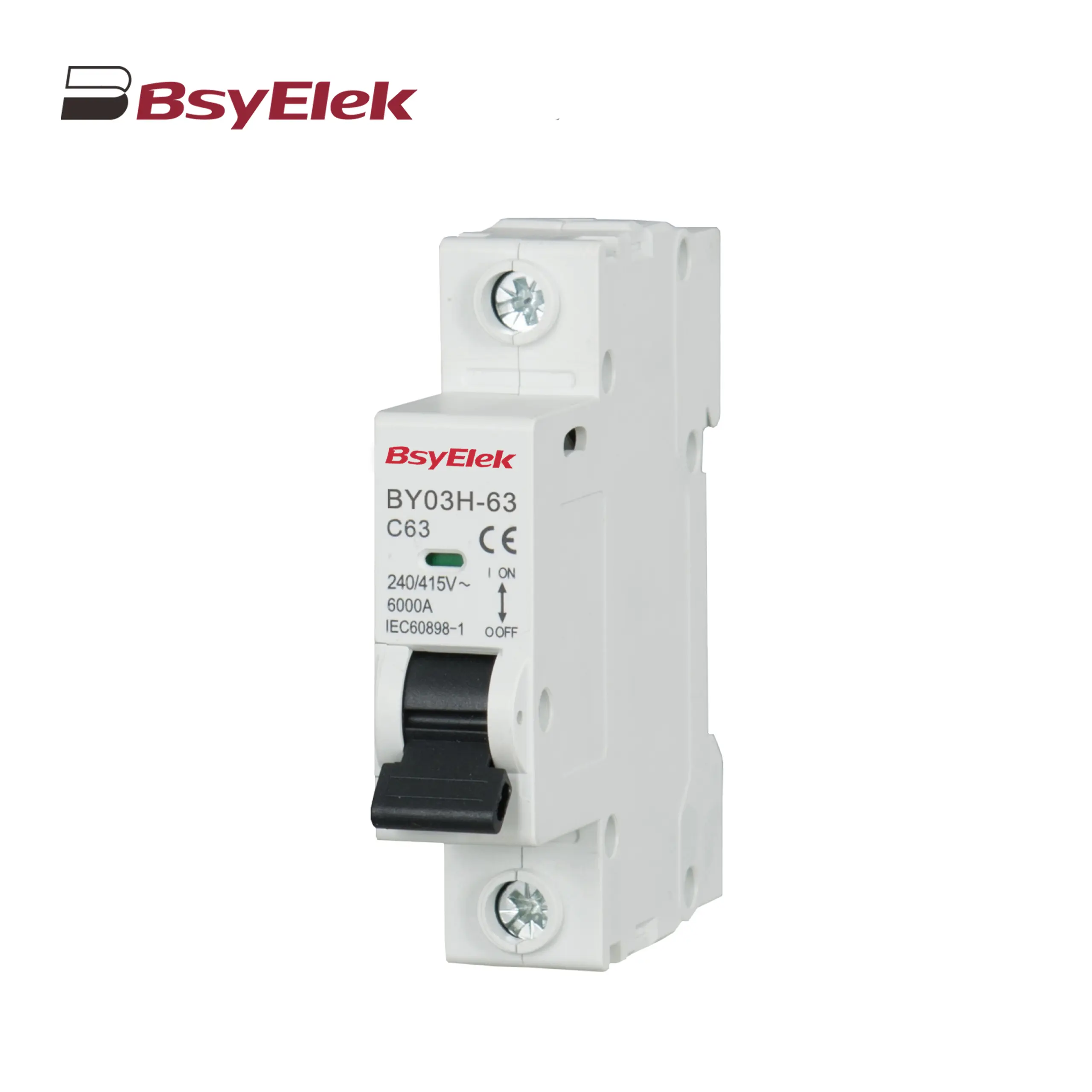 BY03H-63 MCB 6KA Miniature Circuit Breaker
 BY03-63 MCB 4.5KA Miniature Circuit Breaker
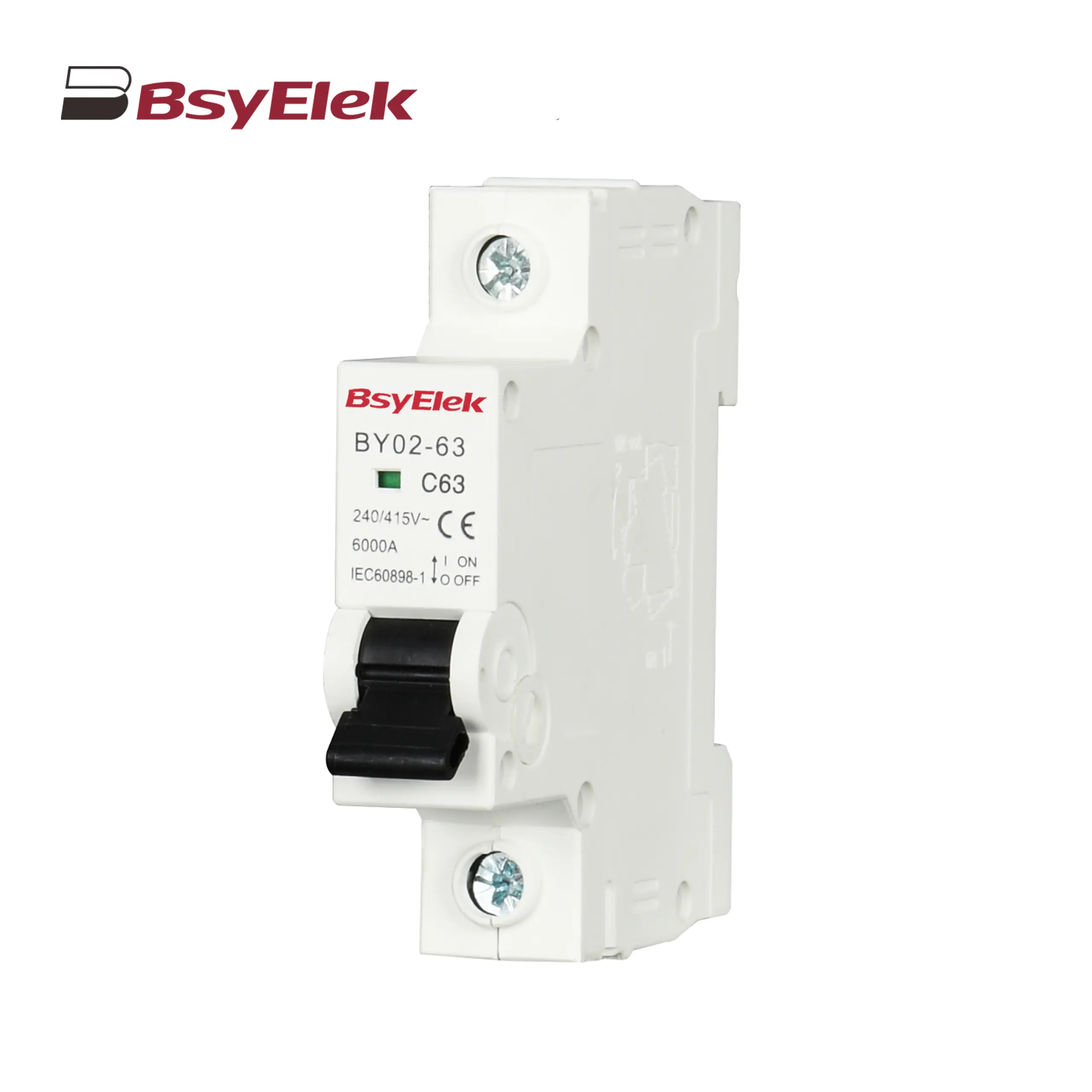 BY02-63 MCB 3kA Miniature Circuit Breaker
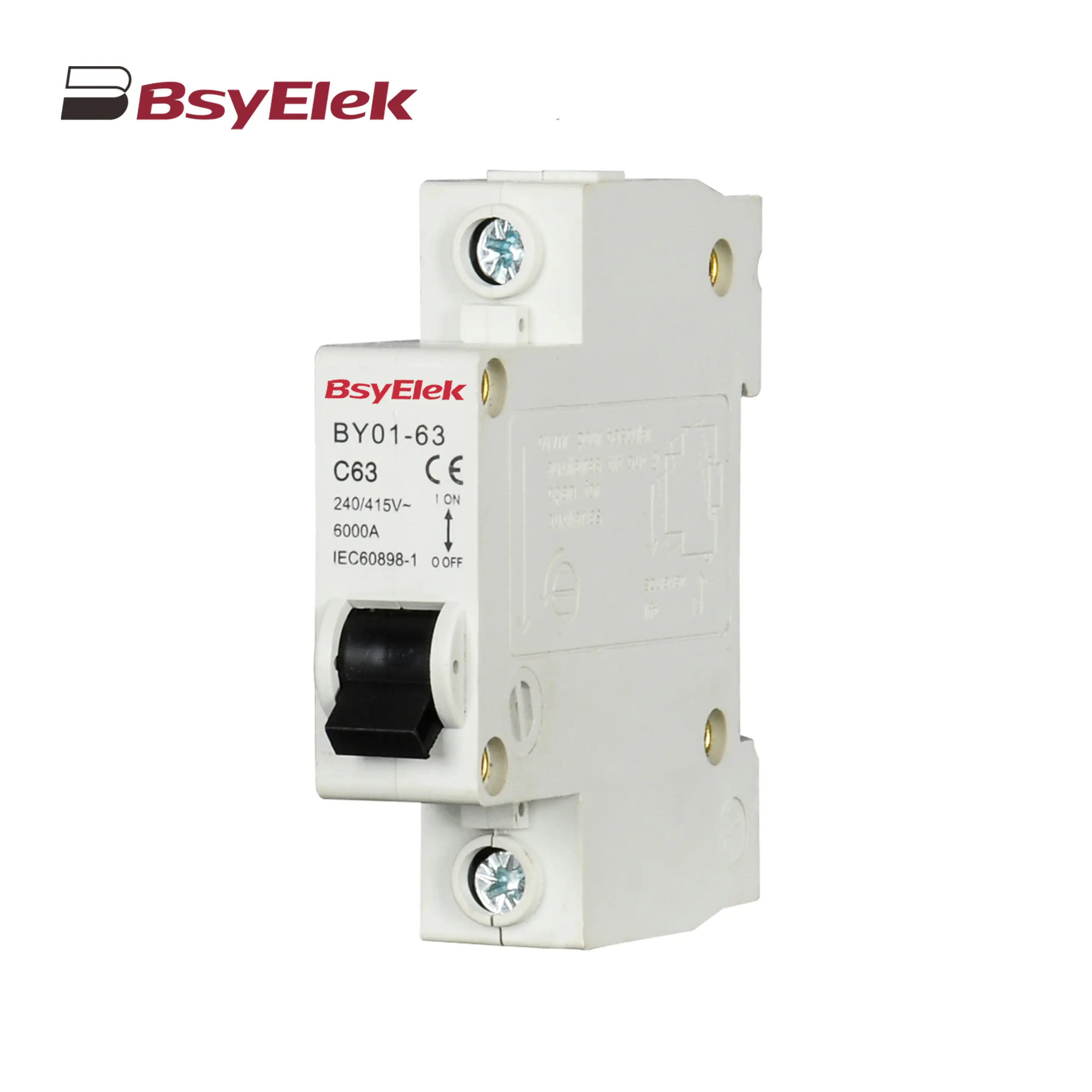 BY01-63 MCB 3kA Miniature Circuit Breaker
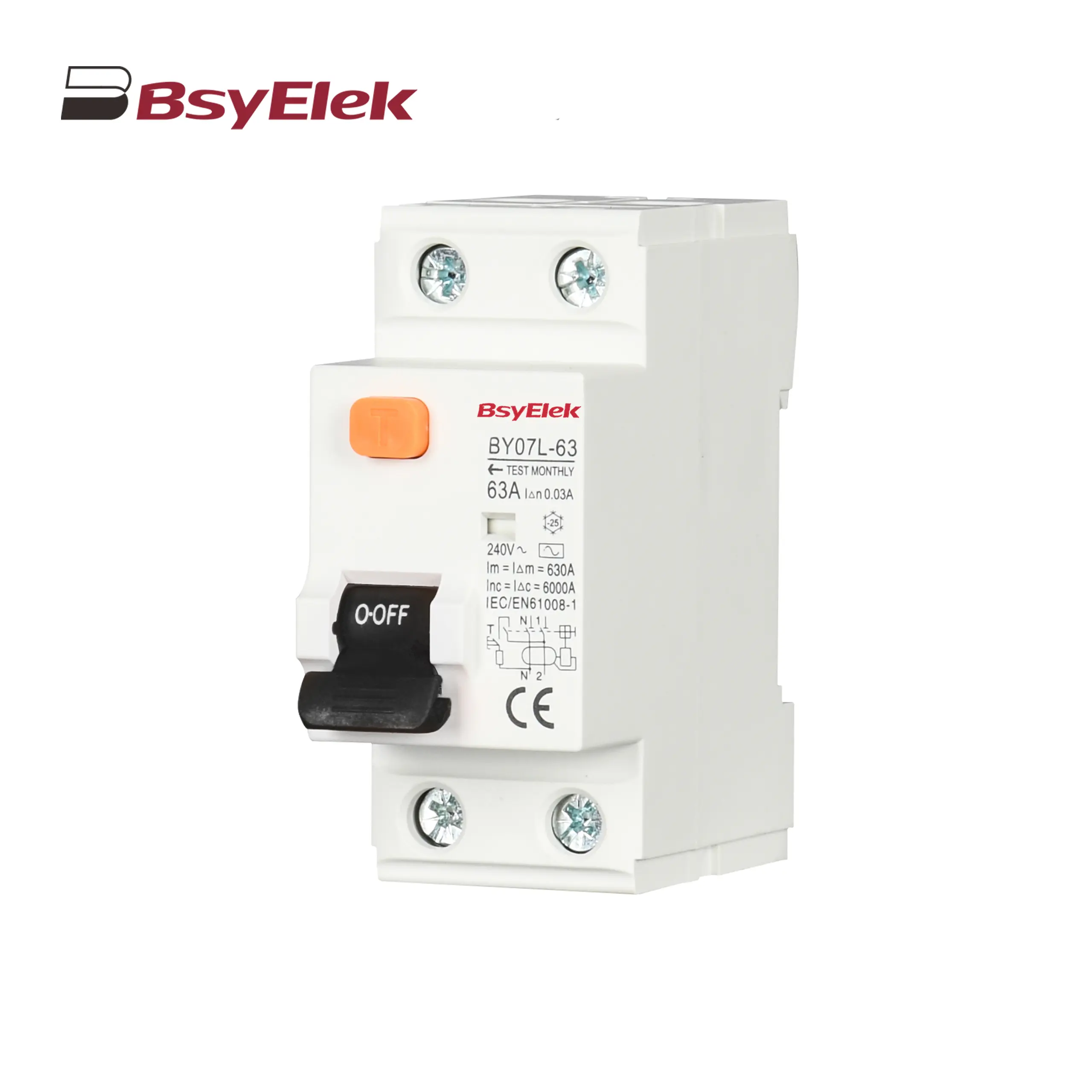 BY07L-63 RCCB 6KA Residual Current Circuit Breaker
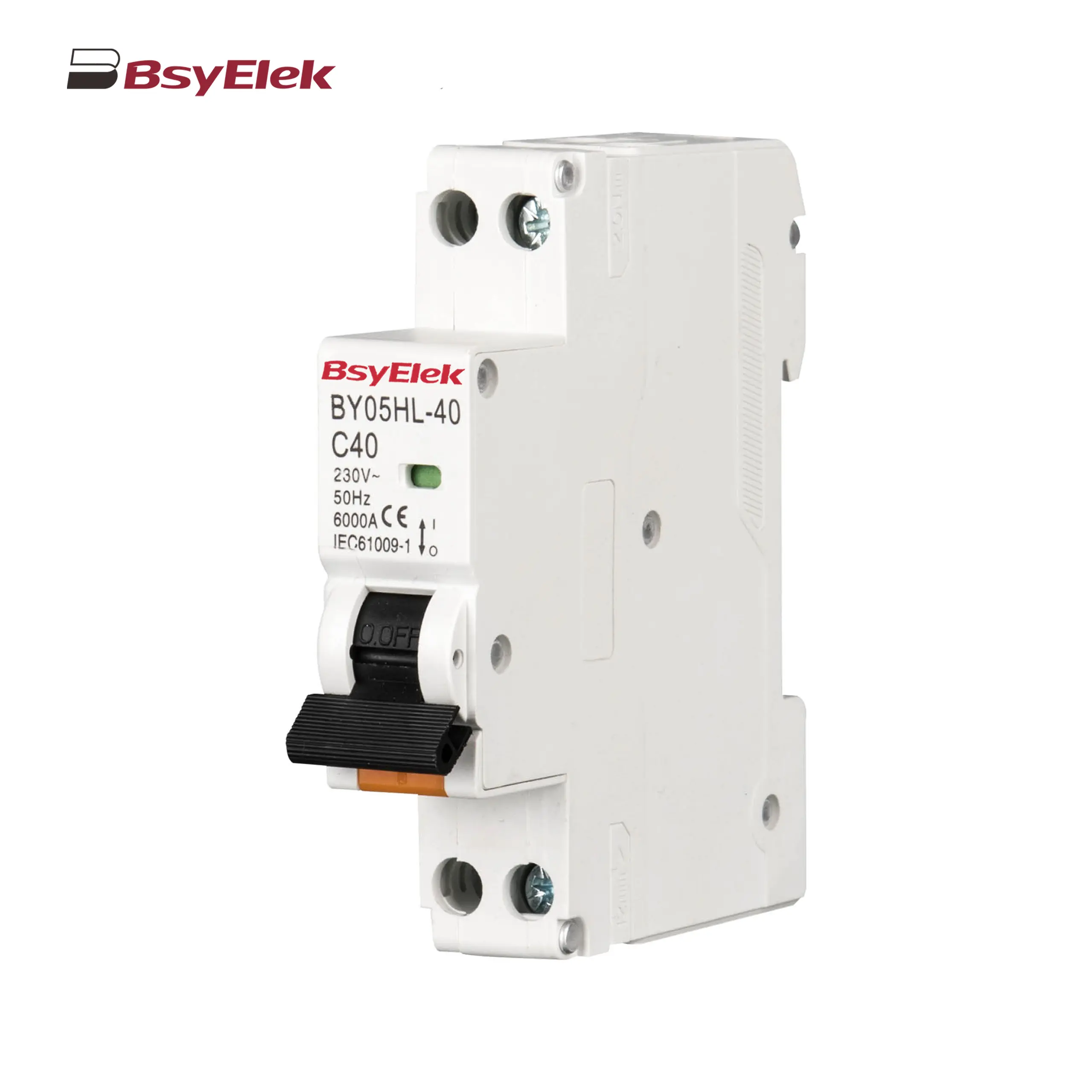 BY05HL-40 RCBO 6KA Residual Current Circuit Breaker with Over-current Protection
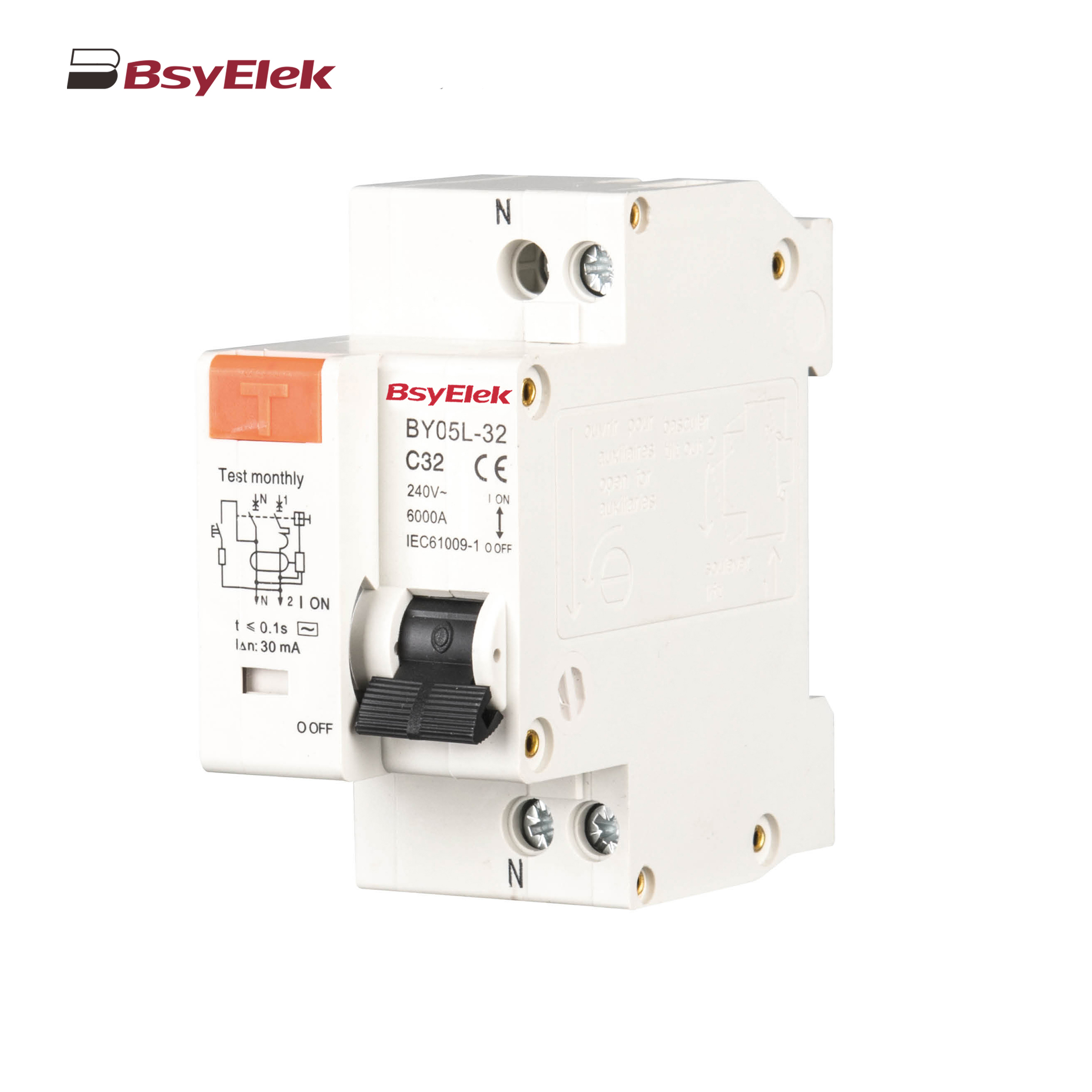 BY05L-32 RCBO 3KA Residual Current Circuit Breaker with Over-current Protection
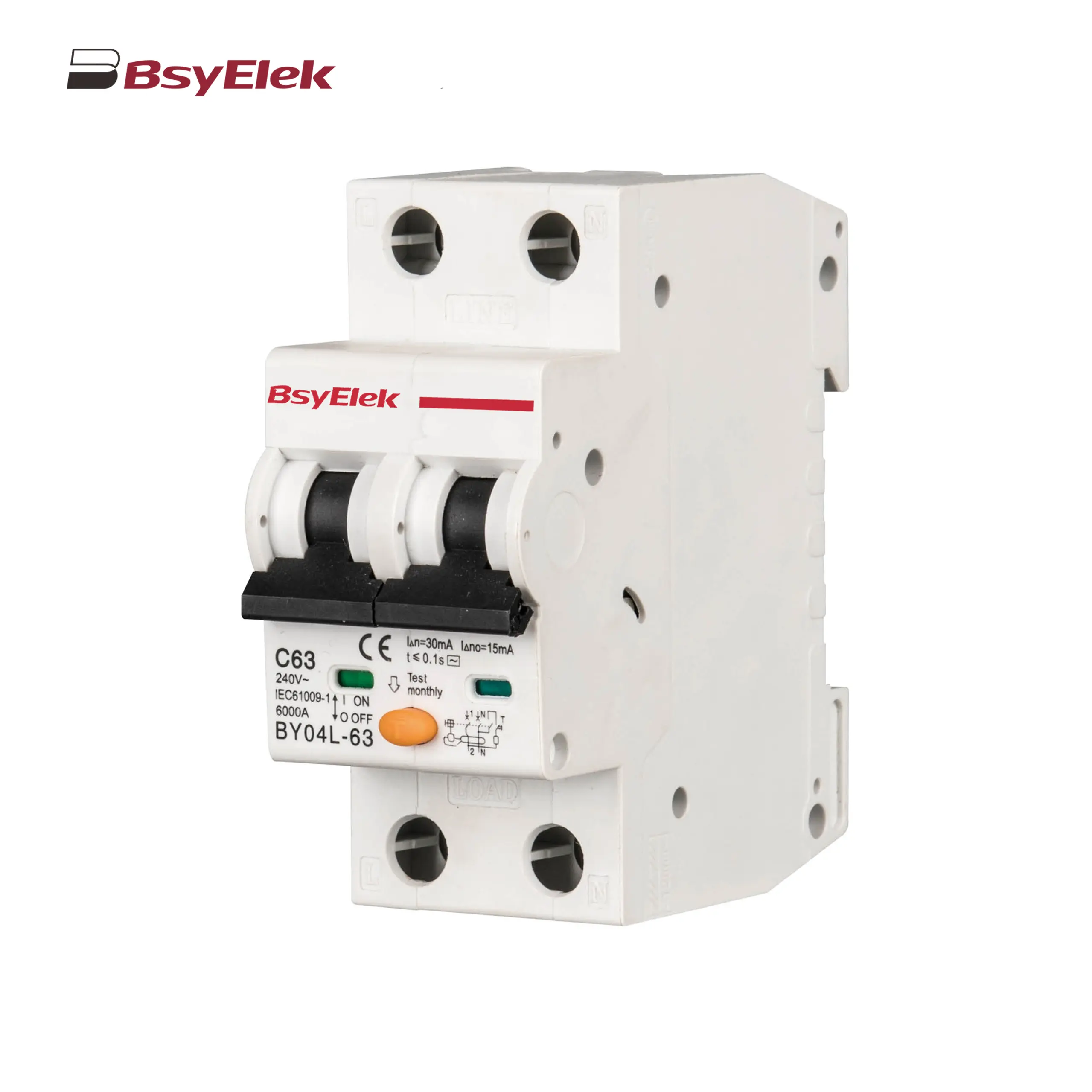 BY04L-63 RCBO 6KA Residual Current Circuit Breaker with Over-current Protection
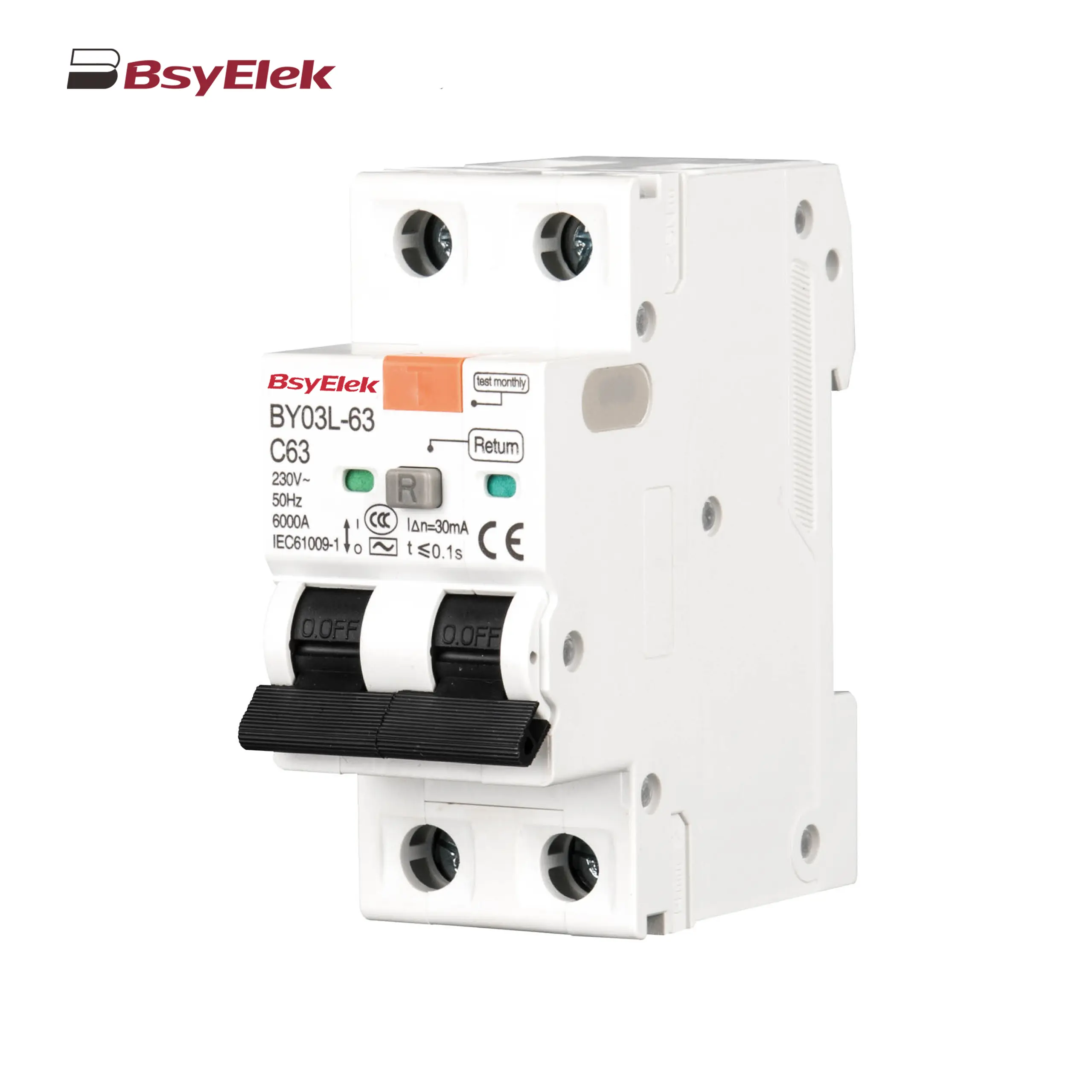 BY03L-63 RCBO 4.5KA Residual Current Circuit Breaker with Over-current Protection
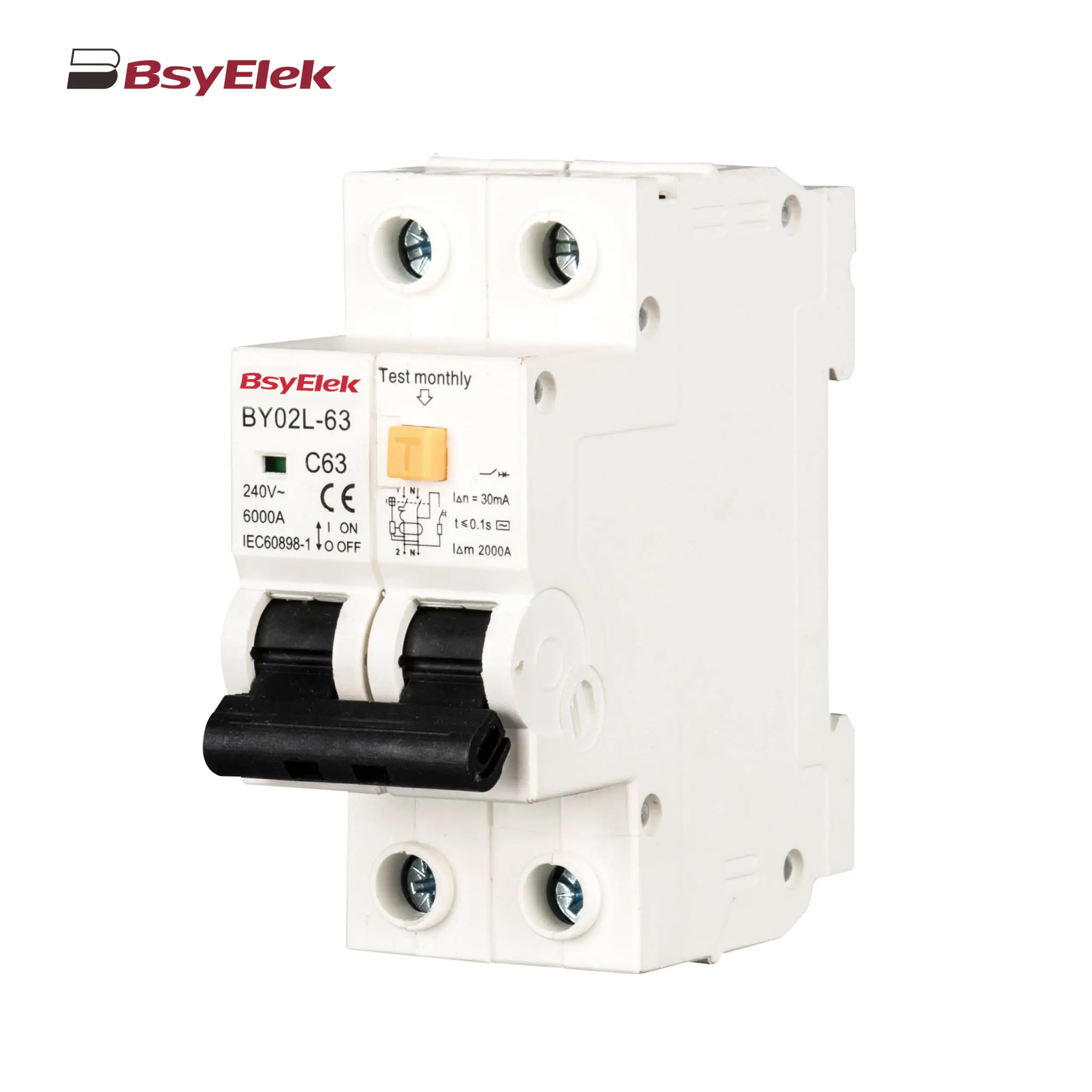 BY02L-63 RCBO 3KA Residual Current Circuit Breaker with Over-current Protection
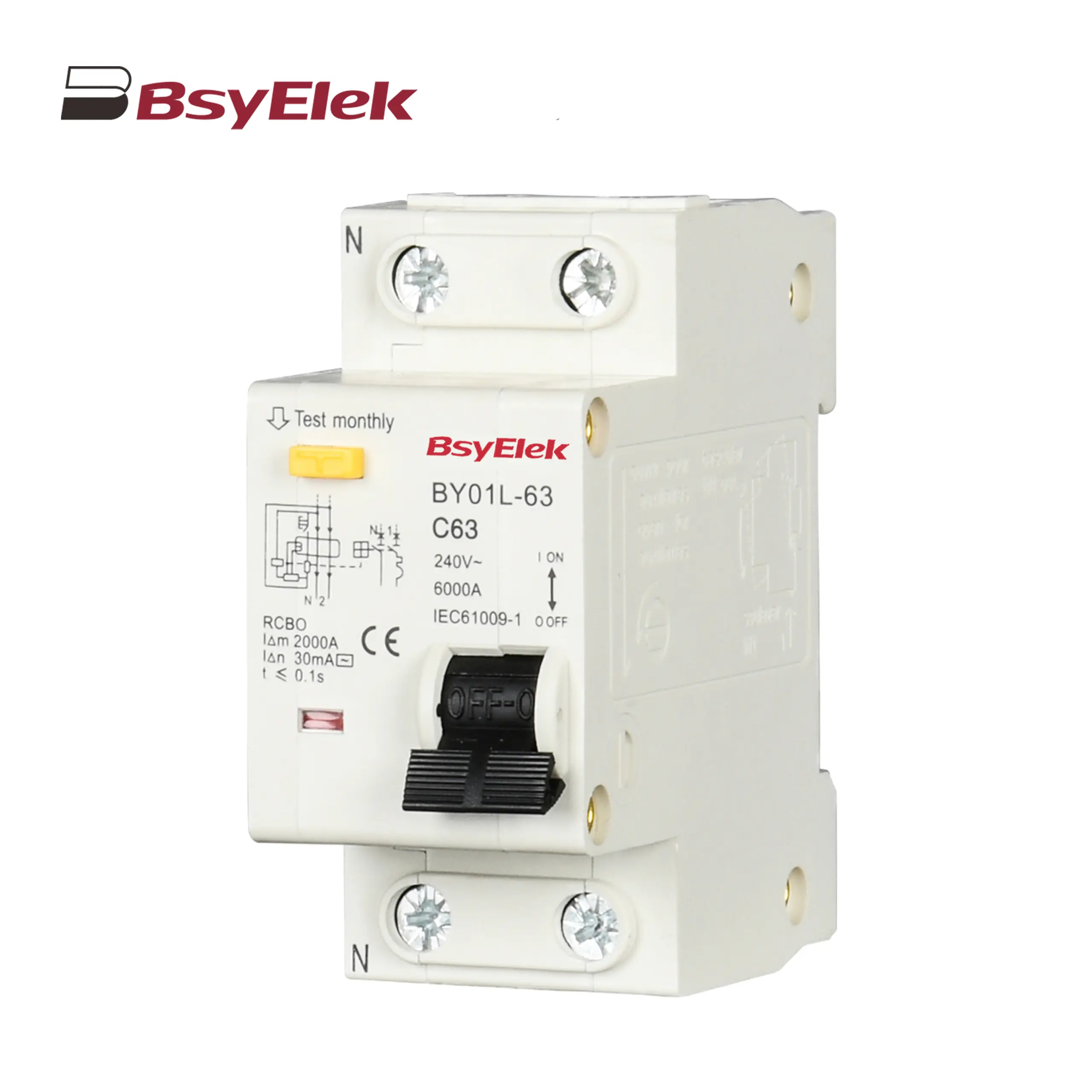 BY01L-63 RCBO 1P+N 3KA Residual Current Circuit Breaker with Over-current Protection
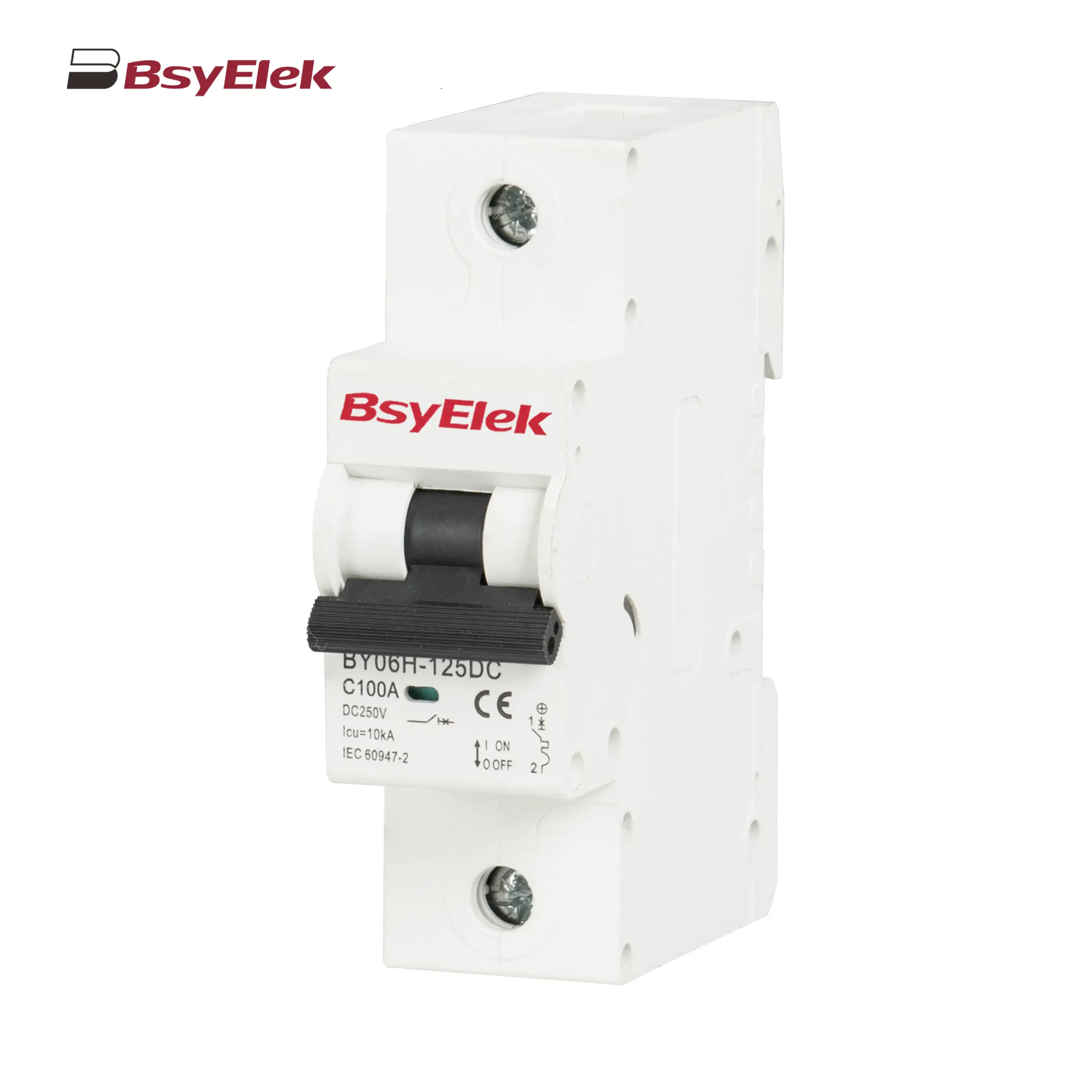 BY06H-125DC MCB 10-15kA DC Miniature Circuit Breaker
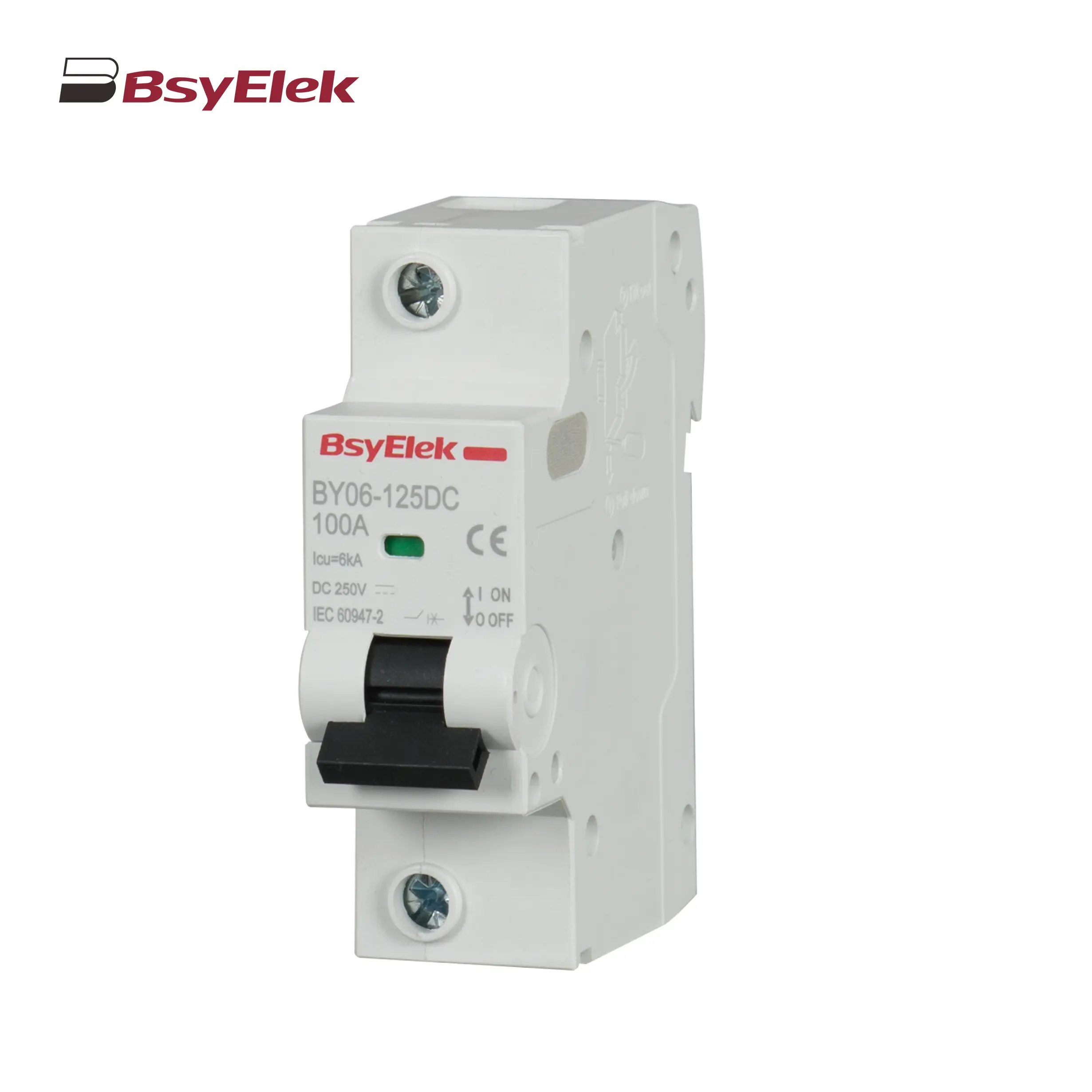 BY06-125DC MCB 6kA DC Miniature Circuit Breaker
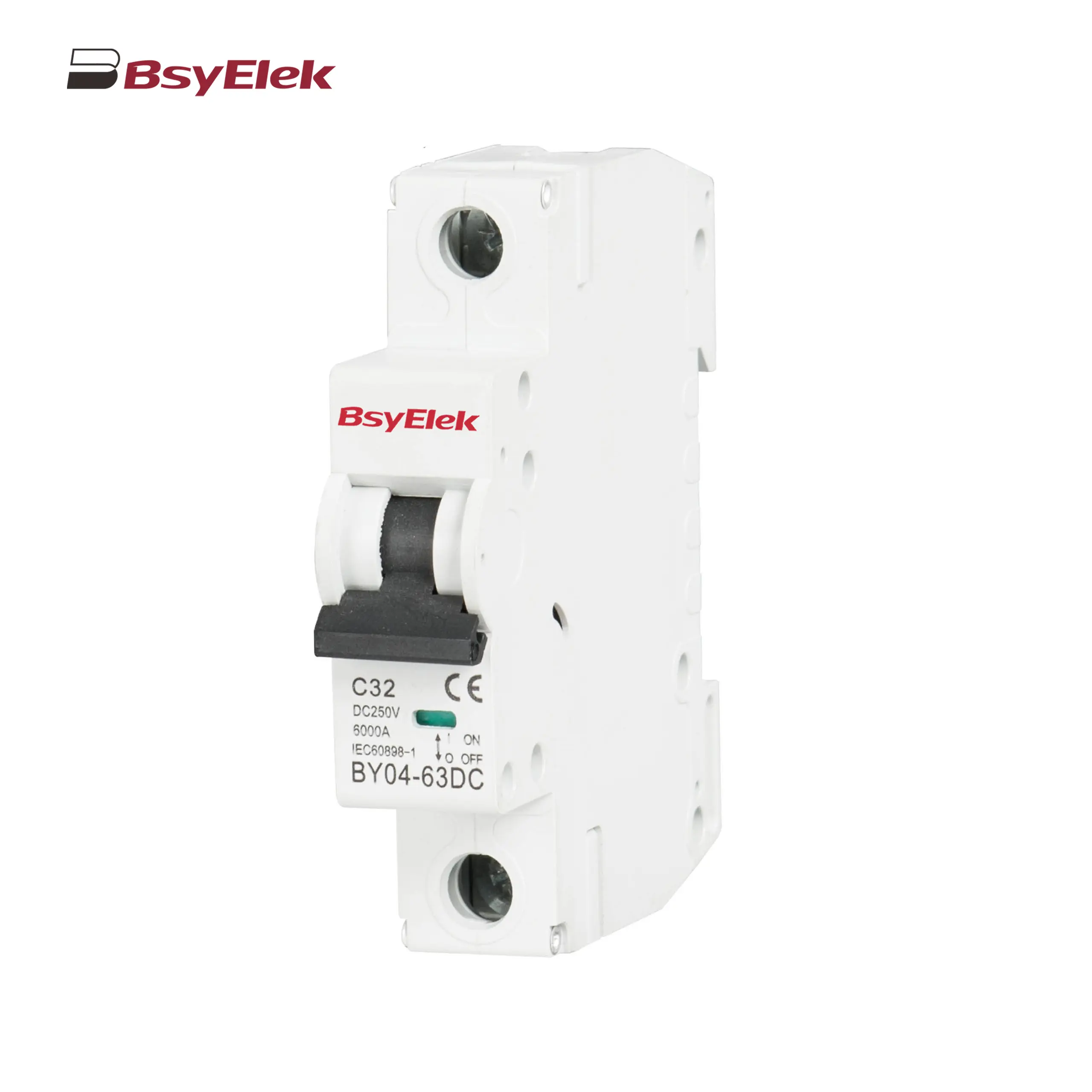 BY04-63DC MCB 6-10kA DC Miniature Circuit Breaker
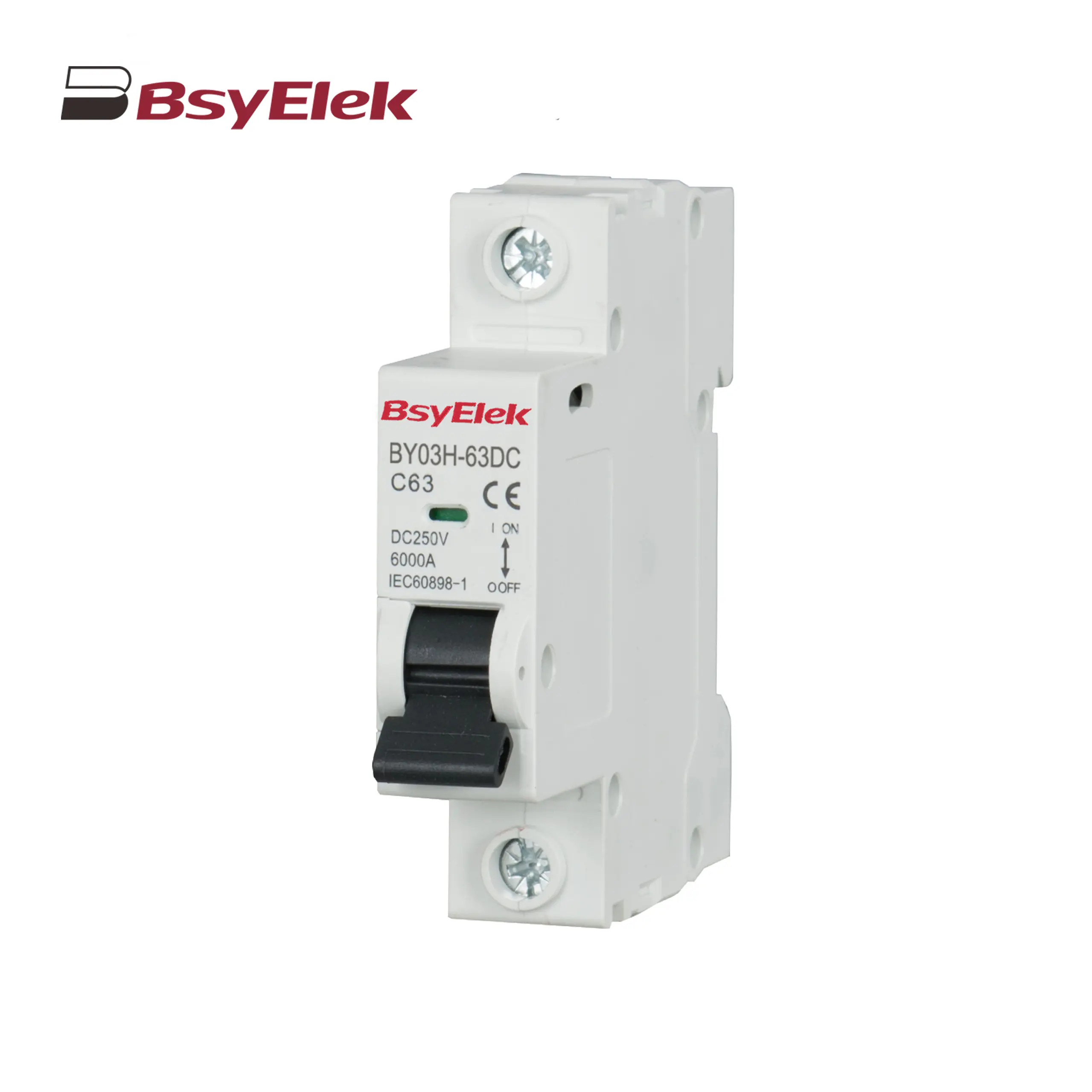 BY03H-63DC MCB 6kA DC Miniature Circuit Breaker
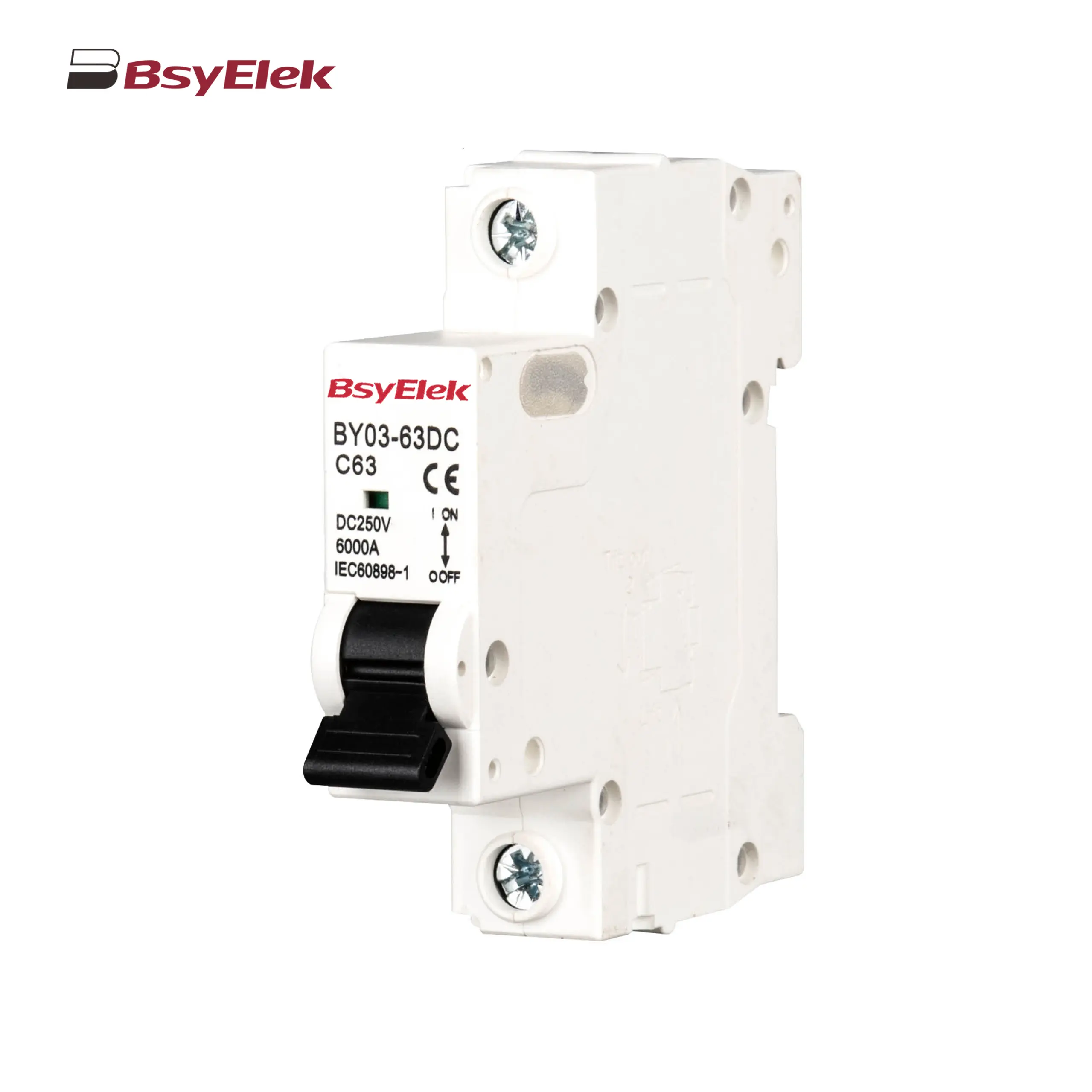 BY03-63DC MCB 4.5kA DC Miniature Circuit Breaker
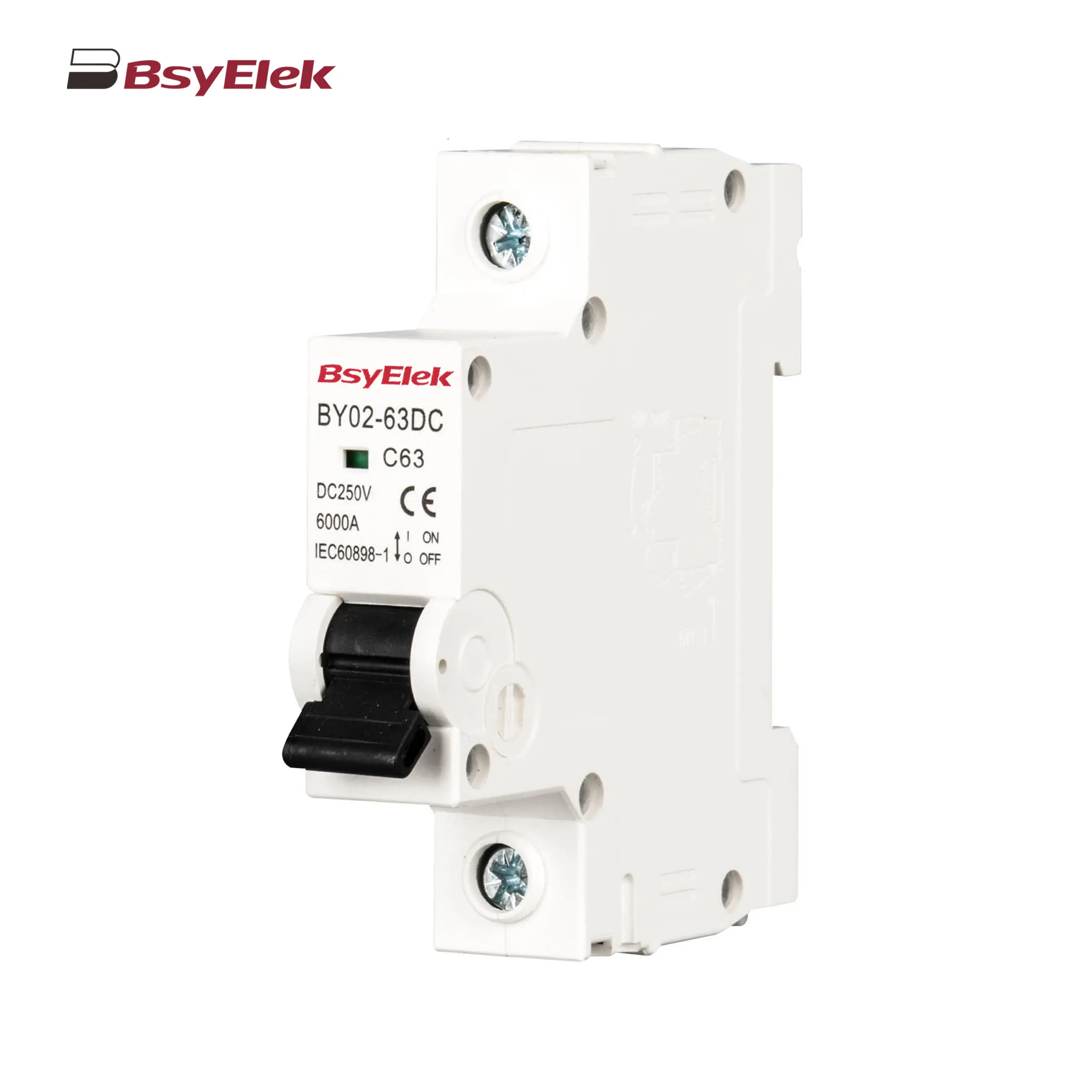 BY02-63DC MCB 3kA DC Miniature Circuit Breaker
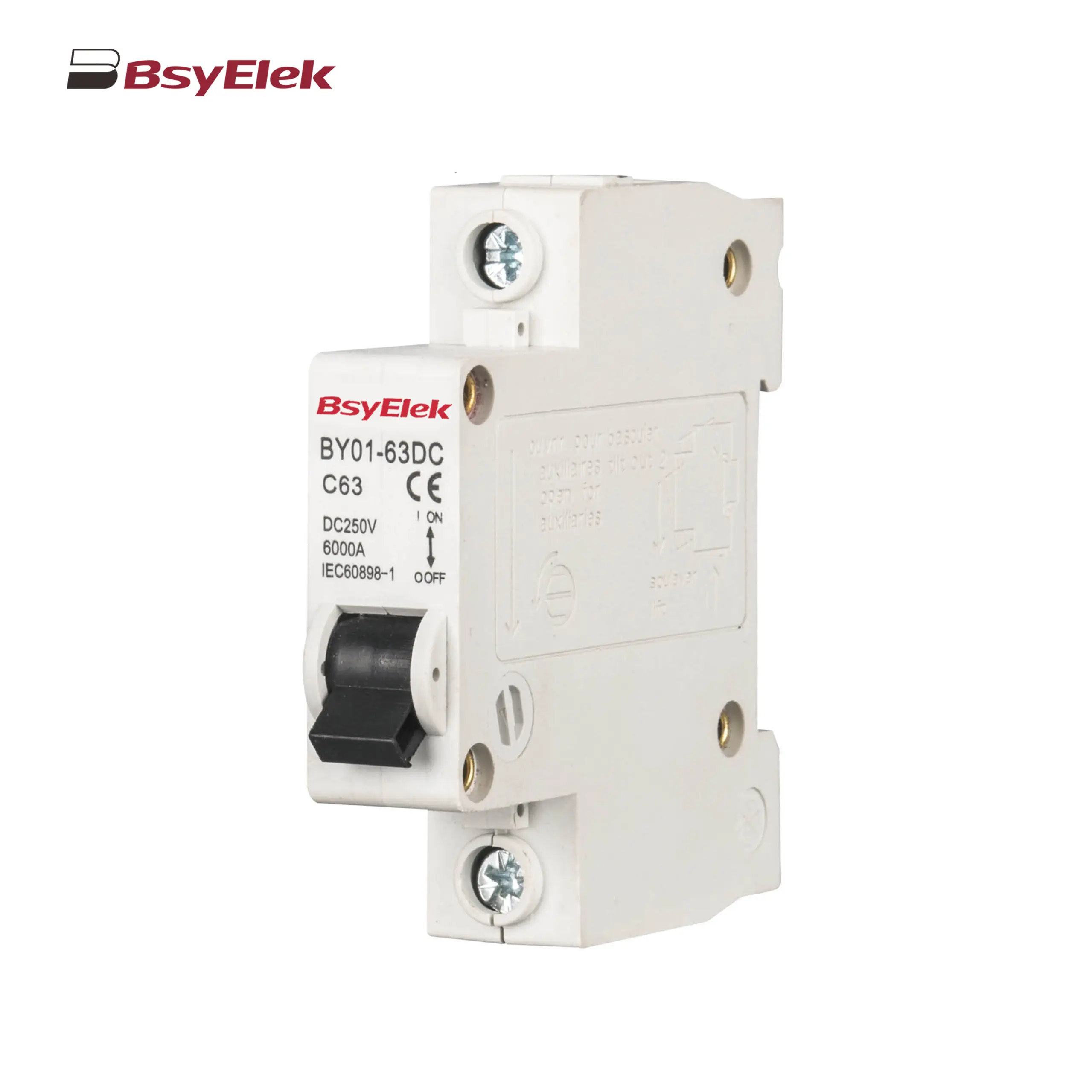 BY01-63DC MCB 3kA DC Miniature Circuit Breaker
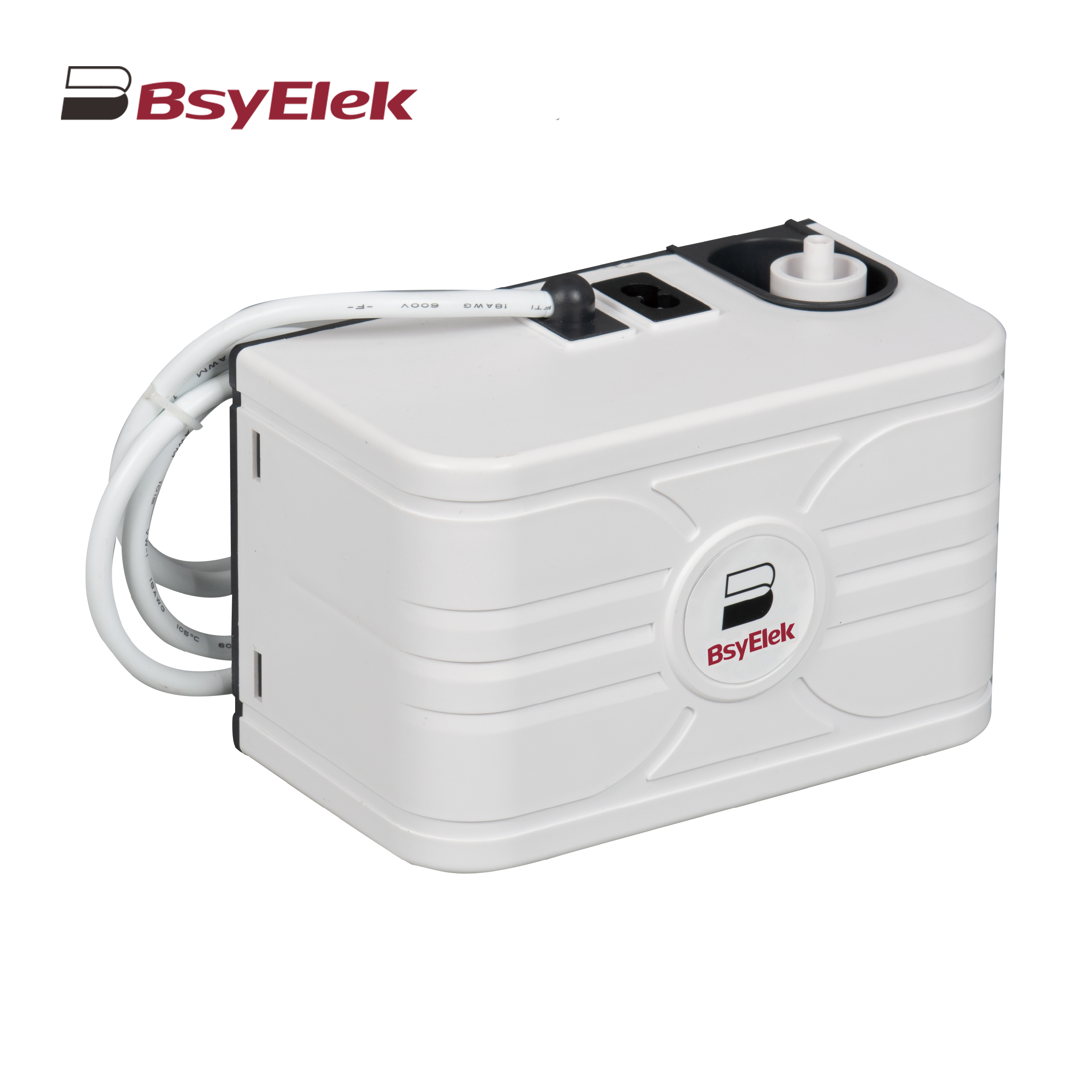 BY-5018 1.8M Engineering Drainage Pump
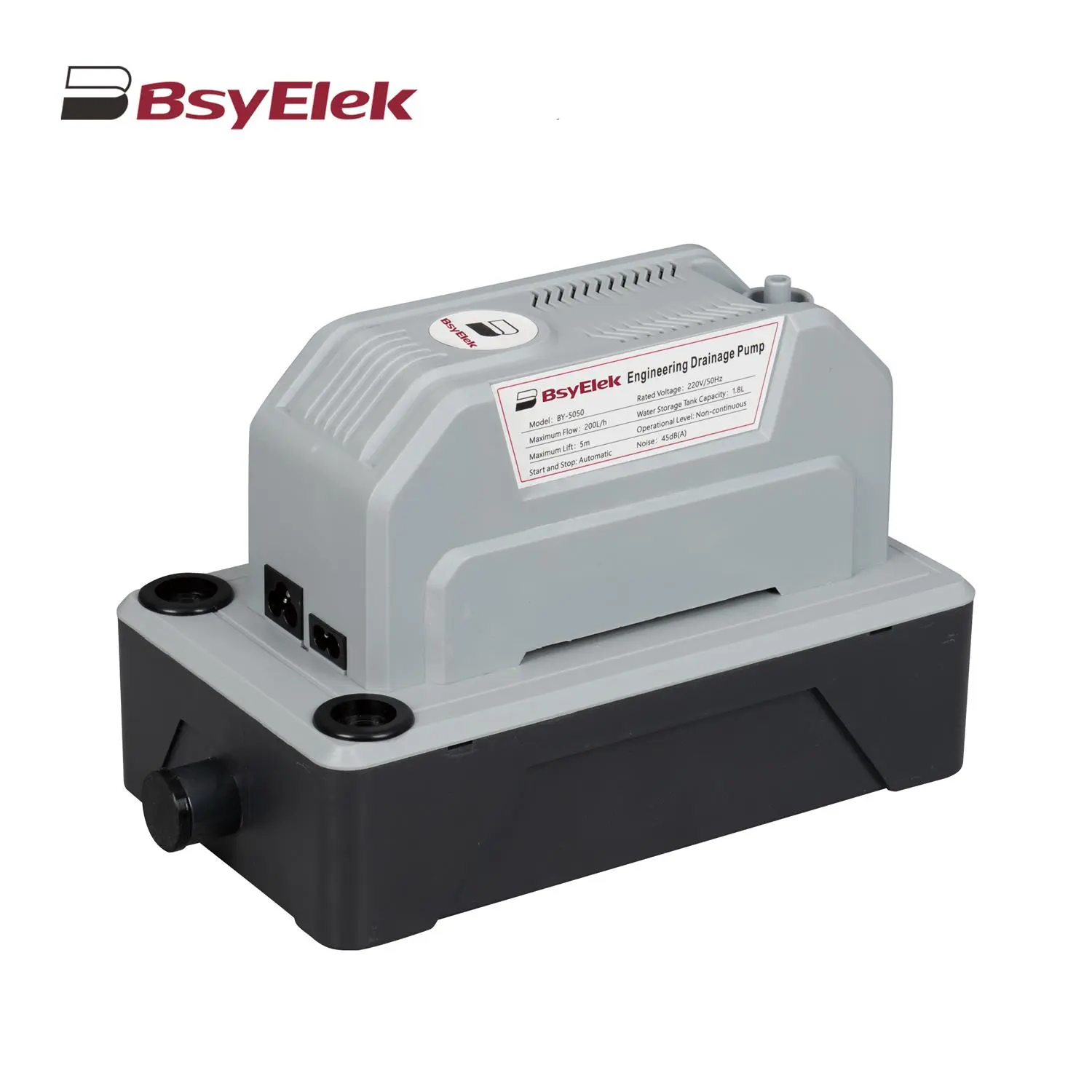 BY-5050 5M Engineering Drainage Pump
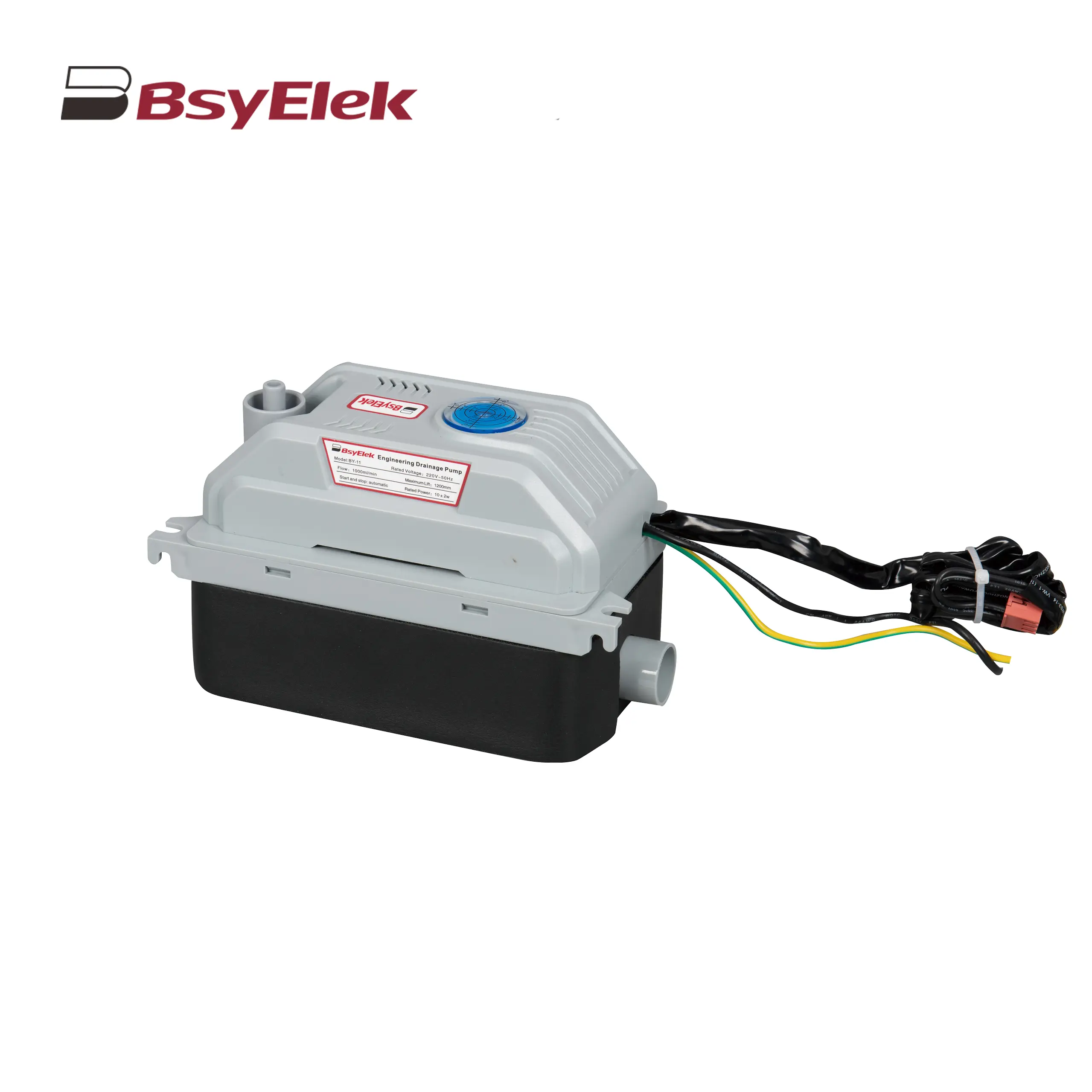 BY-11 1.2M Engineering Drainage Pump
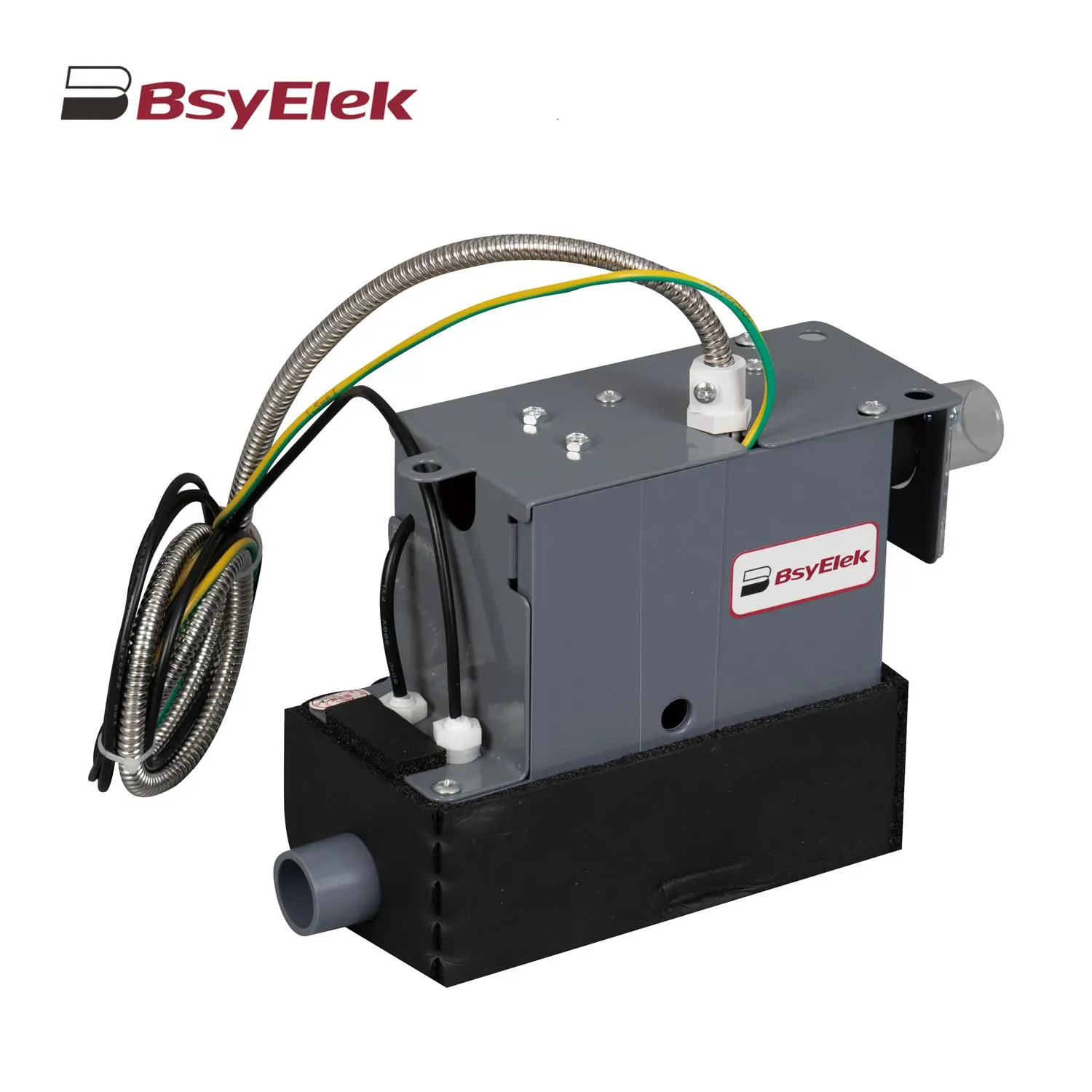 SBH-05 0.7M Original Drainage Pump of Duct Type Air Conditioner
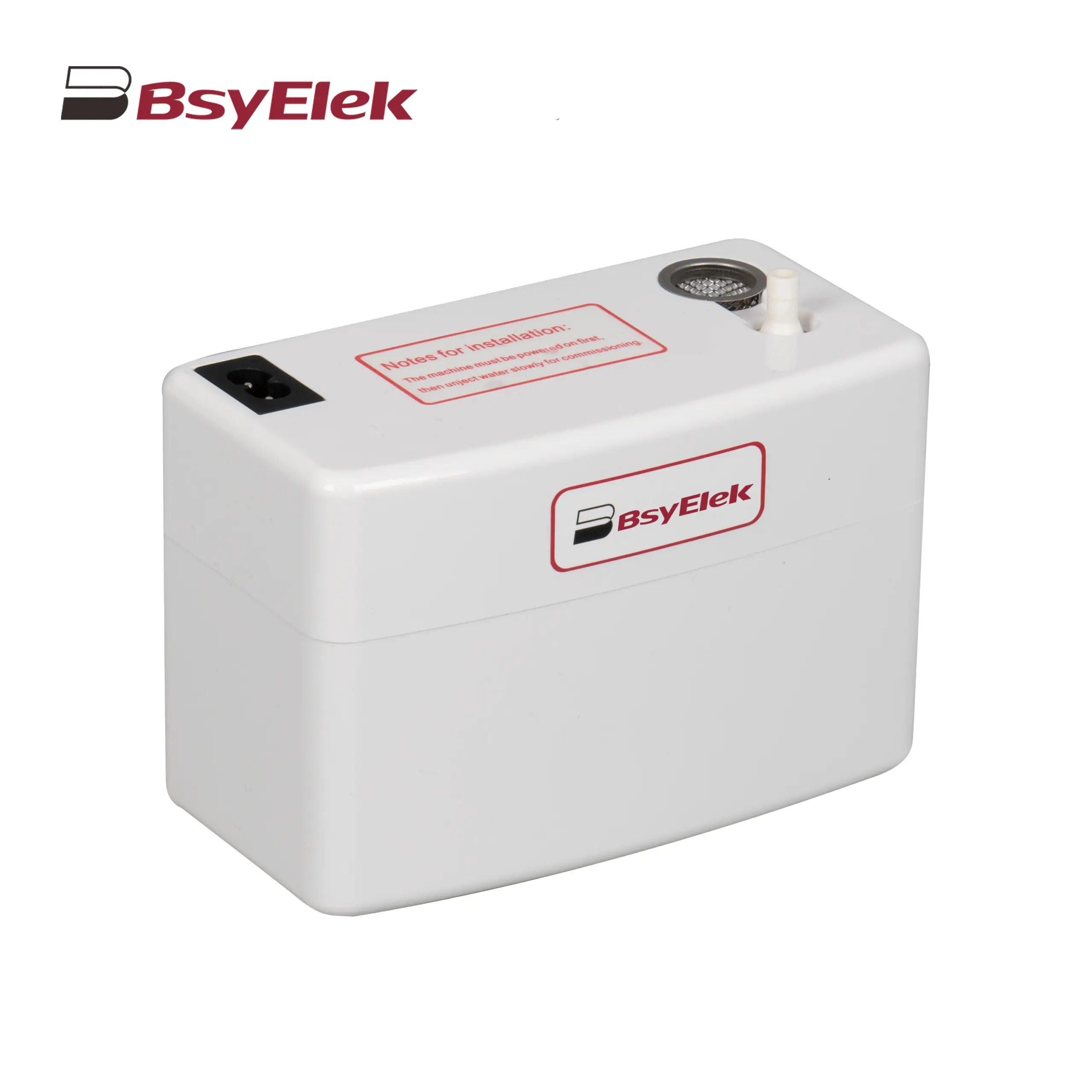 BY-24A/40A 10M Drainage Pump of Air Conditioner
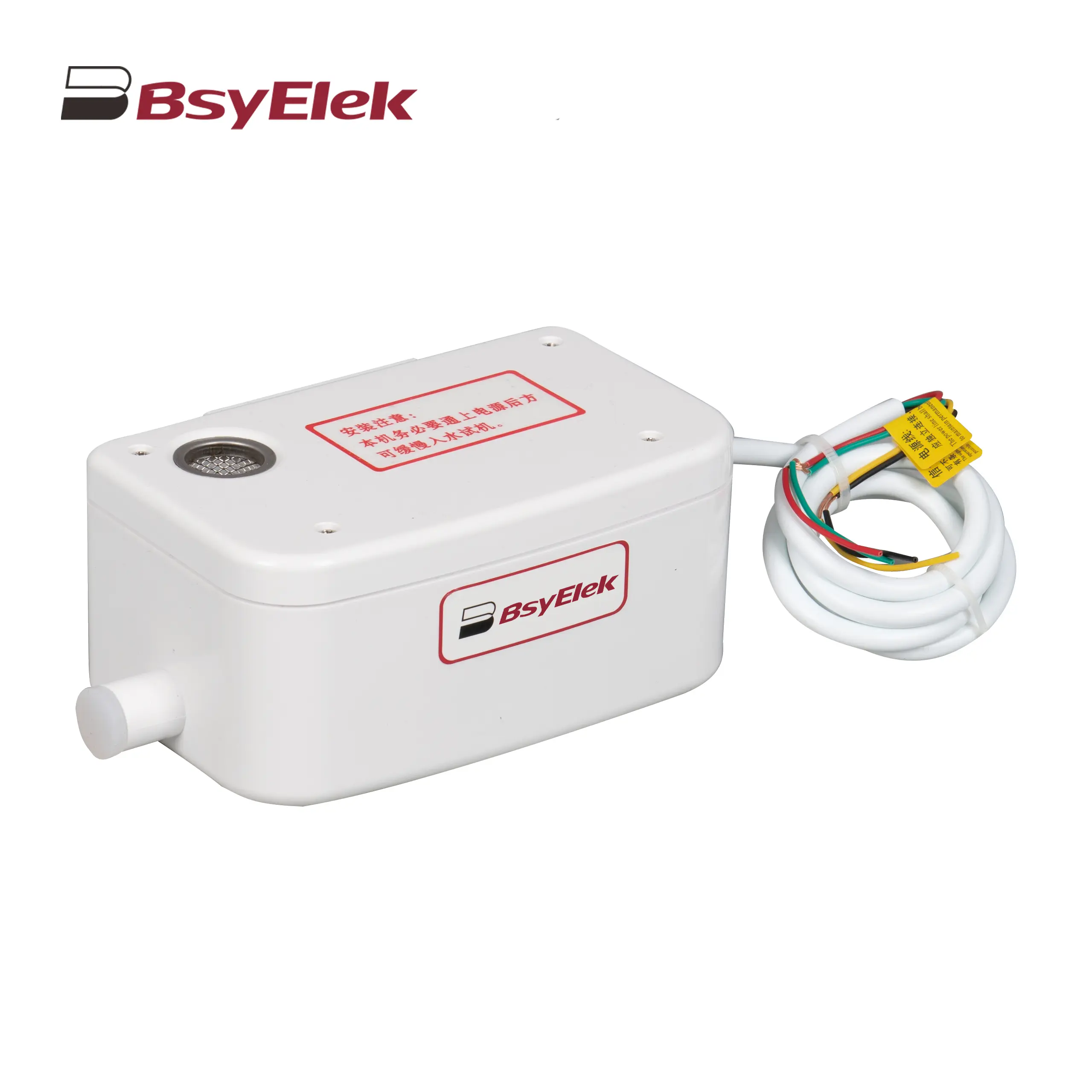 BY-50A 12M Drainage Pump of Air Conditioner
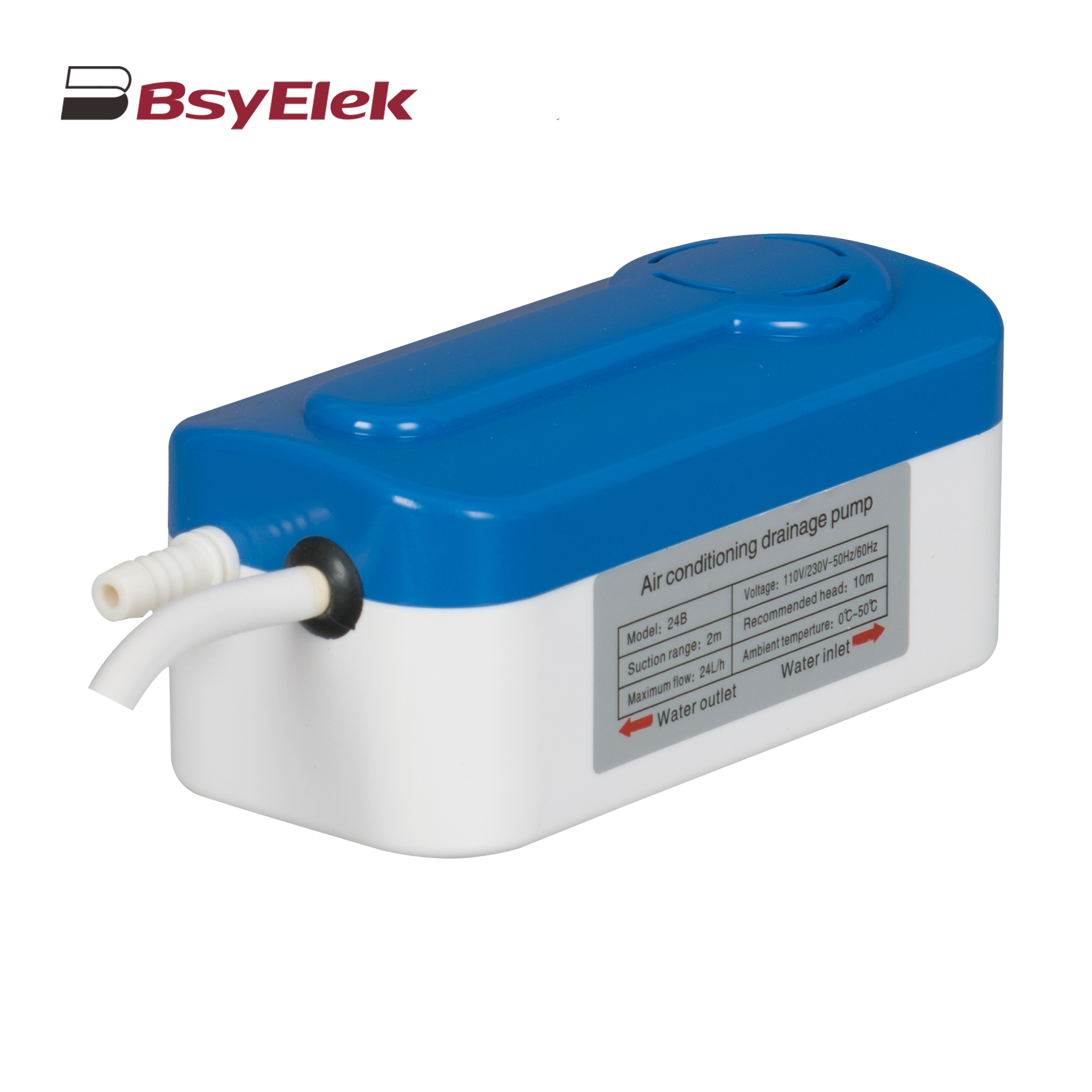 BY-24B/40B 10M Split Type Drainage Pump
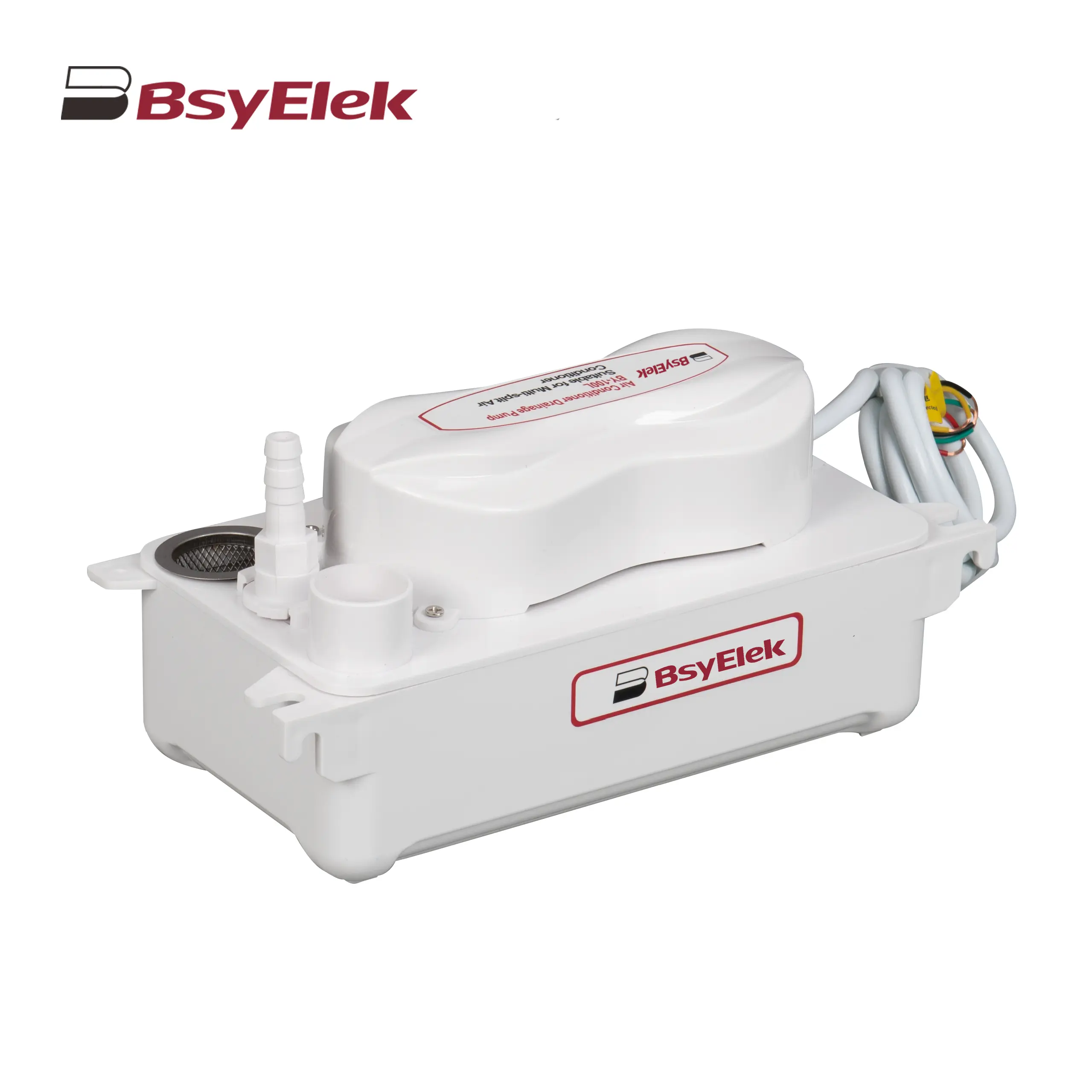 BY-100L 2M Drainage Pump of Air Conditioner
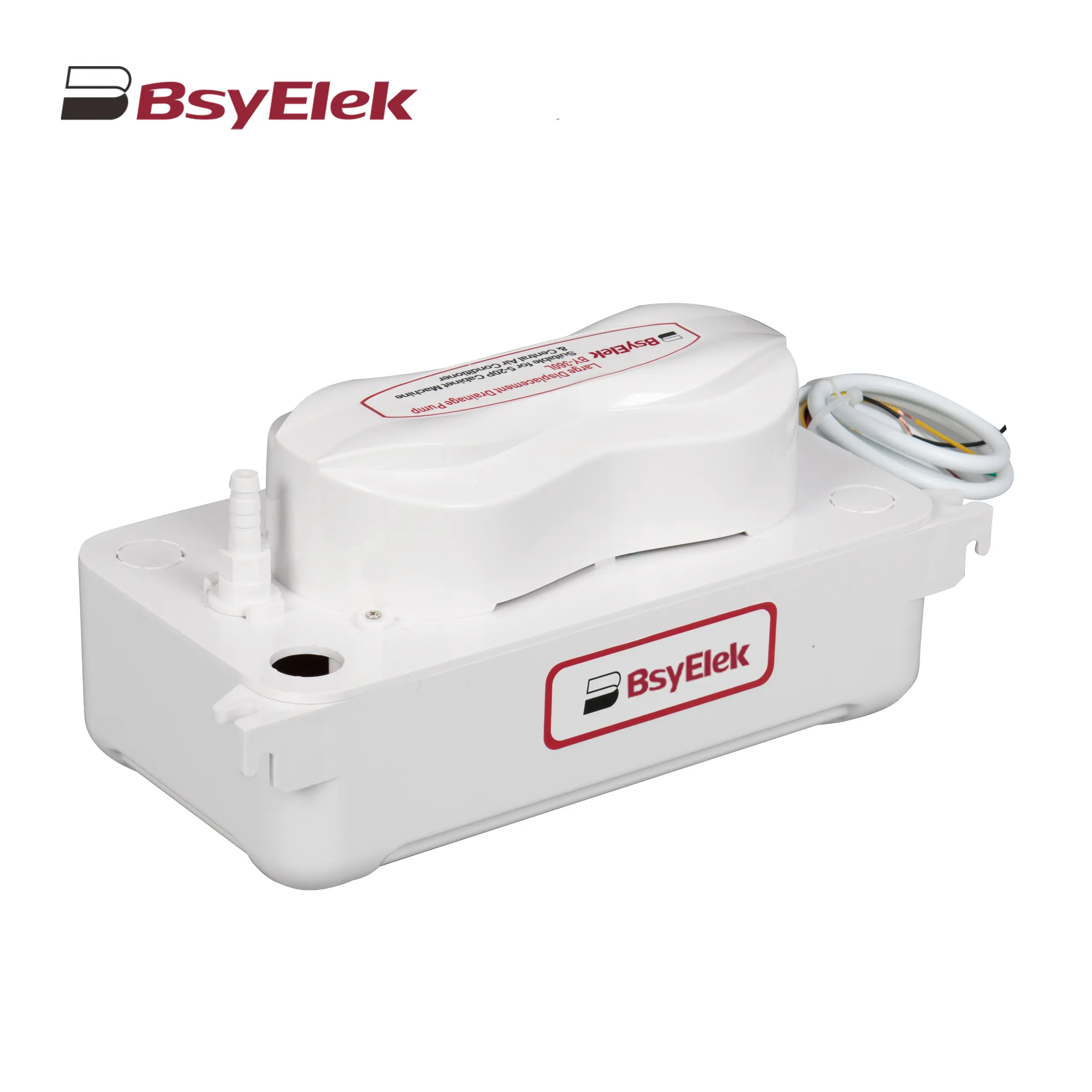 BY-360L 6M Large Displacement Drainage Pump
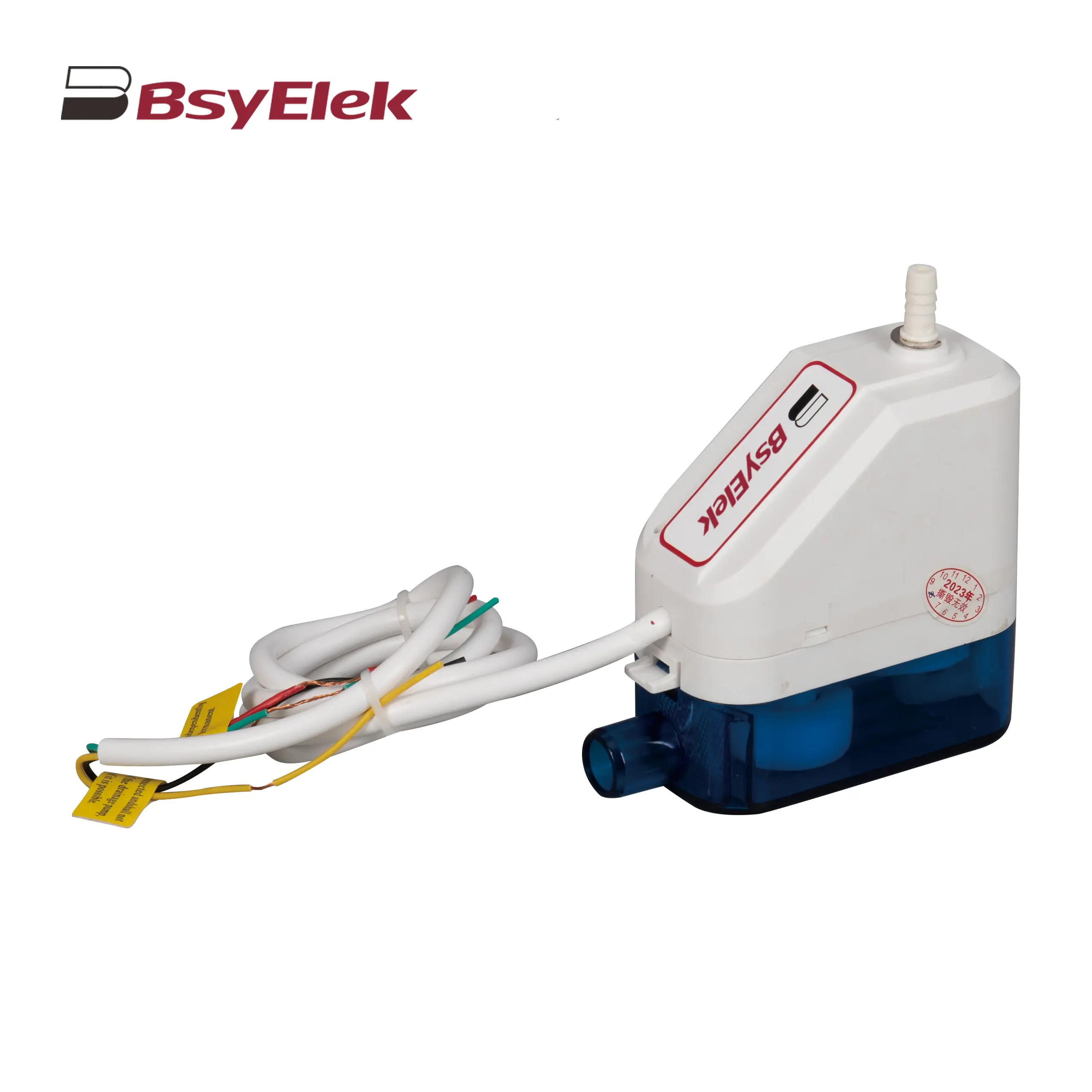 BY-24C/40C 10M Corner Drainage Pump
What is a miniature circuit breaker (MCB)?
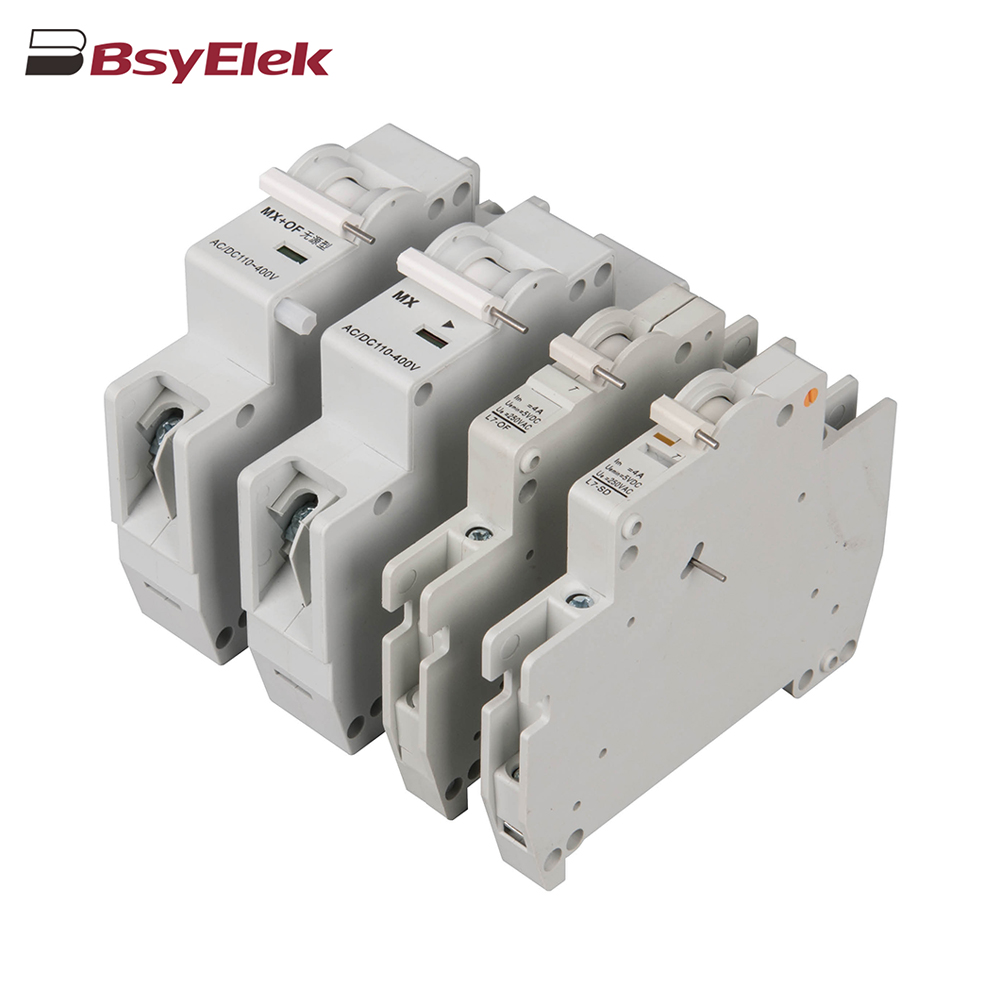 OF SD MX OF MCB Miniature Circuit Breaker Accessories
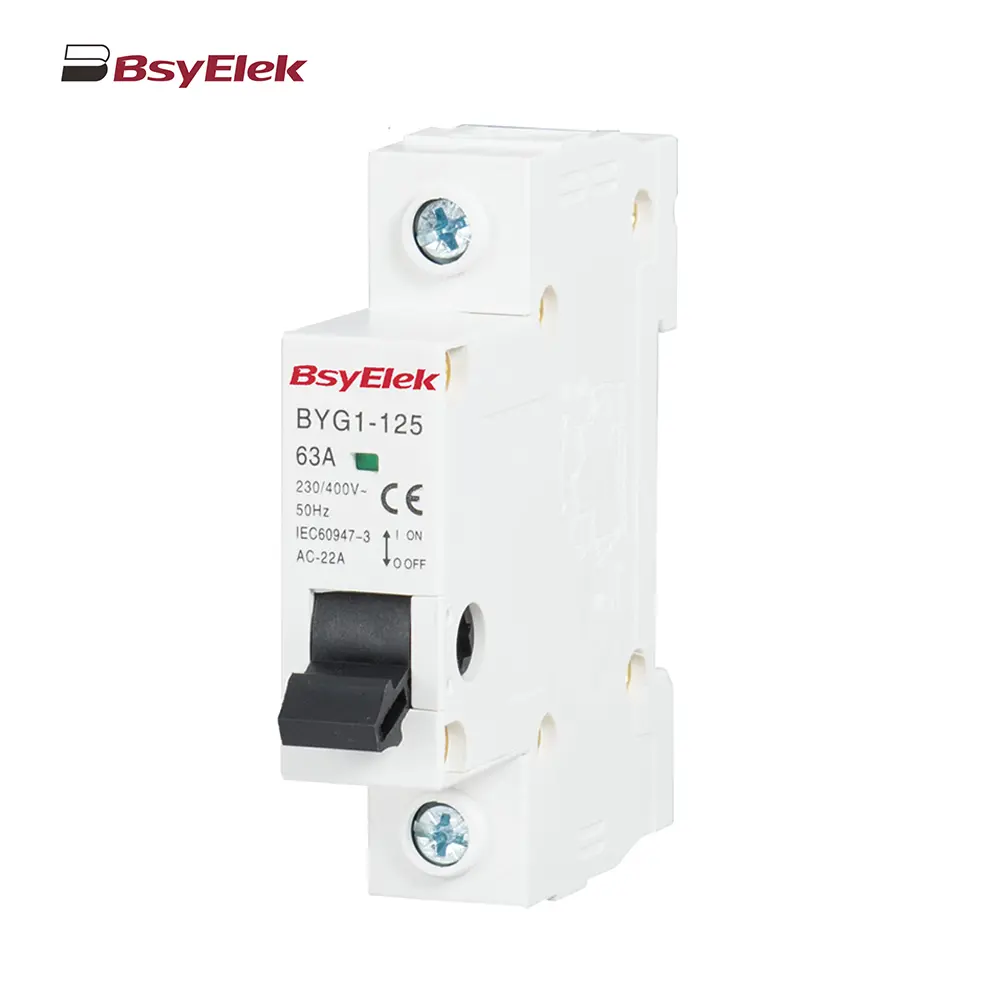 BYG1-125 Main Switch MCB Isolator Switch
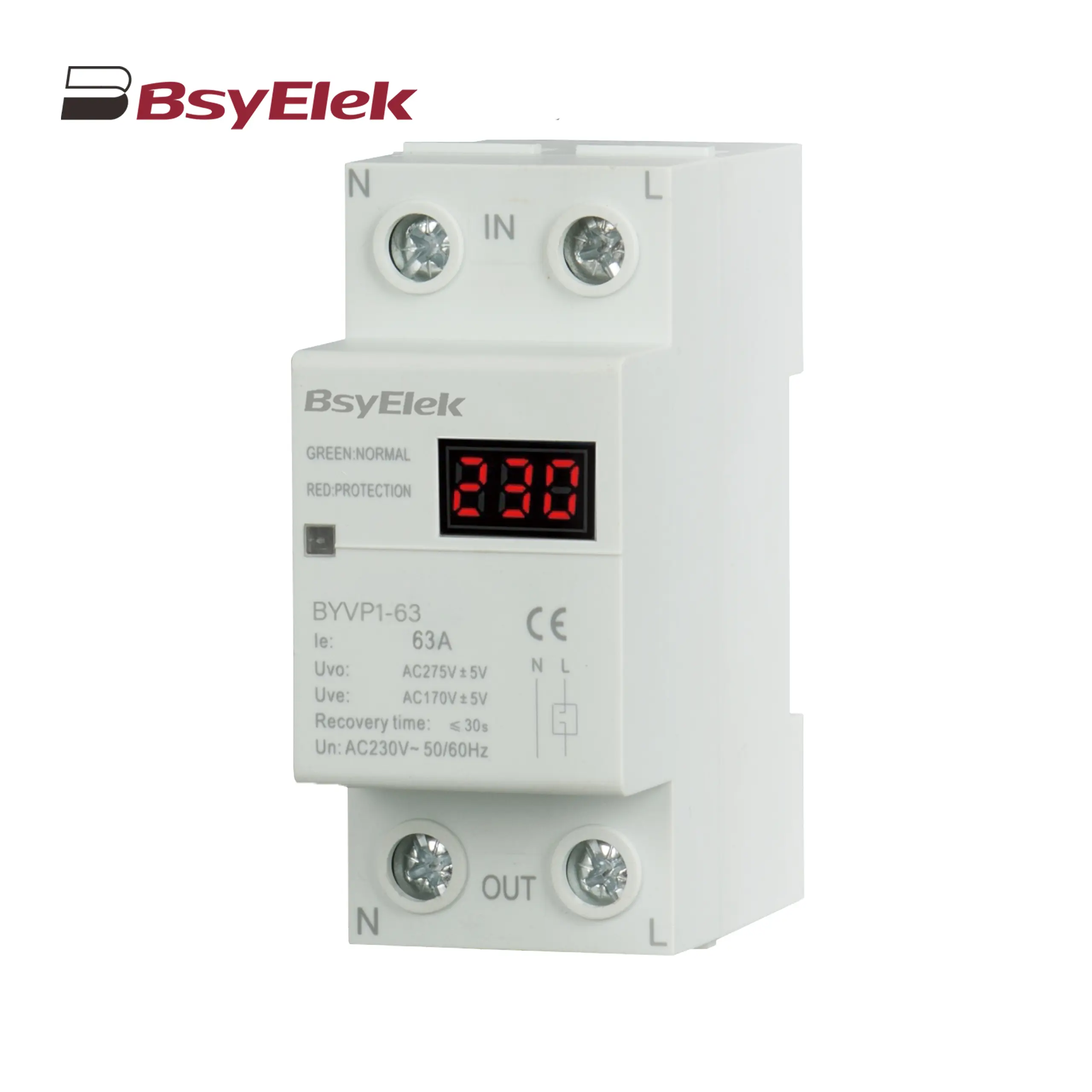 BYVP1-63 100A Single Display Overvoltage and Undervoltage Protector
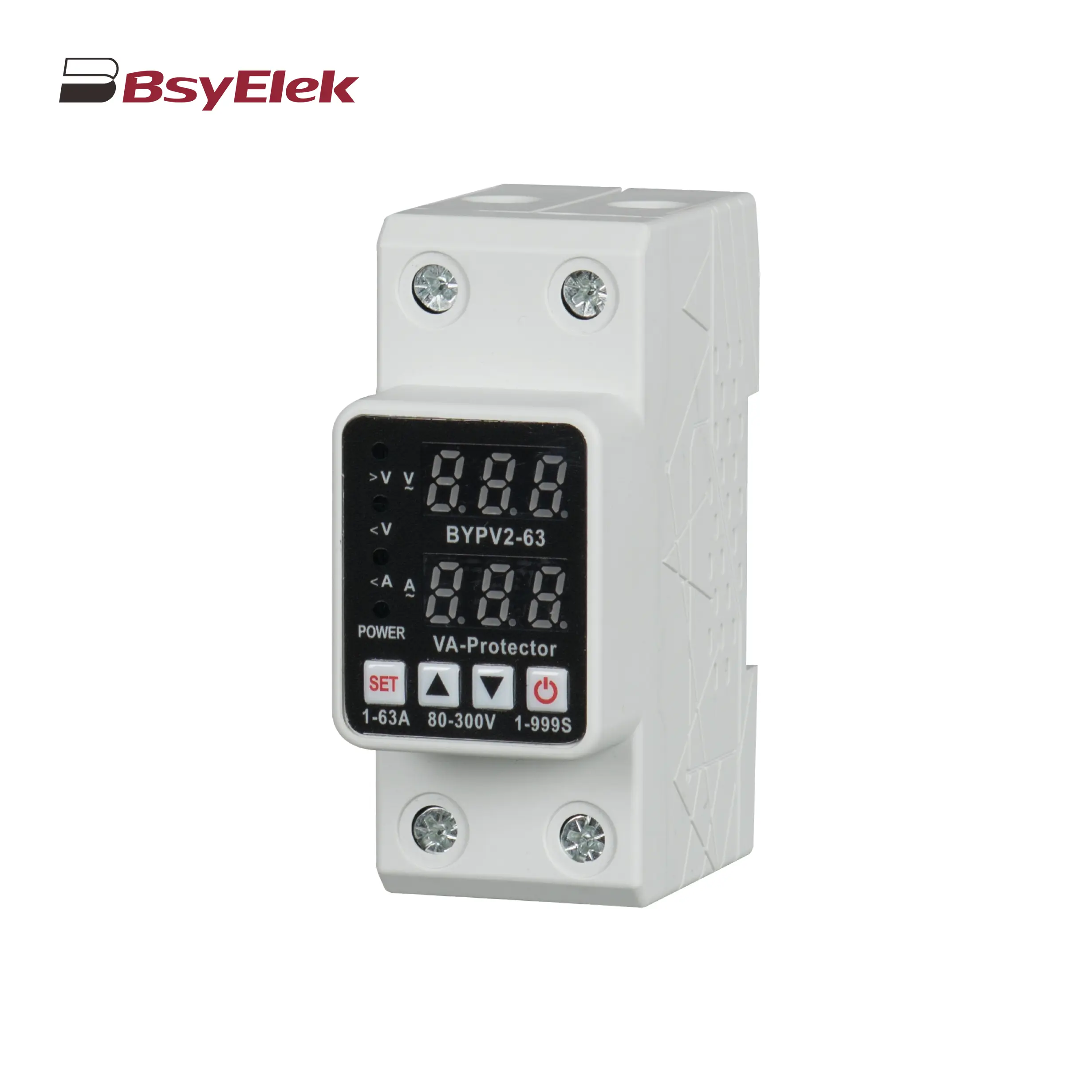 BYVP2-63 40A 63A Adjustable Dual Display Overvoltage and Undervoltage Protector
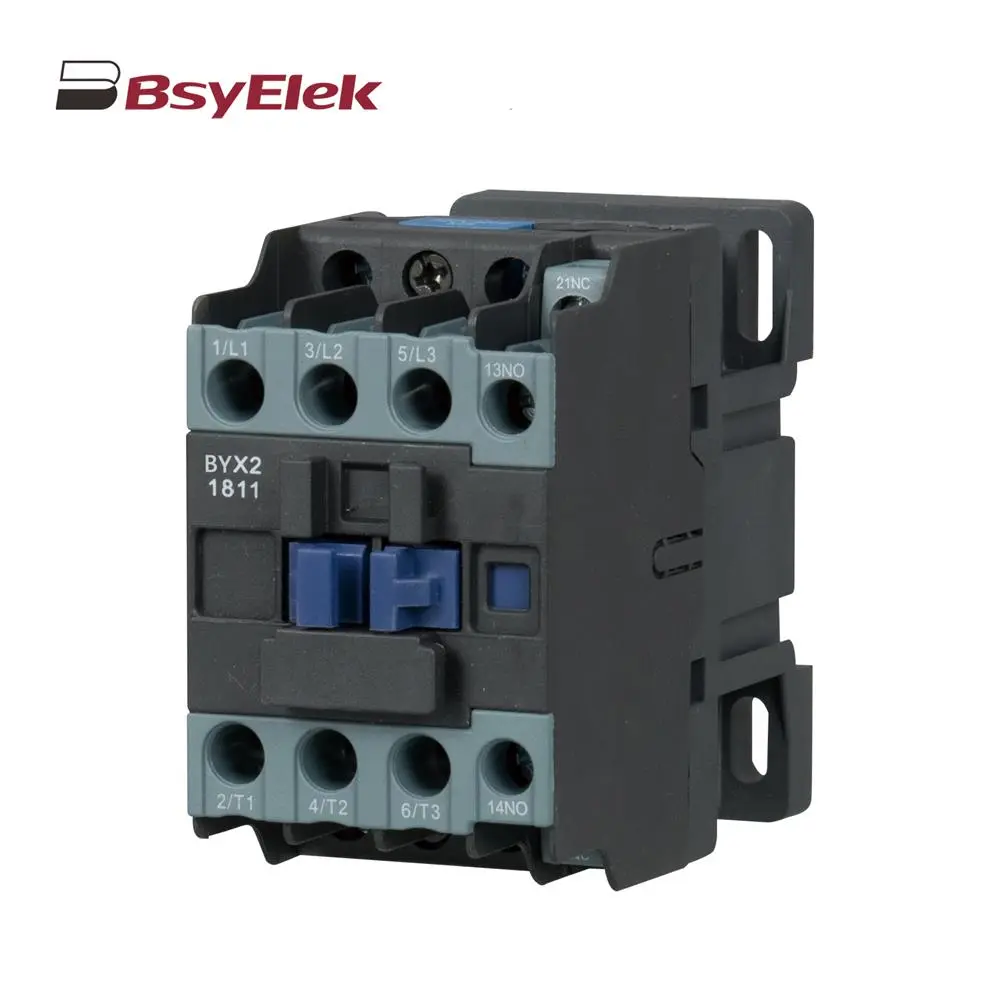 BYX2 6-95A AC Contactor
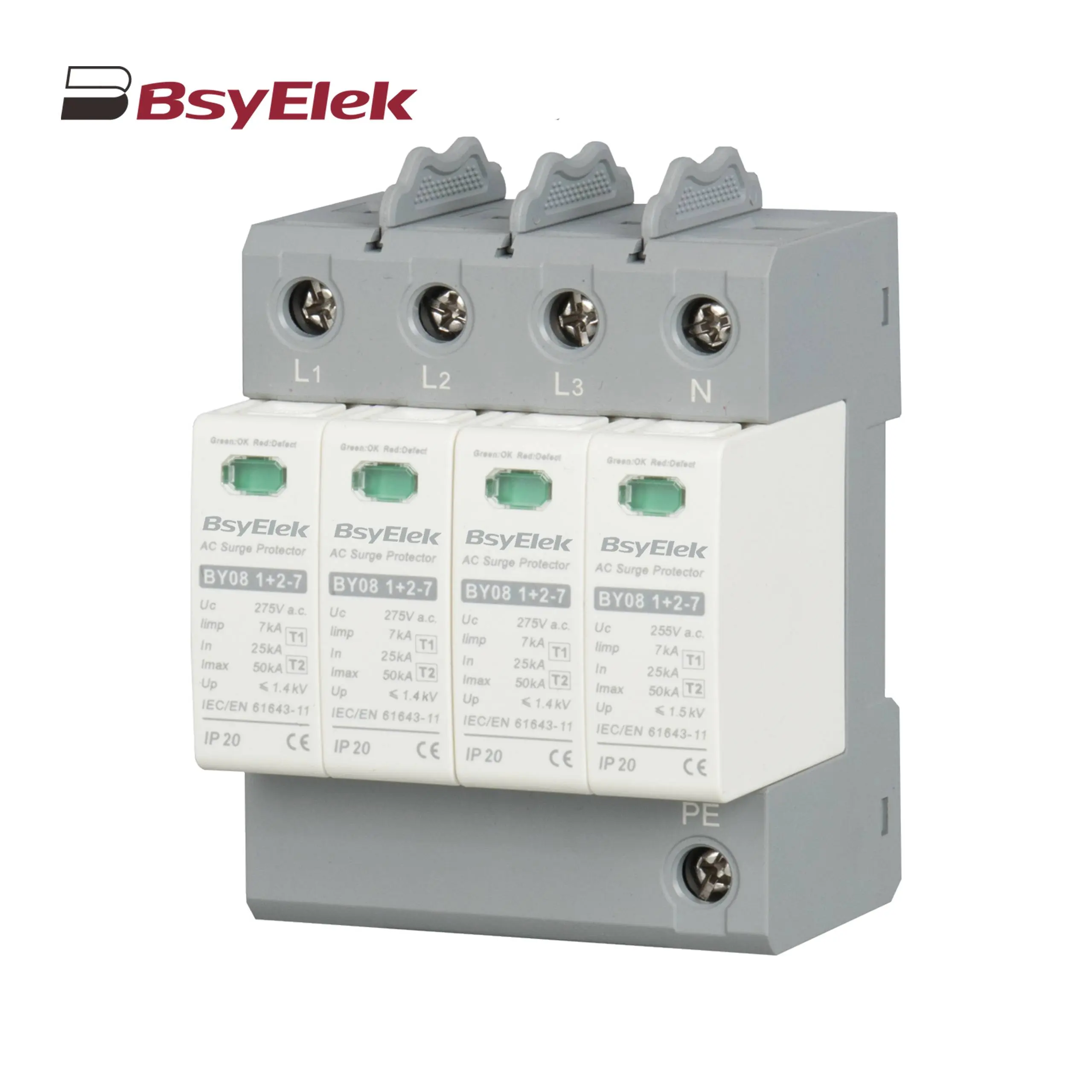 BY08 1+2-7 SPD Class T1+T2 Imax 50KA Surge Protective Device
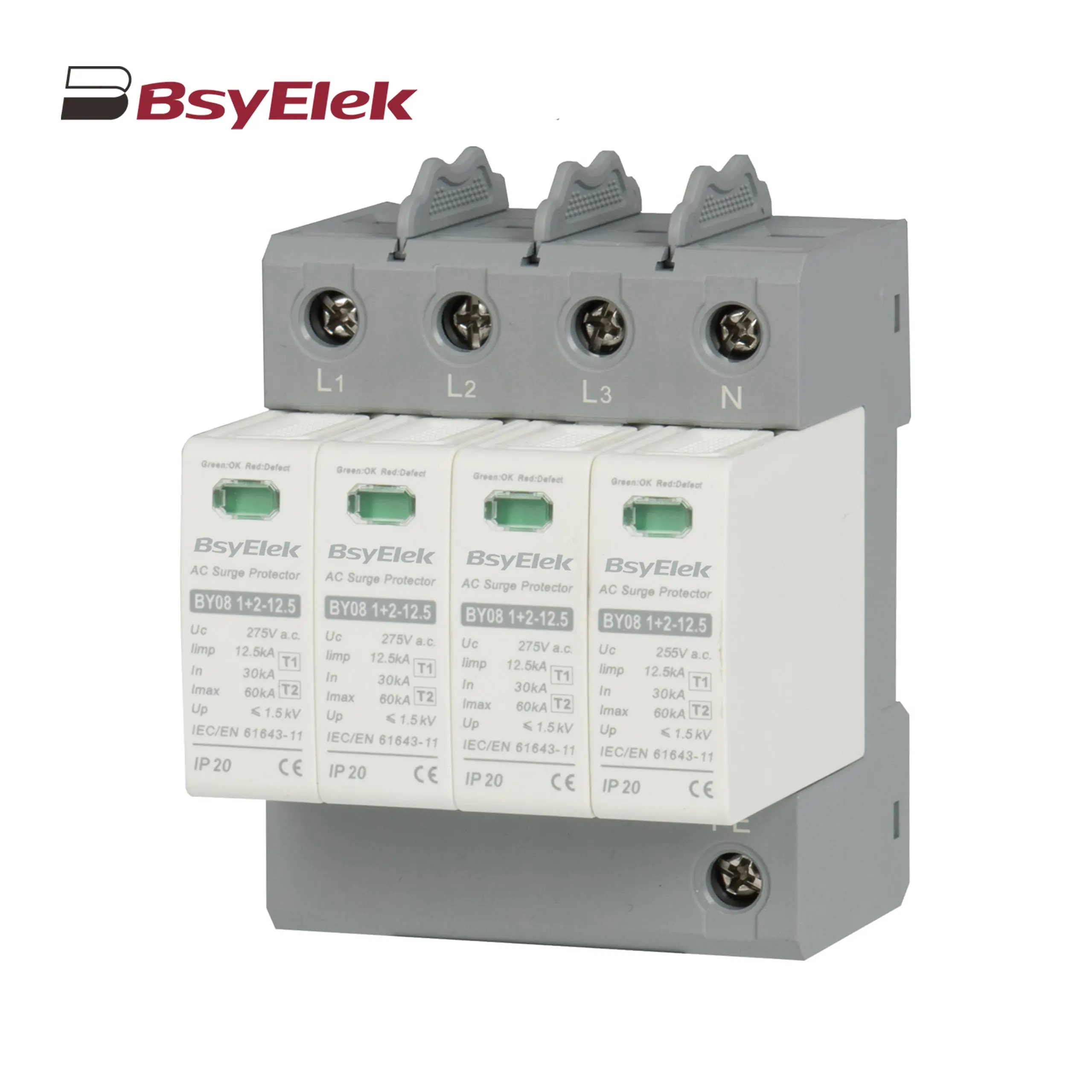 BY08 1+2-12.5 SPD Class T1+T2 Imax 60KA Surge Protective Device
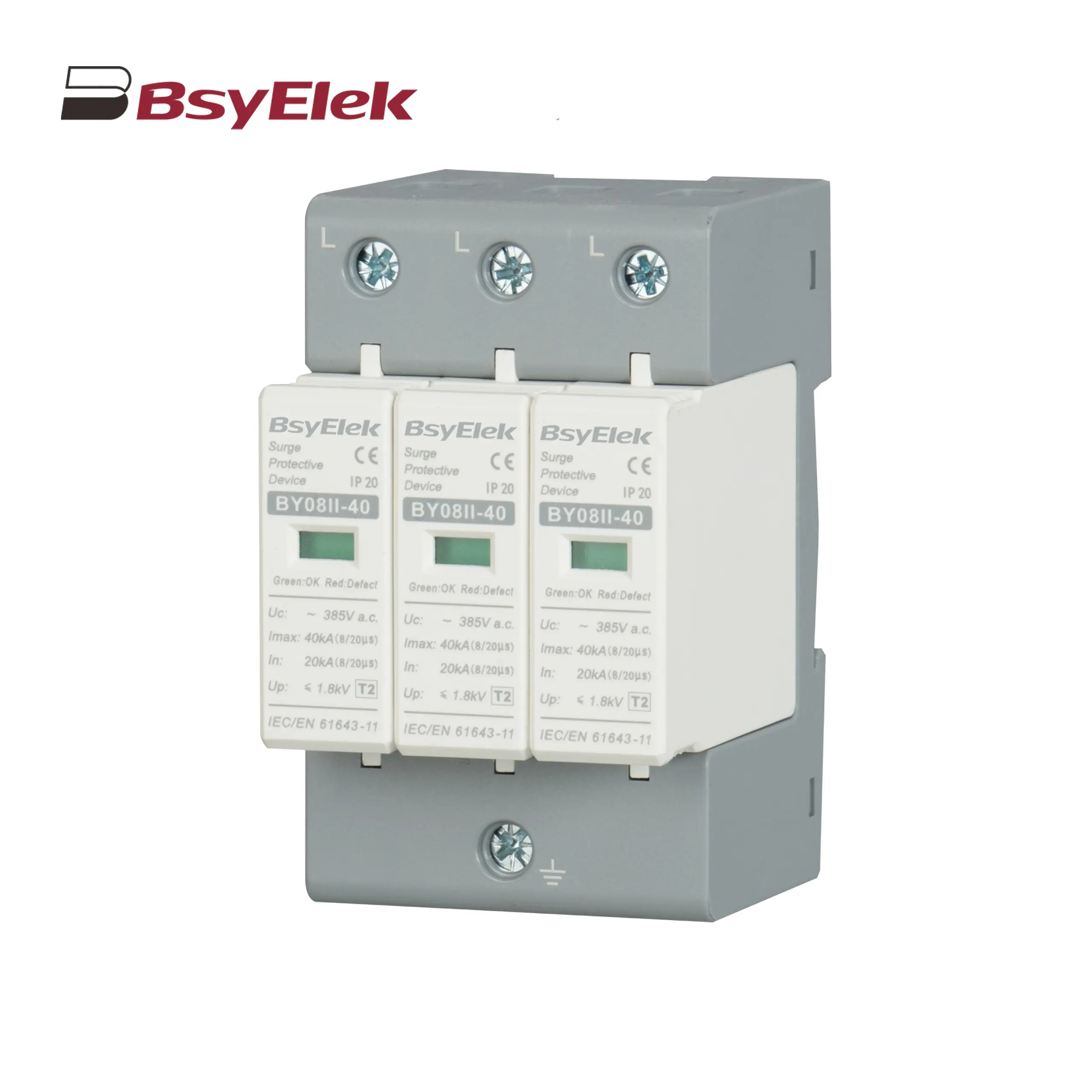 BY08II-40 SPD Class T2 Imax 40KA Surge Protective Device
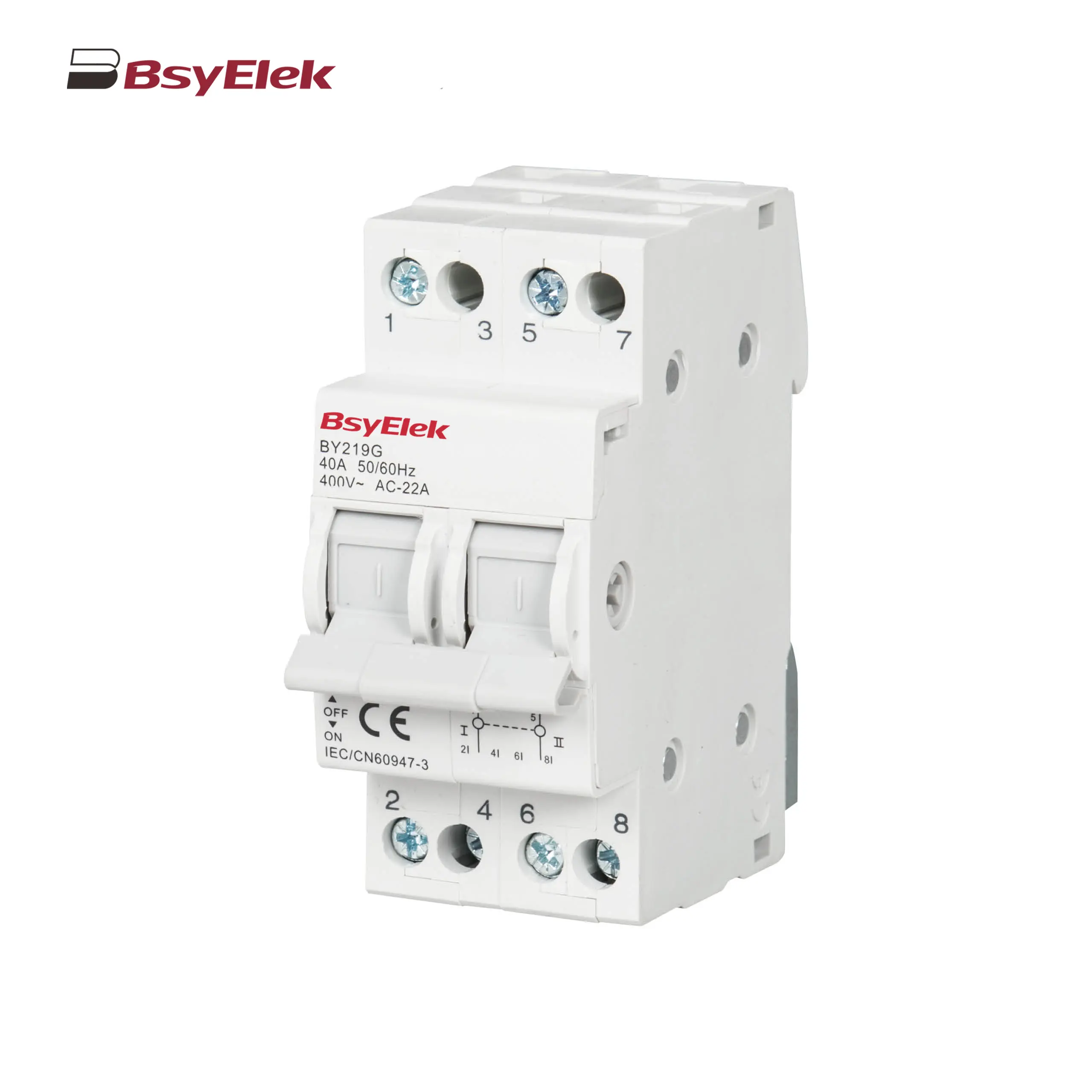 BY19G 63A Manual Changeover Switch
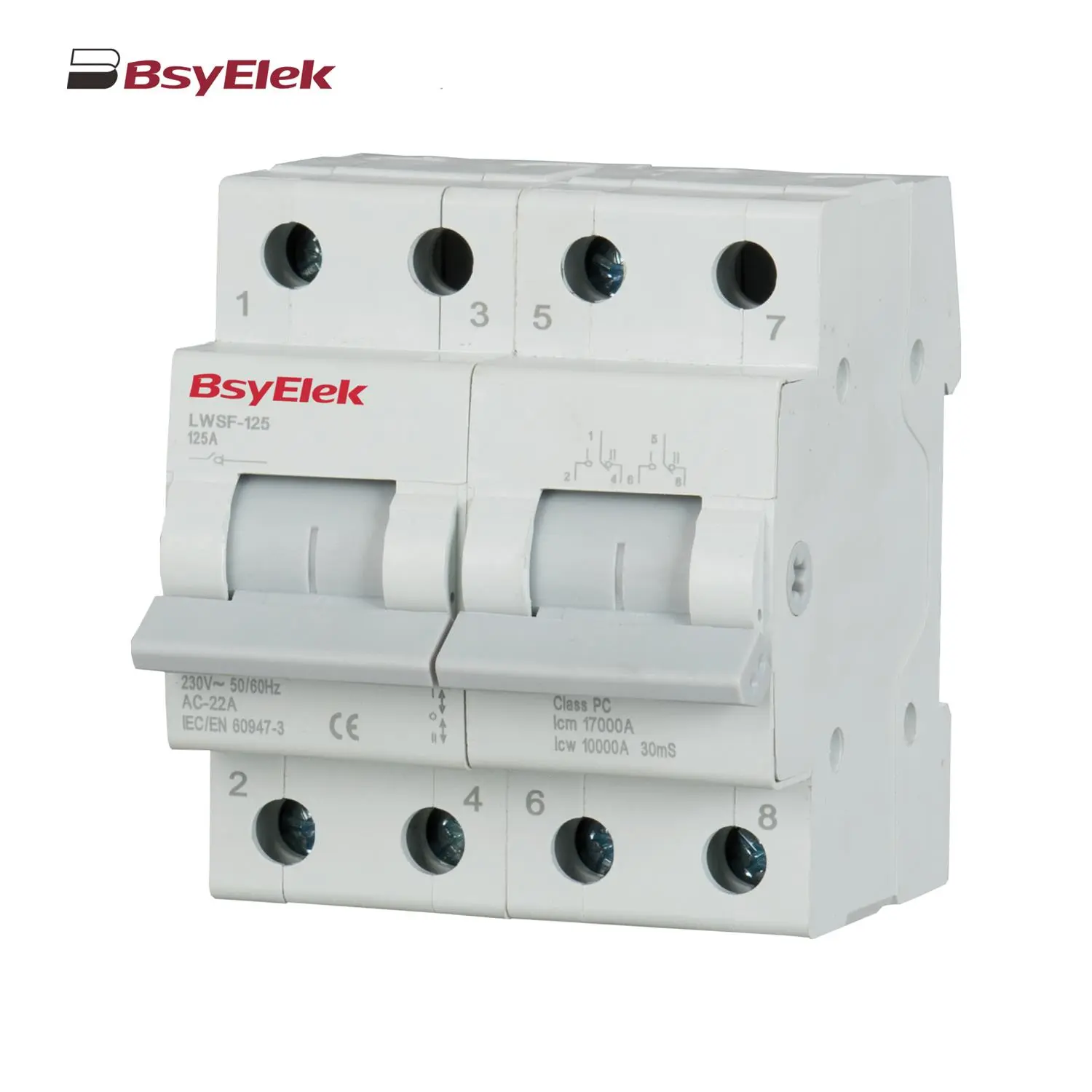 LWSF-125 125A Manual Changeover Switch
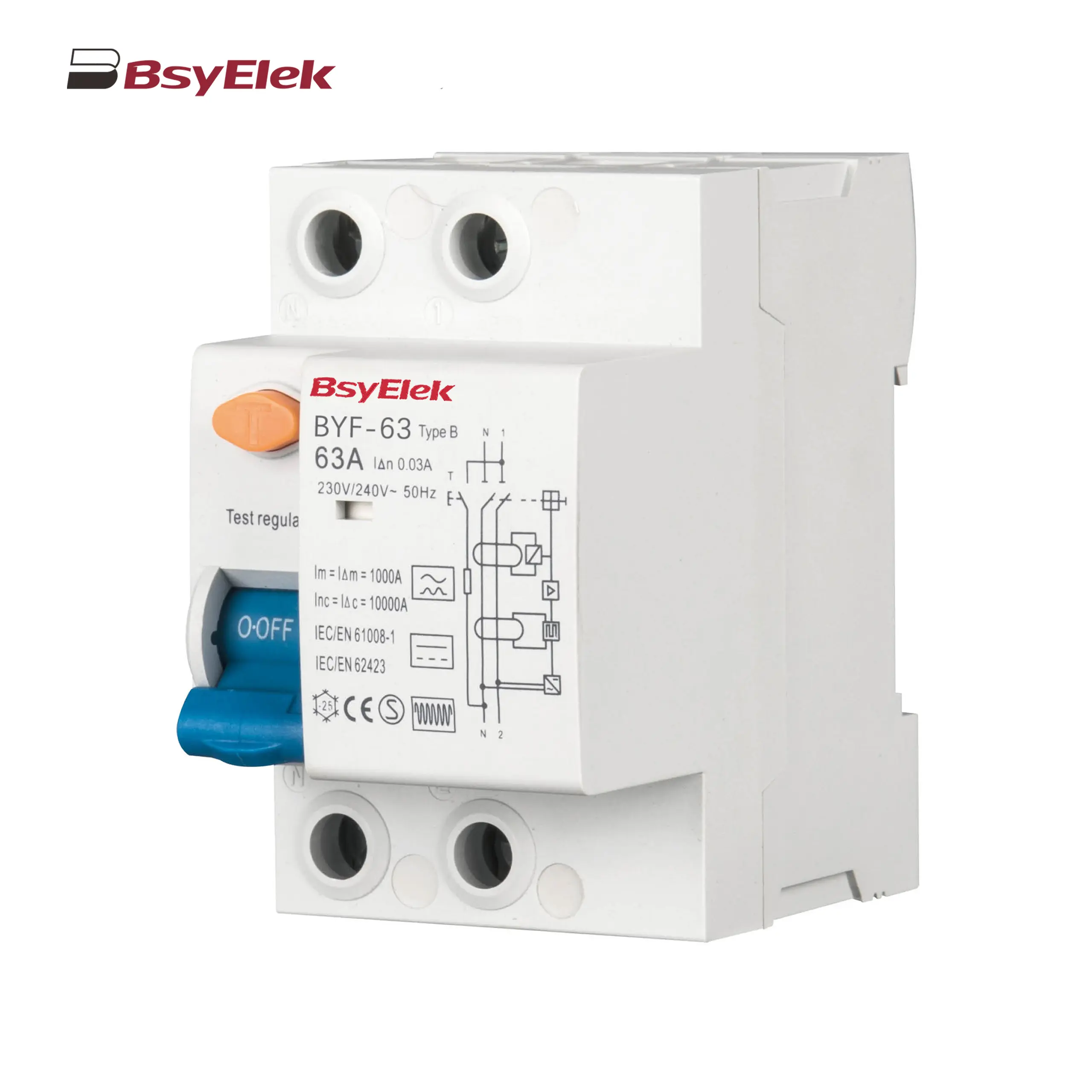 BYF-63 RCD 10KA Type B AC+A+Smoothing DC Residual Current Device
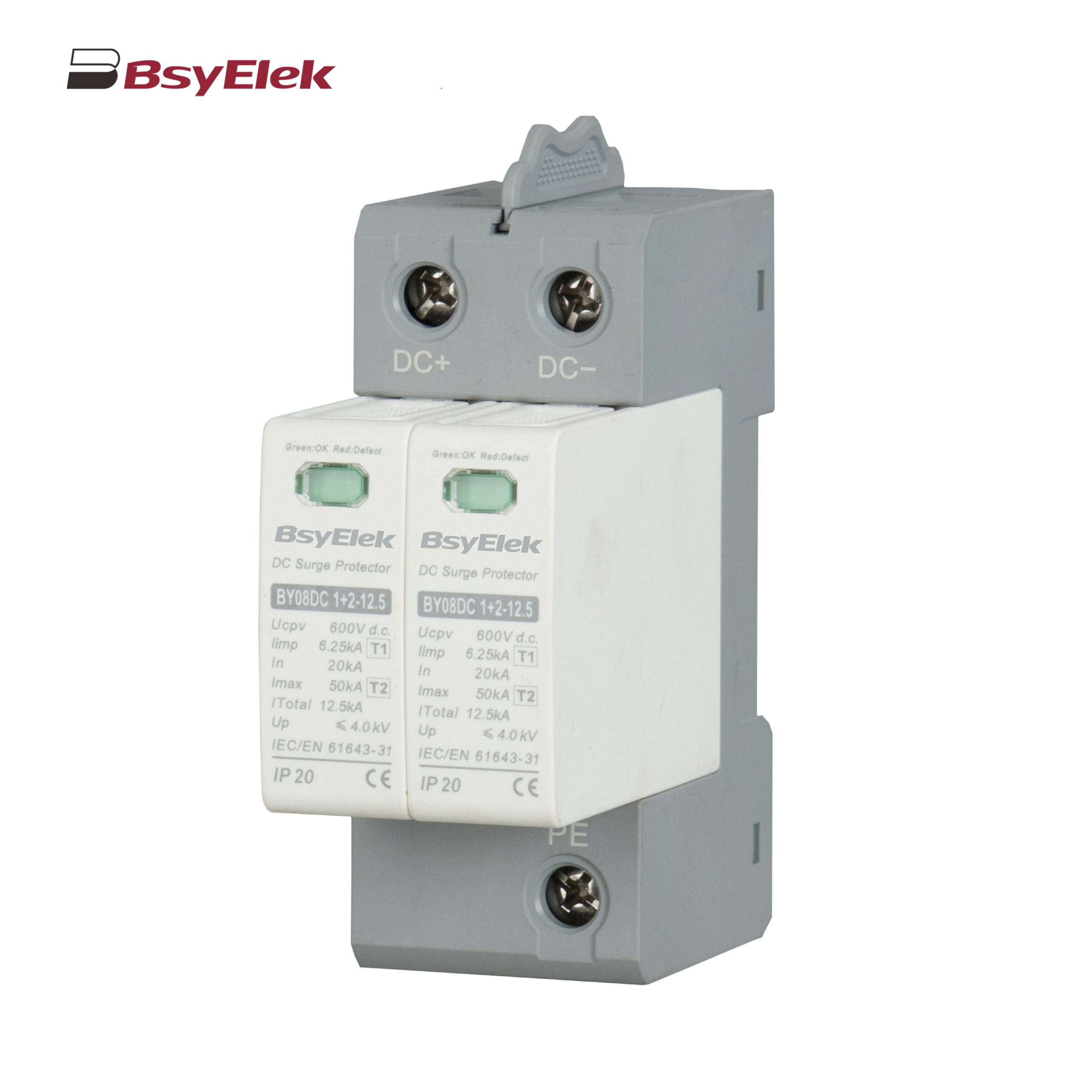 BY08DC 1+2-12.5 SPD Class T1+T2 40KA DC Surge Protective Device
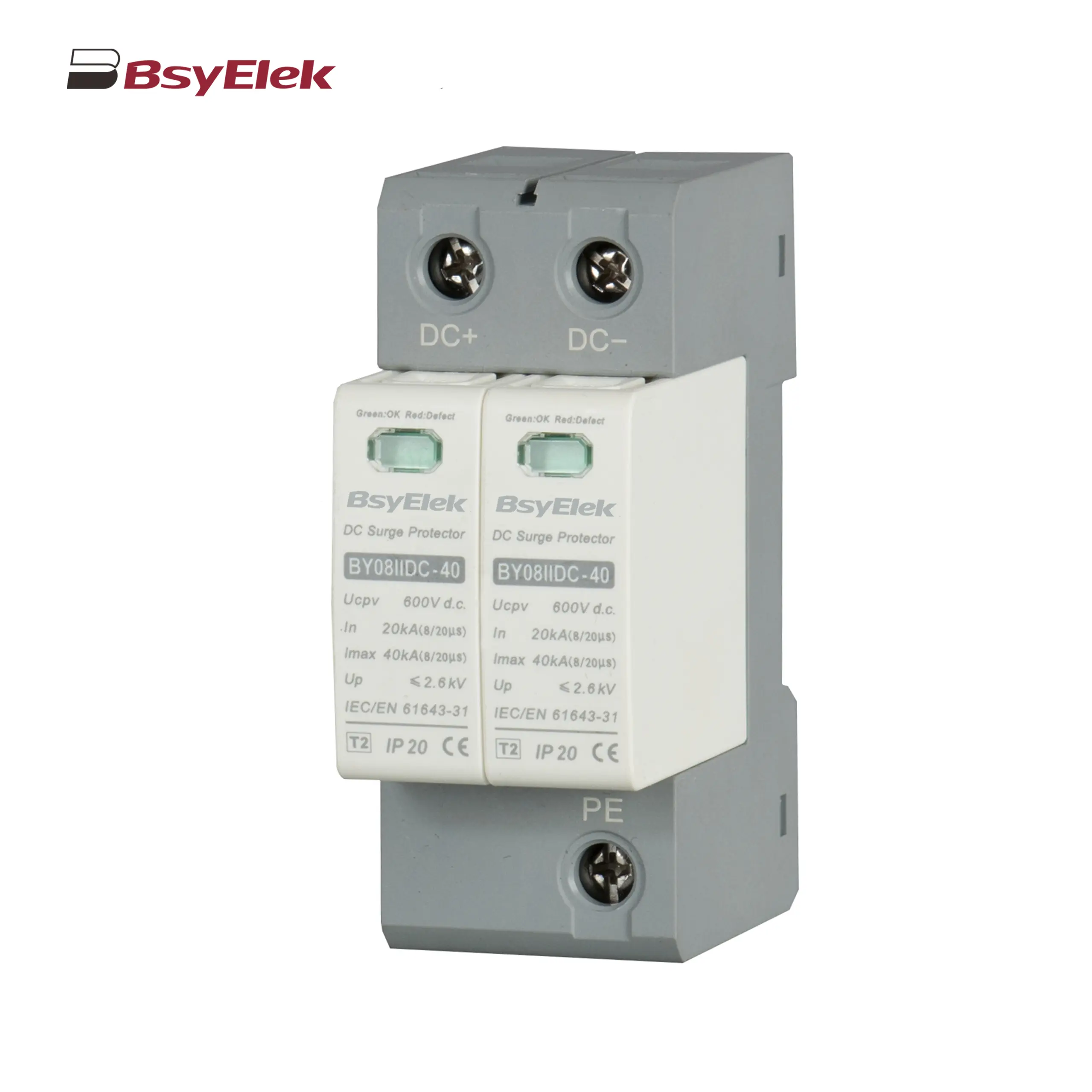 BY08IIDC-40 SPD Class T2 40KA DC Surge Protective Device
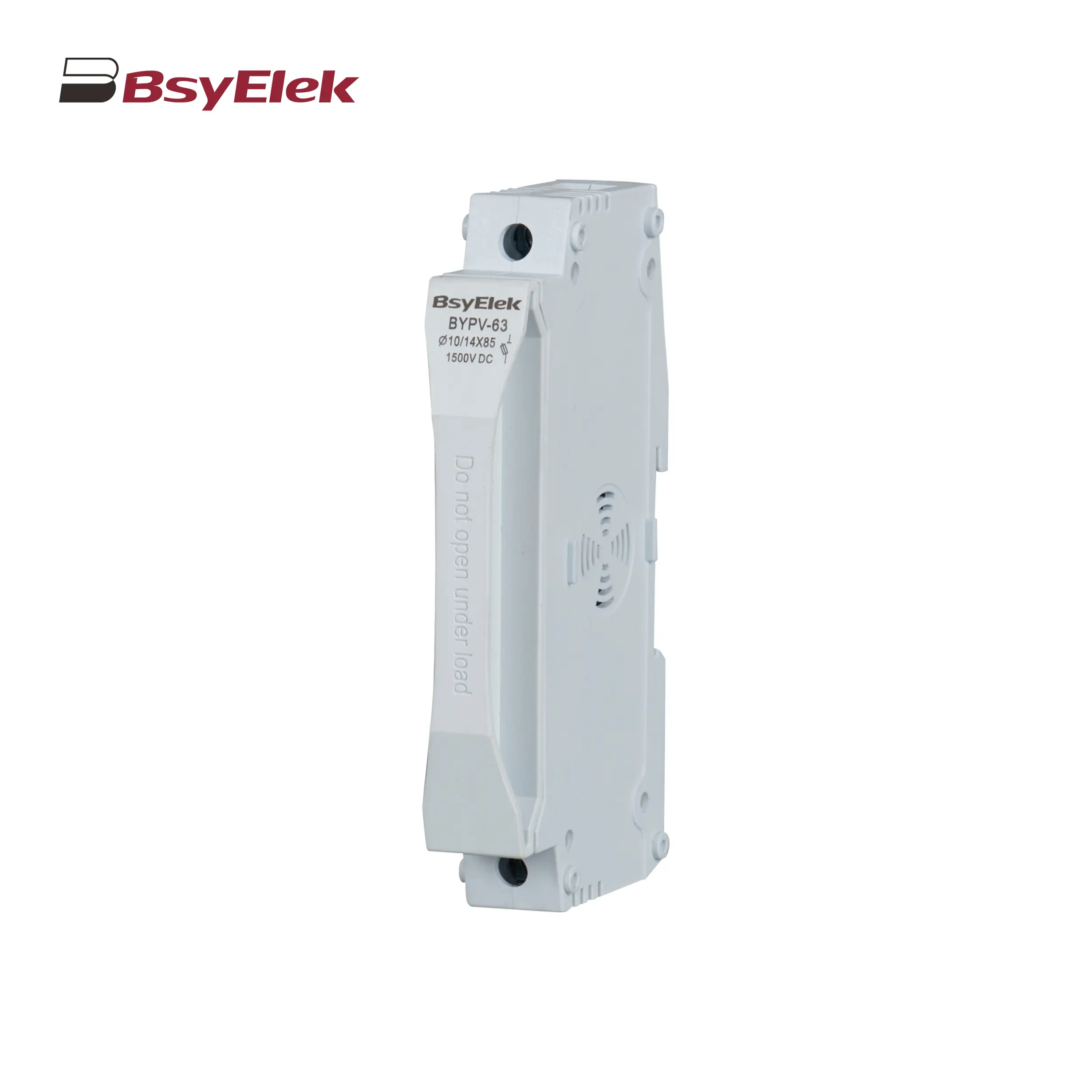 BYPV-63 1500VDC 50A Fuse Holder with 10x85mm 14x85mm Fuse Link
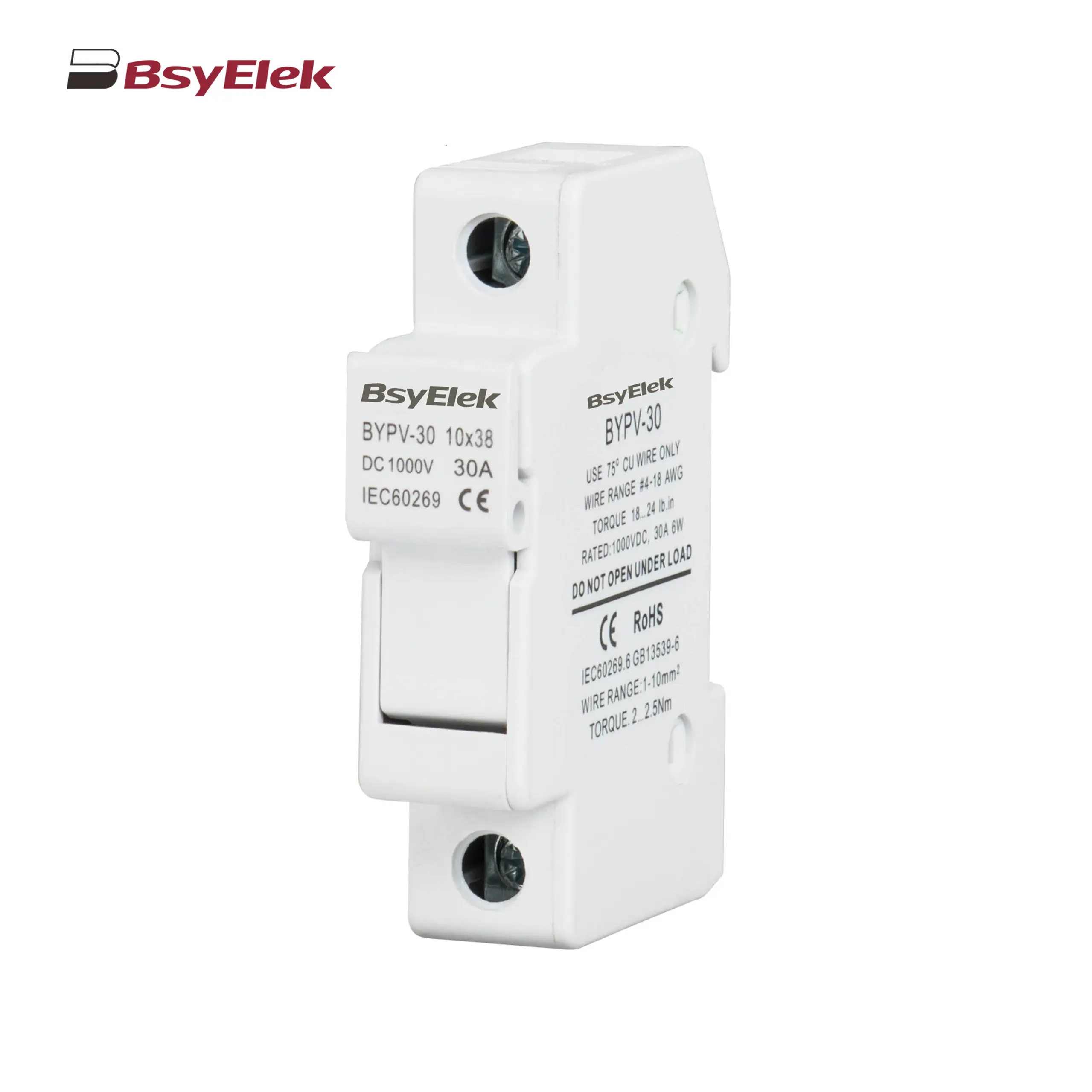 BYPV-30 1000VDC 32A Fuse Holder with 10x38mm Fuse Link
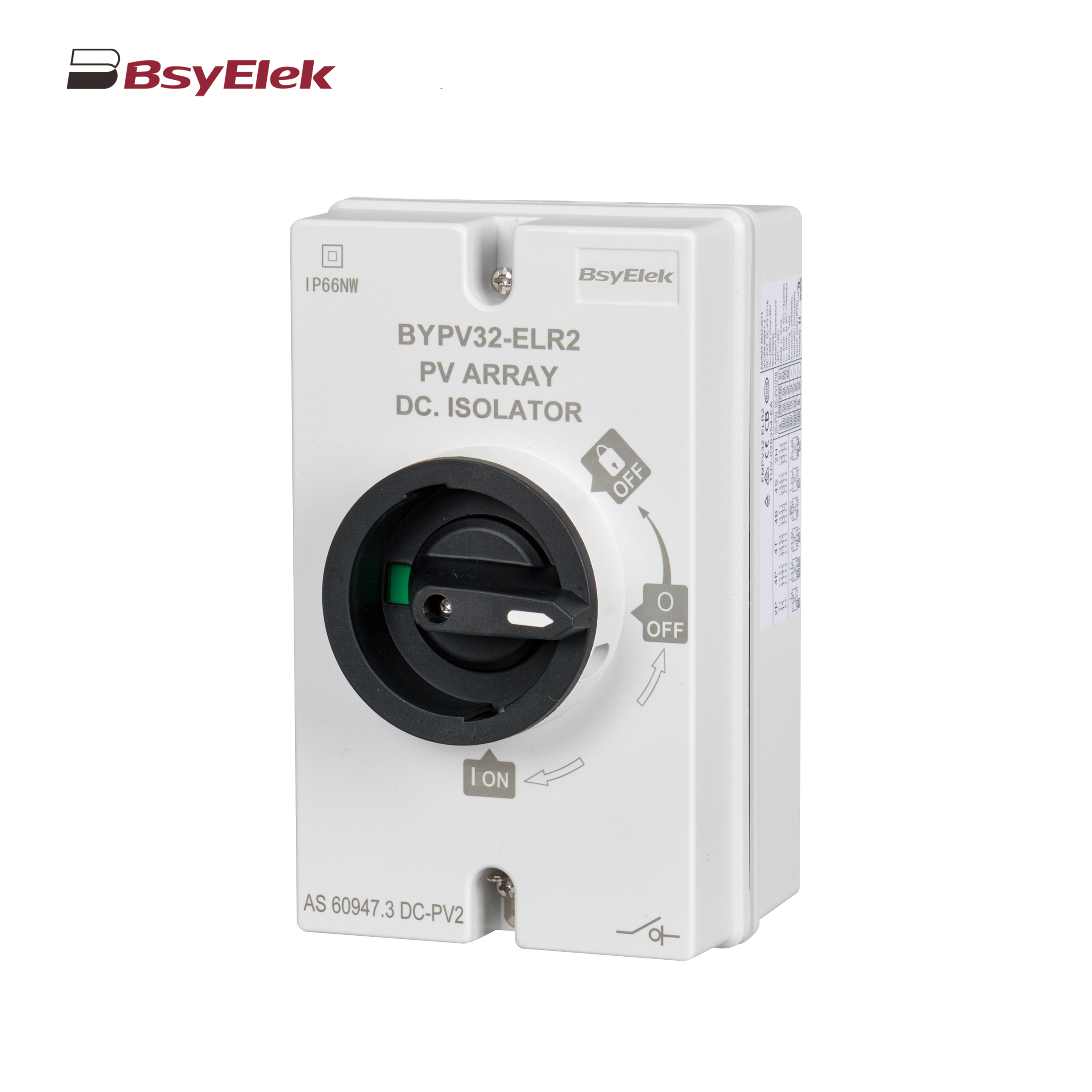 BYPV-ELR2 PV Isolator Switch with Enclosed Version
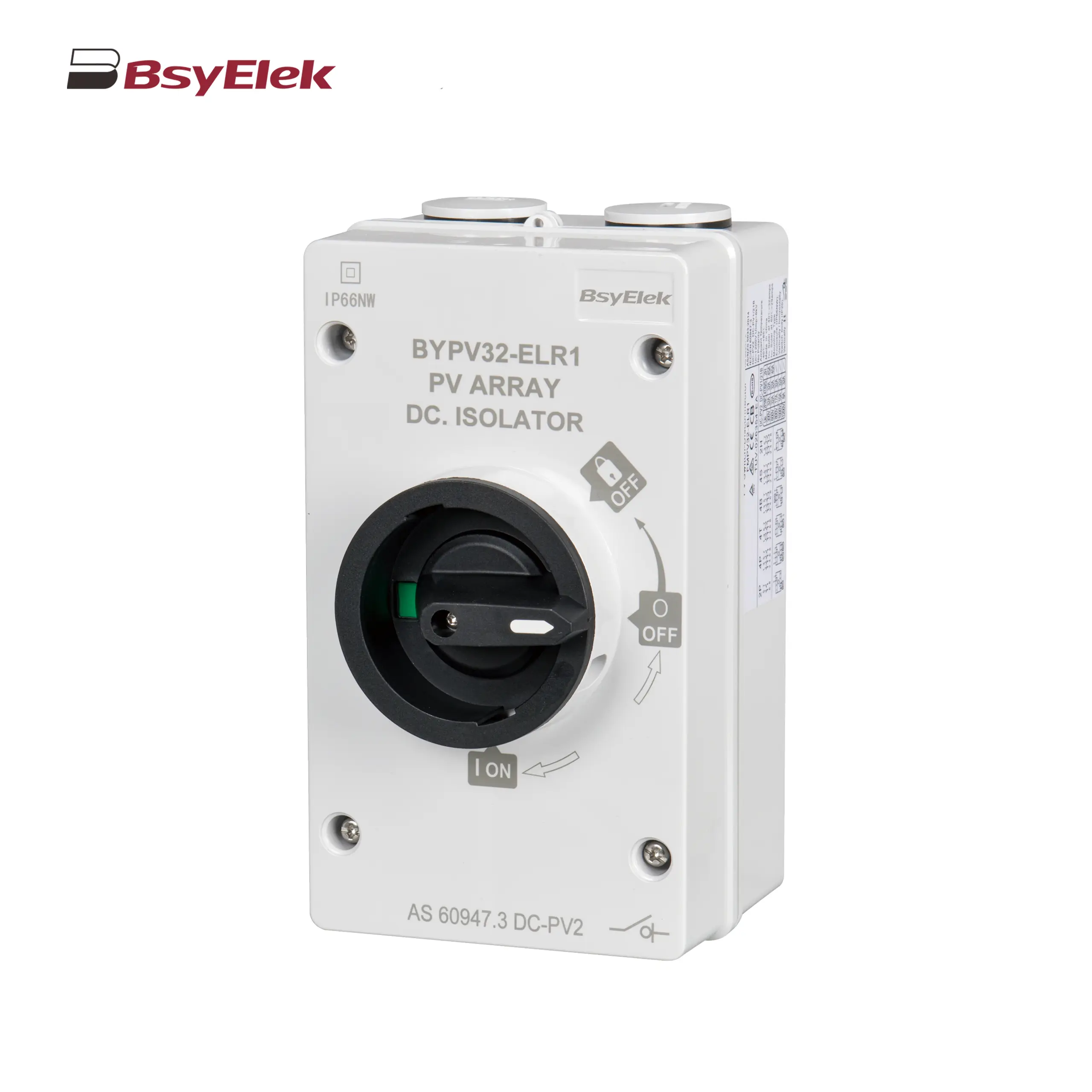 BYPV-ELR1 PV Isolator Switch with Enclosed Version
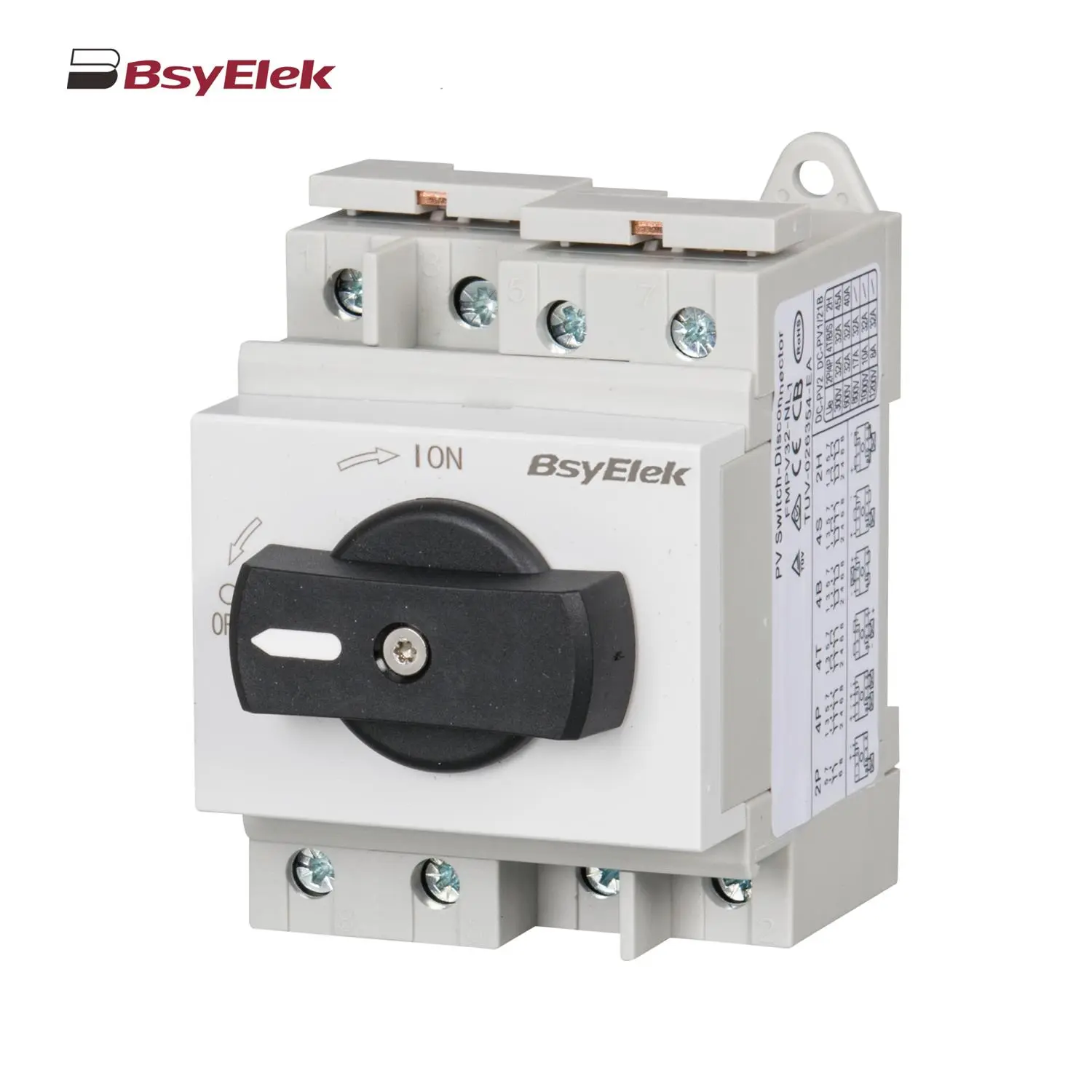 BYPV-NL1/T PV Isolator Switch with Ultra-thin Lever Handle
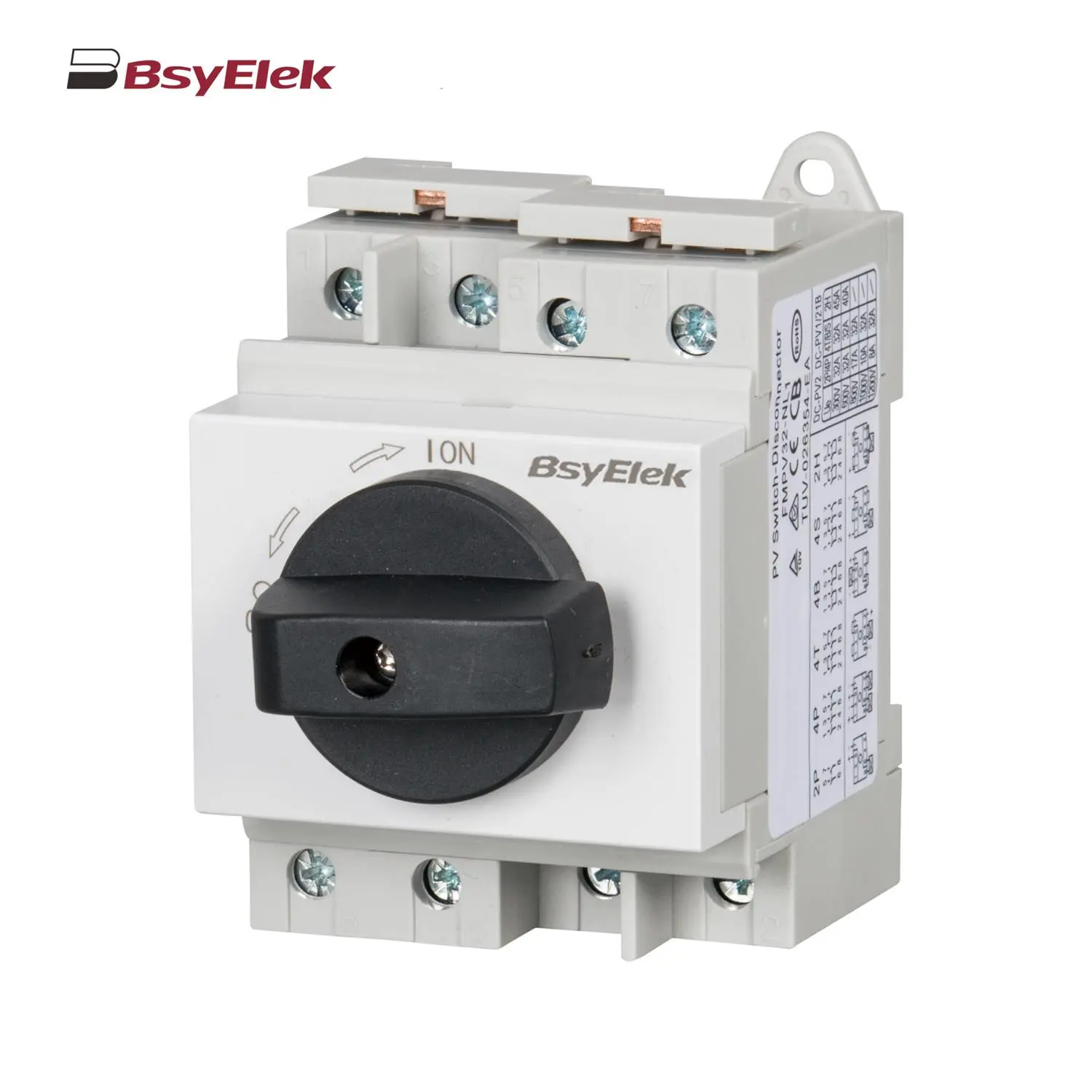 BYPV-NL1 PV Isolator Switch with Lever Handle
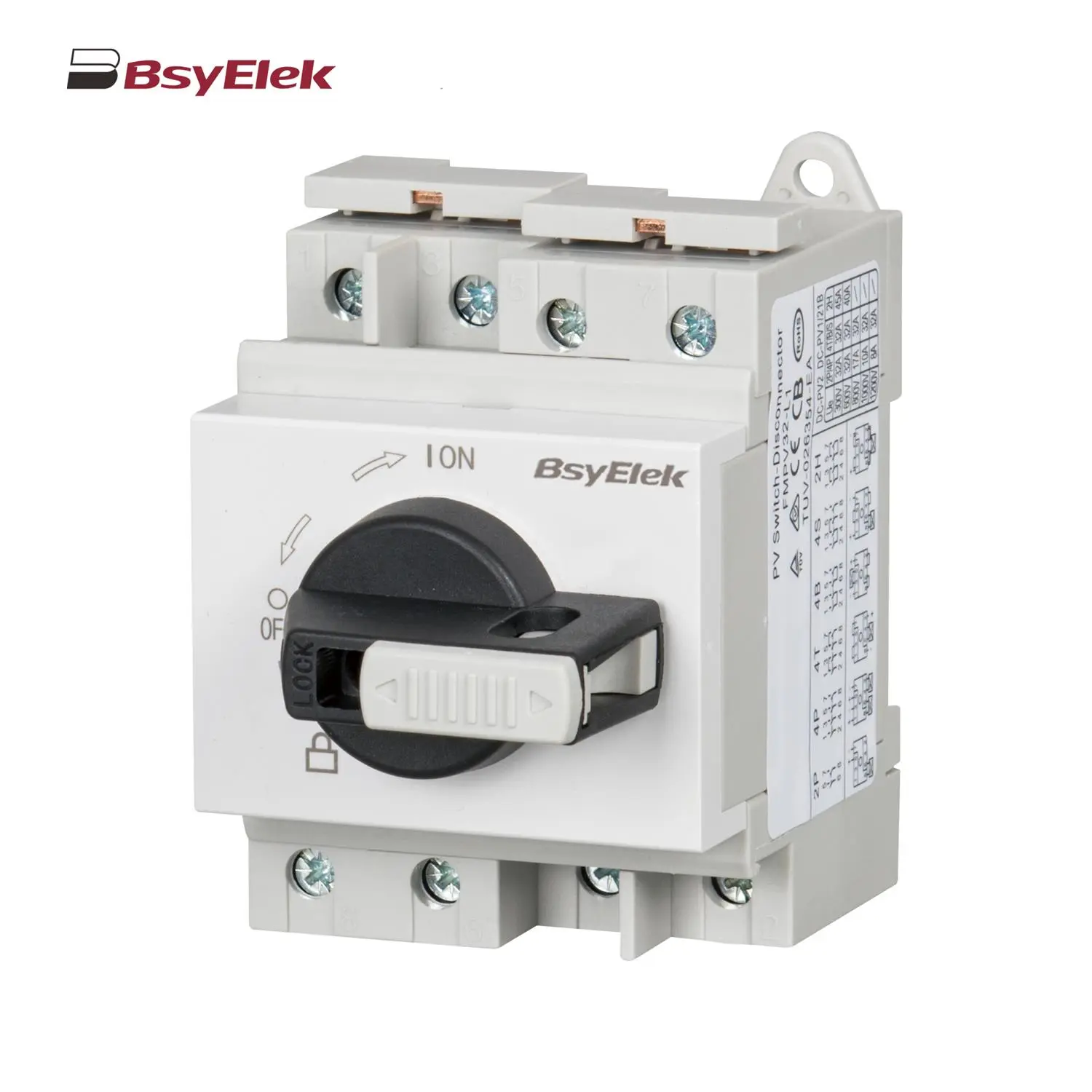 BYPV-L1/L2 PV Isolator Switch with Lockable Lever Handle
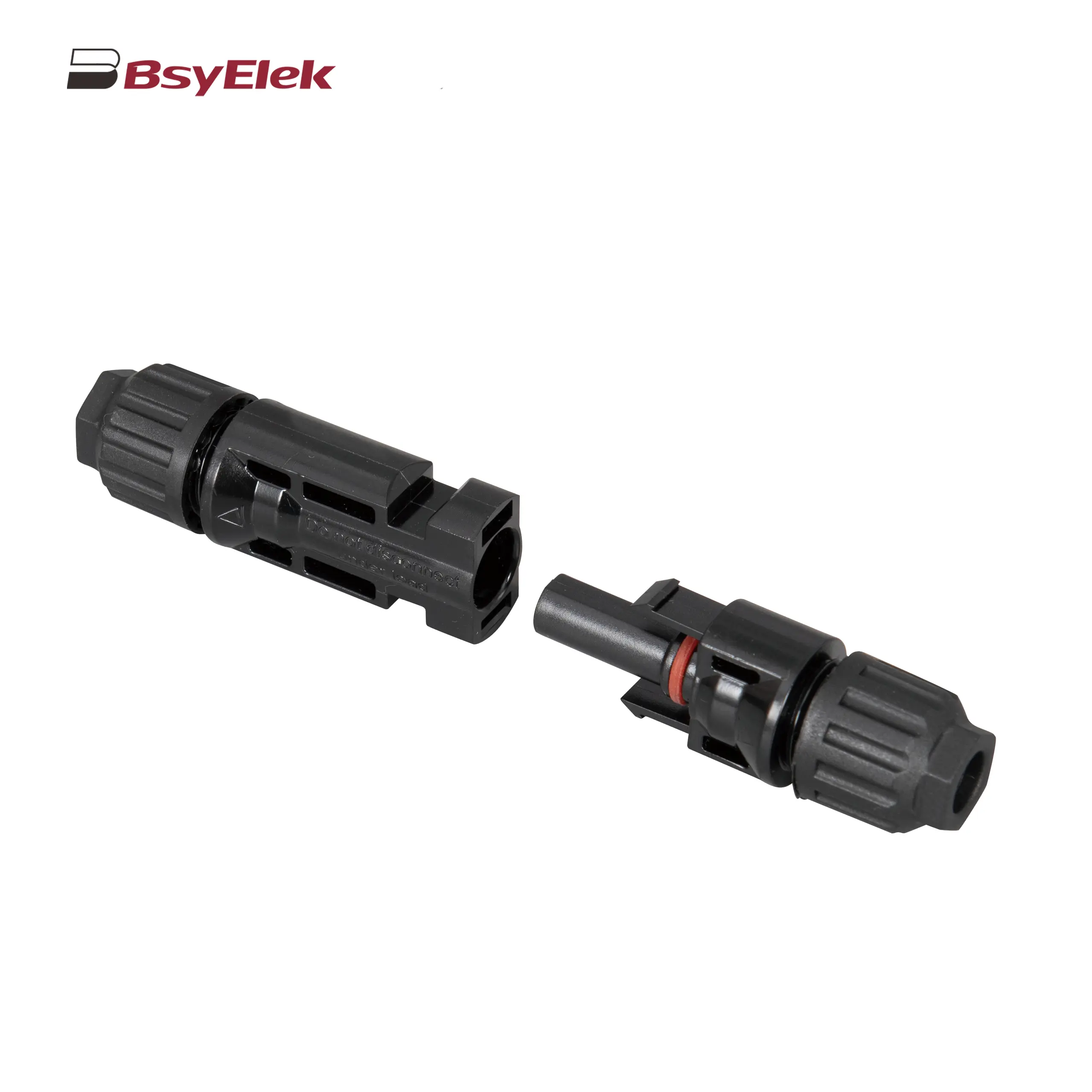 PV-BY-01 30A/50A 1000V Photovoltaic Connector
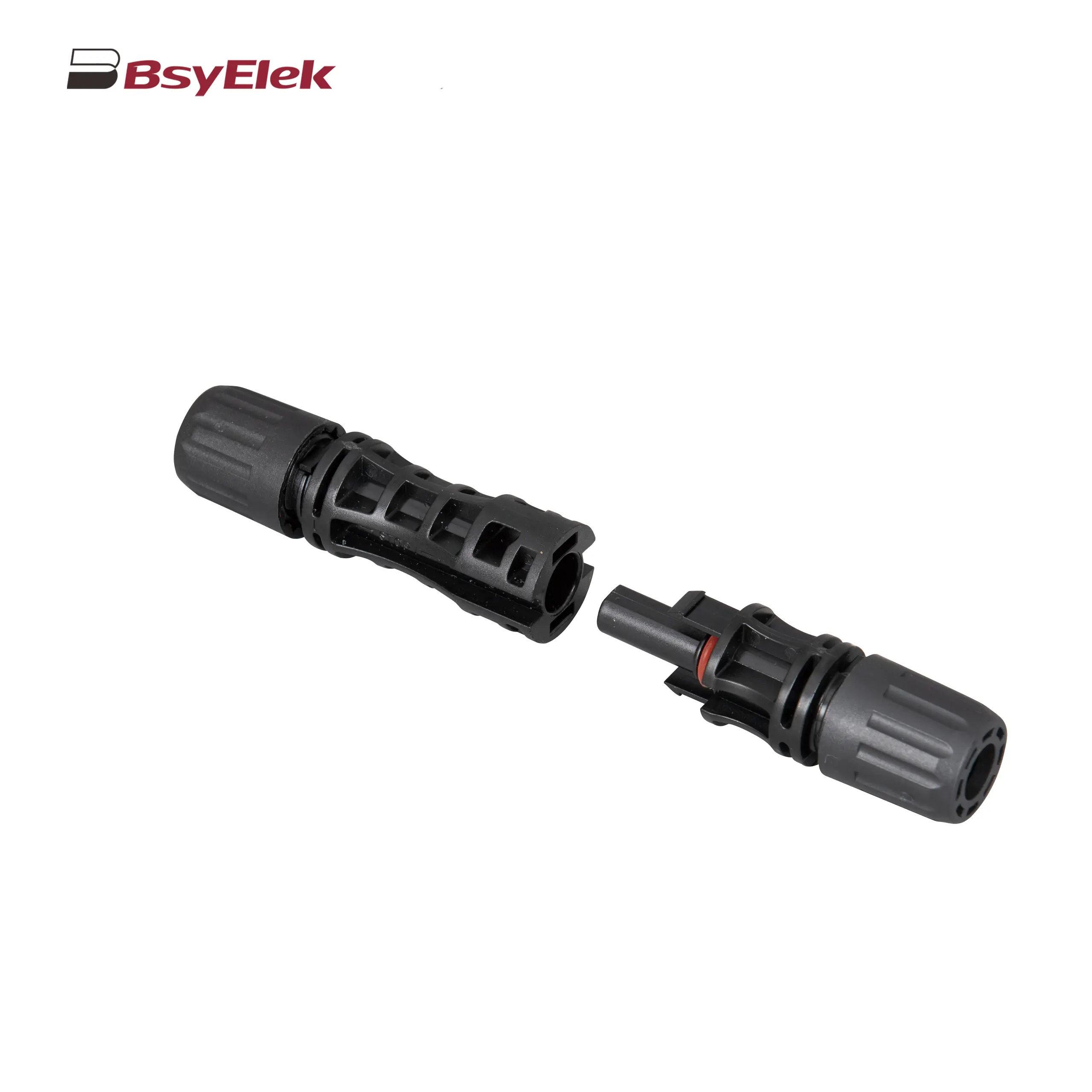 PV-BY-02 30A/50A 1500V Photovoltaic Connector
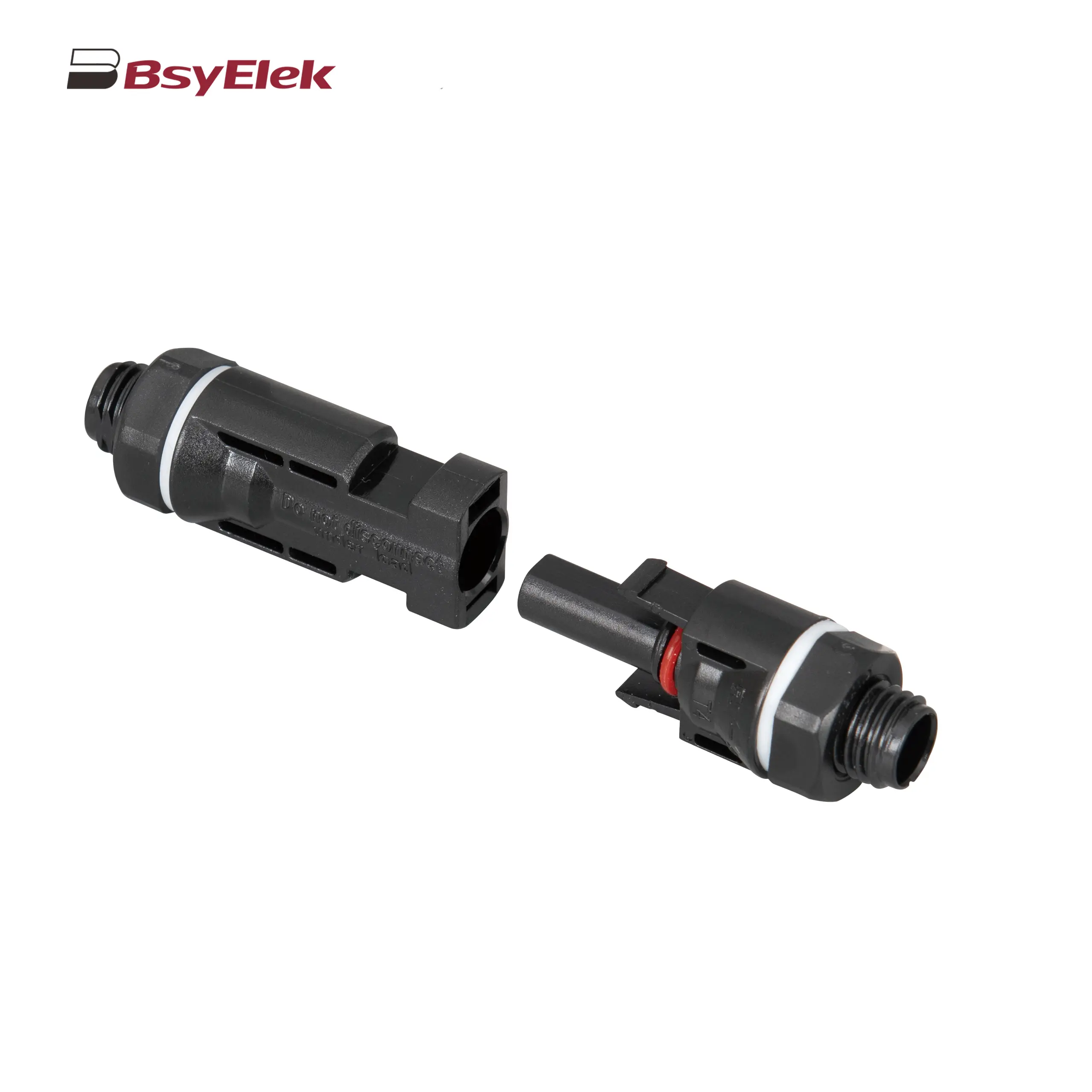 PV-BY-03 30A/50A 1000V Panel Mount Photovoltaic Connector
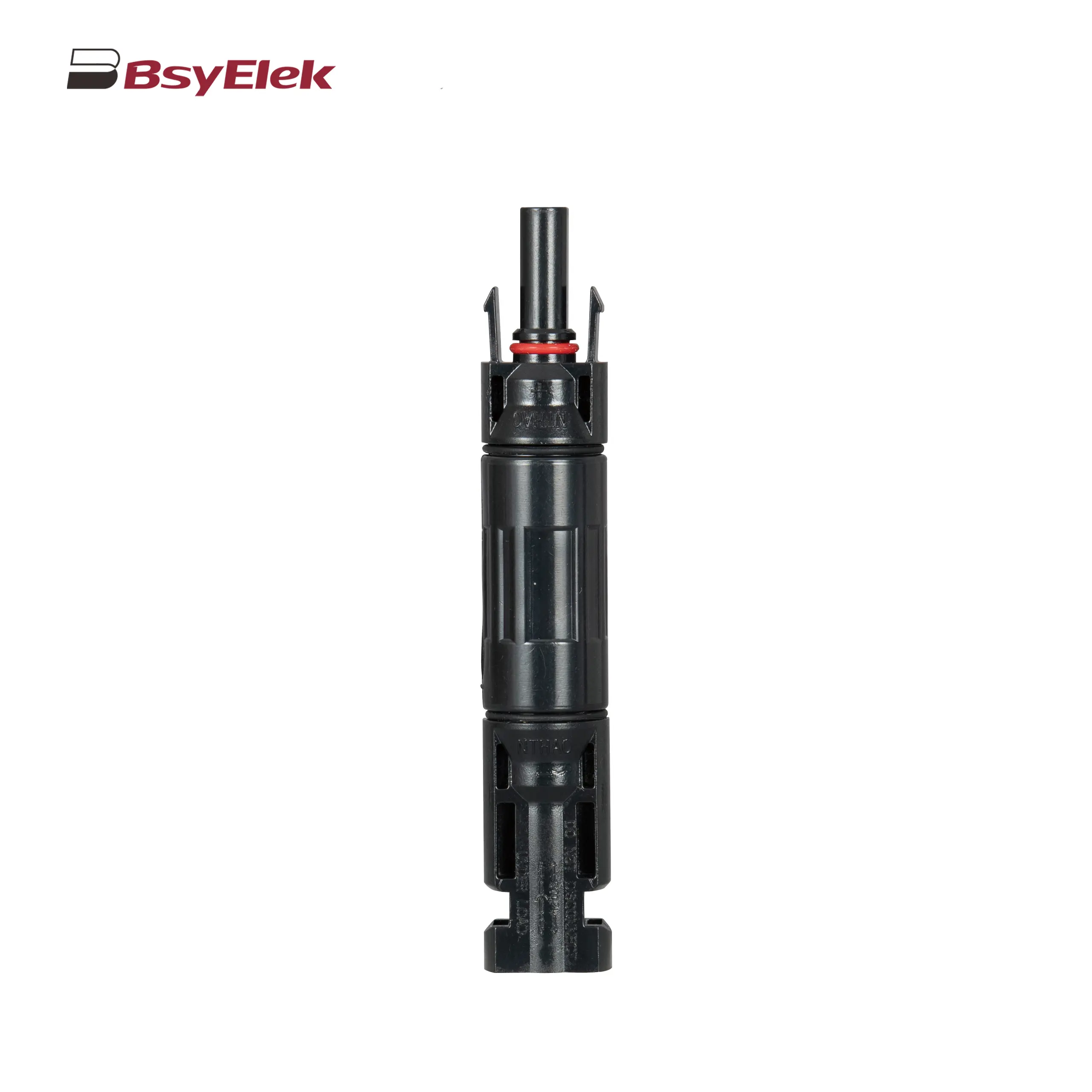 PV-BY-F01 30A 1500V Diode/Fuse Type Connector
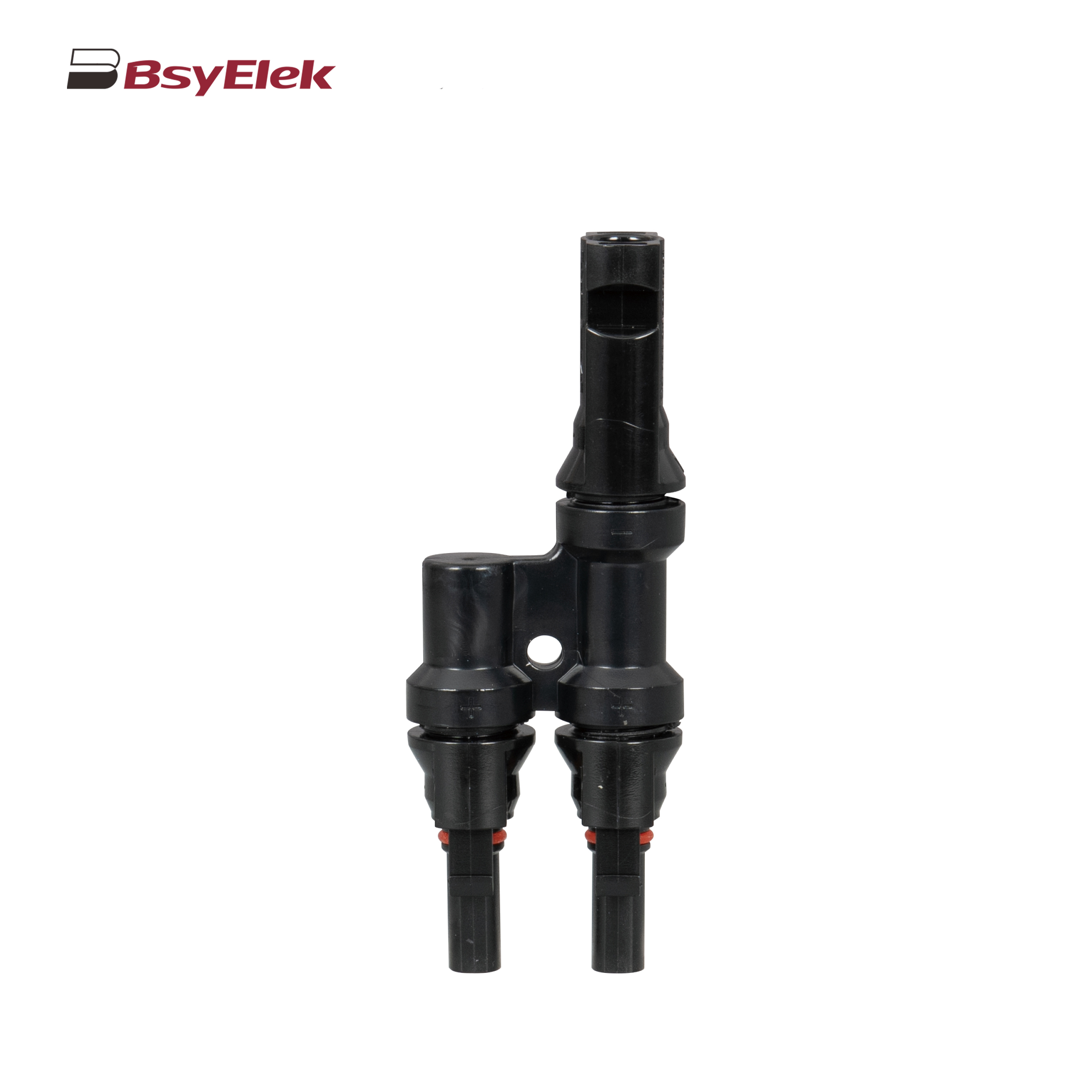 PV-BY-T 50A 1500V T Type Branch Connector
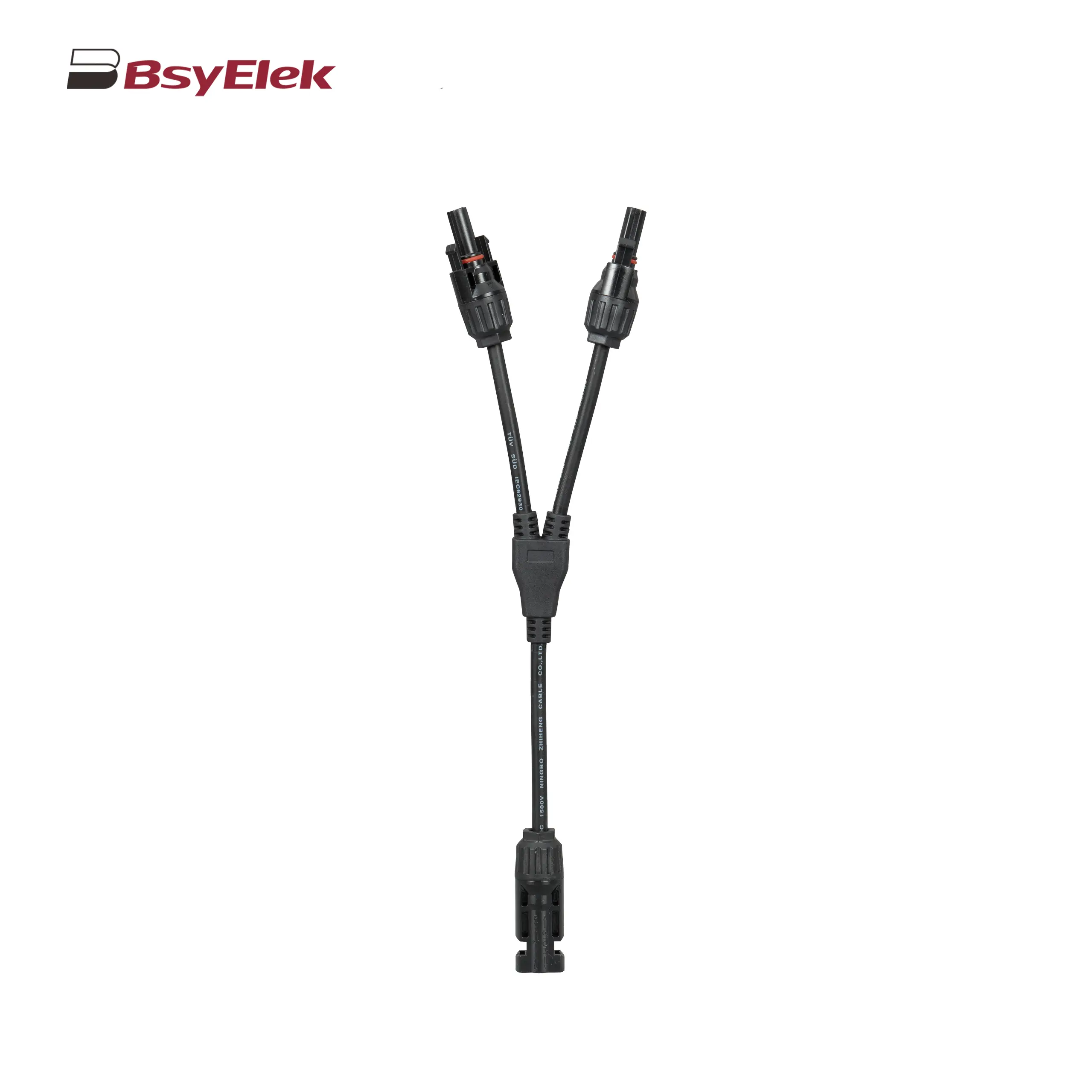 PV-BY-Y 30A 1500V Y Type Branch Connector
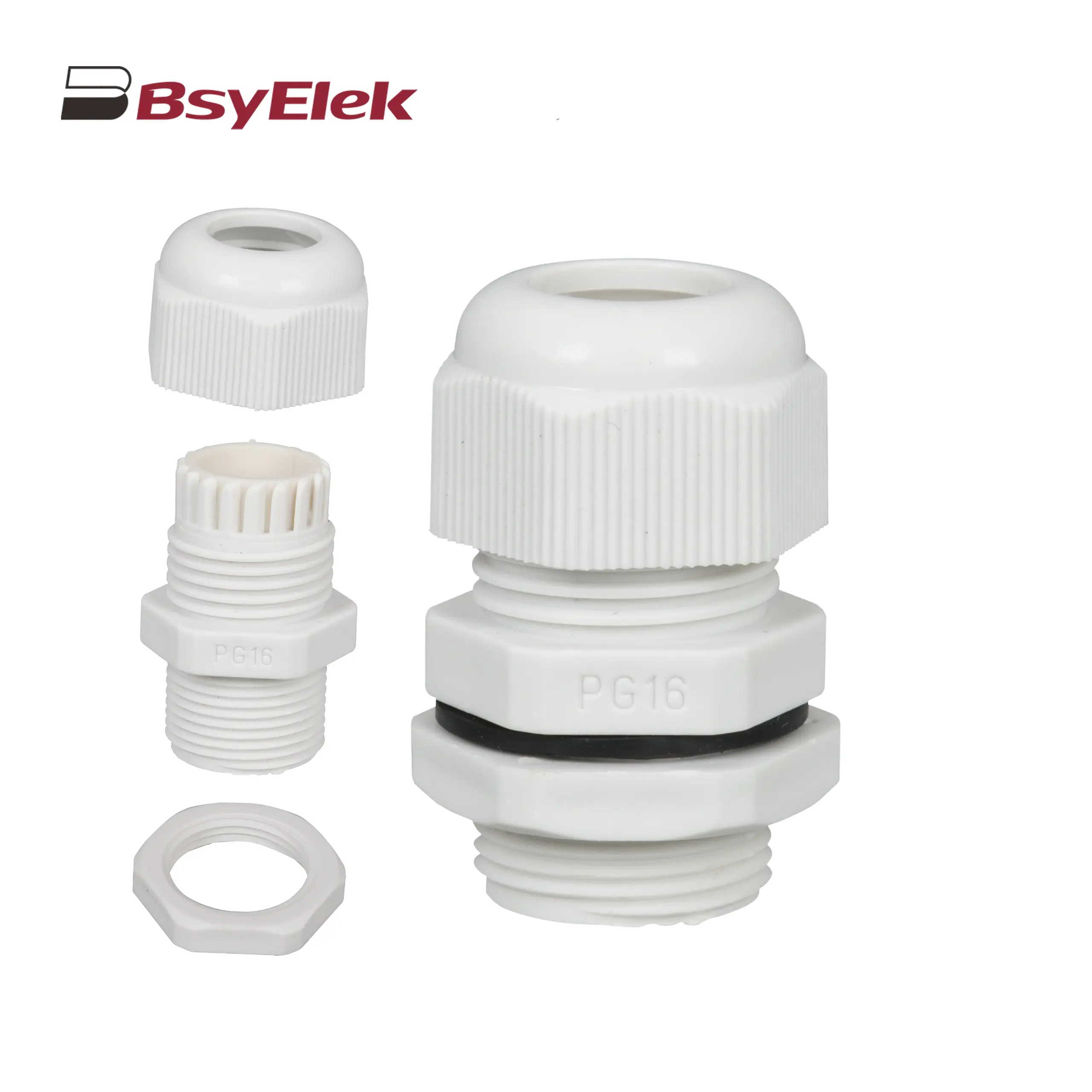 PG Waterproof Cable Gland with Washer
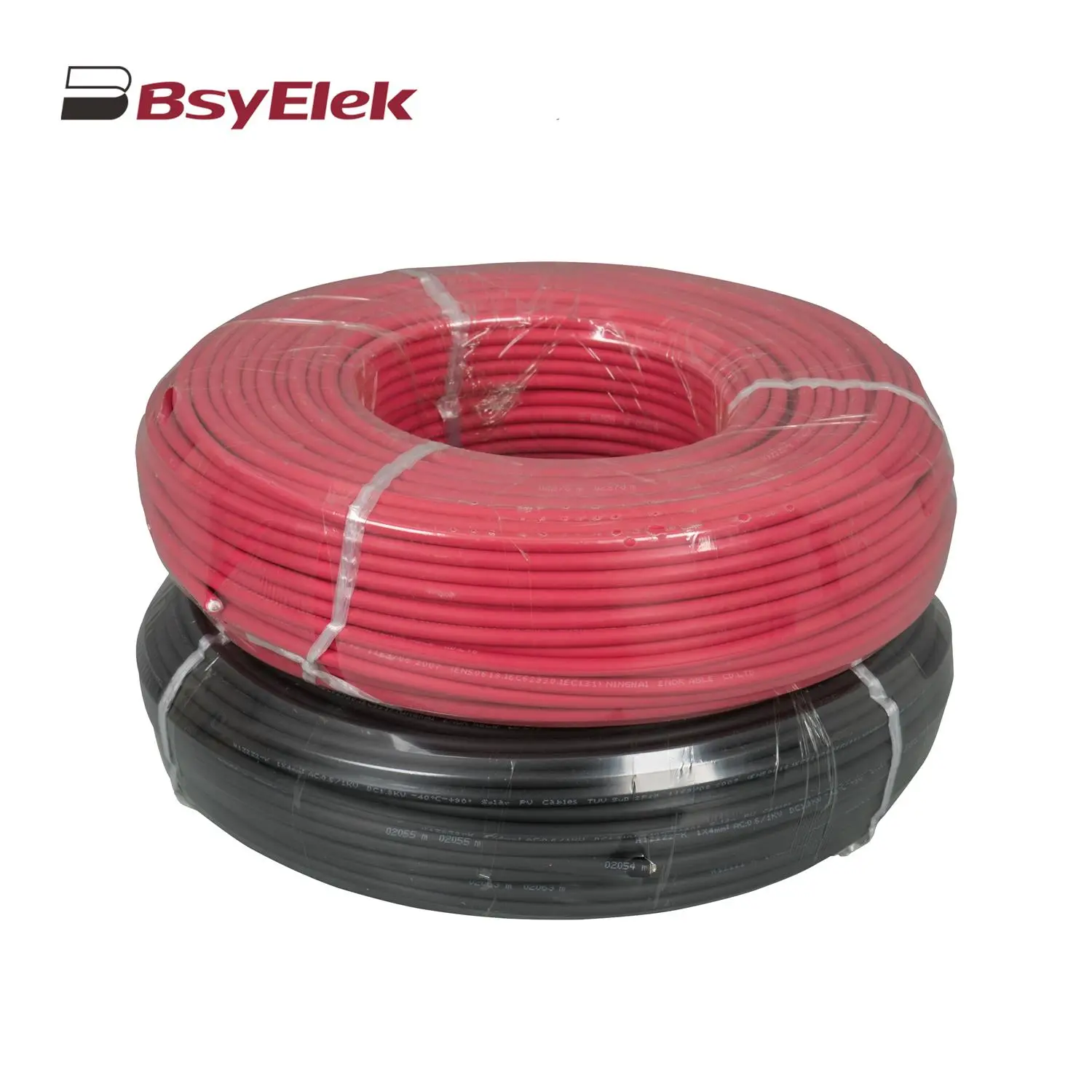 Photovoltaic Cable
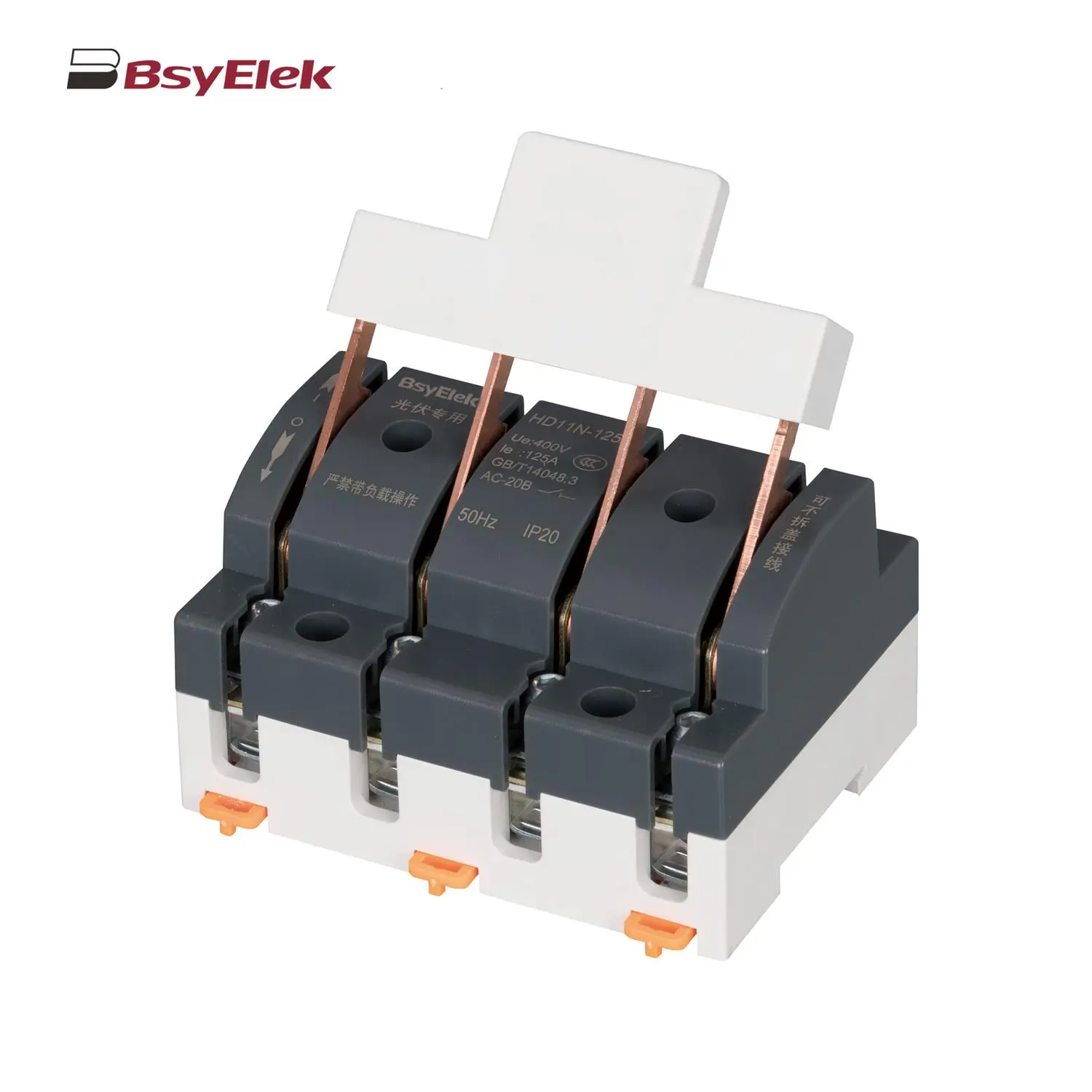 HD11N Photovoltaic Knife Switch
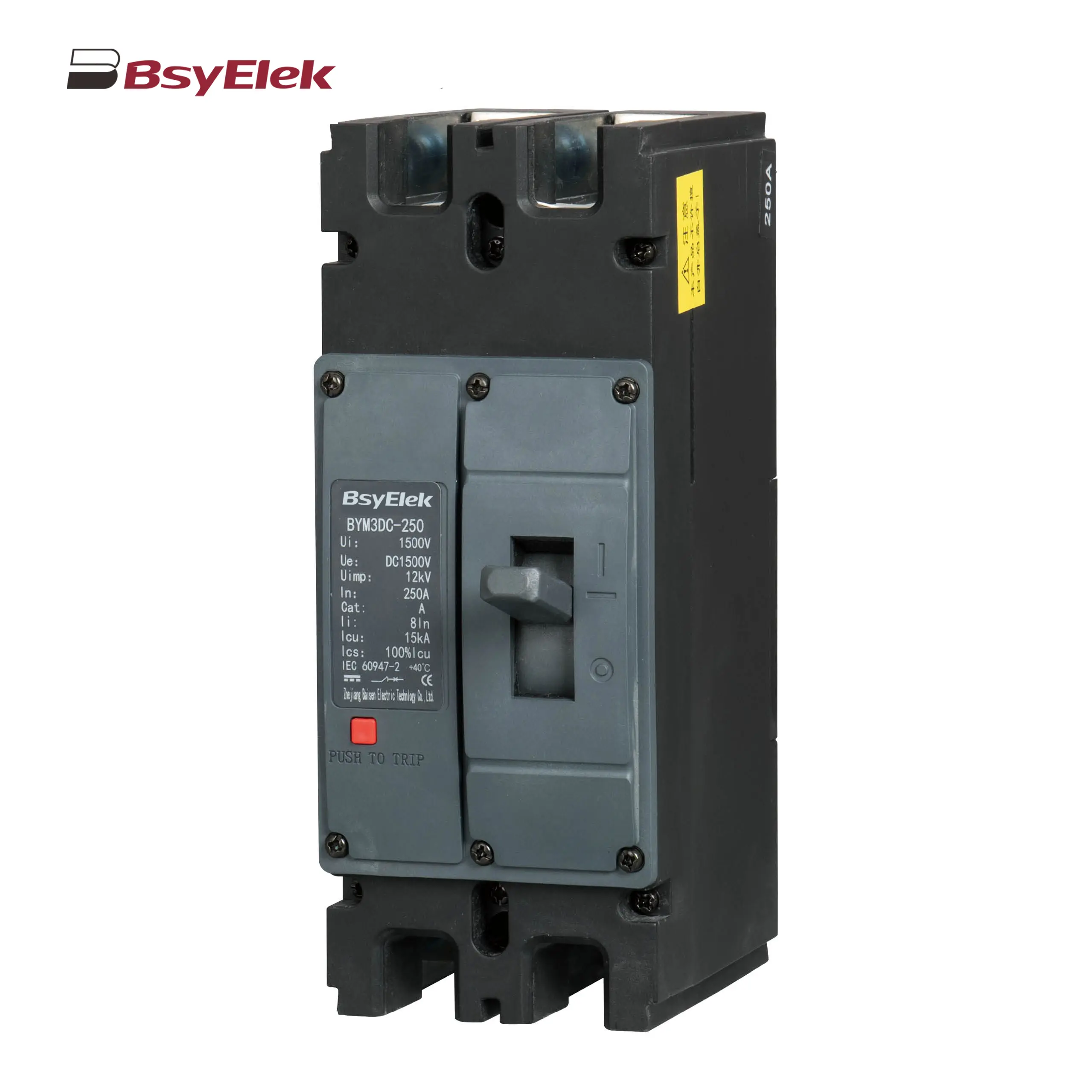 BYM3DC MCCB Photovoltaic DC Molded Case Circuit Breaker
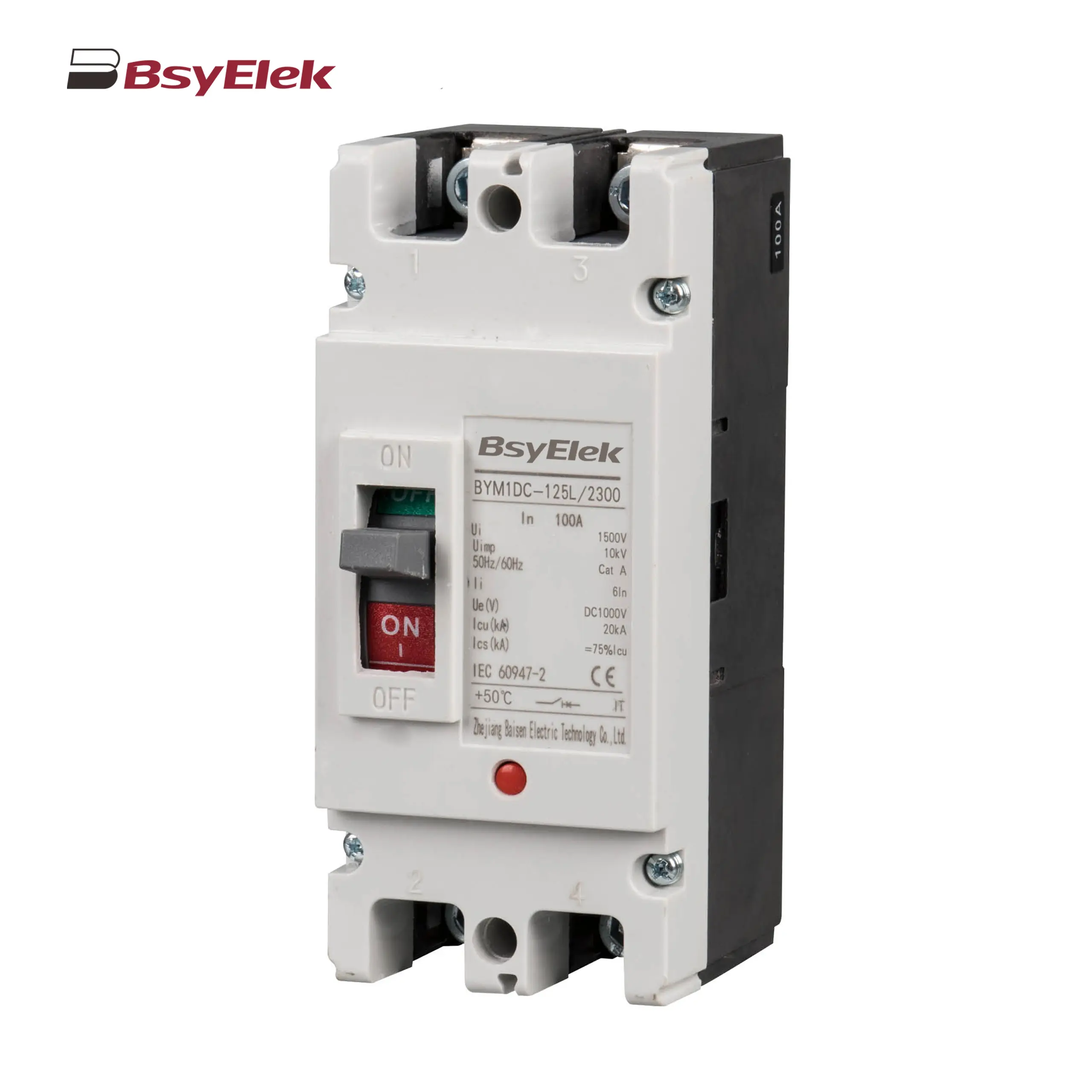 BYM1DC MCCB 1000VDC Thermal Magnetic Type DC Molded Case Circuit Breaker
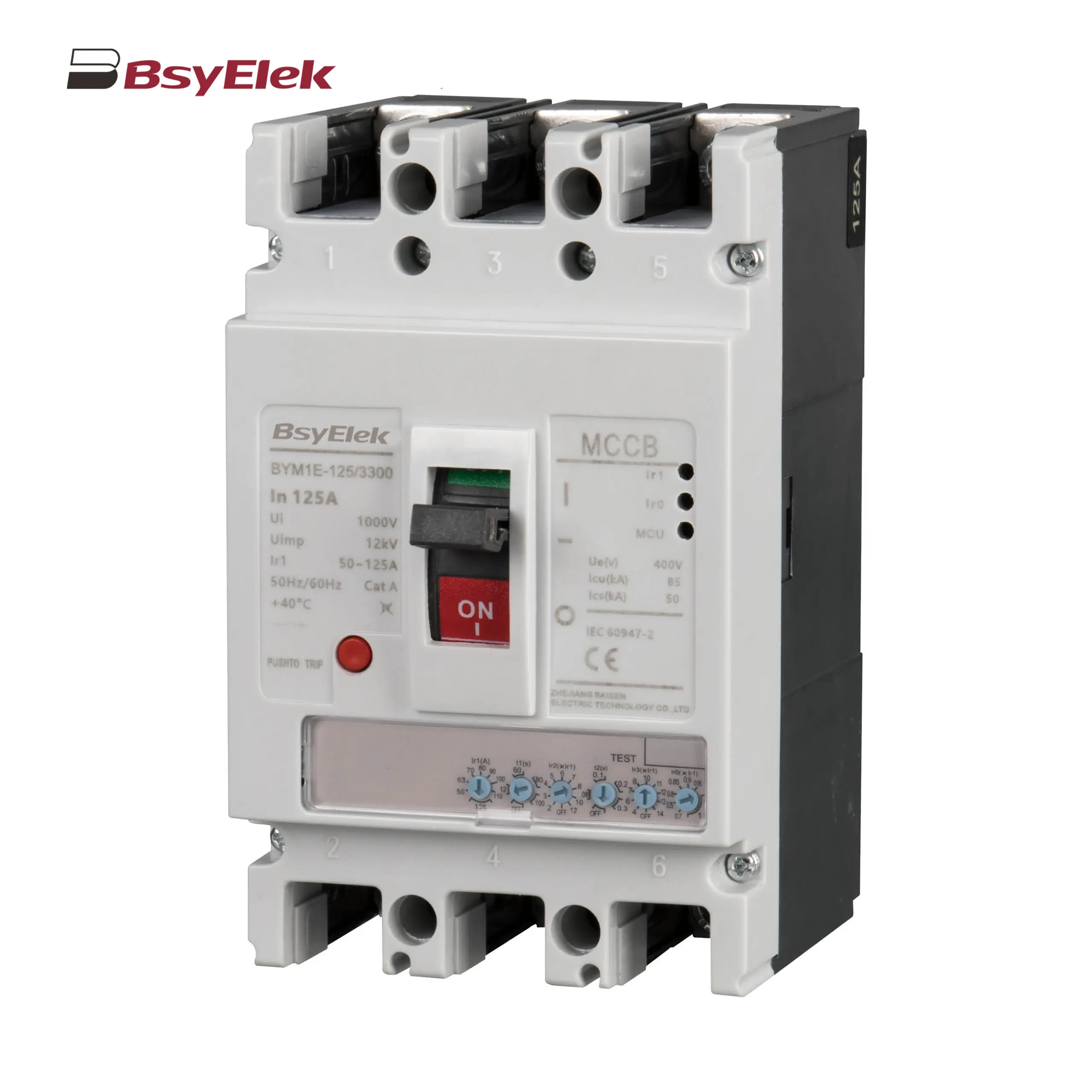 BYM1E MCCB Electronic Type Molded Case Circuit Breaker
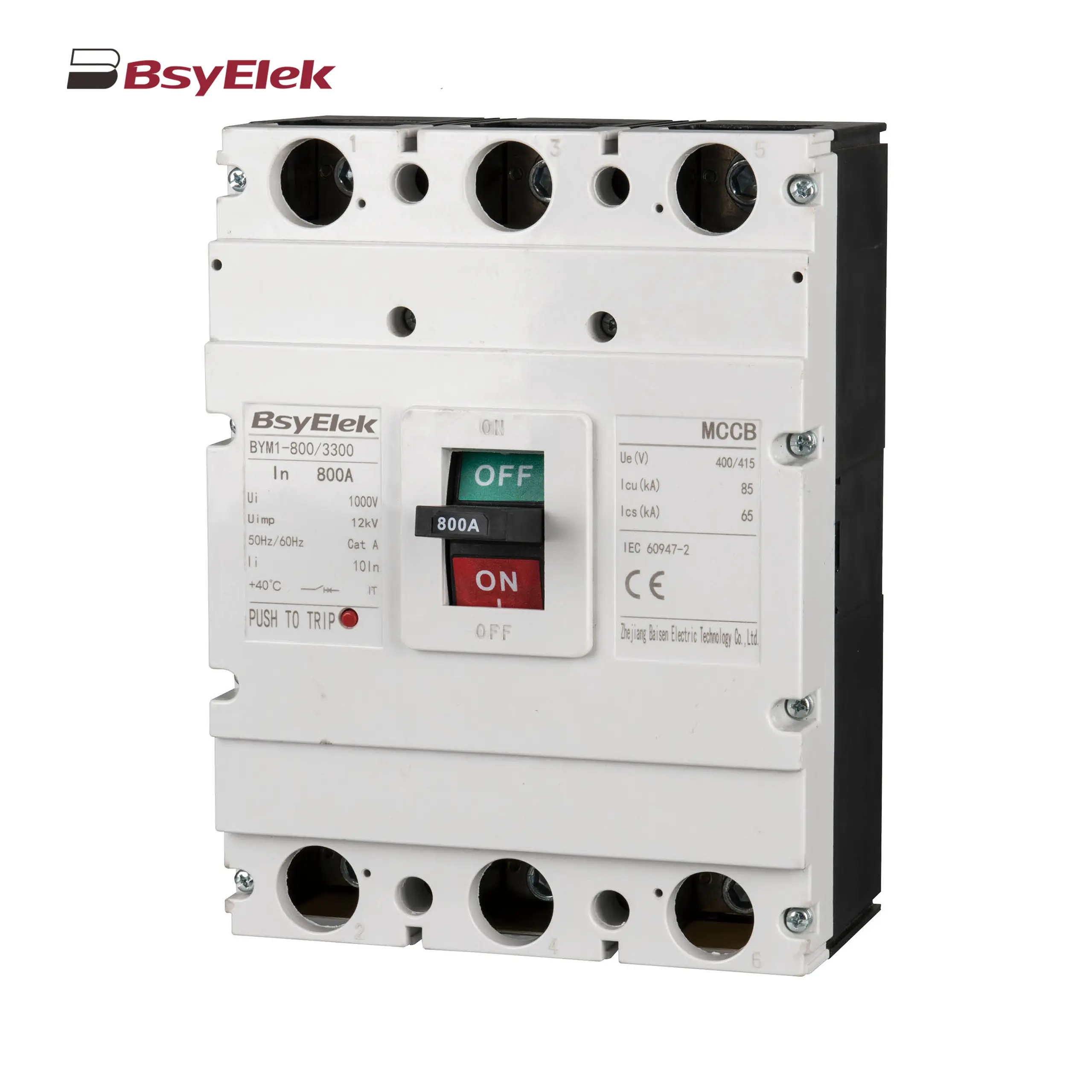 BYM1 MCCB Thermal Magnetic AC Molded Case Circuit Breaker
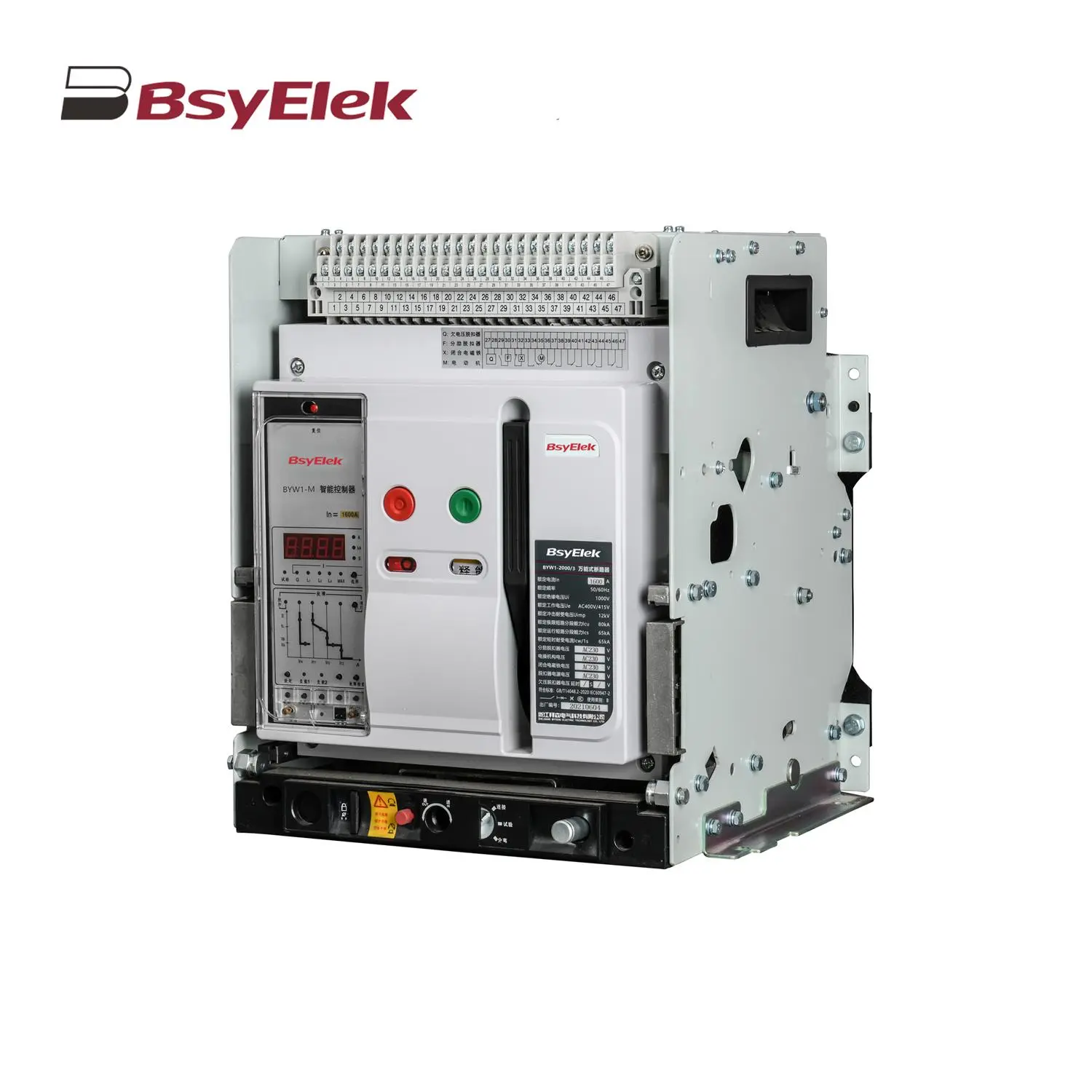 BYW1 ACB Intelligent Universal Air Circuit Breaker
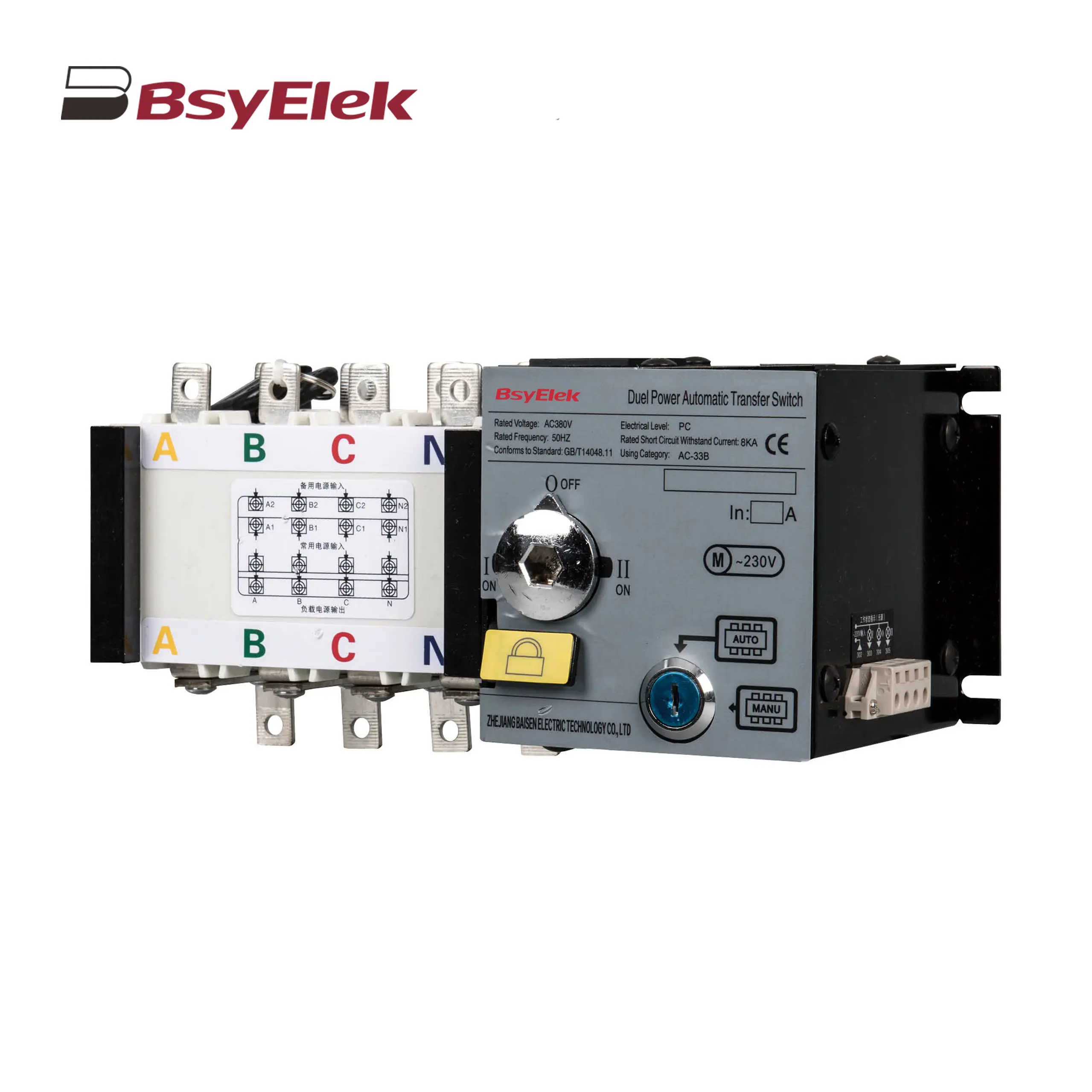 BYQ1 ATS Isolated Type PC Level Dual Power Automatic Transfer Switch
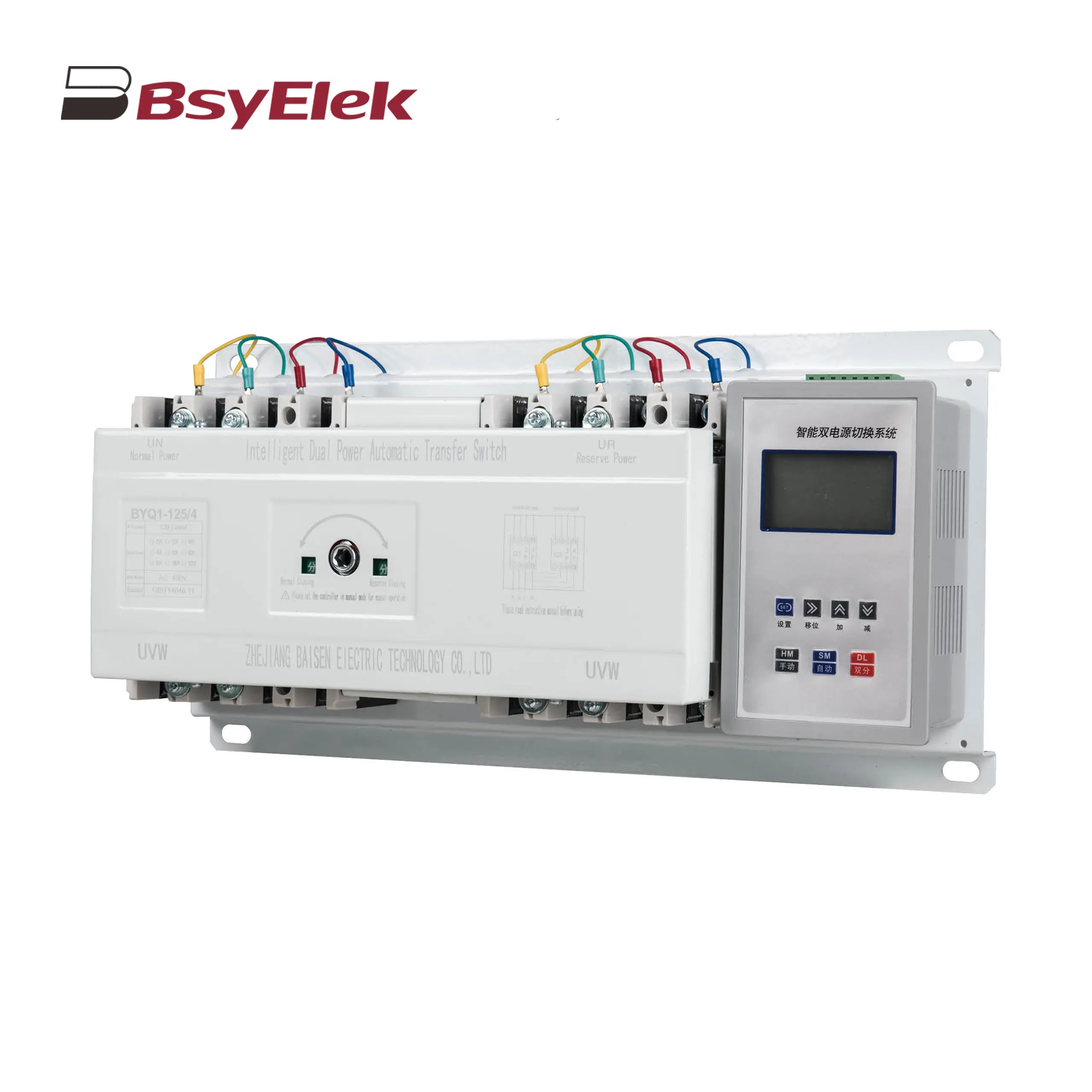 BYQ1 ATS Intelligent Type CB Level Dual Power Automatic Transfer Switch
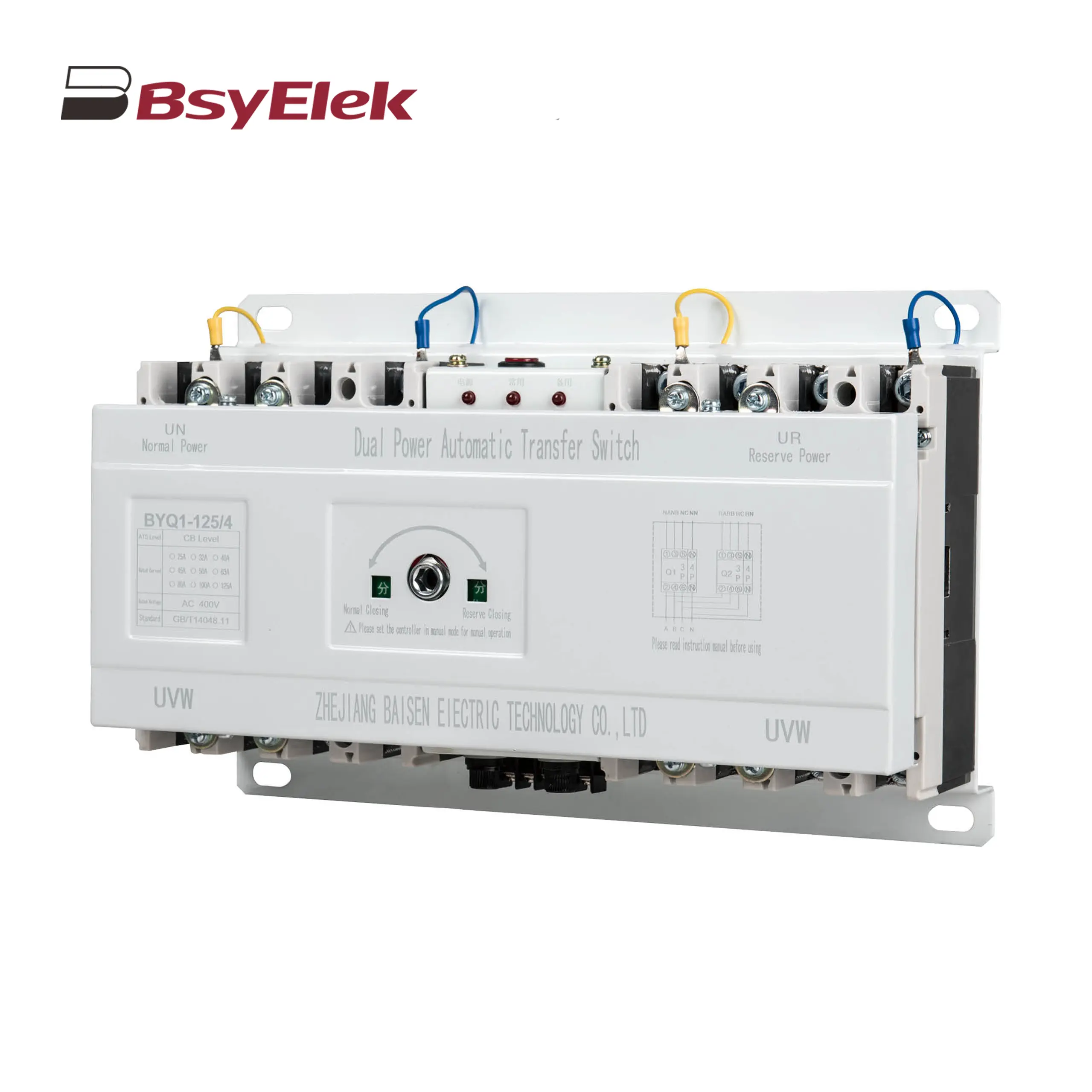 BYQ1 ATS End Type CB Level Dual Power Automatic Transfer Switch
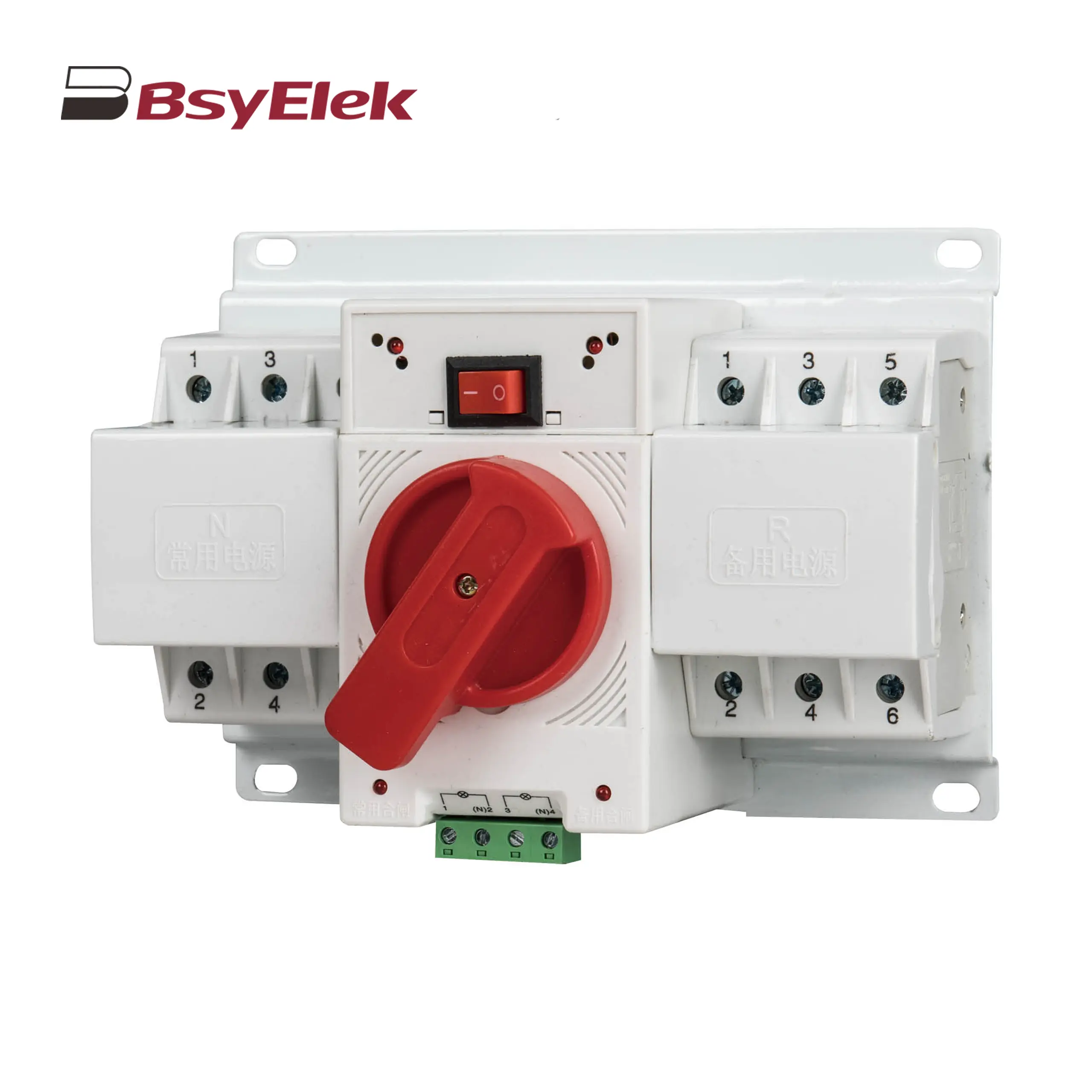 BYQ1 ATS Mini Type CB Level Dual Power Automatic Transfer Switch
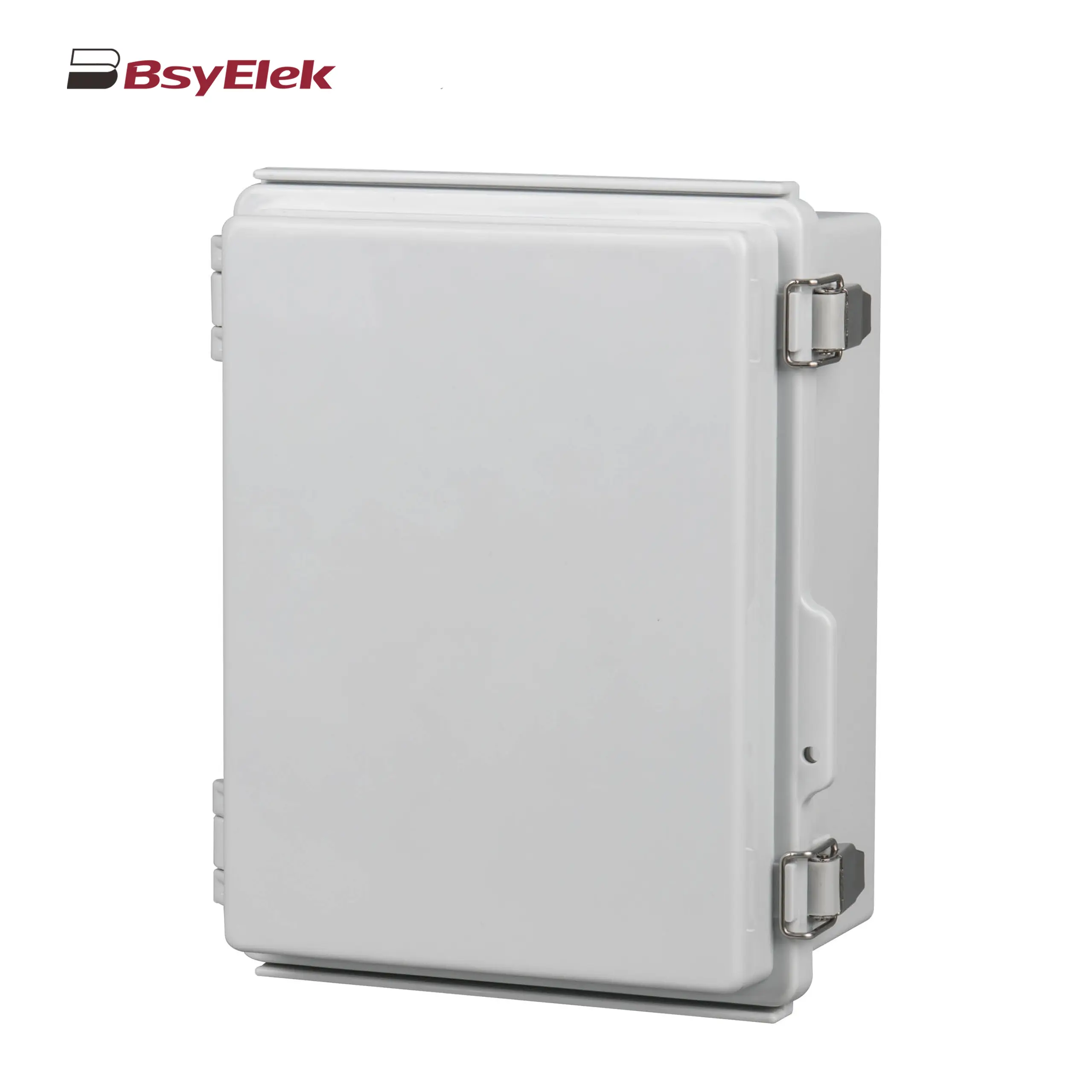 Stainless Steel Hinge Type Electrical Box
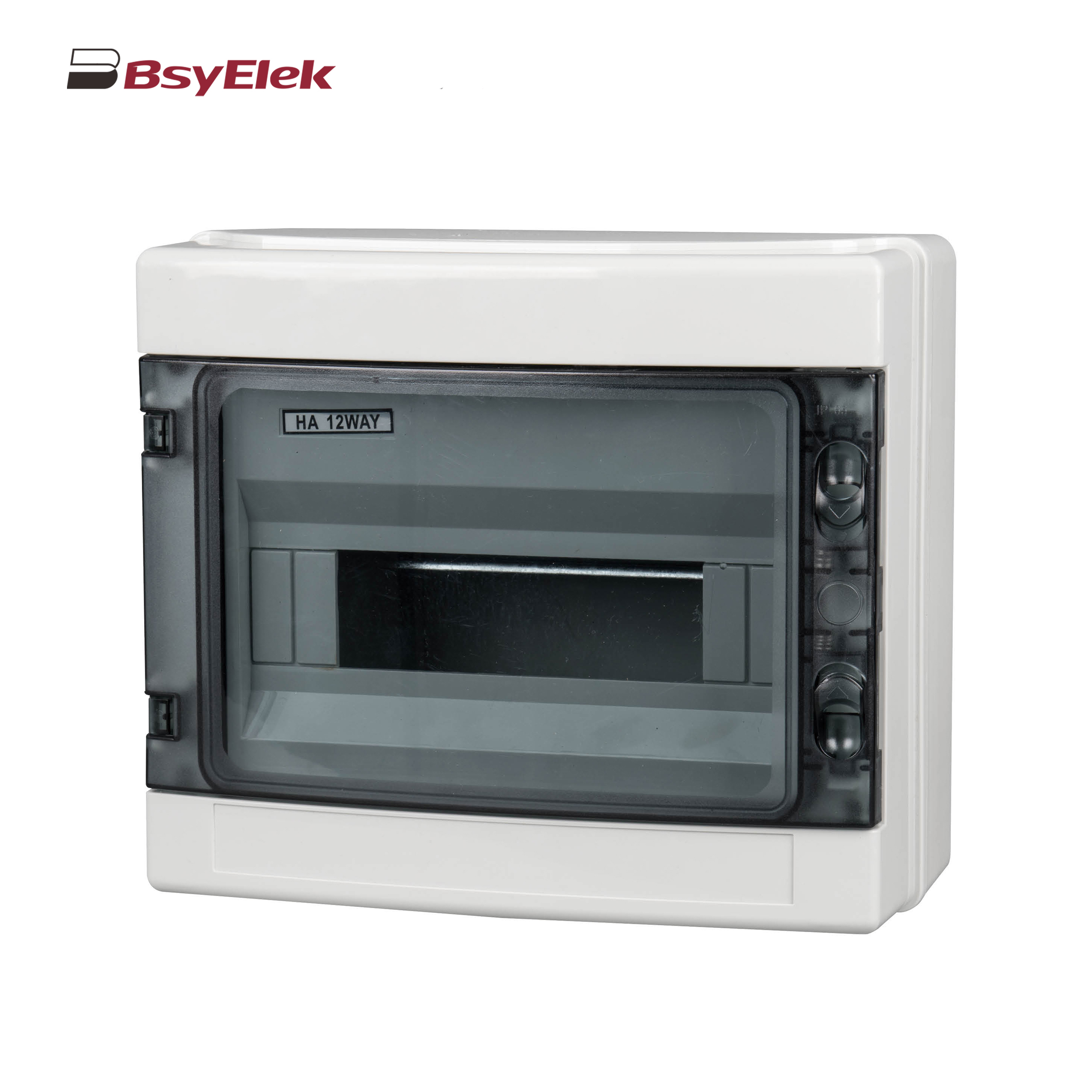 HA Waterproof Distribution Box
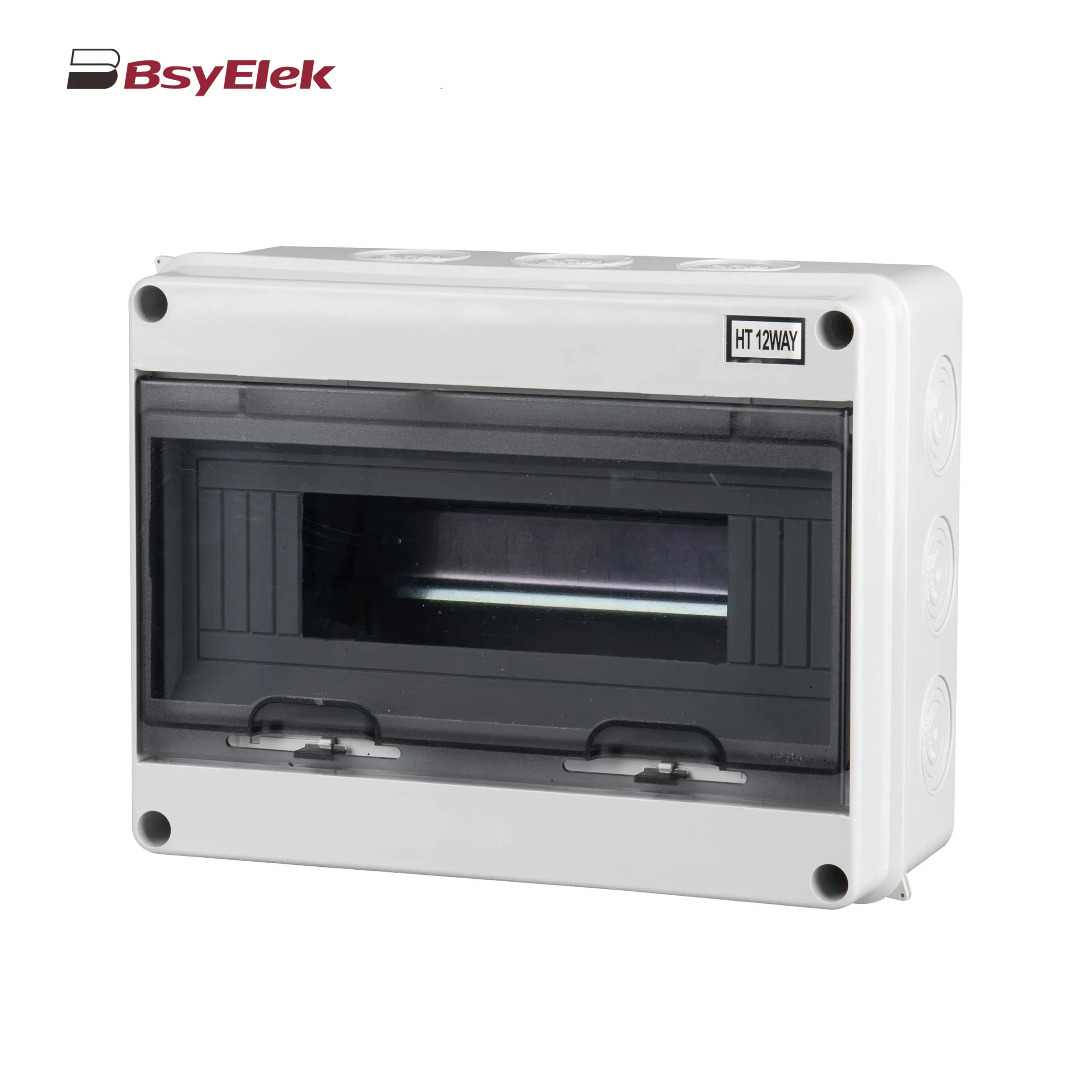 HT Waterproof Distribution Box
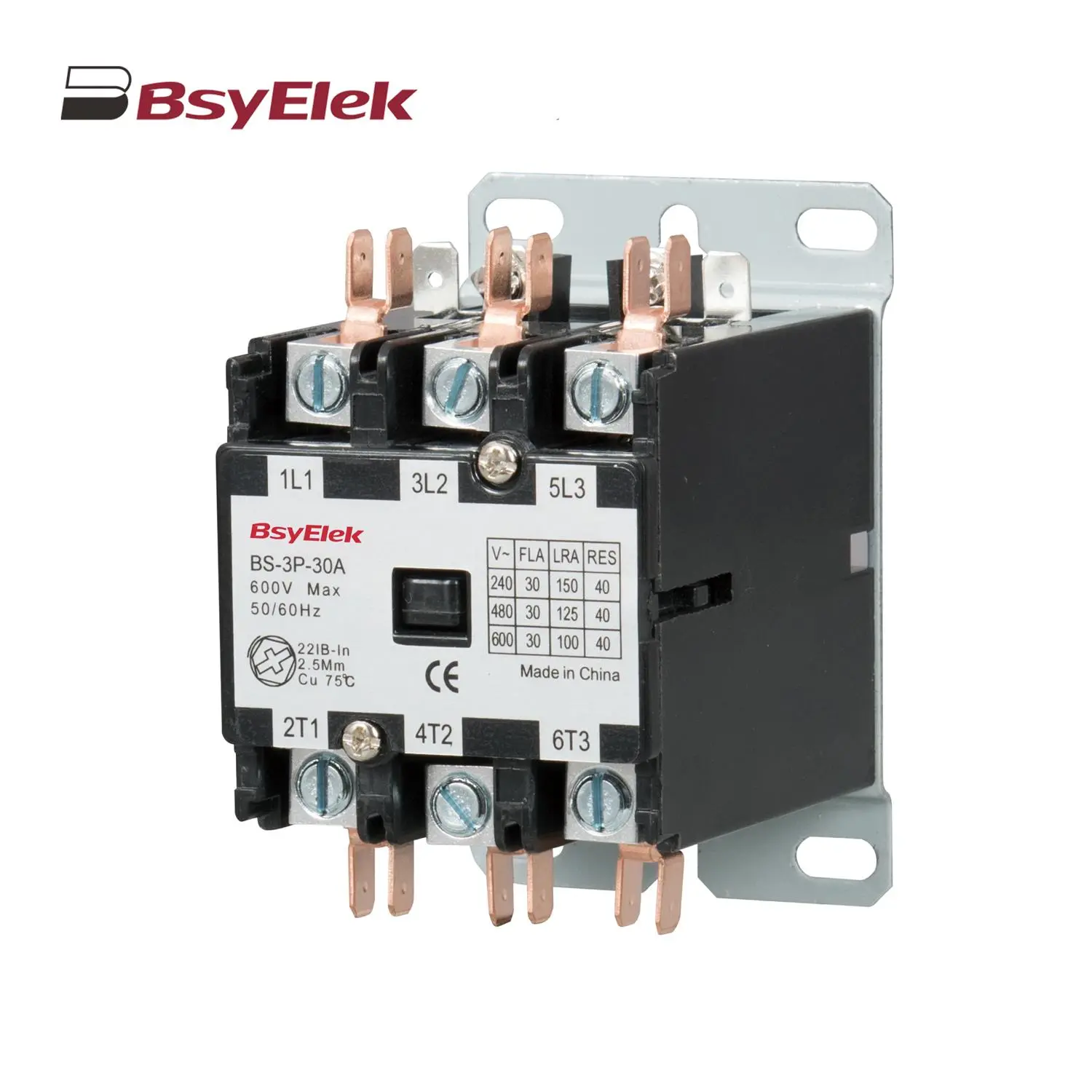 BS Definite Purpose Magnetic AC Contactor