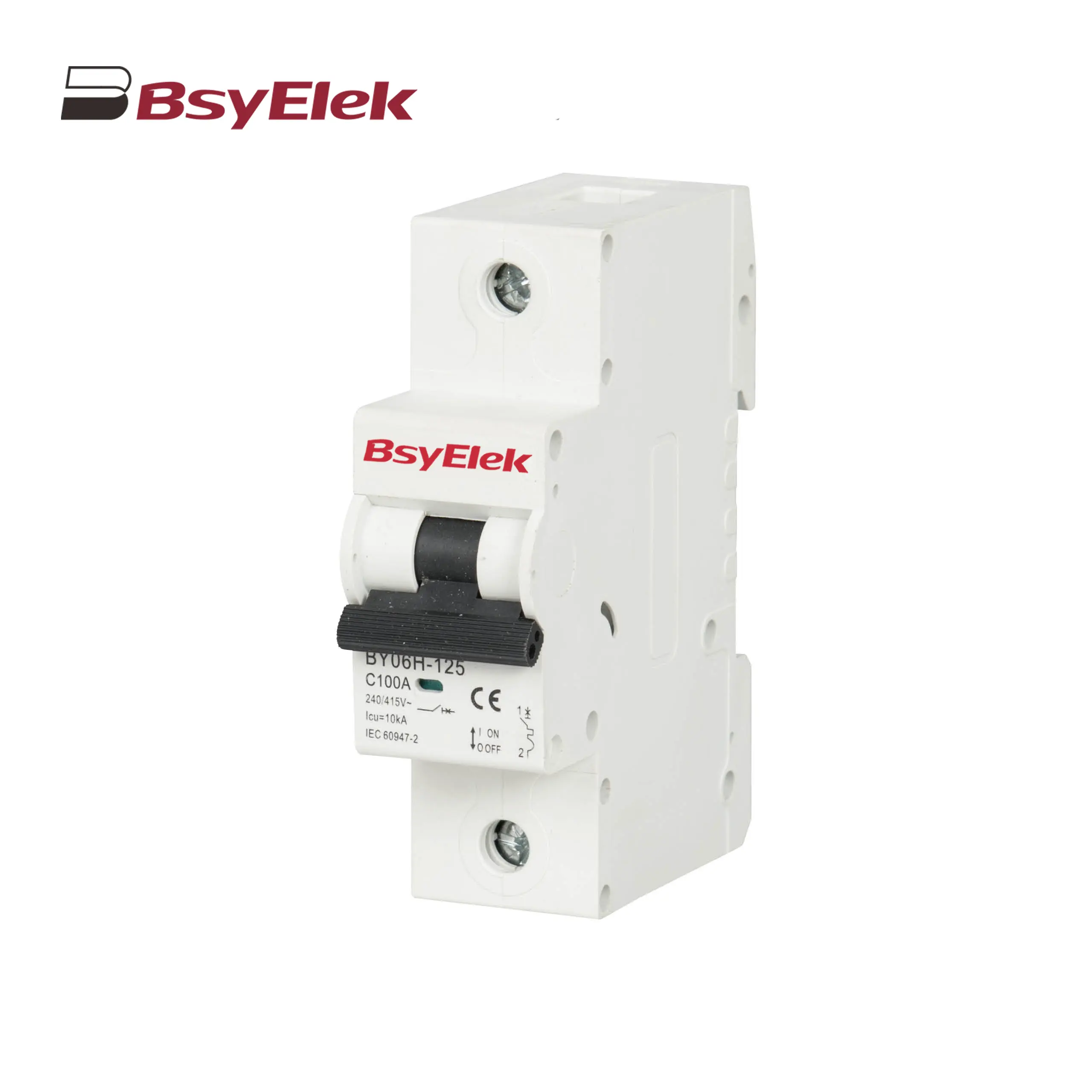
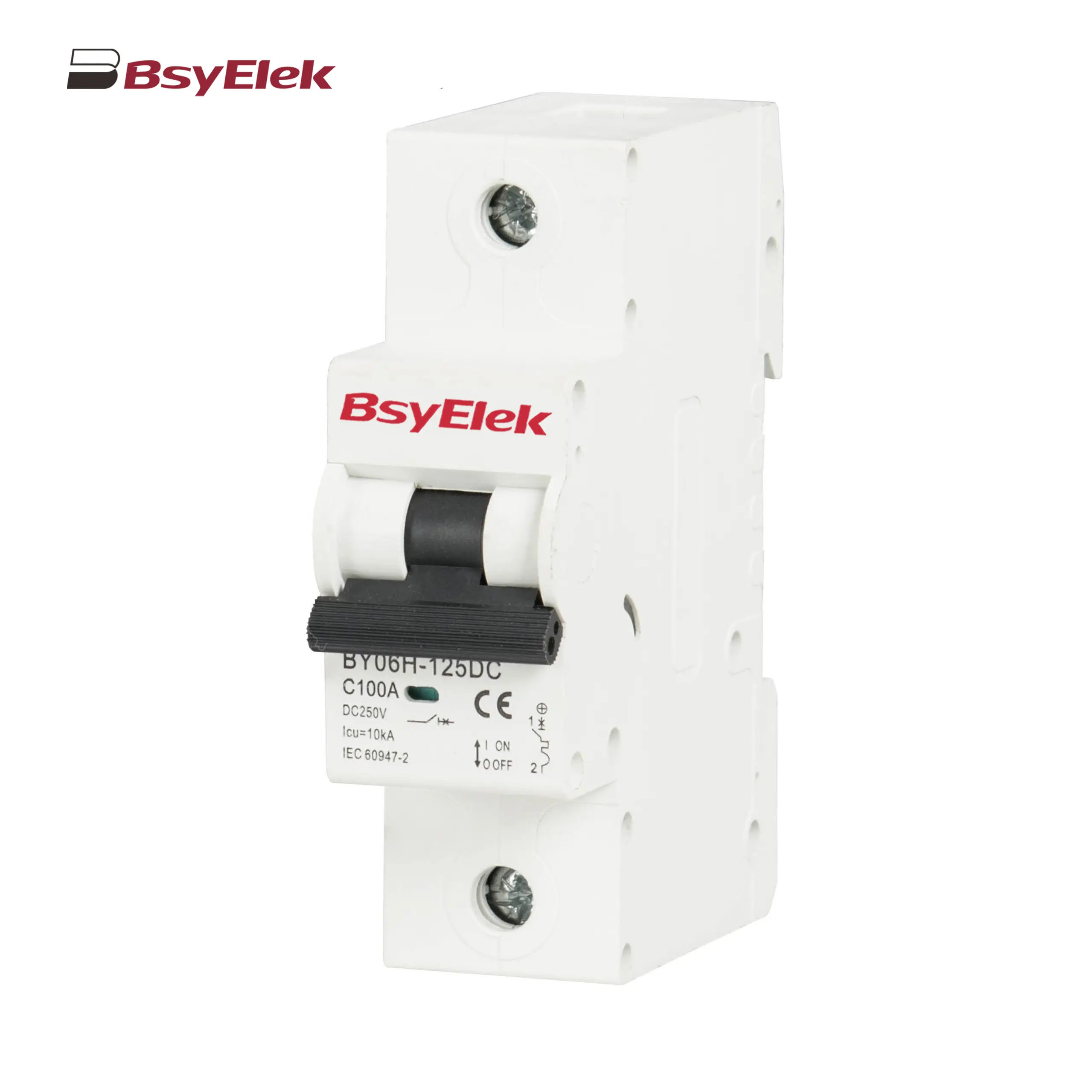
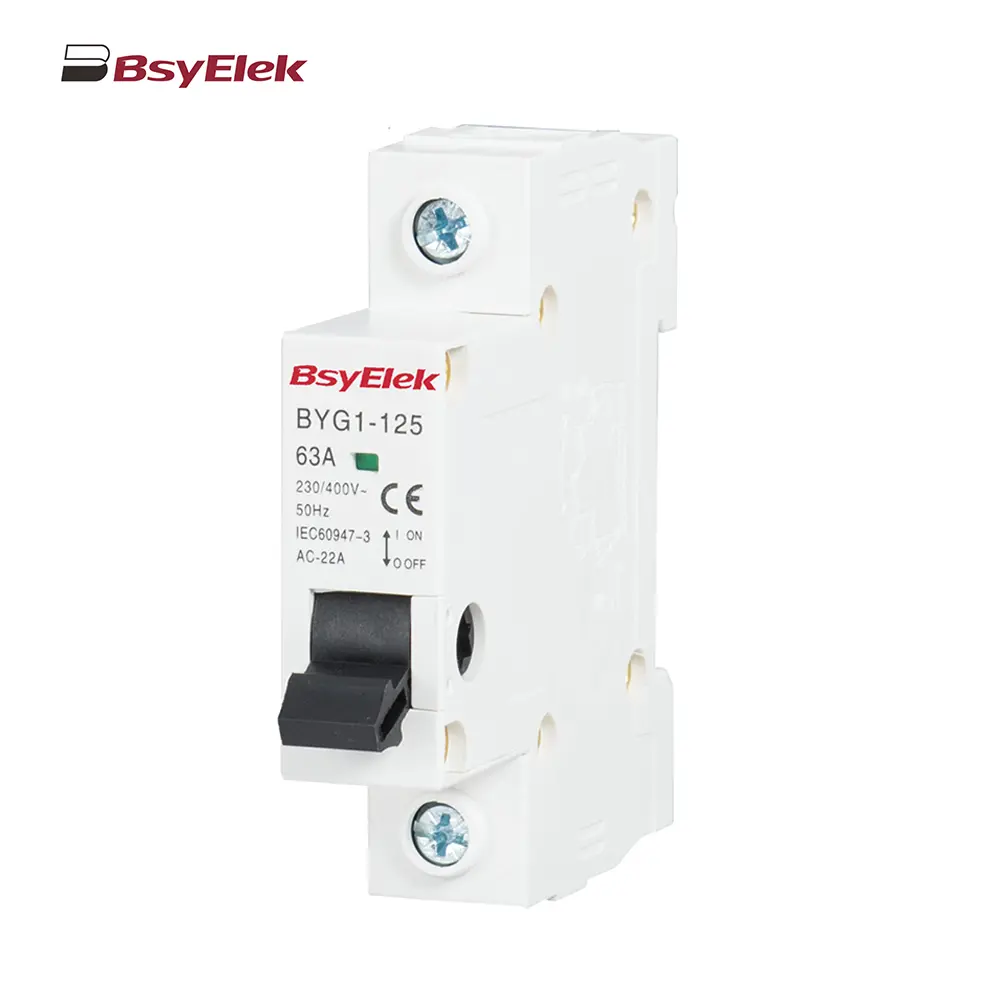
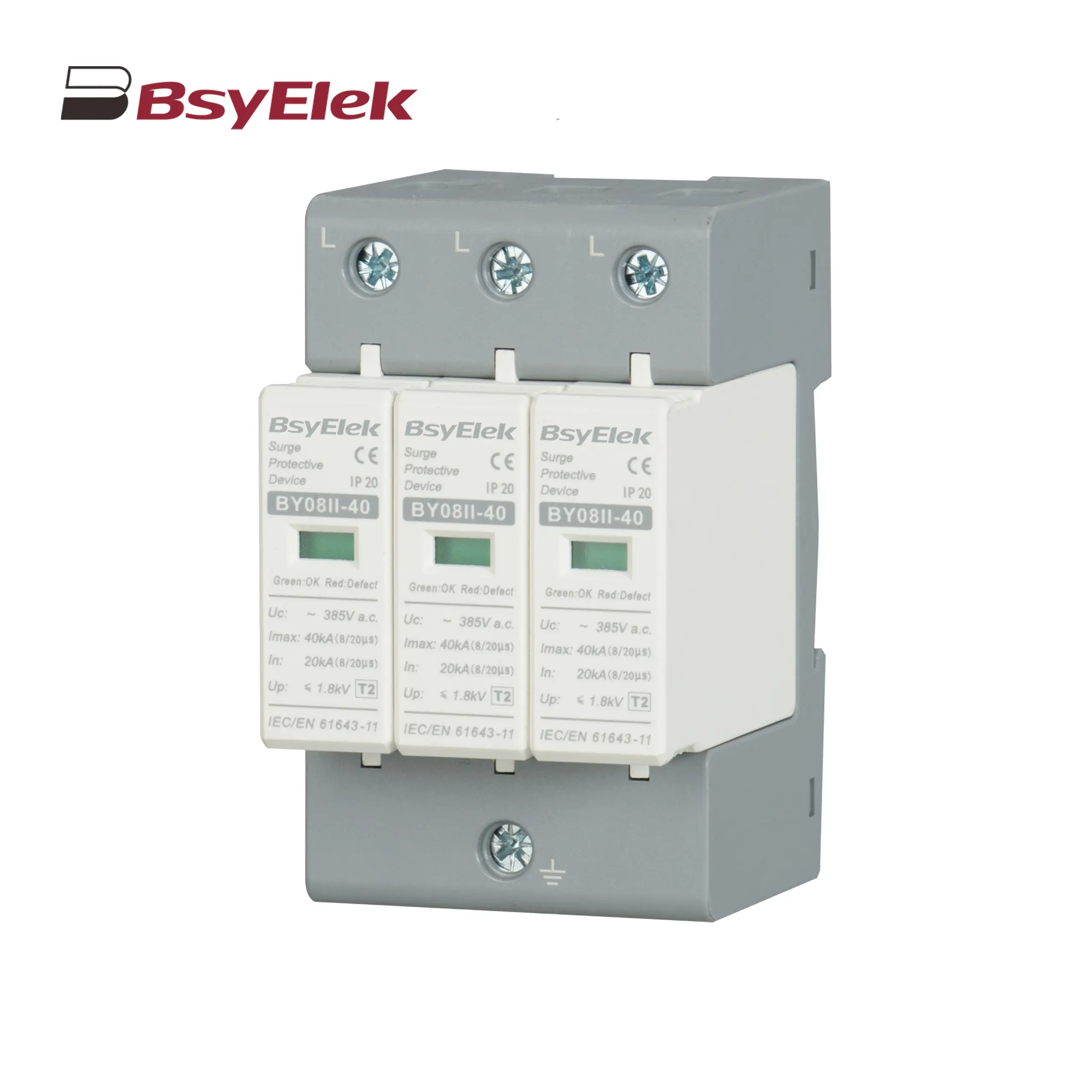
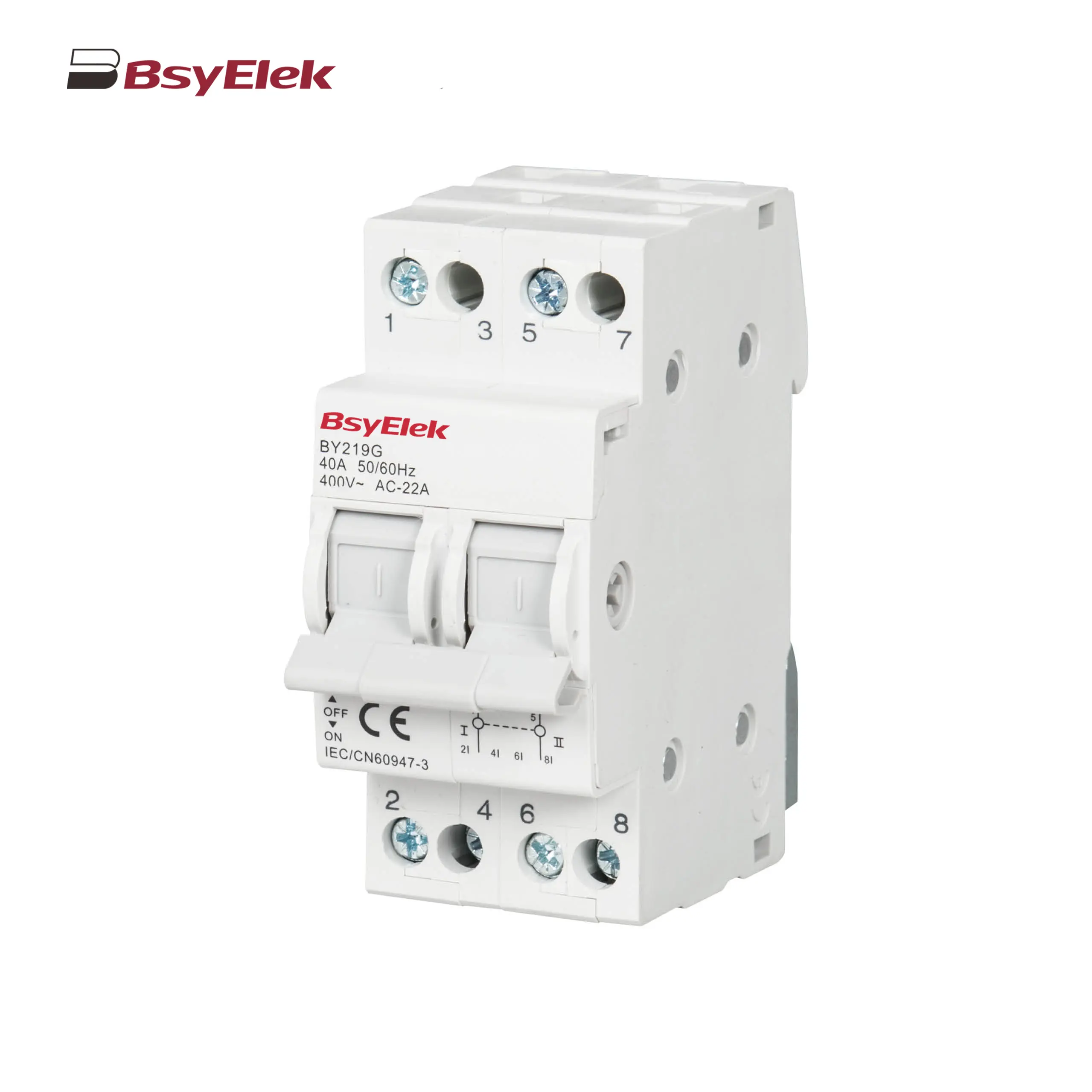
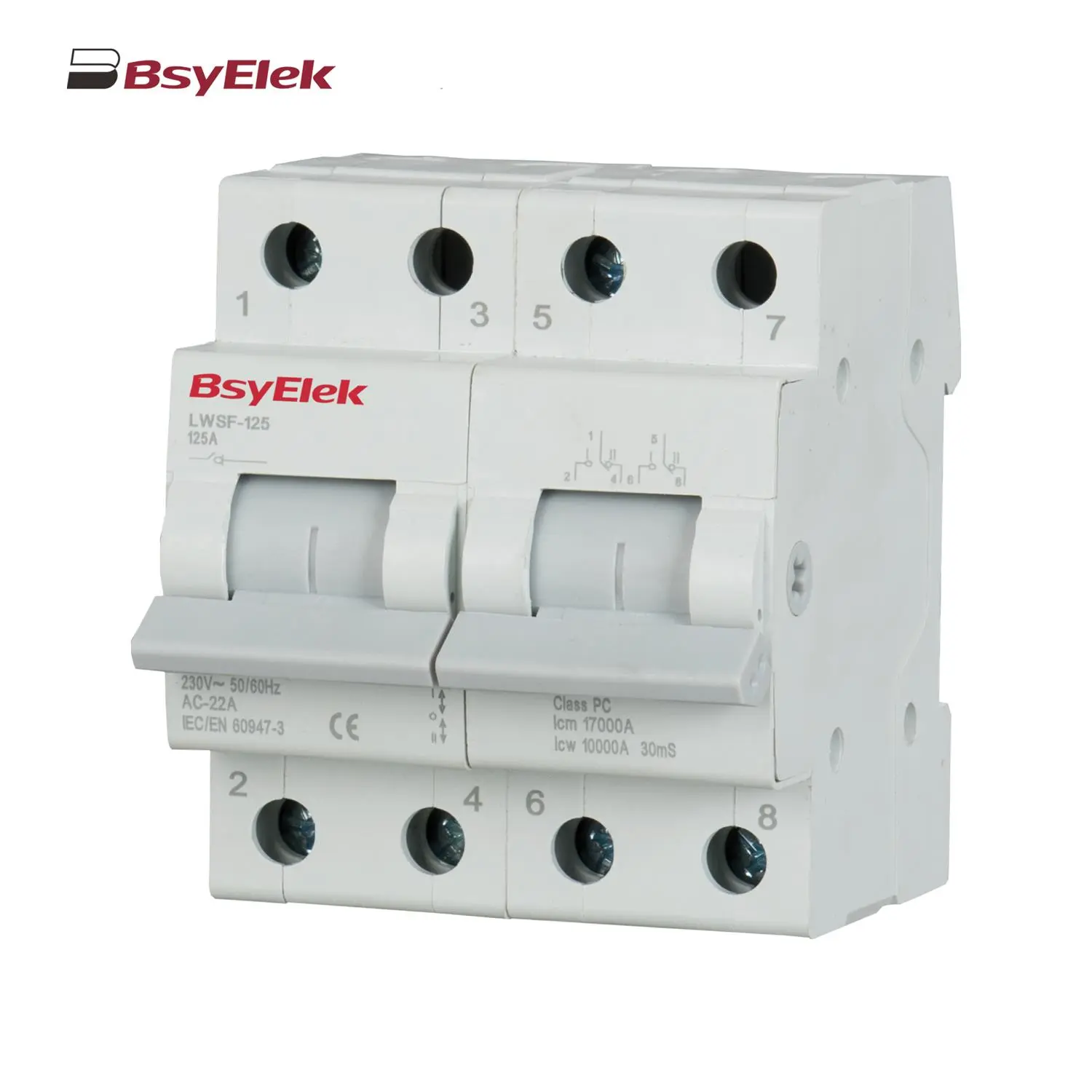
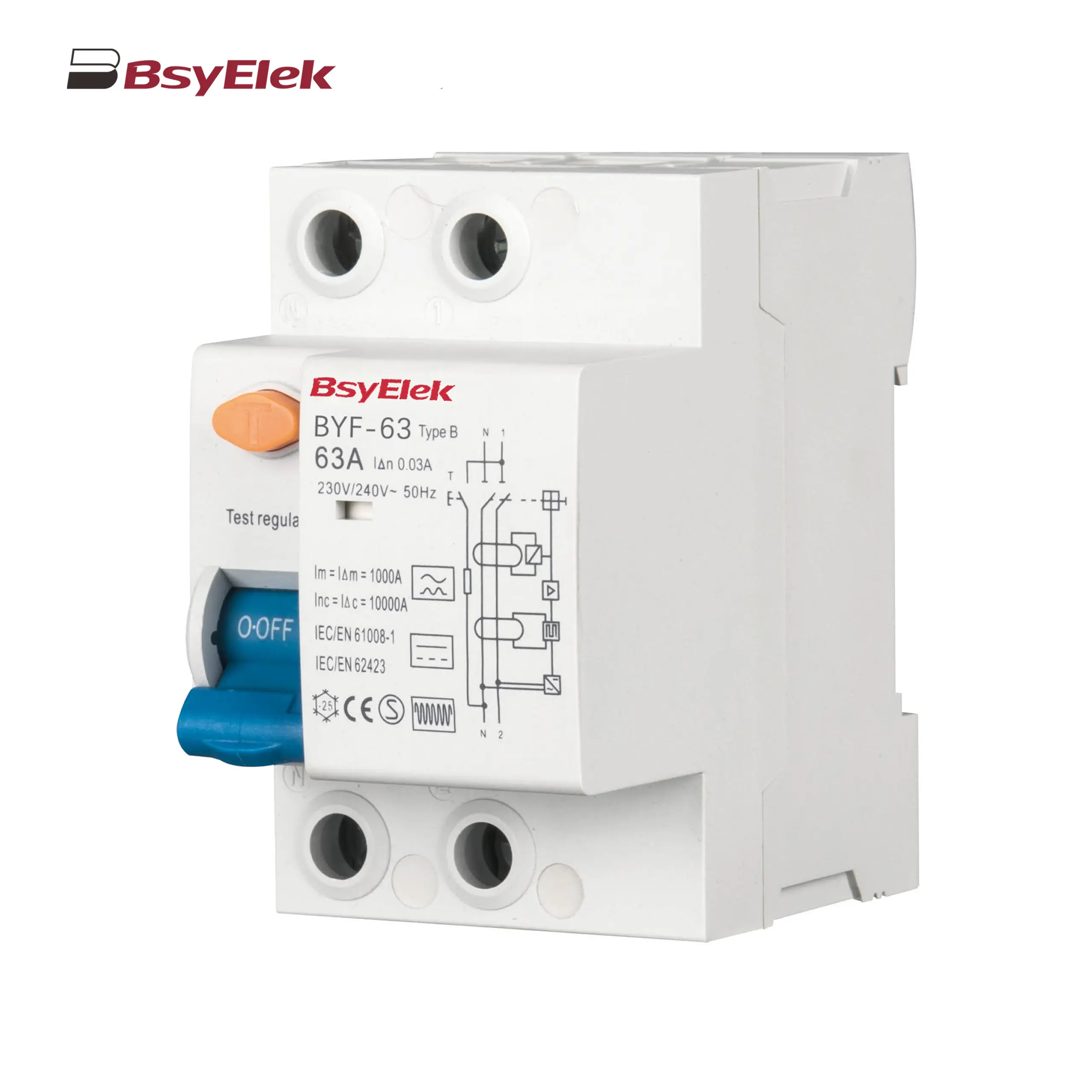
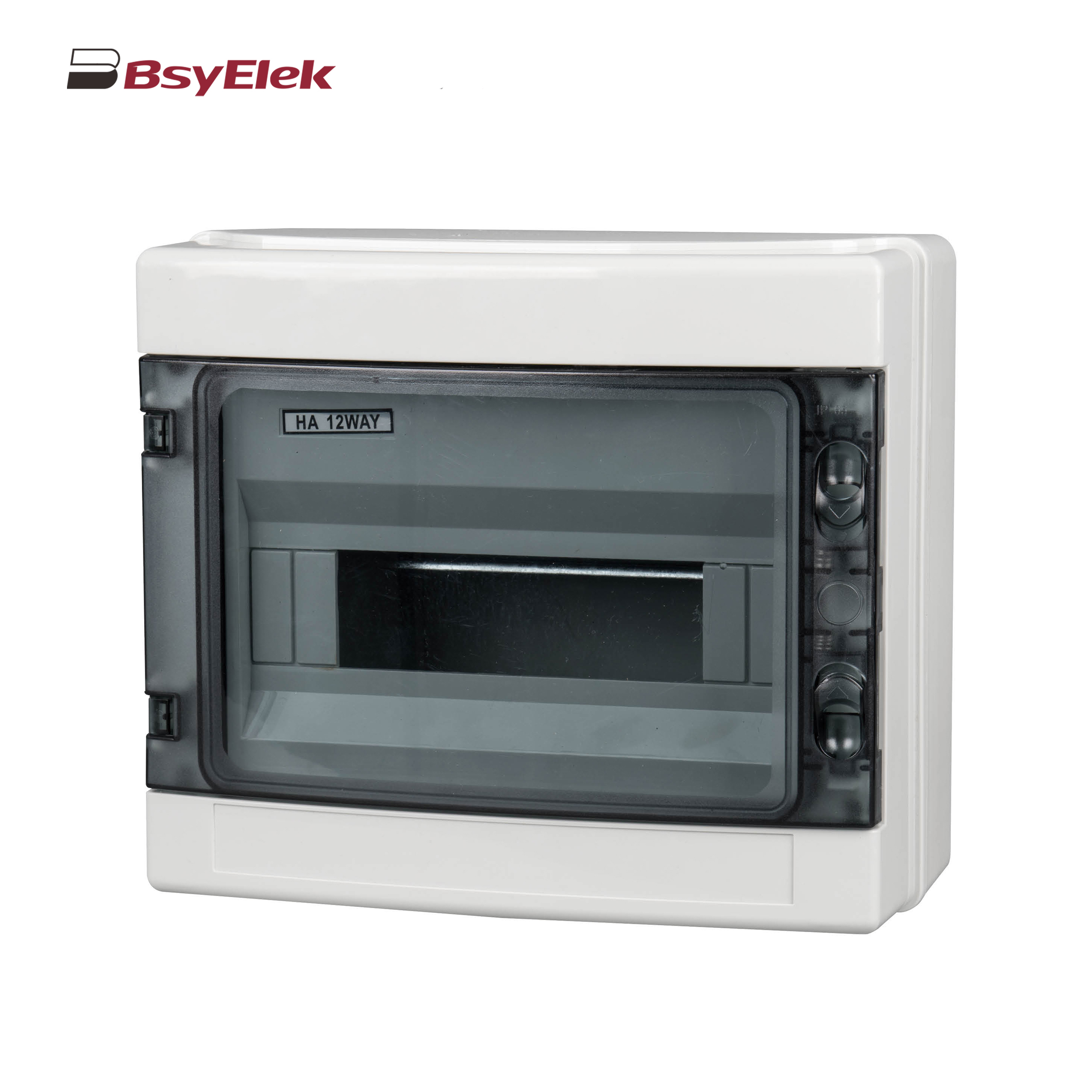
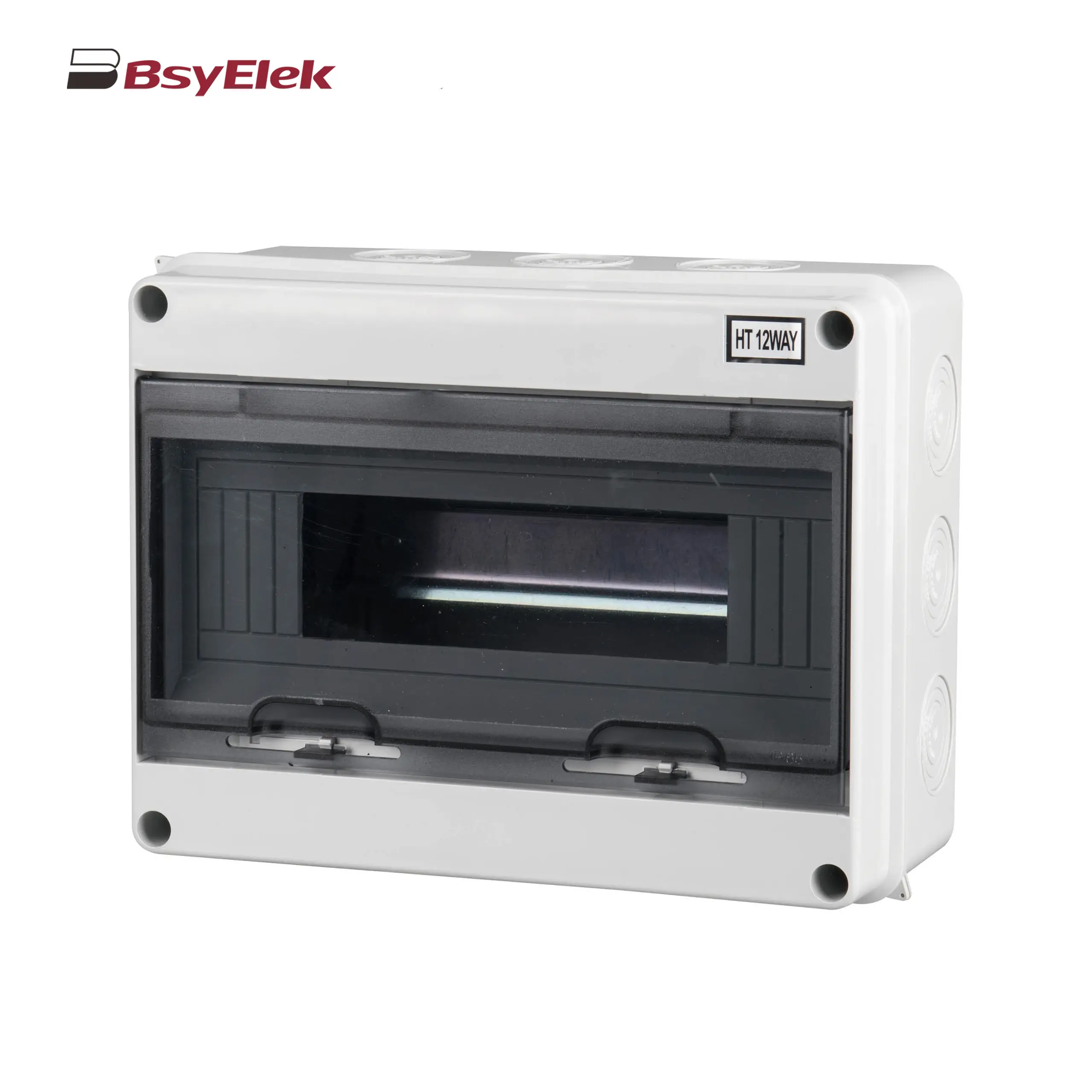
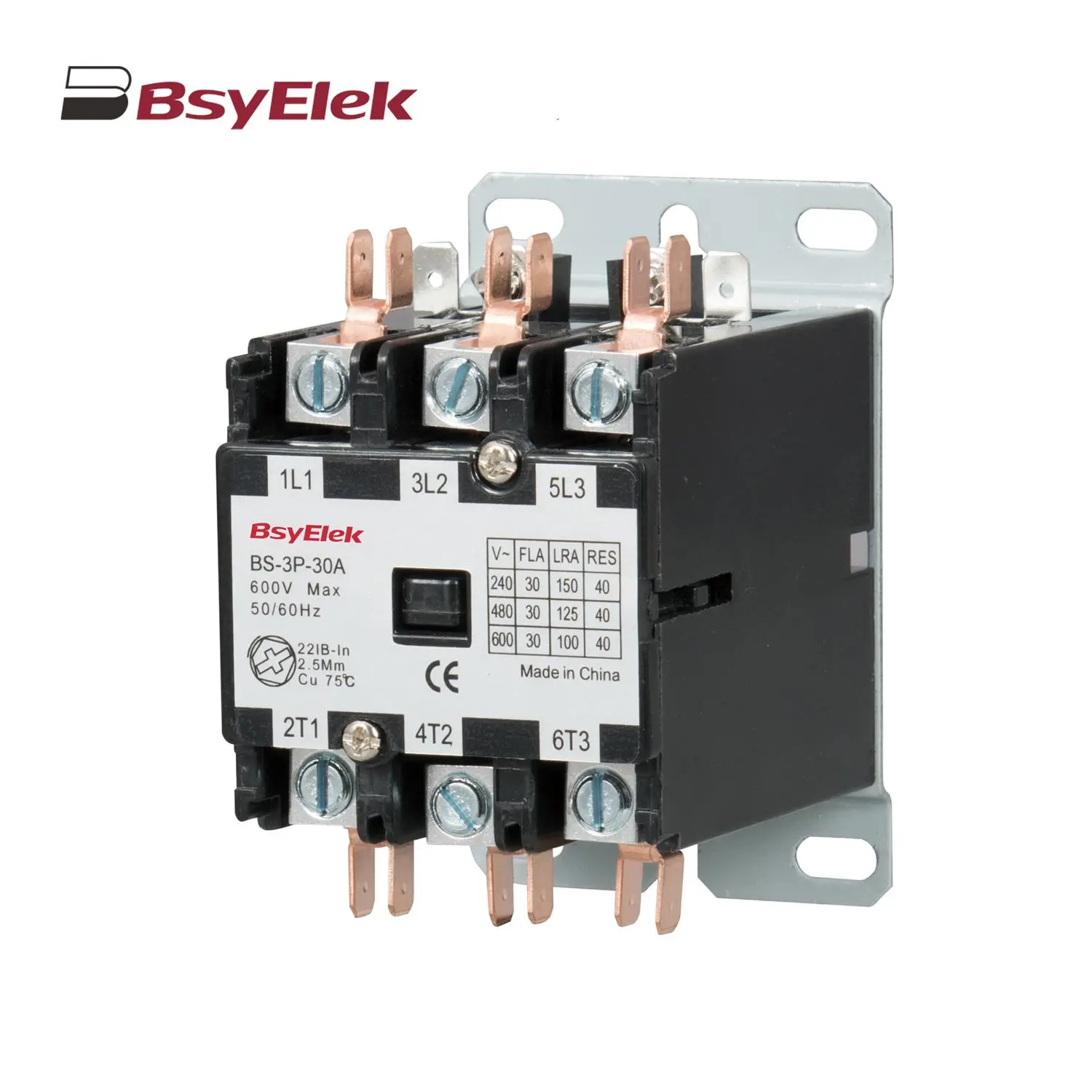
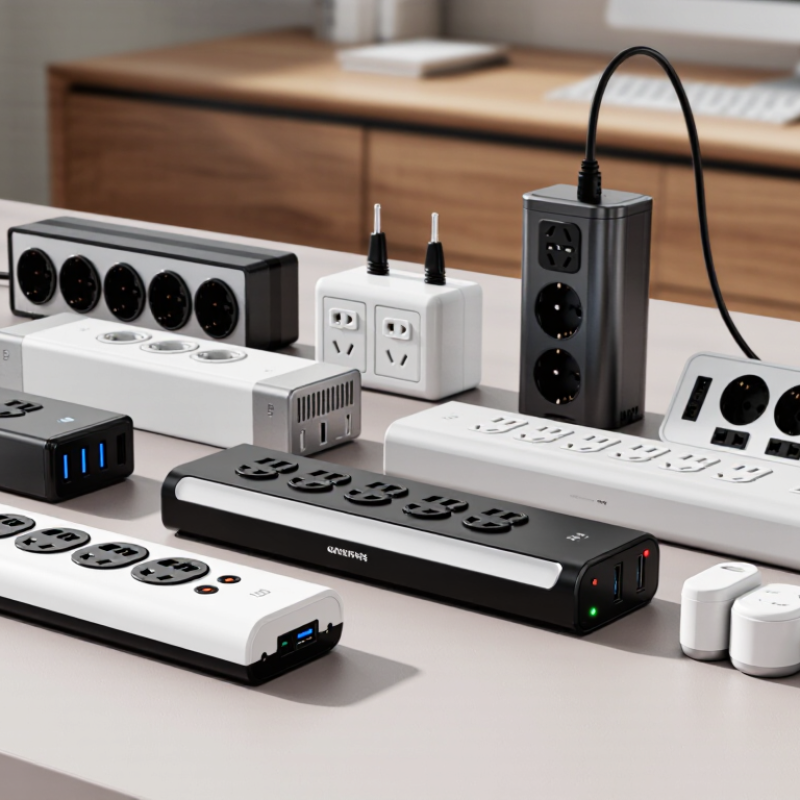
BY06H-125 MCB 10-15KA Miniature Circuit Breaker
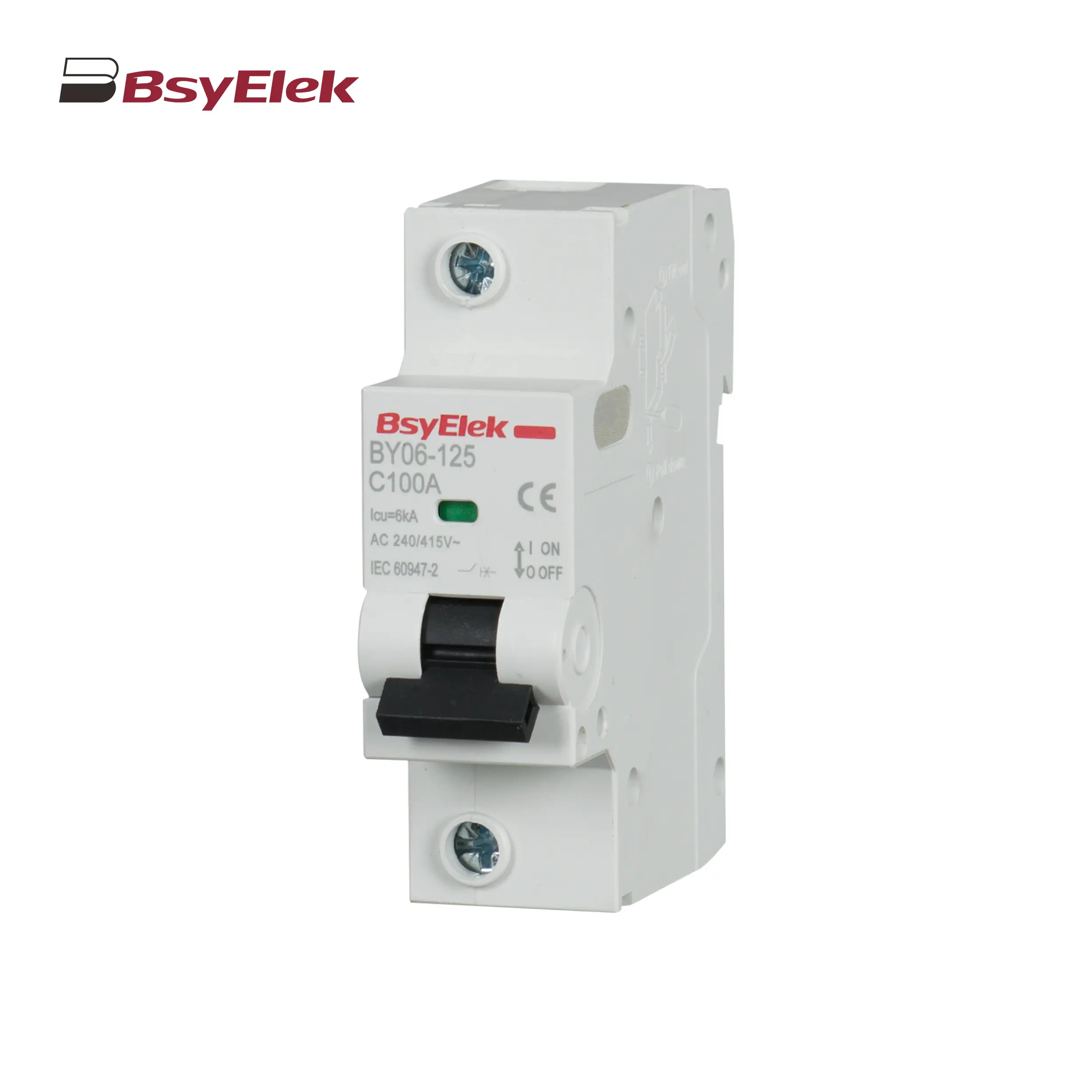
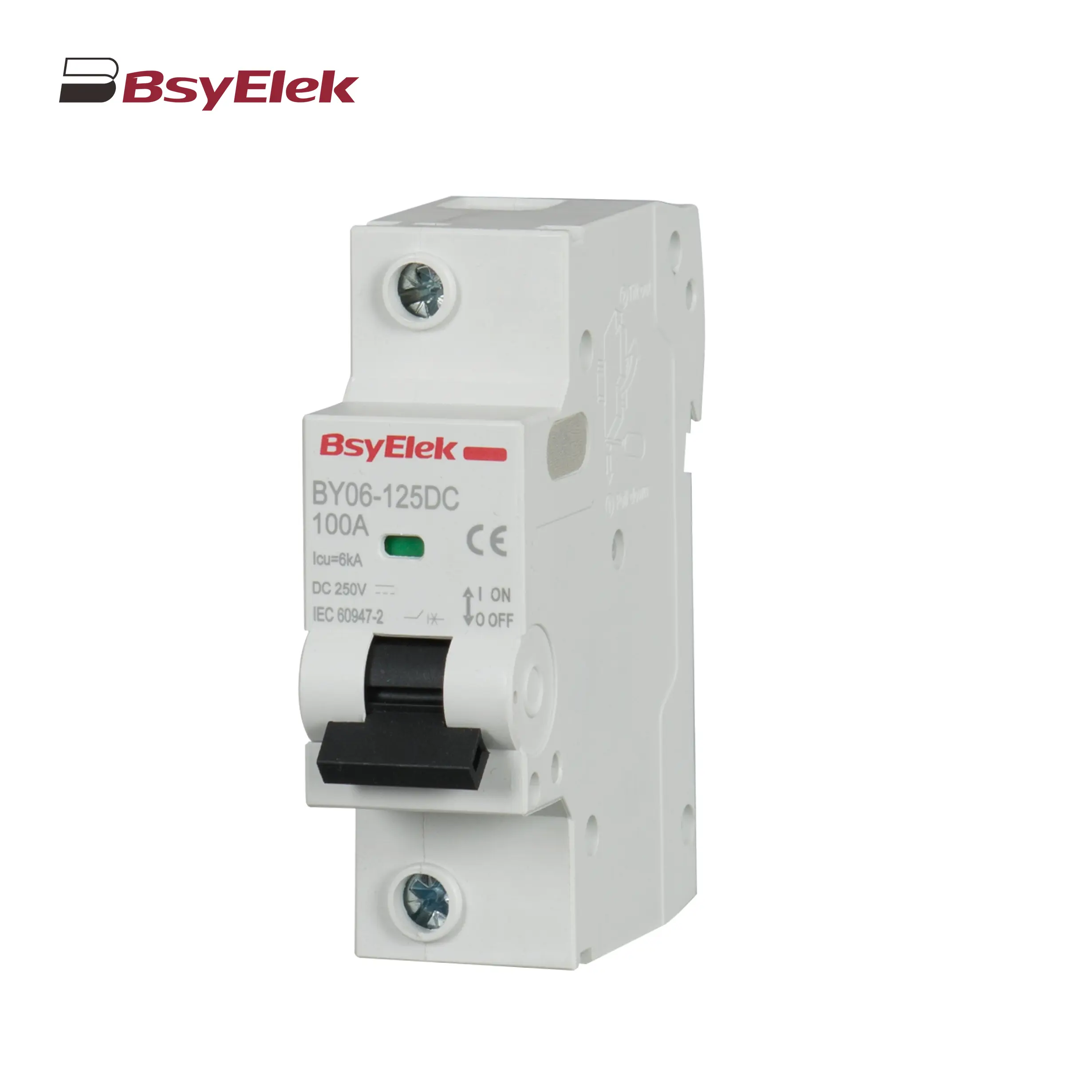
BY06-125 MCB 6KA Miniature Circuit Breaker
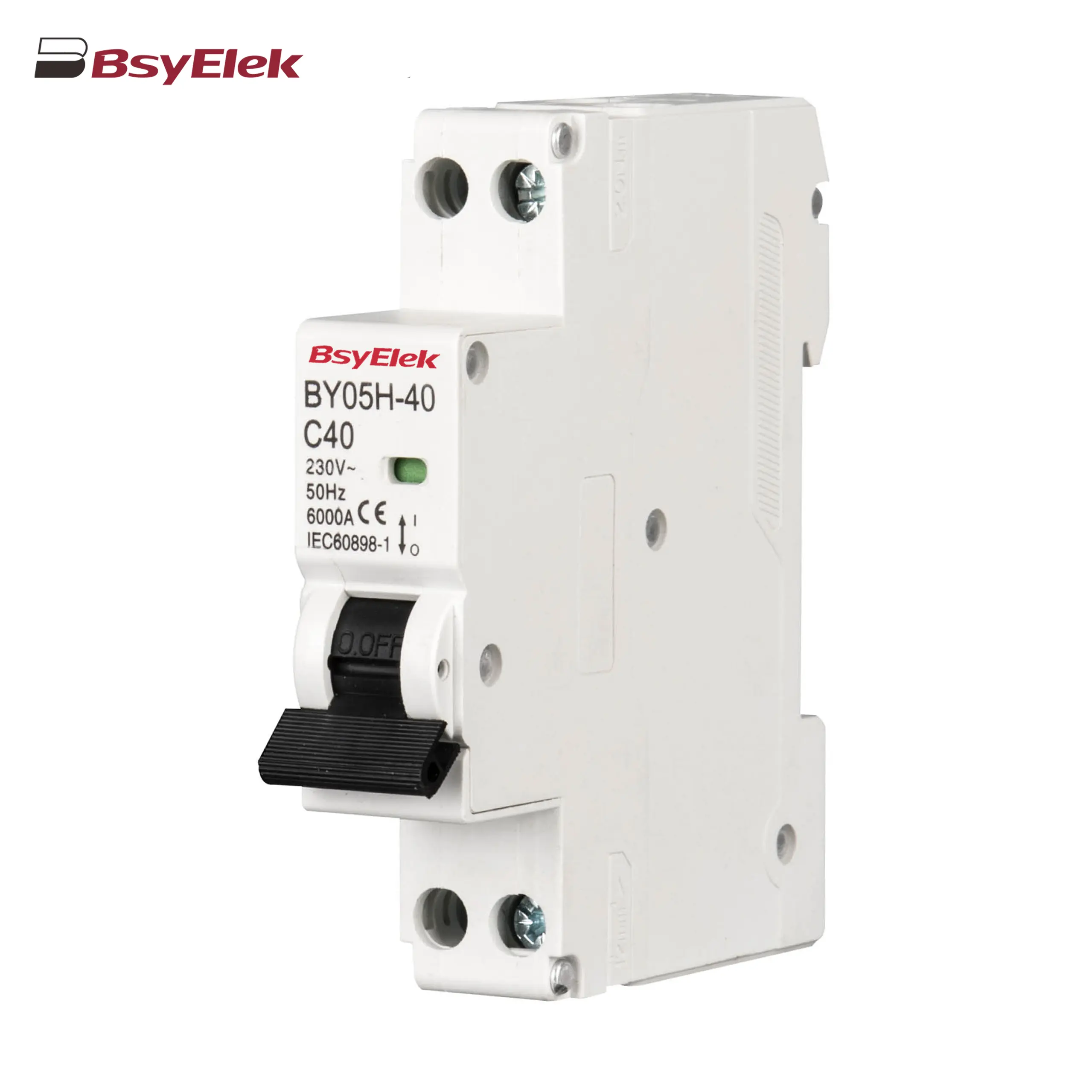
BY05H-40 MCB Single Modular 6KA Miniature Circuit Breaker
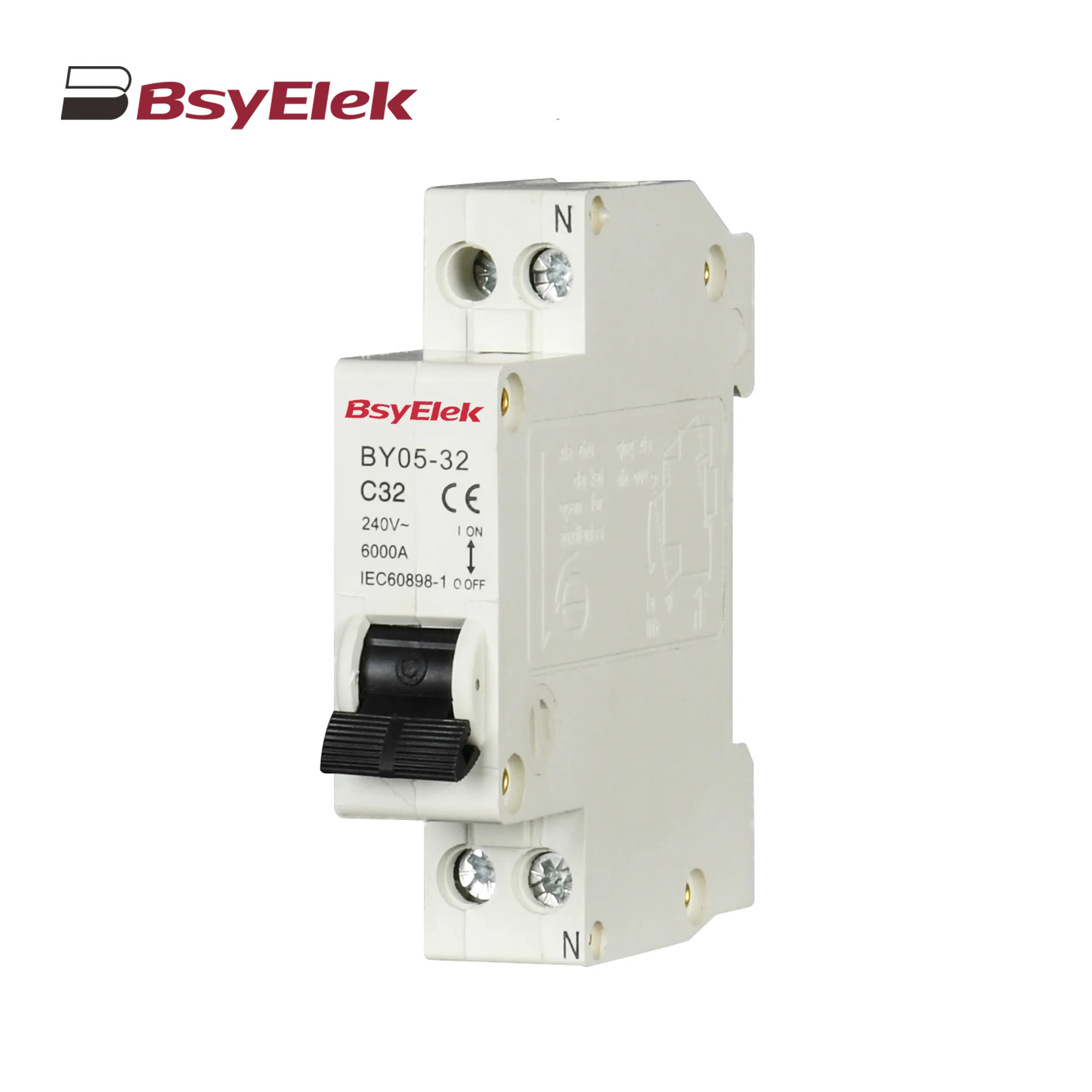
BY05-32 MCB Single Modular 3KA Miniature Circuit Breaker
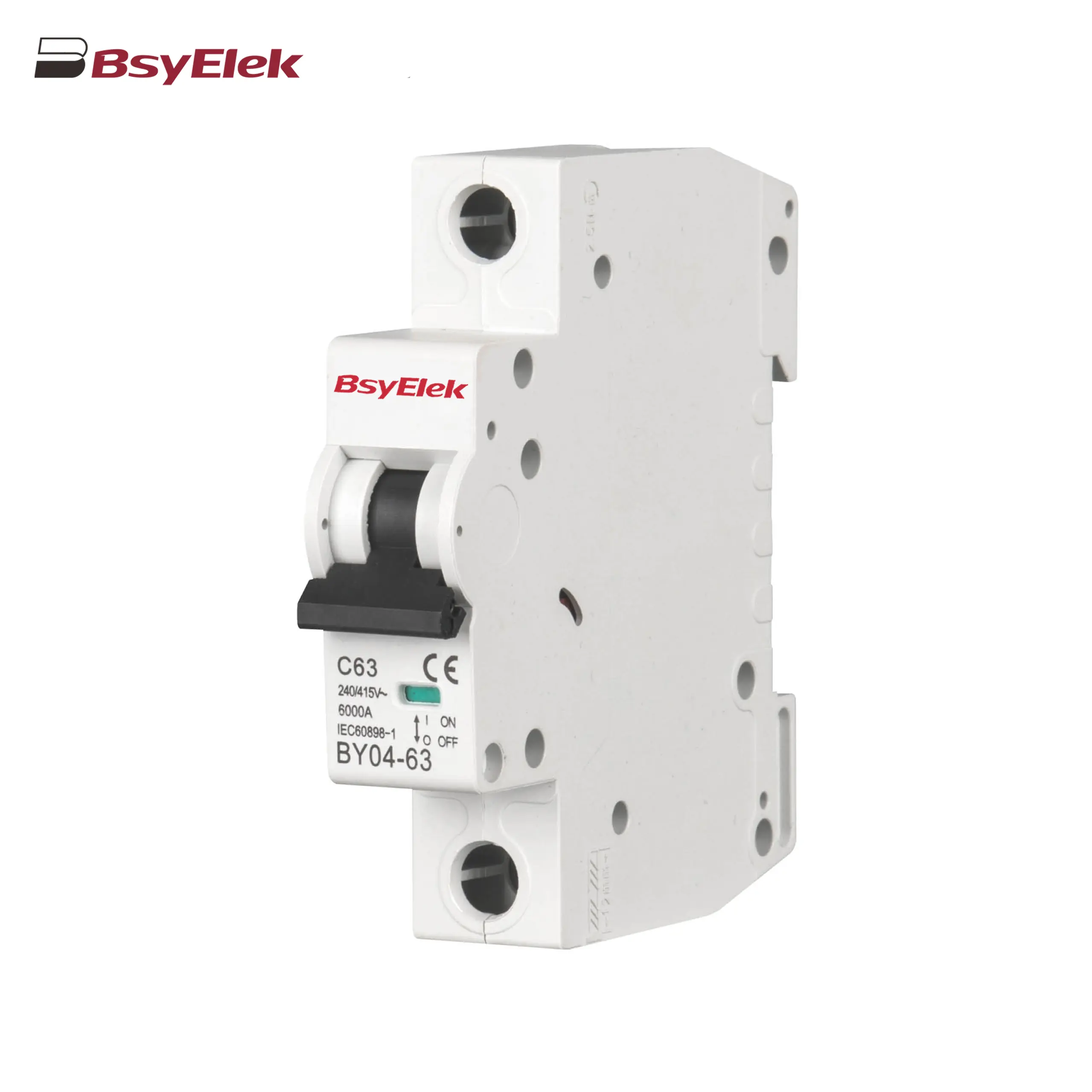
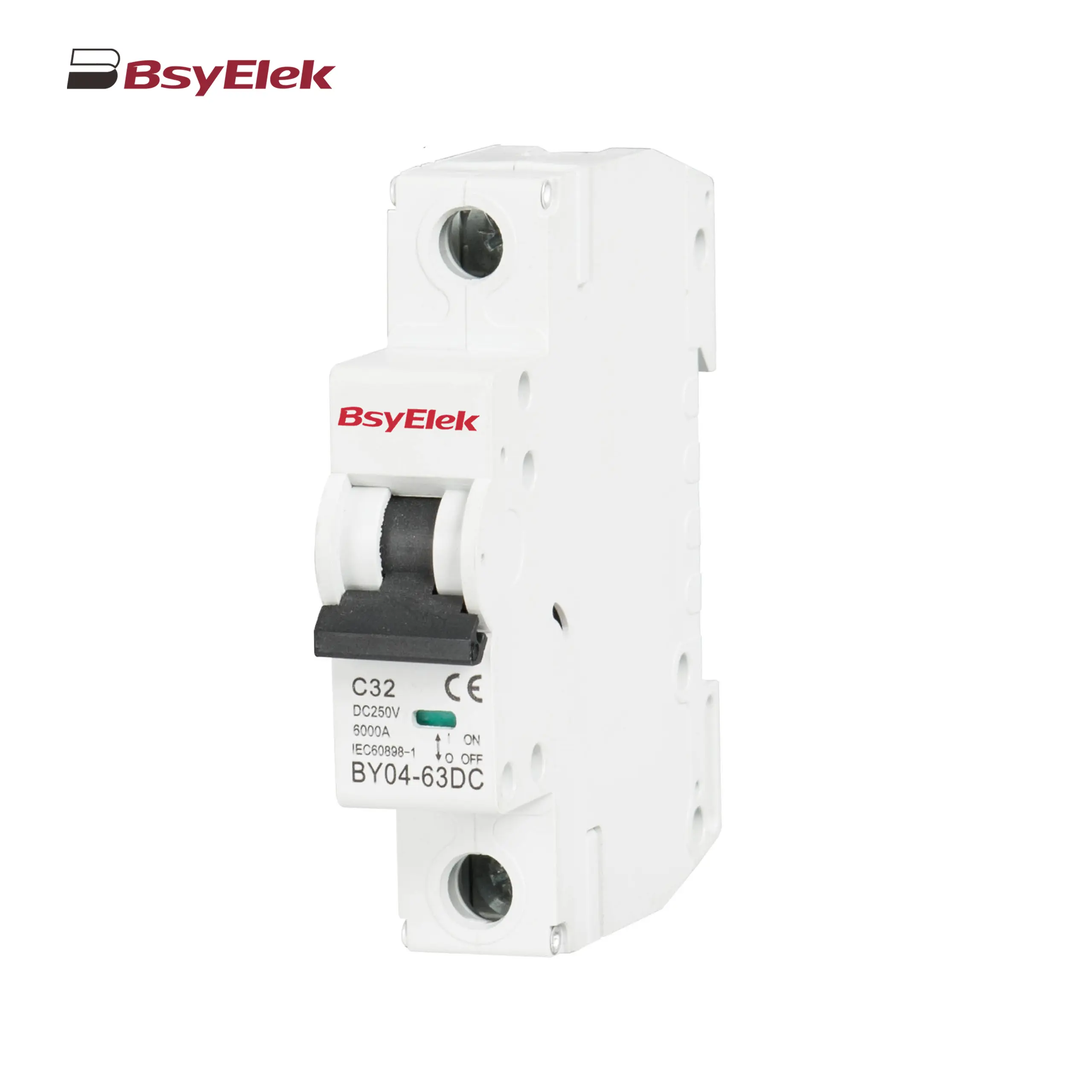
BY04-63 MCB 6-10KA Miniature Circuit Breaker
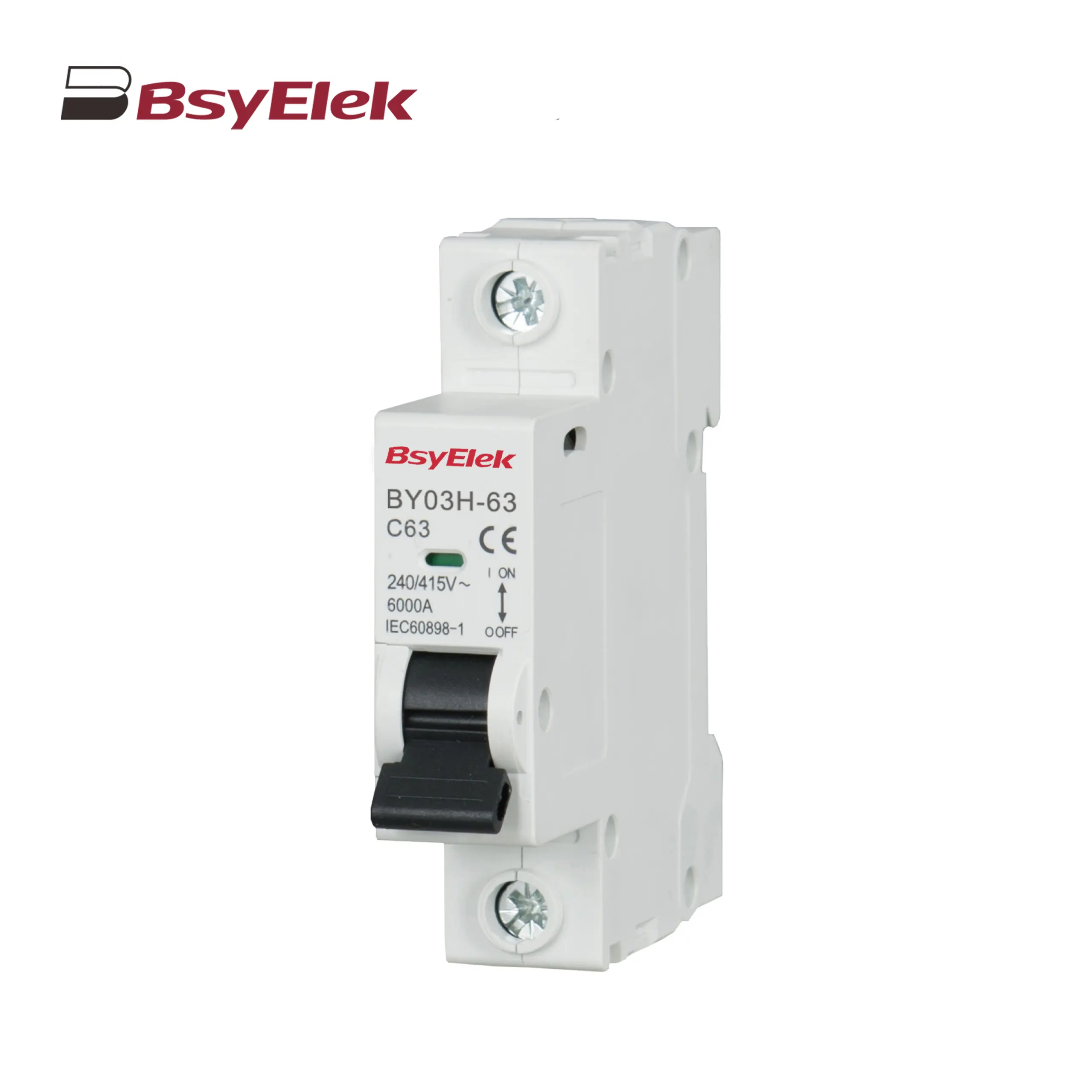
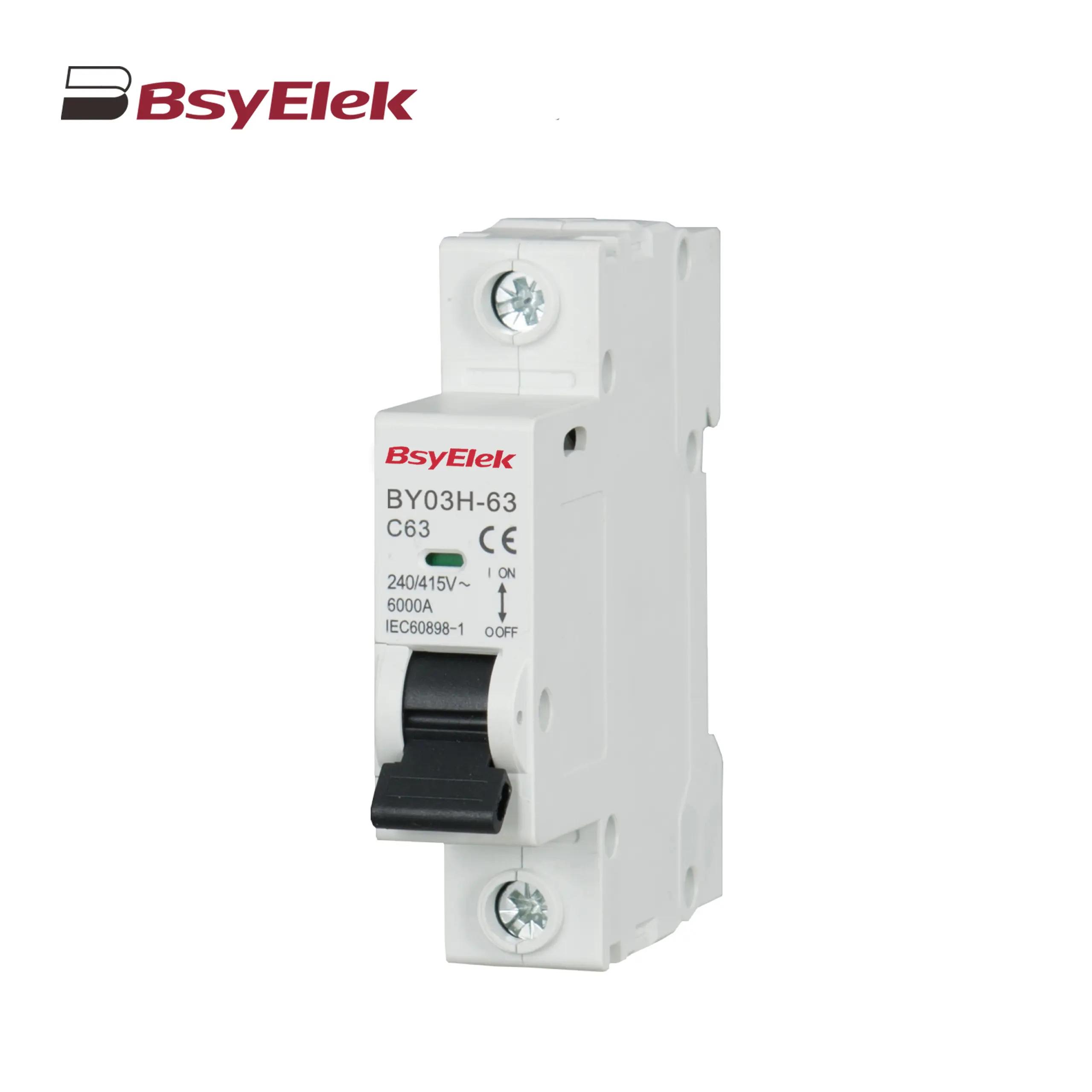
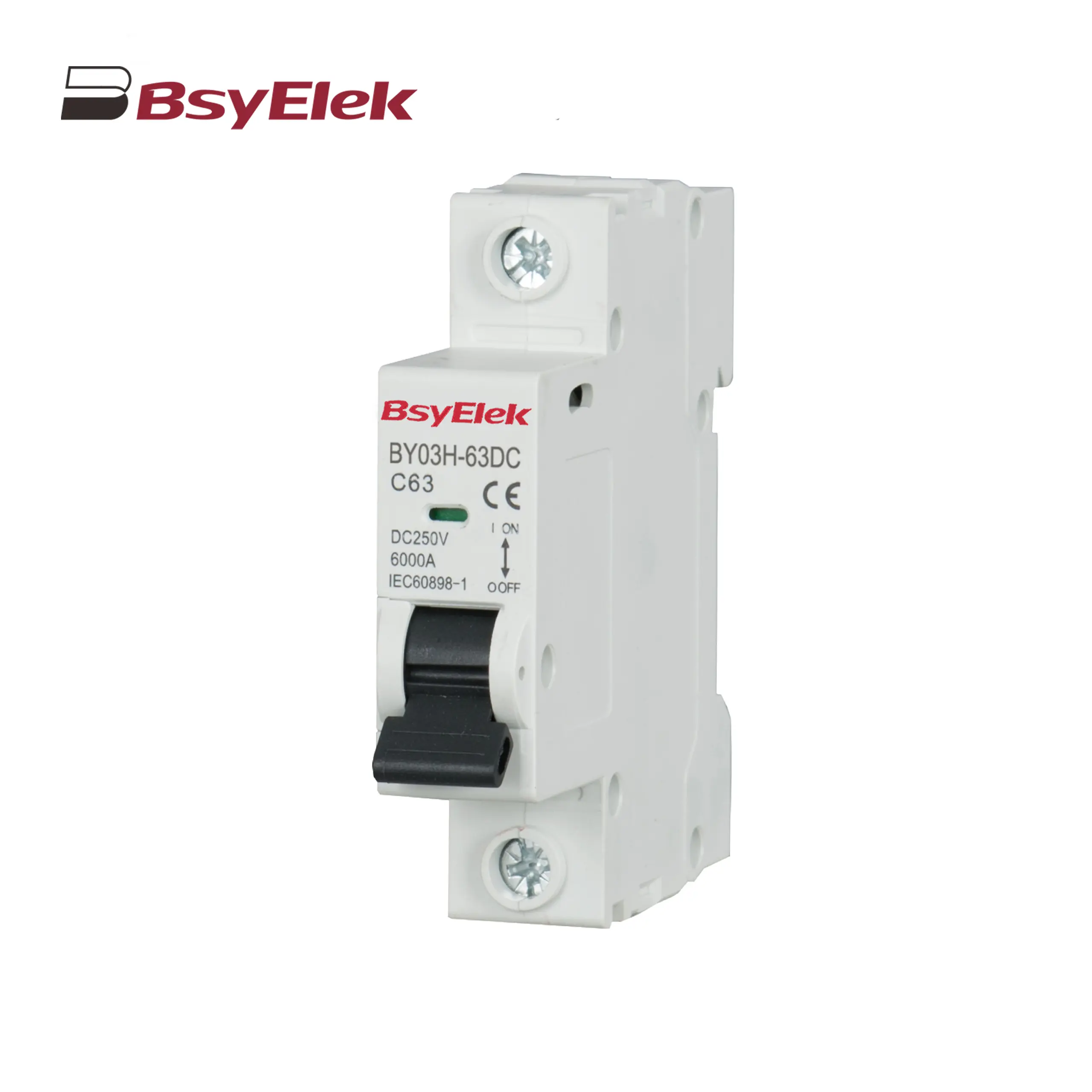
BY03H-63 MCB 6KA Miniature Circuit Breaker
BY03-63 MCB 4.5KA Miniature Circuit Breaker
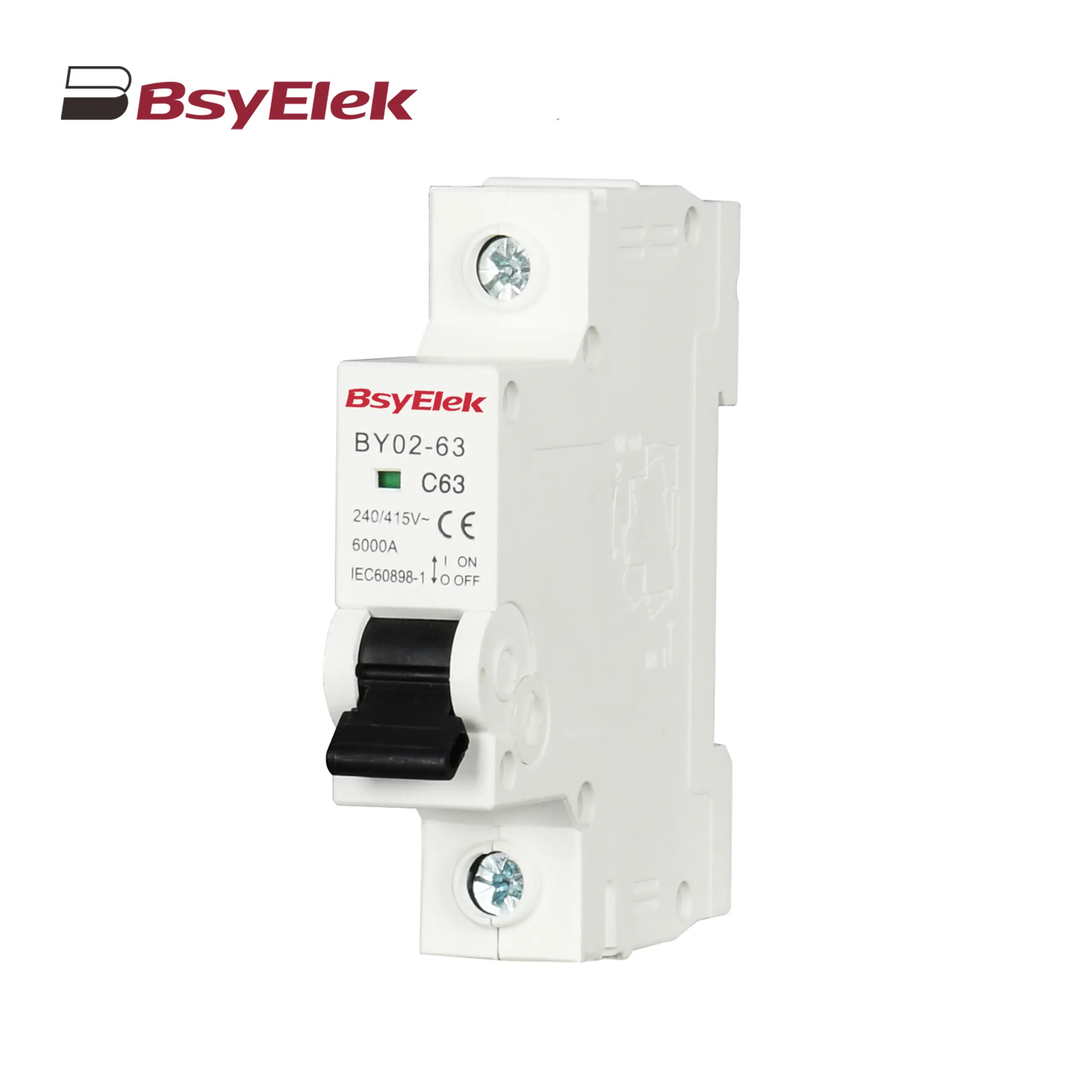
BY02-63 MCB 3kA Miniature Circuit Breaker
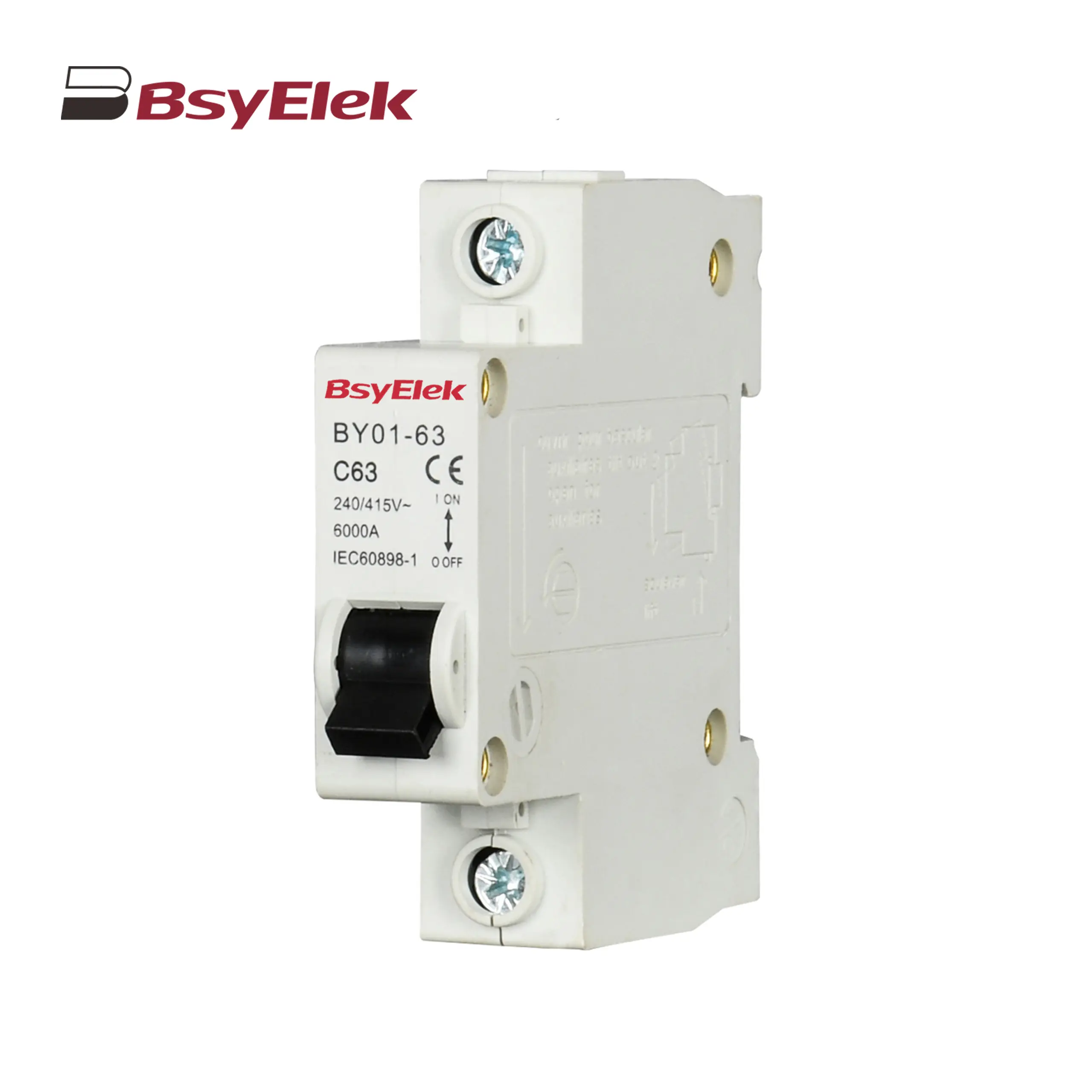
BY01-63 MCB 3kA Miniature Circuit Breaker
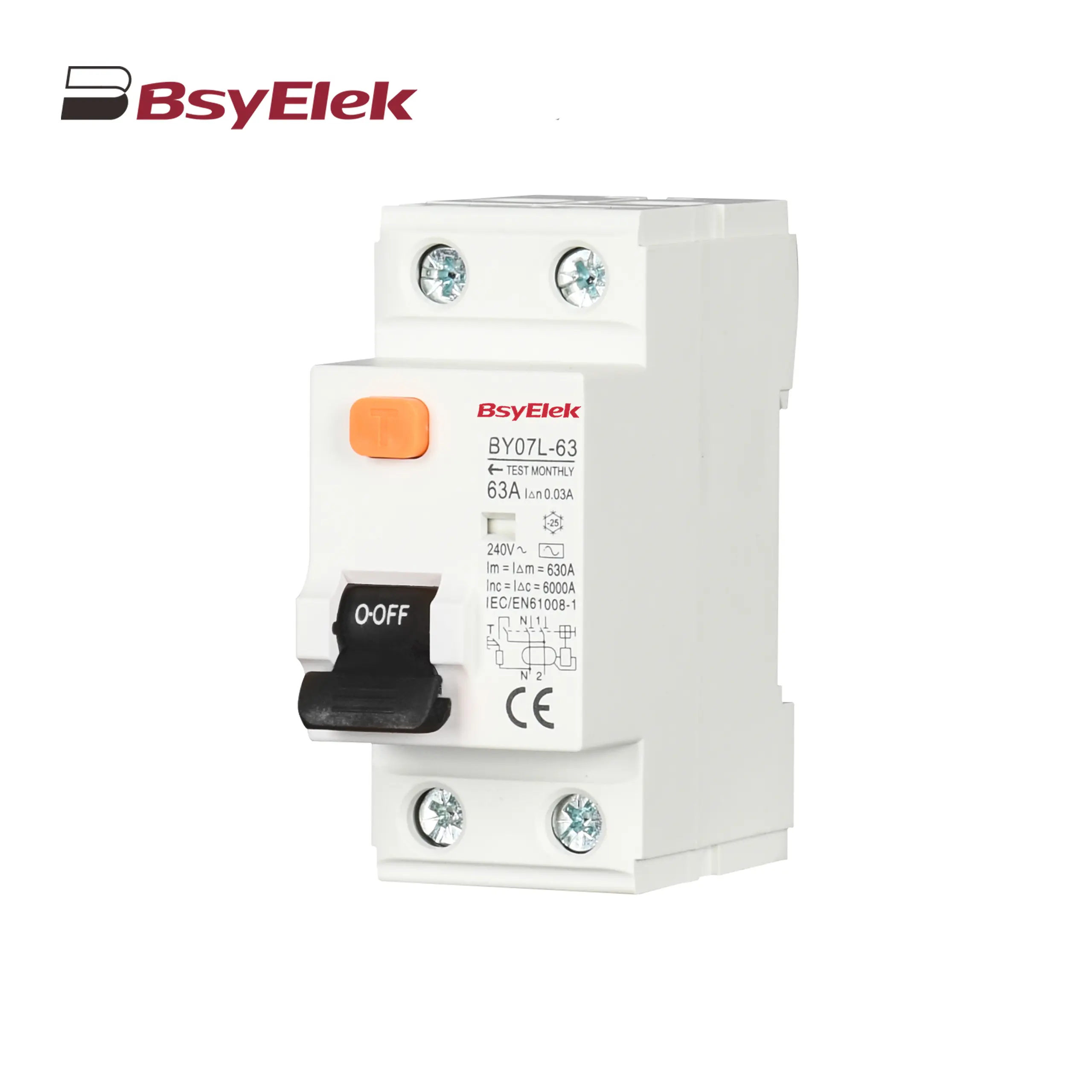
BY07L-63 RCCB 6KA Residual Current Circuit Breaker
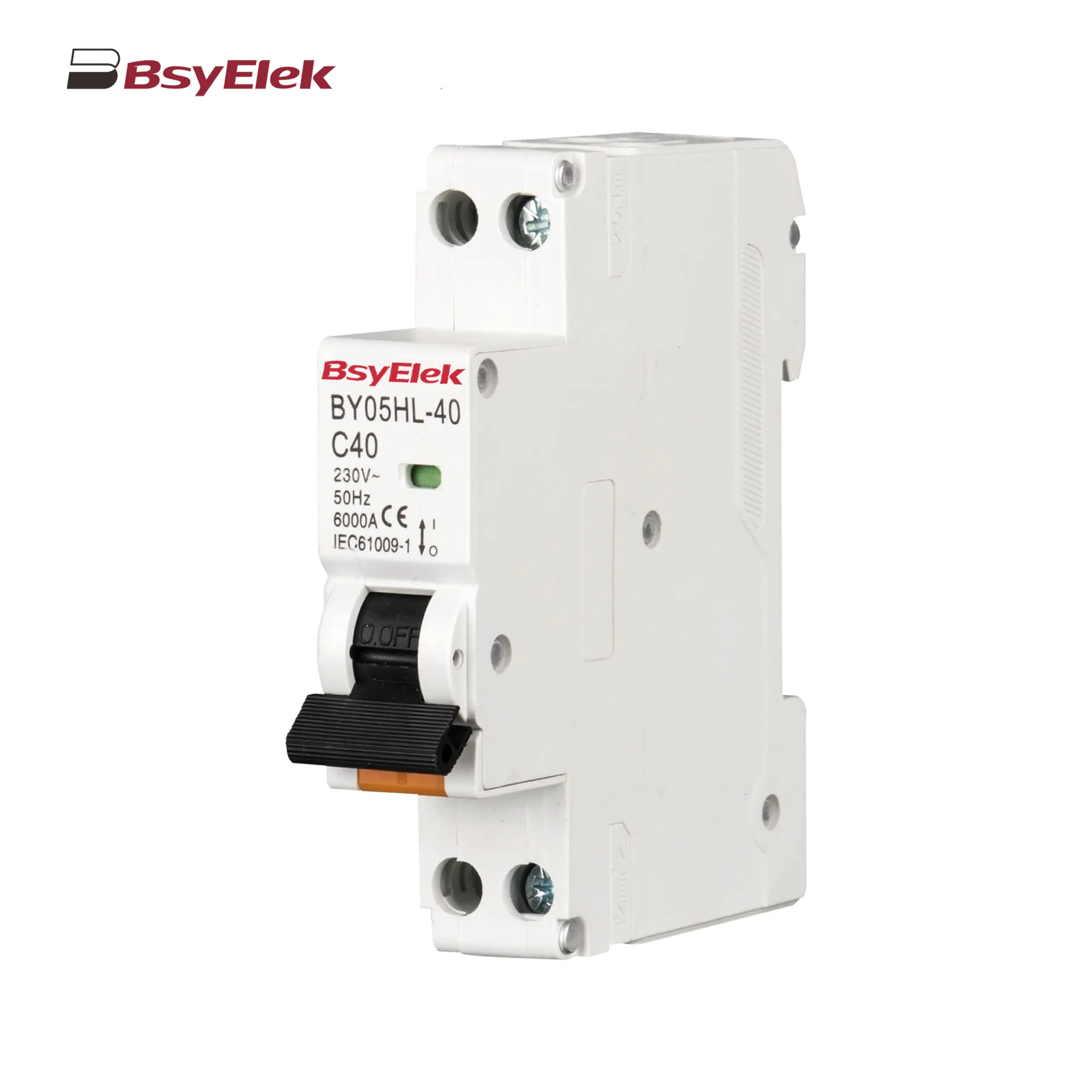
BY05HL-40 RCBO 6KA Residual Current Circuit Breaker with Over-current Protection
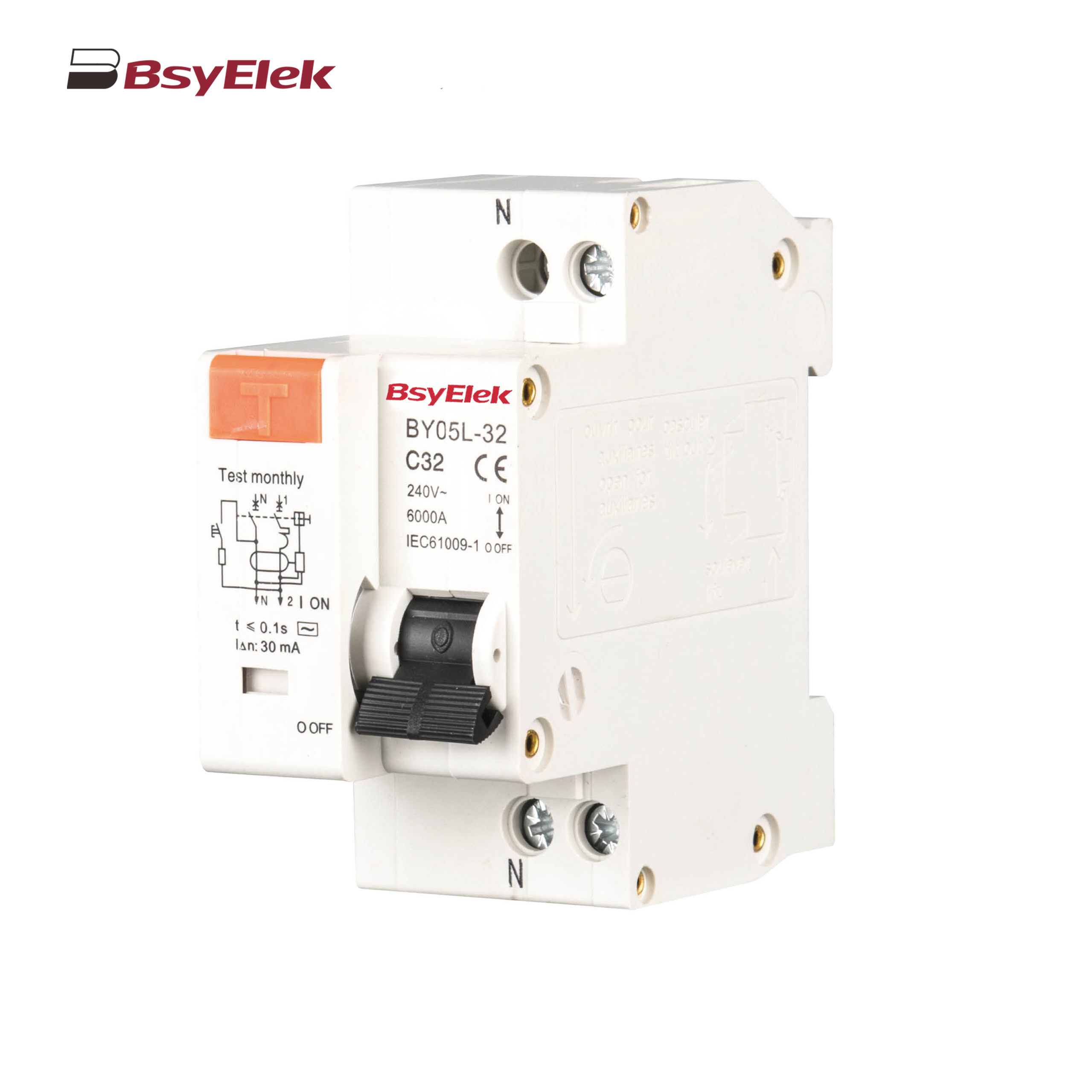
BY05L-32 RCBO 3KA Residual Current Circuit Breaker with Over-current Protection
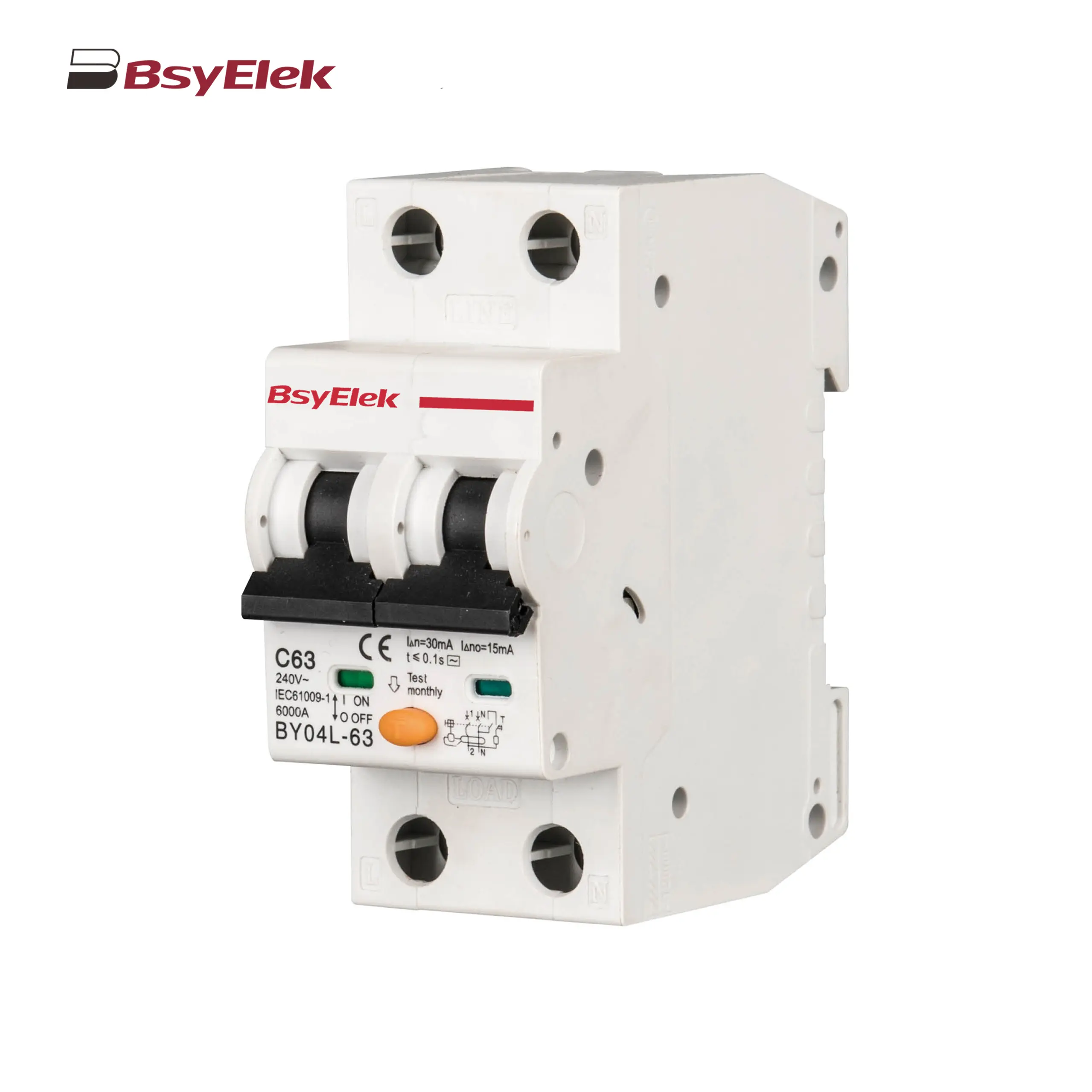
BY04L-63 RCBO 6KA Residual Current Circuit Breaker with Over-current Protection
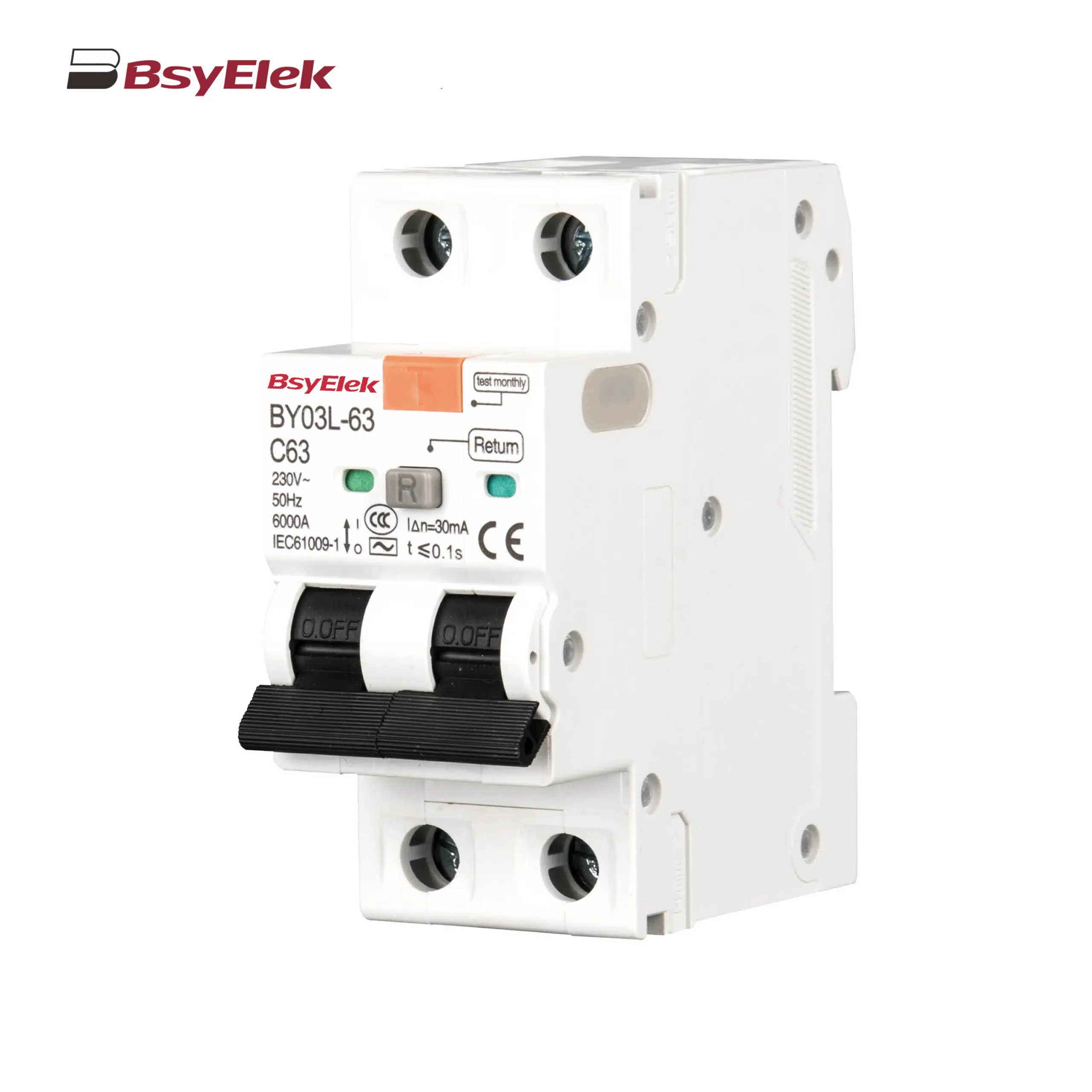
BY03L-63 RCBO 4.5KA Residual Current Circuit Breaker with Over-current Protection
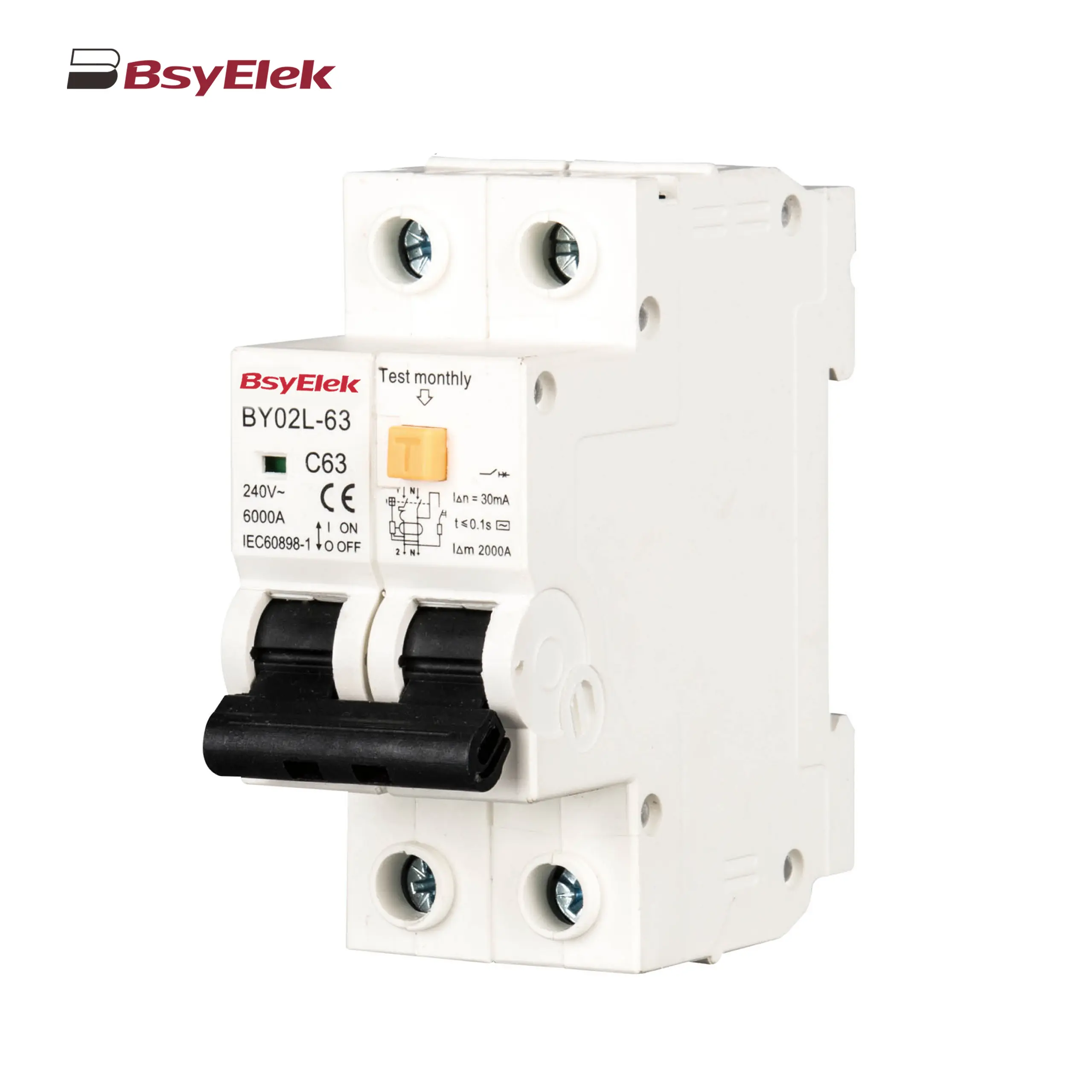
BY02L-63 RCBO 3KA Residual Current Circuit Breaker with Over-current Protection
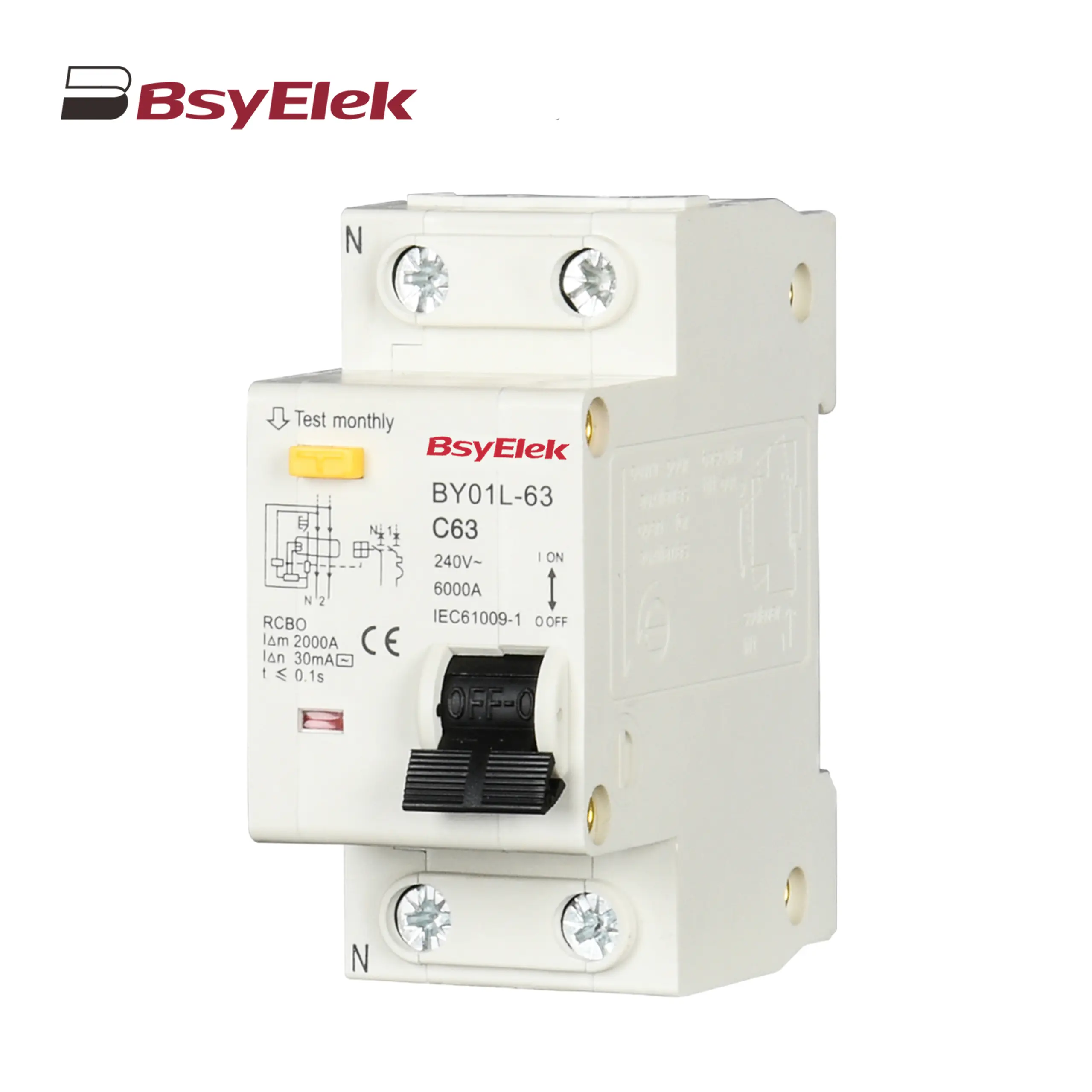
BY01L-63 RCBO 1P+N 3KA Residual Current Circuit Breaker with Over-current Protection
BY06H-125DC MCB 10-15kA DC Miniature Circuit Breaker
BY06-125DC MCB 6kA DC Miniature Circuit Breaker
BY04-63DC MCB 6-10kA DC Miniature Circuit Breaker
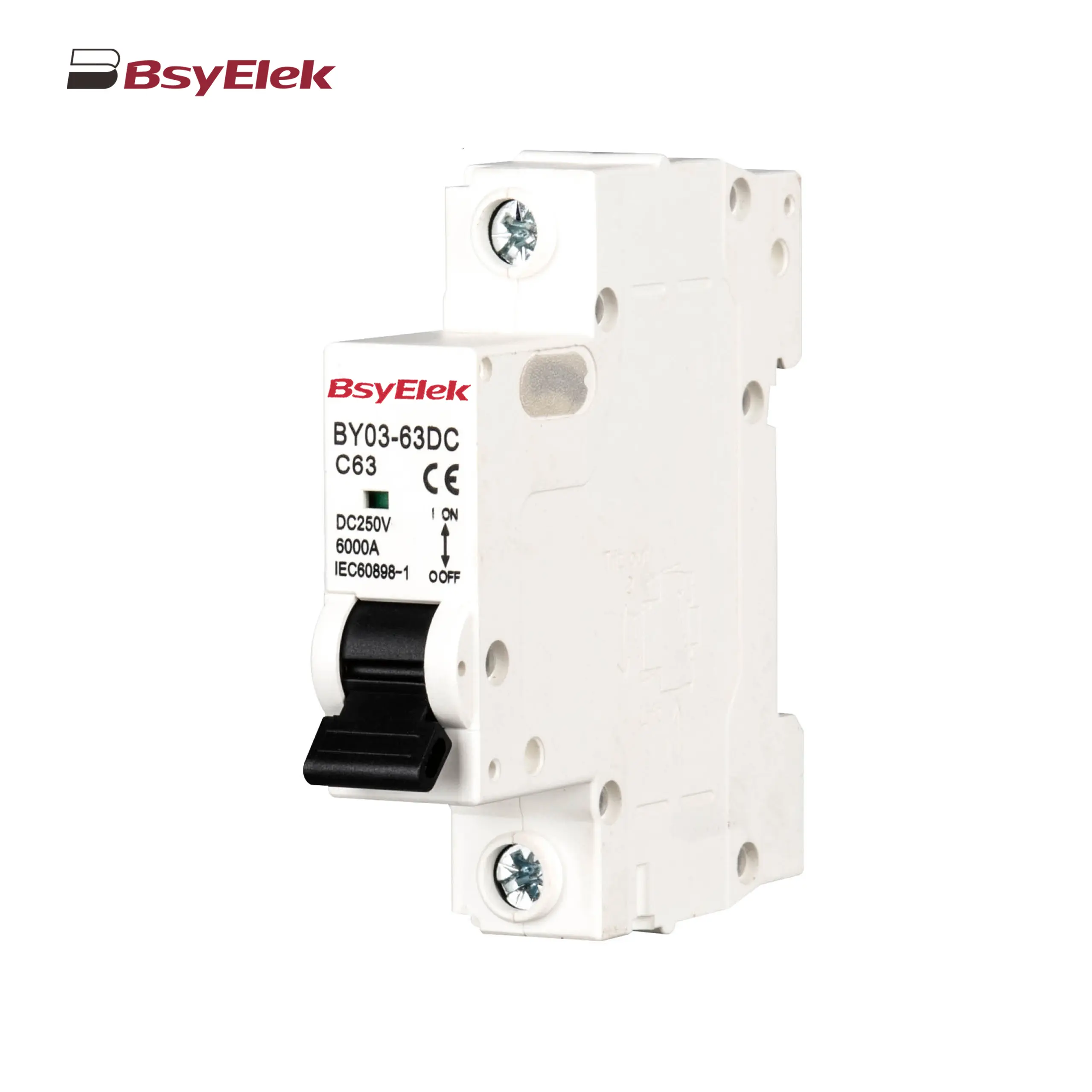
BY03H-63DC MCB 6kA DC Miniature Circuit Breaker
BY03-63DC MCB 4.5kA DC Miniature Circuit Breaker
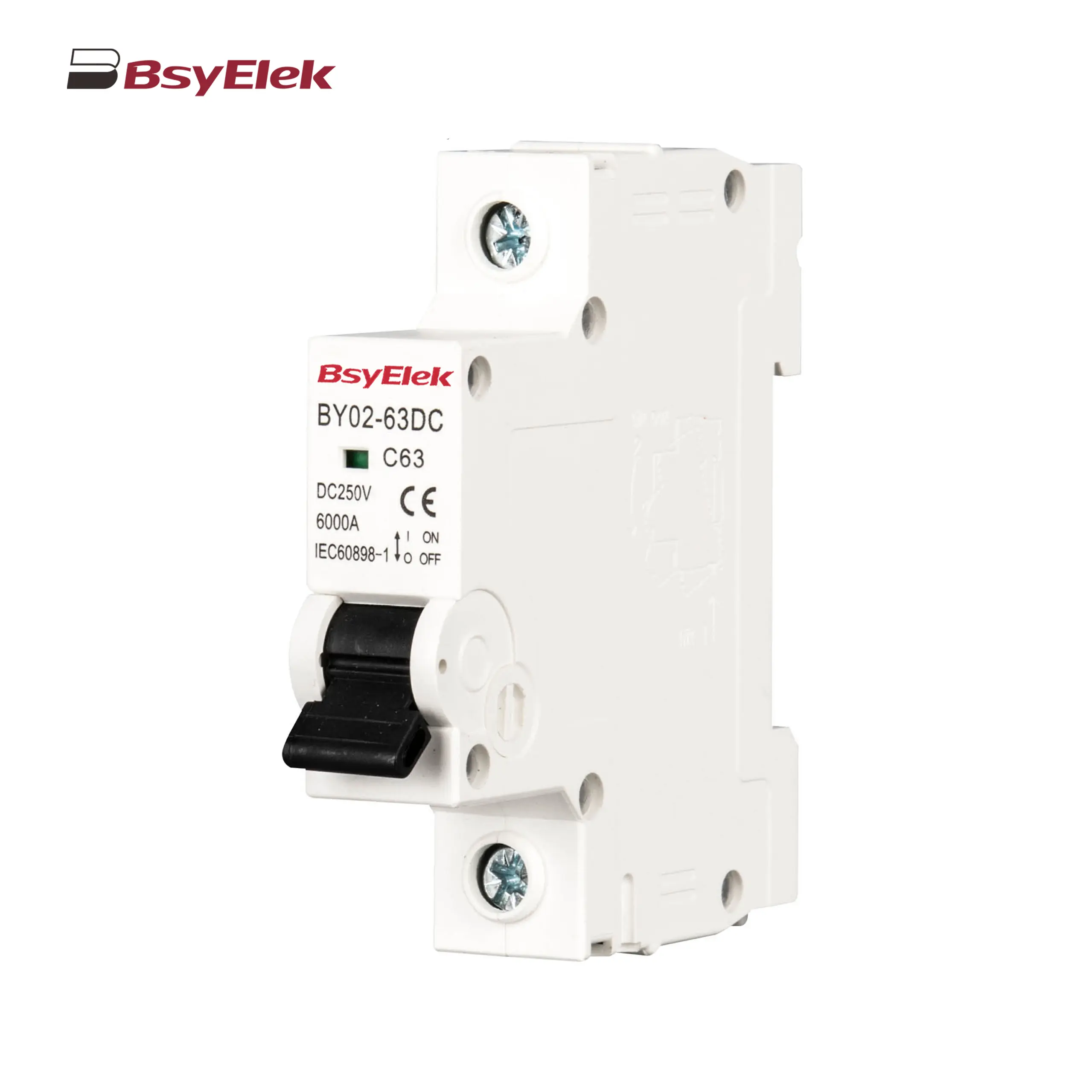
BY02-63DC MCB 3kA DC Miniature Circuit Breaker
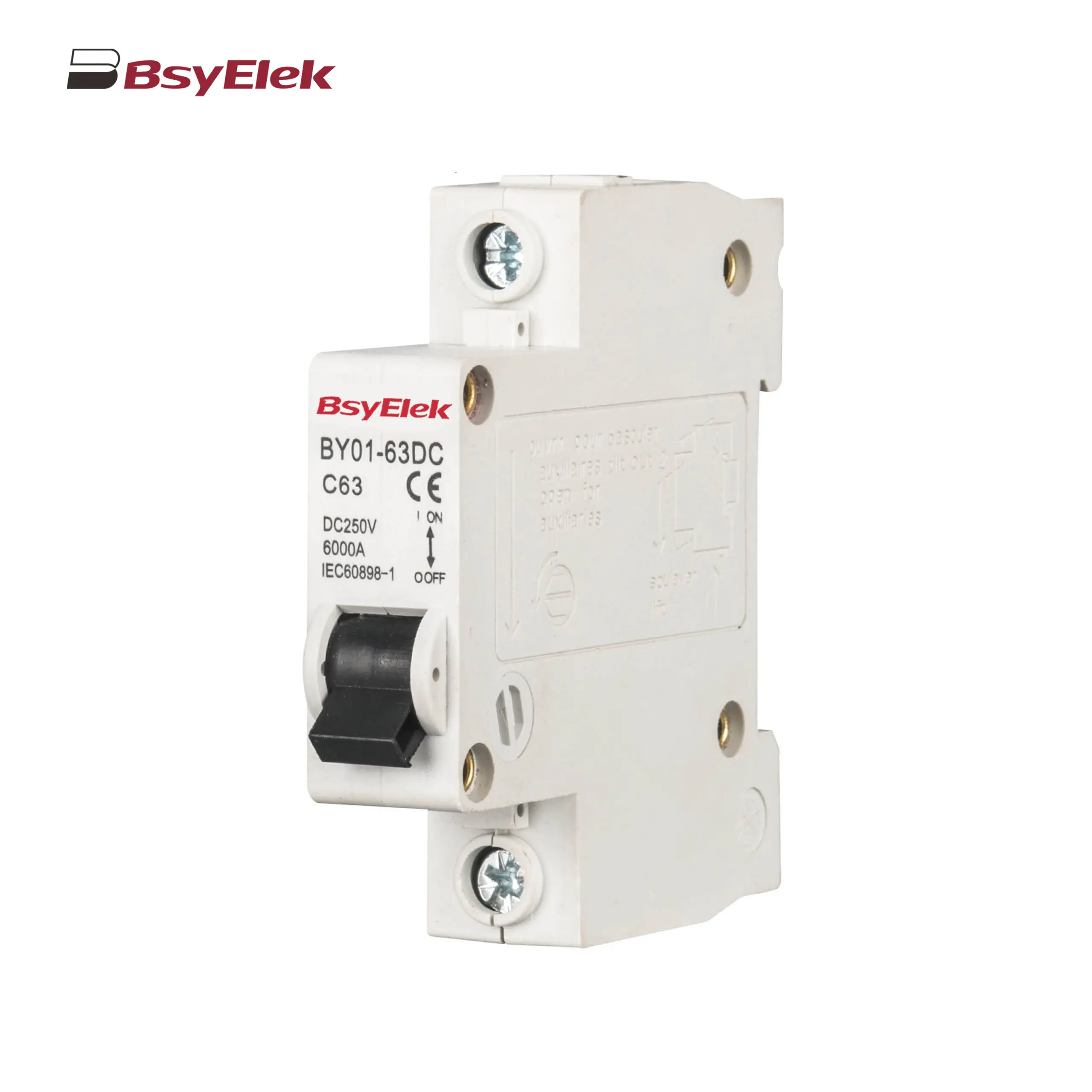
BY01-63DC MCB 3kA DC Miniature Circuit Breaker
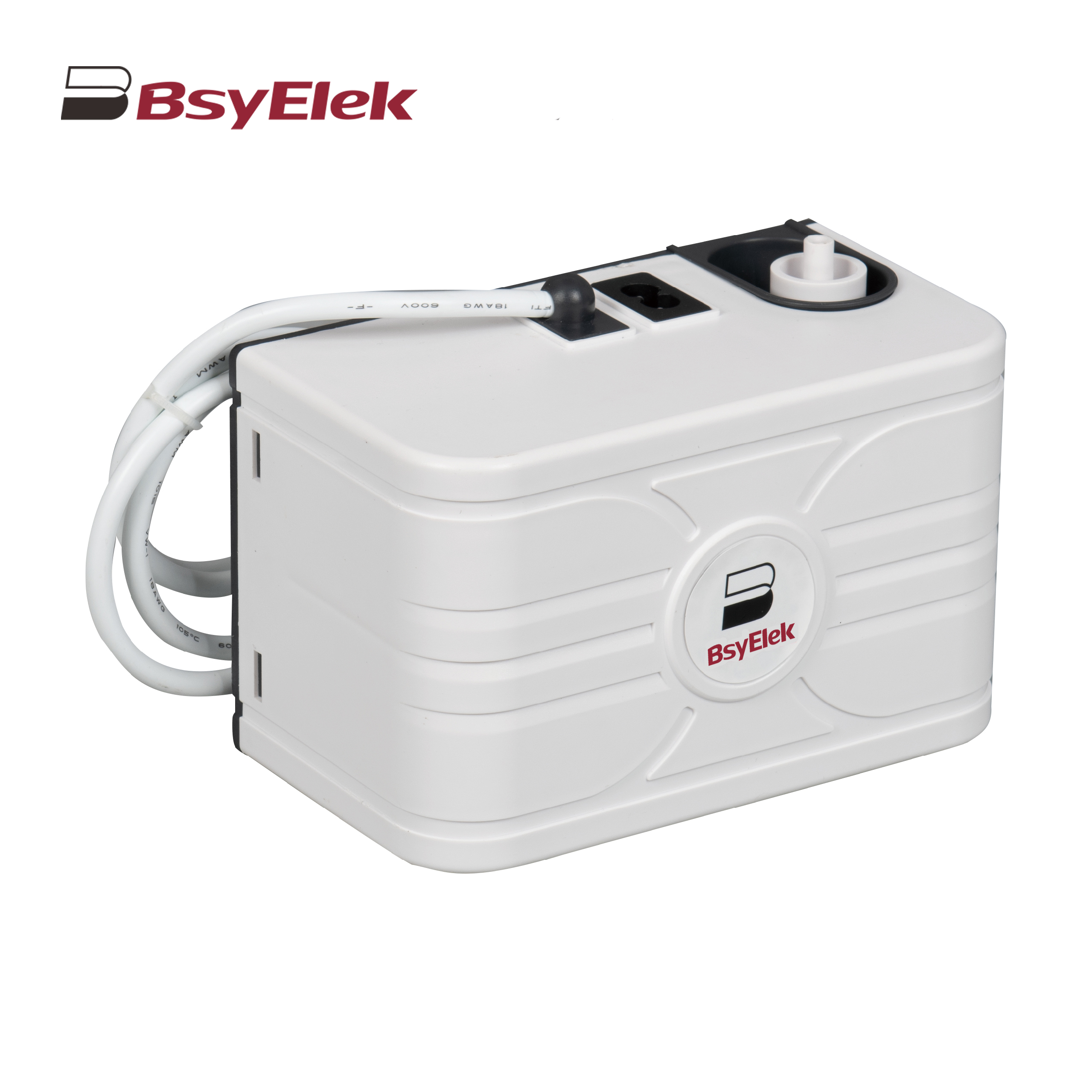
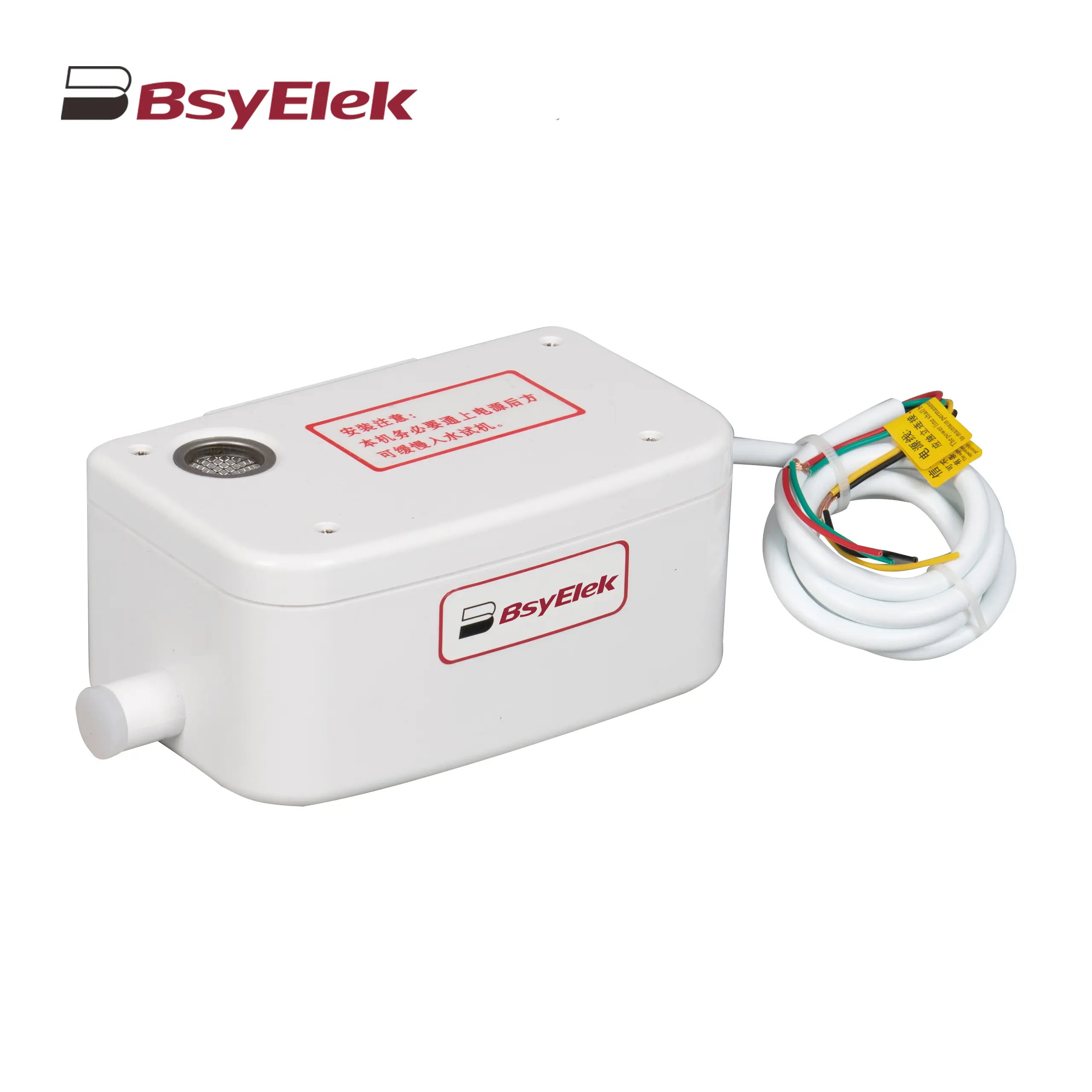
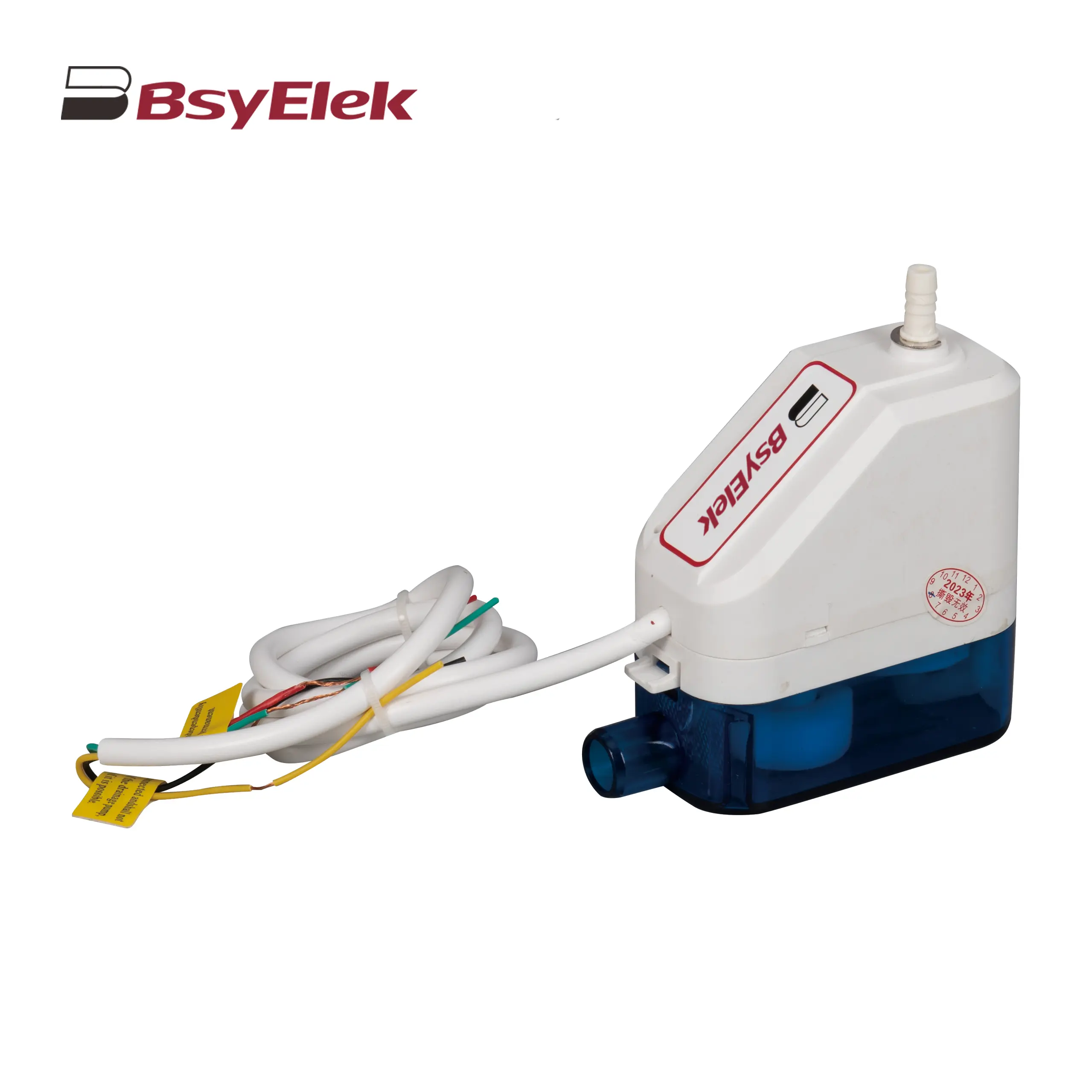
BY-5018 1.8M Engineering Drainage Pump
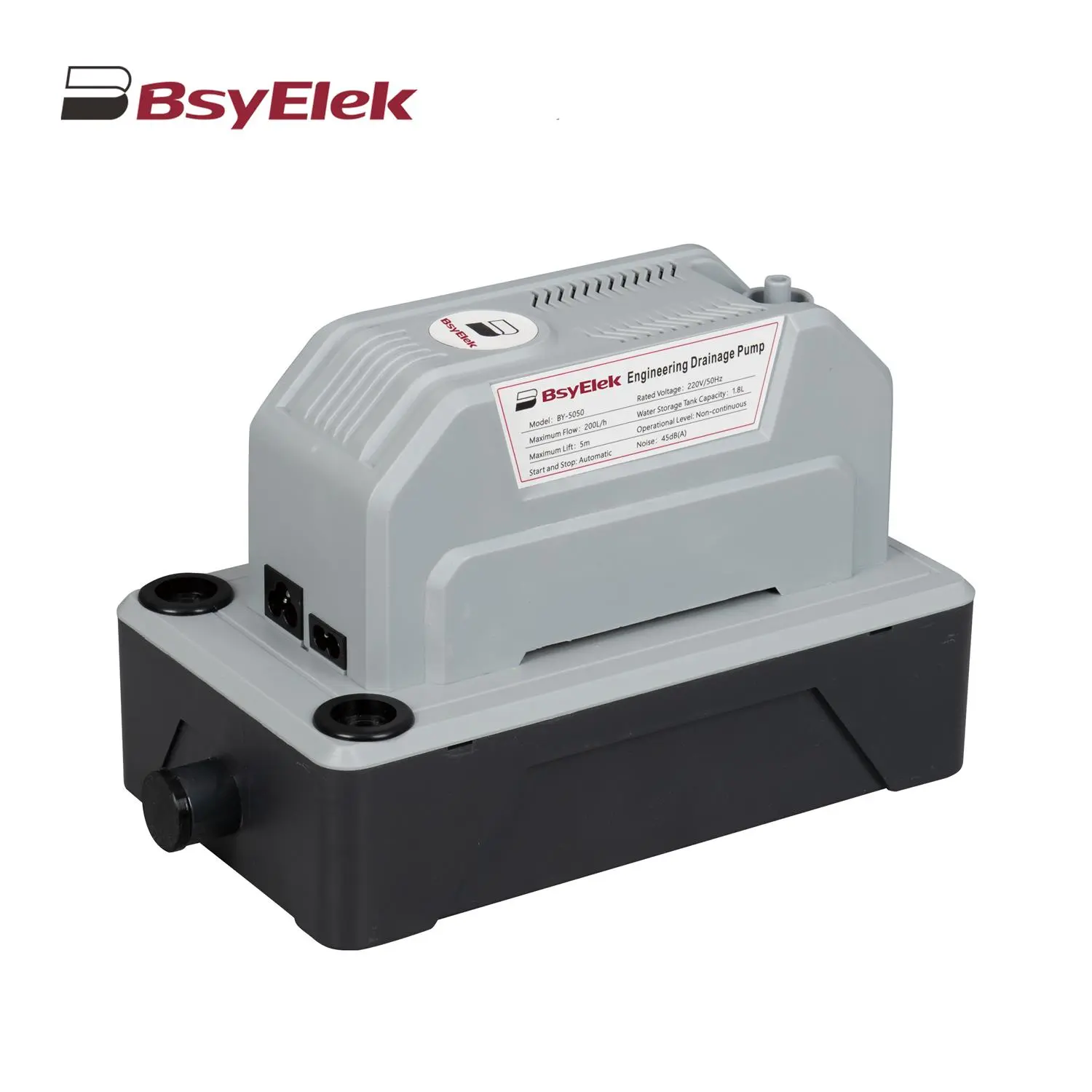
BY-5050 5M Engineering Drainage Pump
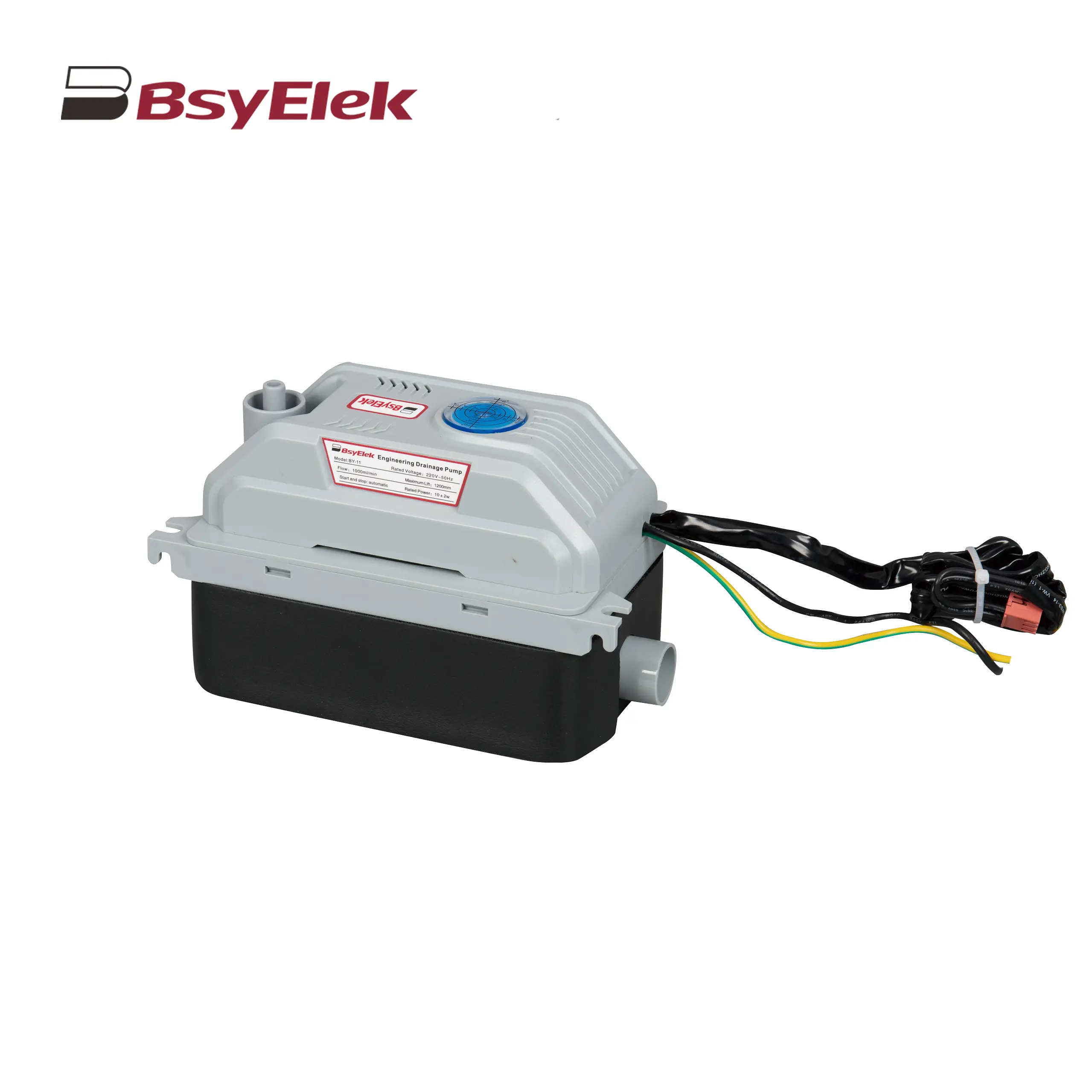
BY-11 1.2M Engineering Drainage Pump
SBH-05 0.7M Original Drainage Pump of Duct Type Air Conditioner
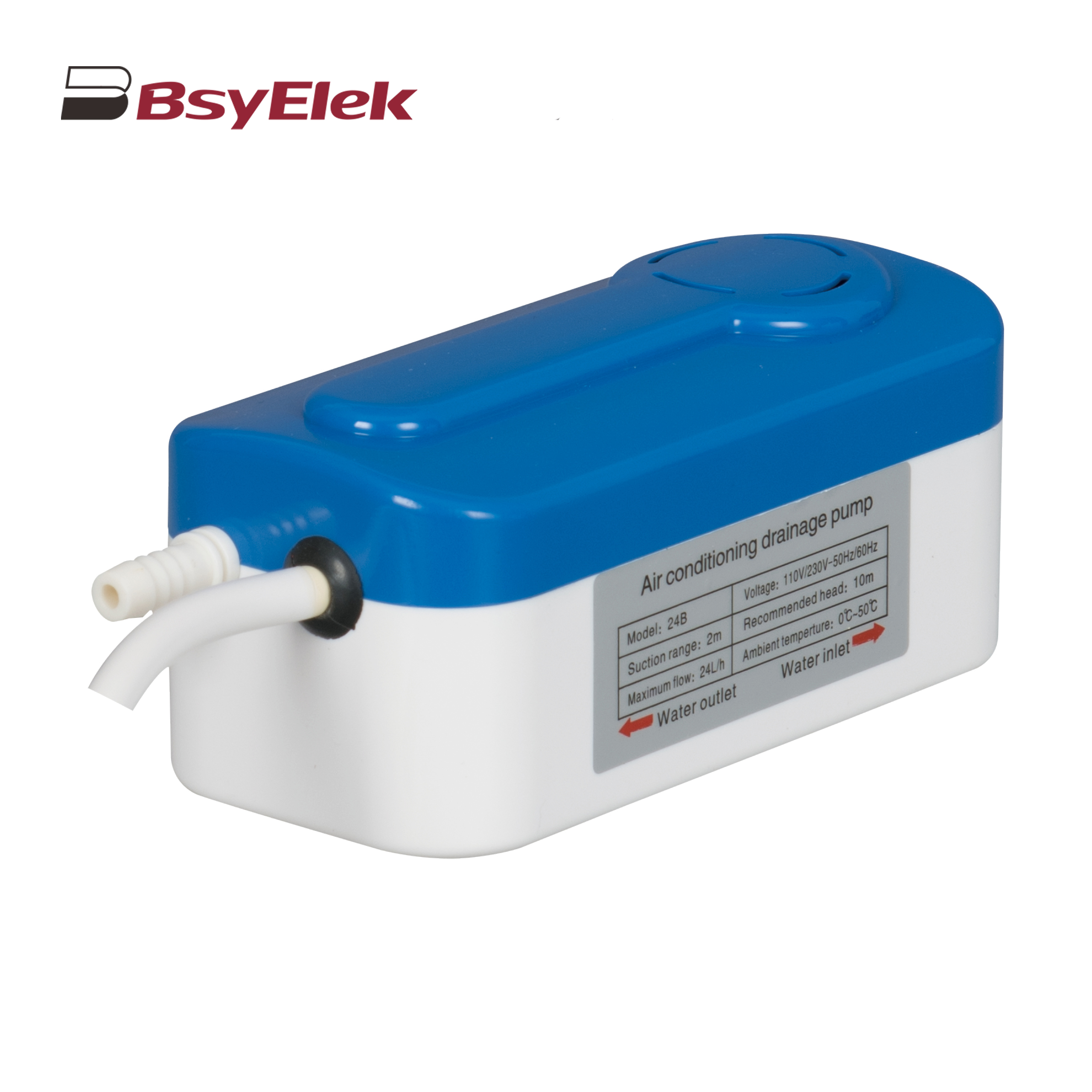
BY-24A/40A 10M Drainage Pump of Air Conditioner
BY-50A 12M Drainage Pump of Air Conditioner
BY-24B/40B 10M Split Type Drainage Pump
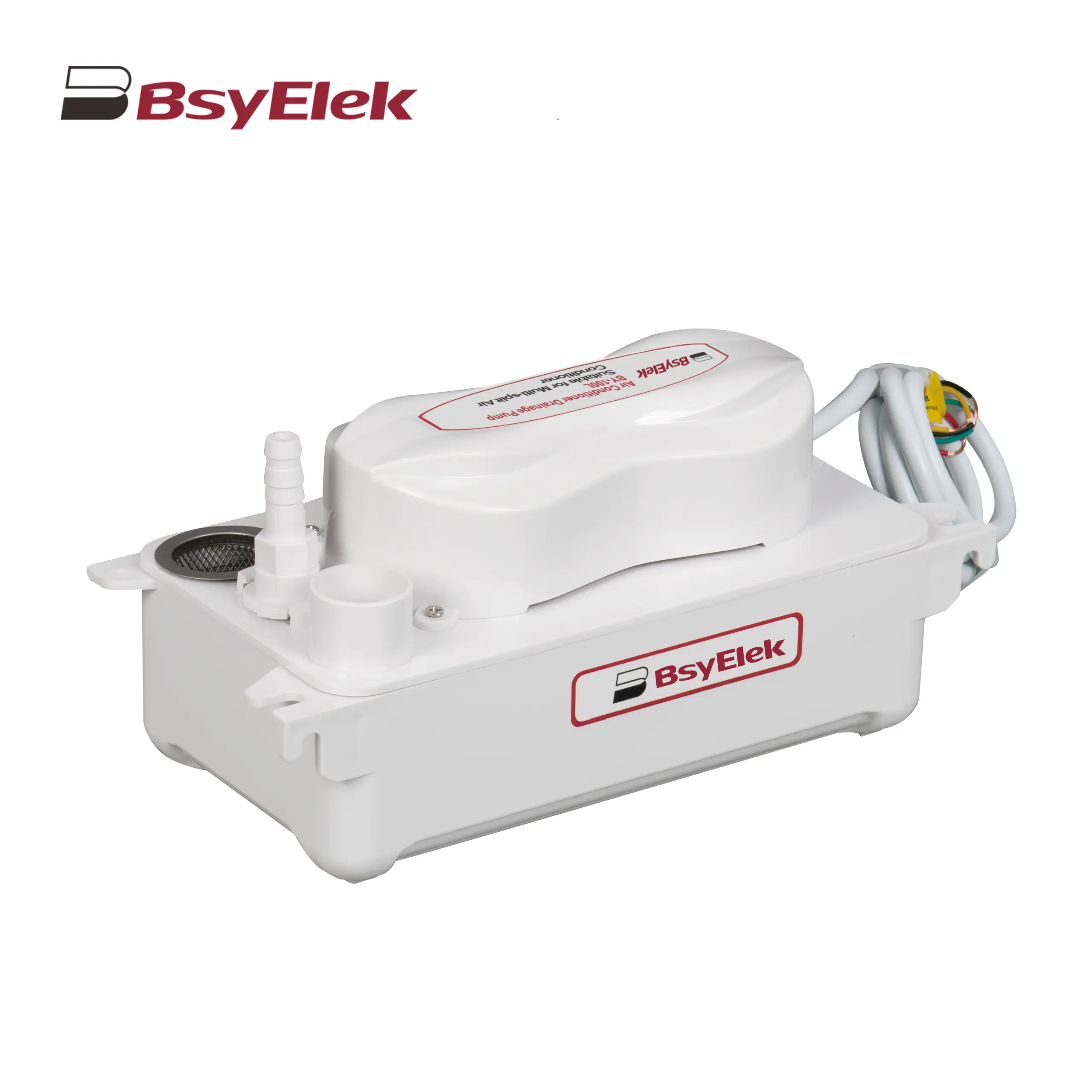
BY-100L 2M Drainage Pump of Air Conditioner
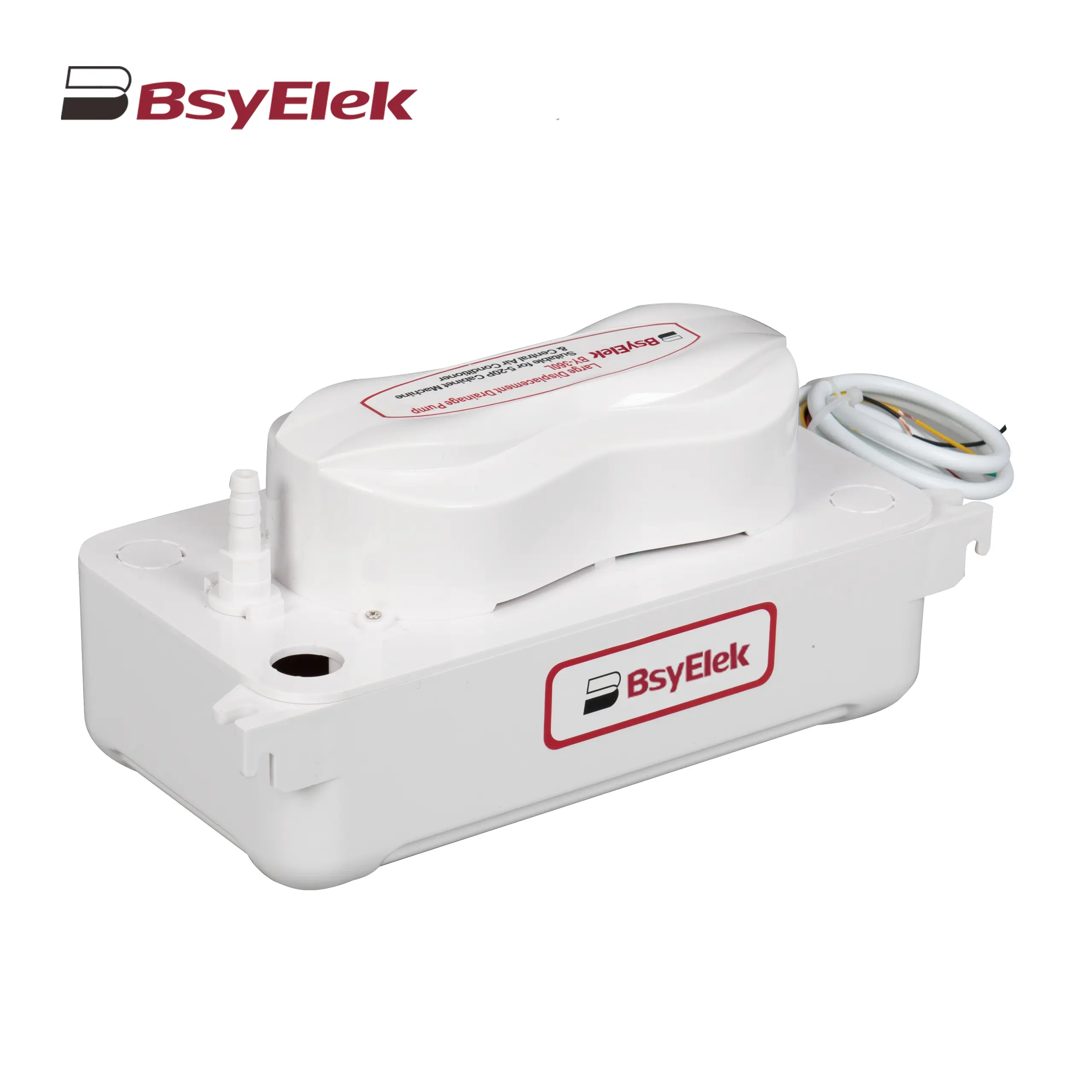
BY-360L 6M Large Displacement Drainage Pump
BY-24C/40C 10M Corner Drainage Pump
Power surges can reach a home or workplace through electrical lines, sometimes after a storm or a nearby equipment switch. The damage is not always dramatic. A router may restart, a monitor may flicker, or a device may fail months later. An Ac Surge Protector can help limit certain voltage spikes, but it cannot prevent every electrical problem. That distinction matters.
This guide to the Top 10 AC Surge Protectors for Home and Business compares practical features, not just bold packaging claims. We consider surge-energy ratings, outlet spacing, cord length, status indicators, and the availability of recognized safety certifications. For a desk crowded with chargers, widely spaced outlets can be more useful than a high outlet count. In a small office, a visible protection light may make routine checks easier. Still, a rating alone can mislead; one number is not a guarantee of performance.
Needs differ. A family TV setup, a network cabinet, and a shared office workstation may call for different layouts and capacities. The selections ahead are intended to help readers compare those trade-offs and match a protector to its actual use. Check the manufacturer’s specifications, and replace a unit if its instructions or indicator show protection has been lost. No product is perfect. And a surge protector is not a substitute for proper wiring or backup power.
Top 10 AC Surge Protectors for Home and Business
How AC Surge Protectors Protect Home and Business Equipment
AC surge protectors help reduce the risk of damage from brief voltage spikes. These can occur when utility equipment switches, nearby lightning affects power lines, or large motors start and stop. A protector limits excess voltage and directs some surge energy through the grounding path. This can help shield computers, routers, televisions, and office equipment connected to it. The protection is not absolute. A severe surge may still damage equipment, and a surge protector cannot keep devices running during an outage.
For home and business use, choose a protector suited to the equipment and electrical setup. Check its rated capacity, number of outlets, and whether it includes status indicators. A small office might connect a router and desktop computer, while heavier equipment may need a properly installed panel-level device. Grounding matters; a protector cannot work as intended with an unsuitable or faulty ground. Replace units that show a protection fault or have been stressed by a major surge. Sometimes the indicator is easy to miss.
Tips: Plug protectors directly into an appropriate wall outlet, not into another power strip. Keep cords clear of walkways and heat sources. Check the instructions for connected-load limits, and inspect the casing and cord for damage. For valuable equipment, use layered protection and ask a qualified electrician to assess the building’s grounding and electrical panel.
This conceptual waveform shows a 6 kV transient with an approximately 1.2/50 μs shape, expressed as voltage over time. Surge protective devices are designed to limit transient overvoltage and divert surge current; actual protection and let-through voltage vary by device, installation, and test conditions. This illustrative curve is not measured product performance.
When comparing AC surge protectors, start with protection modes and clamping performance, not the headline joule number. An EPRI report estimated that power disturbances cost U.S. businesses $15–24 billion annually; that 2001 estimate is historical context, not a current cost figure. Check the UL 1449 Voltage Protection Rating (VPR) and nominal discharge current (In). A lower VPR generally indicates less let-through voltage under the prescribed test. IEEE C62.41.2 describes a 6 kV/3 kA combination-wave benchmark, but real surges vary. Test conditions matter.
Also verify maximum continuous operating voltage (MCOV), short-circuit current rating, and protected paths: line-neutral, line-ground, and neutral-ground. These details matter beside a breaker panel, where wiring length and grounding quality affect performance. Look for a thermal disconnect and a clear status indicator. A dark indicator may mean protection has ended.
Check replacement rules, too. Catalogs often emphasize joules, yet those figures alone can be difficult to compare across test methods and designs. One caveat: published ratings do not neatly predict field outcomes.
For a home, confirm voltage and panel compatibility; for a small office, consider connected equipment and exposure. I still find the grounding details easy to overlook.
Match the protector to the point of exposure, not just the appliance price. For a home service entrance or a small office panel, Type 1 or Type 2 devices address incoming and distribution-level transients. Type 3 units fit close to computers, routers, and point-of-sale equipment. Layering helps. Check the voltage protection rating, maximum continuous operating voltage, and fault-current rating against the system and load. An electrician should confirm panel compatibility and grounding; a protector cannot repair poor wiring. Small detail, big consequence.
NFPA’s 2015–2019 home-fire report attributed an annual average of 24,200 fires to electrical distribution and lighting equipment. These figures are not surge-only counts, and that distinction matters. Use the report as a reason to manage electrical risk, not as proof that one device prevents fires. Choose based on installation point, ratings, connected load, and replaceability after an event. A whole-panel unit may protect circuits, while a properly rated outlet unit can add local protection for sensitive gear. Neither guarantees survival. Honestly, the right protection level is hard to define without a site inspection.
Choosing an AC surge protector starts with the equipment it must protect. A home office with a router and laptop has different needs from a workshop with motors or a business server rack. Check the device’s rated voltage, maximum surge current, clamping level, and energy rating. These figures help compare models, but no single number tells the whole story.
Check the installation, too. A plug-in protector needs a properly grounded outlet, while a panel-mounted unit can help protect several circuits. For sensitive equipment, using both can add layers of protection when installed correctly. Look for recognized independent safety certification, clear status indicators, and a replaceable or documented end-of-life condition. No indicator? That is a real drawback.
For commercial spaces, consider startup currents, continuous operating loads, and how costly an interruption would be. Have a qualified electrician assess panel capacity and grounding before installing hardwired equipment. At home, keep protectors away from damp areas, heat, and overloaded outlets. Do not connect multiple power strips in a chain. It is easy to overvalue a high joule rating and overlook poor grounding or a missing protection indicator. Those details deserve a second look.
A practical comparison of common surge-protection configurations. Ratings shown are typical market ranges, not specifications for a particular product; verify the device label, system compatibility, and applicable electrical code before purchase or installation.
| Rank | Protector Type | Best Suited For | Typical System / Connection | Typical Rating or Configuration | Key Selection Notes |
|---|---|---|---|---|---|
| 1 | Type 2 whole-panel SPD | Detached houses and small buildings | Hardwired at a load center; commonly 120/240 V split-phase | Common offerings are approximately 40–100 kA surge-current capacity per phase; confirm how the rating is stated. | A strong general-purpose choice for a home. Confirm compatibility with the panel and use a qualified electrician for installation. |
| 2 | Type 1 service-entrance SPD | Homes or buildings needing protection at the service entrance | Service equipment; commonly 120/240 V split-phase | Common offerings span roughly 50–100 kA per phase, depending on design and rating method. | Check that its listing permits the intended service-side location. Installation and placement must follow local code. |
| 3 | Type 2 three-phase panel SPD | Small commercial buildings and workshops | Commonly 208Y/120 V, three-phase, four-wire systems | Many models are offered around 50–100 kA per phase; select a model rated for the exact system configuration. | Verify voltage, phase, wiring configuration, short-circuit current rating, and panel connection requirements. |
| 4 | Type 2 480Y/277 V panel SPD | Commercial facilities with 480Y/277 V distribution | Hardwired three-phase, four-wire panel connection | Commercial models are available across a broad range, often around 50–100 kA per phase. | Use only a device specifically rated for the facility’s voltage and grounding arrangement; installation should be professionally engineered. |
| 5 | Type 3 plug-in surge strip | Home offices, televisions, and general electronics | 120 V receptacle; cord-connected | Consumer models commonly list approximately 600–3,000 joules of energy absorption. | Check for a recognized safety listing, adequate outlet spacing, a grounded receptacle, and an end-of-life indicator. |
| 6 | Single-outlet Type 3 protector | One device in a tight space, such as a modem or small appliance | 120 V receptacle; direct plug-in | Compact units commonly have lower energy-absorption ratings than larger surge strips; check the labeled joule rating. | Useful where a strip is impractical, but it protects only connected equipment and does not replace panel-level protection. |
| 7 | UPS with integrated surge protection | Computers, network equipment, and small business workstations | Typically 120 V; plug-in unit with battery backup | Surge ratings vary by model and may be stated in joules or other electrical ratings; compare the unit’s published specifications. | Choose battery capacity and runtime for the load. A UPS is not a substitute for correctly installed building-level SPD protection. |
| 8 | HVAC Type 2 SPD | Air conditioners, heat pumps, and other hardwired outdoor equipment | Hardwired at or near the equipment disconnect; voltage depends on the unit | Common configurations are rated for 120/240 V or 208/240 V; surge-current ratings vary by model. | Match the equipment voltage and installation location. A short, properly routed connection to the grounding system is important. |
| 9 | 30 A RV surge protector | Recreational vehicles using a 30 A campground connection | 120 V, 30 A shore-power connection | Portable and hardwired designs are available; surge ratings and additional electrical checks differ by model. | Select a 30 A unit and check whether it also monitors voltage, wiring faults, and other campground power conditions. |
| 10 | 50 A RV surge protector | Larger recreational vehicles and motorhomes | 120/240 V, 50 A shore-power connection | Portable and hardwired models are available; verify the unit’s surge and electrical-monitoring specifications. | Do not use a 30 A model for a 50 A connection. Confirm connector type and the protection functions provided. |
Note: For permanent installations, check that the SPD is certified to the applicable UL 1449 requirements and is suitable for the specific electrical system. Surge devices work best with a sound grounding and bonding system; ratings, warranties, and protection modes differ among models.
A correctly installed AC surge protector starts with matching the device to the electrical system. Check its rated voltage, phase, and installation type before work begins. Whole-home units are commonly fitted at or near the service panel, where short, properly routed connections help limit surge voltage. Panel work can expose dangerous live parts, so a qualified electrician should handle installation and verify grounding, bonding, and overcurrent protection. Small details matter. A long grounding wire, for example, may reduce a protector’s effectiveness.
During inspection, look at the external status indicator and check for alarms, cracks, heat marks, or signs of moisture. Do not remove the panel cover to inspect internal connections yourself. A green light is useful, but it does not prove that every component remains effective. That distinction is easy to overlook. Keep a note of the installation date and any known major surge events; records make later decisions less guesswork.
Replace the unit if its indicator shows failure, it has visible damage, or the manufacturer’s service guidance calls for replacement. After a severe surge, ask an electrician to assess it even if the indicator appears normal. Surge protectors wear over time, and no device can prevent every electrical disturbance. Replacement should match the system and be installed with the same care as the original. Do not guess.