• FaceBook
  • Twitter
  • LinkedIn
  • youtube
  • Instagram
Leave Your Message

What Is a Residual Current Circuit Breaker?

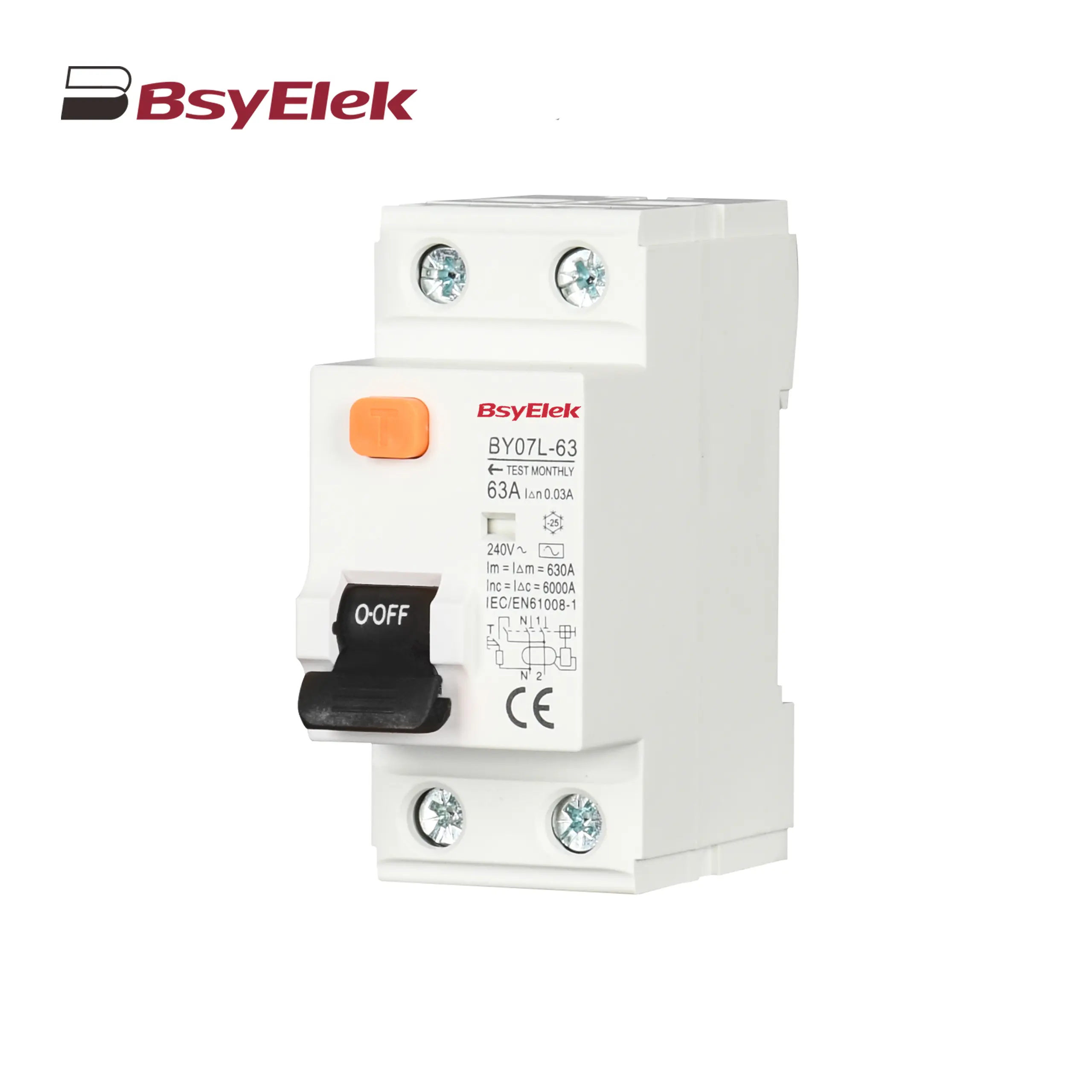
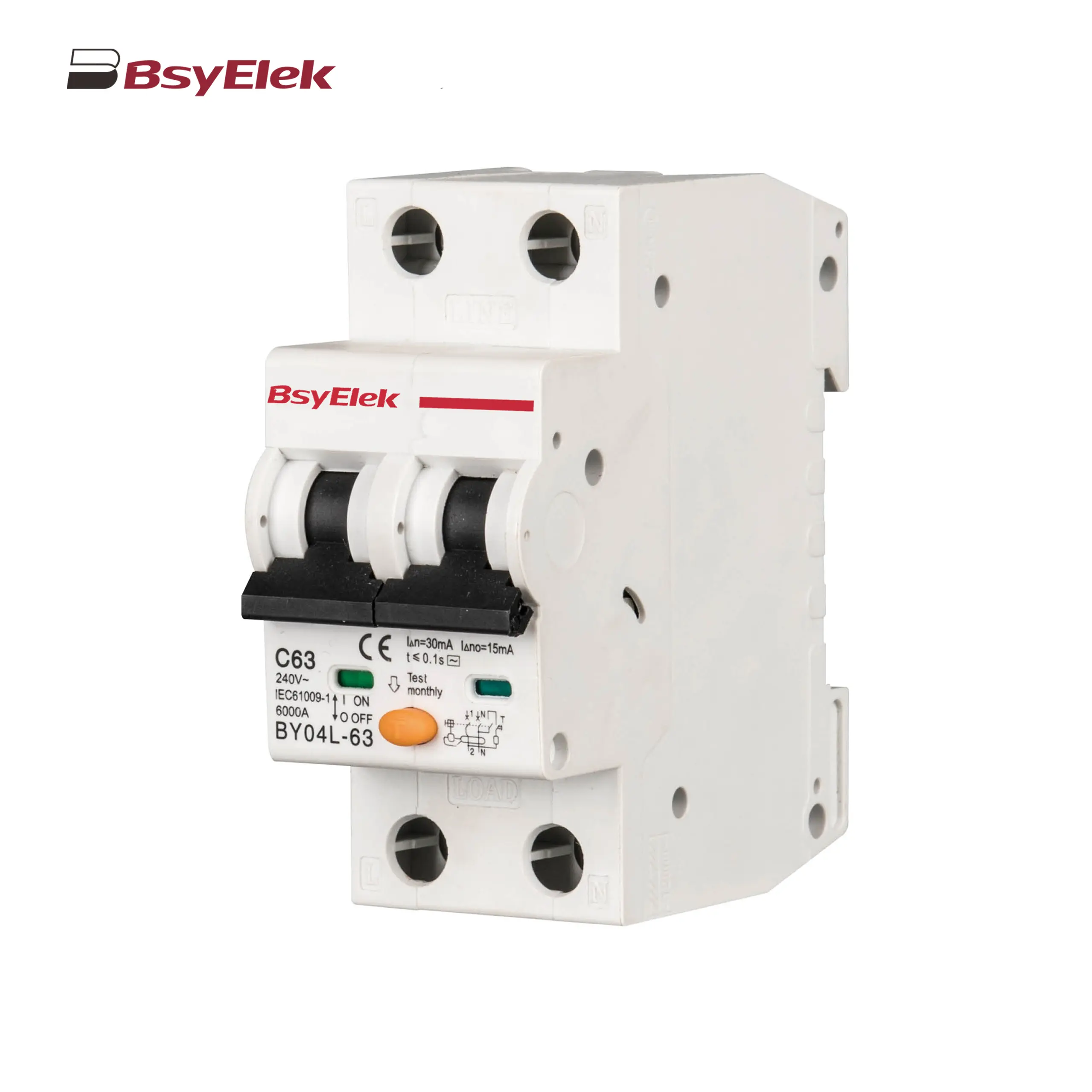
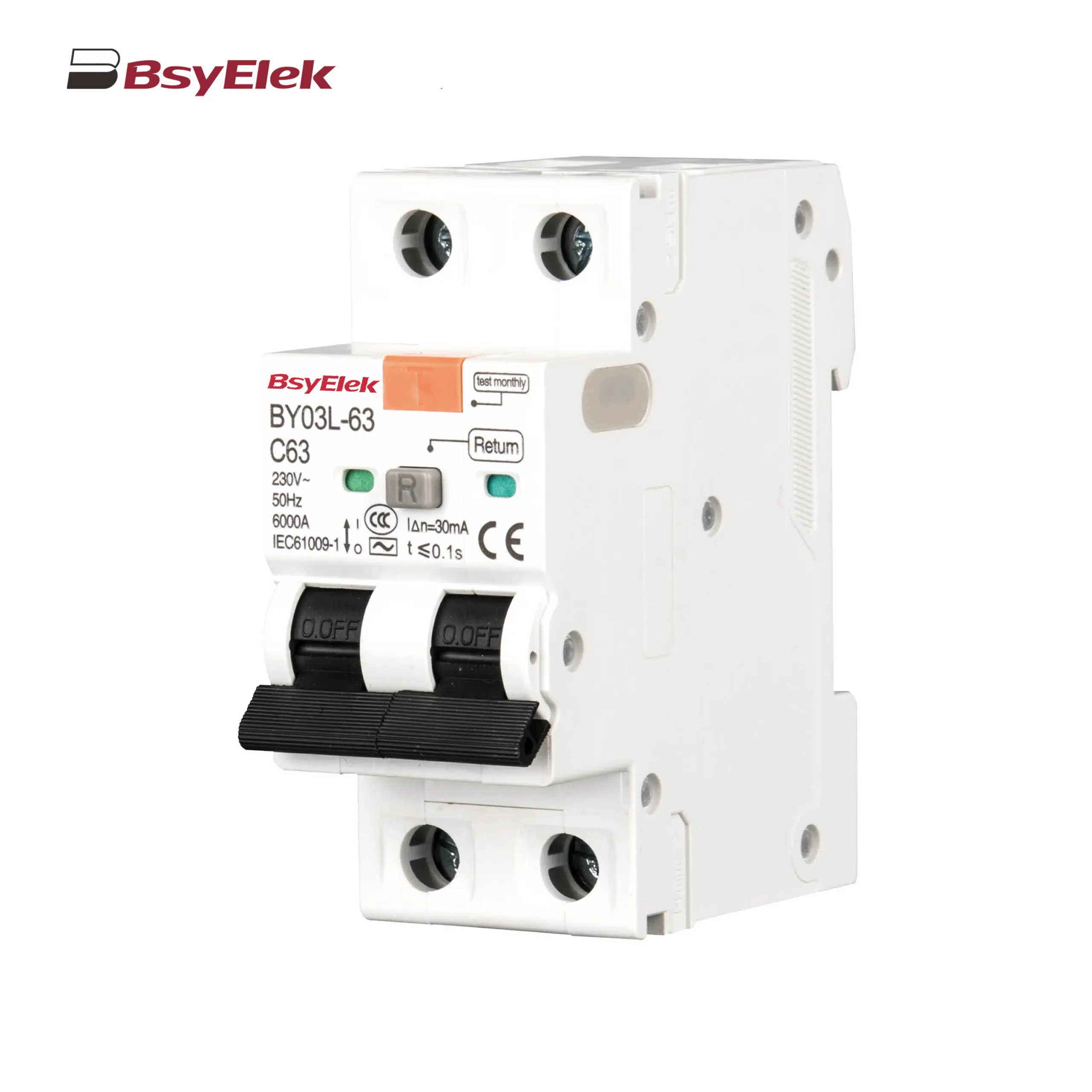
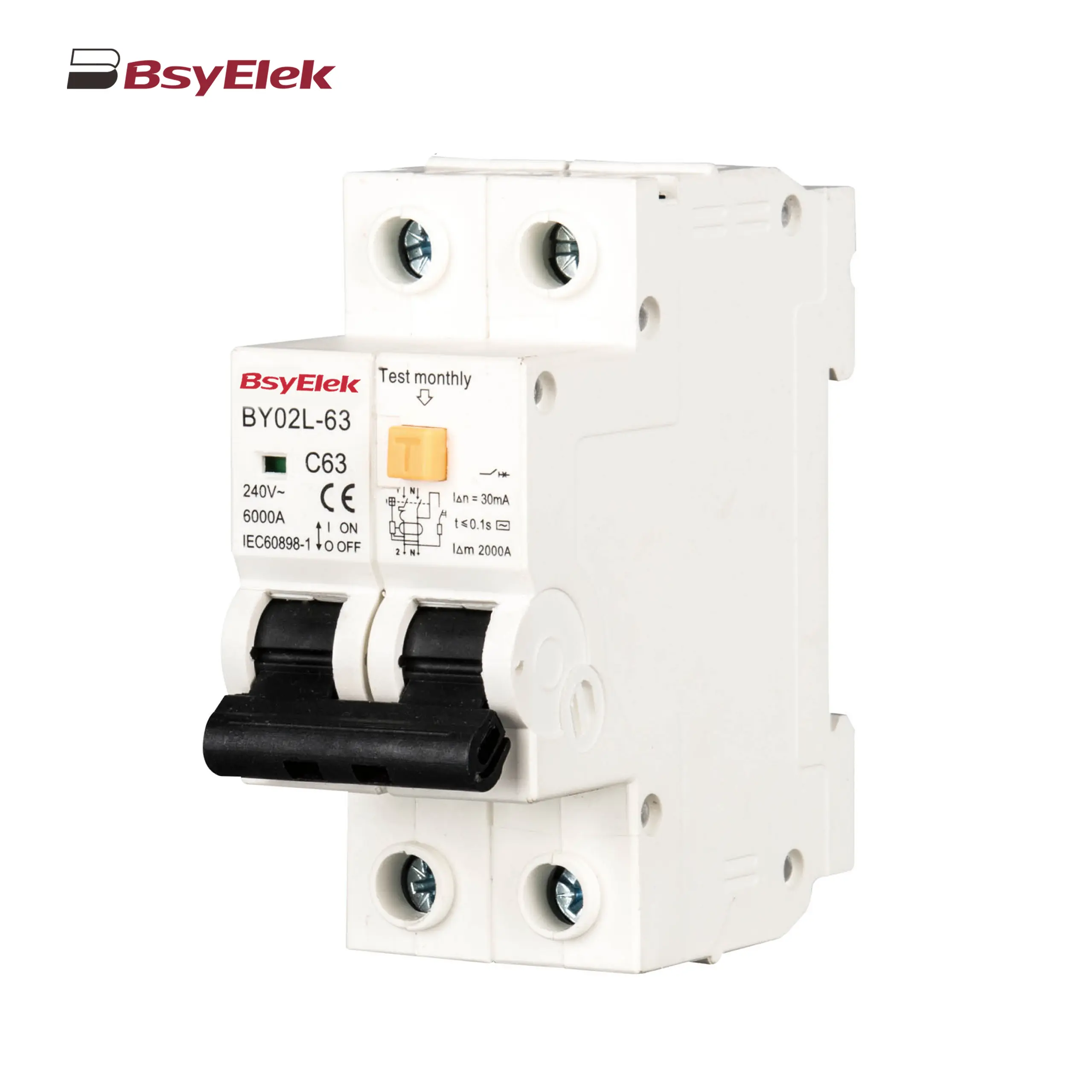
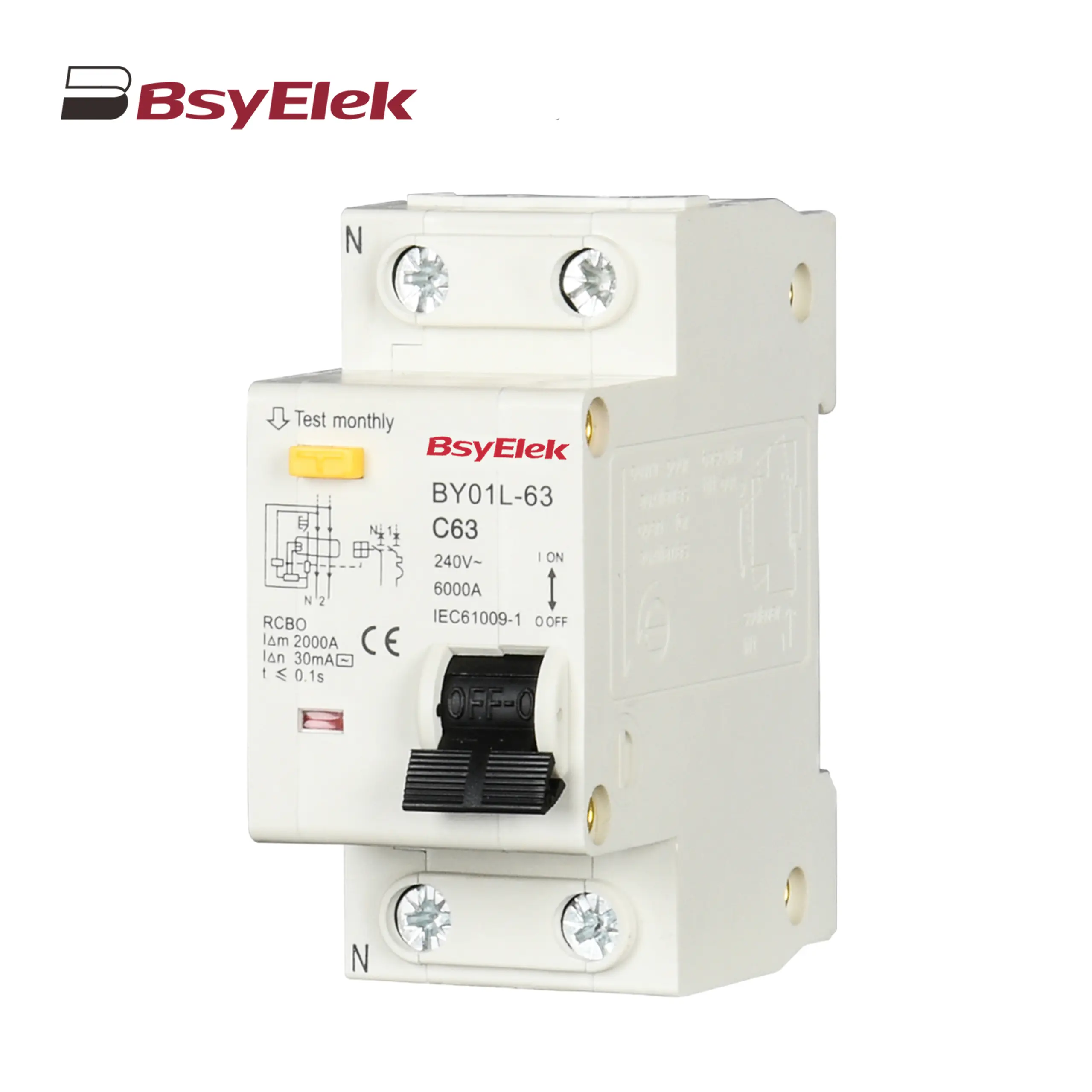
A Residual Current Circuit Breaker, commonly called an RCCB, monitors the balance of electrical current. It compares the current leaving through the live conductor with the current returning through the neutral conductor. If part of that current escapes through a person, damaged insulation, or a wet surface, the device can disconnect the circuit quickly.

That difference matters.

Mike Holt, a nationally recognized electrical instructor, explains the protective principle clearly: “A GFCI protects people, not equipment.” The same idea applies to a Residual Current Circuit Breaker. It primarily reduces electric shock risk. However, an RCCB usually does not provide overload or short-circuit protection. A properly designed installation may therefore pair it with an MCB or another overcurrent device.

In practical work, an electrician may press the test button and confirm a firm, immediate trip. The device should also match the system voltage, pole arrangement, rated current, and residual operating current. A 30 mA model is widely used for additional personal protection, but local regulations and installation conditions still control the final selection. Kitchens, bathrooms, outdoor sockets, and workshops deserve close attention because moisture increases danger.

A nuisance trip is not automatically a faulty breaker. It can indicate insulation leakage, connected appliances, or cumulative leakage from several circuits. Ignoring it is a mistake.

This introduction has one limitation. Real protection depends on the complete installation, not the RCCB alone. Qualified inspection, correct testing, and routine maintenance remain essential for dependable electrical safety.

What Is a Residual Current Circuit Breaker?

Definition and Purpose of a Residual Current Circuit Breaker

What Is a Residual Current Circuit Breaker?

A residual current circuit breaker, or RCCB, is a protective switching device. It monitors current flowing through live and neutral conductors. When part of the current leaks elsewhere, it disconnects the circuit quickly. This leakage may pass through damaged insulation, wet equipment, or a person touching an energized surface. The RCCB’s purpose is to reduce electric shock and electrical fire risks. It does not normally protect against overloads or short circuits. Separate overcurrent protection remains necessary.

The International Electrotechnical Commission’s IEC 60364 guidance commonly uses 30 mA residual-current protection for additional protection in many low-voltage installations. Electrical Safety First reports that suitable RCD protection can reduce the risk of fatal electric shock by up to 90 percent. That figure matters, but it is not a guarantee. An RCCB may trip after harm has already begun, especially when contact is direct or prolonged. A practical inspection includes pressing the test button according to local instructions and checking whether power disconnects promptly. A silent test button is a warning. So is repeated tripping. Do not keep resetting it without finding the cause. Installation quality, earthing, moisture control, and regular testing still matter. The device is powerful, but never a substitute for careful electrical work.

What Is a Residual Current Circuit Breaker? - Definition and Purpose of a Residual Current Circuit Breaker

Data Dimension Accurate Information Practical Significance
Definition A Residual Current Circuit Breaker (RCCB) is a protective switching device that disconnects an electrical circuit when it detects a residual current, usually caused by current flowing to earth. It helps reduce the risk of electric shock and fire caused by insulation faults or leakage current.
Operating Principle The device compares the current flowing in the live conductor with the current returning through the neutral conductor. A difference indicates residual current. Under normal conditions, the current balance is approximately zero. An imbalance causes the RCCB to trip.
Primary Protection Function Protection against earth-leakage current and indirect contact with exposed conductive parts that may become energized. It is especially important where electrical equipment is used in locations with increased shock risk.
What It Does Not Protect Against An RCCB generally does not provide overload or short-circuit protection. Overcurrent protection must be provided separately, typically by a fuse or circuit breaker, unless an integrated combined device is used.
Common Rated Residual Operating Currents Common values include 10 mA, 30 mA, 100 mA, 300 mA, and 500 mA. The appropriate rating depends on the intended protection, installation design, local regulations, and coordination with other protective devices.
30 mA Application A 30 mA residual-current device is widely used for additional protection against electric shock in many low-voltage installations. It is not a substitute for insulation, protective earthing, bonding, correct wiring, or safe operating practices.
Typical Rated Current Range Common RCCB rated currents include 16 A, 25 A, 40 A, 63 A, 80 A, and 100 A, depending on the design and application. The rated current must be suitable for the circuit conductors, connected load, and upstream overcurrent protection.
Common Pole Configurations Two-pole devices are commonly used in single-phase circuits, while four-pole devices are commonly used in three-phase circuits with a neutral conductor. All relevant live conductors must pass through the sensing mechanism so that leakage is detected correctly.
Common RCD Types Type AC detects sinusoidal alternating residual current; Type A also detects pulsating direct residual current; Type F and Type B are designed for additional residual-current waveforms created by certain electronic equipment and power converters. The device type should match the characteristics of the connected loads and the applicable installation requirements.
Test Function Most RCCBs include a test button that creates a simulated residual current to check the tripping mechanism. The test button should be operated at intervals recommended by the applicable regulations or installation instructions.
Tripping Action When the residual current reaches the device’s specified operating threshold, the contacts open and interrupt the circuit. Automatic disconnection limits the duration of dangerous leakage current and helps prevent continuing fault conditions.
Selectivity and Time Delay Some installations use time-delayed or selective residual-current devices upstream of faster downstream devices. Correct coordination can help ensure that only the faulty part of the installation is disconnected.
Typical Applications Residential distribution boards, commercial premises, industrial circuits, outdoor supplies, bathrooms, kitchens, and circuits supplying portable equipment. Application requirements vary by electrical code, environment, equipment type, and risk level.
Main Safety Limitation An RCCB may not trip if a person contacts both live and neutral conductors and the resulting current remains balanced. Safe design requires multiple protective measures, including insulation, earthing, bonding, overcurrent protection, and proper maintenance.

How a Residual Current Circuit Breaker Detects Leakage

What Is a Residual Current Circuit Breaker?

A residual current circuit breaker, or RCCB, protects people from dangerous earth leakage. It does not replace overcurrent protection. Its key job is detecting an imbalance between current leaving and returning through a circuit.

How a Residual Current Circuit Breaker Detects Leakage

Inside the device, live and neutral conductors pass through a sensing core. During normal operation, their magnetic effects cancel each other. For example, 10 amperes leaving should mean 10 amperes returning. If damaged insulation sends current through a person or a metal enclosure, the returning current becomes smaller. The sensor detects this residual difference and activates the trip mechanism, often within milliseconds.

The device measures imbalance, not simply high load. A heater can draw substantial current without causing a trip. Moisture in an outdoor socket, crushed cable insulation, or a faulty appliance may create leakage. In real installations, diagnosis is not always tidy. Electronic equipment can produce small background leakage, sometimes causing nuisance trips. A qualified electrician should identify the source rather than repeatedly resetting the breaker.

Tips

Press the test button regularly, following the installation instructions. The circuit should disconnect immediately. If it does not, stop relying on the device and arrange professional inspection. Keep in mind that the test button checks the tripping mechanism, not every wiring fault. A visual inspection may still miss insulation damage inside walls or equipment.

Main Components and Operating Process

What Is a Residual Current Circuit Breaker?

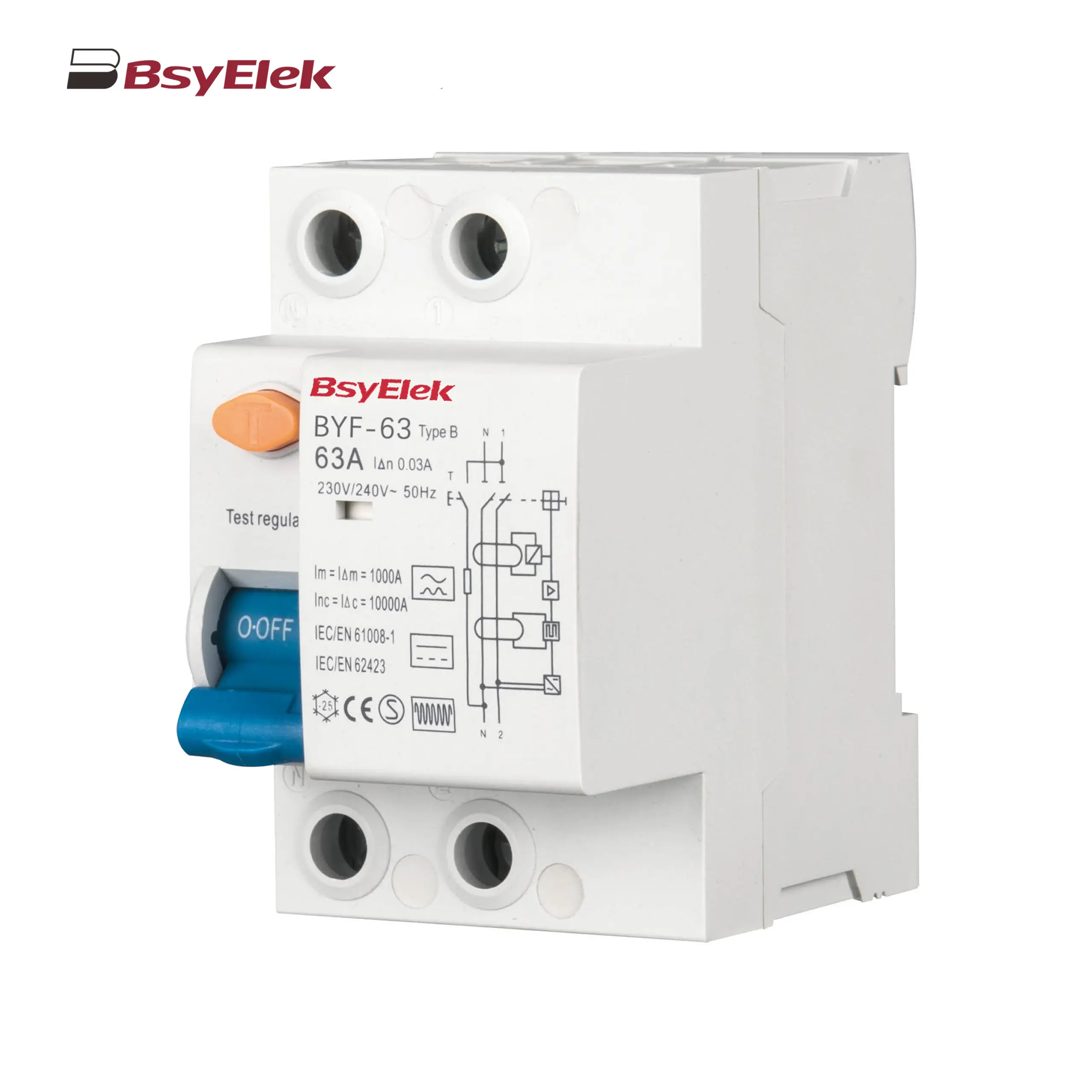
A residual current circuit breaker (RCCB) protects people from electric shock caused by leakage current. Its main parts include a toroidal current transformer, switching contacts, a trip mechanism, and a test circuit. The transformer surrounds the live and neutral conductors. Under normal conditions, their currents are equal and opposite.

If insulation fails, some current may flow through a metal enclosure or a person. The returning neutral current then becomes smaller. This imbalance creates a signal inside the transformer. A trip coil releases the mechanism, opening the contacts and disconnecting the circuit. Both live and neutral conductors should separate. The device usually does not provide overload or short-circuit protection, so another protective device is commonly required.

The test button adds a small current through a resistor, creating an artificial imbalance. Pressing it should cause an immediate trip. A useful inspection habit is checking this function regularly, then resetting the device firmly. Dust, loose terminals, moisture, or poor wiring can affect operation. That detail is easy to overlook. In practical installations, “instant protection” can be misunderstood. An RCCB reacts quickly, but it cannot prevent every shock, especially when current stays below its rated sensitivity. Correct earthing, insulation, circuit design, and professional testing still matter. The trip rating and operating time should match the circuit’s intended use and applicable electrical requirements.

What Is a Residual Current Circuit Breaker? - Main Components and Operating Process

An RCCB monitors the balance between live and neutral currents. When current leaks to earth, the imbalance reaches the device’s rated residual operating current and the trip mechanism opens the circuit.

The chart shows common rated residual operating-current levels used for RCCB protection. Lower settings provide greater sensitivity to leakage, while higher settings are generally used where selective protection or reduced nuisance tripping is required. The main components are the toroidal sensing core, sensing winding, trip relay, mechanical latch, test button, and switching contacts.

Common Types and Their Key Differences

What Is a Residual Current Circuit Breaker?

Common Types and Their Key Differences

A residual current circuit breaker, or RCCB, monitors current leaving and returning through a circuit. If the difference suggests leakage, it disconnects power quickly. In a bathroom, this may prevent a damaged cable from energising a wet metal fitting. An RCCB does not normally protect against overloads or short circuits. A separate overcurrent device is still required.

The commonest RCCB sensitivity for personal protection is 30 mA. Higher ratings, such as 100 mA or 300 mA, may serve equipment or fire protection purposes. Selection depends on the installation design and local electrical rules. Type AC detects sinusoidal alternating leakage. Type A also detects pulsating direct current, which can occur in circuits supplying electronic chargers, washing machines, or LED equipment. Type B detects smoother direct current and certain higher-frequency residual currents. It is considered for equipment such as variable-speed drives or some charging systems.

RCBOs combine residual-current protection with overload protection in one device. This can simplify a consumer unit and limit disruption to one circuit. Yet an RCCB may remain practical where several circuits share protection. Nuisance tripping is still possible. A neat label does not guarantee a correct choice. The difficult part is admitting that a simple type chart cannot cover every installation. Electricians should check connected equipment, earthing arrangements, test-button results, and the applicable standard before fitting a device. Discovery matters.

Installation, Testing, and Essential Safety Considerations

What Is a Residual Current Circuit Breaker?
Installation, Testing, and Essential Safety Considerations

A residual current circuit breaker, or RCCB, monitors current leaving and returning through a circuit. If the values differ, it disconnects power quickly. That difference may indicate current flowing through a person or damaged insulation. Electrical Safety First reports that RCD protection can reduce the risk of fatal electric shock by up to 90%. However, an RCCB does not replace overcurrent protection. A separate protective device may still be necessary.

Installation demands careful attention. A qualified electrician should confirm the correct rating, circuit arrangement, neutral connection, earthing, and terminal torque. Loose conductors can create heat inside a quiet enclosure. The device should also match the required sensitivity, often 30 mA for additional personal protection. Local wiring rules and IEC 60364 principles should guide the work. In practice, mistakes happen. A visually neat installation can still contain a reversed neutral or an incomplete connection.

Tips:

Press the test button at the interval required by local guidance, often monthly. Power should disconnect immediately. This button checks the operating mechanism, not the full trip performance. During commissioning, use a calibrated RCD tester to measure trip current and disconnection time. Record each result. If the device trips repeatedly, do not keep resetting it. Unplug equipment, isolate the circuit, and arrange professional fault finding. Test instruments also need verification; an old meter can create false confidence.