Understanding the Importance of the Main Switch in Electrical Systems for Safety and Efficiency
The Main Switch plays a crucial role in ensuring both safety and efficiency within electrical systems, acting as the primary control point for power distribution. According to a report by the National Fire Protection Association, improper handling of electrical components is a leading cause of residential fires, underscoring the need for a reliable Main Switch in every electrical installation. Additionally, the International Electrotechnical Commission highlights that a well-designed Main Switch contributes to reducing energy losses and enhances system reliability, with potential savings of up to 20% in operational costs when efficient switching mechanisms are employed. As the backbone of electrical safety protocols, the Main Switch not only facilitates safe power management but also serves as a critical component for maintaining optimal operational efficiency in various applications, from industrial setups to residential homes.

The Role of the Main Switch in Preventing Electrical Hazards in Industrial Settings
The main switch plays a crucial role in ensuring safety and efficiency in electrical systems, particularly in industrial settings where the risk of electrical hazards is heightened.
By acting as a central control point for the entire electrical supply, the main switch allows for the quick disconnection of power during emergencies, thereby preventing potential accidents. This functionality is essential in limiting the extent of electrical shocks and fires, which can have devastating consequences in the workplace.
Moreover, the correct installation and maintenance of the main switch are vital for the overall reliability of electrical systems. In an environment where heavy machinery and complex electrical networks operate, the potential for faults exists, making the main switch a linchpin in risk management strategies. Regular testing and adherence to electrical safety protocols ensure that the main switch functions optimally, safeguarding employees and equipment alike. As awareness grows around electrical safety, the significance of robust main switch systems in industrial sectors cannot be overstated.
Analyzing the Efficiency Gains from Proper Main Switch Usage in Electrical Systems
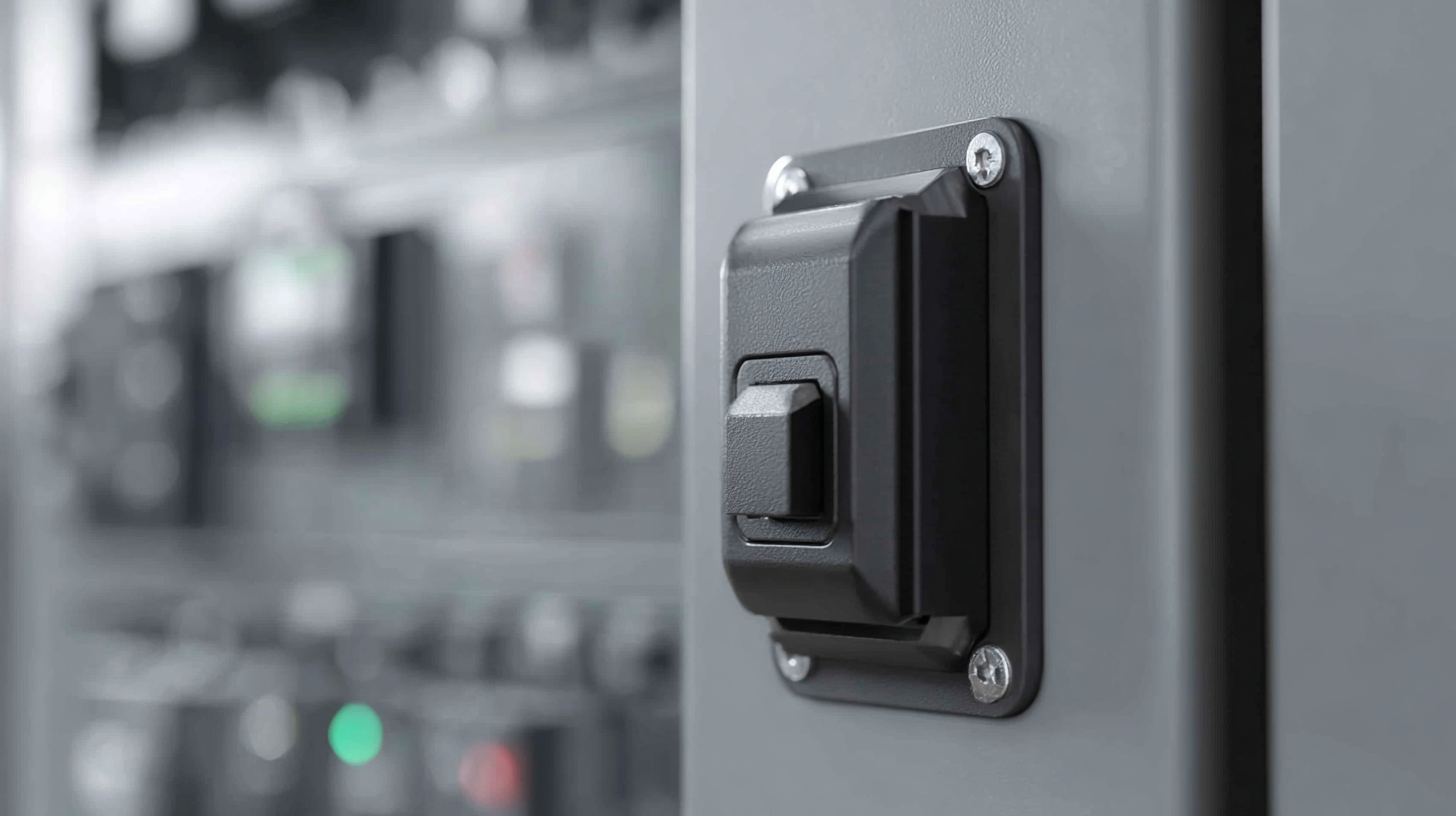
The main switch plays a crucial role in enhancing the efficiency of electrical systems. A well-functioning main switch not only ensures the safety of electrical installations but also contributes significantly to energy savings. According to a report by the International Energy Agency (IEA), the implementation of efficient electrical control systems, including the main switch, can lead to energy reductions of up to 30% in industrial applications. This is primarily achieved through optimized load management, minimizing energy wastage during off-peak hours, and allowing for timely maintenance interventions.
Moreover, the proper use of the main switch can facilitate quicker response times to electrical faults, thereby reducing downtime and associated costs. Research conducted by the Electrical Safety Foundation International (ESFI) indicates that effective management of electrical systems can lead to operational efficiency improvements of around 20% in commercial settings. By minimizing the risks of electrical failures and streamlining energy distribution, organizations can not only ensure compliance with safety standards but also realize significant economic benefits. In summary, proper main switch usage is essential for driving efficiency in electrical systems, which ultimately leads to safer and more cost-effective operations.
Best Practices for Installing and Maintaining Main Switches for Optimal Performance
When it comes to electrical systems, the main switch plays a crucial role in ensuring both safety and efficiency. According to the National Fire Protection Association (NFPA), electrical failures are responsible for approximately 40% of all fire incidents in commercial buildings. Therefore, proper installation and maintenance of main switches are essential for preventing potential hazards. Routine inspections should be conducted every six months to ensure that connections are secure, and the switch is functioning correctly.
Best practices for maintaining main switches include keeping the area around the switch clear of obstructions and dust. The Electrical Safety Foundation International (ESFI) suggests regularly testing the switch for operational integrity, as even slight anomalies can lead to significant issues over time. Additionally, using thermal imaging technology can help identify hot spots that may indicate wear or damage. By understanding and implementing these practices, businesses can increase the longevity of their electrical systems and reduce the risk of unexpected failures, ultimately leading to safer work environments.
Importance of Main Switch in Electrical Systems
The chart above illustrates the importance of the main switch in electrical systems, highlighting the key dimensions of safety, efficiency, performance, maintenance, and installation, rated on a scale of 1 to 10. Prioritizing the main switch is crucial to ensure optimal operation and safety within electrical systems.
Understanding the Regulatory Standards Surrounding Main Switches in Electrical Installations
Main switches play a critical role in ensuring the safety and efficiency of electrical installations, serving as the primary means to disconnect power from the entire system during emergencies or maintenance. Compliance with established regulatory standards surrounding main switches is crucial for minimizing risks associated with electrical systems. The Electrical Safety and Other Legislation Amendment Regulation 2024 (ESOLA Regulation) was introduced to enhance safety protocols, particularly in the context of maintaining electrical safety certificates and reports. As part of these regulations, the implementation of Electrical Installation Certificates (EIC) is essential for landlords to produce every five years, helping to ensure that properties meet safety standards.
Recent data indicates a concerning trend in electrical safety, particularly highlighted by Ghana's ongoing electrical safety crisis, stemming from inadequate wiring and unlicensed electrical work. This has led to alarming fire outbreaks, emphasizing the importance of strict regulatory adherence. Moreover, with experts predicting an increase in electrical surge events due to climate change, the need for robust overvoltage protection becomes apparent. These safety measures not only protect individuals and properties but also contribute to the overall efficiency of electrical systems by reducing damage and downtime resulting from electrical failures.
Evaluating the Impact of Main Switches on Energy Consumption and Operational Costs
In electrical systems, the main switch plays a crucial role in managing energy consumption and minimizing operational costs. By providing a central control point, the main switch allows users to easily disconnect power when not in use, leading to significant savings on electricity bills. Additionally, a well-maintained main switch enhances the overall efficiency of the electrical system, ensuring that energy is utilized effectively without unnecessary waste.
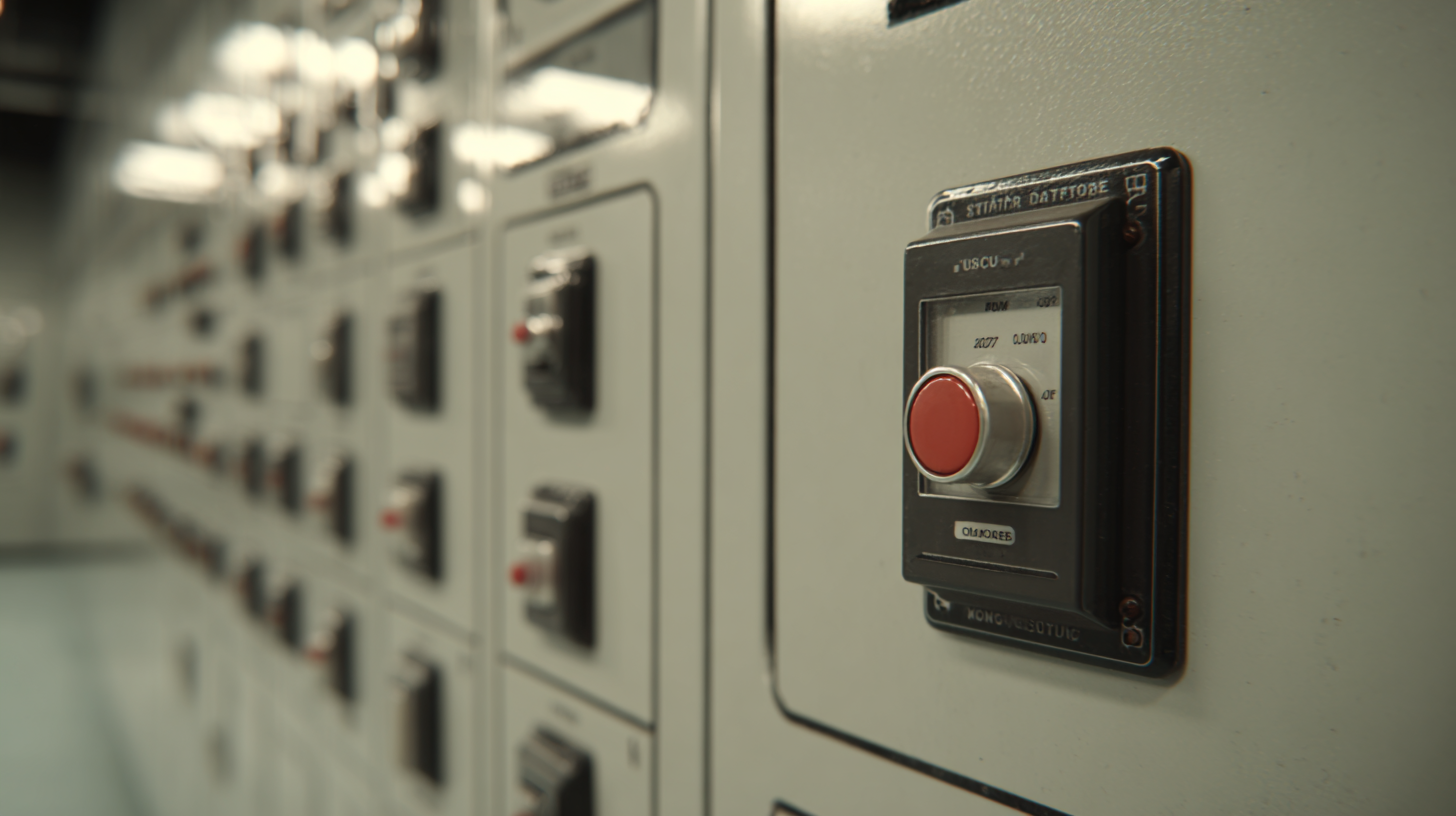
Tips: Regular inspections and timely maintenance of the main switch can prevent potential failures and reduce energy loss. Consider investing in energy monitoring devices connected to the main switch to gain insights into usage patterns and identify opportunities for further savings. Educating all users about the importance of turning off unnecessary circuits can also contribute to lower operational costs.
The impact of the main switch extends beyond immediate savings; it can also optimize the lifespan of electrical appliances and systems. When power is efficiently managed, devices experience less strain, reducing the likelihood of costly repairs or replacements. Implementing smart switches that can be programmed for specific operating times further enhances this efficiency, ensuring that energy is conserved without compromising productivity.



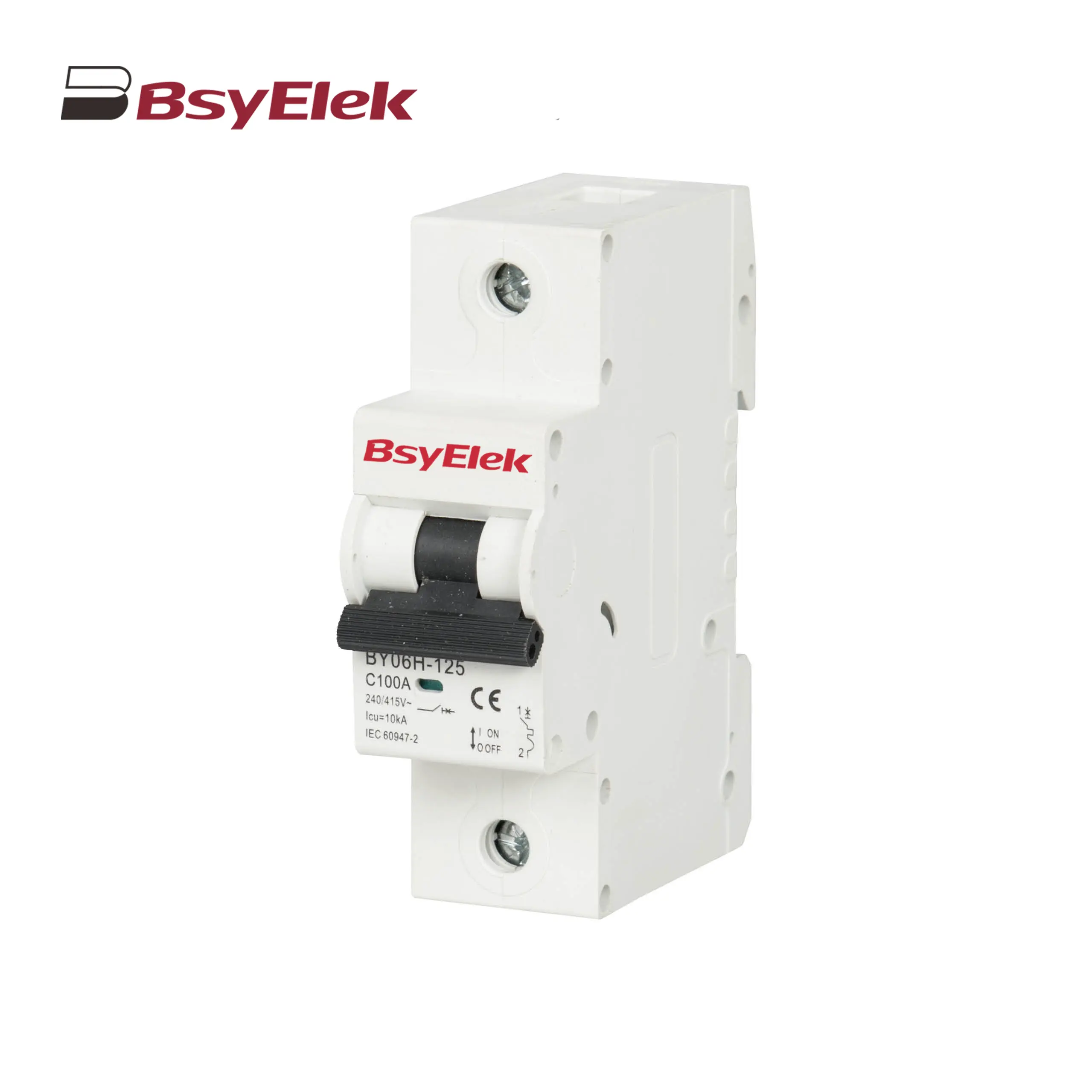 BY06H-125 MCB 10-15KA Miniature Circuit Breaker
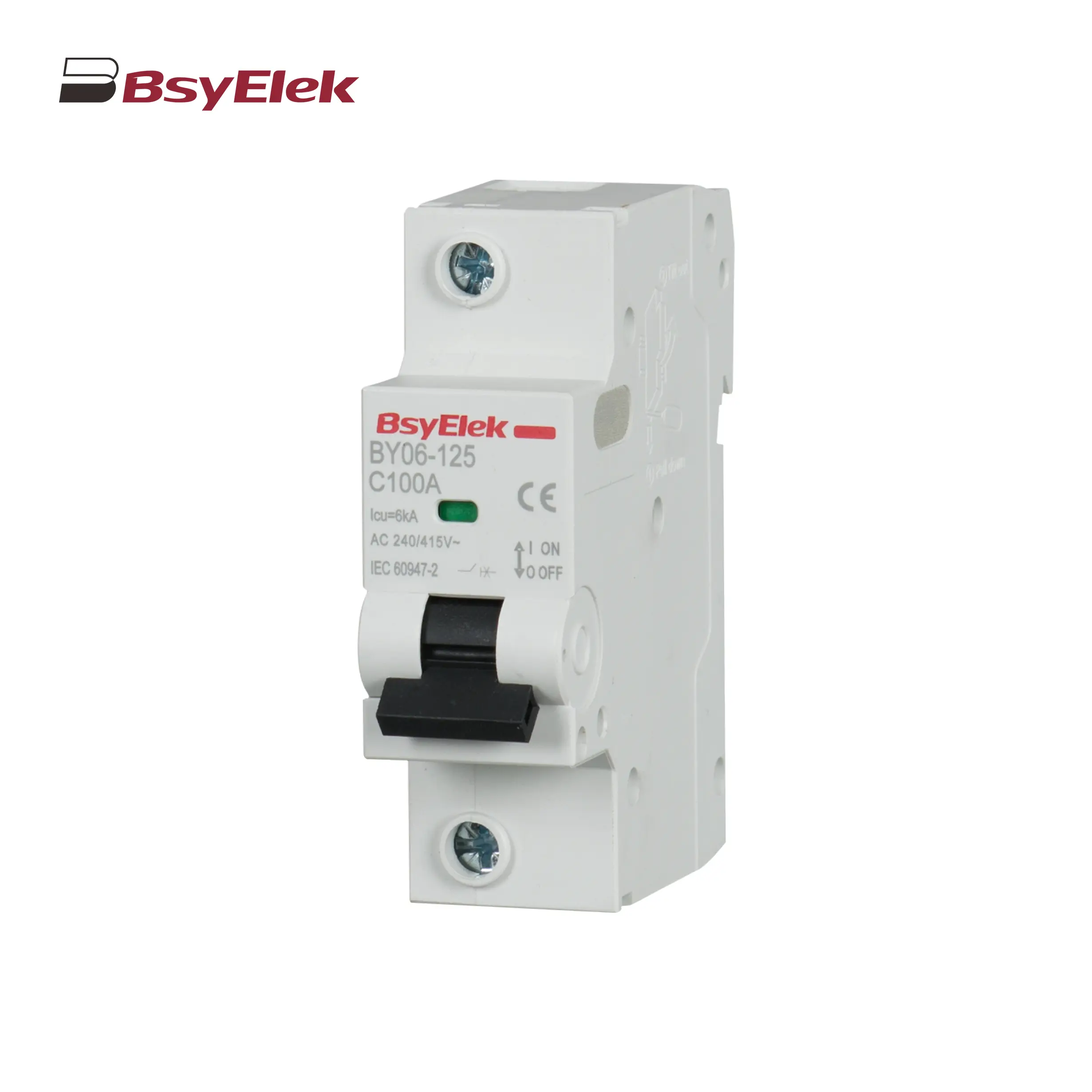 BY06-125 MCB 6KA Miniature Circuit Breaker
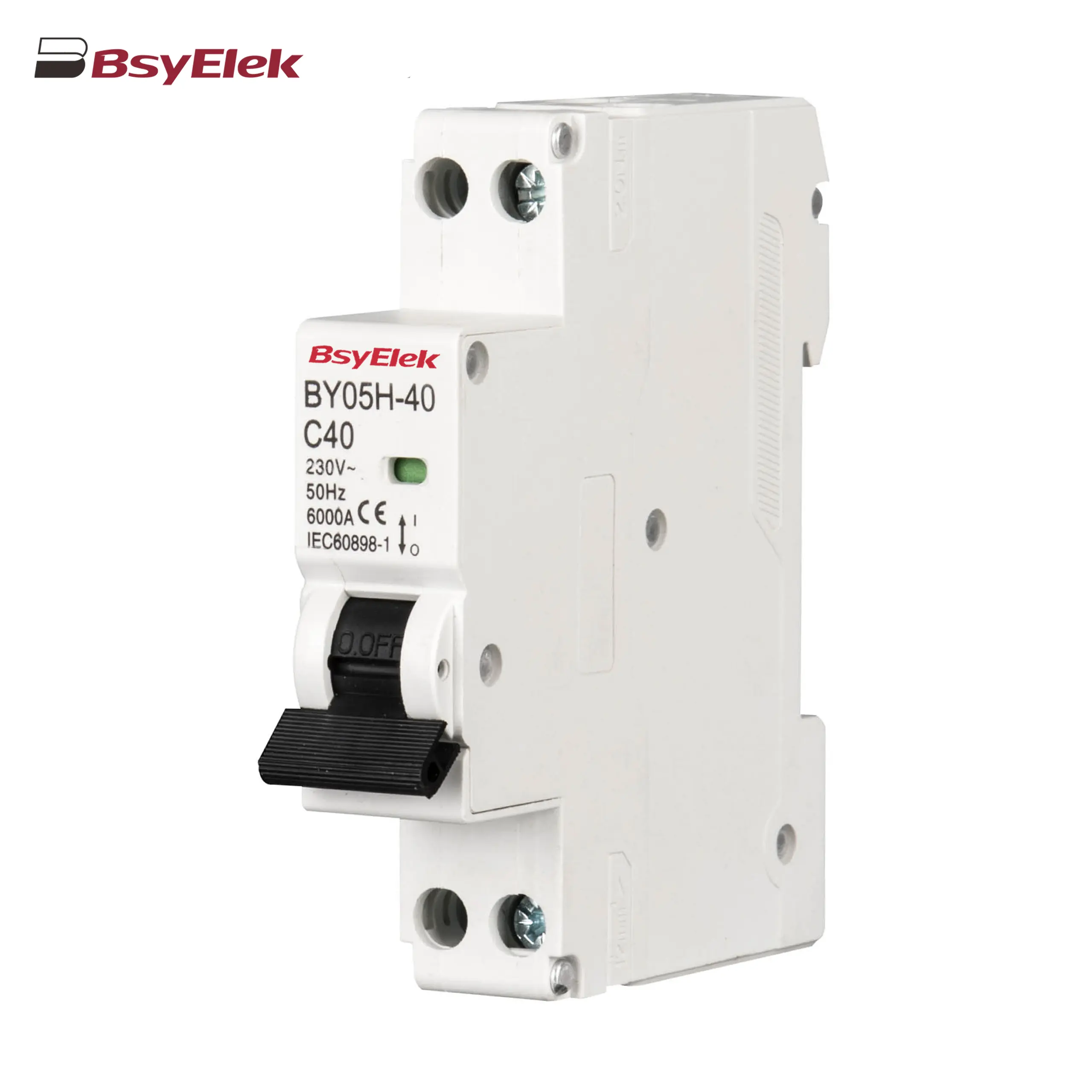 BY05H-40 MCB Single Modular 6KA Miniature Circuit Breaker
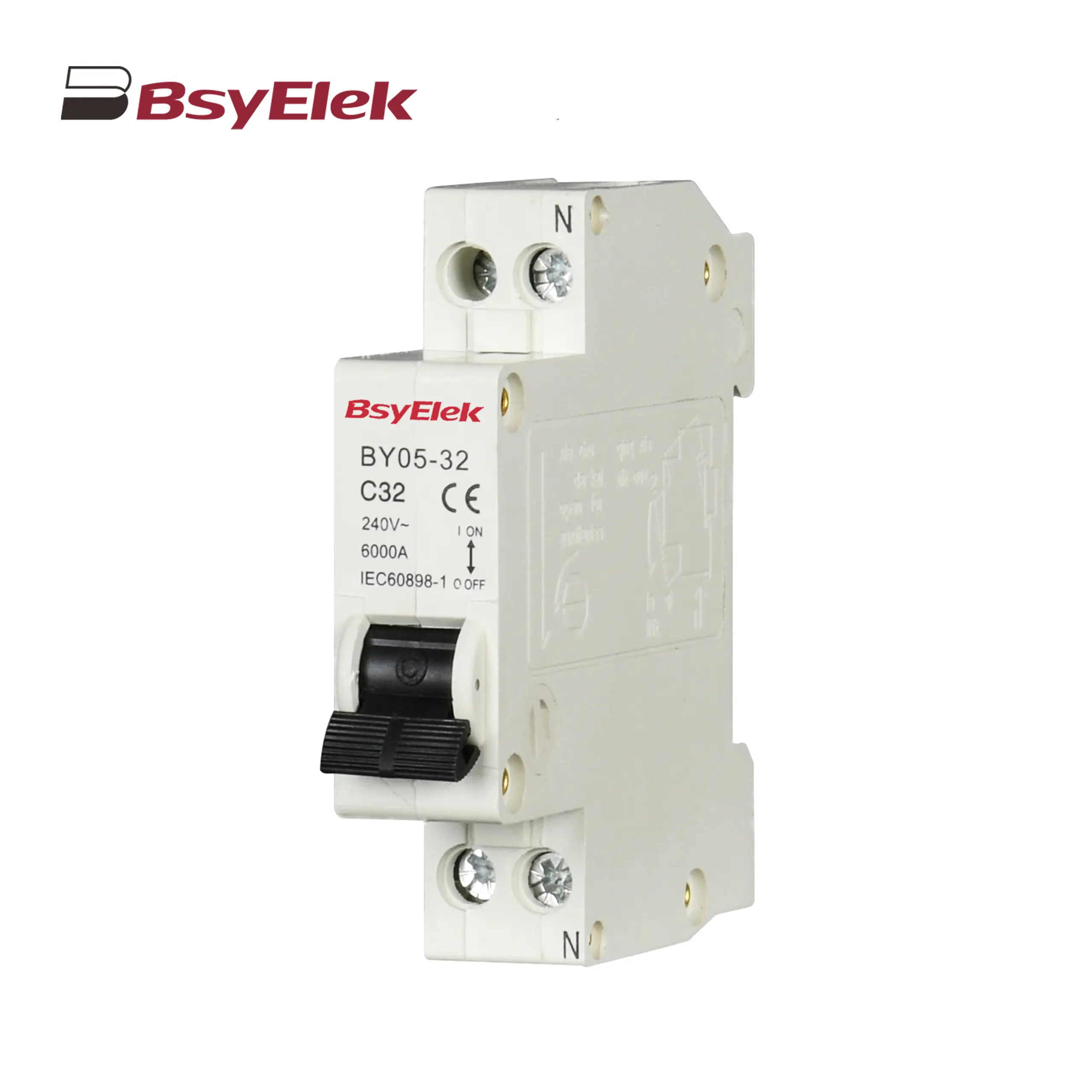 BY05-32 MCB Single Modular 3KA Miniature Circuit Breaker
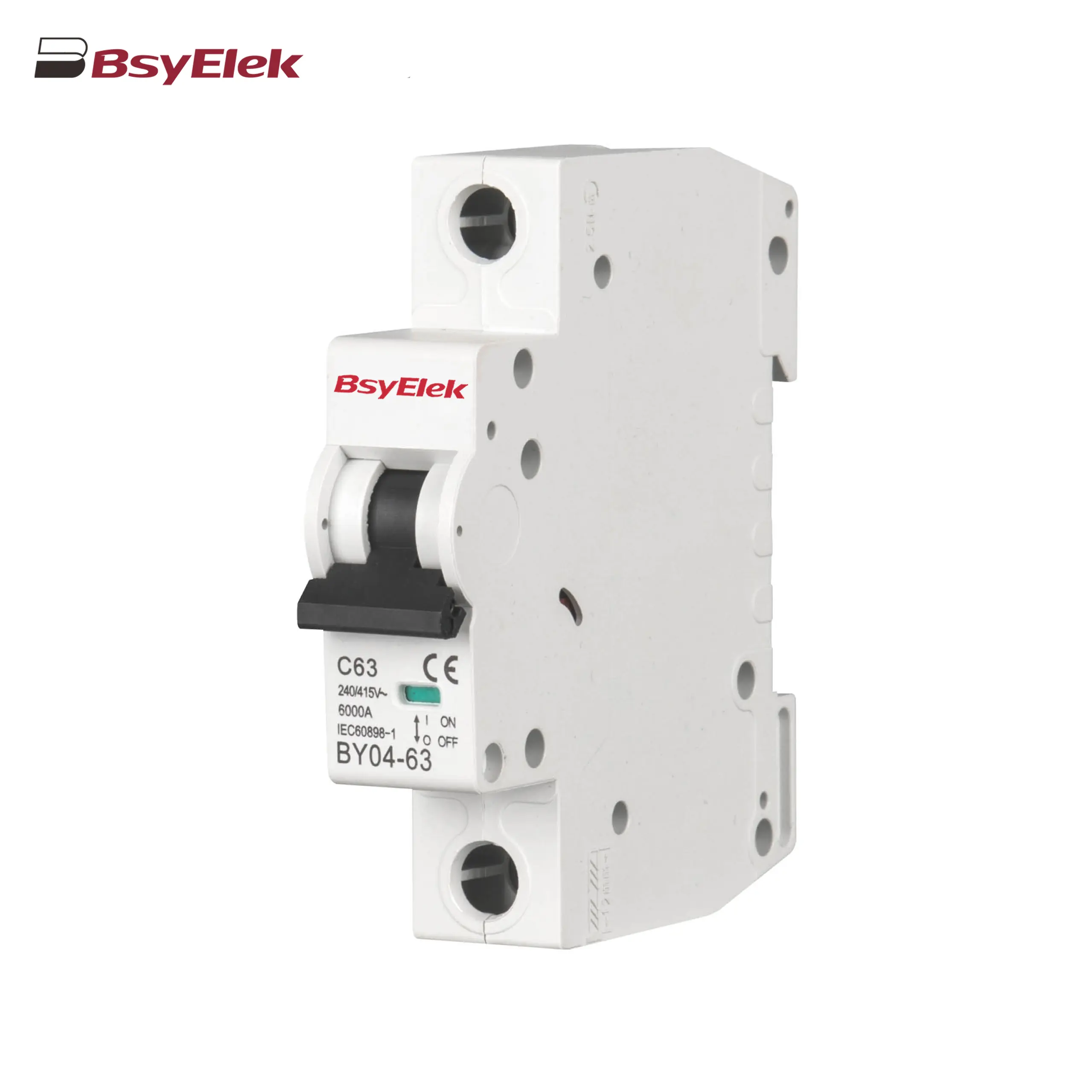 BY04-63 MCB 6-10KA Miniature Circuit Breaker
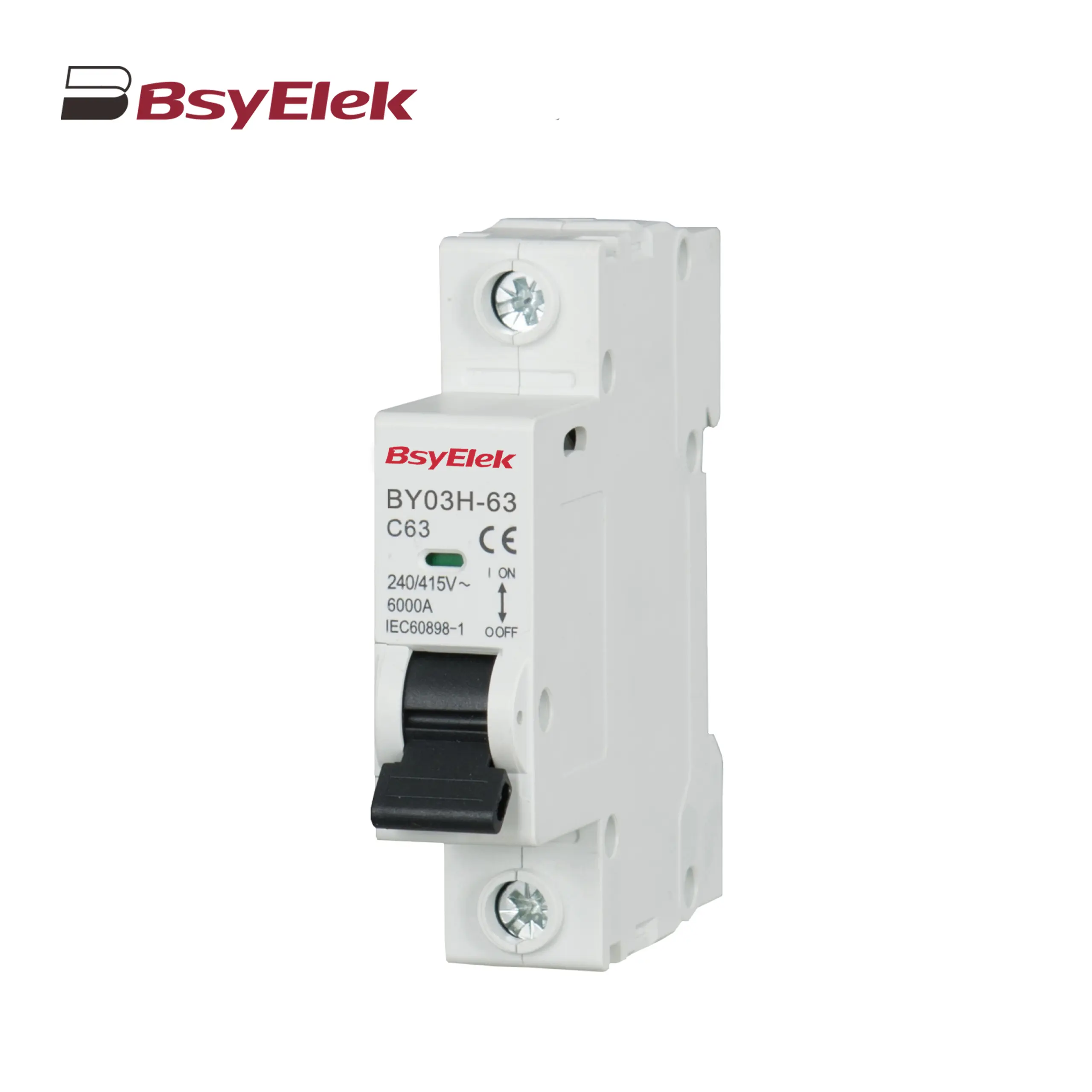 BY03H-63 MCB 6KA Miniature Circuit Breaker
 BY03-63 MCB 4.5KA Miniature Circuit Breaker
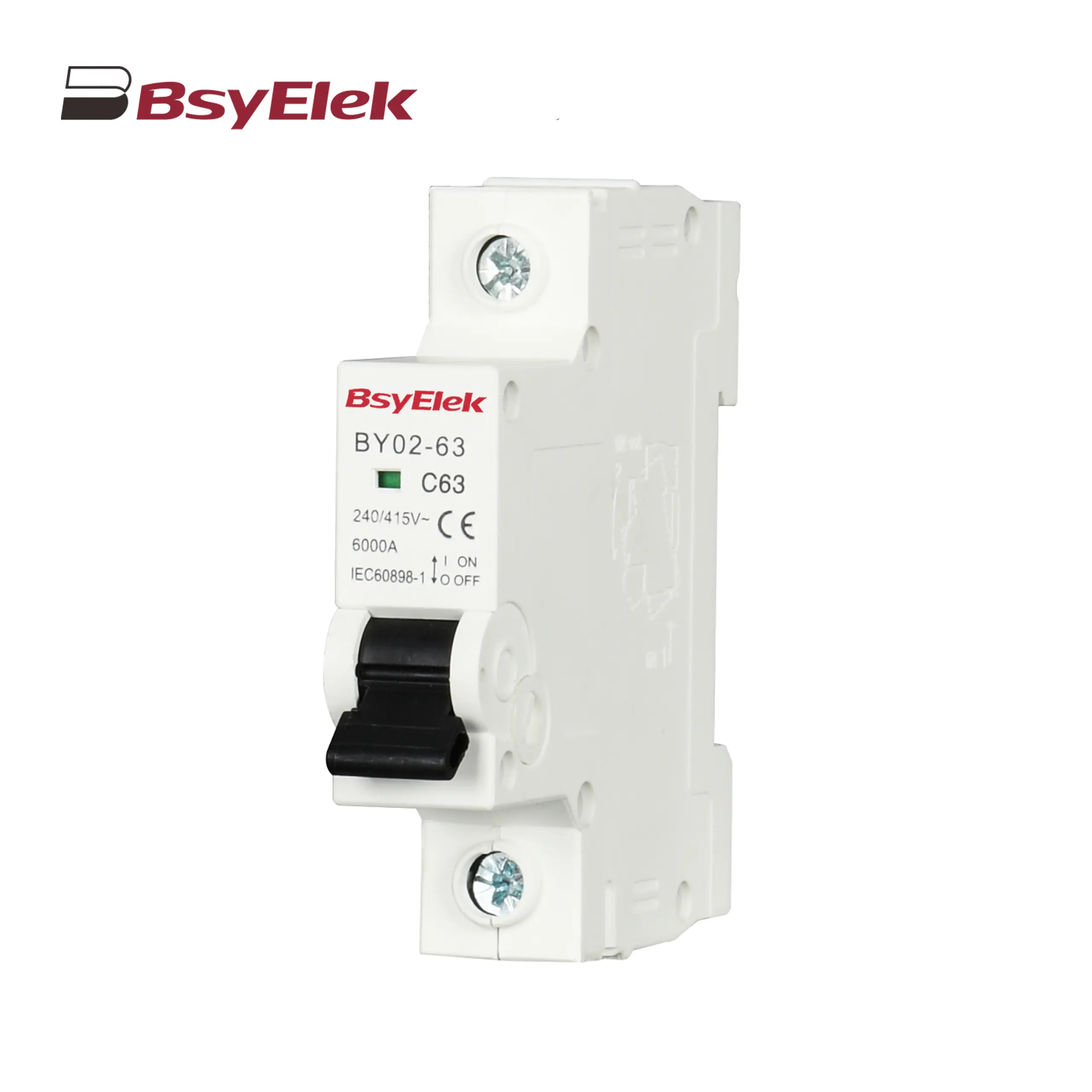 BY02-63 MCB 3kA Miniature Circuit Breaker
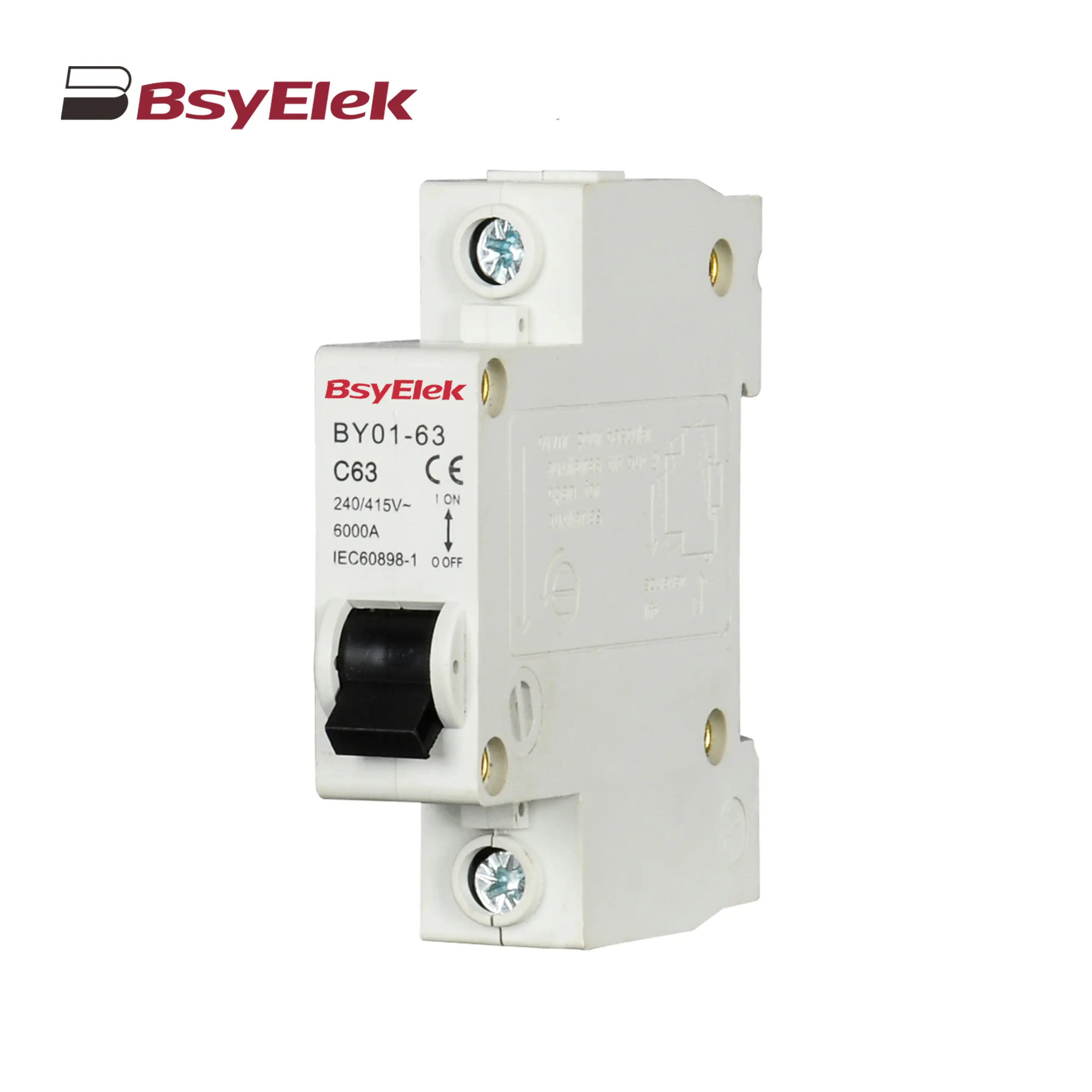 BY01-63 MCB 3kA Miniature Circuit Breaker
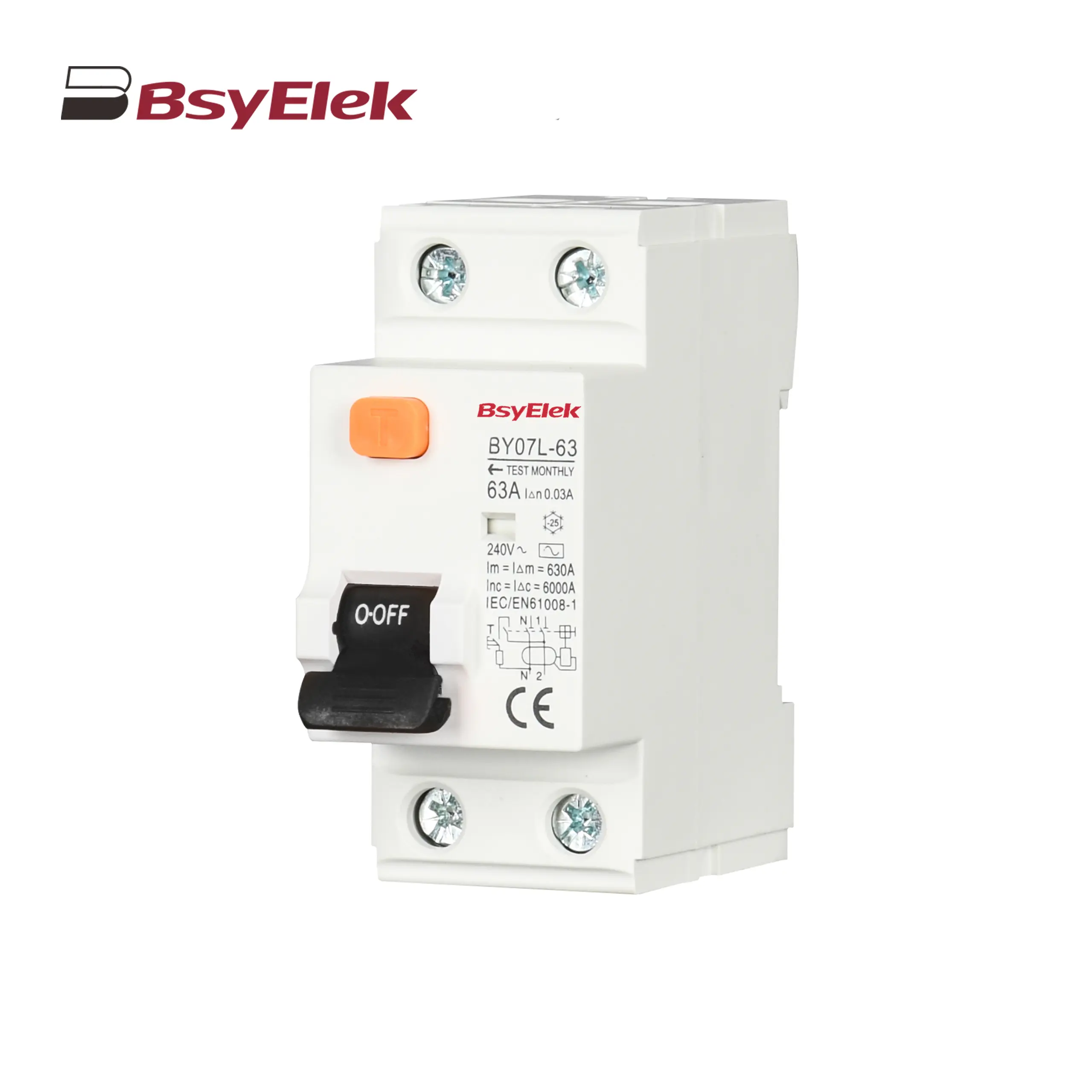 BY07L-63 RCCB 6KA Residual Current Circuit Breaker
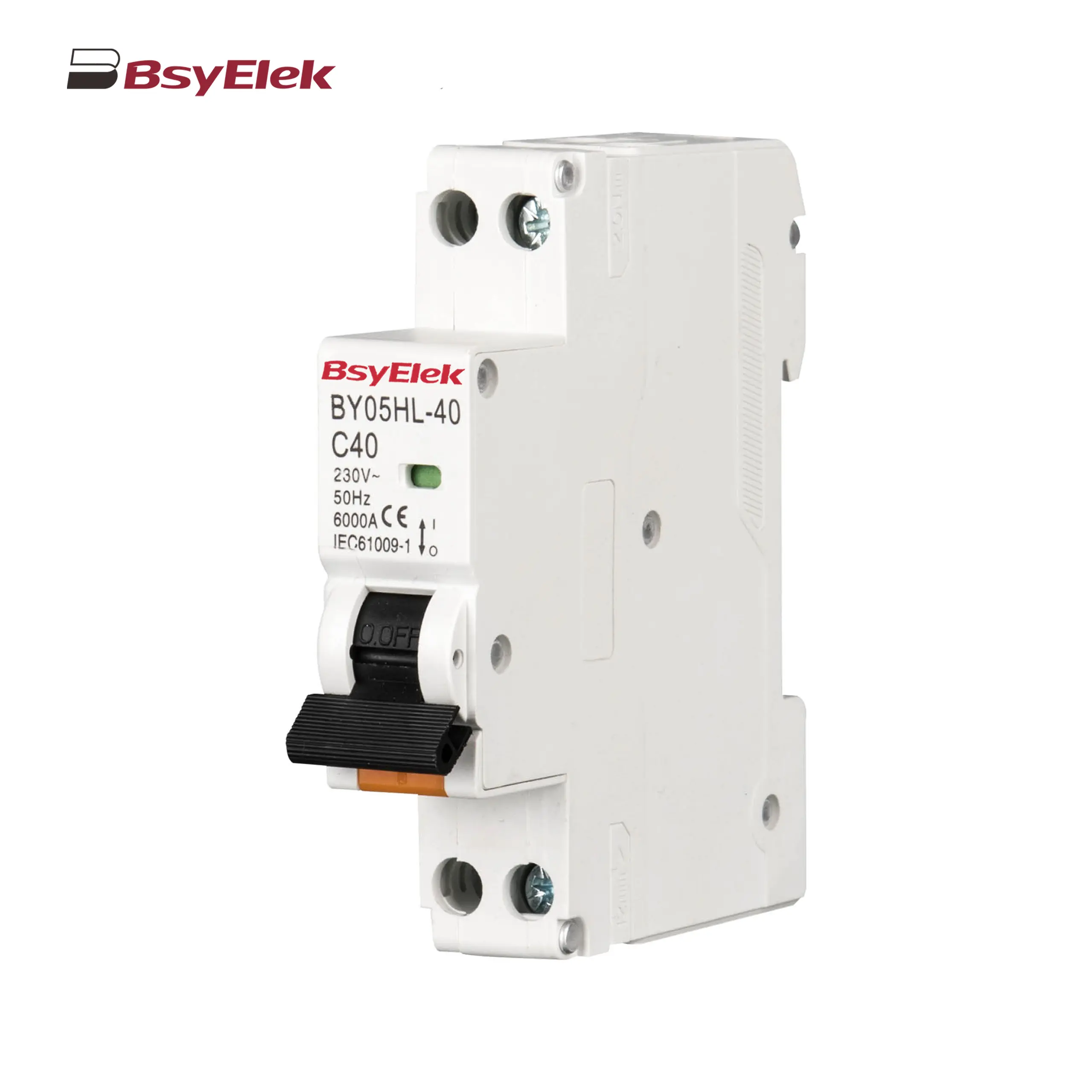 BY05HL-40 RCBO 6KA Residual Current Circuit Breaker with Over-current Protection
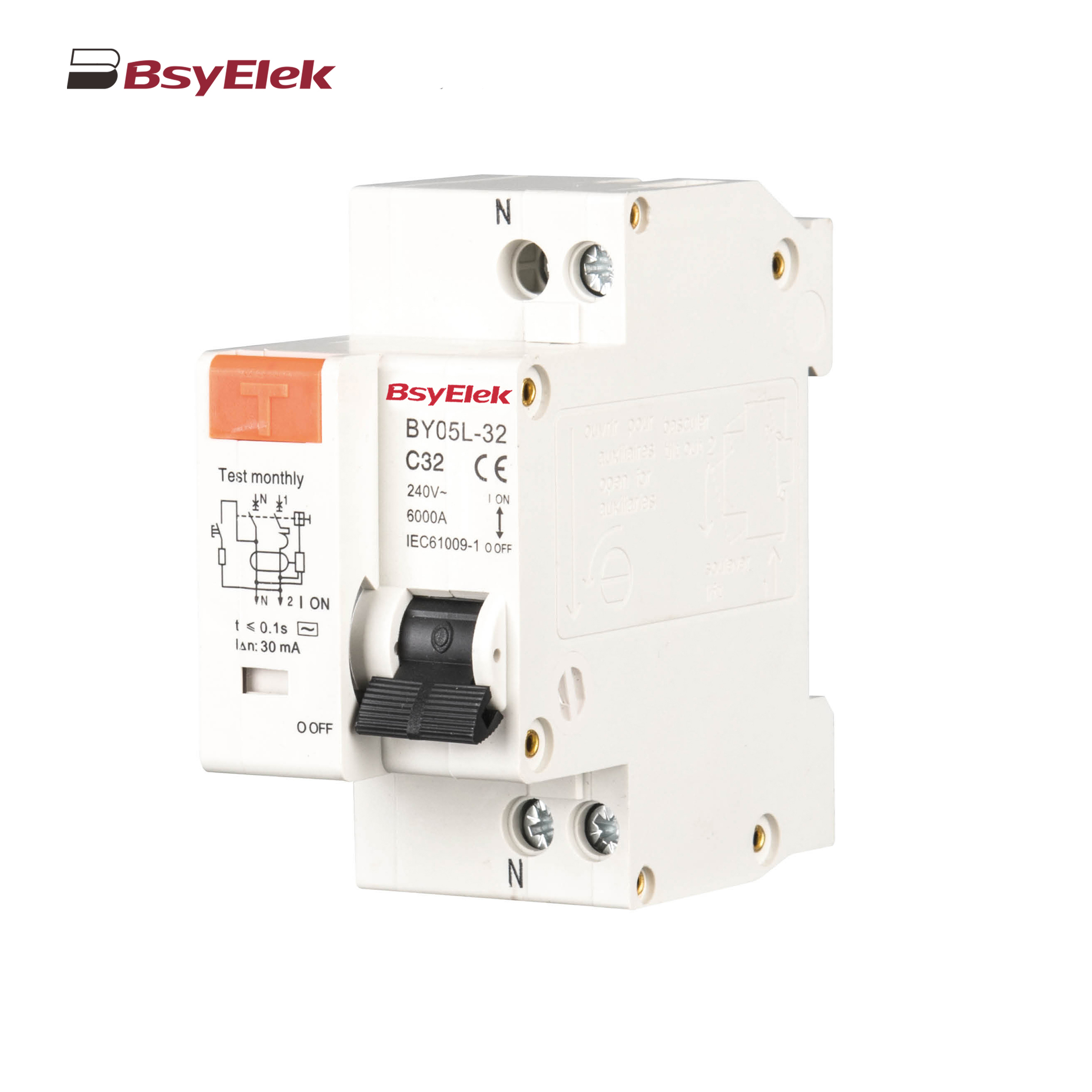 BY05L-32 RCBO 3KA Residual Current Circuit Breaker with Over-current Protection
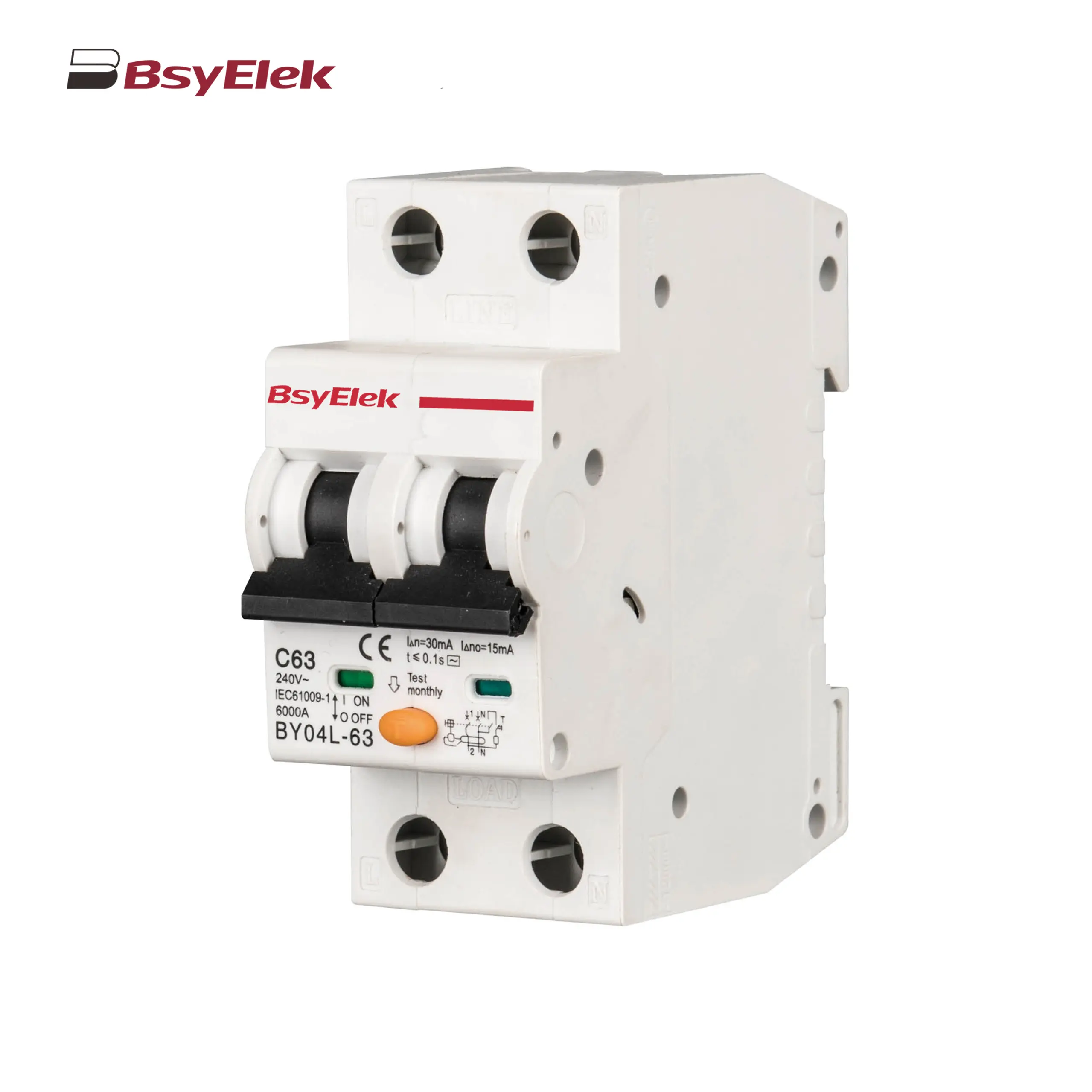 BY04L-63 RCBO 6KA Residual Current Circuit Breaker with Over-current Protection
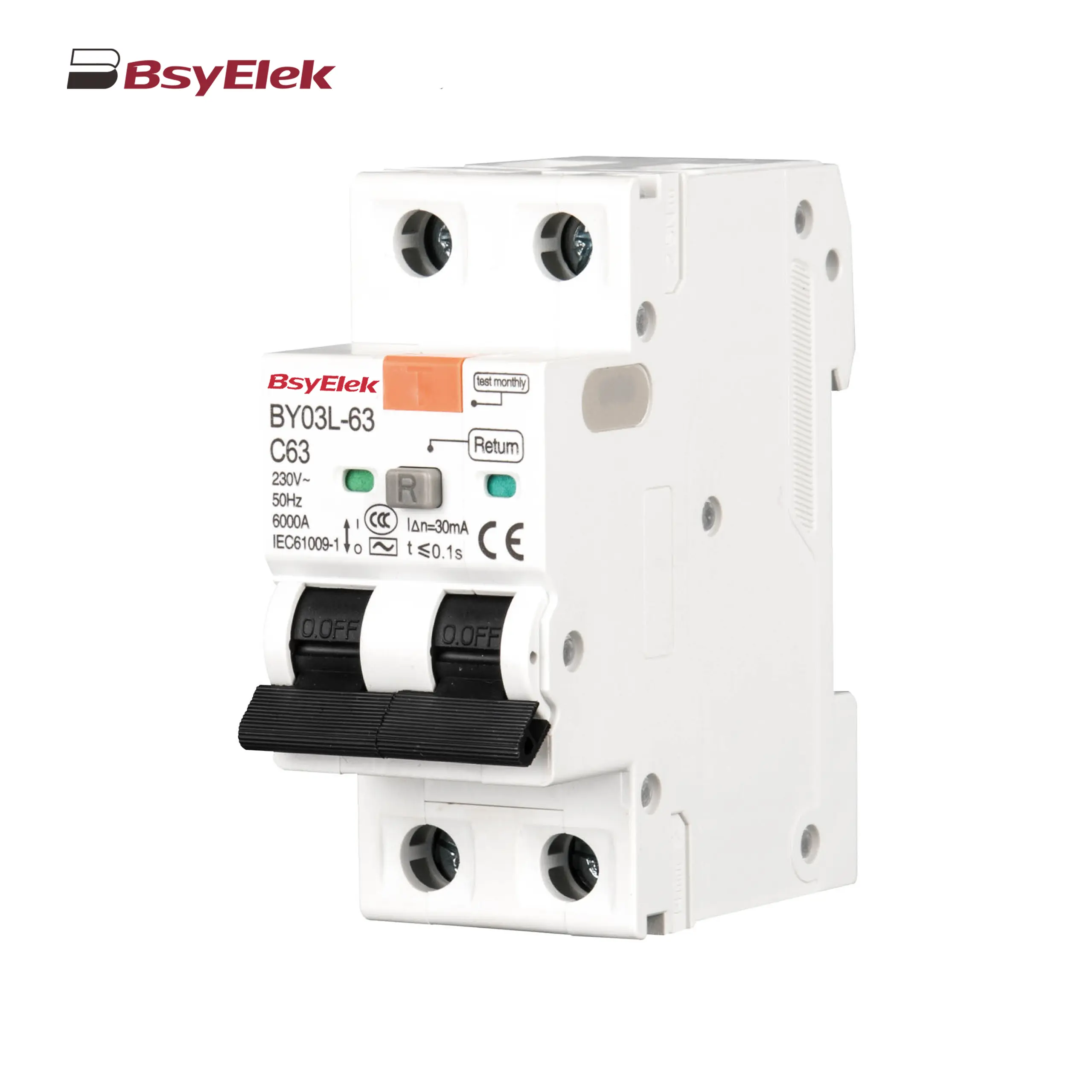 BY03L-63 RCBO 4.5KA Residual Current Circuit Breaker with Over-current Protection
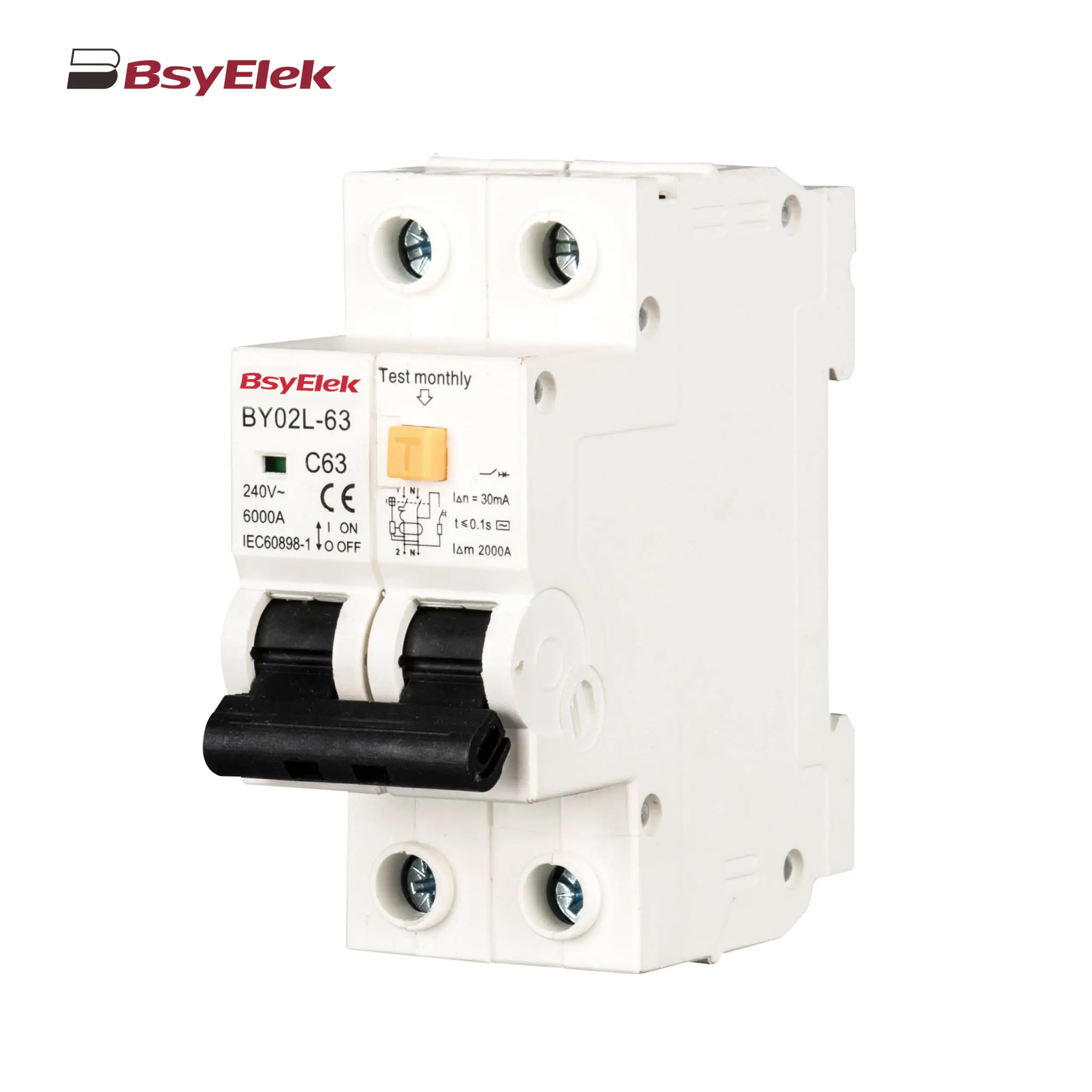 BY02L-63 RCBO 3KA Residual Current Circuit Breaker with Over-current Protection
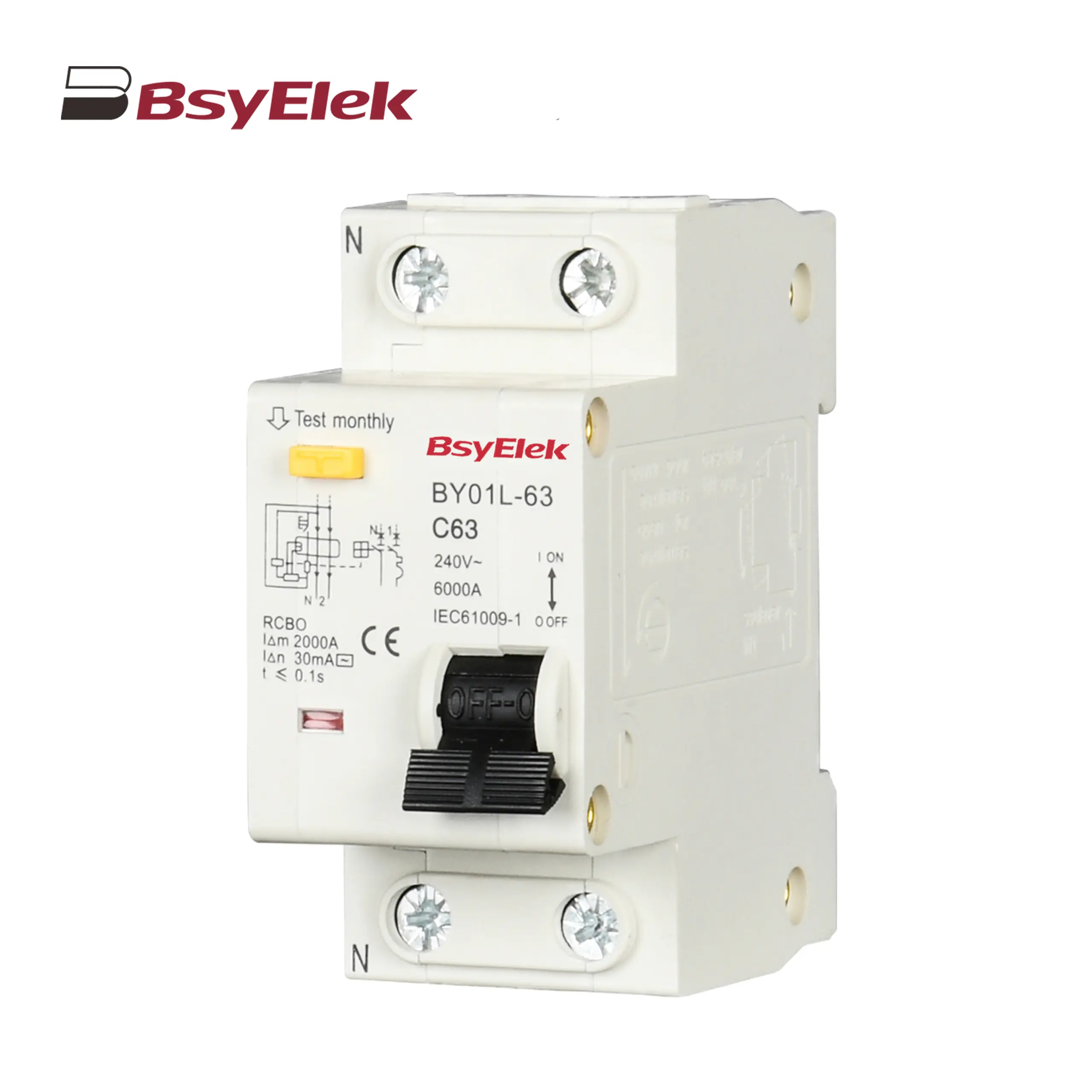 BY01L-63 RCBO 1P+N 3KA Residual Current Circuit Breaker with Over-current Protection
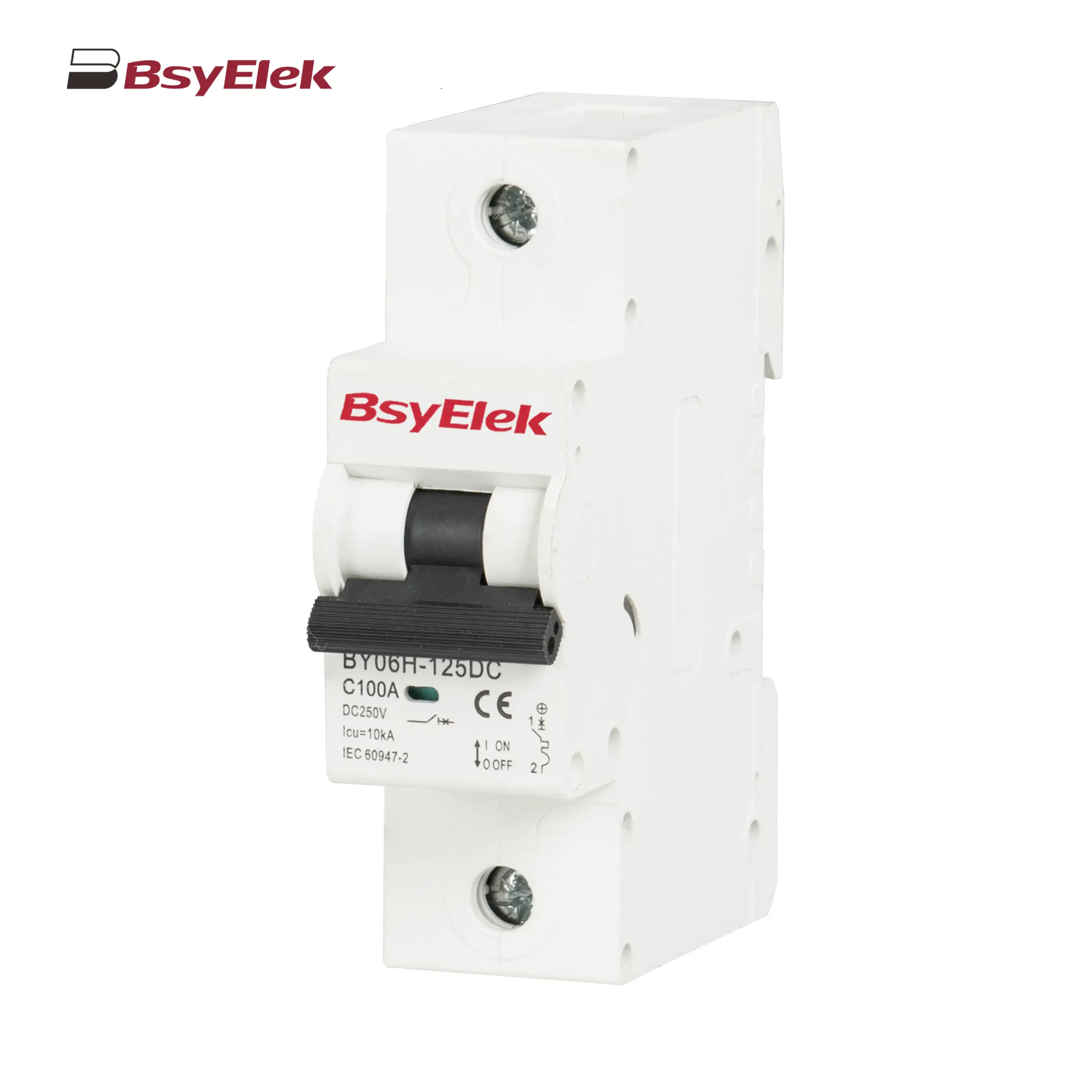 BY06H-125DC MCB 10-15kA DC Miniature Circuit Breaker
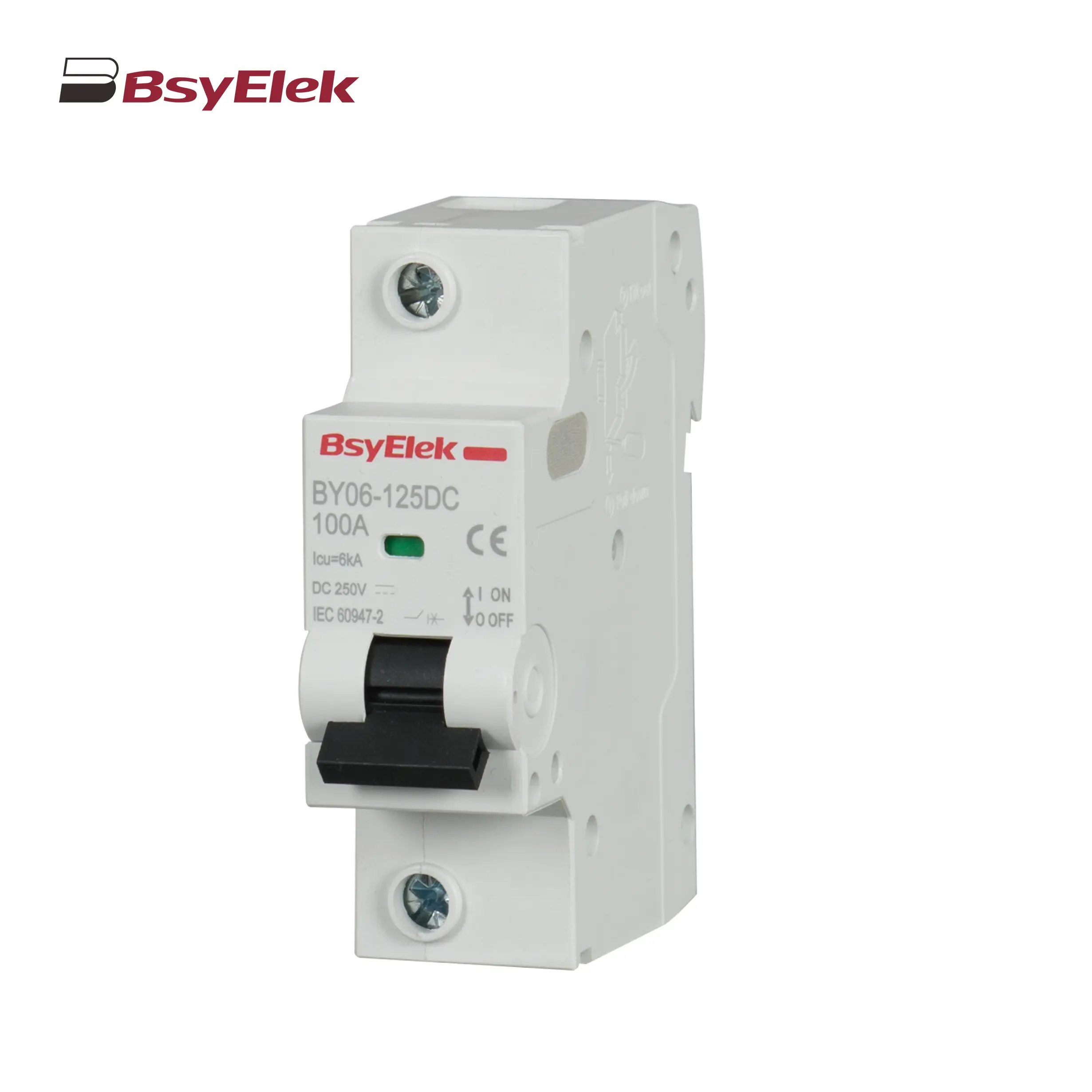 BY06-125DC MCB 6kA DC Miniature Circuit Breaker
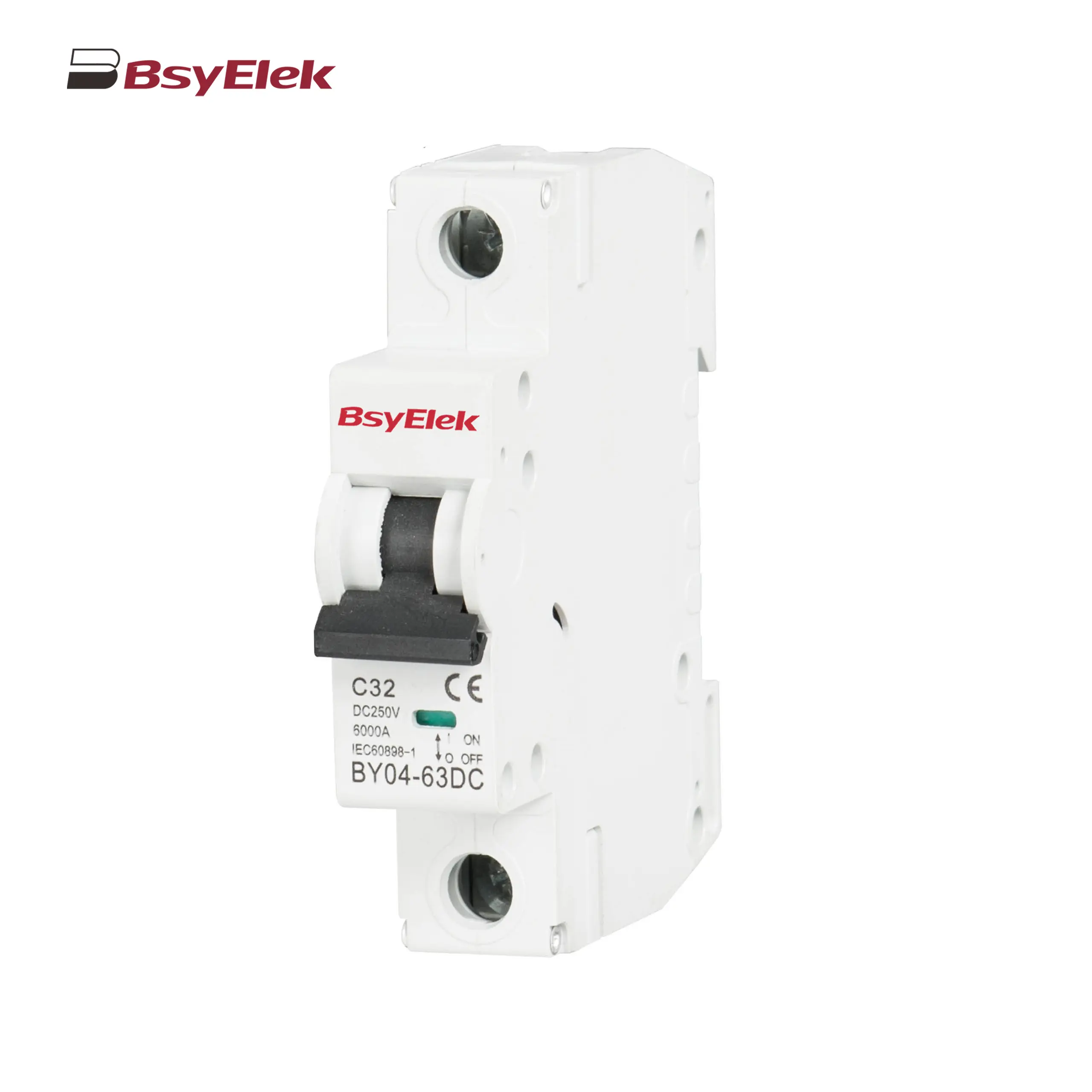 BY04-63DC MCB 6-10kA DC Miniature Circuit Breaker
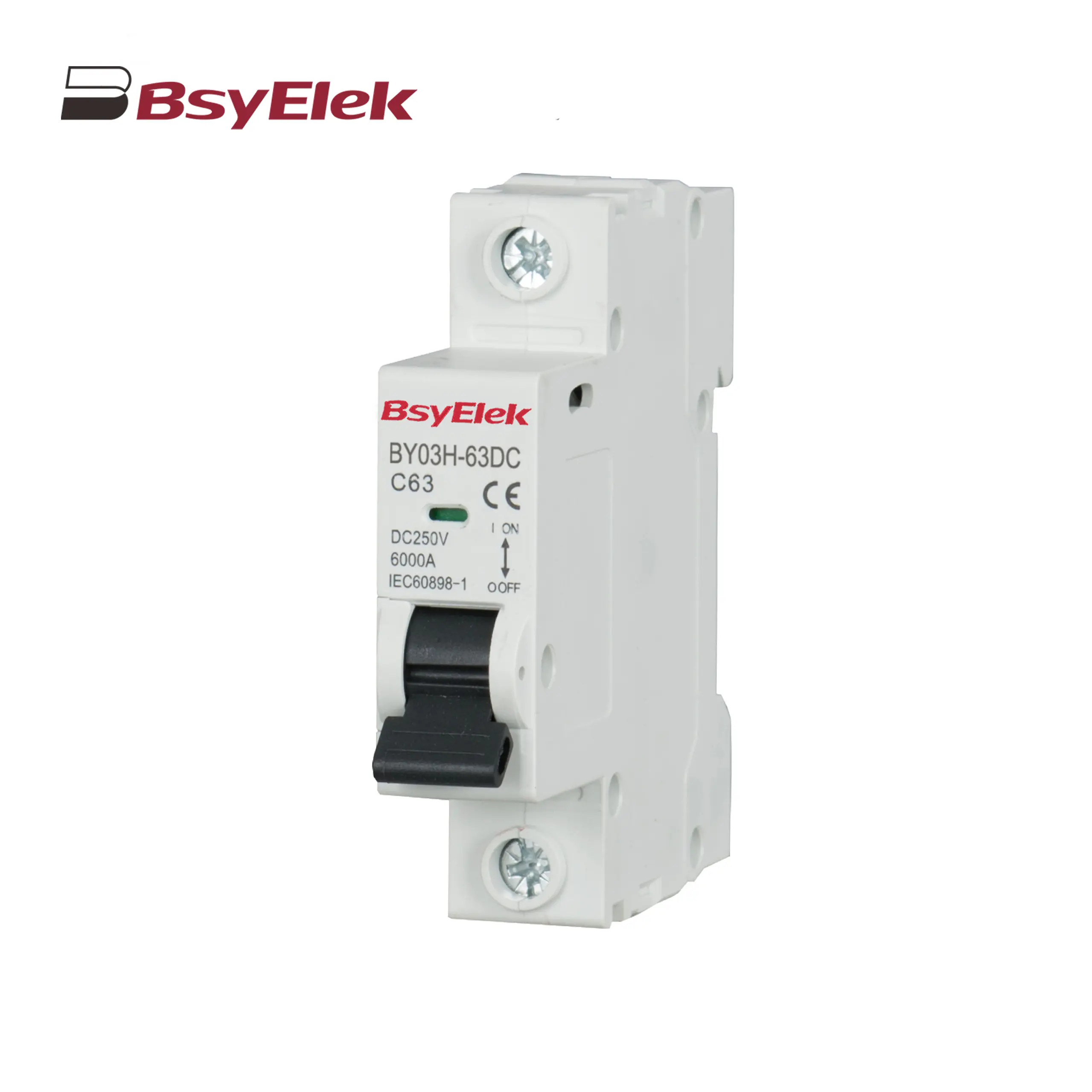 BY03H-63DC MCB 6kA DC Miniature Circuit Breaker
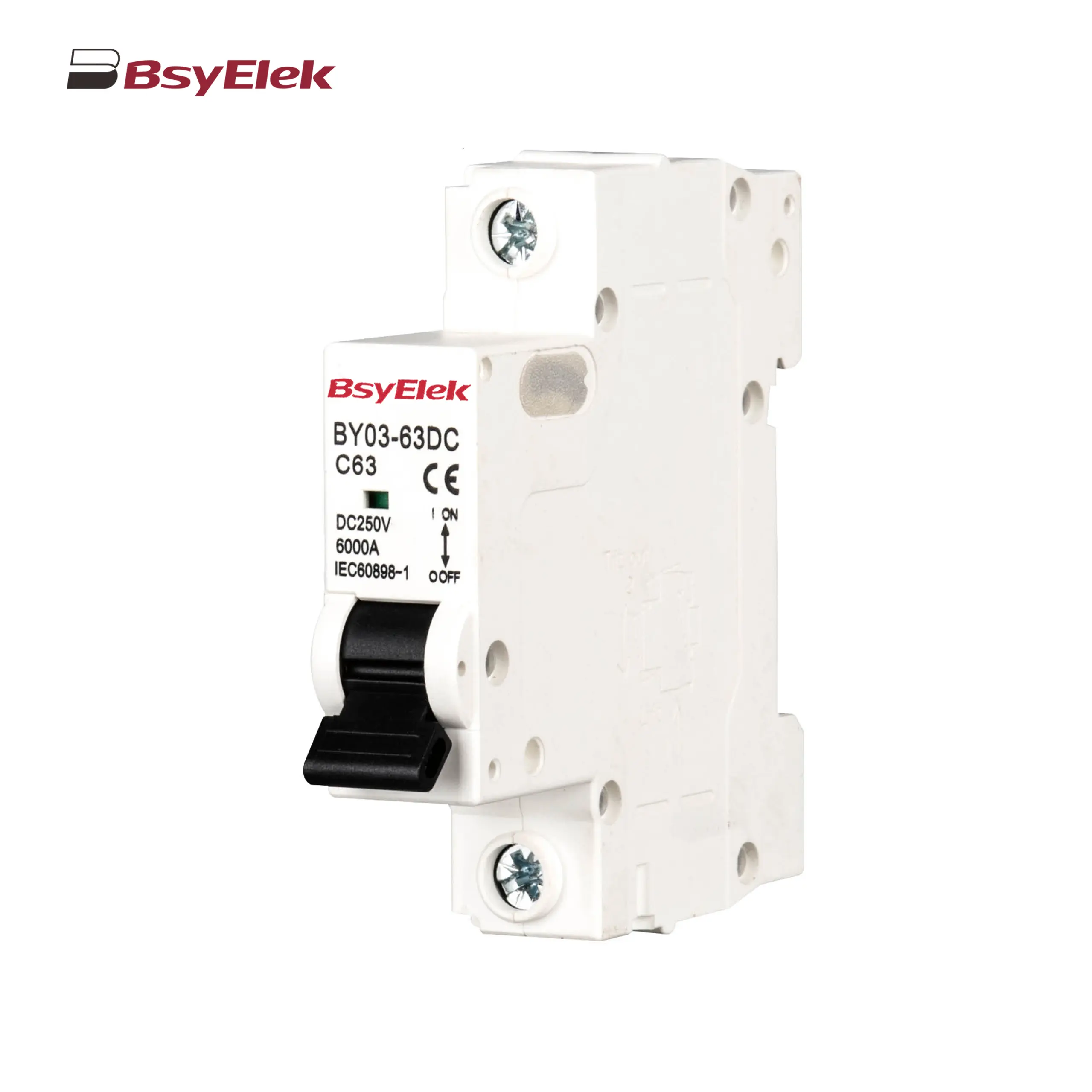 BY03-63DC MCB 4.5kA DC Miniature Circuit Breaker
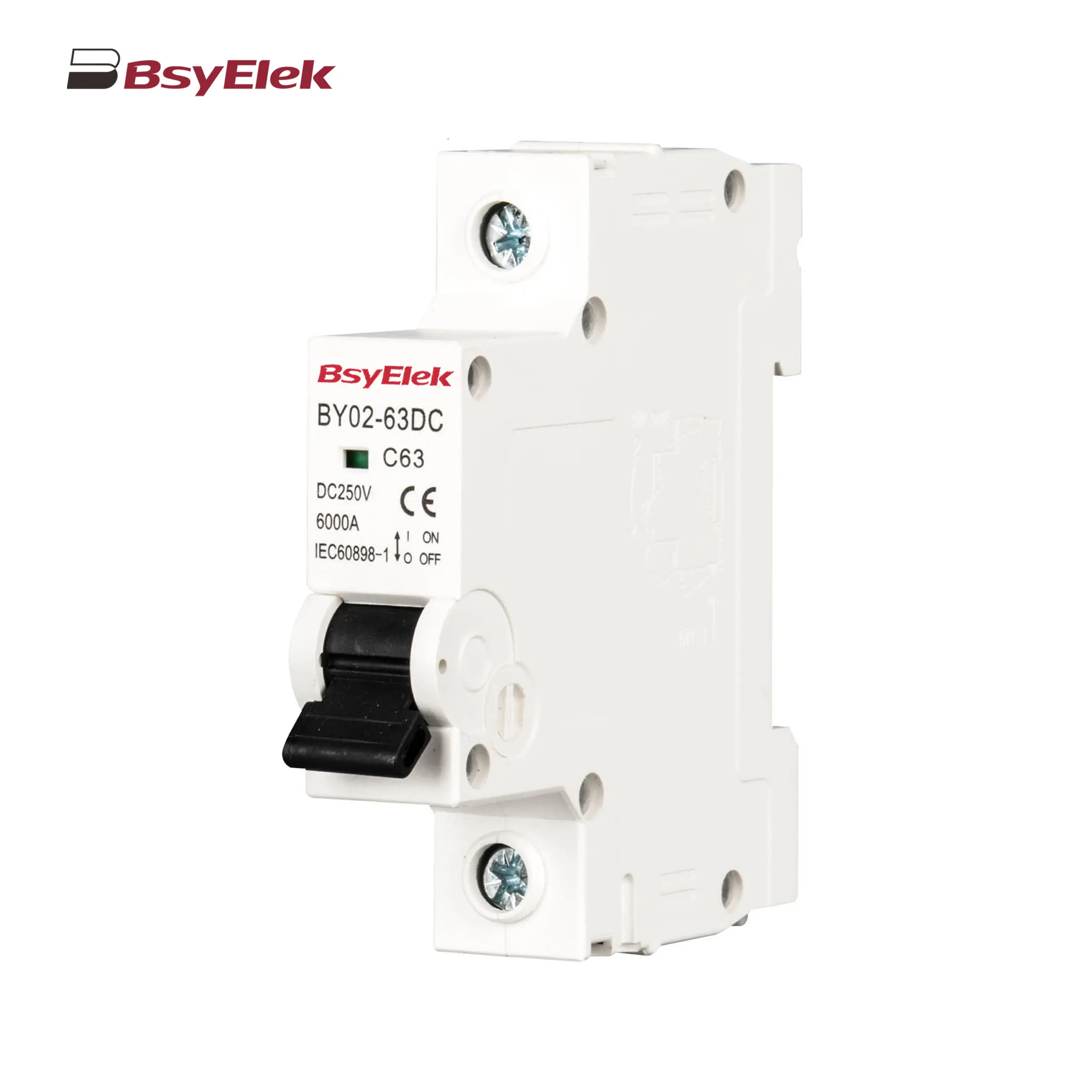 BY02-63DC MCB 3kA DC Miniature Circuit Breaker
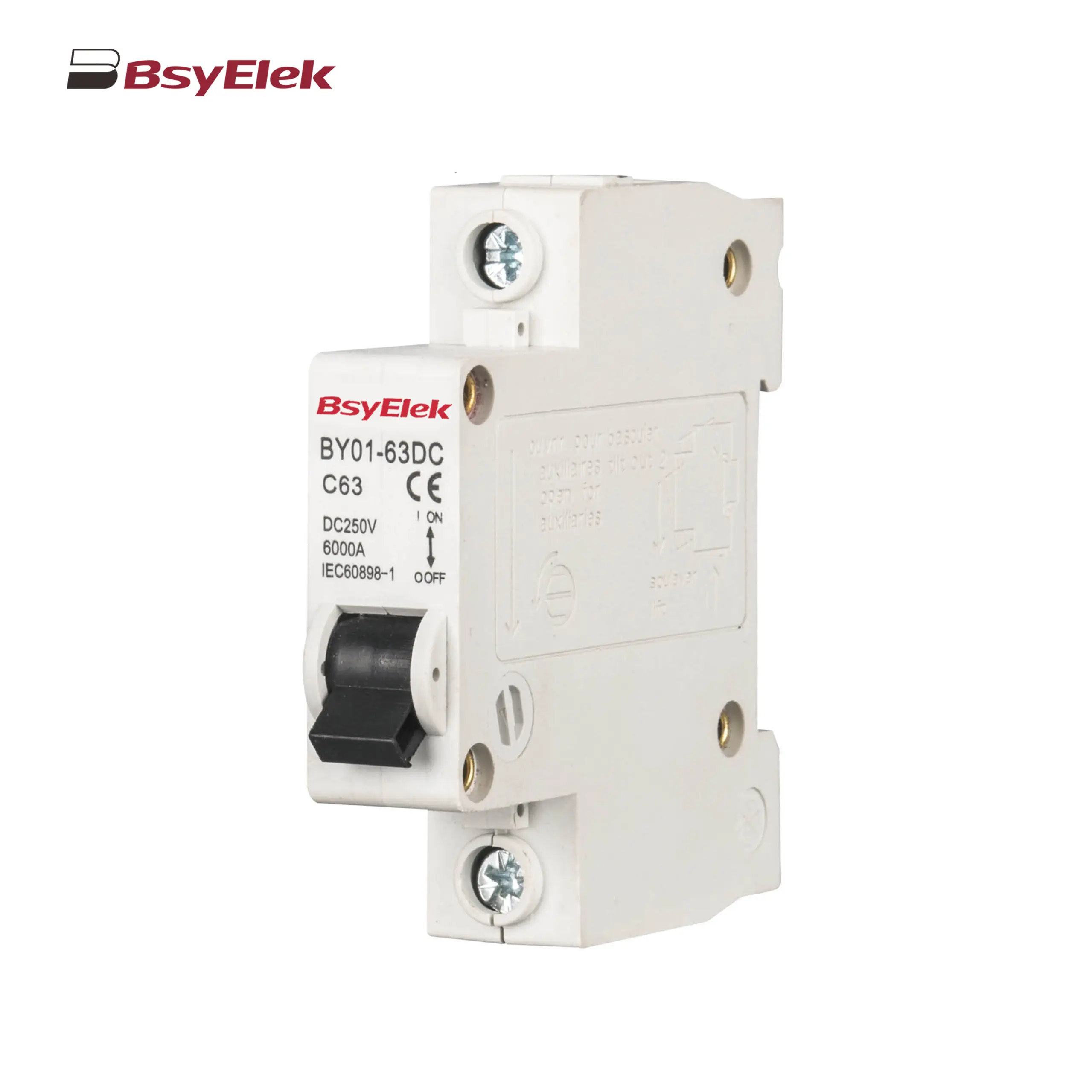 BY01-63DC MCB 3kA DC Miniature Circuit Breaker
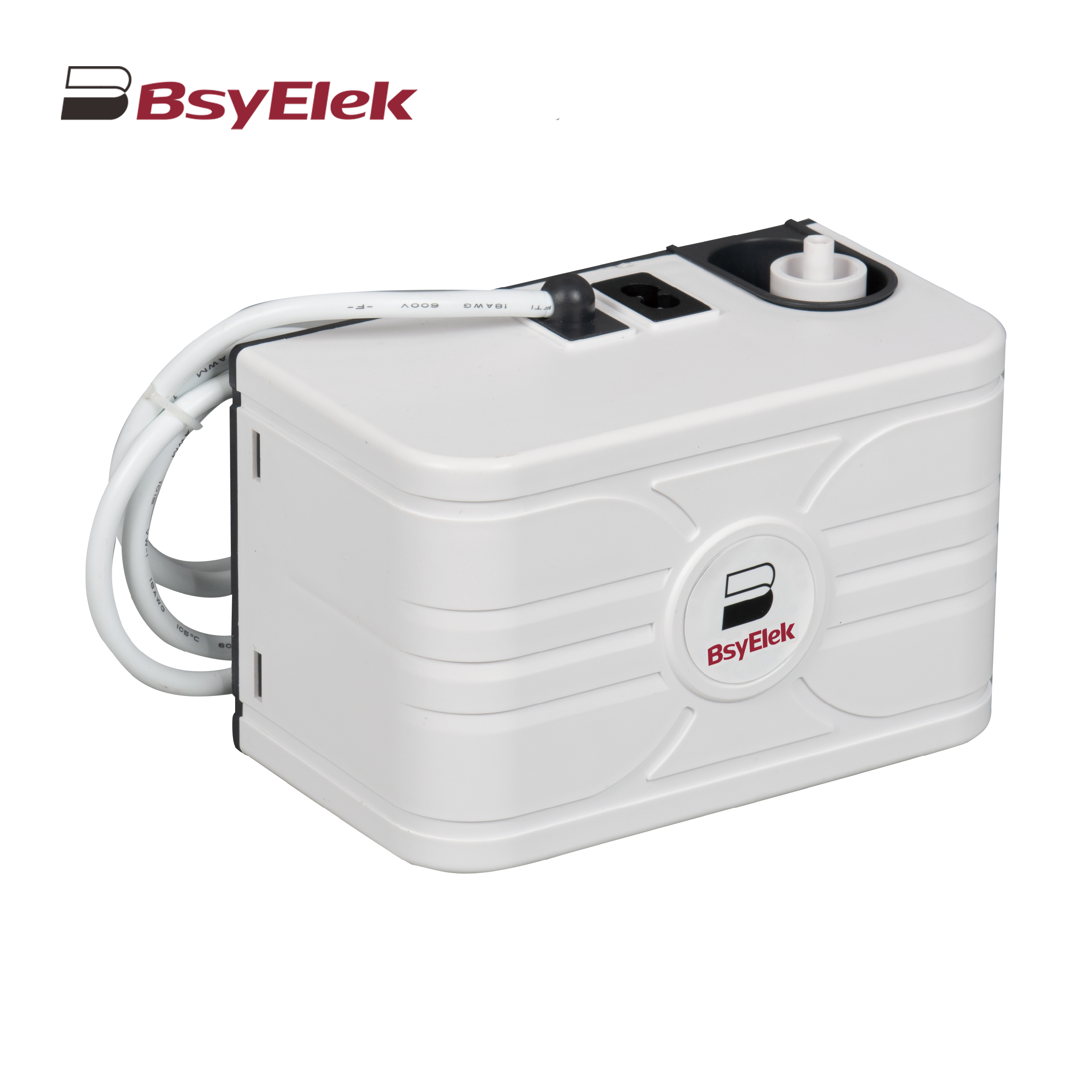 BY-5018 1.8M Engineering Drainage Pump
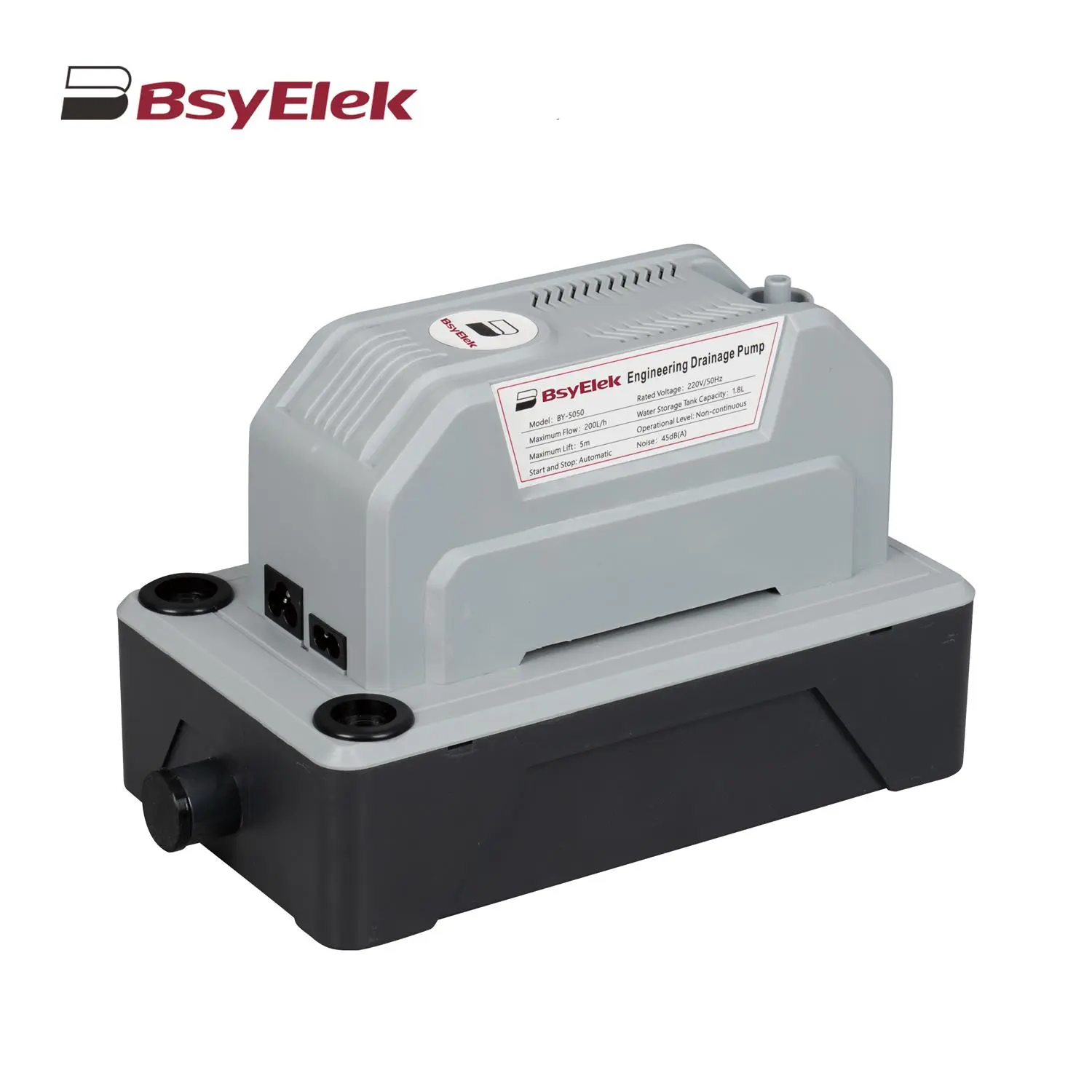 BY-5050 5M Engineering Drainage Pump
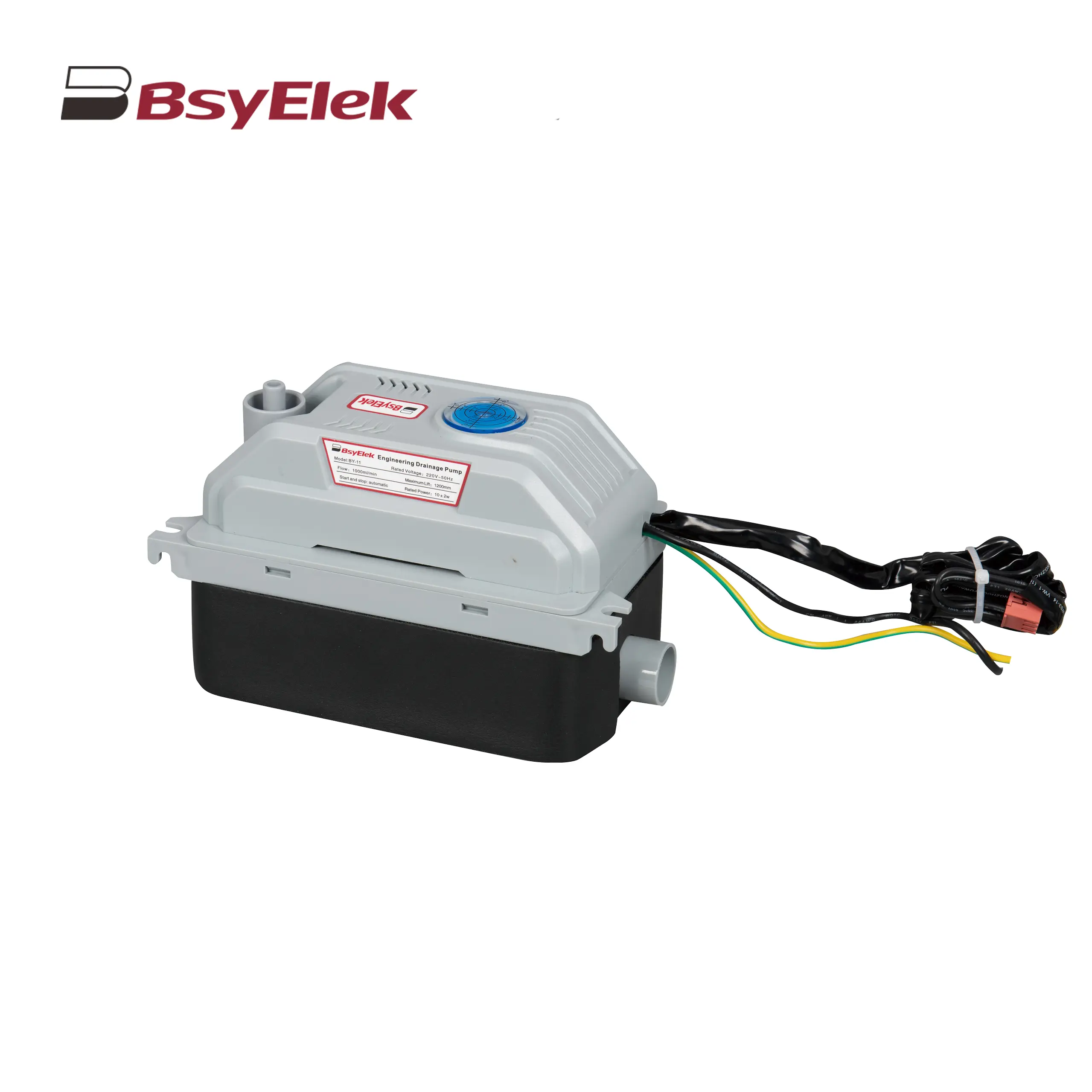 BY-11 1.2M Engineering Drainage Pump
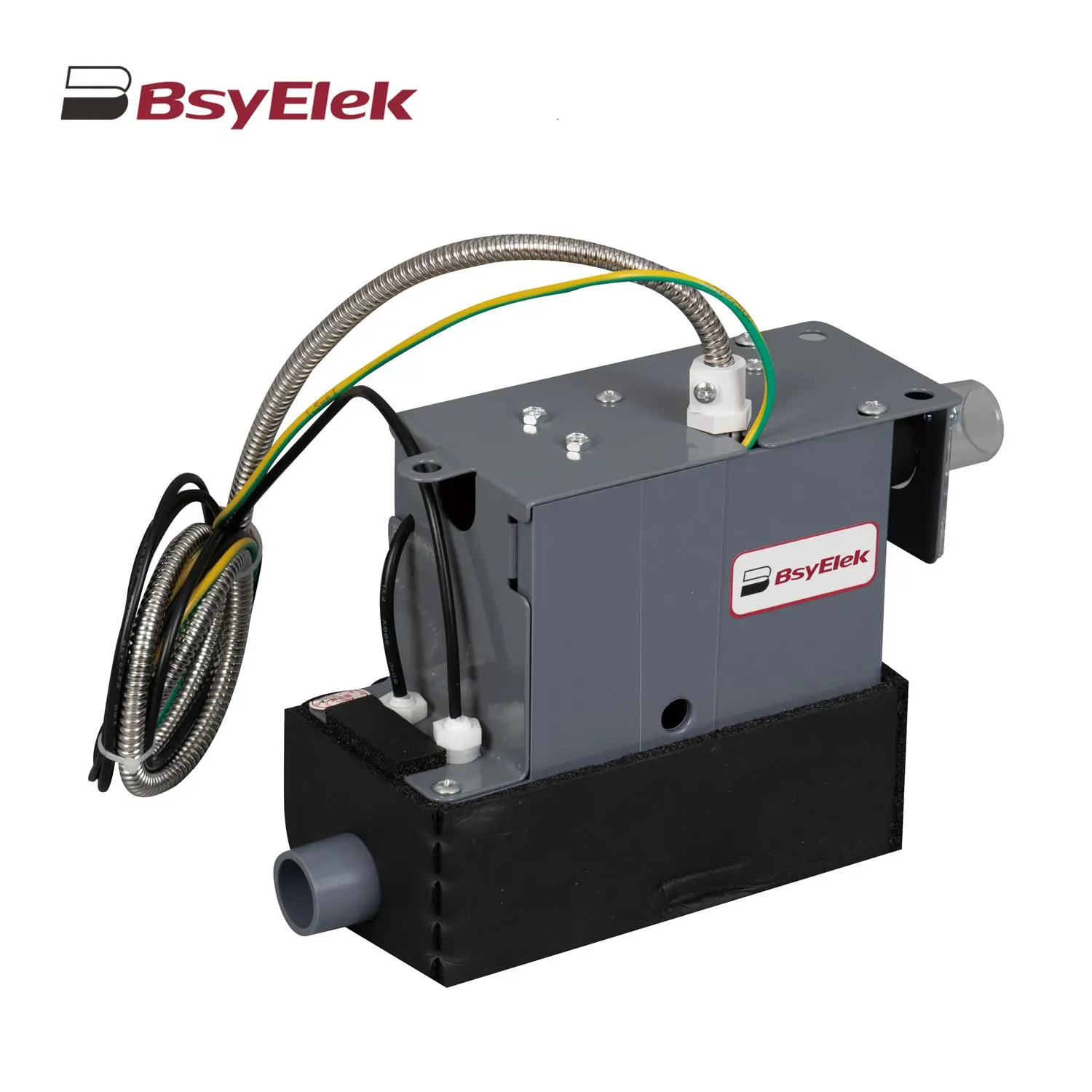 SBH-05 0.7M Original Drainage Pump of Duct Type Air Conditioner
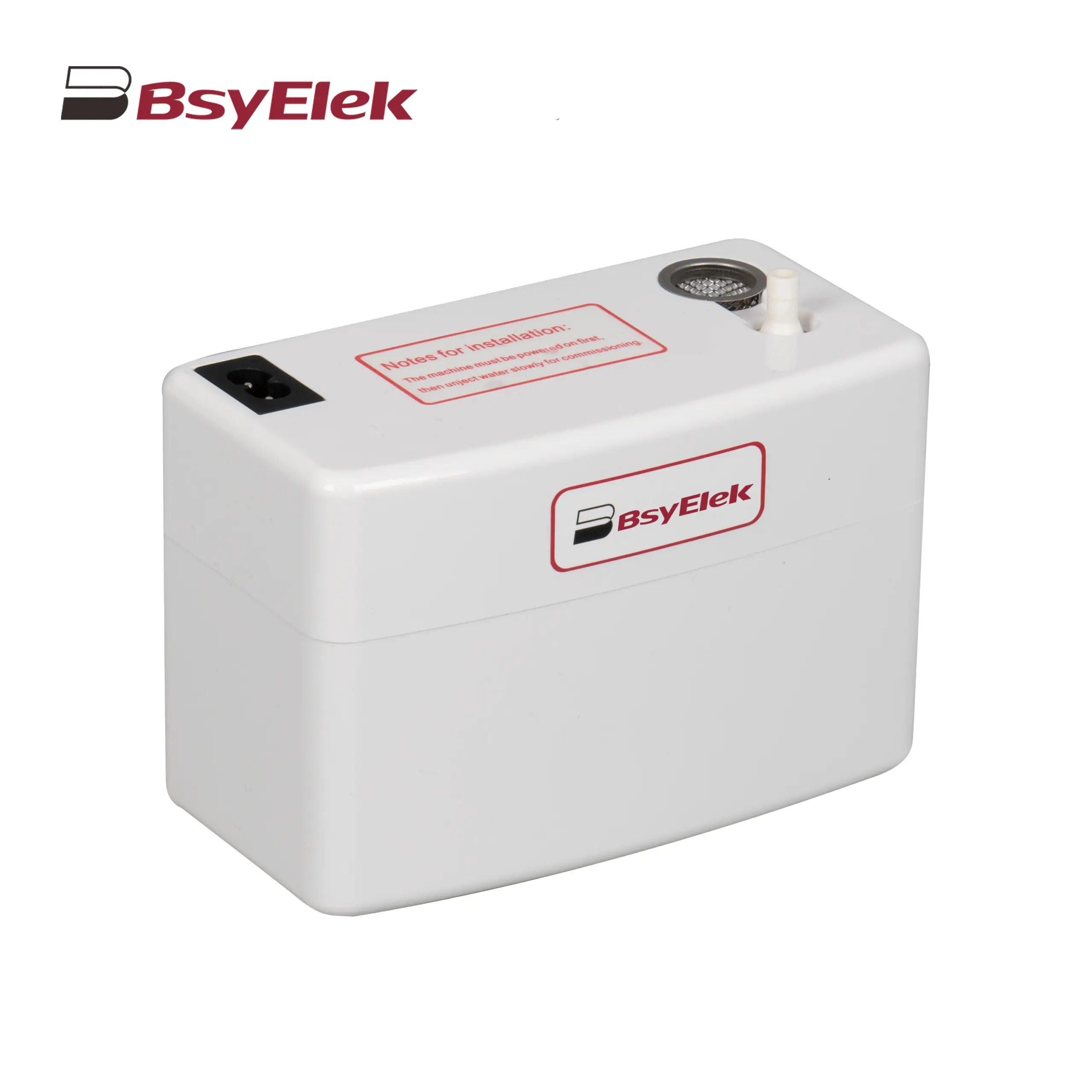 BY-24A/40A 10M Drainage Pump of Air Conditioner
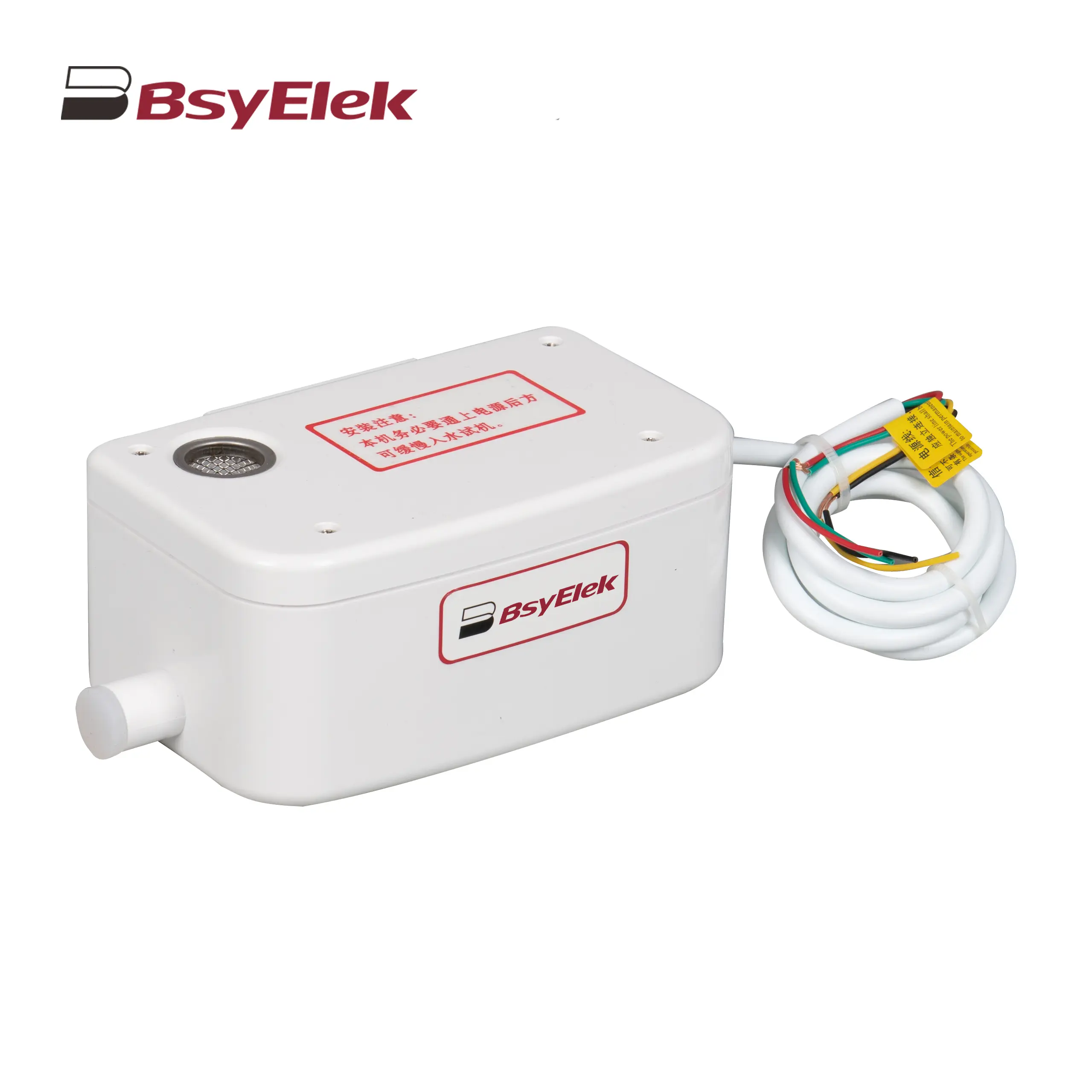 BY-50A 12M Drainage Pump of Air Conditioner
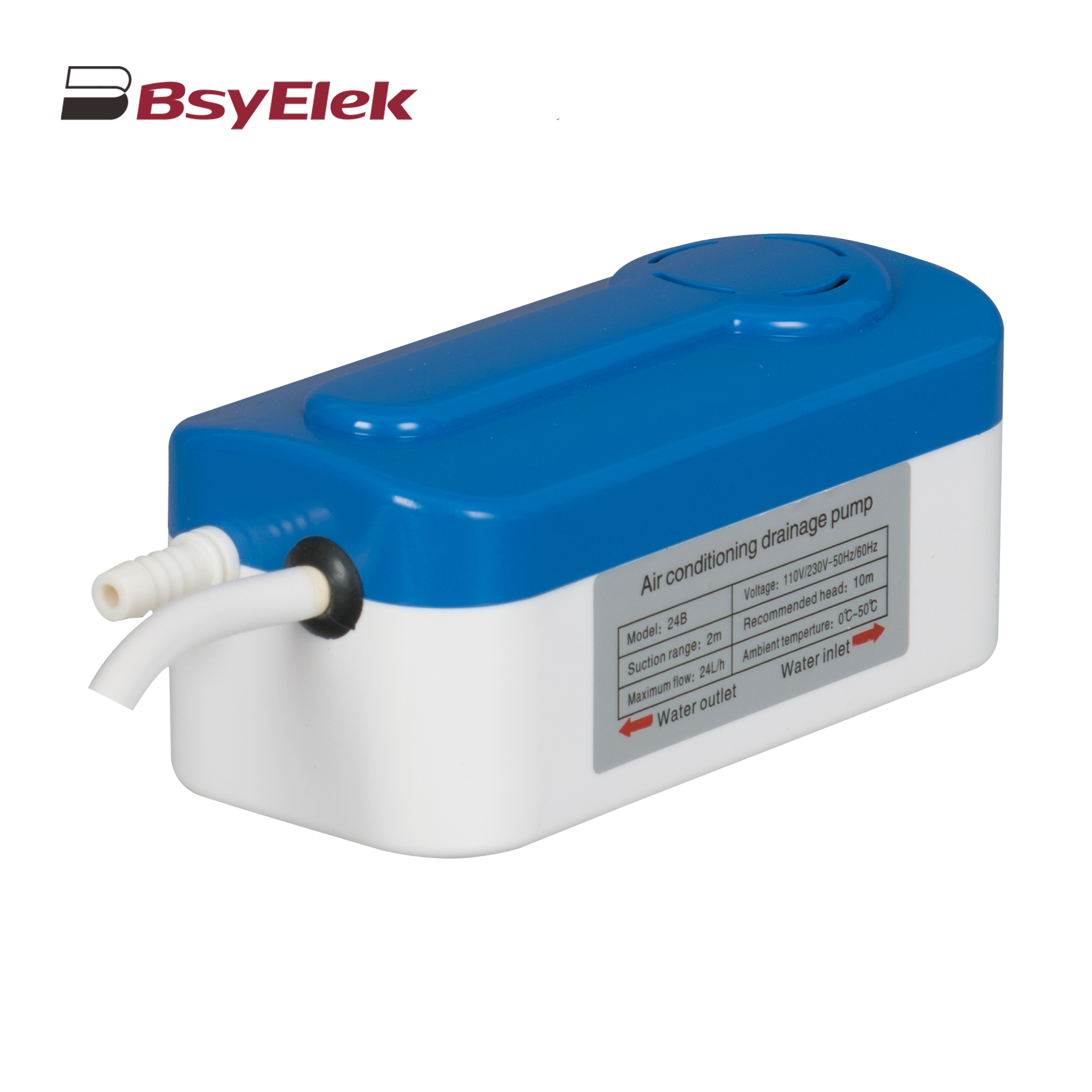 BY-24B/40B 10M Split Type Drainage Pump
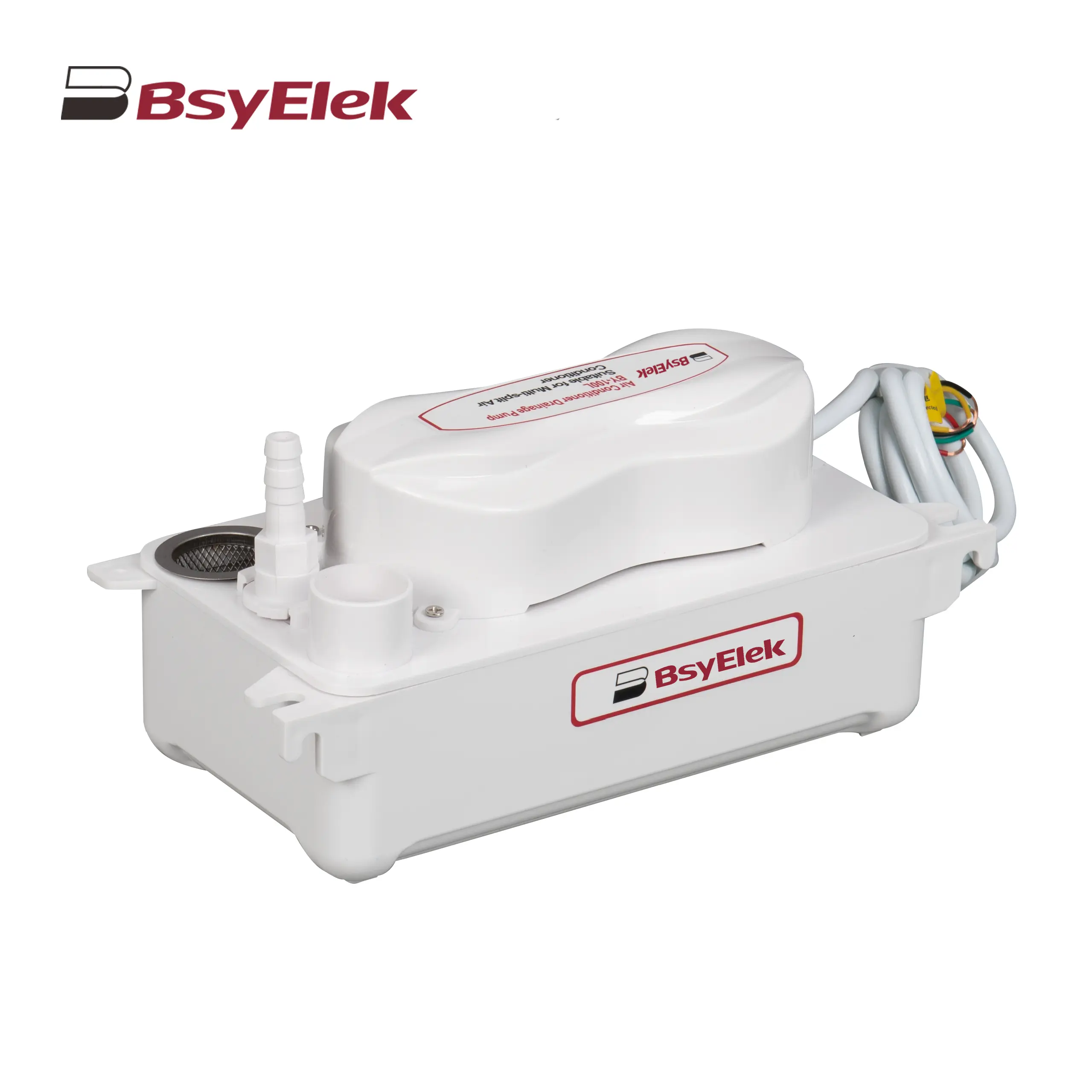 BY-100L 2M Drainage Pump of Air Conditioner
 BY-360L 6M Large Displacement Drainage Pump
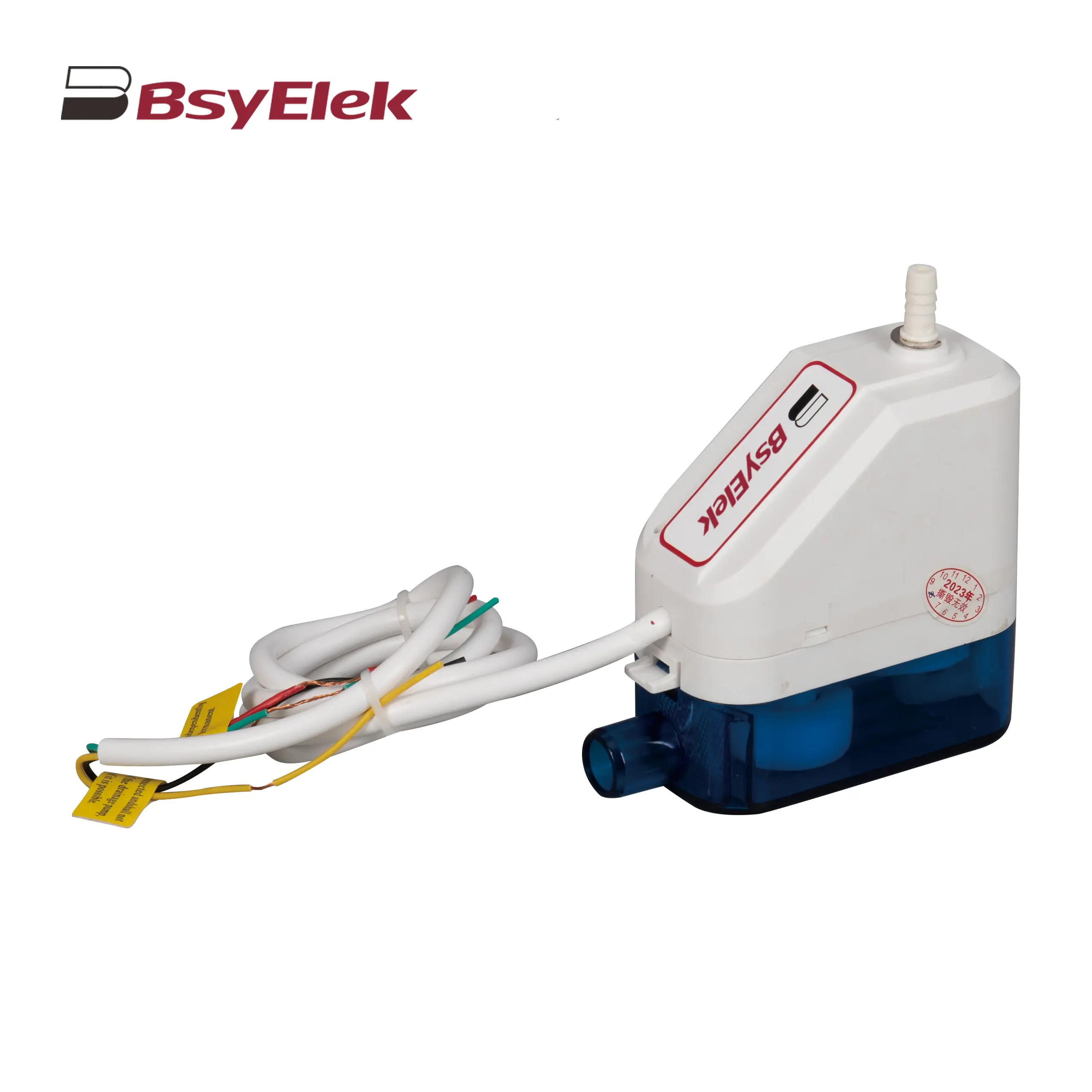 BY-24C/40C 10M Corner Drainage Pump
What is a miniature circuit breaker (MCB)?
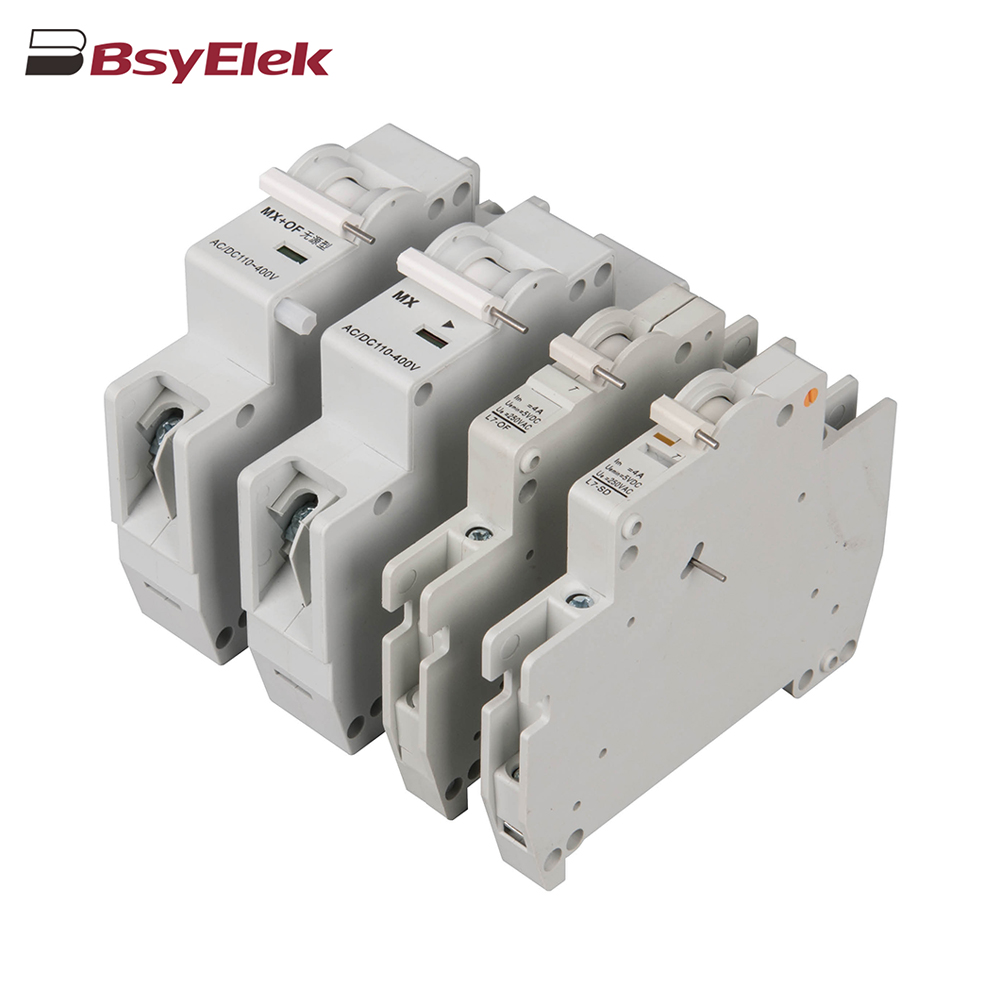 OF SD MX OF MCB Miniature Circuit Breaker Accessories
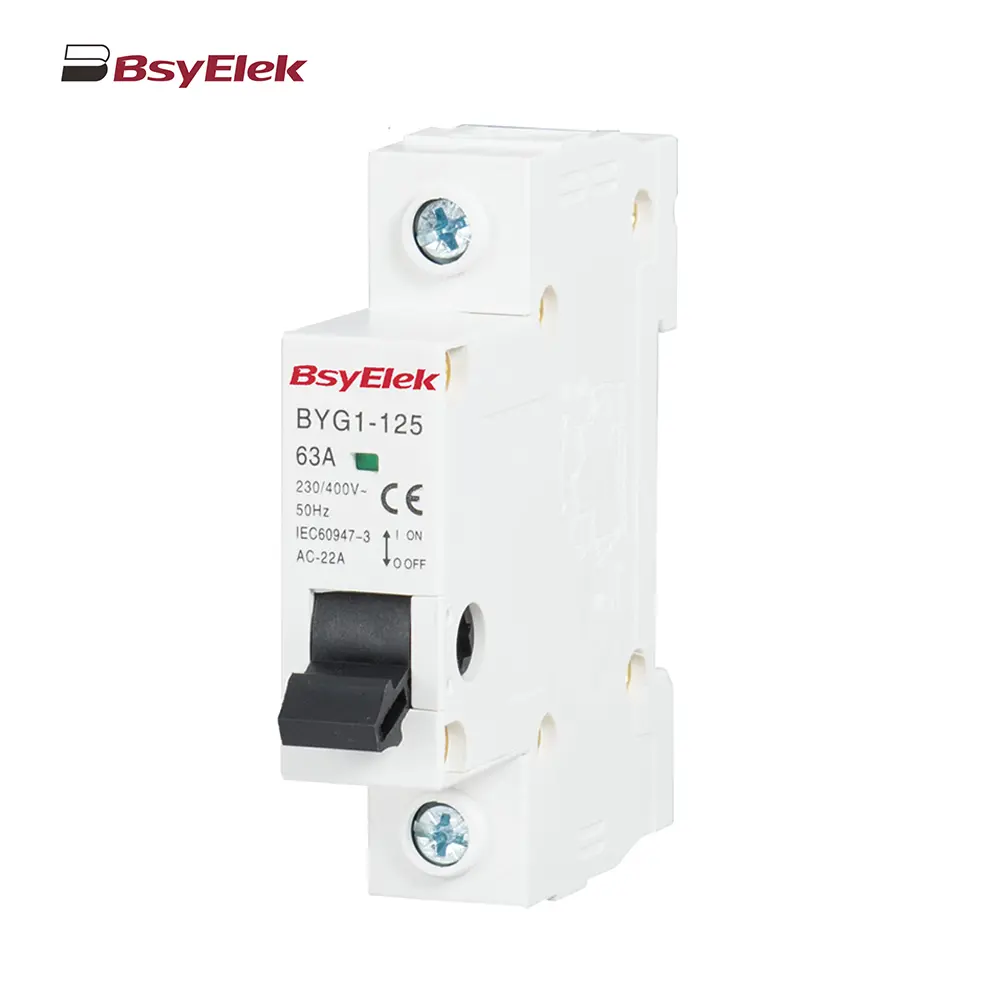 BYG1-125 Main Switch MCB Isolator Switch
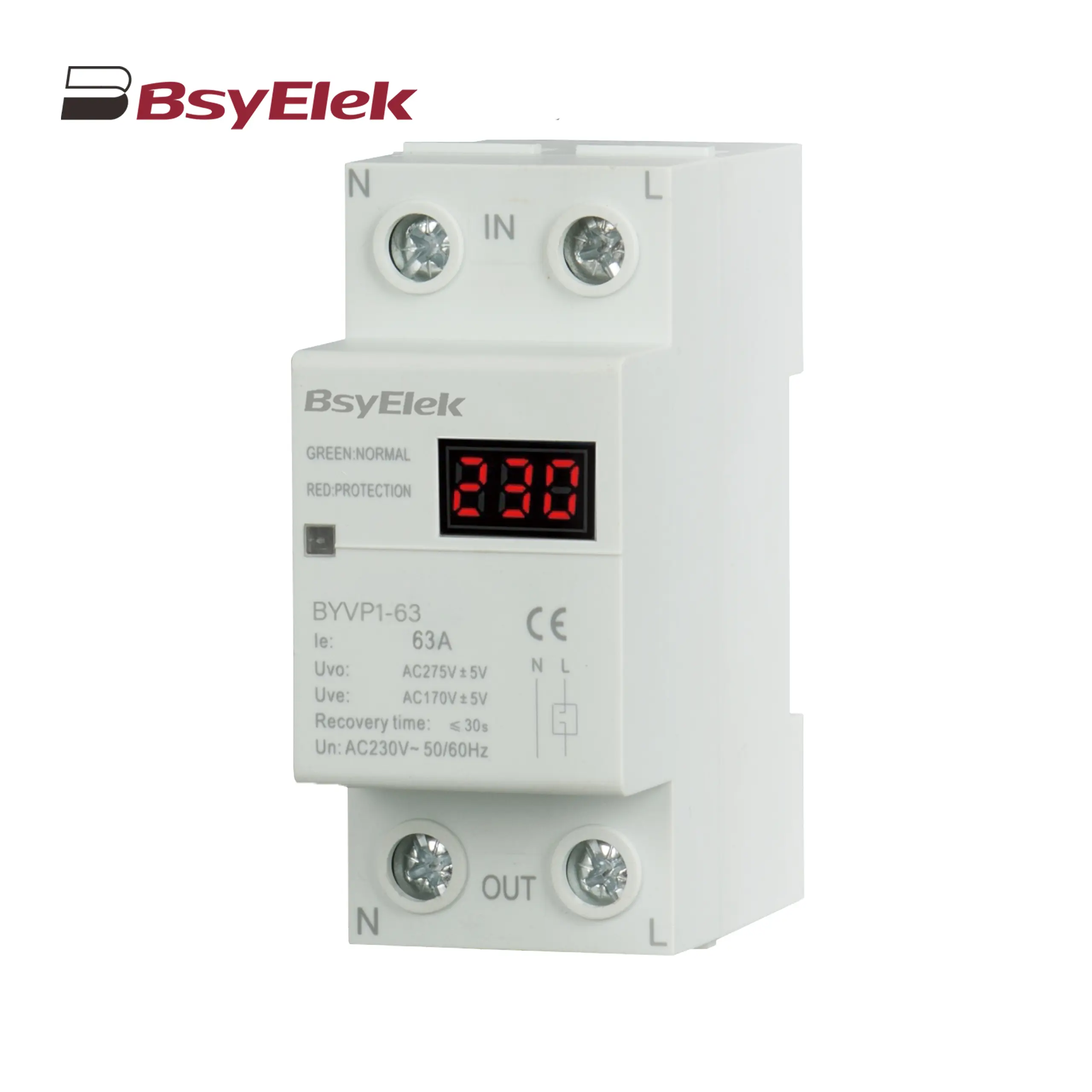 BYVP1-63 100A Single Display Overvoltage and Undervoltage Protector
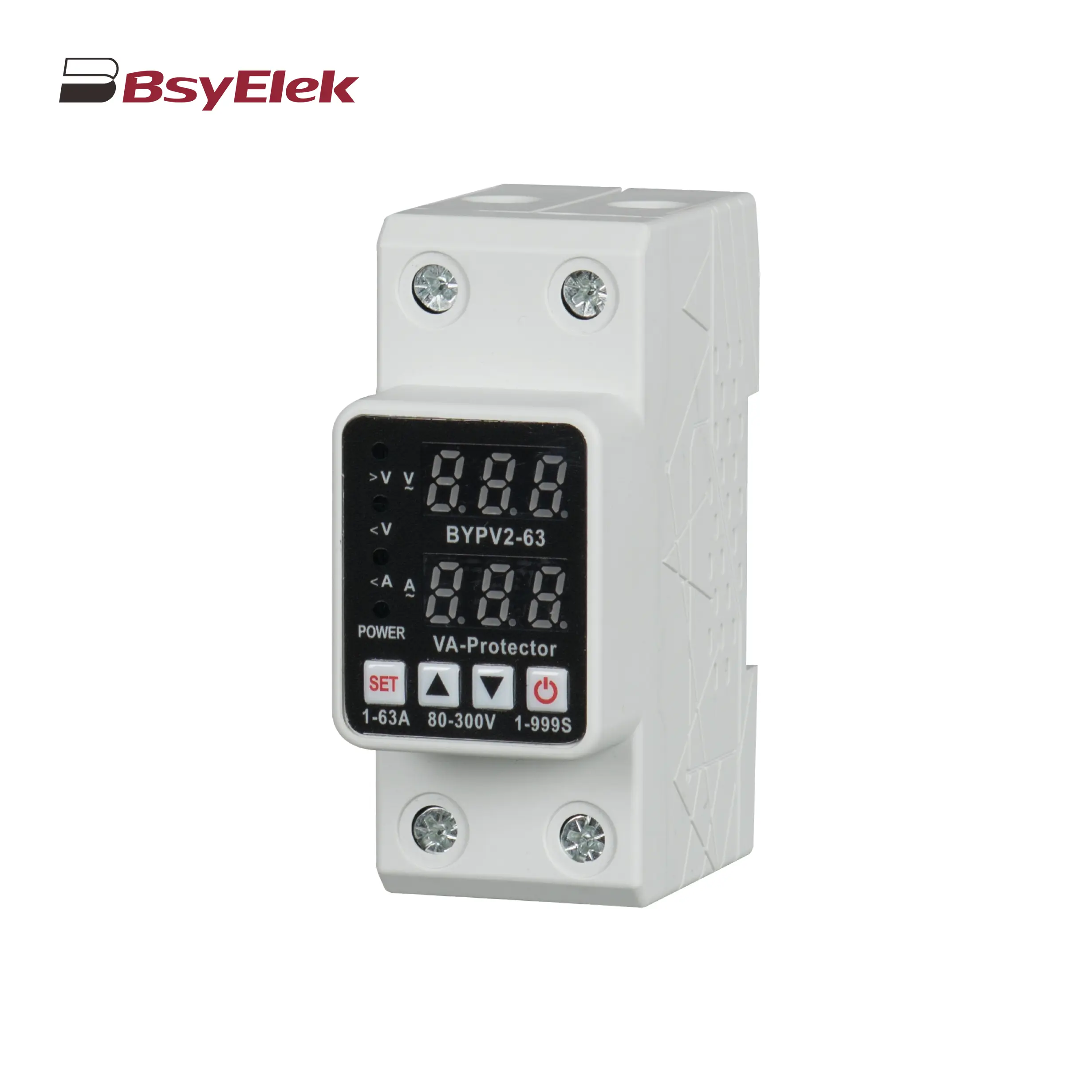 BYVP2-63 40A 63A Adjustable Dual Display Overvoltage and Undervoltage Protector
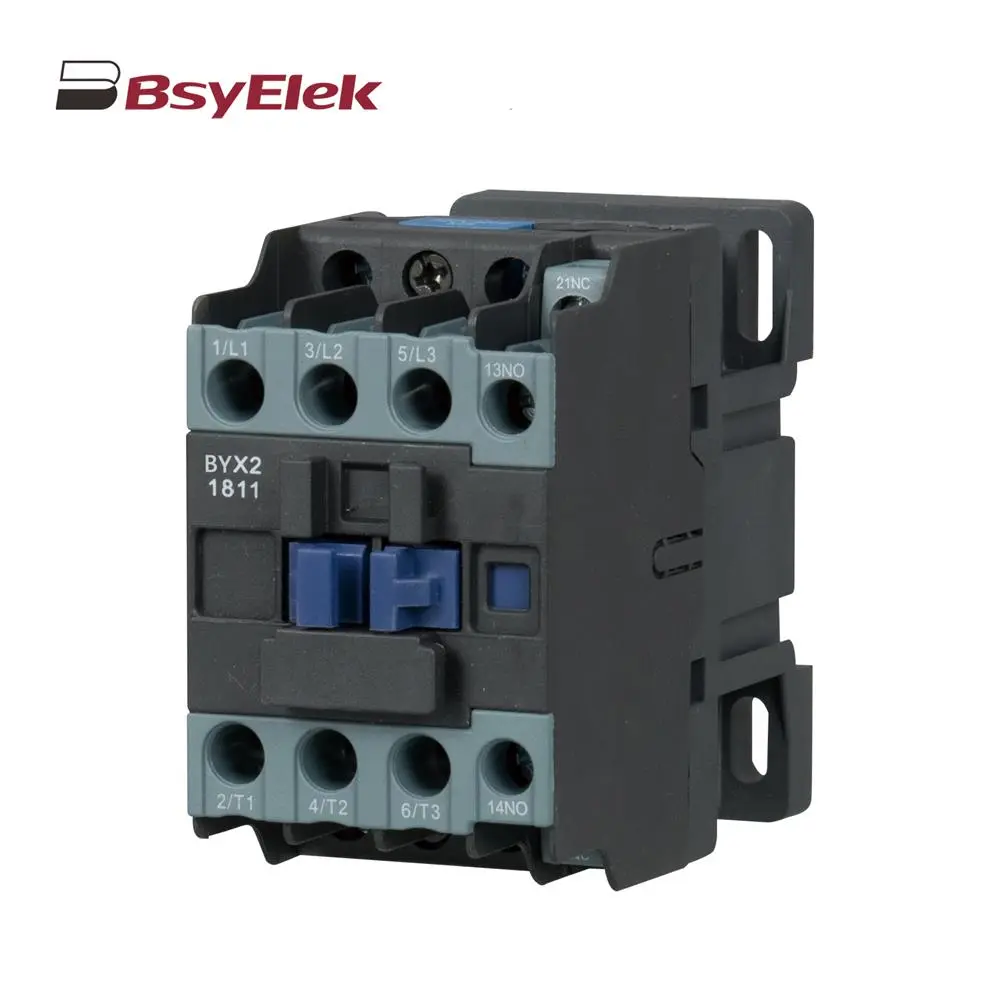 BYX2 6-95A AC Contactor
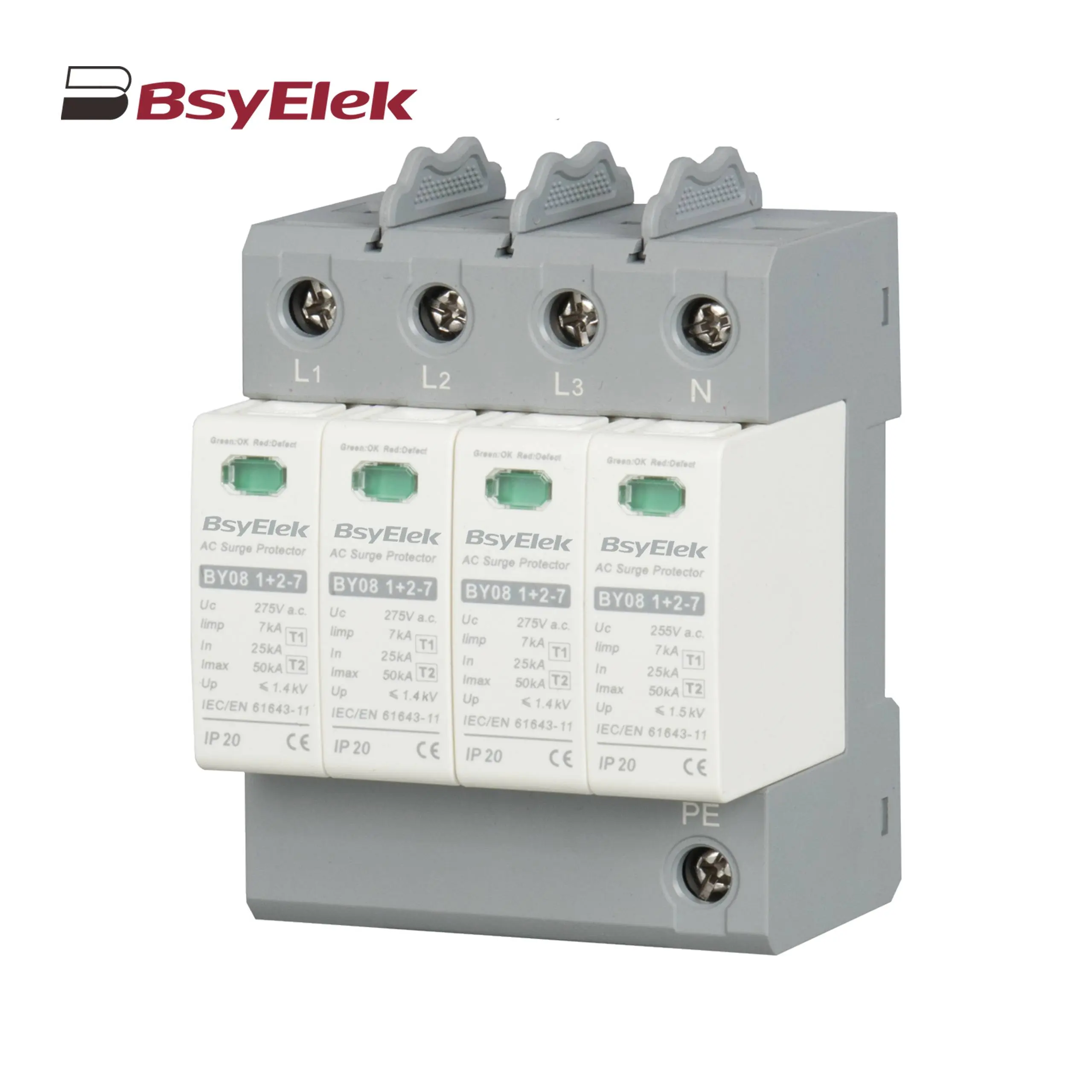 BY08 1+2-7 SPD Class T1+T2 Imax 50KA Surge Protective Device
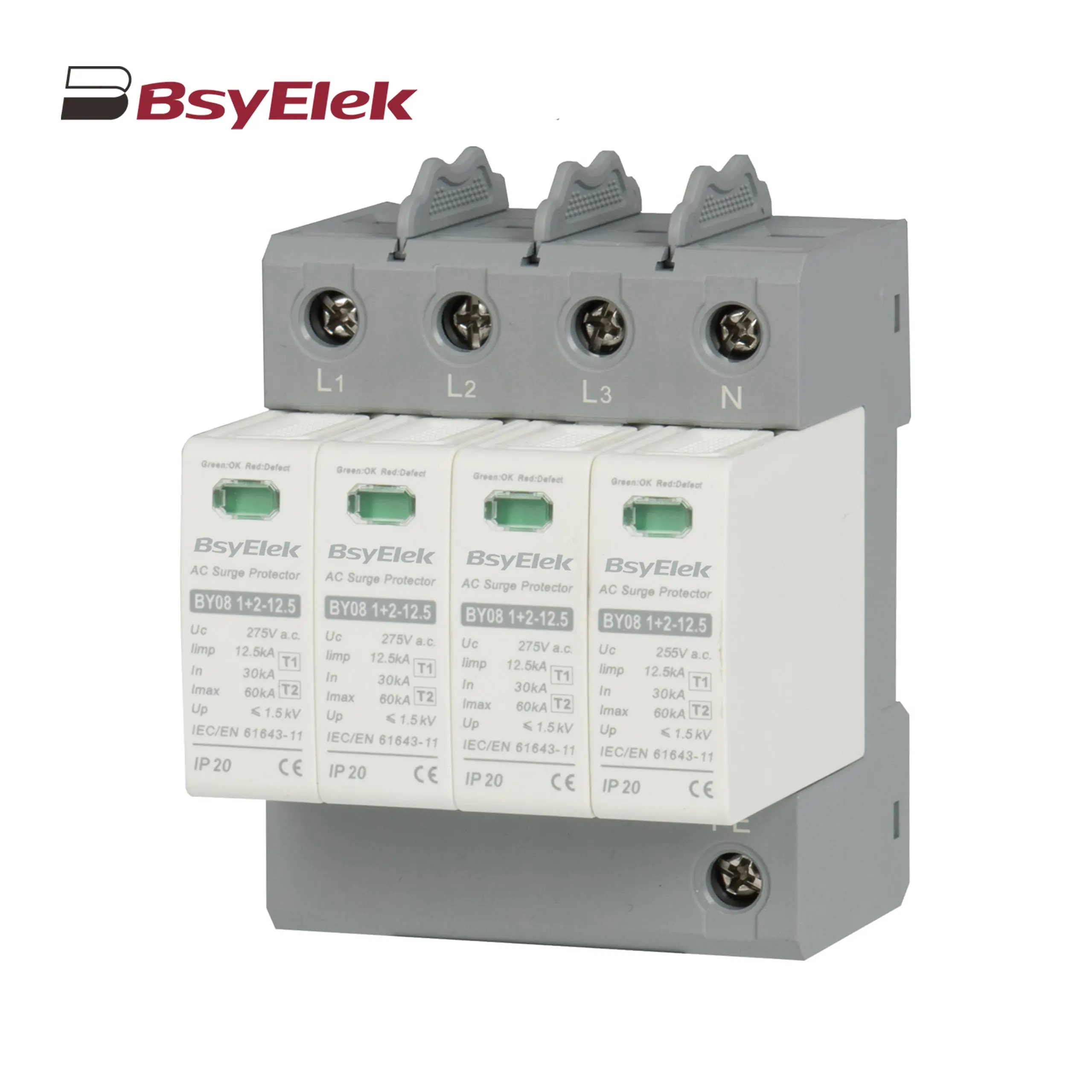 BY08 1+2-12.5 SPD Class T1+T2 Imax 60KA Surge Protective Device
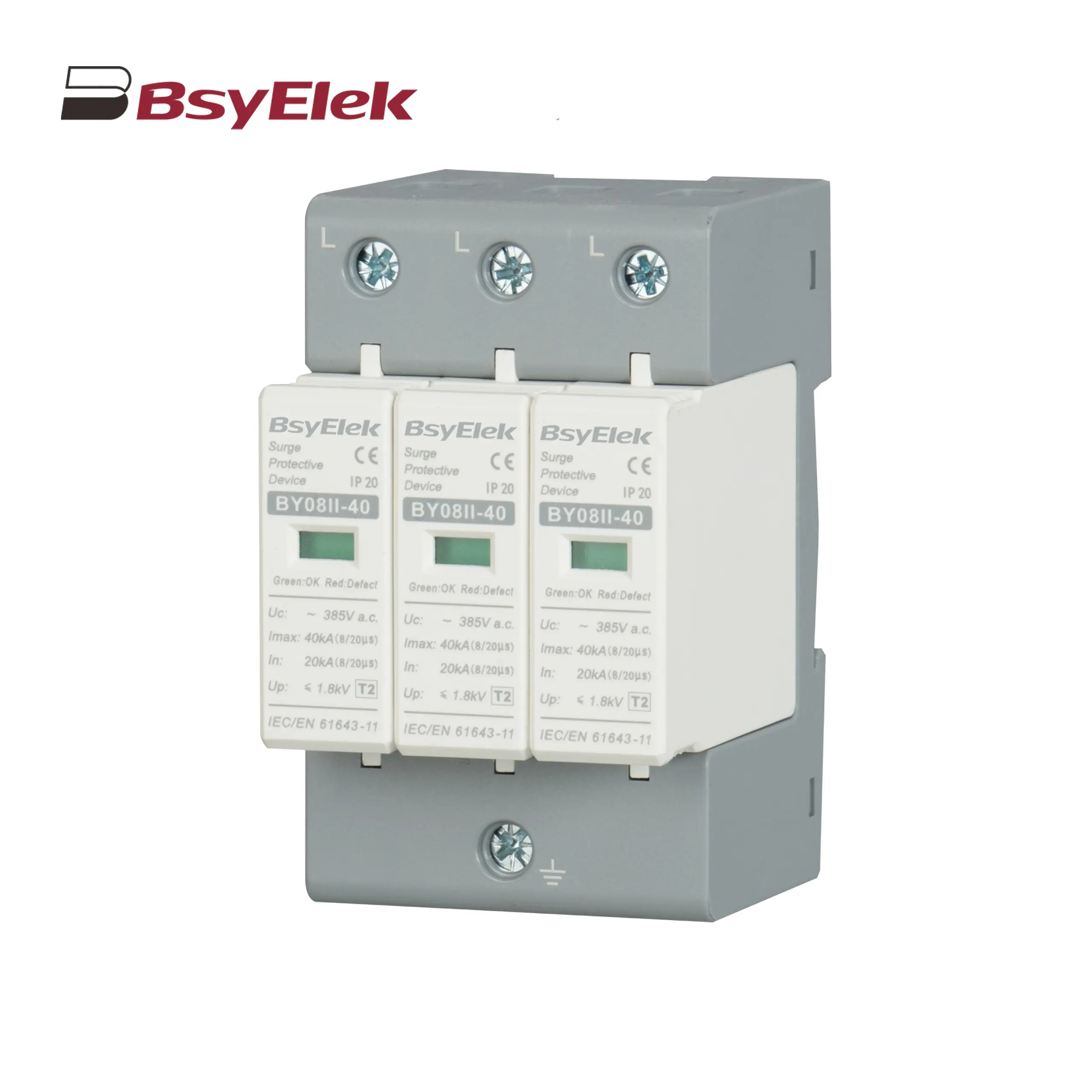 BY08II-40 SPD Class T2 Imax 40KA Surge Protective Device
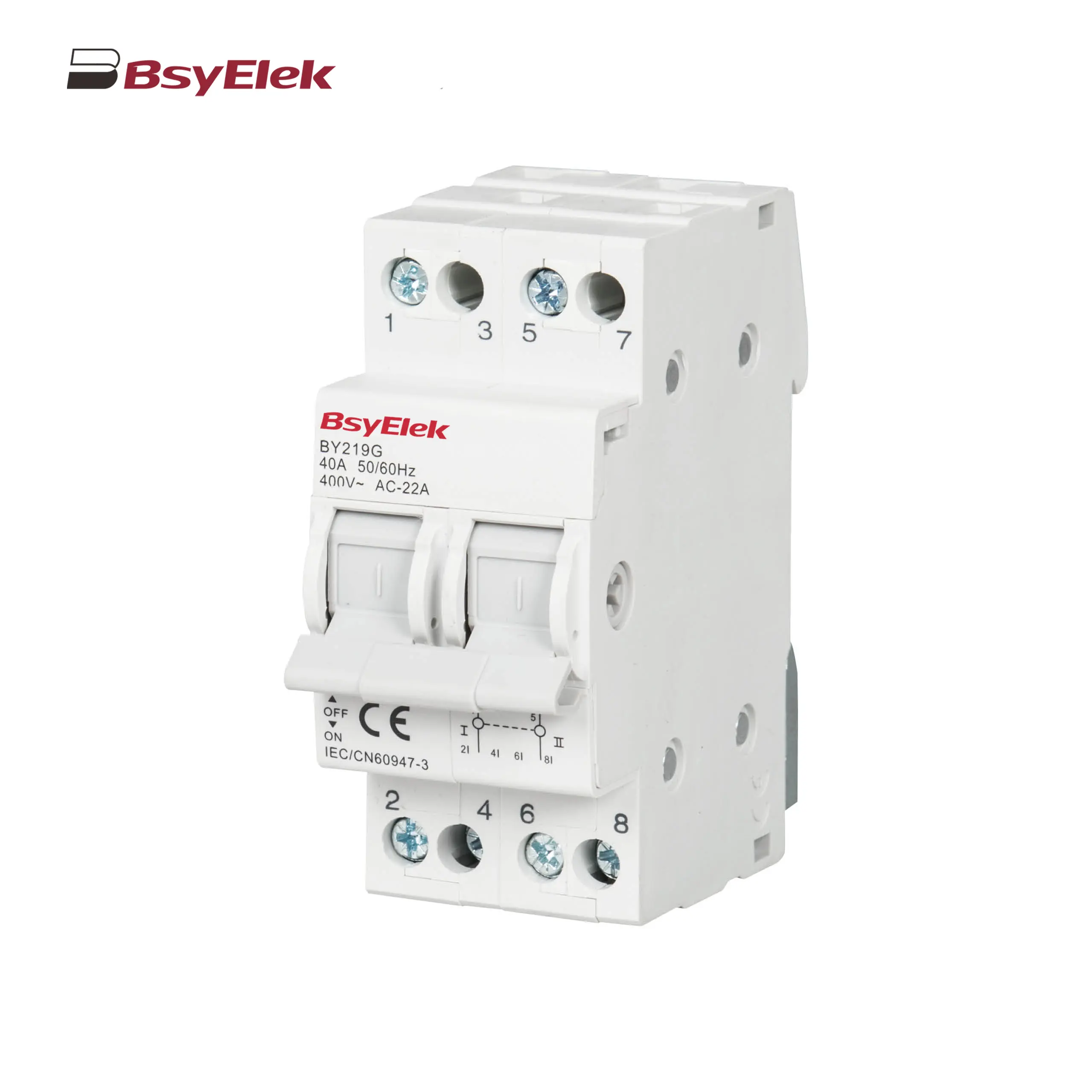 BY19G 63A Manual Changeover Switch
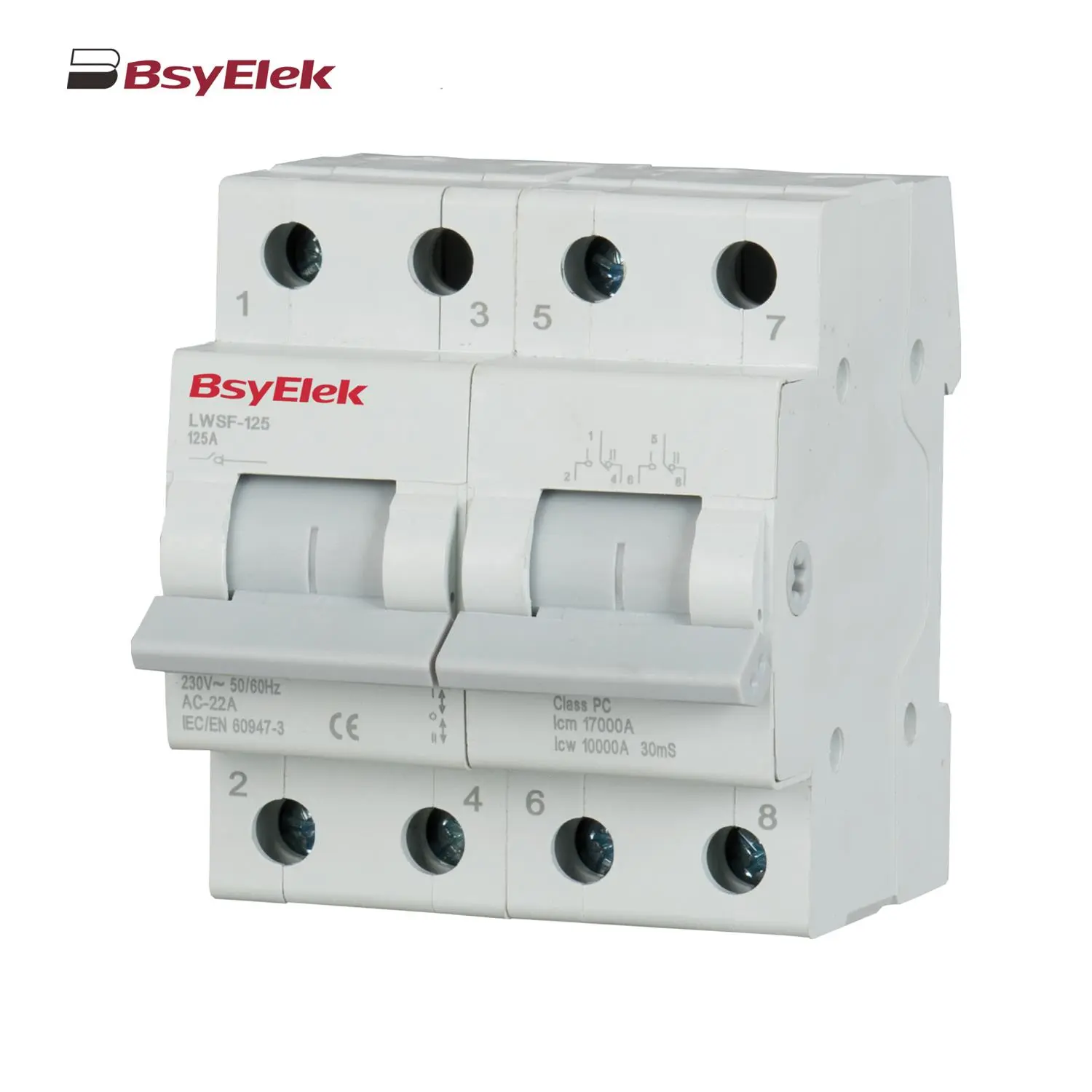 LWSF-125 125A Manual Changeover Switch
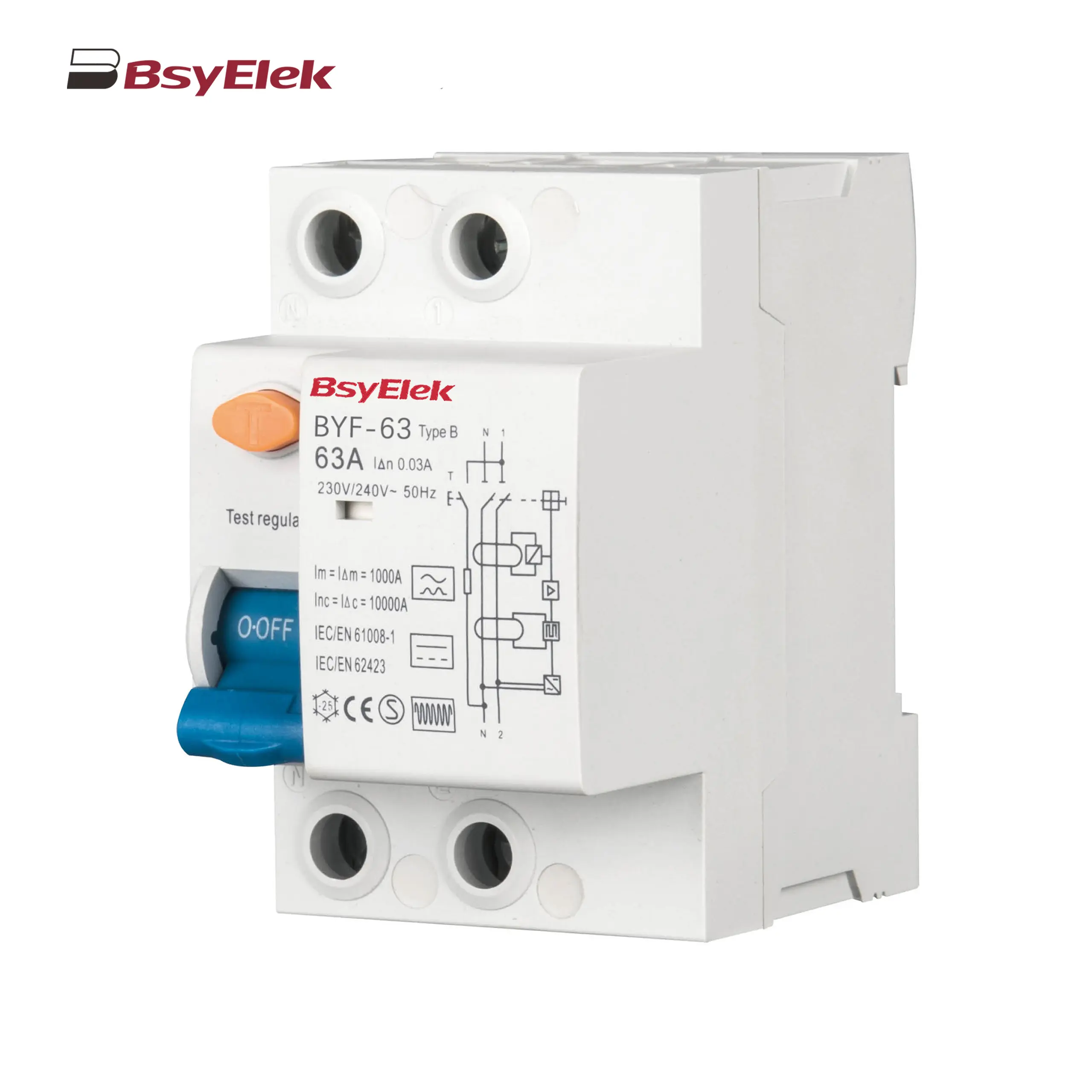 BYF-63 RCD 10KA Type B AC+A+Smoothing DC Residual Current Device
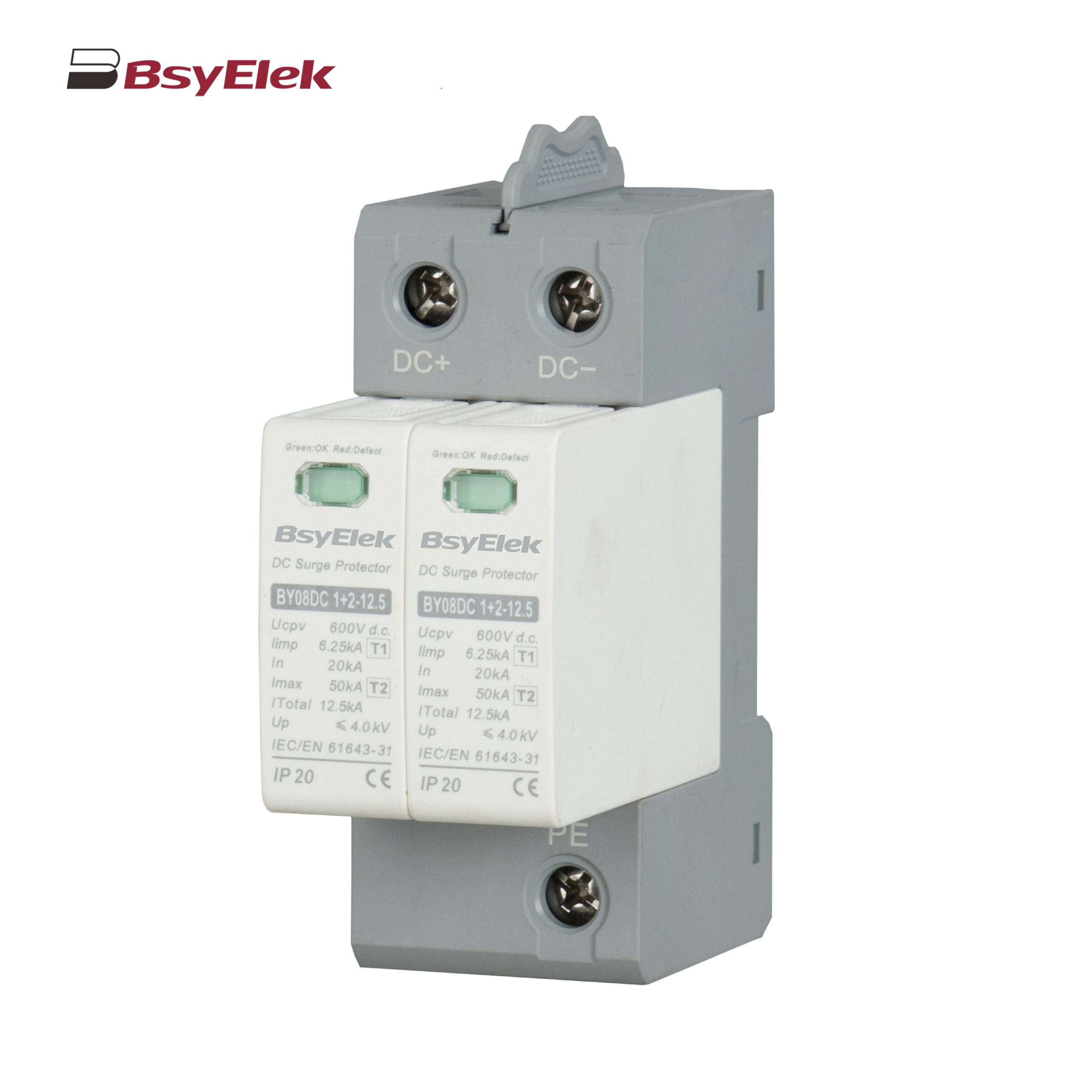 BY08DC 1+2-12.5 SPD Class T1+T2 40KA DC Surge Protective Device
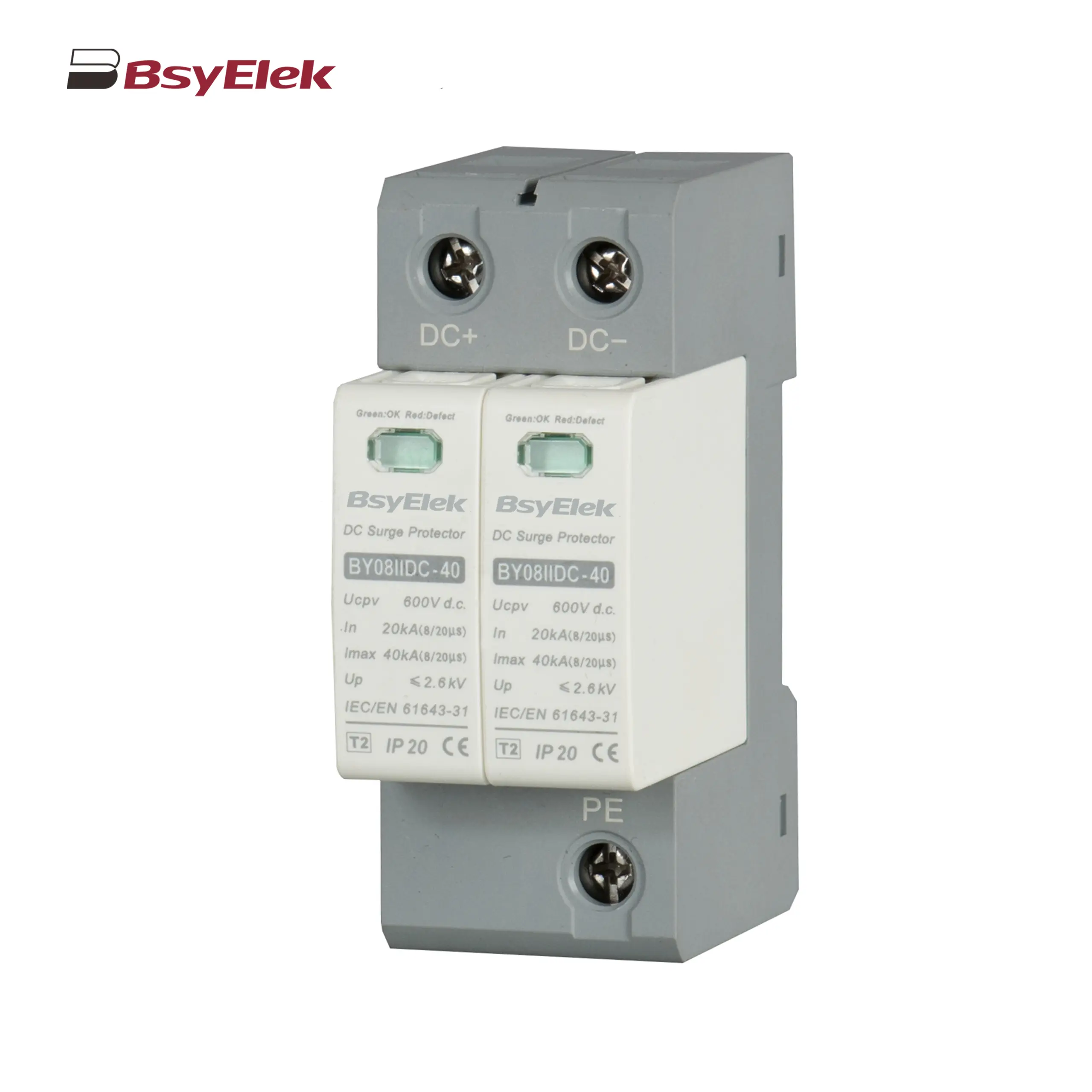 BY08IIDC-40 SPD Class T2 40KA DC Surge Protective Device
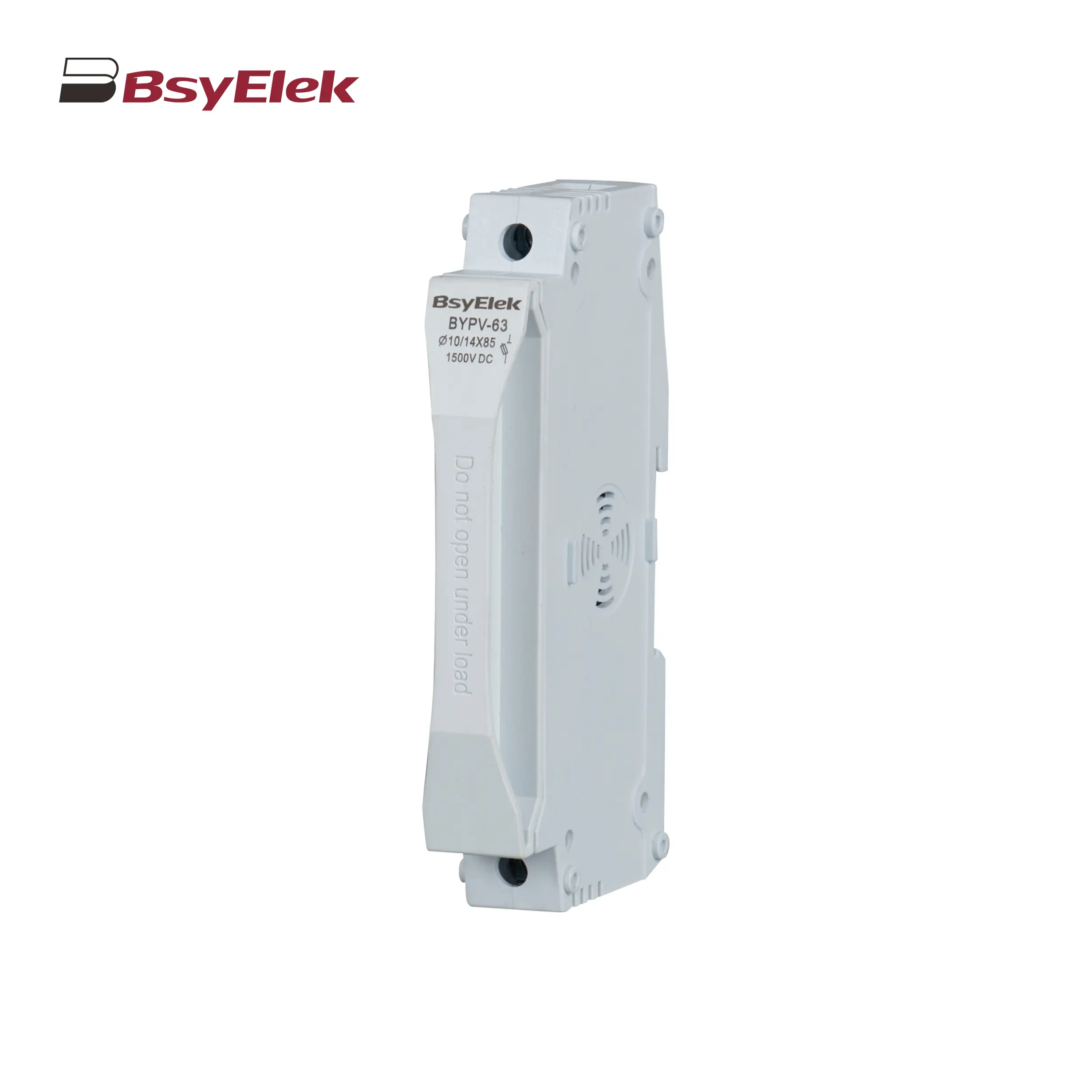 BYPV-63 1500VDC 50A Fuse Holder with 10x85mm 14x85mm Fuse Link
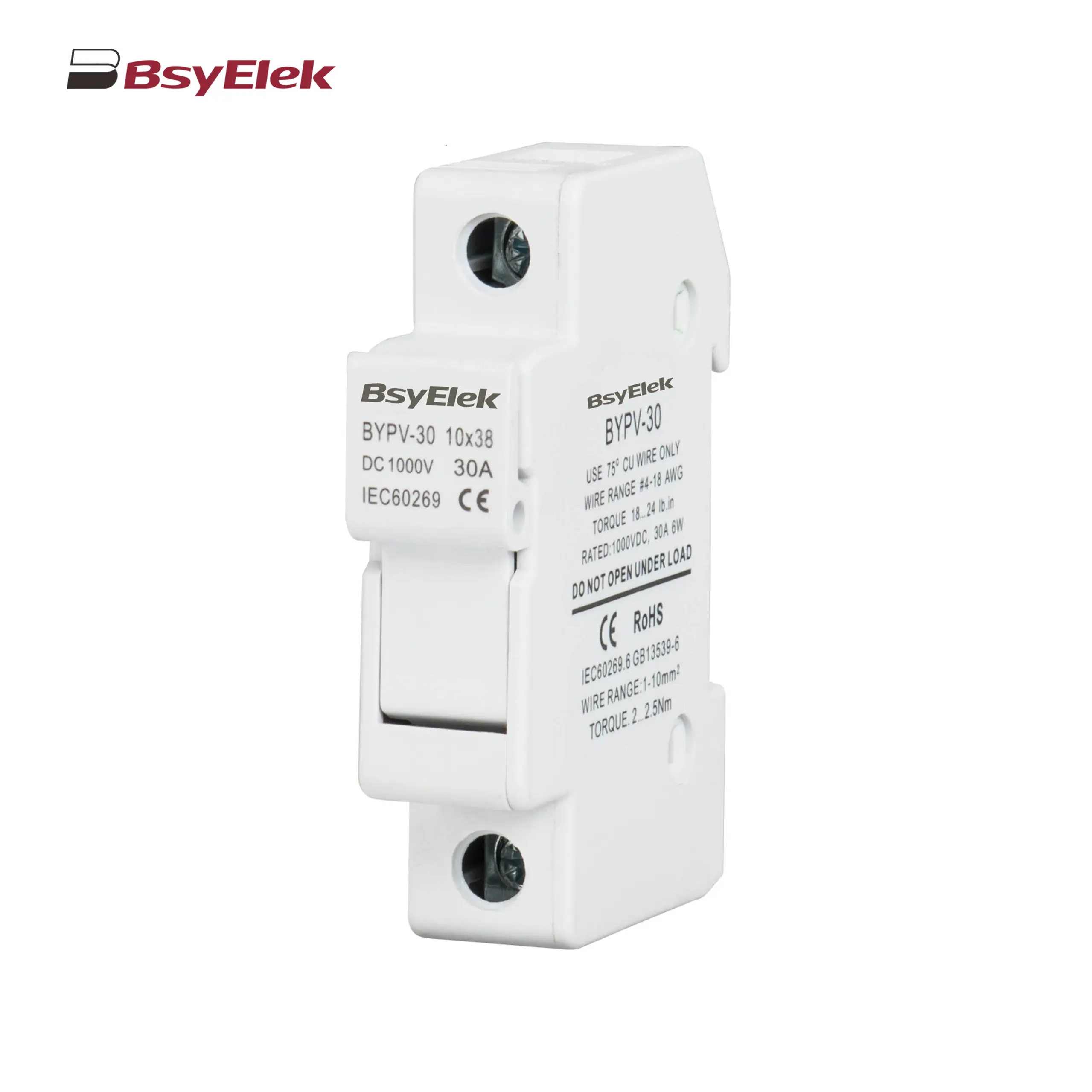 BYPV-30 1000VDC 32A Fuse Holder with 10x38mm Fuse Link
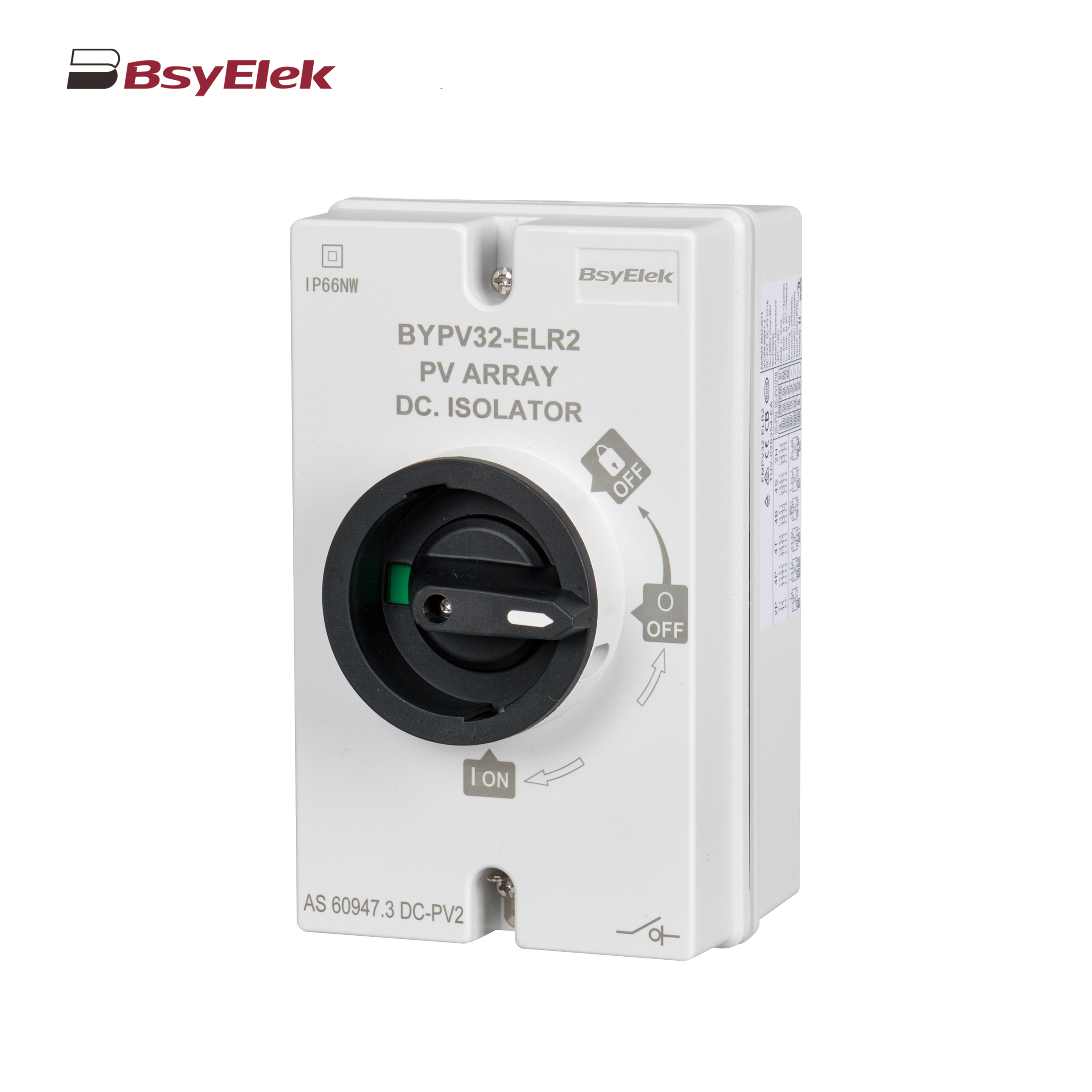 BYPV-ELR2 PV Isolator Switch with Enclosed Version
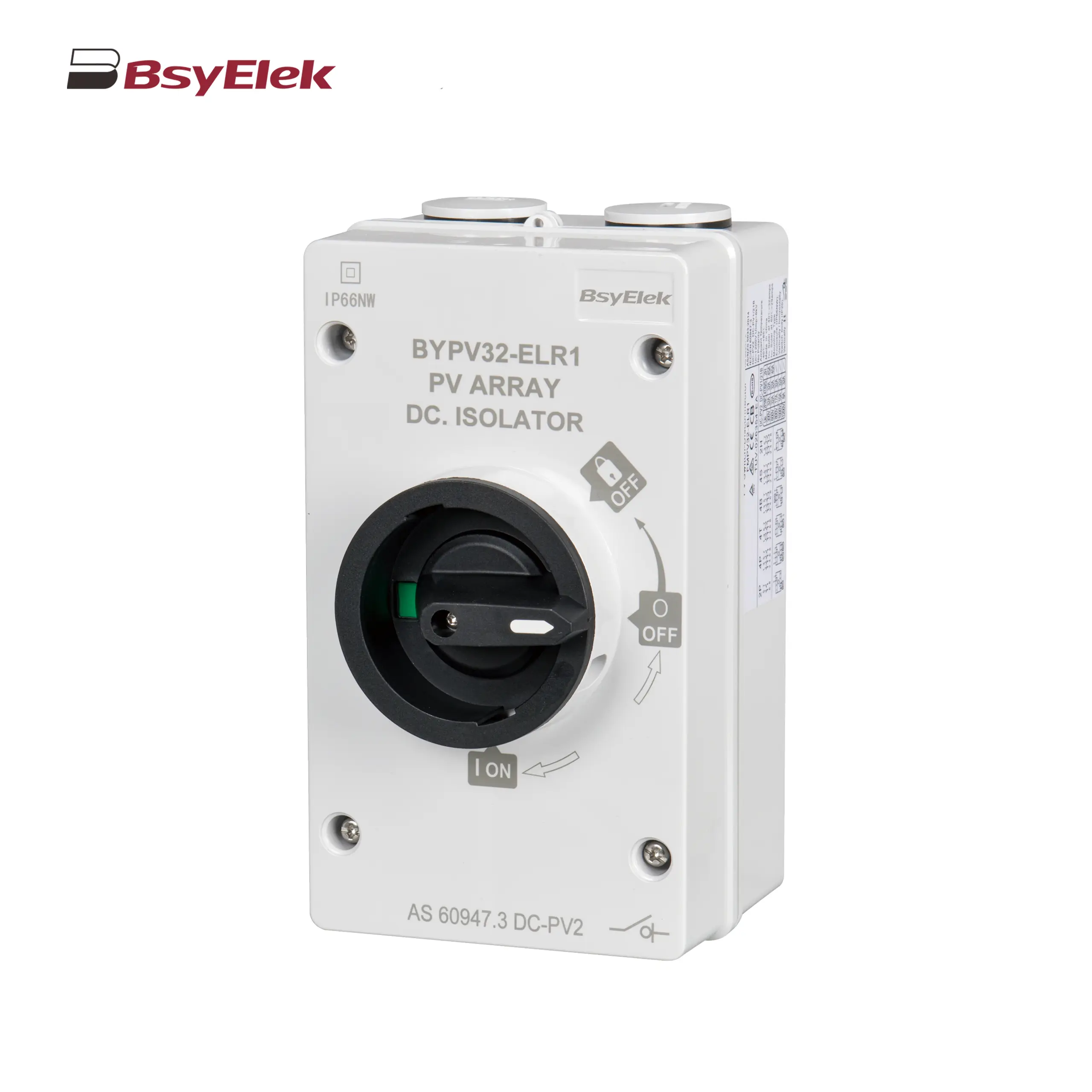 BYPV-ELR1 PV Isolator Switch with Enclosed Version
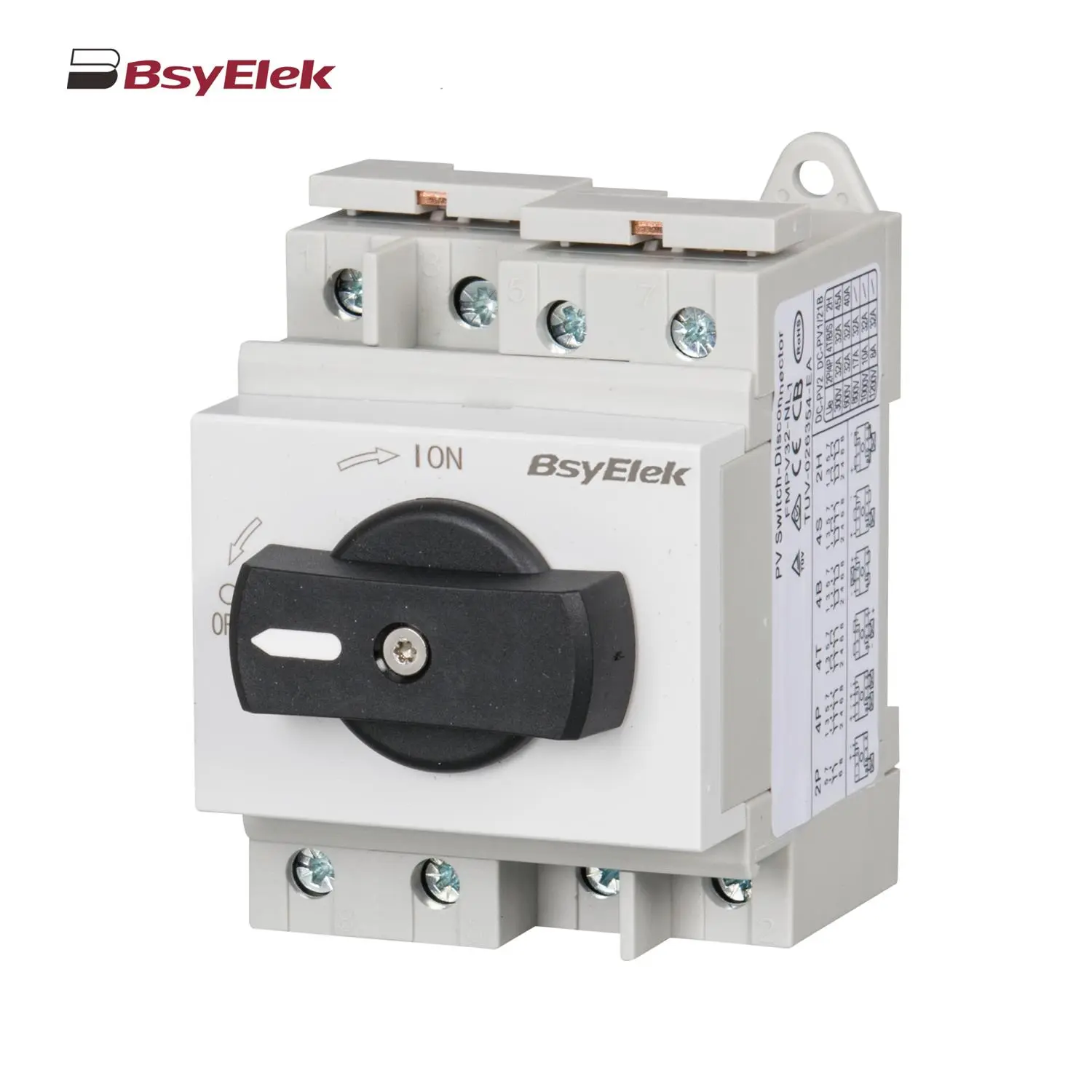 BYPV-NL1/T PV Isolator Switch with Ultra-thin Lever Handle
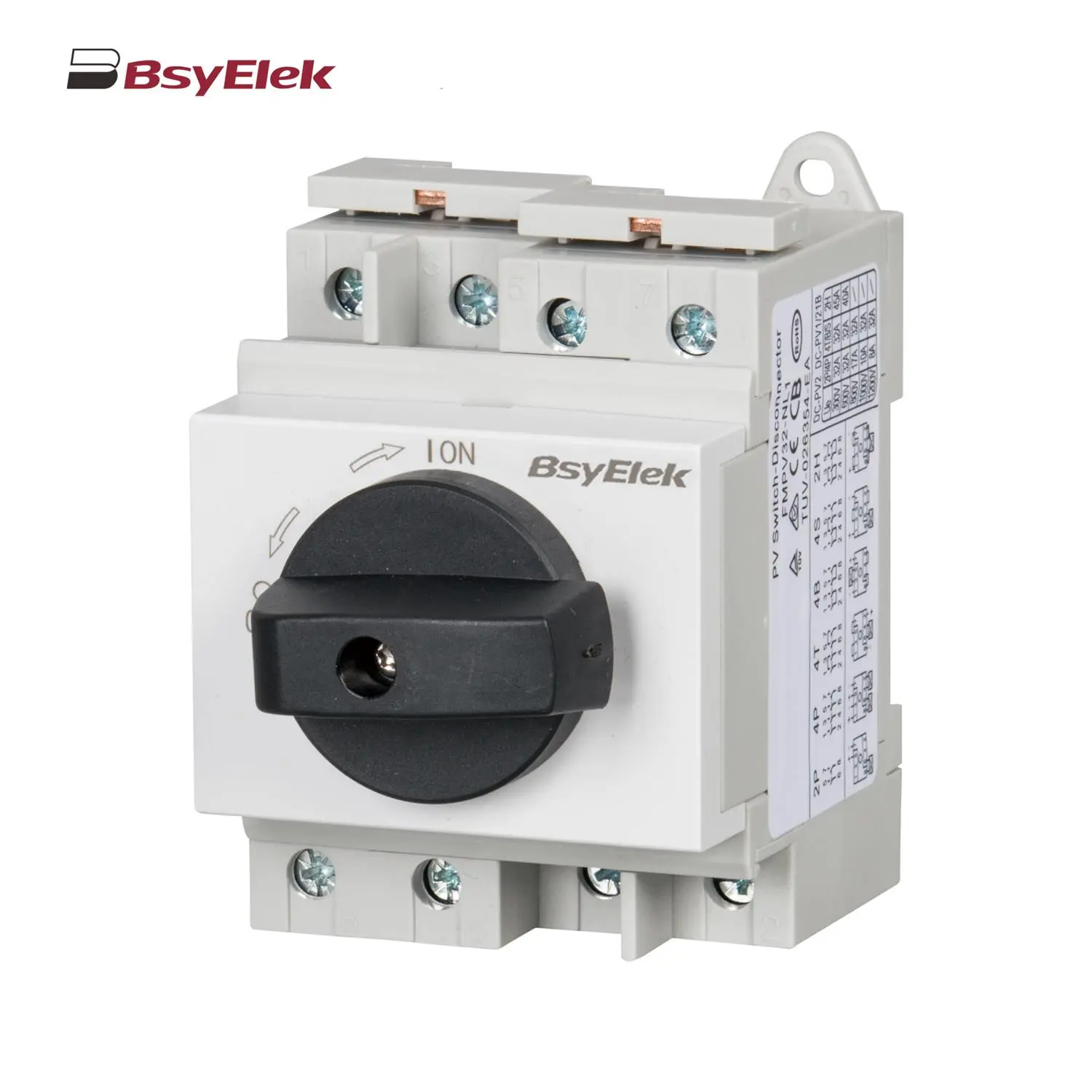 BYPV-NL1 PV Isolator Switch with Lever Handle
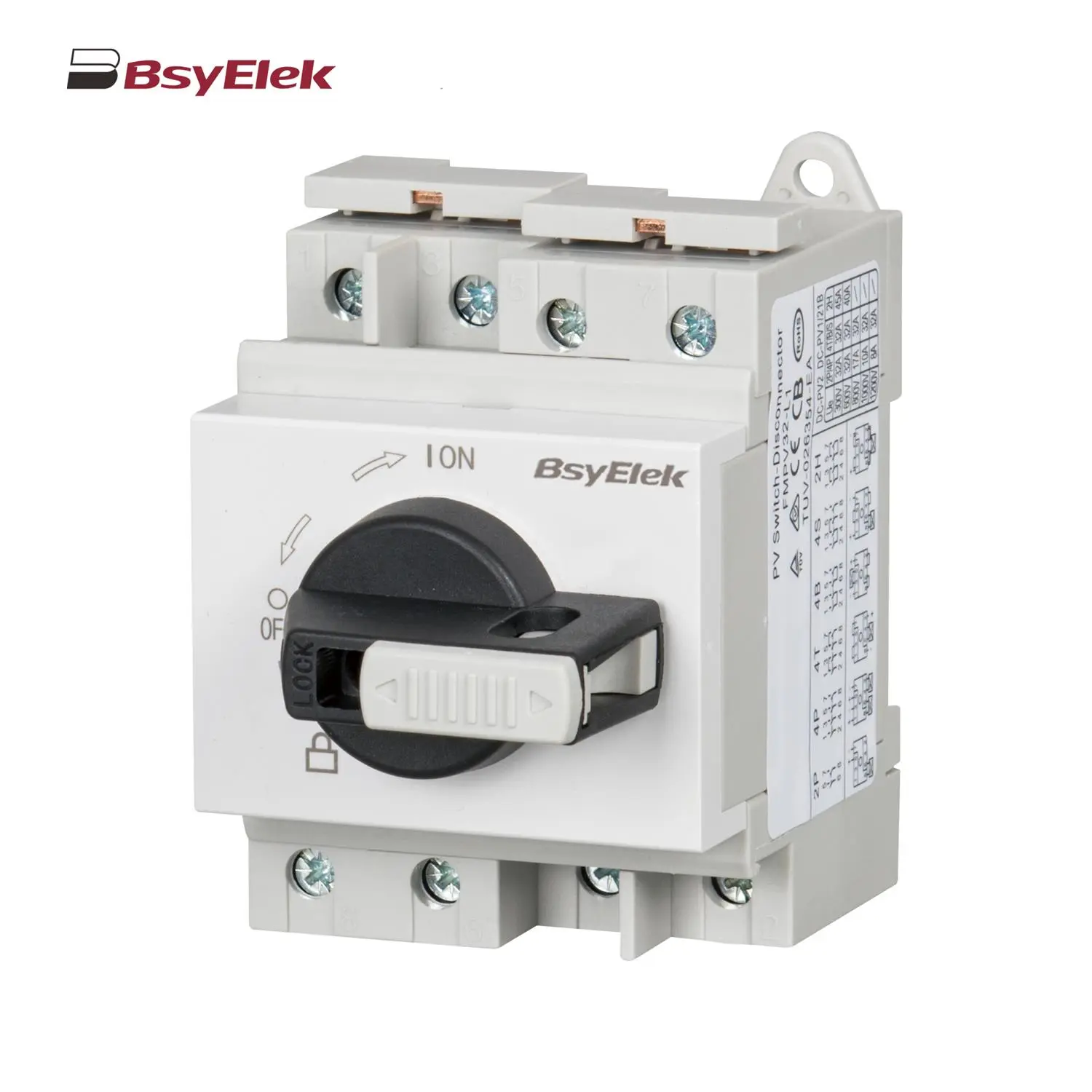 BYPV-L1/L2 PV Isolator Switch with Lockable Lever Handle
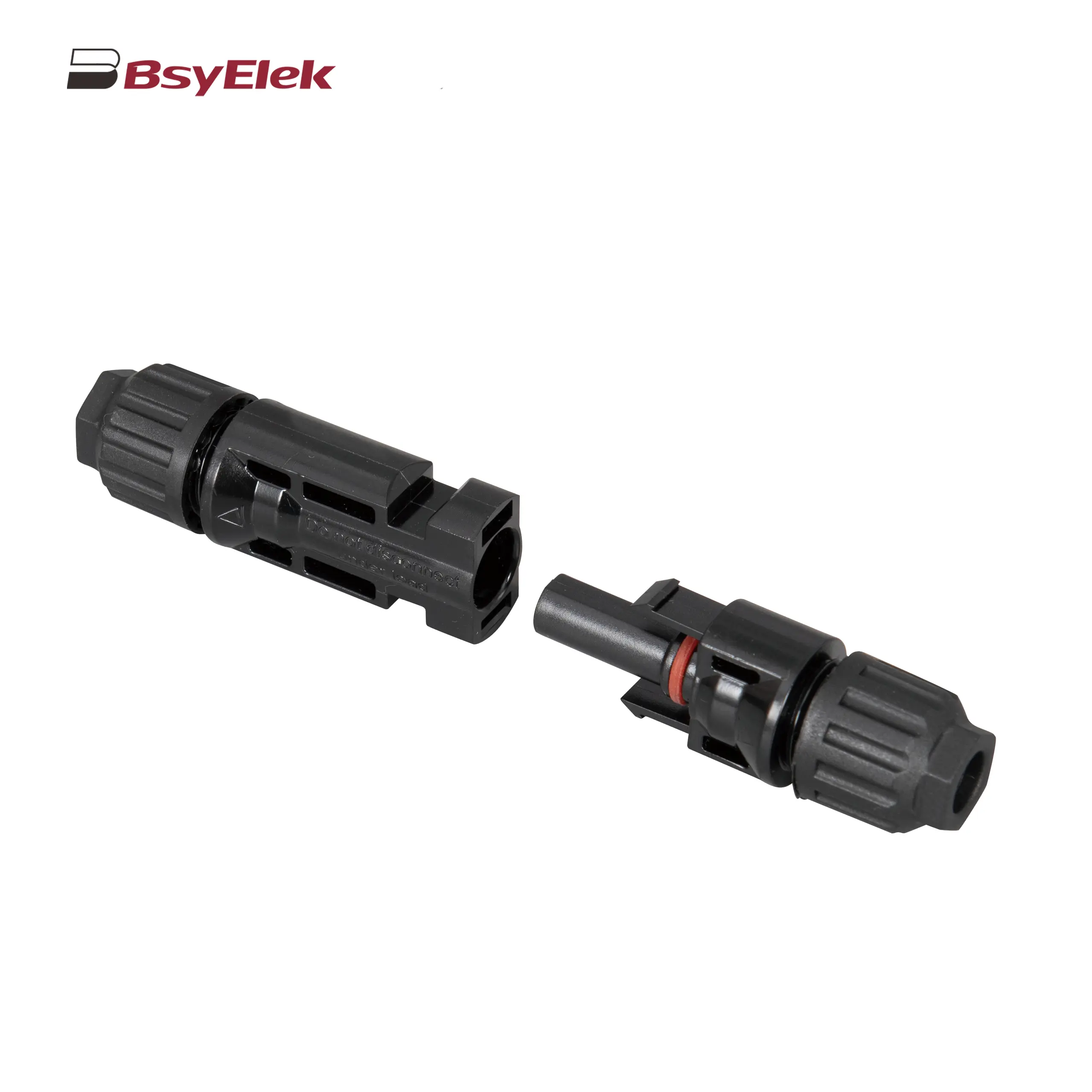 PV-BY-01 30A/50A 1000V Photovoltaic Connector
 PV-BY-02 30A/50A 1500V Photovoltaic Connector
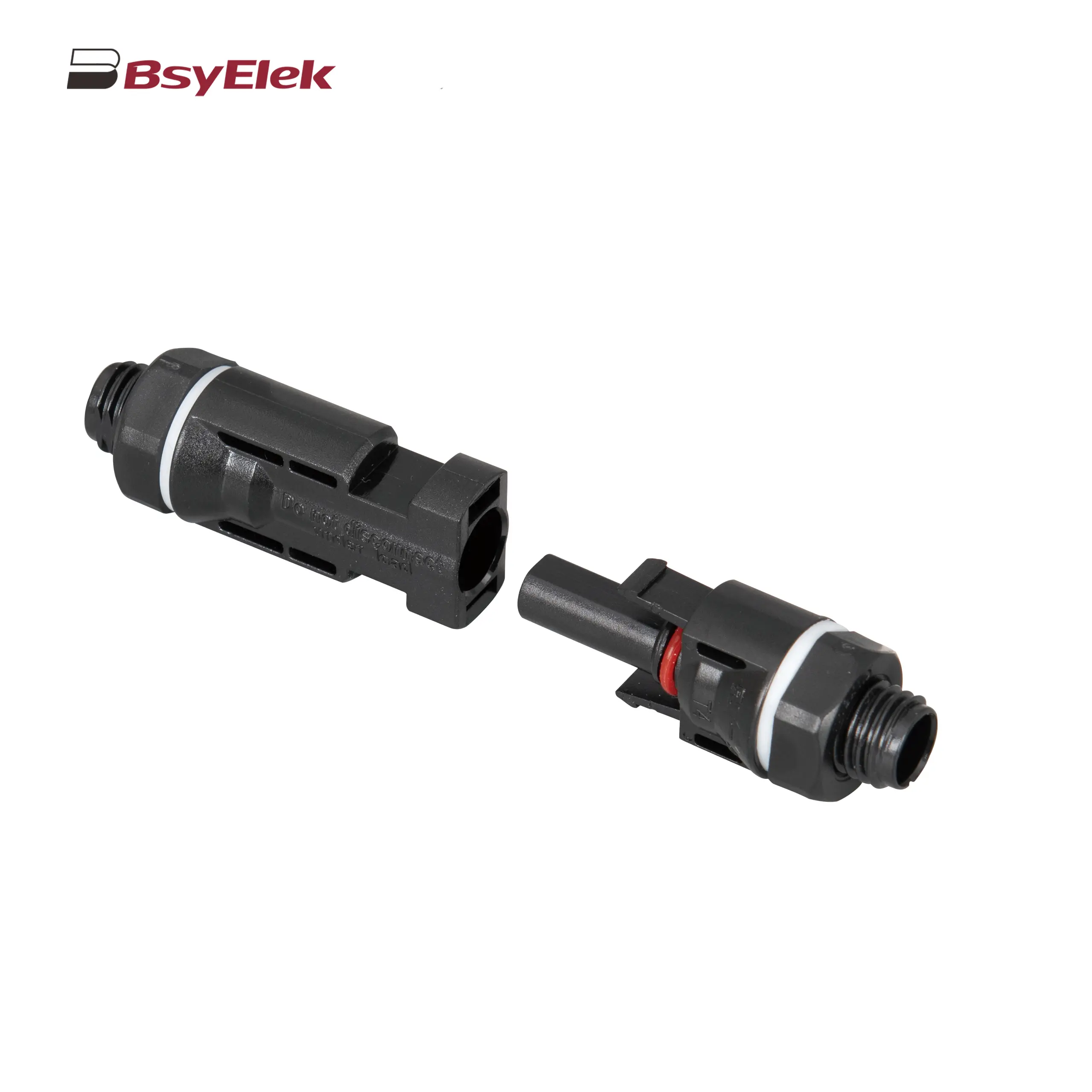 PV-BY-03 30A/50A 1000V Panel Mount Photovoltaic Connector
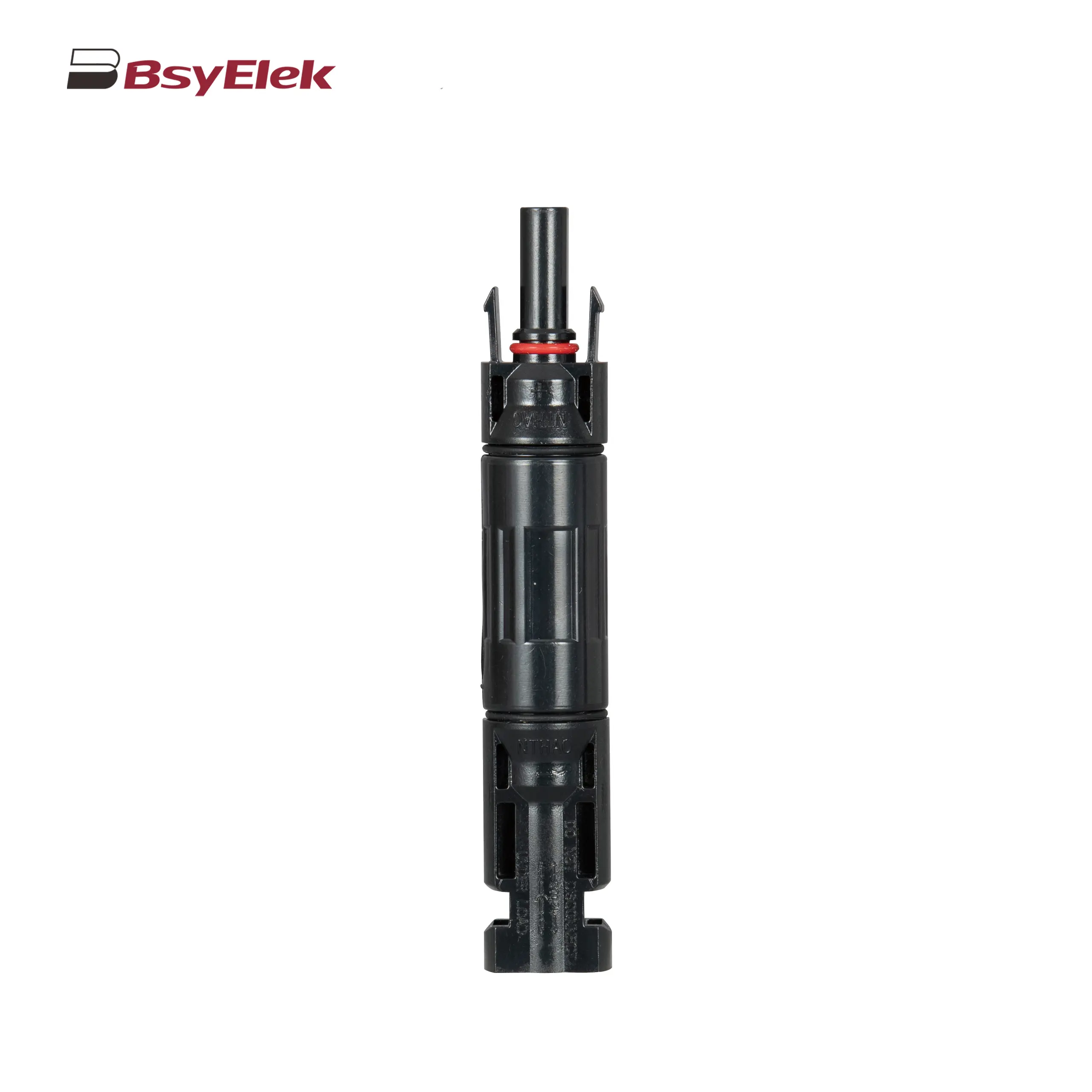 PV-BY-F01 30A 1500V Diode/Fuse Type Connector
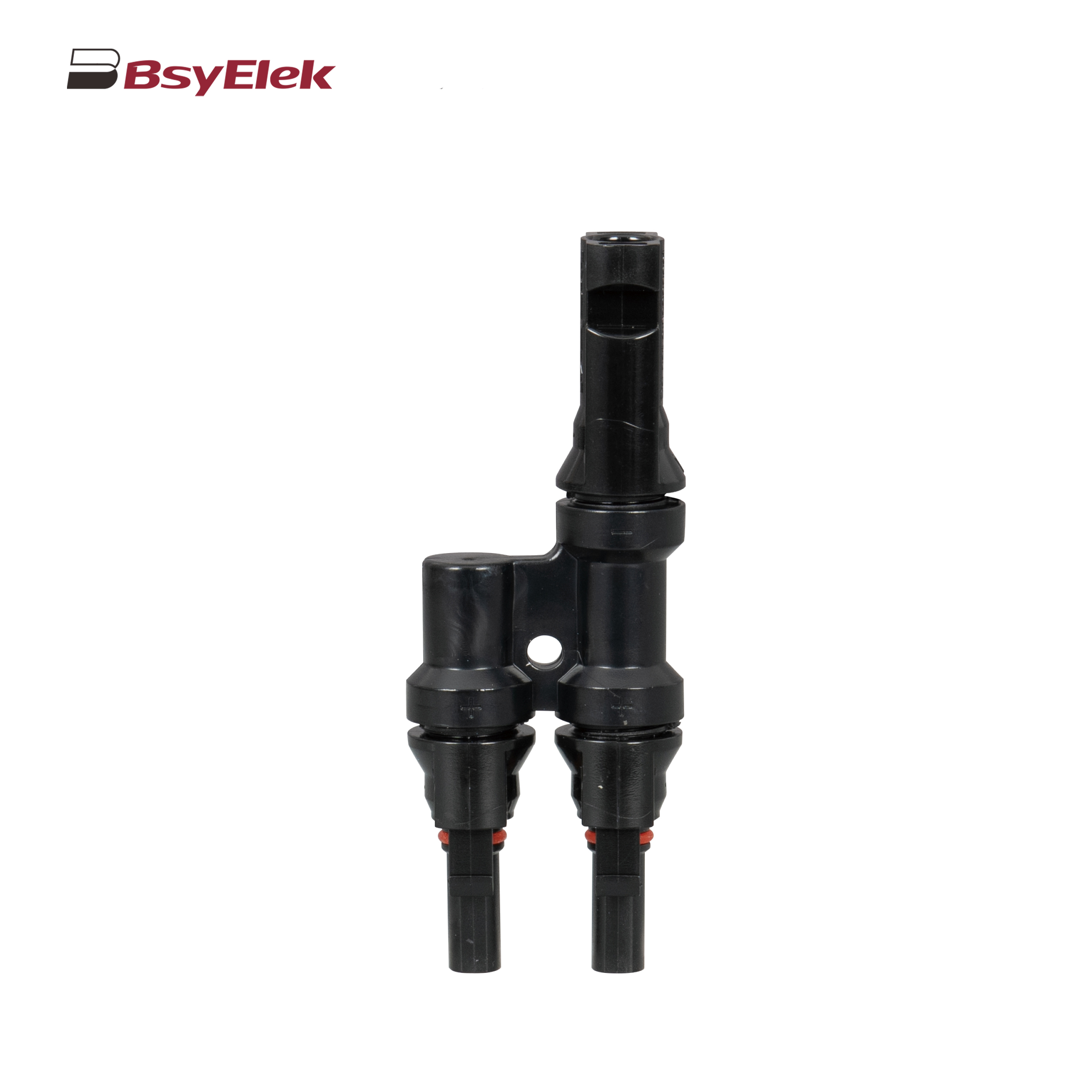 PV-BY-T 50A 1500V T Type Branch Connector
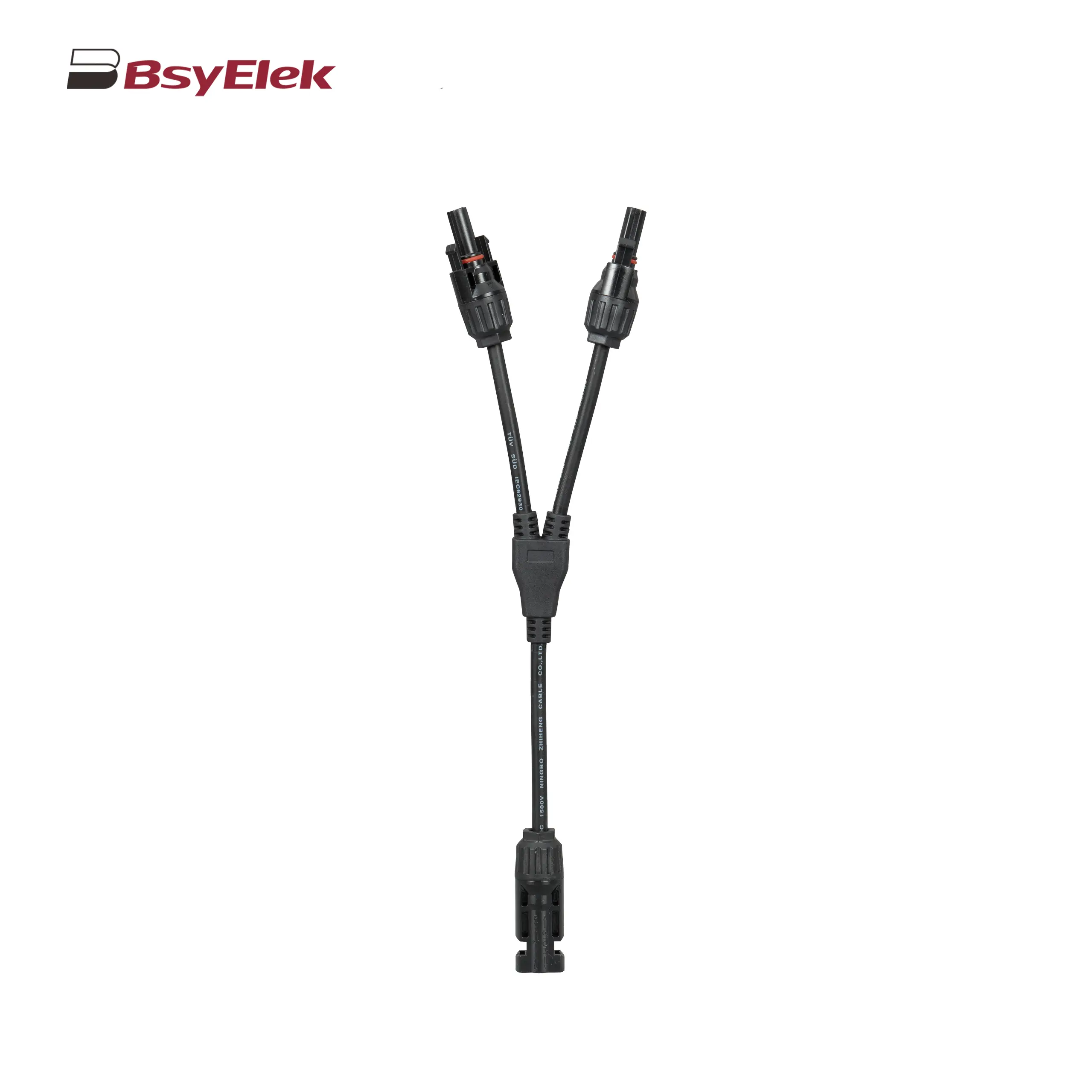 PV-BY-Y 30A 1500V Y Type Branch Connector
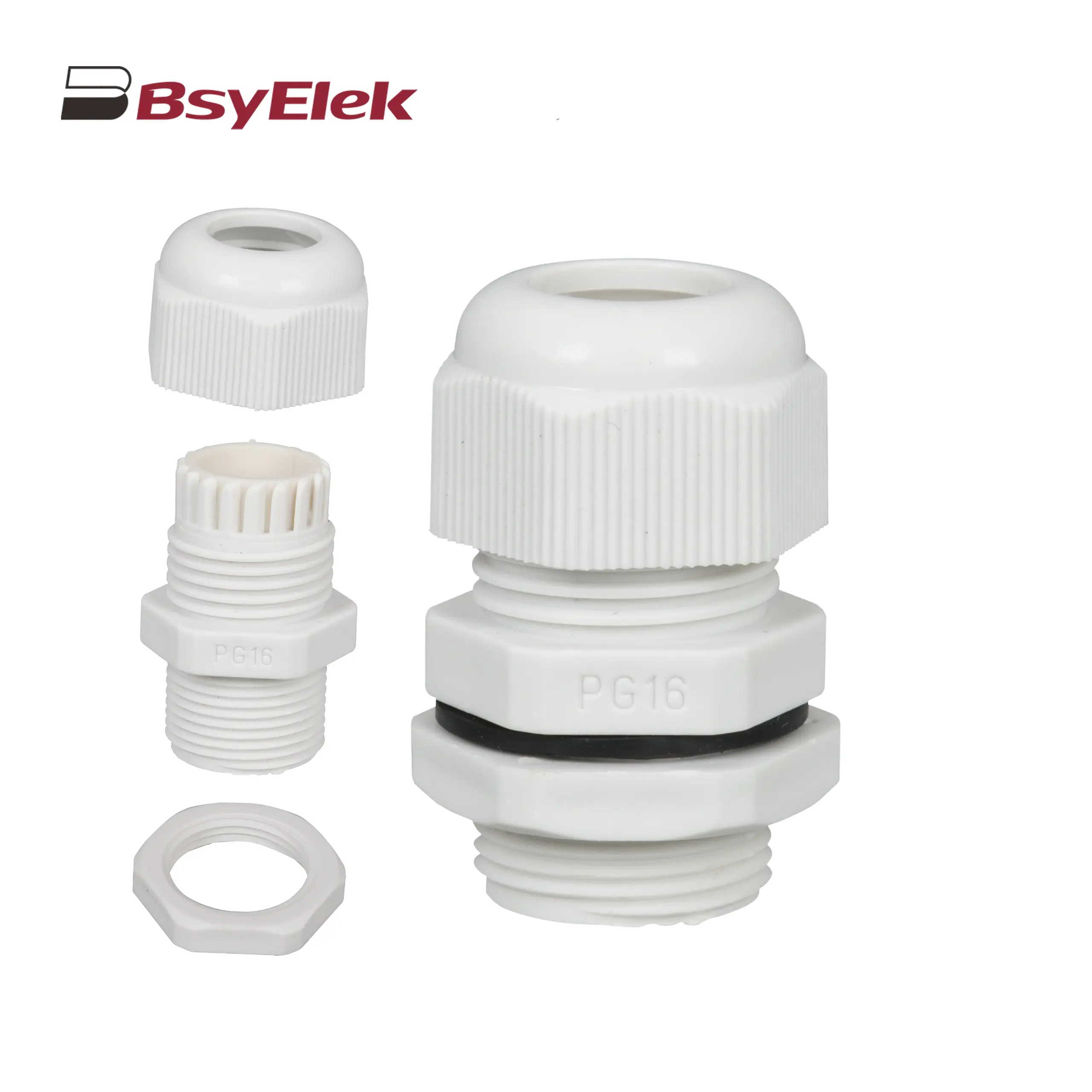 PG Waterproof Cable Gland with Washer
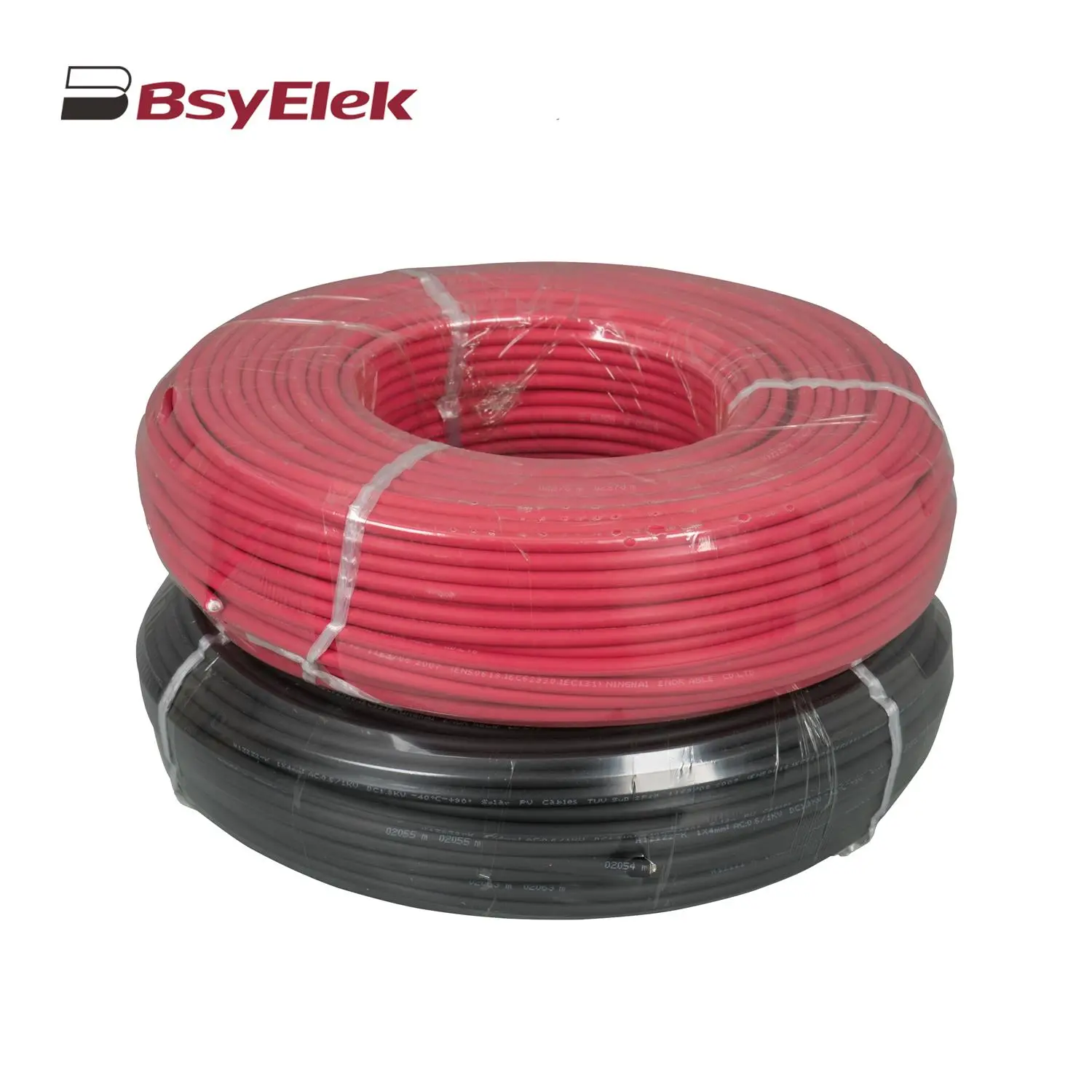 Photovoltaic Cable
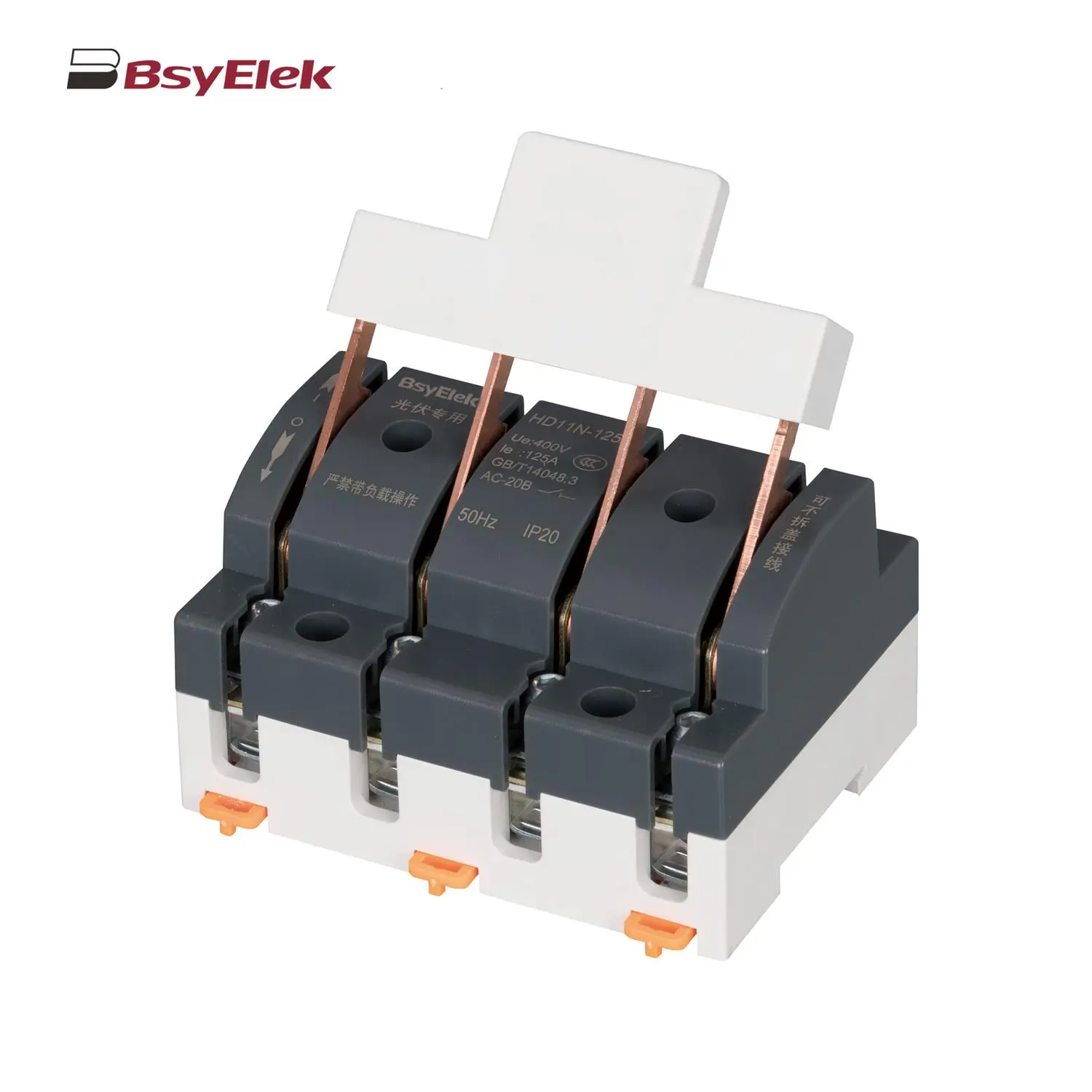 HD11N Photovoltaic Knife Switch
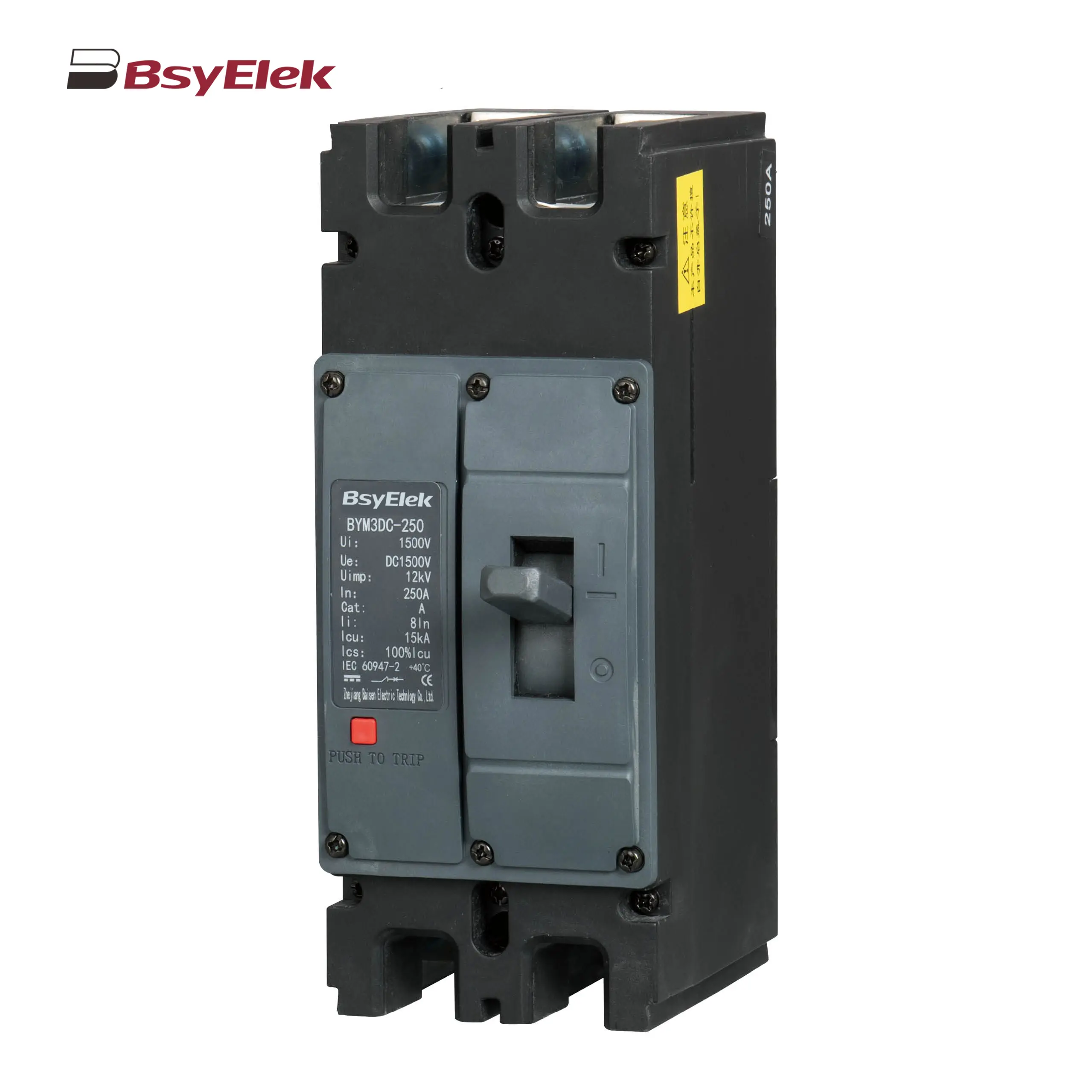 BYM3DC MCCB Photovoltaic DC Molded Case Circuit Breaker
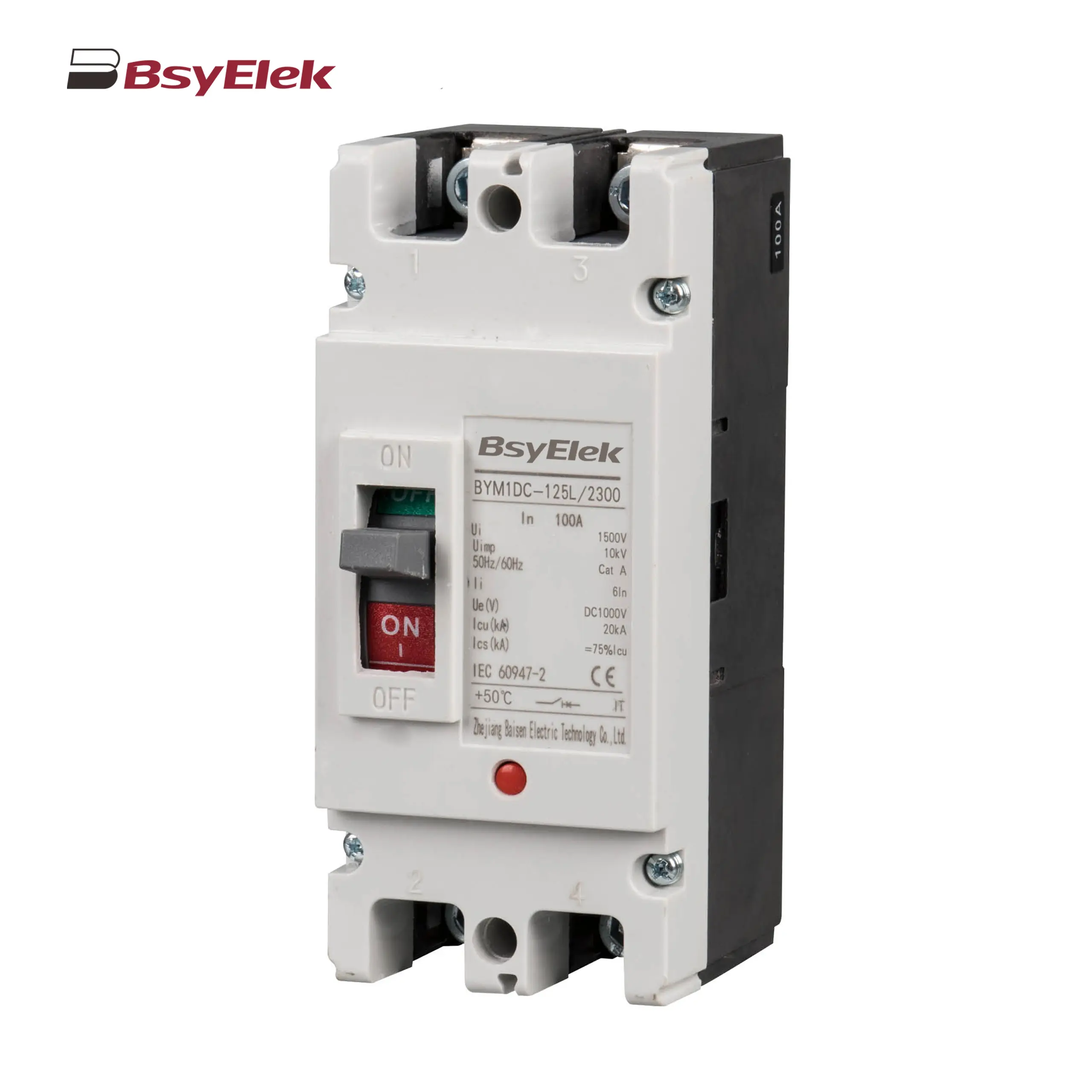 BYM1DC MCCB 1000VDC Thermal Magnetic Type DC Molded Case Circuit Breaker
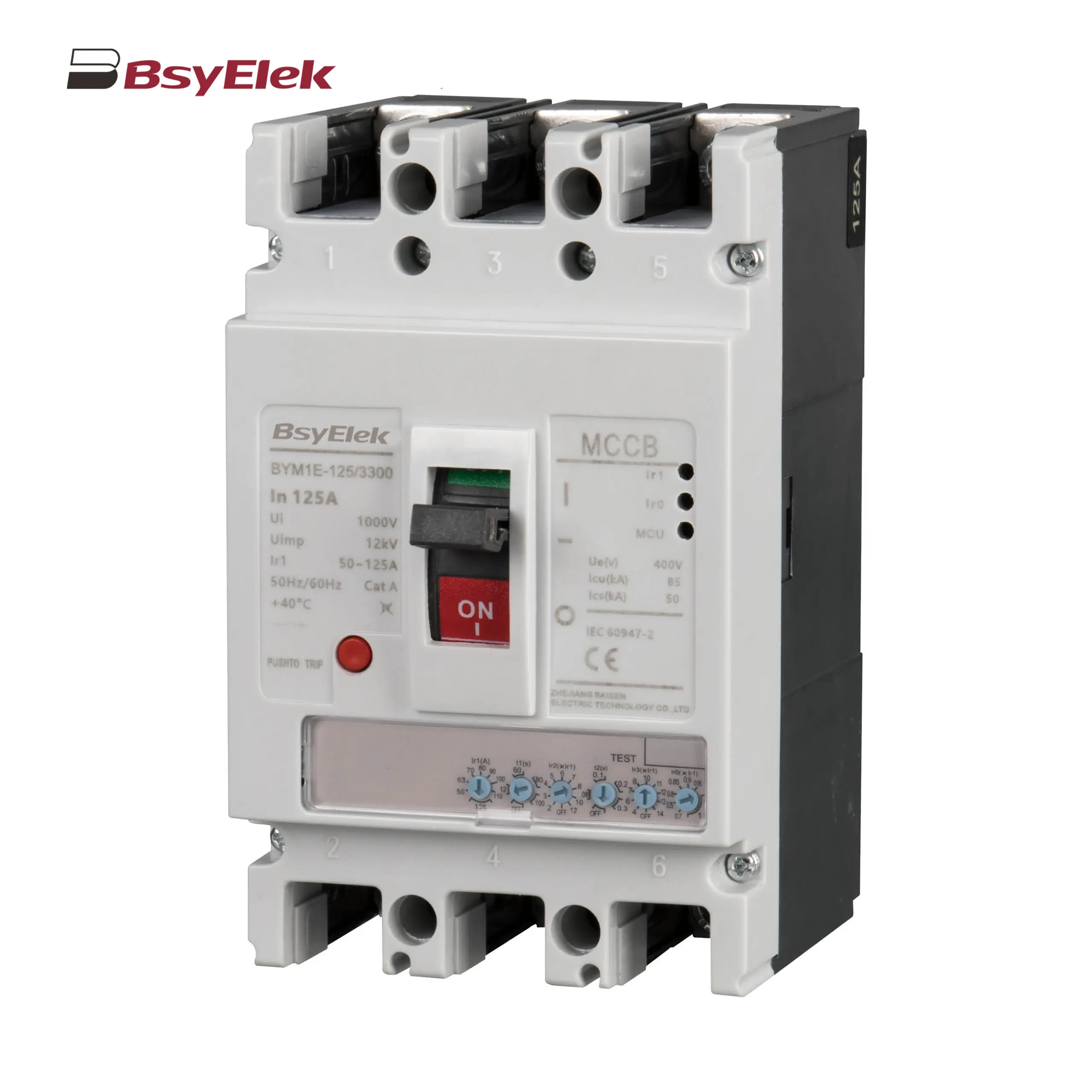 BYM1E MCCB Electronic Type Molded Case Circuit Breaker
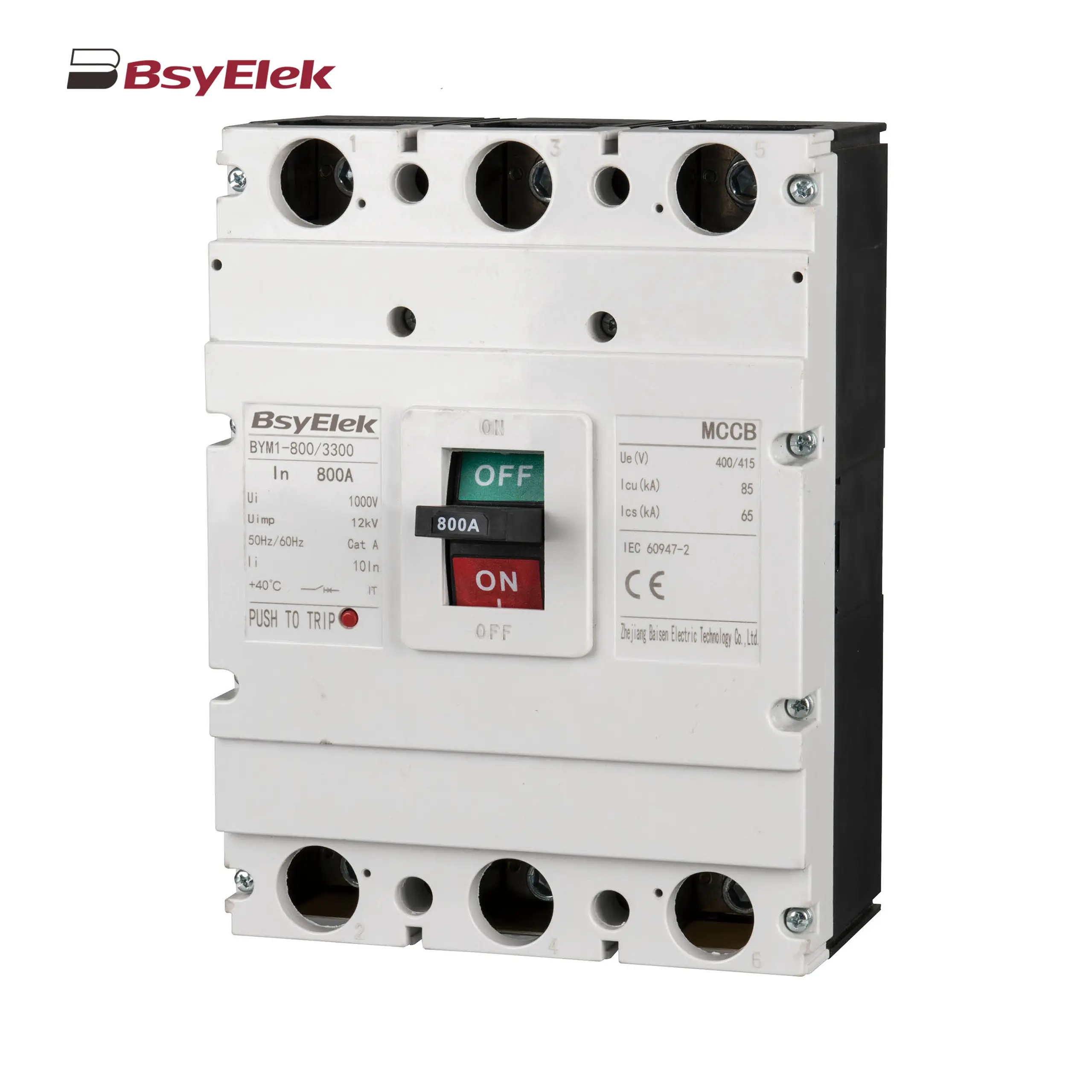 BYM1 MCCB Thermal Magnetic AC Molded Case Circuit Breaker
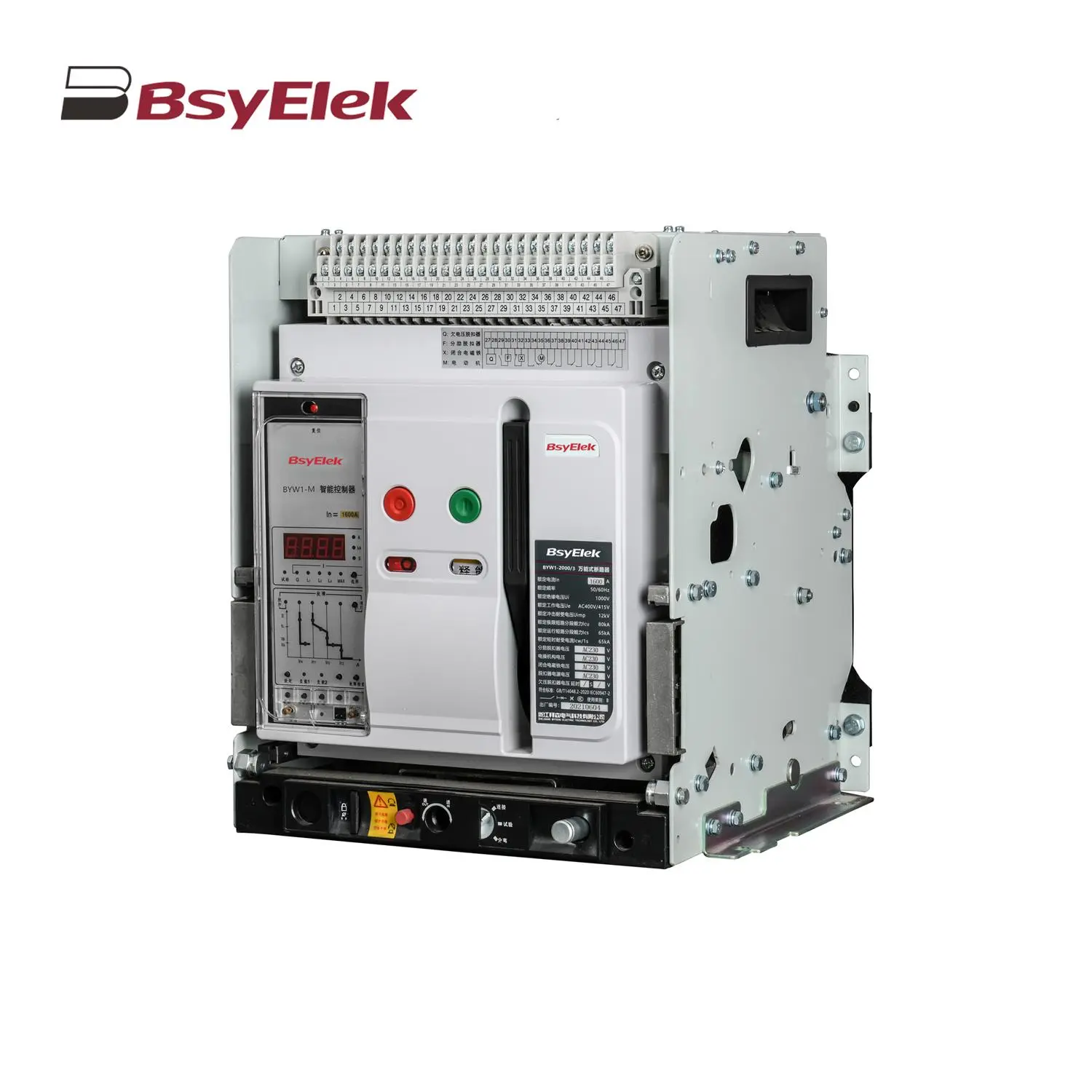 BYW1 ACB Intelligent Universal Air Circuit Breaker
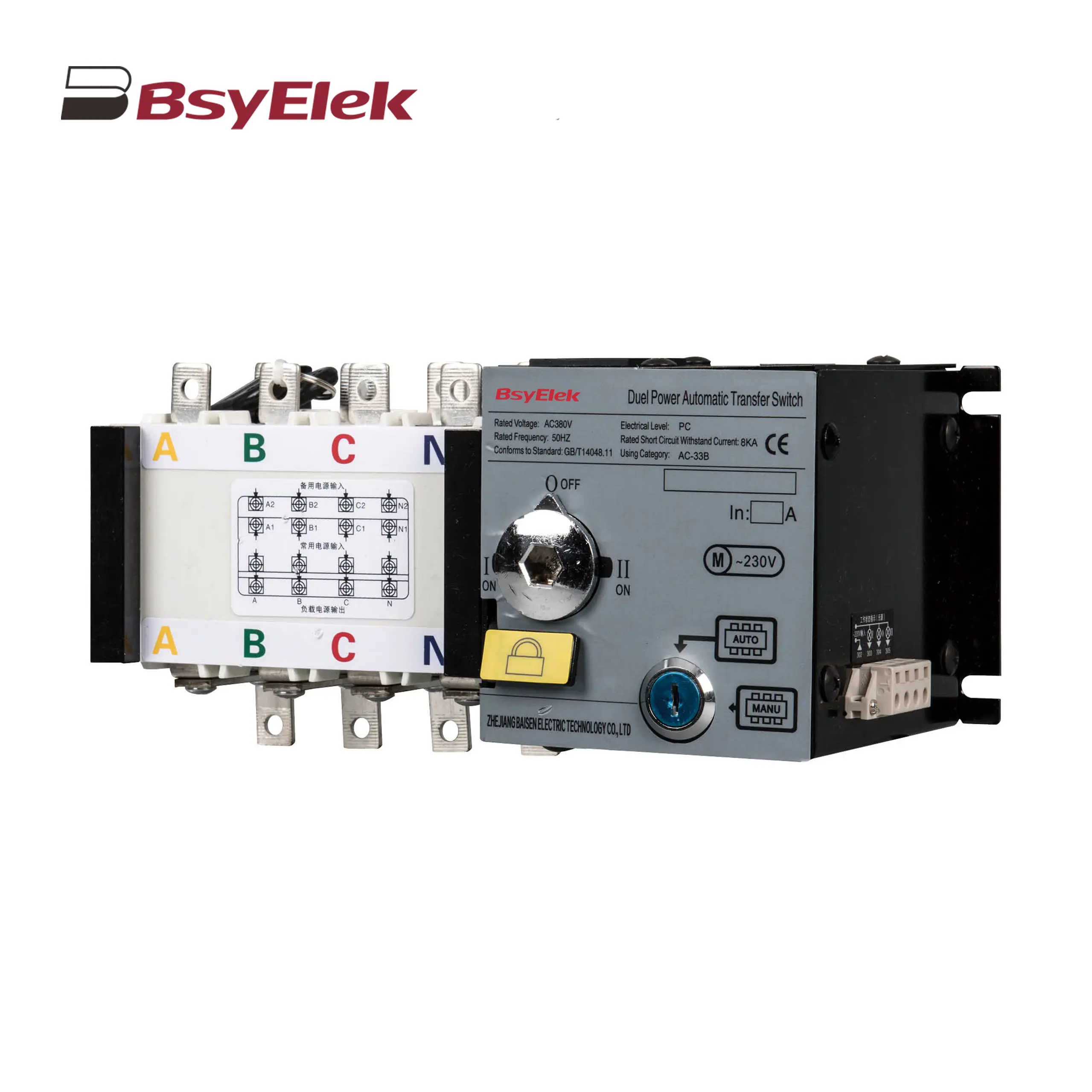 BYQ1 ATS Isolated Type PC Level Dual Power Automatic Transfer Switch
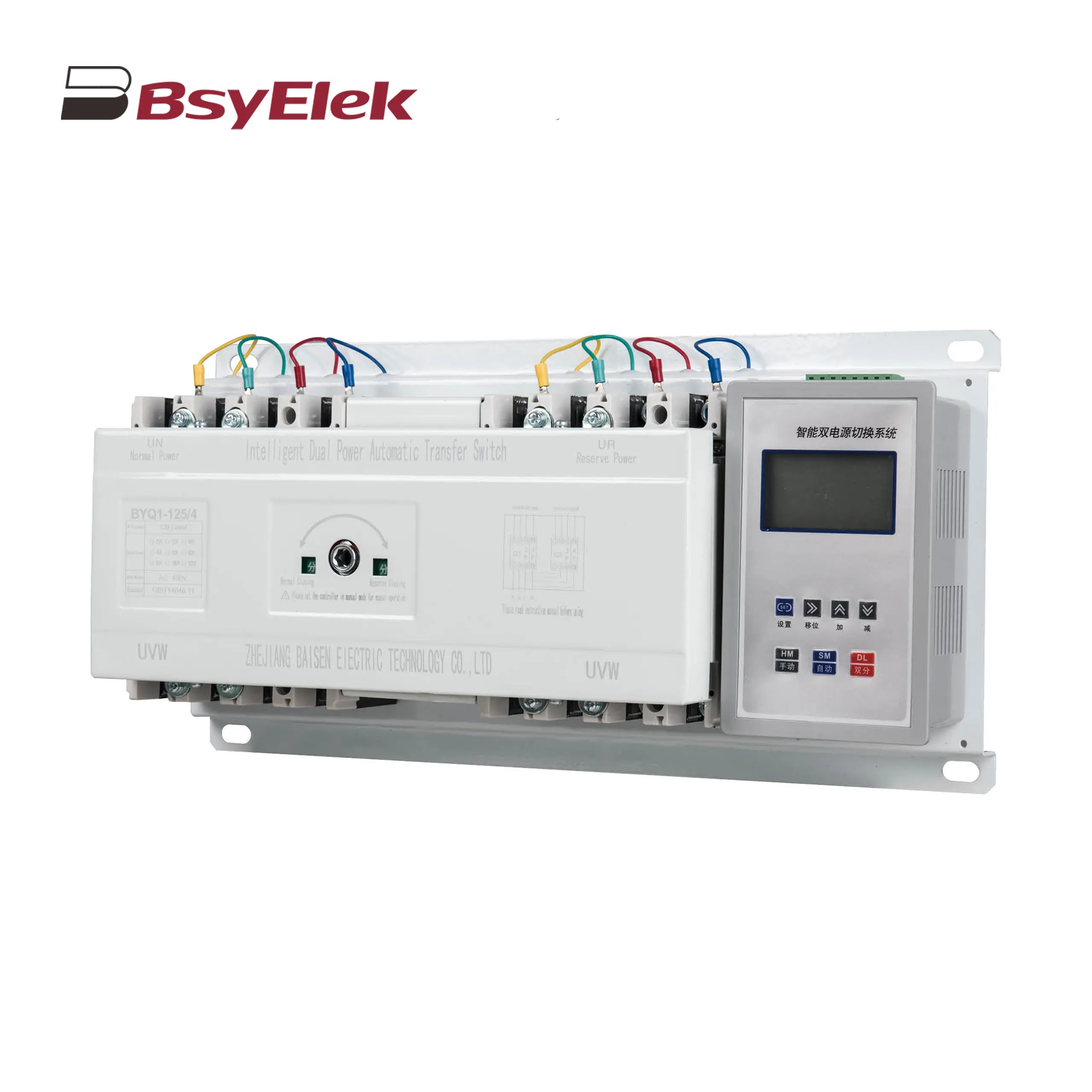 BYQ1 ATS Intelligent Type CB Level Dual Power Automatic Transfer Switch
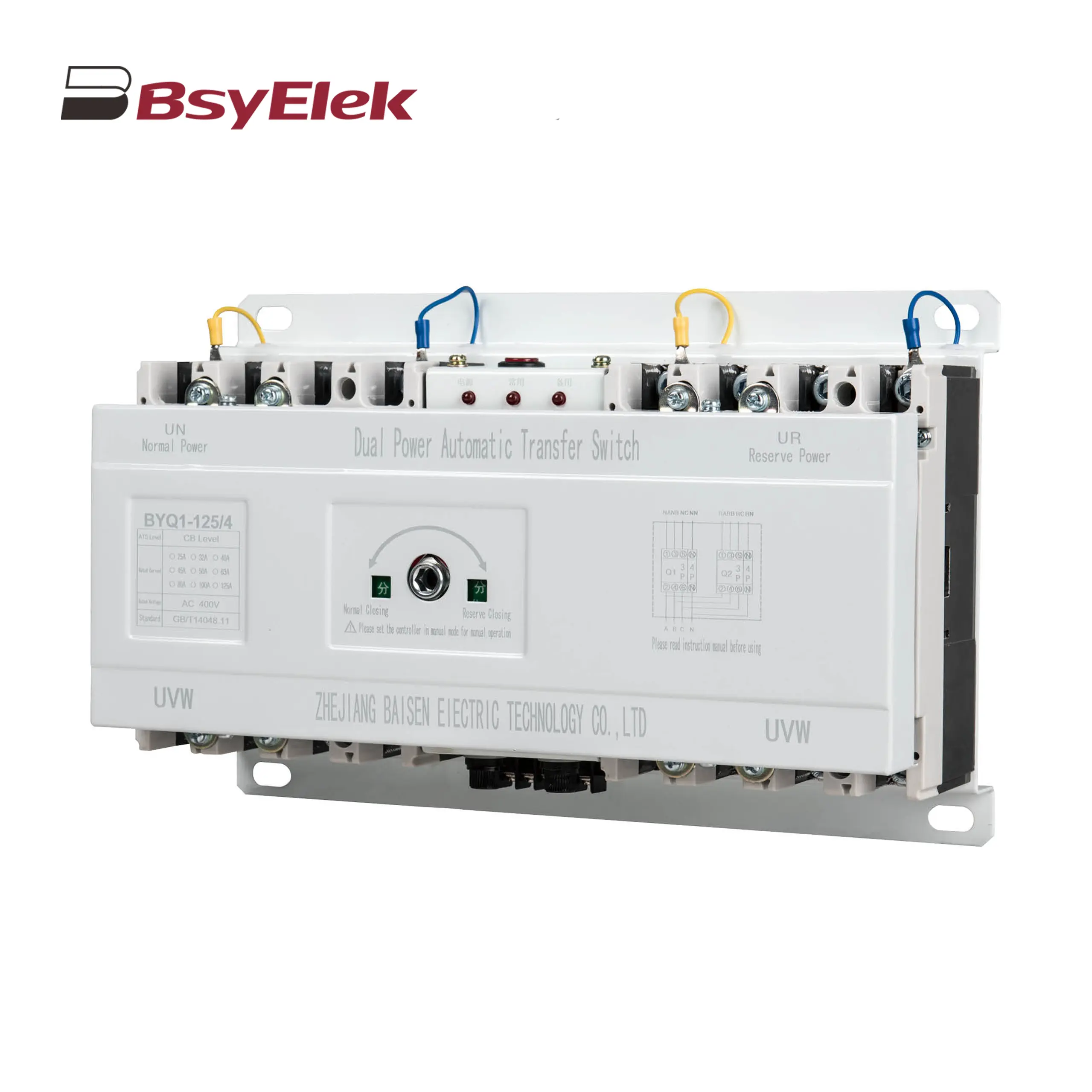 BYQ1 ATS End Type CB Level Dual Power Automatic Transfer Switch
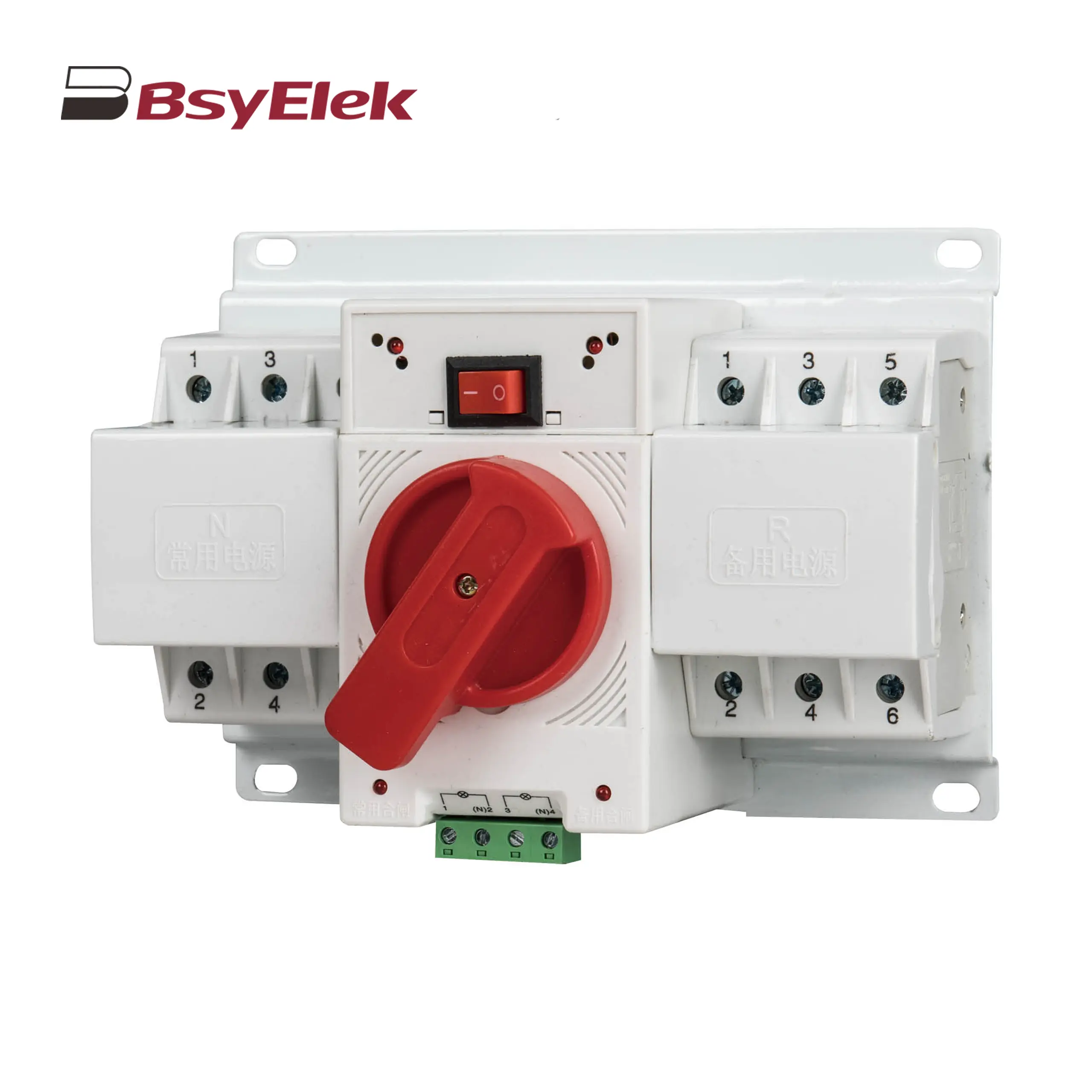 BYQ1 ATS Mini Type CB Level Dual Power Automatic Transfer Switch
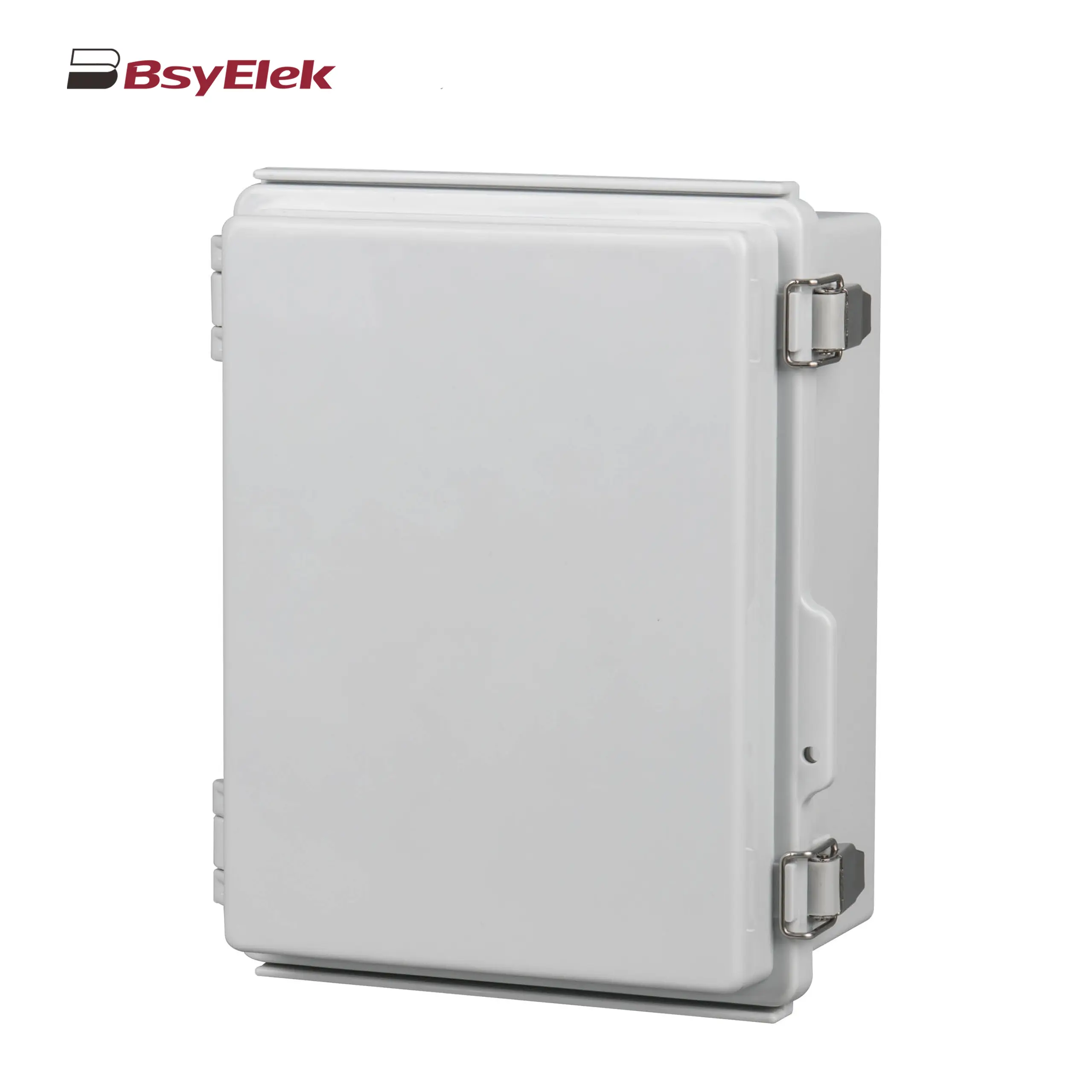 Stainless Steel Hinge Type Electrical Box
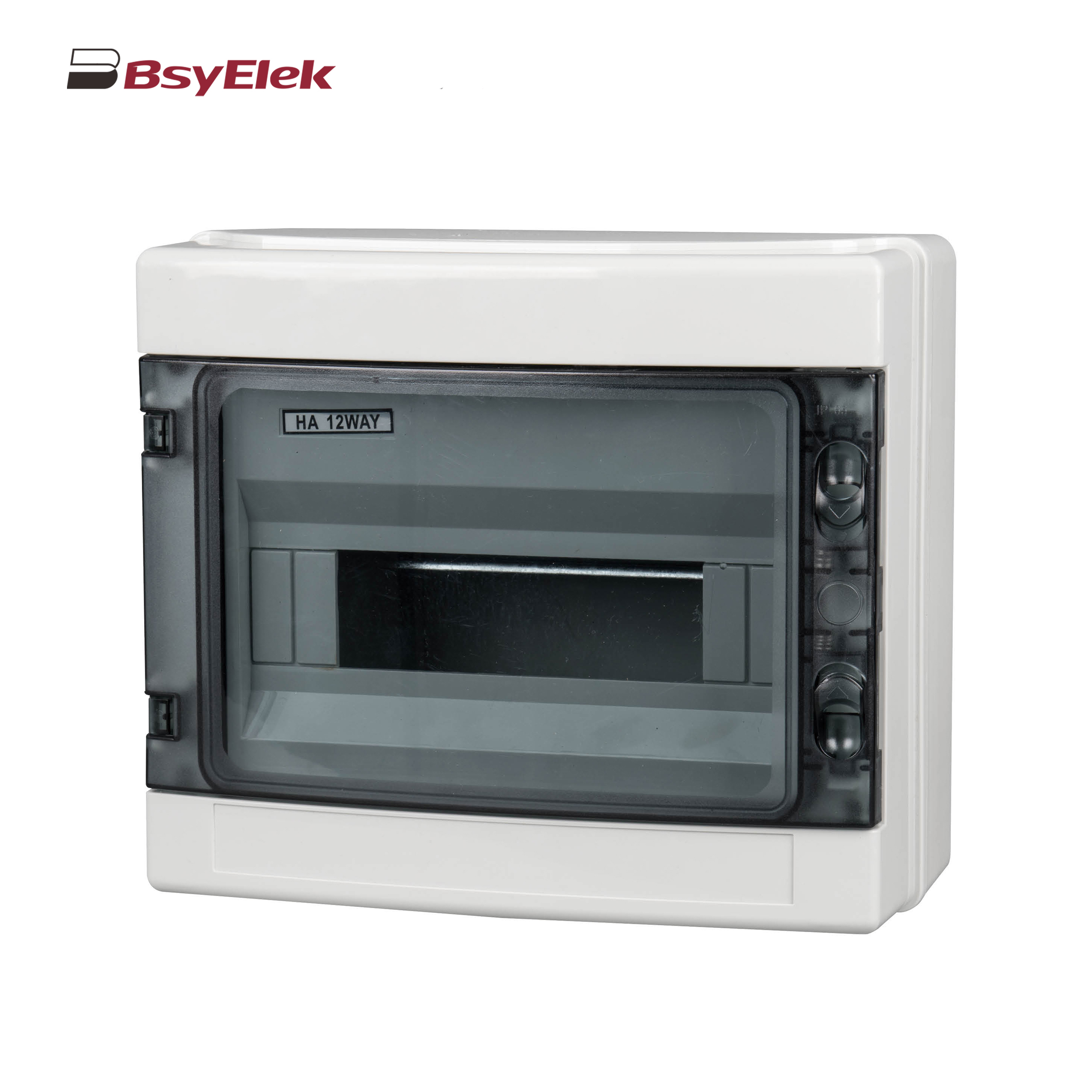 HA Waterproof Distribution Box
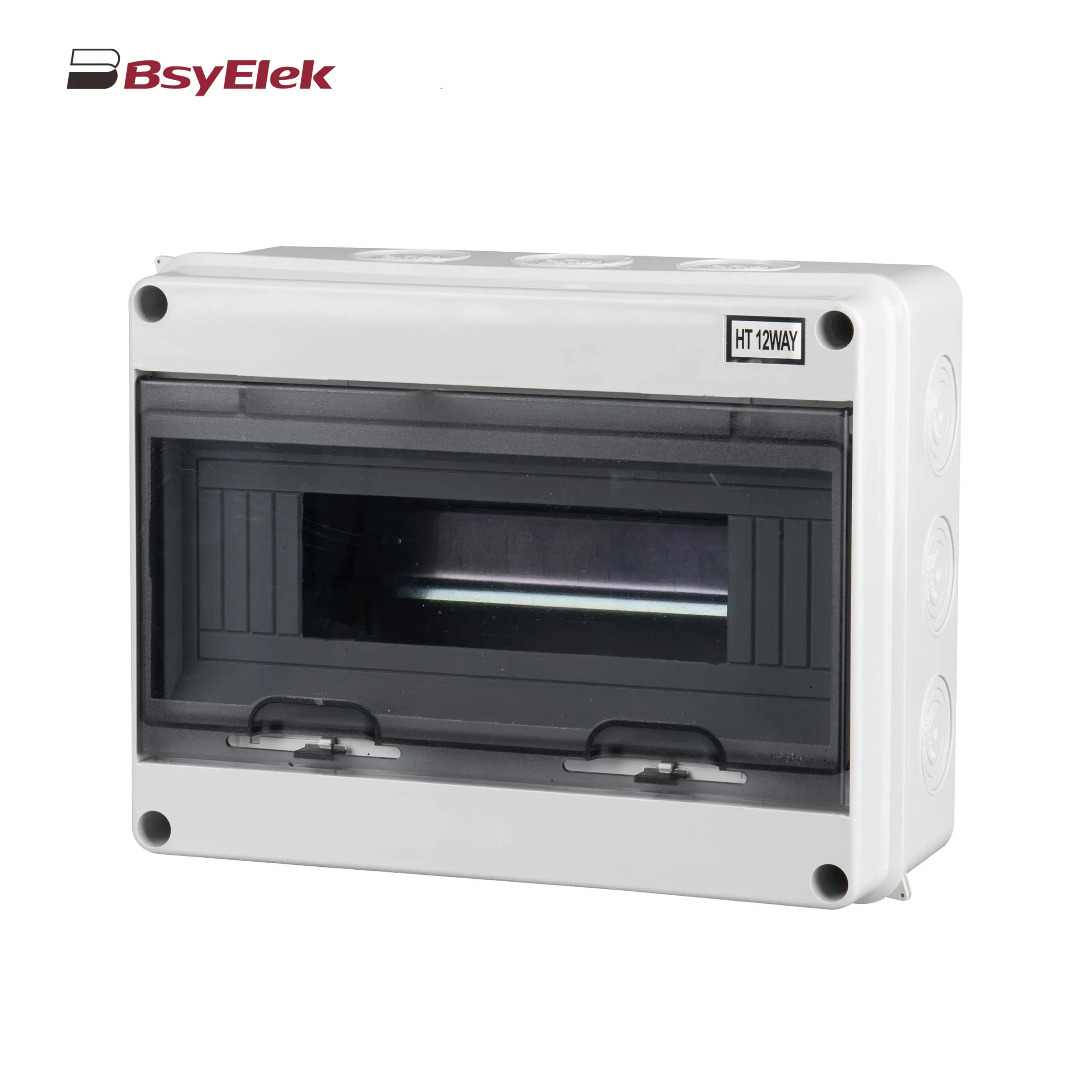 HT Waterproof Distribution Box
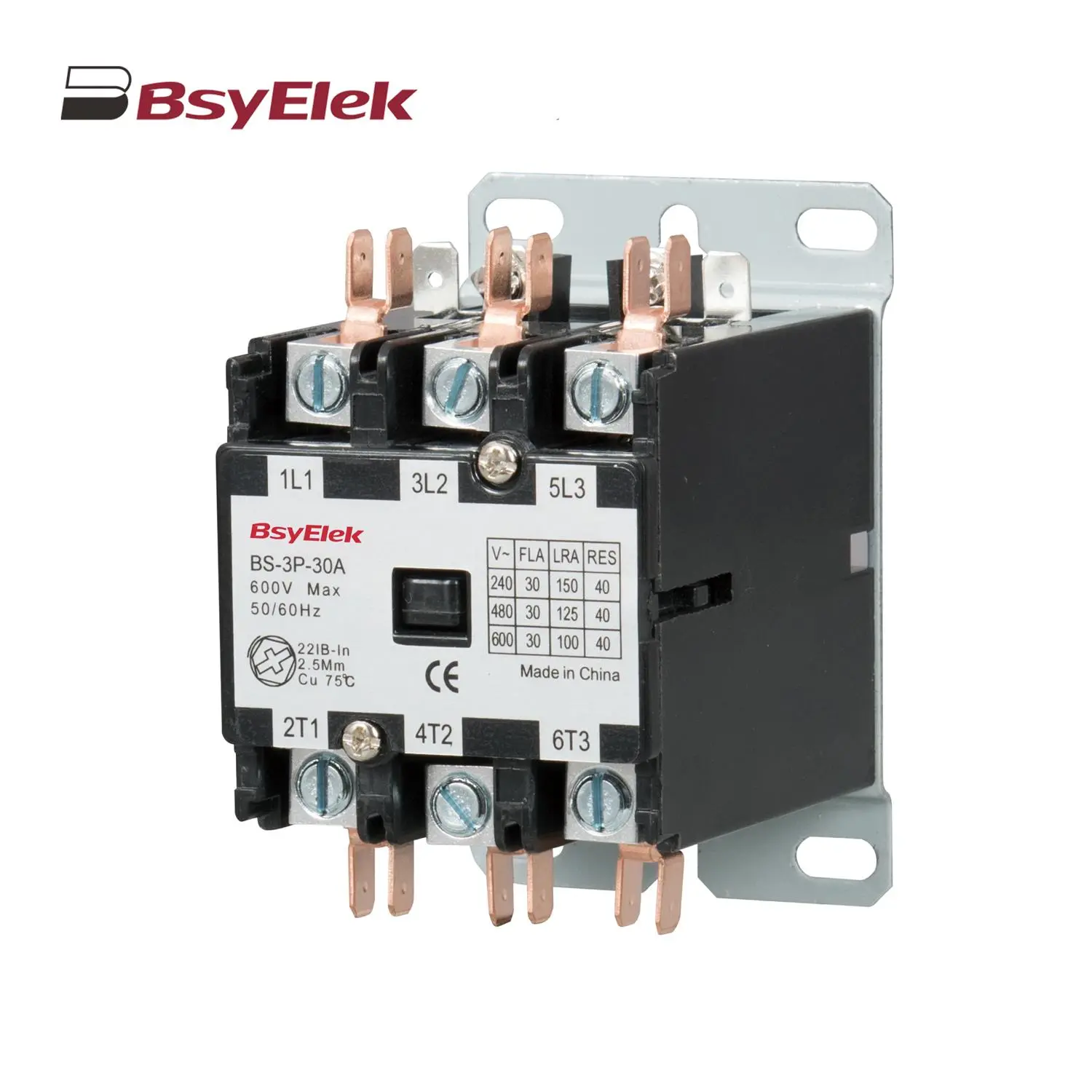 BS Definite Purpose Magnetic AC Contactor