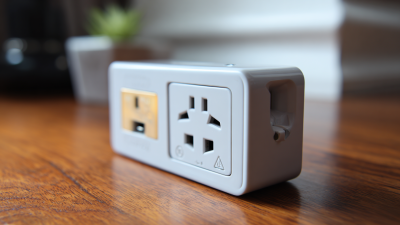
Understanding the Importance of Disconnect Switches in Electrical Safety
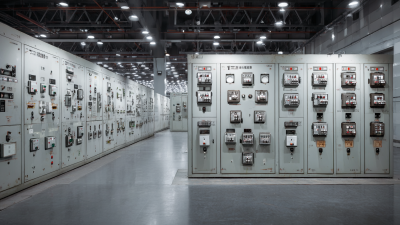
The significance of Disconnect Switches in ensuring electrical safety cannot be overstated, especially in industrial settings where the risks are compounded by high voltage operations.
According to a report by the National Fire Protection Association (NFPA), electrical failures are attributed to nearly 10% of all workplace fires, underscoring the necessity of reliable safety mechanisms such as Disconnect Switches.
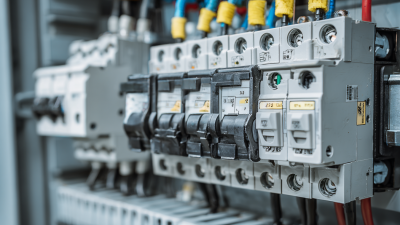
These devices serve a critical role by providing a reliable means to isolate electrical circuits during maintenance or emergencies, thus preventing accidental electrocution and equipment damage.
Furthermore, the International Electrotechnical Commission highlights that improper use of electrical systems can lead to catastrophic failures, prompting the implementation of standards that recommend the use of Disconnect Switches in accordance with safety protocols.
By prioritizing the integration of Disconnect Switches, organizations can proactively mitigate risks, enhance worker safety, and comply with industry regulations, ultimately safeguarding both personnel and assets.
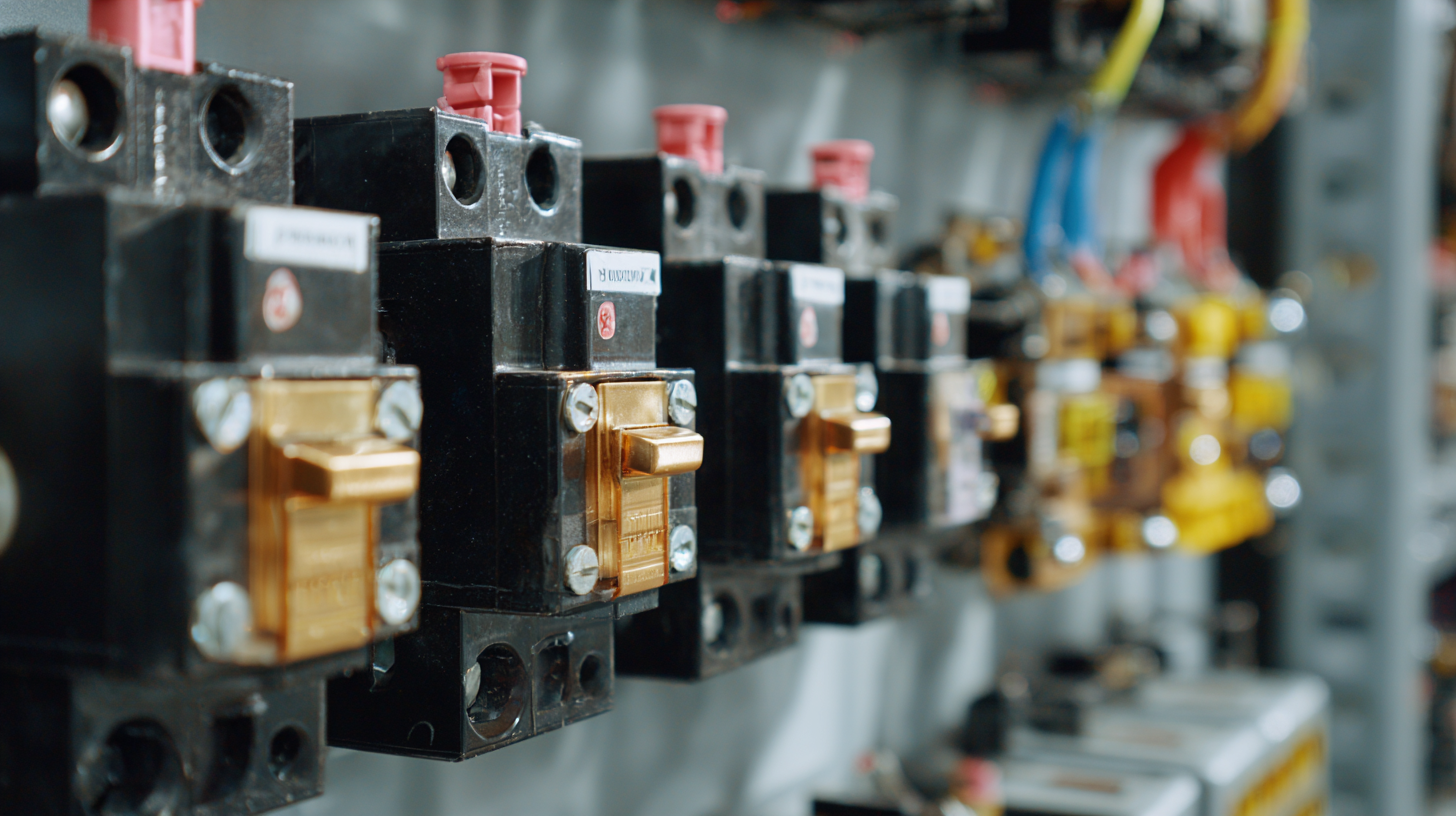
How to Identify the Right Disconnect Switch for Your Electrical System
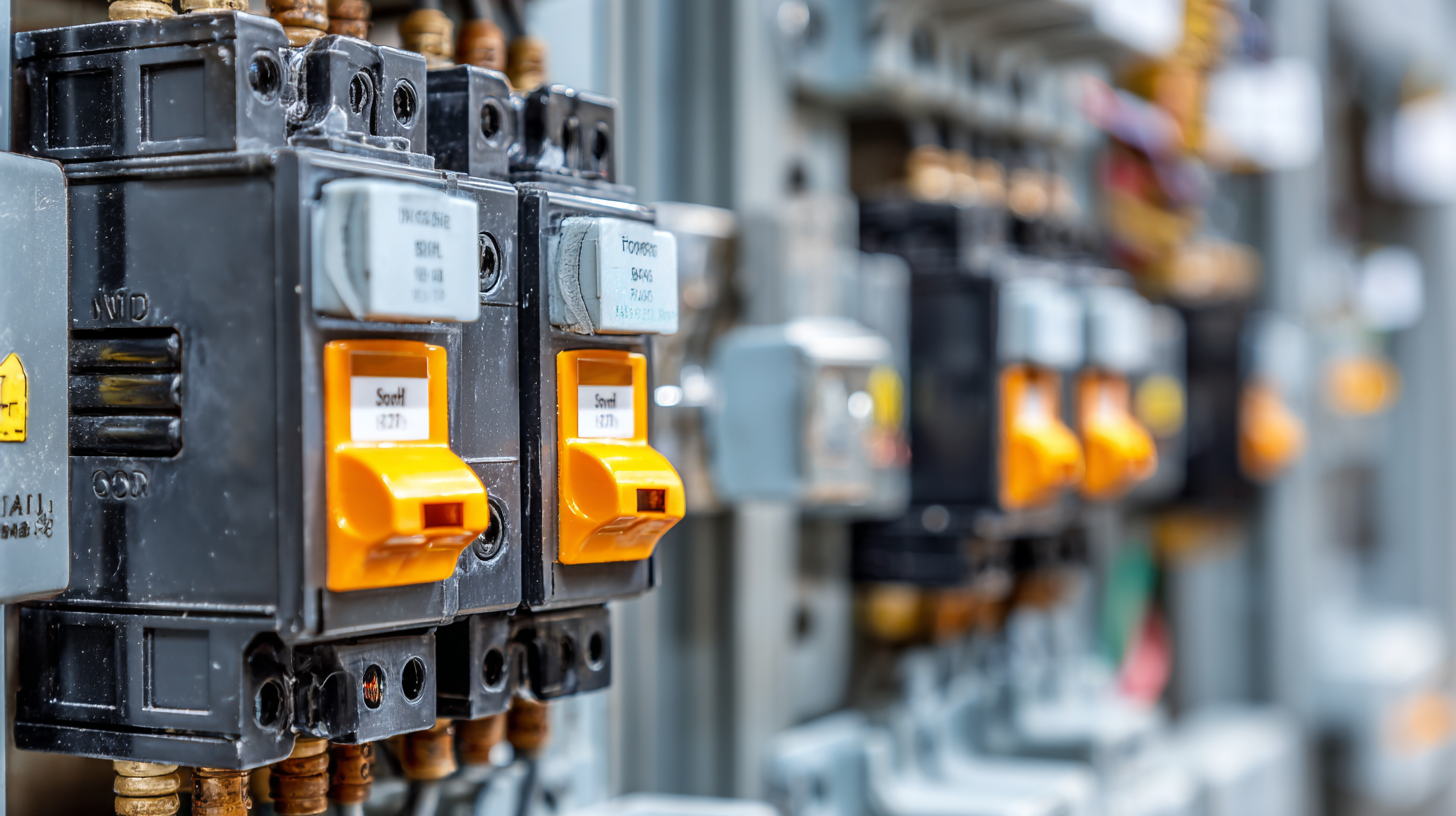 When selecting a disconnect switch for your electrical system, it is crucial to consider several key factors to ensure both safety and efficiency. According to a report by the NEMA, approximately 30% of electrical incidents can be traced back to malfunctioning or improperly used disconnect switches. Therefore, understanding the specific requirements of your system is essential in preventing hazards.
Start by assessing the voltage and current ratings of your application. For instance, the IEEE Standard 241-2022 recommends that disconnect switches should be rated for at least 125% of the load current to accommodate inrush currents and prevent overheating. Additionally, it is essential to consider the environmental conditions where the switch will be installed. NEMA offers classifications for enclosures, indicating resistance to dust, moisture, and corrosion, which can significantly impact the longevity and reliability of the switch.
Furthermore, ensure that the switch complies with industry standards, such as UL 1008 for automatic transfer switches or IEC 60947-3 for low-voltage switchgear. A study by the Electrical Safety Foundation International (ESFI) indicates that using certified equipment lowers the risk of electrical failures by up to 50%. By taking these factors into account, you can identify a disconnect switch that not only suits your electrical system but also enhances overall safety and operational reliability.
How to Ensure Proper Installation of Disconnect Switches for Maximum Safety
Proper installation of disconnect switches is crucial for enhancing electrical safety in industrial environments. Disconnect switches serve as critical components that allow for the safe isolation of electrical circuits, preventing potential hazards during maintenance and troubleshooting. The global disconnect switch market is witnessing significant growth, with a projected increase from $4.99 billion in 2025 to $7.66 billion by 2030. This trend underscores the importance of these devices in ensuring the reliability of electrical systems.
To maximize safety, it is essential that disconnect switches are installed correctly. Key considerations include ensuring that the switches are easily accessible and clearly marked to facilitate quick operation in emergencies. Additionally, regular maintenance checks should be conducted to ensure that the switches function properly and that connections remain secure. According to industry reports, the non-fused disconnect switch market is expected to expand from $9.80 billion in 2025 to $14.61 billion by 2032, highlighting the increasing recognition of their role in maintaining safe electrical practices. Implementing comprehensive installation guidelines can significantly reduce the risk of electrical accidents, ensuring a safer working environment.
Understanding the Importance of Disconnect Switches in Electrical Safety
This chart illustrates the correlation between the proper installation of disconnect switches and the reduction of electrical accidents over the years. It presents data on the percentage of incidents reported relative to the installation practices, highlighting the crucial role disconnect switches play in safety standards.
How to Perform Regular Maintenance on Disconnect Switches to Prevent Failures
Regular maintenance of disconnect switches is crucial in ensuring the safety and reliability of electrical systems. Disconnect switches serve as a vital safety mechanism, allowing users to isolate electrical circuits for maintenance or emergencies. To prevent failures, a systematic approach to maintenance is essential. This includes routine inspections that check for signs of wear and corrosion, which can impact the performance of the switch. Visual inspections should be complemented by functional tests to confirm that the switches operate effectively under load.
In addition to inspections, it is important to clean the contacts and enclosures of disconnect switches regularly. Accumulation of dust and dirt can lead to overheating and operational failures. Lubricating moving parts can also ensure smooth operation, reducing the risk of malfunction during critical moments. Furthermore, maintaining a log of maintenance activities can help track the condition of each switch, making it easier to identify when replacement or more extensive repairs are needed. By adhering to these maintenance practices, organizations can greatly improve the safety and longevity of their electrical systems.
How to Understand the Role of Disconnect Switches in Equipment Lockout/Tagout Procedures
Disconnect switches play a critical role in ensuring safety during maintenance and repair of electrical equipment. Their primary function is to isolate electrical circuits from the power supply, thereby protecting workers from electric shock and equipment damage. In the context of Lockout/Tagout (LOTO) procedures, the implementation of disconnect switches becomes even more vital. By securely disconnecting power sources, these switches prevent accidental re-energization of equipment, ensuring a safe working environment for all personnel involved.
When employing disconnect switches in LOTO procedures, it's crucial to follow several key tips. First, always verify the operational status of the disconnect switch prior to work. Use appropriate testing equipment to confirm that the circuit is de-energized. Second, ensure that the switch is physically locked out and tagged by authorized personnel. This provides clear communication and prevents unauthorized access. Lastly, maintain clear documentation of the procedures, including personnel involved and equipment affected, to enhance accountability and improve safety protocols.
Understanding the interplay between disconnect switches and LOTO procedures is essential in minimizing risks. Workers must be trained to recognize the importance of these switches and to adhere strictly to safety guidelines. Implementing a culture of safety awareness not only protects individuals but also enhances overall workplace efficiency.
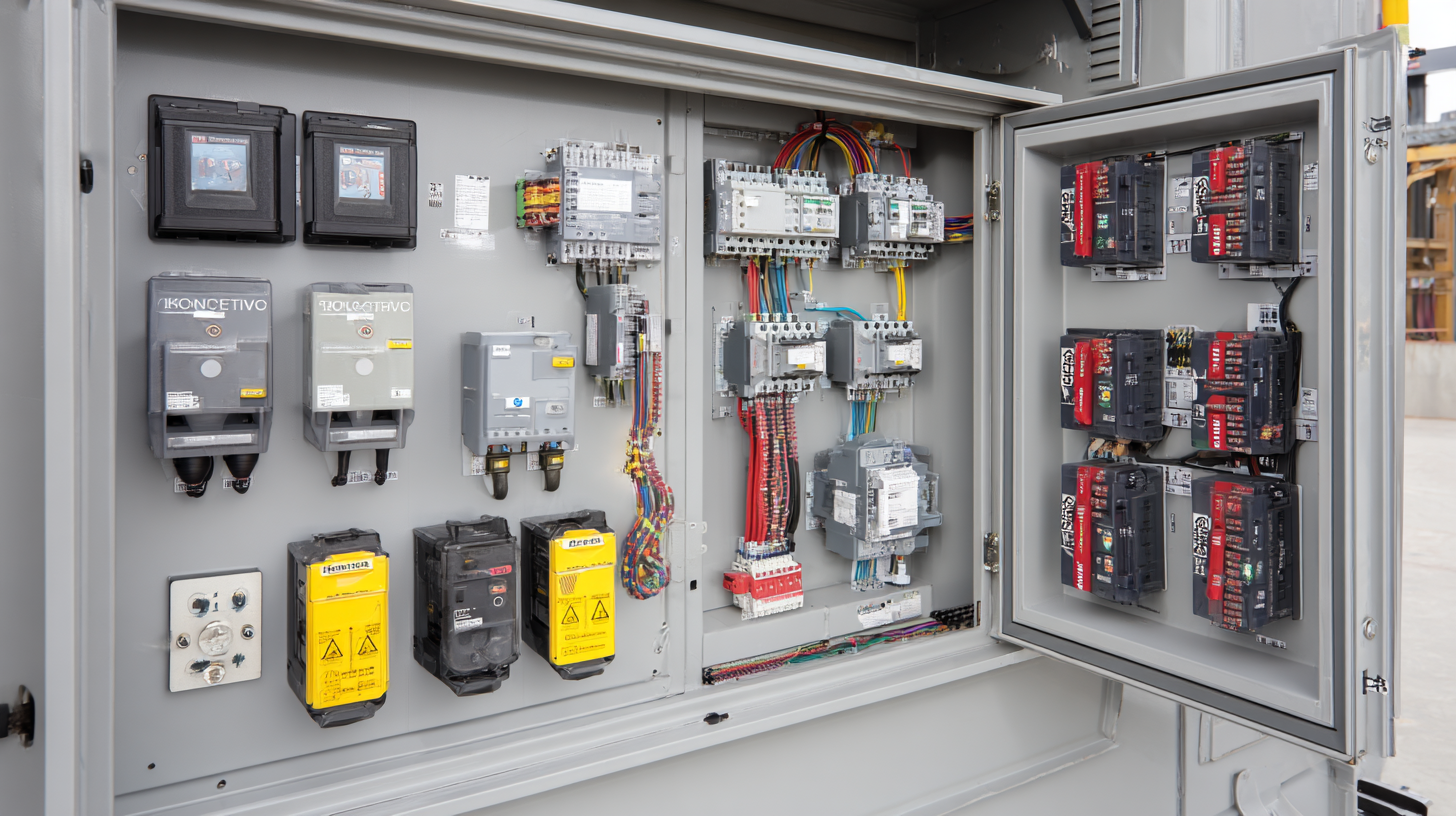
How to Educate Your Team on the Importance of Disconnect Switches in Electrical Safety
In today's industrial landscape, electrical safety is paramount, and educating your team on the significance of disconnect switches plays a crucial role in maintaining a safe working environment. Disconnect switches allow for the safe isolation of electrical circuits, particularly during maintenance and emergency situations. According to the National Fire Protection Association (NFPA), electrical failures accounted for over 9% of all reported fires in the United States in 2018, underscoring the need for proper safety measures. Implementing comprehensive training programs that emphasize the use and importance of disconnect switches can drastically reduce the risk of electrical hazards.
To effectively educate your team, start by incorporating hands-on training sessions that illustrate the correct operation of disconnect switches and their vital role in electrical safety. A report from the Electric Power Research Institute (EPRI) indicates that organizations with robust training programs can decrease electrical incidents by up to 50%. Additionally, consider using real-life case studies demonstrating the consequences of neglecting disconnect switch protocols. By fostering a culture of safety that prioritizes understanding and using disconnect switches, you can empower your team to take proactive measures, ultimately enhancing workplace safety and compliance with regulations.
Understanding the Importance of Disconnect Switches in Electrical Safety
| Dimension |
Description |
Importance |
Best Practices |
| Functionality |
Disconnects an electrical circuit quickly for maintenance and safety. |
Prevents accidental energization during maintenance. |
Regular training on appropriate usage and prompt labeling. |
| Types |
Manual, automatic, and emergency disconnect switches. |
Choosing the right type reduces risks in various environments. |
Assess the environment and load requirements regularly. |
| Regulations |
Standards set by agencies like OSHA and NEC. |
Compliance with regulations ensures safety and legality. |
Stay updated on regulatory changes and conduct audits. |
| Inspection |
Regular checks for wear, corrosion, and functionality. |
Identifying issues before they become hazards. |
Implement a scheduled inspection program. |



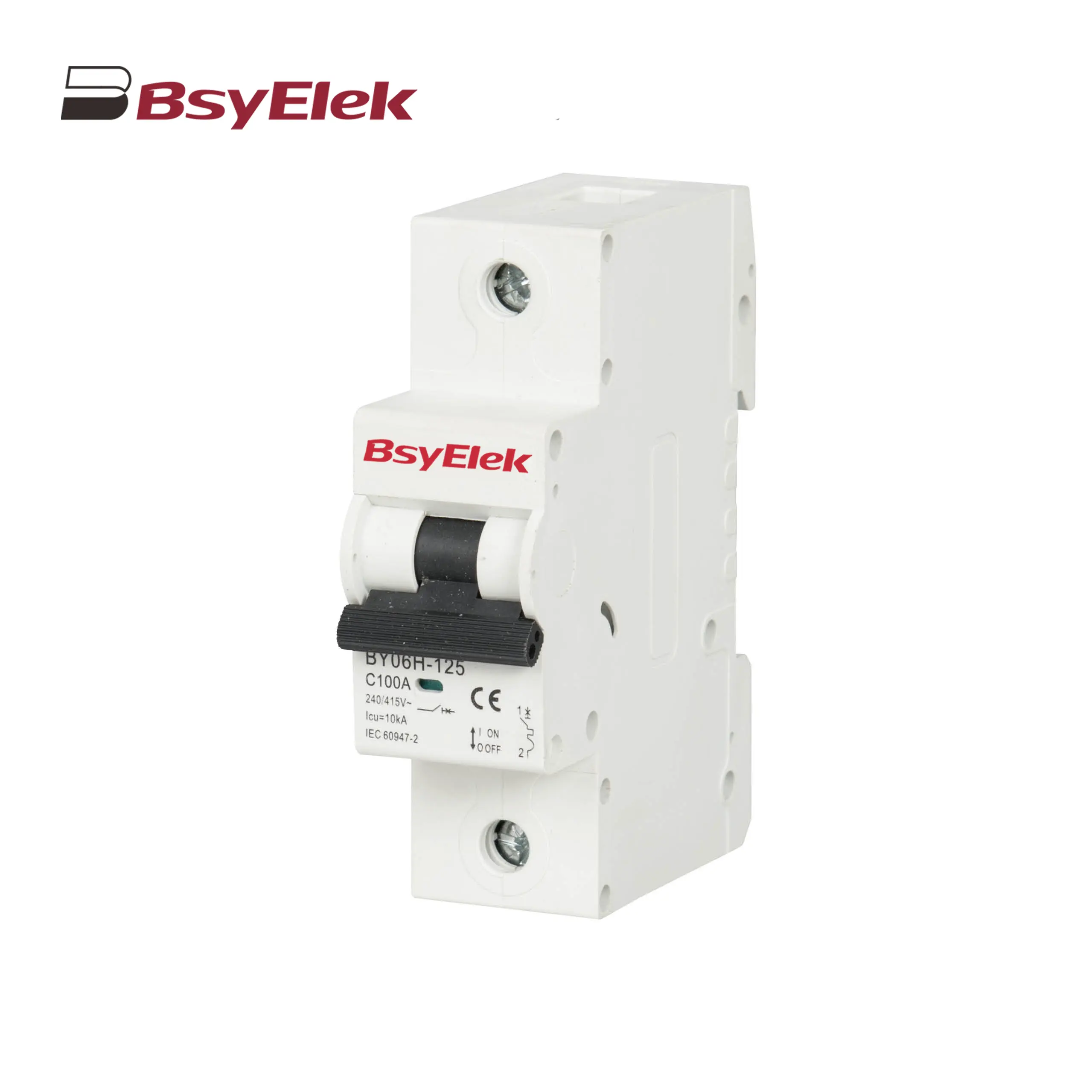 BY06H-125 MCB 10-15KA Miniature Circuit Breaker
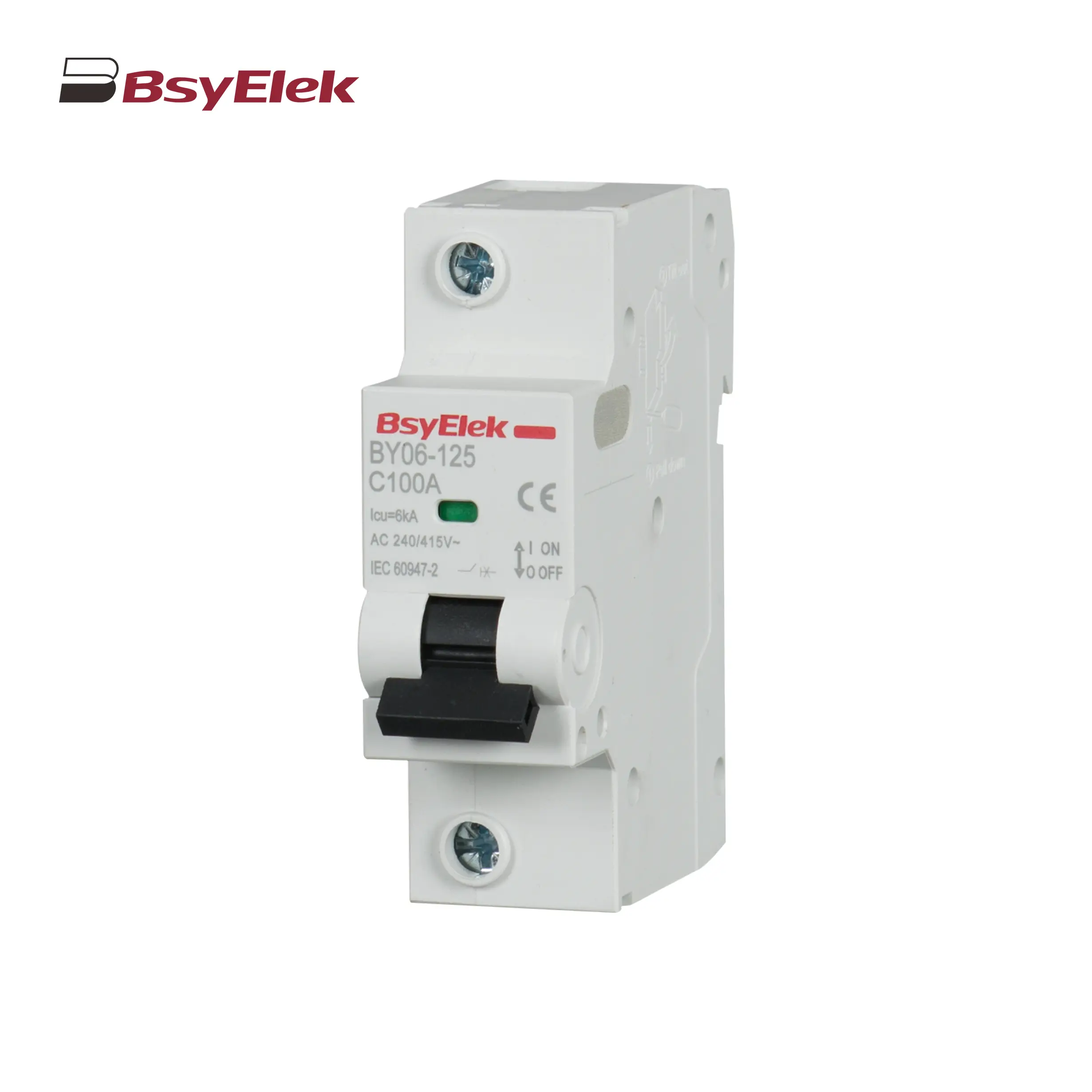 BY06-125 MCB 6KA Miniature Circuit Breaker
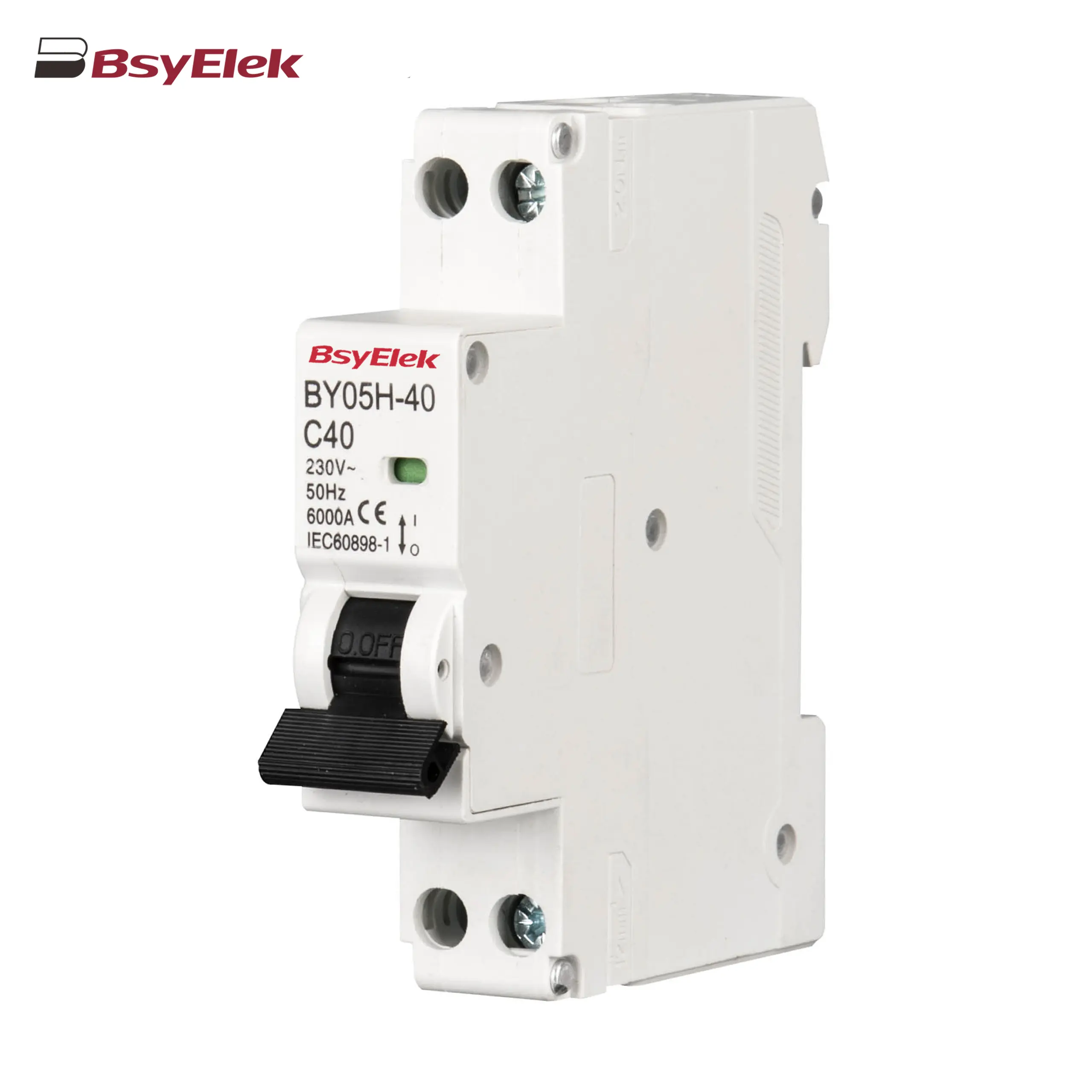 BY05H-40 MCB Single Modular 6KA Miniature Circuit Breaker
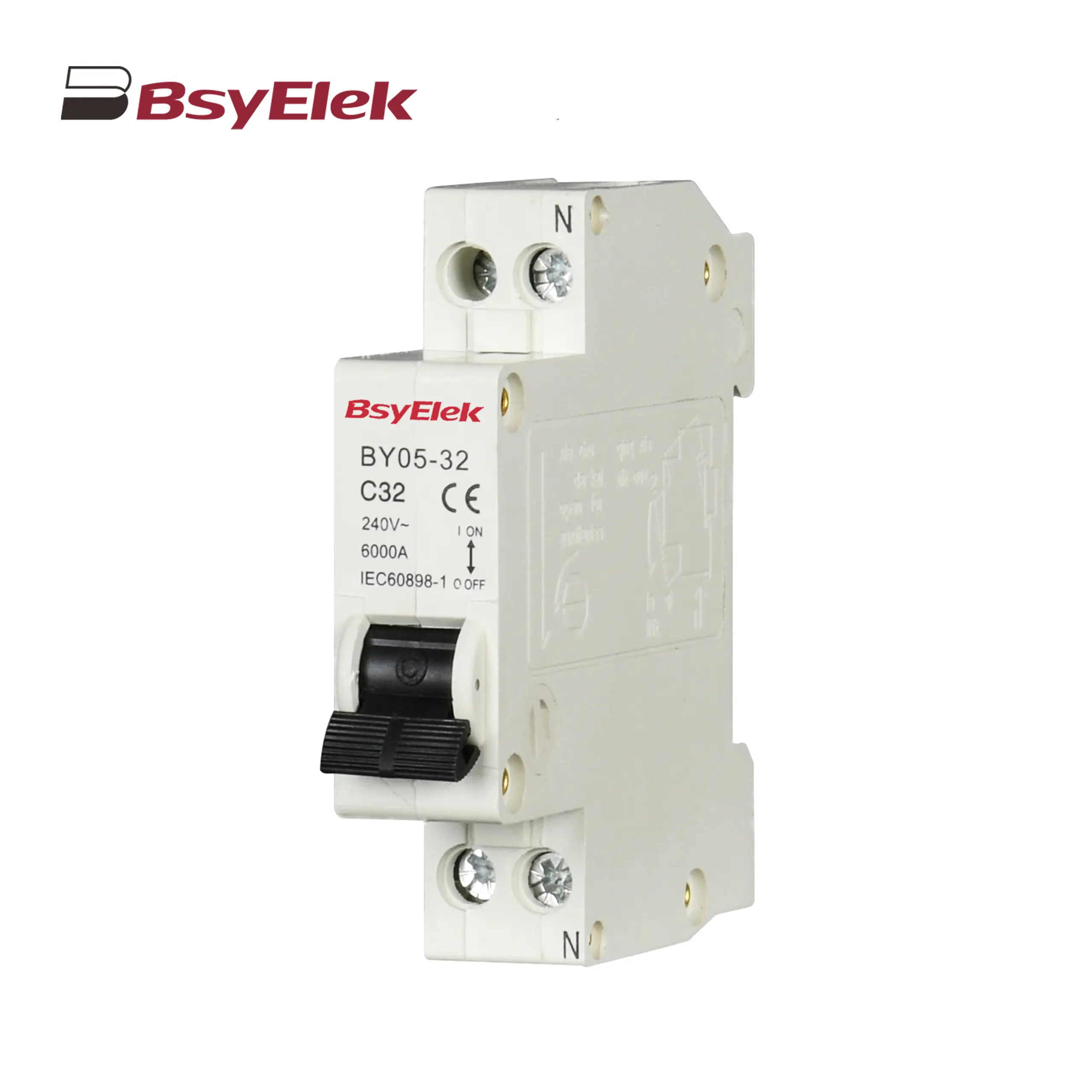 BY05-32 MCB Single Modular 3KA Miniature Circuit Breaker
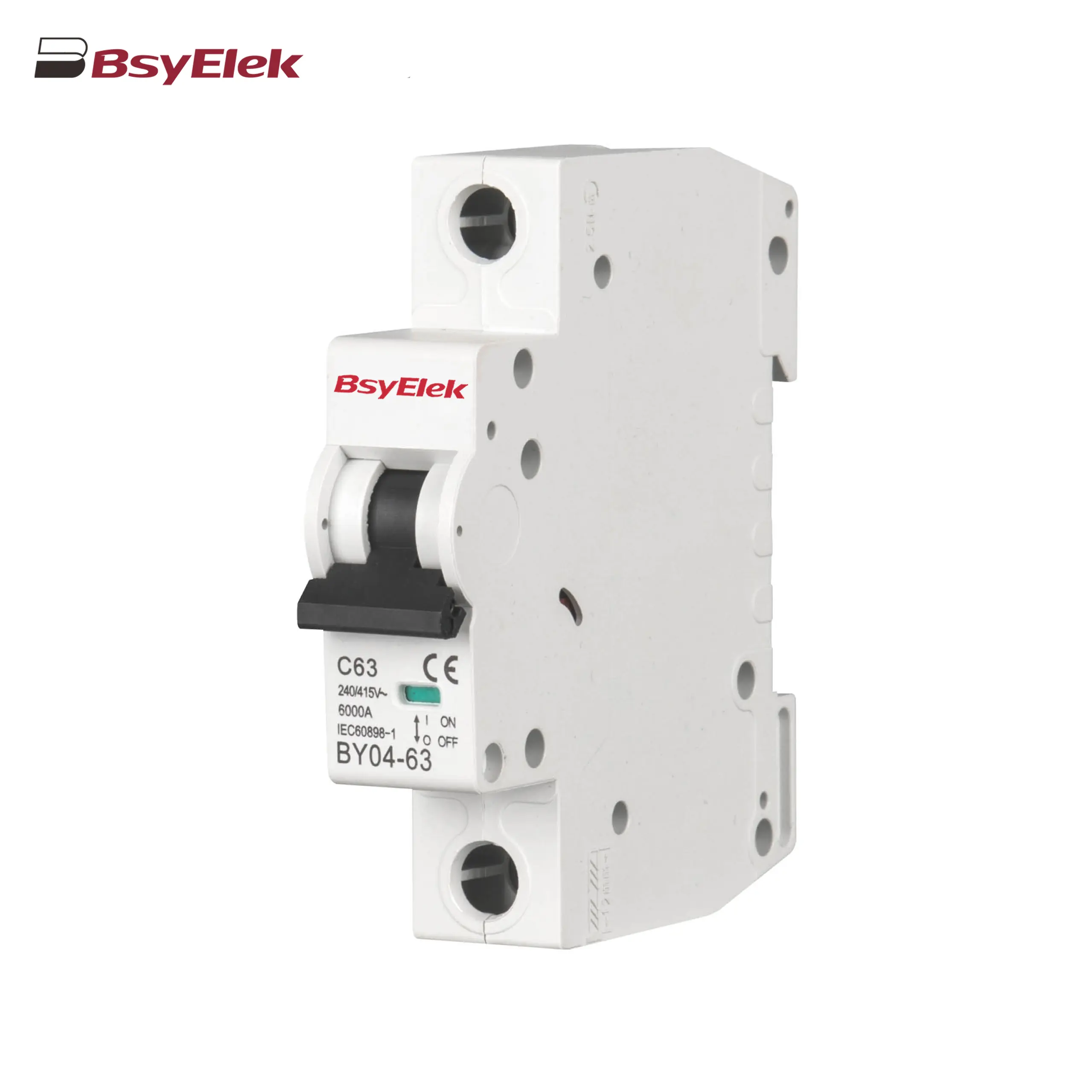 BY04-63 MCB 6-10KA Miniature Circuit Breaker
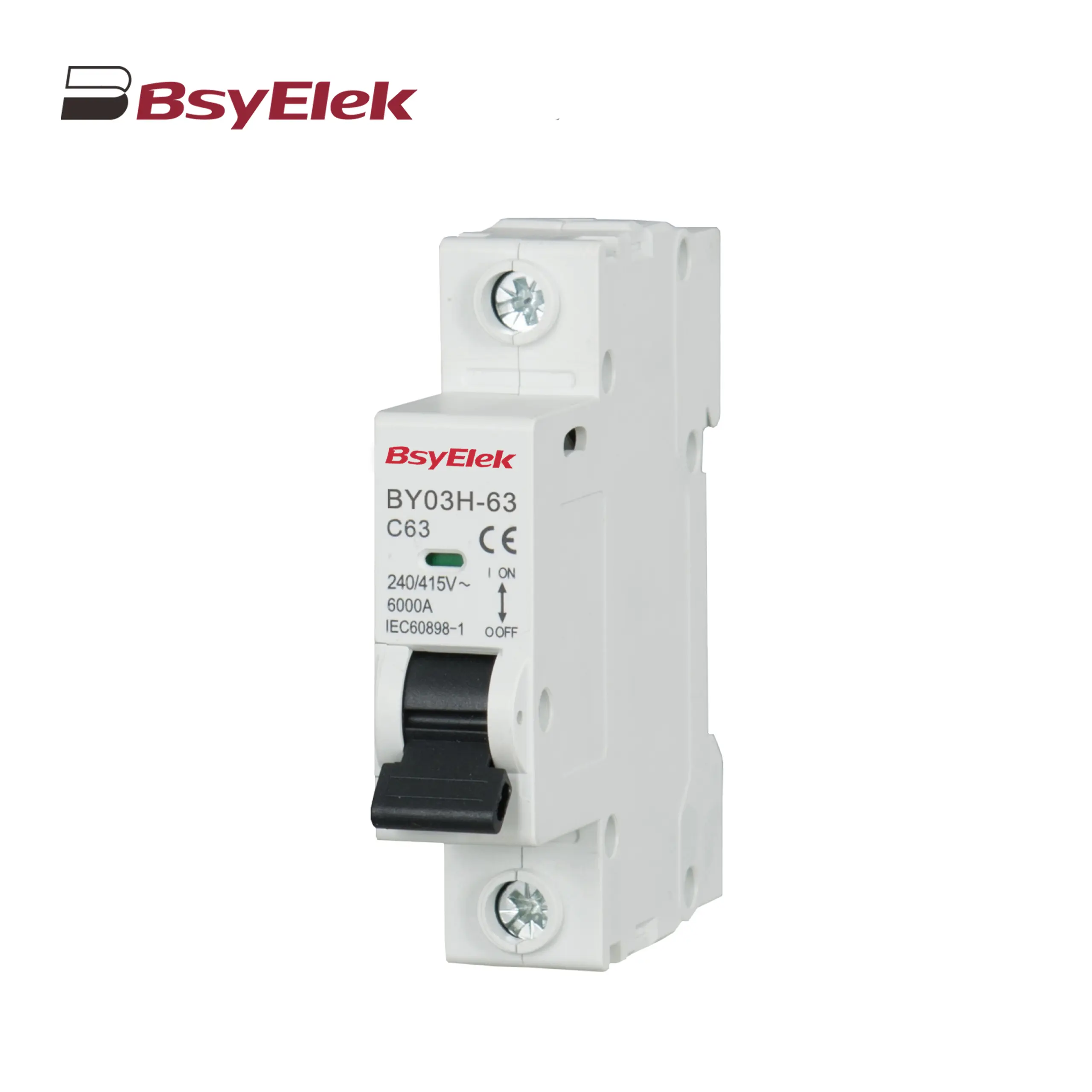 BY03H-63 MCB 6KA Miniature Circuit Breaker
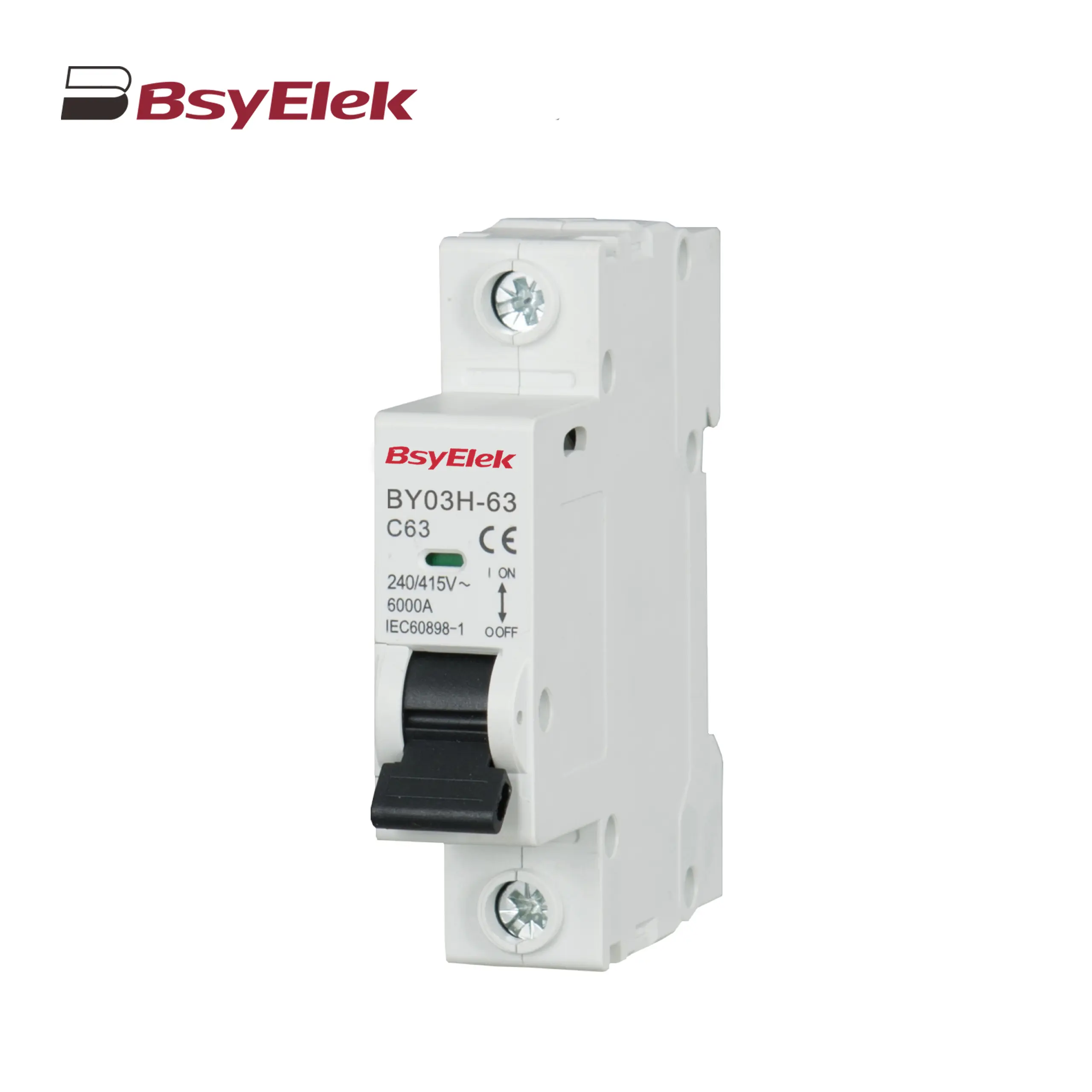 BY03-63 MCB 4.5KA Miniature Circuit Breaker
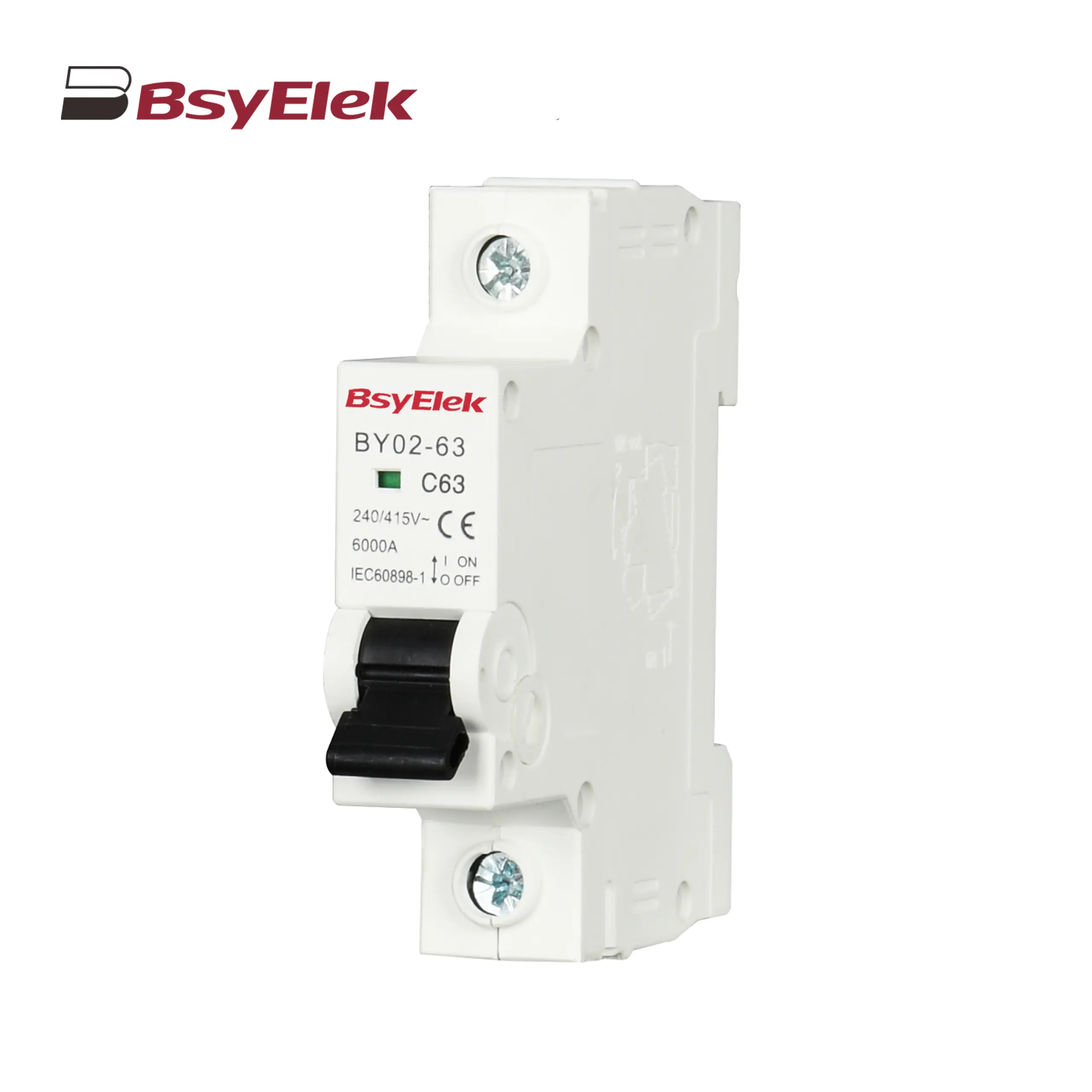 BY02-63 MCB 3kA Miniature Circuit Breaker
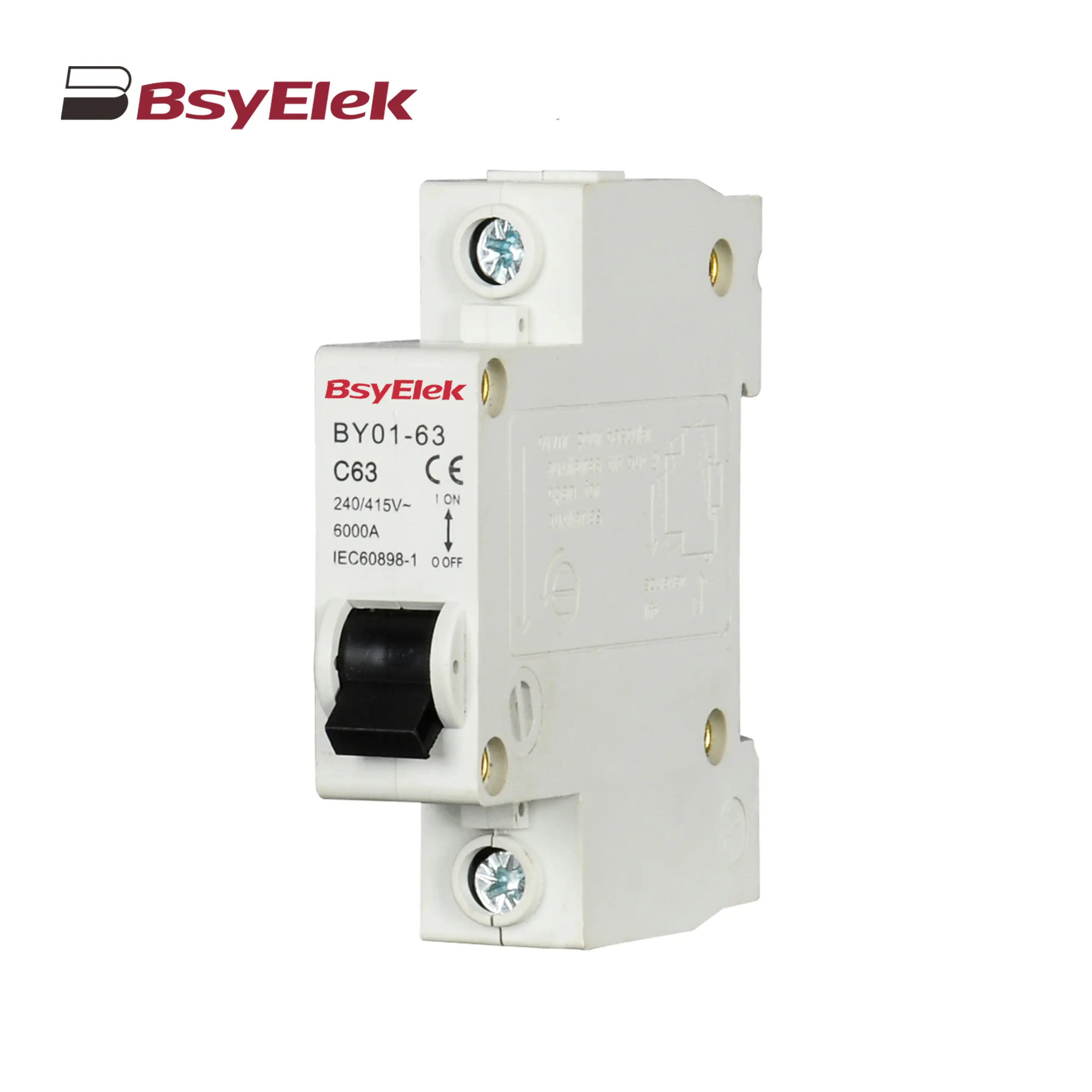 BY01-63 MCB 3kA Miniature Circuit Breaker
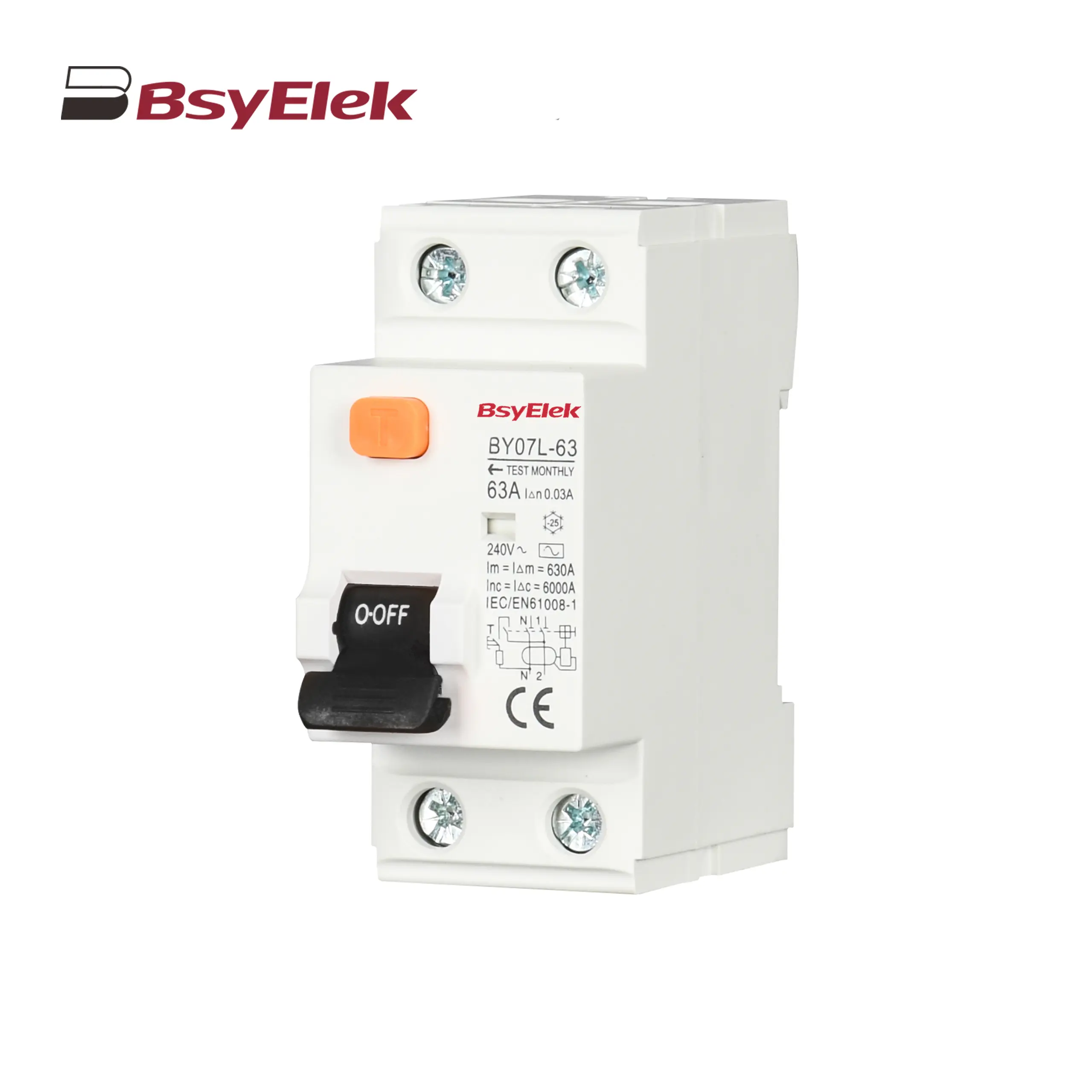 BY07L-63 RCCB 6KA Residual Current Circuit Breaker
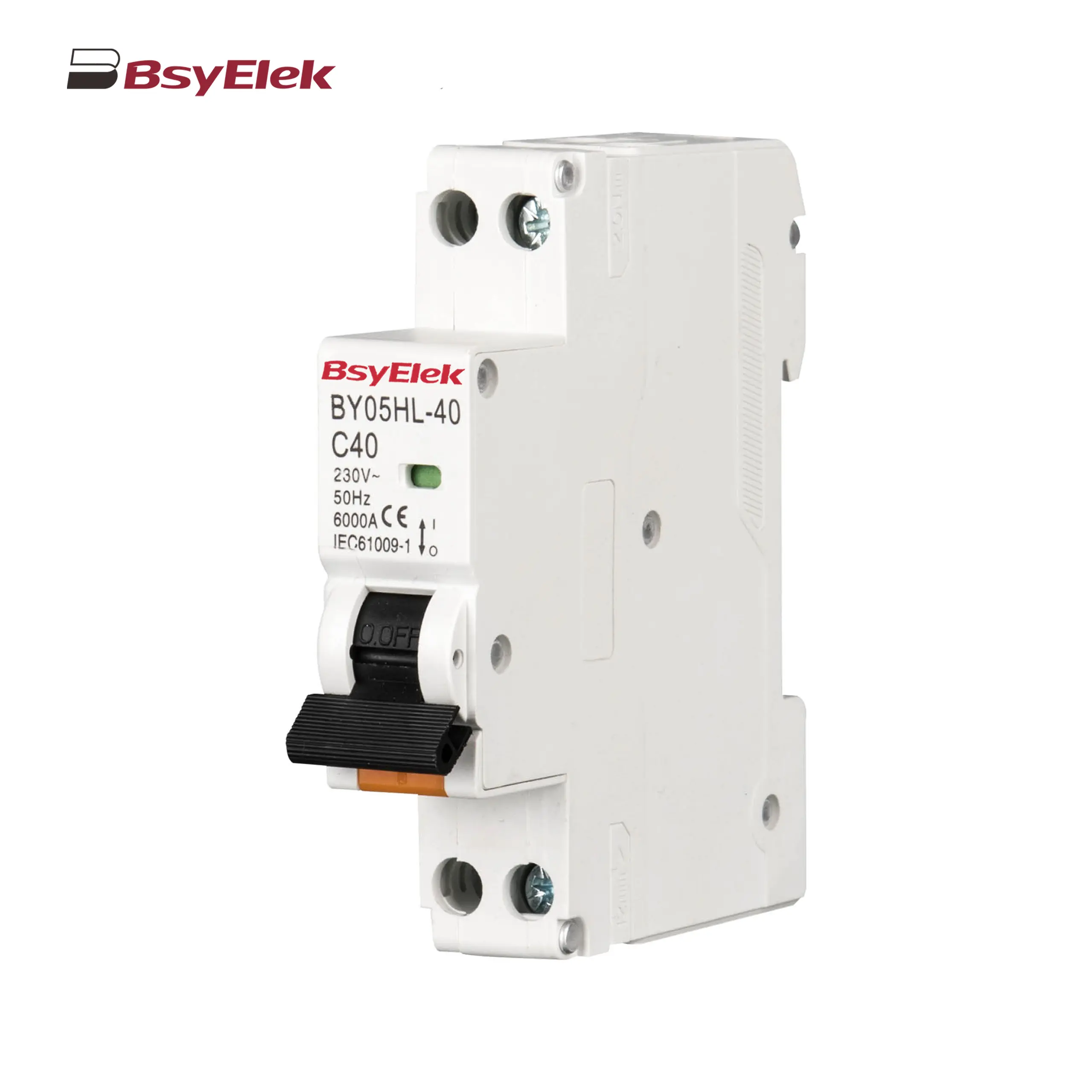 BY05HL-40 RCBO 6KA Residual Current Circuit Breaker with Over-current Protection
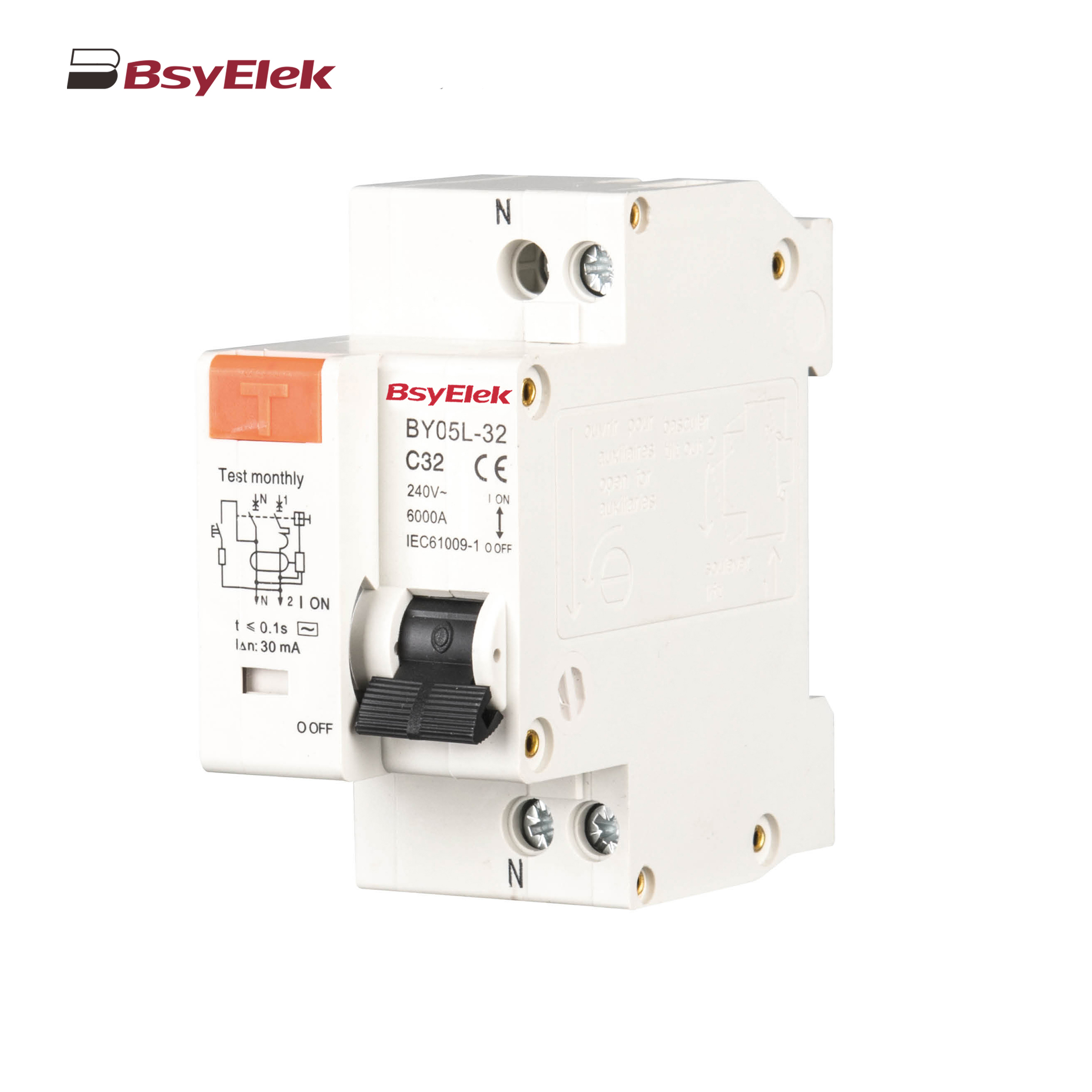 BY05L-32 RCBO 3KA Residual Current Circuit Breaker with Over-current Protection
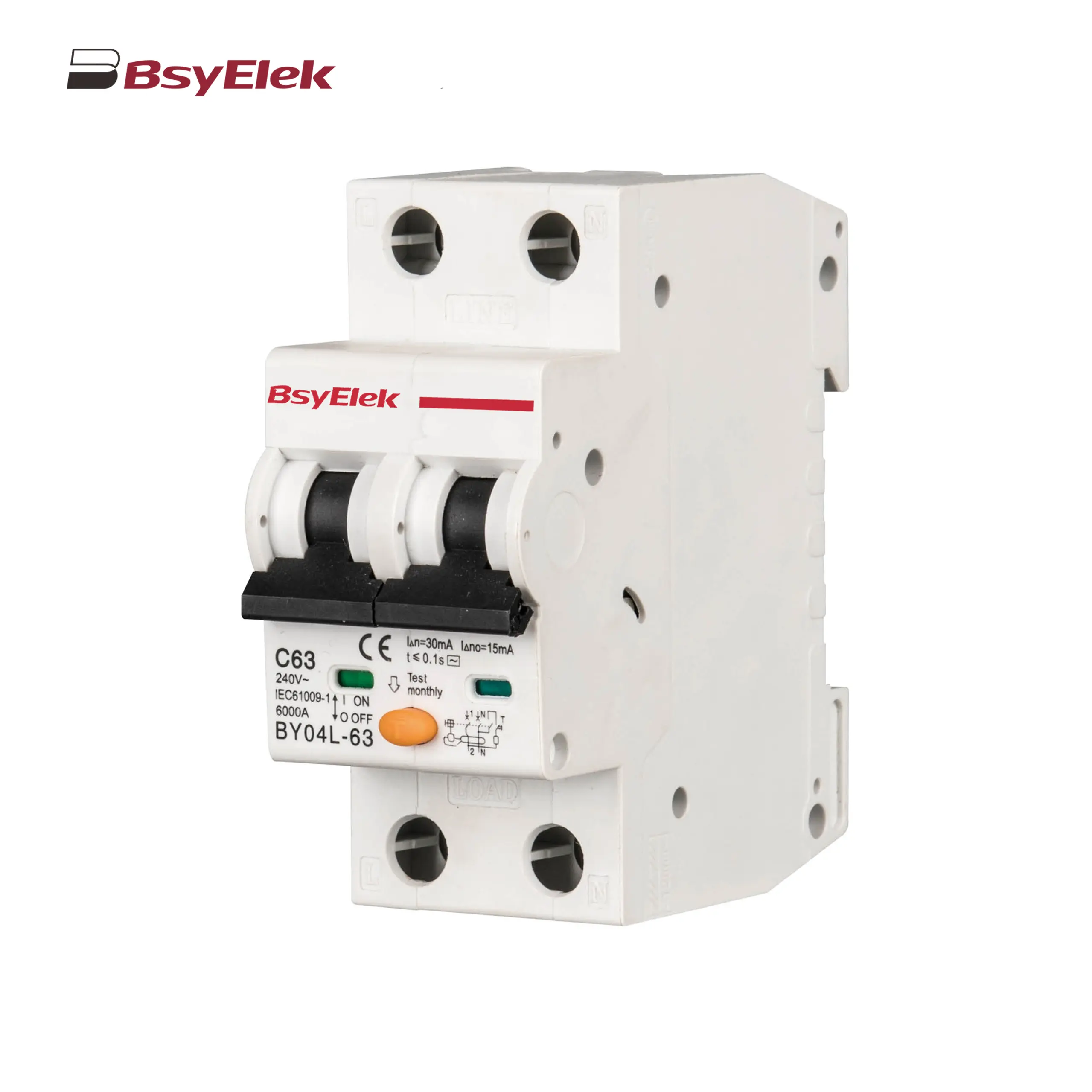 BY04L-63 RCBO 6KA Residual Current Circuit Breaker with Over-current Protection
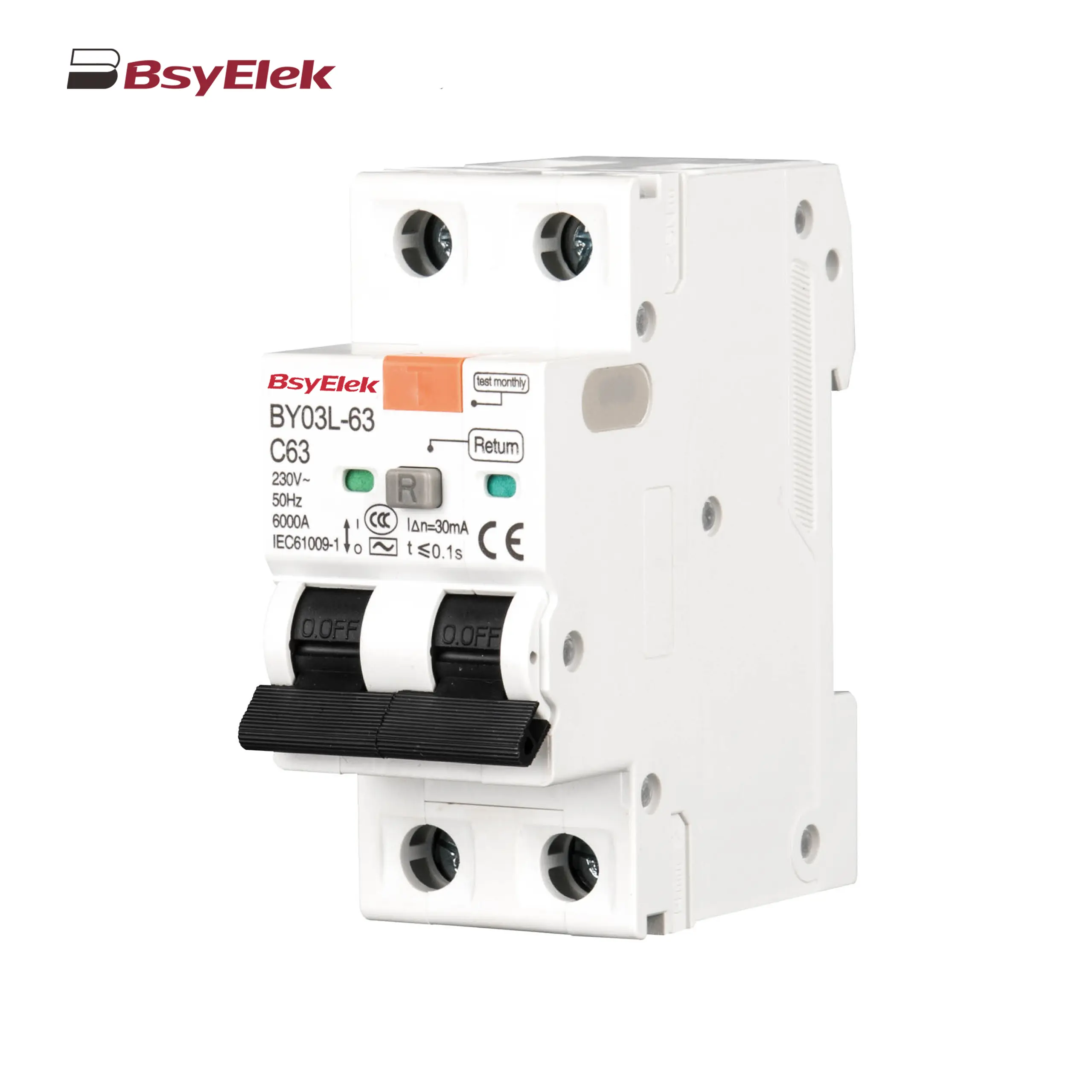 BY03L-63 RCBO 4.5KA Residual Current Circuit Breaker with Over-current Protection
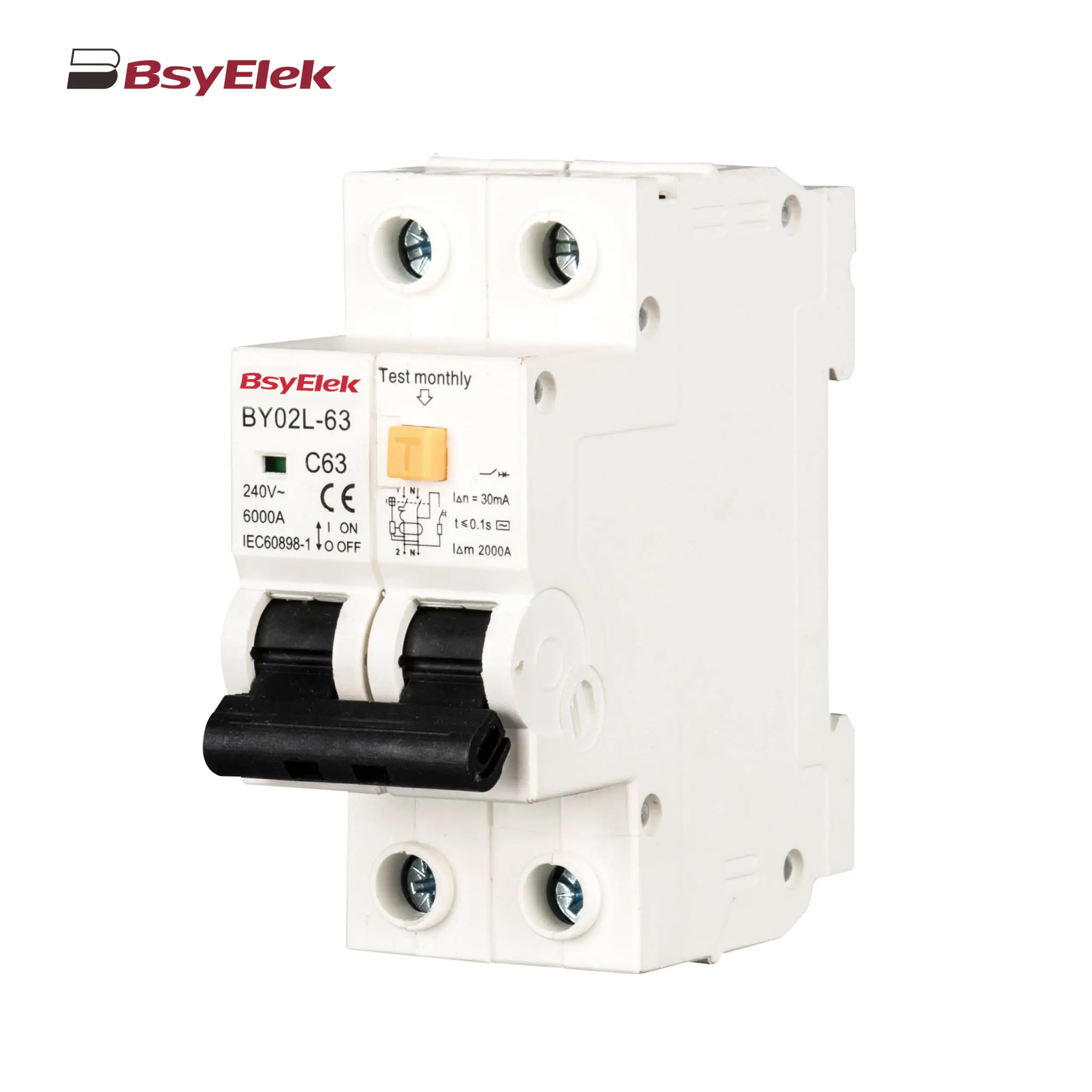 BY02L-63 RCBO 3KA Residual Current Circuit Breaker with Over-current Protection
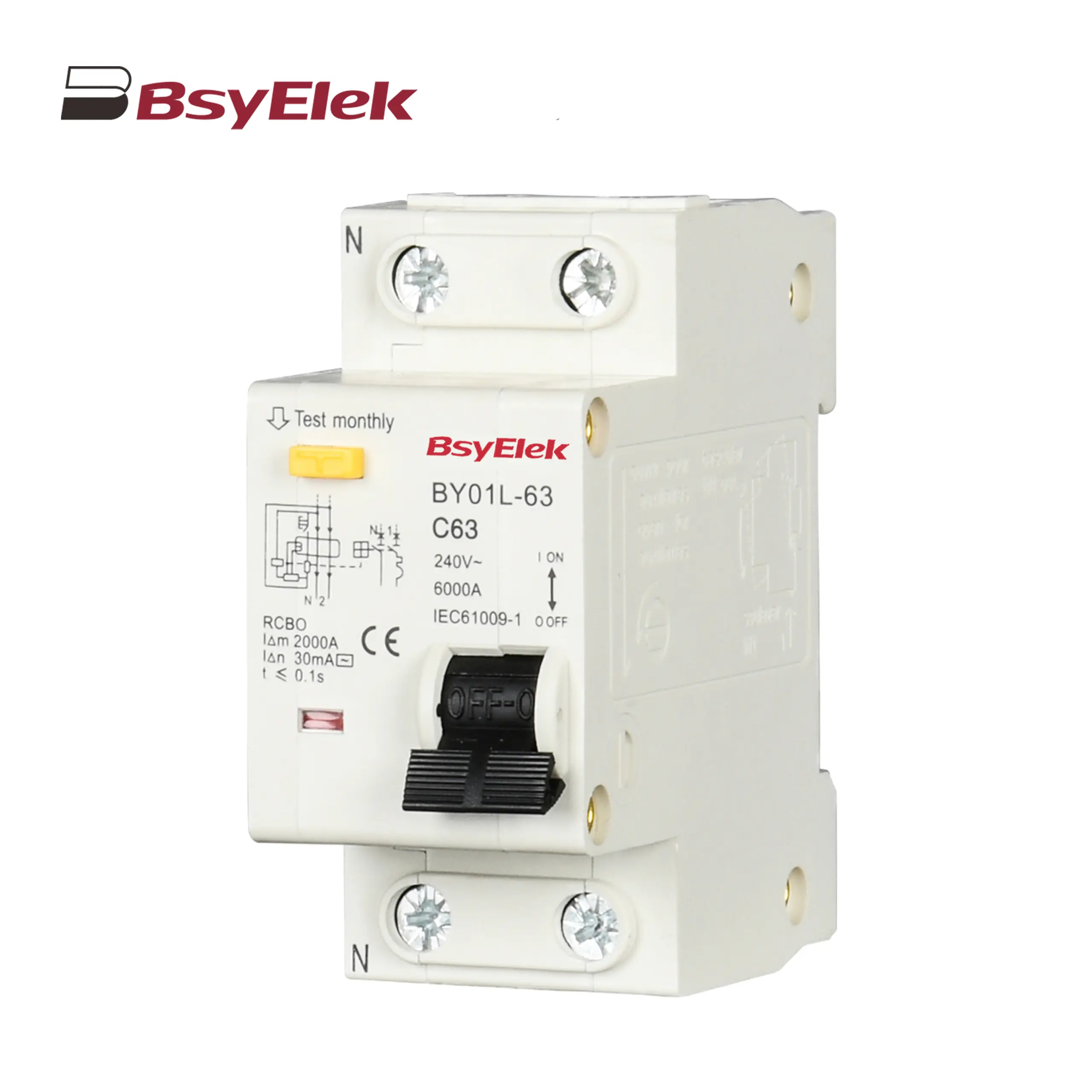 BY01L-63 RCBO 1P+N 3KA Residual Current Circuit Breaker with Over-current Protection
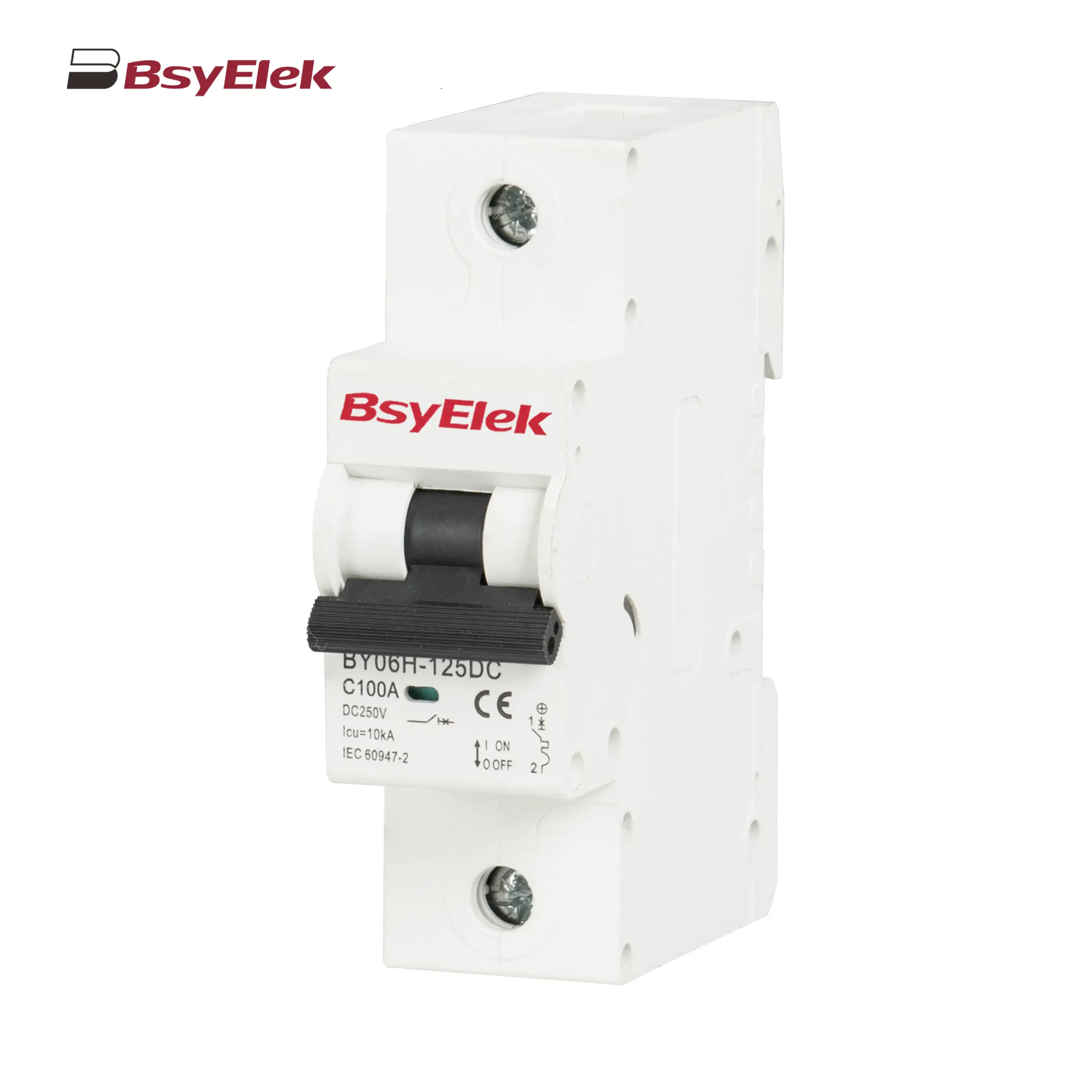 BY06H-125DC MCB 10-15kA DC Miniature Circuit Breaker
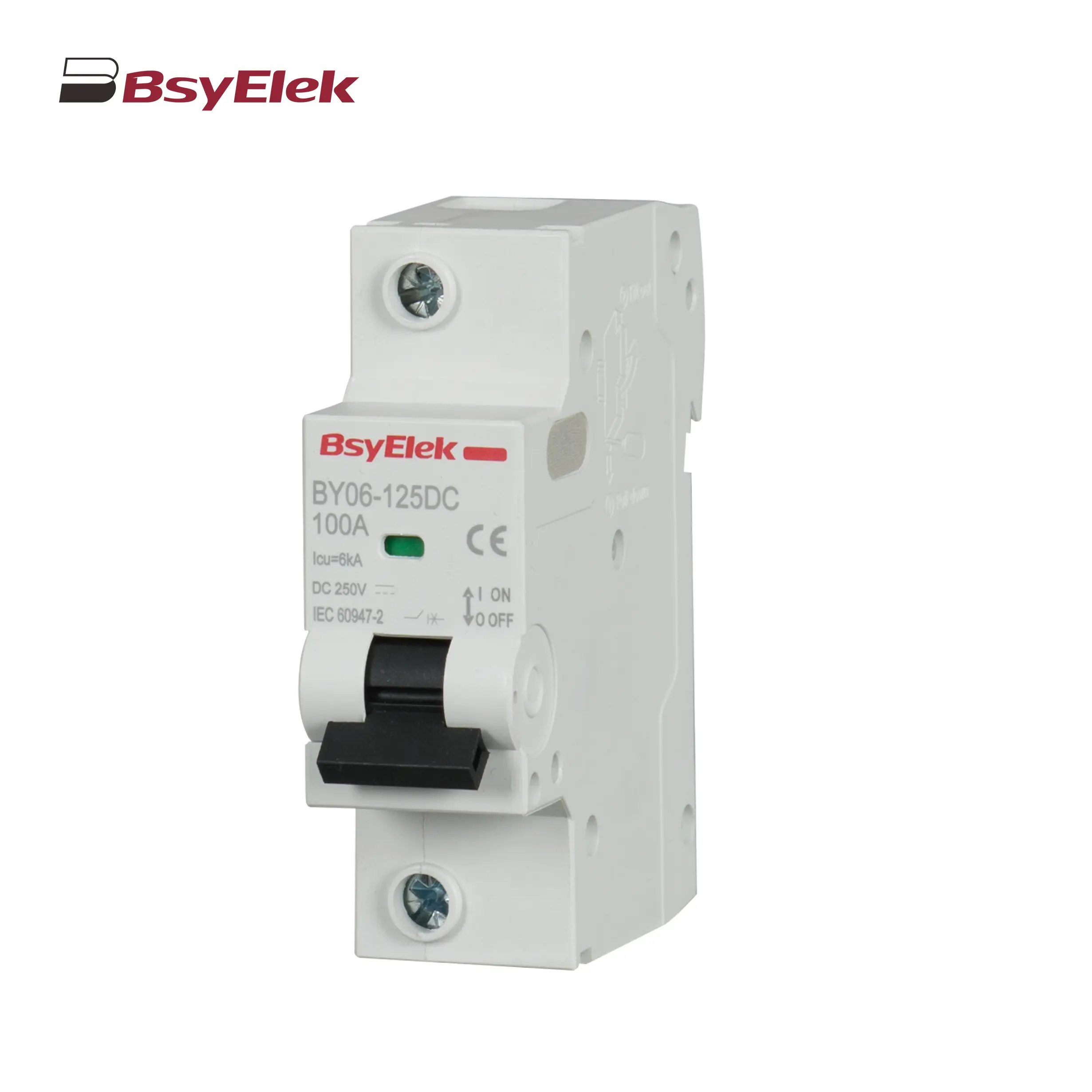 BY06-125DC MCB 6kA DC Miniature Circuit Breaker
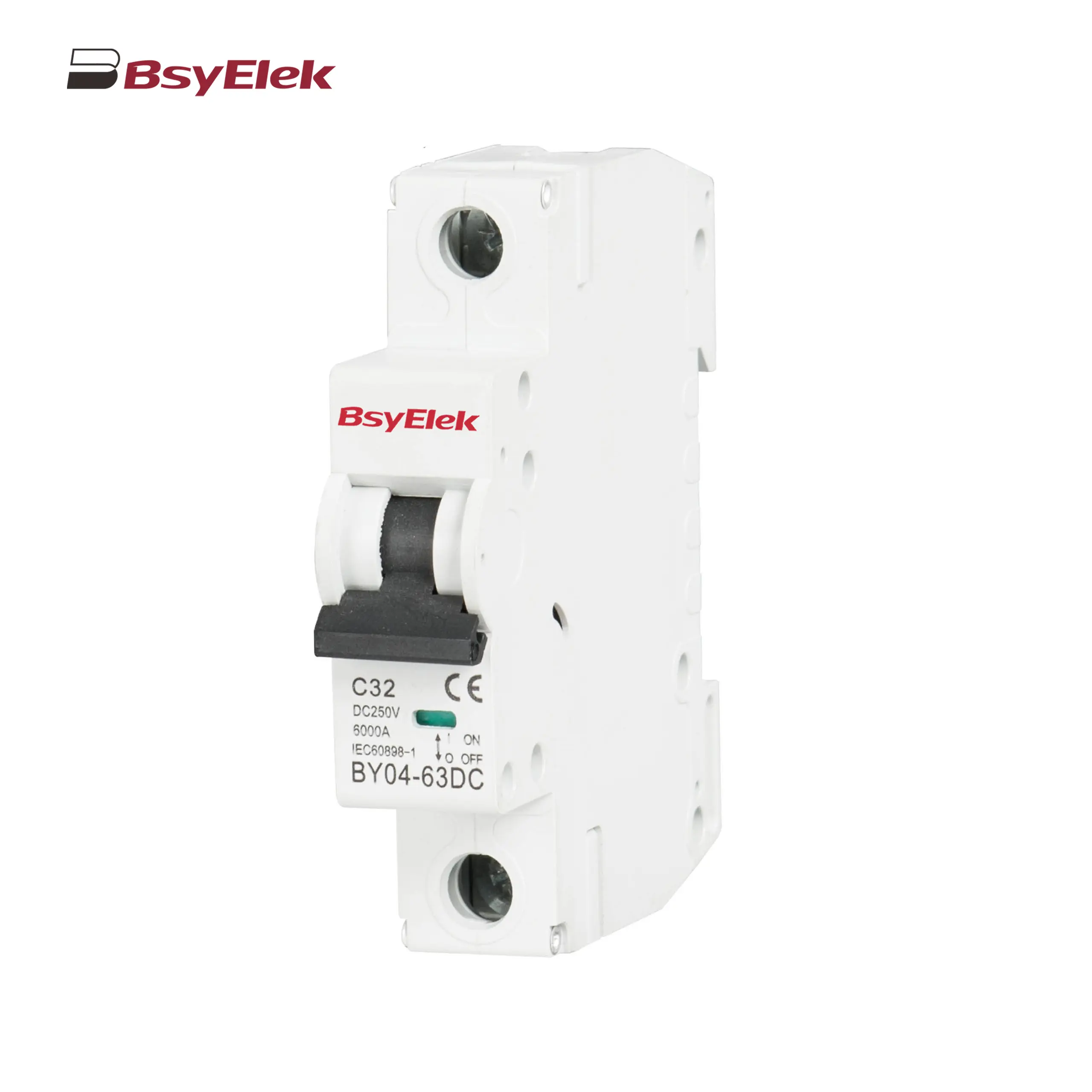 BY04-63DC MCB 6-10kA DC Miniature Circuit Breaker
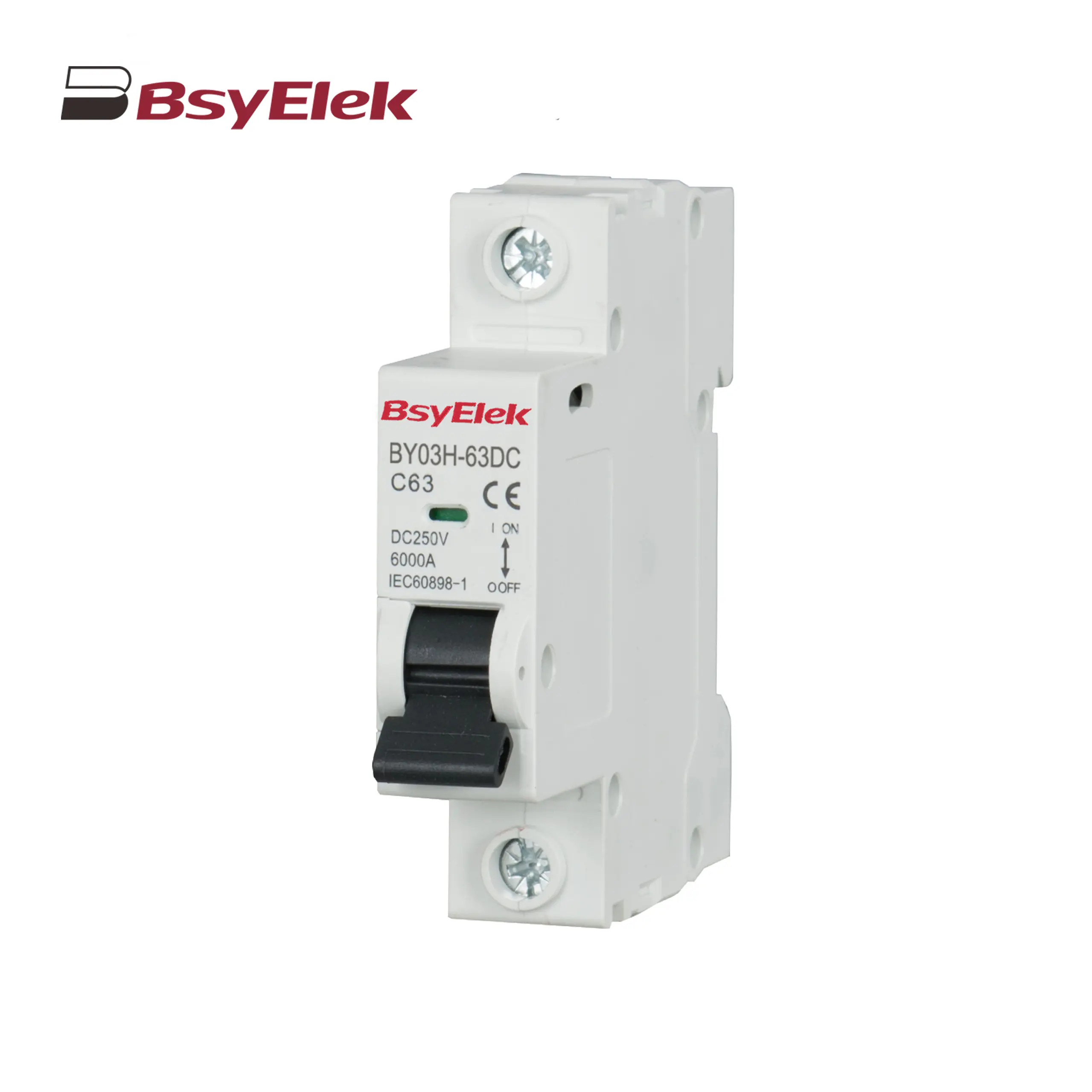 BY03H-63DC MCB 6kA DC Miniature Circuit Breaker
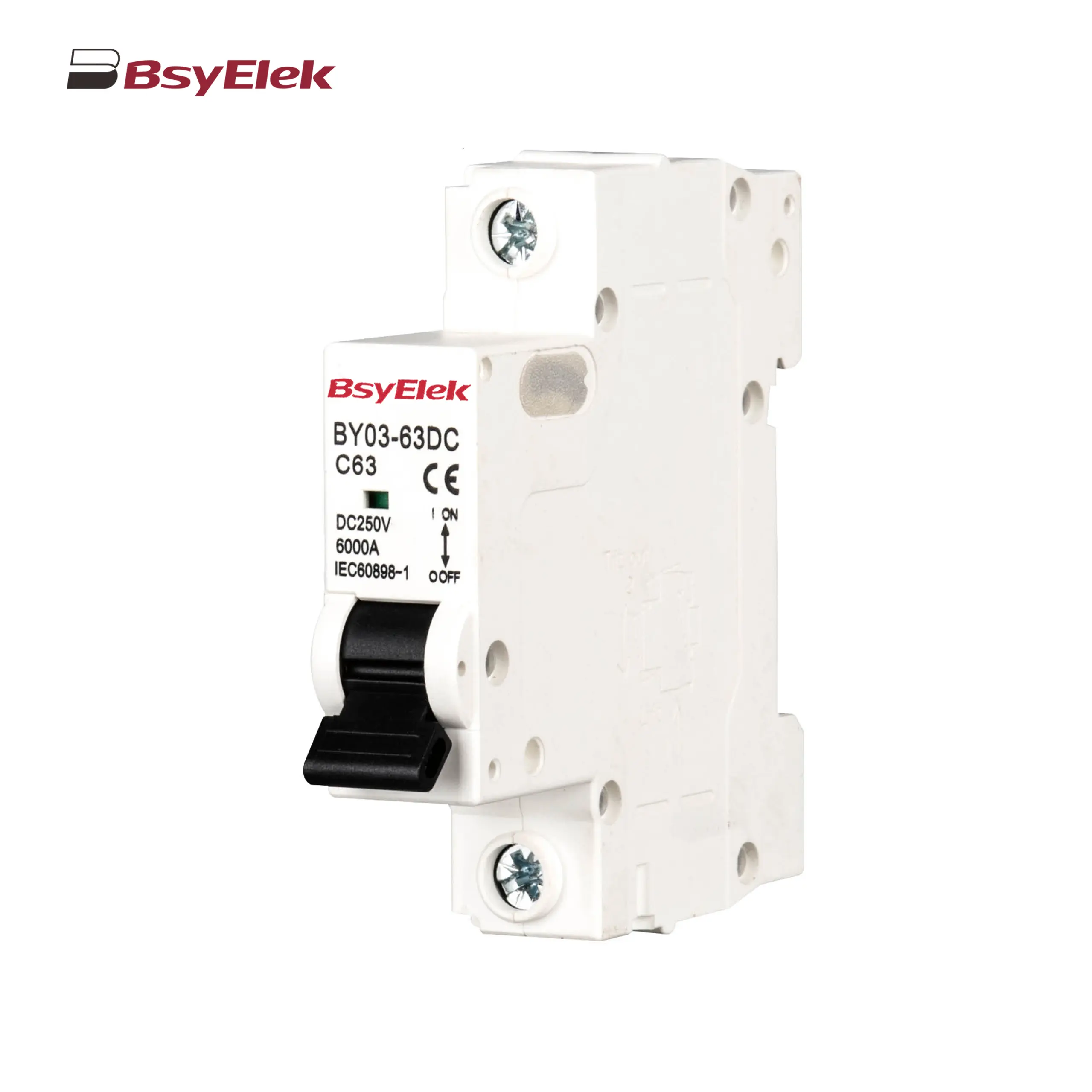 BY03-63DC MCB 4.5kA DC Miniature Circuit Breaker
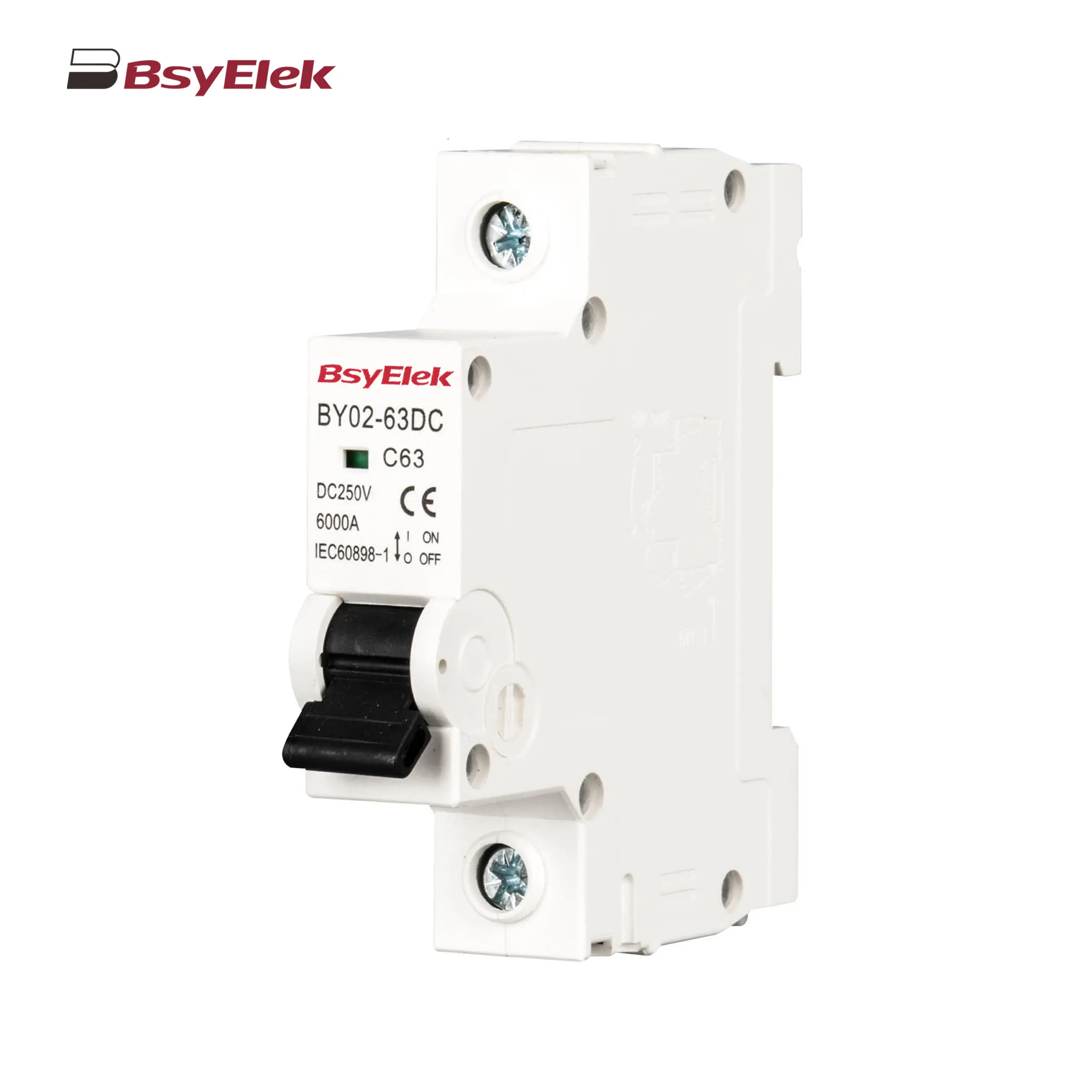 BY02-63DC MCB 3kA DC Miniature Circuit Breaker
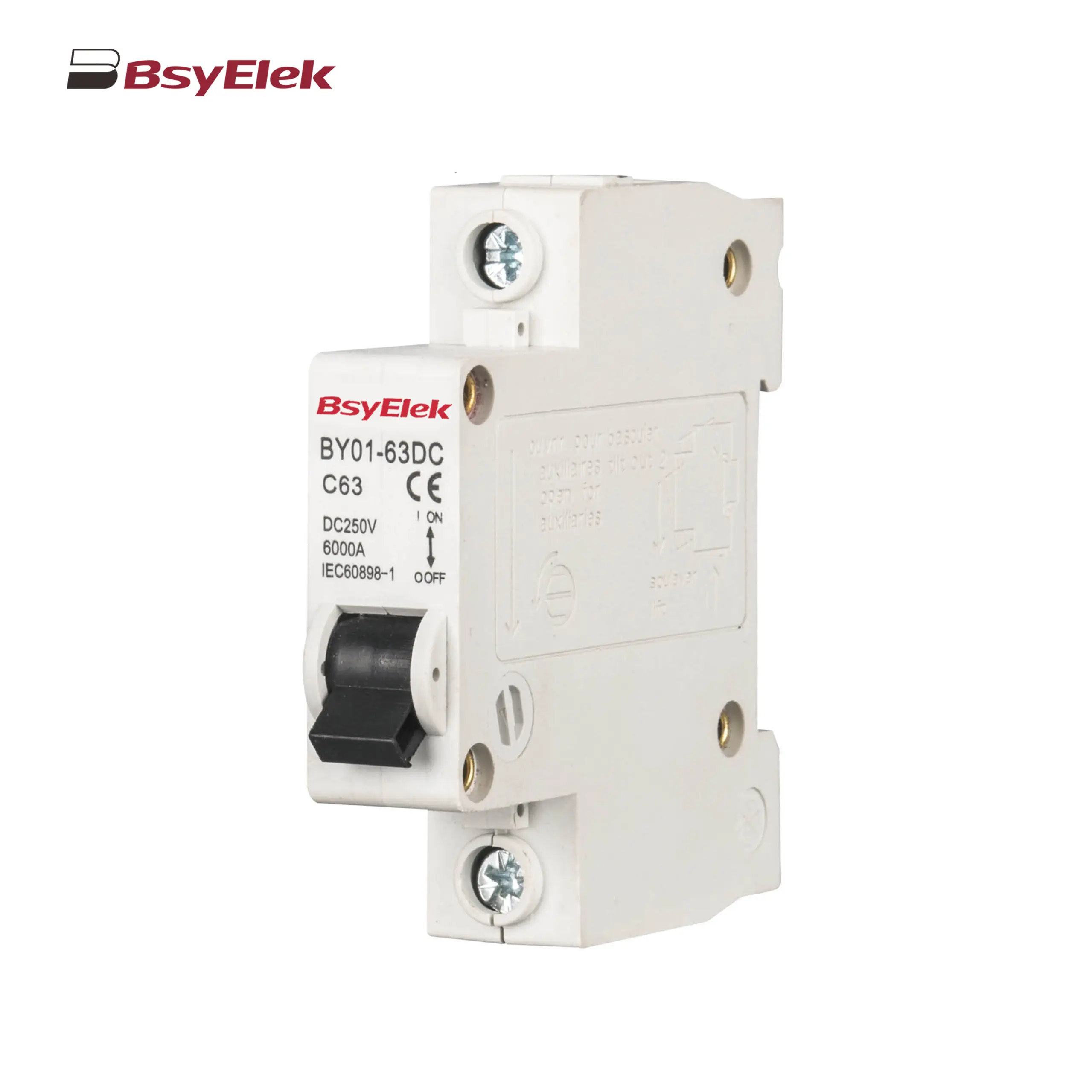 BY01-63DC MCB 3kA DC Miniature Circuit Breaker
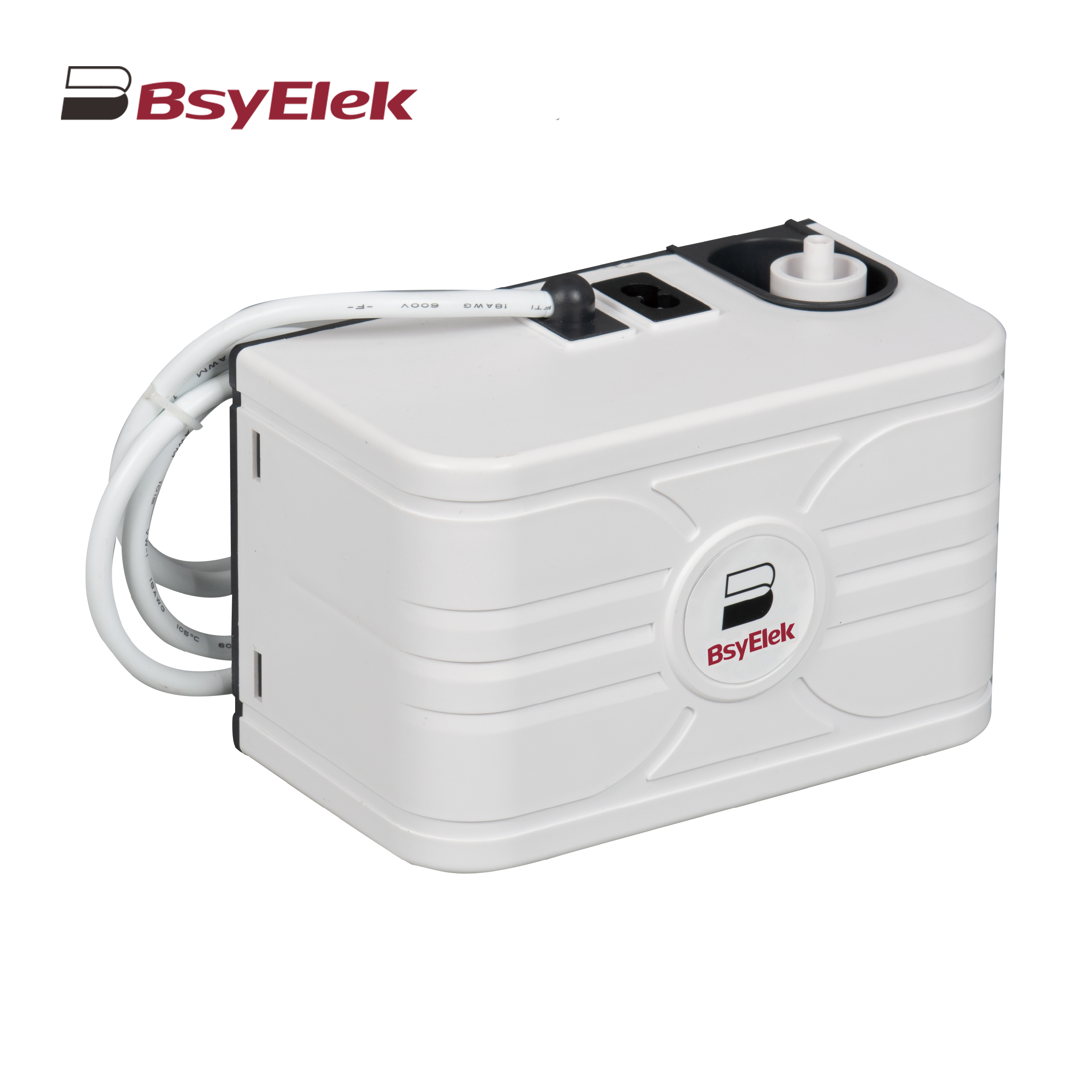 BY-5018 1.8M Engineering Drainage Pump
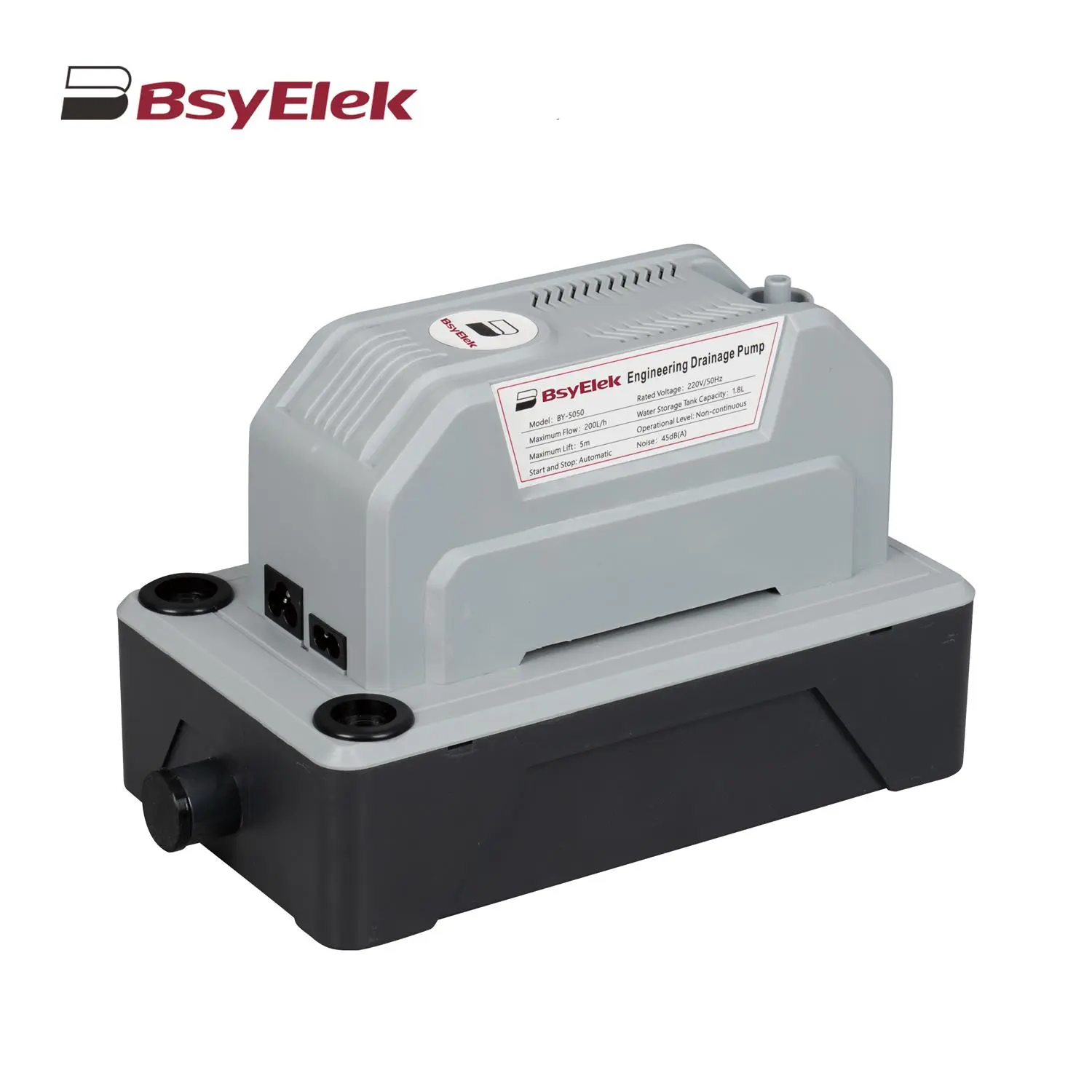 BY-5050 5M Engineering Drainage Pump
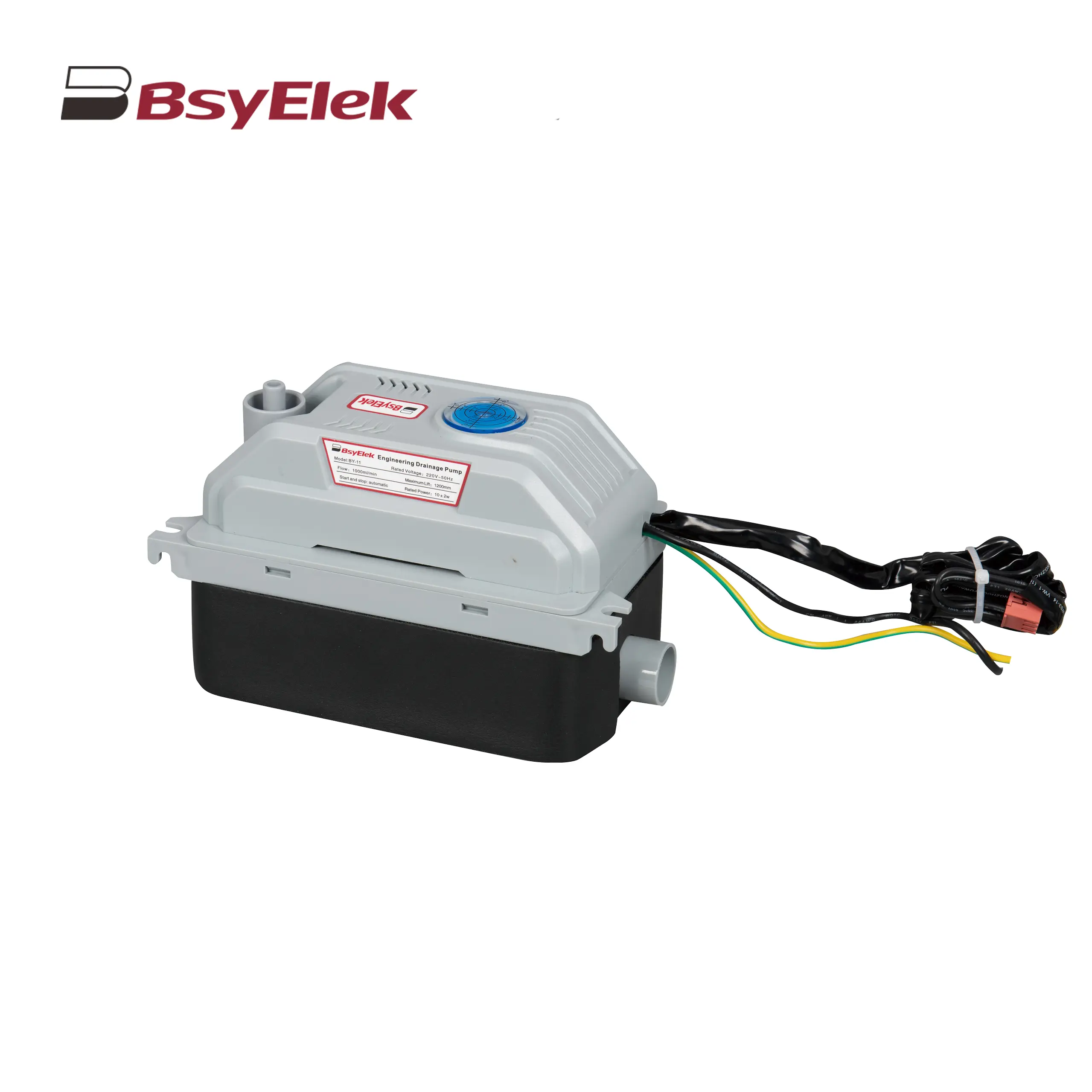 BY-11 1.2M Engineering Drainage Pump
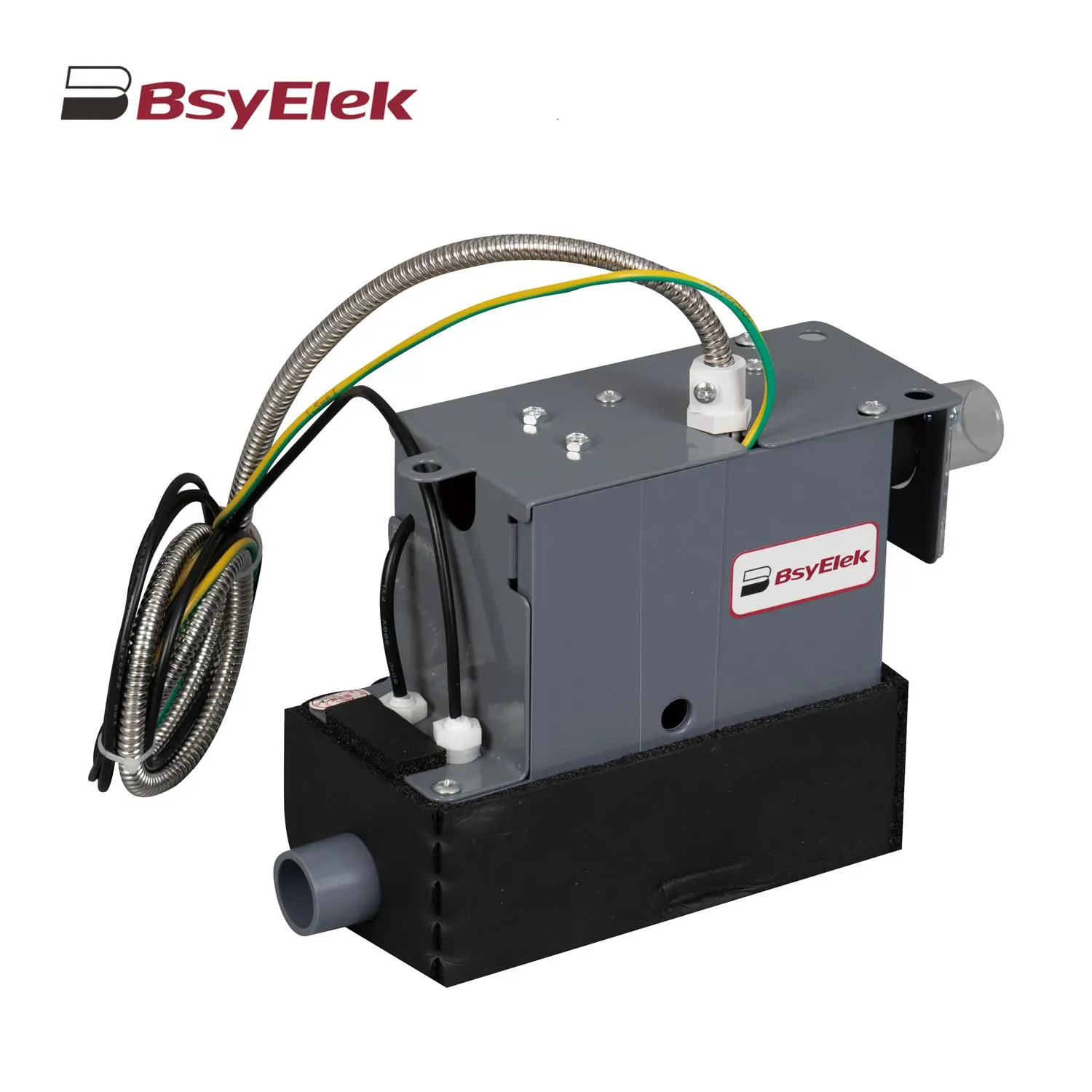 SBH-05 0.7M Original Drainage Pump of Duct Type Air Conditioner
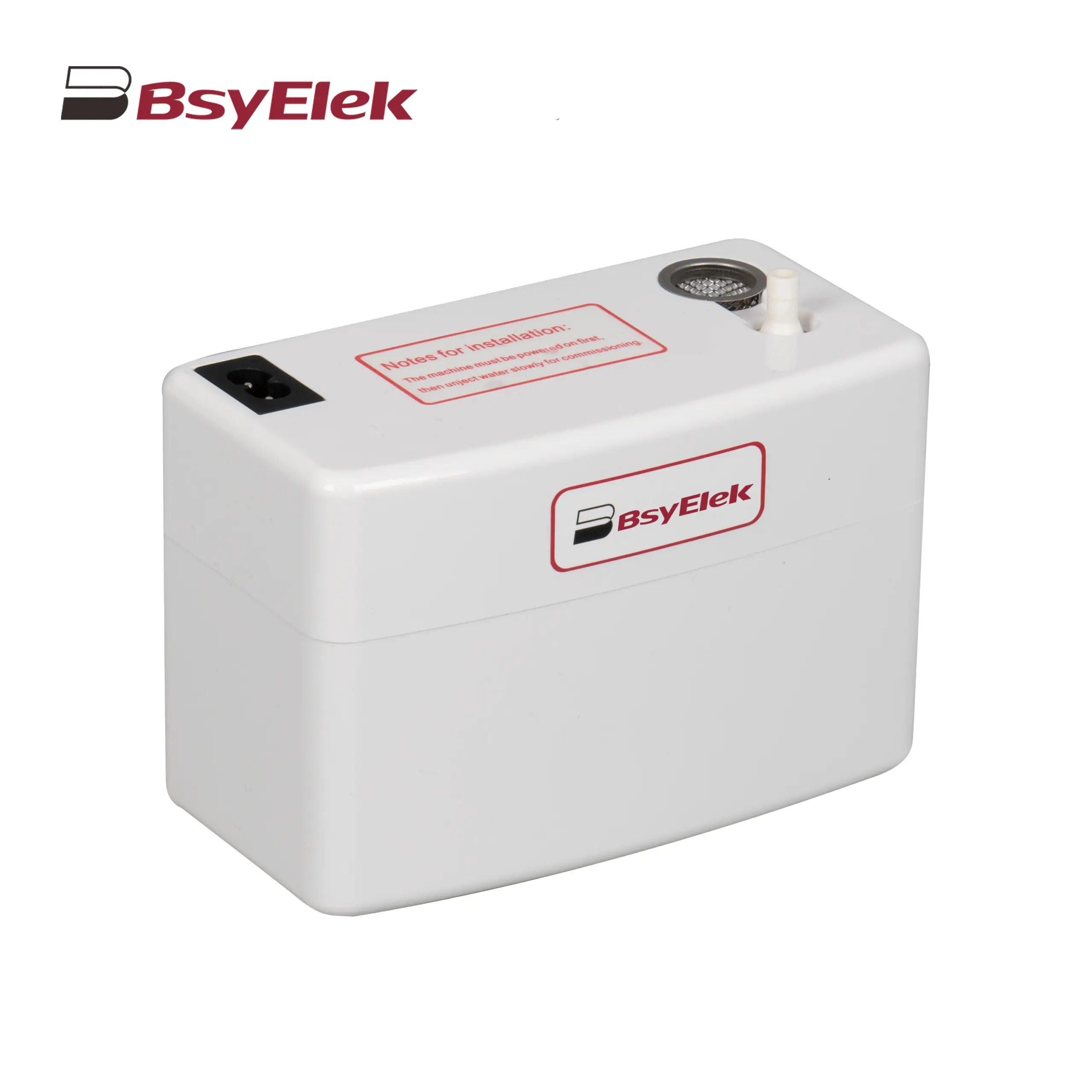 BY-24A/40A 10M Drainage Pump of Air Conditioner
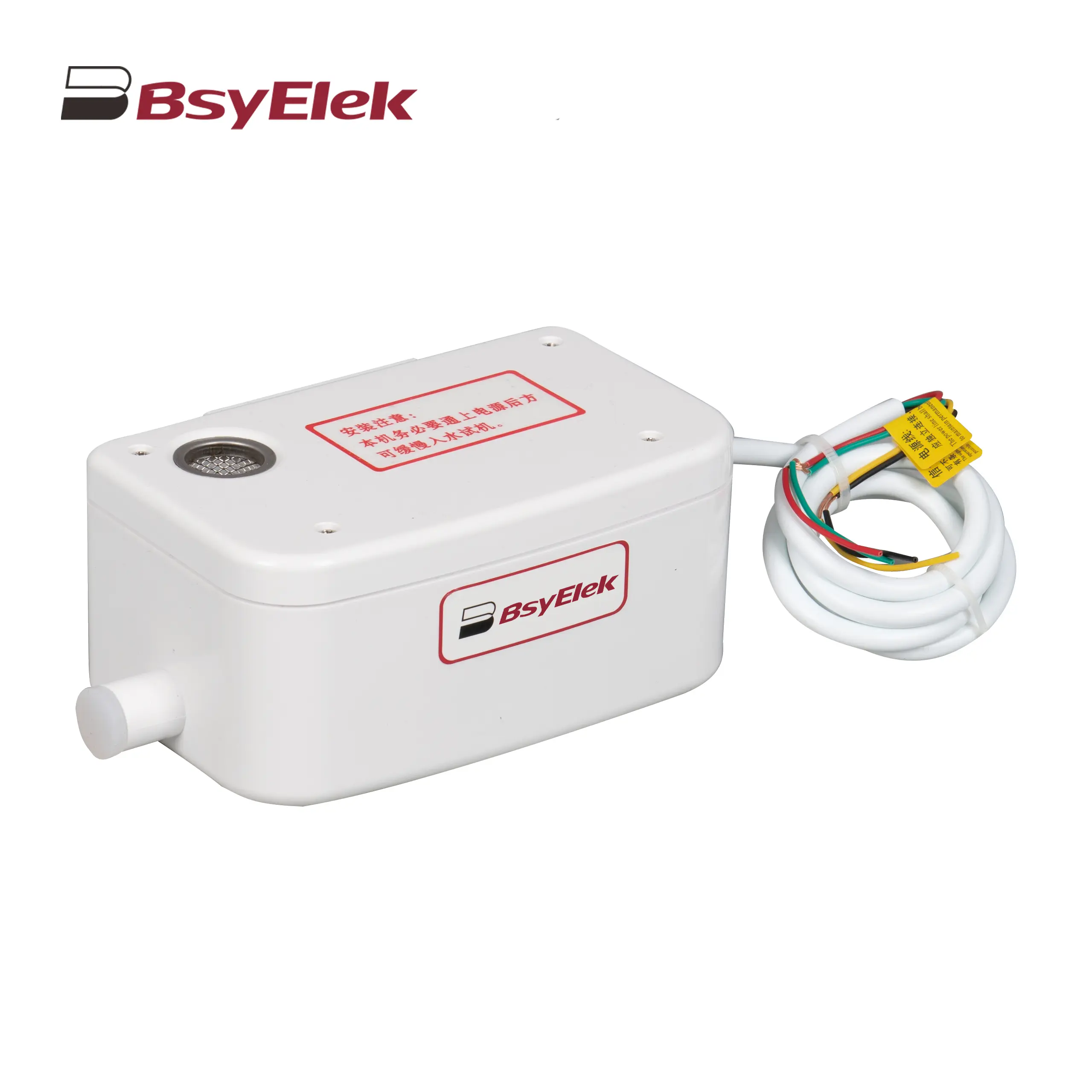 BY-50A 12M Drainage Pump of Air Conditioner
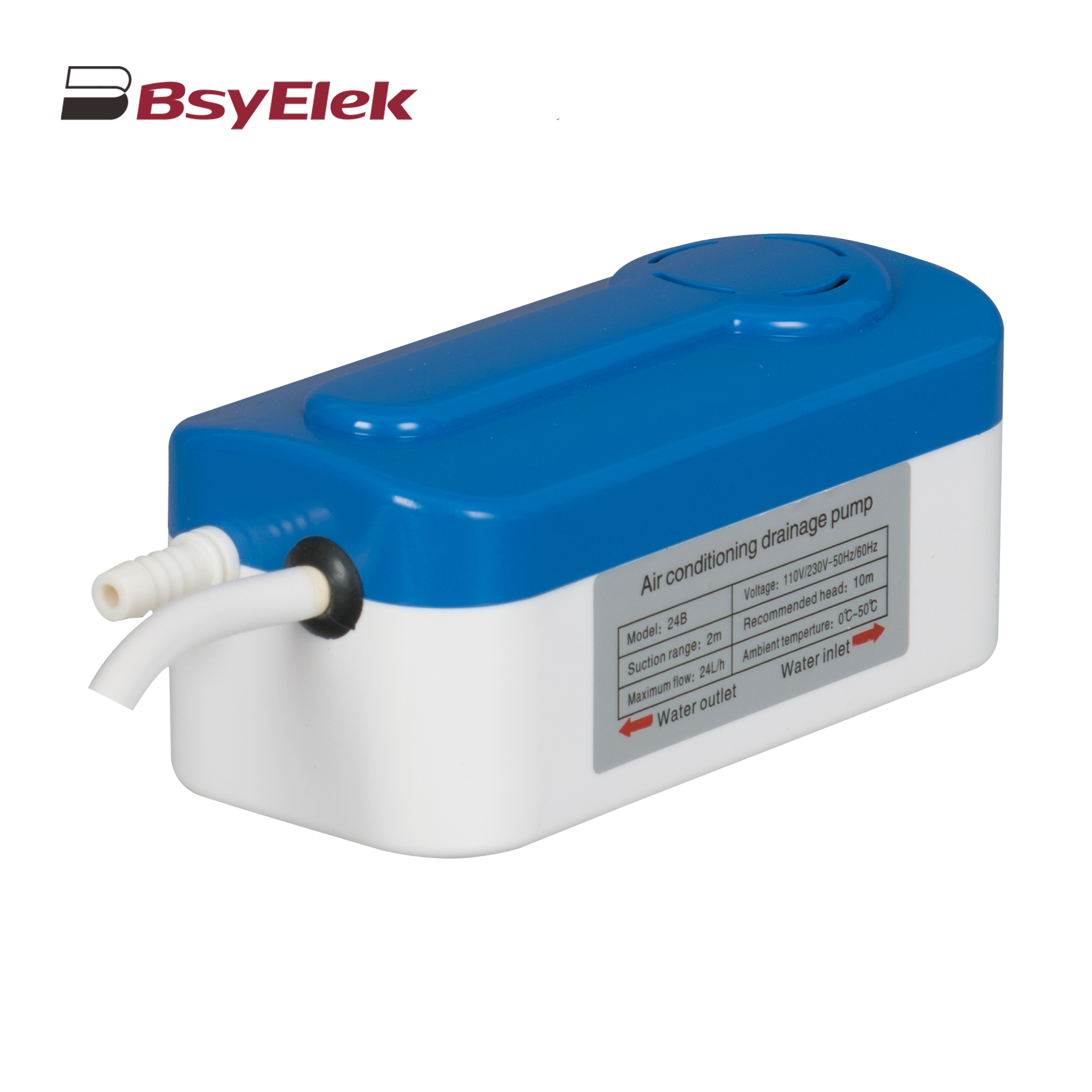 BY-24B/40B 10M Split Type Drainage Pump
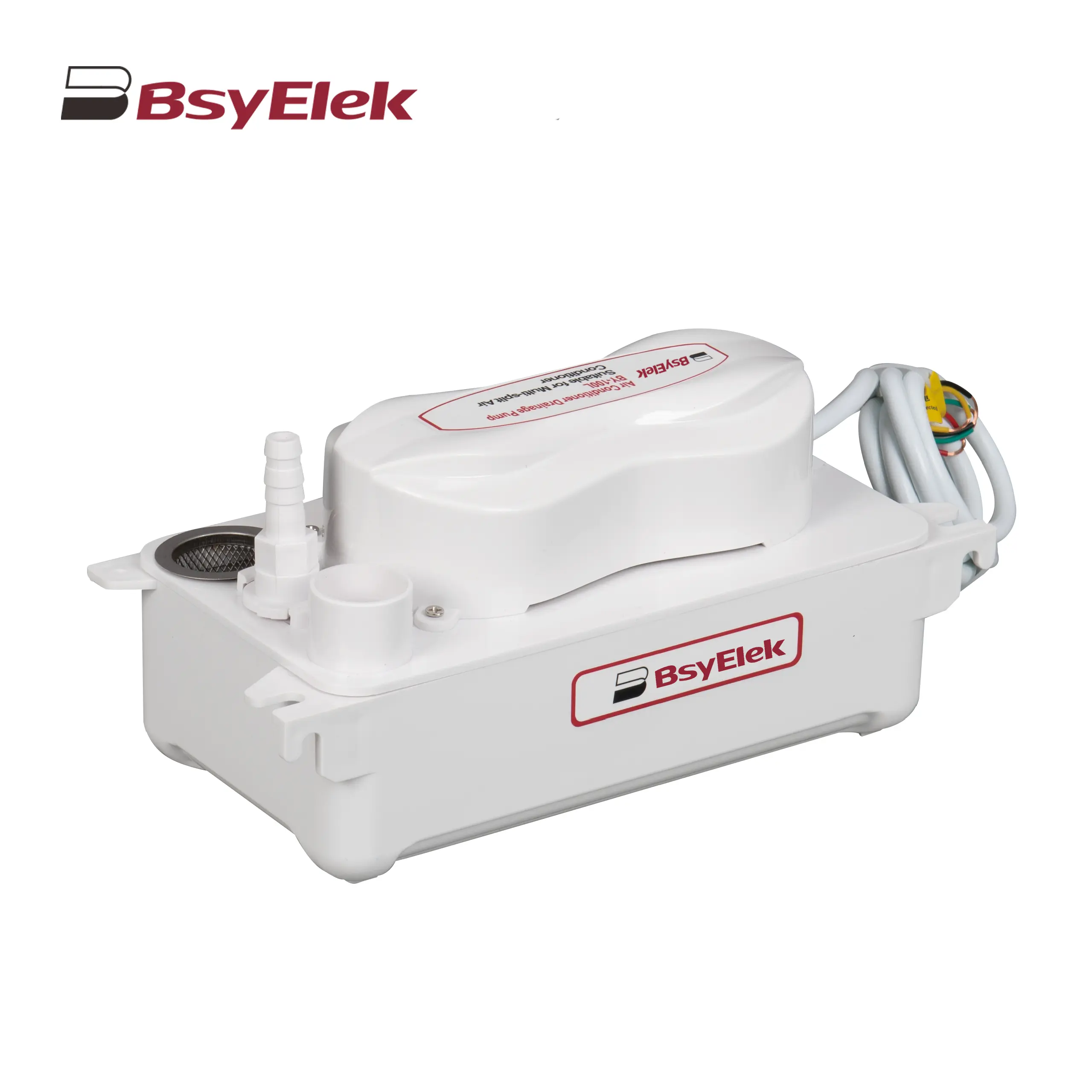 BY-100L 2M Drainage Pump of Air Conditioner
 BY-360L 6M Large Displacement Drainage Pump
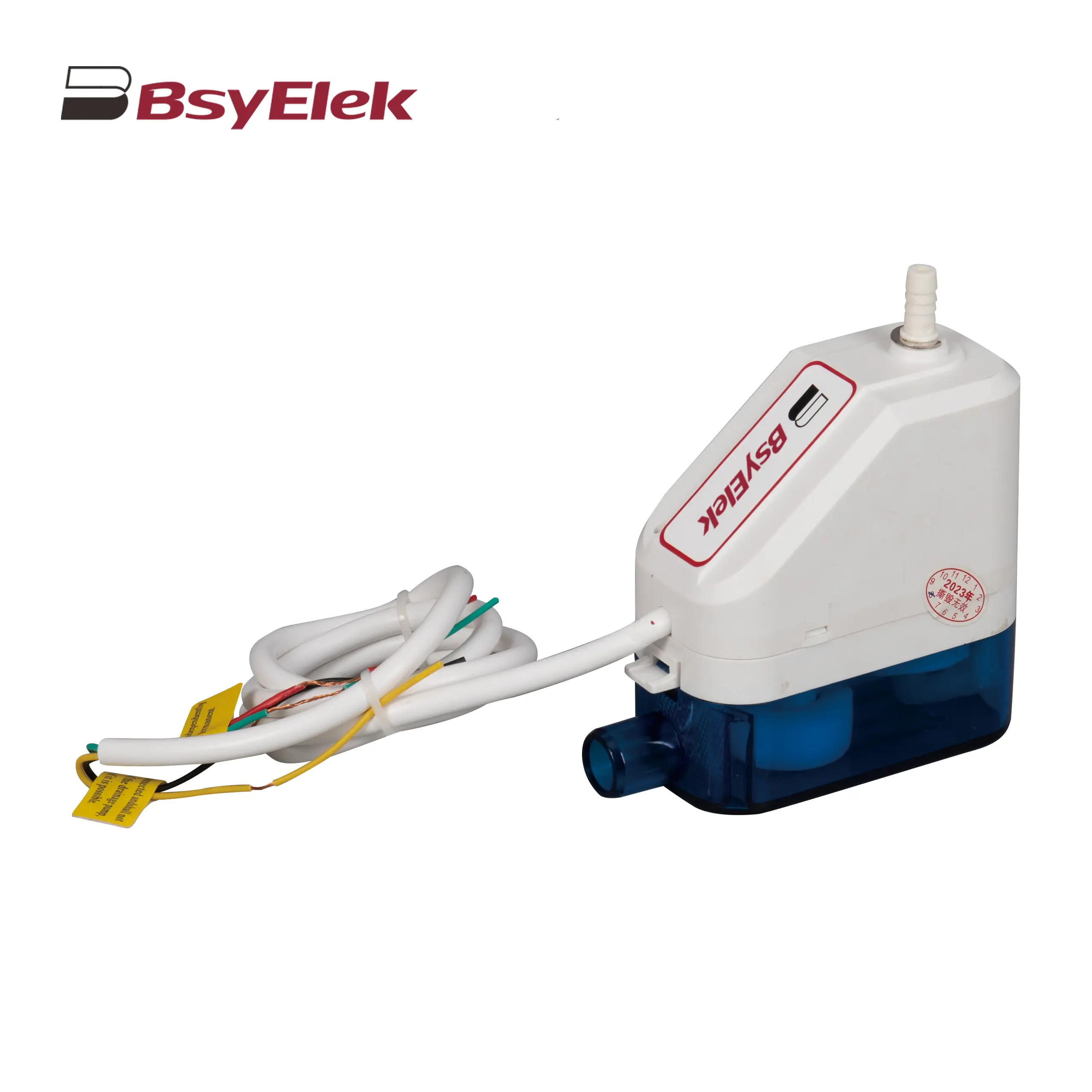 BY-24C/40C 10M Corner Drainage Pump
What is a miniature circuit breaker (MCB)?
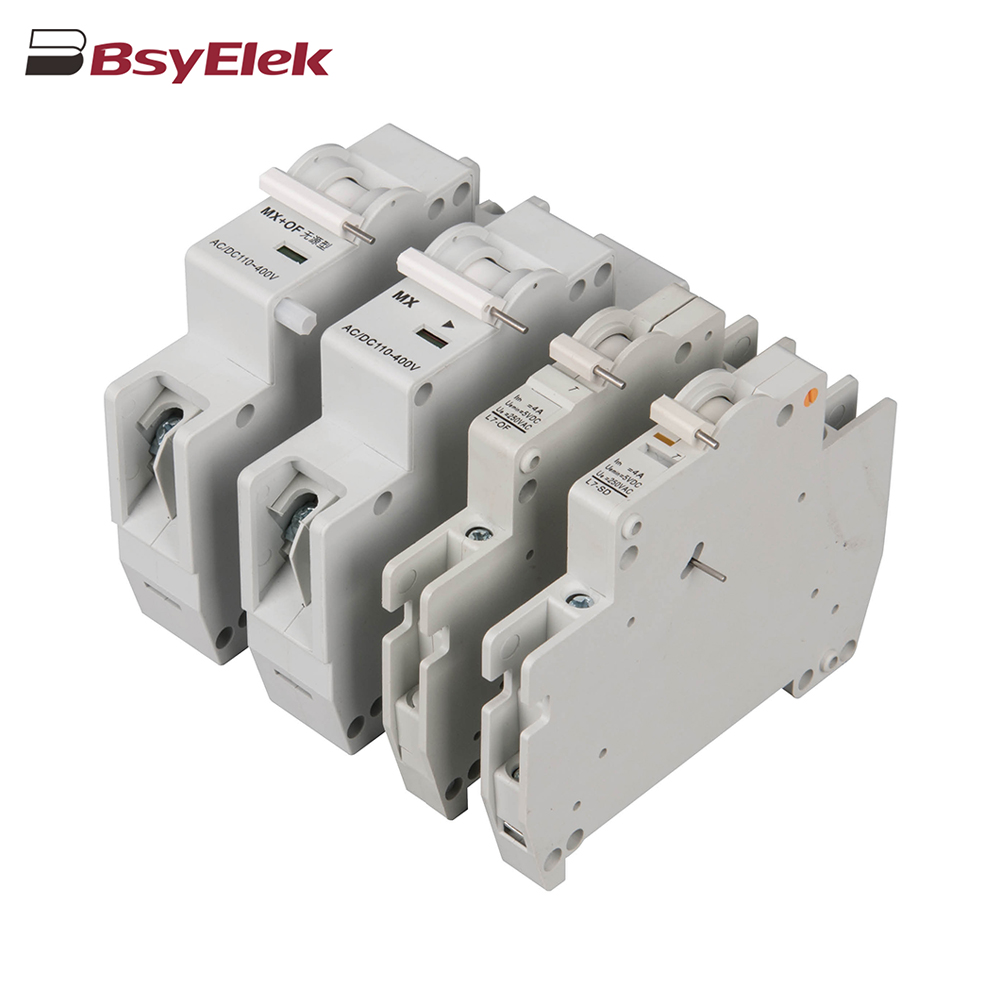 OF SD MX OF MCB Miniature Circuit Breaker Accessories
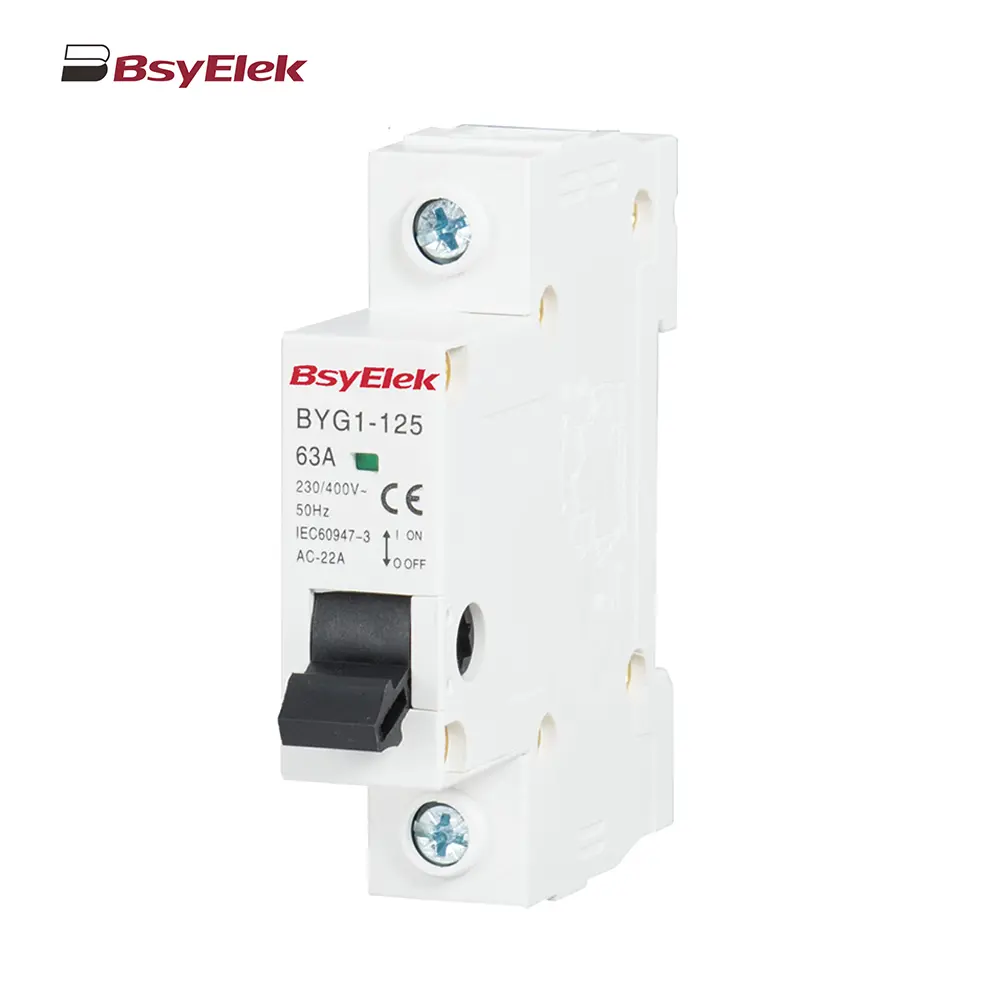 BYG1-125 Main Switch MCB Isolator Switch
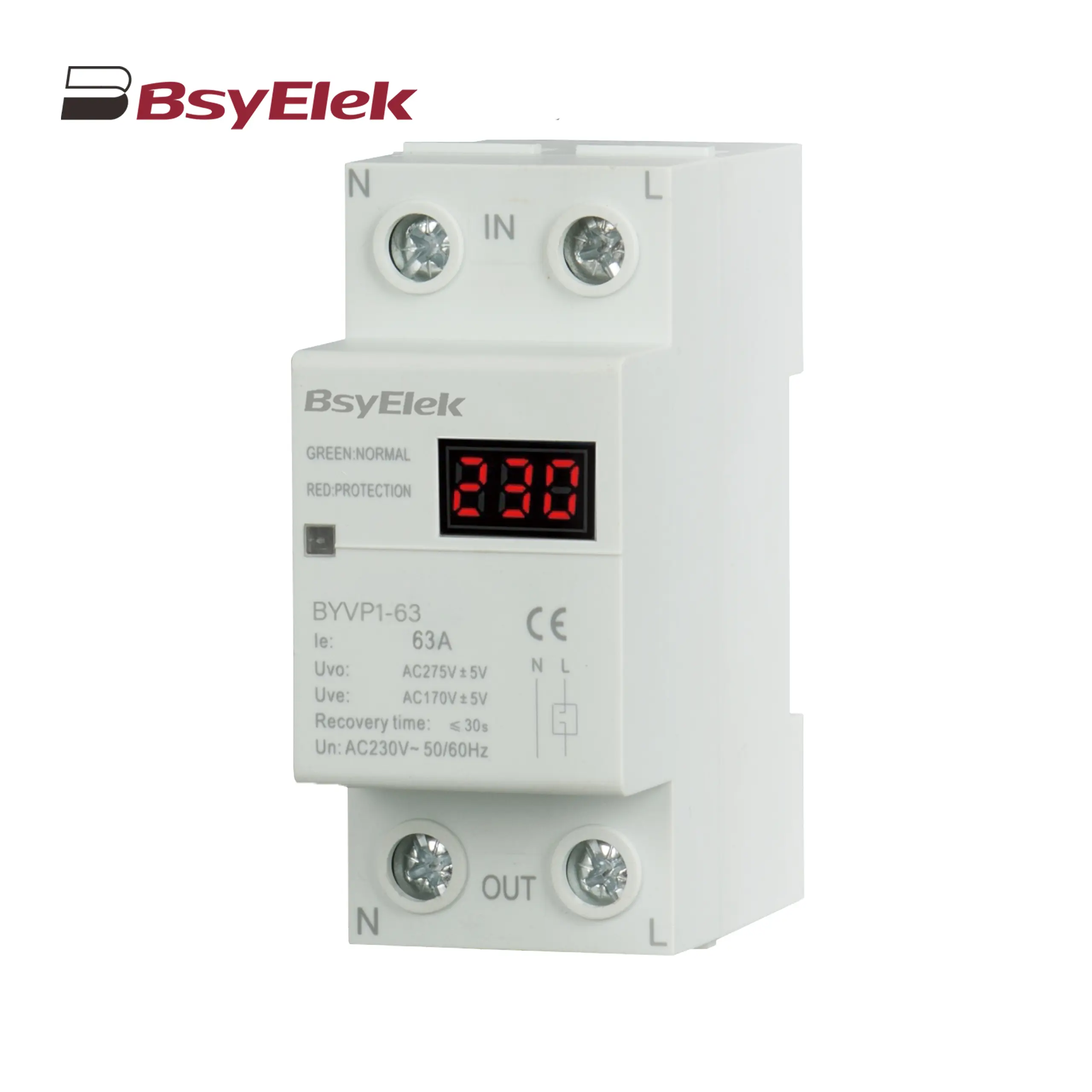 BYVP1-63 100A Single Display Overvoltage and Undervoltage Protector
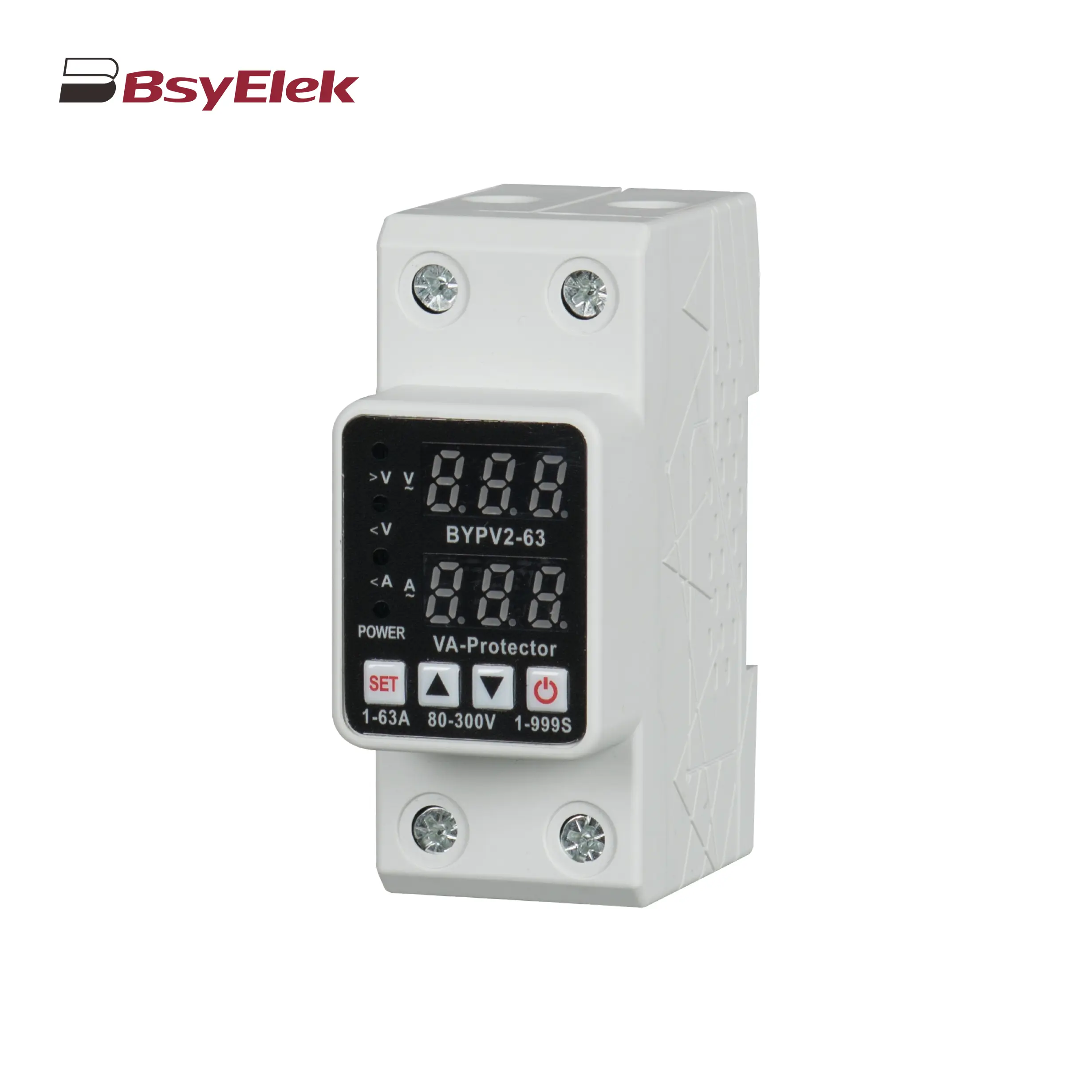 BYVP2-63 40A 63A Adjustable Dual Display Overvoltage and Undervoltage Protector
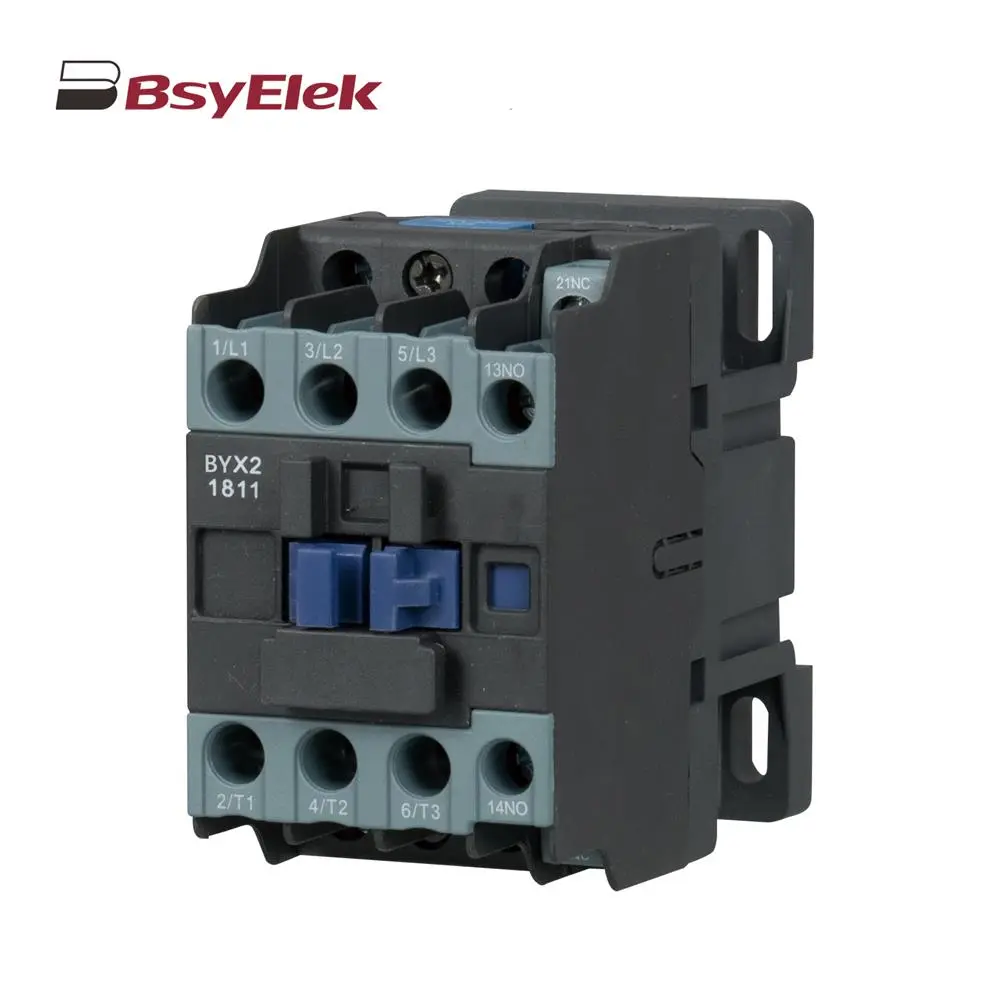 BYX2 6-95A AC Contactor
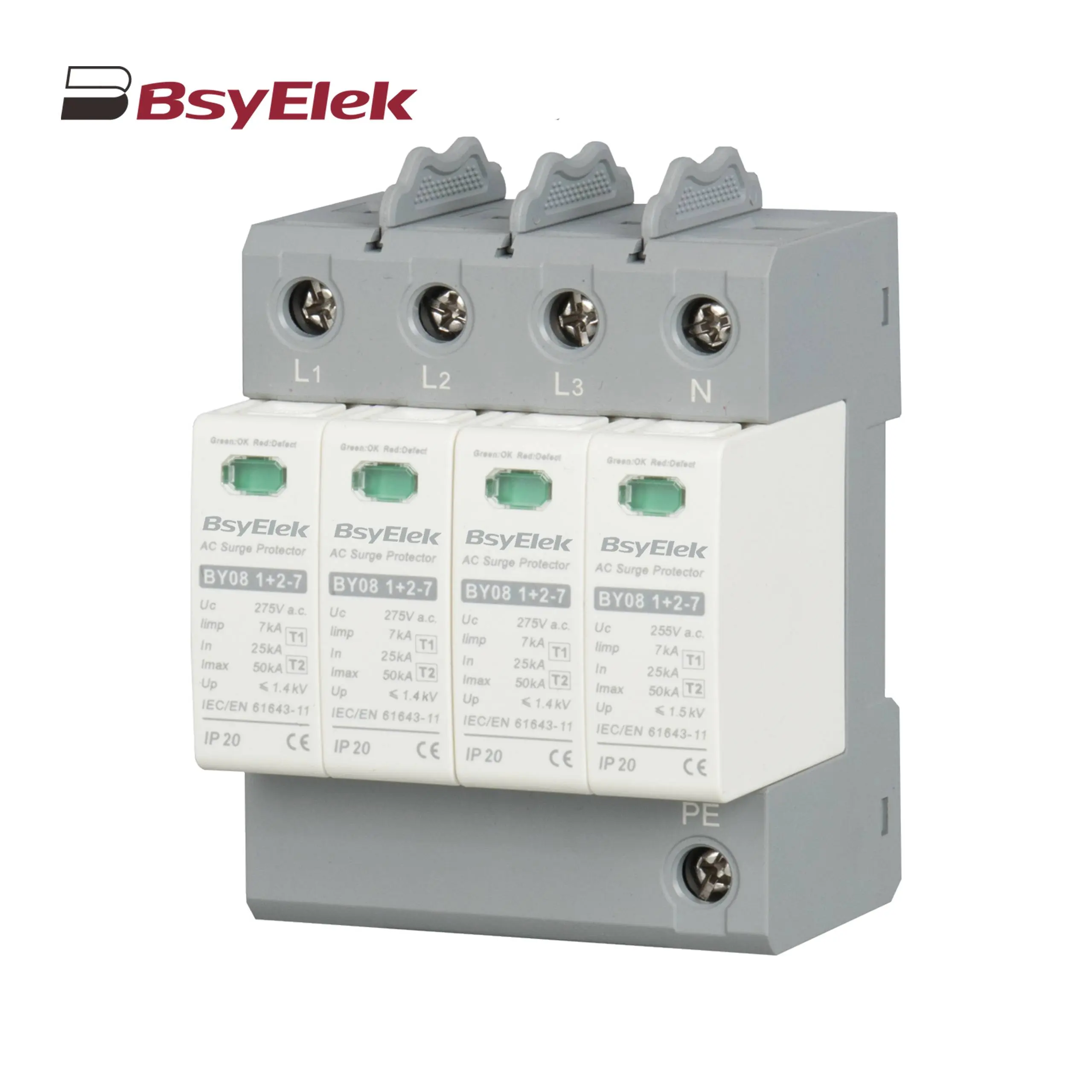 BY08 1+2-7 SPD Class T1+T2 Imax 50KA Surge Protective Device
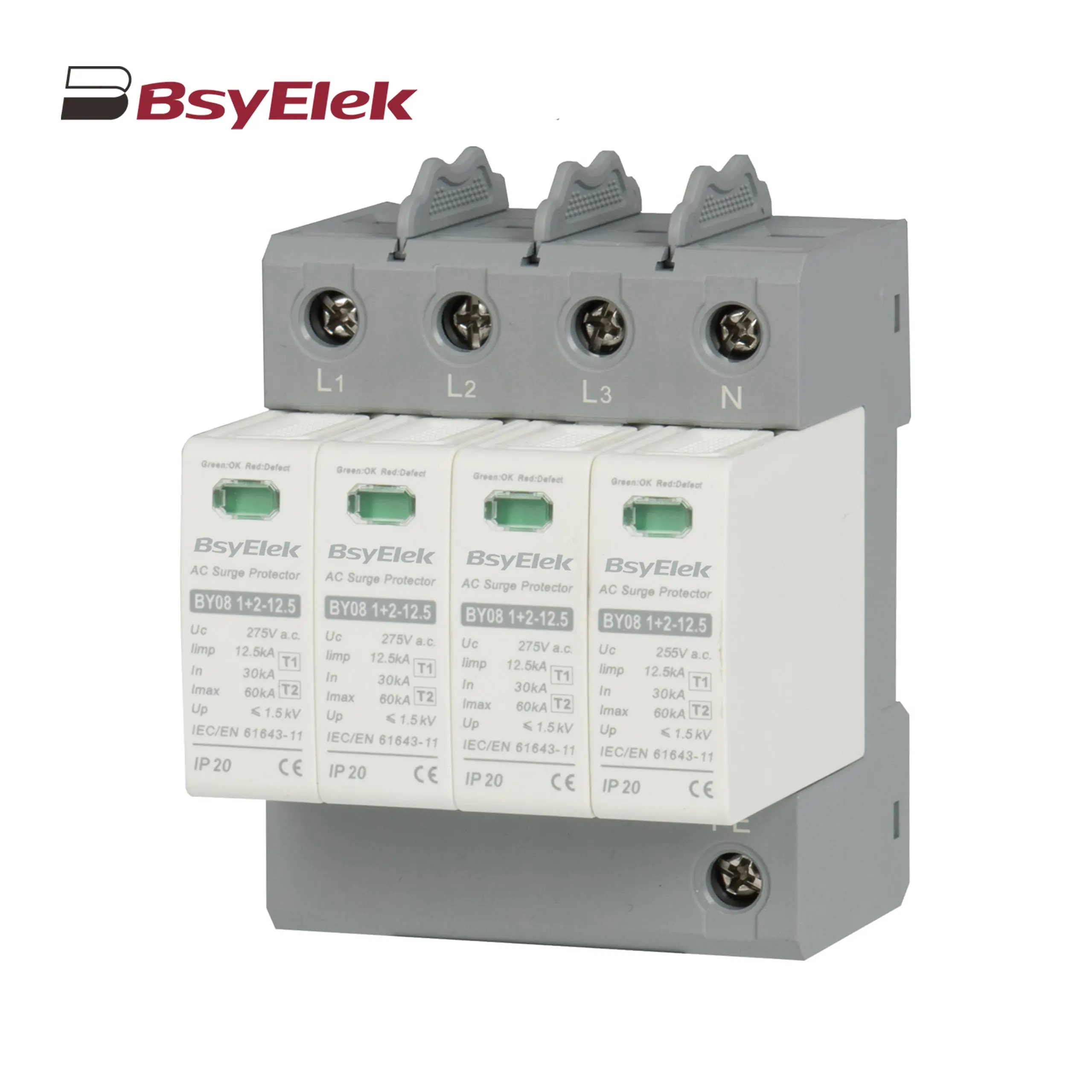 BY08 1+2-12.5 SPD Class T1+T2 Imax 60KA Surge Protective Device
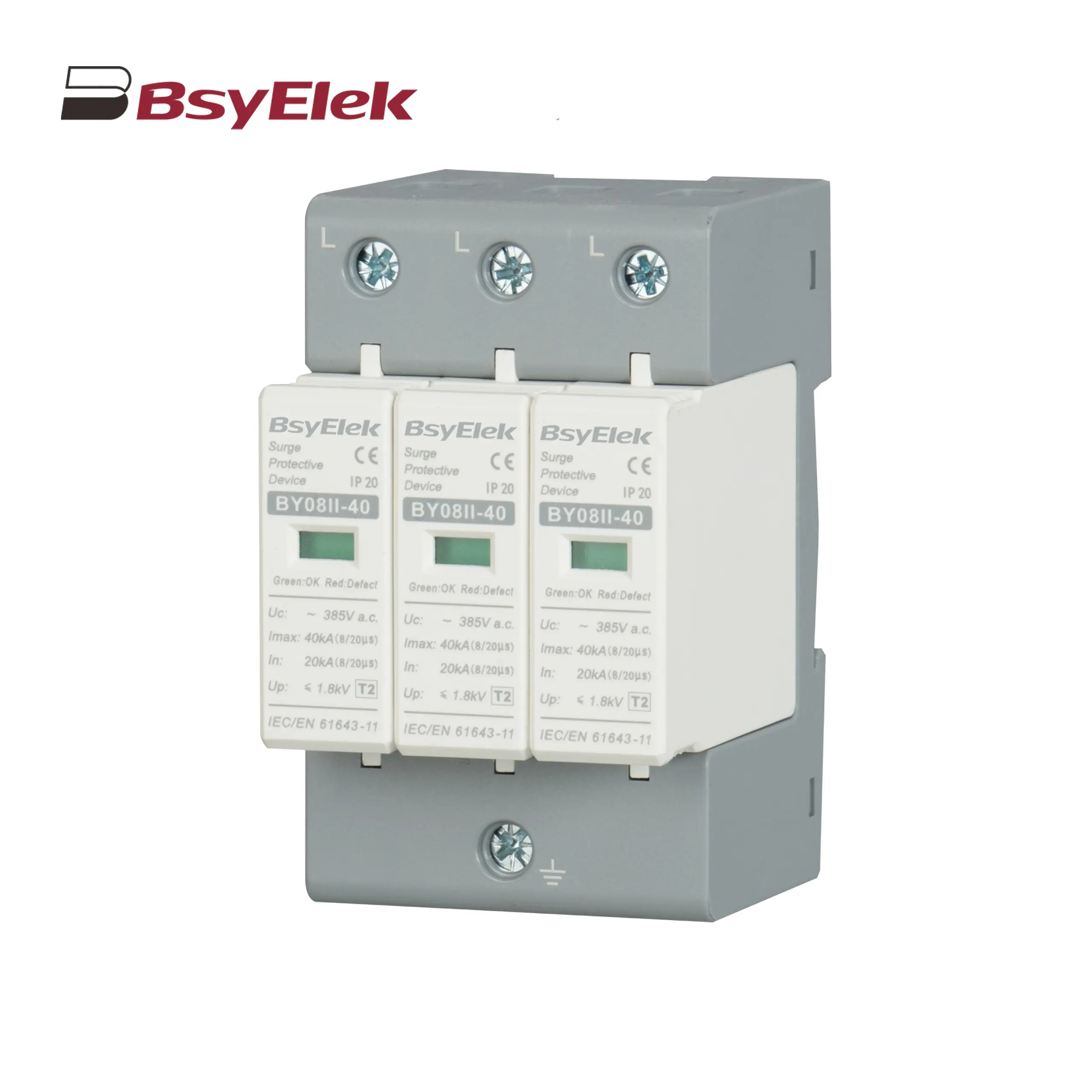 BY08II-40 SPD Class T2 Imax 40KA Surge Protective Device
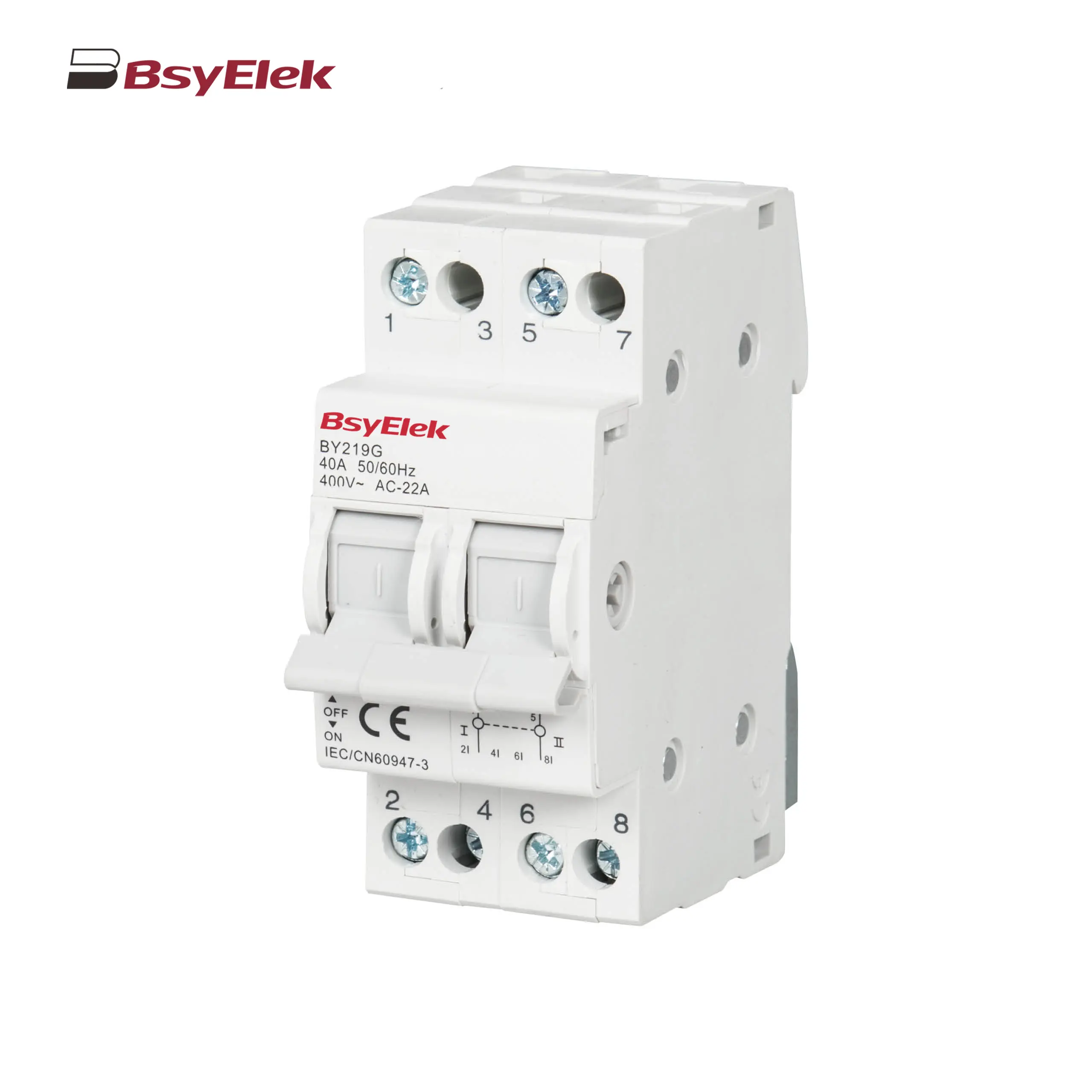 BY19G 63A Manual Changeover Switch
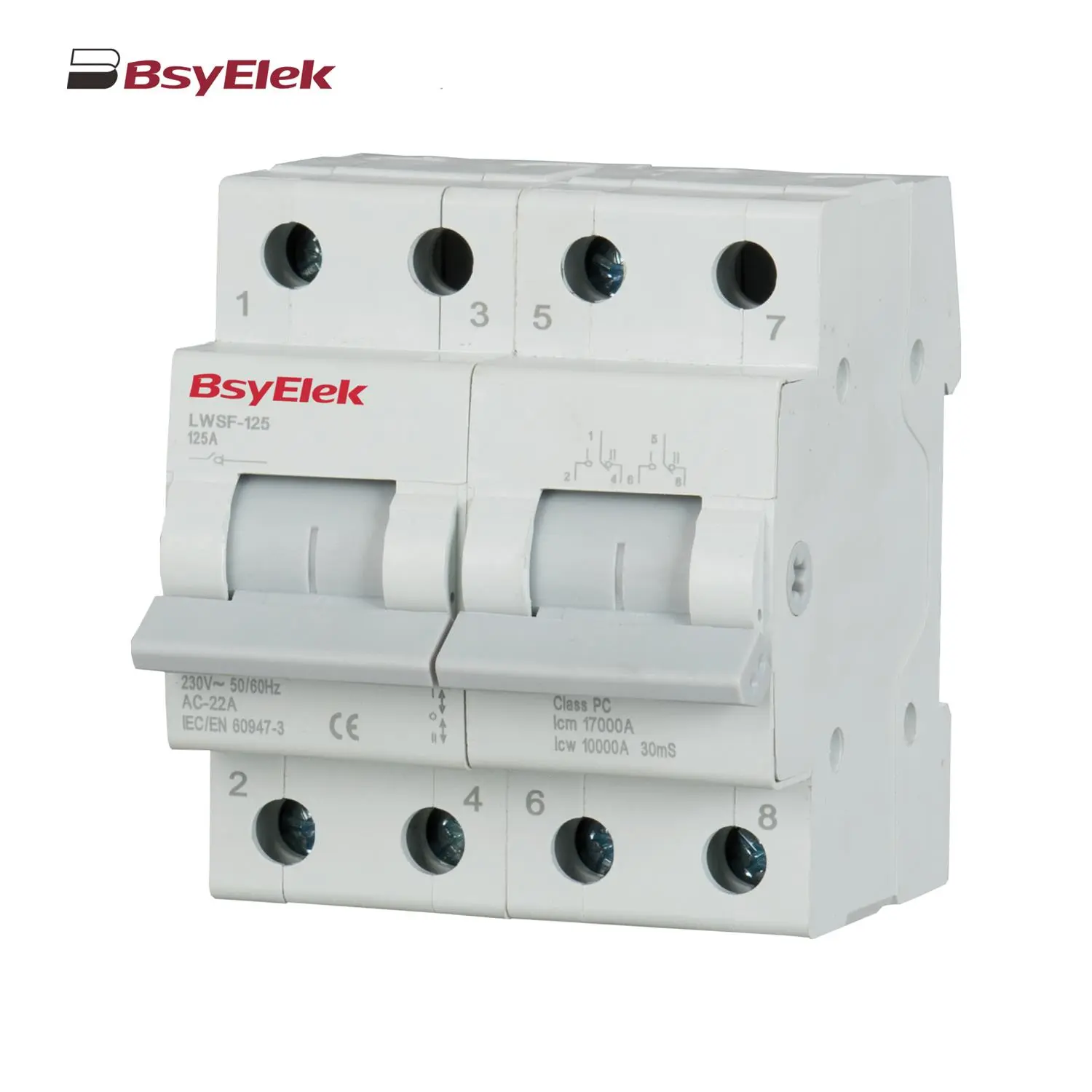 LWSF-125 125A Manual Changeover Switch
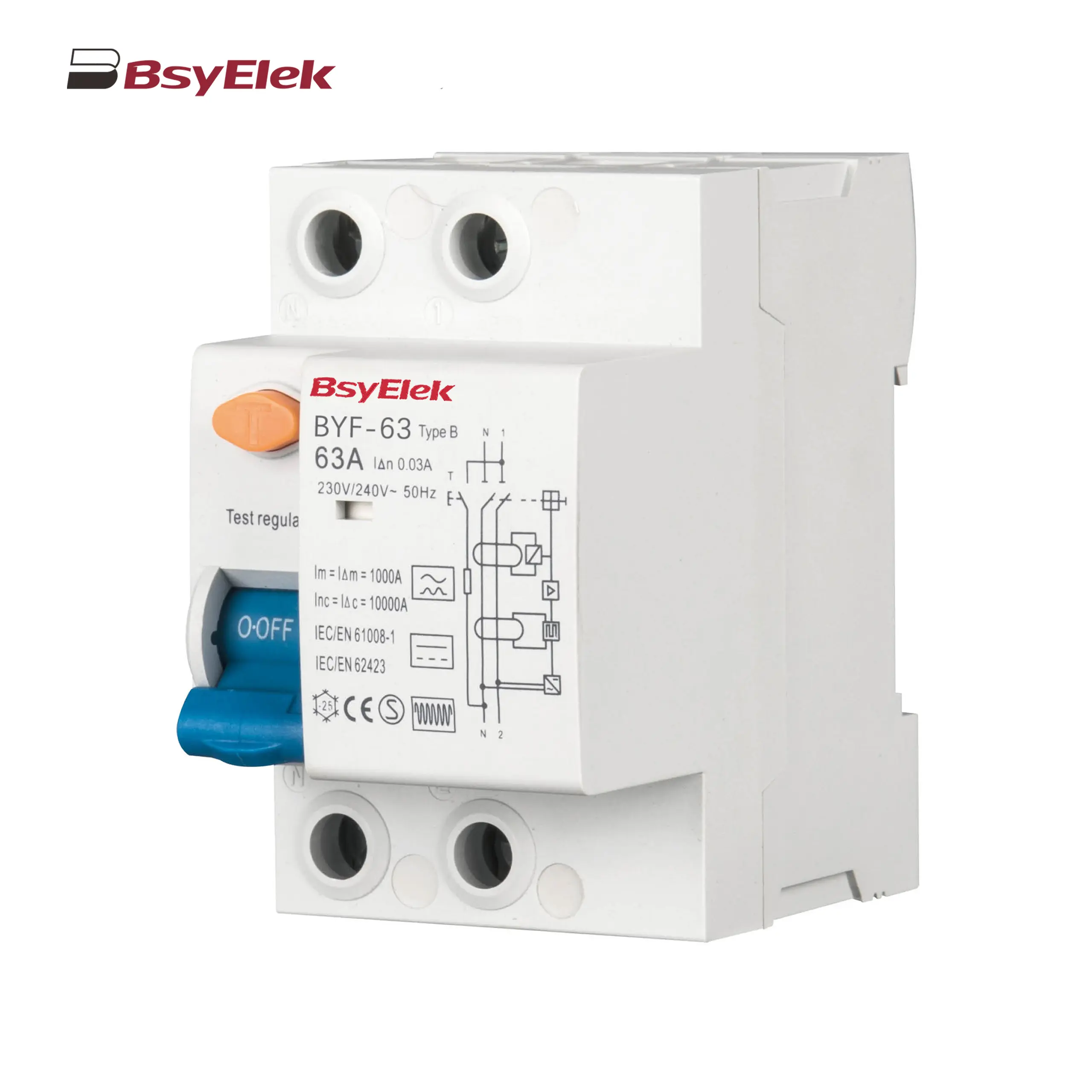 BYF-63 RCD 10KA Type B AC+A+Smoothing DC Residual Current Device
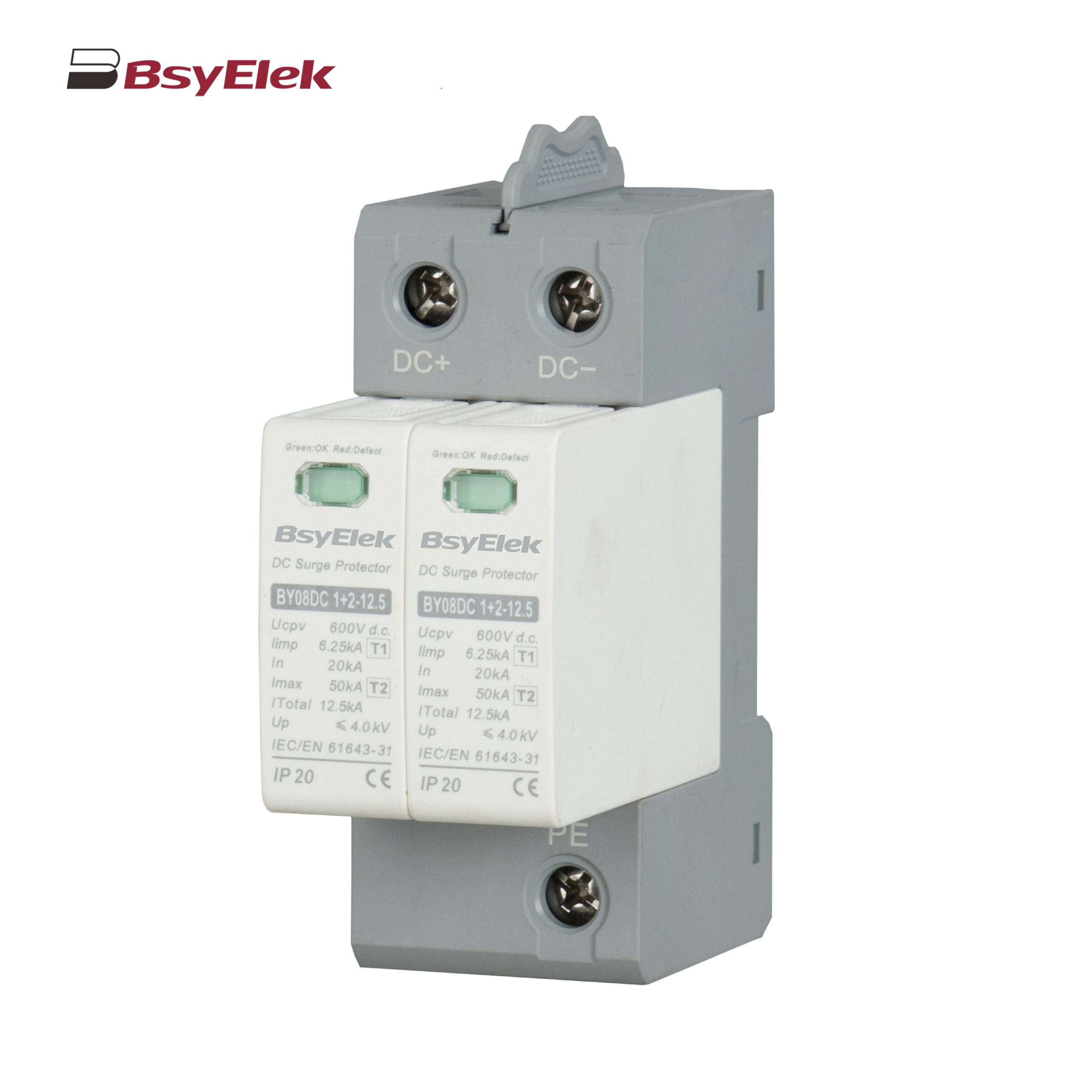 BY08DC 1+2-12.5 SPD Class T1+T2 40KA DC Surge Protective Device
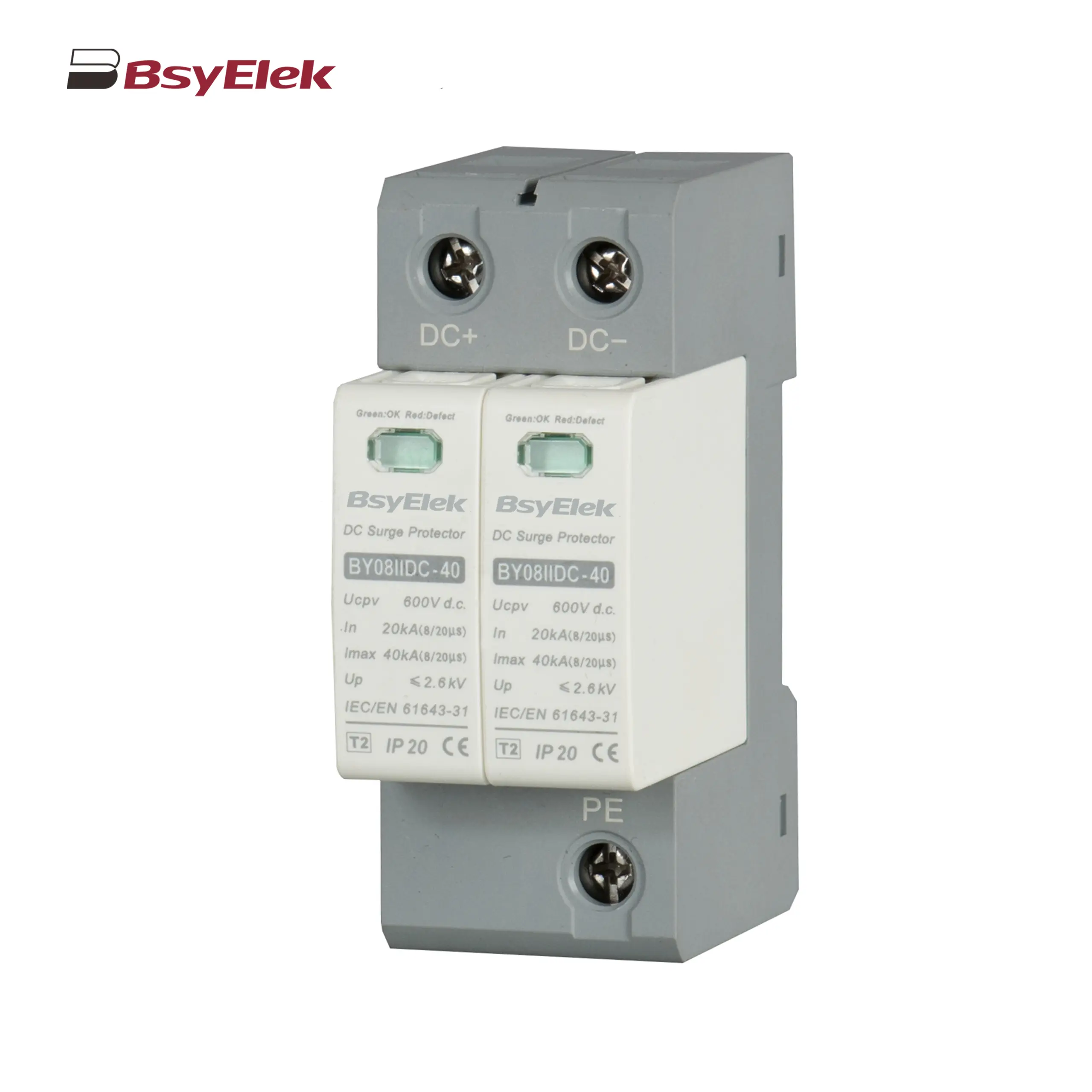 BY08IIDC-40 SPD Class T2 40KA DC Surge Protective Device
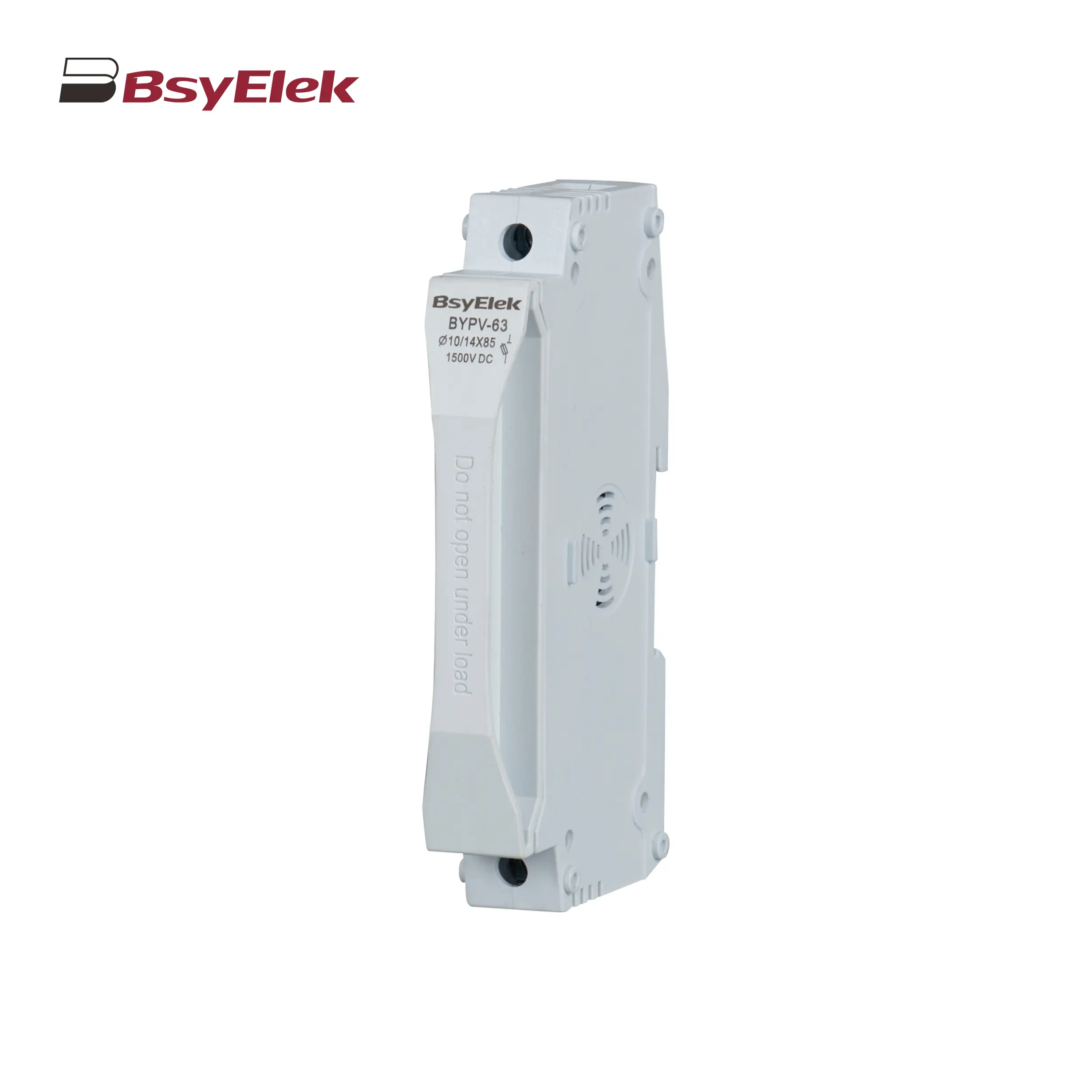 BYPV-63 1500VDC 50A Fuse Holder with 10x85mm 14x85mm Fuse Link
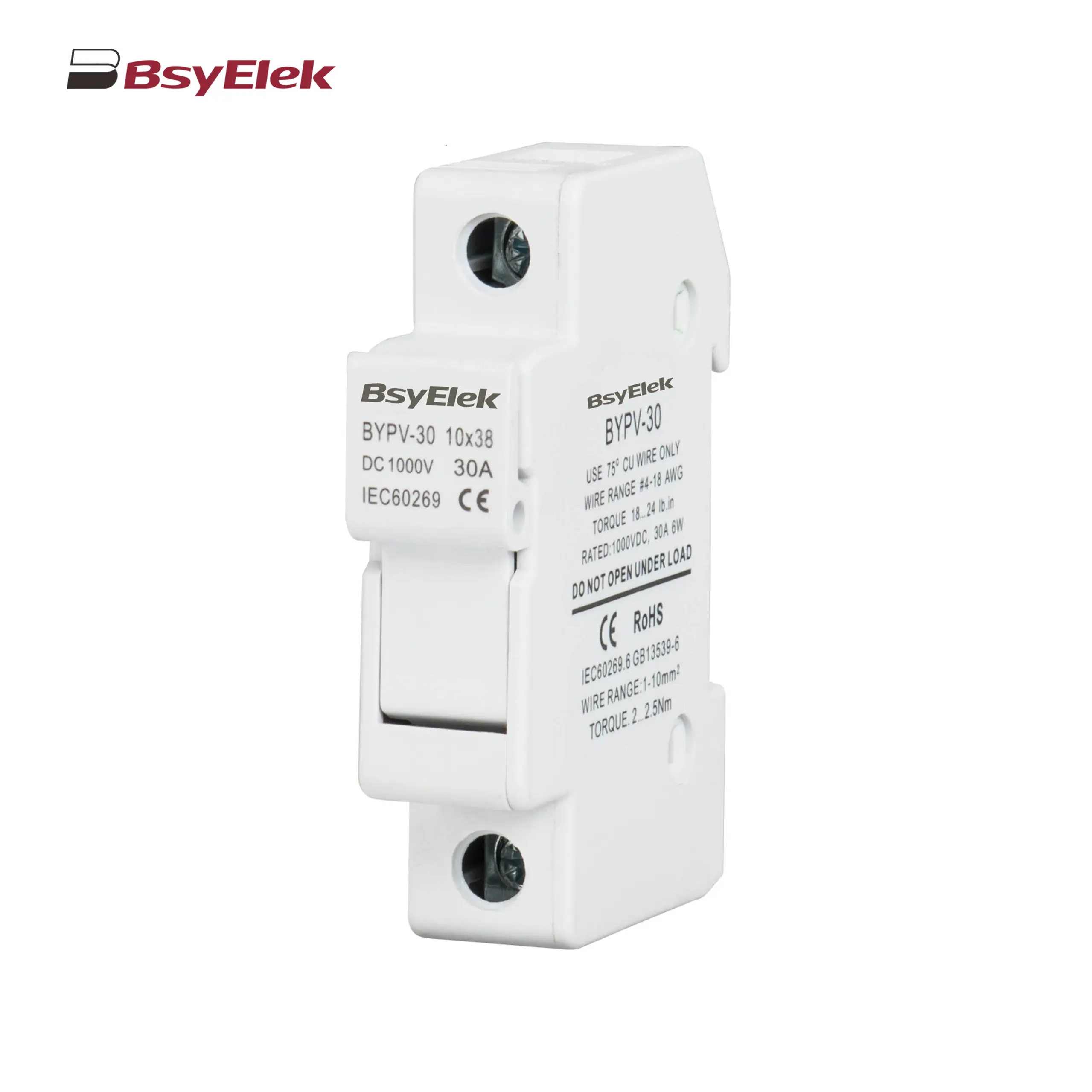 BYPV-30 1000VDC 32A Fuse Holder with 10x38mm Fuse Link
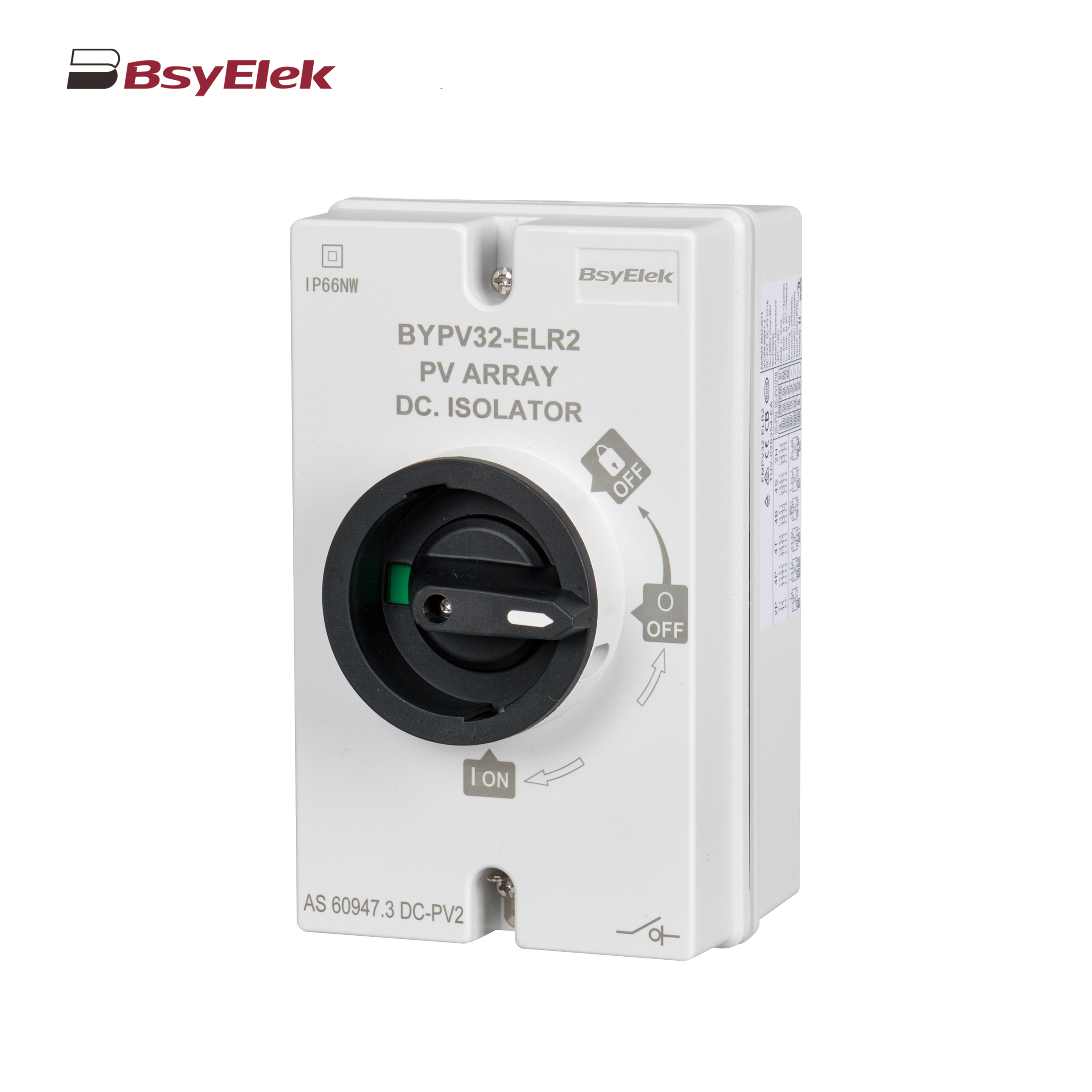 BYPV-ELR2 PV Isolator Switch with Enclosed Version
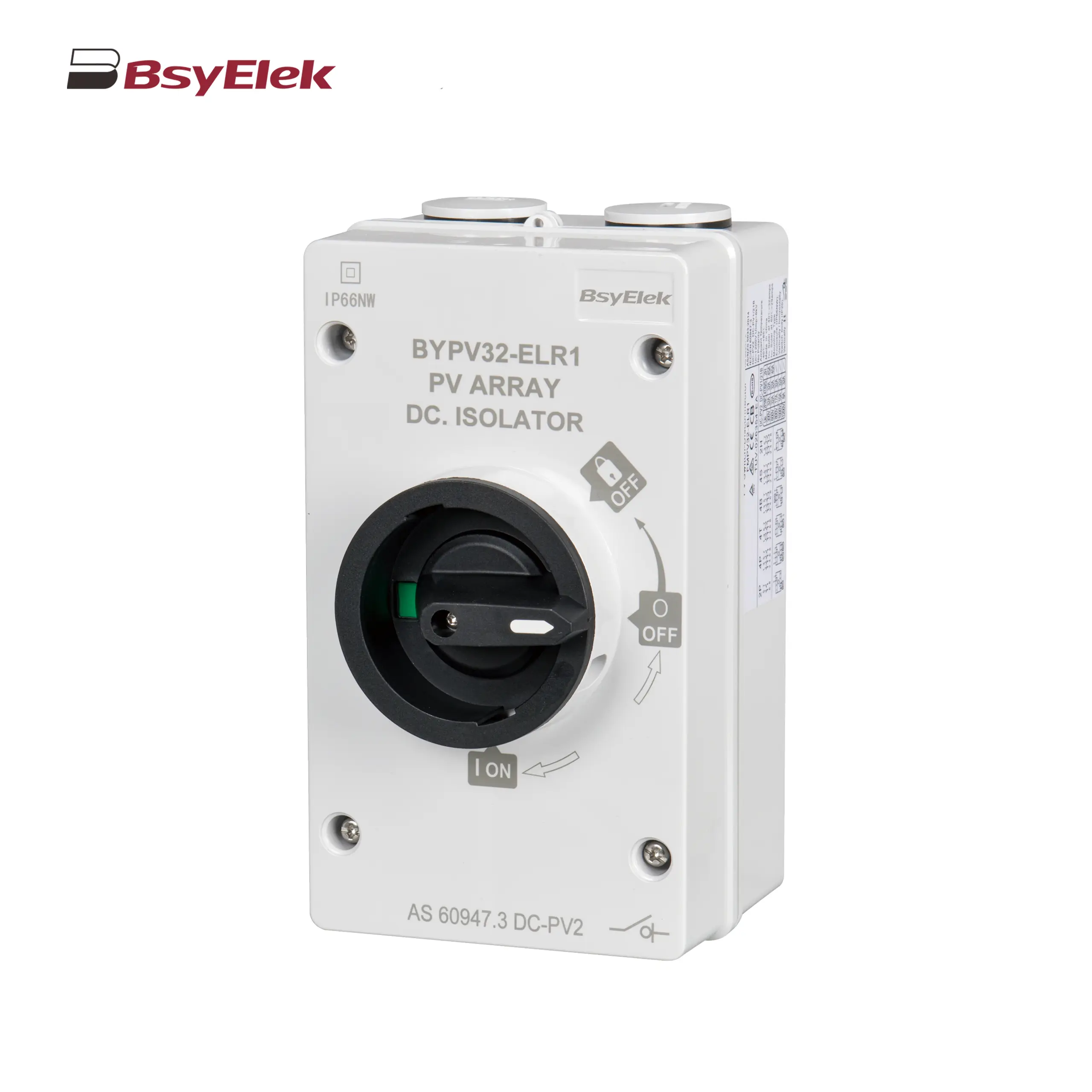 BYPV-ELR1 PV Isolator Switch with Enclosed Version
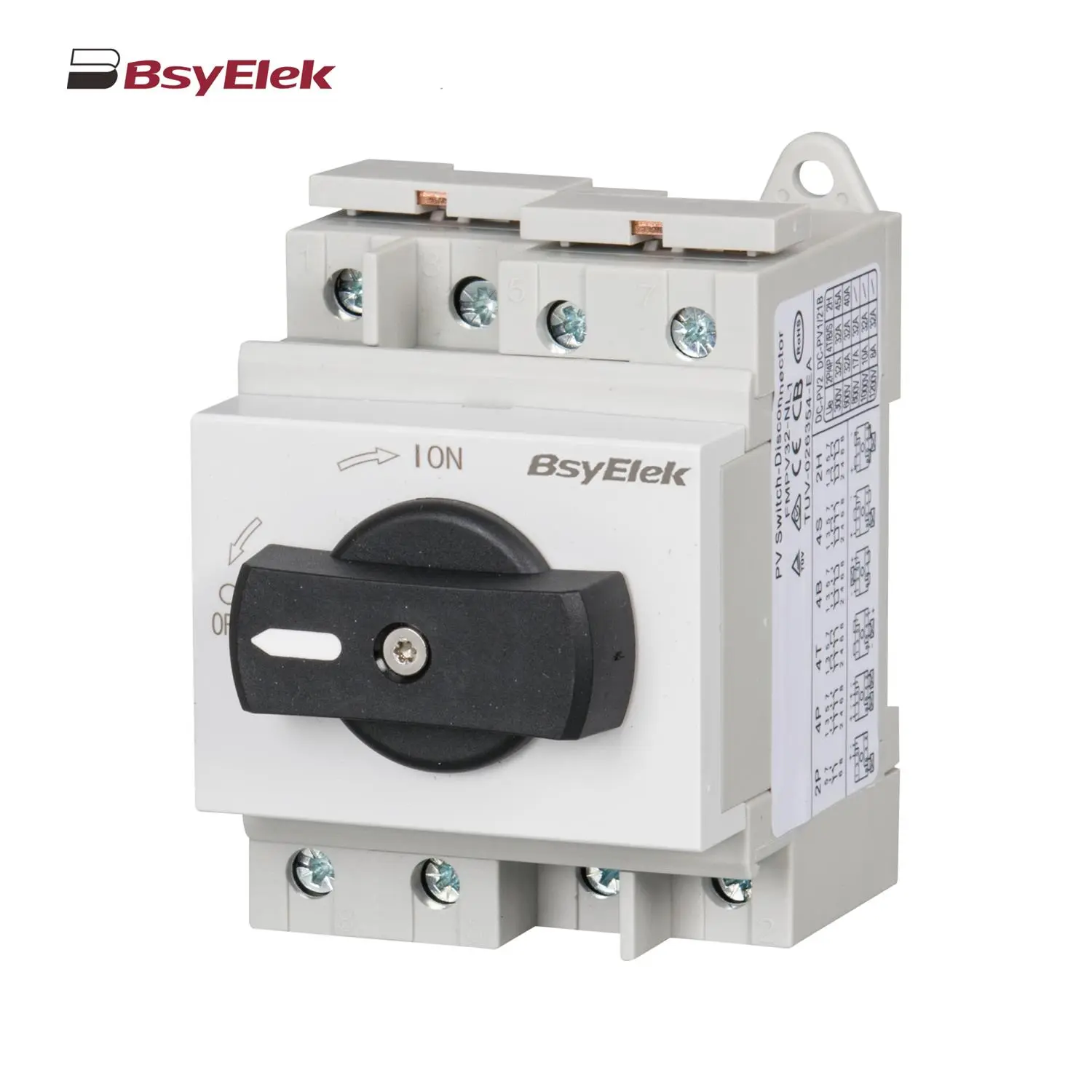 BYPV-NL1/T PV Isolator Switch with Ultra-thin Lever Handle
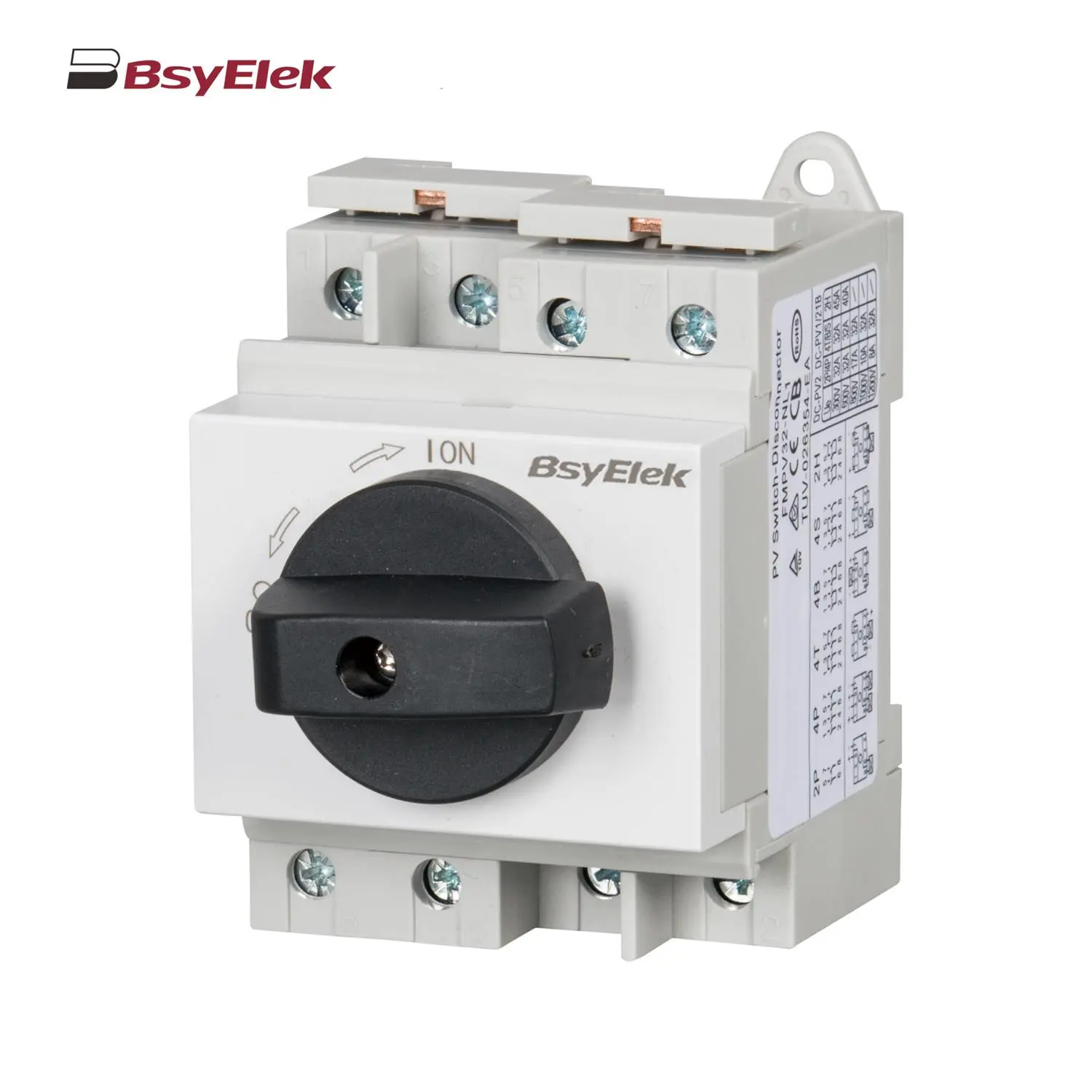 BYPV-NL1 PV Isolator Switch with Lever Handle
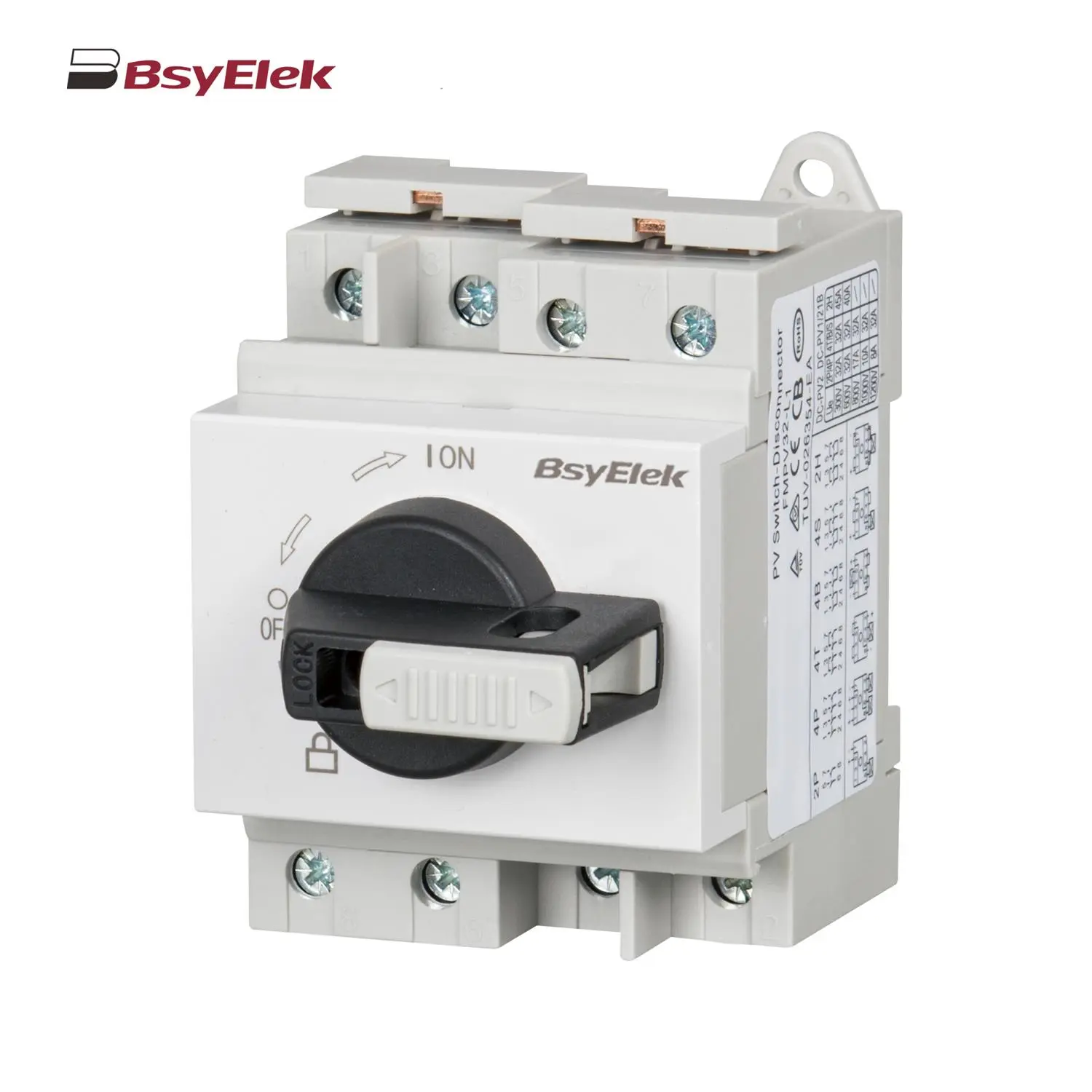 BYPV-L1/L2 PV Isolator Switch with Lockable Lever Handle
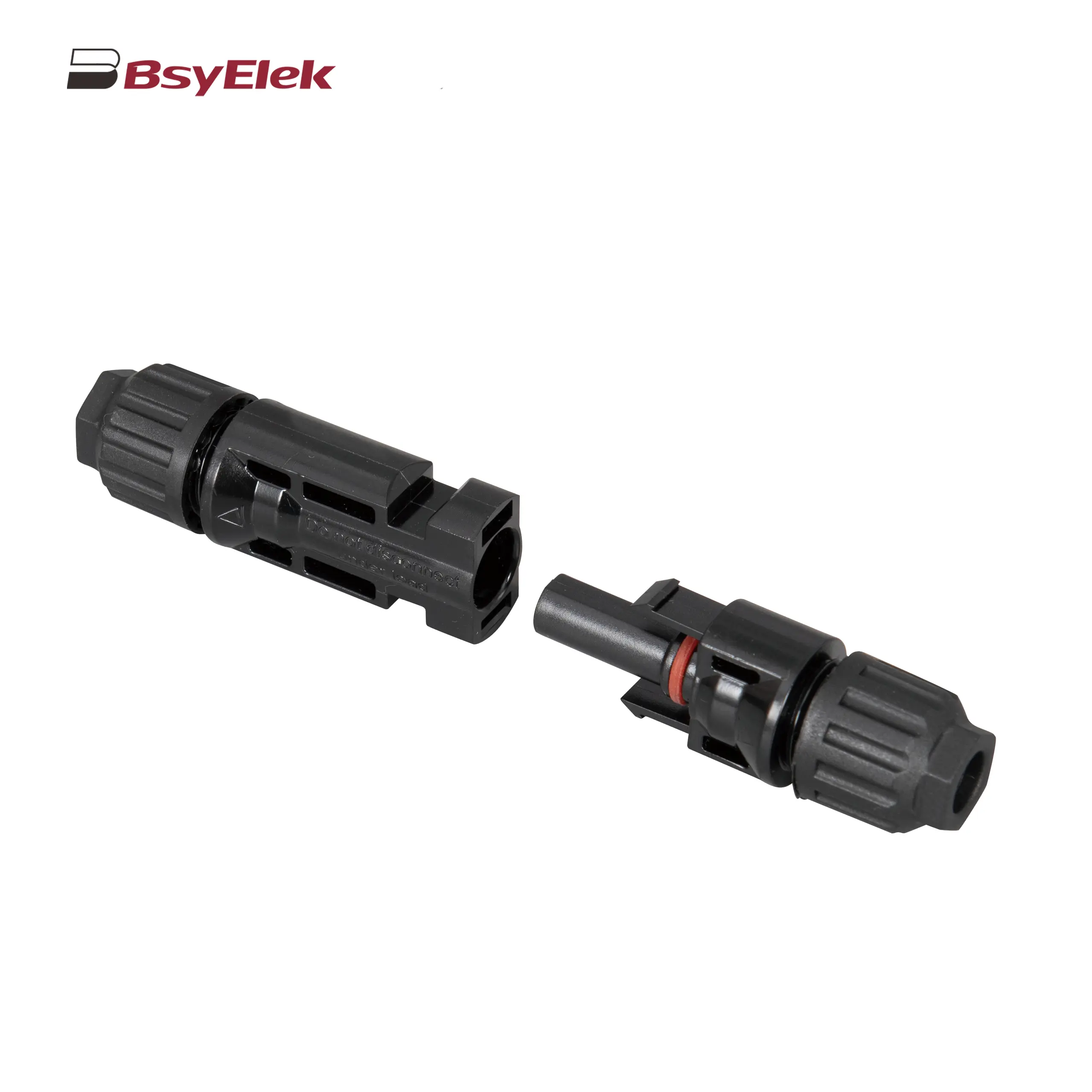 PV-BY-01 30A/50A 1000V Photovoltaic Connector
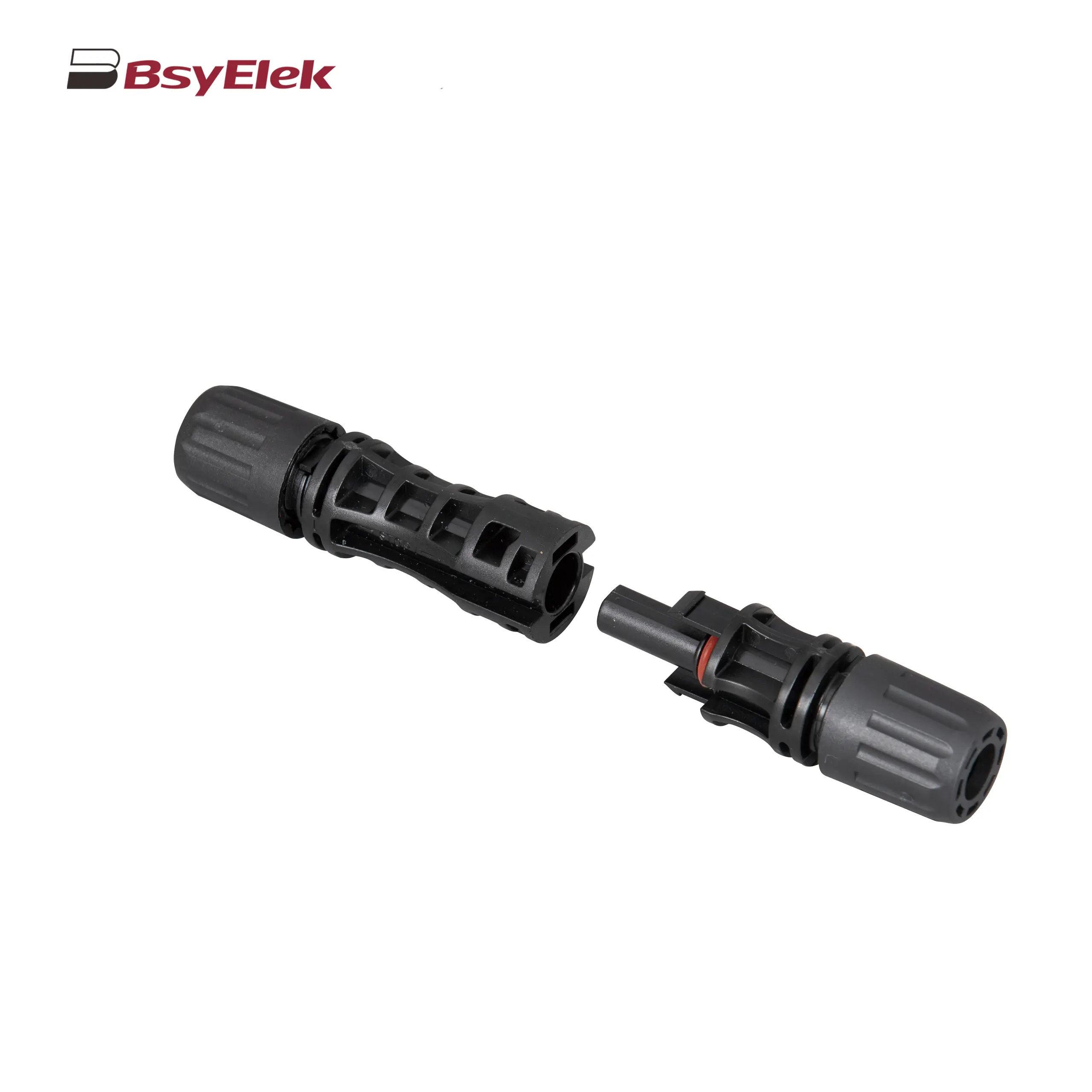 PV-BY-02 30A/50A 1500V Photovoltaic Connector
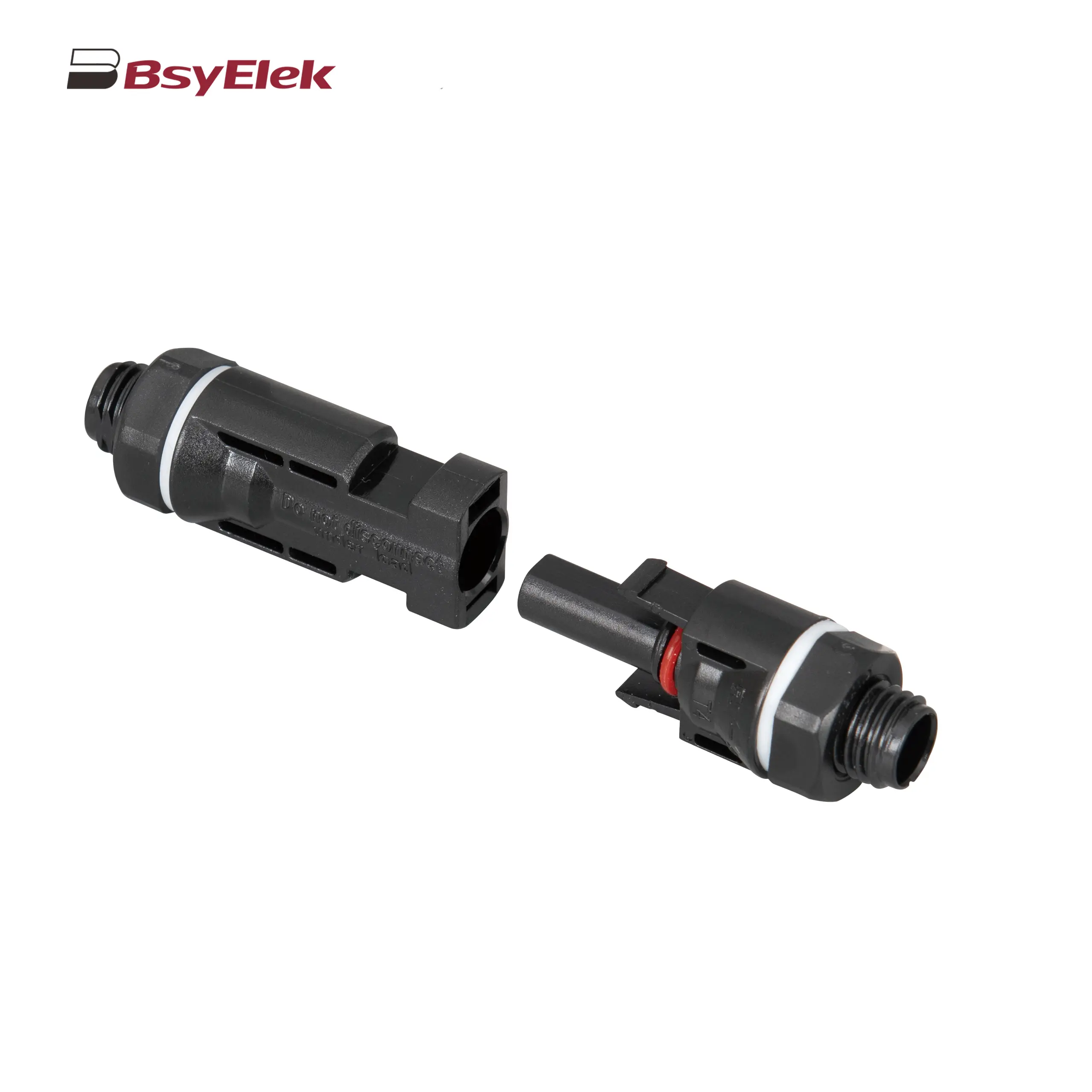 PV-BY-03 30A/50A 1000V Panel Mount Photovoltaic Connector
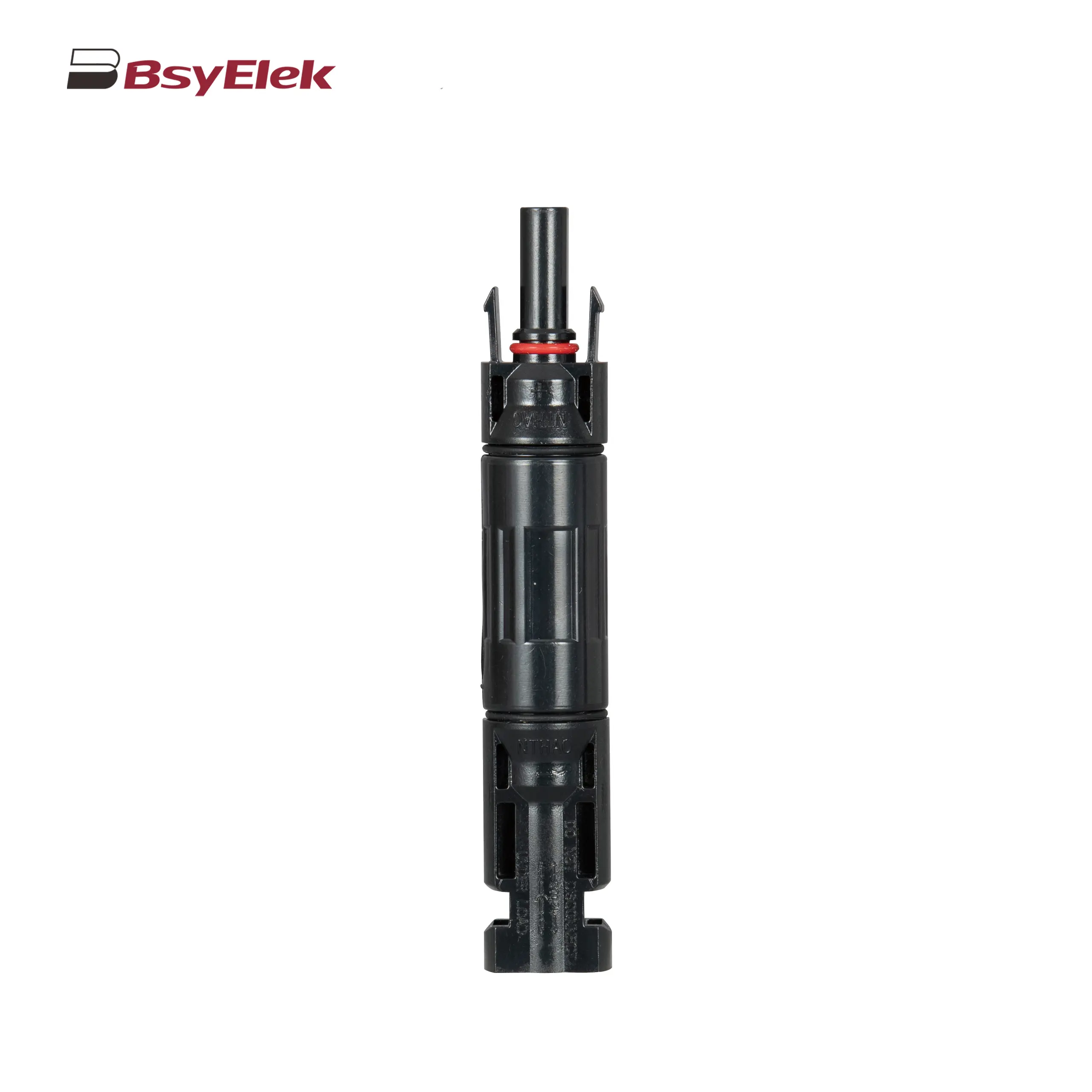 PV-BY-F01 30A 1500V Diode/Fuse Type Connector
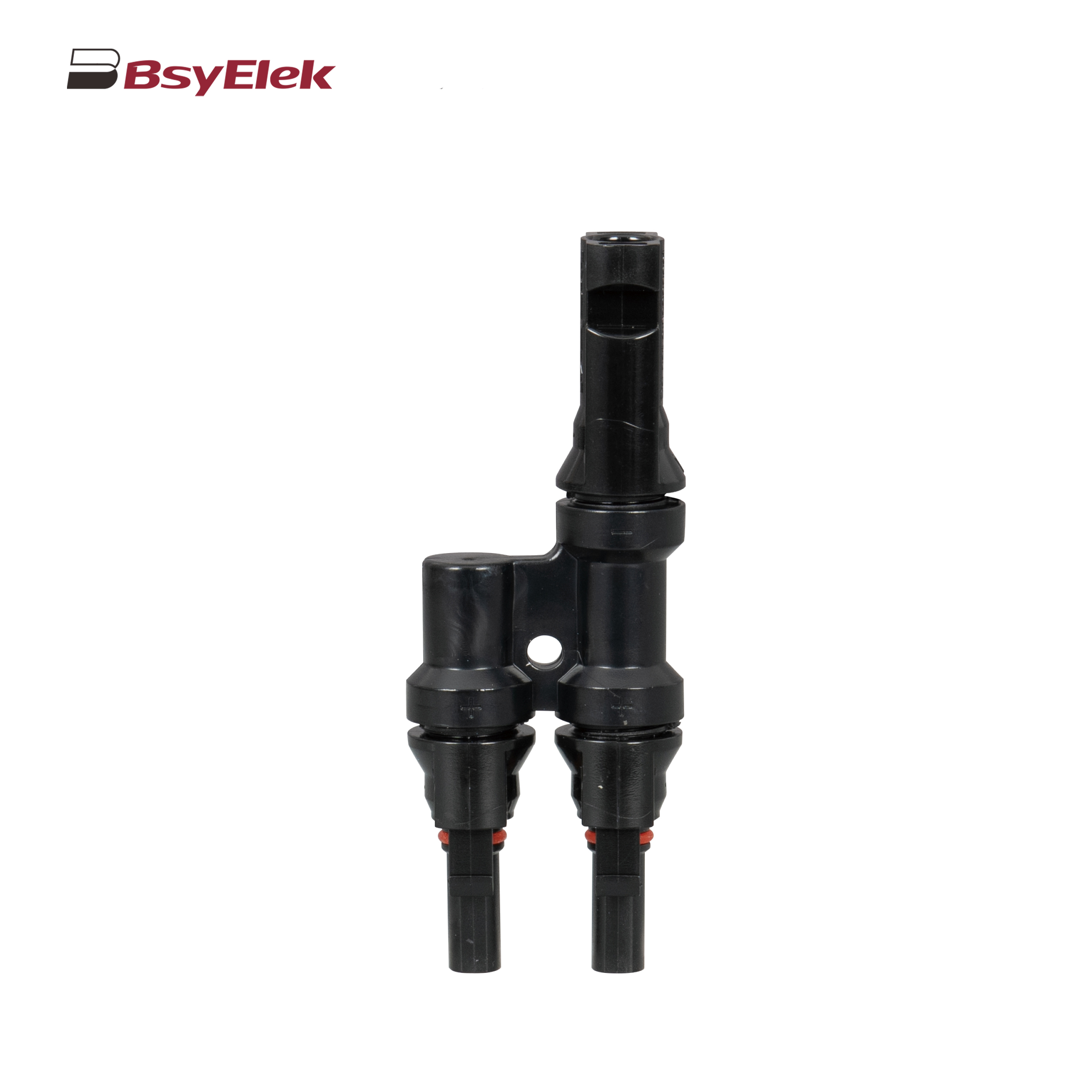 PV-BY-T 50A 1500V T Type Branch Connector
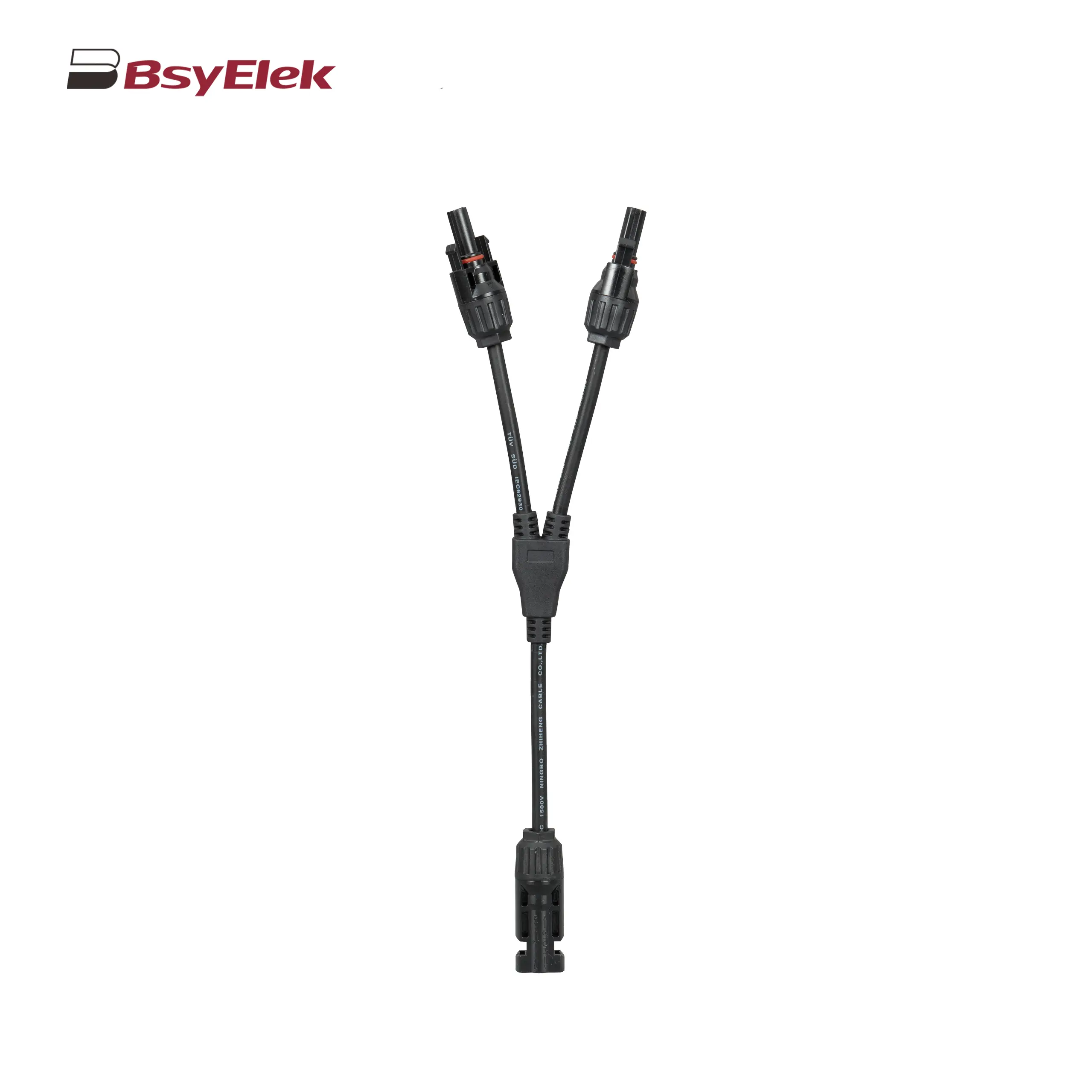 PV-BY-Y 30A 1500V Y Type Branch Connector
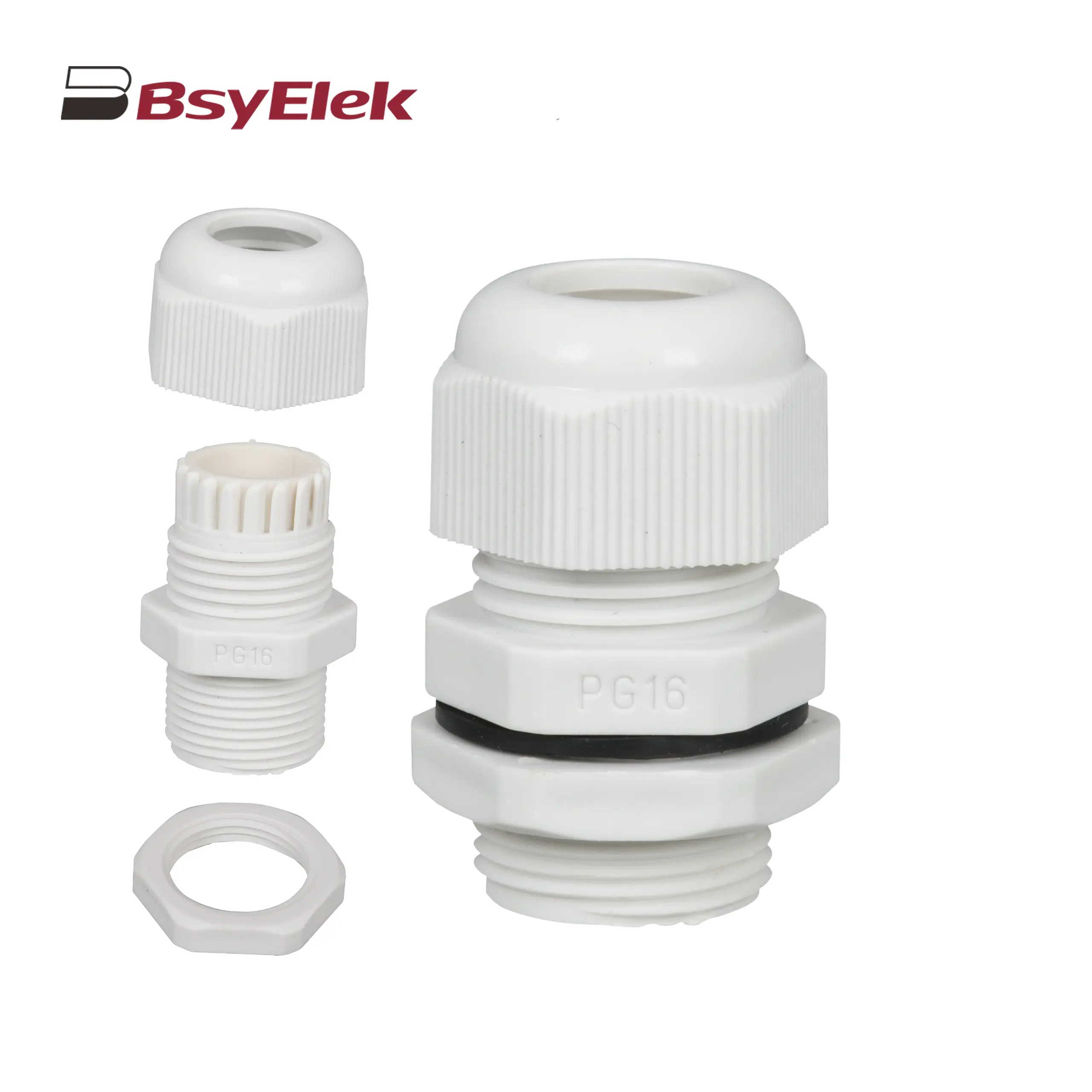 PG Waterproof Cable Gland with Washer
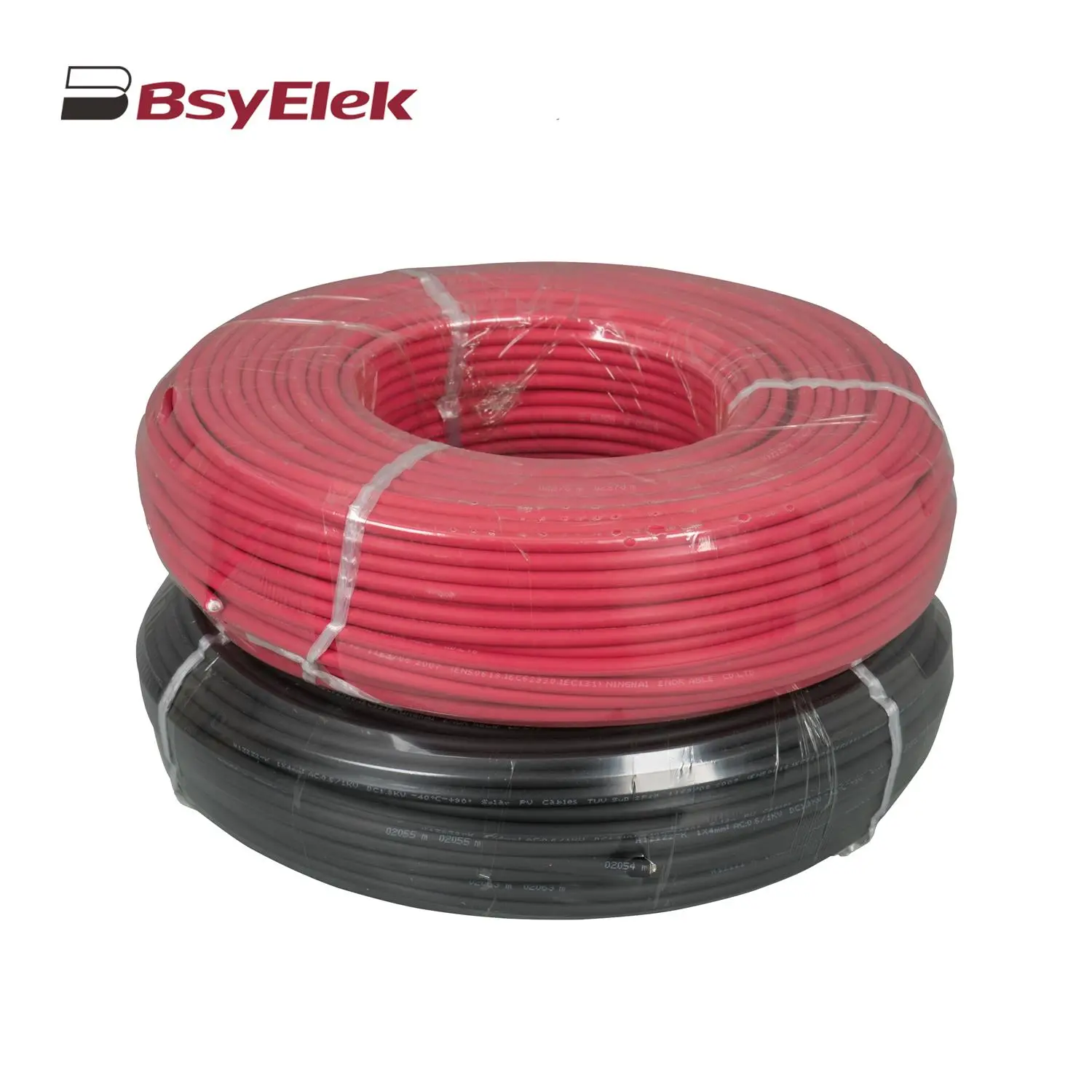 Photovoltaic Cable
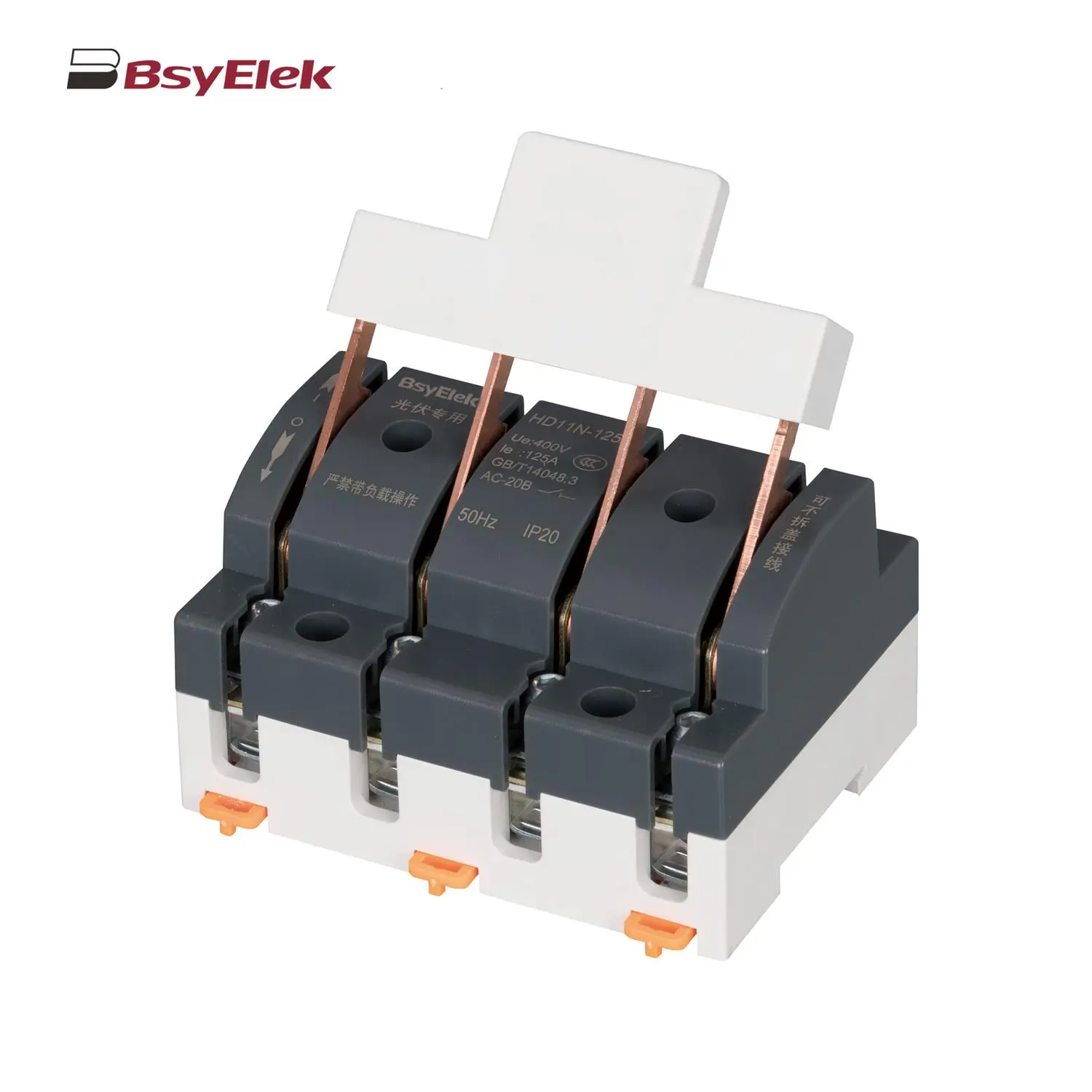 HD11N Photovoltaic Knife Switch
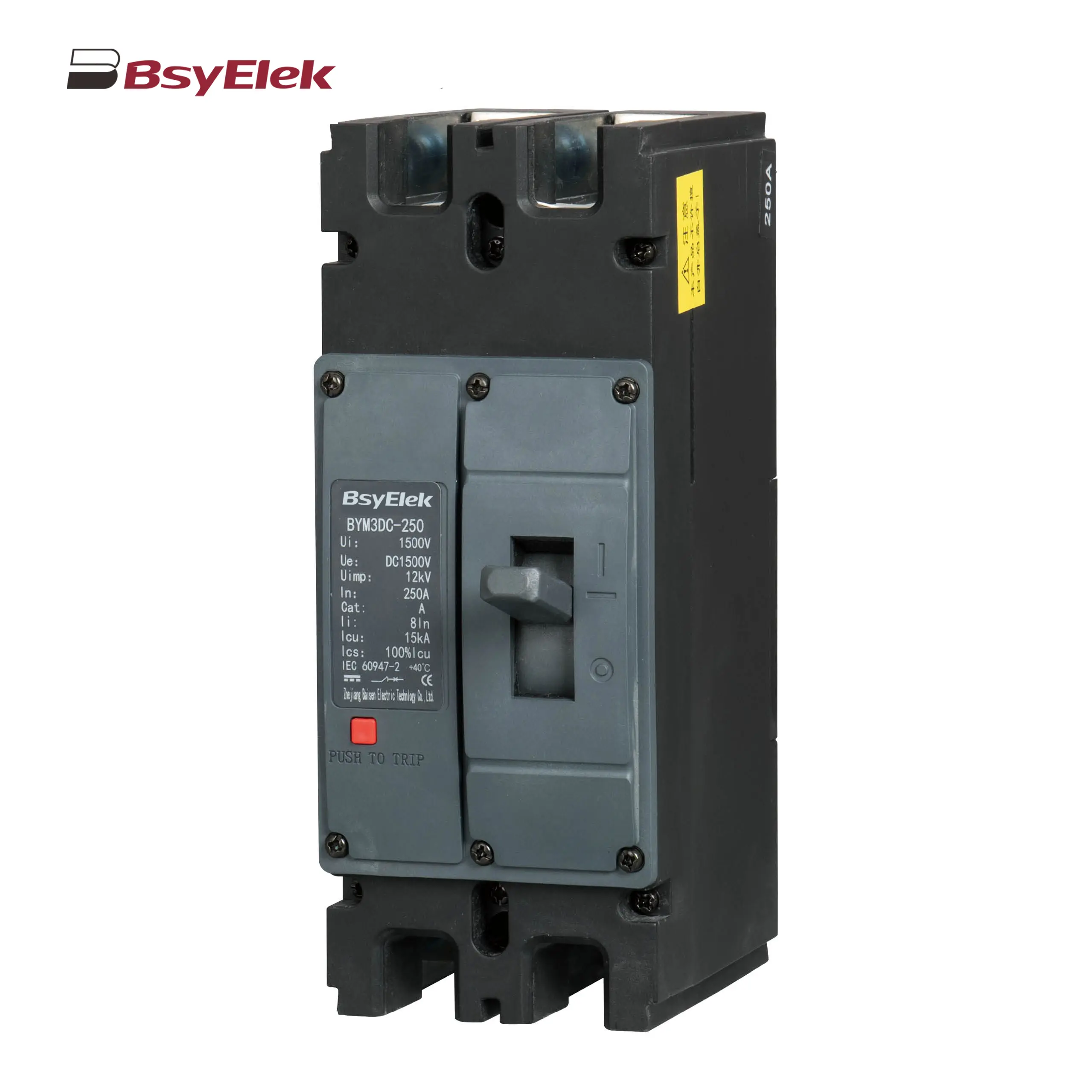 BYM3DC MCCB Photovoltaic DC Molded Case Circuit Breaker
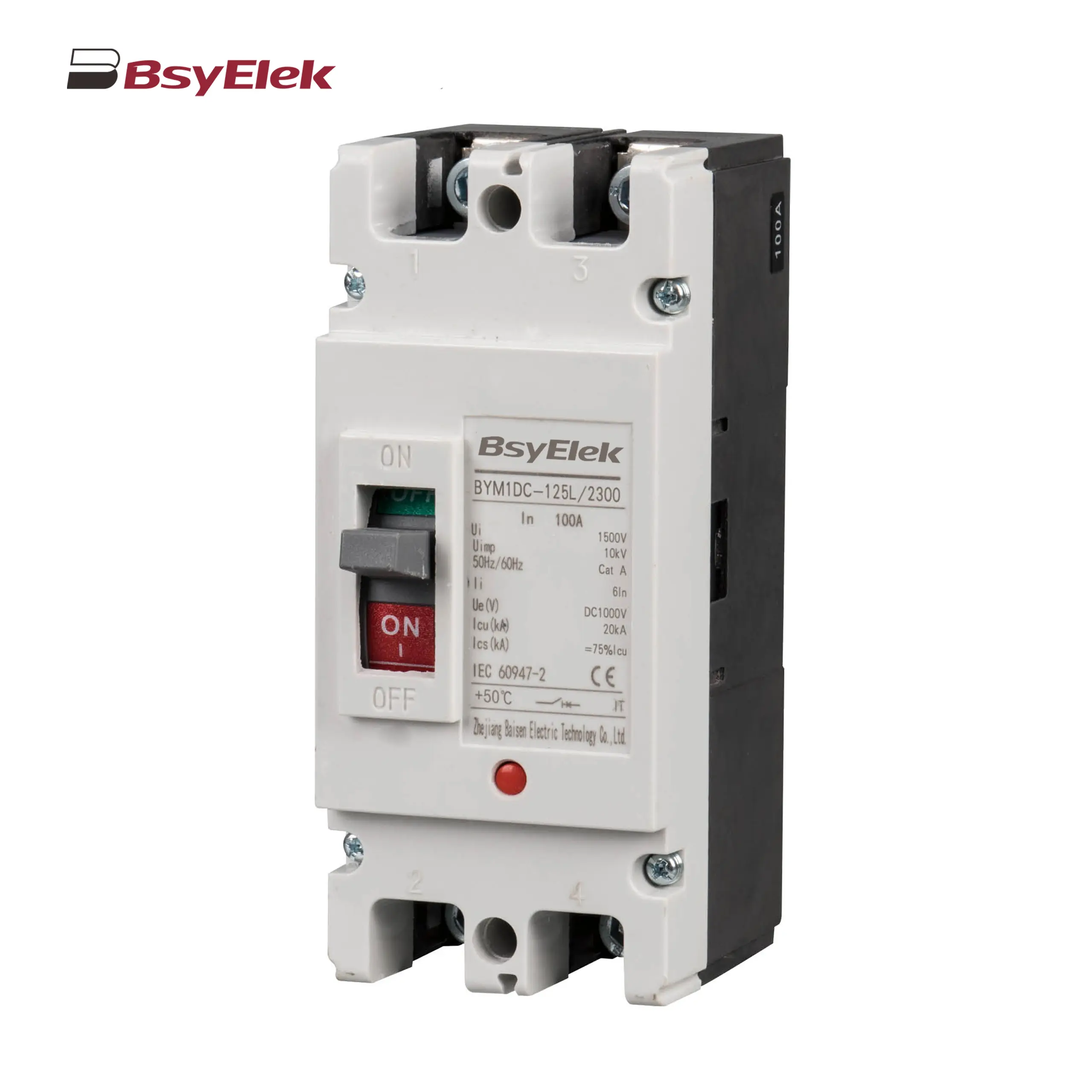 BYM1DC MCCB 1000VDC Thermal Magnetic Type DC Molded Case Circuit Breaker
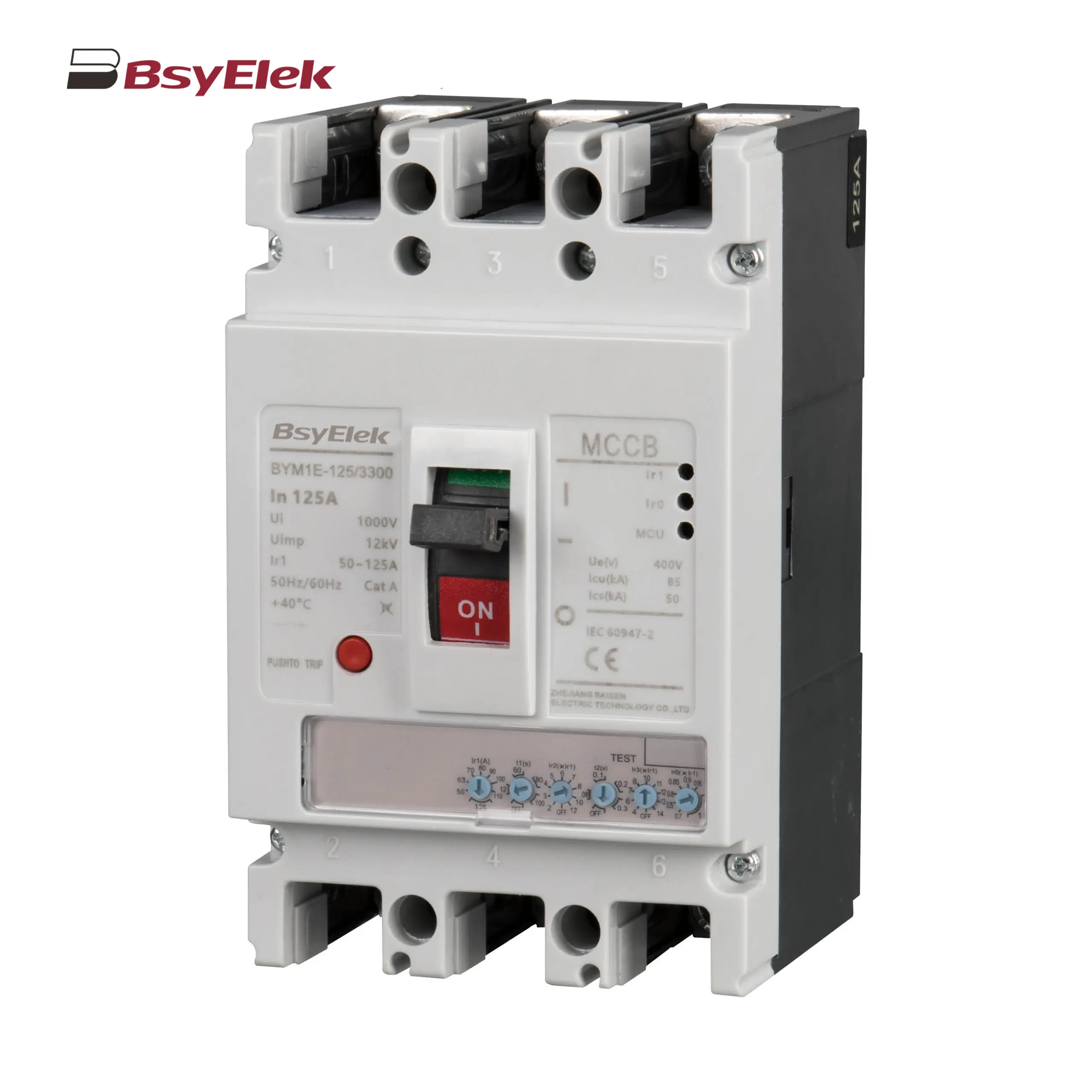 BYM1E MCCB Electronic Type Molded Case Circuit Breaker
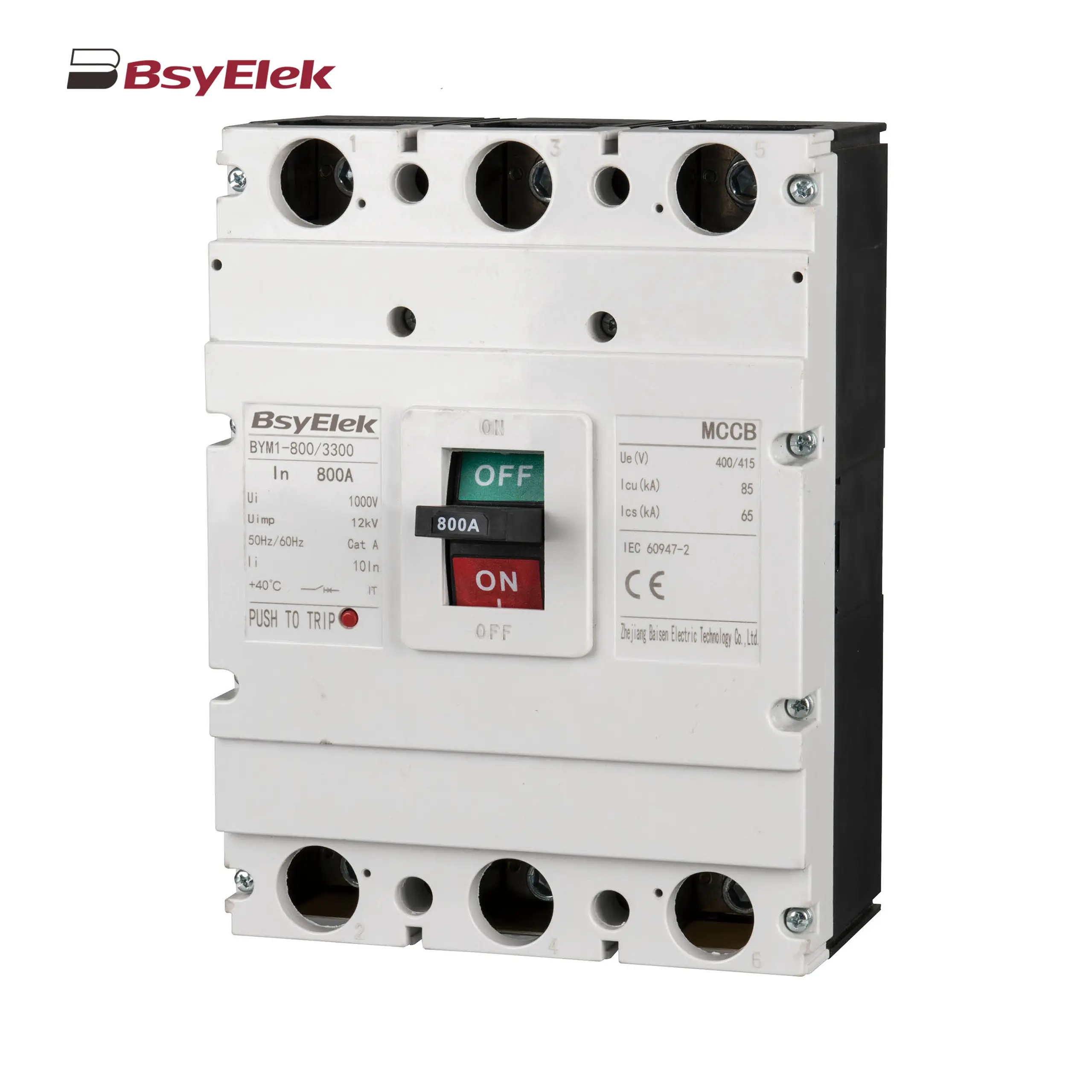 BYM1 MCCB Thermal Magnetic AC Molded Case Circuit Breaker
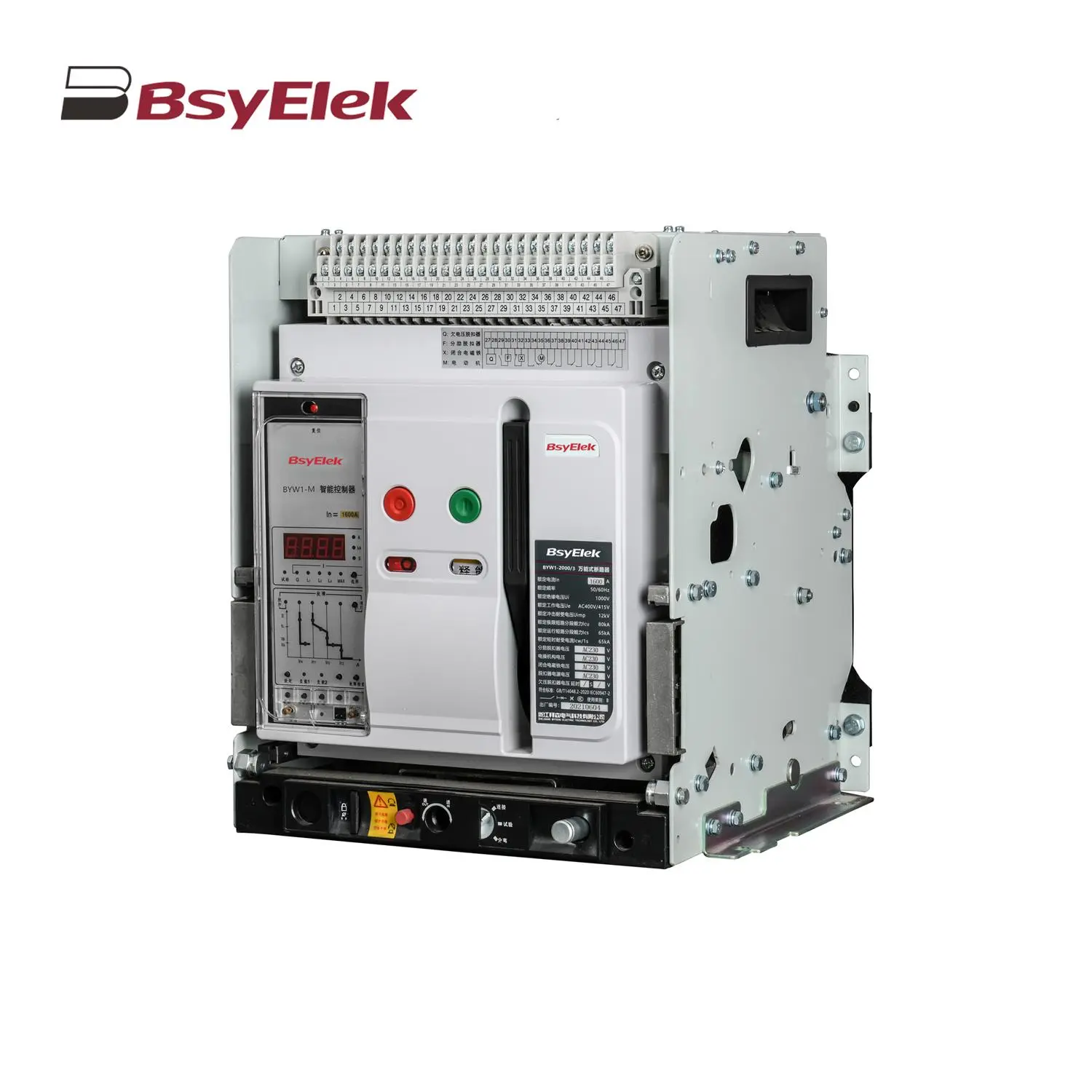 BYW1 ACB Intelligent Universal Air Circuit Breaker
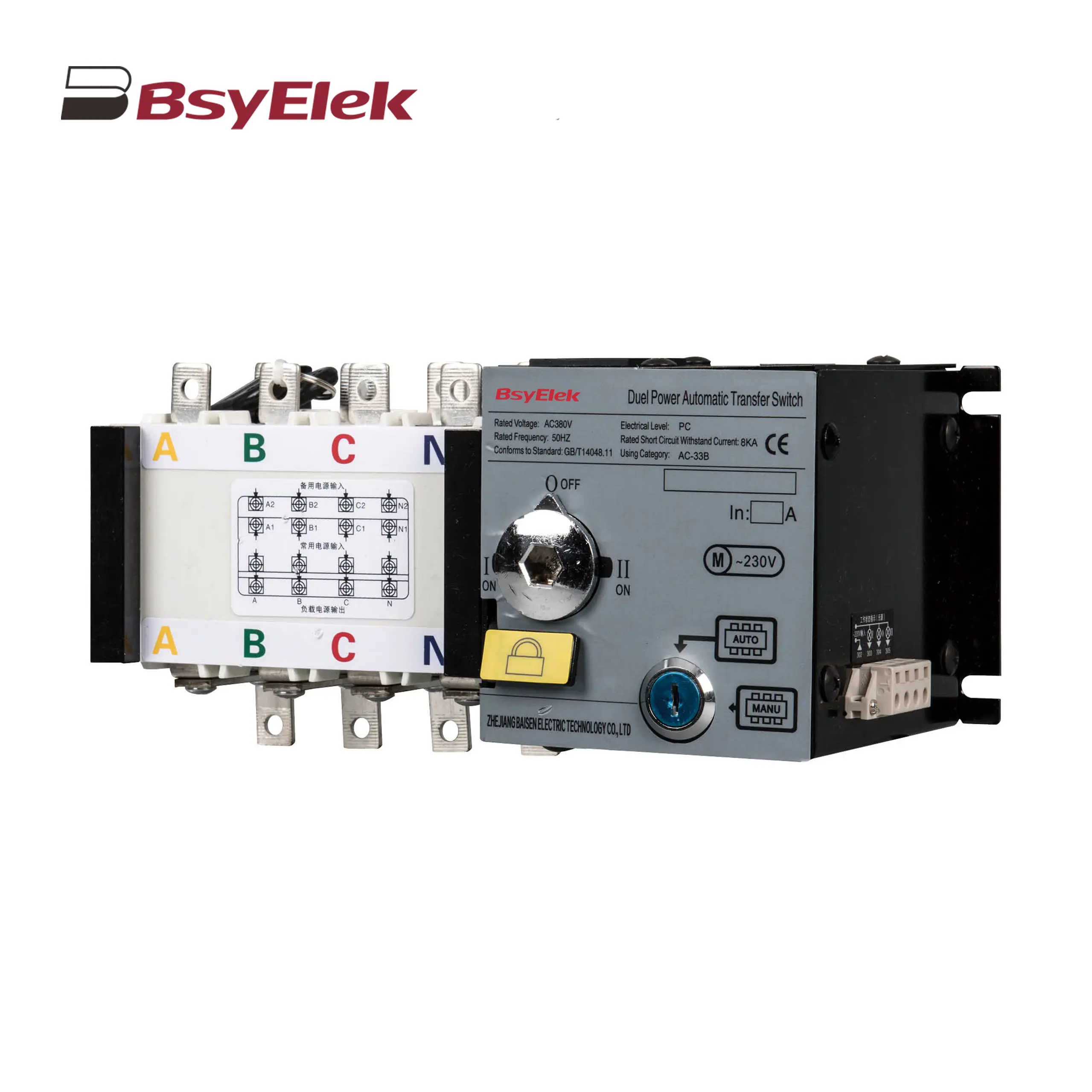 BYQ1 ATS Isolated Type PC Level Dual Power Automatic Transfer Switch
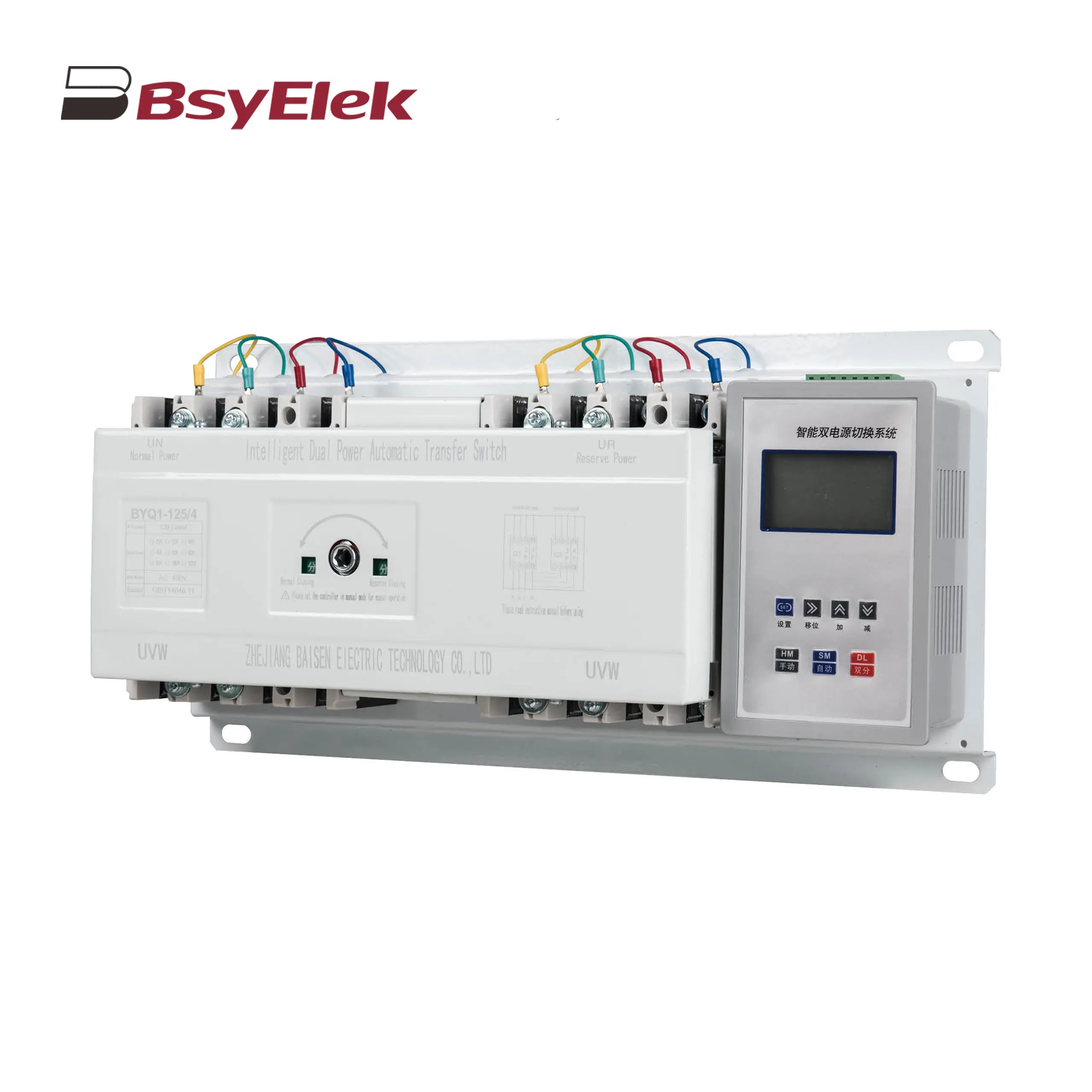 BYQ1 ATS Intelligent Type CB Level Dual Power Automatic Transfer Switch
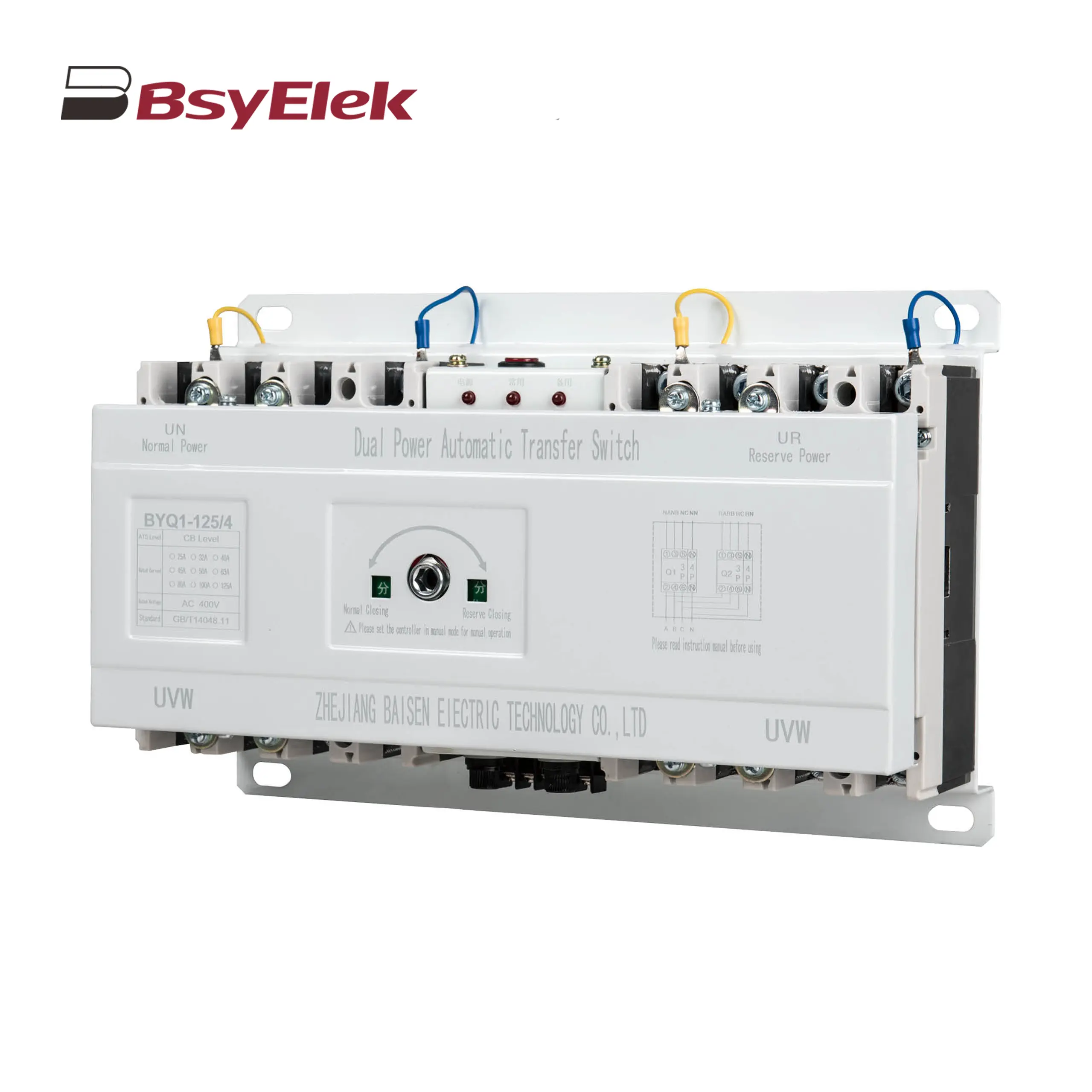 BYQ1 ATS End Type CB Level Dual Power Automatic Transfer Switch
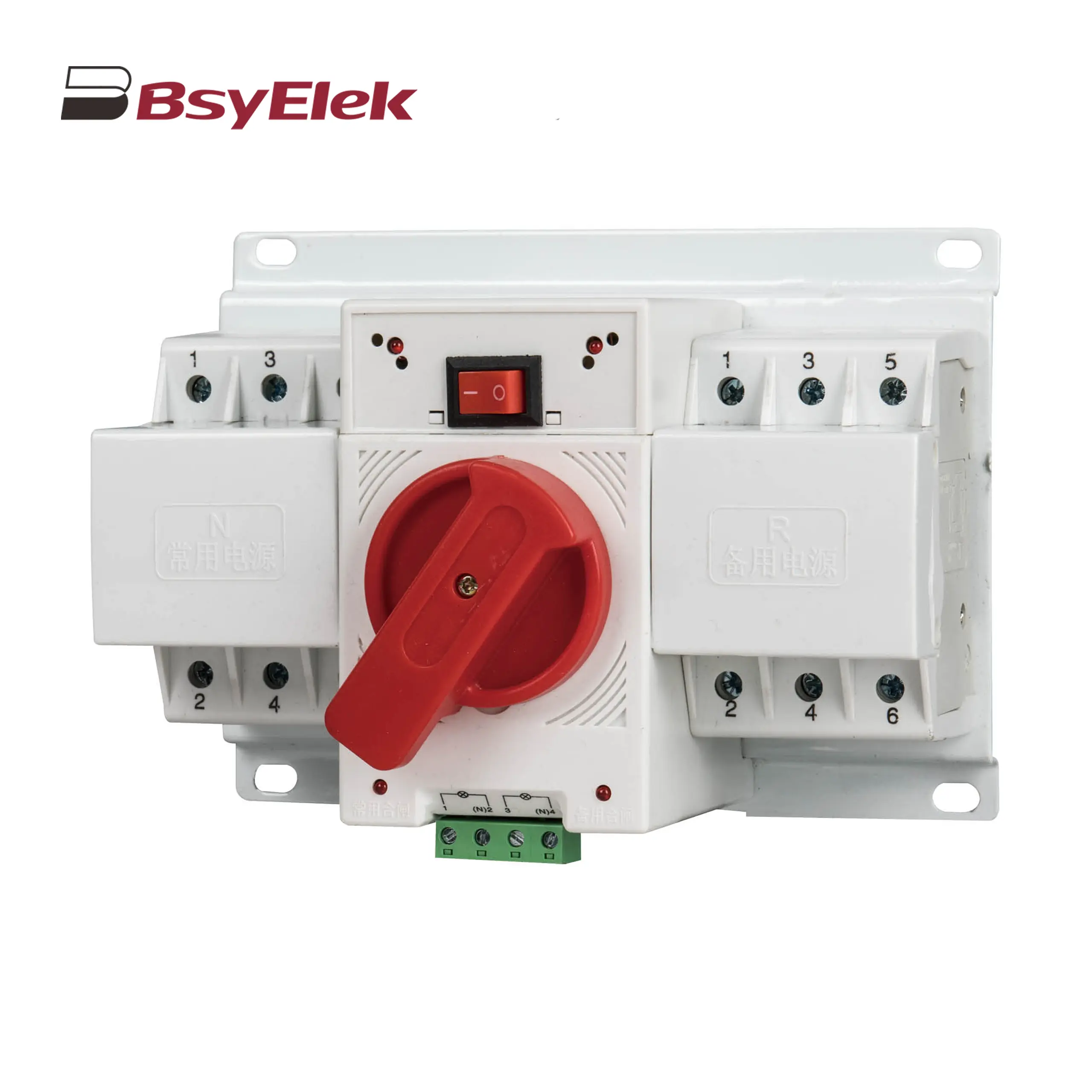 BYQ1 ATS Mini Type CB Level Dual Power Automatic Transfer Switch
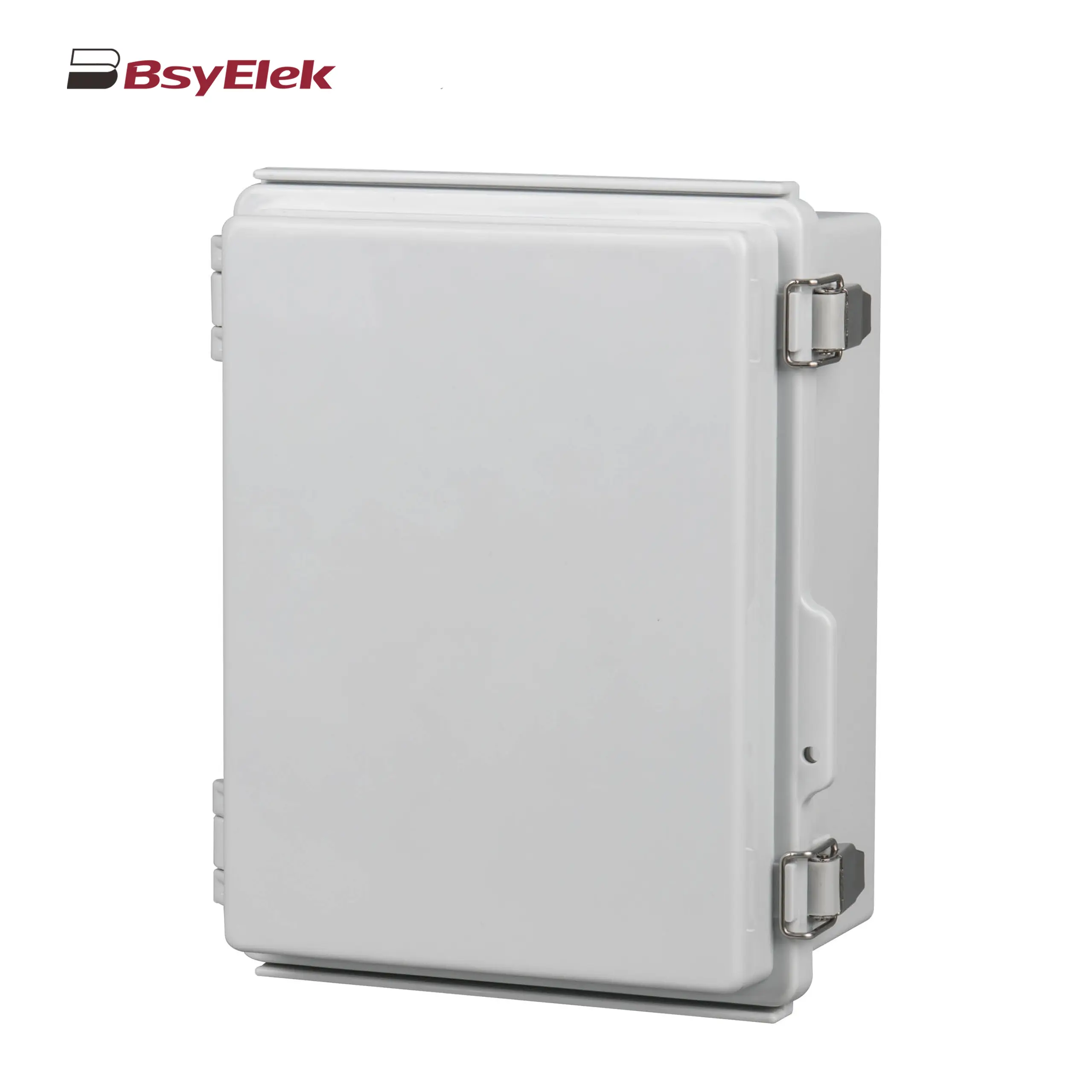 Stainless Steel Hinge Type Electrical Box
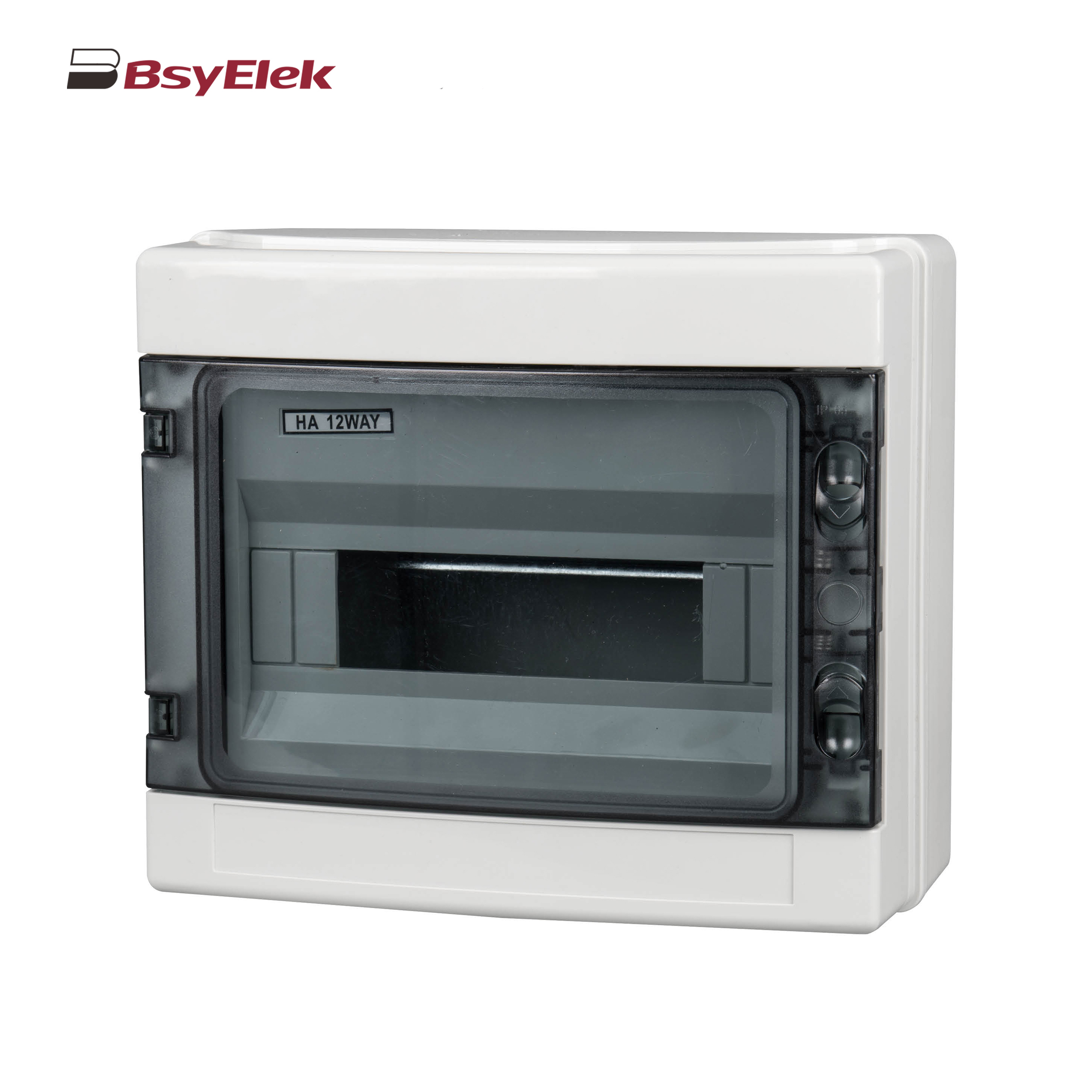 HA Waterproof Distribution Box
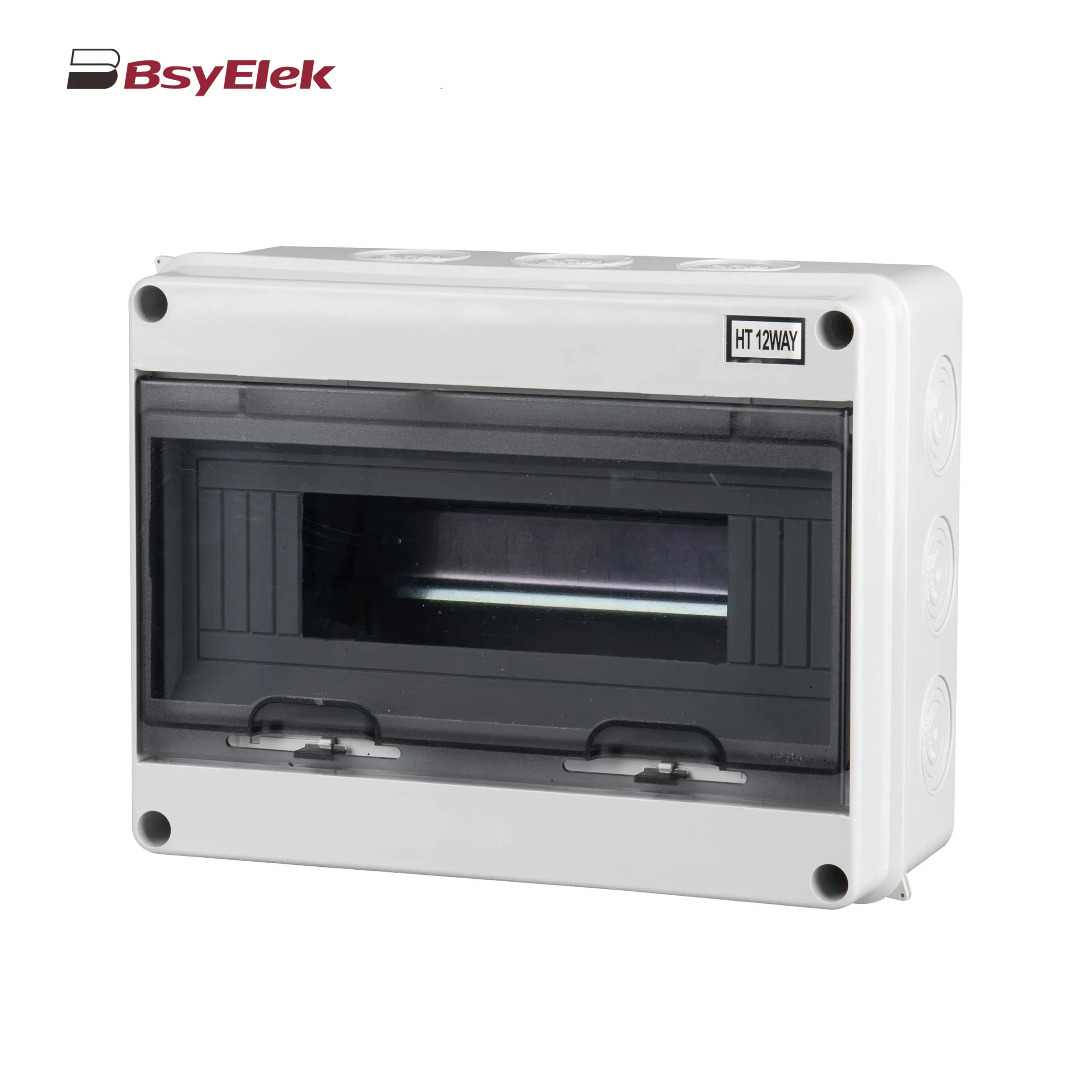 HT Waterproof Distribution Box
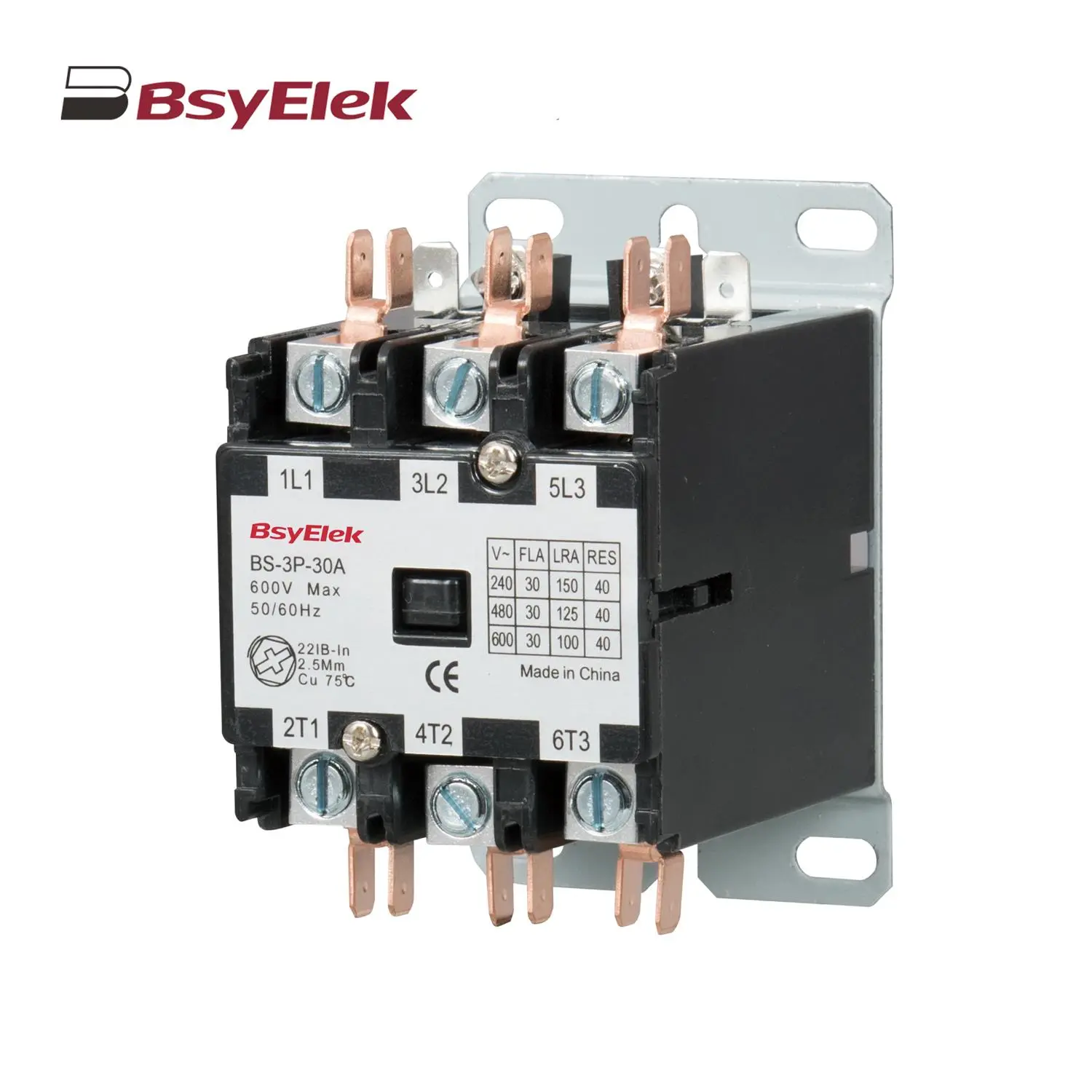 BS Definite Purpose Magnetic AC Contactor