How to Effectively Use the Main Switch for Better Energy Management Tips
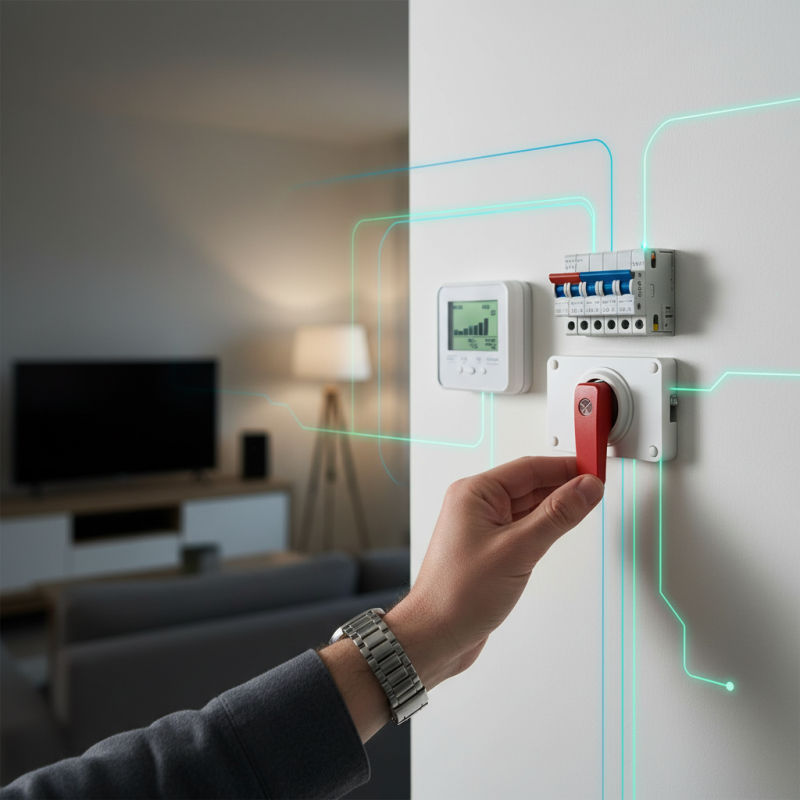
In today's world, where energy conservation has become a critical aspect of sustainable living, effectively managing energy usage at home is more important than ever. One of the most fundamental yet often overlooked tools we have at our disposal for energy management is the Main Switch. This device serves as the central control point for our electrical systems, enabling homeowners not only to cut off power when necessary but also to strategically manage energy consumption throughout the household.
Understanding how to use the Main Switch can lead to significant savings on energy bills and a reduced carbon footprint. As we delve into various strategies for optimizing energy usage via the Main Switch, we will explore practical tips that can help homeowners take charge of their energy management. From creating a regular schedule for when to turn off power to specific appliances to leveraging the Main Switch during peak hours, these insights aim to empower individuals with the knowledge to enhance their energy efficiency effectively. Embracing these practices can ultimately foster a more mindful relationship with energy, benefiting both our wallets and the environment.
Understanding the Role of the Main Switch in Energy Management
The main switch serves as the heart of any energy management system, playing a pivotal role in controlling the flow of electricity in residential, commercial, and industrial settings. By effectively utilizing the main switch, energy managers can optimize power distribution, minimize losses, and enhance efficiency. According to a report by the International Energy Agency (IEA), proper management of electrical systems can lead to energy savings of up to 30%, showcasing the significant impact that a well-regulated main switch can have on overall energy consumption.
Understanding how to use the main switch effectively involves not only knowing when to turn it off or on but also recognizing its role in monitoring and managing peak loads. The Energy Information Administration (EIA) reports that peak demand times can increase energy costs by as much as 50%. By strategically managing the main switch to reduce energy draw during these peak periods, businesses and households can avoid hefty charges while contributing to grid stability. Furthermore, incorporating smart technologies that integrate with the main switch allows for real-time monitoring, leading to more informed decision-making and further improvements in energy efficiency.
Key Benefits of Using the Main Switch for Energy Efficiency
Using the main switch in your home or office can significantly enhance energy management and efficiency. A report by the International Energy Agency (IEA) estimates that implementing energy management systems could lead to a reduction in energy consumption by up to 30%. By centralizing control through a main switch, users can easily turn off all connected devices, reducing the risk of energy wastage caused by standby power, known as "phantom load." This simple action not only conserves energy but also prolongs the lifespan of appliances by minimizing their operational time.
Tip: Consider installing a programmable timer switch that automatically turns off the main switch during non-business hours or periods of inactivity, further optimizing energy consumption. Additionally, educating all household members or employees on the importance of using the main switch can promote a culture of energy-saving habits, ensuring everyone plays a part in energy efficiency.
The benefits of utilizing the main switch extend beyond energy savings. According to the U.S. Department of Energy, reducing energy consumption by just 10% can lead to significant financial savings over time. By being mindful and proactive about energy usage through the main switch, one can not only decrease utility bills but also contribute to broader environmental efforts, effectively reducing the carbon footprint. Adopting this simple yet effective strategy is a step toward a more energy-efficient future.
Energy Consumption Before and After Using Main Switch
This chart illustrates the energy consumption measured in kilowatt-hours (kWh) before and after implementing the main switch for energy management. The data indicates a significant reduction in energy consumption, showcasing the effectiveness of adopting a main switch for enhancing energy efficiency.
Technical Guidelines for Properly Operating the Main Switch
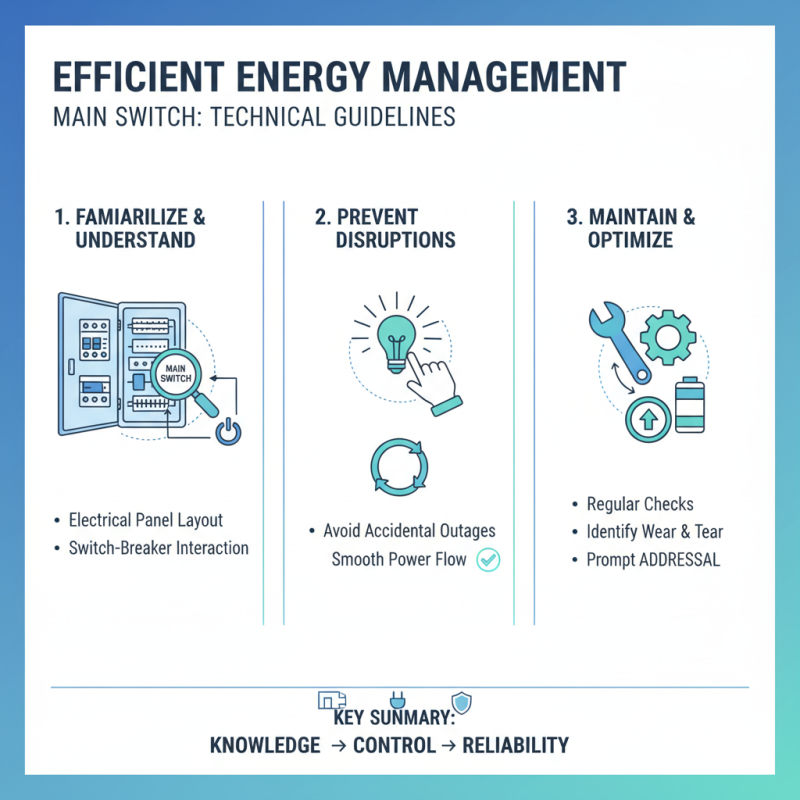
Operating the main switch effectively is vital for ensuring efficient energy management within any facility. It is essential to understand the technical guidelines associated with its operation. Firstly, familiarize yourself with the layout of the electric panel and the specific function of the main switch. Knowing how the switch interacts with other circuit breakers can prevent accidental outages and ensure a smooth flow of electricity. Regular checks on the main switch can help identify wear and tear, which should be addressed promptly to avoid any energy disruptions.
When operating the main switch, it is crucial to follow a systematic approach. Begin by turning off all electronic devices connected to the power source to prevent surges when the switch is activated. After ensuring everyone is aware of the operation, you can safely toggle the switch. Additionally, consider the timing of your operations; adjusting the main switch during off-peak hours can optimize energy consumption and reduce overall costs. Lastly, always adhere to safety protocols, including the use of personal protective equipment and ensuring that your workspace is free from clutter, which can impede efficient operation and pose risks.
Statistics on Energy Savings from Effective Main Switch Use
The effective use of the main switch in households and businesses can lead to notable energy savings. Studies indicate that when individuals actively manage their main switch usage, they can reduce energy consumption by as much as 15-30%. This reduction can be attributed to the ability to completely shut down all devices that draw power in standby mode, which is often overlooked. For instance, devices left plugged in but not in use can account for approximately 10% of total home energy usage. By turning off the main switch during periods of non-use, such as vacations or overnight, consumers can see significant reductions in their energy bills.
Moreover, statistics reveal that homes employing smart main switch systems report even higher savings. These systems allow for the remote management of energy consumption, enabling users to turn off power to devices based on usage patterns and peak hour demands. Such proactive energy management not only lowers monthly expenses but also contributes to broader environmental goals by decreasing overall energy demand. The collective effect of these practices can substantially lessen carbon footprints, highlighting the profound impact that mindful energy management can have on both personal finances and sustainability efforts.
How to Effectively Use the Main Switch for Better Energy Management Tips - Statistics on Energy Savings from Effective Main Switch Use
| Energy Management Tips |
Estimated Savings (%) |
Payback Period (Months) |
Annual Energy Savings (kWh) |
| Turning off unused circuits |
15% |
8 |
1200 |
| Using timers with main switches |
20% |
6 |
1500 |
| Regular maintenance checks |
10% |
12 |
800 |
| Switching to energy-efficient appliances |
25% |
5 |
2000 |
| Educating staff and occupants about energy use |
12% |
9 |
950 |
Common Mistakes to Avoid When Using the Main Switch
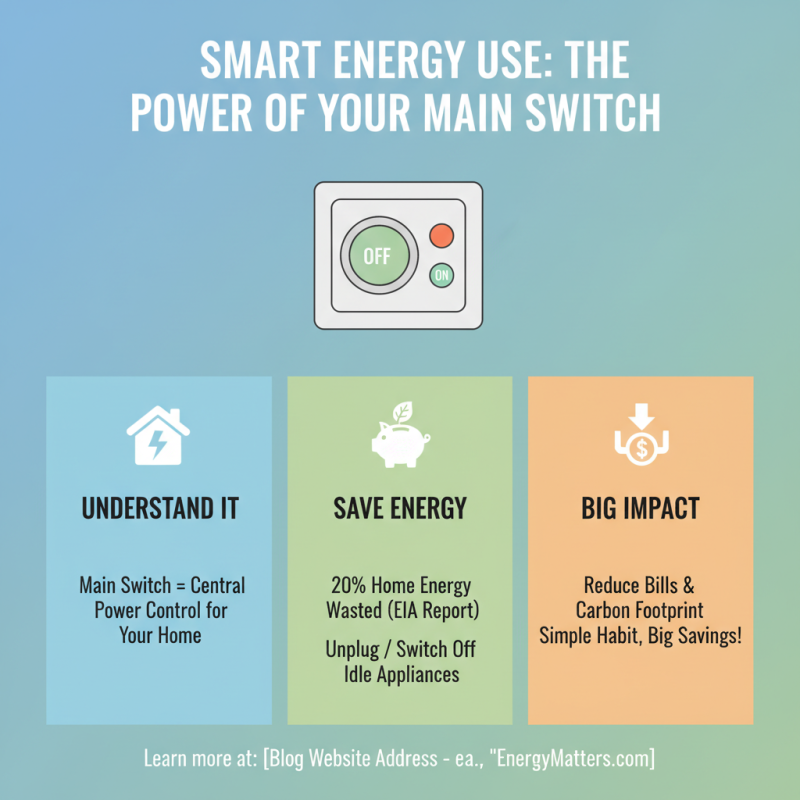
When it comes to effective energy management, understanding the main switch's role is crucial. A common mistake many households make is not recognizing the potential energy savings that can be achieved by managing the main switch intelligently. According to a report from the Energy Information Administration, approximately 20% of energy consumed in residential homes is wasted due to appliances being left on unnecessarily. By utilizing the main switch to turn off power to multiple devices when not in use, households can significantly reduce their overall energy consumption.
Another frequent error is failing to schedule regular maintenance for systems connected to the main switch. The U.S. Department of Energy notes that energy efficiency can increase by up to 30% with proper maintenance of heating and cooling systems. Neglecting this aspect can lead to inefficient energy use and higher bills. Ensuring that all systems are functioning optimally and that the main switch is used effectively can prevent unnecessary energy loss.
Lastly, poor understanding of the main switch's capacity can lead to overloads or circuit failures. Many people underestimate the role of circuit breakers, risking potential hazards. The National Fire Protection Association states that electrical failures are a leading cause of home fires. Familiarizing oneself with the system's specifications and avoiding overloading the main switch can enhance safety and efficiency in energy management at home.



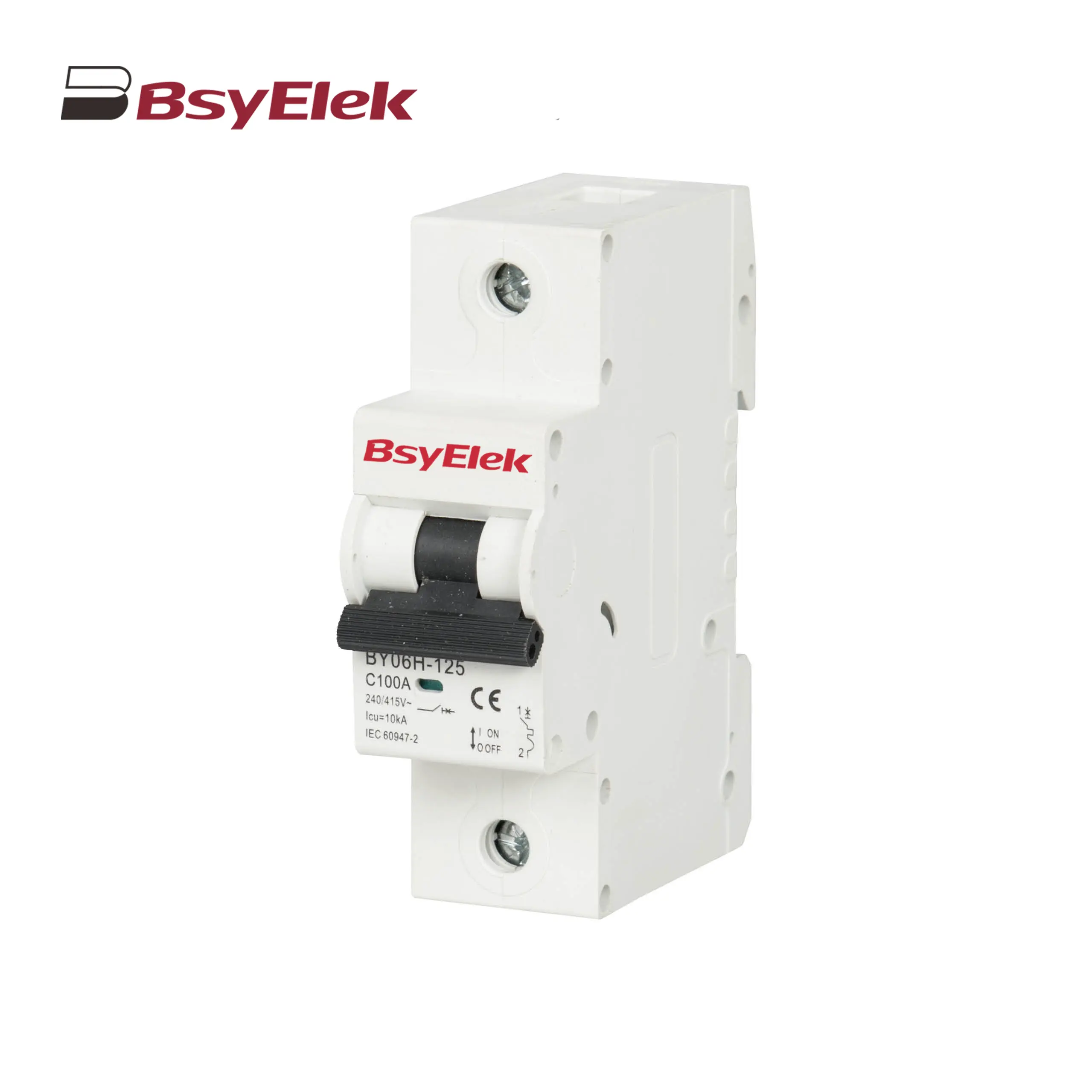 BY06H-125 MCB 10-15KA Miniature Circuit Breaker
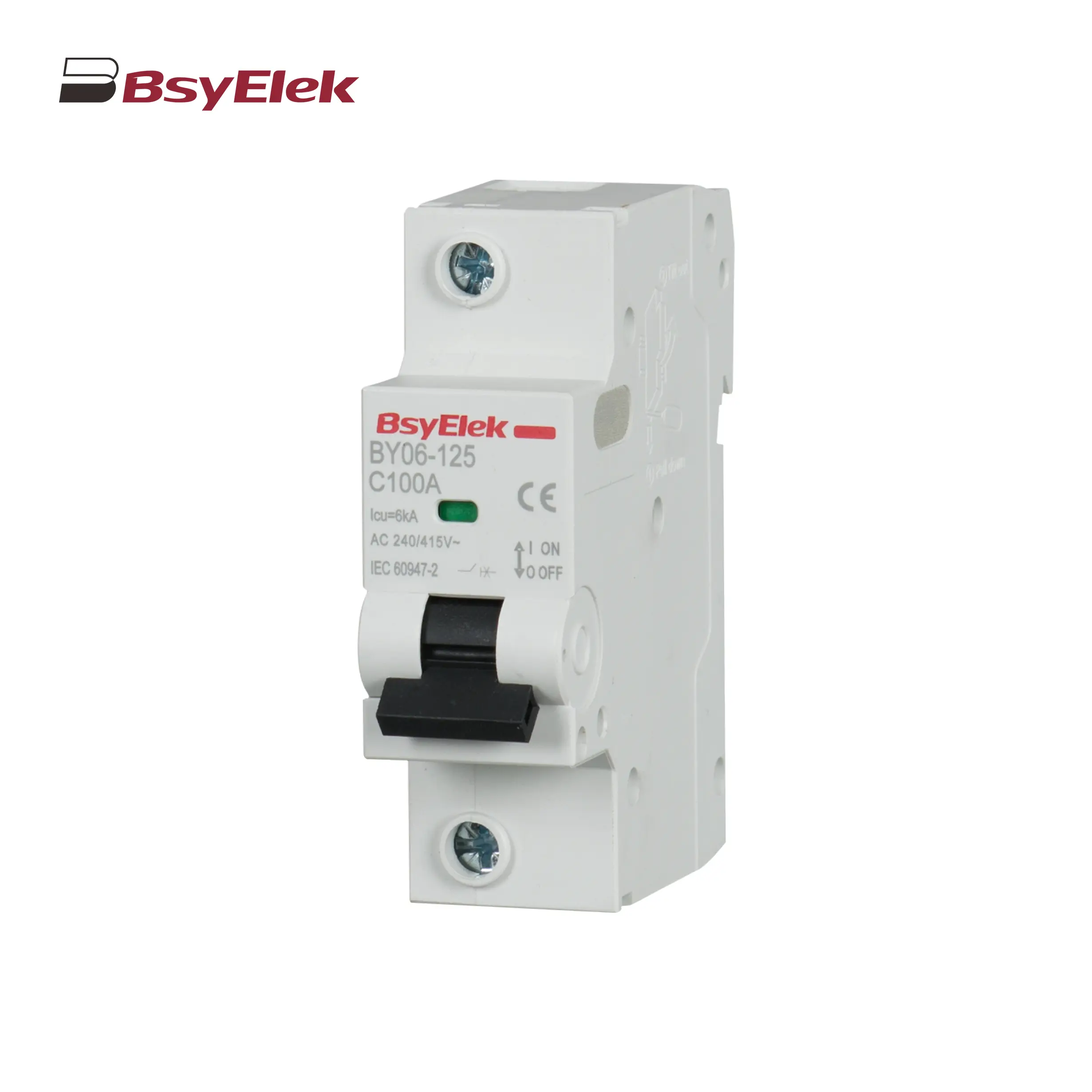 BY06-125 MCB 6KA Miniature Circuit Breaker
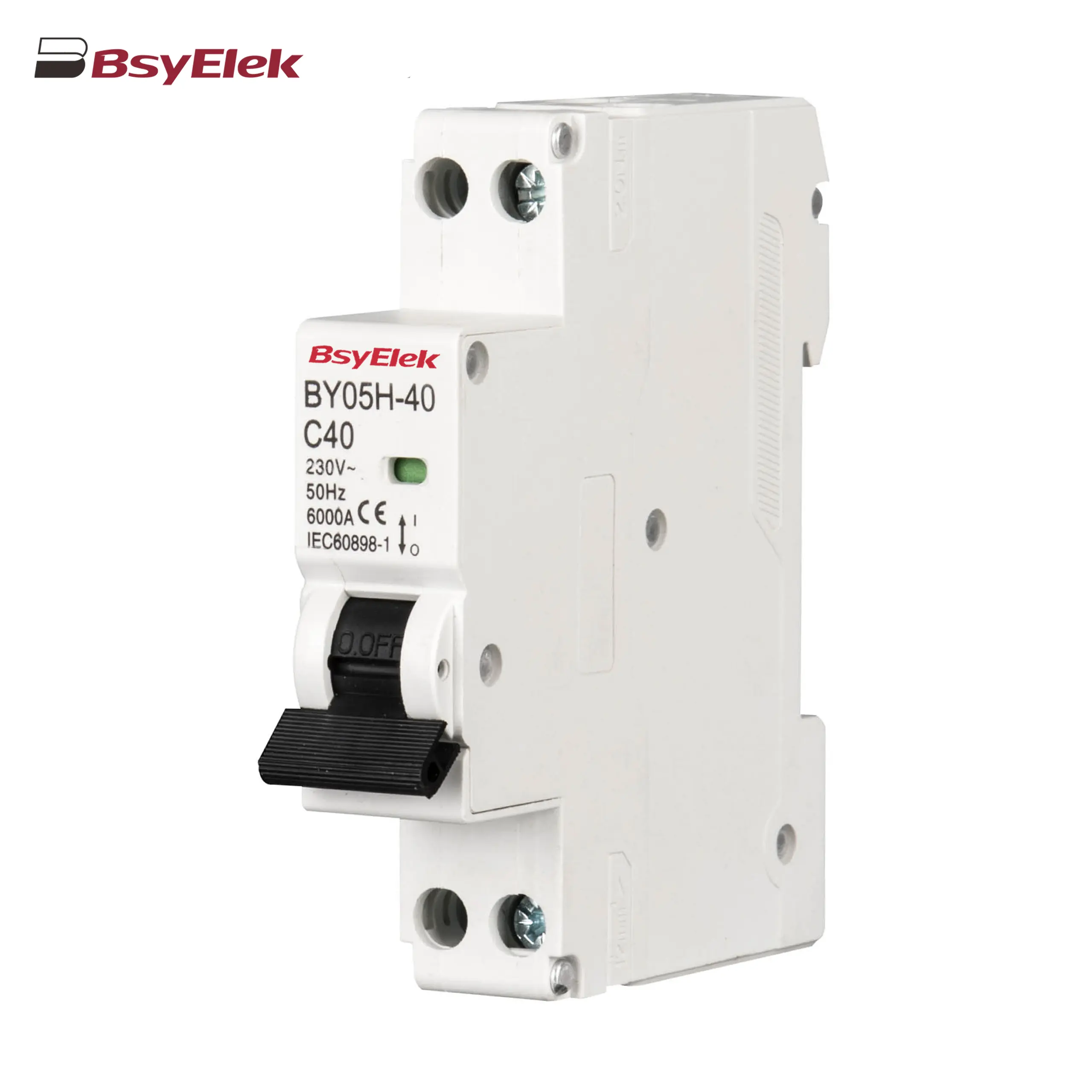 BY05H-40 MCB Single Modular 6KA Miniature Circuit Breaker
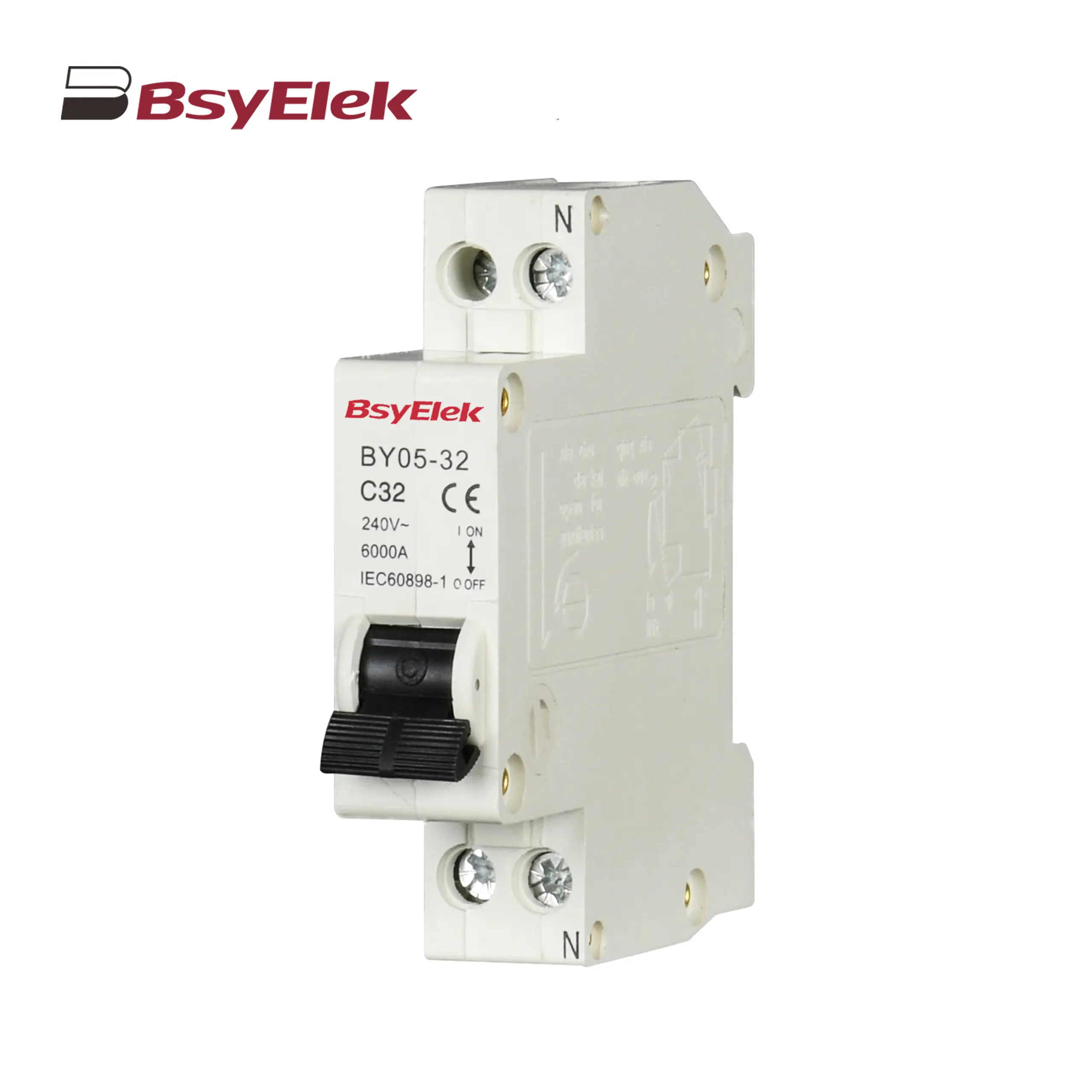 BY05-32 MCB Single Modular 3KA Miniature Circuit Breaker
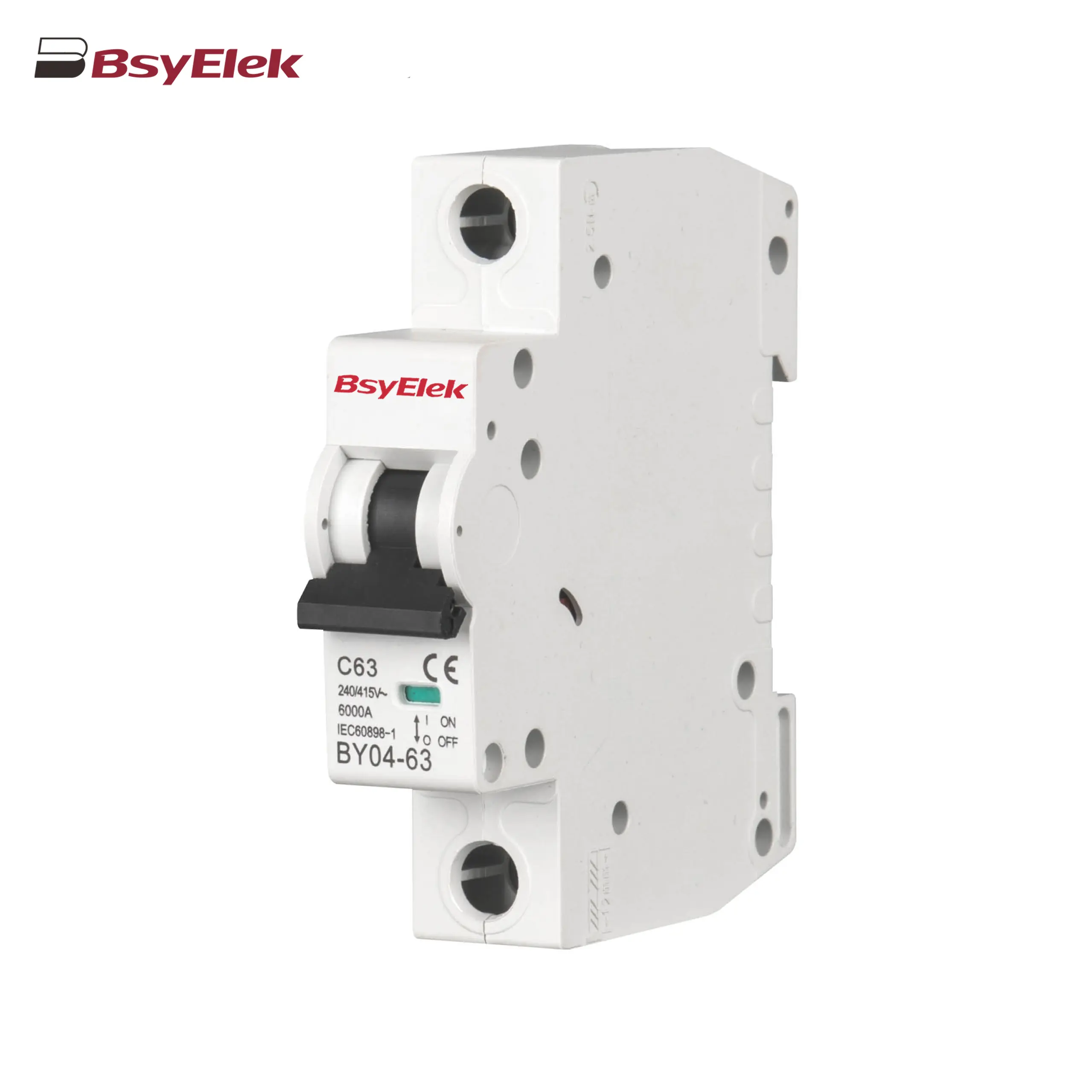 BY04-63 MCB 6-10KA Miniature Circuit Breaker
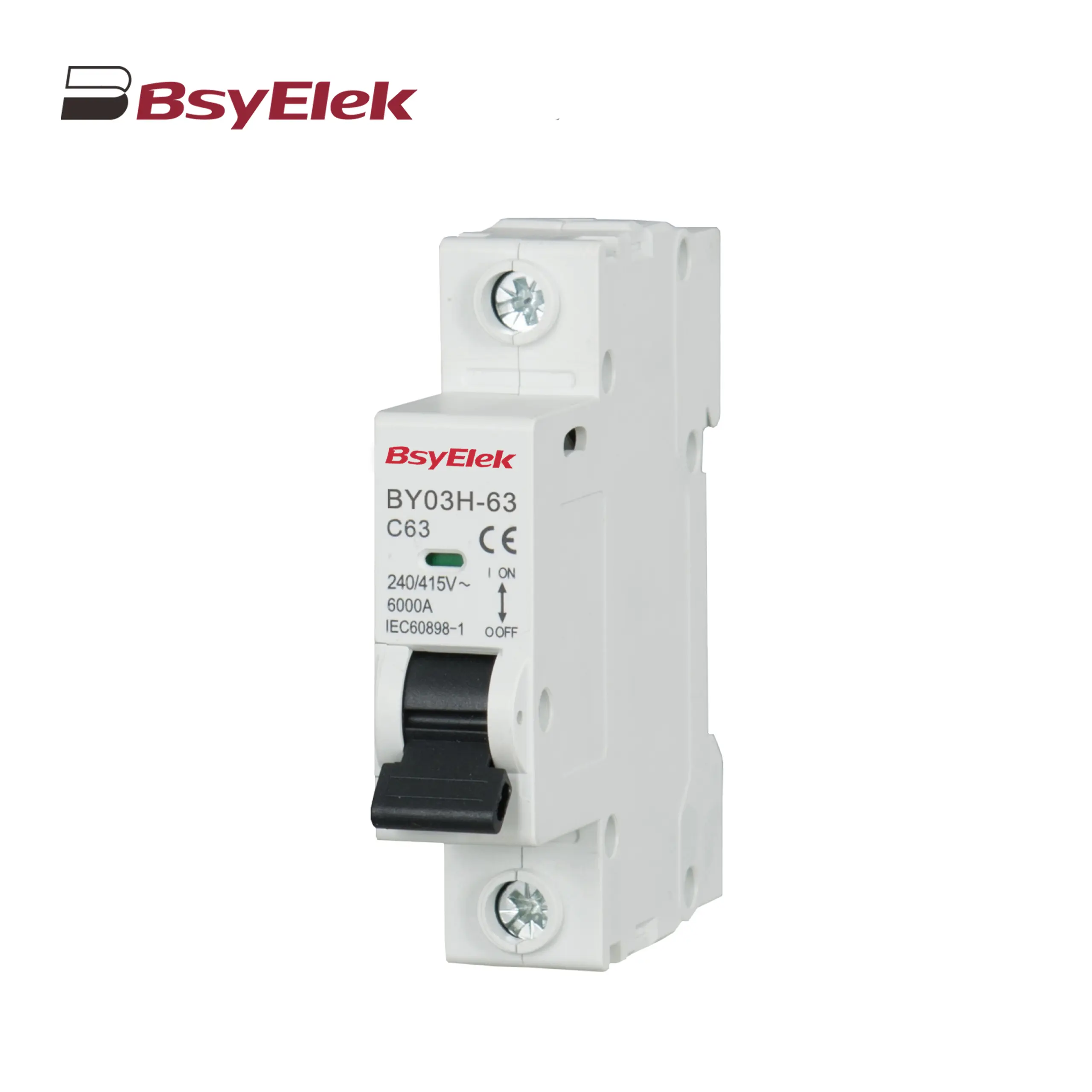 BY03H-63 MCB 6KA Miniature Circuit Breaker
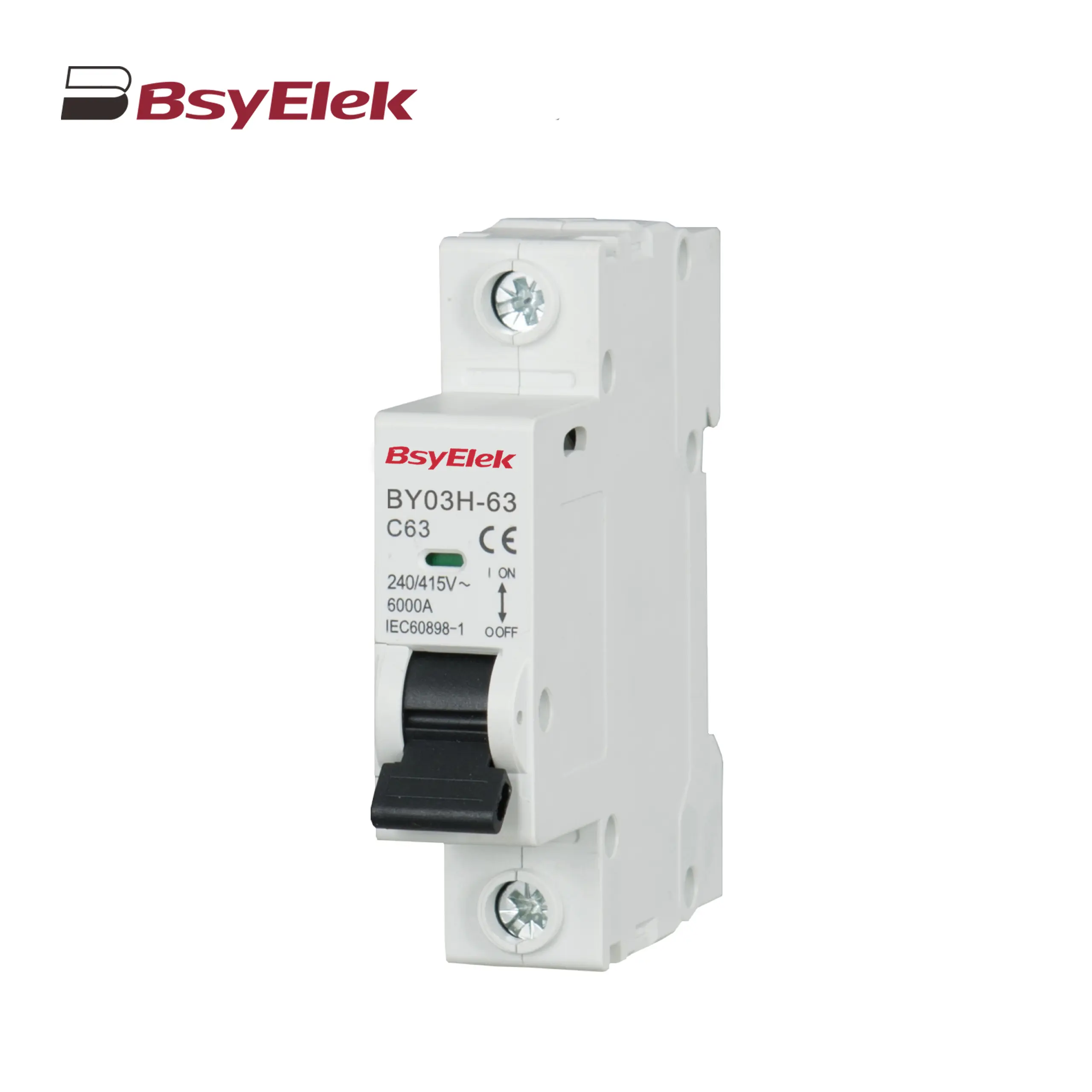 BY03-63 MCB 4.5KA Miniature Circuit Breaker
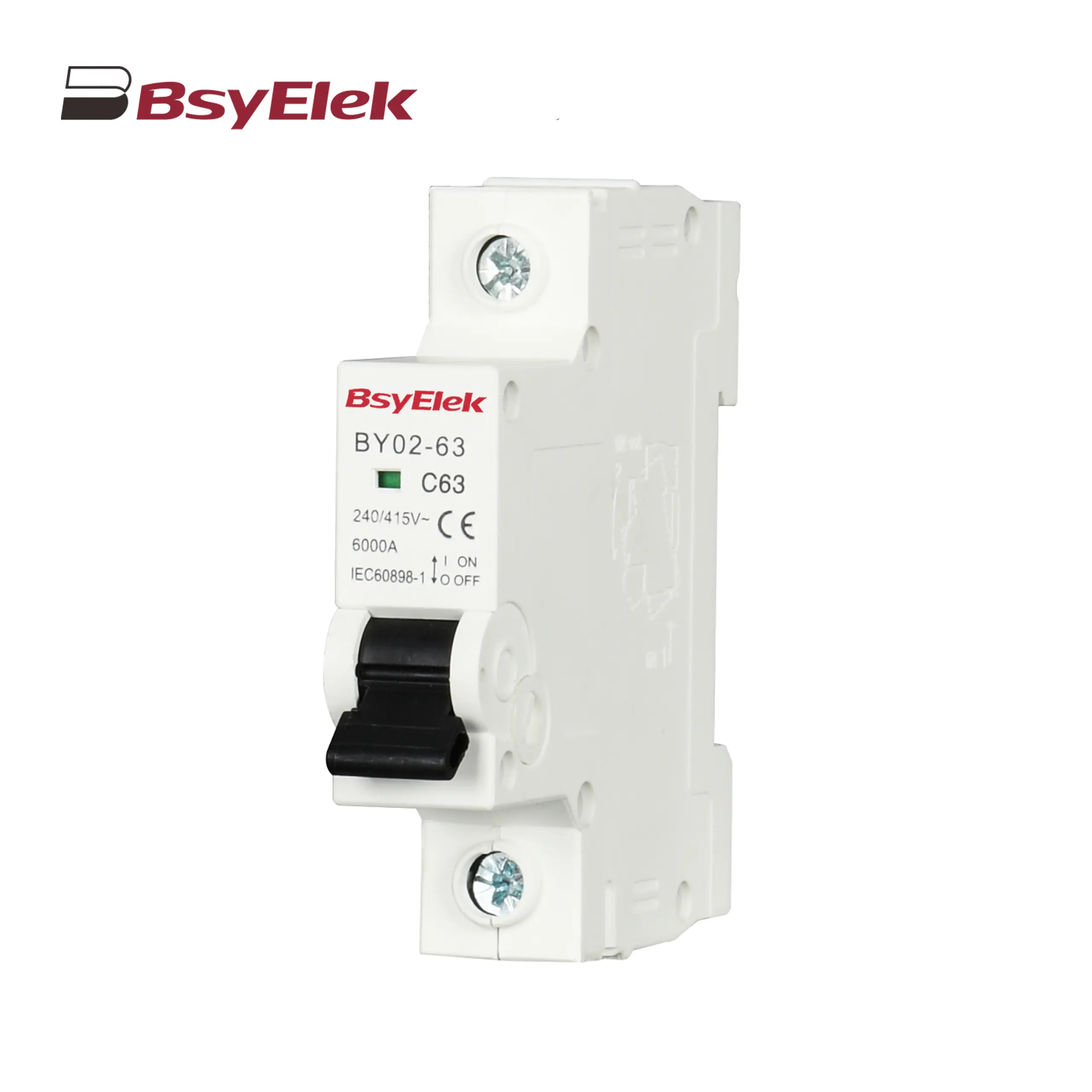 BY02-63 MCB 3kA Miniature Circuit Breaker
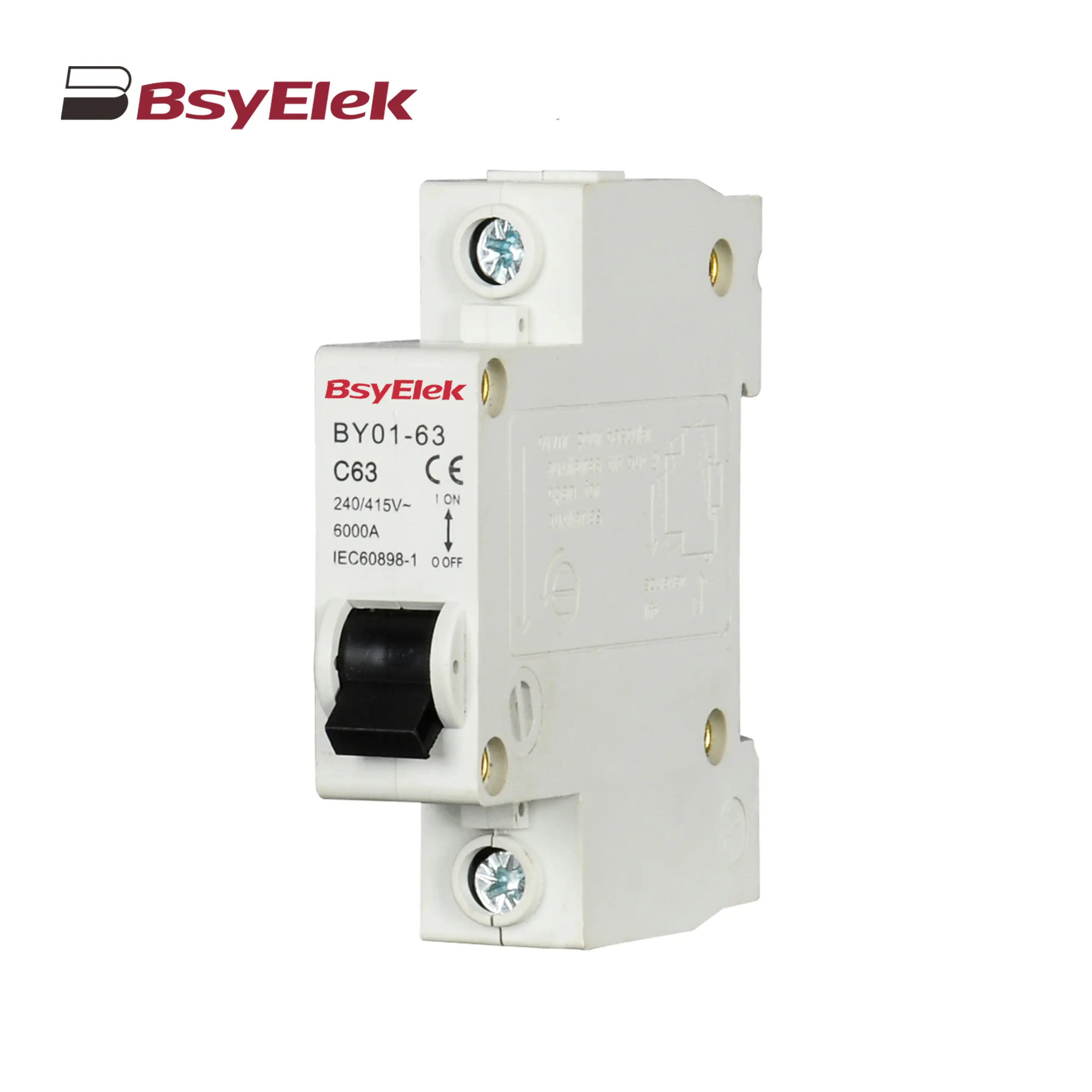 BY01-63 MCB 3kA Miniature Circuit Breaker
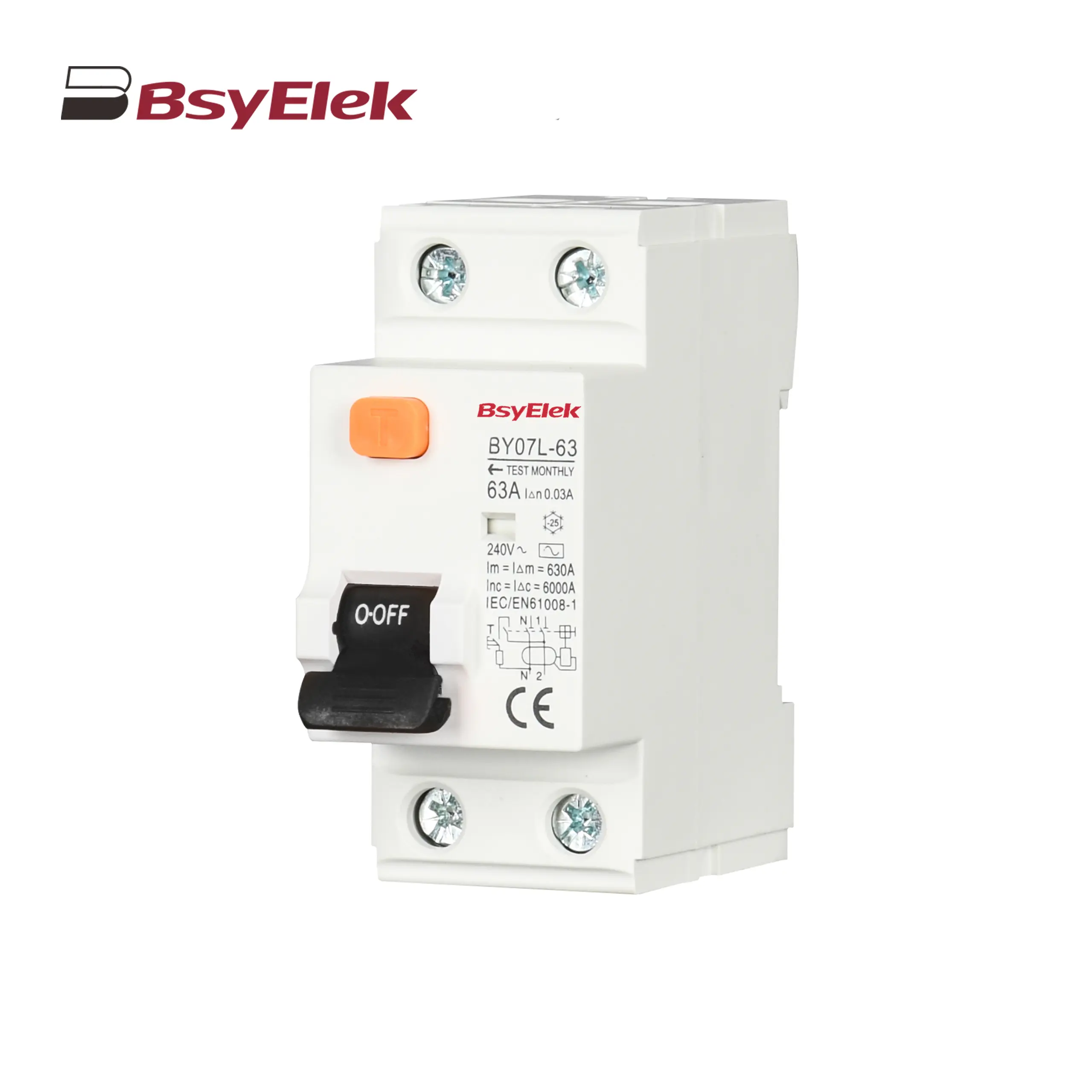 BY07L-63 RCCB 6KA Residual Current Circuit Breaker
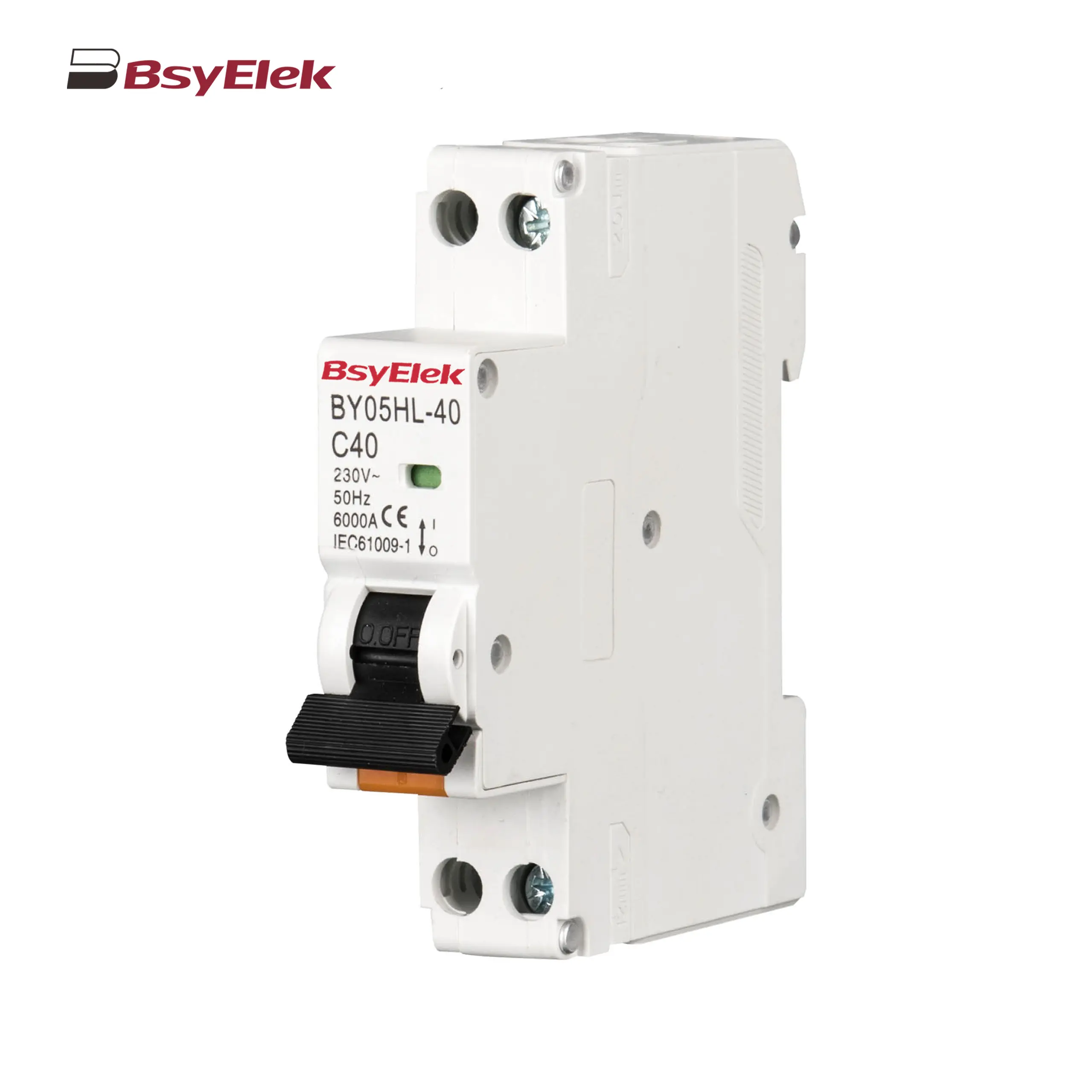 BY05HL-40 RCBO 6KA Residual Current Circuit Breaker with Over-current Protection
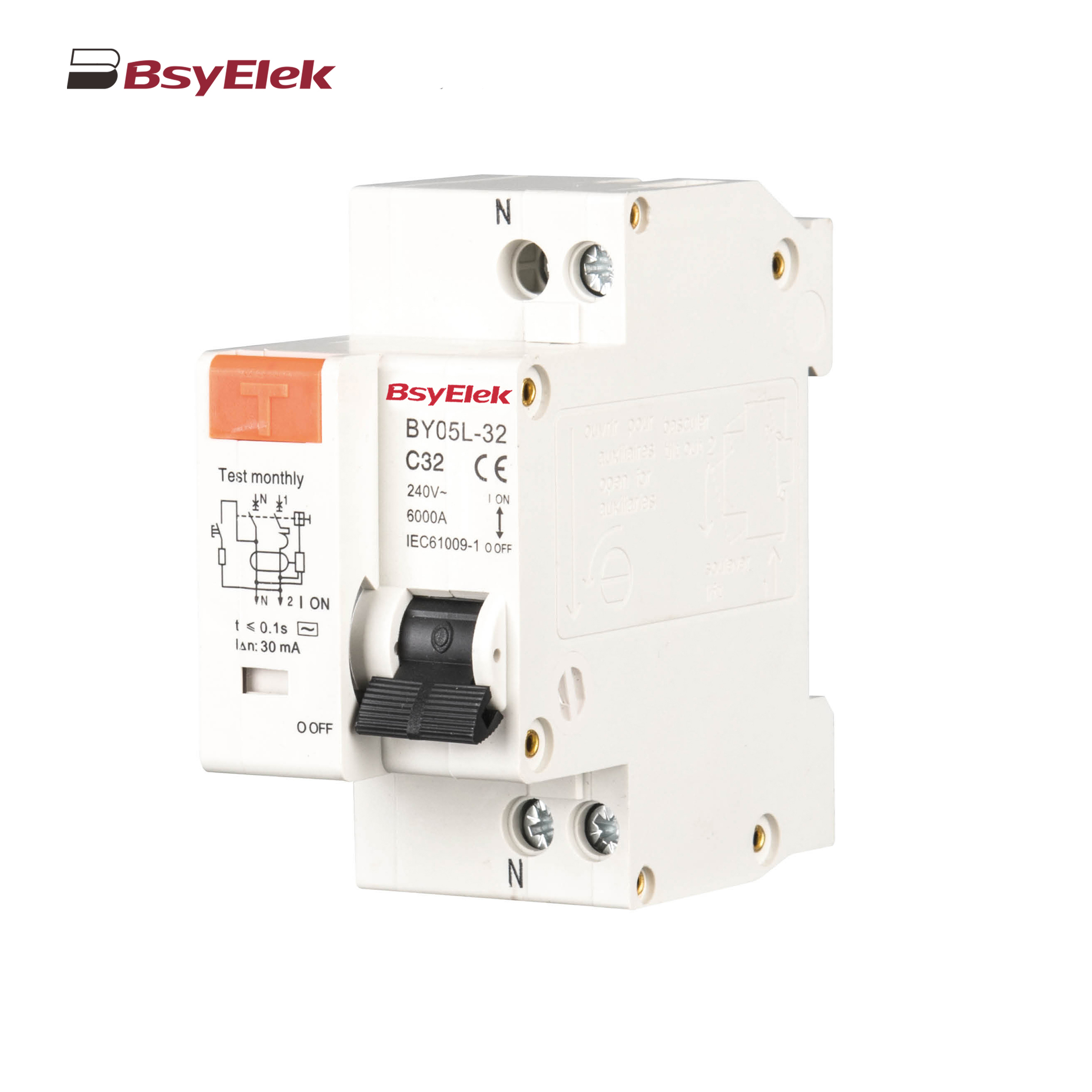 BY05L-32 RCBO 3KA Residual Current Circuit Breaker with Over-current Protection
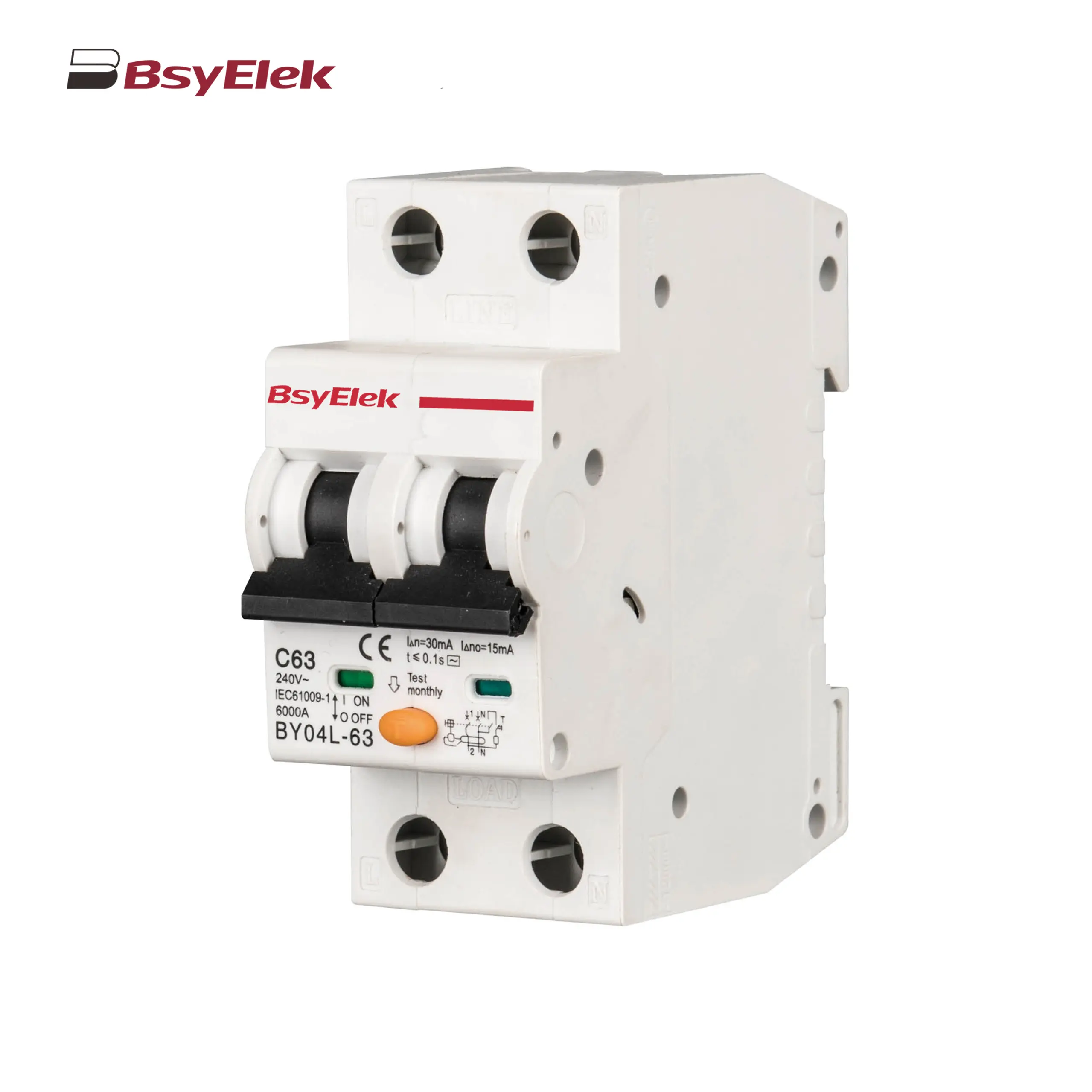 BY04L-63 RCBO 6KA Residual Current Circuit Breaker with Over-current Protection
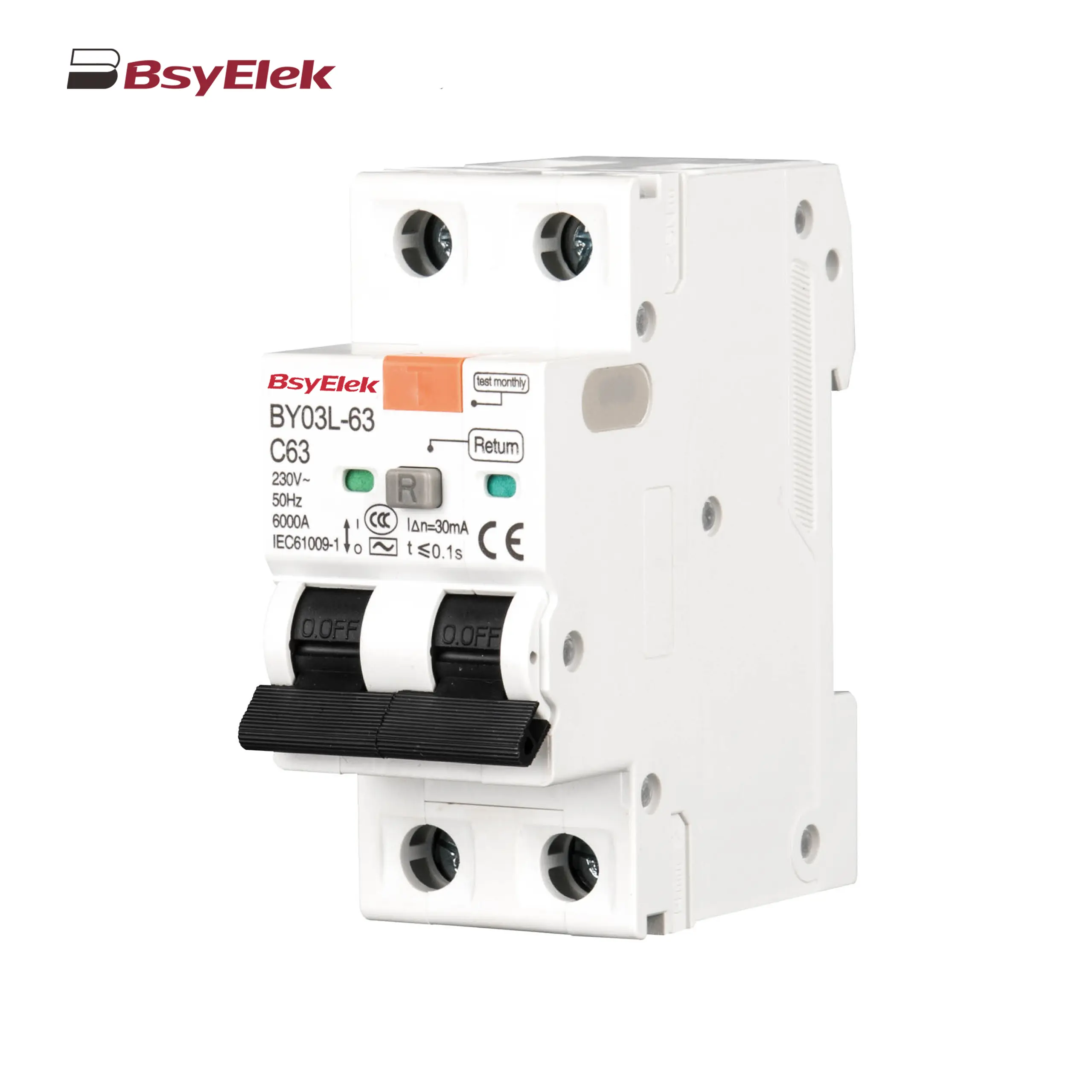 BY03L-63 RCBO 4.5KA Residual Current Circuit Breaker with Over-current Protection
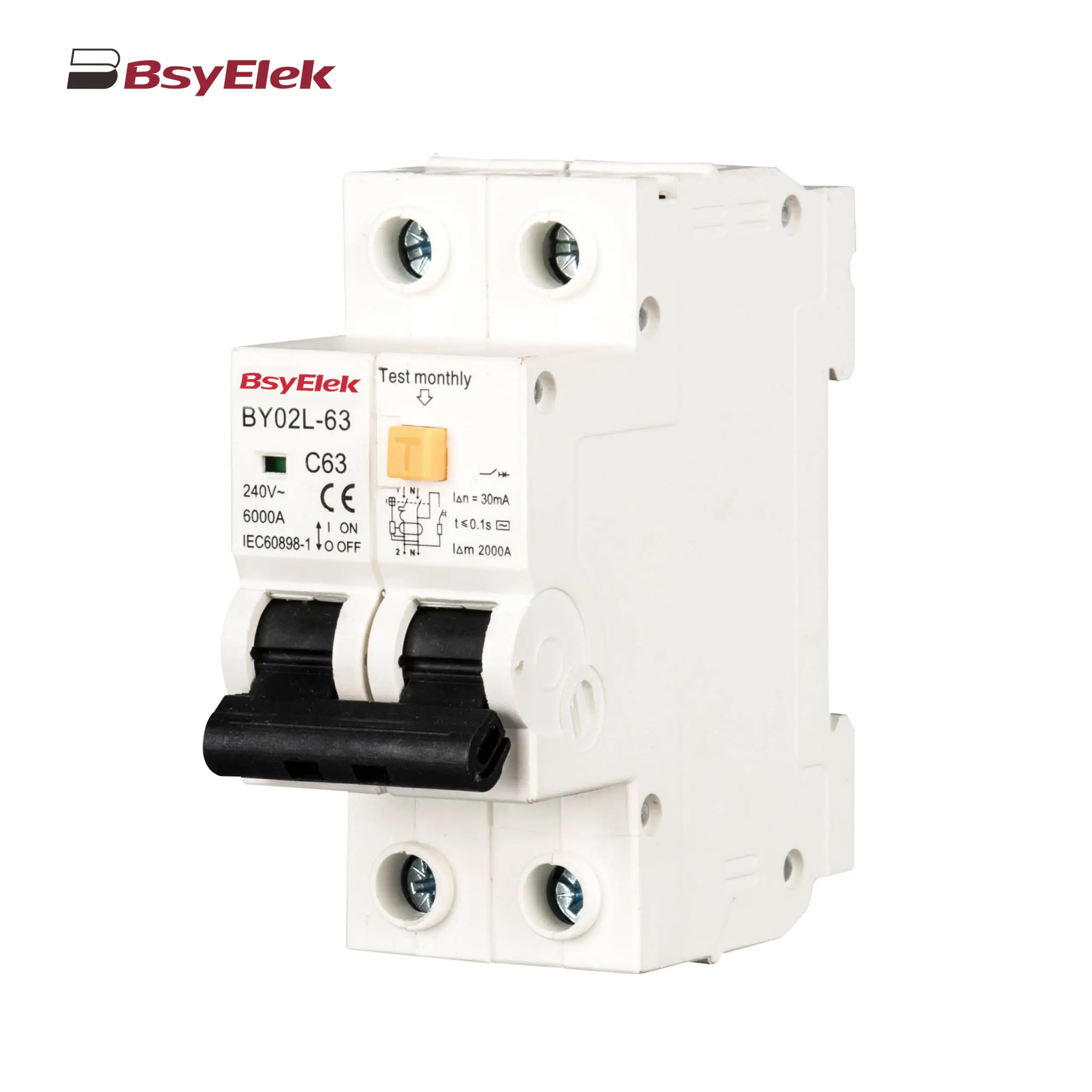 BY02L-63 RCBO 3KA Residual Current Circuit Breaker with Over-current Protection
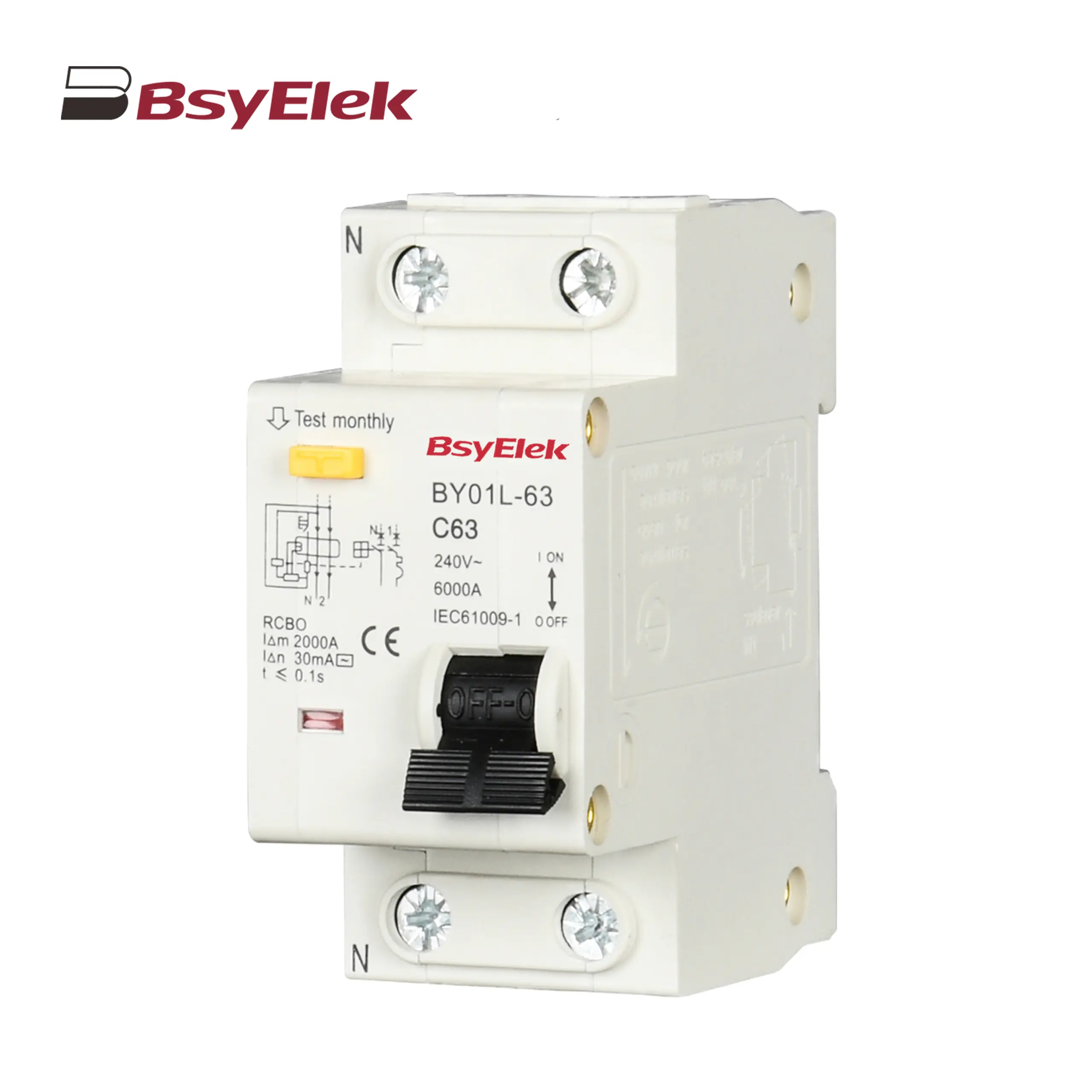 BY01L-63 RCBO 1P+N 3KA Residual Current Circuit Breaker with Over-current Protection
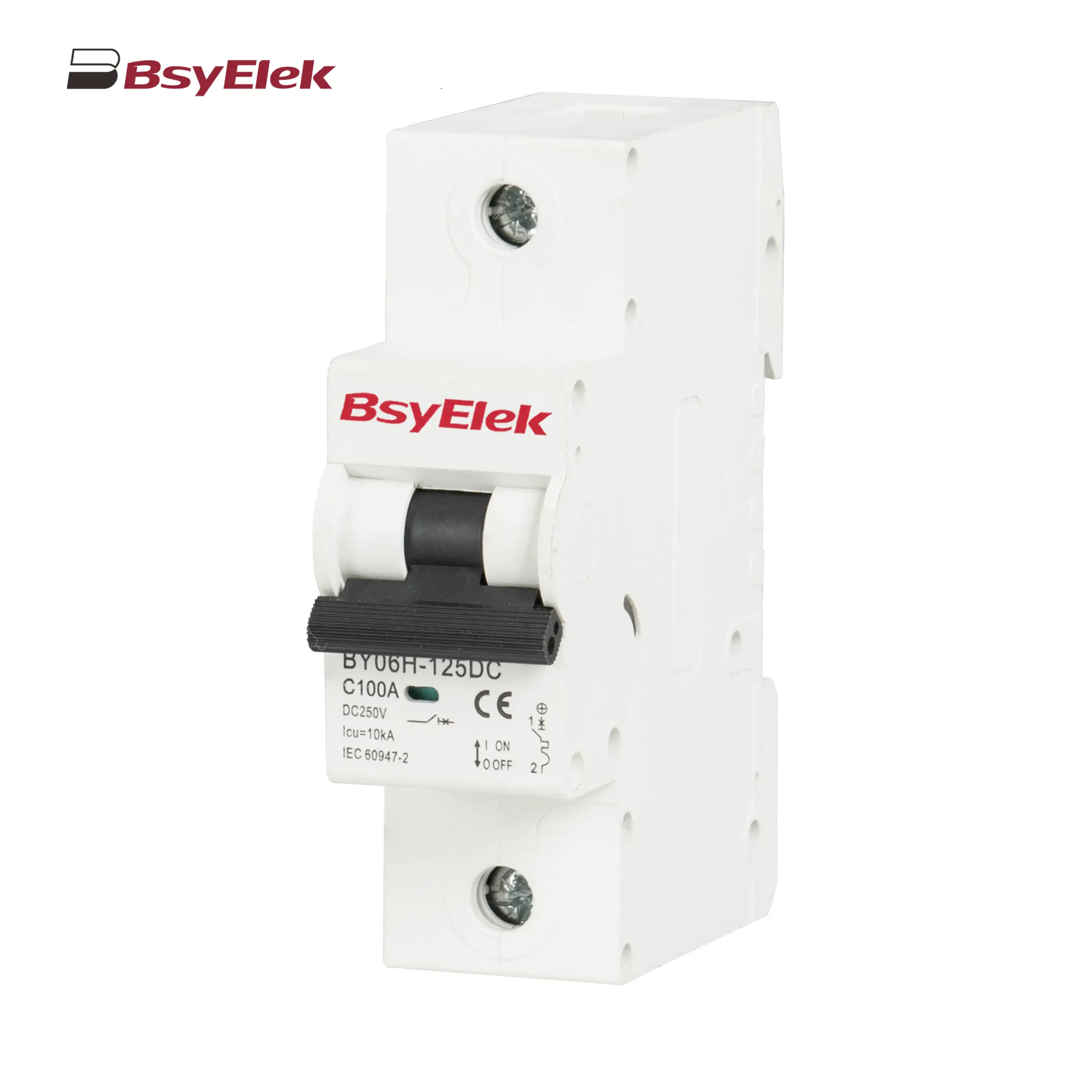 BY06H-125DC MCB 10-15kA DC Miniature Circuit Breaker
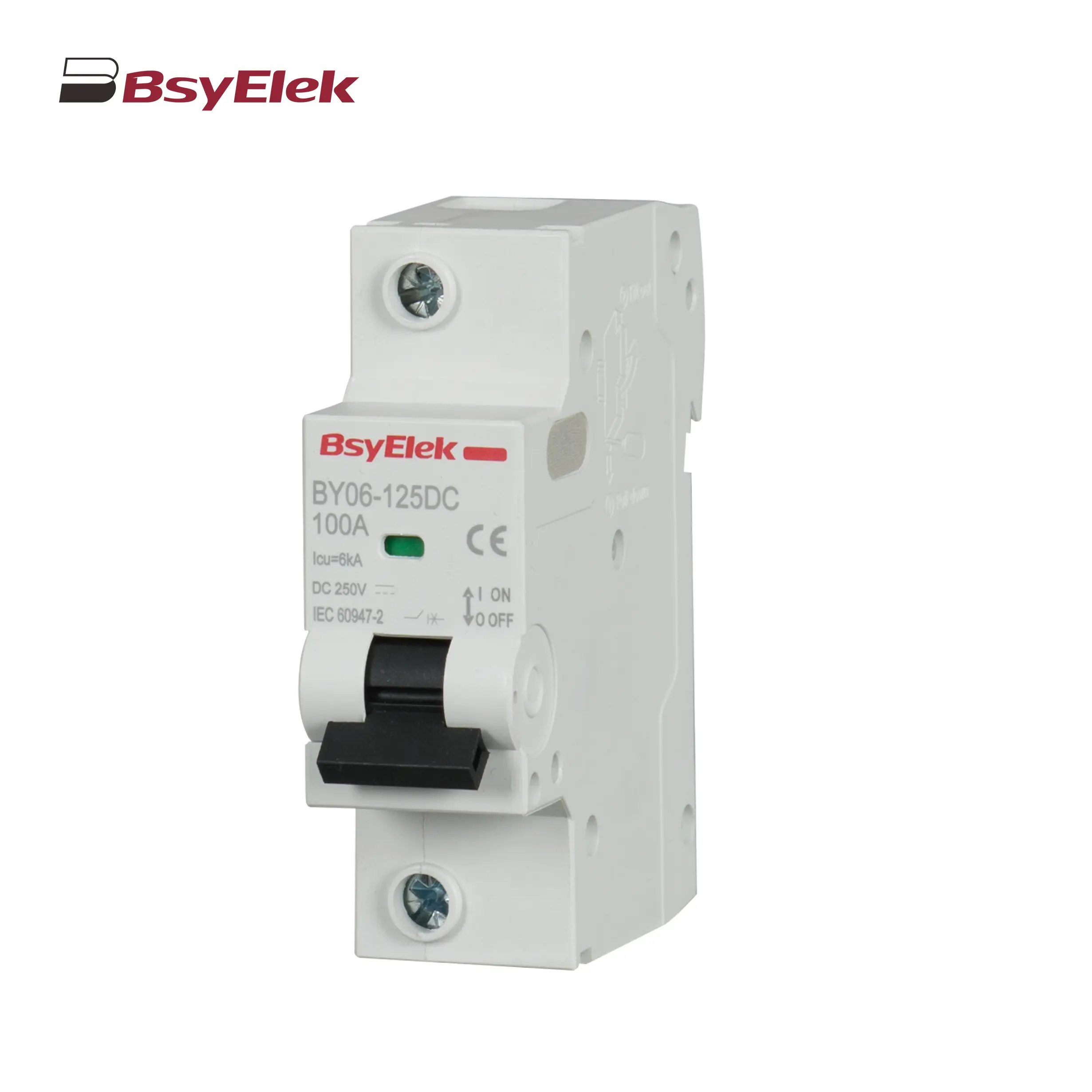 BY06-125DC MCB 6kA DC Miniature Circuit Breaker
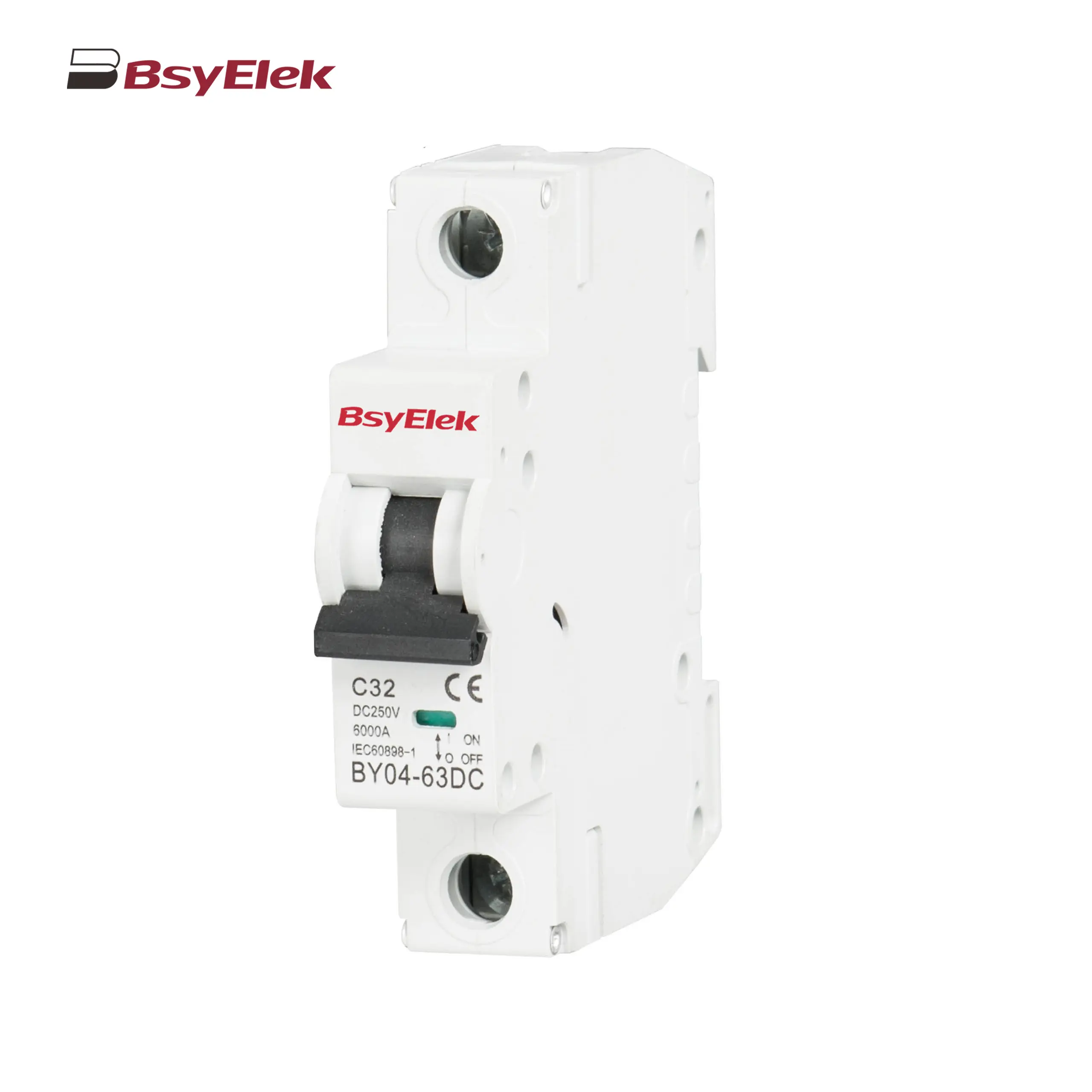 BY04-63DC MCB 6-10kA DC Miniature Circuit Breaker
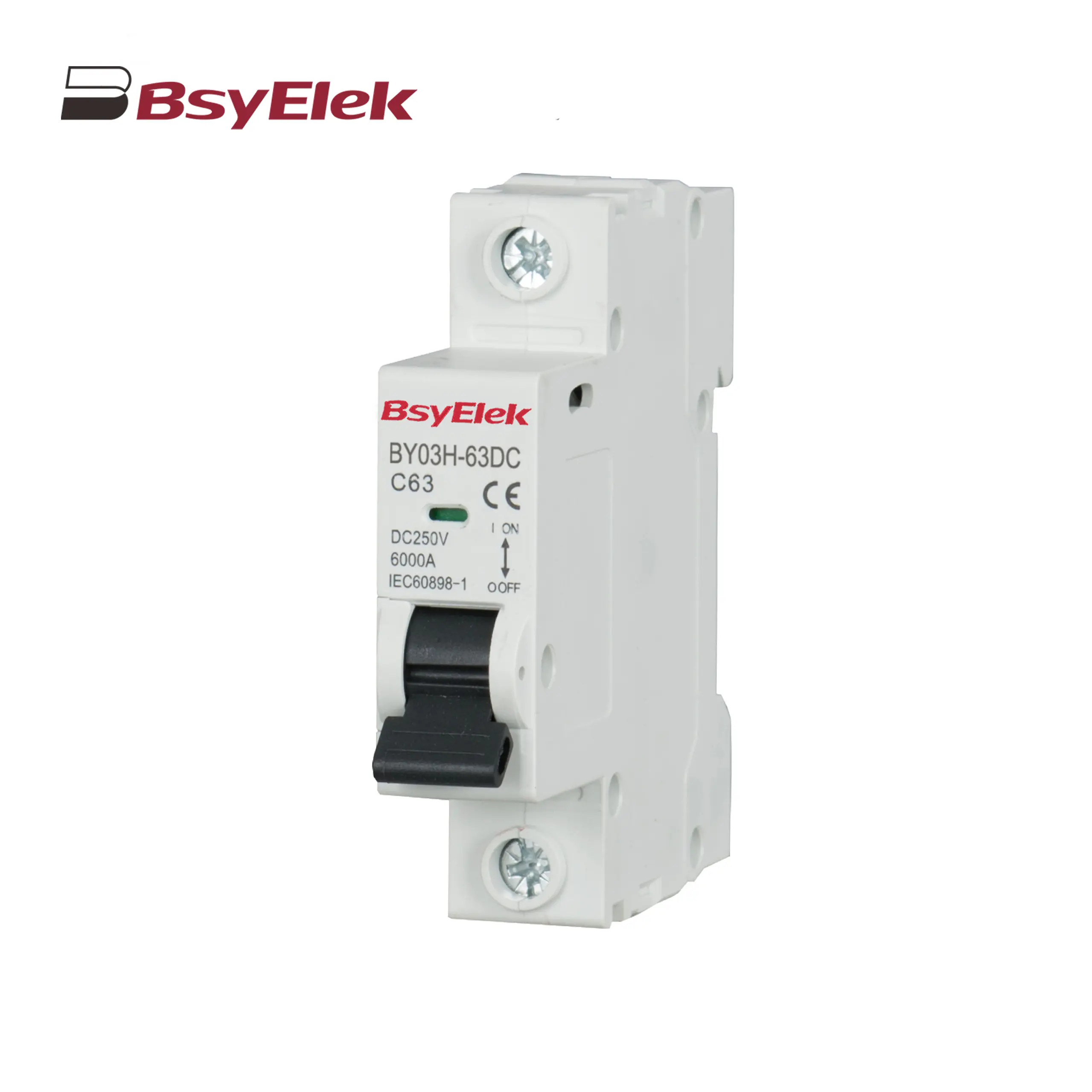 BY03H-63DC MCB 6kA DC Miniature Circuit Breaker
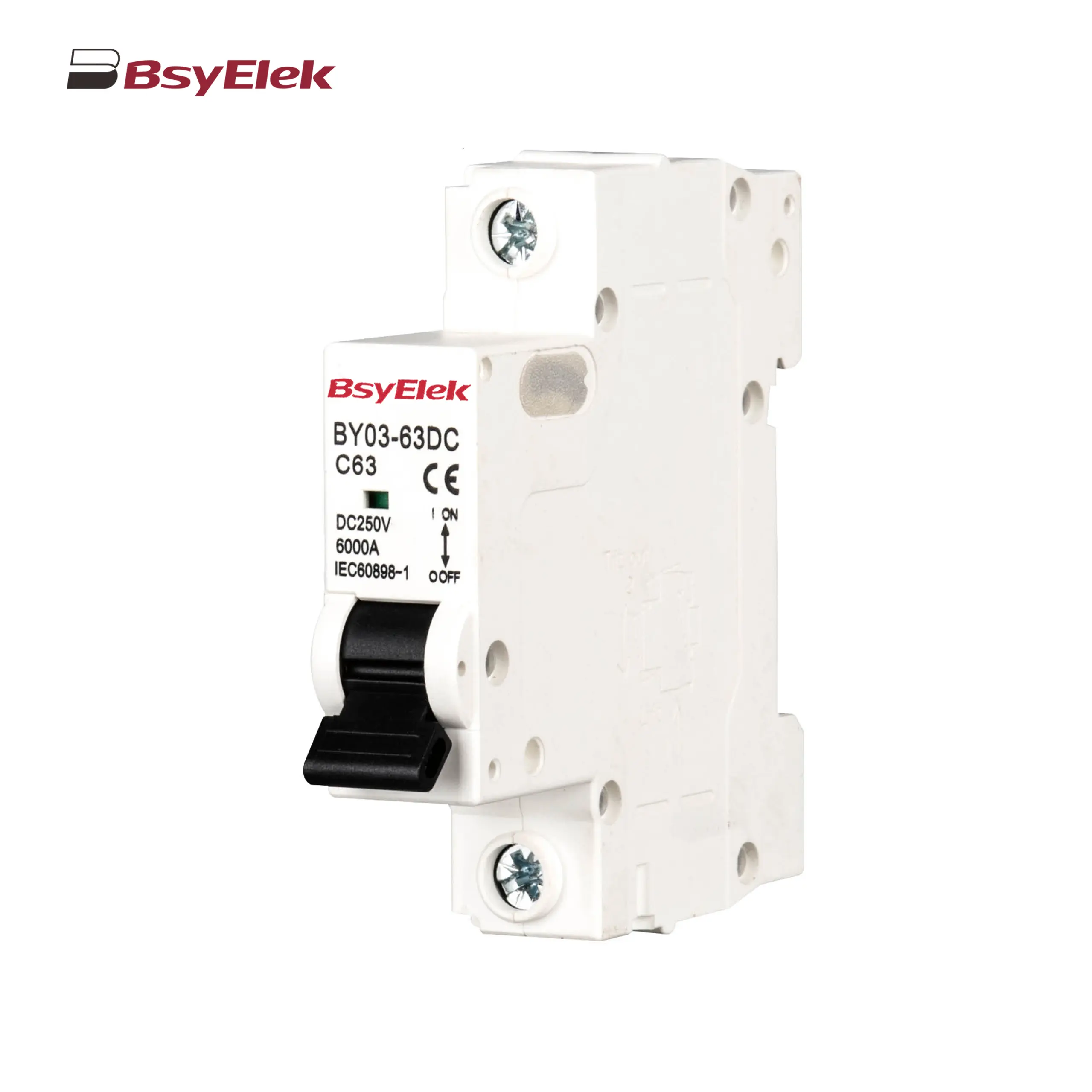 BY03-63DC MCB 4.5kA DC Miniature Circuit Breaker
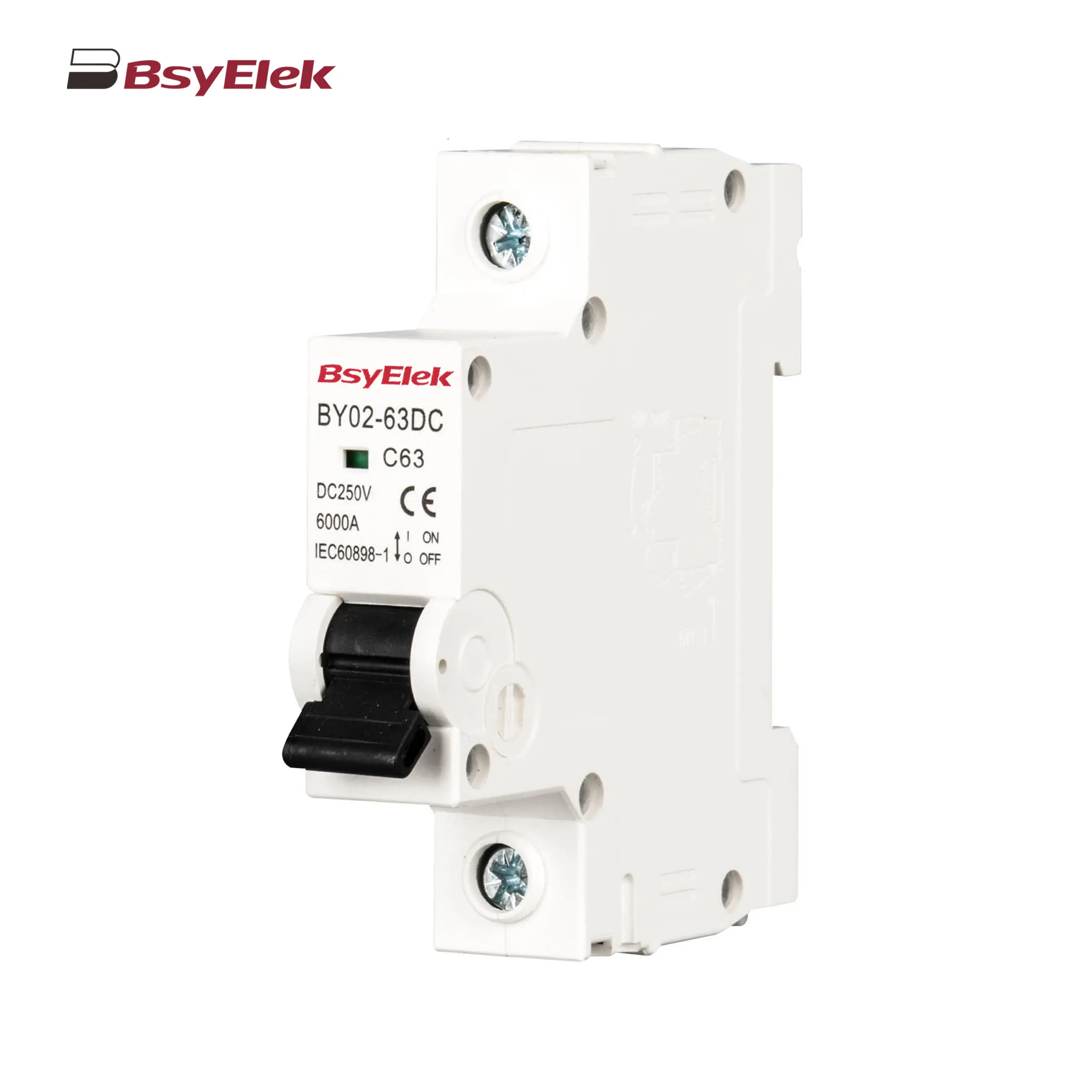 BY02-63DC MCB 3kA DC Miniature Circuit Breaker
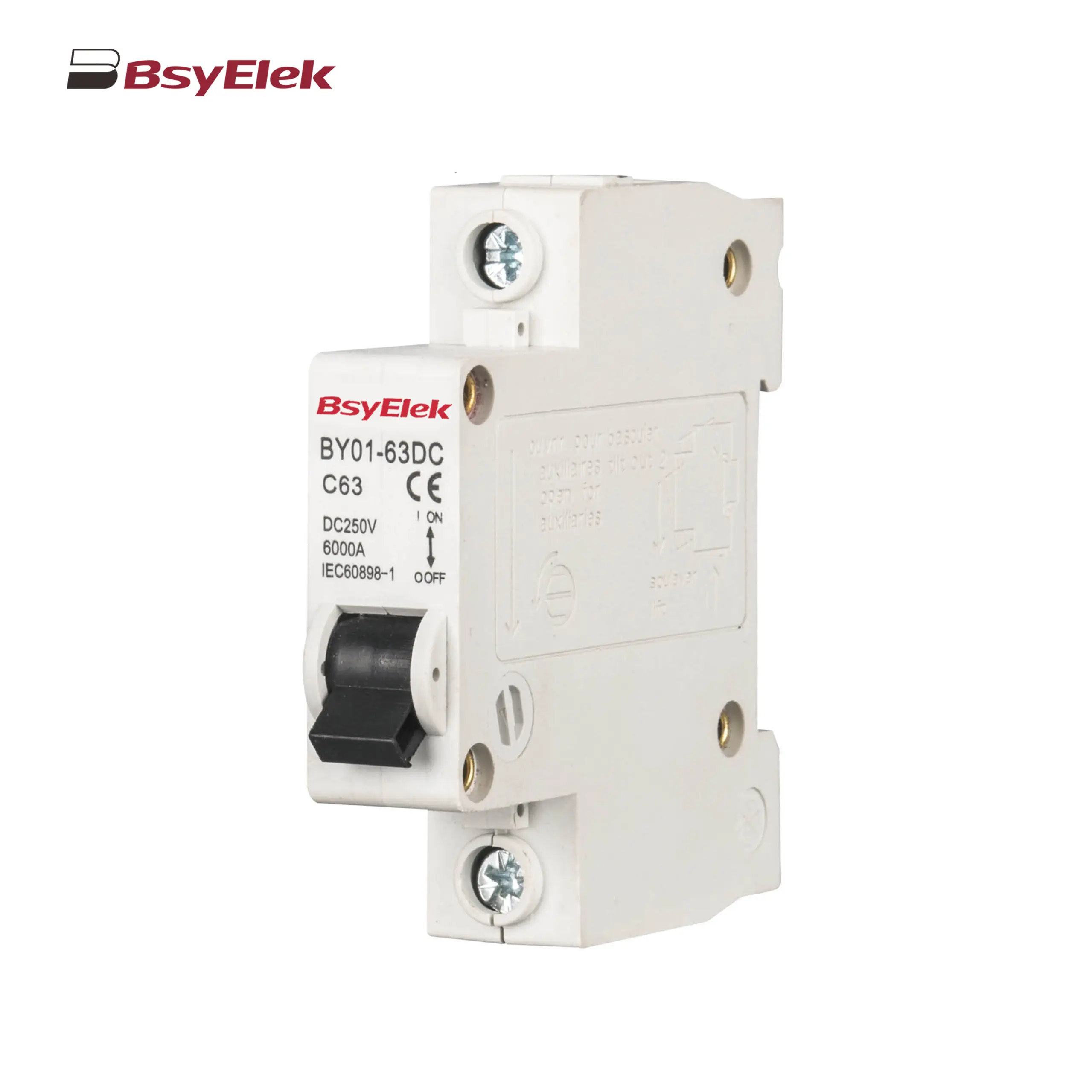 BY01-63DC MCB 3kA DC Miniature Circuit Breaker
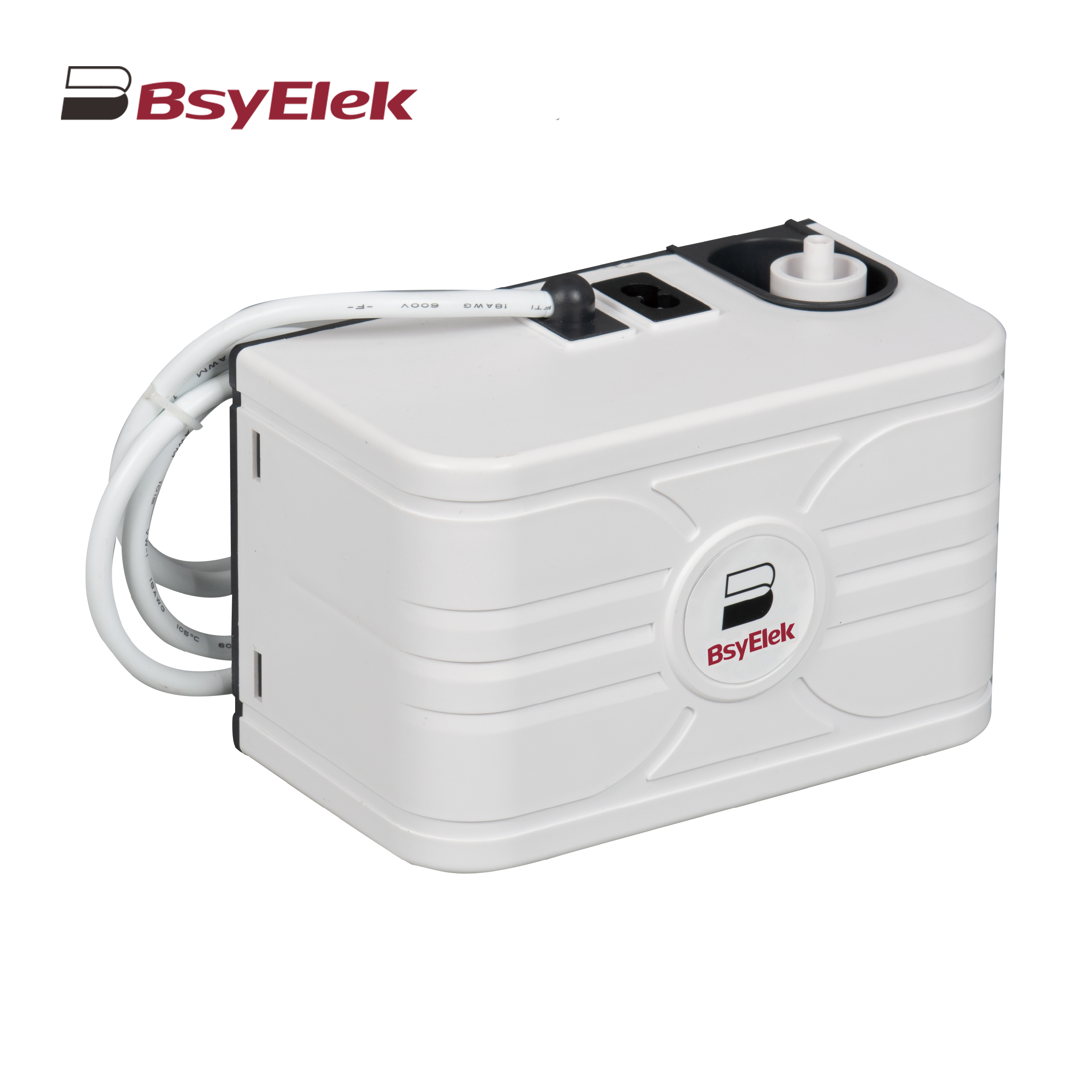 BY-5018 1.8M Engineering Drainage Pump
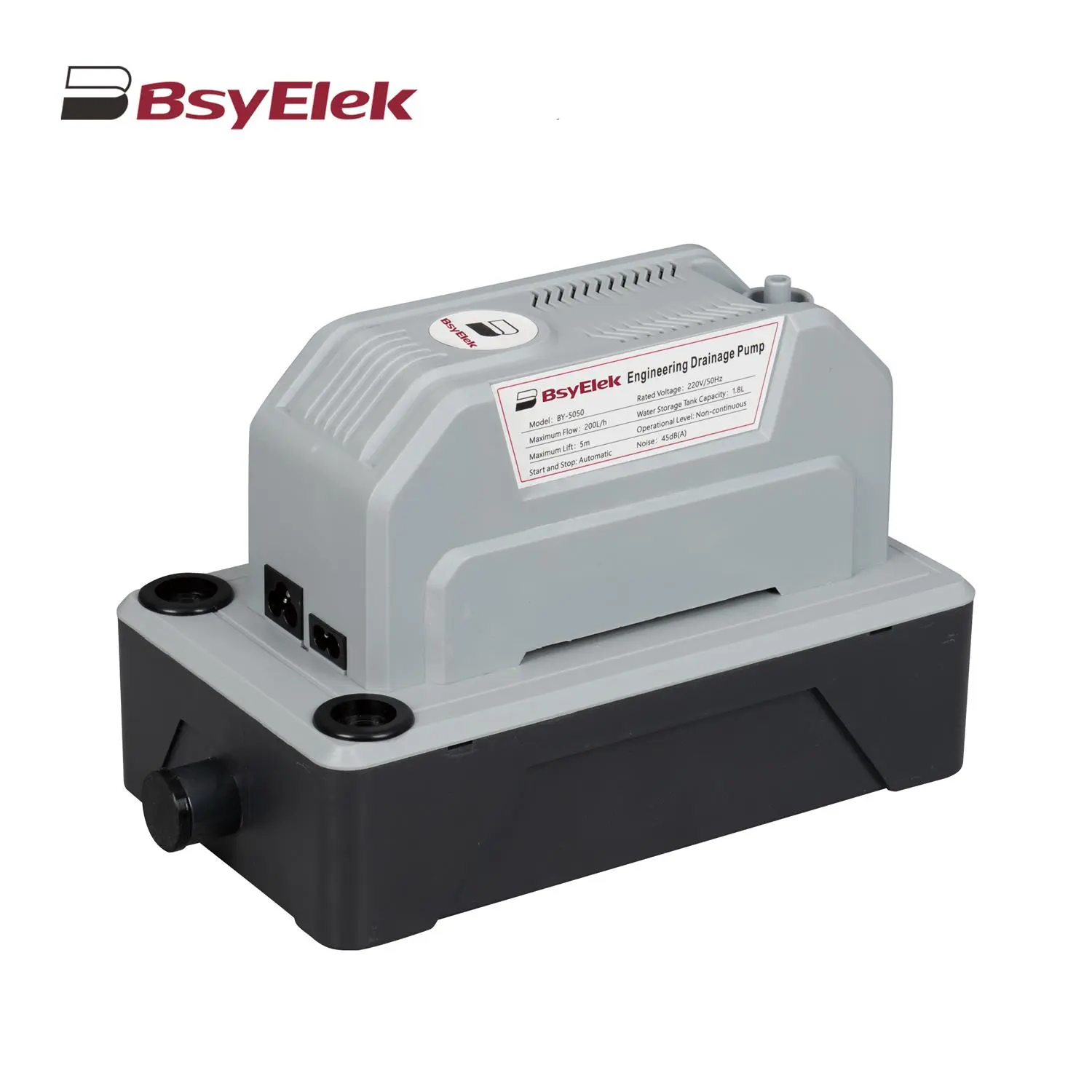 BY-5050 5M Engineering Drainage Pump
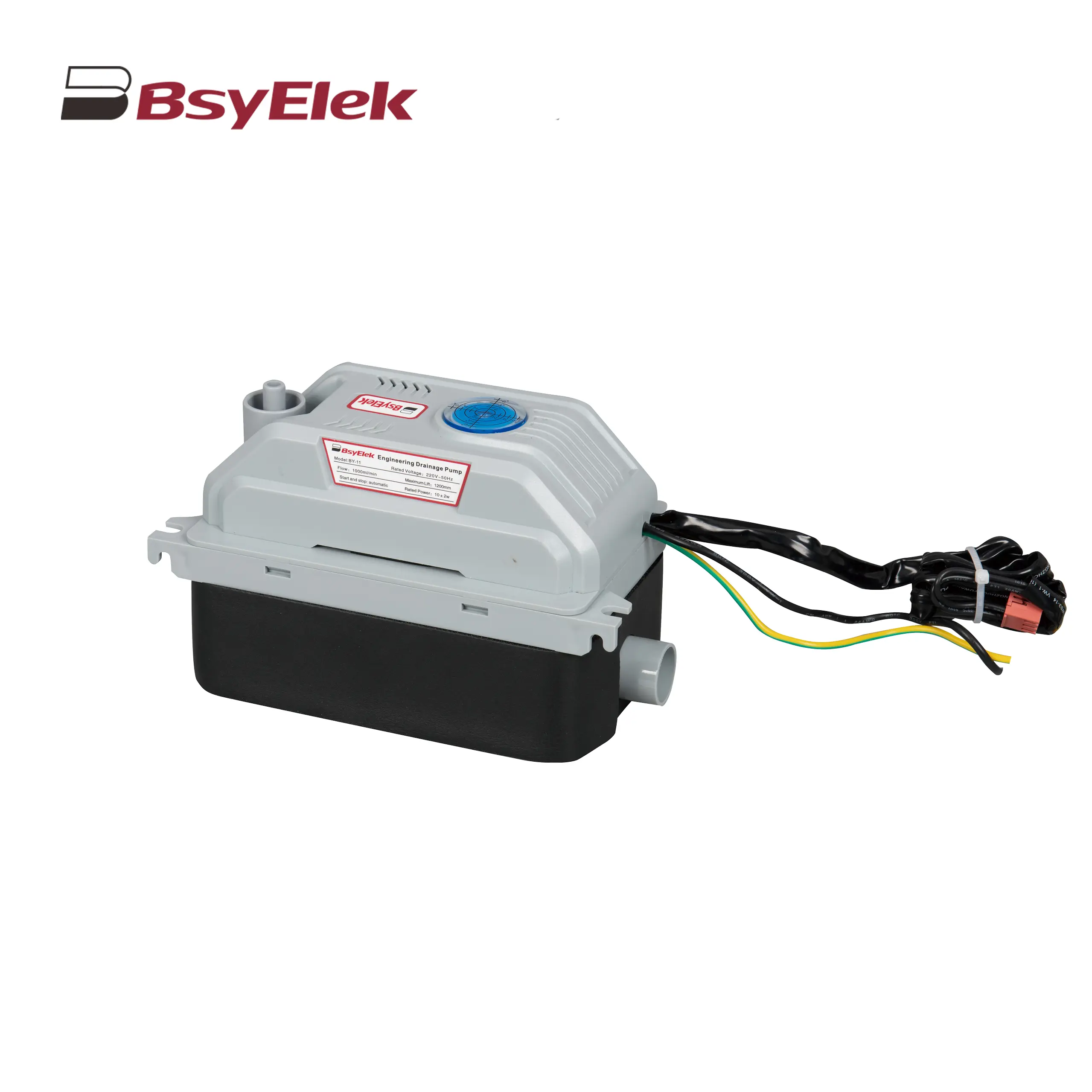 BY-11 1.2M Engineering Drainage Pump
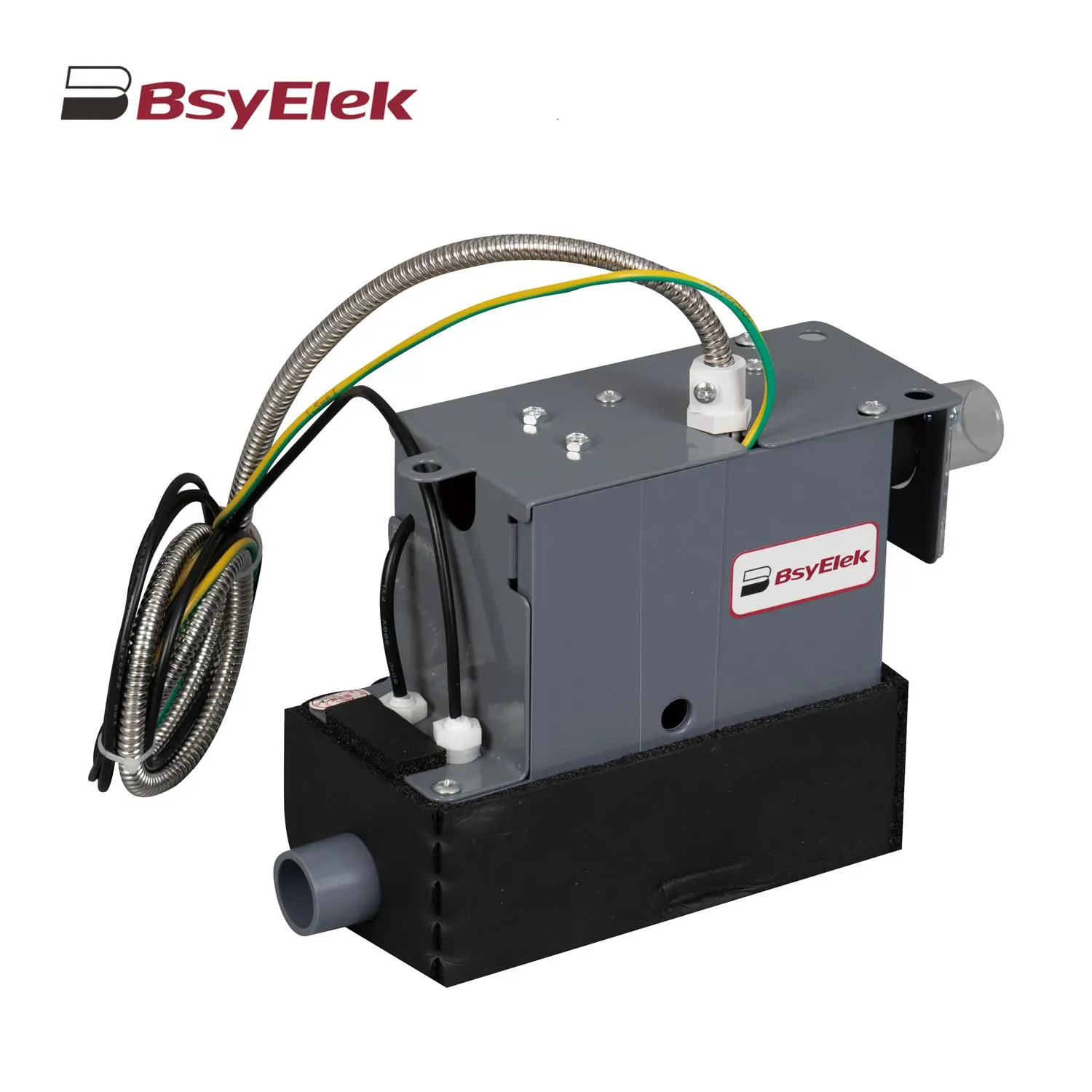 SBH-05 0.7M Original Drainage Pump of Duct Type Air Conditioner
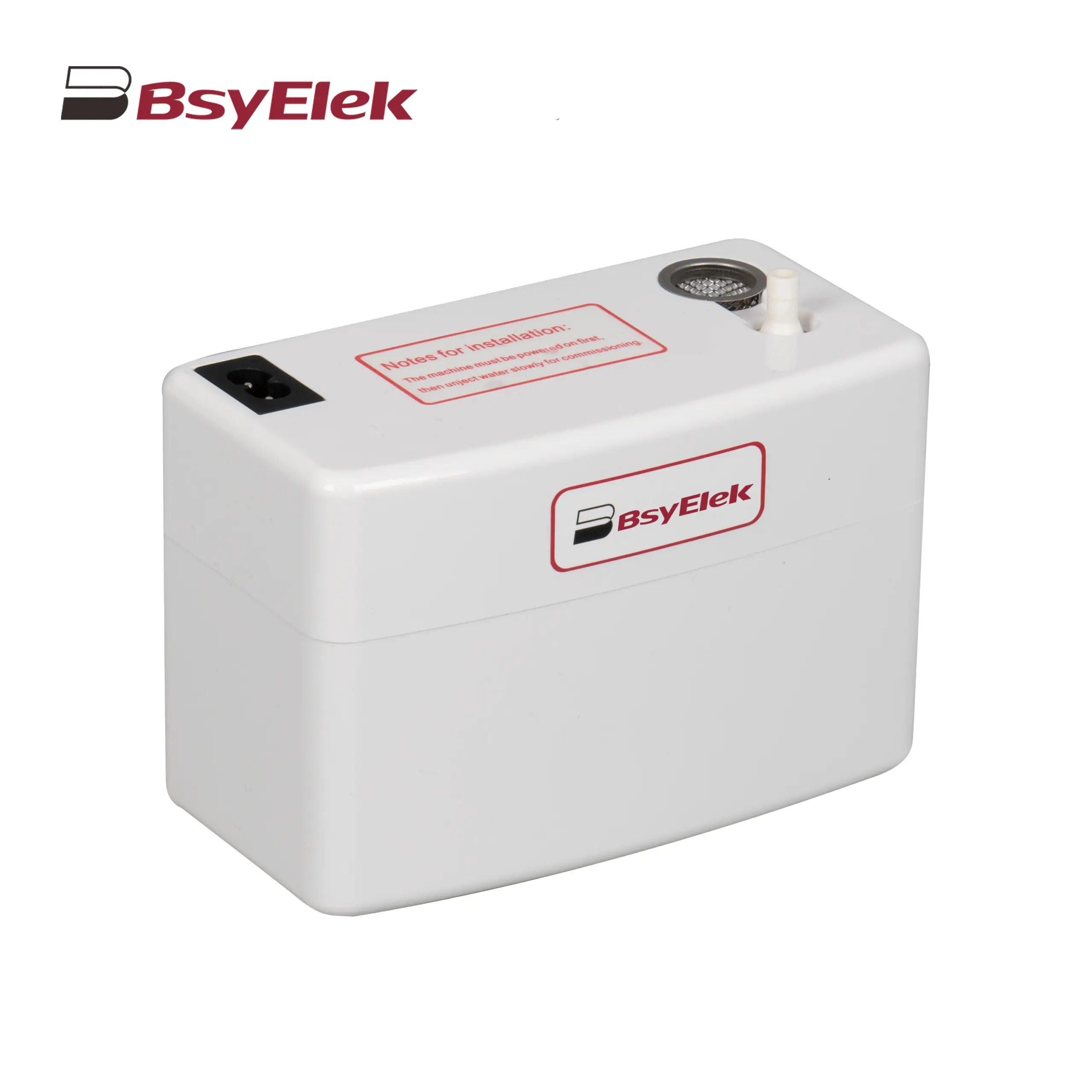 BY-24A/40A 10M Drainage Pump of Air Conditioner
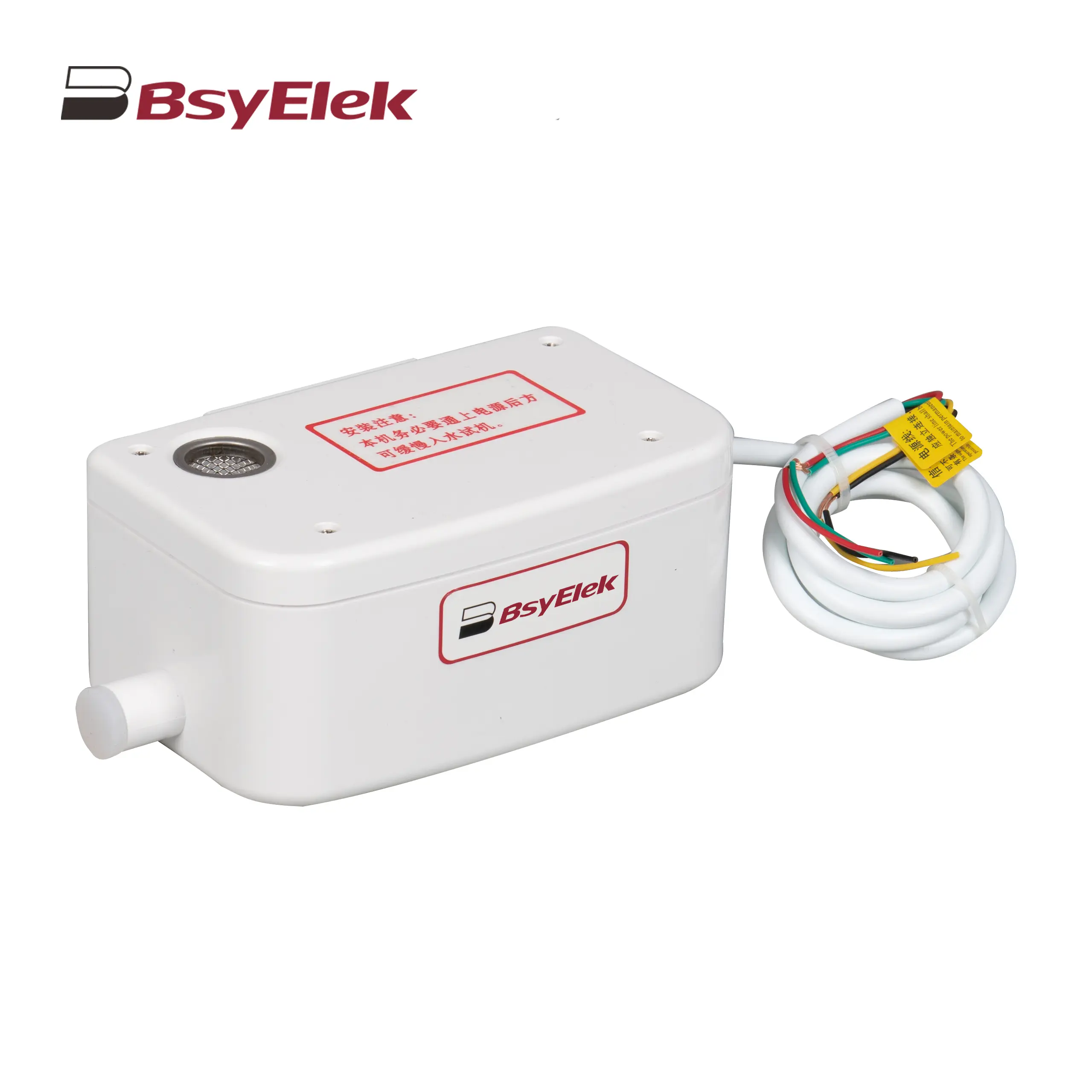 BY-50A 12M Drainage Pump of Air Conditioner
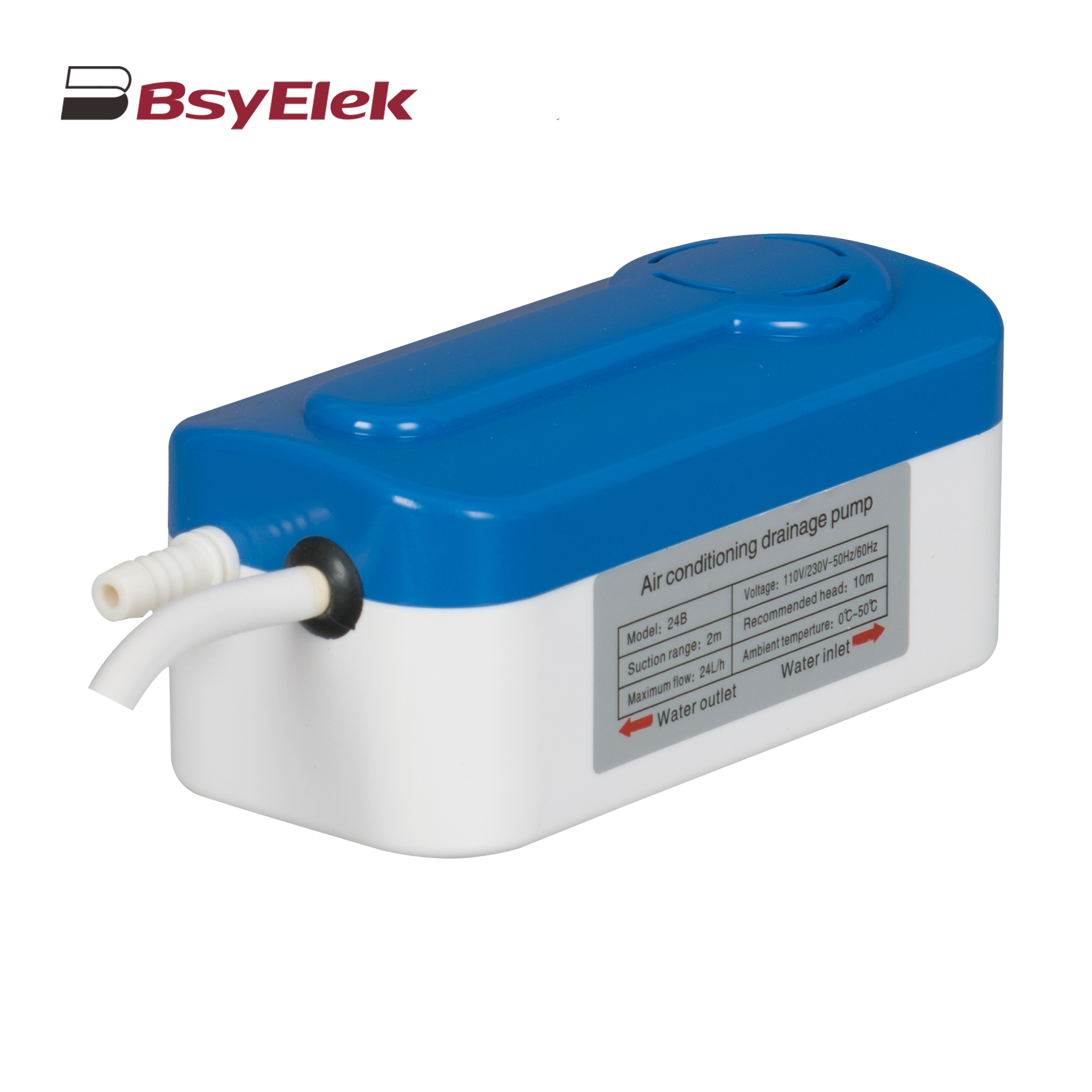 BY-24B/40B 10M Split Type Drainage Pump
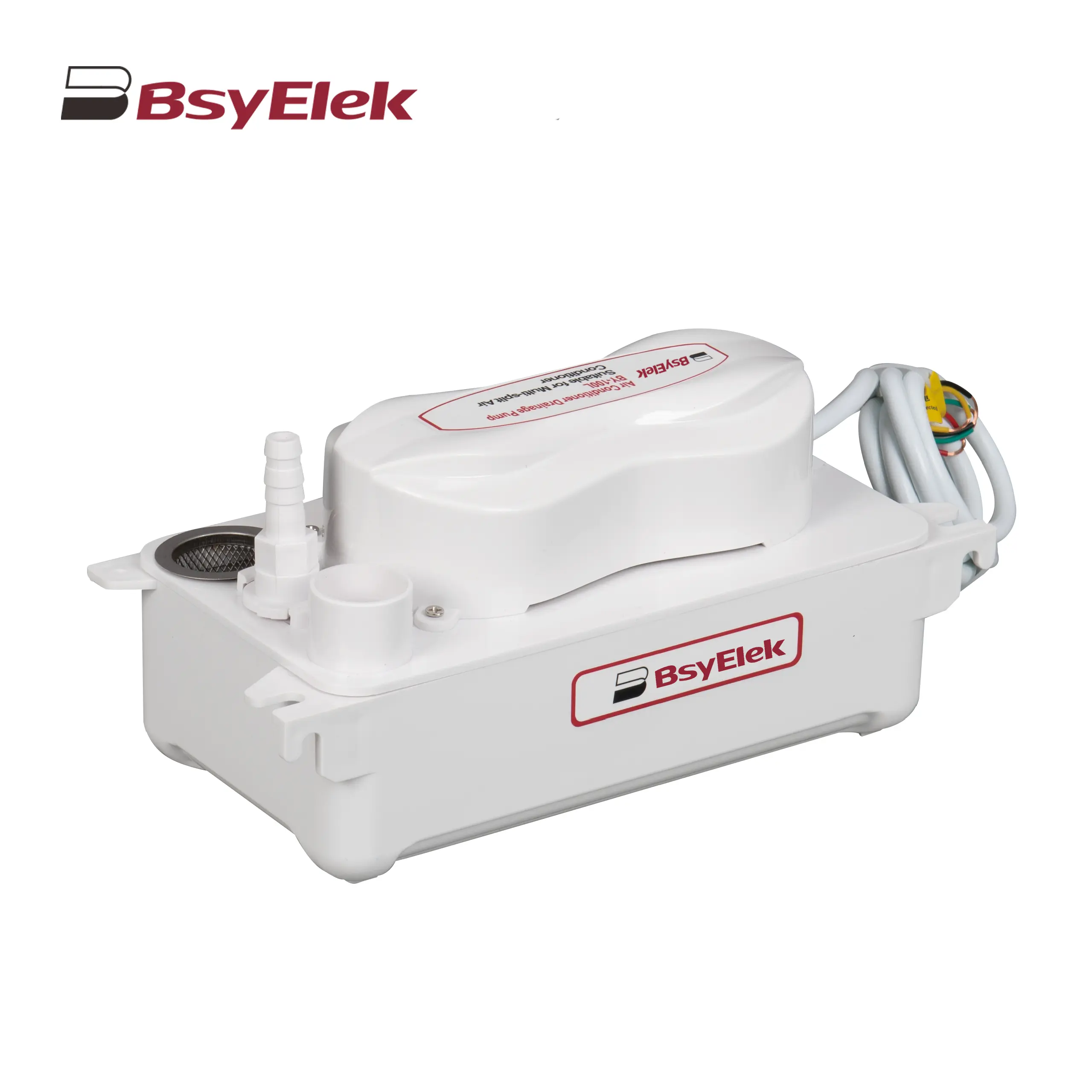 BY-100L 2M Drainage Pump of Air Conditioner
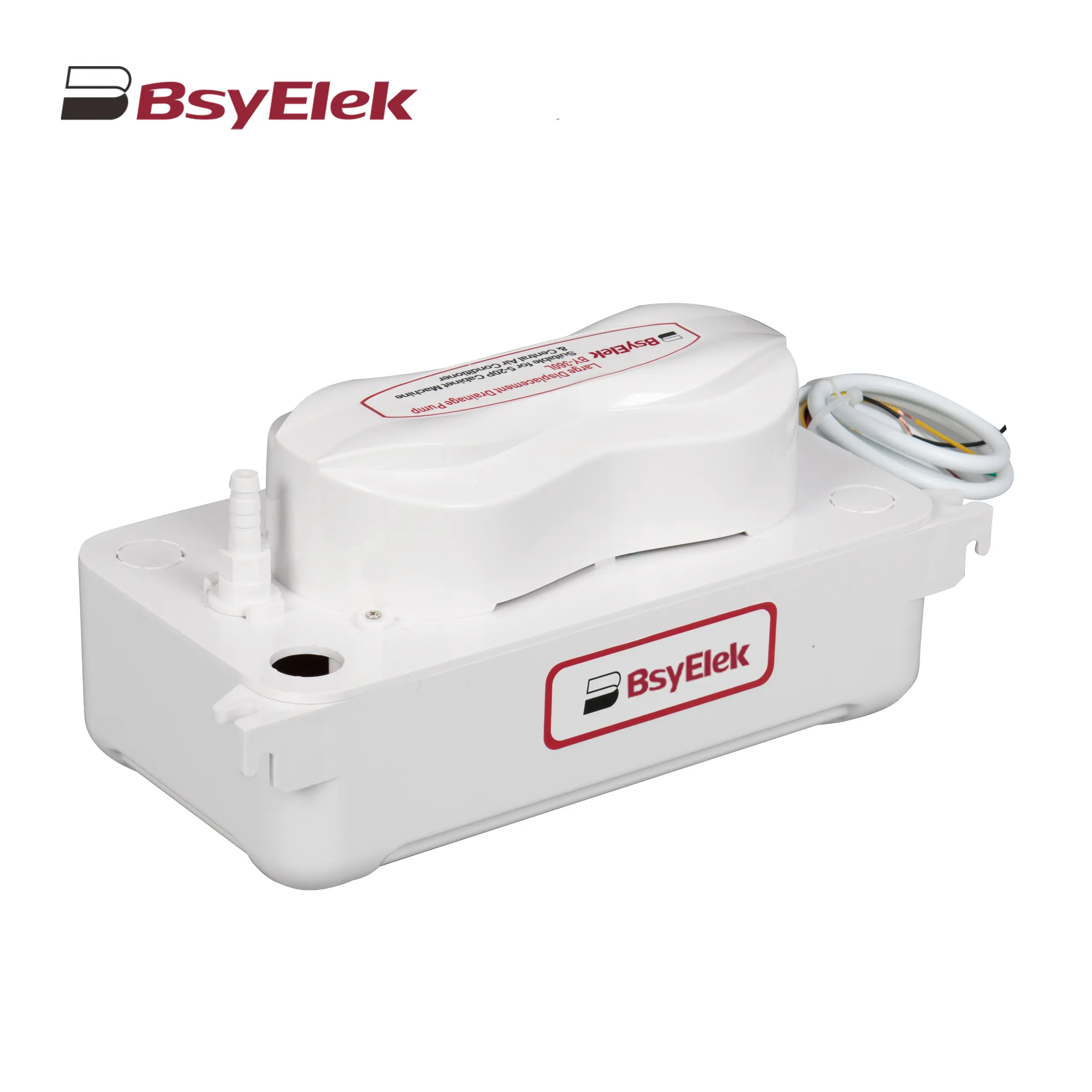 BY-360L 6M Large Displacement Drainage Pump
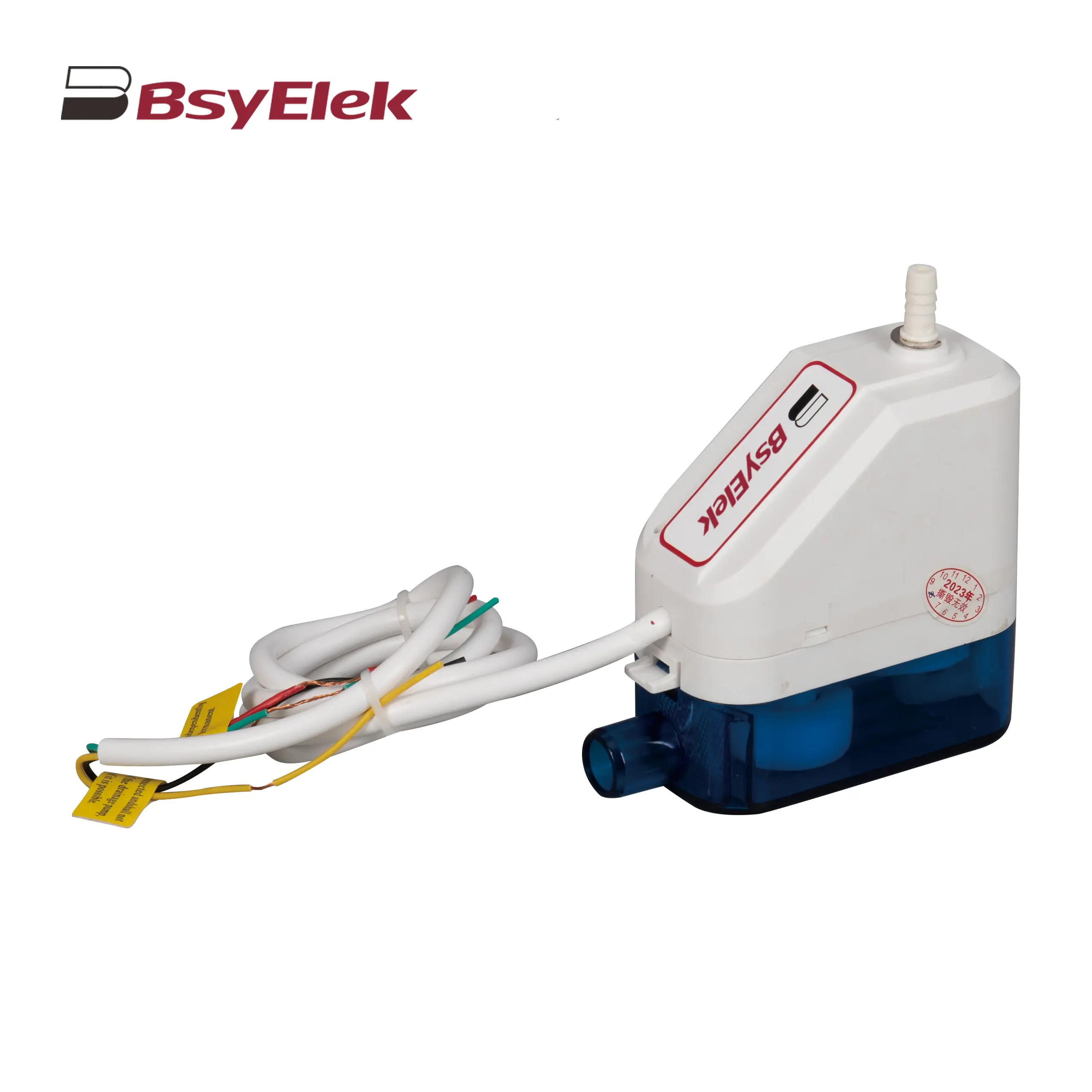 BY-24C/40C 10M Corner Drainage Pump
What is a miniature circuit breaker (MCB)?
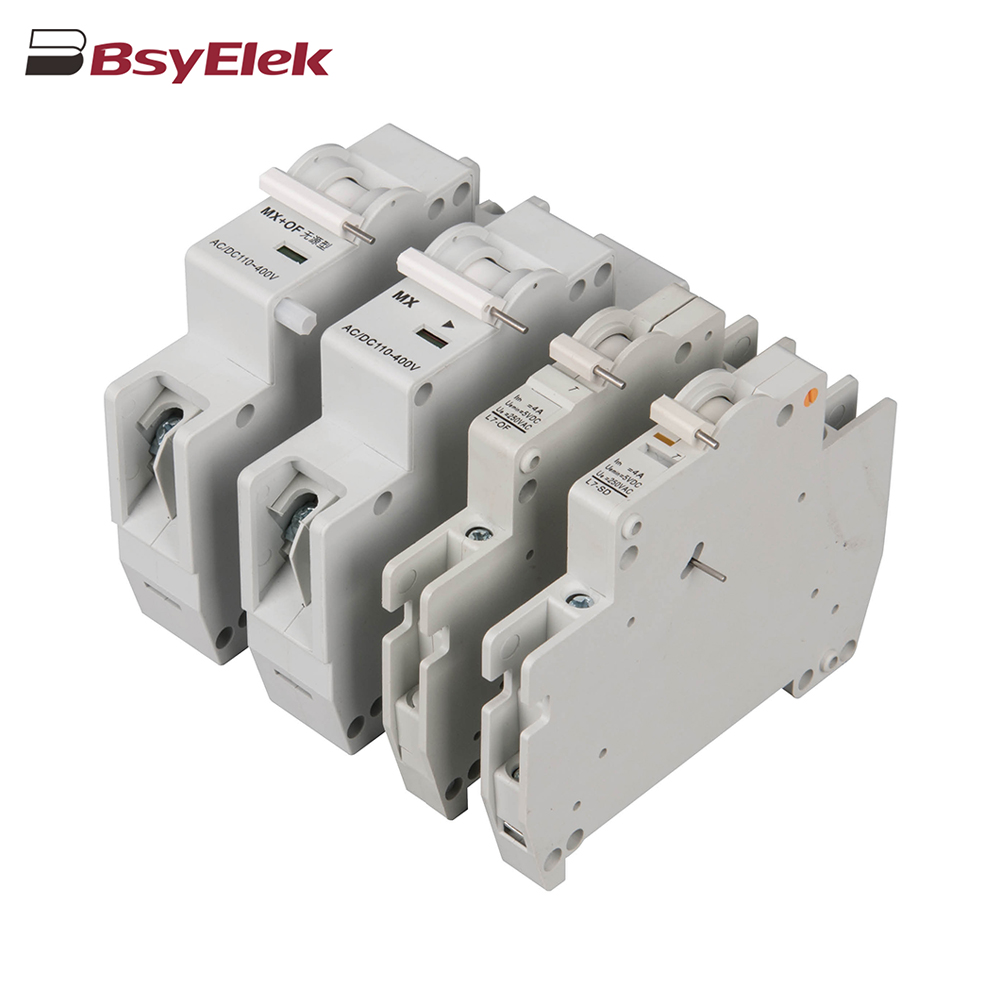 OF SD MX OF MCB Miniature Circuit Breaker Accessories
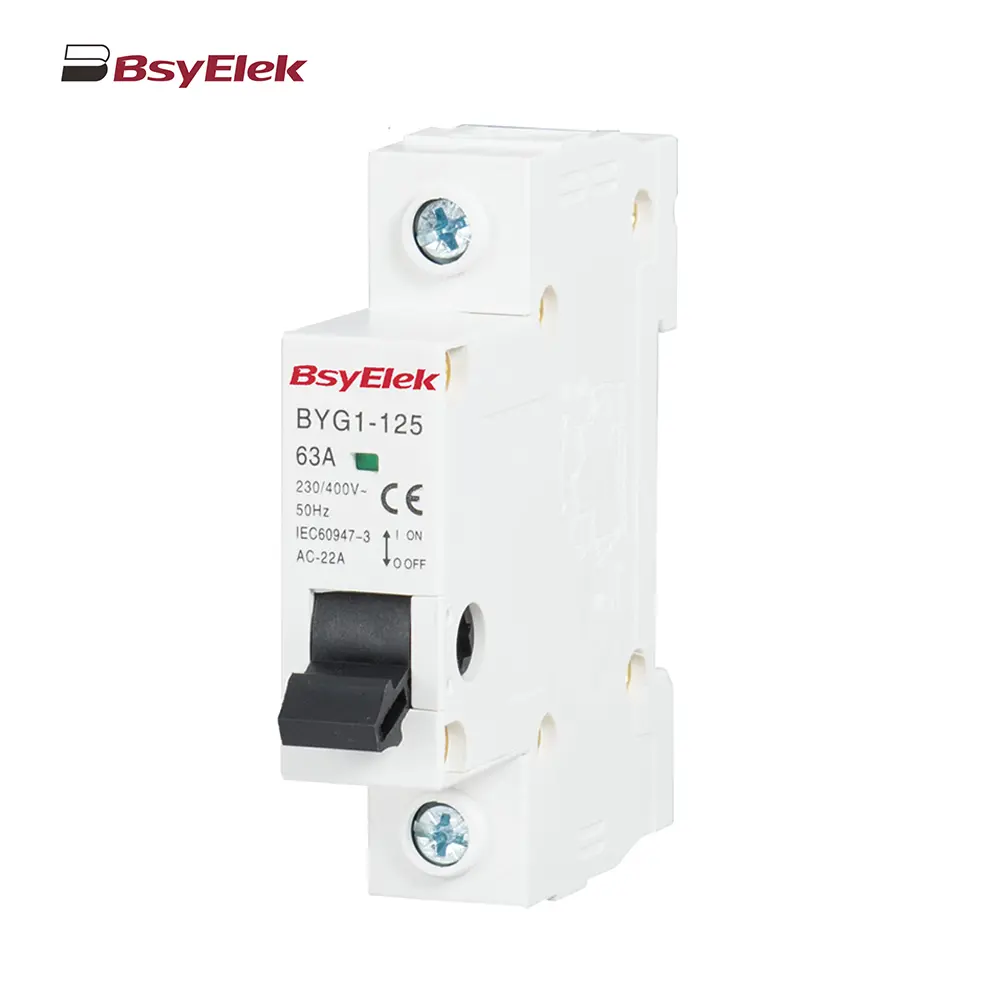 BYG1-125 Main Switch MCB Isolator Switch
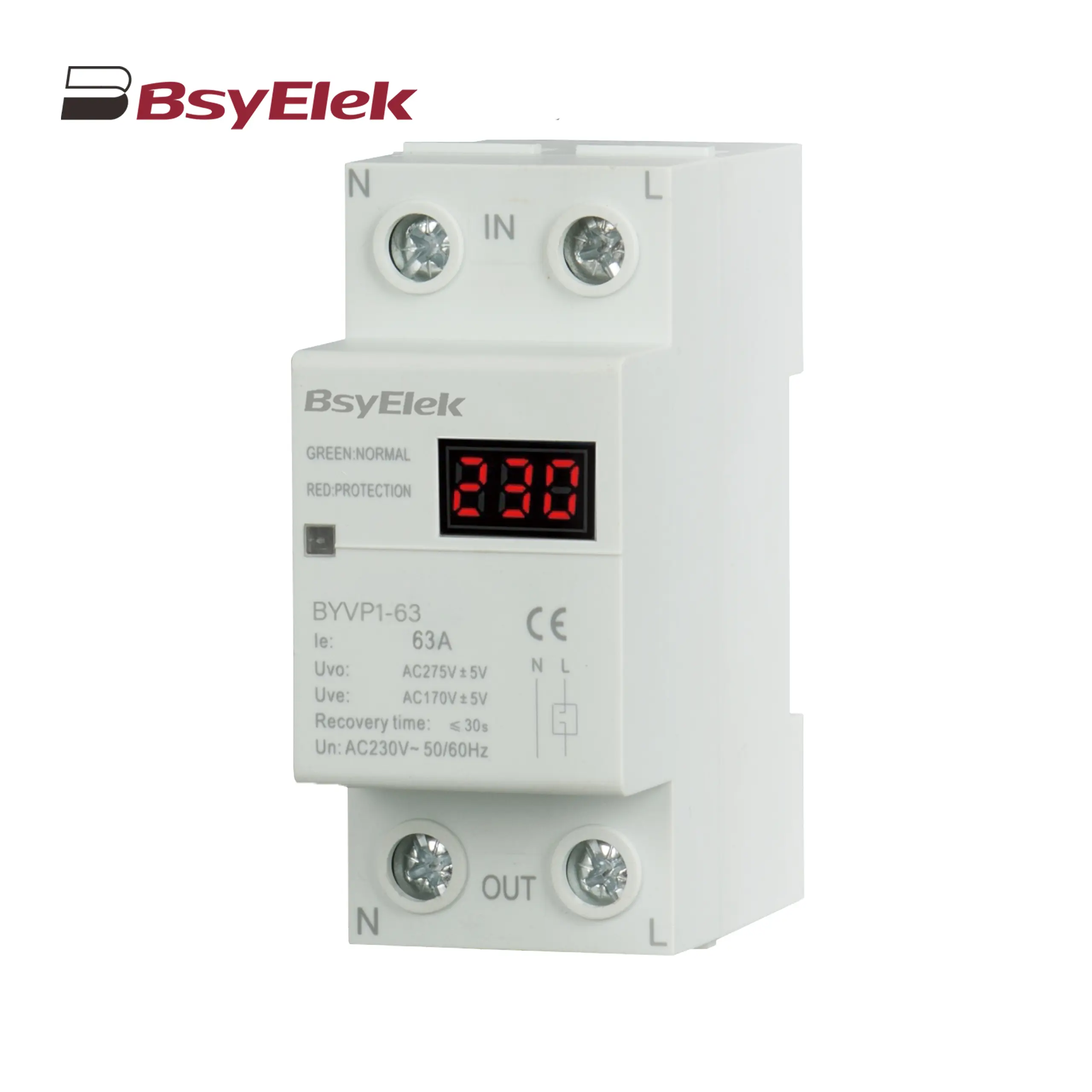 BYVP1-63 100A Single Display Overvoltage and Undervoltage Protector
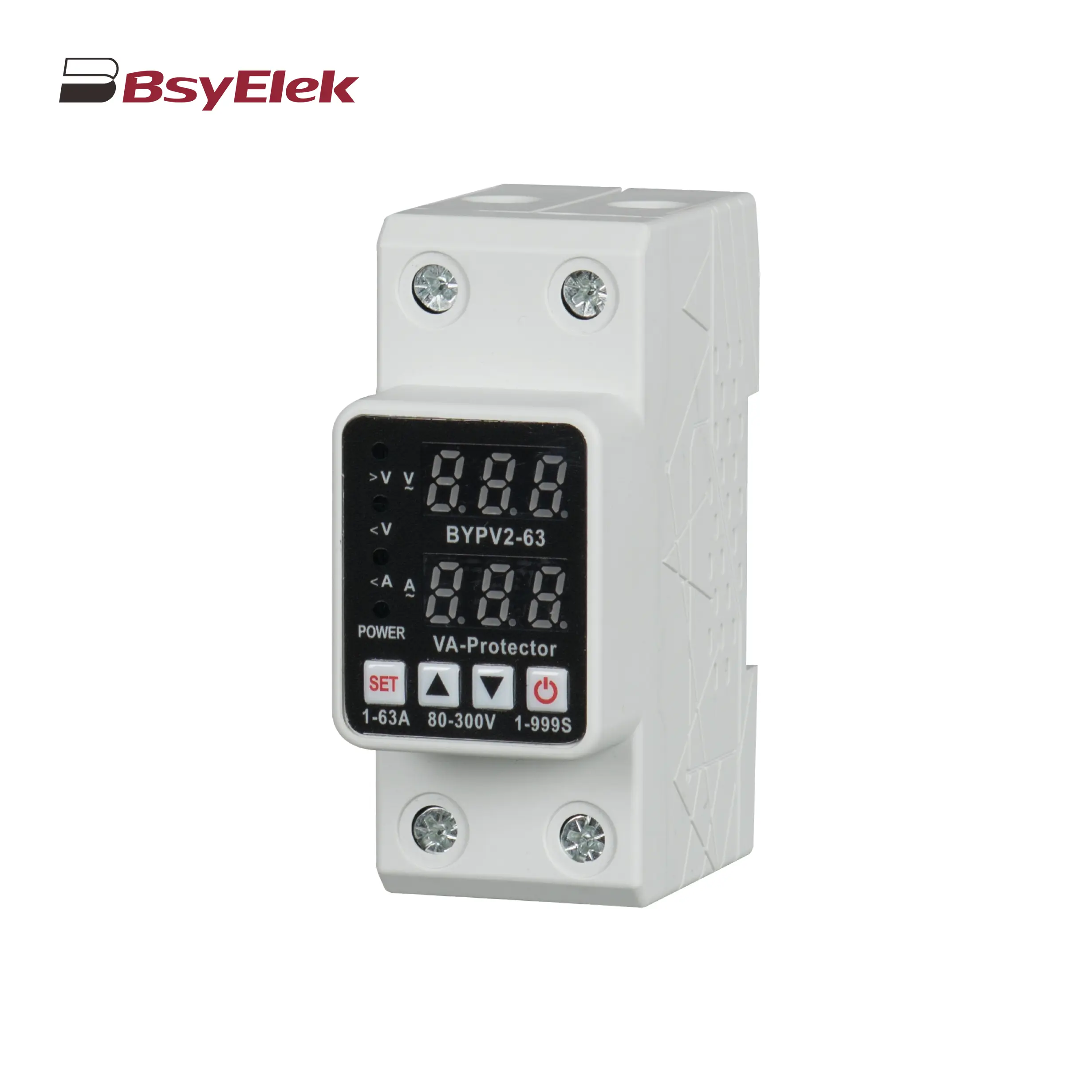 BYVP2-63 40A 63A Adjustable Dual Display Overvoltage and Undervoltage Protector
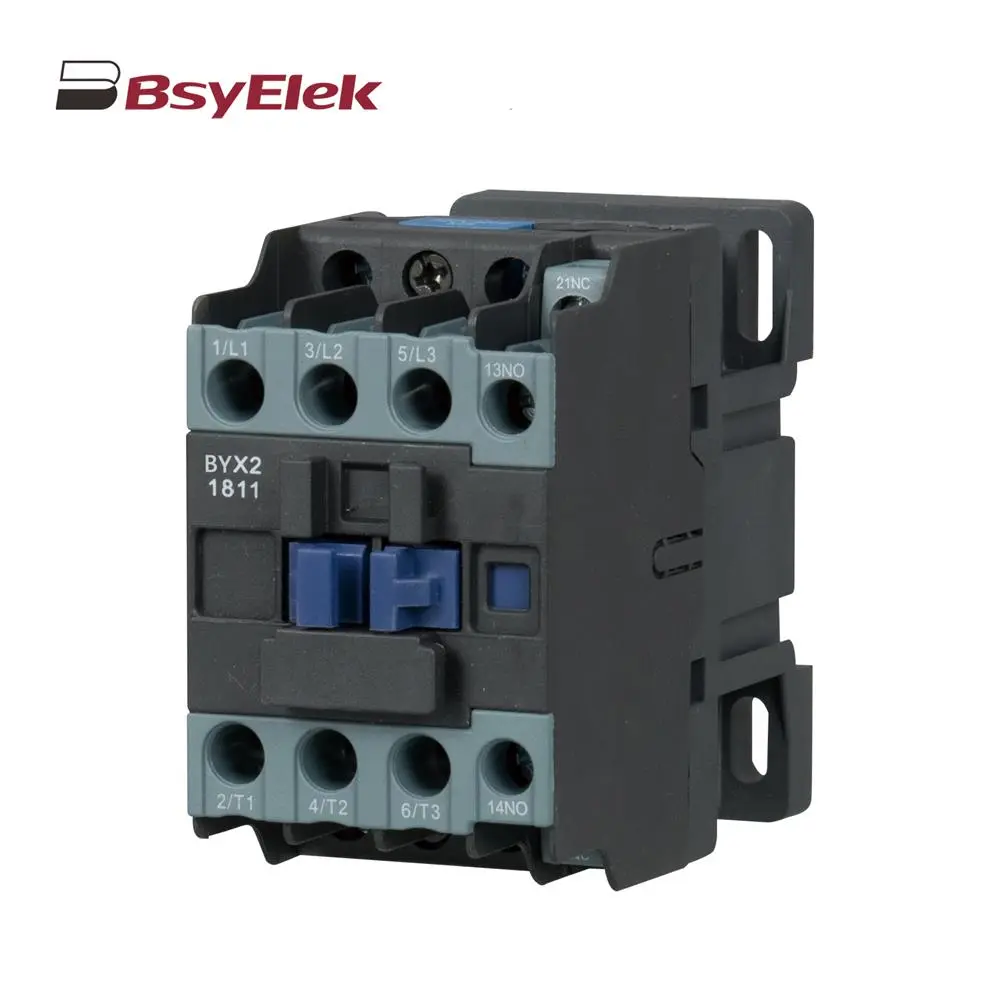 BYX2 6-95A AC Contactor
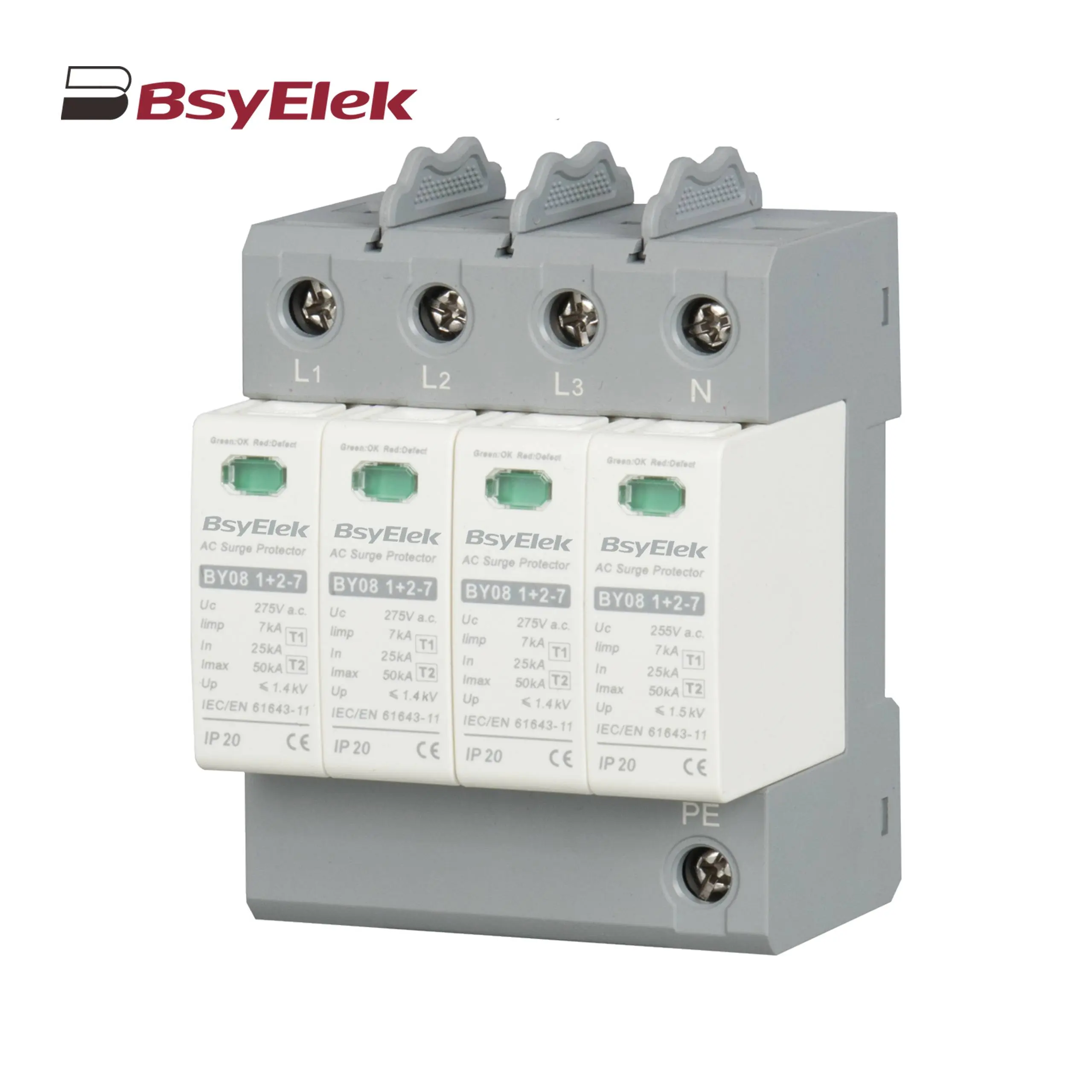 BY08 1+2-7 SPD Class T1+T2 Imax 50KA Surge Protective Device
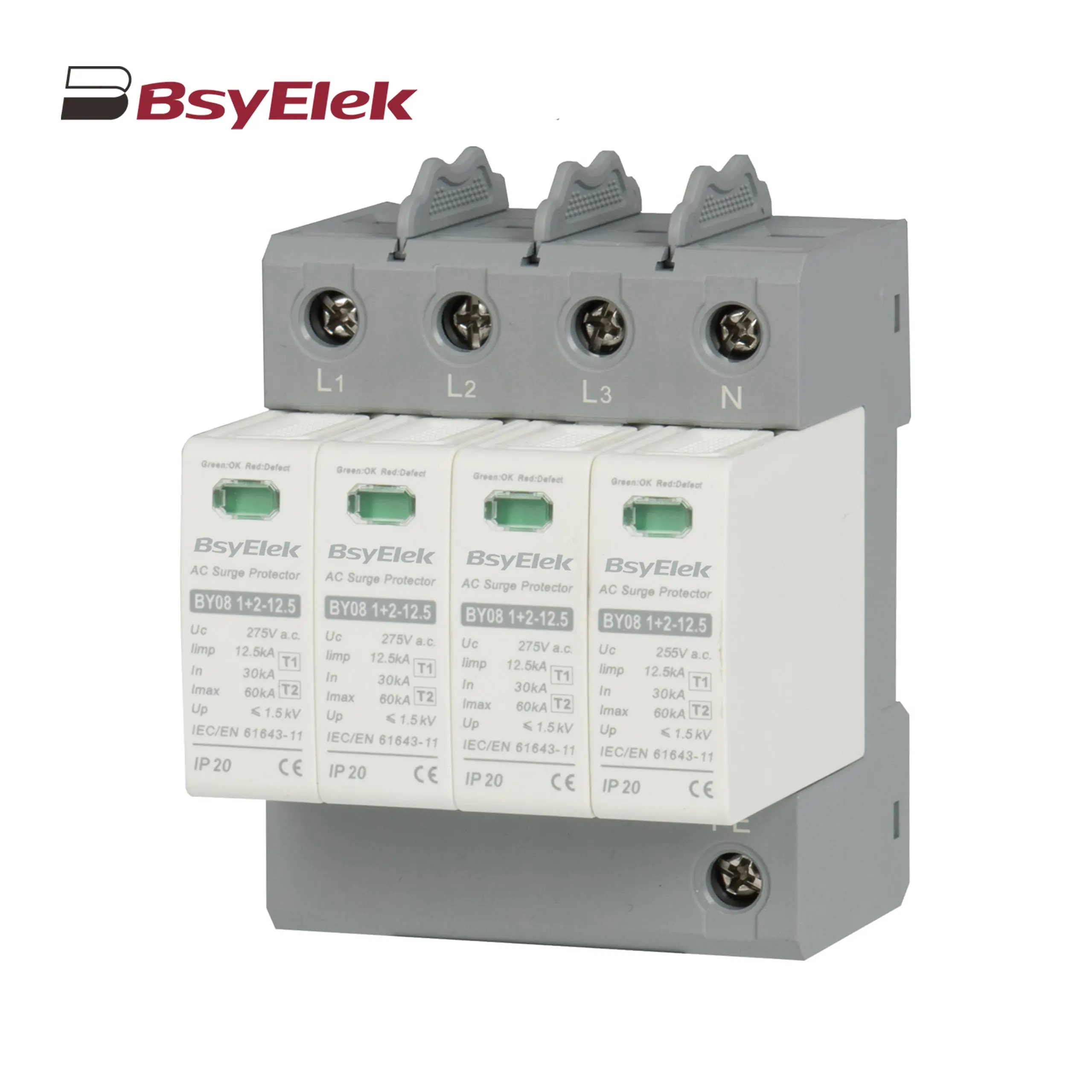 BY08 1+2-12.5 SPD Class T1+T2 Imax 60KA Surge Protective Device
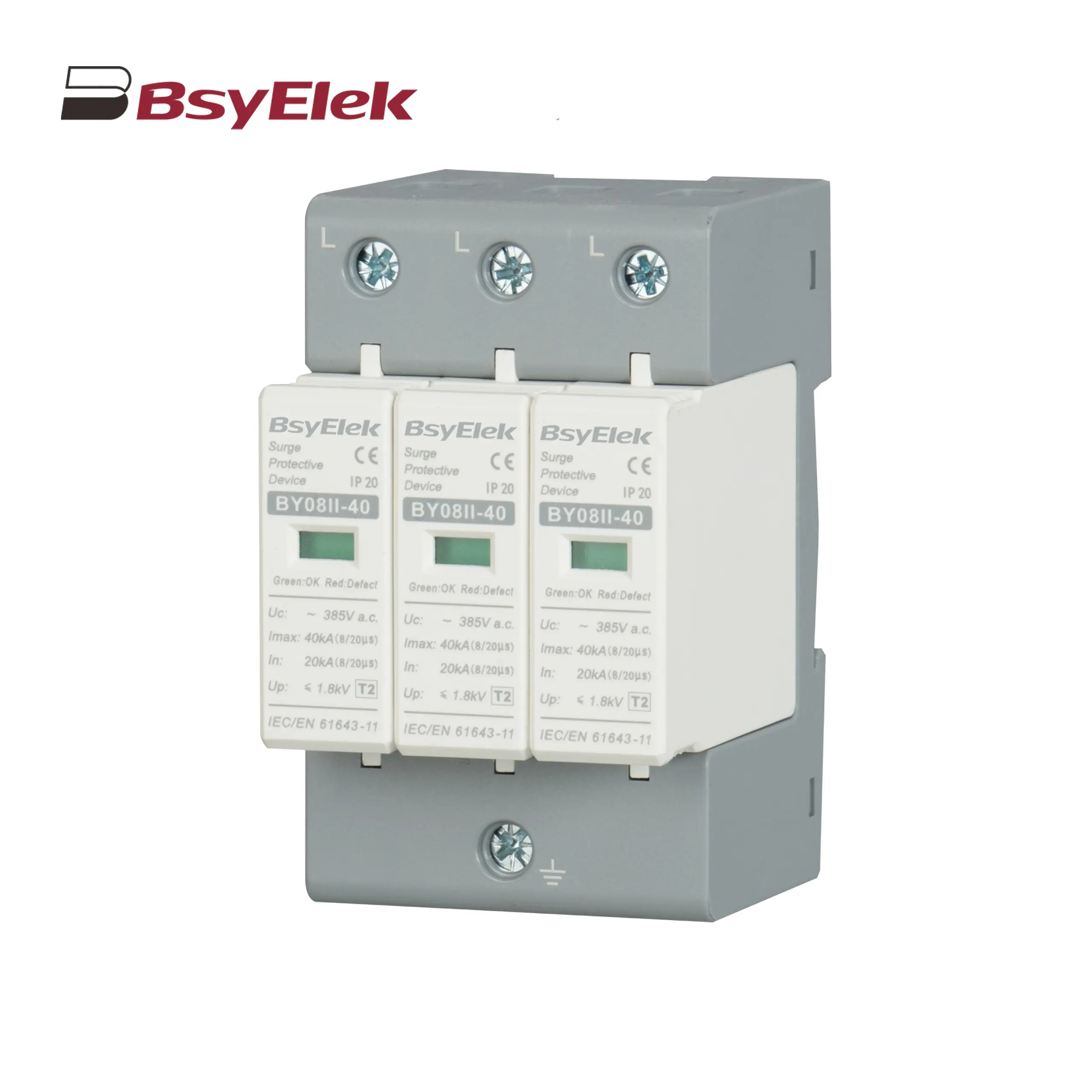 BY08II-40 SPD Class T2 Imax 40KA Surge Protective Device
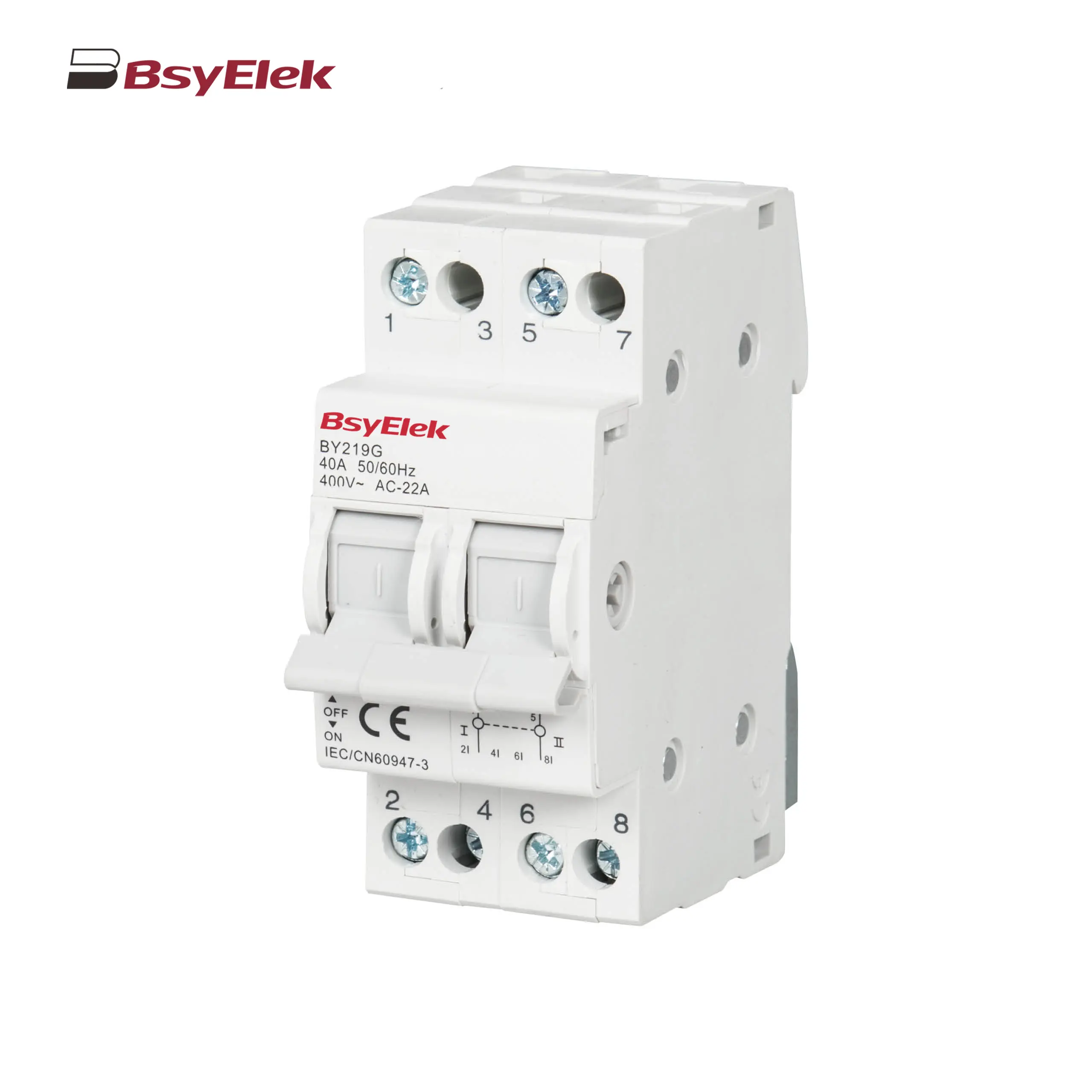 BY19G 63A Manual Changeover Switch
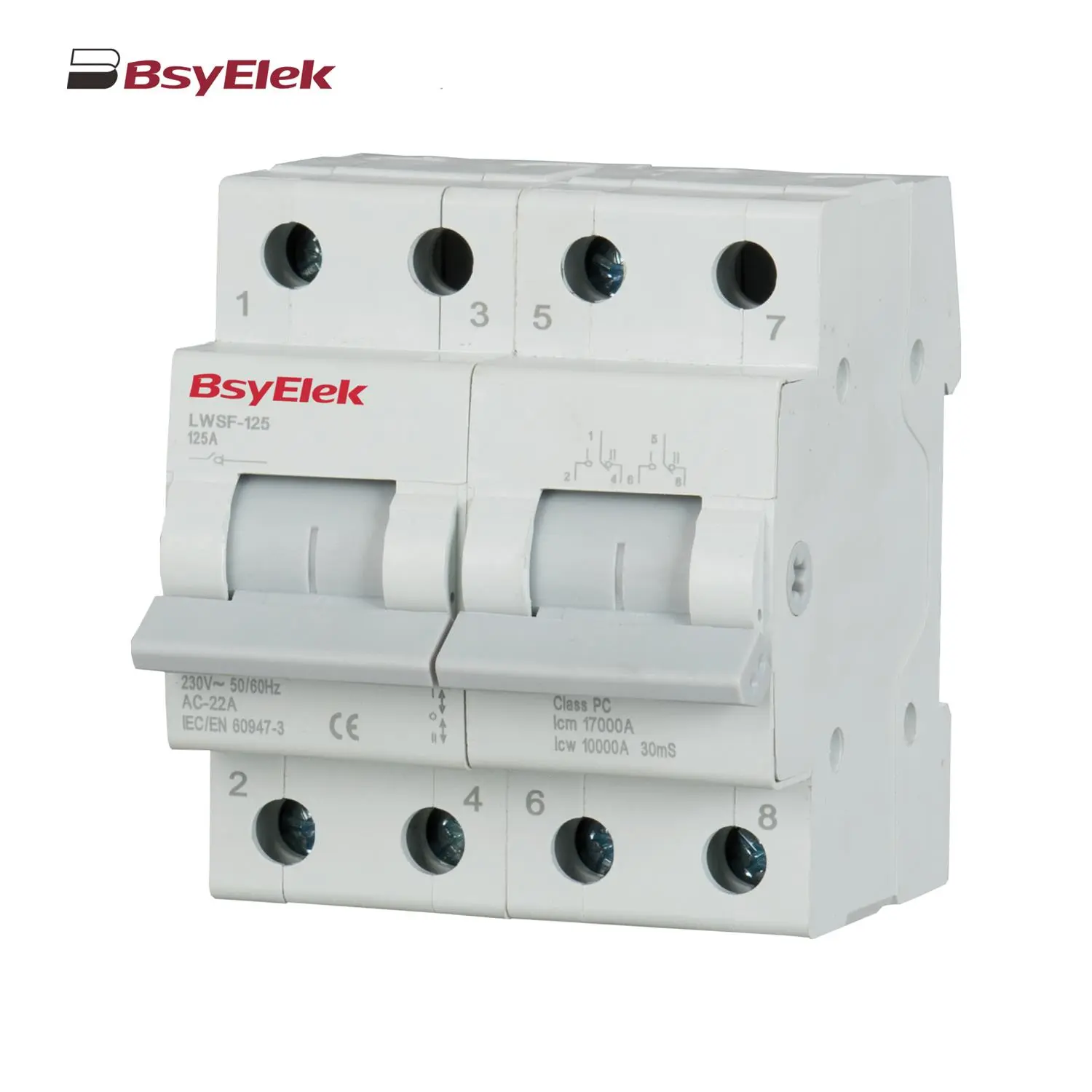 LWSF-125 125A Manual Changeover Switch
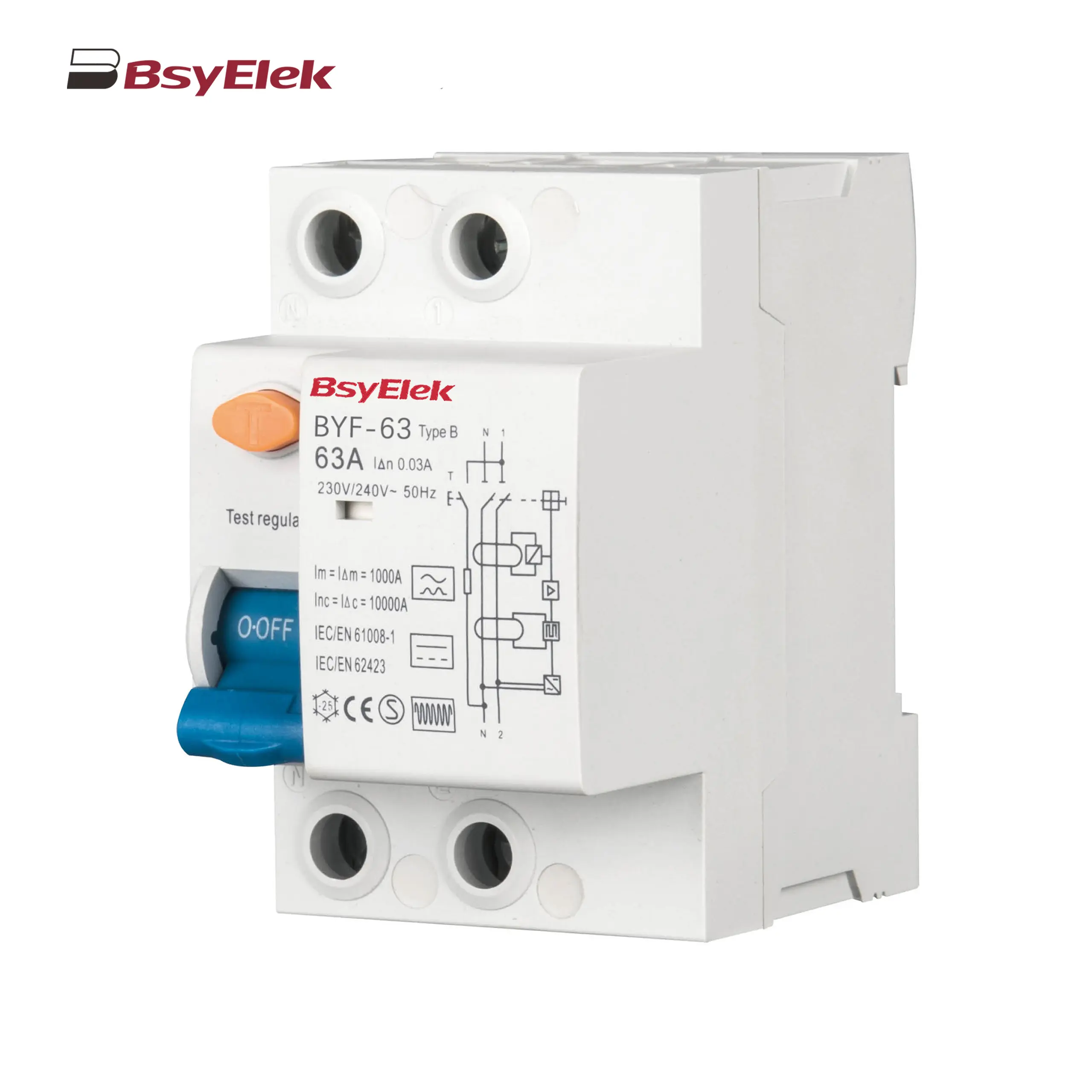 BYF-63 RCD 10KA Type B AC+A+Smoothing DC Residual Current Device
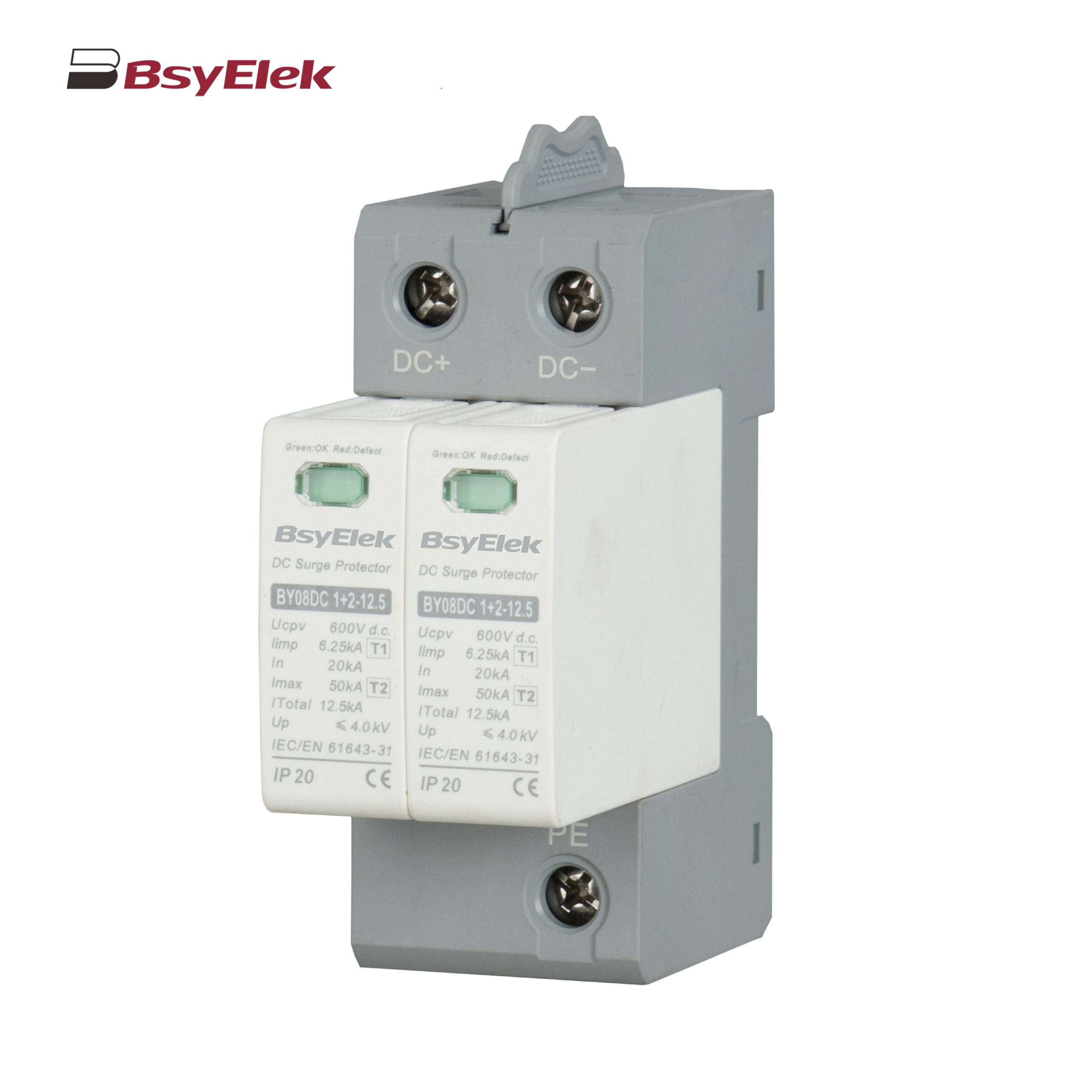 BY08DC 1+2-12.5 SPD Class T1+T2 40KA DC Surge Protective Device
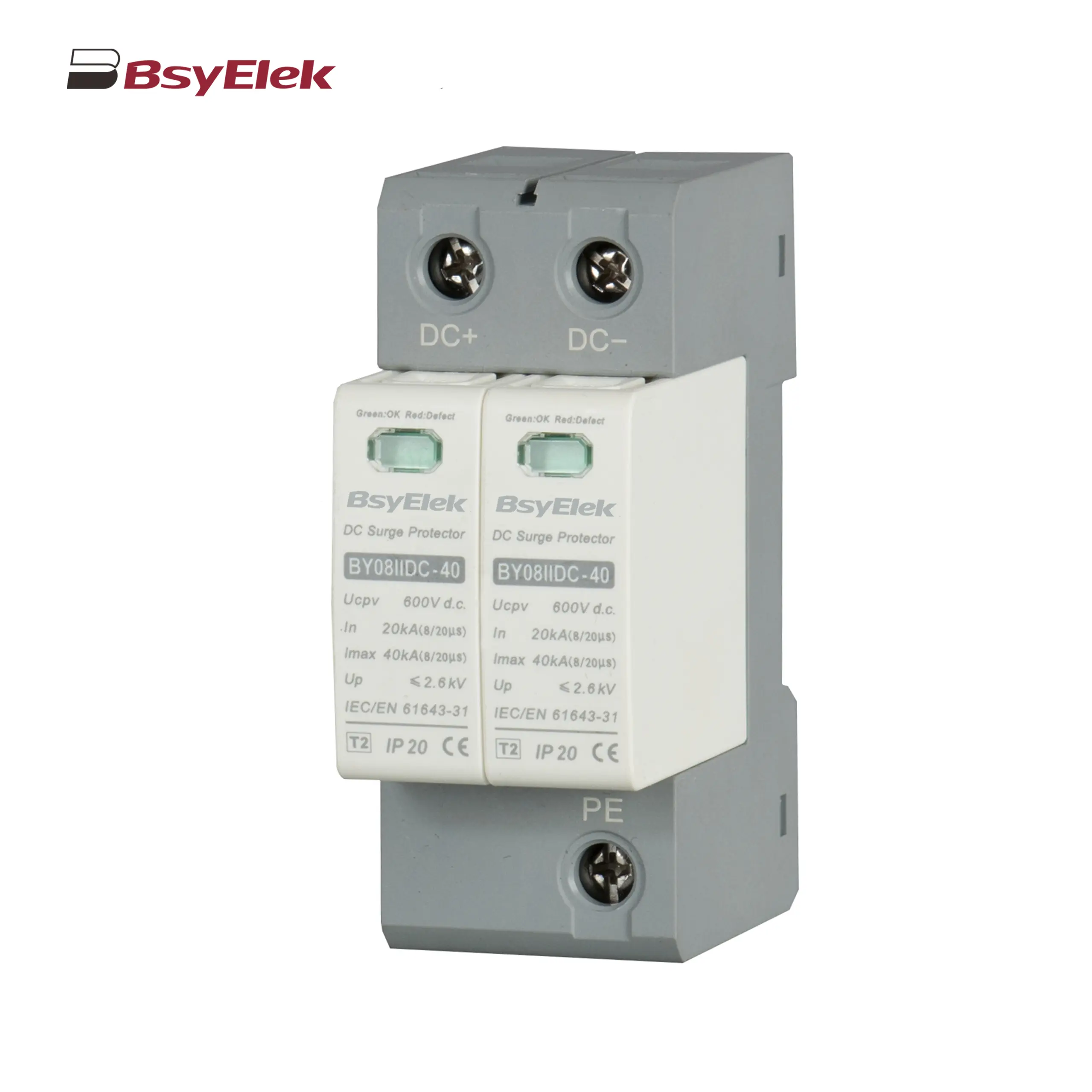 BY08IIDC-40 SPD Class T2 40KA DC Surge Protective Device
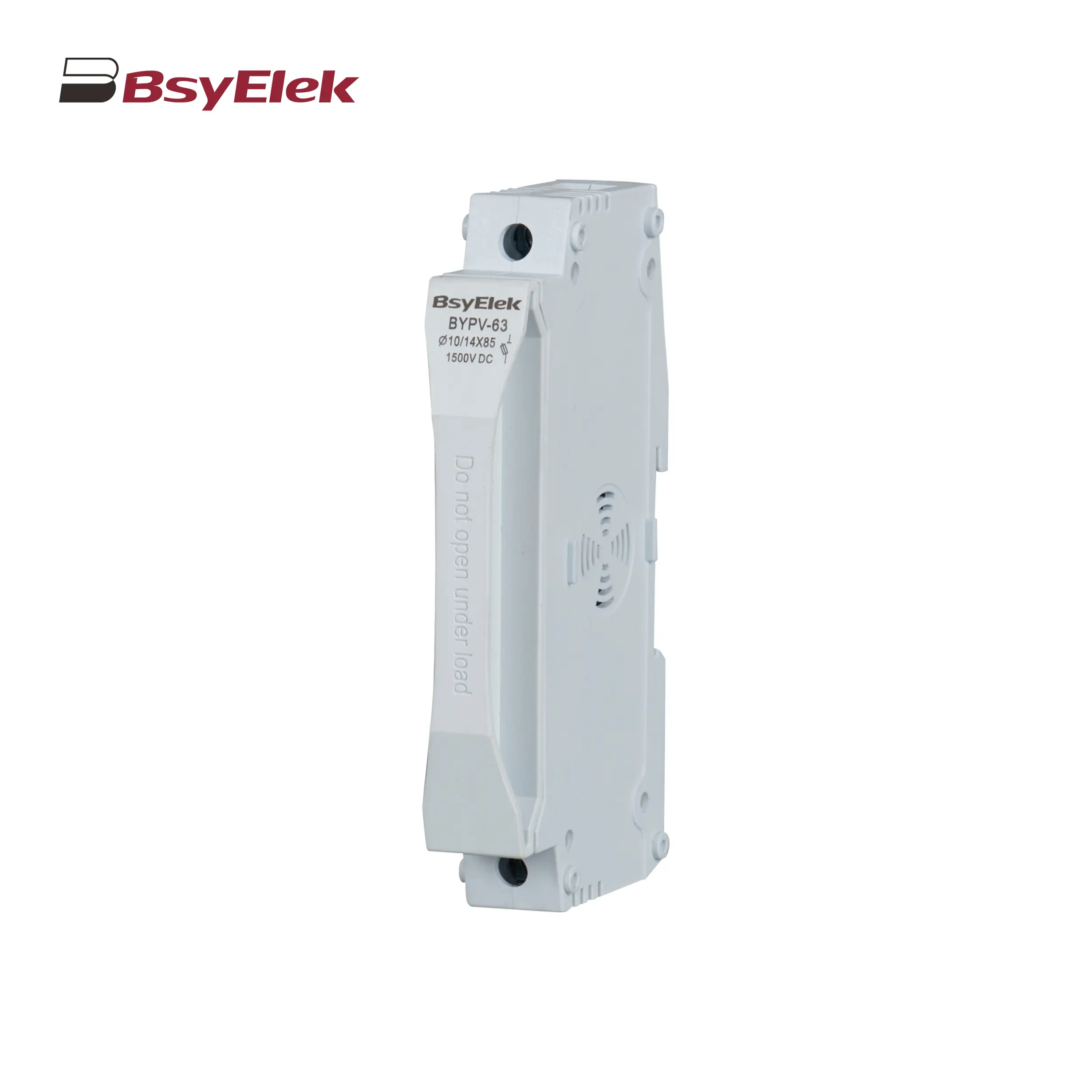 BYPV-63 1500VDC 50A Fuse Holder with 10x85mm 14x85mm Fuse Link
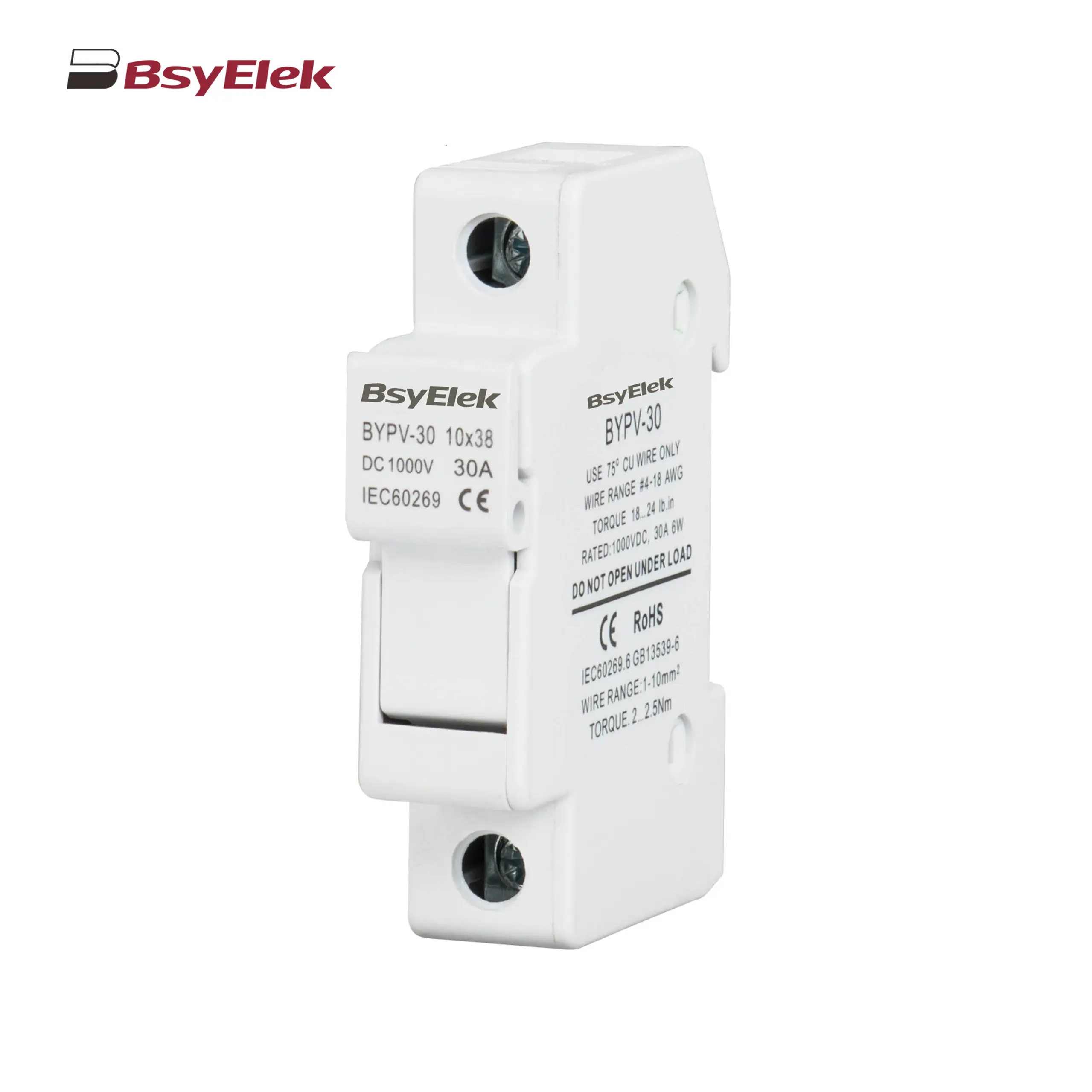 BYPV-30 1000VDC 32A Fuse Holder with 10x38mm Fuse Link
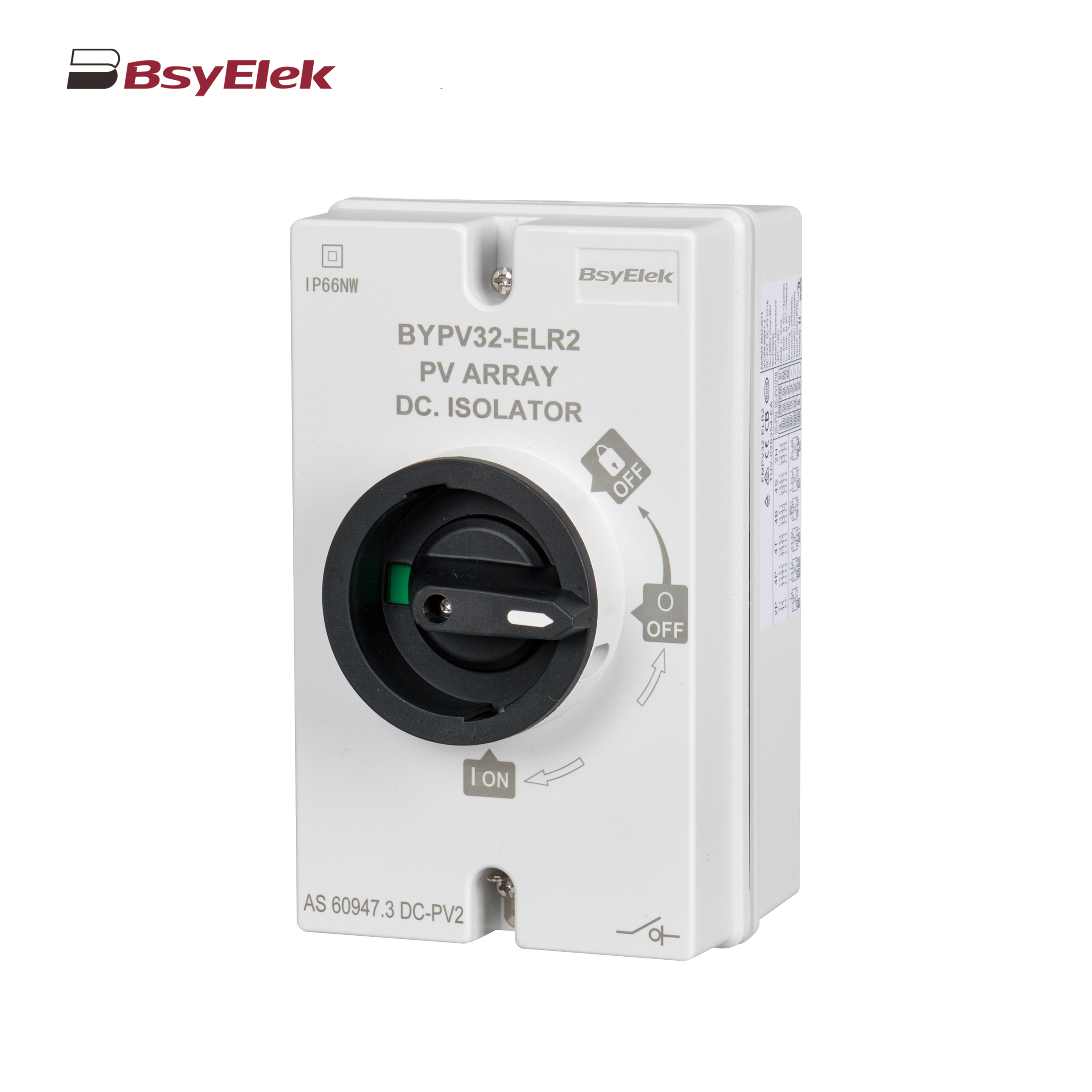 BYPV-ELR2 PV Isolator Switch with Enclosed Version
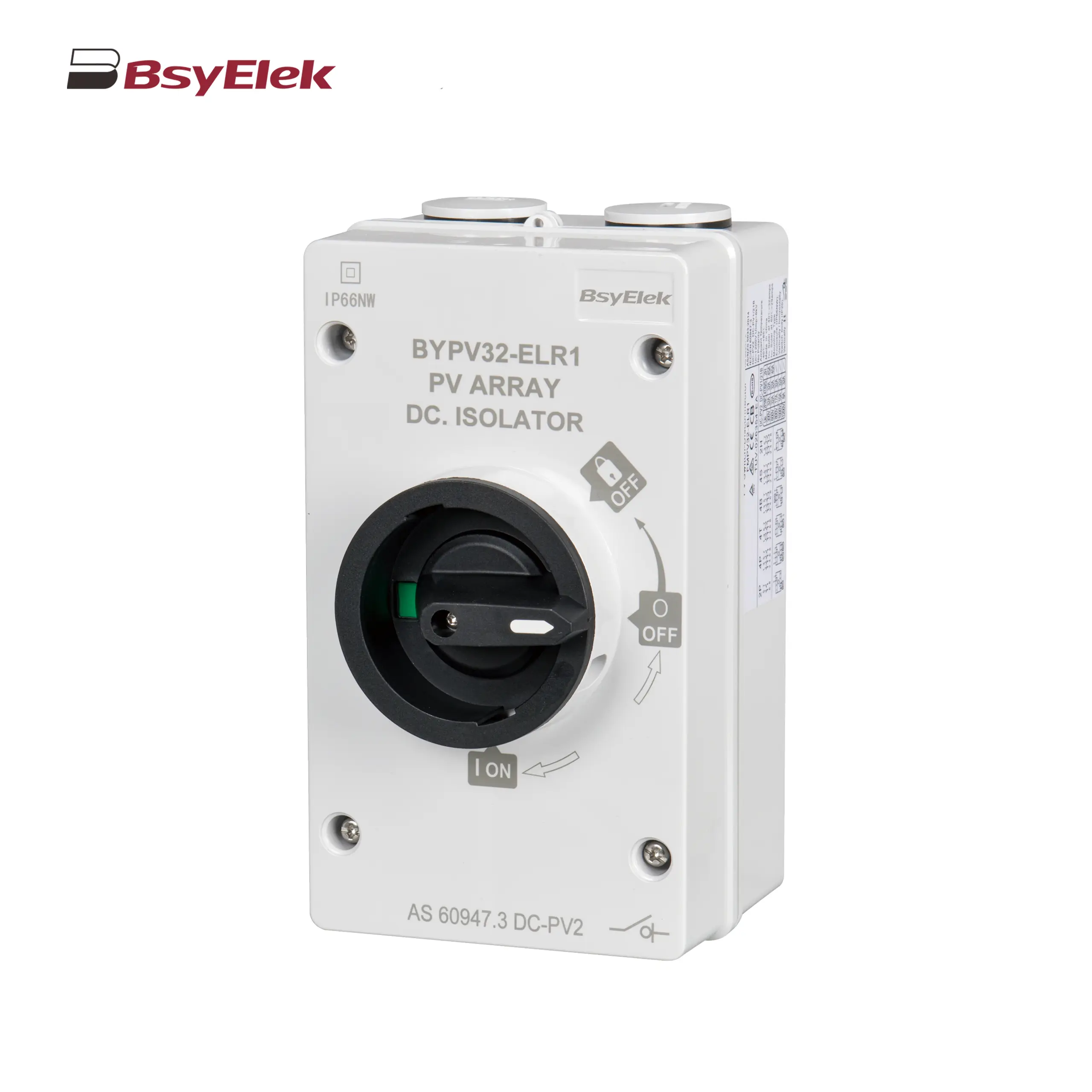 BYPV-ELR1 PV Isolator Switch with Enclosed Version
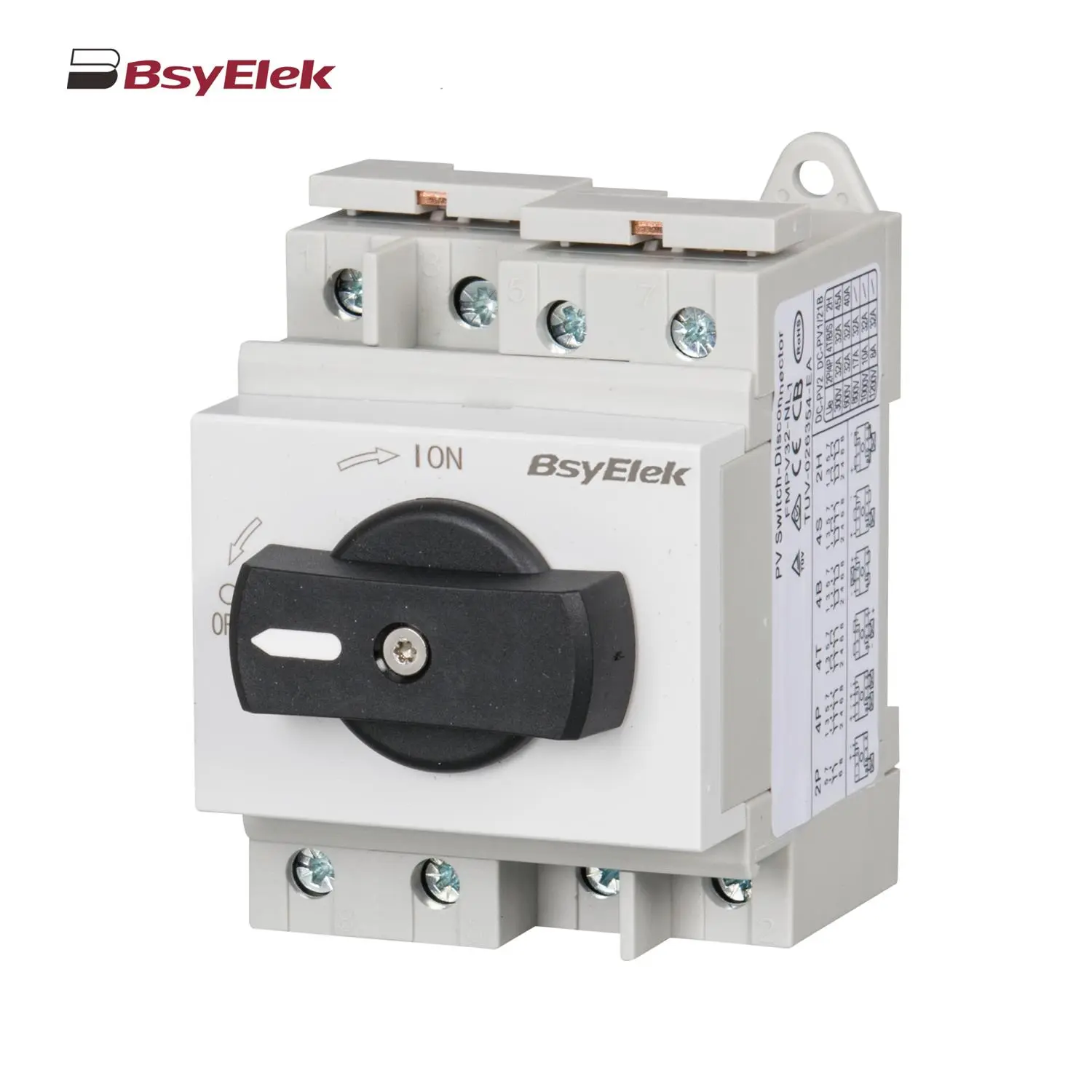 BYPV-NL1/T PV Isolator Switch with Ultra-thin Lever Handle
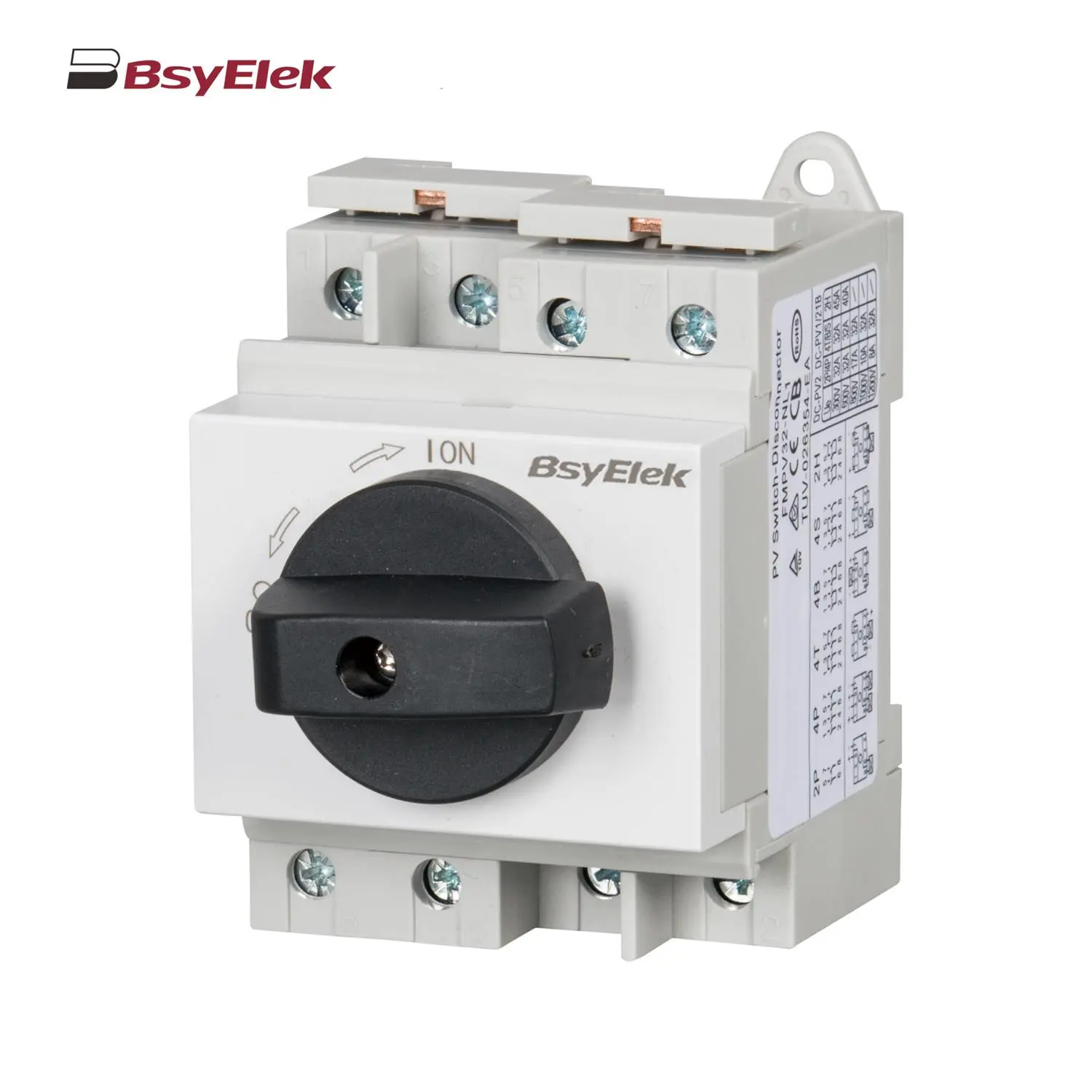 BYPV-NL1 PV Isolator Switch with Lever Handle
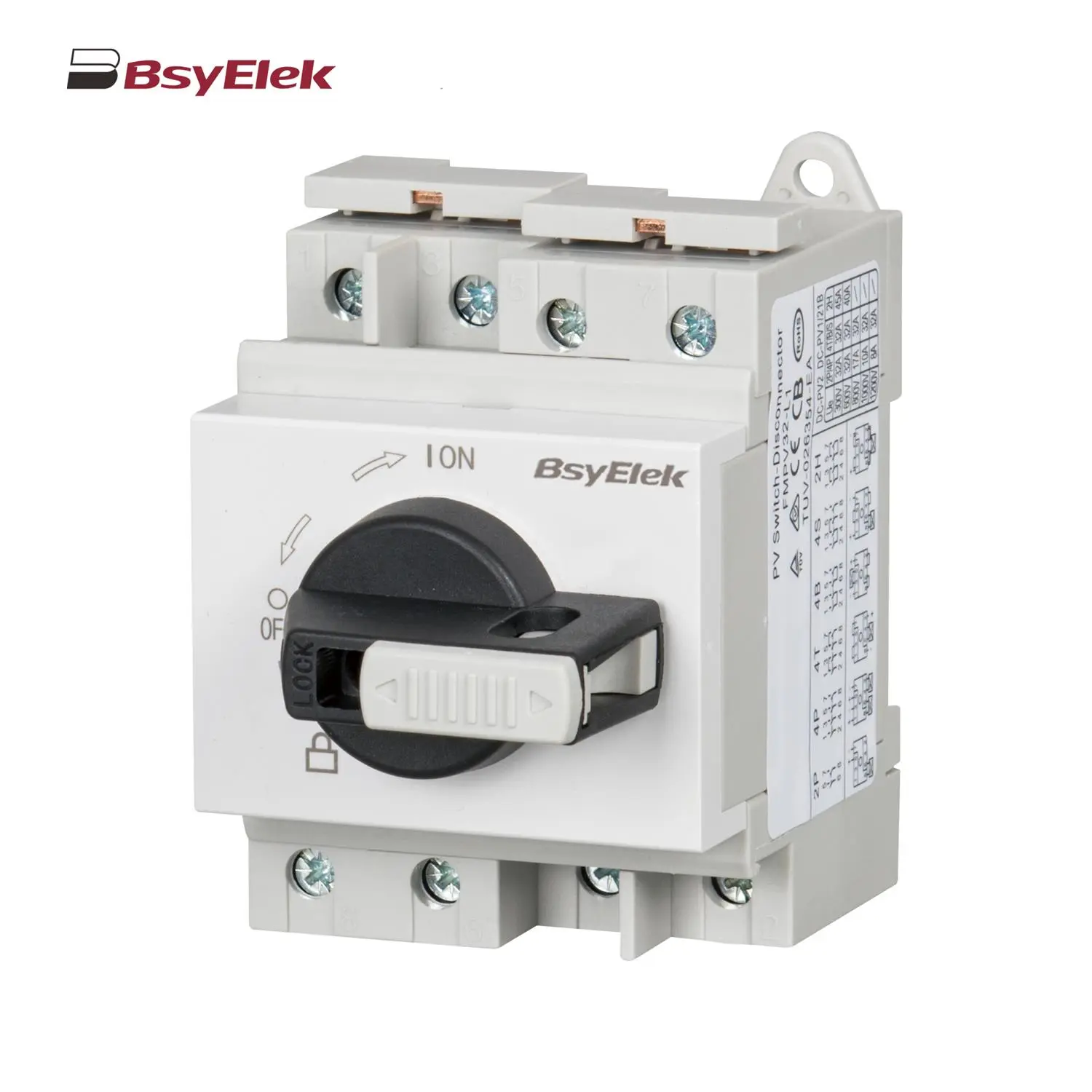 BYPV-L1/L2 PV Isolator Switch with Lockable Lever Handle
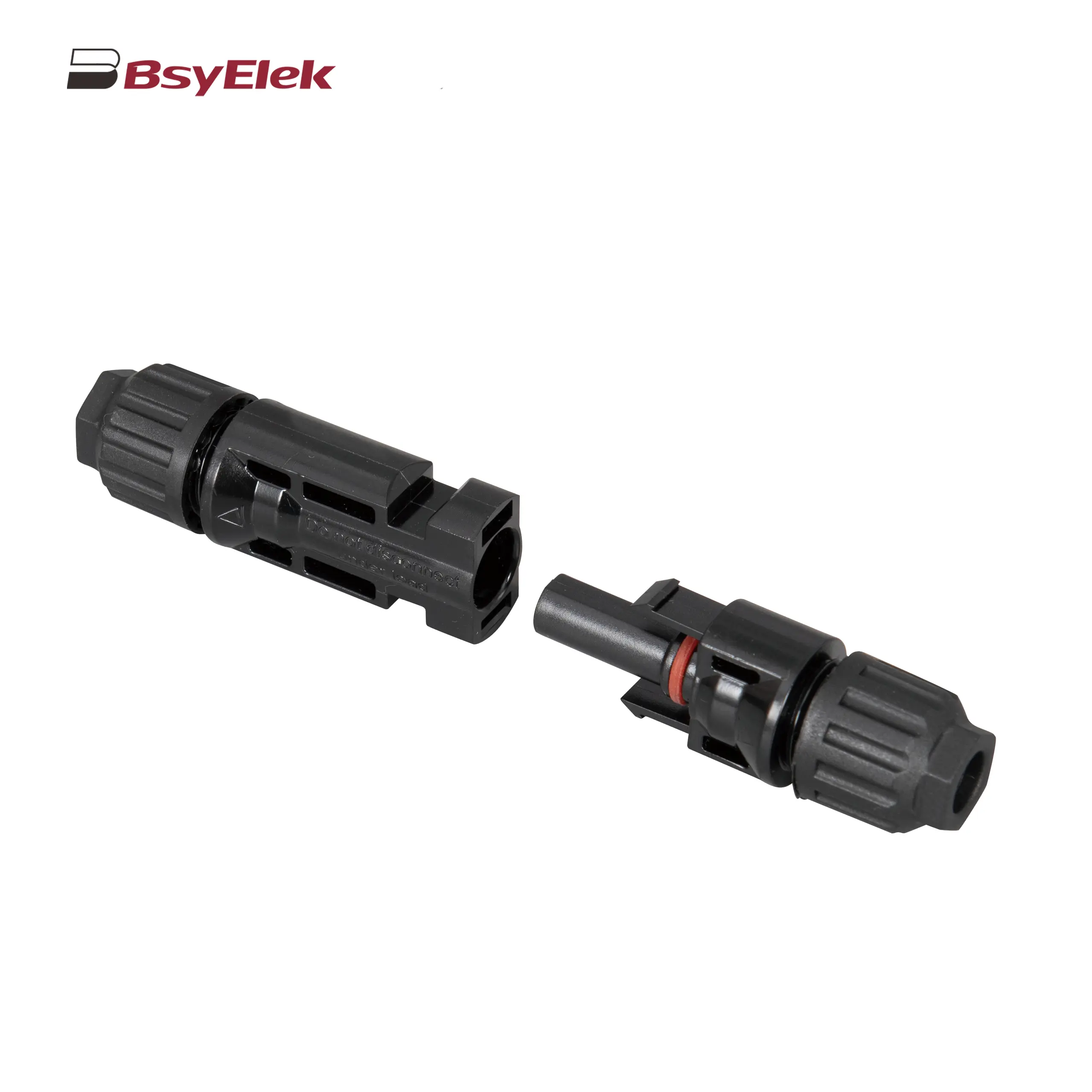 PV-BY-01 30A/50A 1000V Photovoltaic Connector
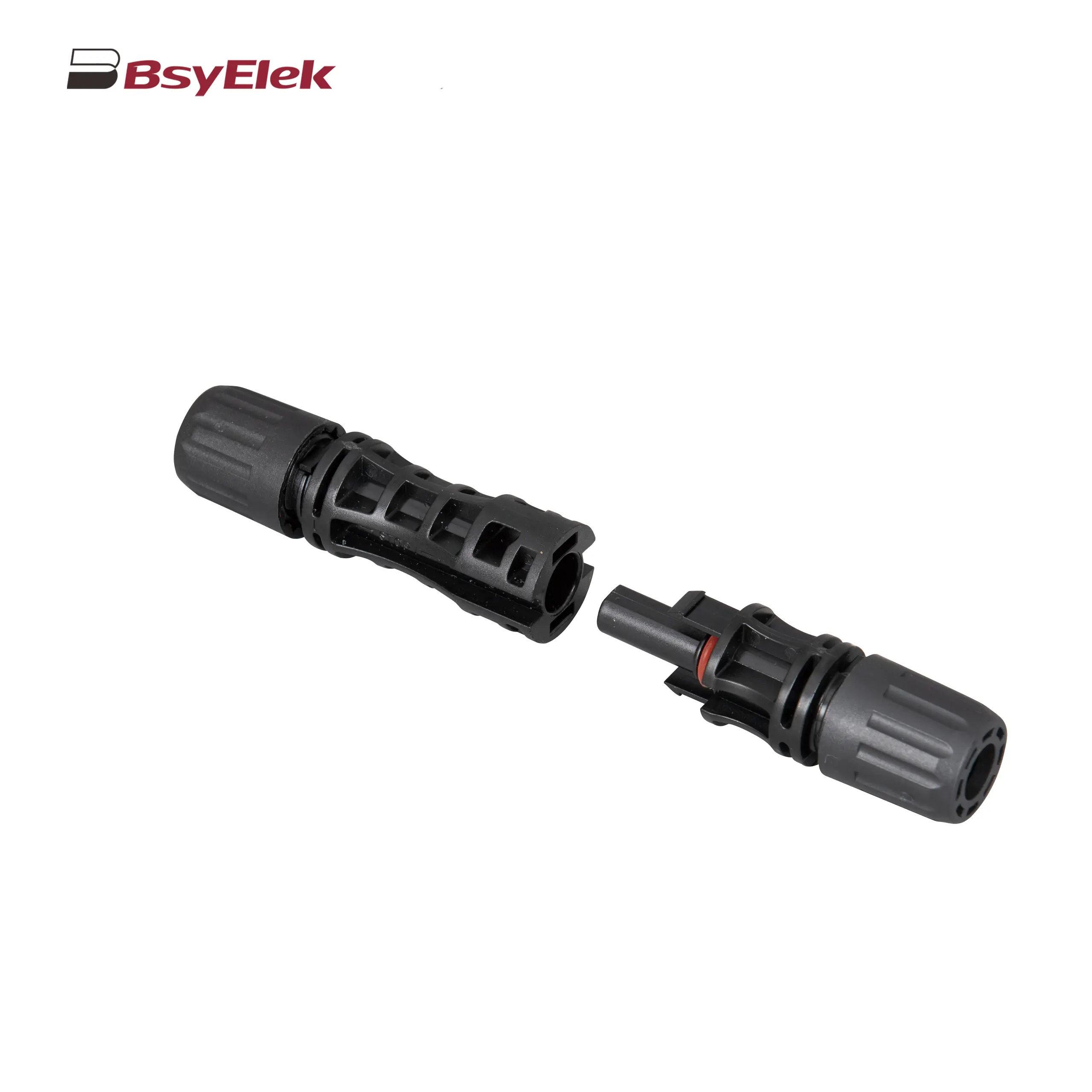 PV-BY-02 30A/50A 1500V Photovoltaic Connector
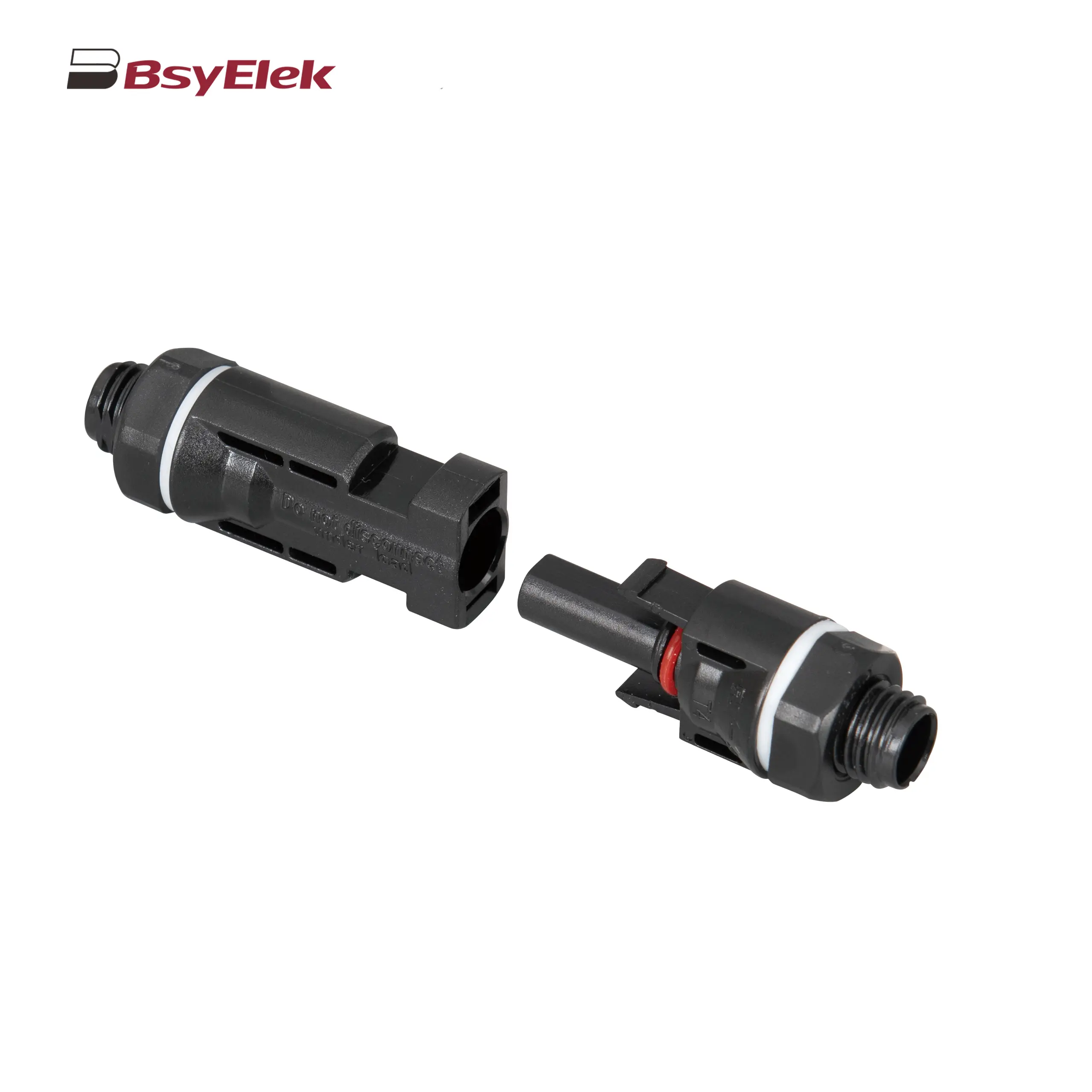 PV-BY-03 30A/50A 1000V Panel Mount Photovoltaic Connector
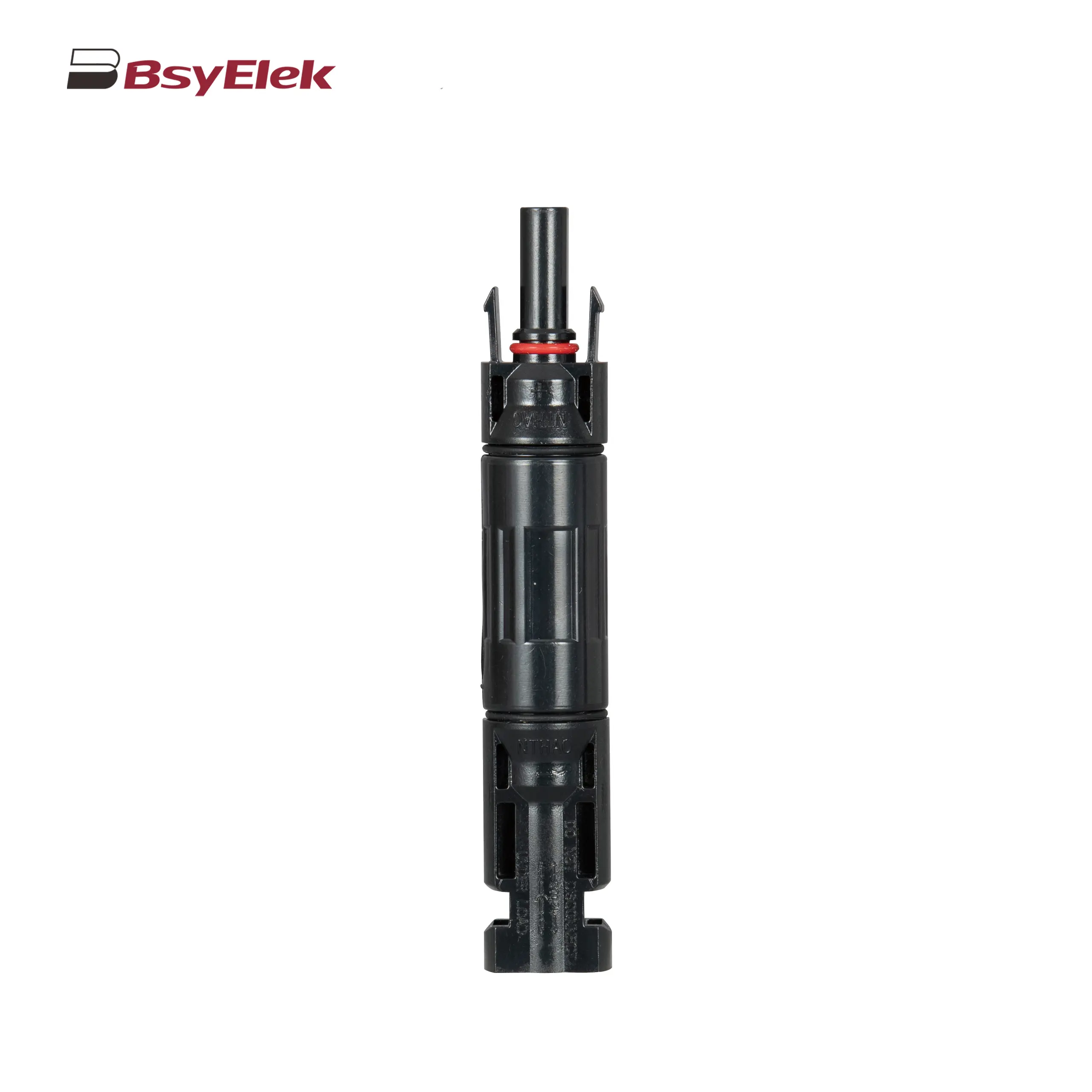 PV-BY-F01 30A 1500V Diode/Fuse Type Connector
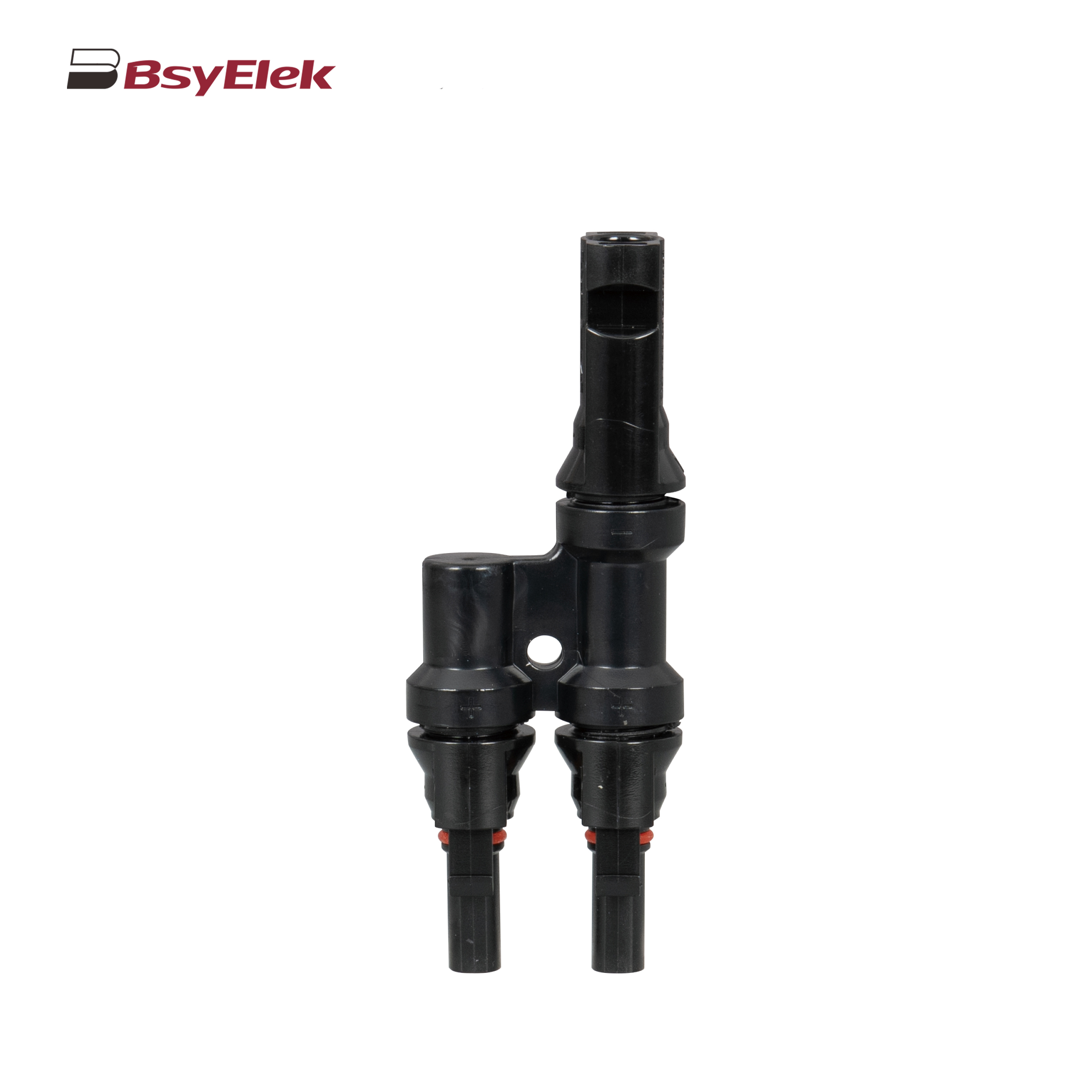 PV-BY-T 50A 1500V T Type Branch Connector
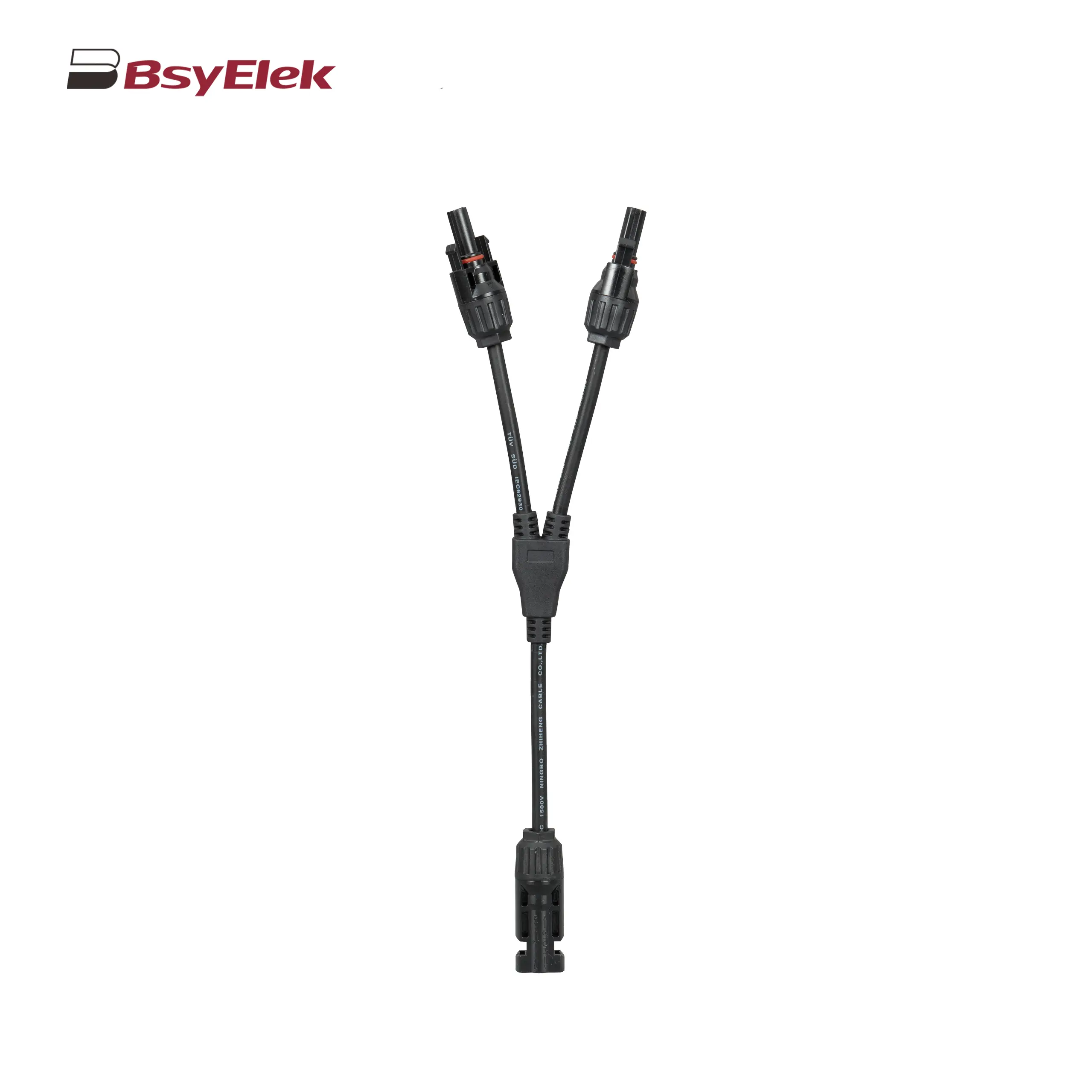 PV-BY-Y 30A 1500V Y Type Branch Connector
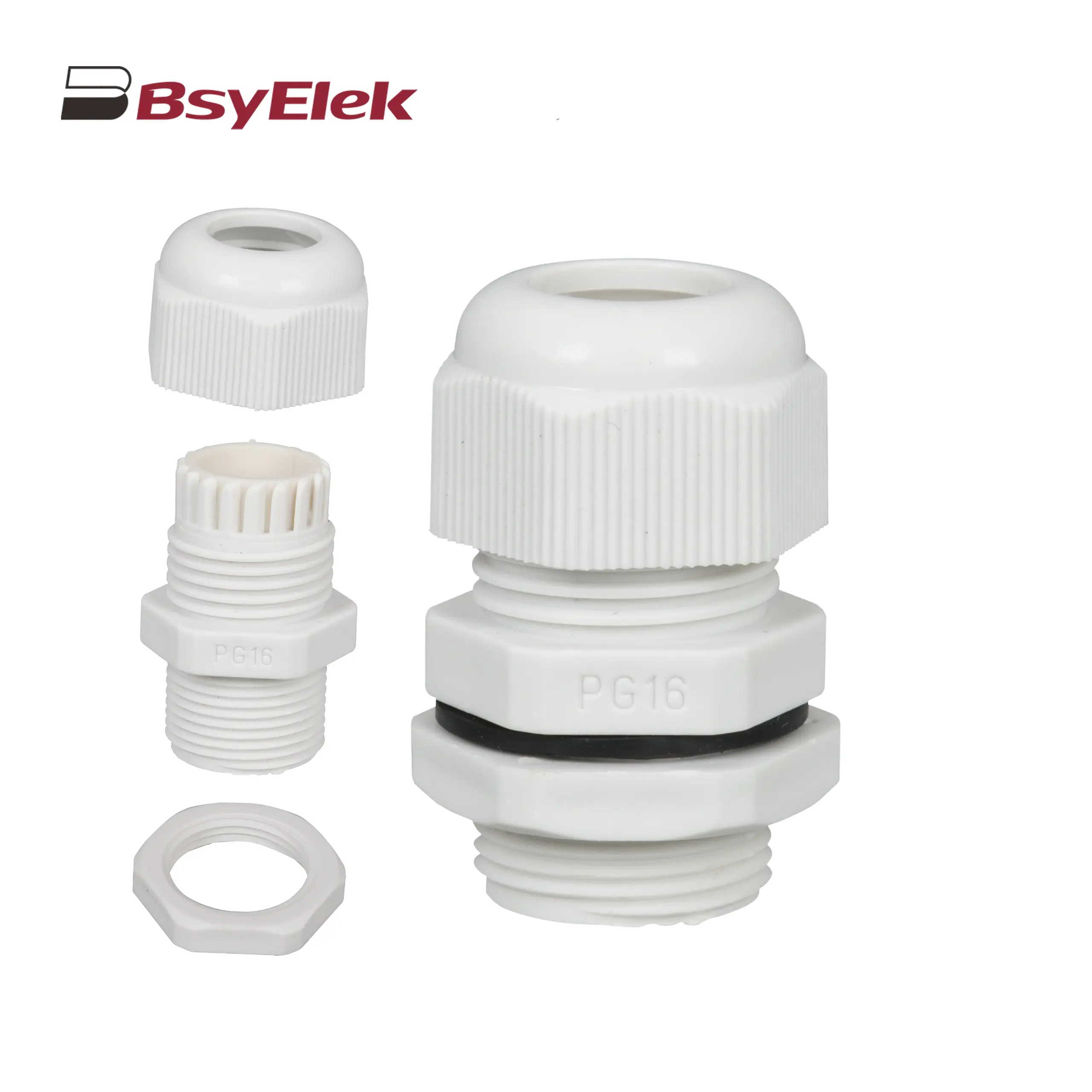 PG Waterproof Cable Gland with Washer
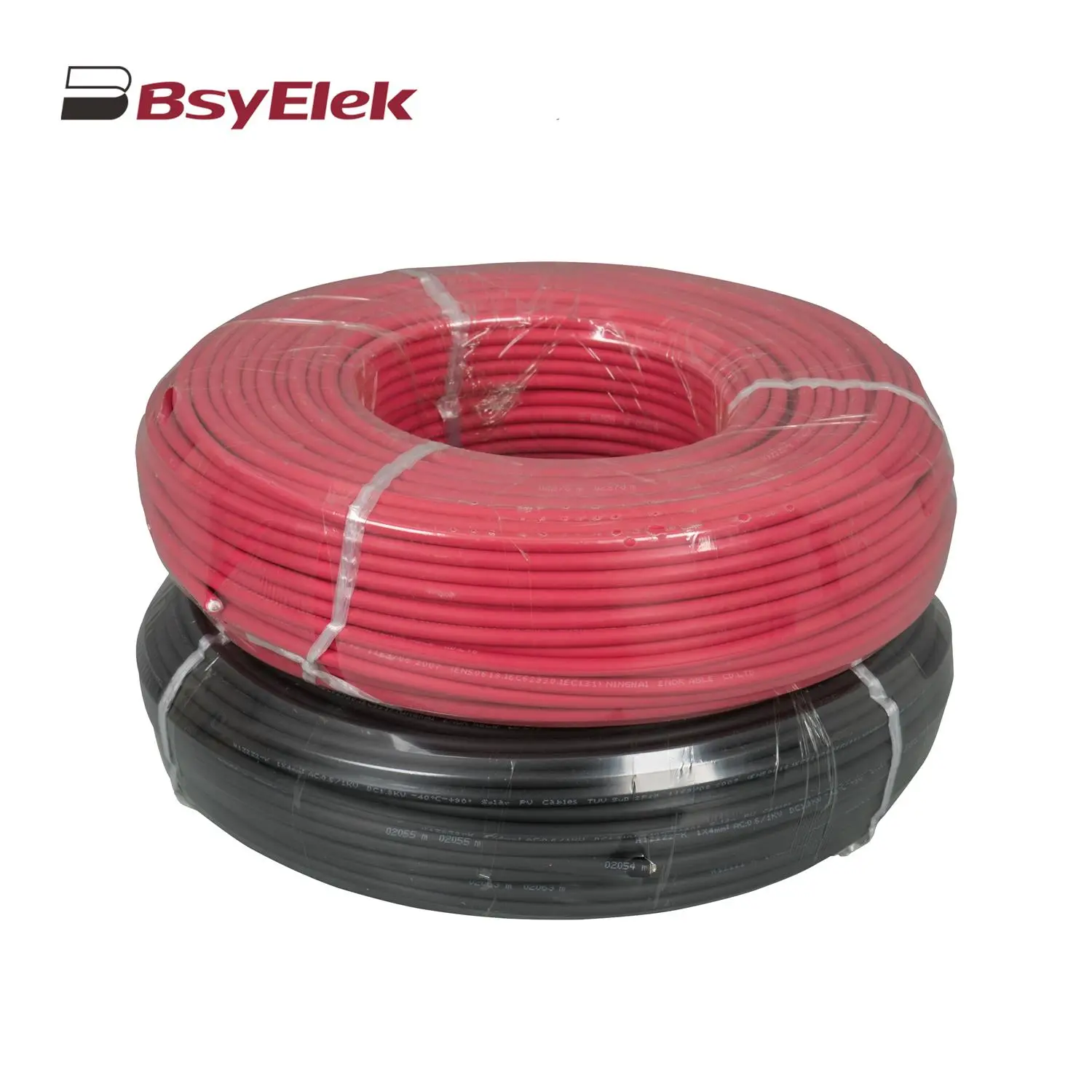 Photovoltaic Cable
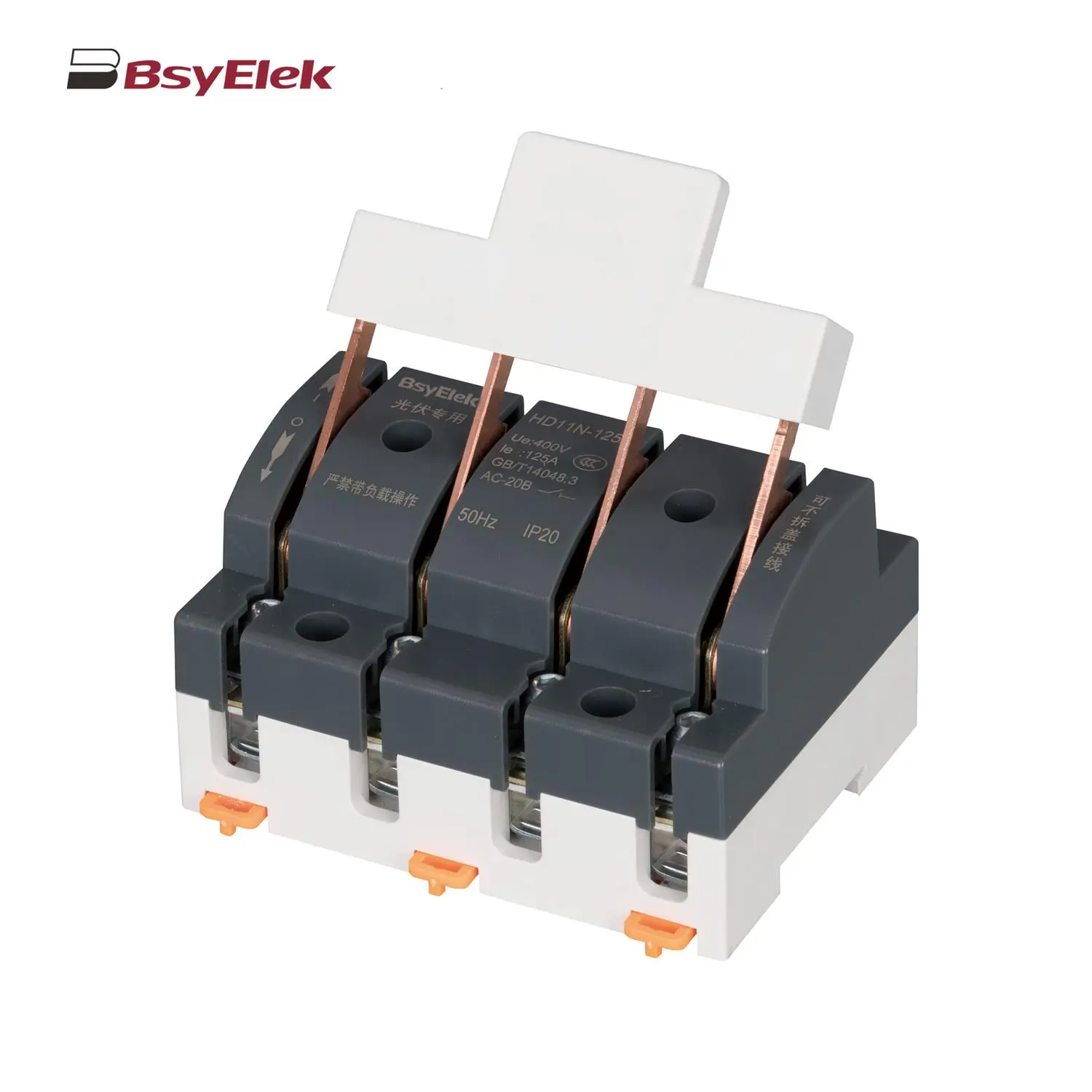 HD11N Photovoltaic Knife Switch
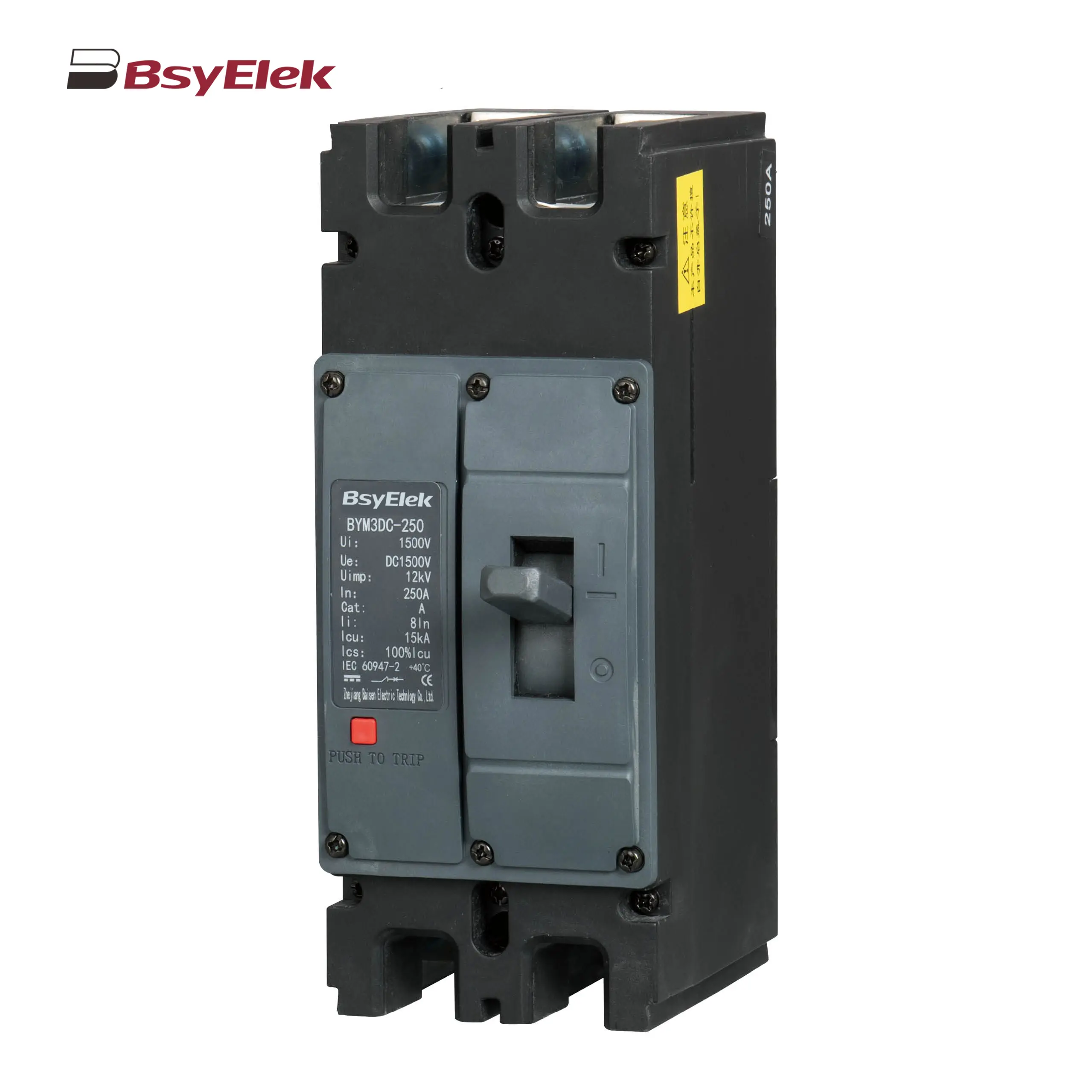 BYM3DC MCCB Photovoltaic DC Molded Case Circuit Breaker
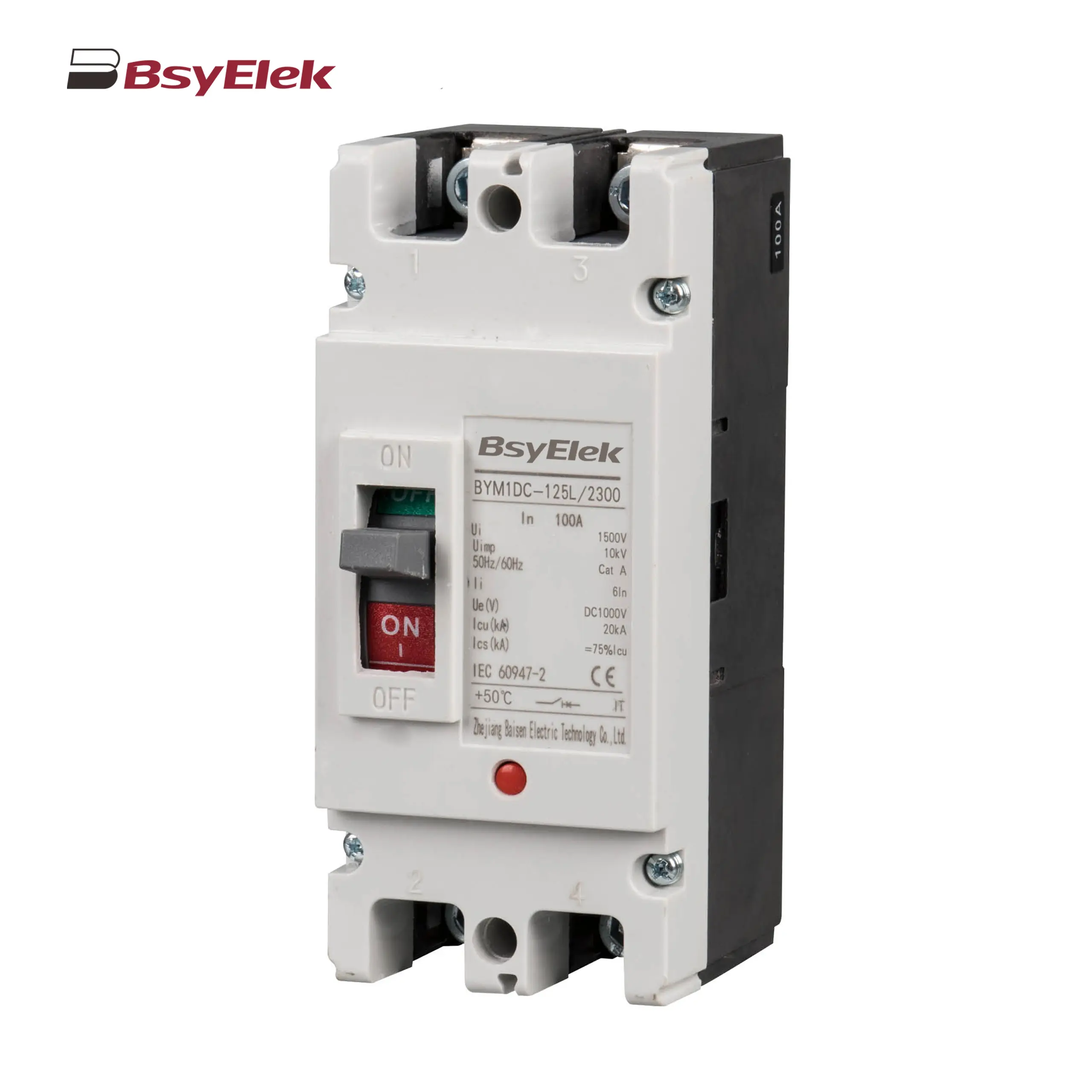 BYM1DC MCCB 1000VDC Thermal Magnetic Type DC Molded Case Circuit Breaker
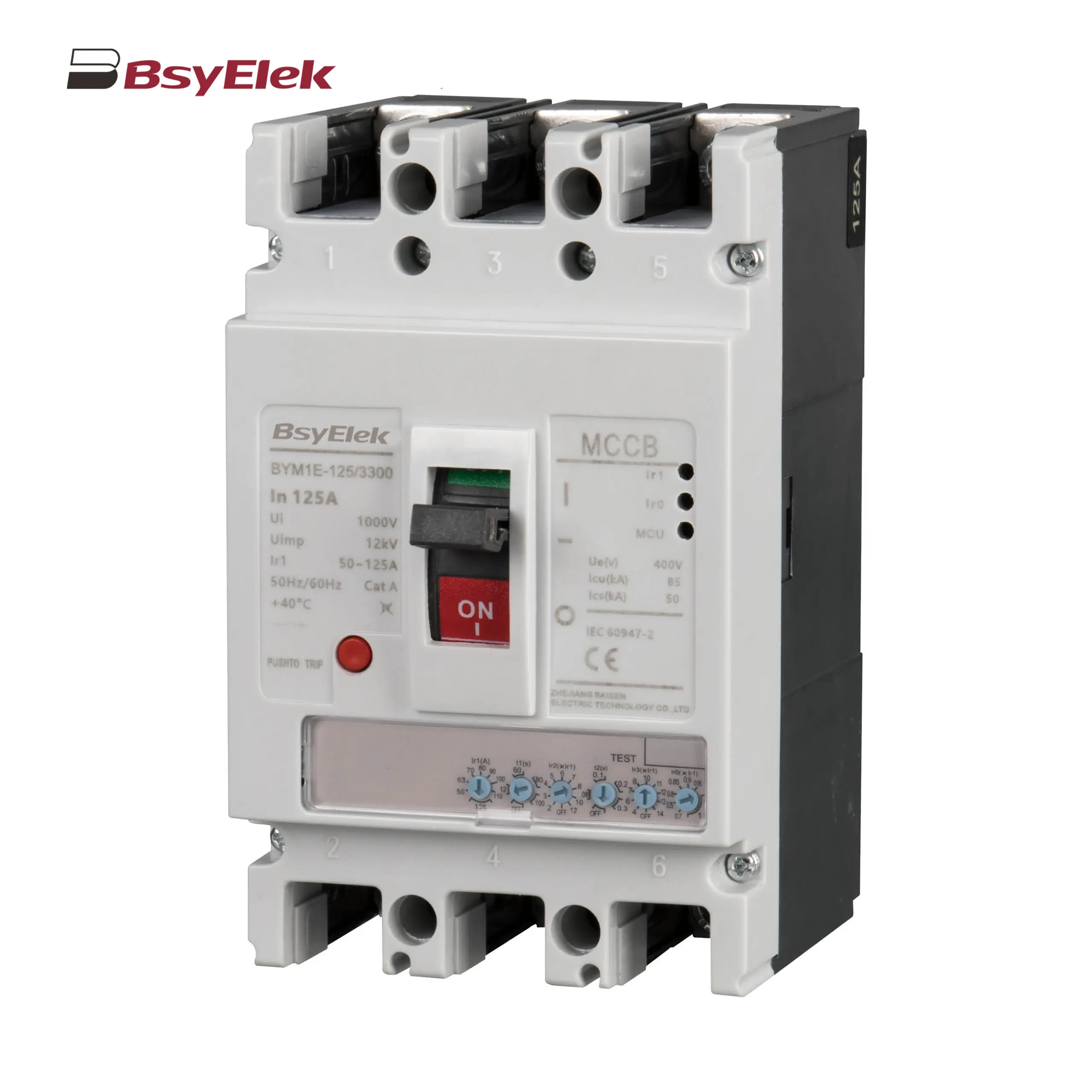 BYM1E MCCB Electronic Type Molded Case Circuit Breaker
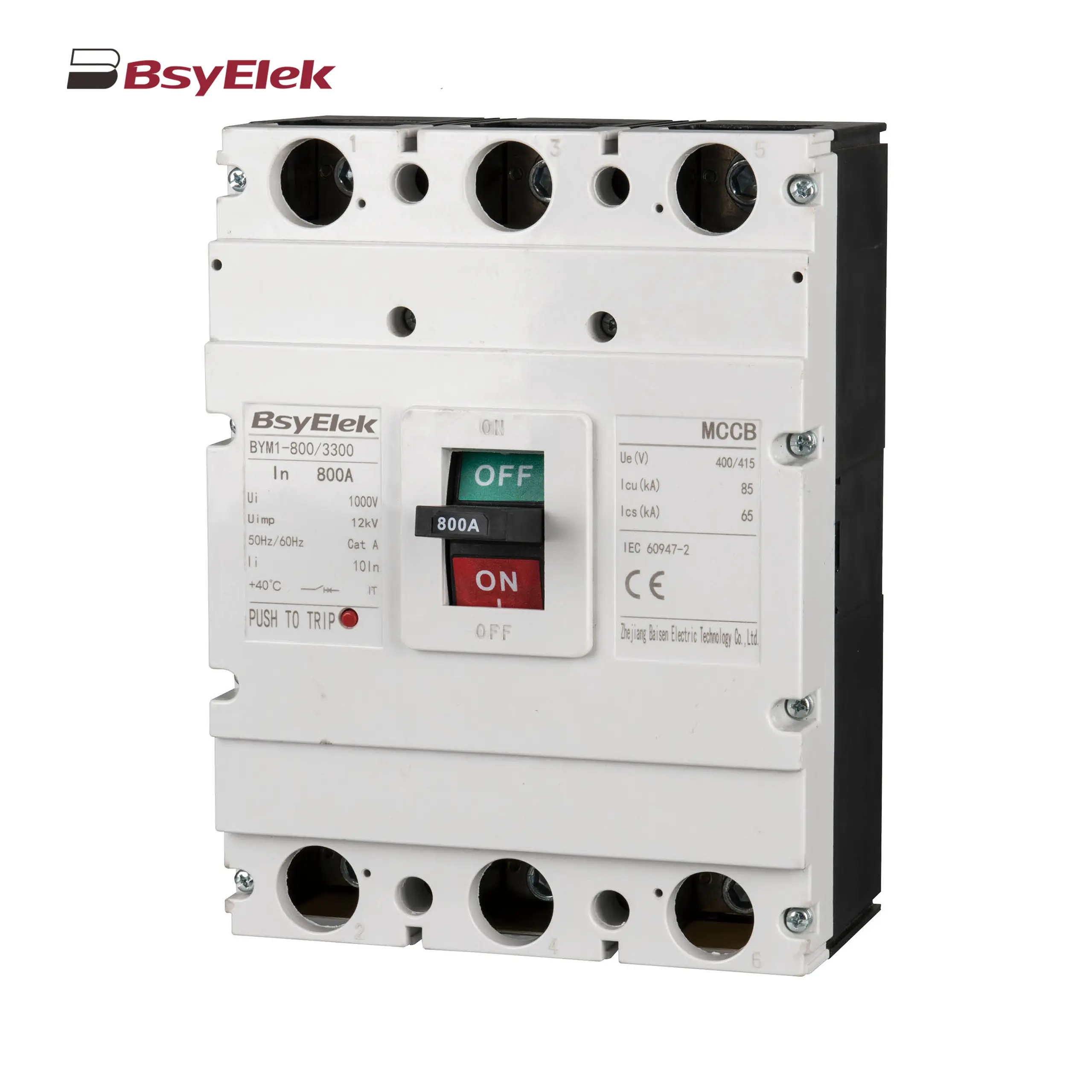 BYM1 MCCB Thermal Magnetic AC Molded Case Circuit Breaker
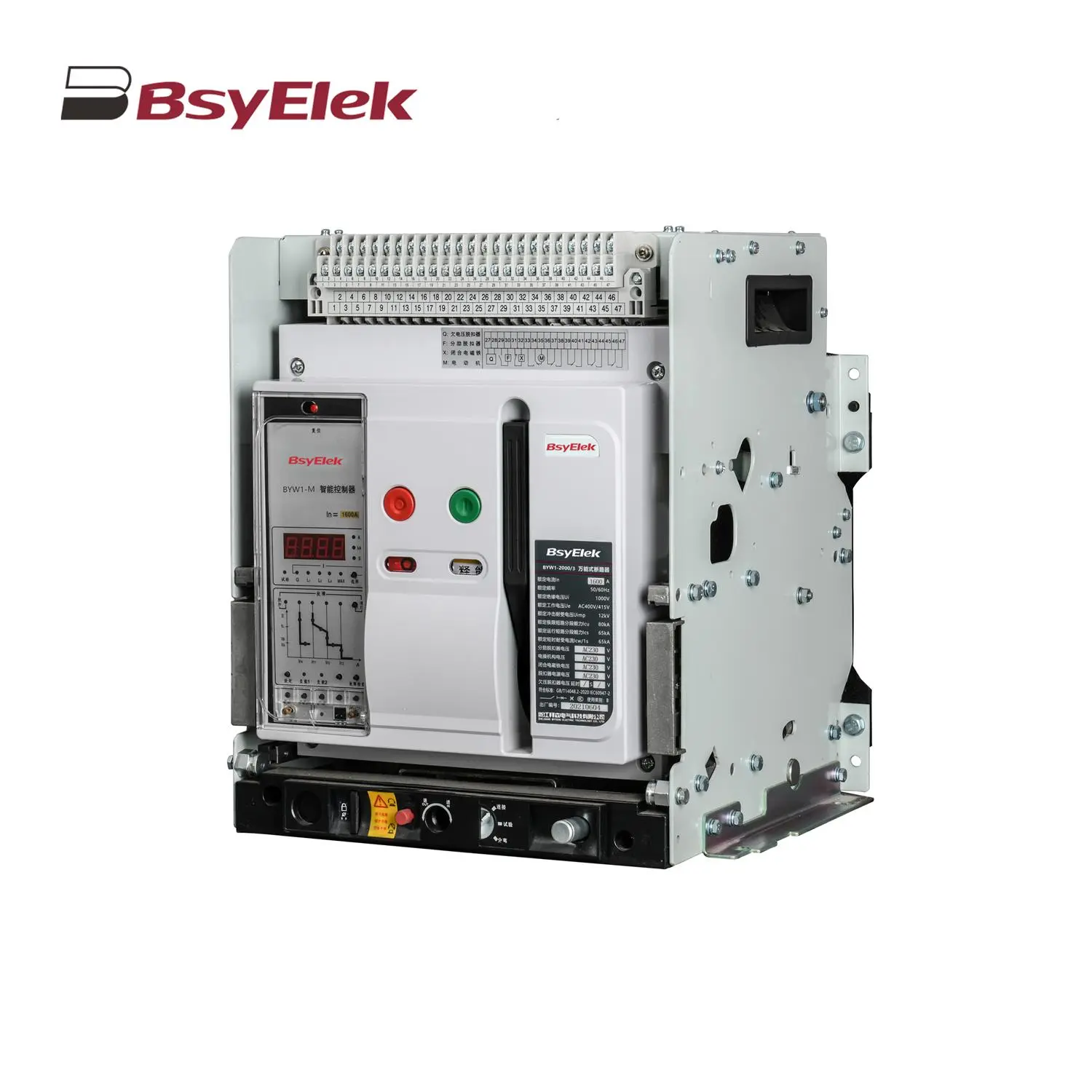 BYW1 ACB Intelligent Universal Air Circuit Breaker
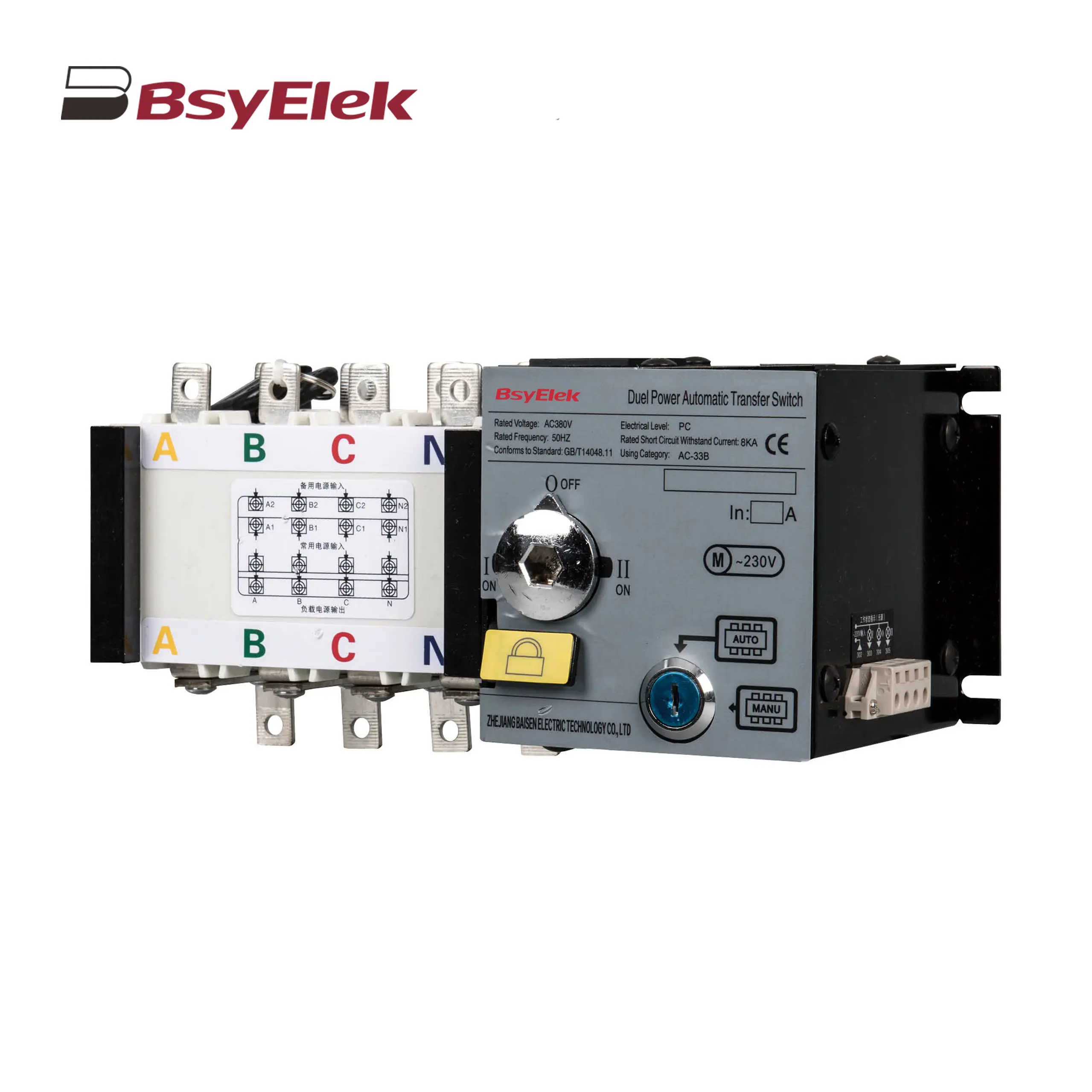 BYQ1 ATS Isolated Type PC Level Dual Power Automatic Transfer Switch
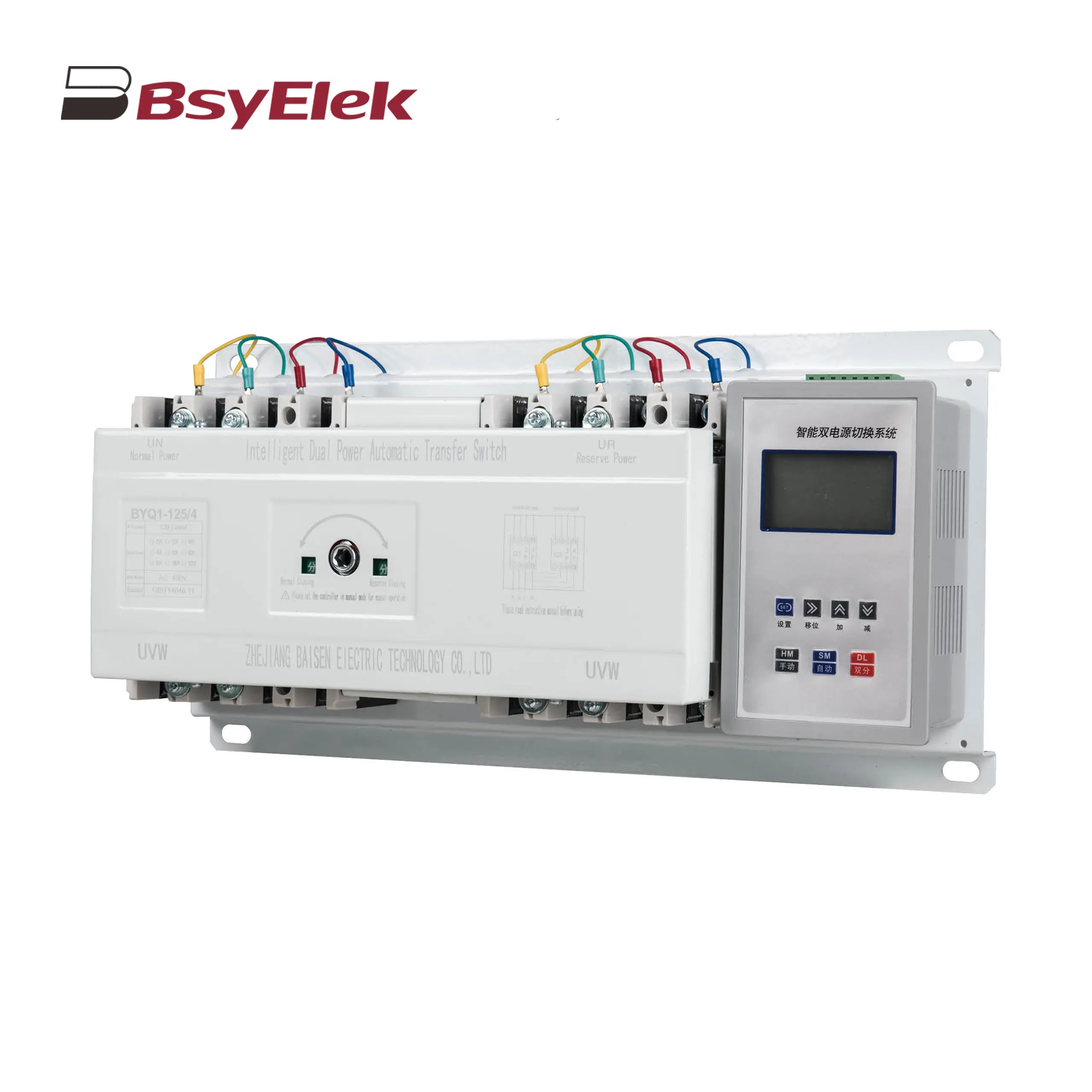 BYQ1 ATS Intelligent Type CB Level Dual Power Automatic Transfer Switch
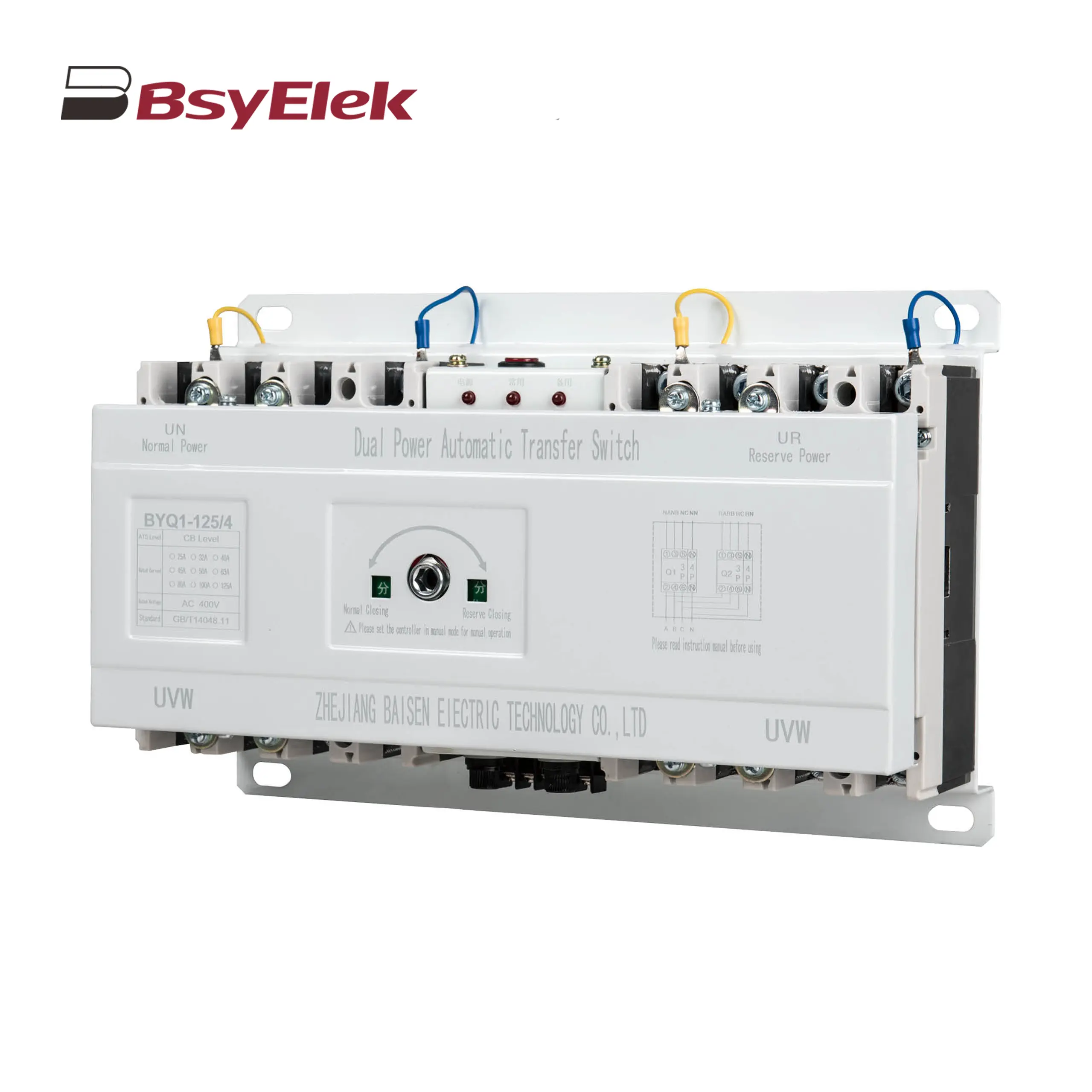 BYQ1 ATS End Type CB Level Dual Power Automatic Transfer Switch
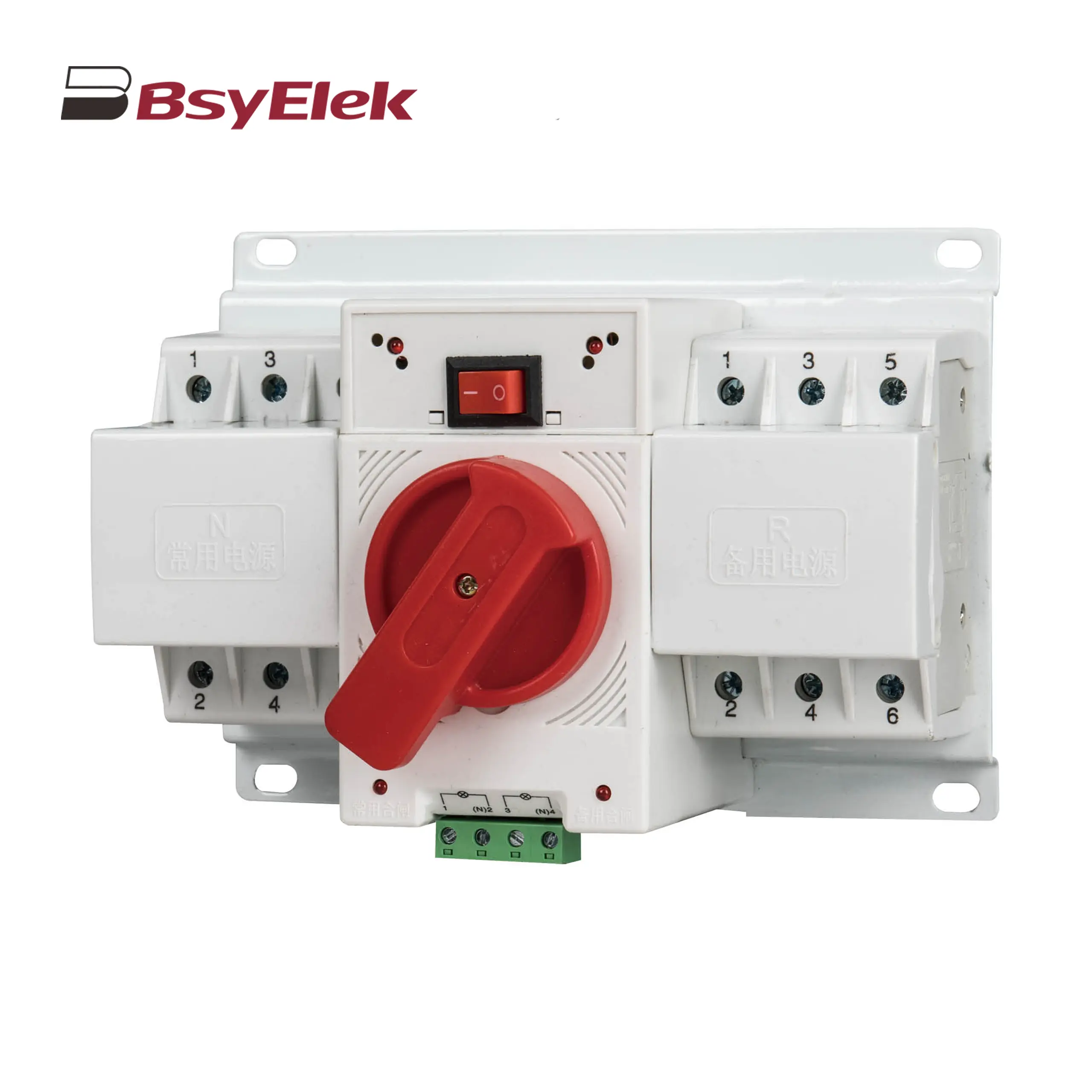 BYQ1 ATS Mini Type CB Level Dual Power Automatic Transfer Switch
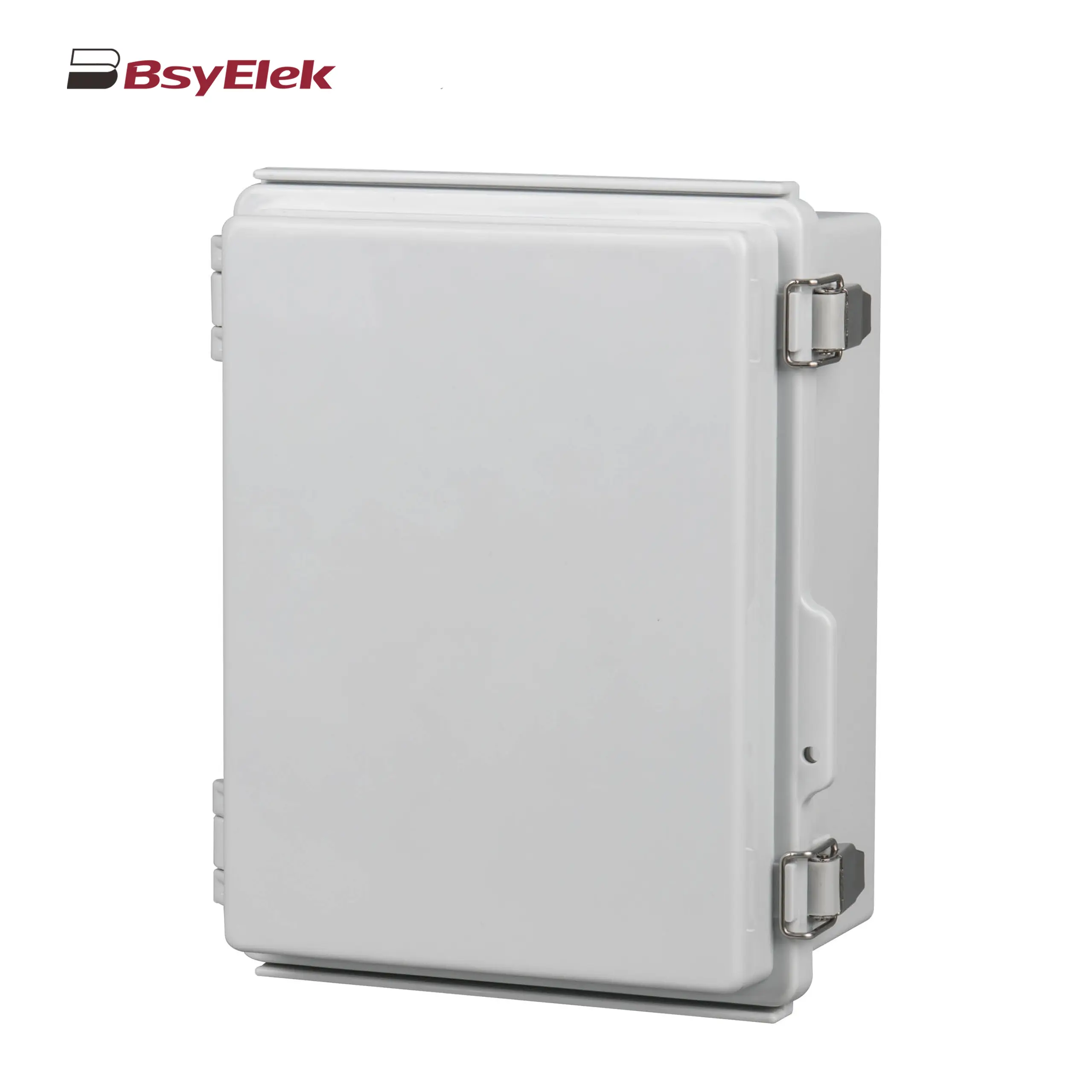 Stainless Steel Hinge Type Electrical Box
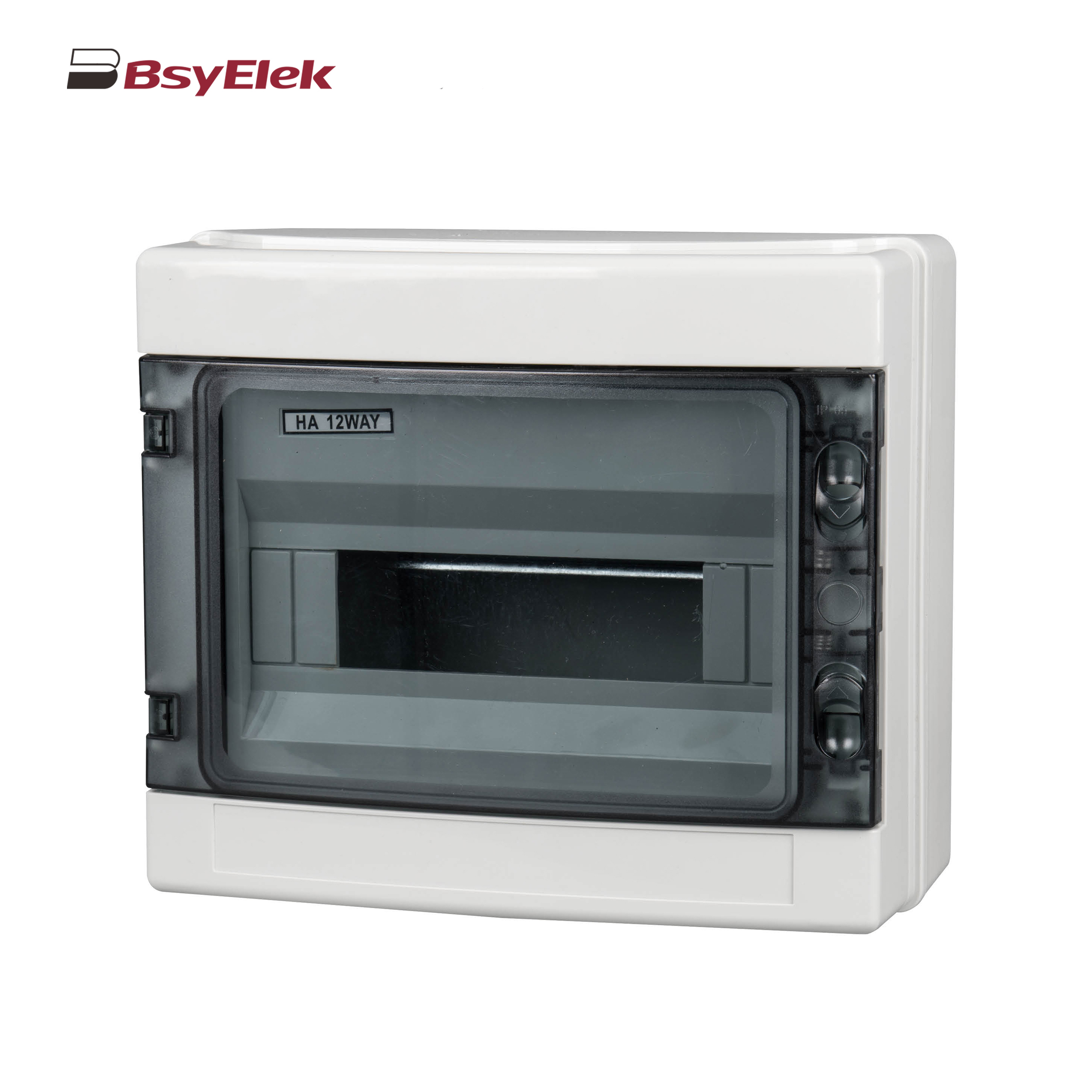 HA Waterproof Distribution Box
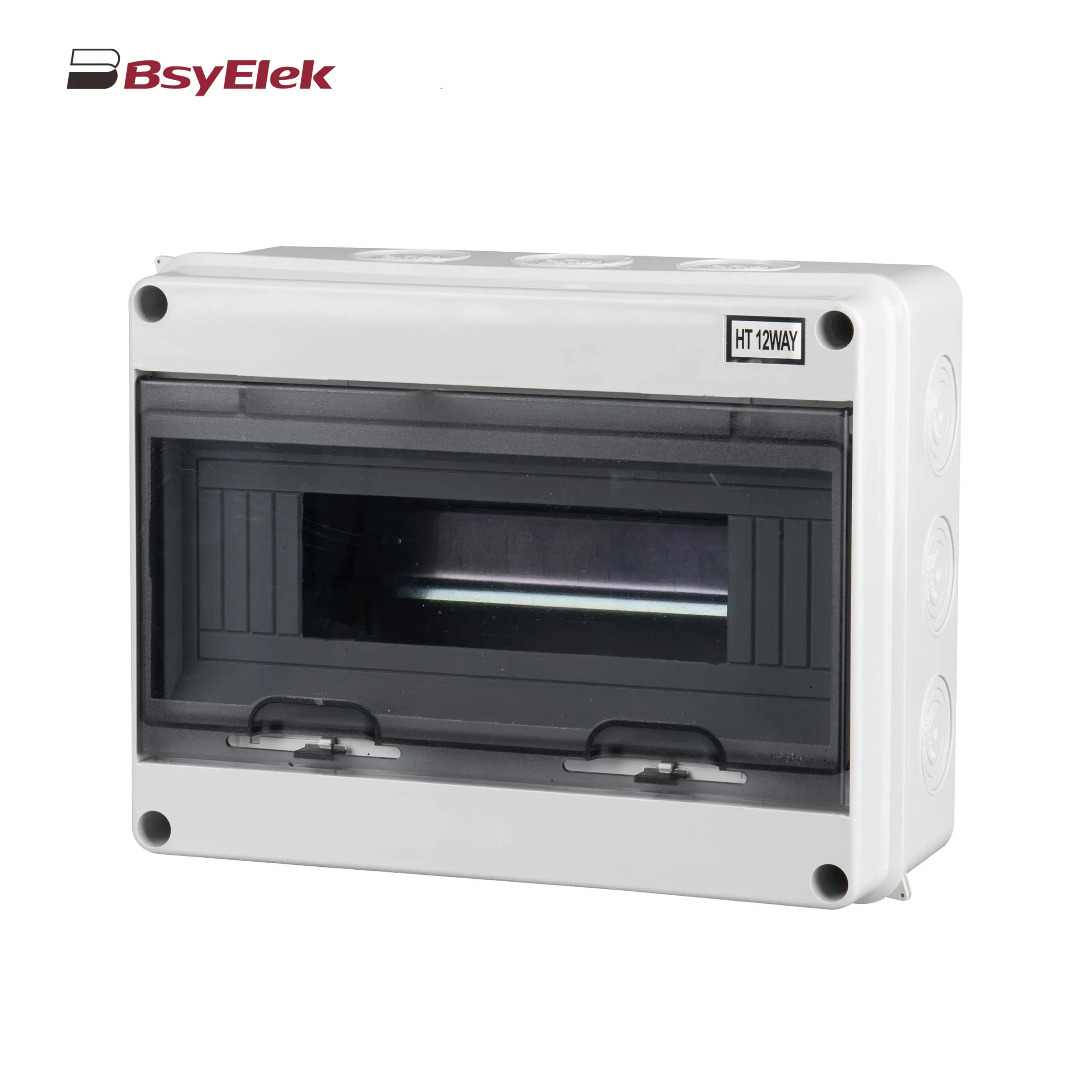 HT Waterproof Distribution Box
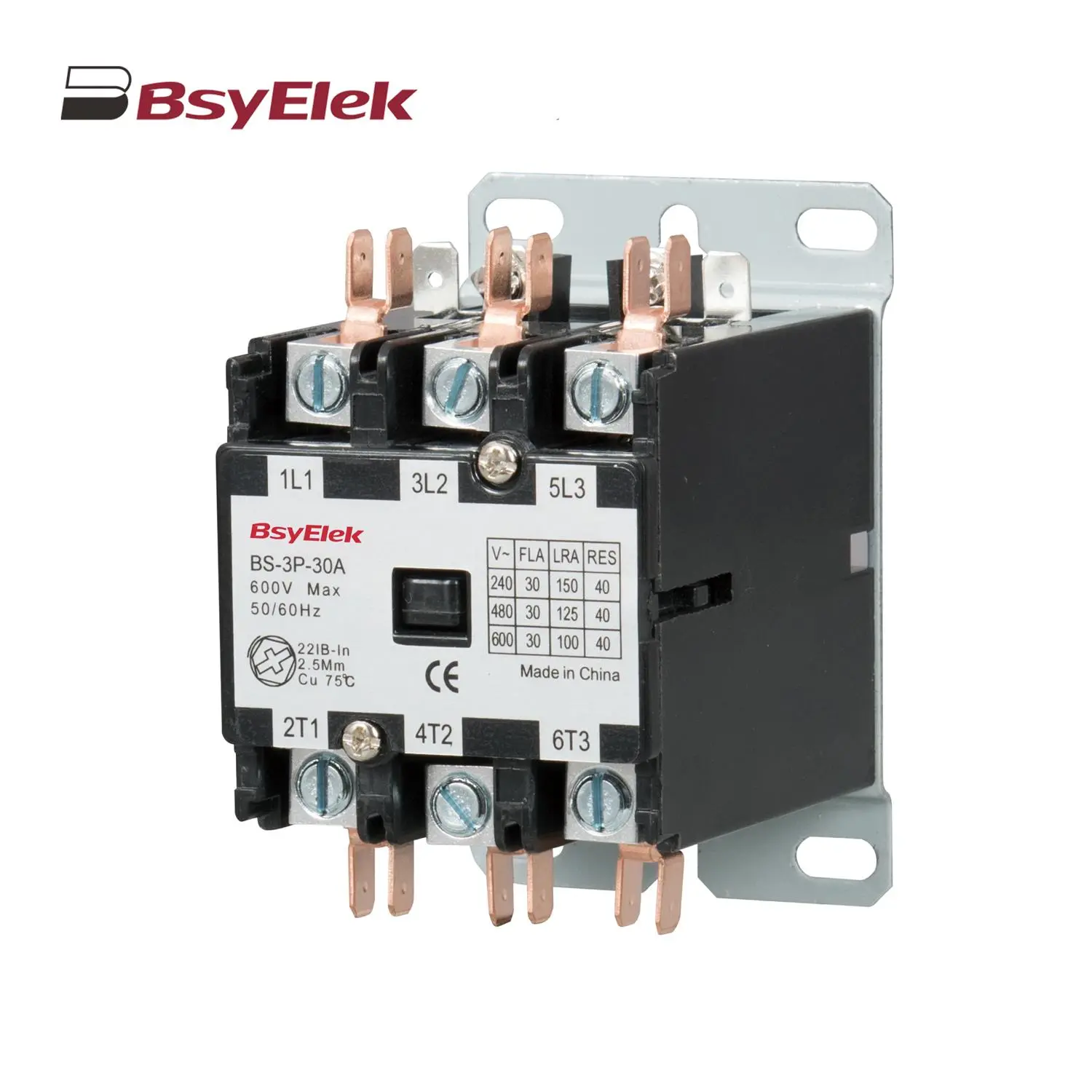 BS Definite Purpose Magnetic AC Contactor