Understanding Disconnect Switches: Essential Safety Features for Your Electrical System
In the realm of electrical safety and system reliability, the importance of disconnect switches cannot be overstated. According to the National Fire Protection Association (NFPA), improper electrical system maintenance contributes to about 39% of electrical-related fires, underscoring the need for effective safety mechanisms. Disconnect switches serve as vital components that enable the safe isolation of circuits for maintenance and emergency procedures, thereby minimizing the risk of accidents and equipment damage. Moreover, a report by the International Electrotechnical Commission (IEC) highlights that up to 70% of electrical system outages can be traced back to inadequate isolation protocols. Understanding the essential safety features of disconnect switches is critical for safeguarding infrastructure, ensuring regulatory compliance, and enhancing operational efficiency. As such, organizations must prioritize the integration and understanding of these devices within their electrical systems to promote a safer working environment.
How Disconnect Switches Enhance Electrical Safety in Your System
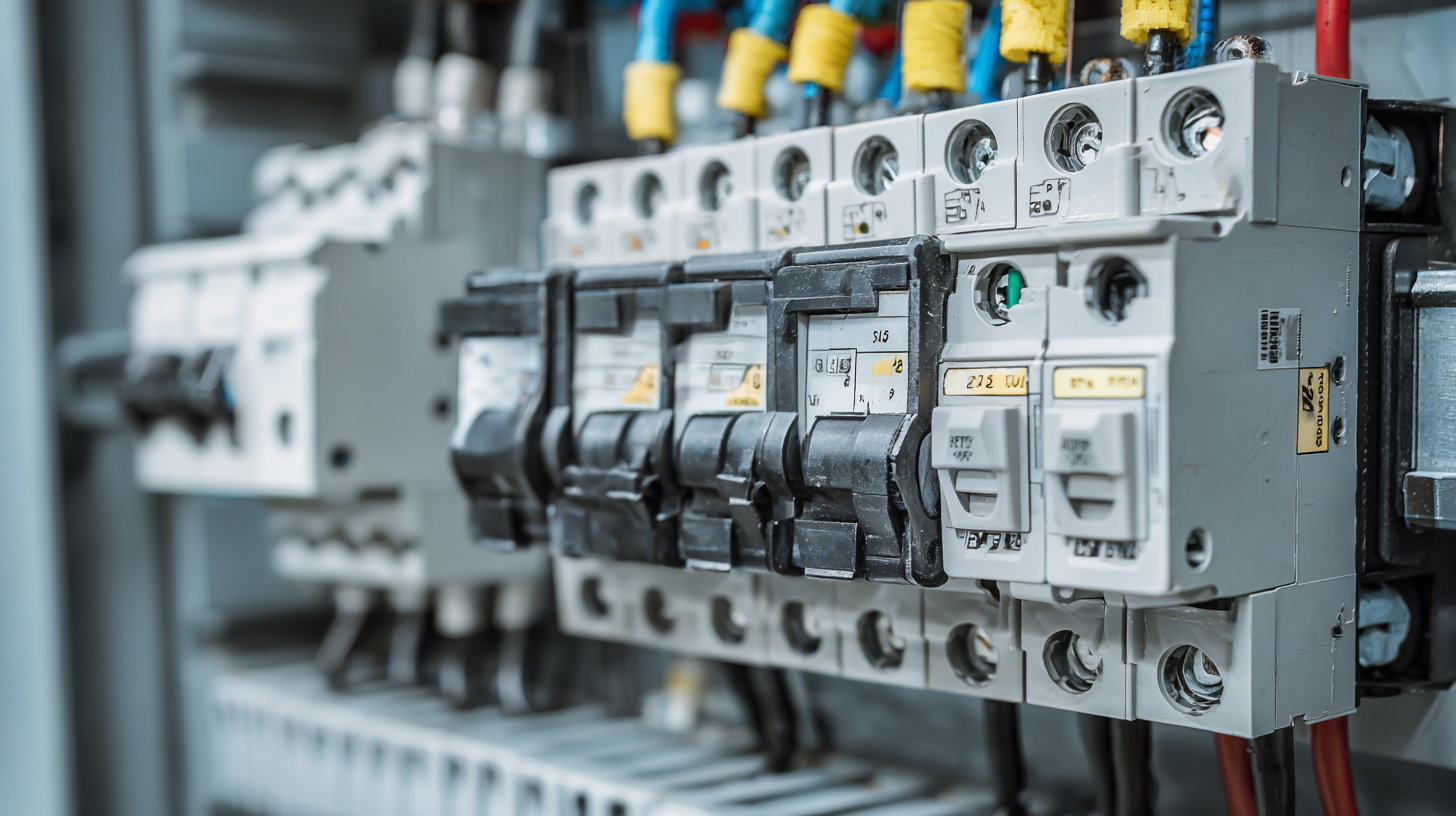
Disconnect switches are crucial components in enhancing the safety of electrical systems. By providing a reliable method to safely isolate portions of the electrical network, these switches significantly reduce the risk of electric shocks and equipment damage during maintenance or emergencies. As the demand for electric vehicle (EV) charging stations and renewable energy infrastructure expands, the significance of disconnect switches becomes even more pronounced. Electric vehicle charging systems, in particular, require robust safety mechanisms to ensure user protection and grid stability.
The integration of disconnect switches in various applications supports a safer electrical environment. With their ability to swiftly disconnect power during overloads or faults, these devices not only protect humans but also safeguard sensitive equipment against potential damage. The ongoing innovation in switching technologies, driven by growing sectors such as EV and renewable energy, highlights the necessity of incorporating effective disconnect solutions as a fundamental safety feature in modern electrical designs. As industries evolve, the role of these switches in maintaining safety and reliability will be increasingly paramount.
Understanding Disconnect Switches: Essential Safety Features for Your Electrical System
| Feature |
Description |
Safety Benefit |
Application |
| Manual Operation |
Allows users to easily disconnect power from electrical systems. |
Enhances safety during maintenance and repairs. |
Industrial equipment, HVAC systems. |
| Lockable Mechanism |
Can be locked in the 'off' position to prevent unauthorized access. |
Minimizes risk of accidental energization. |
Electrical panels, service disconnects. |
| Multiple Poles |
Can disconnect multiple circuits simultaneously. |
Provides comprehensive safety for three-phase systems. |
Factories, distribution boards. |
| Visible Blade Design |
Blades are visible when in the 'off' position. |
Confirms disconnection status at a glance. |
Service entrances, solar power systems. |
| Weatherproof Housing |
Designed for outdoor conditions. |
Protects internal components from the elements. |
Remote installations, outdoor electrical systems. |
Key Features to Look for When Selecting a Disconnect Switch
When selecting a disconnect switch for your electrical system, understanding the key features is crucial for ensuring safety and efficiency. One of the most important features to consider is the switch's rated voltage and current. According to the National Electrical Manufacturers Association (NEMA), disconnect switches should be able to handle both the maximum voltage and the load current to prevent overheating or failure.
Another critical aspect is the type of enclosure used. A NEMA-rated enclosure provides protection from environmental factors such as dust and moisture, which can significantly affect the switch's performance. Options range from indoor to outdoor ratings, with IP65 being widely recognized for its robust protection against water and dust penetration.
Tips: When choosing a disconnect switch, always check the manufacturer's specifications for compatibility with your existing system. Additionally, look for models equipped with visible disconnect features, allowing for quick identification of the switch position. Regular maintenance and inspection are vital, as highlighted by the IEEE standards, recommending scheduled checks to enhance the longevity and reliability of your electrical components.

Step-by-Step Guide to Installing a Disconnect Switch Safely
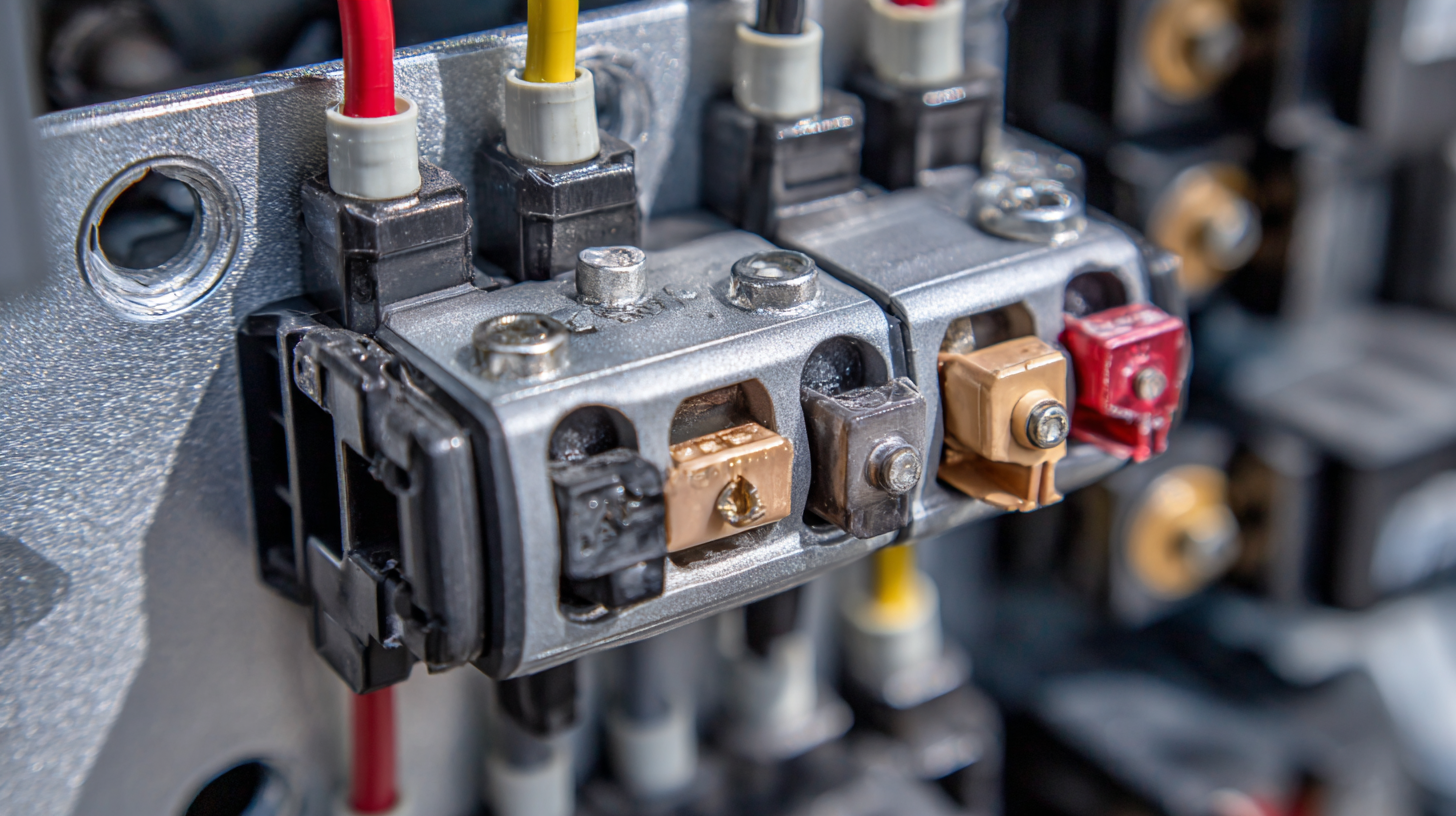 Disconnect switches play a crucial role in enhancing electrical safety by providing a means to isolate a circuit during maintenance or emergencies. When installing a disconnect switch, it’s essential to follow a clear, step-by-step approach to ensure effective and safe operation. First, locating an appropriate installation site is critical; it should be accessible and comply with local electrical codes. According to the National Fire Protection Association (NFPA), more than 30% of electrical fires are linked to improper installations. By ensuring that disconnection points are readily available, the risks associated with delayed intervention can be substantially reduced.
Once the location is determined, the installation process begins with the proper selection of tools and materials, including the disconnect switch itself, mounting hardware, and circuit breakers. Industry reports indicate that a correctly installed disconnect switch can minimize downtime by up to 20% during maintenance tasks, thereby improving operational efficiency. Connecting wires according to the manufacturer’s instructions and adhering to safety standards, such as the National Electrical Code (NEC), is essential in preventing electrical hazards. Regular inspection and maintenance of the disconnect switch will further ensure its reliability, safeguarding both personnel and equipment from potential electrical failures.
Common Mistakes to Avoid When Using Disconnect Switches
When using disconnect switches, avoiding common mistakes is crucial for ensuring safety and efficiency in your electrical system. One prevalent error is neglecting to verify the switch's operational status before maintenance or repairs. Failing to confirm that the switch is indeed open can lead to accidental electrocution or equipment damage. Always check and test the functionality of the disconnect switch to ensure it properly isolates the electrical components.
Another significant mistake is overlooking the importance of proper labeling and signage. It is vital to clearly mark disconnect switches with their function and load characteristics. This not only aids in quick identification during emergencies but also helps workers understand the system better, thereby reducing the chances of operational errors. Regular training and reminders about proper use and safety practices concerning disconnect switches can help mitigate these risks, fostering a safer working environment.
Understanding Disconnect Switches: Essential Safety Features
Maintenance Tips for Ensuring Optimal Performance of Disconnect Switches
When it comes to maintaining disconnect switches in electrical systems, ensuring optimal performance hinges on a few critical practices. Regular inspections are essential to identify any signs of wear, corrosion, or mechanical failure. Checking the connections and terminal bolts for tightness can prevent any unexpected disconnections or operational issues. It's advisable to keep the surrounding area clean and free from debris to reduce the risk of overheating or short circuits.
Another vital maintenance tip is to regularly test the functionality of the disconnect switch. This can be done by simulating load conditions to ensure that the switch operates correctly under actual usage scenarios. Additionally, lubrication of moving parts is important to maintain smooth operation, especially in environments that experience extreme temperatures or humidity. Consistently following these maintenance practices will not only enhance the reliability of disconnect switches but also contribute to the overall safety and efficiency of the electrical system.



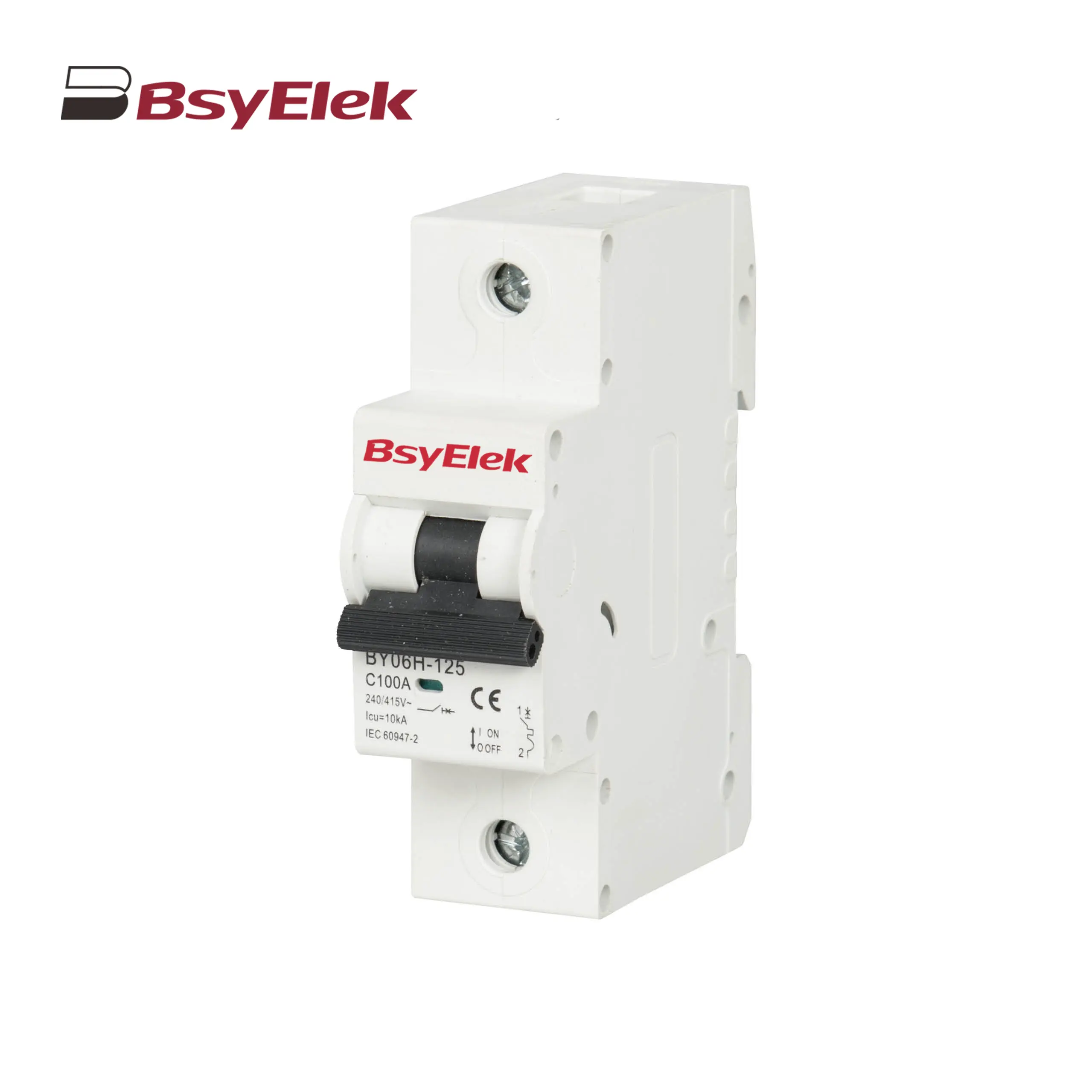 BY06H-125 MCB 10-15KA Miniature Circuit Breaker
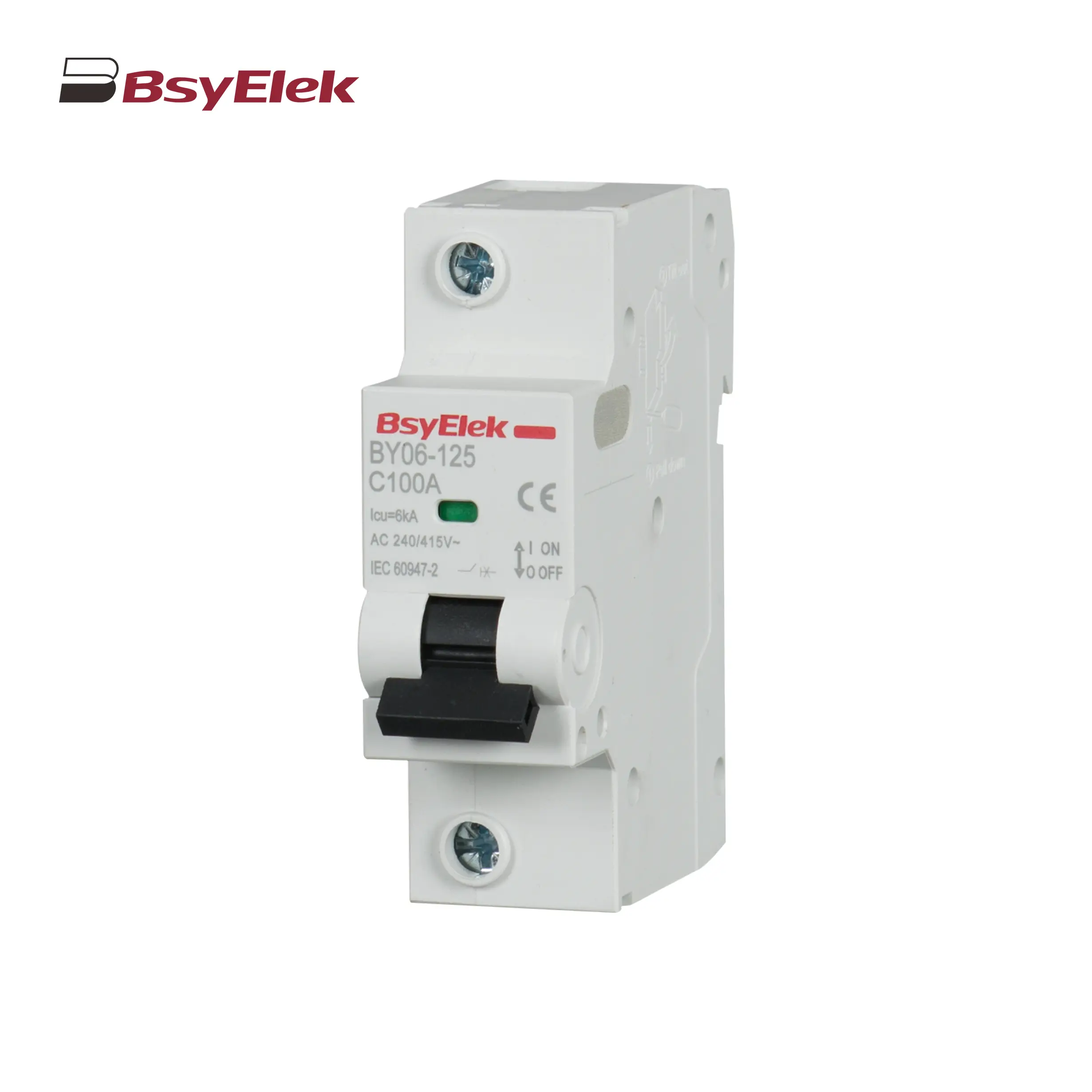 BY06-125 MCB 6KA Miniature Circuit Breaker
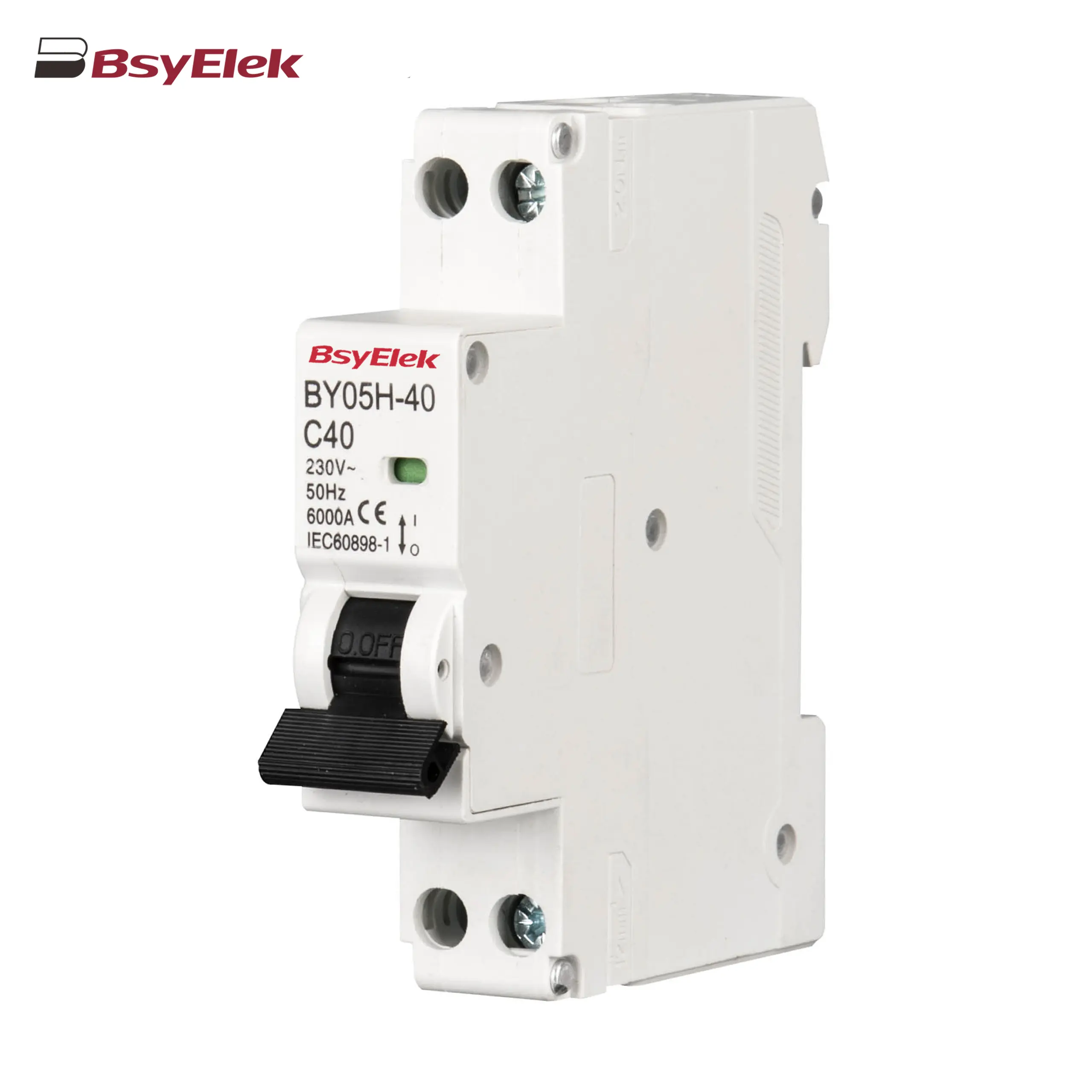 BY05H-40 MCB Single Modular 6KA Miniature Circuit Breaker
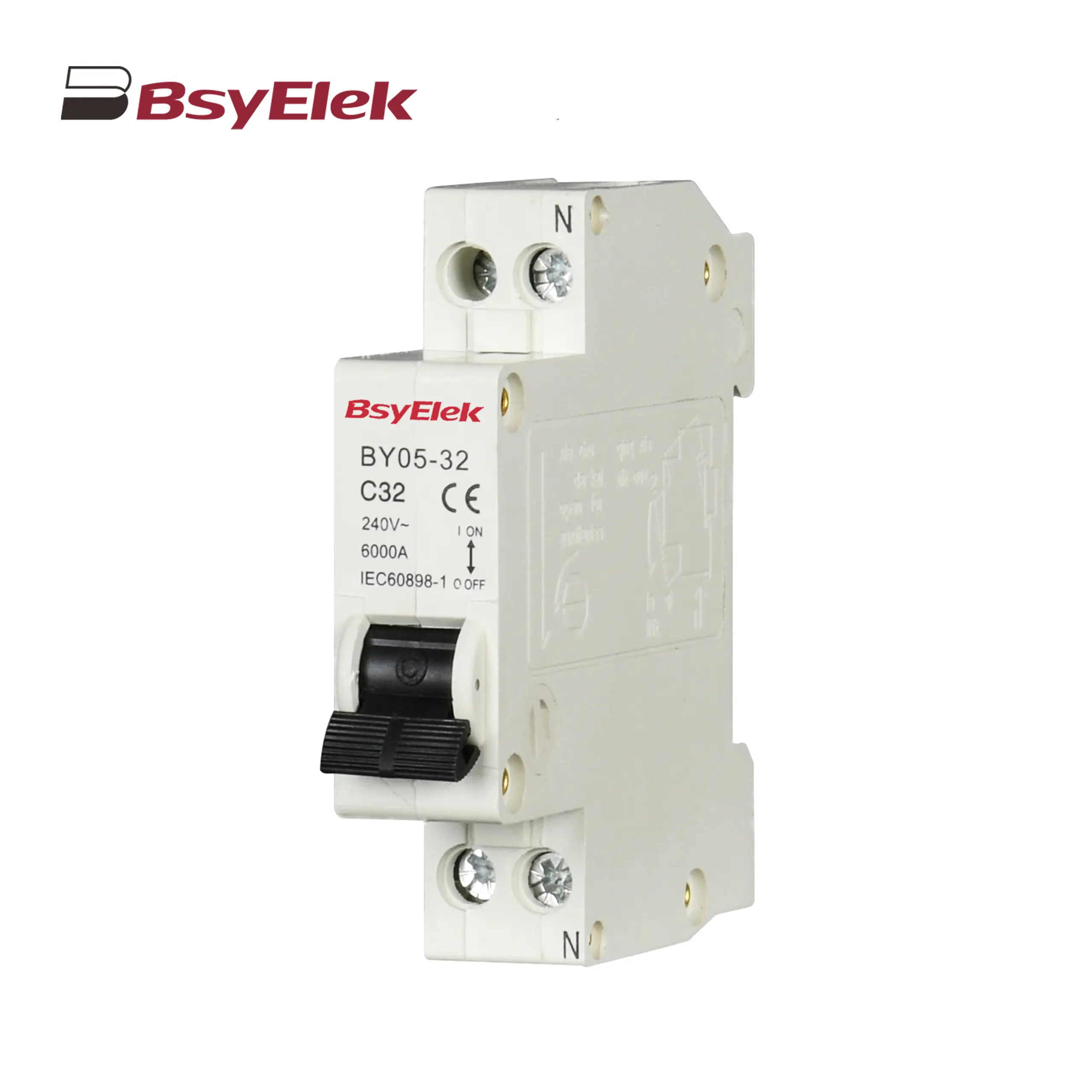 BY05-32 MCB Single Modular 3KA Miniature Circuit Breaker
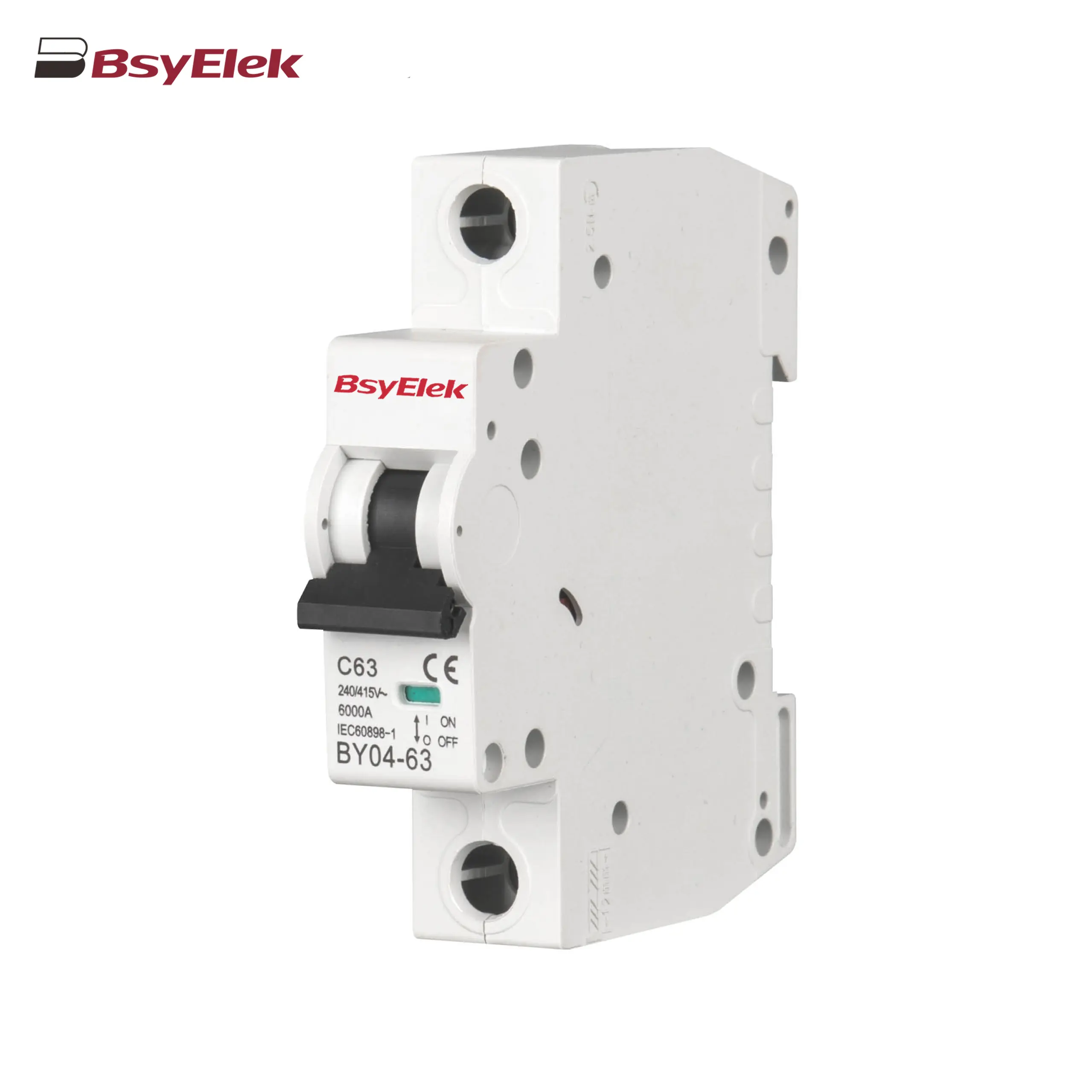 BY04-63 MCB 6-10KA Miniature Circuit Breaker
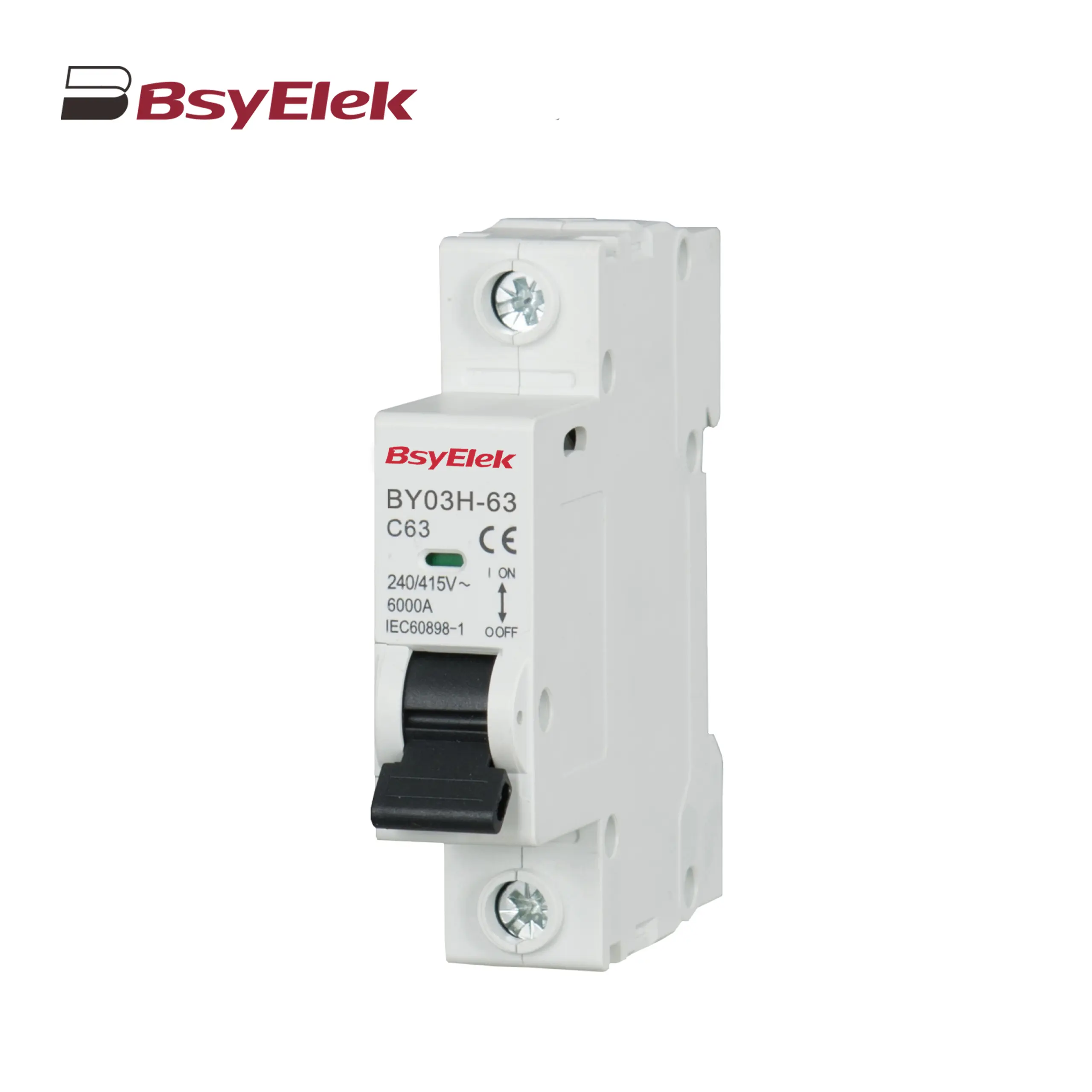 BY03H-63 MCB 6KA Miniature Circuit Breaker
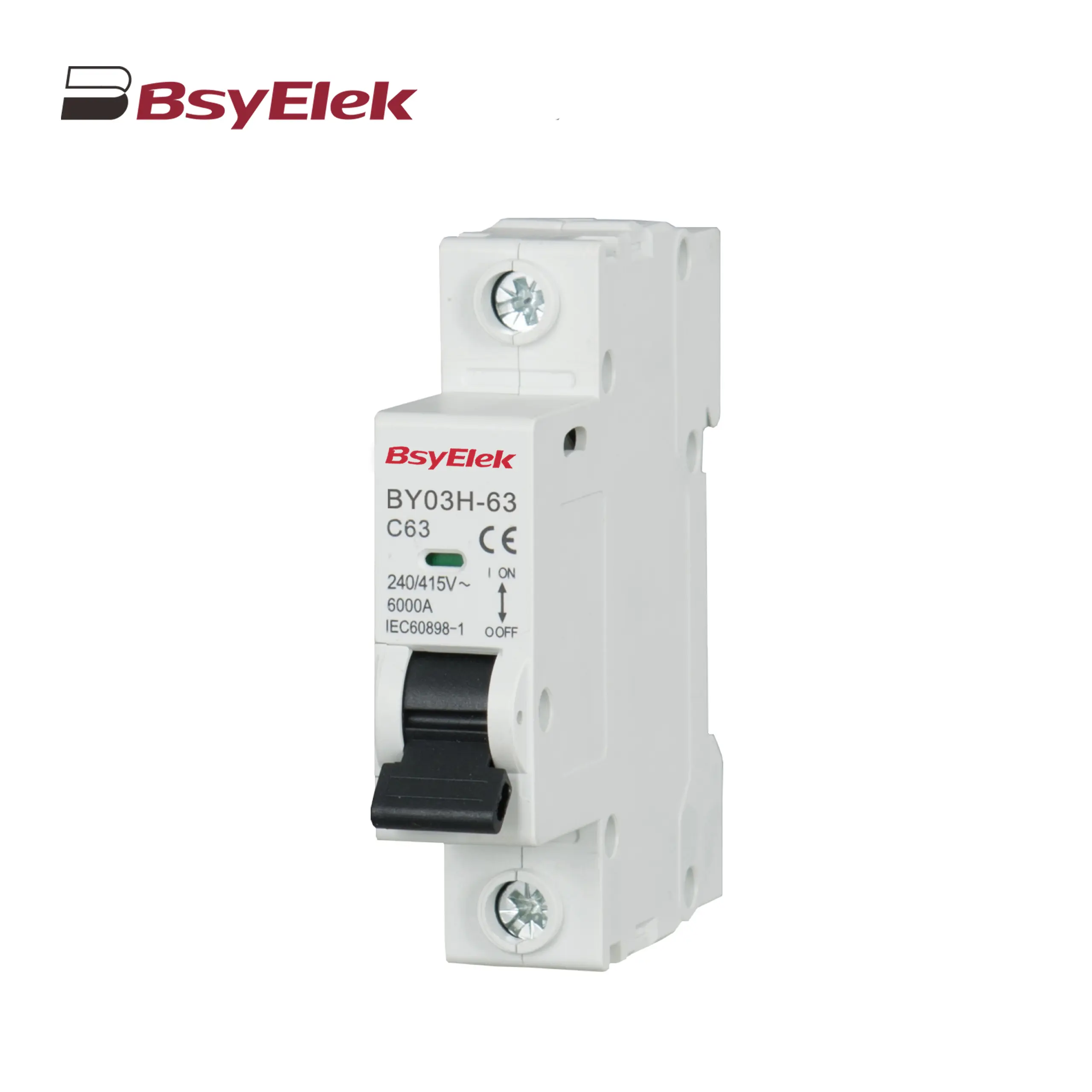 BY03-63 MCB 4.5KA Miniature Circuit Breaker
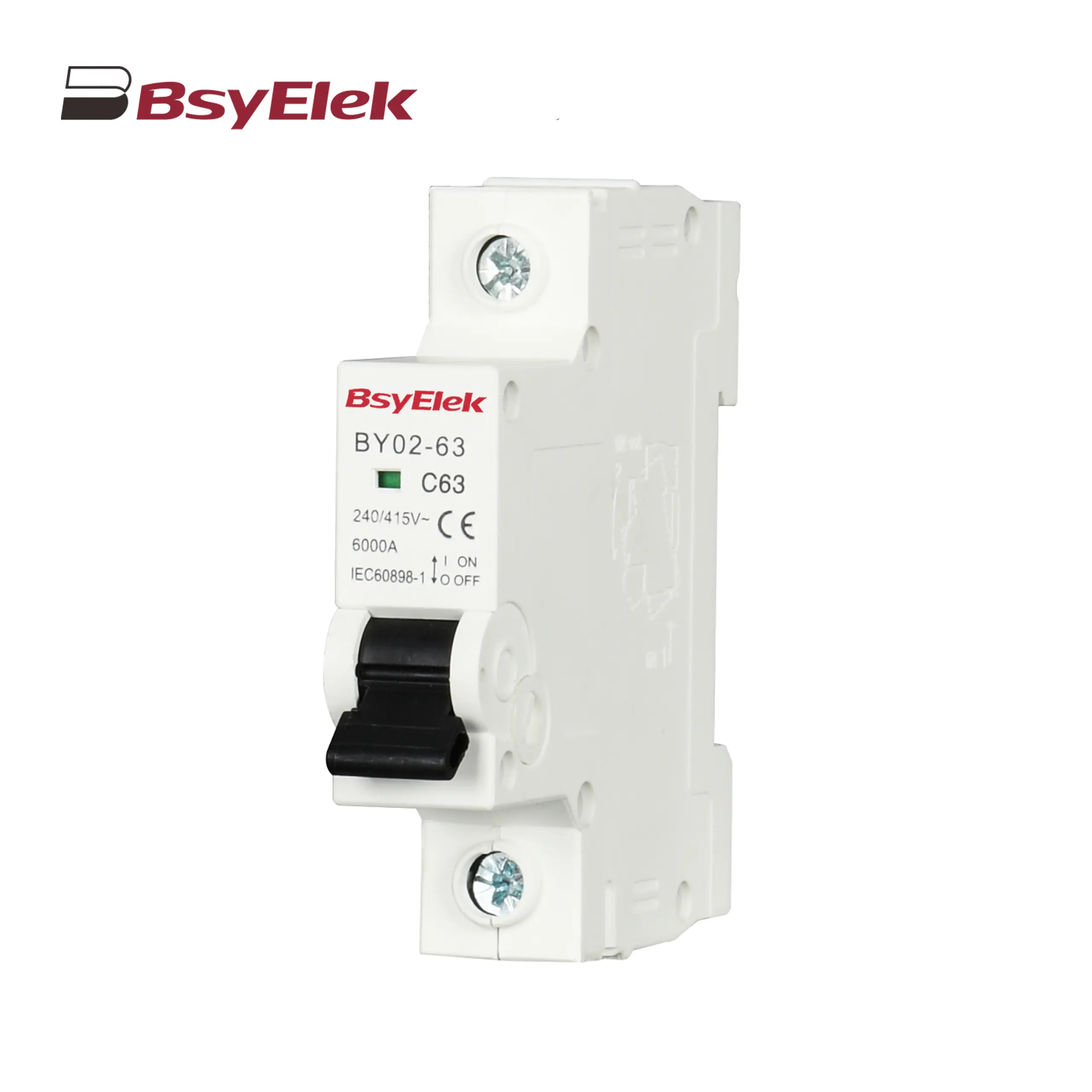 BY02-63 MCB 3kA Miniature Circuit Breaker
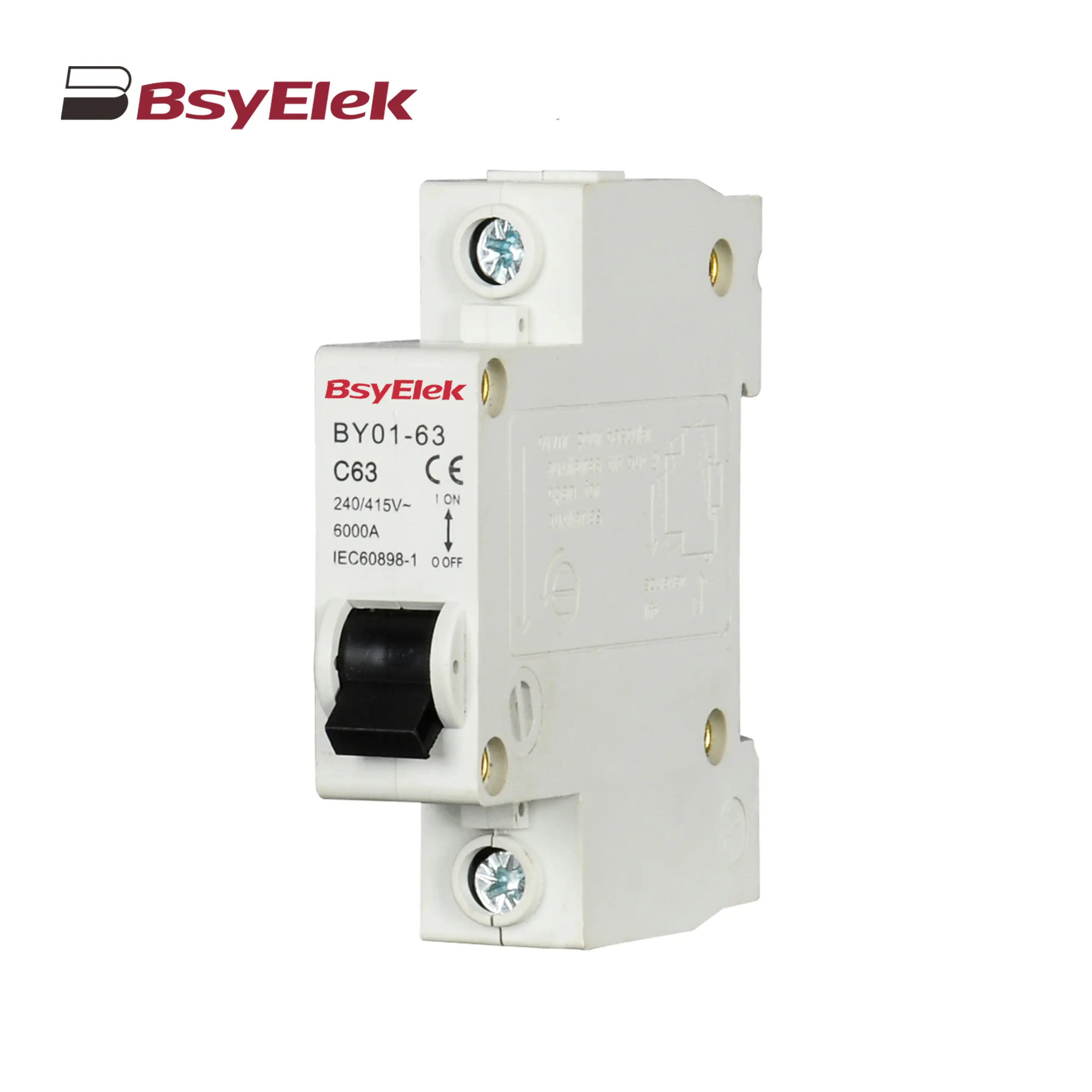 BY01-63 MCB 3kA Miniature Circuit Breaker
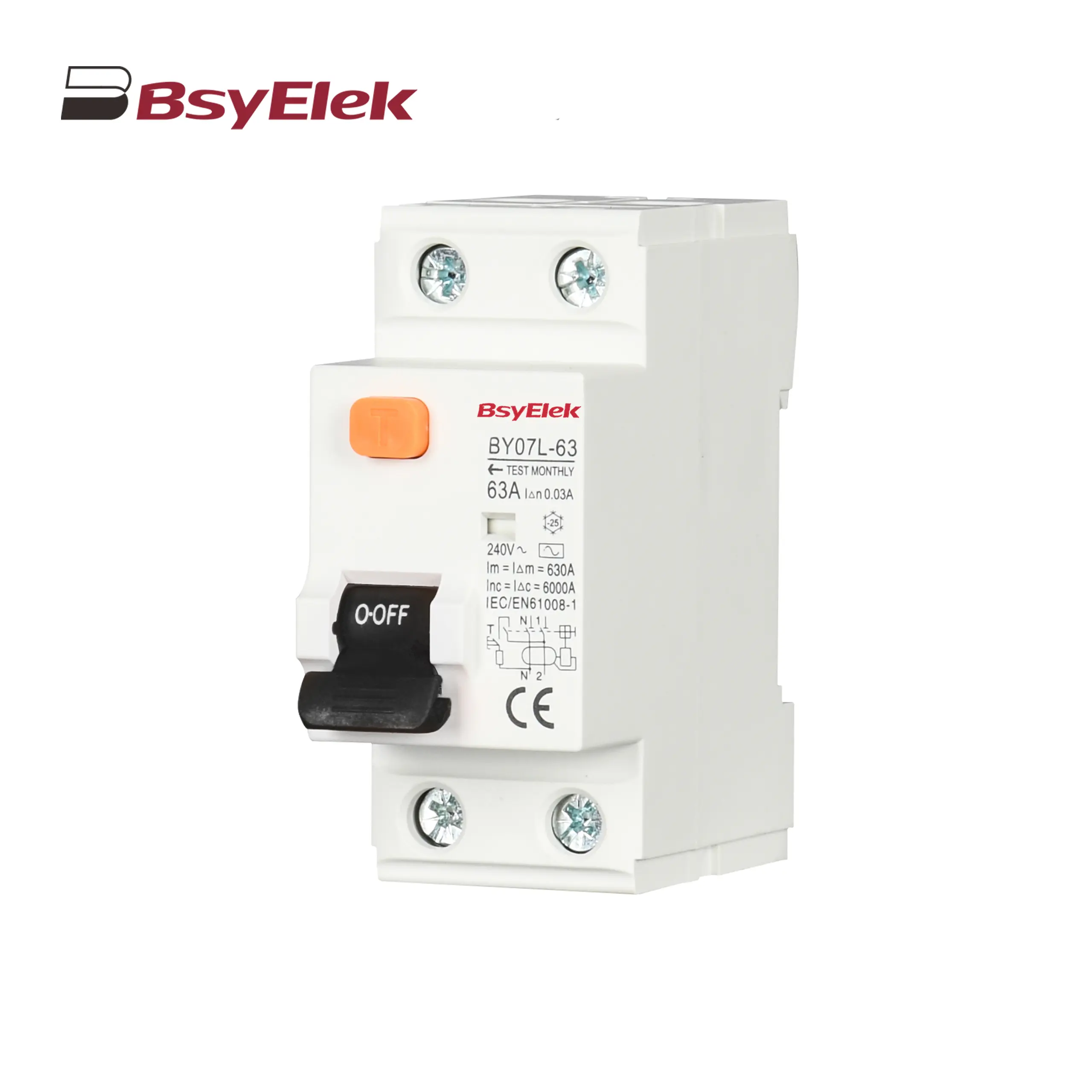 BY07L-63 RCCB 6KA Residual Current Circuit Breaker
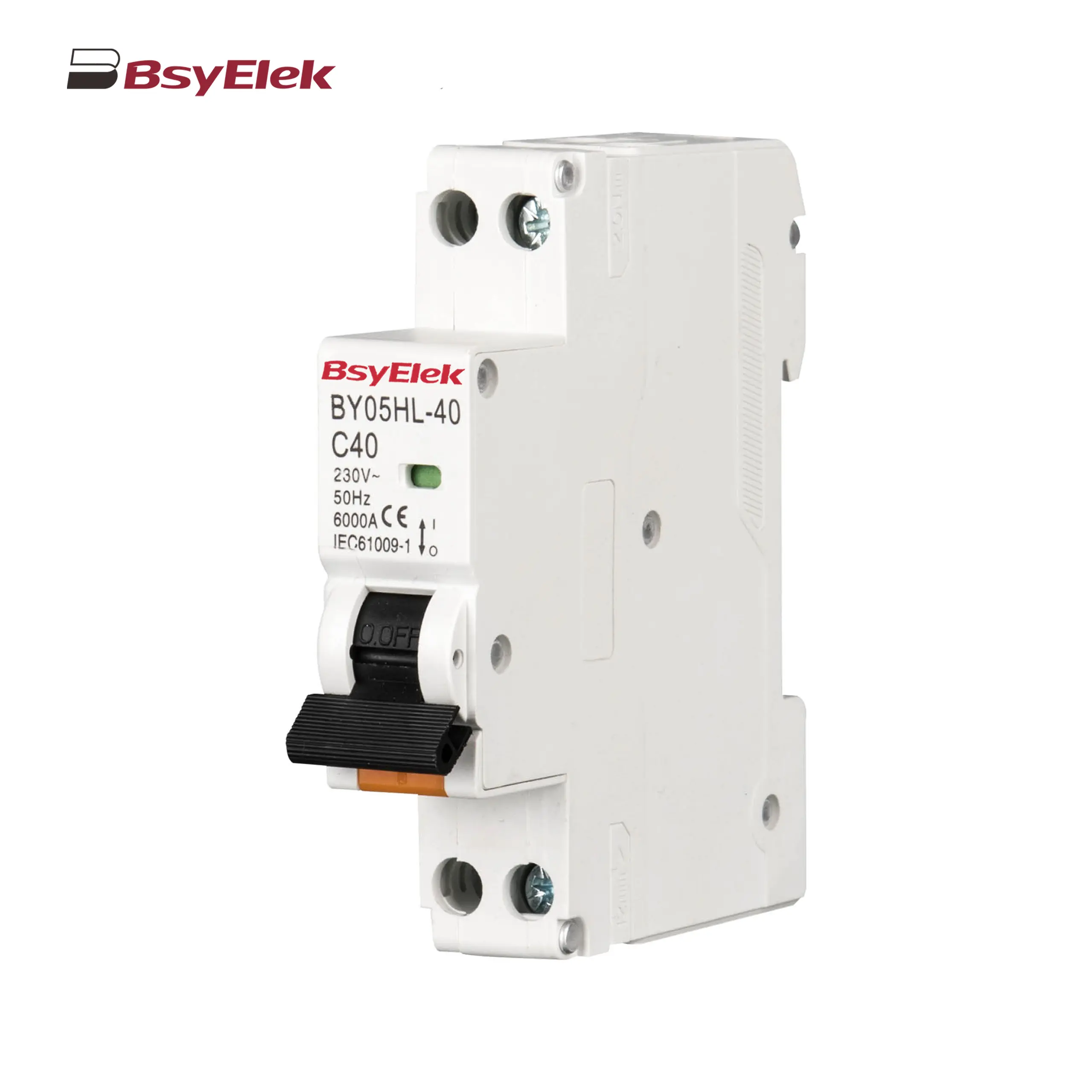 BY05HL-40 RCBO 6KA Residual Current Circuit Breaker with Over-current Protection
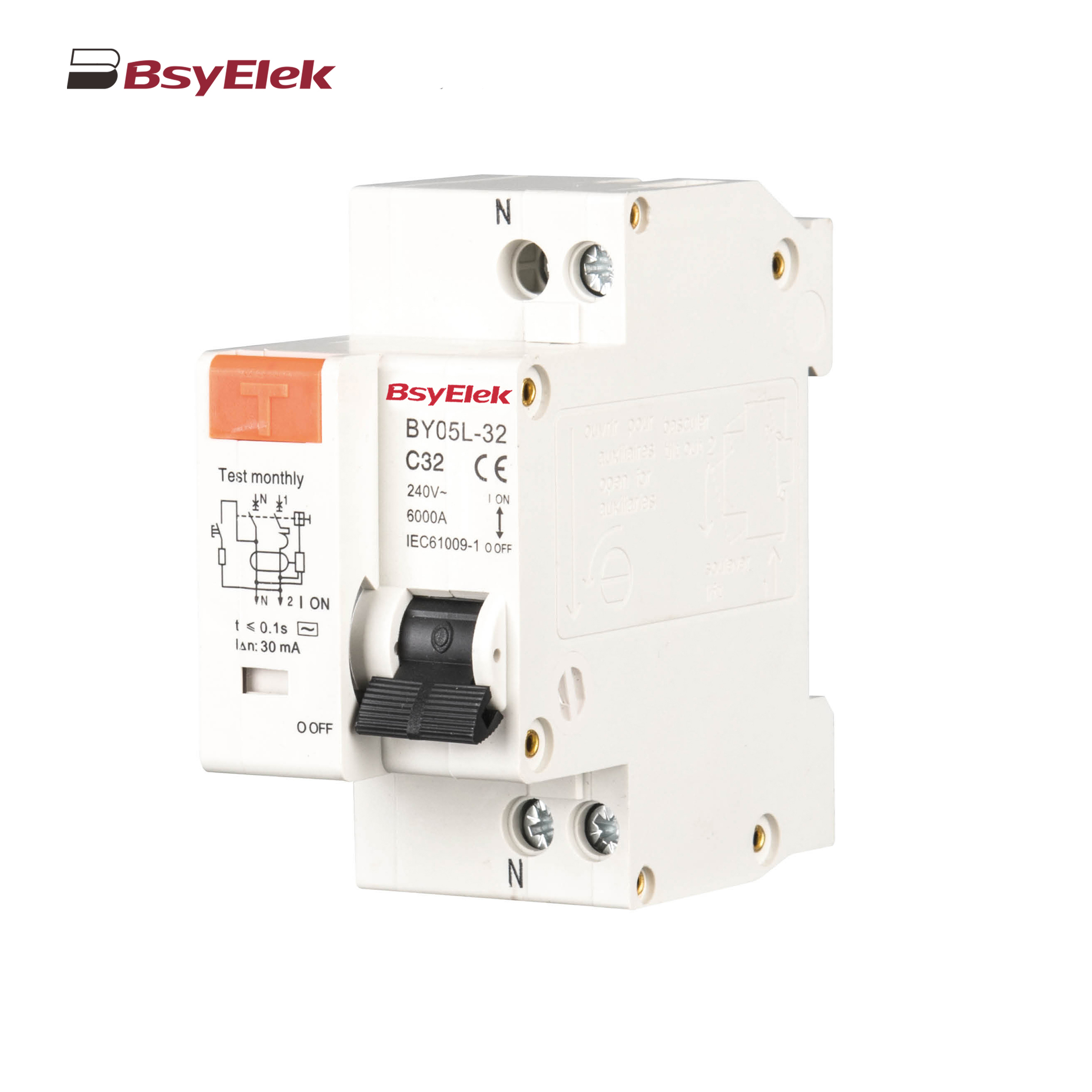 BY05L-32 RCBO 3KA Residual Current Circuit Breaker with Over-current Protection
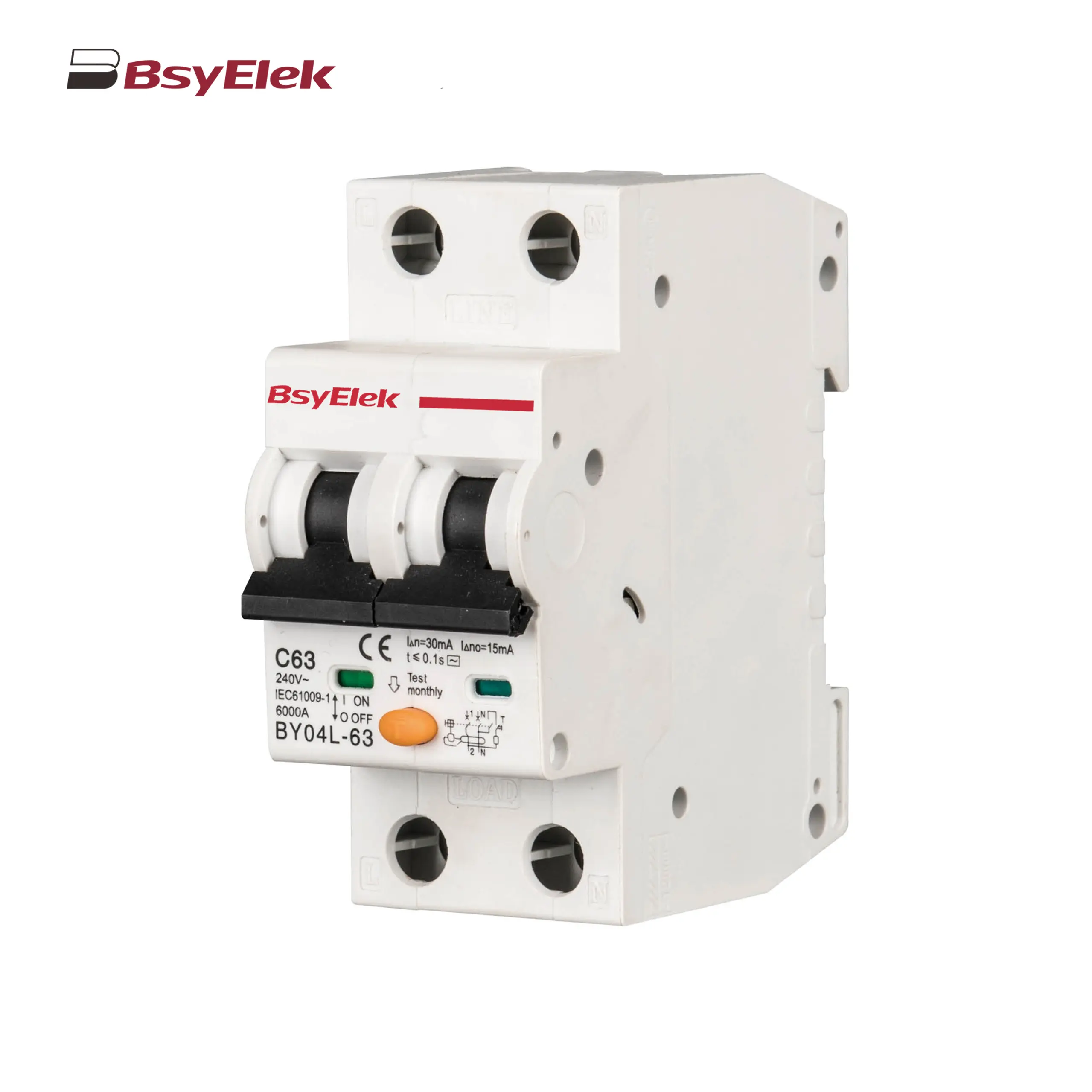 BY04L-63 RCBO 6KA Residual Current Circuit Breaker with Over-current Protection
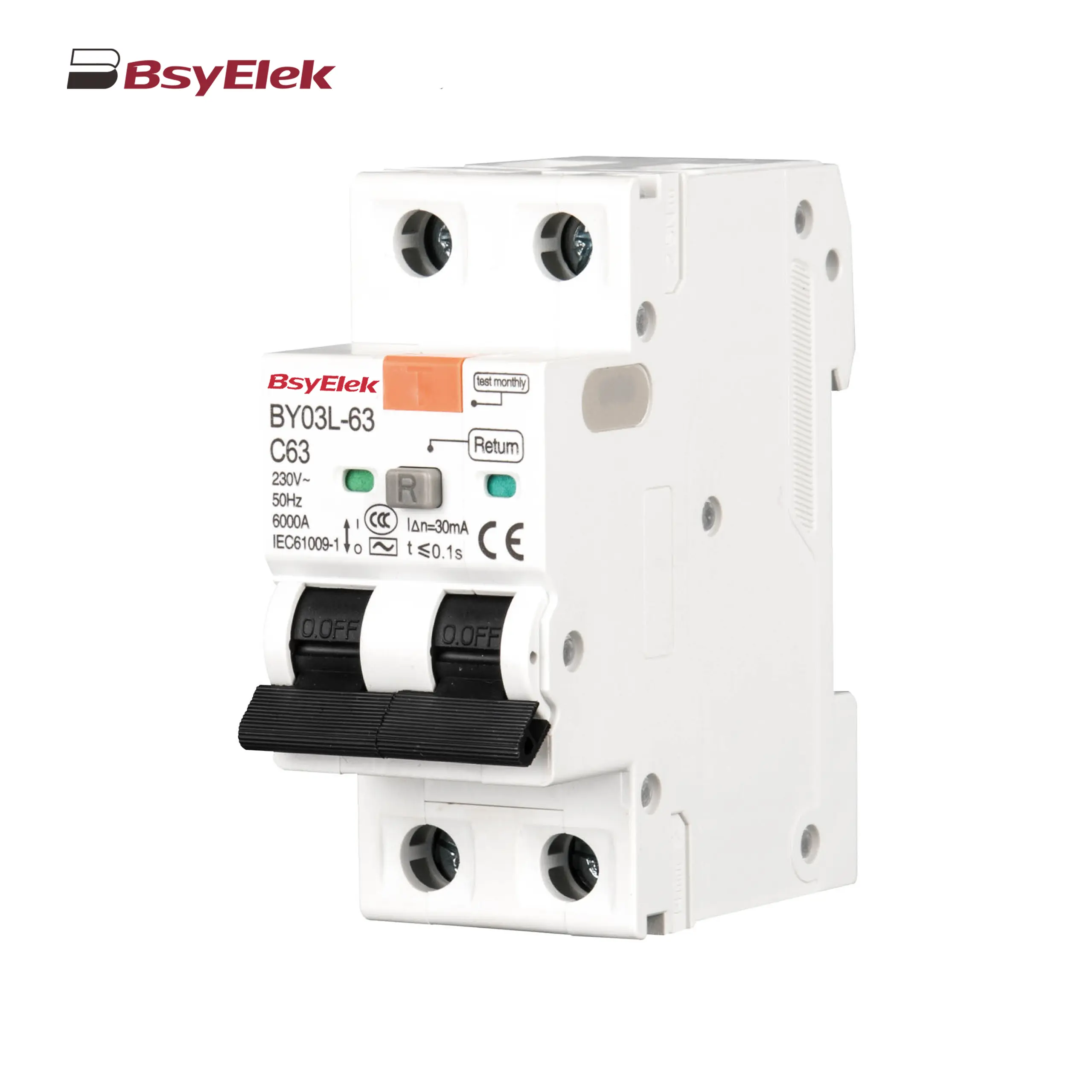 BY03L-63 RCBO 4.5KA Residual Current Circuit Breaker with Over-current Protection
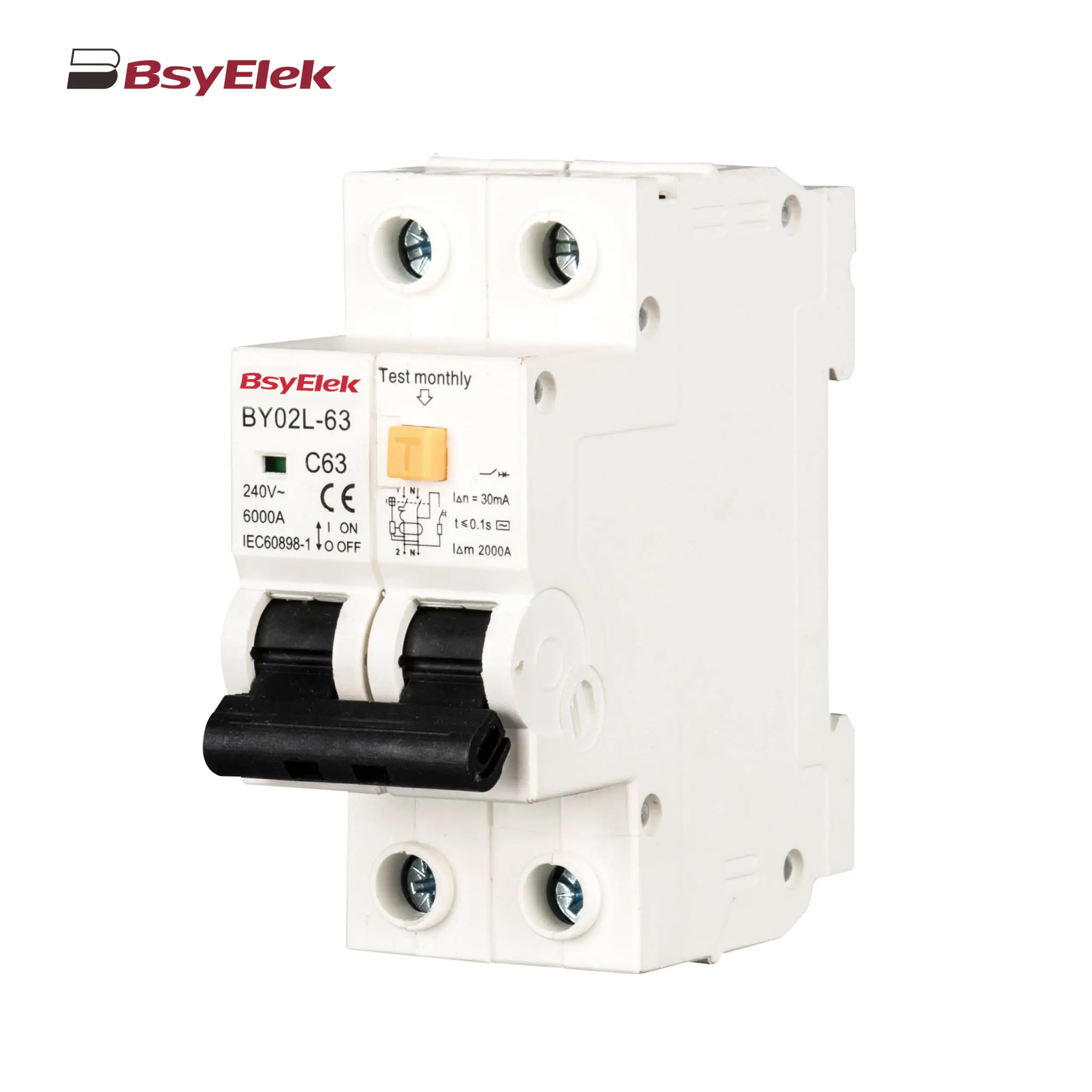 BY02L-63 RCBO 3KA Residual Current Circuit Breaker with Over-current Protection
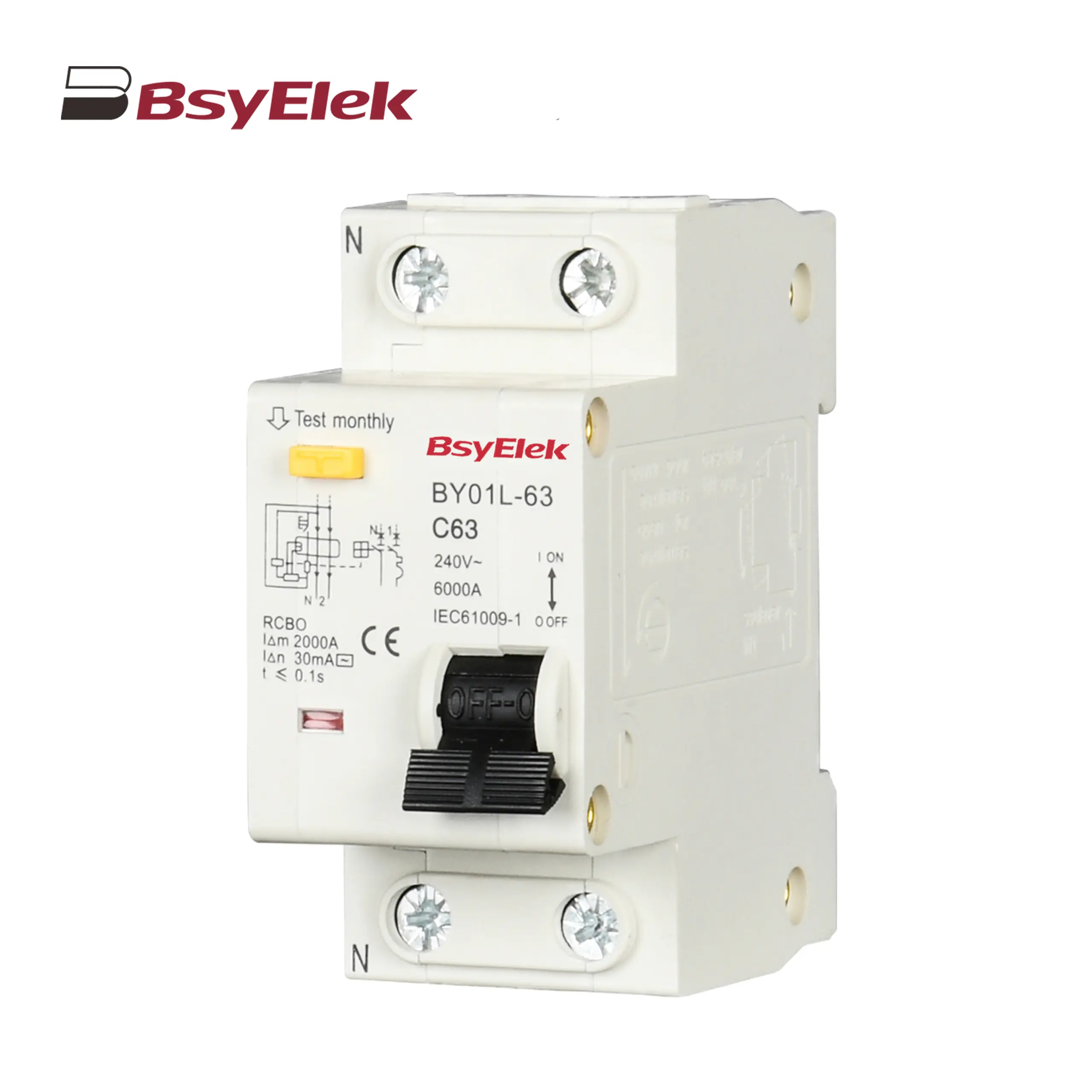 BY01L-63 RCBO 1P+N 3KA Residual Current Circuit Breaker with Over-current Protection
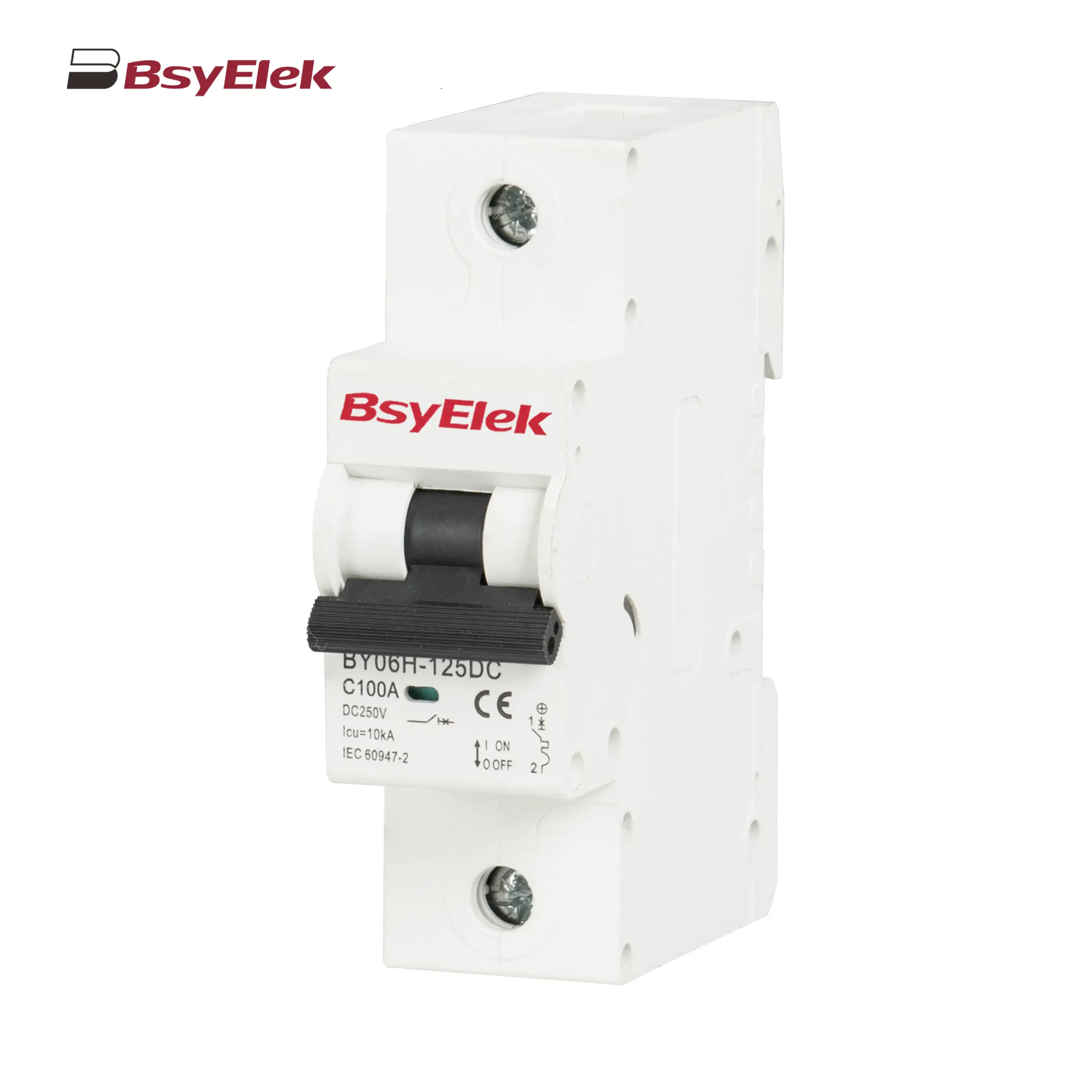 BY06H-125DC MCB 10-15kA DC Miniature Circuit Breaker
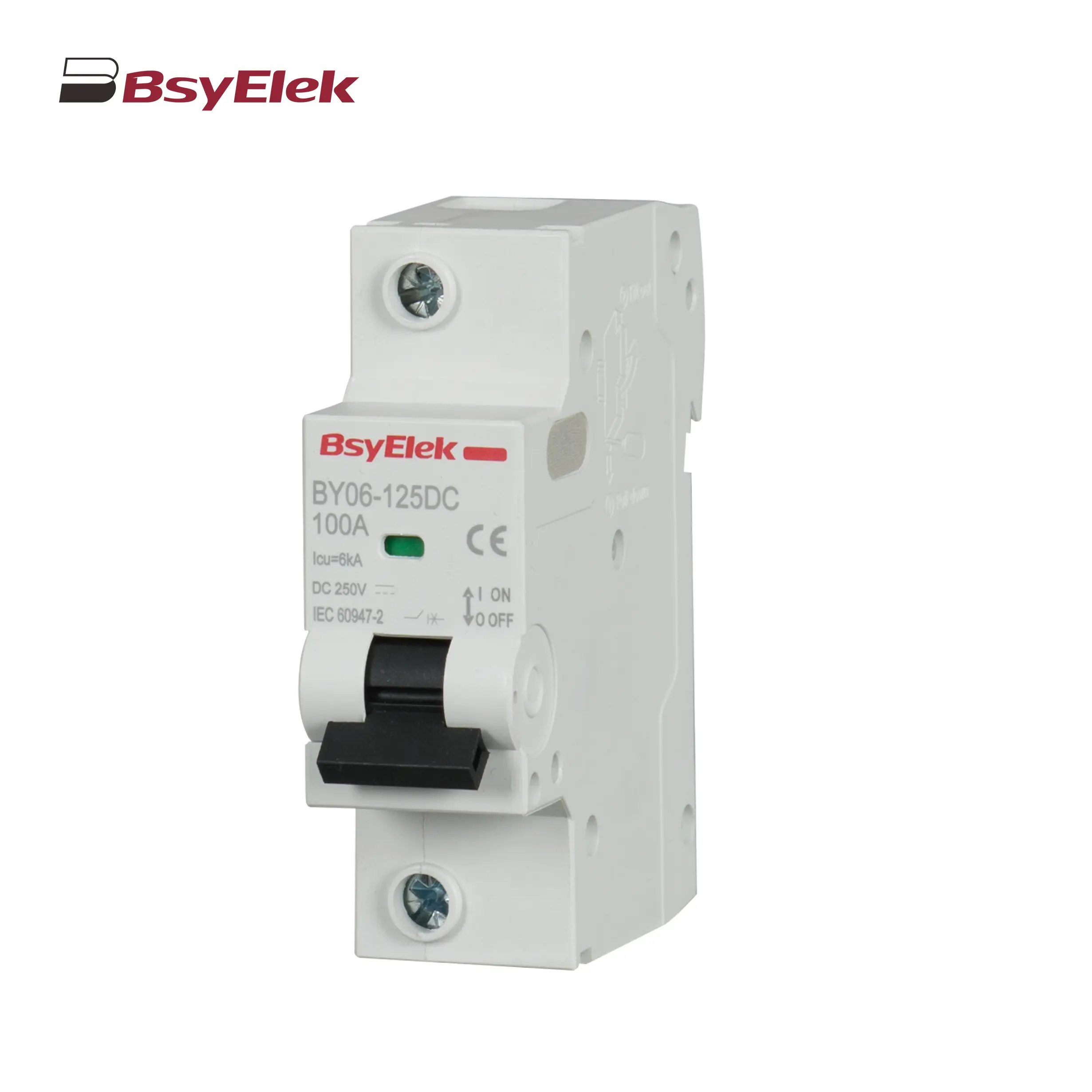 BY06-125DC MCB 6kA DC Miniature Circuit Breaker
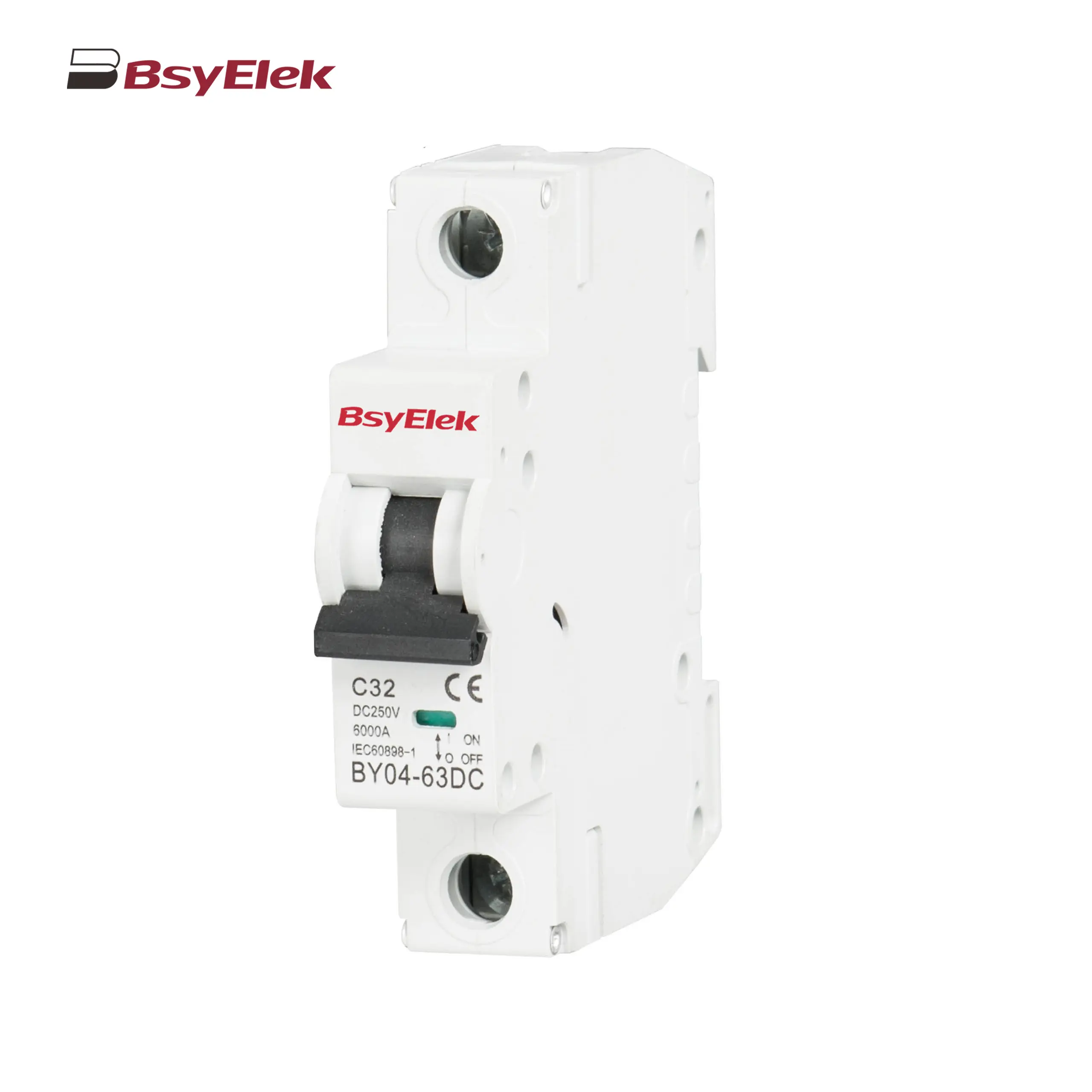 BY04-63DC MCB 6-10kA DC Miniature Circuit Breaker
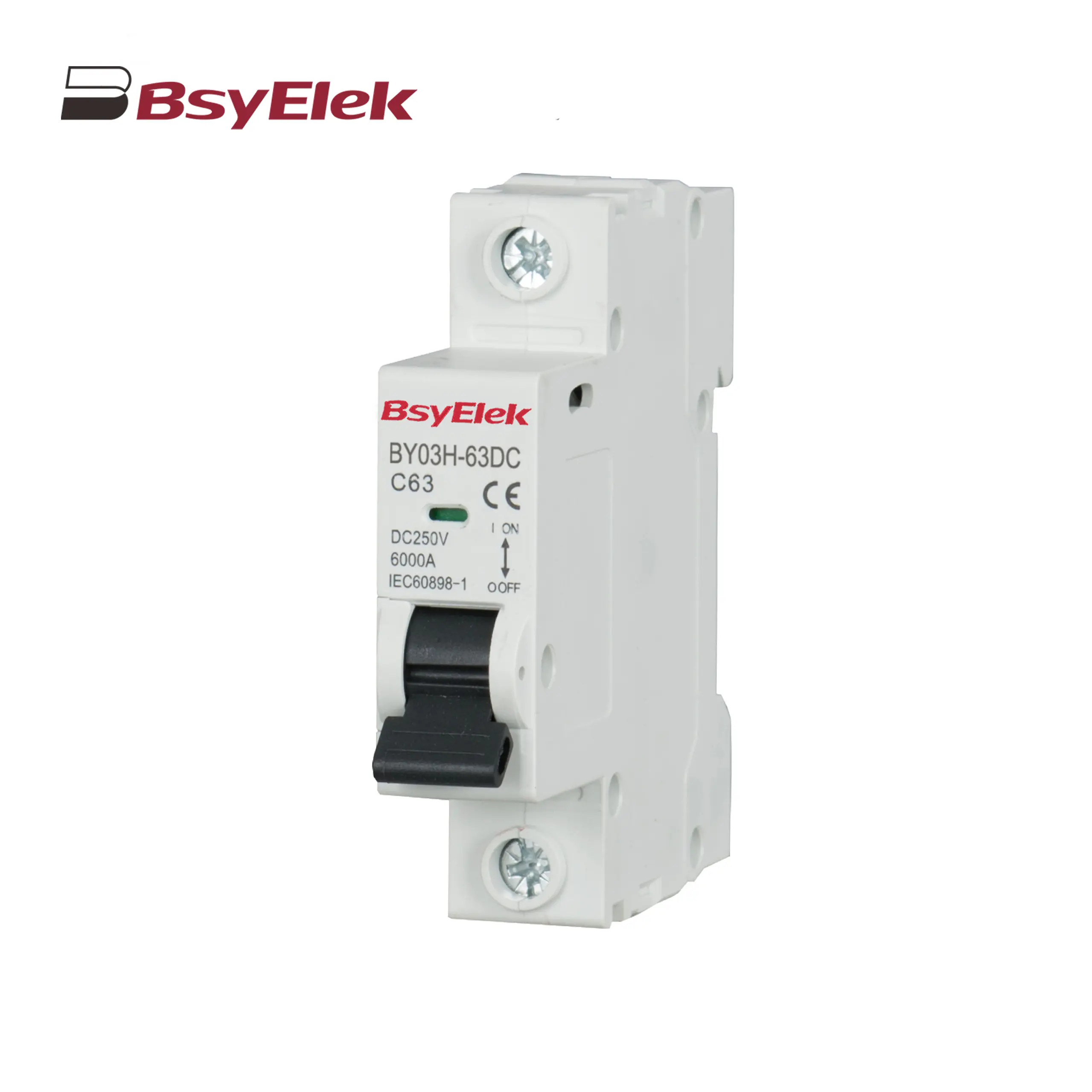 BY03H-63DC MCB 6kA DC Miniature Circuit Breaker
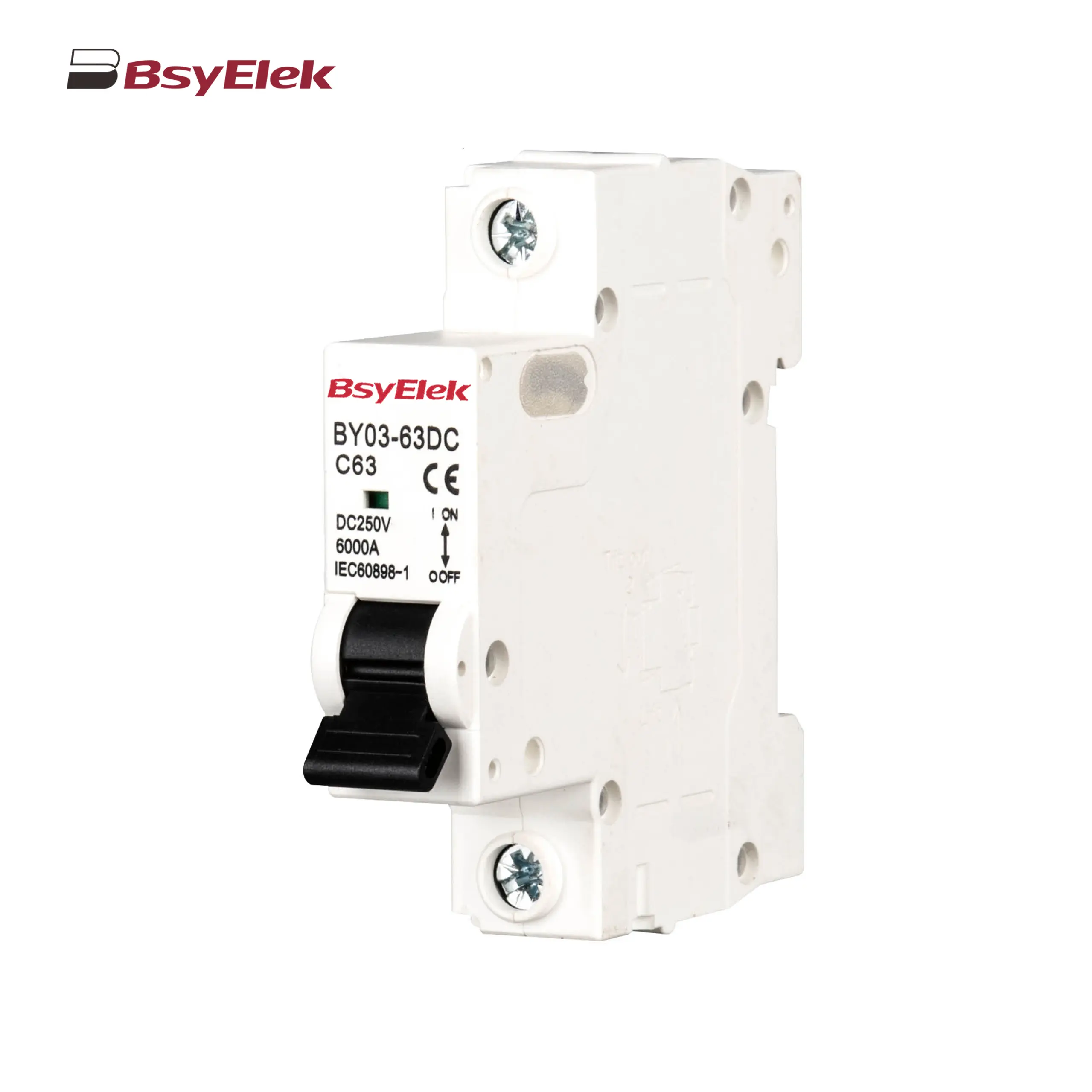 BY03-63DC MCB 4.5kA DC Miniature Circuit Breaker
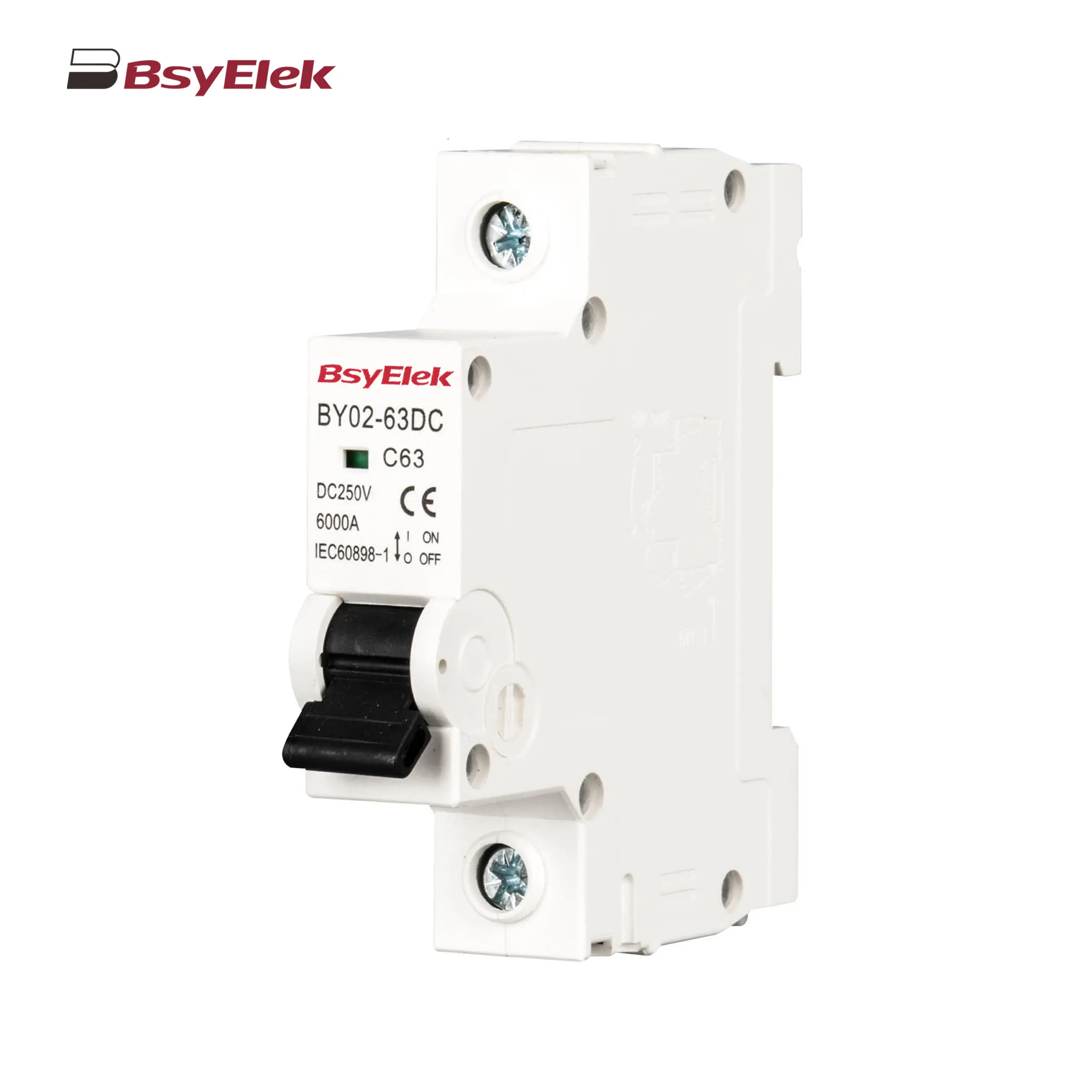 BY02-63DC MCB 3kA DC Miniature Circuit Breaker
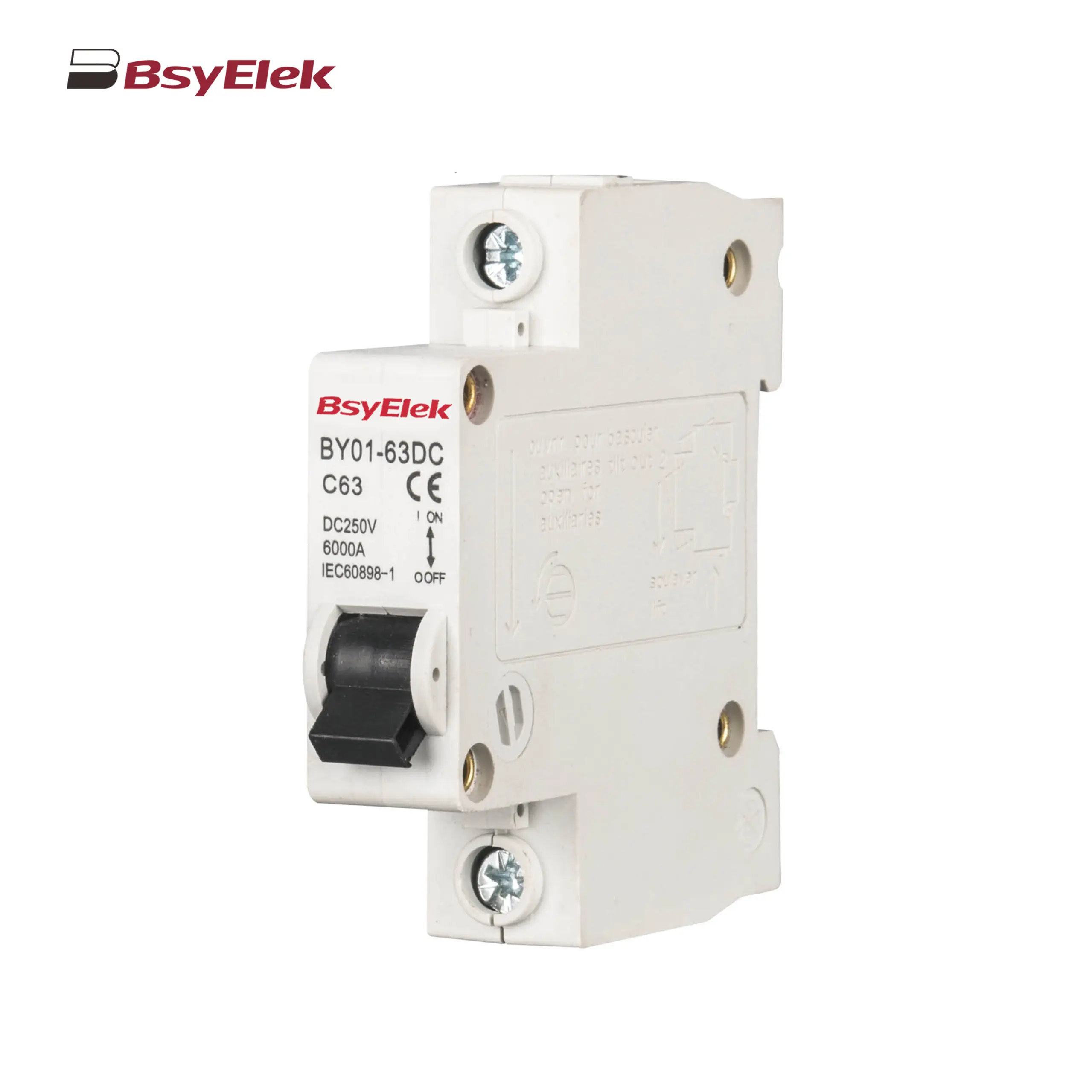 BY01-63DC MCB 3kA DC Miniature Circuit Breaker
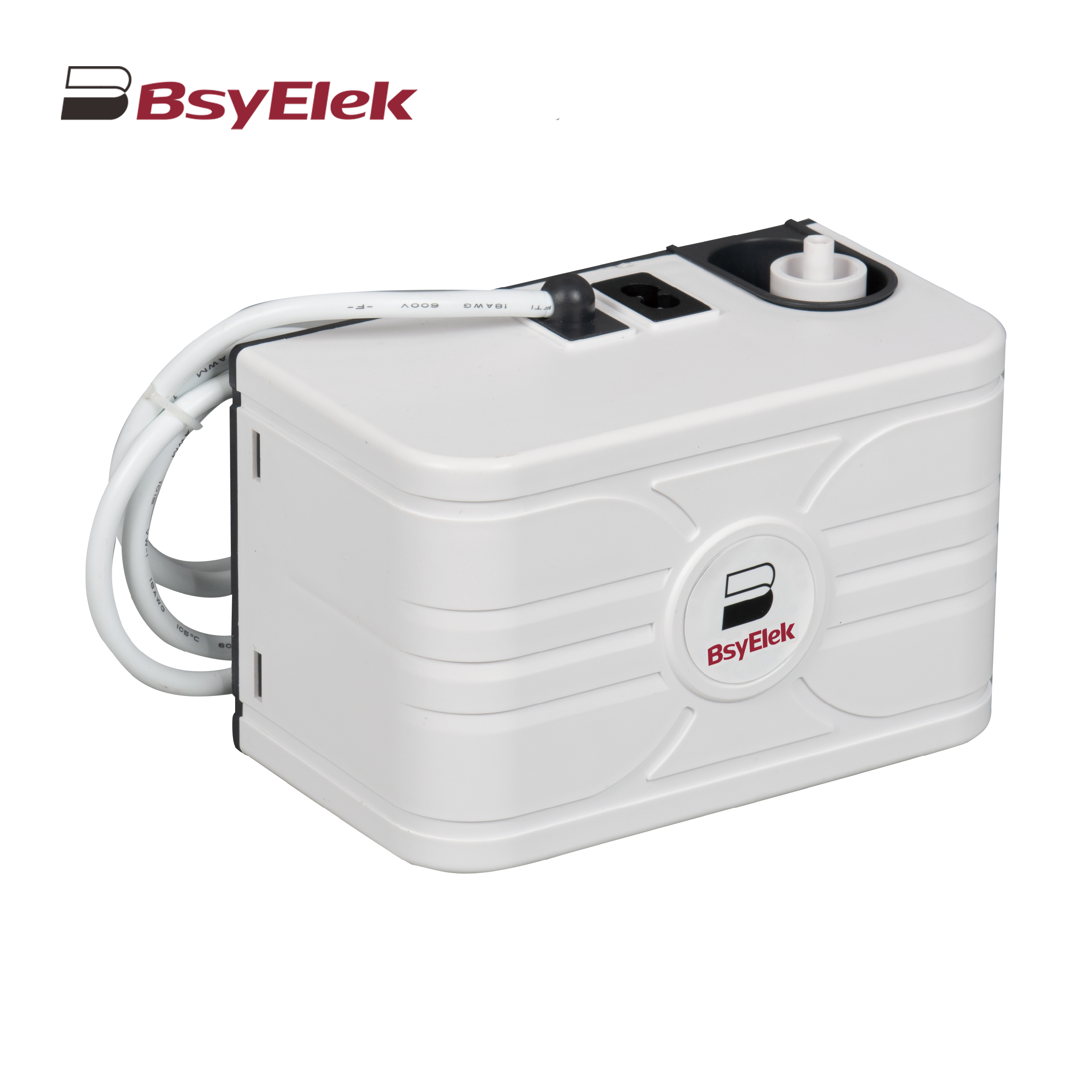 BY-5018 1.8M Engineering Drainage Pump
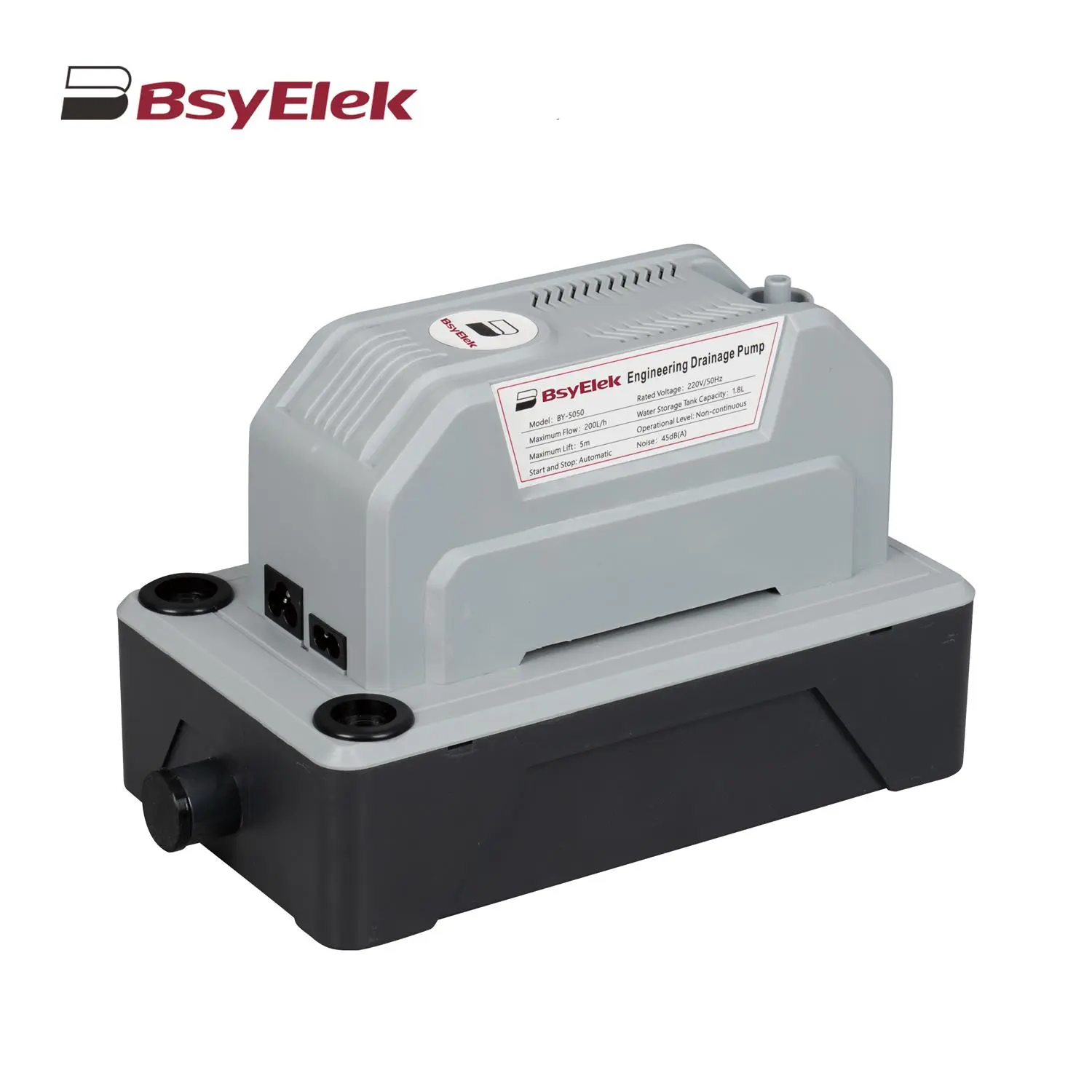 BY-5050 5M Engineering Drainage Pump
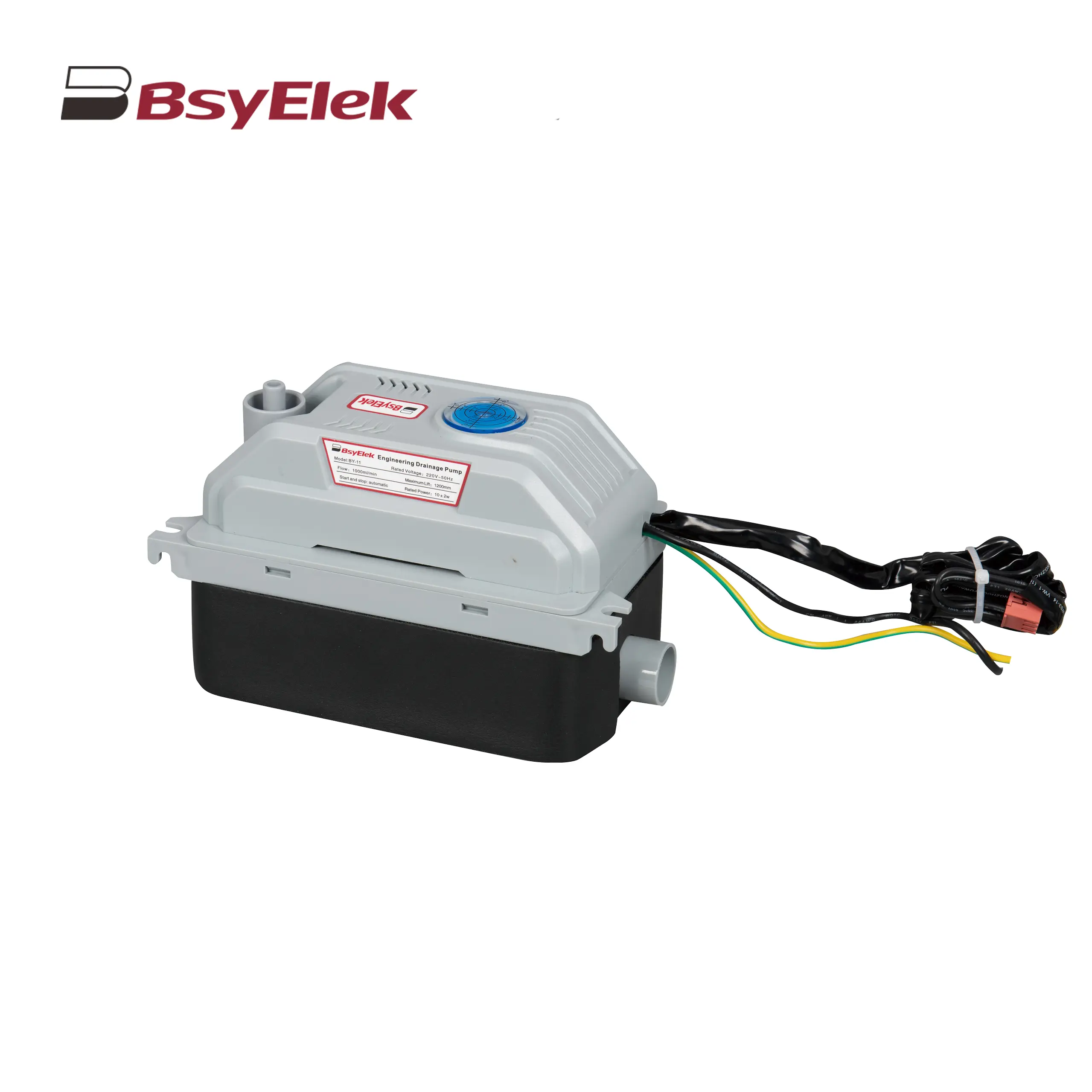 BY-11 1.2M Engineering Drainage Pump
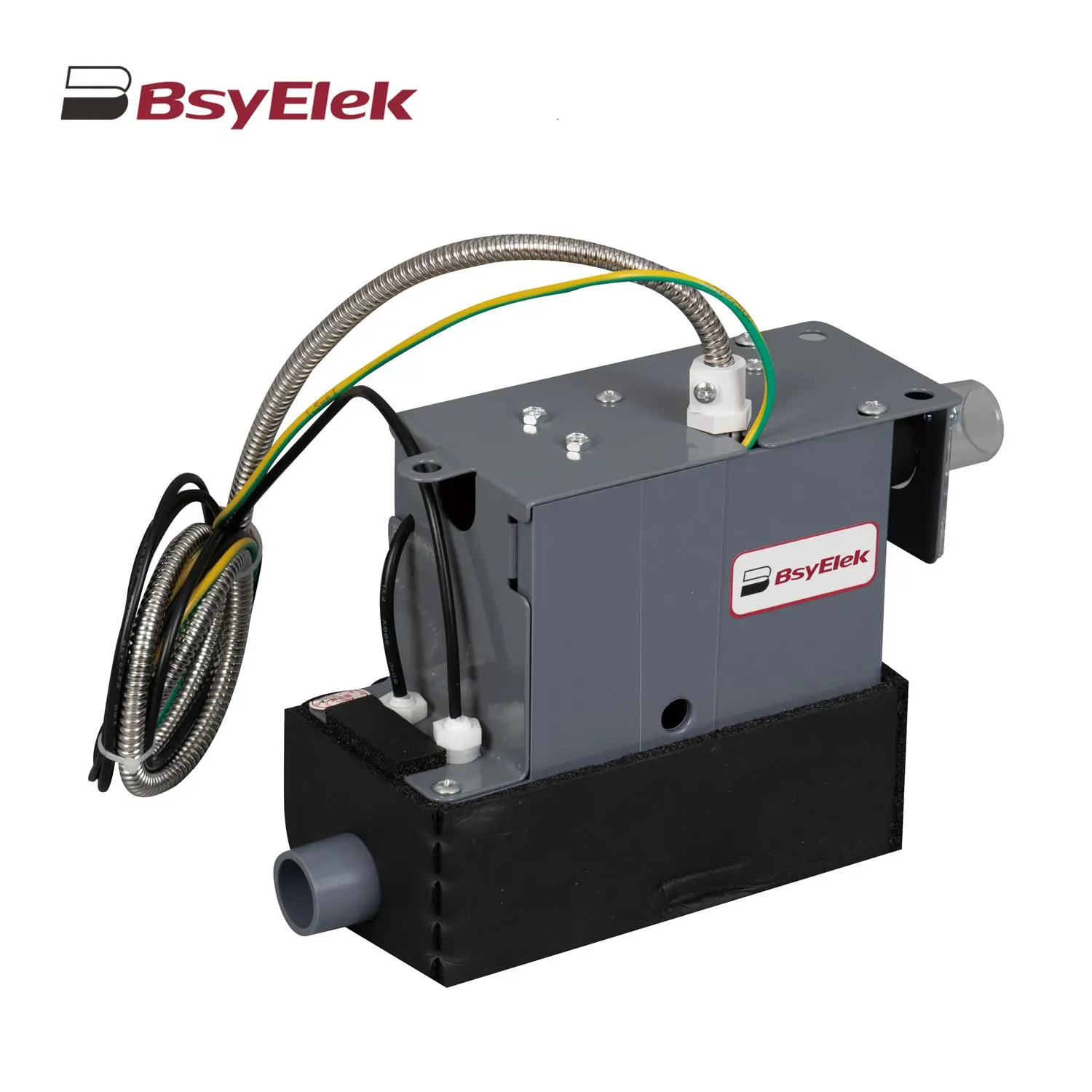 SBH-05 0.7M Original Drainage Pump of Duct Type Air Conditioner
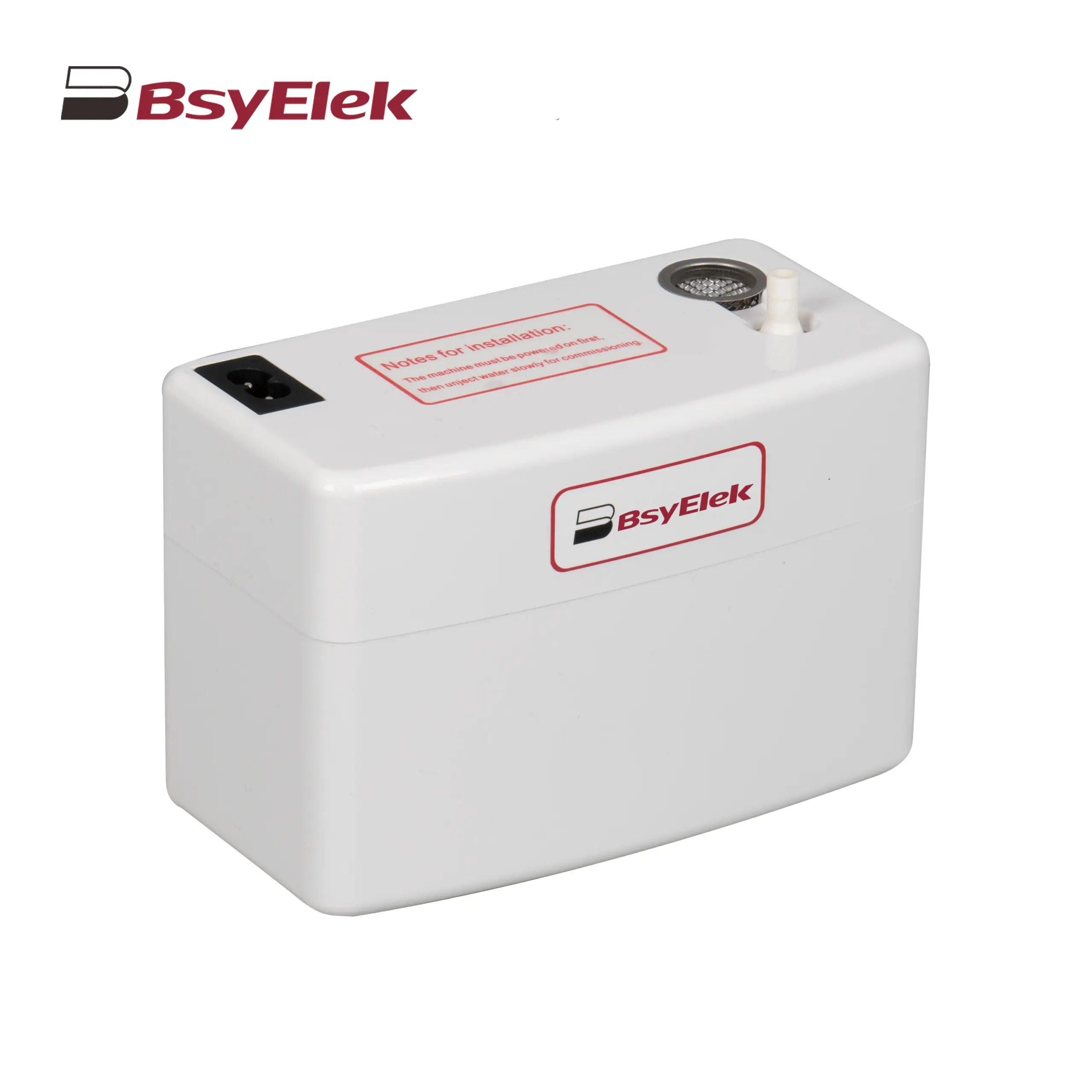 BY-24A/40A 10M Drainage Pump of Air Conditioner
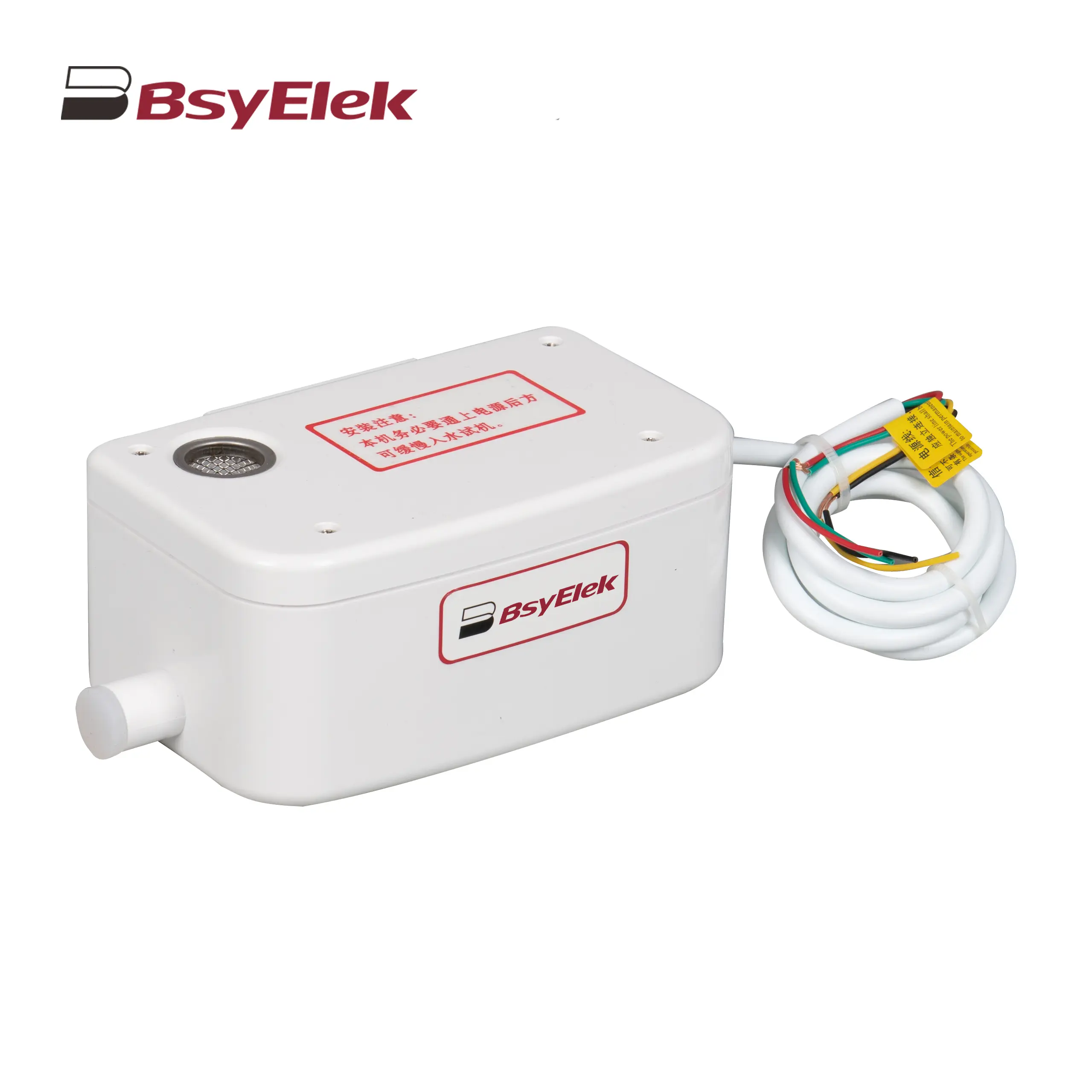 BY-50A 12M Drainage Pump of Air Conditioner
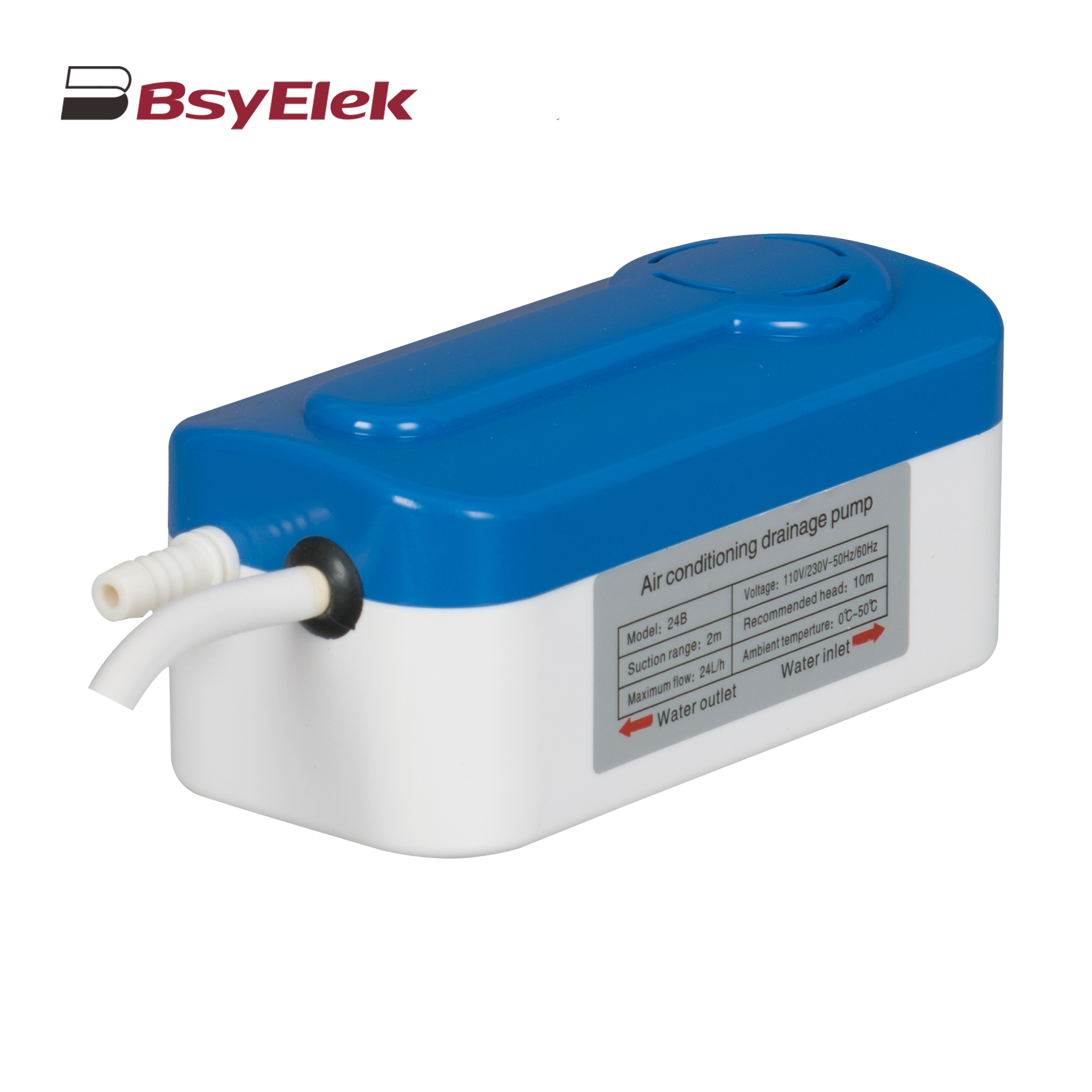 BY-24B/40B 10M Split Type Drainage Pump
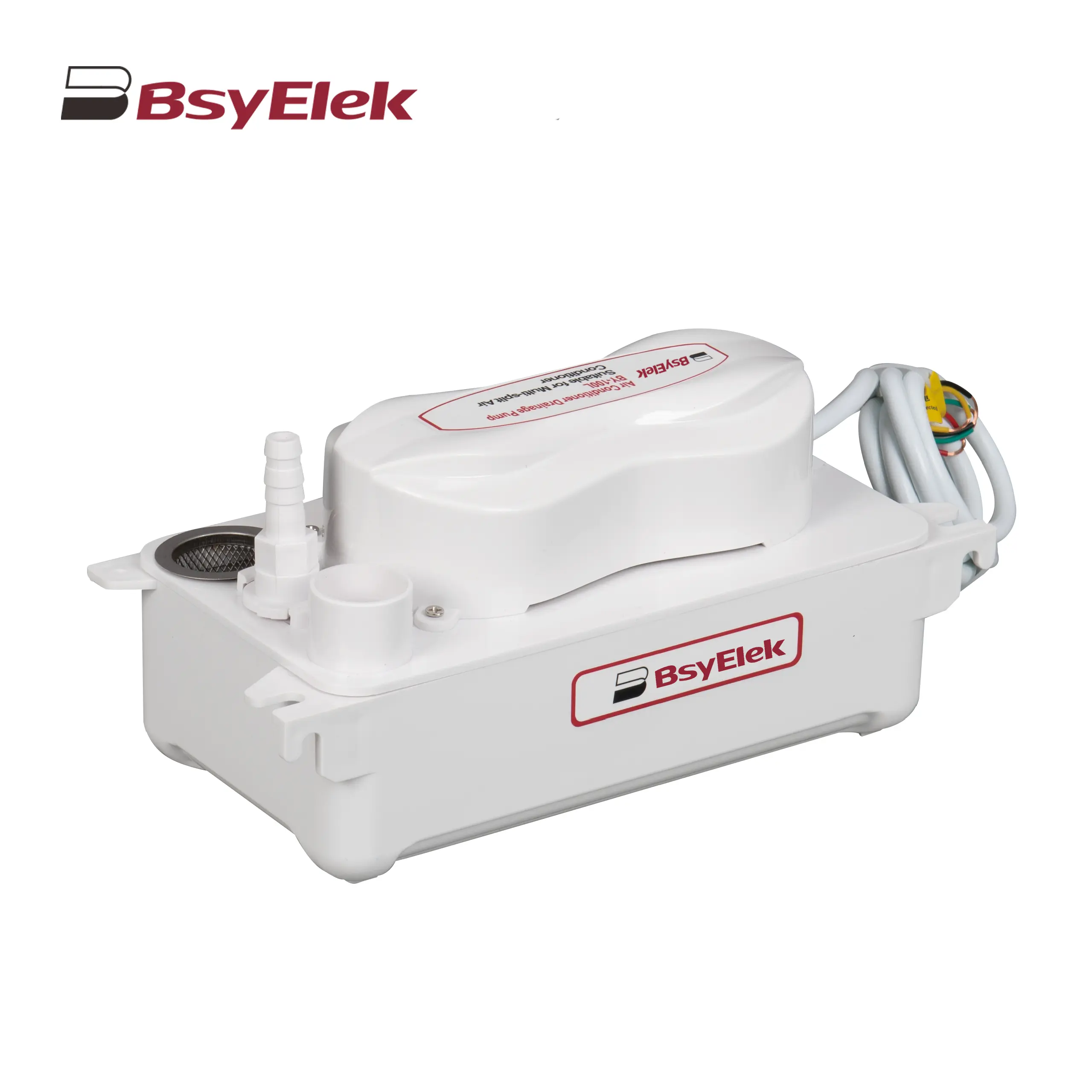 BY-100L 2M Drainage Pump of Air Conditioner
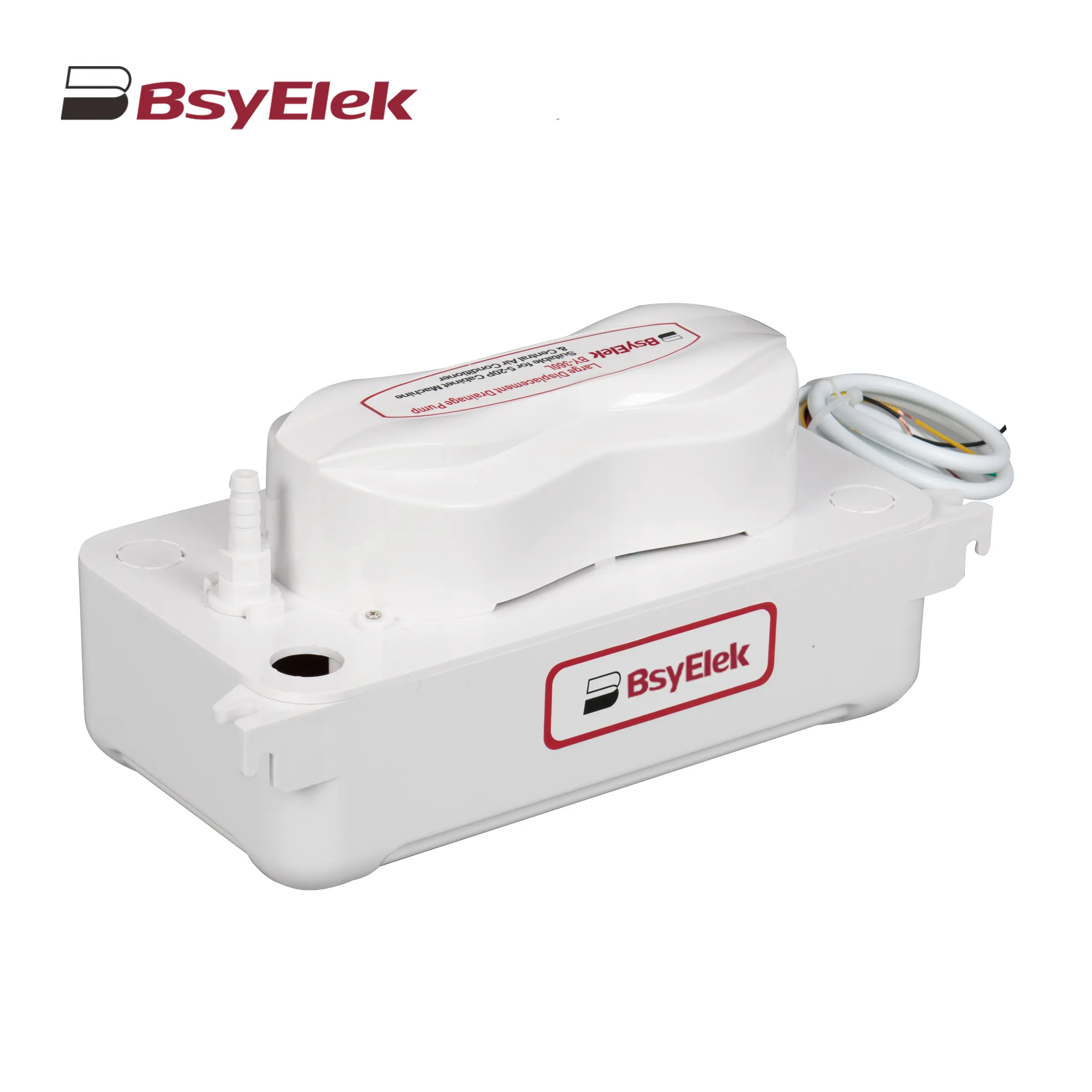 BY-360L 6M Large Displacement Drainage Pump
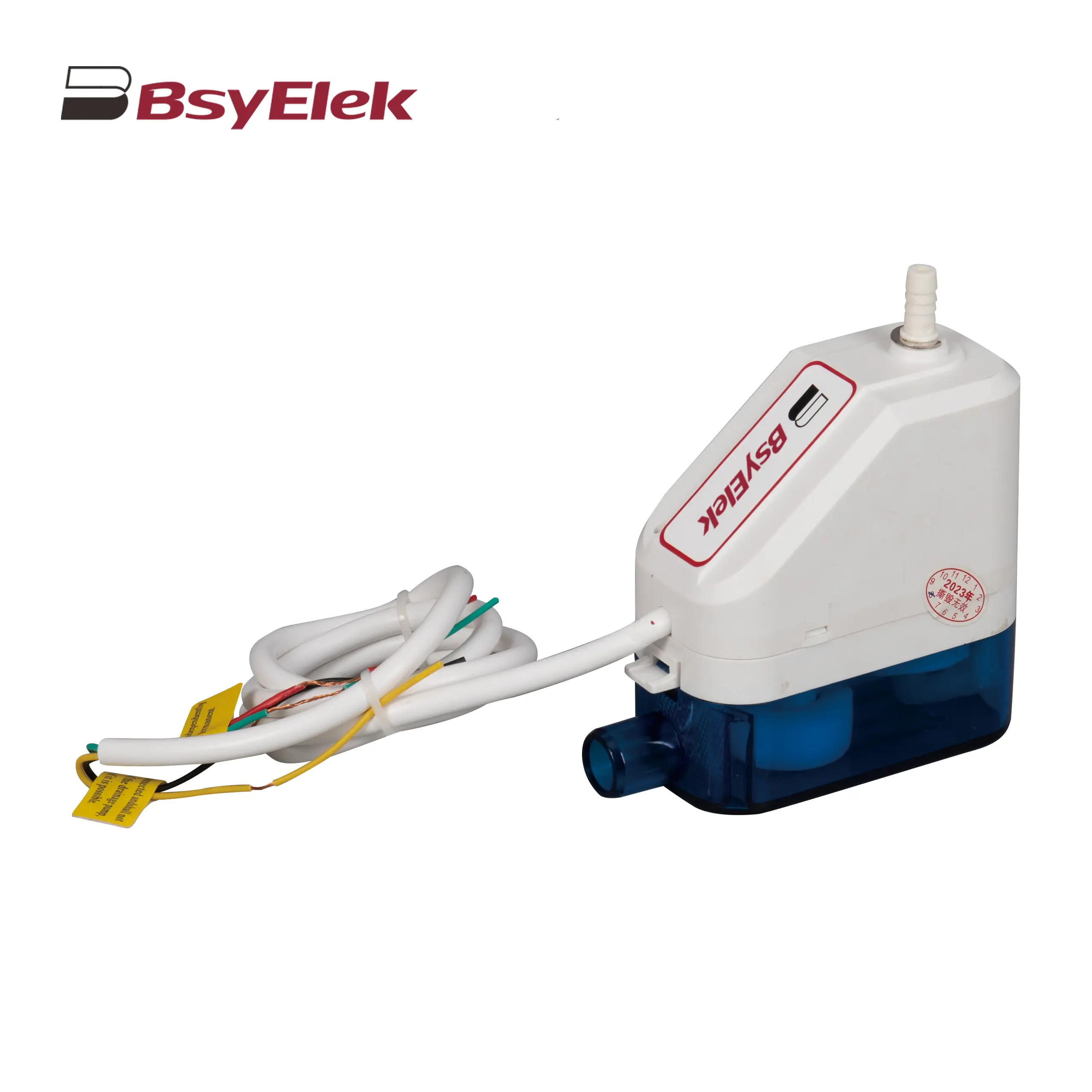 BY-24C/40C 10M Corner Drainage Pump
What is a miniature circuit breaker (MCB)?
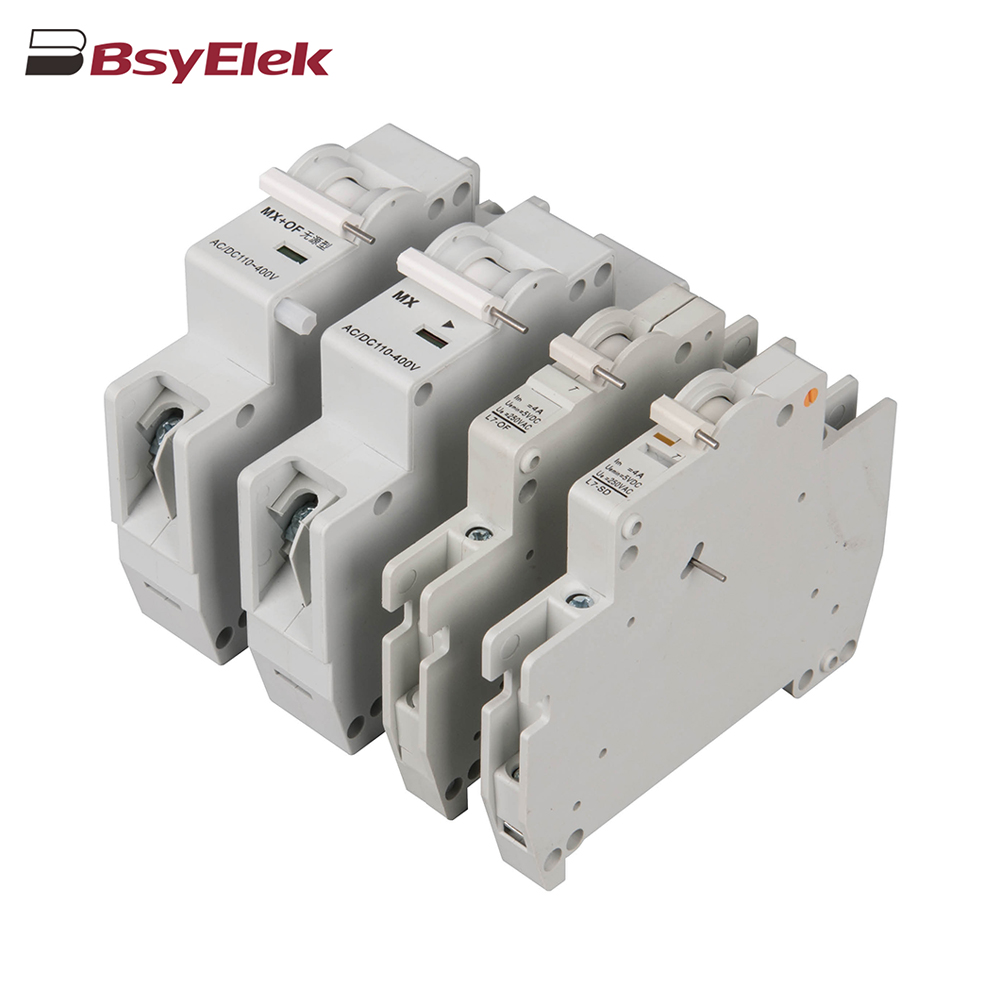 OF SD MX OF MCB Miniature Circuit Breaker Accessories
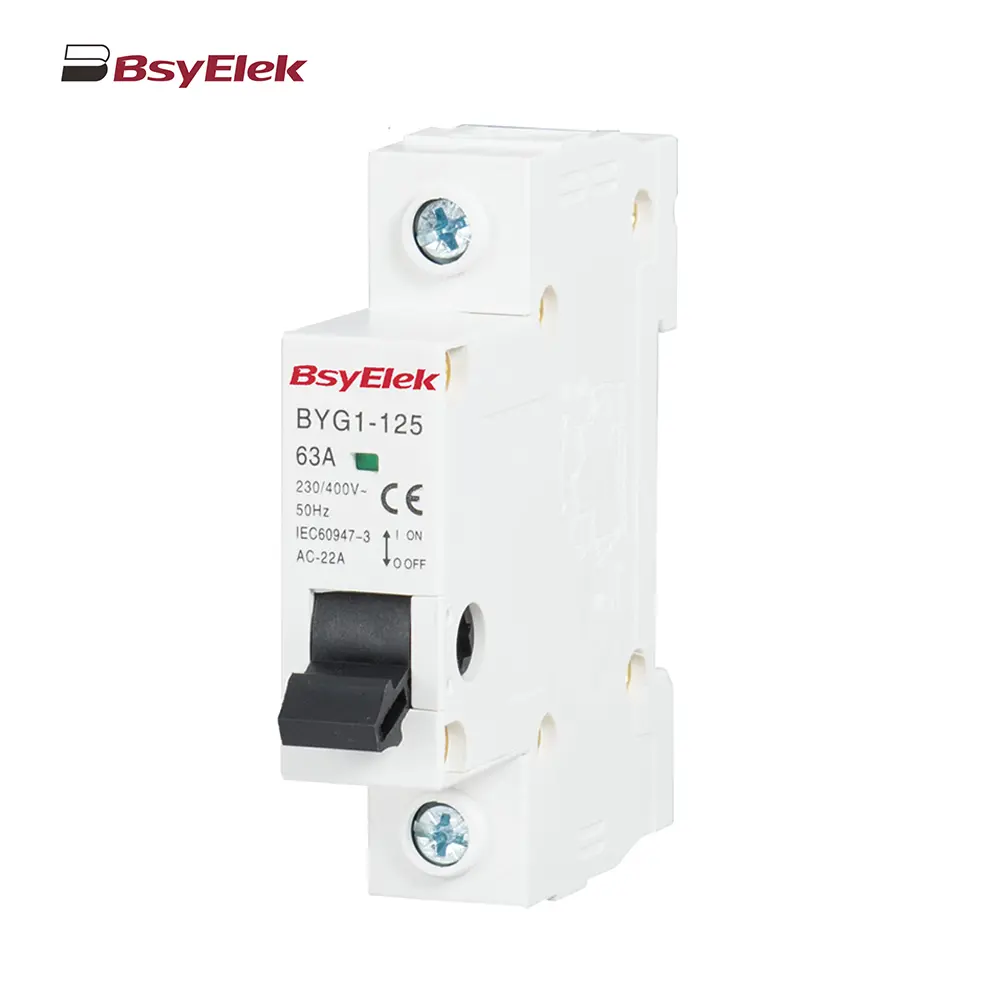 BYG1-125 Main Switch MCB Isolator Switch
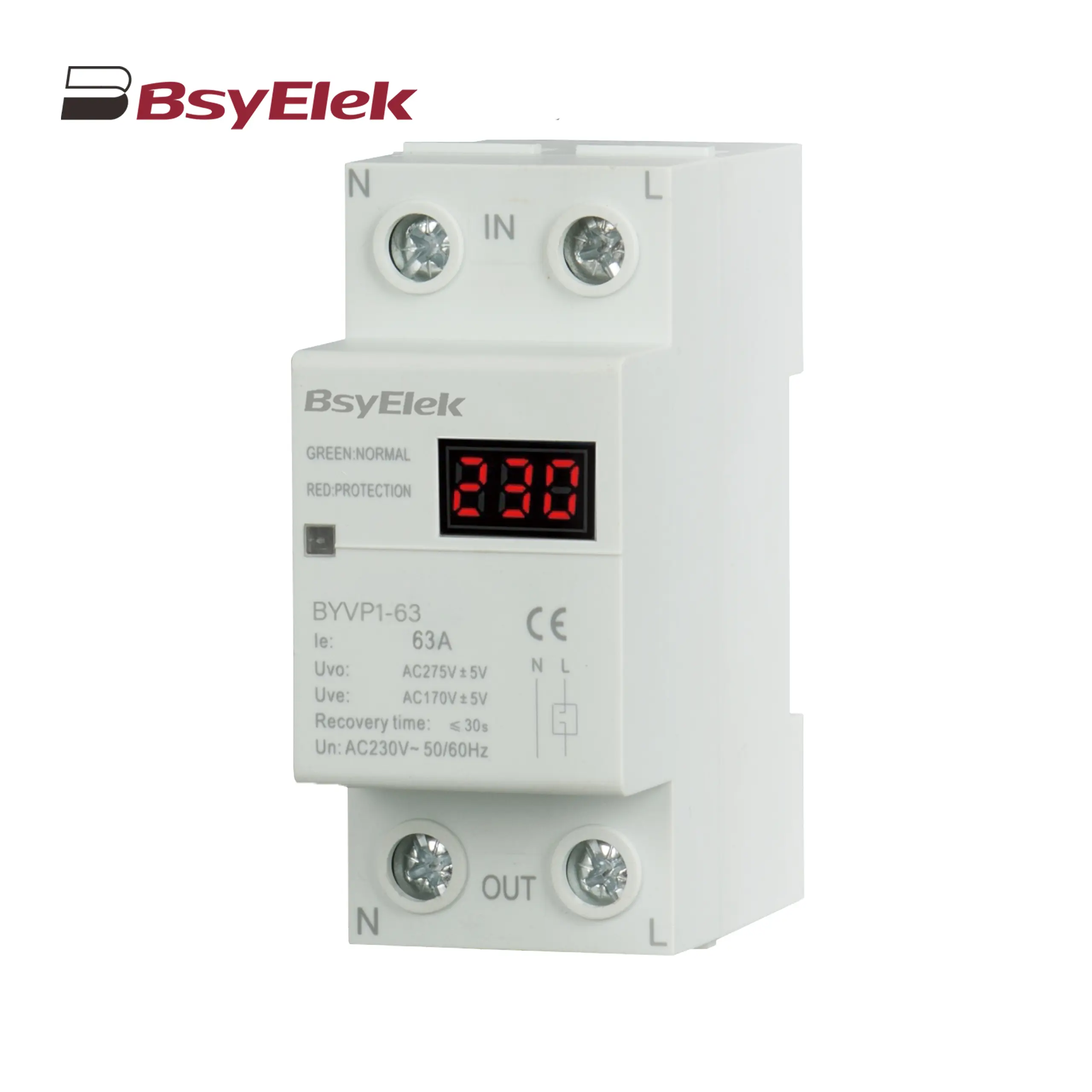 BYVP1-63 100A Single Display Overvoltage and Undervoltage Protector
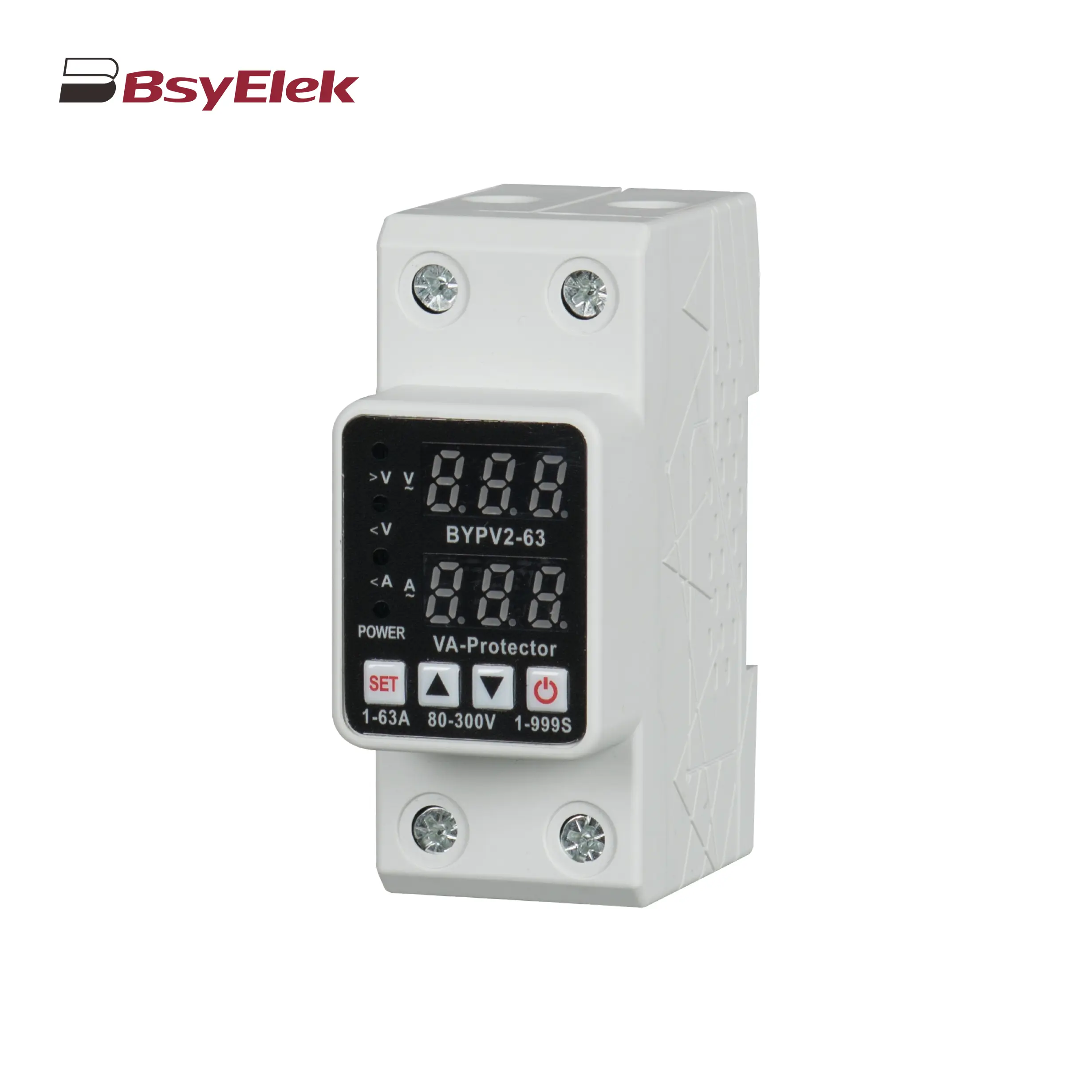 BYVP2-63 40A 63A Adjustable Dual Display Overvoltage and Undervoltage Protector
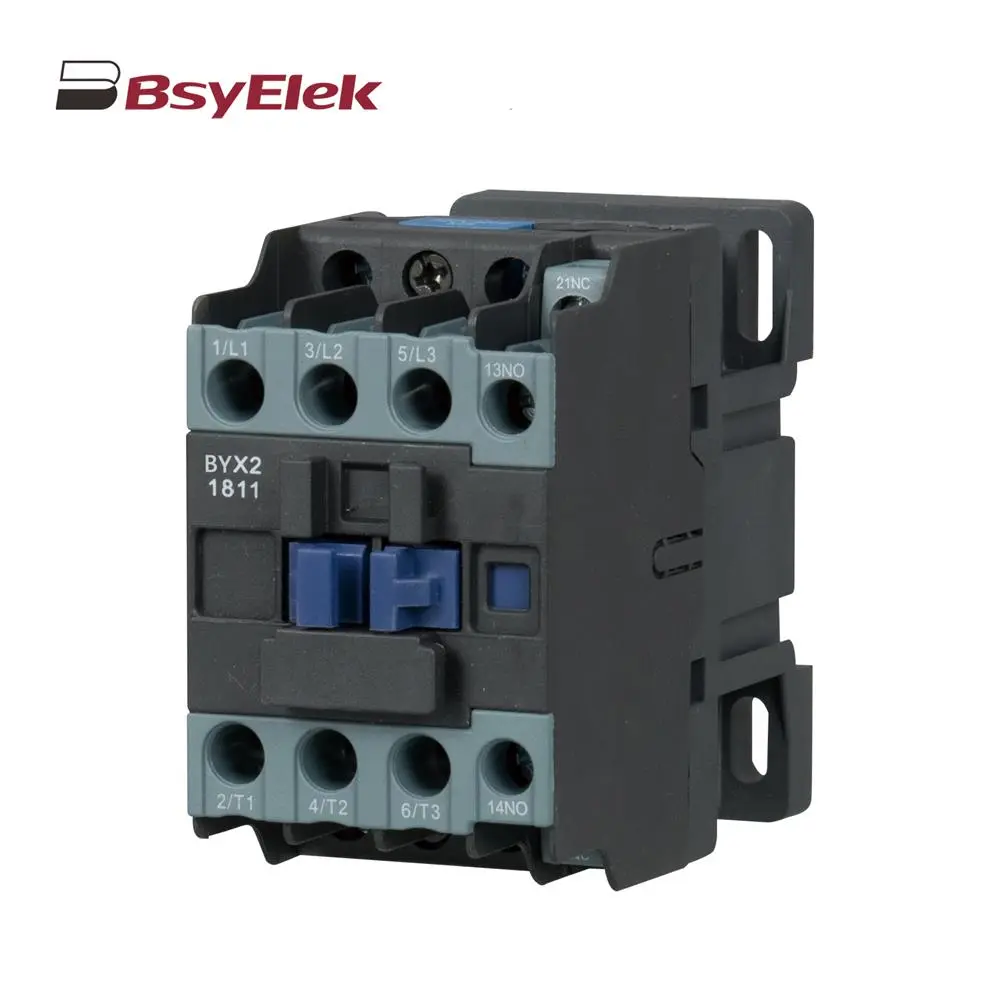 BYX2 6-95A AC Contactor
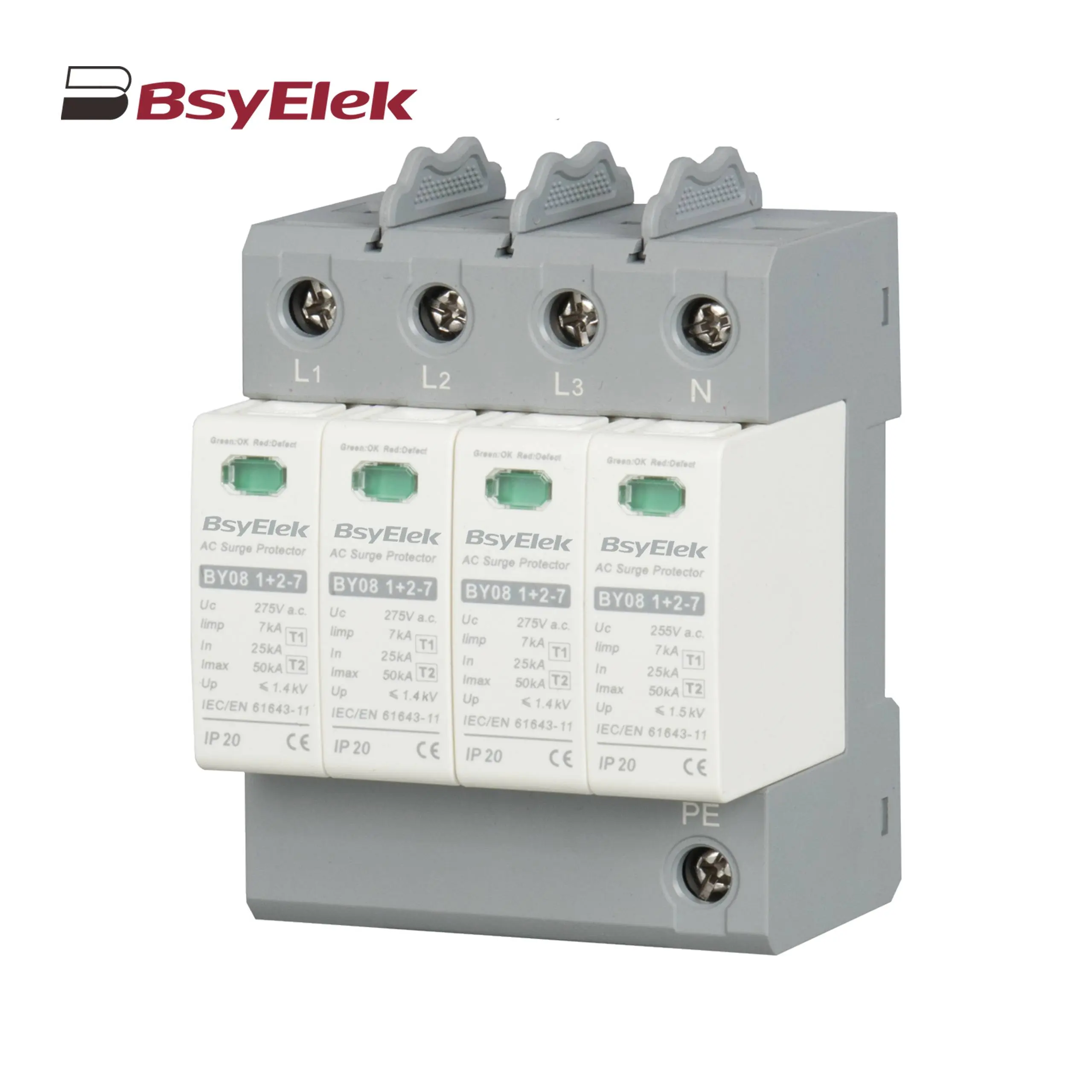 BY08 1+2-7 SPD Class T1+T2 Imax 50KA Surge Protective Device
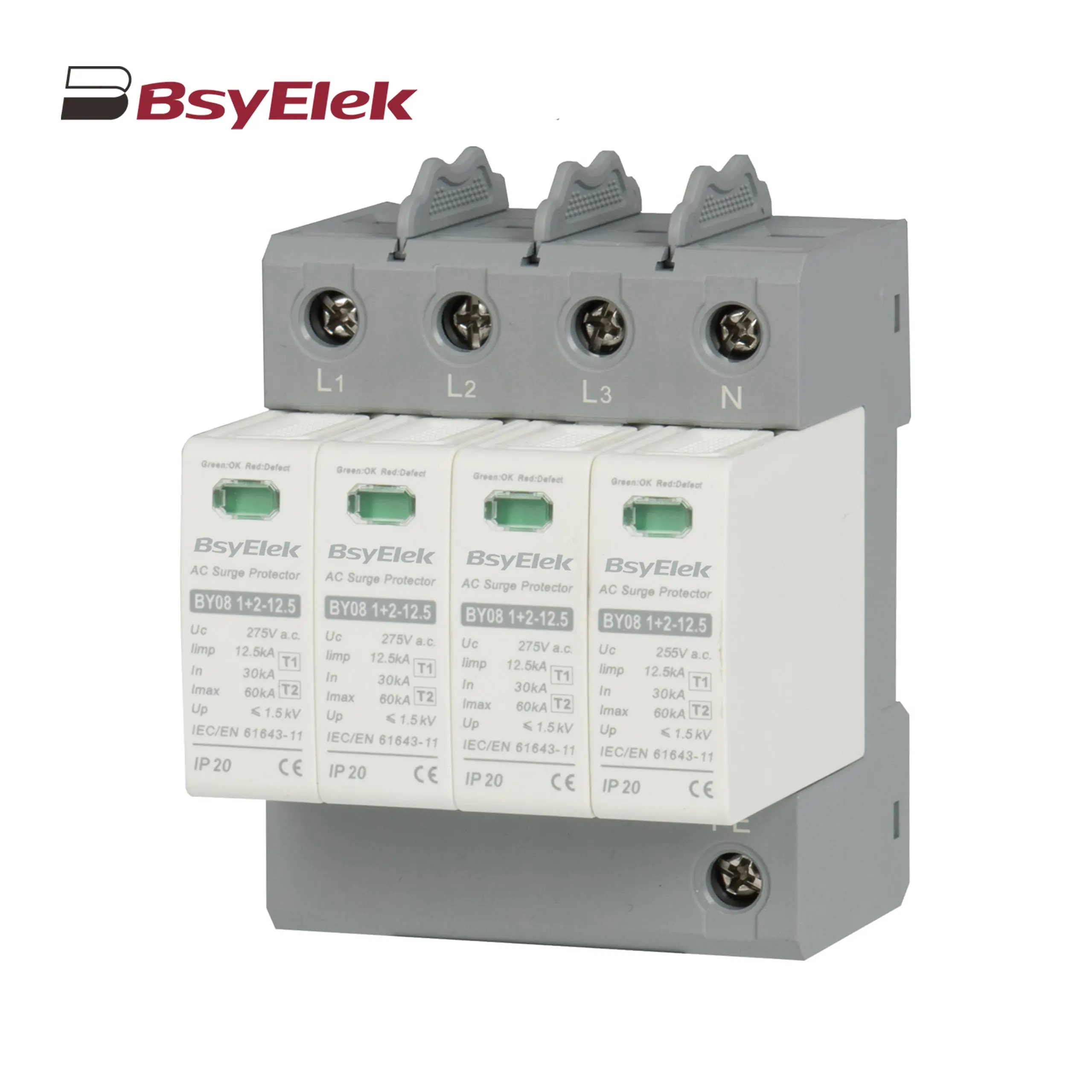 BY08 1+2-12.5 SPD Class T1+T2 Imax 60KA Surge Protective Device
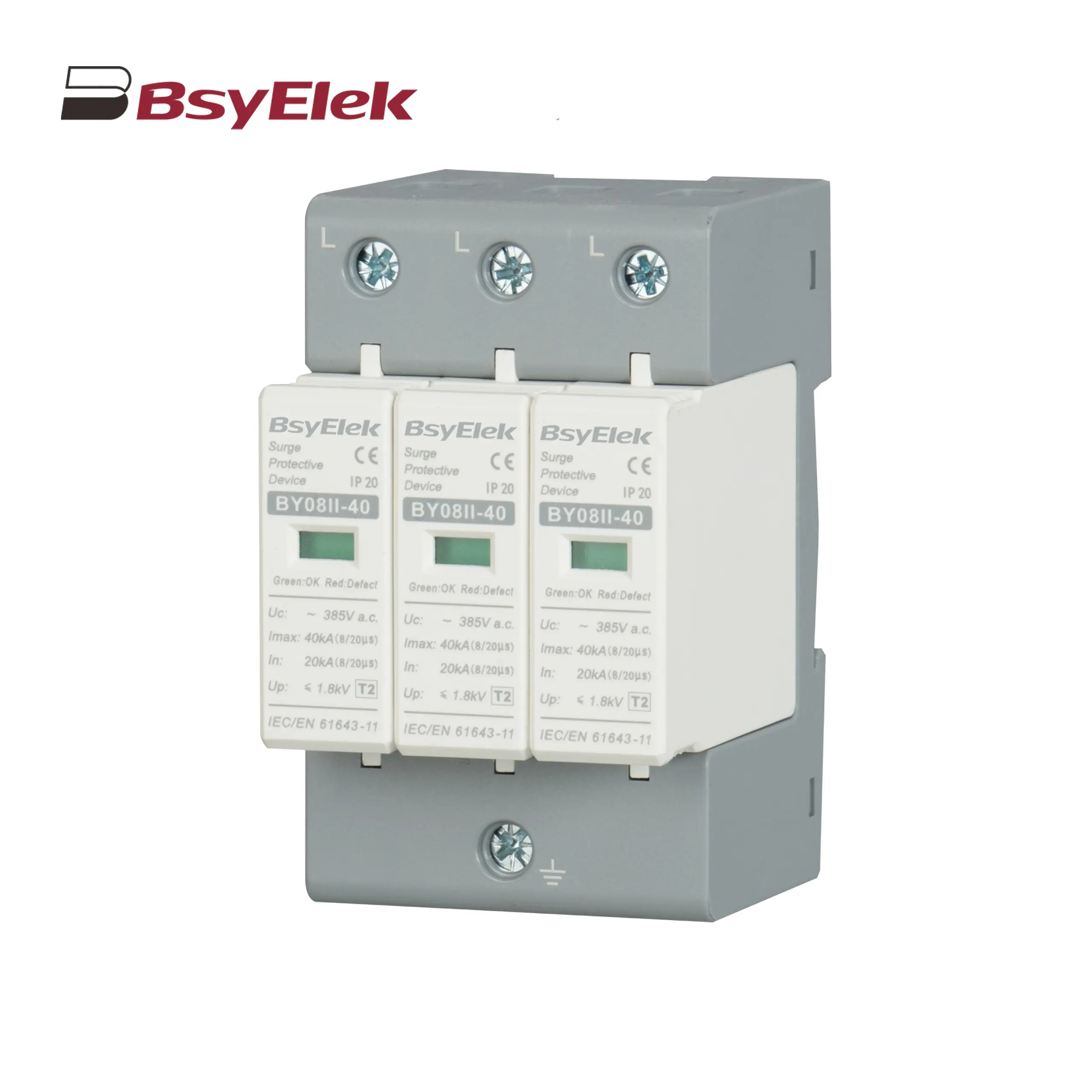 BY08II-40 SPD Class T2 Imax 40KA Surge Protective Device
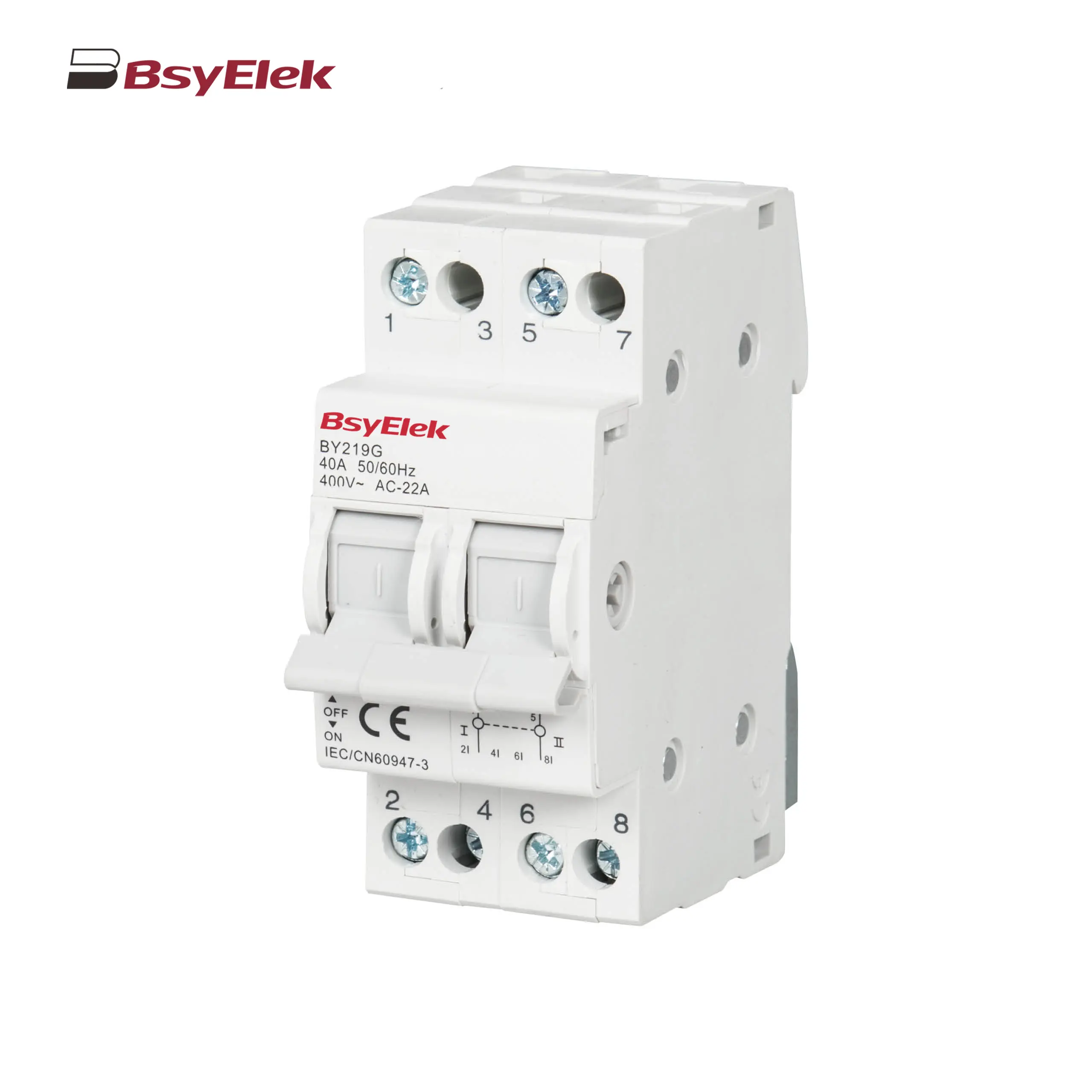 BY19G 63A Manual Changeover Switch
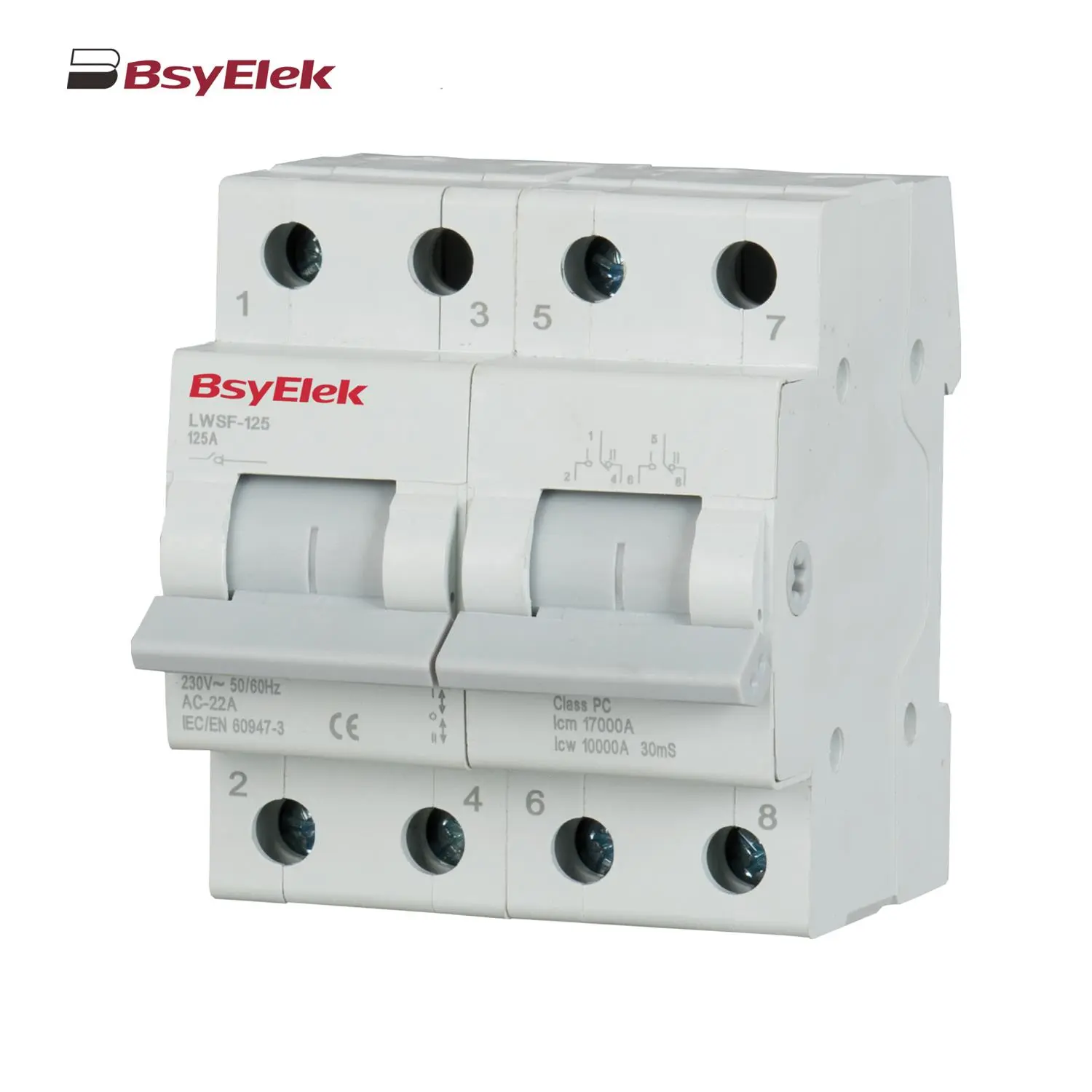 LWSF-125 125A Manual Changeover Switch
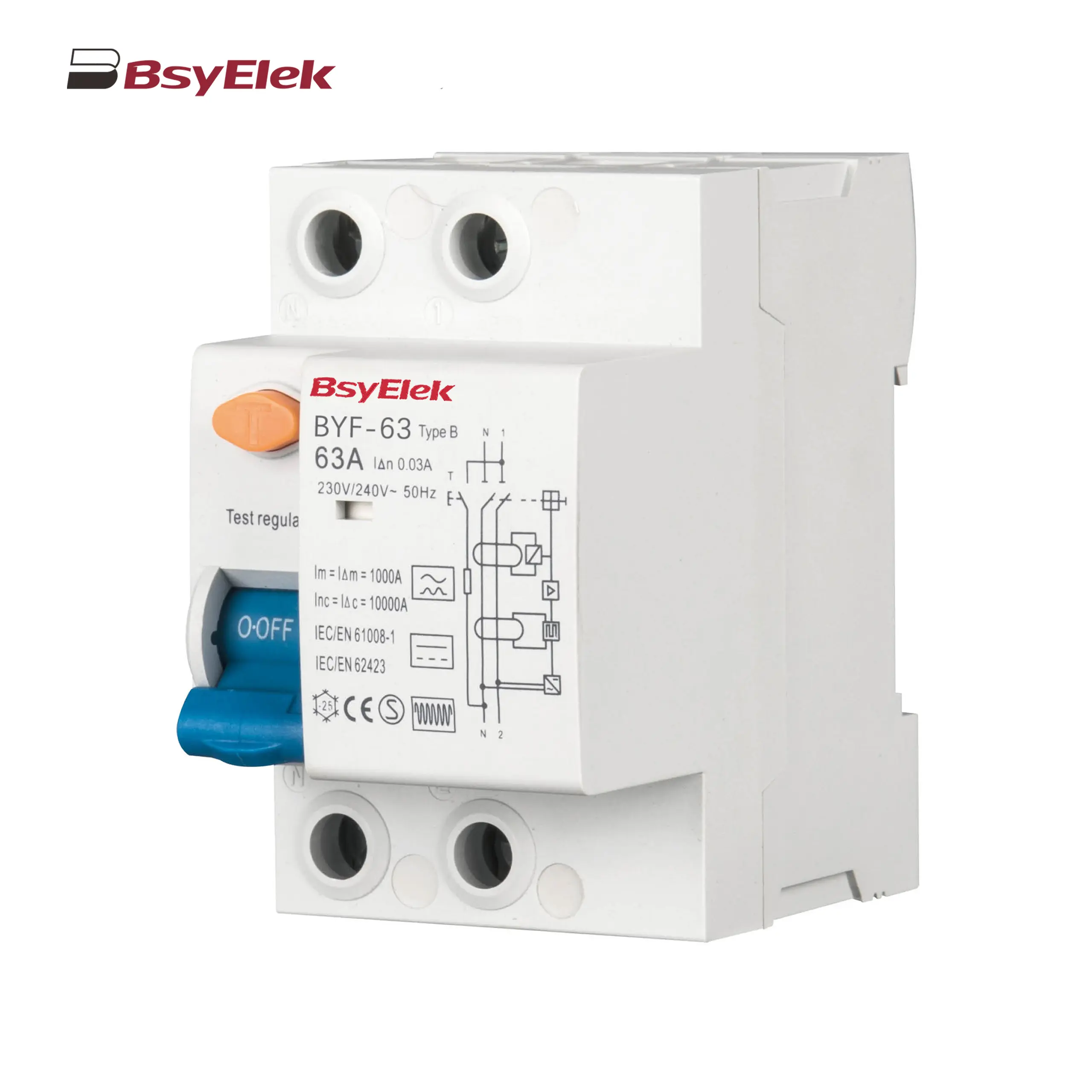 BYF-63 RCD 10KA Type B AC+A+Smoothing DC Residual Current Device
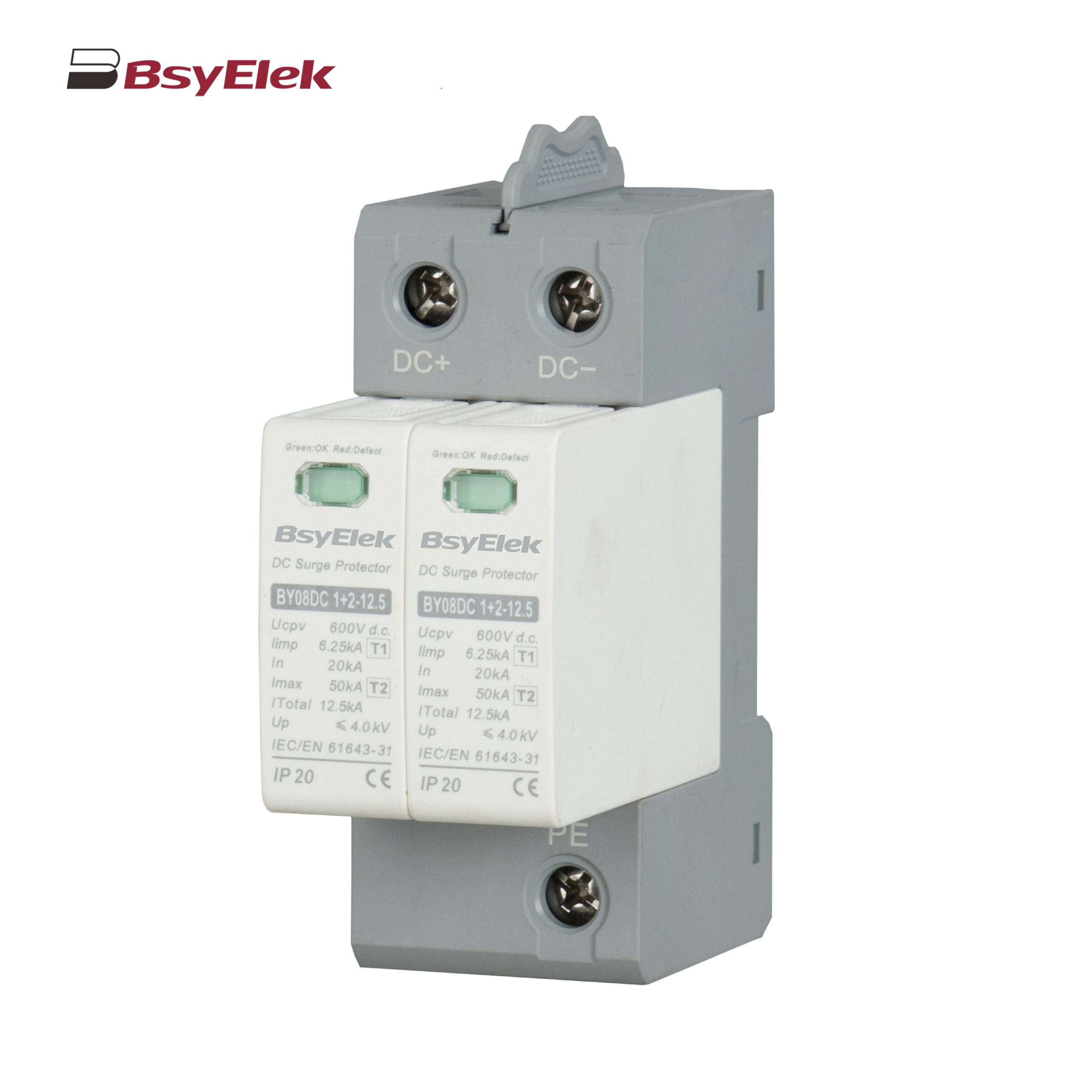 BY08DC 1+2-12.5 SPD Class T1+T2 40KA DC Surge Protective Device
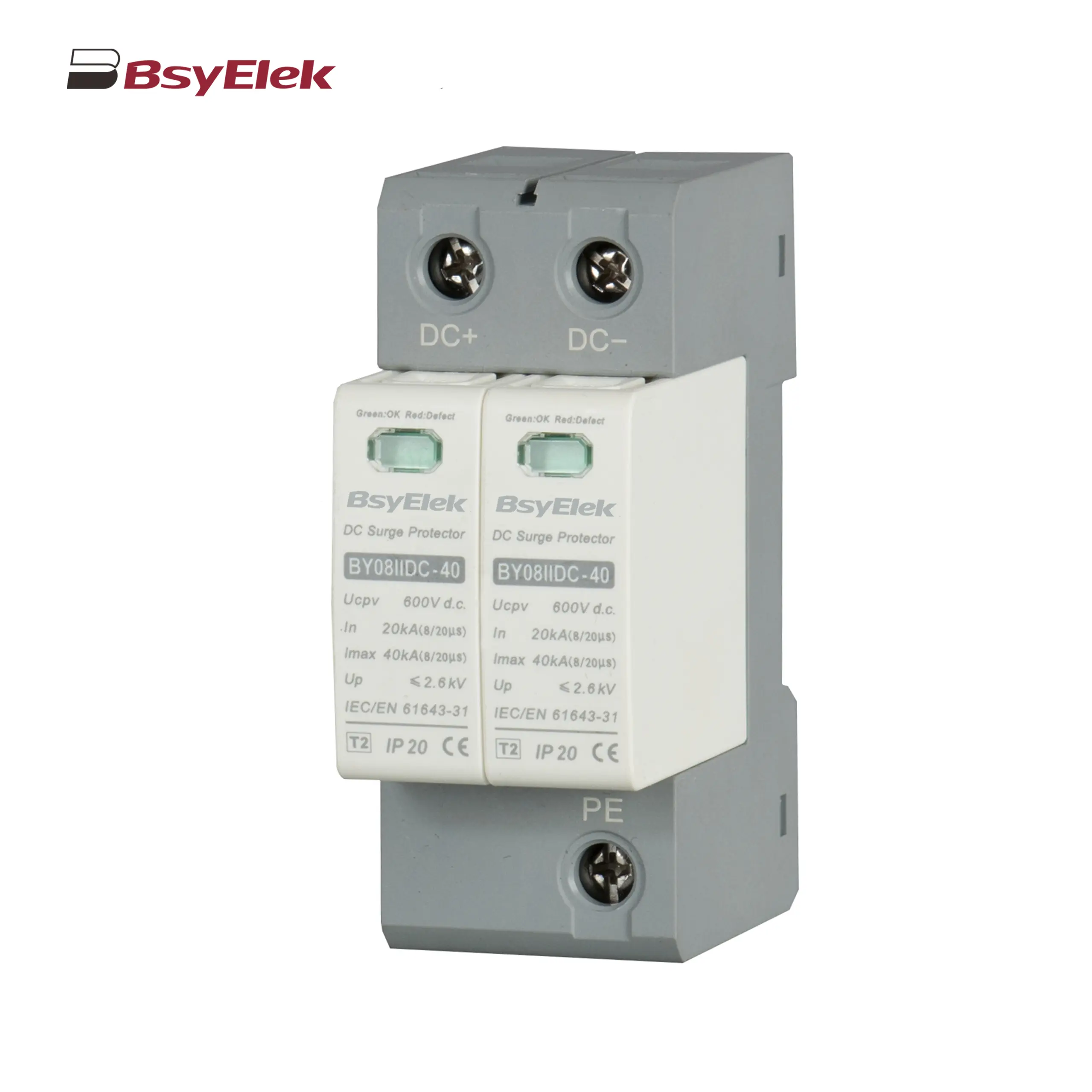 BY08IIDC-40 SPD Class T2 40KA DC Surge Protective Device
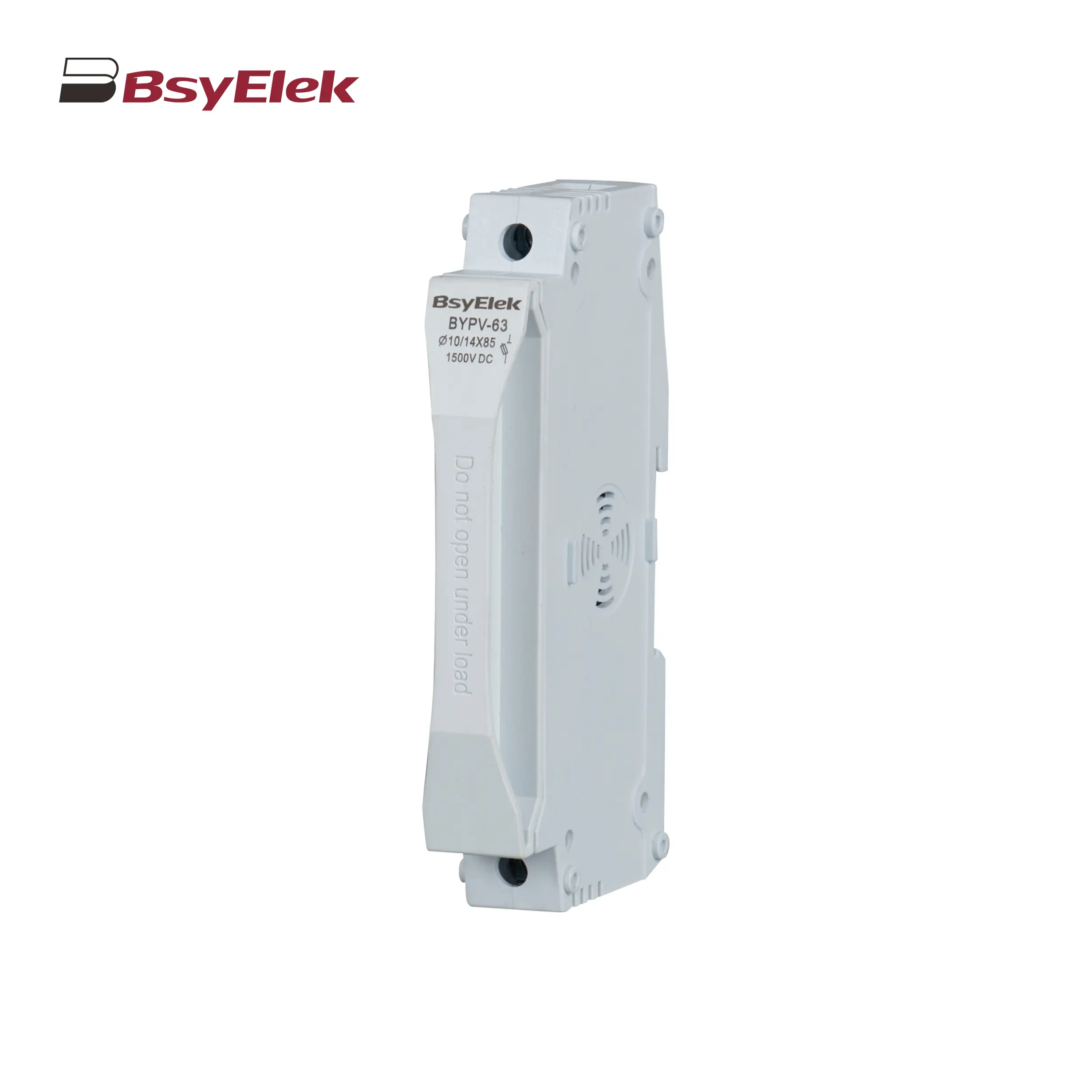 BYPV-63 1500VDC 50A Fuse Holder with 10x85mm 14x85mm Fuse Link
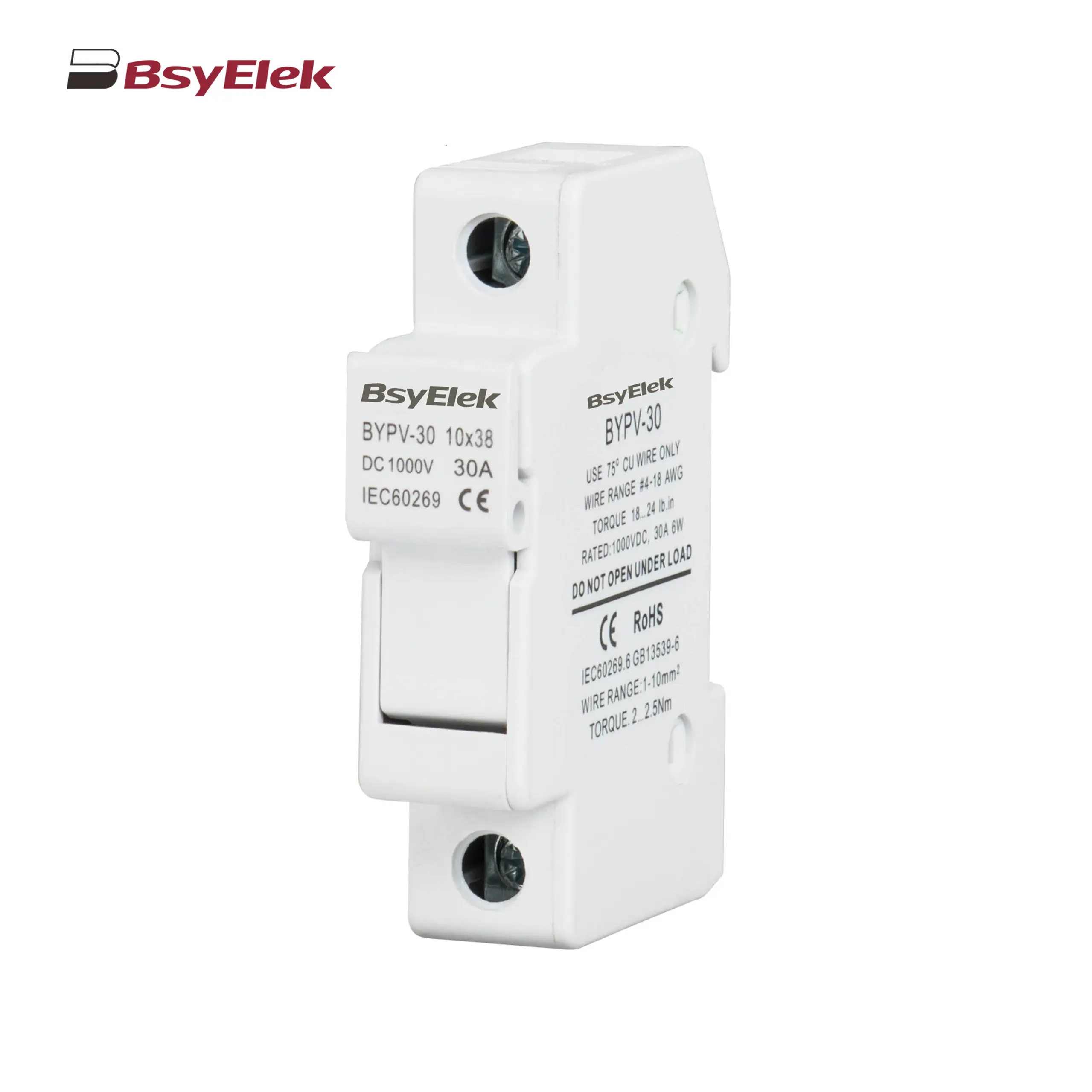 BYPV-30 1000VDC 32A Fuse Holder with 10x38mm Fuse Link
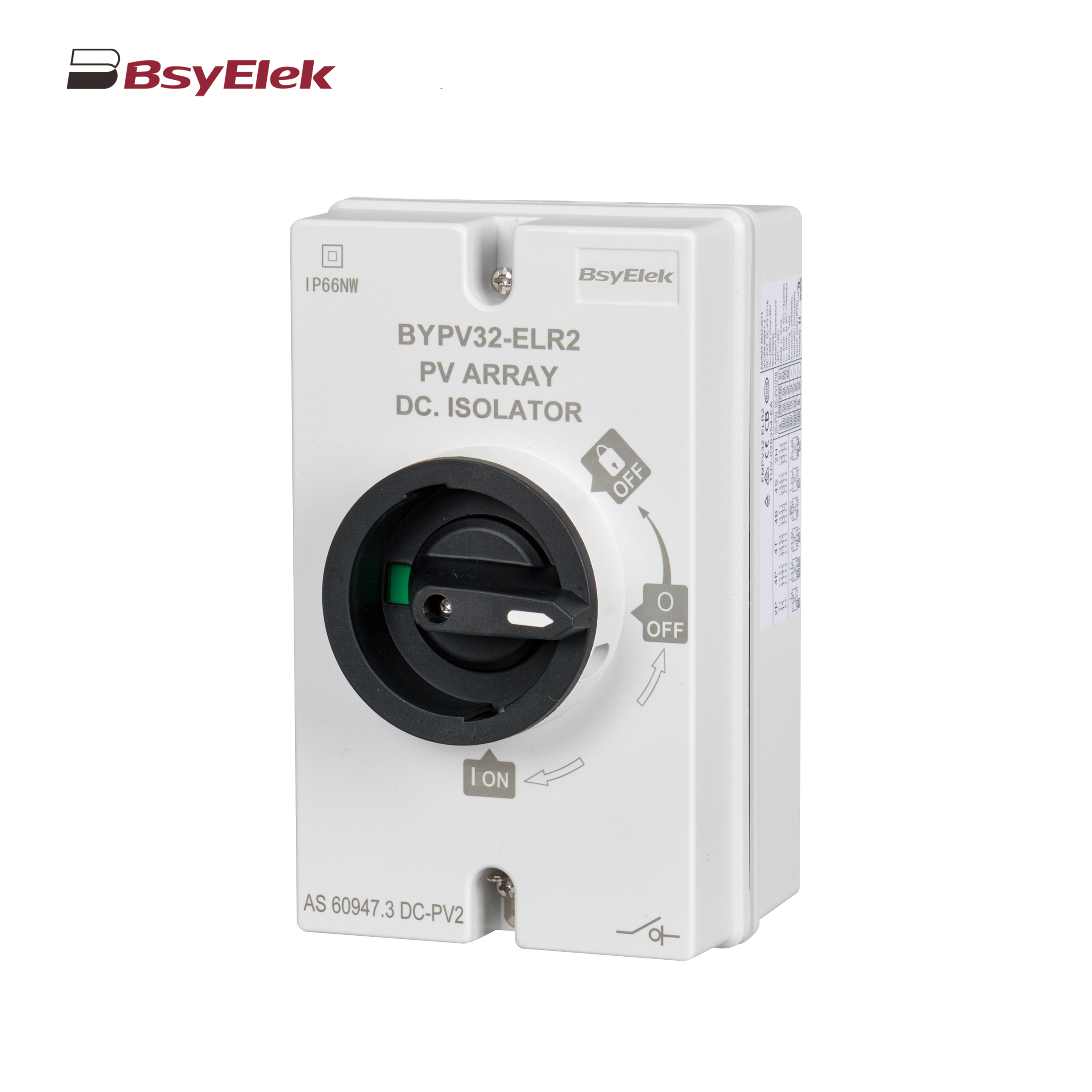 BYPV-ELR2 PV Isolator Switch with Enclosed Version
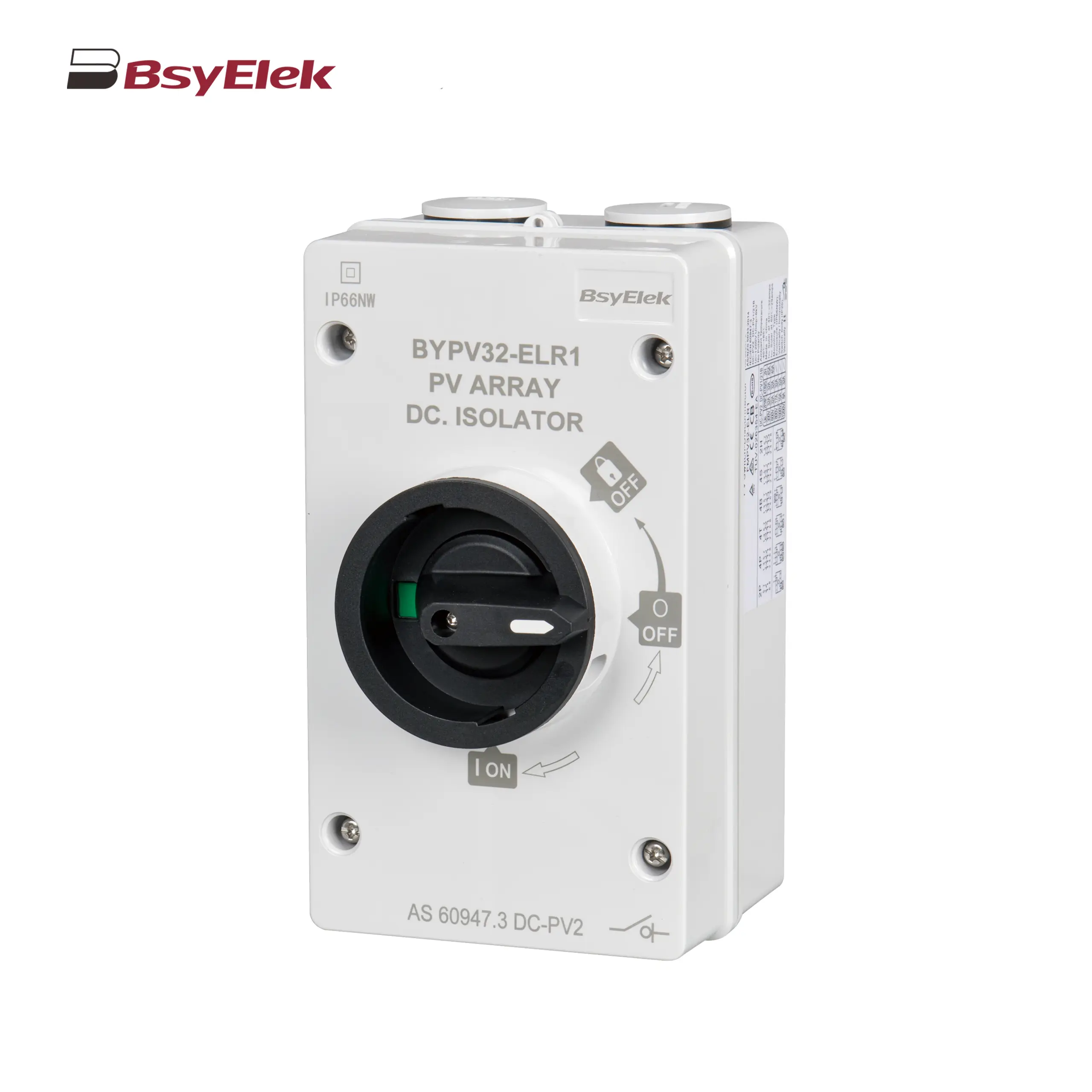 BYPV-ELR1 PV Isolator Switch with Enclosed Version
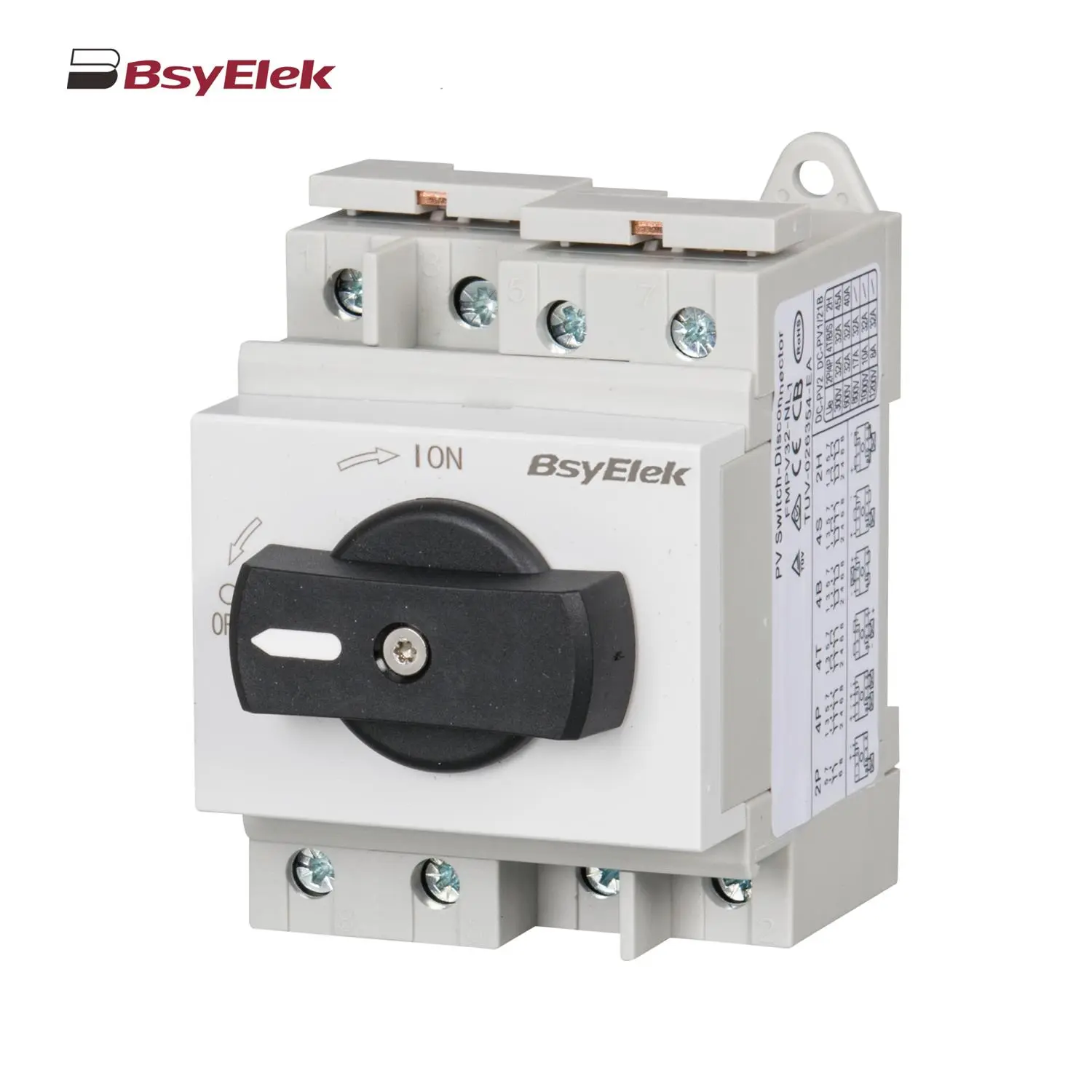 BYPV-NL1/T PV Isolator Switch with Ultra-thin Lever Handle
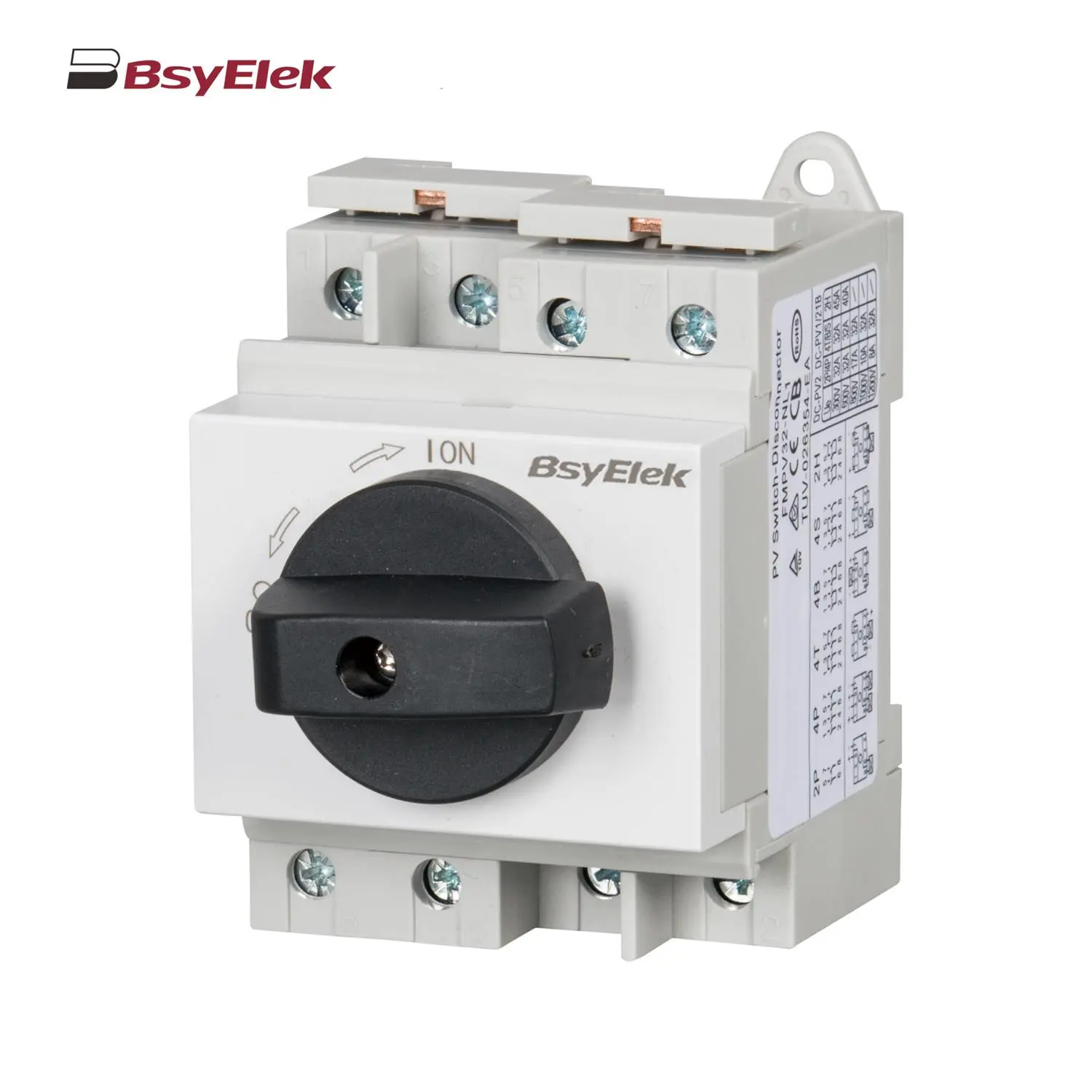 BYPV-NL1 PV Isolator Switch with Lever Handle
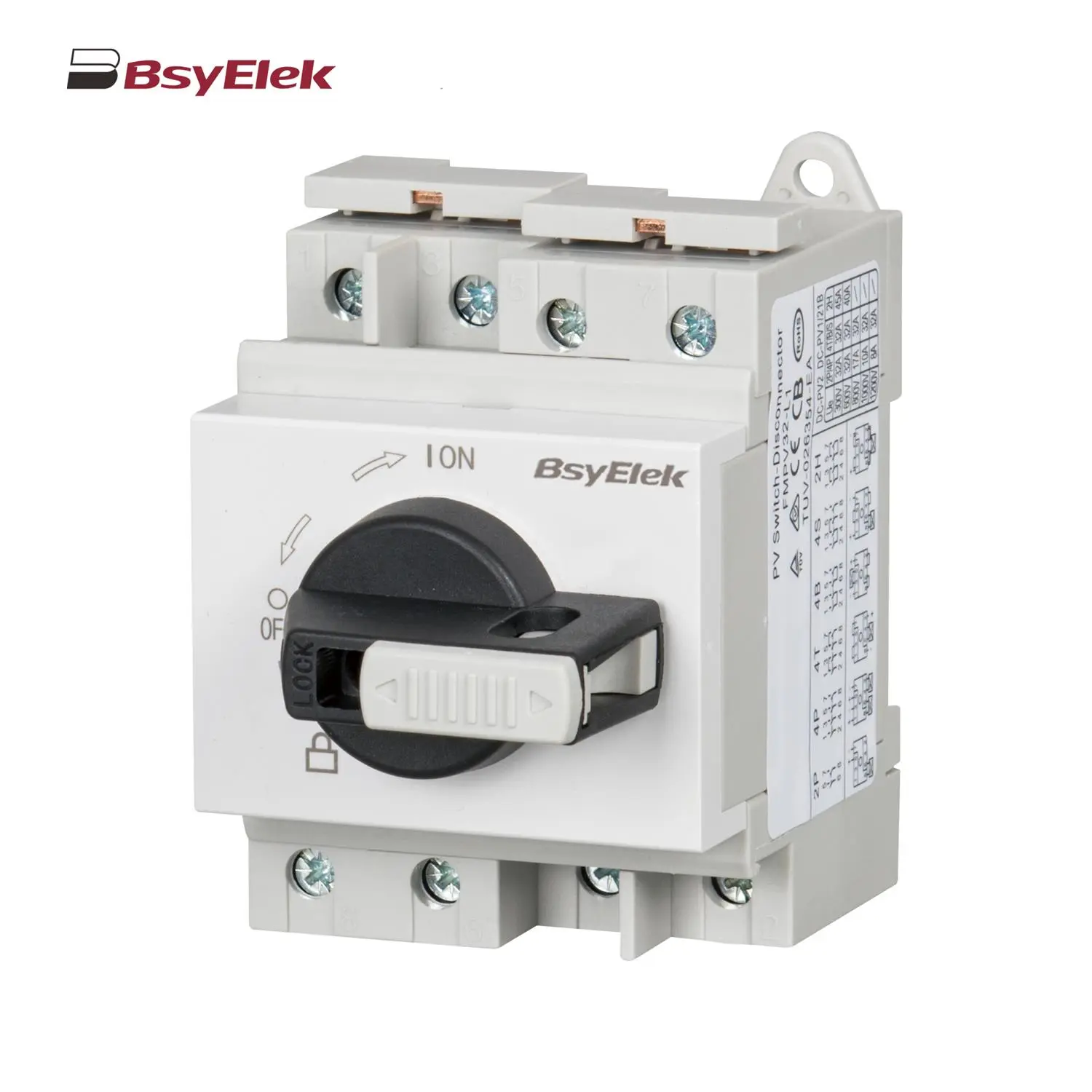 BYPV-L1/L2 PV Isolator Switch with Lockable Lever Handle
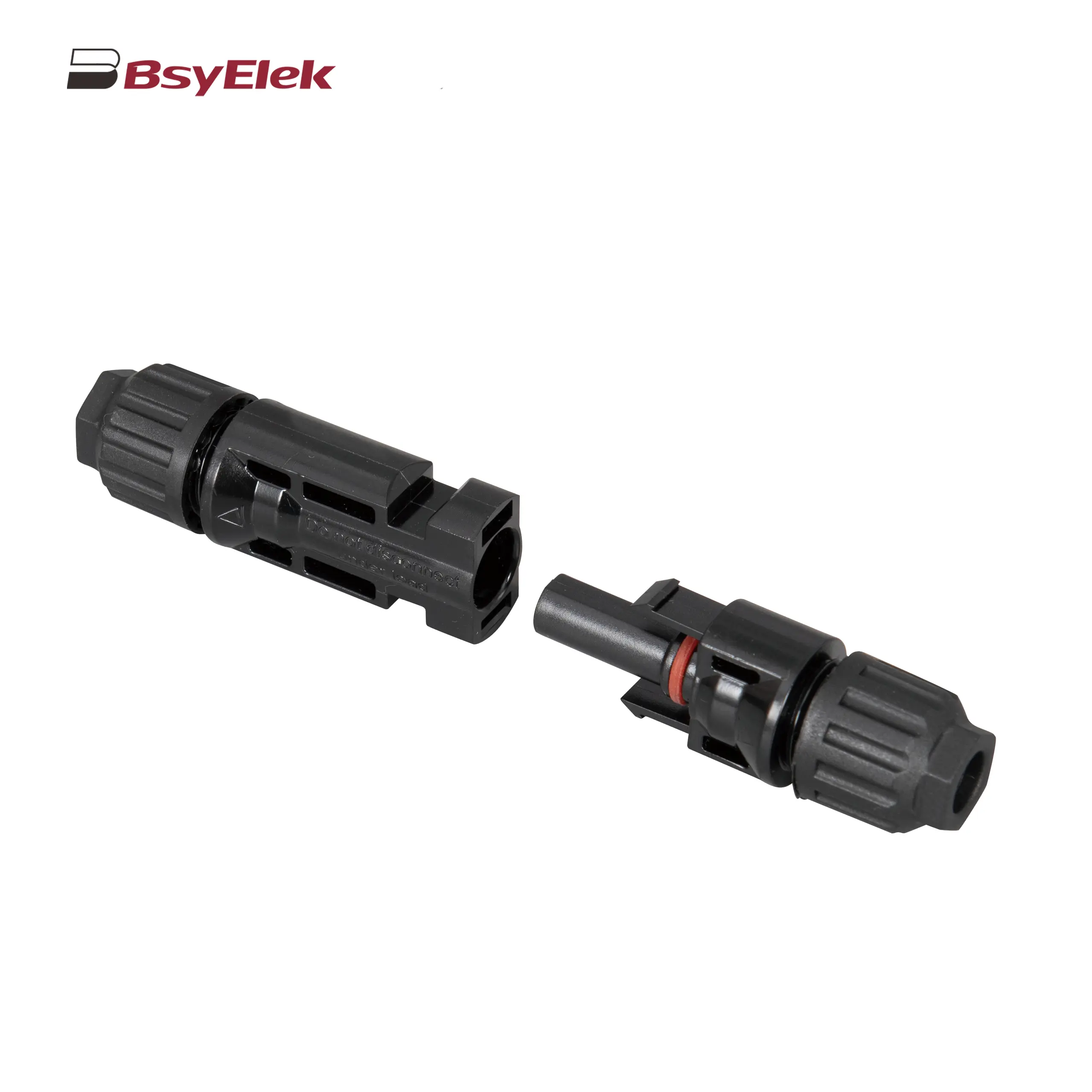 PV-BY-01 30A/50A 1000V Photovoltaic Connector
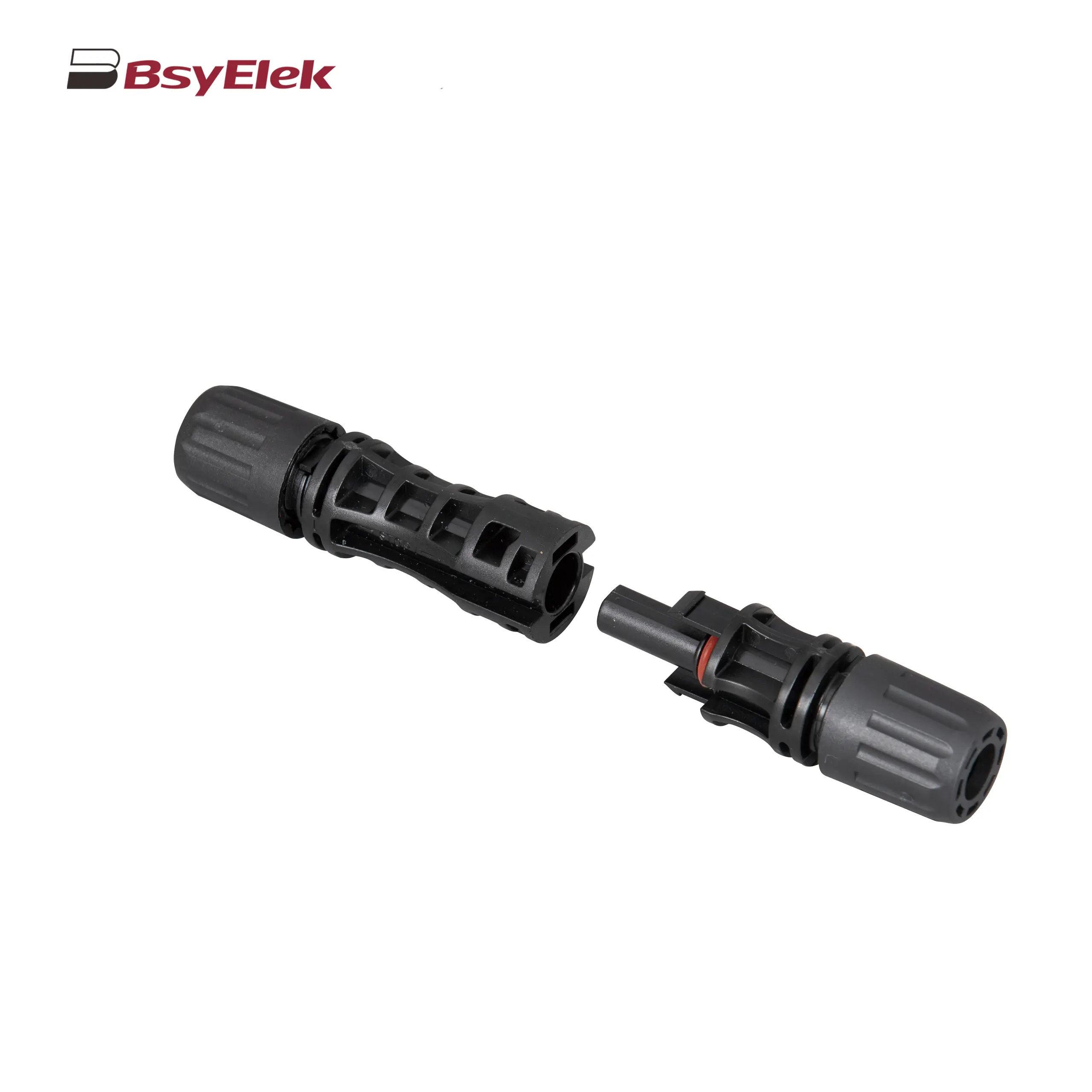 PV-BY-02 30A/50A 1500V Photovoltaic Connector
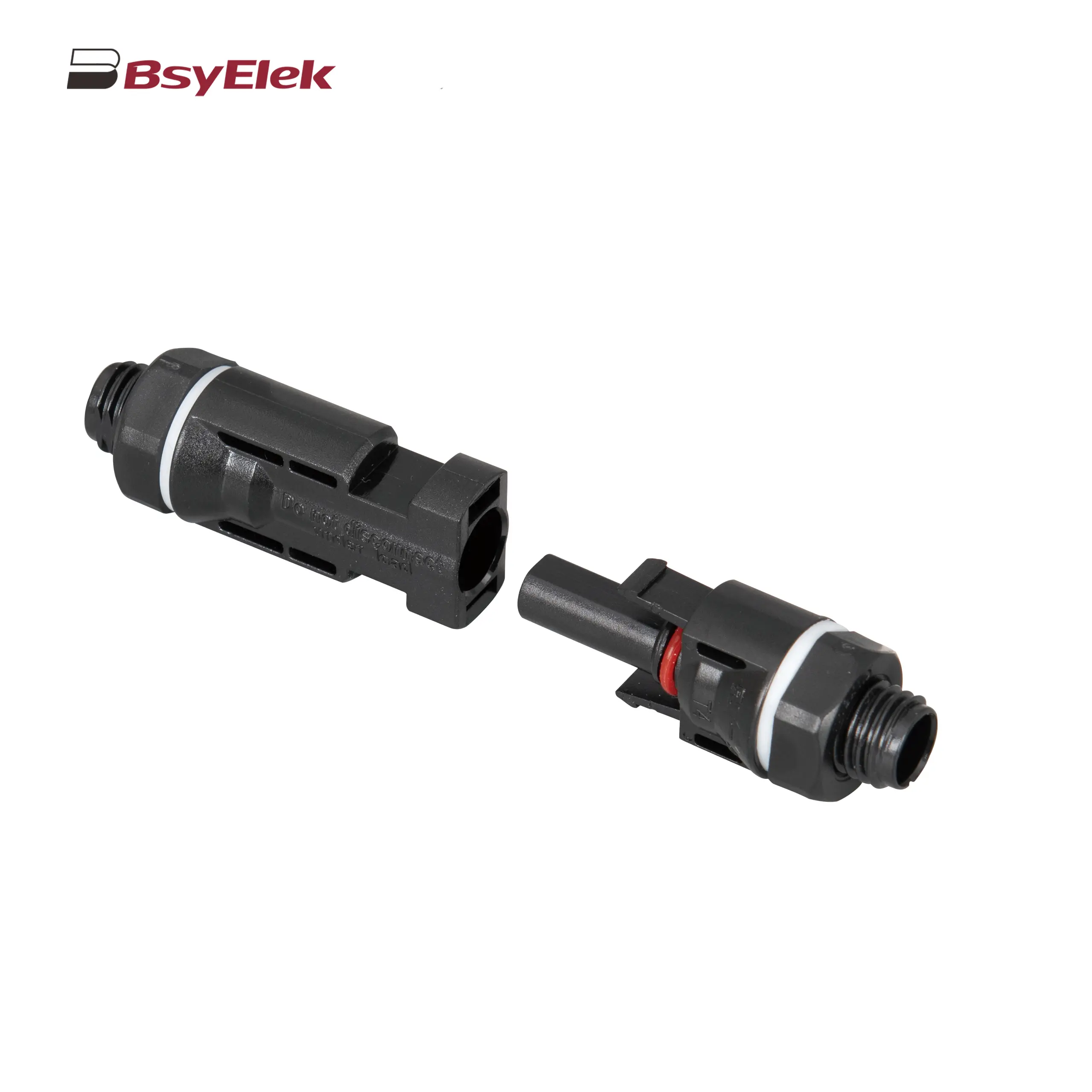 PV-BY-03 30A/50A 1000V Panel Mount Photovoltaic Connector
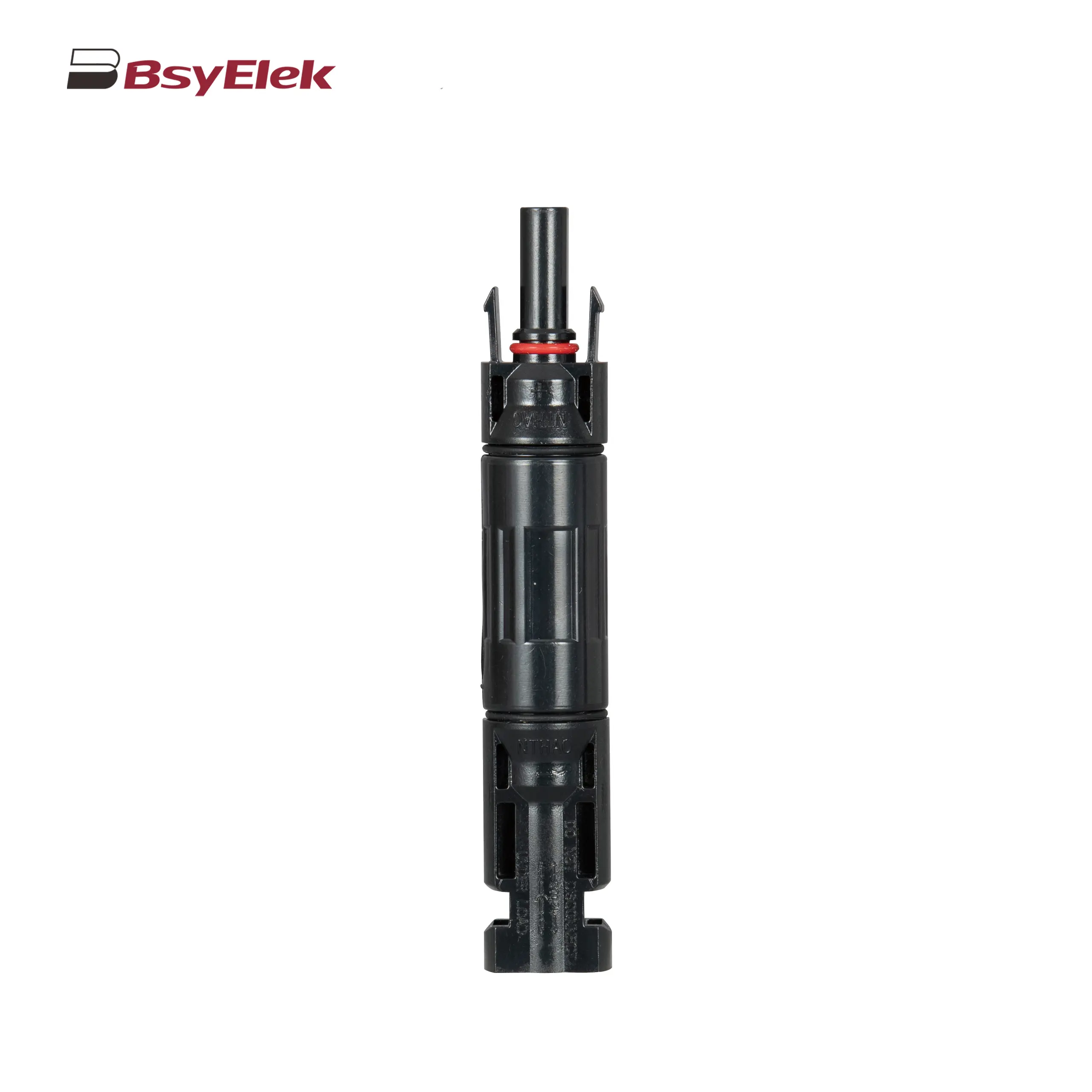 PV-BY-F01 30A 1500V Diode/Fuse Type Connector
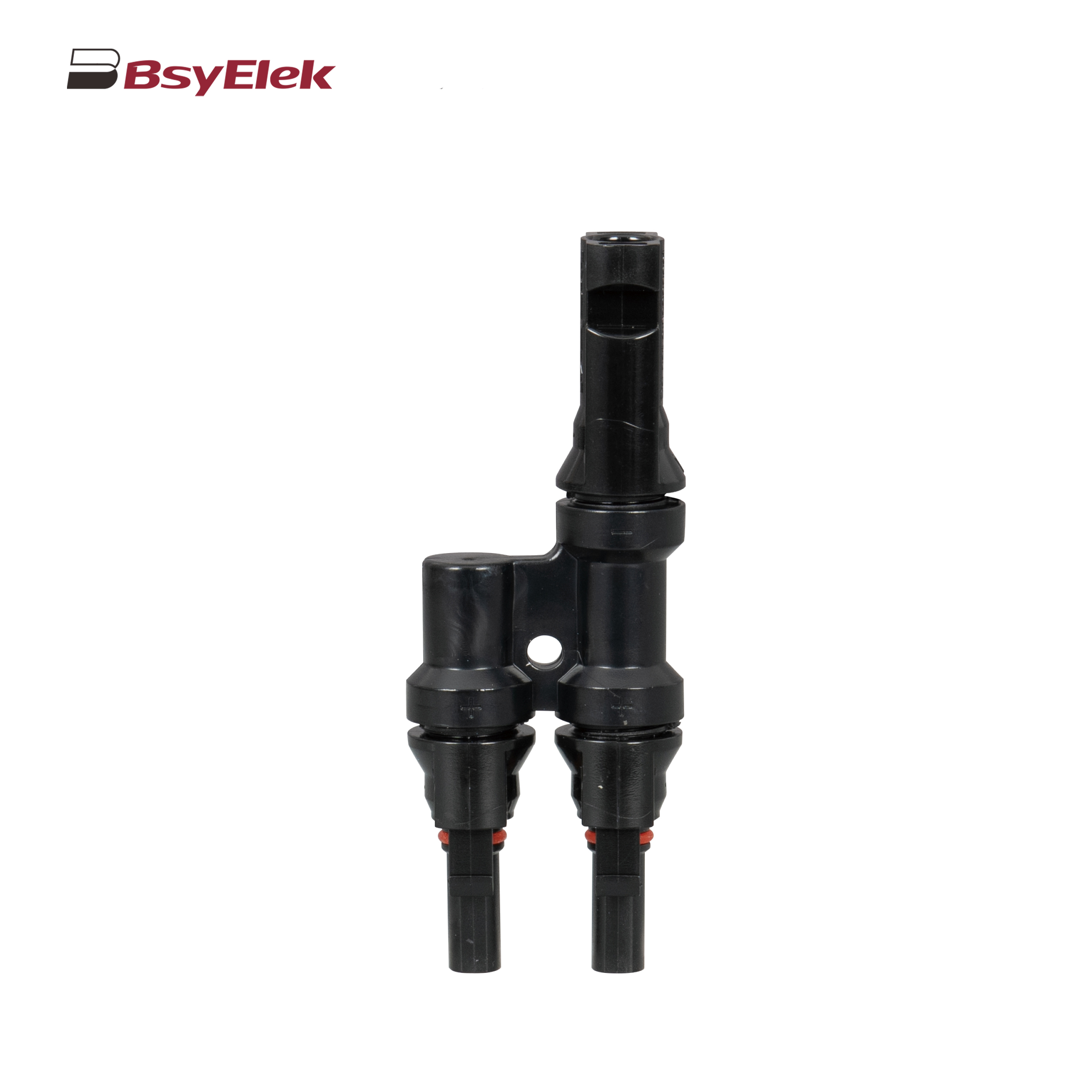 PV-BY-T 50A 1500V T Type Branch Connector
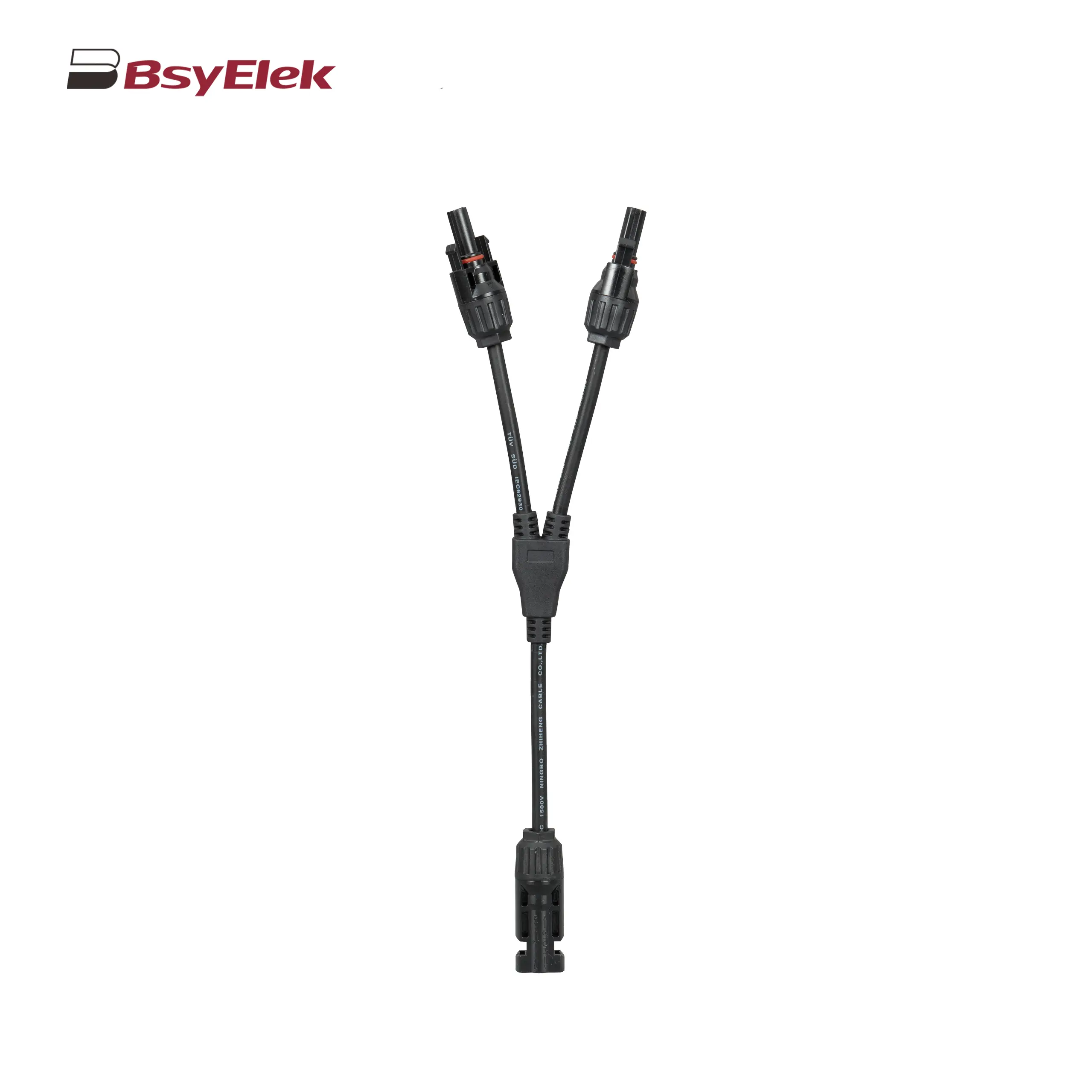 PV-BY-Y 30A 1500V Y Type Branch Connector
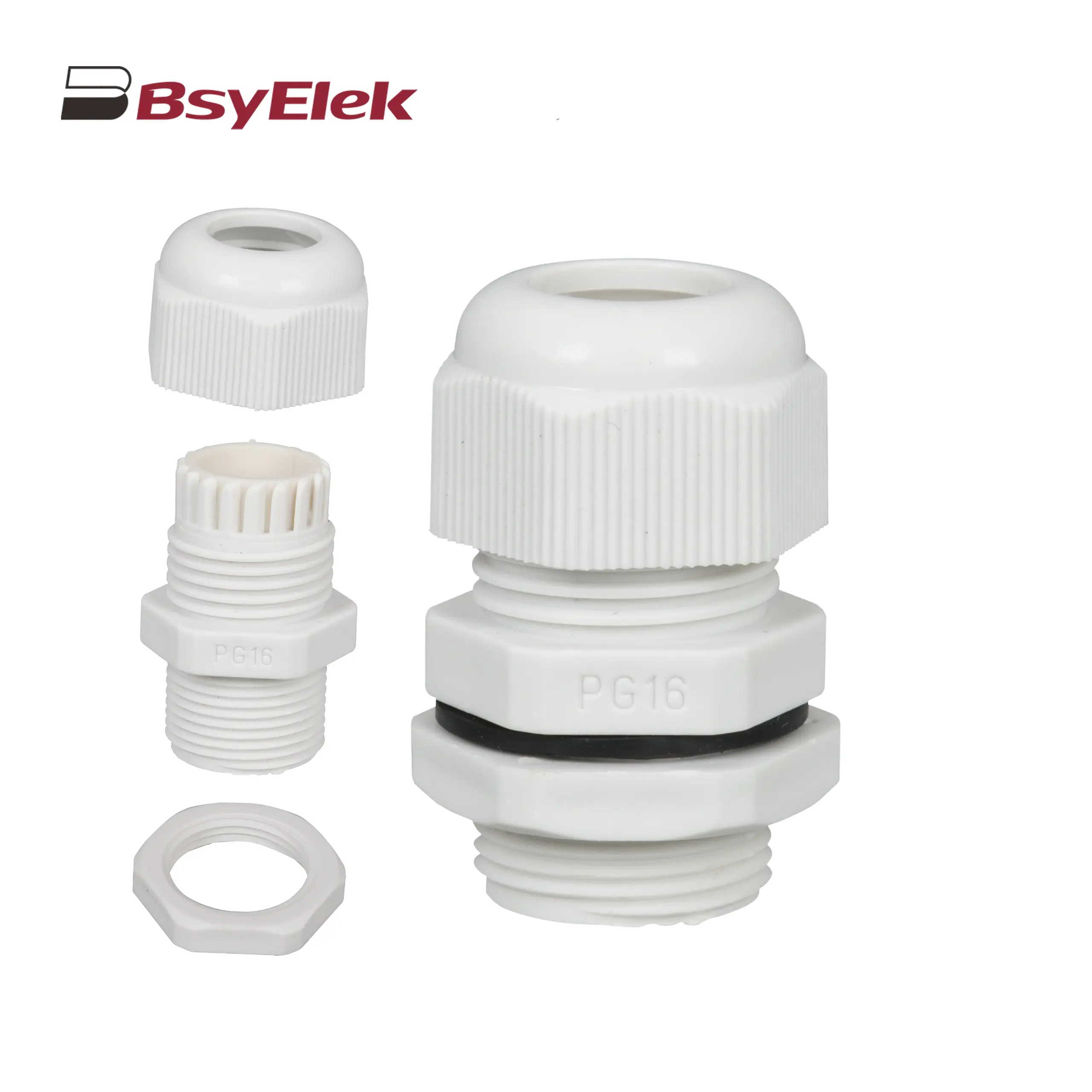 PG Waterproof Cable Gland with Washer
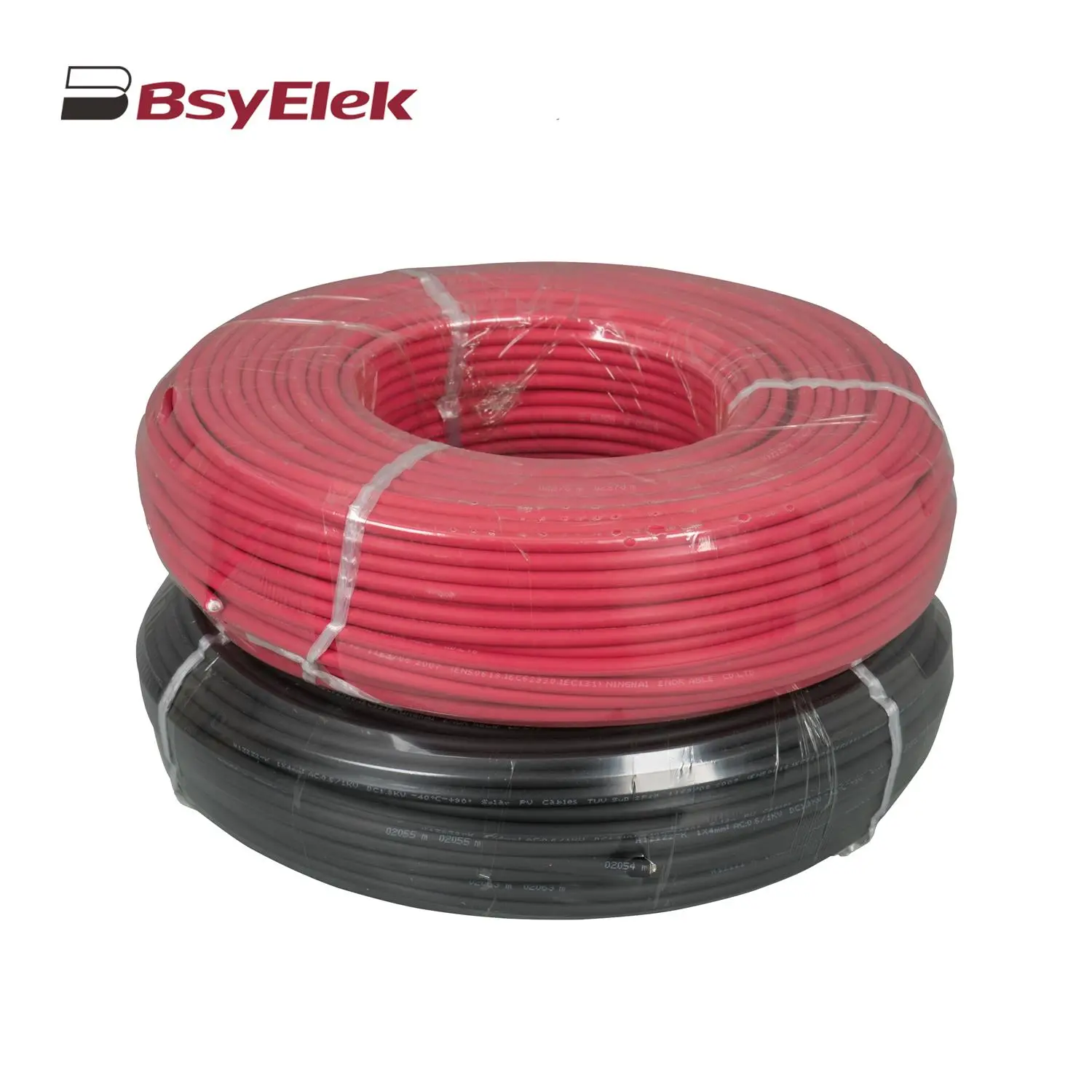 Photovoltaic Cable
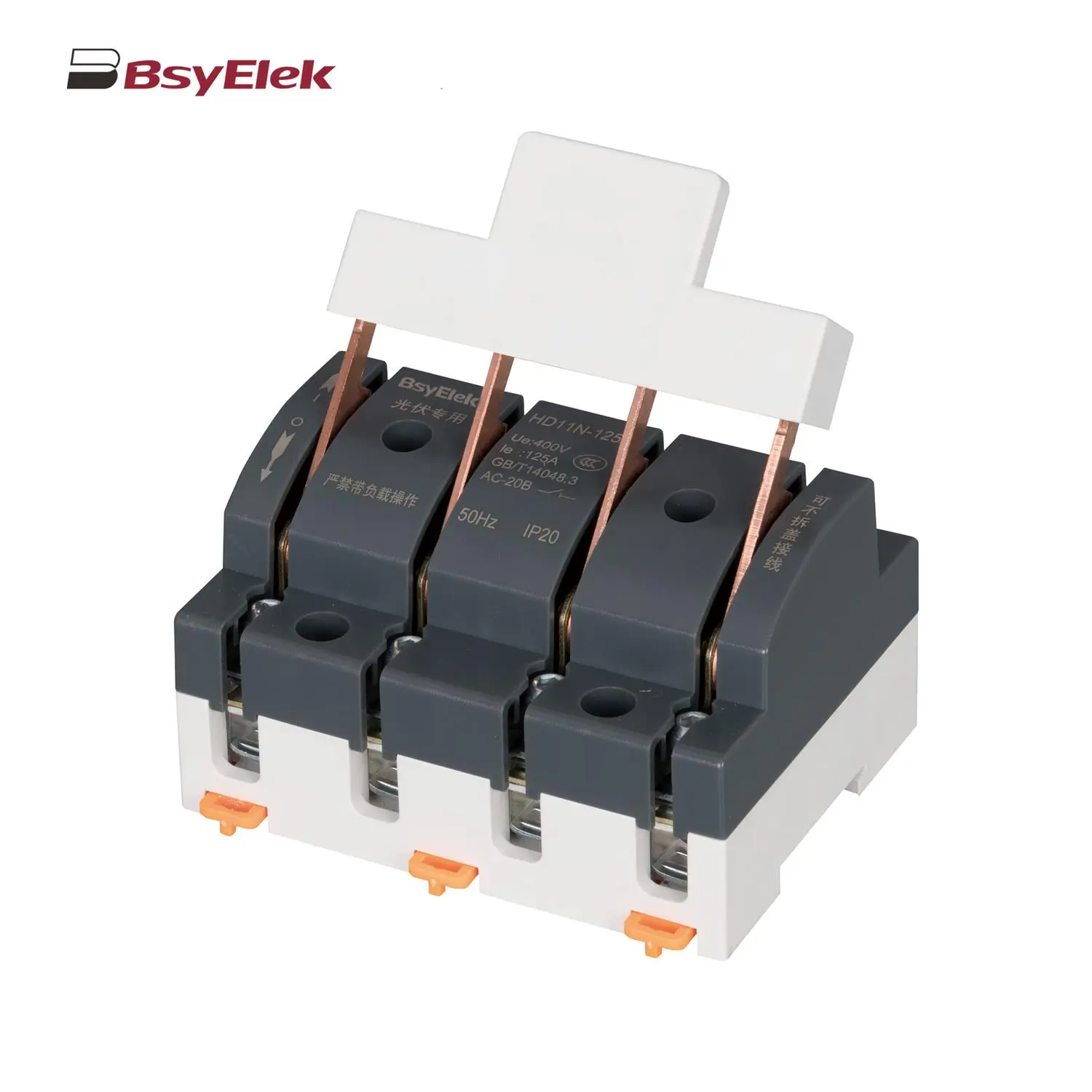 HD11N Photovoltaic Knife Switch
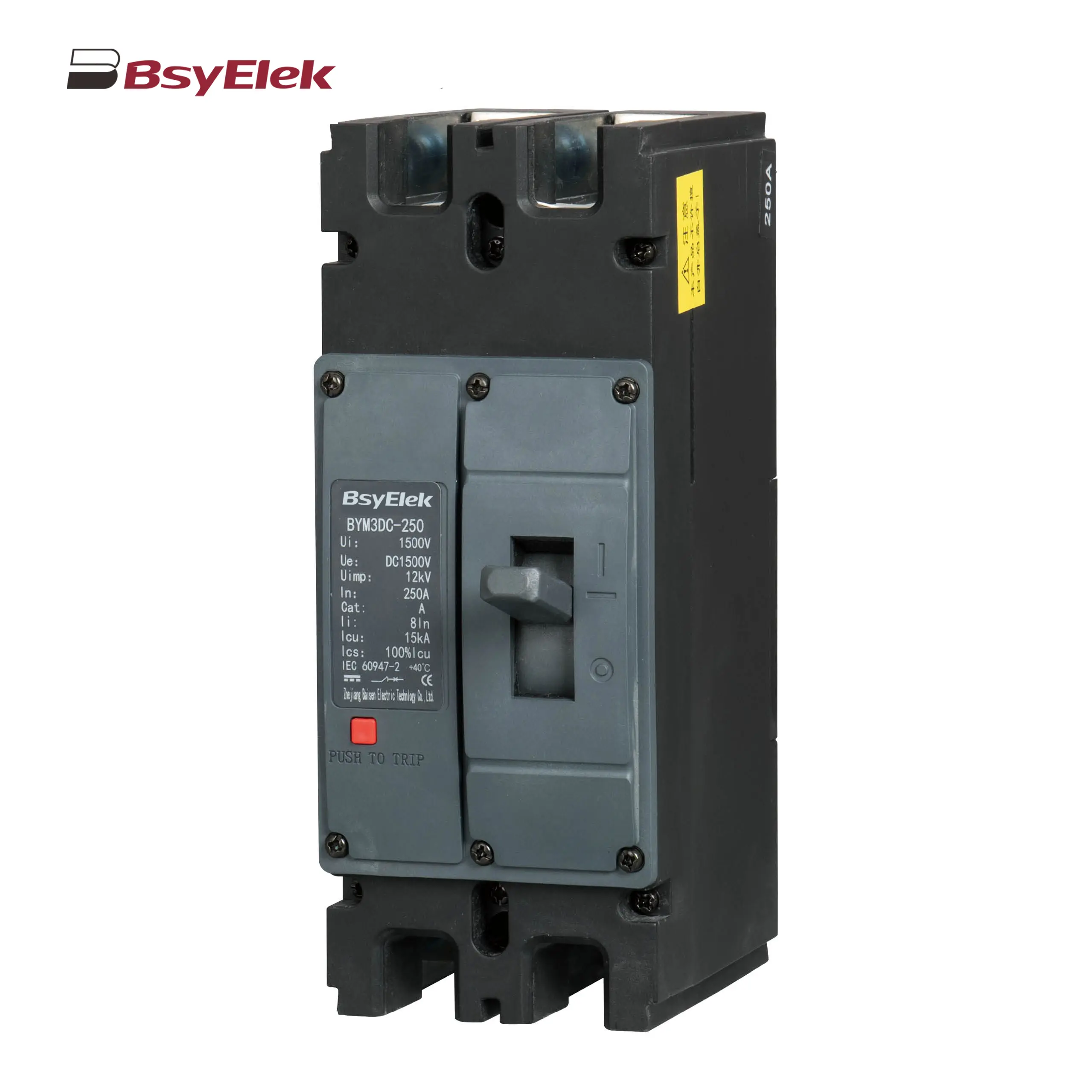 BYM3DC MCCB Photovoltaic DC Molded Case Circuit Breaker
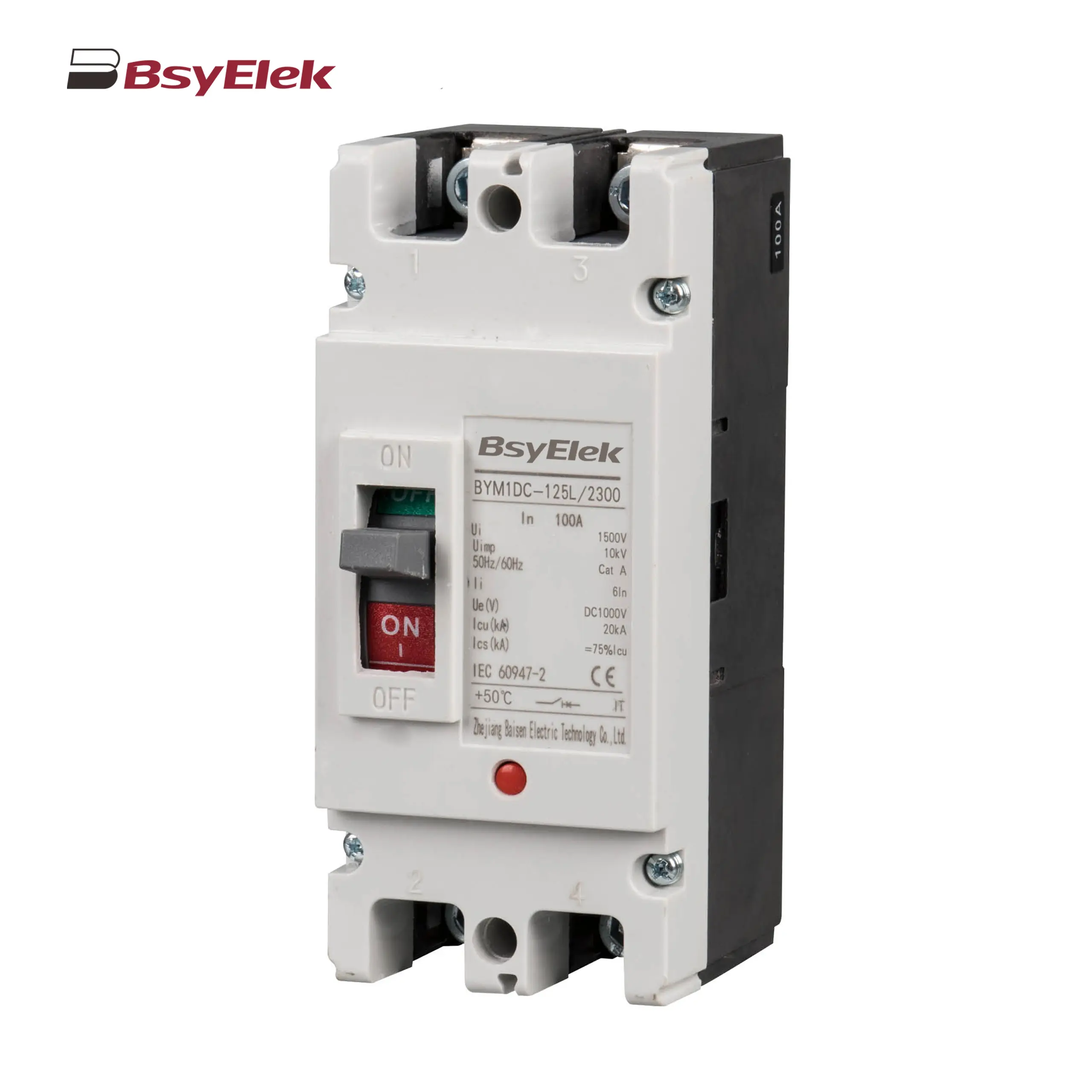 BYM1DC MCCB 1000VDC Thermal Magnetic Type DC Molded Case Circuit Breaker
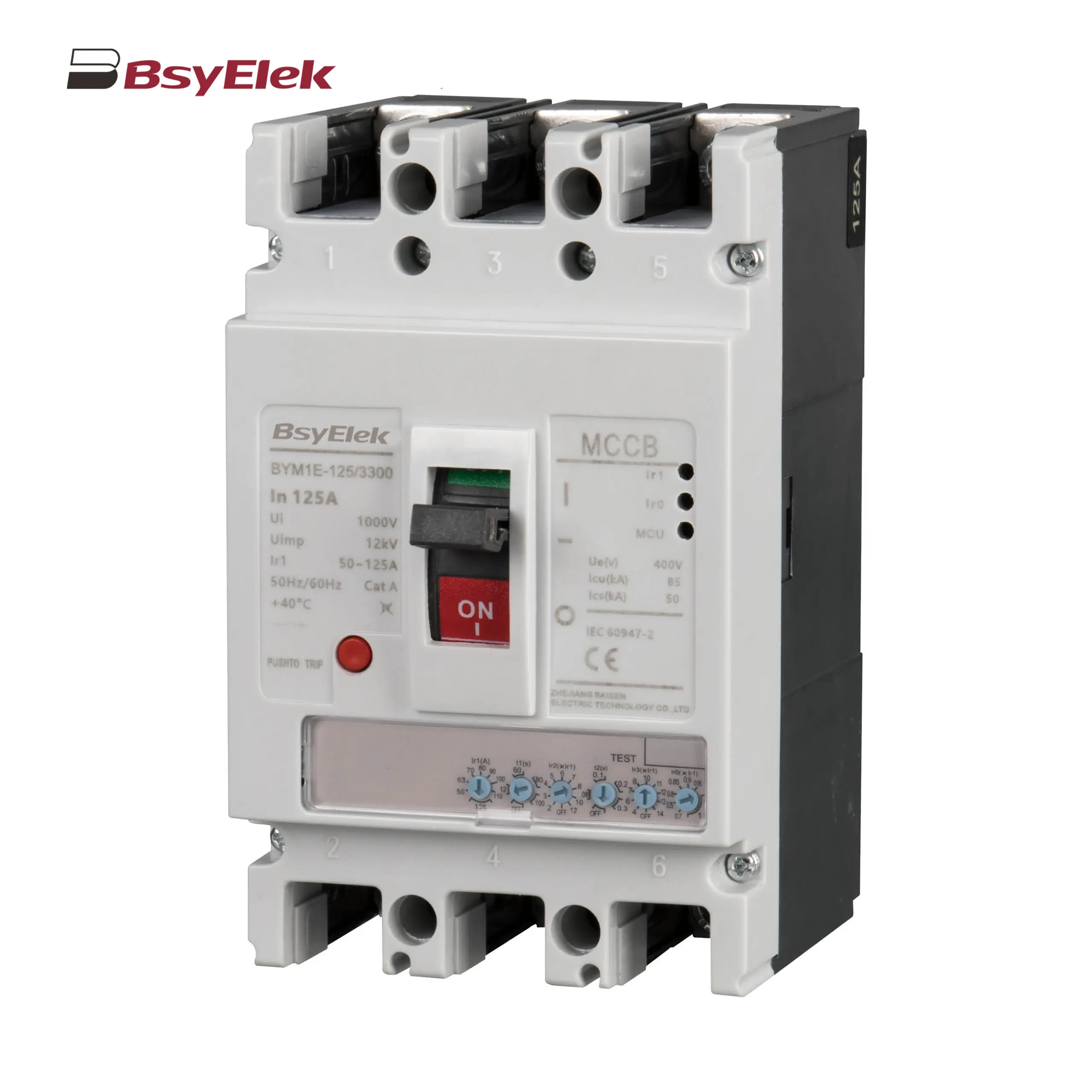 BYM1E MCCB Electronic Type Molded Case Circuit Breaker
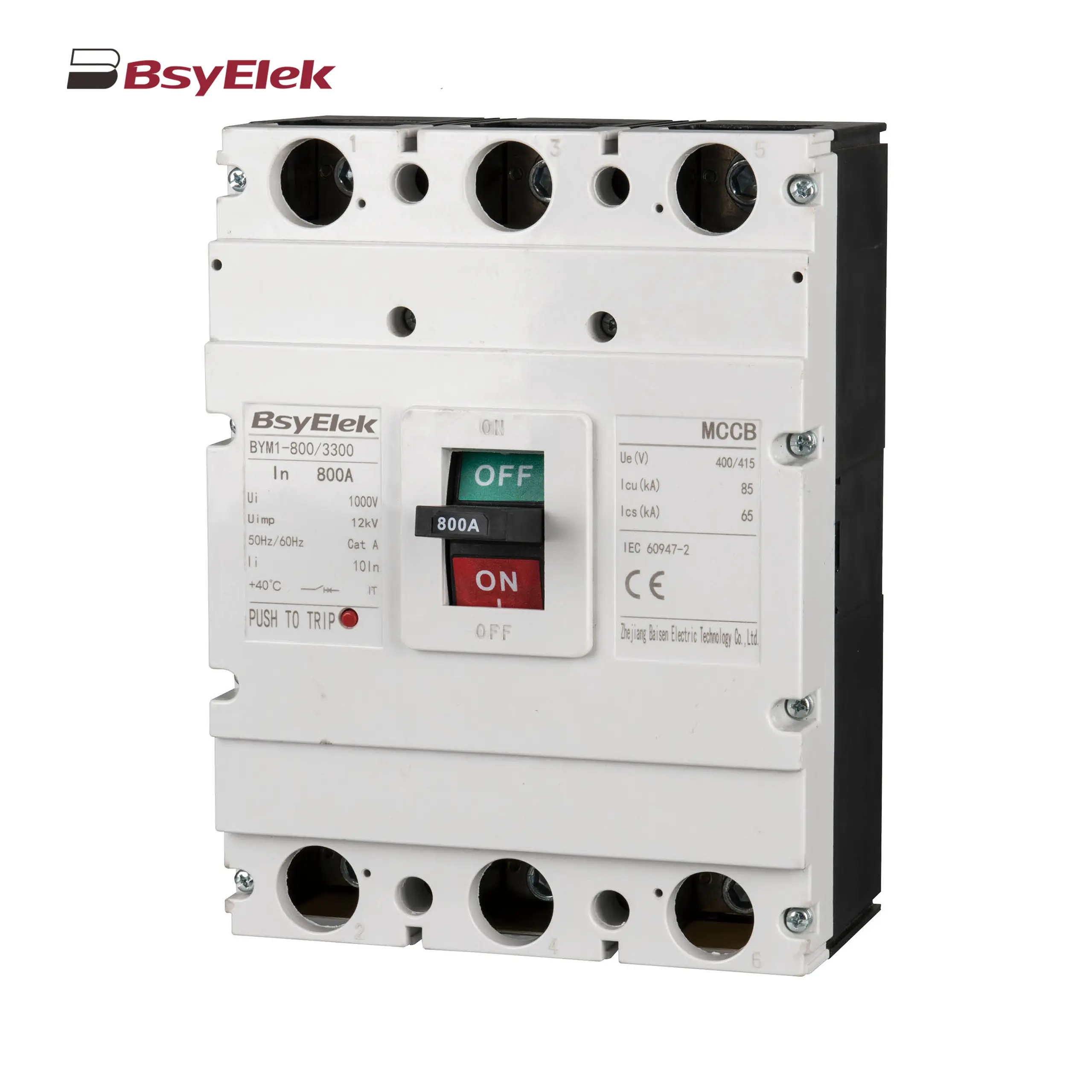 BYM1 MCCB Thermal Magnetic AC Molded Case Circuit Breaker
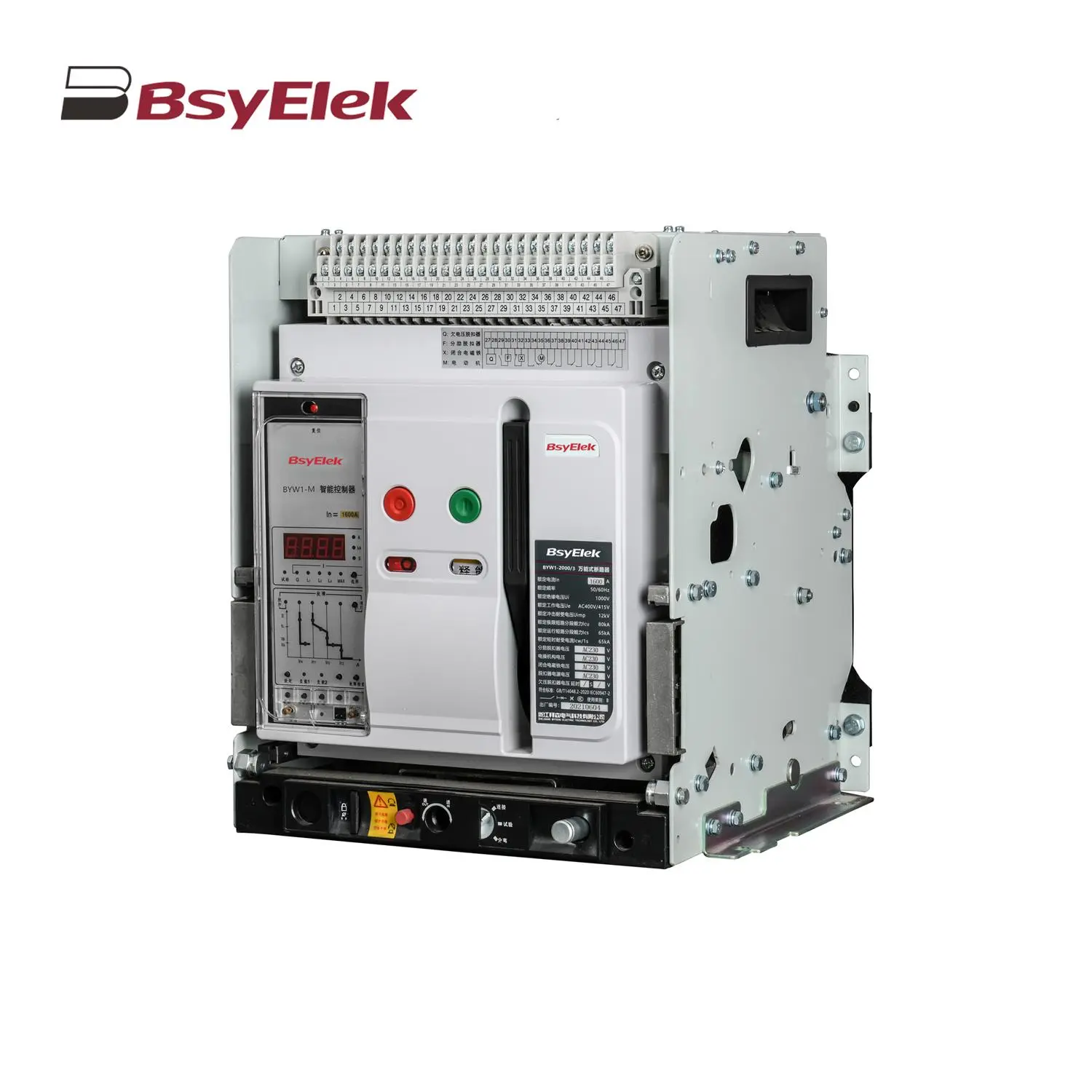 BYW1 ACB Intelligent Universal Air Circuit Breaker
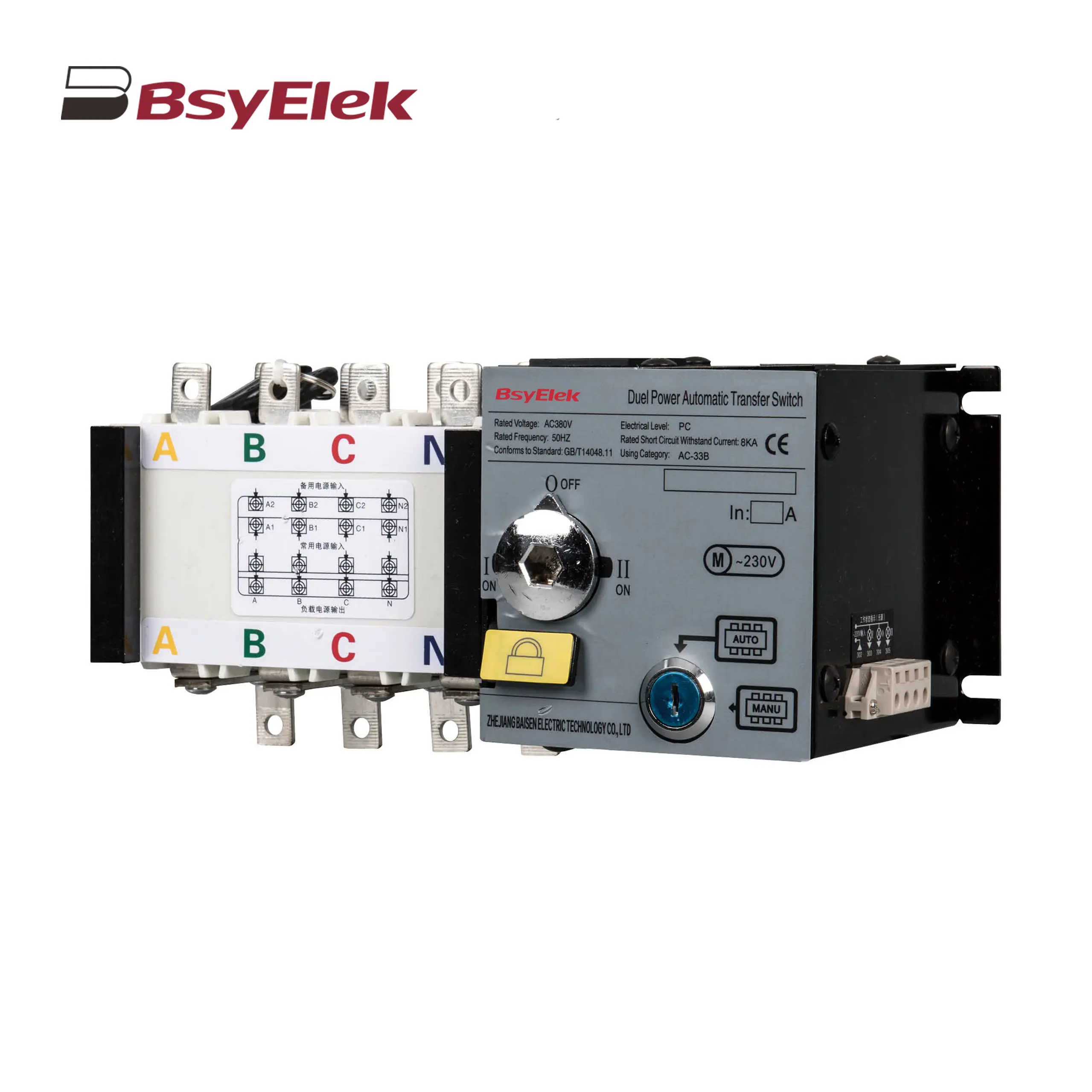 BYQ1 ATS Isolated Type PC Level Dual Power Automatic Transfer Switch
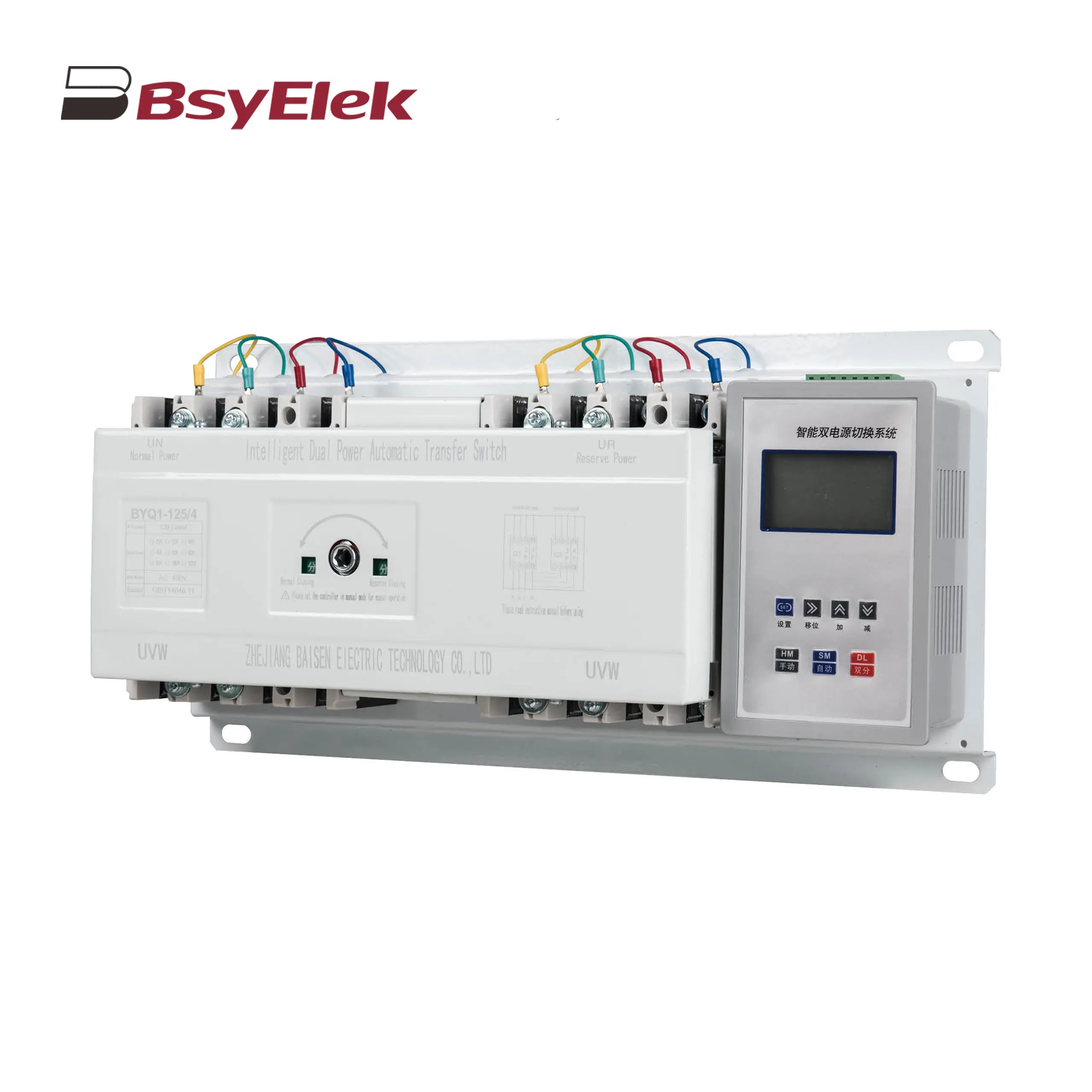 BYQ1 ATS Intelligent Type CB Level Dual Power Automatic Transfer Switch
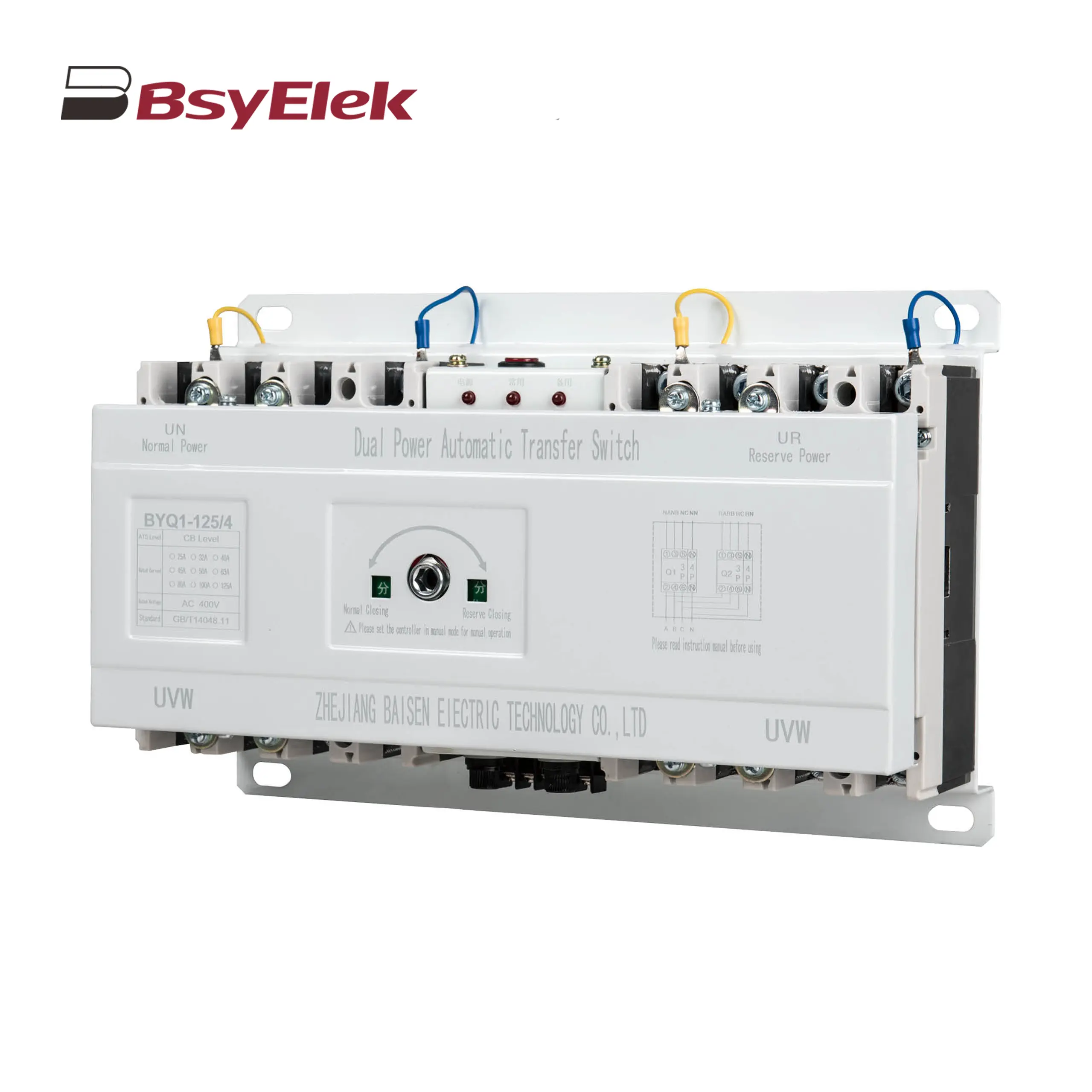 BYQ1 ATS End Type CB Level Dual Power Automatic Transfer Switch
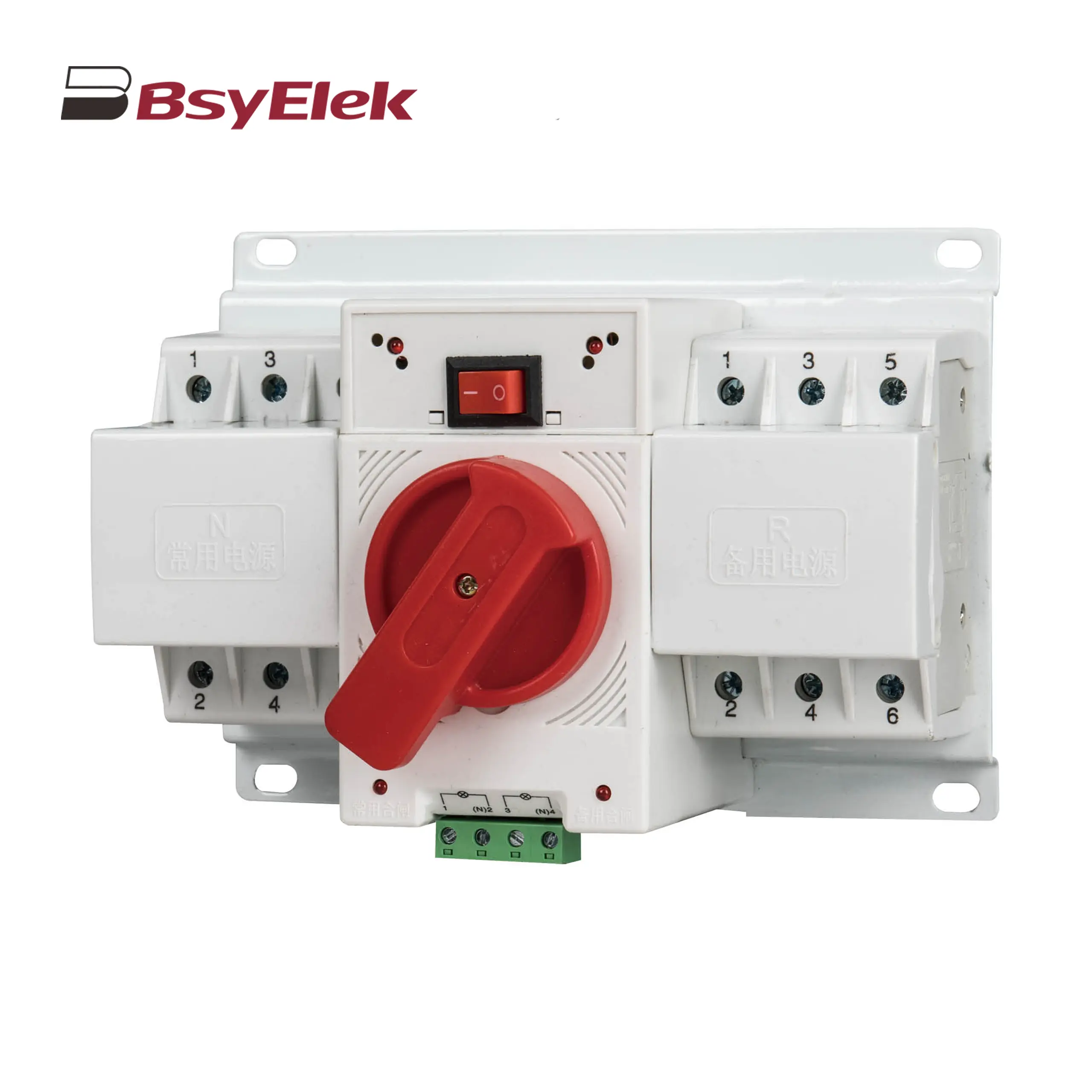 BYQ1 ATS Mini Type CB Level Dual Power Automatic Transfer Switch
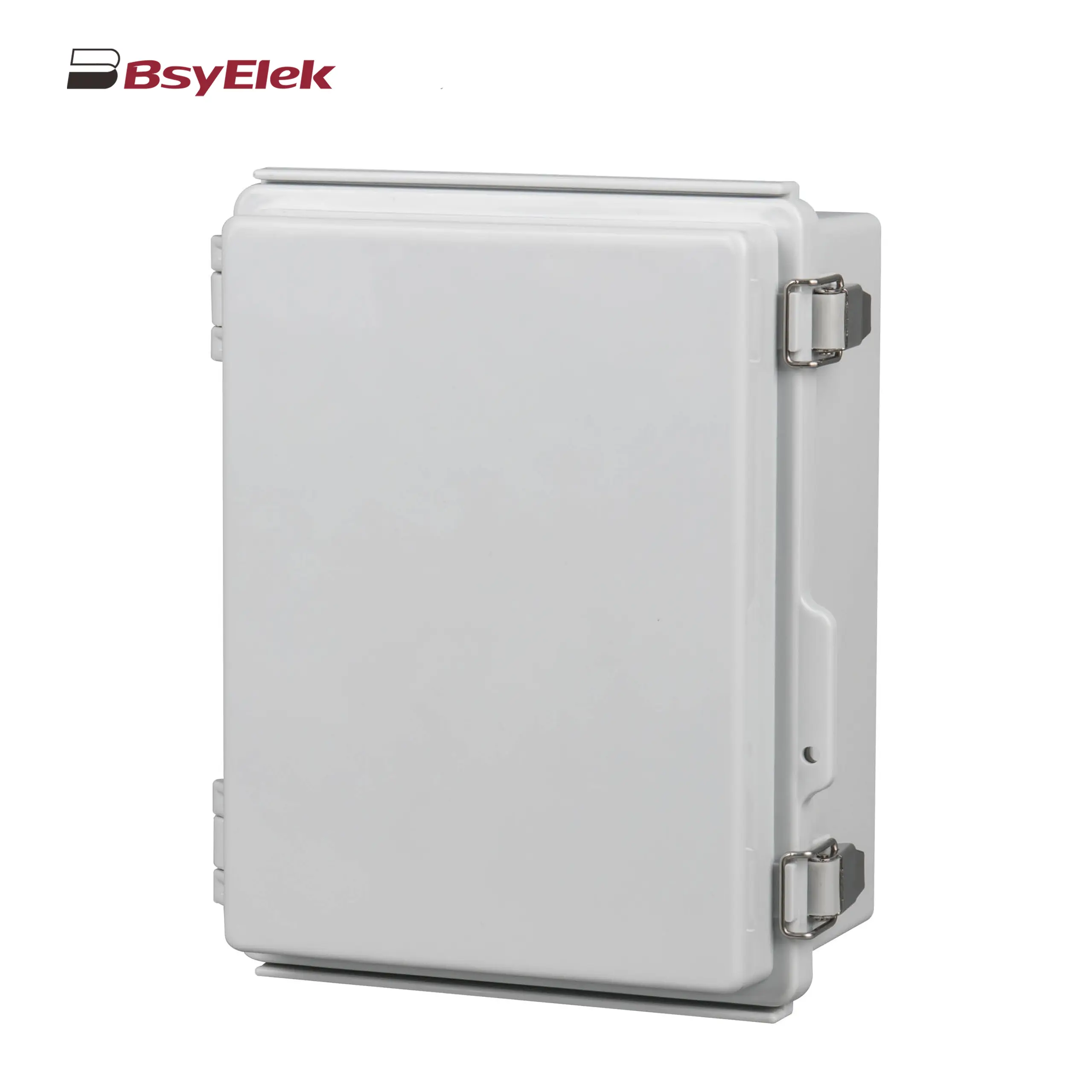 Stainless Steel Hinge Type Electrical Box
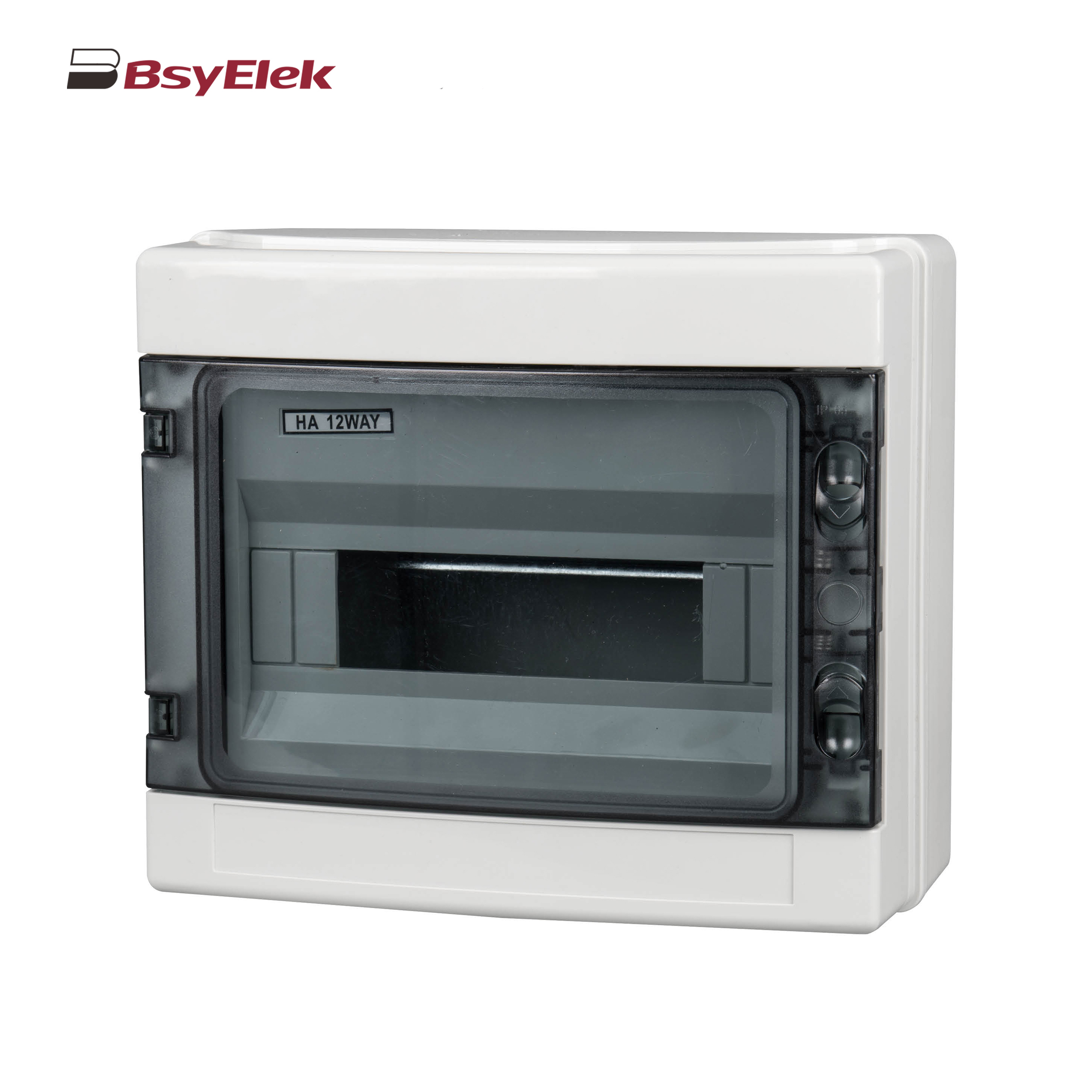 HA Waterproof Distribution Box
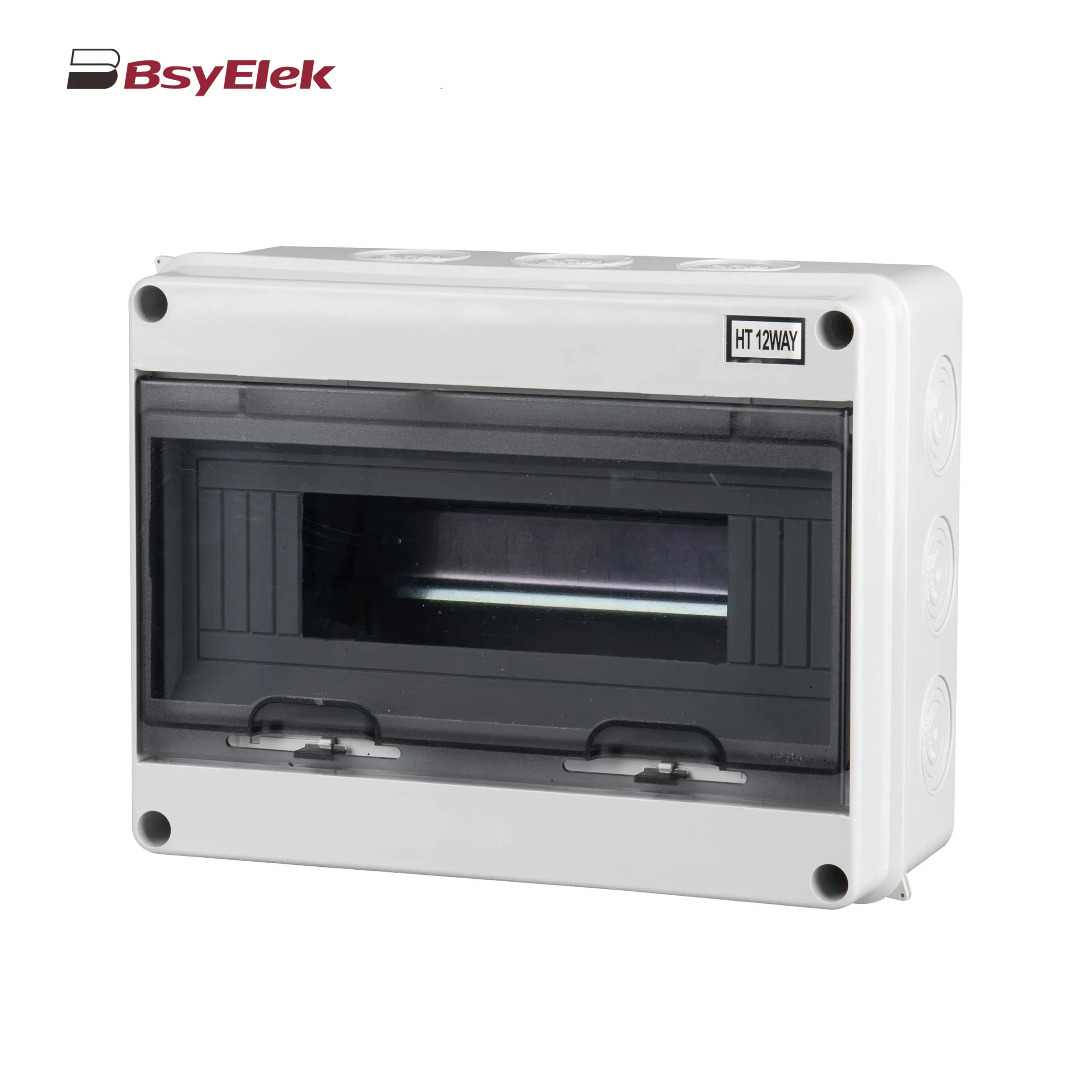 HT Waterproof Distribution Box
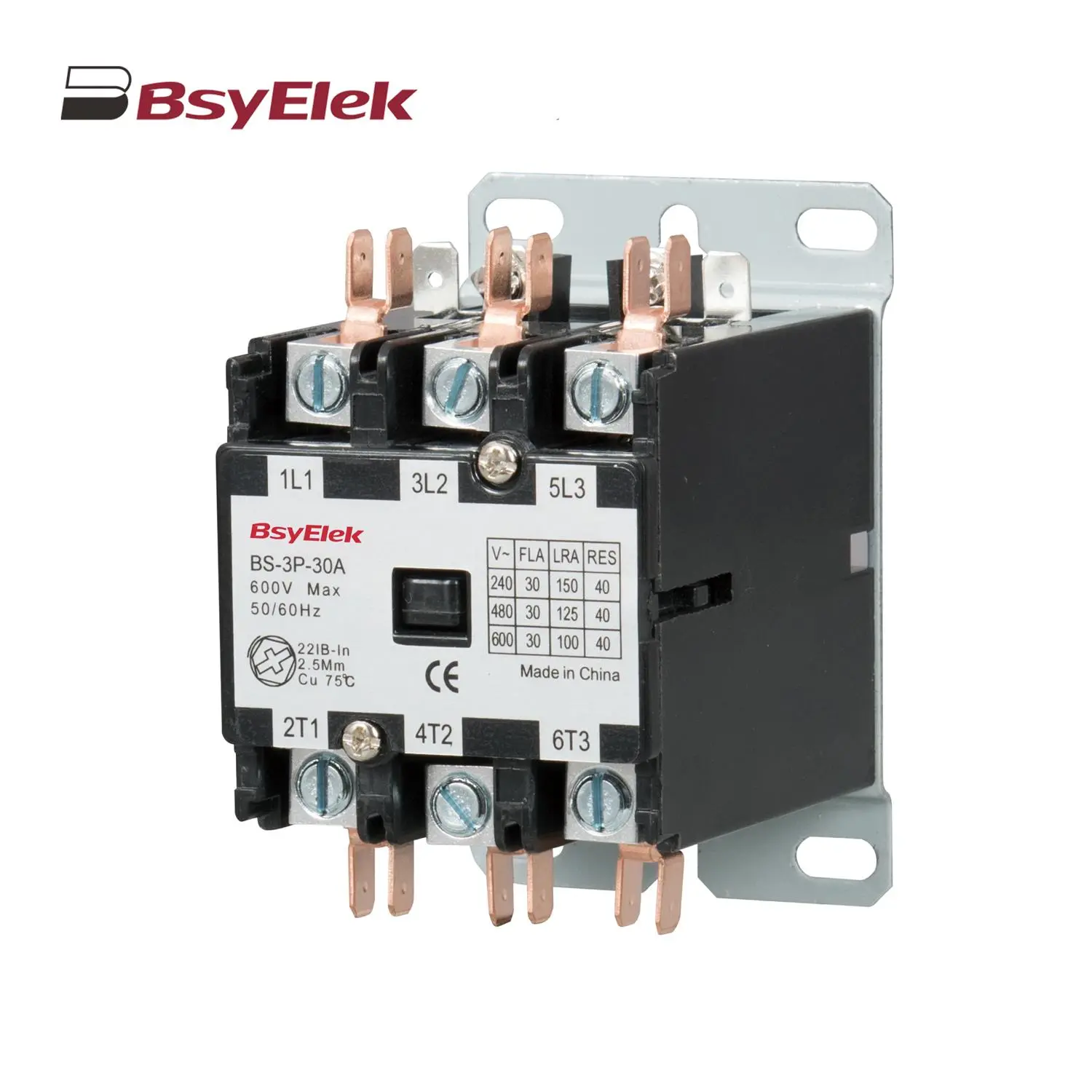 BS Definite Purpose Magnetic AC Contactor