How to Choose the Right Electrical Box for Your Projects?
Choosing the right electrical box is crucial for any electrical project. In the U.S., the National Electrical Manufacturers Association (NEMA) states that improper choices can lead to safety hazards and compliance issues. An electrical box that is too small can overheat. Conversely, a box that is too large may be unnecessarily wasteful.
Data from the National Fire Protection Association (NFPA) highlights that poorly installed electrical systems result in thousands of fires annually. Selecting the correct electrical box not only enhances safety but also supports longevity in electrical installations.
Understanding various types of electrical boxes and their applications is necessary. There are options for indoor and outdoor use, as well as different materials that affect durability and performance. Reflecting on the specifics of your project will help you avoid common mistakes. Proper selection is not just about aesthetics; it's about creating a safe, efficient environment.
Understanding the Types of Electrical Boxes Available
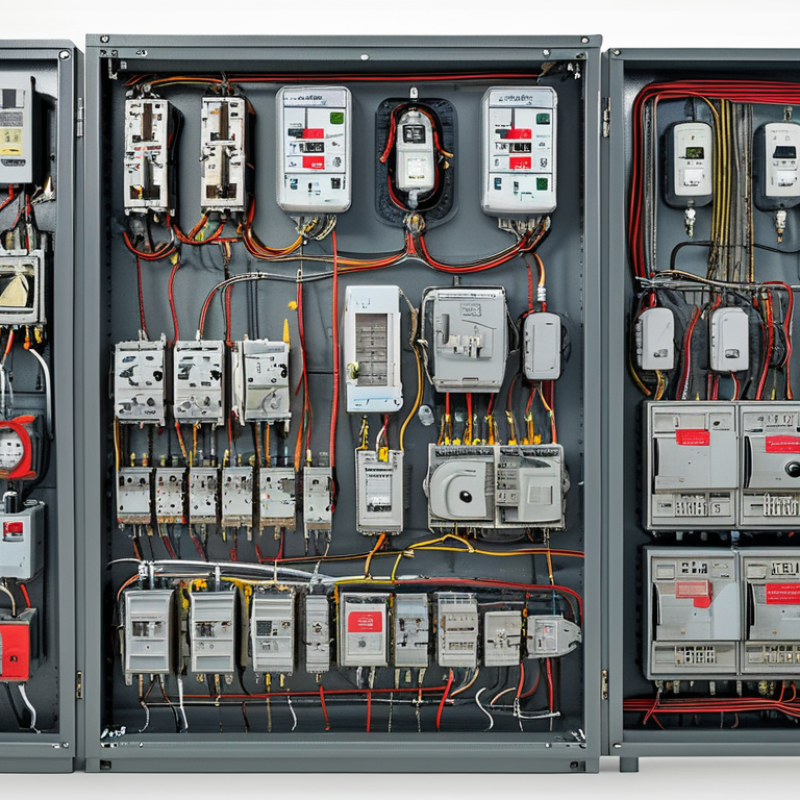
When selecting an electrical box, understanding the types available is crucial. There are various options designed for specific functions. Common types include standard plastic boxes, metal boxes, and old work boxes. Each type serves distinct purposes and must be chosen based on installation needs and project requirements.
For example, plastic boxes are lightweight and resistant to corrosion. They are widely used in residential projects. In contrast, metal boxes offer extra durability and are preferred in commercial settings. According to the National Electrical Manufacturers Association, over 75% of new buildings utilize non-metallic boxes due to their cost-effectiveness and ease of installation. Yet, some professionals argue that this trend may overlook the longevity and strength provided by metal boxes.
Another consideration is the size and depth of the box. An improperly sized box can lead to code violations or safety hazards. The National Fire Protection Association reports that nearly 30% of electrical fires result from poor electrical connections. Therefore, understanding the exact needs of your project ensures compliance and safety. Reflect on your requirements and weigh the advantages of each box type carefully.
Assessing Your Project Requirements and Specifications
Choosing the right electrical box starts with a clear understanding of your project specifications. What kind of wiring will you use? Consider if you'll need space for multiple wires or devices. A standard single-gang box might suffice for a simple light switch. However, if your project involves multiple outlets, a larger, multi-gang box is essential. This ensures safety and functionality.
Next, assess the environment where the box will be located. Is it indoors or outdoors? Moisture, heat, and other factors can influence your choice. For example, outdoor installations need weatherproof boxes. Check local codes for additional specifications. Your project’s success hinges on this careful attention to detail.
Think about the installation process as well. Complex setups may require special mounting hardware. Sometimes, the box must be rated for a specific load. If you're unsure, consult a professional. Even seasoned electricians value expert opinions. Testing your assumptions can save time and resources.
How to Choose the Right Electrical Box for Your Projects? - Assessing Your Project Requirements and Specifications
| Specification |
Description |
Recommended Type |
| Box Size |
Determine the space required for wires and devices. |
Standard or Large Capacity Boxes |
| Material |
Choose between plastic, metal, or fiberglass based on environment. |
Metal for durability; Plastic for cost-effectiveness |
| Mounting Type |
Identify if you need surface-mounted or recessed boxes. |
Recessed for neat installation; Surface-mounted for easy access |
| Number of Devices |
Calculate based on the number of switches, outlets, or fixtures. |
Larger boxes or multi-device boxes |
| Location |
Consider wet, dry, or hazardous locations. |
Weatherproof for outdoor; Standard for indoor |
| Load Capacity |
Assess the electrical load to avoid overload. |
Boxes rated for higher load capacities |
Evaluating Material Options for Electrical Boxes
When selecting an electrical box, material plays a crucial role. Common materials include plastic, metal, and fiberglass. Each has unique properties that affect performance and safety. A report from the National Electrical Manufacturers Association (NEMA) highlights that about 30% of installations utilize plastic boxes due to their lightweight and corrosion-resistant nature.
However, plastic can become brittle over time and may not withstand heavy loads. In contrast, metal boxes are often favored for their durability and strength. An estimated 40% of electrical contractors prefer metal boxes for commercial settings. They provide superior grounding but can be prone to rust if not properly treated.
Fiberglass boxes offer a balance between these two materials. They resist chemicals and moisture, making them ideal for outdoor or industrial locations. Yet, their higher cost can be a deterrent. According to the Electrical Safety Foundation International (ESFI), underestimating material choices can lead to increased installation failures and safety hazards. Clarity in material selection is not always achieved, requiring contractors to reflect on the project’s specific needs carefully.
Considering Size and Capacity for Electrical Boxes
When choosing an electrical box, size and capacity are critical factors. The National Electrical Manufacturers Association (NEMA) emphasizes that installations must allow for future expansion. The right box should provide ample space for wires while preventing overcrowding. Overcrowding can lead to overheating and potential fire hazards. A box that is too small increases the risk of equipment failure or safety issues.
According to a report from the Electrical Safety Foundation International (ESFI), 41% of electrical fires stem from wiring issues. This statistic underscores the importance of selecting the appropriate electrical box size to mitigate risks. For example, a standard single-gang box typically accommodates a maximum of two to three wires, depending on the gauge. Understanding wire volume is crucial. Many fail to account for wire fill calculations, leading to dangerous setups.
In some installations, users may overlook the need for additional capacity for future devices. A box rated for a specific number of devices can limit your project. Inadequate space can incur unexpected costs or project delays. Be mindful of your project's potential growth. Careful planning and accurate capacity calculations lead to safer, more reliable electrical systems. A thoughtful approach here minimizes confusion and elevates safety.
Electrical Box Size and Capacity Comparison
Identifying Local Codes and Standards for Electrical Installation
When embarking on an electrical project, understanding local codes and standards is vital. These regulations ensure safety and functionality. The National Electrical Code (NEC) sets a foundation, but local jurisdictions may have specific amendments. Failing to comply can result in fines or unsafe installations.
Many homeowners overlook these local codes. A survey from the National Fire Protection Association (NFPA) indicates that nearly 30% of DIY electrical projects are non-compliant with local standards. This can lead to hazardous situations. Local codes often dictate the type of electrical box required based on factors like load capacity and installation environment. For instance, outdoor installations must use weatherproof boxes, while residential indoor setups may have different requirements.
Ignoring these aspects can be detrimental. Overloading a box or using improper materials can not only violate codes but risk electrical fires. It's crucial to consult local building departments or experienced electricians to understand specific requirements. Always prioritize compliance, as it protects both property and safety.



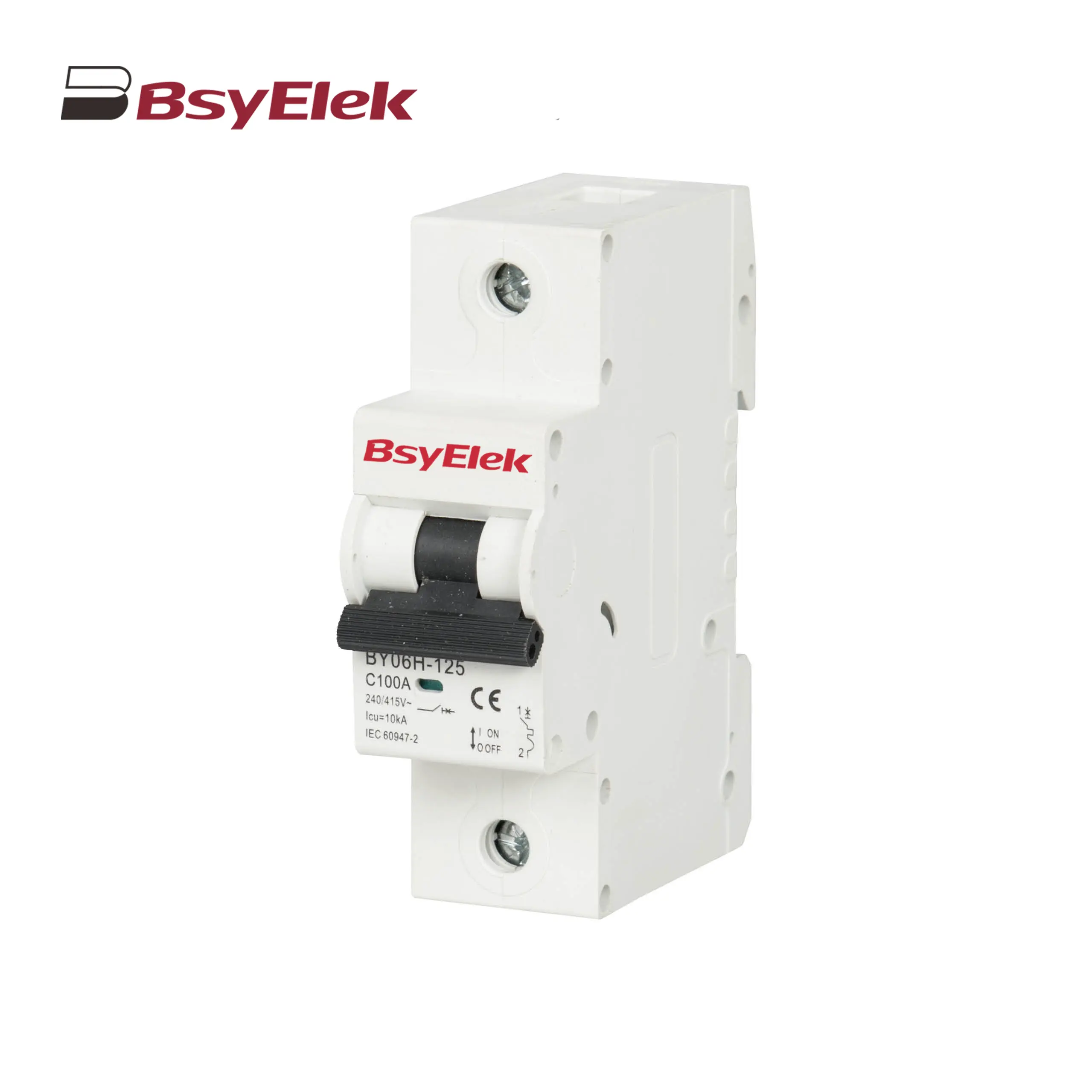 BY06H-125 MCB 10-15KA Miniature Circuit Breaker
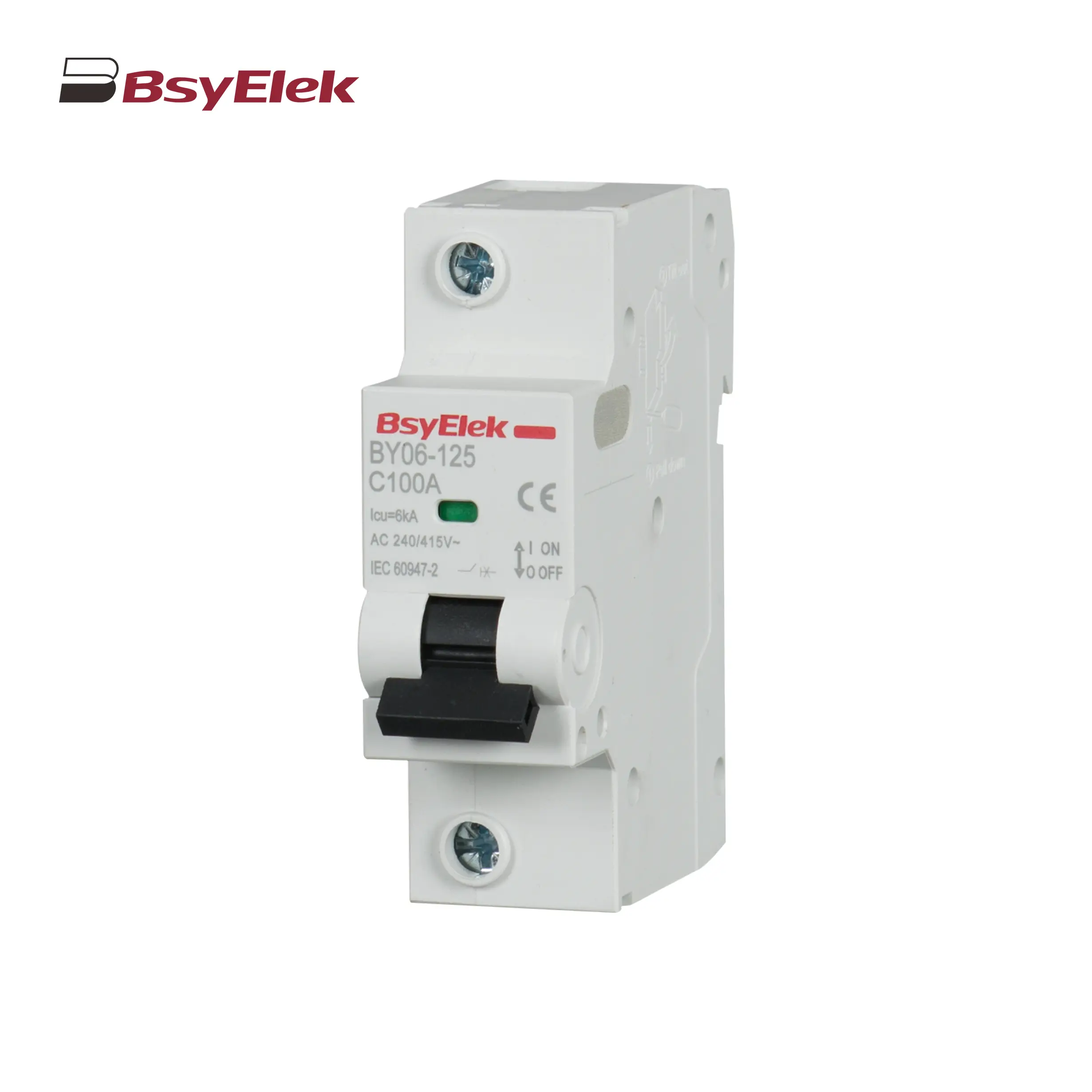 BY06-125 MCB 6KA Miniature Circuit Breaker
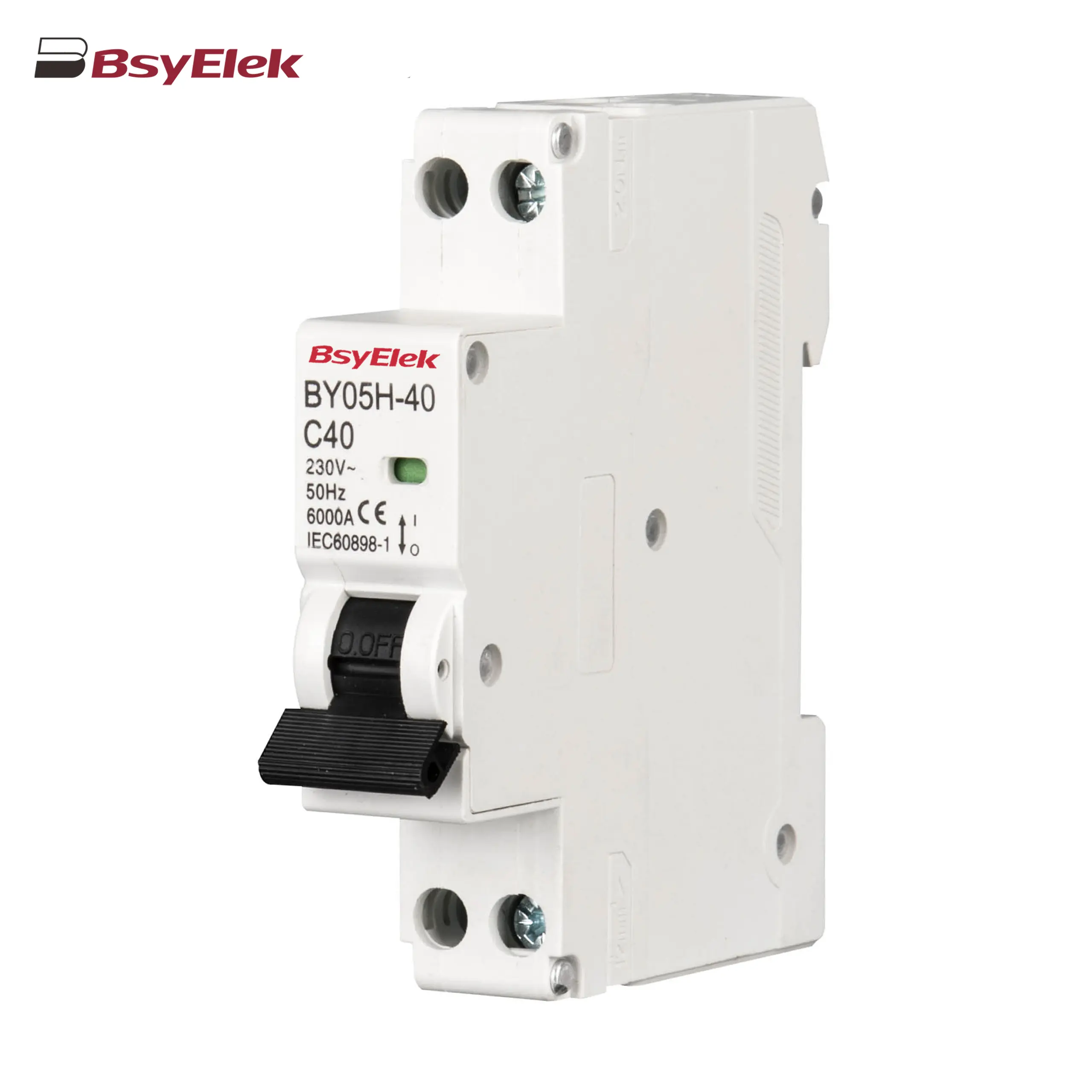 BY05H-40 MCB Single Modular 6KA Miniature Circuit Breaker
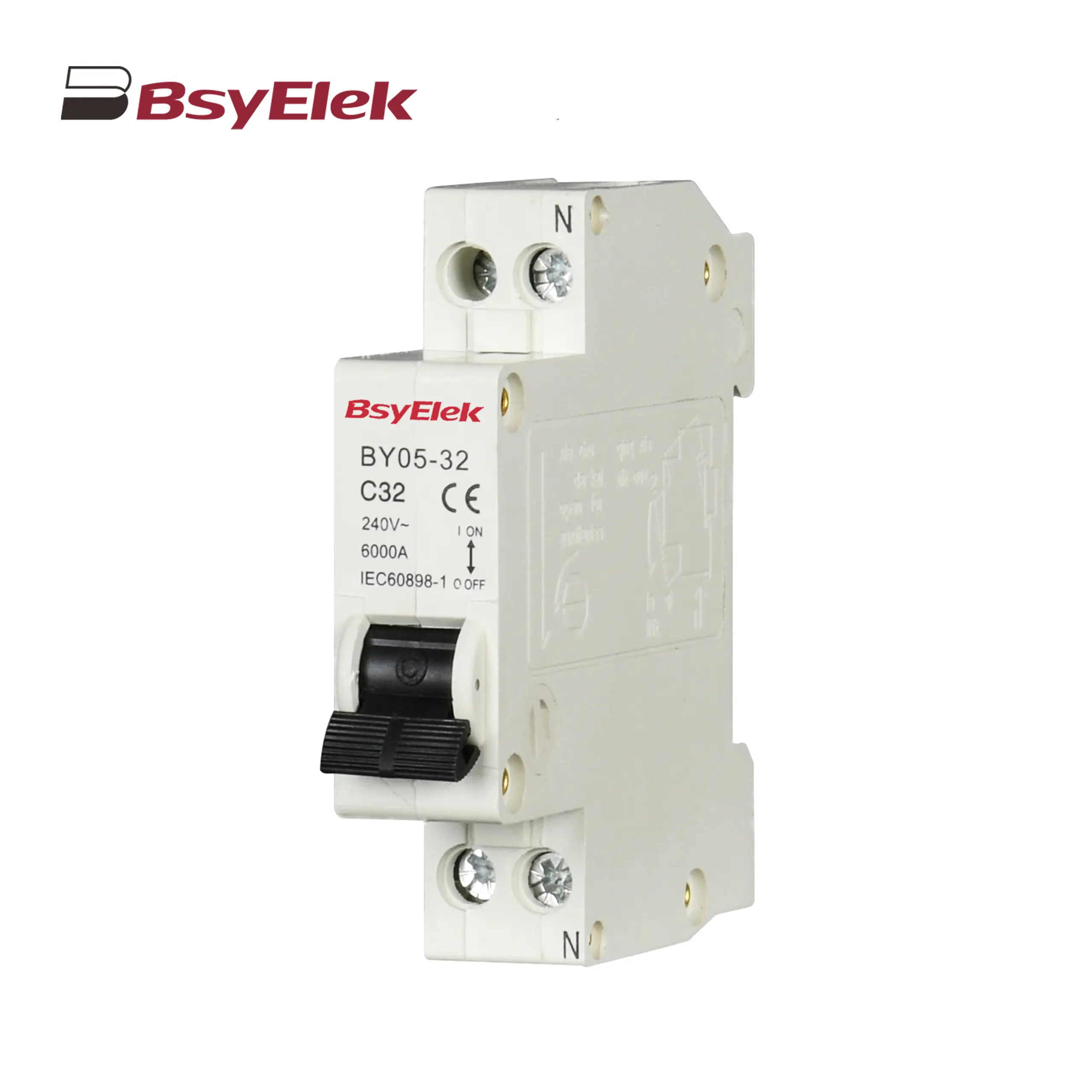 BY05-32 MCB Single Modular 3KA Miniature Circuit Breaker
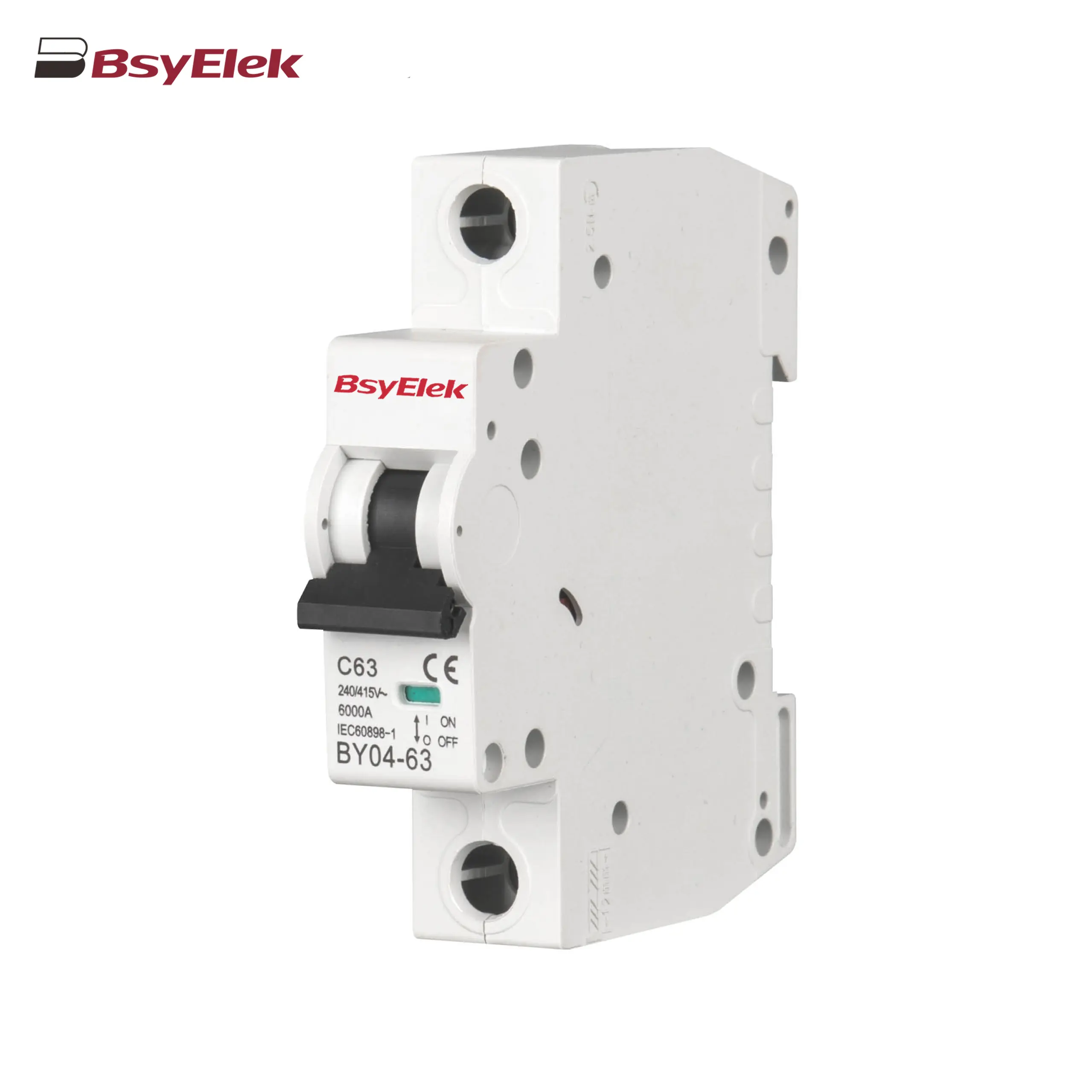 BY04-63 MCB 6-10KA Miniature Circuit Breaker
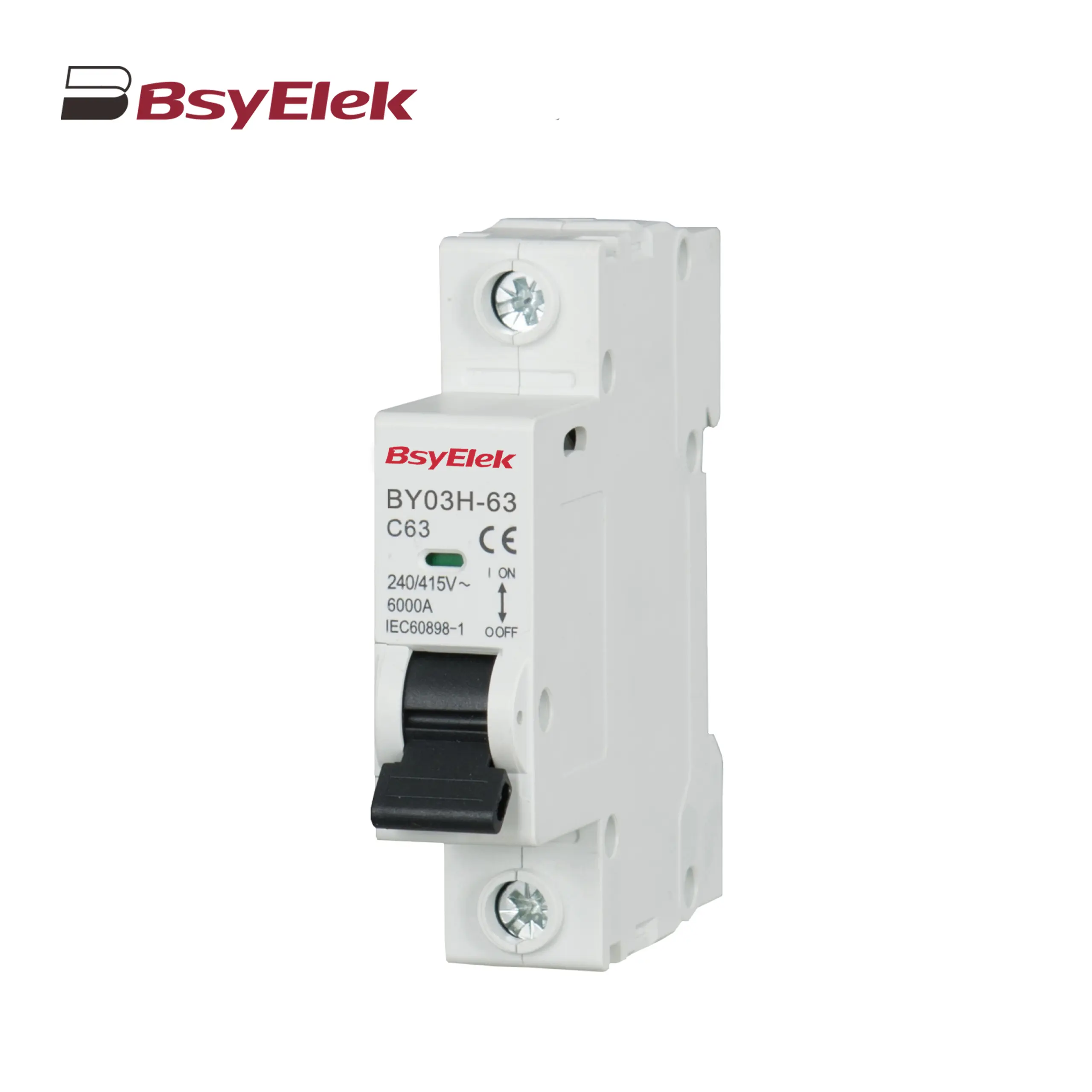 BY03H-63 MCB 6KA Miniature Circuit Breaker
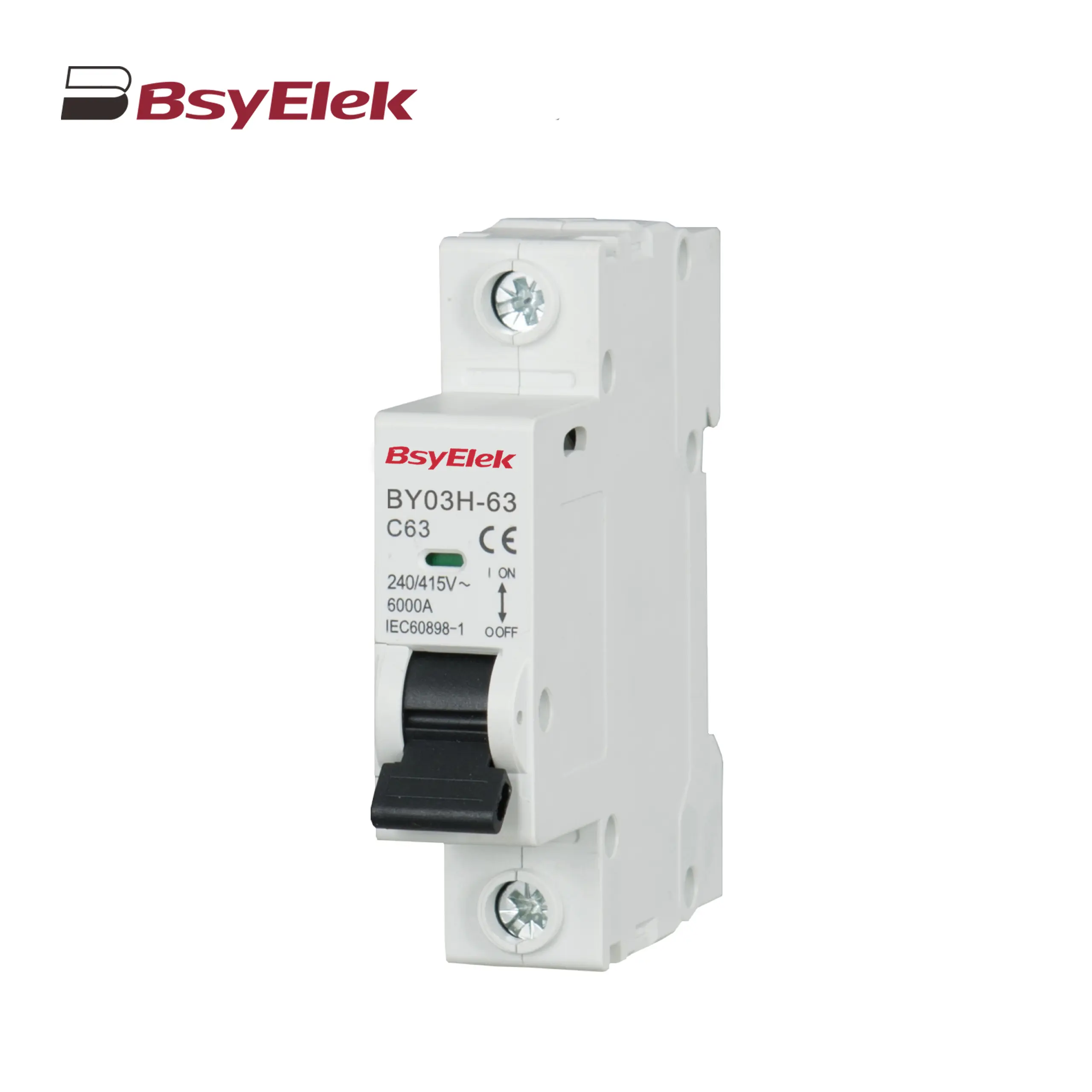 BY03-63 MCB 4.5KA Miniature Circuit Breaker
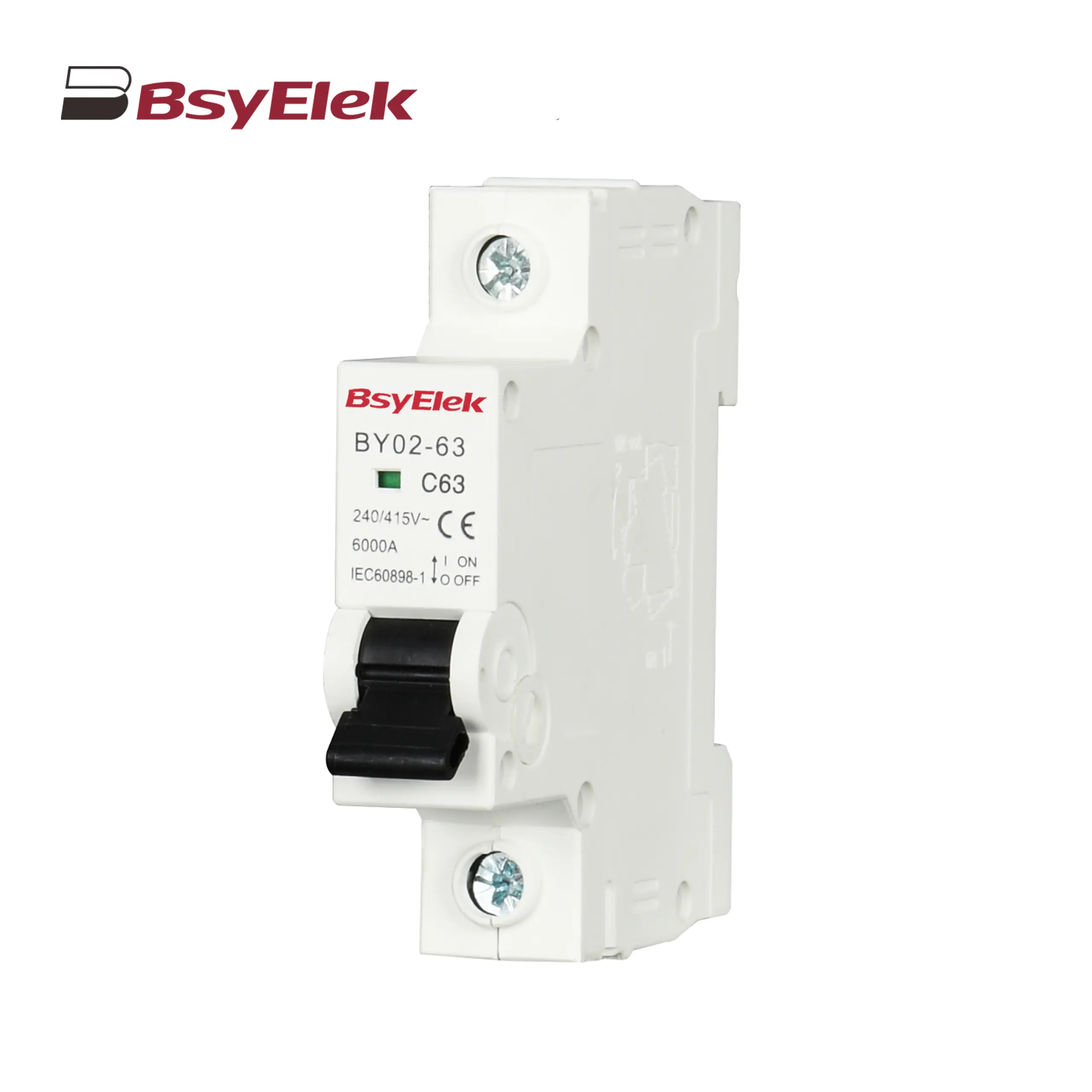 BY02-63 MCB 3kA Miniature Circuit Breaker
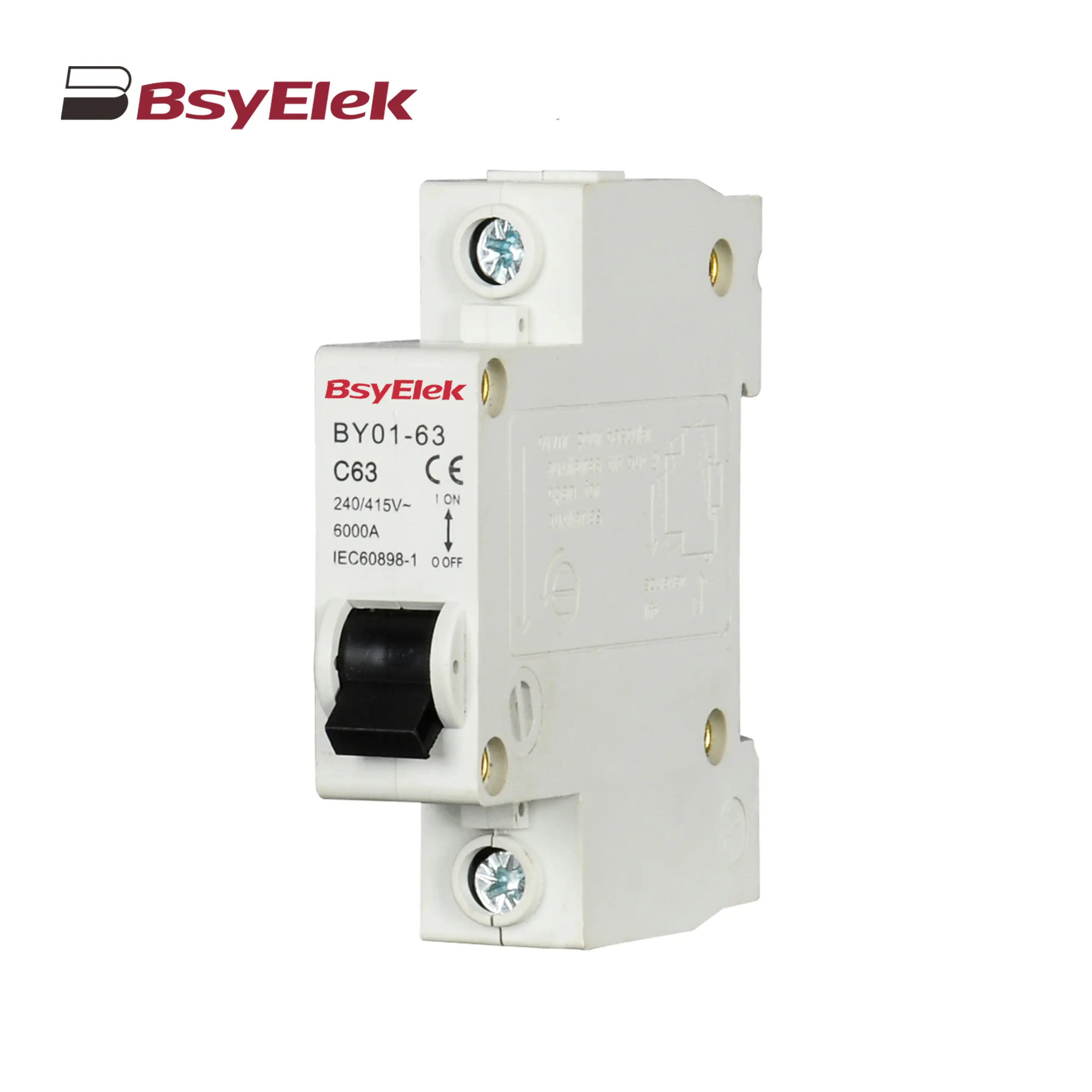 BY01-63 MCB 3kA Miniature Circuit Breaker
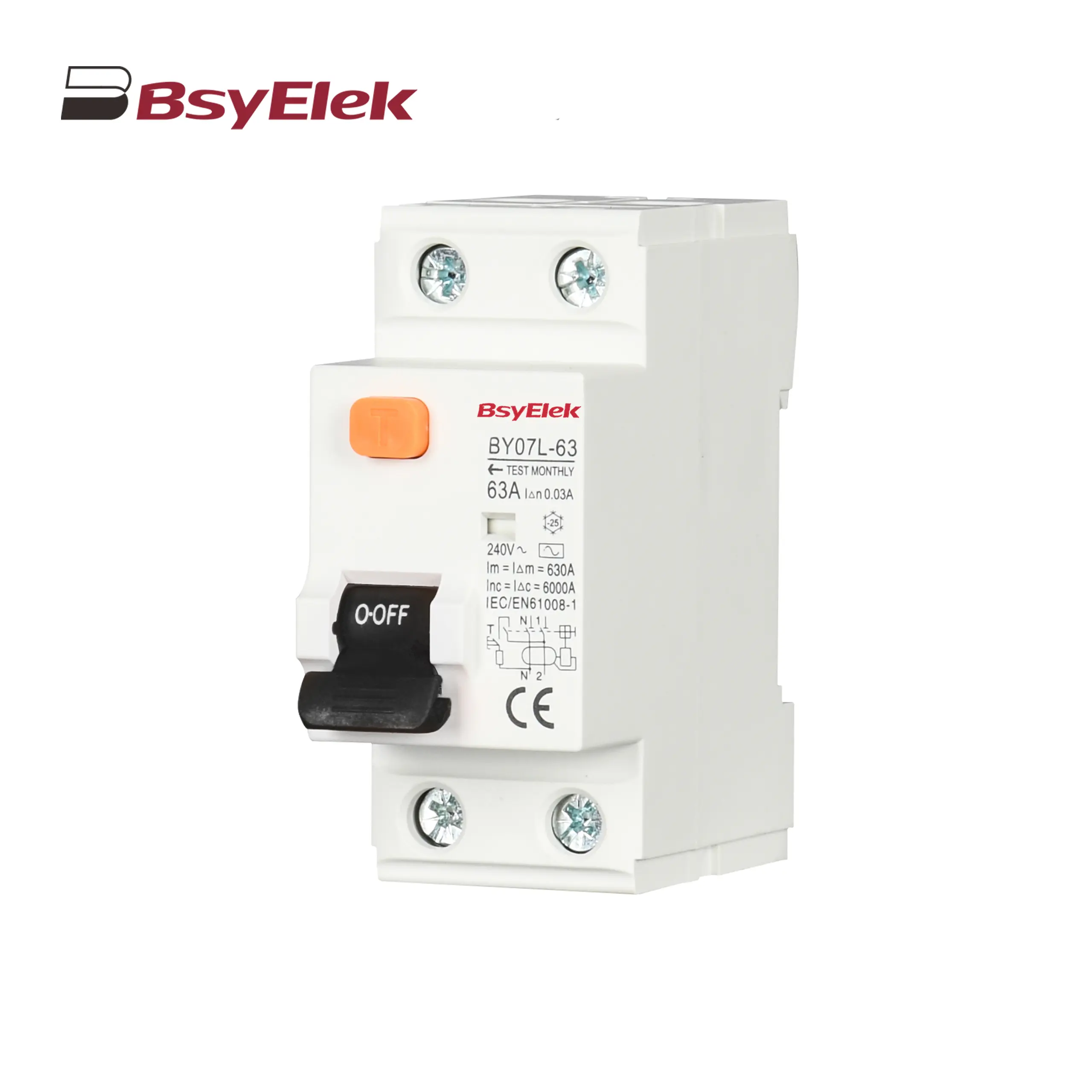 BY07L-63 RCCB 6KA Residual Current Circuit Breaker
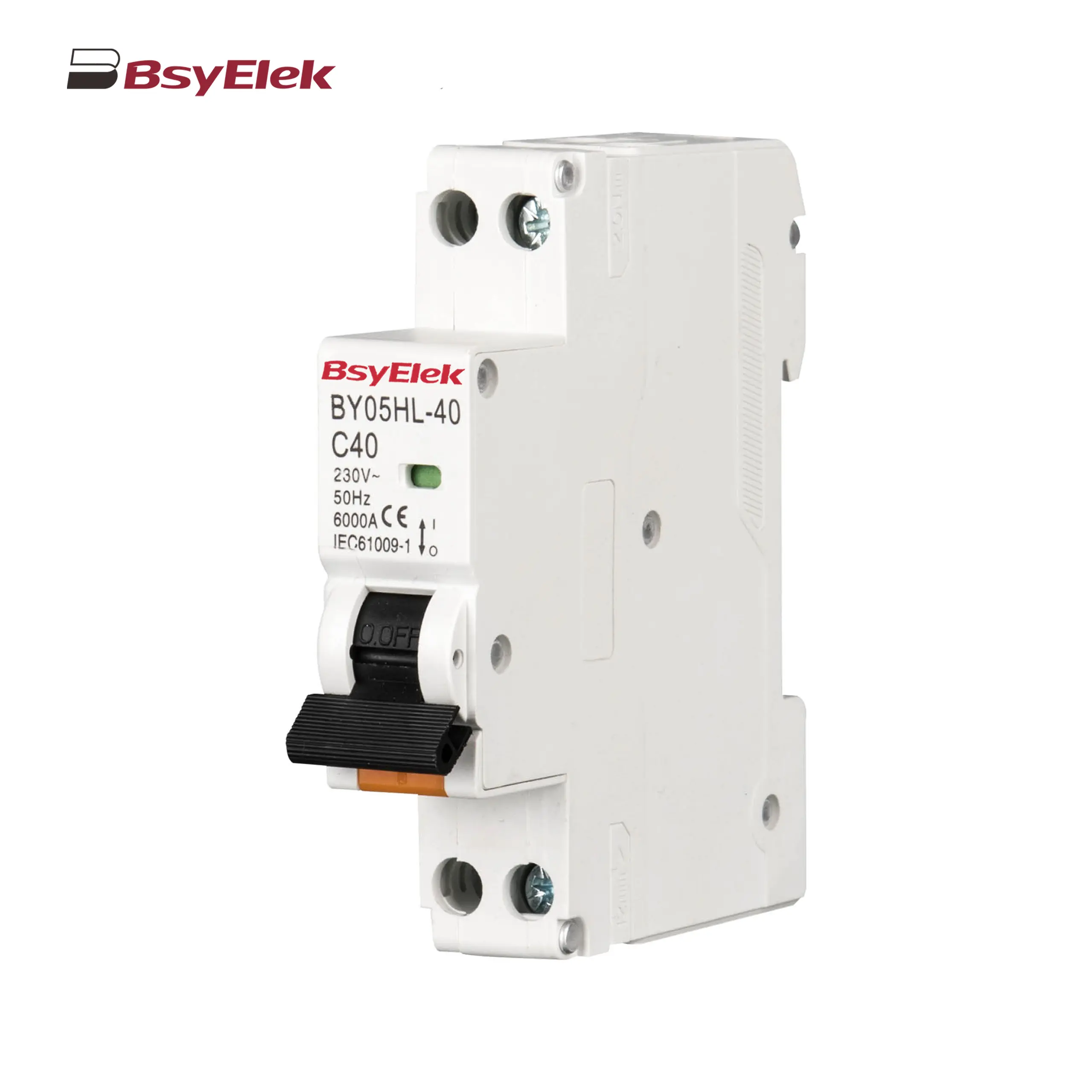 BY05HL-40 RCBO 6KA Residual Current Circuit Breaker with Over-current Protection
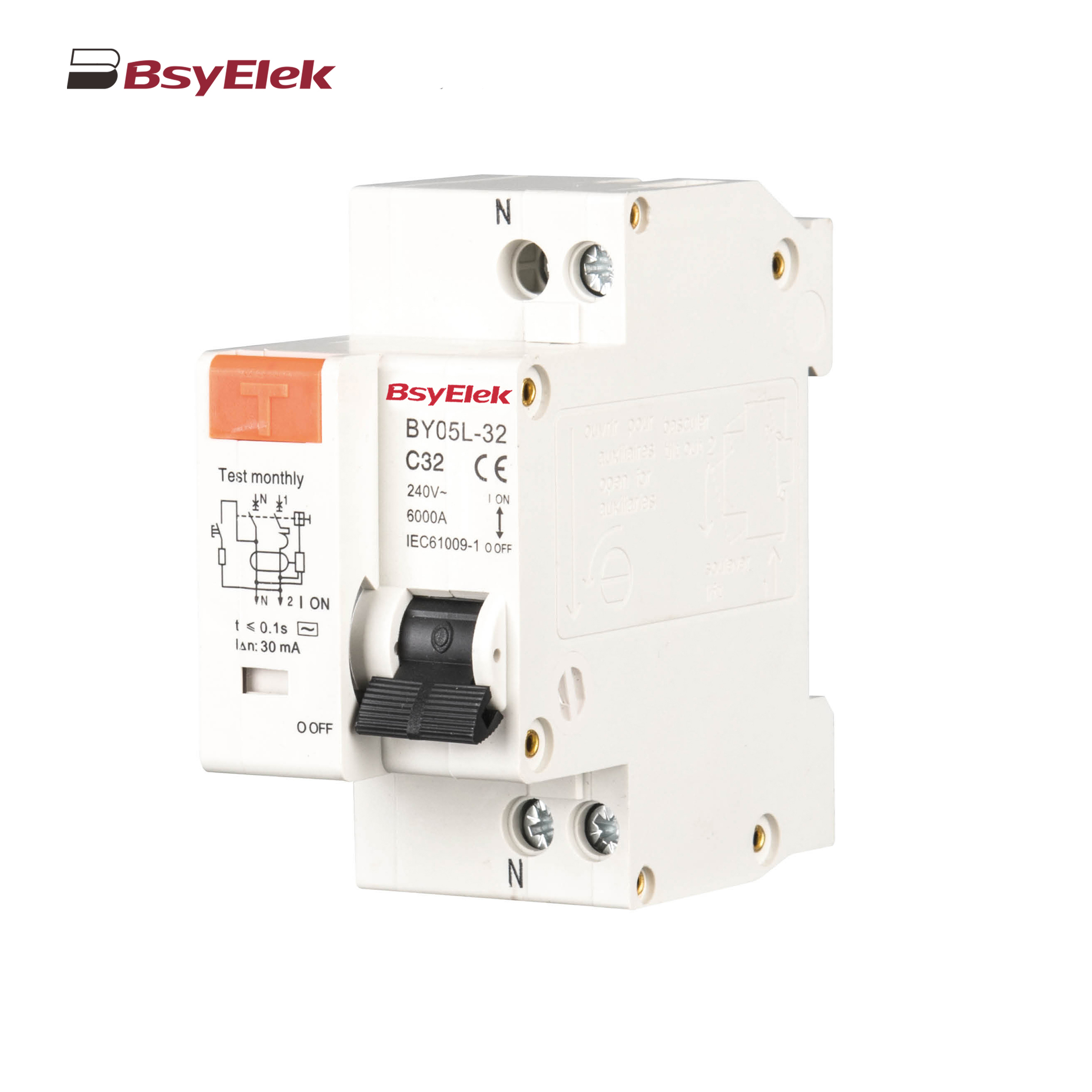 BY05L-32 RCBO 3KA Residual Current Circuit Breaker with Over-current Protection
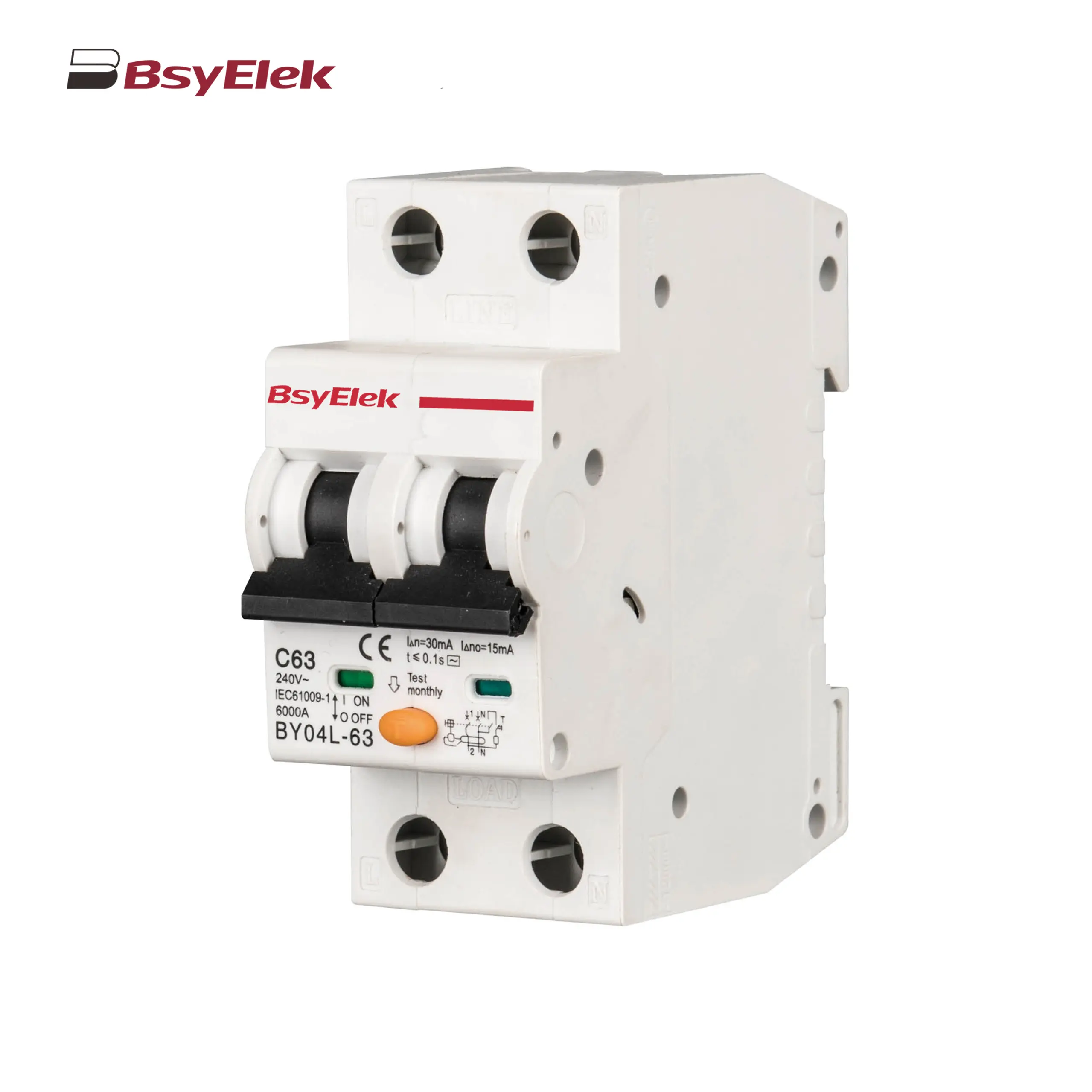 BY04L-63 RCBO 6KA Residual Current Circuit Breaker with Over-current Protection
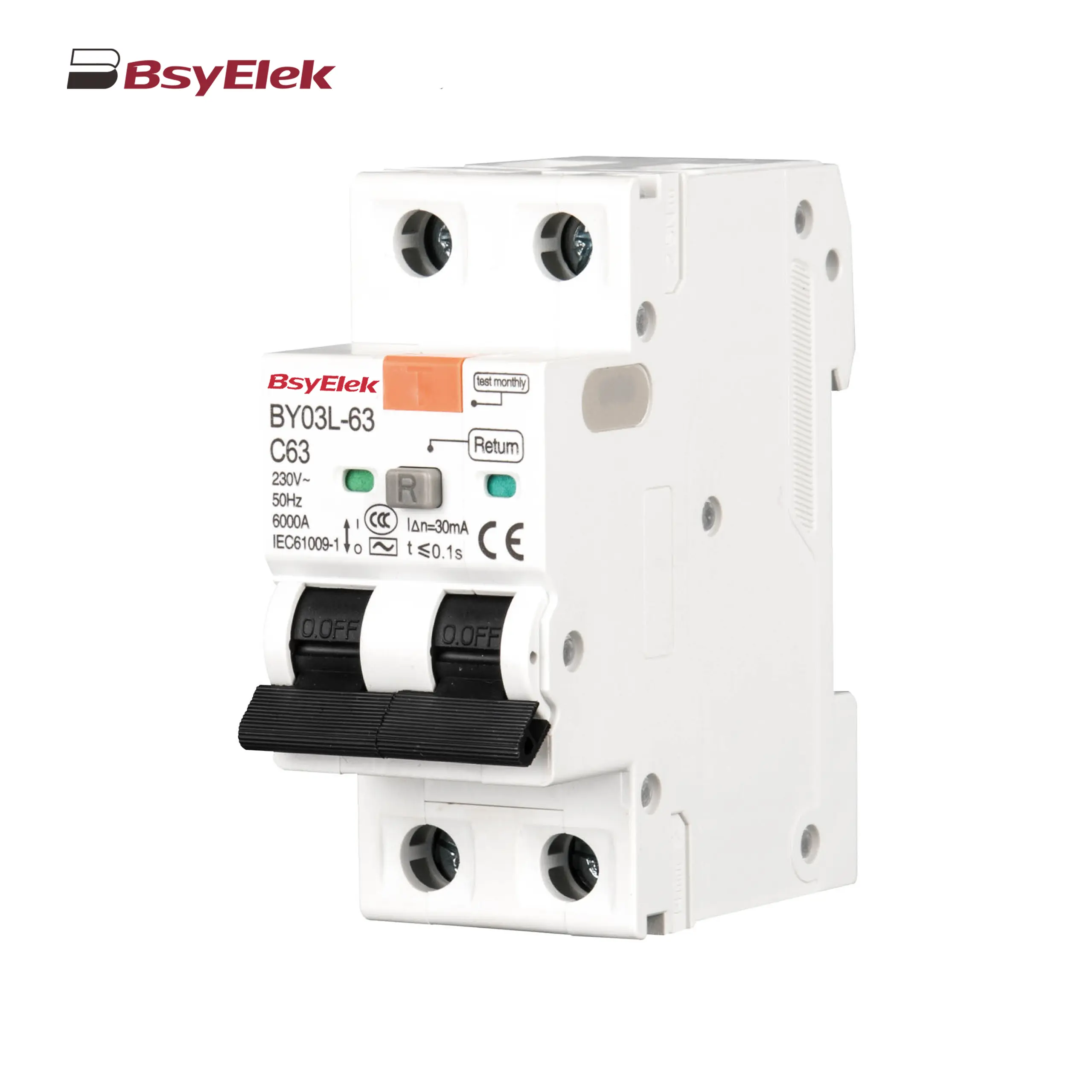 BY03L-63 RCBO 4.5KA Residual Current Circuit Breaker with Over-current Protection
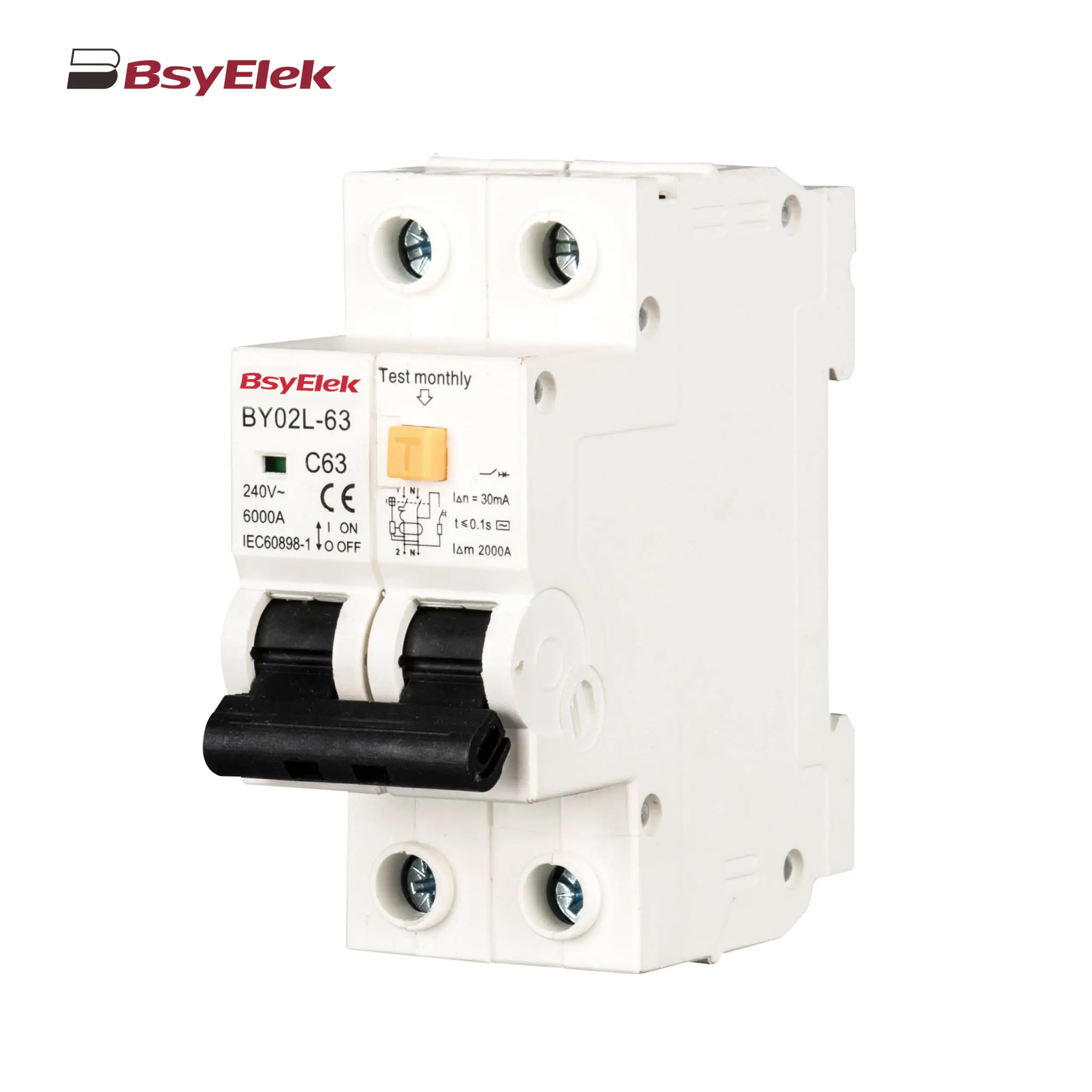 BY02L-63 RCBO 3KA Residual Current Circuit Breaker with Over-current Protection
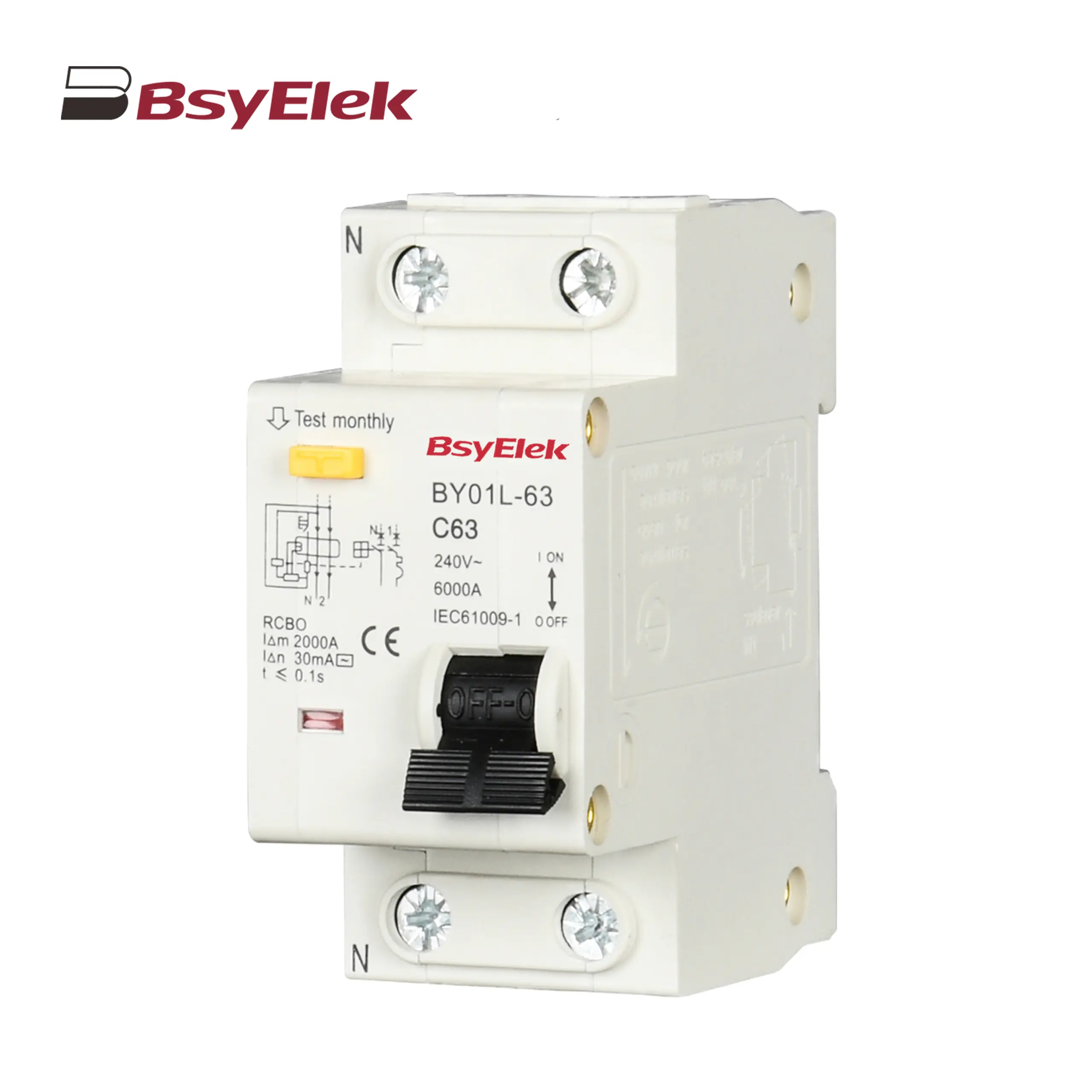 BY01L-63 RCBO 1P+N 3KA Residual Current Circuit Breaker with Over-current Protection
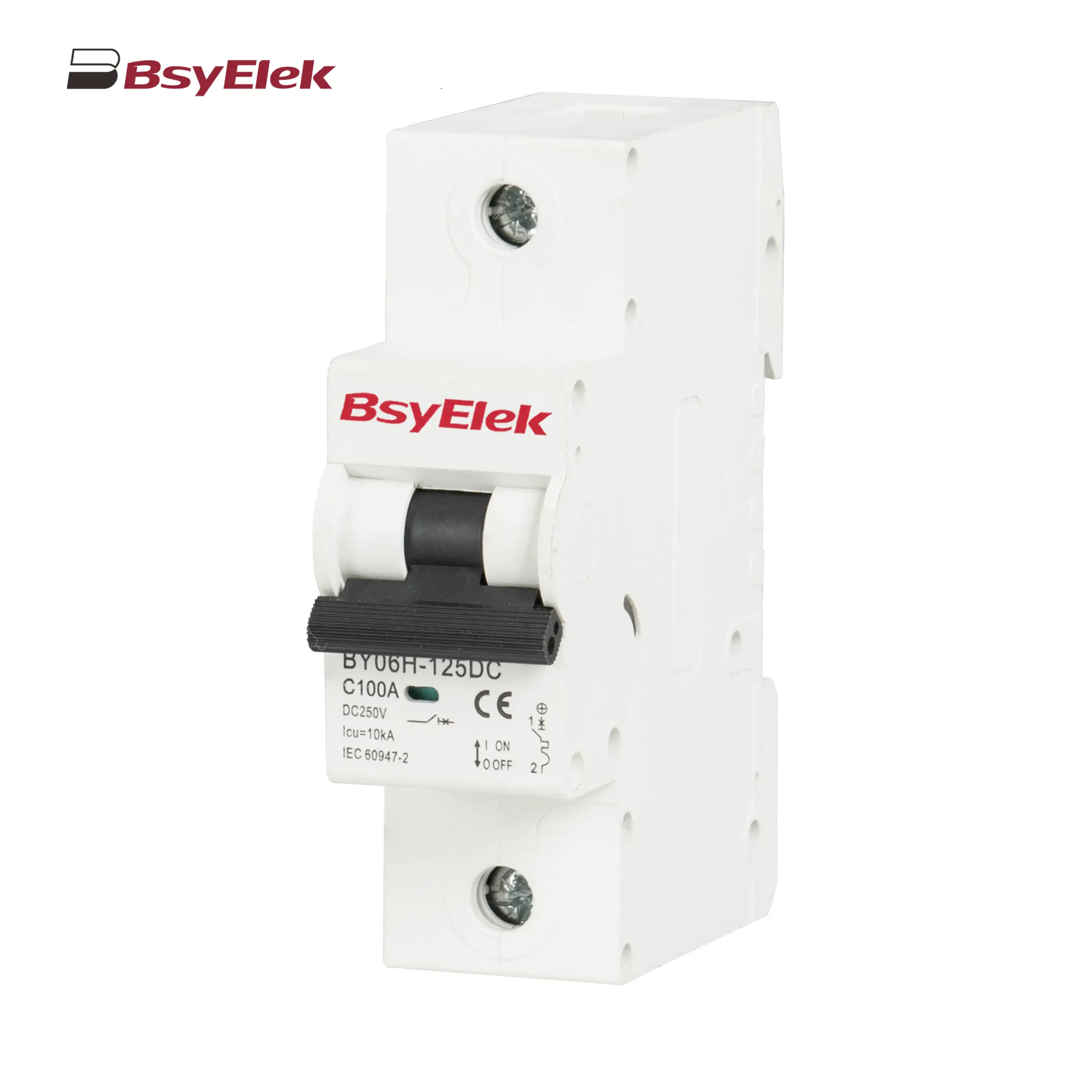 BY06H-125DC MCB 10-15kA DC Miniature Circuit Breaker
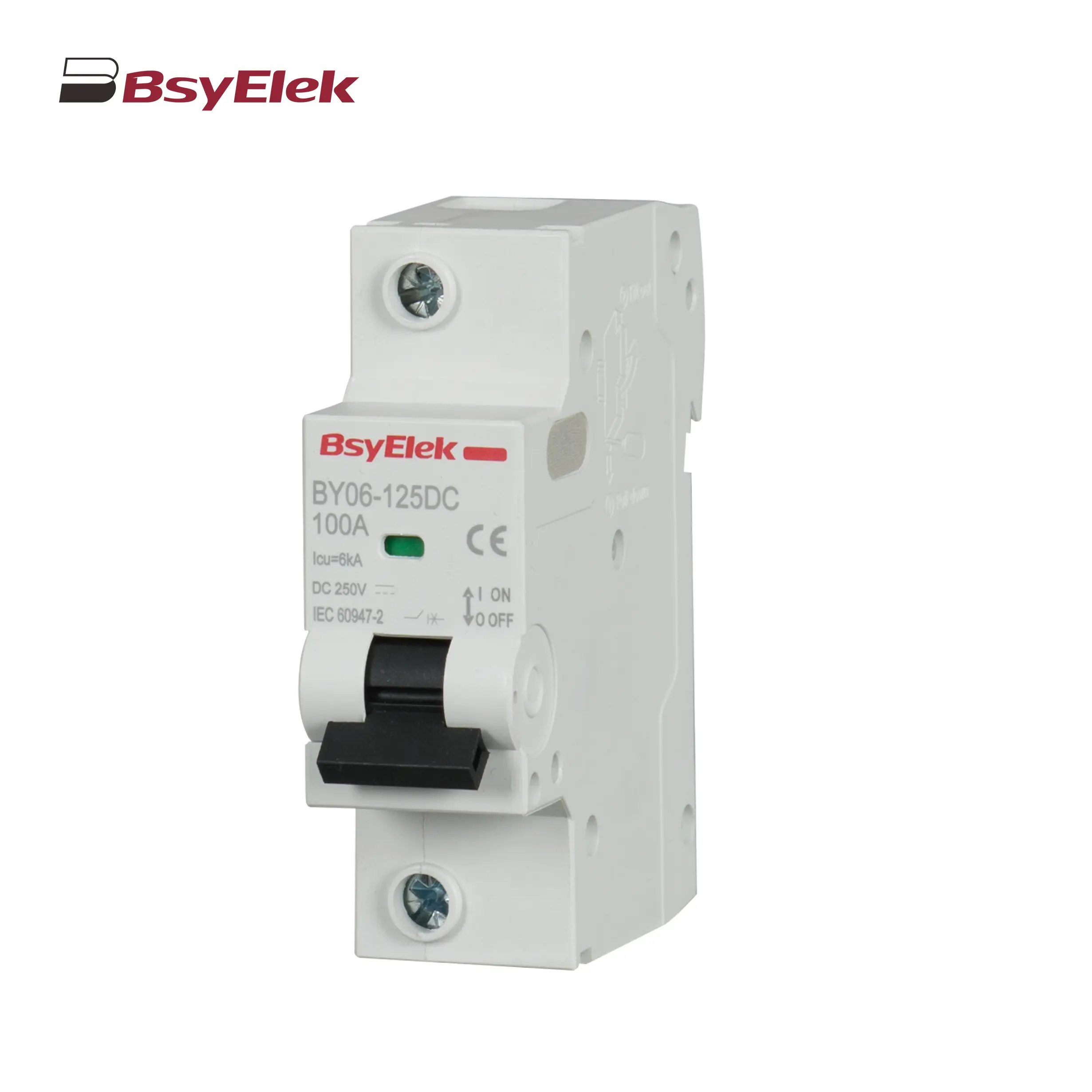 BY06-125DC MCB 6kA DC Miniature Circuit Breaker
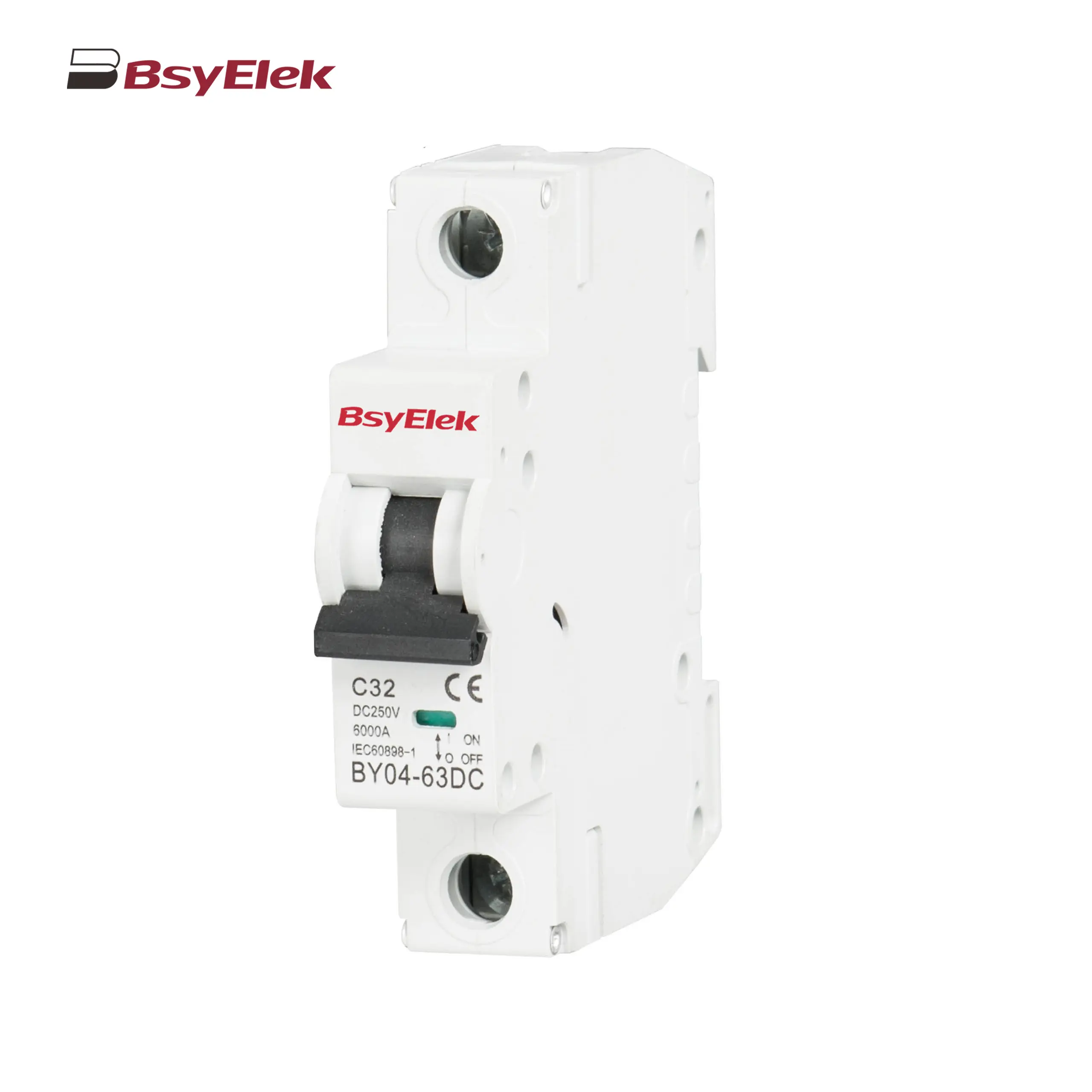 BY04-63DC MCB 6-10kA DC Miniature Circuit Breaker
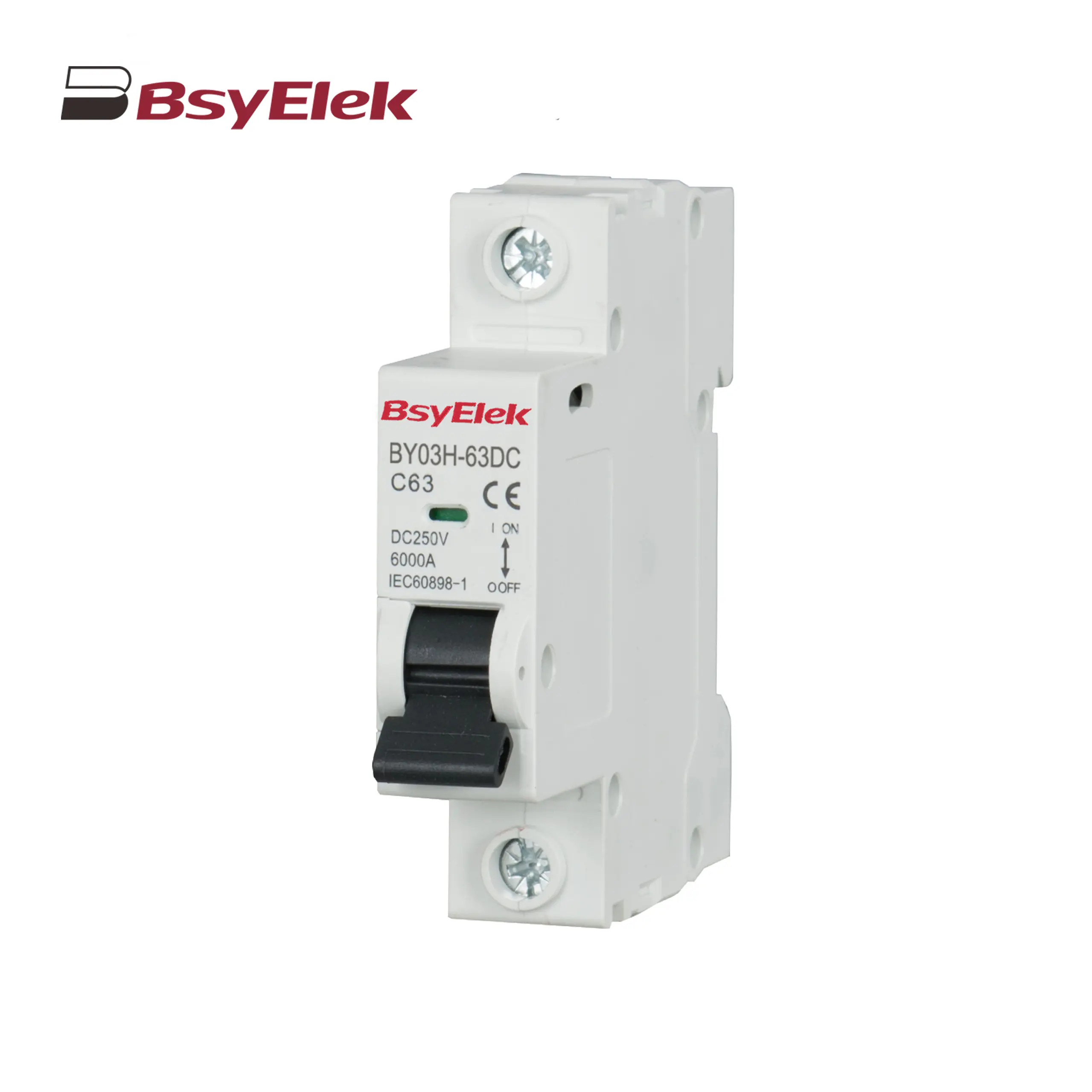 BY03H-63DC MCB 6kA DC Miniature Circuit Breaker
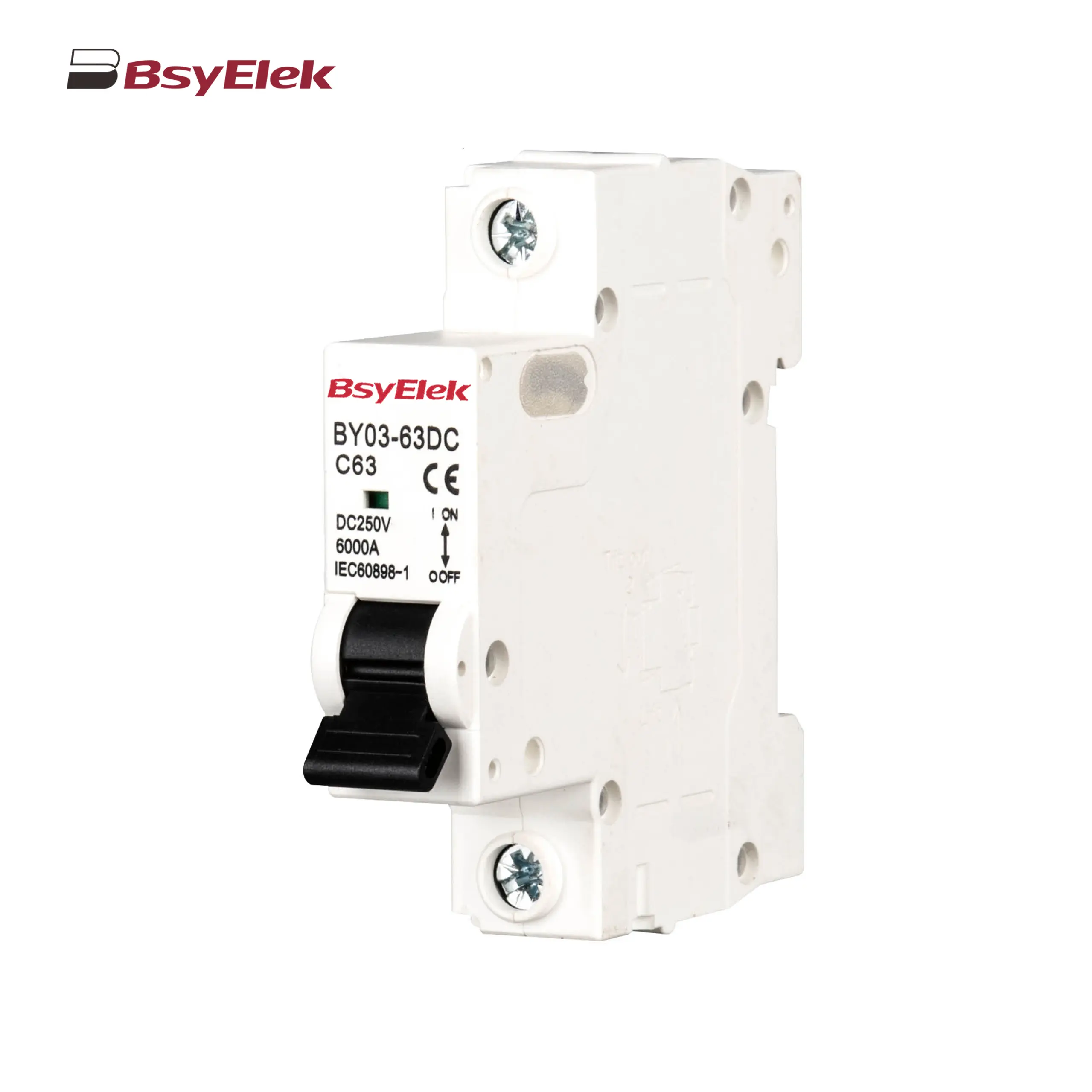 BY03-63DC MCB 4.5kA DC Miniature Circuit Breaker
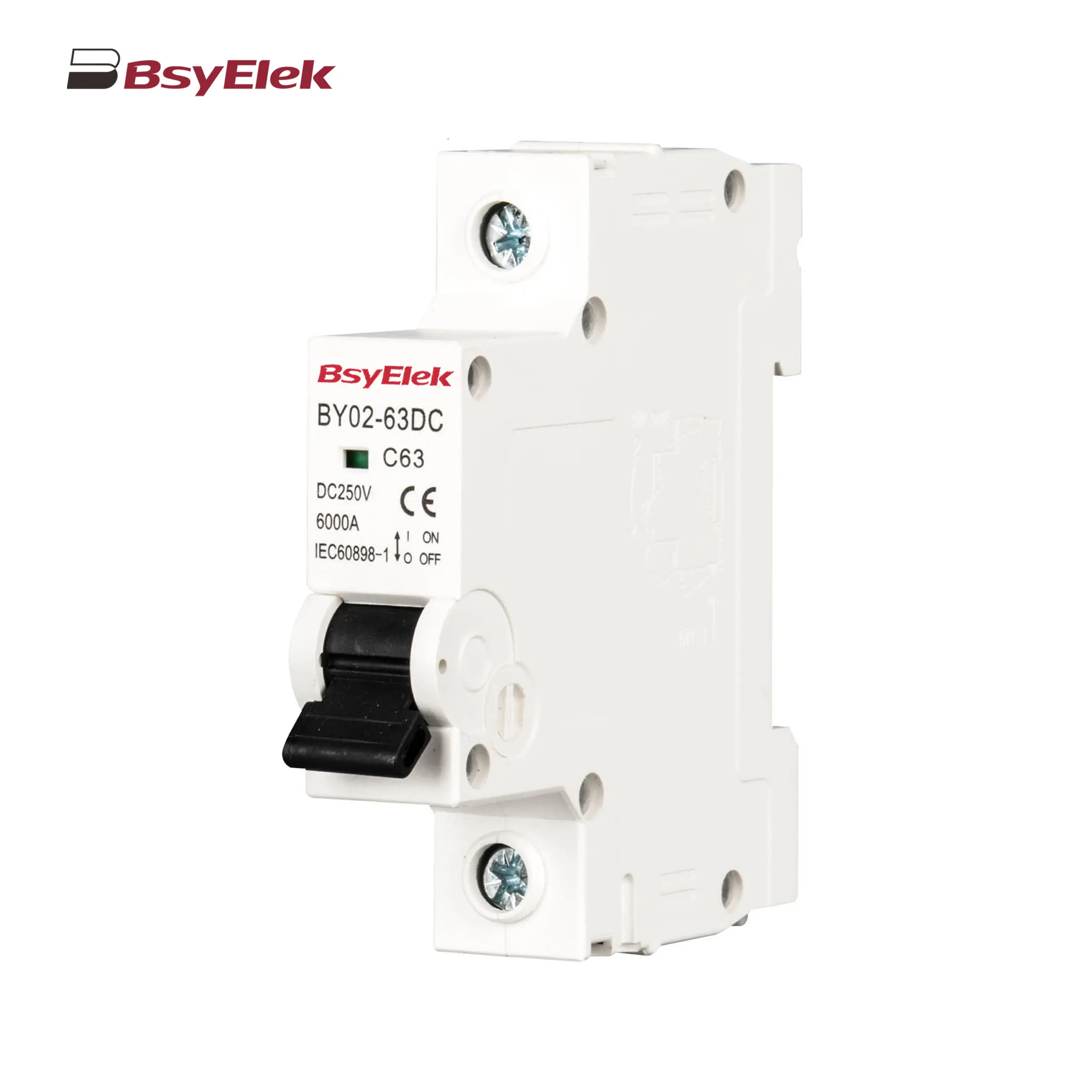 BY02-63DC MCB 3kA DC Miniature Circuit Breaker
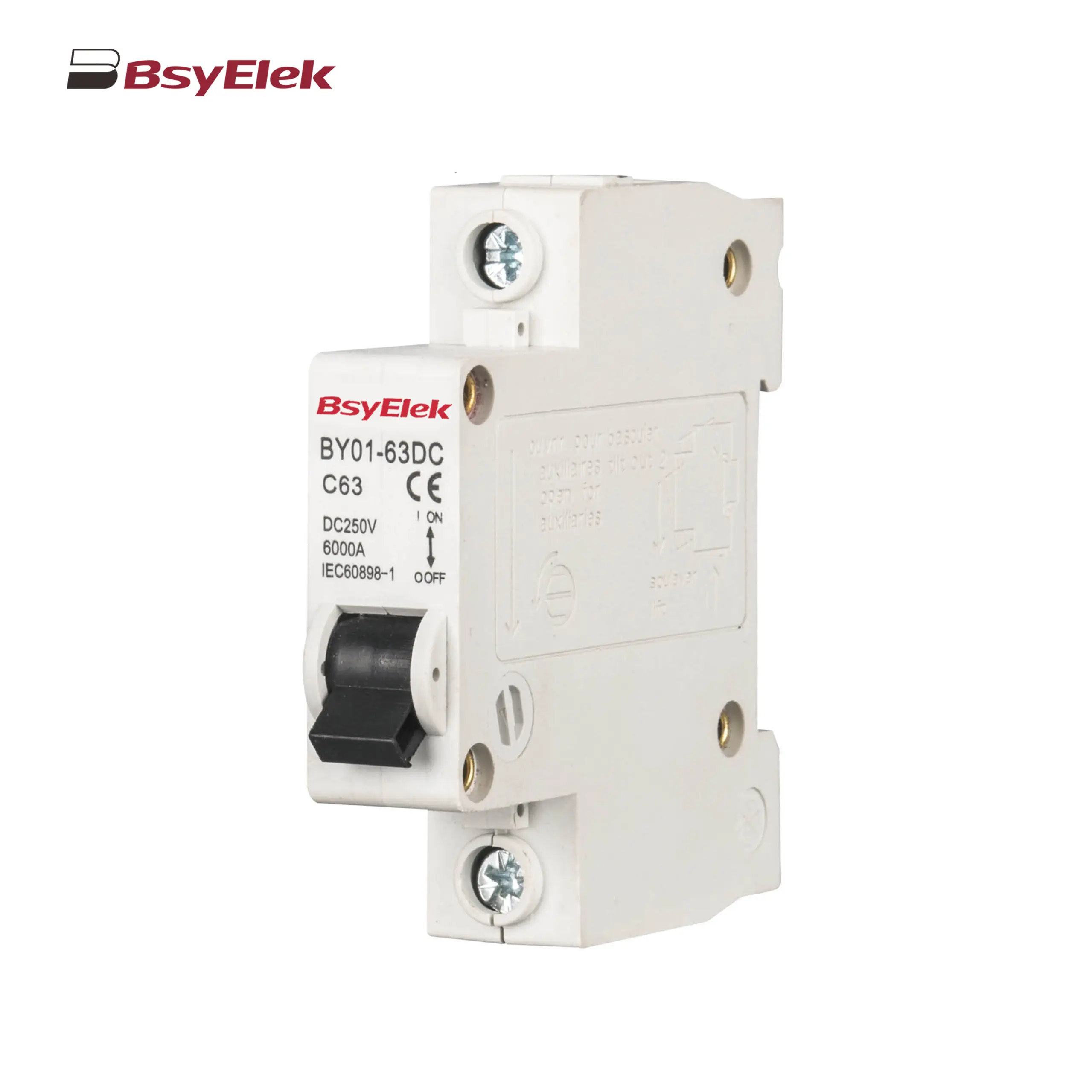 BY01-63DC MCB 3kA DC Miniature Circuit Breaker
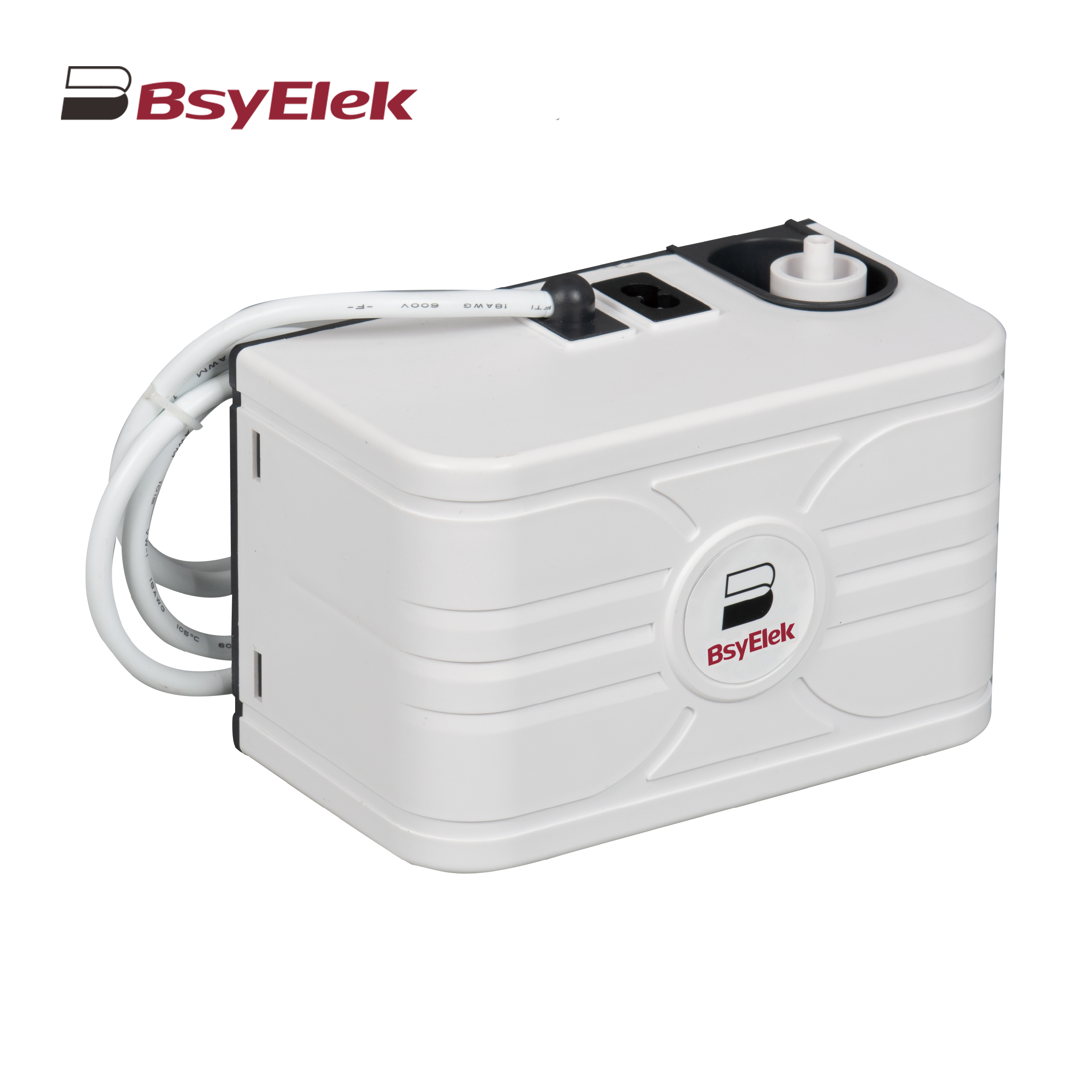 BY-5018 1.8M Engineering Drainage Pump
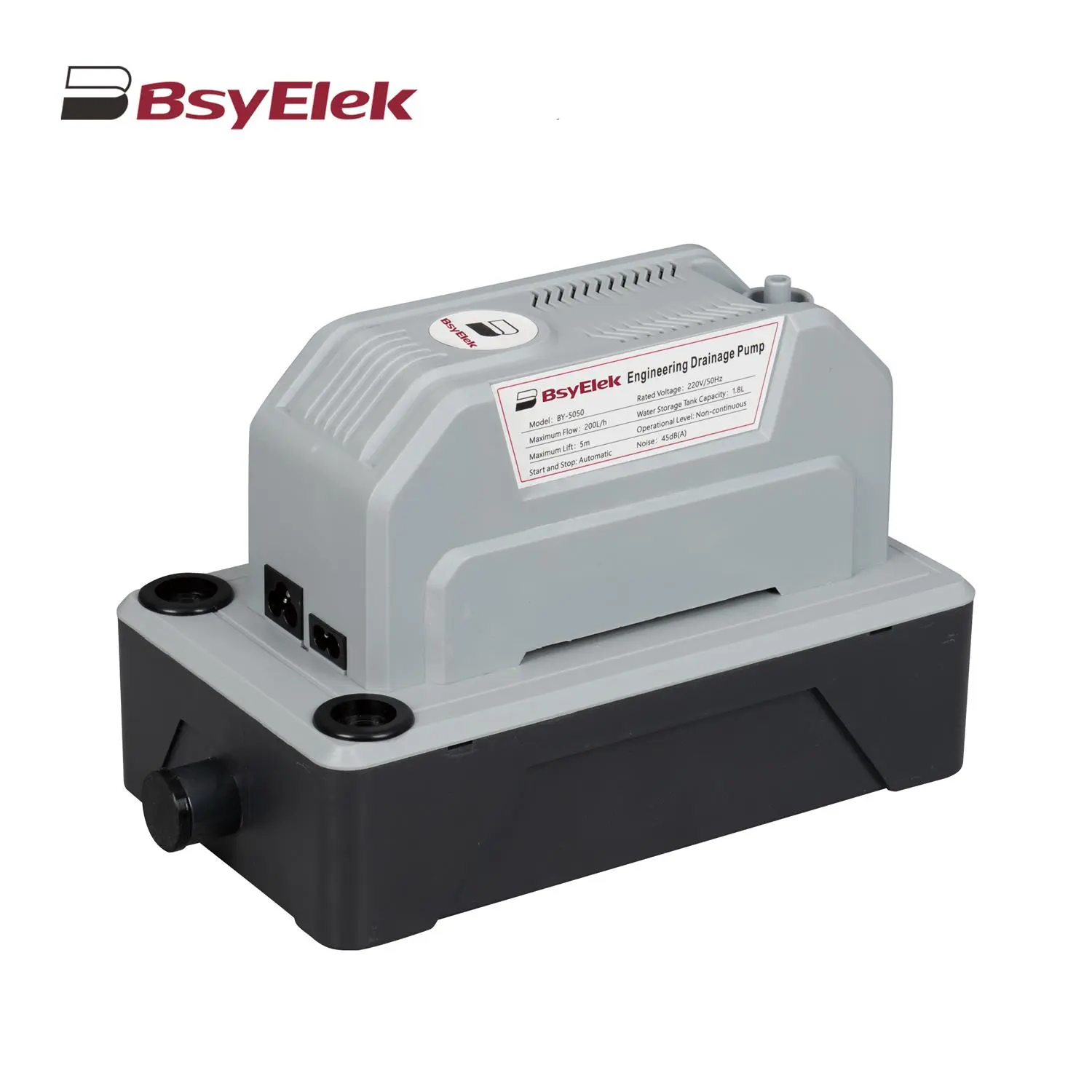 BY-5050 5M Engineering Drainage Pump
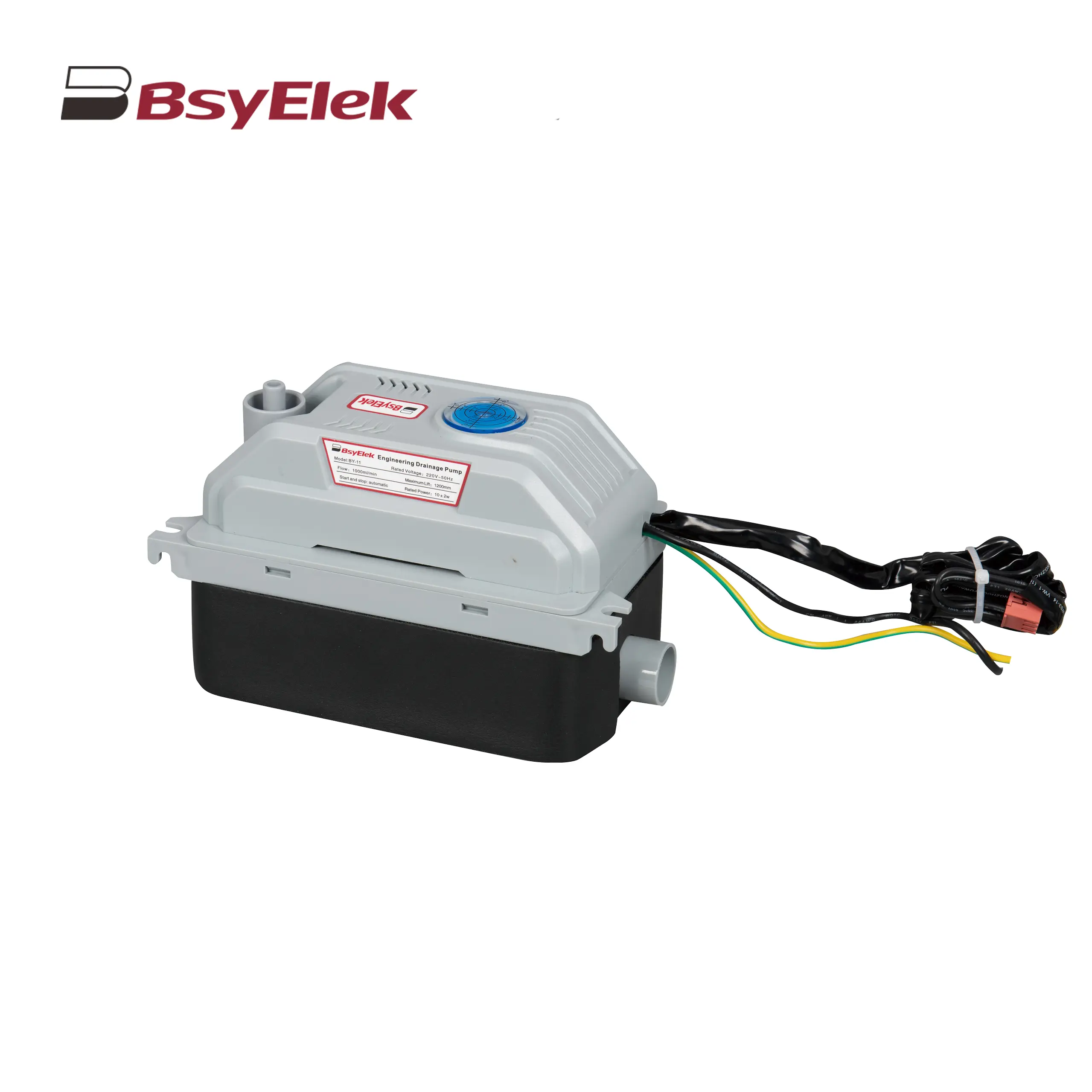 BY-11 1.2M Engineering Drainage Pump
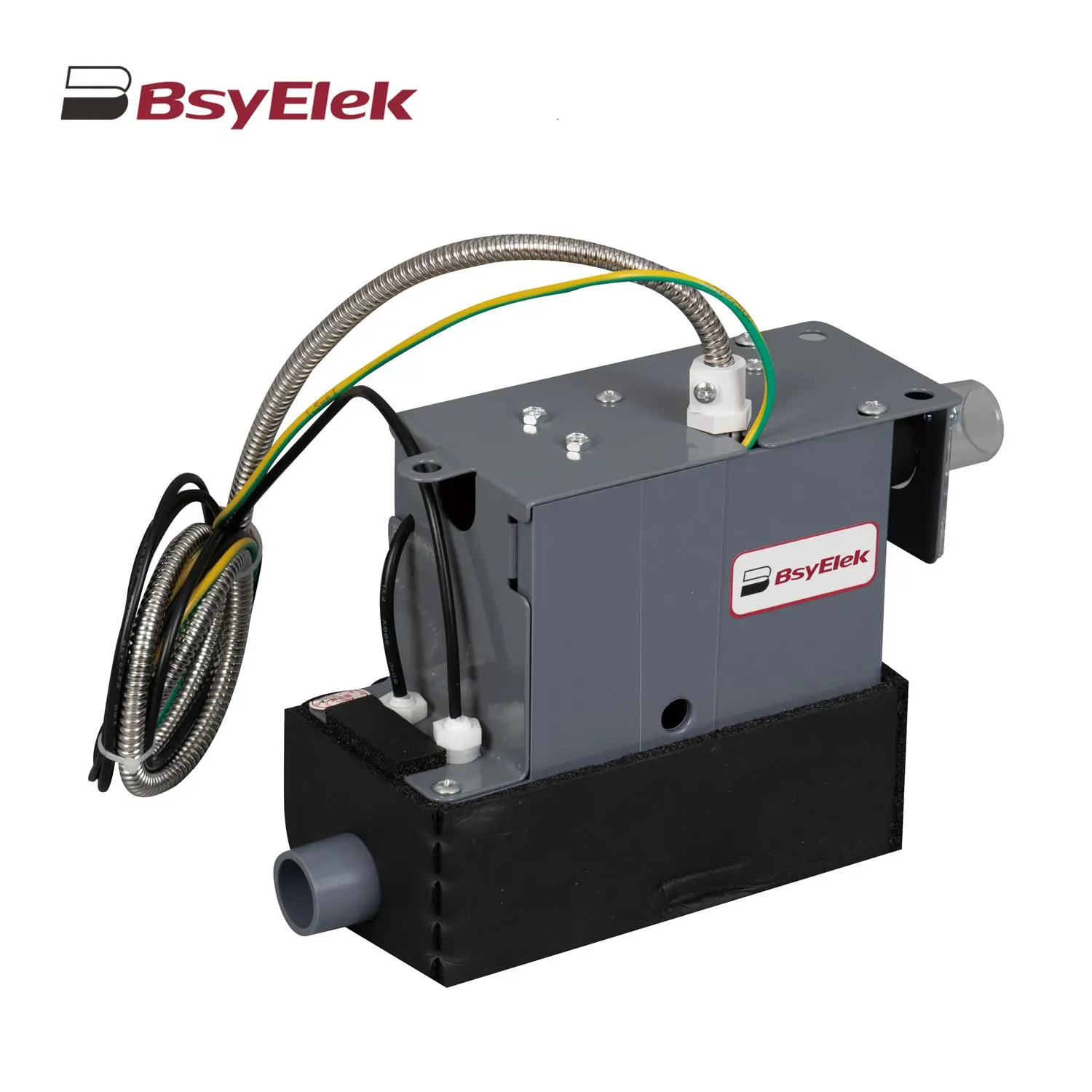 SBH-05 0.7M Original Drainage Pump of Duct Type Air Conditioner
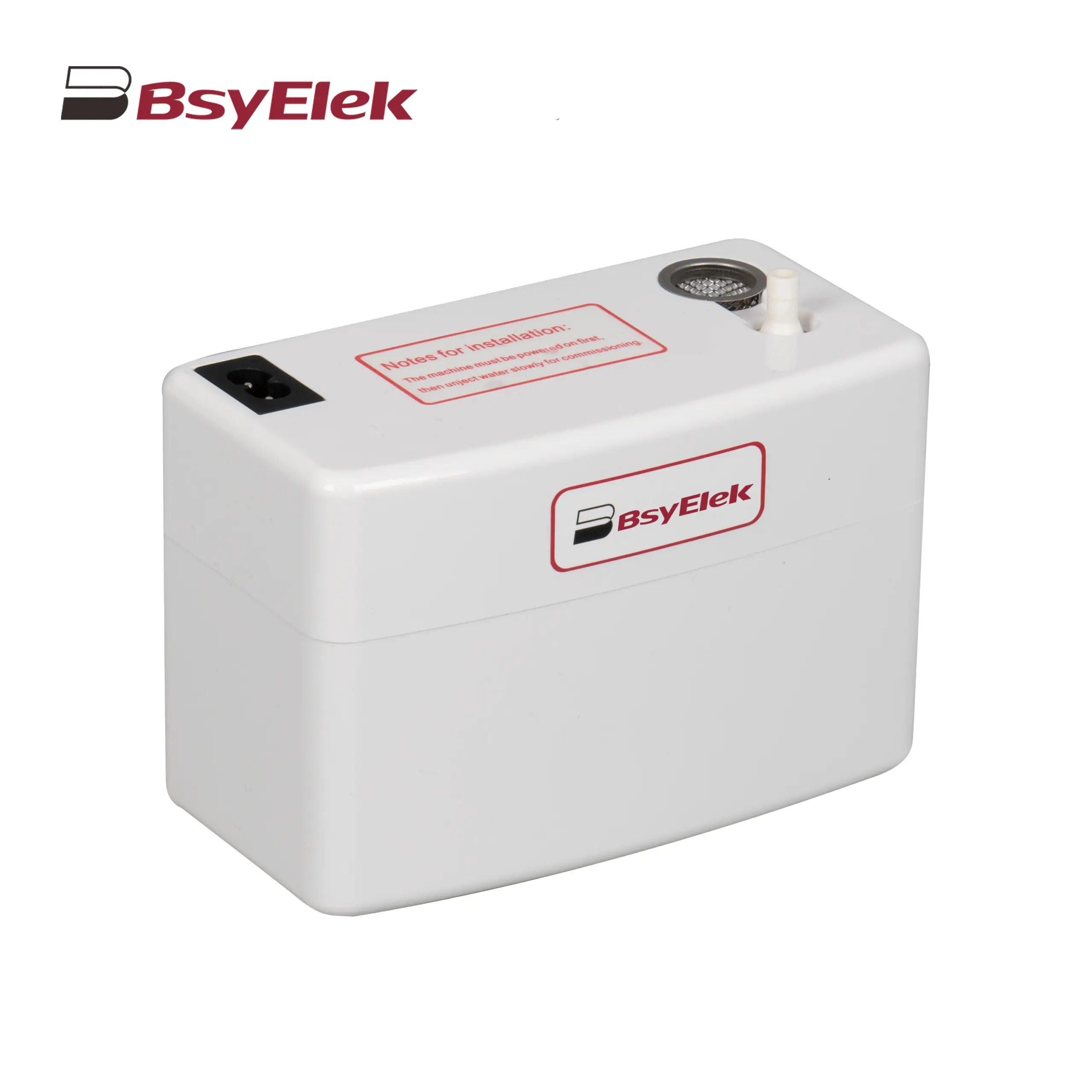 BY-24A/40A 10M Drainage Pump of Air Conditioner
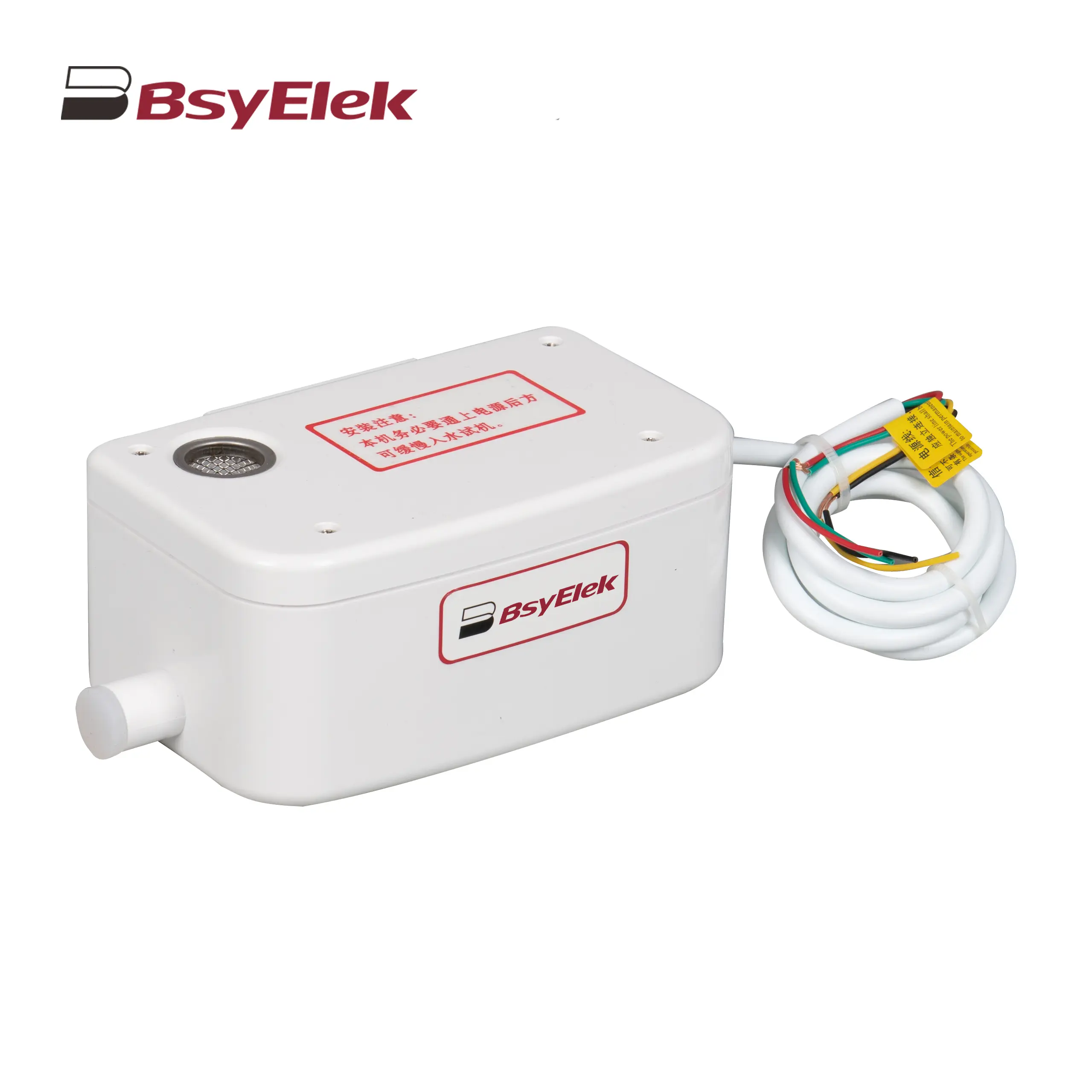 BY-50A 12M Drainage Pump of Air Conditioner
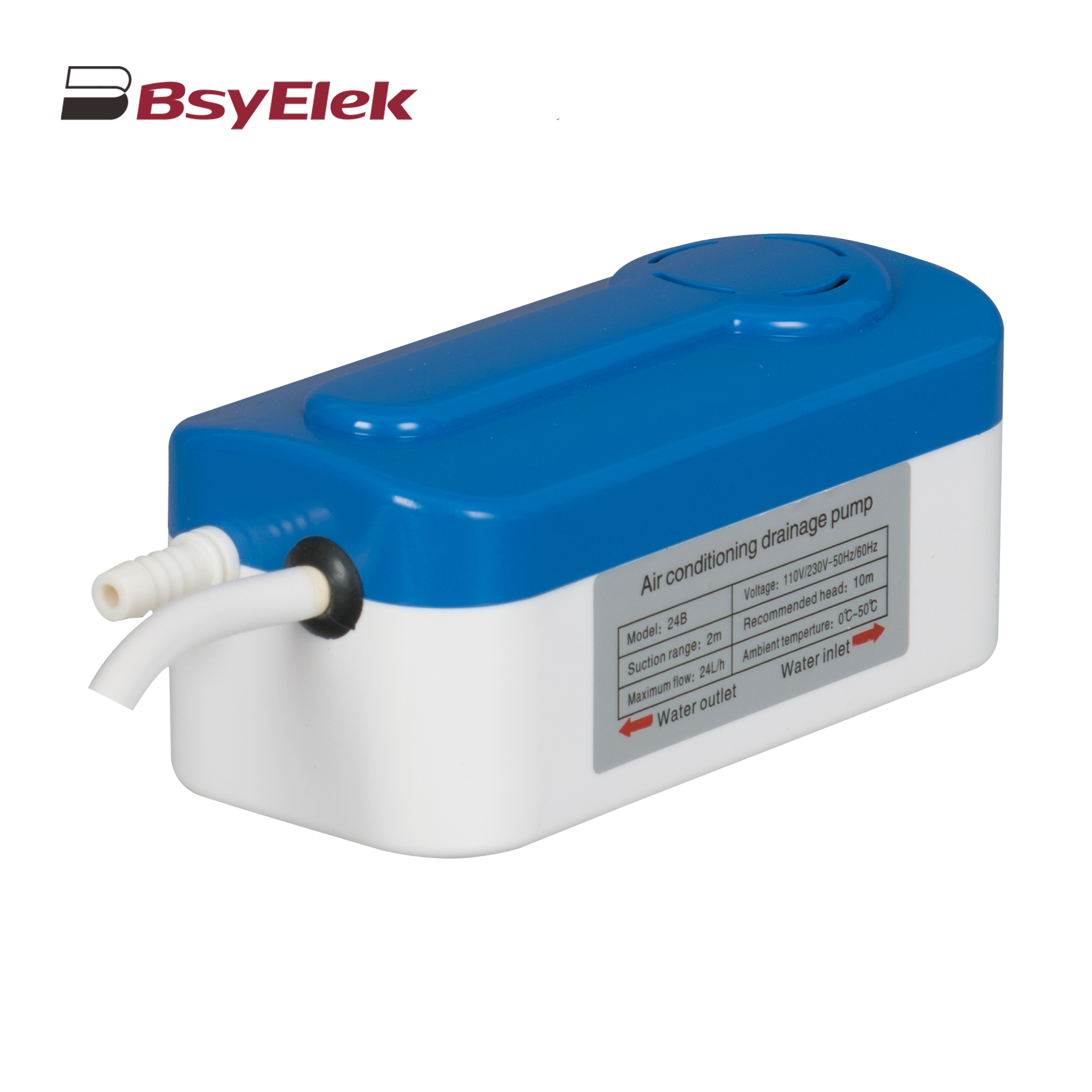 BY-24B/40B 10M Split Type Drainage Pump
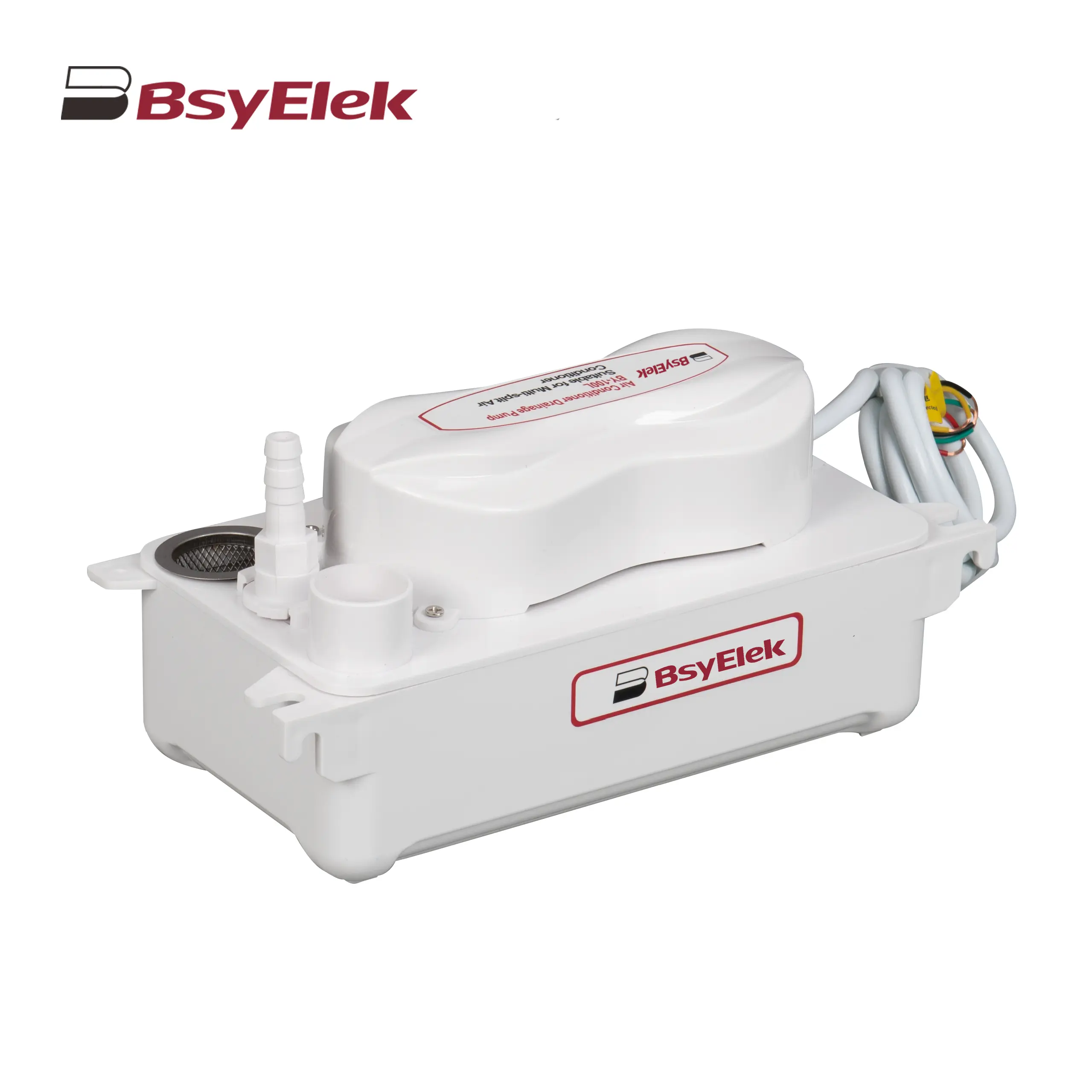 BY-100L 2M Drainage Pump of Air Conditioner
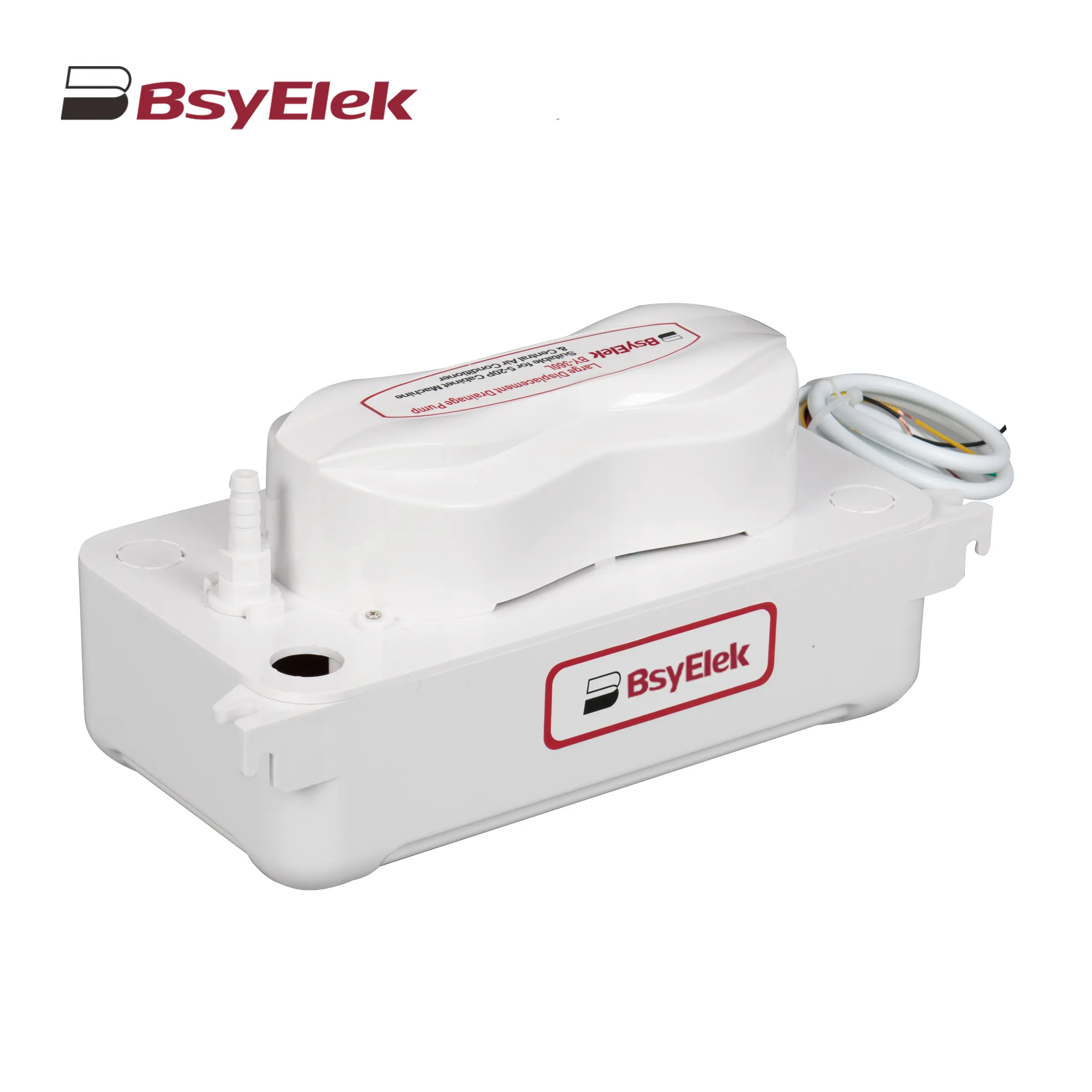 BY-360L 6M Large Displacement Drainage Pump
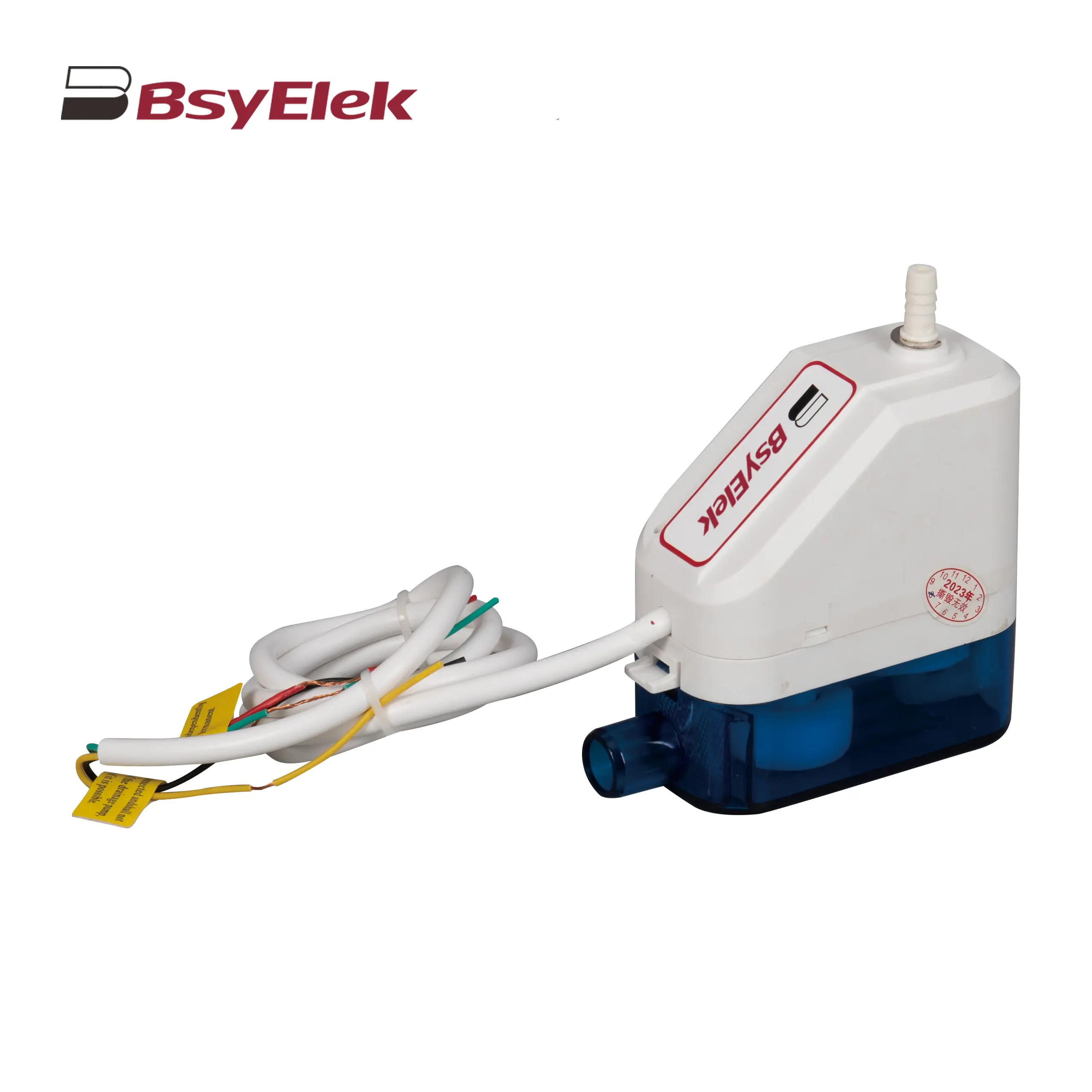 BY-24C/40C 10M Corner Drainage Pump
What is a miniature circuit breaker (MCB)?
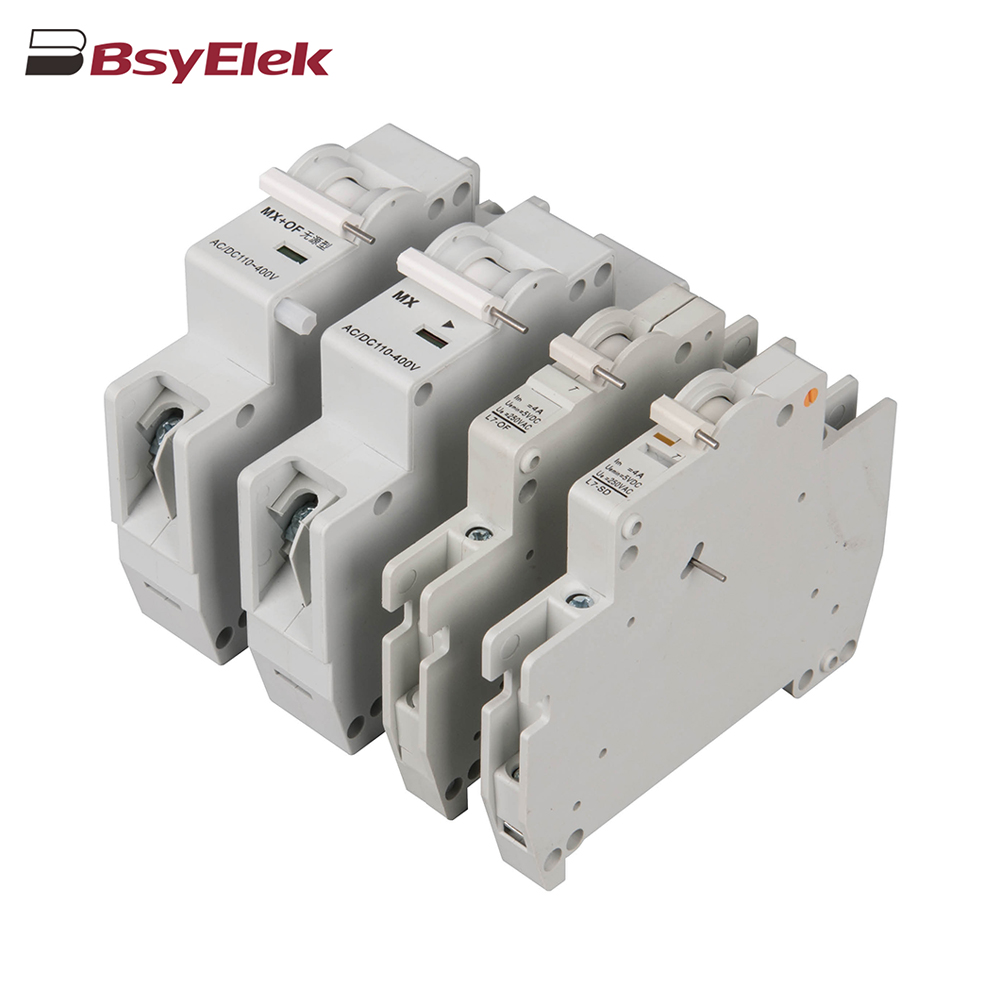 OF SD MX OF MCB Miniature Circuit Breaker Accessories
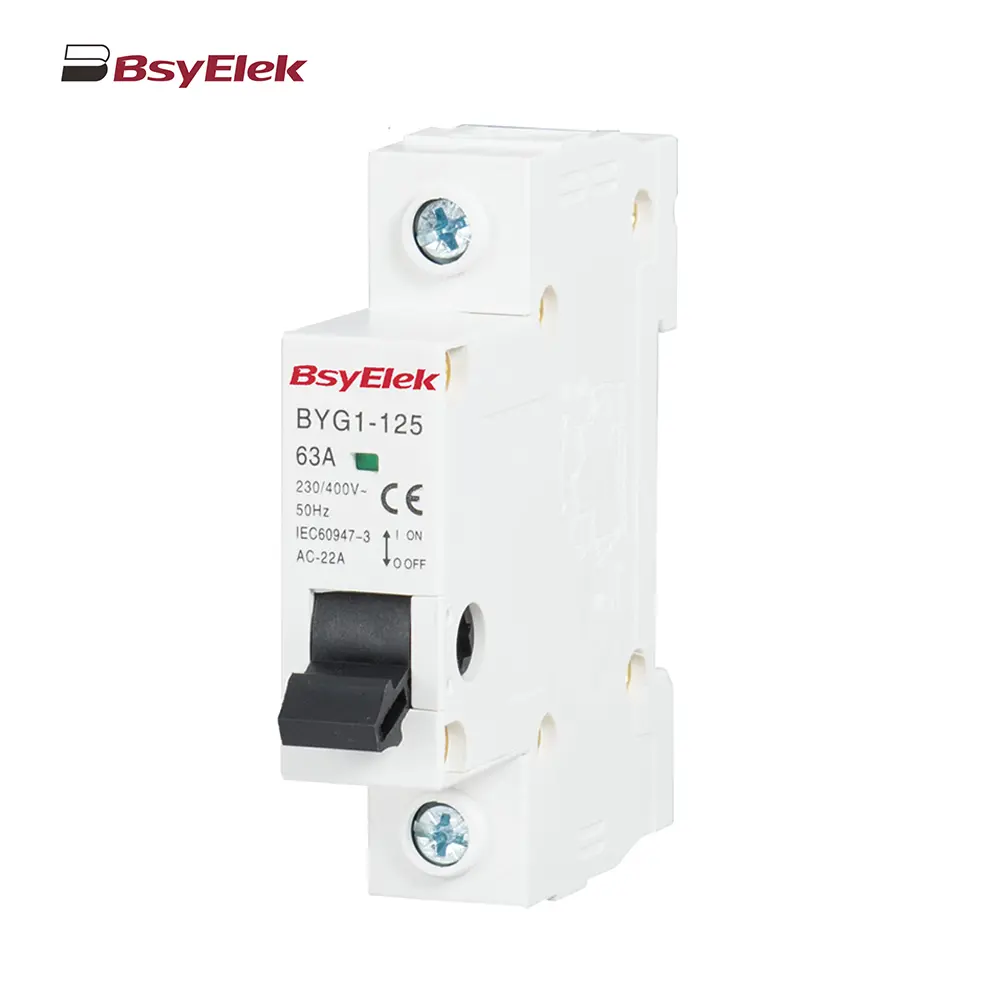 BYG1-125 Main Switch MCB Isolator Switch
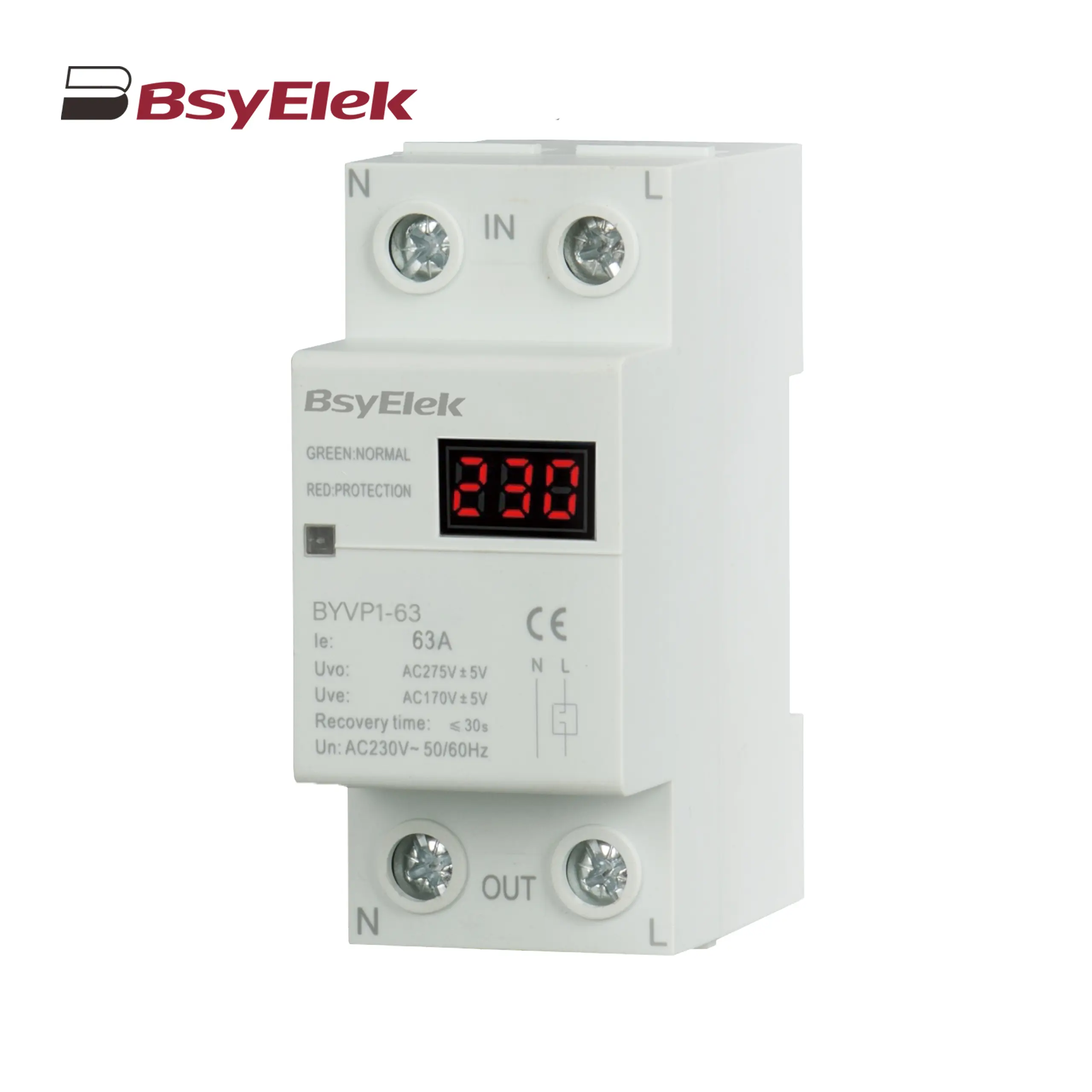 BYVP1-63 100A Single Display Overvoltage and Undervoltage Protector
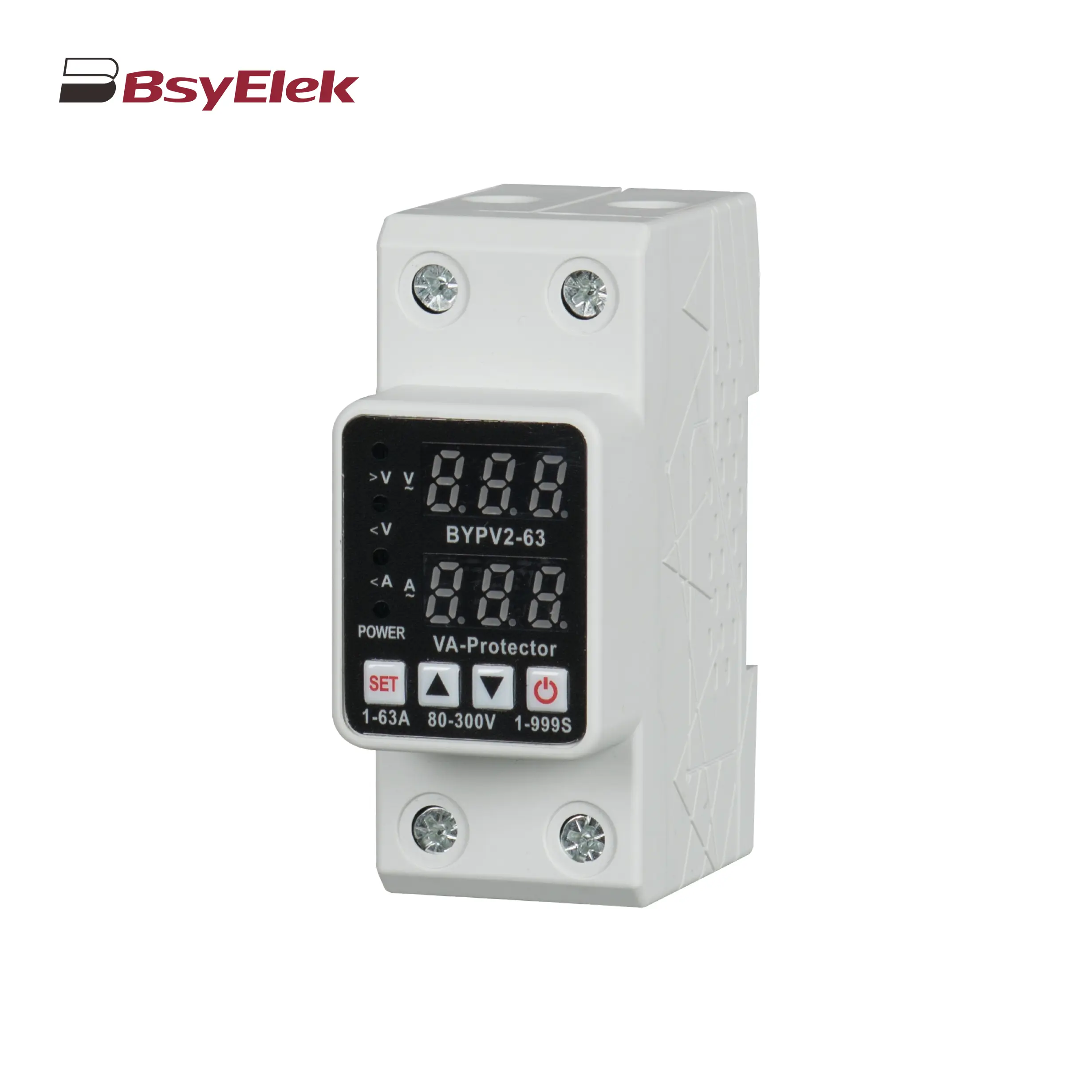 BYVP2-63 40A 63A Adjustable Dual Display Overvoltage and Undervoltage Protector
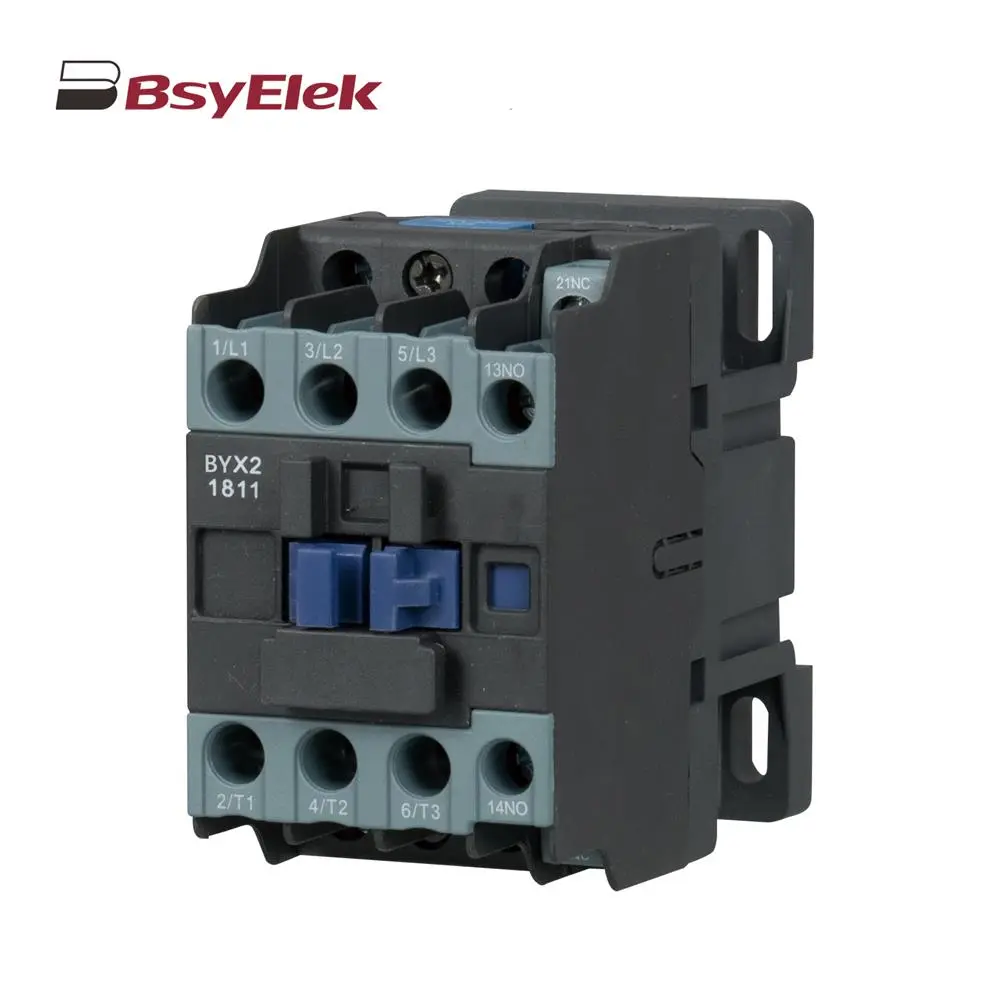 BYX2 6-95A AC Contactor
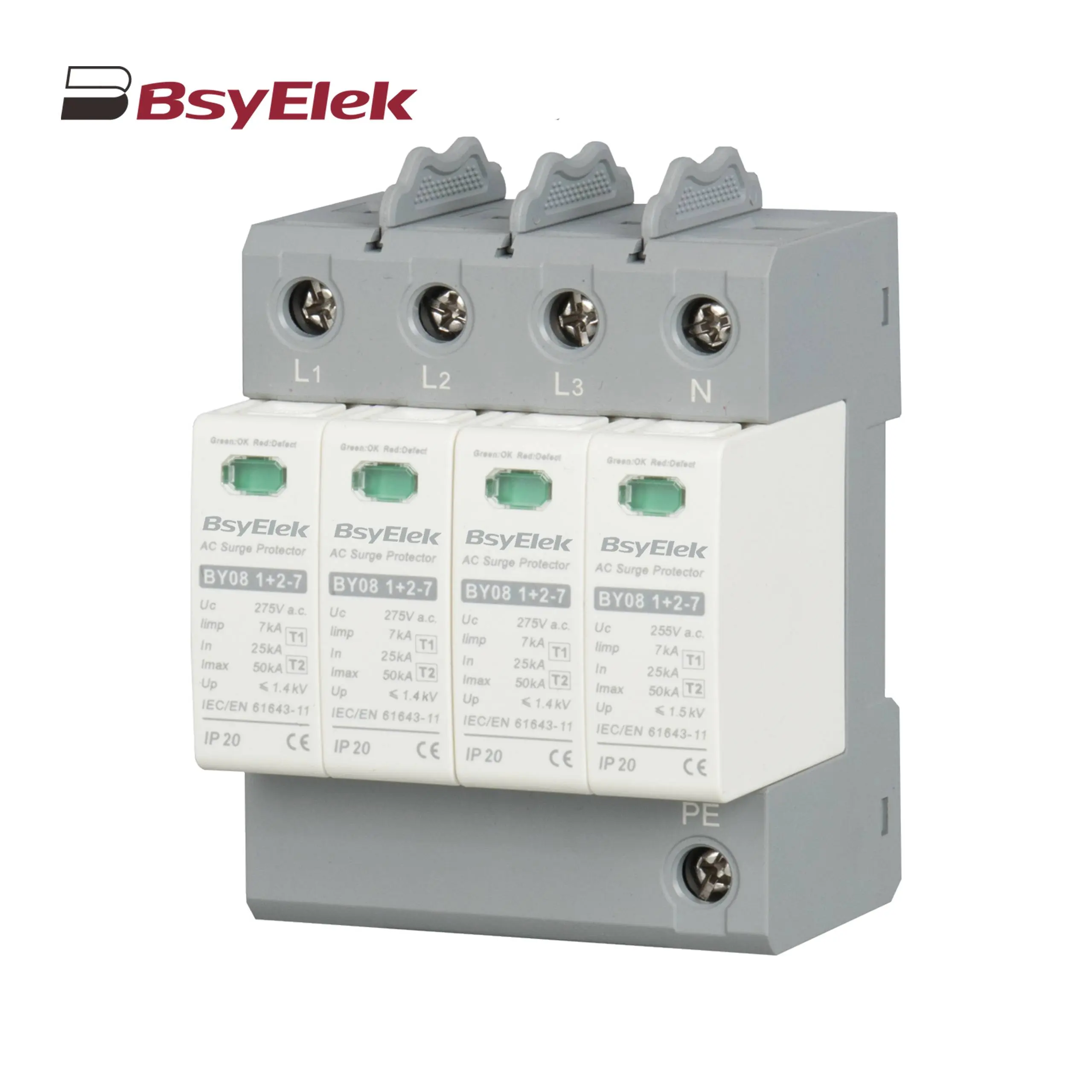 BY08 1+2-7 SPD Class T1+T2 Imax 50KA Surge Protective Device
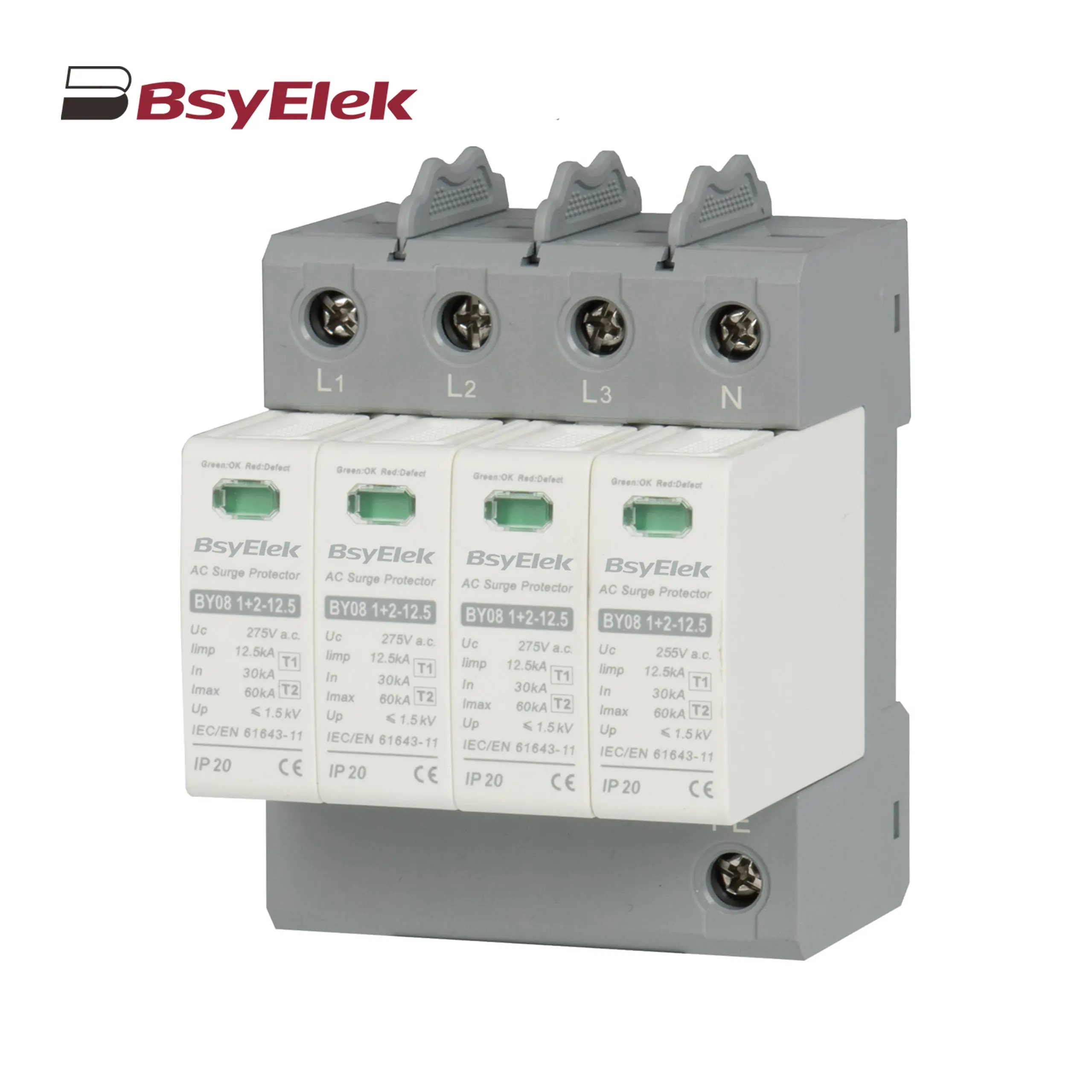 BY08 1+2-12.5 SPD Class T1+T2 Imax 60KA Surge Protective Device
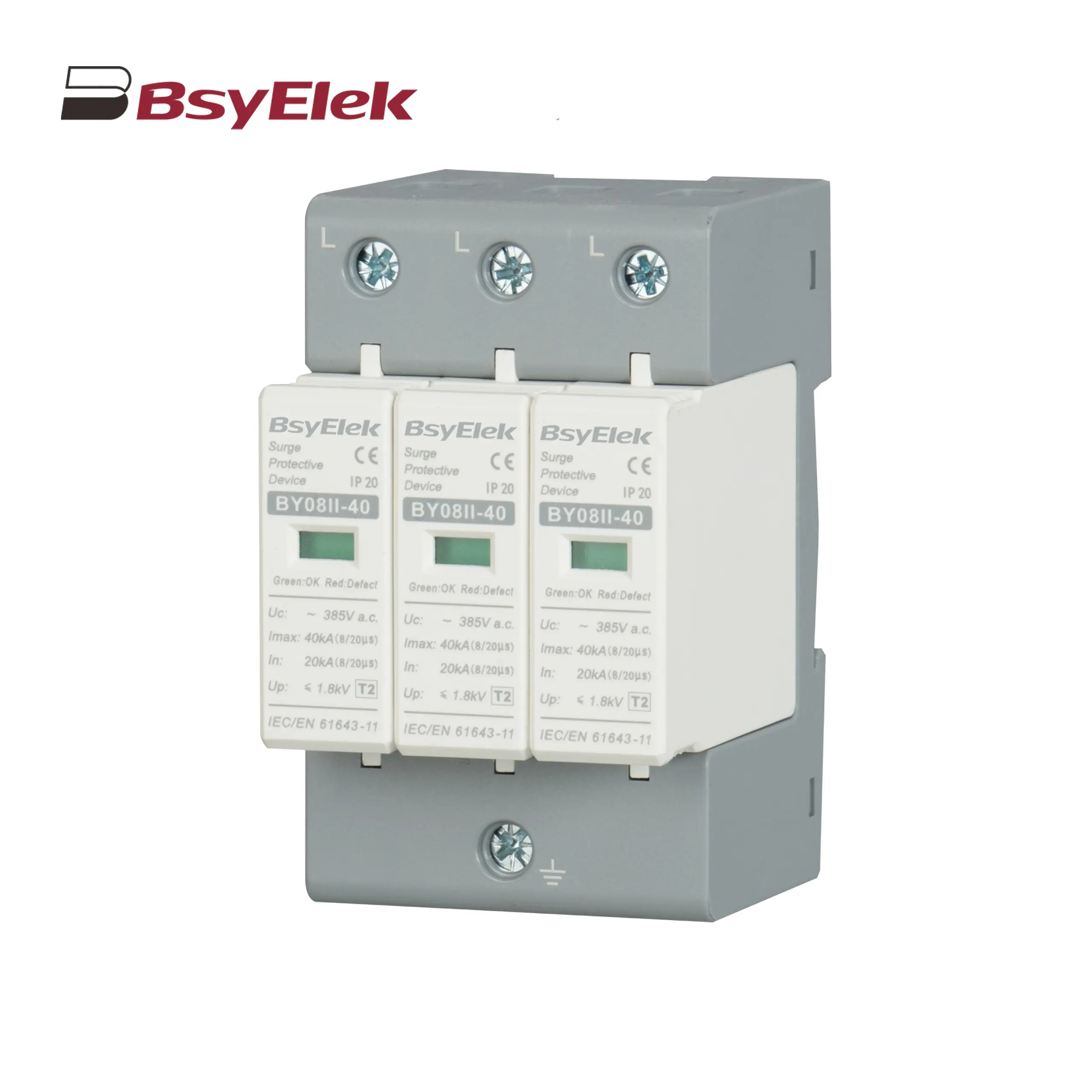 BY08II-40 SPD Class T2 Imax 40KA Surge Protective Device
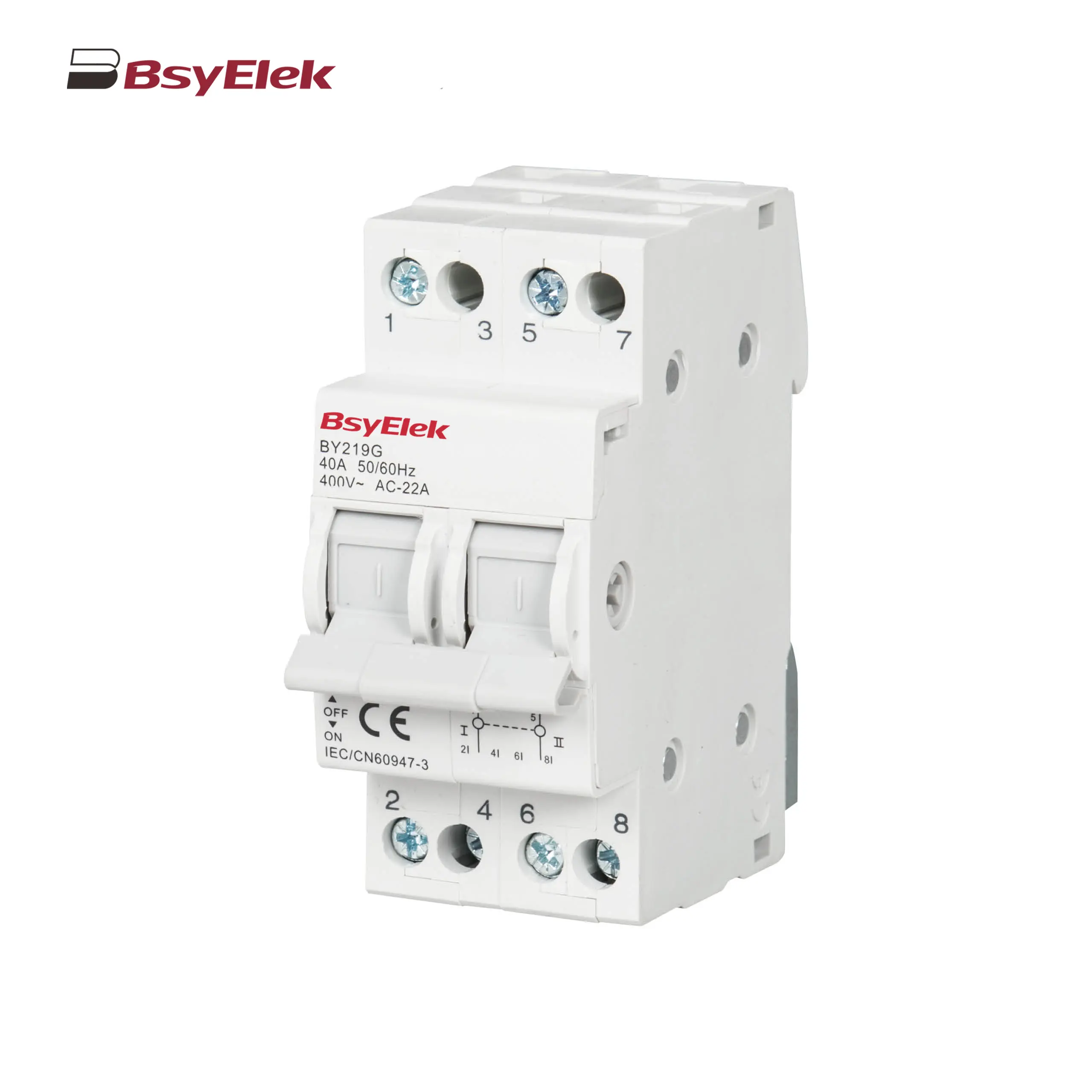 BY19G 63A Manual Changeover Switch
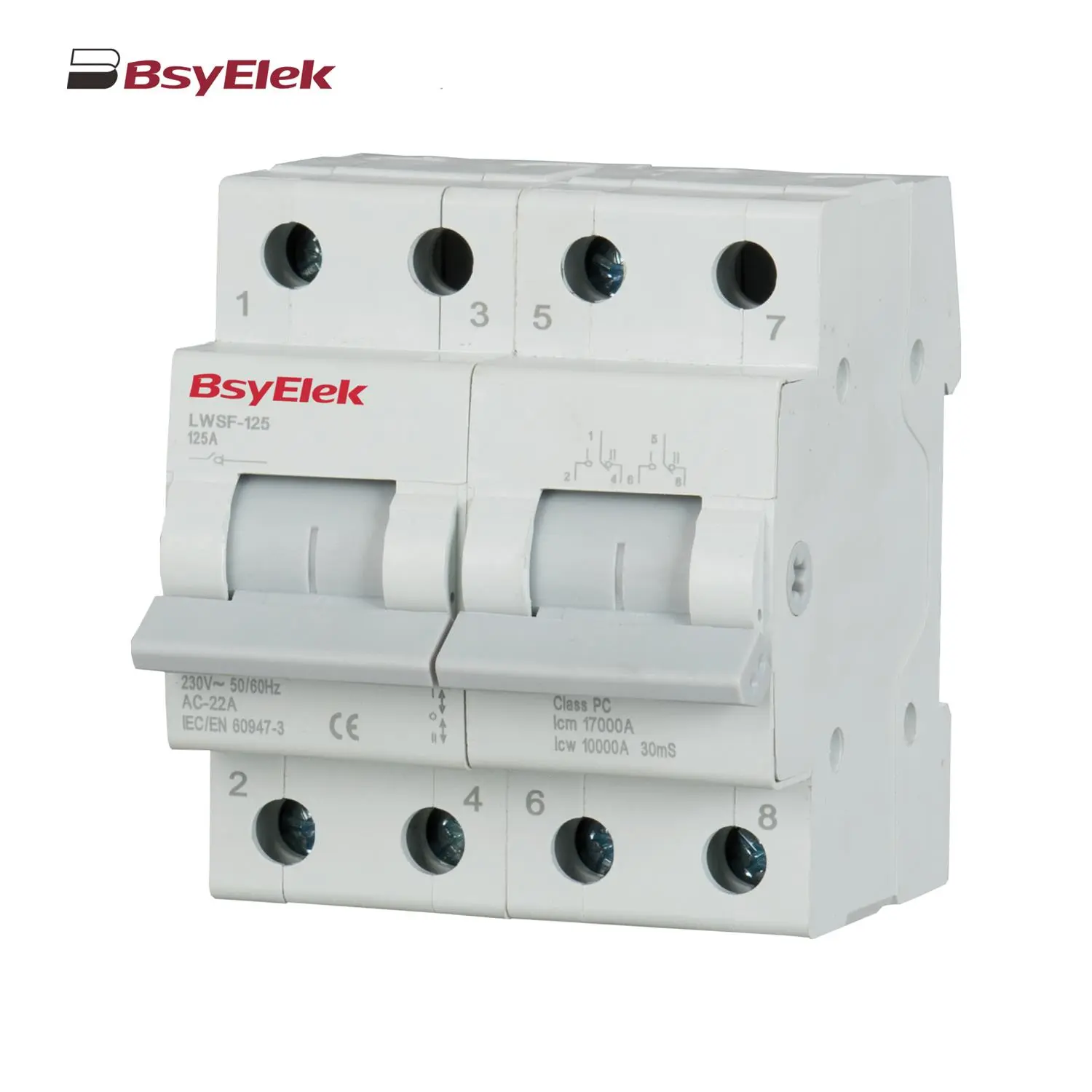 LWSF-125 125A Manual Changeover Switch
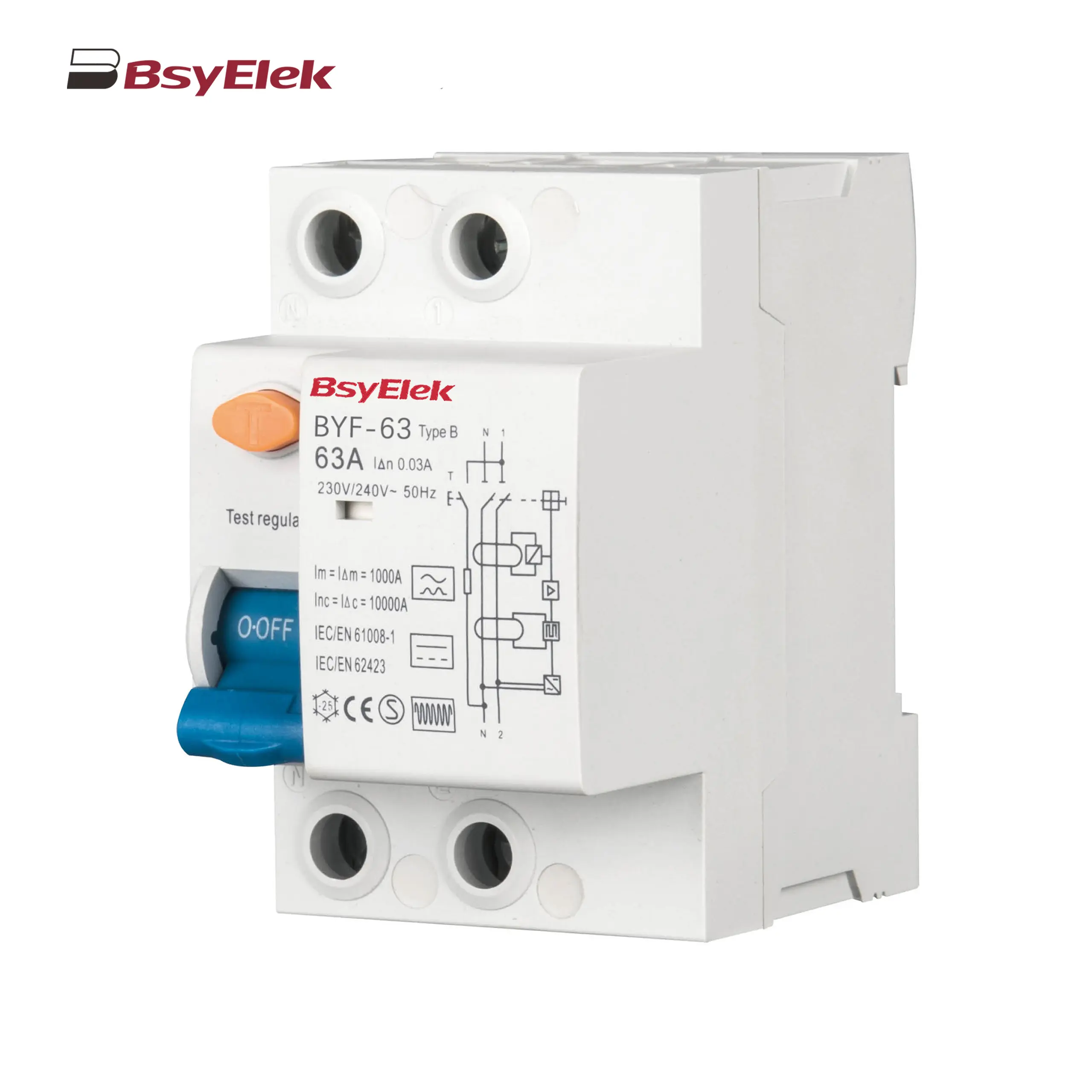 BYF-63 RCD 10KA Type B AC+A+Smoothing DC Residual Current Device
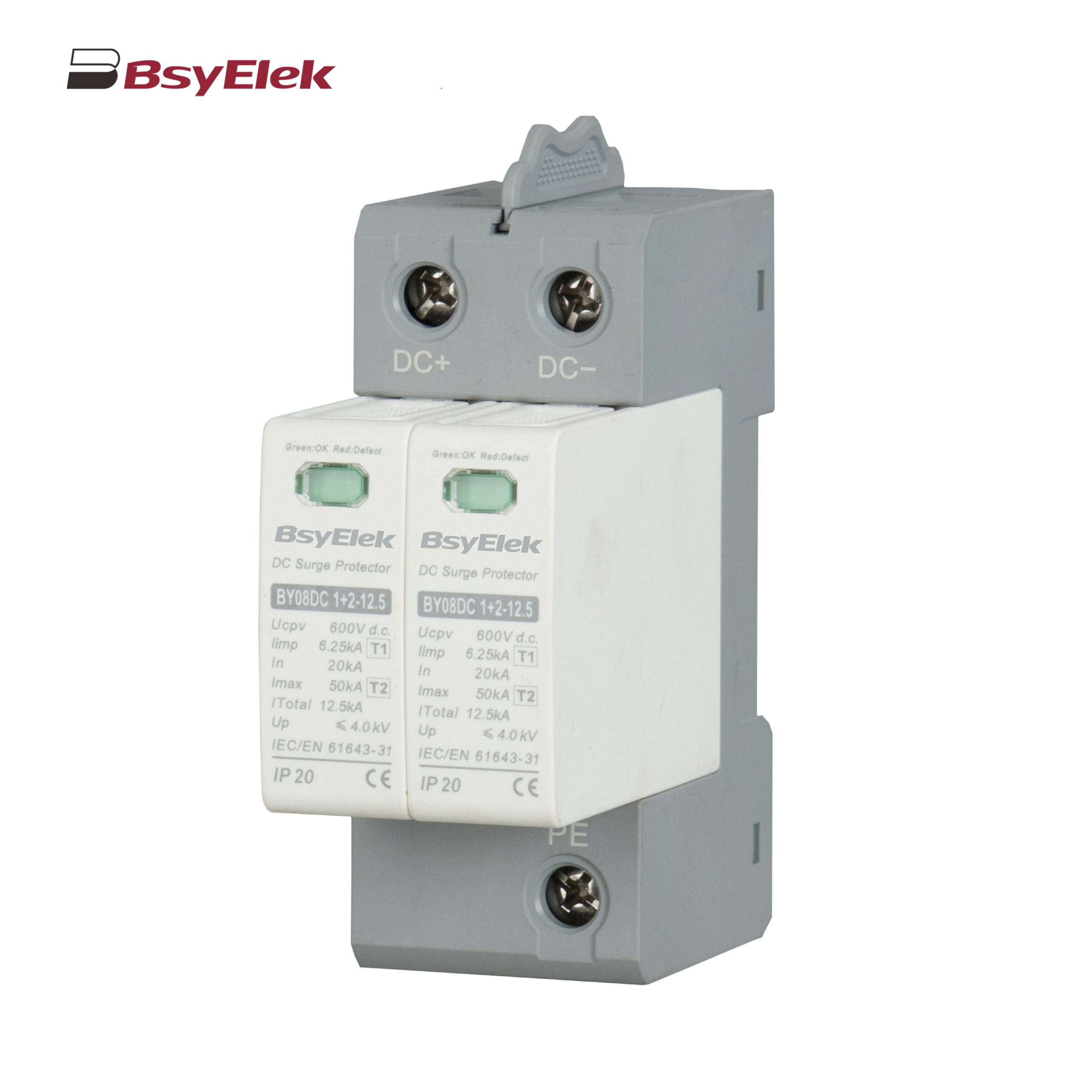 BY08DC 1+2-12.5 SPD Class T1+T2 40KA DC Surge Protective Device
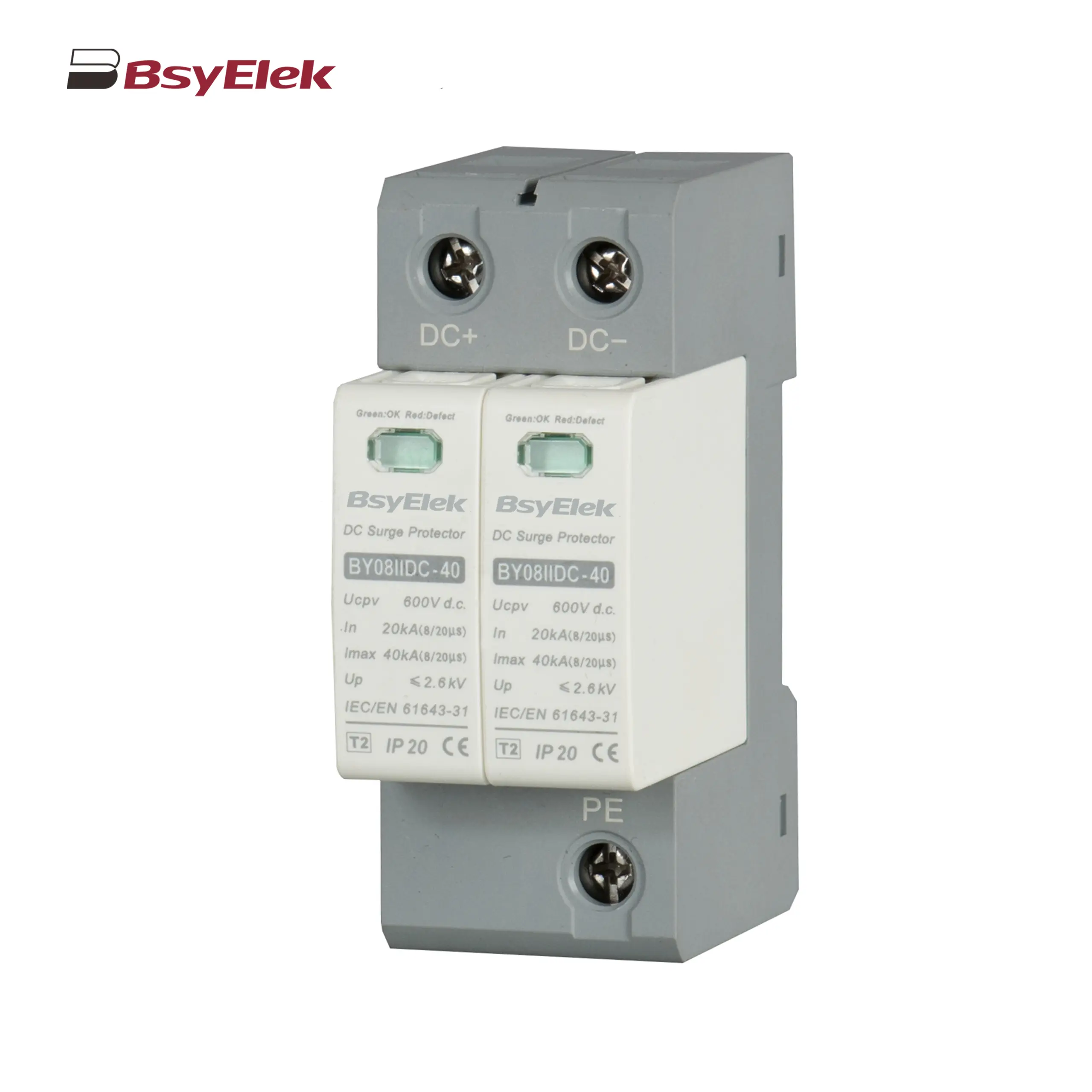 BY08IIDC-40 SPD Class T2 40KA DC Surge Protective Device
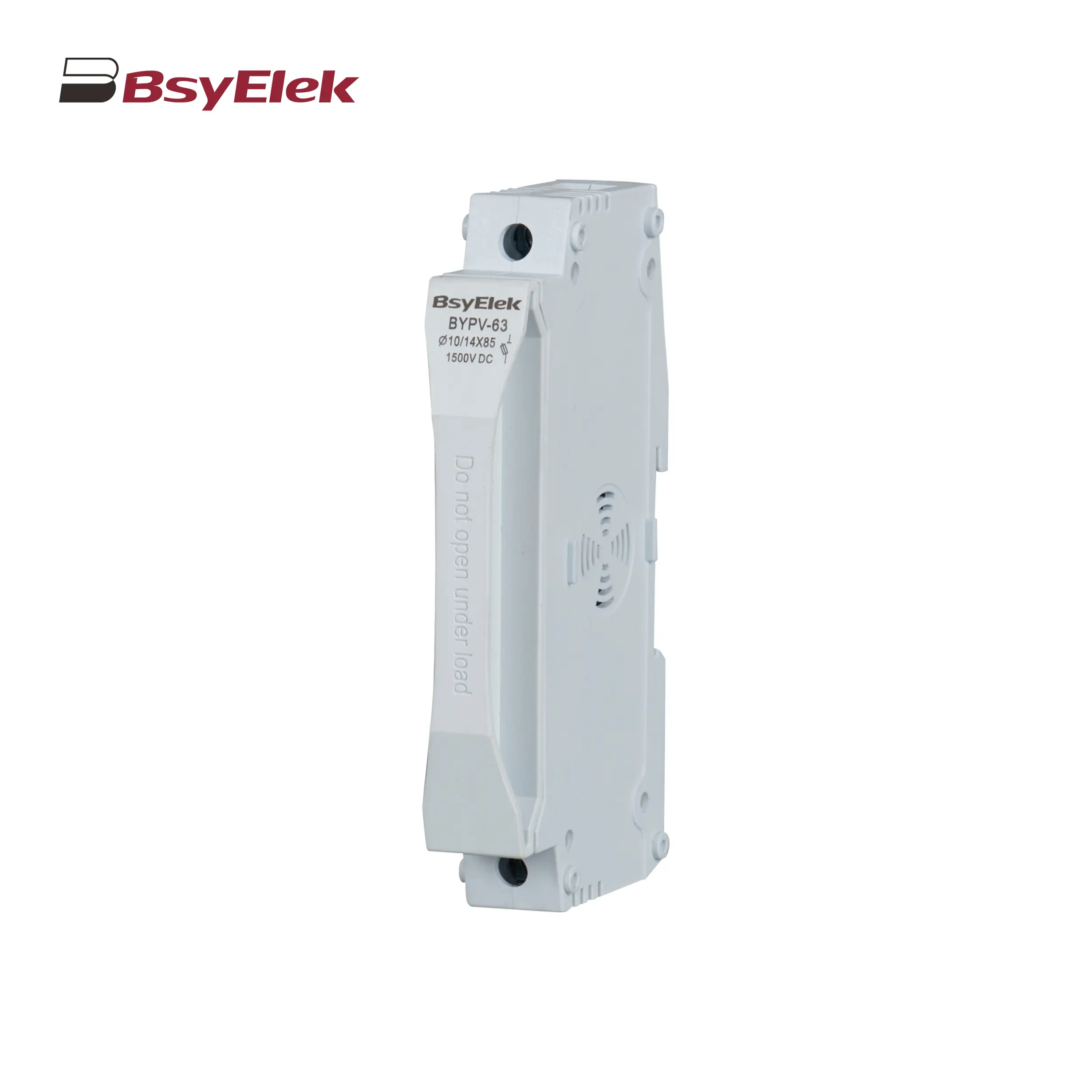 BYPV-63 1500VDC 50A Fuse Holder with 10x85mm 14x85mm Fuse Link
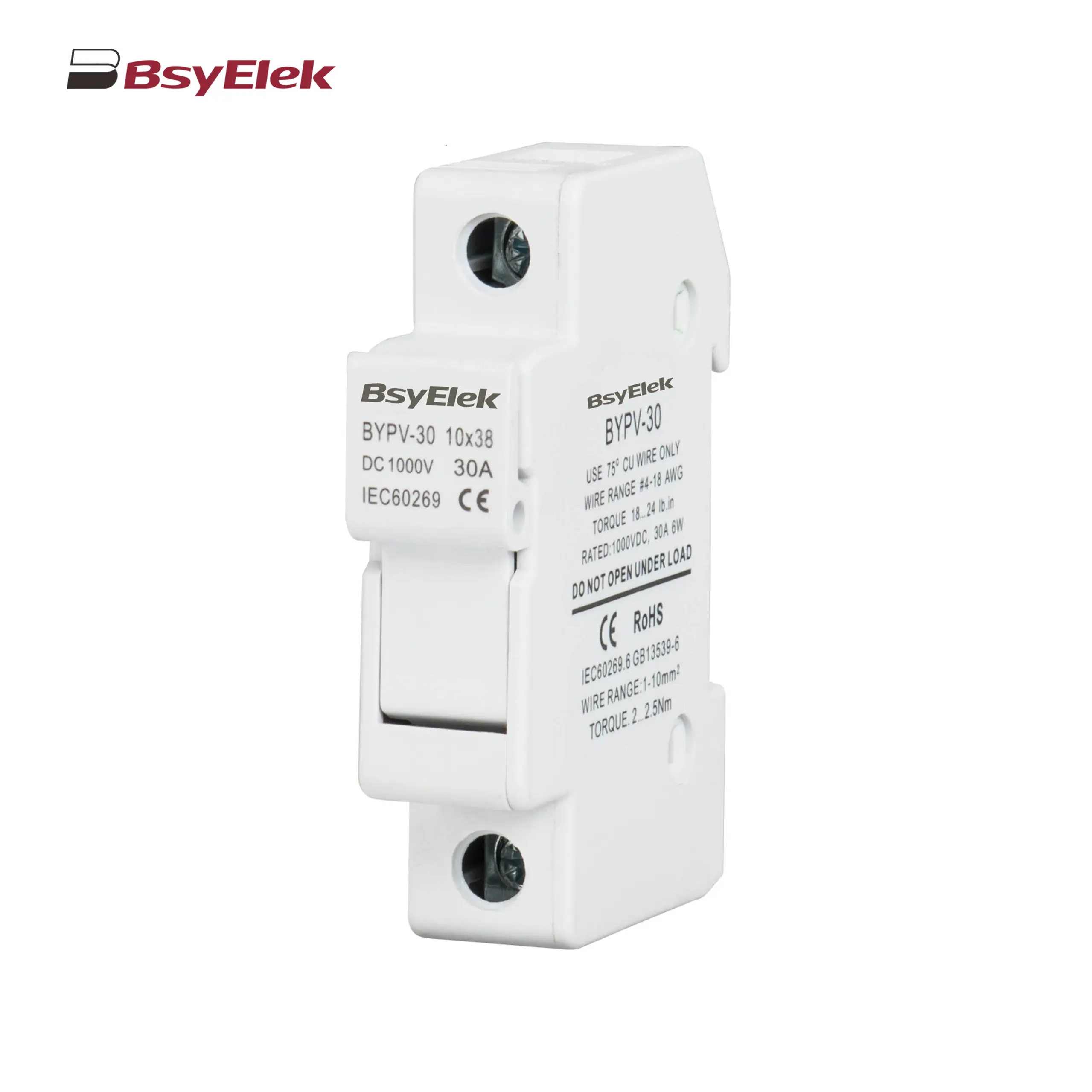 BYPV-30 1000VDC 32A Fuse Holder with 10x38mm Fuse Link
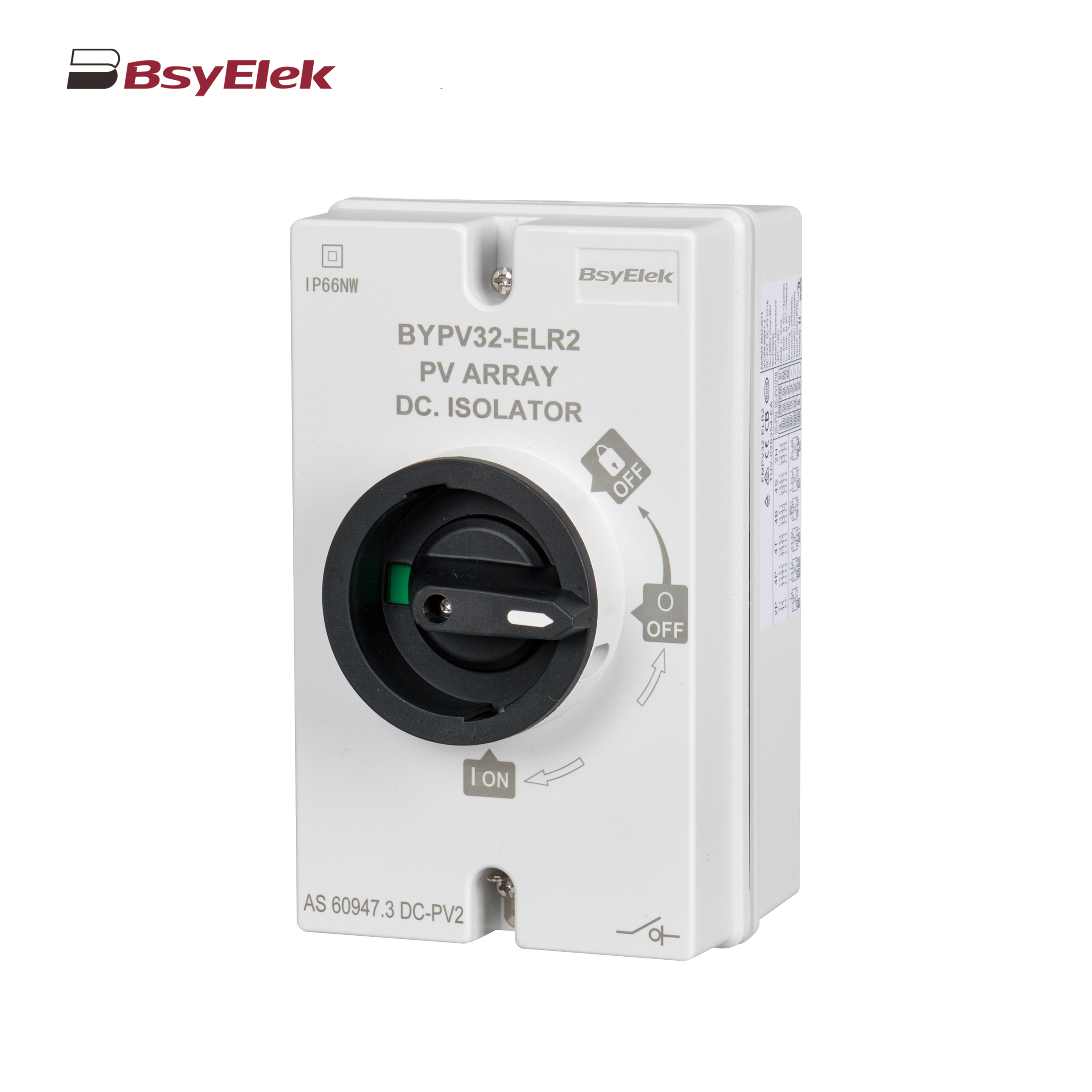 BYPV-ELR2 PV Isolator Switch with Enclosed Version
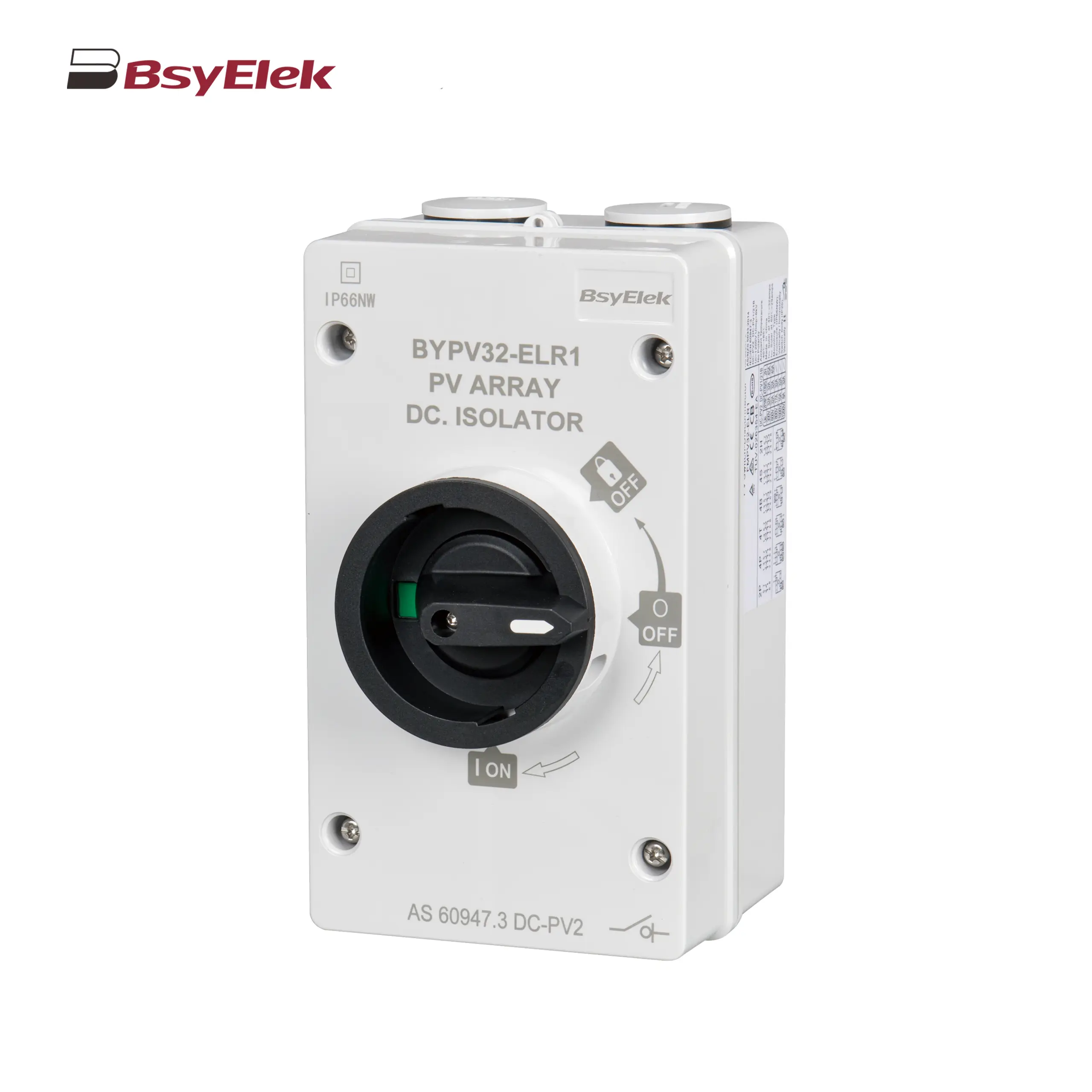 BYPV-ELR1 PV Isolator Switch with Enclosed Version
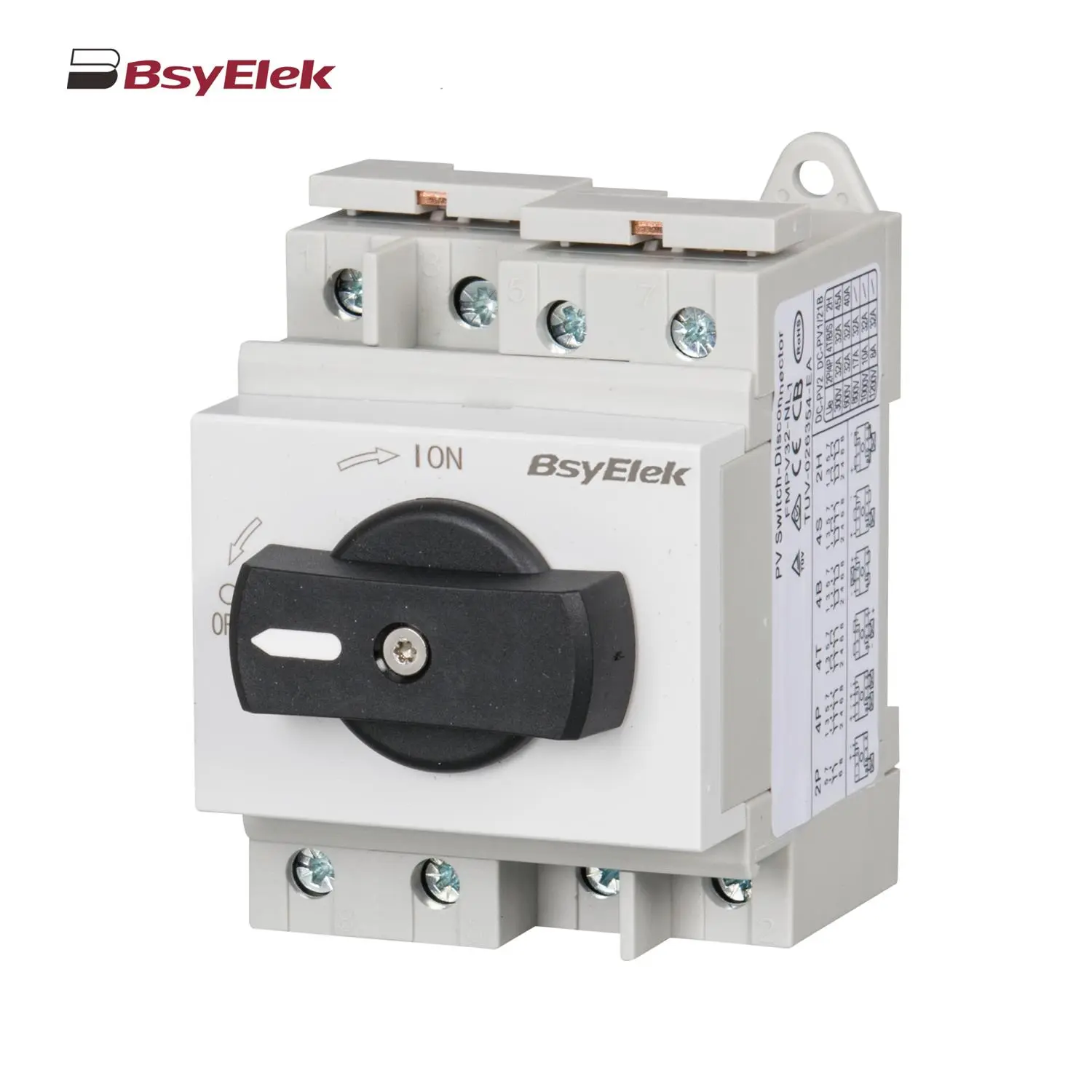 BYPV-NL1/T PV Isolator Switch with Ultra-thin Lever Handle
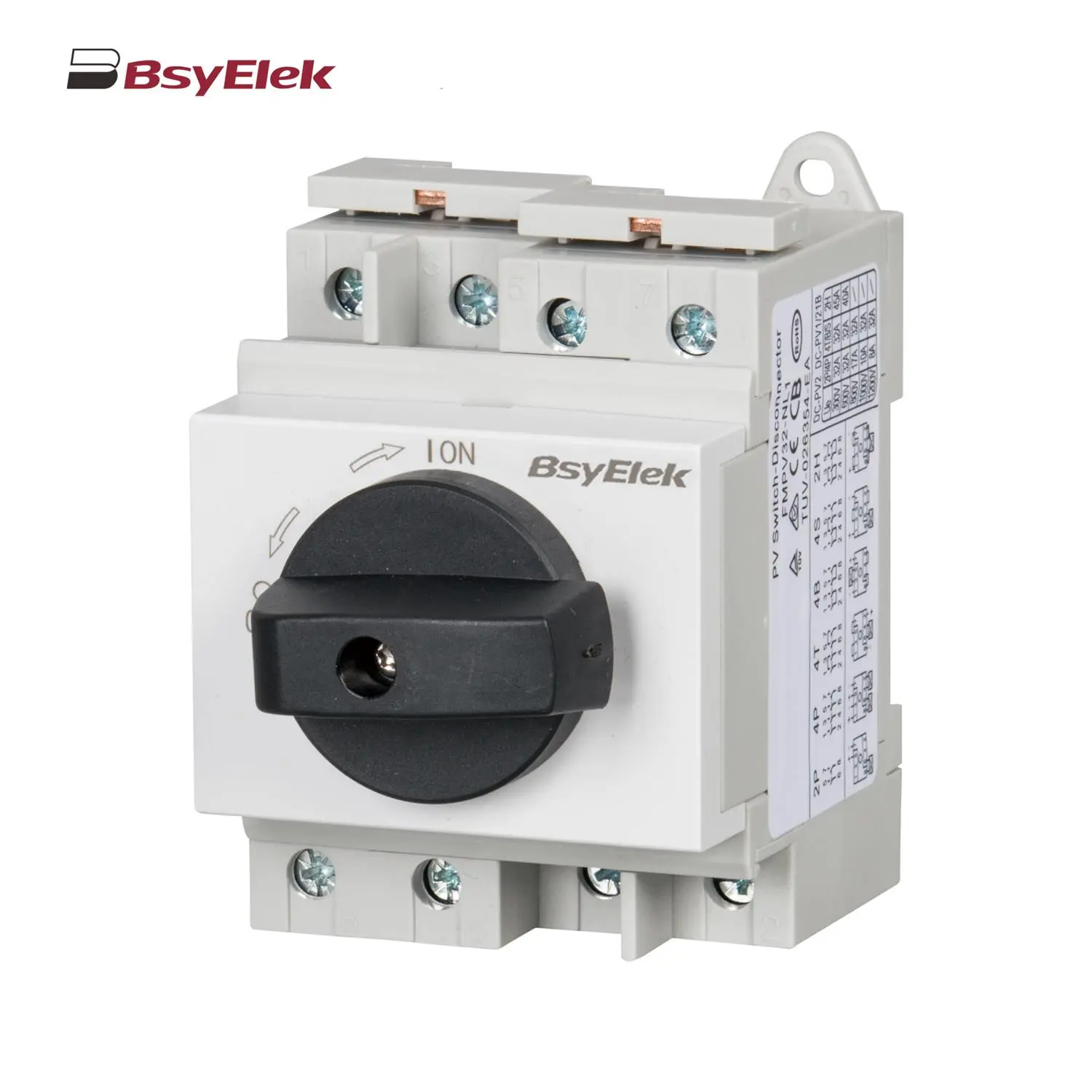 BYPV-NL1 PV Isolator Switch with Lever Handle
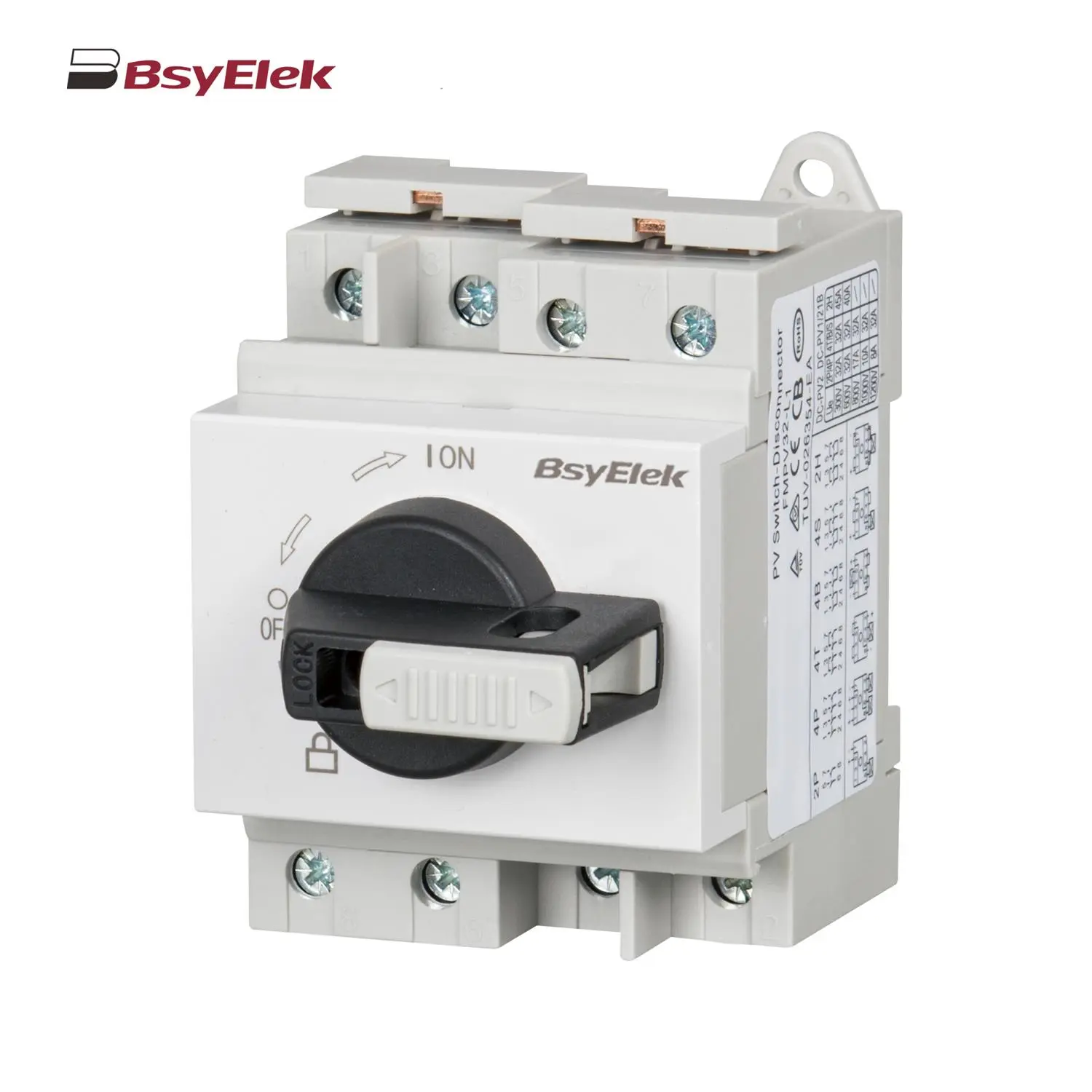 BYPV-L1/L2 PV Isolator Switch with Lockable Lever Handle
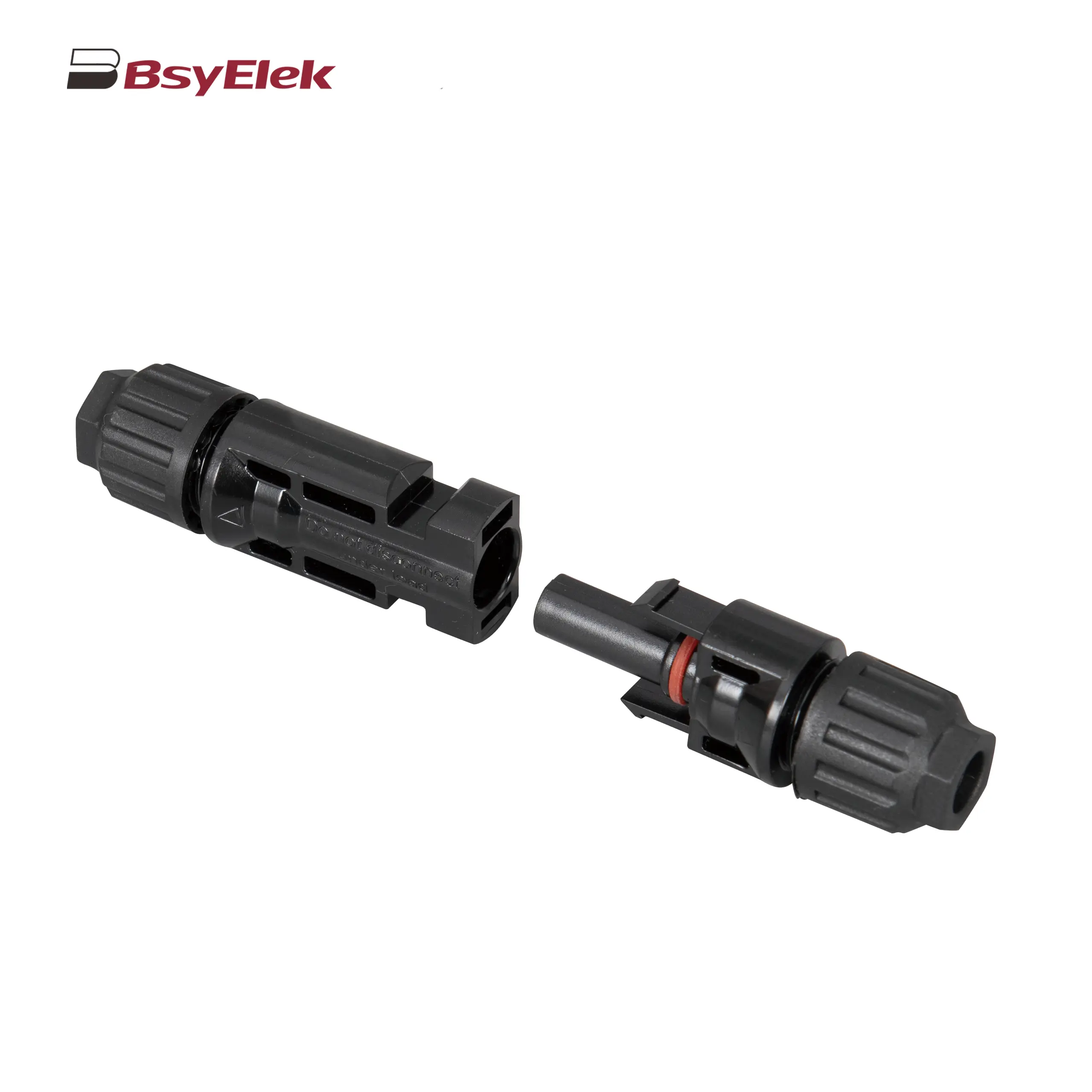 PV-BY-01 30A/50A 1000V Photovoltaic Connector
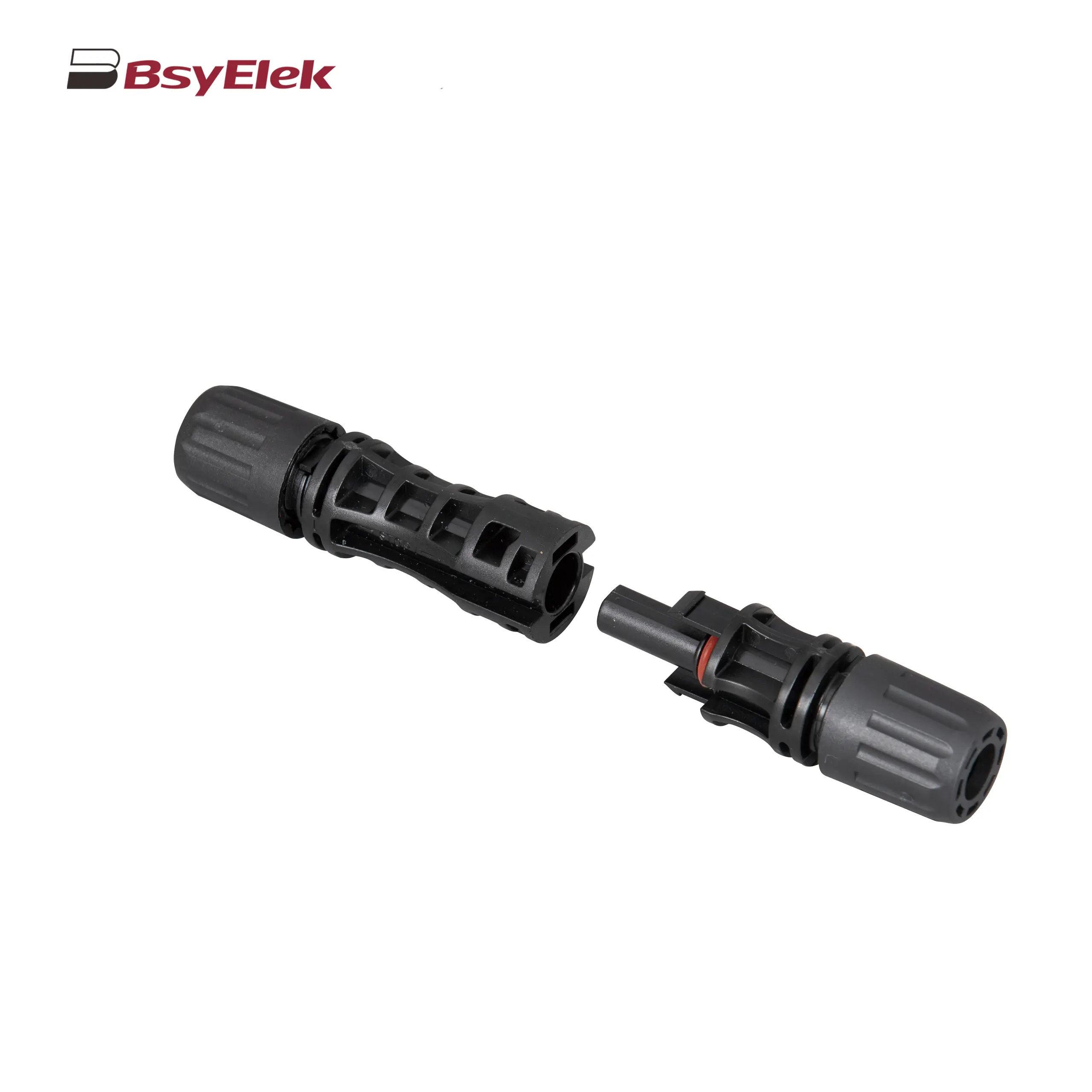 PV-BY-02 30A/50A 1500V Photovoltaic Connector
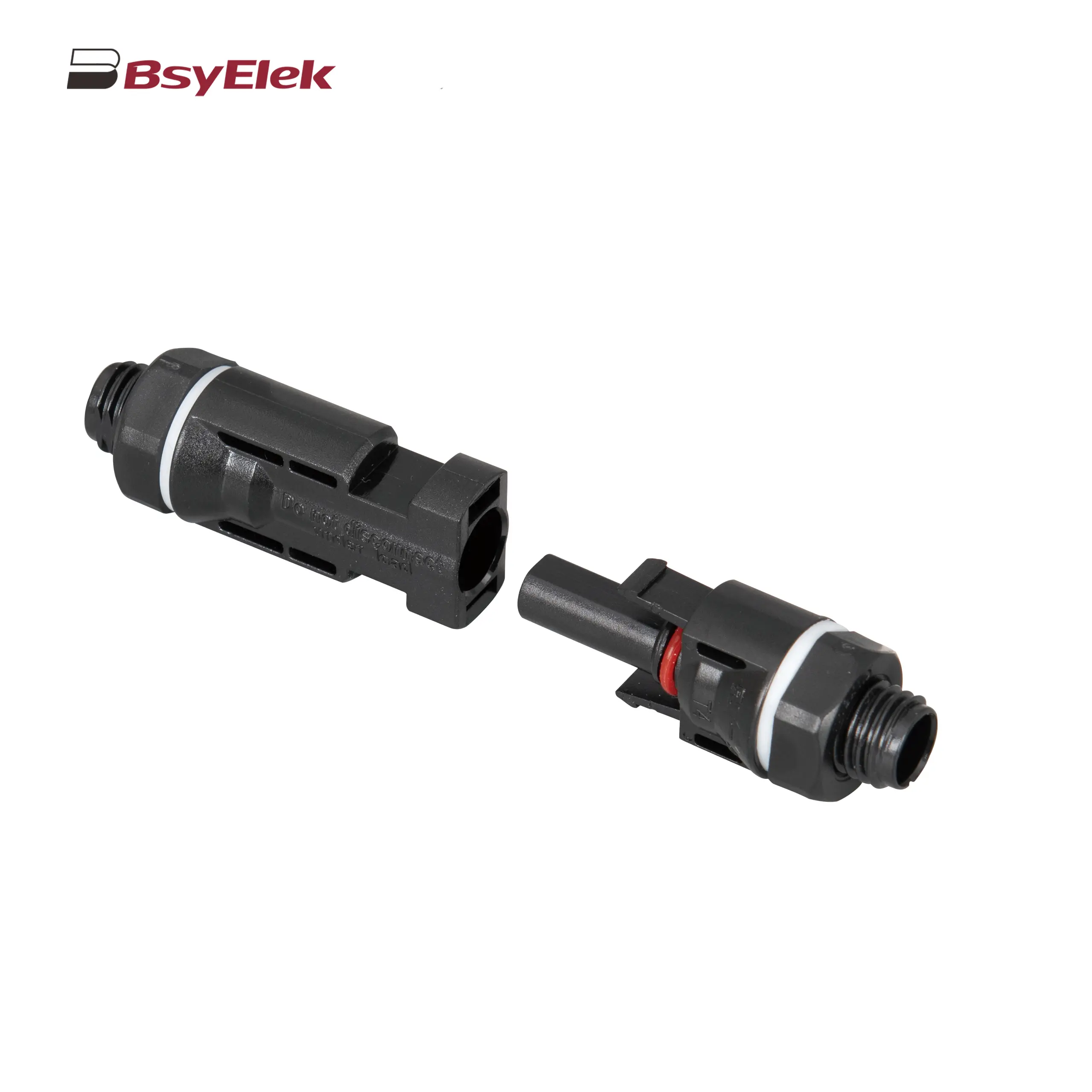 PV-BY-03 30A/50A 1000V Panel Mount Photovoltaic Connector
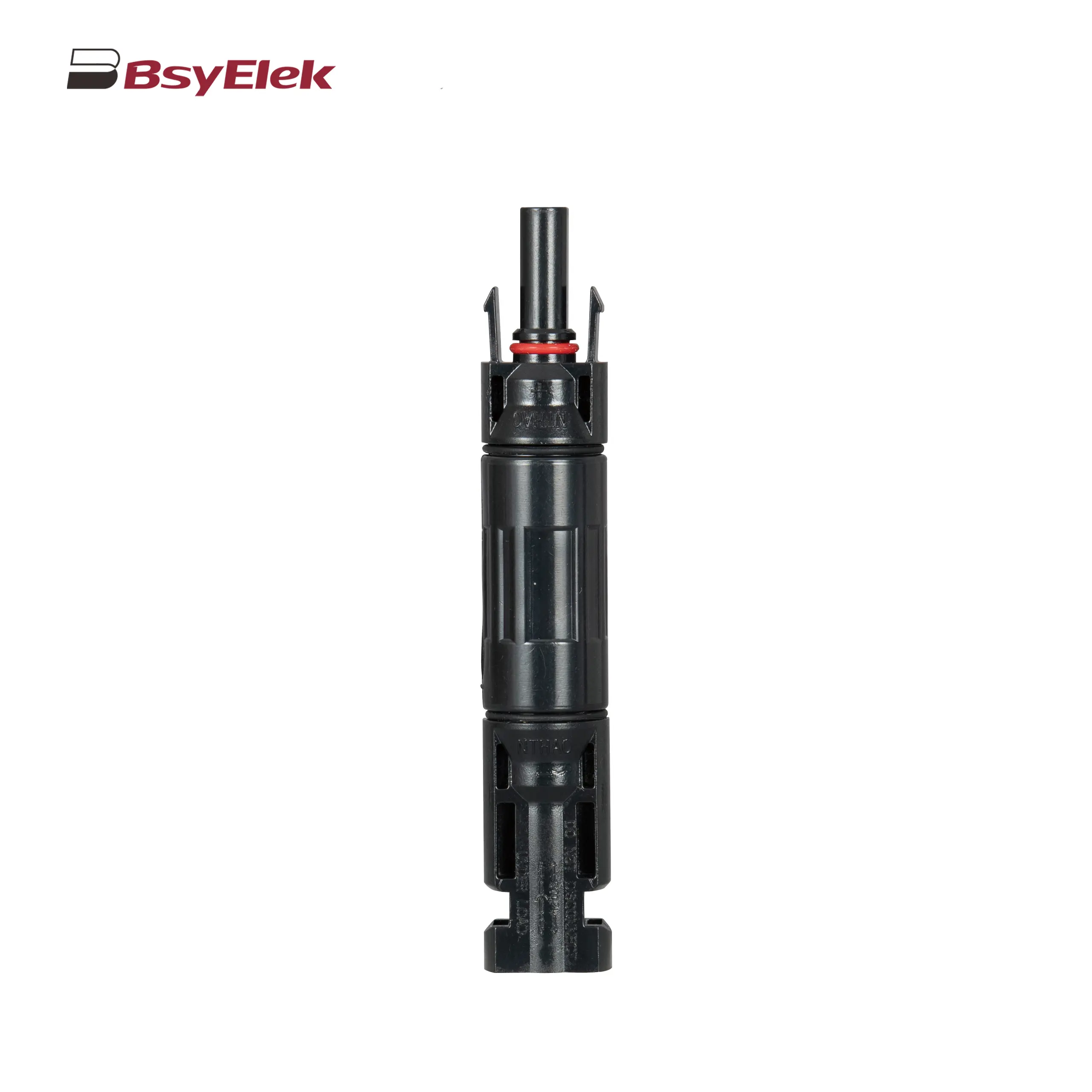 PV-BY-F01 30A 1500V Diode/Fuse Type Connector
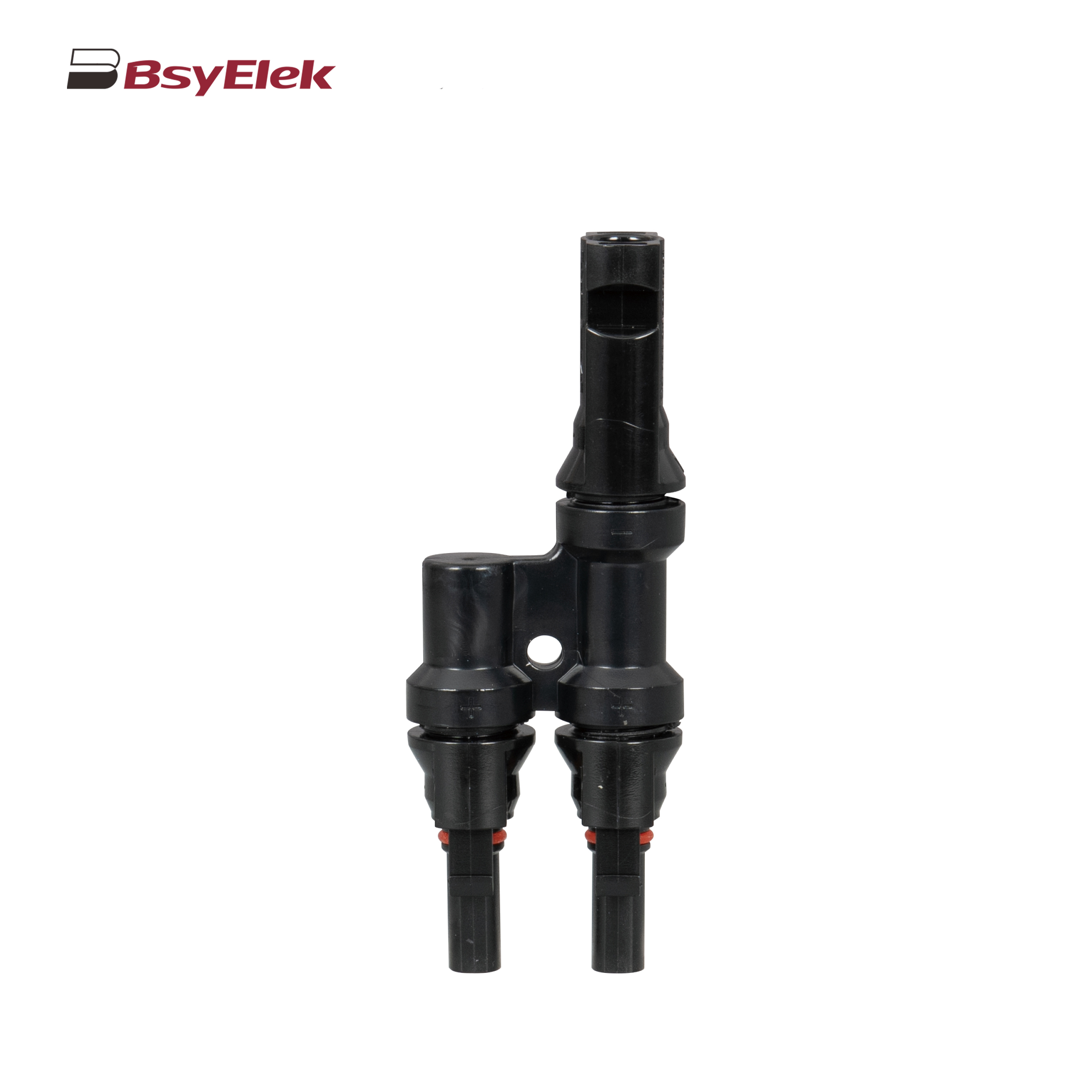 PV-BY-T 50A 1500V T Type Branch Connector
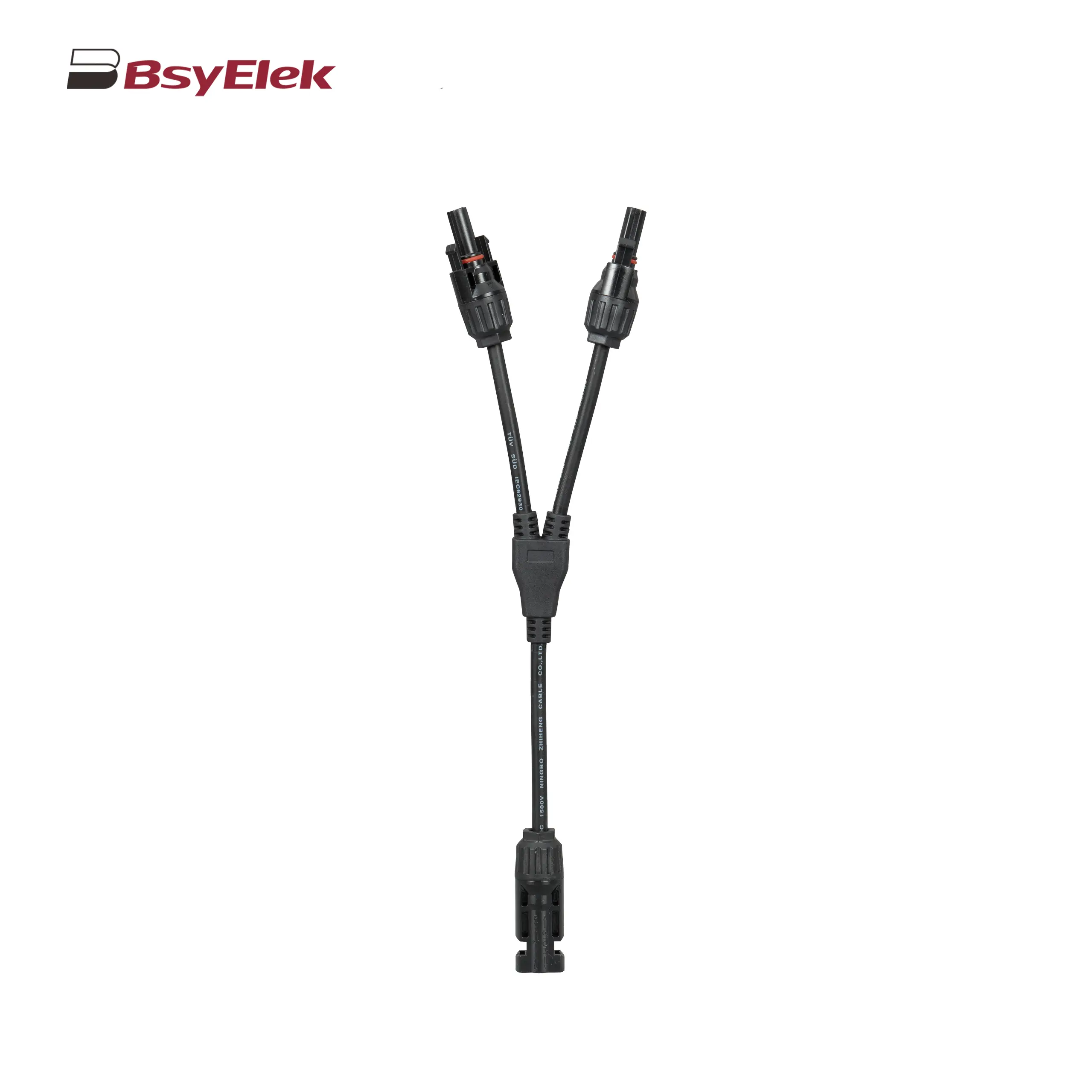 PV-BY-Y 30A 1500V Y Type Branch Connector
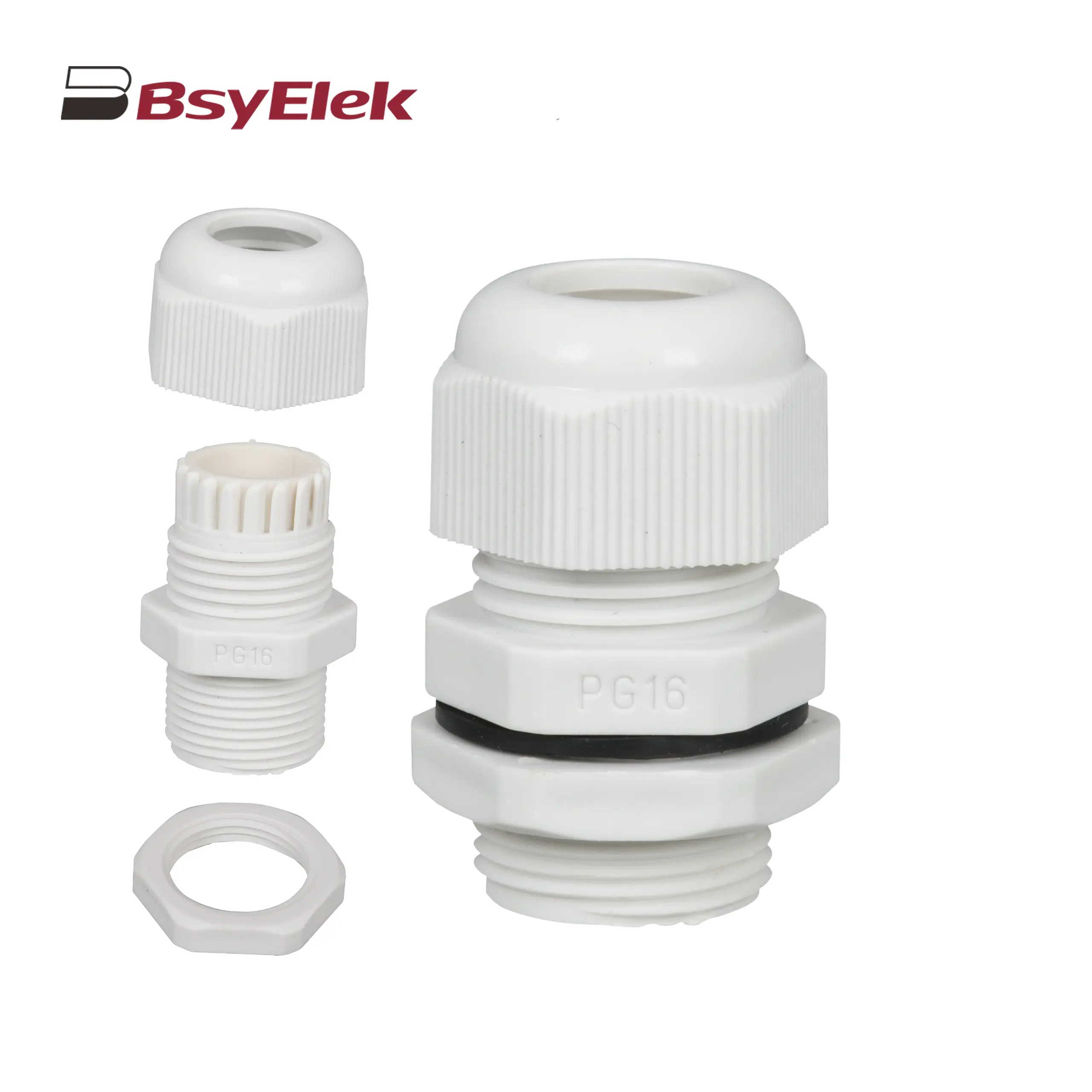 PG Waterproof Cable Gland with Washer
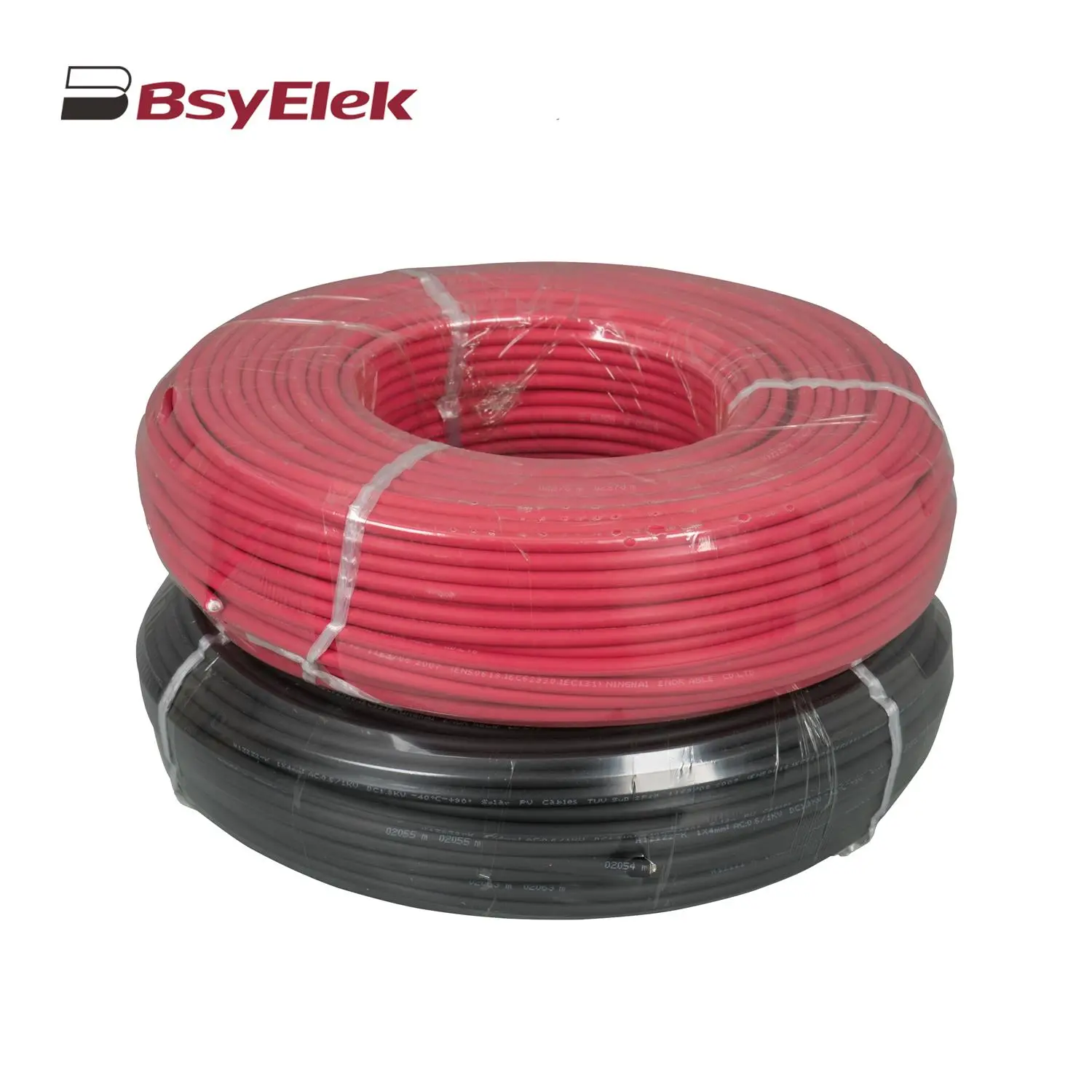 Photovoltaic Cable
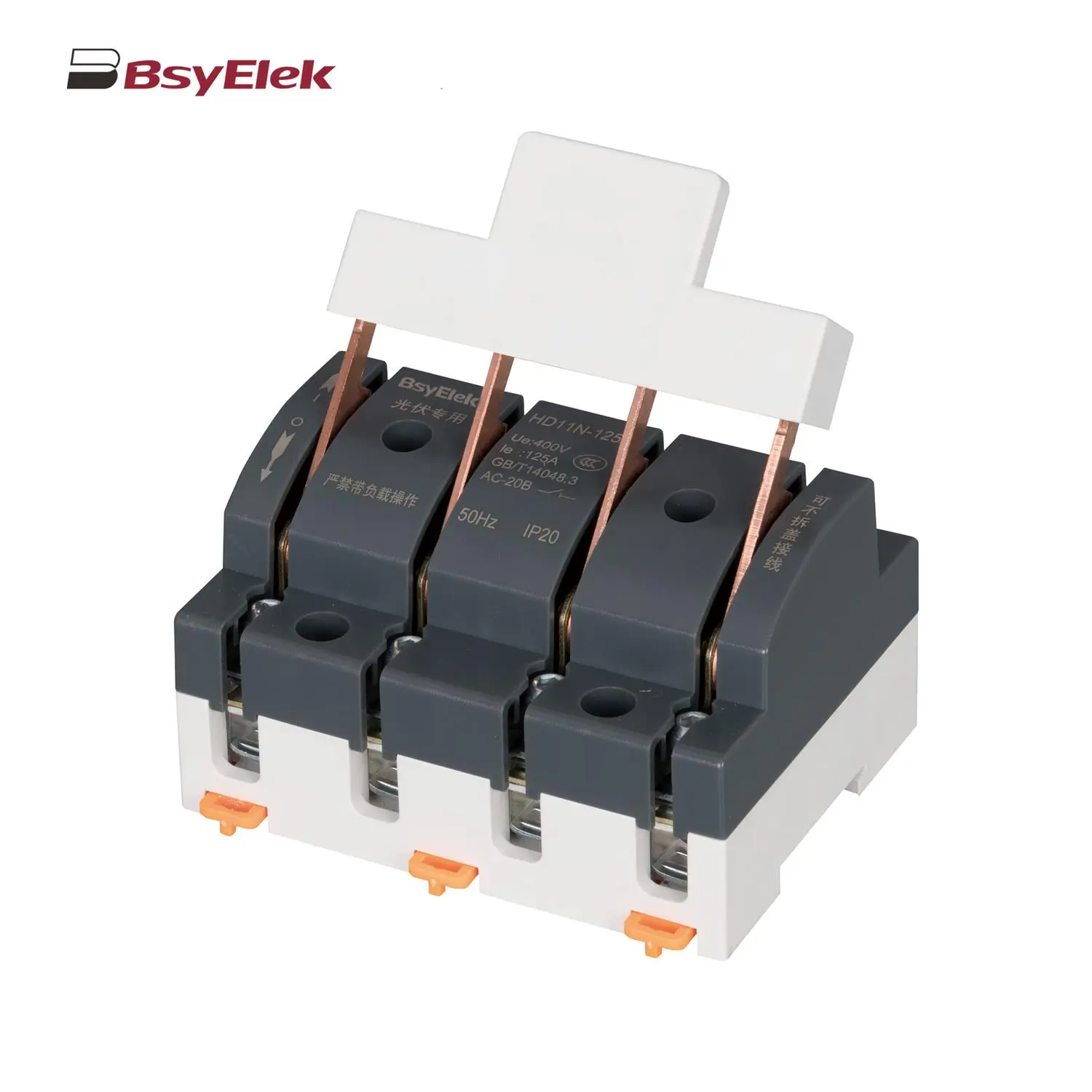 HD11N Photovoltaic Knife Switch
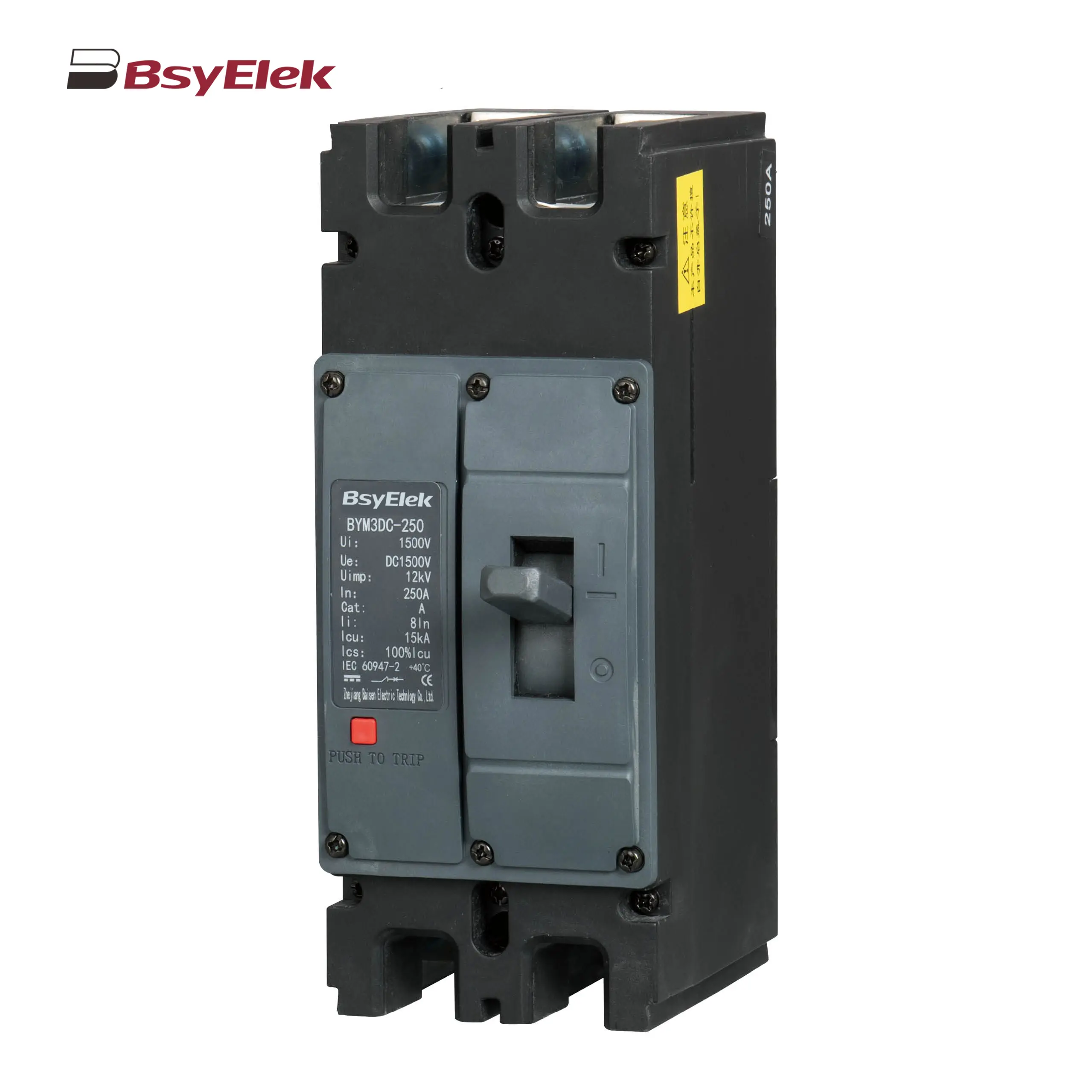 BYM3DC MCCB Photovoltaic DC Molded Case Circuit Breaker
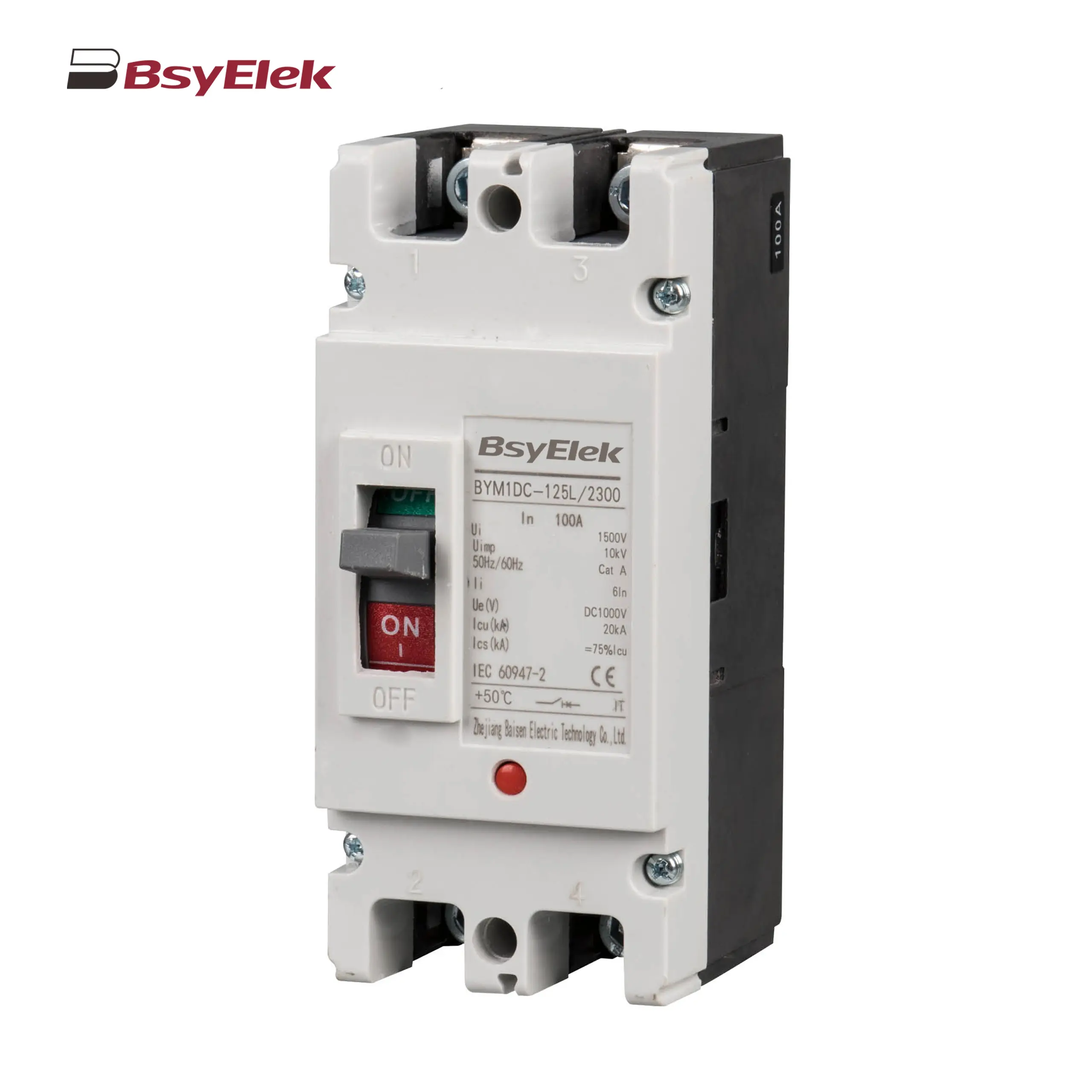 BYM1DC MCCB 1000VDC Thermal Magnetic Type DC Molded Case Circuit Breaker
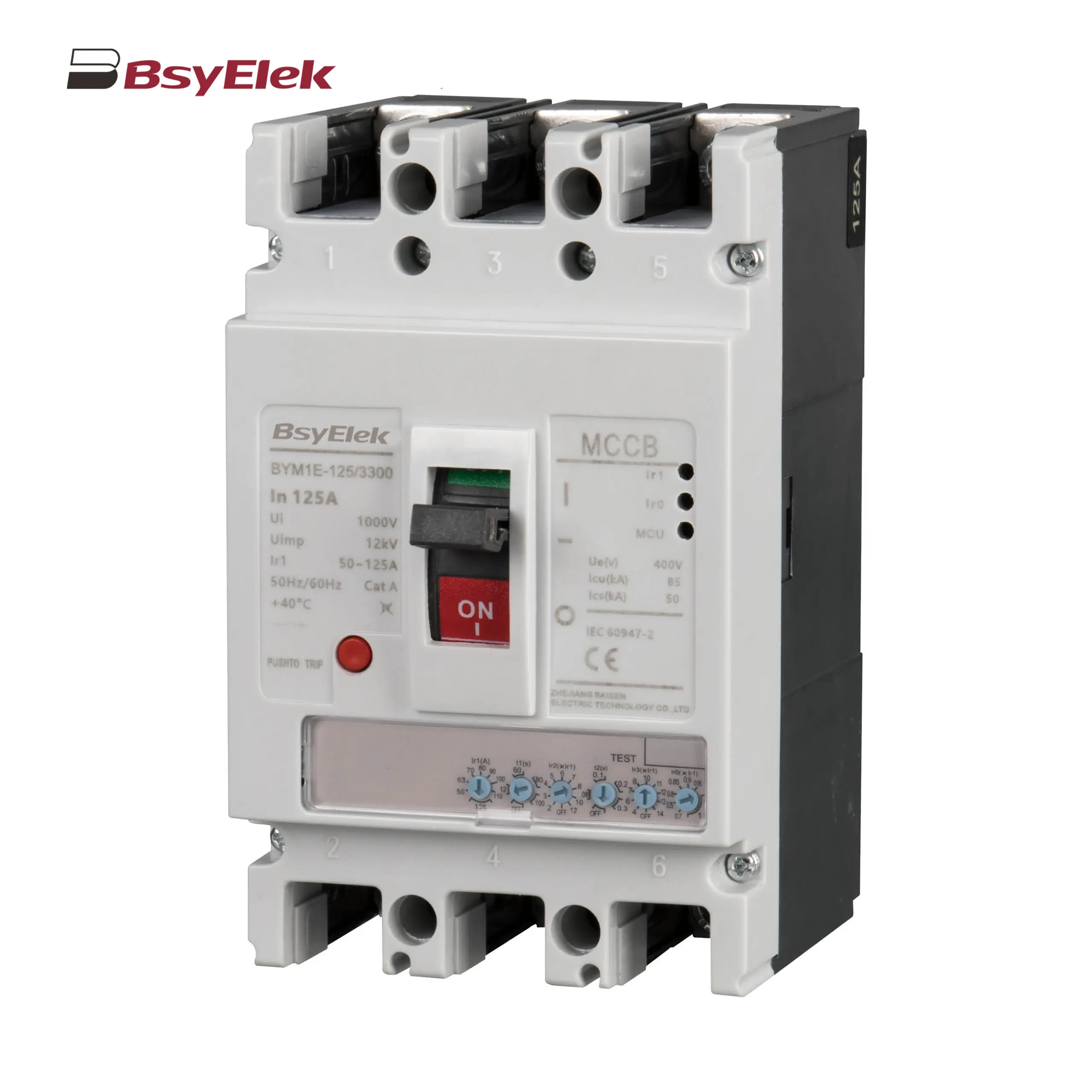 BYM1E MCCB Electronic Type Molded Case Circuit Breaker
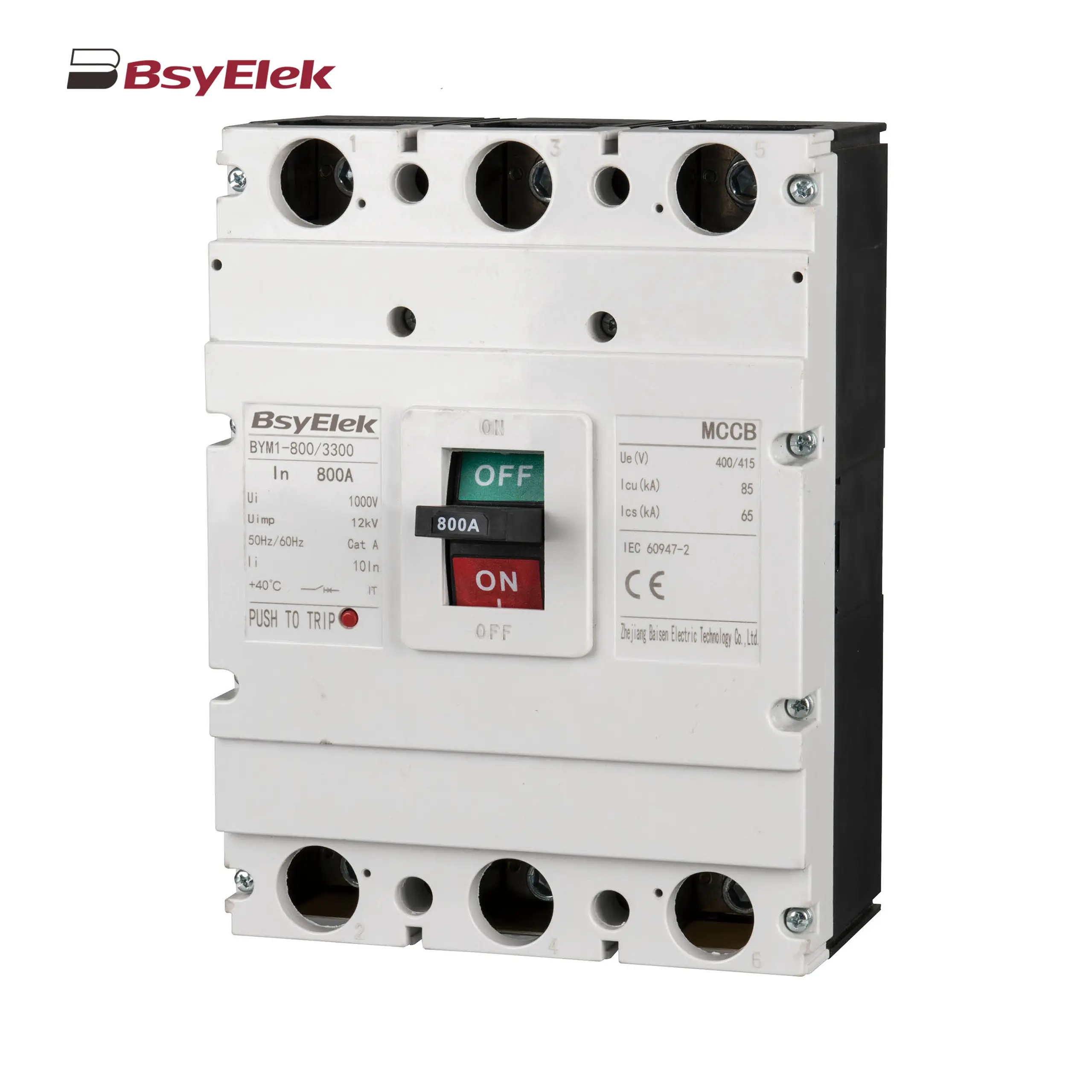 BYM1 MCCB Thermal Magnetic AC Molded Case Circuit Breaker
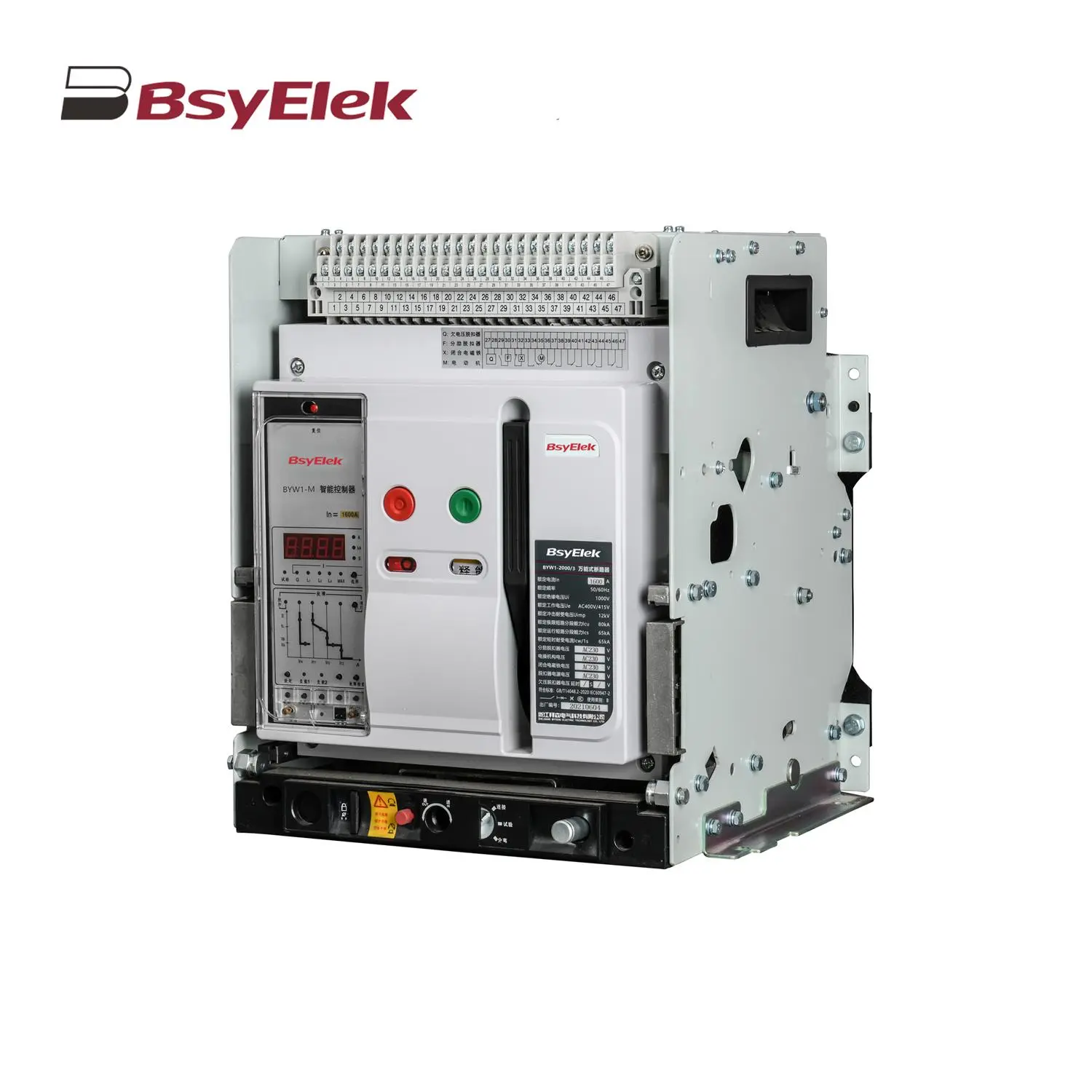 BYW1 ACB Intelligent Universal Air Circuit Breaker
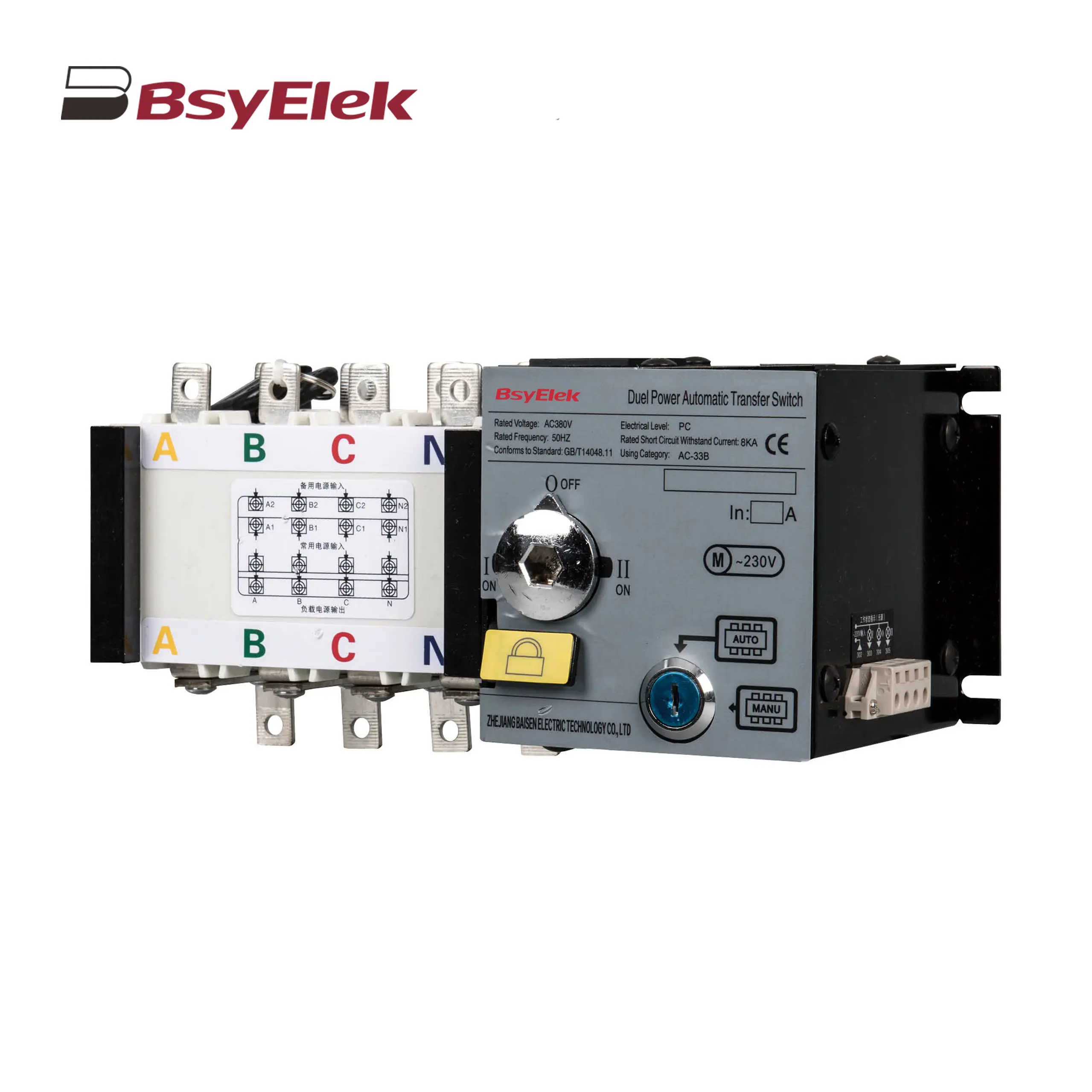 BYQ1 ATS Isolated Type PC Level Dual Power Automatic Transfer Switch
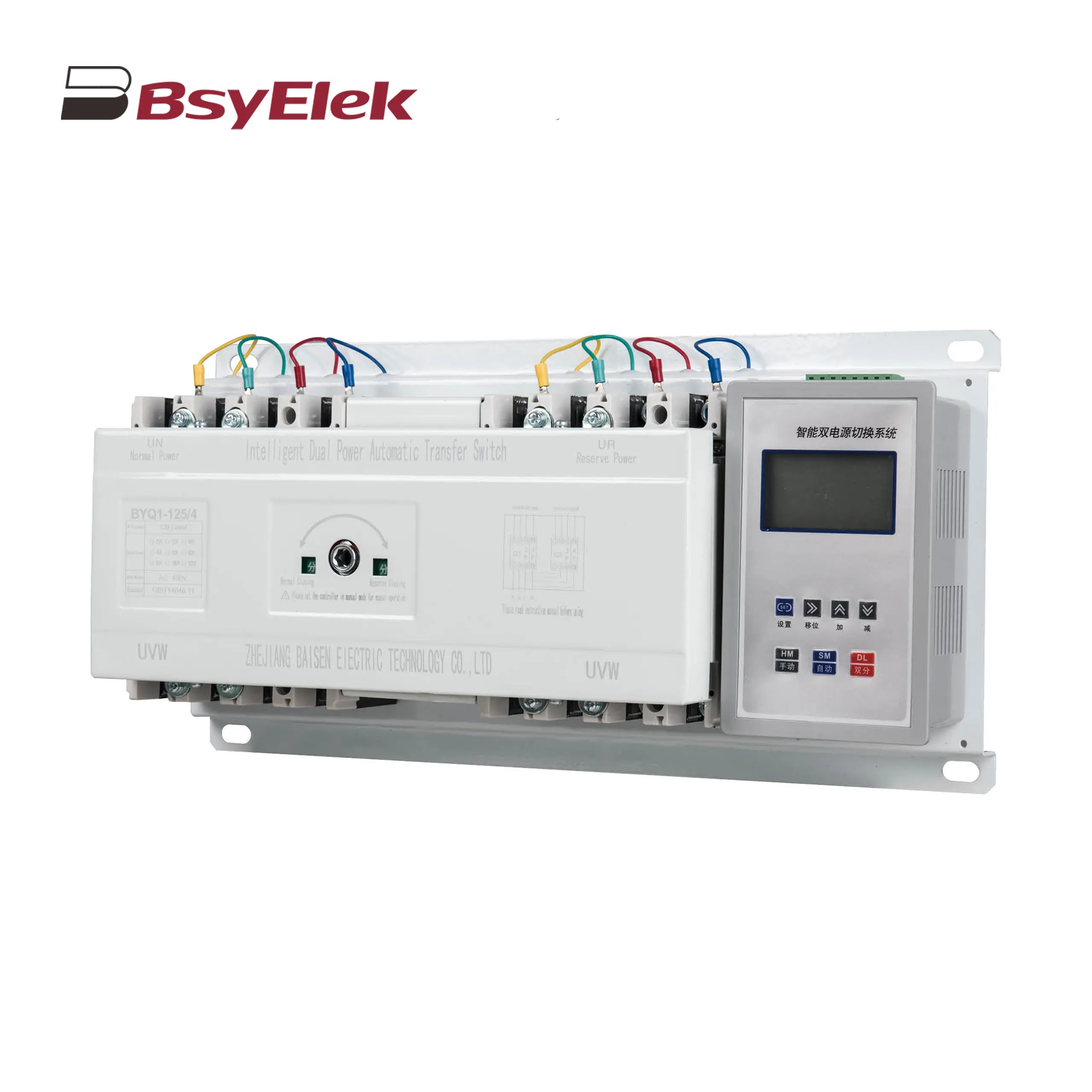 BYQ1 ATS Intelligent Type CB Level Dual Power Automatic Transfer Switch
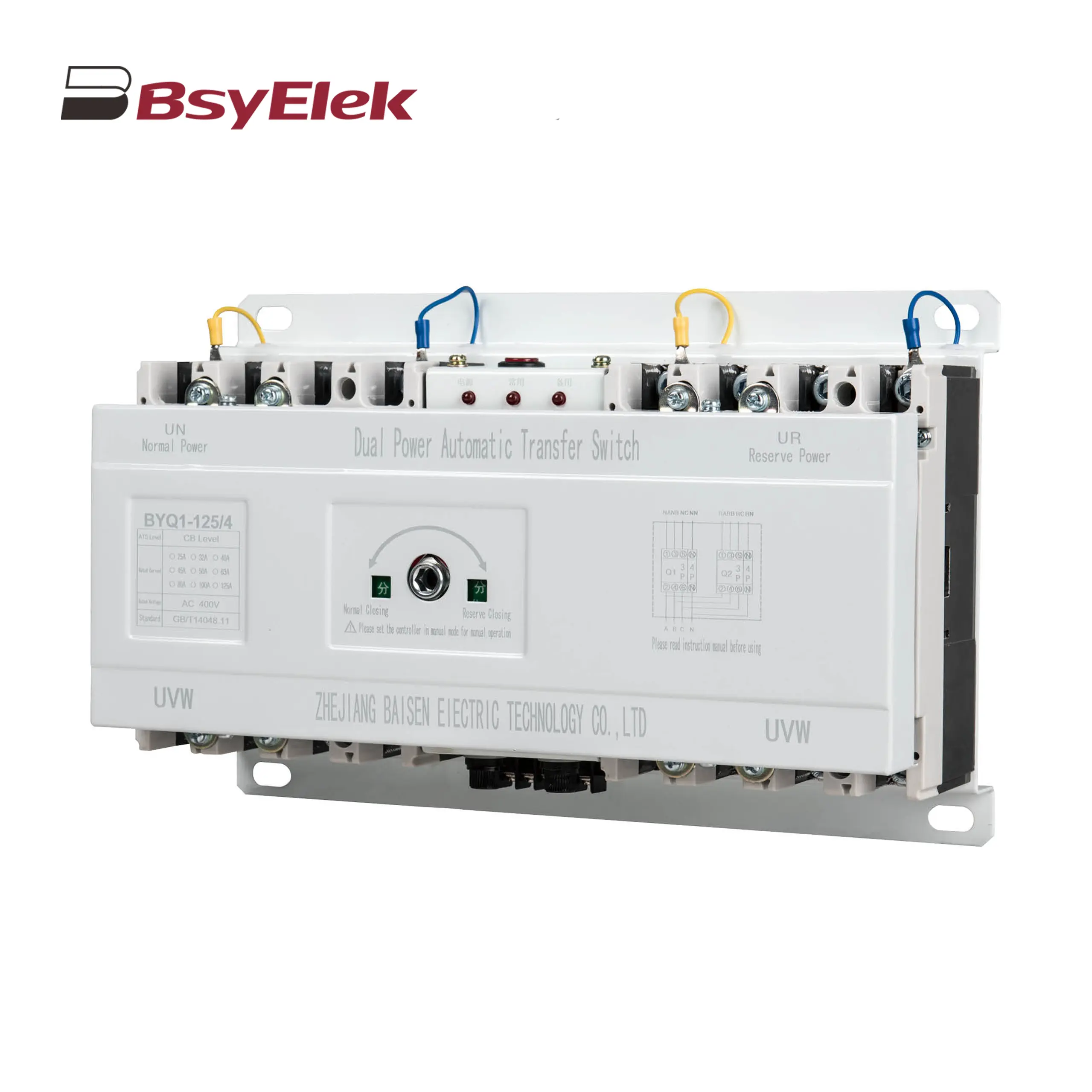 BYQ1 ATS End Type CB Level Dual Power Automatic Transfer Switch
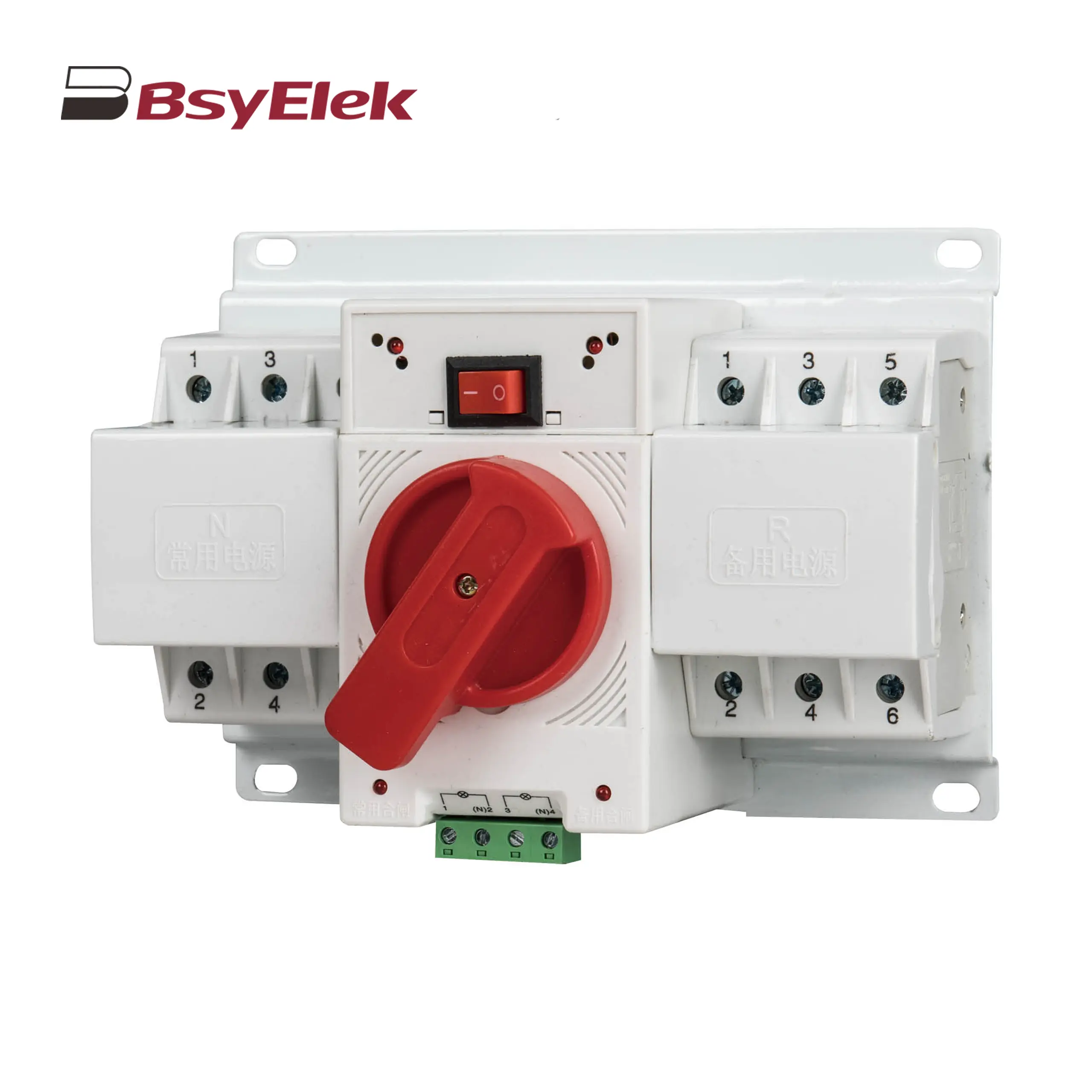 BYQ1 ATS Mini Type CB Level Dual Power Automatic Transfer Switch
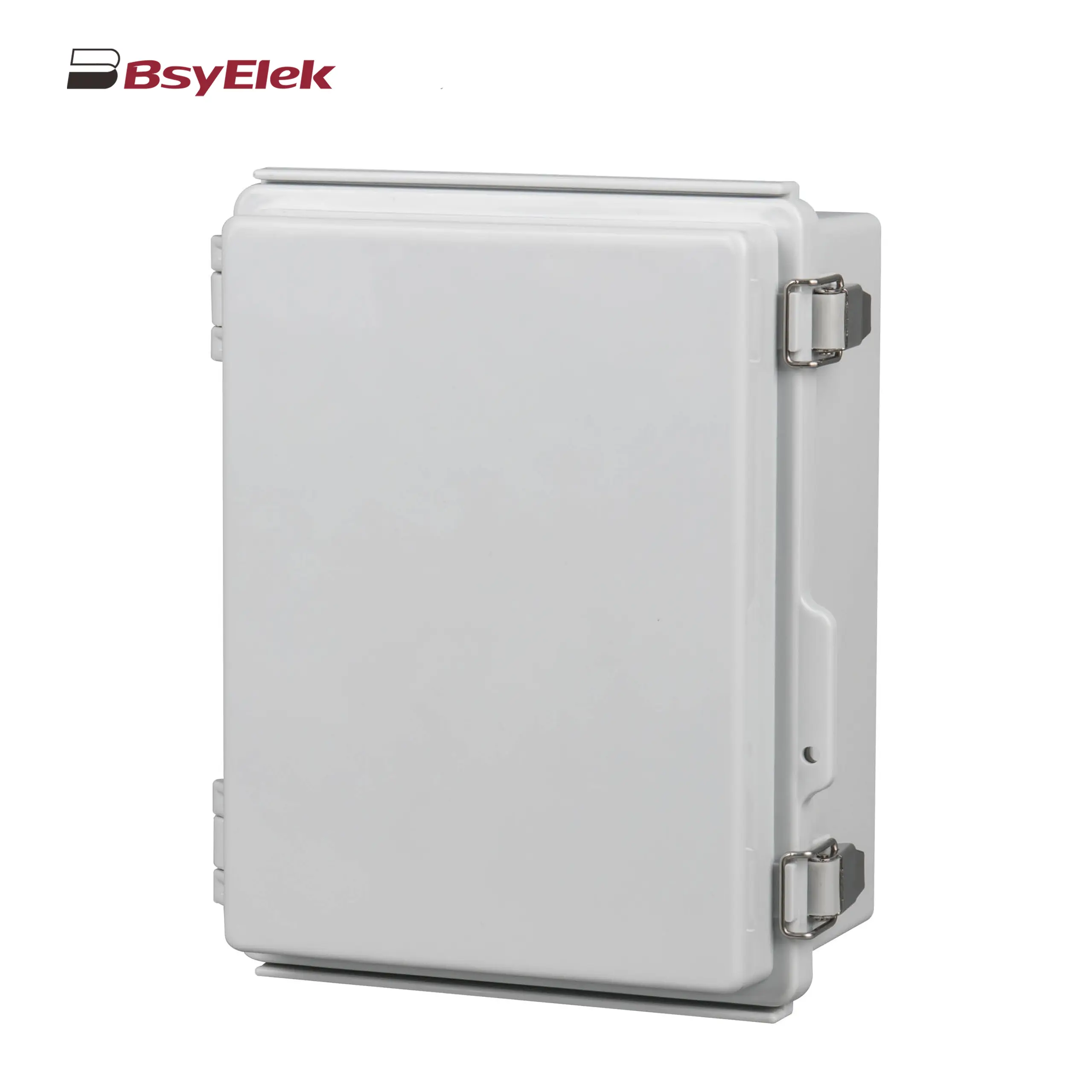 Stainless Steel Hinge Type Electrical Box
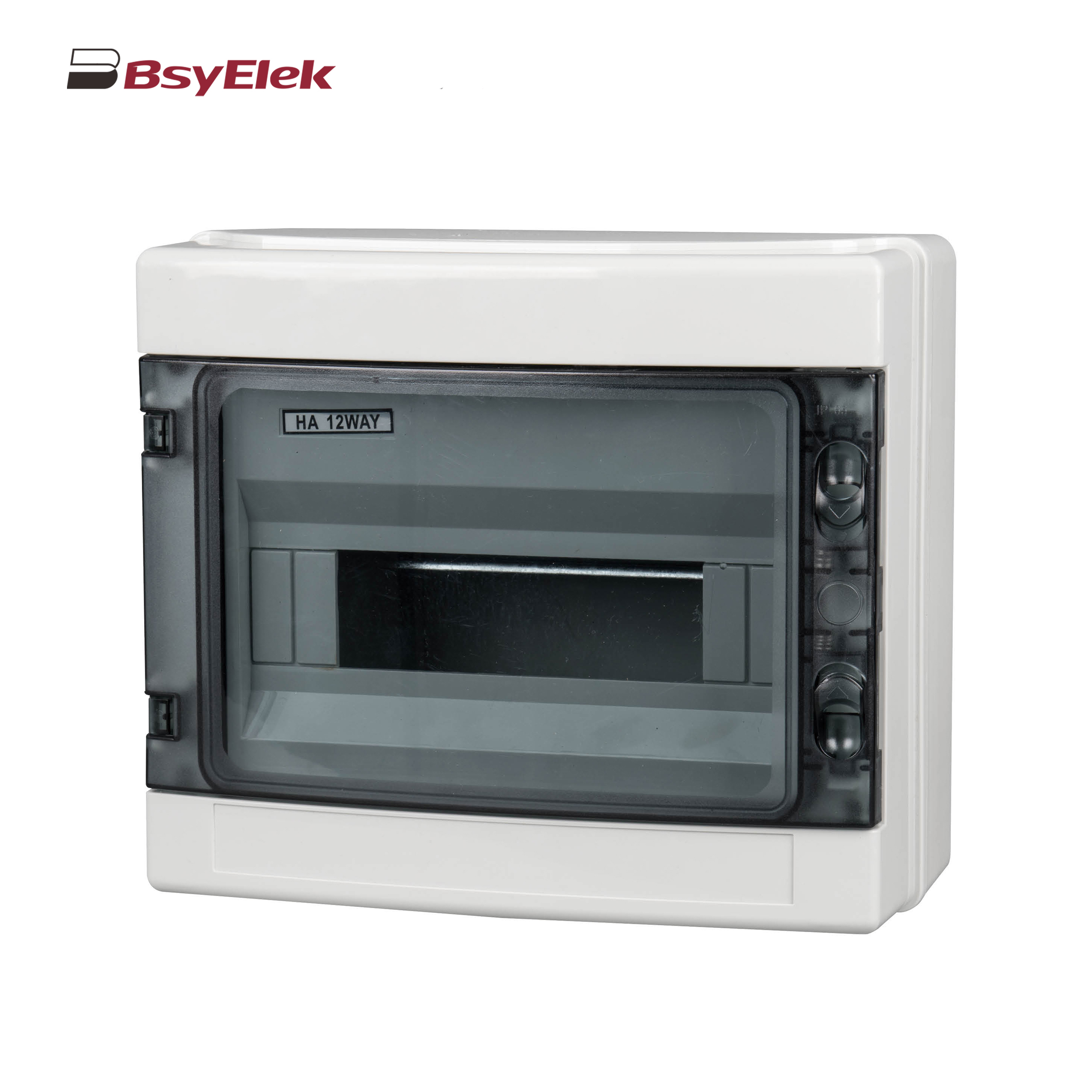 HA Waterproof Distribution Box
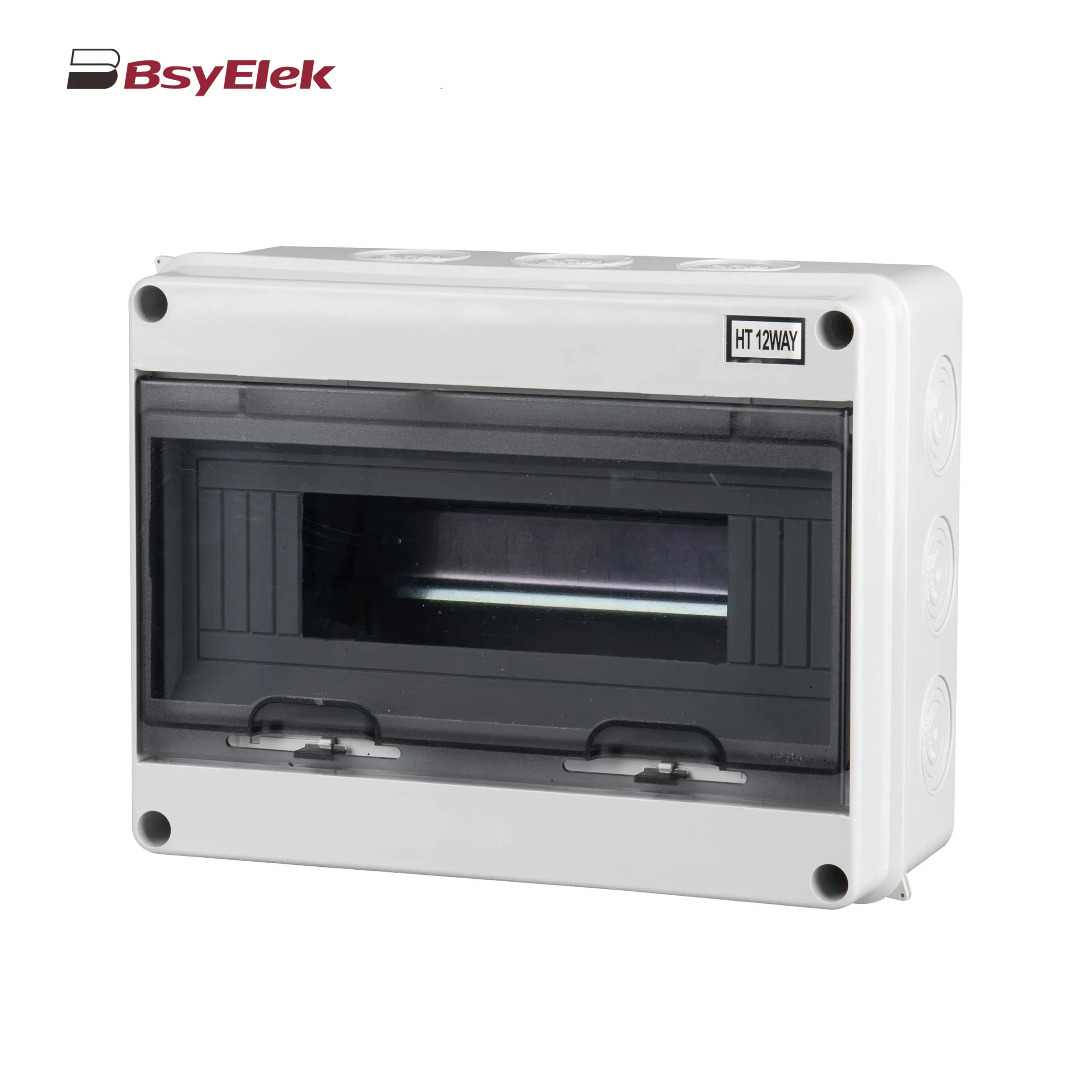 HT Waterproof Distribution Box
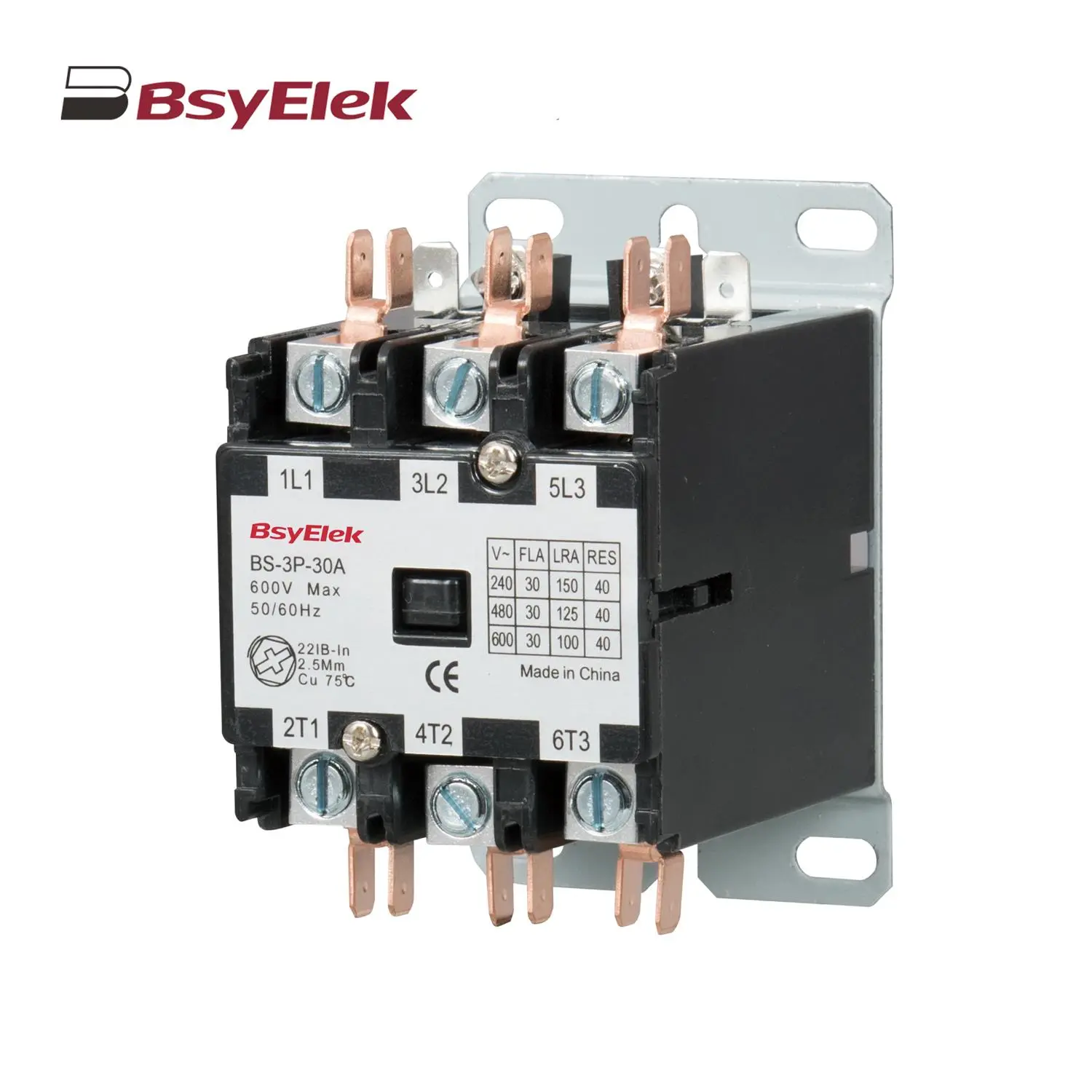 BS Definite Purpose Magnetic AC Contactor