Why Choose the Right Cable Gland for Your Industrial Needs?
Selecting the appropriate Cable Gland is crucial for industrial applications. According to Dr. Emily Smith, a leading expert in electrical components, "The right cable gland can greatly enhance safety and efficiency." This insight emphasizes the importance of making well-informed decisions when choosing these vital components.
Cable glands provide sealing and protection for electrical cables in various environments. An improper selection can lead to equipment failures and safety hazards. It's essential to consider factors such as material compatibility, ingress protection ratings, and environmental conditions. Failure to address these aspects can significantly affect operational success.
The right Cable Gland not only secures connections but also prevents damage from dust and moisture. Companies often overlook this, leading to costly repairs or safety risks. By understanding the role of cable glands, industries can improve their reliability and performance. Investing time in the selection process pays off in the long run.

Understanding the Functionality of Cable Glands in Industrial Applications
Cable glands play a crucial role in industrial applications. They ensure that electrical cables are sealed securely, protecting them from moisture, dust, and various chemicals. This functionality is vital for maintaining the integrity of electrical systems in challenging environments. Properly chosen cable glands can prevent costly equipment failures and downtimes.
In industries such as oil and gas, the right cable gland is vital. These glands must withstand extreme temperatures and harsh substances. Choosing incorrectly can lead to safety hazards. A poorly selected gland may not provide adequate sealing, leading to potential risks. Consulting experts in the field can guide users towards the best options available.
Cable glands also come in various materials, each suited for different environmental conditions. Metal glands might be necessary in high-pressure areas, while plastic versions are often sufficient in controlled environments. Each choice impacts durability and performance significantly. Understanding these functionalities is key to effective industrial operations. Users should continuously evaluate whether their current selections meet evolving needs or if improvements are necessary.
Importance of Different Types of Cable Glands in Industrial Applications
This chart illustrates the usage percentage of various types of cable glands in industrial applications. Understanding the distribution of these cable glands helps in making informed decisions for industrial needs.
Types of Cable Glands and Their Specific Industrial Uses
When selecting cable glands for industrial applications, it's important to consider various types. Each type serves a specific purpose and is designed for unique environments. For instance, flameproof cable glands are essential in hazardous locations. They prevent the escape of gases and dust. They also protect against ignition sources. Installation requires careful attention to detail and adherence to safety standards.
Another common type is waterproof cable glands. These are ideal for outdoor environments or areas exposed to moisture. They provide a tight seal to prevent water ingress, ensuring the reliability of electrical connections. Regular inspection is beneficial, as wear and tear can compromise their effectiveness over time. Similarly, caulking around the glands may be necessary in some cases.
Non-metallic cable glands are gaining popularity too. They are lightweight and resistant to corrosion. These materials can be more suitable for specific chemical environments. However, they may not be as robust as metal options. Each choice has advantages and drawbacks. It's important to assess the specific needs of your application. Selecting the right cable gland can significantly enhance operational safety and efficiency.
Key Factors to Consider When Selecting Cable Glands
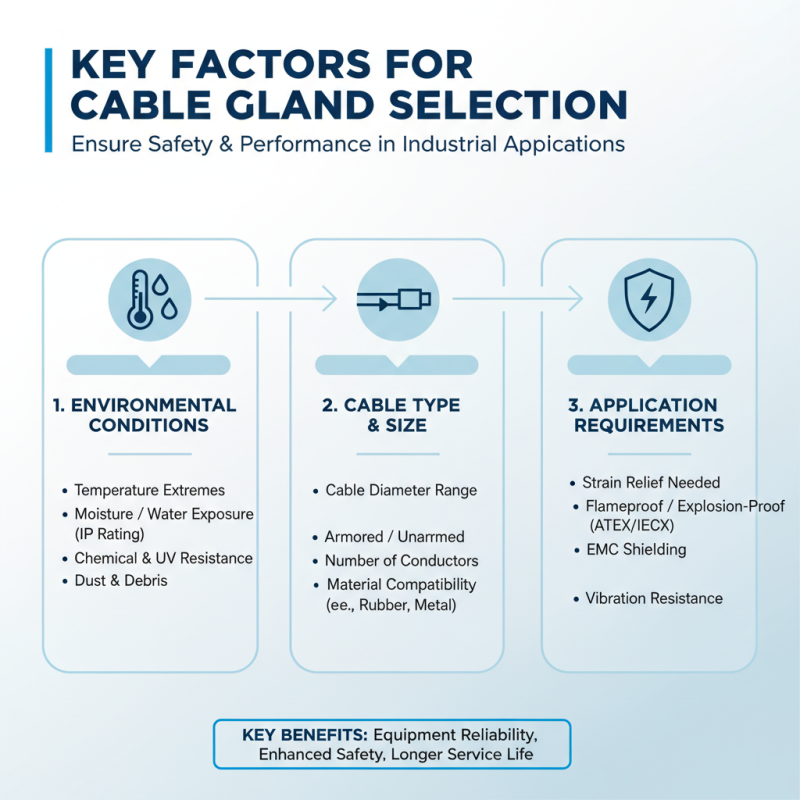
Selecting the right cable gland is crucial for industrial applications. The wrong choice can lead to equipment failure and safety hazards. There are several key factors to consider. The environmental conditions, such as temperature, moisture, and chemical exposure, significantly influence your selection. Different types of cable glands are designed for specific environments. For example, some are more appropriate for wet conditions, while others are suited for extreme temperatures.
Another important aspect is the size of the cable gland. The diameter must match the cables being used. A poor fit can result in stress on the cables, leading to insulation damage. Additionally, consider the IP (Ingress Protection) rating. This rating indicates how well the gland protects against dust and water. Choosing a gland with an appropriate IP rating ensures reliability and performance.
Installation plays a critical role too. Improper installation can negate the benefits of even the best cable gland. Training and expertise are essential in this process. Regular maintenance is equally important. An overlooked cable gland can become a weak link in the system, posing a risk. Evaluate your needs regularly to ensure continued effectiveness.
The Impact of Material Choices on Cable Gland Performance
Selecting the right cable gland for industrial applications is critical. The choice of materials directly influences performance and durability. For example, thermoplastic materials can resist chemicals but may not withstand extreme temperatures as well as metals. According to a report by the International Electrotechnical Commission (IEC), material selection can enhance the lifespan of cable glands by up to 40%.
When evaluating cable glands, consider the environmental conditions. In harsh settings, using materials like stainless steel or aluminum provides added resistance to corrosion. This is vital in industries such as oil and gas, where failure can lead to significant operational losses. A recent survey by industry experts found that 65% of electrical failures are linked to poor material choices.
**Tip:** Always check for certifications like IP ratings. These indicate the level of protection against moisture and dust.
Not all applications require heavy-duty materials. Lightweight options might be more suitable for specific uses. However, opting for a lighter material can sometimes compromise protection. It’s essential to balance weight and durability to meet the specific demands of your environment. Regularly consulting industry standards can help make informed choices, ensuring safety and compliance.
Why Choose the Right Cable Gland for Your Industrial Needs? - The Impact of Material Choices on Cable Gland Performance
| Material |
Temperature Resistance (°C) |
IP Rating |
Corrosion Resistance |
Application Type |
| Brass |
-20 to 120 |
IP68 |
Moderate |
Indoor & Outdoor |
| Plastic |
-40 to 80 |
IP66 |
Low |
Indoor |
| Stainless Steel |
-60 to 200 |
IP69K |
High |
Harsh Environments |
| Nylon |
-20 to 100 |
IP65 |
Moderate |
General Purpose |
| Rubber |
-40 to 70 |
IP54 |
Low |
Flexible Applications |
Installation and Maintenance Best Practices for Cable Glands
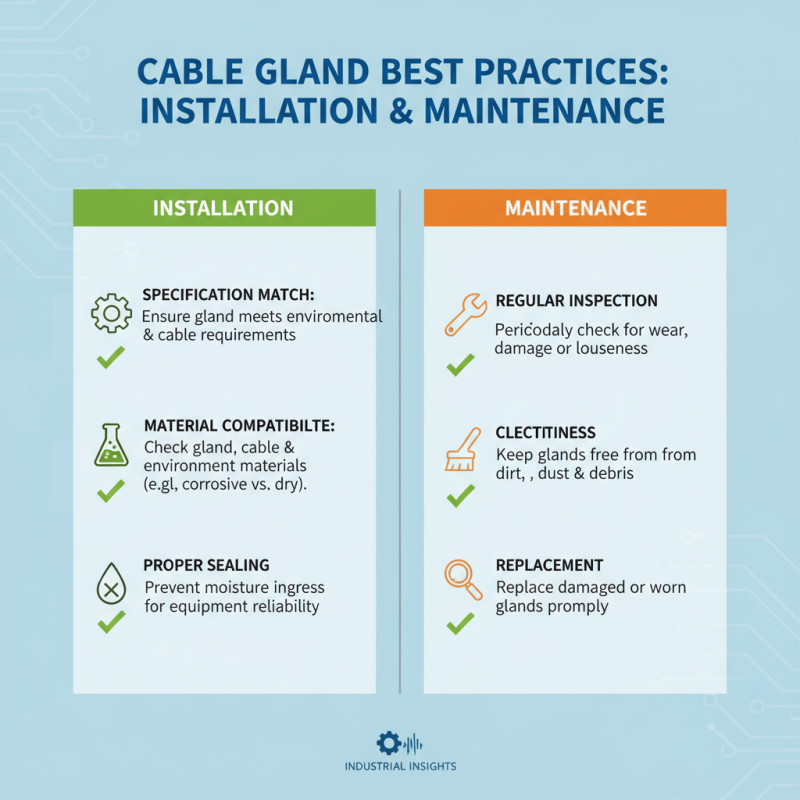
When installing cable glands, attention to detail is critical. Ensure that the chosen gland meets the specifications for your environment. Check the materials used in the gland for compatibility with cables and the surrounding conditions. For instance, corrosive environments may require different materials than dry indoor uses. Proper sealing is essential to prevent moisture ingress, which can lead to equipment failure.
During maintenance, inspect the cable glands regularly for signs of wear or damage. Over time, seals can degrade. This degradation can result in exposure to dust and liquids. A proactive approach helps in catching issues early. Additionally, replacing worn cable glands before they fail can save on costly repairs. It’s beneficial to develop a routine inspection schedule tailored to your operational needs.
Training personnel on best practices is also vital. Employees should understand how to install and maintain cable glands properly. This knowledge prevents mistakes and enhances overall equipment reliability. Encourage feedback from staff about challenges faced during installation. Continuous improvement is crucial in maintaining a safe and efficient work environment.



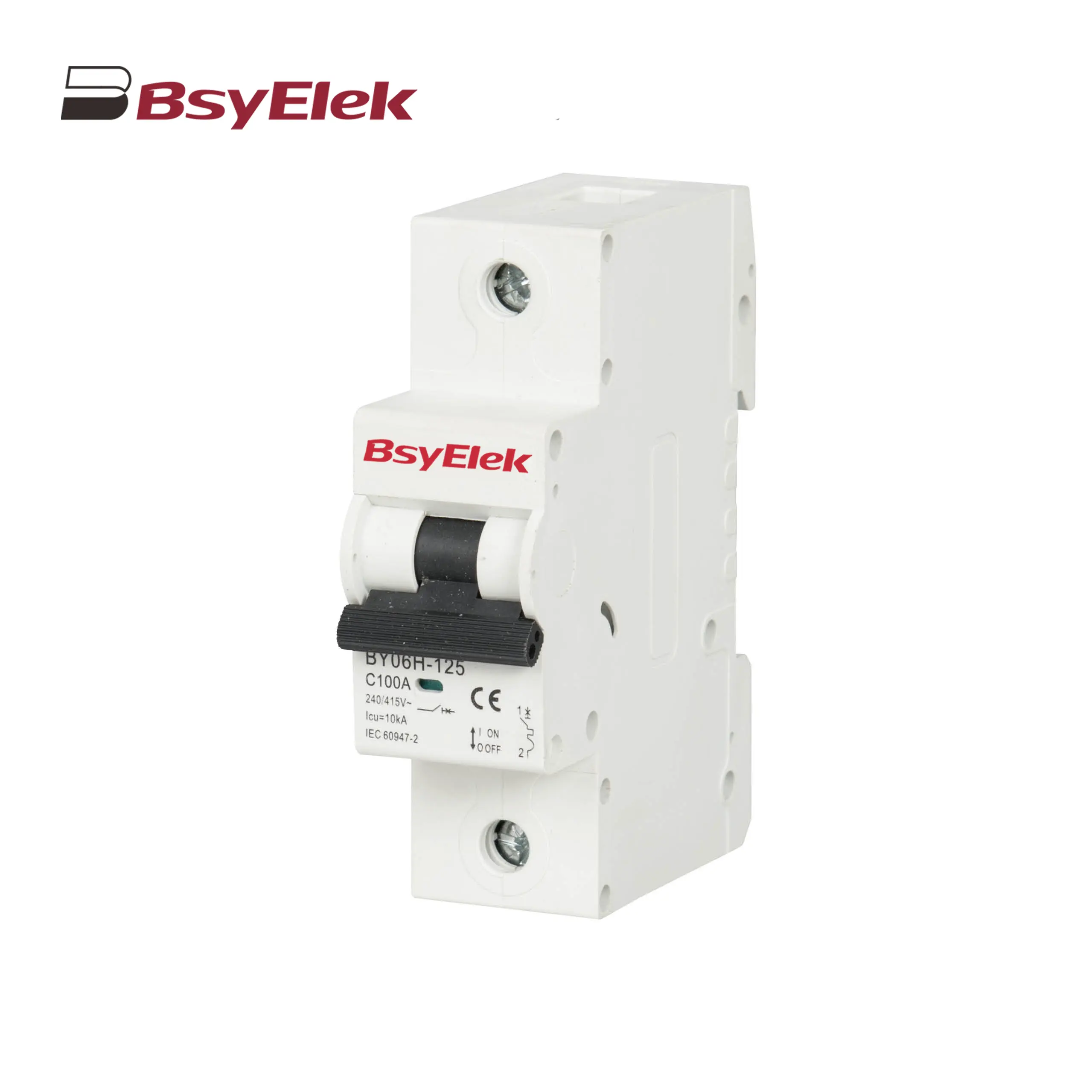 BY06H-125 MCB 10-15KA Miniature Circuit Breaker
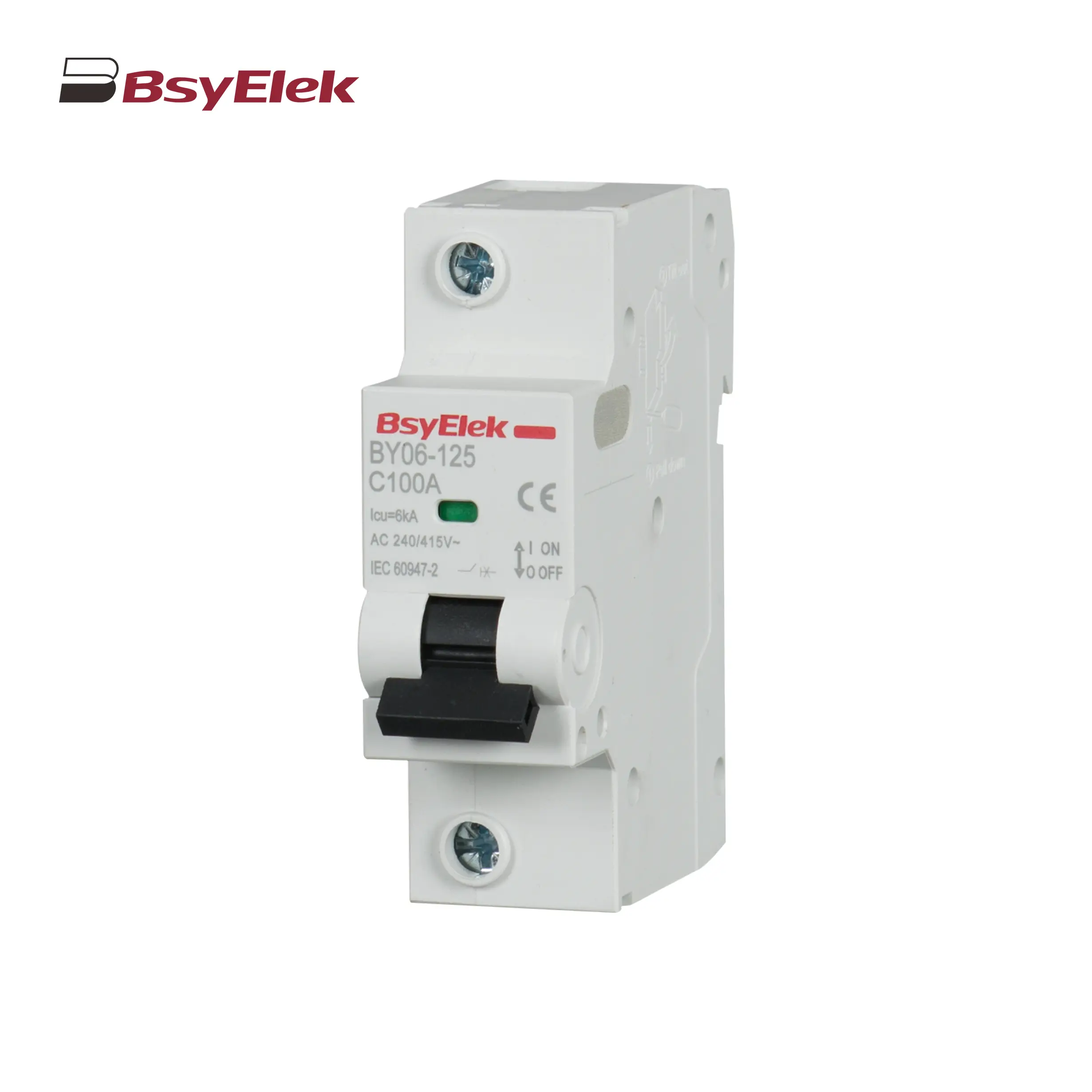 BY06-125 MCB 6KA Miniature Circuit Breaker
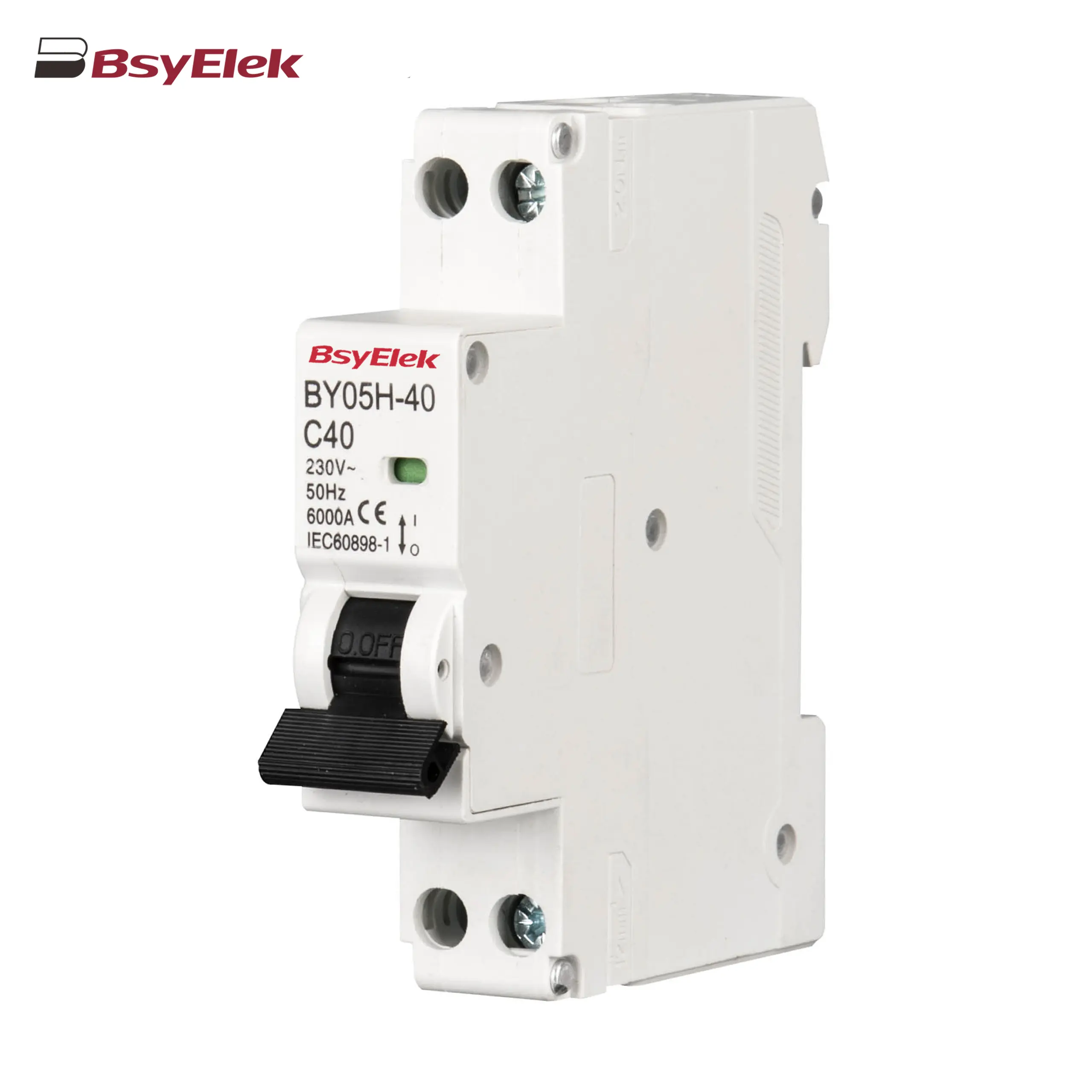 BY05H-40 MCB Single Modular 6KA Miniature Circuit Breaker
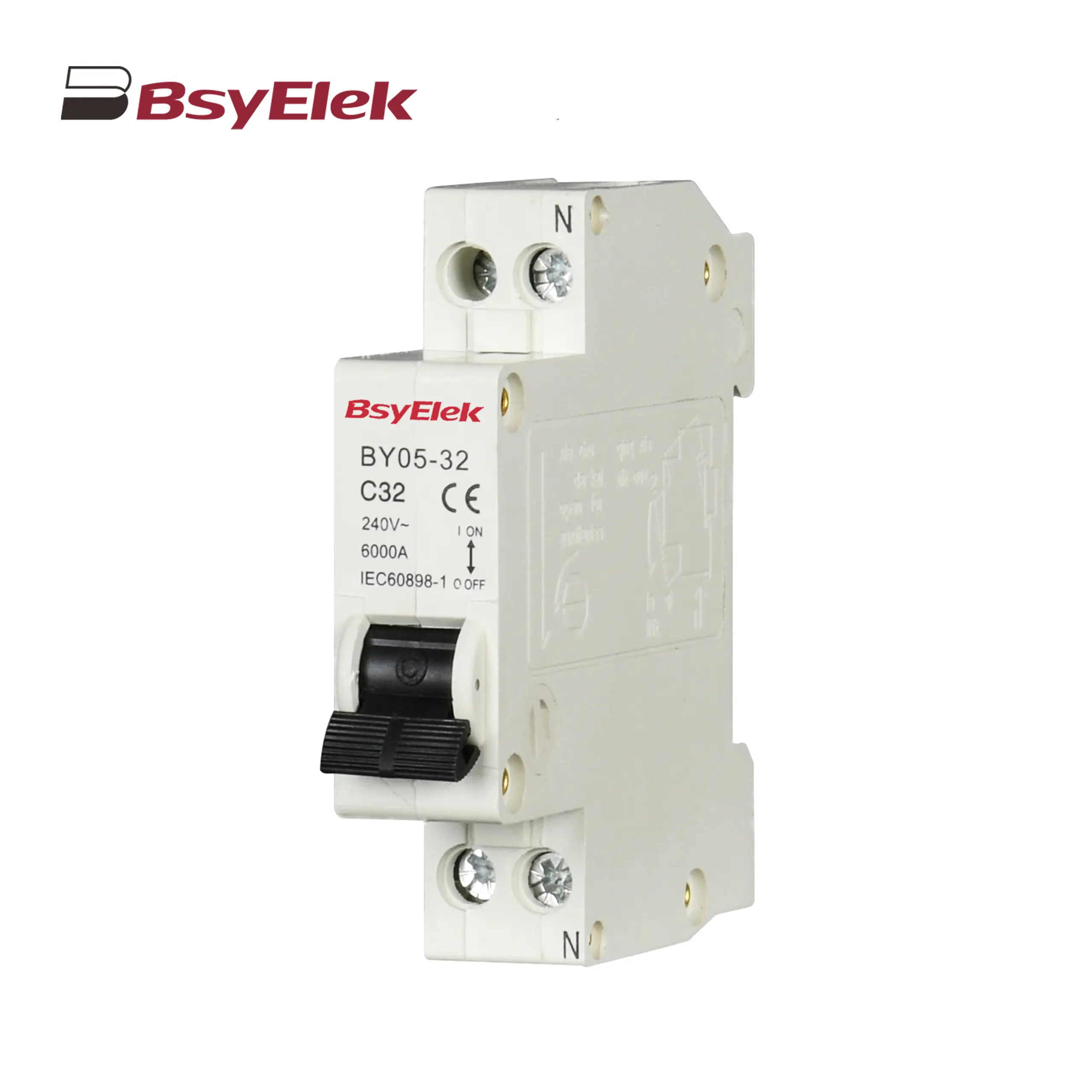 BY05-32 MCB Single Modular 3KA Miniature Circuit Breaker
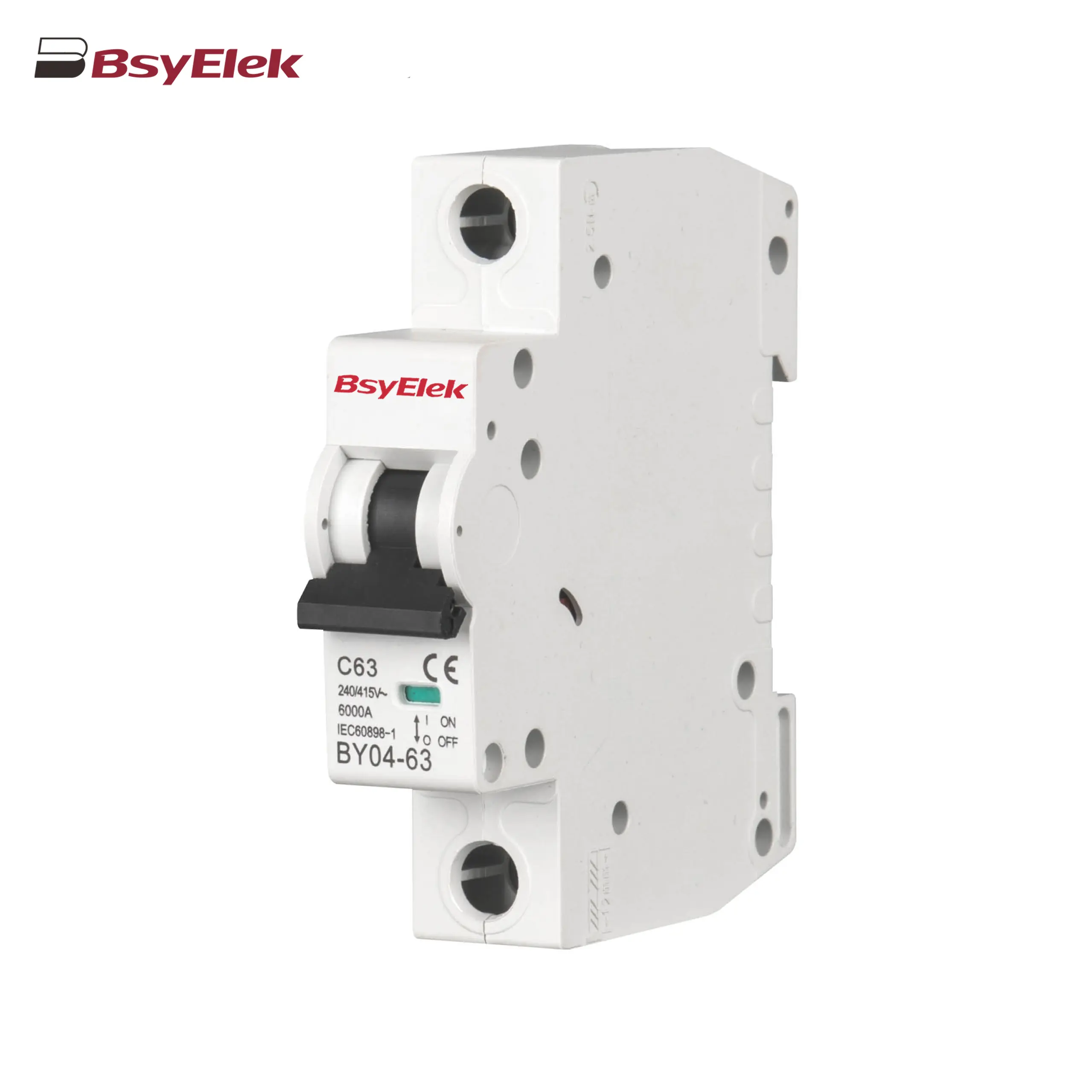 BY04-63 MCB 6-10KA Miniature Circuit Breaker
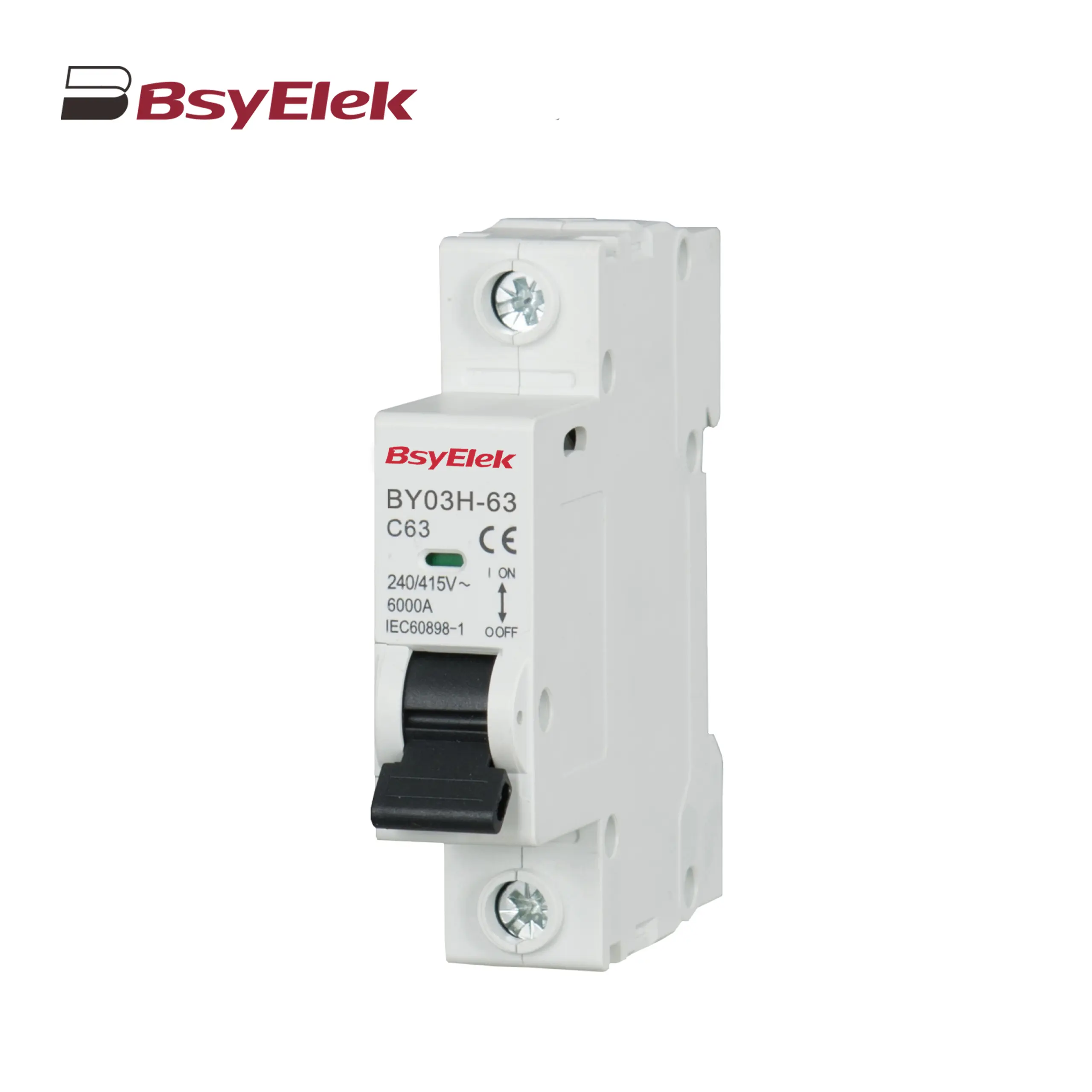 BY03H-63 MCB 6KA Miniature Circuit Breaker
 BY03-63 MCB 4.5KA Miniature Circuit Breaker
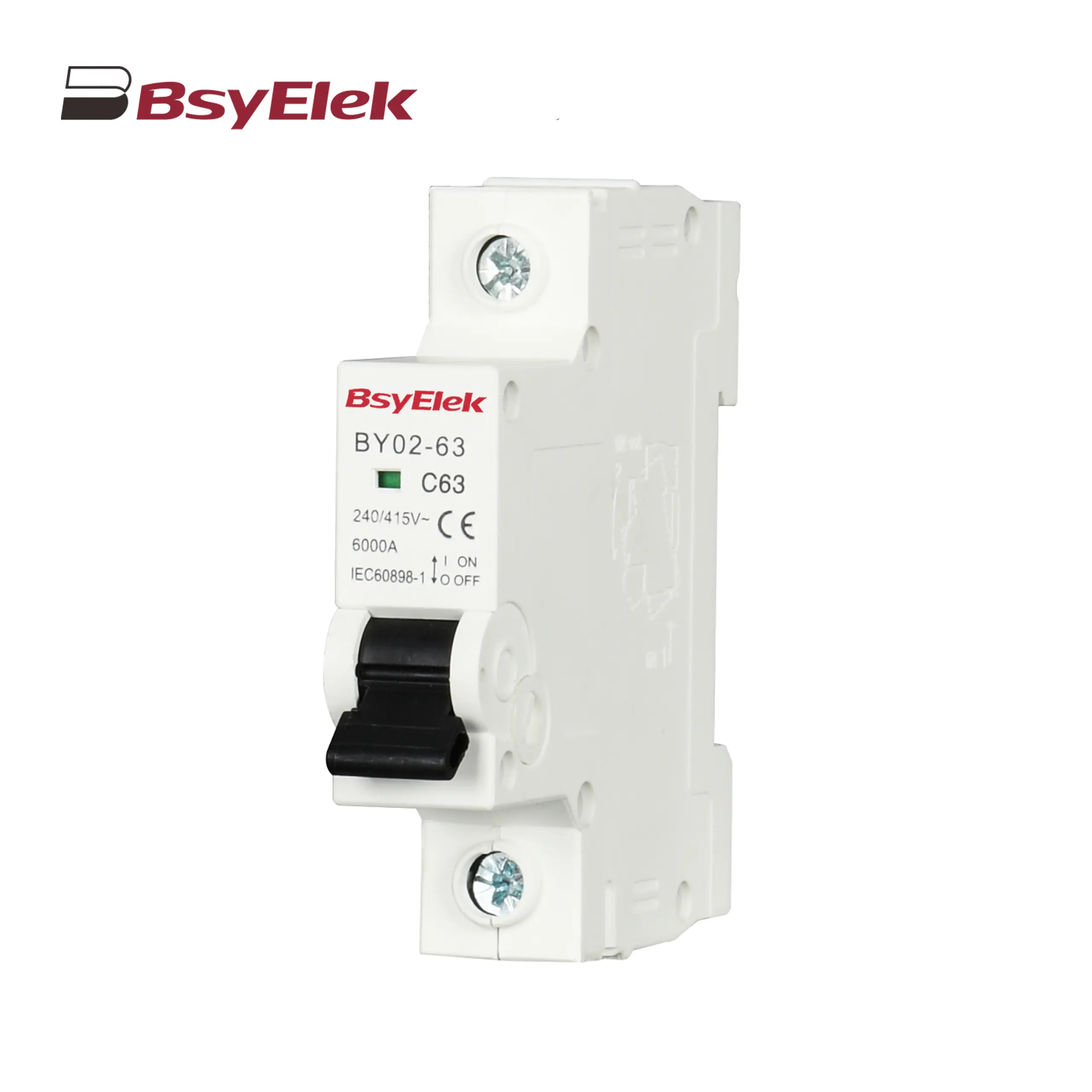 BY02-63 MCB 3kA Miniature Circuit Breaker
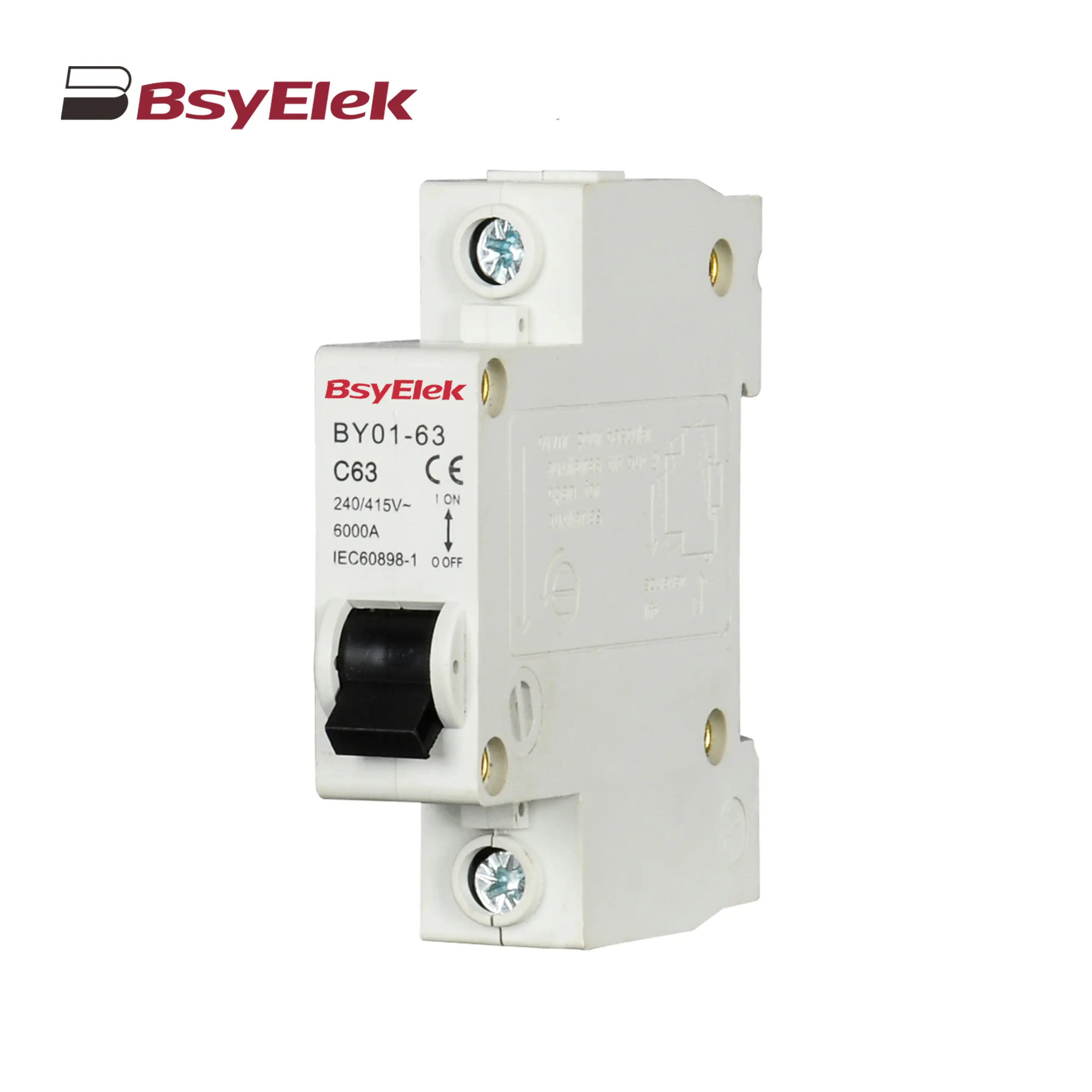 BY01-63 MCB 3kA Miniature Circuit Breaker
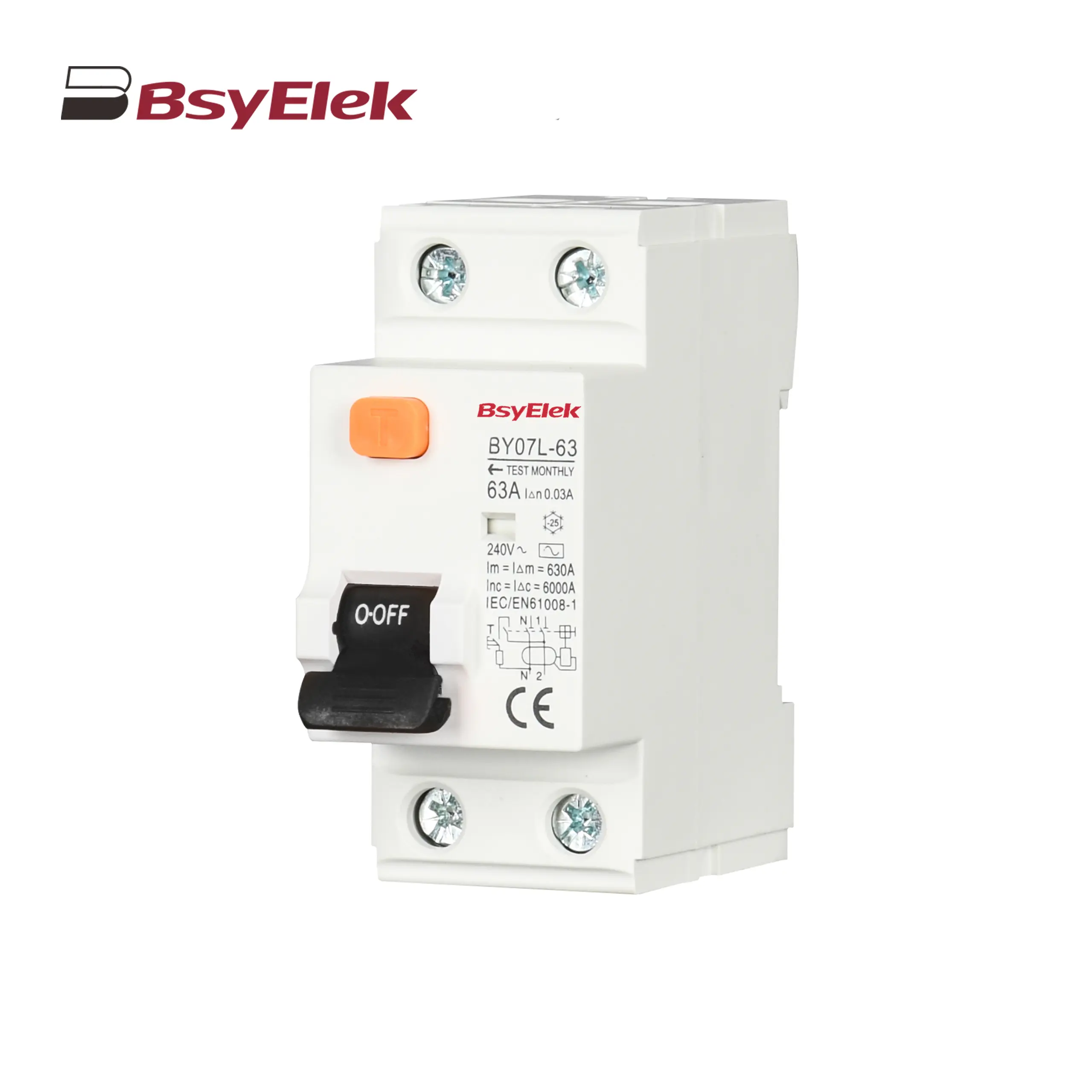 BY07L-63 RCCB 6KA Residual Current Circuit Breaker
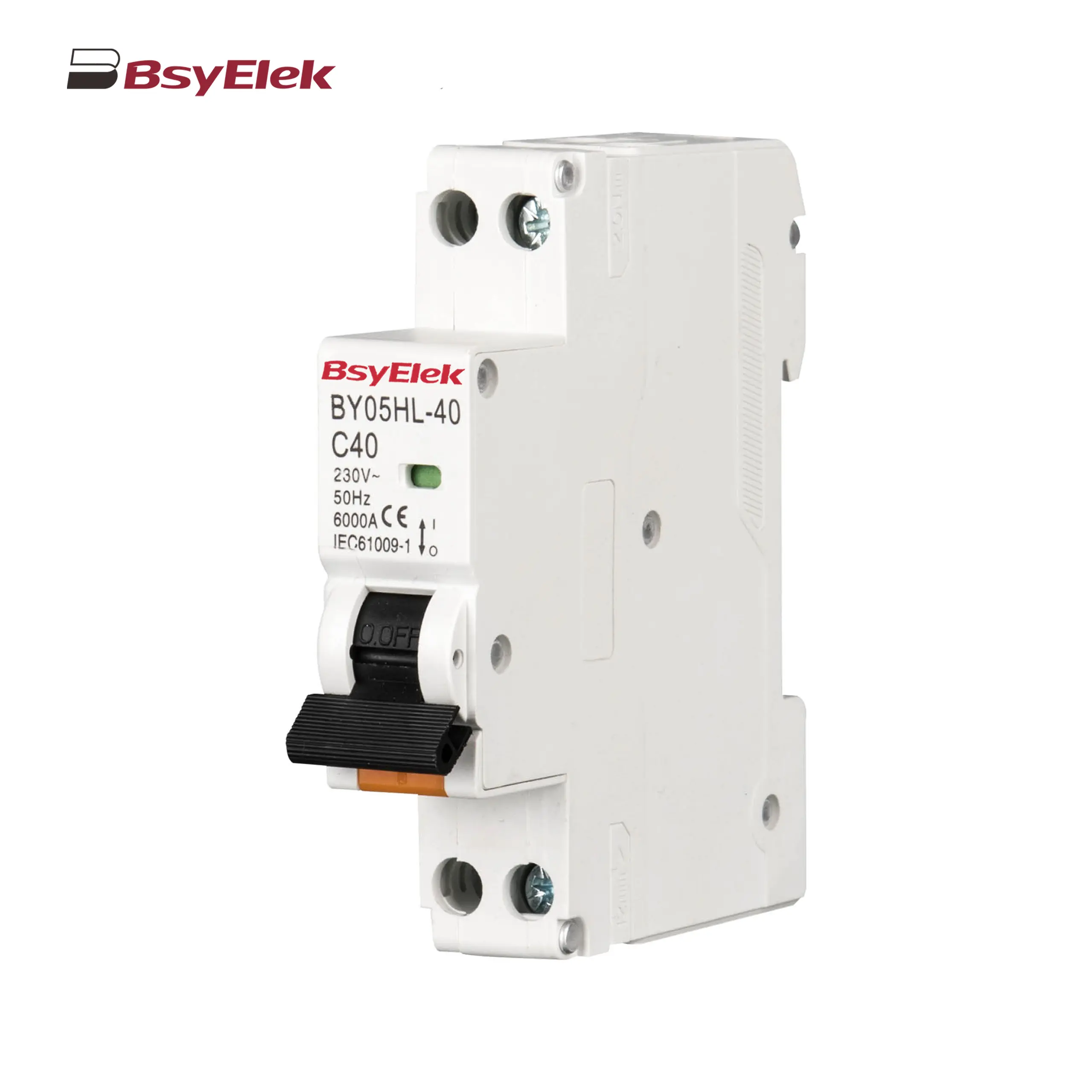 BY05HL-40 RCBO 6KA Residual Current Circuit Breaker with Over-current Protection
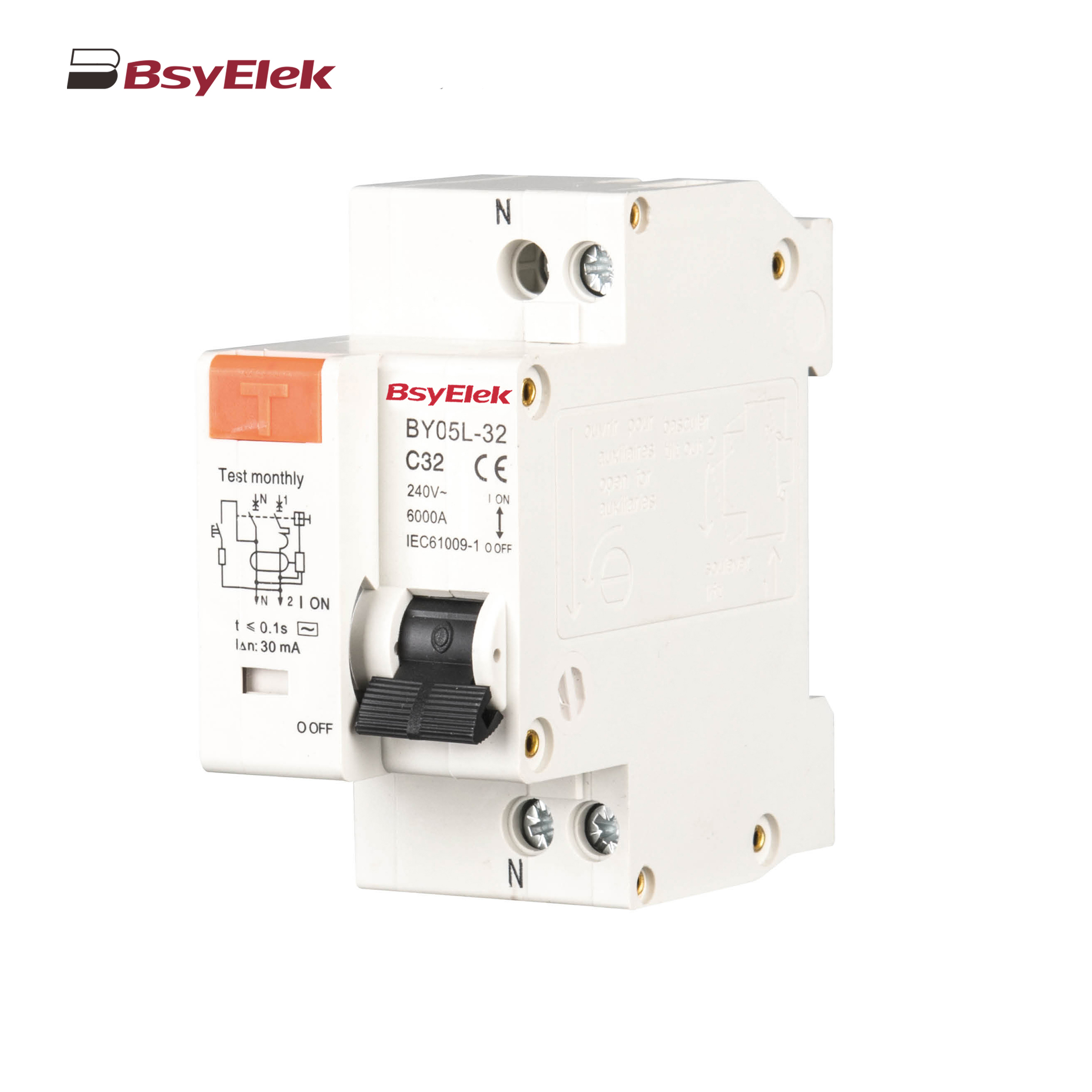 BY05L-32 RCBO 3KA Residual Current Circuit Breaker with Over-current Protection
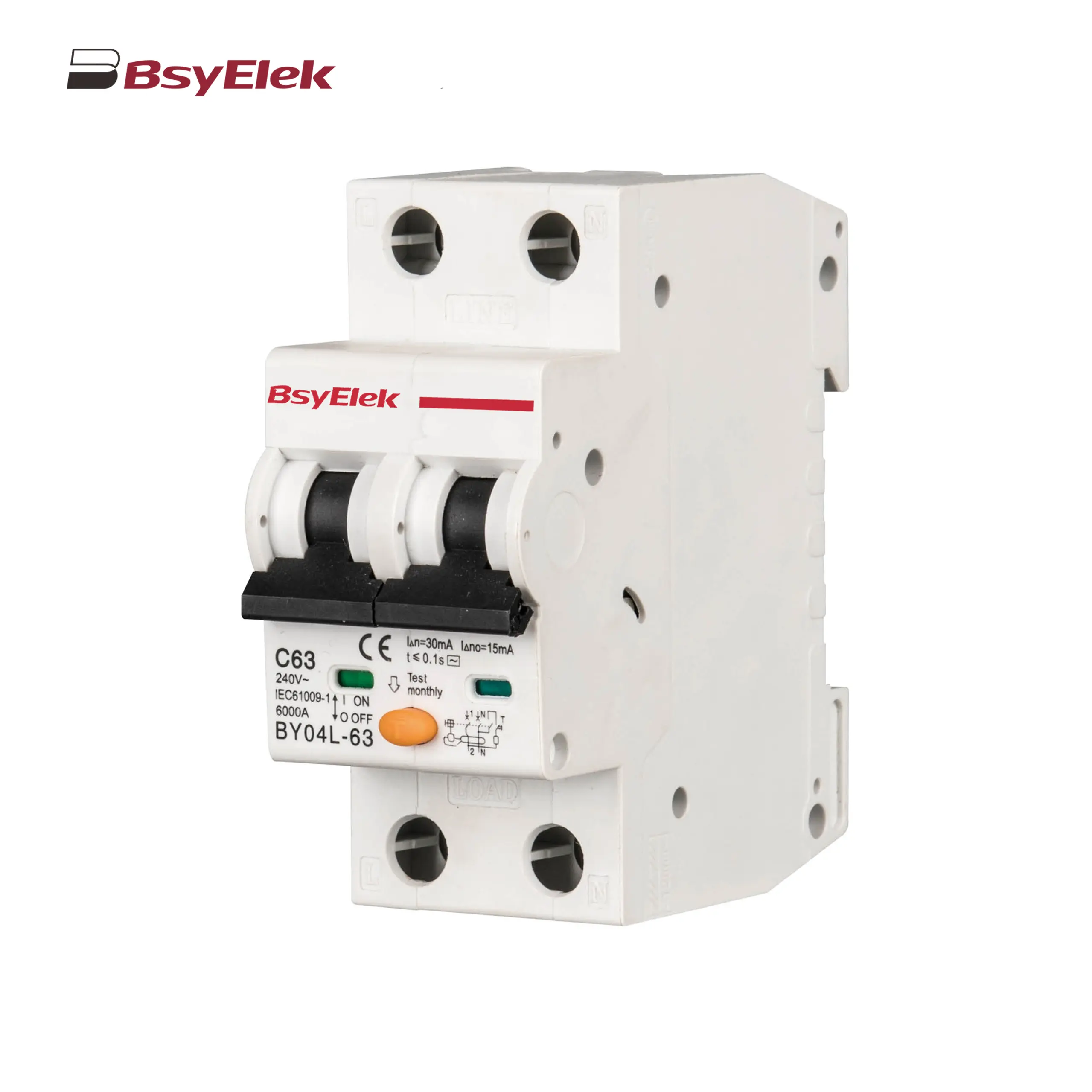 BY04L-63 RCBO 6KA Residual Current Circuit Breaker with Over-current Protection
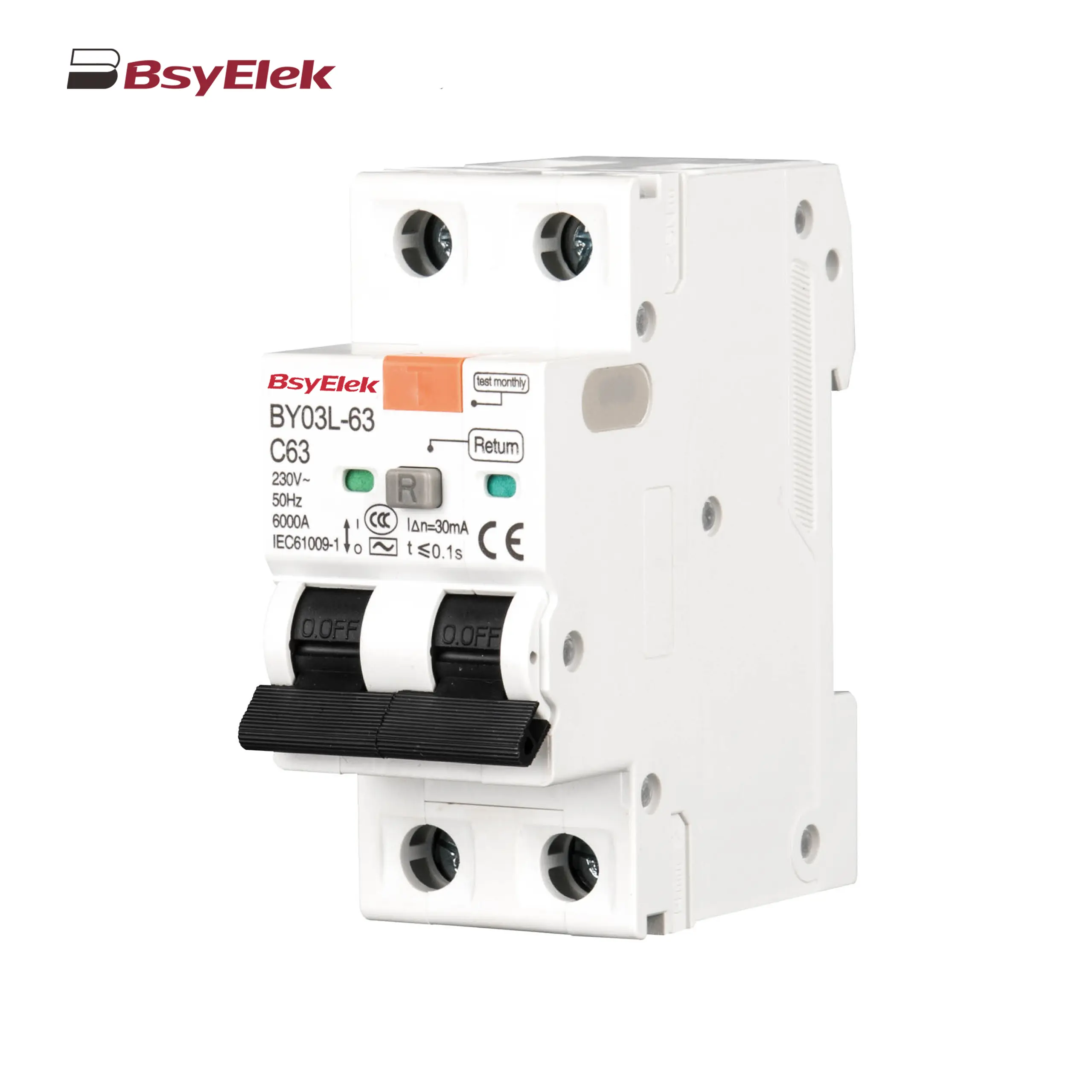 BY03L-63 RCBO 4.5KA Residual Current Circuit Breaker with Over-current Protection
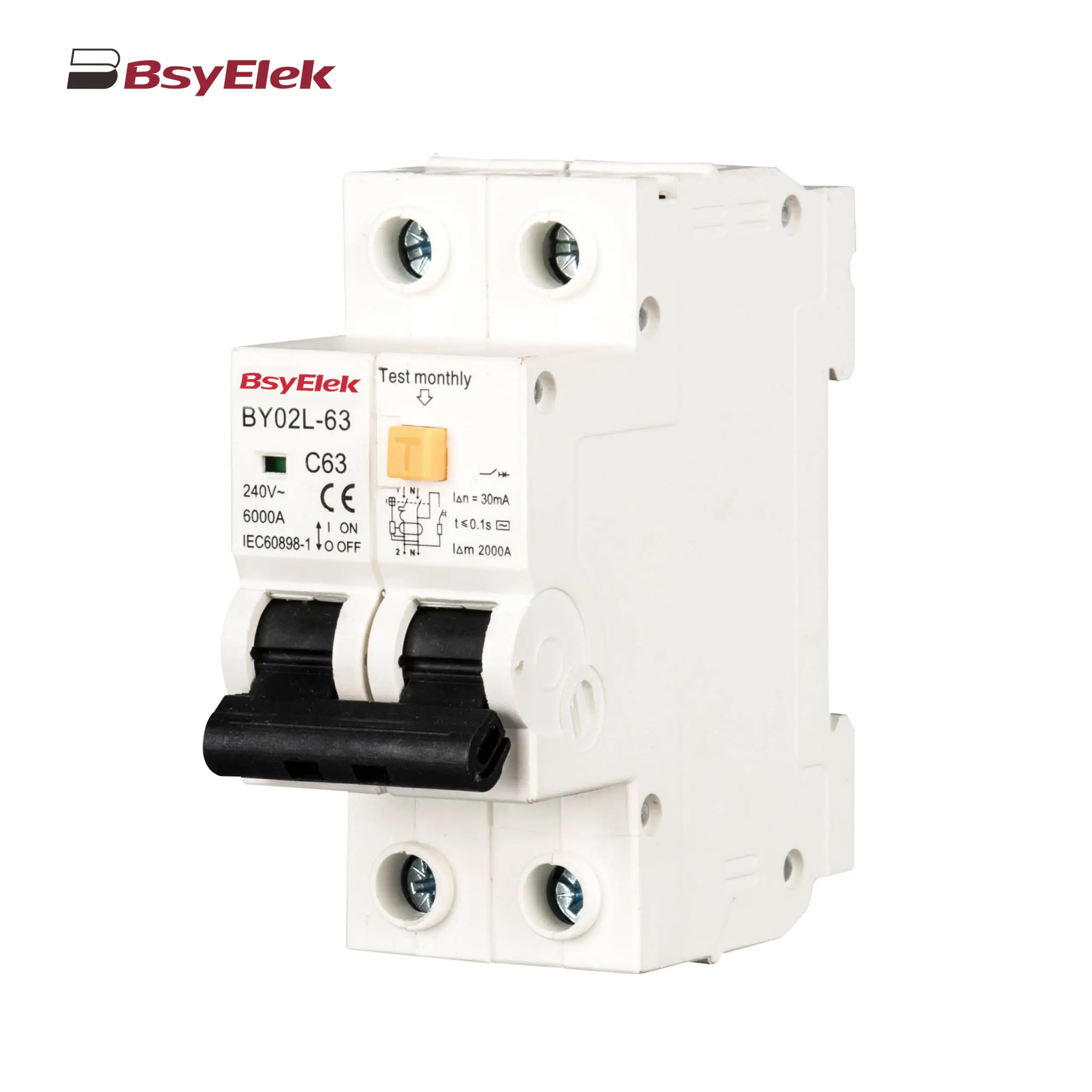 BY02L-63 RCBO 3KA Residual Current Circuit Breaker with Over-current Protection
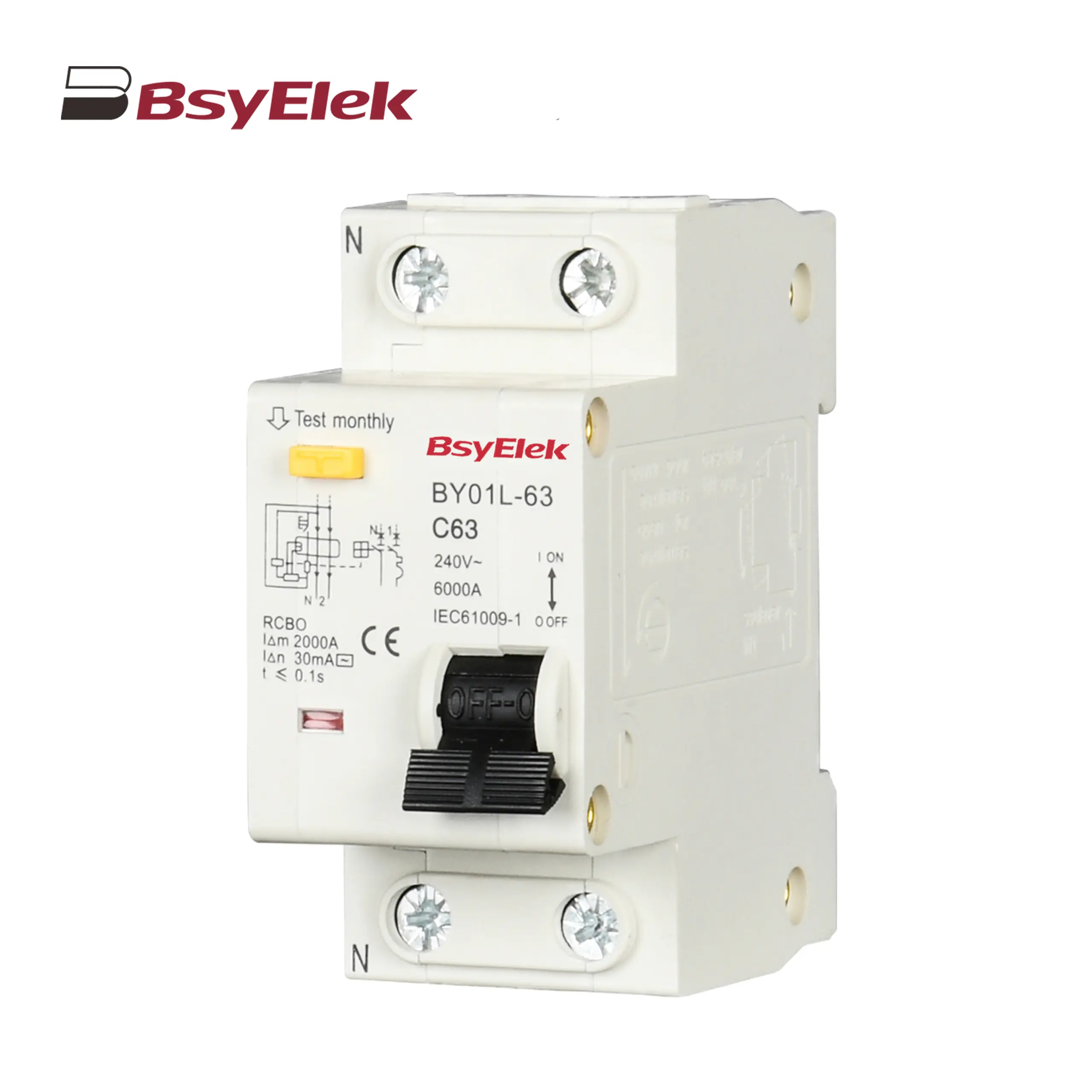 BY01L-63 RCBO 1P+N 3KA Residual Current Circuit Breaker with Over-current Protection
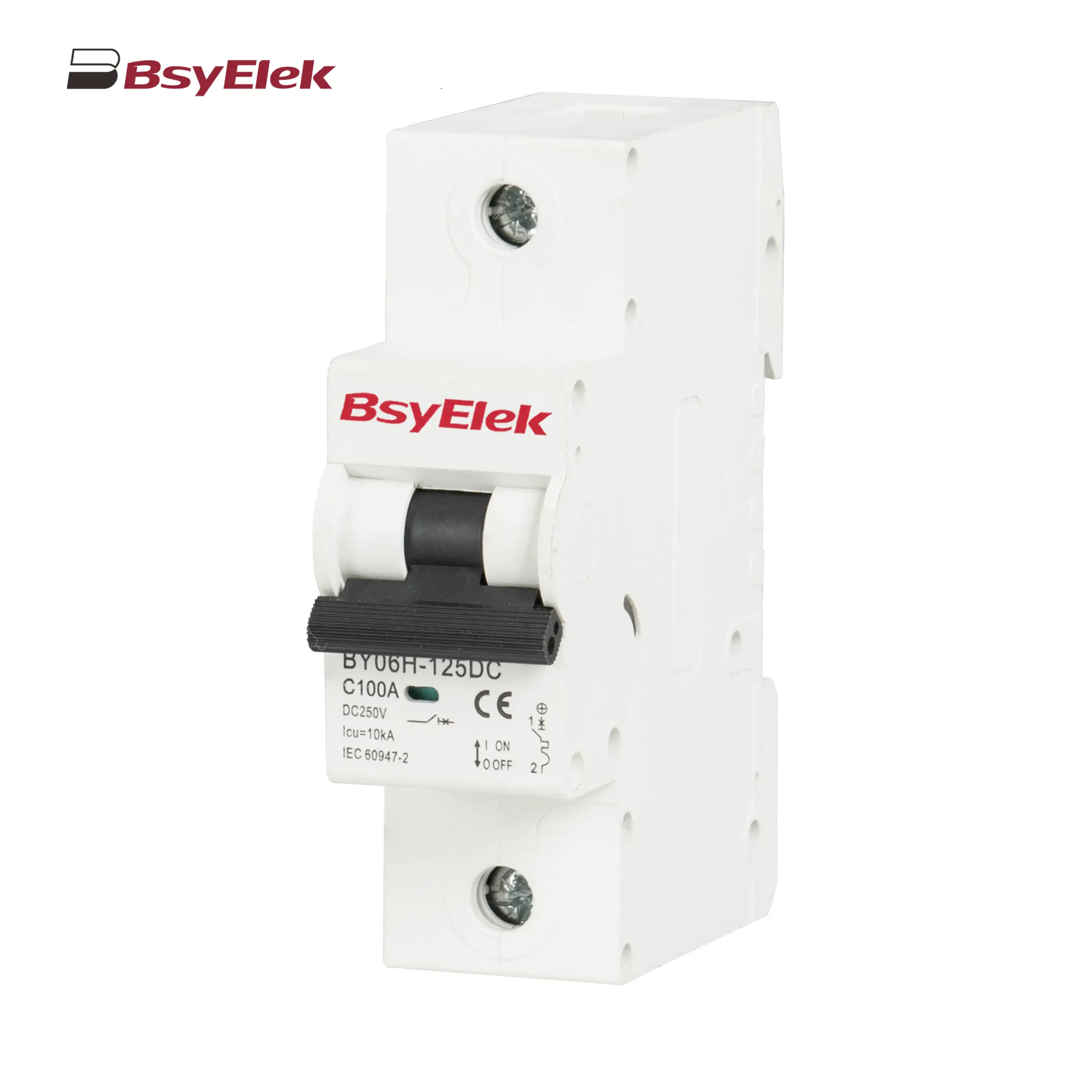 BY06H-125DC MCB 10-15kA DC Miniature Circuit Breaker
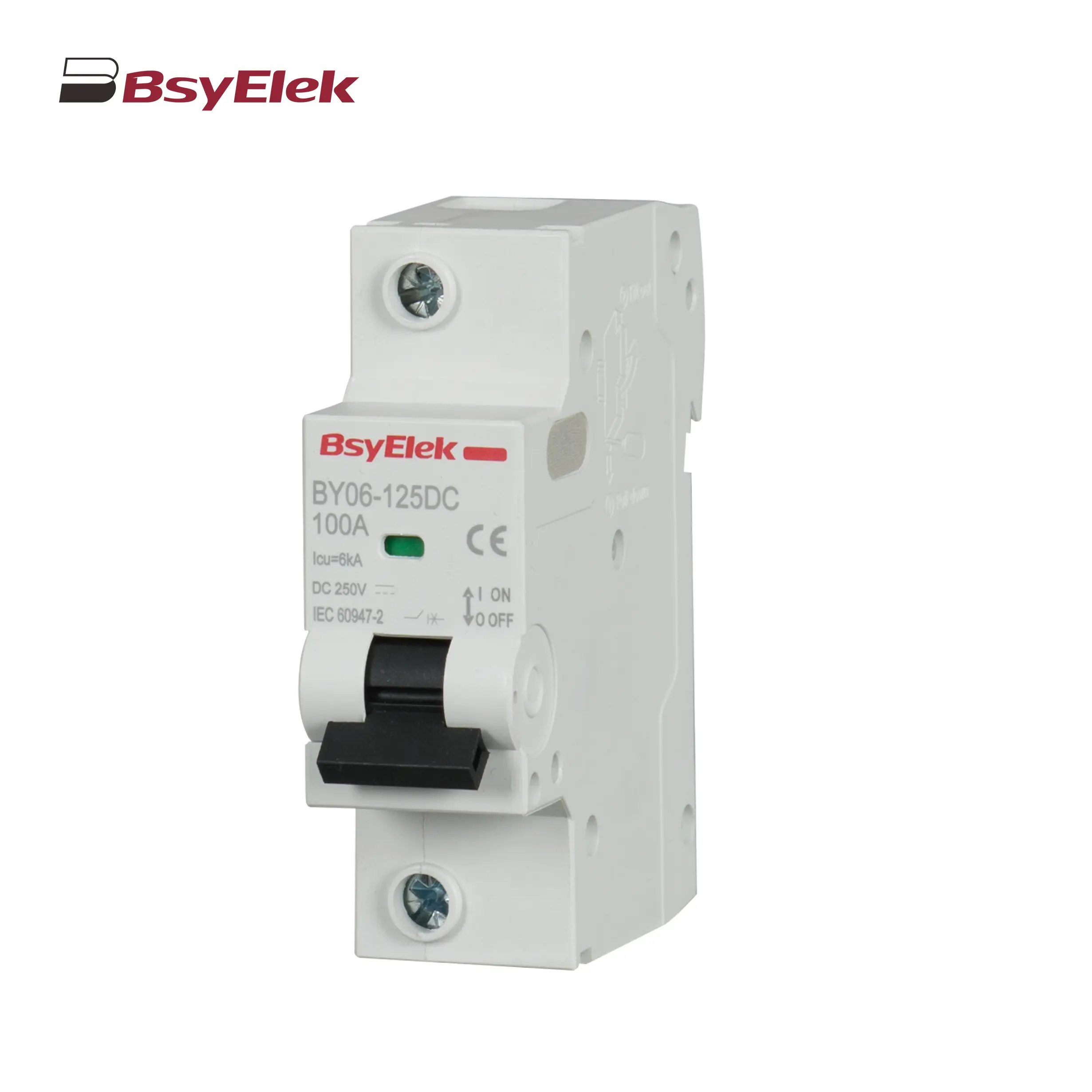 BY06-125DC MCB 6kA DC Miniature Circuit Breaker
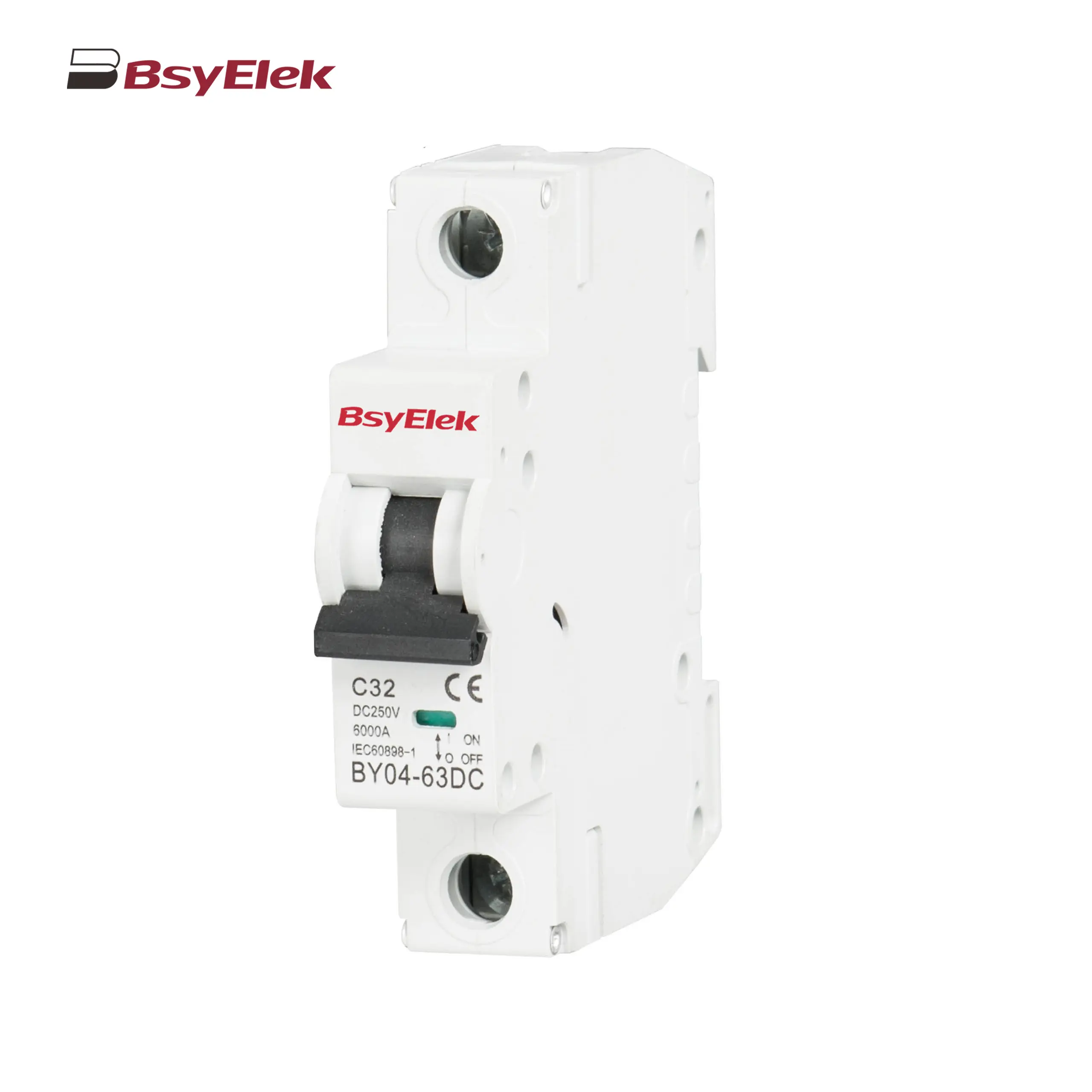 BY04-63DC MCB 6-10kA DC Miniature Circuit Breaker
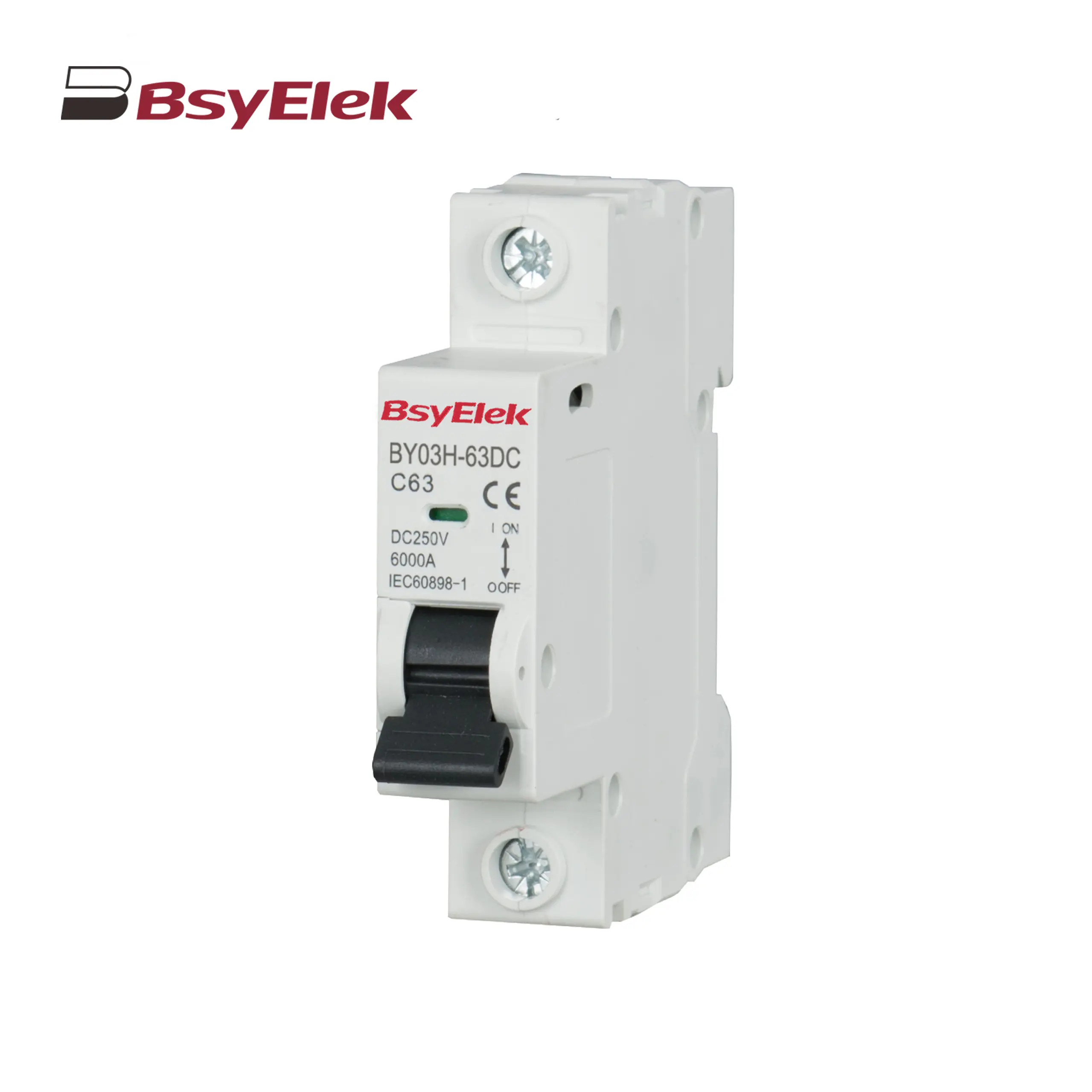 BY03H-63DC MCB 6kA DC Miniature Circuit Breaker
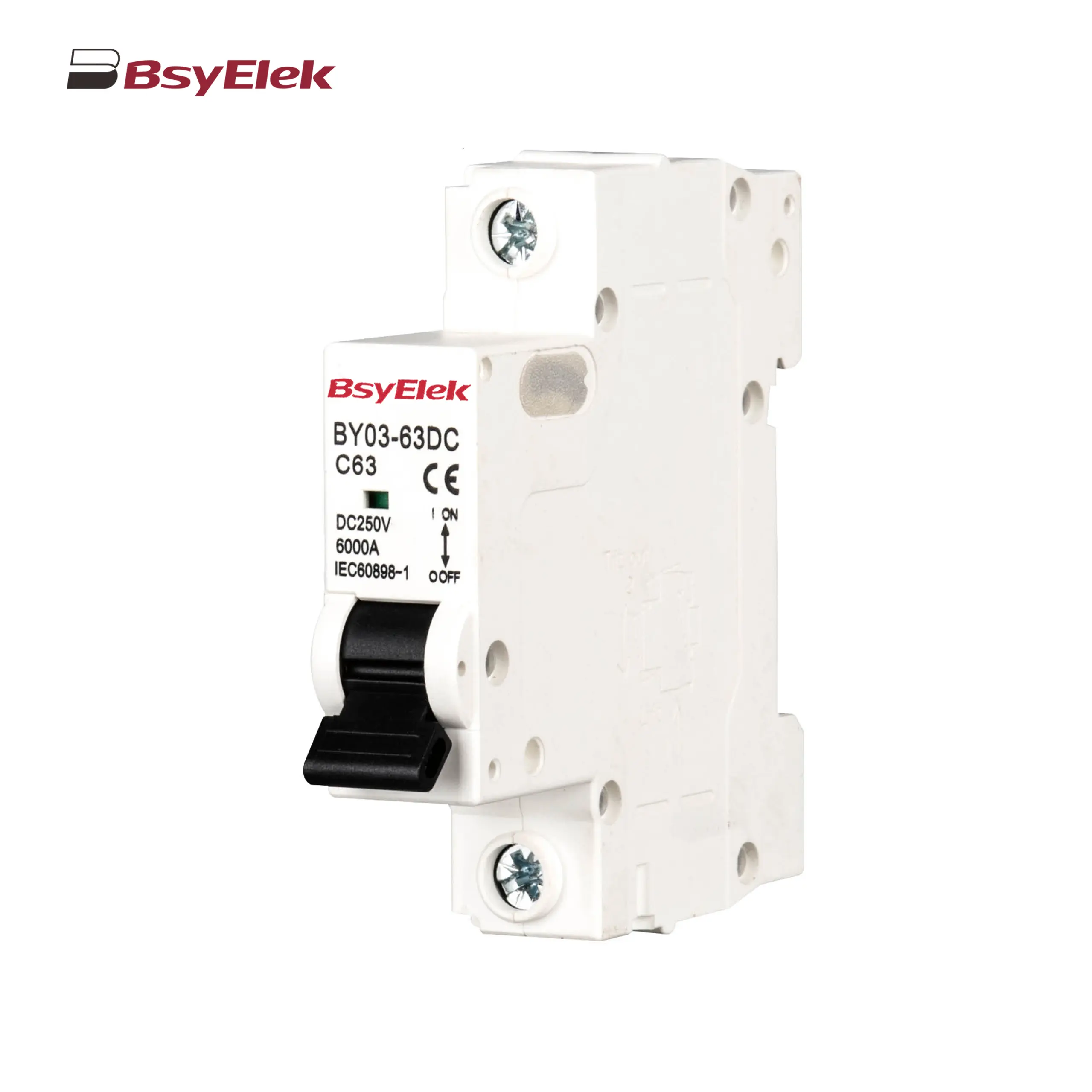 BY03-63DC MCB 4.5kA DC Miniature Circuit Breaker
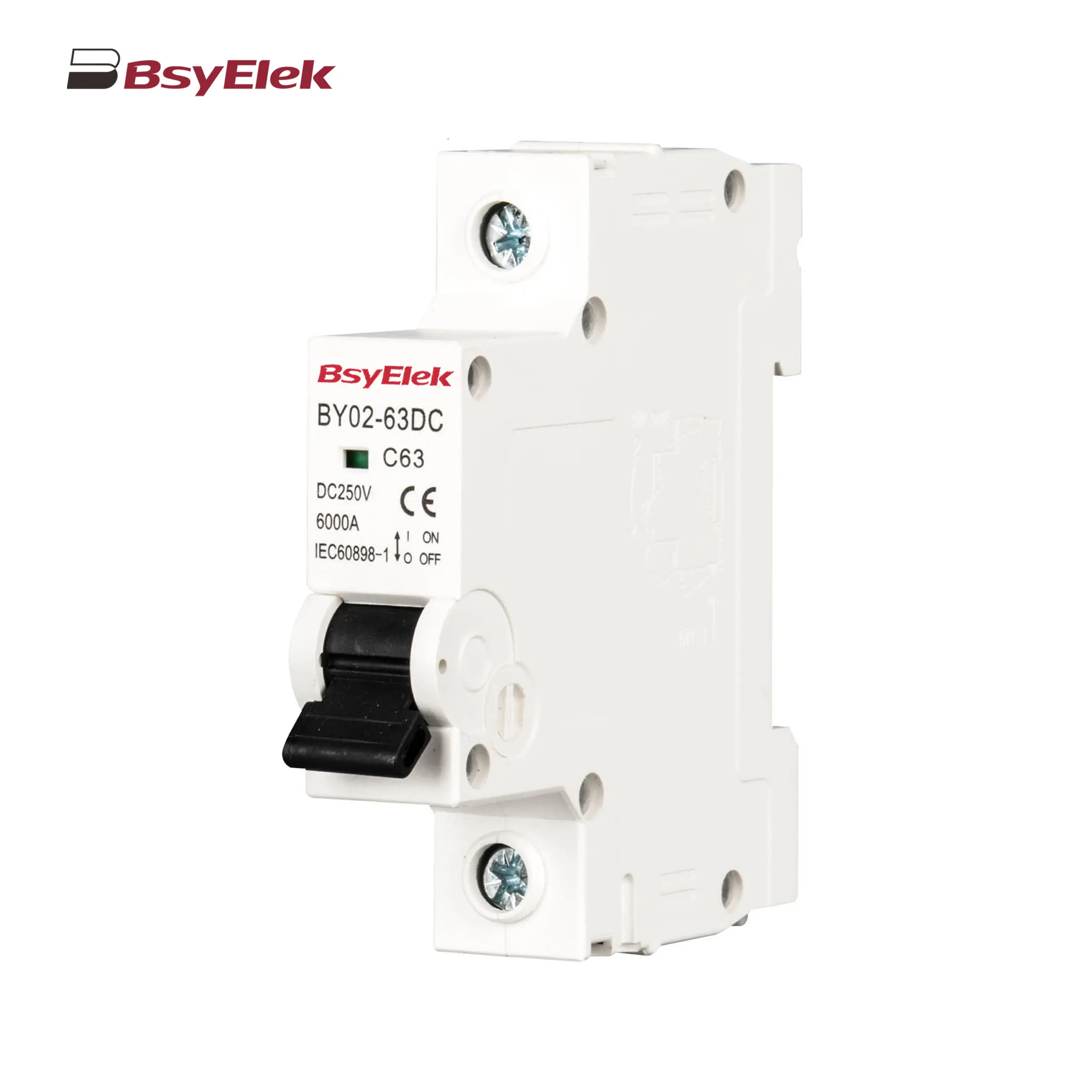 BY02-63DC MCB 3kA DC Miniature Circuit Breaker
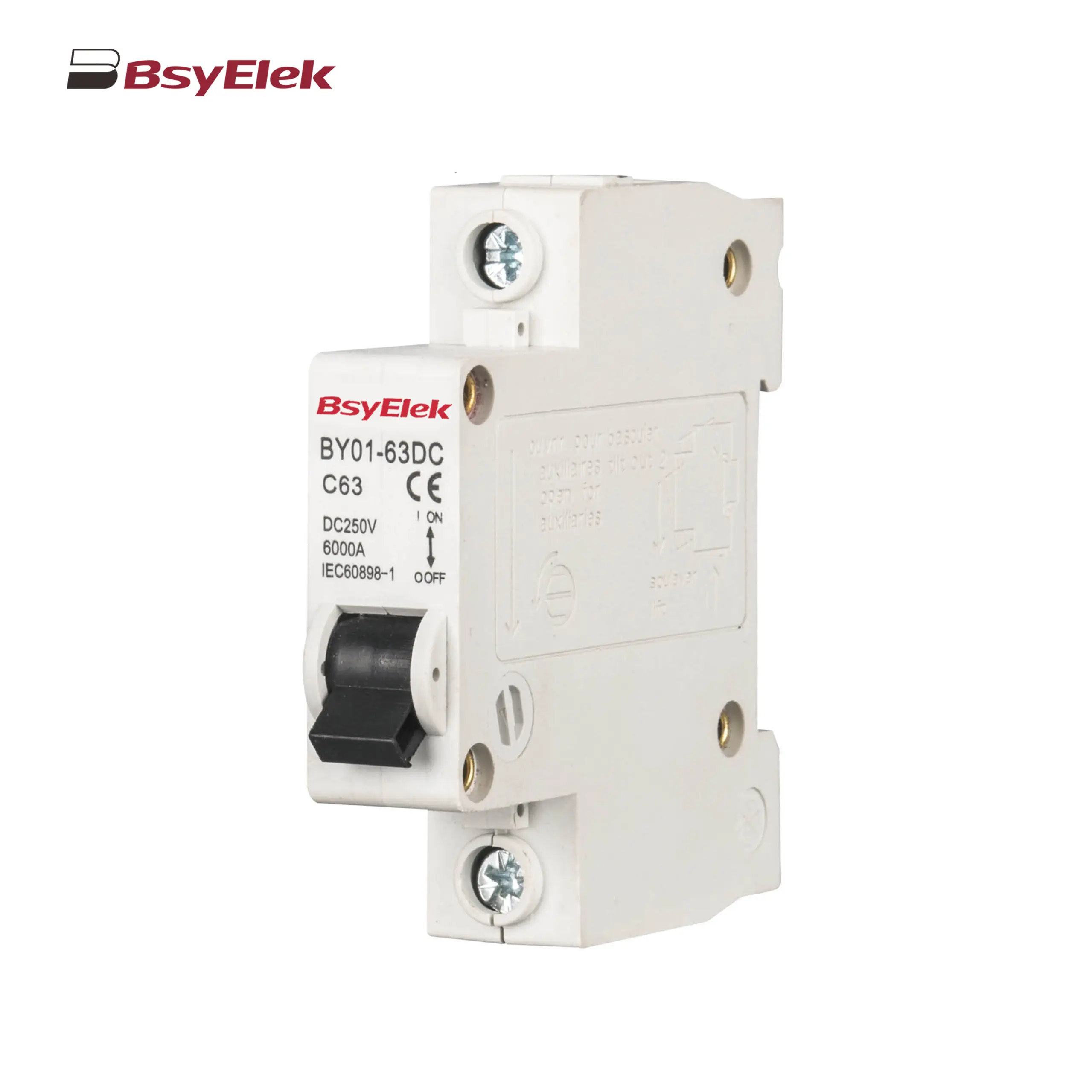 BY01-63DC MCB 3kA DC Miniature Circuit Breaker
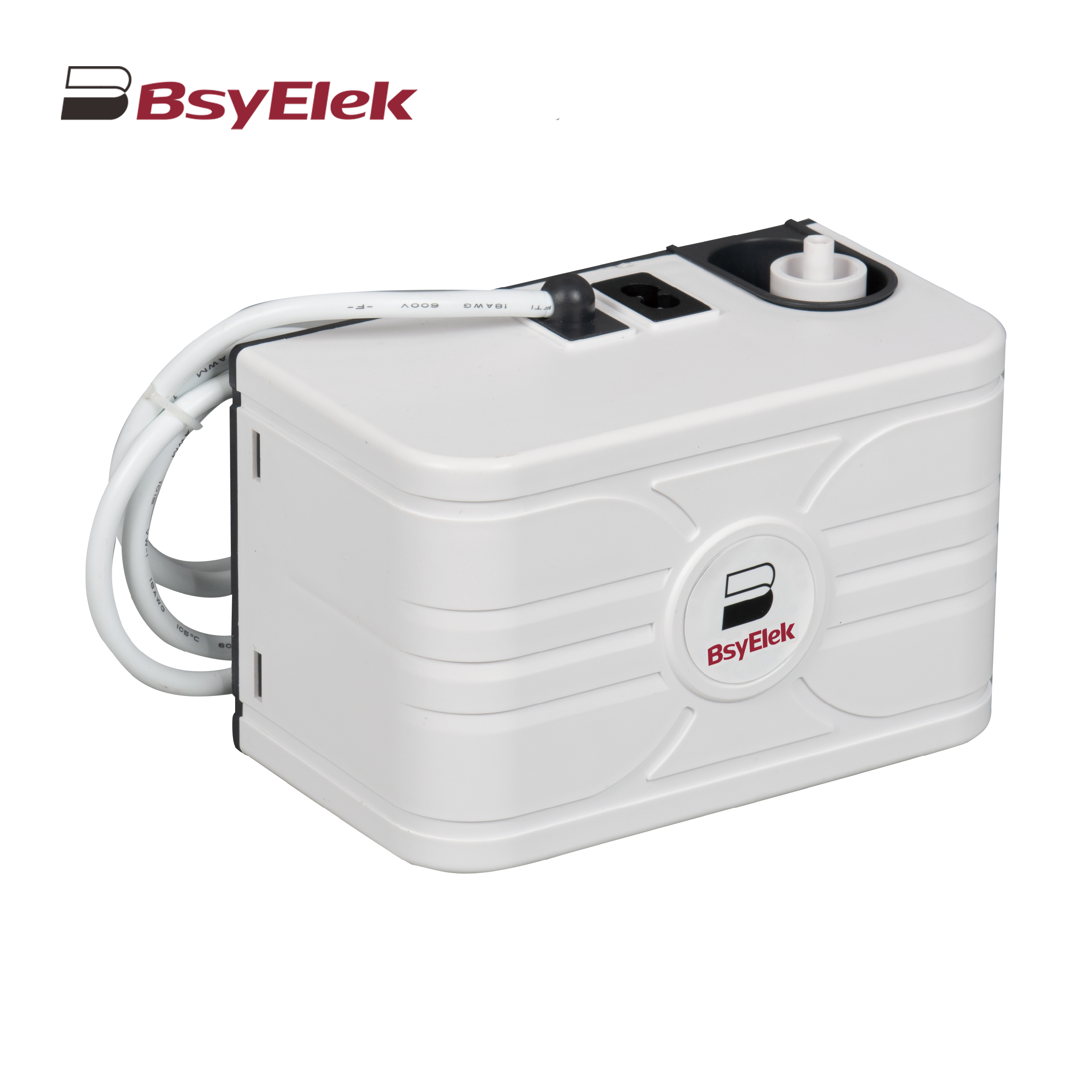 BY-5018 1.8M Engineering Drainage Pump
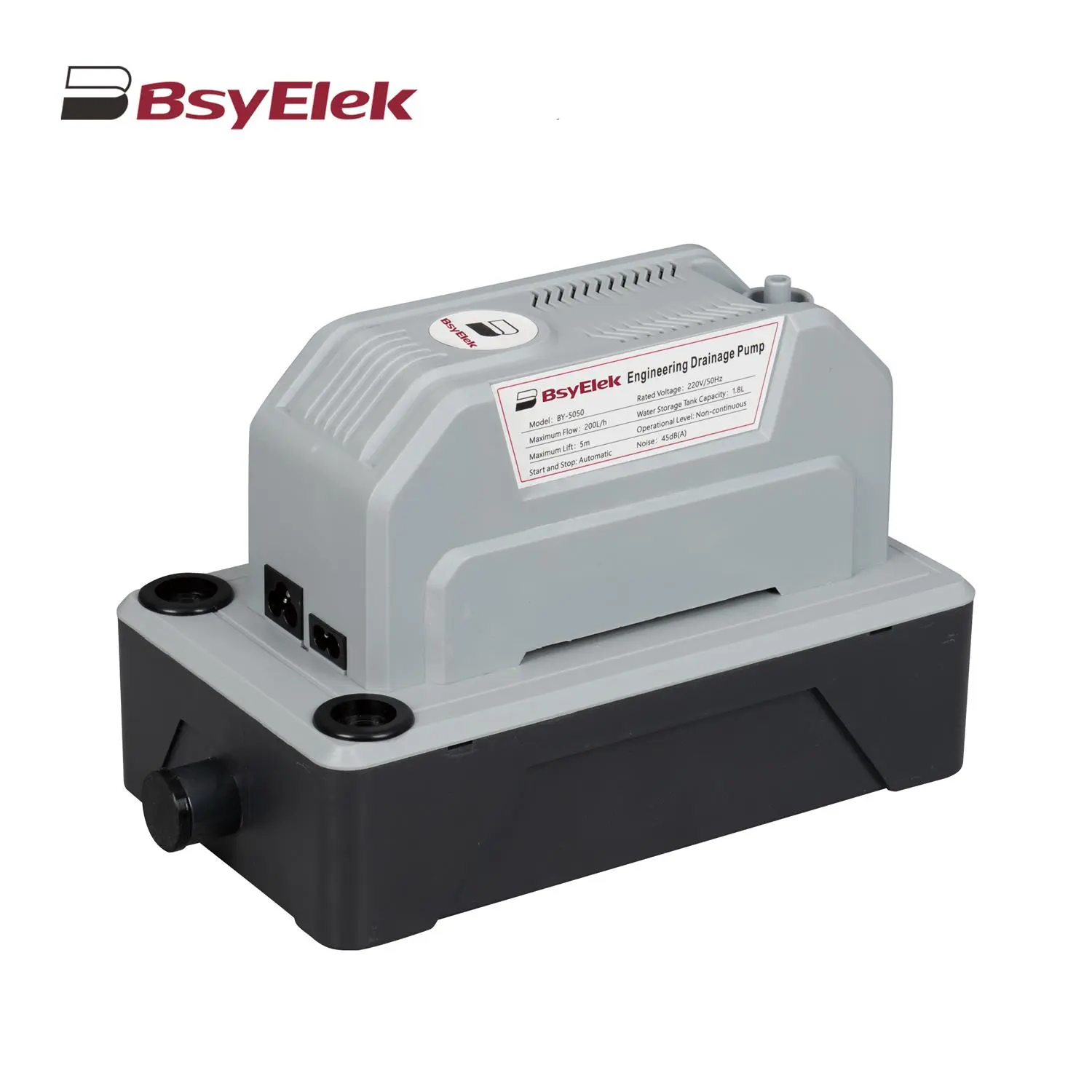 BY-5050 5M Engineering Drainage Pump
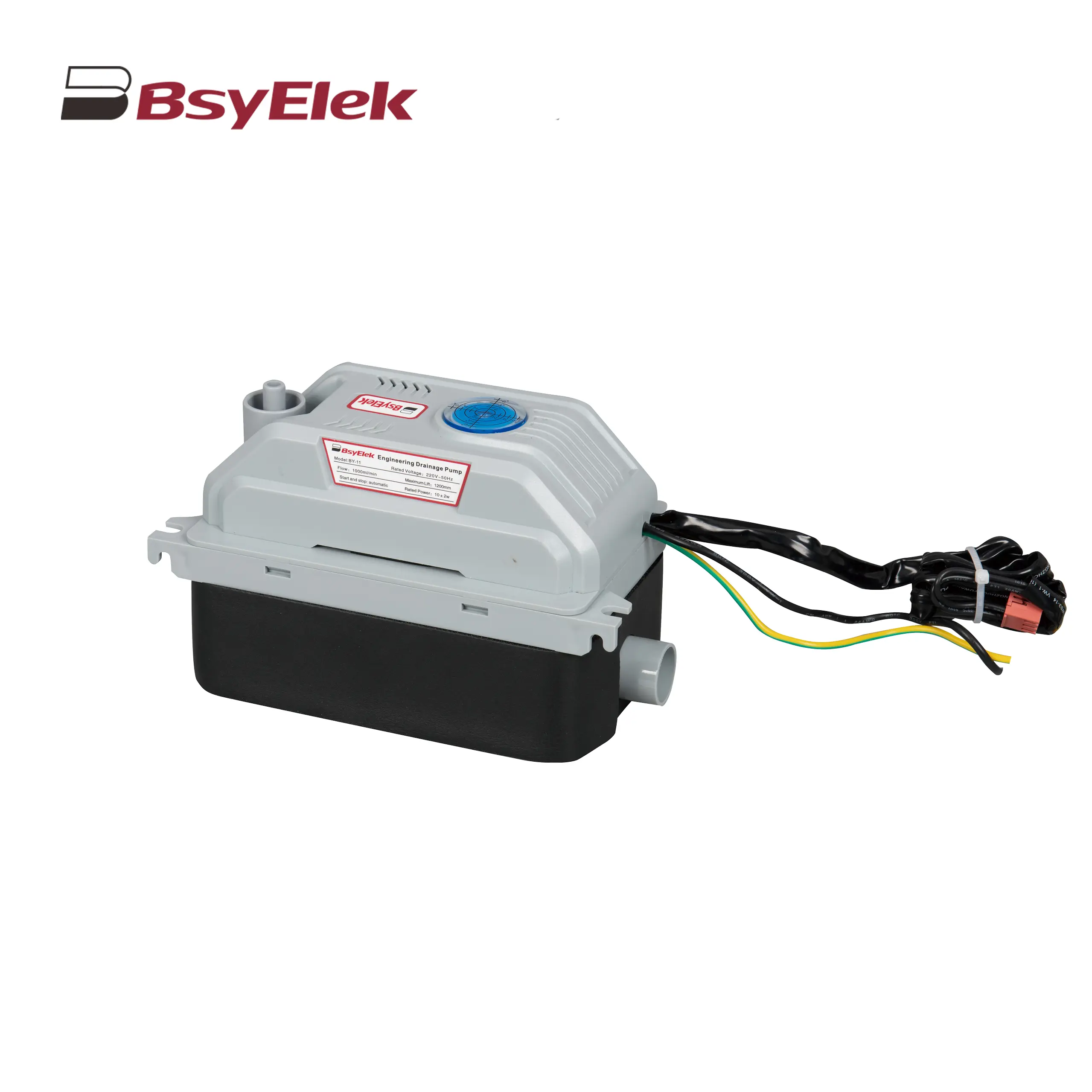 BY-11 1.2M Engineering Drainage Pump
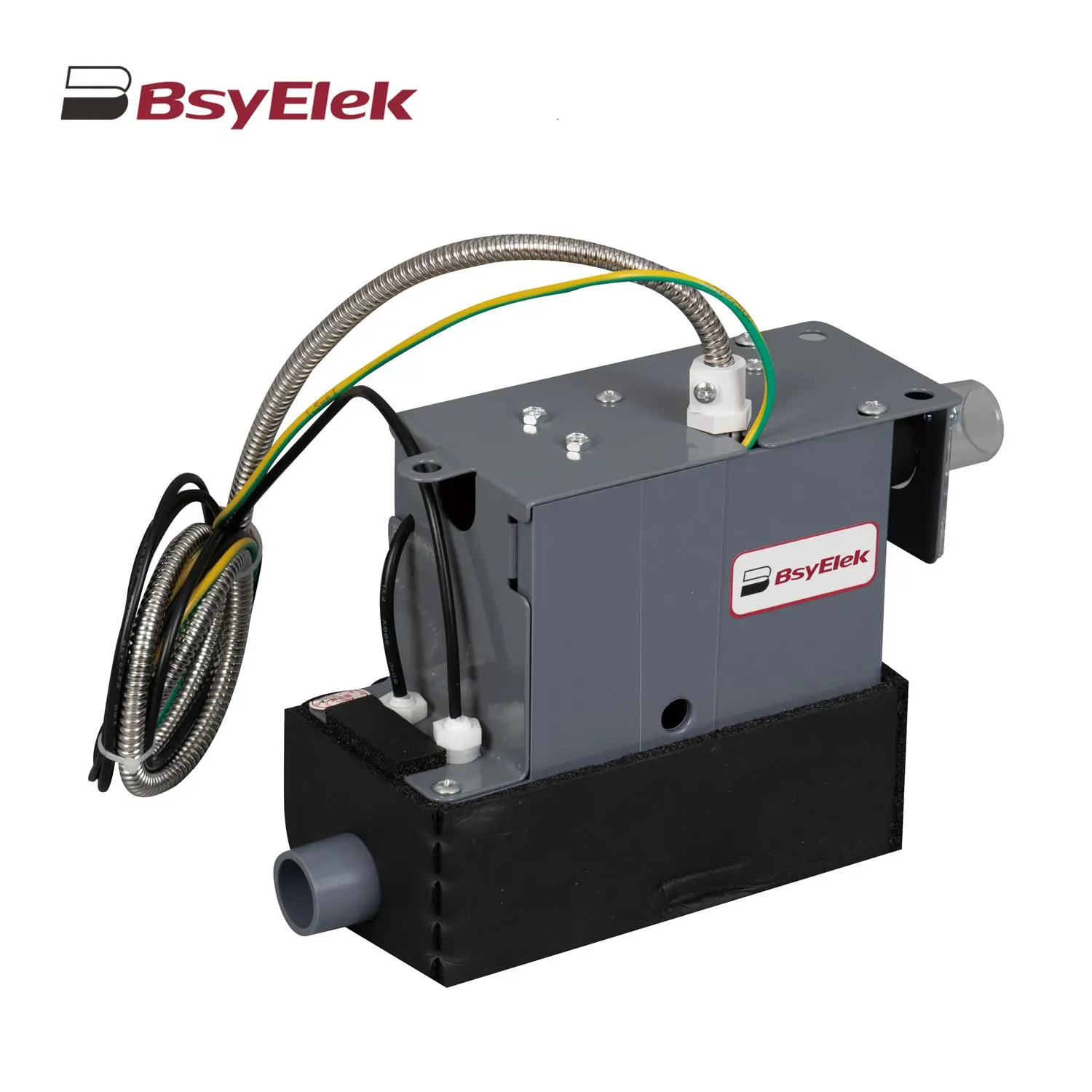 SBH-05 0.7M Original Drainage Pump of Duct Type Air Conditioner
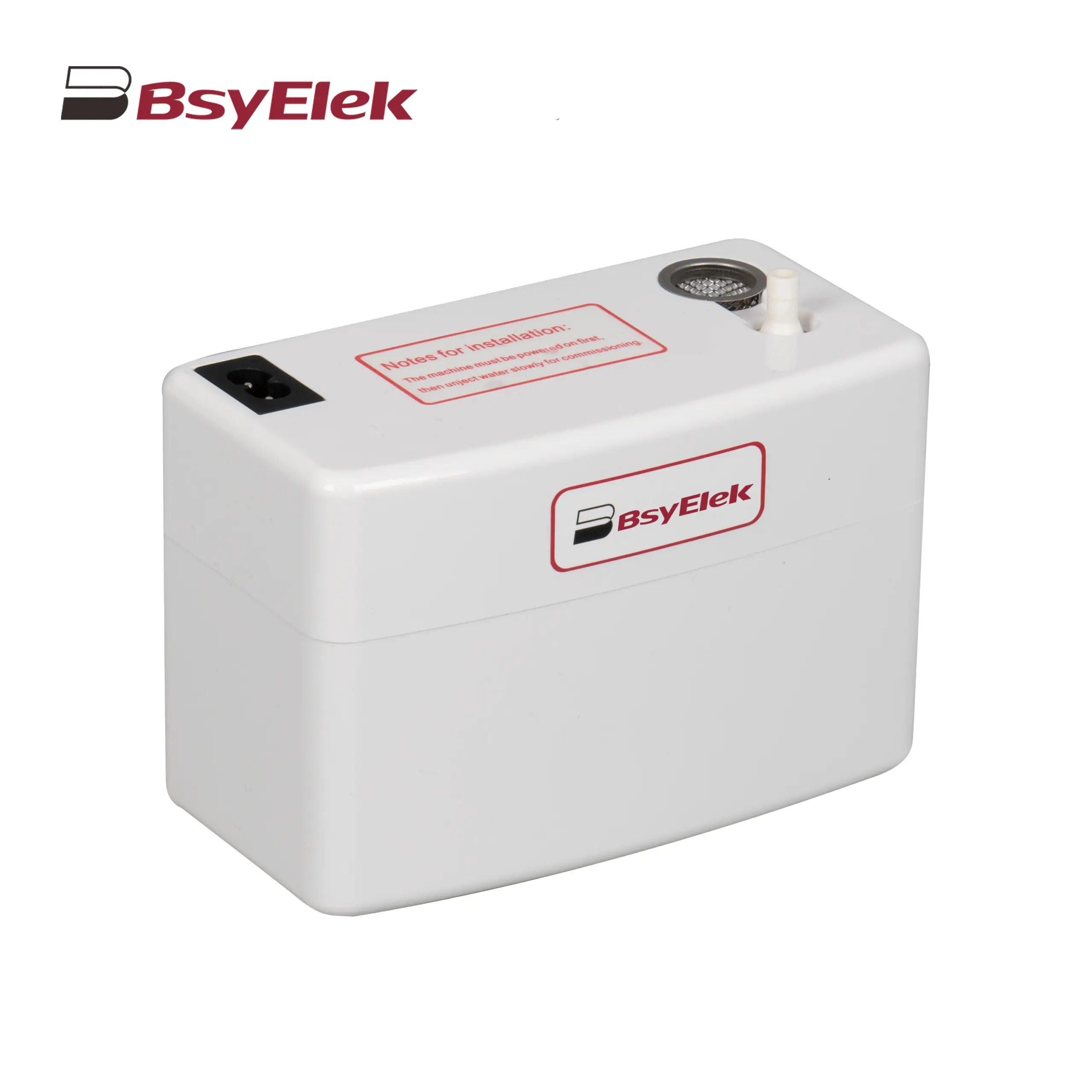 BY-24A/40A 10M Drainage Pump of Air Conditioner
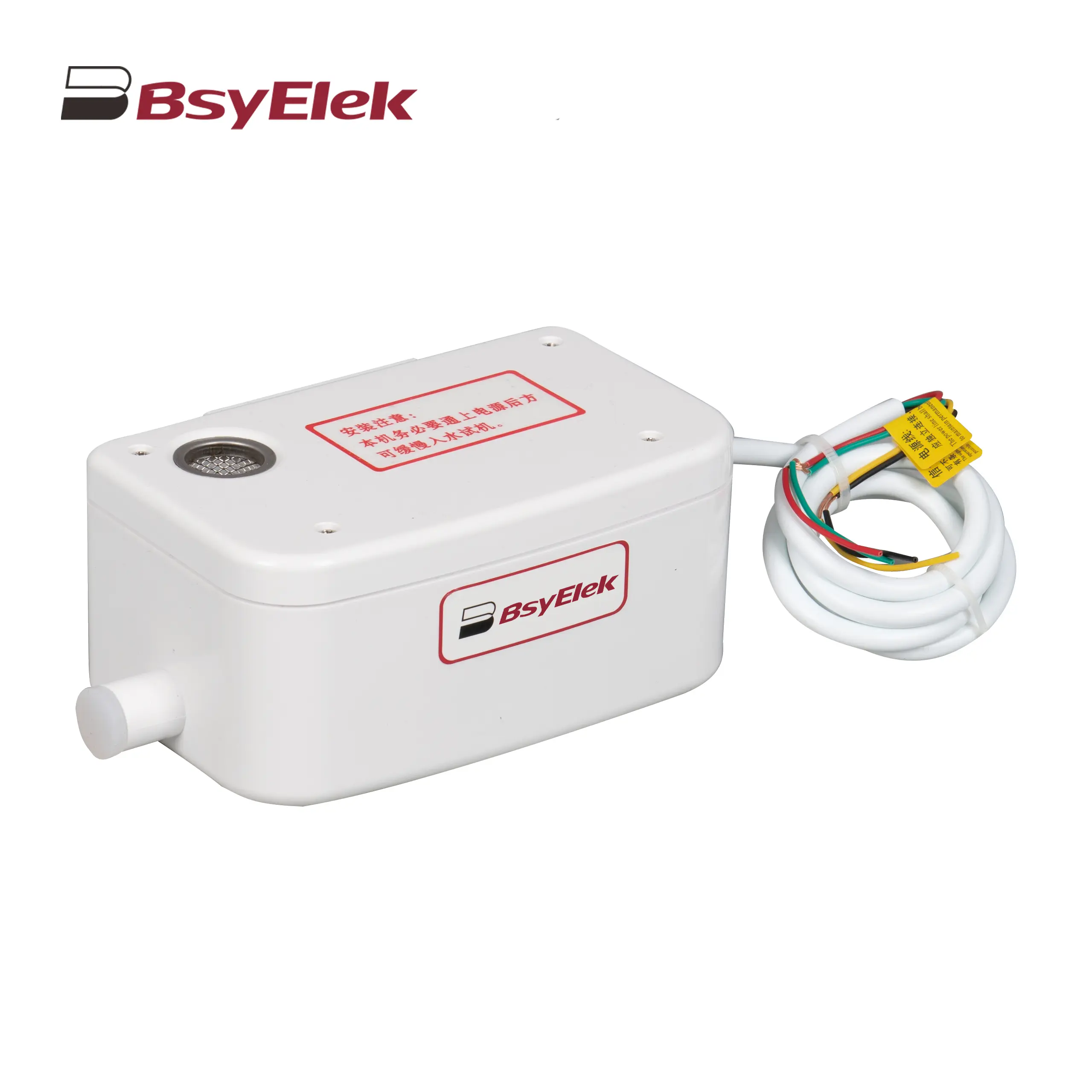 BY-50A 12M Drainage Pump of Air Conditioner
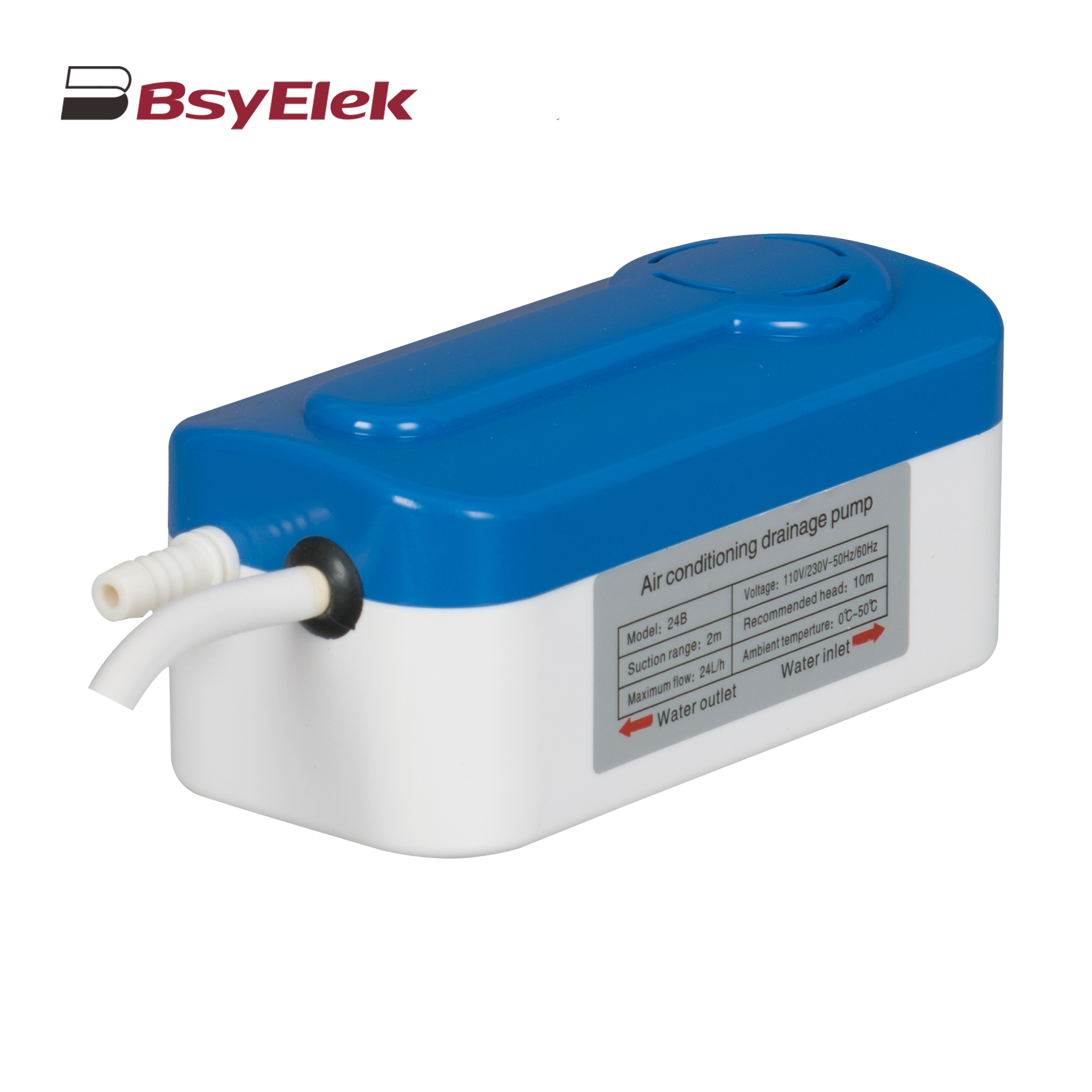 BY-24B/40B 10M Split Type Drainage Pump
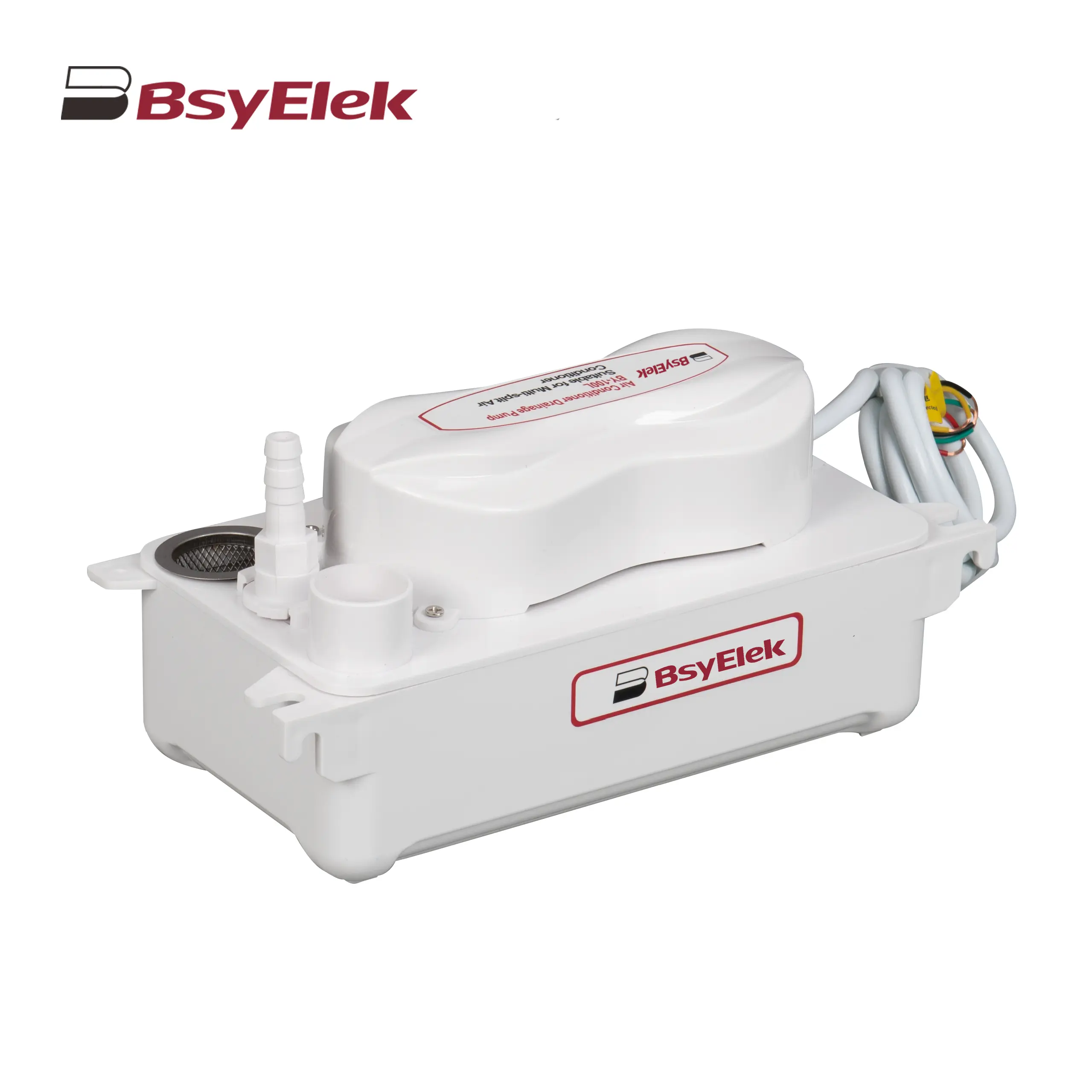 BY-100L 2M Drainage Pump of Air Conditioner
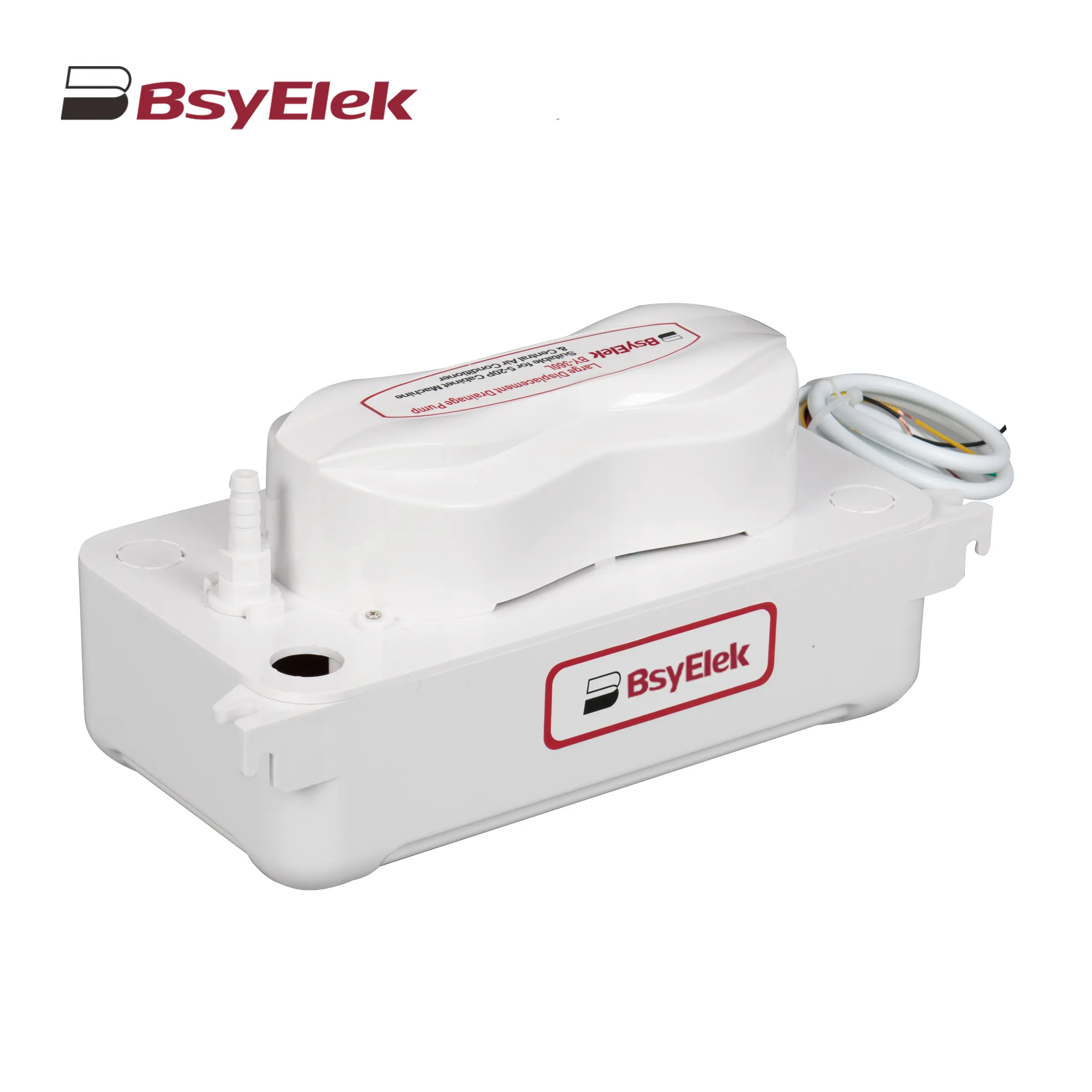 BY-360L 6M Large Displacement Drainage Pump
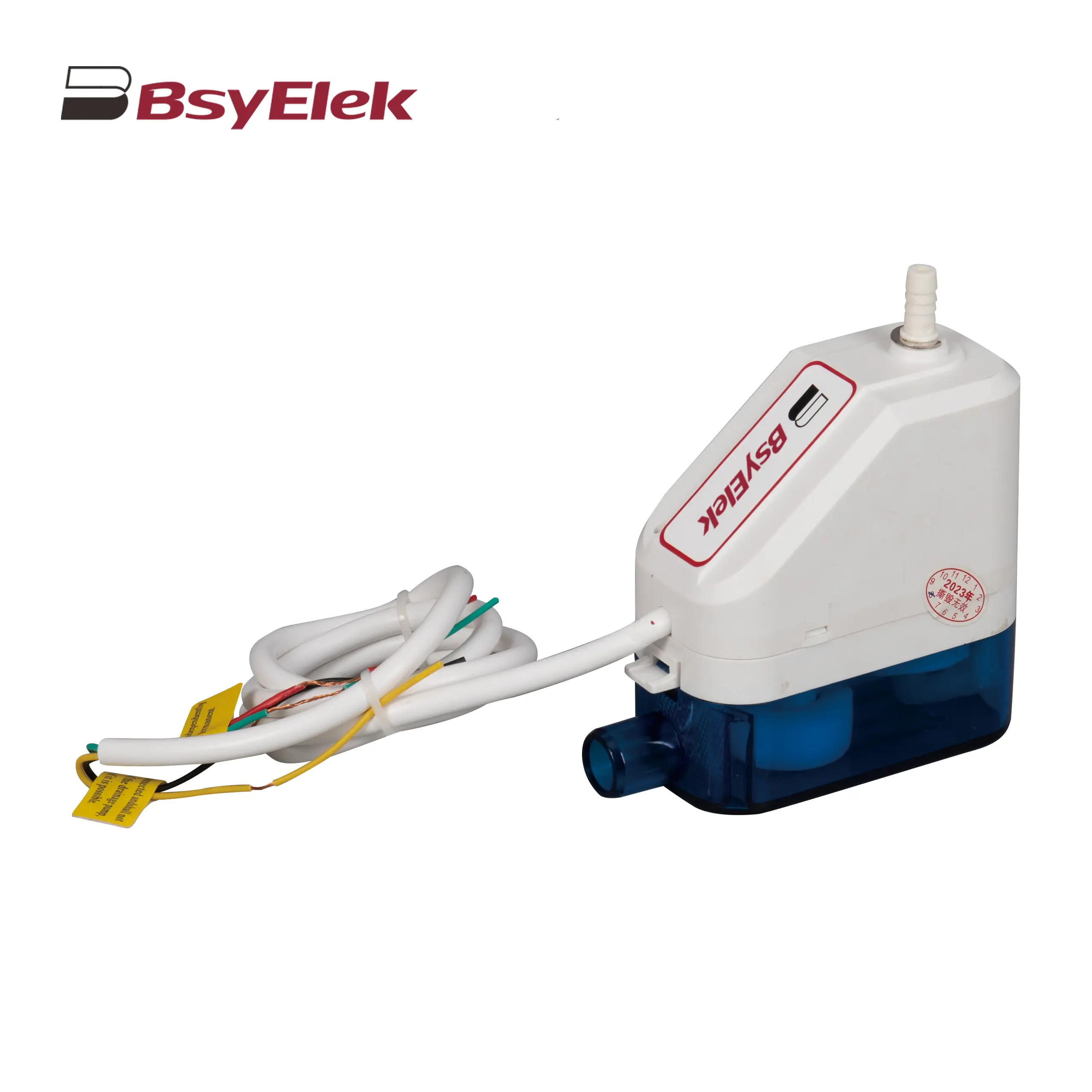 BY-24C/40C 10M Corner Drainage Pump
What is a miniature circuit breaker (MCB)?
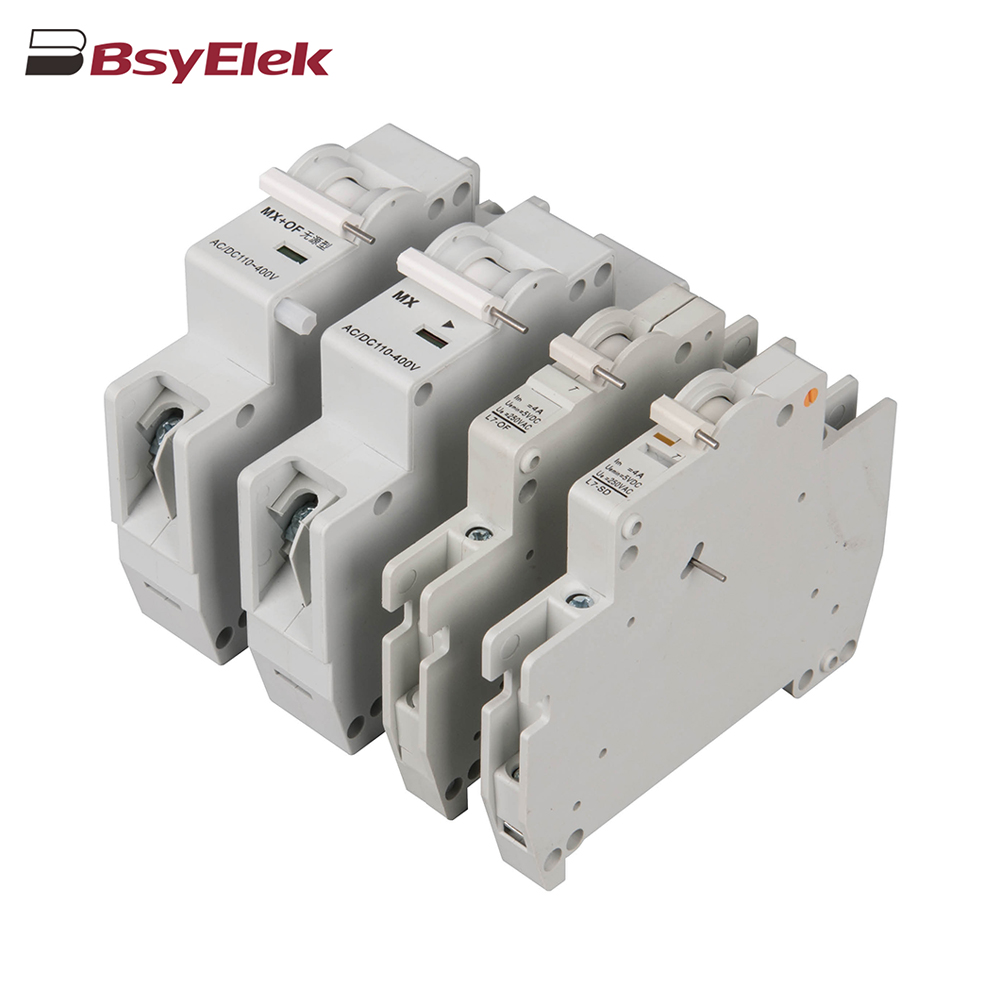 OF SD MX OF MCB Miniature Circuit Breaker Accessories
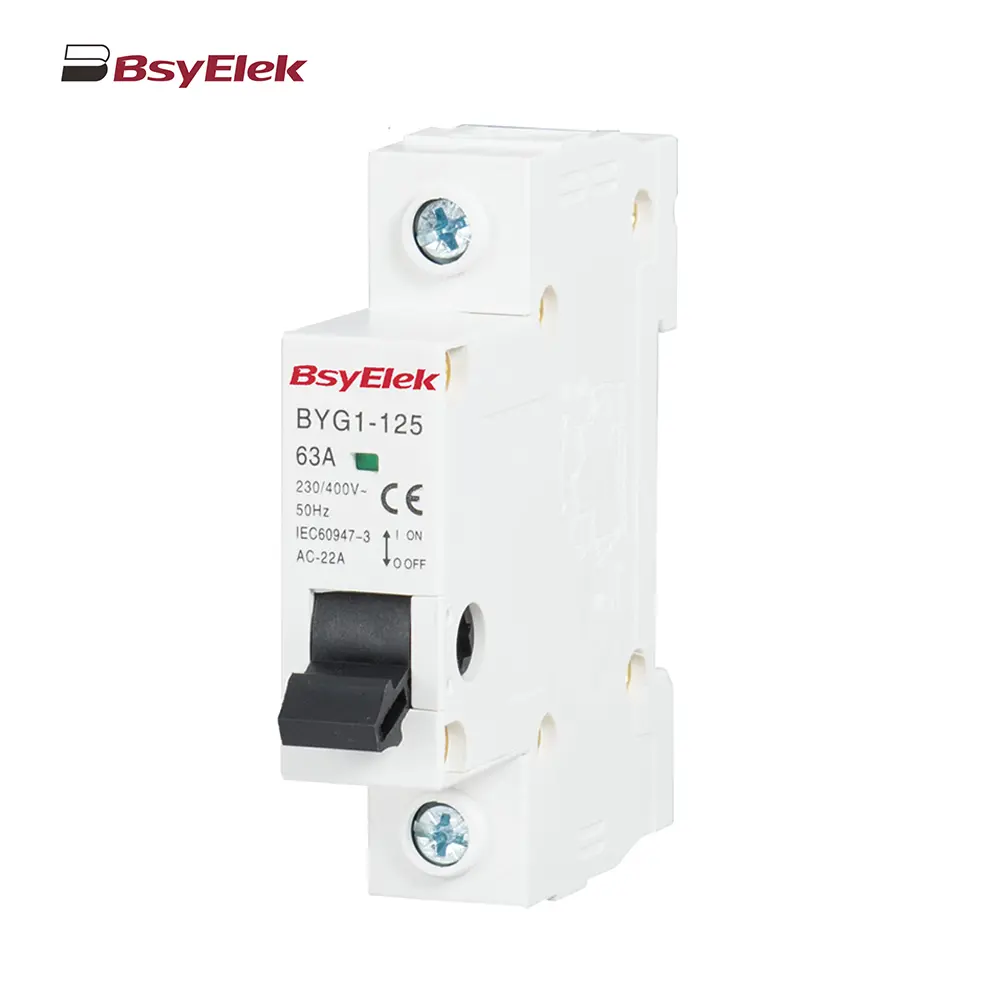 BYG1-125 Main Switch MCB Isolator Switch
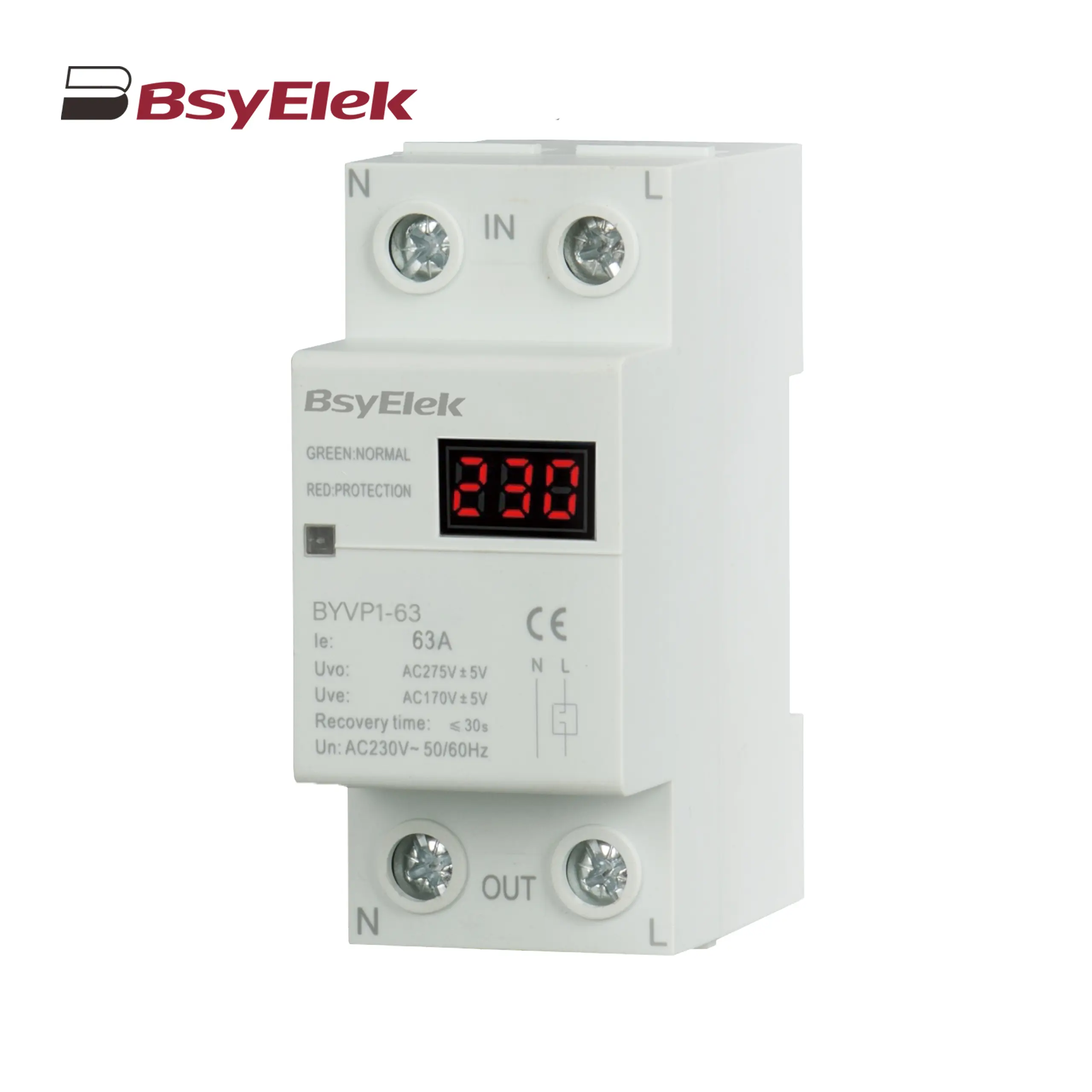 BYVP1-63 100A Single Display Overvoltage and Undervoltage Protector
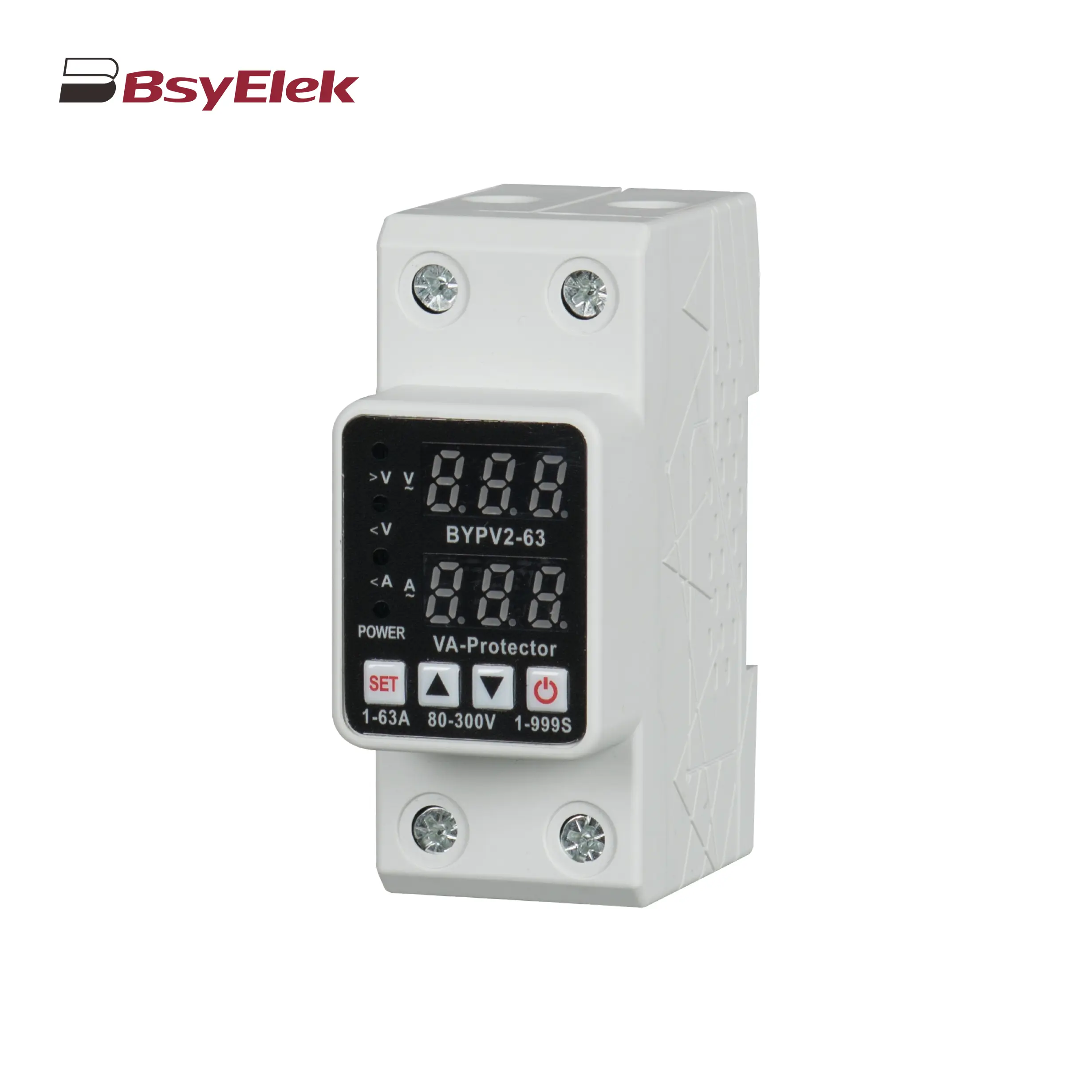 BYVP2-63 40A 63A Adjustable Dual Display Overvoltage and Undervoltage Protector
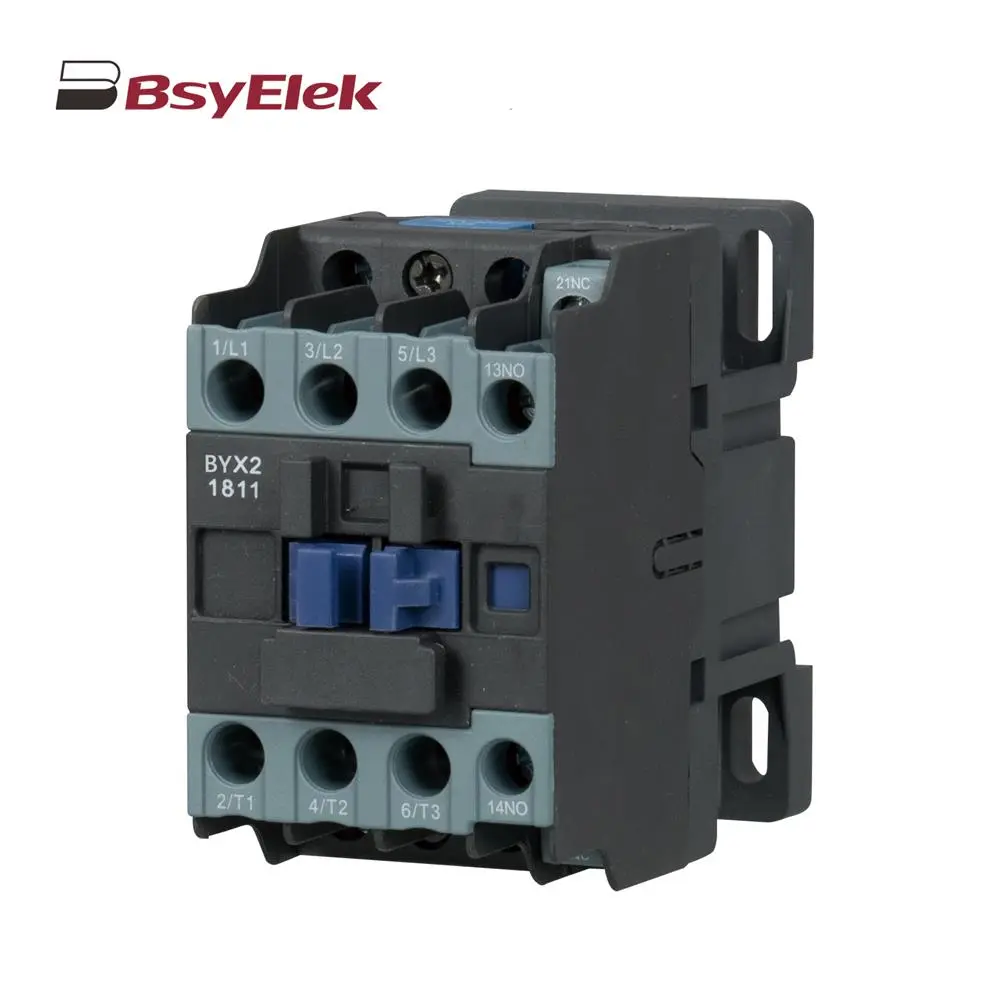 BYX2 6-95A AC Contactor
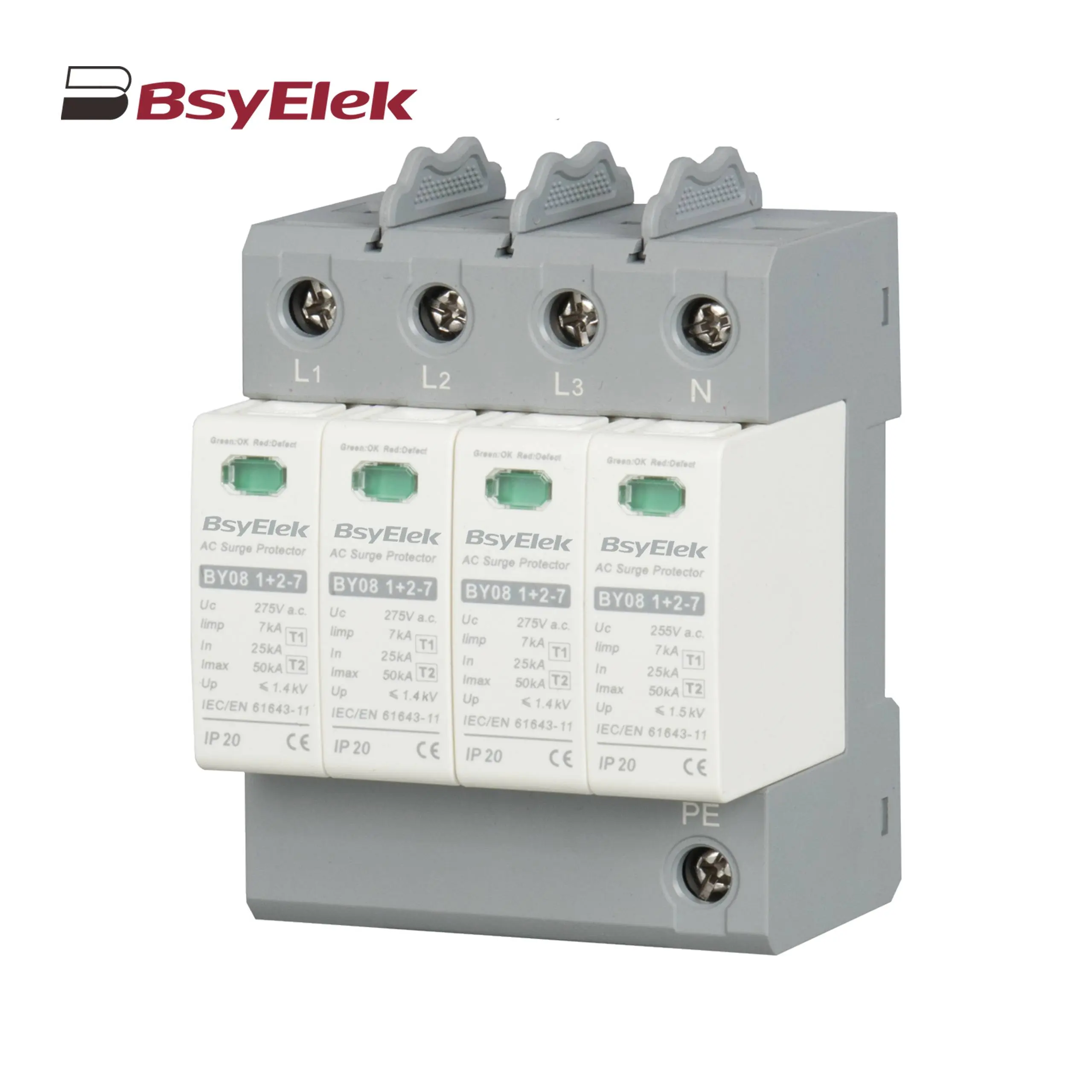 BY08 1+2-7 SPD Class T1+T2 Imax 50KA Surge Protective Device
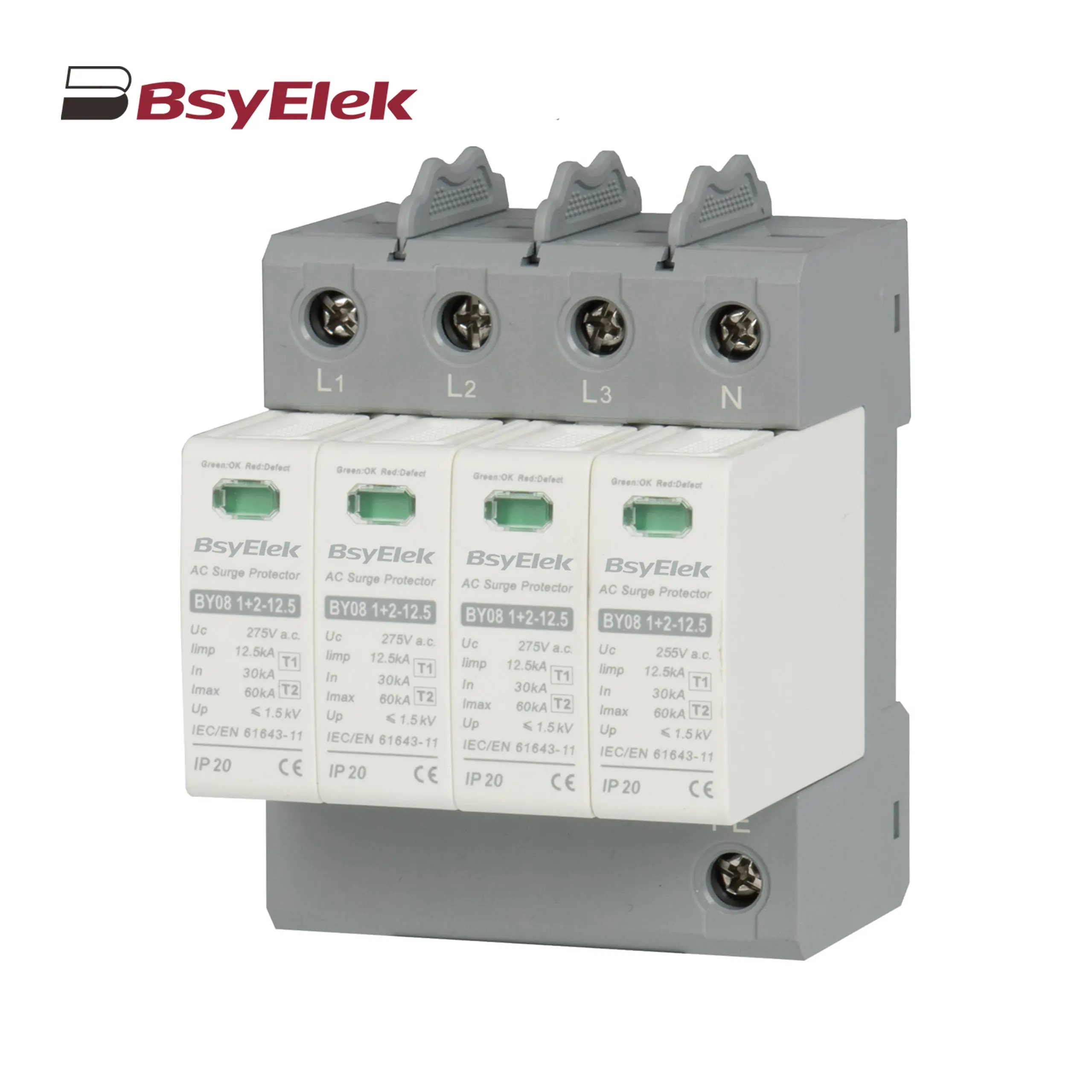 BY08 1+2-12.5 SPD Class T1+T2 Imax 60KA Surge Protective Device
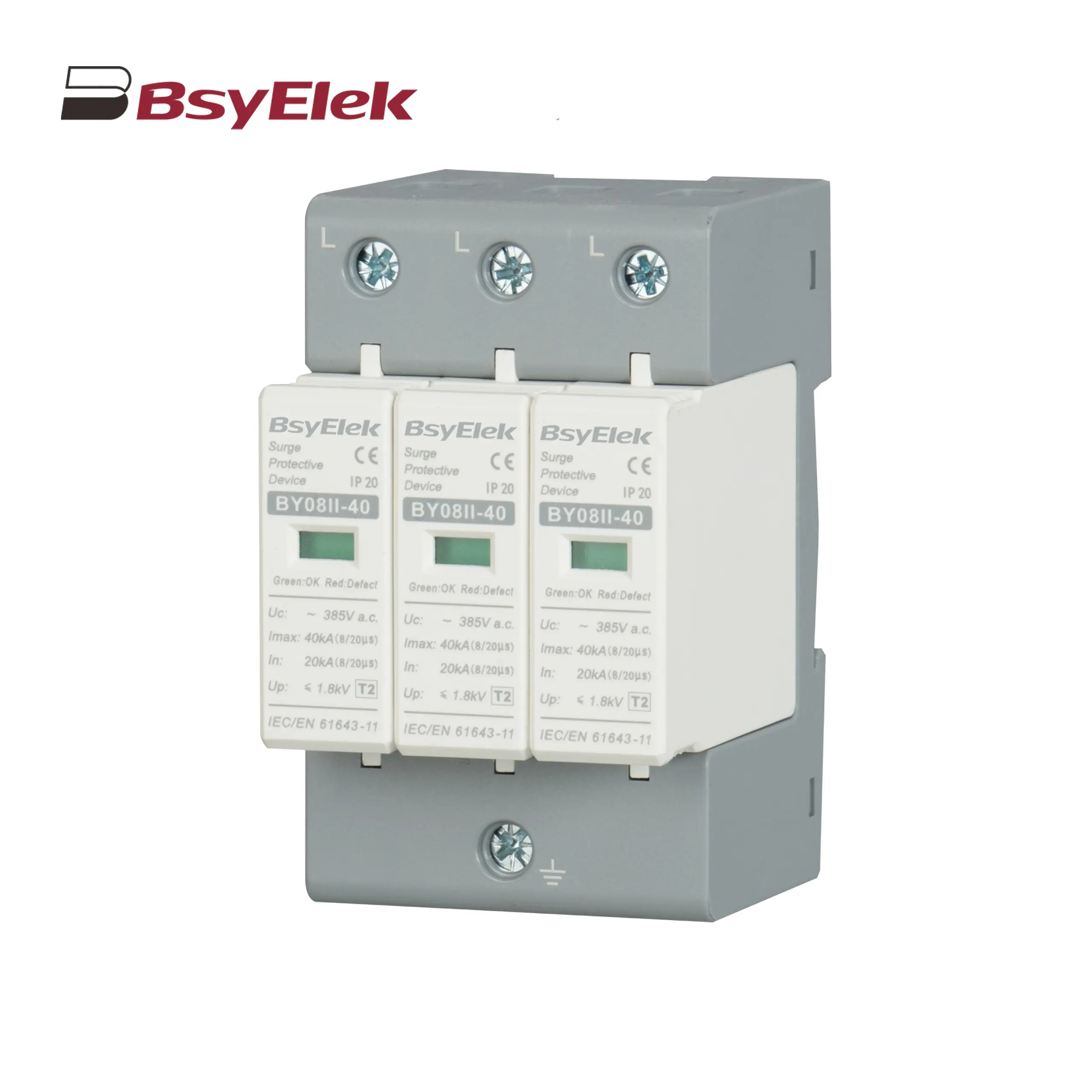 BY08II-40 SPD Class T2 Imax 40KA Surge Protective Device
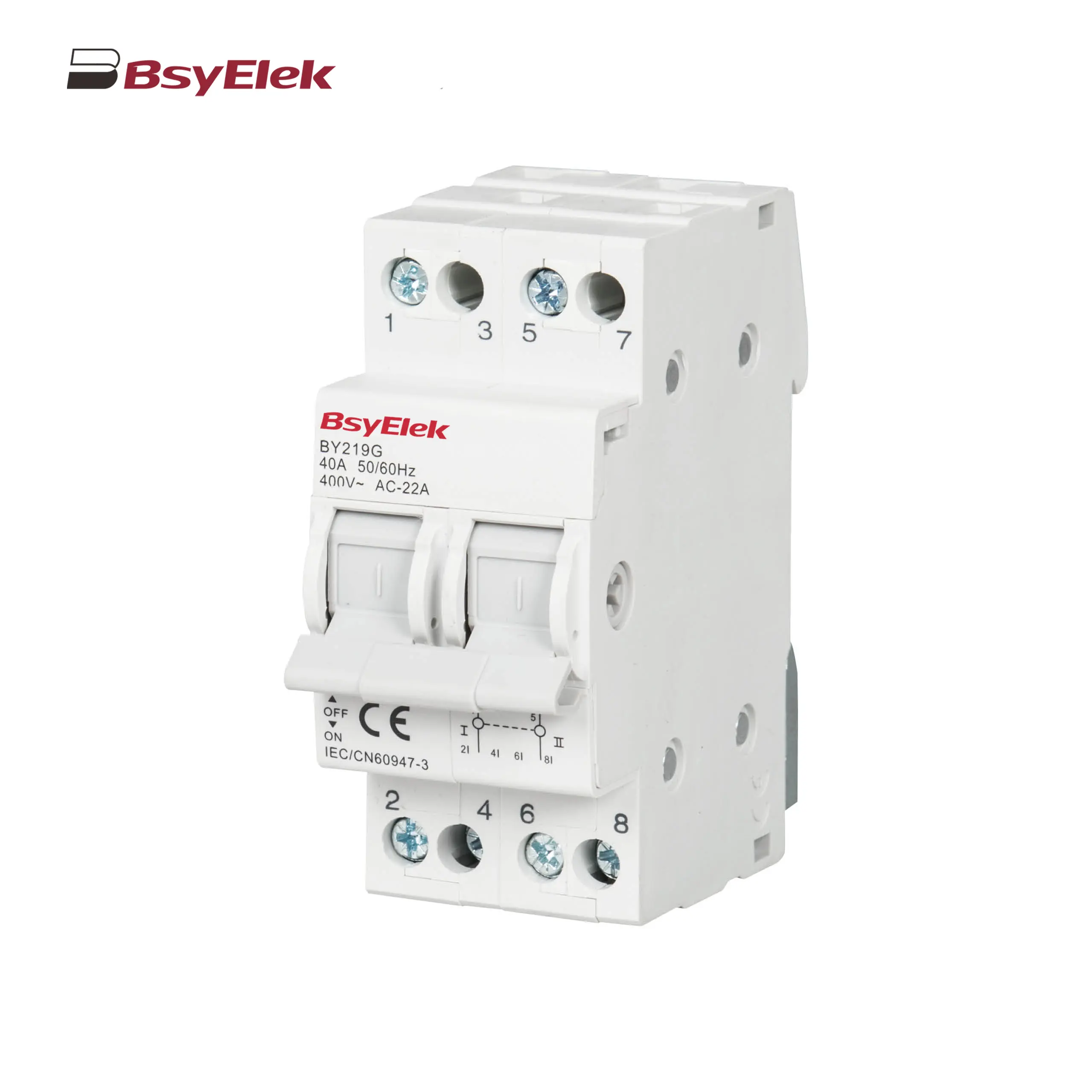 BY19G 63A Manual Changeover Switch
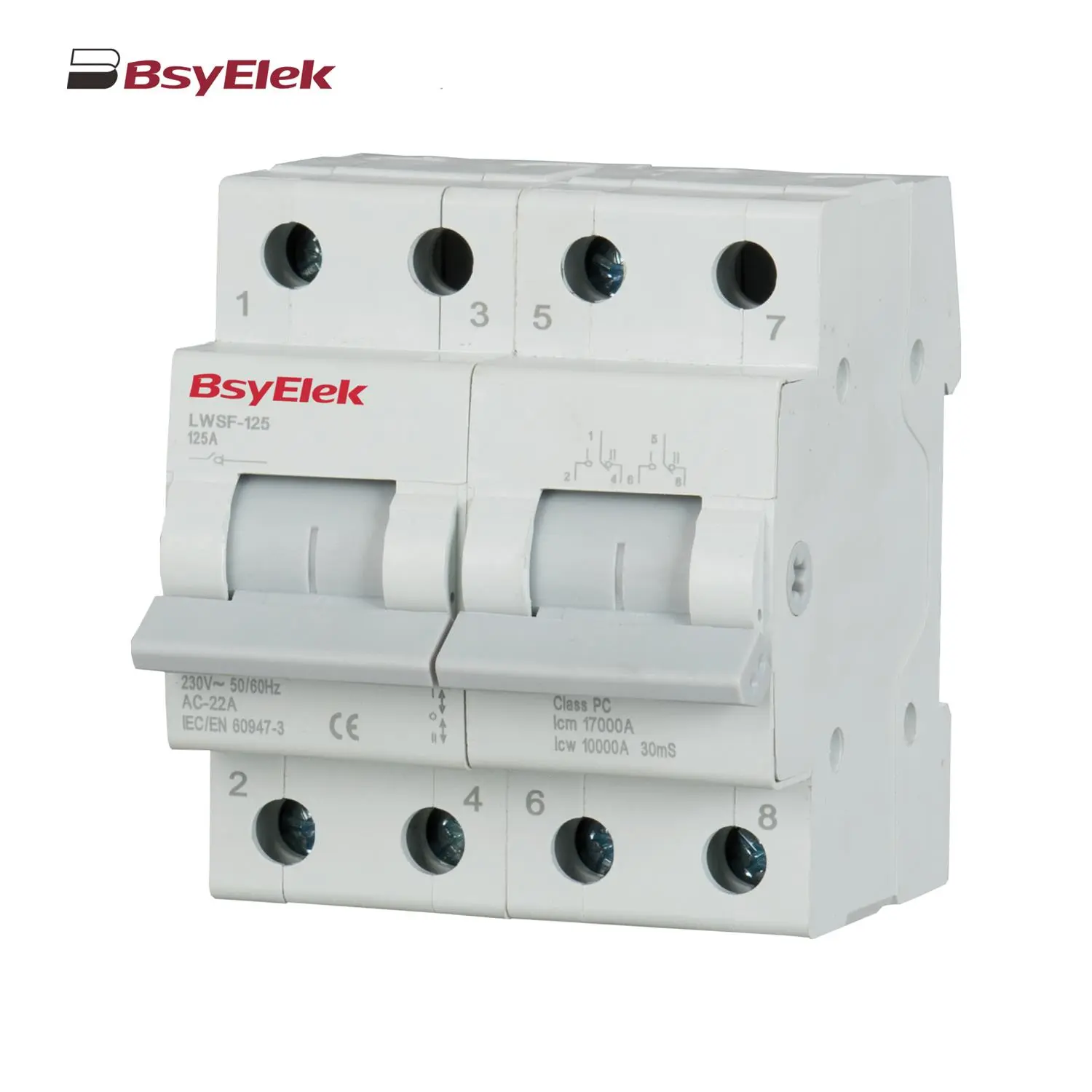 LWSF-125 125A Manual Changeover Switch
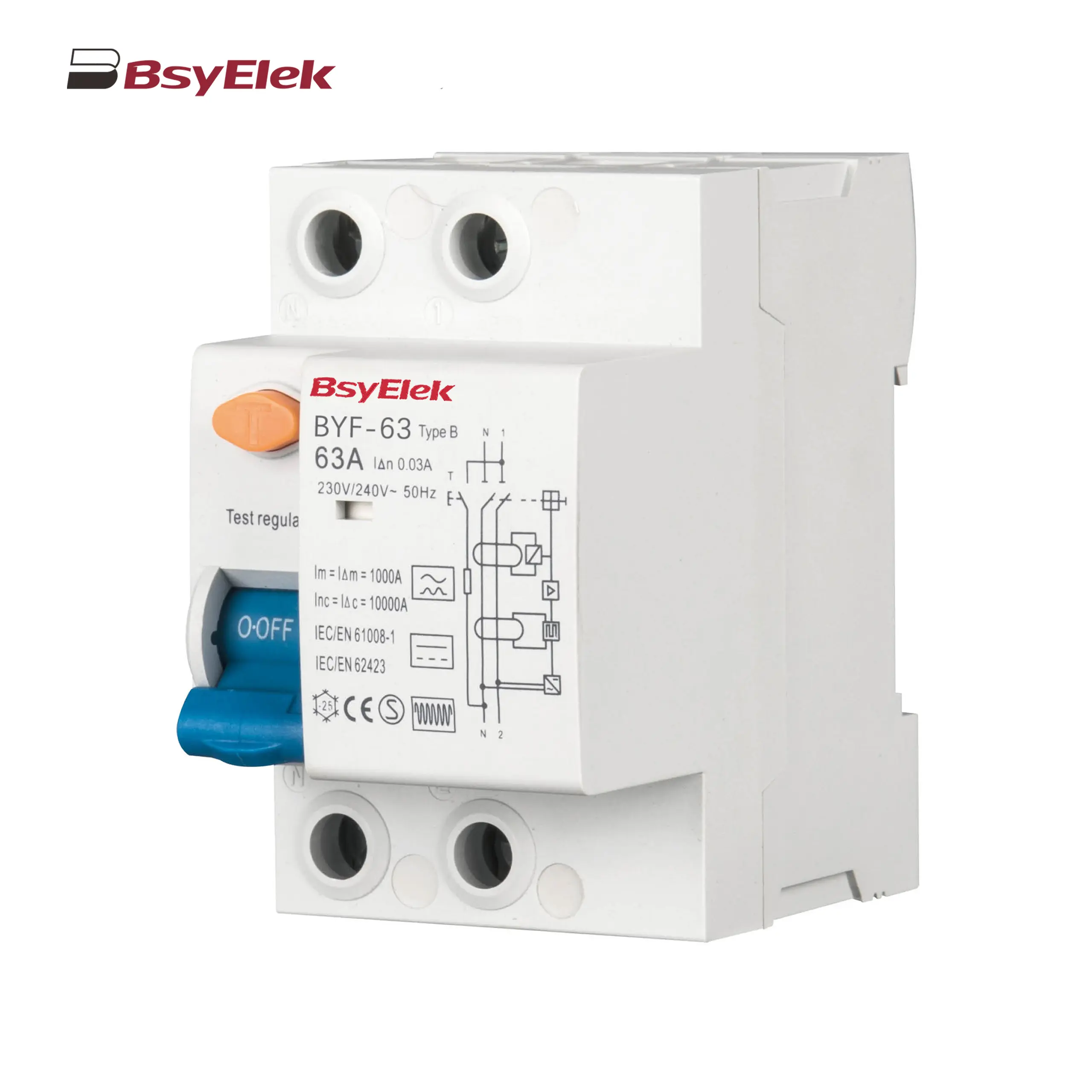 BYF-63 RCD 10KA Type B AC+A+Smoothing DC Residual Current Device
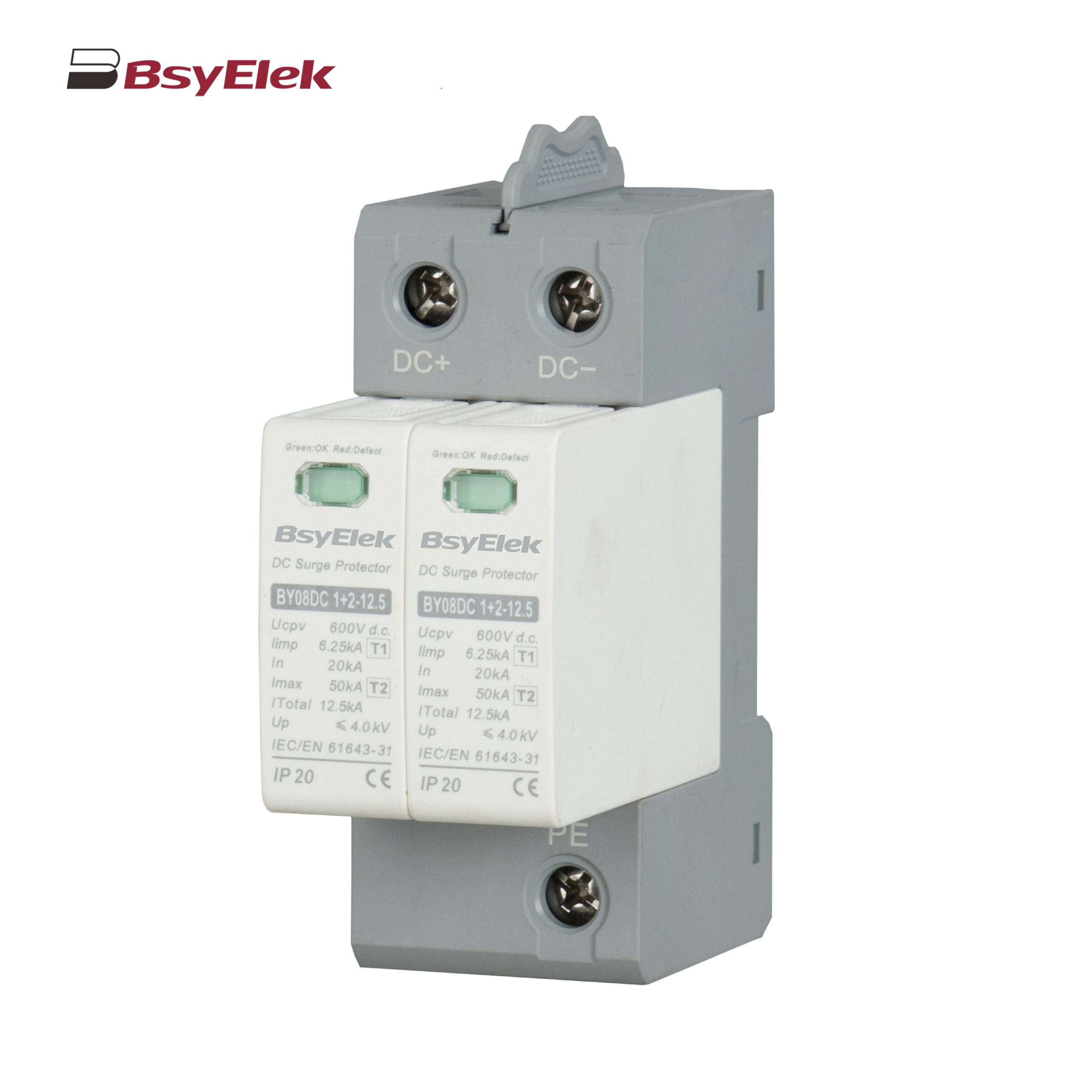 BY08DC 1+2-12.5 SPD Class T1+T2 40KA DC Surge Protective Device
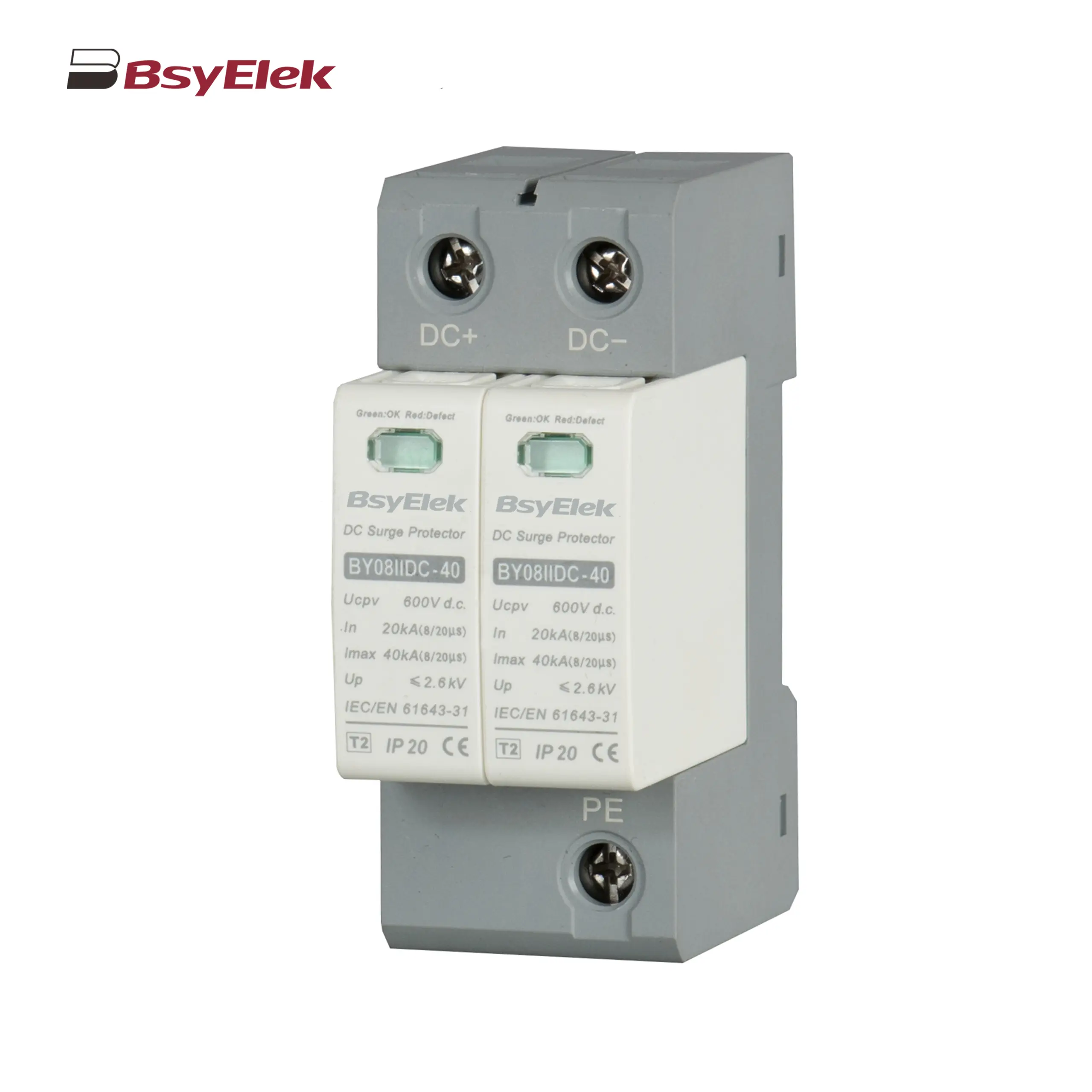 BY08IIDC-40 SPD Class T2 40KA DC Surge Protective Device
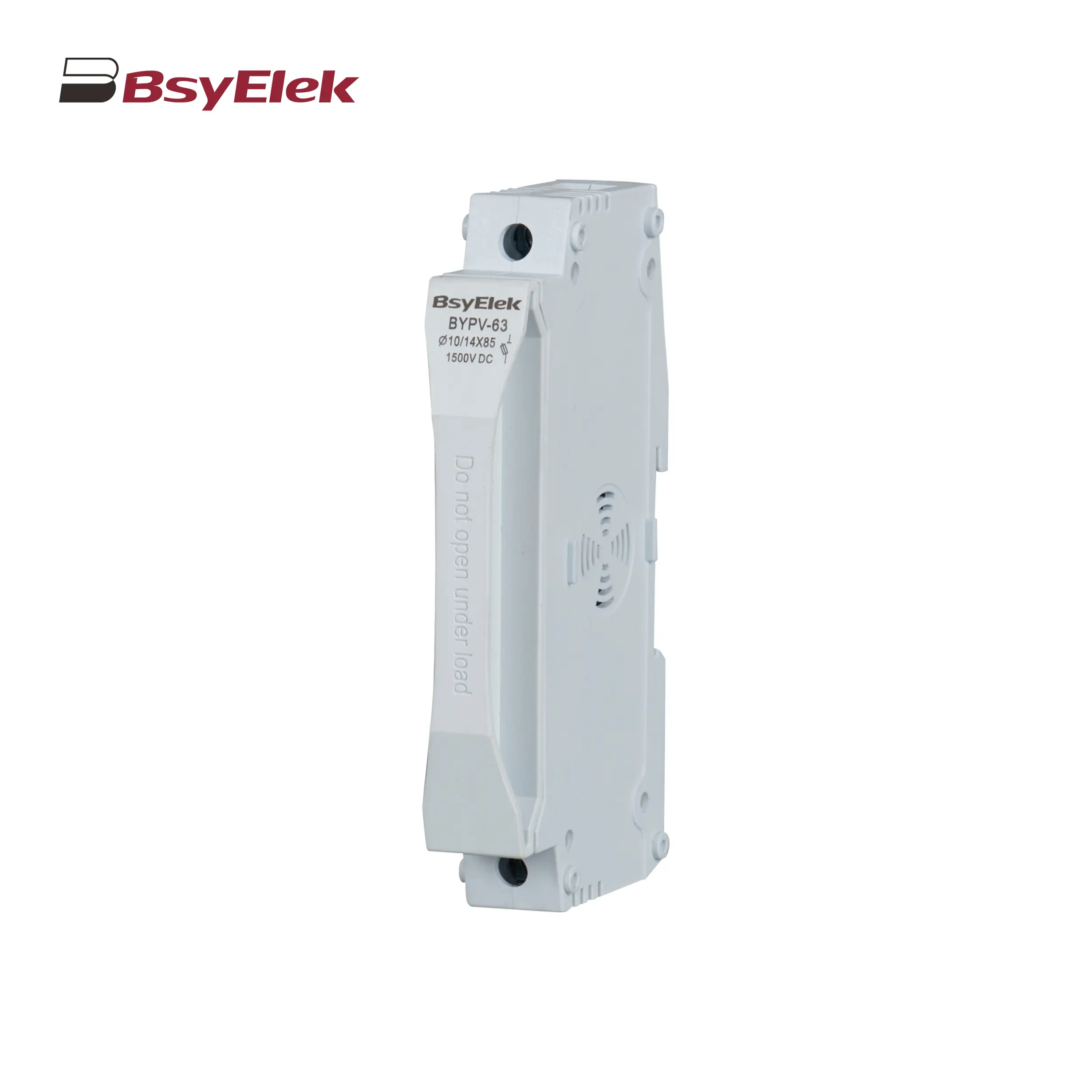 BYPV-63 1500VDC 50A Fuse Holder with 10x85mm 14x85mm Fuse Link
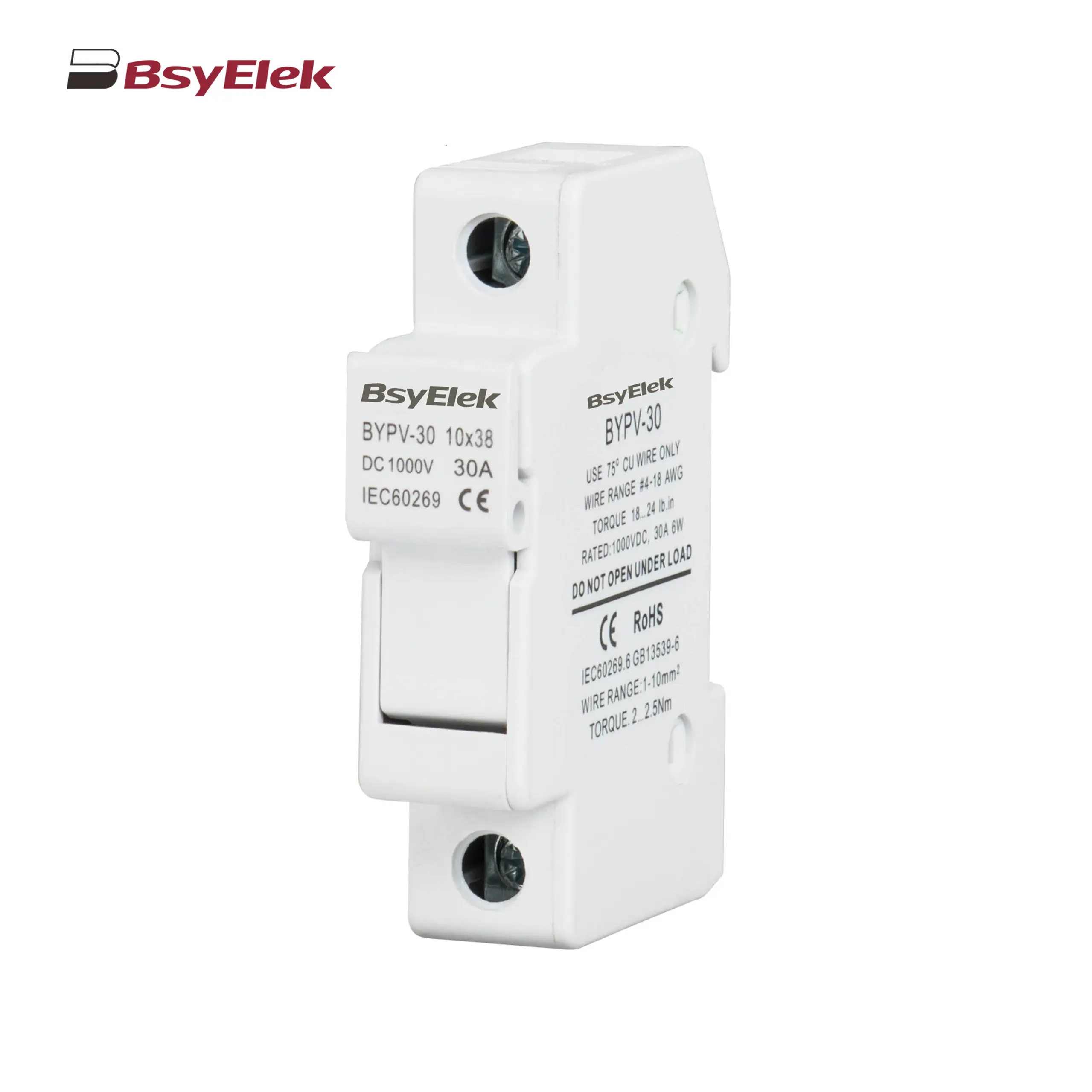 BYPV-30 1000VDC 32A Fuse Holder with 10x38mm Fuse Link
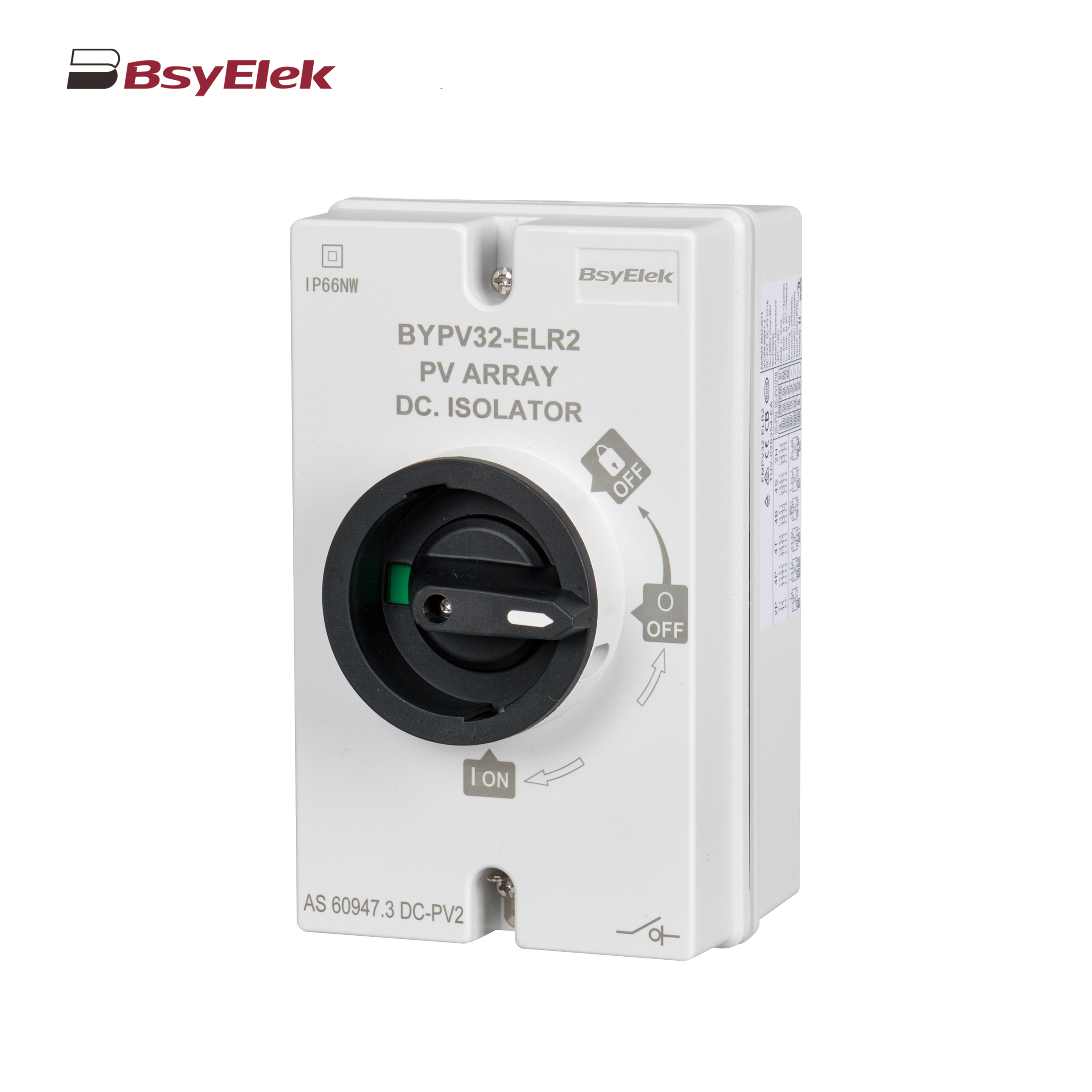 BYPV-ELR2 PV Isolator Switch with Enclosed Version
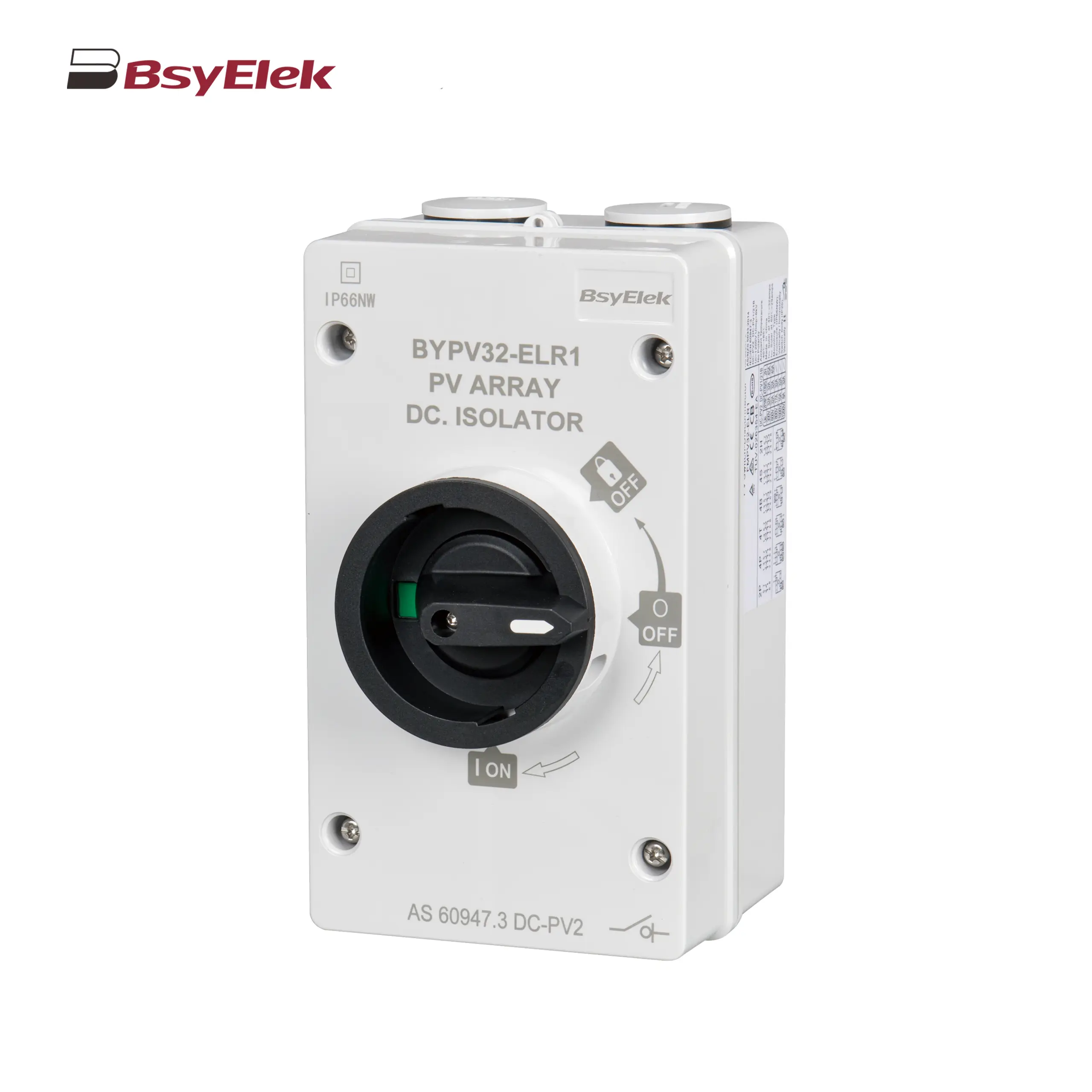 BYPV-ELR1 PV Isolator Switch with Enclosed Version
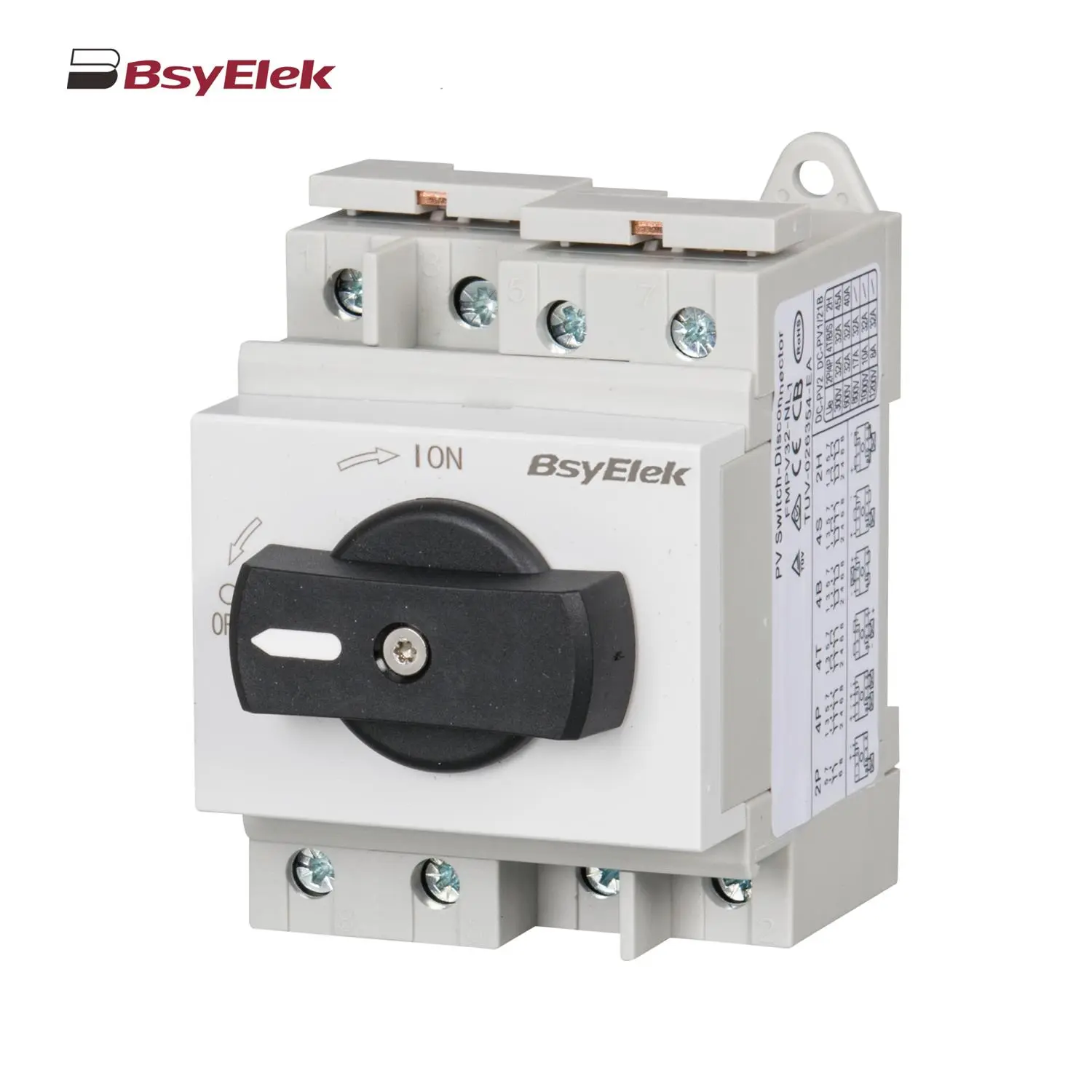 BYPV-NL1/T PV Isolator Switch with Ultra-thin Lever Handle
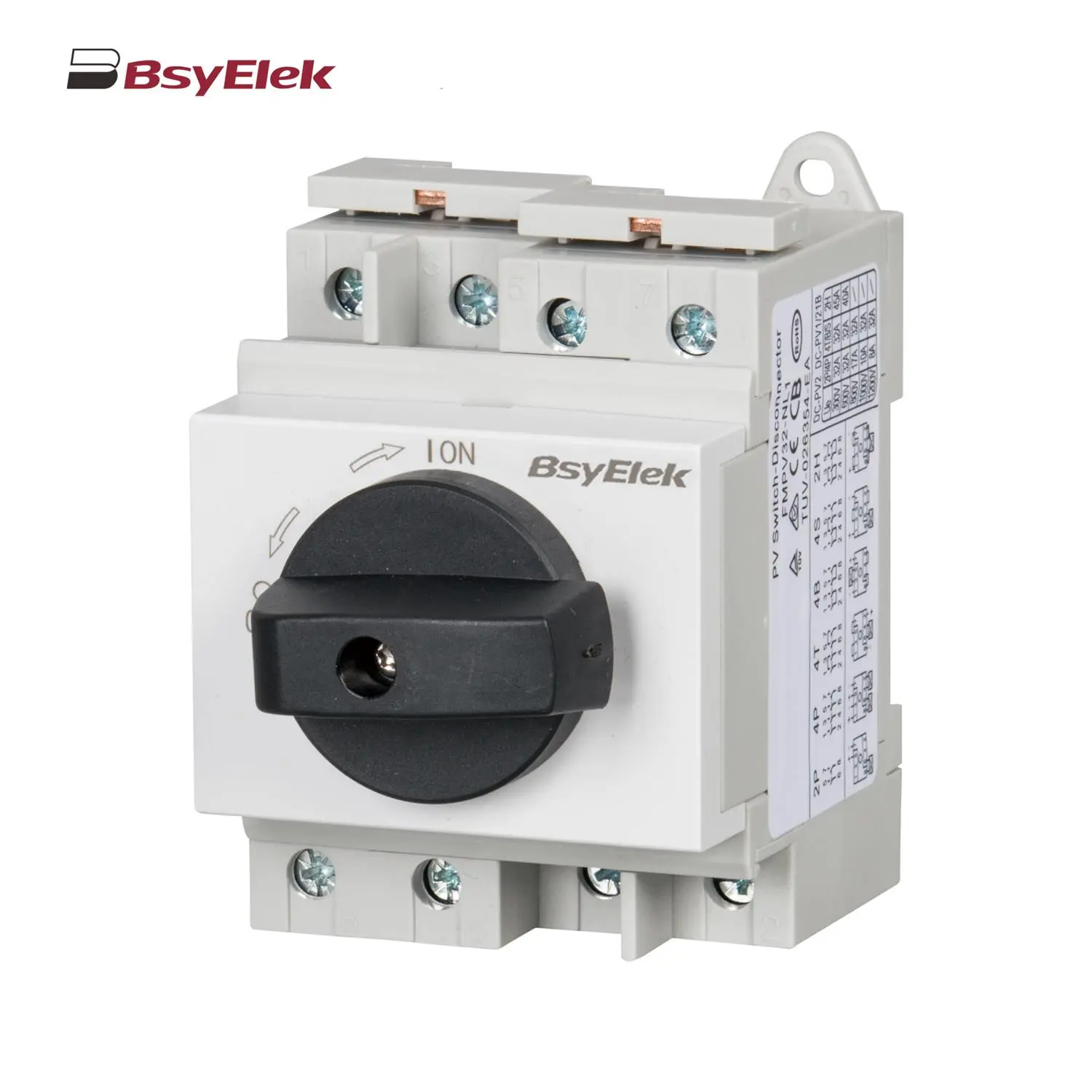 BYPV-NL1 PV Isolator Switch with Lever Handle
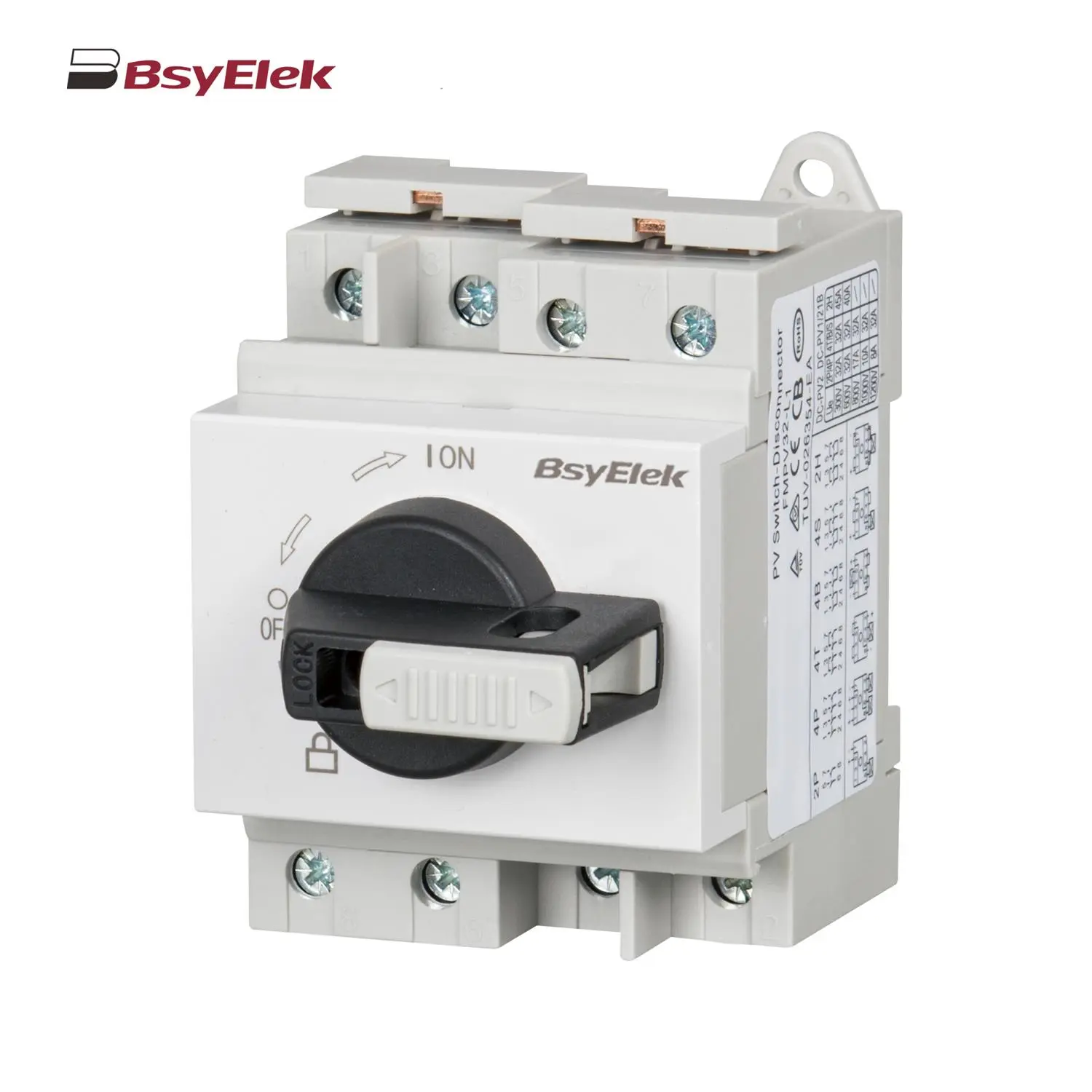 BYPV-L1/L2 PV Isolator Switch with Lockable Lever Handle
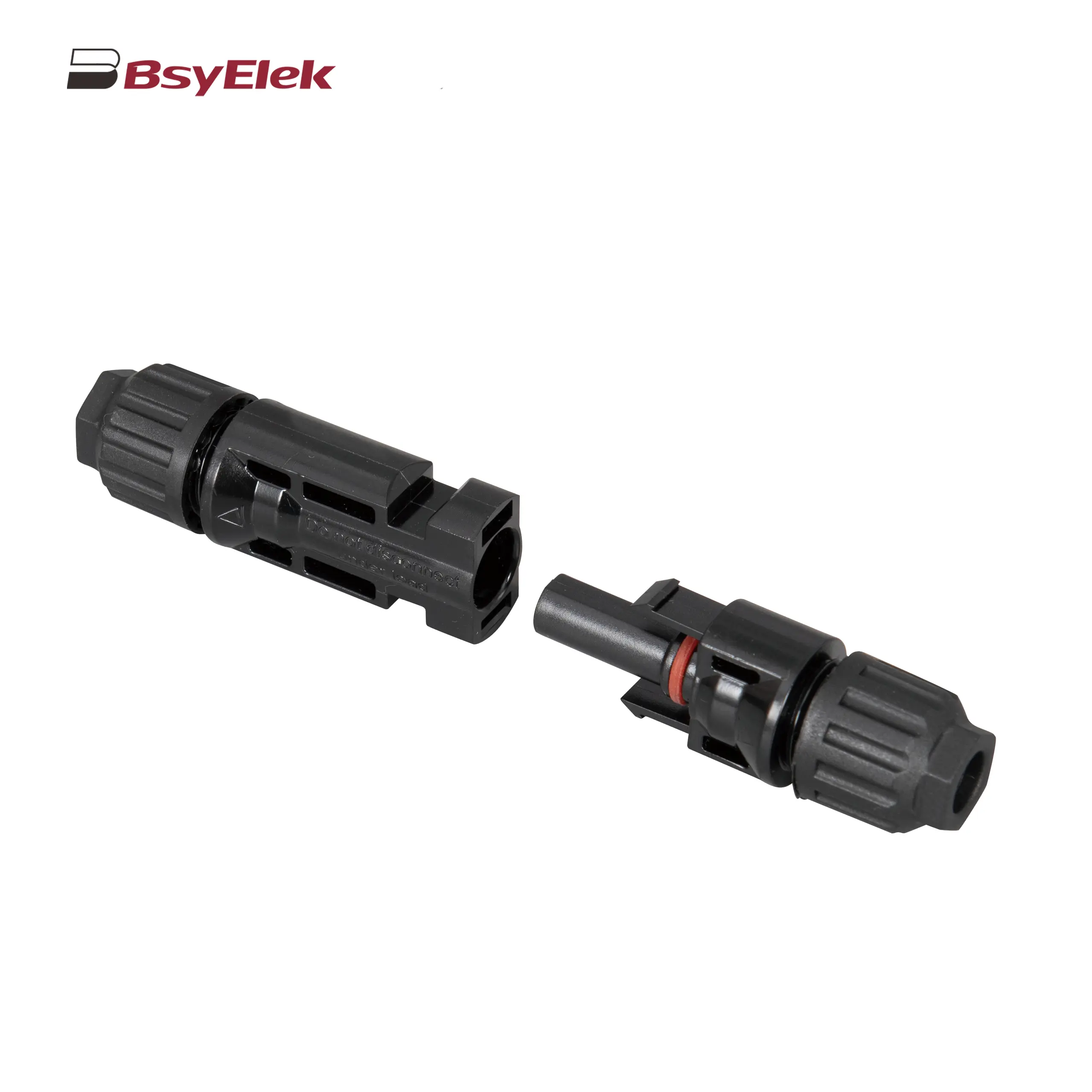 PV-BY-01 30A/50A 1000V Photovoltaic Connector
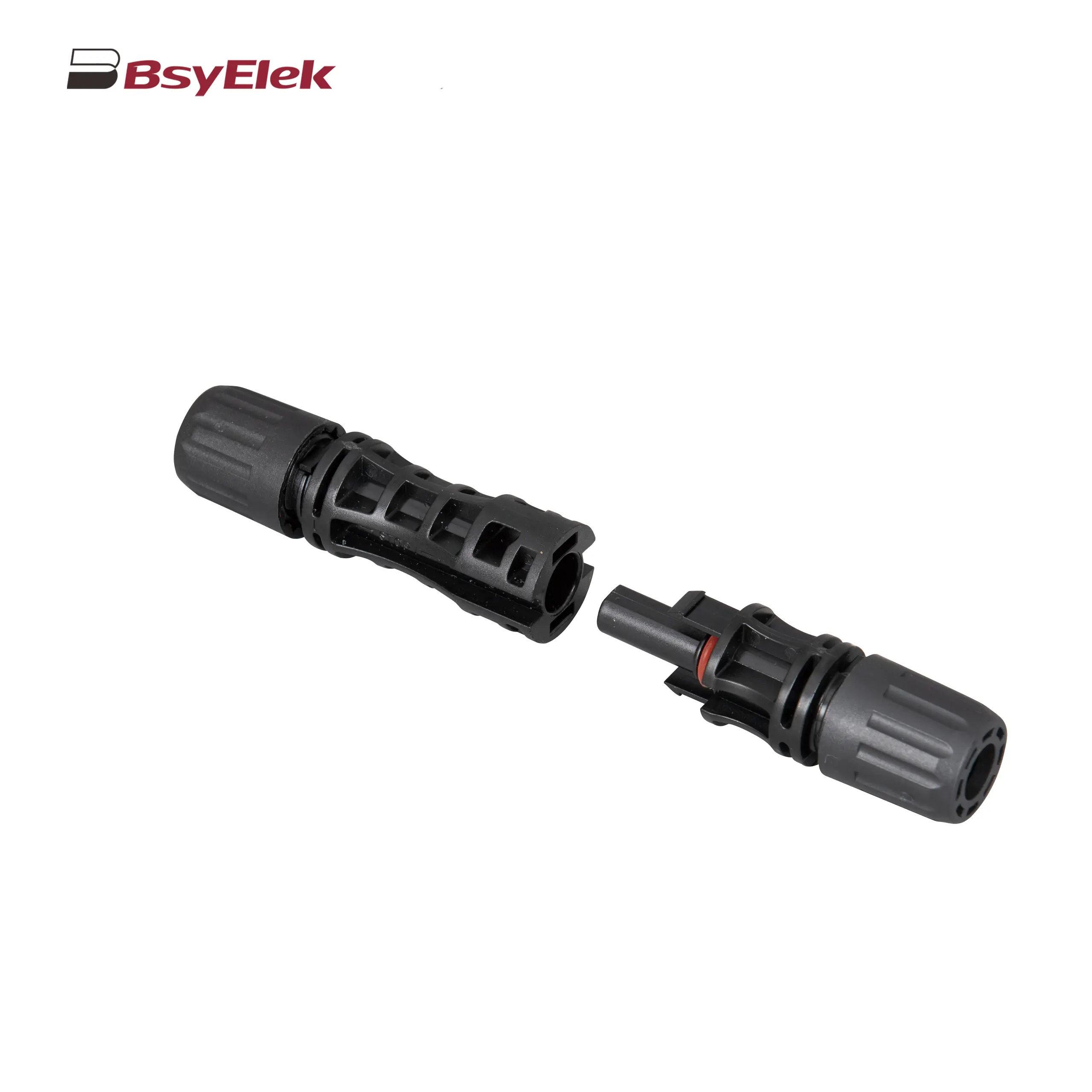 PV-BY-02 30A/50A 1500V Photovoltaic Connector
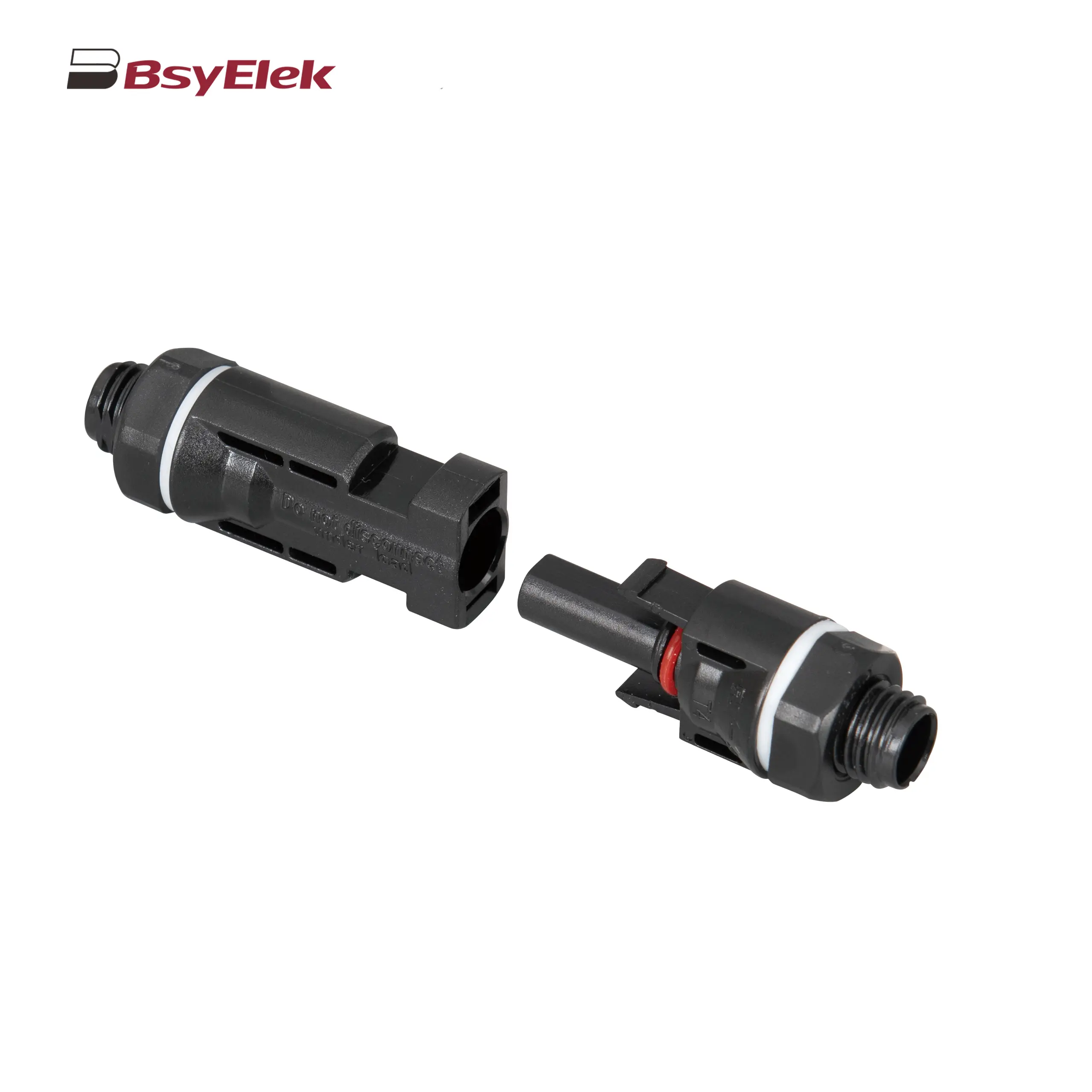 PV-BY-03 30A/50A 1000V Panel Mount Photovoltaic Connector
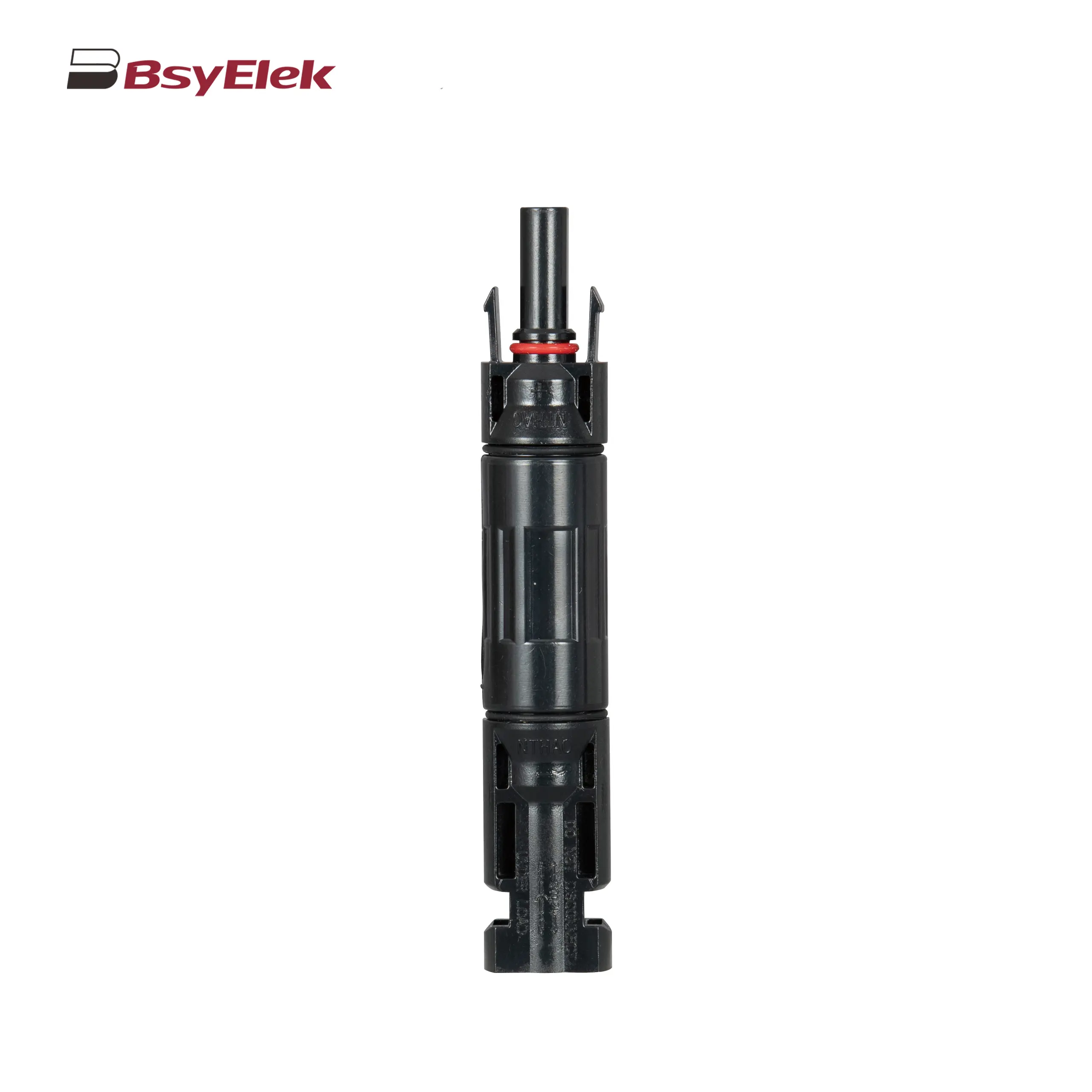 PV-BY-F01 30A 1500V Diode/Fuse Type Connector
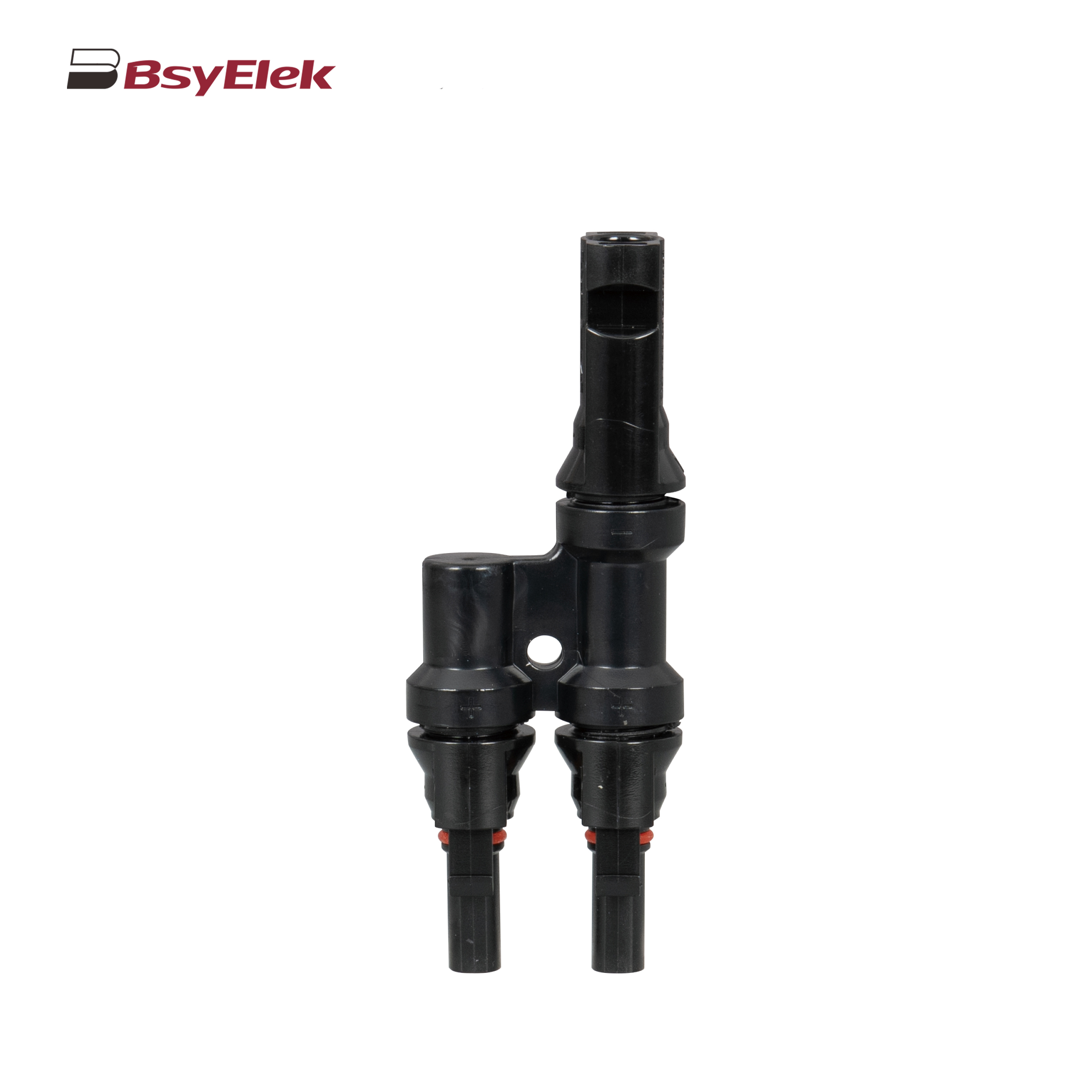 PV-BY-T 50A 1500V T Type Branch Connector
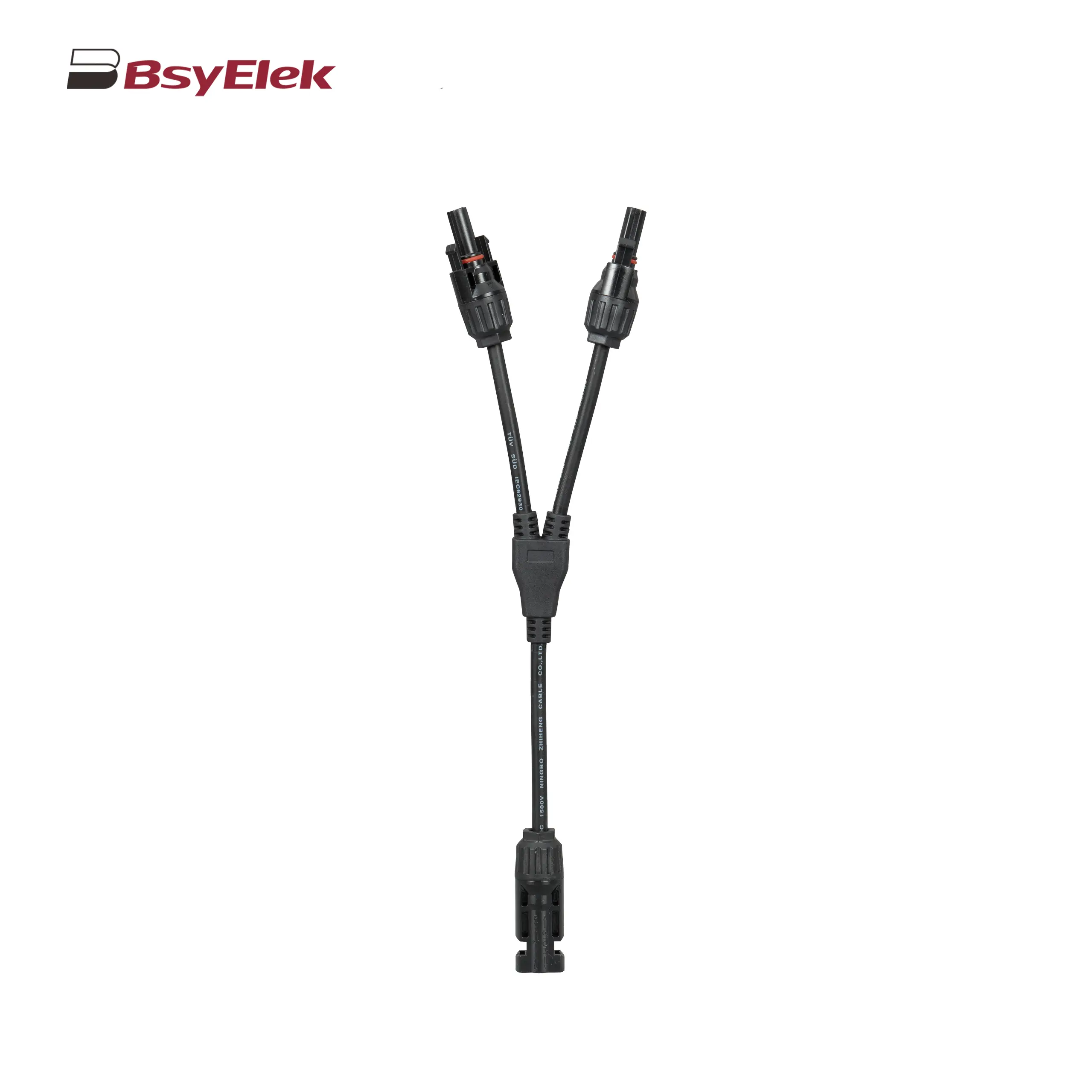 PV-BY-Y 30A 1500V Y Type Branch Connector
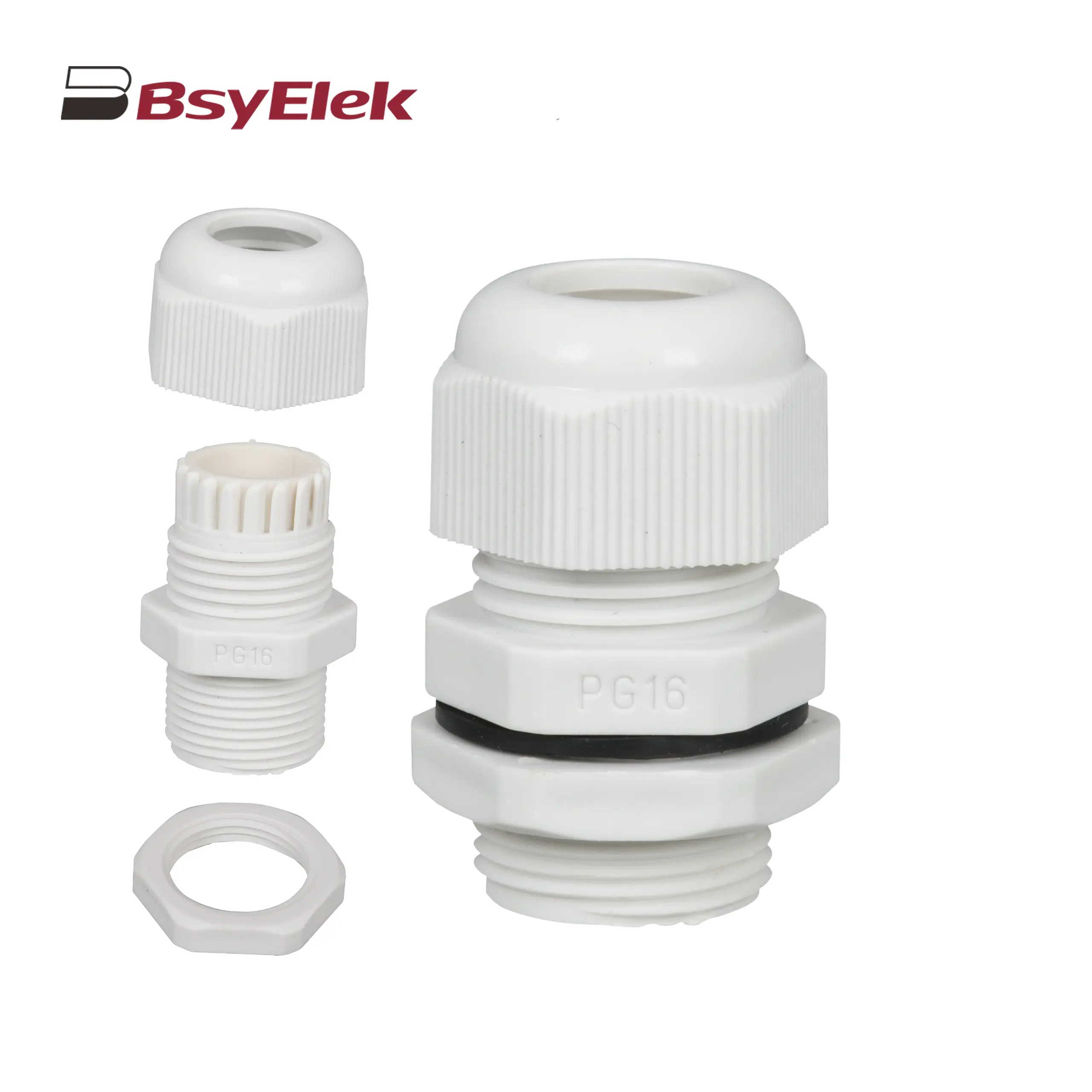 PG Waterproof Cable Gland with Washer
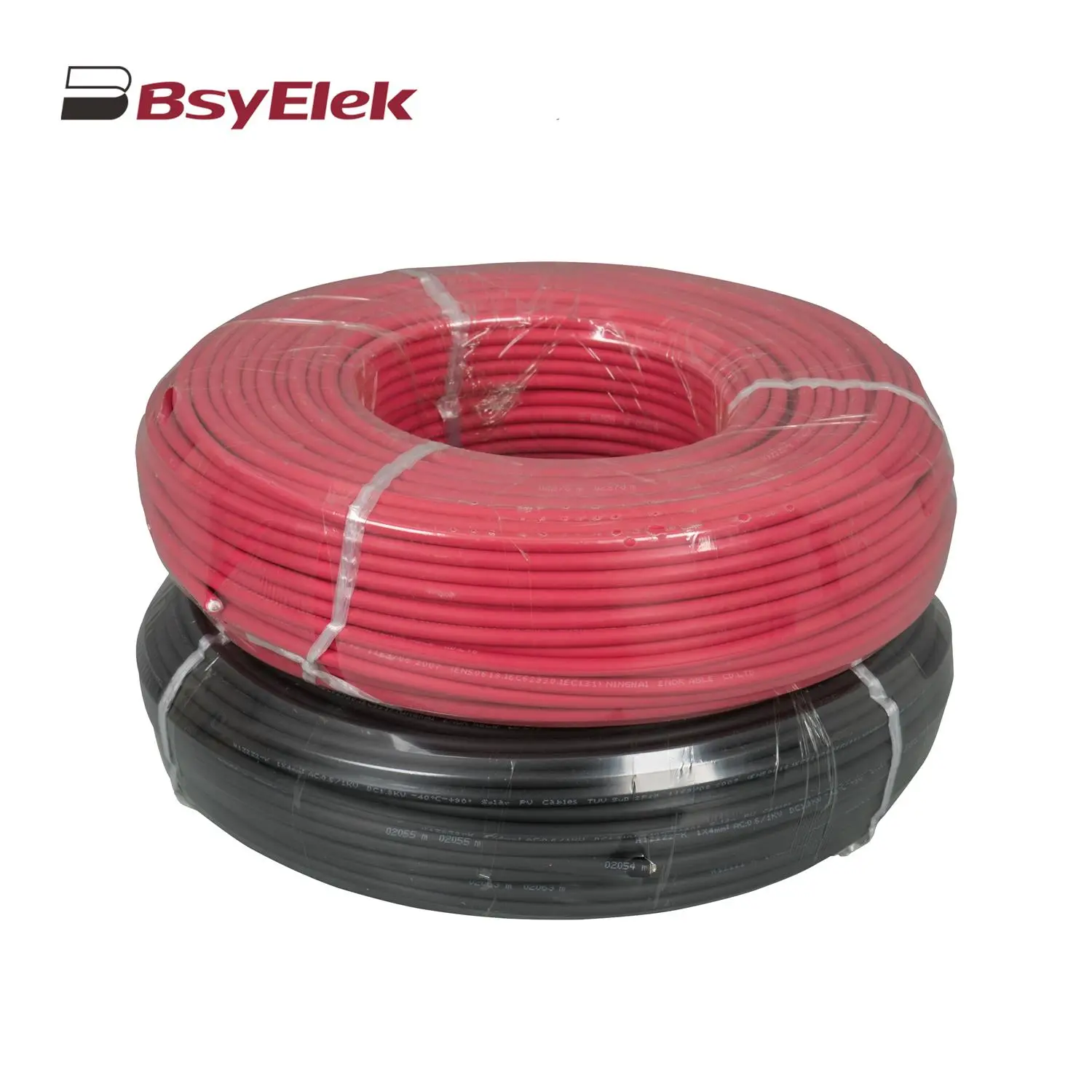 Photovoltaic Cable
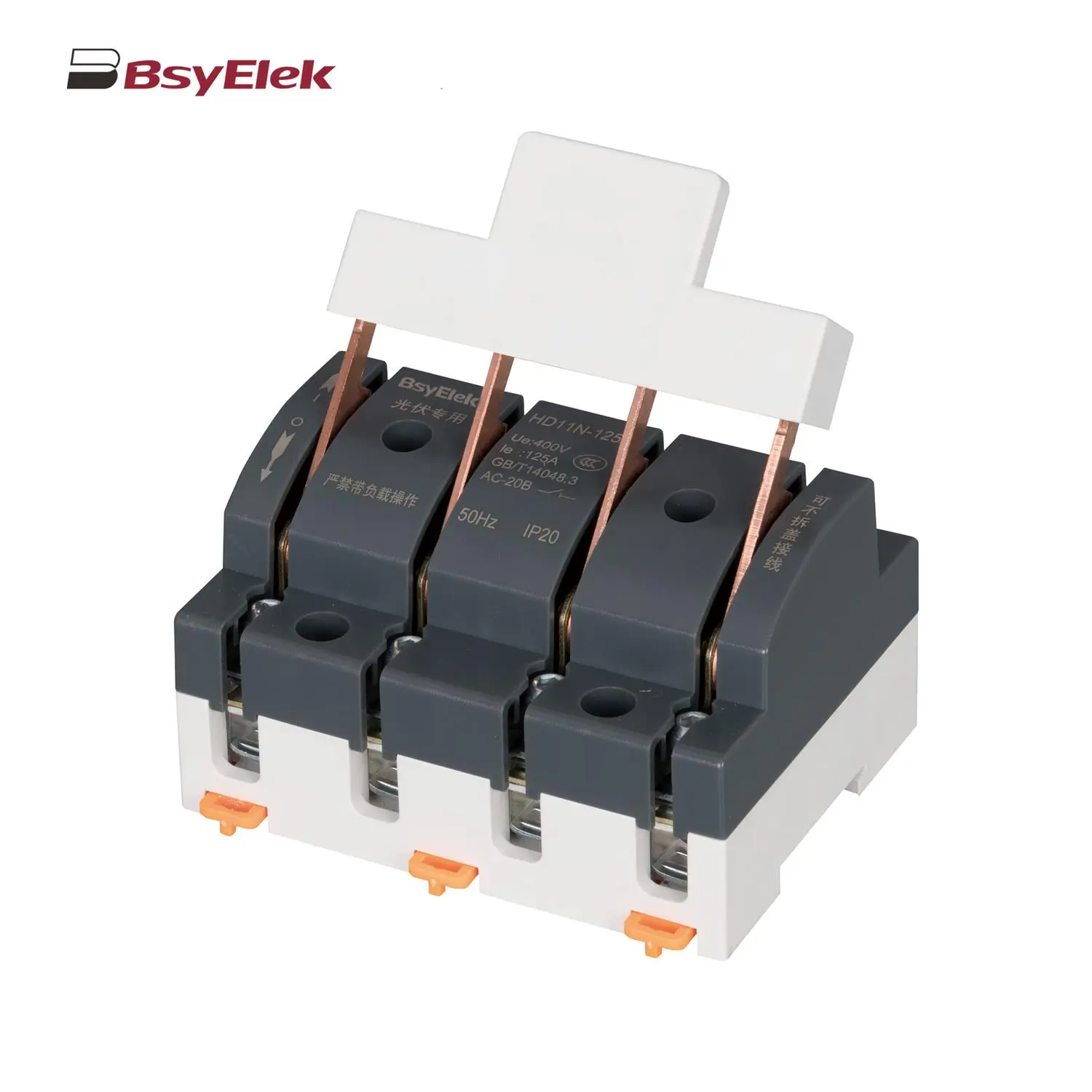 HD11N Photovoltaic Knife Switch
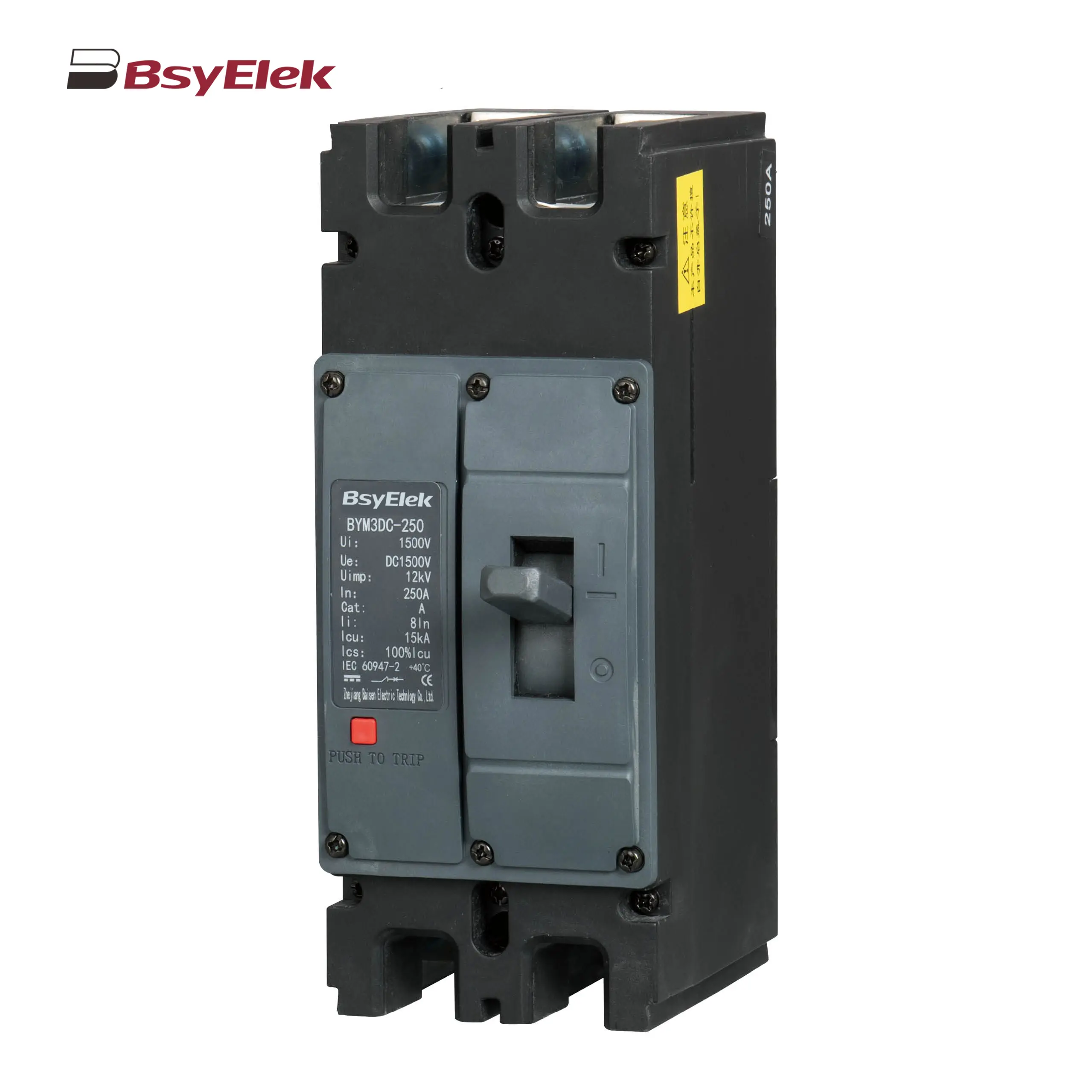 BYM3DC MCCB Photovoltaic DC Molded Case Circuit Breaker
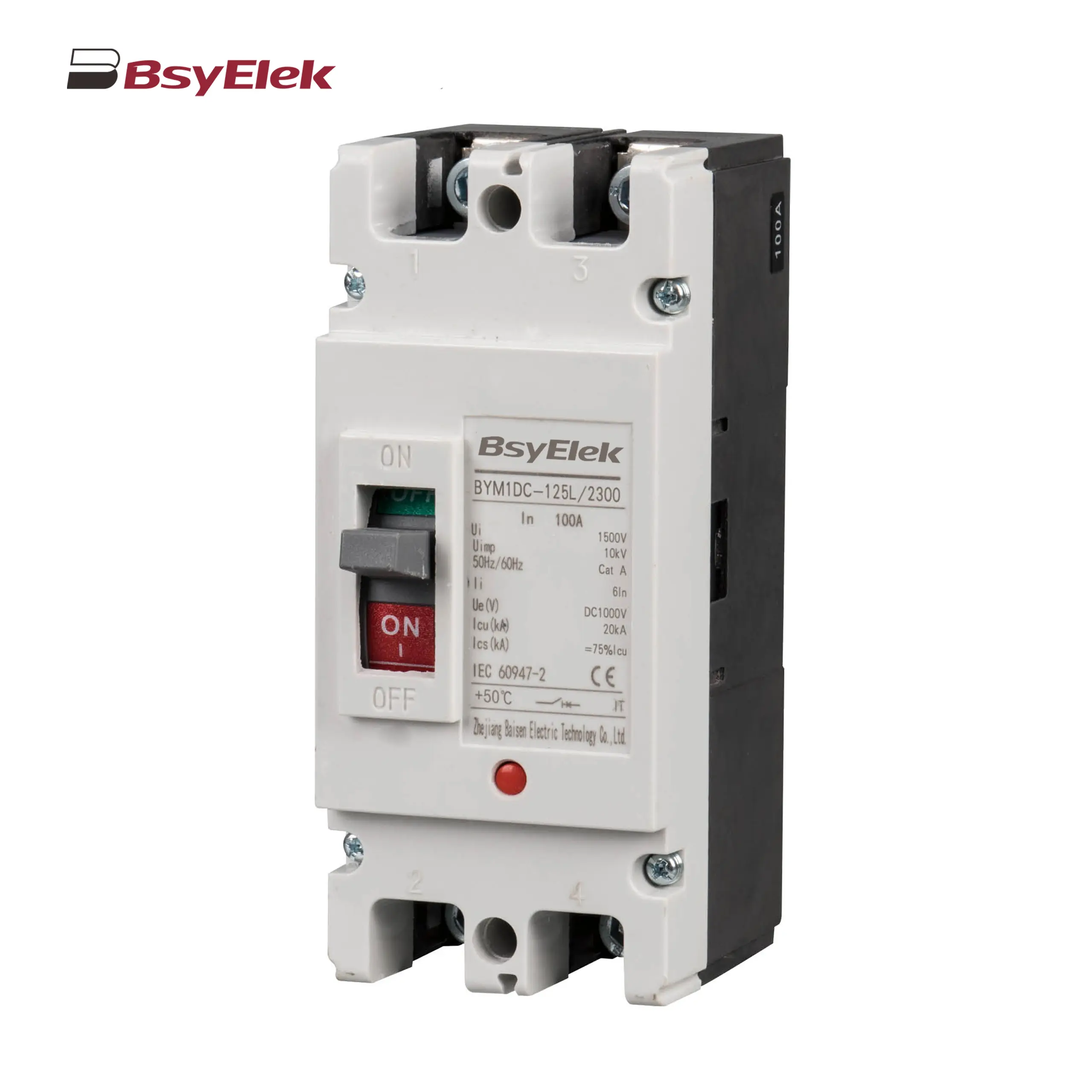 BYM1DC MCCB 1000VDC Thermal Magnetic Type DC Molded Case Circuit Breaker
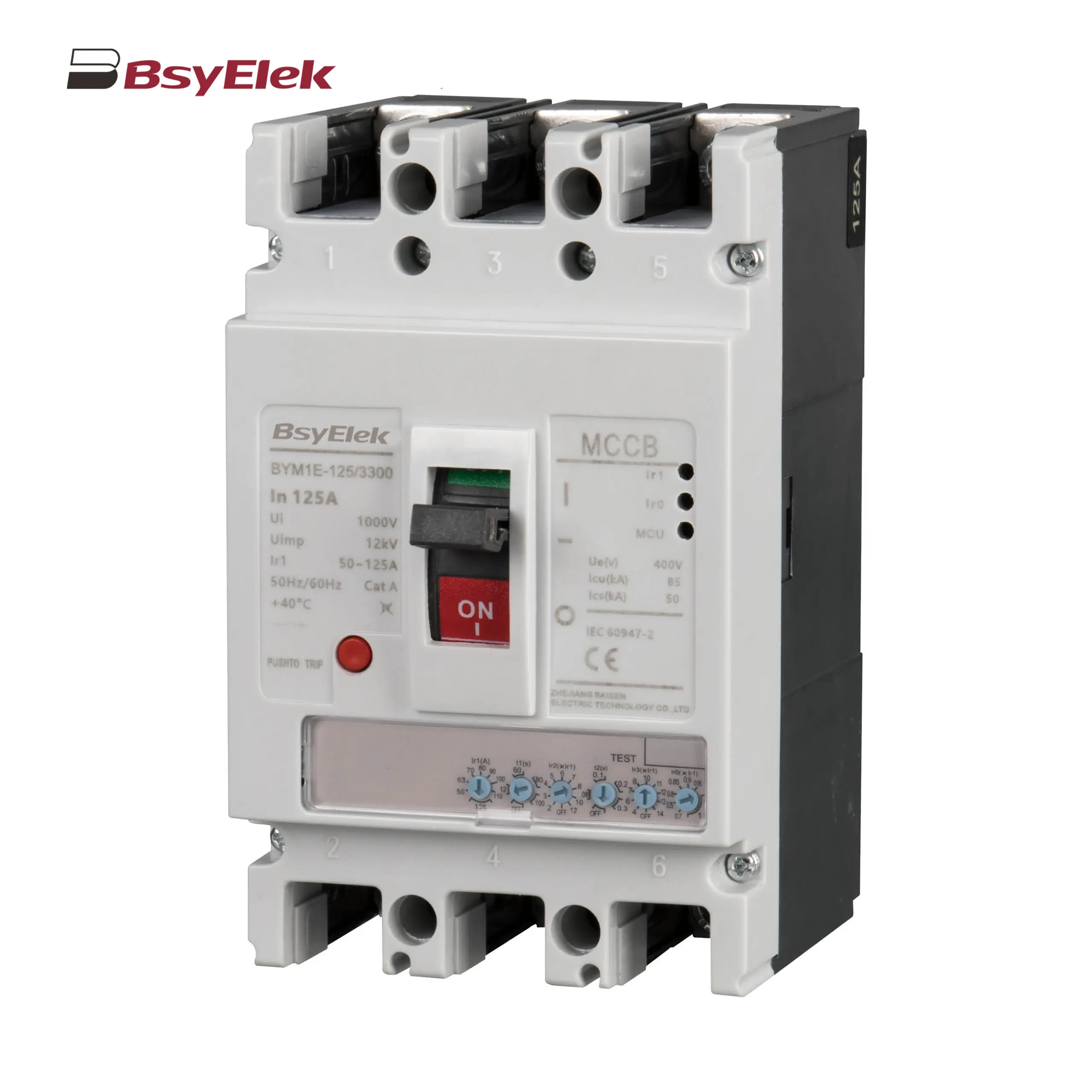 BYM1E MCCB Electronic Type Molded Case Circuit Breaker
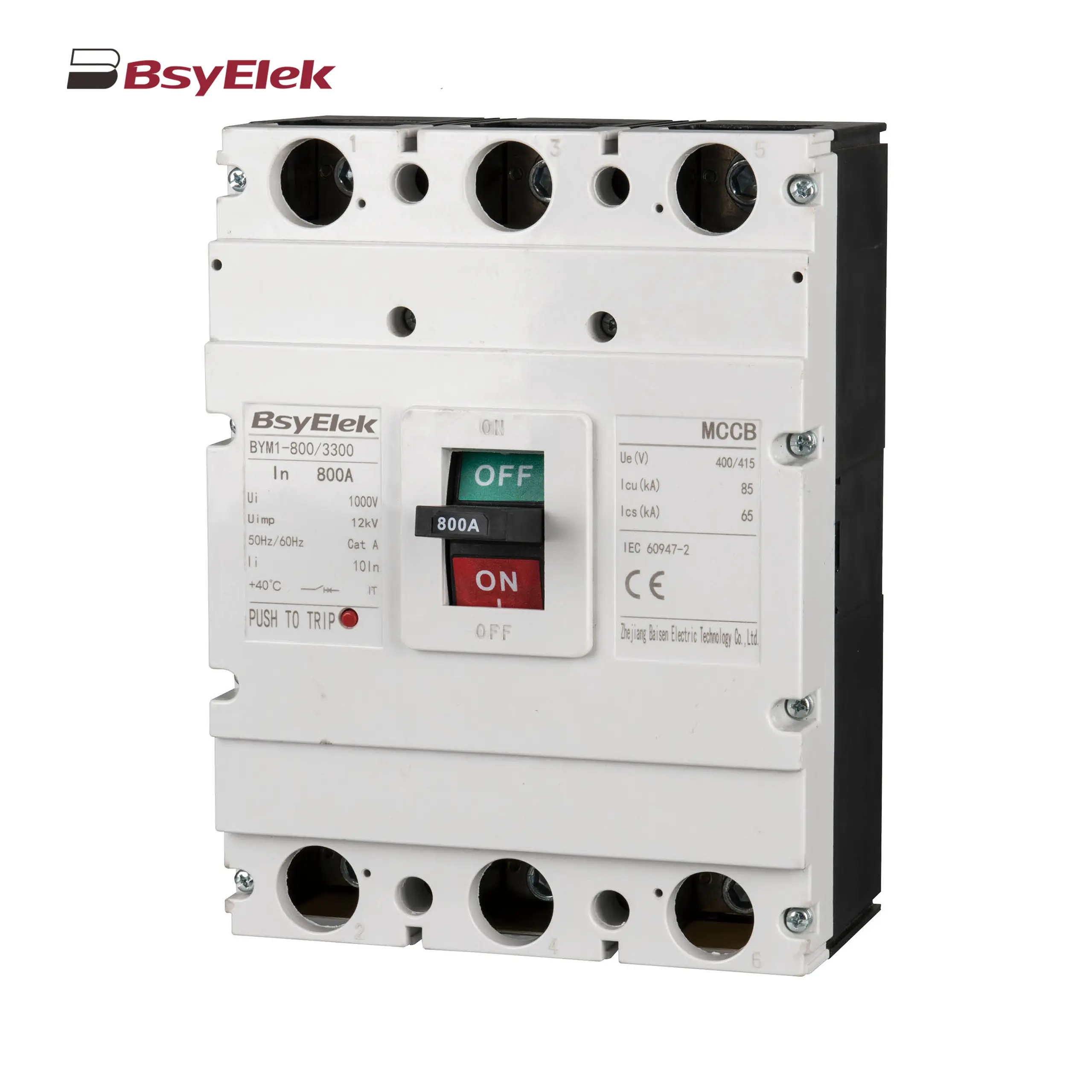 BYM1 MCCB Thermal Magnetic AC Molded Case Circuit Breaker
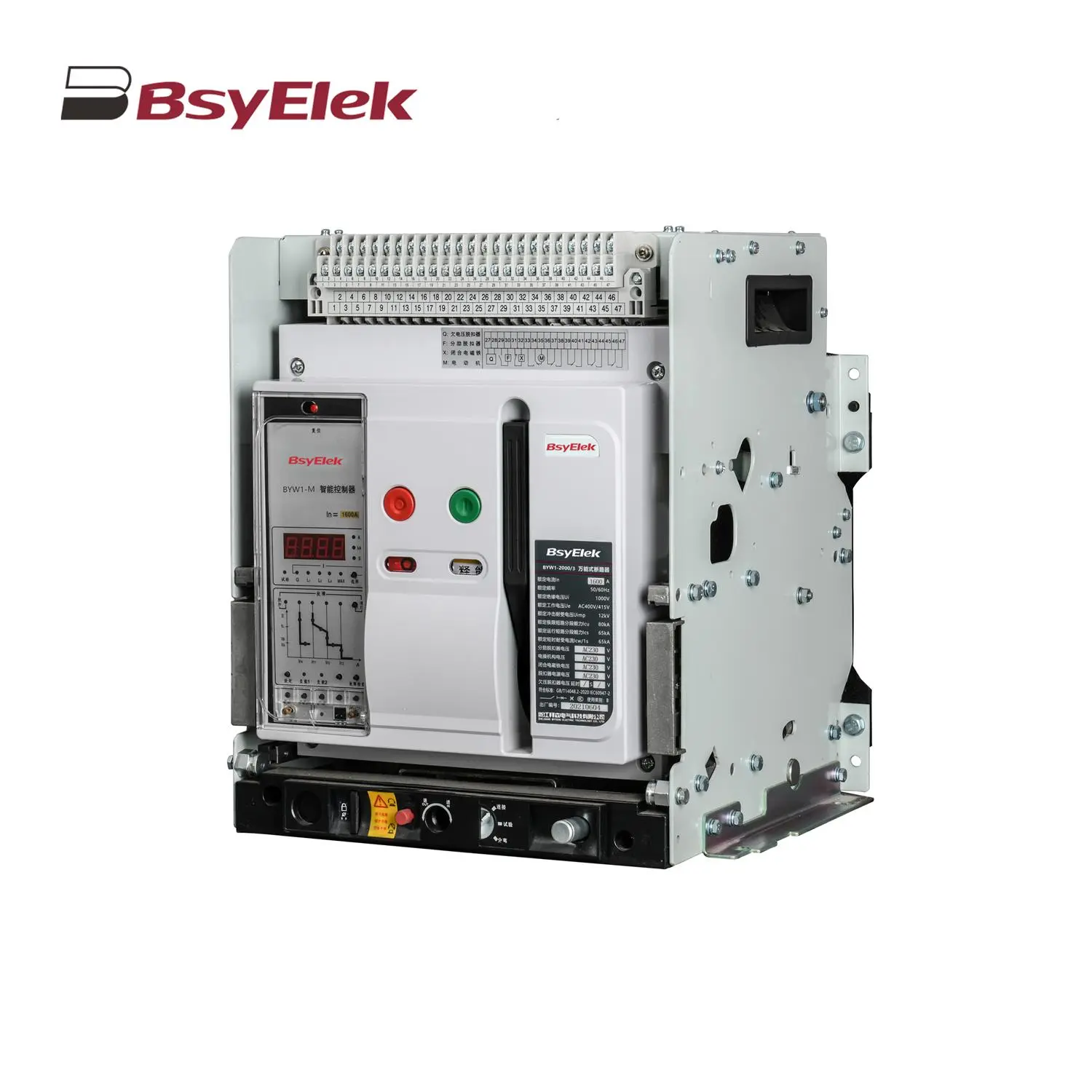 BYW1 ACB Intelligent Universal Air Circuit Breaker
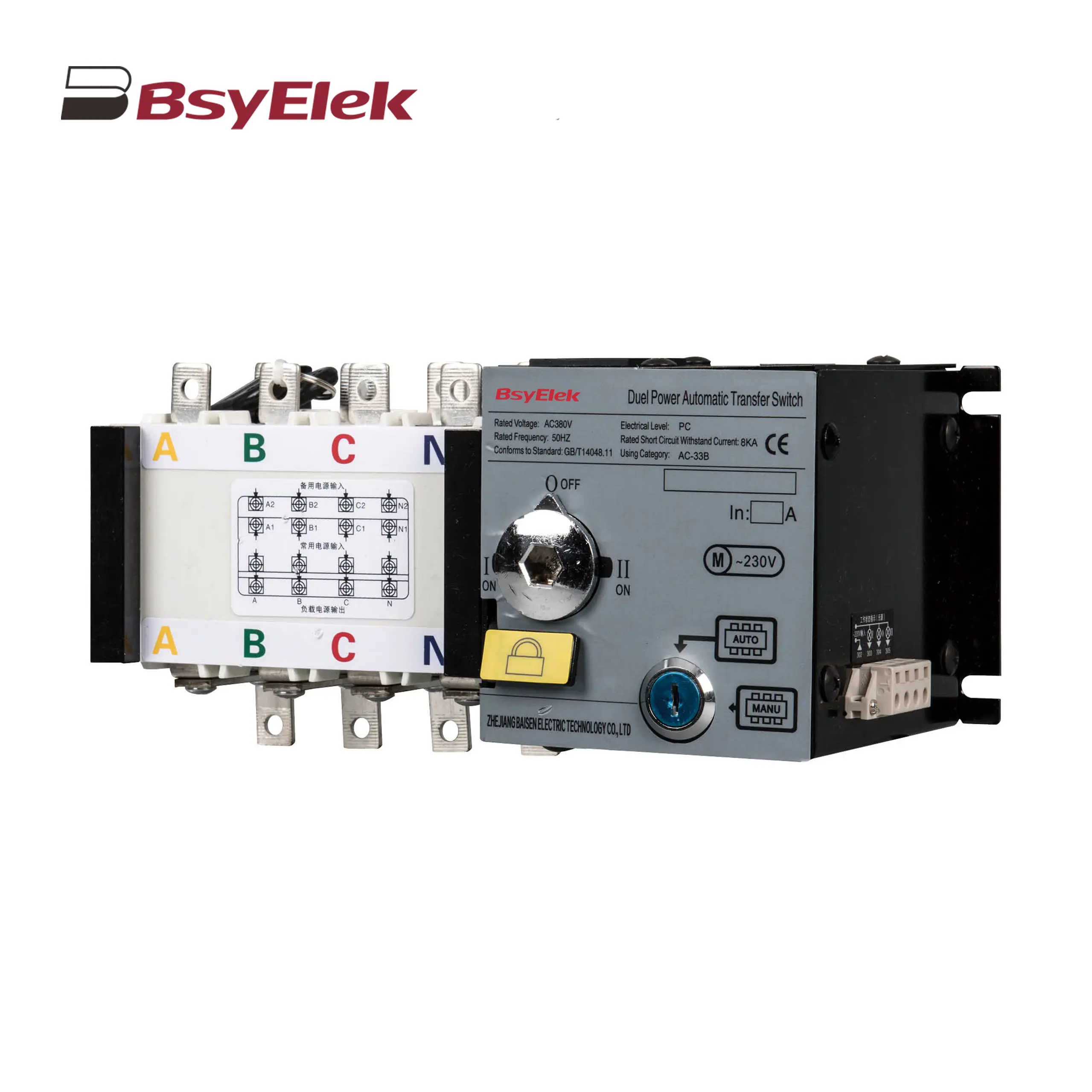 BYQ1 ATS Isolated Type PC Level Dual Power Automatic Transfer Switch
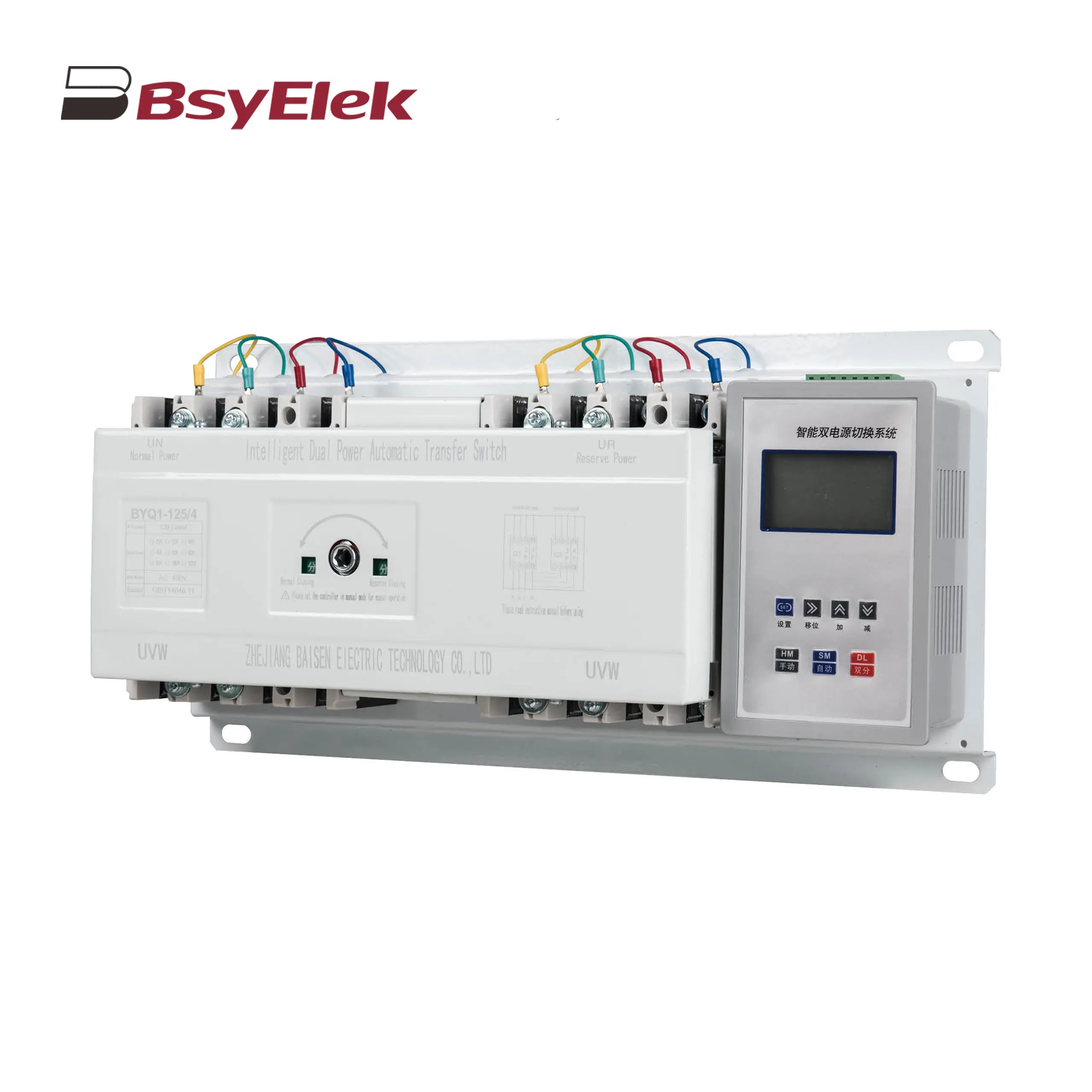 BYQ1 ATS Intelligent Type CB Level Dual Power Automatic Transfer Switch
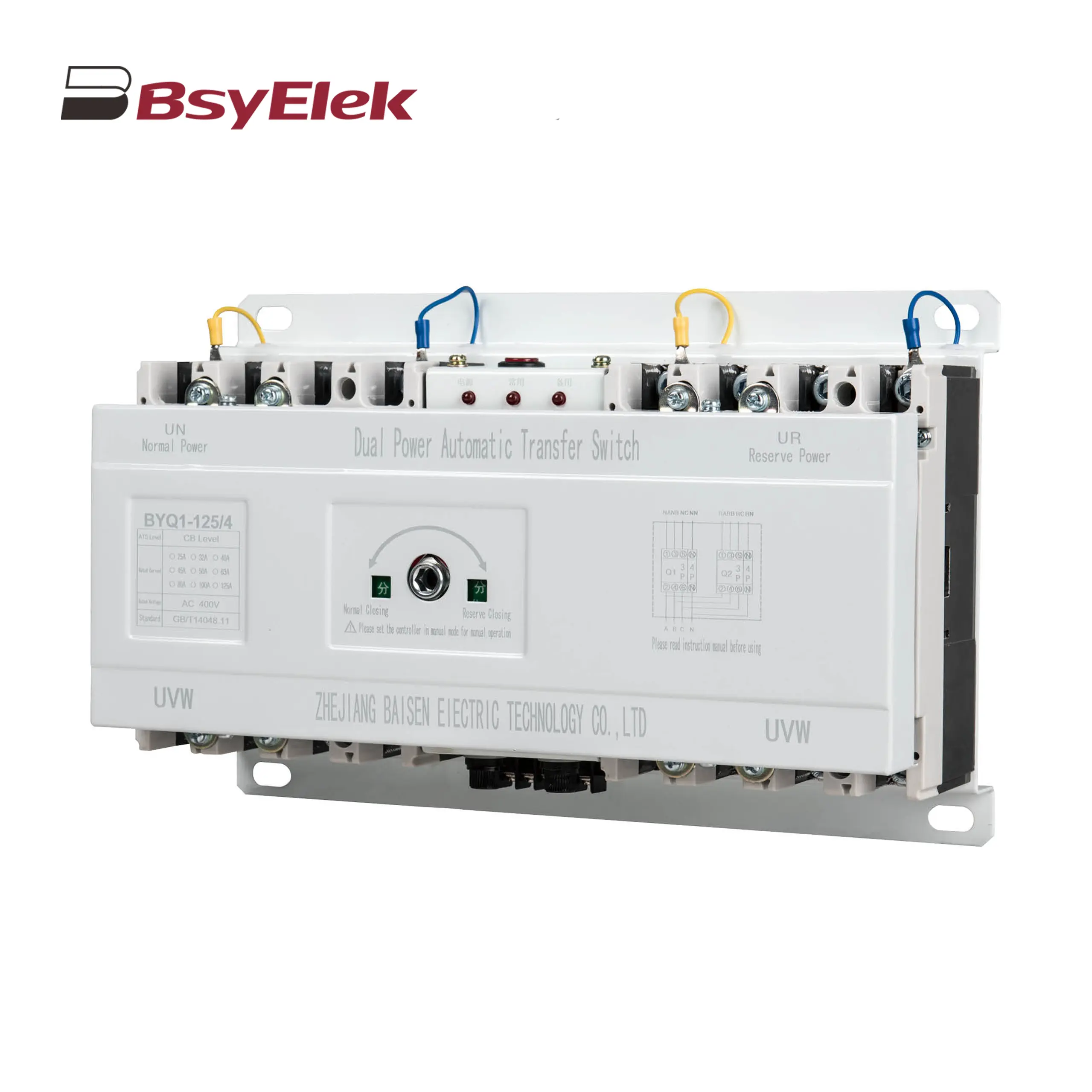 BYQ1 ATS End Type CB Level Dual Power Automatic Transfer Switch
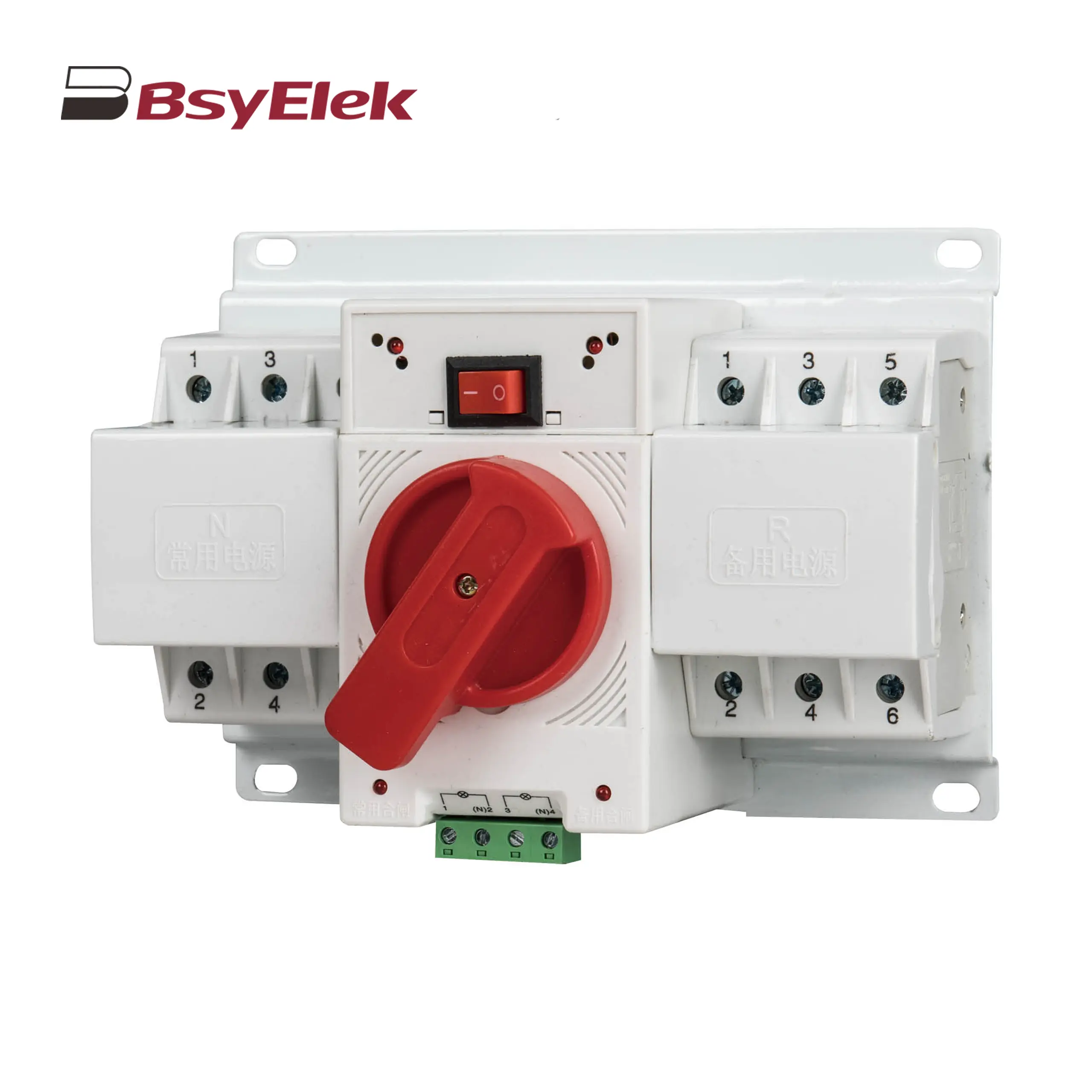 BYQ1 ATS Mini Type CB Level Dual Power Automatic Transfer Switch
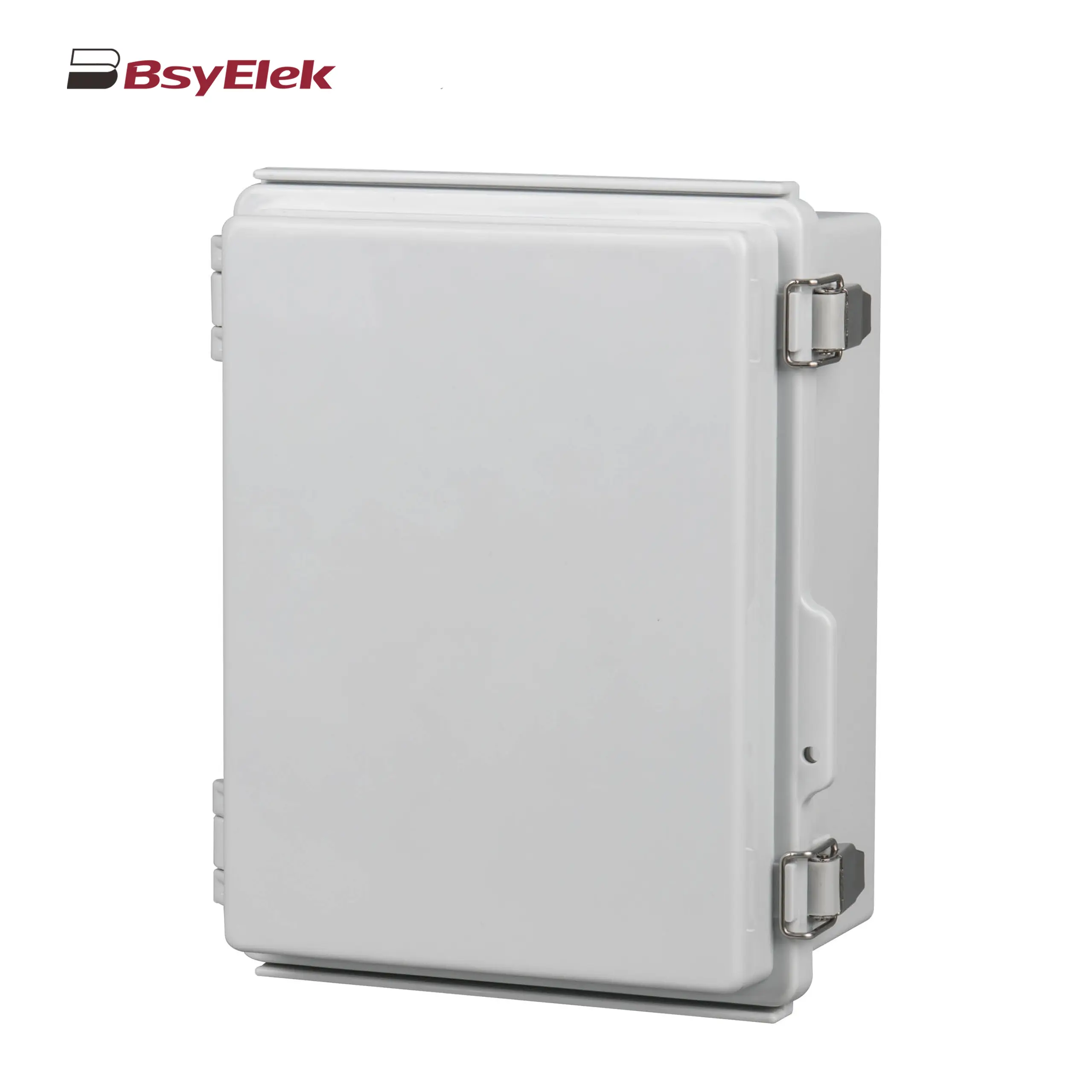 Stainless Steel Hinge Type Electrical Box
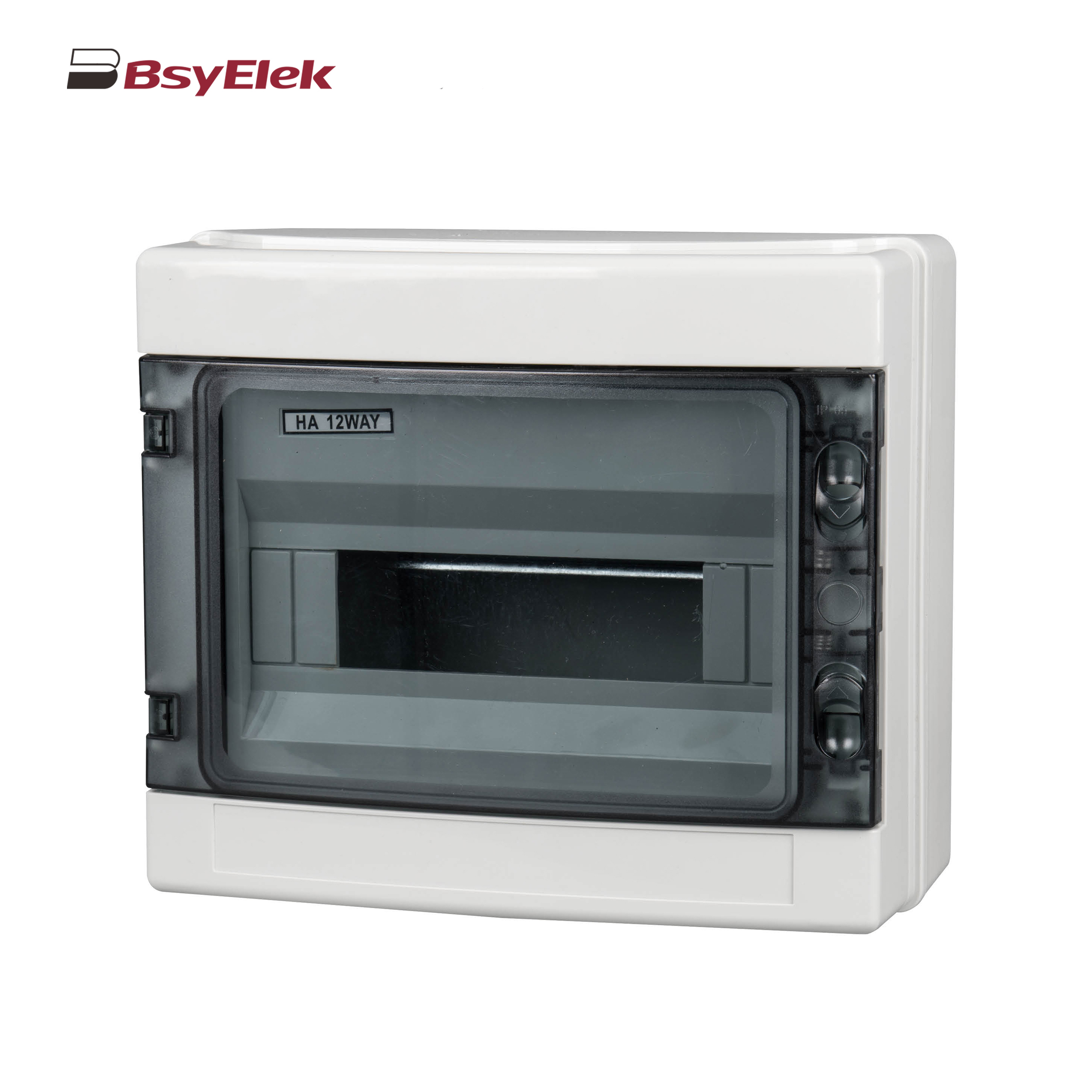 HA Waterproof Distribution Box
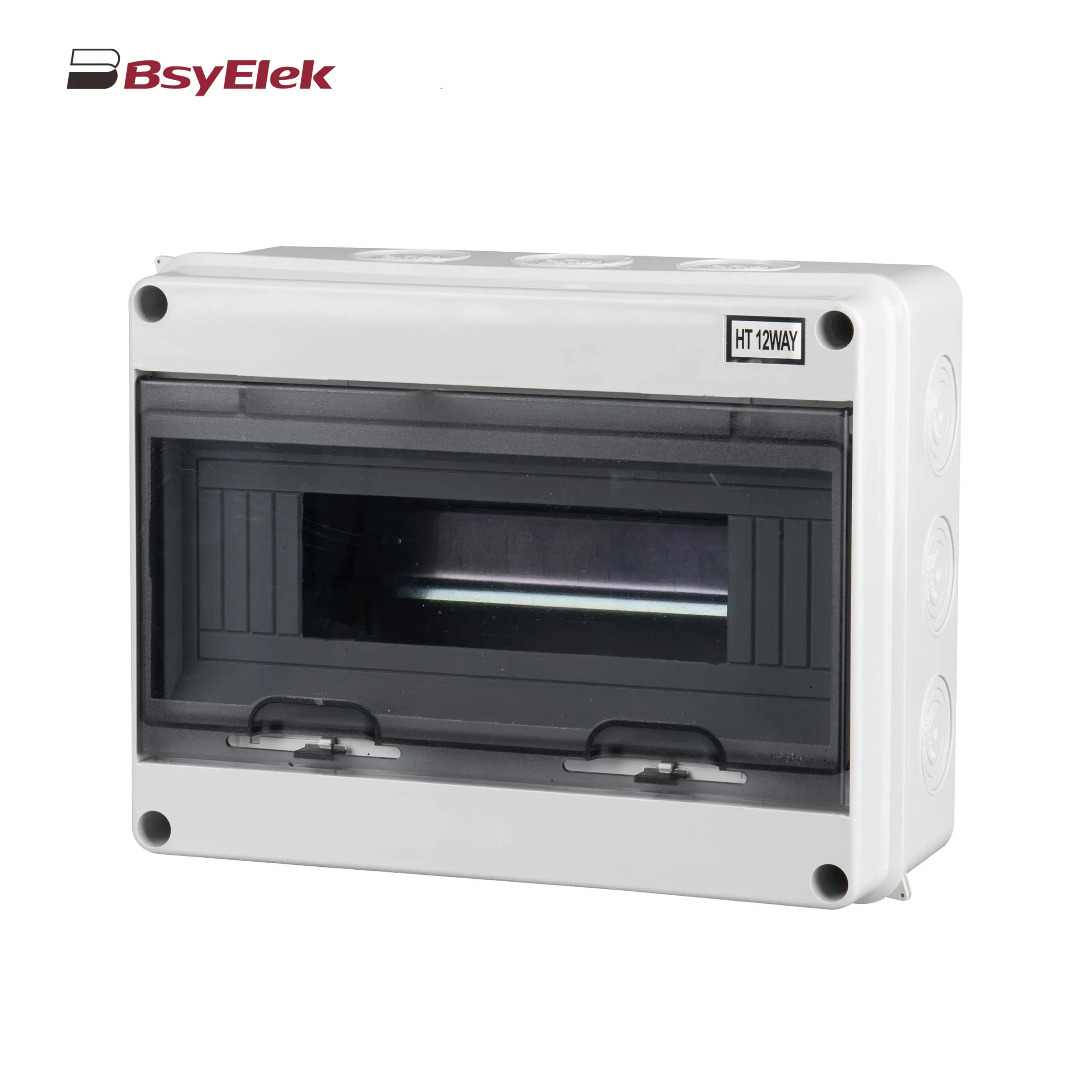 HT Waterproof Distribution Box
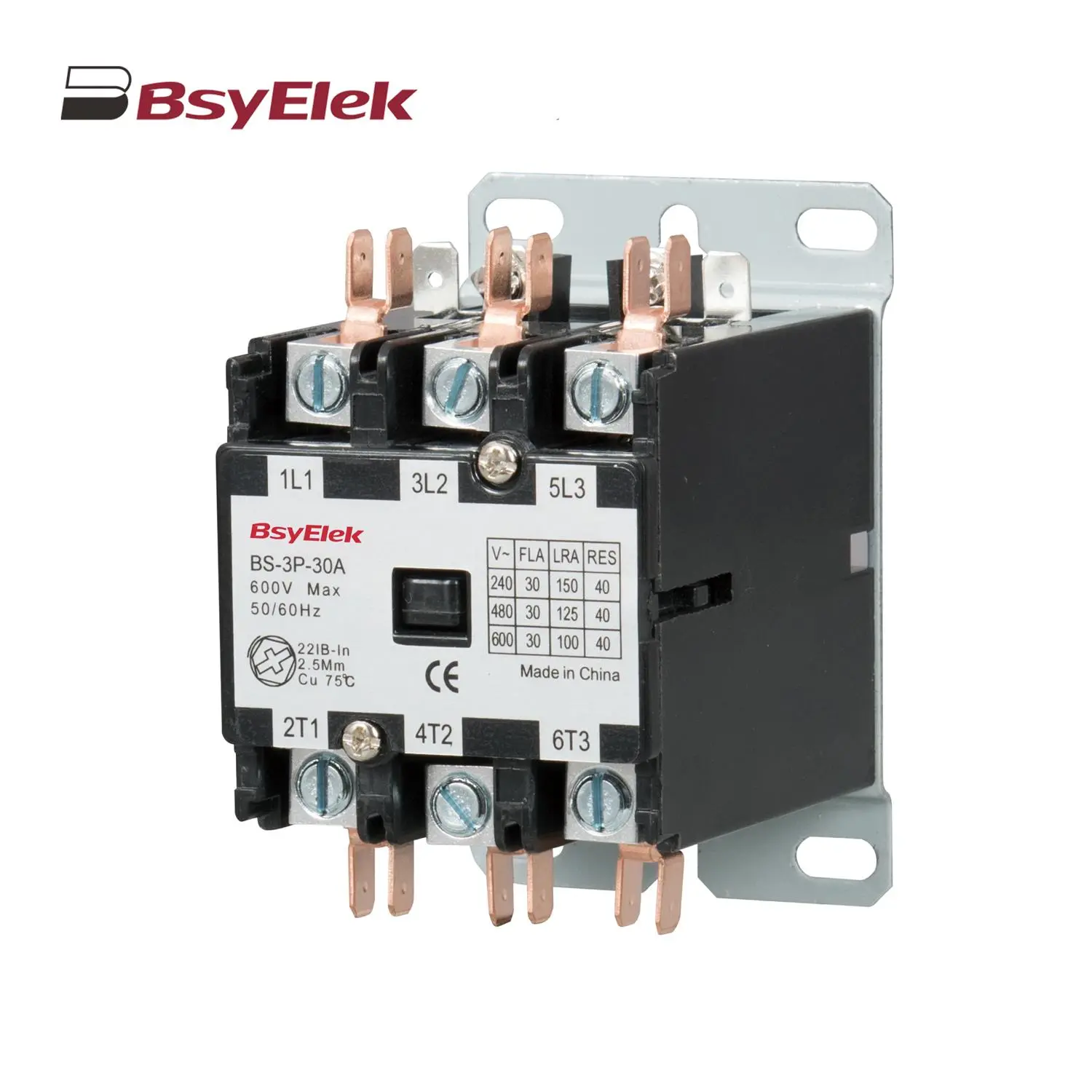 BS Definite Purpose Magnetic AC Contactor