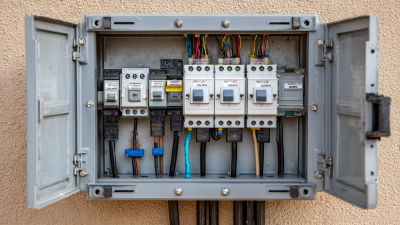
Why Choosing a Residual Current Circuit Breaker is Essential for Electrical Safety
In today's rapidly advancing electrical landscape, the importance of safety devices like the Residual Current Circuit Breaker (RCCB) cannot be overstated. According to a recent report by the International Electrotechnical Commission (IEC), electrical accidents resulting from shock and fire caused by faulty wiring have surged, with an estimated 14,000 fatalities occurring each year globally due to electrical incidents. This alarming statistic highlights the urgent need for protective measures that ensure electrical safety in residential, commercial, and industrial settings.
Leading experts in the field emphasize the significance of utilizing technologies designed to prevent these tragedies. Dr. Robert Klein, a renowned electrical safety specialist and author of multiple industry guidelines, states, "Implementing a Residual Current Circuit Breaker is not just a precaution, but a necessity for safeguarding lives and property from electrical faults." With RCCBs designed to detect abnormalities in electrical current flow, they play a crucial role in preventing electrocution and electrical fires, offering peace of mind to homeowners and business operators alike.
As we explore the top ten reasons for prioritizing the installation of Residual Current Circuit Breakers, it becomes evident that their integration into electrical systems is essential for fostering a culture of safety and compliance. This insight is not only crucial for industry professionals but also for anyone concerned about the integrity of their electrical installations.

Understanding the Functionality of Residual Current Circuit Breakers
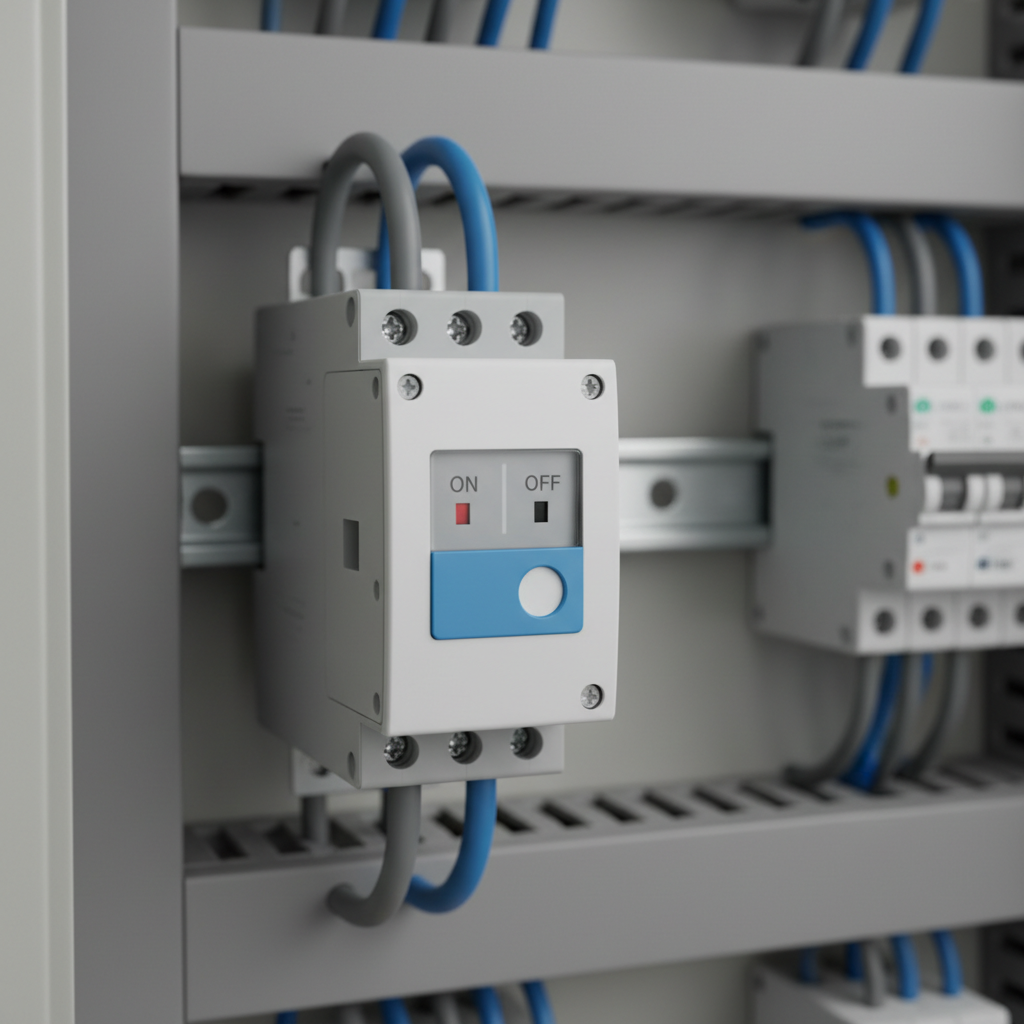
Residual Current Circuit Breakers (RCCBs) are essential components in modern electrical safety systems. They function by detecting imbalances in electrical current, which can occur when there is a fault or leakage, and can prevent electric shock and fires caused by faulty wiring or damaged appliances. RCCBs interrupt the circuit immediately in such events, effectively minimizing risks to both individuals and property. Understanding how these devices work can significantly enhance safety in residential and commercial environments.
Tips for ensuring the proper functioning of RCCBs include regular testing. Homeowners should press the "test" button on the device monthly to ensure it operates correctly. Additionally, consider upgrading to digital circuit breakers, which offer advanced features like monitoring and fault detection, enhancing overall safety. When installing RCCBs, ensure that they are rated appropriately for the load and type of usage, as this greatly impacts their effectiveness in protecting against earth leakage currents.
In a world increasingly reliant on electrical systems, prioritizing the inclusion of RCCBs can safeguard against unforeseen hazards. By being aware of their functionalities and implementing best practices, individuals and businesses can create safer environments that mitigate the dangers associated with electrical faults.
Why Choosing a Residual Current Circuit Breaker is Essential for Electrical Safety
| Feature |
Description |
Importance |
| Leakage Current Protection |
Monitors current balance between live and neutral wires |
Prevents electric shock and fire hazards |
| Automatic Disconnection |
Automatically cuts power when a fault is detected |
Ensures immediate safety in the event of a fault |
| Test Button |
Allows users to regularly test the device's functionality |
Ensures the device is operating correctly at all times |
| Sensitivity Ratings |
Available in various sensitivities (e.g., 30mA, 100mA) |
Allows selection based on specific safety requirements |
| Ease of Installation |
Designed for simple integration with existing electrical systems |
Reduces installation costs and time |
Key Benefits of Installing Residual Current Circuit Breakers in Homes
Installing Residual Current Circuit Breakers (RCCBs) in homes is a crucial step towards ensuring electrical safety. According to the National Fire Protection Association (NFPA), electrical failures are a leading cause of home fires, contributing to approximately 13% of all residential fire incidents in the United States. RCCBs are designed to automatically disconnect the circuit in the event of a fault, significantly reducing the risk of electric shock and preventing potential fire hazards.
One of the primary benefits of using RCCBs is their sensitivity to leakage currents, which can be as low as 30 milliamperes. The Electrical Safety Foundation International (ESFI) reports that the implementation of RCCBs can decrease electrocution risks by more than 50%. This protective measure is especially vital in areas prone to moisture, such as kitchens and bathrooms, where the likelihood of electrical hazards is heightened. Moreover, the installation of RCCBs not only safeguards lives but also helps in reducing the associated costs of electrical damage, enhancing the overall safety of households.
Benefits of Installing Residual Current Circuit Breakers (RCCBs) in Homes
This chart illustrates the key benefits of installing Residual Current Circuit Breakers in homes, highlighting their effectiveness in various safety aspects such as protection against electric shock, prevention of electrical fires, enhanced property safety, compliance with electrical standards, and increased peace of mind for homeowners.
Identifying the Right Type of Residual Current Circuit Breaker for Your Needs
When selecting a Residual Current Circuit Breaker (RCCB), understanding your specific needs is crucial. RCCBs are designed to protect against electrical shocks and prevent potential fire hazards caused by earth faults. To choose the right type, begin by assessing the electrical installation's location, usage, and risk factors. For example, residential environments often require different RCCB ratings than commercial or industrial settings. Identifying the correct sensitivity rating—whether it’s 30mA for personal safety in homes or 100mA for equipment protection in larger systems—will ensure optimal safety.
Additionally, consider the current rating appropriate for your application. An RCCB must match the maximum load of the circuits it is protecting. In addition to sensitivity and current rating, the type of RCCB, such as single-phase or three-phase, should align with your electrical system configuration. By evaluating these factors, you can select an RCCB that not only meets safety standards but also enhances the reliability of your electrical installations, ultimately minimizing risks associated with electrical hazards.
Installation Tips for Ensuring Maximum Safety with RCDs
When installing Residual Current Devices (RCDs), proper placement is key for achieving maximum safety. It is advisable to position RCDs near the electrical distribution board to ensure they can immediately disconnect the circuit in case of a fault. This proximity minimizes the response time, thereby reducing the risk of electric shock or fire hazards. Additionally, consider the circuit's usage when deciding on the type and rating of the RCD; for example, select a device suitable for specific environments such as wet areas, which require additional precautions.
Beyond placement, the installation process itself plays a crucial role in the effectiveness of RCDs. Always ensure that the installation is conducted by a qualified electrician to comply with local electrical codes and standards. Testing the device regularly is also essential; manufacturers usually recommend a monthly test of the RCD’s functionality using the test button. This simple action ensures that the device remains operational, providing an essential layer of protection against electrical faults in your home or workplace.
Regular Maintenance Practices to Keep Your Residual Current Breaker Efficient
Regular maintenance of your Residual Current Circuit Breaker (RCCB) is vital to ensure it operates efficiently and safely. One essential practice is to conduct periodic testing using the test button on the device. This button simulates a fault condition, allowing you to verify that the RCCB will trip correctly in the event of an actual fault. It is recommended to perform this test at least every six months to ensure reliability.
Another important maintenance practice is to inspect the wiring and connections associated with the RCCB. Look for signs of wear, damage, or corrosion, as these can hinder the performance of the circuit breaker. Additionally, ensure that the RCCB is properly rated for the electrical load it is protecting. Overloading the device can cause it to malfunction, compromising electrical safety. Keeping the surrounding area clean and unobstructed also enhances the functioning of the RCCB, preventing potential issues related to dust accumulation and moisture.



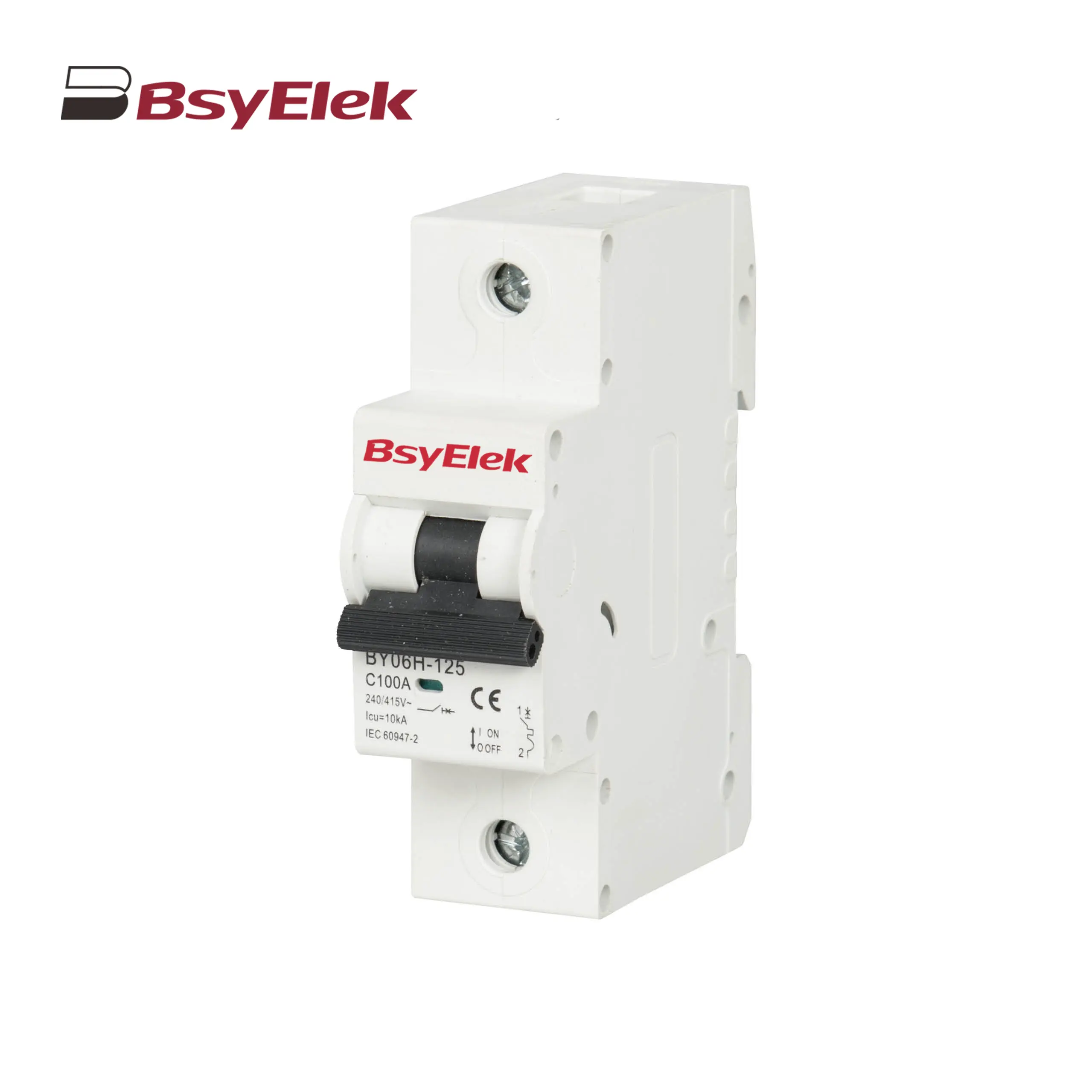 BY06H-125 MCB 10-15KA Miniature Circuit Breaker
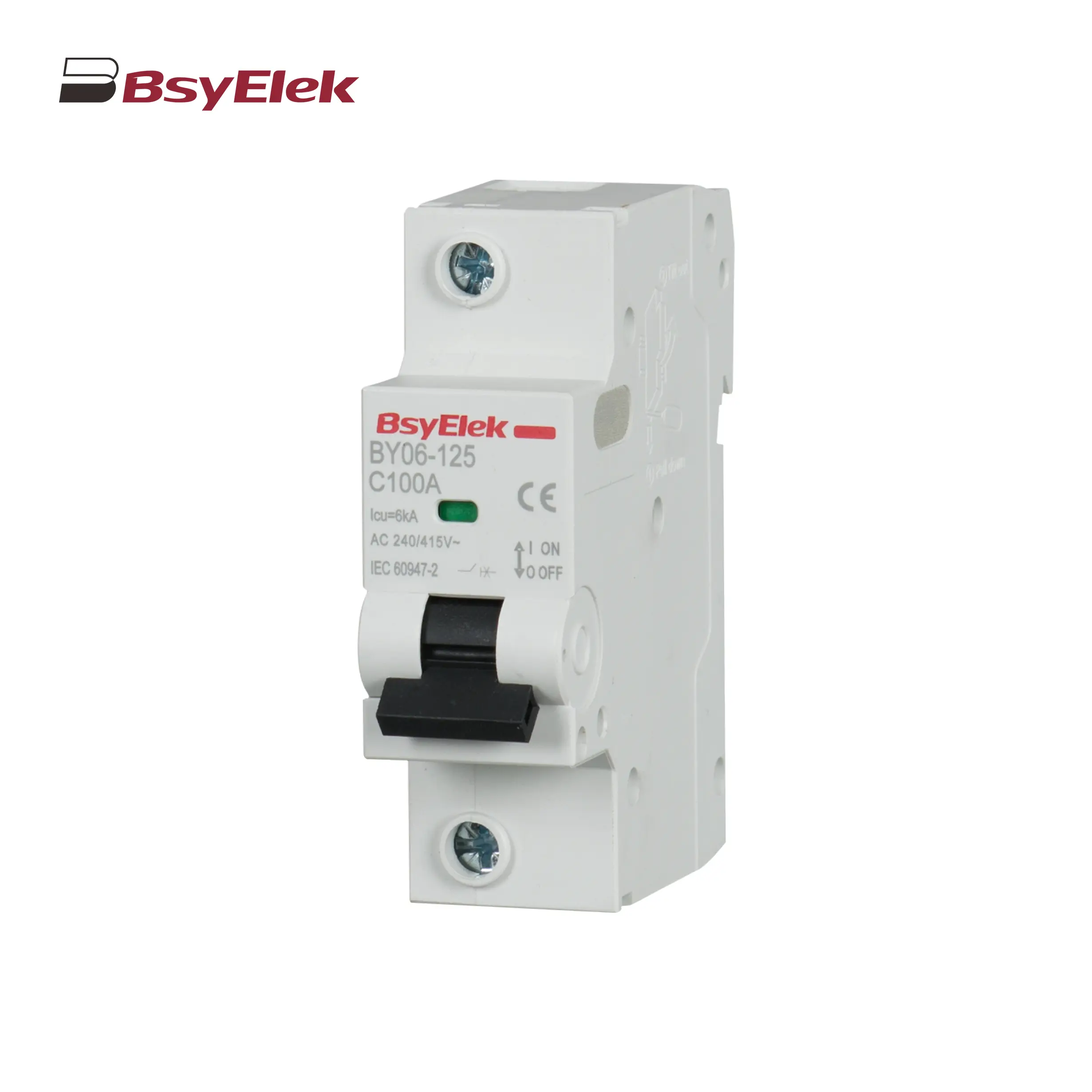 BY06-125 MCB 6KA Miniature Circuit Breaker
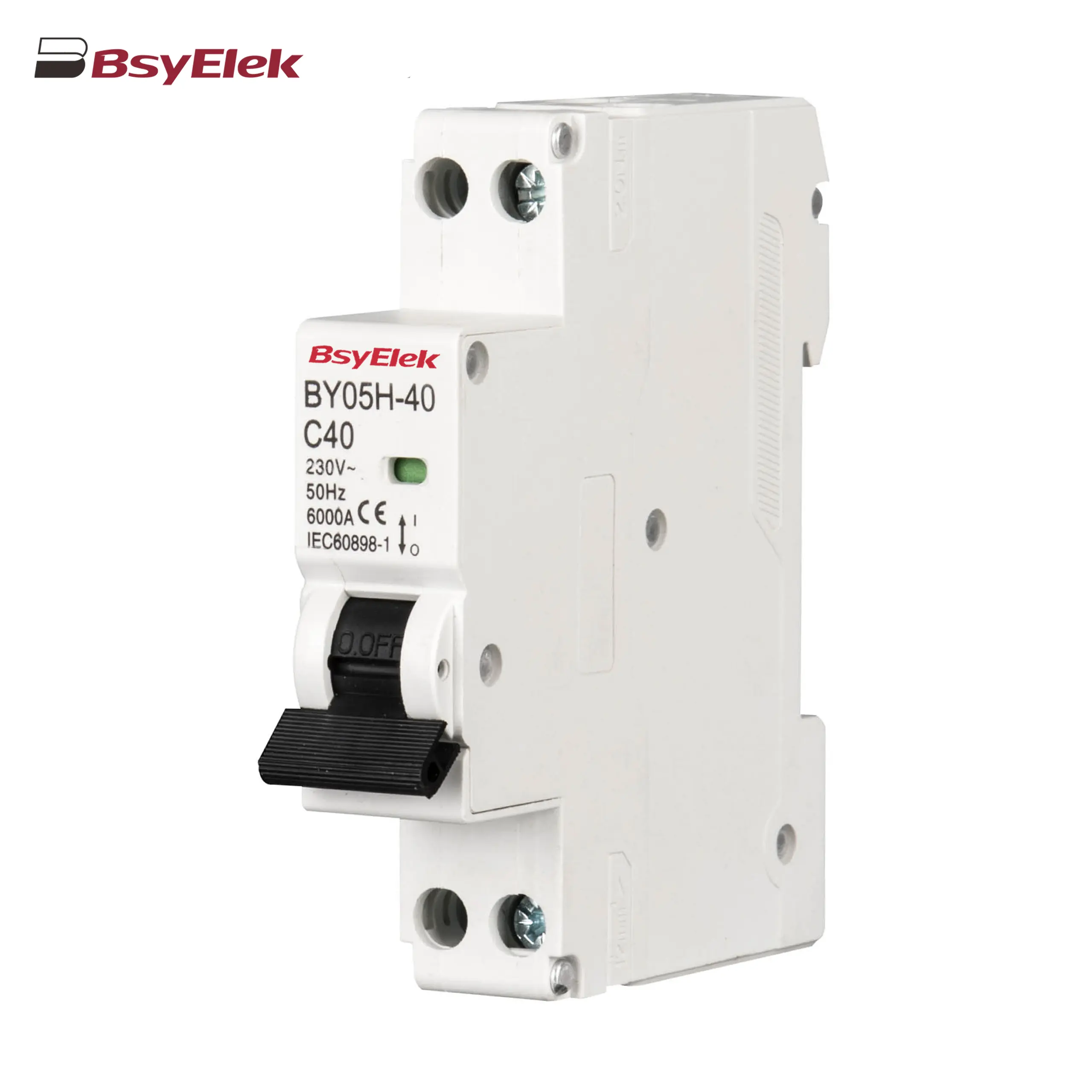 BY05H-40 MCB Single Modular 6KA Miniature Circuit Breaker
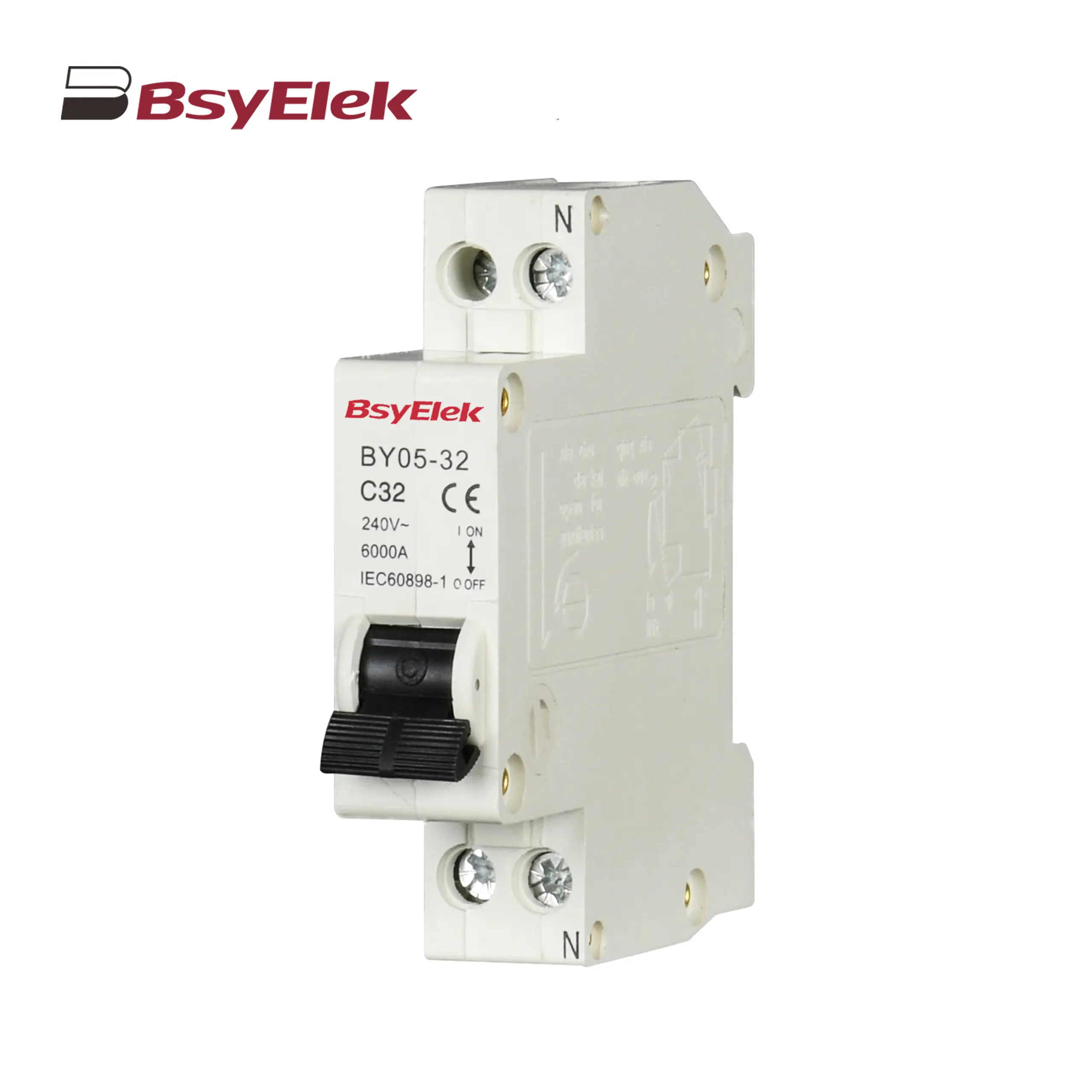 BY05-32 MCB Single Modular 3KA Miniature Circuit Breaker
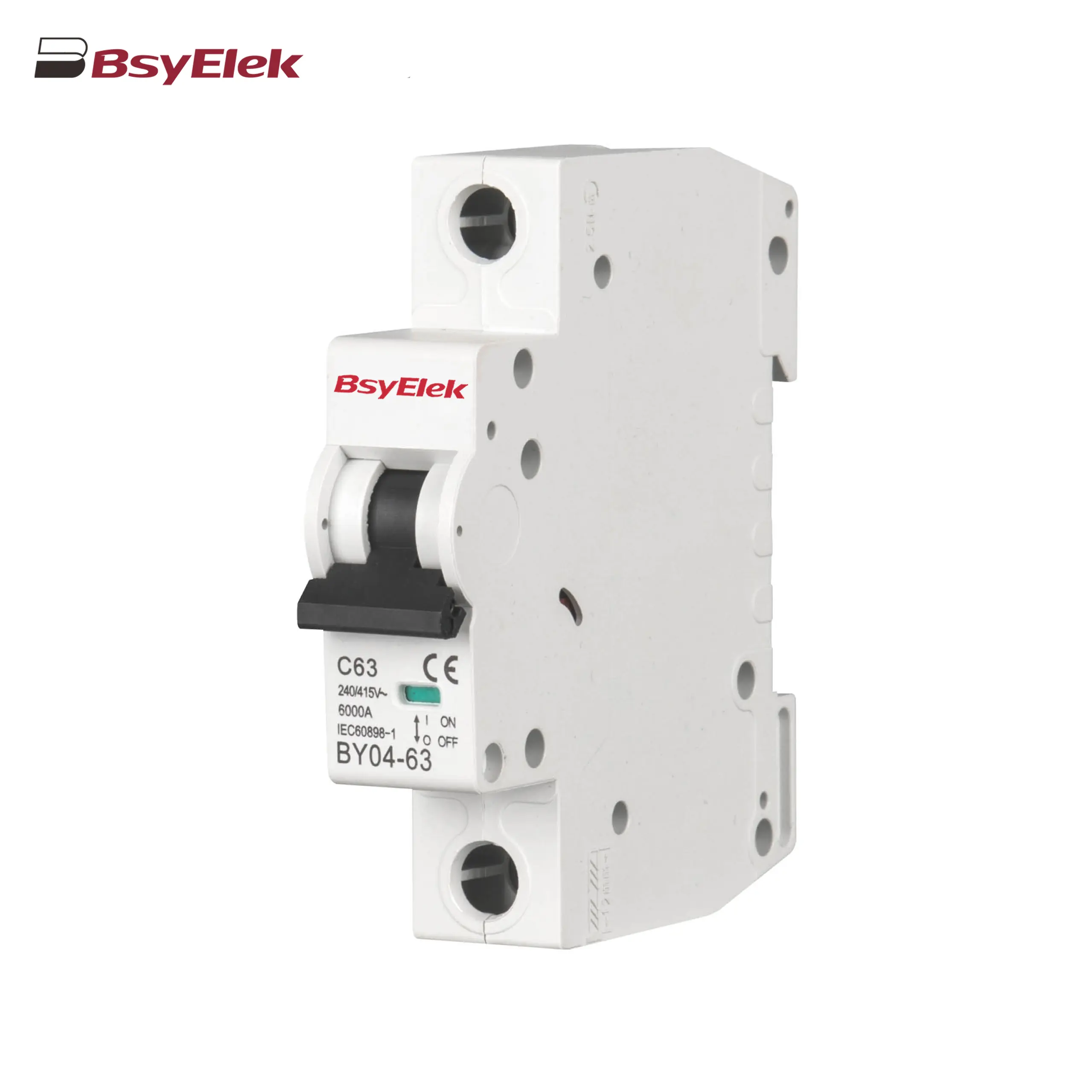 BY04-63 MCB 6-10KA Miniature Circuit Breaker
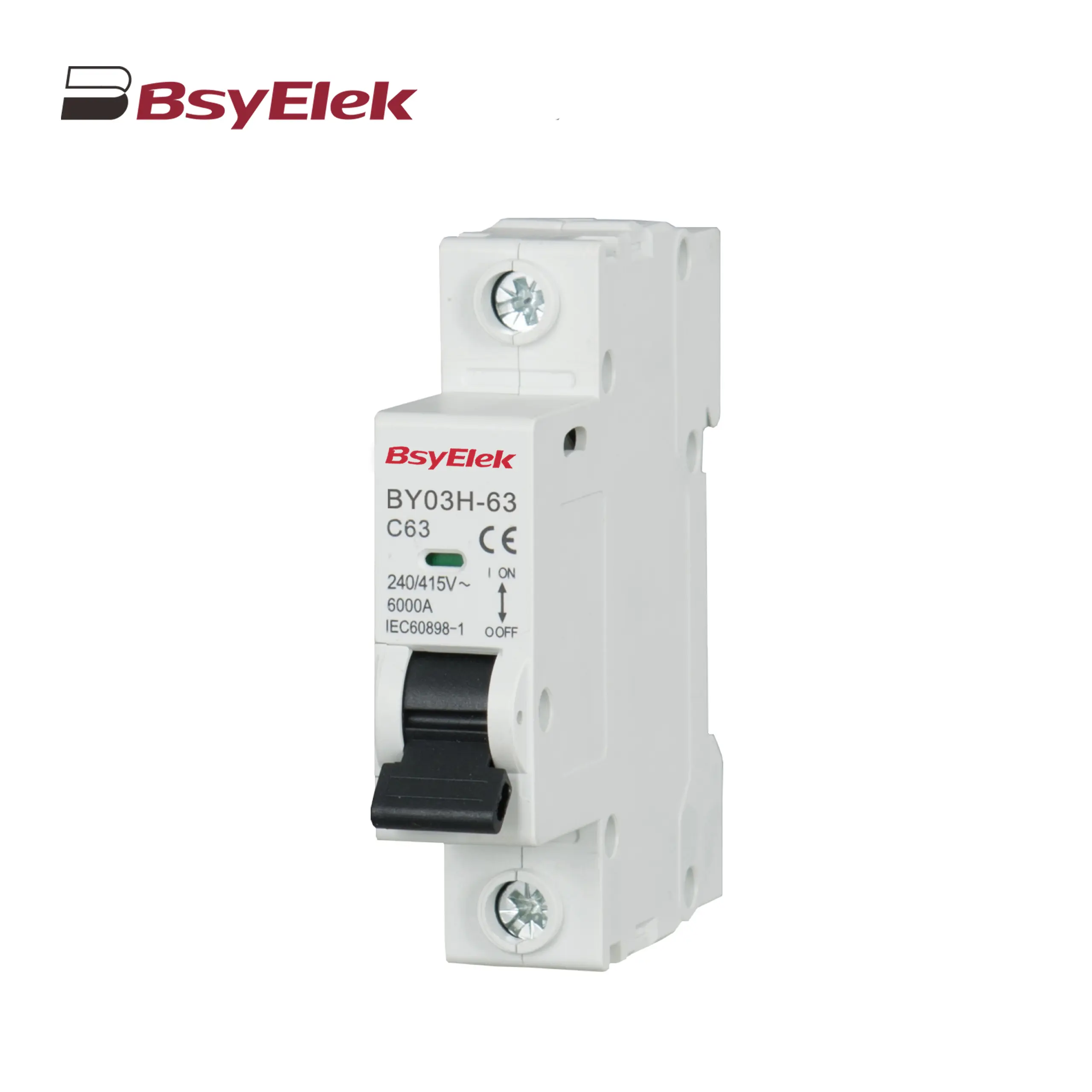
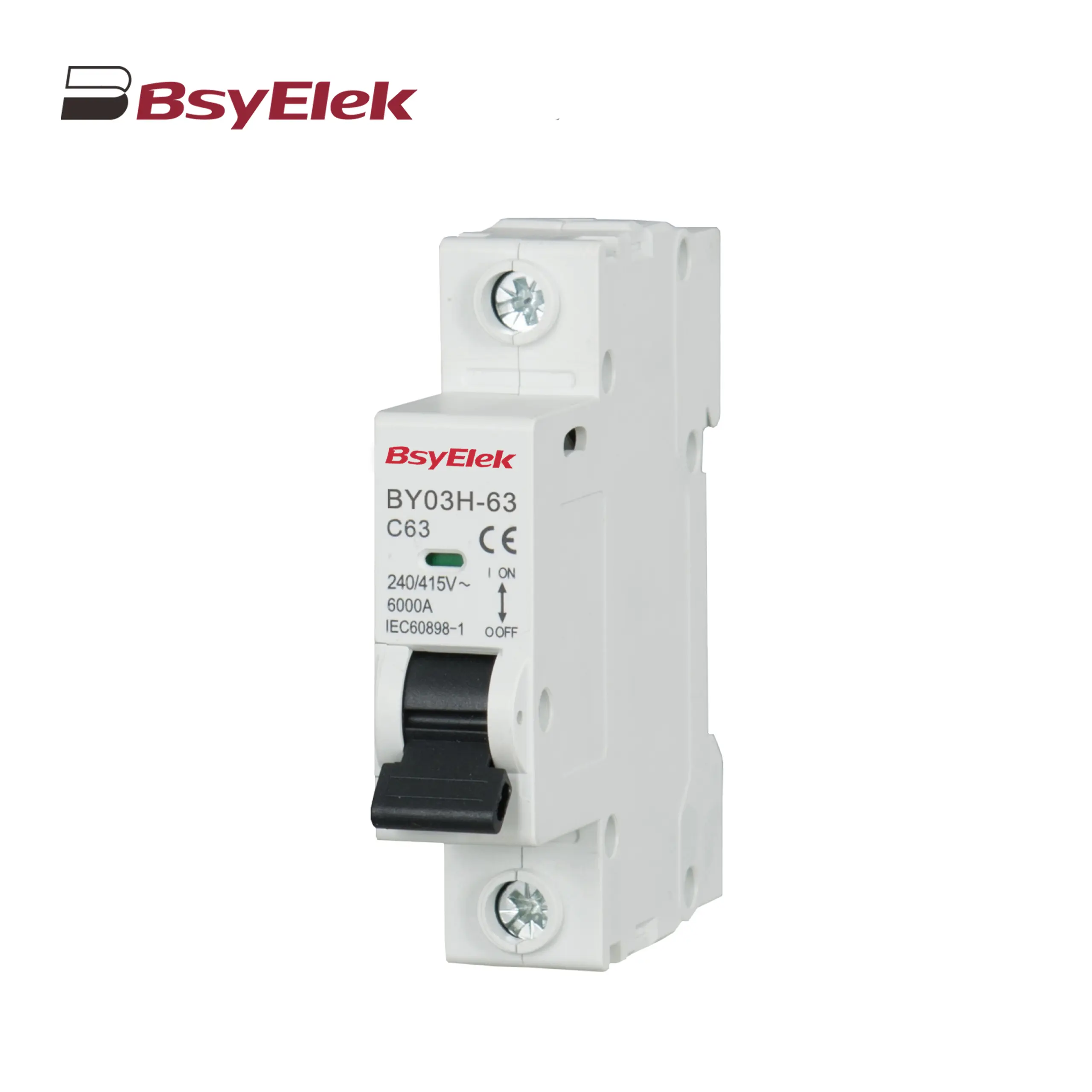 BY03H-63 MCB 6KA Miniature Circuit Breaker
 BY03-63 MCB 4.5KA Miniature Circuit Breaker
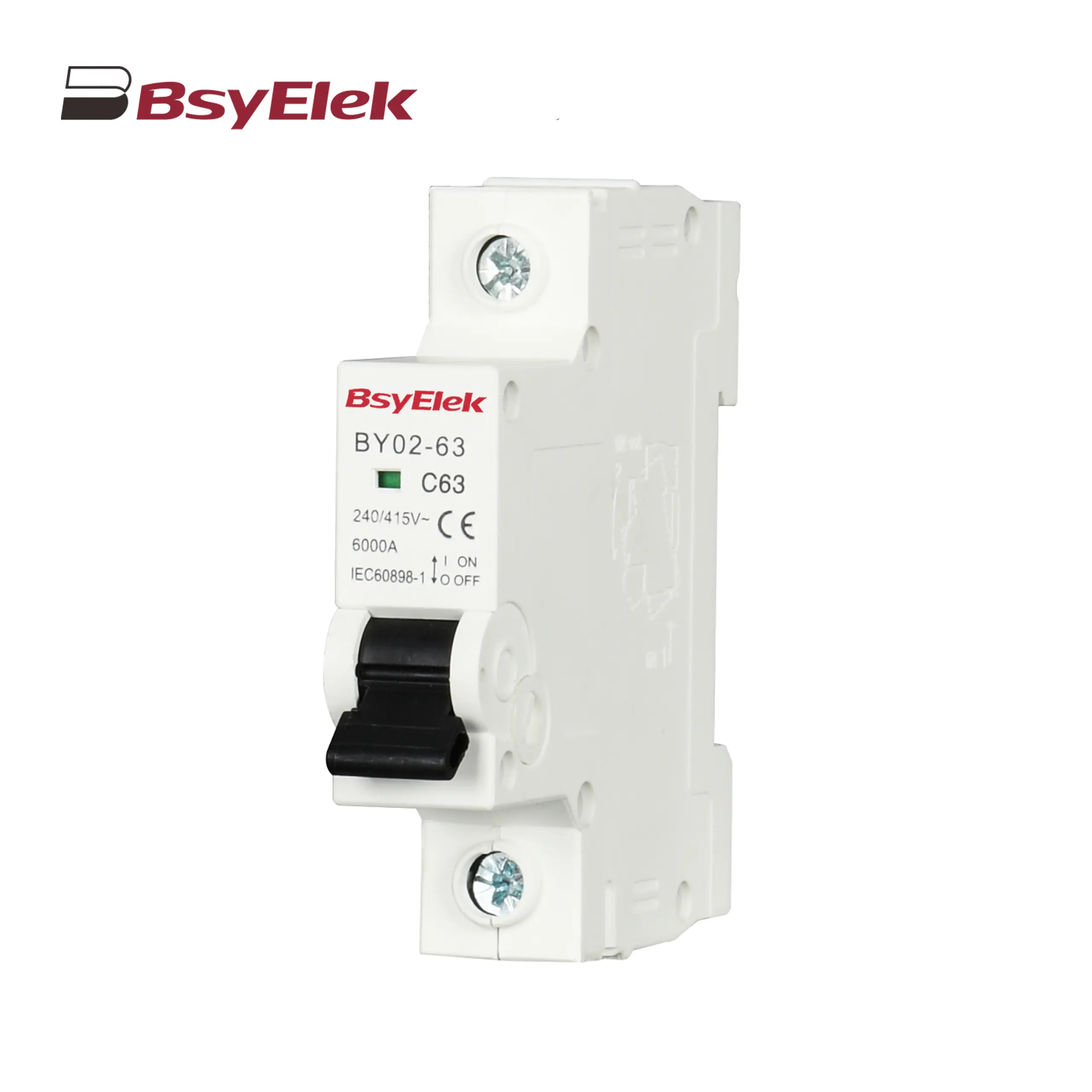 BY02-63 MCB 3kA Miniature Circuit Breaker
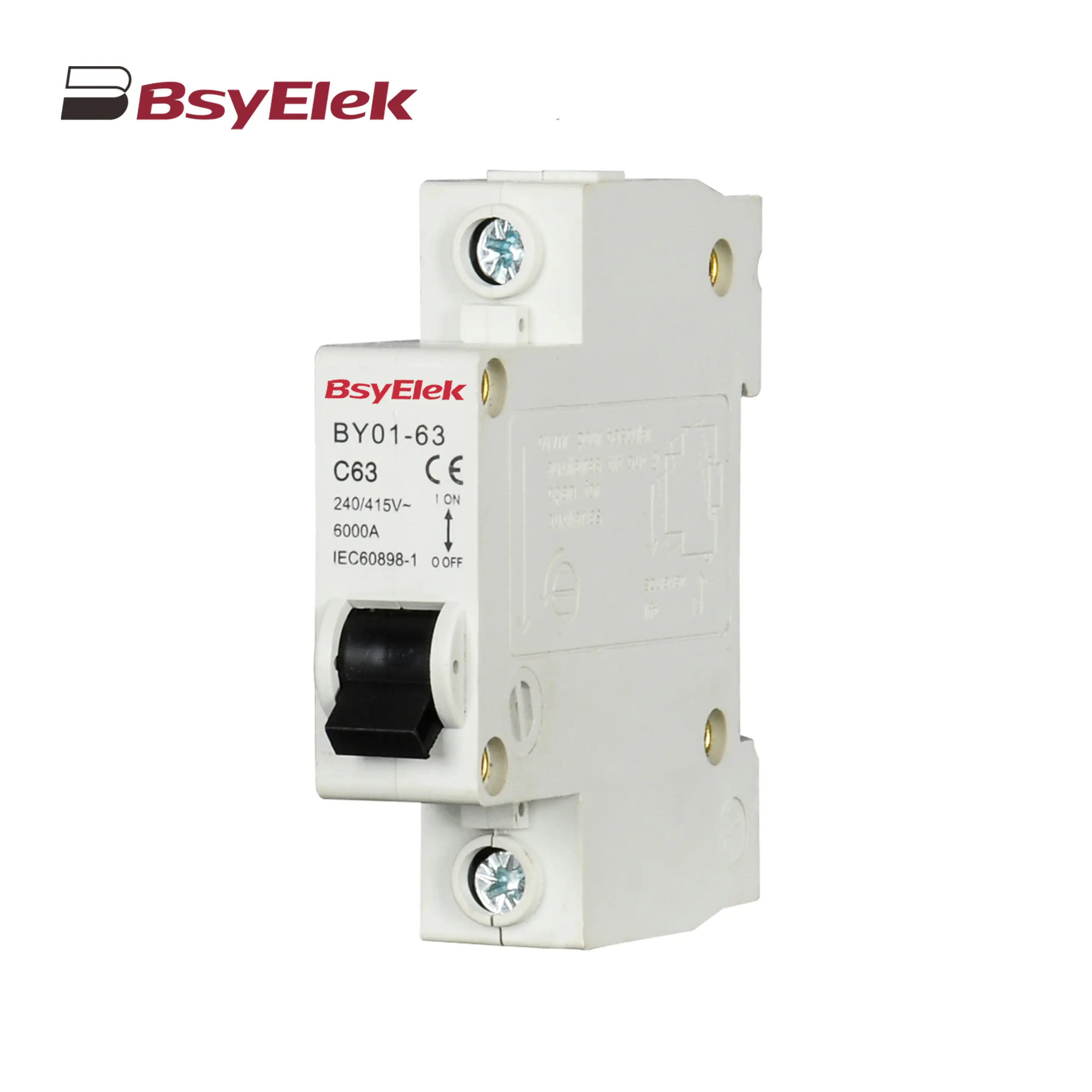 BY01-63 MCB 3kA Miniature Circuit Breaker
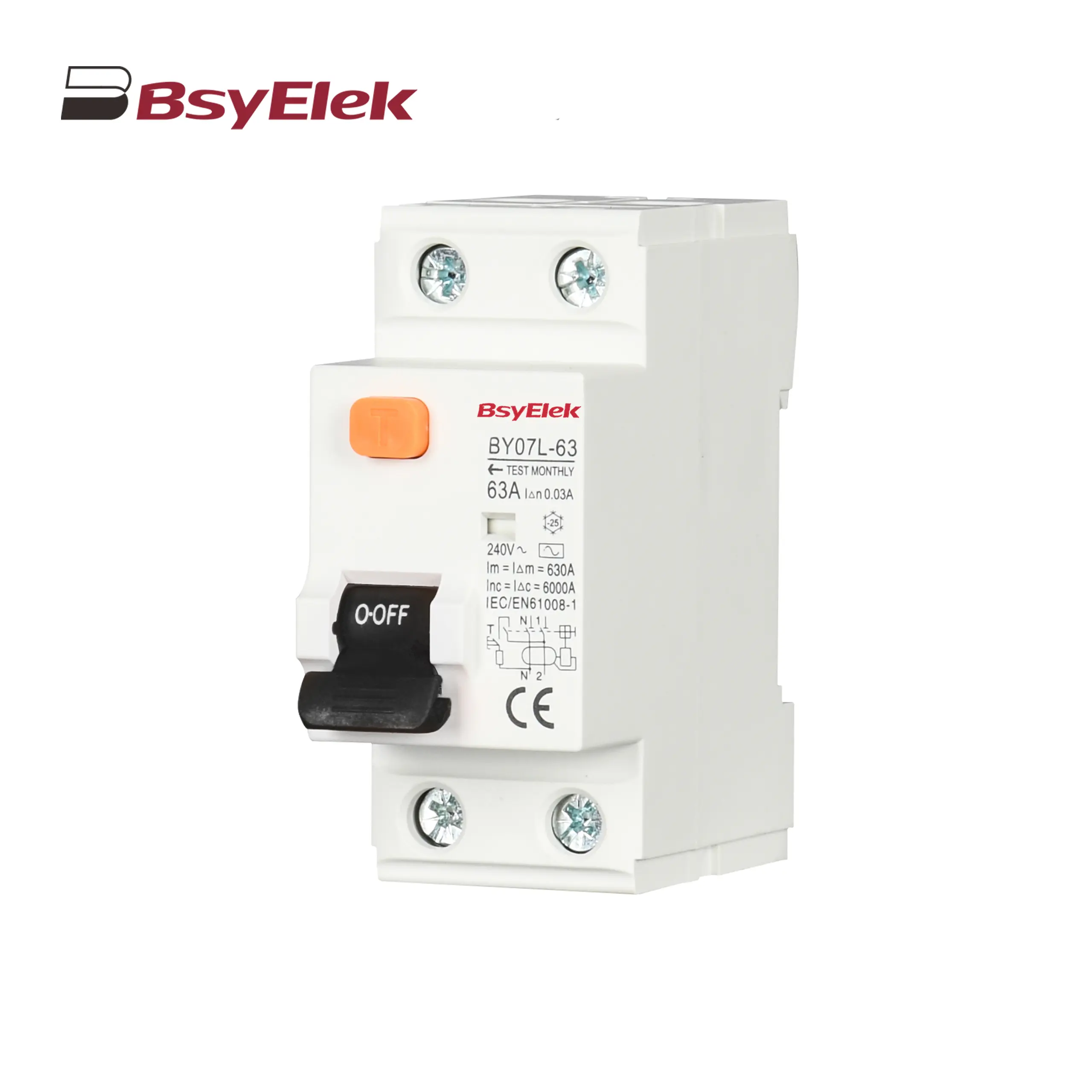 BY07L-63 RCCB 6KA Residual Current Circuit Breaker
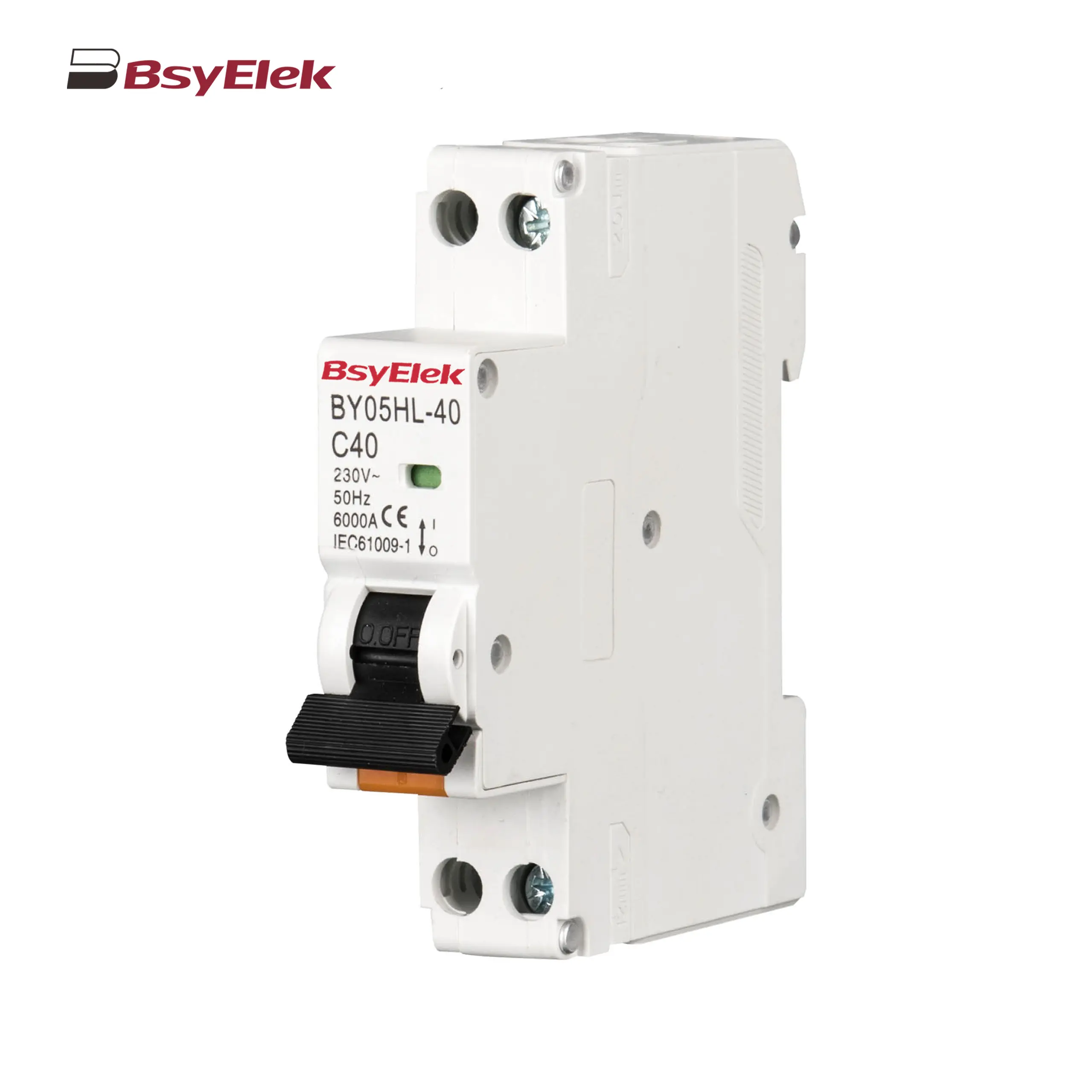 BY05HL-40 RCBO 6KA Residual Current Circuit Breaker with Over-current Protection
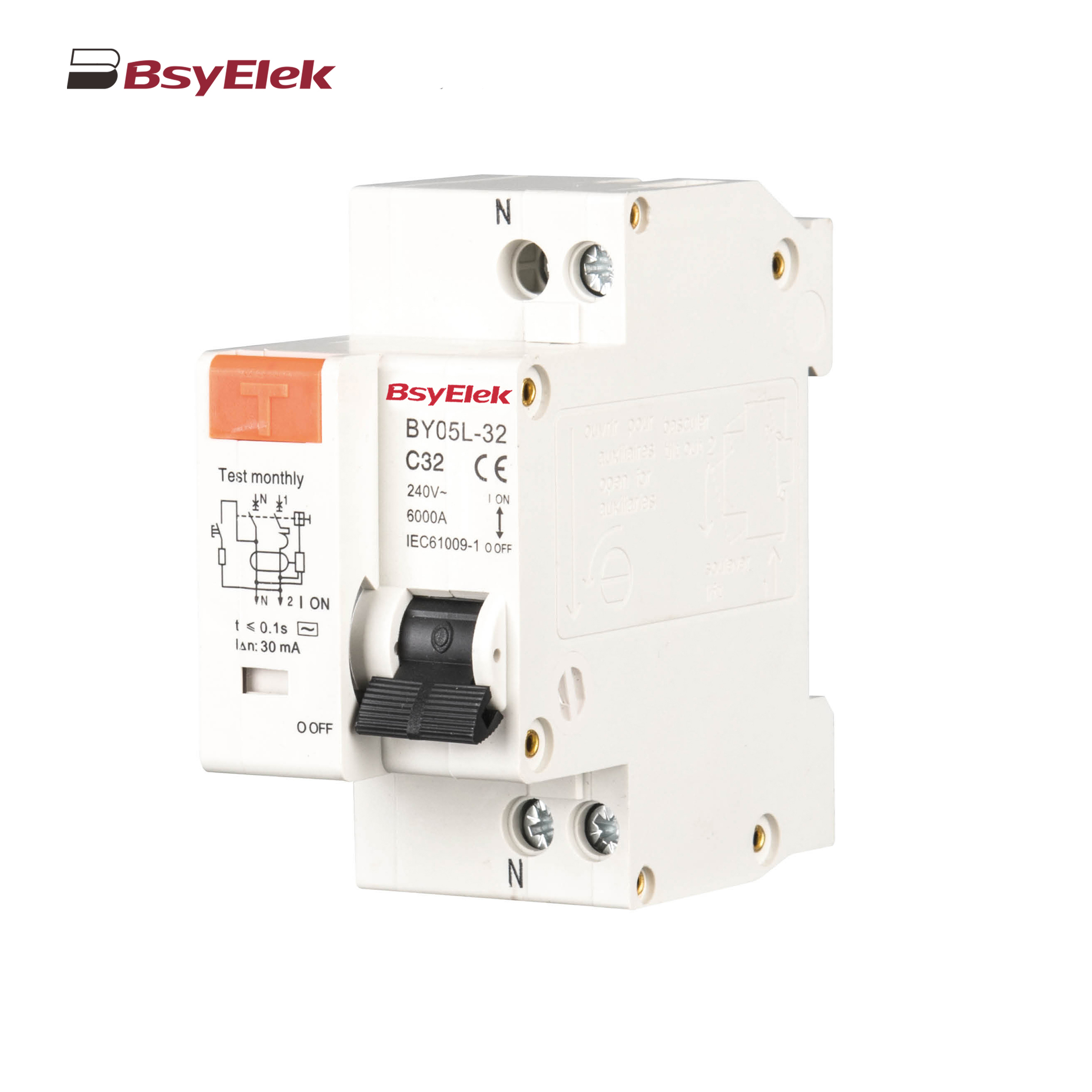 BY05L-32 RCBO 3KA Residual Current Circuit Breaker with Over-current Protection
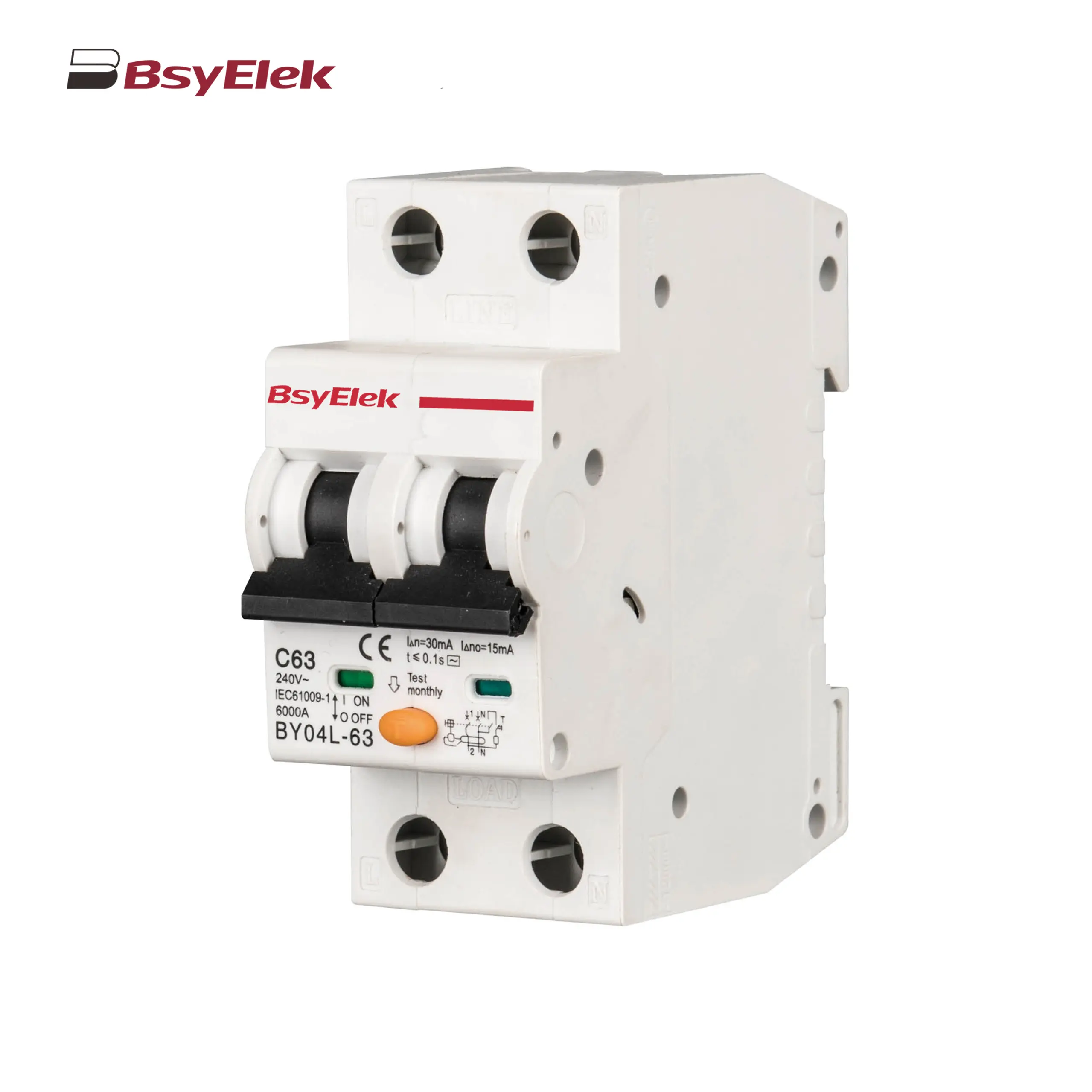 BY04L-63 RCBO 6KA Residual Current Circuit Breaker with Over-current Protection
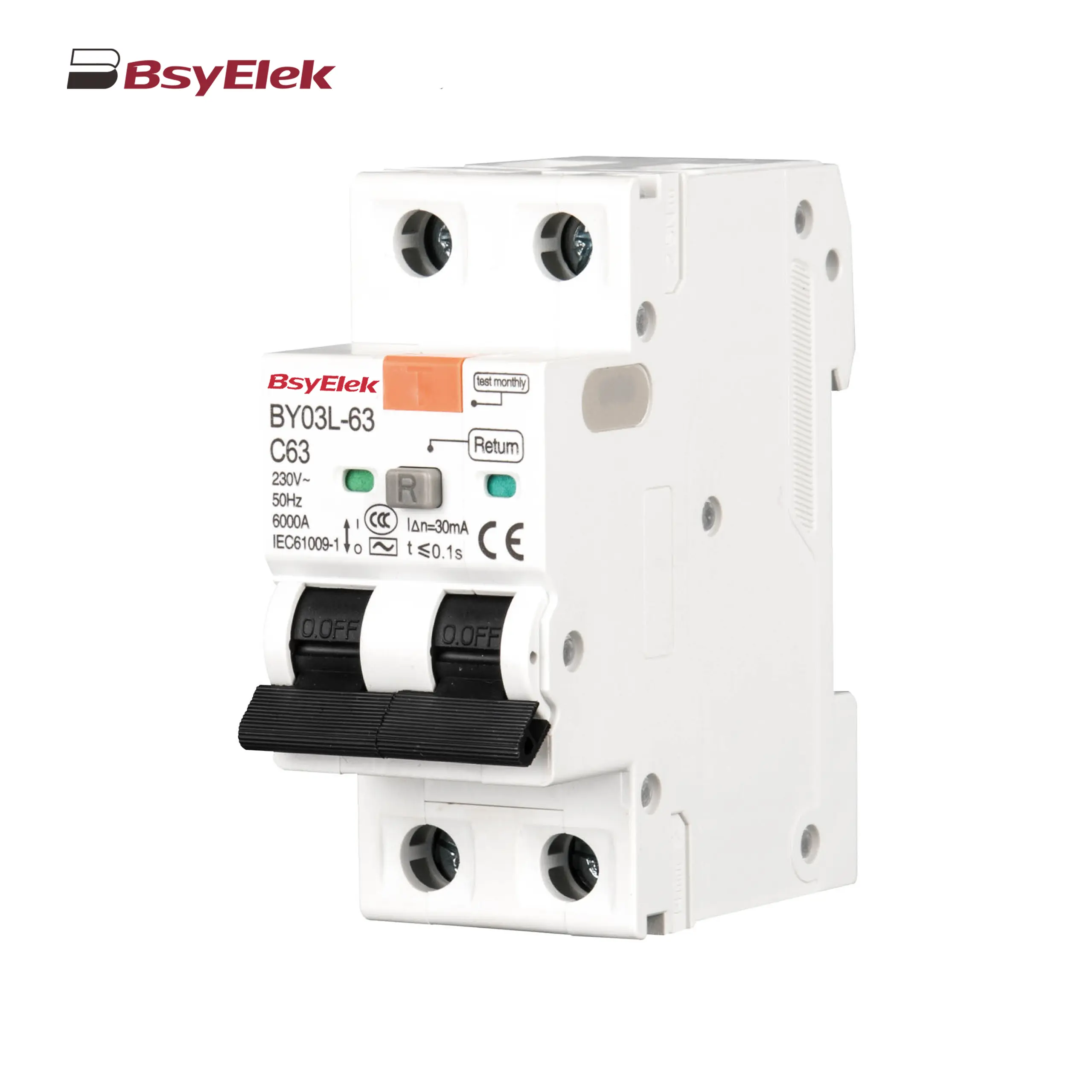 BY03L-63 RCBO 4.5KA Residual Current Circuit Breaker with Over-current Protection
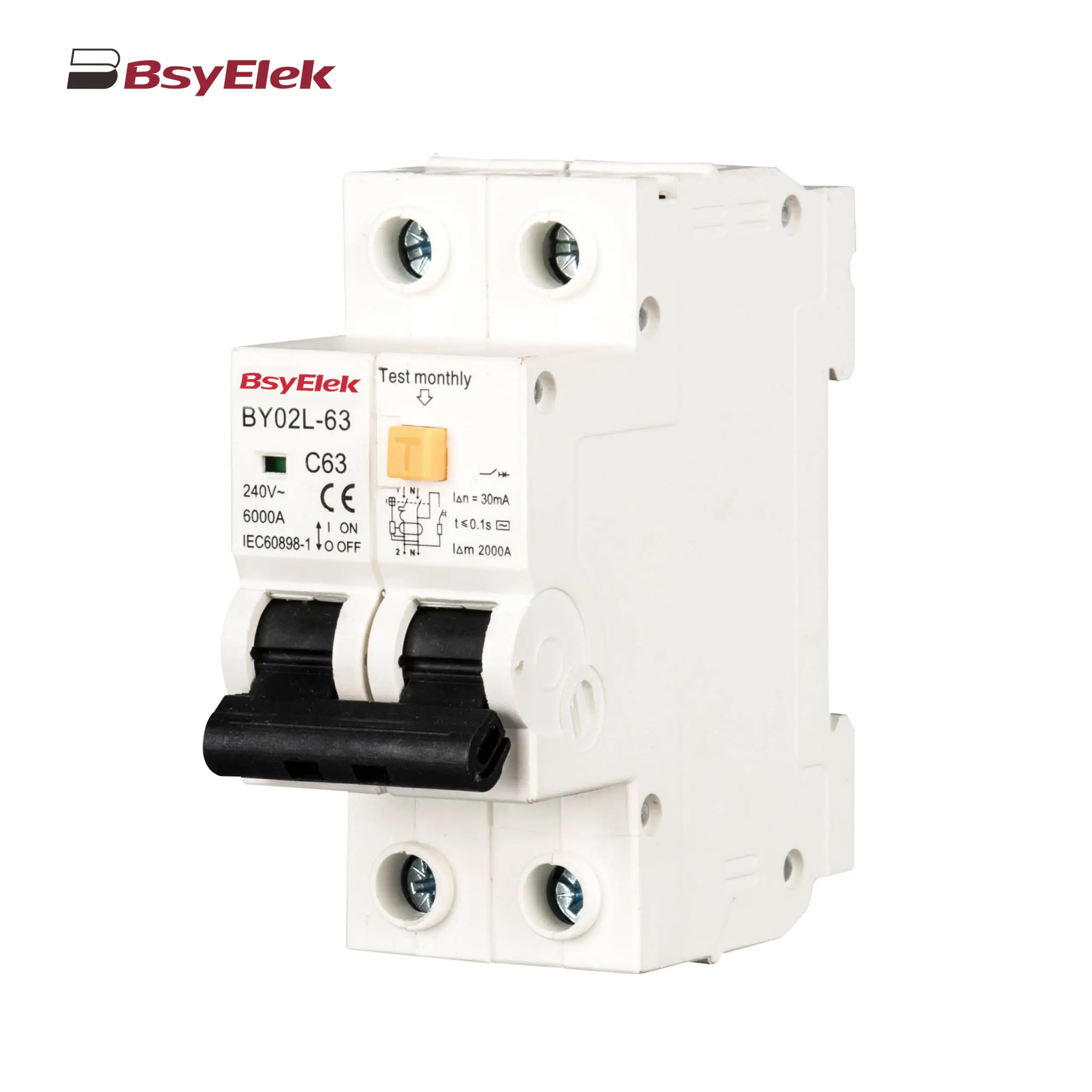 BY02L-63 RCBO 3KA Residual Current Circuit Breaker with Over-current Protection
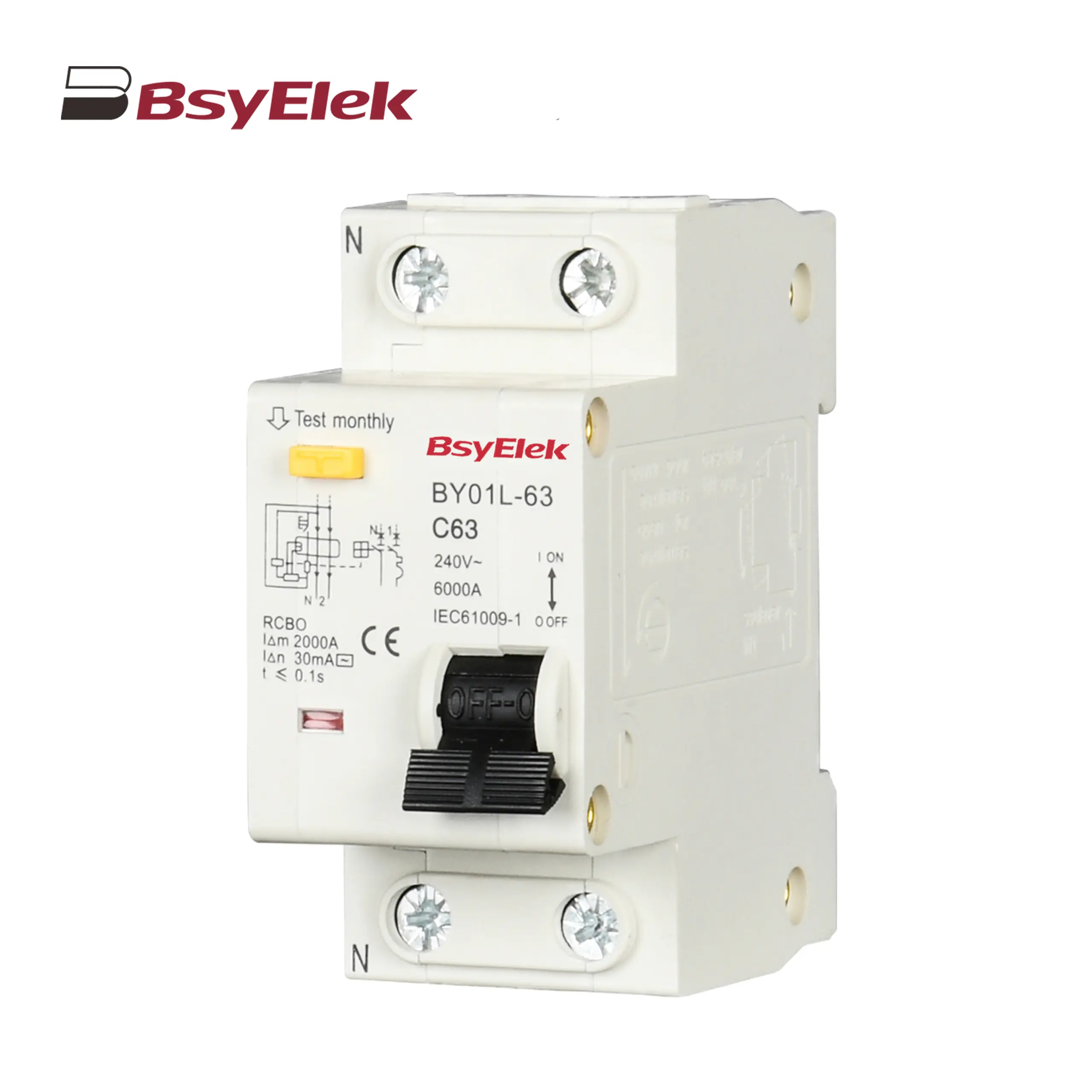 BY01L-63 RCBO 1P+N 3KA Residual Current Circuit Breaker with Over-current Protection
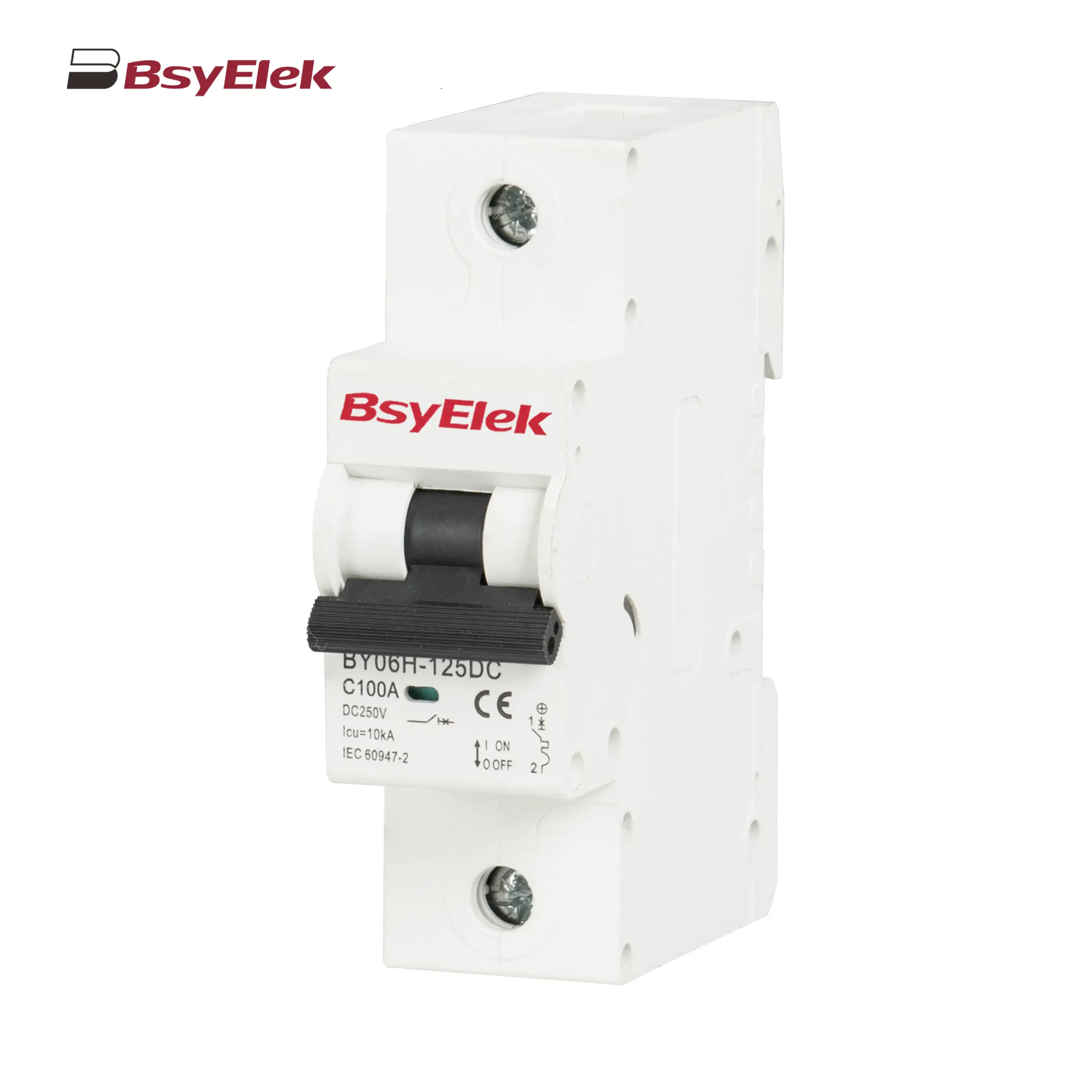 BY06H-125DC MCB 10-15kA DC Miniature Circuit Breaker
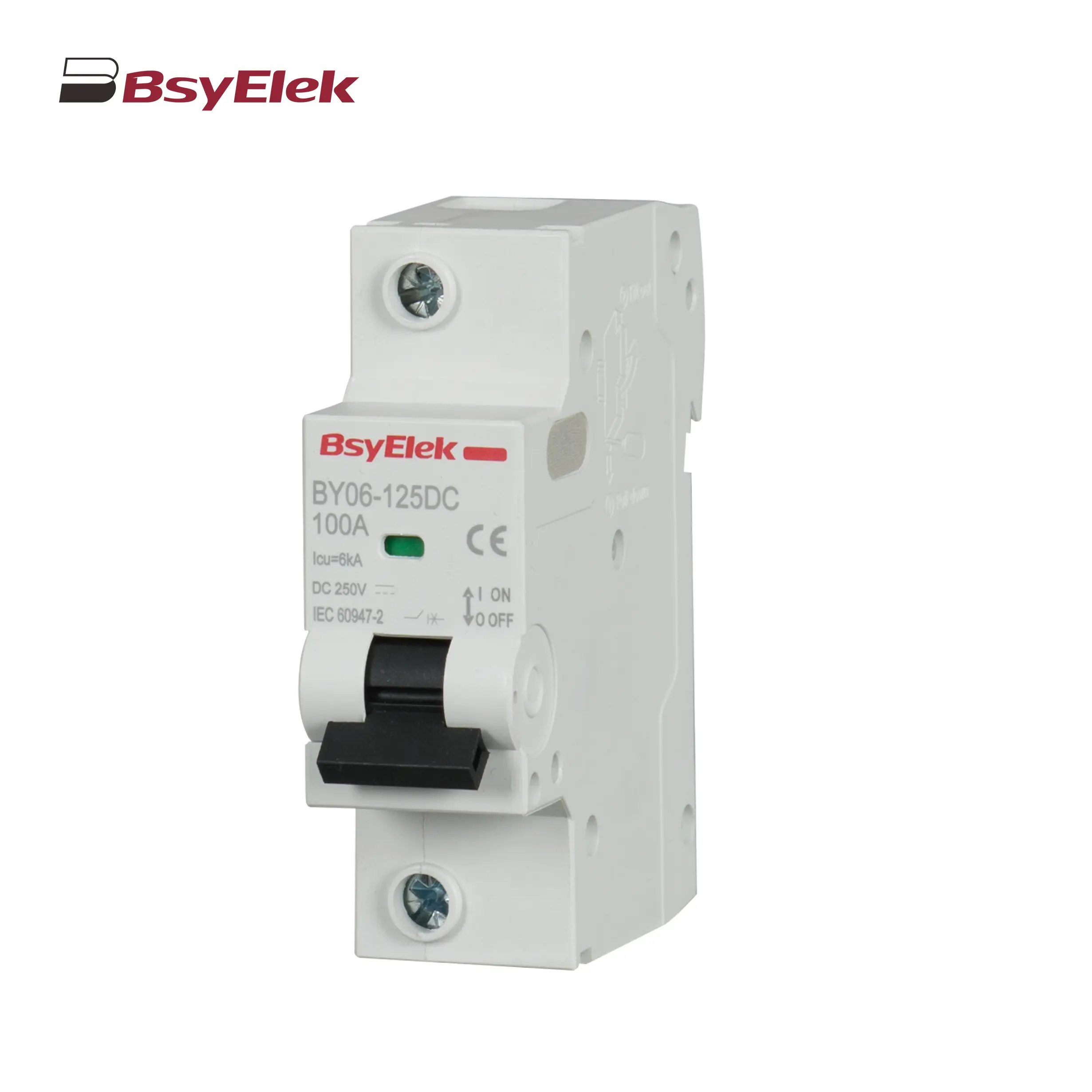 BY06-125DC MCB 6kA DC Miniature Circuit Breaker
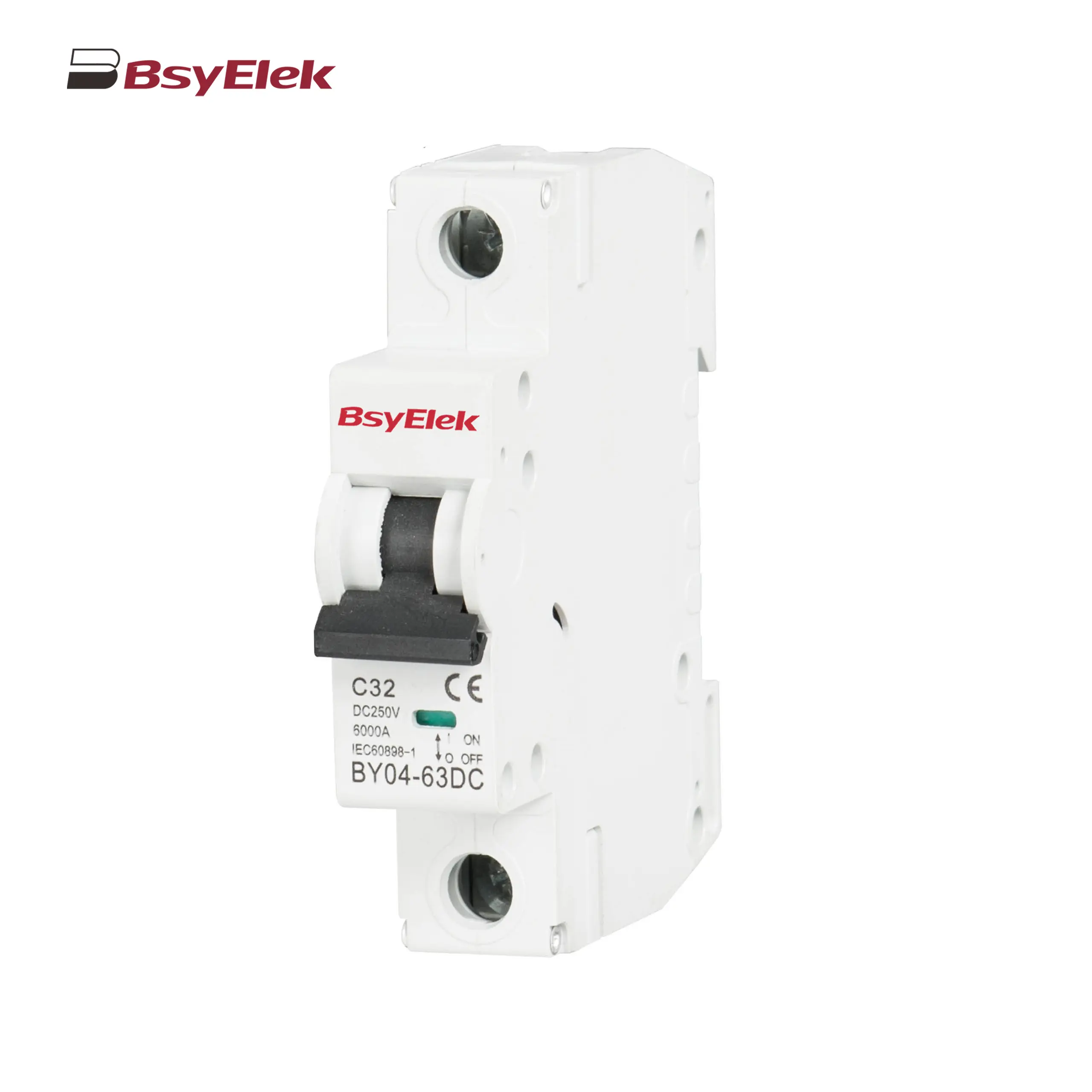 BY04-63DC MCB 6-10kA DC Miniature Circuit Breaker
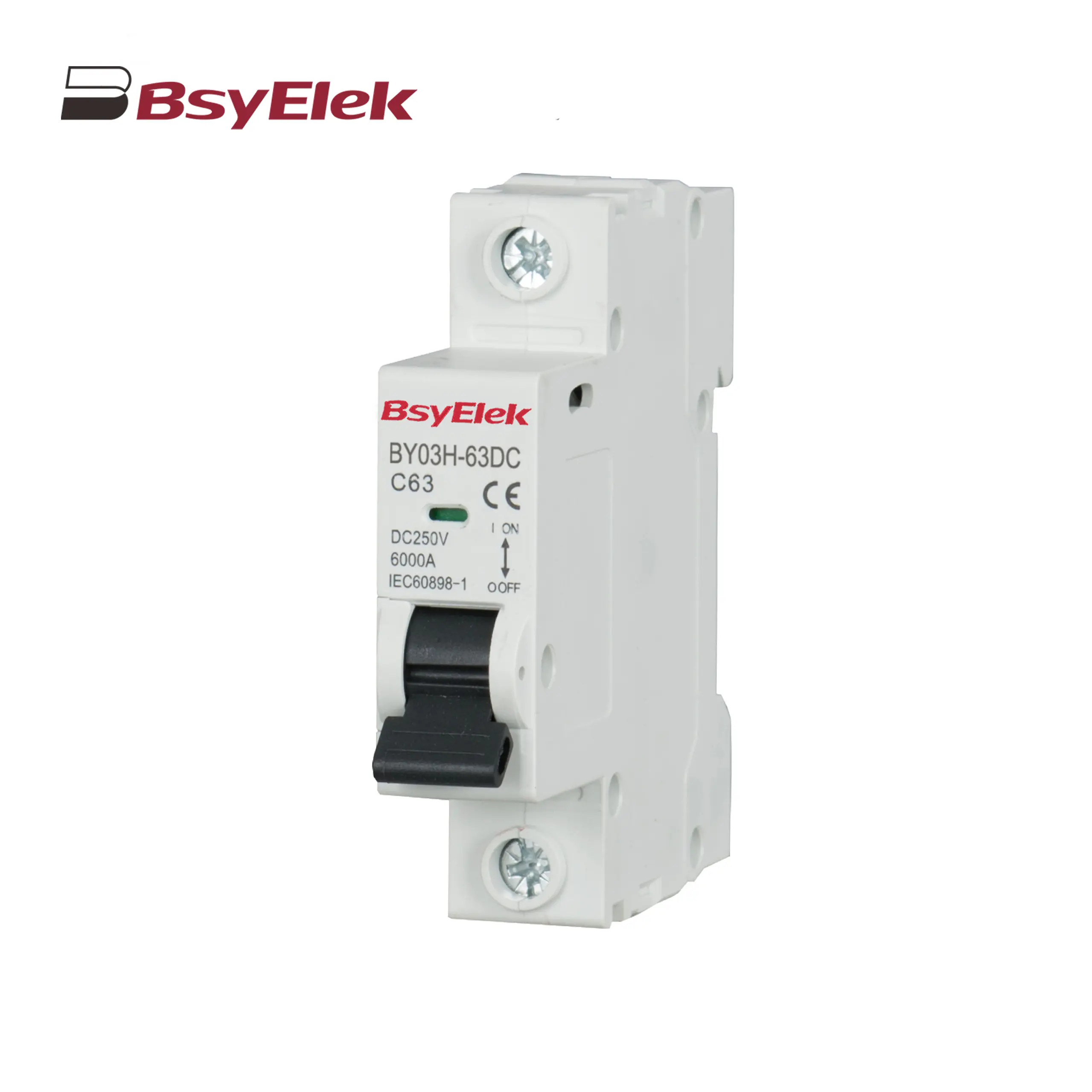 BY03H-63DC MCB 6kA DC Miniature Circuit Breaker
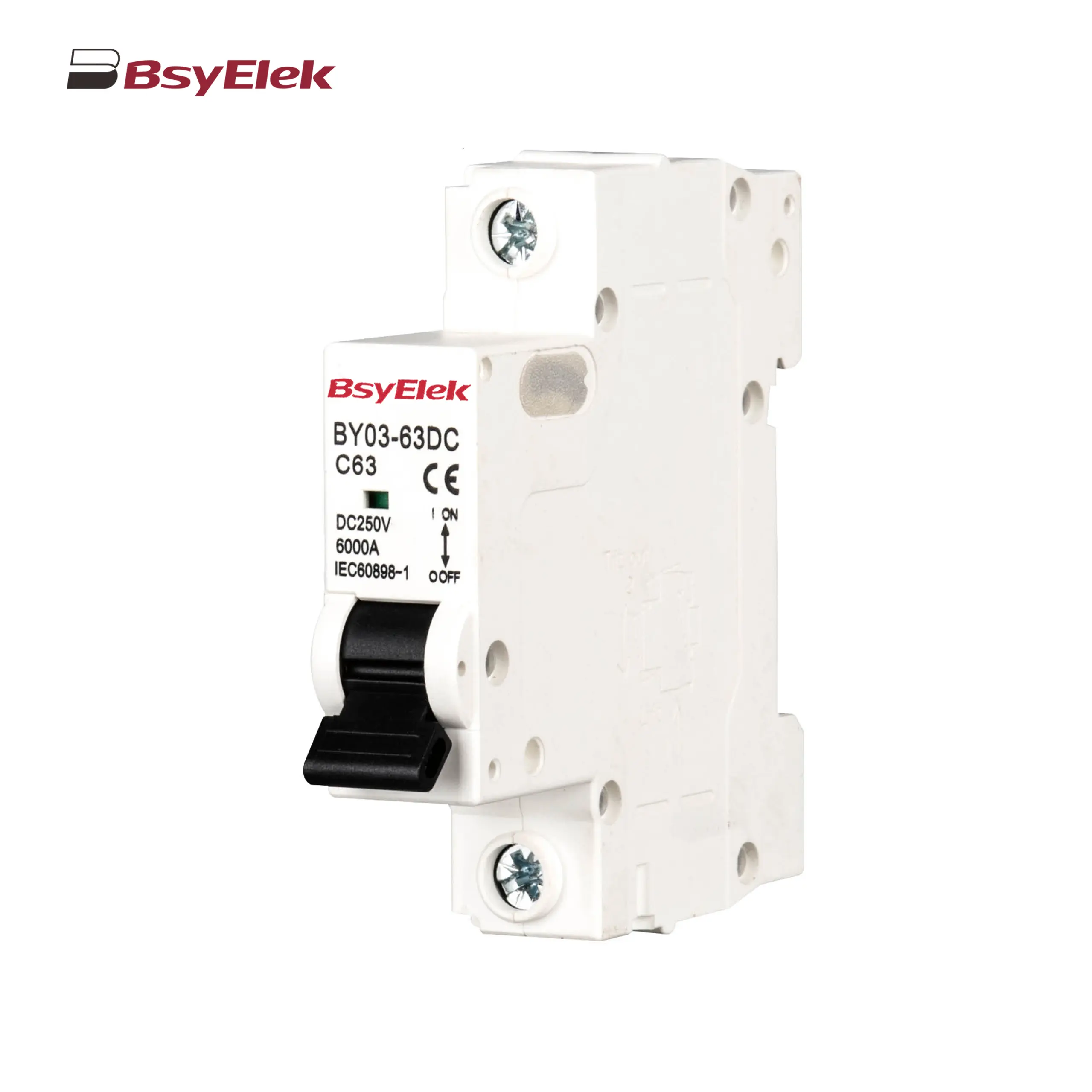 BY03-63DC MCB 4.5kA DC Miniature Circuit Breaker
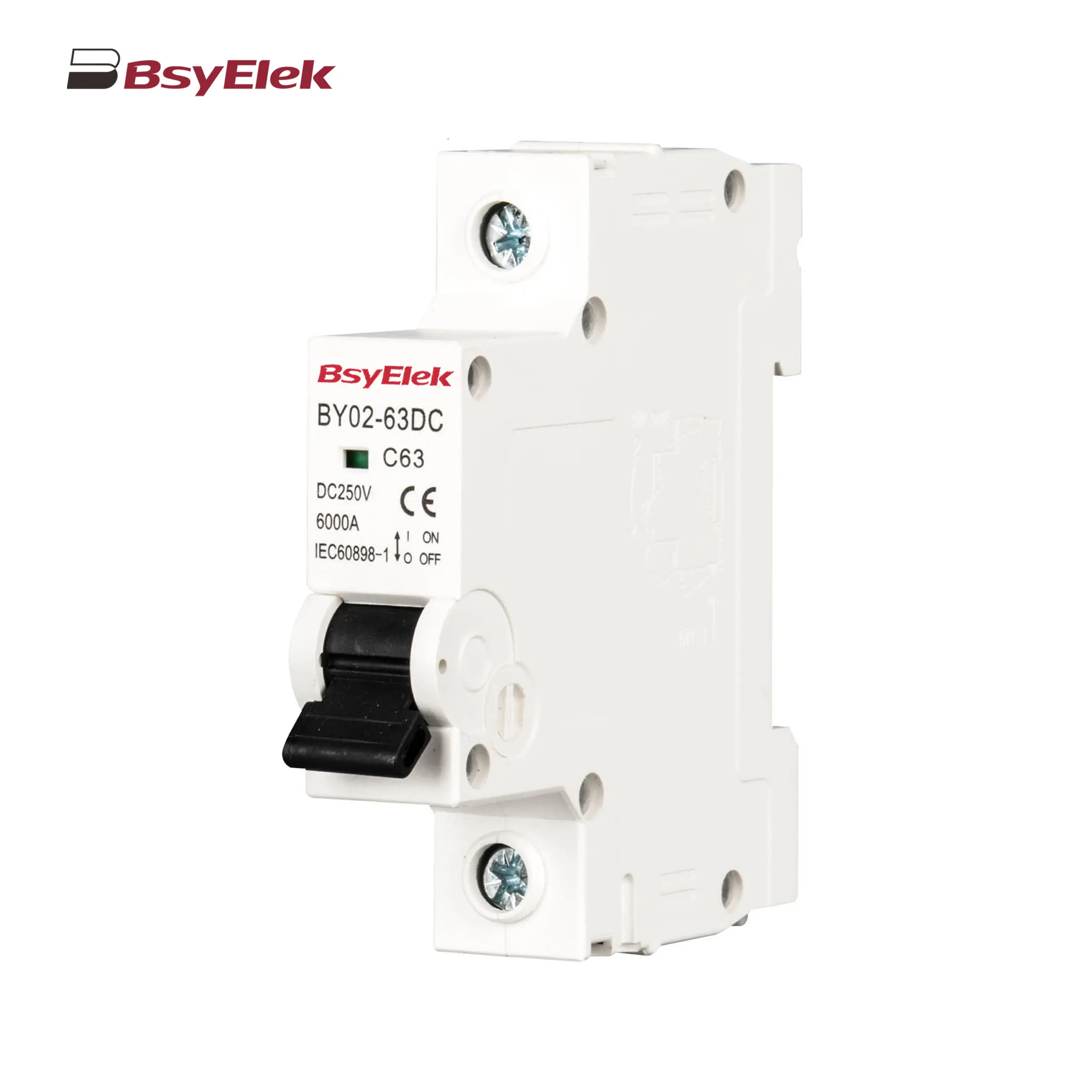 BY02-63DC MCB 3kA DC Miniature Circuit Breaker
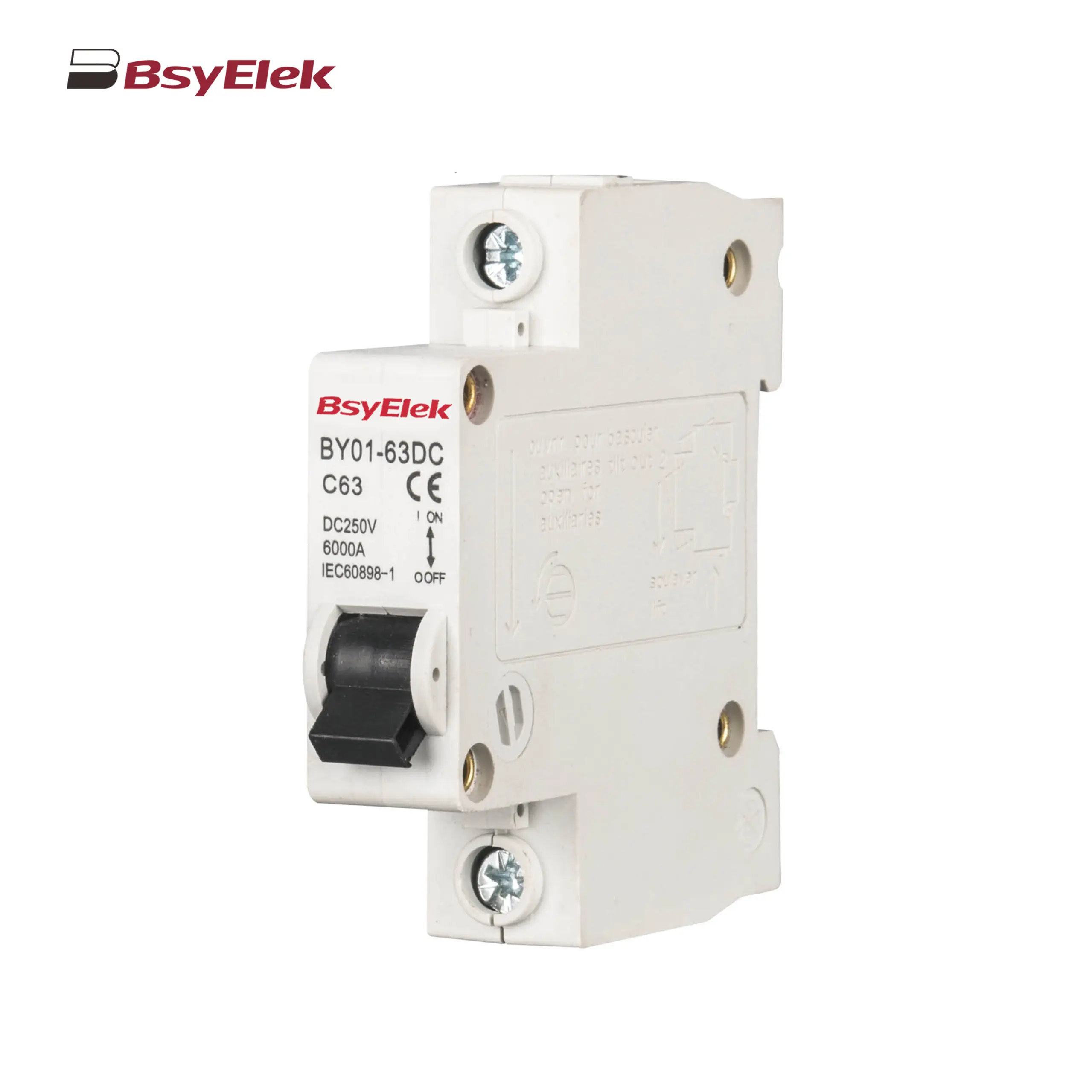 BY01-63DC MCB 3kA DC Miniature Circuit Breaker
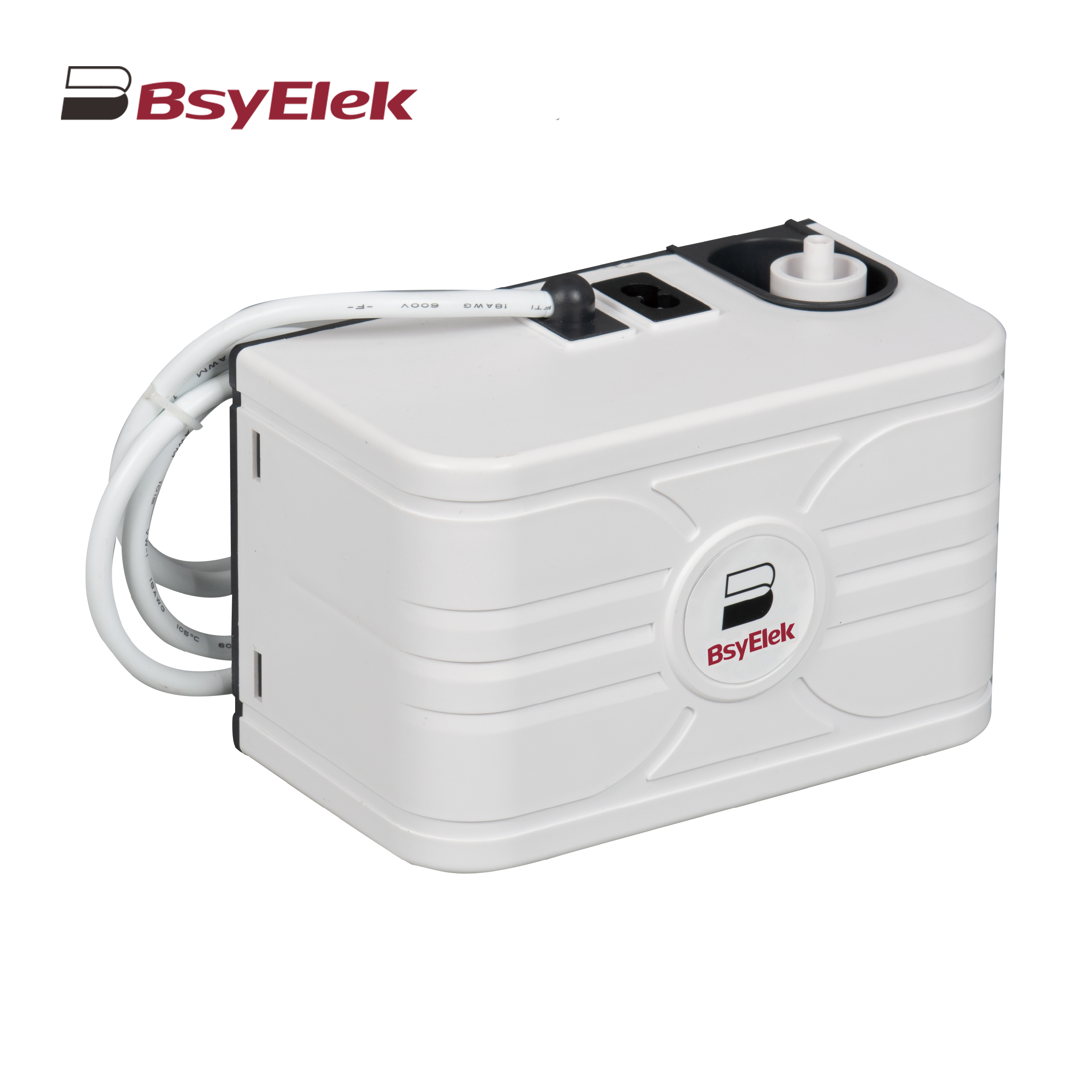 BY-5018 1.8M Engineering Drainage Pump
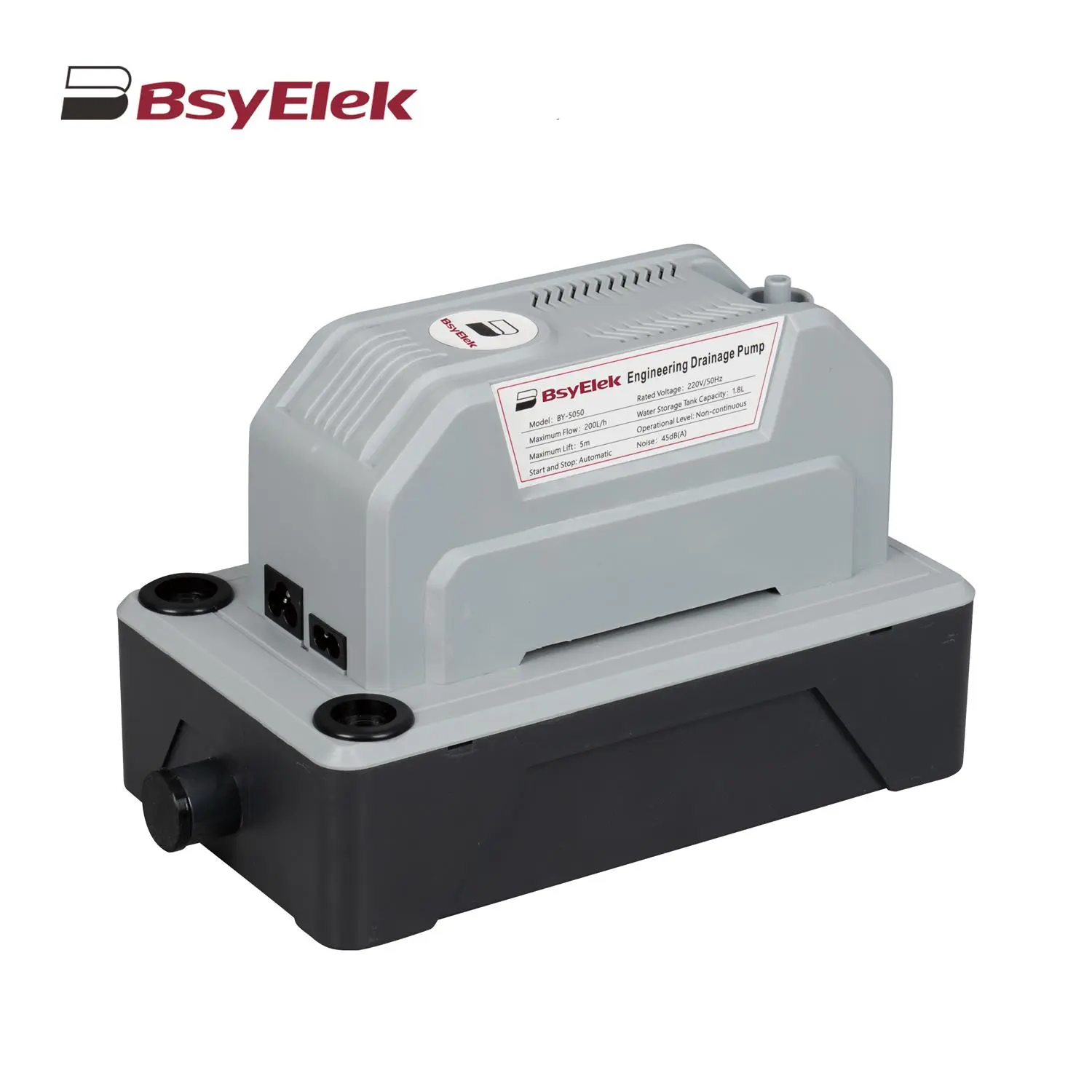 BY-5050 5M Engineering Drainage Pump
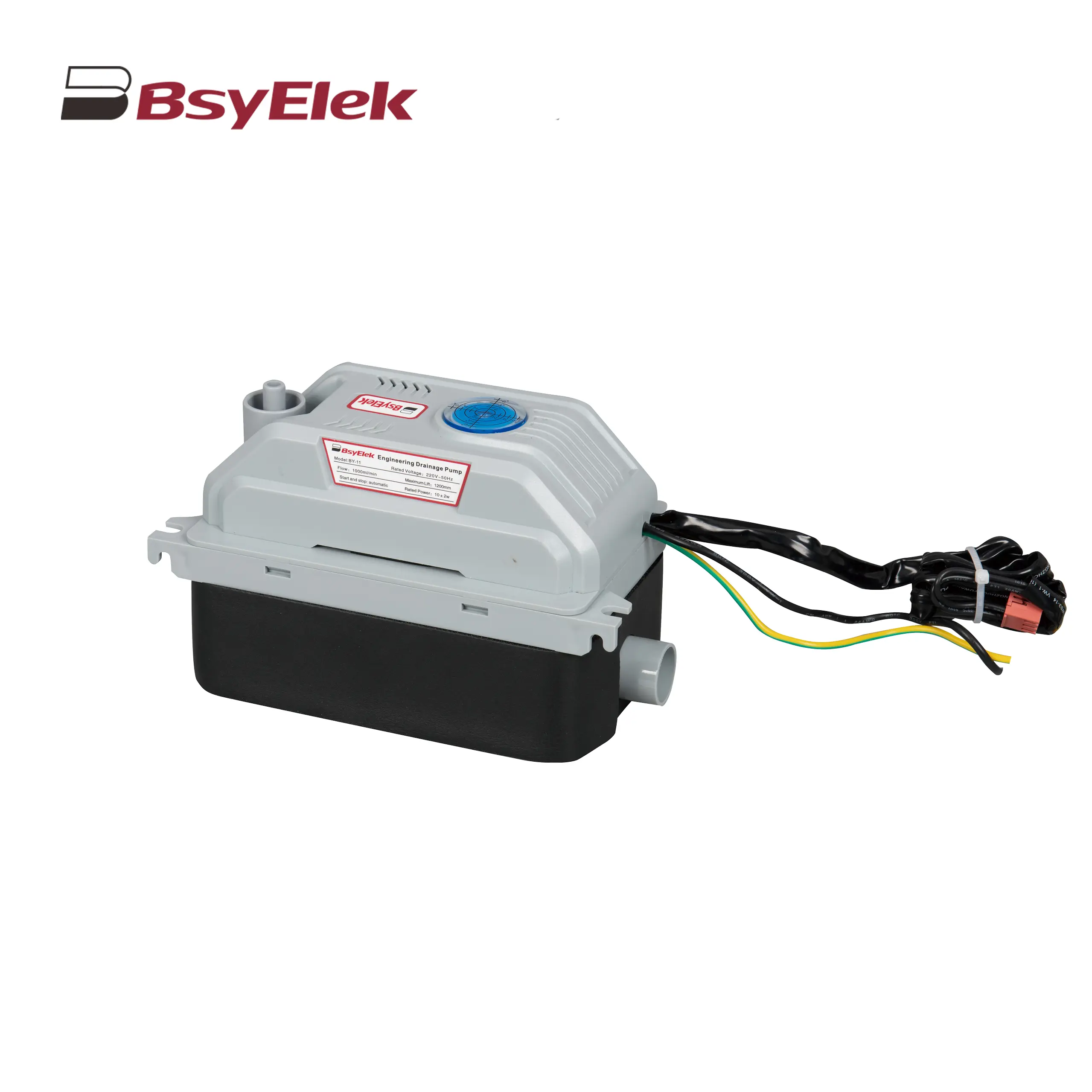 BY-11 1.2M Engineering Drainage Pump
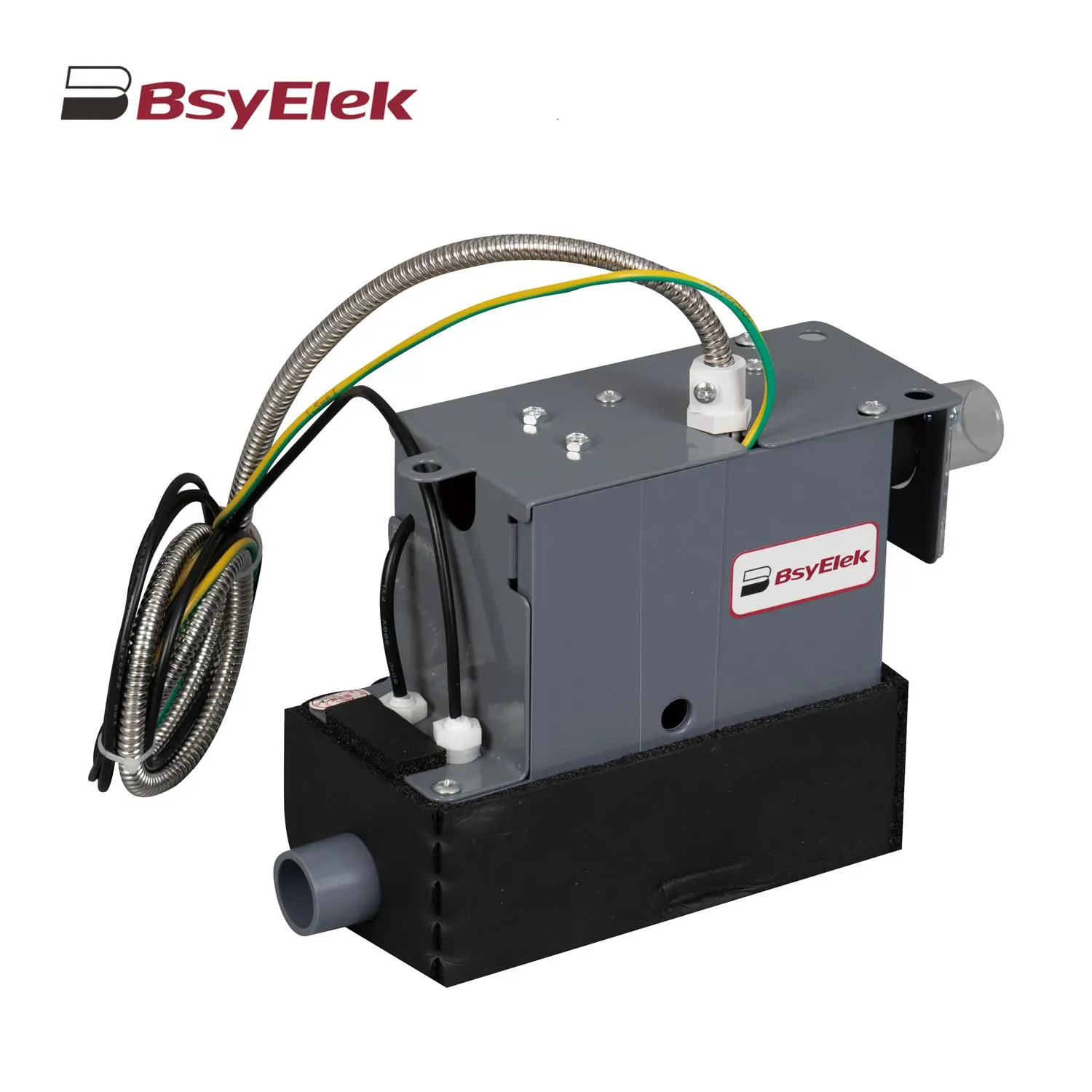 SBH-05 0.7M Original Drainage Pump of Duct Type Air Conditioner
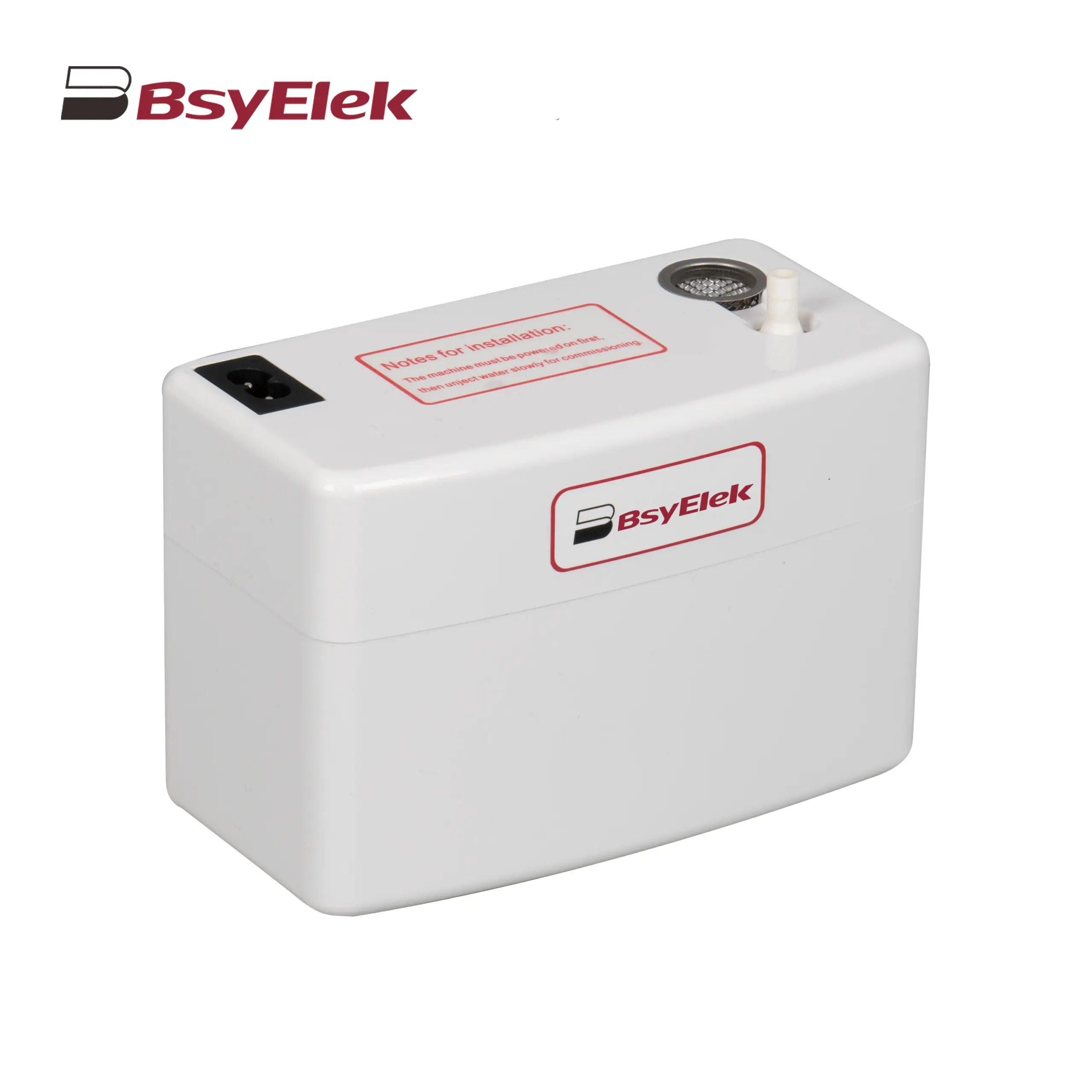 BY-24A/40A 10M Drainage Pump of Air Conditioner
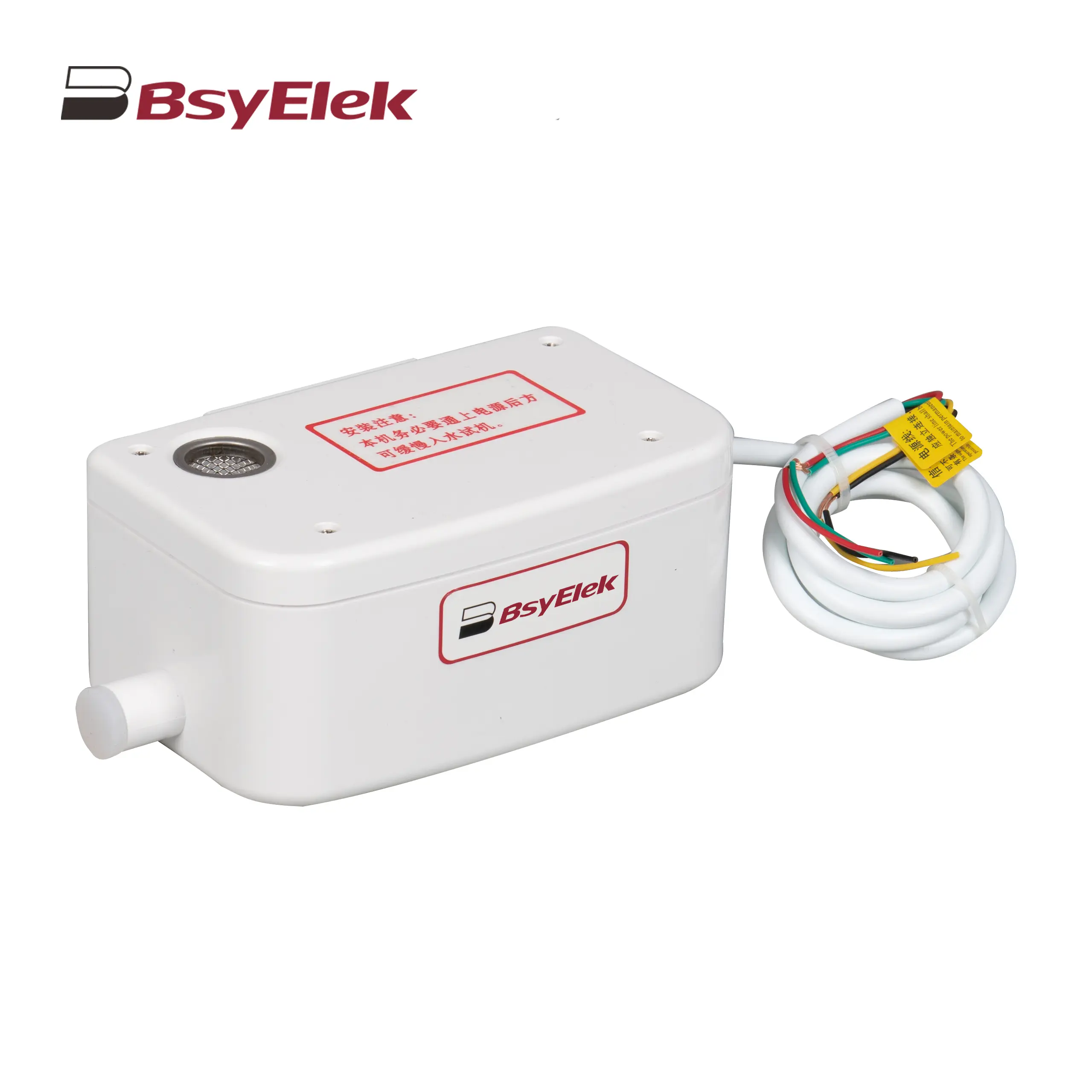 BY-50A 12M Drainage Pump of Air Conditioner
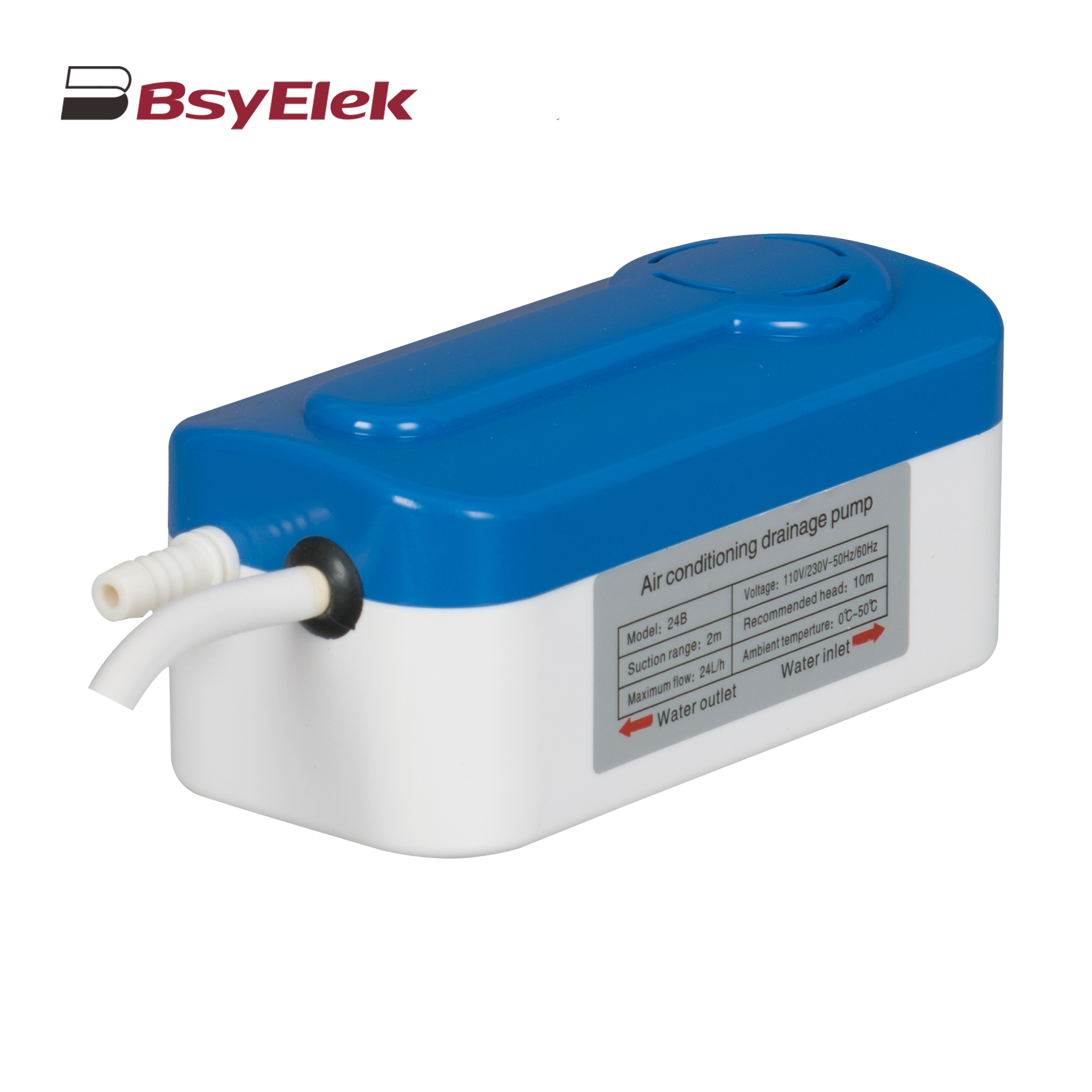 BY-24B/40B 10M Split Type Drainage Pump
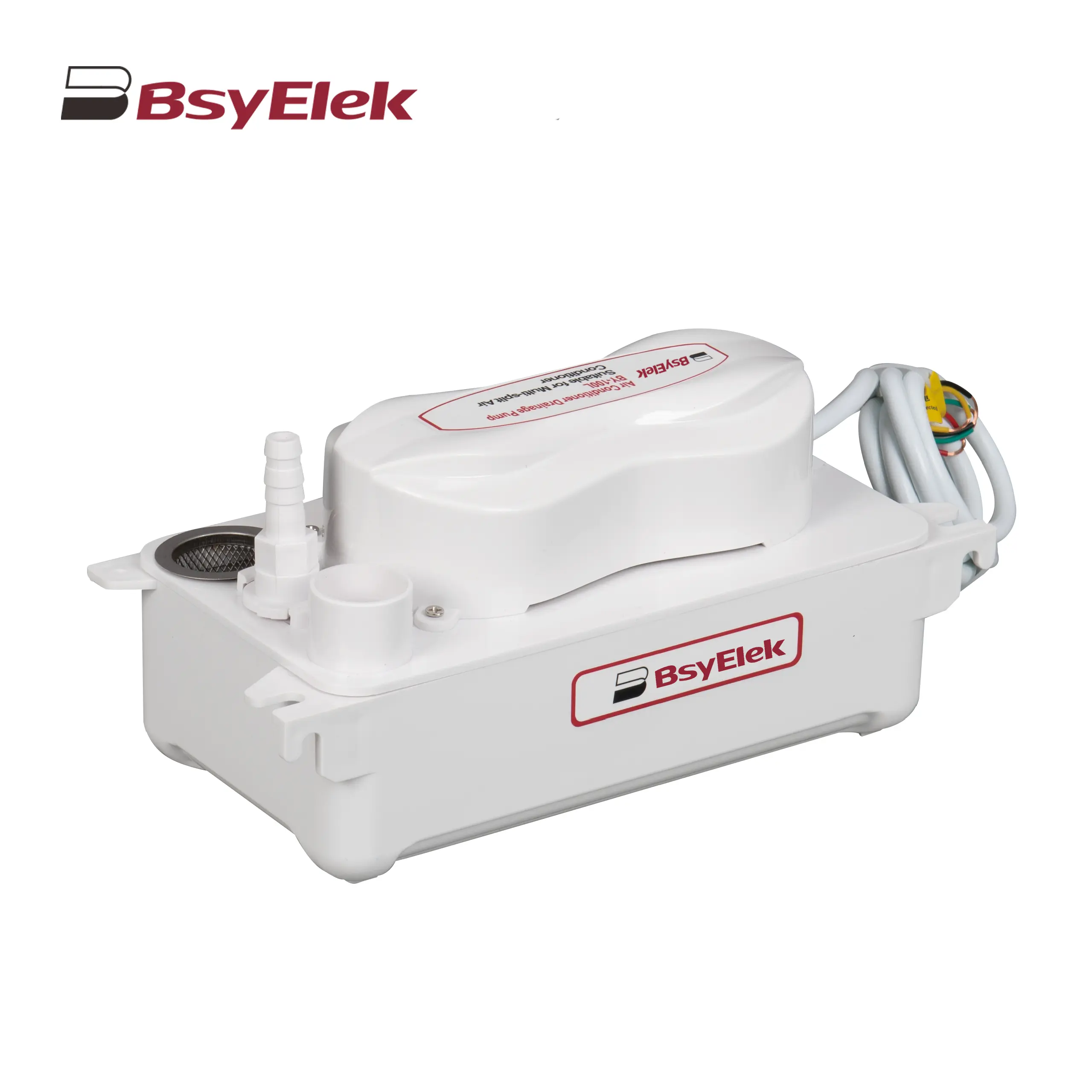 BY-100L 2M Drainage Pump of Air Conditioner
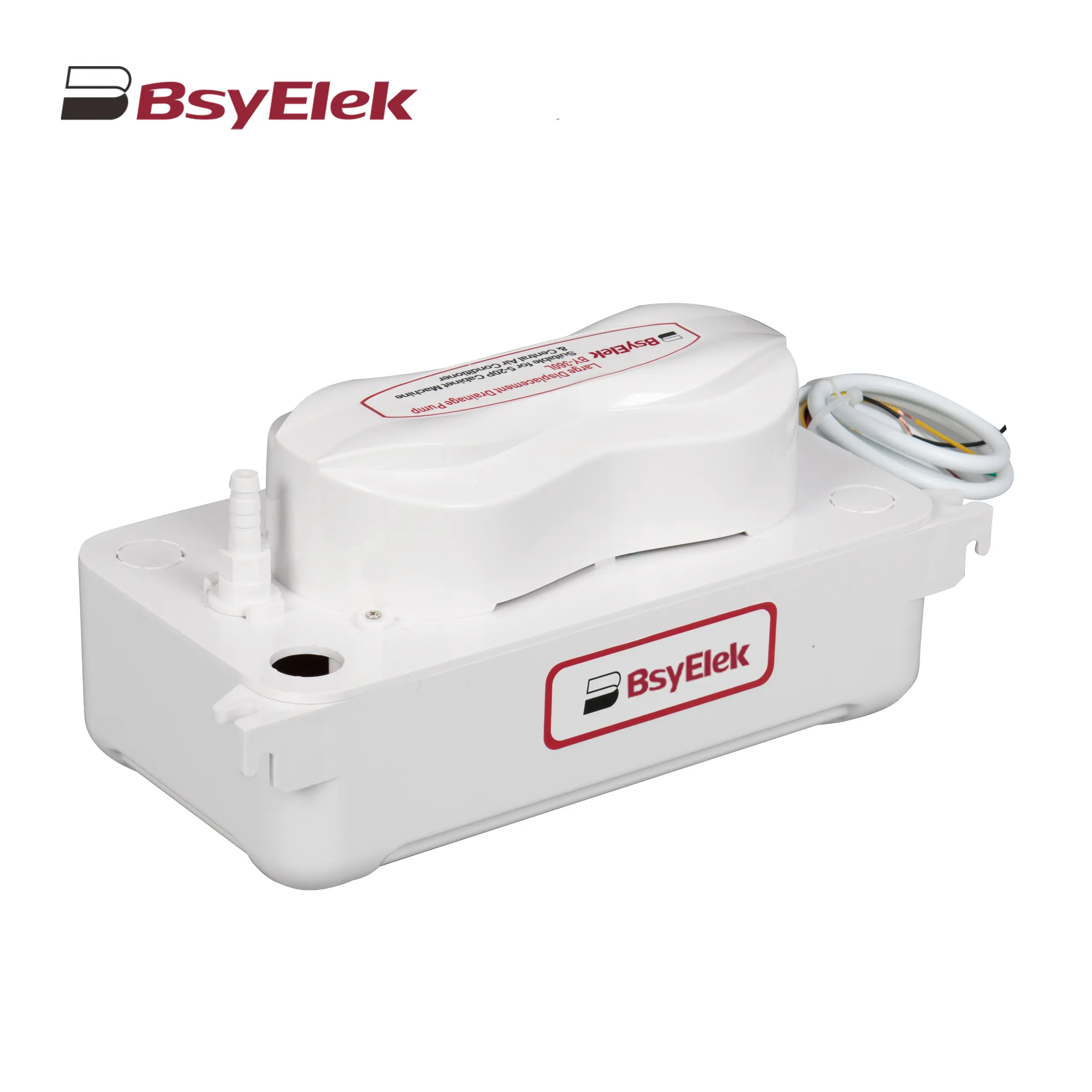 BY-360L 6M Large Displacement Drainage Pump
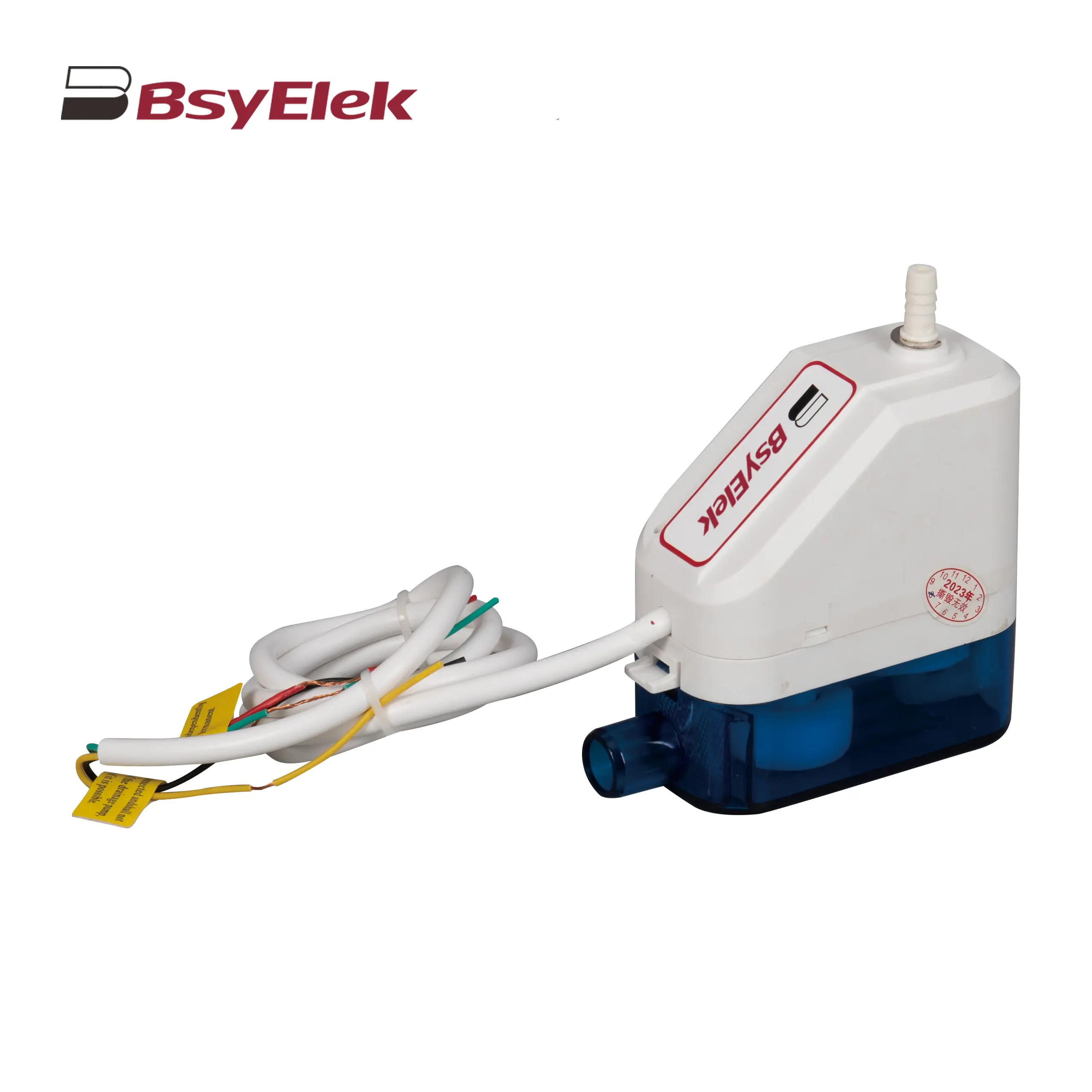 BY-24C/40C 10M Corner Drainage Pump
What is a miniature circuit breaker (MCB)?
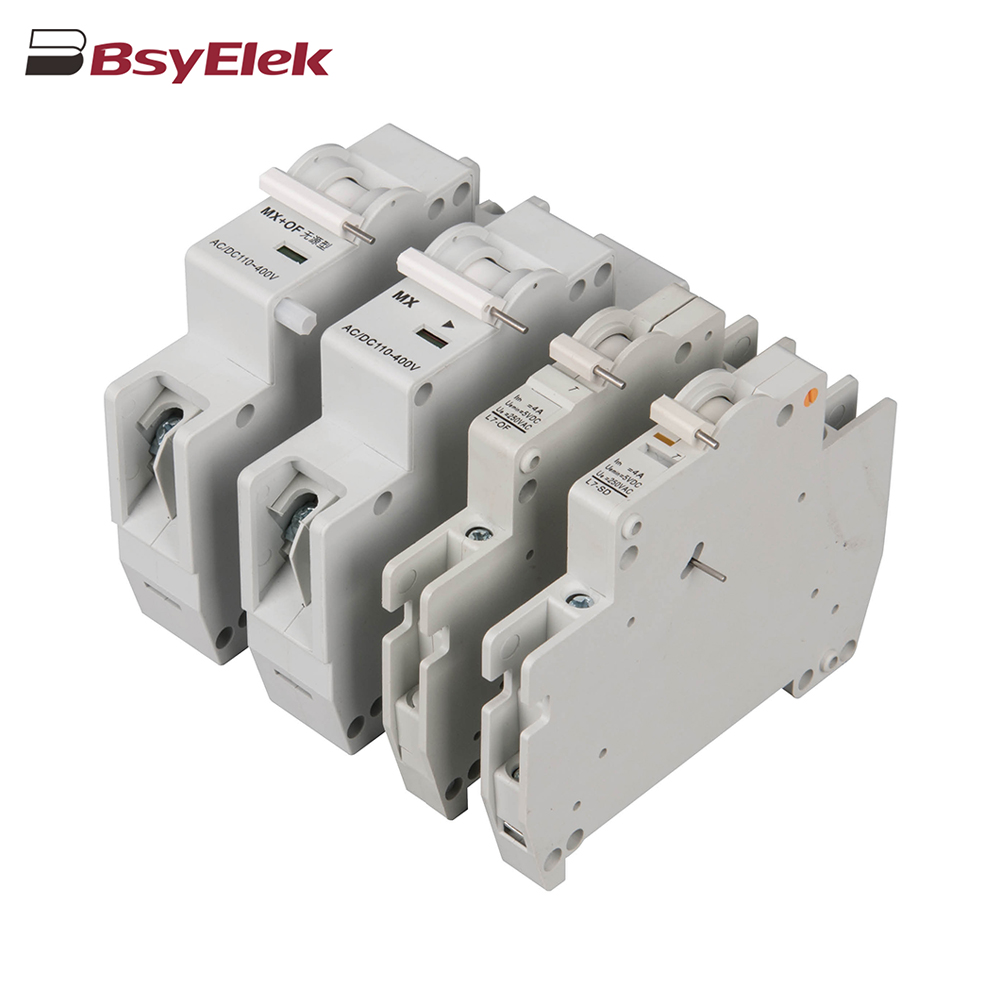 OF SD MX OF MCB Miniature Circuit Breaker Accessories
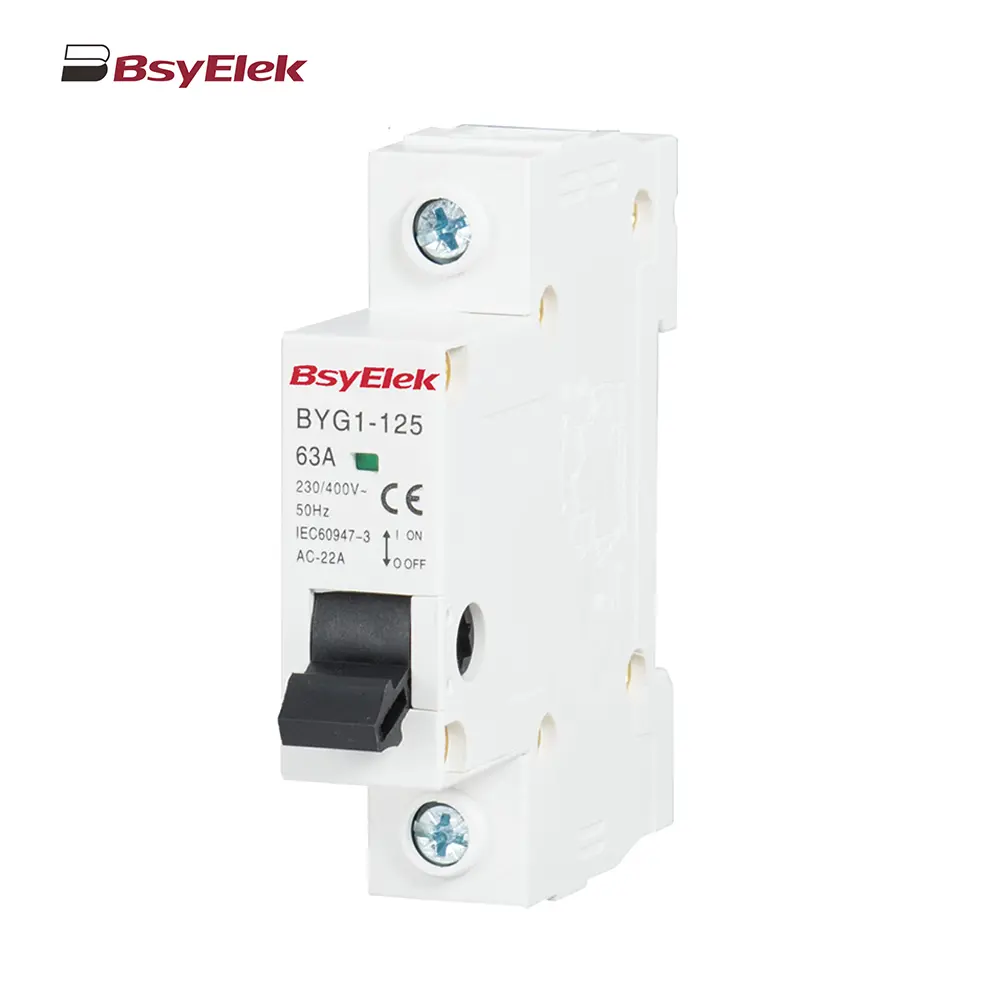 BYG1-125 Main Switch MCB Isolator Switch
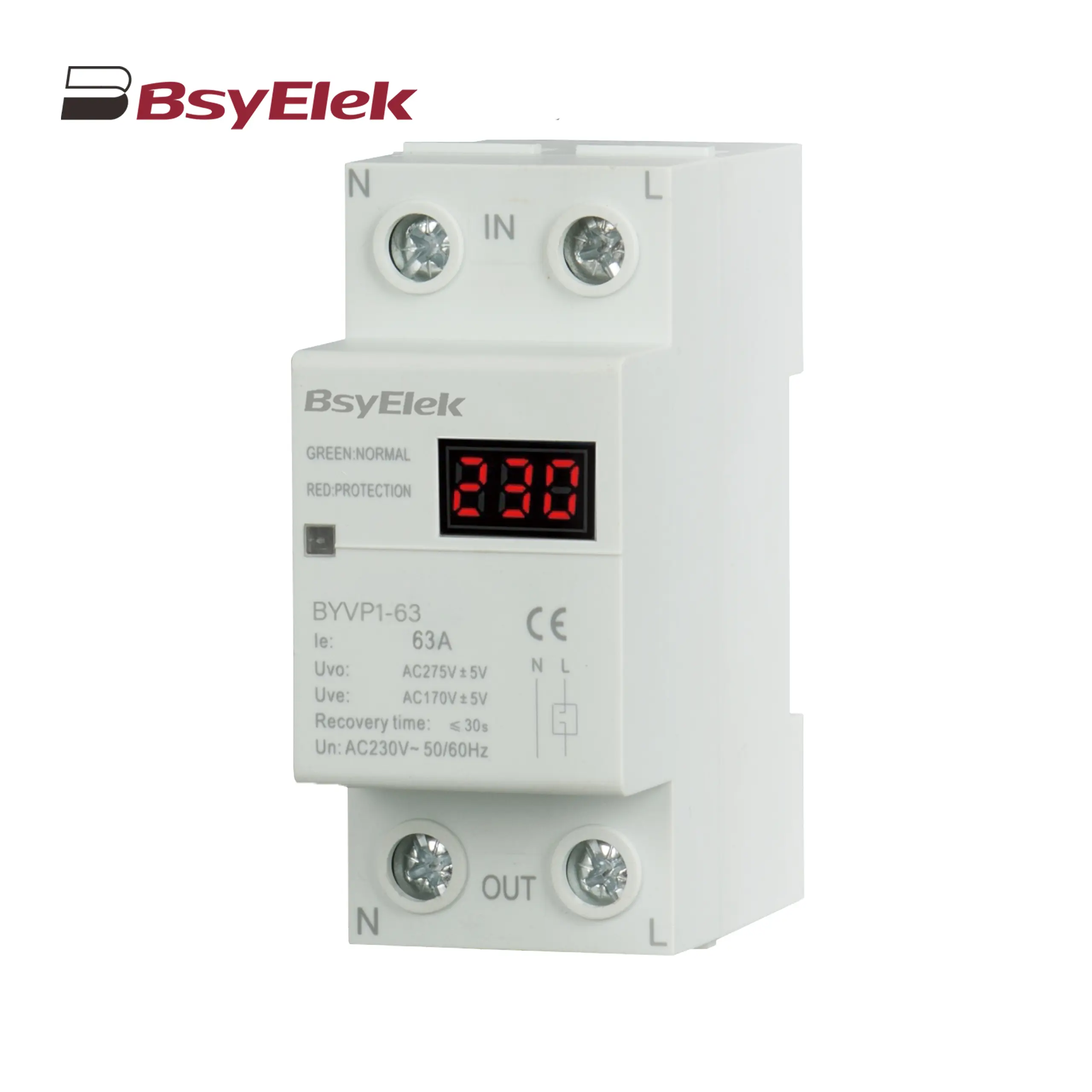 BYVP1-63 100A Single Display Overvoltage and Undervoltage Protector
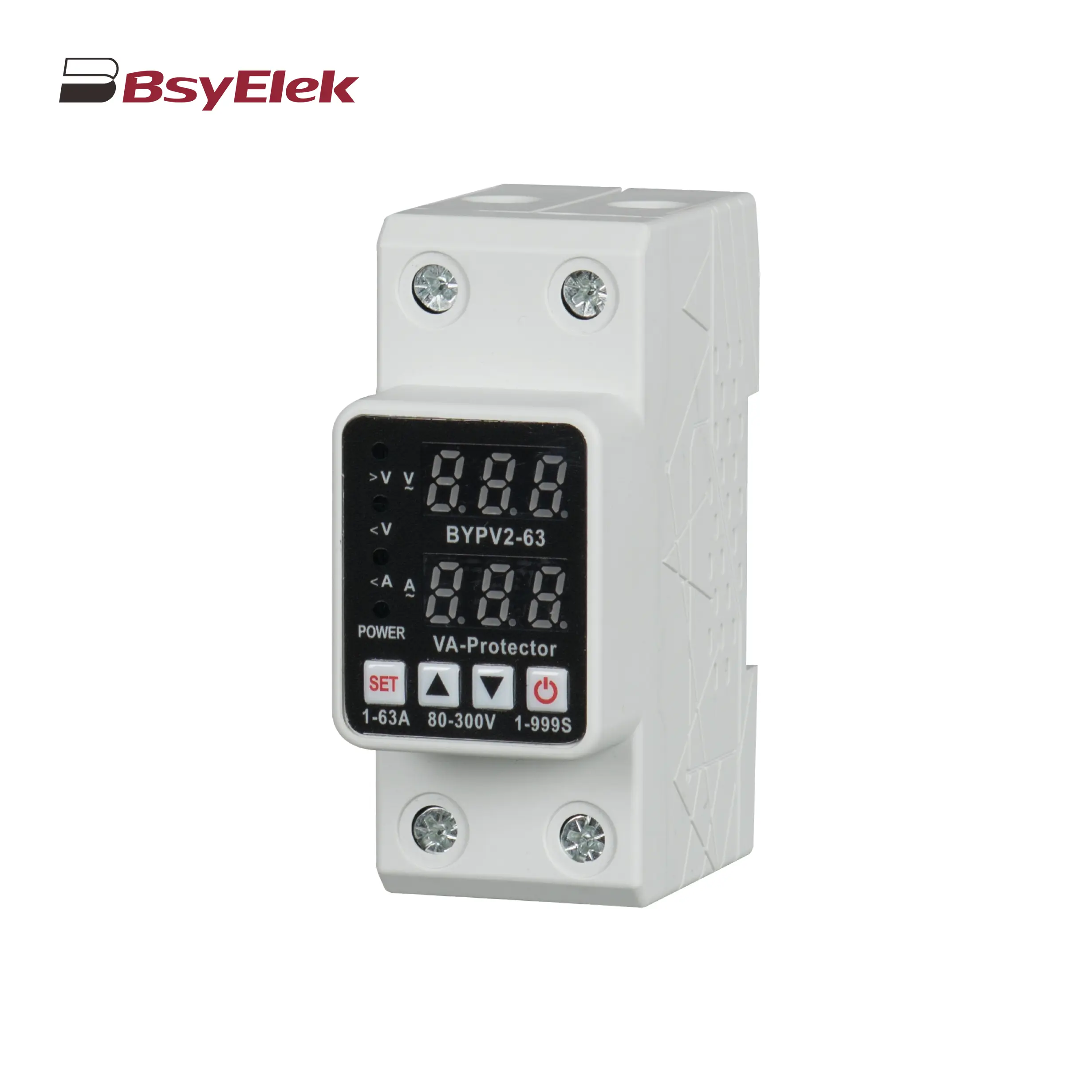 BYVP2-63 40A 63A Adjustable Dual Display Overvoltage and Undervoltage Protector
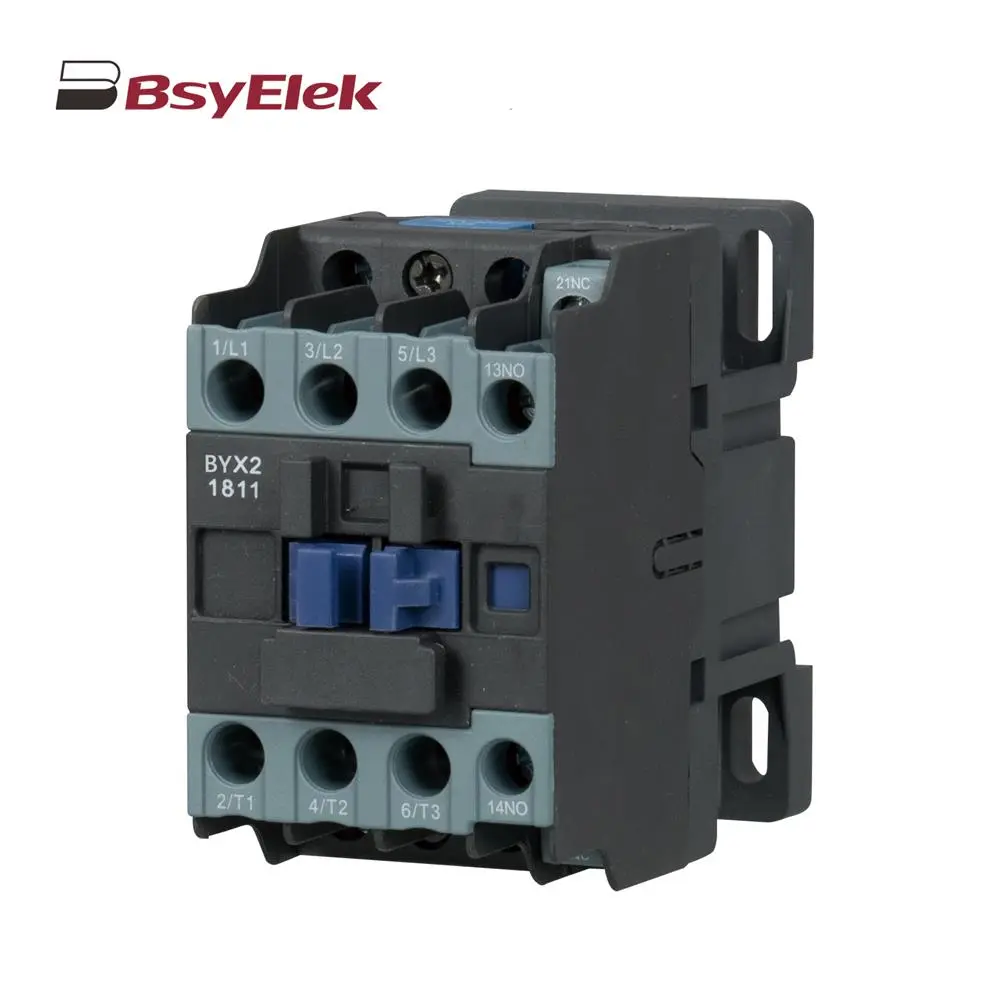 BYX2 6-95A AC Contactor
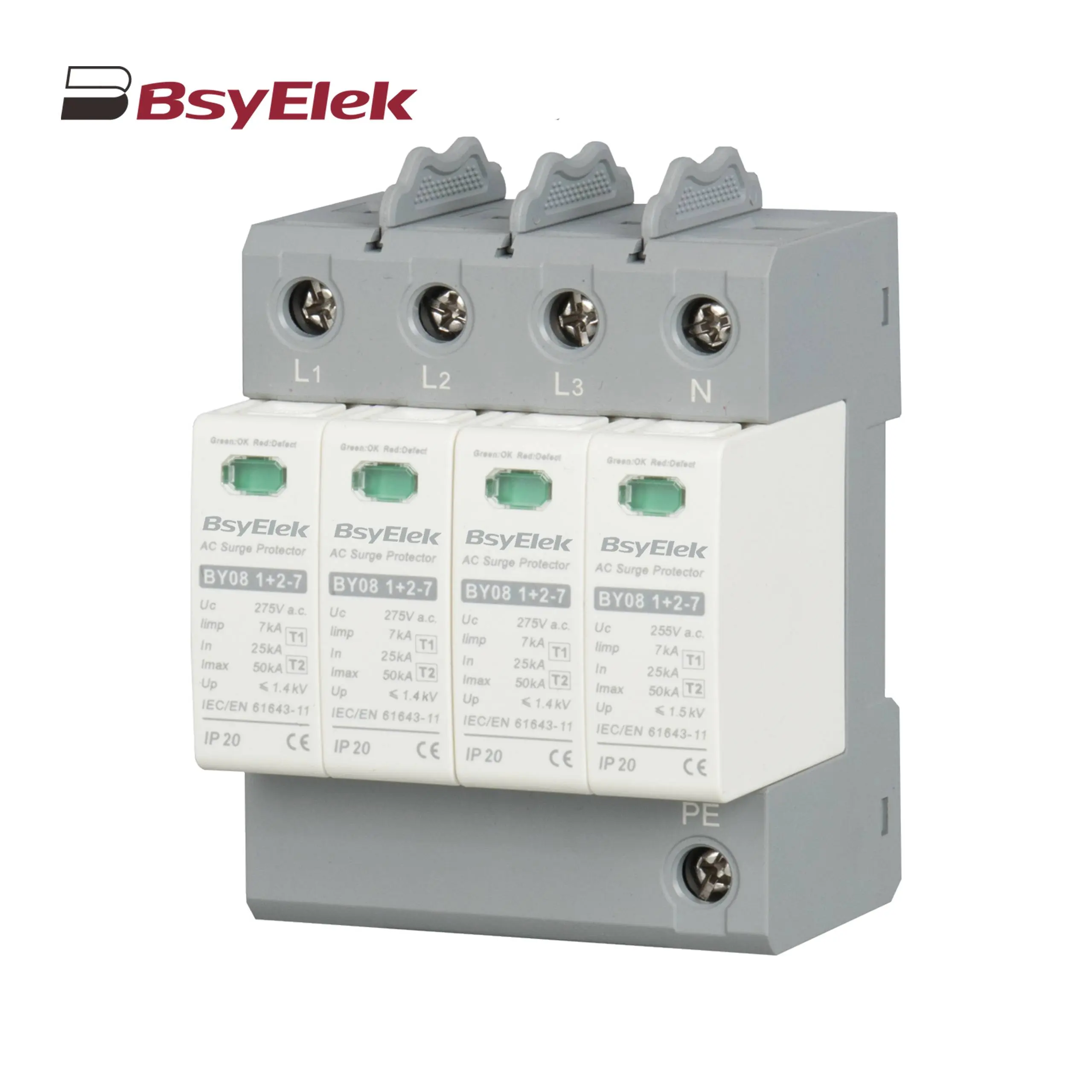 BY08 1+2-7 SPD Class T1+T2 Imax 50KA Surge Protective Device
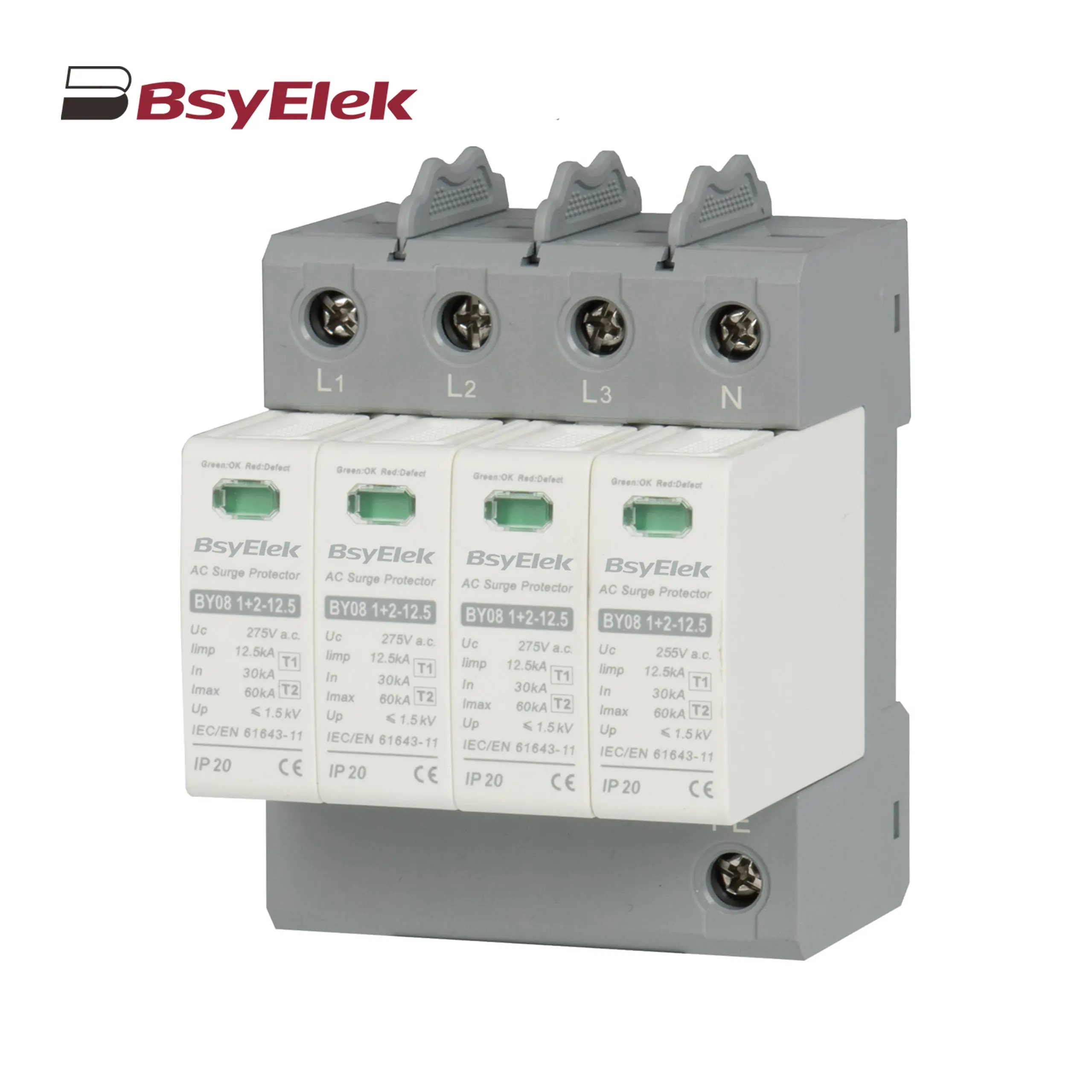 BY08 1+2-12.5 SPD Class T1+T2 Imax 60KA Surge Protective Device
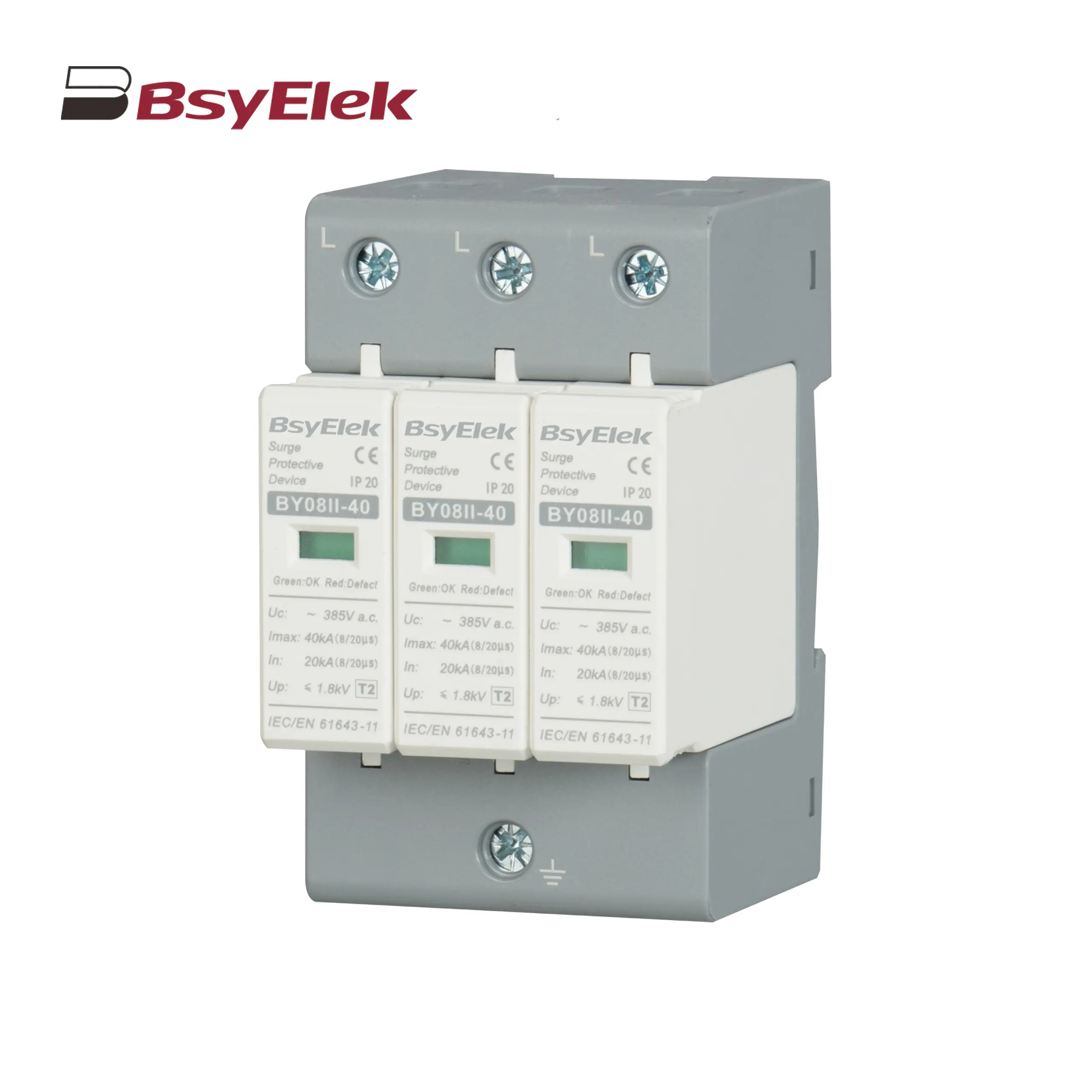 BY08II-40 SPD Class T2 Imax 40KA Surge Protective Device
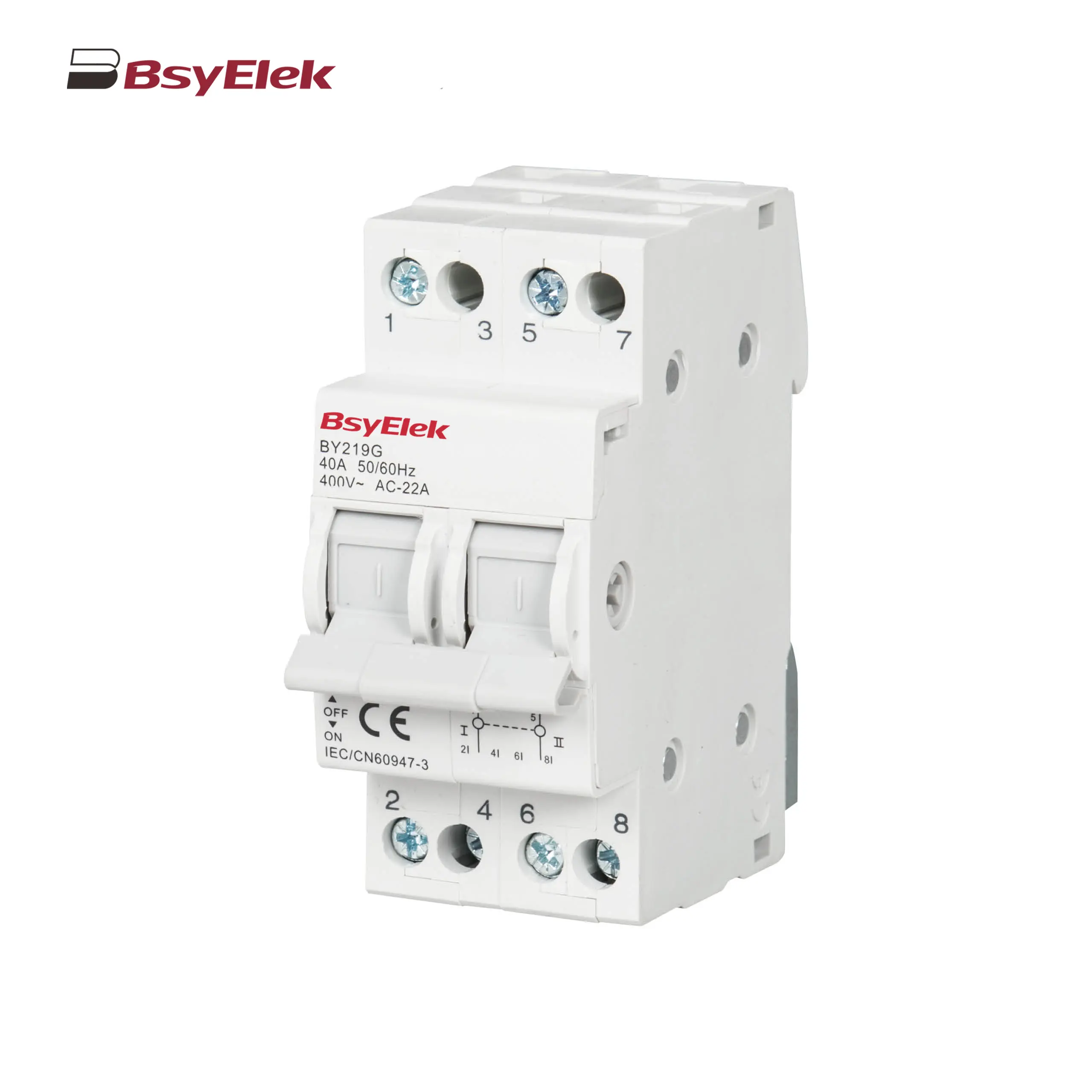 BY19G 63A Manual Changeover Switch
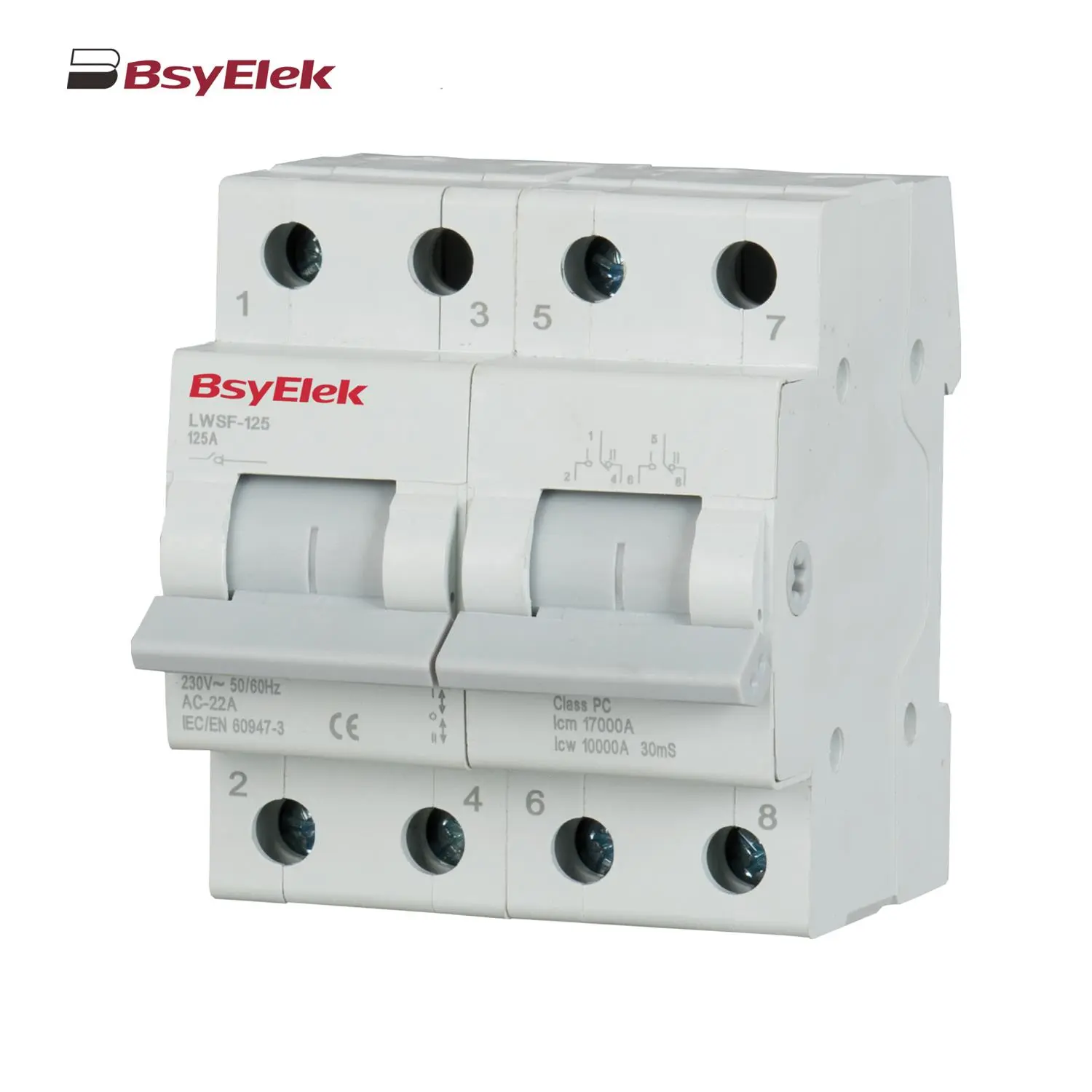 LWSF-125 125A Manual Changeover Switch
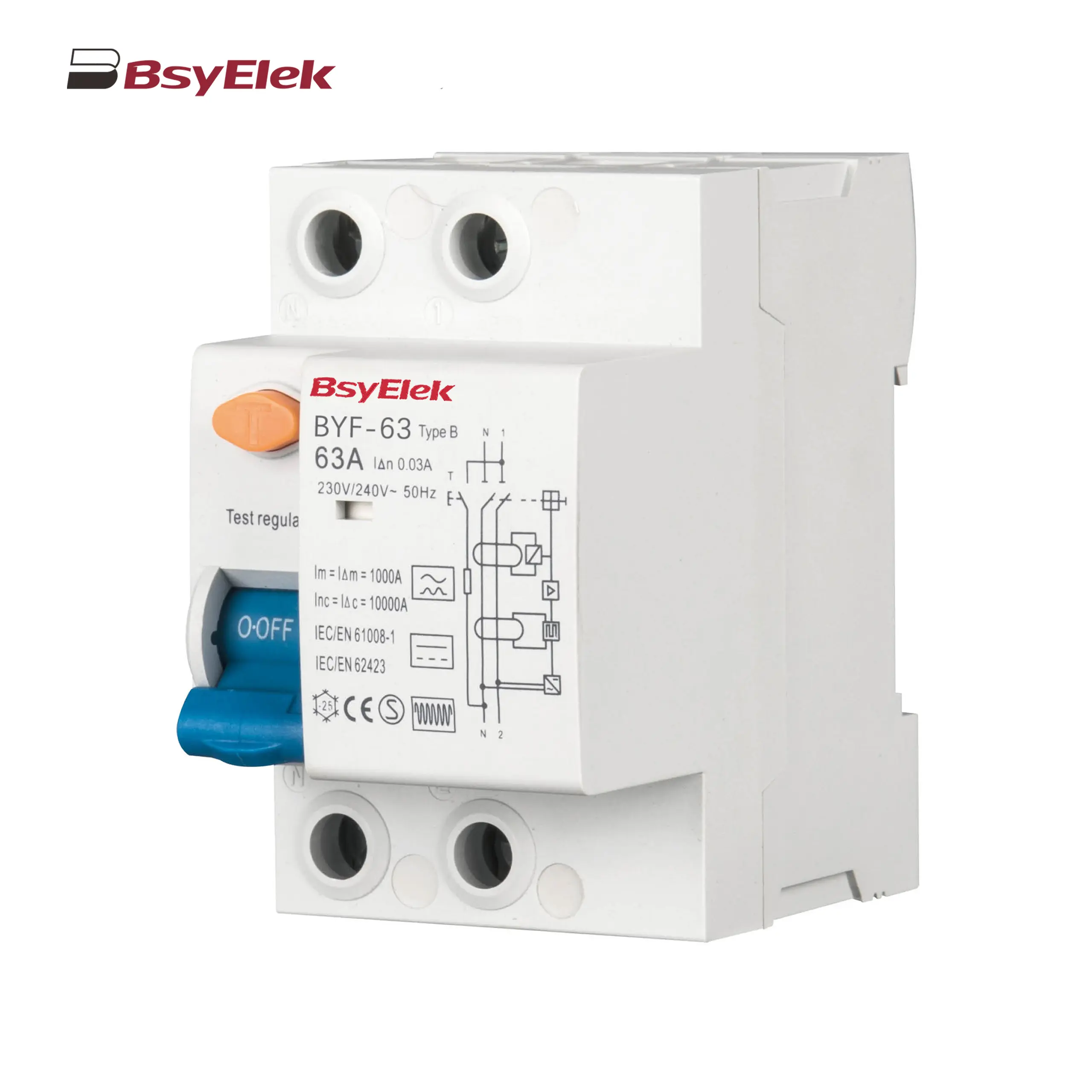 BYF-63 RCD 10KA Type B AC+A+Smoothing DC Residual Current Device
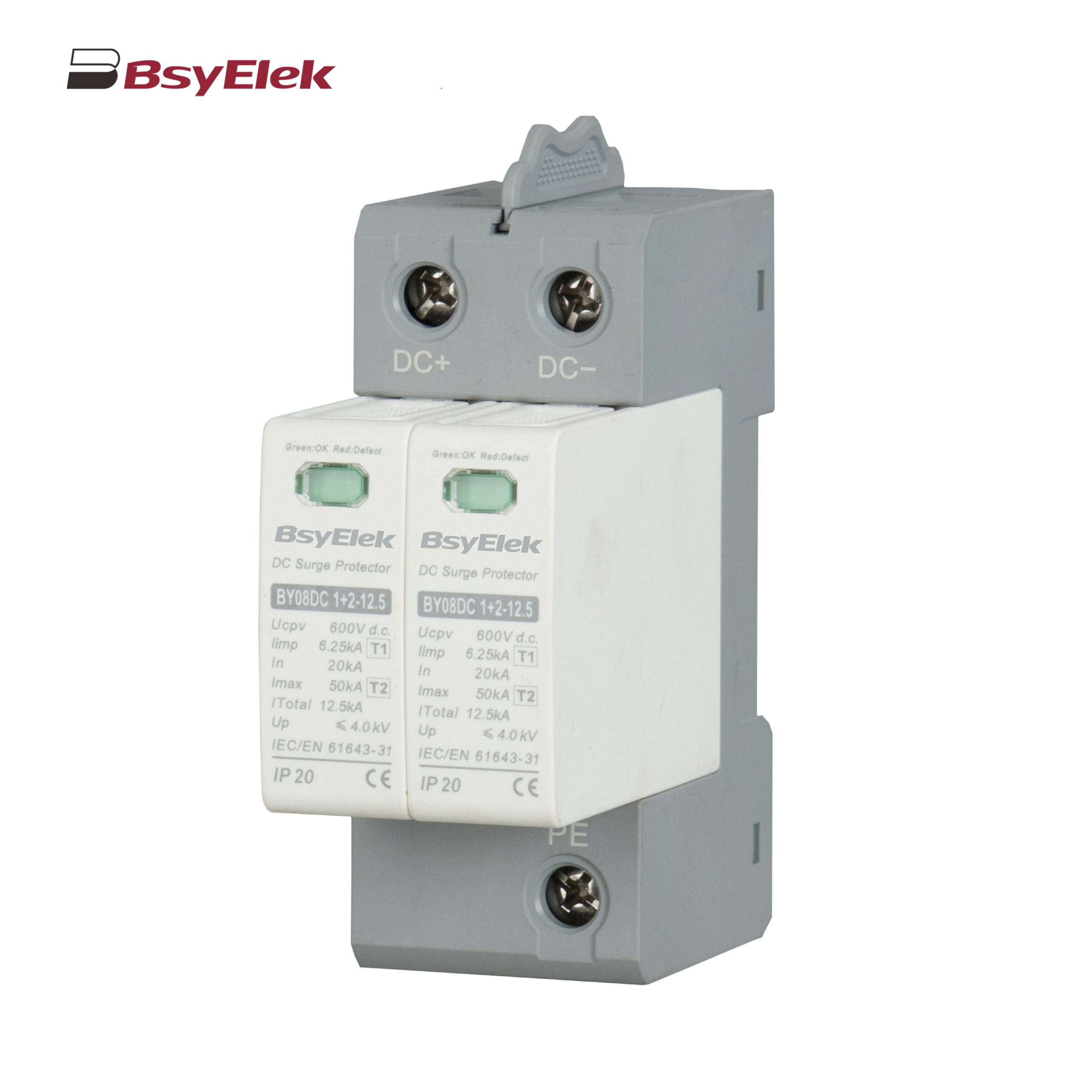 BY08DC 1+2-12.5 SPD Class T1+T2 40KA DC Surge Protective Device
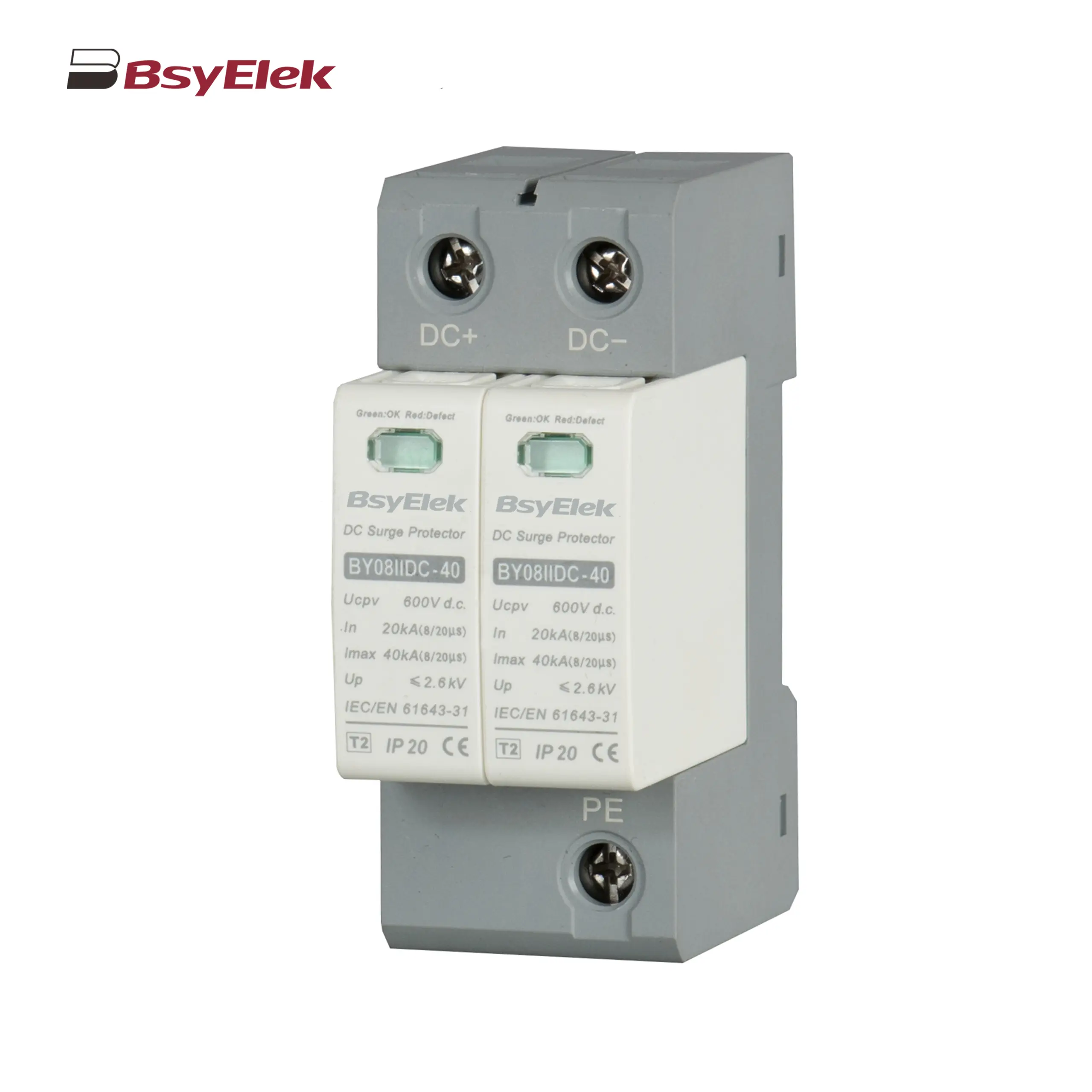 BY08IIDC-40 SPD Class T2 40KA DC Surge Protective Device
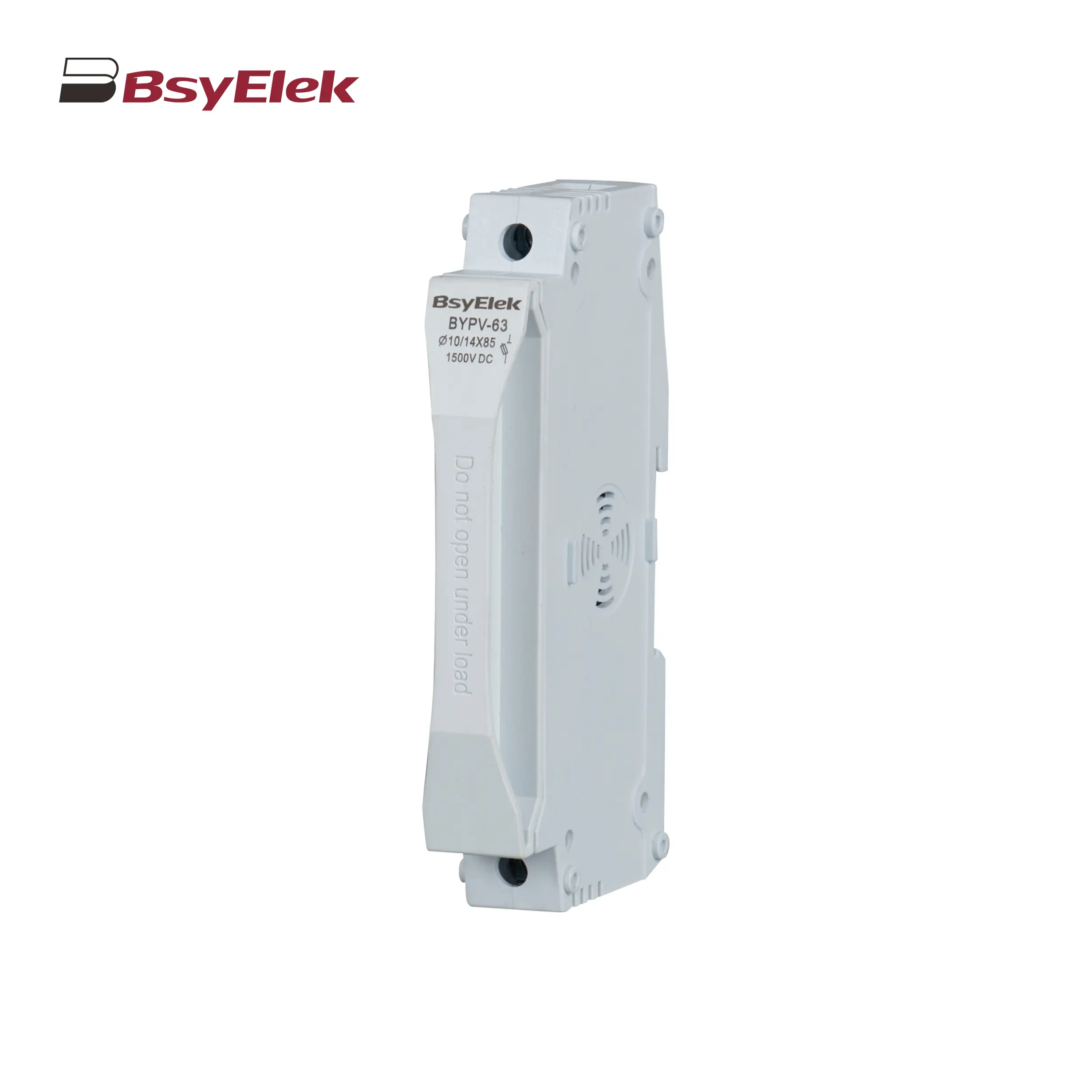 BYPV-63 1500VDC 50A Fuse Holder with 10x85mm 14x85mm Fuse Link
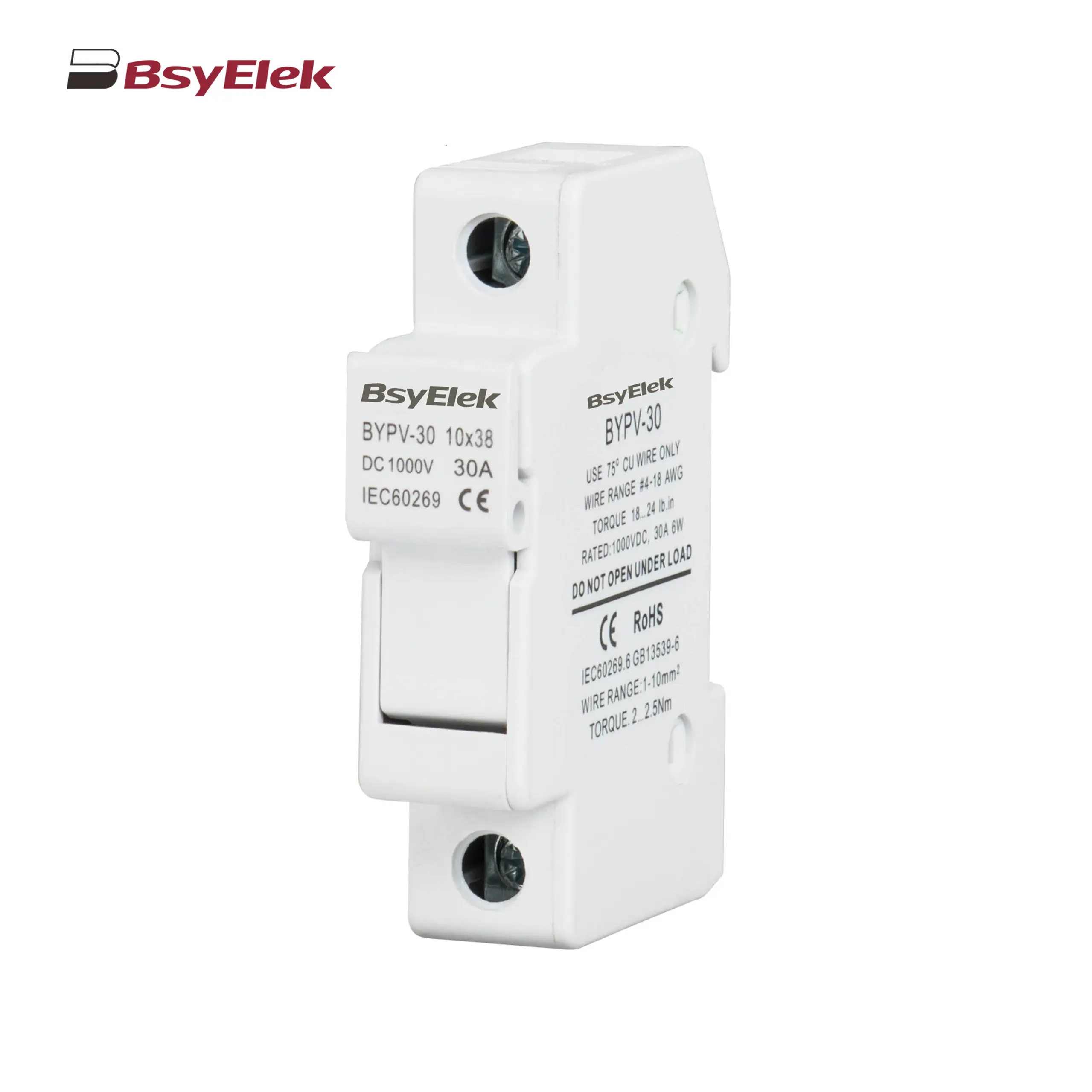 BYPV-30 1000VDC 32A Fuse Holder with 10x38mm Fuse Link
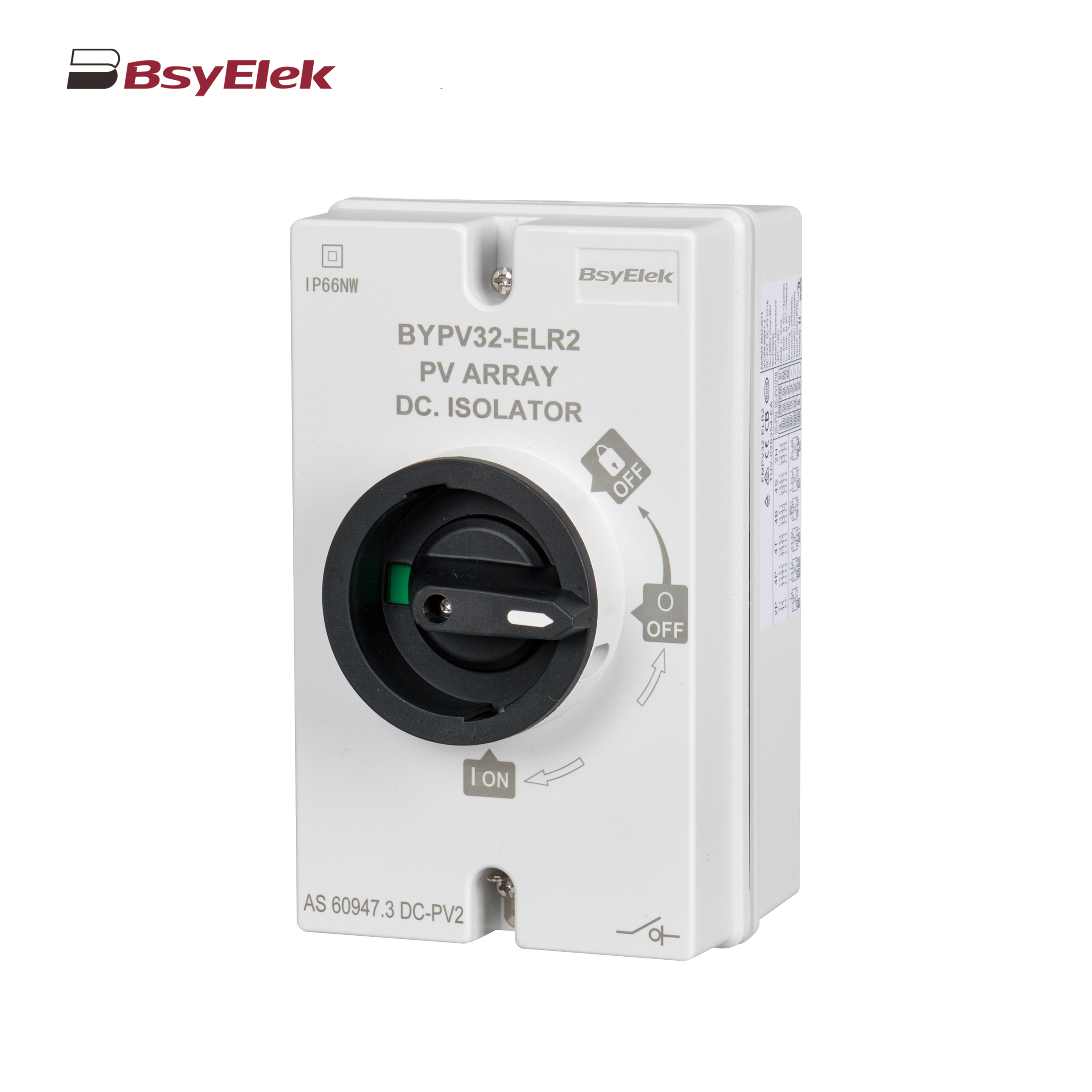 BYPV-ELR2 PV Isolator Switch with Enclosed Version
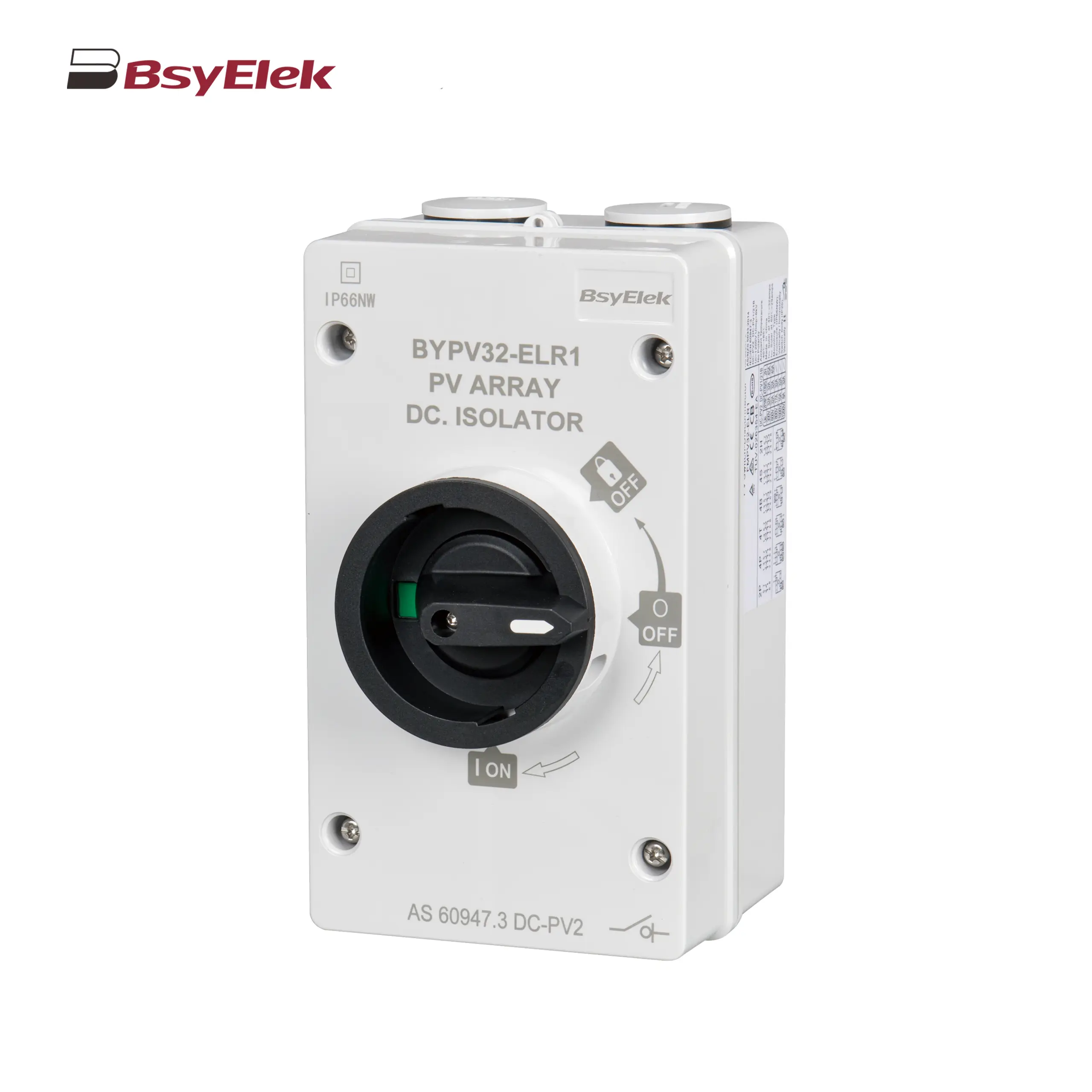 BYPV-ELR1 PV Isolator Switch with Enclosed Version
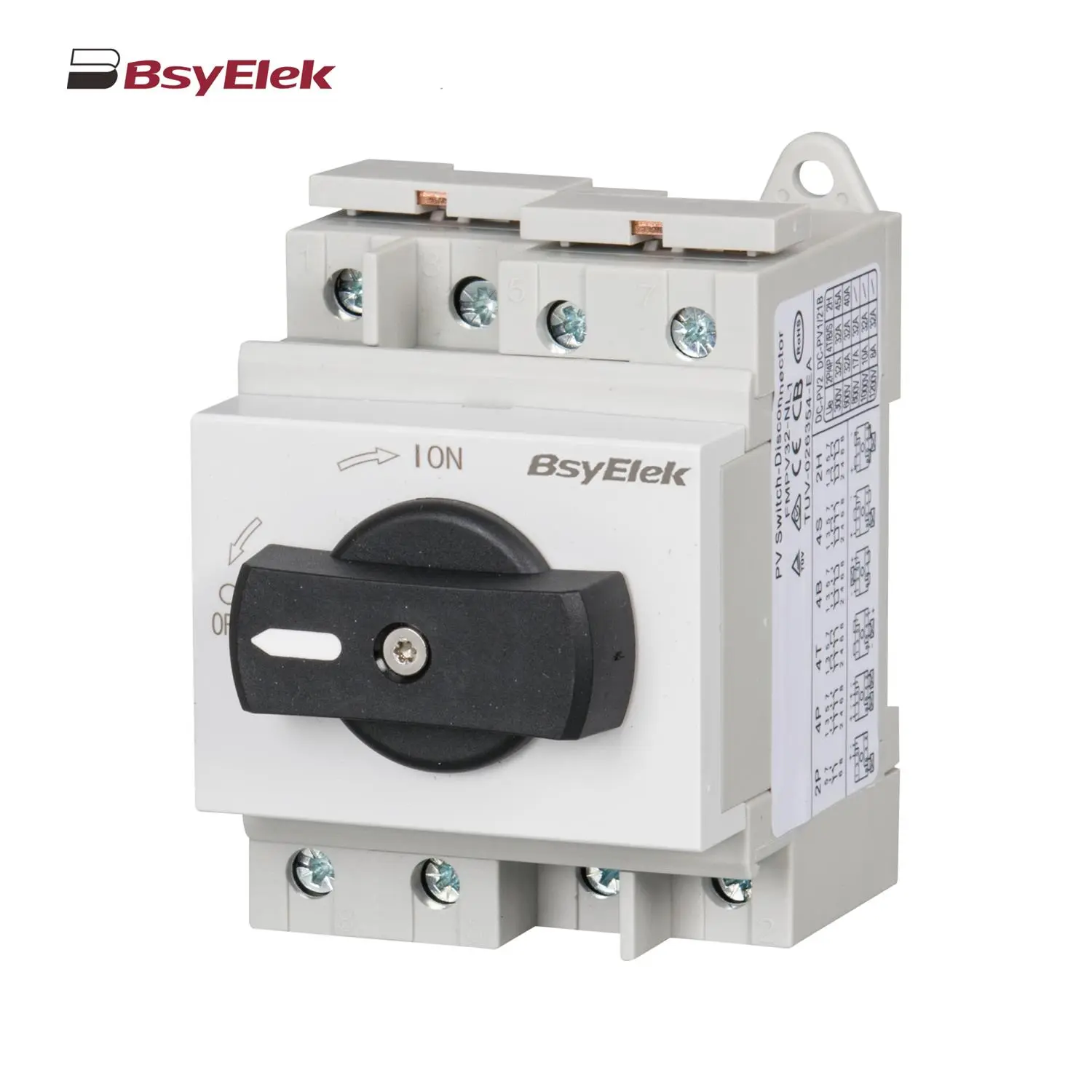 BYPV-NL1/T PV Isolator Switch with Ultra-thin Lever Handle
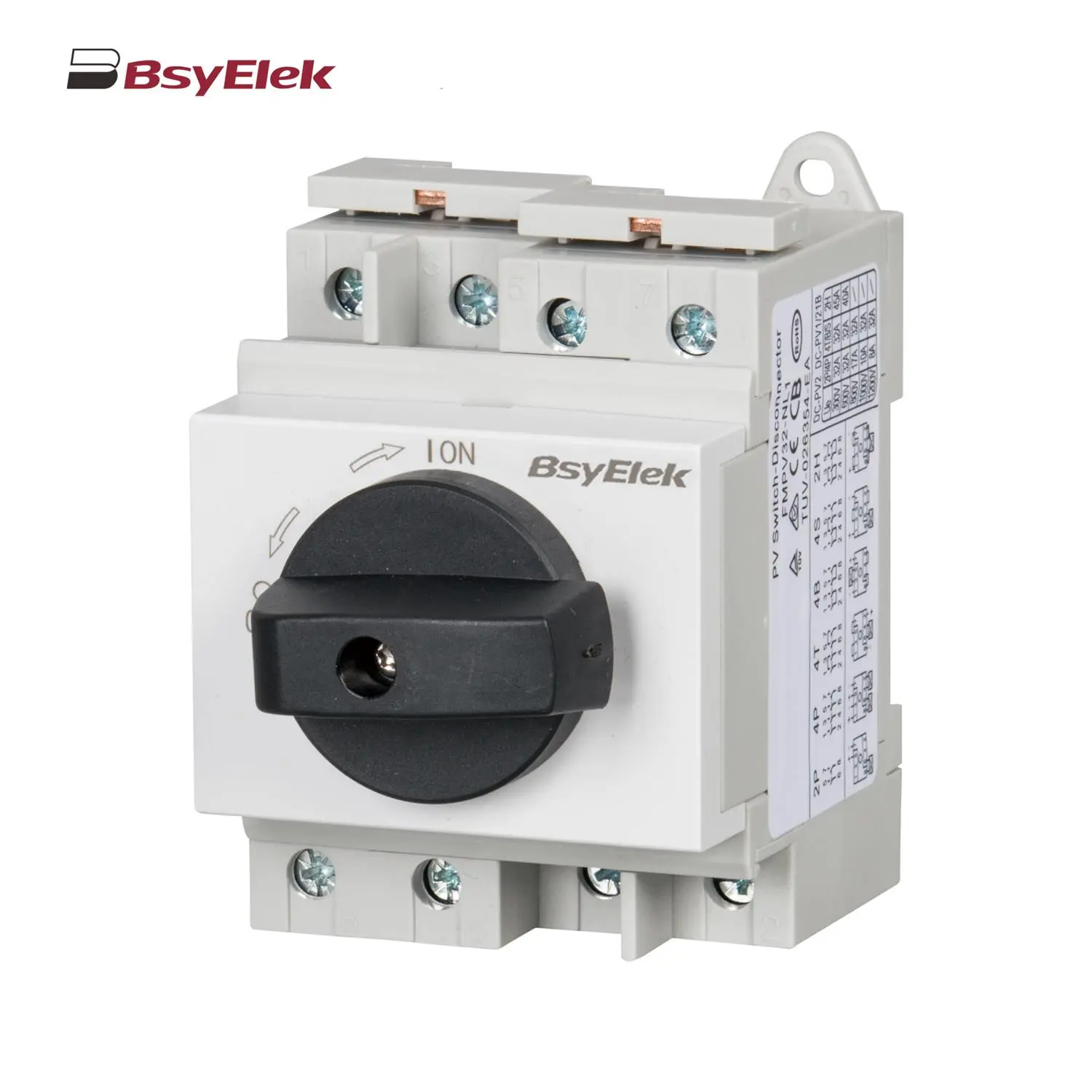 BYPV-NL1 PV Isolator Switch with Lever Handle
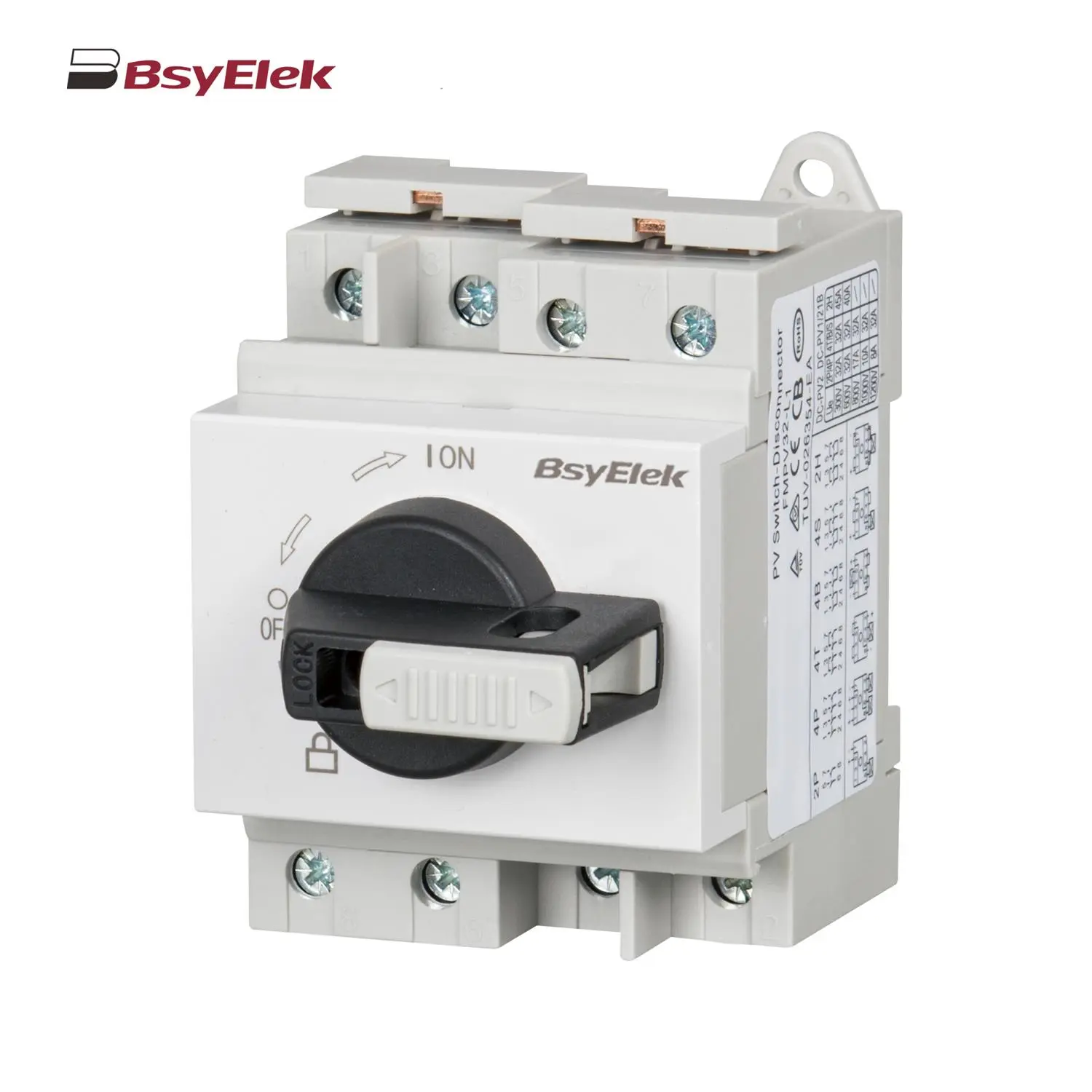 BYPV-L1/L2 PV Isolator Switch with Lockable Lever Handle
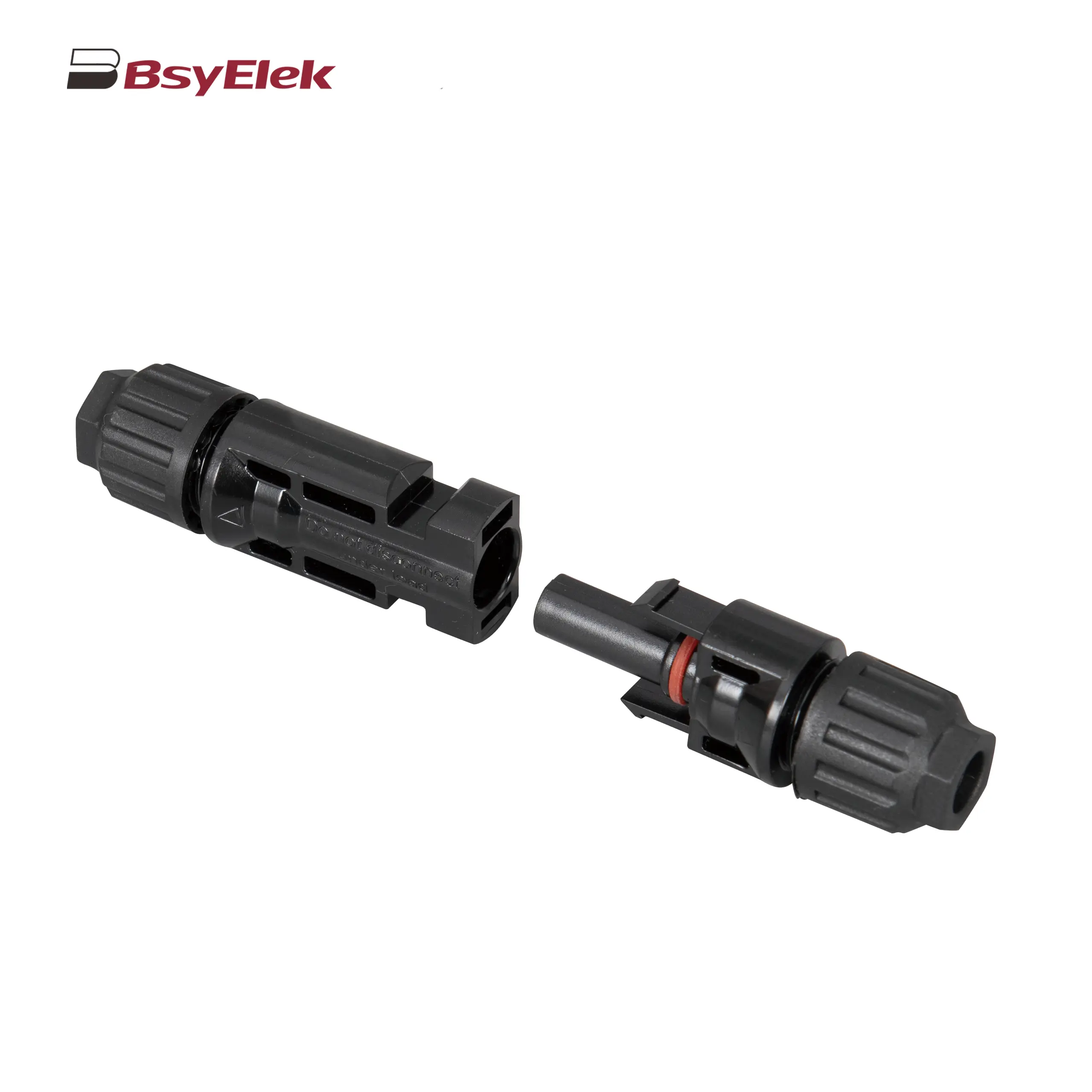 PV-BY-01 30A/50A 1000V Photovoltaic Connector
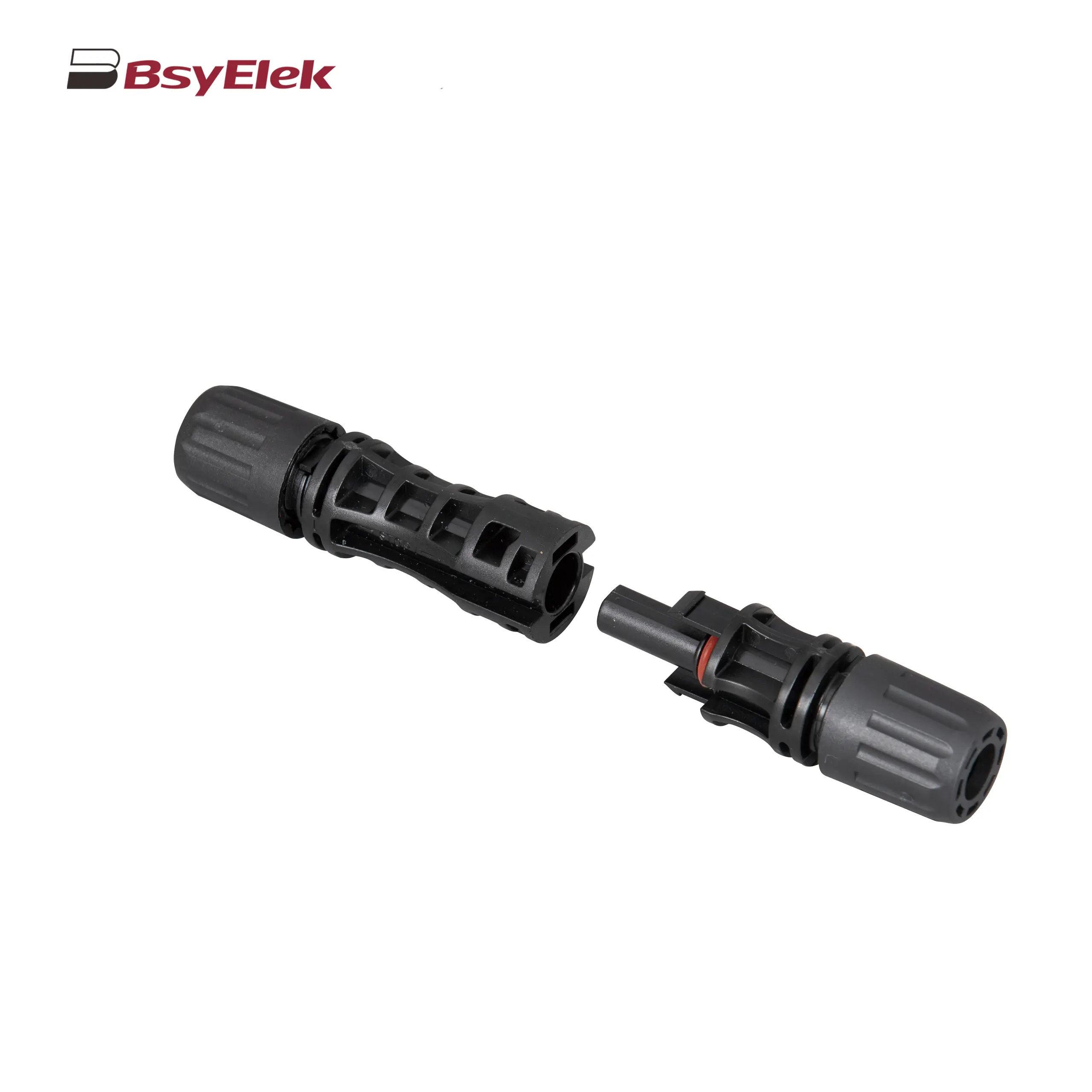 PV-BY-02 30A/50A 1500V Photovoltaic Connector
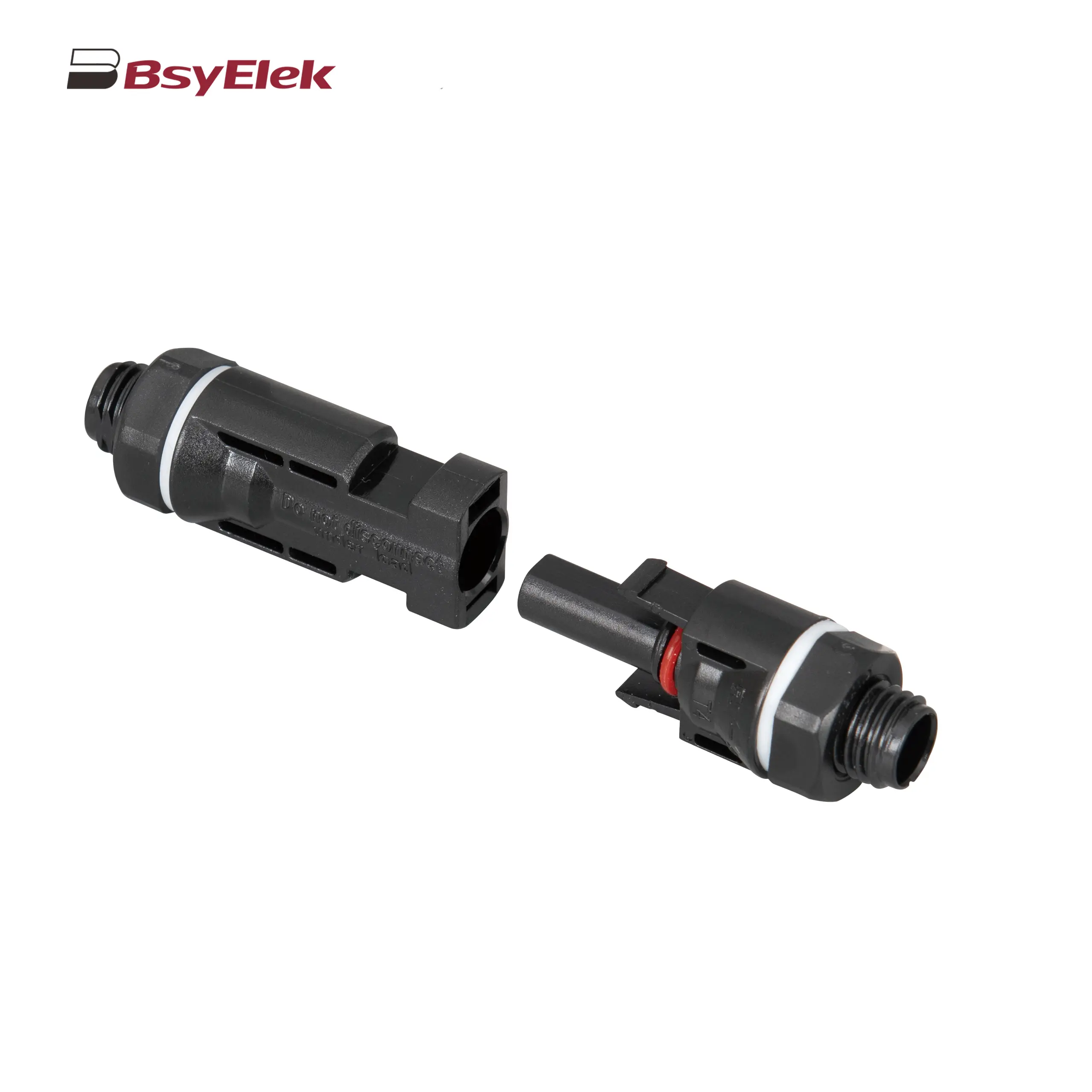 PV-BY-03 30A/50A 1000V Panel Mount Photovoltaic Connector
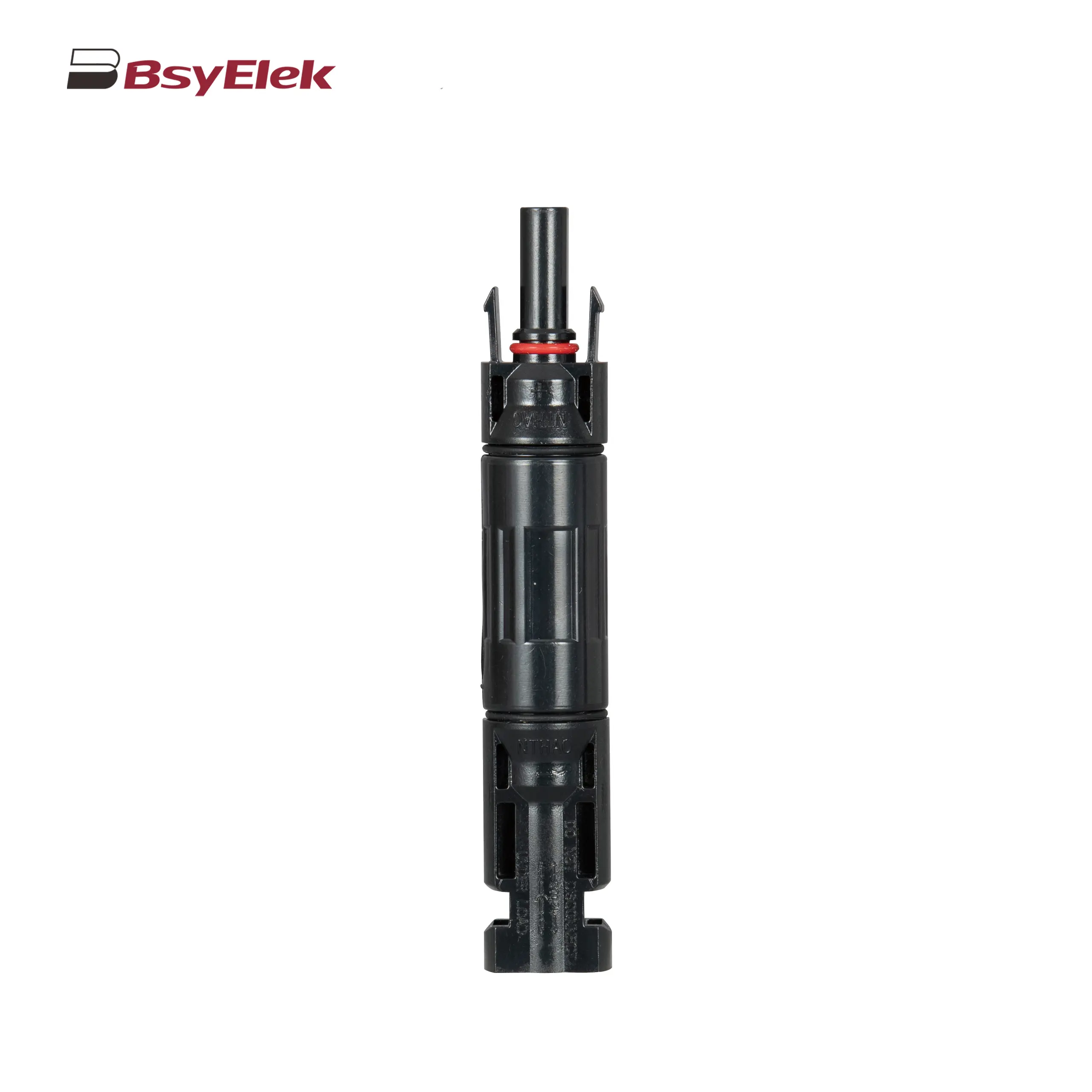 PV-BY-F01 30A 1500V Diode/Fuse Type Connector
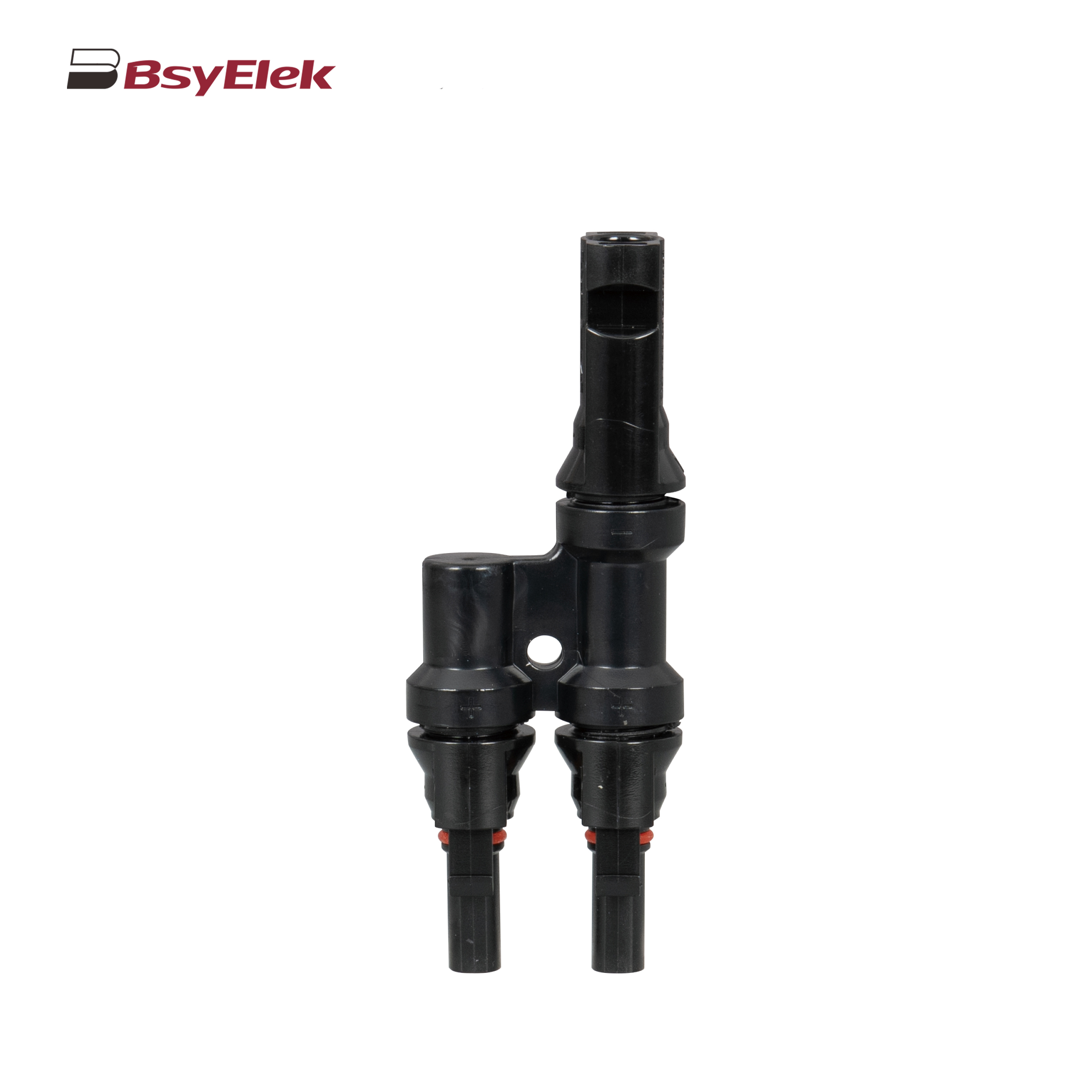 PV-BY-T 50A 1500V T Type Branch Connector
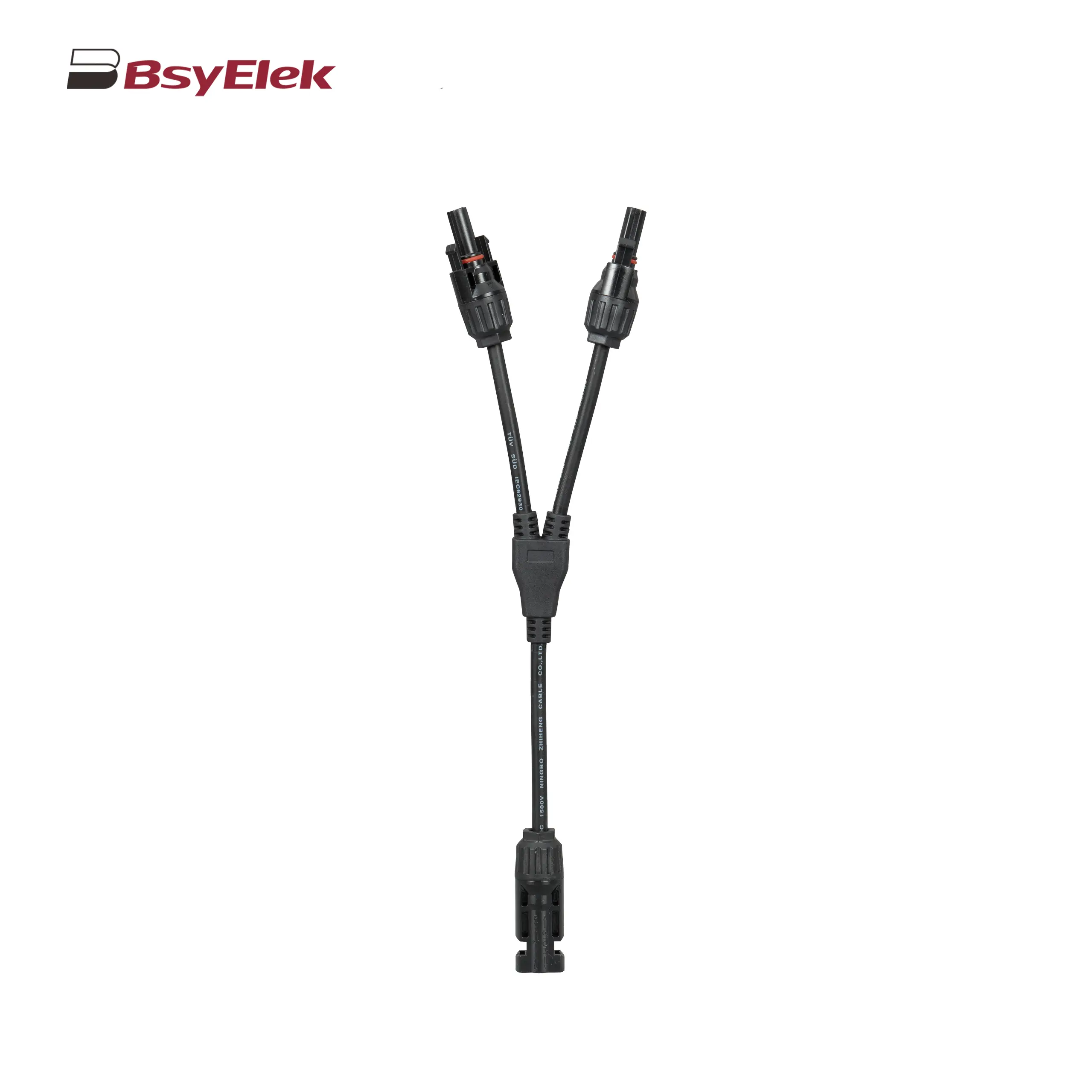 PV-BY-Y 30A 1500V Y Type Branch Connector
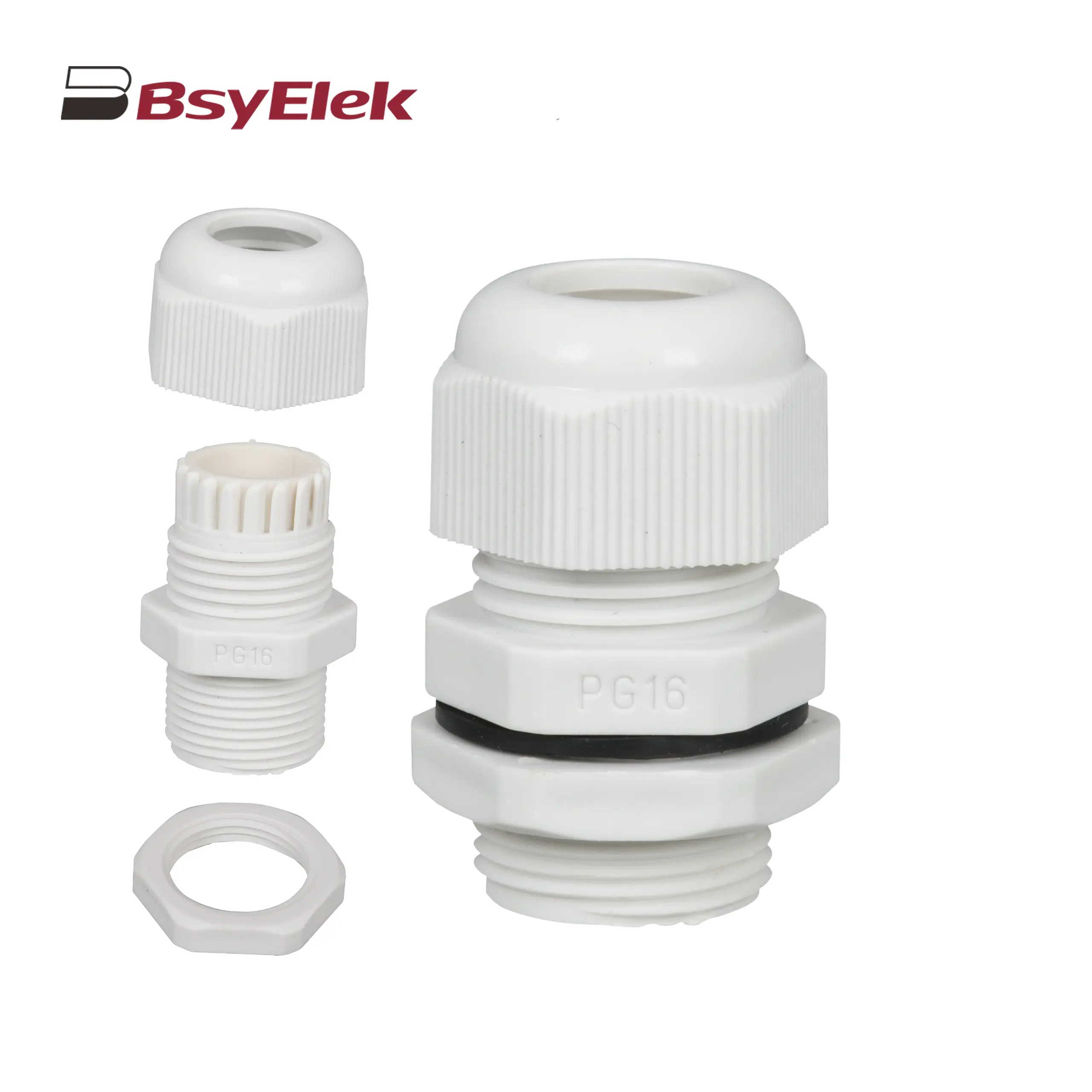 PG Waterproof Cable Gland with Washer
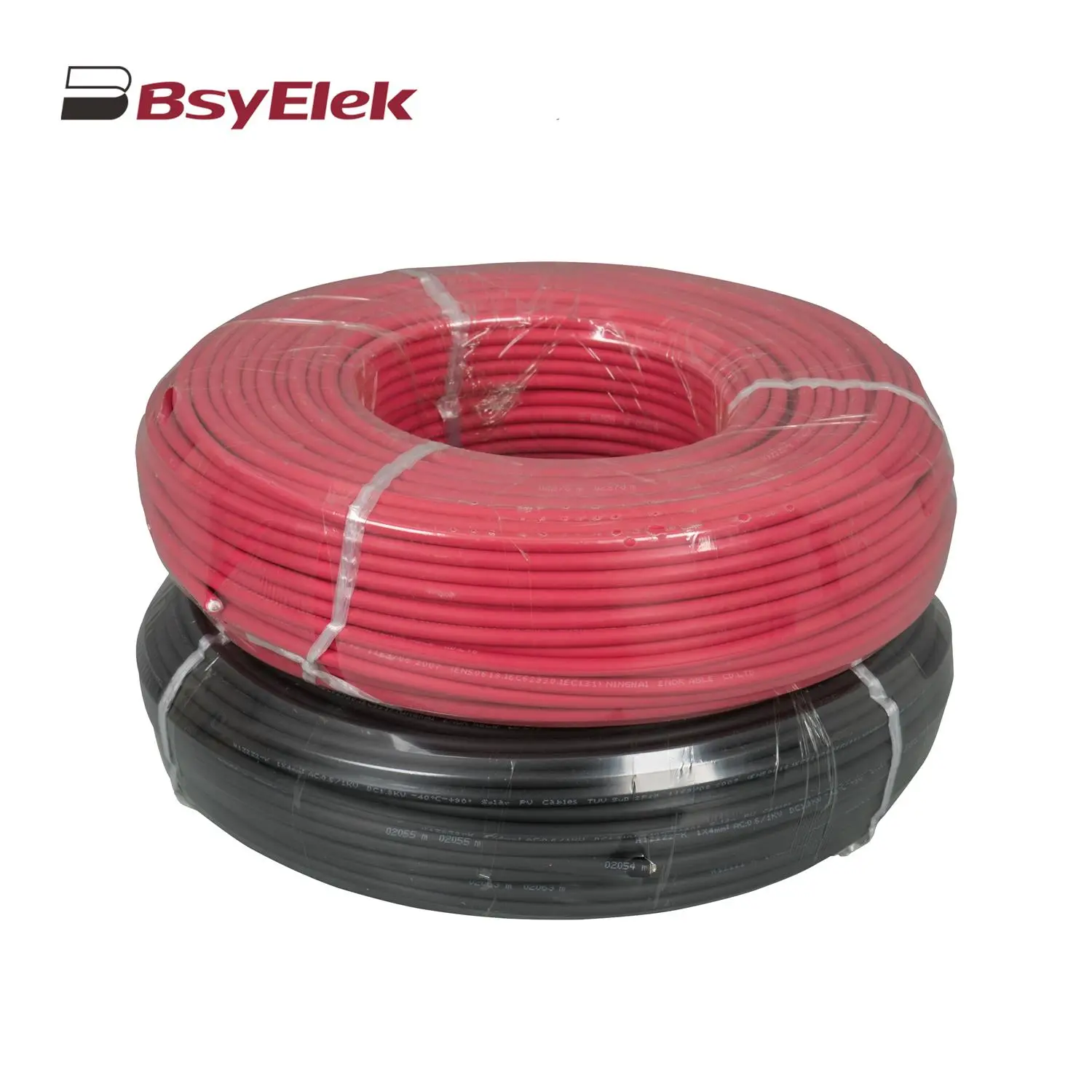 Photovoltaic Cable
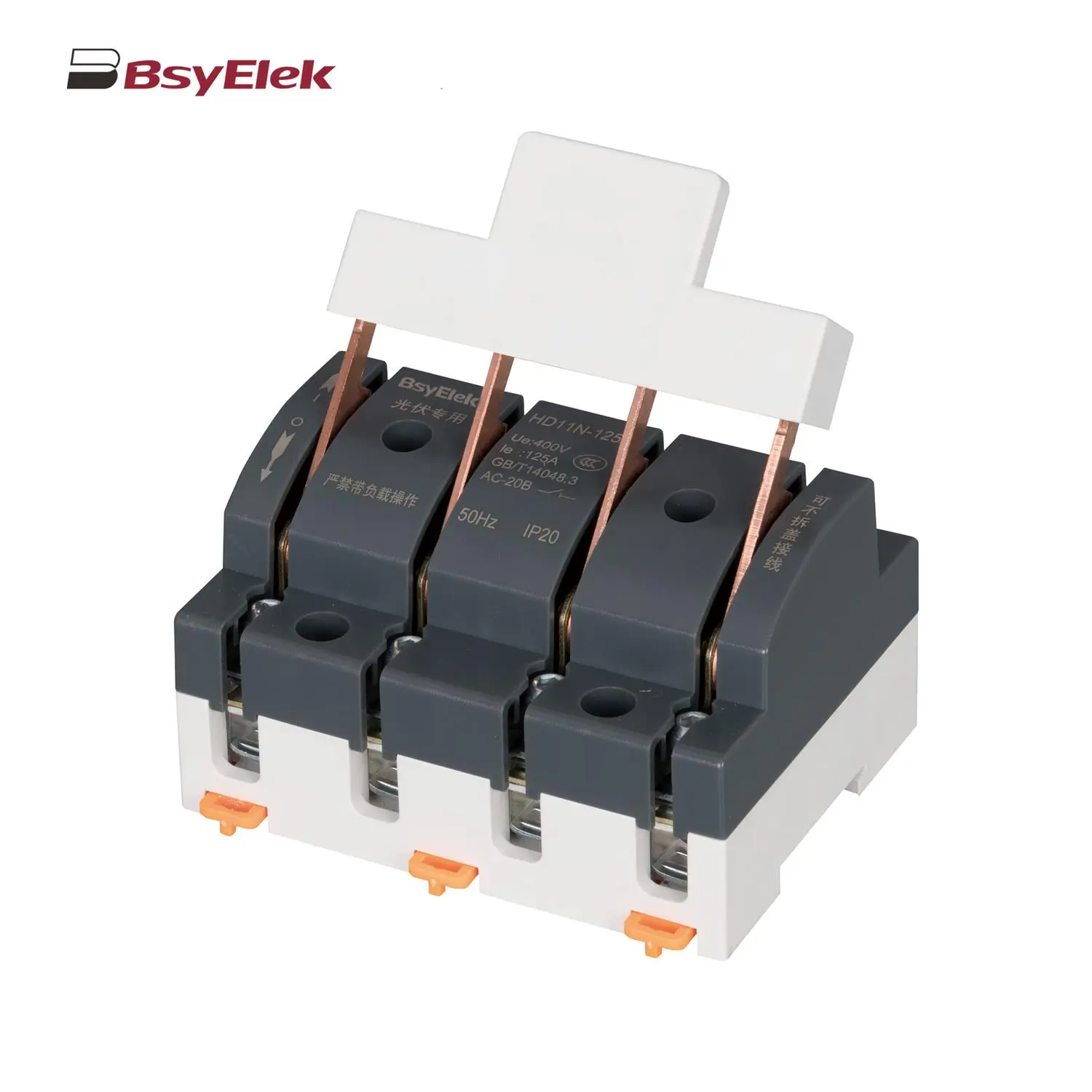 HD11N Photovoltaic Knife Switch
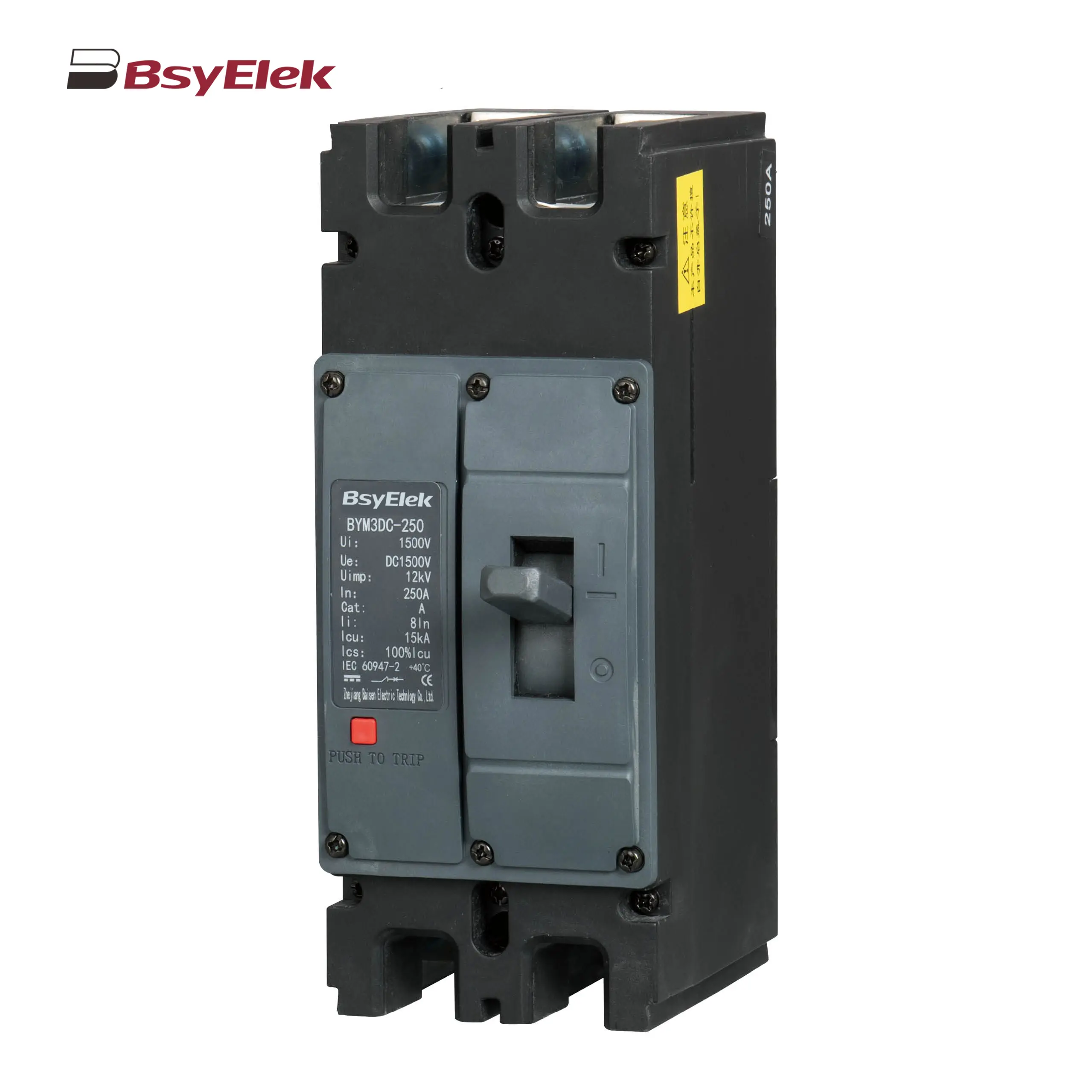 BYM3DC MCCB Photovoltaic DC Molded Case Circuit Breaker
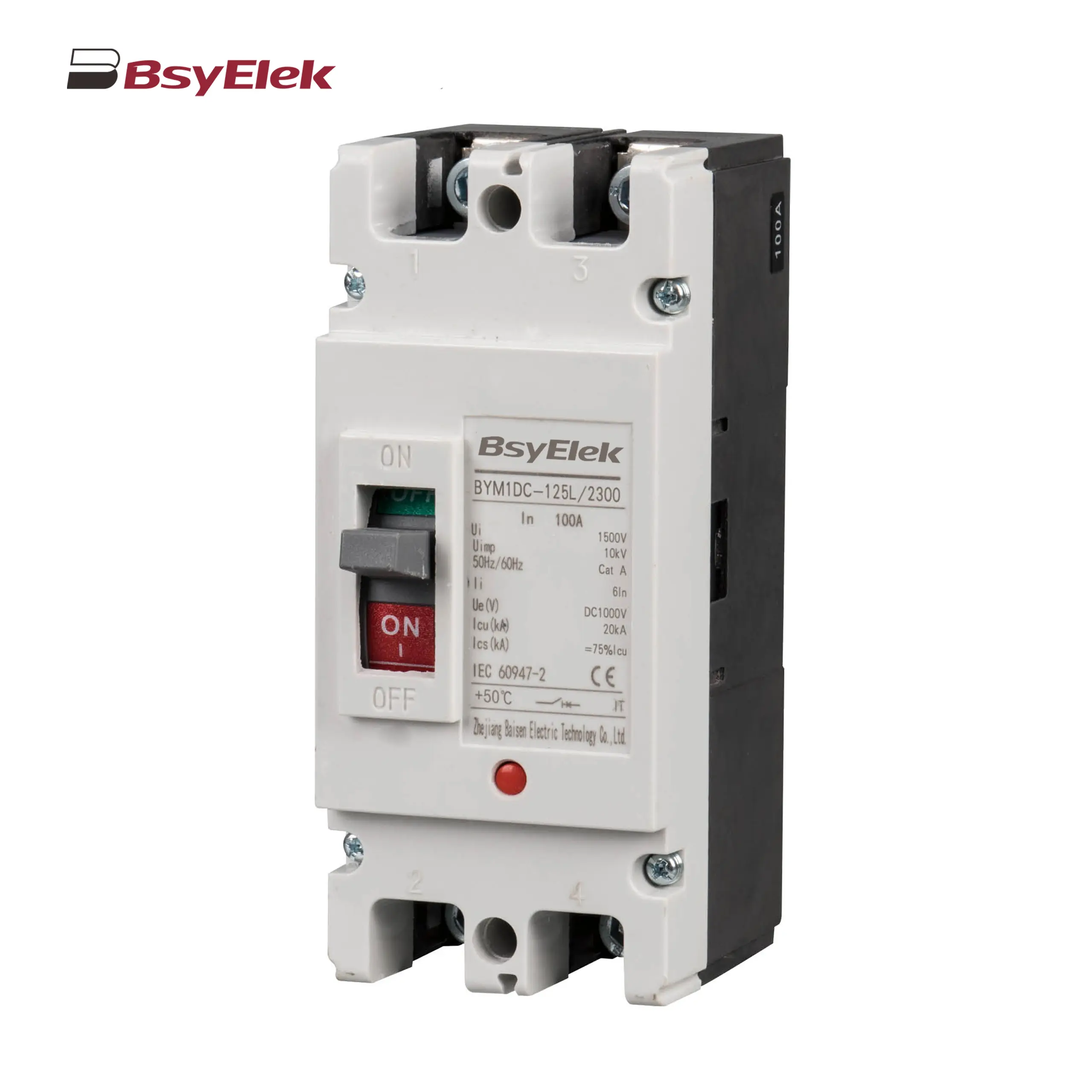 BYM1DC MCCB 1000VDC Thermal Magnetic Type DC Molded Case Circuit Breaker
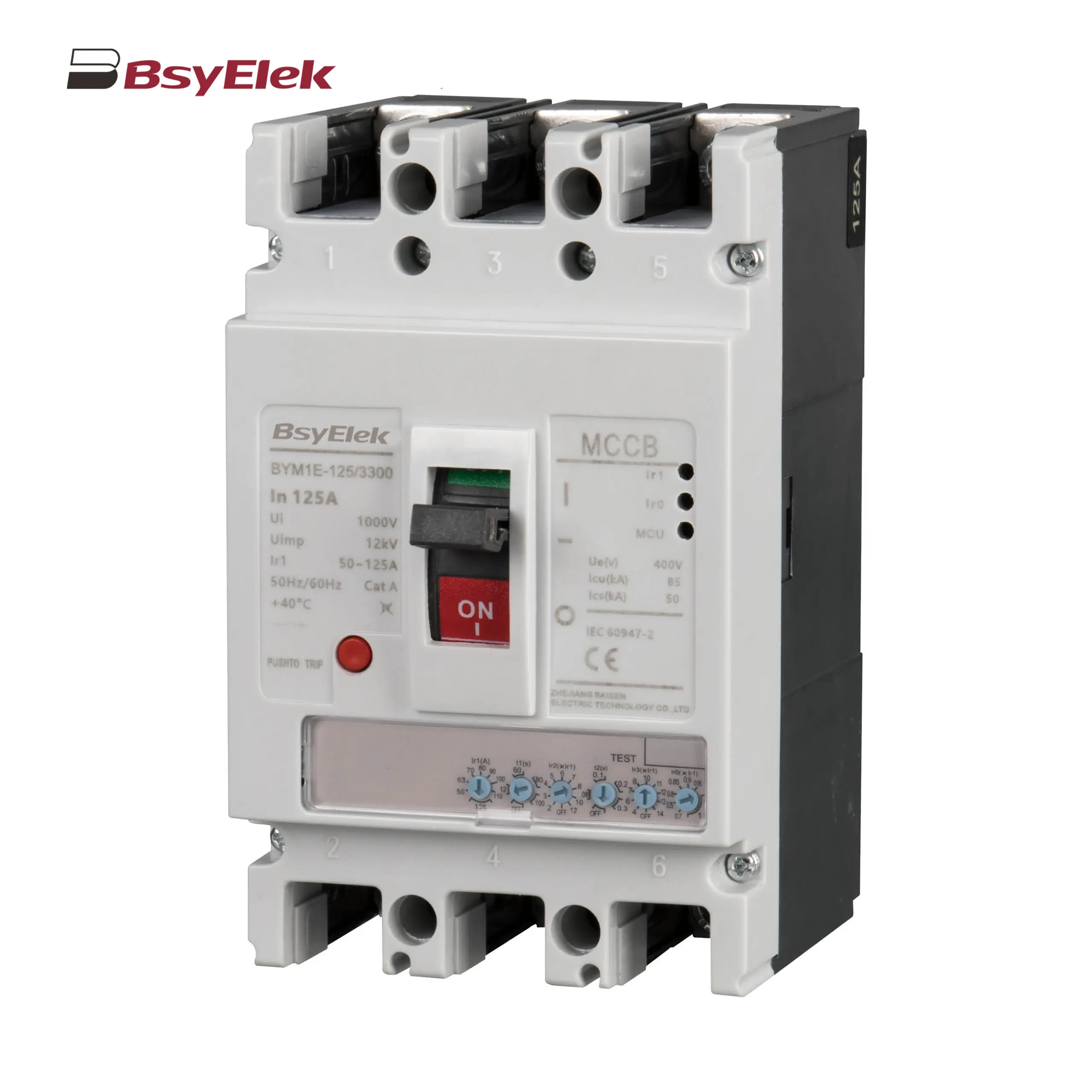 BYM1E MCCB Electronic Type Molded Case Circuit Breaker
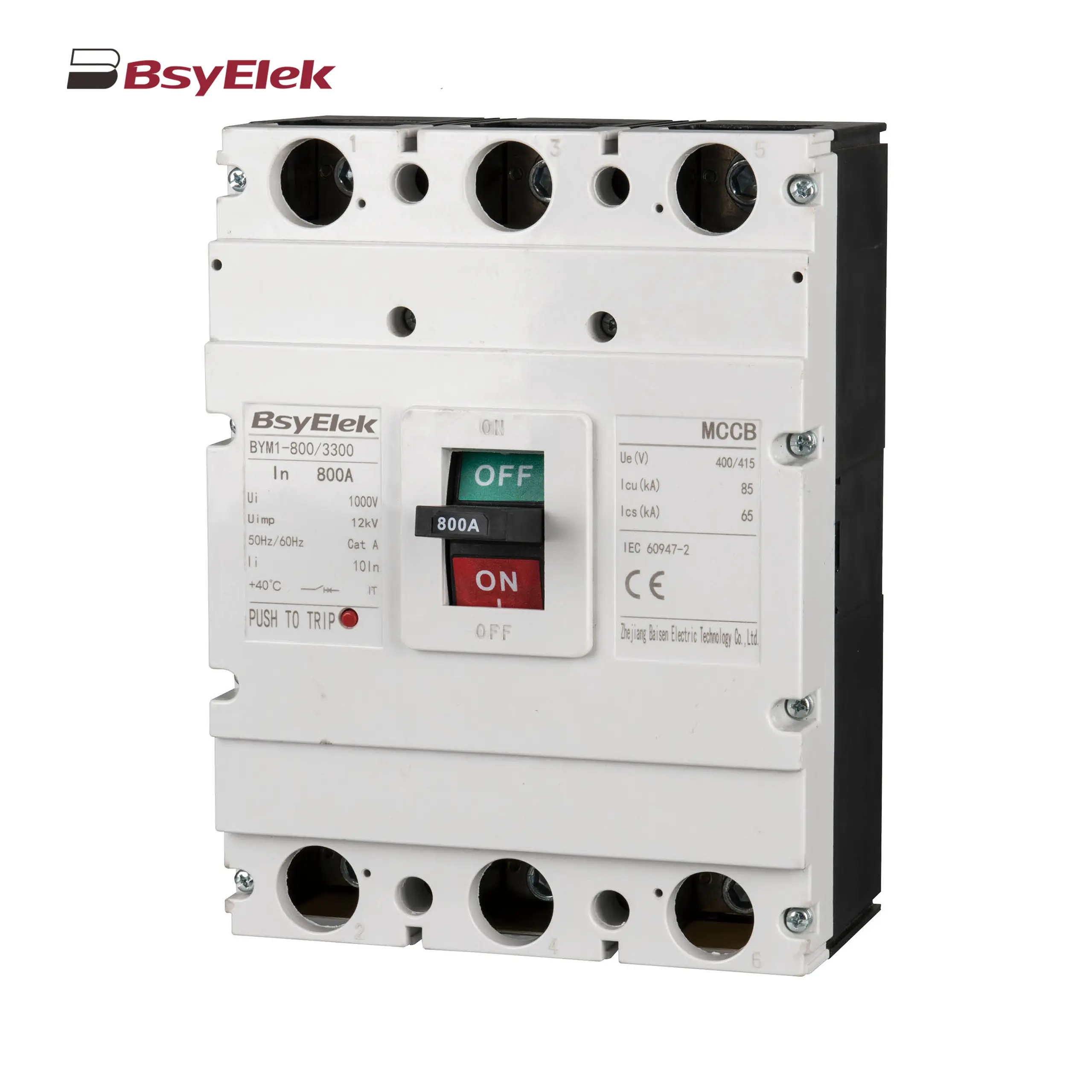 BYM1 MCCB Thermal Magnetic AC Molded Case Circuit Breaker
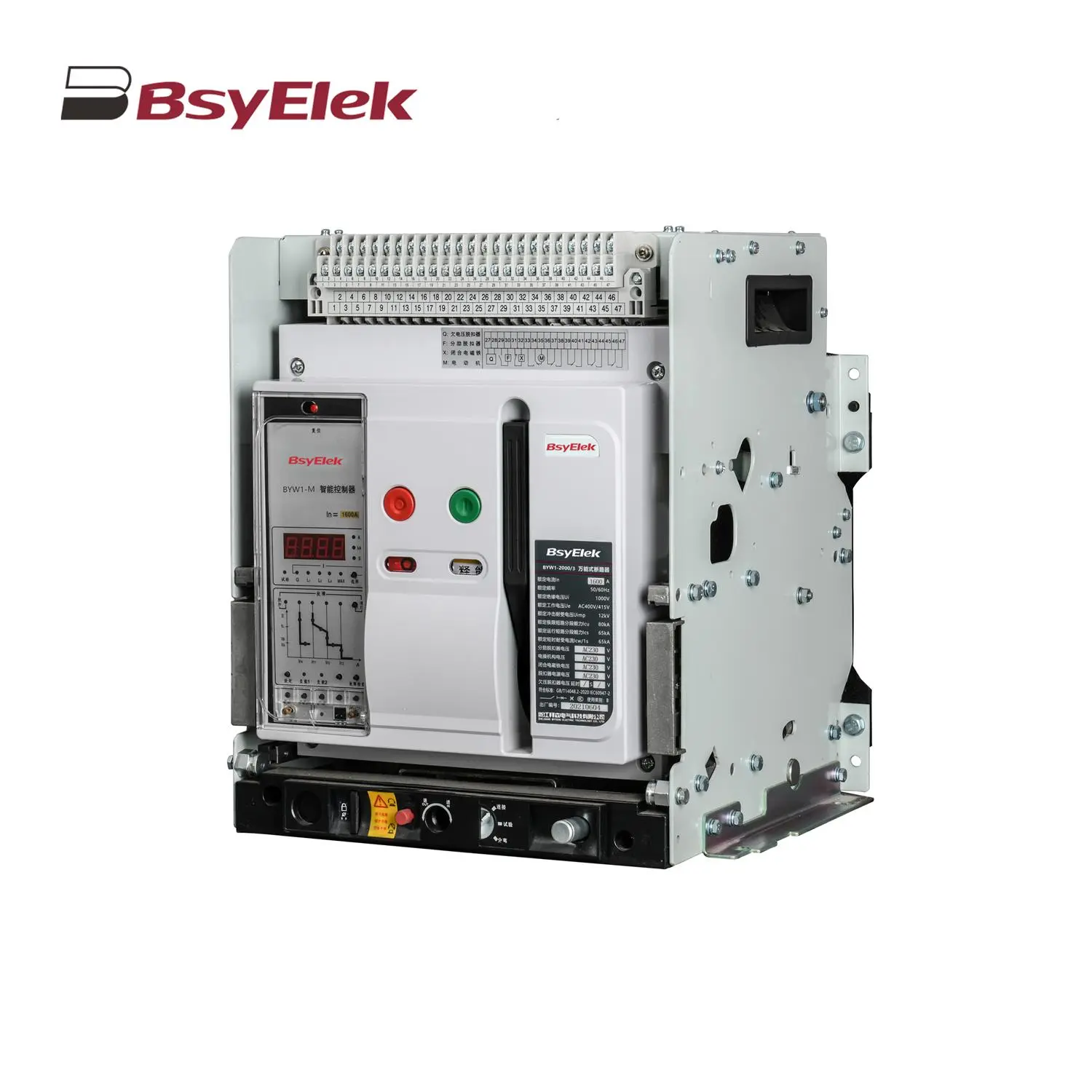 BYW1 ACB Intelligent Universal Air Circuit Breaker
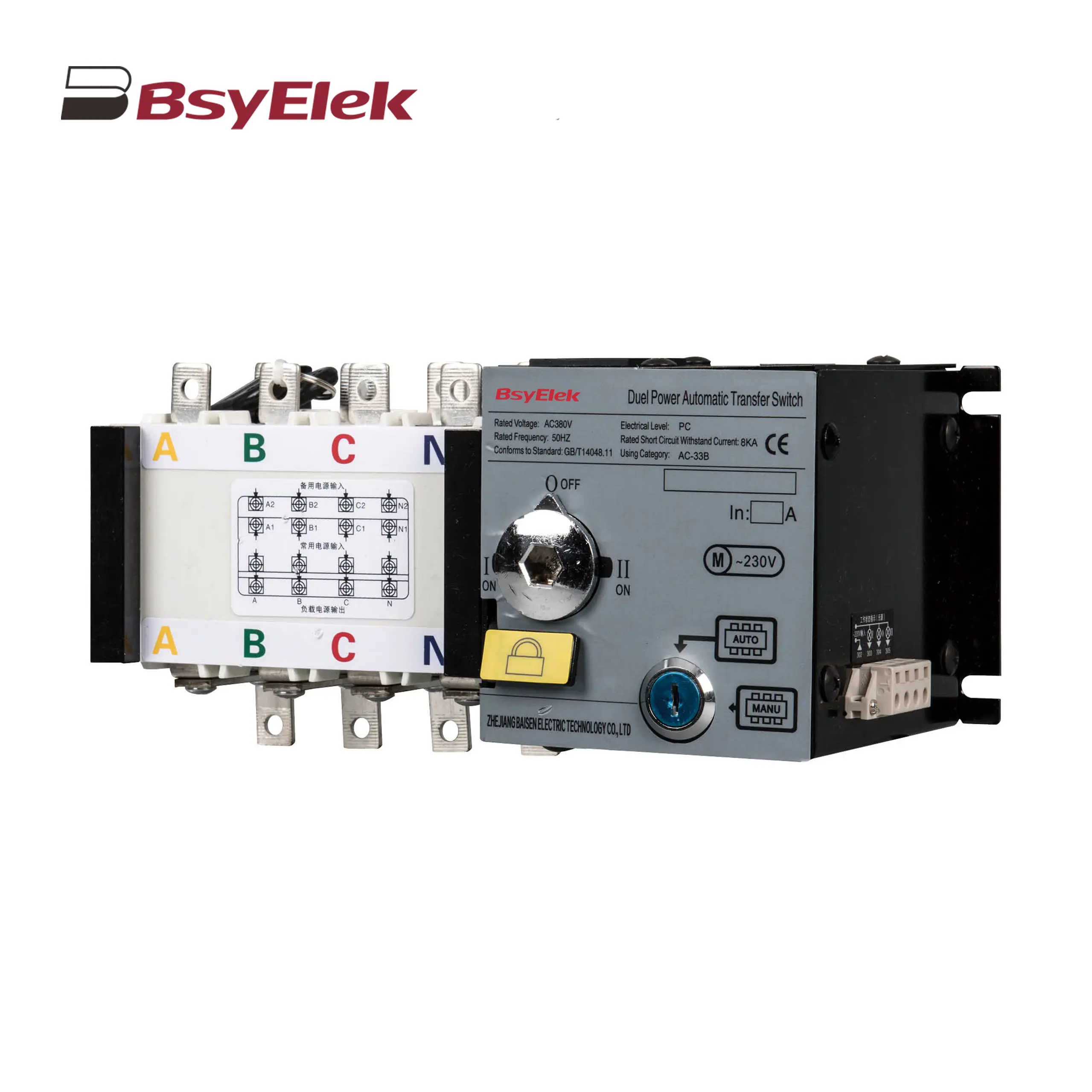 BYQ1 ATS Isolated Type PC Level Dual Power Automatic Transfer Switch
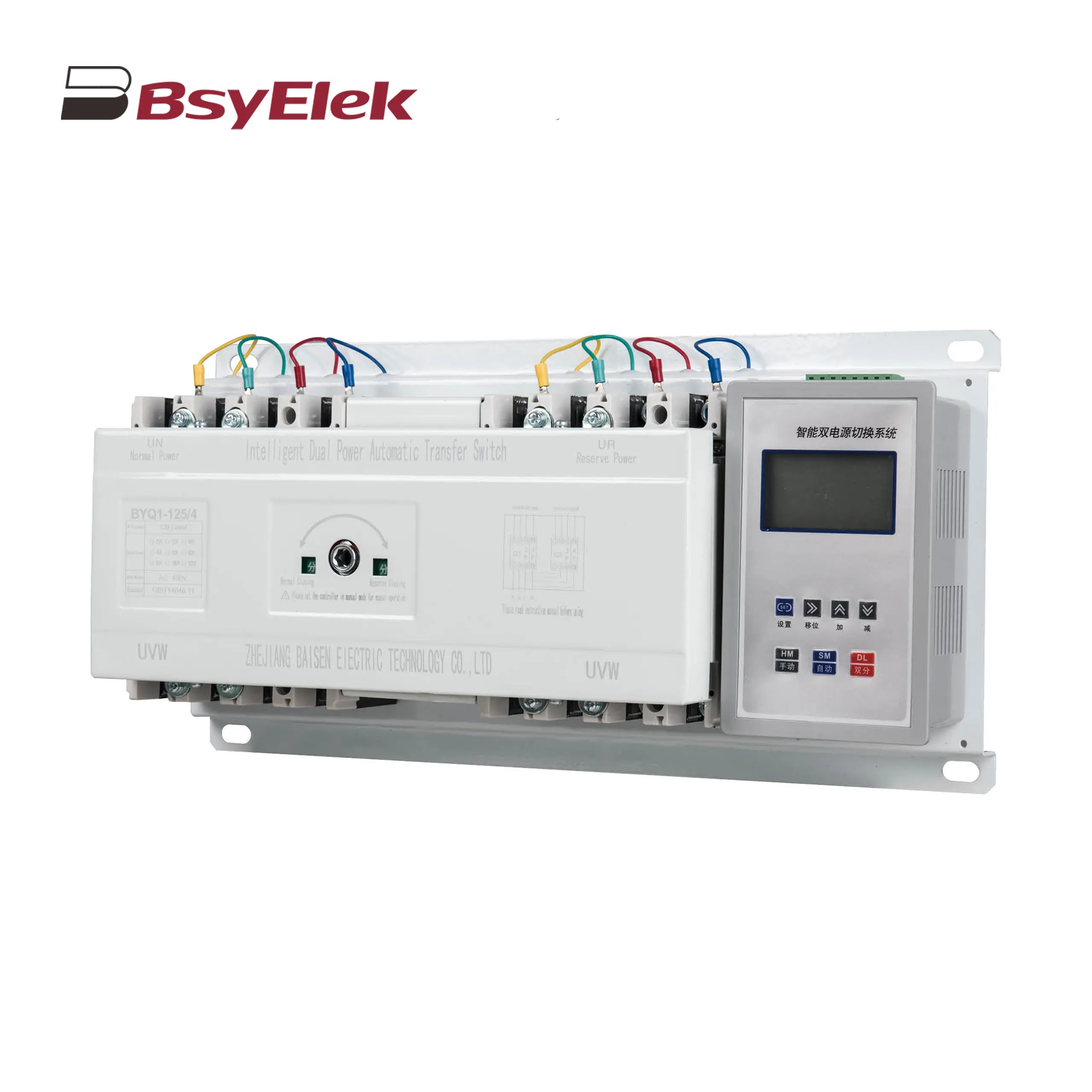 BYQ1 ATS Intelligent Type CB Level Dual Power Automatic Transfer Switch
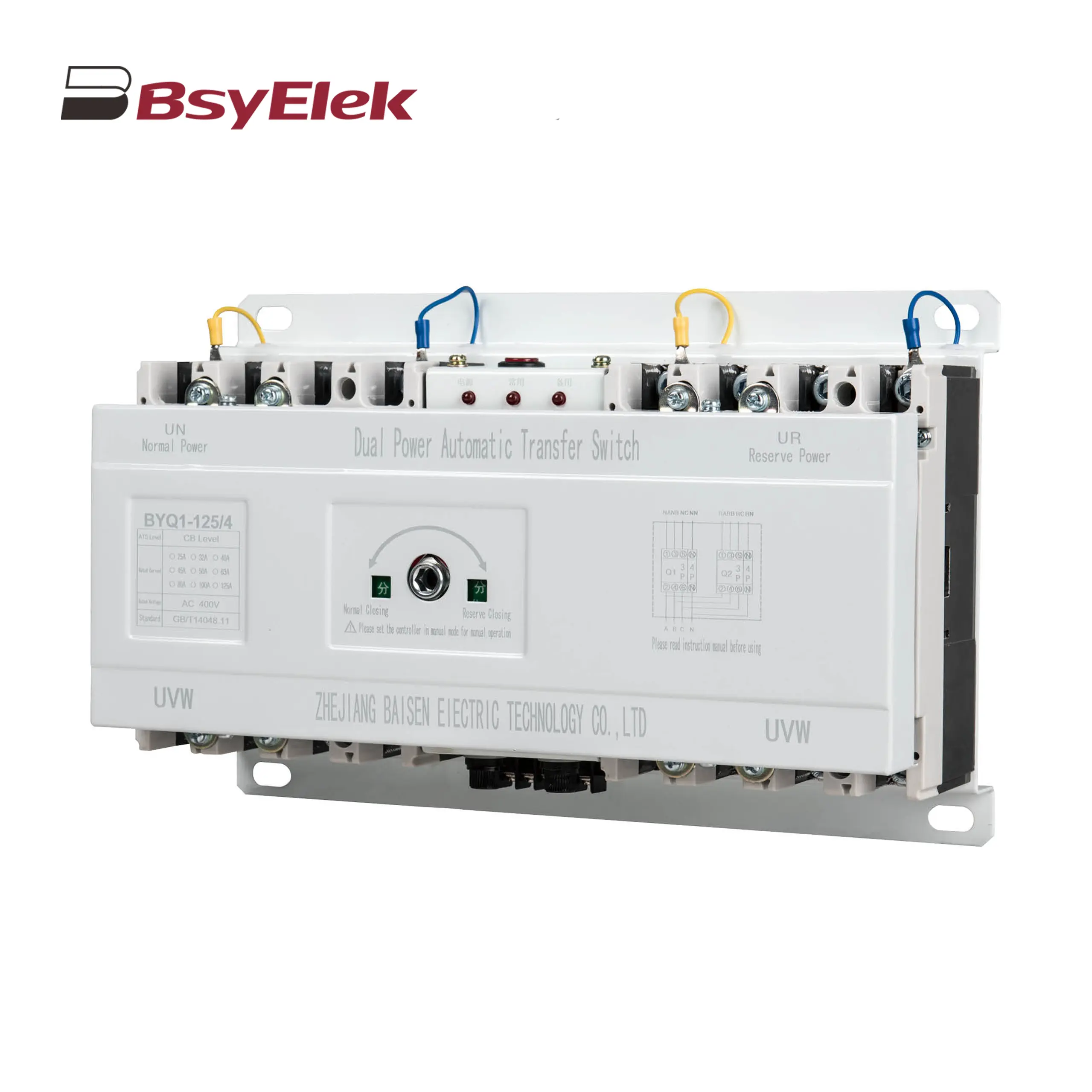 BYQ1 ATS End Type CB Level Dual Power Automatic Transfer Switch
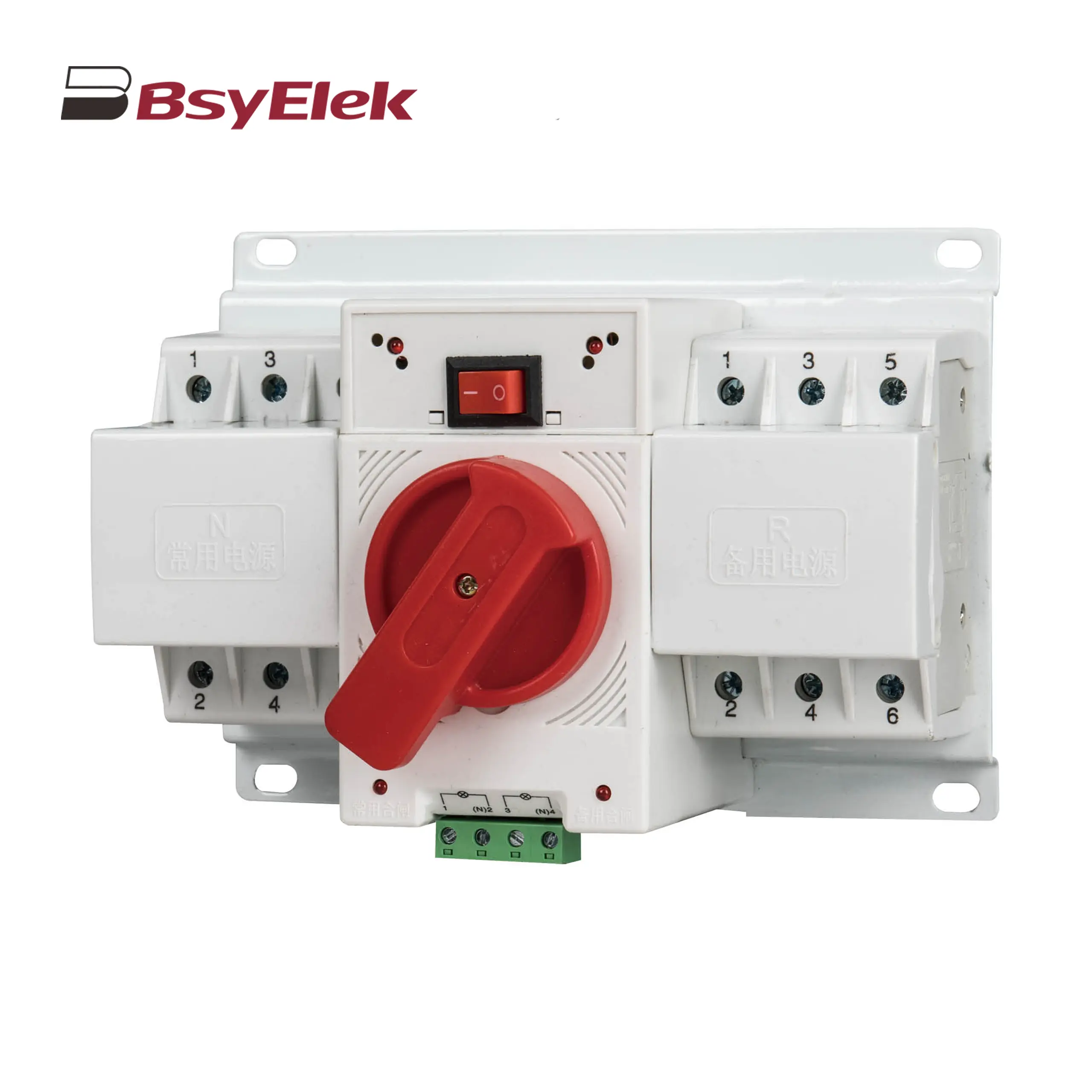 BYQ1 ATS Mini Type CB Level Dual Power Automatic Transfer Switch
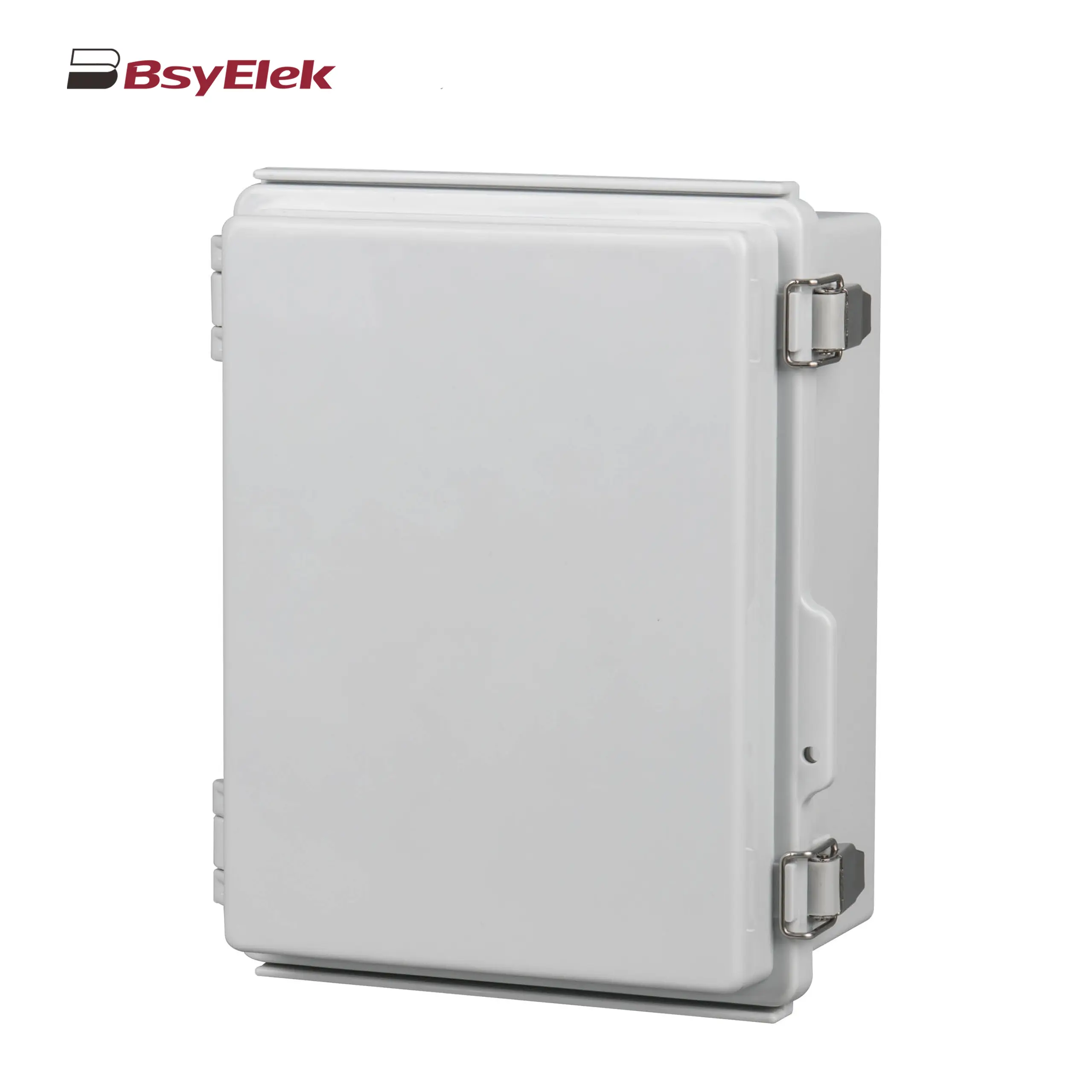 Stainless Steel Hinge Type Electrical Box
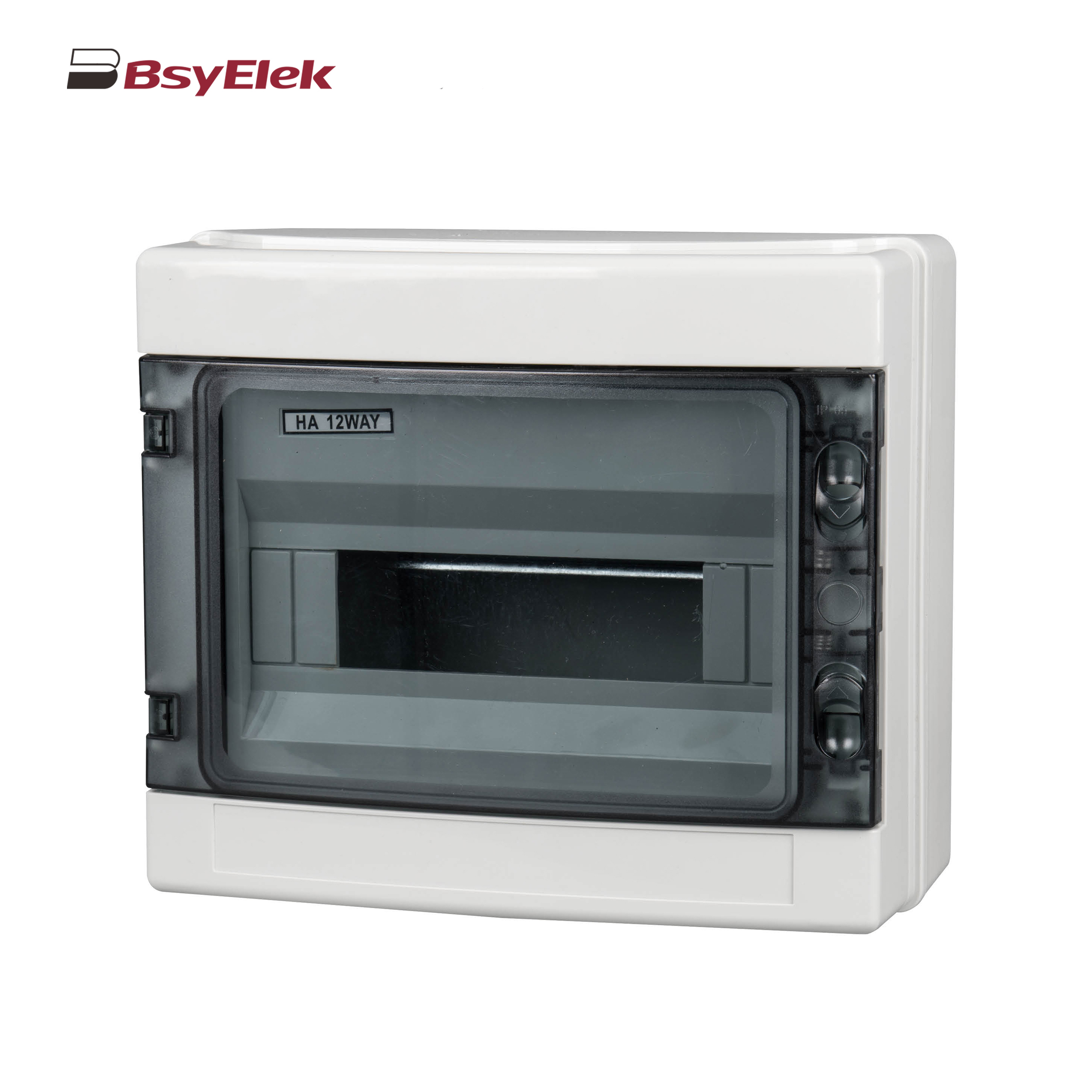 HA Waterproof Distribution Box
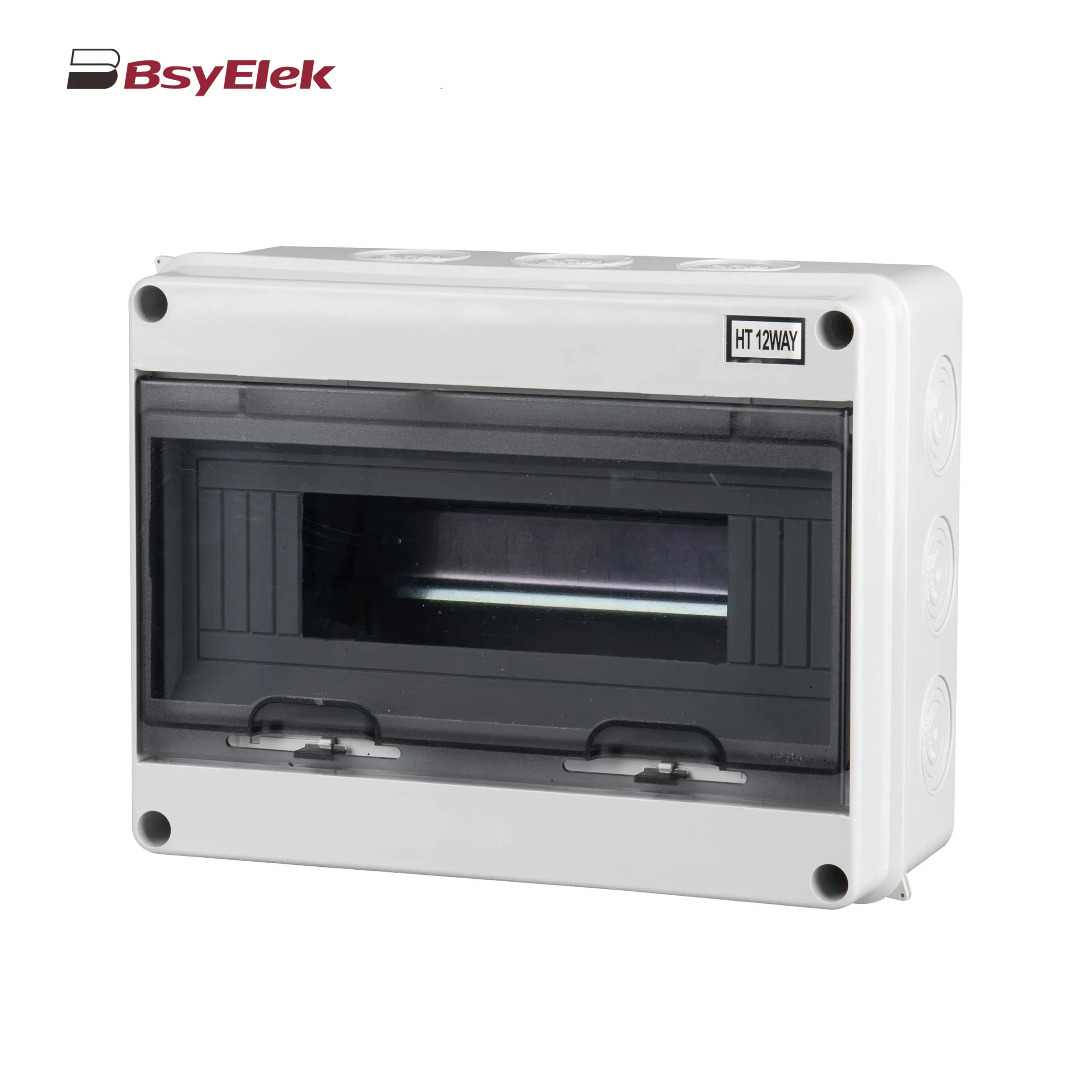 HT Waterproof Distribution Box
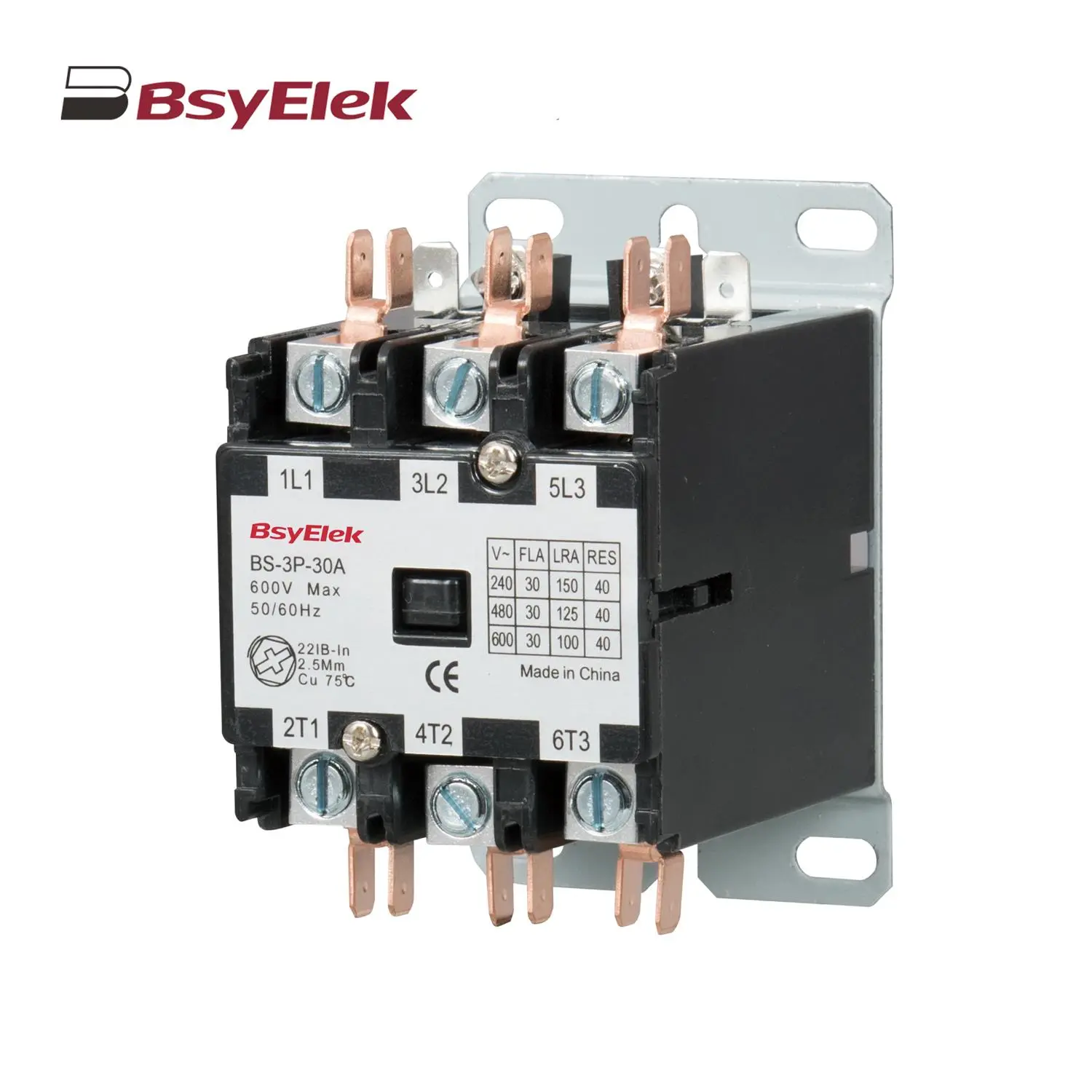 BS Definite Purpose Magnetic AC Contactor