Why Choose Fixed Type ACB for Global Power Distribution?
Why Choose Fixed Type Acb for Global Power Distribution?
Global power systems demand protection that is dependable, understandable, and practical. Fixed Type Acb offers a stable solution for main switchboards, industrial plants, data centers, and commercial buildings. Its fixed installation reduces moving parts and simplifies panel construction. That matters where equipment must operate for years under heat, dust, vibration, and changing electrical loads.
Electrical distribution specialist Dr. David Chapman explains, “A reliable breaker is not only about interruption; it is about predictable protection throughout its service life.” This principle reflects the real work behind power distribution. Engineers must check rated current, short-circuit capacity, coordination settings, enclosure temperature, and maintenance access. A Fixed Type Acb can provide strong performance when these details match the installation.
It is a straightforward design.
The breaker remains in a defined position. Operators can inspect connections more easily, while maintenance teams can follow consistent procedures. Fixed construction may also reduce equipment cost compared with drawout alternatives. However, cost should not become the only decision. Limited flexibility during replacement can create downtime if planning is weak.
That is the uncomfortable part.
A technically suitable ACB may still fail to meet operational expectations when documentation, testing, or personnel training is incomplete. Regional standards and utility requirements also differ. Therefore, global projects need careful verification before selection. This article examines how Fixed Type Acb supports safe, efficient, and maintainable distribution, while recognizing that no single configuration fits every facility.
Fixed Type ACB: Definition and Role in Power Distribution
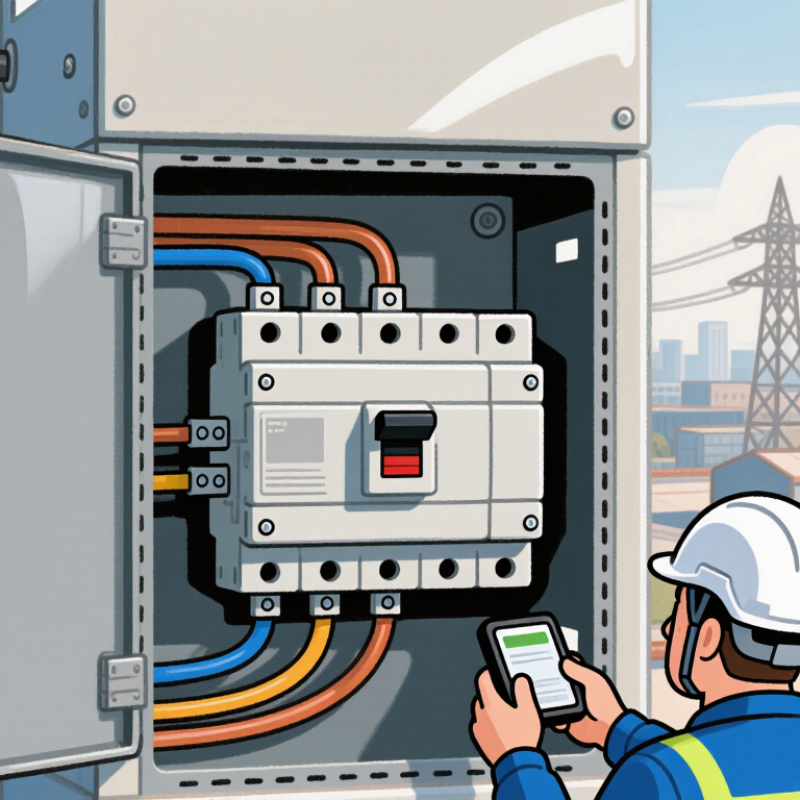
A fixed type air circuit breaker, or ACB, is permanently mounted inside a low-voltage switchboard. Unlike a withdrawable model, it cannot be rolled out for routine replacement. Isolation usually requires shutting down the connected circuit. Simple, but important.
Its main role is to control and protect high-current feeders. The ACB interrupts overloads, short circuits, and selected earth faults. It also provides manual switching and visible isolation points for maintenance work. In practical installations, fixed ACBs often serve as incomers, bus-section breakers, generator couplers, or major feeder protection. IEC 60947-2 defines key requirements for low-voltage circuit breakers, including tested interruption and operating performance.
The choice becomes more relevant as electricity networks expand. The International Energy Agency’s Electricity 2024 report forecast average global electricity-demand growth of 3.4% annually from 2024 to 2026. More demand means stronger distribution equipment and clearer protection coordination. Fixed ACBs can offer a compact layout, lower installation complexity, and stable mechanical performance. They are often suitable for substations, factories, and commercial buildings with planned maintenance shutdowns.
However, fixed construction reduces operational flexibility. A failed breaker may keep a feeder unavailable longer than expected. That trade-off matters. Engineers should verify fault levels, selectivity, short-time withstand ratings, ambient temperature, and local installation rules. Experience shows that a low purchase price can hide maintenance costs. The “best” ACB is not always the smallest or cheapest. It should match the network’s actual operating habits.
Construction and Operating Principles of Fixed Type ACBs
Why Choose Fixed Type ACB for Global Power Distribution?
Construction and Operating Principles of Fixed Type ACBs
A fixed type air circuit breaker is mounted permanently inside a switchboard compartment. Its main terminals connect directly to the busbars and outgoing cables. The structure usually includes a molded frame, arc chutes, contacts, a spring charging mechanism, and an electronic trip unit. Unlike a withdrawable breaker, it has no racking mechanism. This simpler construction can reduce moving parts, installation space, and mechanical maintenance. It also supports dependable power distribution in factories, commercial buildings, and utility facilities.
During operation, the closing mechanism brings the main contacts together to carry normal current. When an overload or short circuit occurs, the trip unit detects abnormal current and releases the operating mechanism. The contacts separate quickly, while arc chutes divide, cool, and extinguish the electrical arc. The breaker then isolates the faulty section. Fixed mounting provides firm connections, but fault access requires proper isolation and planned shutdowns. That limitation deserves attention. Convenience is not everything.
Tips: Check terminal torque, insulation condition, and trip settings during scheduled maintenance. Keep arc chutes clean and inspect contact wear. Confirm coordination with upstream and downstream protective devices. A setting that works in one facility may be unsuitable elsewhere. Ambient temperature, humidity, fault level, and local regulations can change performance. Test records should be clear, dated, and traceable.
Key Advantages for Global Electrical Systems
Fixed Type ACBs support stable power distribution in factories, commercial buildings, and infrastructure projects. Their bolted installation reduces movement during operation and helps maintain dependable connections. In field assessments, this arrangement has proven practical where circuits remain largely unchanged.
For global electrical systems, predictable performance matters. A fixed ACB offers clear protection settings, high interrupting capacity, and straightforward coordination with upstream and downstream devices. Technicians can inspect terminals, trip units, and busbar connections without managing a draw-out mechanism. This can reduce maintenance complexity in facilities with limited specialist support. Spare planning is also simpler because the breaker position remains defined.
Installation conditions still require careful evaluation. Voltage, frequency, fault current, ambient temperature, and enclosure design vary across regions. Local regulations may also influence testing and protection requirements. A fixed design often lowers initial equipment cost, but replacement work can interrupt operations more seriously. That trade-off deserves honest attention. It is not a universal answer.
Protection studies should confirm selectivity before commissioning. Records should include settings, test results, and maintenance history. Clear labels help technicians work safely during urgent inspections. In dusty workshops or humid utility rooms, regular cleaning and thermal checks remain essential. Small oversights can weaken a strong design. Used with disciplined engineering, fixed Type ACBs provide a robust and economical foundation for international power distribution.
Selection Criteria for Fixed Type ACB Installations
Why Choose Fixed Type ACB for Global Power Distribution?
Selection Criteria for Fixed Type ACB Installations
Fixed type ACB selection starts with the installation environment, not only the rated current. Confirm system voltage, frequency, fault level, and the required number of poles. The breaker’s interrupting capacity should exceed the calculated prospective short-circuit current. Follow IEC 60947-2 and local electrical codes. Regional requirements may differ. A compliant design still needs review by a qualified engineer.
Space and maintenance access strongly influence the choice. Fixed ACBs suit switchboards with stable layouts and predictable servicing routes. Check busbar alignment, cable bending space, enclosure dimensions, and heat dissipation. In a dusty plant, an appropriate enclosure rating matters. At high altitude, reduced air insulation can affect performance. These details are easy to overlook.
Protection settings require careful coordination with downstream devices. Long-time, short-time, instantaneous, and earth-fault functions should match the network study. Select communication features only when the control system can use them reliably. During commissioning, technicians should verify torque values, insulation resistance, trip operation, and interlocking. A loose connection can defeat an excellent protection scheme. Field conditions may also expose assumptions that looked reasonable on paper. A neat rating table cannot capture every installation risk, so inspection records and updated drawings remain essential.



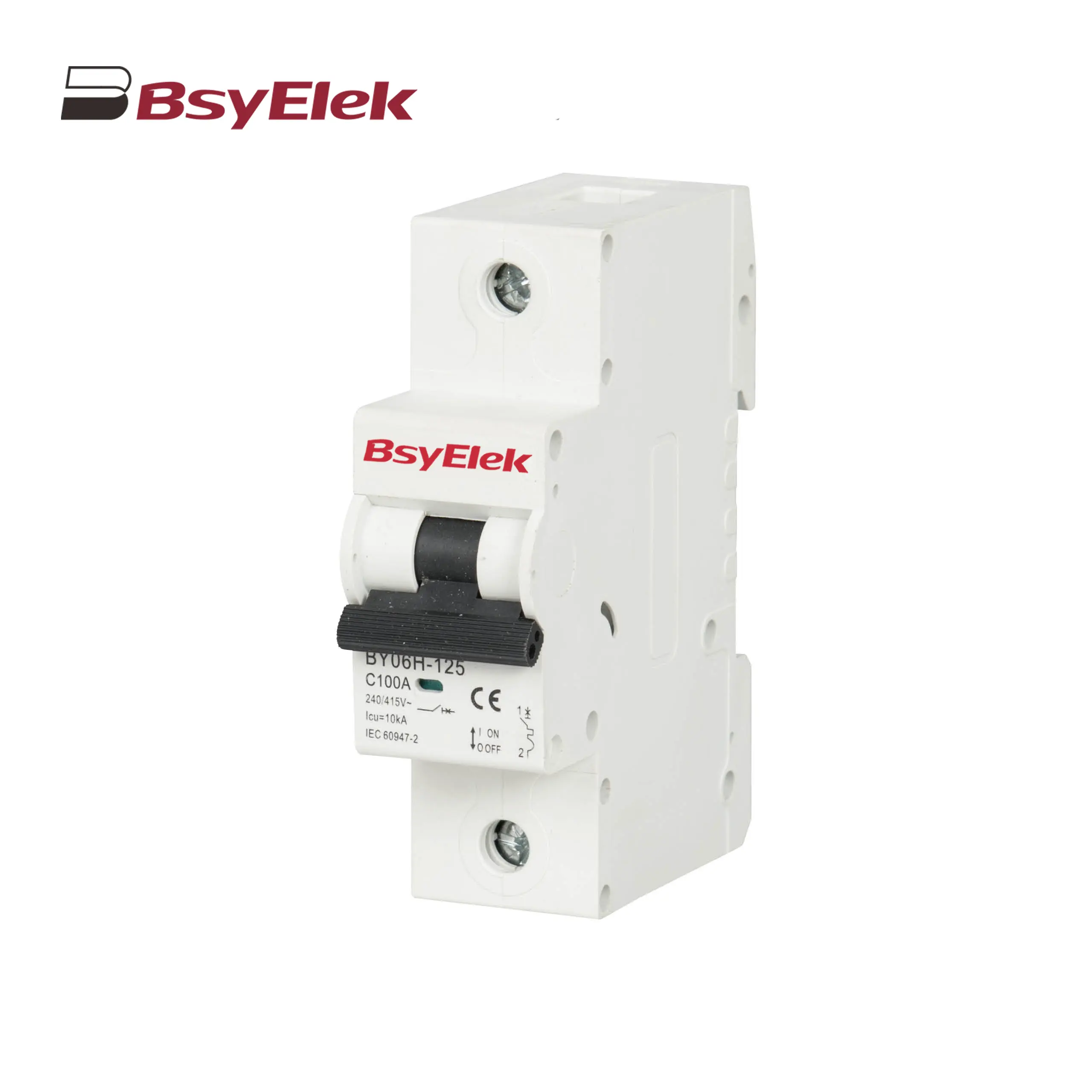 BY06H-125 MCB 10-15KA Miniature Circuit Breaker
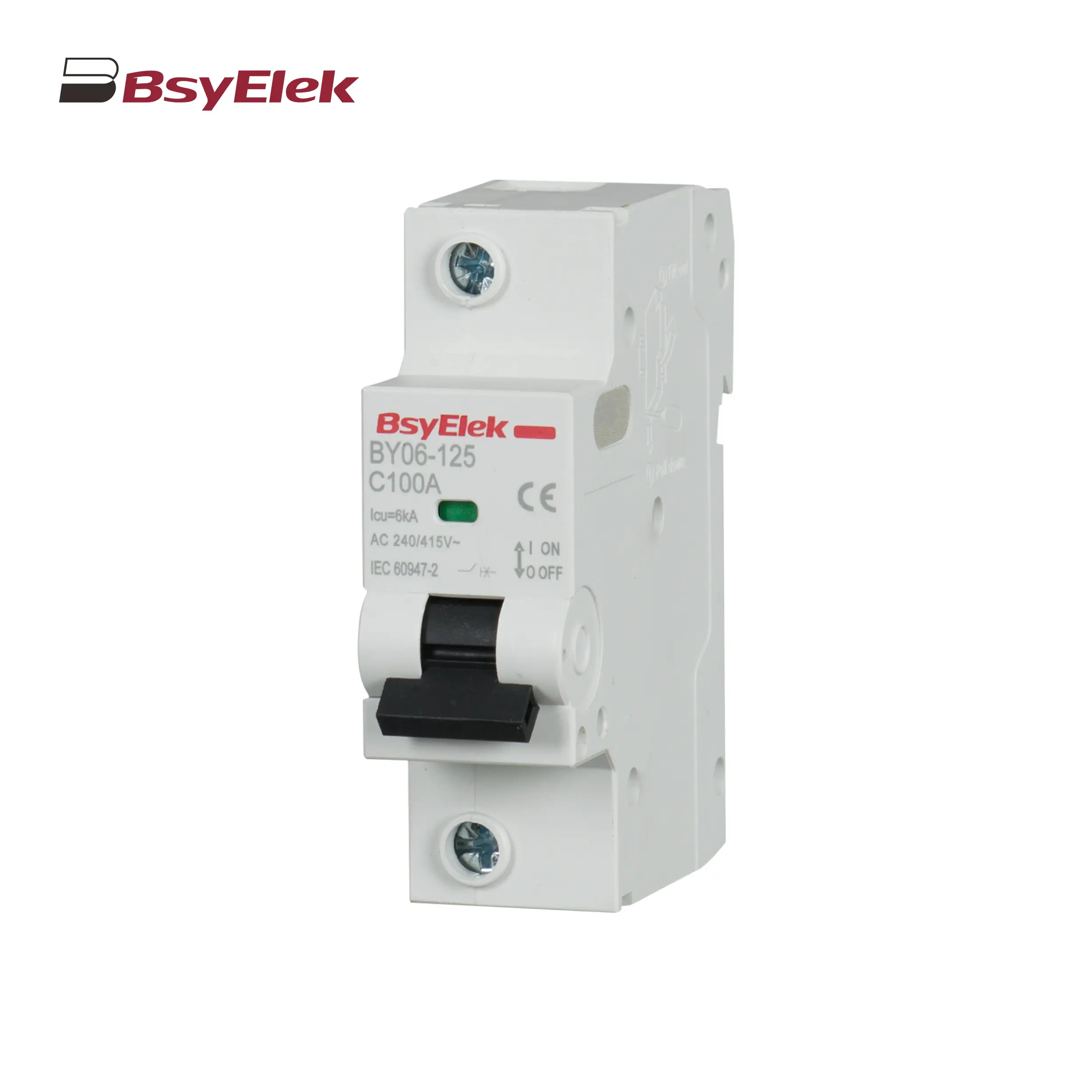 BY06-125 MCB 6KA Miniature Circuit Breaker
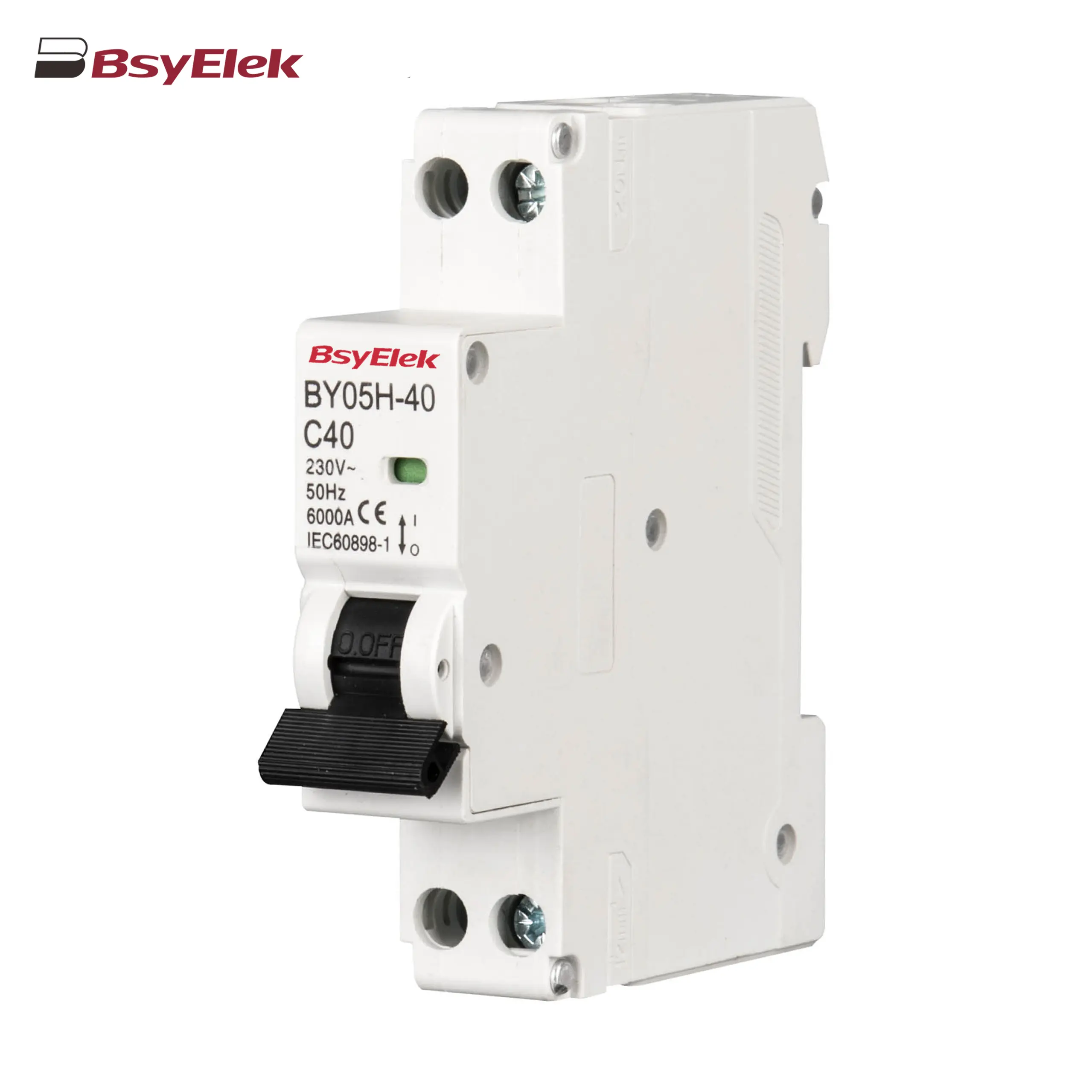 BY05H-40 MCB Single Modular 6KA Miniature Circuit Breaker
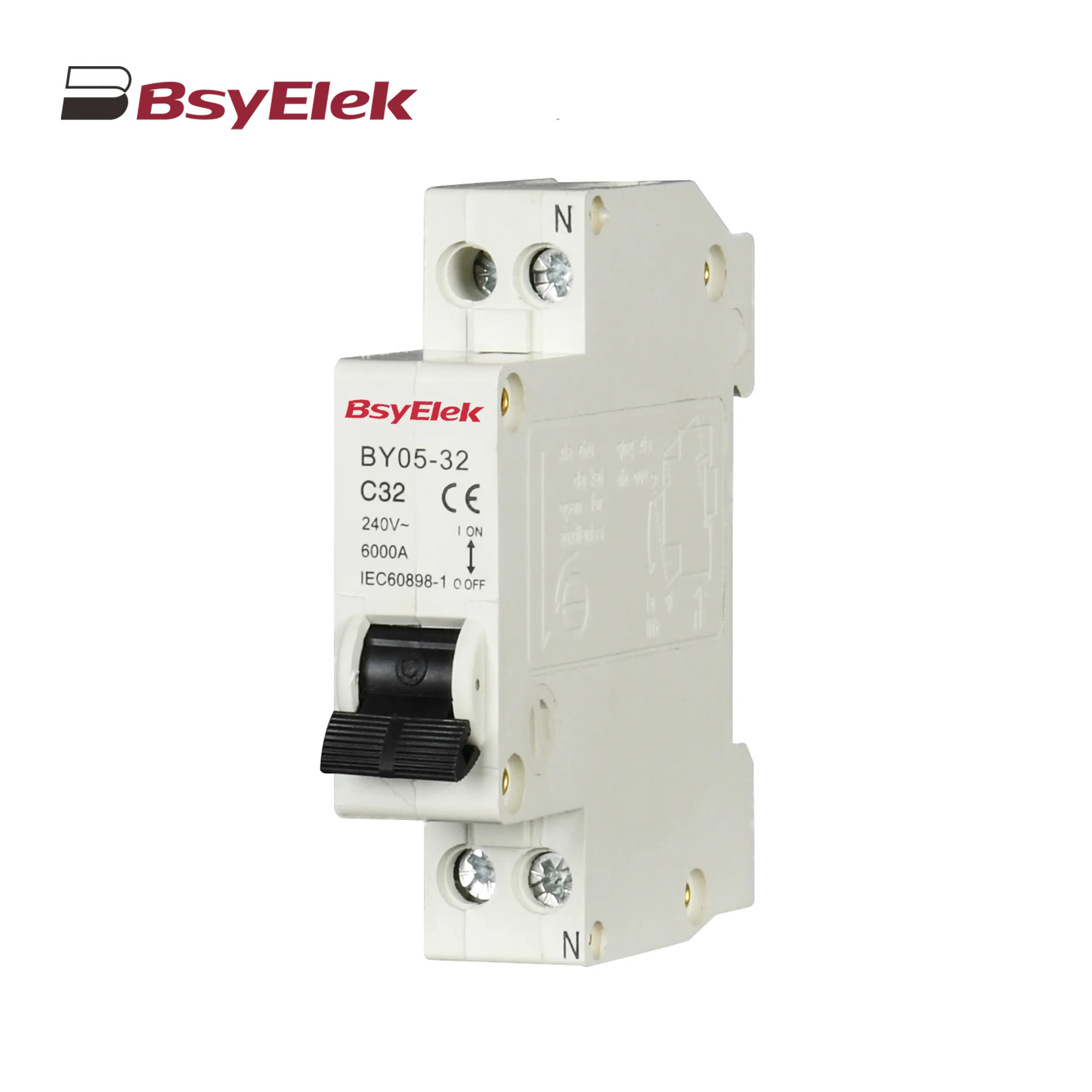 BY05-32 MCB Single Modular 3KA Miniature Circuit Breaker
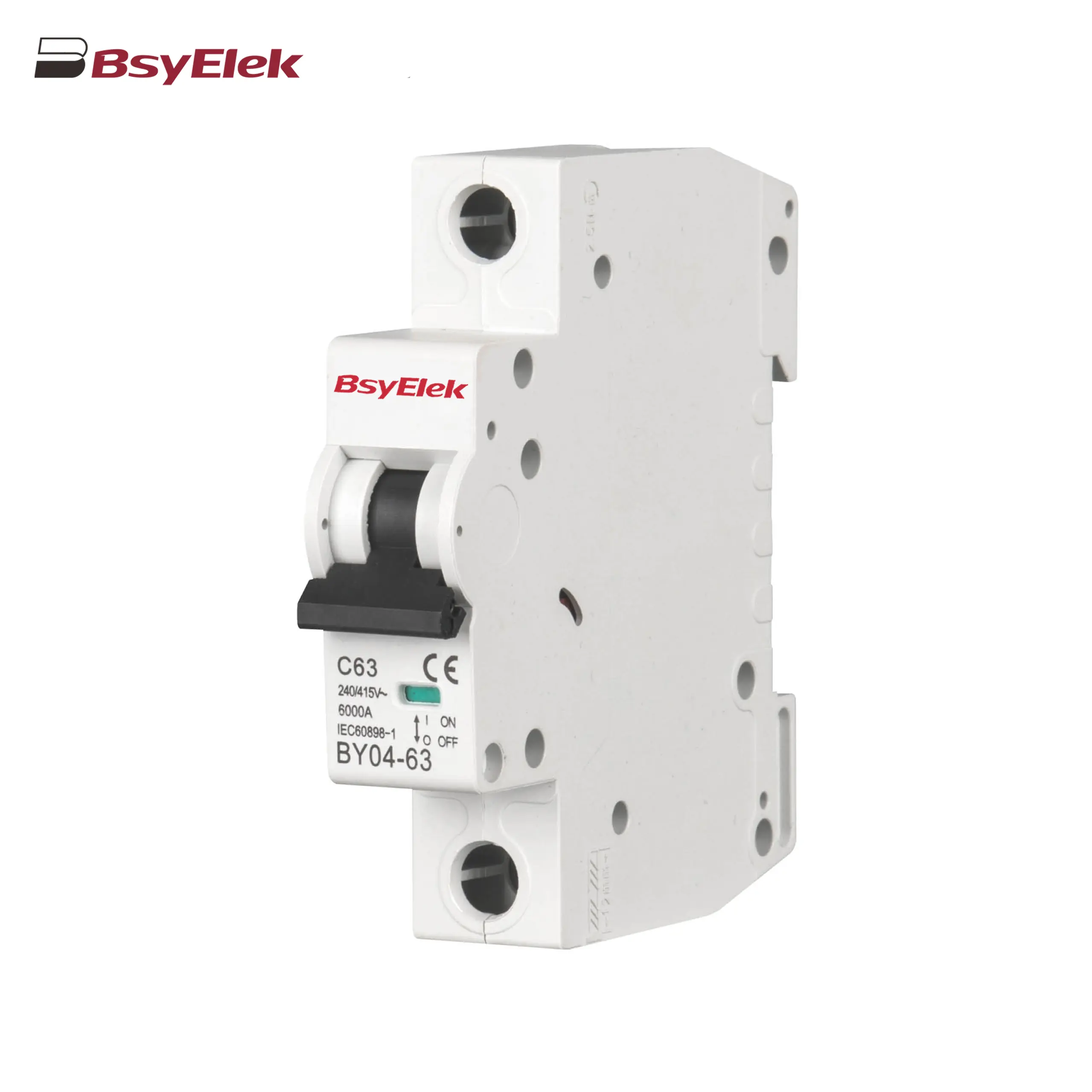 BY04-63 MCB 6-10KA Miniature Circuit Breaker
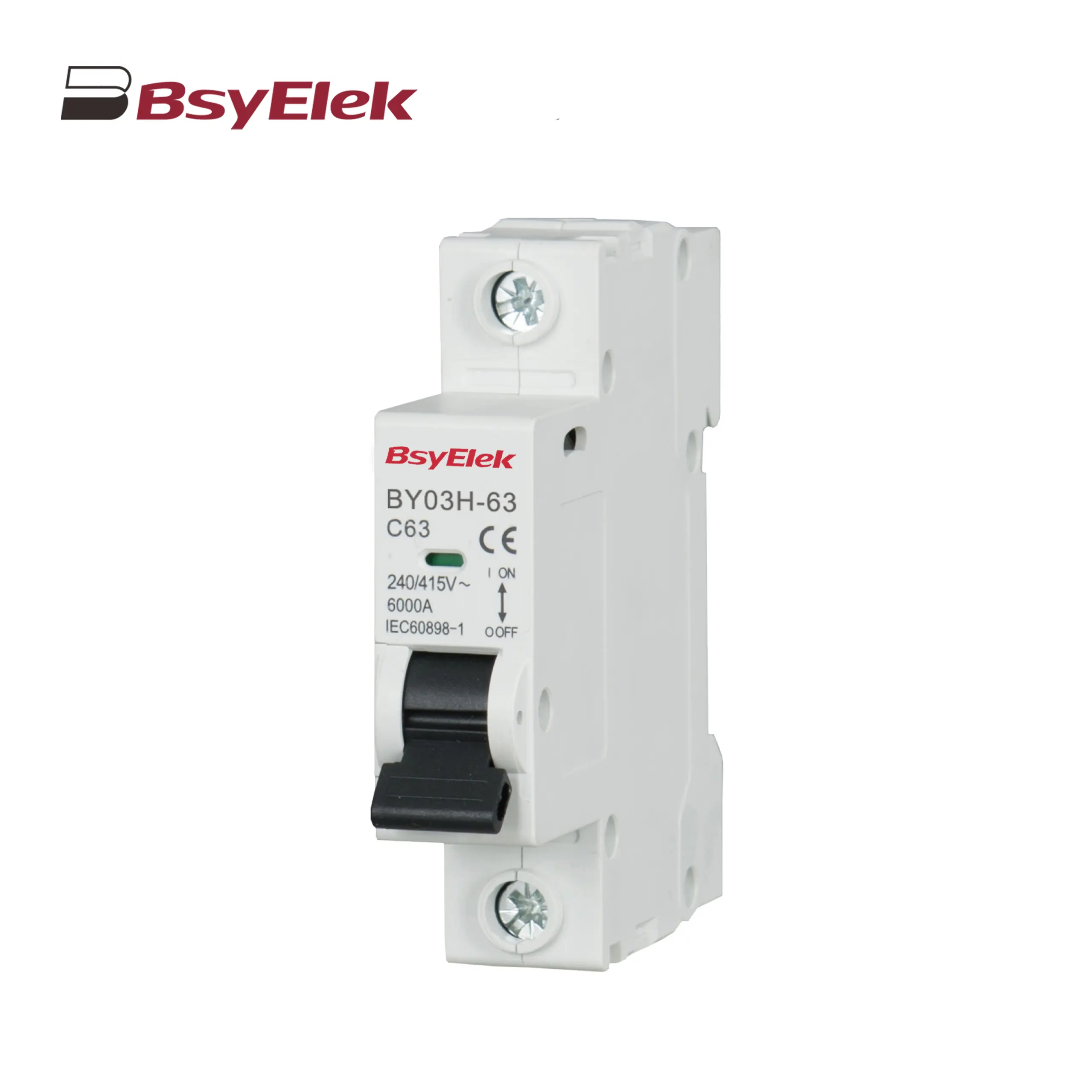 BY03H-63 MCB 6KA Miniature Circuit Breaker
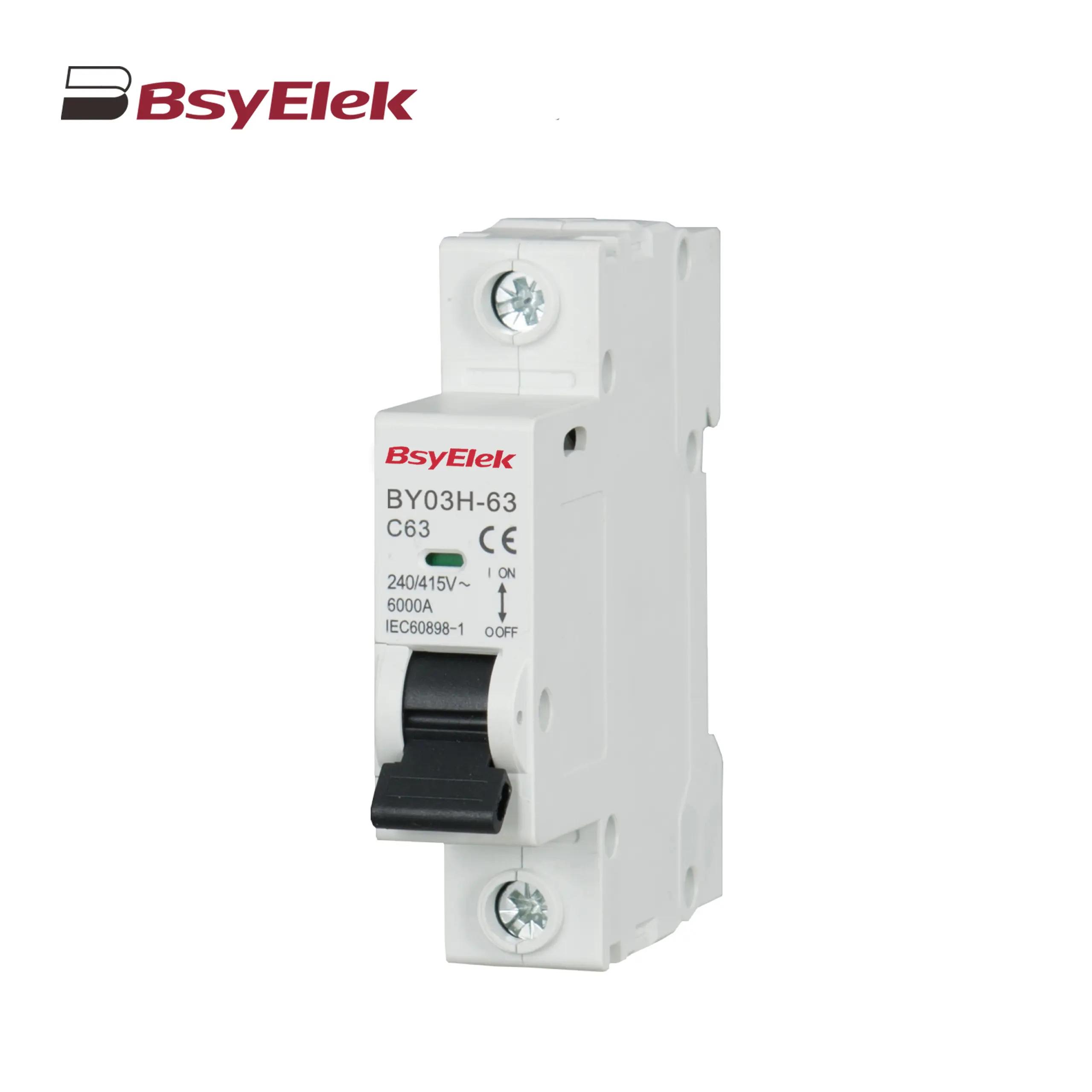 BY03-63 MCB 4.5KA Miniature Circuit Breaker
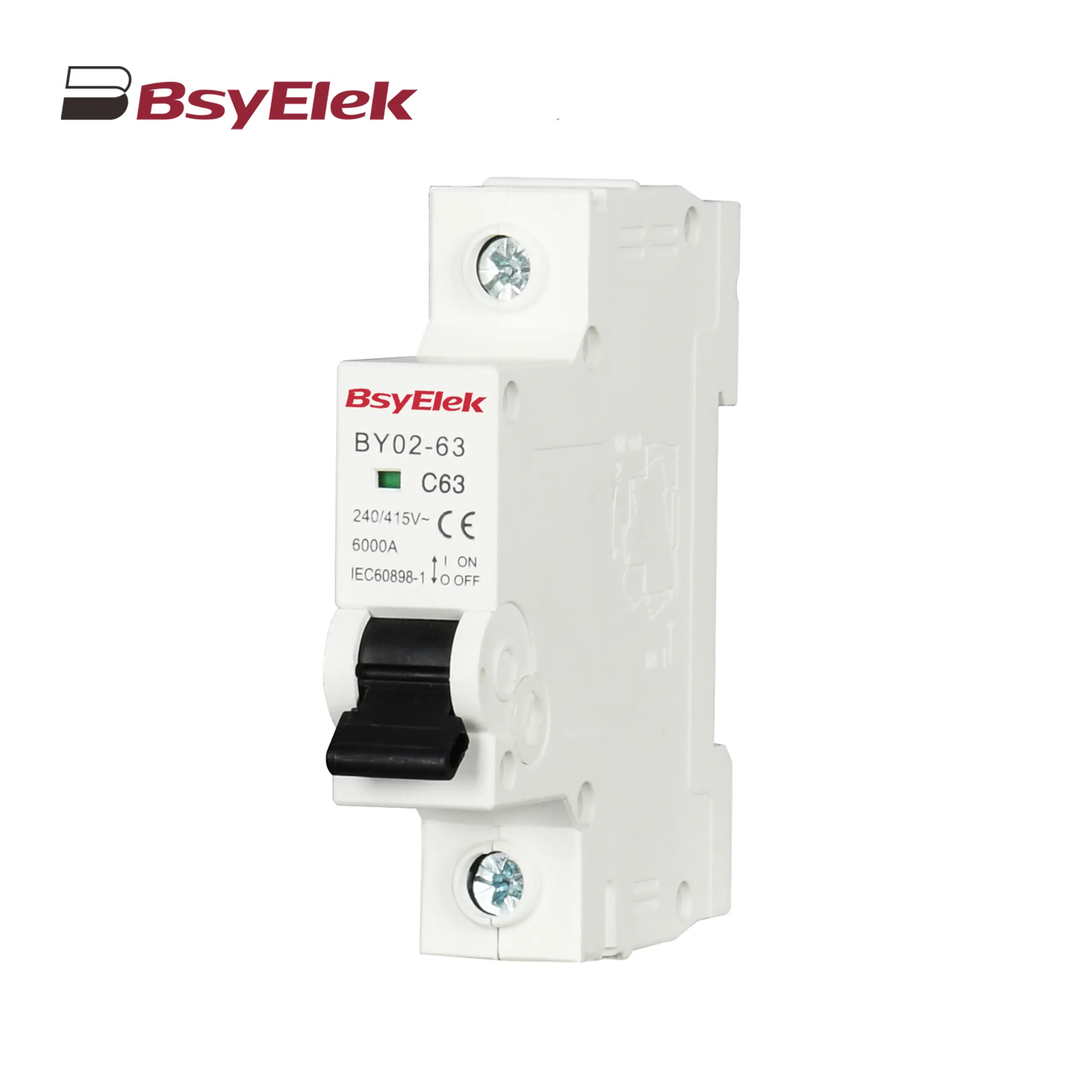 BY02-63 MCB 3kA Miniature Circuit Breaker
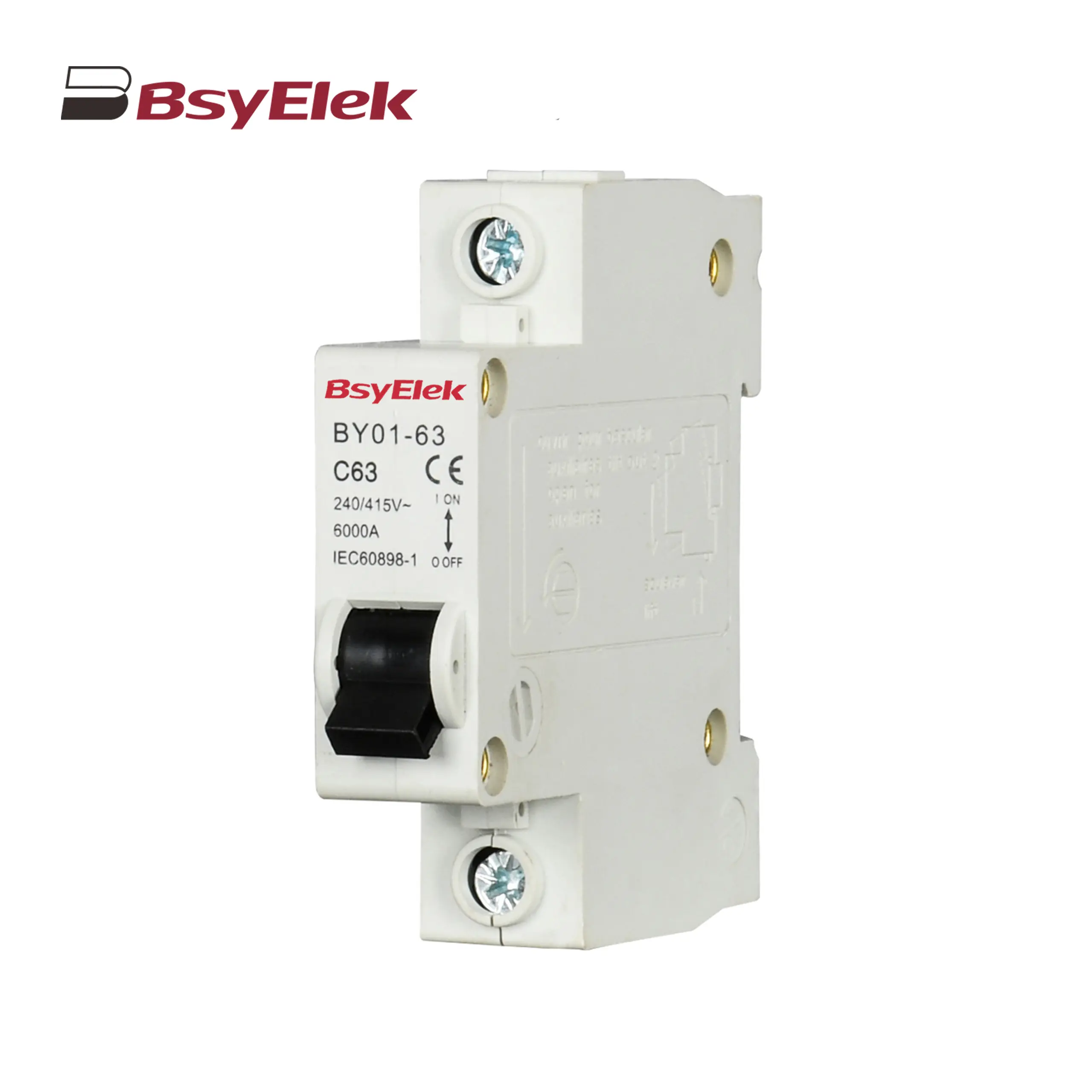 BY01-63 MCB 3kA Miniature Circuit Breaker
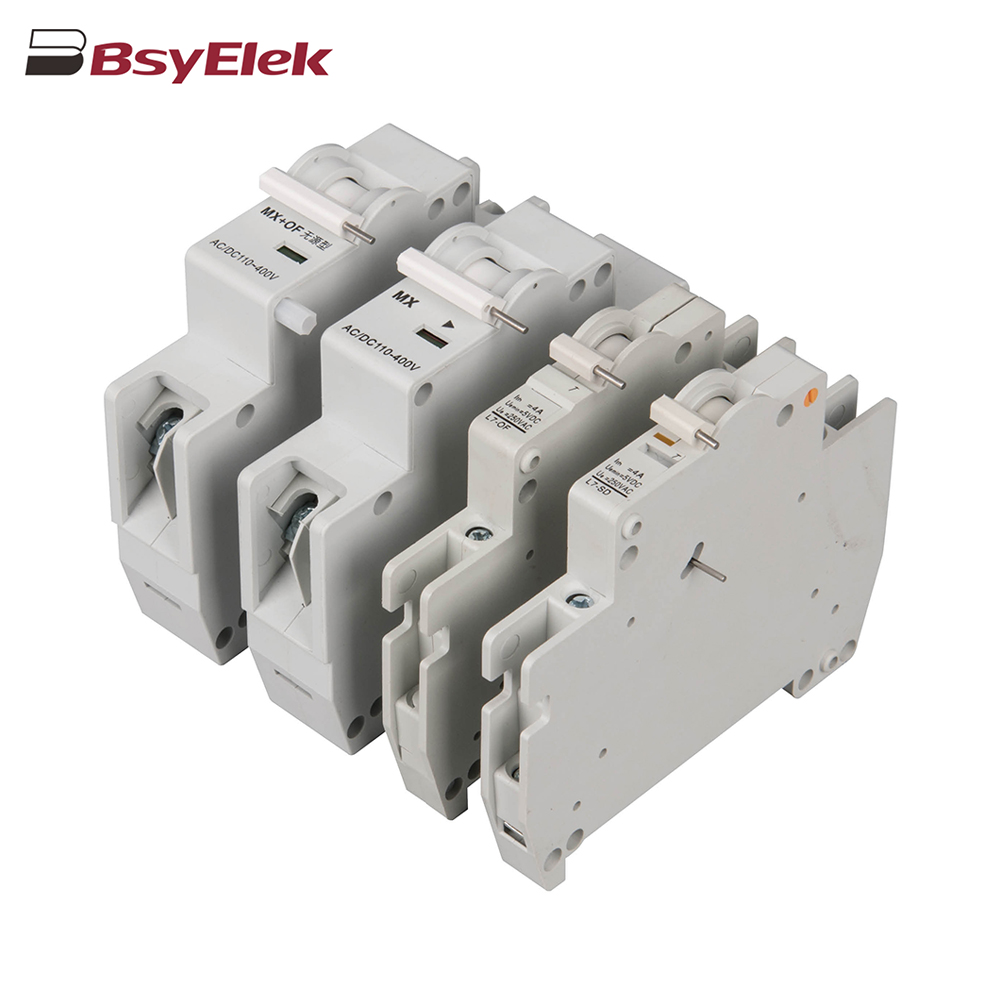 OF SD MX OF MCB Miniature Circuit Breaker Accessories
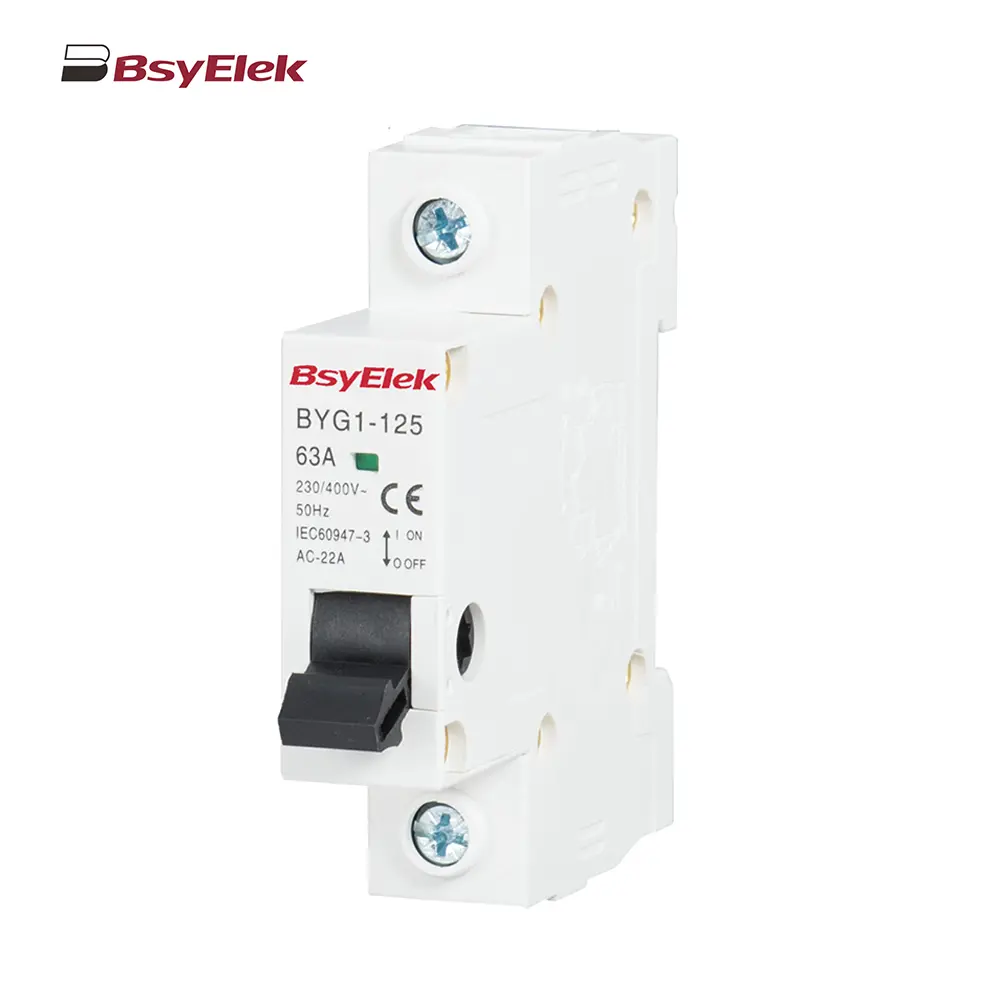 BYG1-125 Main Switch MCB Isolator Switch
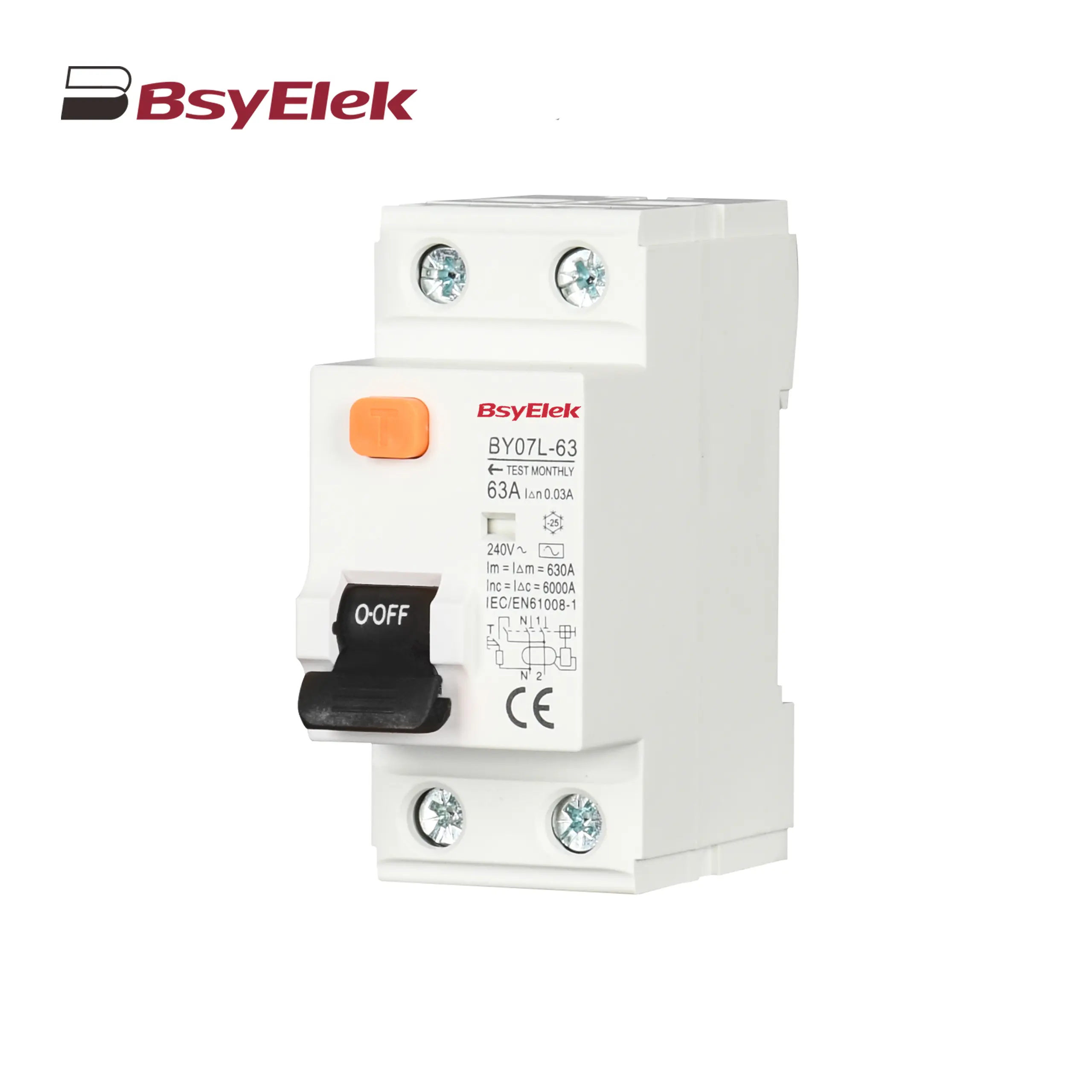 BY07L-63 RCCB 6KA Residual Current Circuit Breaker
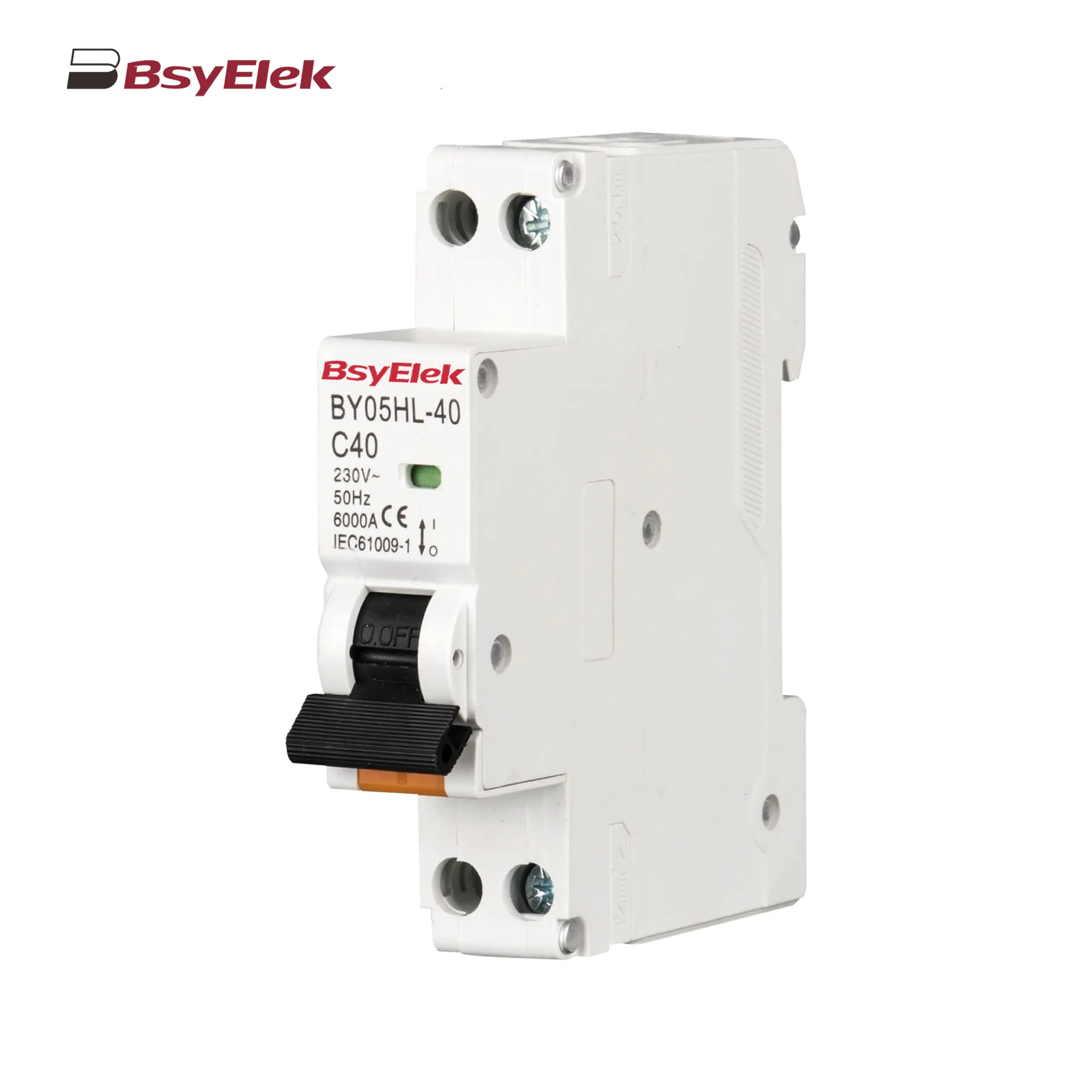 BY05HL-40 RCBO 6KA Residual Current Circuit Breaker with Over-current Protection
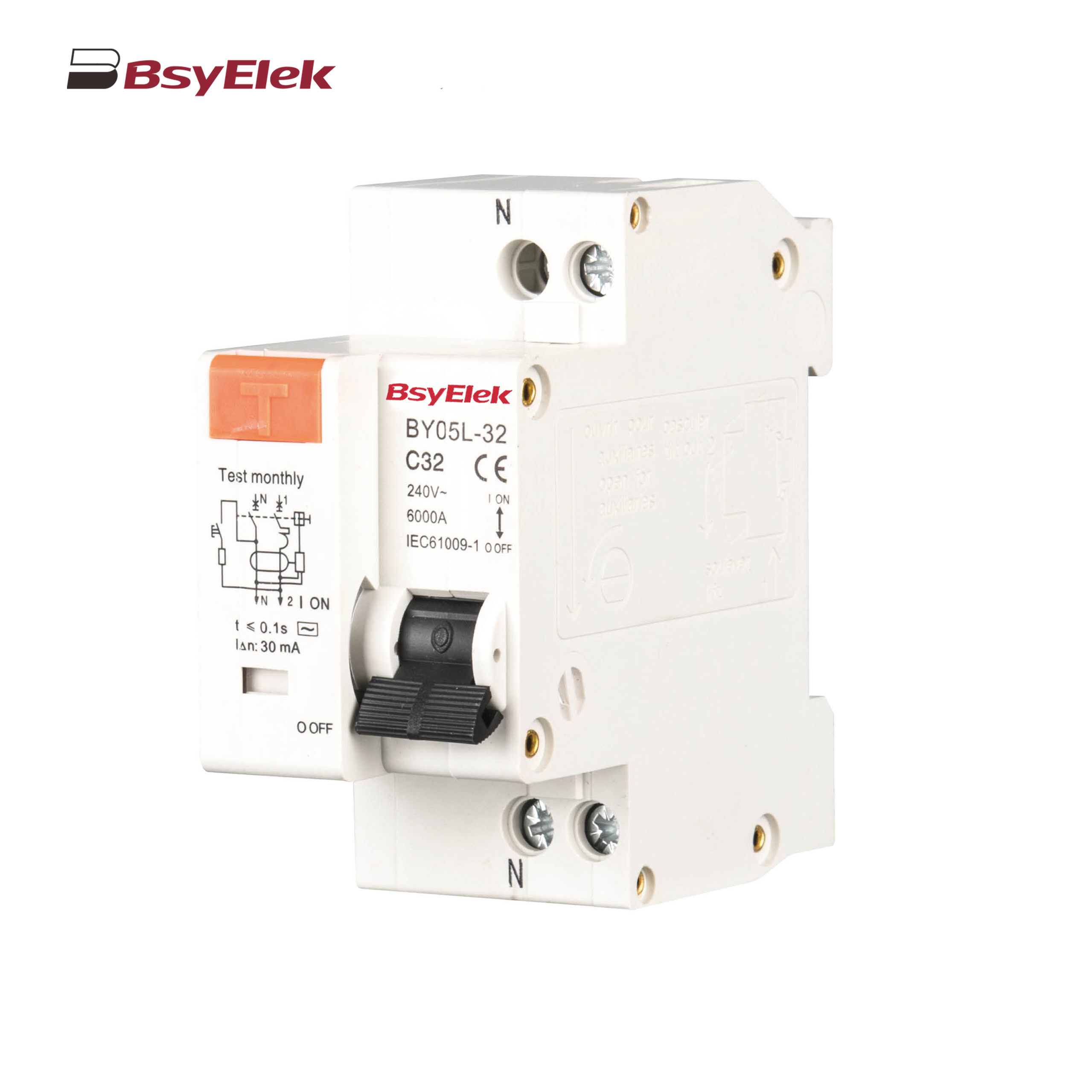 BY05L-32 RCBO 3KA Residual Current Circuit Breaker with Over-current Protection
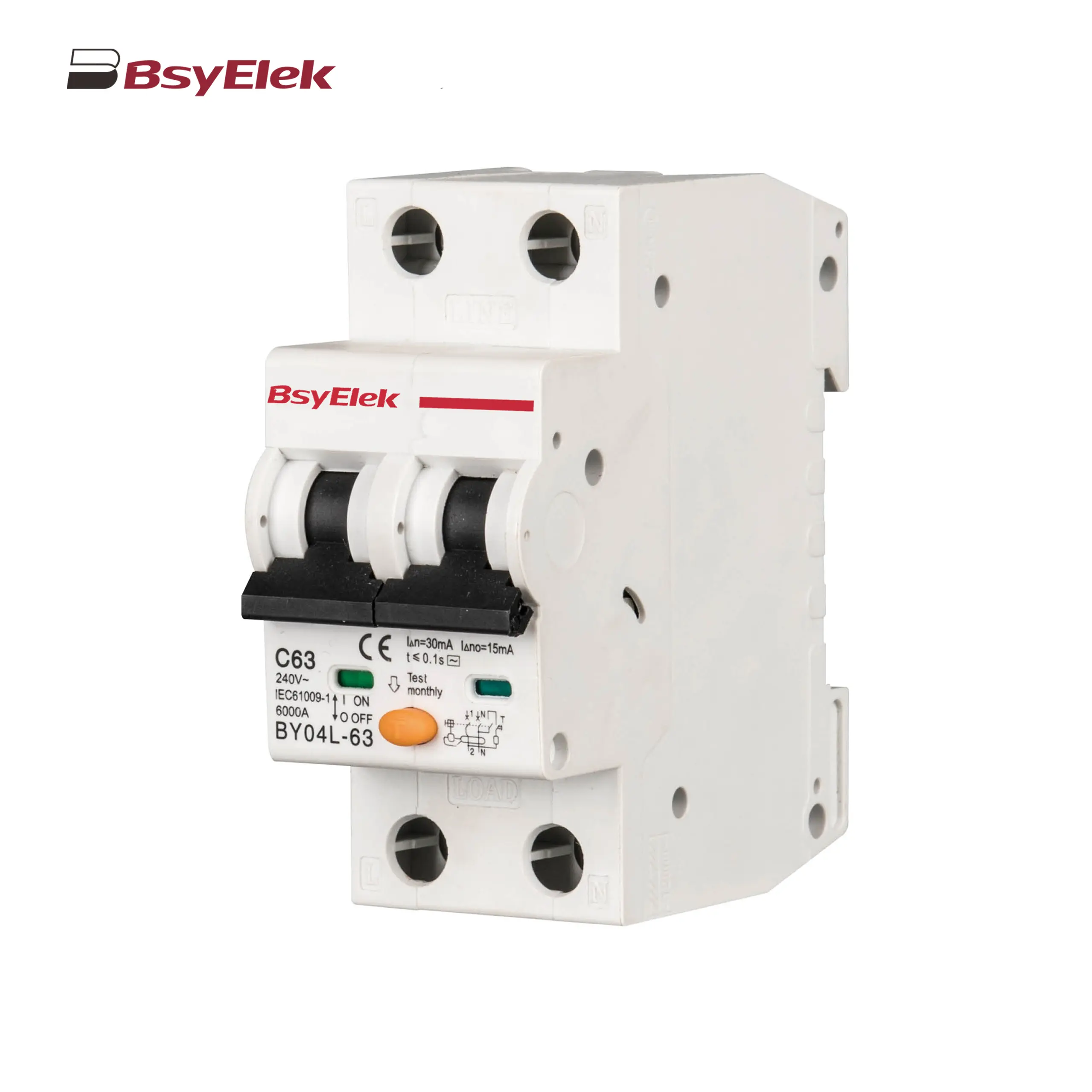 BY04L-63 RCBO 6KA Residual Current Circuit Breaker with Over-current Protection
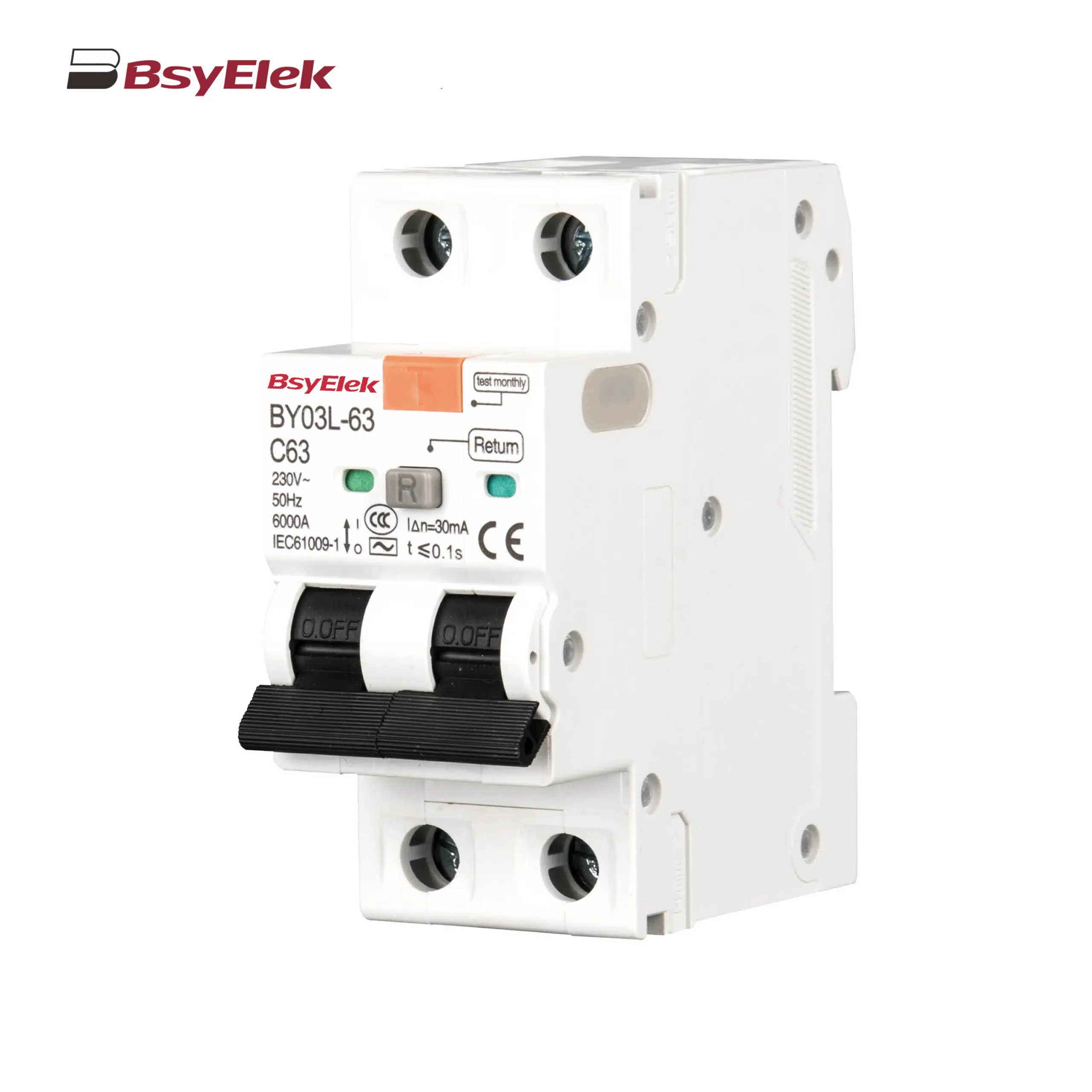 BY03L-63 RCBO 4.5KA Residual Current Circuit Breaker with Over-current Protection
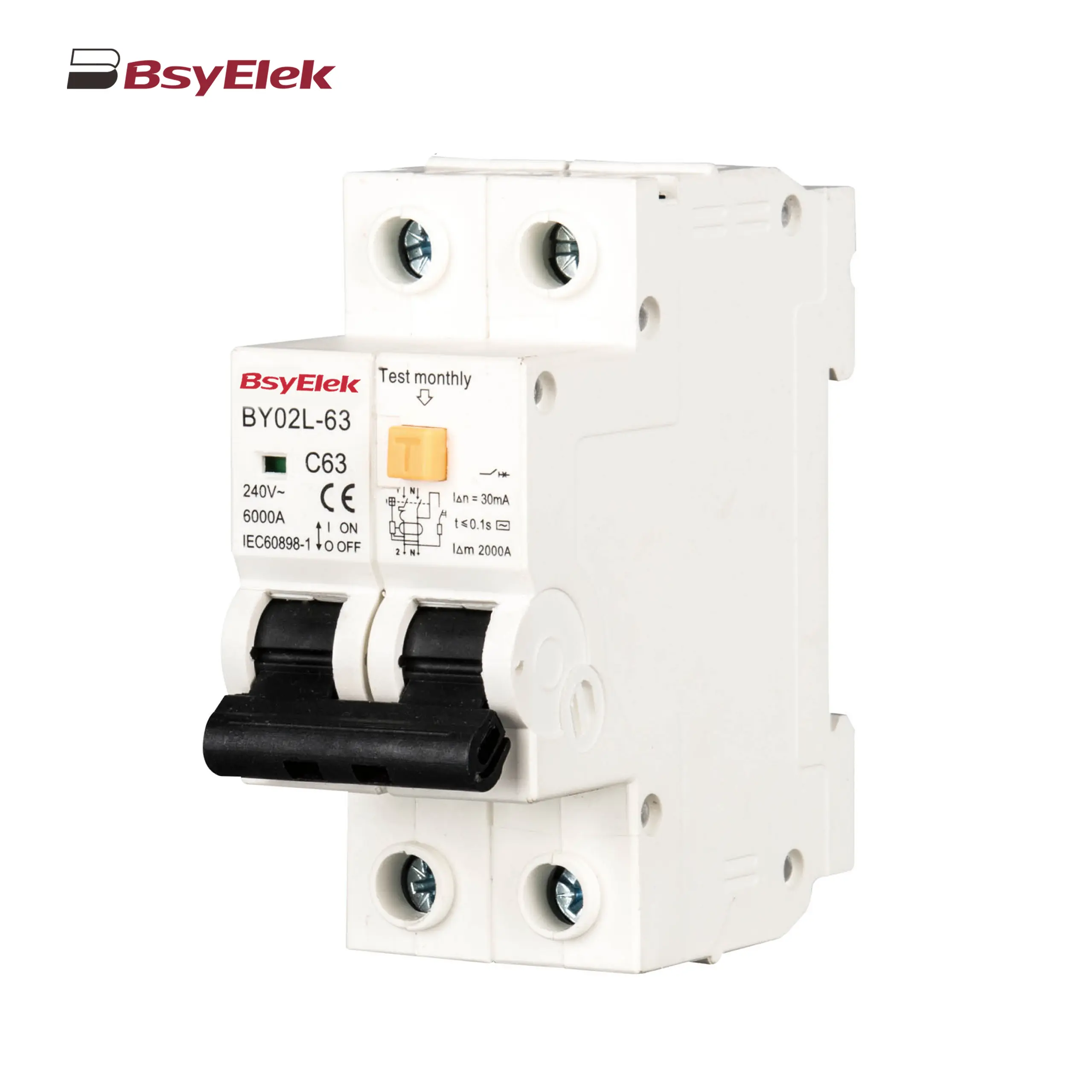 BY02L-63 RCBO 3KA Residual Current Circuit Breaker with Over-current Protection
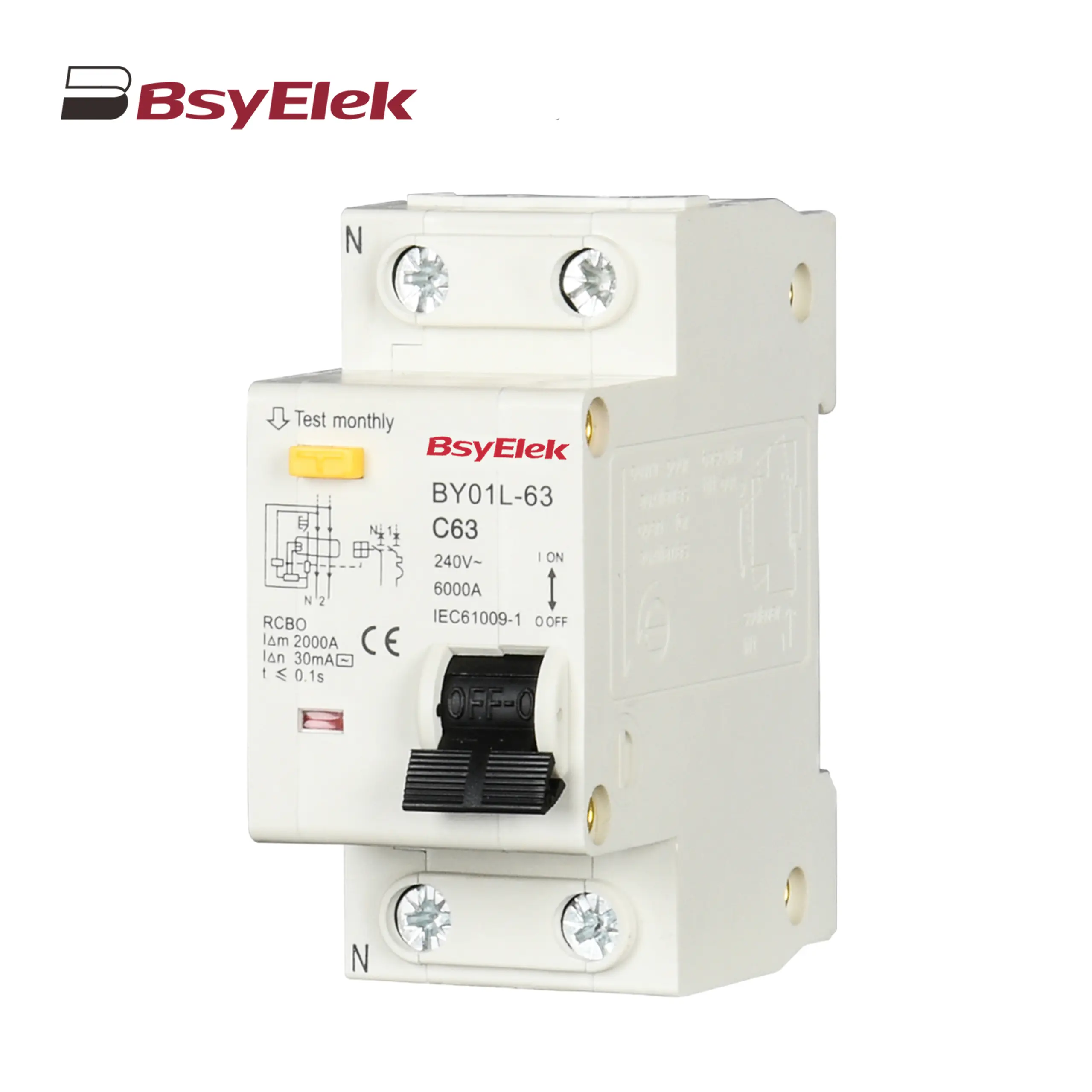 BY01L-63 RCBO 1P+N 3KA Residual Current Circuit Breaker with Over-current Protection
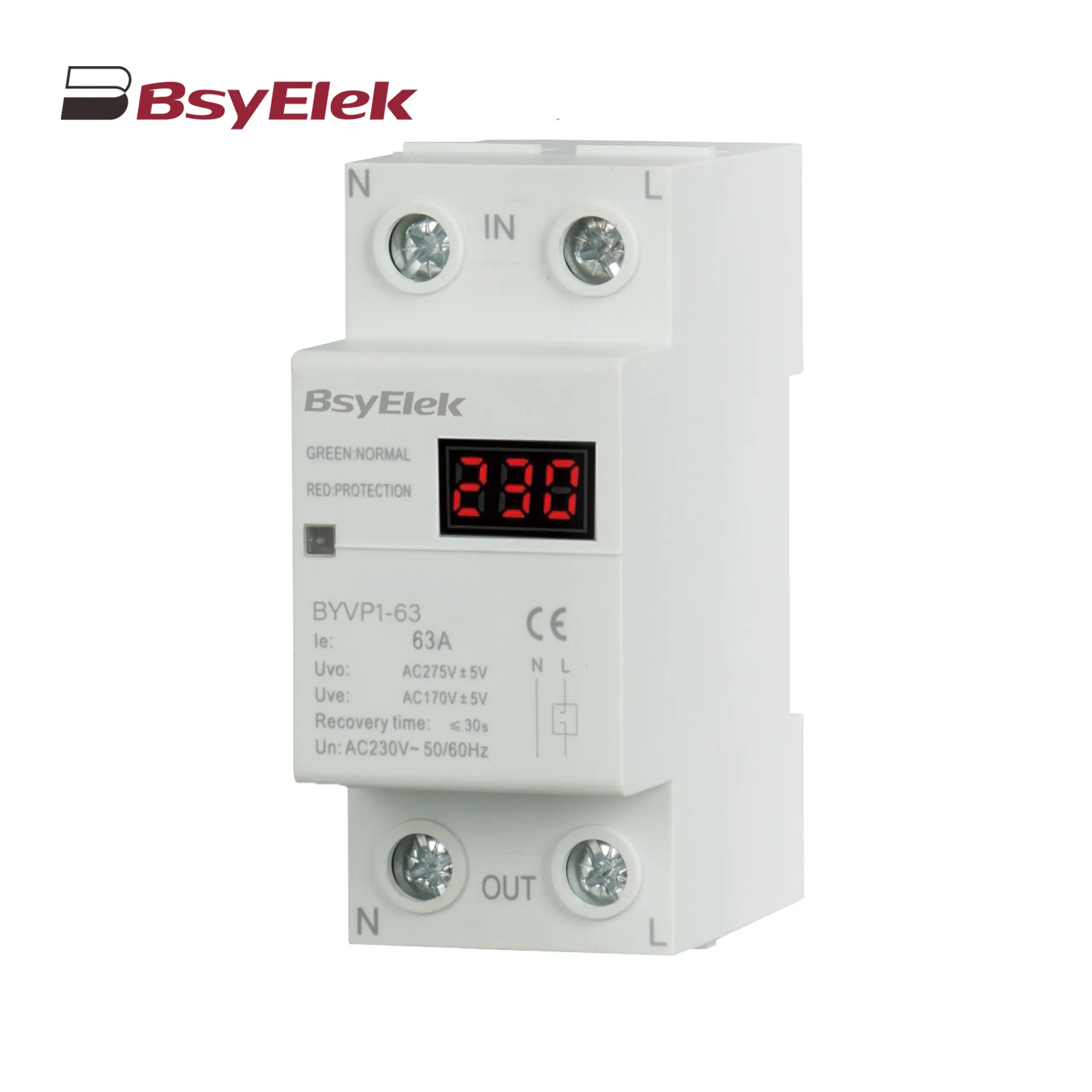 BYVP1-63 100A Single Display Overvoltage and Undervoltage Protector
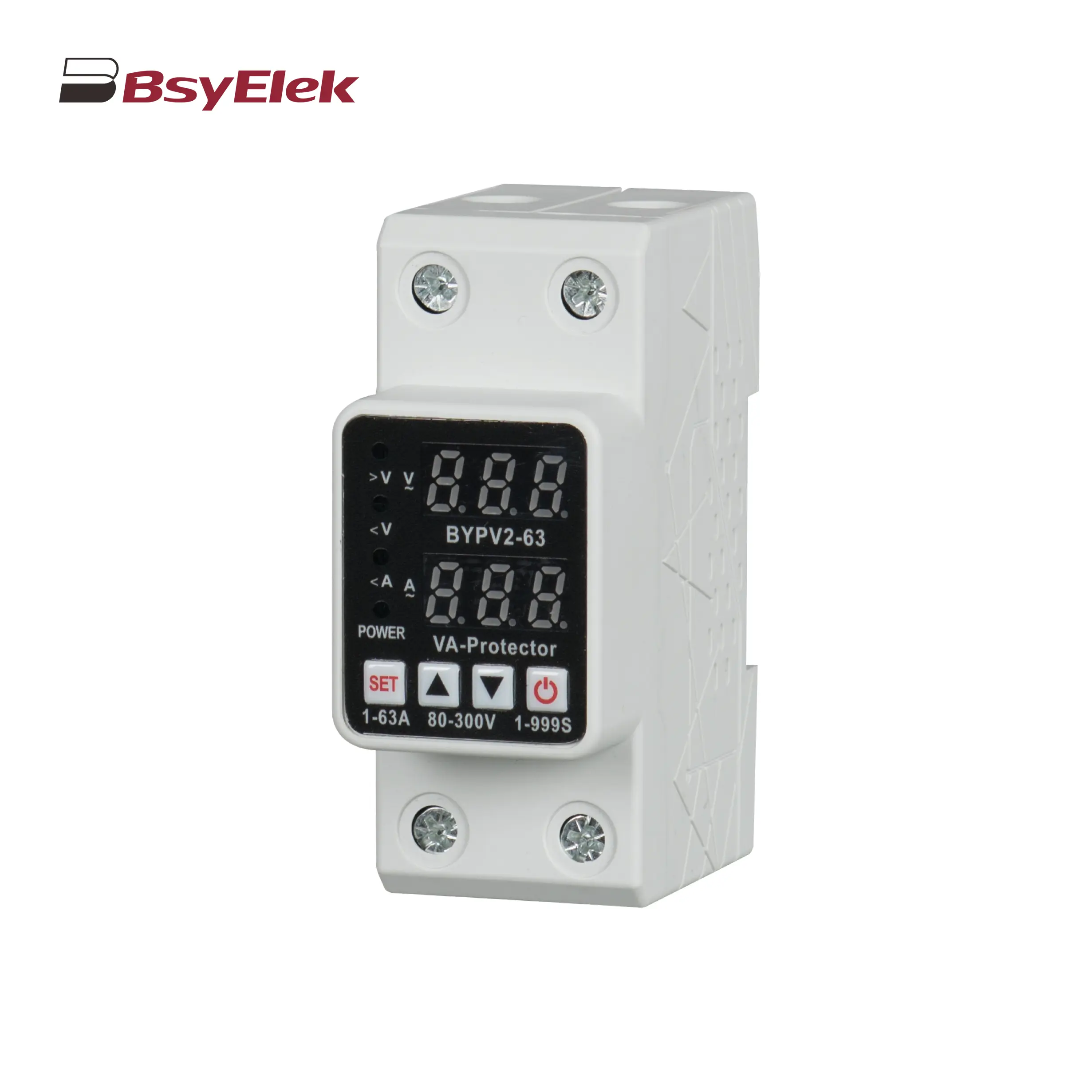 BYVP2-63 40A 63A Adjustable Dual Display Overvoltage and Undervoltage Protector
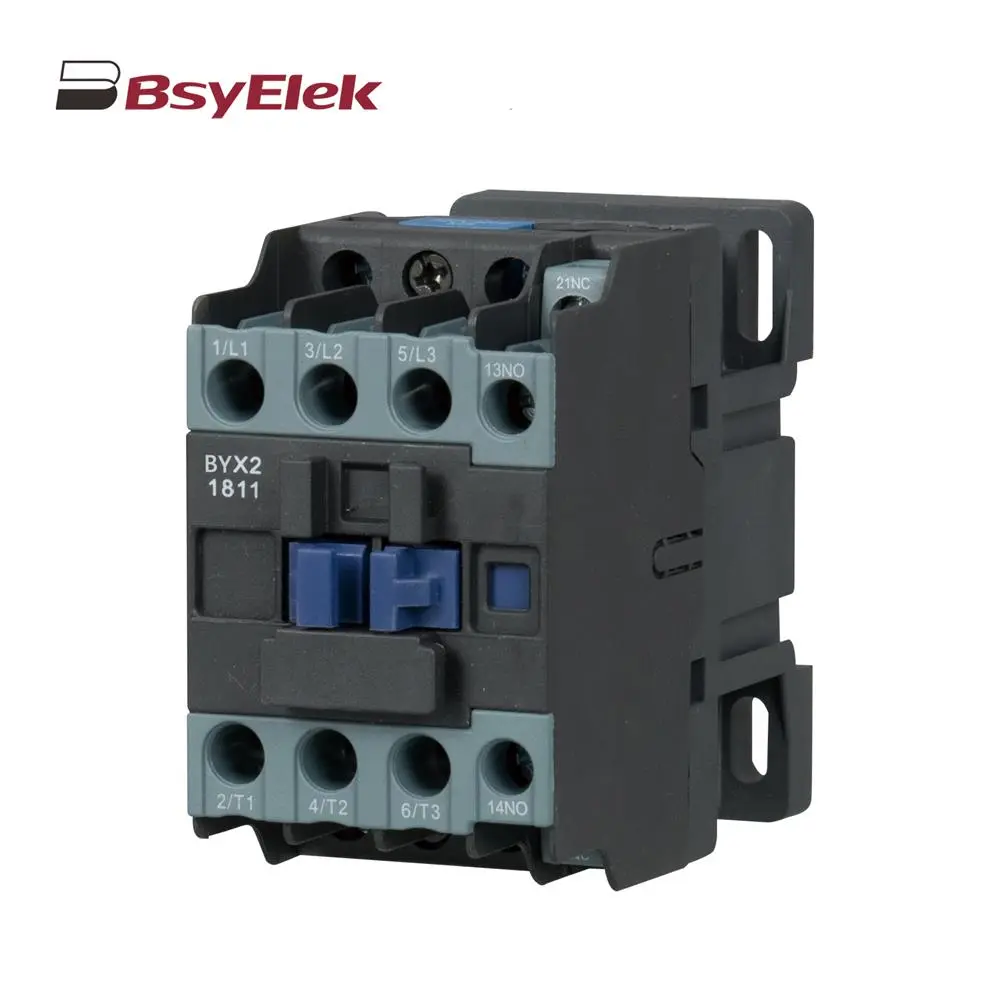 BYX2 6-95A AC Contactor
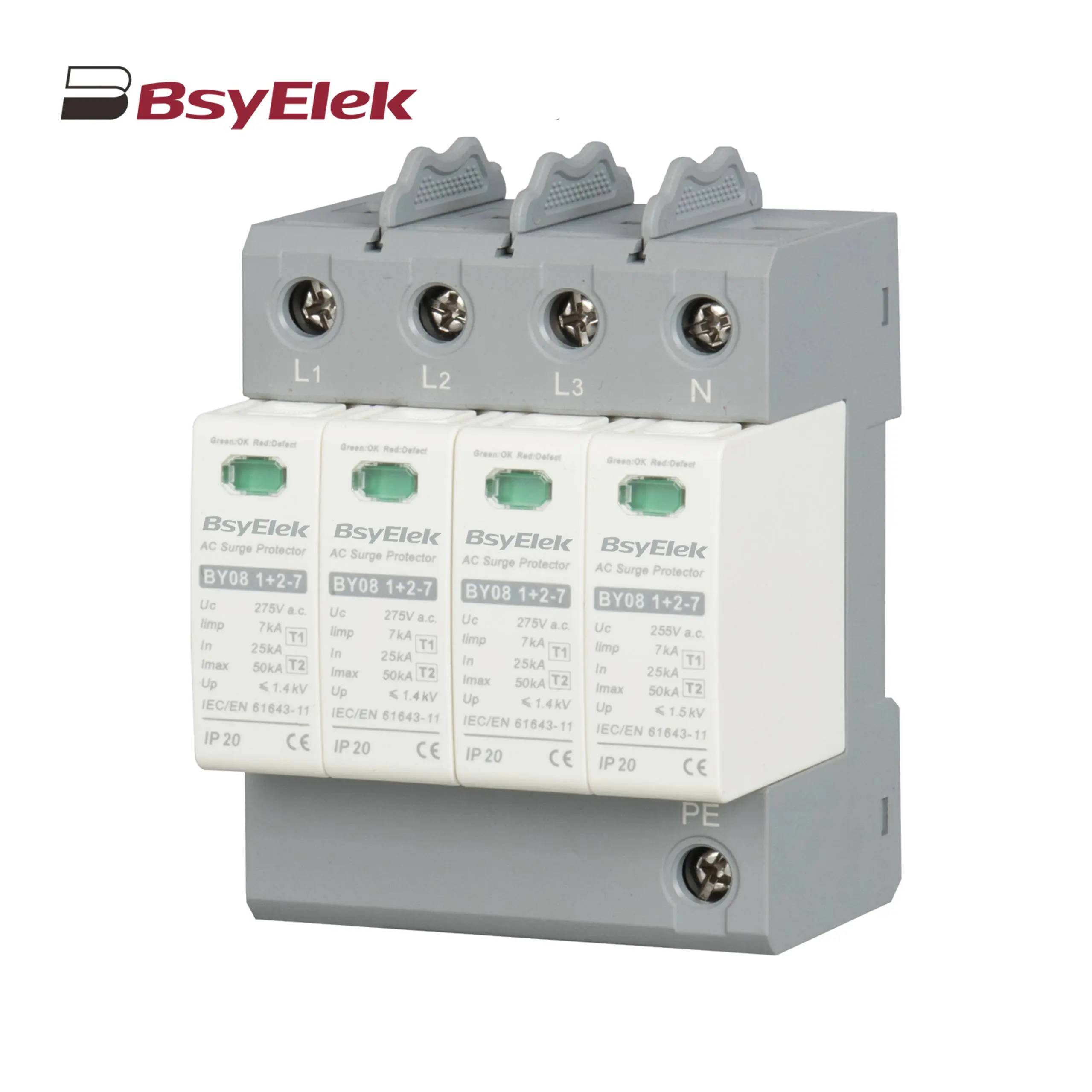 BY08 1+2-7 SPD Class T1+T2 Imax 50KA Surge Protective Device
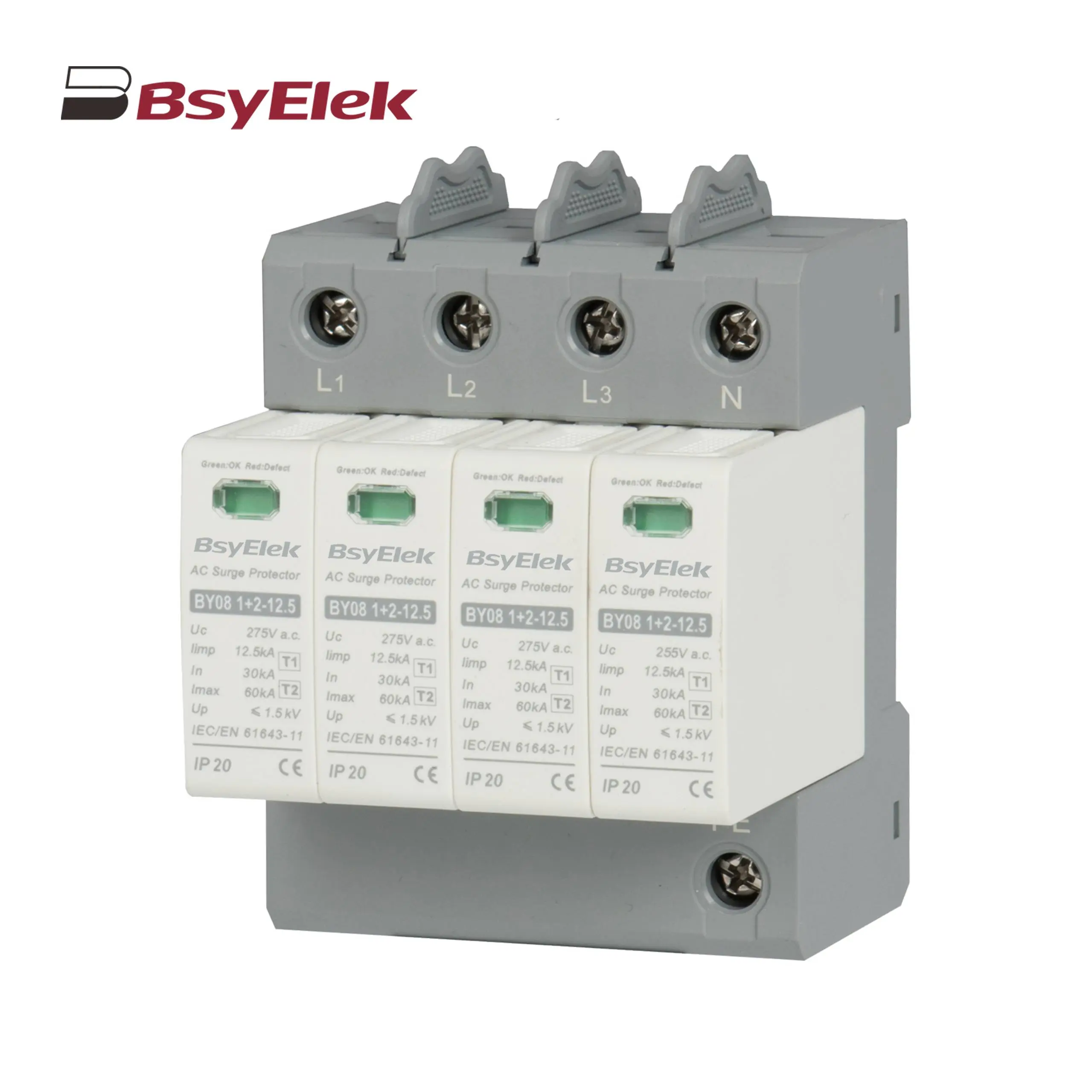 BY08 1+2-12.5 SPD Class T1+T2 Imax 60KA Surge Protective Device
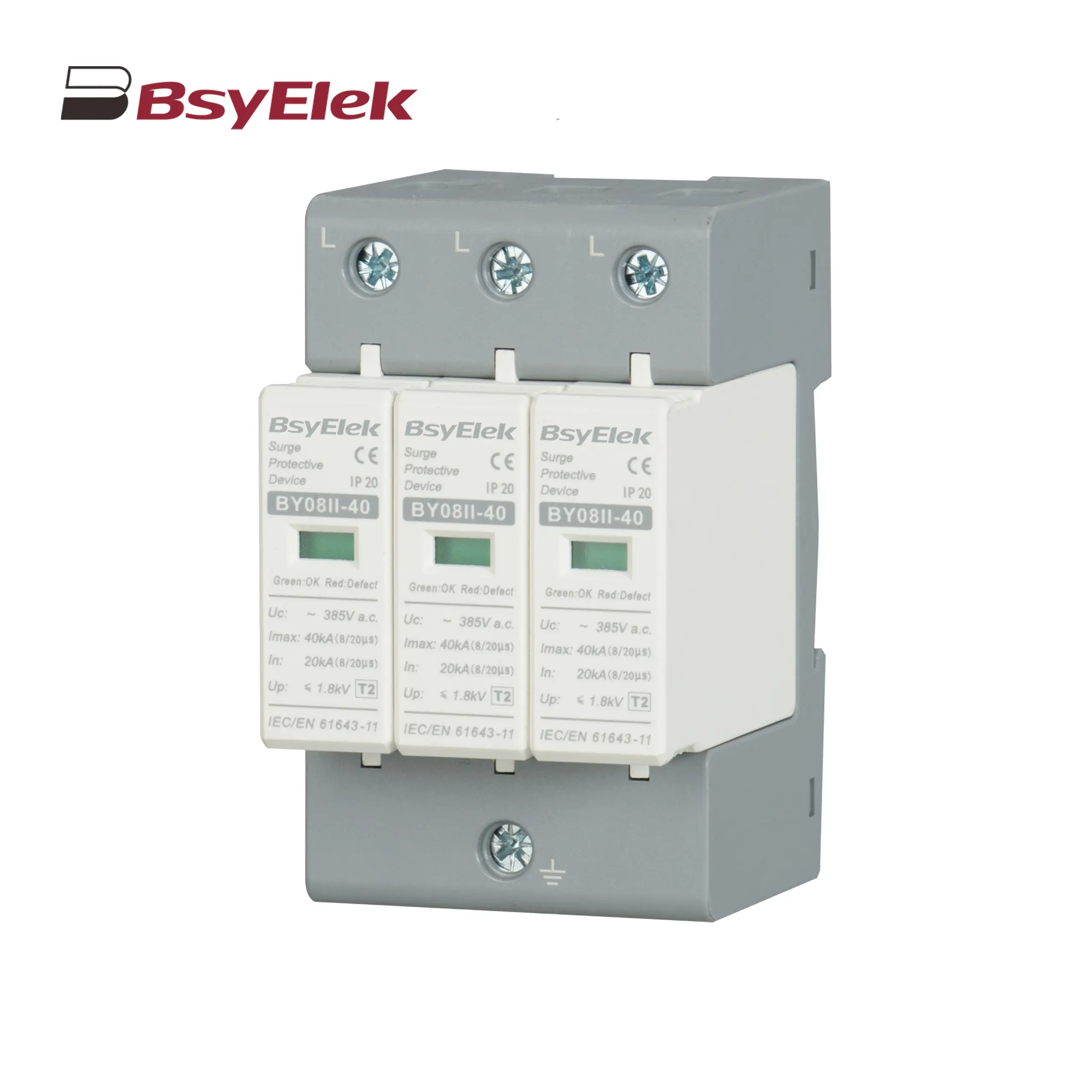 BY08II-40 SPD Class T2 Imax 40KA Surge Protective Device
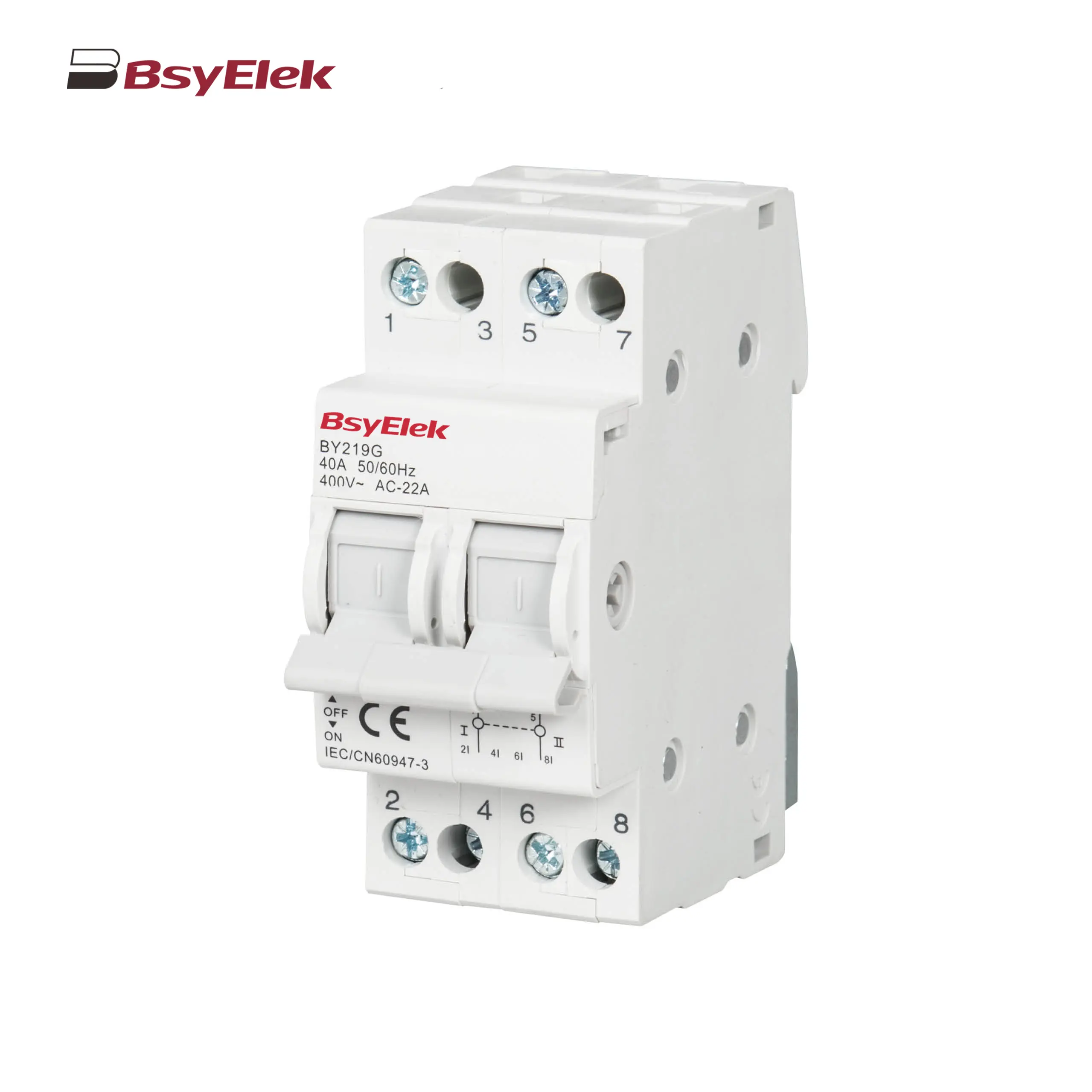 BY19G 63A Manual Changeover Switch
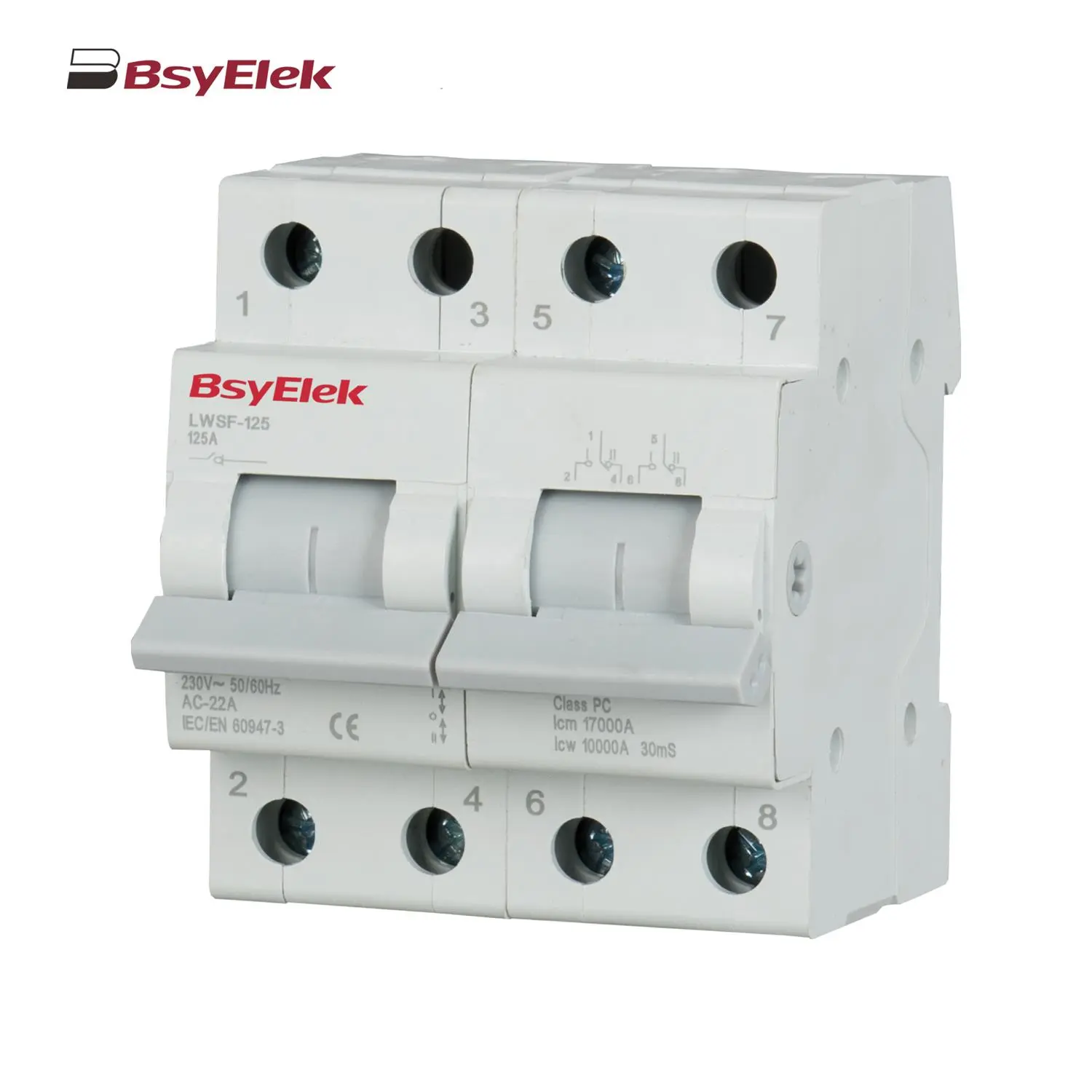 LWSF-125 125A Manual Changeover Switch
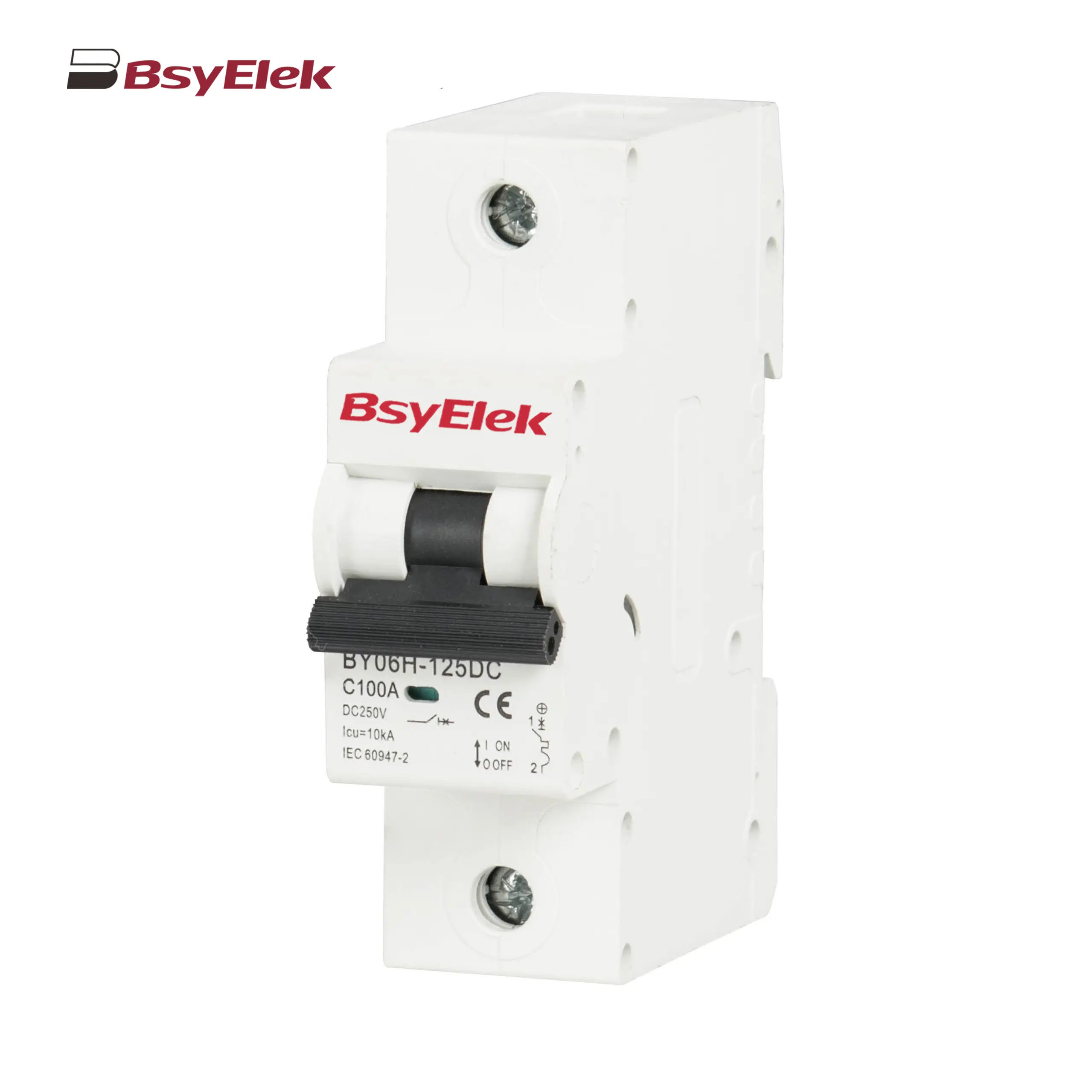 BY06H-125DC MCB 10-15kA DC Miniature Circuit Breaker
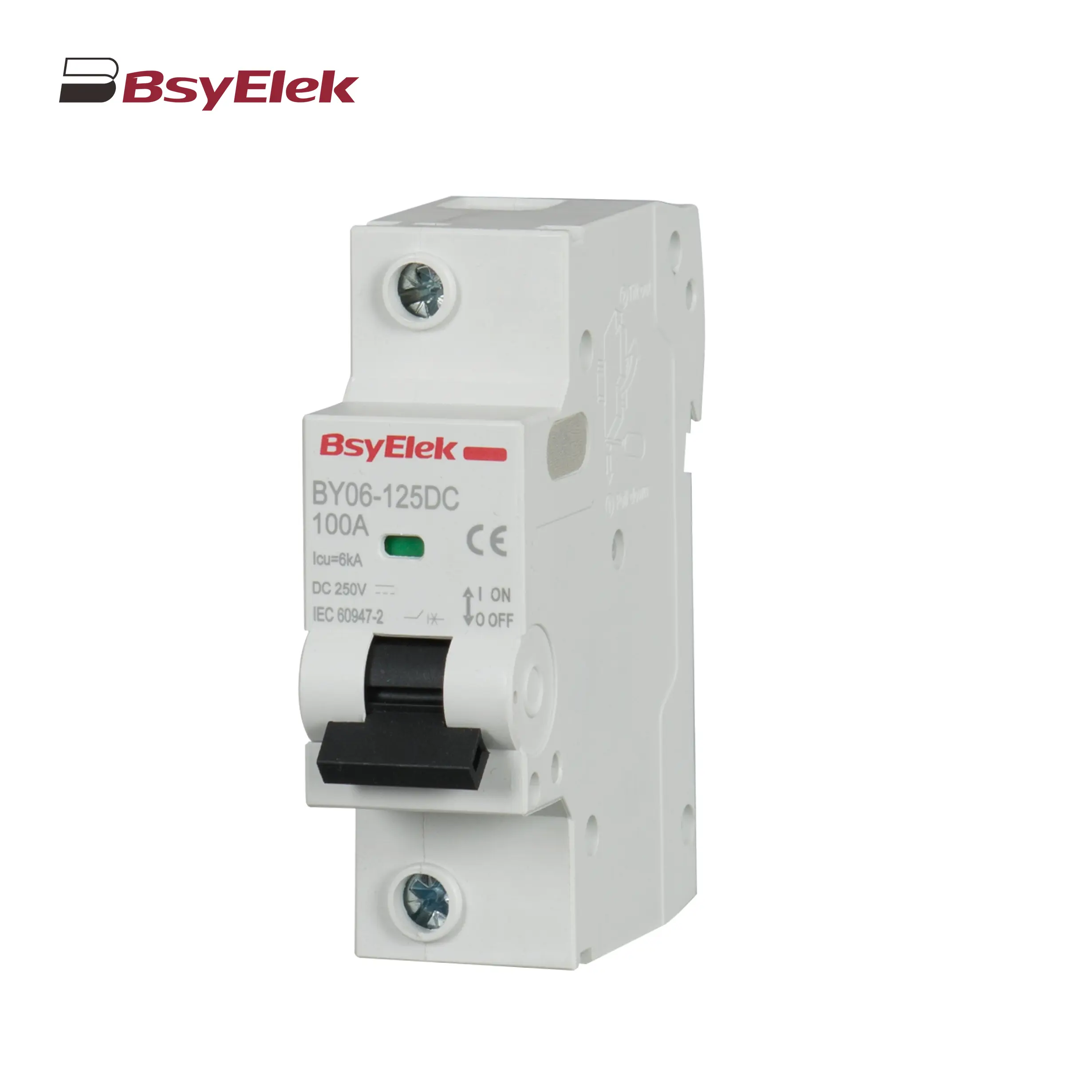 BY06-125DC MCB 6kA DC Miniature Circuit Breaker
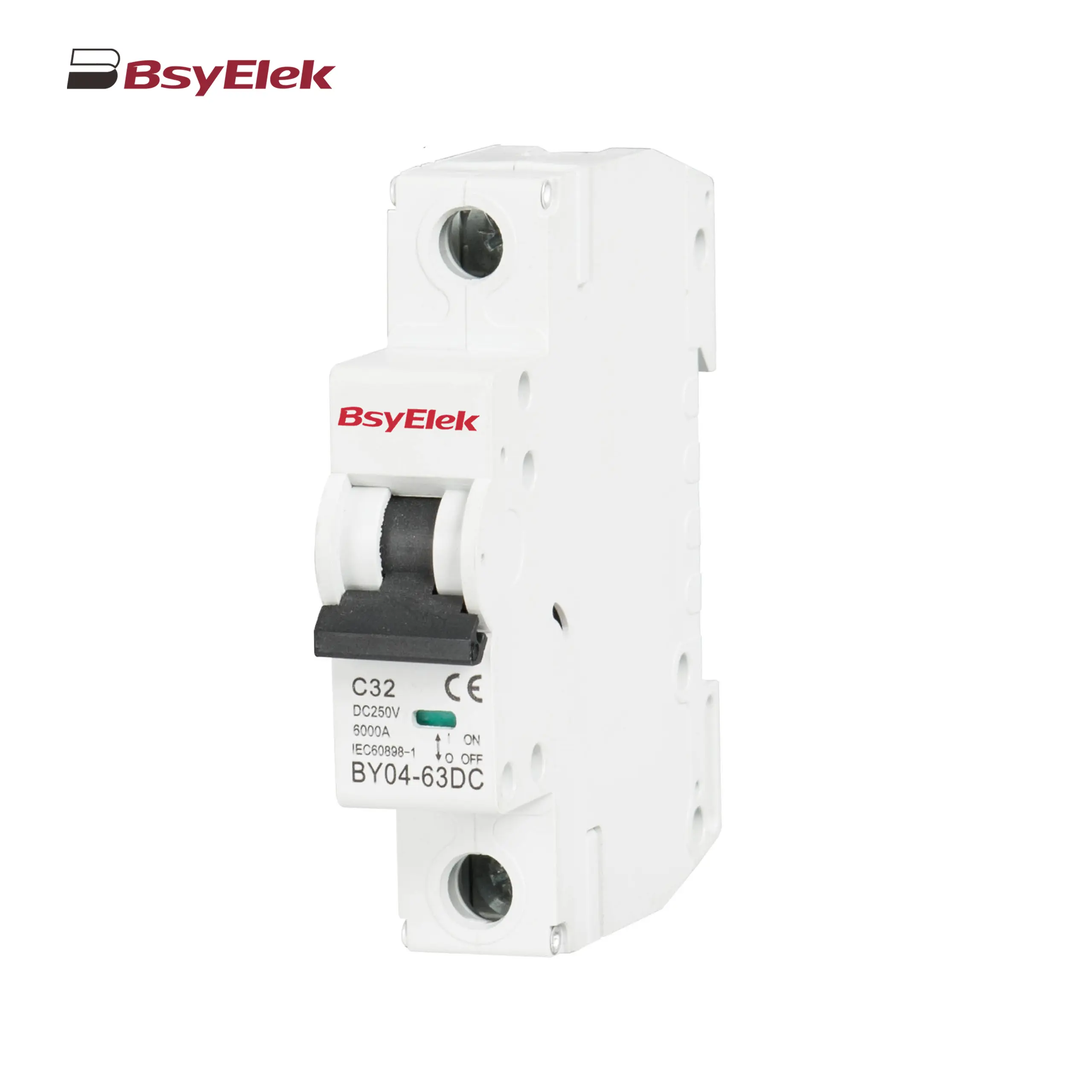 BY04-63DC MCB 6-10kA DC Miniature Circuit Breaker
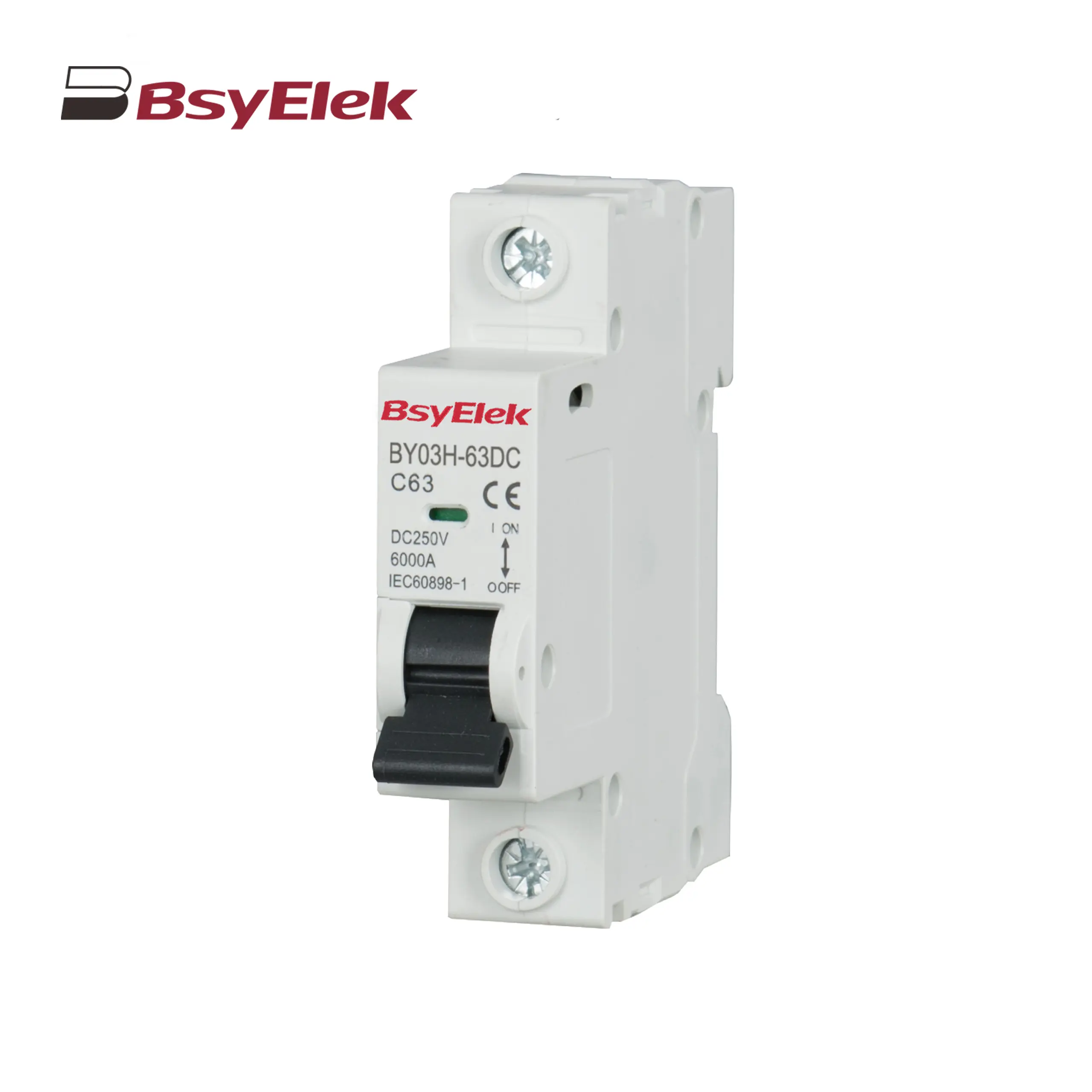 BY03H-63DC MCB 6kA DC Miniature Circuit Breaker
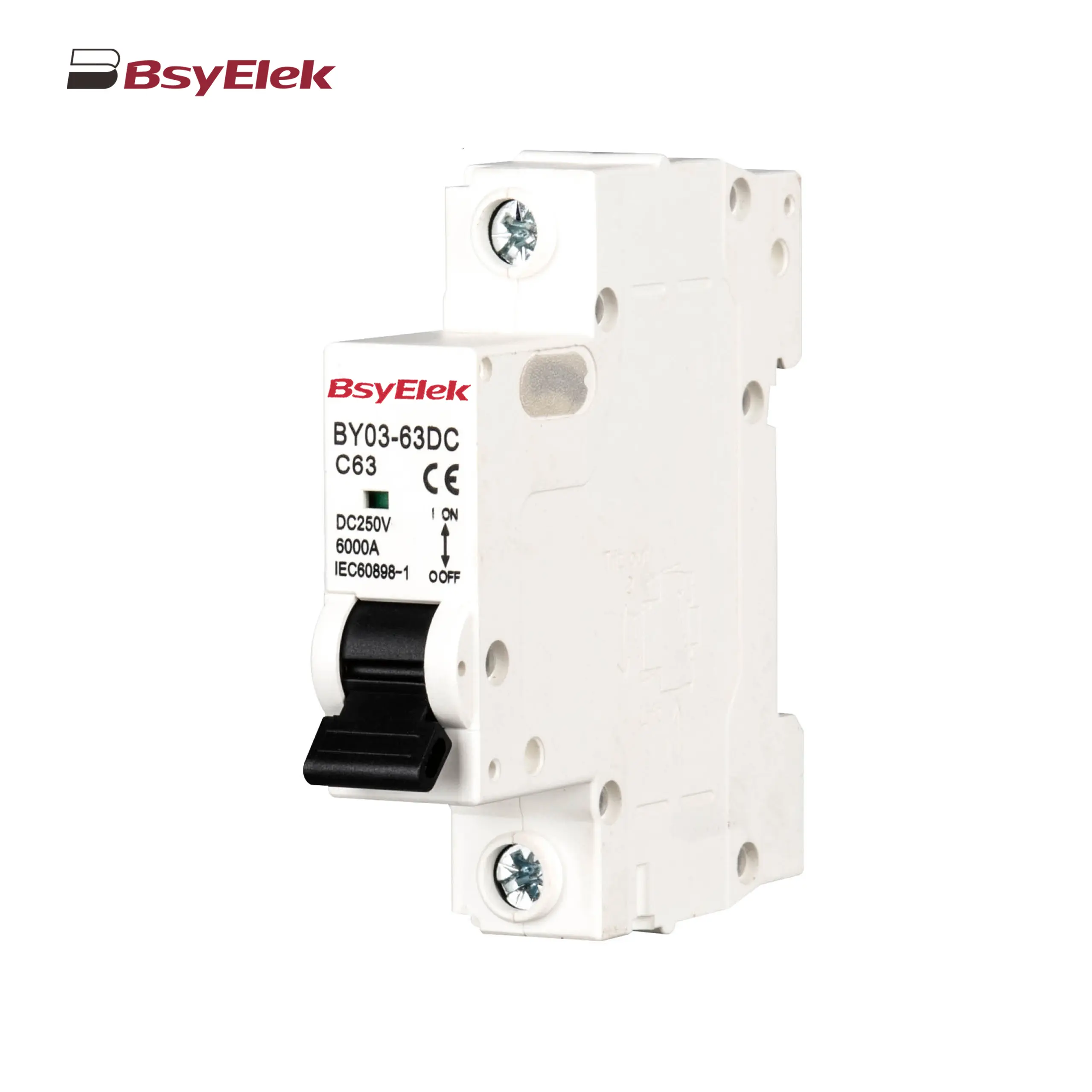 BY03-63DC MCB 4.5kA DC Miniature Circuit Breaker
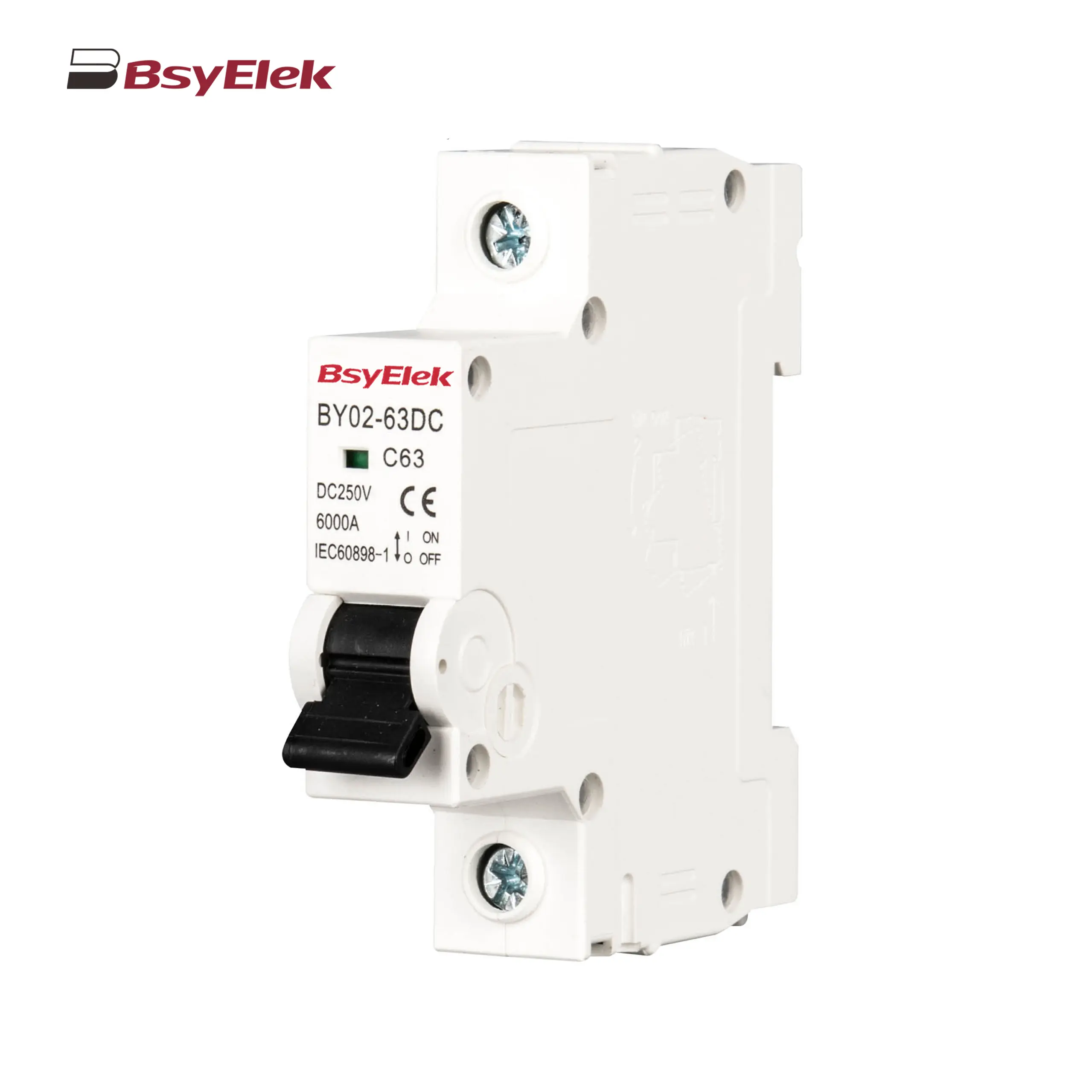 BY02-63DC MCB 3kA DC Miniature Circuit Breaker
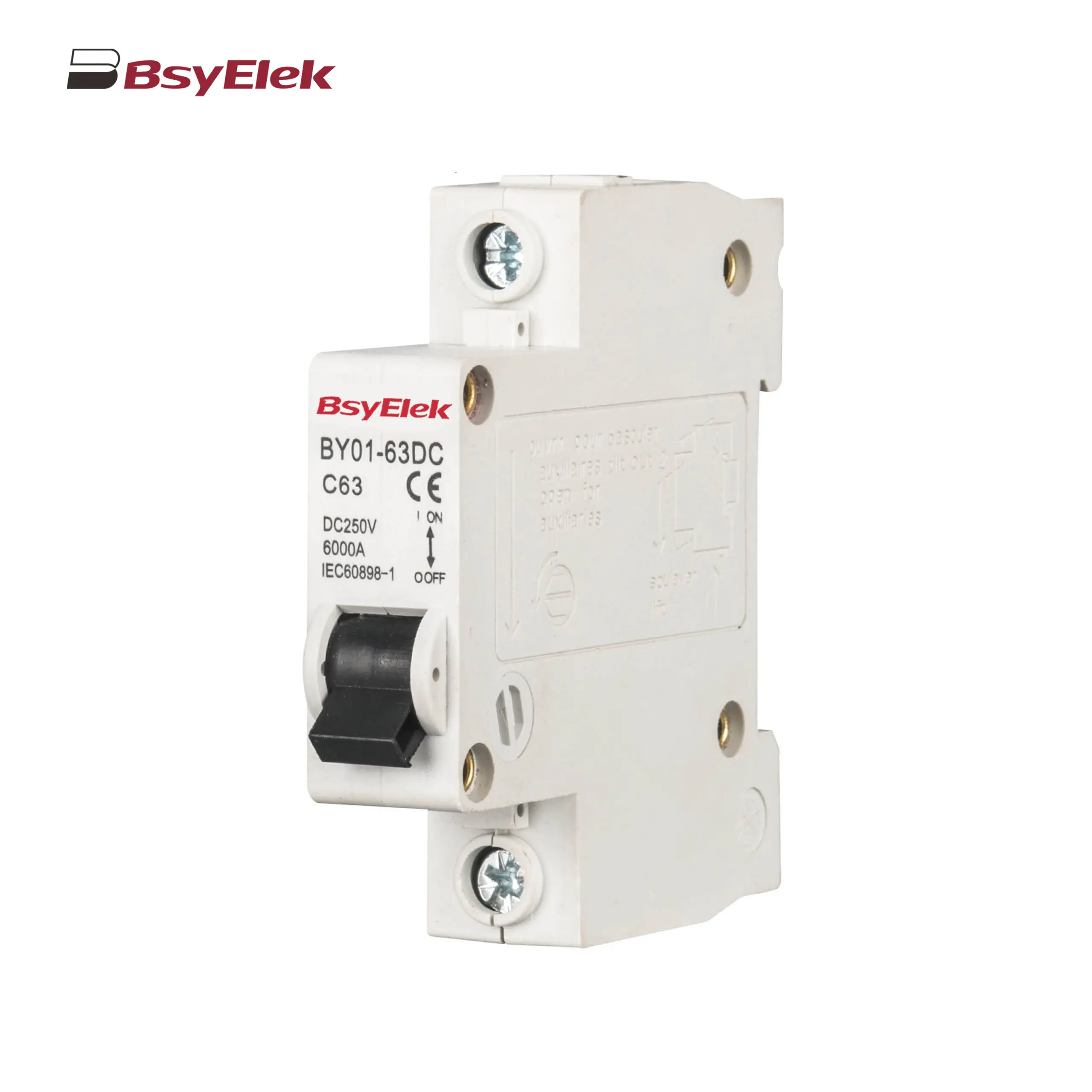 BY01-63DC MCB 3kA DC Miniature Circuit Breaker
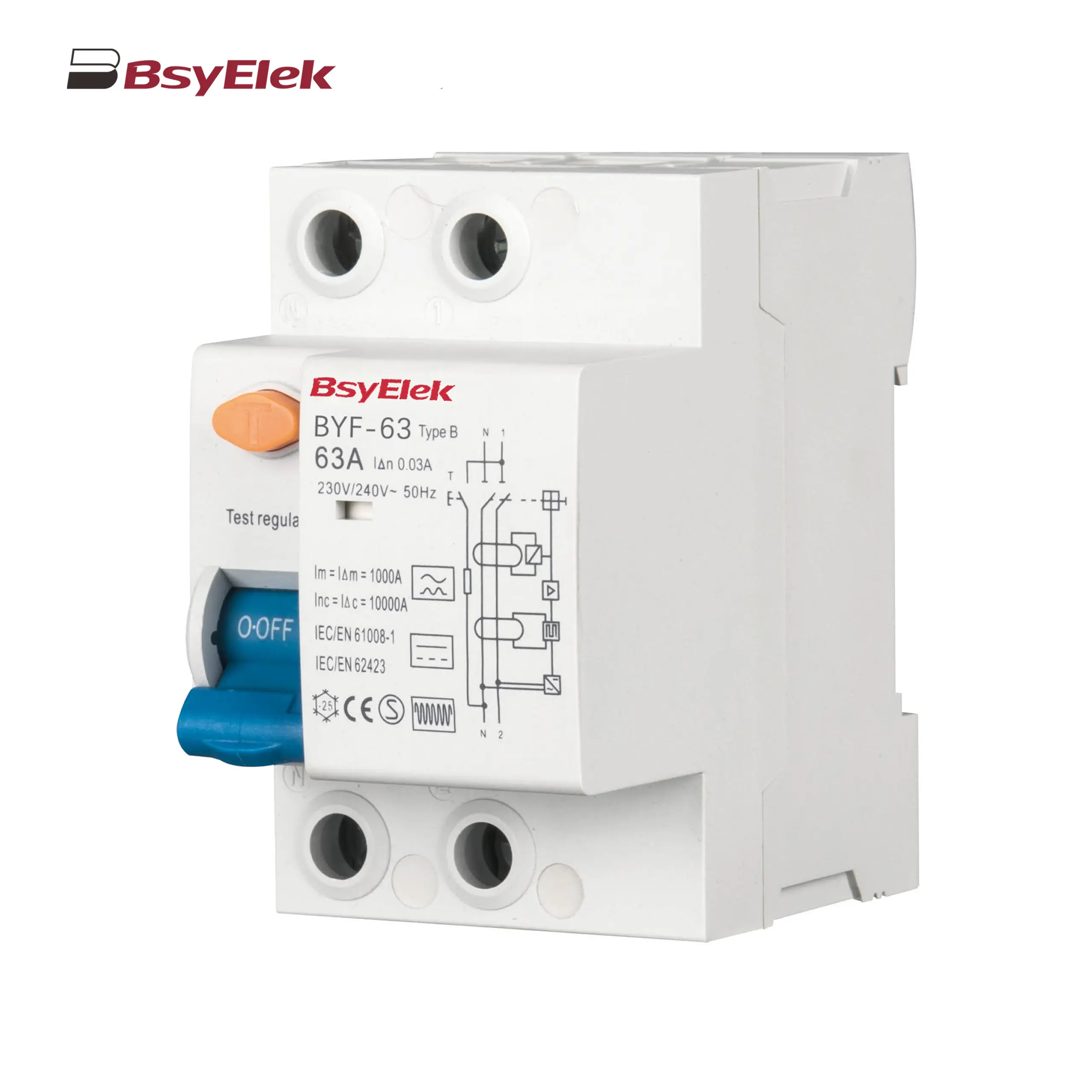 BYF-63 RCD 10KA Type B AC+A+Smoothing DC Residual Current Device
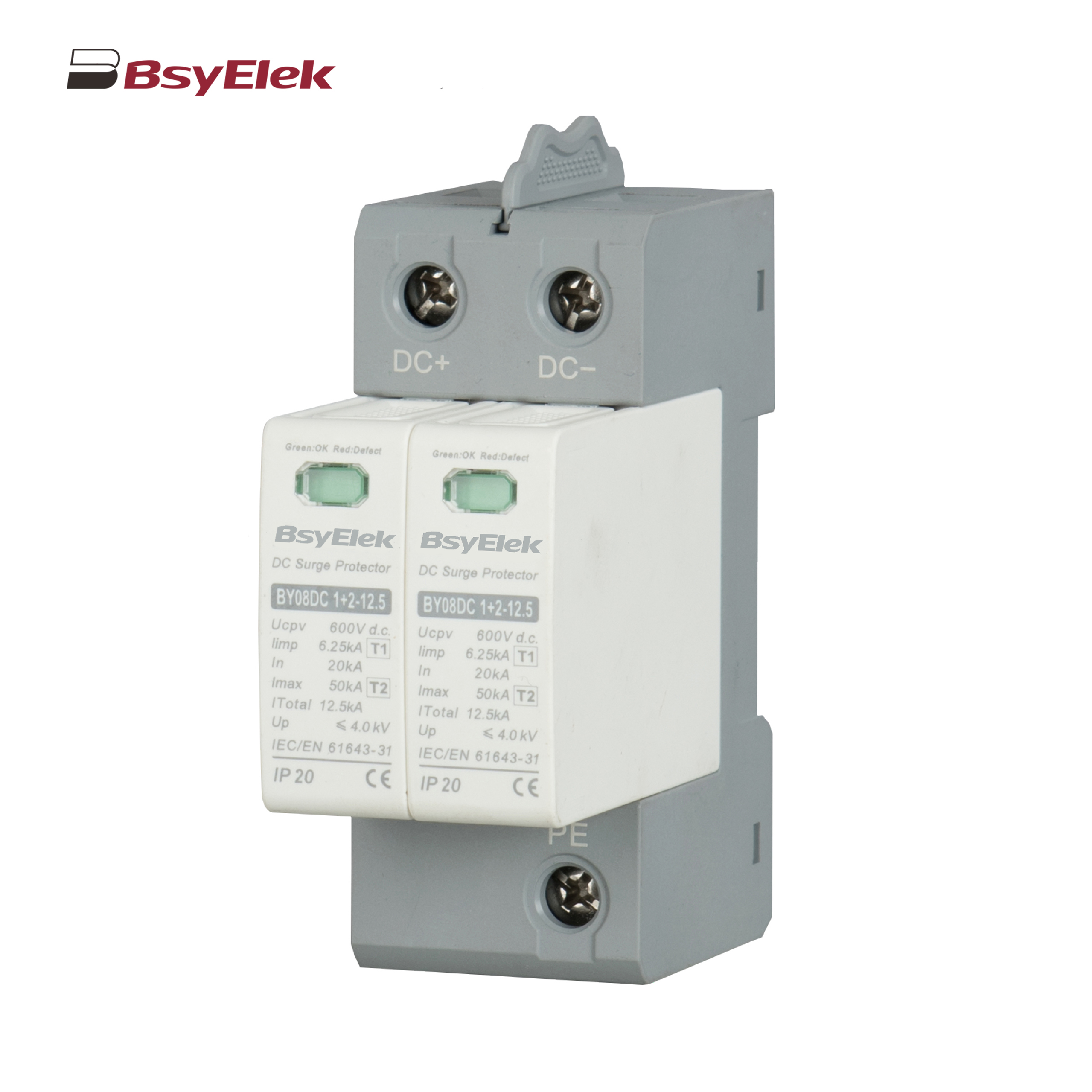 BY08DC 1+2-12.5 SPD Class T1+T2 40KA DC Surge Protective Device
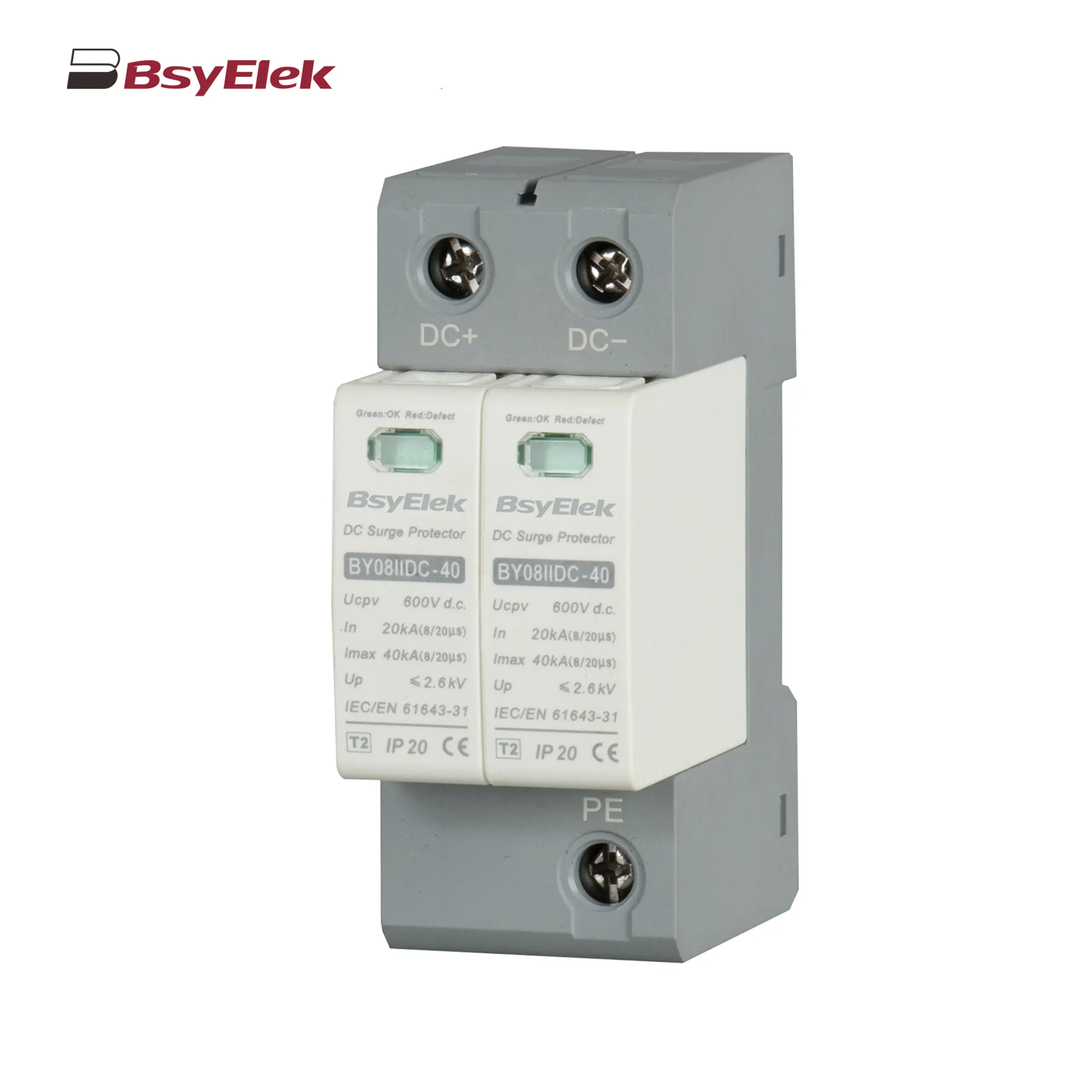 BY08IIDC-40 SPD Class T2 40KA DC Surge Protective Device
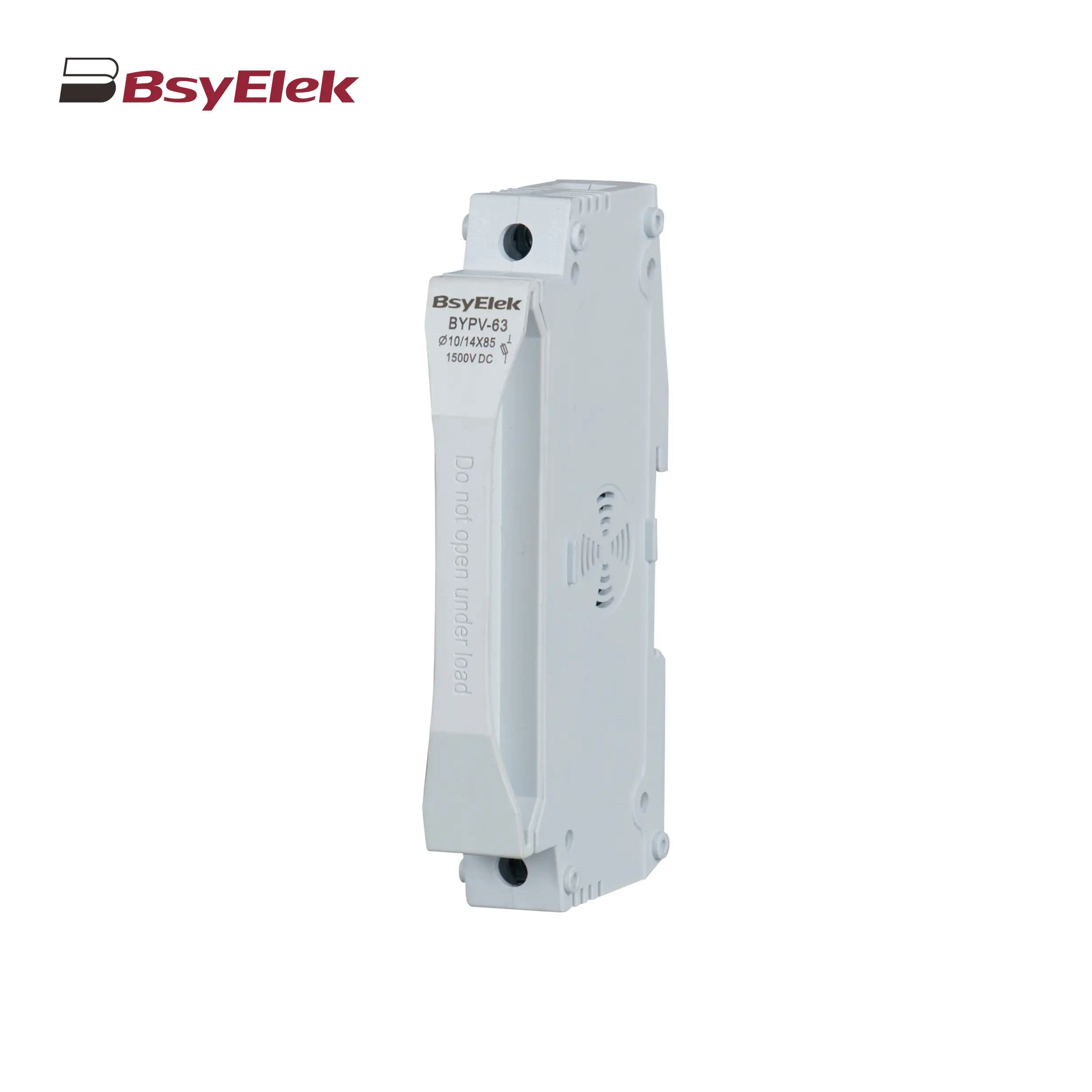 BYPV-63 1500VDC 50A Fuse Holder with 10x85mm 14x85mm Fuse Link
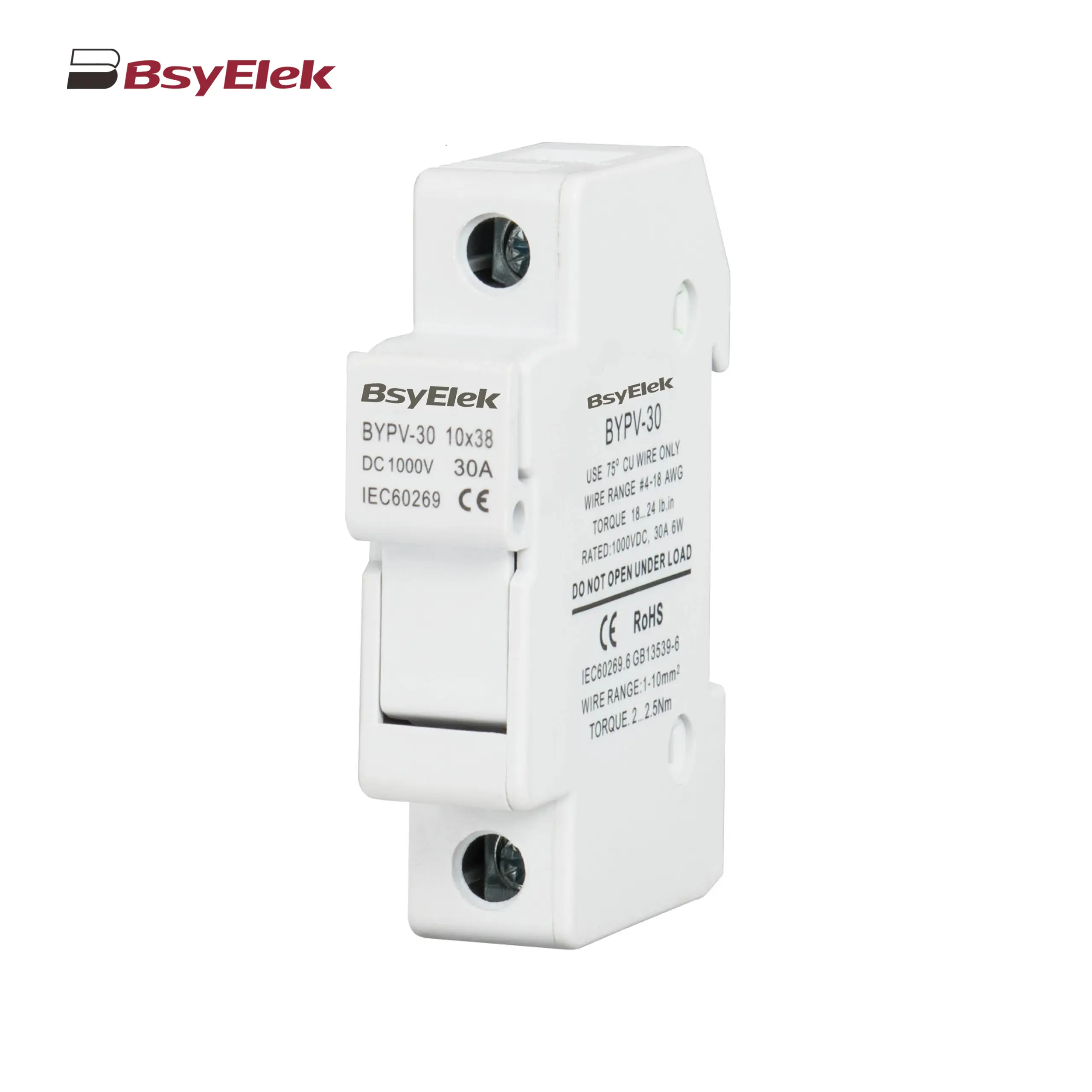 BYPV-30 1000VDC 32A Fuse Holder with 10x38mm Fuse Link
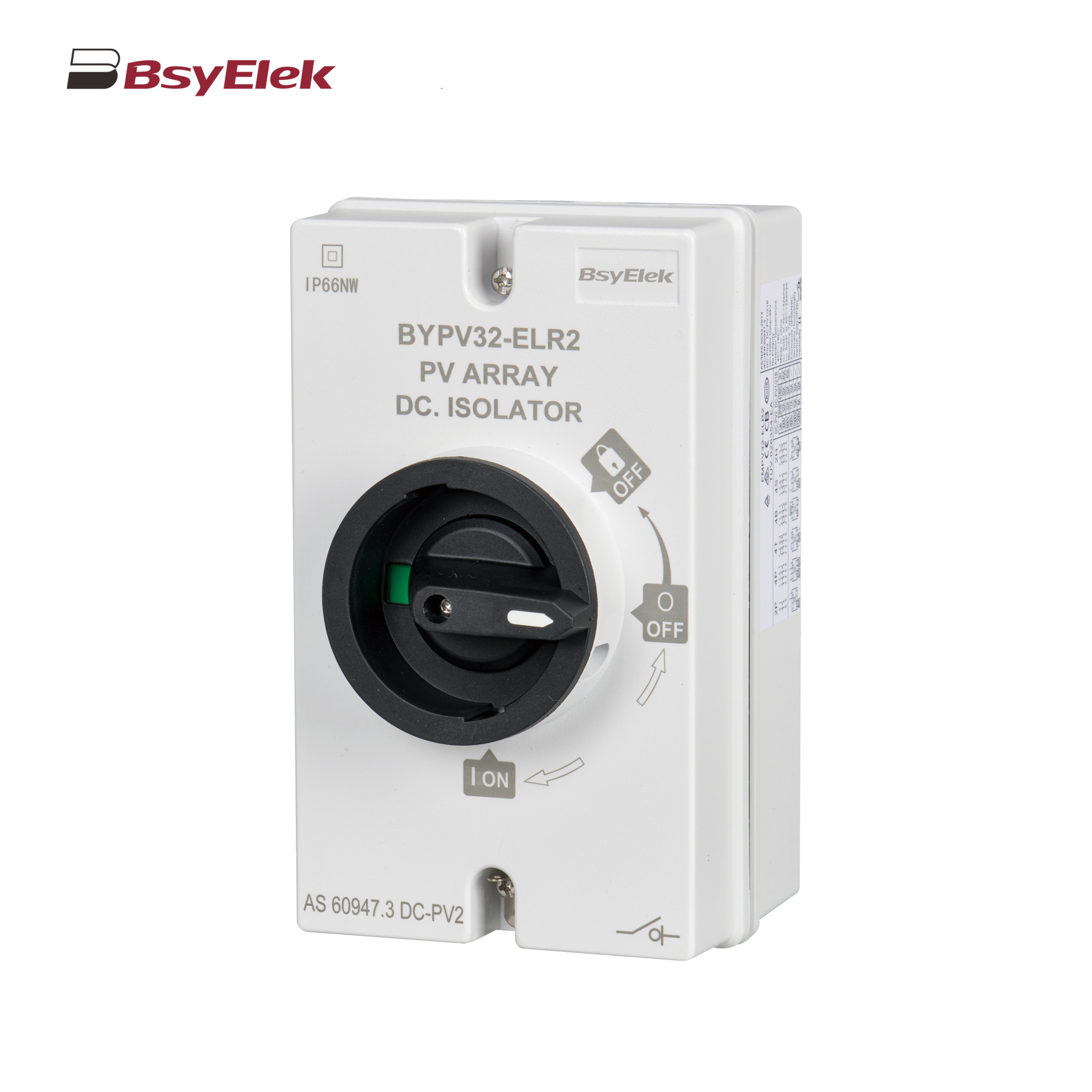 BYPV-ELR2 PV Isolator Switch with Enclosed Version
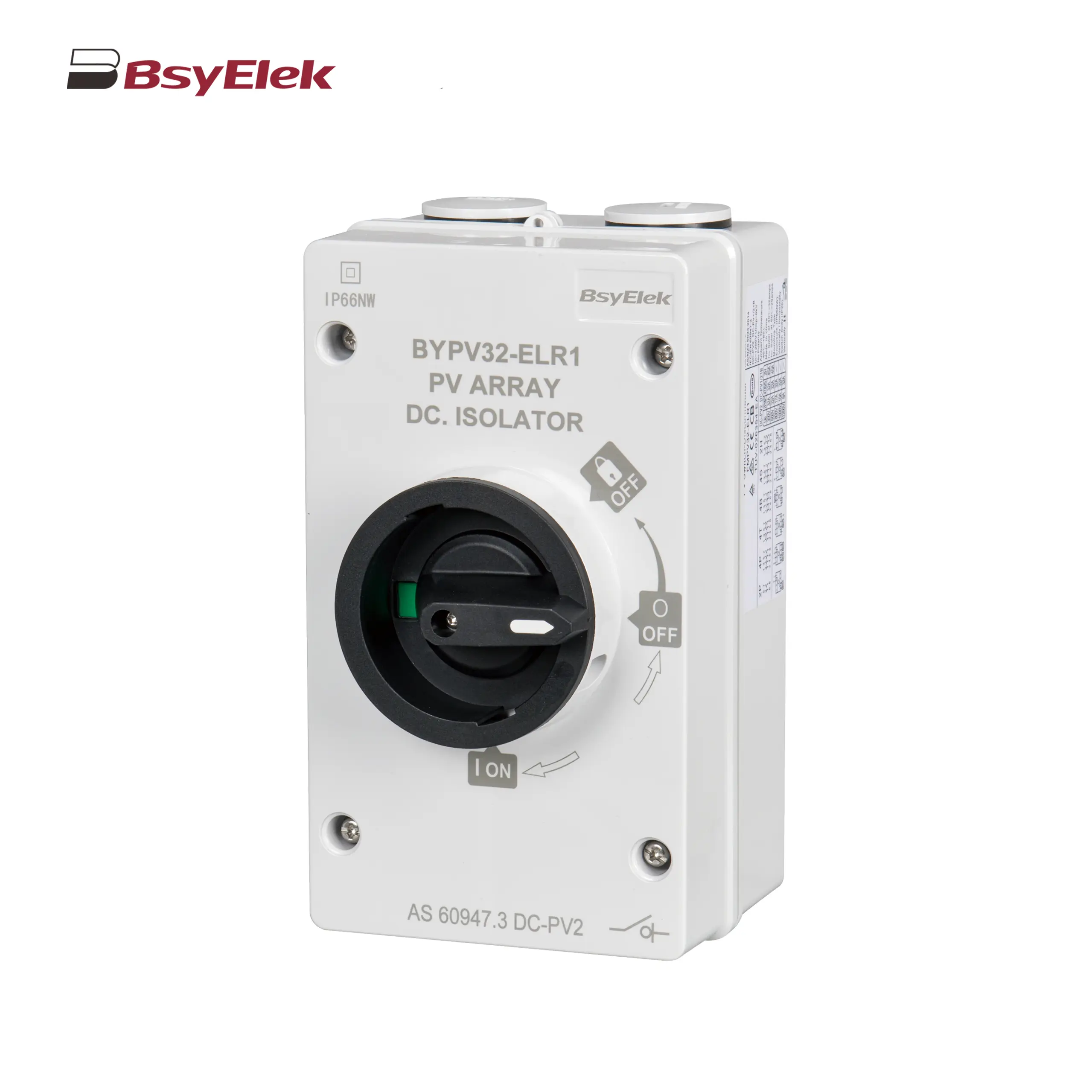 BYPV-ELR1 PV Isolator Switch with Enclosed Version
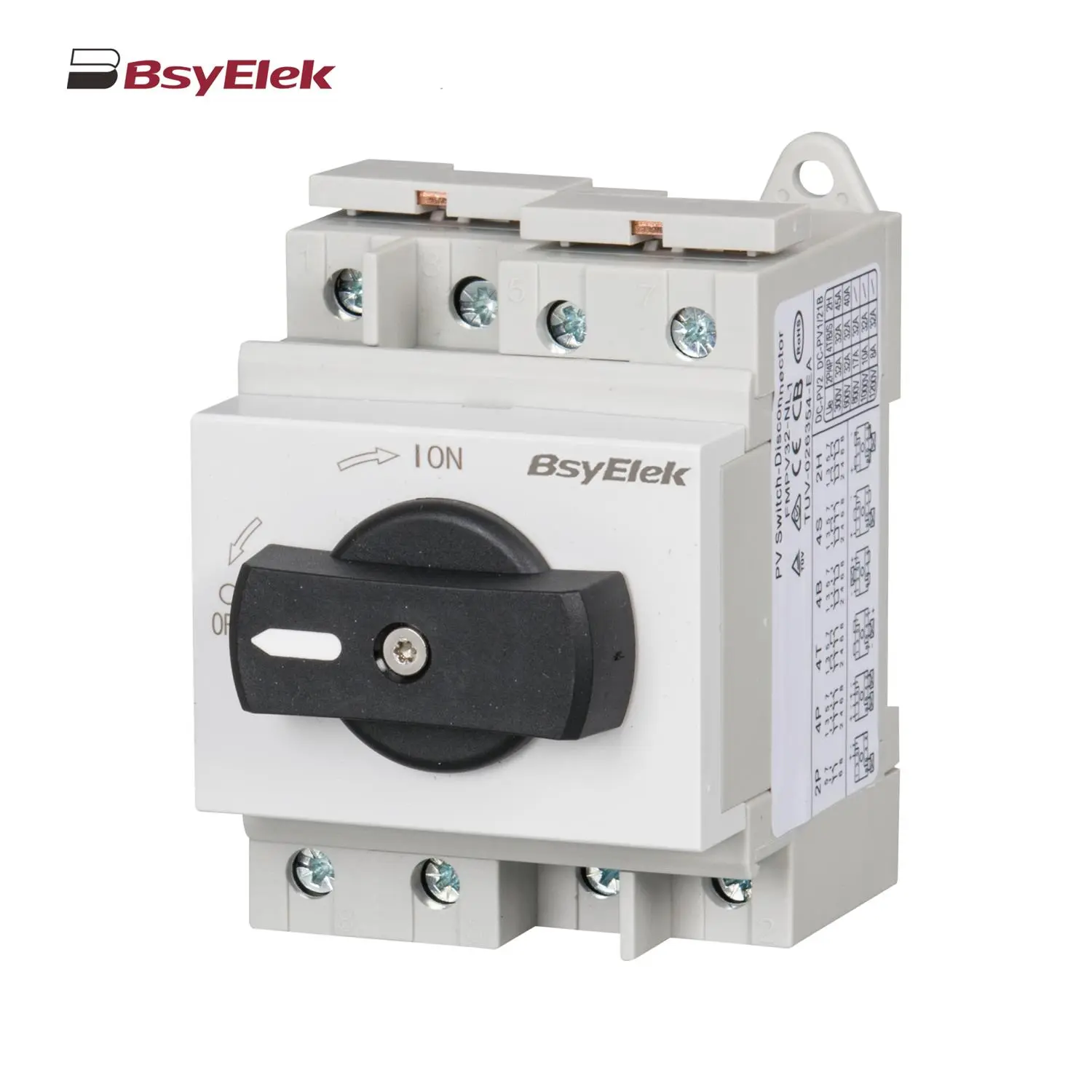 BYPV-NL1/T PV Isolator Switch with Ultra-thin Lever Handle
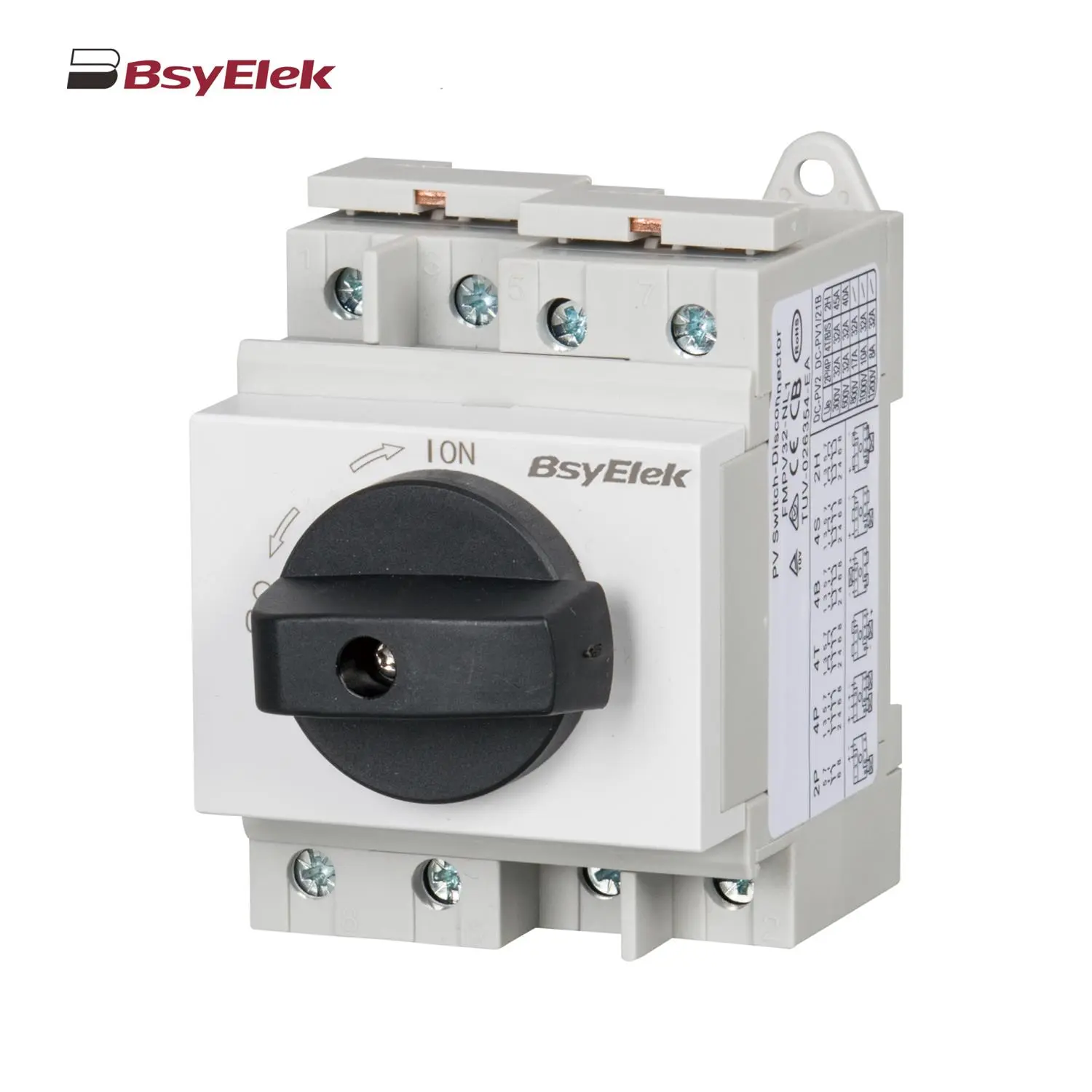 BYPV-NL1 PV Isolator Switch with Lever Handle
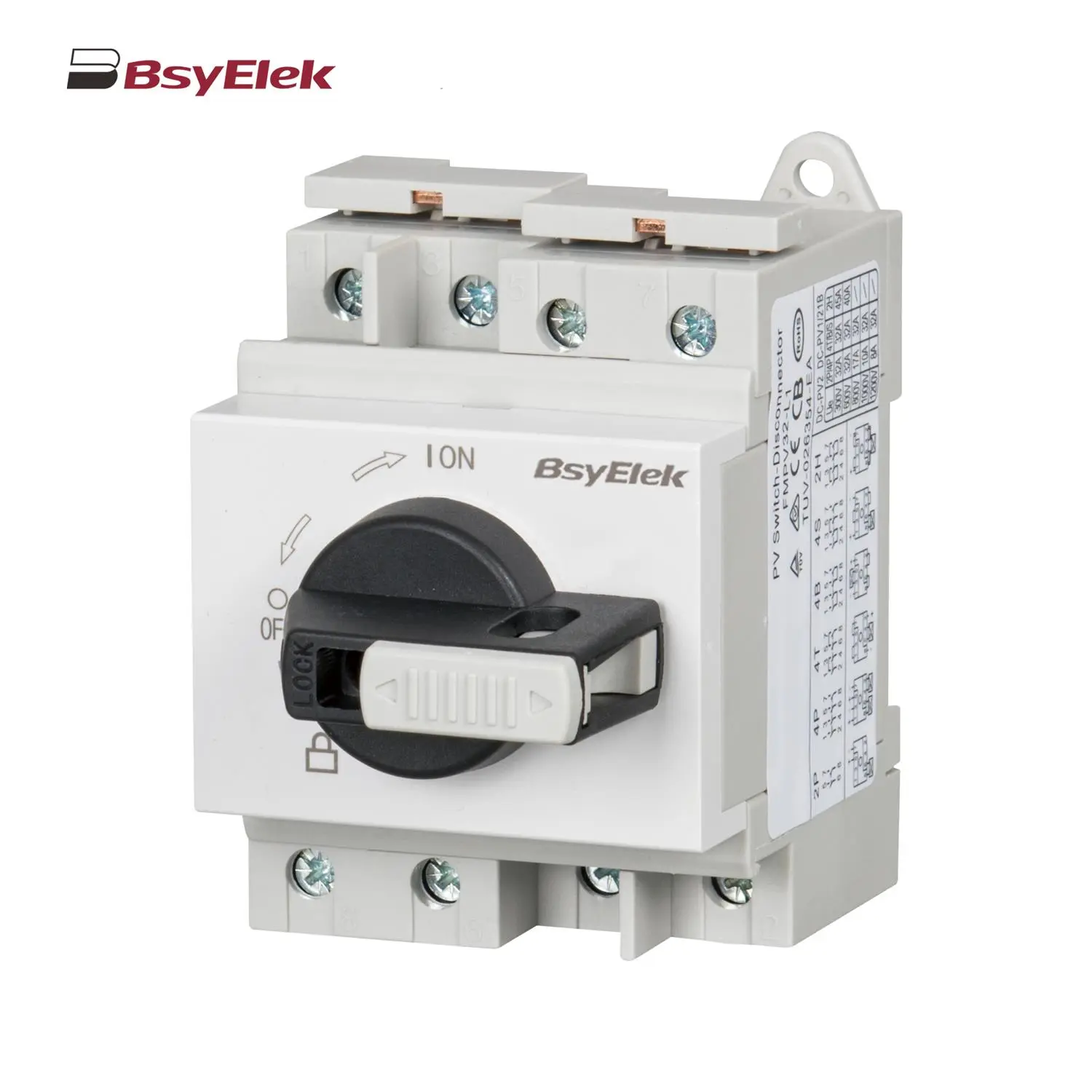 BYPV-L1/L2 PV Isolator Switch with Lockable Lever Handle
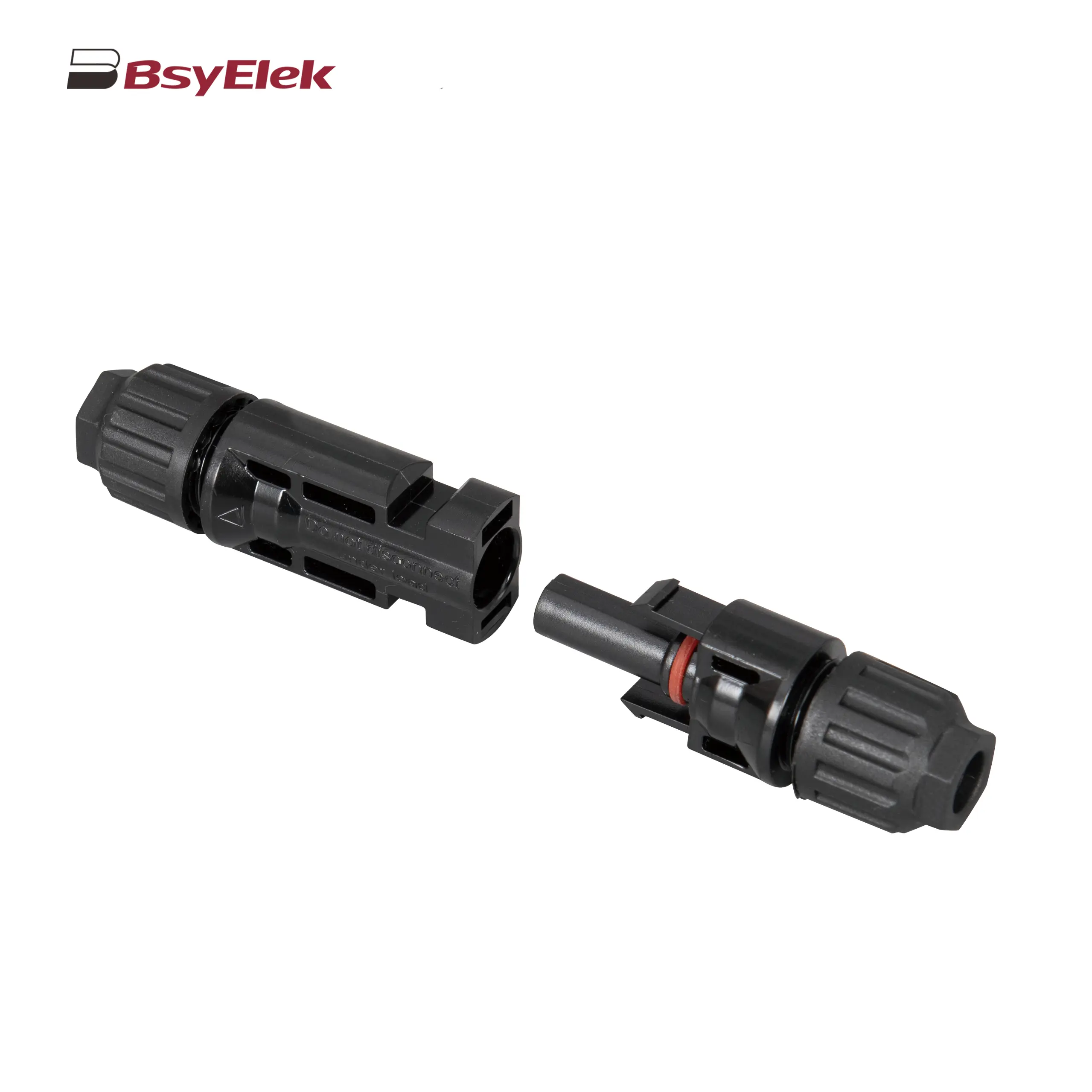 PV-BY-01 30A/50A 1000V Photovoltaic Connector
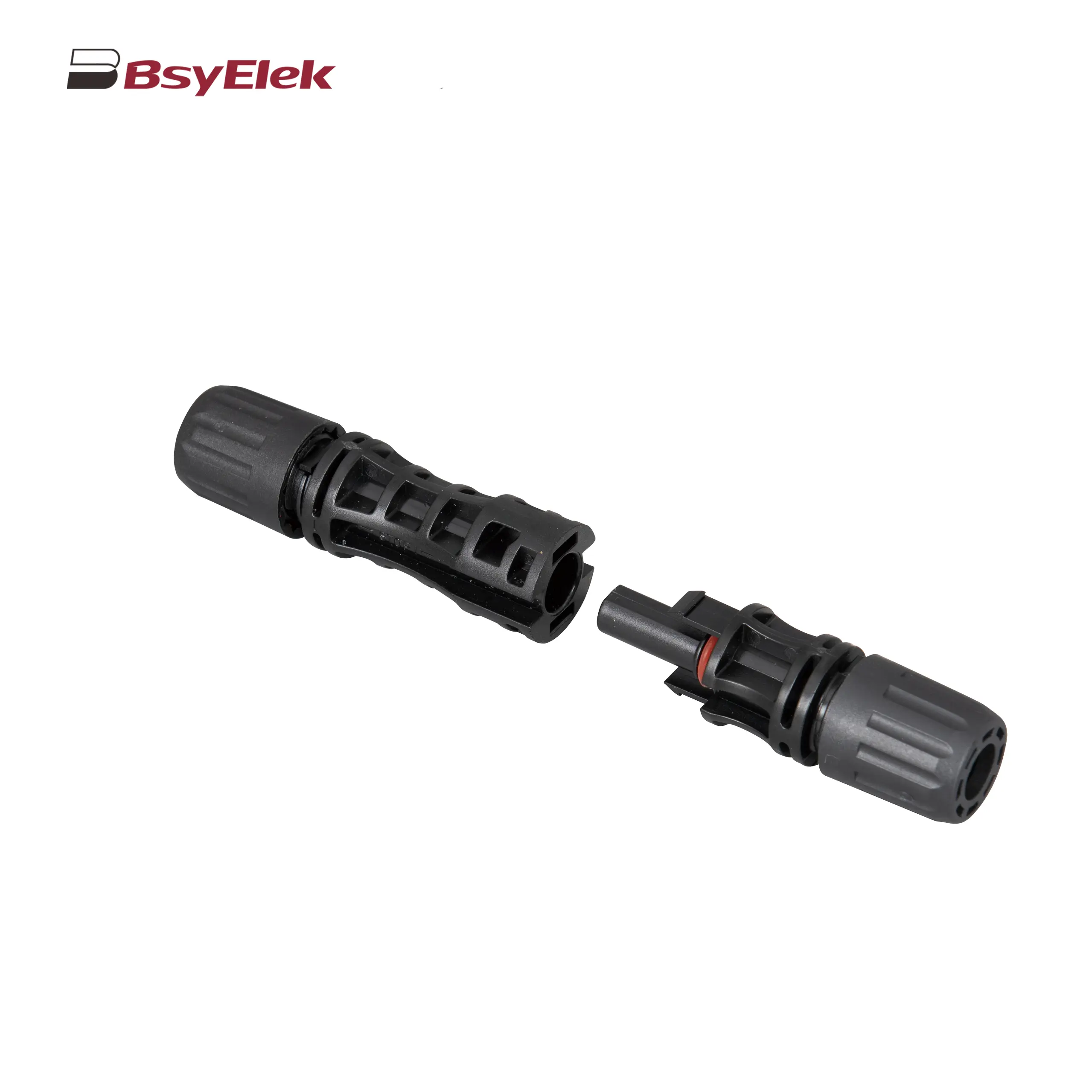 PV-BY-02 30A/50A 1500V Photovoltaic Connector
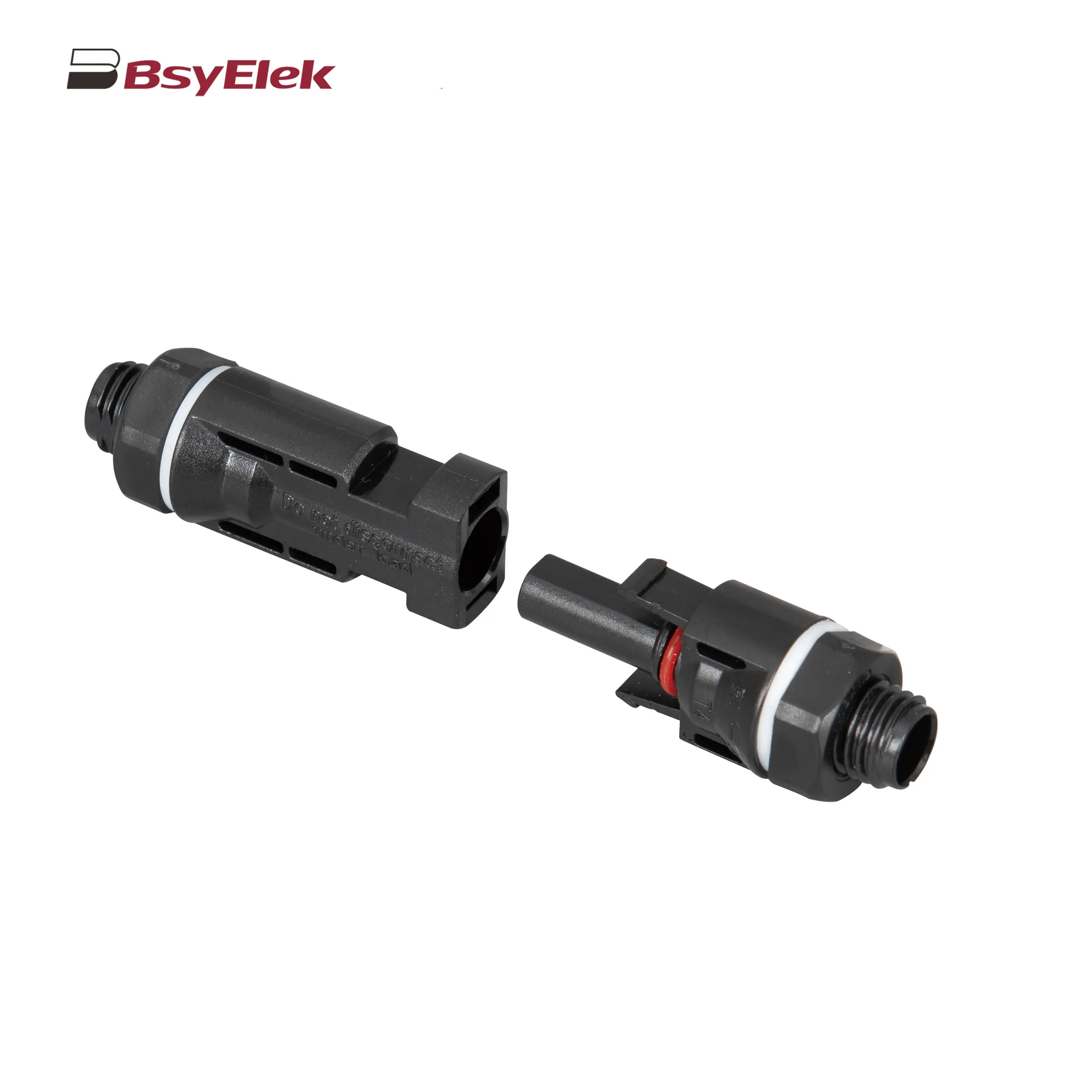 PV-BY-03 30A/50A 1000V Panel Mount Photovoltaic Connector
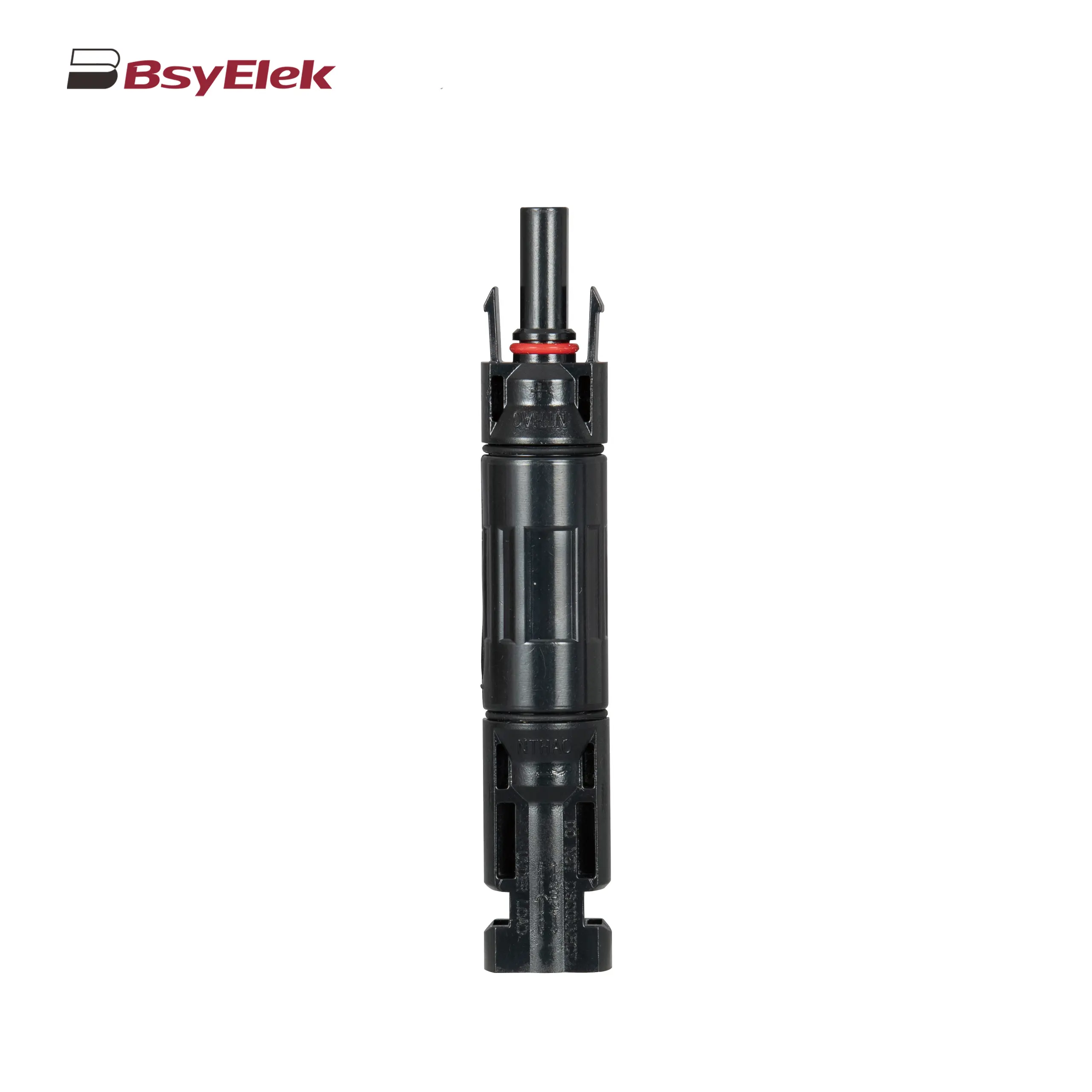 PV-BY-F01 30A 1500V Diode/Fuse Type Connector
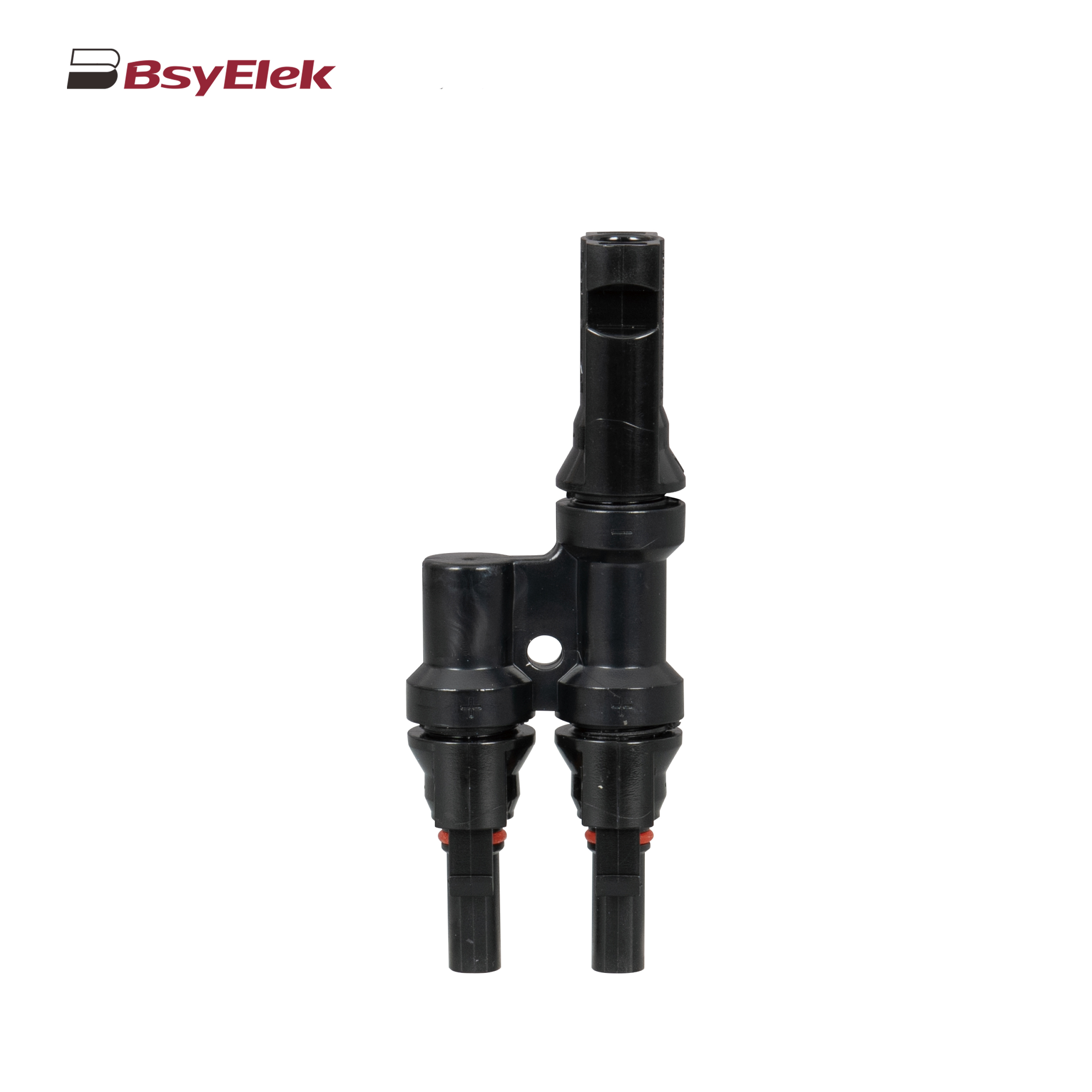 PV-BY-T 50A 1500V T Type Branch Connector
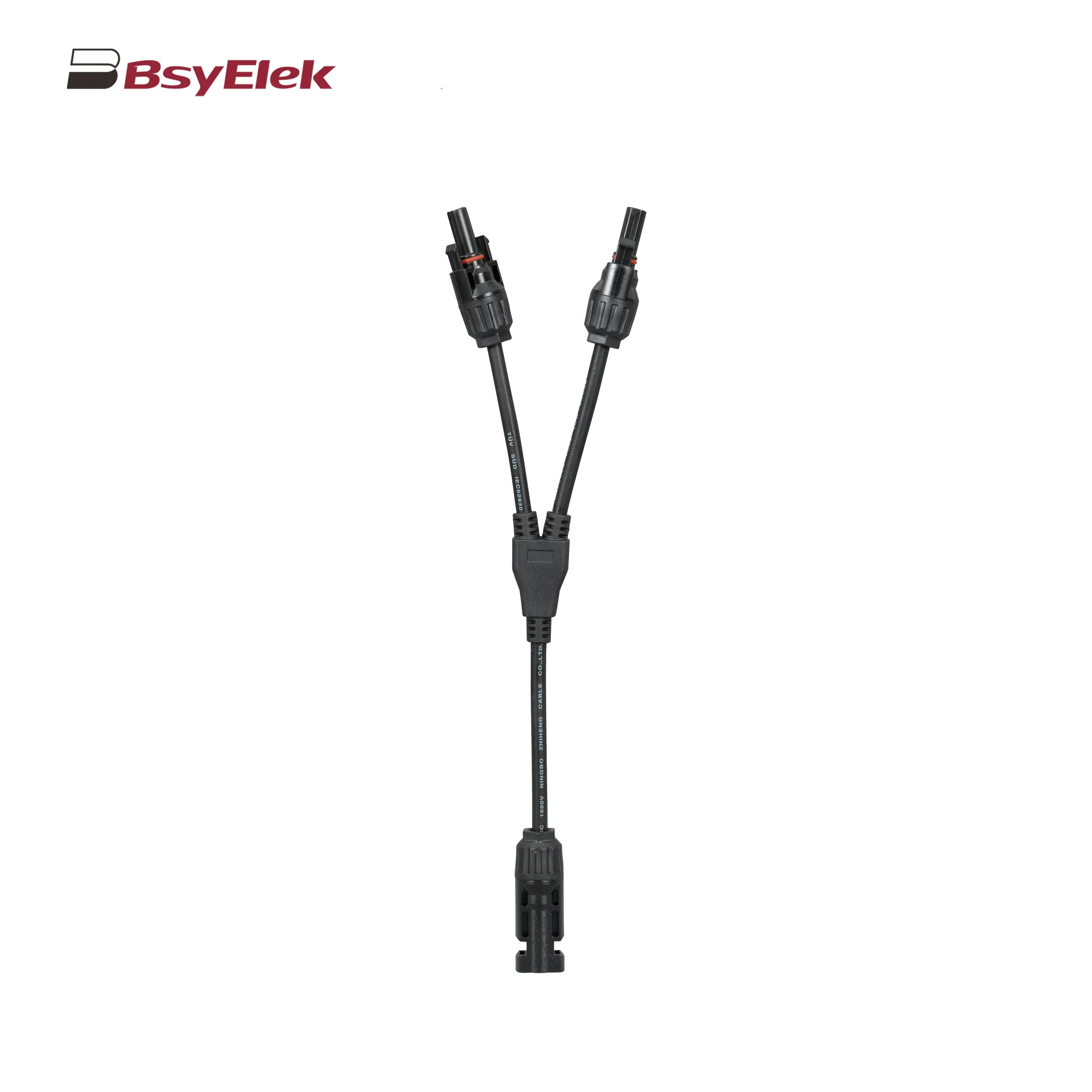 PV-BY-Y 30A 1500V Y Type Branch Connector
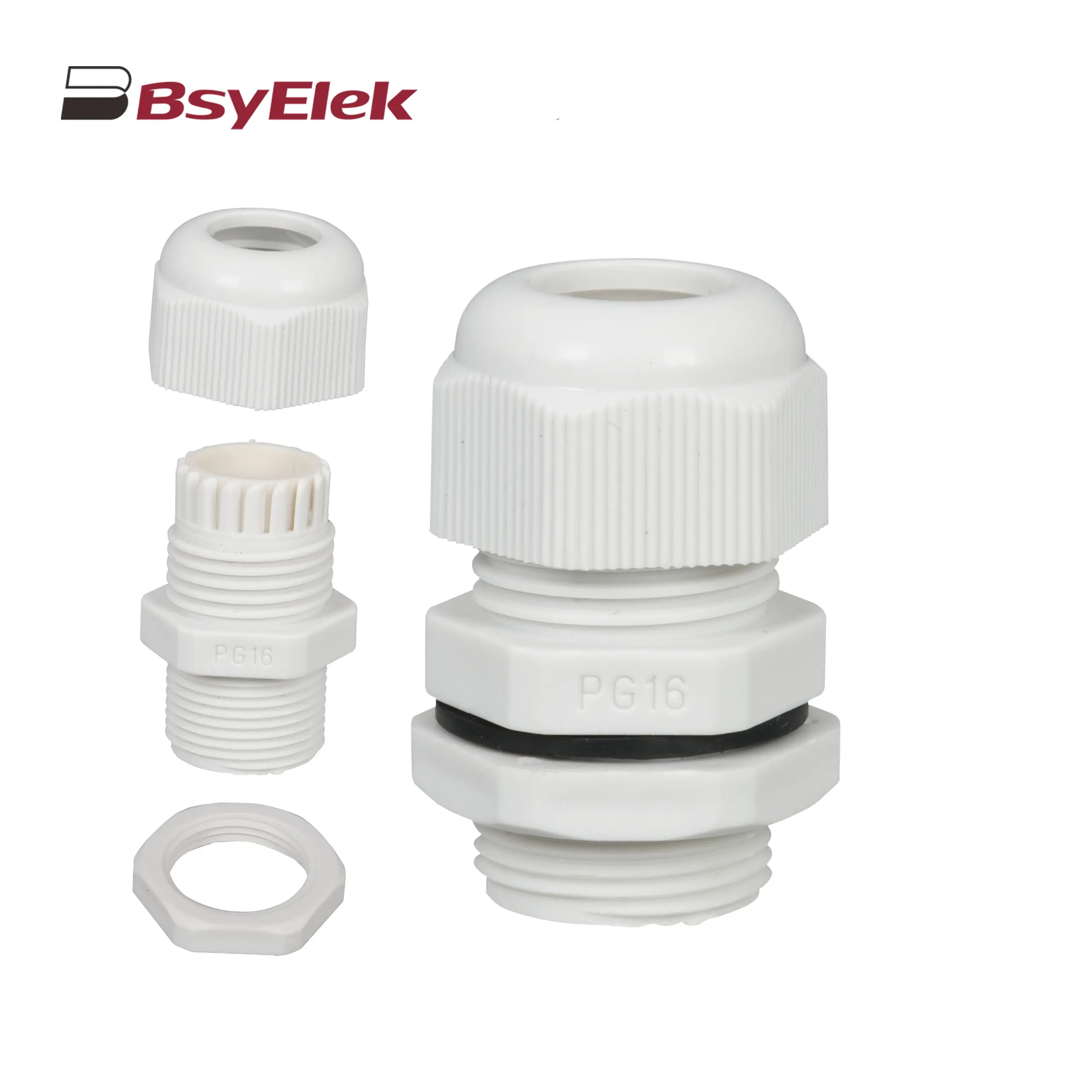 PG Waterproof Cable Gland with Washer
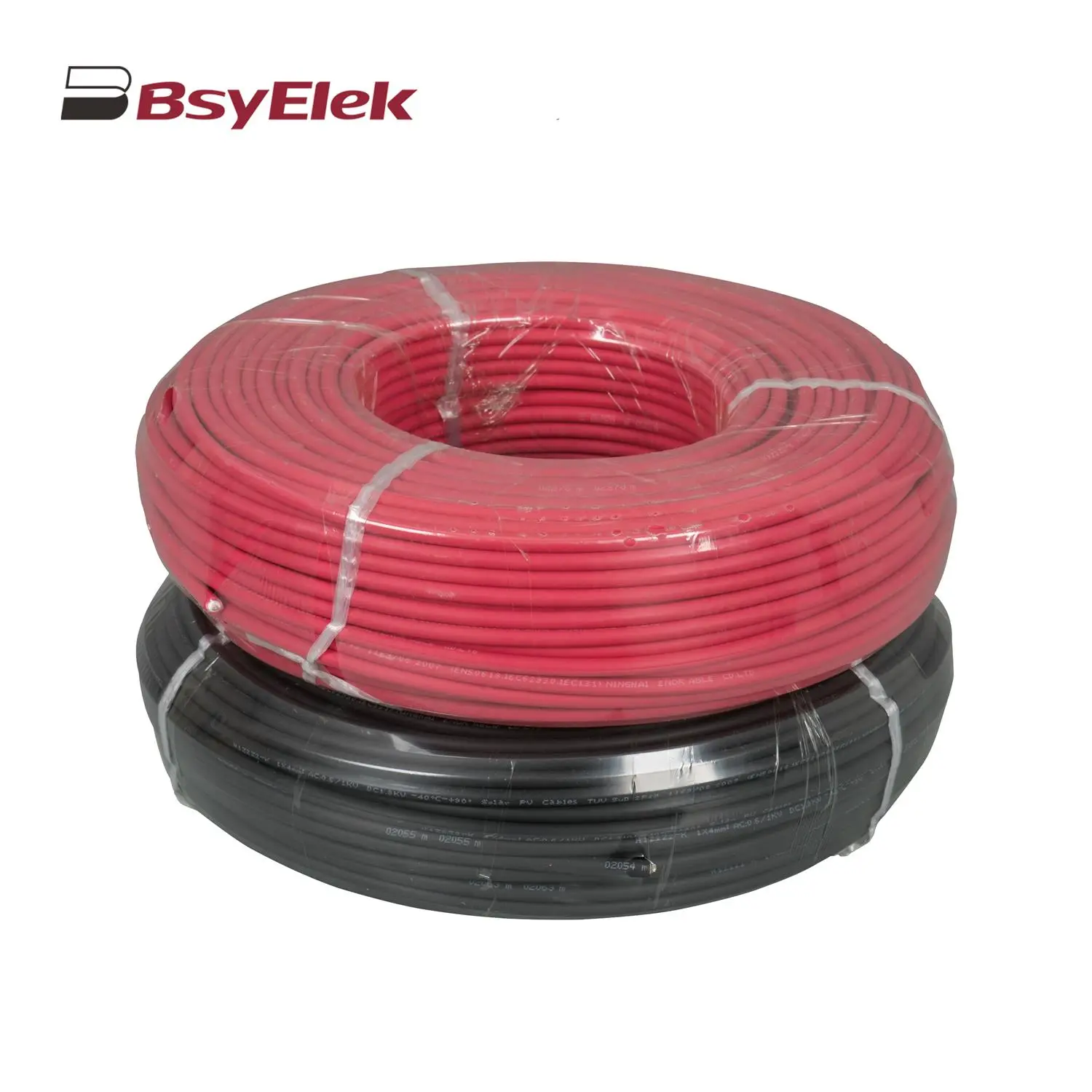 Photovoltaic Cable
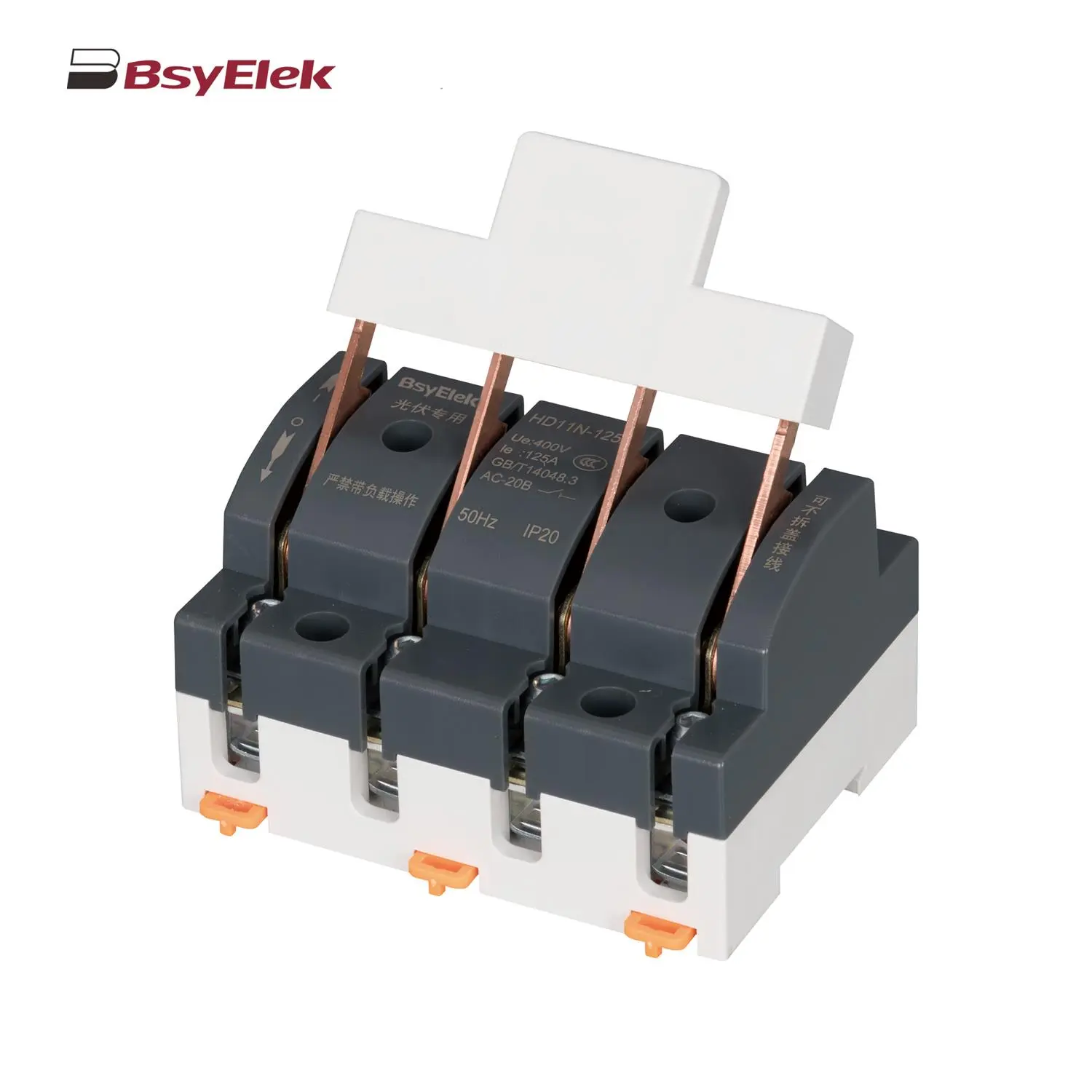 HD11N Photovoltaic Knife Switch
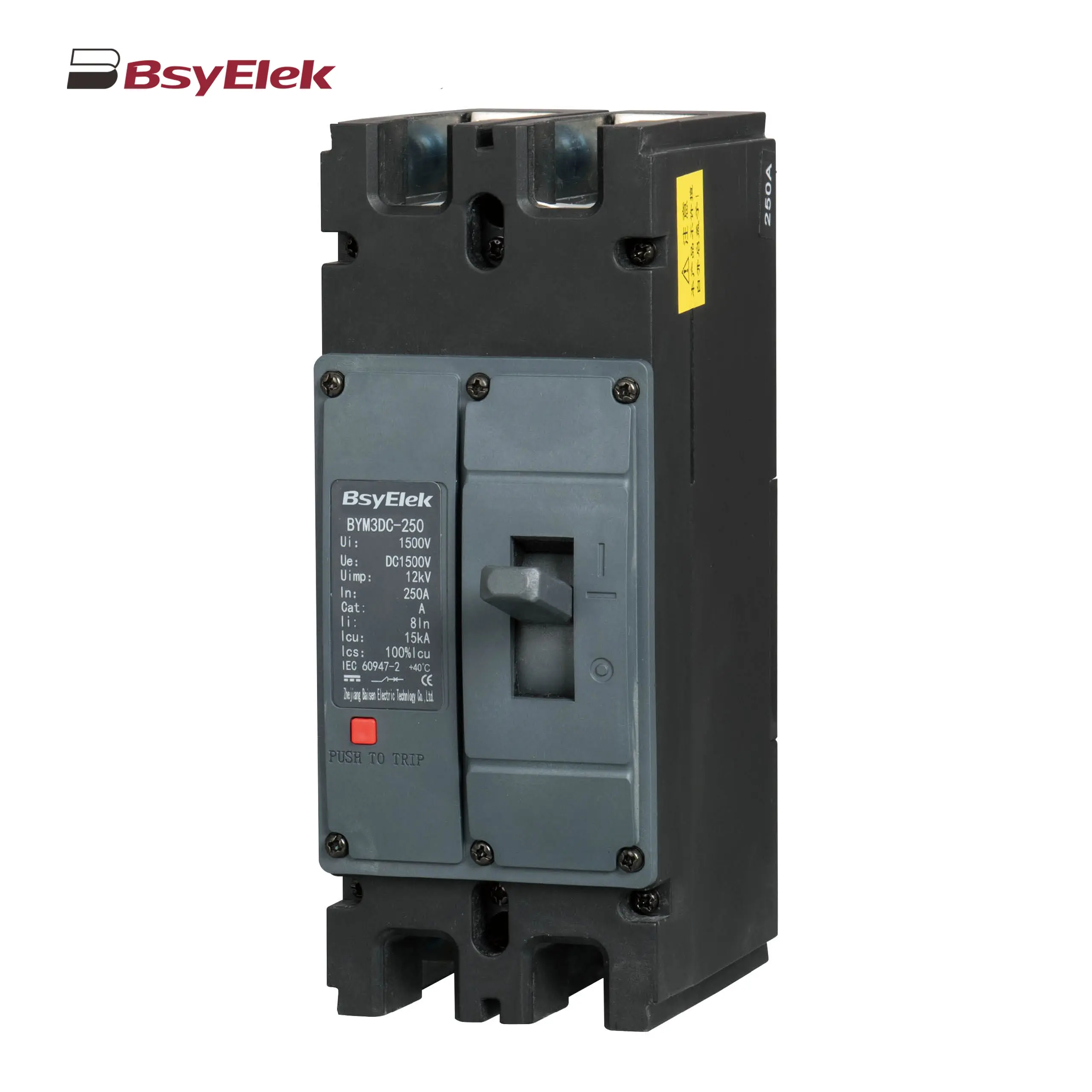 BYM3DC MCCB Photovoltaic DC Molded Case Circuit Breaker
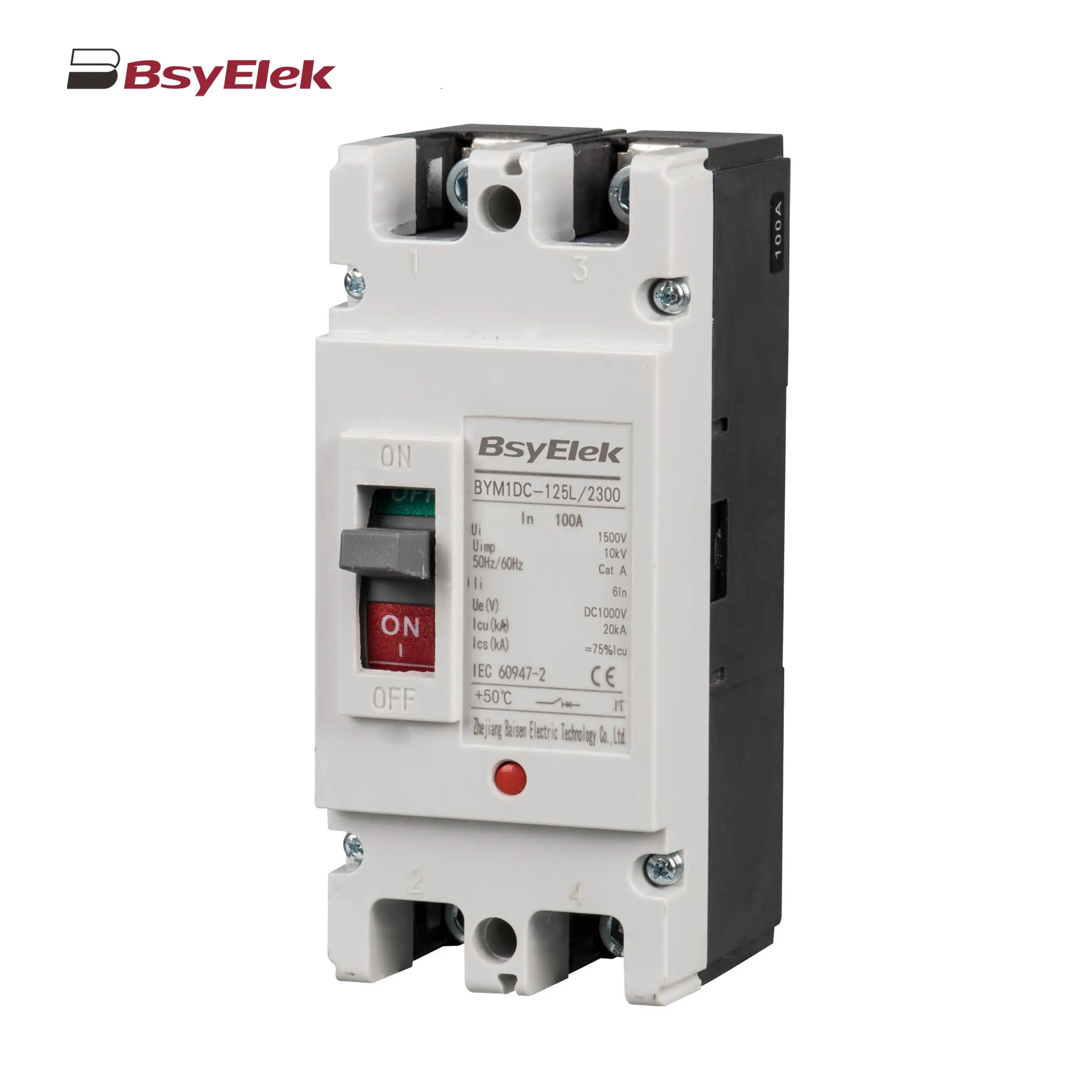 BYM1DC MCCB 1000VDC Thermal Magnetic Type DC Molded Case Circuit Breaker
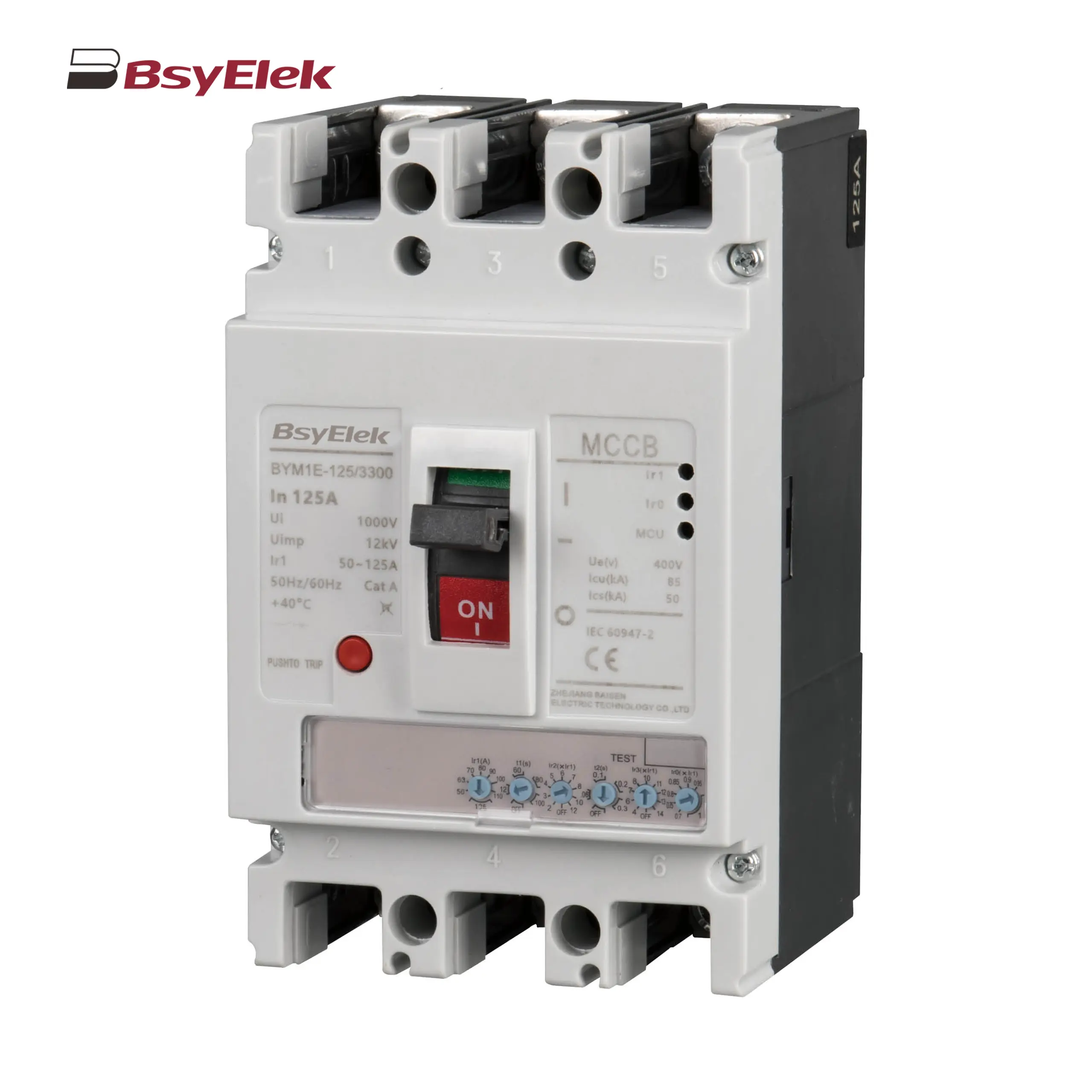 BYM1E MCCB Electronic Type Molded Case Circuit Breaker
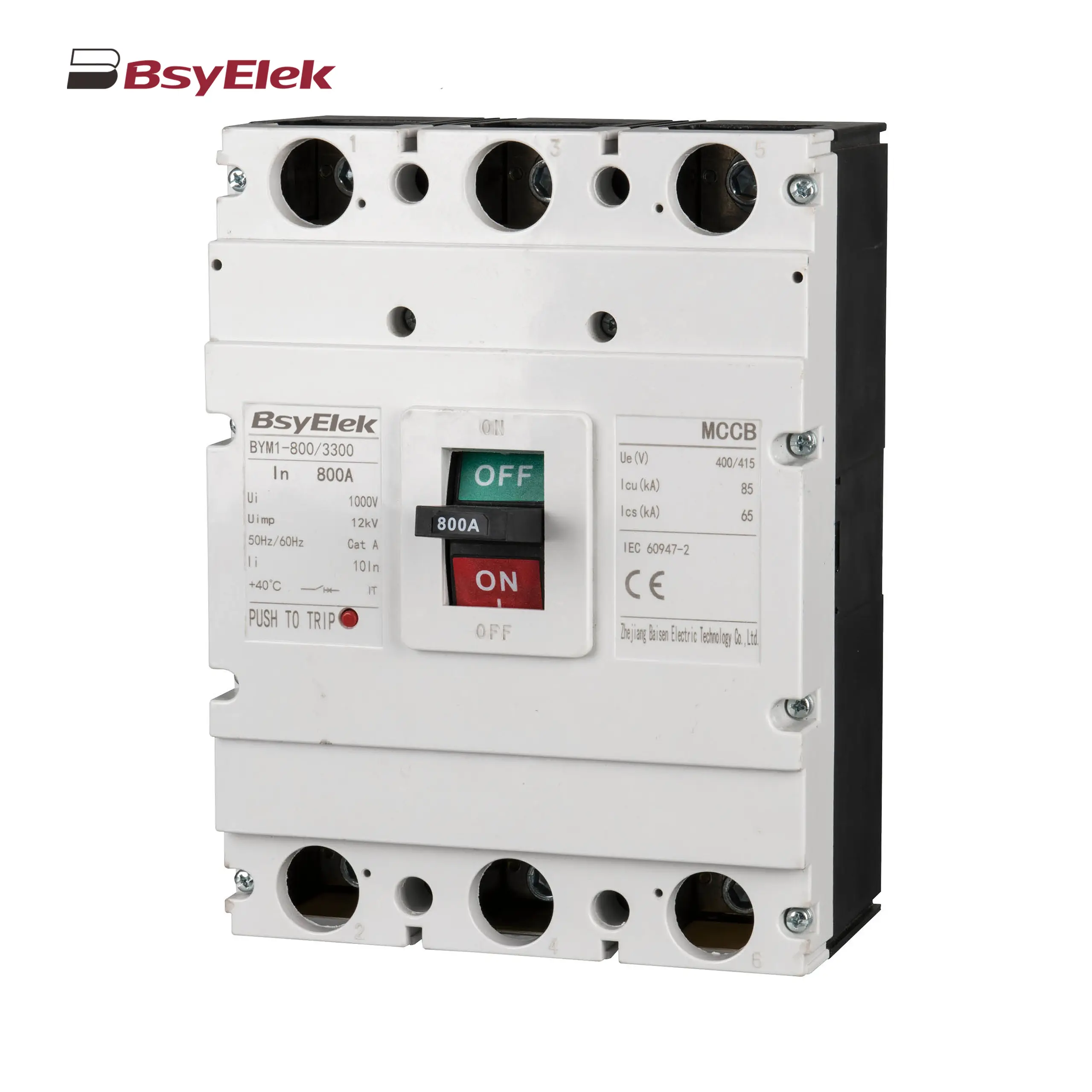 BYM1 MCCB Thermal Magnetic AC Molded Case Circuit Breaker
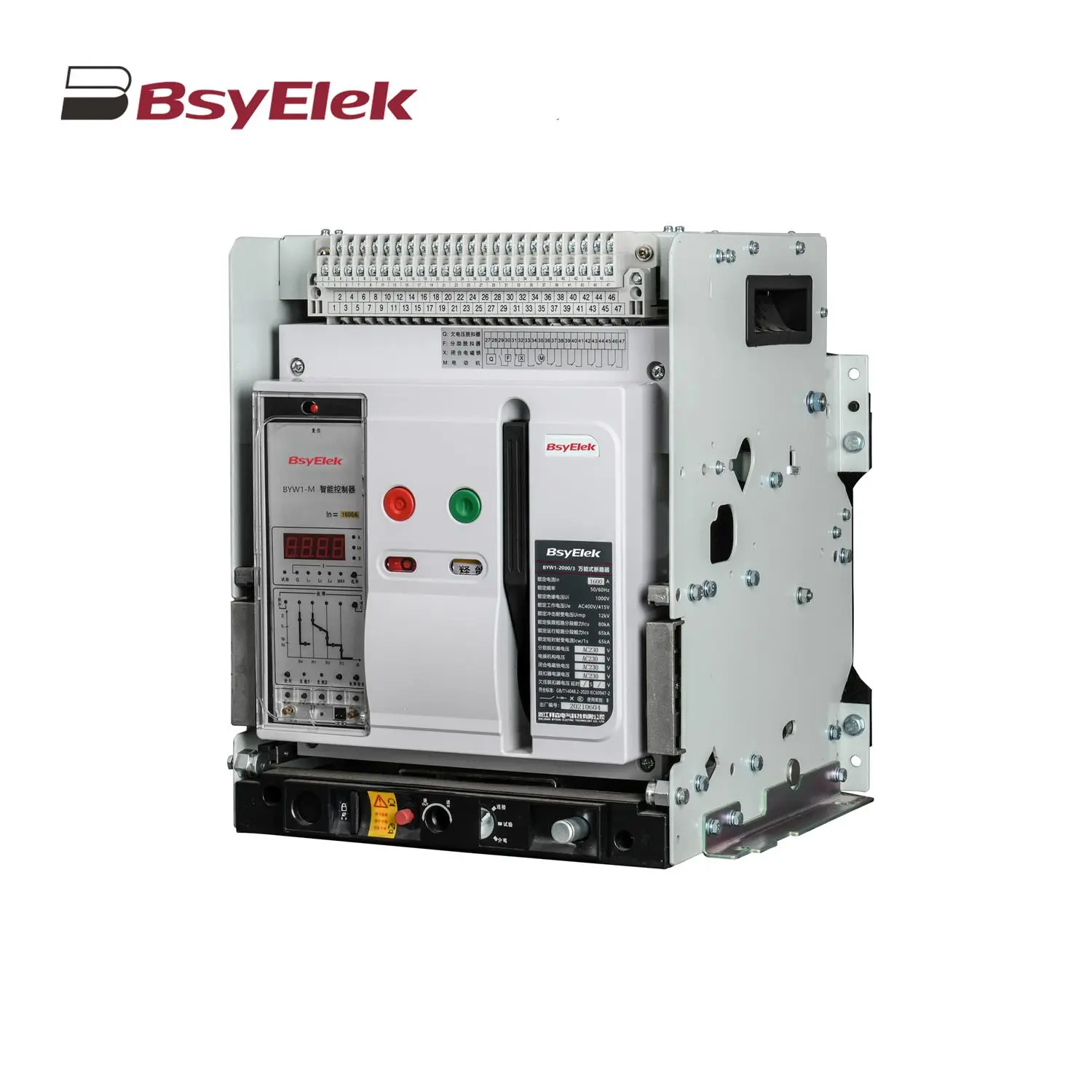 BYW1 ACB Intelligent Universal Air Circuit Breaker
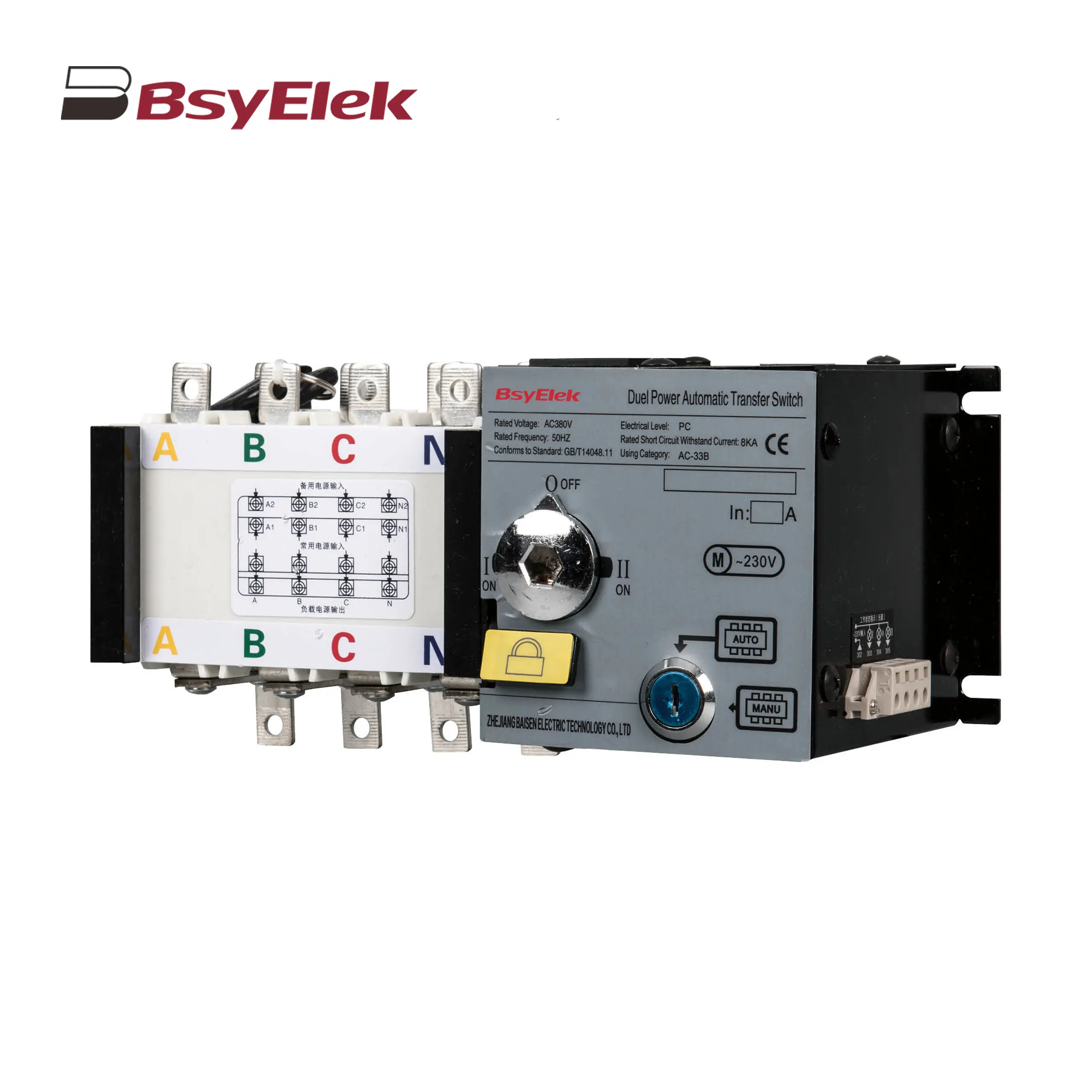 BYQ1 ATS Isolated Type PC Level Dual Power Automatic Transfer Switch
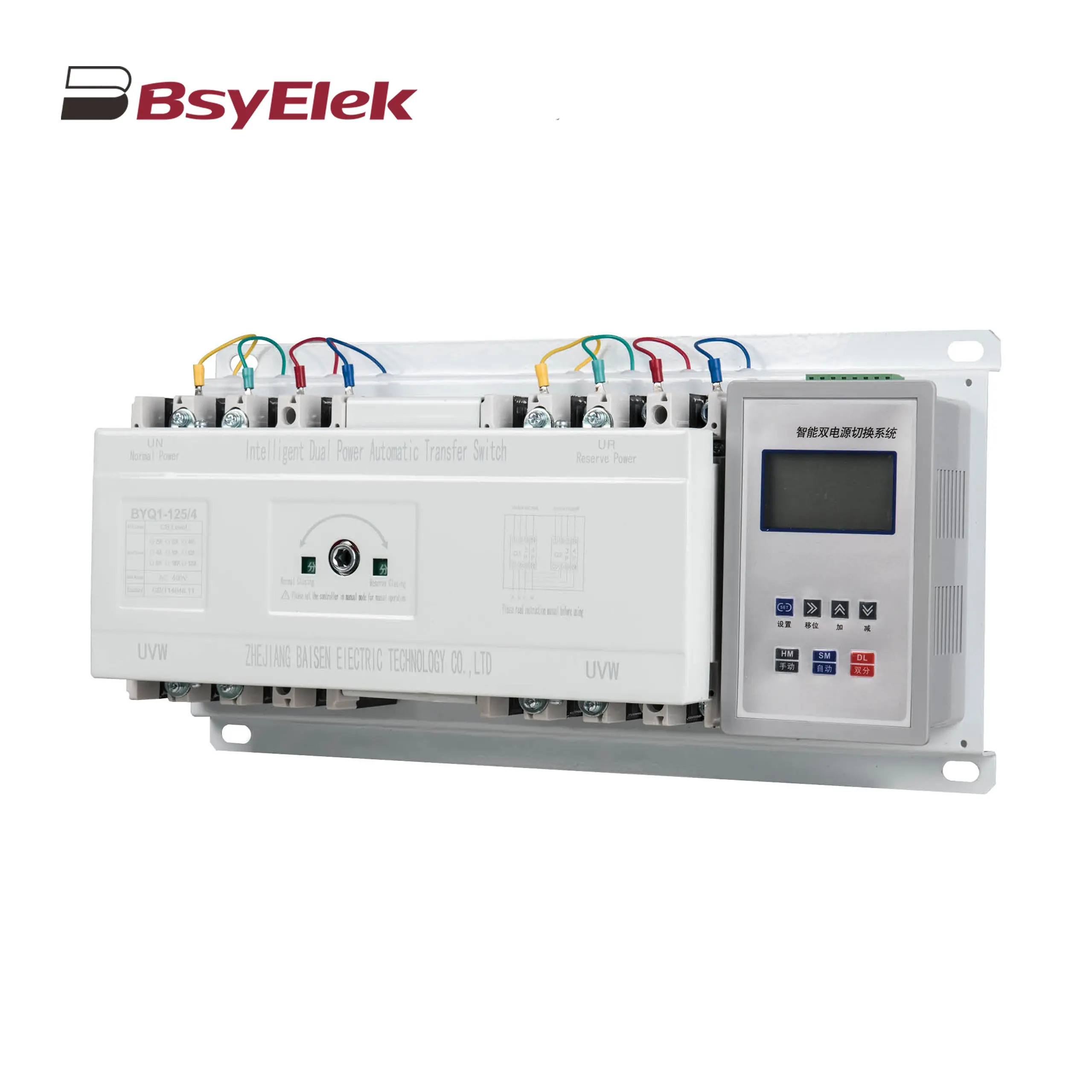 BYQ1 ATS Intelligent Type CB Level Dual Power Automatic Transfer Switch
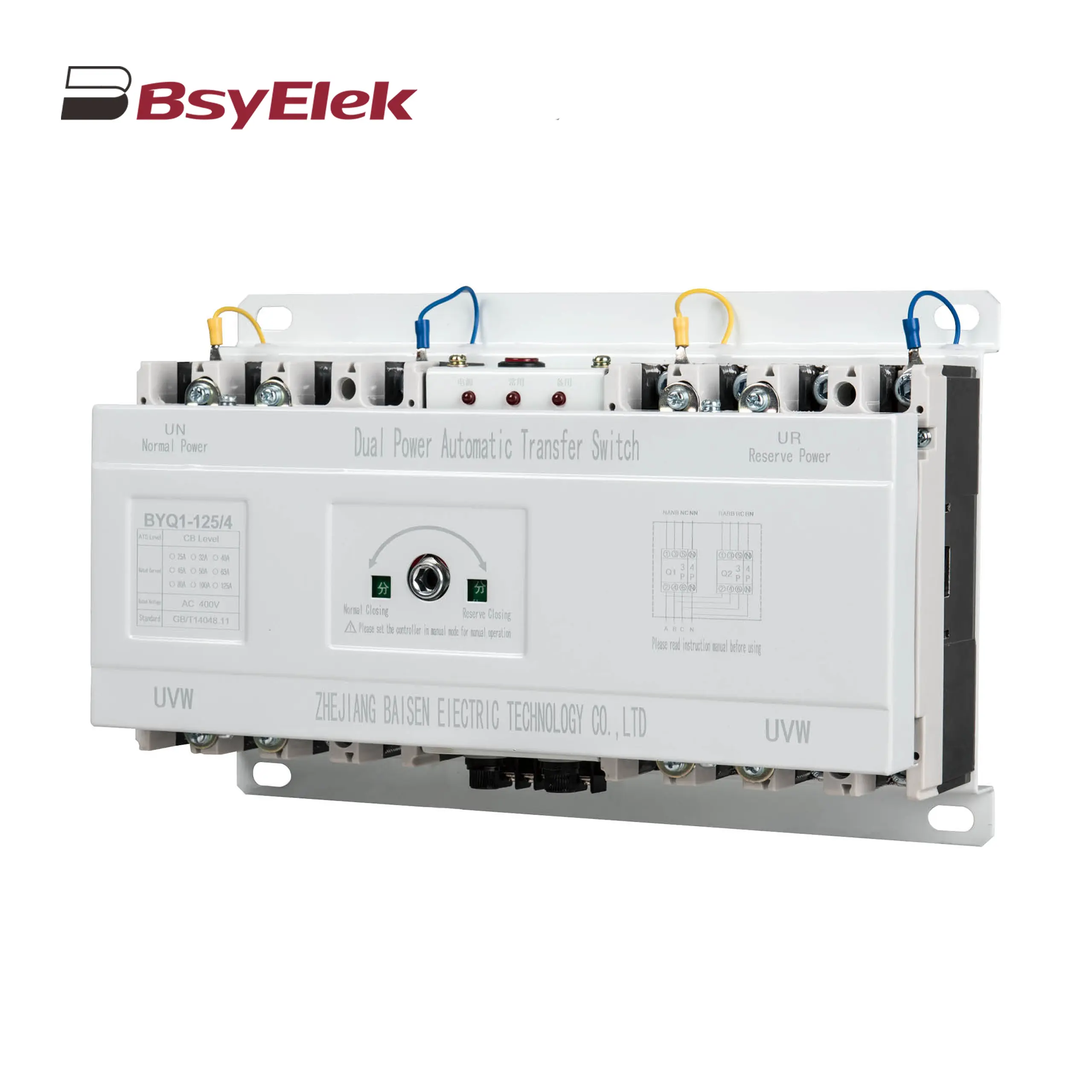 BYQ1 ATS End Type CB Level Dual Power Automatic Transfer Switch
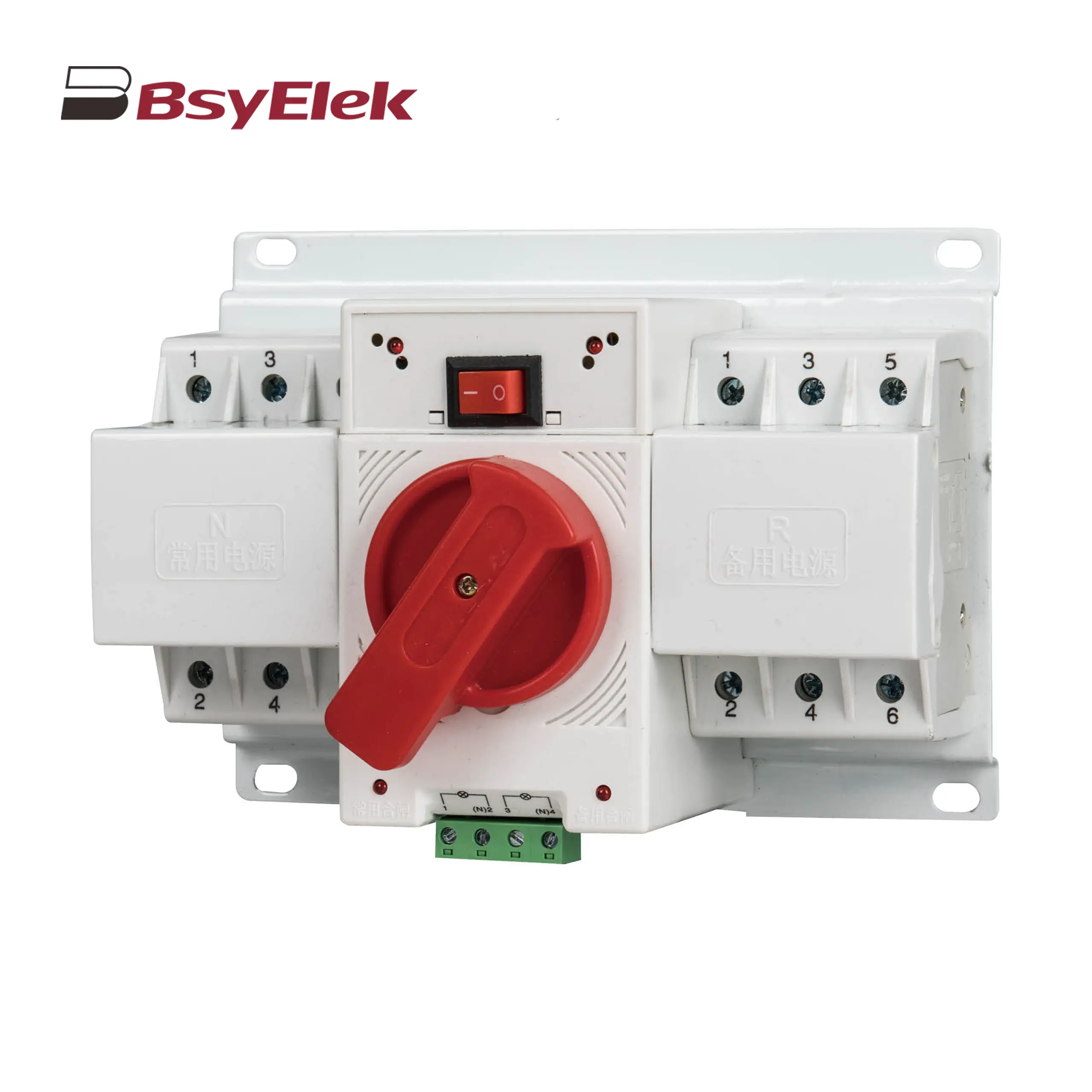 BYQ1 ATS Mini Type CB Level Dual Power Automatic Transfer Switch
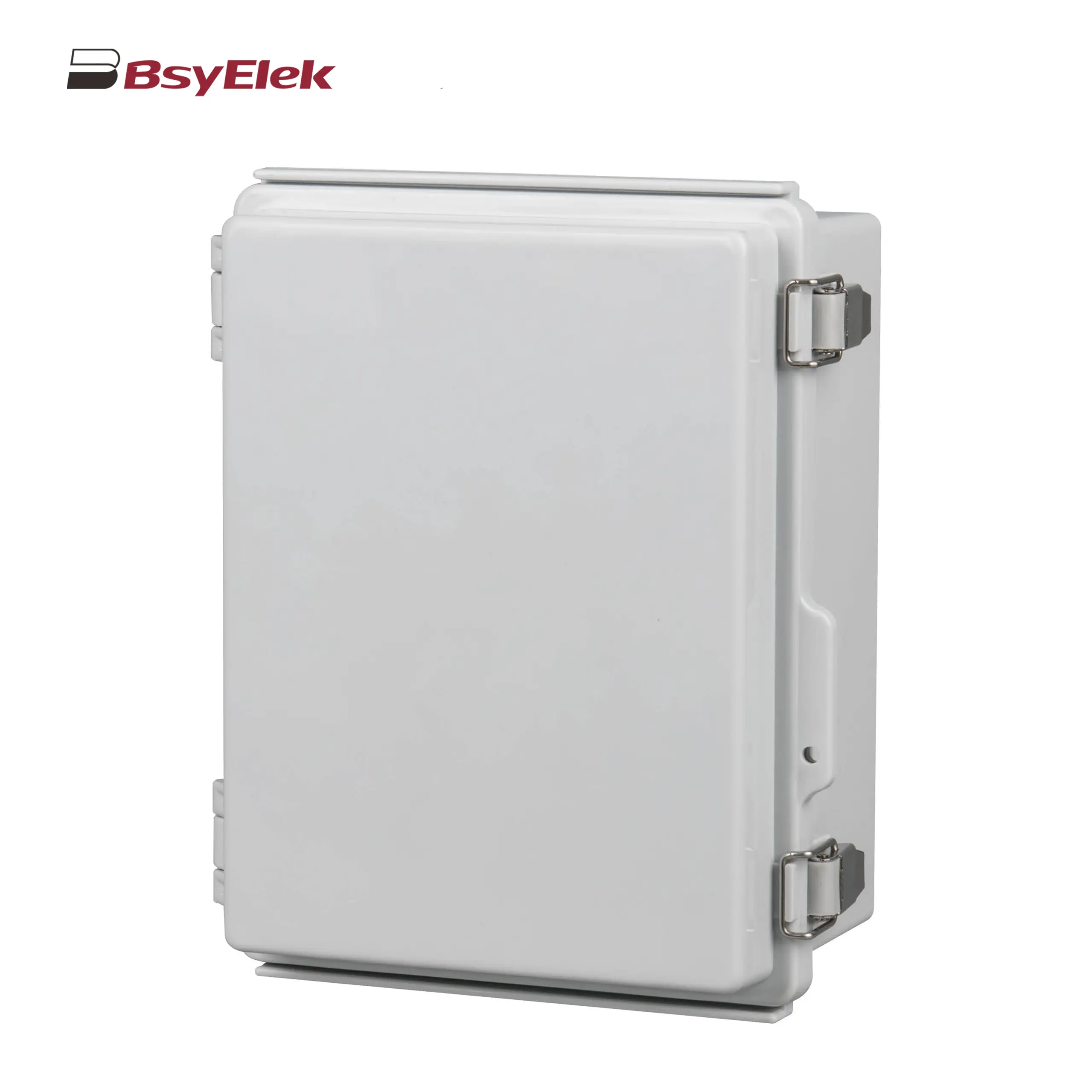 Stainless Steel Hinge Type Electrical Box
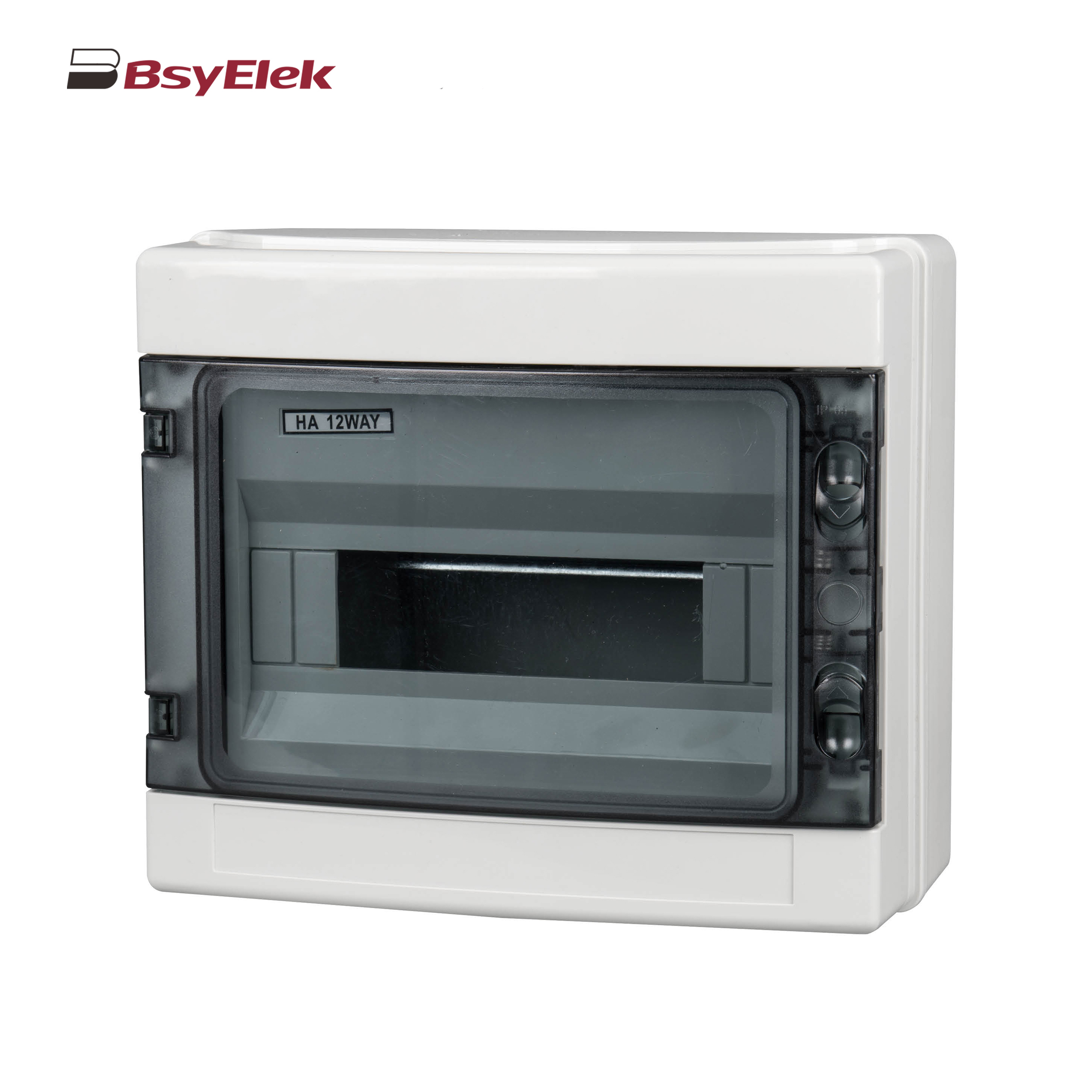 HA Waterproof Distribution Box
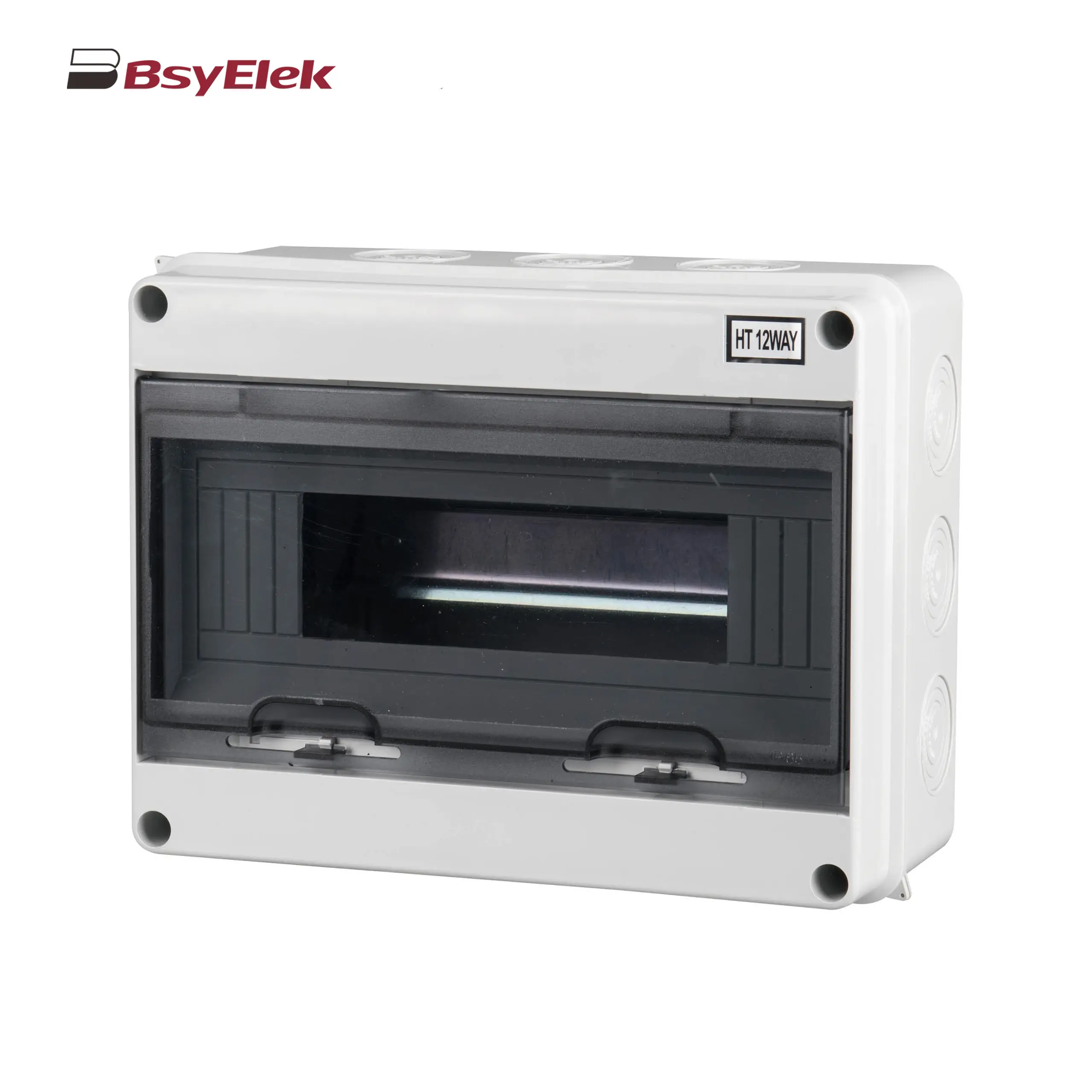 HT Waterproof Distribution Box
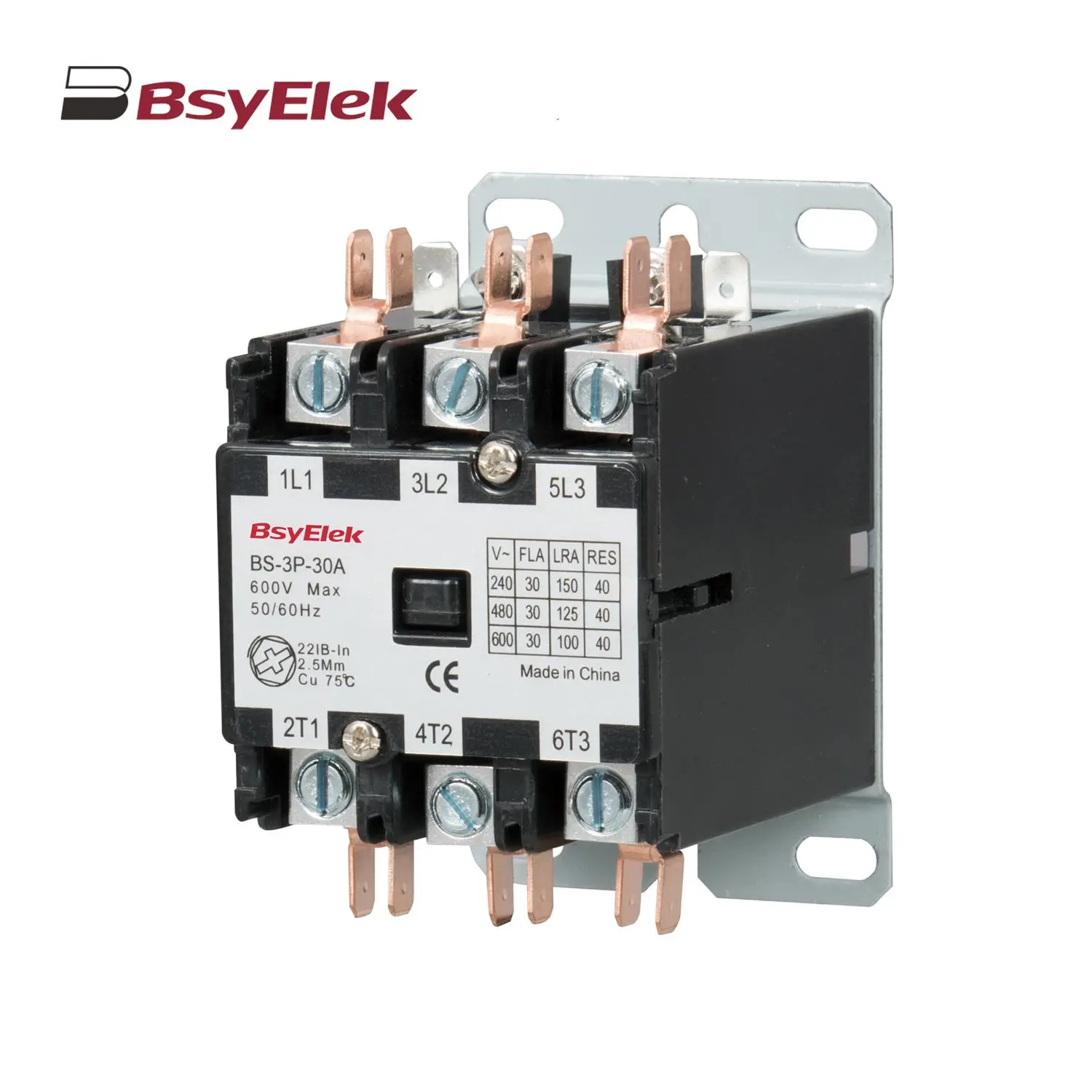 BS Definite Purpose Magnetic AC Contactor
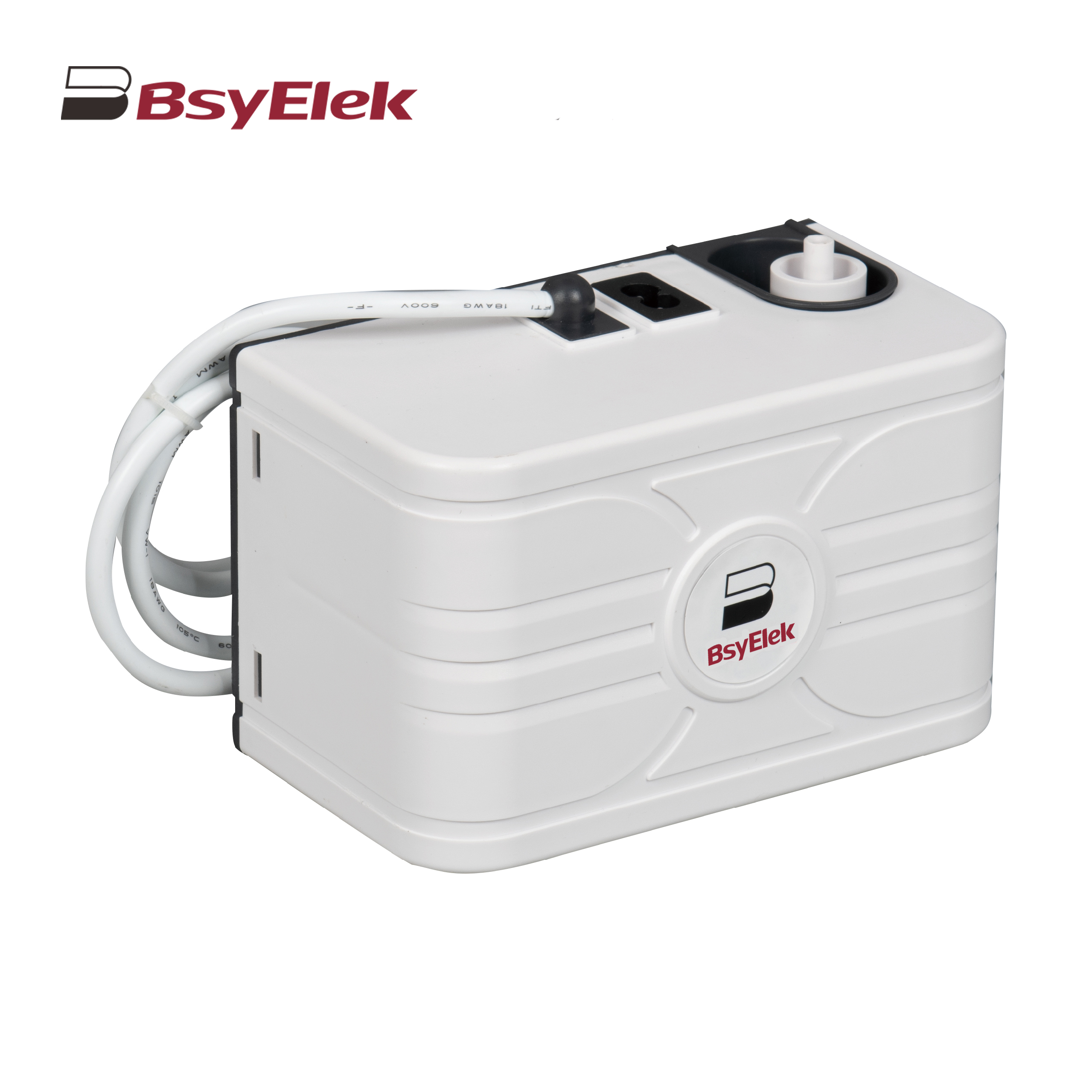 BY-5018 1.8M Engineering Drainage Pump
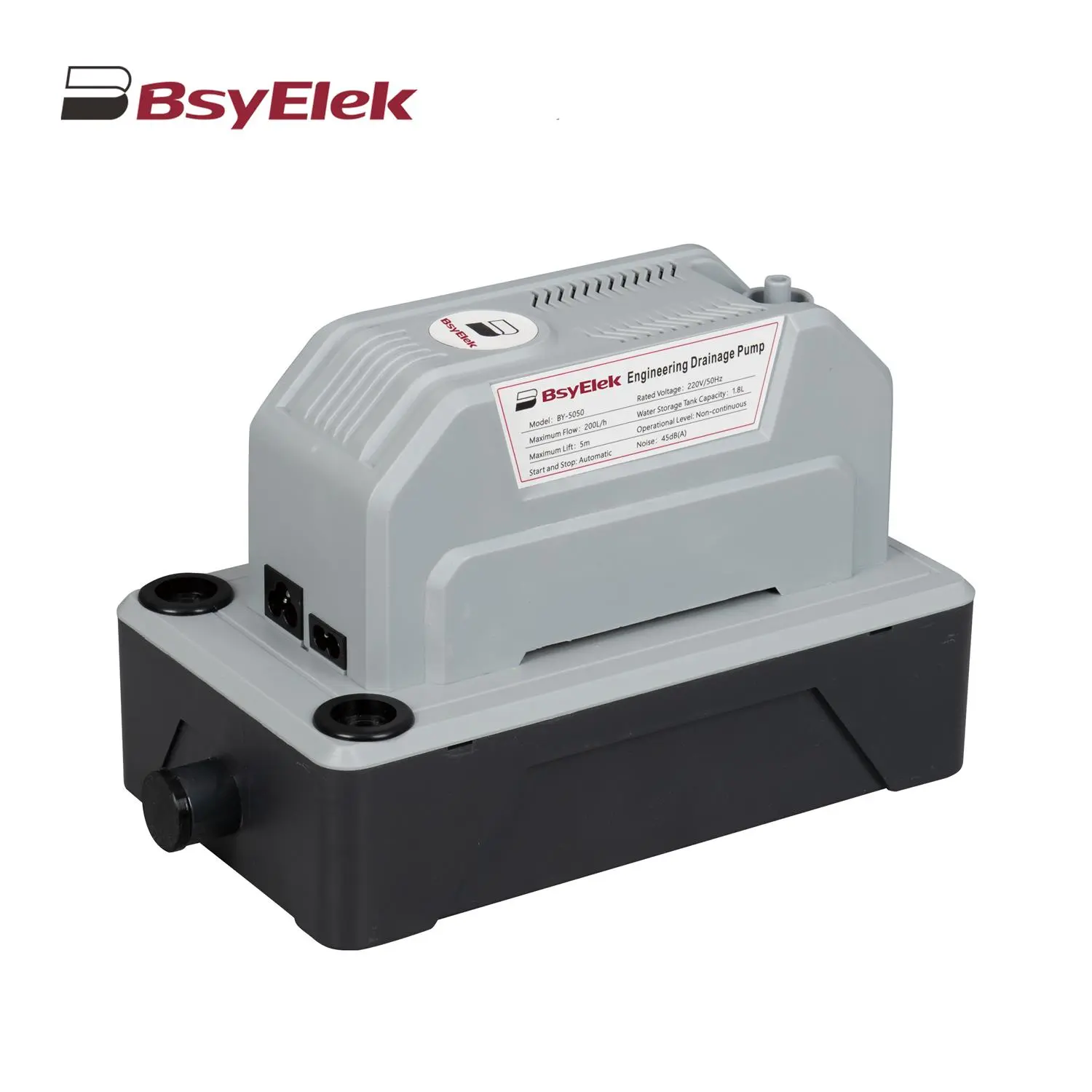 BY-5050 5M Engineering Drainage Pump
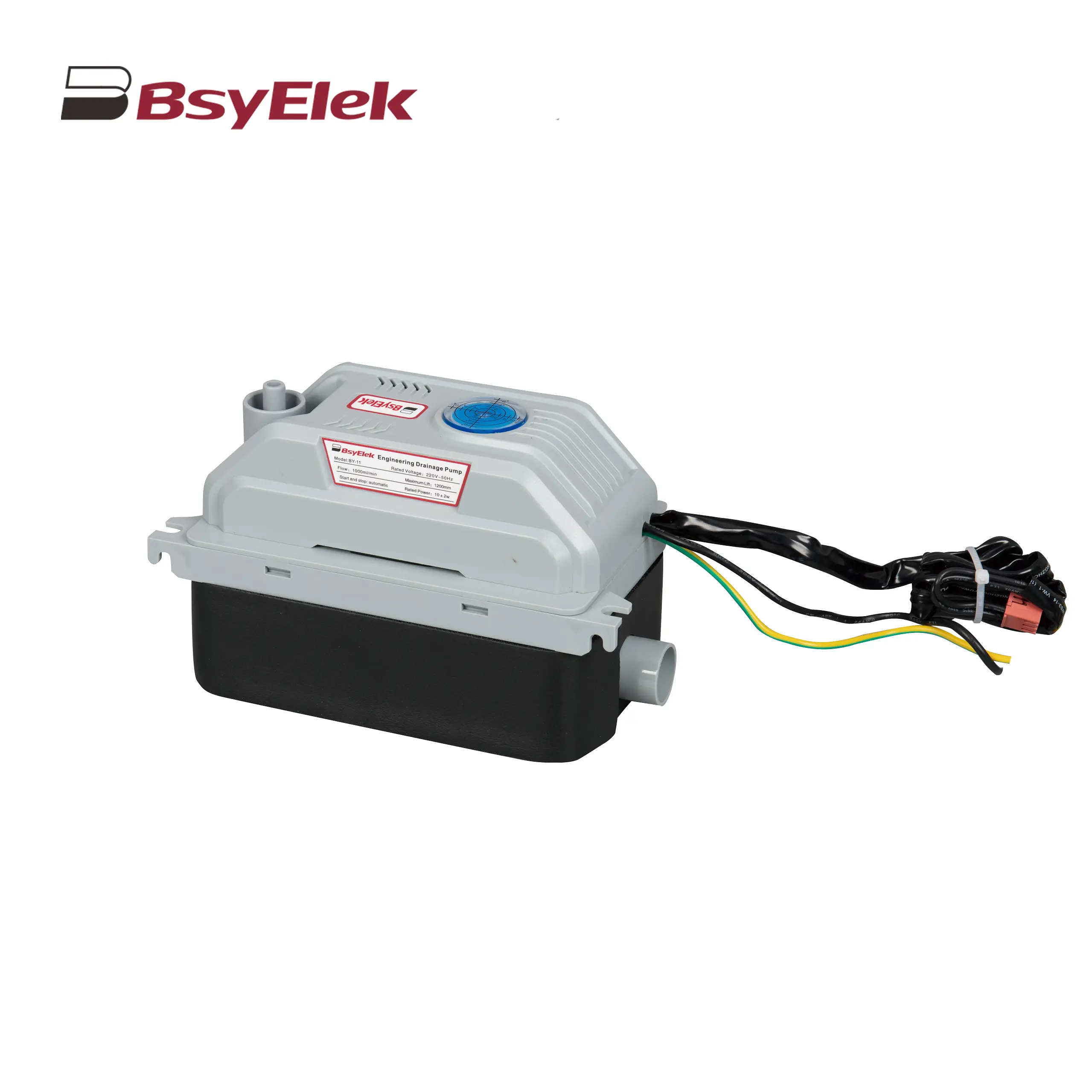 BY-11 1.2M Engineering Drainage Pump
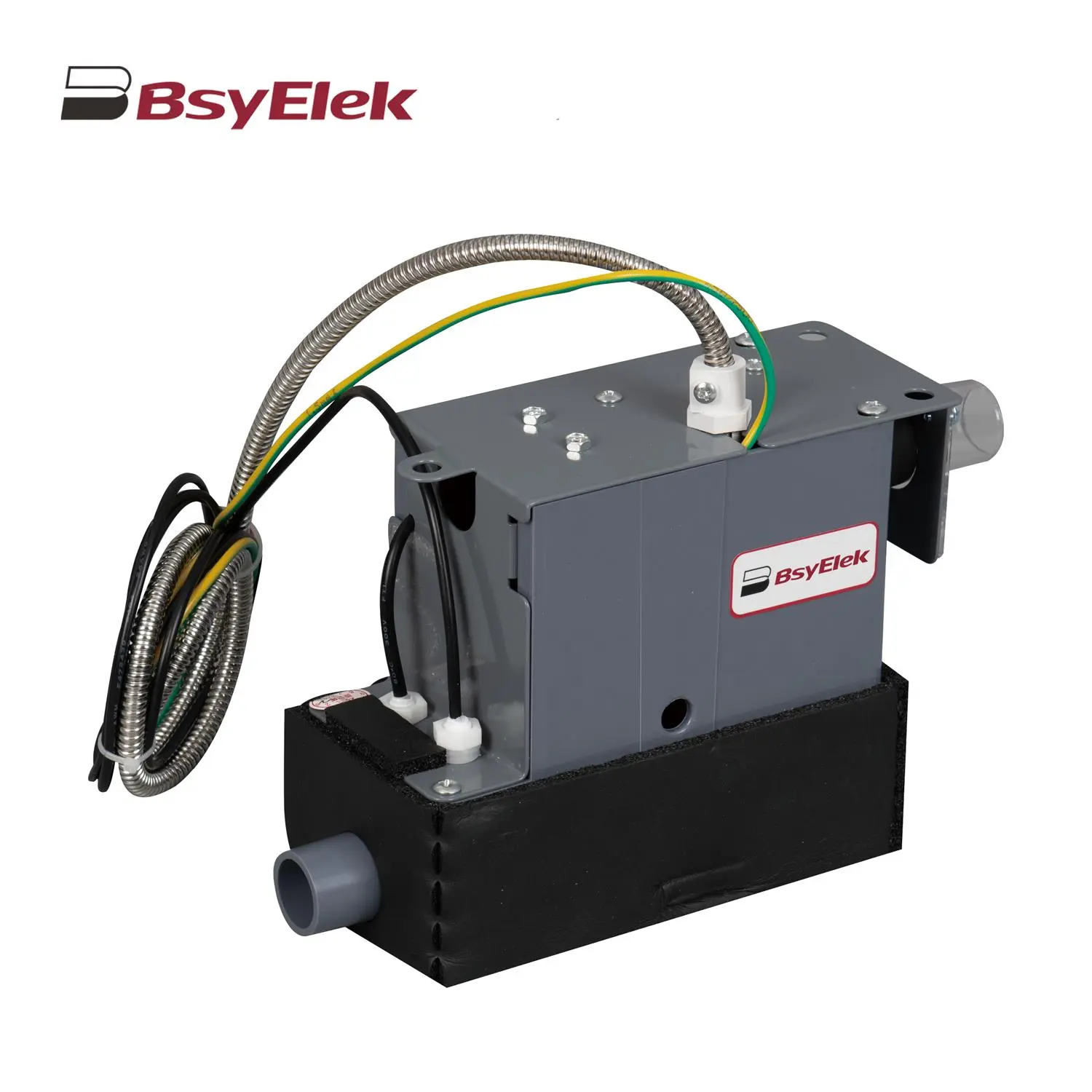 SBH-05 0.7M Original Drainage Pump of Duct Type Air Conditioner
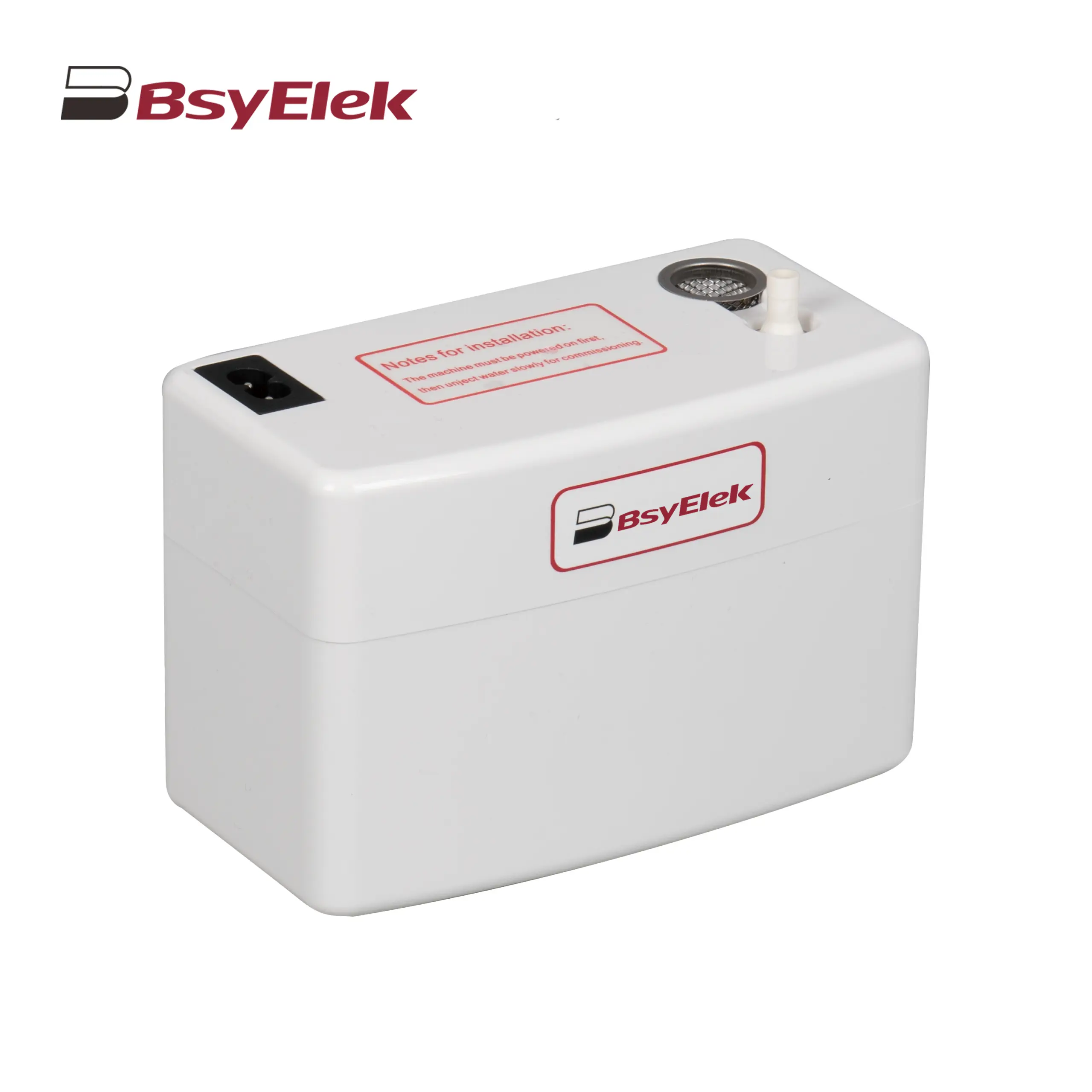 BY-24A/40A 10M Drainage Pump of Air Conditioner
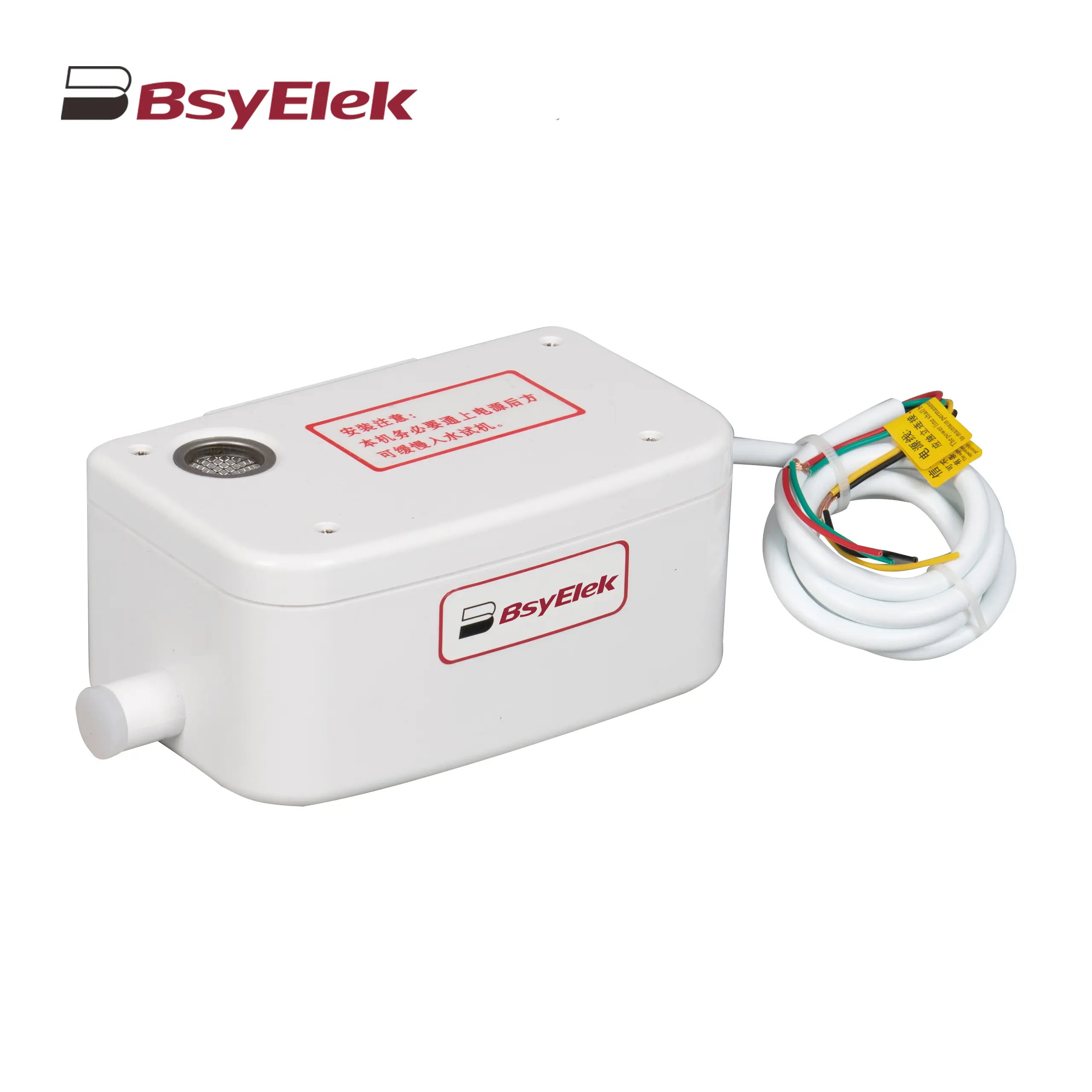 BY-50A 12M Drainage Pump of Air Conditioner
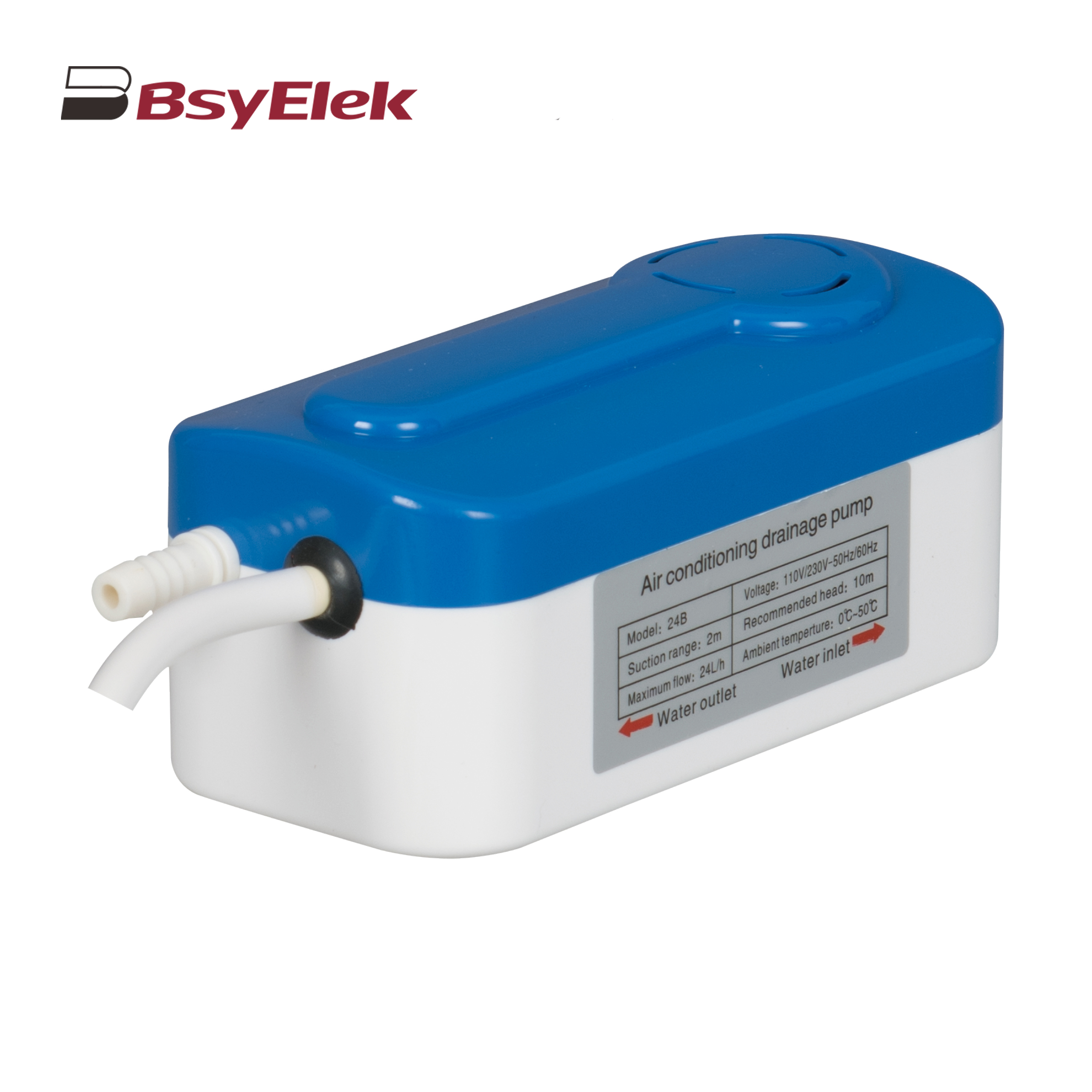 BY-24B/40B 10M Split Type Drainage Pump
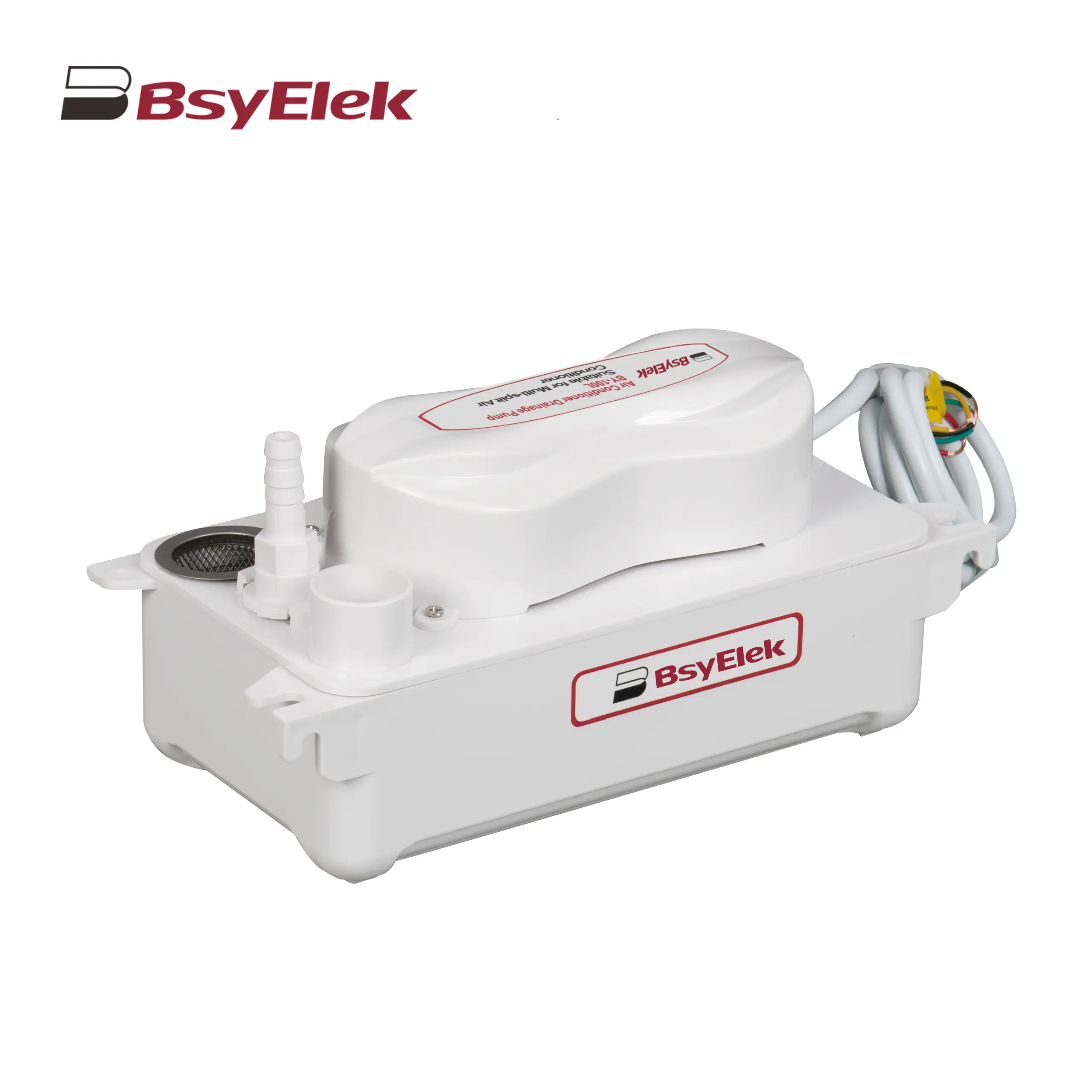 BY-100L 2M Drainage Pump of Air Conditioner
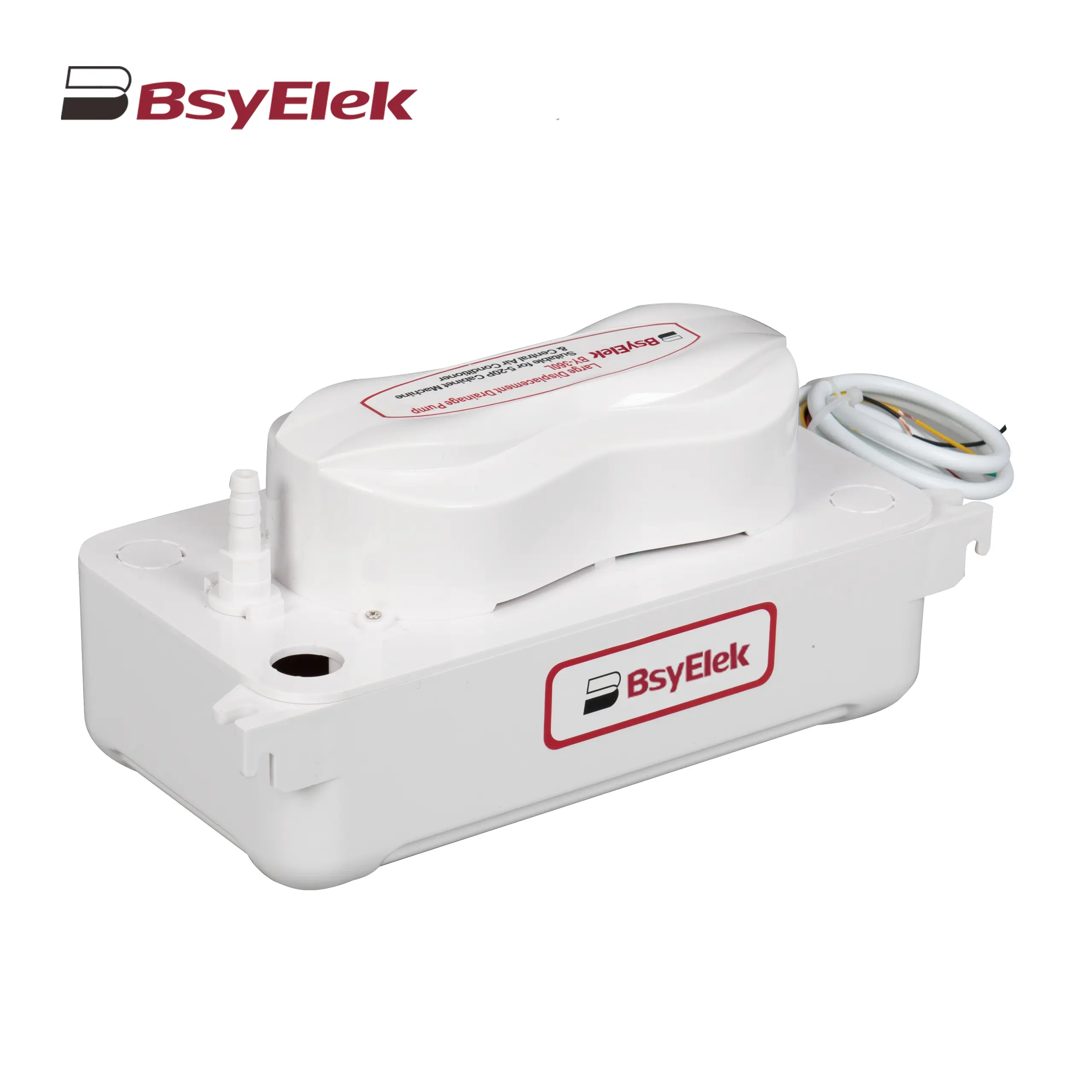 BY-360L 6M Large Displacement Drainage Pump
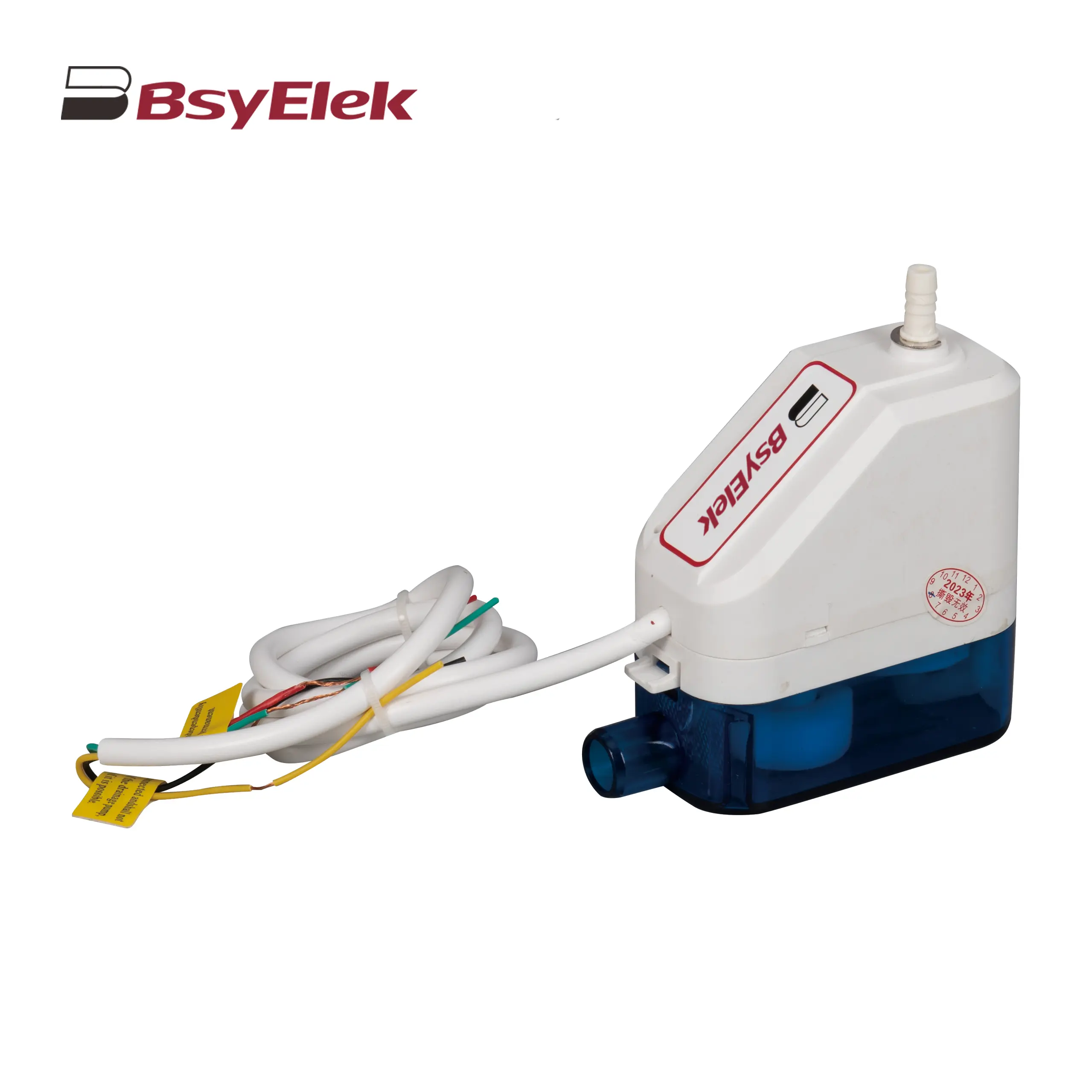 BY-24C/40C 10M Corner Drainage Pump