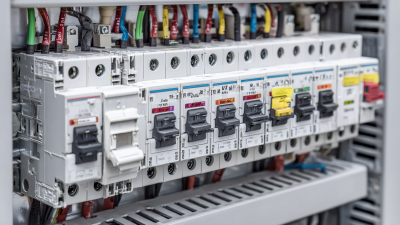
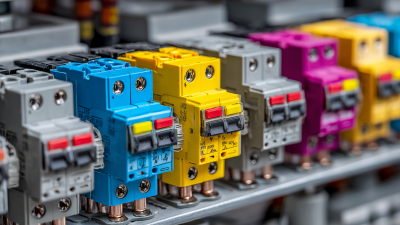
Why You Should Choose a Mini Circuit Breaker for Your Home Electrical System
In today's increasingly electrified world, ensuring the safety and efficiency of our home electrical systems is paramount. As we navigate the complexities of modern electrical demands, one component stands out for its remarkable effectiveness: the Mini Circuit Breaker. According to Dr. Jane Thompson, a renowned electrical engineer and expert in residential safety, "The Mini Circuit Breaker not only protects your home from potential electrical failures, but it does so while providing unparalleled convenience."
Adopting Mini Circuit Breakers in your home can transform how you approach electrical safety. These compact devices are designed to quickly interrupt electrical flow during faults, significantly reducing the risk of fire and other hazards. Their space-saving design allows for cleaner installations and easier access, making them ideal for both new constructions and upgrades to existing systems.
Moreover, as energy efficiency becomes increasingly important, Mini Circuit Breakers provide intelligent protection that can adapt to various appliances and energy loads. By investing in these advanced devices, homeowners are not only prioritizing safety but also enhancing the overall functionality of their electrical systems. Selecting a Mini Circuit Breaker is a proactive step toward creating a safer, more efficient home environment.

Understanding Mini Circuit Breakers: An Overview
Mini circuit breakers (MCBs) are essential components in residential electrical systems, serving as a reliable safeguard against overloads and short circuits. Unlike traditional fuses that need to be replaced once blown, MCBs can be reset, making them a more convenient and efficient option for managing electrical loads in the home. They are designed to trip quickly in response to excessive current, thereby protecting both wiring and appliances from potential damage.
One key advantage of mini circuit breakers is their ability to provide precise protection tailored to specific circuits. Different types of MCBs are available to accommodate various electrical needs, allowing for the customization of a home’s electrical system. This adaptability ensures optimal safety and efficiency, as you can select breakers according to the characteristics of the devices powered by each circuit. The compact nature of MCBs also allows for streamlined installation and better space management in electrical panels, making them suitable for increasingly modern home designs.
Why You Should Choose a Mini Circuit Breaker for Your Home Electrical System
| Feature |
Mini Circuit Breaker |
Traditional Fuse |
| Response Time |
Instantaneous |
Delayed |
| Reset Capability |
Yes |
No |
| Overload Protection |
Yes |
Limited |
| Test Feature |
Available |
Not Available |
| Cost |
Moderate |
Low |
| Lifespan |
Long-lasting |
Varies |
Benefits of Mini Circuit Breakers for Home Safety
Mini circuit breakers (MCBs) offer significant benefits for home safety, setting them apart from traditional fuses and other circuit protection devices. One of the primary advantages of MCBs is their swift response to electrical overloads and short circuits. By instantly cutting off the electrical supply when an anomaly is detected, they prevent potential fire hazards and equipment damage, ensuring a safer living environment. This immediate action helps reduce the risk of electrical shocks and contributes to the overall safety of household members, especially children and pets.
In addition to their rapid response, mini circuit breakers are user-friendly and maintainable. Unlike fuses that need replacement once they blow, MCBs can simply be reset after tripping, making them convenient for everyday use. Their compact design also allows for more efficient use of space in electrical panels without compromising safety. Furthermore, modern MCBs come equipped with advanced features, such as overload and earth fault protection, adding additional layers of security. By choosing MCBs for home electrical systems, homeowners can enhance safety, reduce fire risks, and ensure their electrical systems are reliable and easy to manage.
Benefits of Mini Circuit Breakers for Home Safety
How Mini Circuit Breakers Work in Electrical Systems
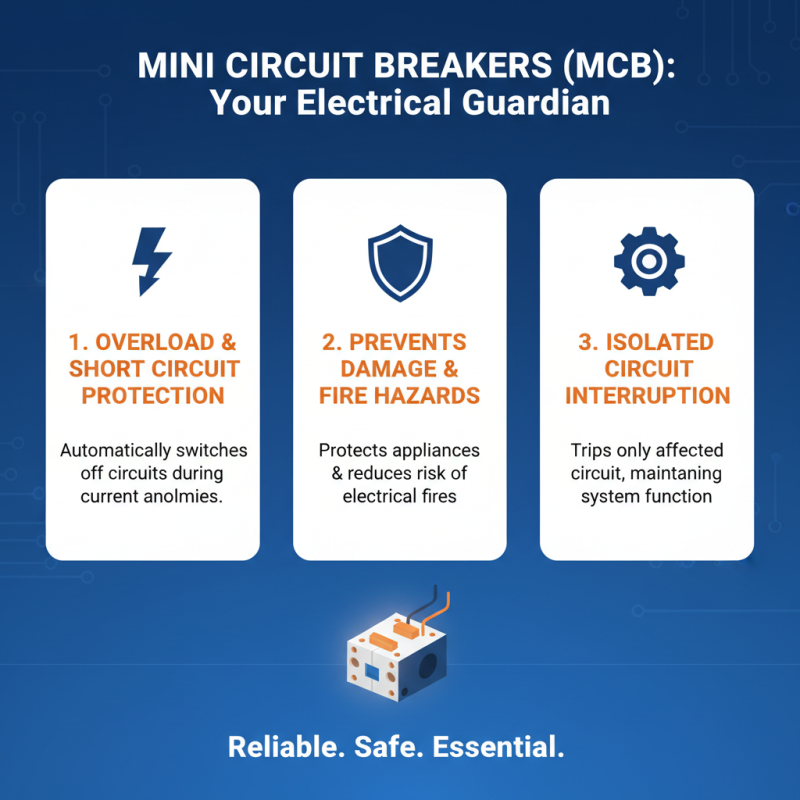
Mini circuit breakers (MCBs) play a crucial role in modern electrical systems by providing protection against overloads and short circuits. These devices operate by automatically switching off electrical circuits when they detect an anomaly, thus preventing potential damage to electrical appliances and reducing the risk of electrical fires. MCBs are designed to trip at a predefined current level, which ensures that only the affected circuit is interrupted, allowing the rest of the system to function normally.
The mechanism behind MCBs involves both thermal and magnetic components. The thermal part responds to the heat generated by excess current, activating a bimetallic strip that bends and triggers the switch. On the other hand, the magnetic component reacts instantly to surges in current, offering rapid disconnection in cases of short circuits. This dual action allows MCBs to provide reliable protection while minimizing downtime, making them suitable for residential and commercial electrical setups alike. By integrating MCBs, homeowners can enhance the safety and longevity of their electrical systems.
Comparing Mini Circuit Breakers with Traditional Fuses
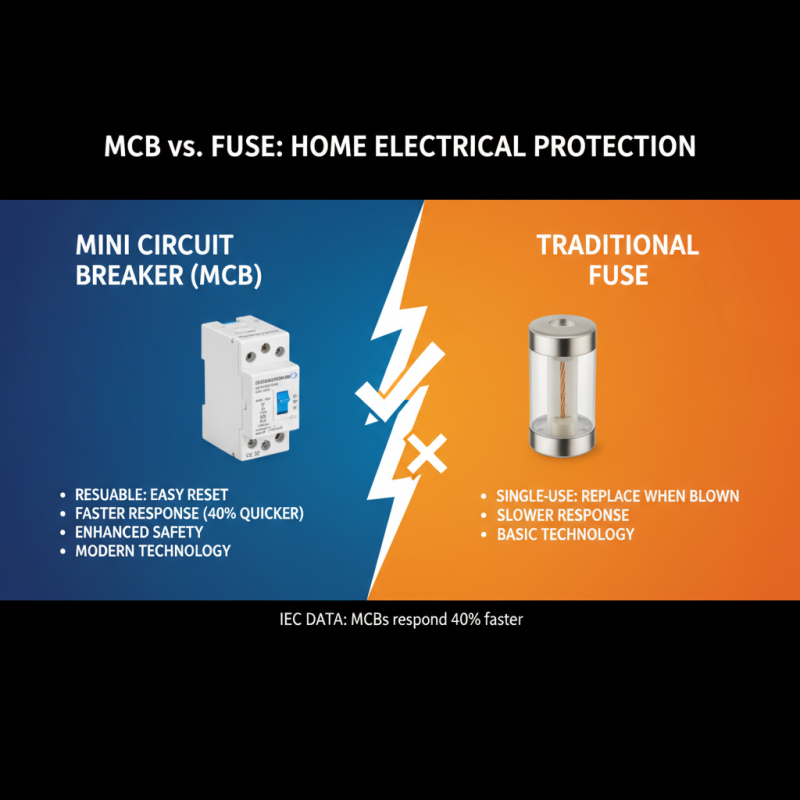
When deciding between mini circuit breakers (MCBs) and traditional fuses for home electrical systems, it's essential to understand their fundamental differences and advantages. MCBs offer a more advanced and reliable solution compared to traditional fuses, which have been used for decades. A primary distinction is that MCBs can be reset easily after they trip, whereas fuses need to be replaced once blown. This not only saves time but also ensures that electrical protection can be restored quickly. According to the International Electrotechnical Commission (IEC), MCBs can respond to overcurrent conditions 40% faster than fuses, minimizing the risk of electrical hazards.
In addition to speed, the precision offered by mini circuit breakers is noteworthy. MCBs are available in several ratings and can be tailored to the specific needs of a household's electrical demand. This adaptability ensures better protection against overloads and short circuits. Industry reports indicate that using MCBs can reduce the risk of electrical fires by up to 60% compared to traditional fuses. Furthermore, the built-in mechanisms in MCBs provide protection against earth faults, which traditional fuses typically do not address. By choosing MCBs, homeowners can significantly enhance their electrical safety and reliability, making them a smarter choice in modern electrical installations.
Installation and Maintenance of Mini Circuit Breakers in Homes
When it comes to the installation and maintenance of mini circuit breakers in home electrical systems, there are several important factors to consider. Firstly, the installation process requires adhering to electrical codes and standards to ensure safety and functionality. It is crucial to correctly identify the load requirements for different circuits in the home before selecting the appropriate mini circuit breaker. A qualified electrician should be involved not only for installation but also to assess the overall electrical system and make any necessary upgrades to accommodate the new breakers.
Routine maintenance of mini circuit breakers is essential to ensure they operate effectively and reliably. Homeowners should regularly check that the breakers are clean and free from dust or debris, which can hinder performance. Testing the breakers by toggling them on and off periodically will help determine that they are functioning as intended. In addition, it is advisable to keep an eye on any signs of overload or tripping, which could indicate underlying electrical issues. Engaging a professional electrician for routine inspections can help prevent potential problems and enhance the longevity of the breakers, keeping the home safe and secure from electrical hazards.



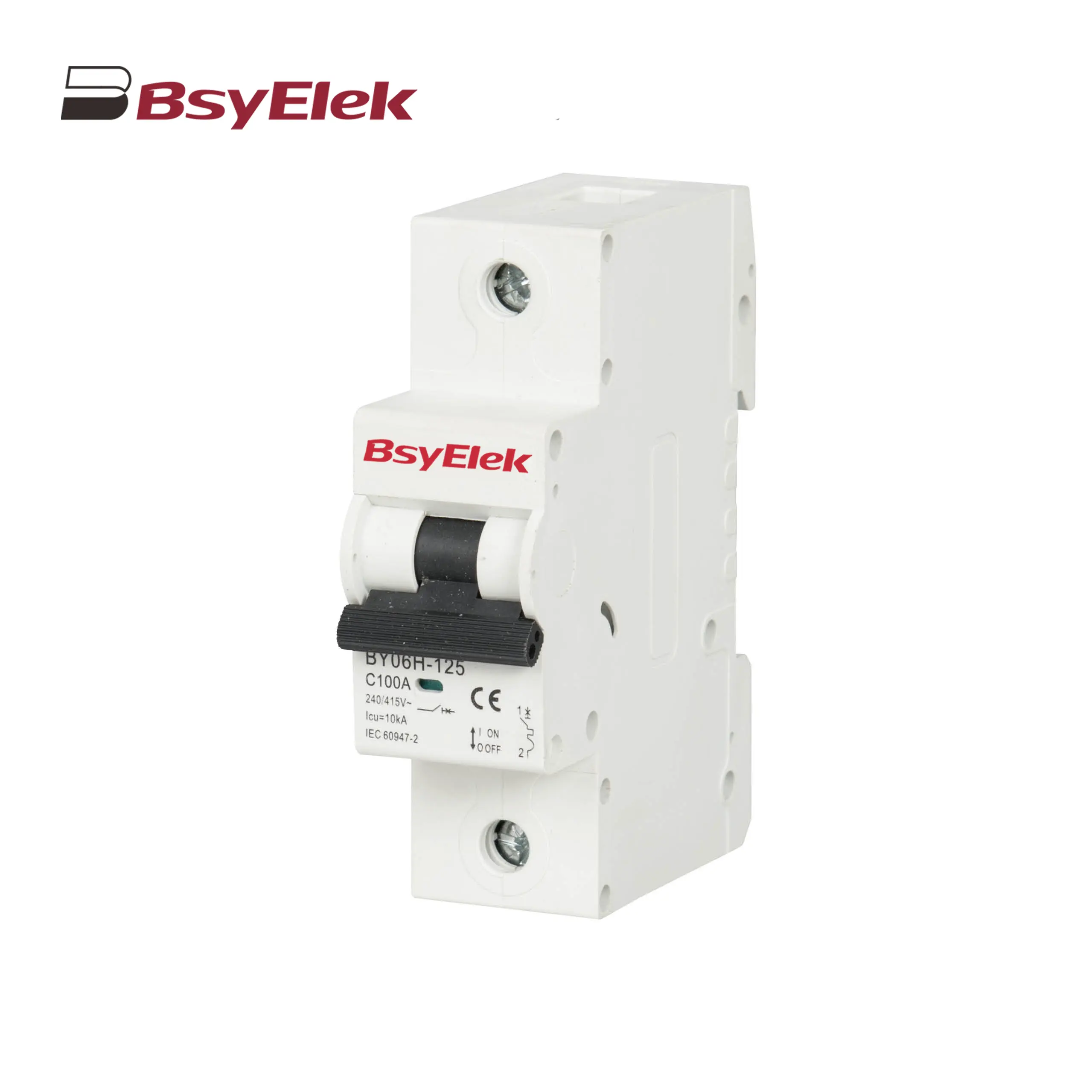 BY06H-125 MCB 10-15KA Miniature Circuit Breaker
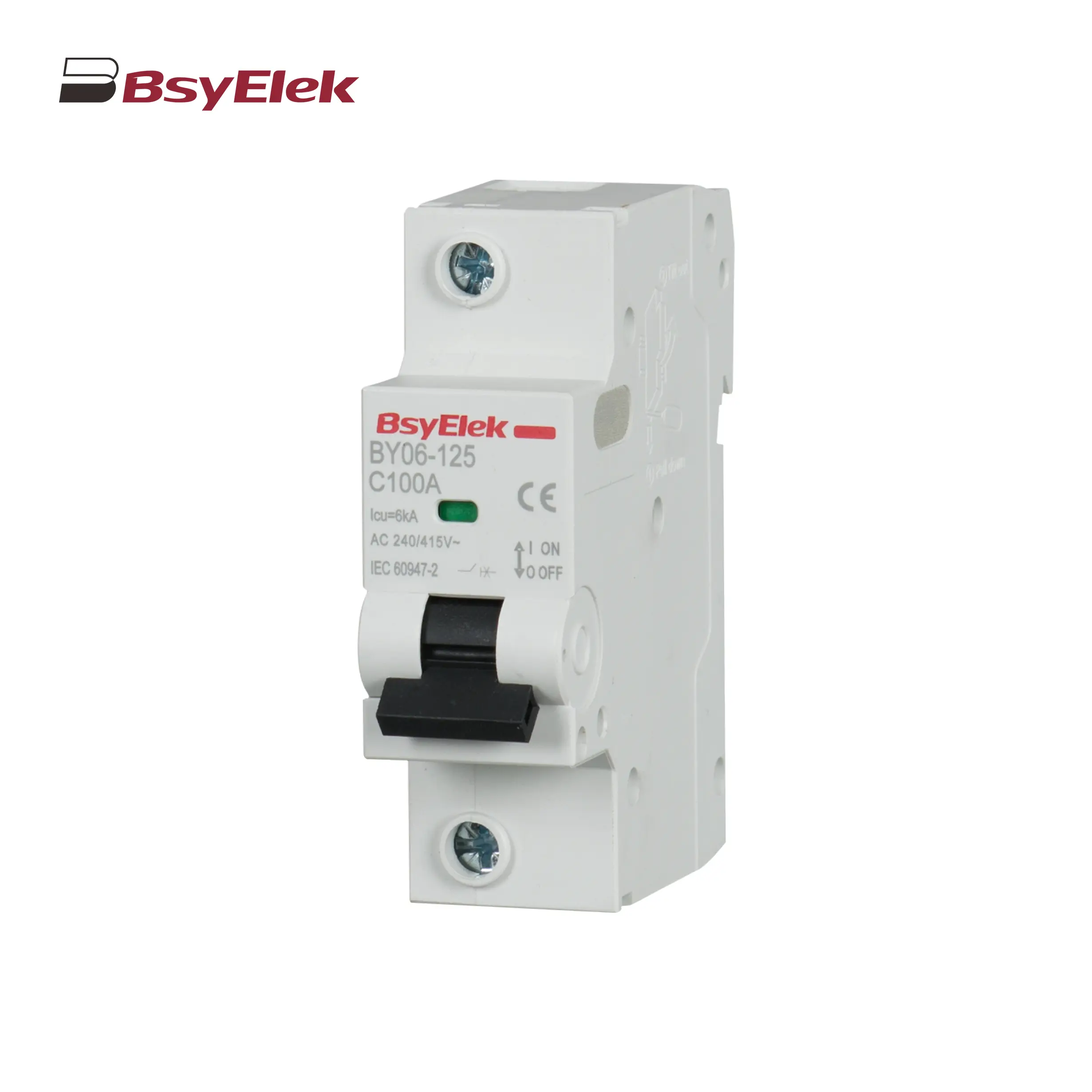 BY06-125 MCB 6KA Miniature Circuit Breaker
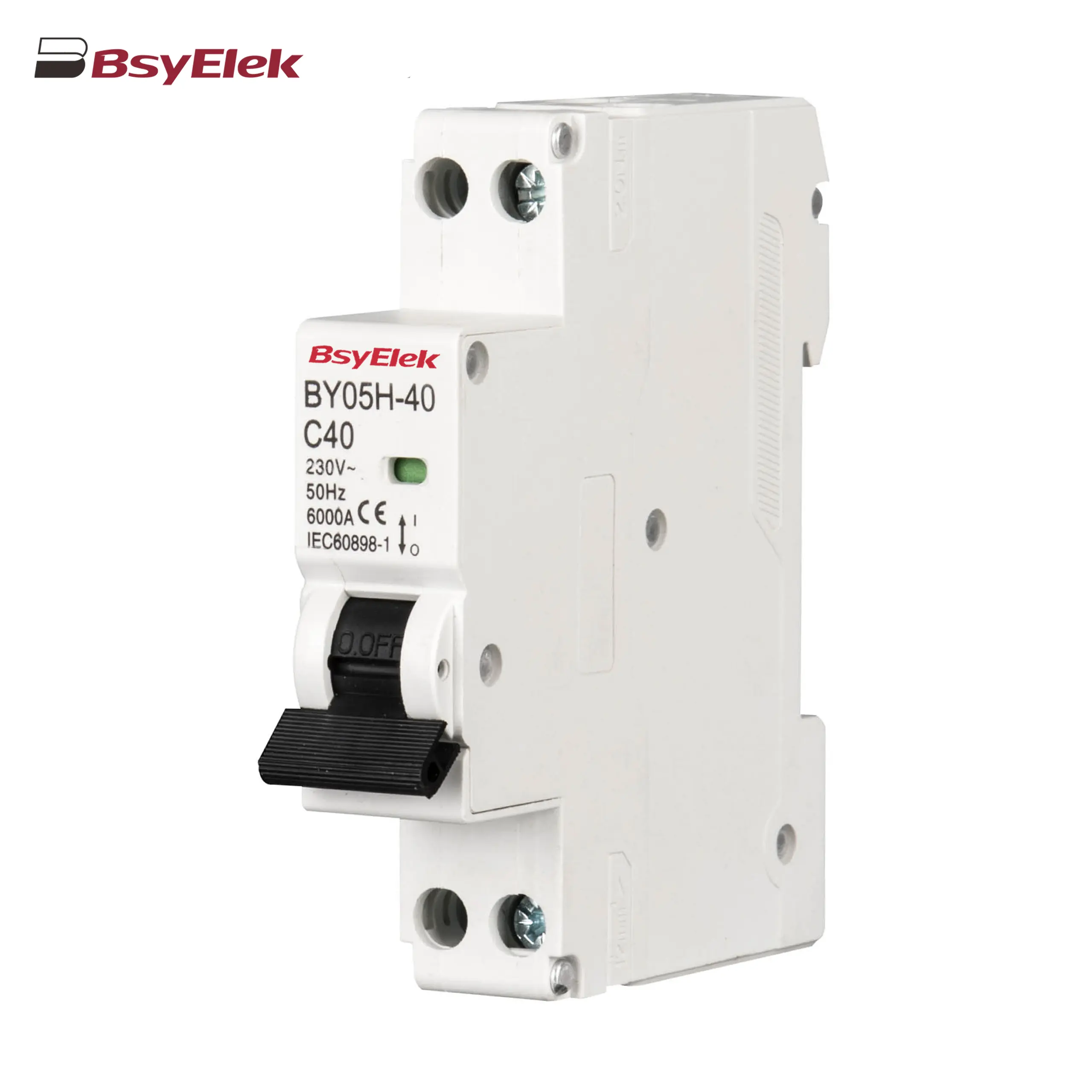 BY05H-40 MCB Single Modular 6KA Miniature Circuit Breaker
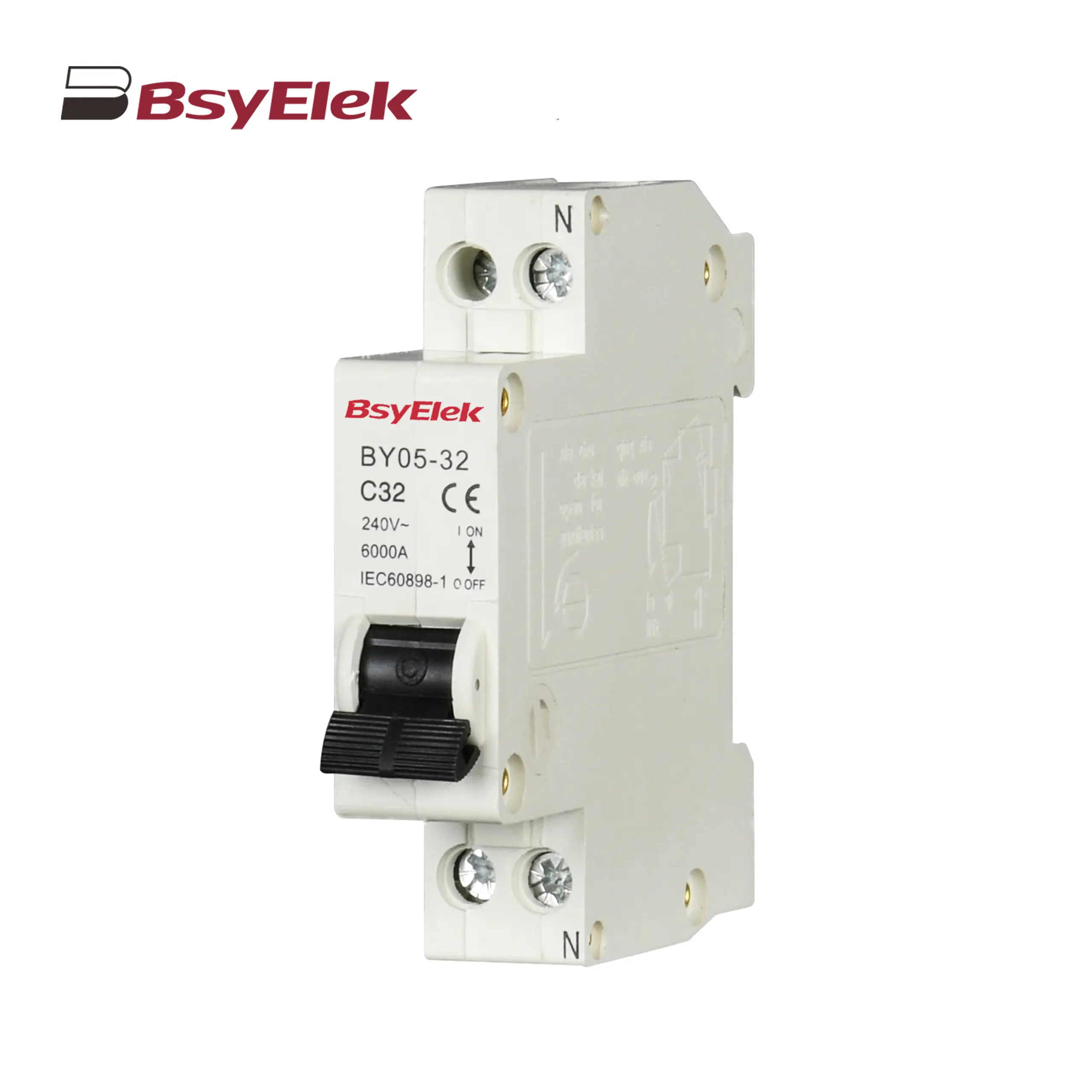 BY05-32 MCB Single Modular 3KA Miniature Circuit Breaker
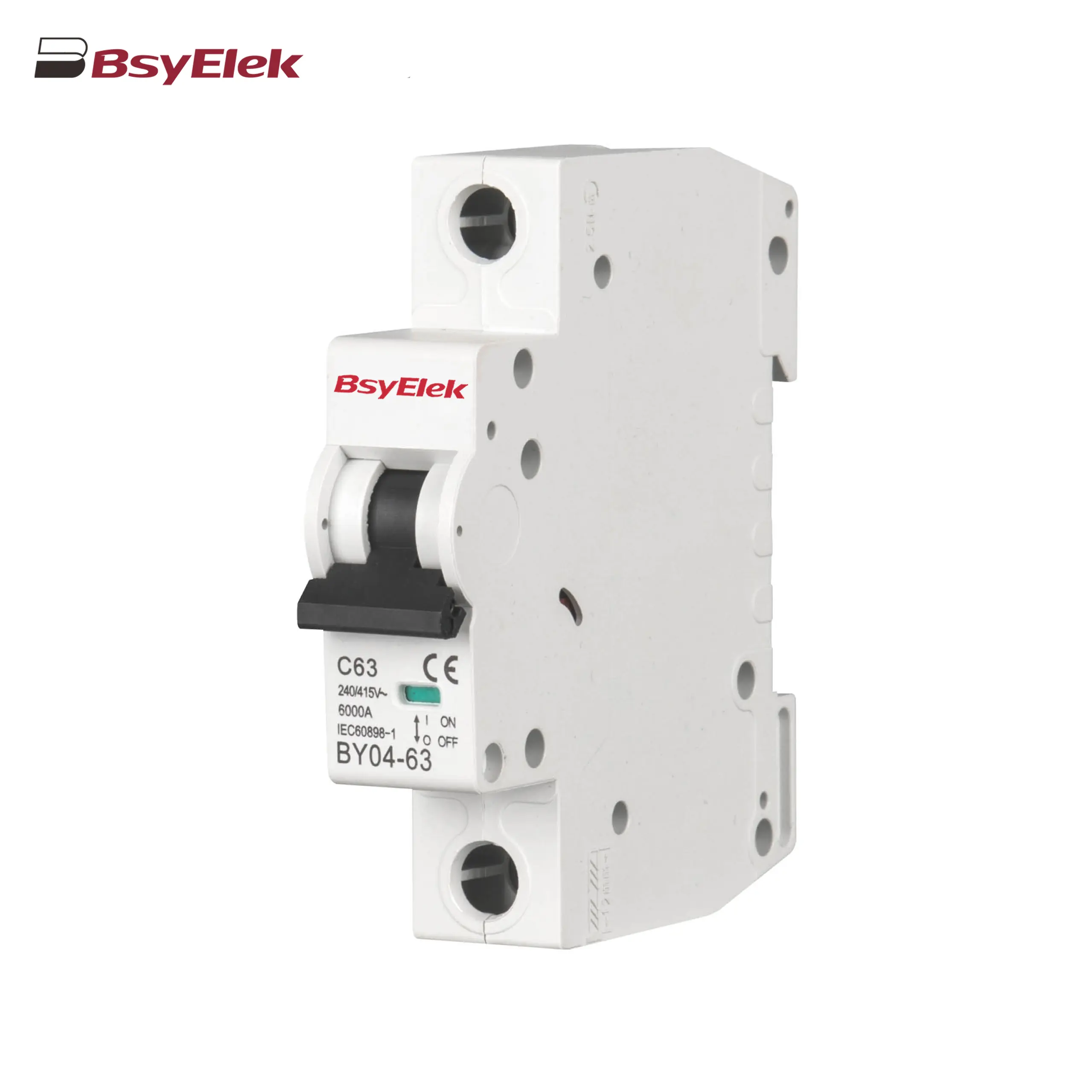 BY04-63 MCB 6-10KA Miniature Circuit Breaker
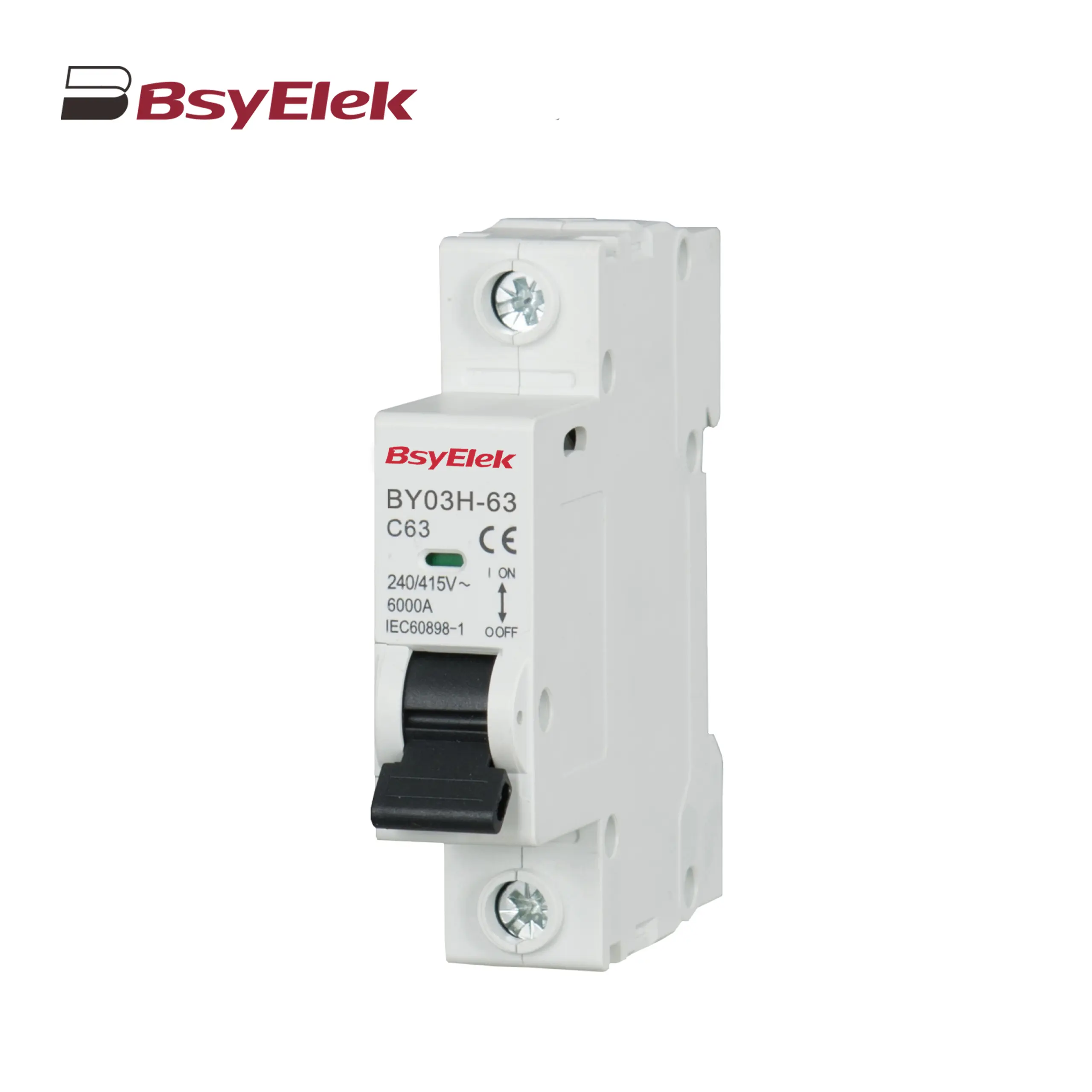 BY03H-63 MCB 6KA Miniature Circuit Breaker
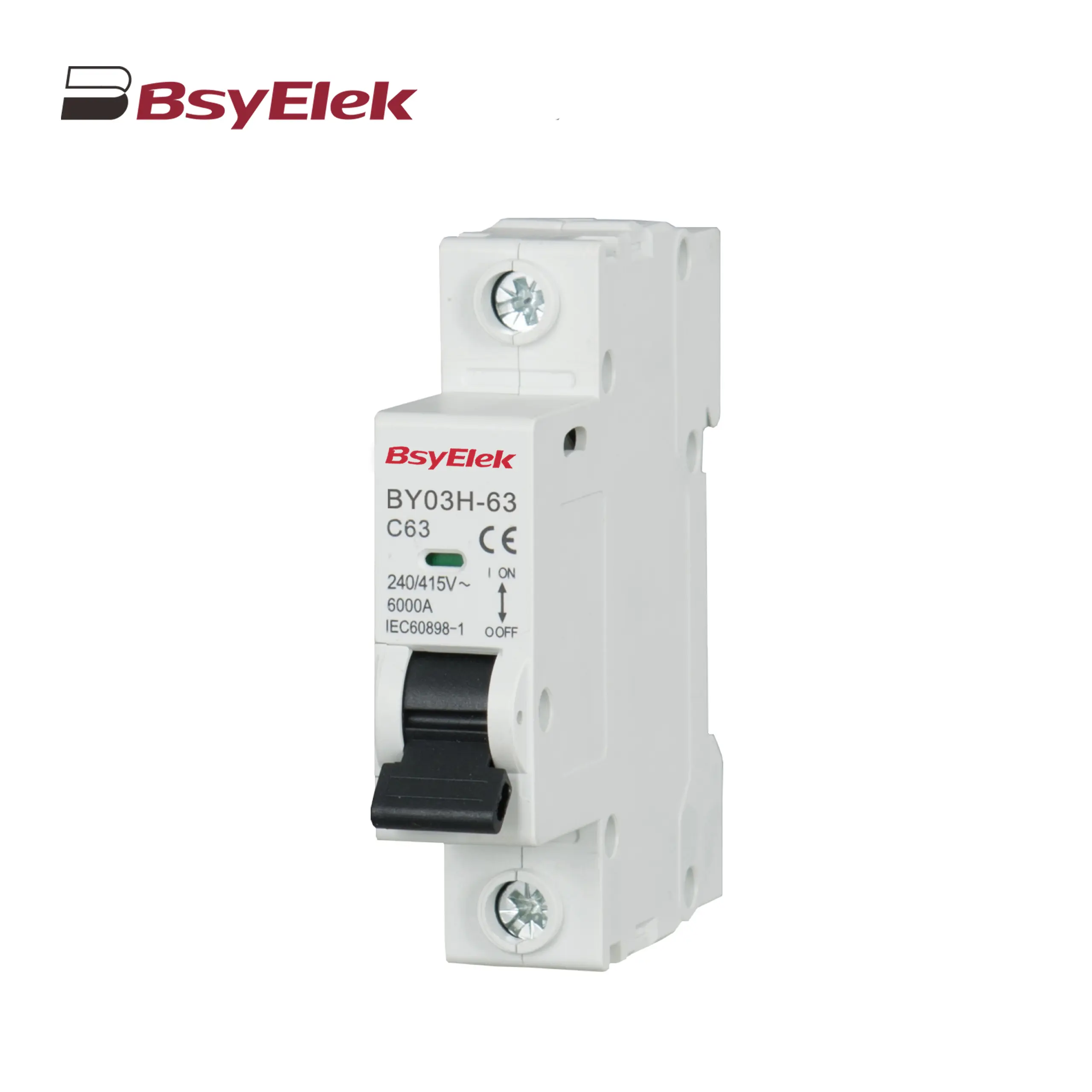 BY03-63 MCB 4.5KA Miniature Circuit Breaker
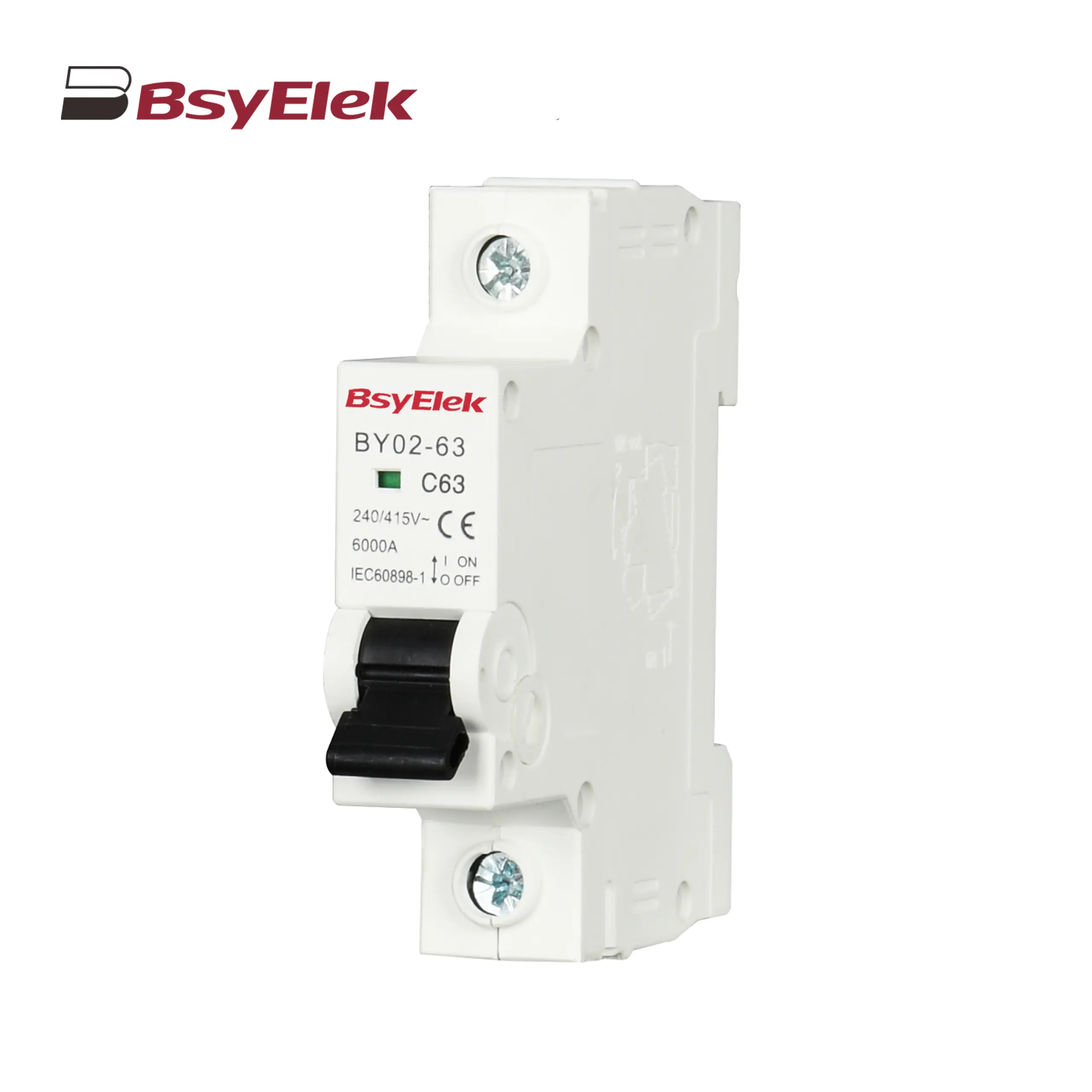 BY02-63 MCB 3kA Miniature Circuit Breaker
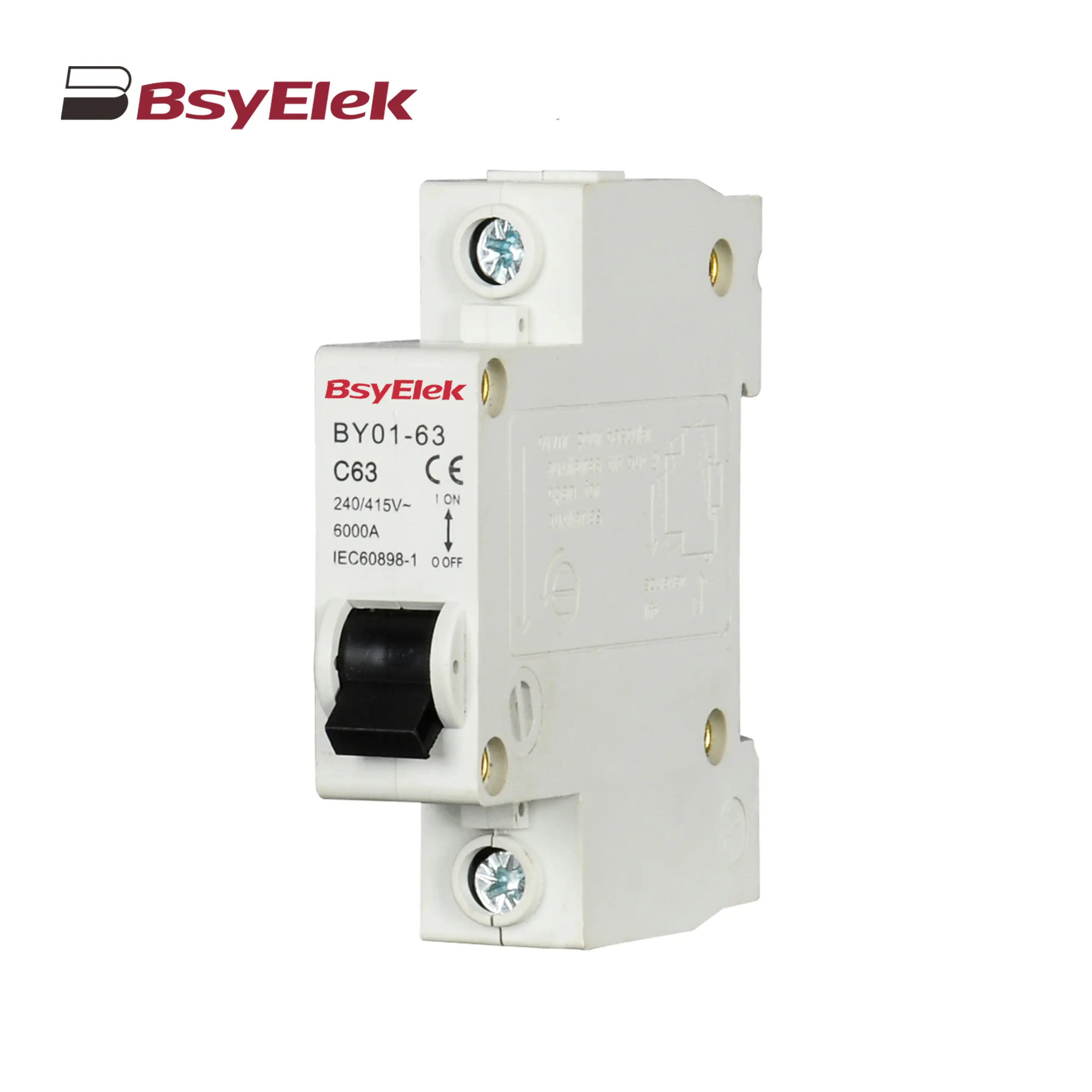 BY01-63 MCB 3kA Miniature Circuit Breaker
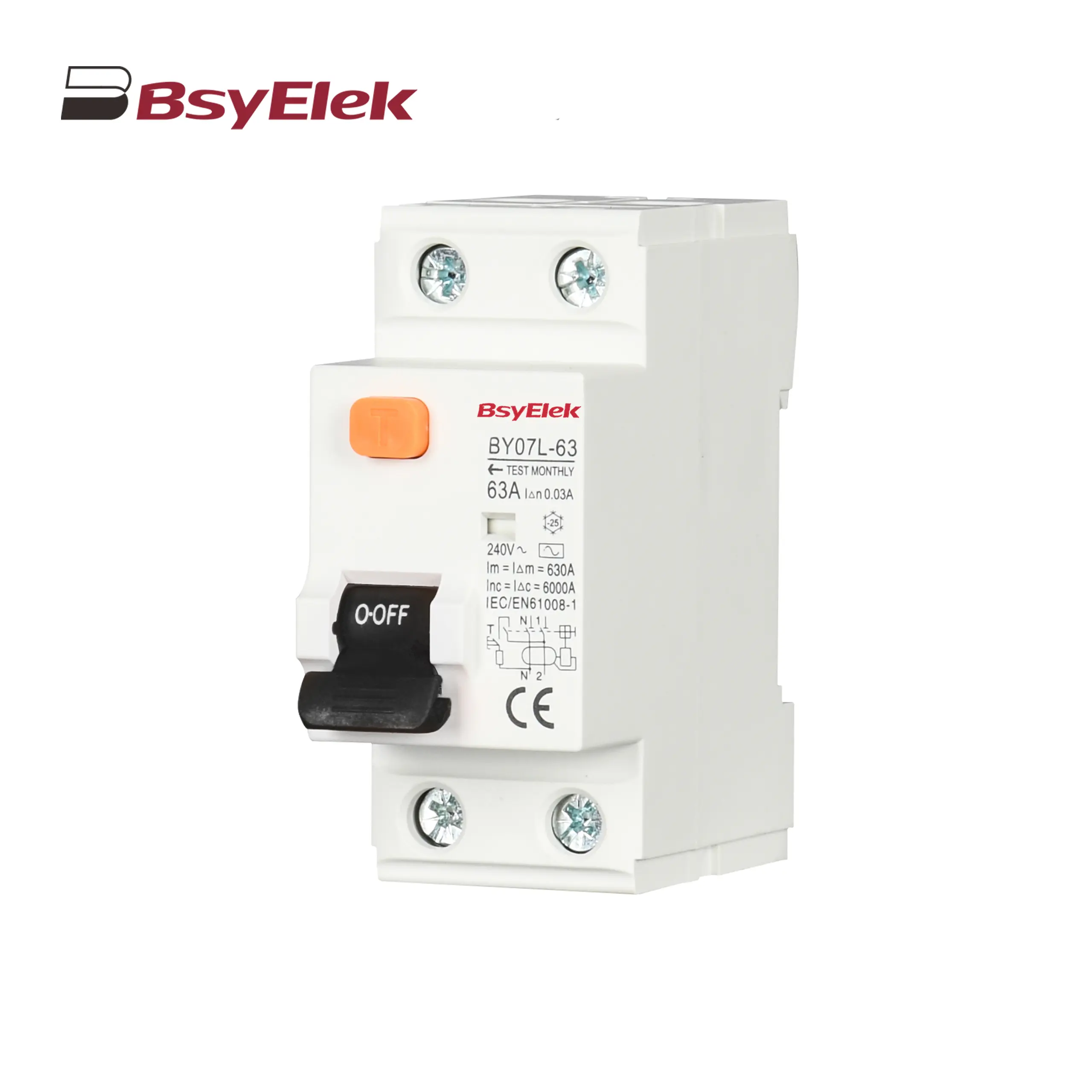 BY07L-63 RCCB 6KA Residual Current Circuit Breaker
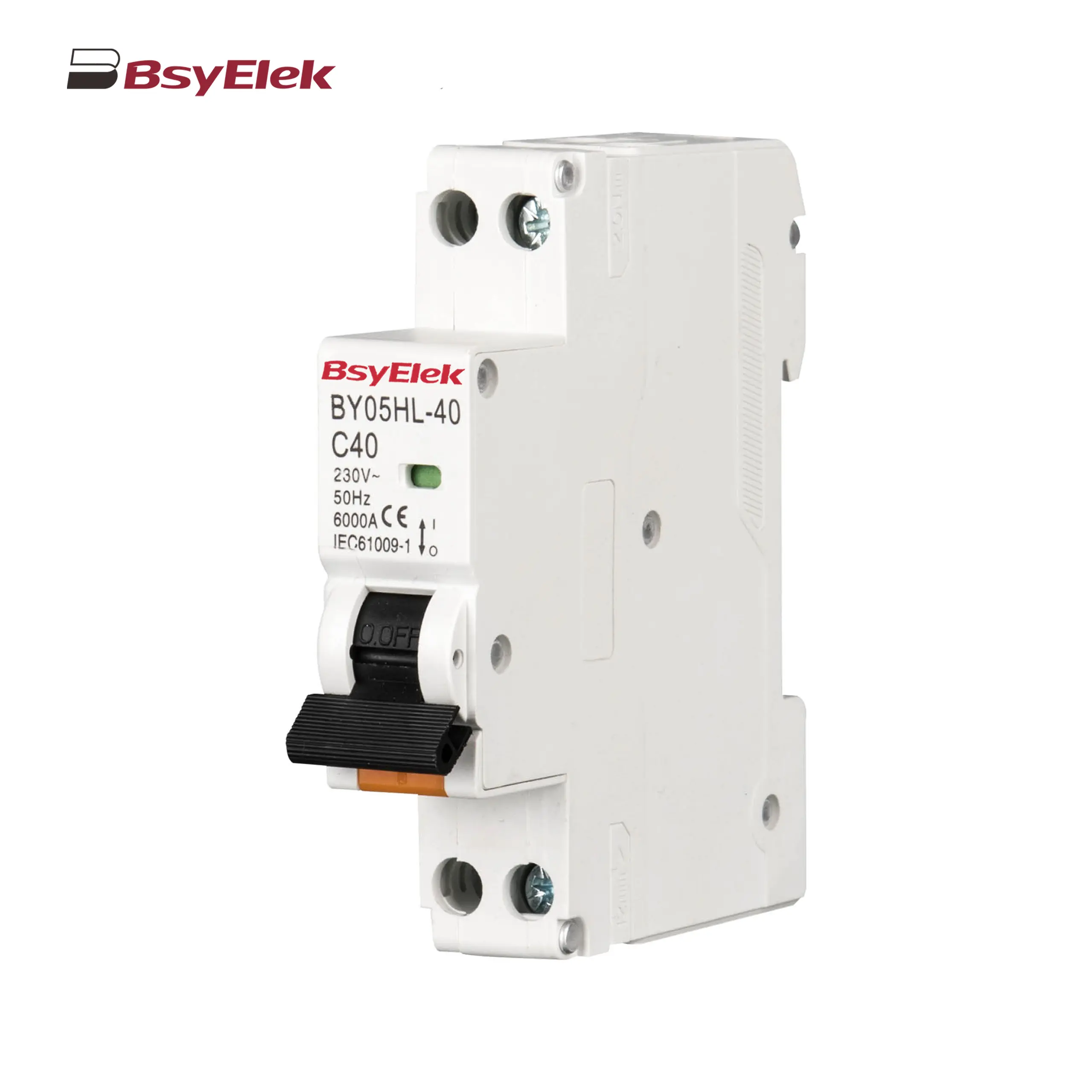 BY05HL-40 RCBO 6KA Residual Current Circuit Breaker with Over-current Protection
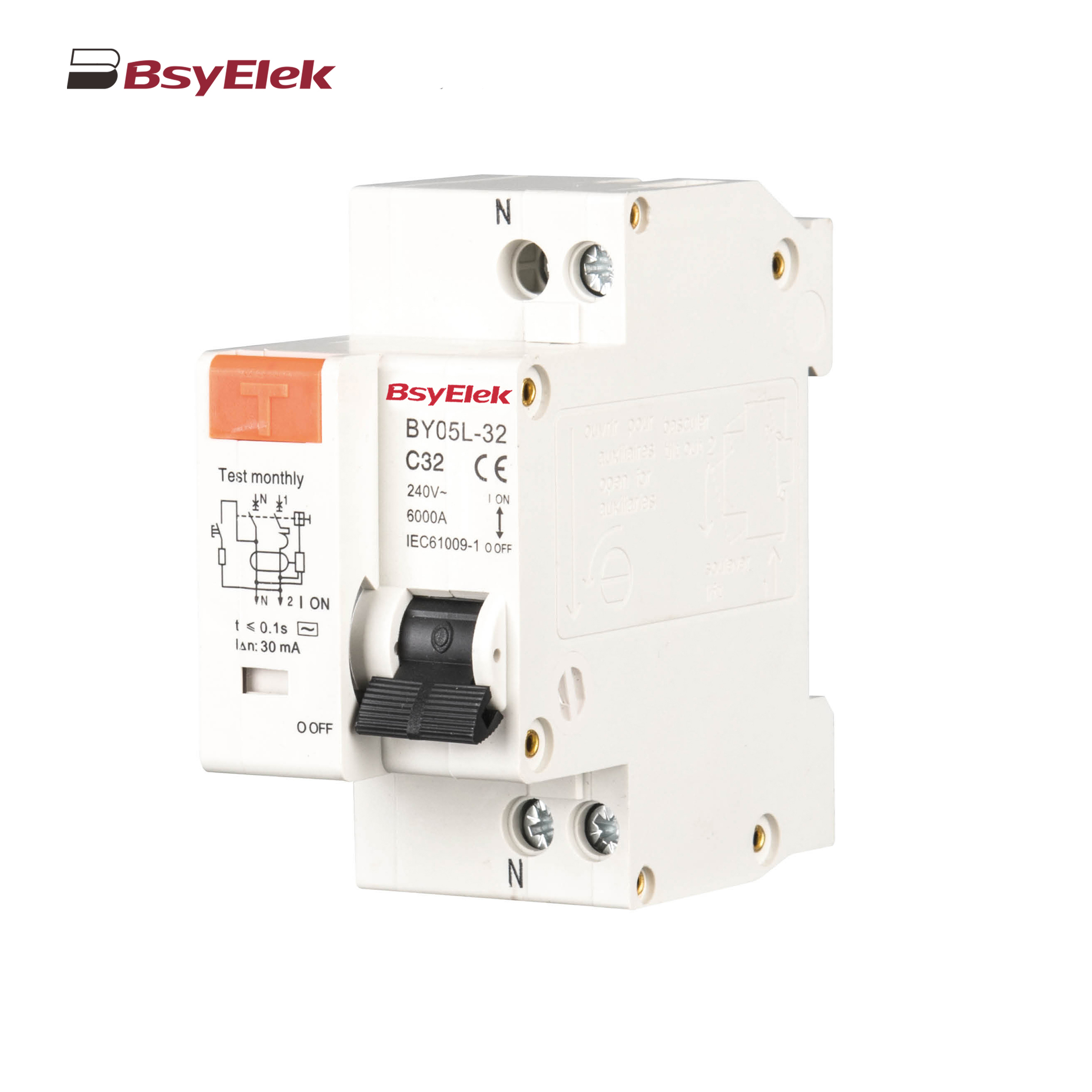 BY05L-32 RCBO 3KA Residual Current Circuit Breaker with Over-current Protection
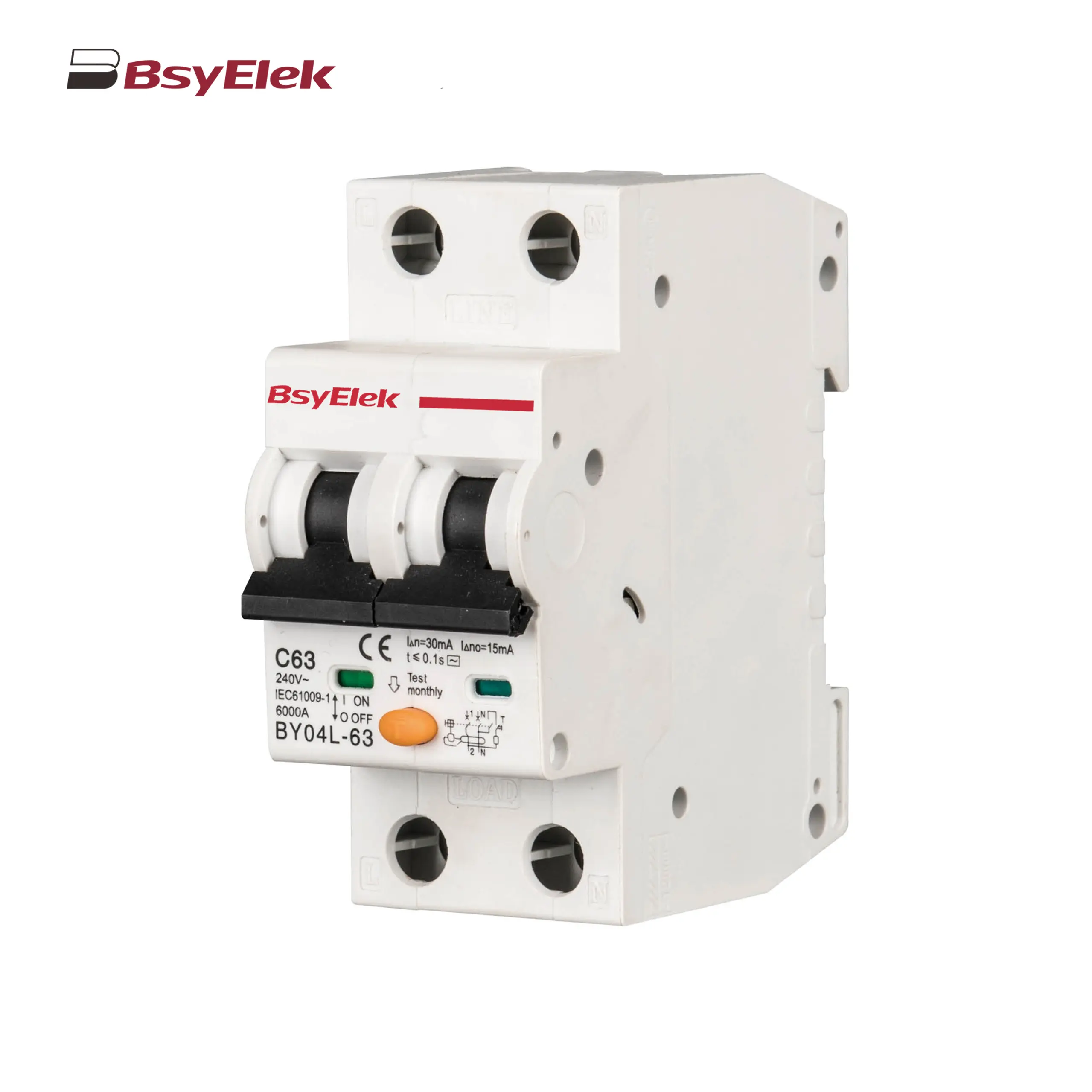 BY04L-63 RCBO 6KA Residual Current Circuit Breaker with Over-current Protection
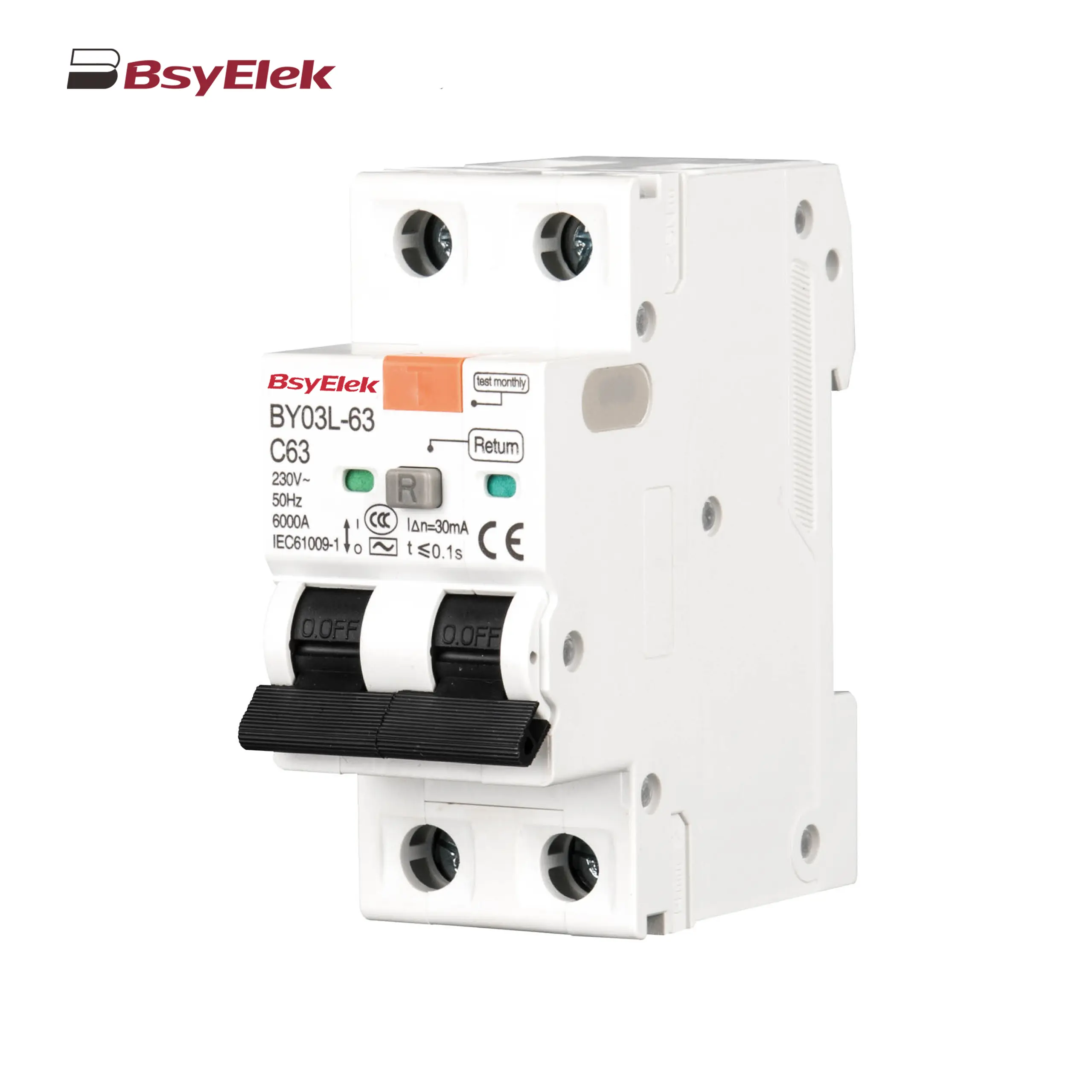 BY03L-63 RCBO 4.5KA Residual Current Circuit Breaker with Over-current Protection
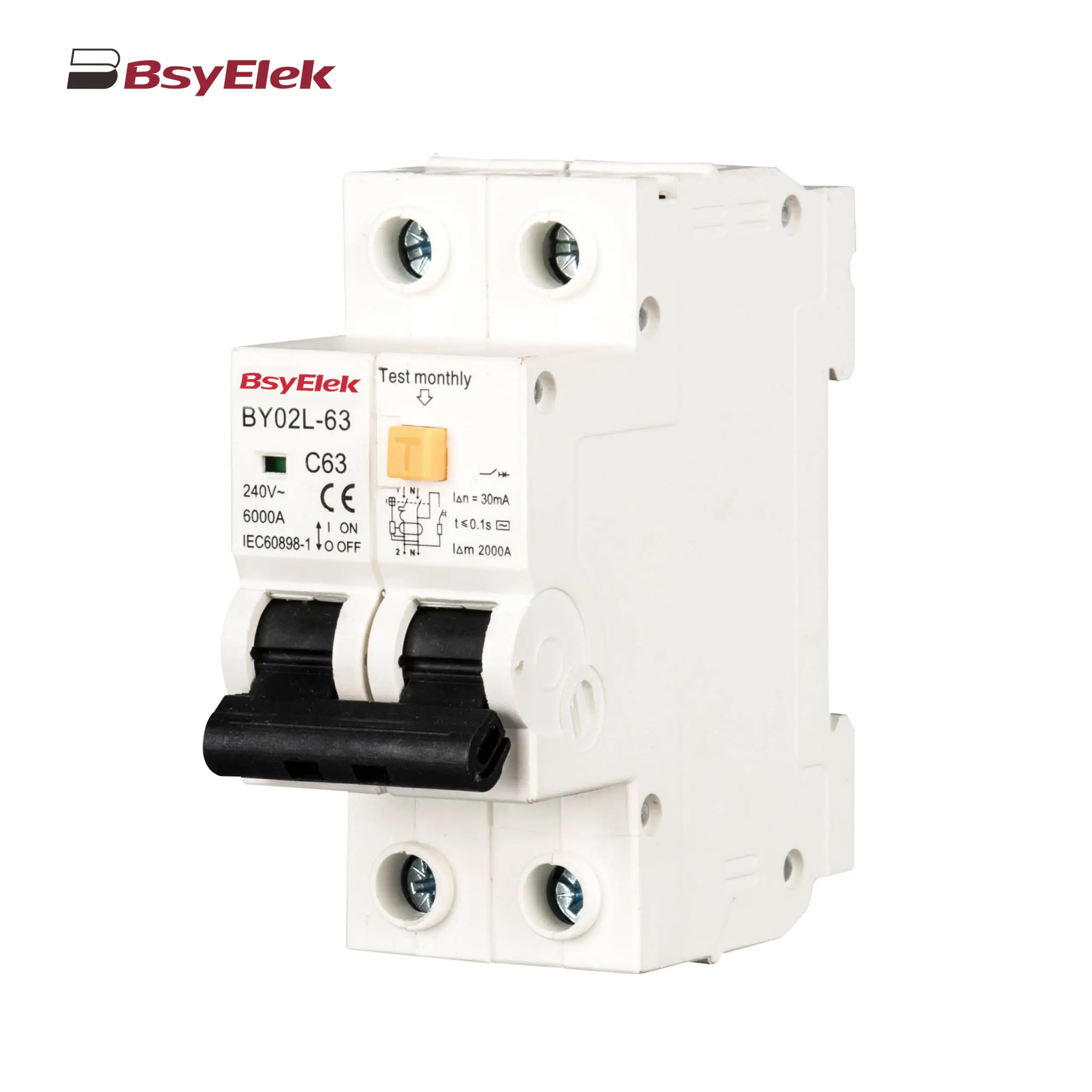 BY02L-63 RCBO 3KA Residual Current Circuit Breaker with Over-current Protection
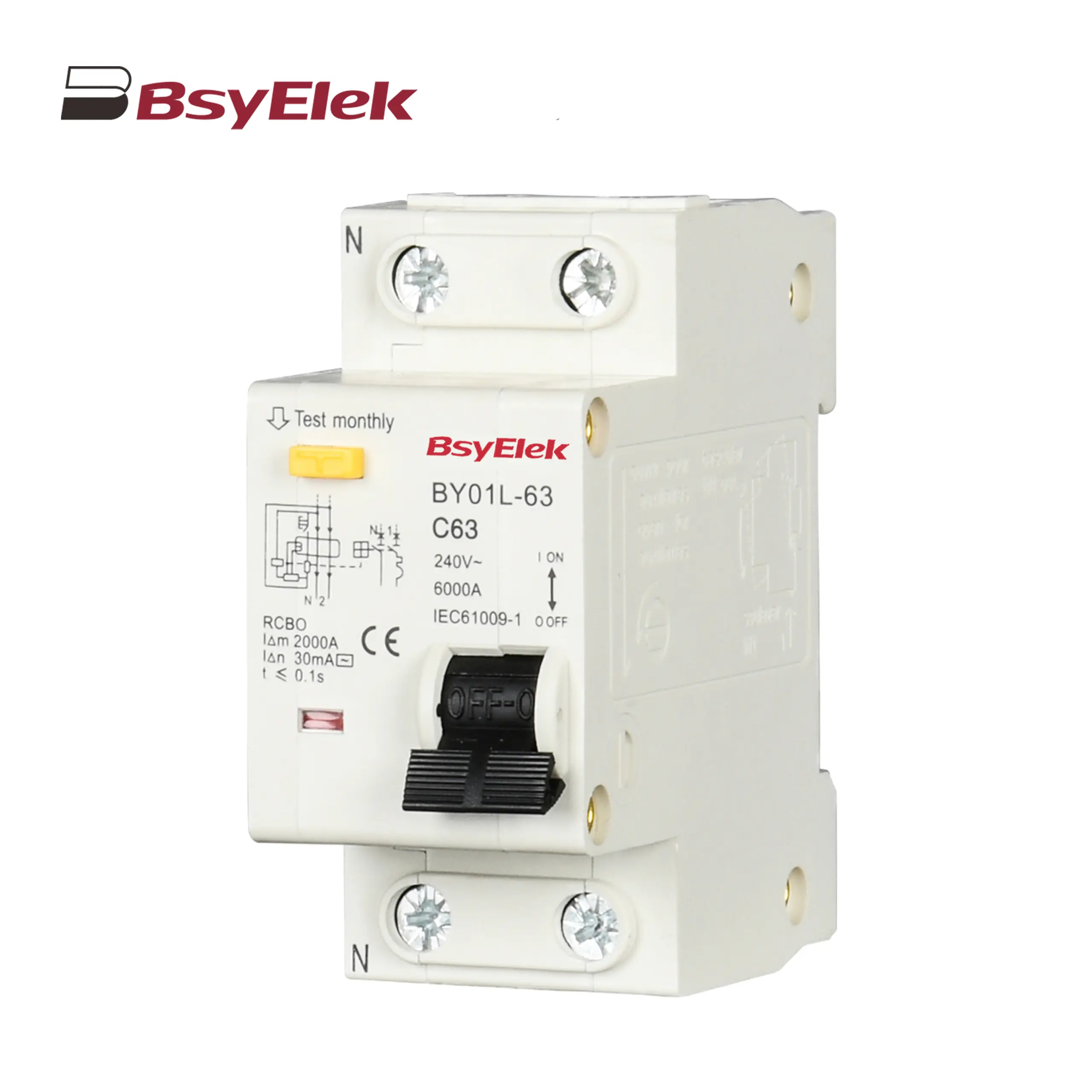 BY01L-63 RCBO 1P+N 3KA Residual Current Circuit Breaker with Over-current Protection
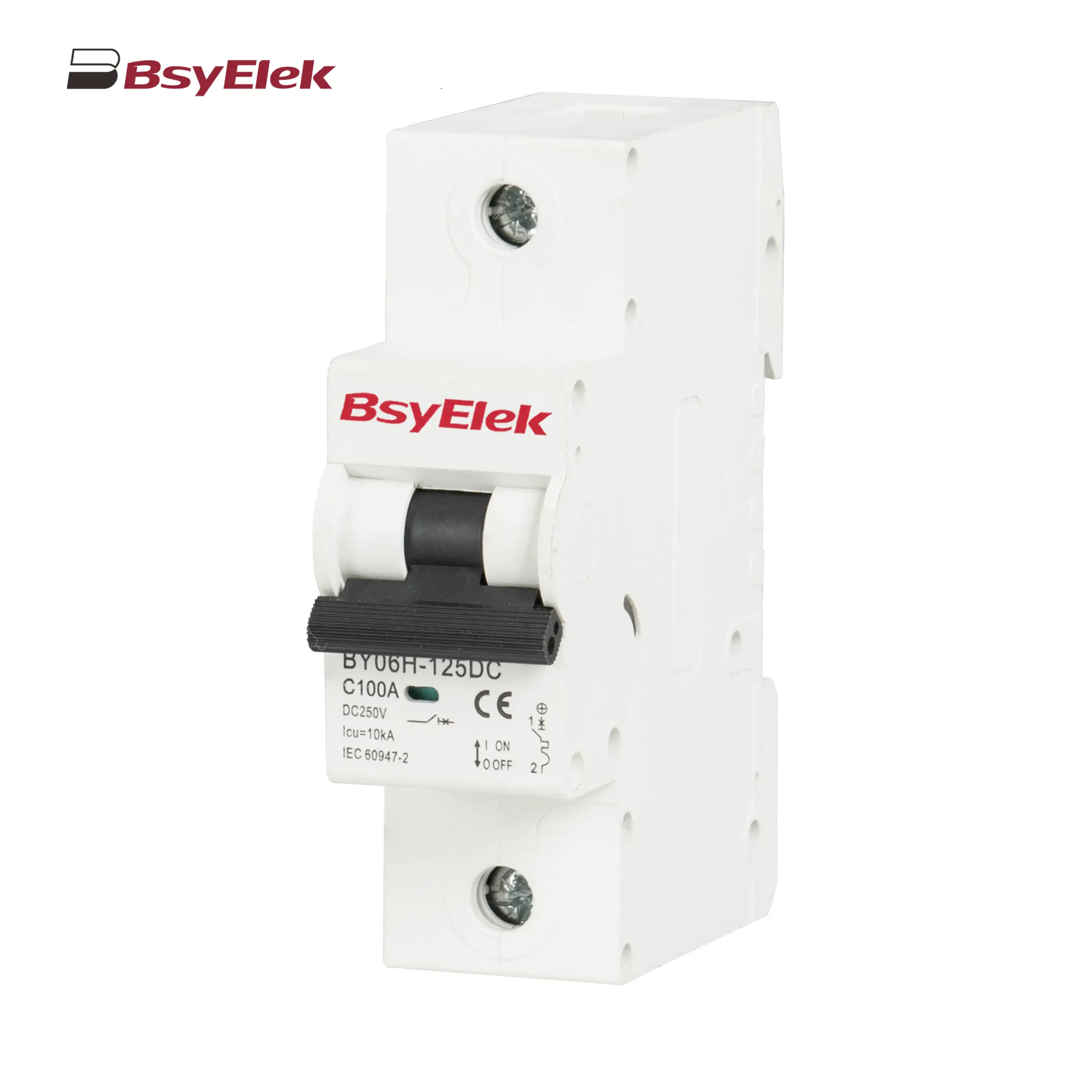 BY06H-125DC MCB 10-15kA DC Miniature Circuit Breaker
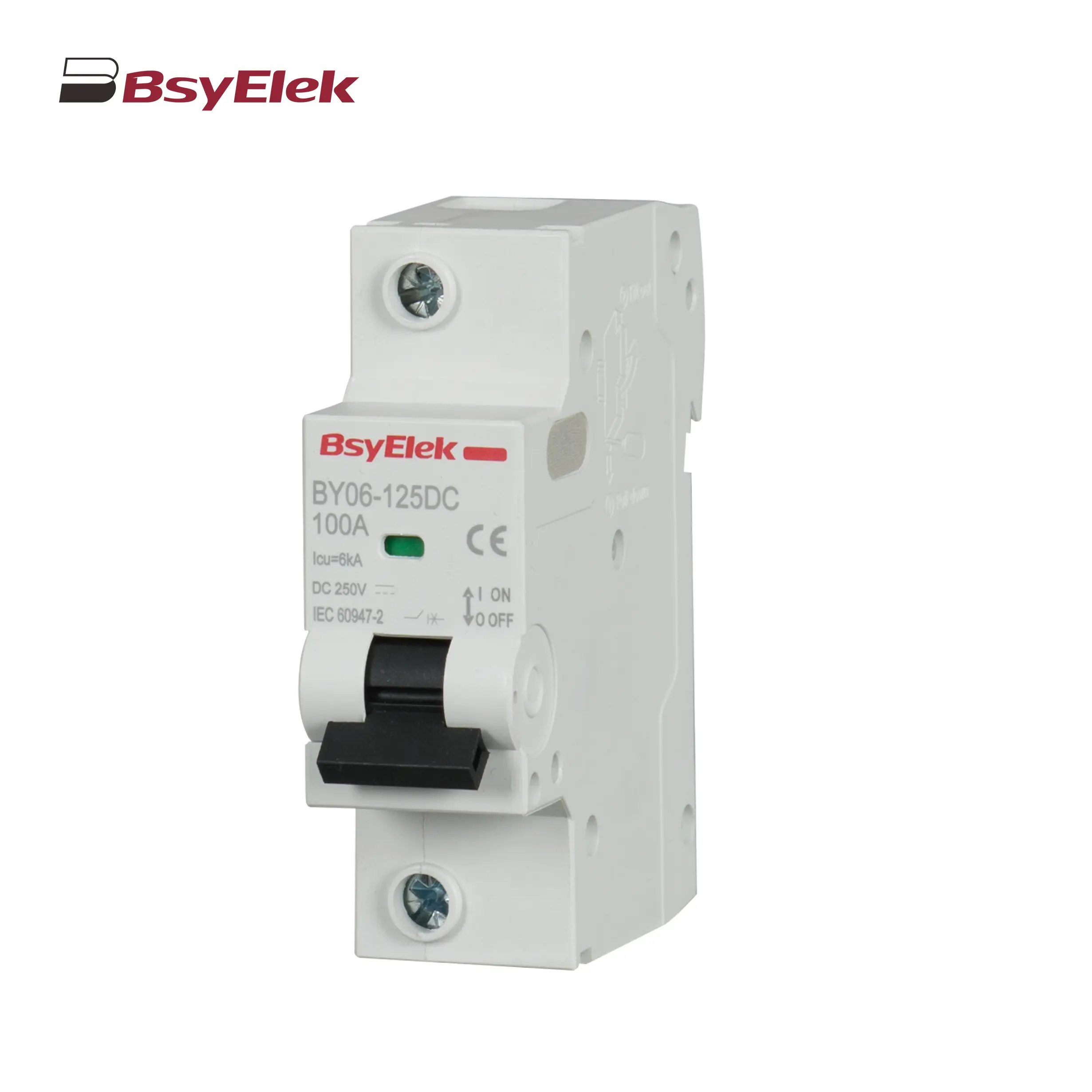 BY06-125DC MCB 6kA DC Miniature Circuit Breaker
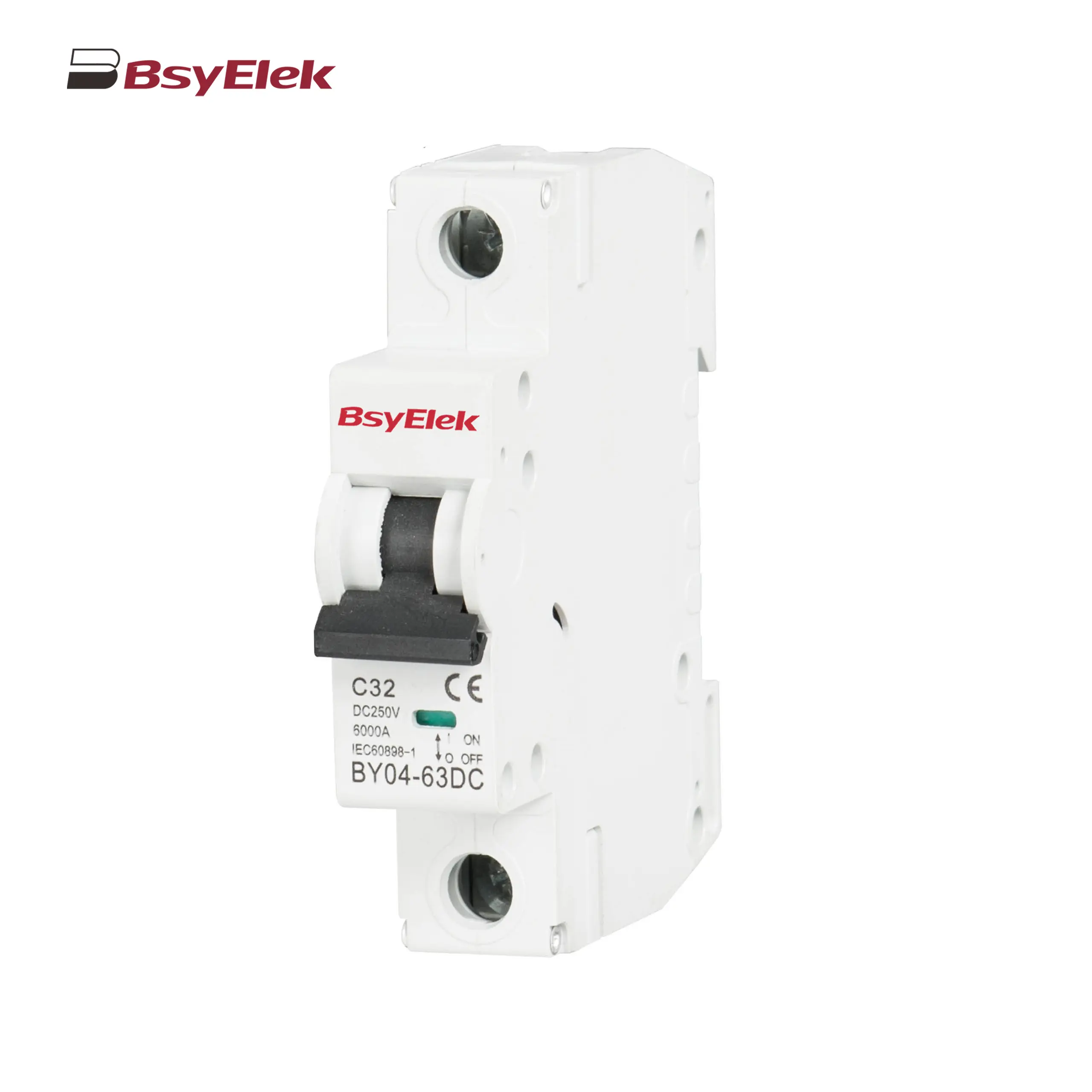 BY04-63DC MCB 6-10kA DC Miniature Circuit Breaker
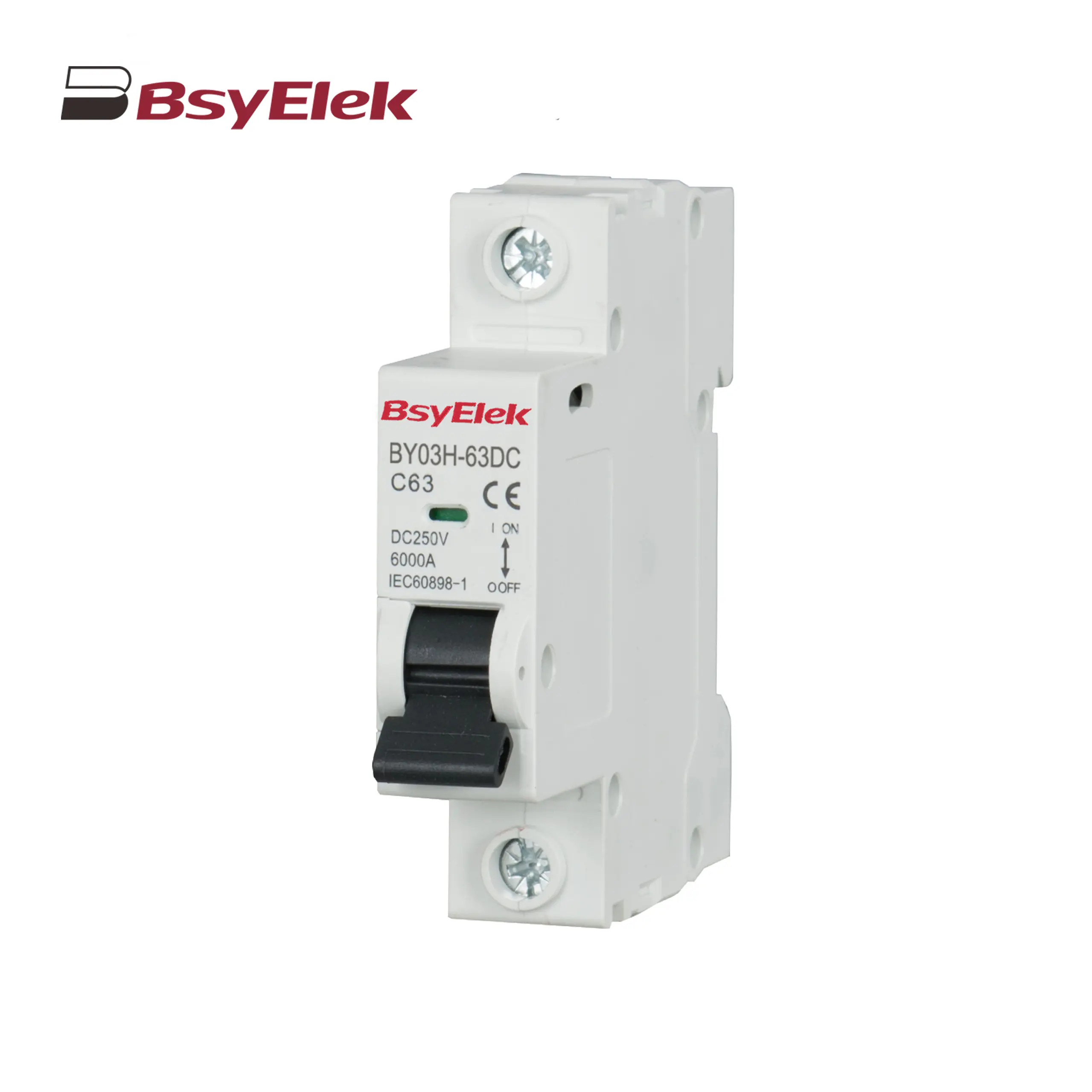 BY03H-63DC MCB 6kA DC Miniature Circuit Breaker
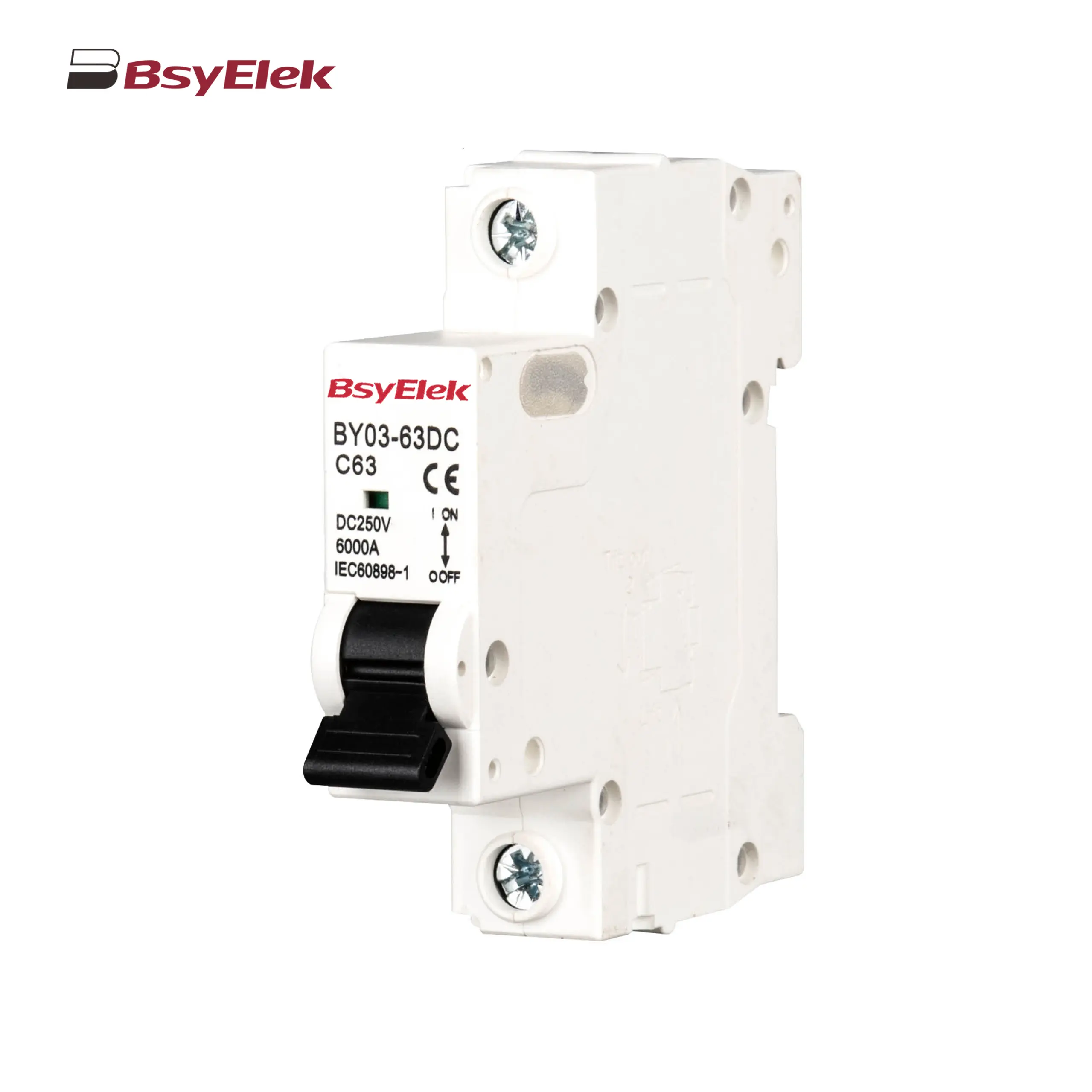 BY03-63DC MCB 4.5kA DC Miniature Circuit Breaker
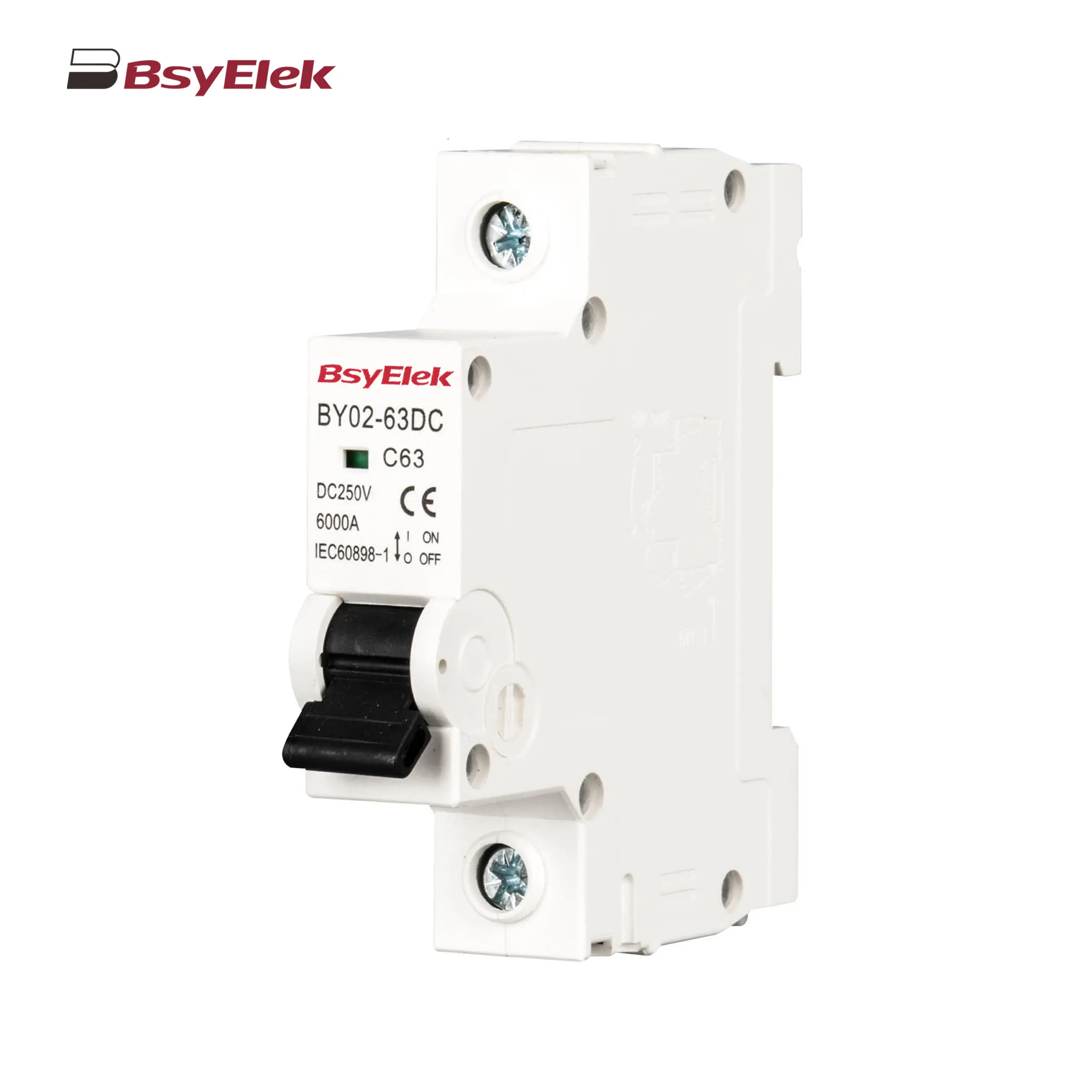 BY02-63DC MCB 3kA DC Miniature Circuit Breaker
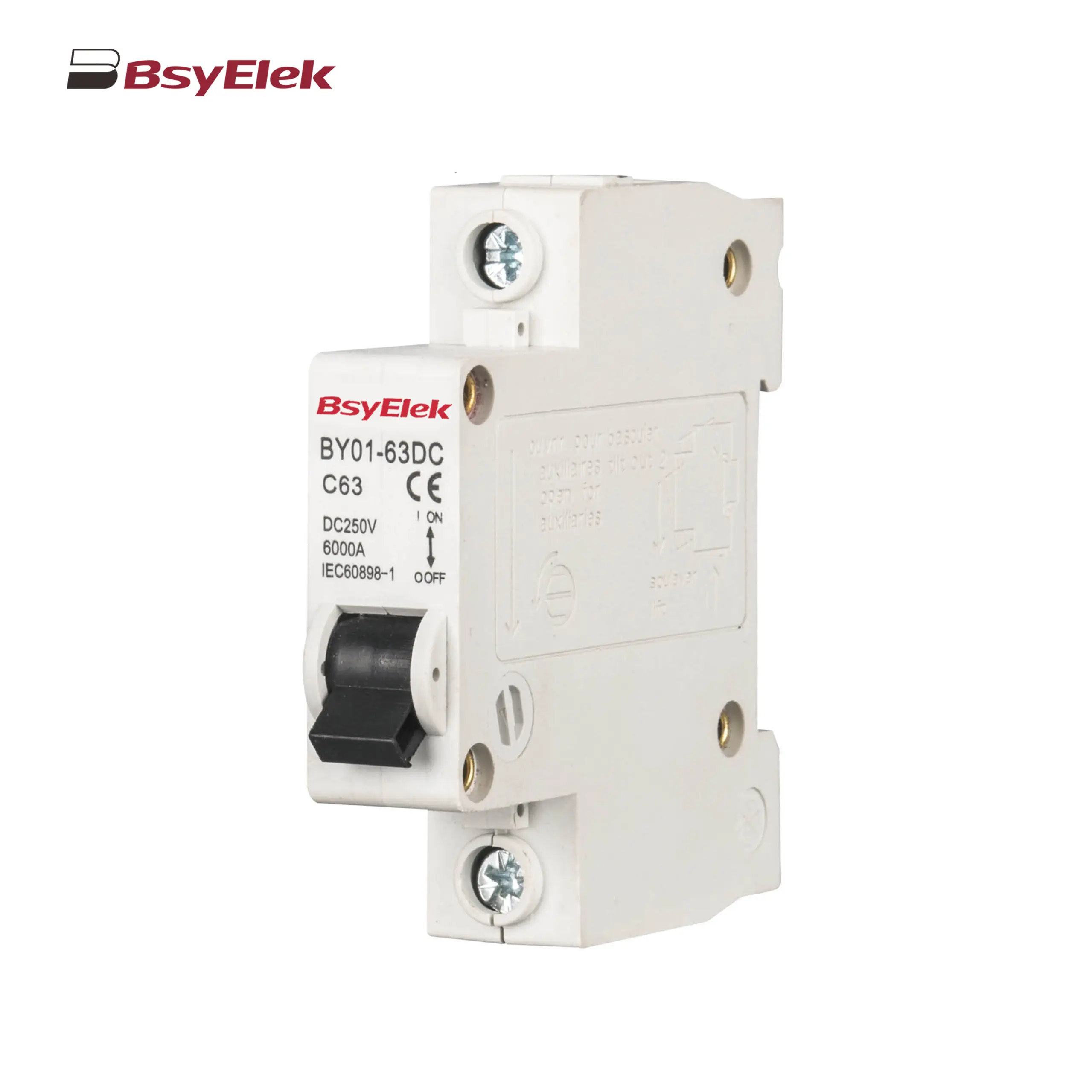 BY01-63DC MCB 3kA DC Miniature Circuit Breaker
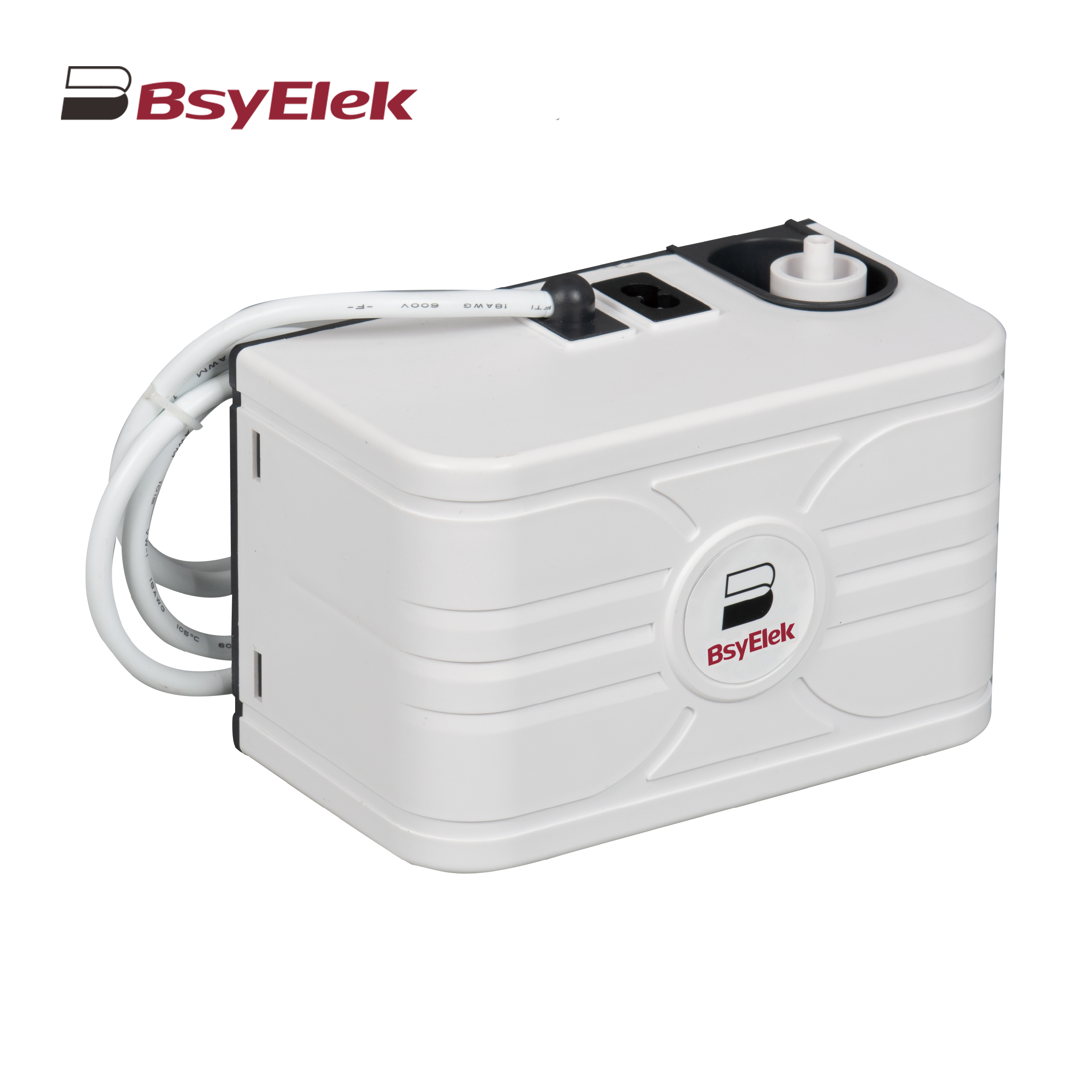 BY-5018 1.8M Engineering Drainage Pump
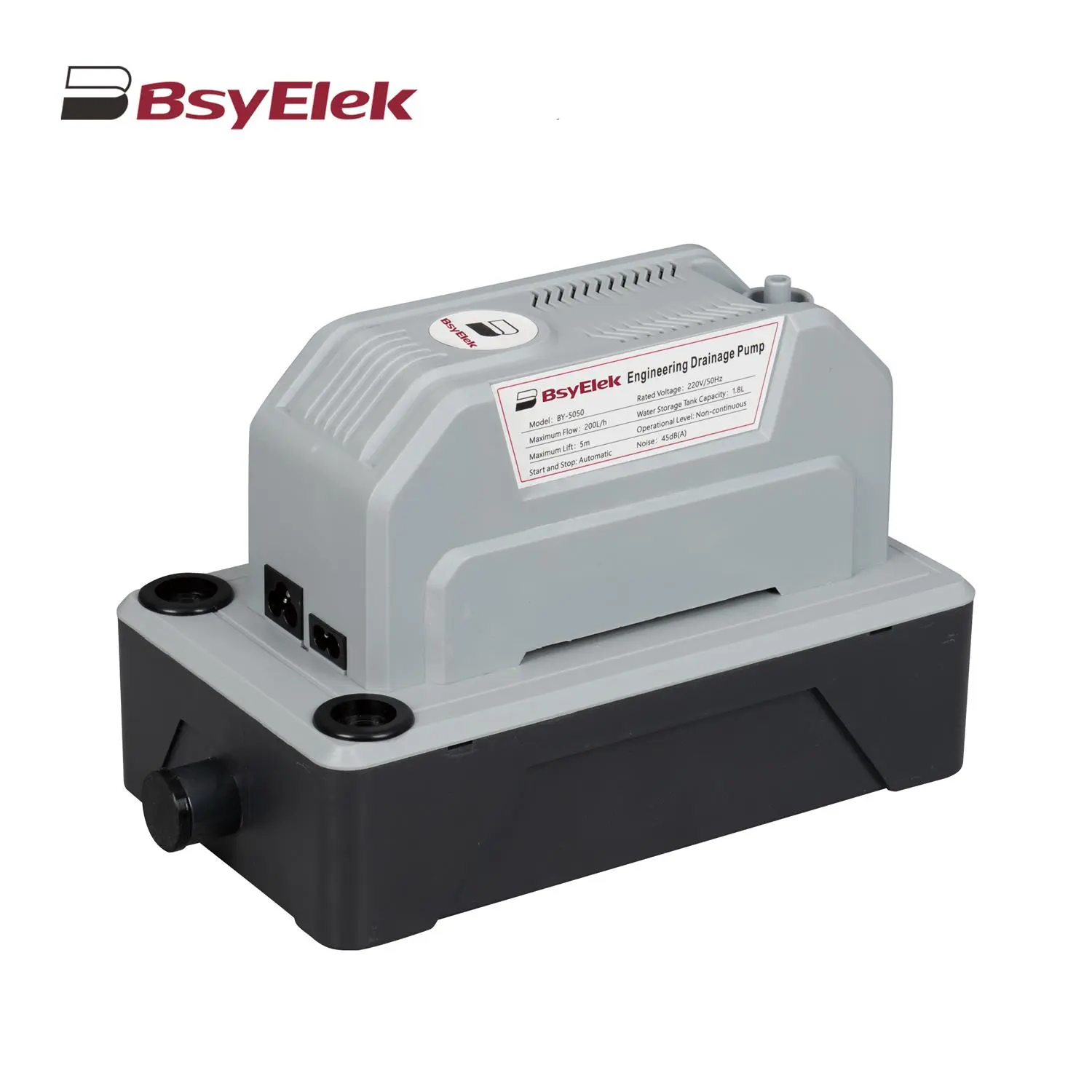 BY-5050 5M Engineering Drainage Pump
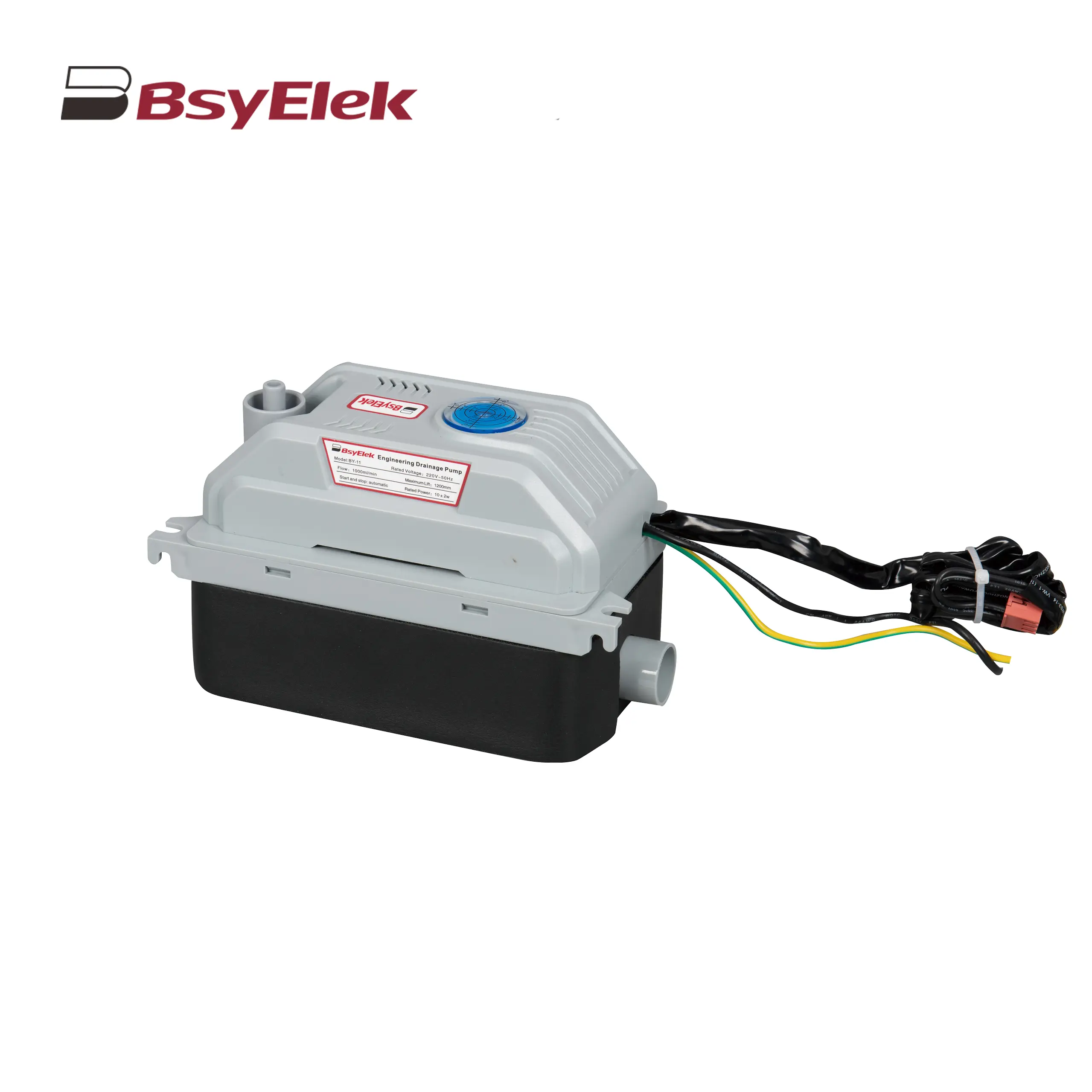 BY-11 1.2M Engineering Drainage Pump
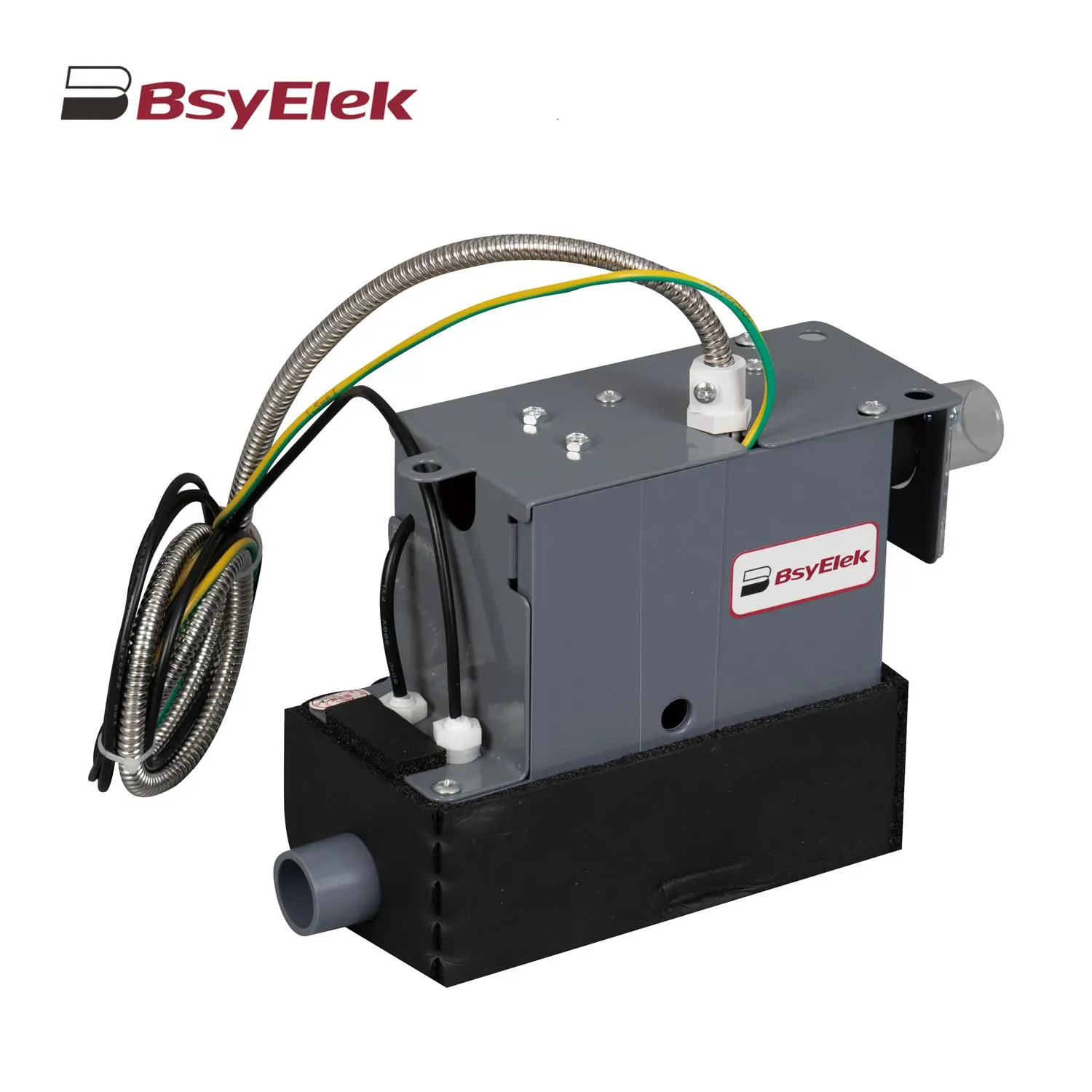 SBH-05 0.7M Original Drainage Pump of Duct Type Air Conditioner
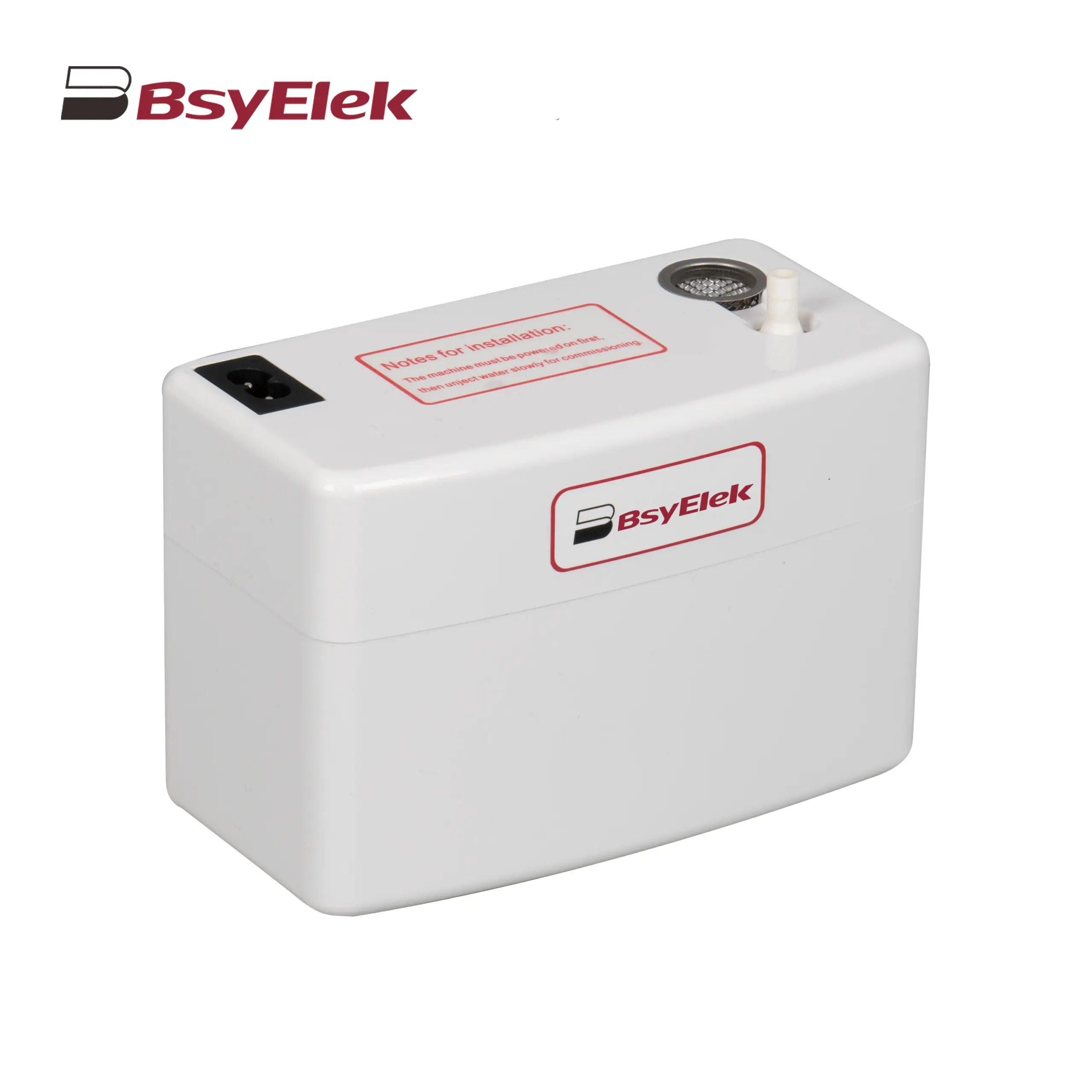 BY-24A/40A 10M Drainage Pump of Air Conditioner
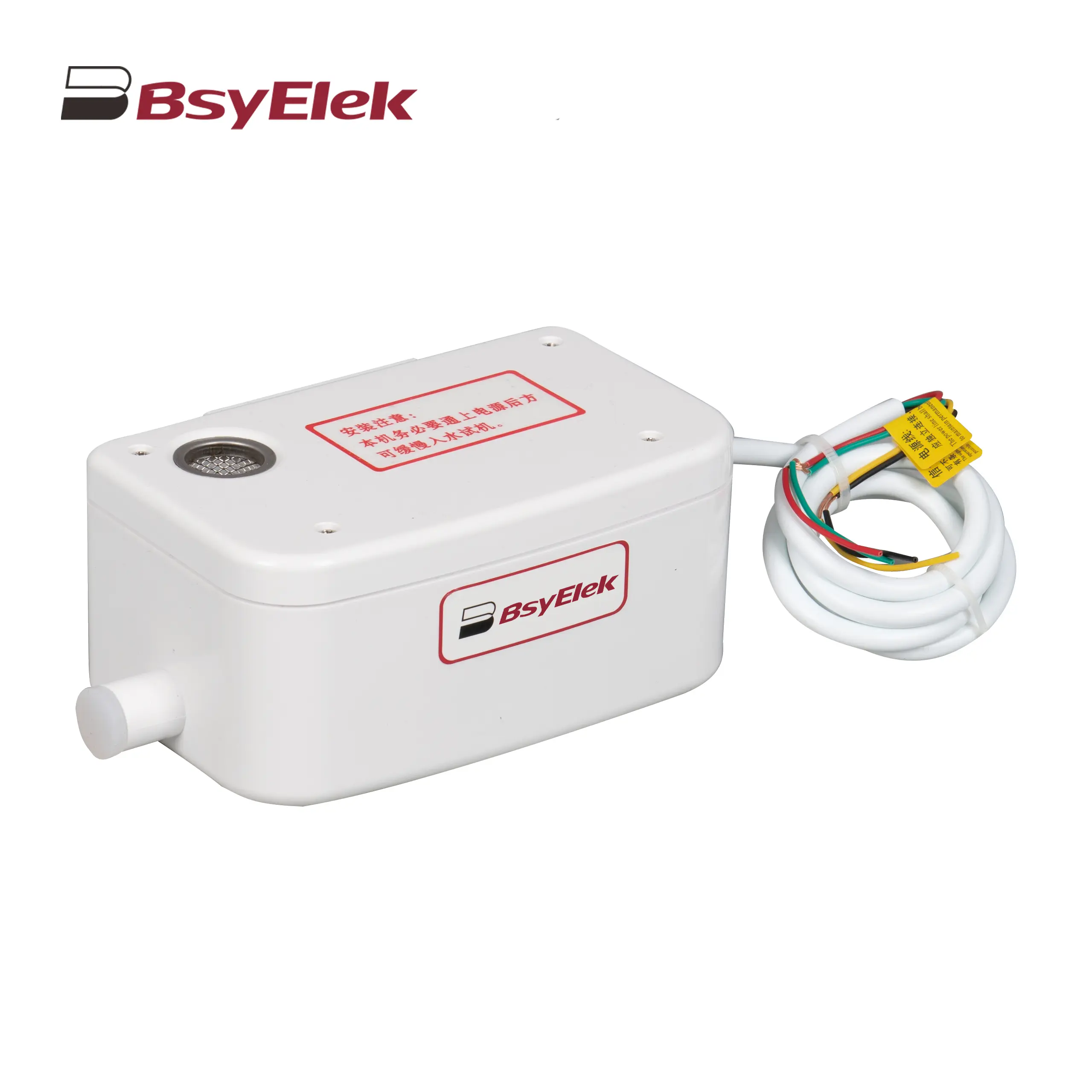 BY-50A 12M Drainage Pump of Air Conditioner
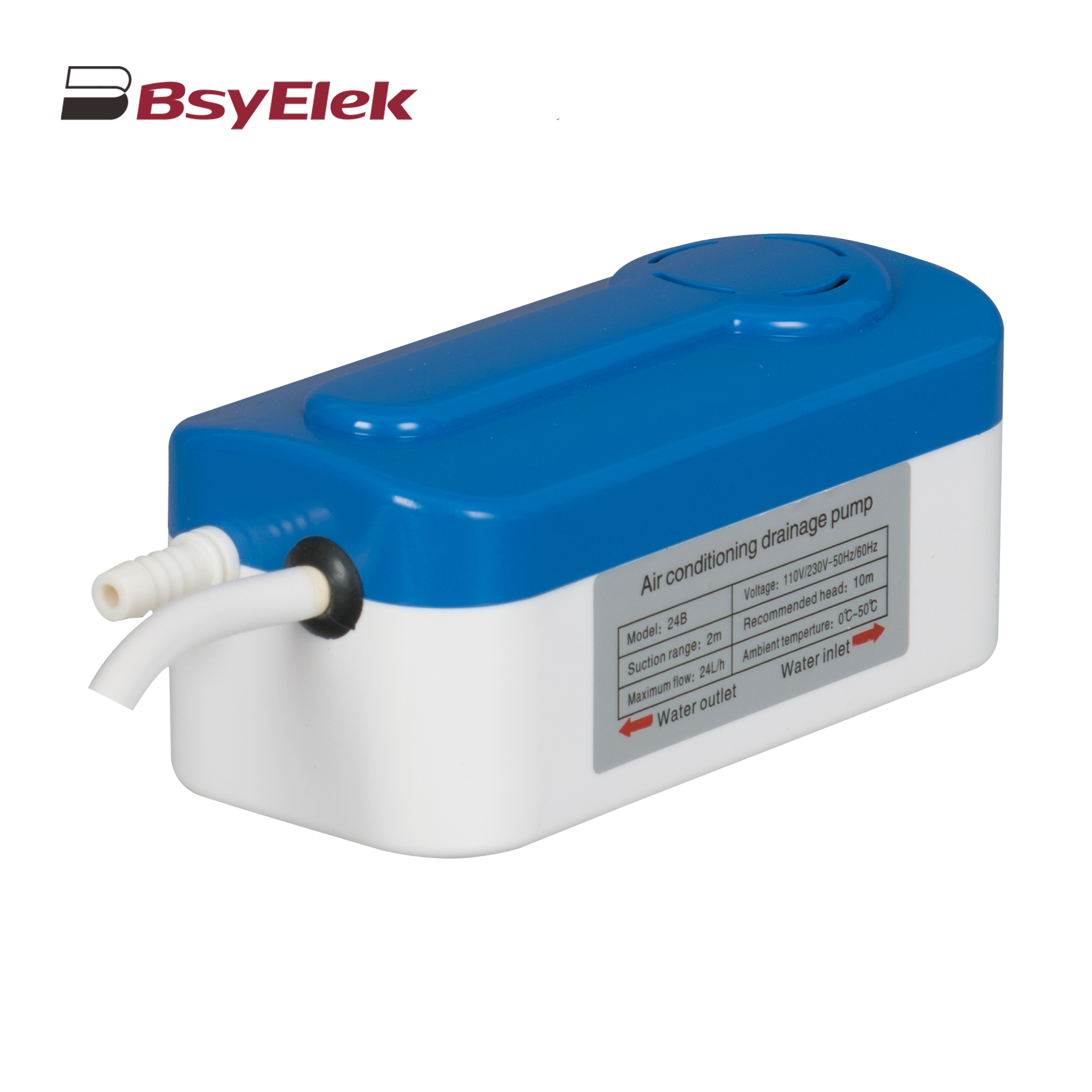 BY-24B/40B 10M Split Type Drainage Pump
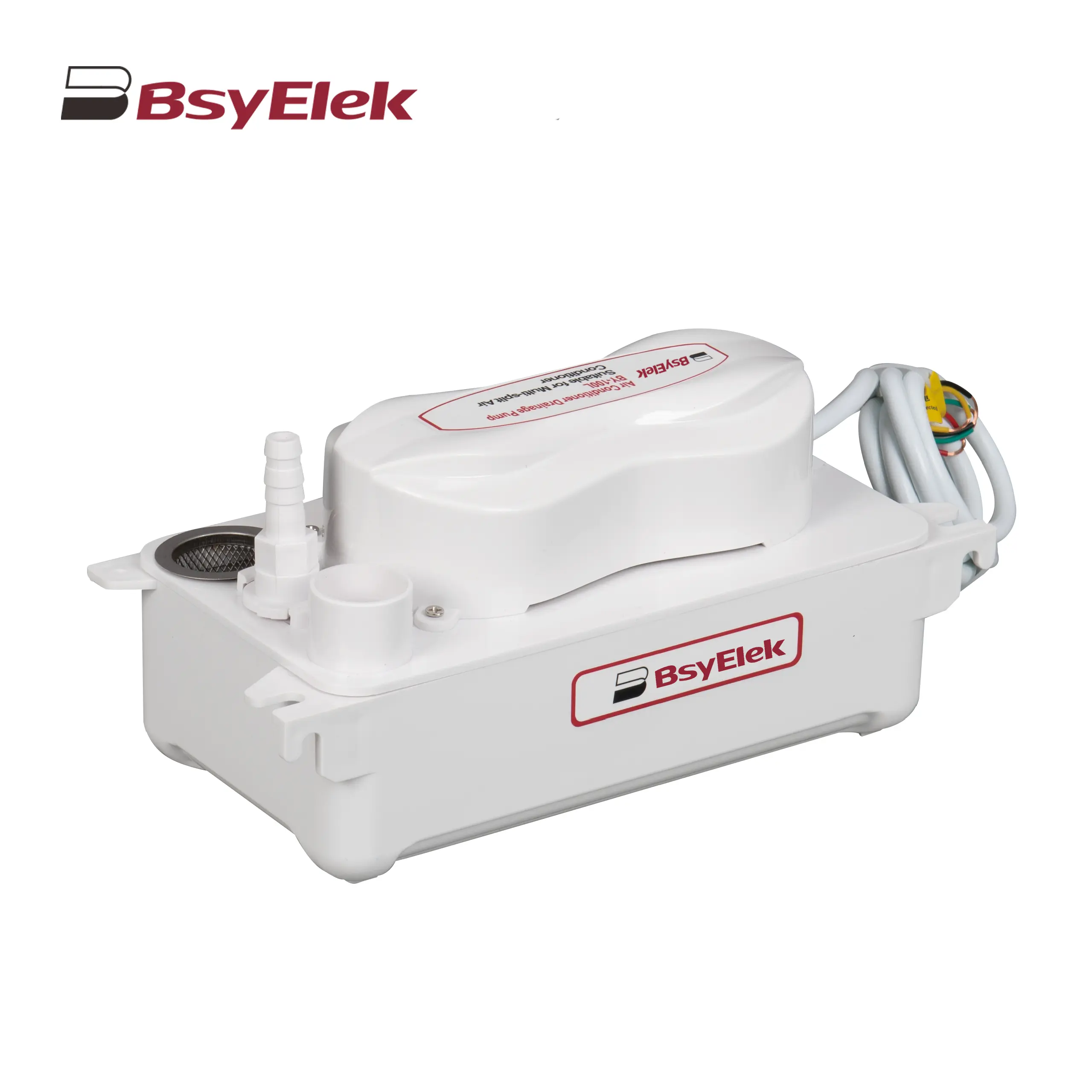 BY-100L 2M Drainage Pump of Air Conditioner
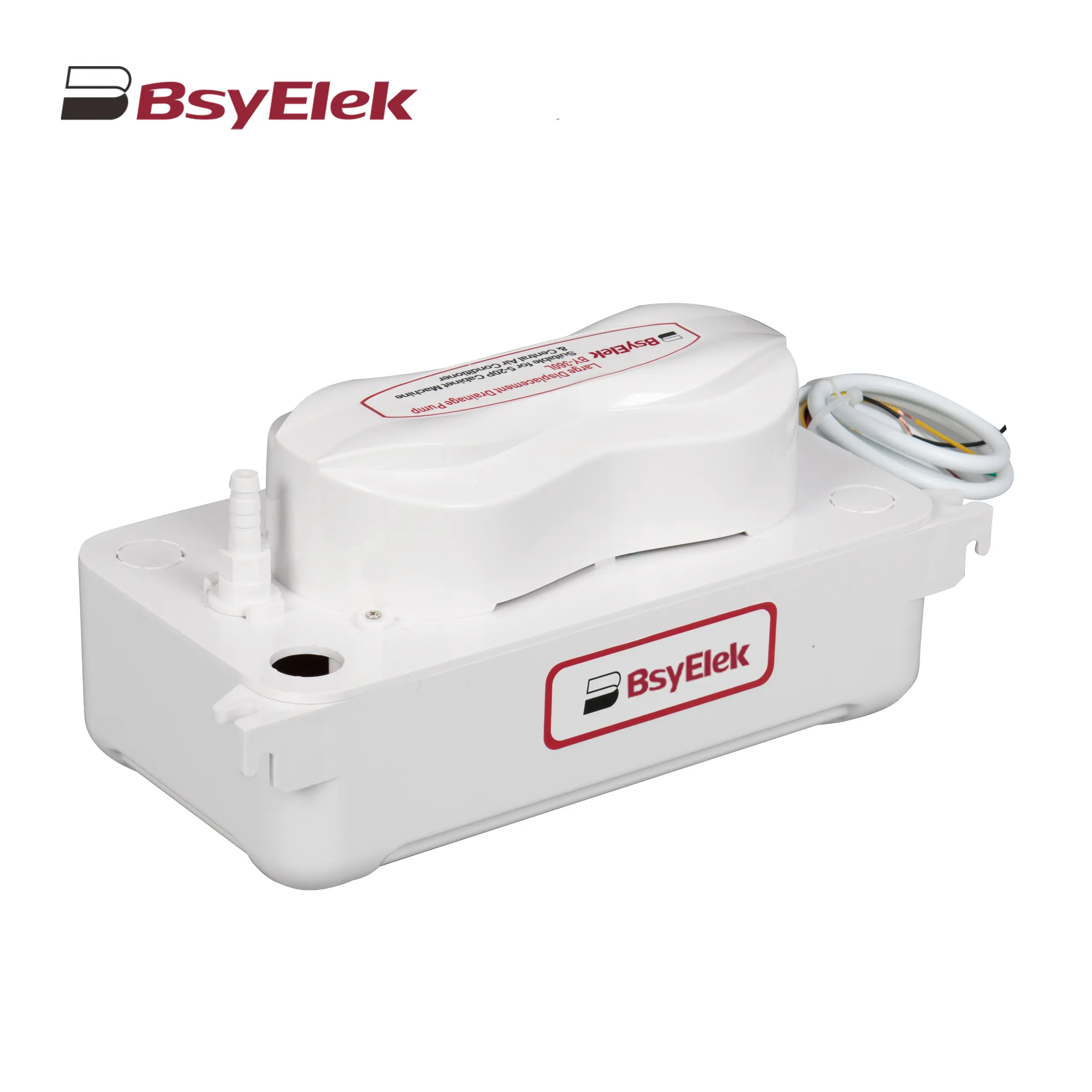 BY-360L 6M Large Displacement Drainage Pump
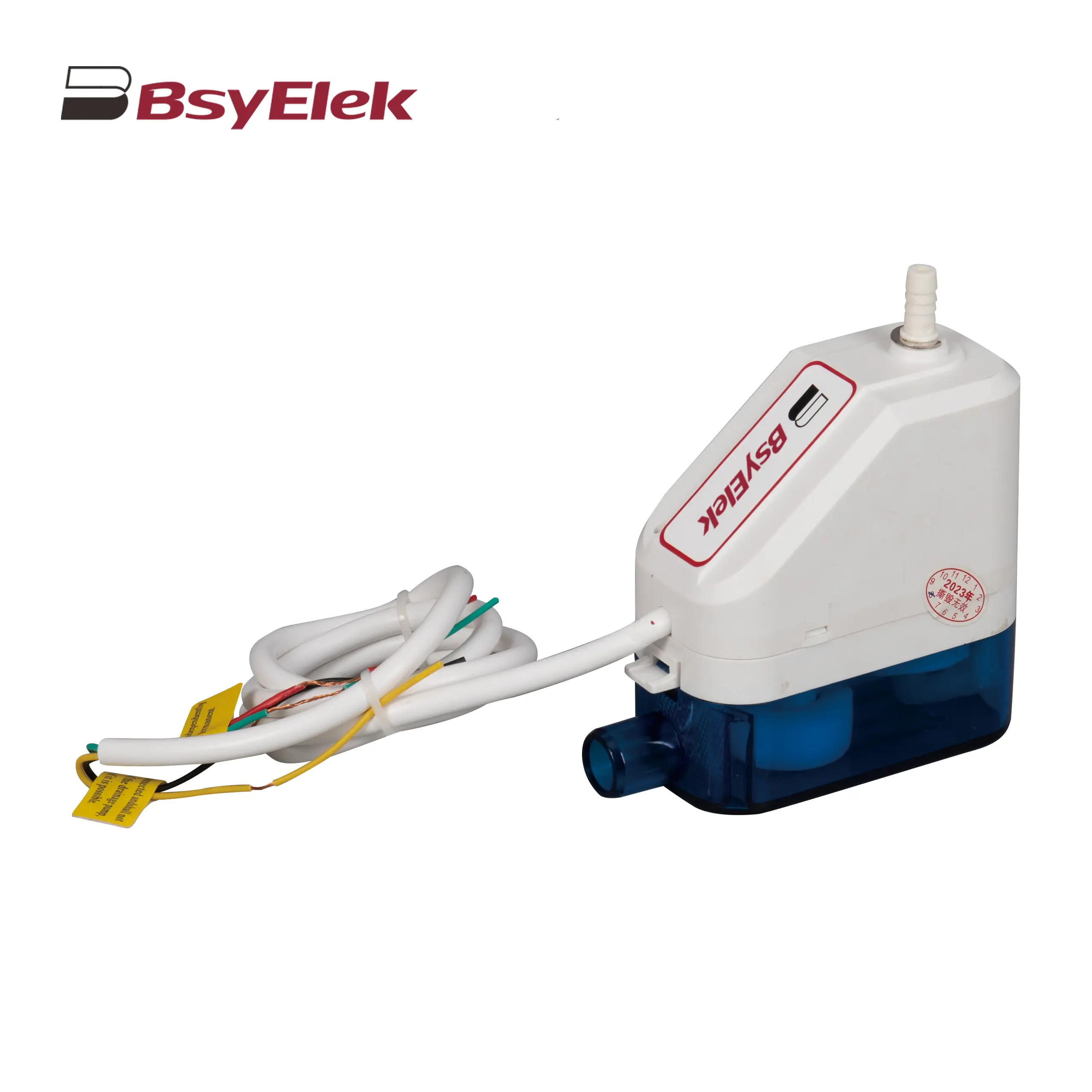 BY-24C/40C 10M Corner Drainage Pump
What is a miniature circuit breaker (MCB)?
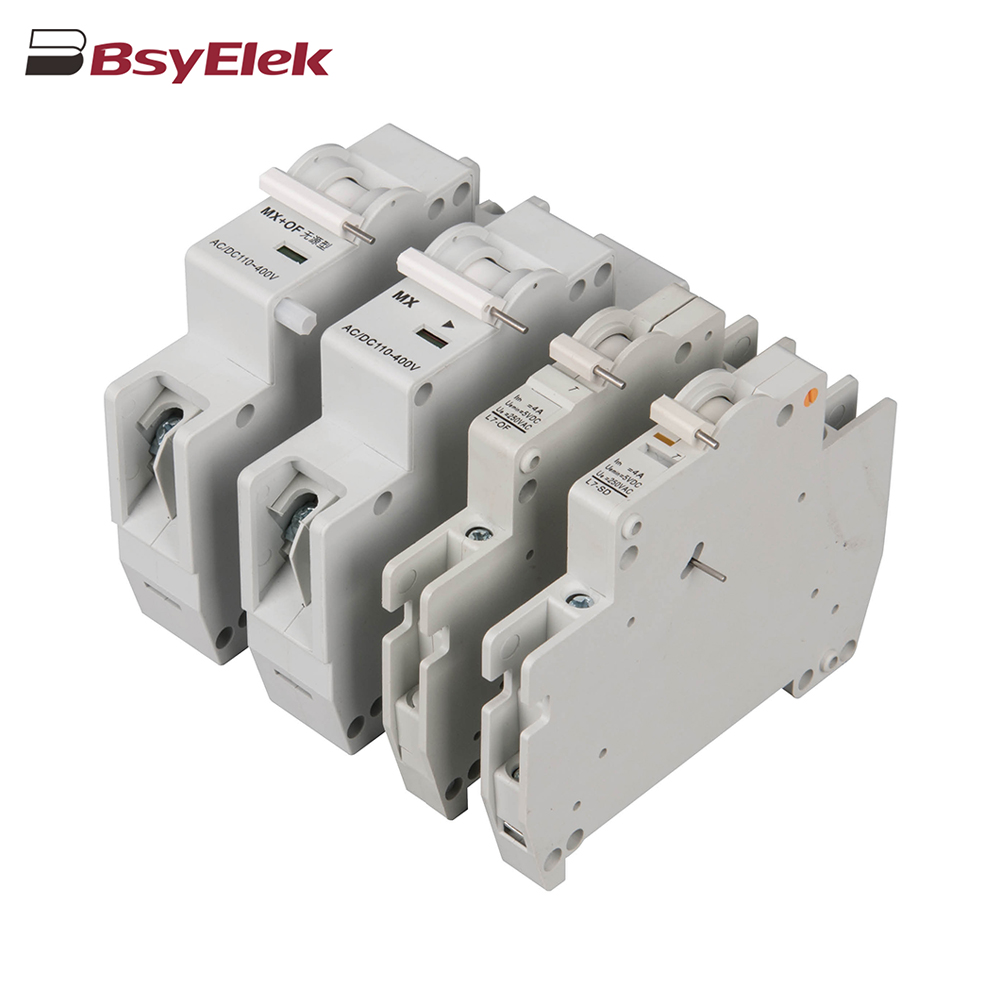 OF SD MX OF MCB Miniature Circuit Breaker Accessories
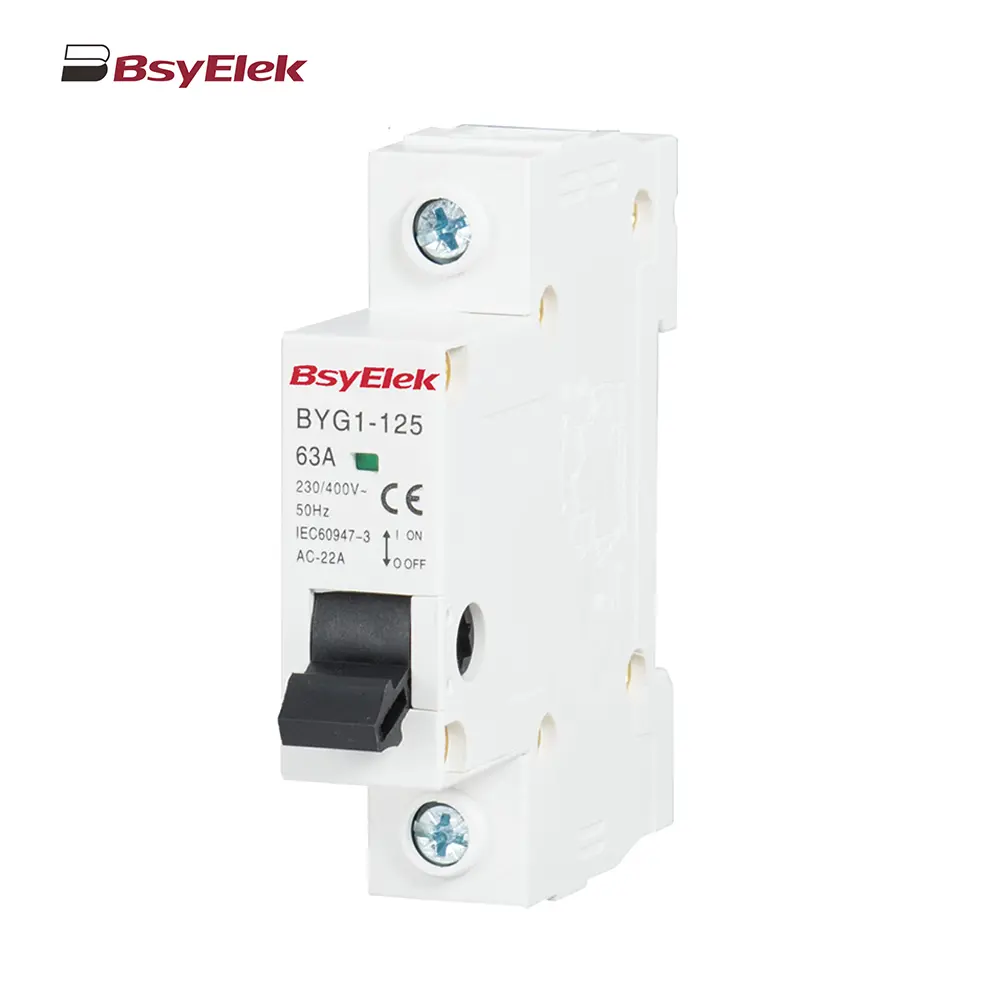 BYG1-125 Main Switch MCB Isolator Switch
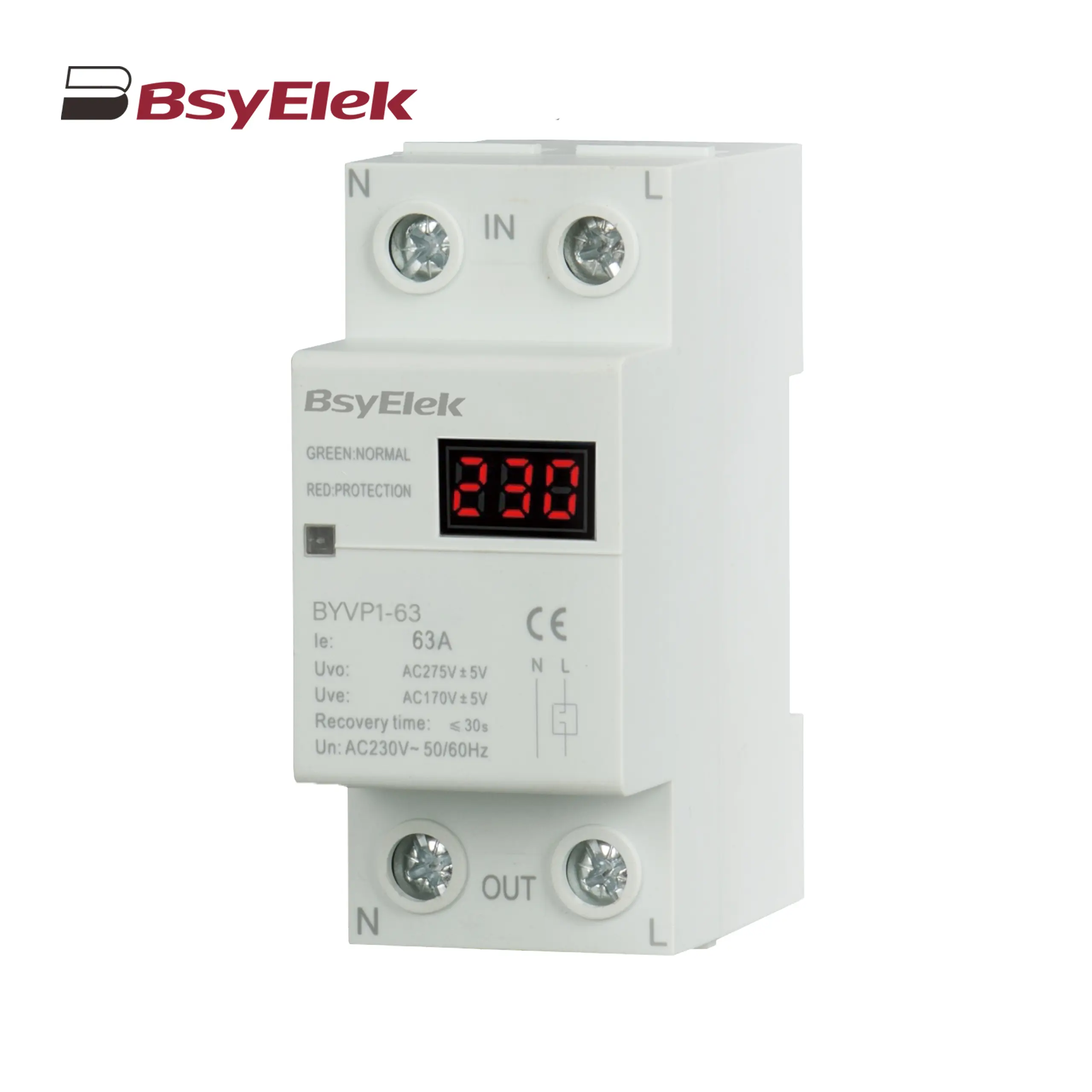 BYVP1-63 100A Single Display Overvoltage and Undervoltage Protector
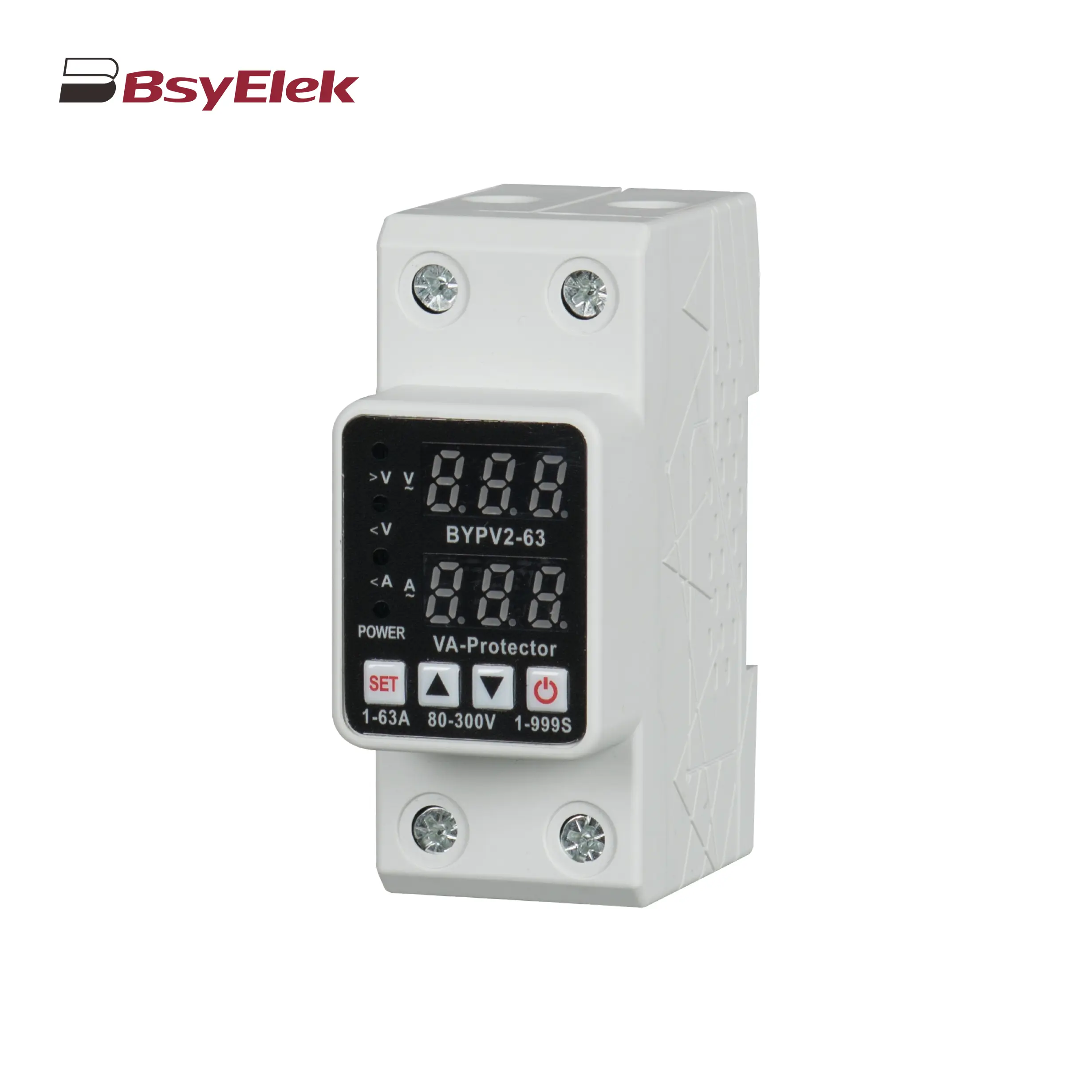 BYVP2-63 40A 63A Adjustable Dual Display Overvoltage and Undervoltage Protector
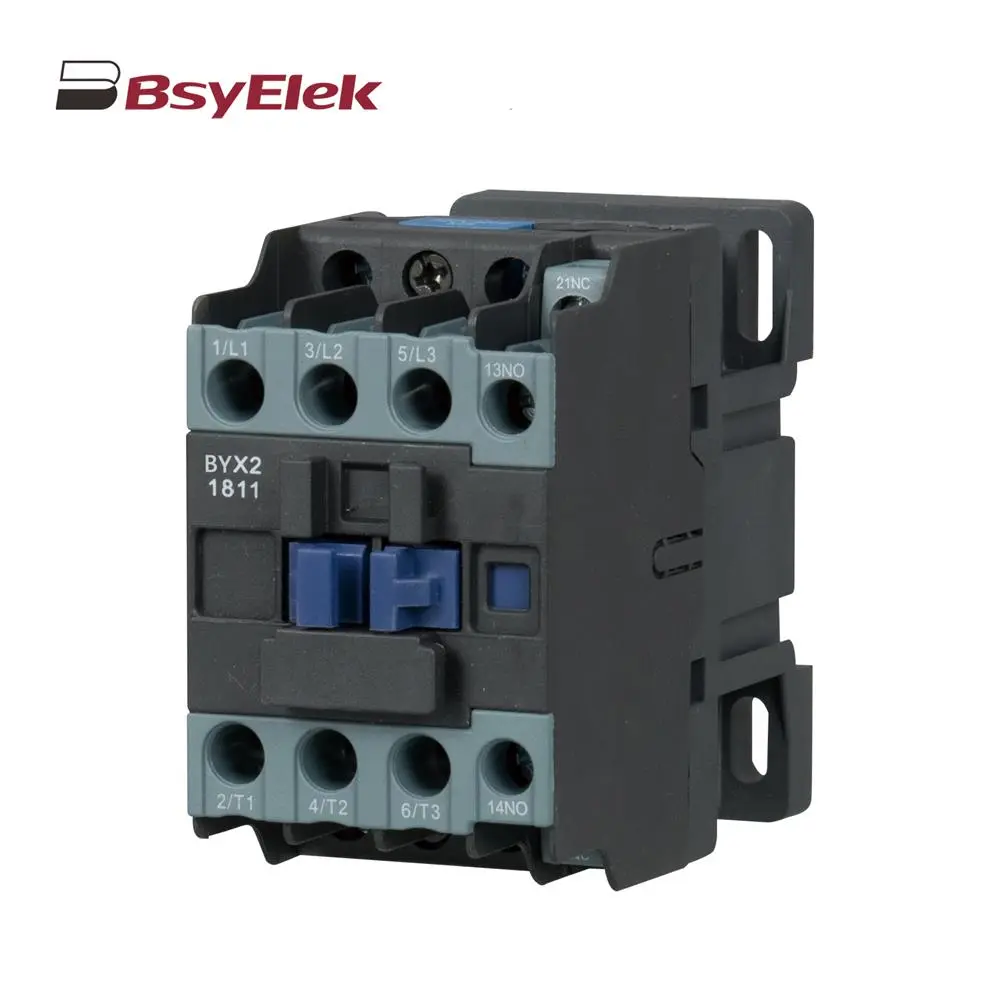 BYX2 6-95A AC Contactor
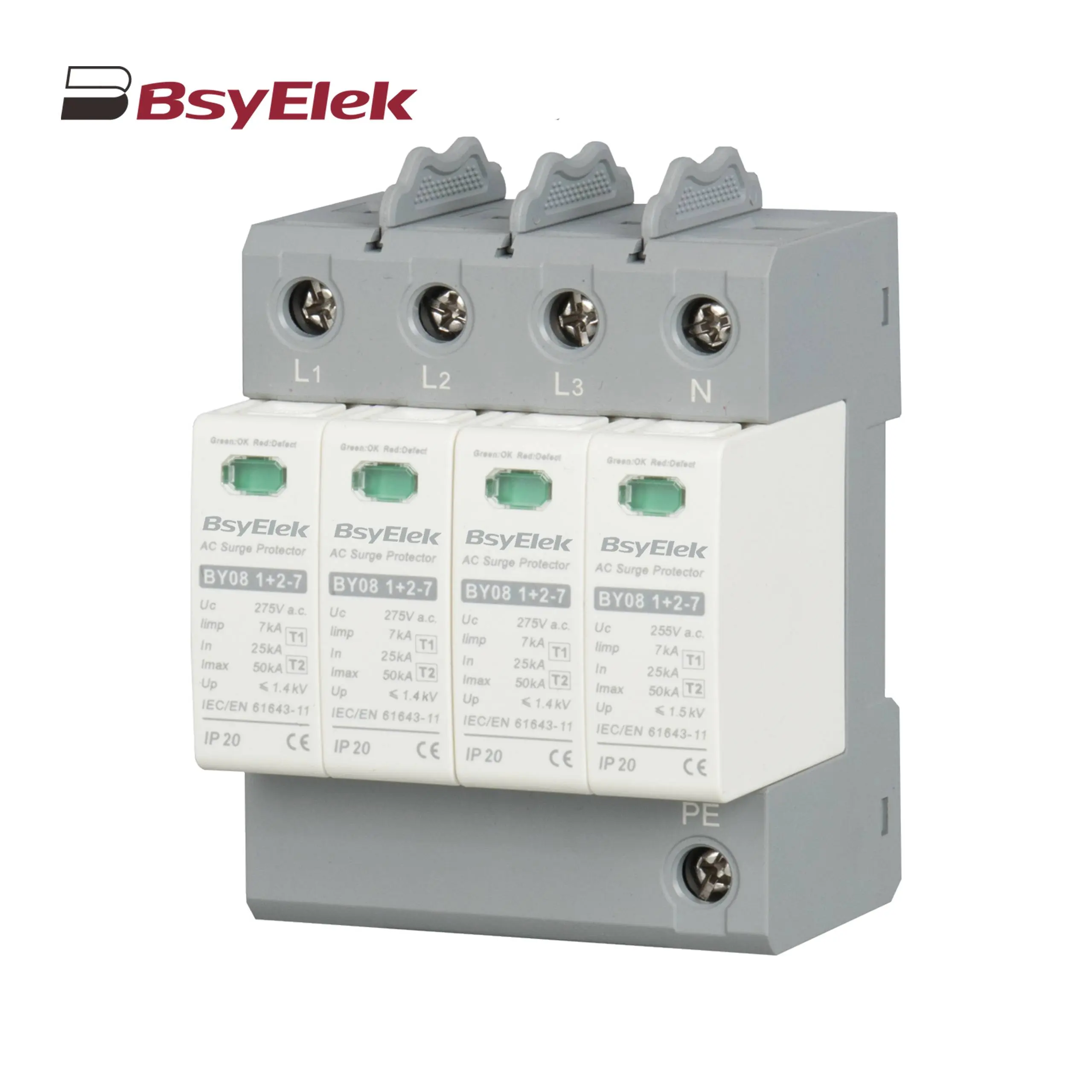 BY08 1+2-7 SPD Class T1+T2 Imax 50KA Surge Protective Device
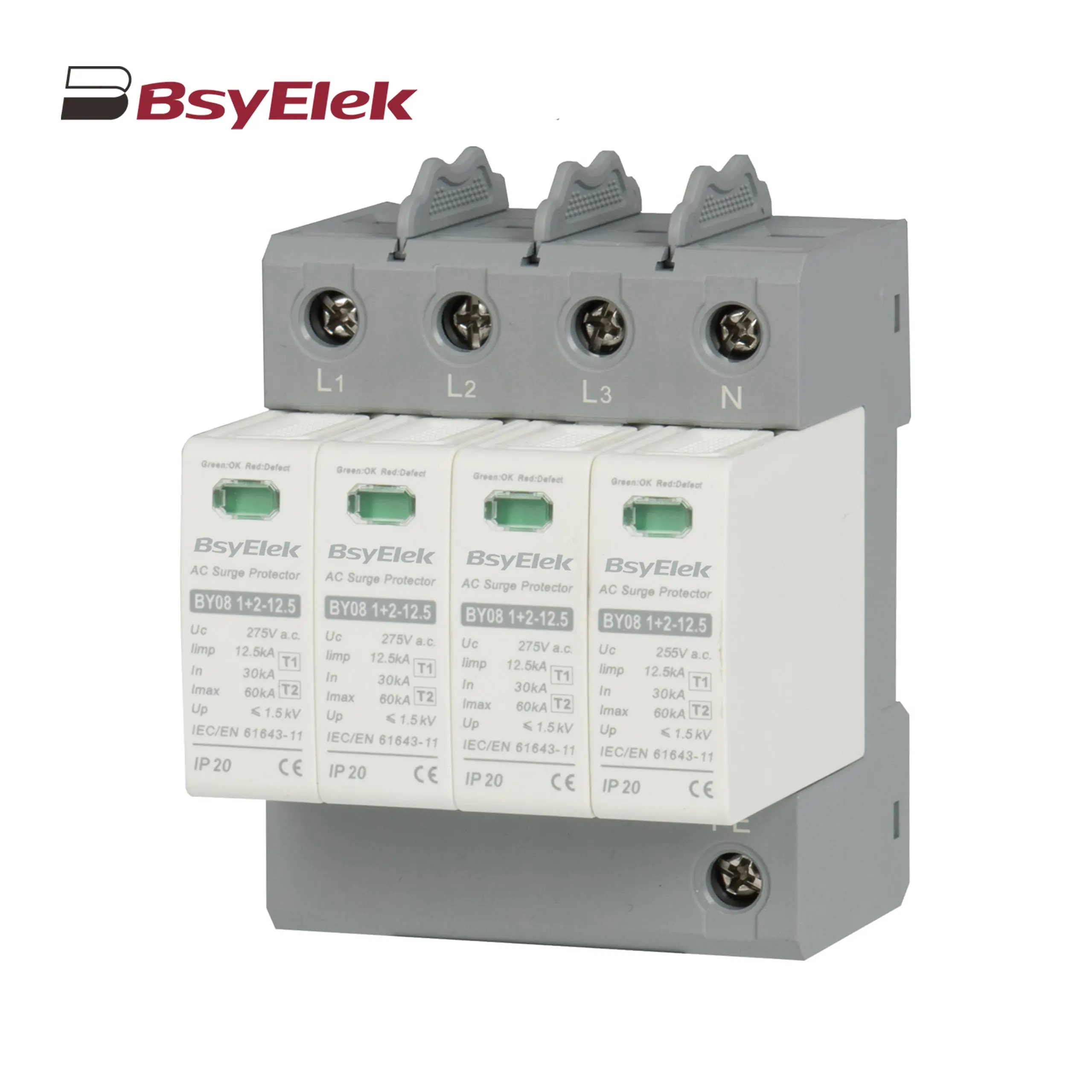 BY08 1+2-12.5 SPD Class T1+T2 Imax 60KA Surge Protective Device
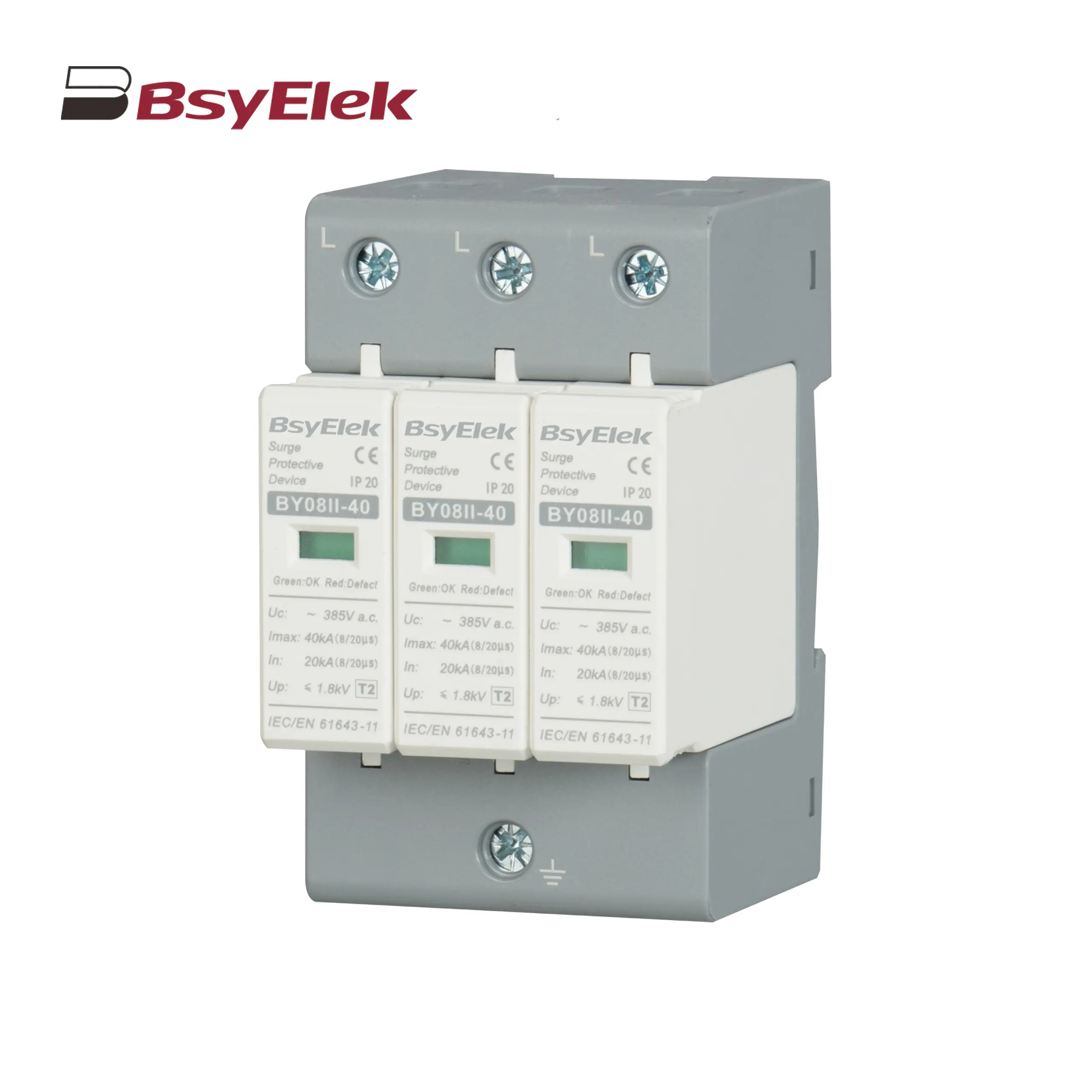 BY08II-40 SPD Class T2 Imax 40KA Surge Protective Device
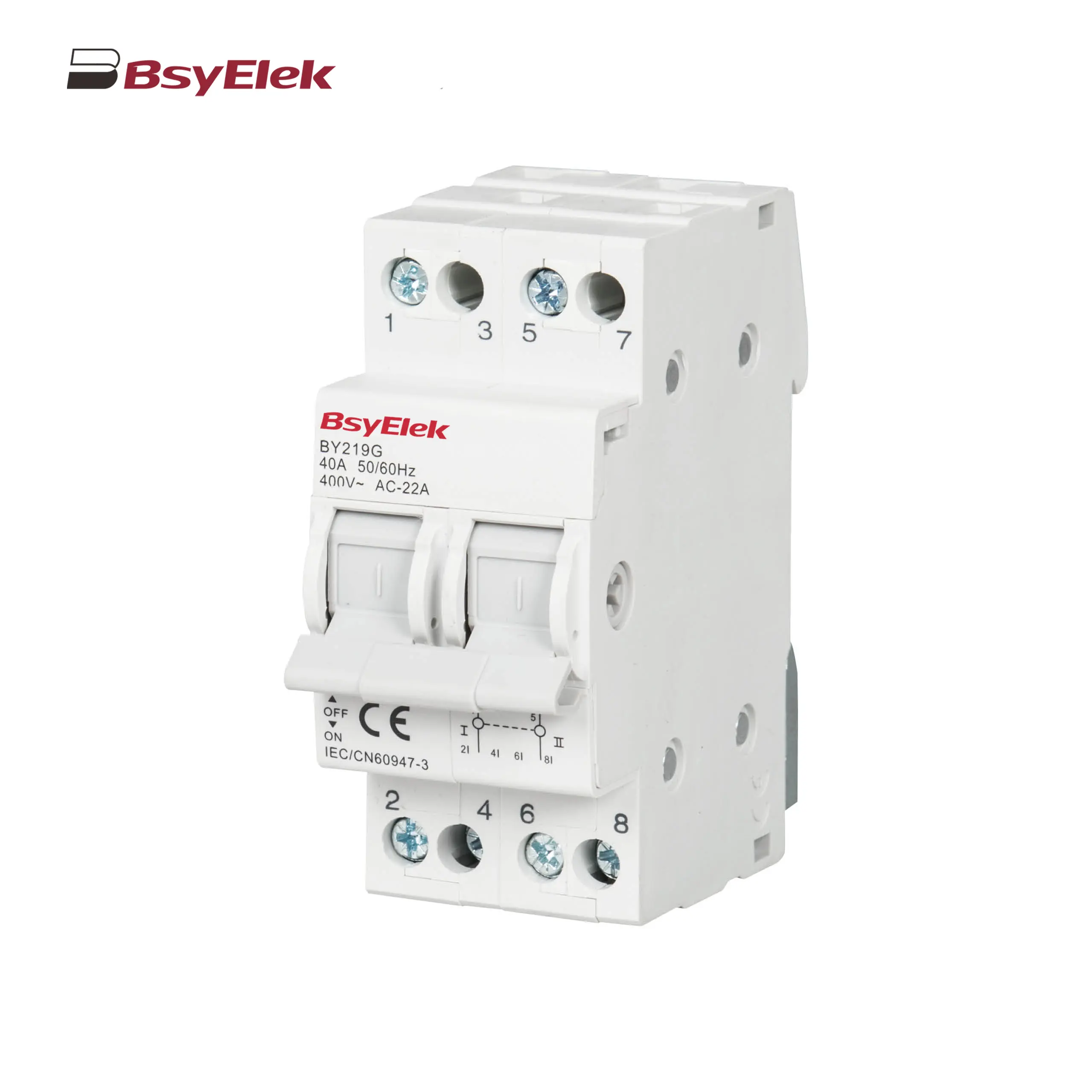 BY19G 63A Manual Changeover Switch
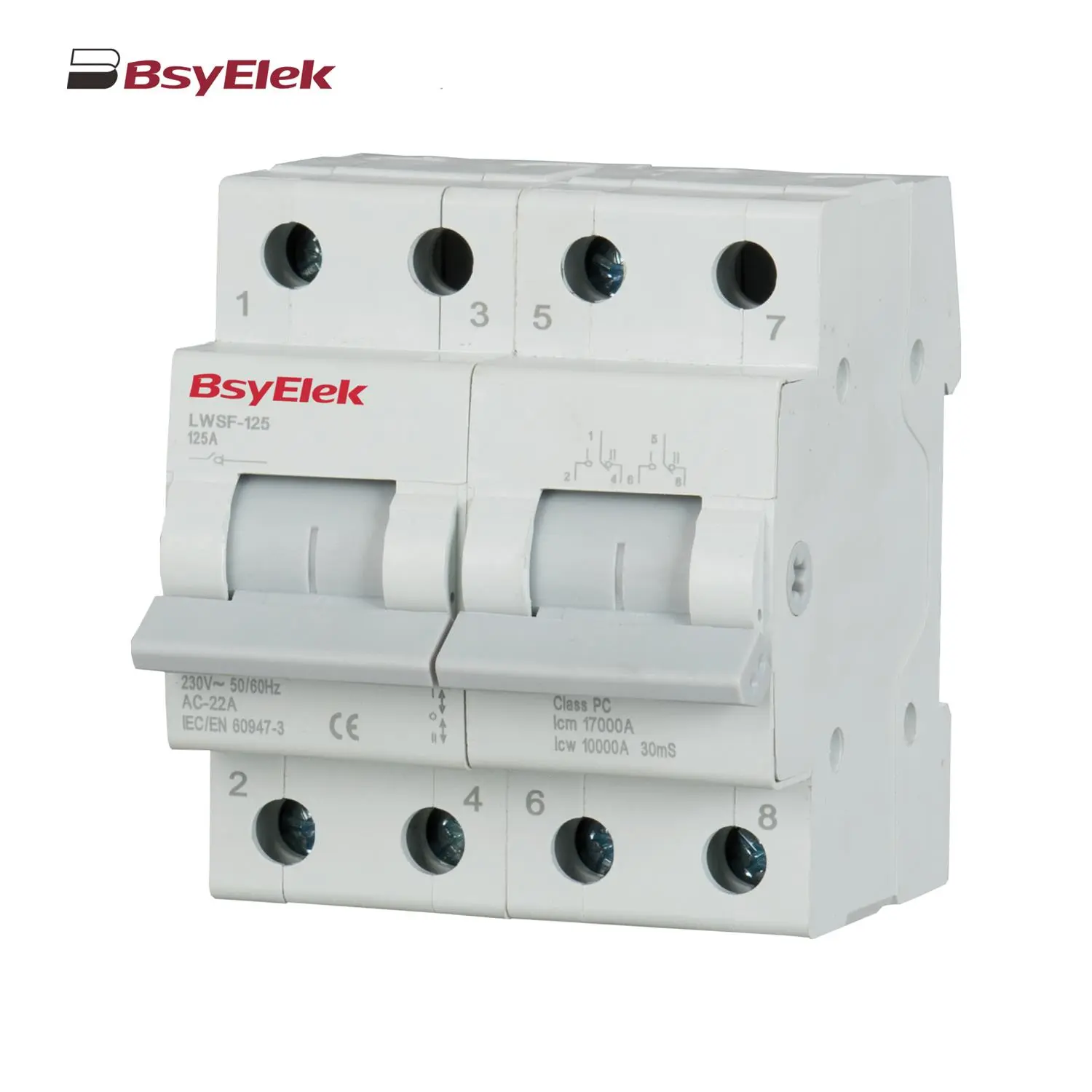 LWSF-125 125A Manual Changeover Switch
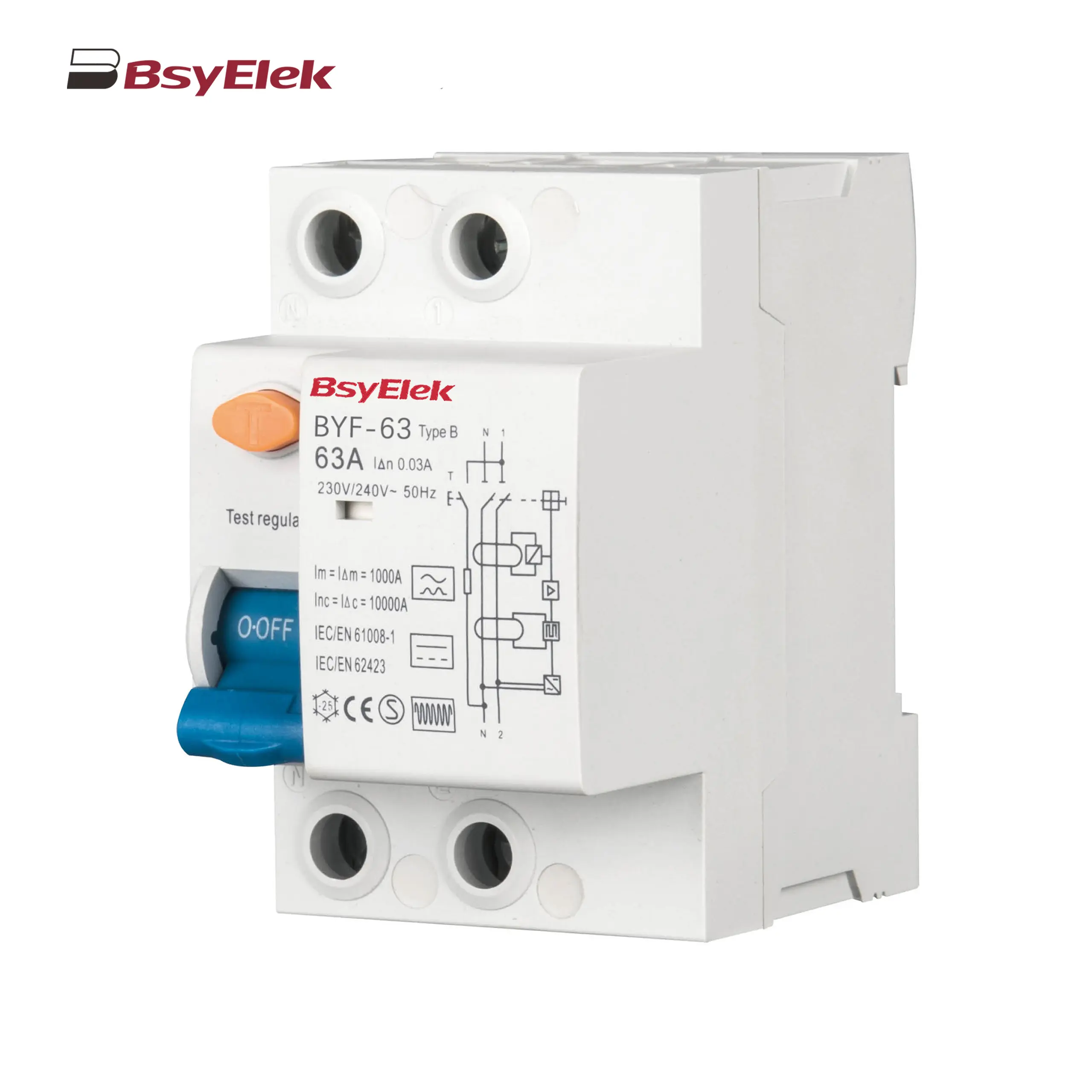 BYF-63 RCD 10KA Type B AC+A+Smoothing DC Residual Current Device
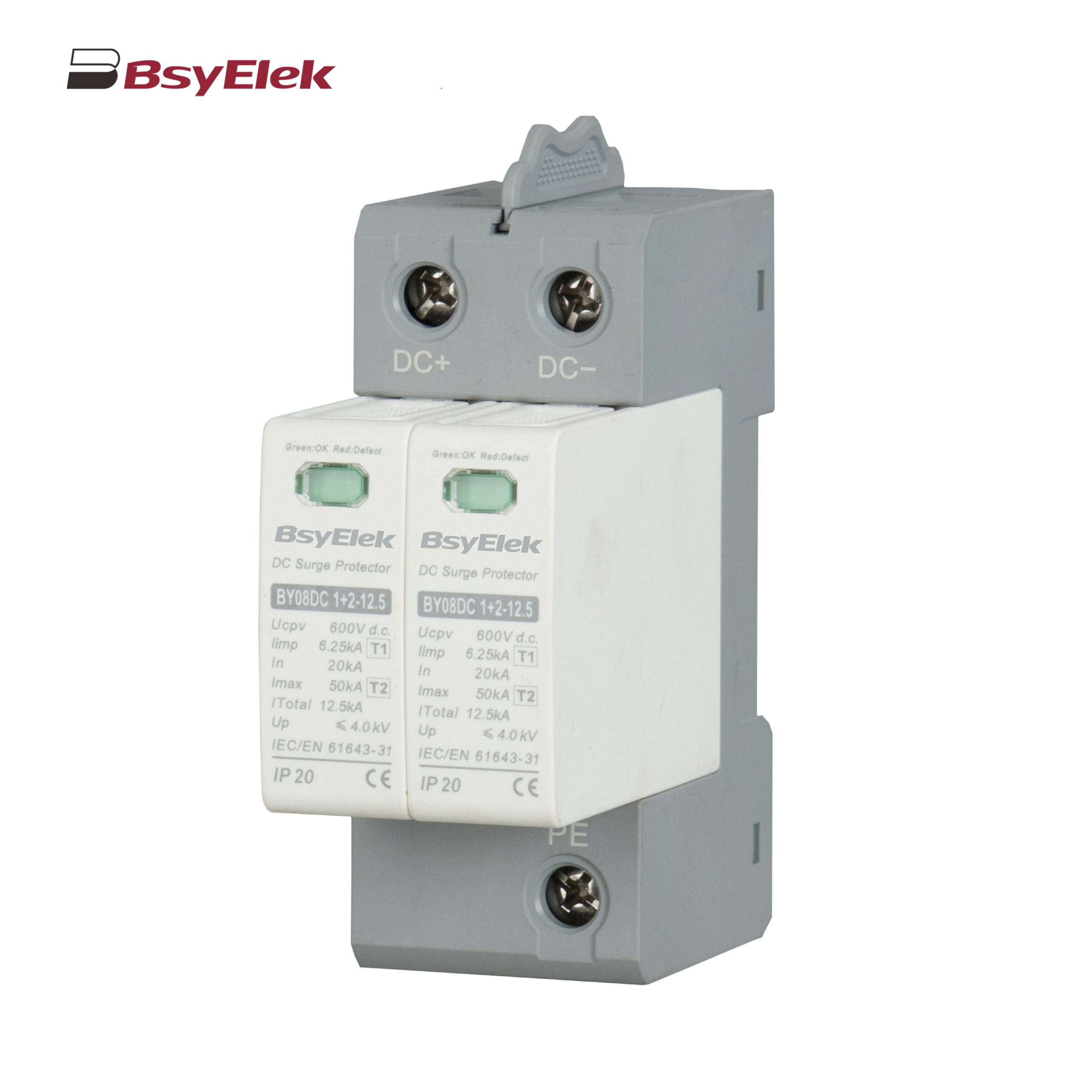 BY08DC 1+2-12.5 SPD Class T1+T2 40KA DC Surge Protective Device
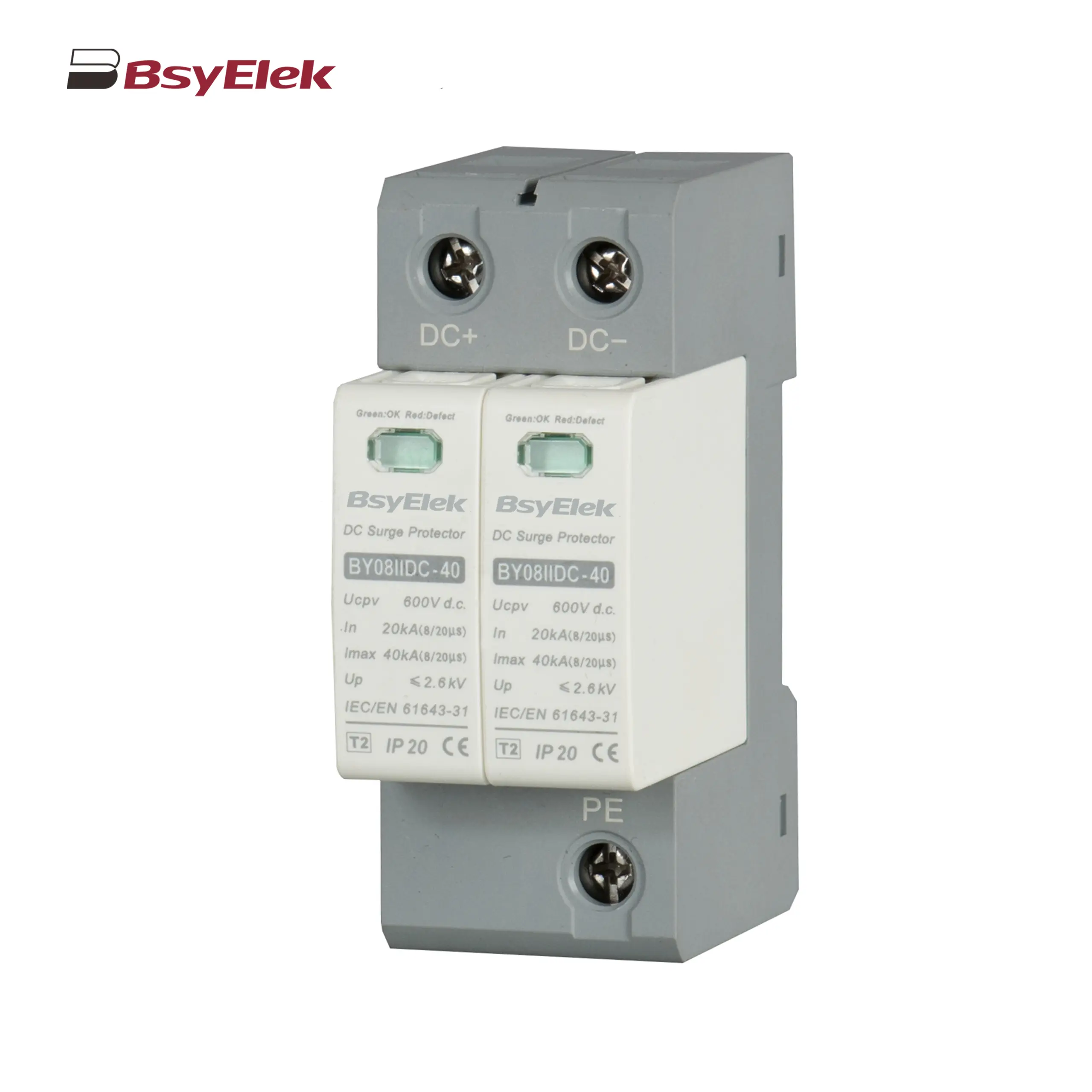 BY08IIDC-40 SPD Class T2 40KA DC Surge Protective Device
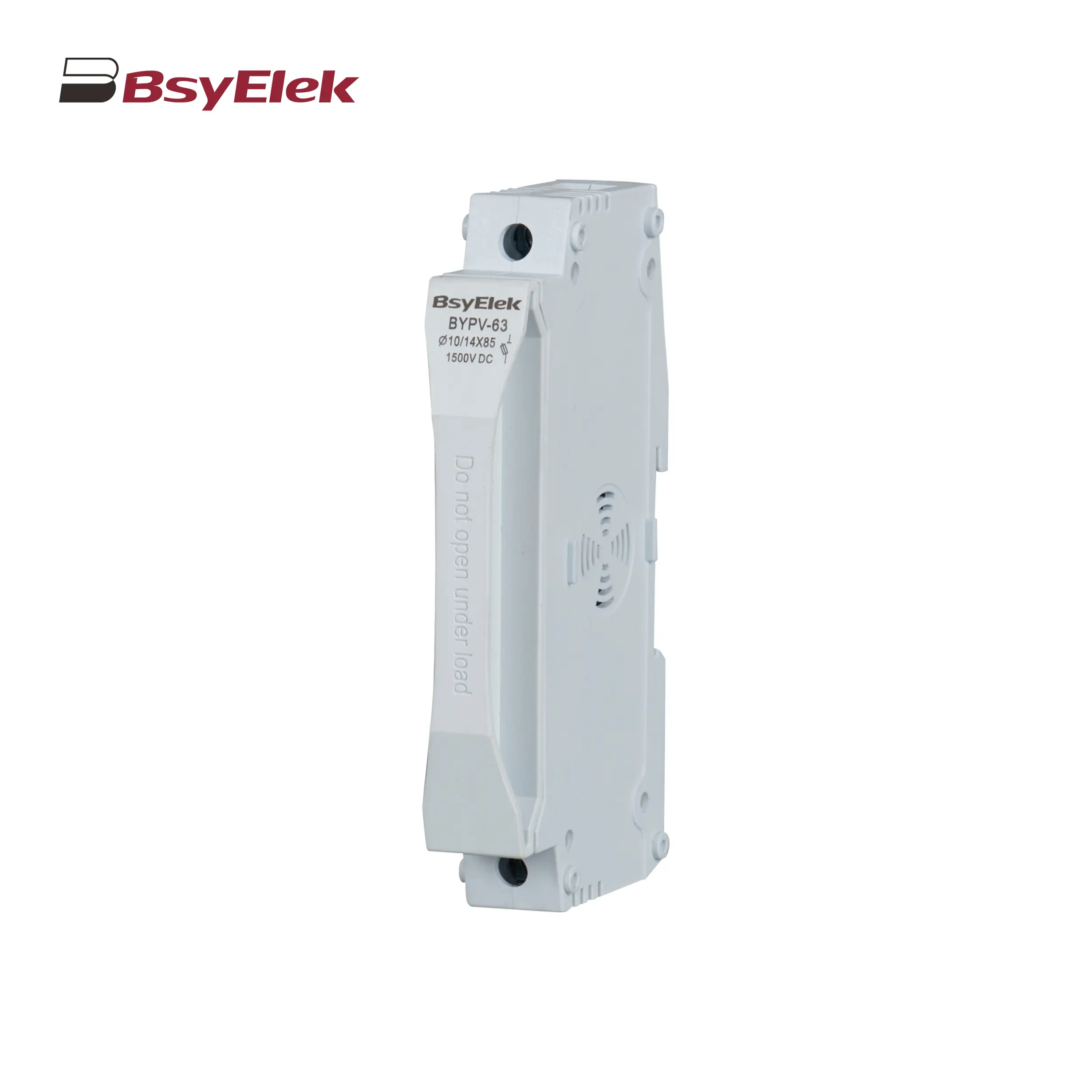 BYPV-63 1500VDC 50A Fuse Holder with 10x85mm 14x85mm Fuse Link
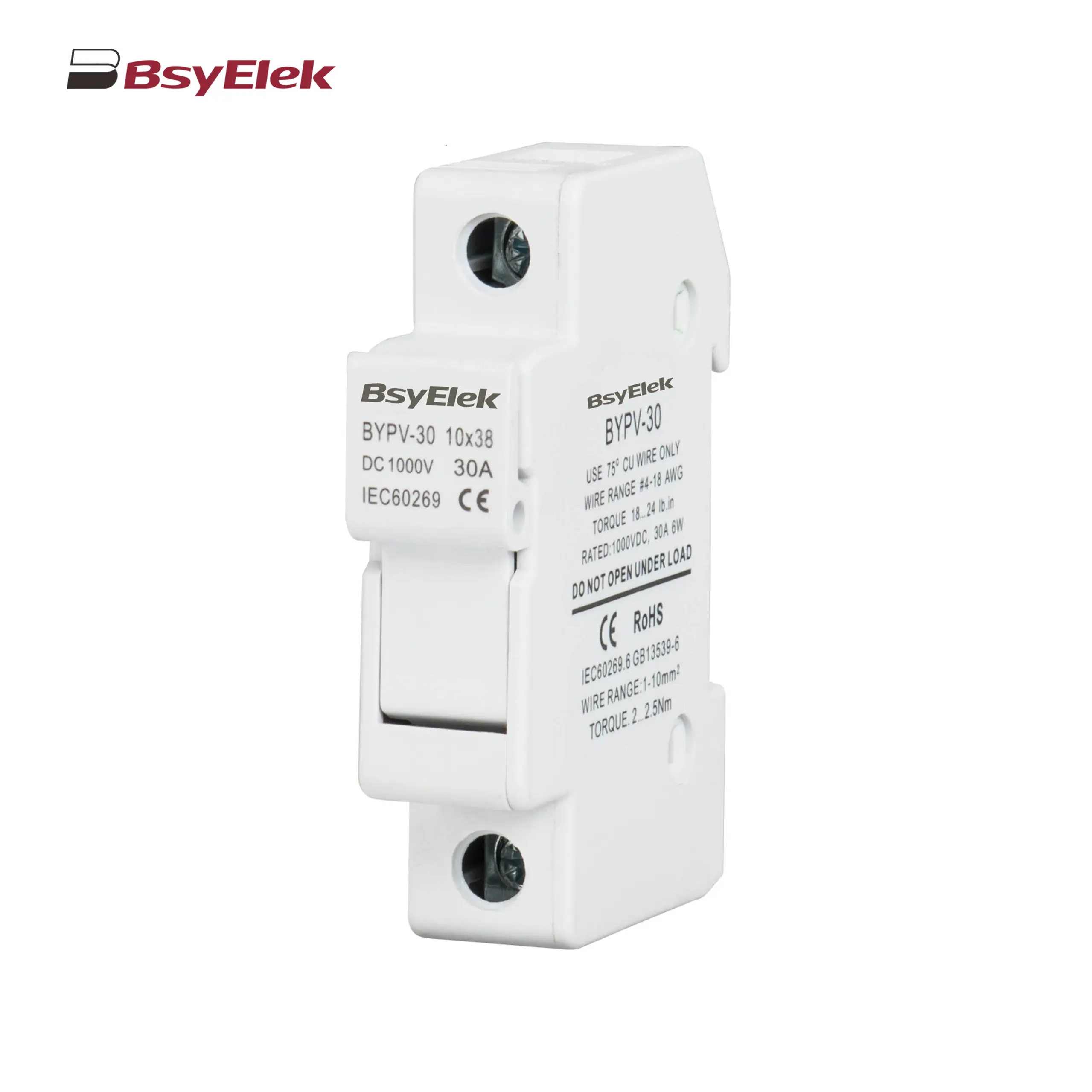 BYPV-30 1000VDC 32A Fuse Holder with 10x38mm Fuse Link
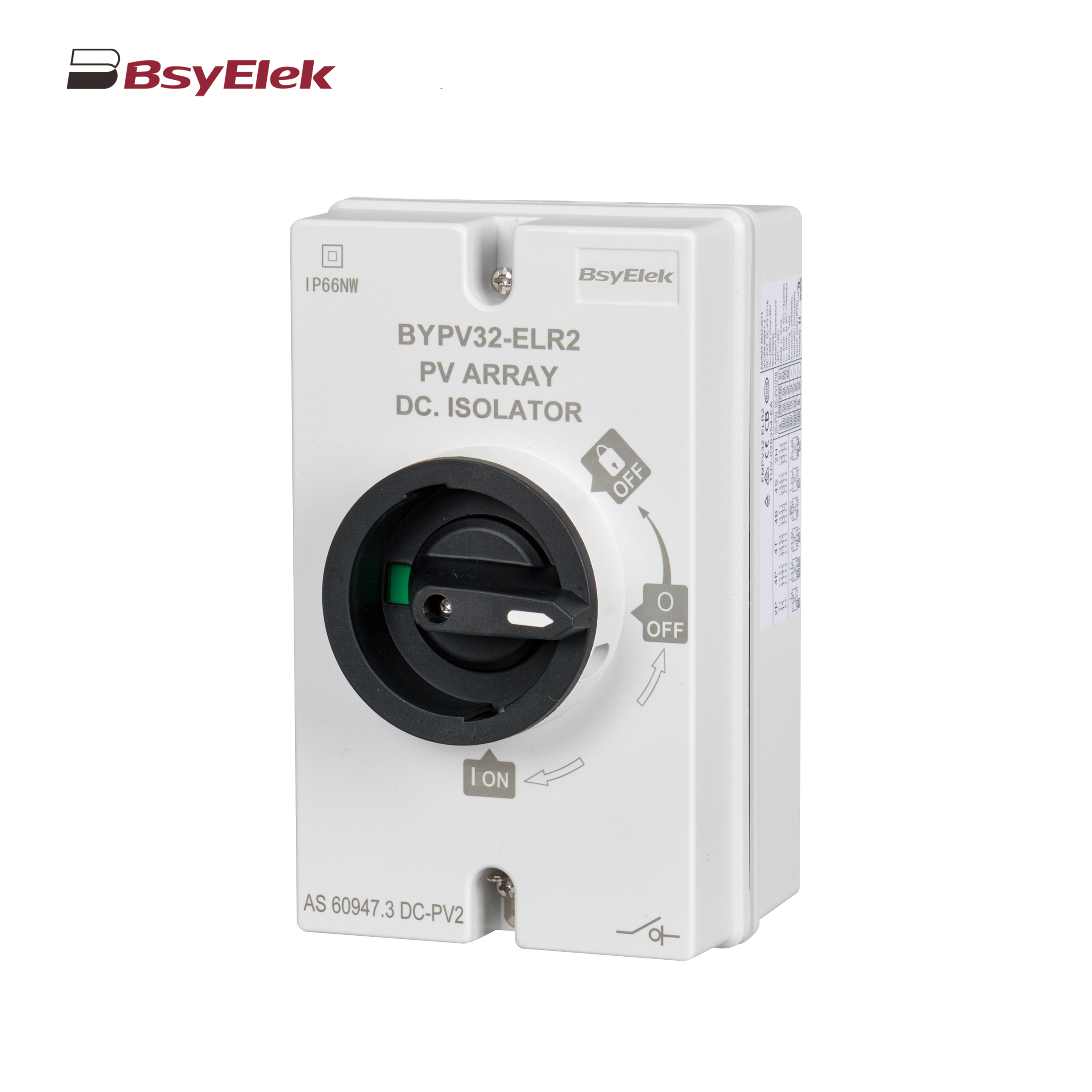 BYPV-ELR2 PV Isolator Switch with Enclosed Version
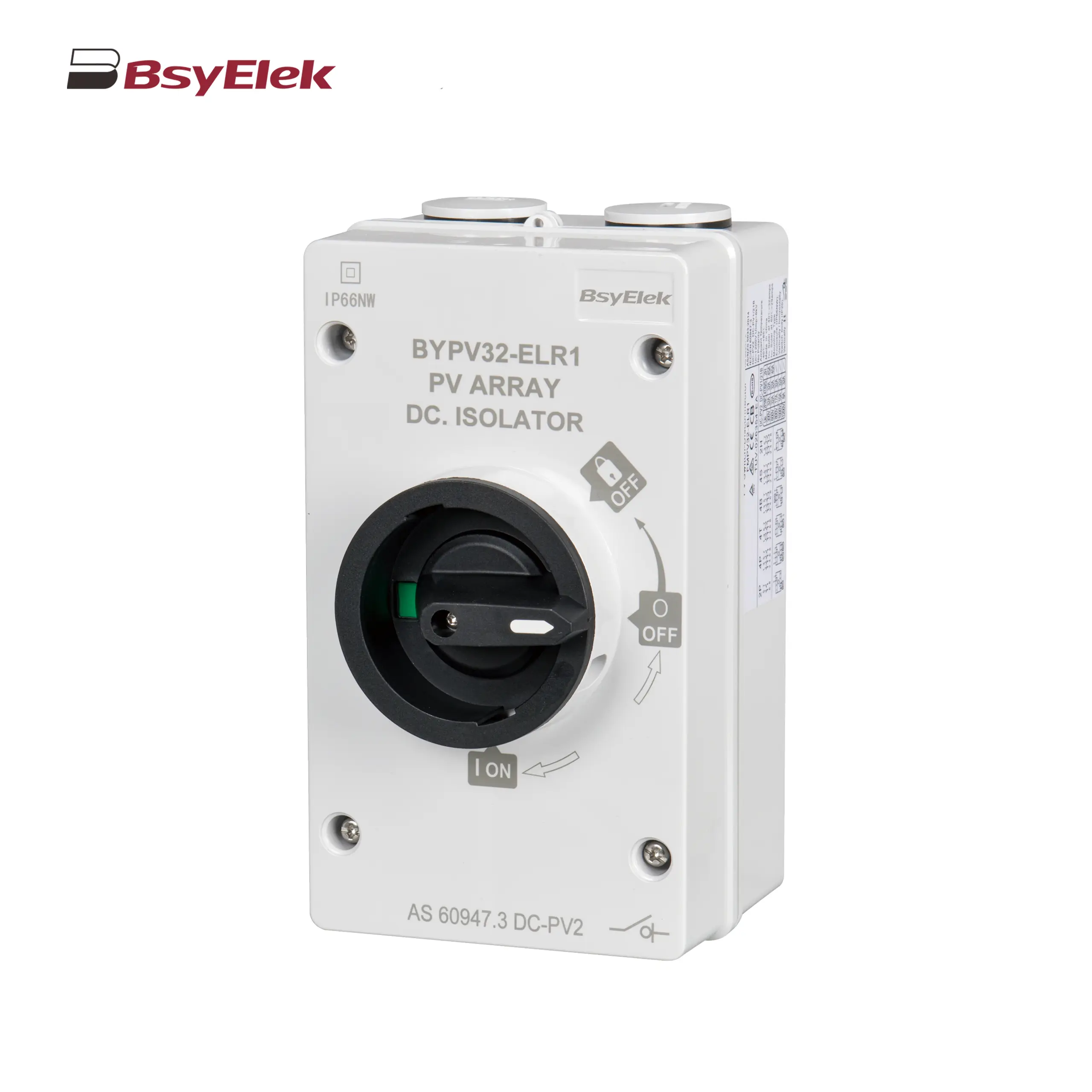 BYPV-ELR1 PV Isolator Switch with Enclosed Version
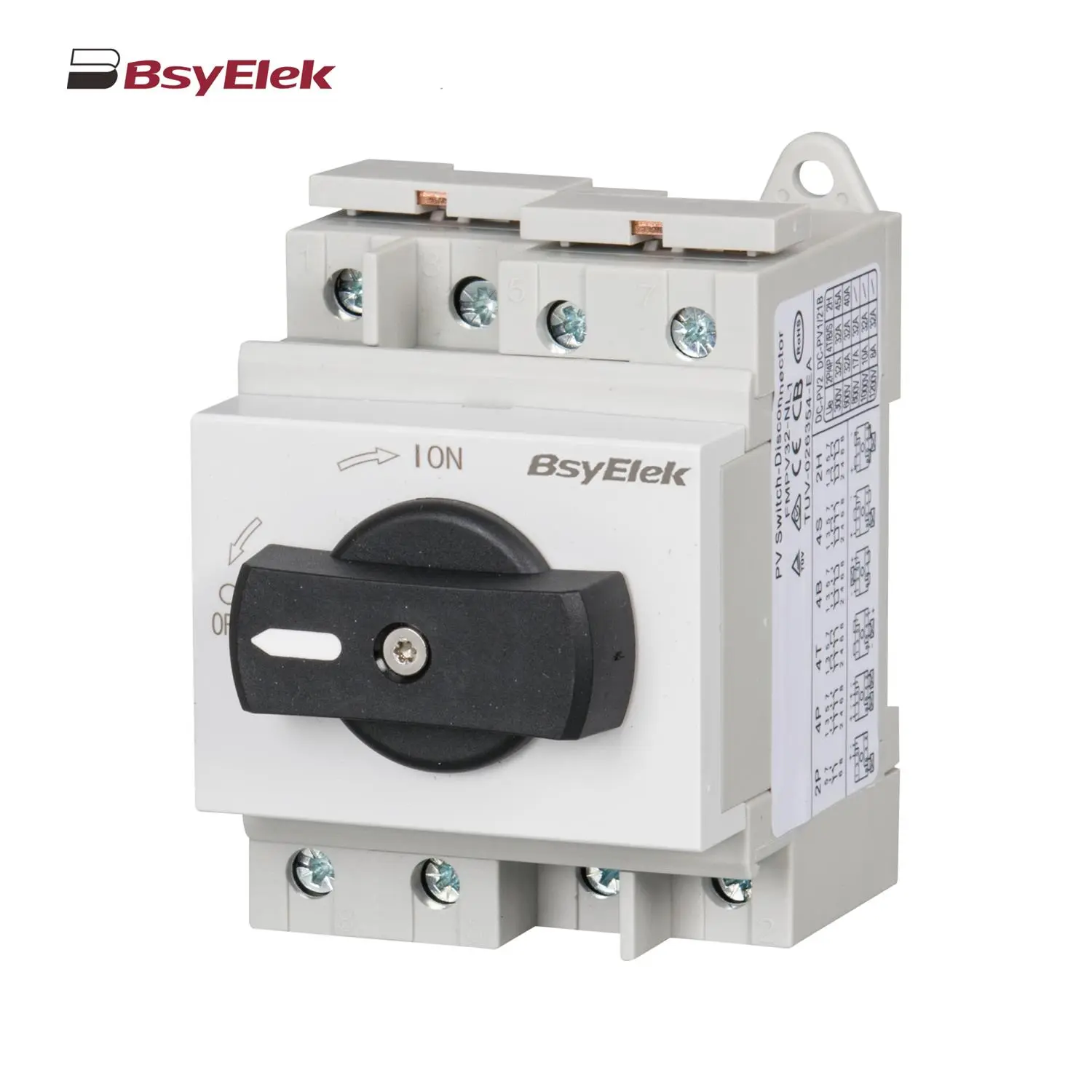 BYPV-NL1/T PV Isolator Switch with Ultra-thin Lever Handle
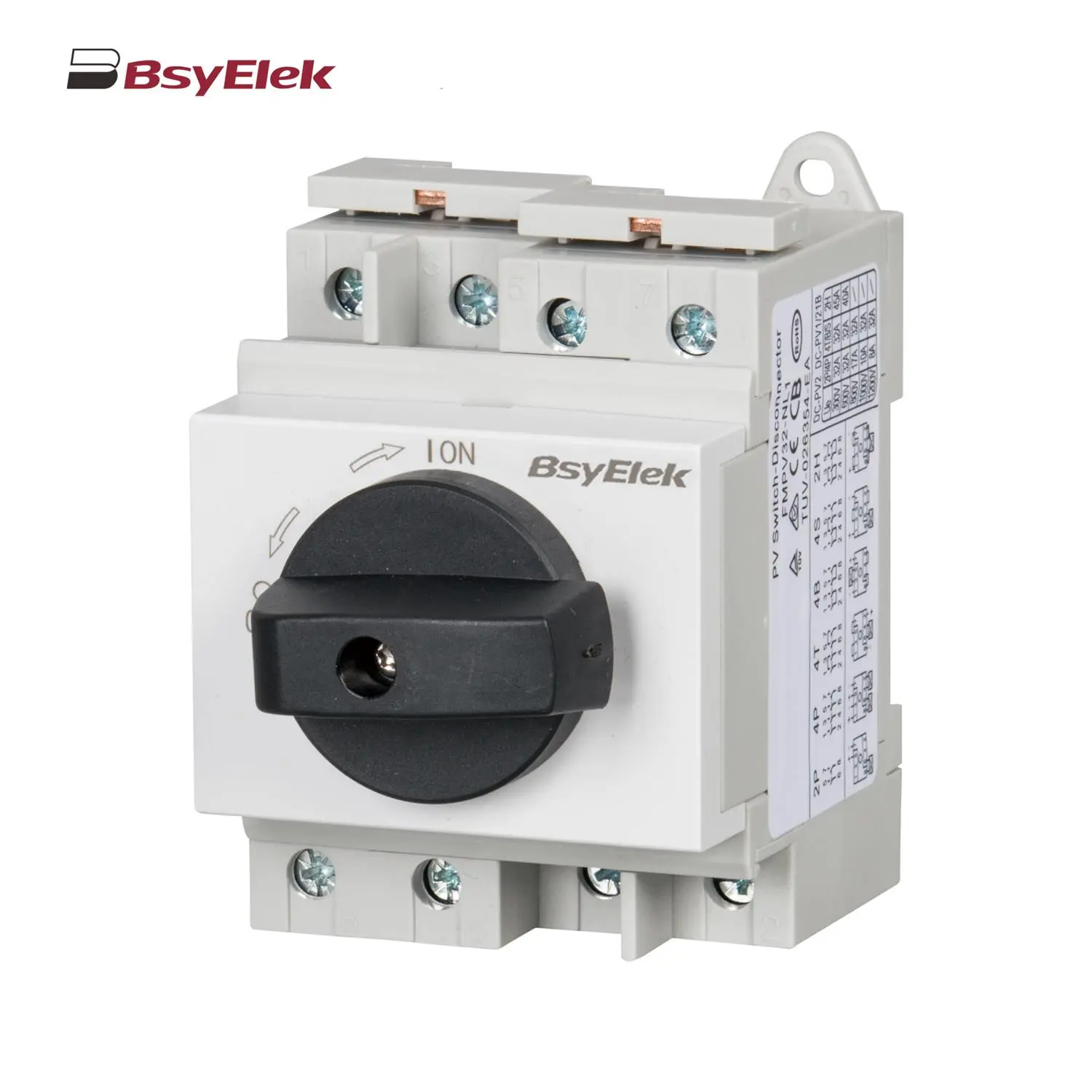 BYPV-NL1 PV Isolator Switch with Lever Handle
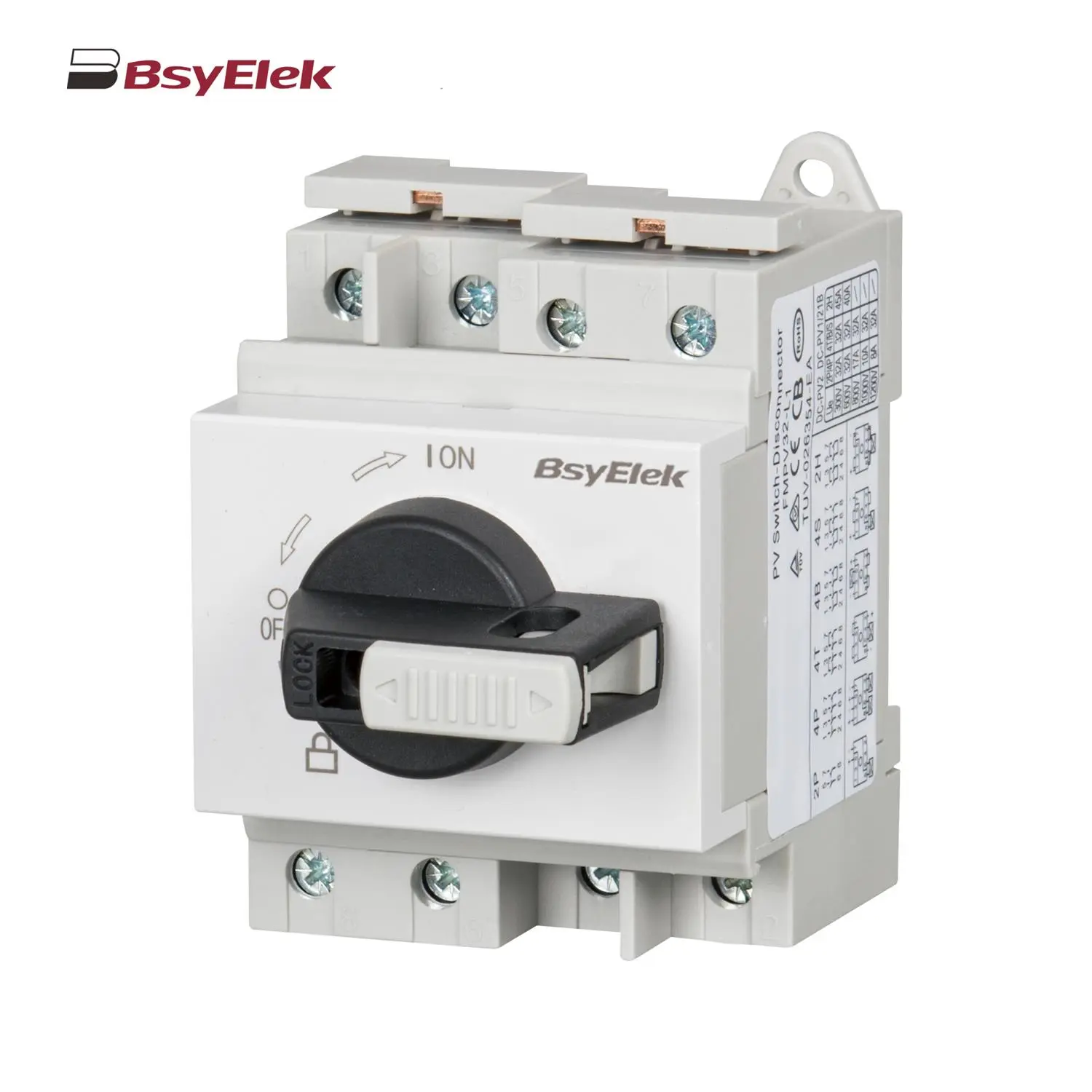 BYPV-L1/L2 PV Isolator Switch with Lockable Lever Handle
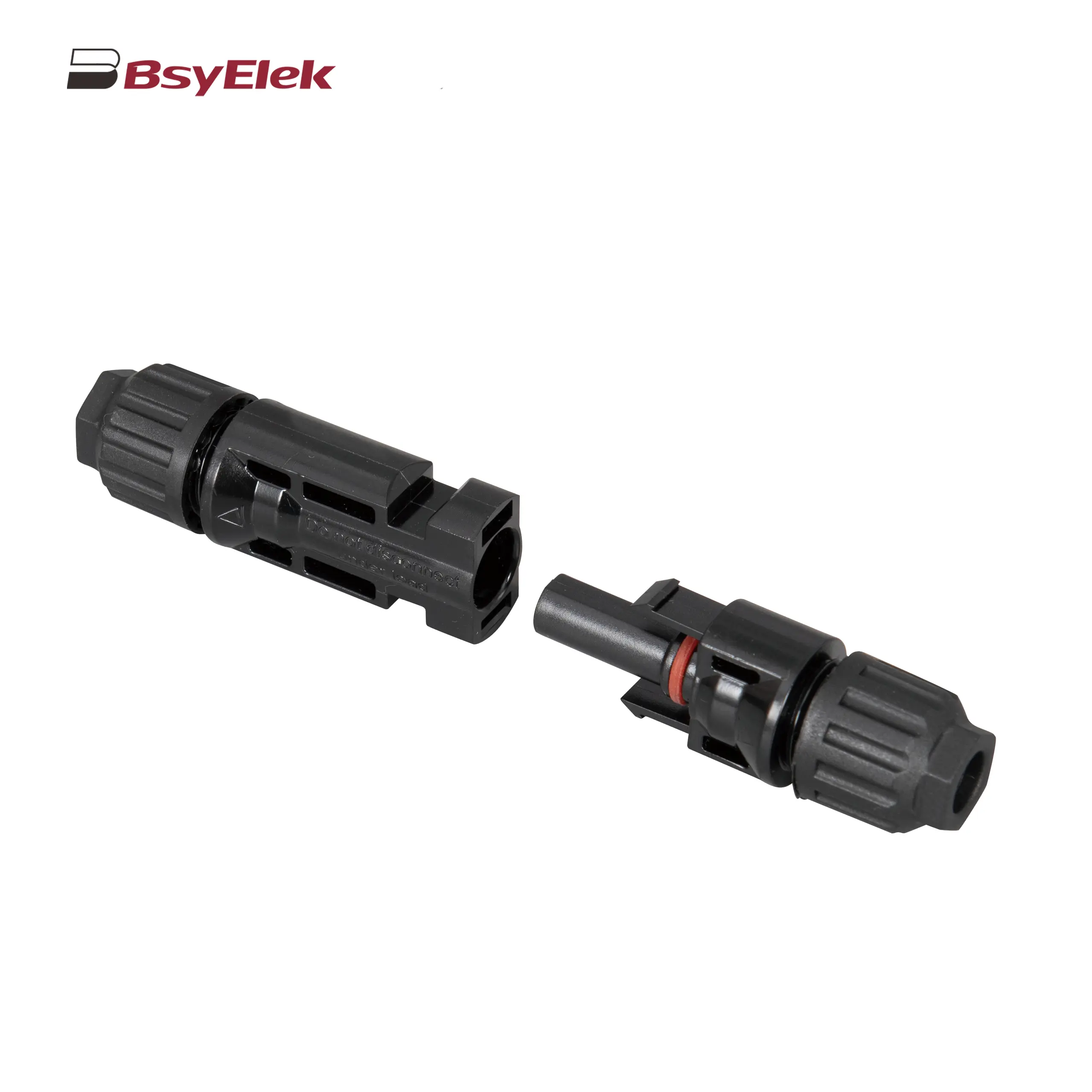 PV-BY-01 30A/50A 1000V Photovoltaic Connector
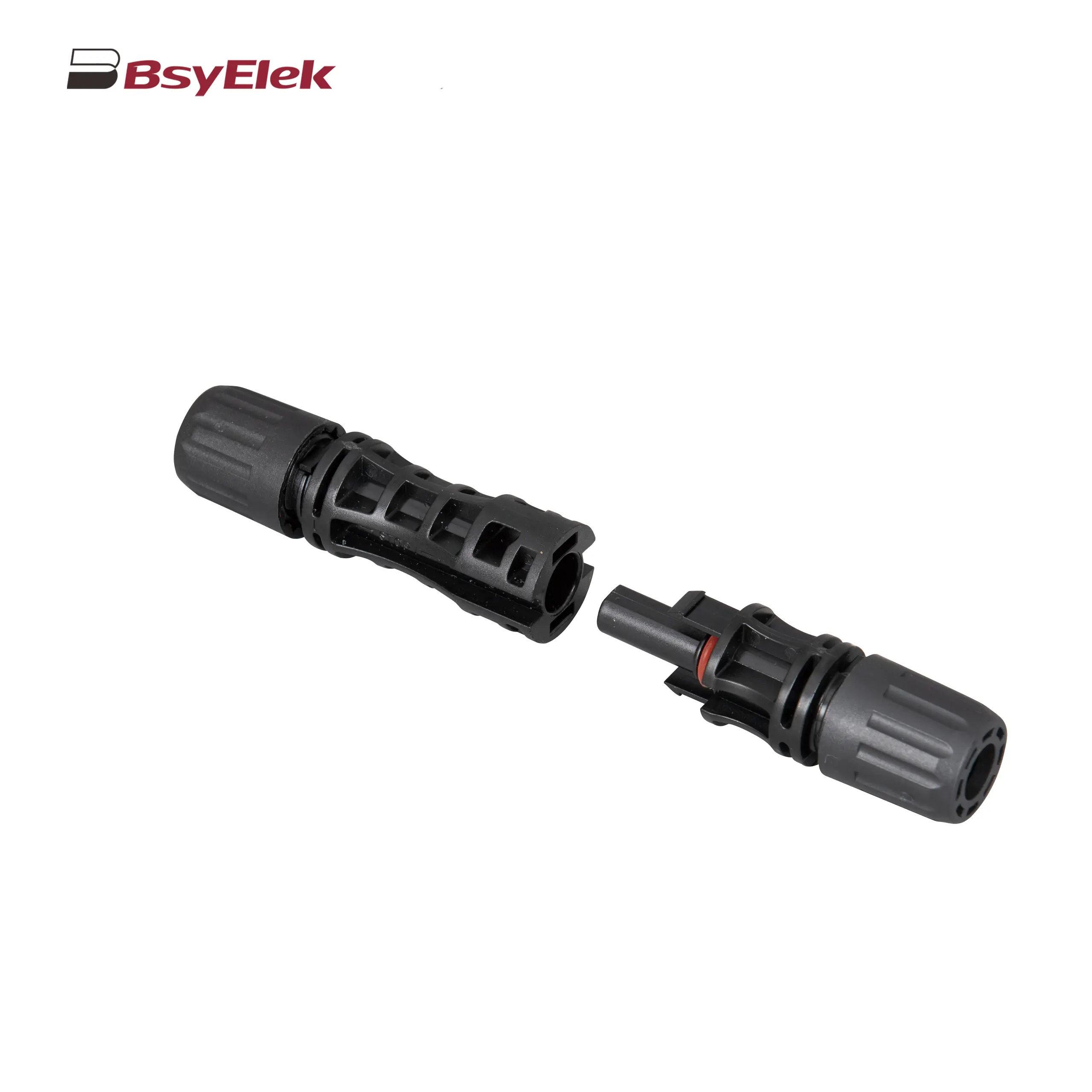 PV-BY-02 30A/50A 1500V Photovoltaic Connector
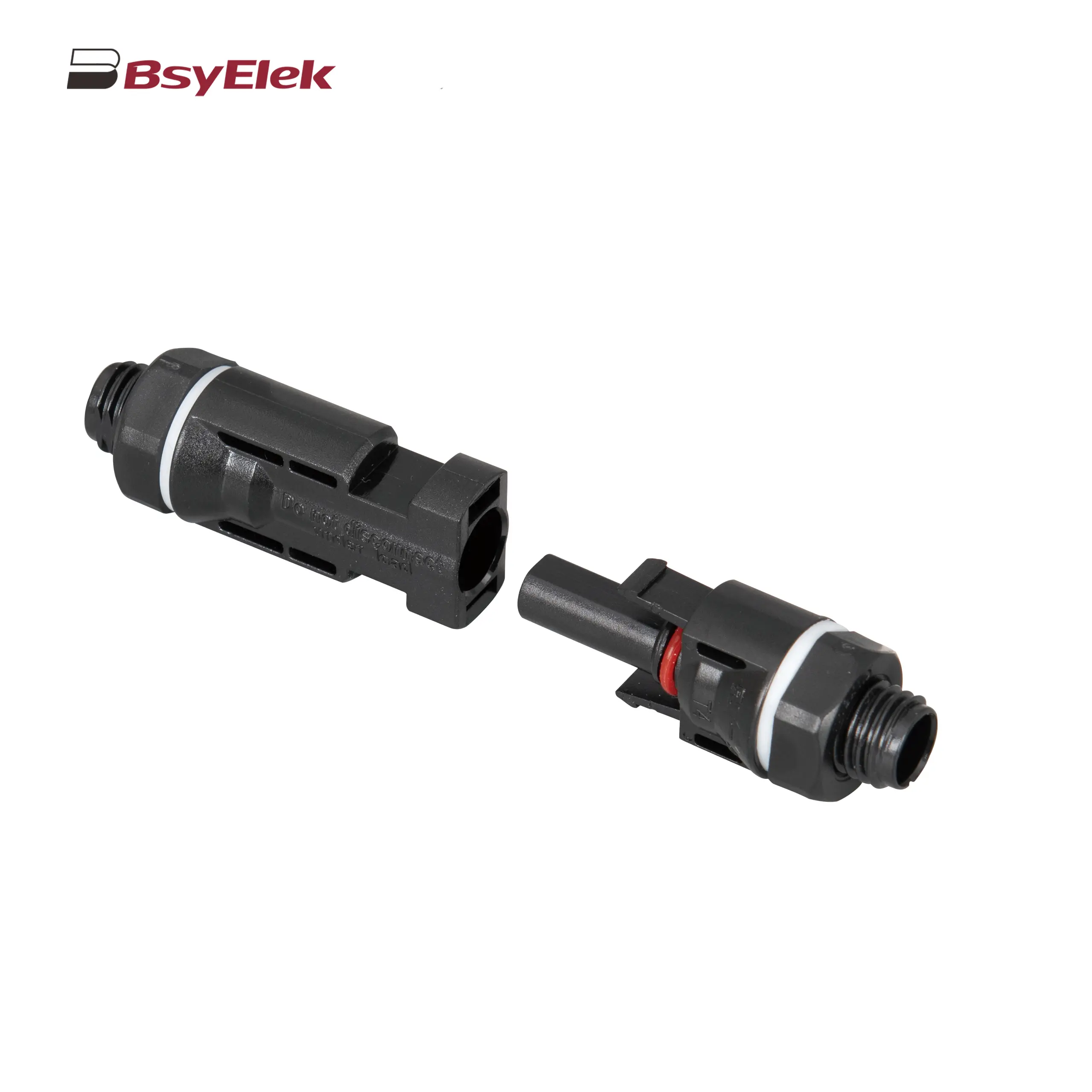 PV-BY-03 30A/50A 1000V Panel Mount Photovoltaic Connector
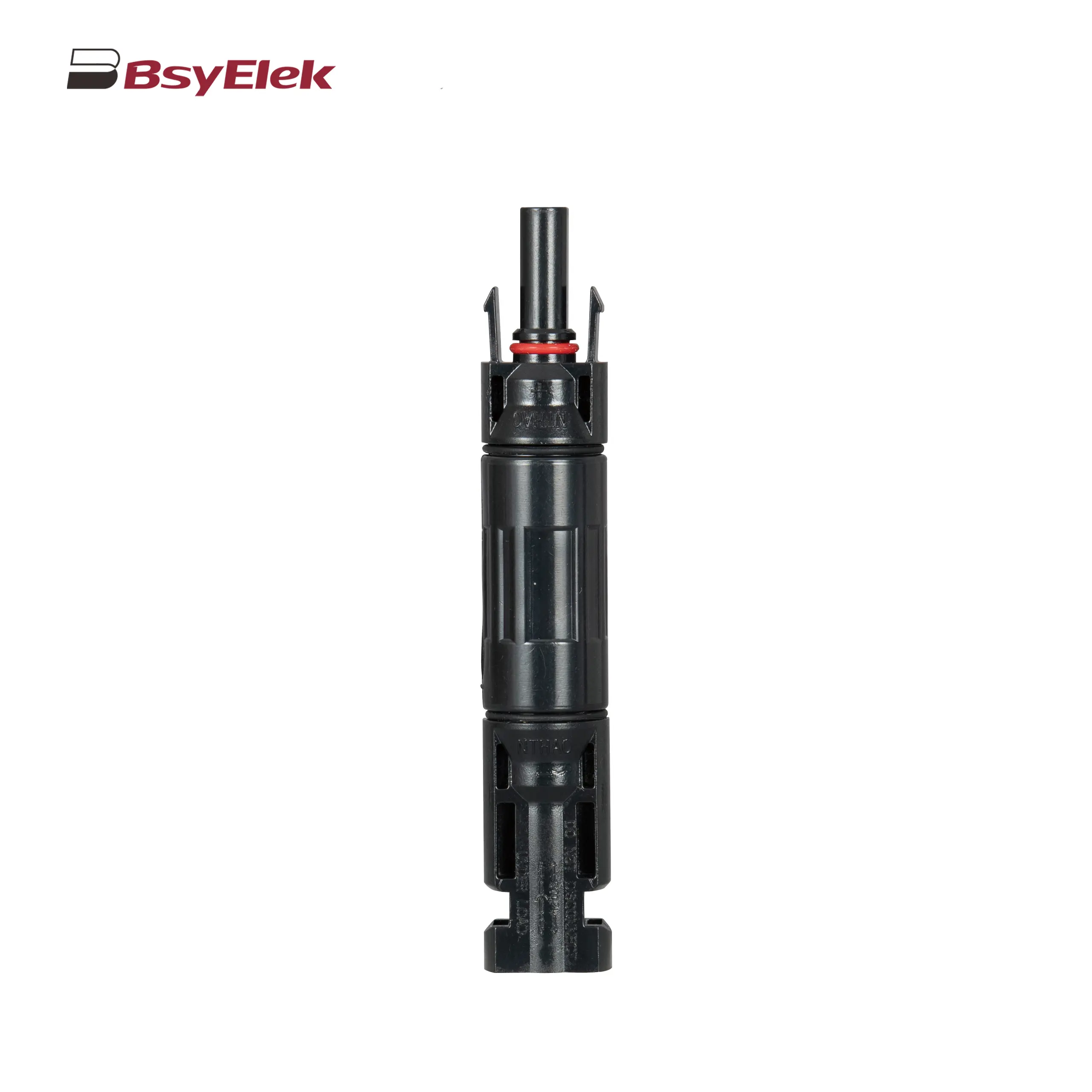 PV-BY-F01 30A 1500V Diode/Fuse Type Connector
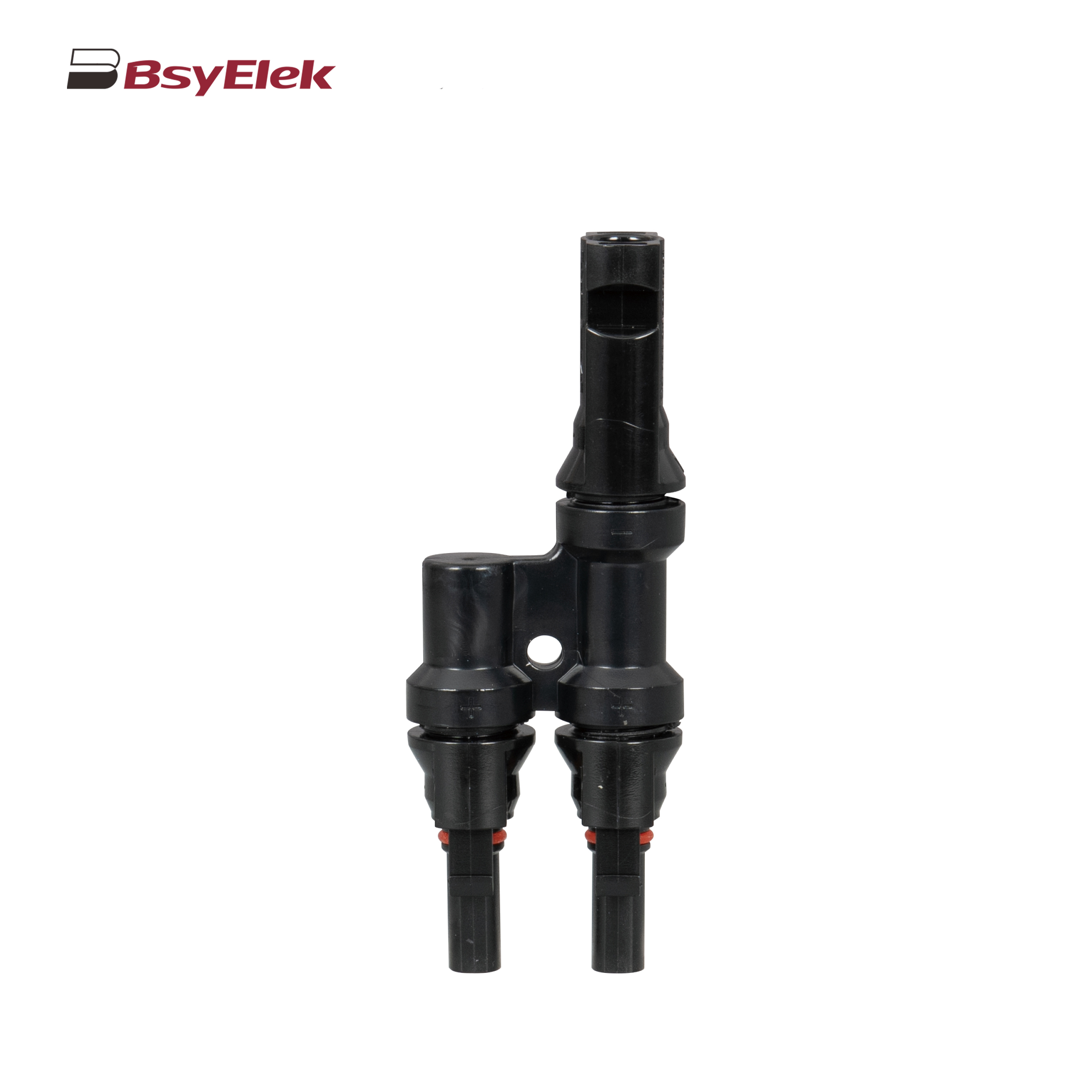 PV-BY-T 50A 1500V T Type Branch Connector
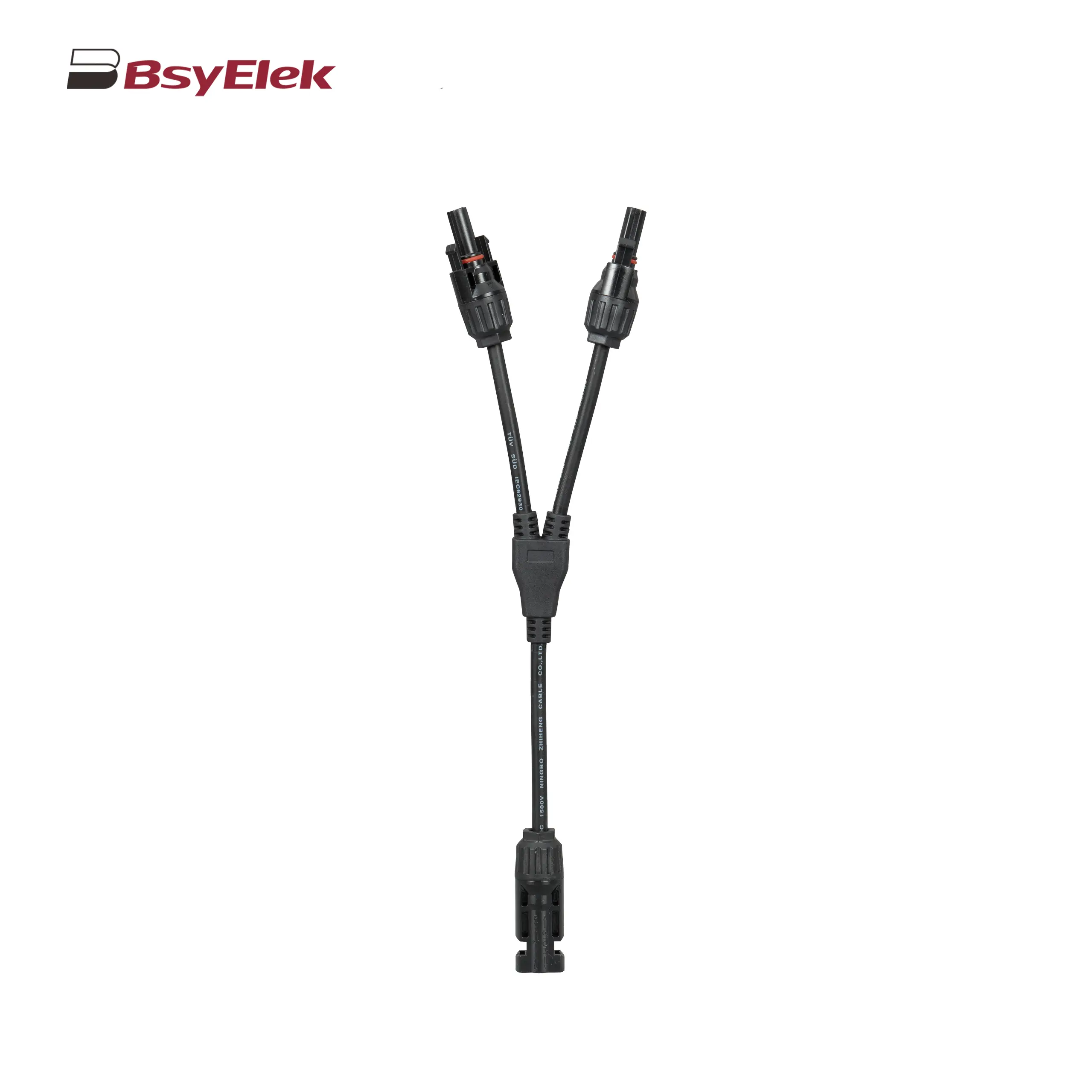 PV-BY-Y 30A 1500V Y Type Branch Connector
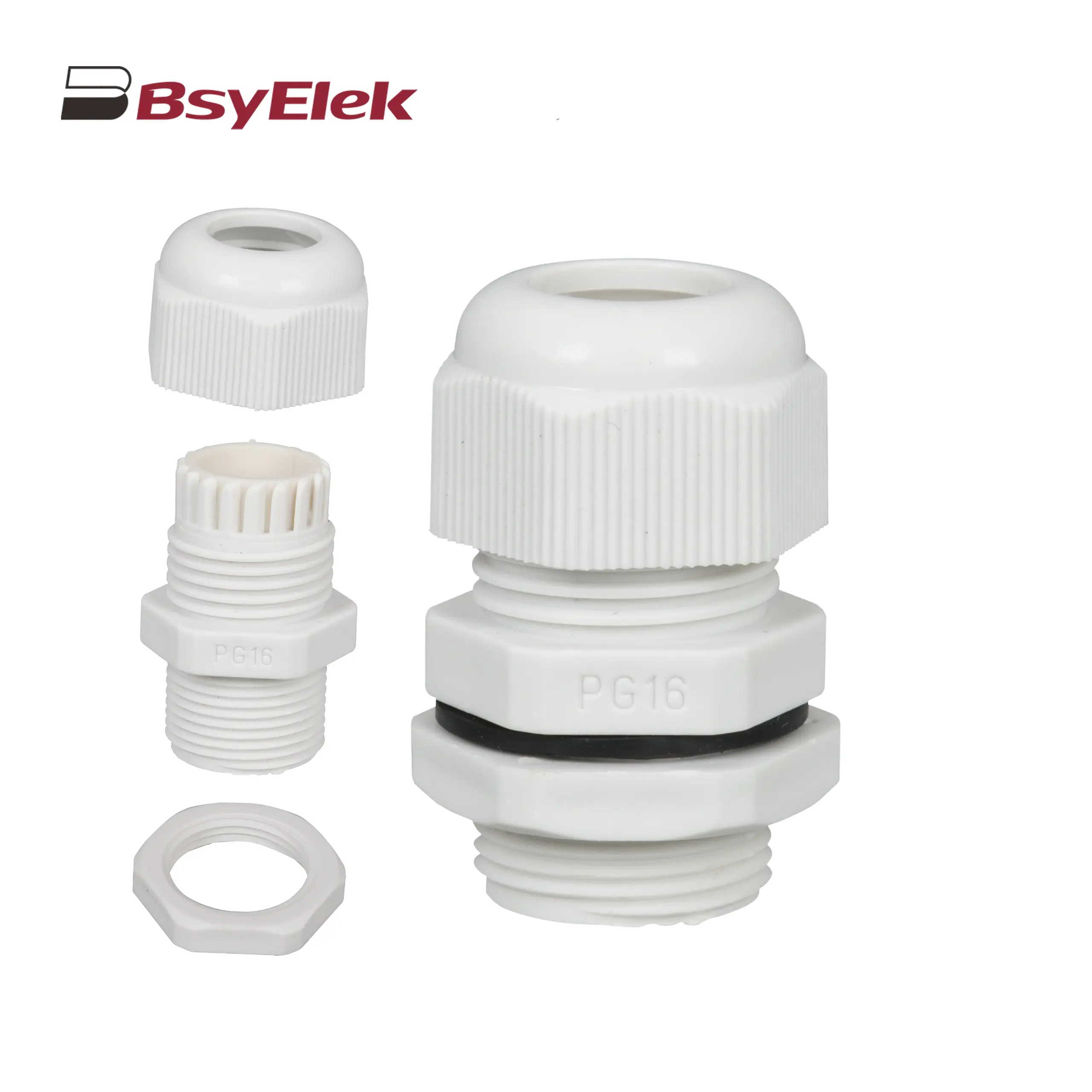 PG Waterproof Cable Gland with Washer
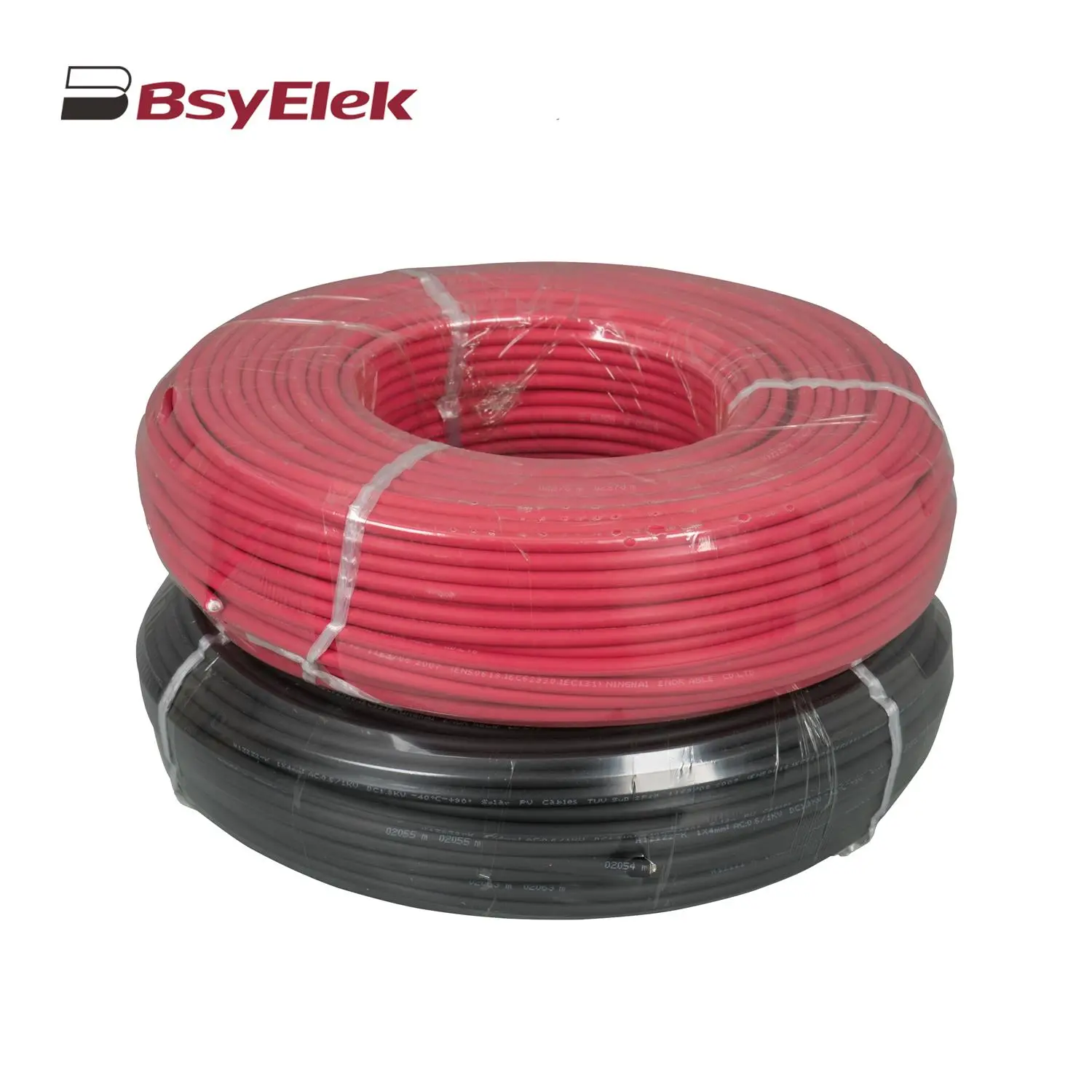 Photovoltaic Cable
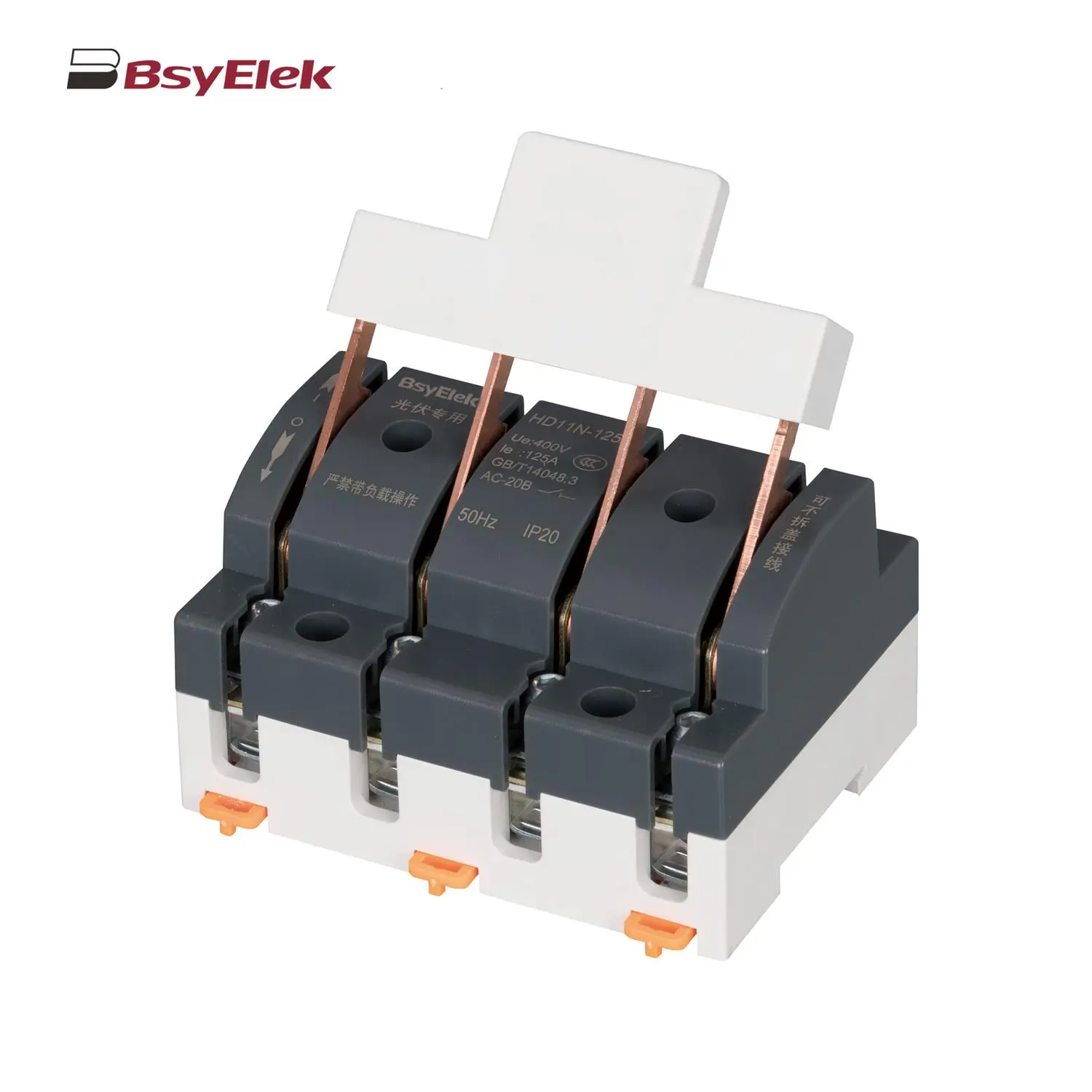 HD11N Photovoltaic Knife Switch
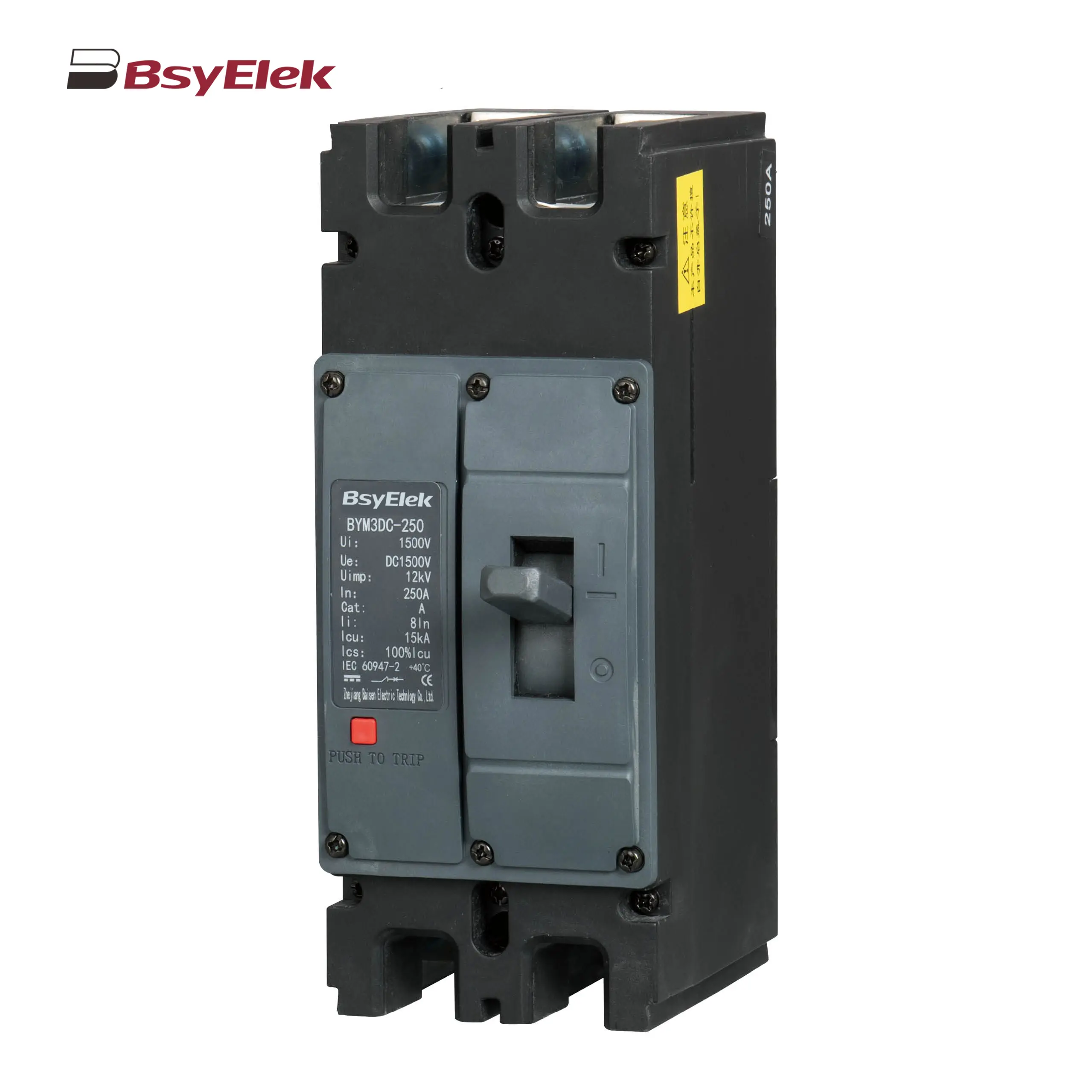 BYM3DC MCCB Photovoltaic DC Molded Case Circuit Breaker
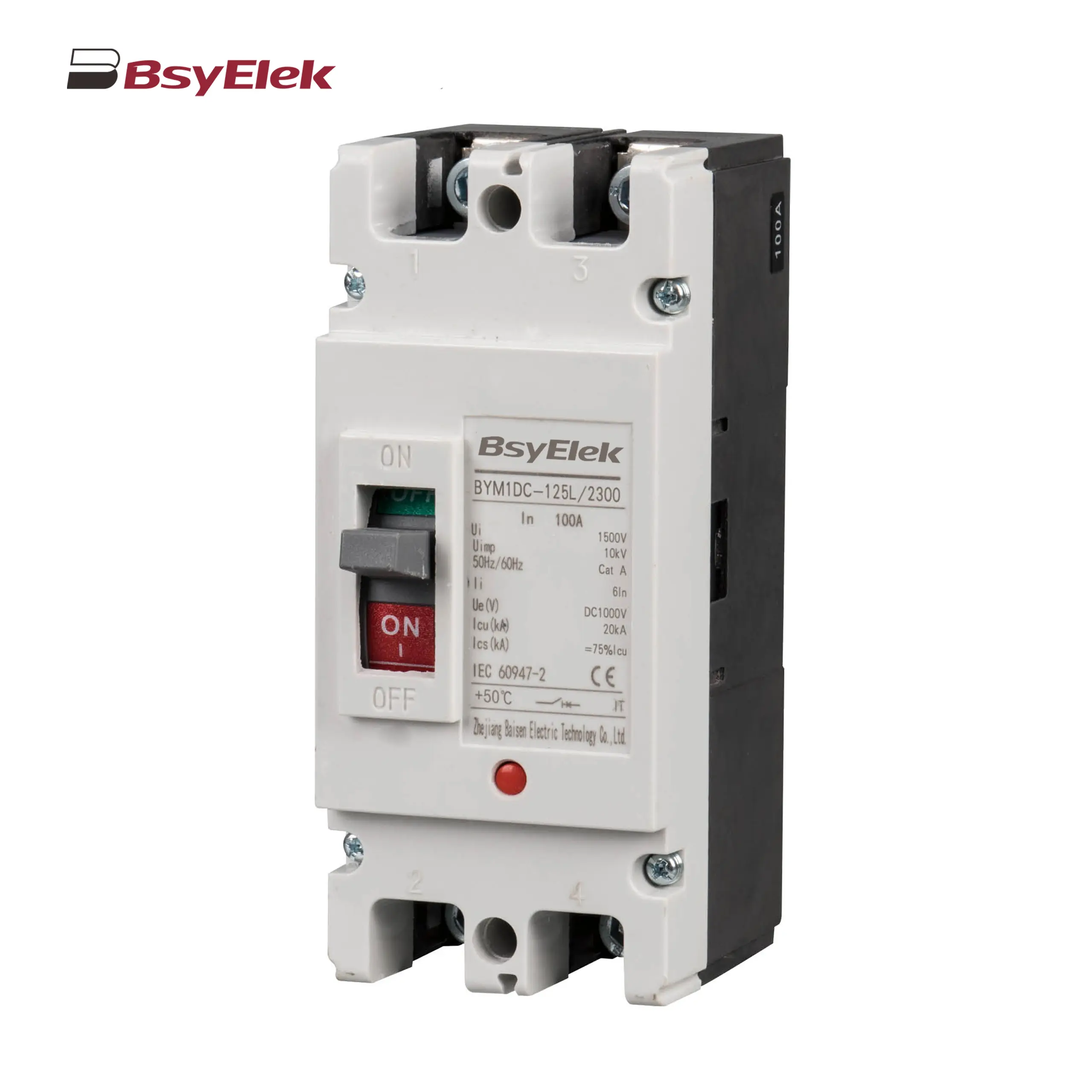 BYM1DC MCCB 1000VDC Thermal Magnetic Type DC Molded Case Circuit Breaker
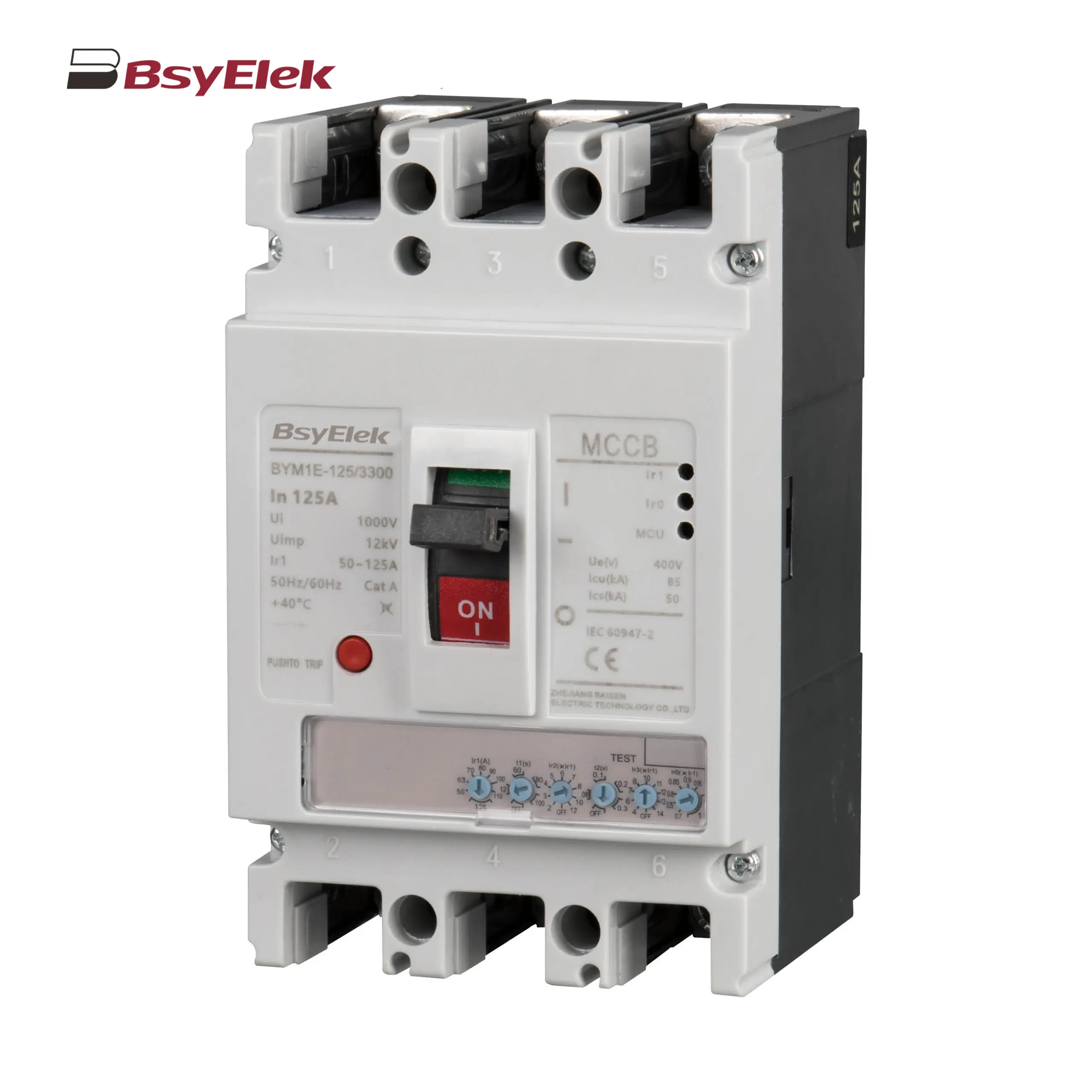 BYM1E MCCB Electronic Type Molded Case Circuit Breaker
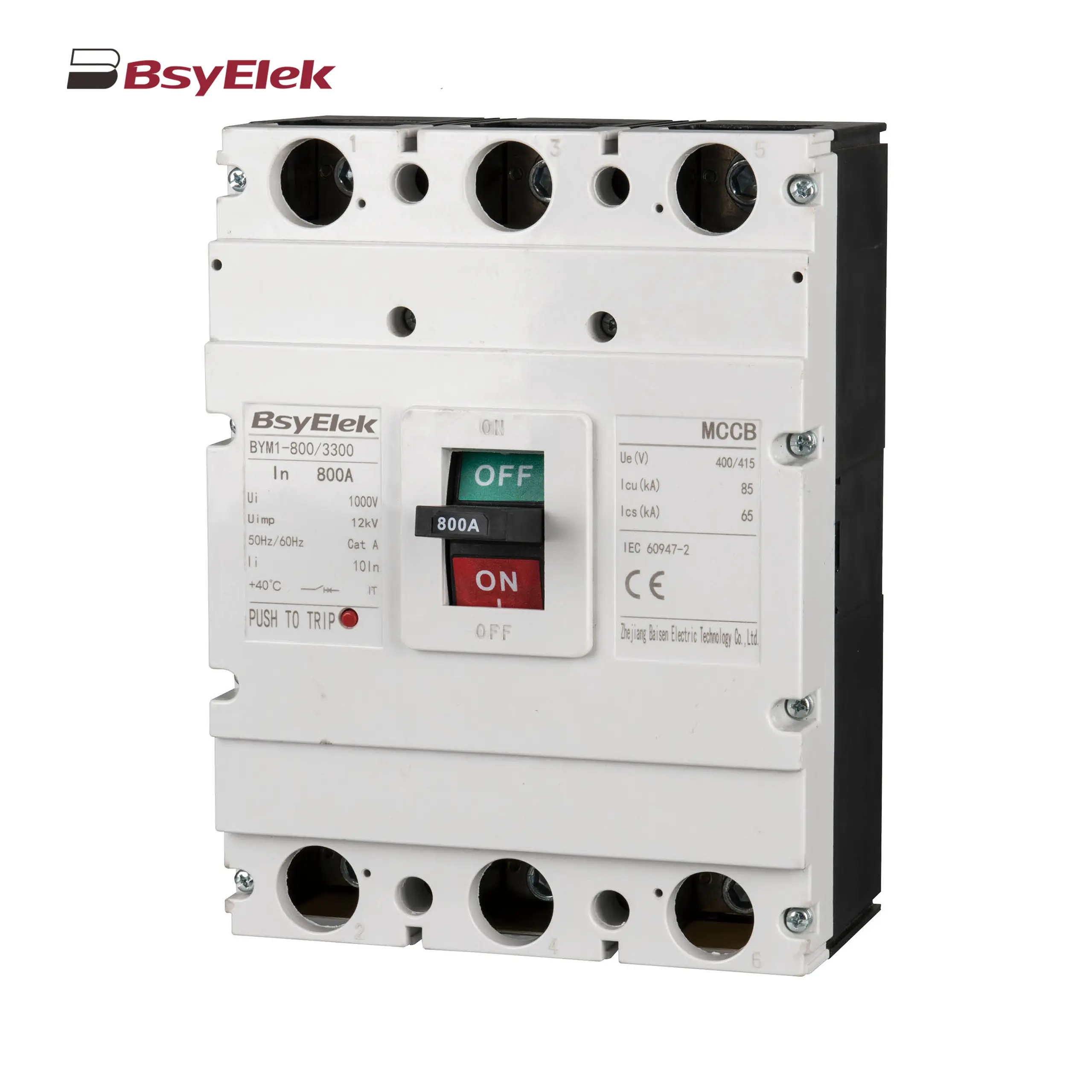 BYM1 MCCB Thermal Magnetic AC Molded Case Circuit Breaker
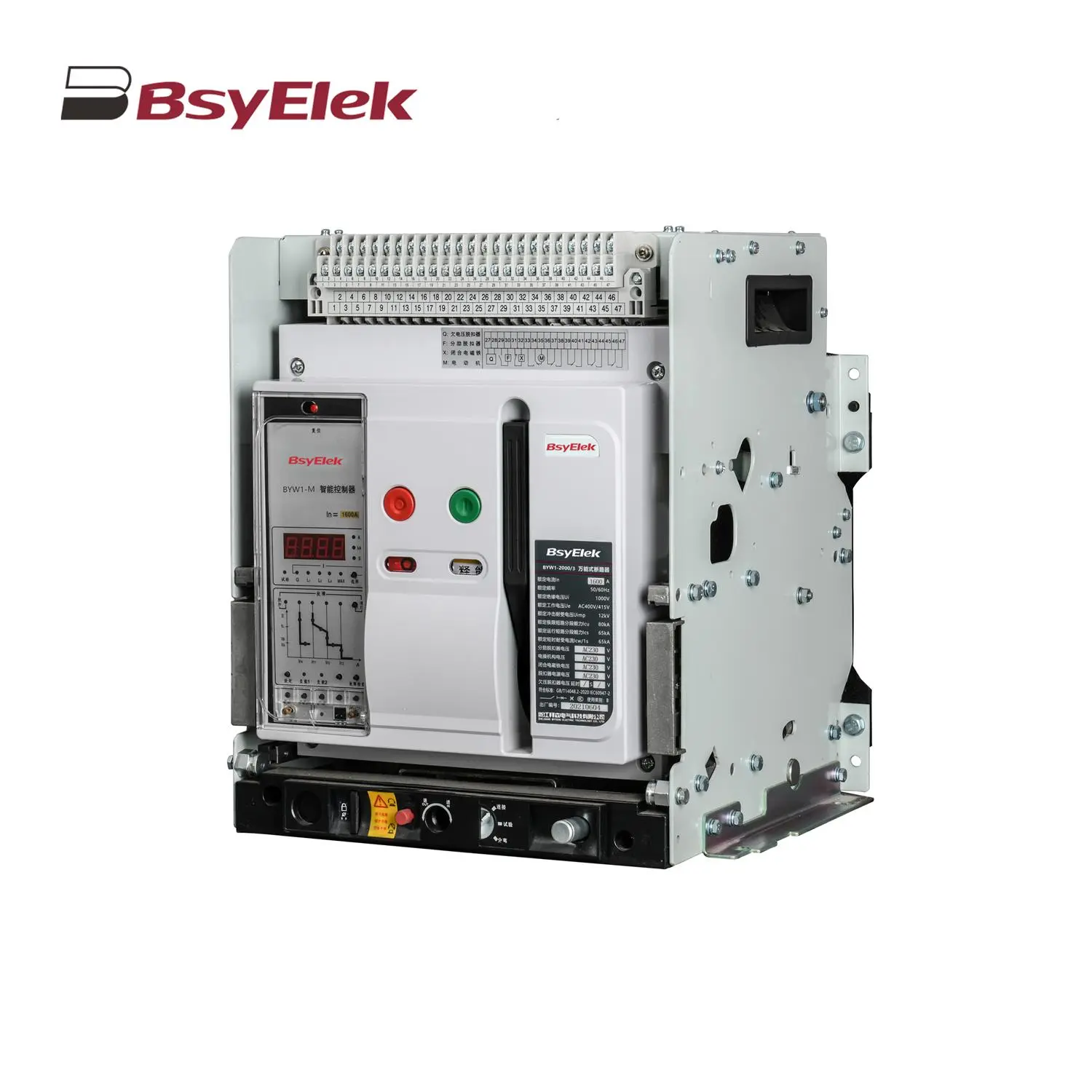 BYW1 ACB Intelligent Universal Air Circuit Breaker
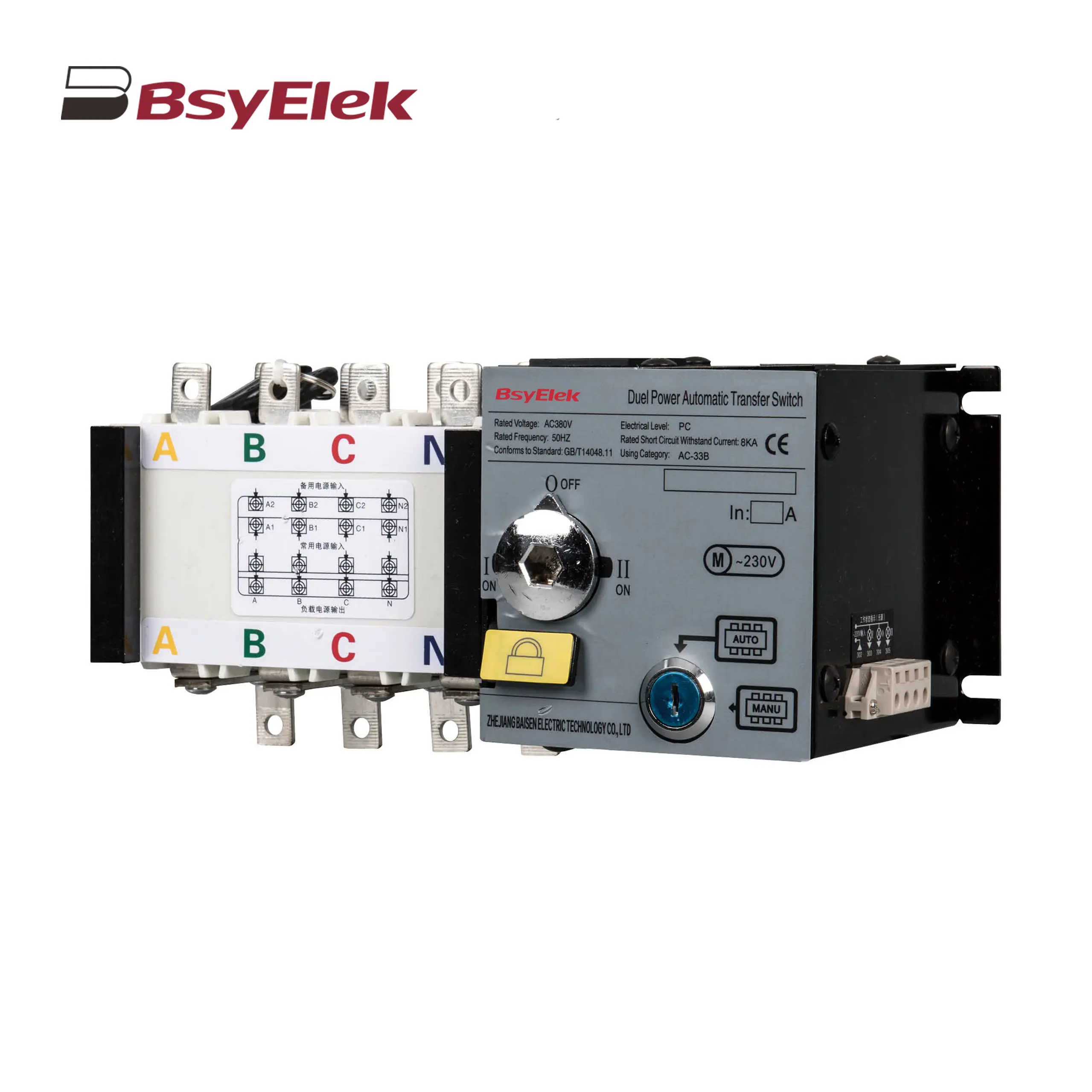 BYQ1 ATS Isolated Type PC Level Dual Power Automatic Transfer Switch
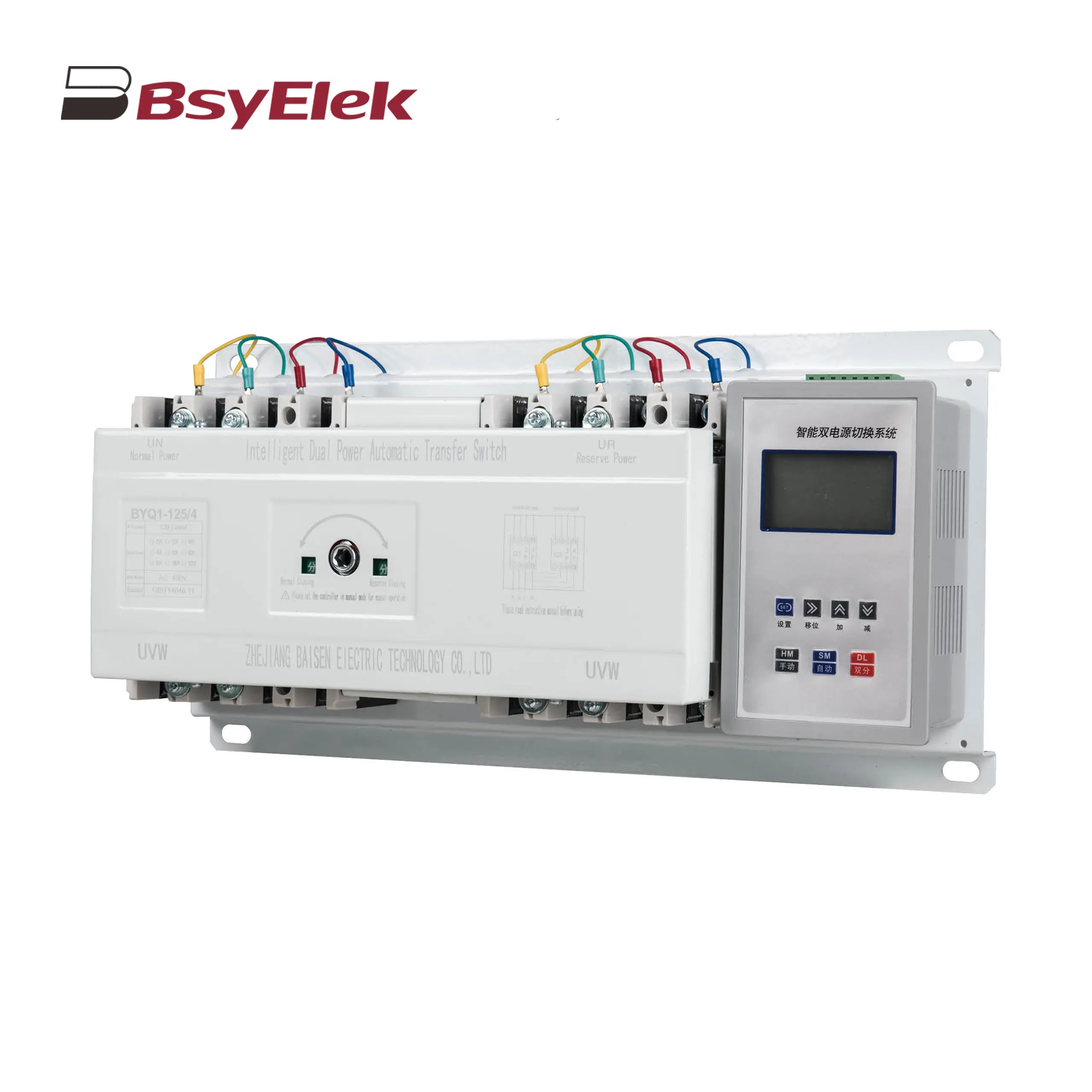 BYQ1 ATS Intelligent Type CB Level Dual Power Automatic Transfer Switch
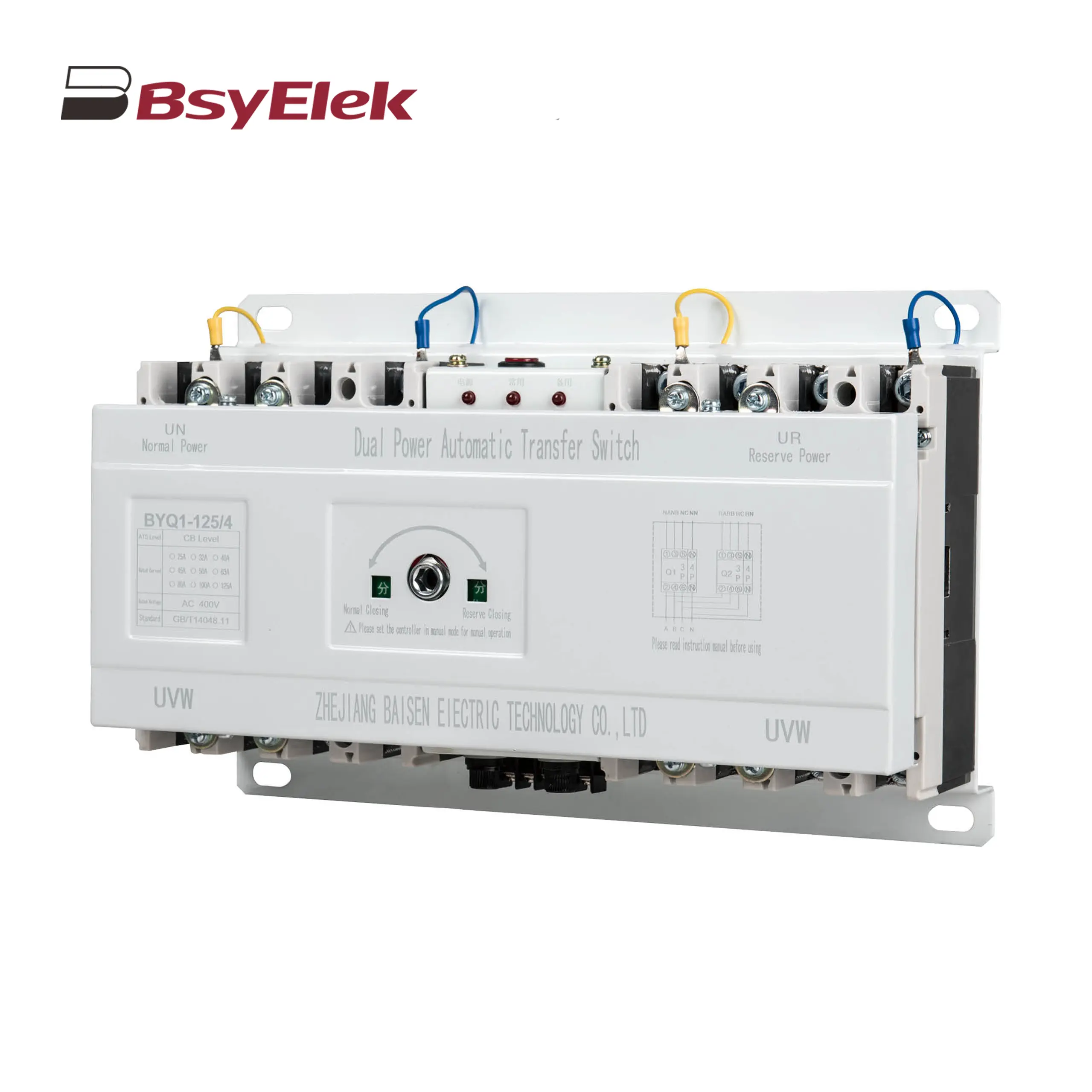 BYQ1 ATS End Type CB Level Dual Power Automatic Transfer Switch
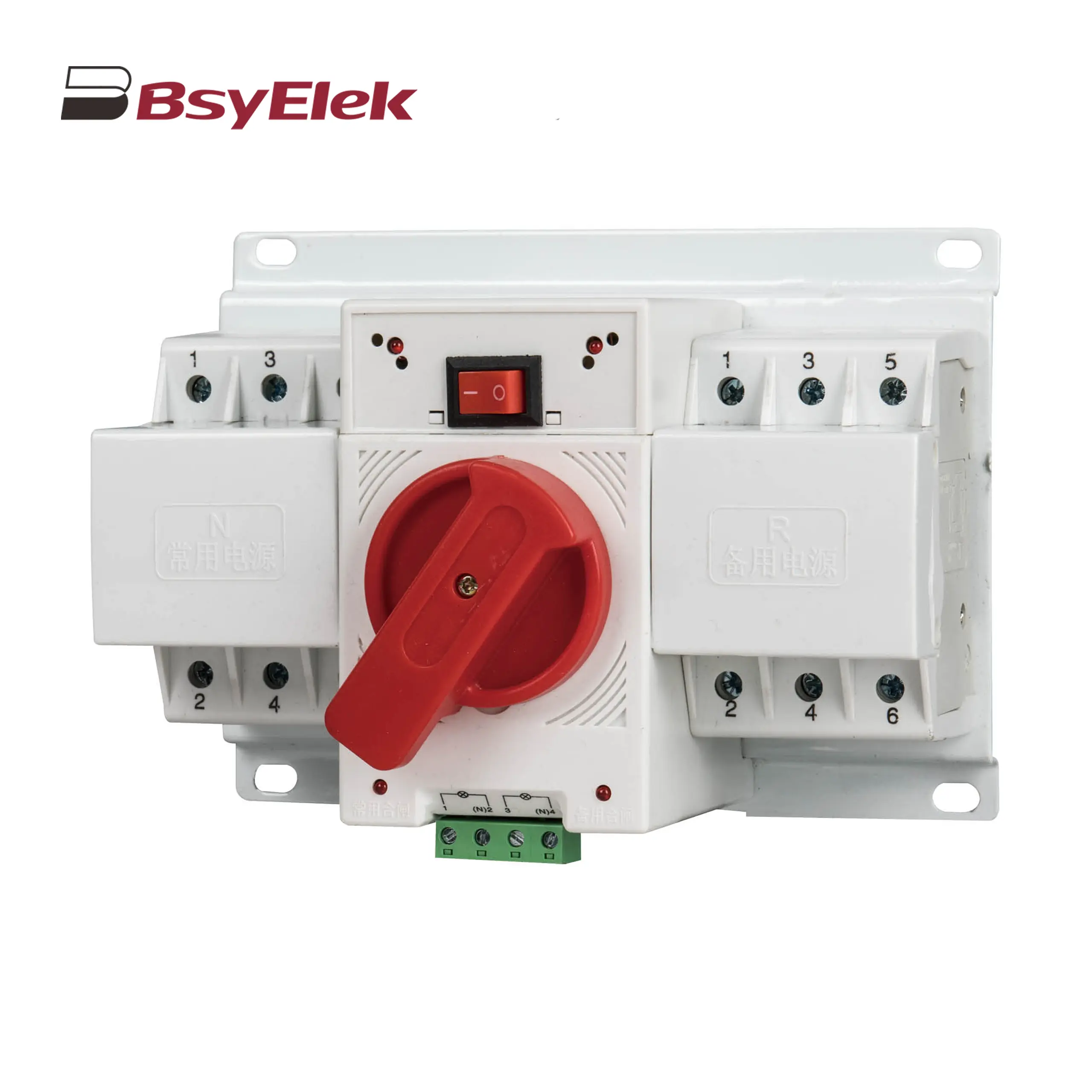 BYQ1 ATS Mini Type CB Level Dual Power Automatic Transfer Switch
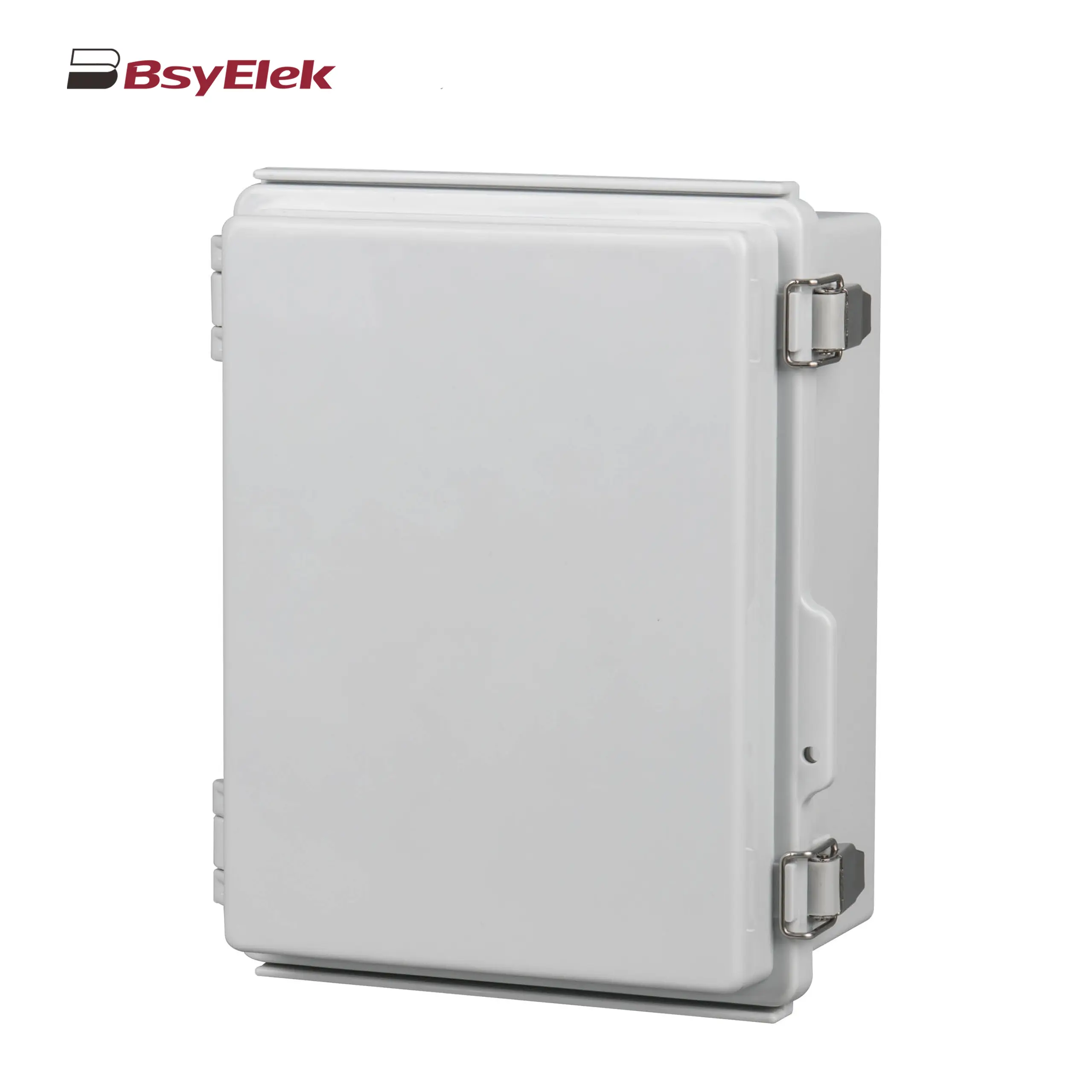 Stainless Steel Hinge Type Electrical Box
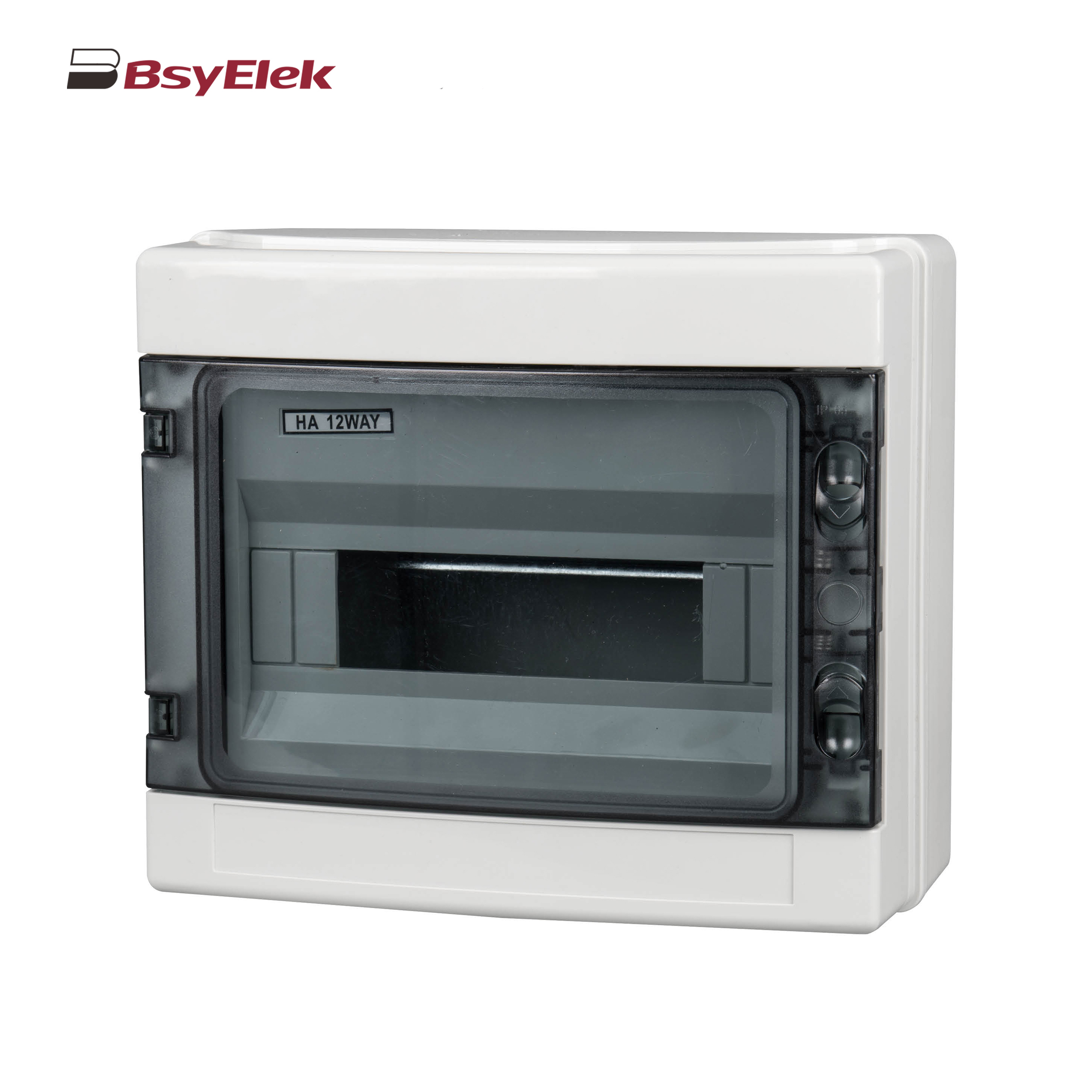 HA Waterproof Distribution Box
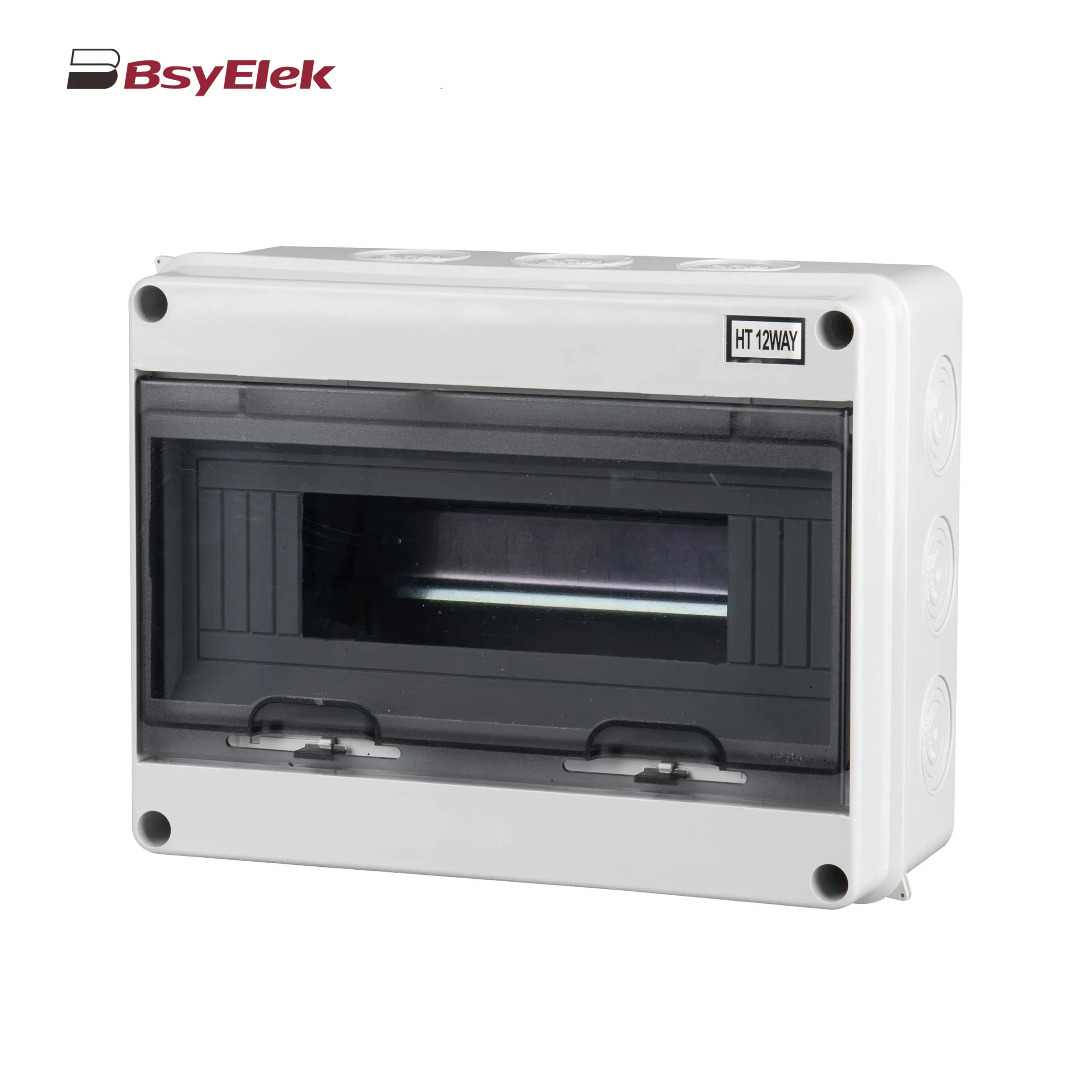 HT Waterproof Distribution Box
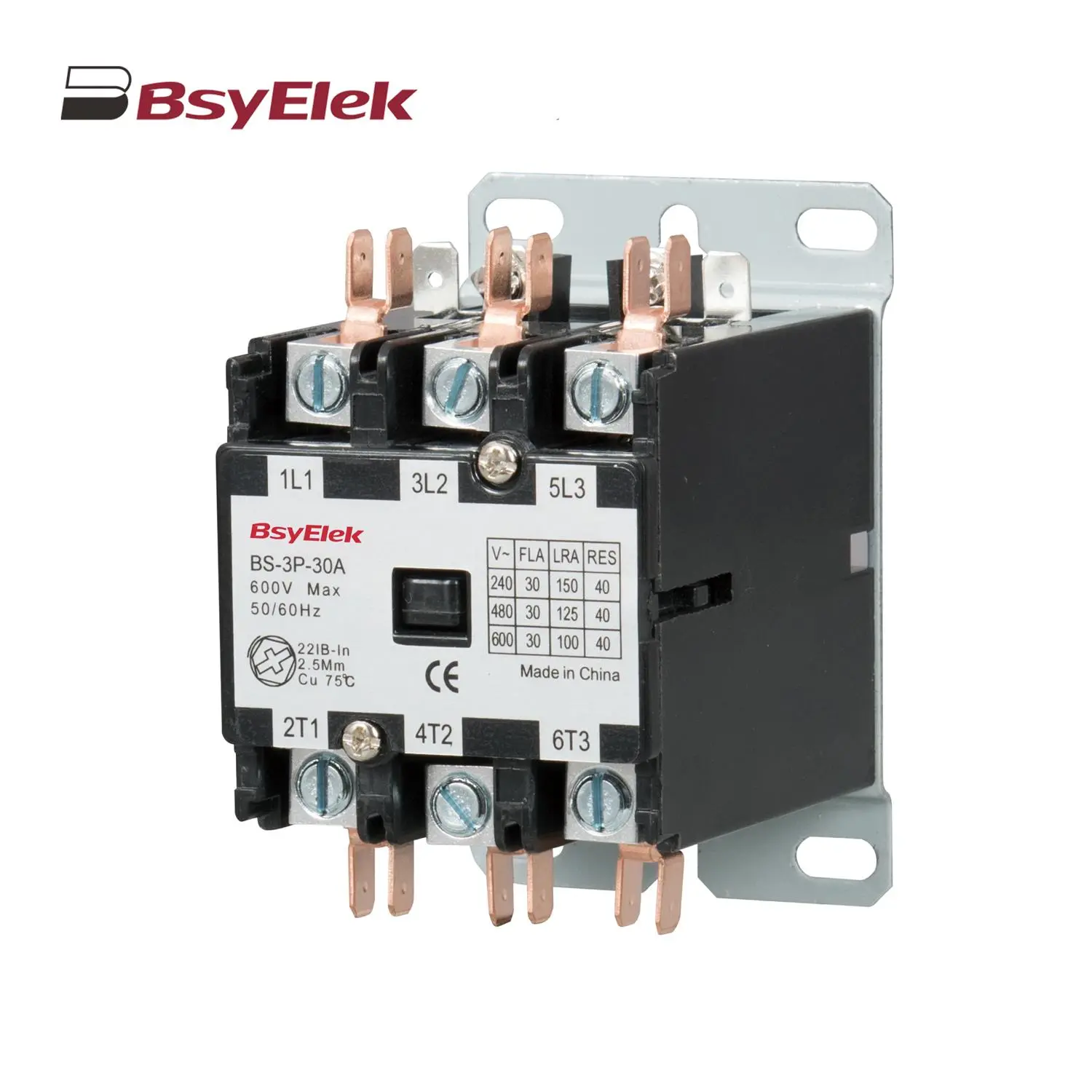 BS Definite Purpose Magnetic AC Contactor