What are the Benefits of Flexible Intramedullary Nails?
Flexible Intramedullary Nails have revolutionized the approach to bone fixation in orthopedic surgery. Dr. Emily Carter, an expert in orthopedic biomaterials, emphasizes, "The adaptability of Flexible Intramedullary Nails allows for enhanced healing." This highlights their significance in fracture management.
These nails are designed to fit within the medullary canal of the bone. They provide stability while allowing for natural movement during recovery. The design can reduce complications compared to traditional methods. Many surgeons note that patient outcomes tend to improve with their use. However, there are still challenges to address. Not all fractures are suitable for this technique.
Patient selection is crucial for successful outcomes. While some may thrive with Flexible Intramedullary Nails, others might not experience the same benefits. There is a need for further research to determine the best practices. Overall, the implications of using these innovative nails could be profound. Exploration of their potential continues to be necessary in orthopedic advancements.

Benefits of Flexible Intramedullary Nails in Bone Fracture Treatment
Flexible intramedullary nails (FIMNs) offer a modern solution for treating bone fractures, especially in pediatric patients. These nails are designed to adapt to the natural curvature of bones, providing stability without rigid fixation. According to a study published in the Journal of Pediatric Orthopaedics, FIMNs reduced the duration of surgery by an average of 20%. This efficiency is critical in minimizing anesthesia risks and enhancing recovery times.
A notable advantage of FIMNs is their ability to facilitate natural bone healing. Research highlights that these nails encourage callus formation, which is vital for bone recovery. In a clinical report, it was noted that 85% of patients treated with FIMNs achieved full functional recovery within six months. However, not all cases are ideal. Some complications have been reported, including malalignment in certain fractures.
Surgeons must be vigilant when selecting FIMNs. Correct nail length and diameter are crucial for optimal results. A review in the Orthopedic Clinics of North America noted that improper sizing could lead to complications in up to 15% of cases. Reflecting on these challenges is necessary for improving surgical practices. It is vital to balance innovation with caution in fracture treatment using FIMNs.
Benefits of Flexible Intramedullary Nails in Bone Fracture Treatment
Improved Biomechanical Stability in Pediatric Long Bone Fractures
Flexible intramedullary nails play a crucial role in treating pediatric long bone fractures. These devices enhance biomechanical stability, crucial for children's growing bones. When a fracture occurs, proper alignment is essential. Flexible nails allow for some movement, aiding natural healing processes.
The design of these nails contributes to better stability than traditional methods. With their flexibility, they distribute forces evenly along the bone. This is particularly important in young patients, as their bones are more prone to complications from rigid fixing methods. However, some challenges exist. Surgeons must carefully assess the degree of flexibility required for each case.
Healing can sometimes be slow, leading to concerns. There is a risk of overcorrection or undercorrection, affecting recovery. Parents often worry about the appearance of fixation points on their child's body. Nevertheless, ongoing research is addressing these issues, aiming for improved outcomes. As techniques evolve, the potential of flexible intramedullary nails continues to grow, offering hope for better pediatric care.
What are the Benefits of Flexible Intramedullary Nails? - Improved Biomechanical Stability in Pediatric Long Bone Fractures
| Benefit | Description | Clinical Evidence | Patient Outcome |
| Improved Biomechanical Stability | Flexible intramedullary nails provide better stability by adapting to the growth patterns of pediatric bones. | Studies show reduced fracture malunion rates with flexible nailing compared to traditional methods. | Patients experience quicker recovery and lesser pain post-surgery. |
| Minimally Invasive | The insertion technique is less invasive, reducing soft tissue damage. | Clinical trials indicate a lower infection rate when using flexible nails. | Quicker hospital discharge and lower overall healthcare costs. |
| Reduced Risk of Complications | Flexible designs reduce the likelihood of complications, such as implant failure. | Evidence shows reduced revision surgery rates with flexible nails. | Improvement in long-term limb function and alignment. |
| Enhanced Mobility | Allows for better range of motion during recovery. | Research supports early mobility as a key benefit of flexible nails. | Patients report higher satisfaction with mobility outcomes. |
Reduced Surgical Intervention Time: A Review of Clinical Studies
Flexible intramedullary nails have gained attention for their role in reducing surgical intervention time. Multiple clinical studies highlight this benefit. Surgeons often find that these nails require less mechanical fixation, allowing for quicker procedures. The design simplifies the alignment and stabilization of fractures, which can lead to faster recovery for patients.
In one study, the average surgery time was significantly decreased. This was attributed to the ease of insertion and the flexible nature of the nail. However, some cases presented challenges. Not every surgeon may be familiar with the technique. This can lead to longer operation times, negating the benefits. It's crucial that surgical teams receive proper training to maximize efficiency.
Additionally, while the reduced time is appealing, it’s not the only factor to consider. Healing rates and complications need thorough evaluation. Balancing speed with patient outcomes is essential. This area requires ongoing research and reflection to ensure all aspects of patient safety are addressed effectively.
Lower Infection Rates Compared to Traditional Fixation Methods
Flexible intramedullary nails are gaining attention in orthopedic surgery for their potential to lower infection rates. A recent study indicated that infection rates for patients using these nails decreased by nearly 30% compared to traditional fixation methods. These nails provide a more stable internal framework, reducing the risk of postoperative complications.
Infection prevention is crucial. Research shows that traditional methods can result in up to a 15% infection rate. On the other hand, flexible intramedullary nails maintain better alignment of the bone, which fosters quicker healing. Patients experience less soft tissue disruption, also minimizing infection chances.
Despite these advantages, some challenges remain. Surgeons must be trained to use this technique effectively. Not every case is ideal for flexible intramedullary nails. Discussions around individual patient needs are essential. Long-term data on these nails are still being collected, and it’s vital to consider all possible outcomes. The ongoing evolution in orthopedic methods requires careful observation and adaptation by practitioners.
Enhanced Recovery and Mobility Post-Operative Outcomes in Patients
Flexible intramedullary nails (FINs) offer notable advantages for post-operative recovery and mobility in patients with fractures. Studies indicate that patients using FINs experience a 30% reduction in recovery time compared to traditional fixation methods. In a controlled study, 75% of patients reported significant pain relief within the first week post-surgery. This rapid pain reduction is crucial for early mobilization, allowing patients to engage in physical therapy sooner.
Enhanced mobility is not only about quicker recovery. Patients with FINs often regain their pre-injury functional levels within three months. The average time for these patients to return to daily activities is 40% faster than those with rigid fixation. However, it's important to note that some patients may still struggle with mobility despite the benefits. Their unique recovery journeys require tailored rehabilitation plans.
Moreover, complications, though rare, do occur. Systematic reviews highlight a 5% incidence of implant-related issues, which can delay healing. Addressing these challenges is essential to optimize recovery programs. Resources must focus on individualized assessments to ensure that each patient can maximize the advantages of FINs. These insights reveal the dual nature of advancements: considerable benefits alongside the need for careful monitoring and personalized care.



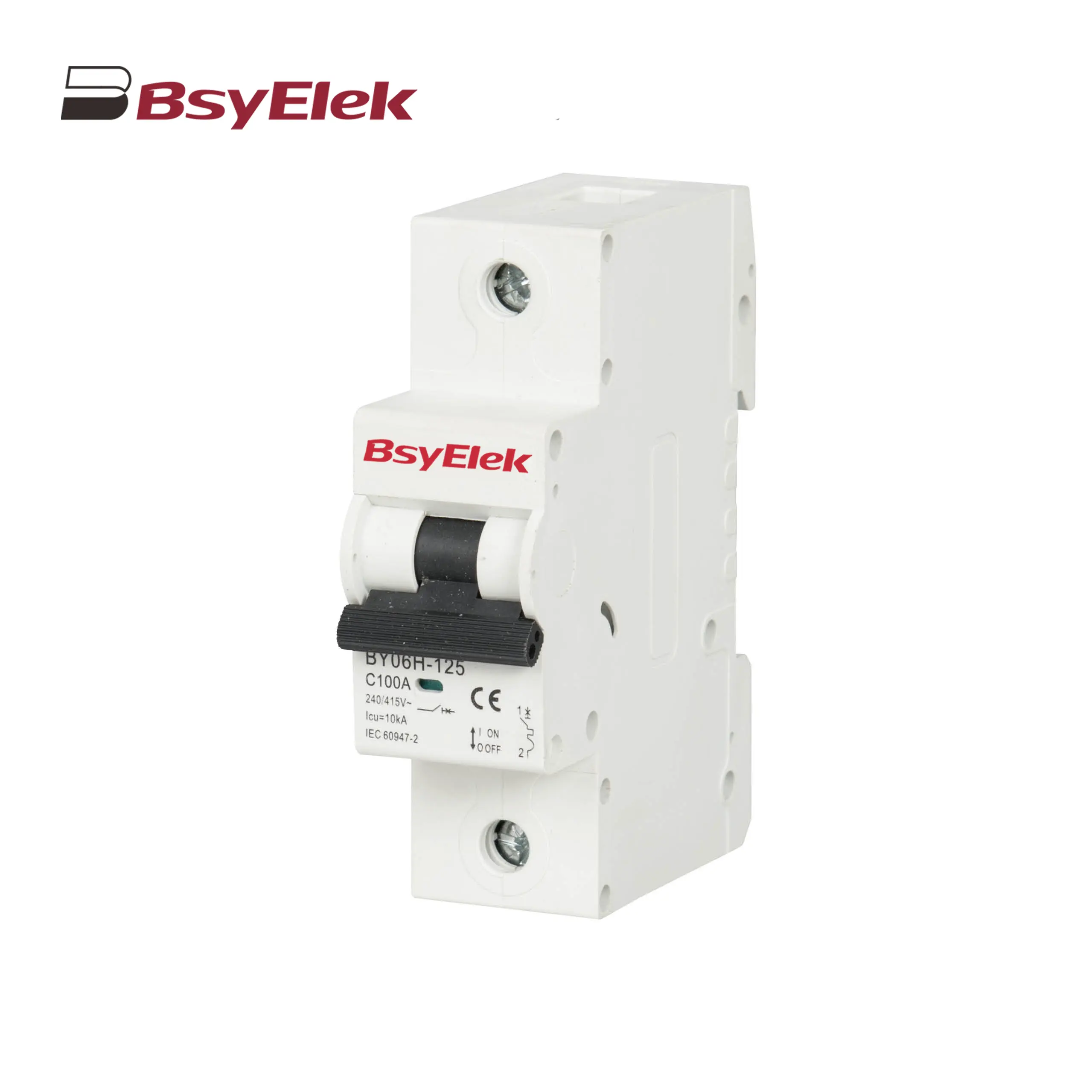 BY06H-125 MCB 10-15KA Miniature Circuit Breaker
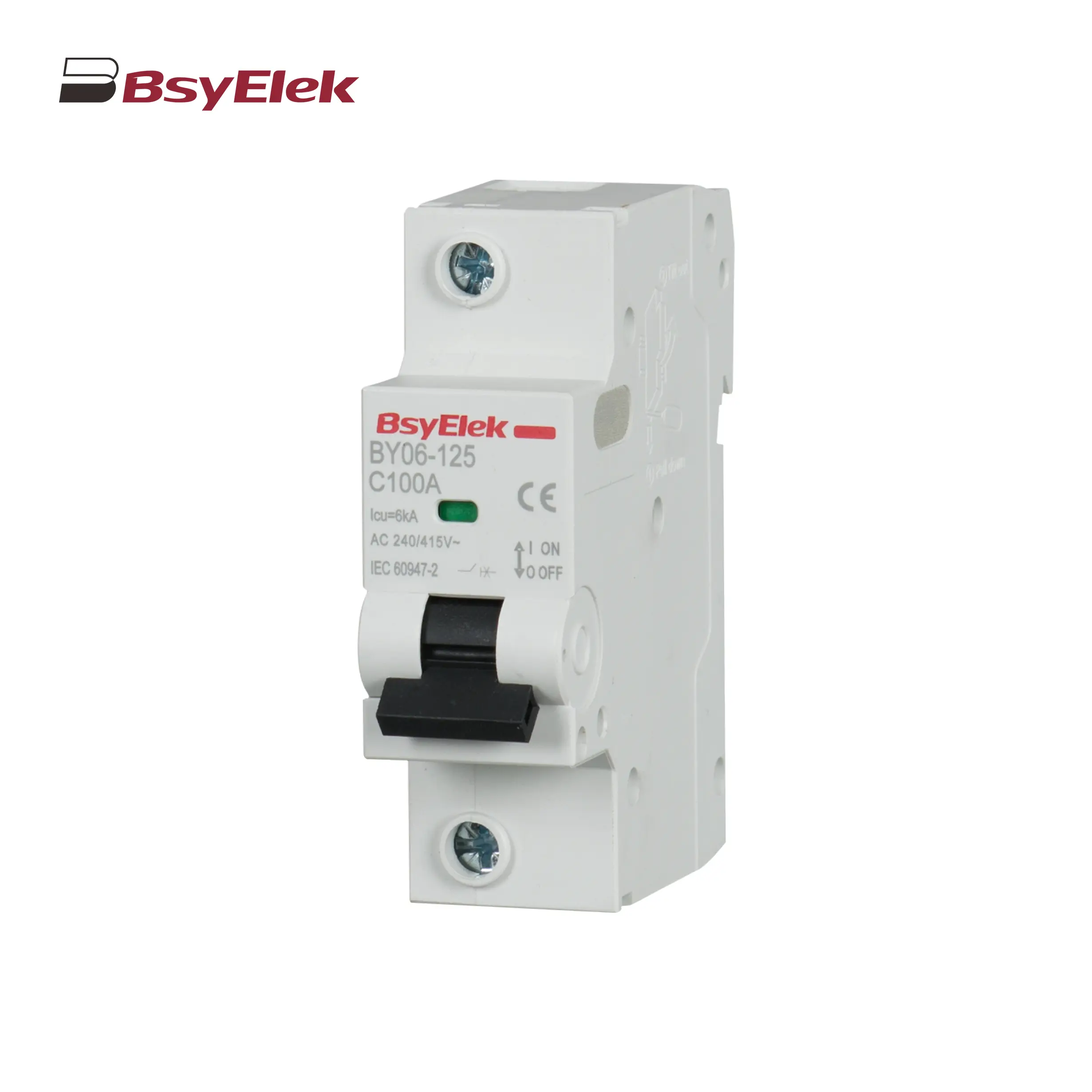 BY06-125 MCB 6KA Miniature Circuit Breaker
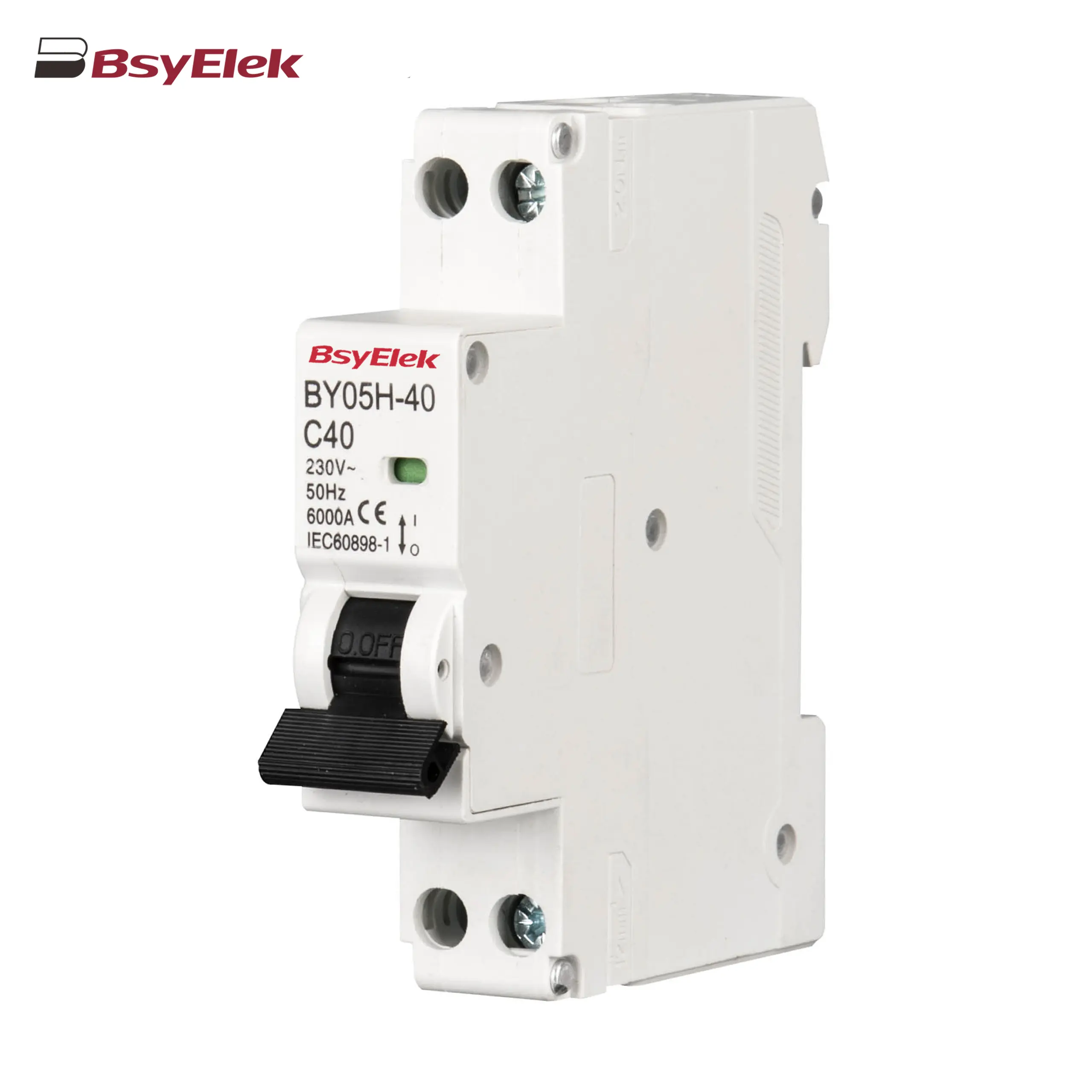 BY05H-40 MCB Single Modular 6KA Miniature Circuit Breaker
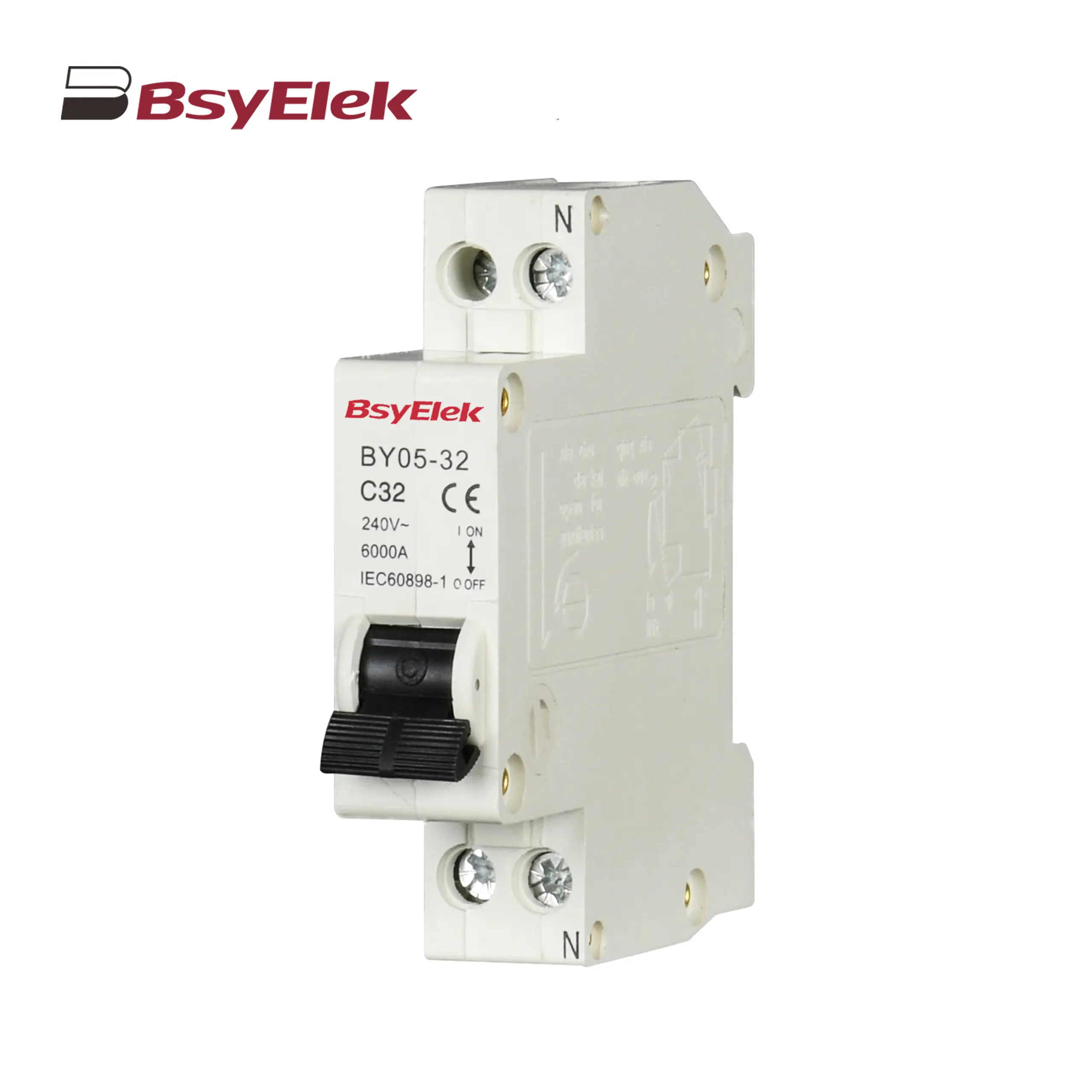 BY05-32 MCB Single Modular 3KA Miniature Circuit Breaker
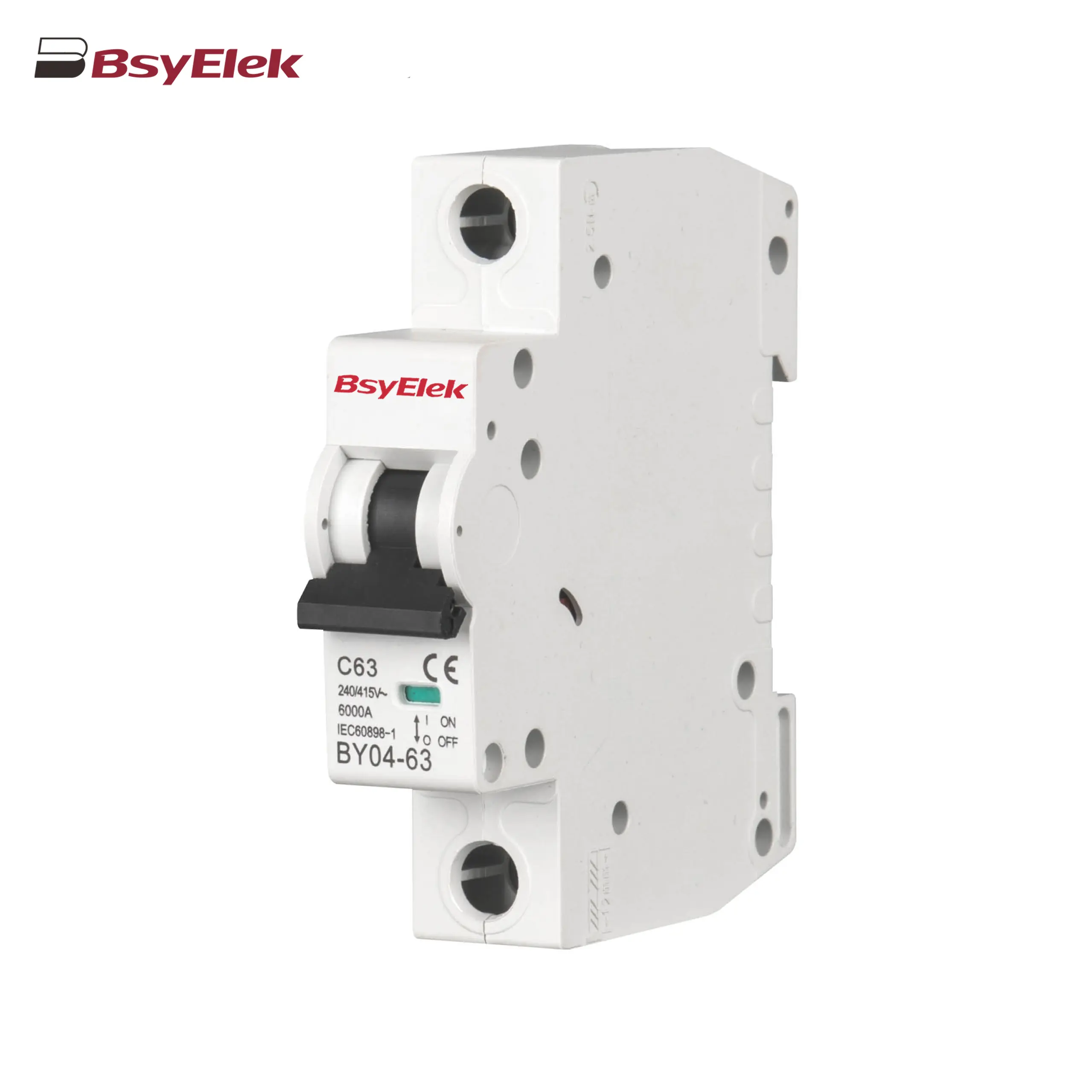 BY04-63 MCB 6-10KA Miniature Circuit Breaker
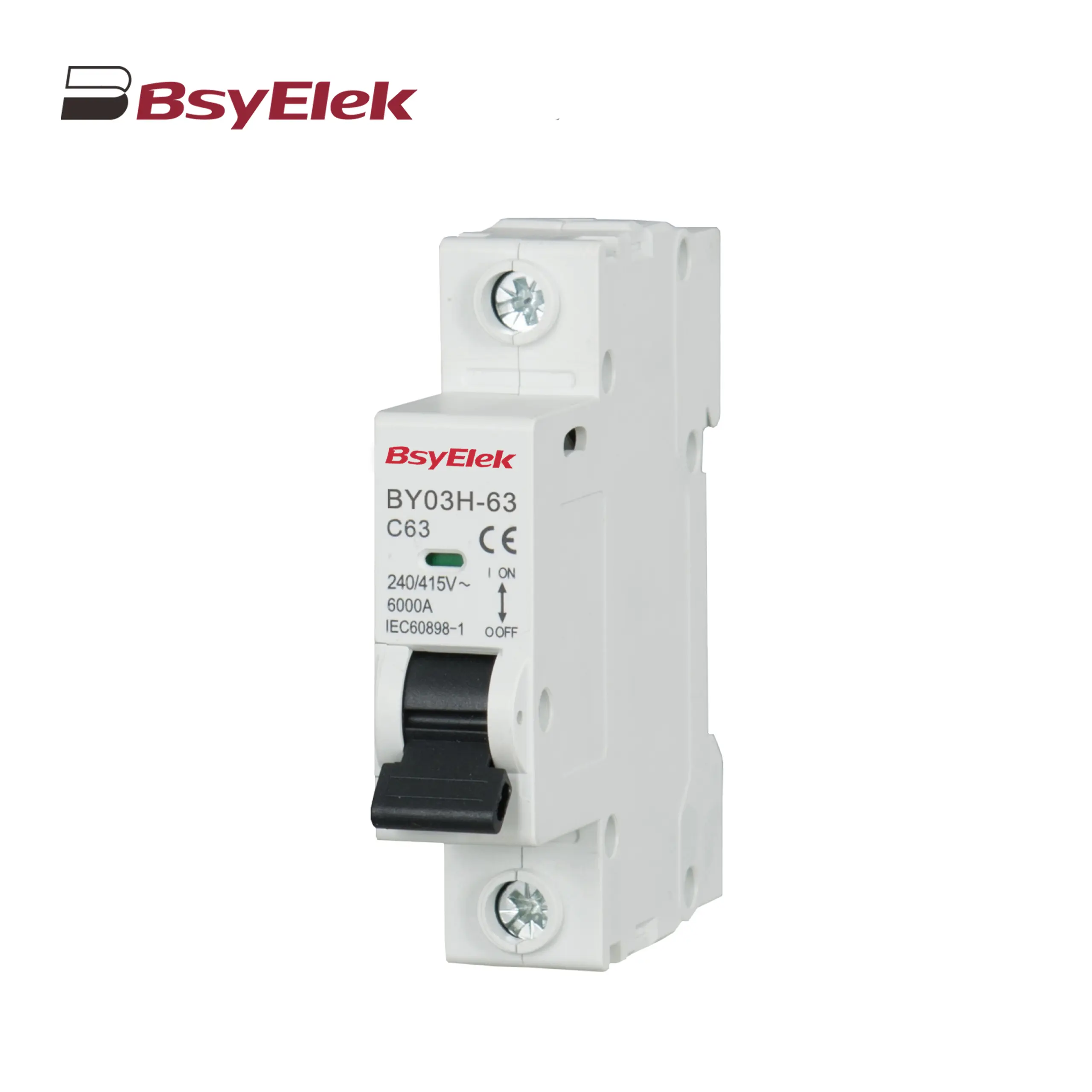 BY03H-63 MCB 6KA Miniature Circuit Breaker
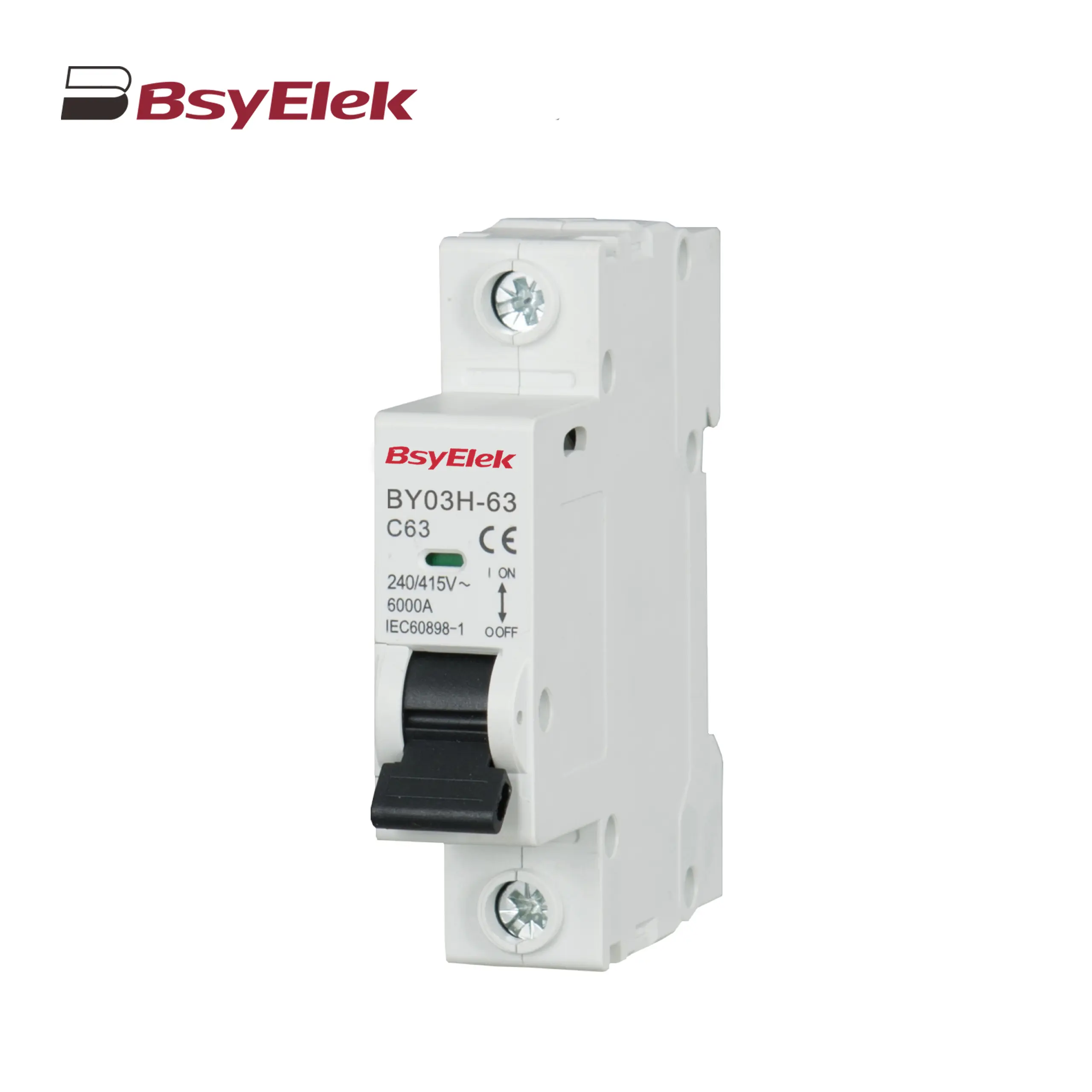 BY03-63 MCB 4.5KA Miniature Circuit Breaker
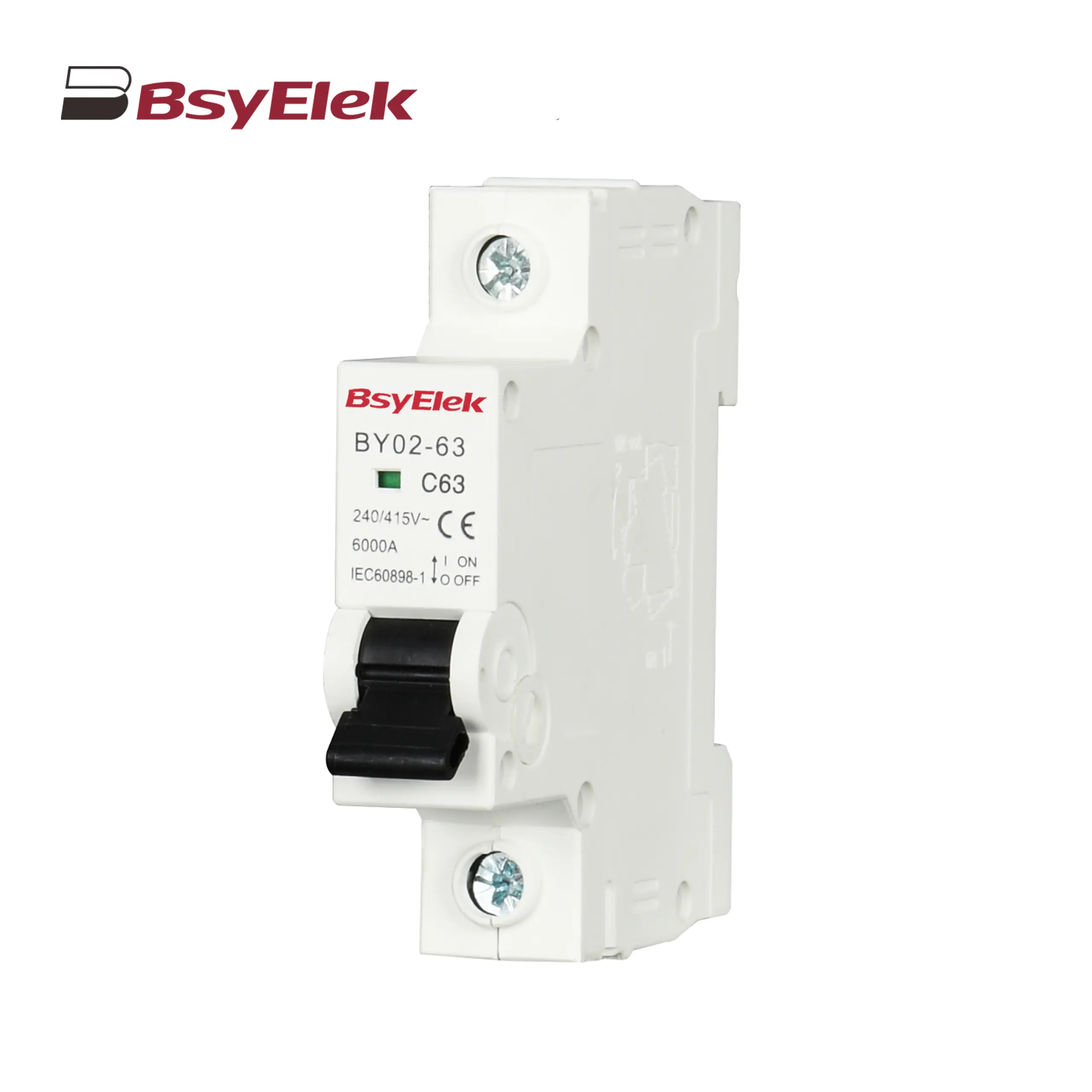 BY02-63 MCB 3kA Miniature Circuit Breaker
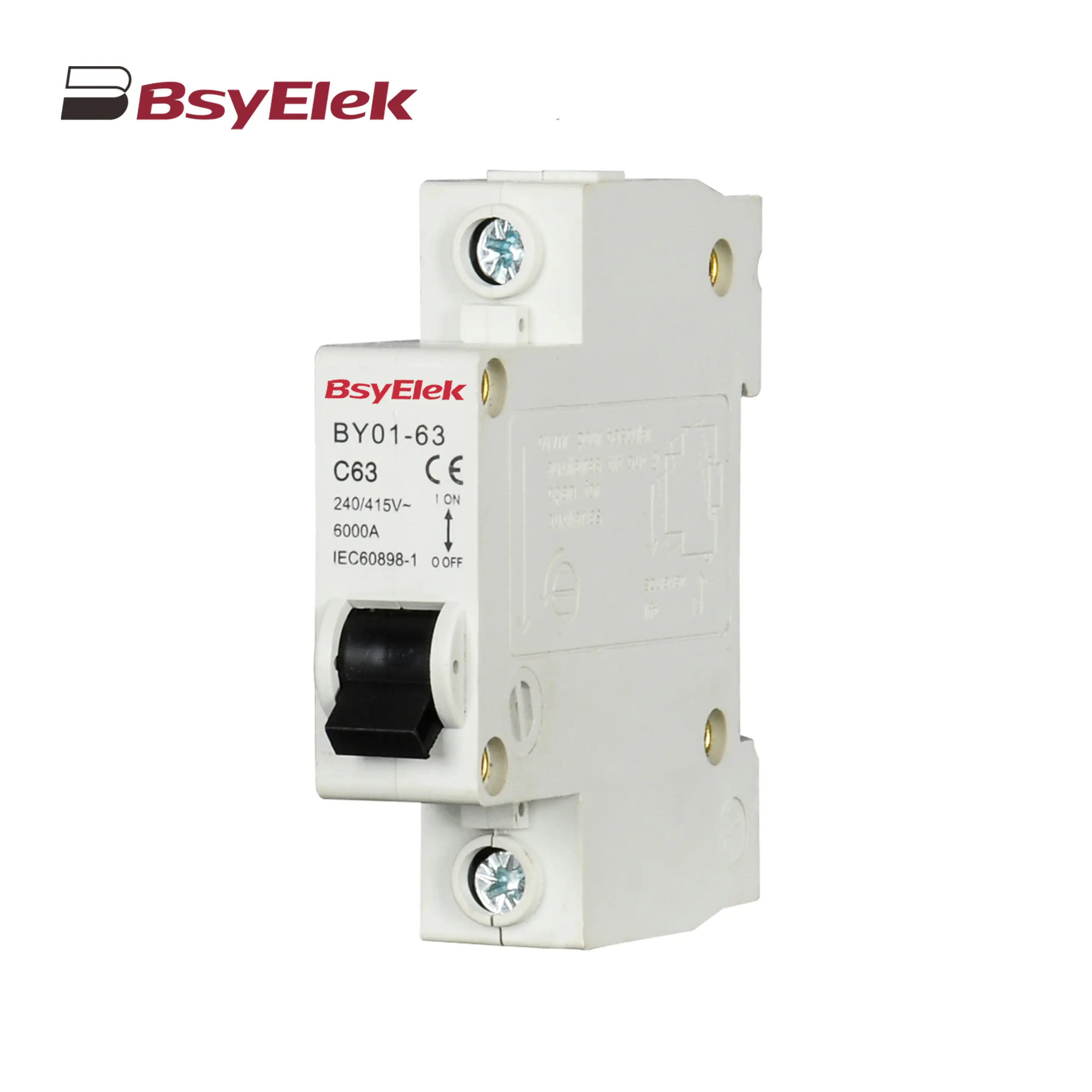 BY01-63 MCB 3kA Miniature Circuit Breaker
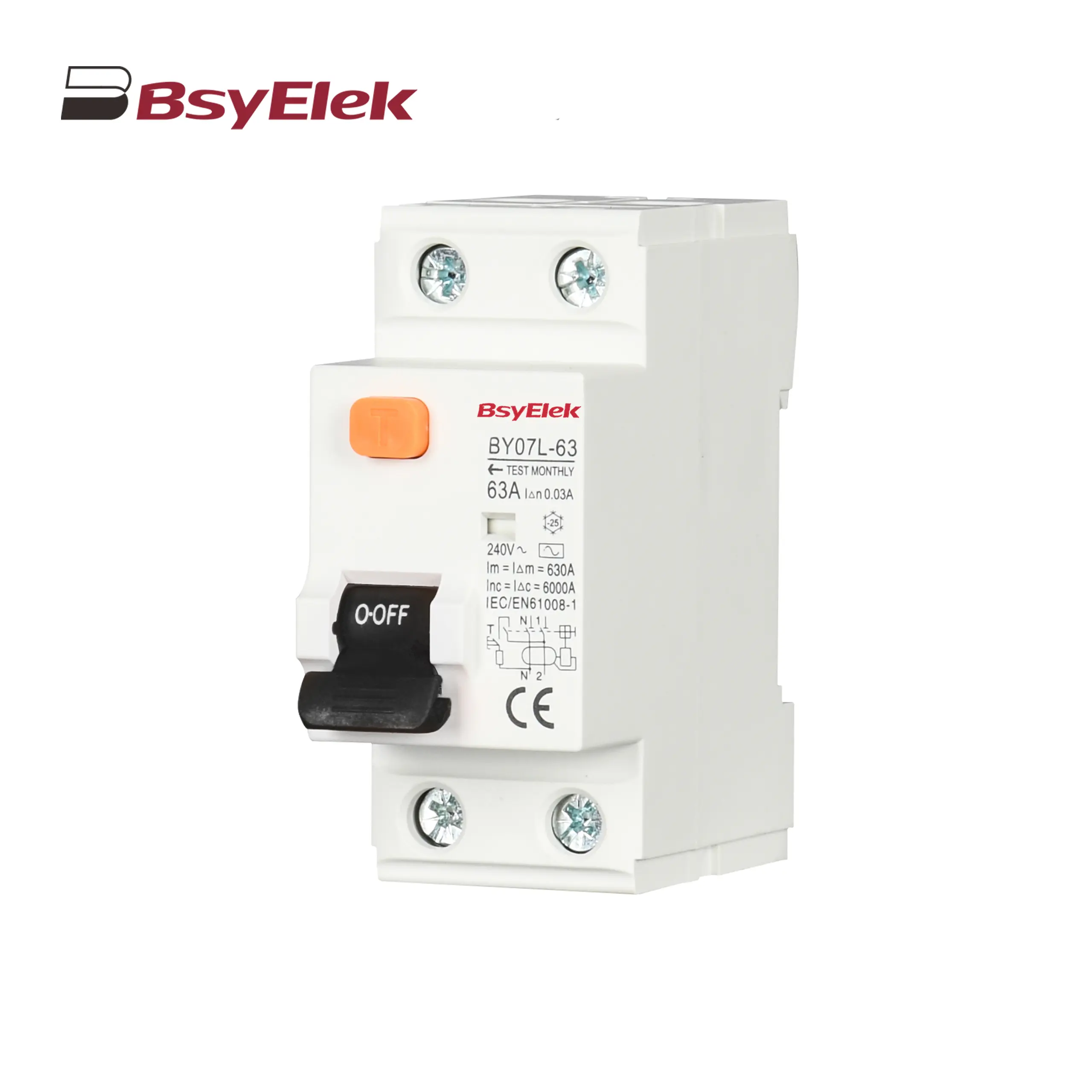 BY07L-63 RCCB 6KA Residual Current Circuit Breaker
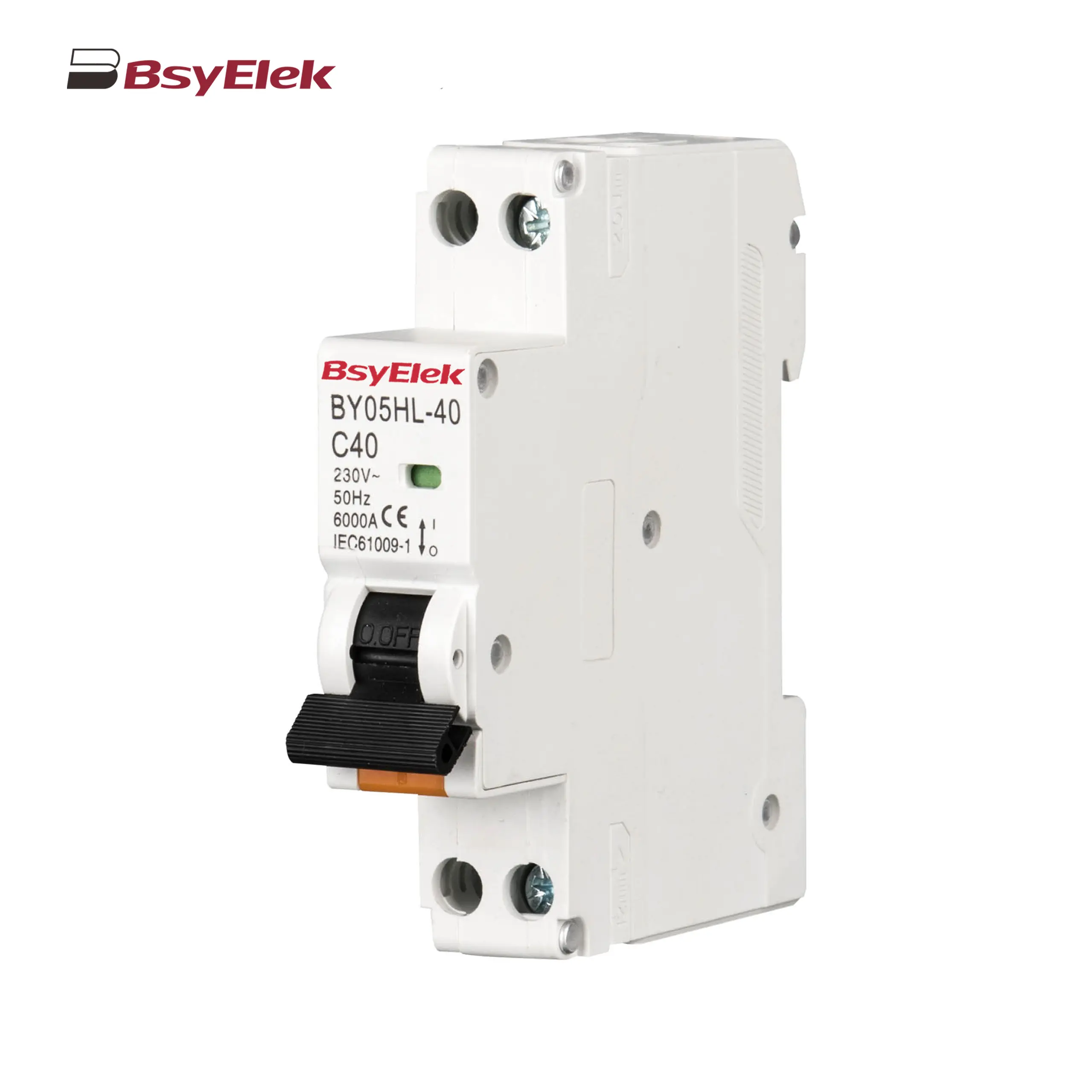 BY05HL-40 RCBO 6KA Residual Current Circuit Breaker with Over-current Protection
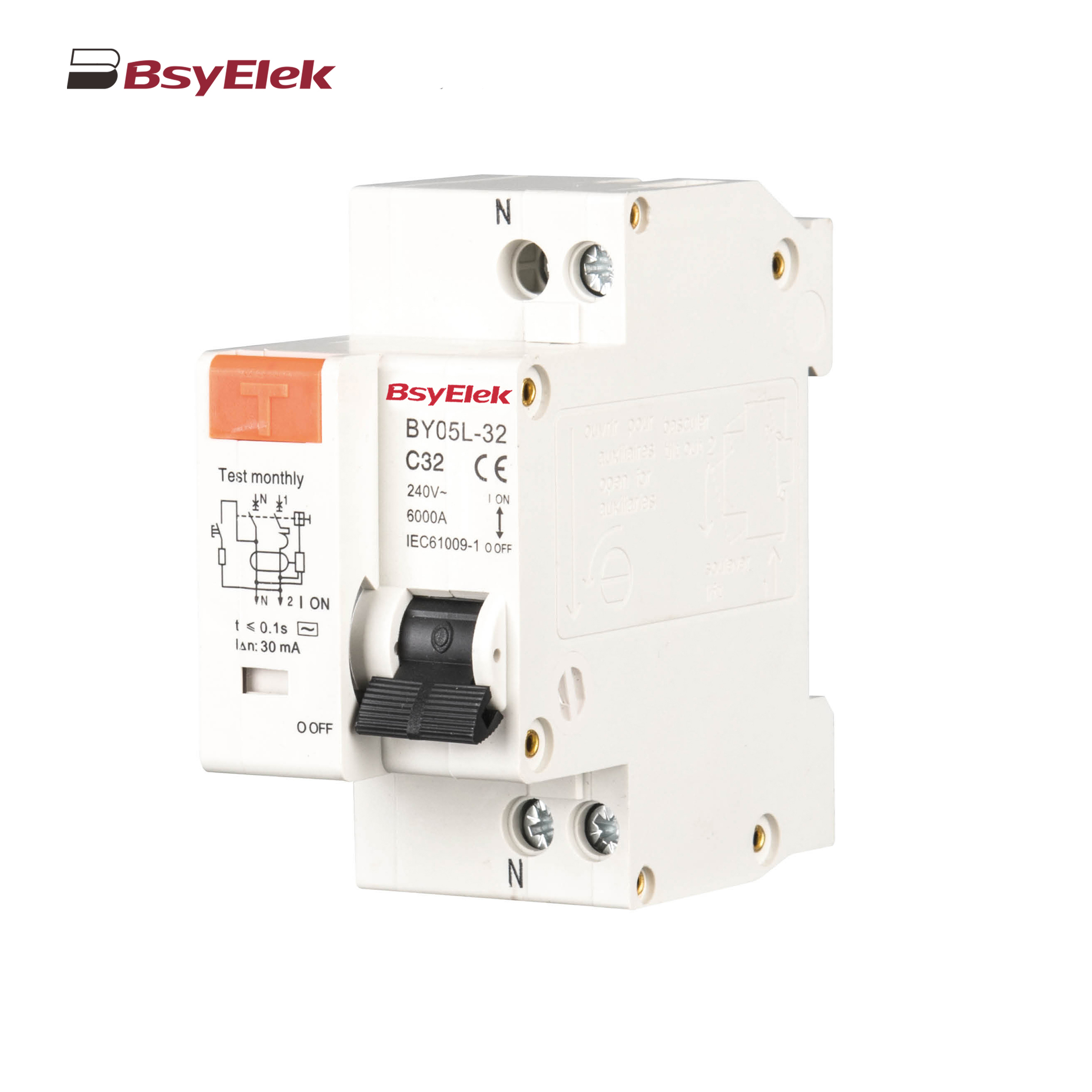 BY05L-32 RCBO 3KA Residual Current Circuit Breaker with Over-current Protection
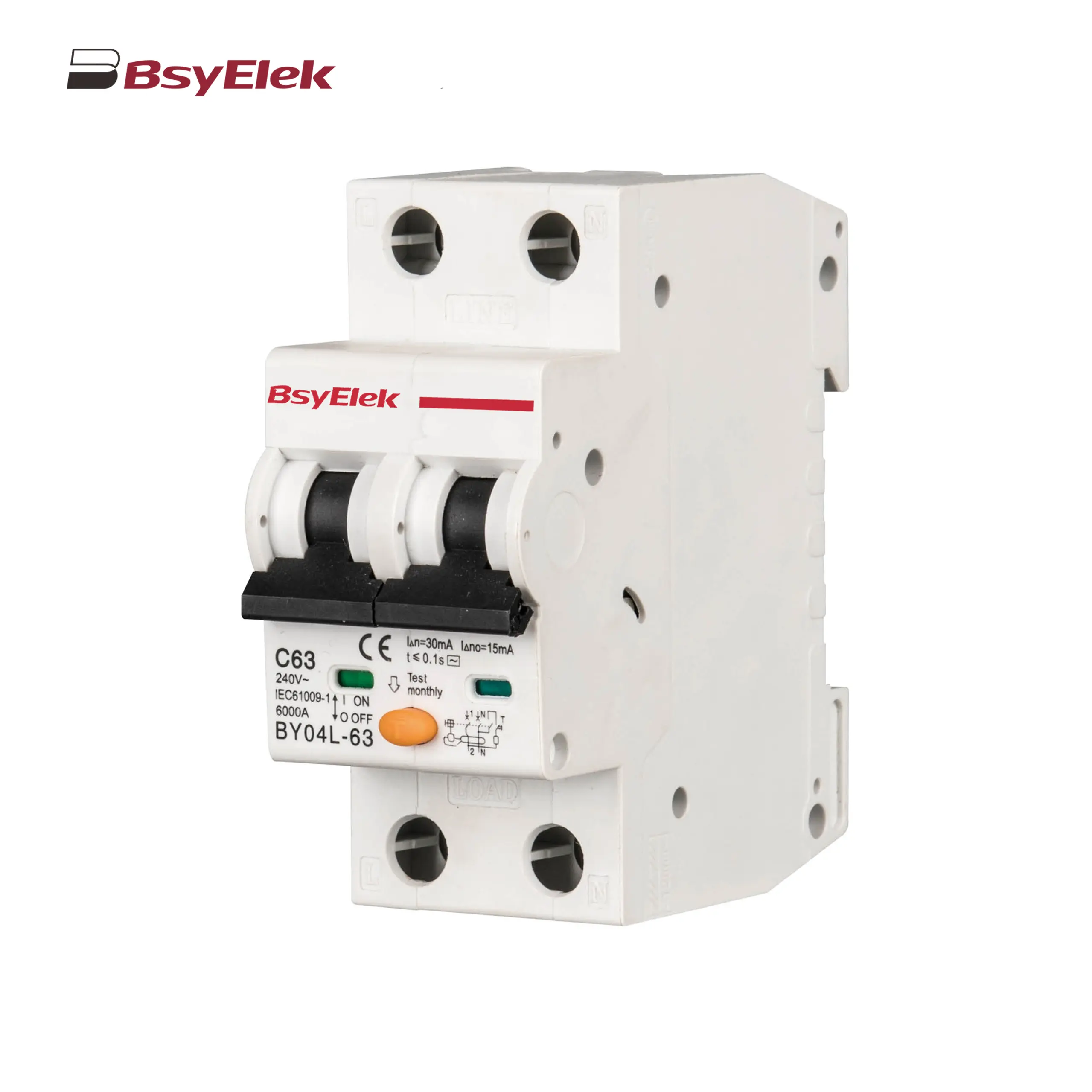 BY04L-63 RCBO 6KA Residual Current Circuit Breaker with Over-current Protection
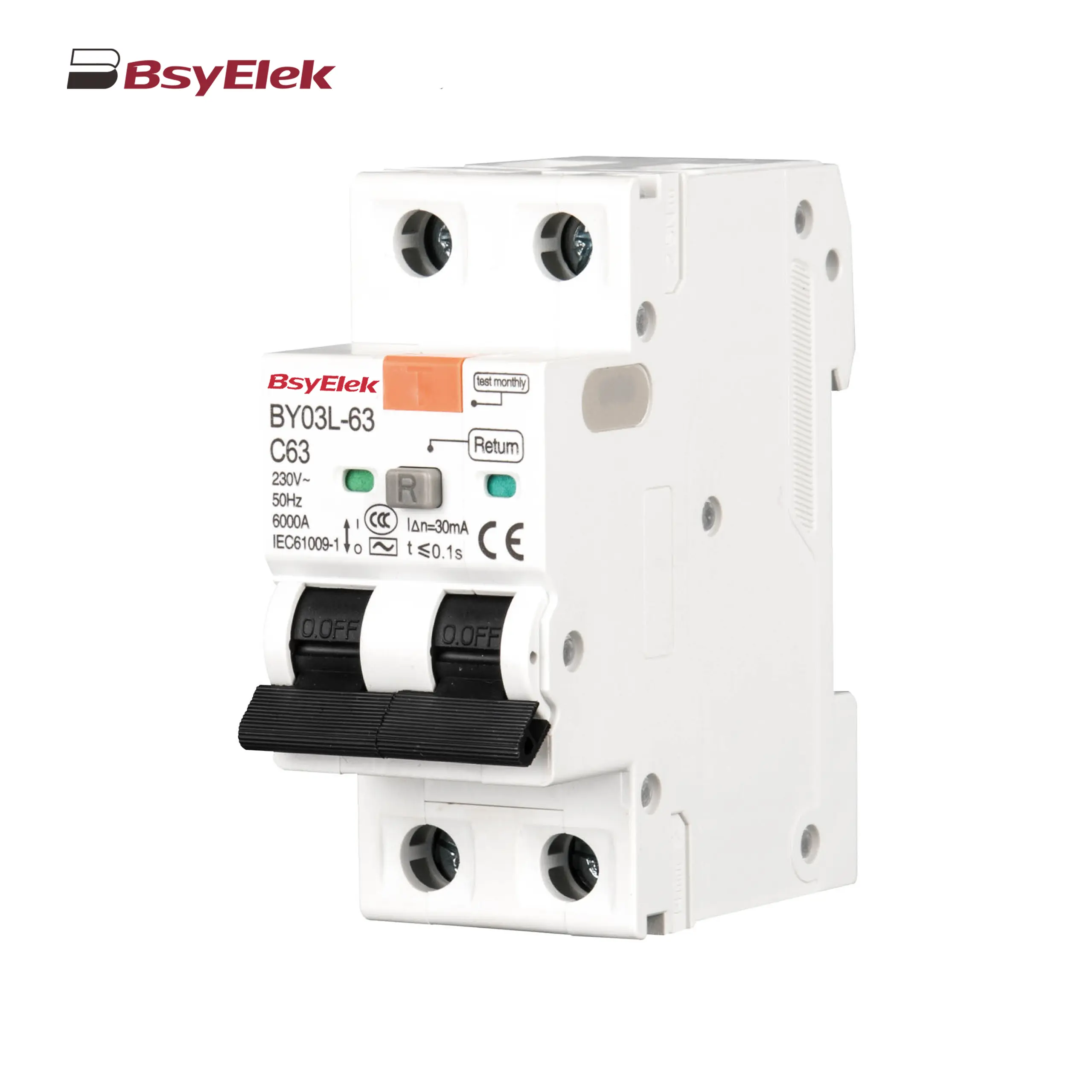 BY03L-63 RCBO 4.5KA Residual Current Circuit Breaker with Over-current Protection
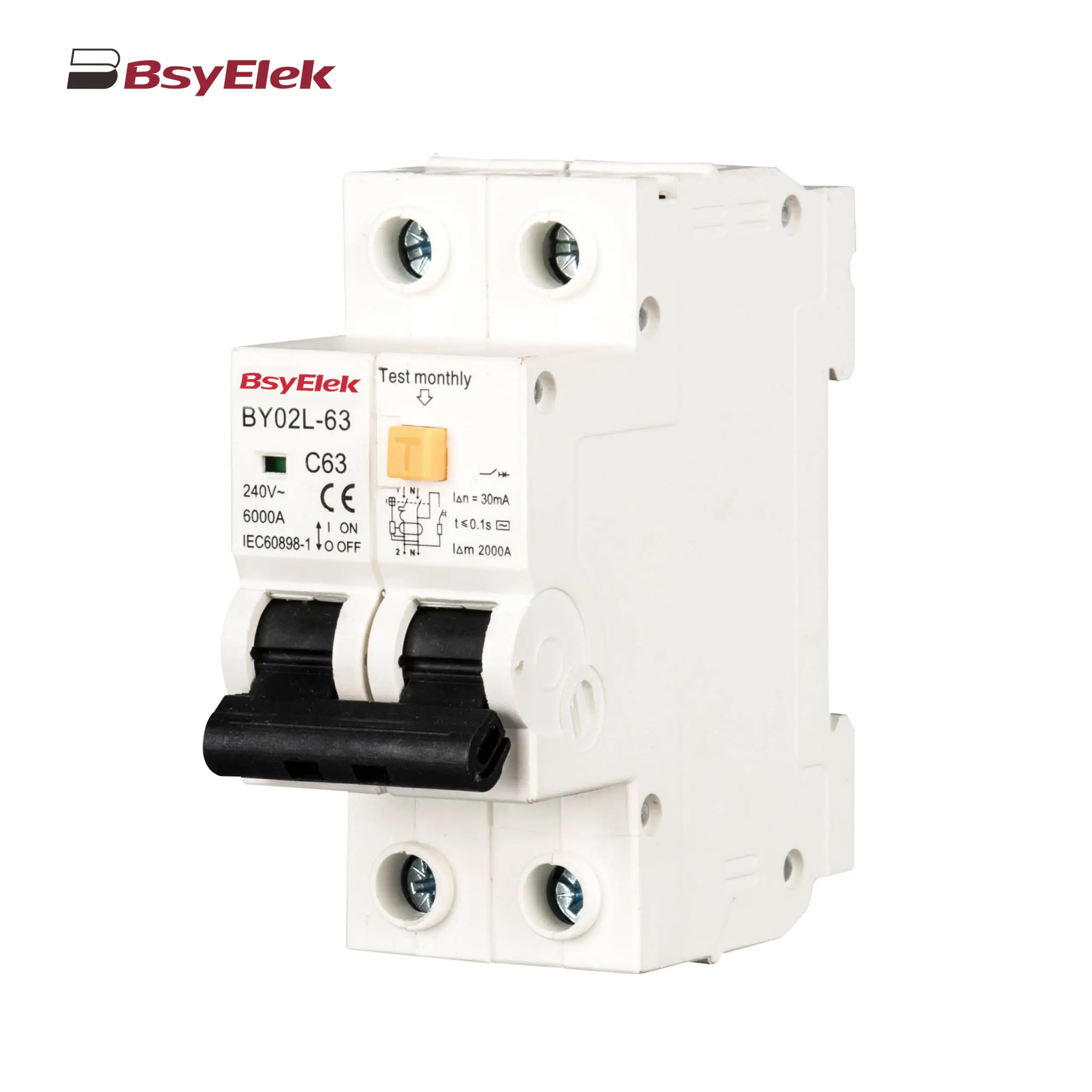 BY02L-63 RCBO 3KA Residual Current Circuit Breaker with Over-current Protection
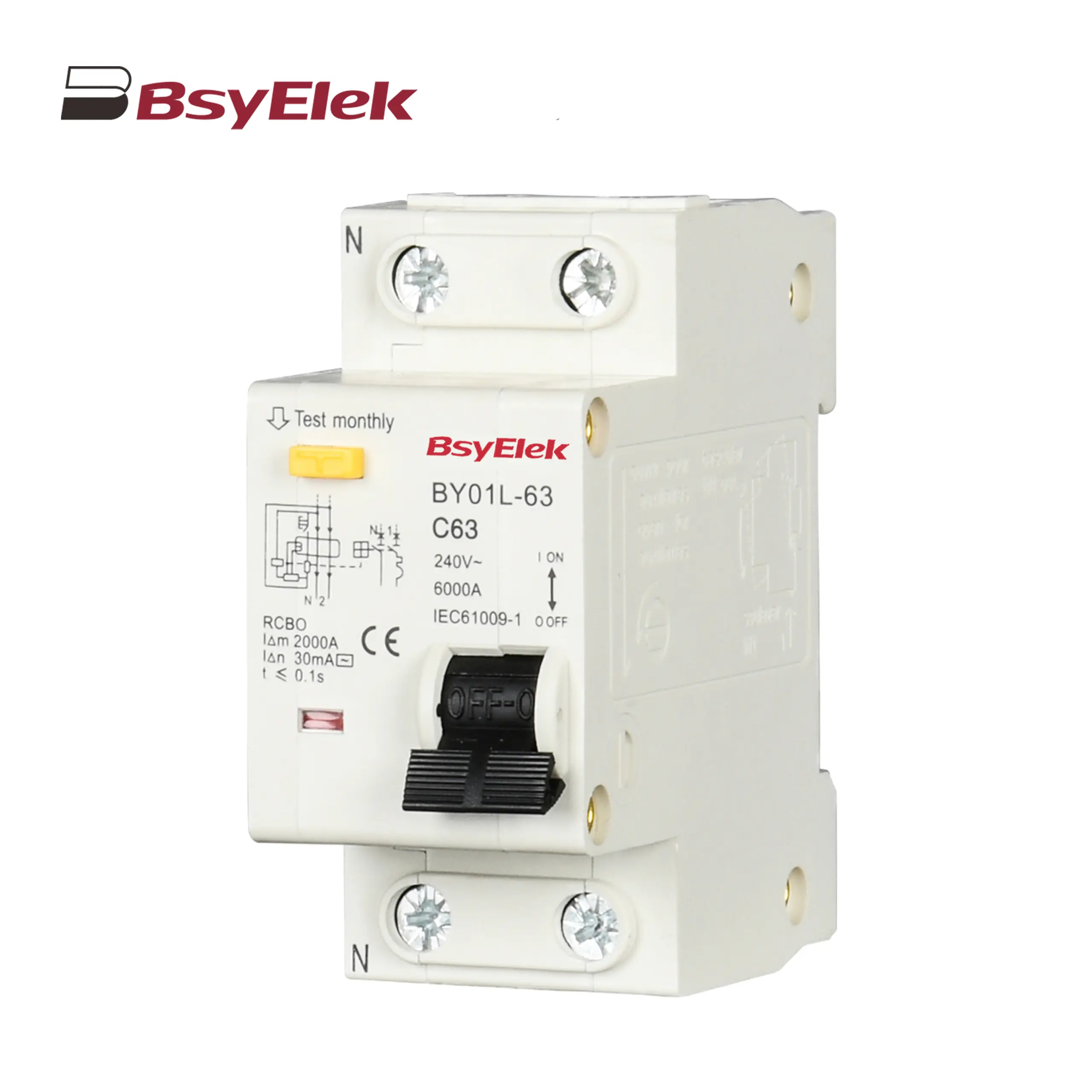 BY01L-63 RCBO 1P+N 3KA Residual Current Circuit Breaker with Over-current Protection
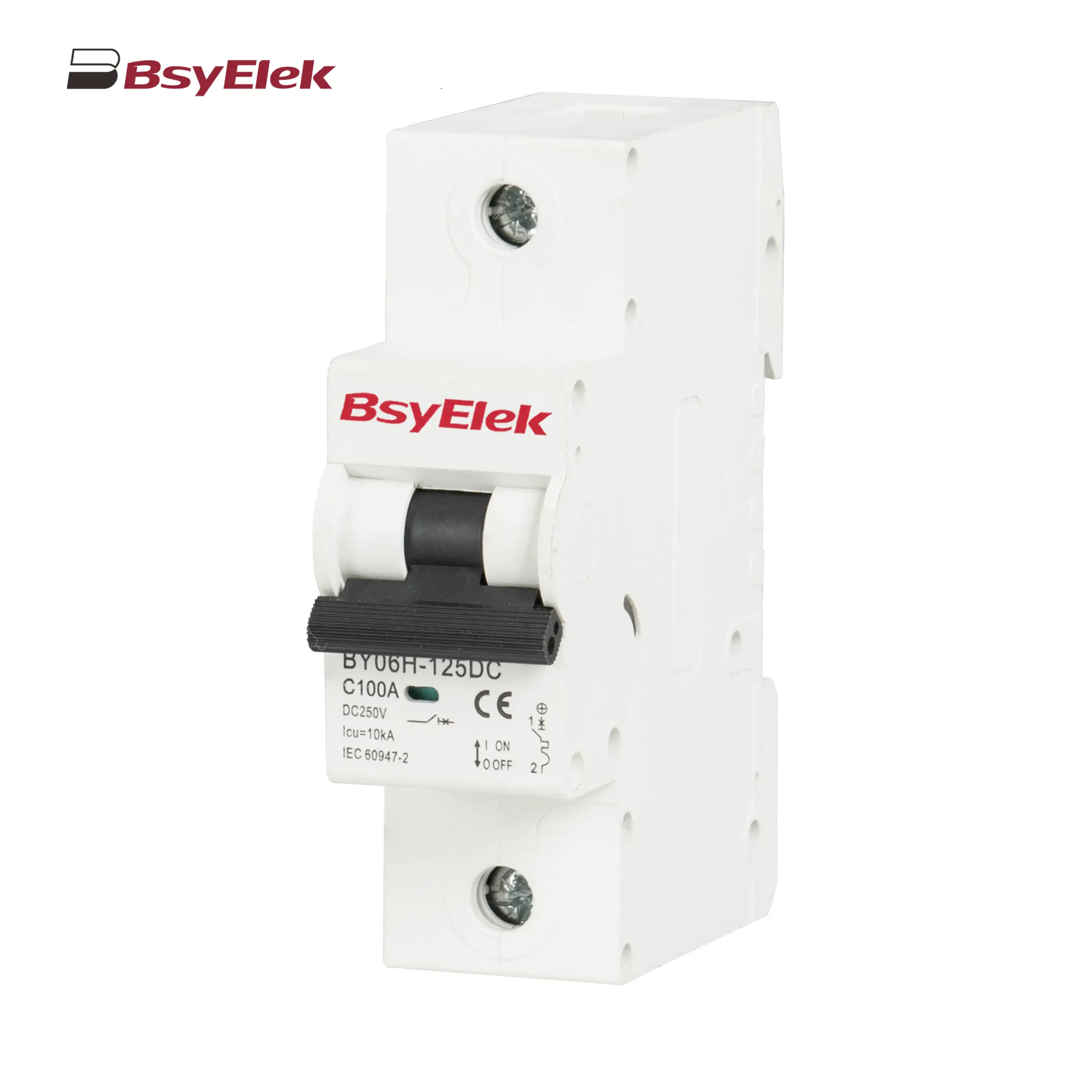 BY06H-125DC MCB 10-15kA DC Miniature Circuit Breaker
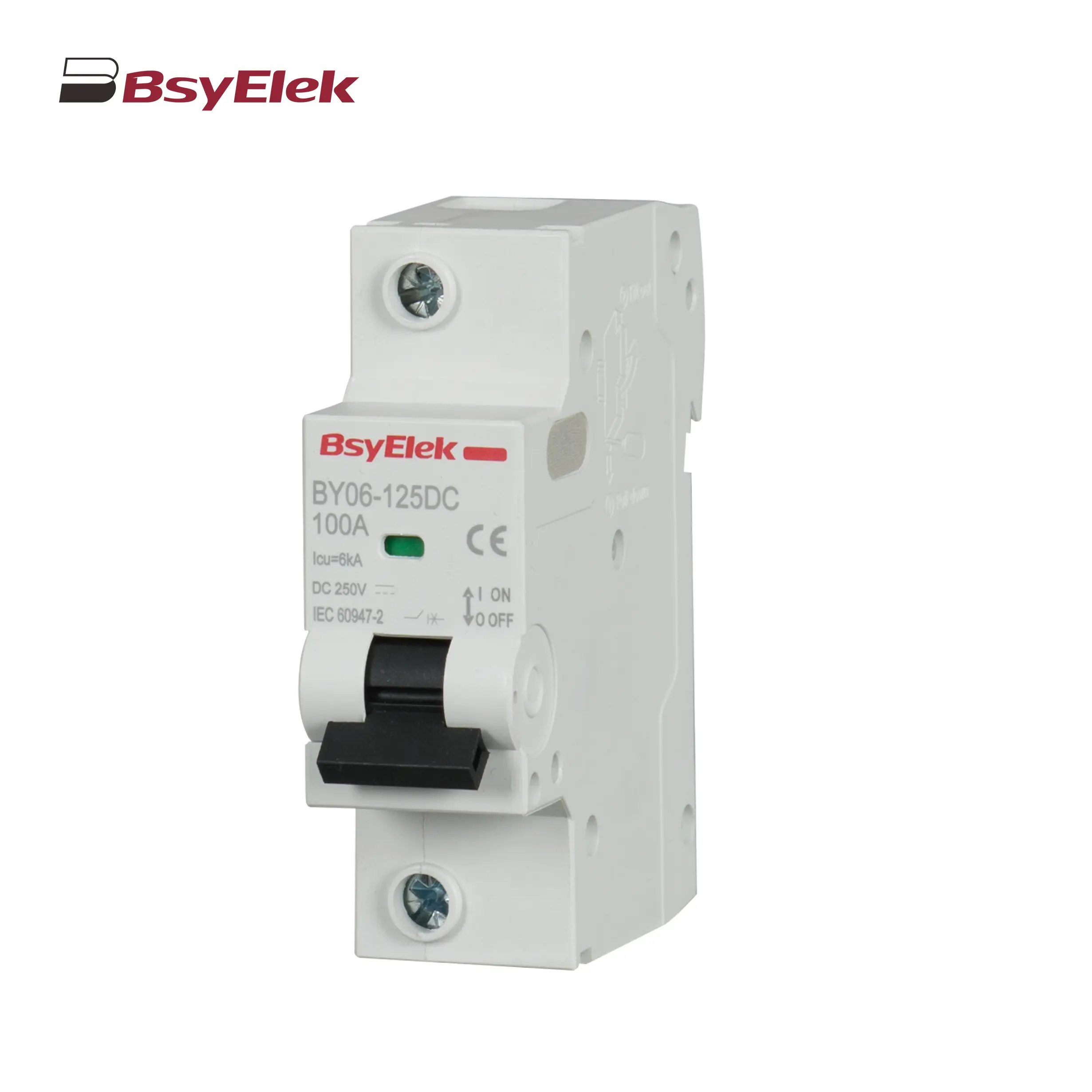 BY06-125DC MCB 6kA DC Miniature Circuit Breaker
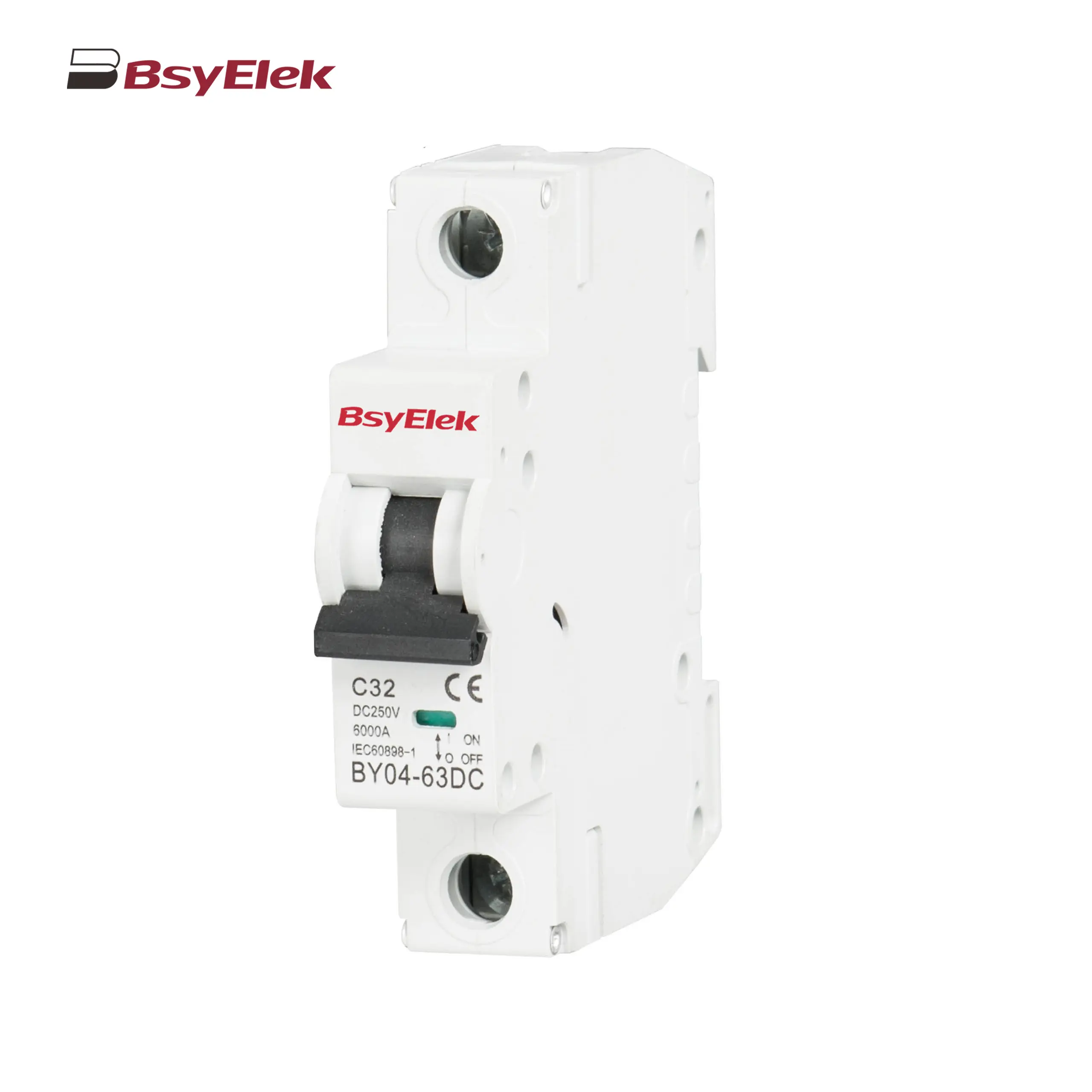 BY04-63DC MCB 6-10kA DC Miniature Circuit Breaker
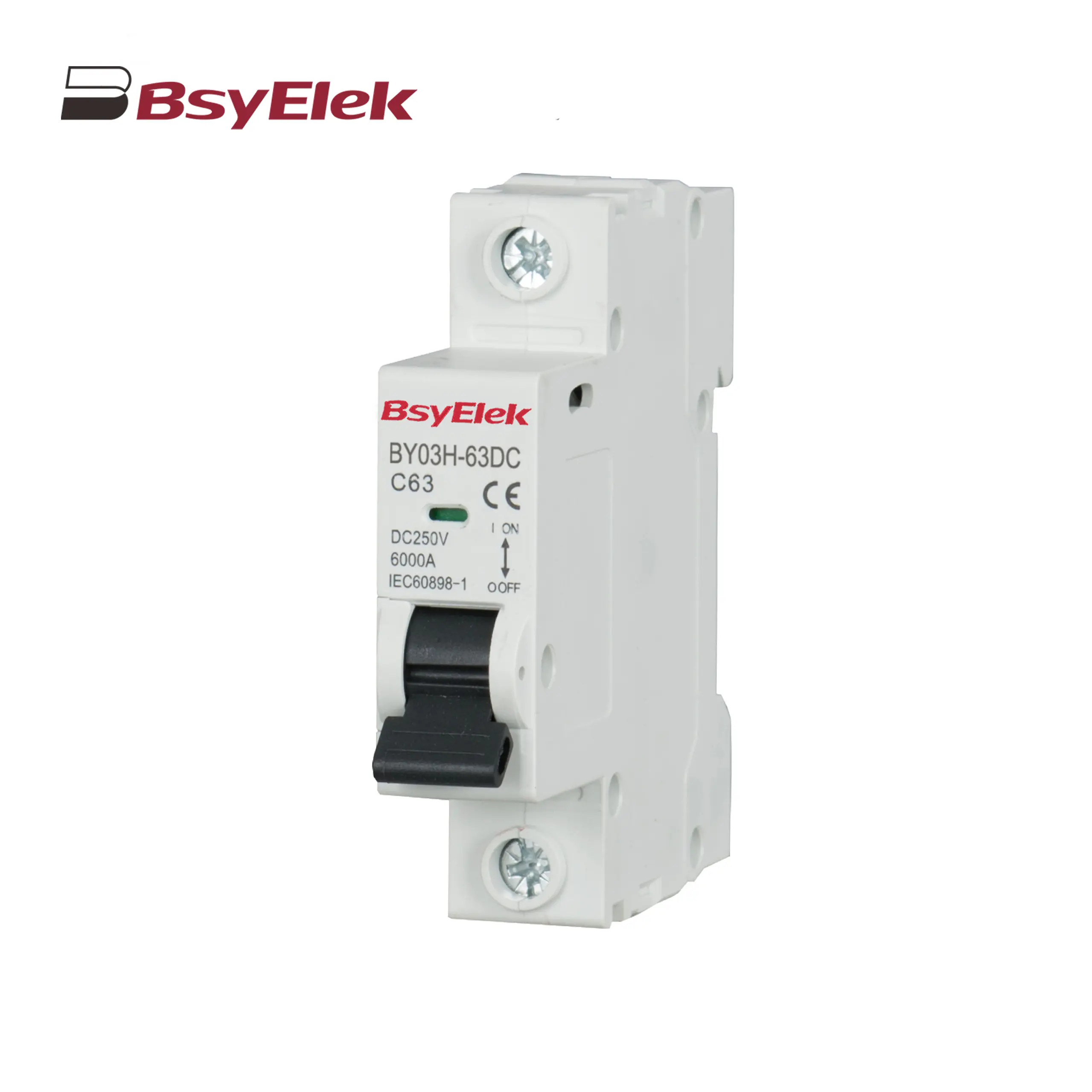 BY03H-63DC MCB 6kA DC Miniature Circuit Breaker
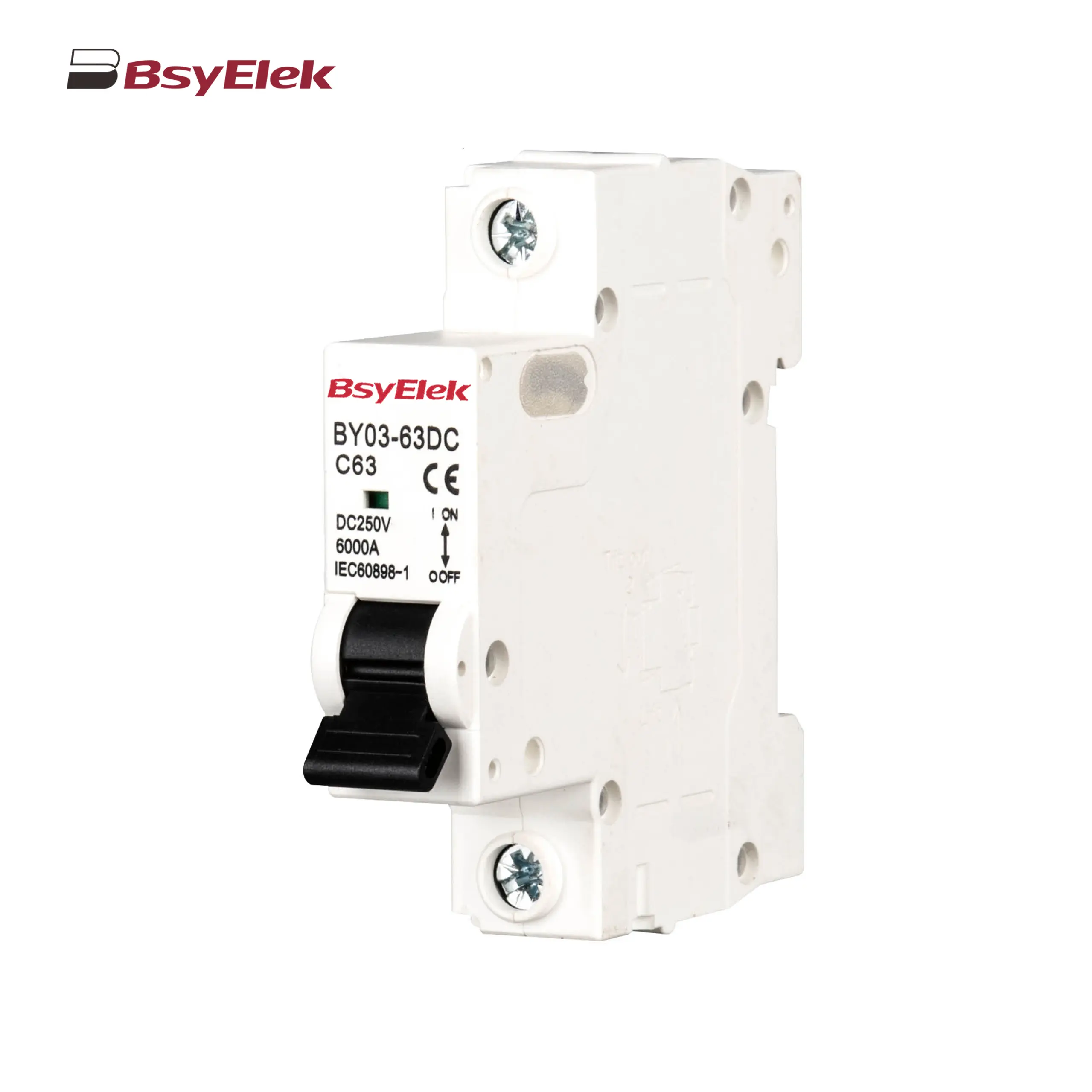 BY03-63DC MCB 4.5kA DC Miniature Circuit Breaker
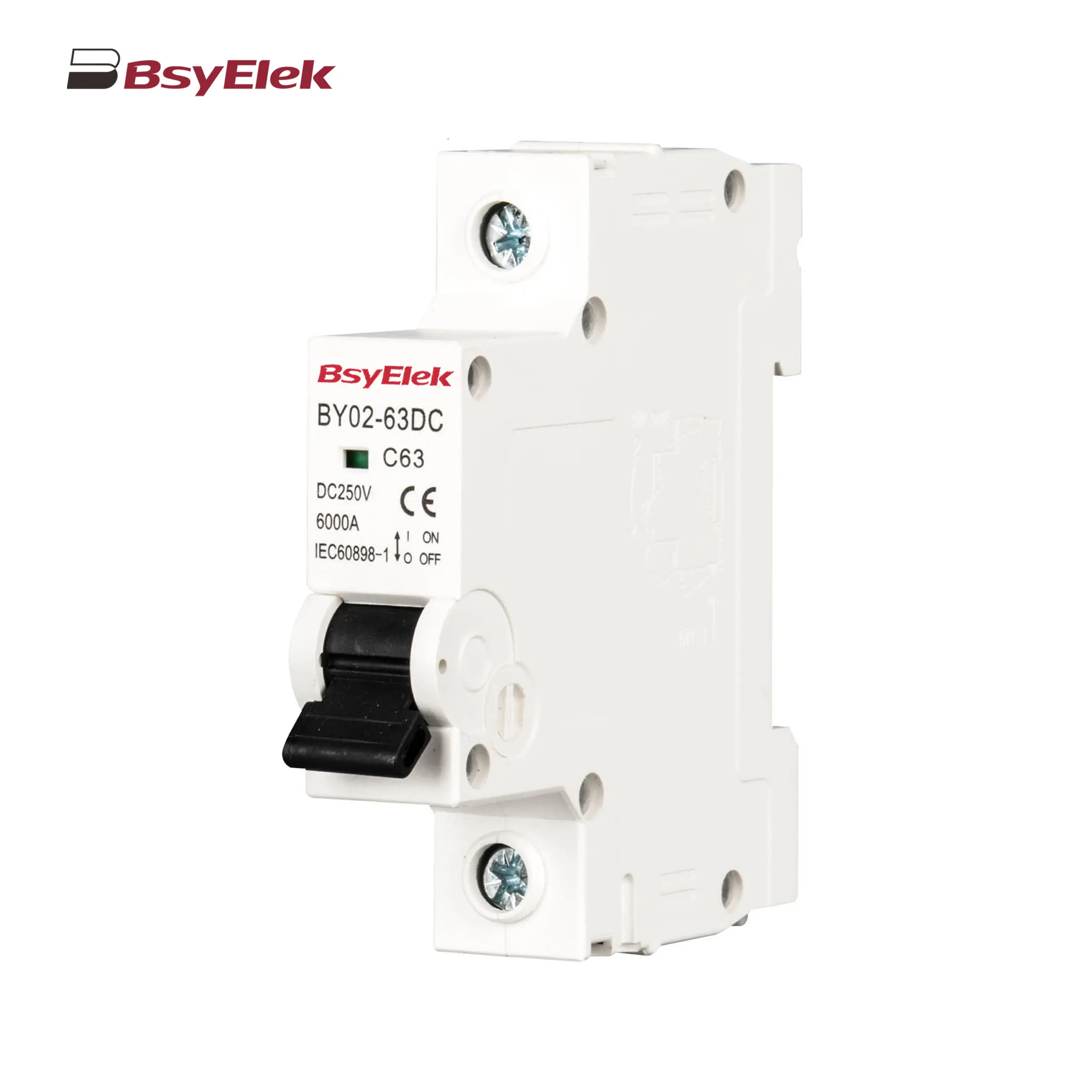 BY02-63DC MCB 3kA DC Miniature Circuit Breaker
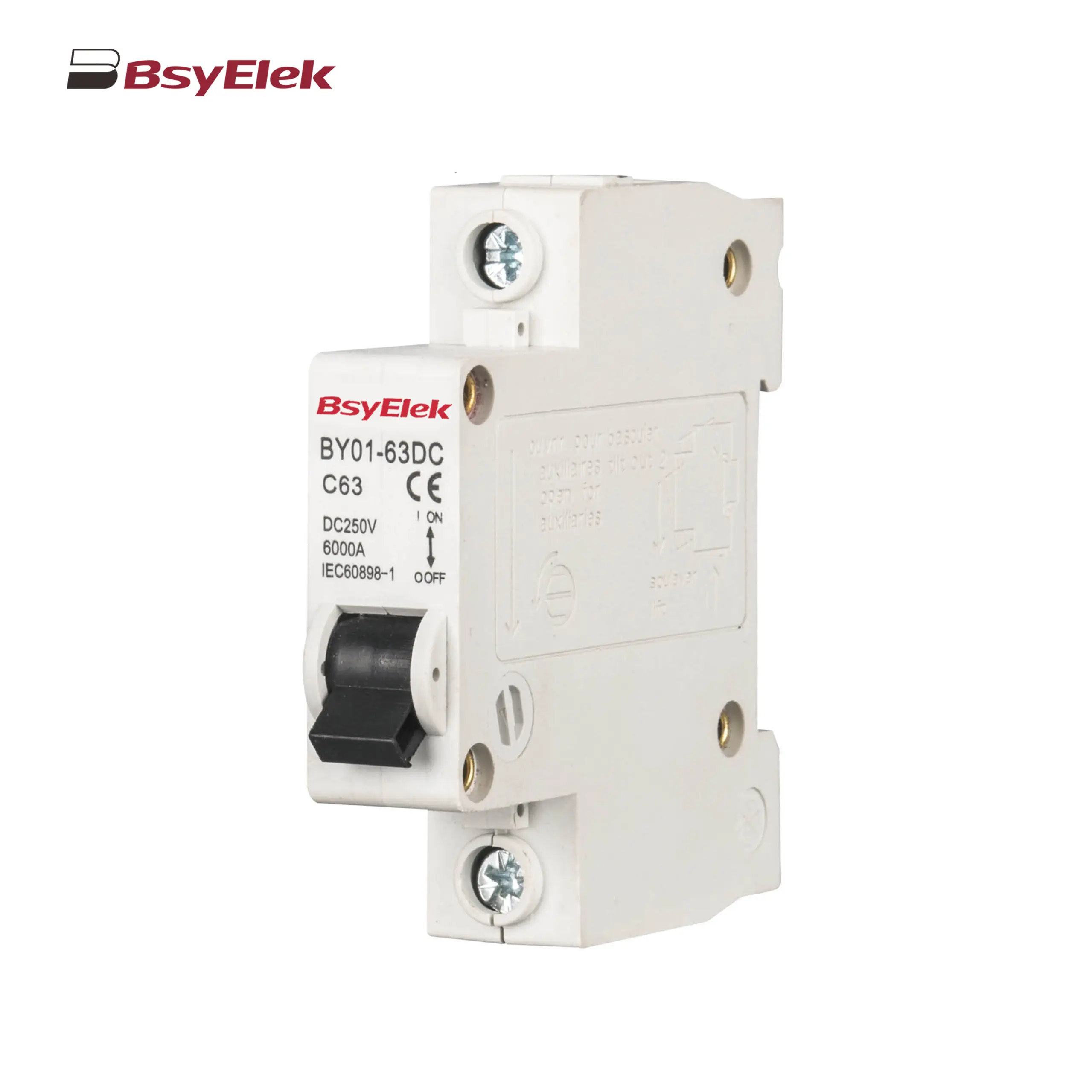 BY01-63DC MCB 3kA DC Miniature Circuit Breaker
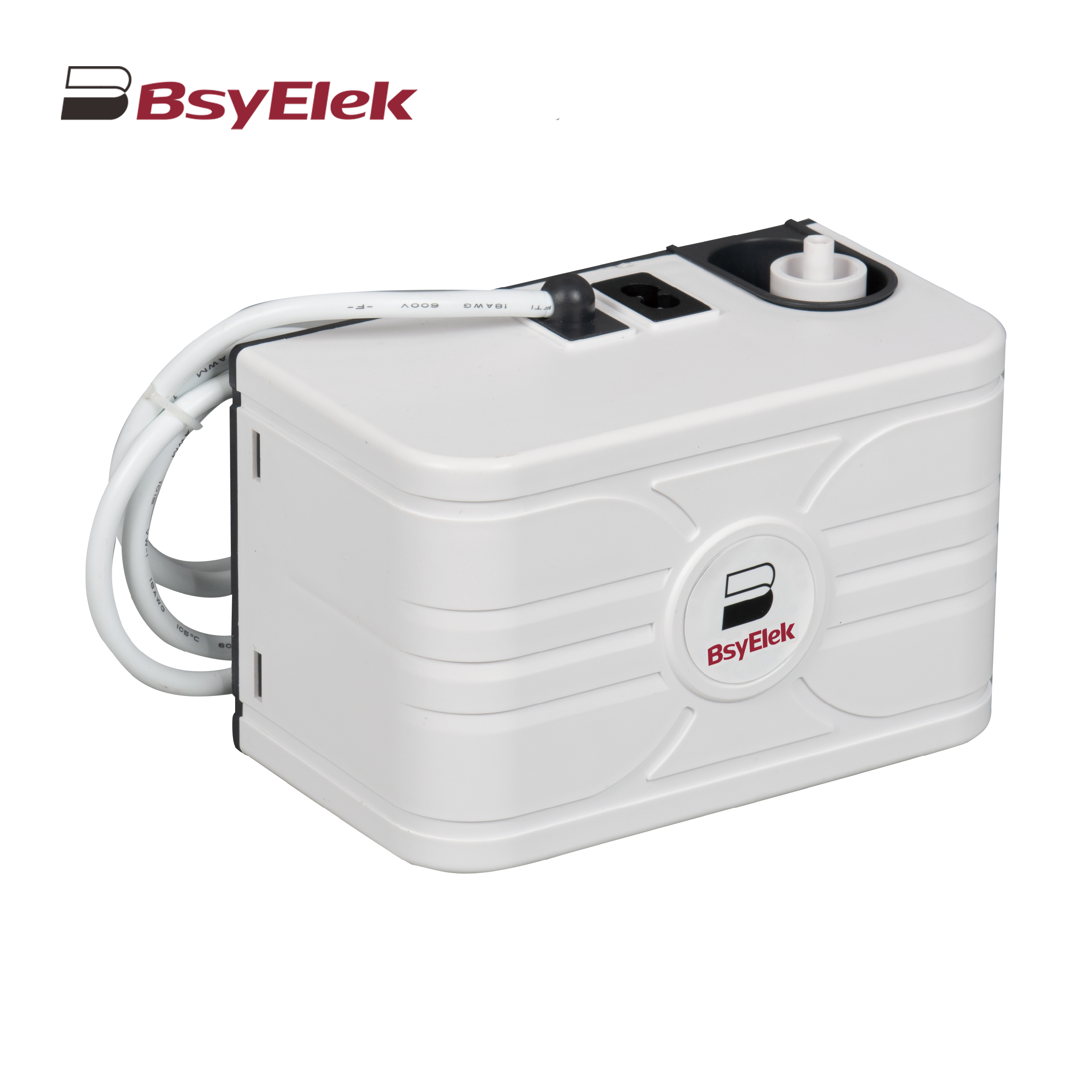 BY-5018 1.8M Engineering Drainage Pump
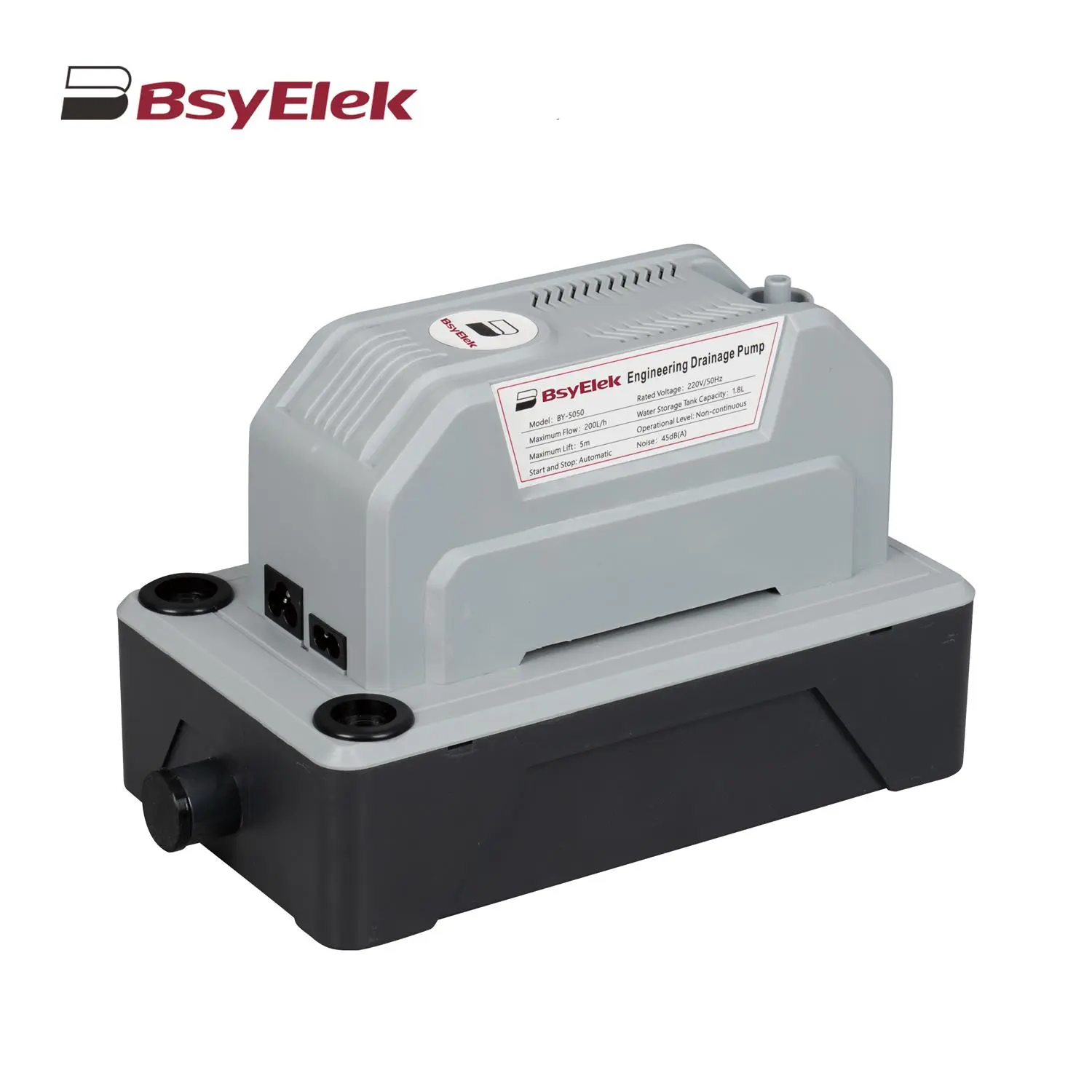 BY-5050 5M Engineering Drainage Pump
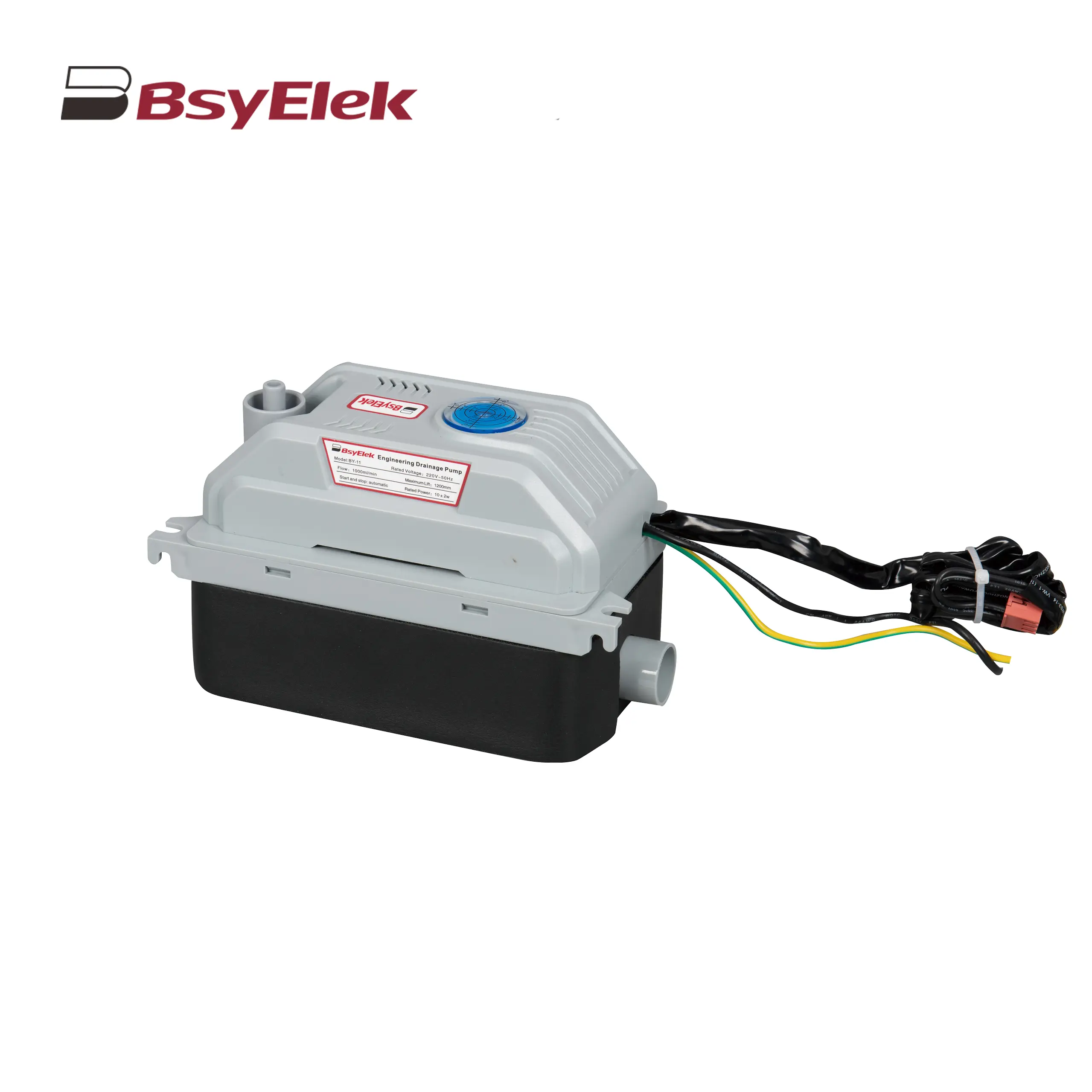 BY-11 1.2M Engineering Drainage Pump
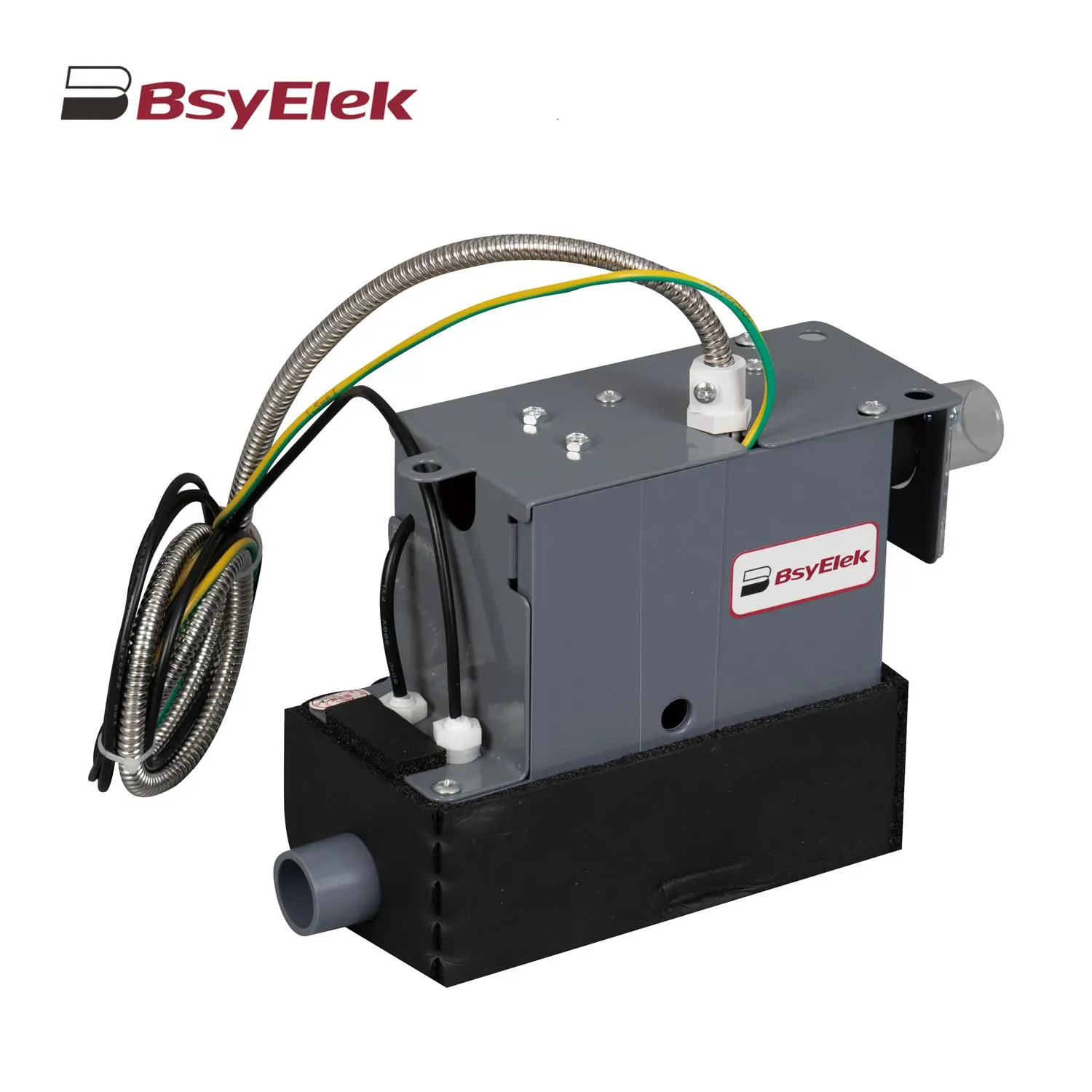 SBH-05 0.7M Original Drainage Pump of Duct Type Air Conditioner
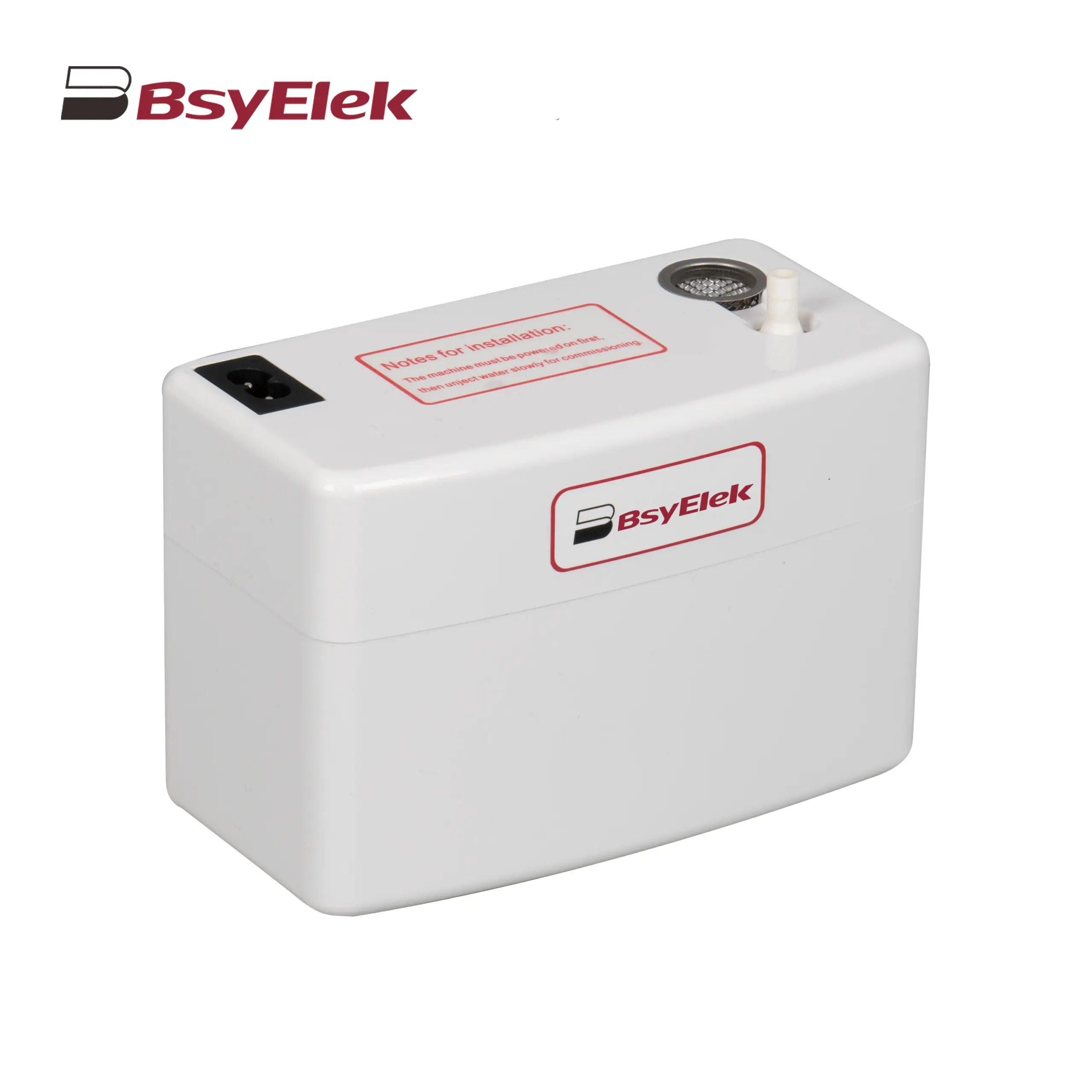 BY-24A/40A 10M Drainage Pump of Air Conditioner
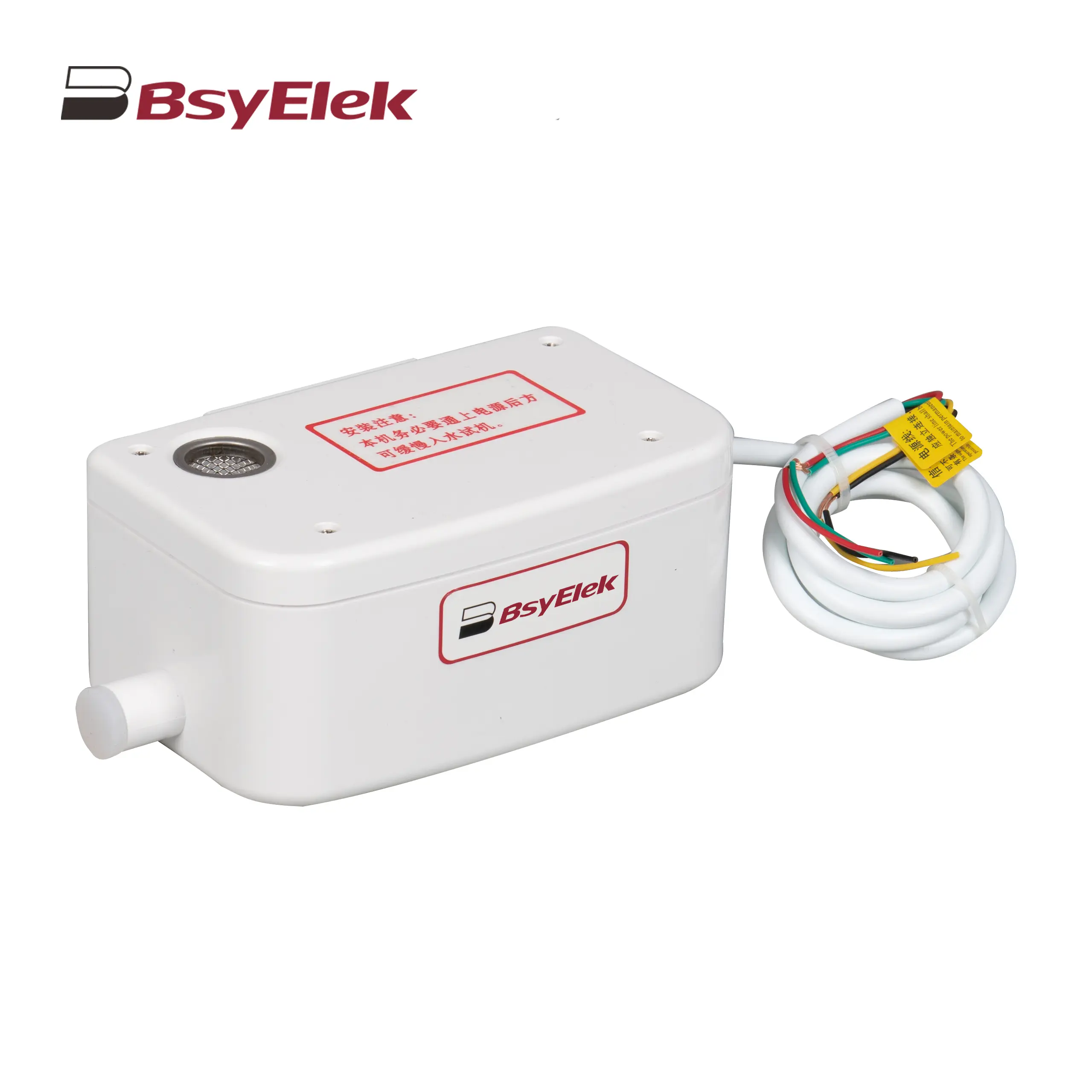 BY-50A 12M Drainage Pump of Air Conditioner
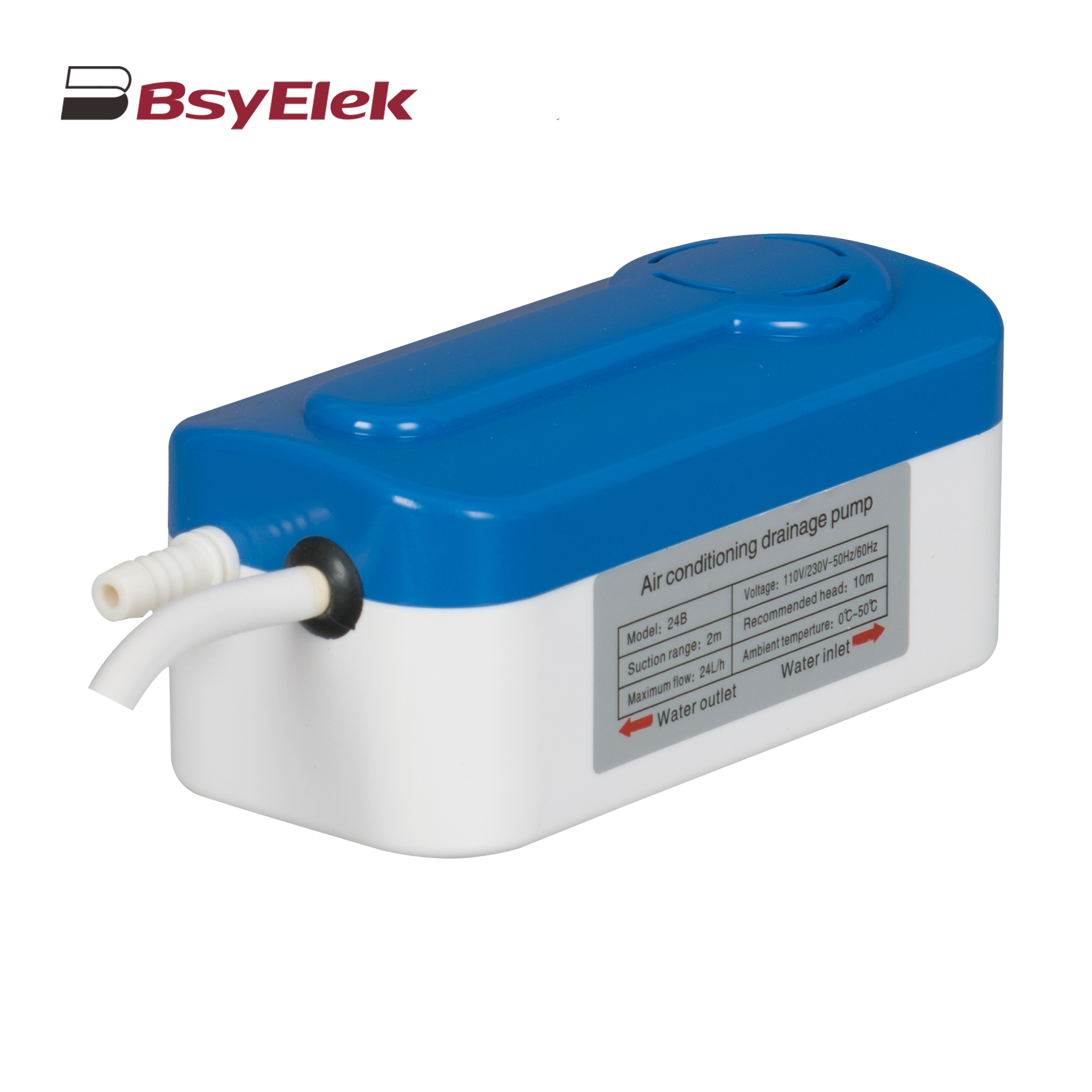 BY-24B/40B 10M Split Type Drainage Pump
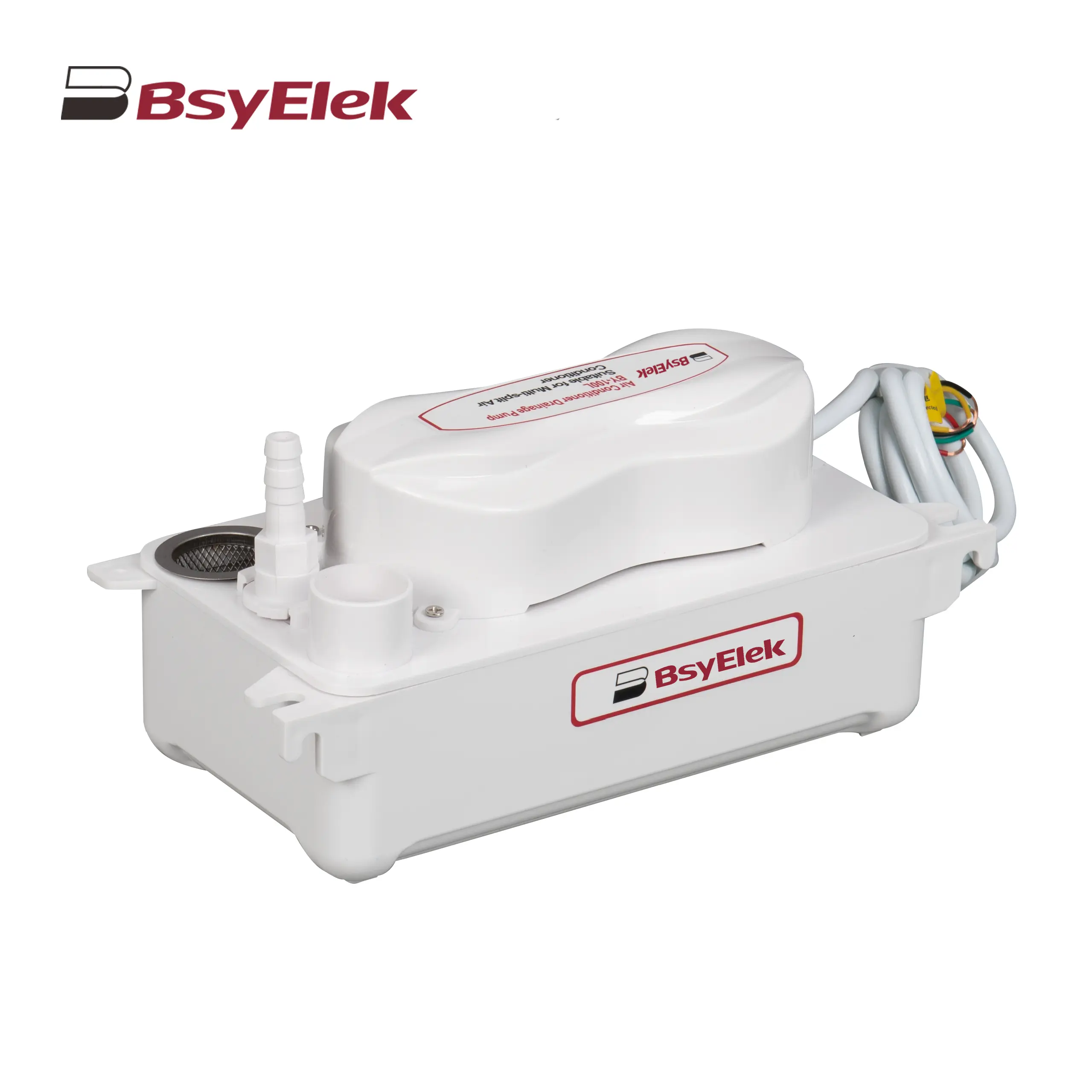 BY-100L 2M Drainage Pump of Air Conditioner
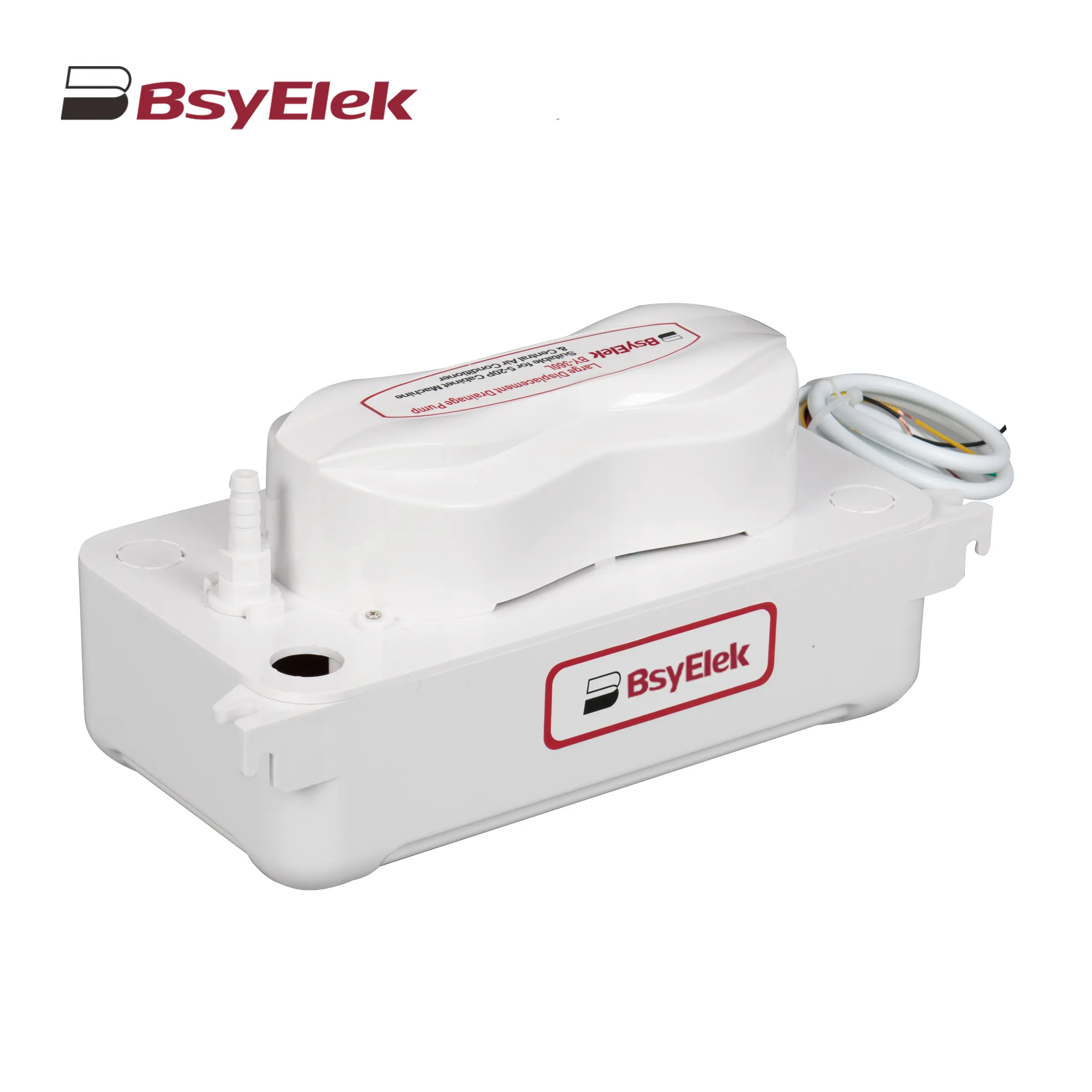 BY-360L 6M Large Displacement Drainage Pump
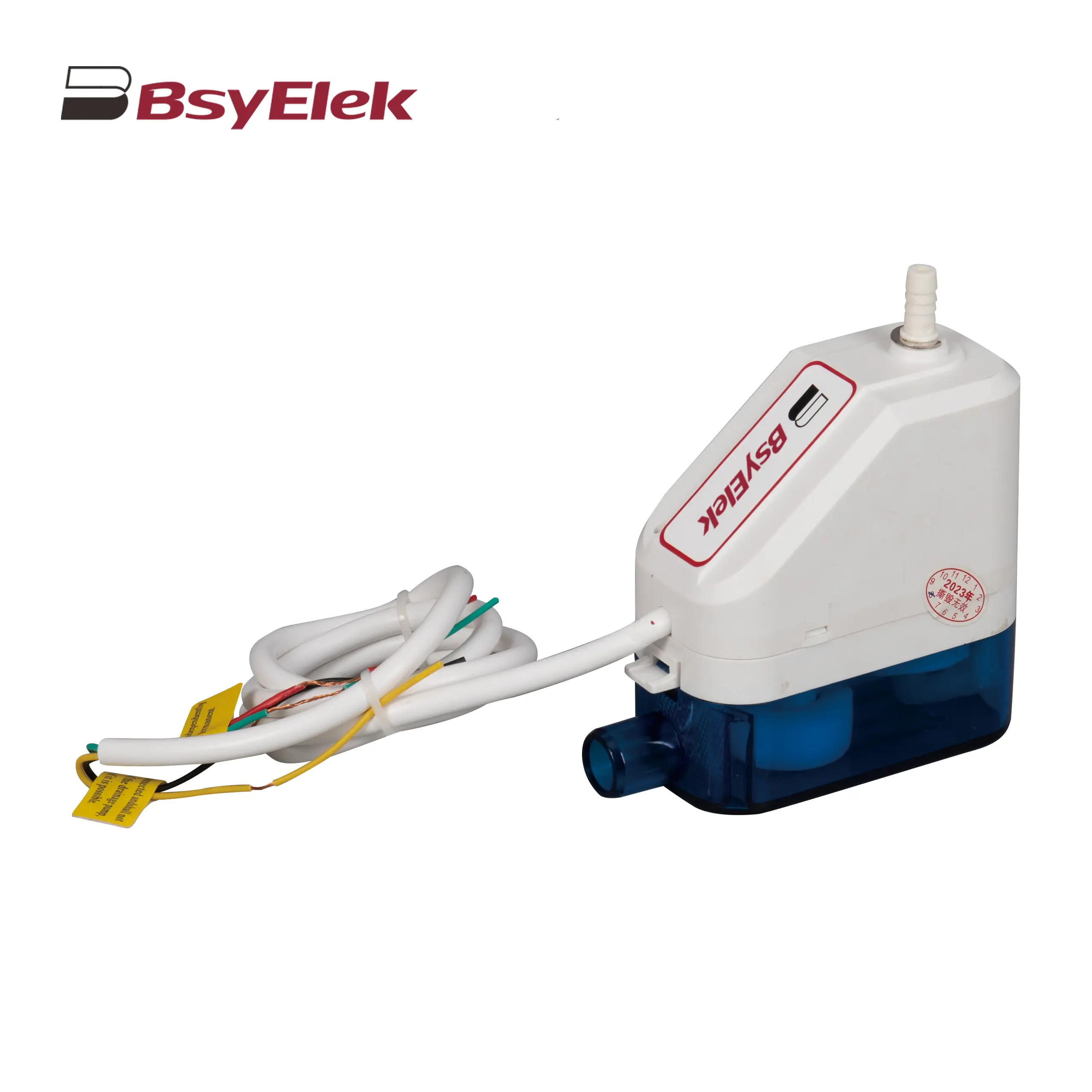 BY-24C/40C 10M Corner Drainage Pump
What is a miniature circuit breaker (MCB)?
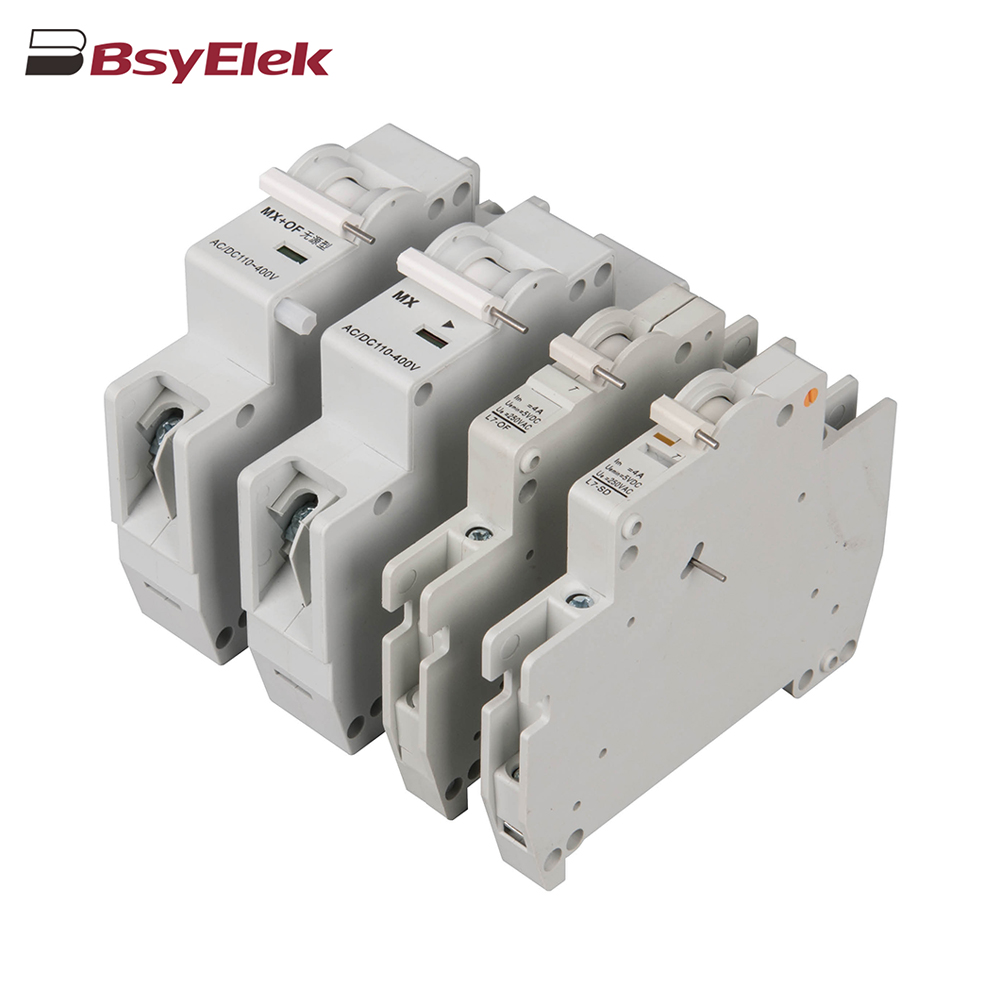 OF SD MX OF MCB Miniature Circuit Breaker Accessories
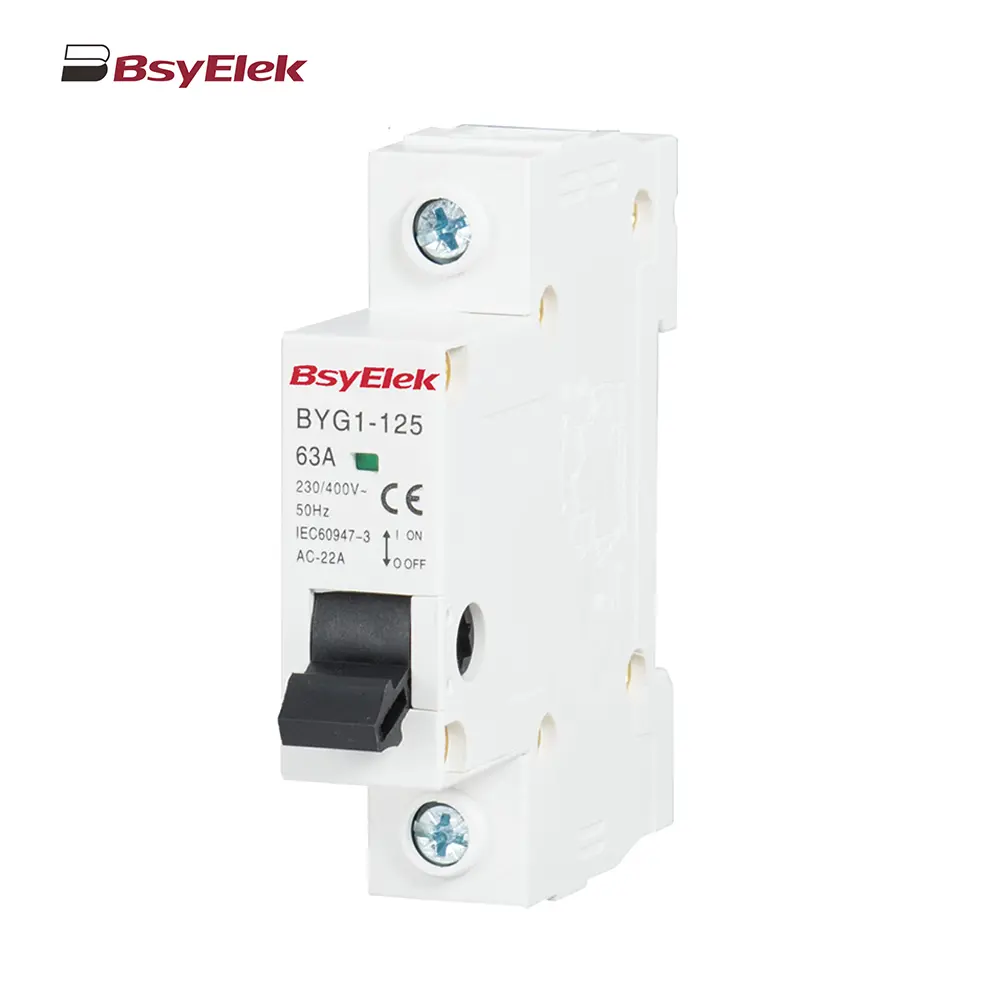 BYG1-125 Main Switch MCB Isolator Switch
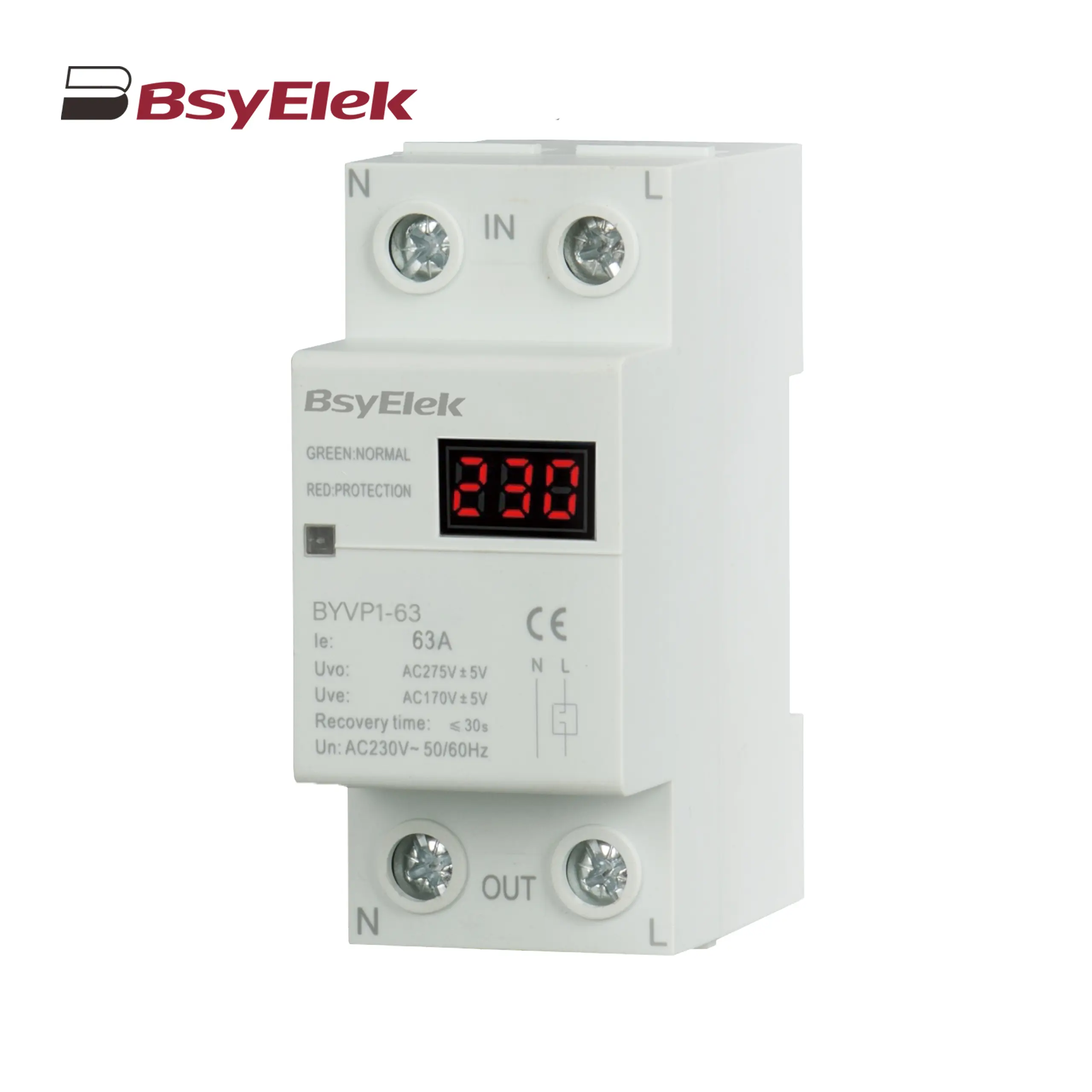 BYVP1-63 100A Single Display Overvoltage and Undervoltage Protector
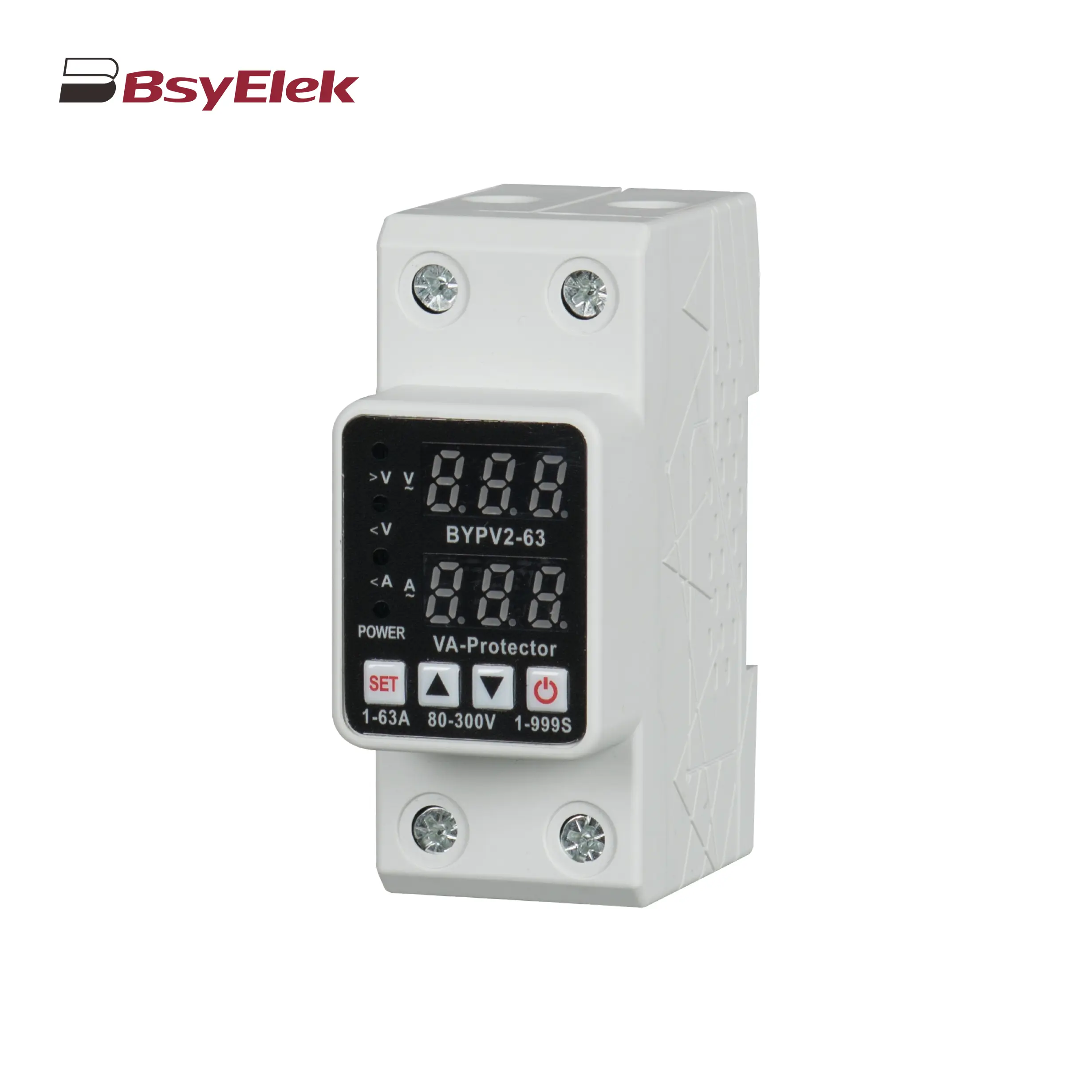 BYVP2-63 40A 63A Adjustable Dual Display Overvoltage and Undervoltage Protector
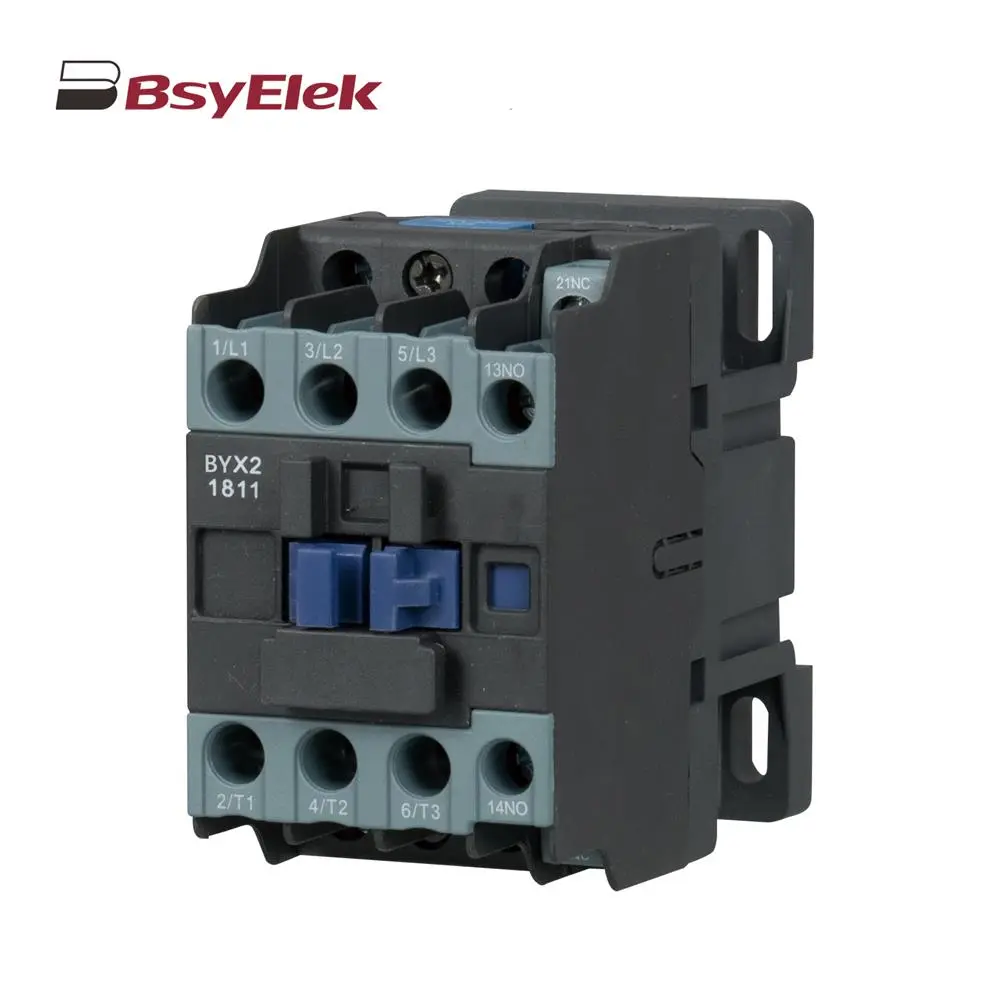 BYX2 6-95A AC Contactor
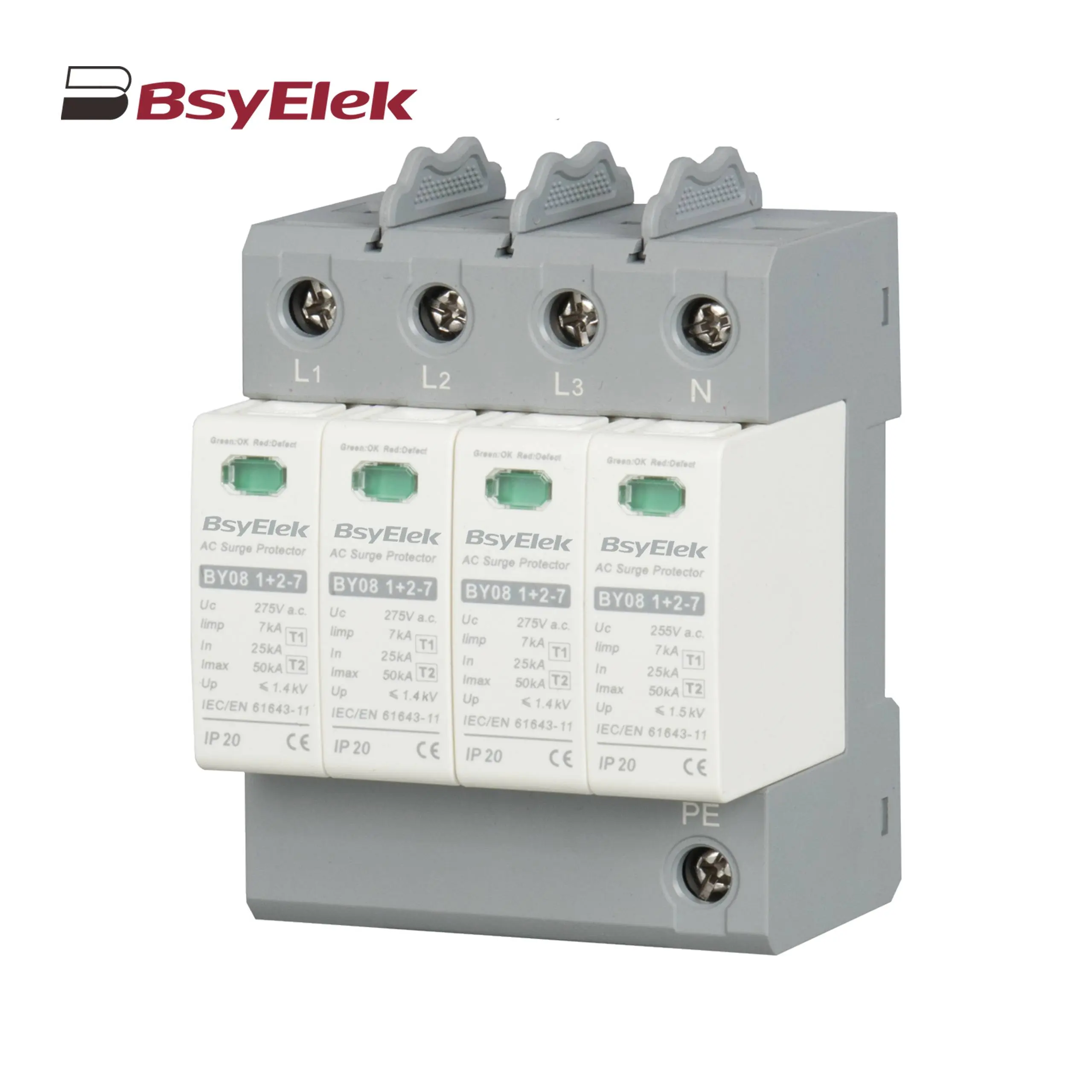 BY08 1+2-7 SPD Class T1+T2 Imax 50KA Surge Protective Device
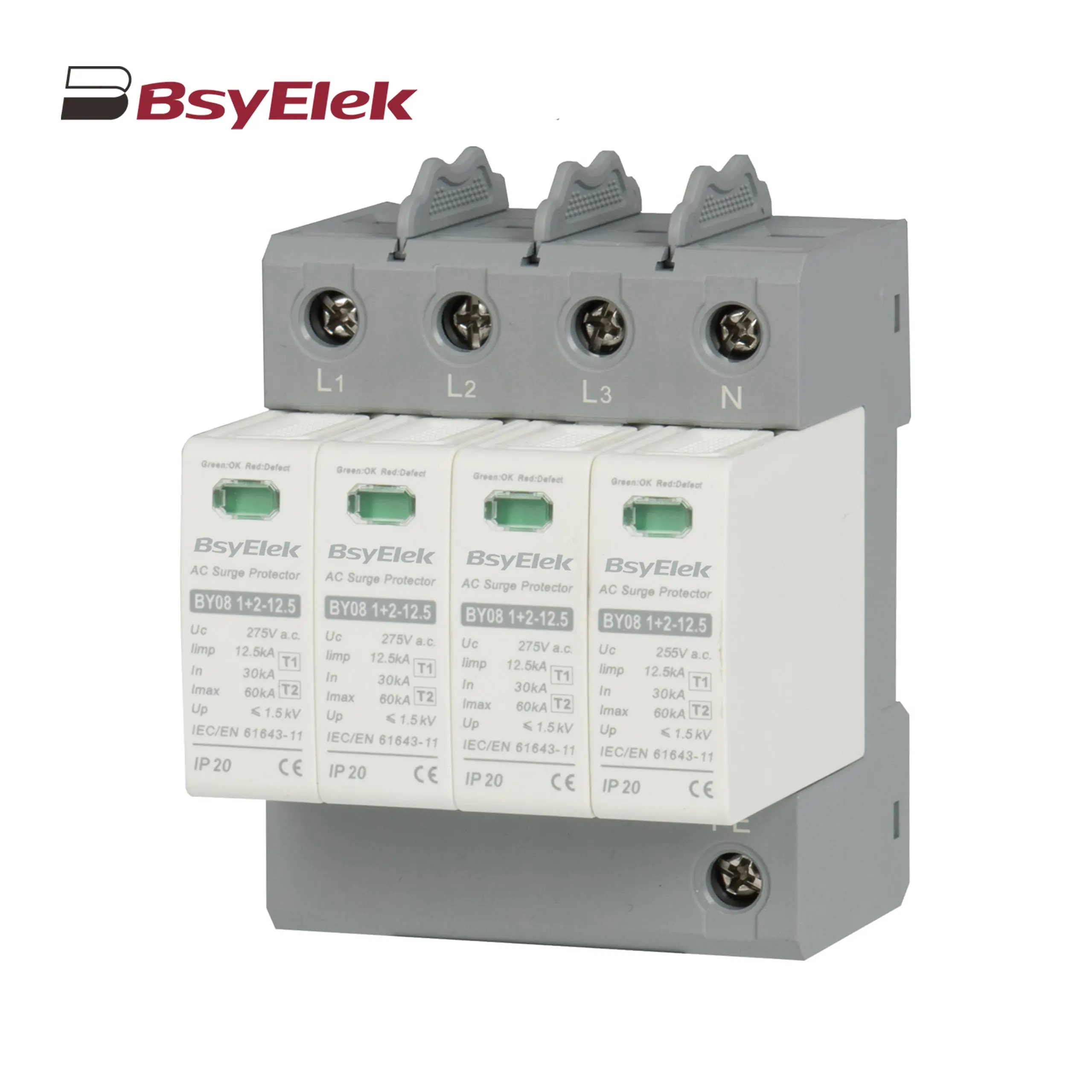 BY08 1+2-12.5 SPD Class T1+T2 Imax 60KA Surge Protective Device
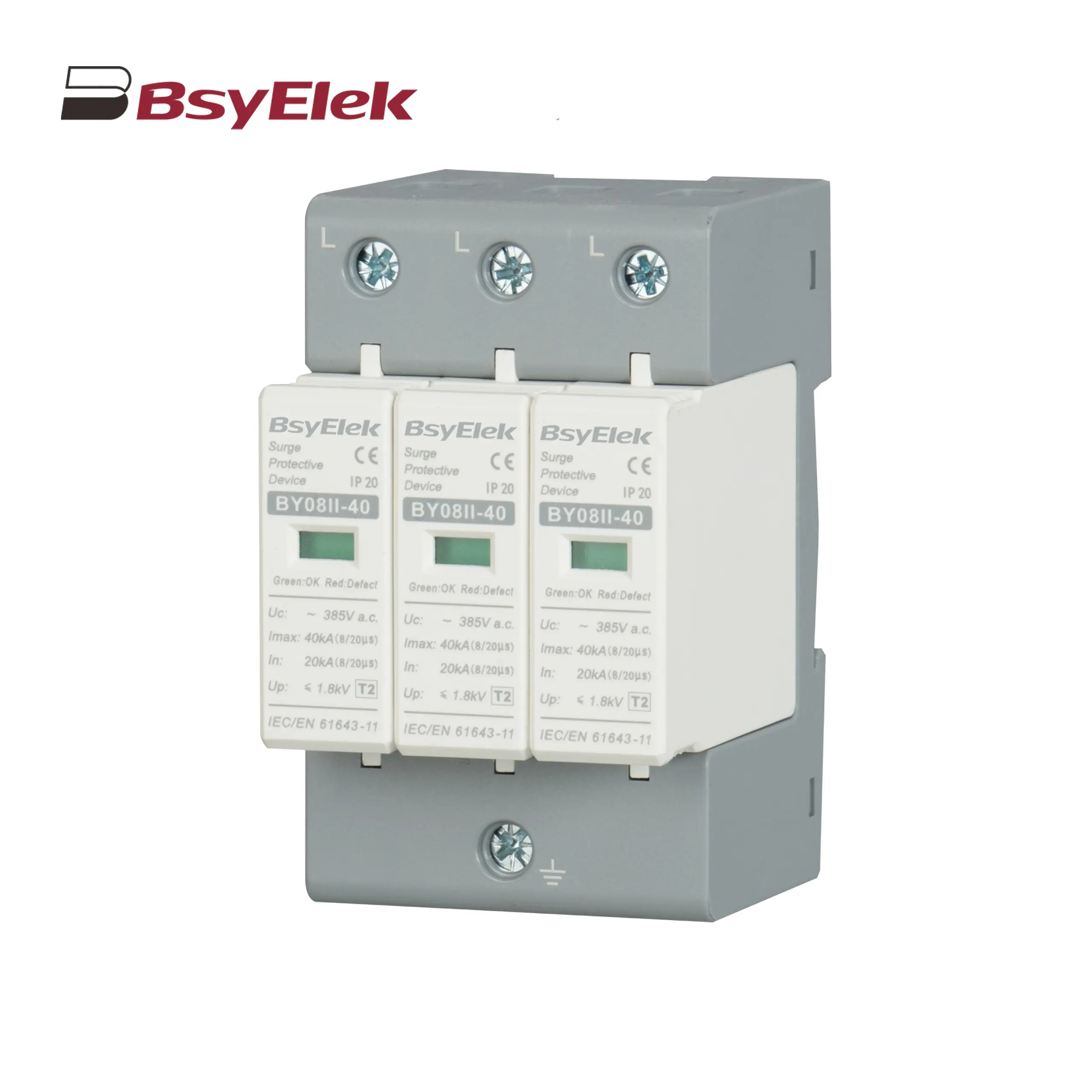 BY08II-40 SPD Class T2 Imax 40KA Surge Protective Device
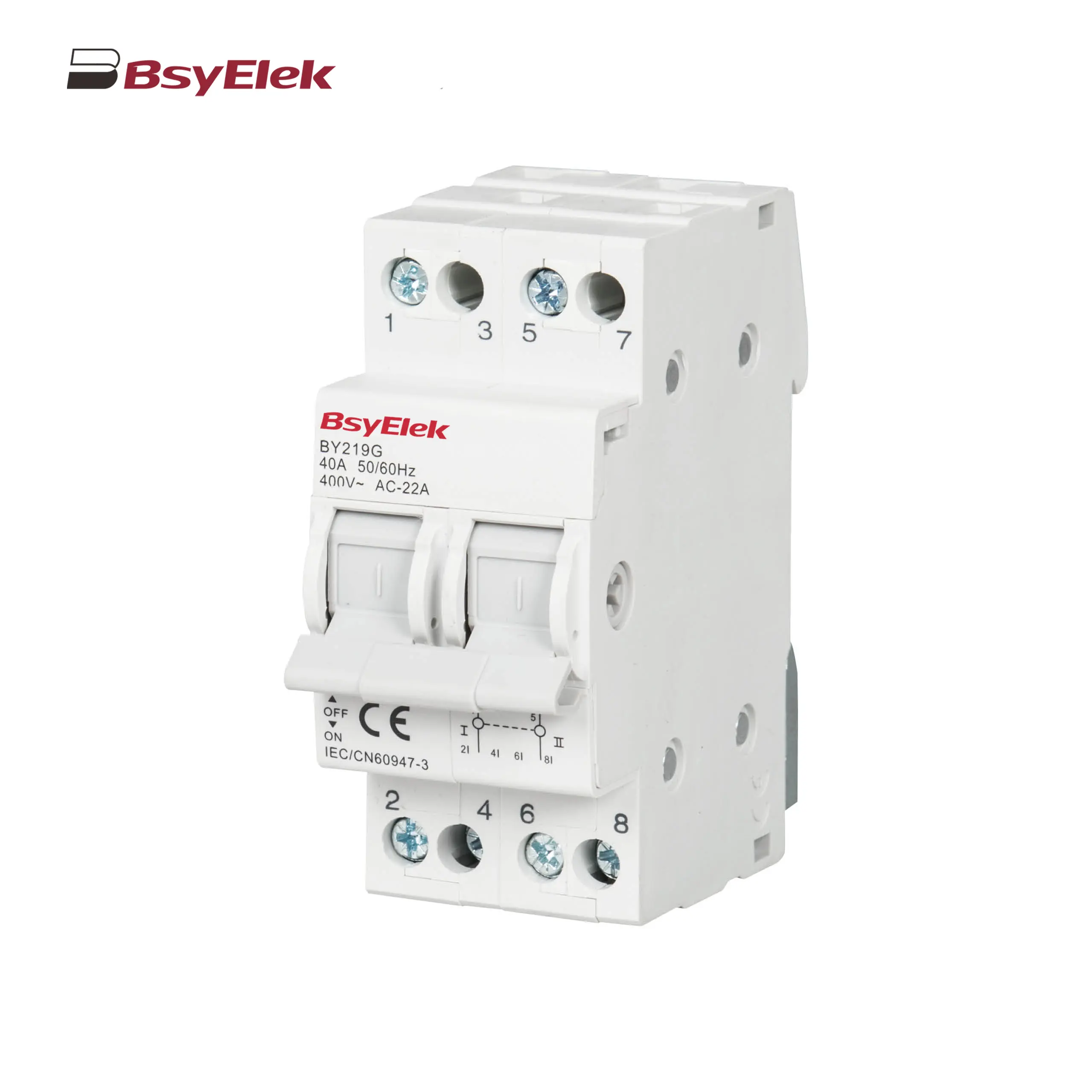 BY19G 63A Manual Changeover Switch
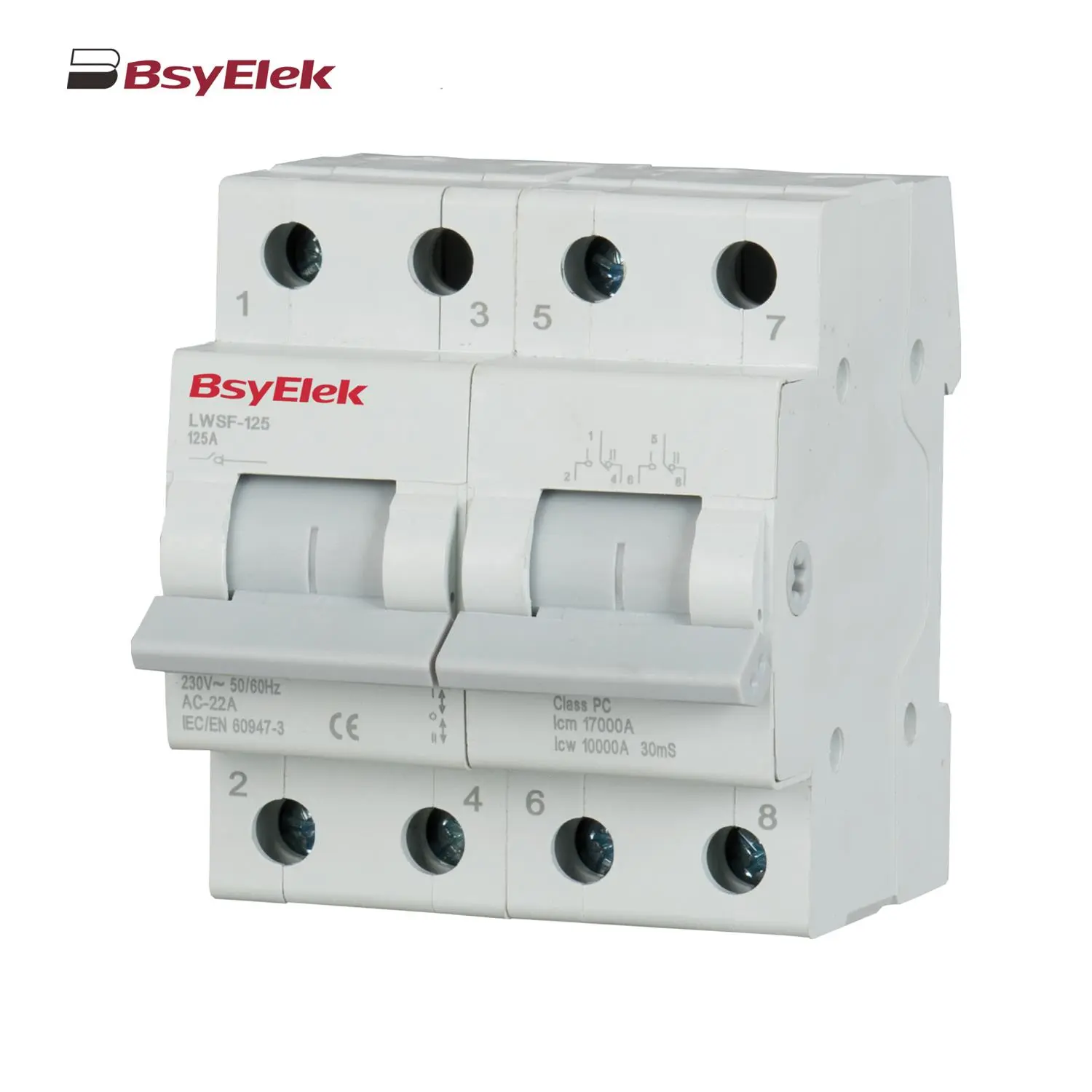 LWSF-125 125A Manual Changeover Switch
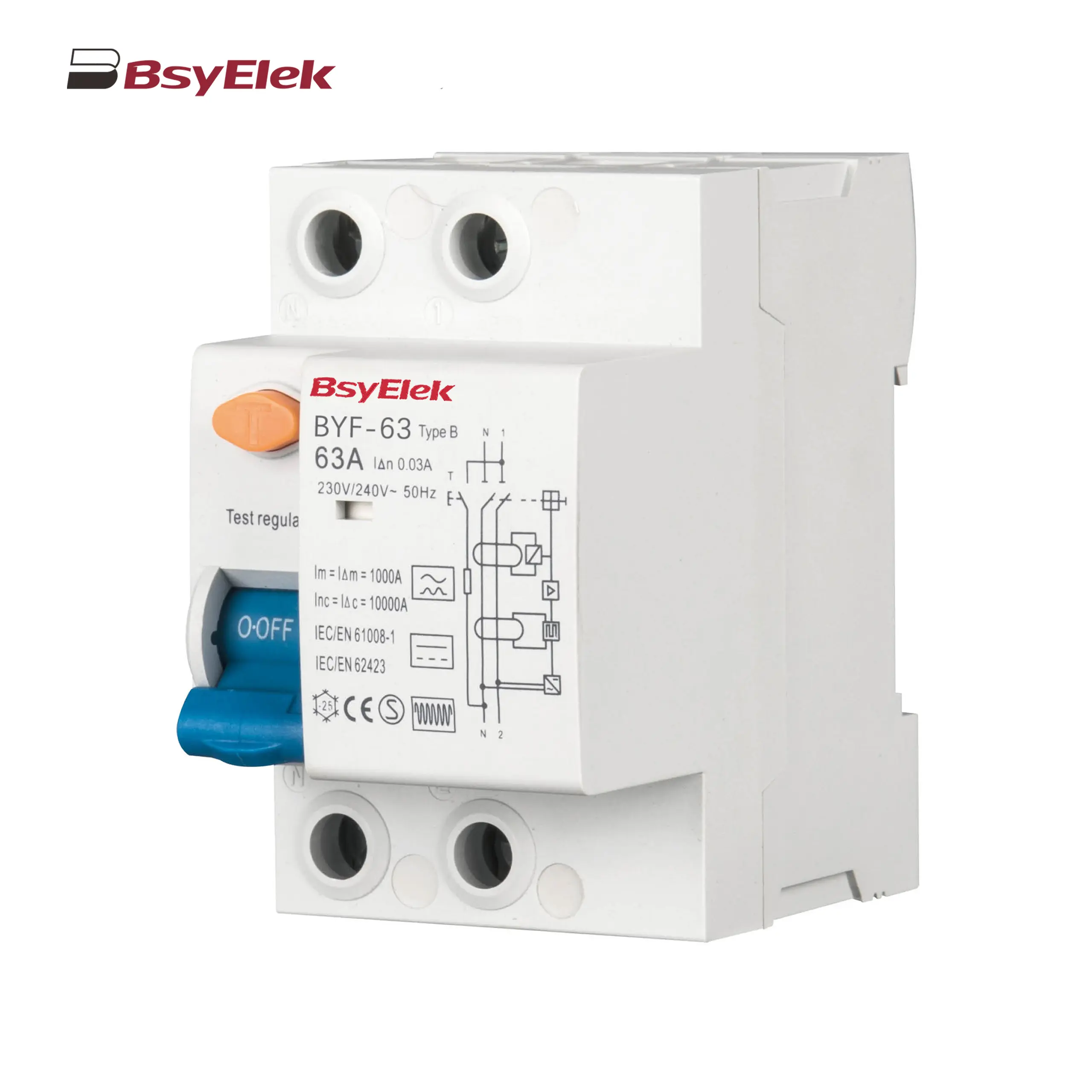 BYF-63 RCD 10KA Type B AC+A+Smoothing DC Residual Current Device
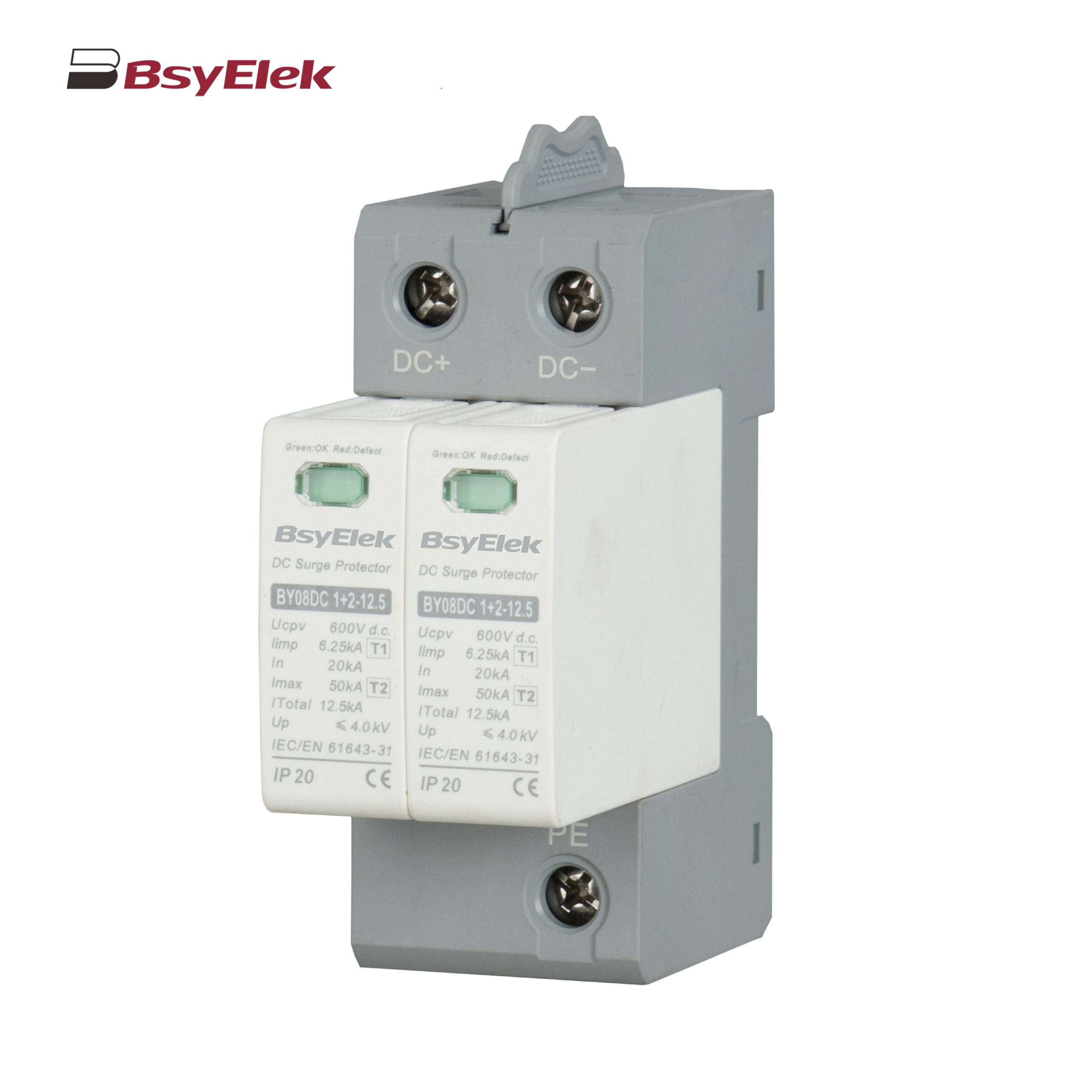 BY08DC 1+2-12.5 SPD Class T1+T2 40KA DC Surge Protective Device
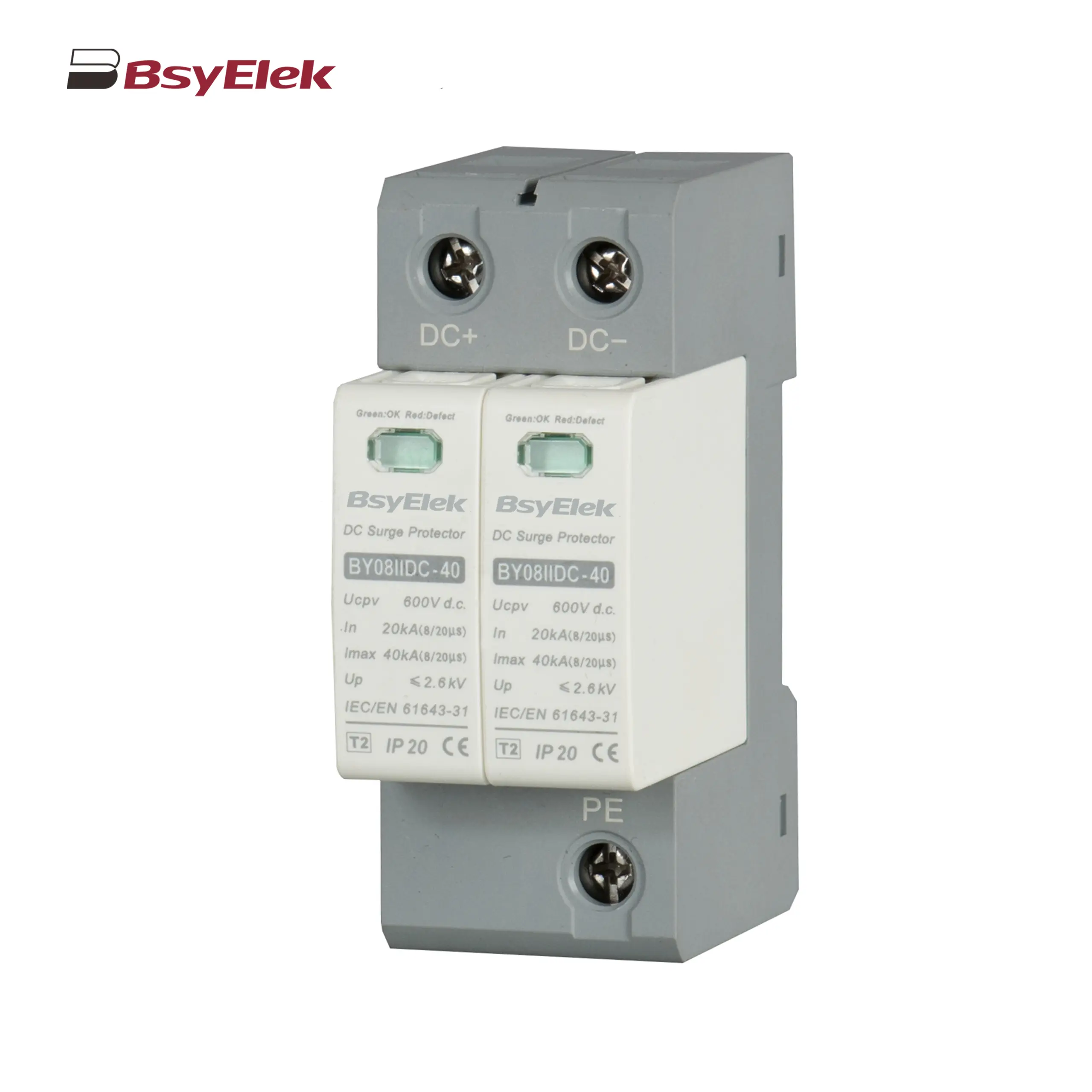 BY08IIDC-40 SPD Class T2 40KA DC Surge Protective Device
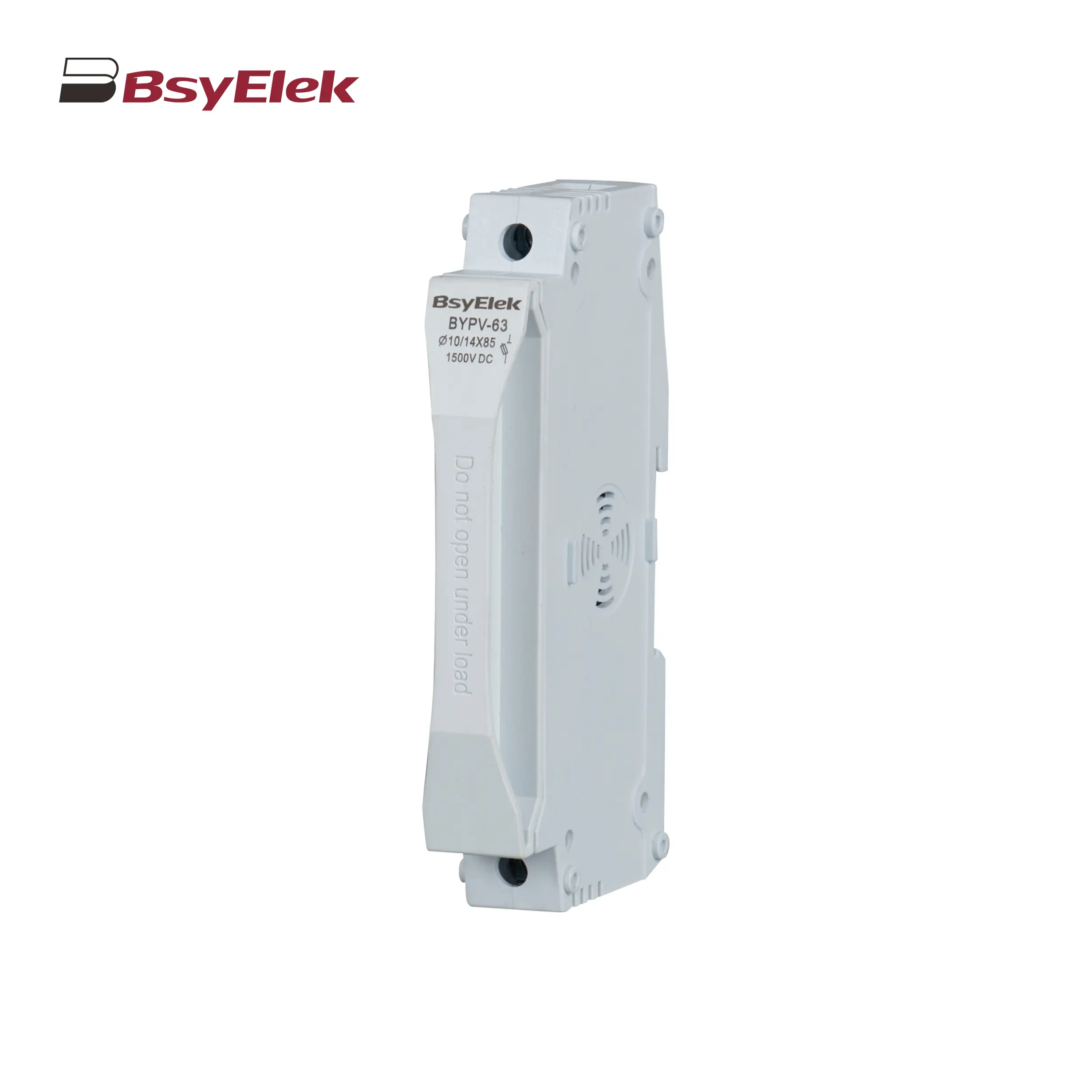 BYPV-63 1500VDC 50A Fuse Holder with 10x85mm 14x85mm Fuse Link
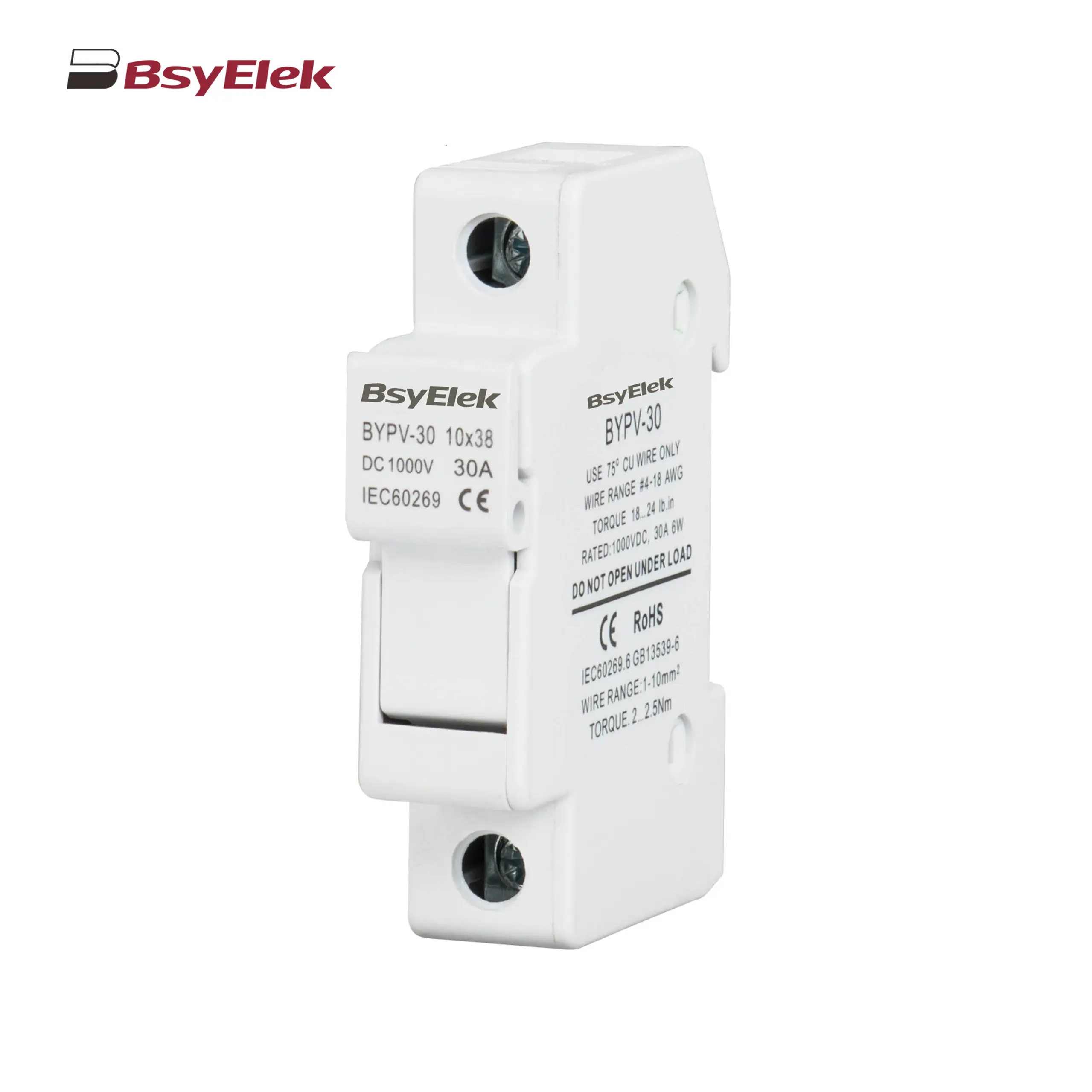 BYPV-30 1000VDC 32A Fuse Holder with 10x38mm Fuse Link
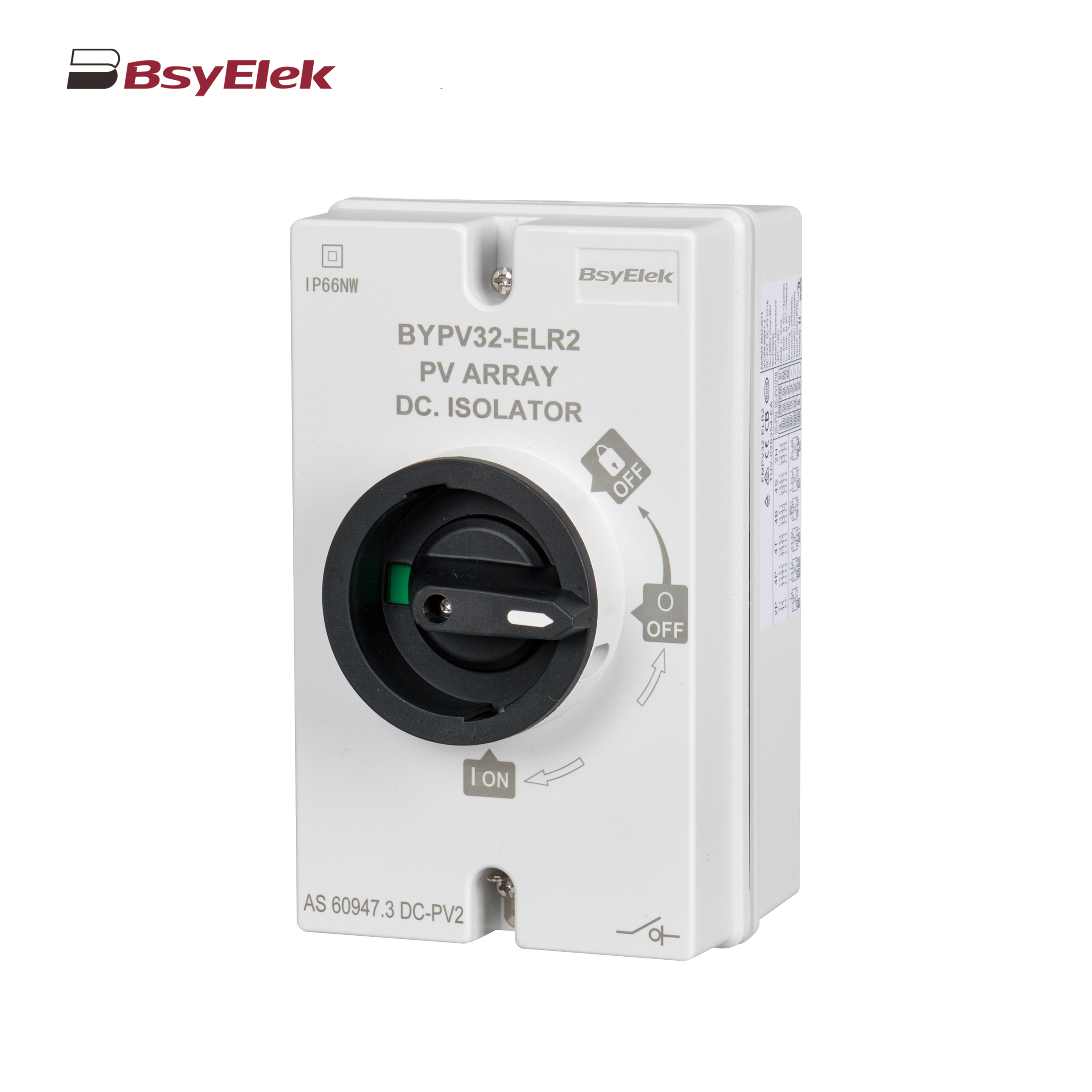 BYPV-ELR2 PV Isolator Switch with Enclosed Version
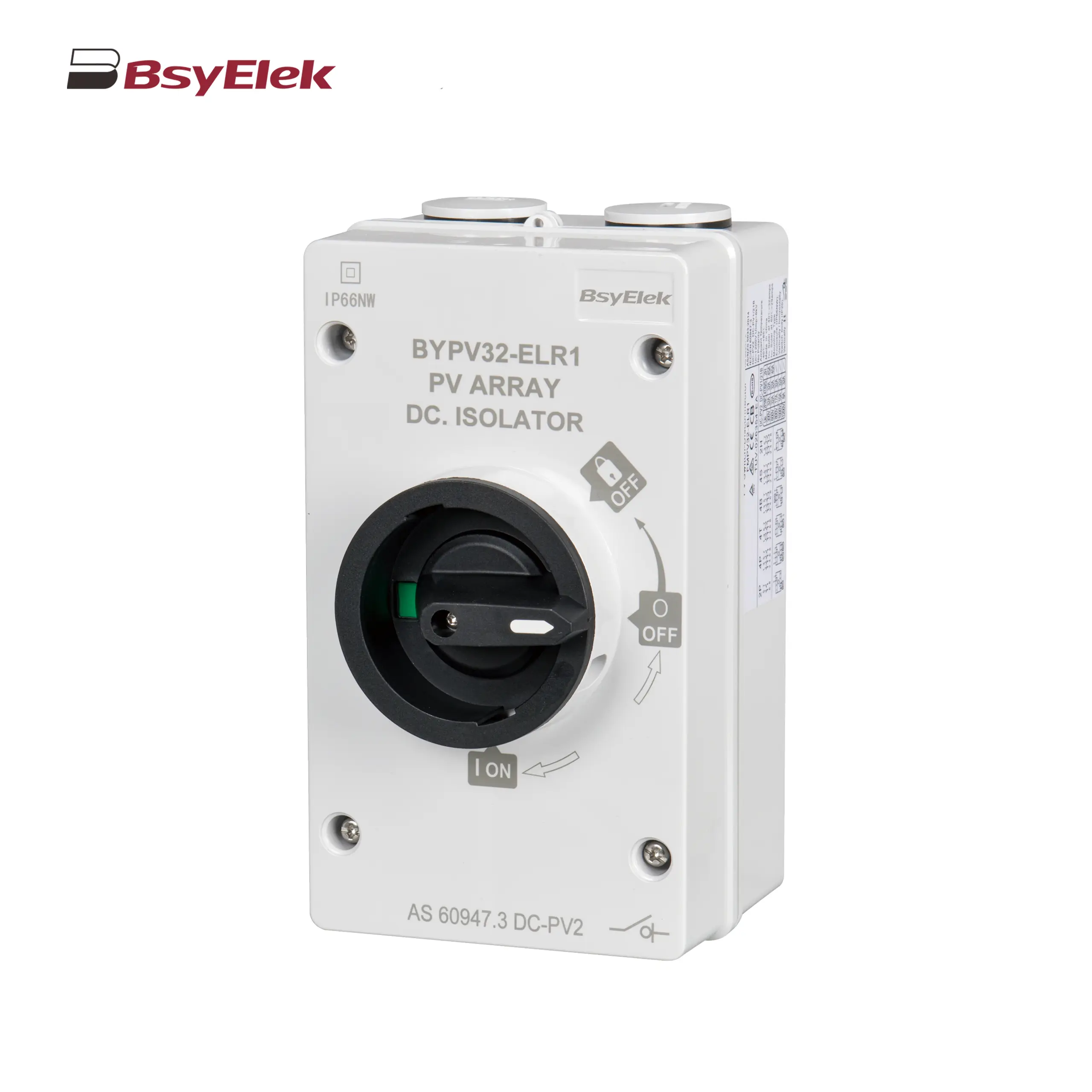 BYPV-ELR1 PV Isolator Switch with Enclosed Version
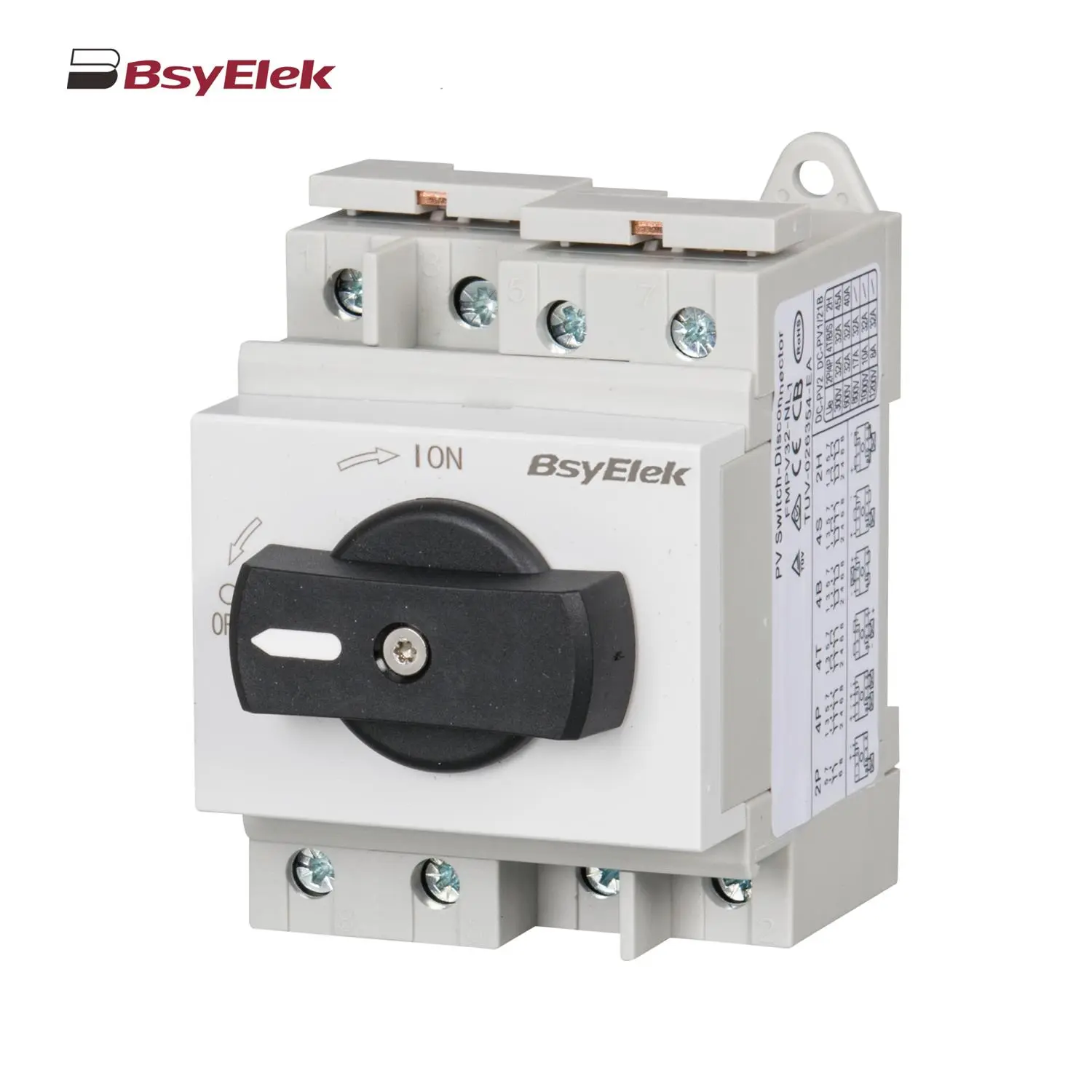 BYPV-NL1/T PV Isolator Switch with Ultra-thin Lever Handle
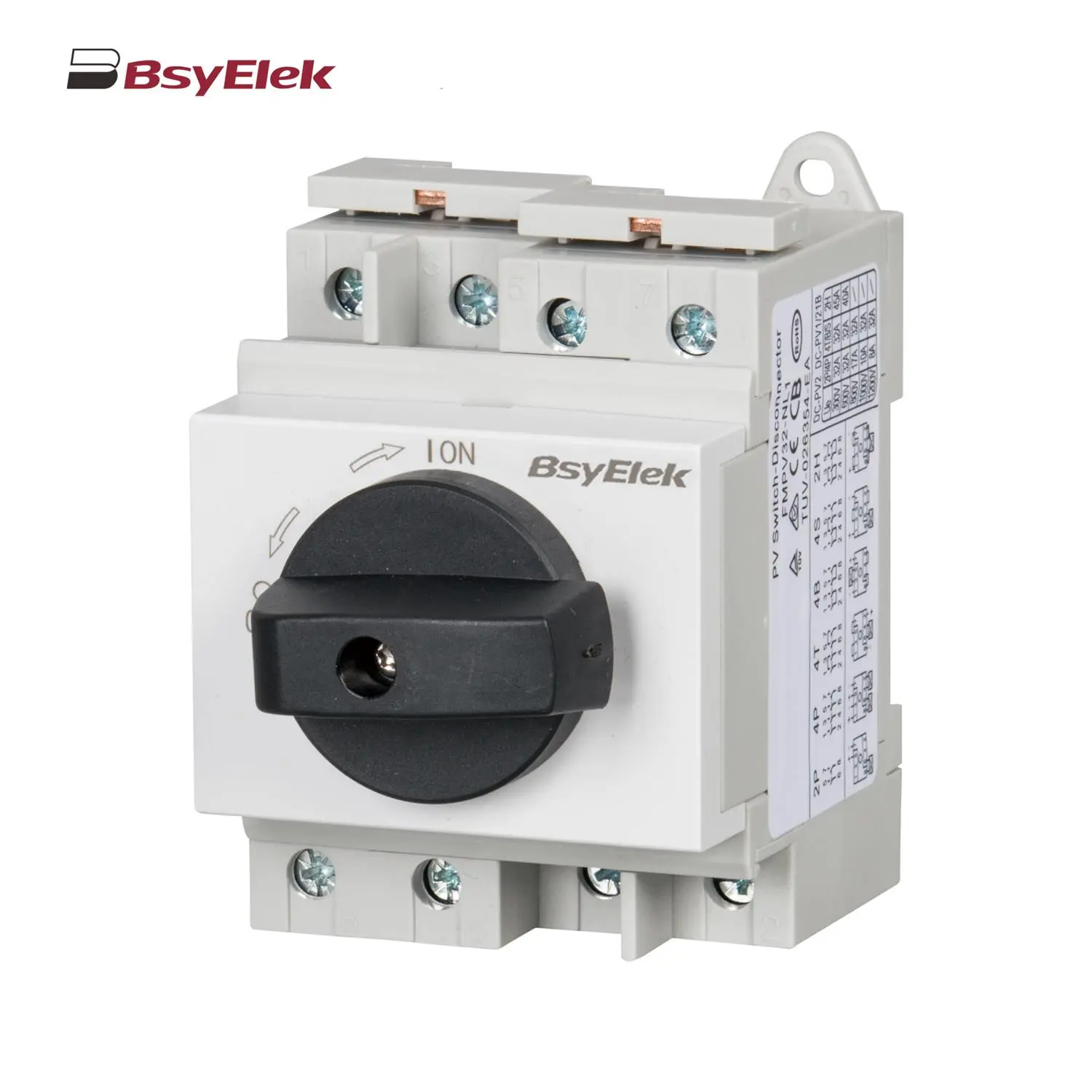 BYPV-NL1 PV Isolator Switch with Lever Handle
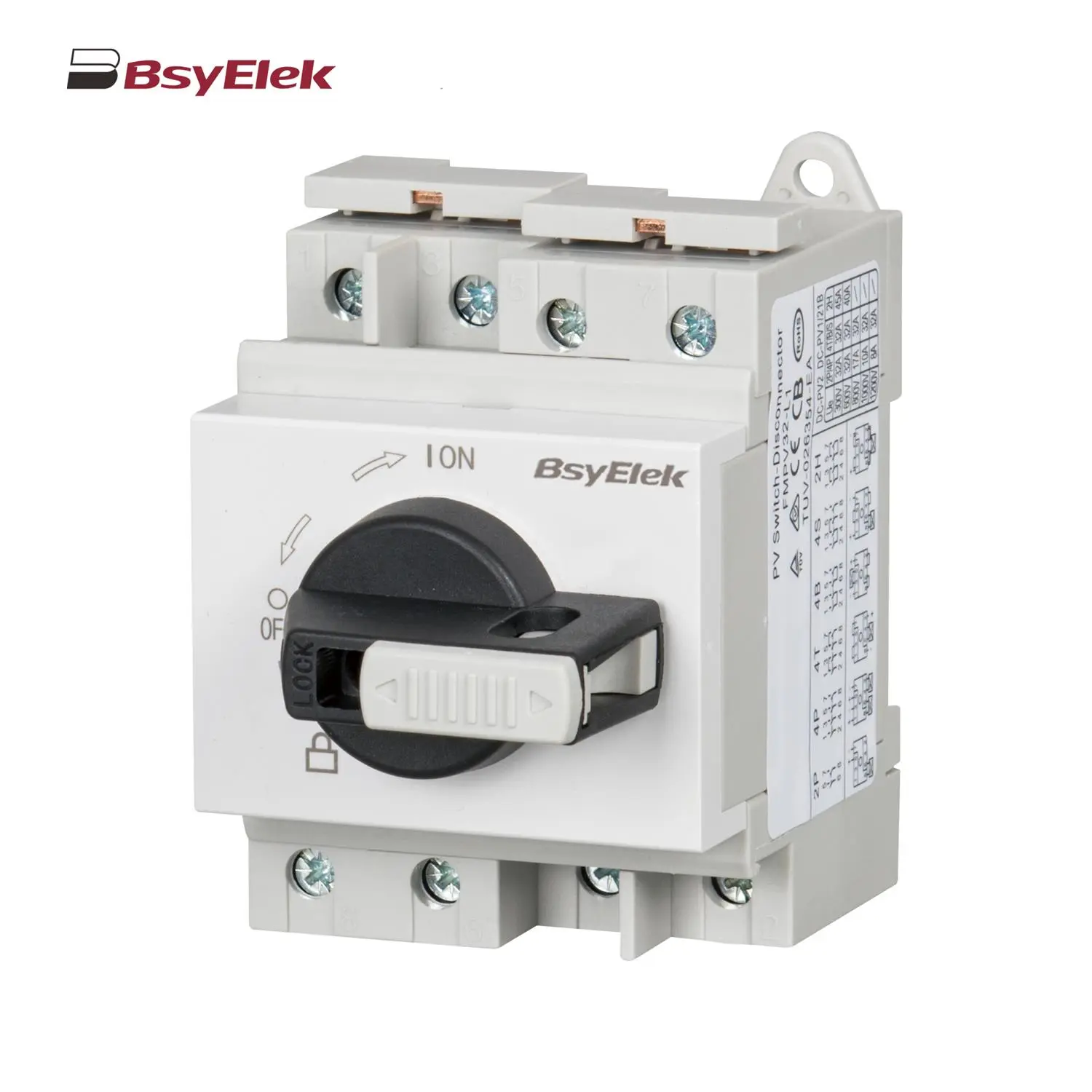 BYPV-L1/L2 PV Isolator Switch with Lockable Lever Handle
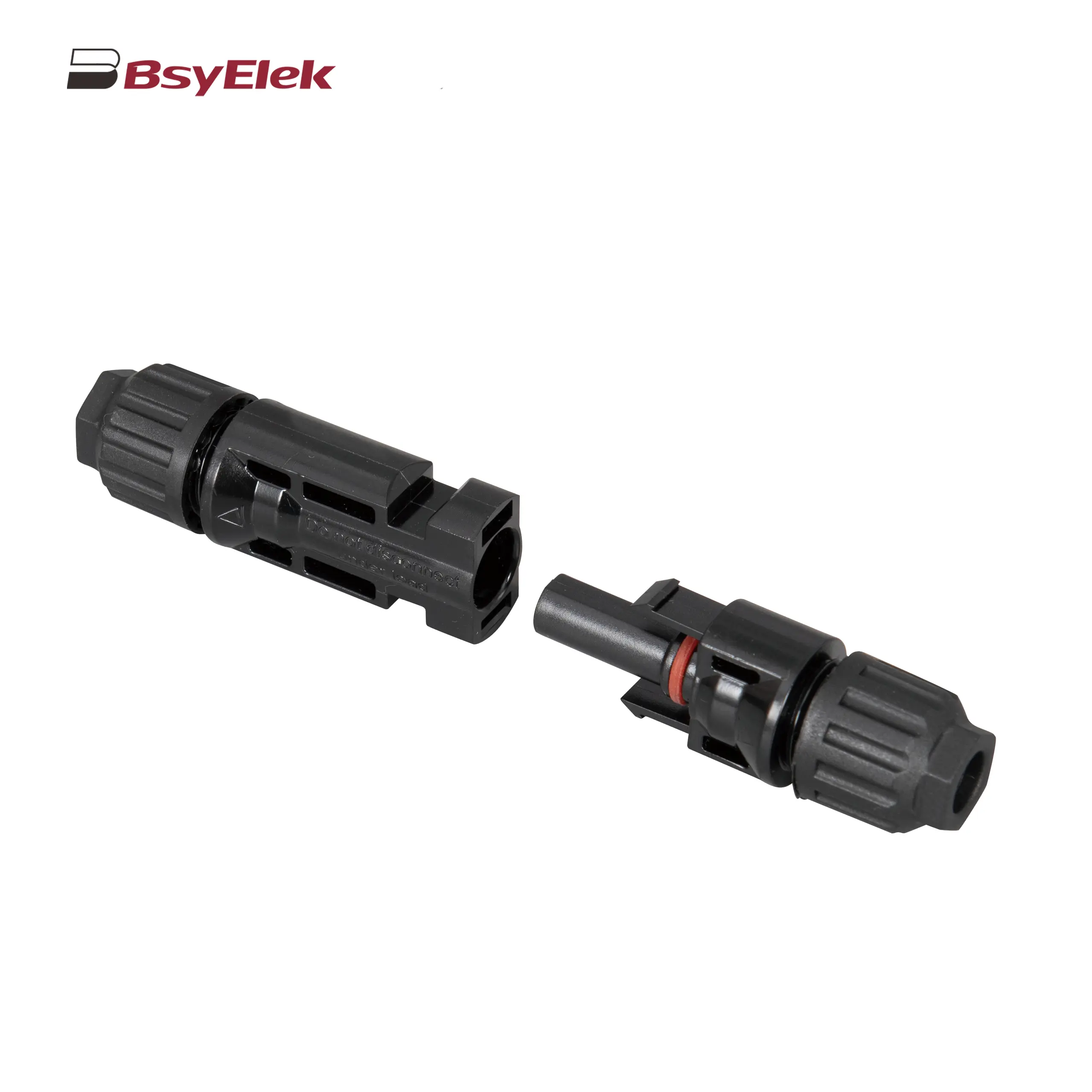 PV-BY-01 30A/50A 1000V Photovoltaic Connector
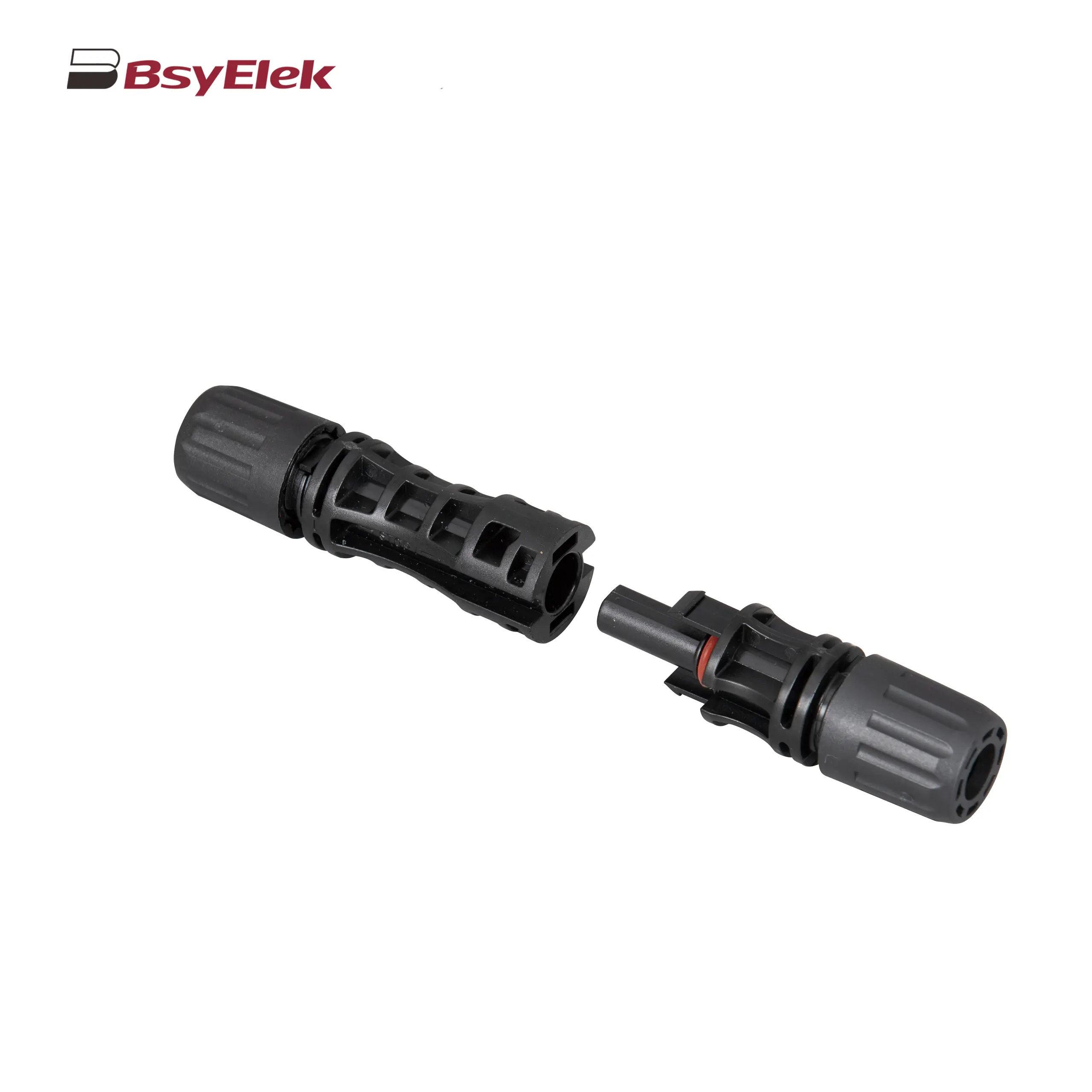 PV-BY-02 30A/50A 1500V Photovoltaic Connector
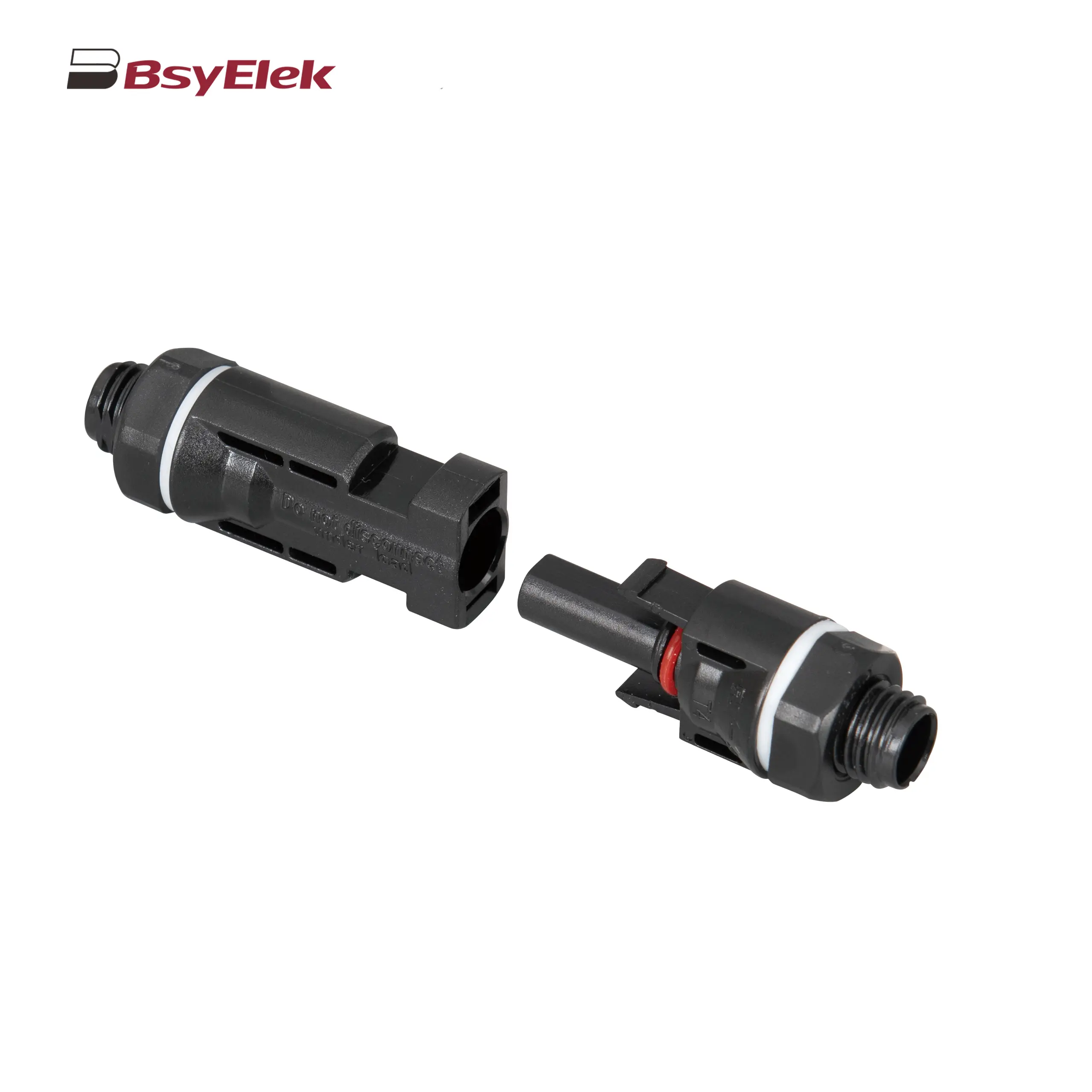 PV-BY-03 30A/50A 1000V Panel Mount Photovoltaic Connector
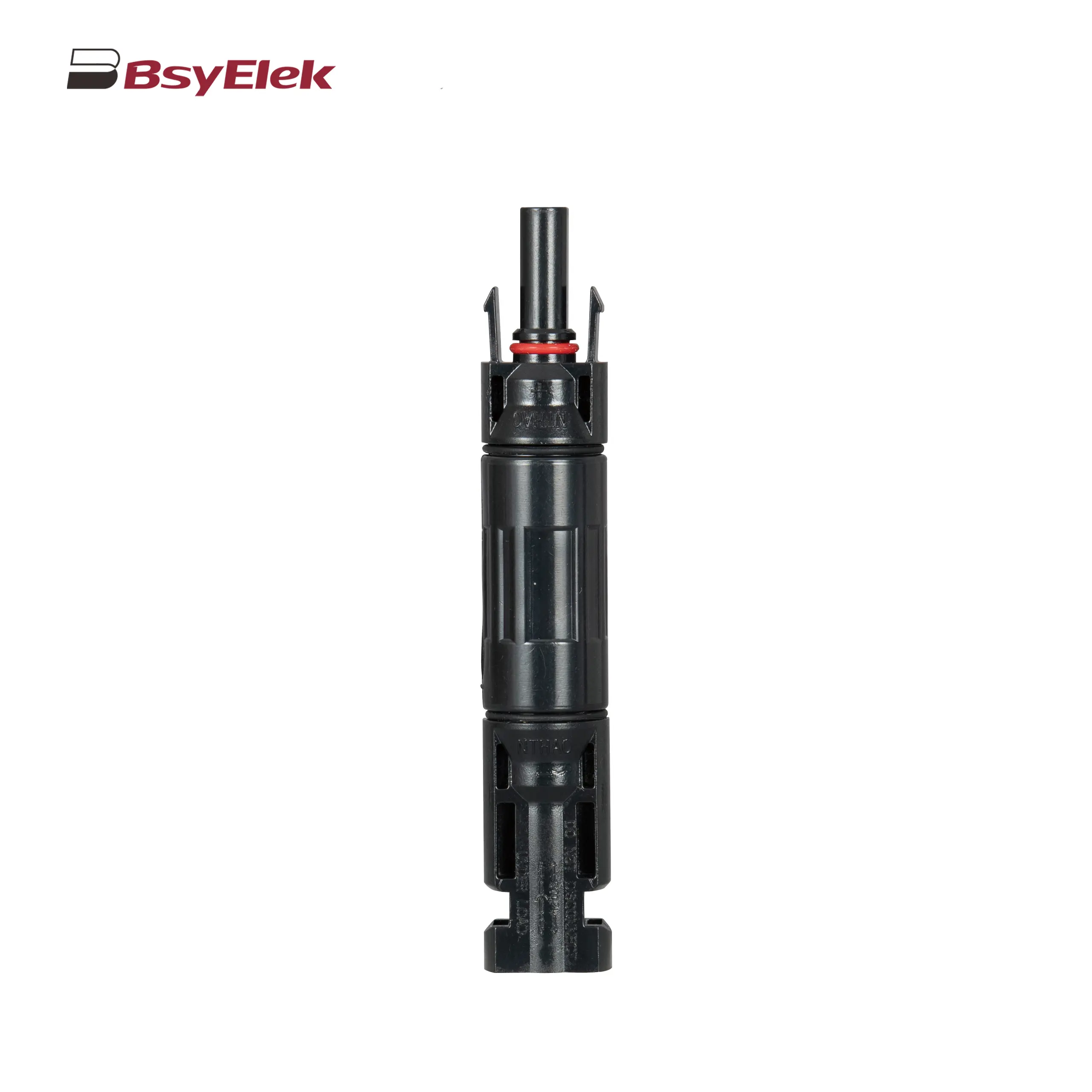 PV-BY-F01 30A 1500V Diode/Fuse Type Connector
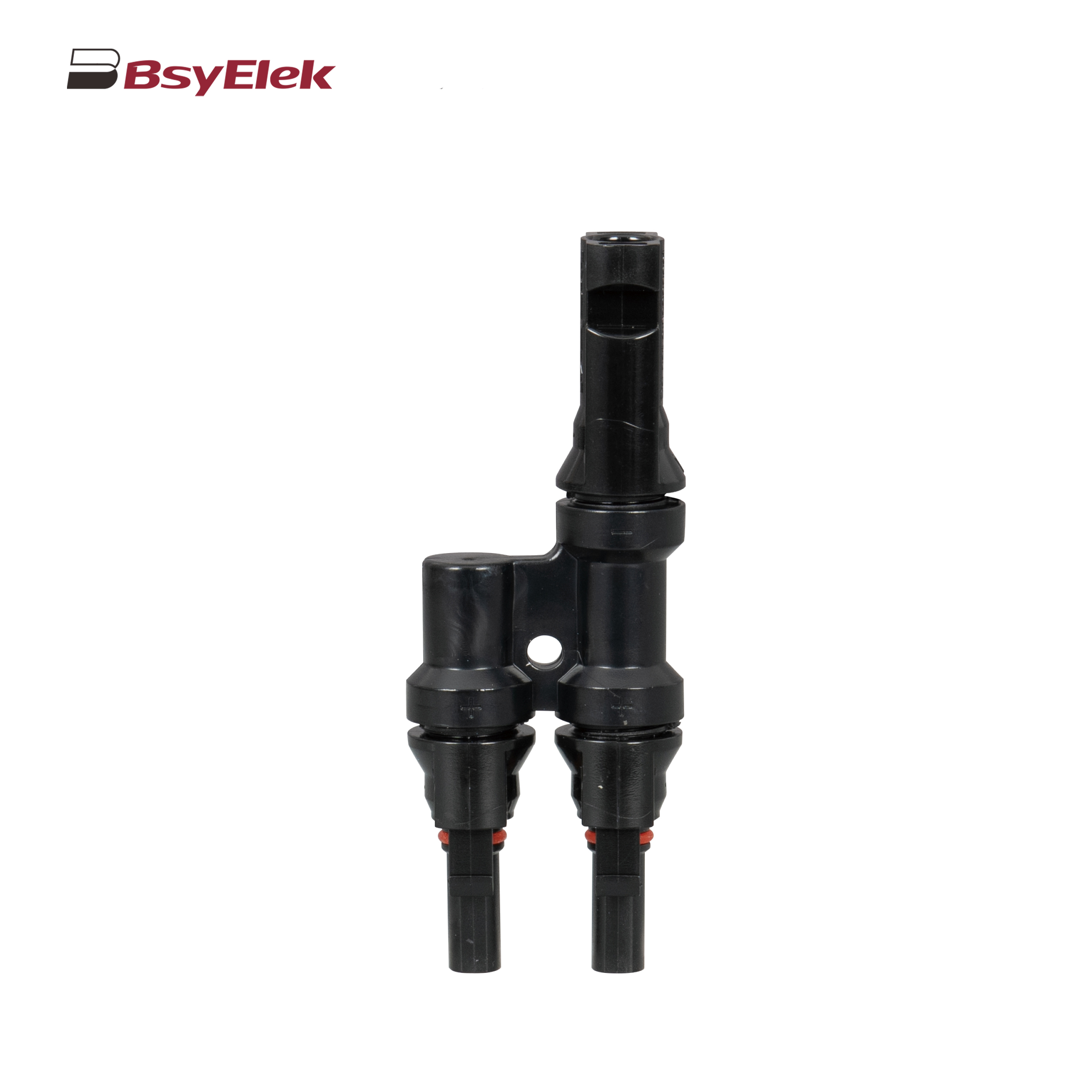 PV-BY-T 50A 1500V T Type Branch Connector
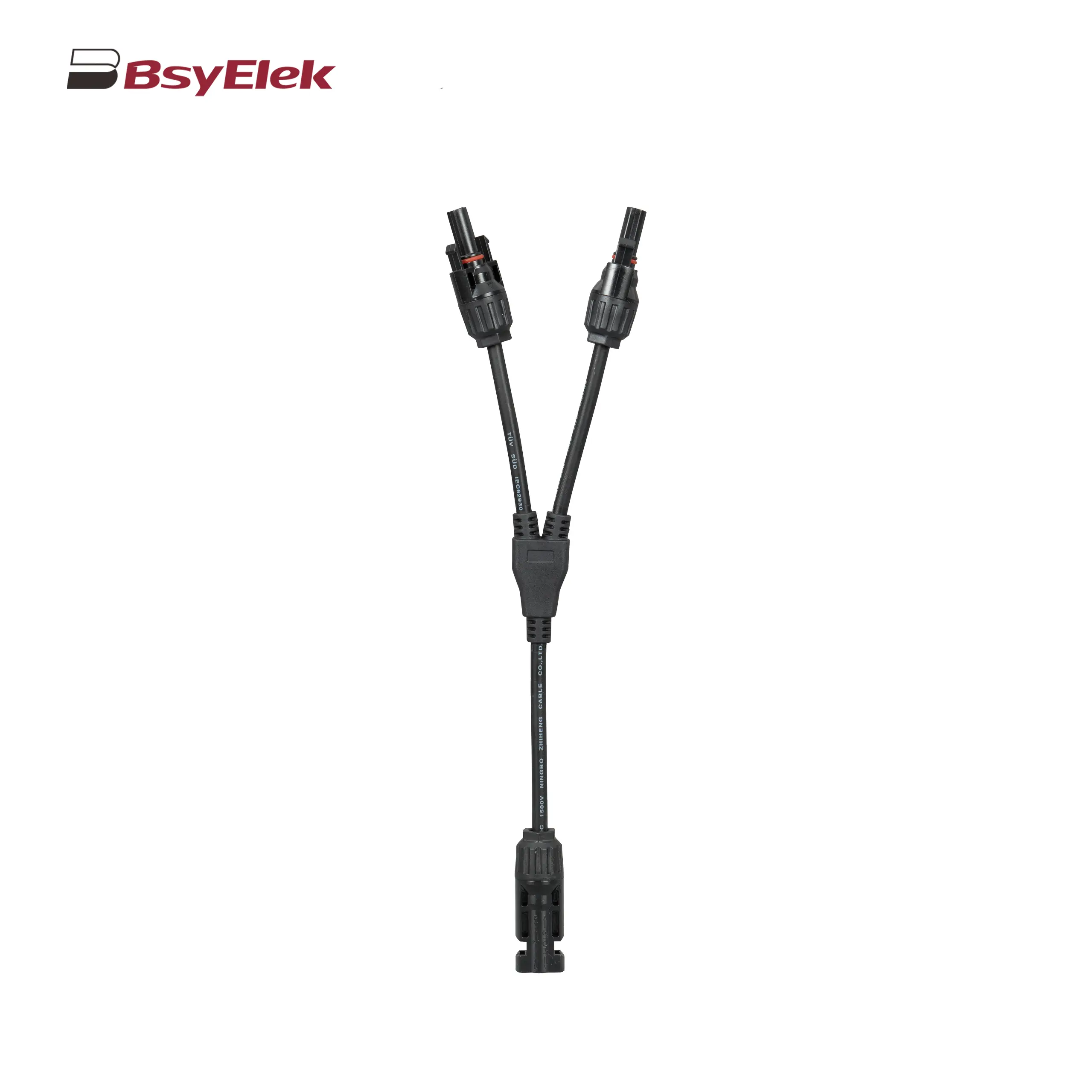 PV-BY-Y 30A 1500V Y Type Branch Connector
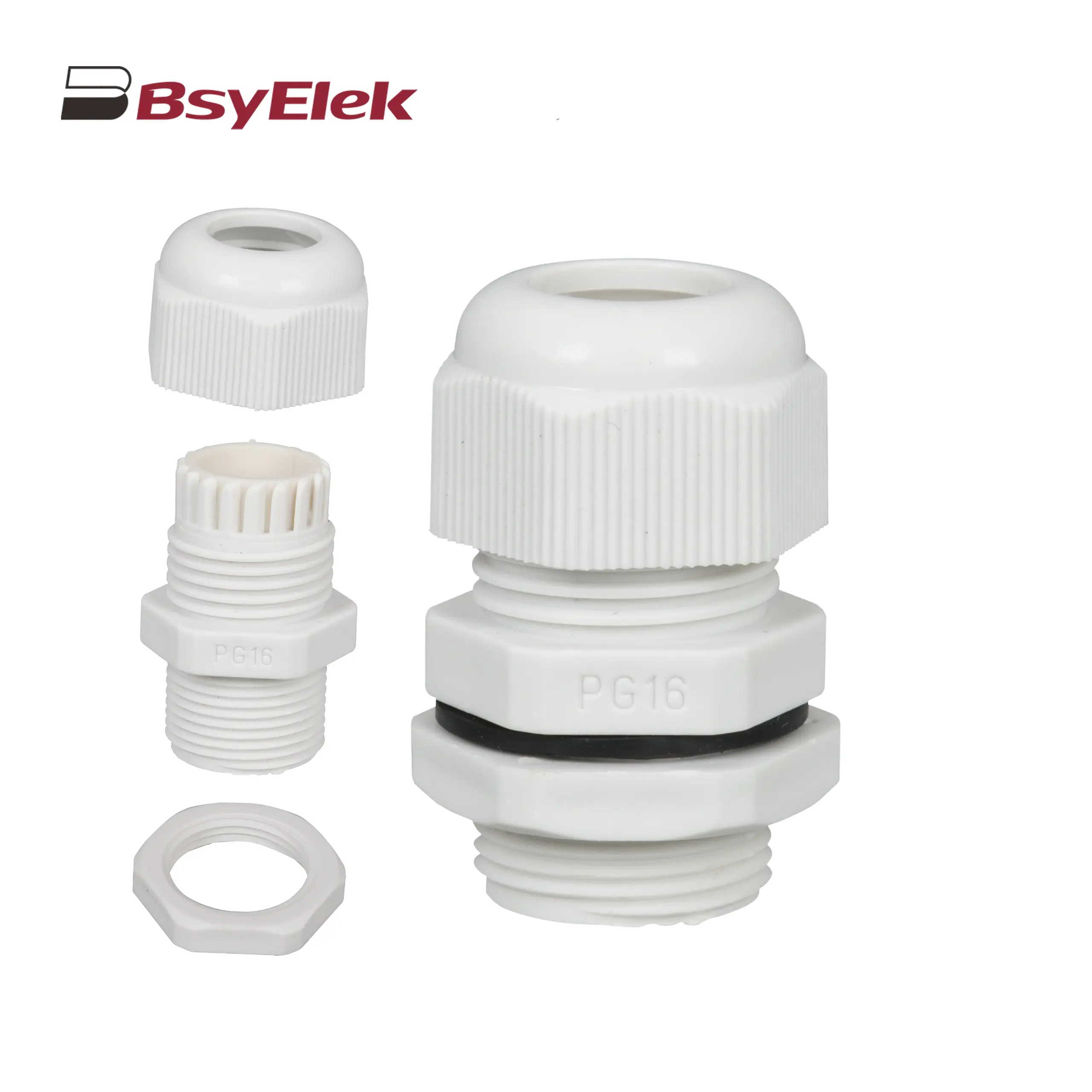 PG Waterproof Cable Gland with Washer
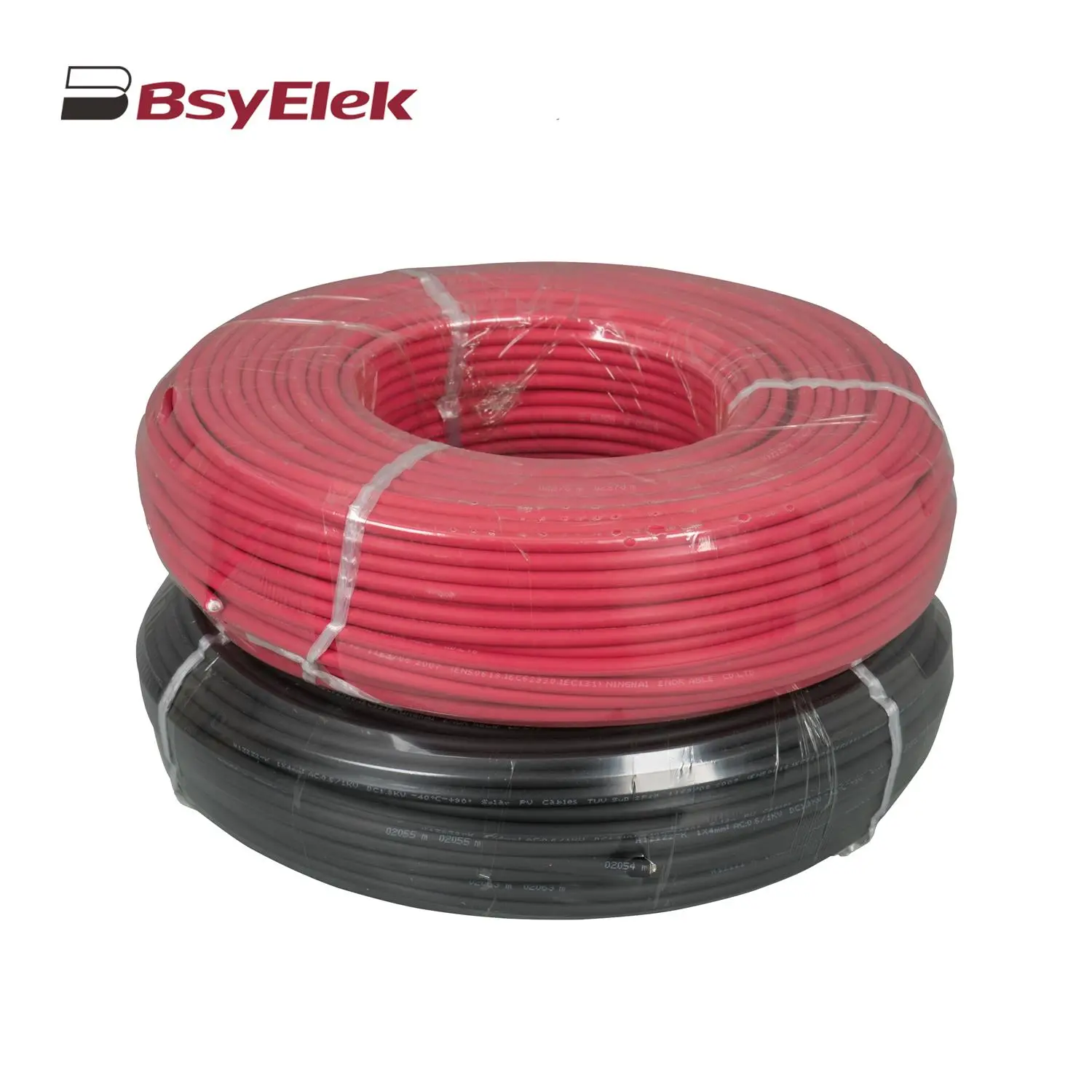 Photovoltaic Cable
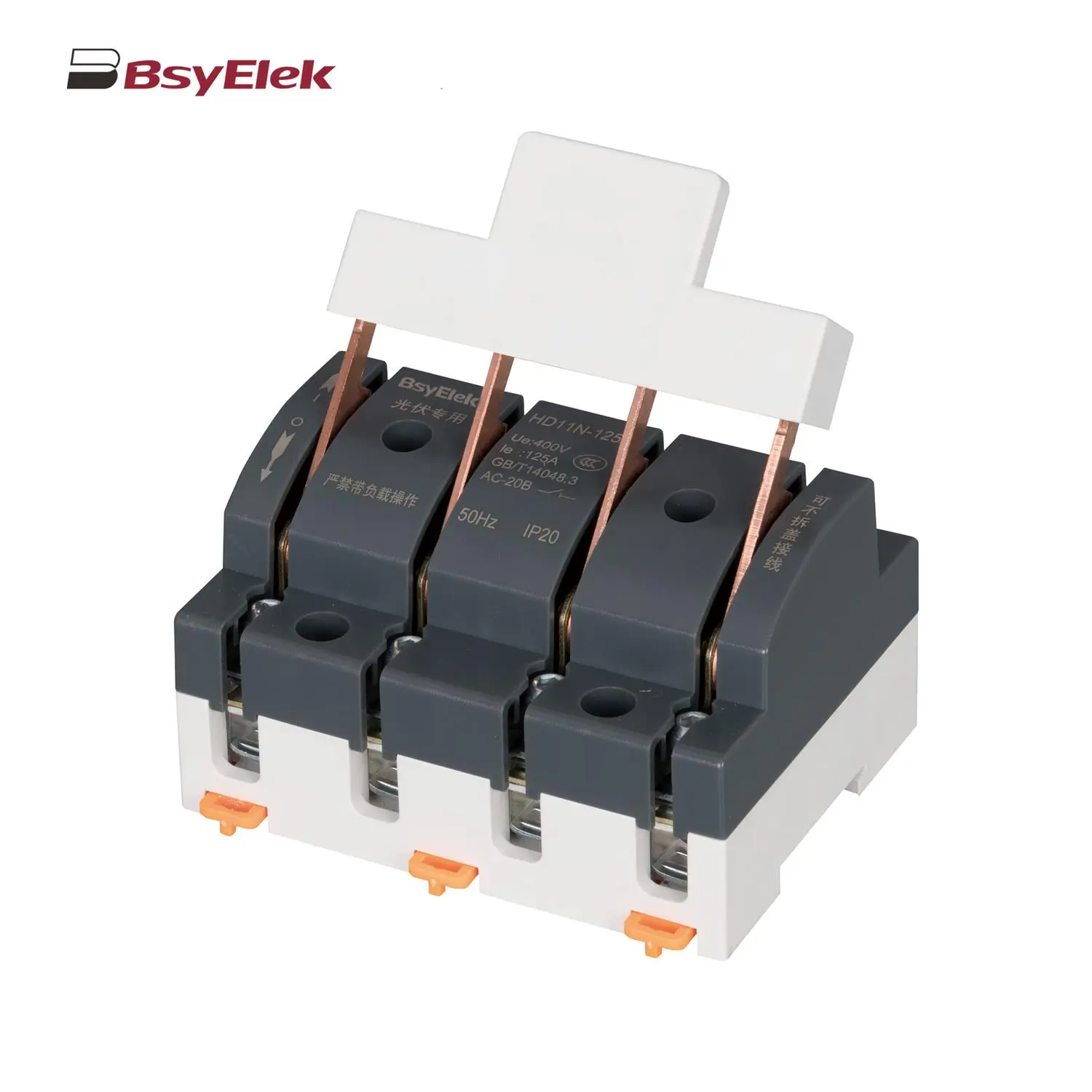 HD11N Photovoltaic Knife Switch
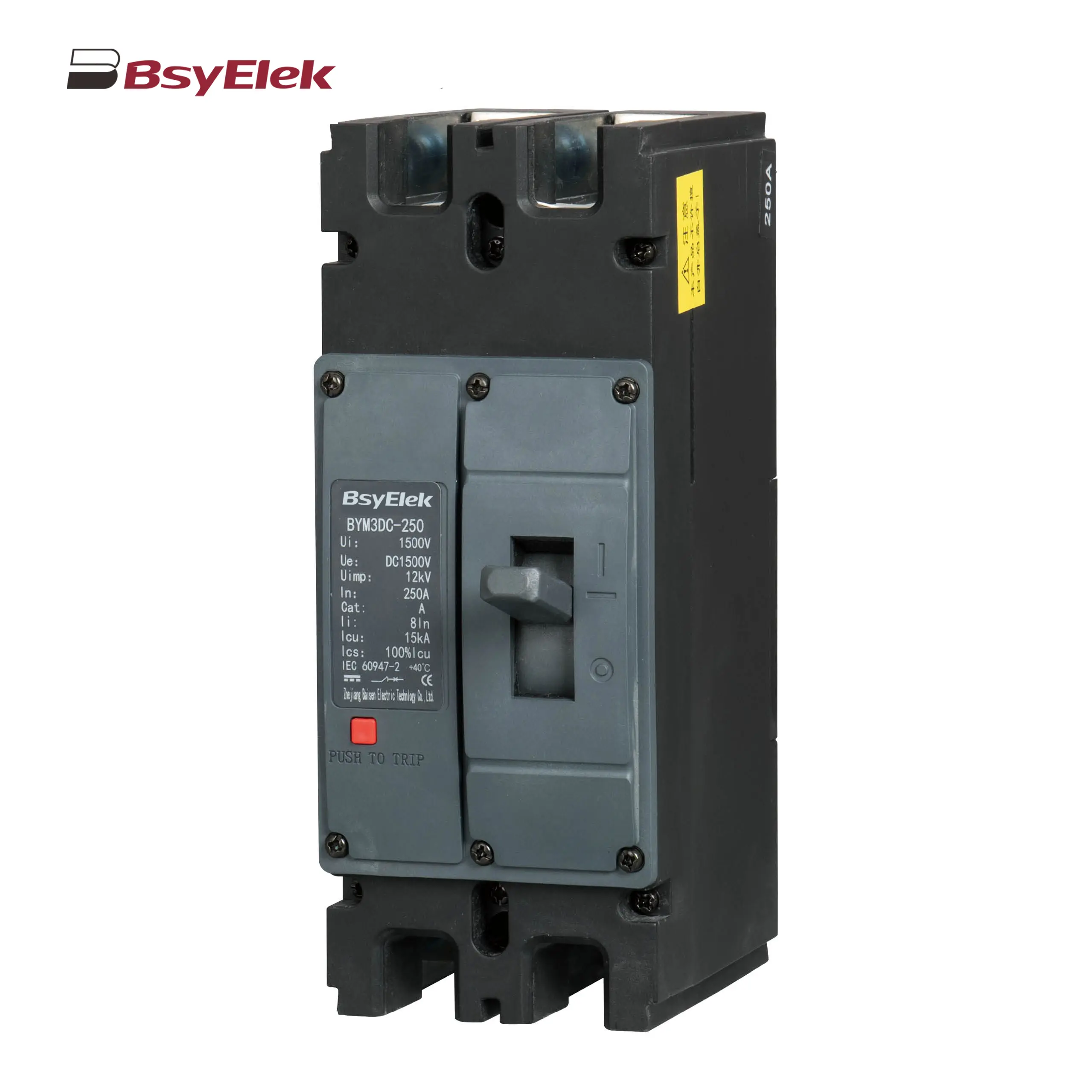 BYM3DC MCCB Photovoltaic DC Molded Case Circuit Breaker
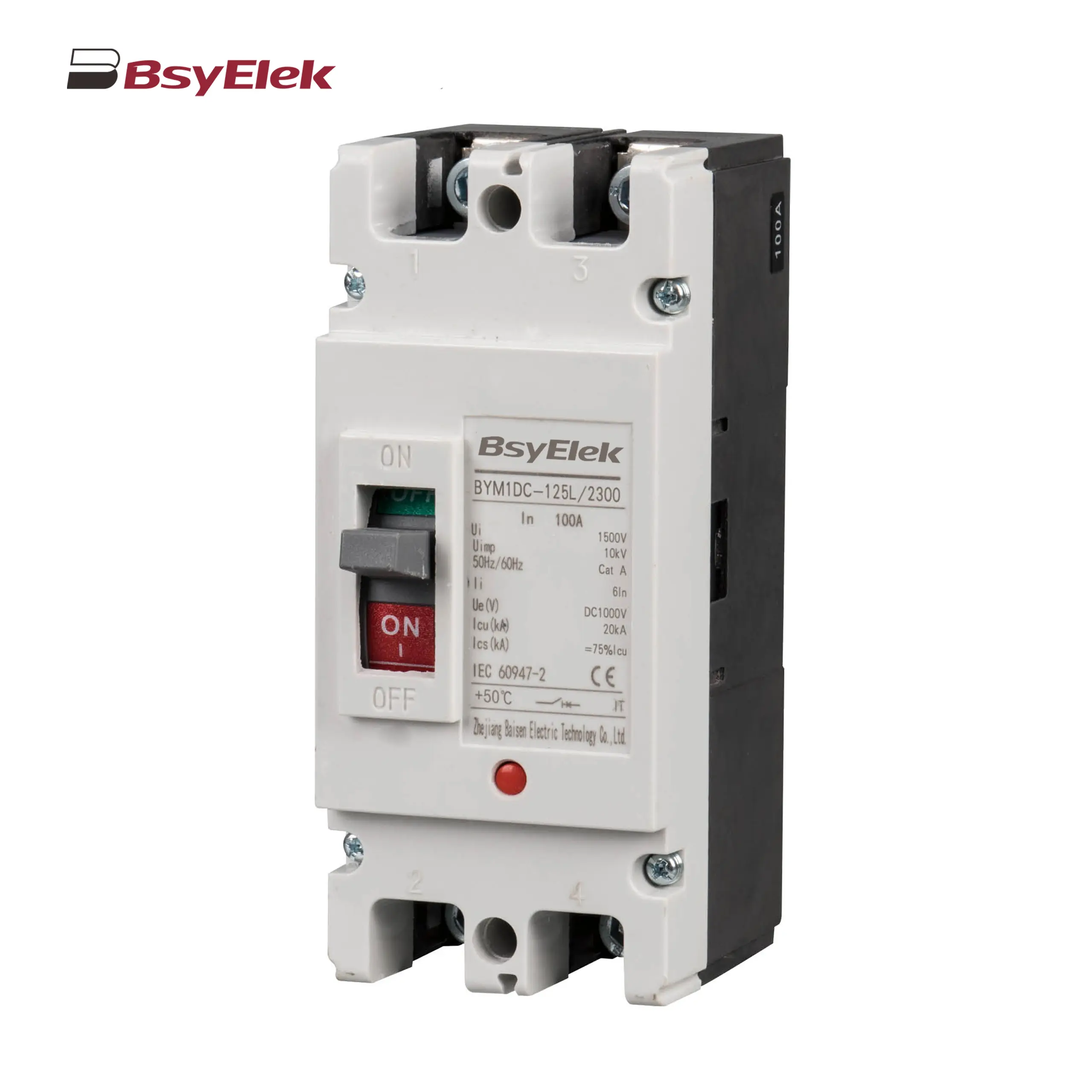 BYM1DC MCCB 1000VDC Thermal Magnetic Type DC Molded Case Circuit Breaker
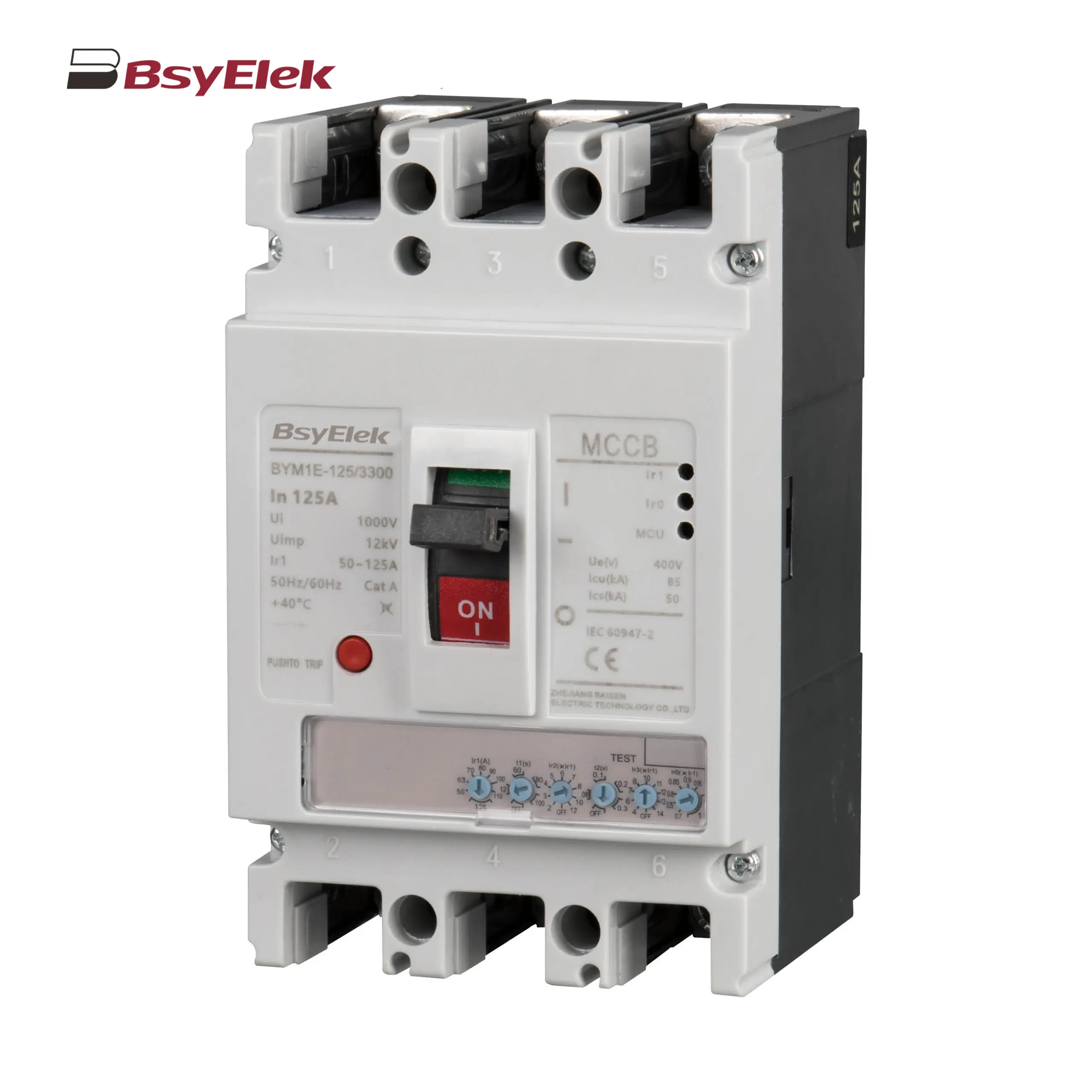 BYM1E MCCB Electronic Type Molded Case Circuit Breaker
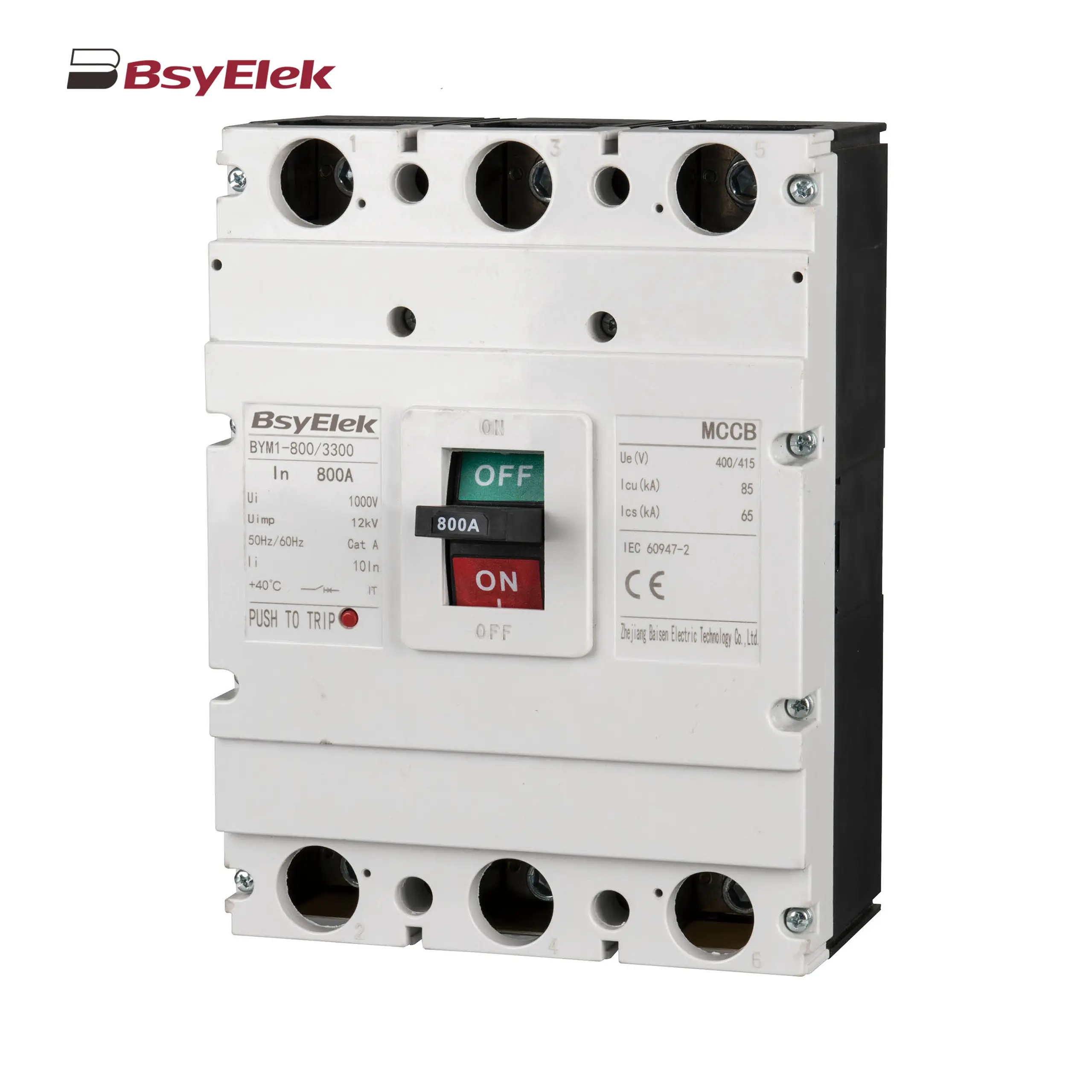 BYM1 MCCB Thermal Magnetic AC Molded Case Circuit Breaker
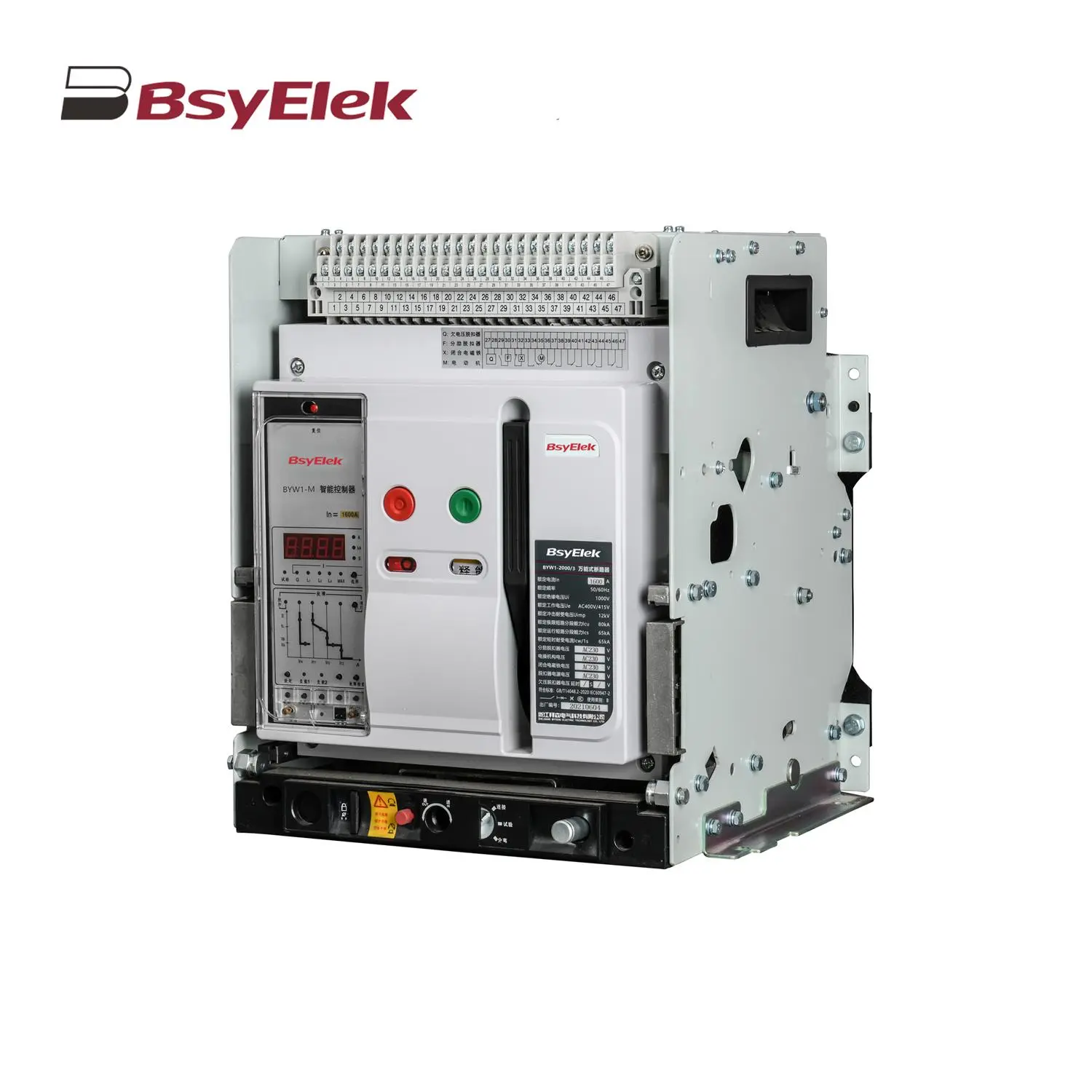 BYW1 ACB Intelligent Universal Air Circuit Breaker
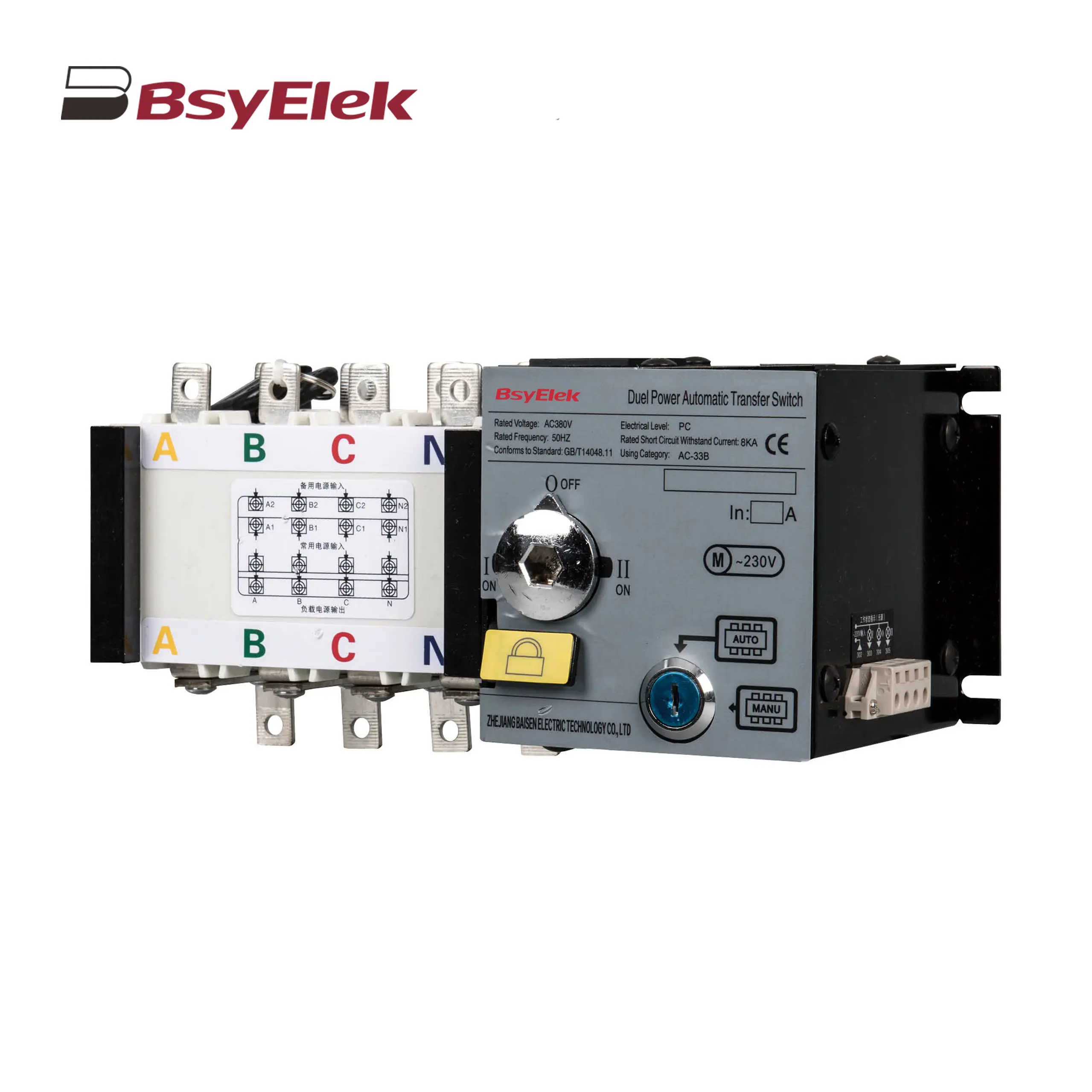 BYQ1 ATS Isolated Type PC Level Dual Power Automatic Transfer Switch
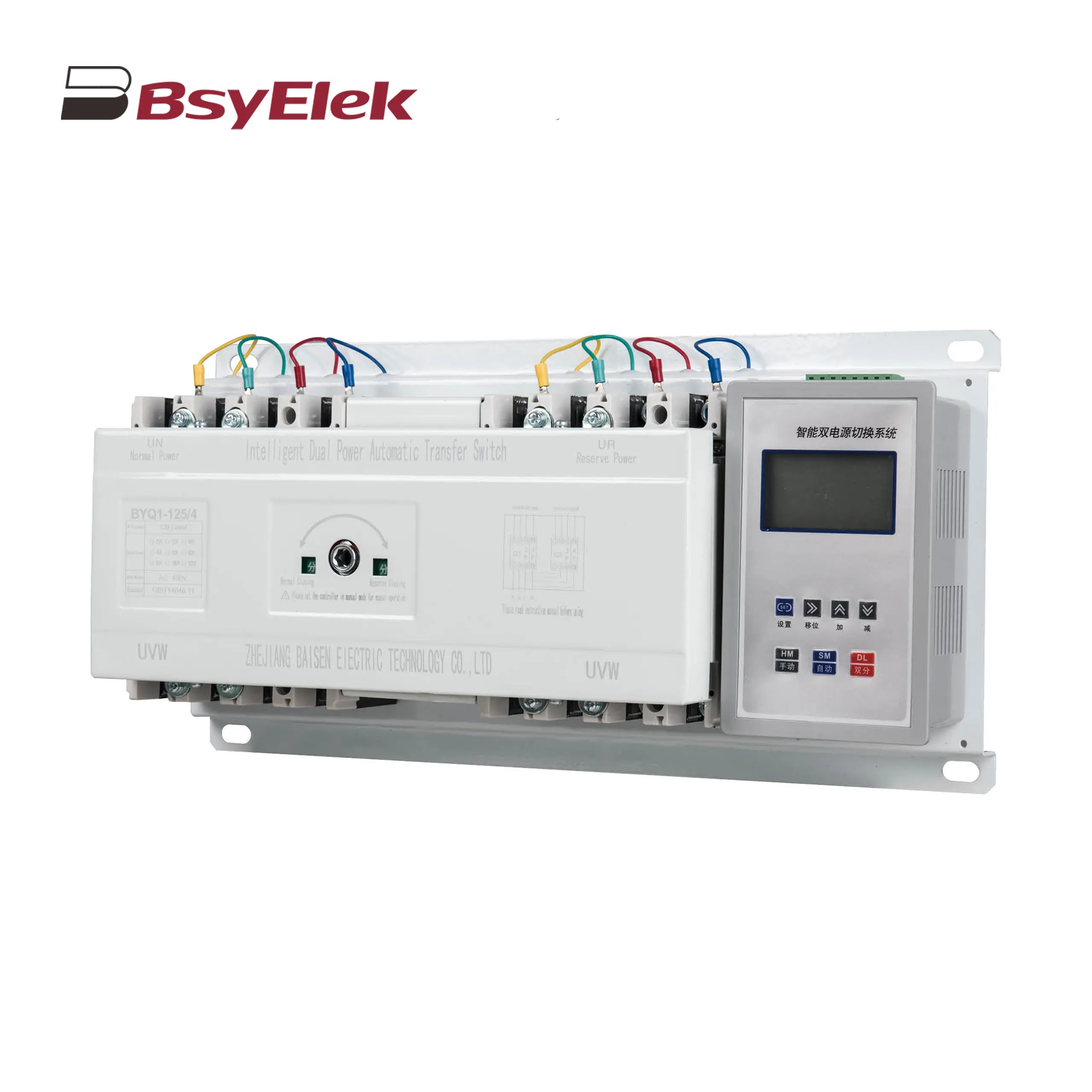 BYQ1 ATS Intelligent Type CB Level Dual Power Automatic Transfer Switch
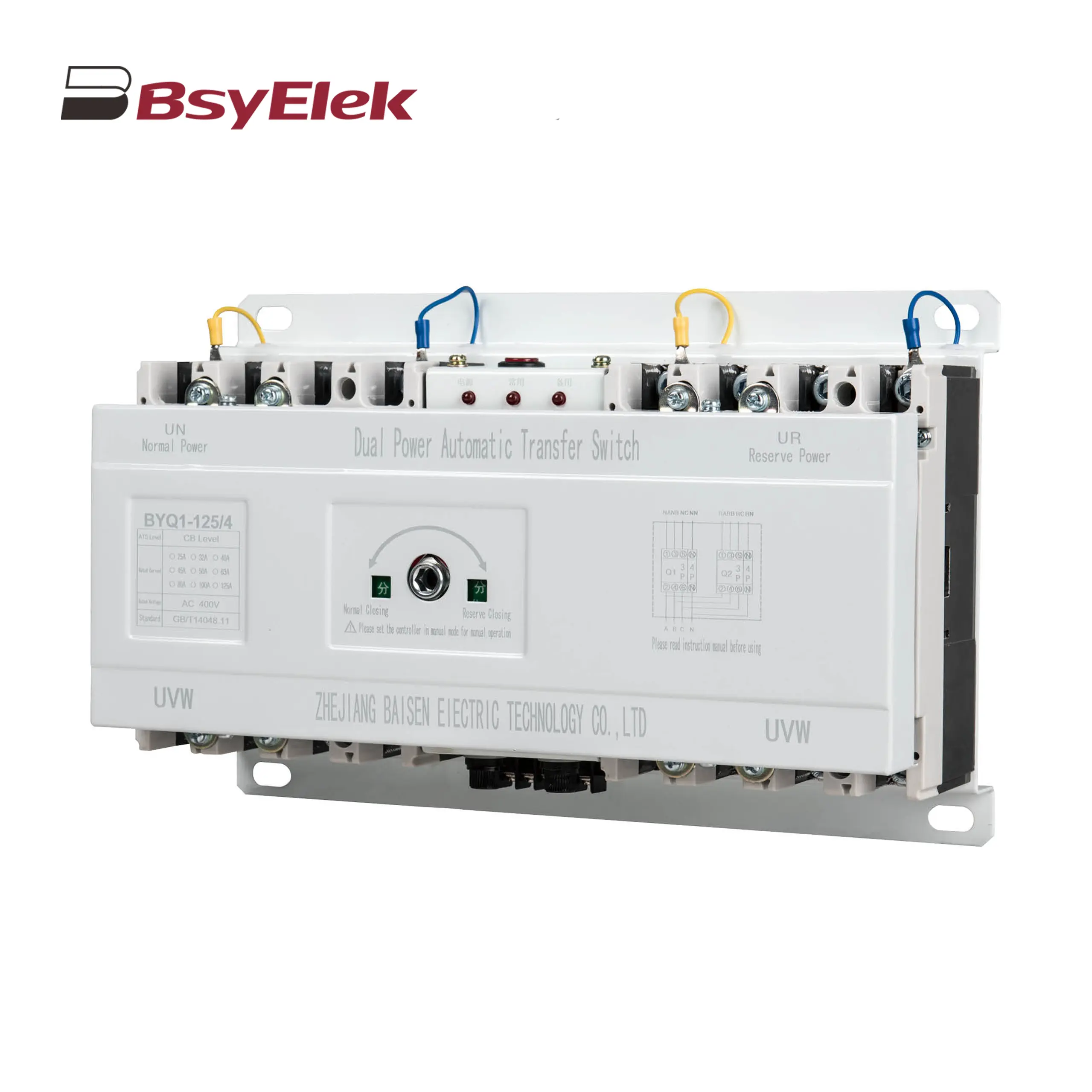 BYQ1 ATS End Type CB Level Dual Power Automatic Transfer Switch
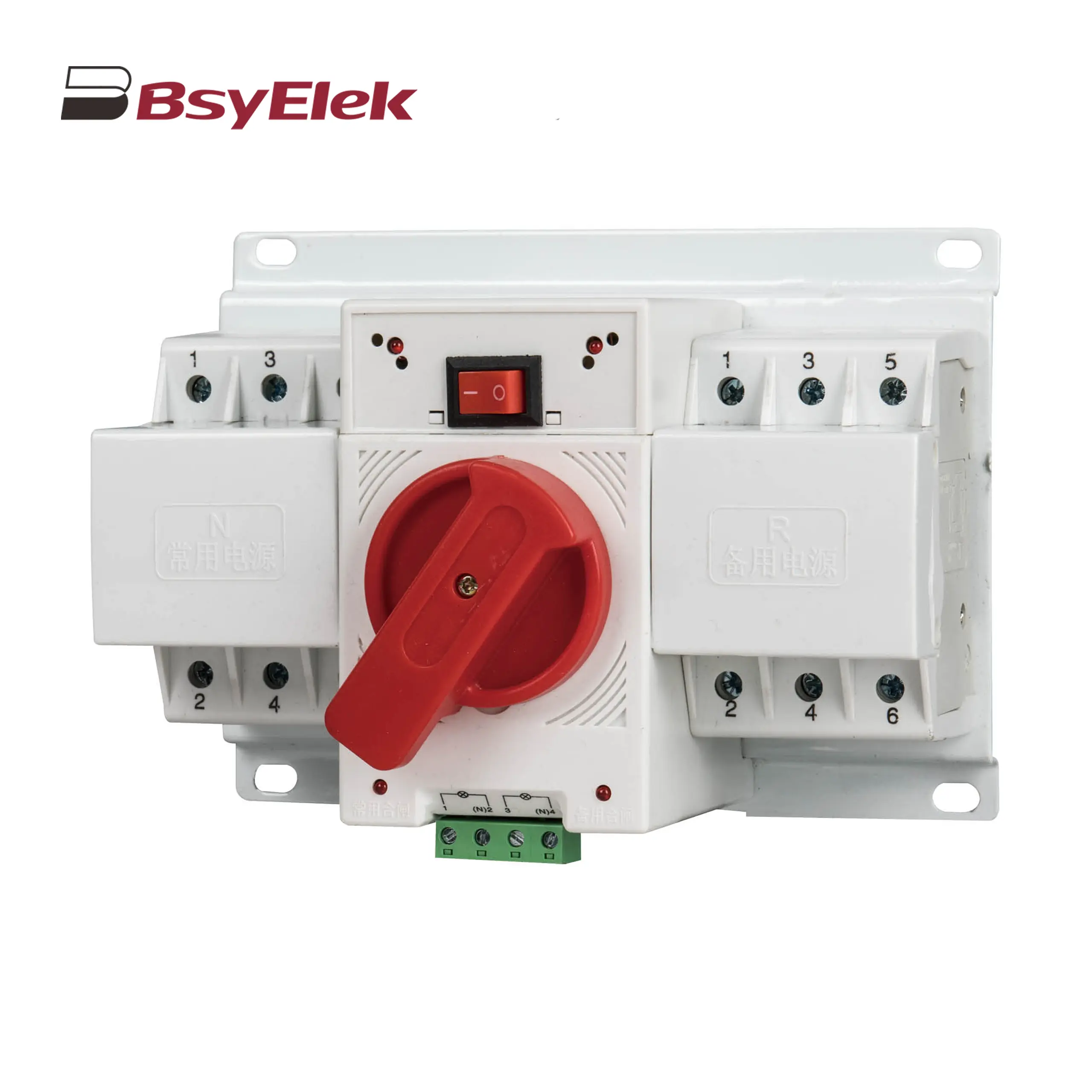 BYQ1 ATS Mini Type CB Level Dual Power Automatic Transfer Switch
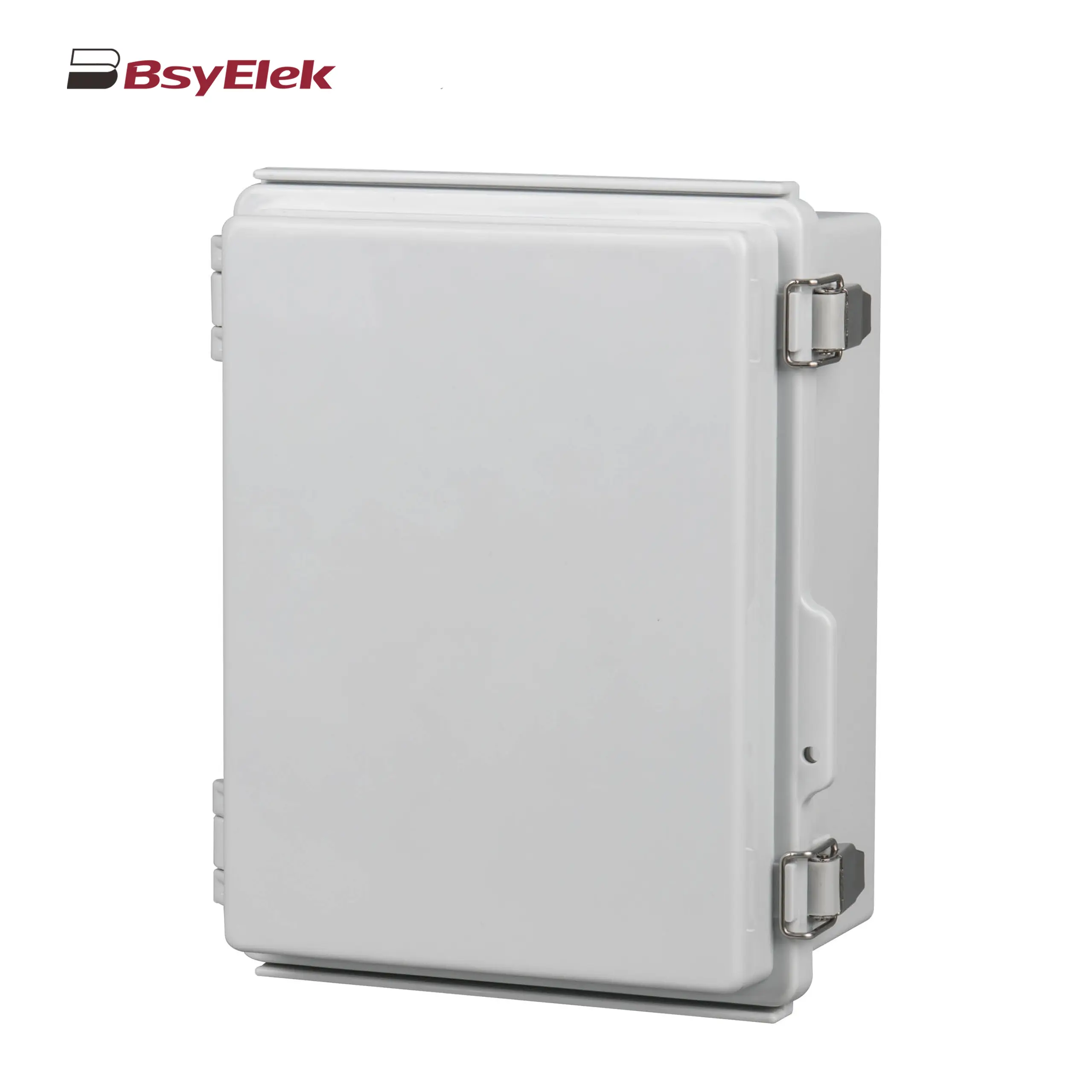 Stainless Steel Hinge Type Electrical Box
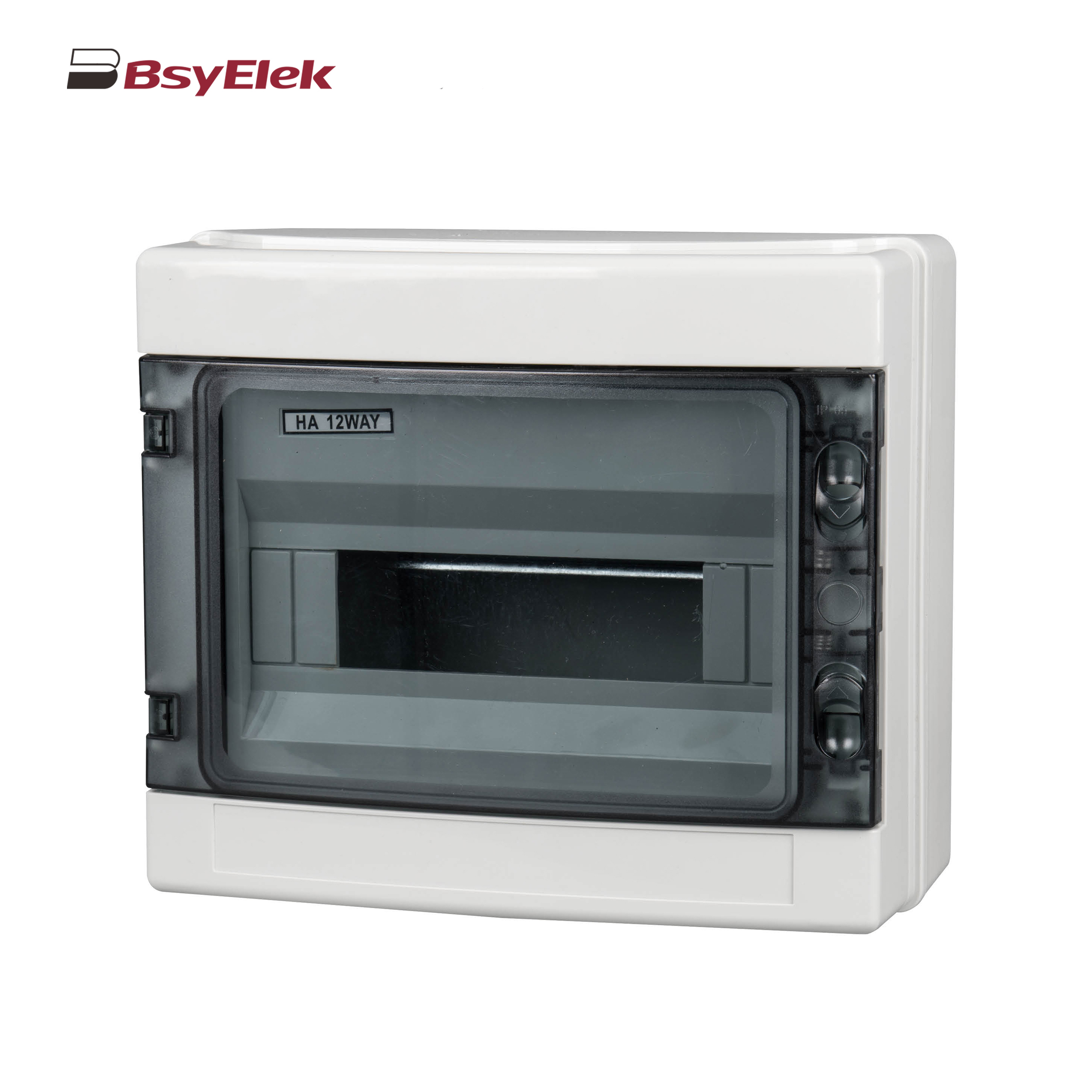 HA Waterproof Distribution Box
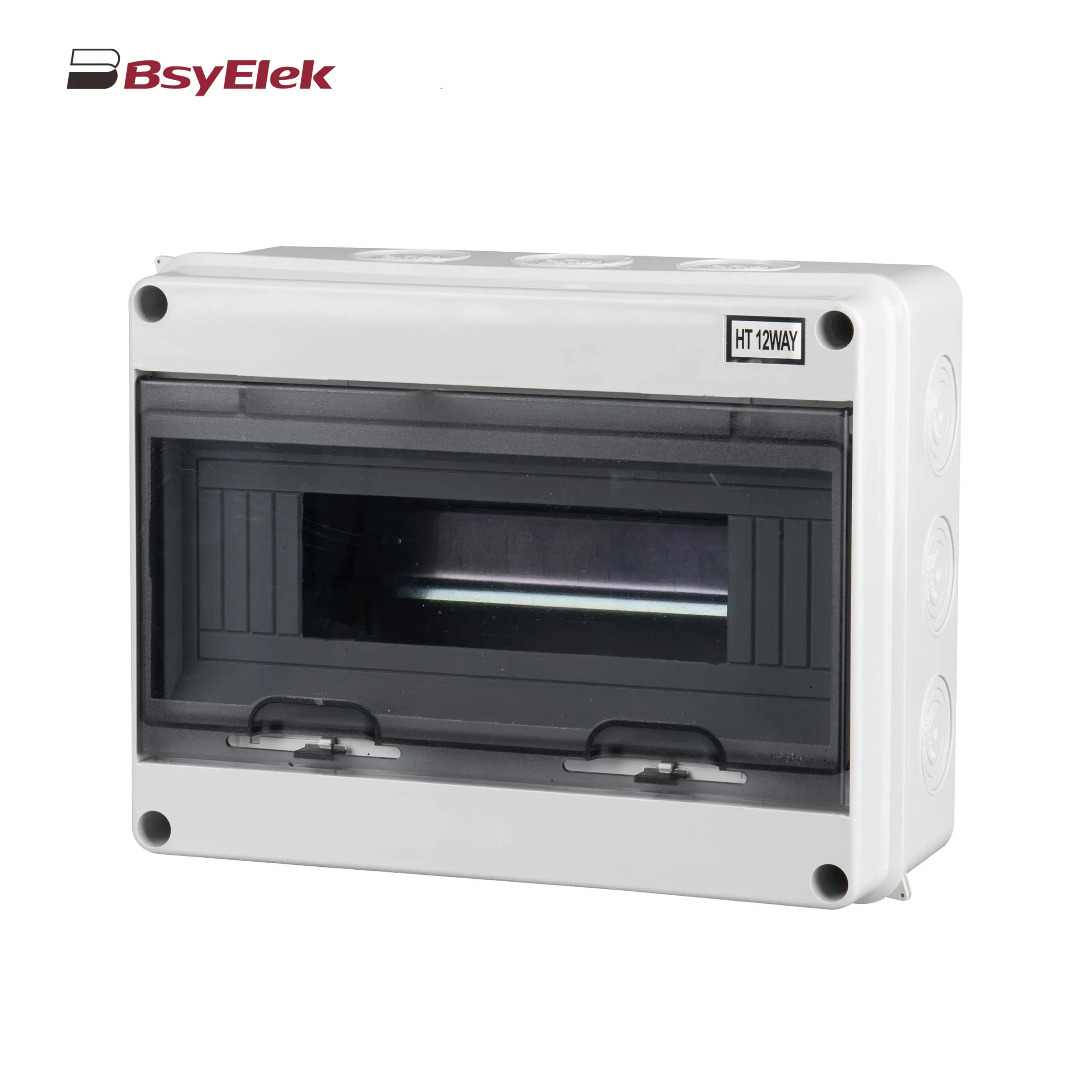 HT Waterproof Distribution Box
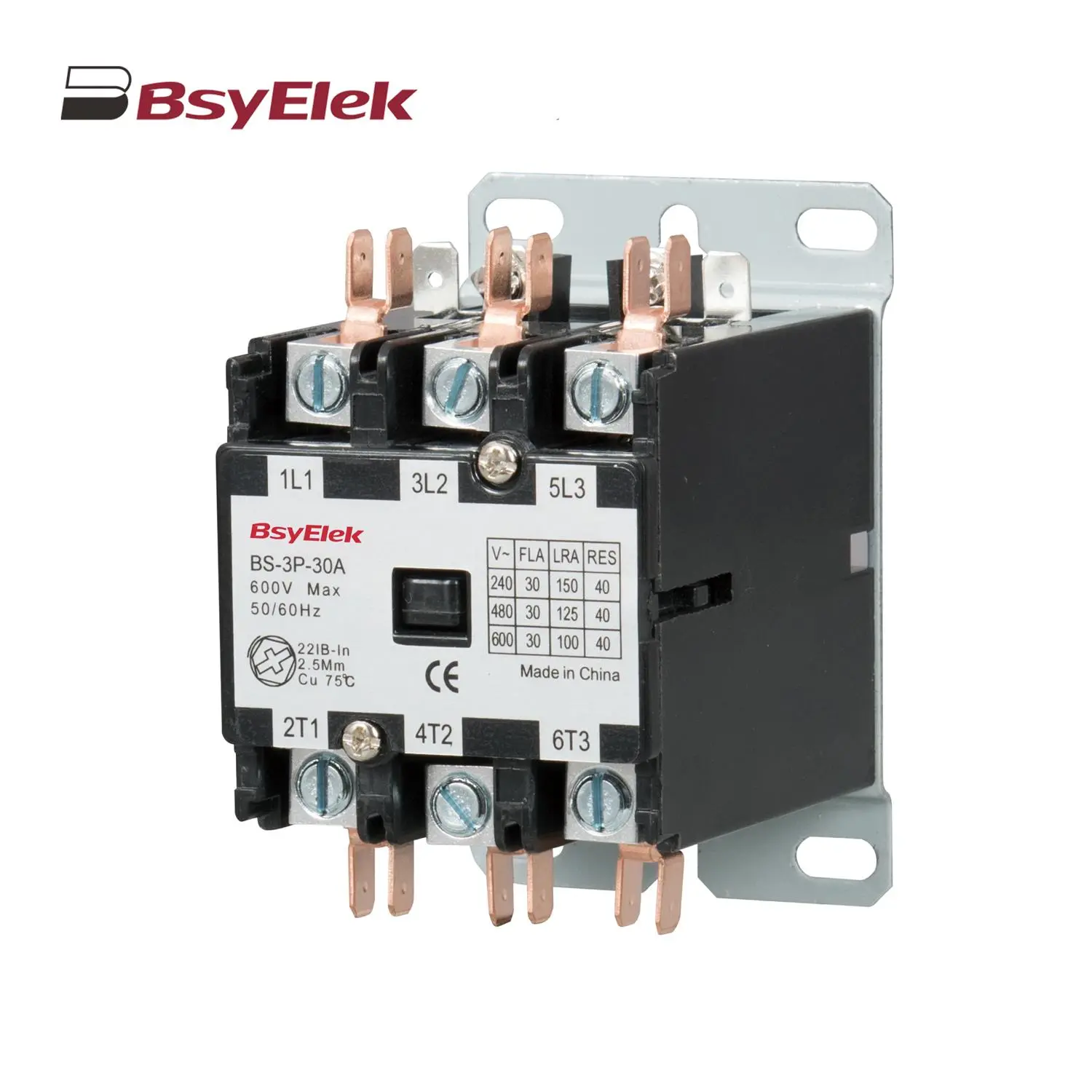 BS Definite Purpose Magnetic AC Contactor