Why You Need an Air Conditioner Pump for Optimal Cooling Efficiency
In today’s world of HVAC technology, the importance of optimal cooling efficiency cannot be overstated. According to the U.S. Department of Energy, air conditioning accounts for approximately 12% of total energy use in homes, making the efficiency of cooling systems a critical focus for both homeowners and industry professionals. One essential component of achieving optimal cooling is the Air Conditioner Pump. Renowned HVAC expert Dr. Emily Carter states, “Without a high-performing Air Conditioner Pump, even the most advanced cooling systems can underperform, causing unnecessary energy expenditure and discomfort.”
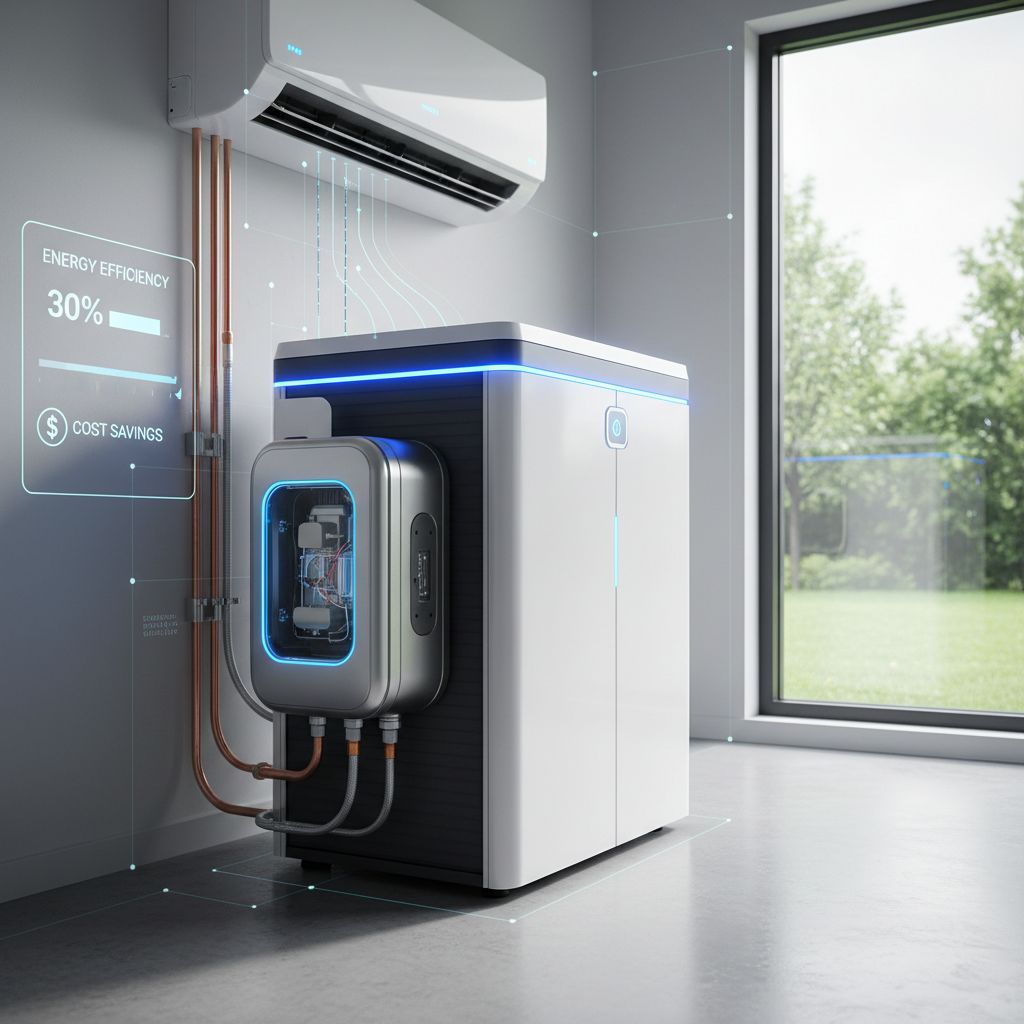
The role of the Air Conditioner Pump extends beyond mere cooling; it ensures the distribution of conditioned air throughout a space, dramatically impacting the overall performance and longevity of air conditioning units. Recent studies have indicated that homes equipped with reliable pumps can experience up to a 30% increase in energy efficiency, leading to substantial savings on energy bills. Furthermore, as climate change intensifies global temperatures, the demand for effective cooling solutions will only grow, underscoring the necessity for homeowners to invest in high-quality Air Conditioner Pumps. This guide will detail the top 10 reasons why selecting the right pump is vital for enhancing cooling efficiency and achieving cost-effective climate control.
The Importance of an Air Conditioner Pump in Your Cooling System
An air conditioner pump is a crucial component in your cooling system, directly impacting its efficiency and performance. According to the U.S. Department of Energy, proper airflow is essential for cooling efficiency, and a well-functioning pump ensures the optimal circulation of refrigerant and air throughout the system. This circulation aids in maintaining the ideal indoor temperatures, particularly during peak summer months when demand for cooling rises significantly.
Furthermore, industry reports suggest that homes without adequate air conditioning pumps often experience increased energy costs, as inefficient systems work harder to reach desired temperatures. A study by the American Society of Heating, Refrigerating and Air-Conditioning Engineers (ASHRAE) highlighted that systems with efficient pumps can reduce energy consumption by up to 30%. Therefore, investing in a quality air conditioner pump not only promotes a comfortable living environment but also enhances your system's energy efficiency, leading to long-term savings and reduced environmental impact.
Air Conditioner Pump Efficiency Comparison
This chart illustrates the impact of air conditioner pump efficiency on overall cooling performance. Higher efficiency levels correspond to better cooling percentages, showcasing the importance of a well-functioning pump in an air conditioning system.
How Air Conditioner Pumps Enhance Energy Efficiency
Air conditioner pumps play a crucial role in enhancing the energy efficiency of cooling systems. By effectively circulating refrigerant and ensuring proper drainage of condensate, these pumps help maintain optimal pressure levels within the system. This not only prevents the refrigerant from overheating but also allows the air conditioner to operate smoothly without unnecessary strain. The result is a more efficient cooling process that consumes less energy, ultimately leading to lower electricity bills.
Moreover, advanced air conditioner pumps can adapt to varying cooling demands, adjusting their output based on current indoor temperatures. This modulation minimizes energy wastage and ensures that the air conditioner provides consistent cooling when needed most. Additionally, pumps equipped with smart technology can offer real-time monitoring and diagnostics, allowing users to optimize settings and schedule maintenance effectively. Investing in a high-quality air conditioner pump can significantly reduce the overall carbon footprint while enhancing the longevity and performance of the cooling system.
Signs That Your Air Conditioner Pump Needs Maintenance

A well-functioning air conditioner pump is crucial for maintaining optimal cooling efficiency. According to recent industry reports, approximately 25% of air conditioning systems experience inefficiencies due to neglected pump maintenance. Recognizing the signs that your air conditioner pump needs attention can save you both money and energy.
One of the primary indicators of a struggling pump is unusual noise, such as grinding or whining sounds, which often signifies mechanical wear or blockage. Additionally, if you notice reduced airflow or inconsistent cooling throughout your space, this may indicate that the pump is failing to circulate refrigerant effectively. A study by the U.S. Department of Energy highlights that proper maintenance and timely repairs can enhance system efficiency by up to 15%, drastically reducing energy costs.
Another key sign to watch for is water accumulation or leaks near the unit. A malfunctioning pump can lead to excess condensation, which not only affects performance but can also result in mold growth and other structural issues. Regularly checking your pump and scheduling maintenance can help you avoid these costly problems, ensuring that your air conditioning system operates at its full potential.
Top Features to Look for in a Quality Air Conditioner Pump
When selecting an air conditioner pump, several key features can significantly influence the efficiency and longevity of your cooling system. Firstly, ensure that the pump has a robust flow rate. According to a report by the American Society of Heating, Refrigerating and Air-Conditioning Engineers (ASHRAE), a pump with a flow rate optimized for your specific air system can enhance cooling efficiency by as much as 30%. This is crucial for maintaining optimal indoor temperatures during peak summer months.
Another essential feature is the presence of a reliable check valve, which prevents backflow and maintains consistent pressure within the system. Research from the International Institute of Refrigeration highlights that integrating a quality check valve can reduce energy consumption by 10% or more by minimizing unnecessary cycling of the pump. Additionally, look for pumps made with durable materials and backed by warranties, as longevity and reliability are vital for minimizing maintenance costs and ensuring long-term performance. By focusing on these features, you can make a well-informed choice that enhances your overall cooling experience.
Comparing Different Types of Air Conditioner Pumps for Optimal Performance
When choosing an air conditioner pump, it's important to compare the different types available to ensure optimal performance. The three main types of pumps are condensate pumps, sump pumps, and submersible pumps. Condensate pumps are specifically designed to handle the water produced by air conditioning units, efficiently removing excess moisture from your home’s atmosphere. This minimizes the risk of mold and improves indoor air quality.
Sump pumps, on the other hand, are generally used to prevent flooding in basements but can be adapted for use with air conditioning systems as well. They work by pumping water away from the area where it can accumulate, ensuring that your cooling system operates without interruption. Lastly, submersible pumps are versatile and can be used in various applications, including air conditioning. They sit directly in water and can efficiently expel water with minimal energy use, making them an effective choice for larger cooling systems. Understanding these differences can help homeowners select the pump that best suits their air conditioning needs, enhancing overall cooling efficiency.
Why You Need an Air Conditioner Pump for Optimal Cooling Efficiency
| Pump Type |
Cooling Efficiency (%) |
Noise Level (dB) |
Energy Consumption (kWh) |
Cost ($) |
| Scroll Pump |
90% |
45 |
0.75 |
300 |
| Centrifugal Pump |
85% |
60 |
1.00 |
250 |
| Diaphragm Pump |
80% |
50 |
0.60 |
200 |
| Positive Displacement Pump |
88% |
55 |
0.90 |
280 |



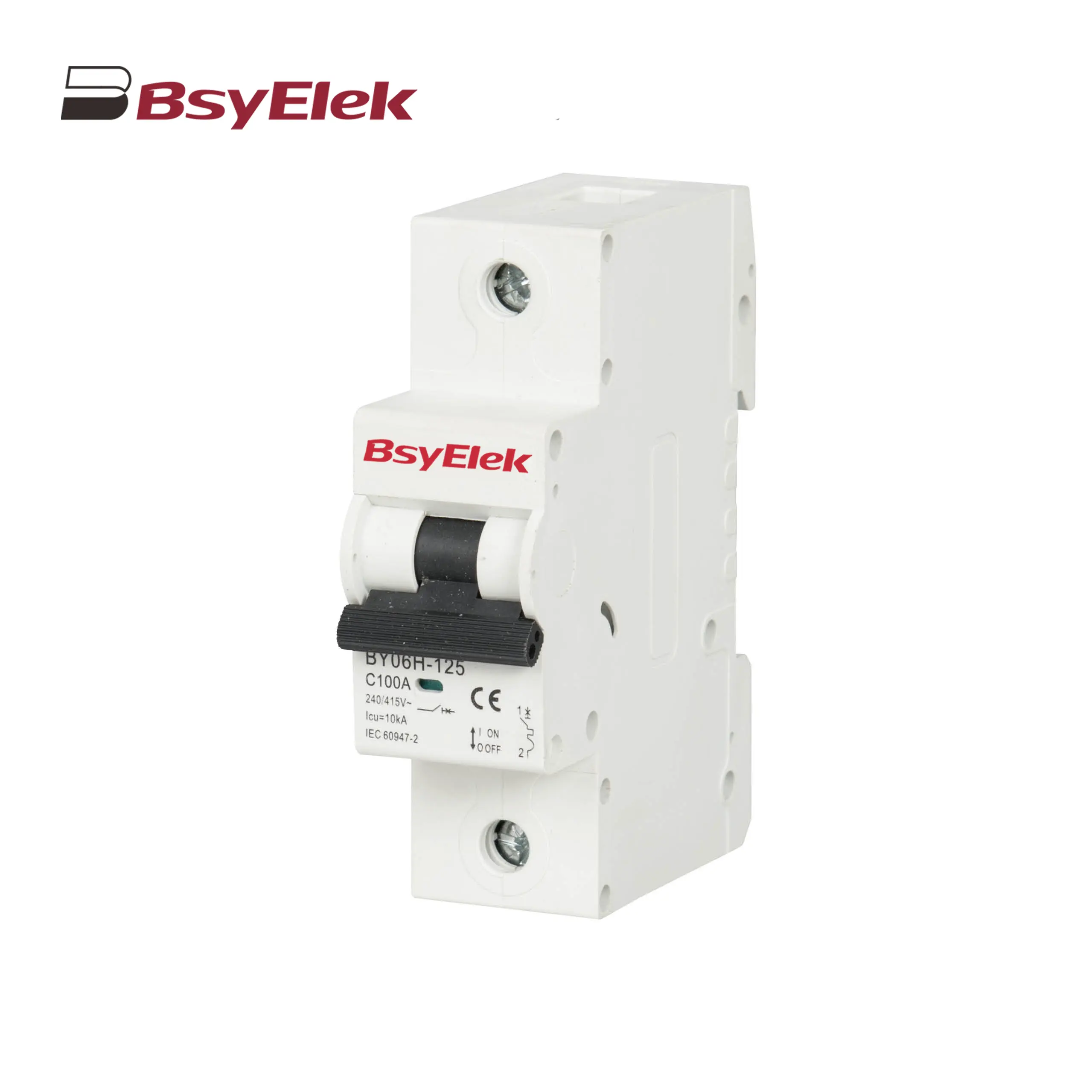 BY06H-125 MCB 10-15KA Miniature Circuit Breaker
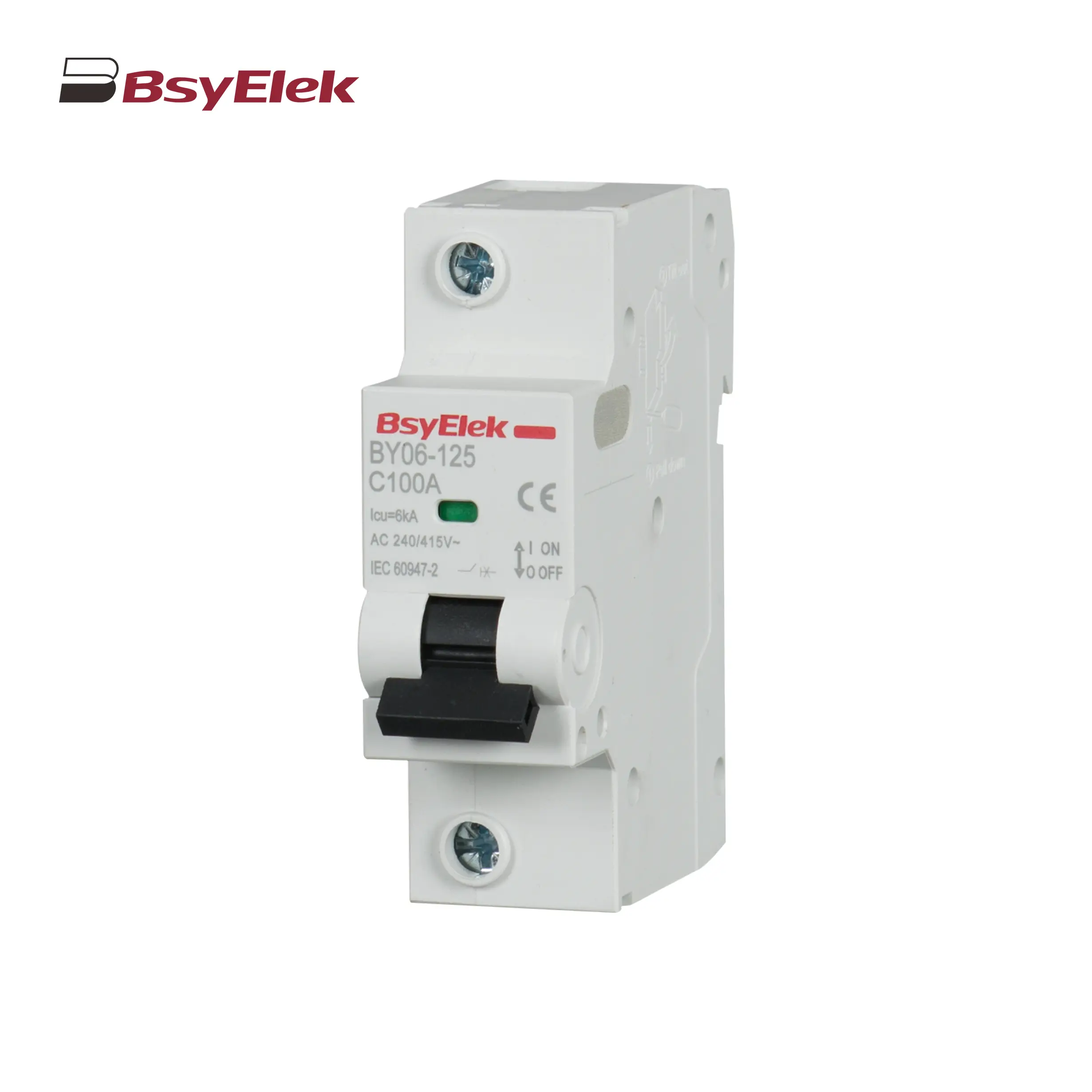 BY06-125 MCB 6KA Miniature Circuit Breaker
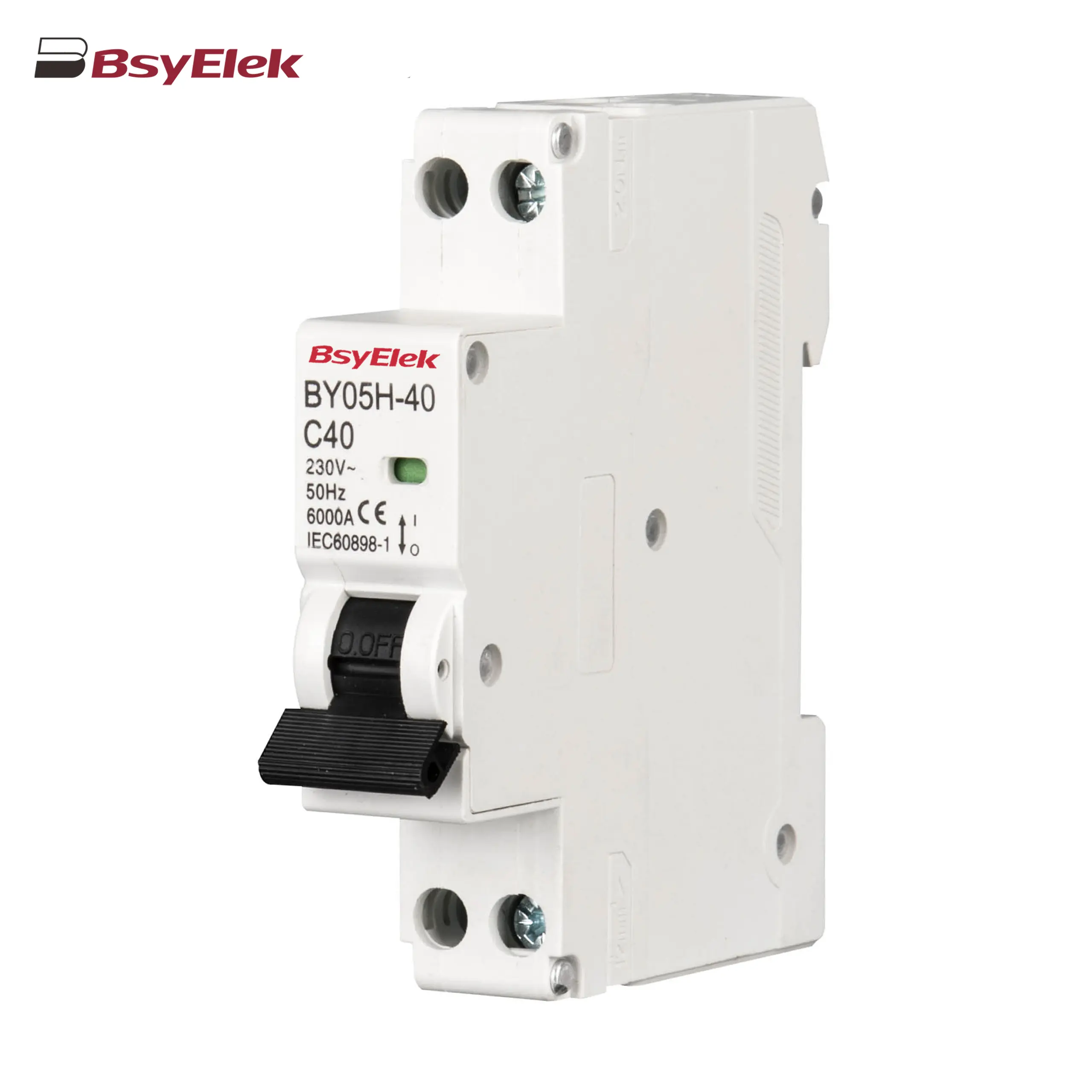 BY05H-40 MCB Single Modular 6KA Miniature Circuit Breaker
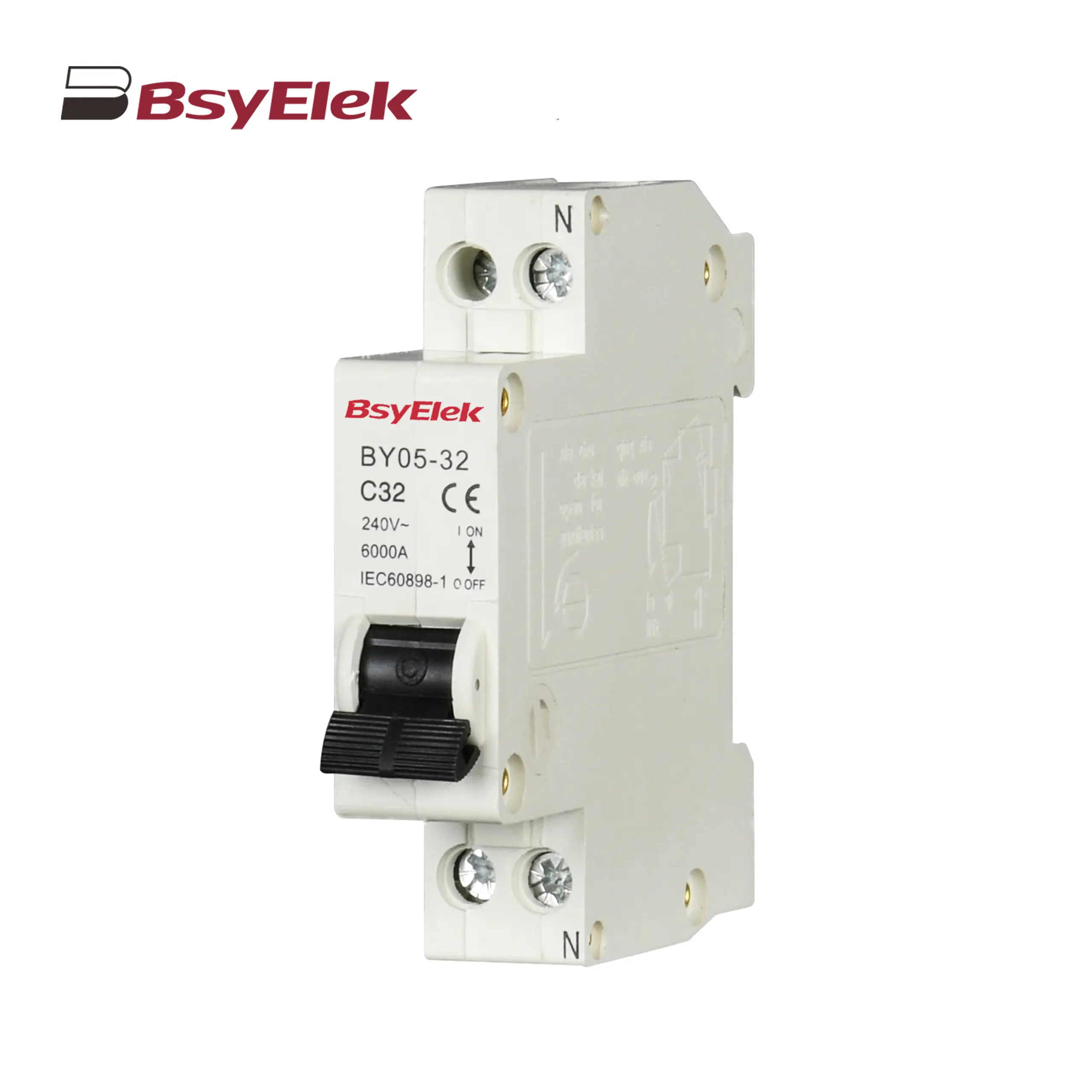 BY05-32 MCB Single Modular 3KA Miniature Circuit Breaker
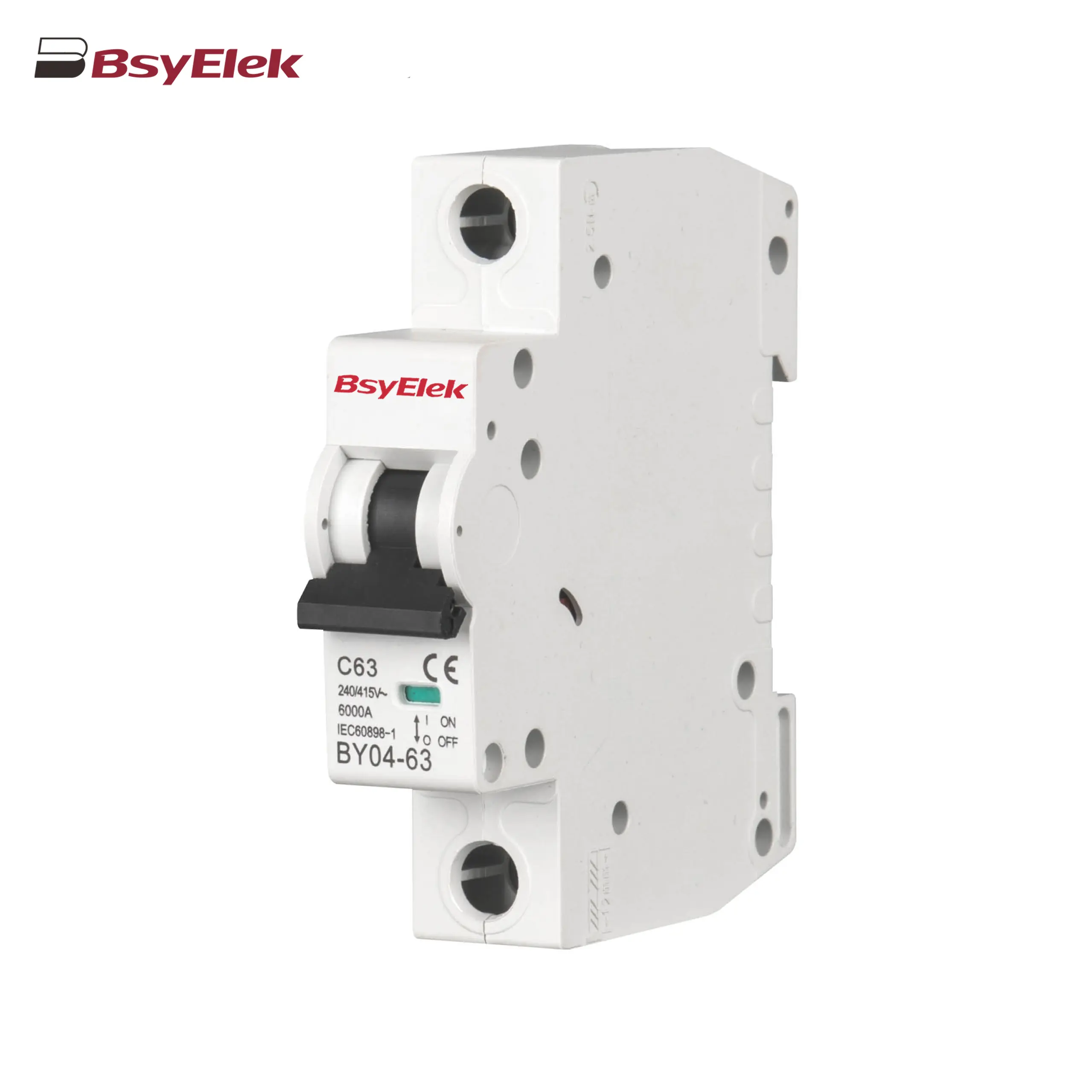 BY04-63 MCB 6-10KA Miniature Circuit Breaker
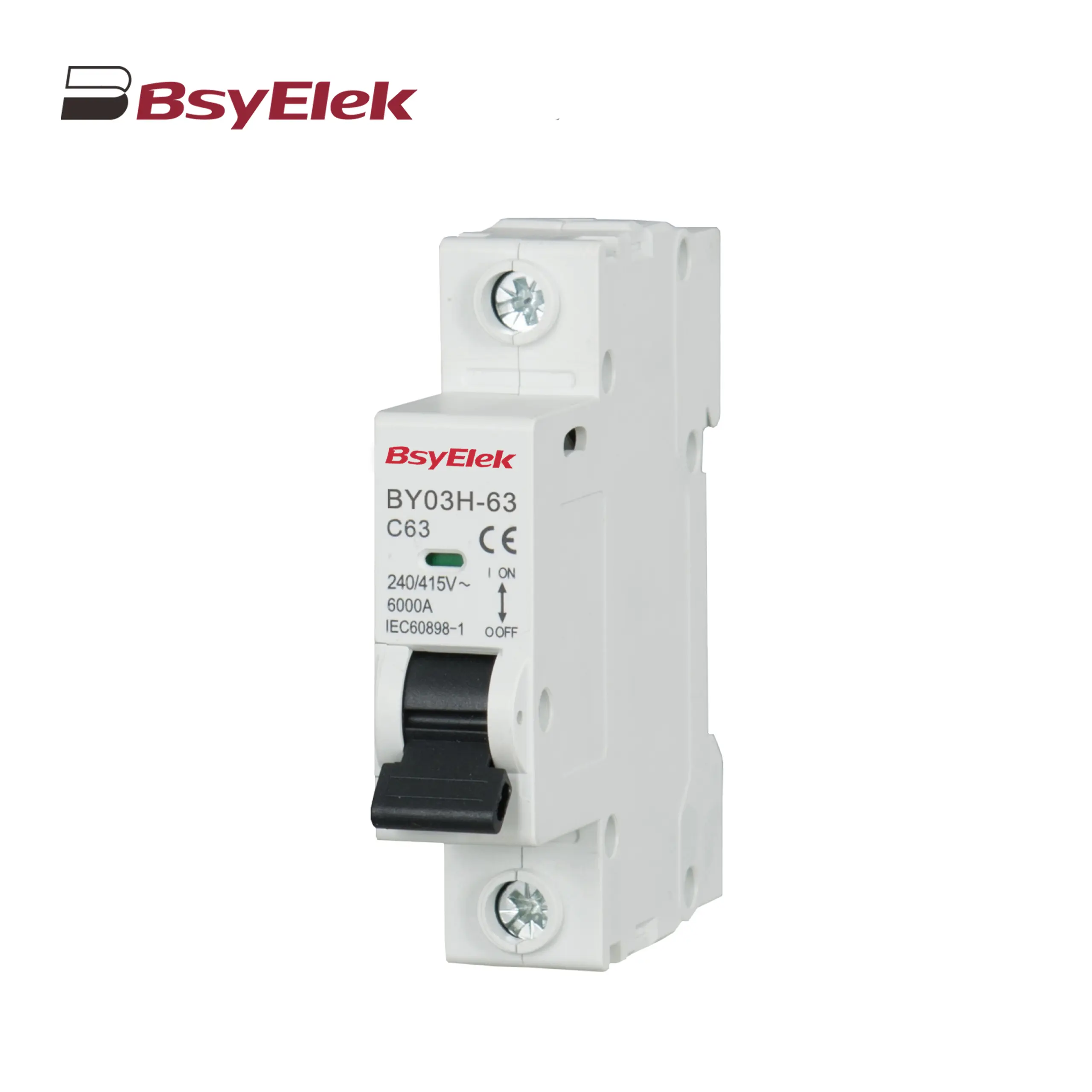 BY03H-63 MCB 6KA Miniature Circuit Breaker
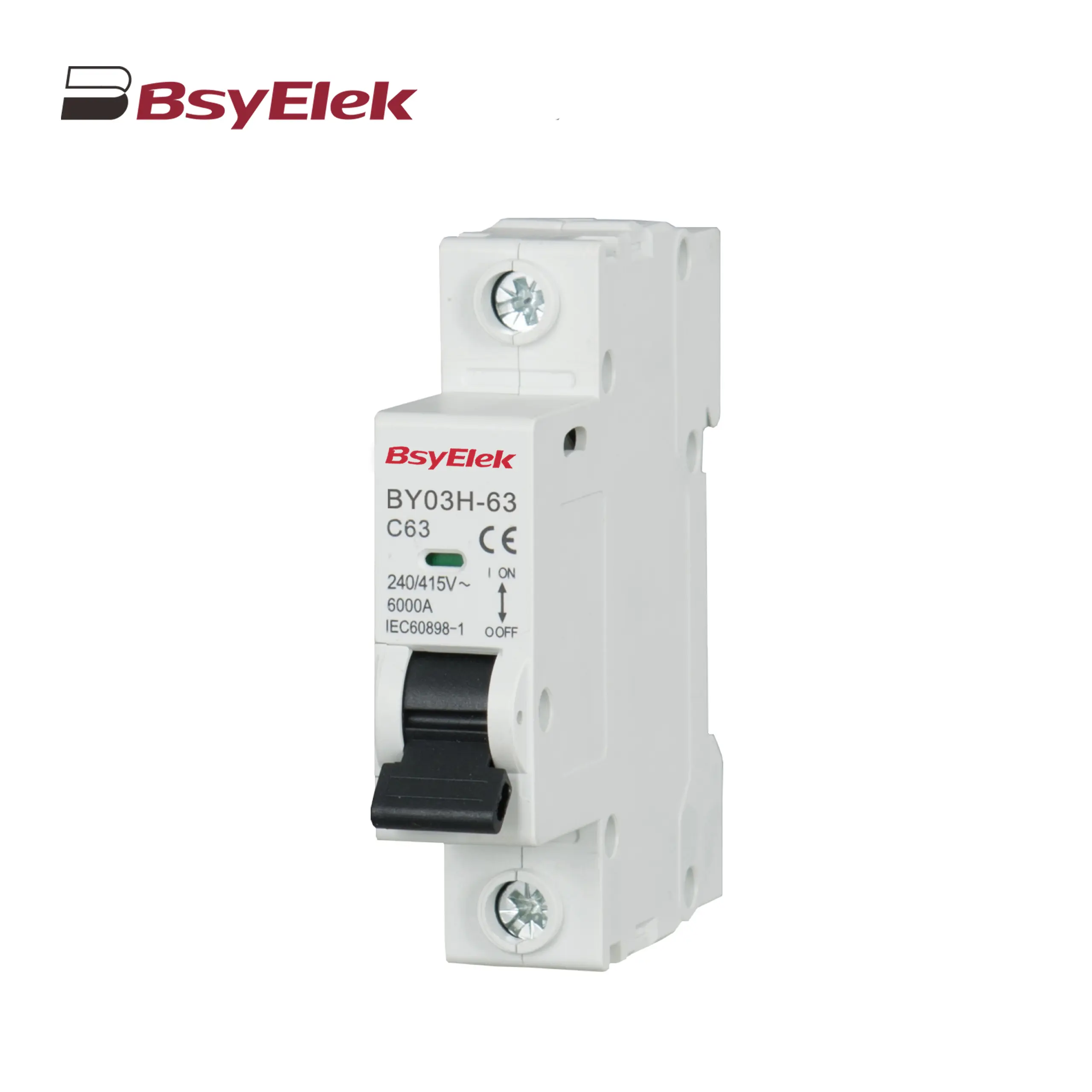 BY03-63 MCB 4.5KA Miniature Circuit Breaker
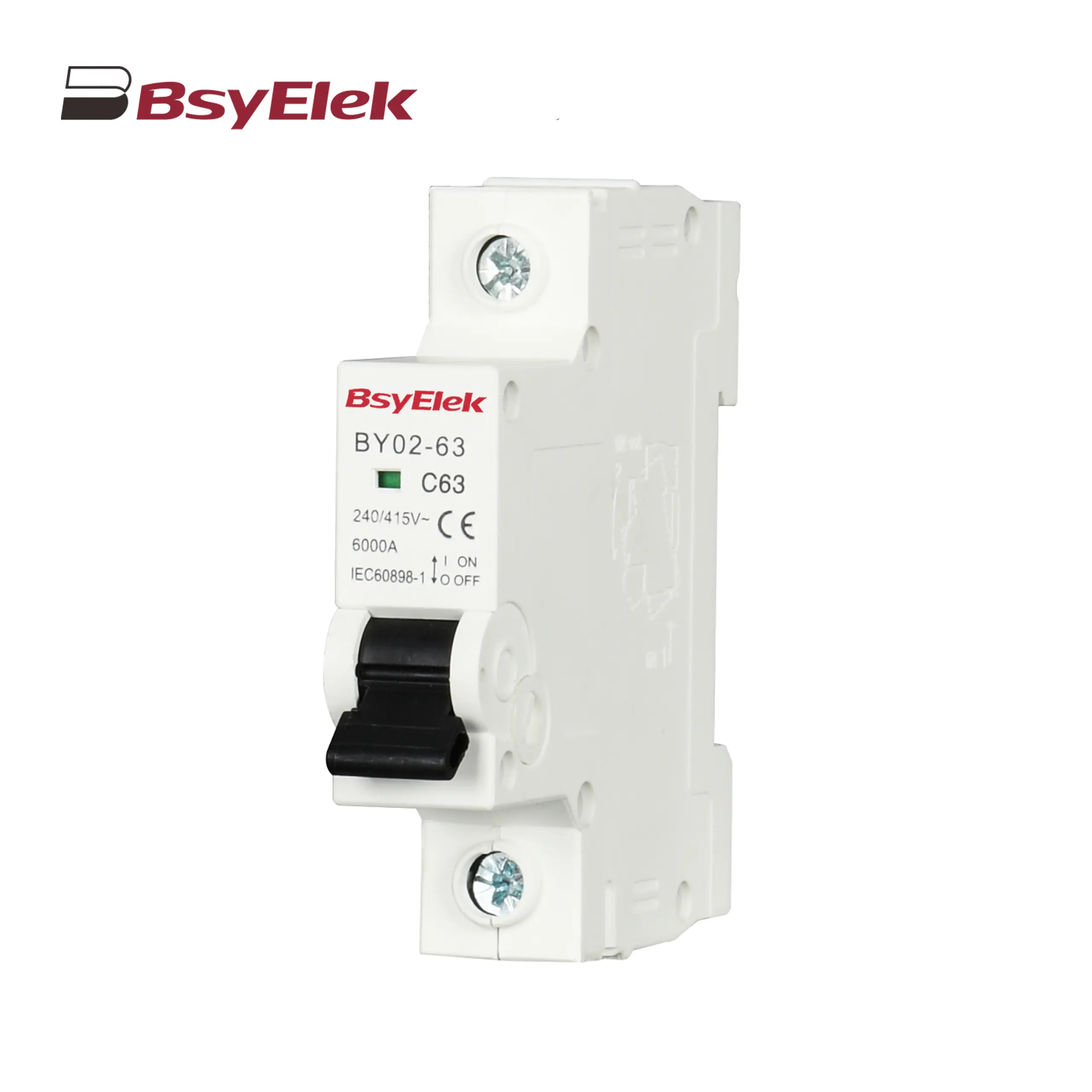 BY02-63 MCB 3kA Miniature Circuit Breaker
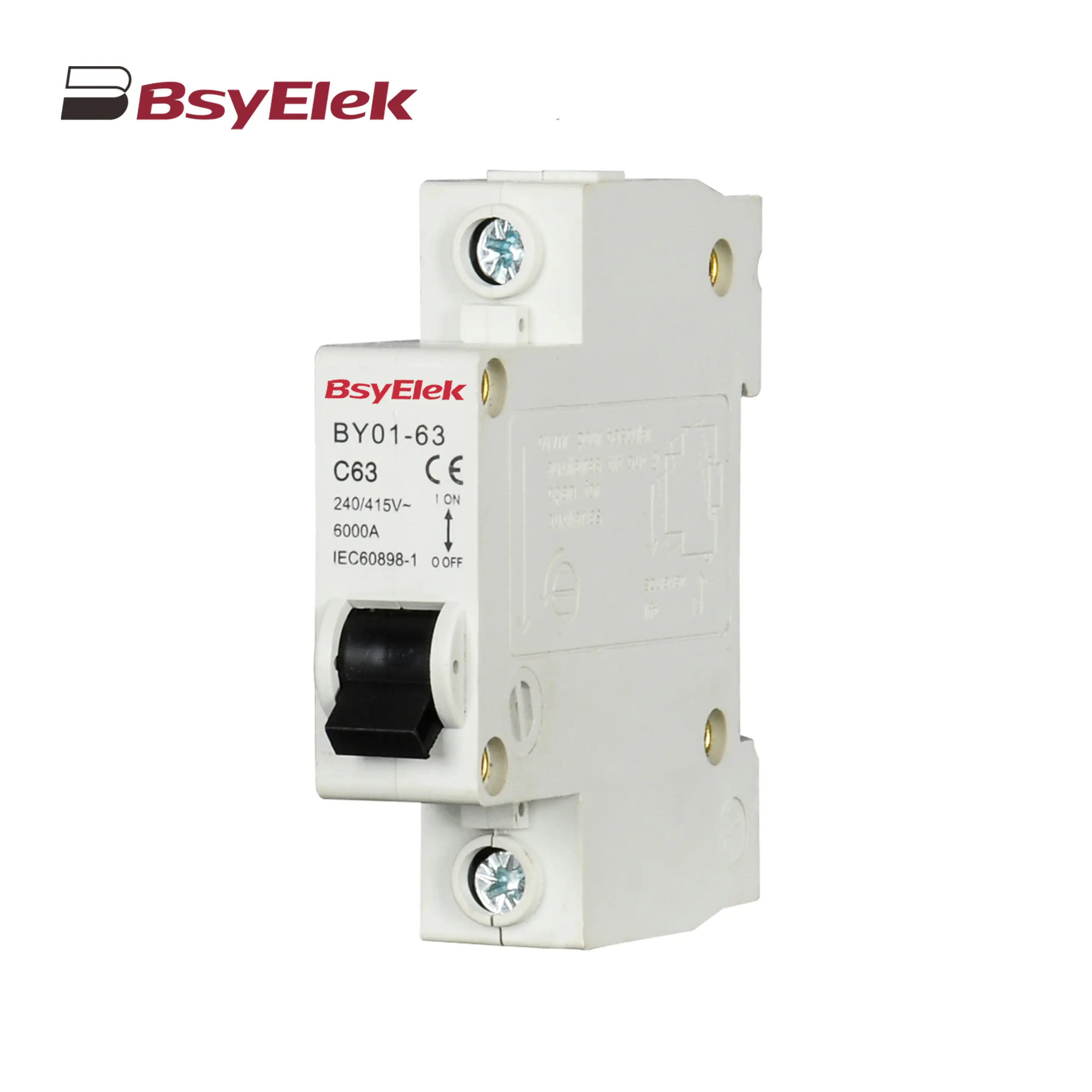 BY01-63 MCB 3kA Miniature Circuit Breaker
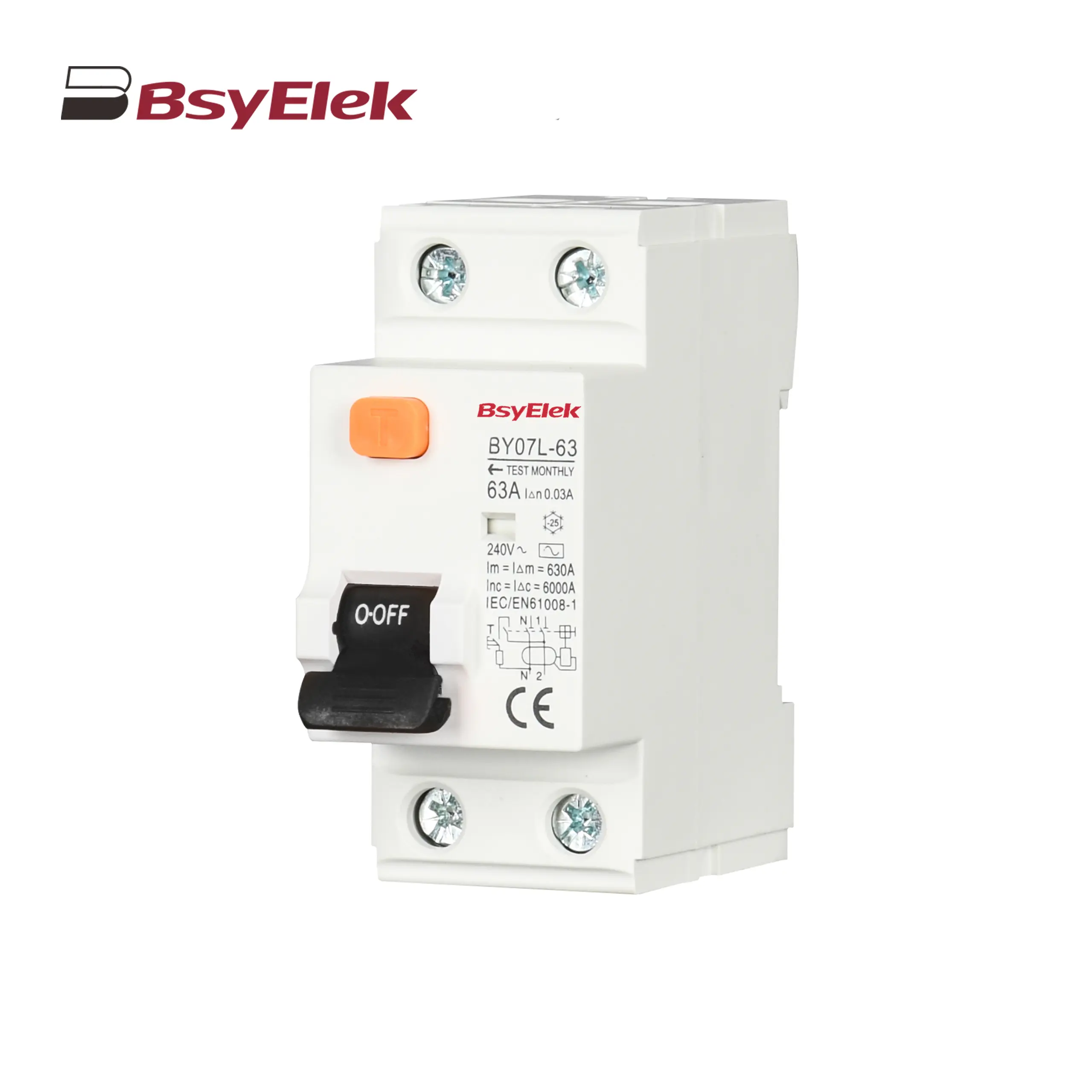 BY07L-63 RCCB 6KA Residual Current Circuit Breaker
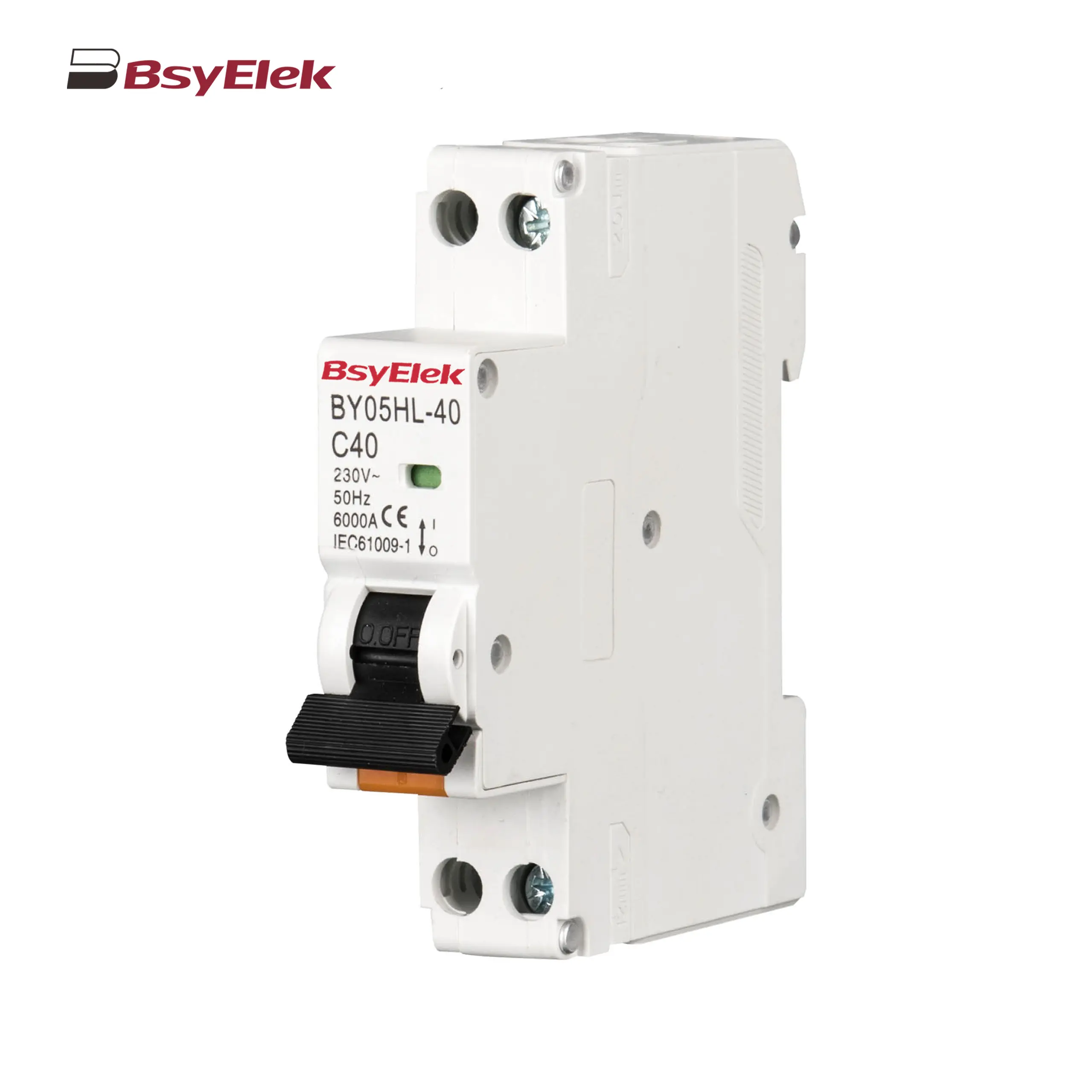 BY05HL-40 RCBO 6KA Residual Current Circuit Breaker with Over-current Protection
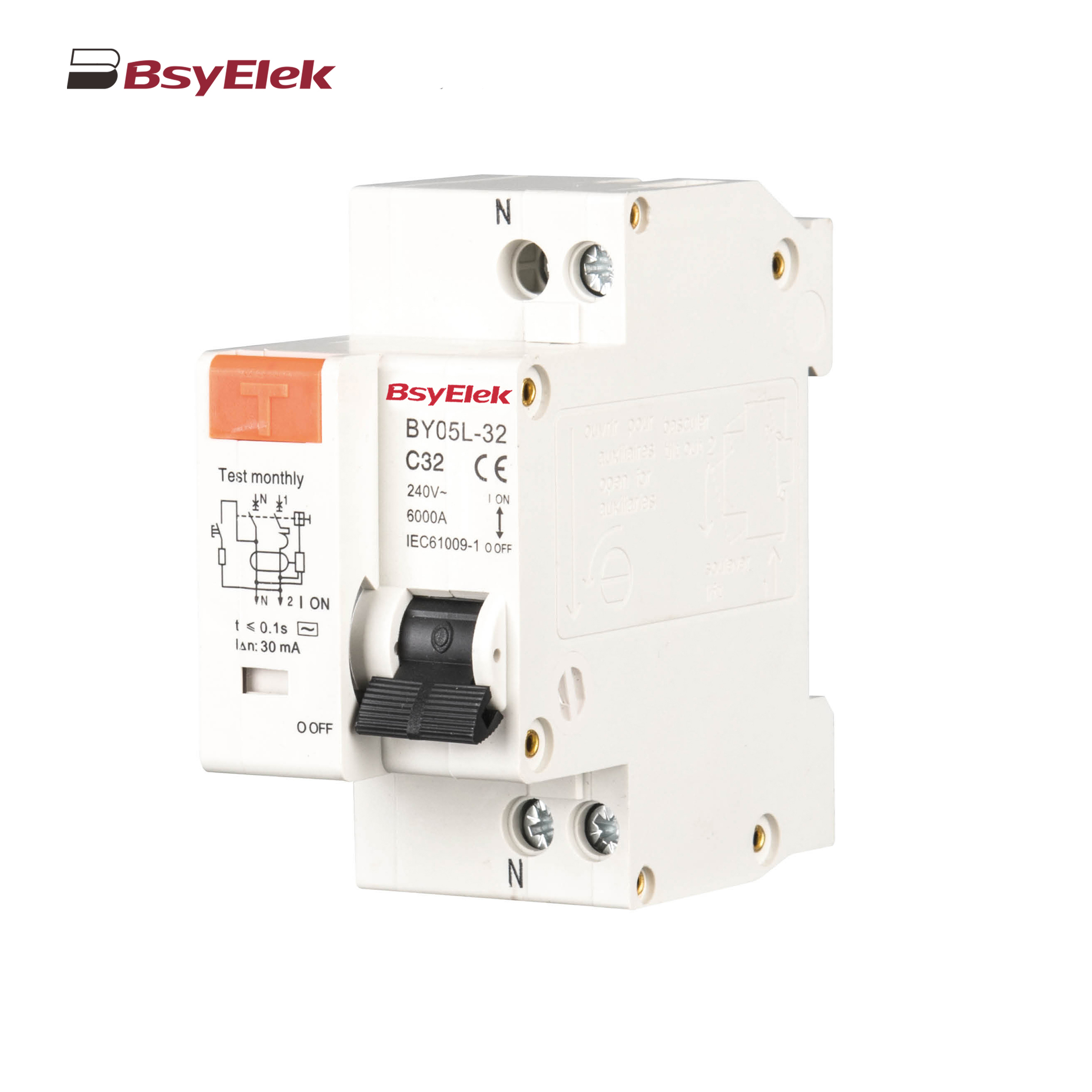 BY05L-32 RCBO 3KA Residual Current Circuit Breaker with Over-current Protection
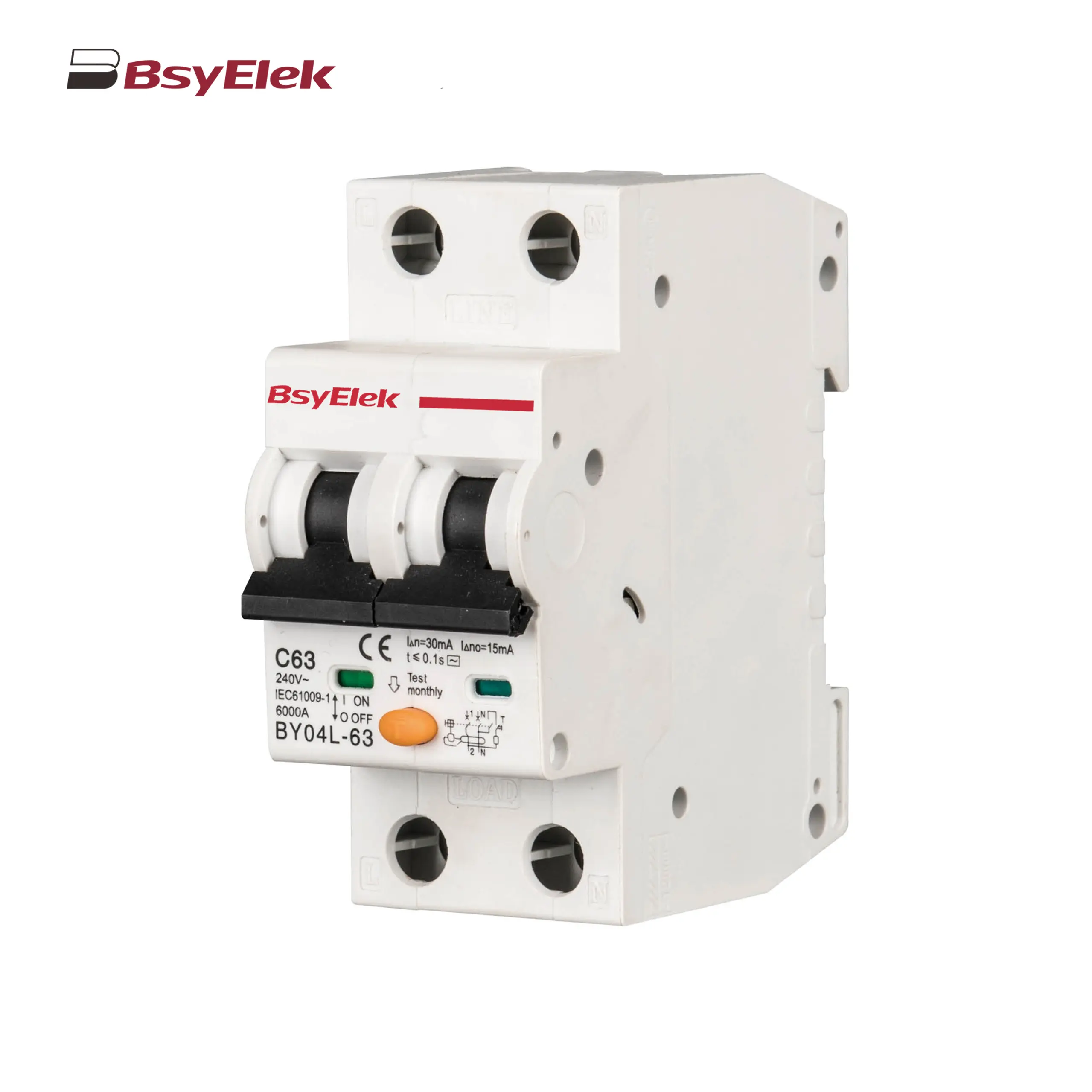 BY04L-63 RCBO 6KA Residual Current Circuit Breaker with Over-current Protection
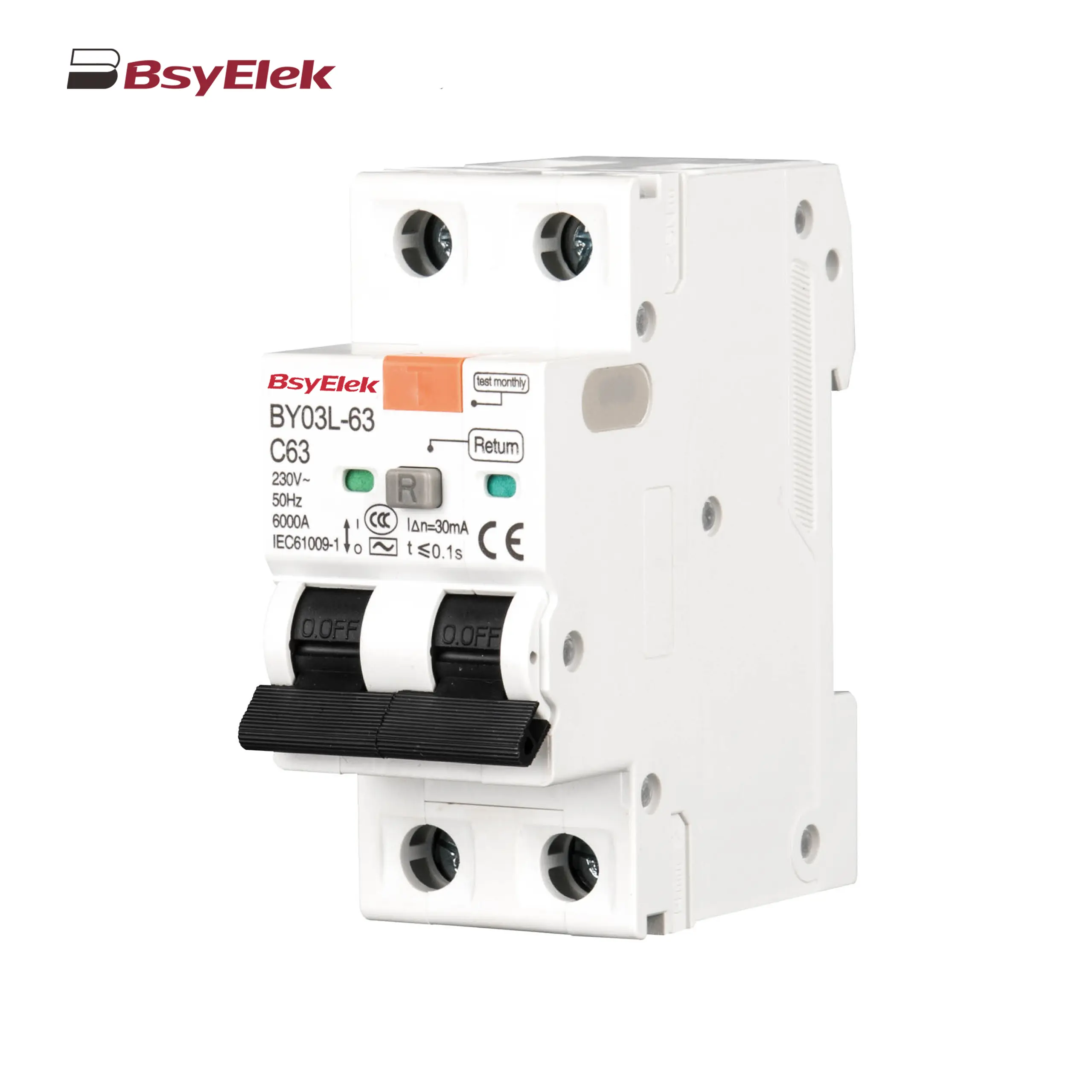 BY03L-63 RCBO 4.5KA Residual Current Circuit Breaker with Over-current Protection
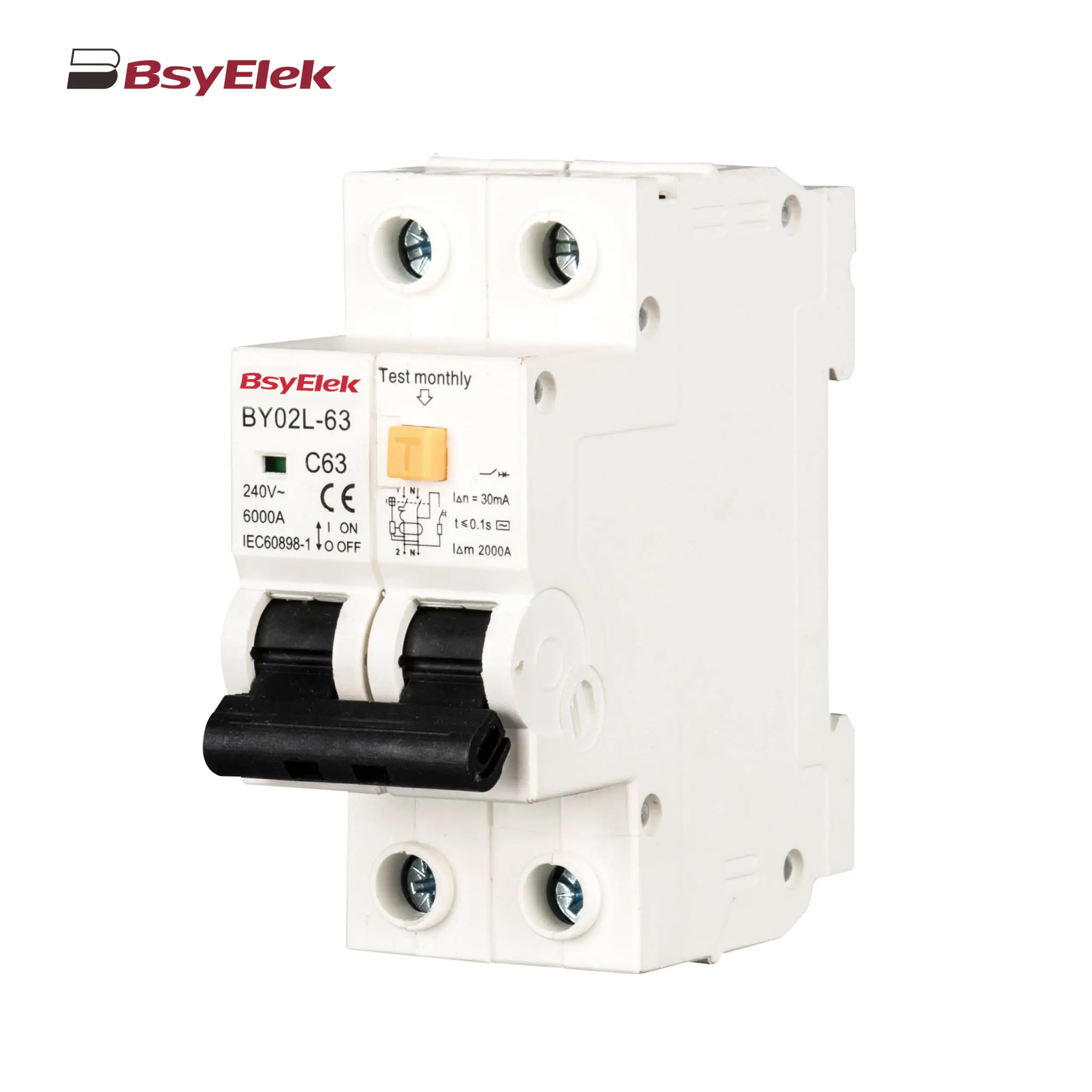 BY02L-63 RCBO 3KA Residual Current Circuit Breaker with Over-current Protection
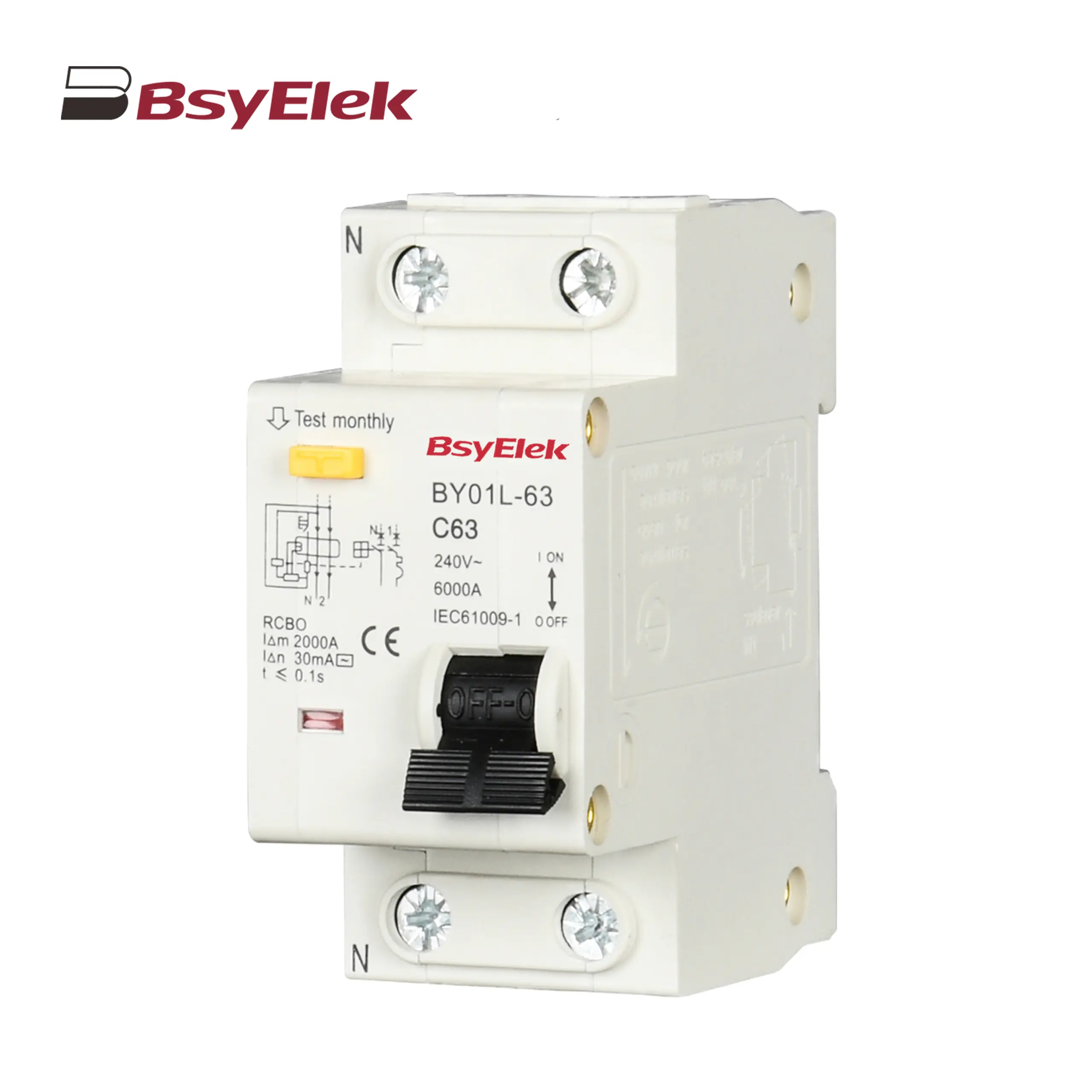 BY01L-63 RCBO 1P+N 3KA Residual Current Circuit Breaker with Over-current Protection
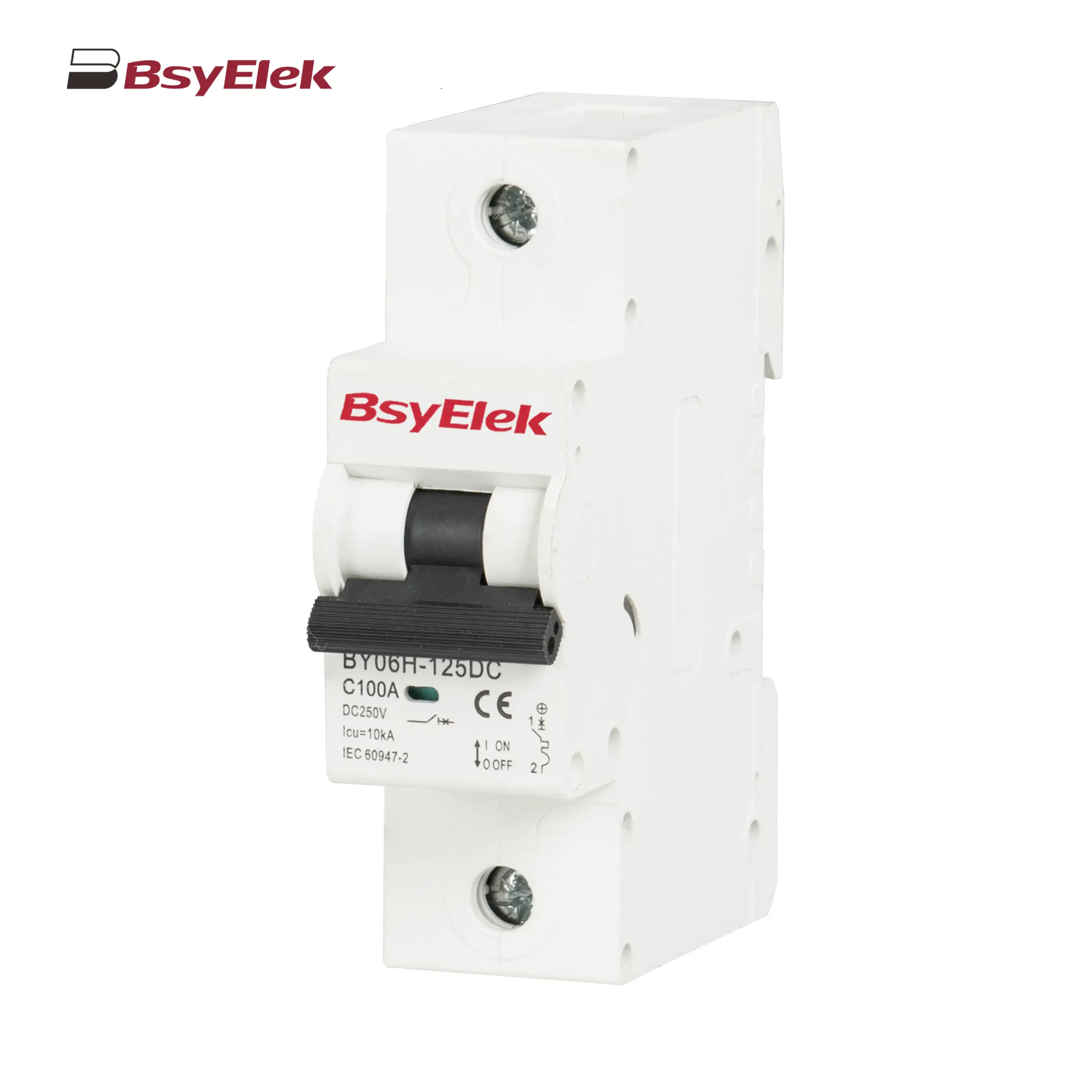 BY06H-125DC MCB 10-15kA DC Miniature Circuit Breaker
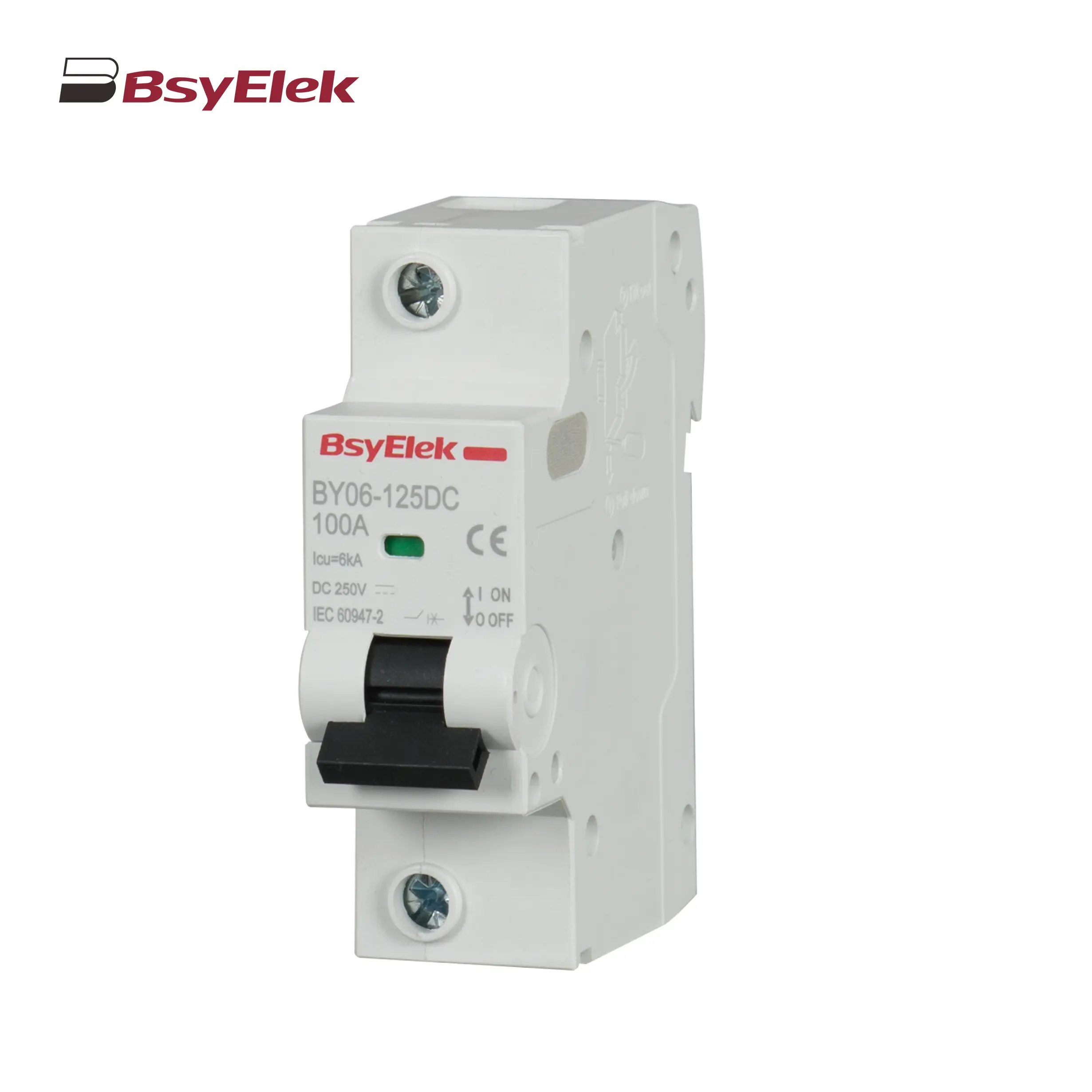 BY06-125DC MCB 6kA DC Miniature Circuit Breaker
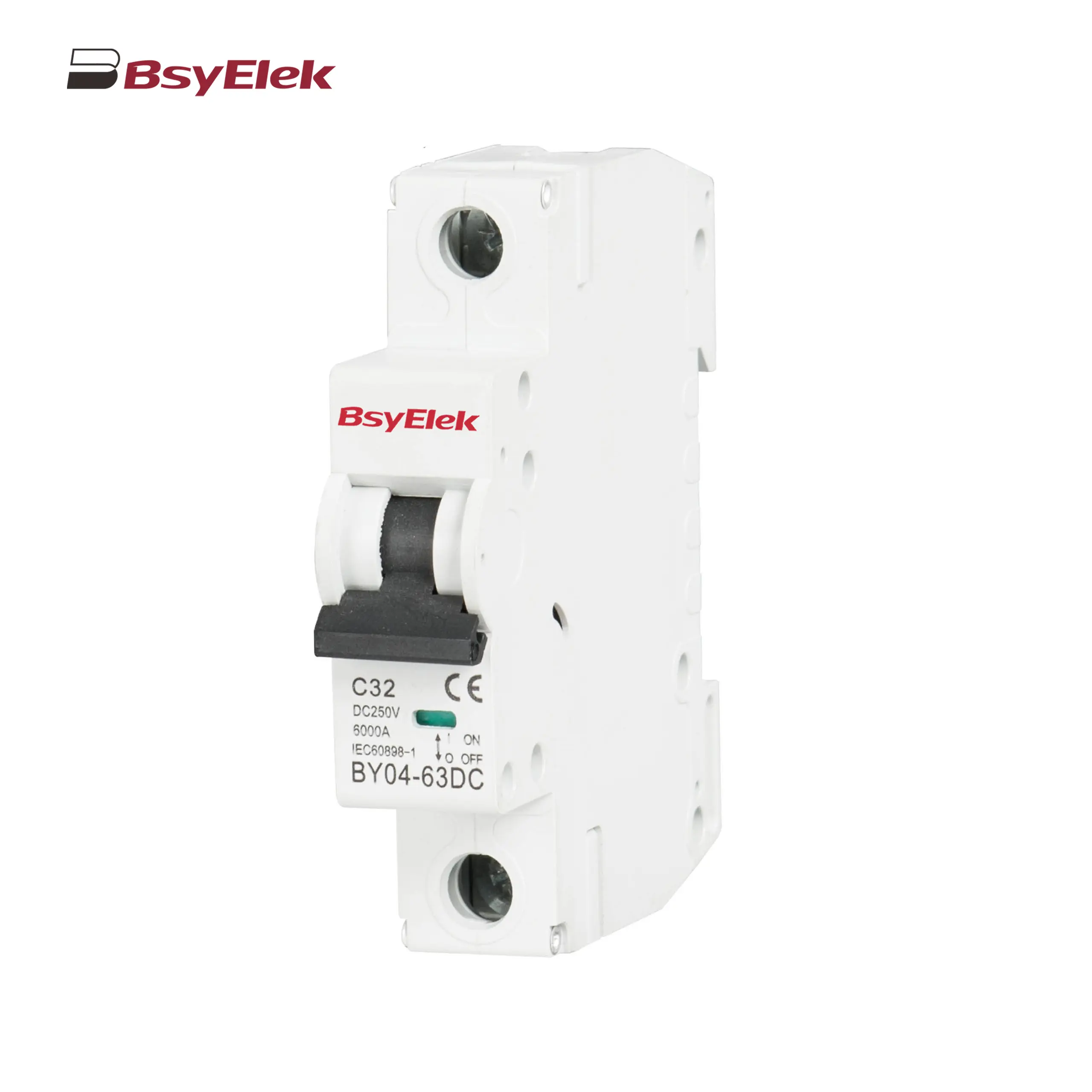 BY04-63DC MCB 6-10kA DC Miniature Circuit Breaker
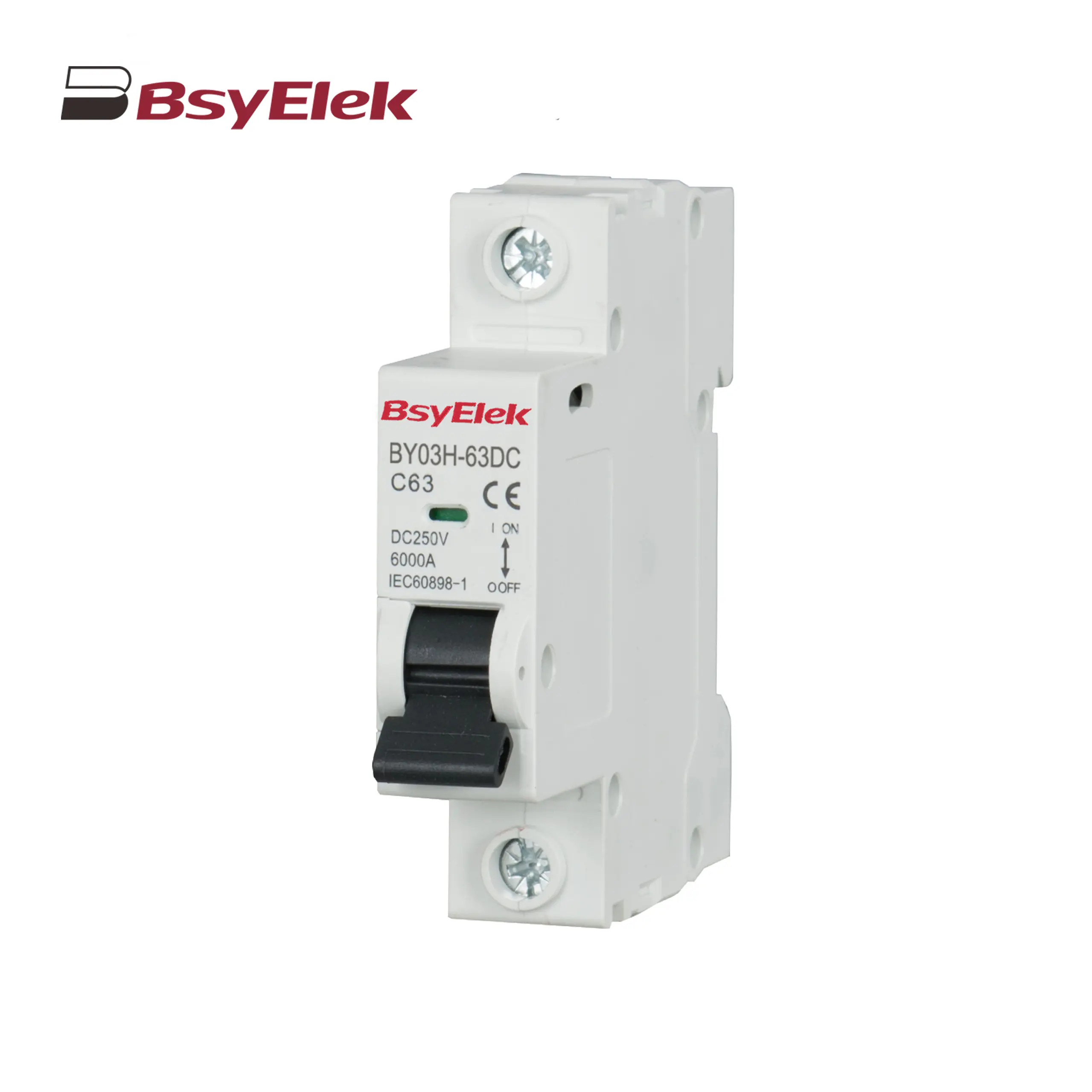 BY03H-63DC MCB 6kA DC Miniature Circuit Breaker
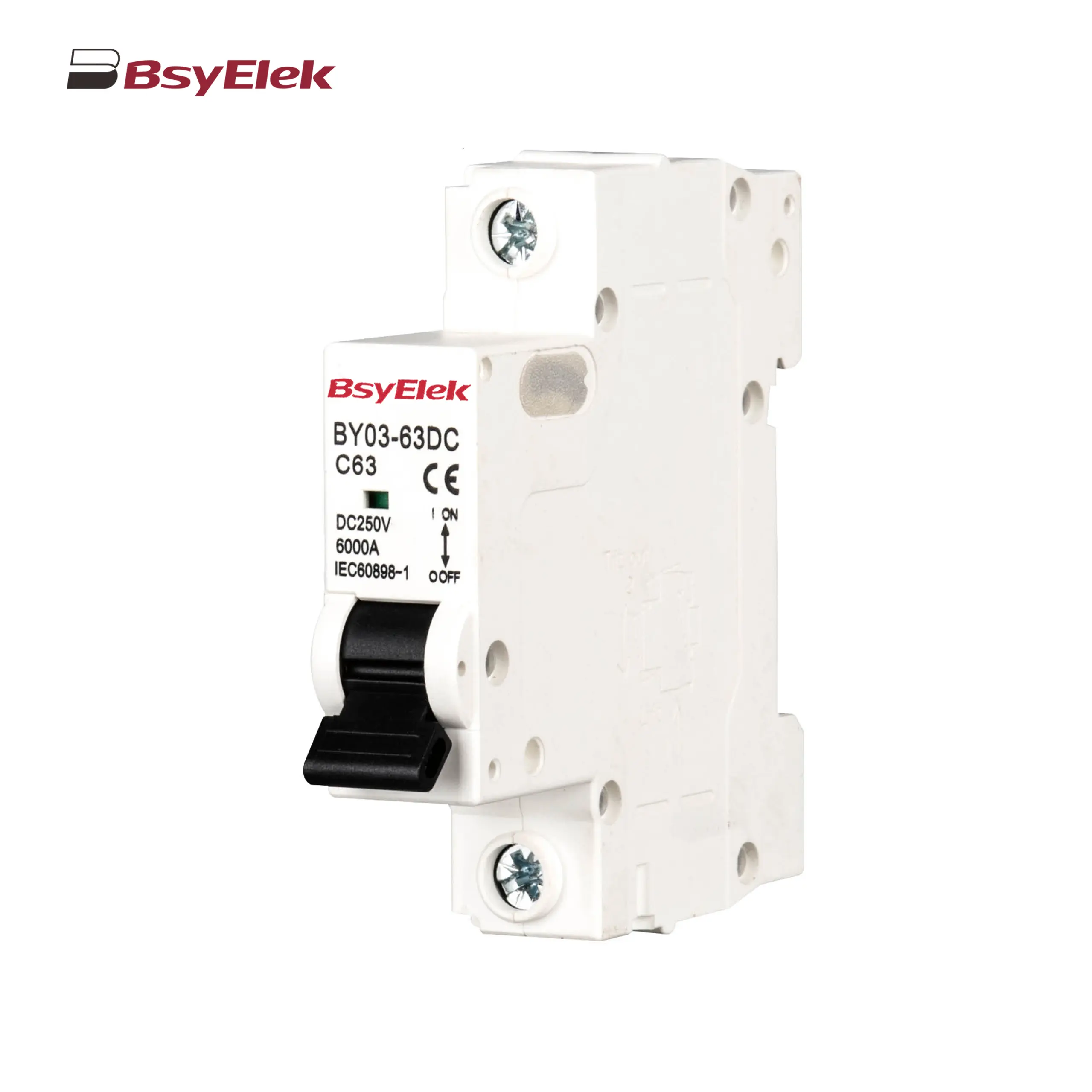 BY03-63DC MCB 4.5kA DC Miniature Circuit Breaker
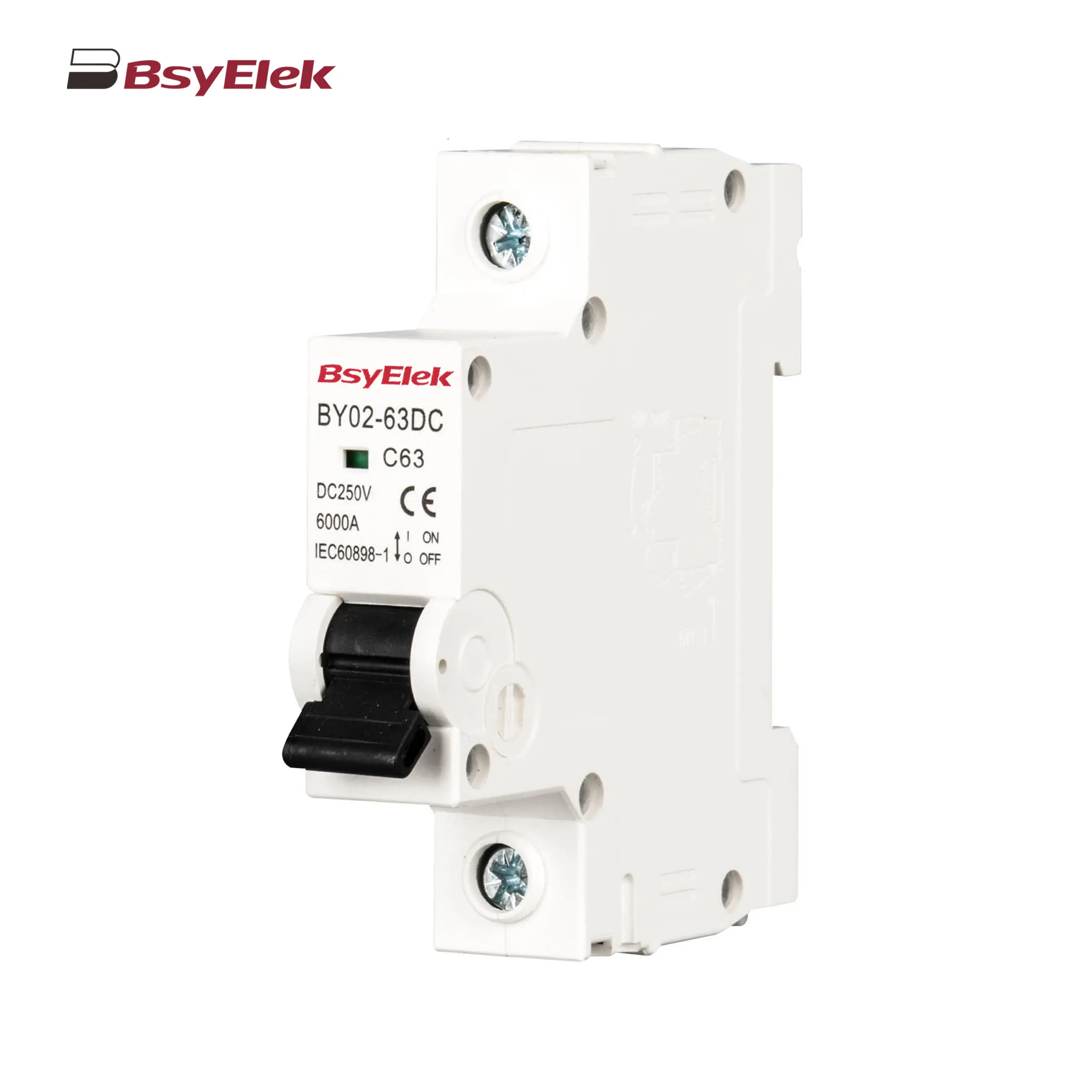 BY02-63DC MCB 3kA DC Miniature Circuit Breaker
 BY01-63DC MCB 3kA DC Miniature Circuit Breaker
 BY-5018 1.8M Engineering Drainage Pump
 BY-5050 5M Engineering Drainage Pump
 BY-11 1.2M Engineering Drainage Pump
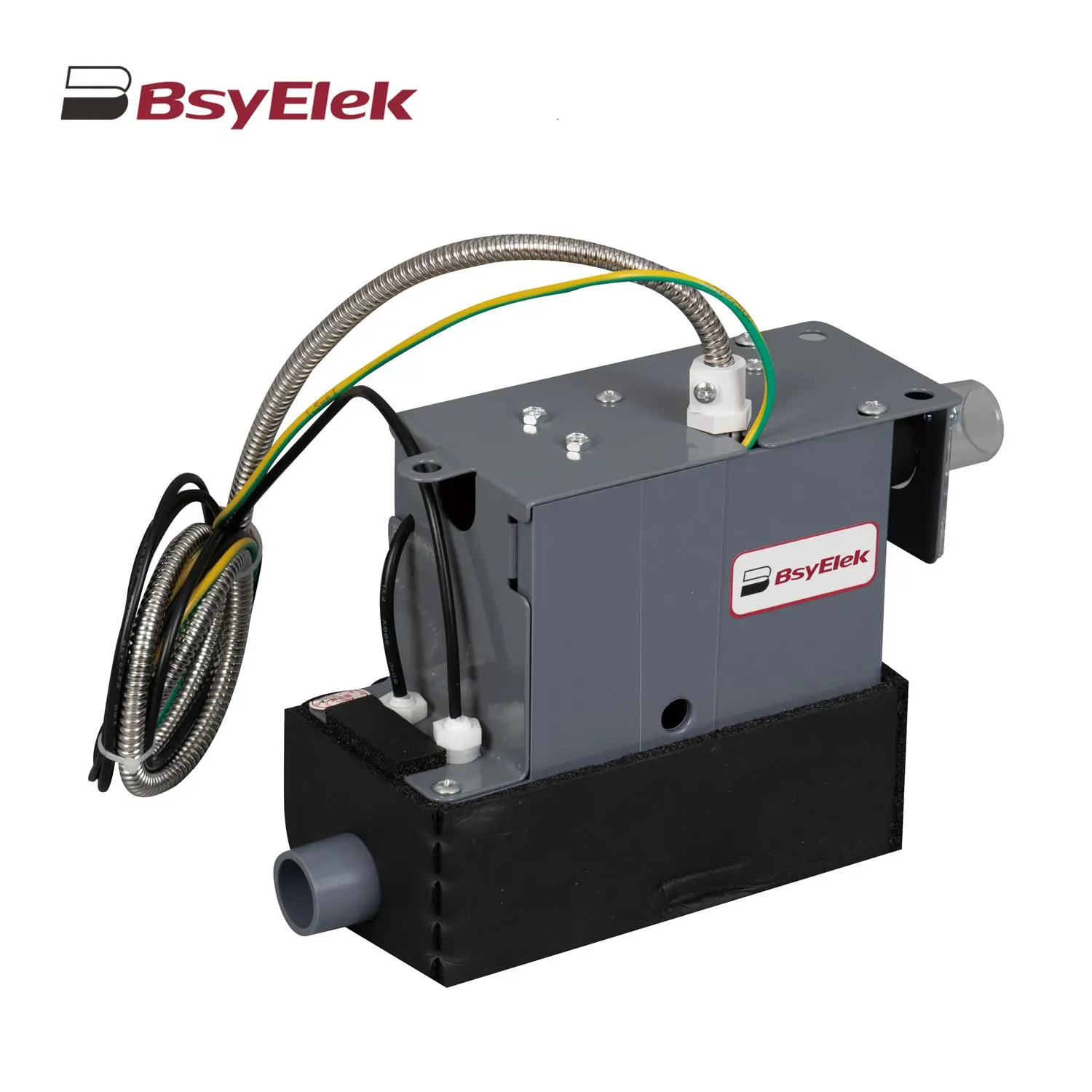 SBH-05 0.7M Original Drainage Pump of Duct Type Air Conditioner
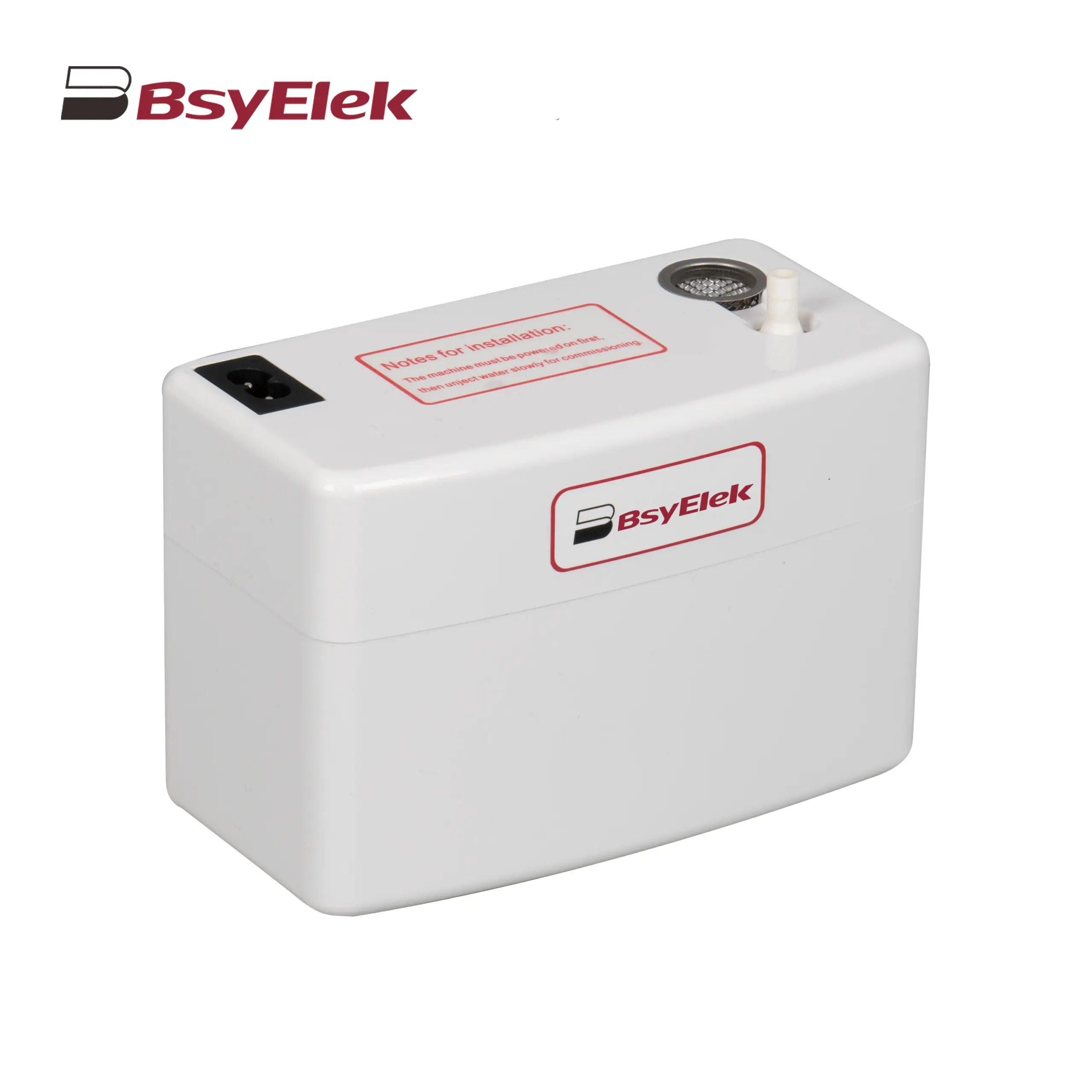 BY-24A/40A 10M Drainage Pump of Air Conditioner
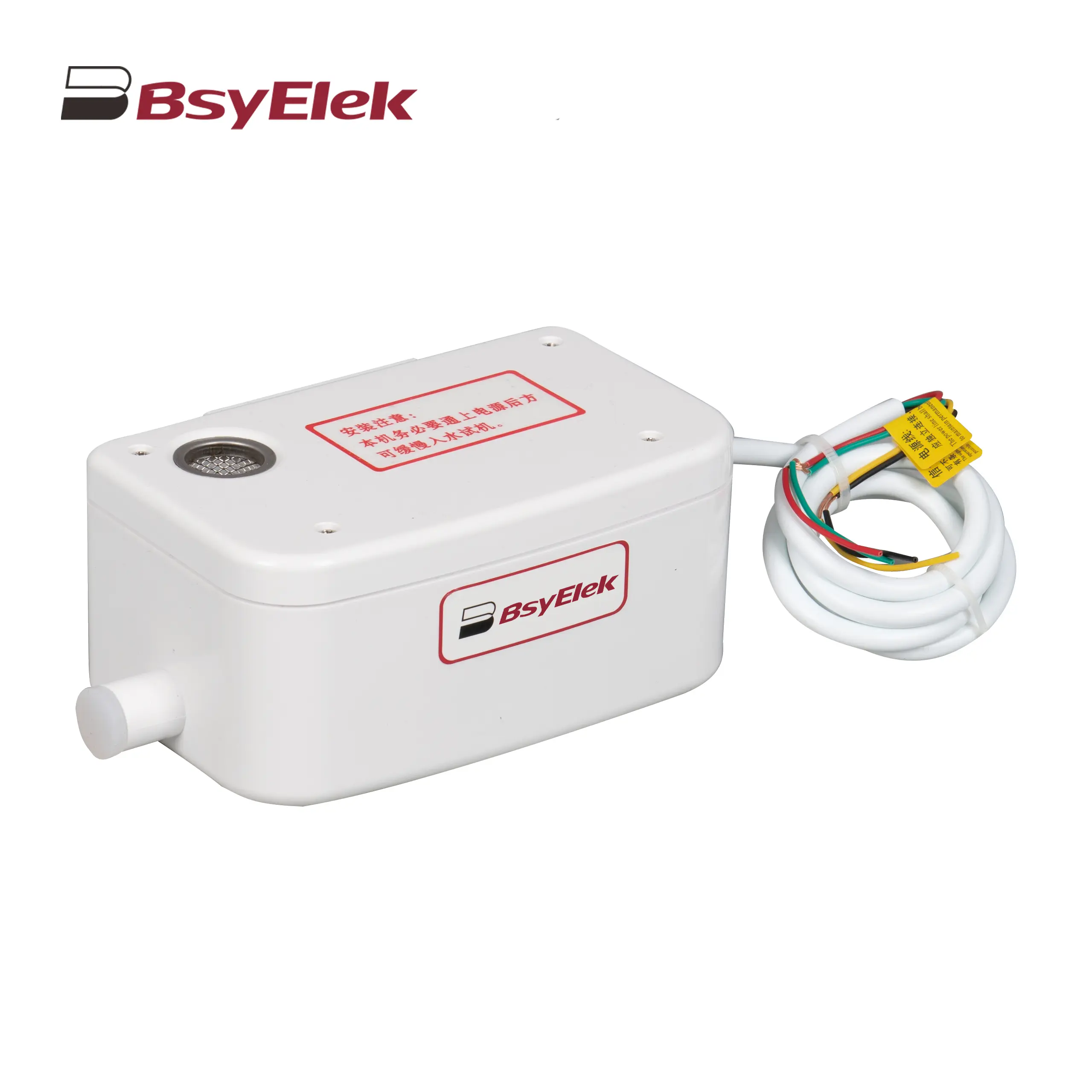 BY-50A 12M Drainage Pump of Air Conditioner
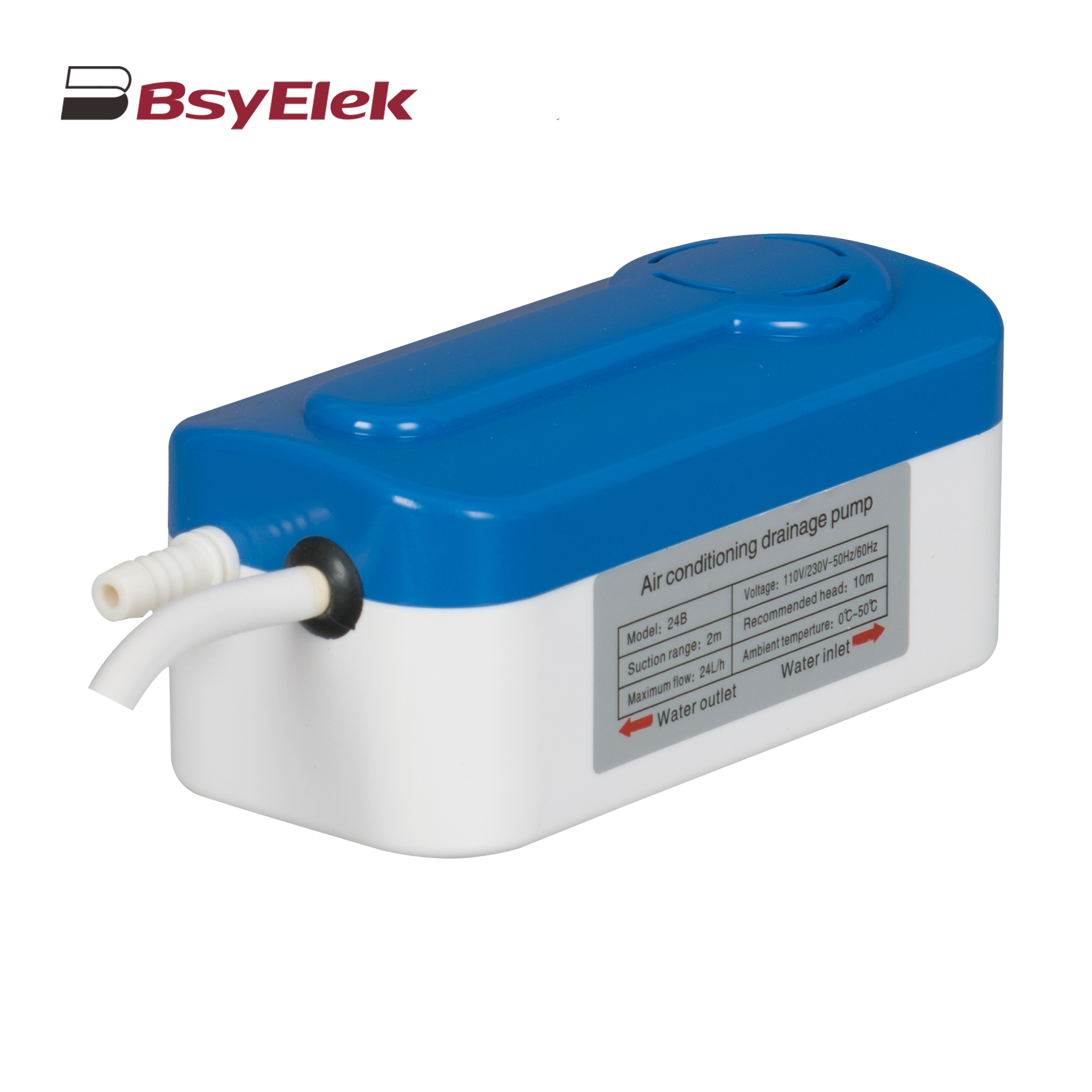 BY-24B/40B 10M Split Type Drainage Pump
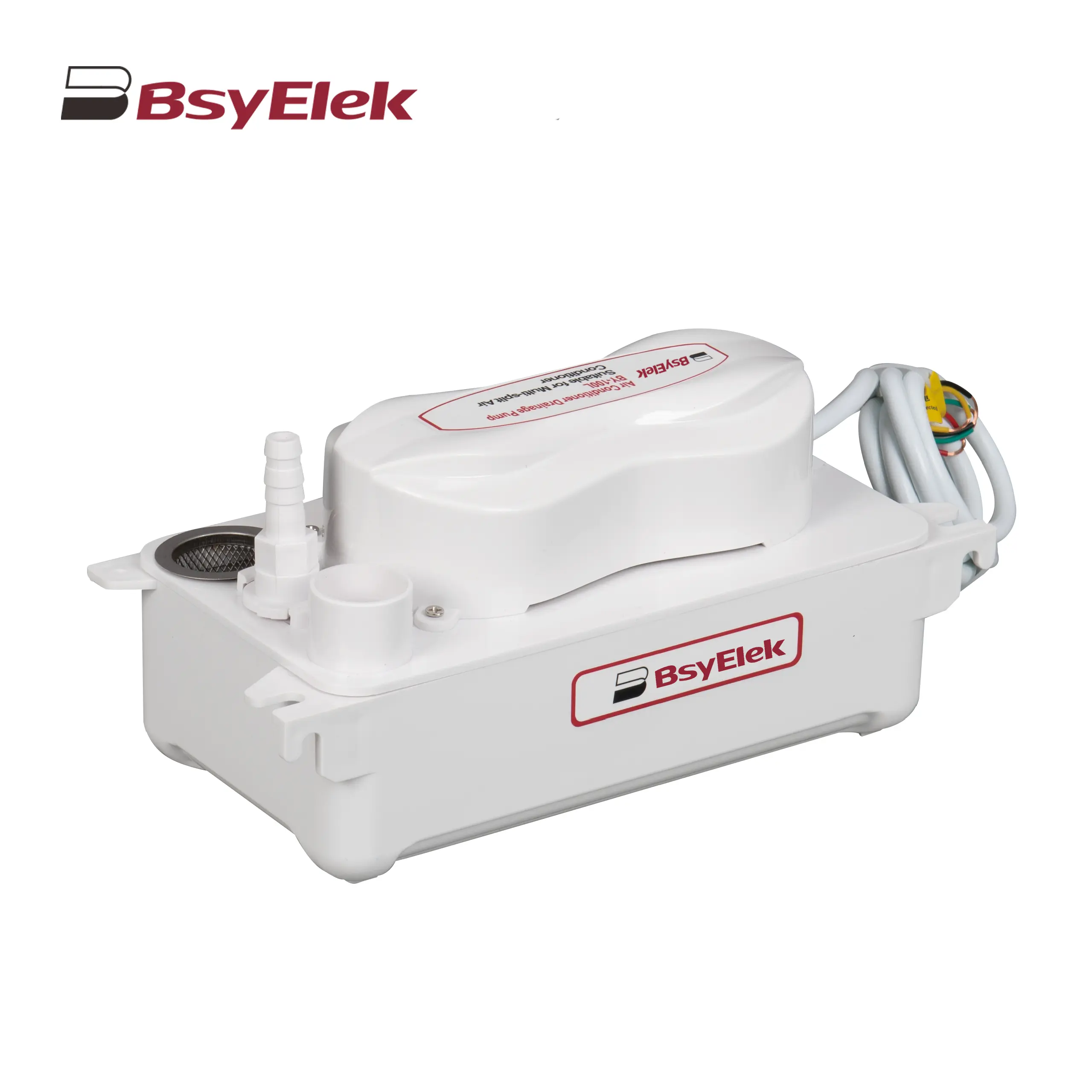 BY-100L 2M Drainage Pump of Air Conditioner
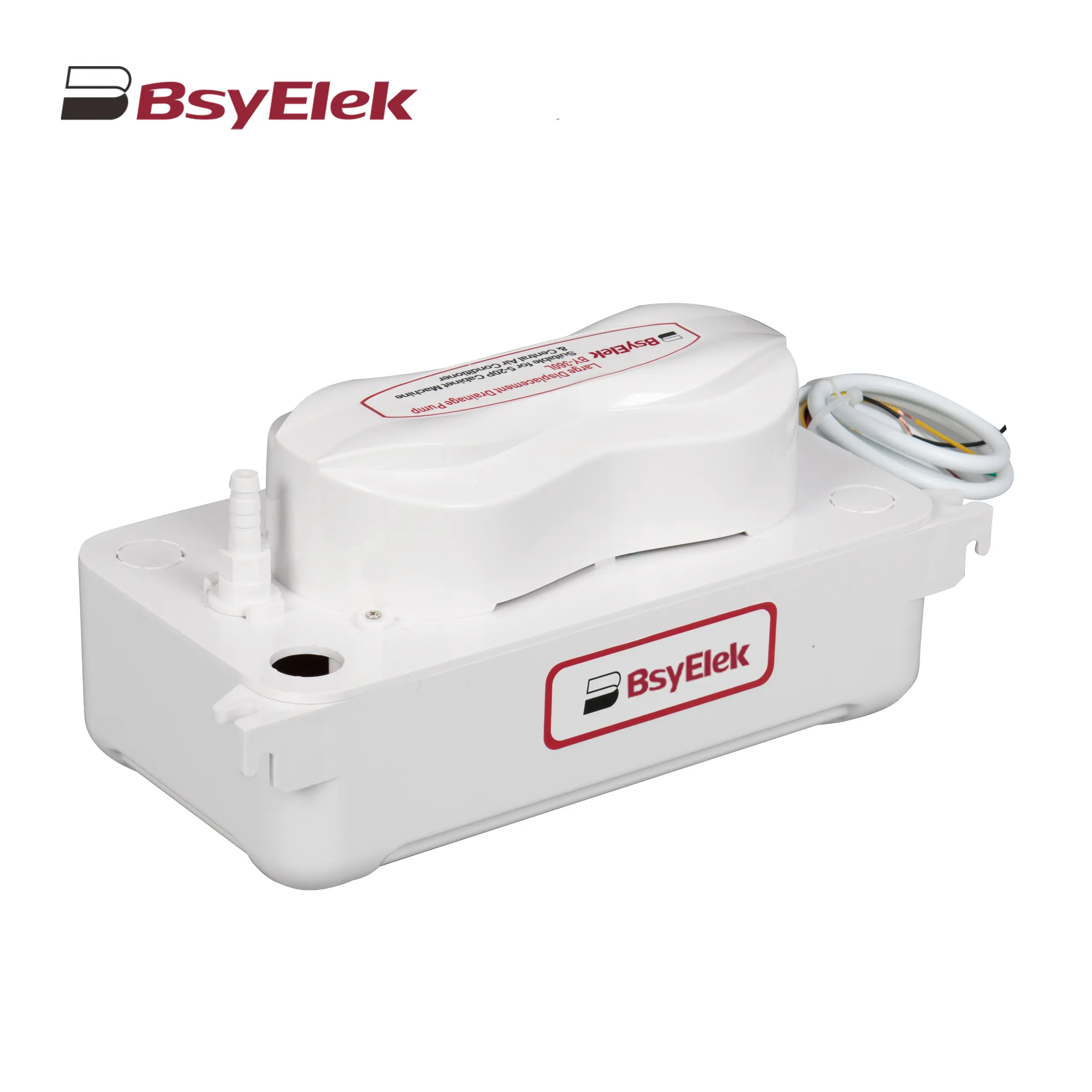 BY-360L 6M Large Displacement Drainage Pump
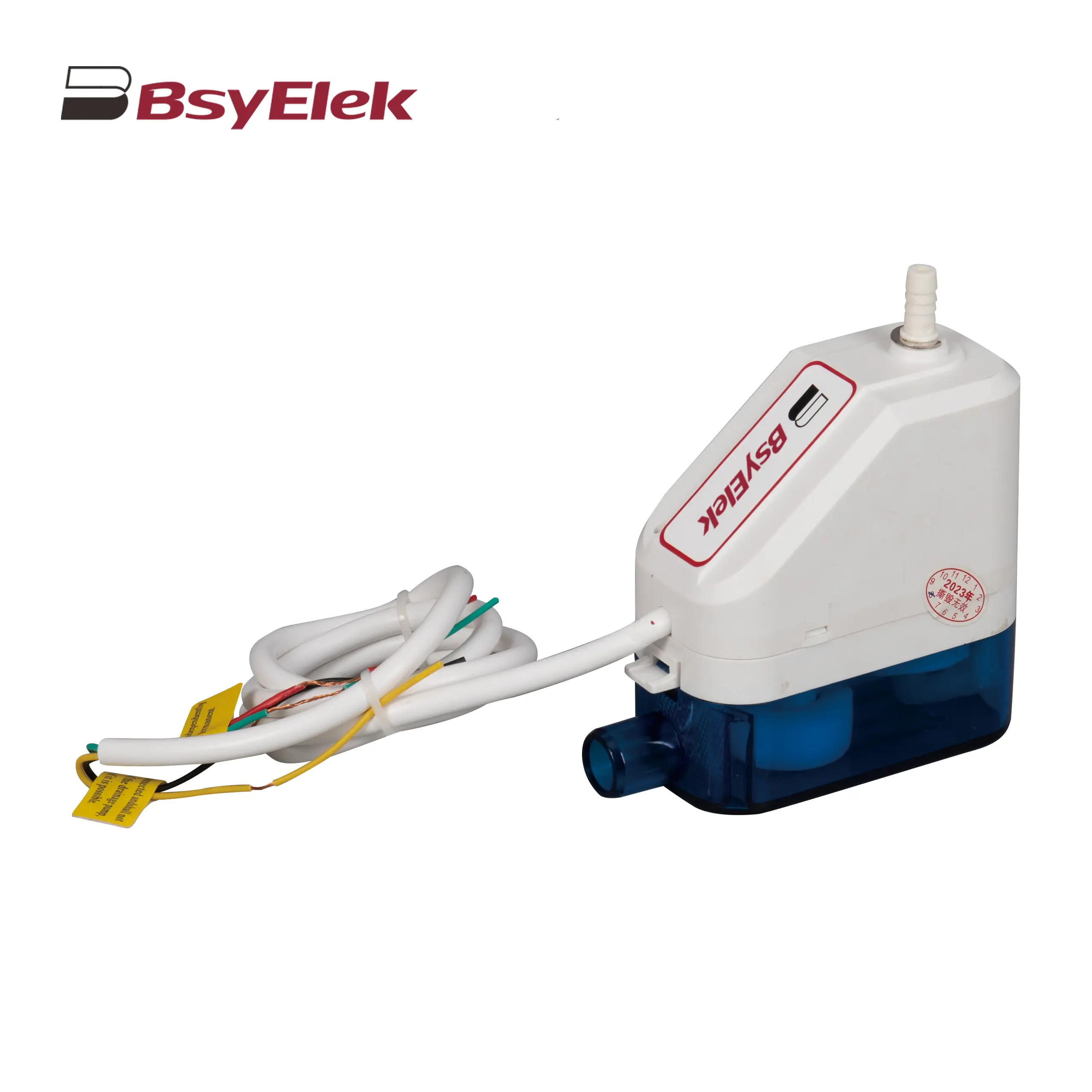 BY-24C/40C 10M Corner Drainage Pump
What is a miniature circuit breaker (MCB)?
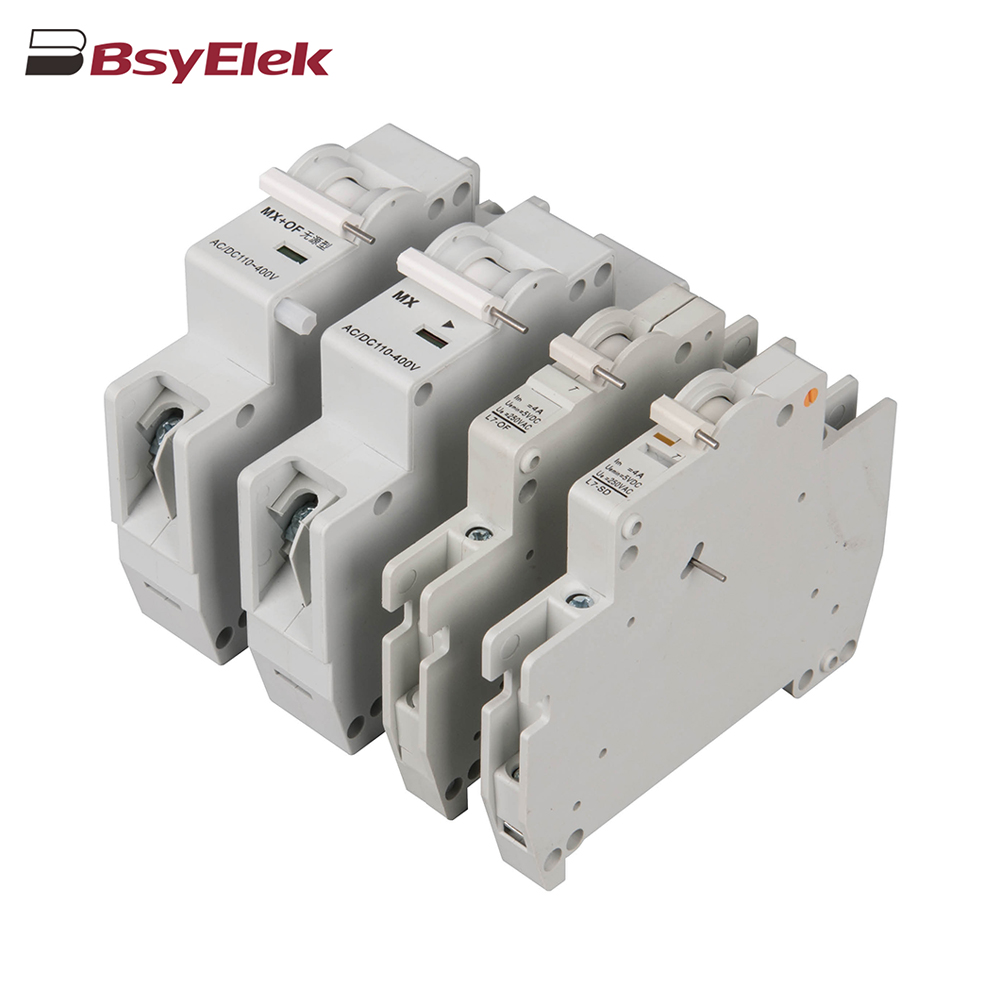 OF SD MX OF MCB Miniature Circuit Breaker Accessories
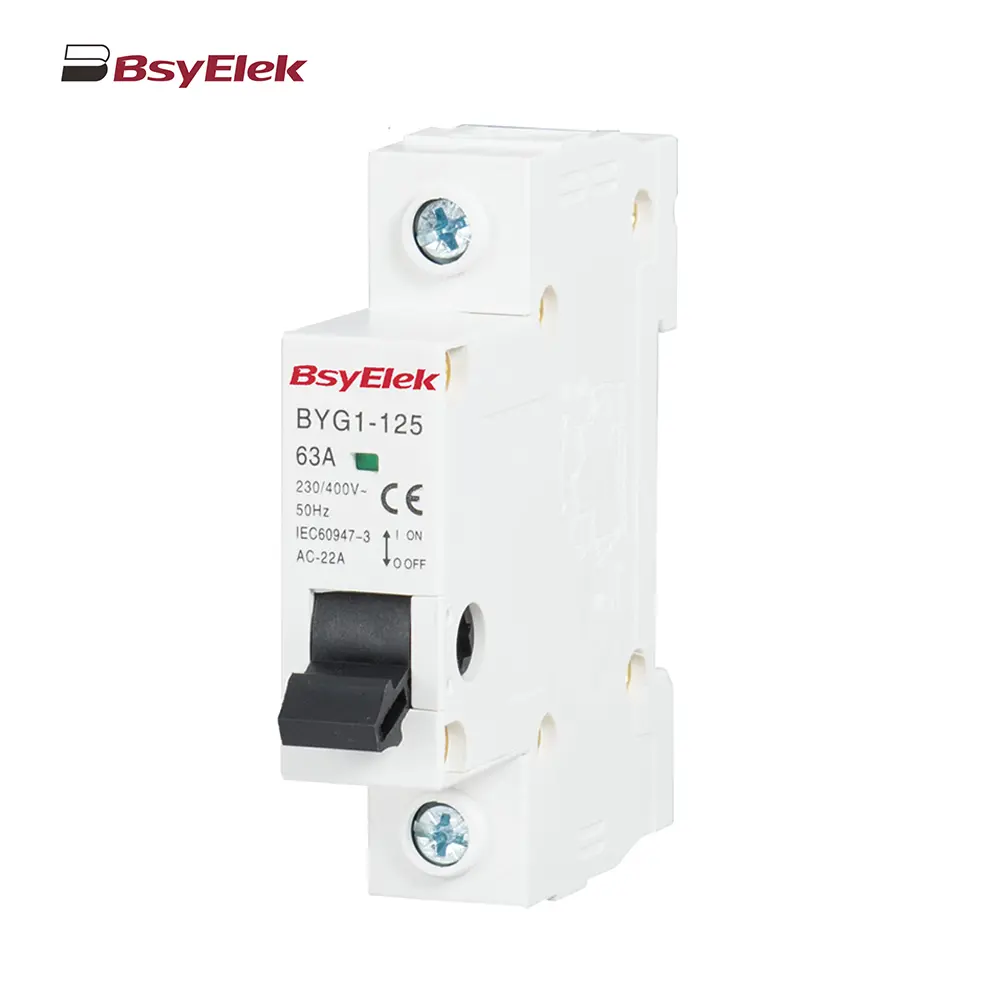 BYG1-125 Main Switch MCB Isolator Switch
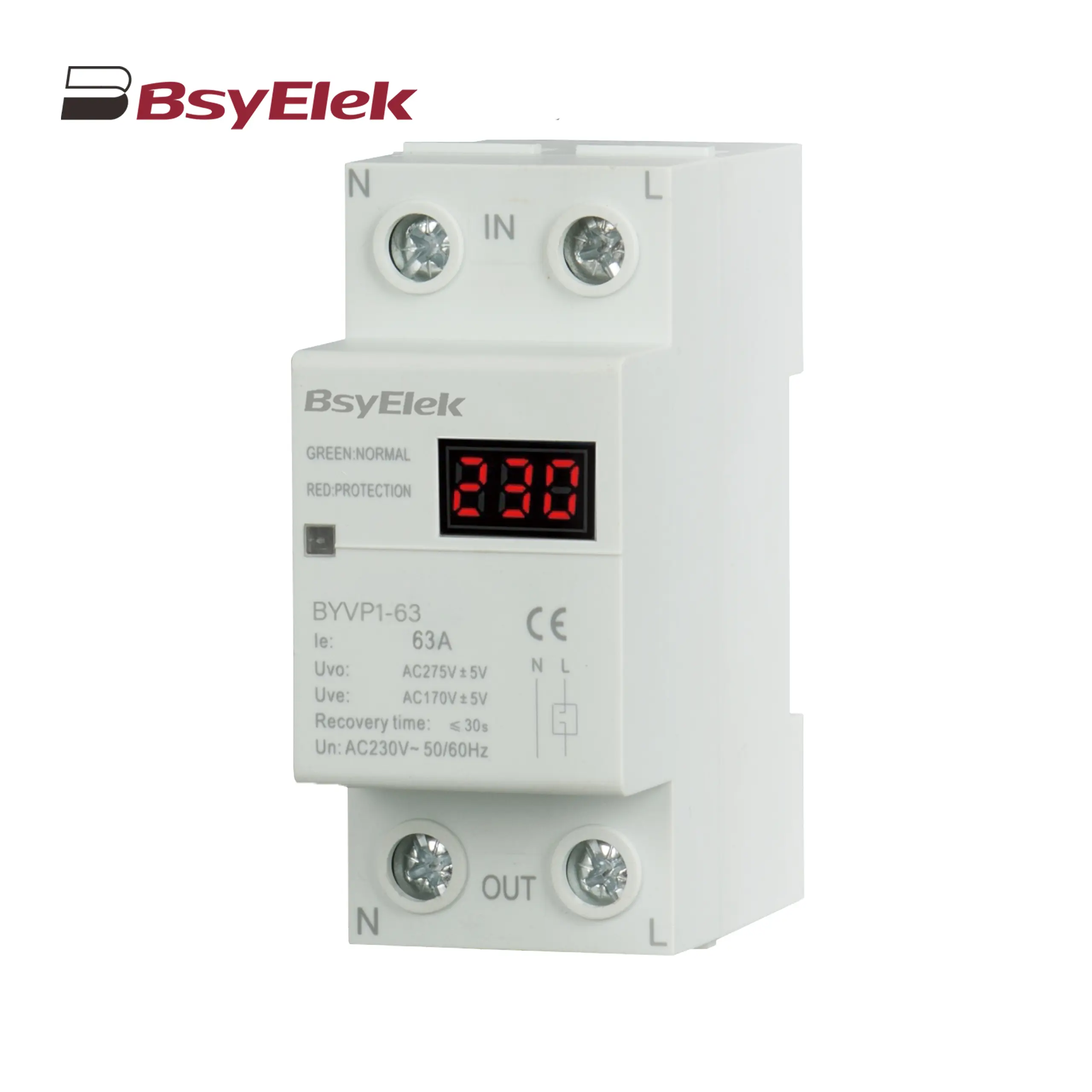 BYVP1-63 100A Single Display Overvoltage and Undervoltage Protector
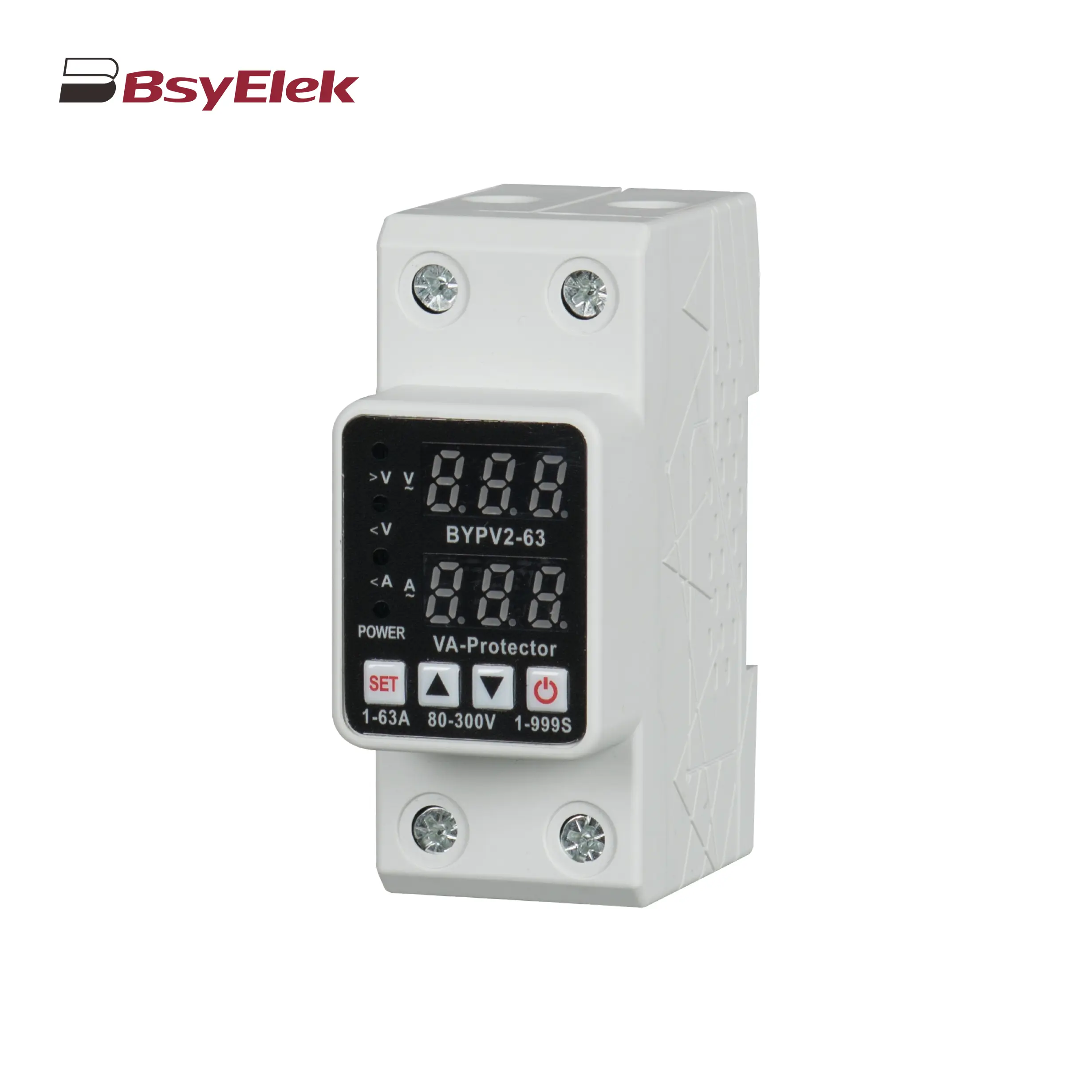 BYVP2-63 40A 63A Adjustable Dual Display Overvoltage and Undervoltage Protector
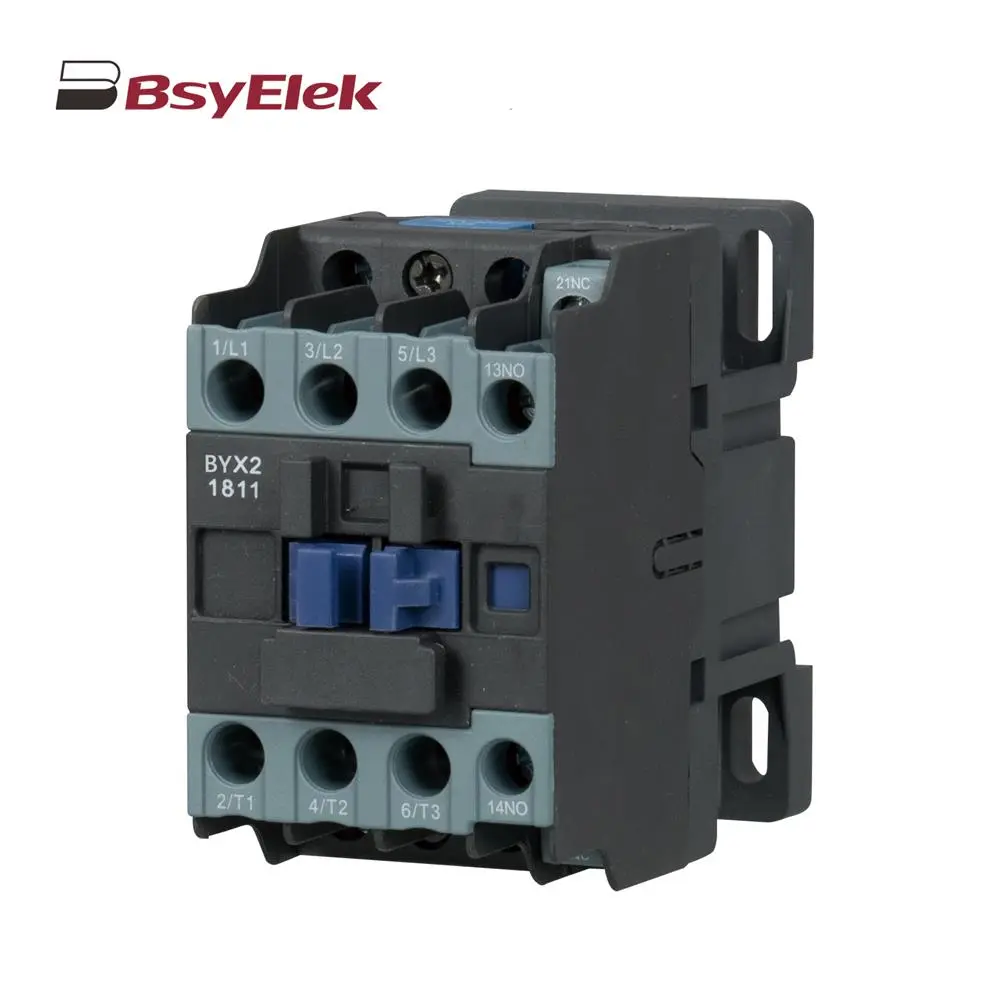 BYX2 6-95A AC Contactor
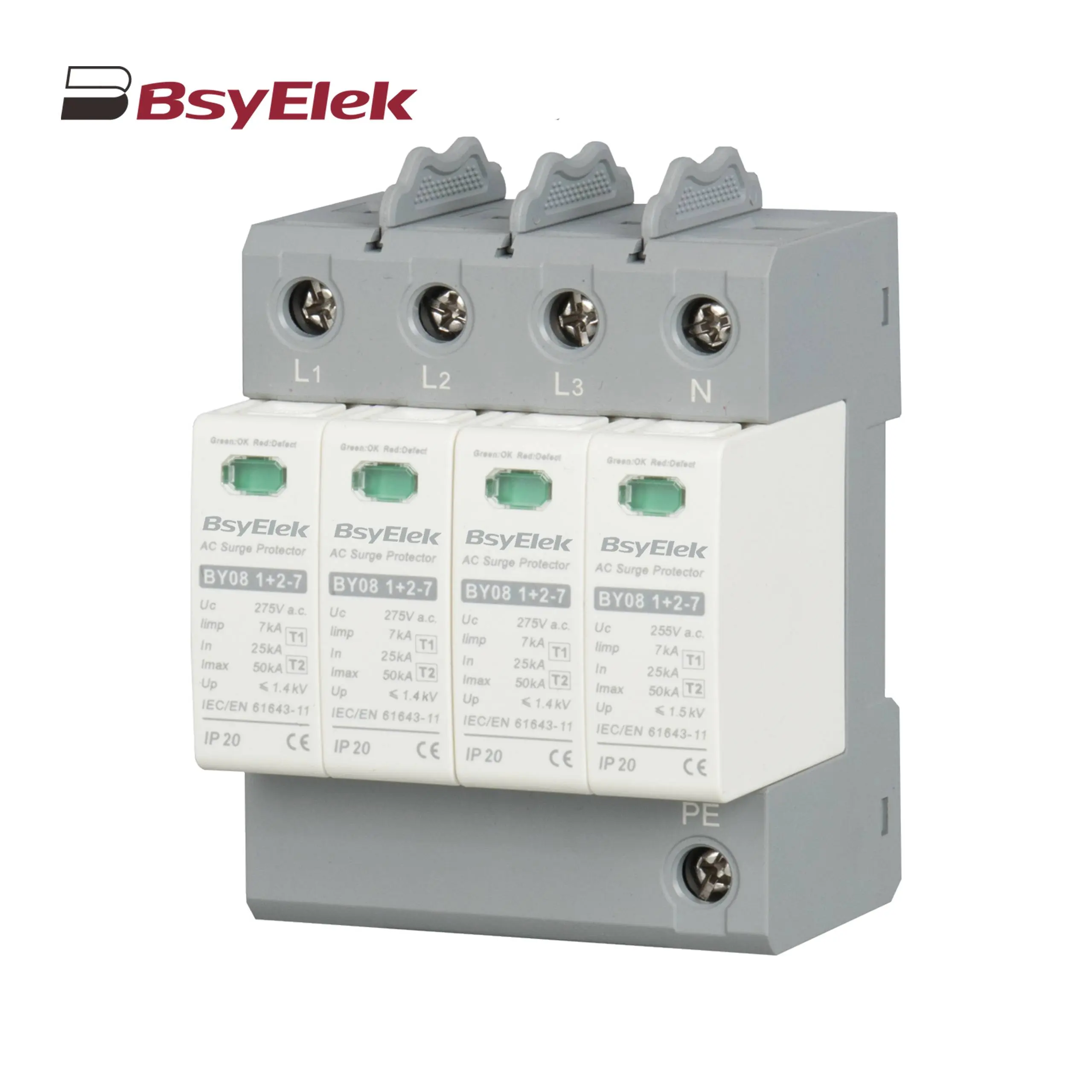 BY08 1+2-7 SPD Class T1+T2 Imax 50KA Surge Protective Device
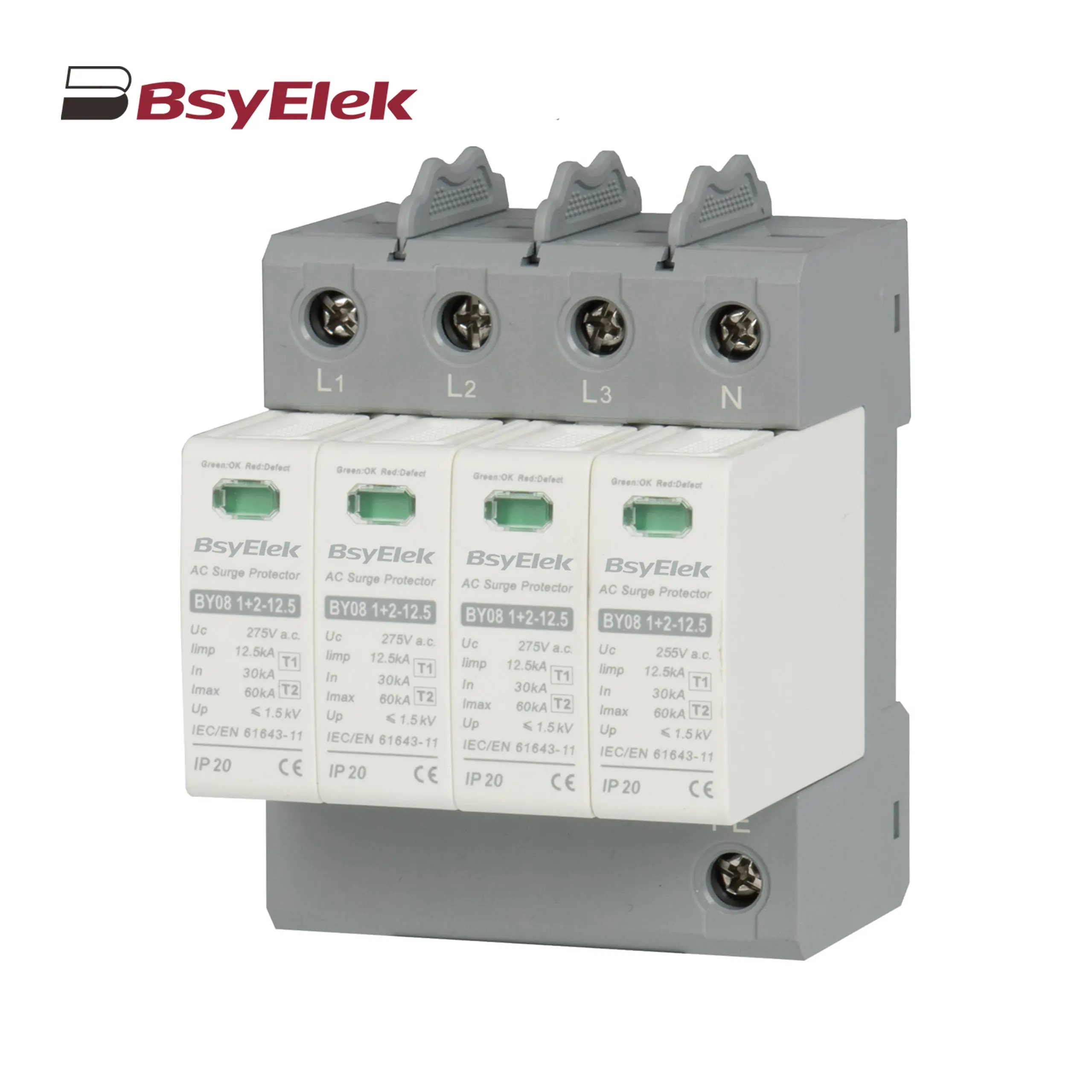 BY08 1+2-12.5 SPD Class T1+T2 Imax 60KA Surge Protective Device
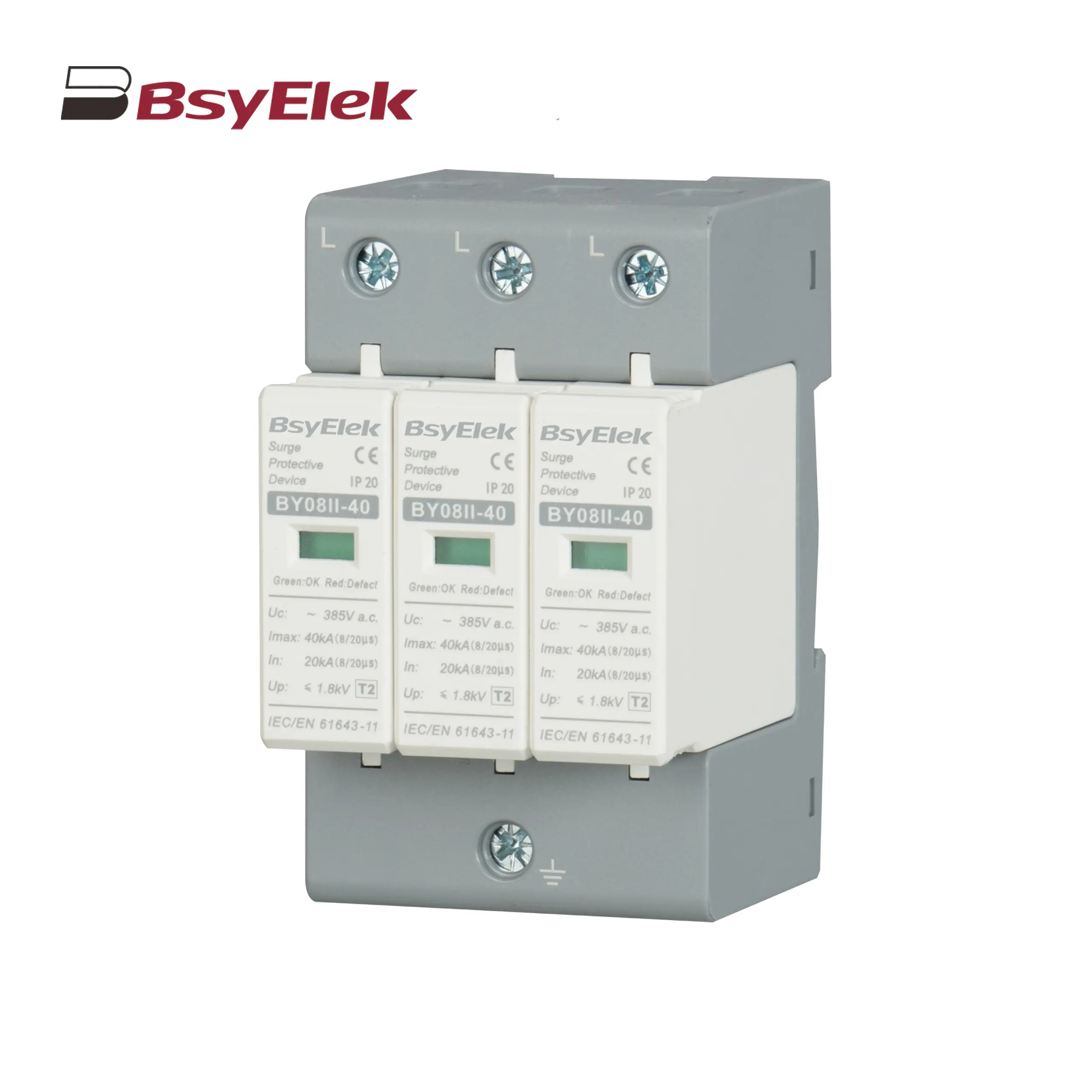 BY08II-40 SPD Class T2 Imax 40KA Surge Protective Device
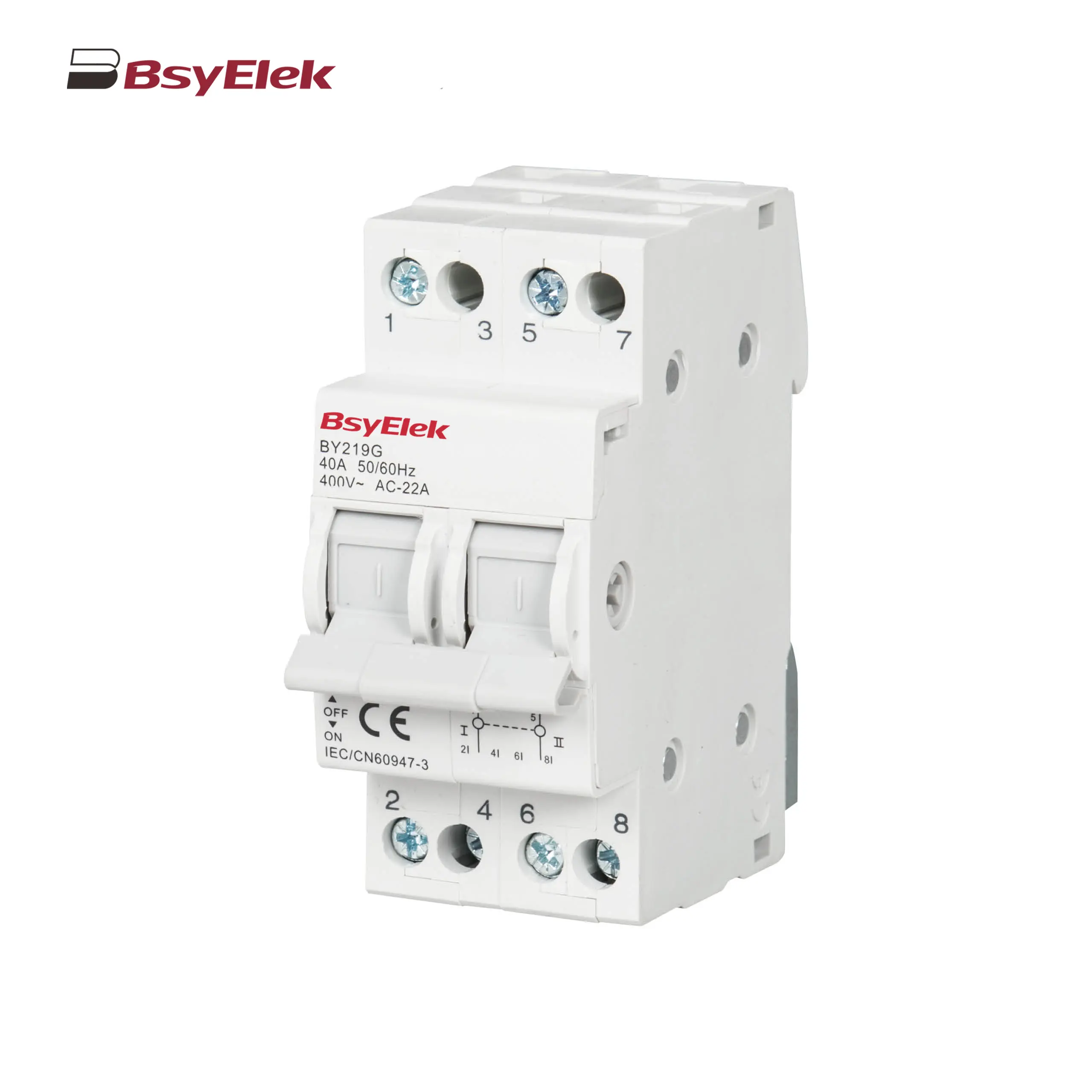 BY19G 63A Manual Changeover Switch
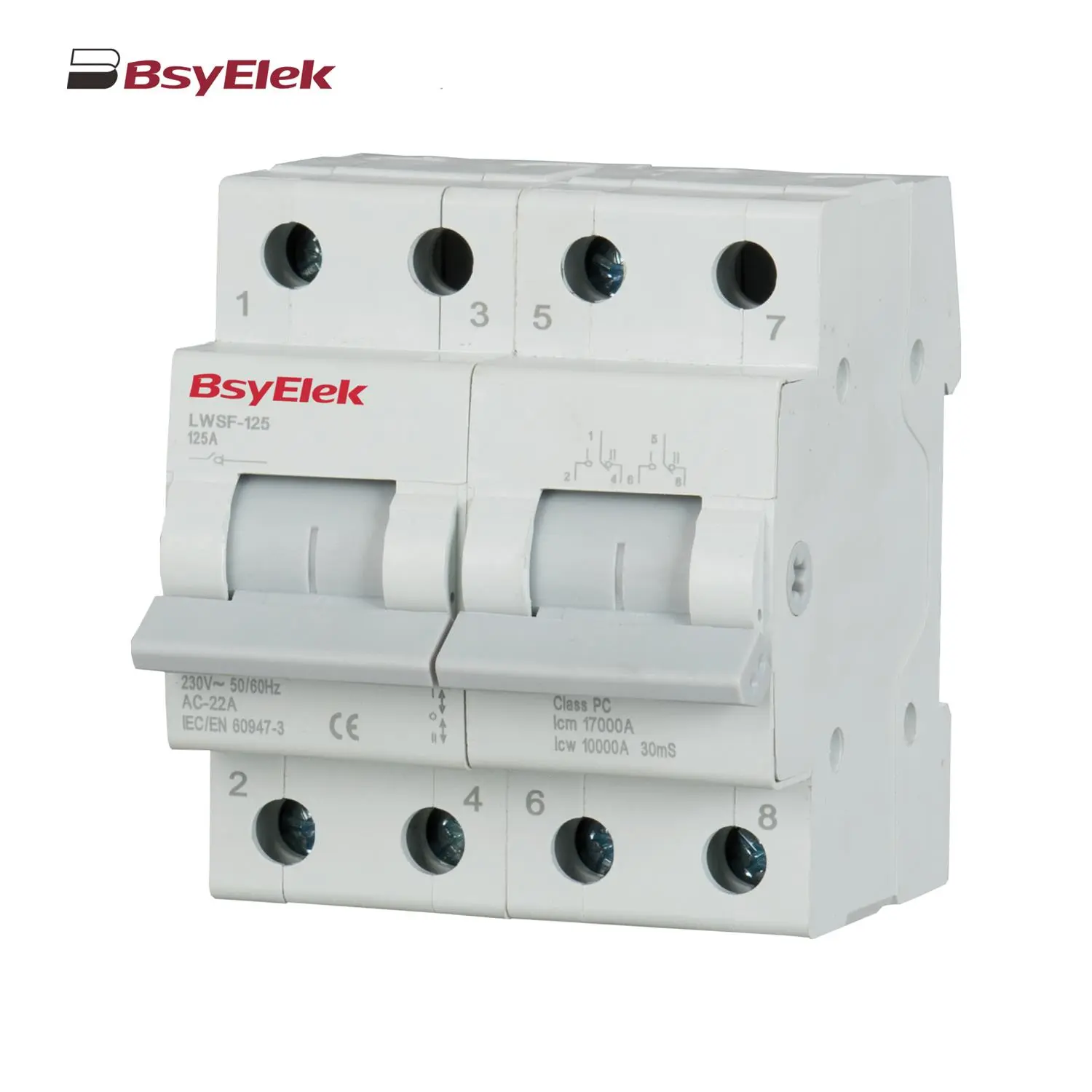 LWSF-125 125A Manual Changeover Switch
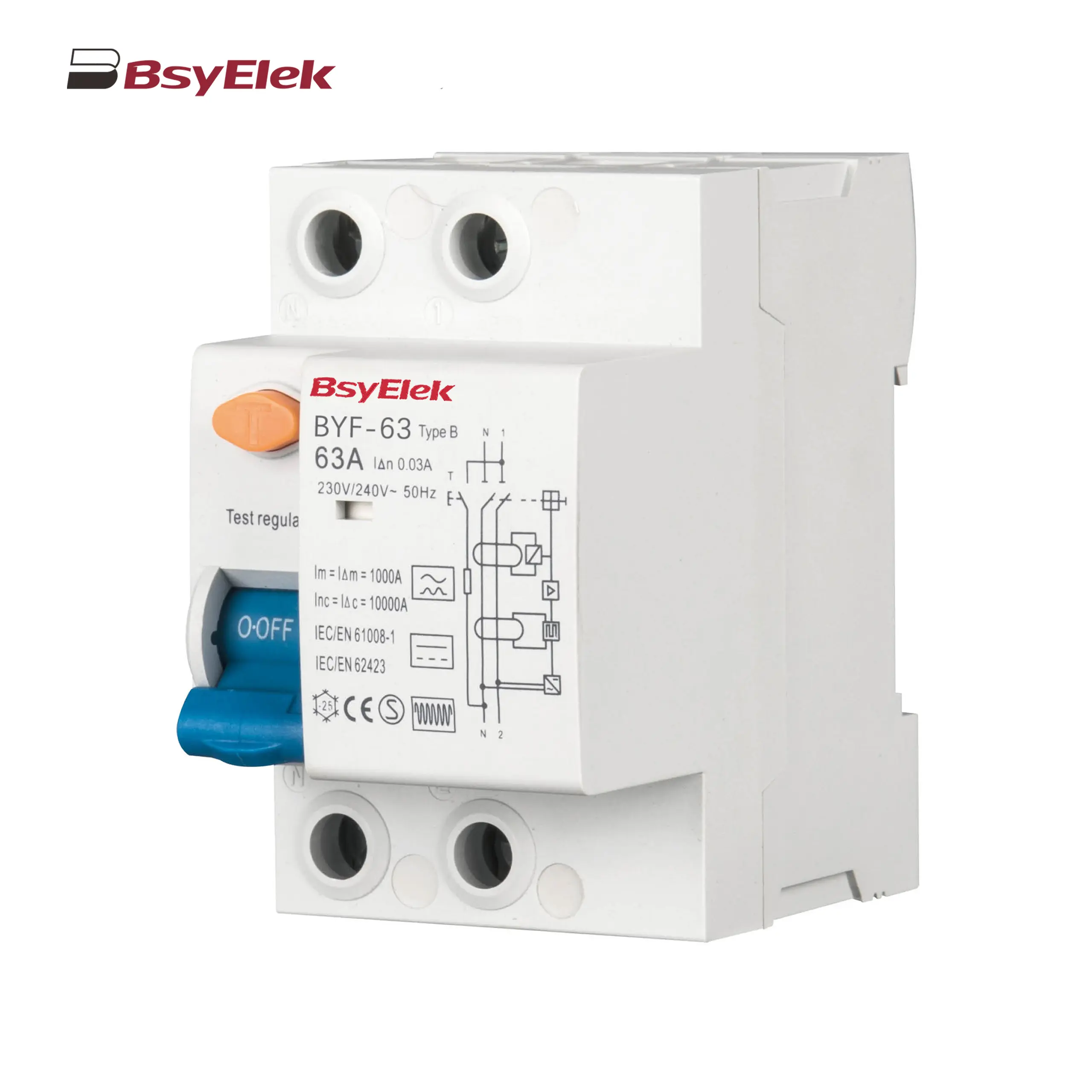 BYF-63 RCD 10KA Type B AC+A+Smoothing DC Residual Current Device
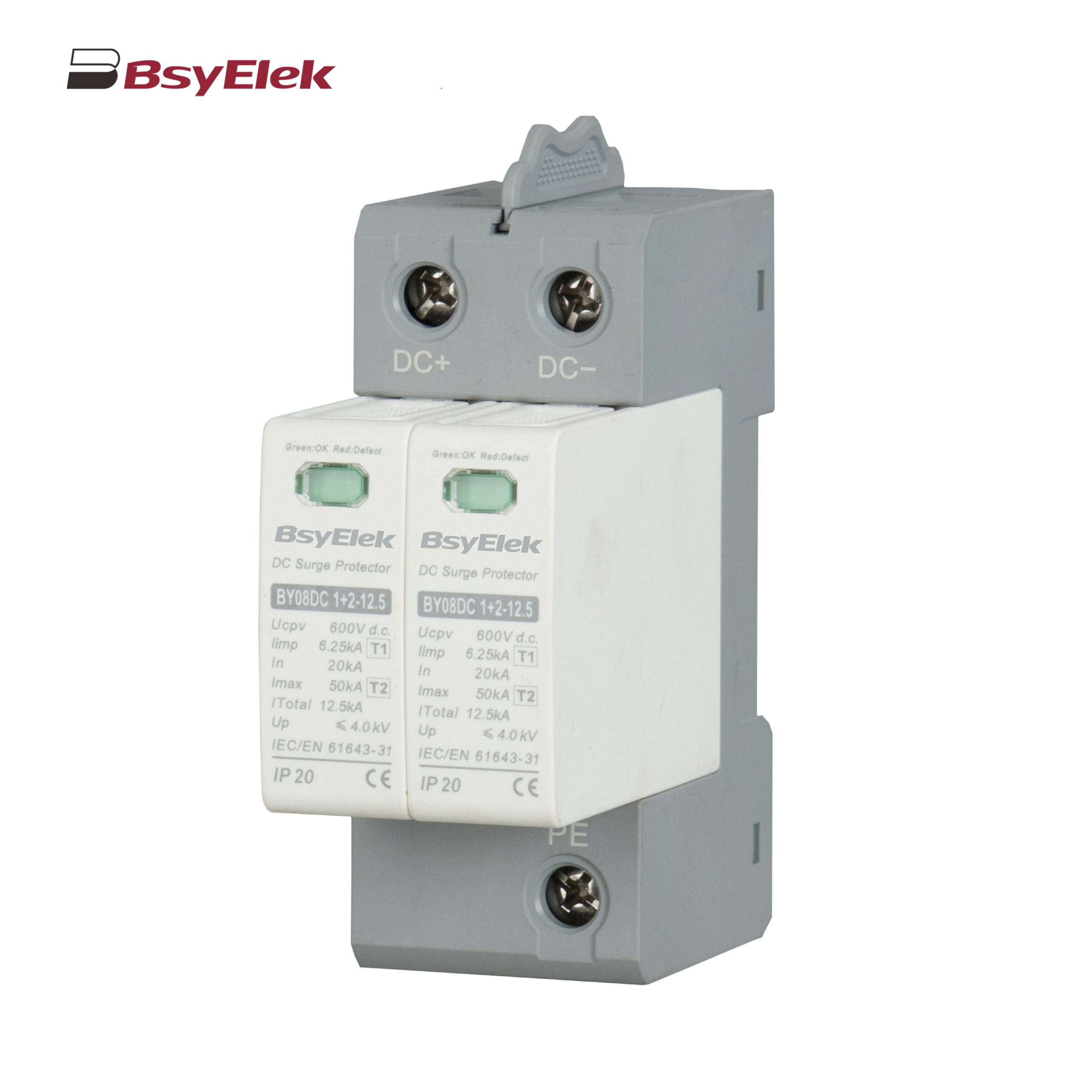 BY08DC 1+2-12.5 SPD Class T1+T2 40KA DC Surge Protective Device
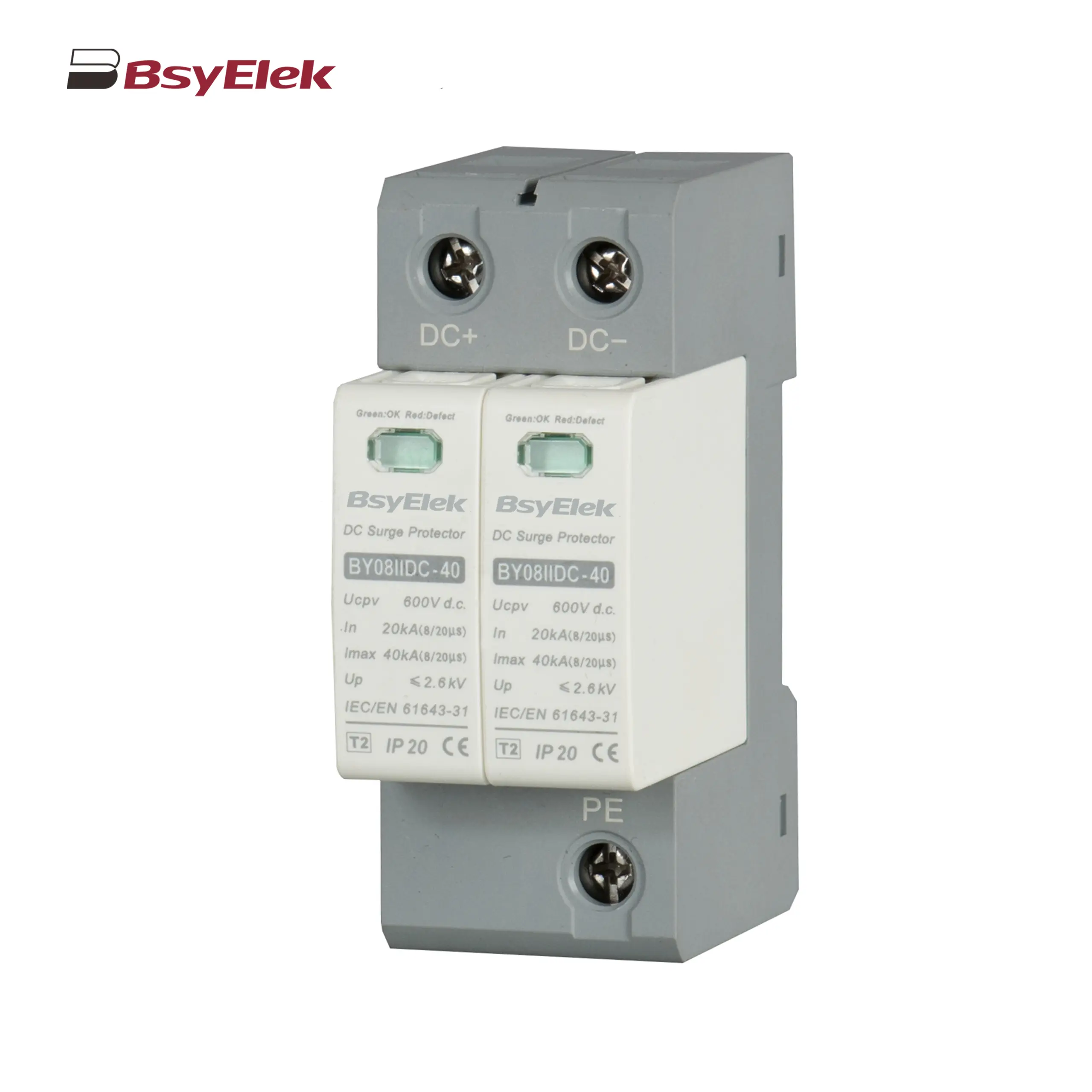 BY08IIDC-40 SPD Class T2 40KA DC Surge Protective Device
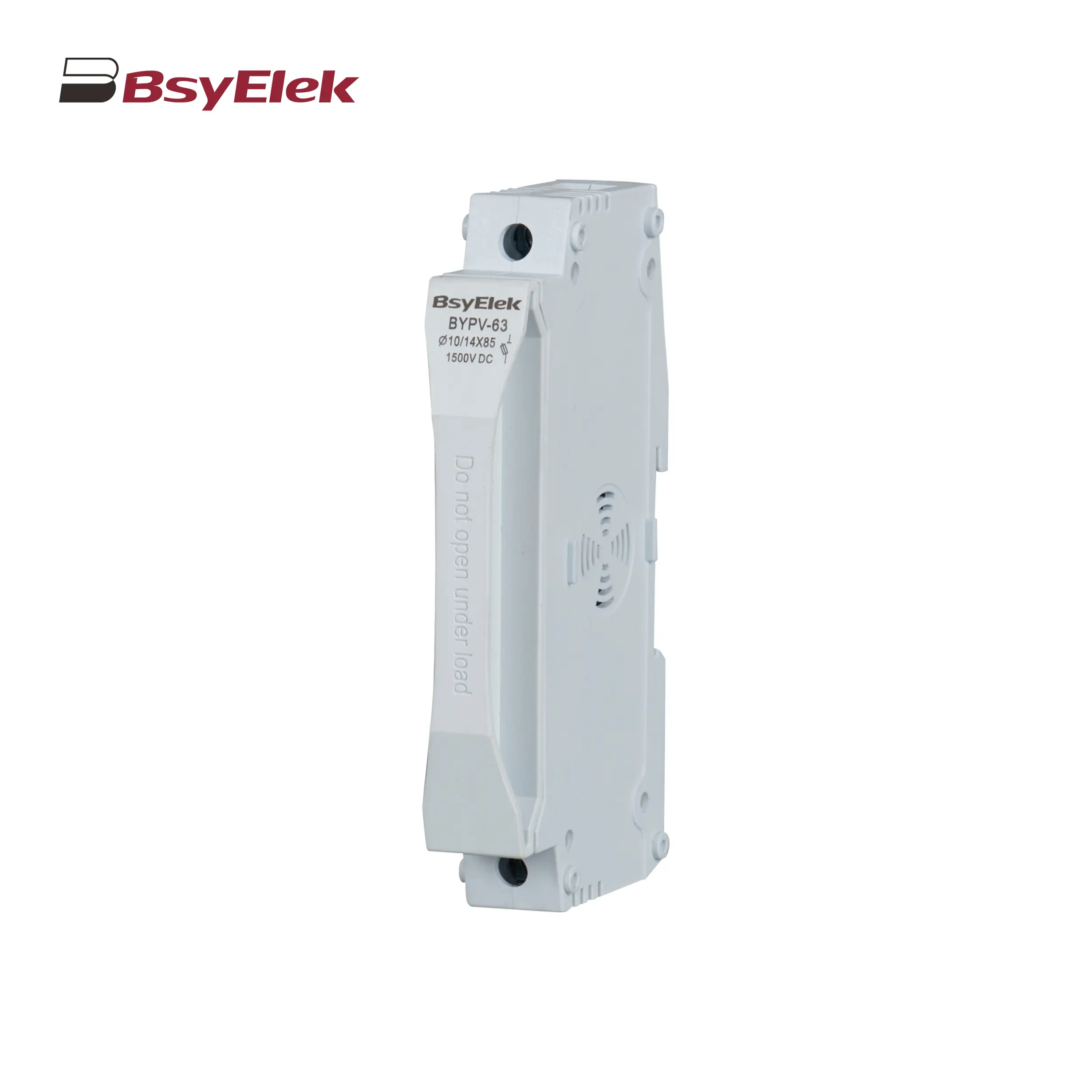 BYPV-63 1500VDC 50A Fuse Holder with 10x85mm 14x85mm Fuse Link
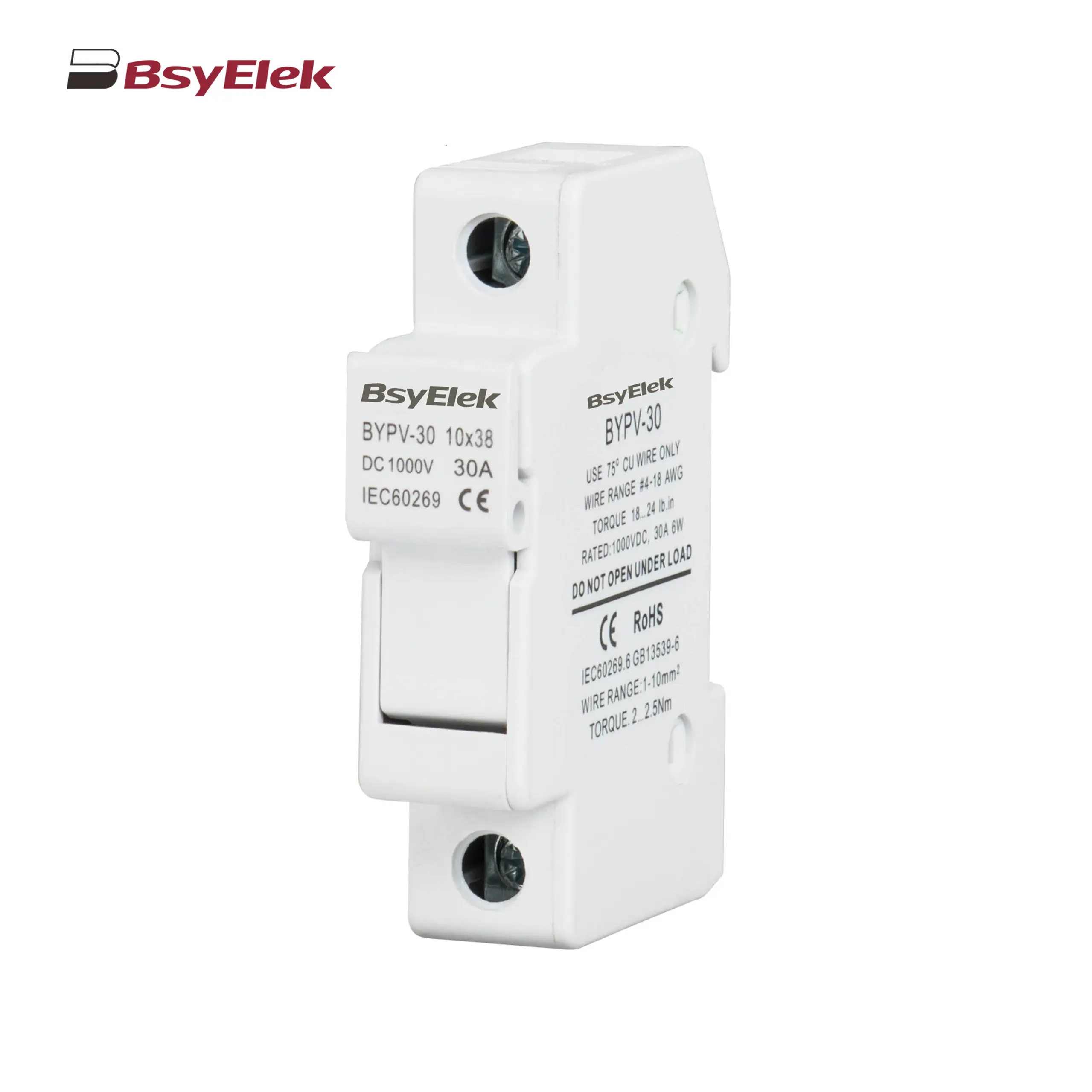 BYPV-30 1000VDC 32A Fuse Holder with 10x38mm Fuse Link
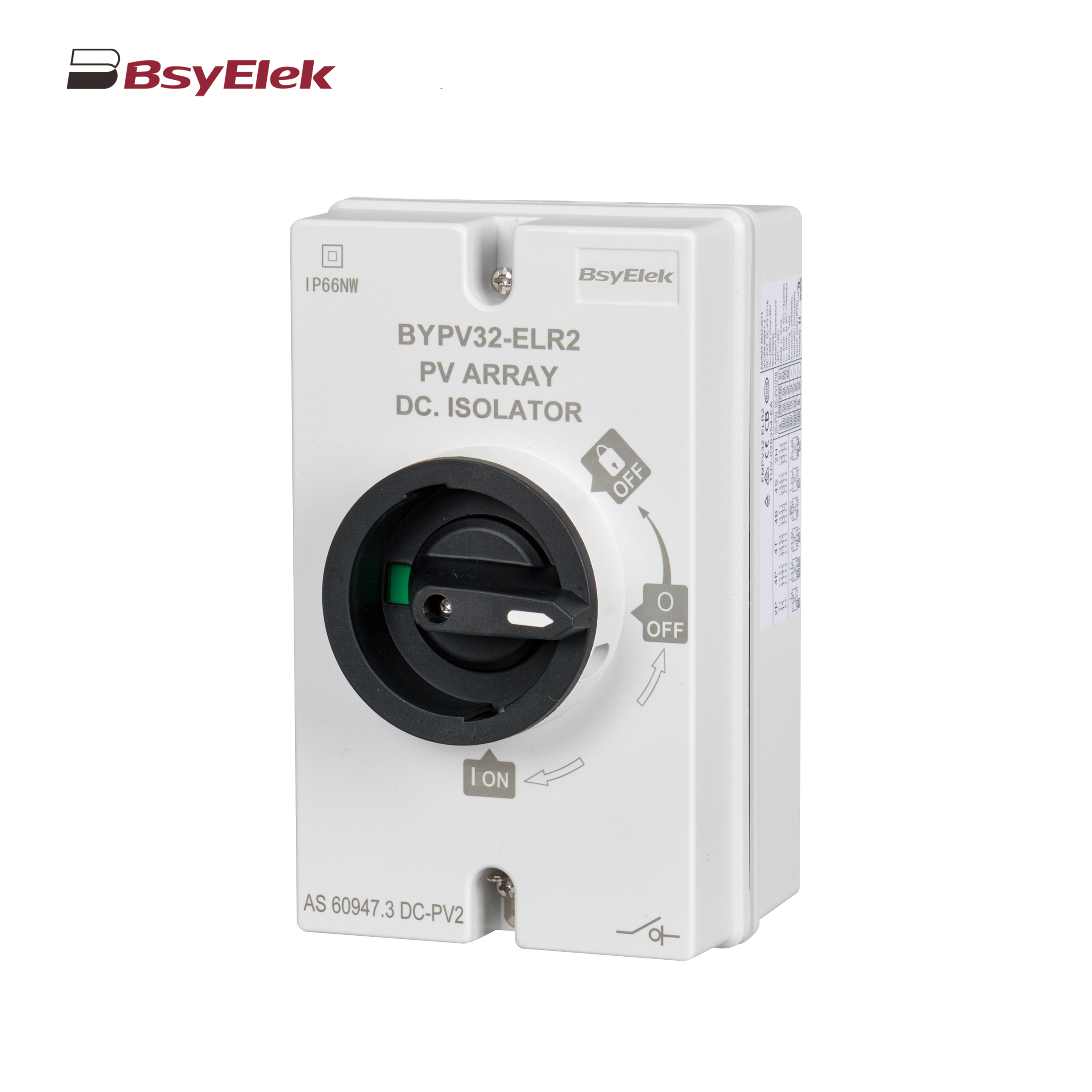 BYPV-ELR2 PV Isolator Switch with Enclosed Version
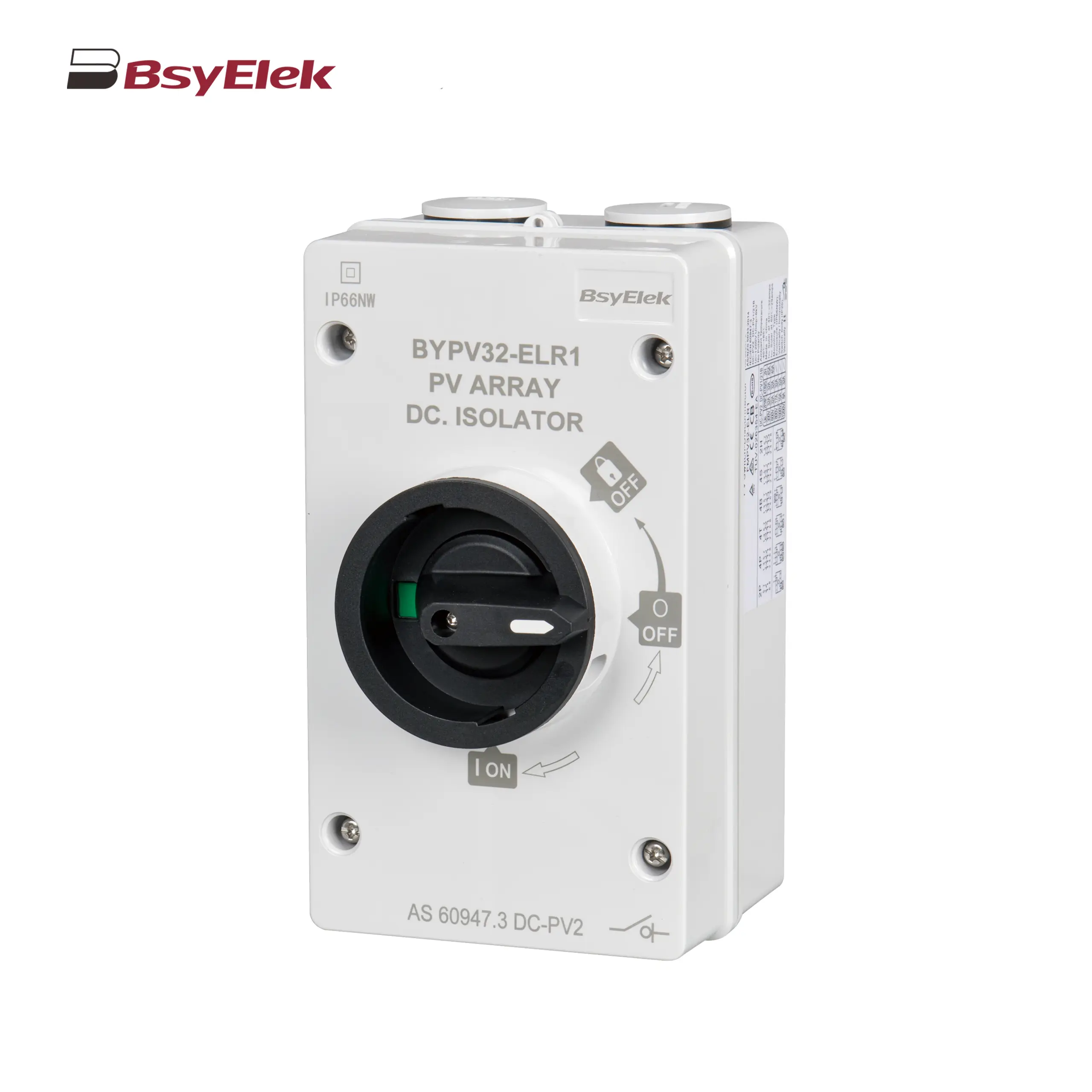 BYPV-ELR1 PV Isolator Switch with Enclosed Version
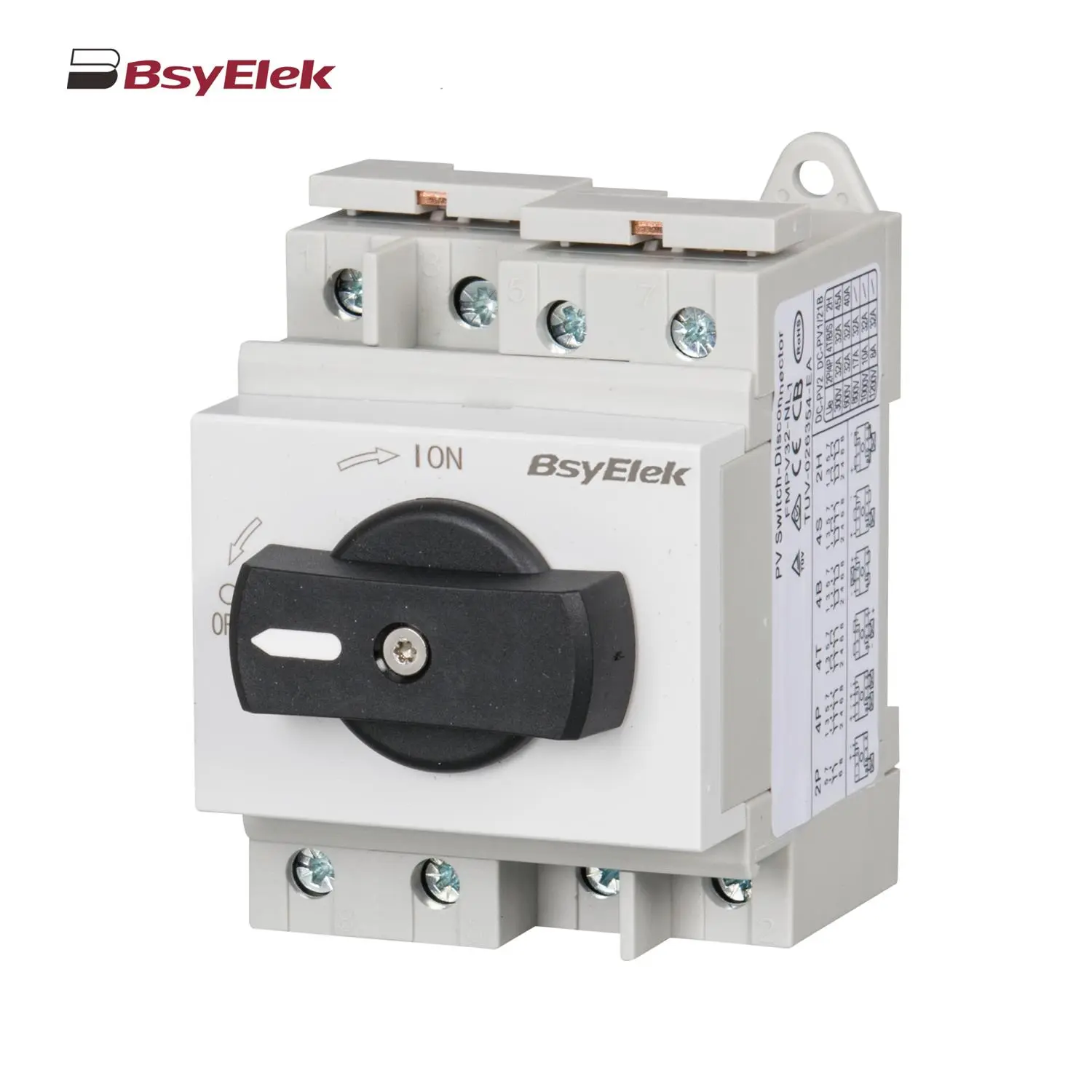 BYPV-NL1/T PV Isolator Switch with Ultra-thin Lever Handle
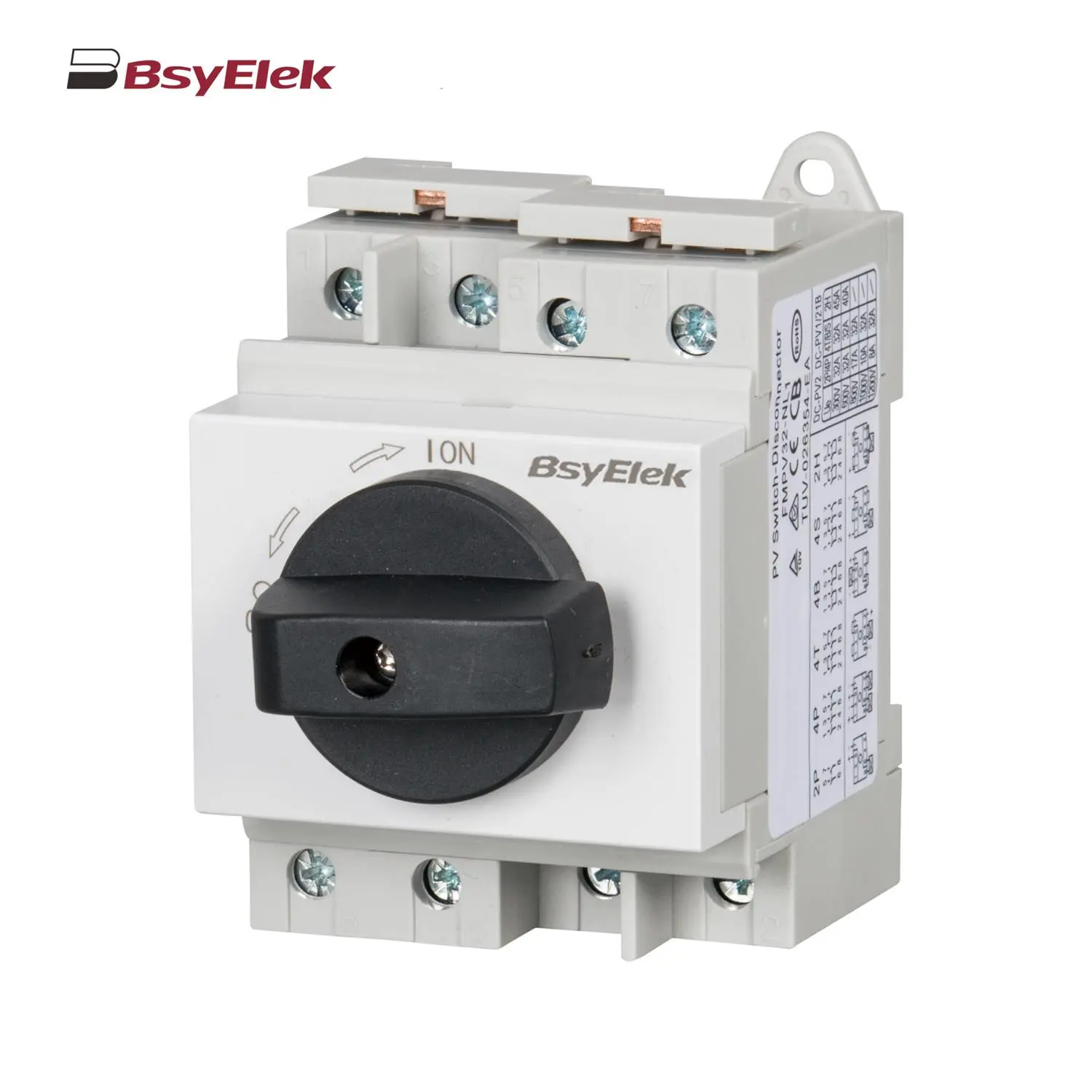 BYPV-NL1 PV Isolator Switch with Lever Handle
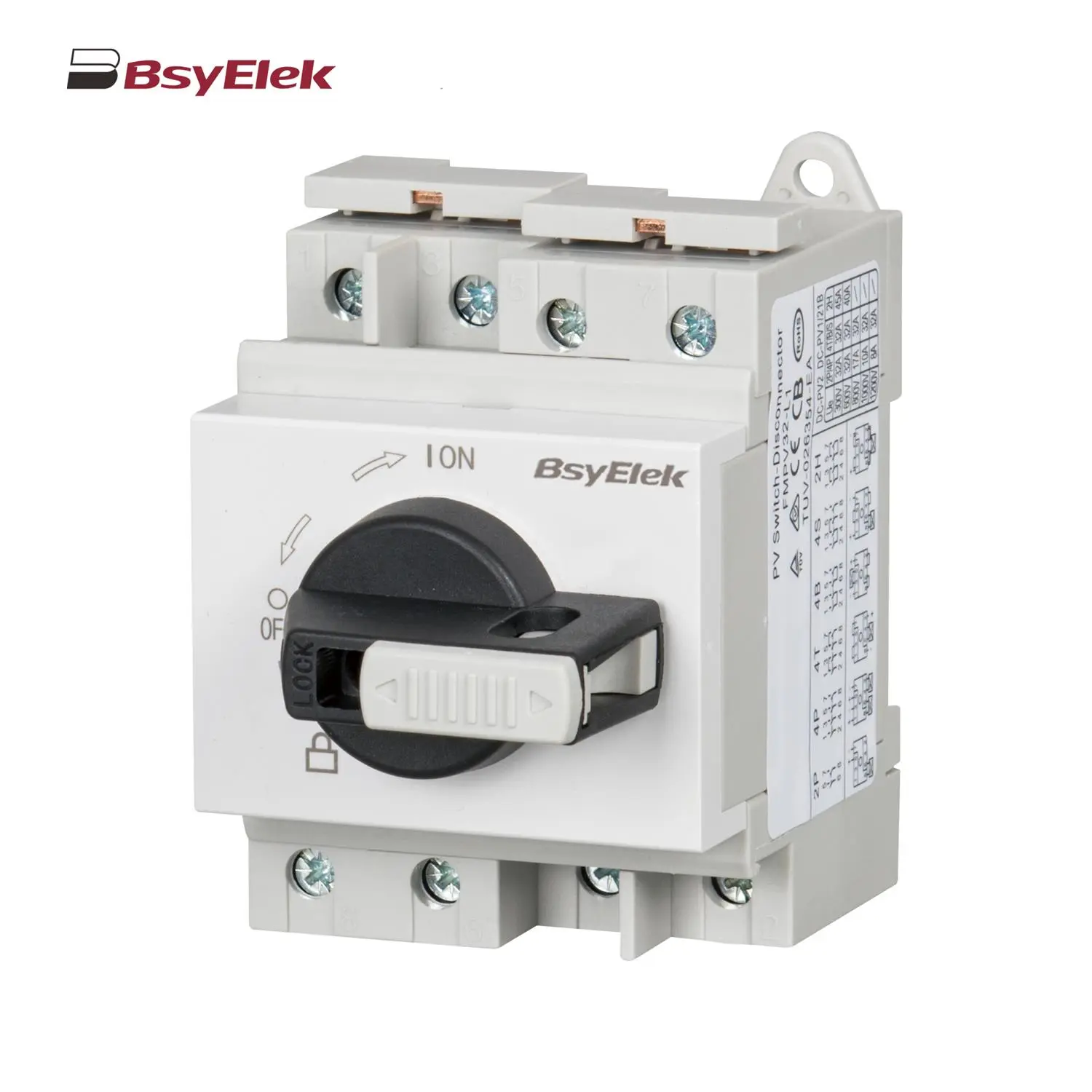 BYPV-L1/L2 PV Isolator Switch with Lockable Lever Handle
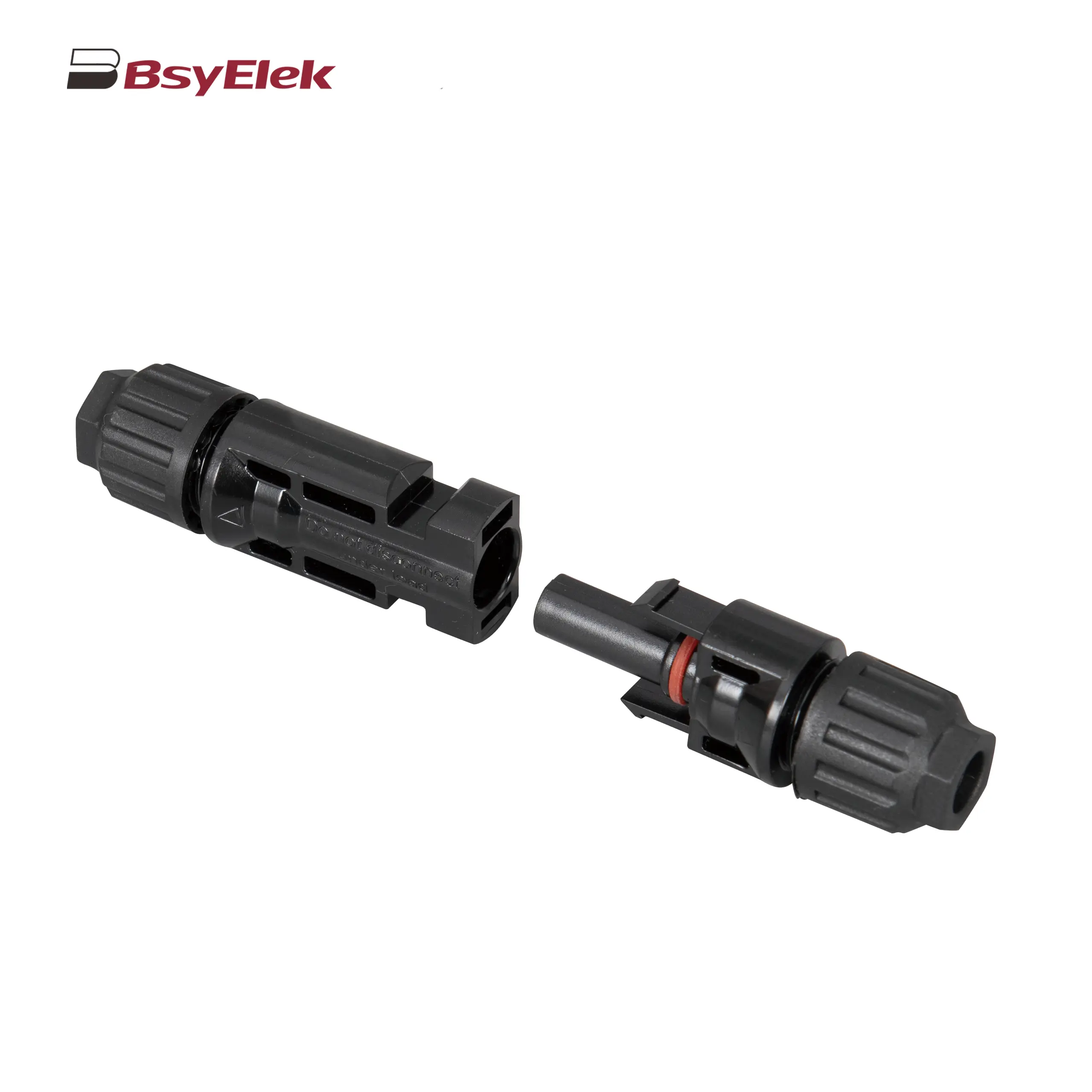 PV-BY-01 30A/50A 1000V Photovoltaic Connector
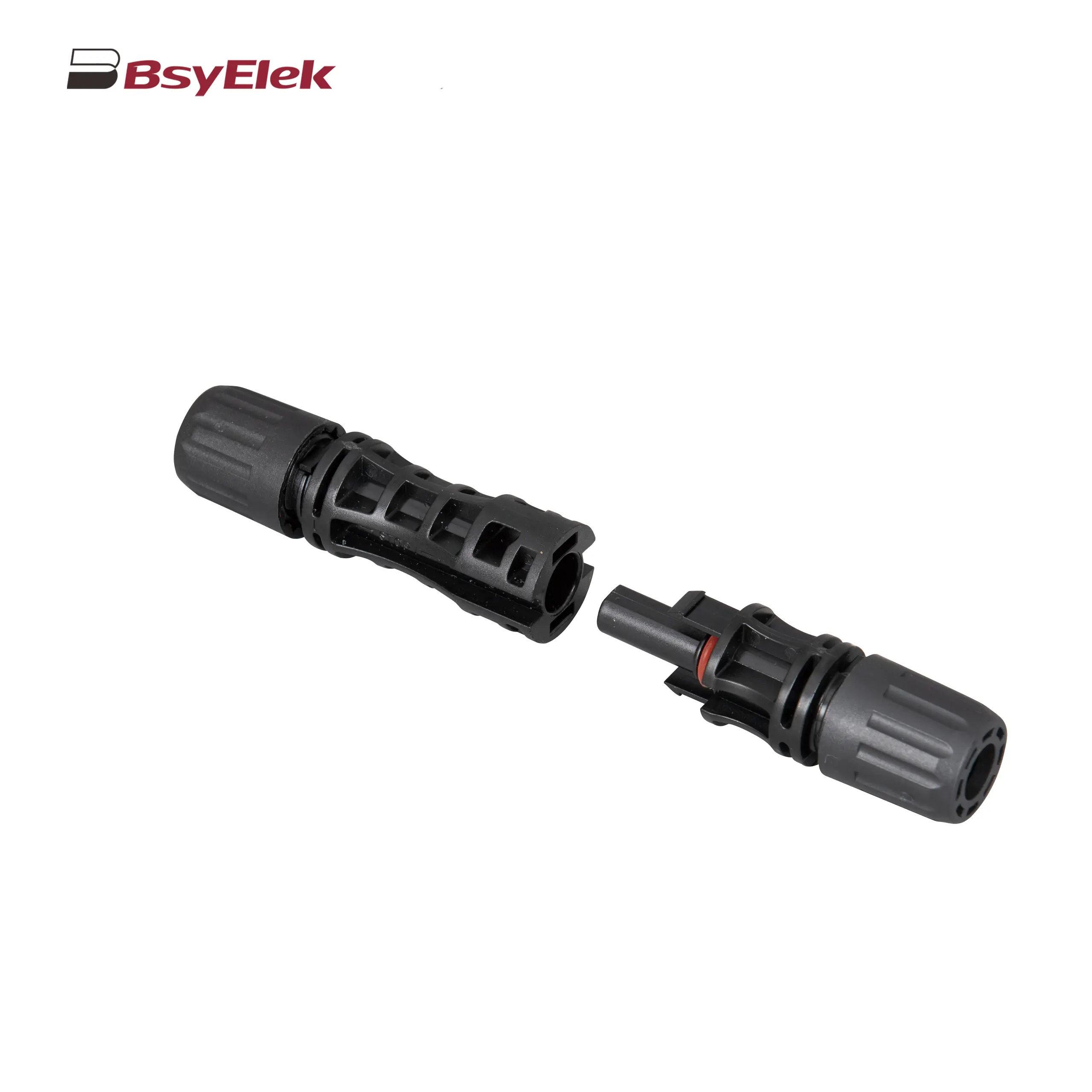 PV-BY-02 30A/50A 1500V Photovoltaic Connector
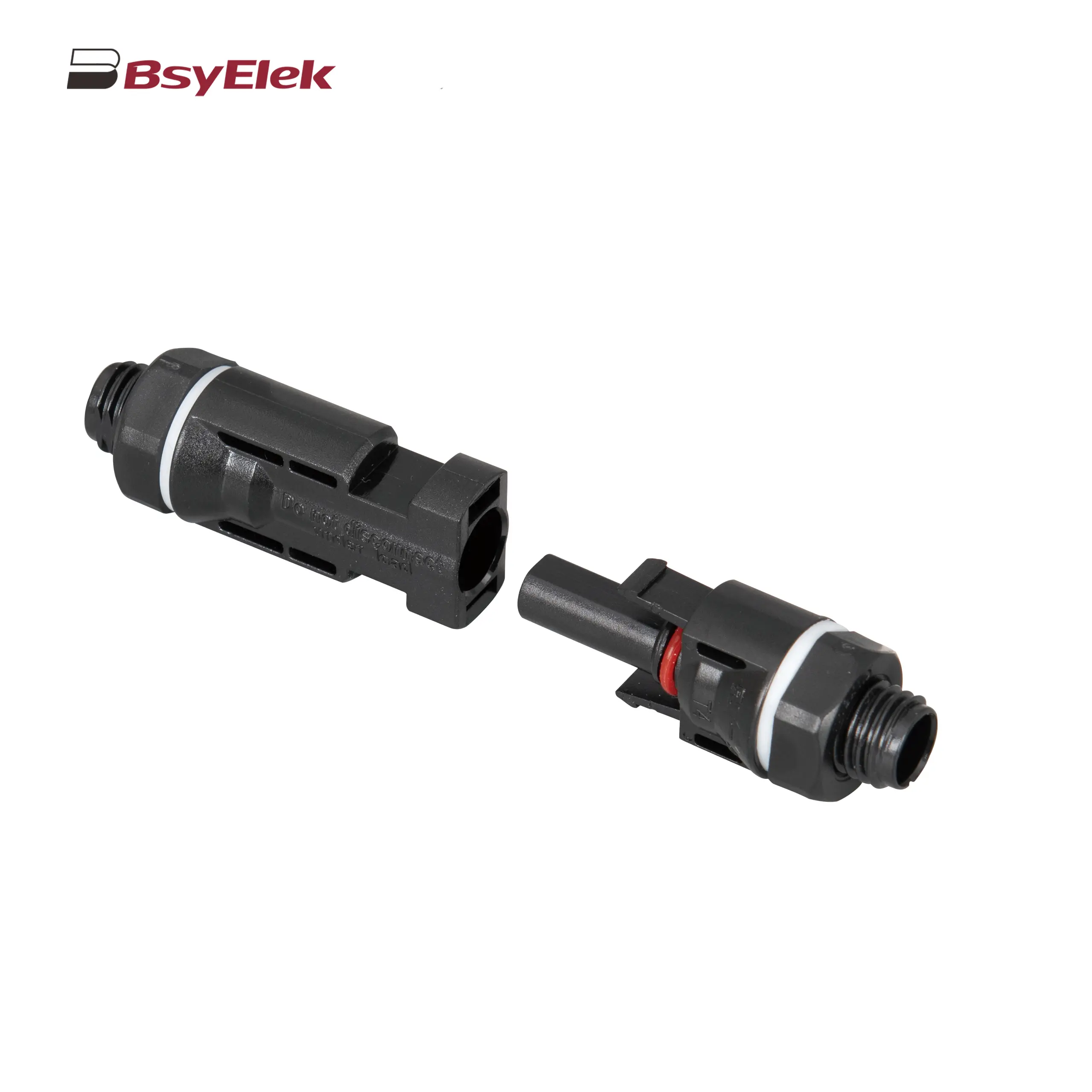 PV-BY-03 30A/50A 1000V Panel Mount Photovoltaic Connector
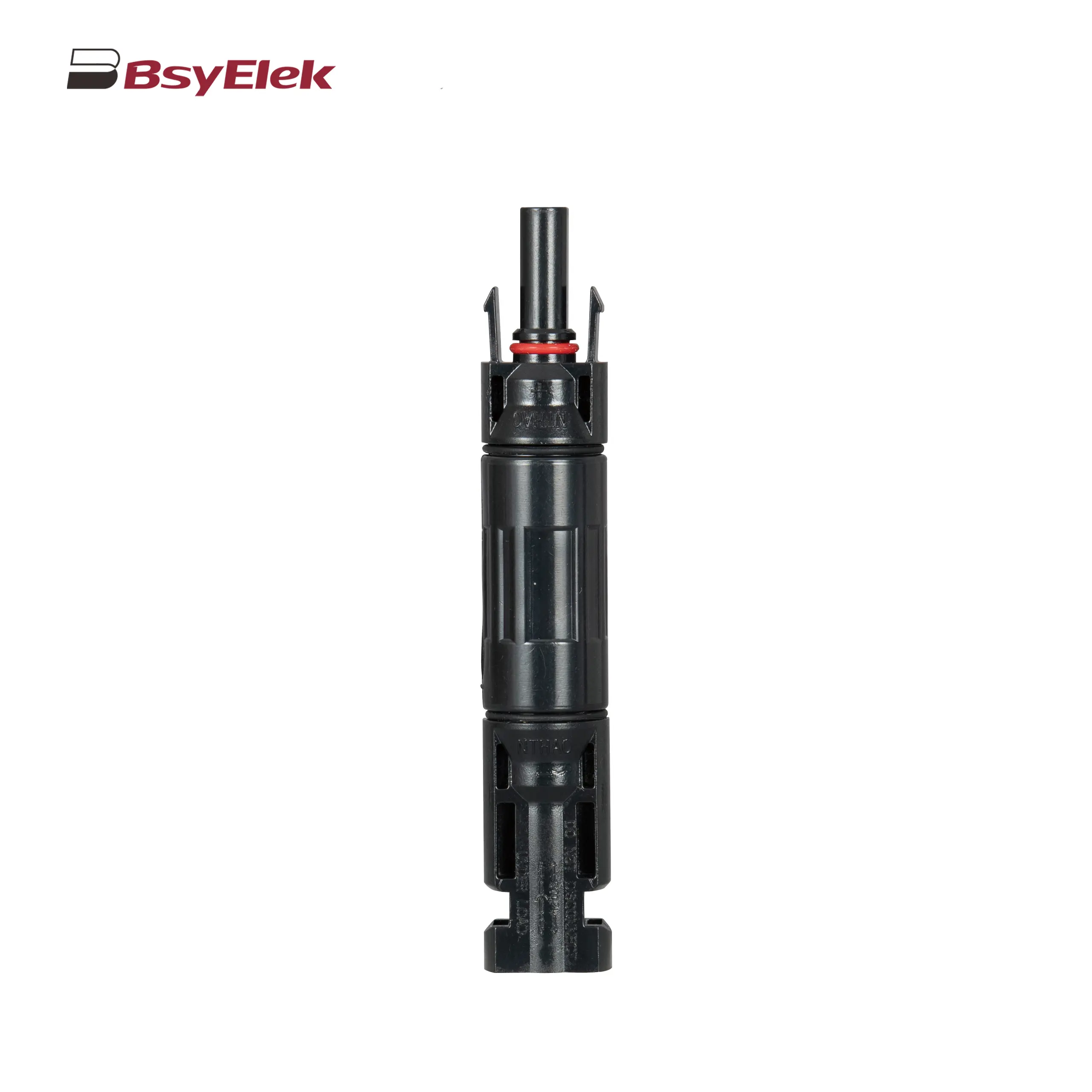 PV-BY-F01 30A 1500V Diode/Fuse Type Connector
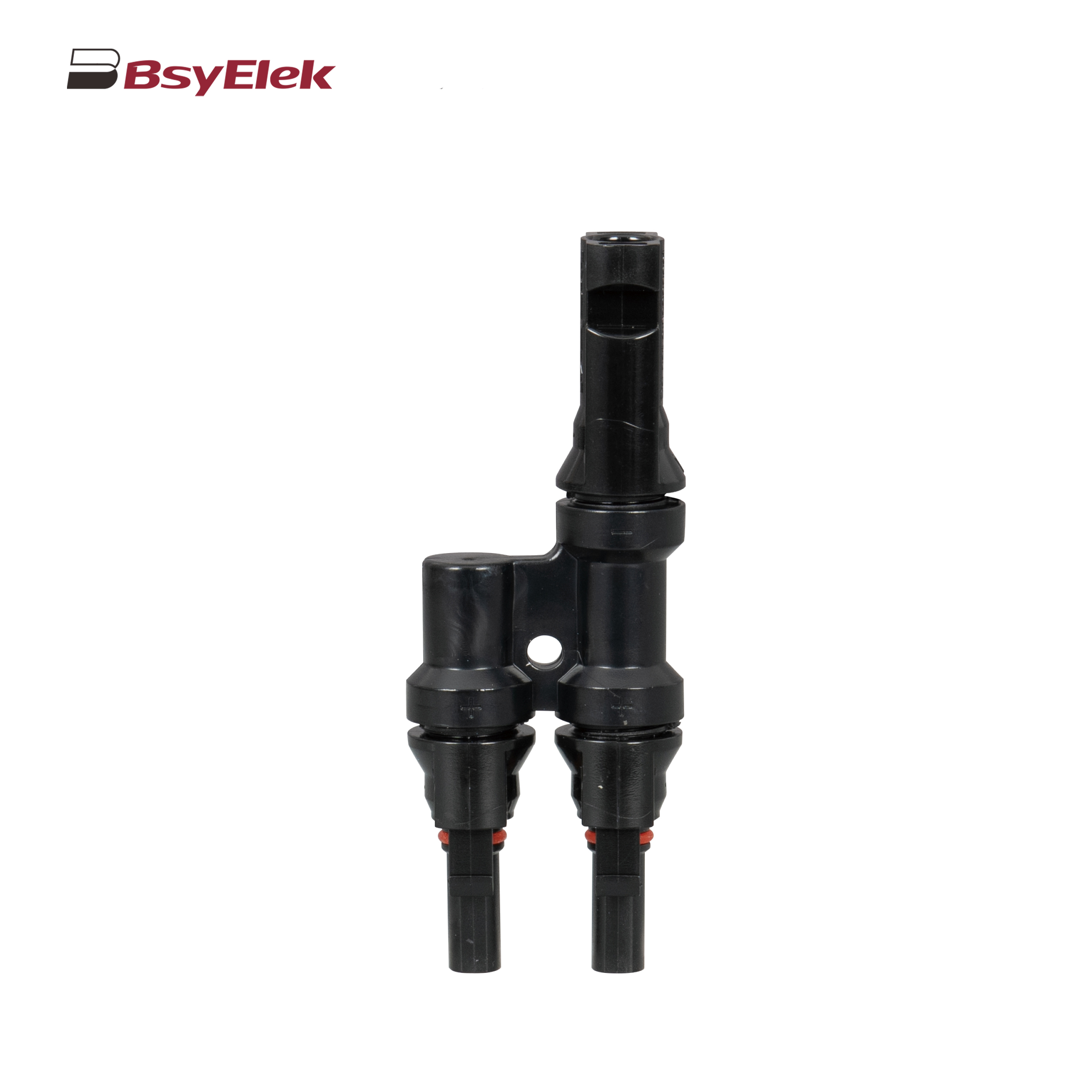 PV-BY-T 50A 1500V T Type Branch Connector
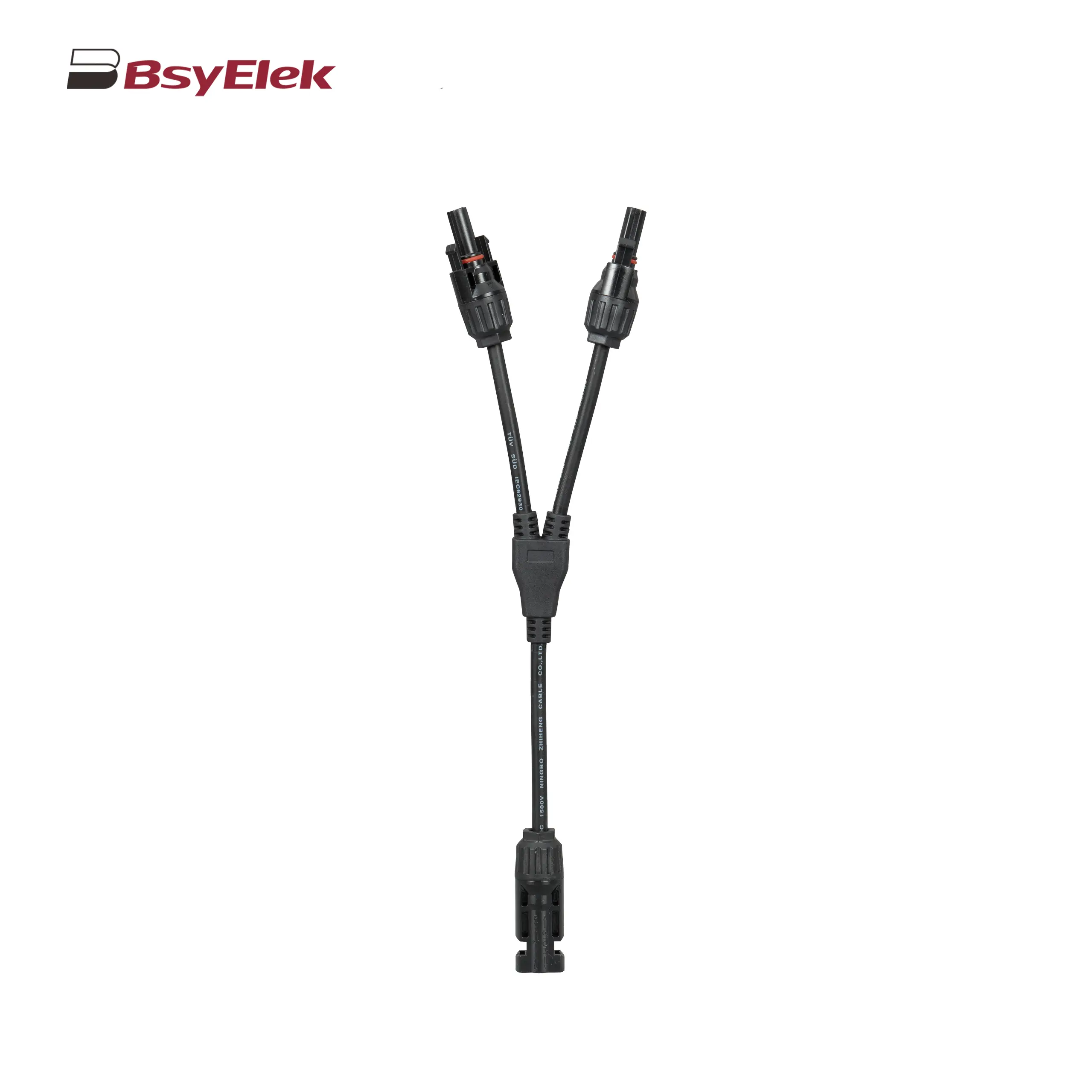 PV-BY-Y 30A 1500V Y Type Branch Connector
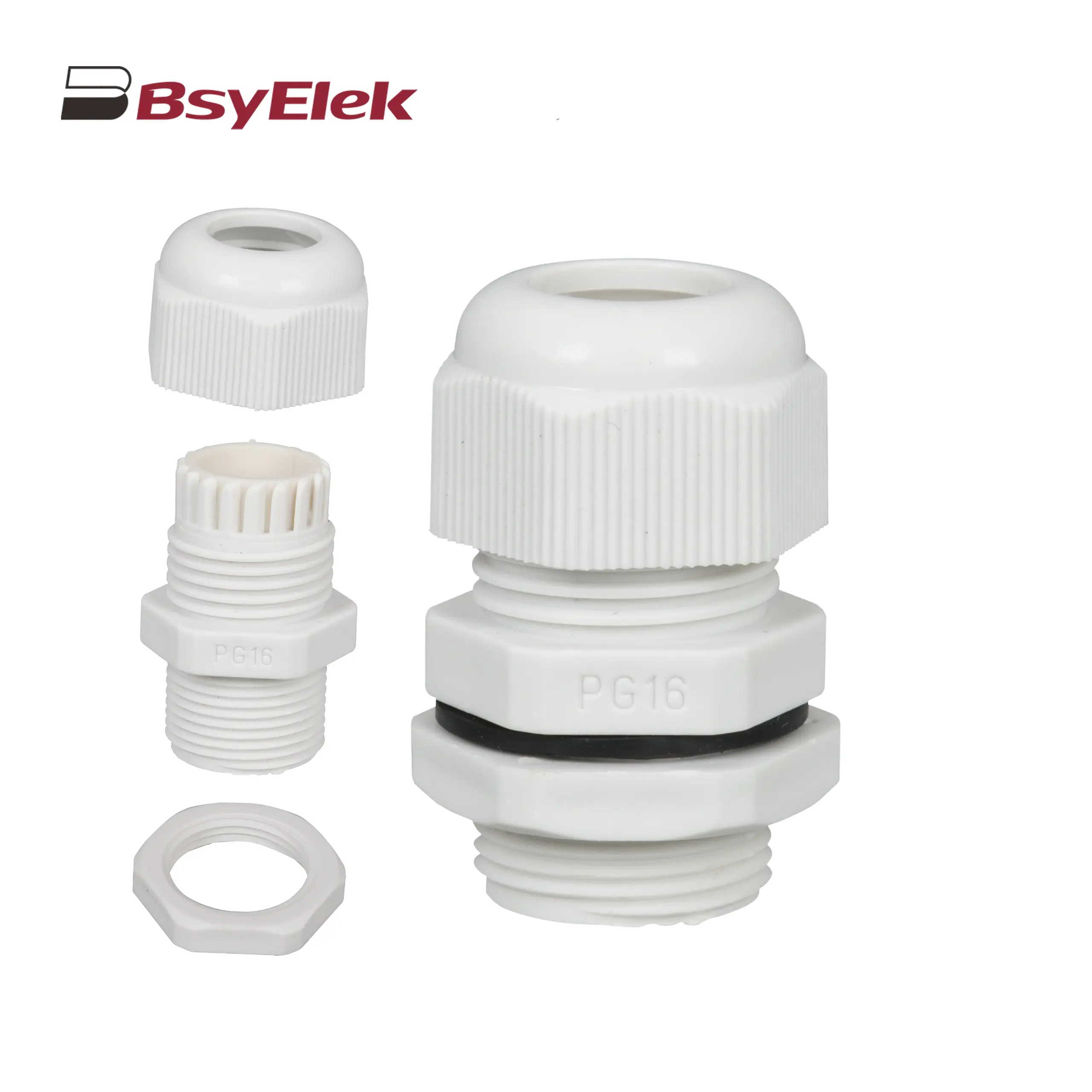 PG Waterproof Cable Gland with Washer
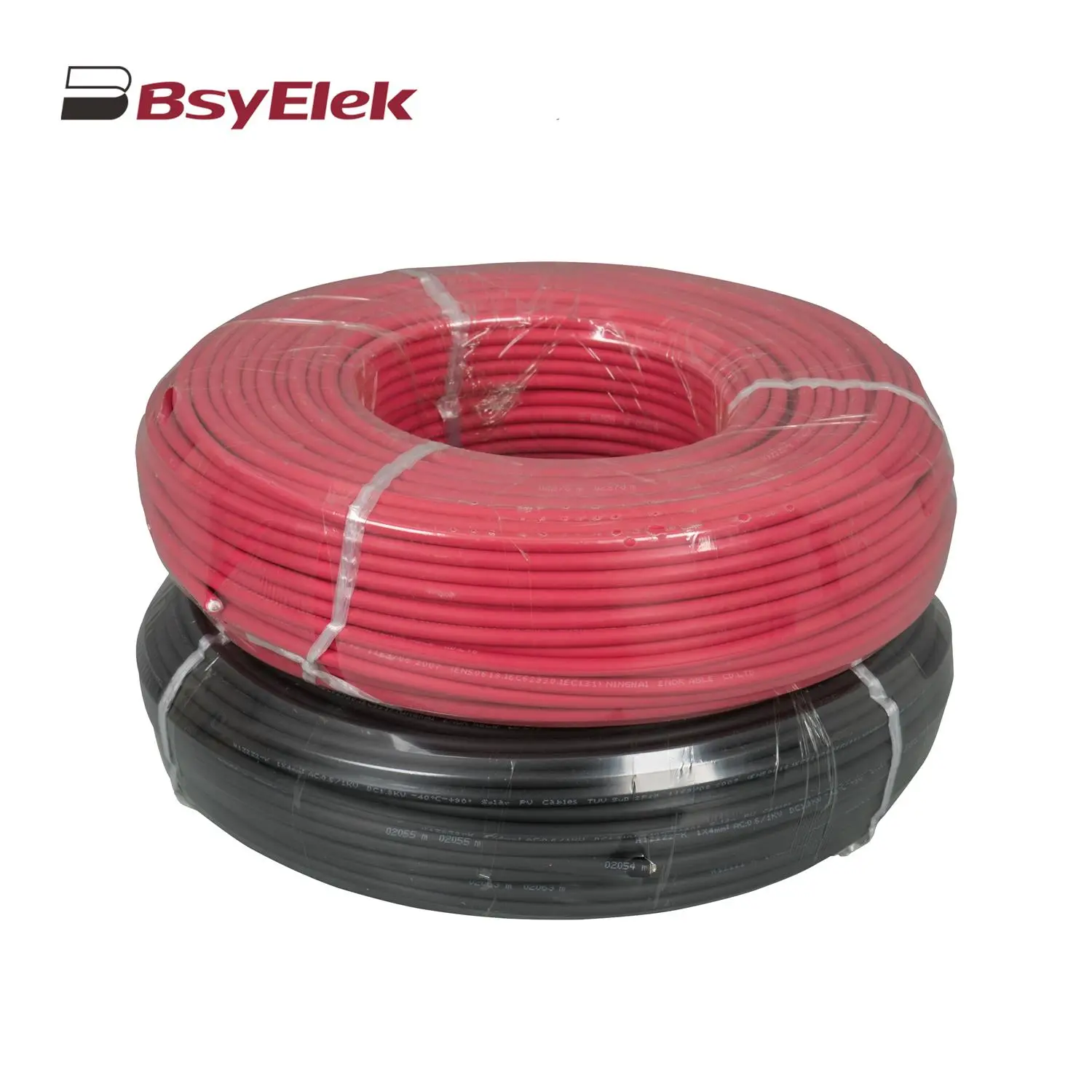 Photovoltaic Cable
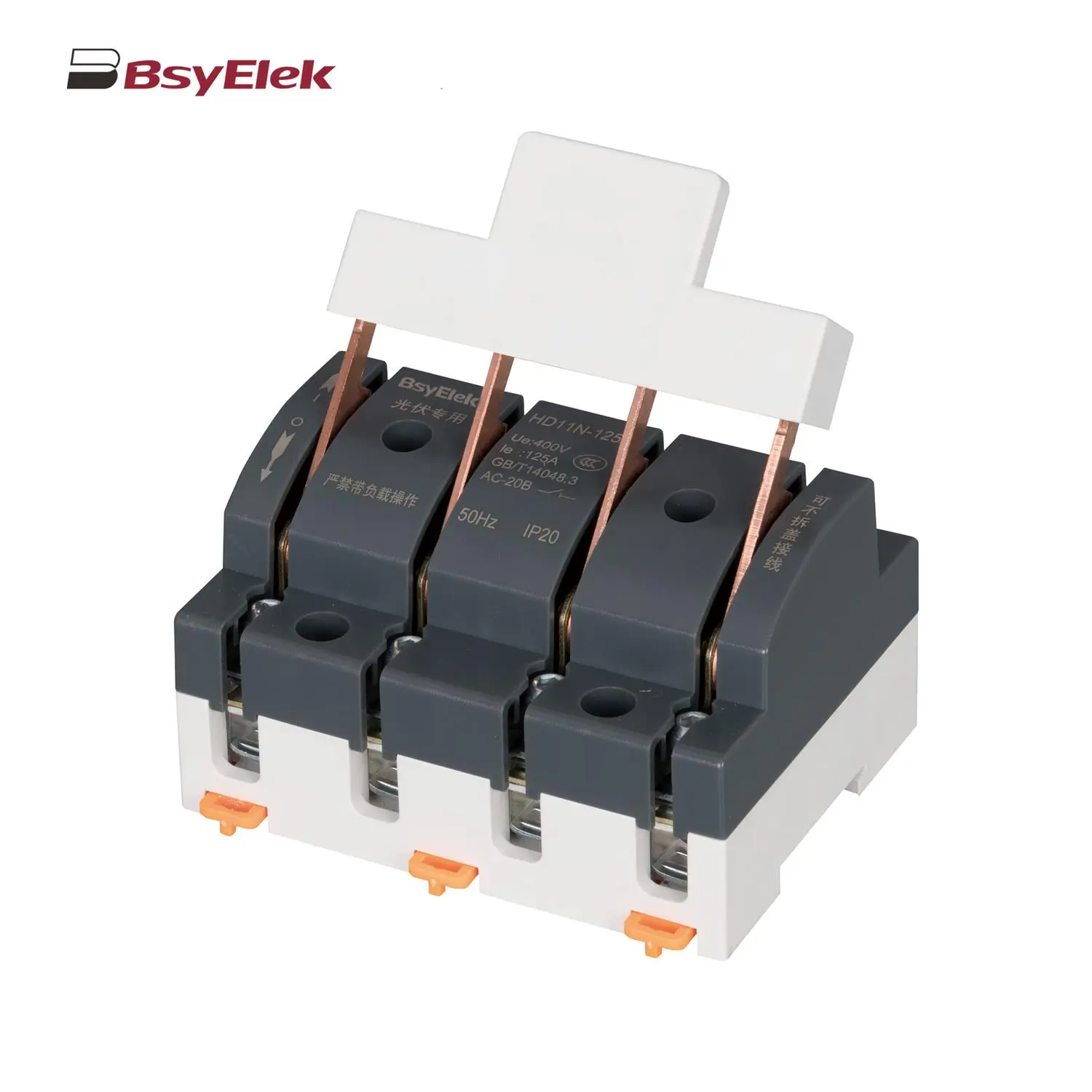 HD11N Photovoltaic Knife Switch
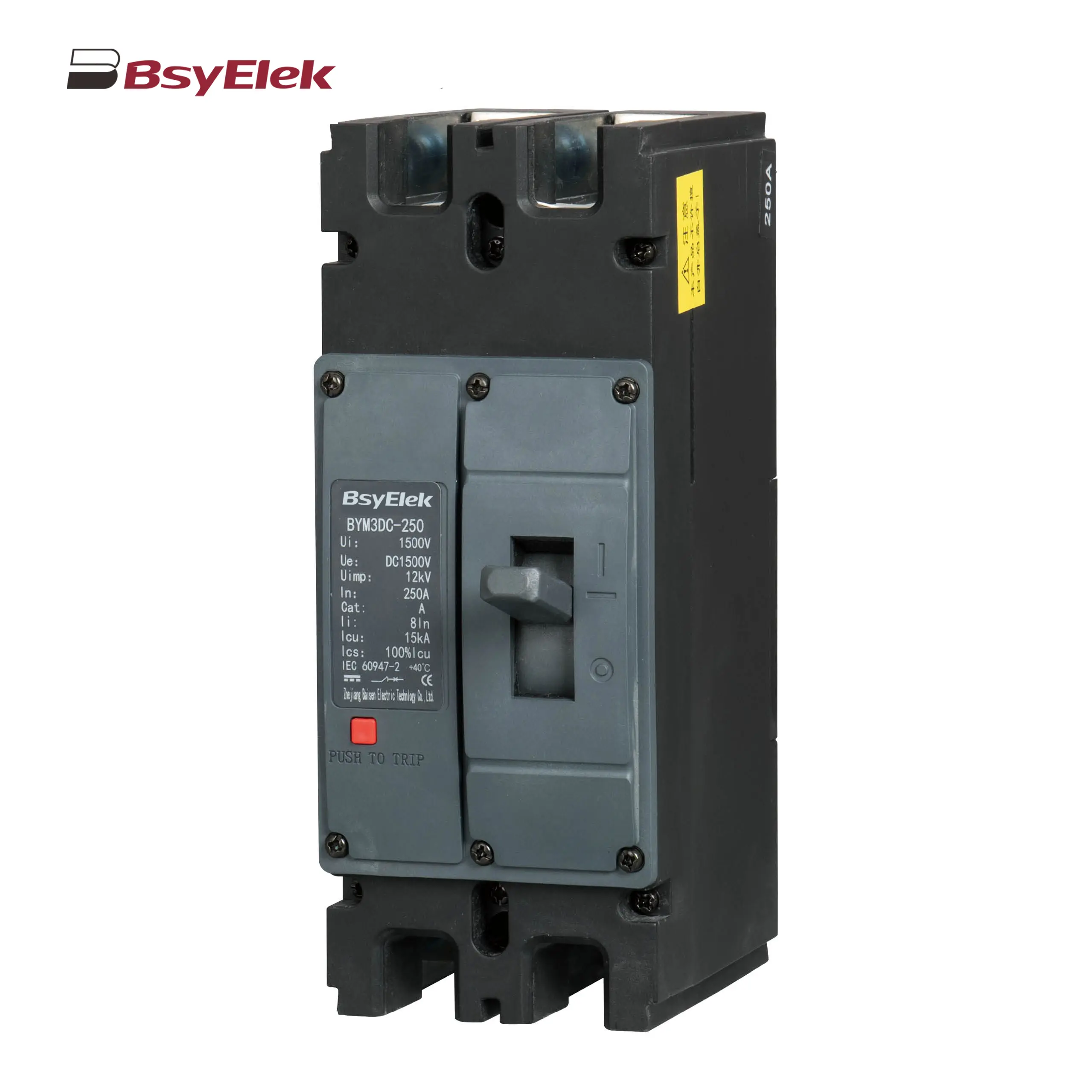 BYM3DC MCCB Photovoltaic DC Molded Case Circuit Breaker
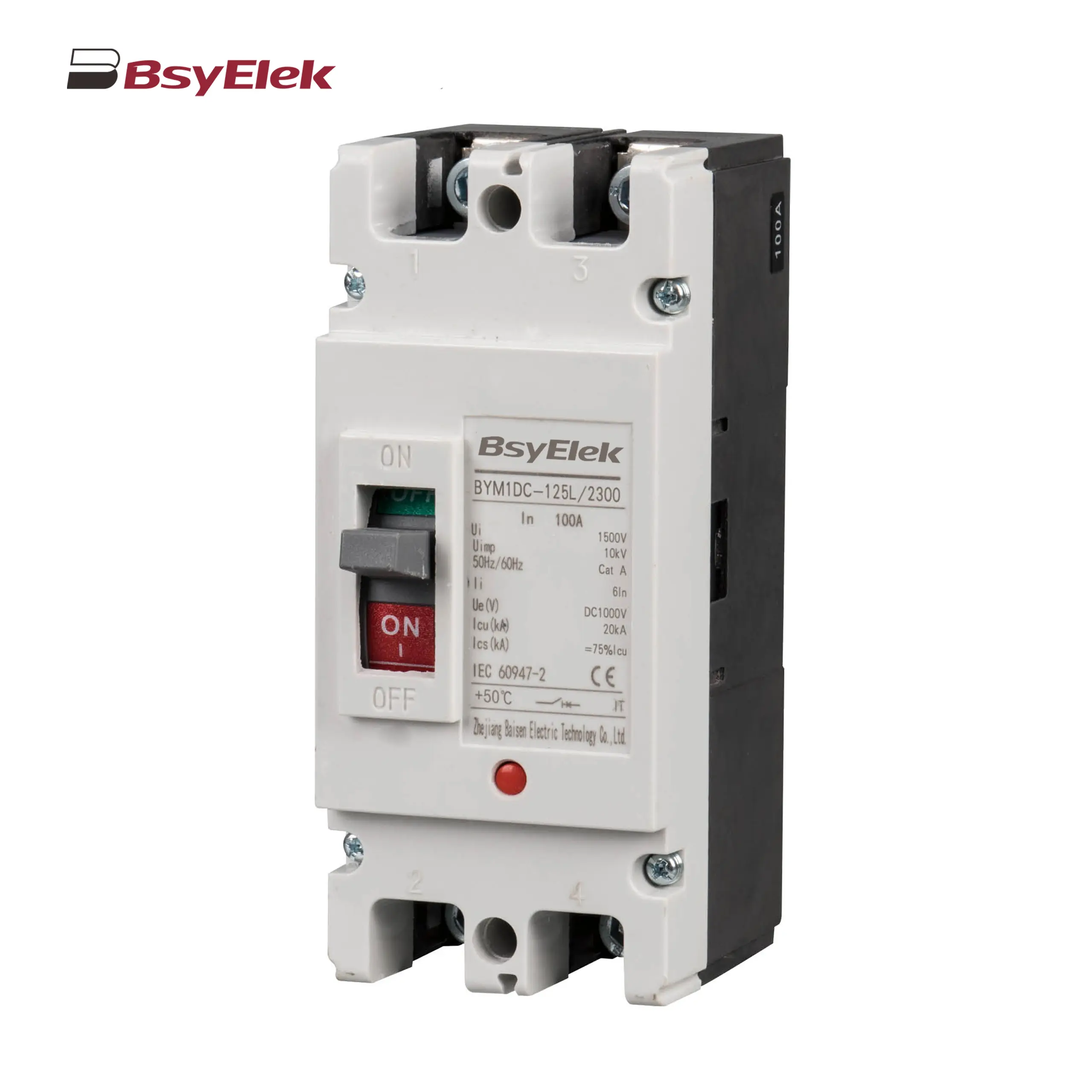 BYM1DC MCCB 1000VDC Thermal Magnetic Type DC Molded Case Circuit Breaker
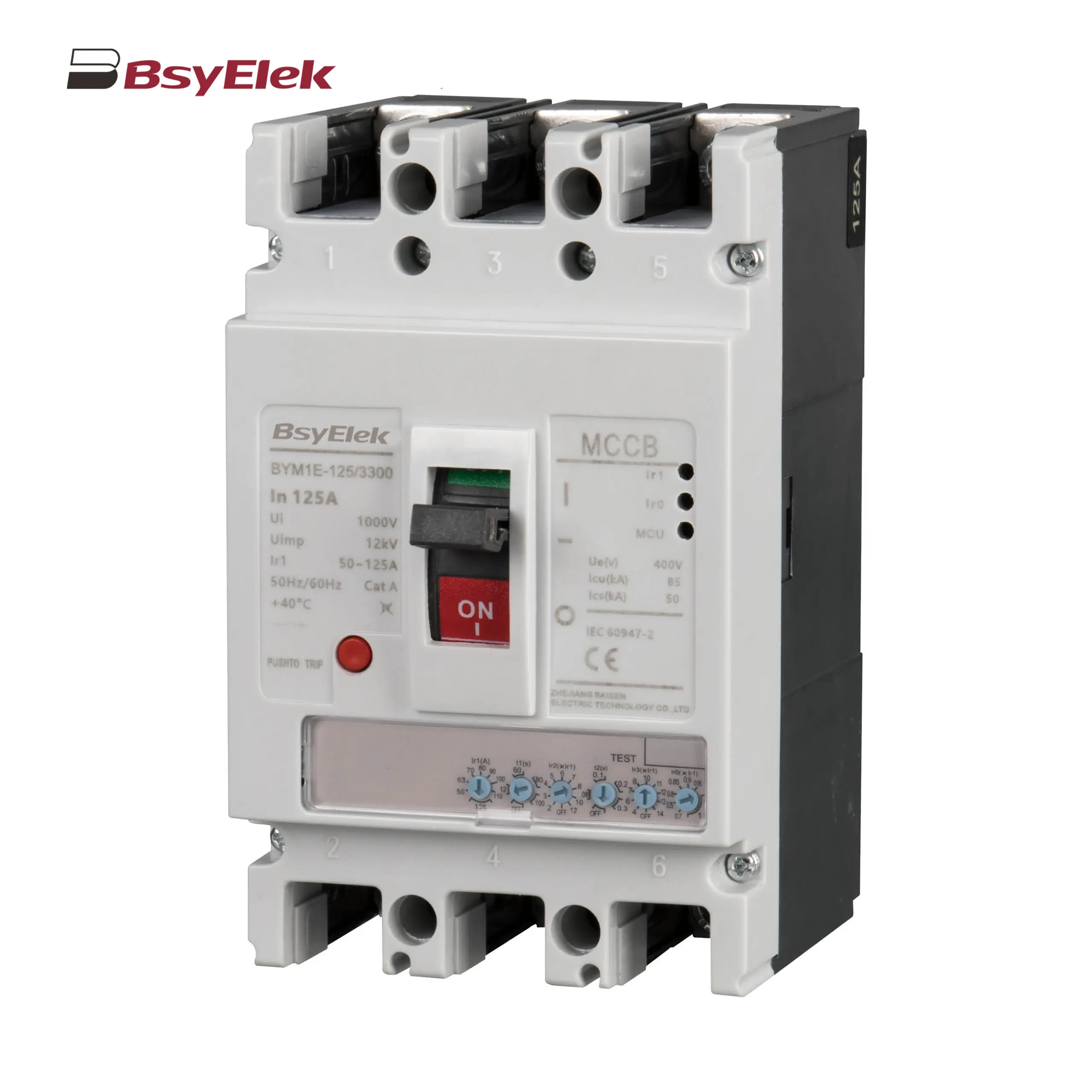 BYM1E MCCB Electronic Type Molded Case Circuit Breaker
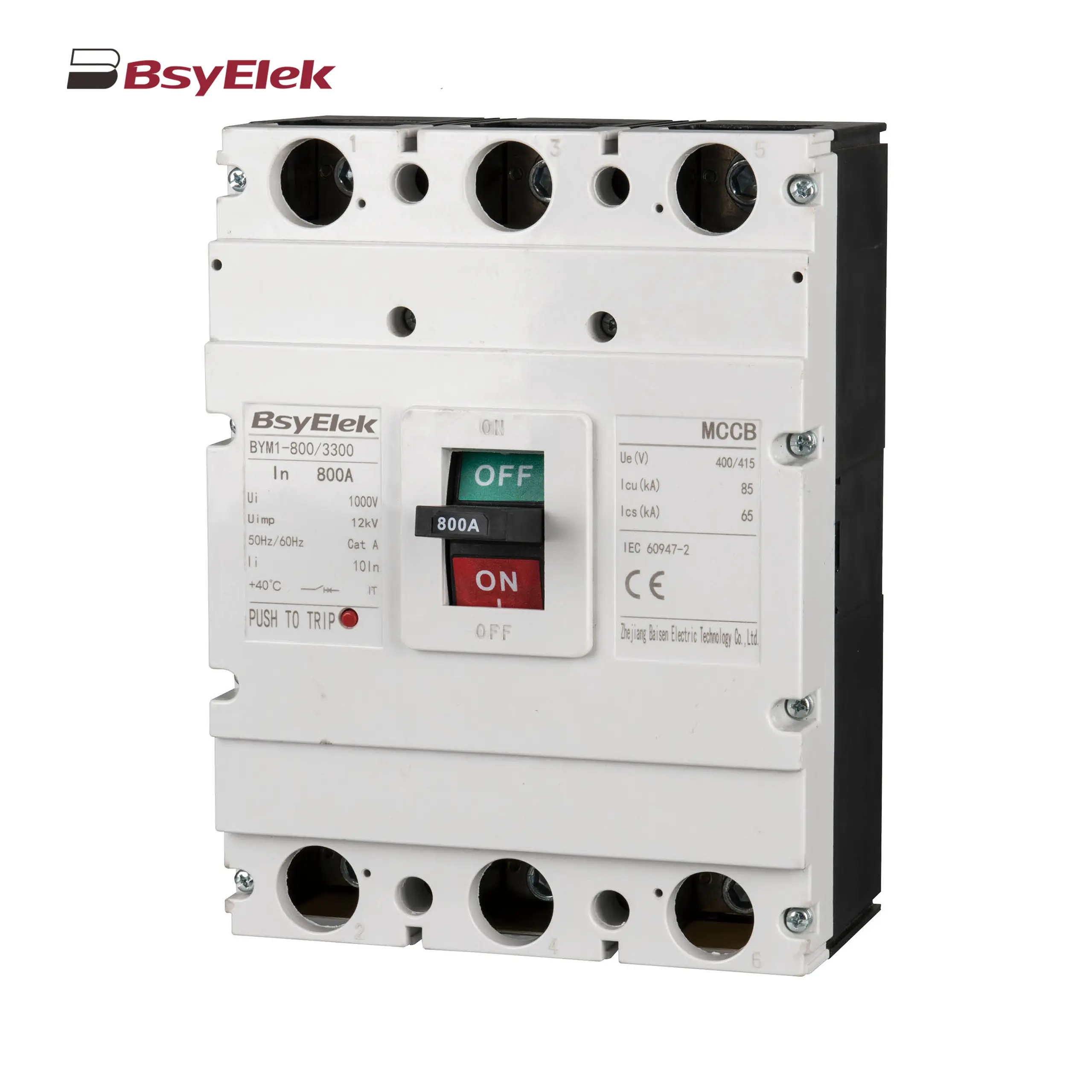 BYM1 MCCB Thermal Magnetic AC Molded Case Circuit Breaker
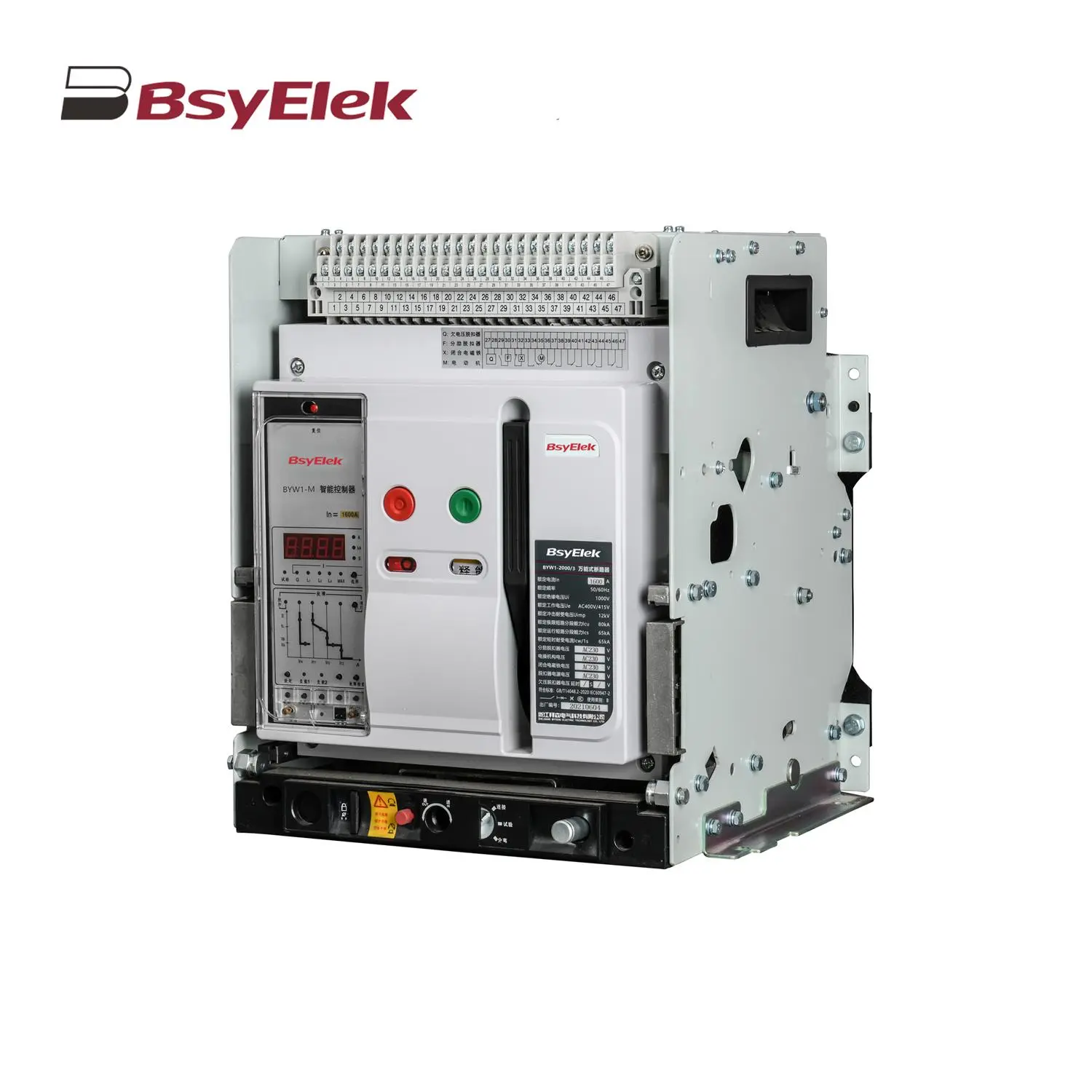 BYW1 ACB Intelligent Universal Air Circuit Breaker
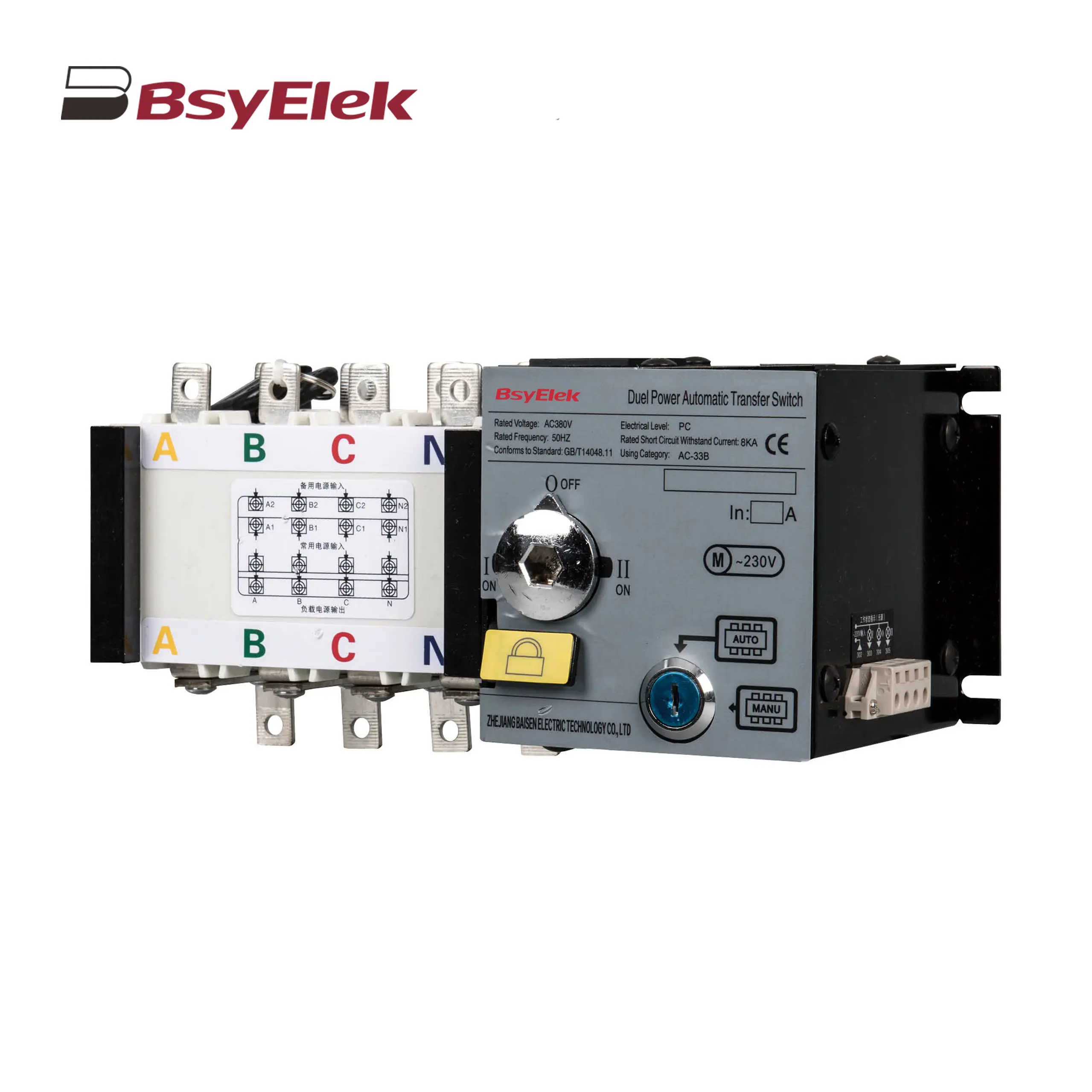 BYQ1 ATS Isolated Type PC Level Dual Power Automatic Transfer Switch
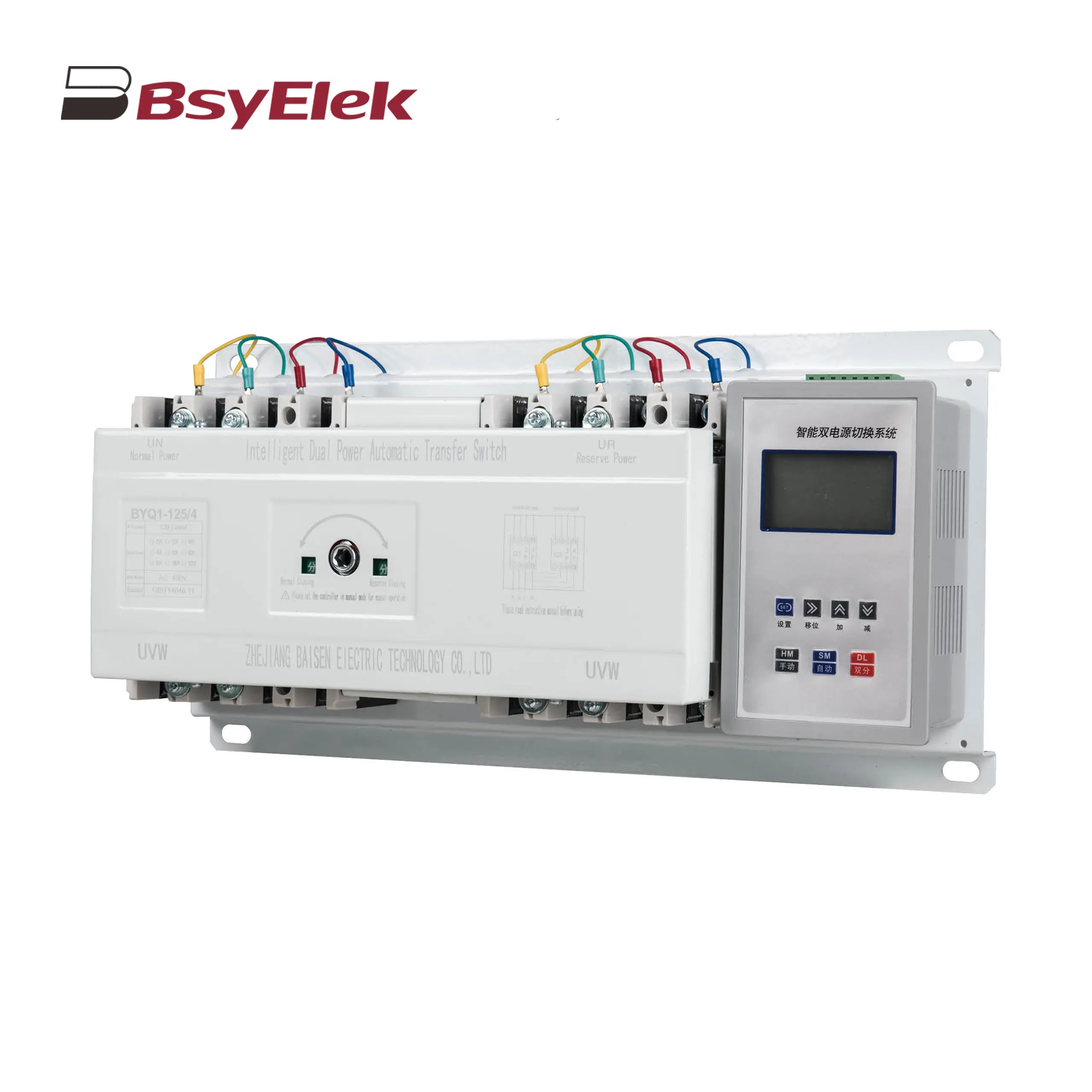 BYQ1 ATS Intelligent Type CB Level Dual Power Automatic Transfer Switch
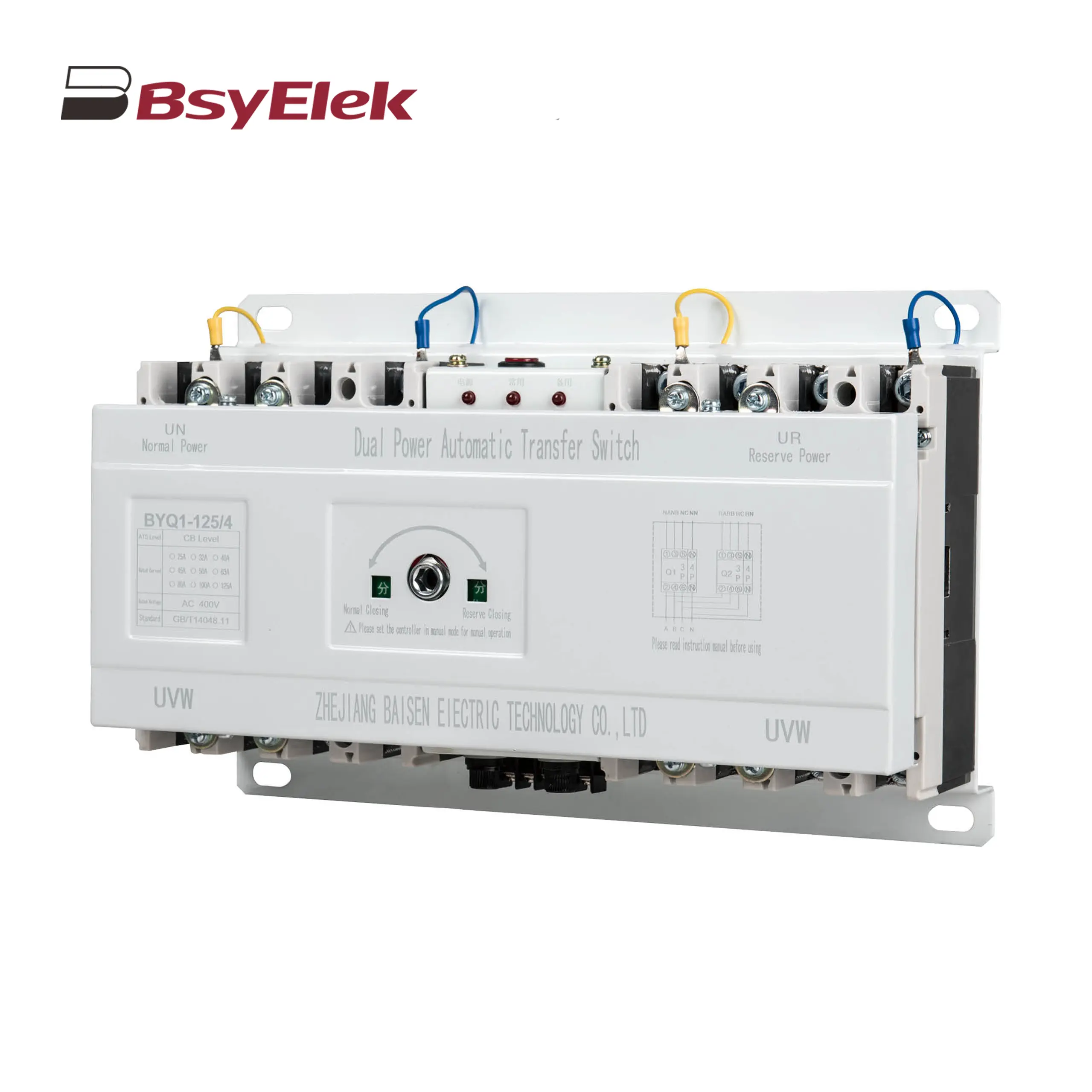 BYQ1 ATS End Type CB Level Dual Power Automatic Transfer Switch
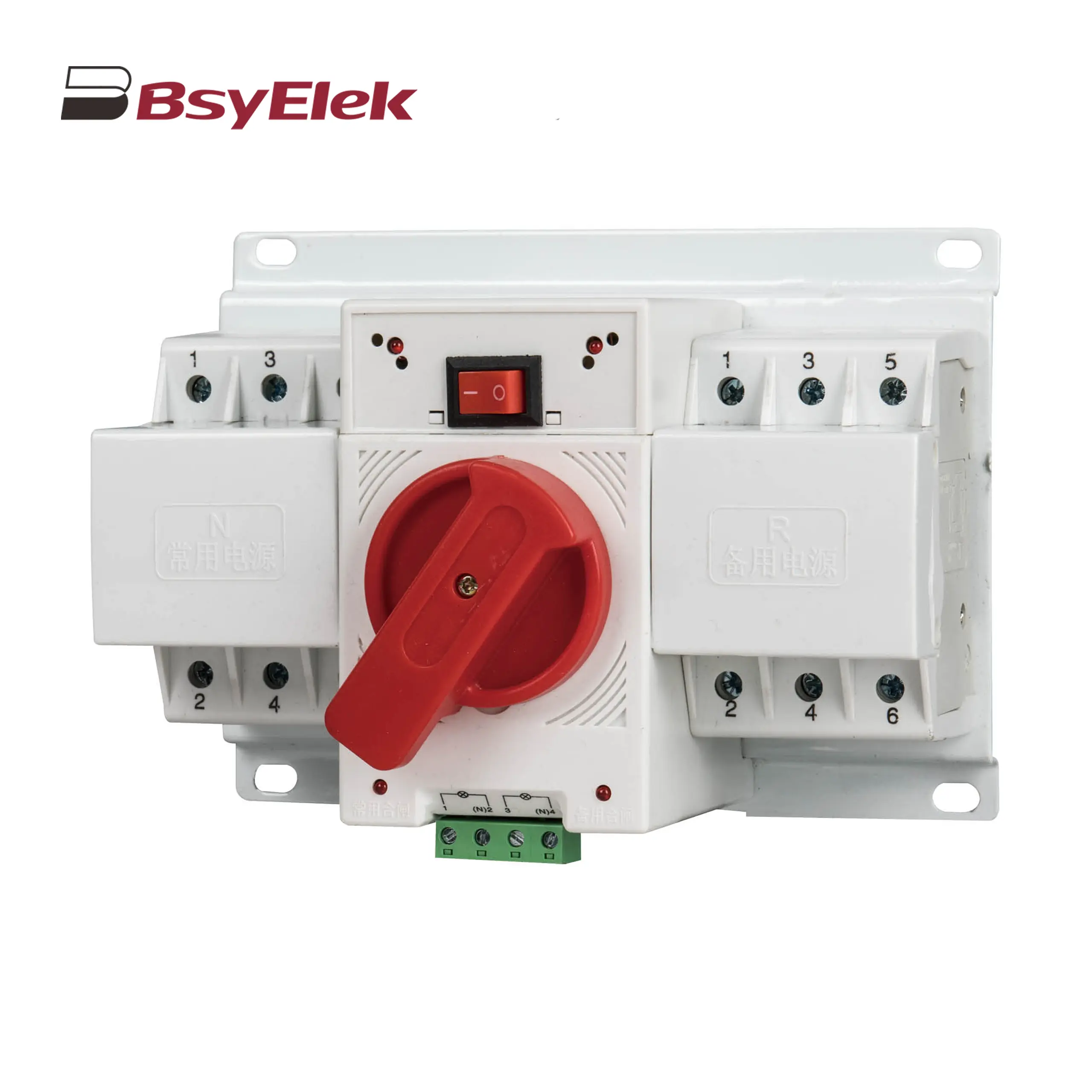 BYQ1 ATS Mini Type CB Level Dual Power Automatic Transfer Switch
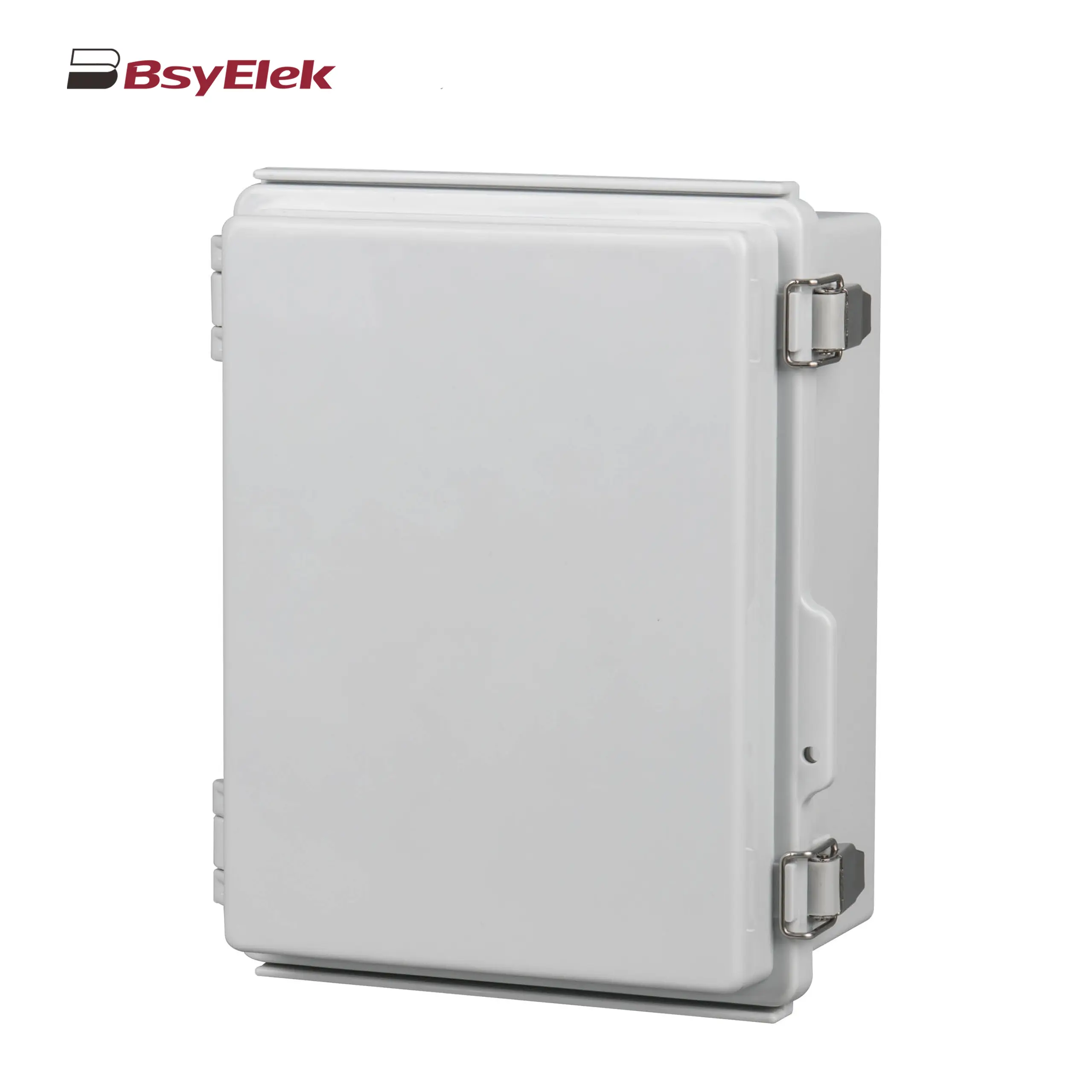 Stainless Steel Hinge Type Electrical Box
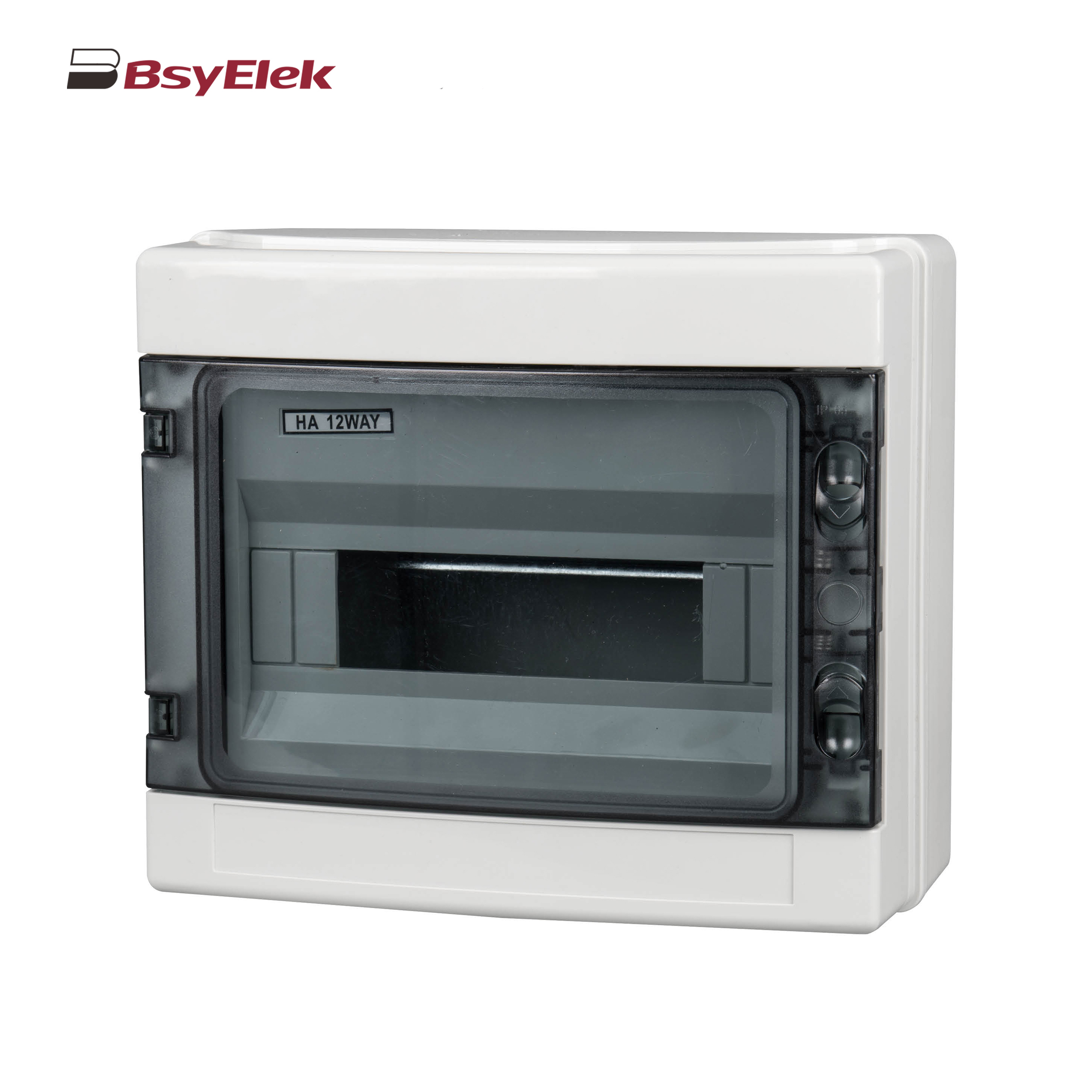 HA Waterproof Distribution Box
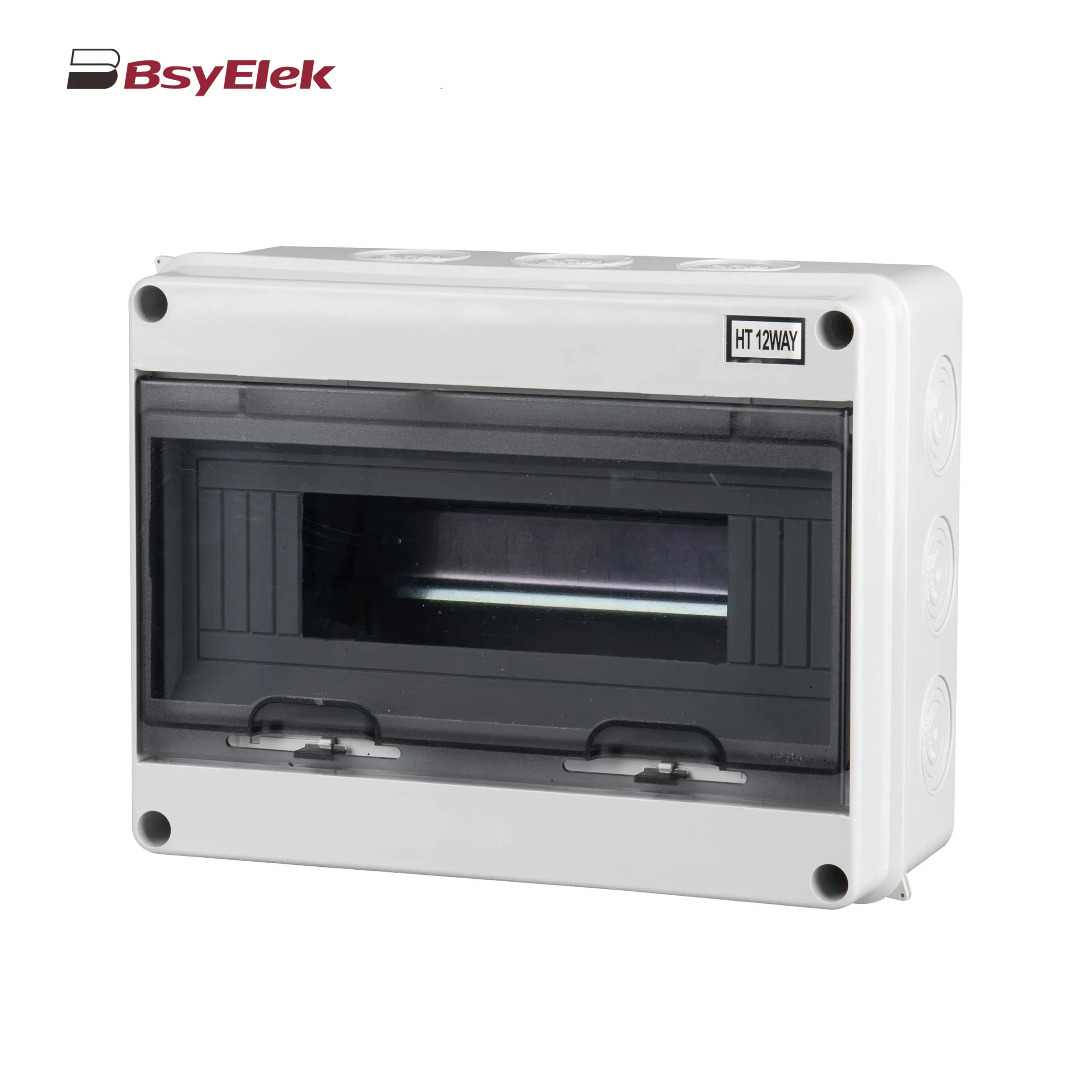 HT Waterproof Distribution Box
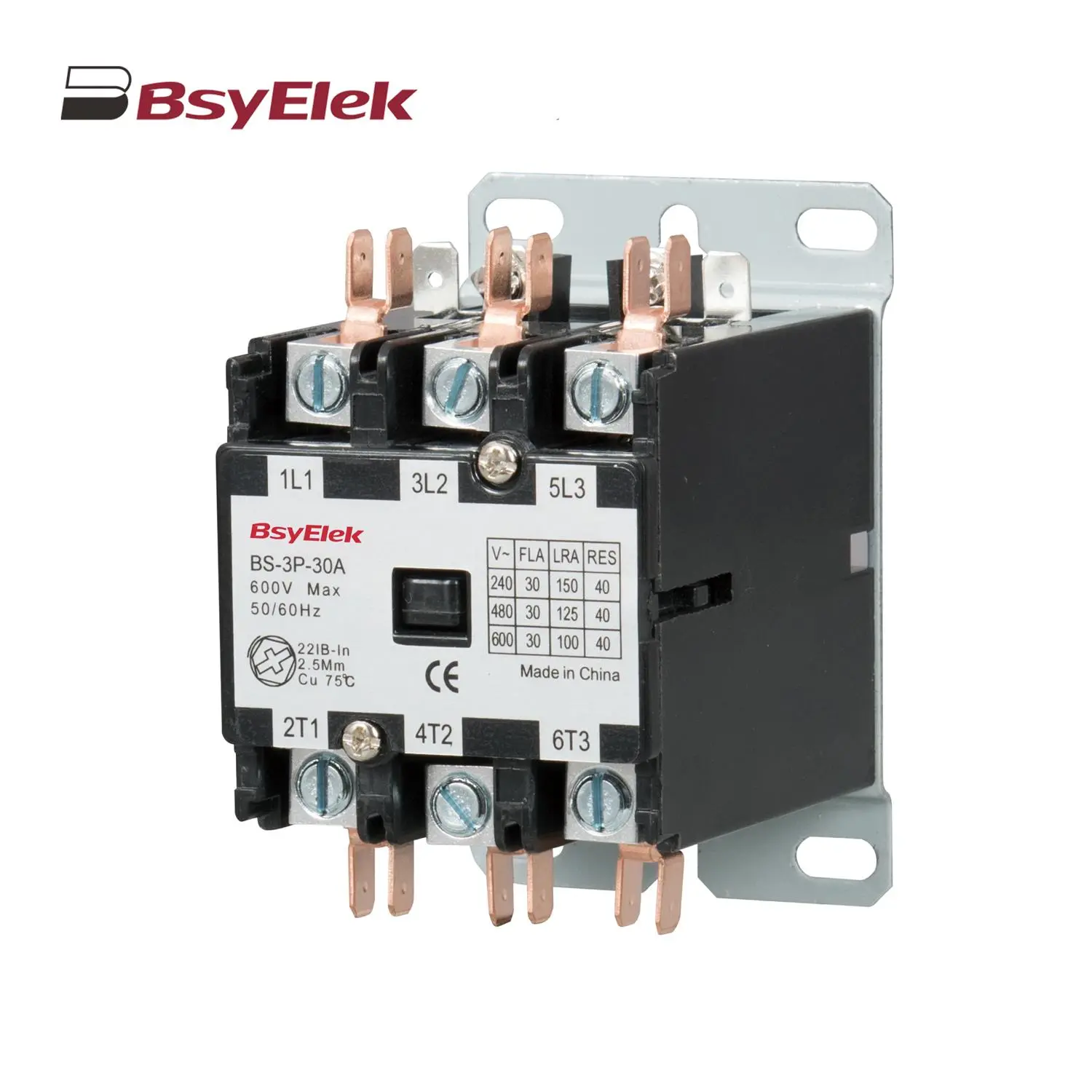 BS Definite Purpose Magnetic AC Contactor