What is an Adjustable Voltage Protector and How It Safeguards Your Devices?
In an era where electronic devices are integral to both our personal and professional lives, safeguarding them from voltage fluctuations has become paramount. An Adjustable Voltage Protector serves as a crucial line of defense, allowing users to adjust the voltage levels within specified limits and prevent damage from surges or sags. According to a report by the International Electrical and Electronics Engineers (IEEE), voltage irregularities account for approximately 80% of all electrical damages in devices. Such statistics underscore the importance of investing in robust protective measures like the Adjustable Voltage Protector.
Industry expert Dr. Emily Chen, a renowned power electronics researcher, emphasizes the necessity of these devices, stating, "Incorporating Adjustable Voltage Protectors not only prolongs the lifespan of electronic equipment but also enhances their operational efficiency." Her insights reflect the growing recognition of the pivotal role these protectors play in maintaining device integrity, particularly as our reliance on technology deepens. The nuanced functionalities of Adjustable Voltage Protectors can significantly mitigate risks associated with inconsistent power supply, making them essential components in today's electronics landscape.
What is an Adjustable Voltage Protector? Understanding Its Functionality
An Adjustable Voltage Protector (AVP) is an essential device designed to safeguard electronic equipment from voltage fluctuations. Unlike traditional surge protectors, which only guard against spikes in electrical currents, an AVP allows users to set specific voltage thresholds tailored to the sensitivity of their devices. This adaptability is crucial, especially in regions where power supply stability fluctuates frequently. The International Electrotechnical Commission (IEC) suggests that improper voltage levels can lead to a 30% reduction in the lifespan of electrical components, underscoring the necessity of such protective devices.
Functionally, an AVP monitors incoming voltage and disconnects the power supply when the voltage exceeds or drops below user-defined limits. According to a recent report by the National Electrical Manufacturers Association (NEMA), approximately 15% of electronic device failures are attributed to voltage irregularities. By employing an AVP, users can significantly mitigate this risk while enhancing the reliability and durability of their devices. Furthermore, in industries reliant on high-value equipment, the investment in adjustable voltage protection can yield substantial long-term savings on repairs and replacements.
Key Features of Adjustable Voltage Protectors You Should Know
Adjustable Voltage Protectors (AVPs) are essential devices for safeguarding electronic equipment from voltage fluctuations, which can cause significant damage. One of the key features of AVPs is their ability to adapt to varying voltage levels, ensuring that connected devices operate within safe limits. According to a report by the International Electrotechnical Commission, voltage variations can lead to a 15-30% increase in electronic failure rates, emphasizing the importance of reliable protection.
Another crucial feature to consider is the response time of adjustable voltage protectors. High-quality AVPs can react within milliseconds to voltage irregularities, reducing the risk of damage compared to standard surge protectors. A study by the Institute of Electrical and Electronics Engineers reported that devices with faster response times exhibited a 50% decrease in damage susceptibility during voltage spikes. Furthermore, many AVPs come equipped with visual indicators and alarm systems that alert users to abnormal voltage conditions, adding an extra layer of safety for sensitive equipment.
Durability also plays a significant role in the effectiveness of AVPs. Models designed with robust casing and advanced circuitry can withstand harsher environments, which is particularly beneficial in industrial settings. Research indicates that over 60% of electronic failures in industrial applications stem from power quality issues, underscoring the necessity of integrating durable adjustable voltage protectors into such systems. These features collectively enhance the reliability and lifespan of connected devices, making adjustable voltage protectors an indispensable asset for both residential and industrial use.
Adjustable Voltage Protector Performance Comparison
This chart illustrates the performance of different adjustable voltage protectors based on their response time to voltage surges. The data represents the average response time in milliseconds for each protector type.
How Adjustable Voltage Protectors Enhance Device Longevity and Performance
Adjustable Voltage Protectors (AVPs) play a crucial role in extending the lifespan and performance of electronic devices by managing voltage fluctuations that can otherwise cause significant damage. According to a report by the Institute of Electrical and Electronics Engineers (IEEE), nearly 70% of electronic failures are attributed to voltage irregularities. By providing a safeguard against both overvoltage and undervoltage situations, AVPs ensure that devices operate within their optimal voltage range, thus reducing wear and tear.
Moreover, a study conducted by the Consumer Electronics Association (CEA) indicates that devices protected by adjustable voltage systems can experience up to a 30% increase in operational life. This enhancement is achieved through more stable performance, as these protectors automatically adjust voltage levels to mitigate spikes and drops that lead to overheating and premature component failure. Furthermore, with the transition towards smart devices, where sensitivity to power quality is heightened, the demand for AVPs continues to rise, indicating their essential role in modern electronics management.
Installation Guide: Setting Up Your Adjustable Voltage Protector Effectively
Installing an adjustable voltage protector is essential to safeguarding your electronic devices from voltage fluctuations. To effectively set up your protector, start by determining the voltage levels typical for your area. This information is crucial, as it will help you to configure the device correctly. Ensure that the protector is compatible with your appliances, as using an incorrect model can lead to ineffective protection.
**Tips:** Before installation, inspect the area where you will place the voltage protector. Make sure it is dry and well-ventilated to prevent overheating. During installation, follow the manufacturer's guidelines closely, adjusting the voltage settings based on your needs. Regularly check the indicator lights on the protector to verify that it is functioning properly.
Once installed, conduct a test run by plugging in your devices to ensure they are receiving stable voltage. Monitor how your devices perform, and adjust the settings on your protector if you notice any inconsistencies. This proactive approach will not only extend the life of your devices but also enhance their performance, allowing you to enjoy peace of mind while using them.
What is an Adjustable Voltage Protector and How It Safeguards Your Devices? - Installation Guide: Setting Up Your Adjustable Voltage Protector Effectively
| Feature |
Description |
Benefits |
| Voltage Regulation |
Maintains output voltage within a set range |
Prevents damage to sensitive electronic devices |
| Surge Protection |
Blocks high-voltage spikes from reaching devices |
Extends the lifespan of appliances and equipment |
| User Adjustable Settings |
Allows users to set their desired voltage levels |
Customizes protection based on specific device requirements |
| LED Indicators |
Visual display of voltage status and protection working |
Easy monitoring of device status and protection level |
| Compact Design |
Space-saving and portable form factor |
Convenient for both home and travel use |
Common Misconceptions About Adjustable Voltage Protectors Explained
Adjustable Voltage Protectors (AVPs) serve a crucial role in safeguarding electronic devices from voltage fluctuations. However, misconceptions about how they operate can lead to misunderstandings about their effectiveness. One common myth is that AVPs can correct voltage issues automatically. In reality, while they do stabilize electrical output to prevent damage from surges, they cannot "fix" an ongoing voltage problem; they only protect connected devices when functioning correctly.
Another prevalent misconception is that all AVPs are the same and offer equivalent levels of protection. The truth is, AVPs come with varying specifications and features. Factors such as voltage range, surge capacity, and response time are critical in determining their efficacy. Users often assume that a higher price equates to better protection, but this isn't always the case. Understanding these specifications can help consumers make more informed choices, ensuring that their devices are adequately protected from potential electrical hazards.



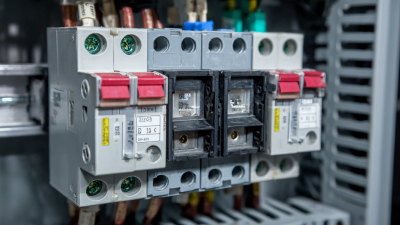
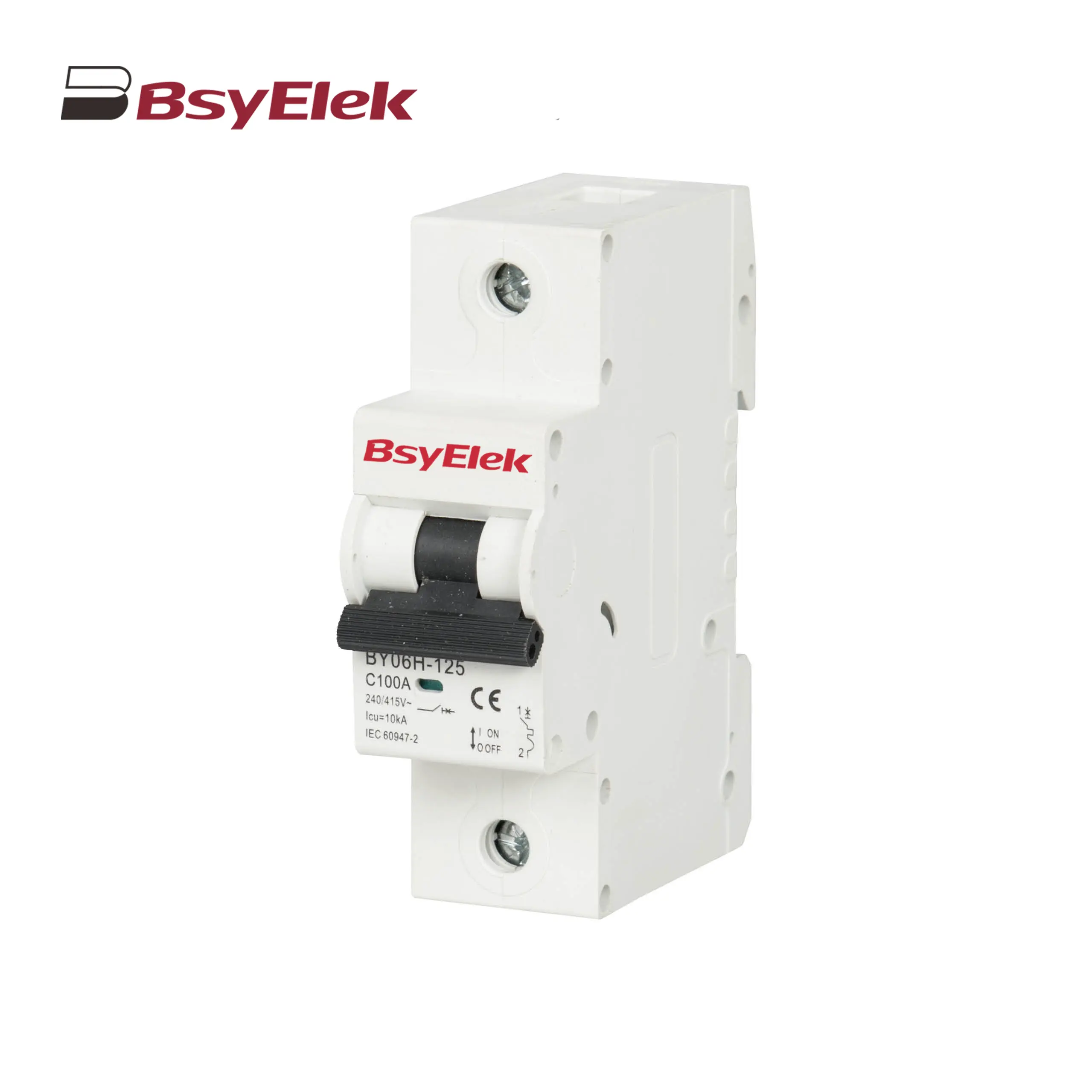 BY06H-125 MCB 10-15KA Miniature Circuit Breaker
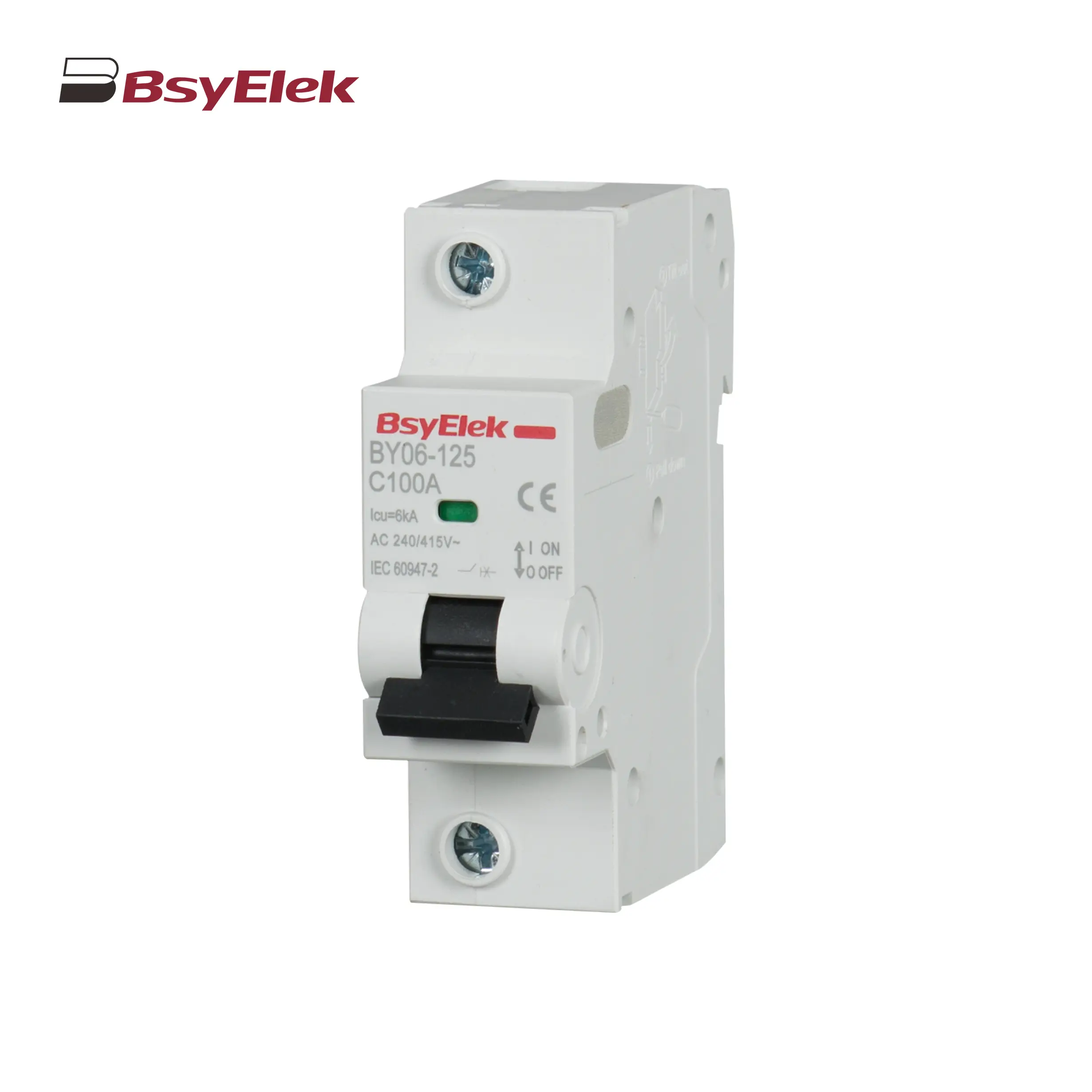 BY06-125 MCB 6KA Miniature Circuit Breaker
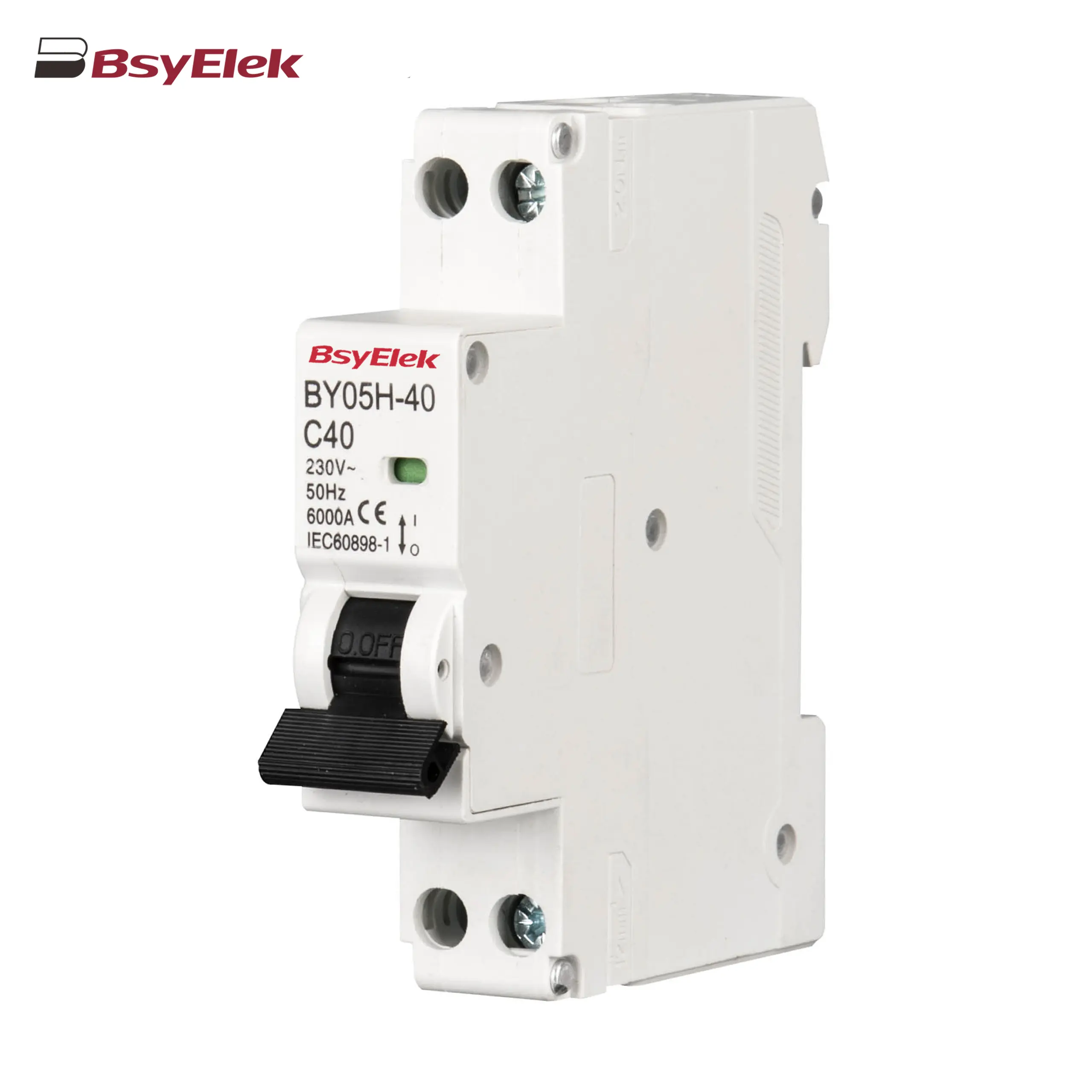 BY05H-40 MCB Single Modular 6KA Miniature Circuit Breaker
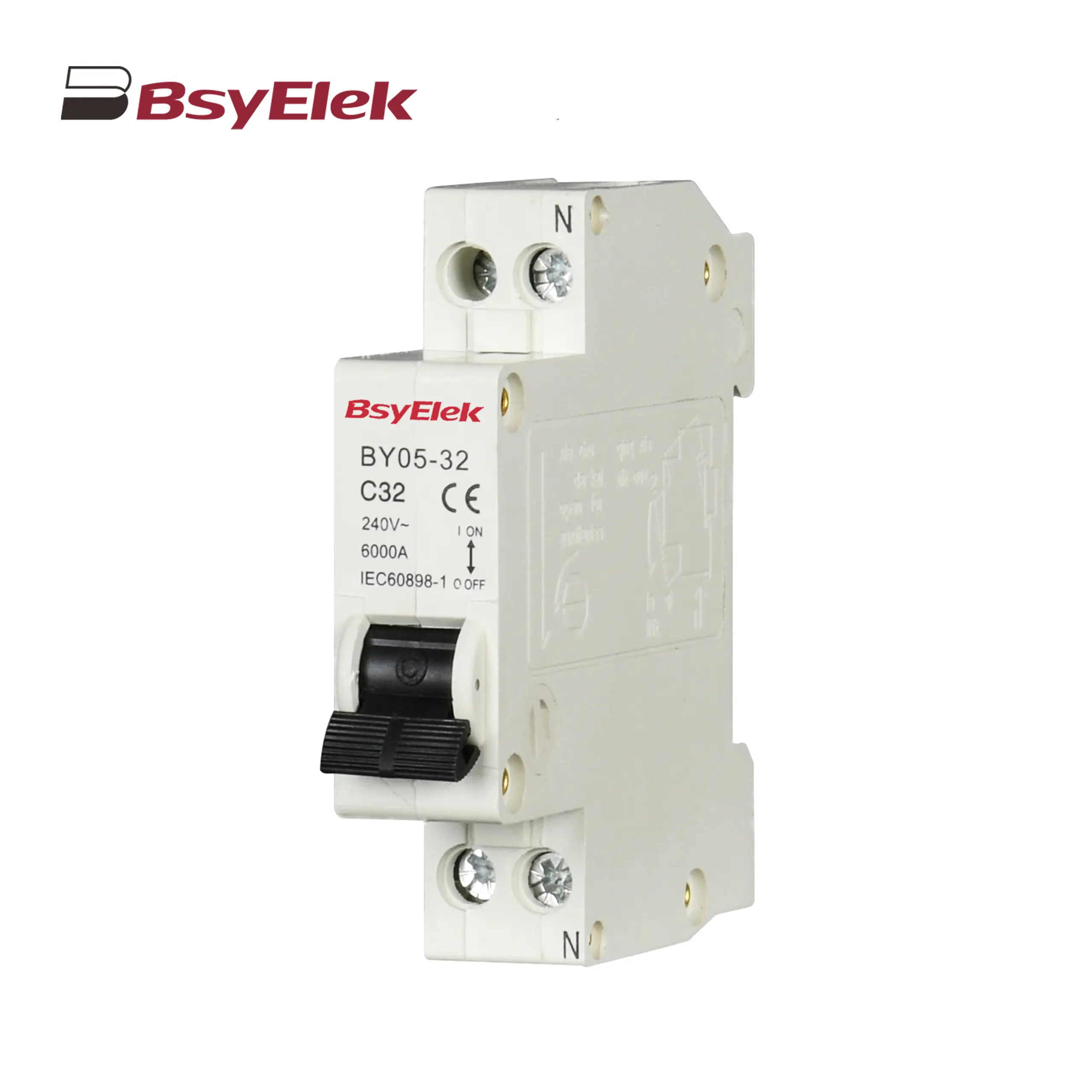 BY05-32 MCB Single Modular 3KA Miniature Circuit Breaker
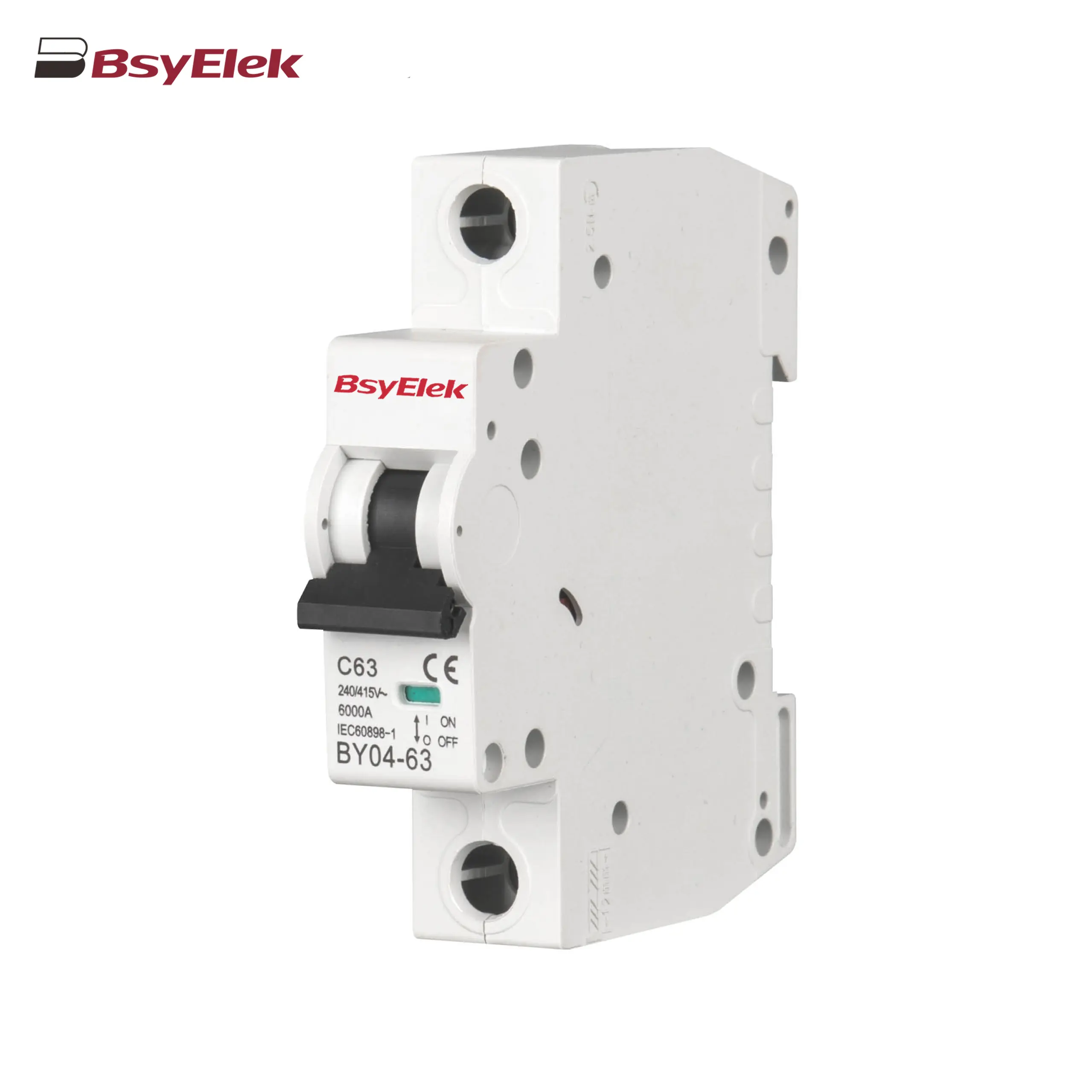 BY04-63 MCB 6-10KA Miniature Circuit Breaker
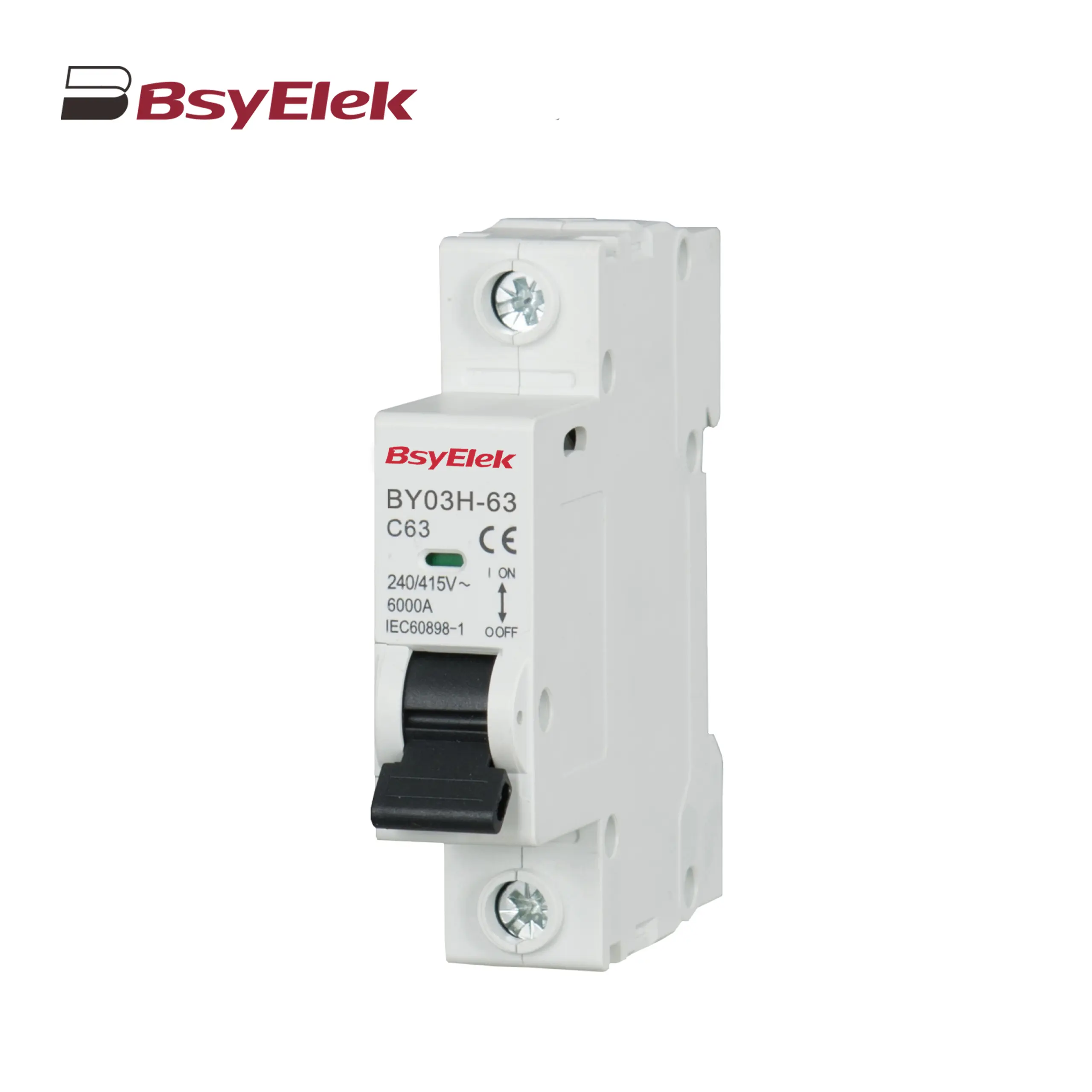 BY03H-63 MCB 6KA Miniature Circuit Breaker
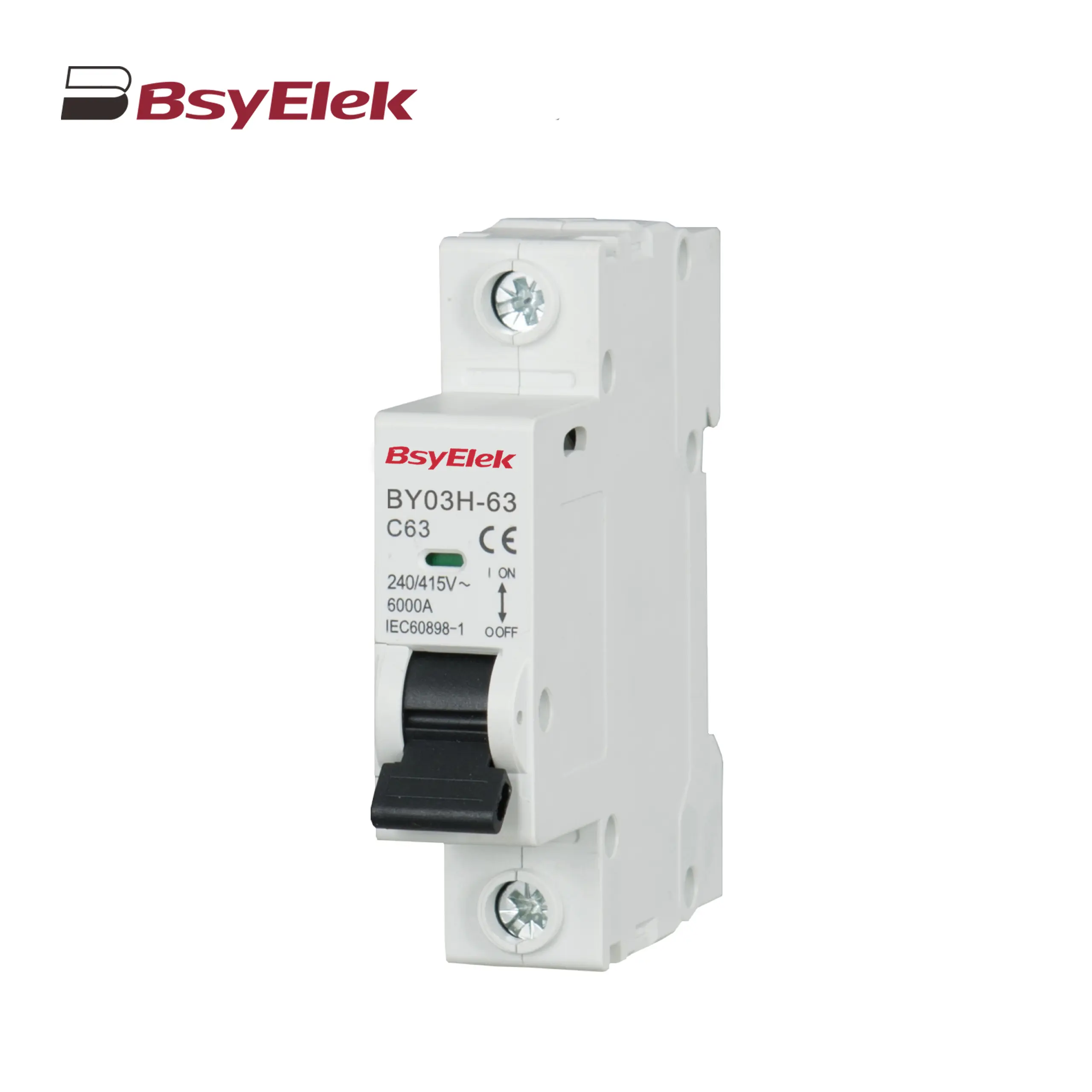 BY03-63 MCB 4.5KA Miniature Circuit Breaker
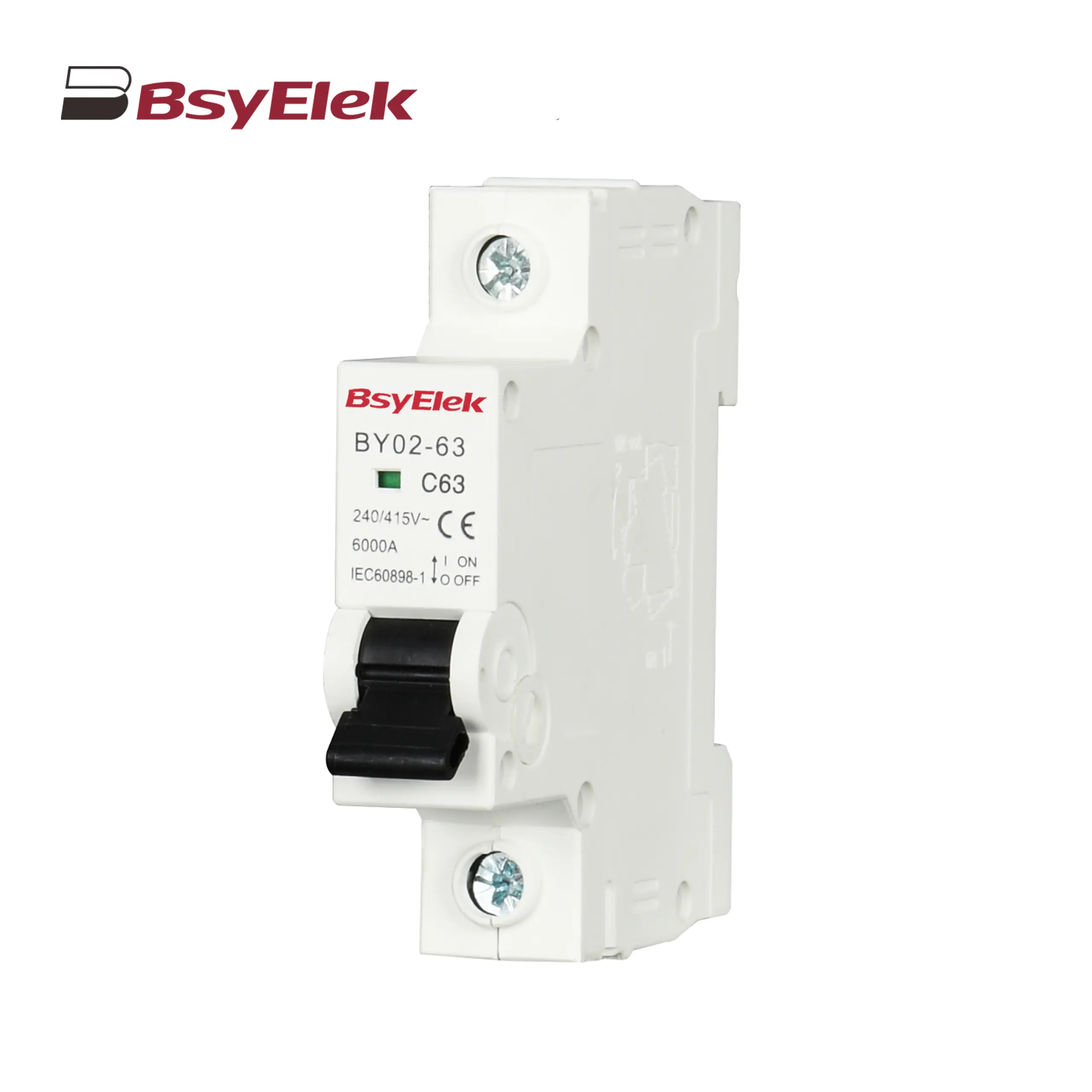 BY02-63 MCB 3kA Miniature Circuit Breaker
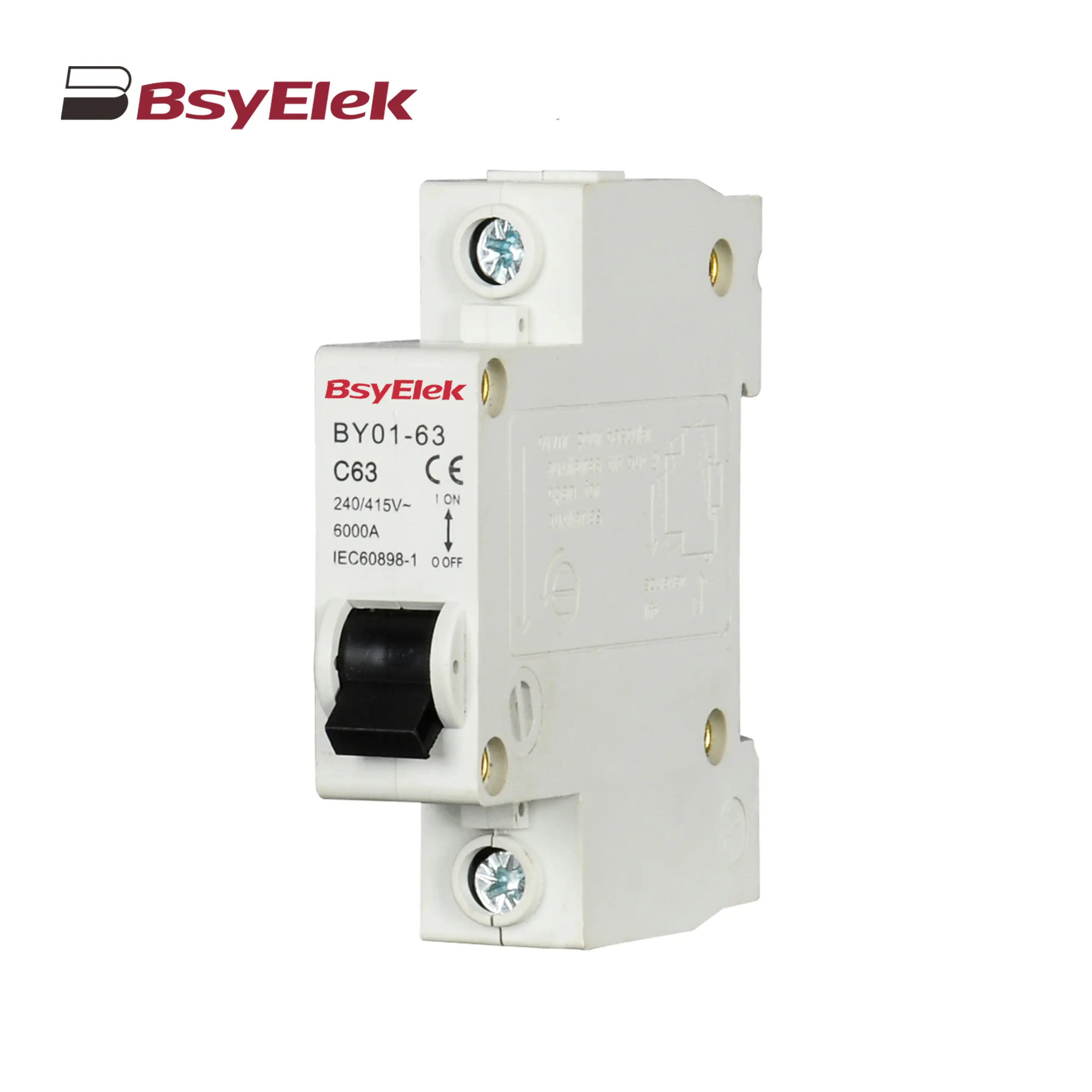 BY01-63 MCB 3kA Miniature Circuit Breaker
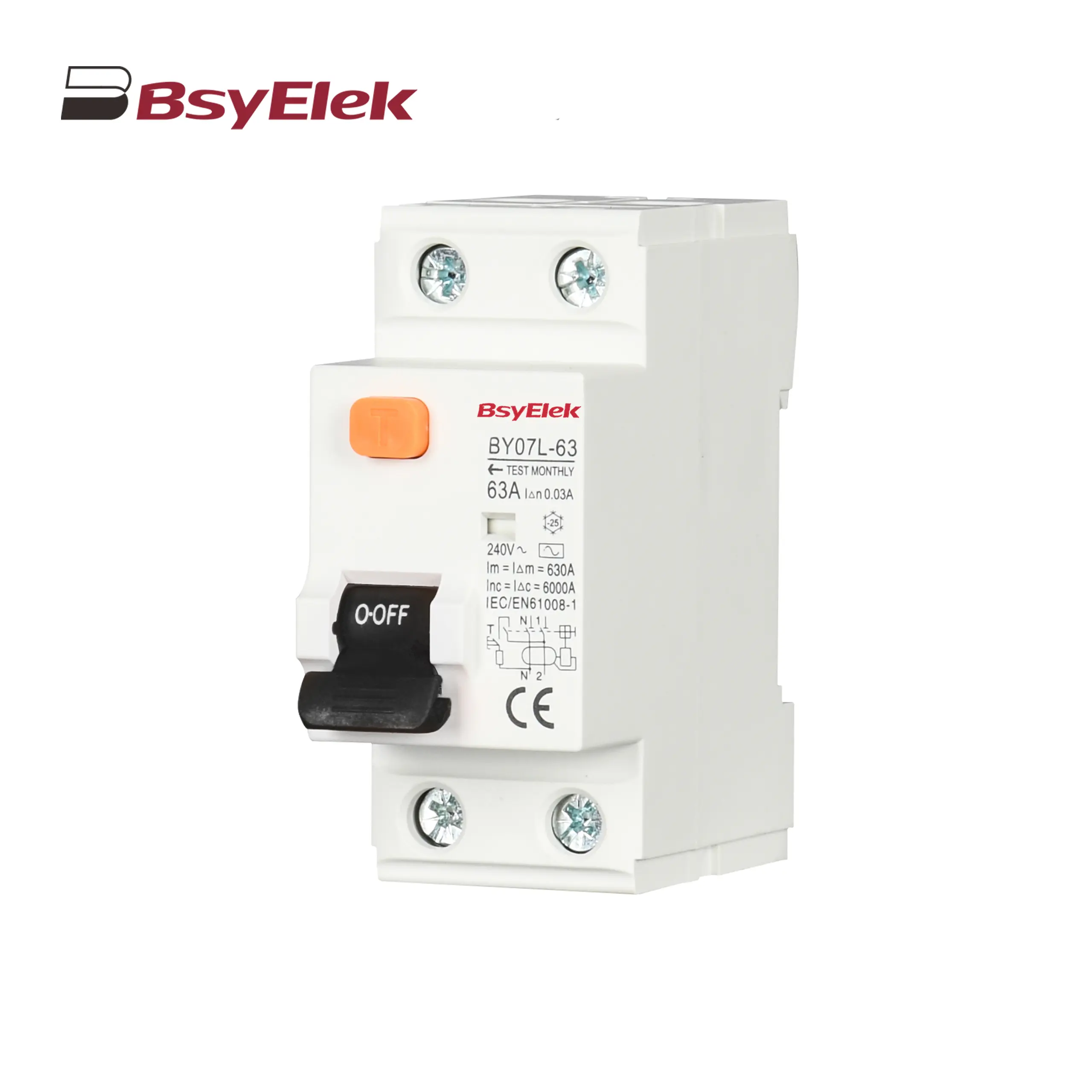 BY07L-63 RCCB 6KA Residual Current Circuit Breaker
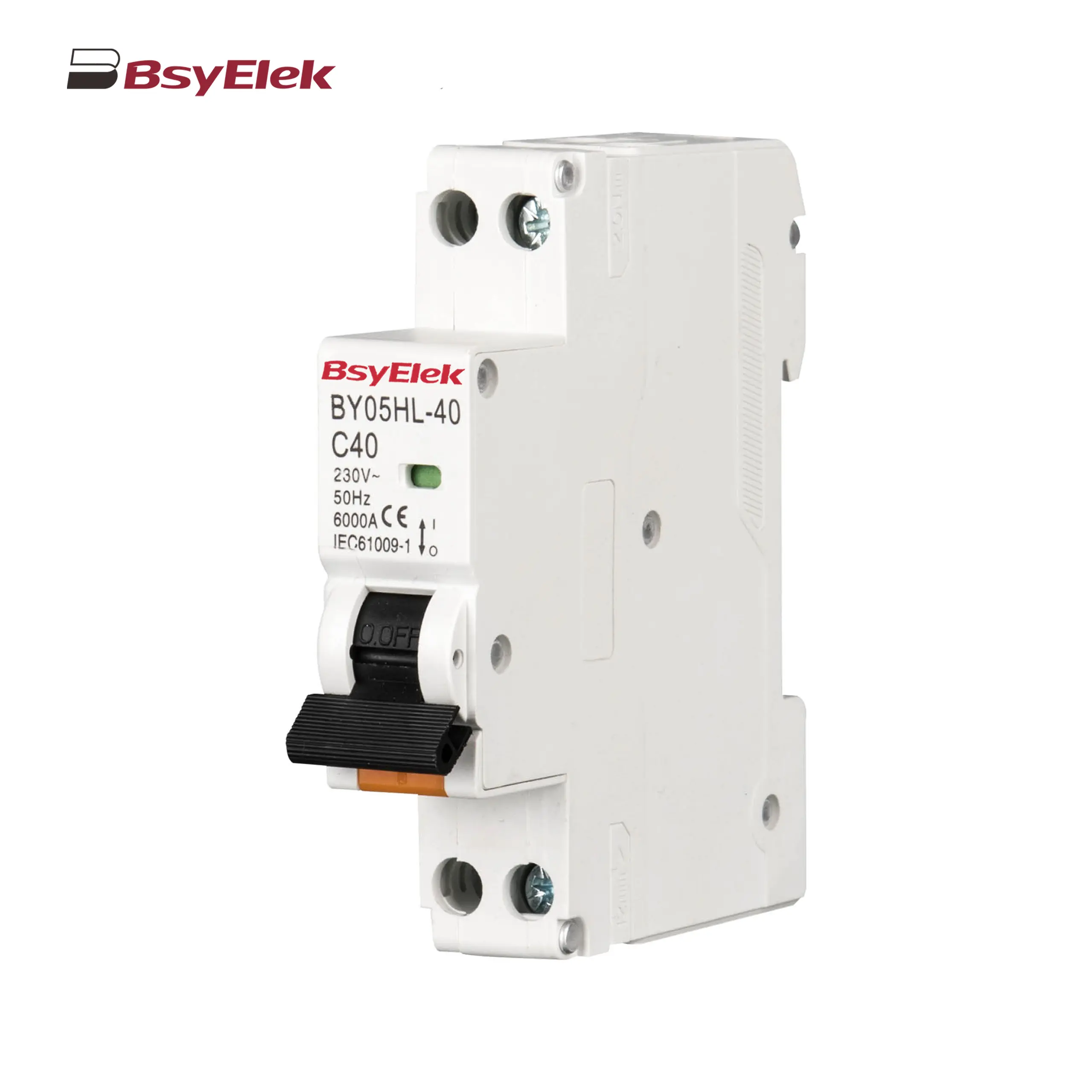 BY05HL-40 RCBO 6KA Residual Current Circuit Breaker with Over-current Protection
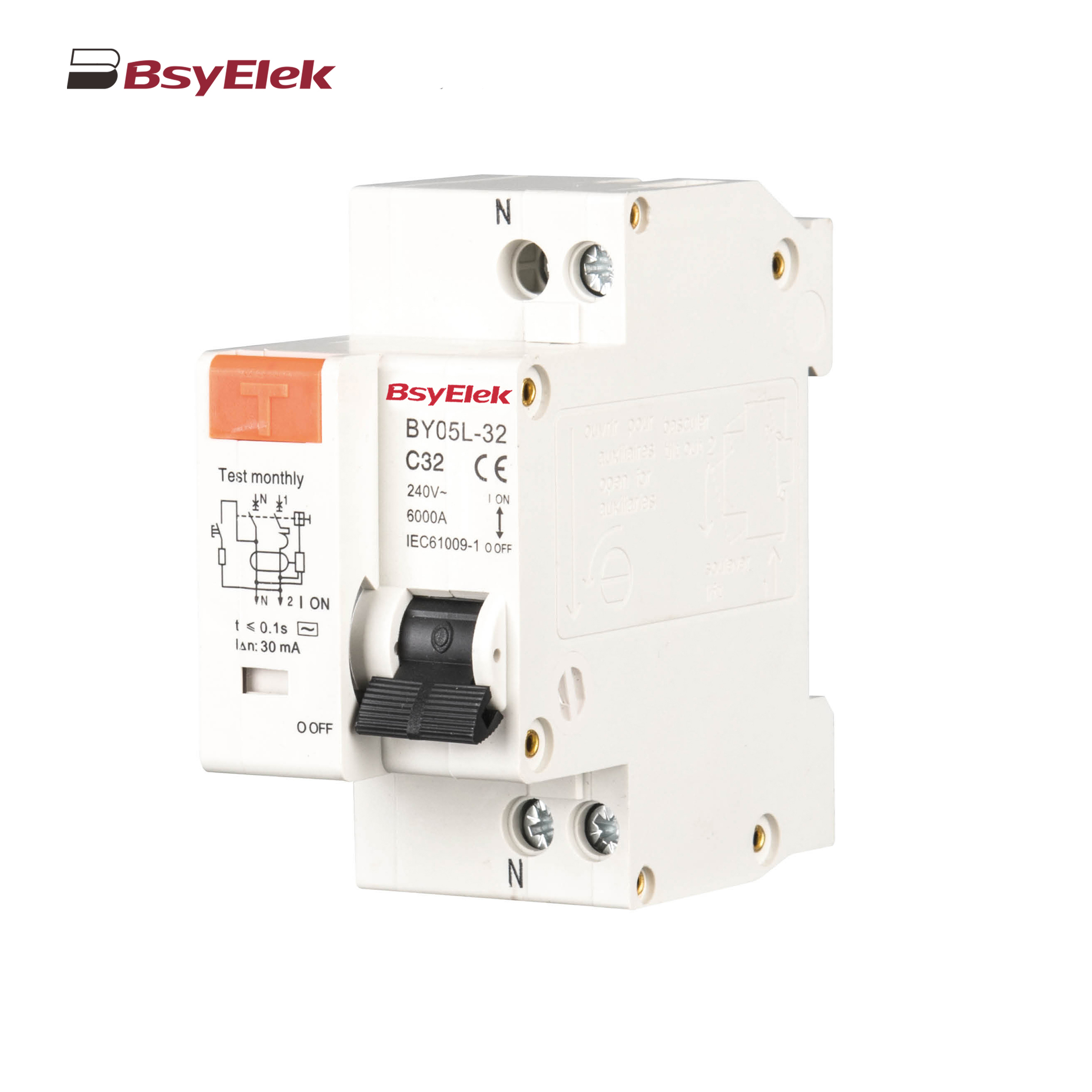 BY05L-32 RCBO 3KA Residual Current Circuit Breaker with Over-current Protection
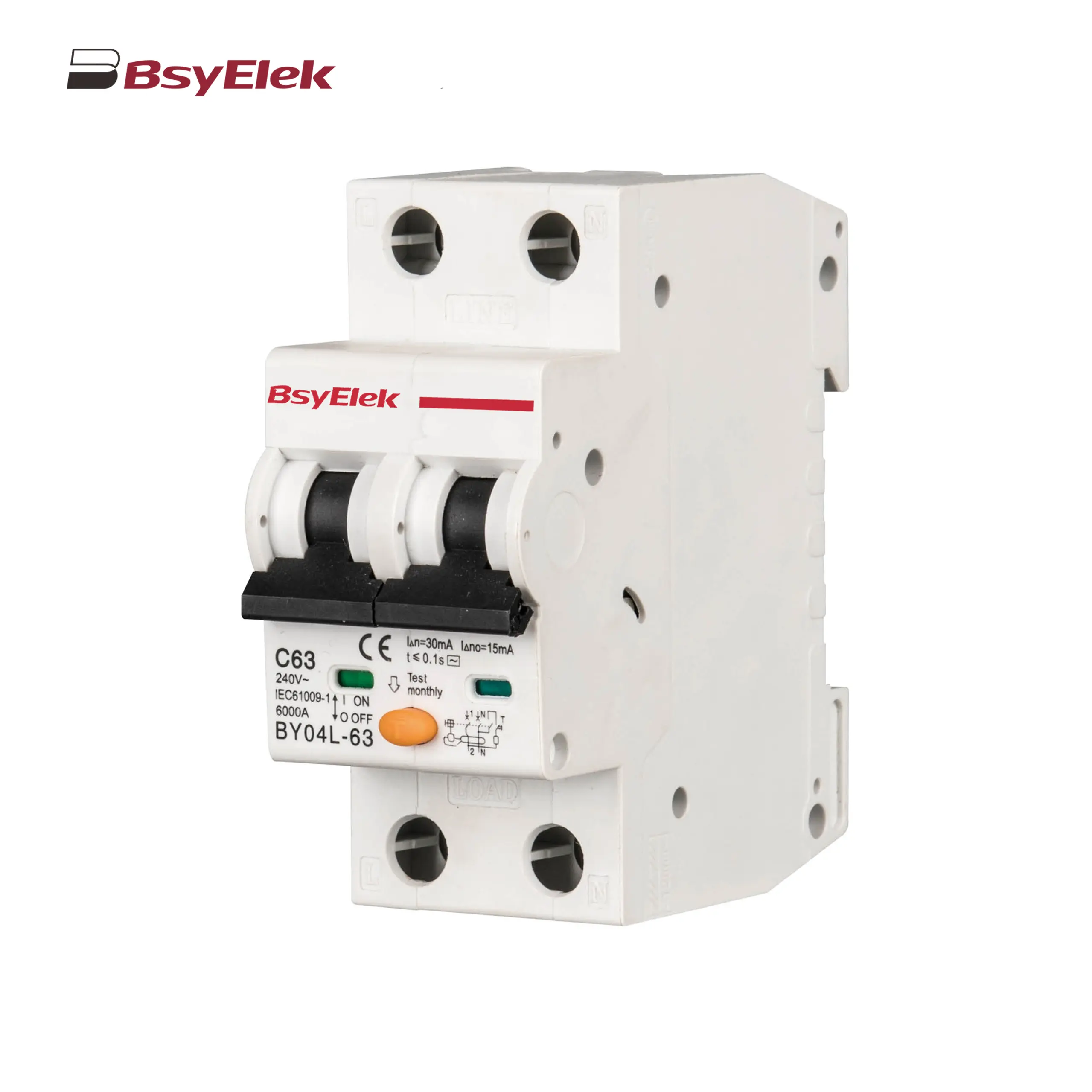 BY04L-63 RCBO 6KA Residual Current Circuit Breaker with Over-current Protection
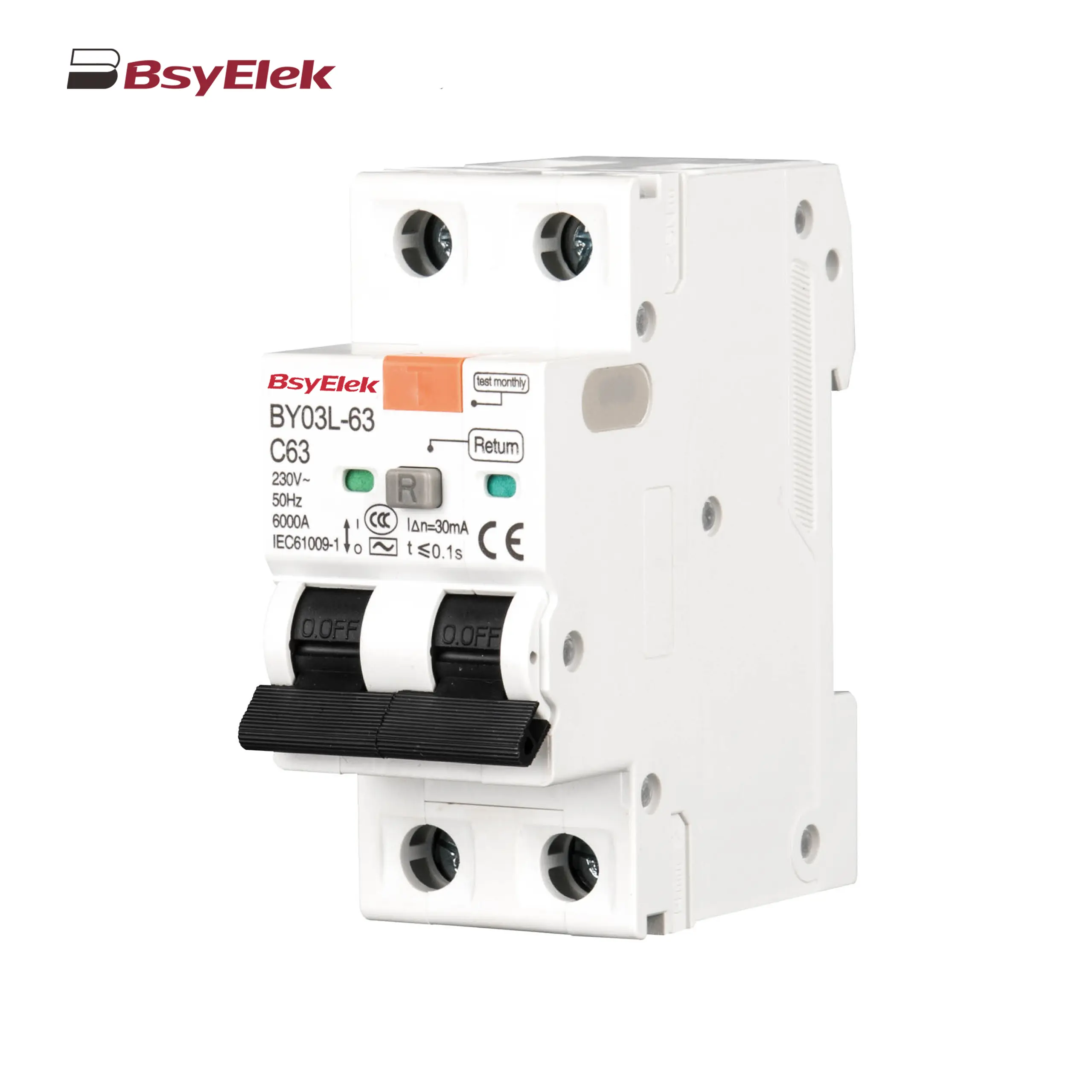 BY03L-63 RCBO 4.5KA Residual Current Circuit Breaker with Over-current Protection
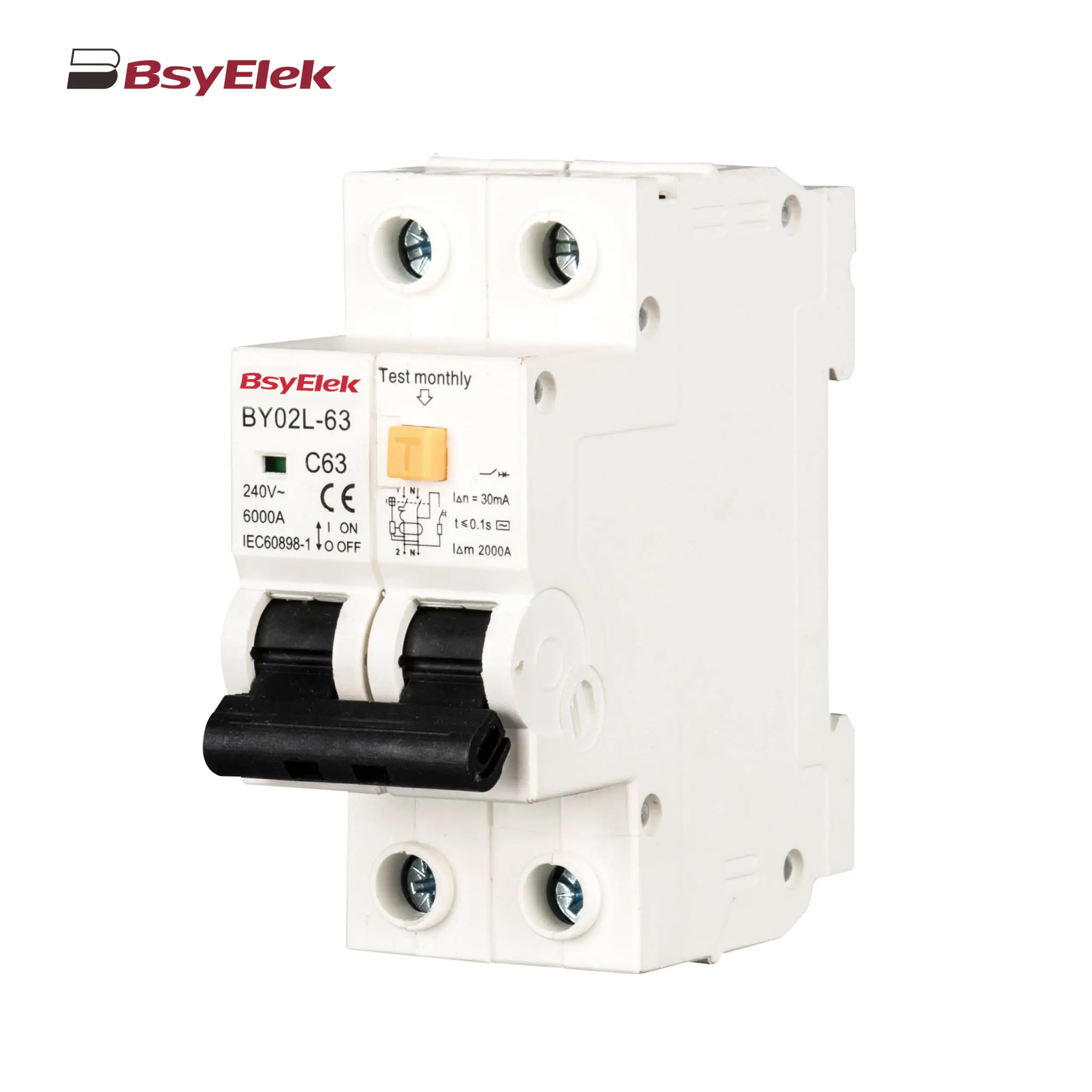 BY02L-63 RCBO 3KA Residual Current Circuit Breaker with Over-current Protection
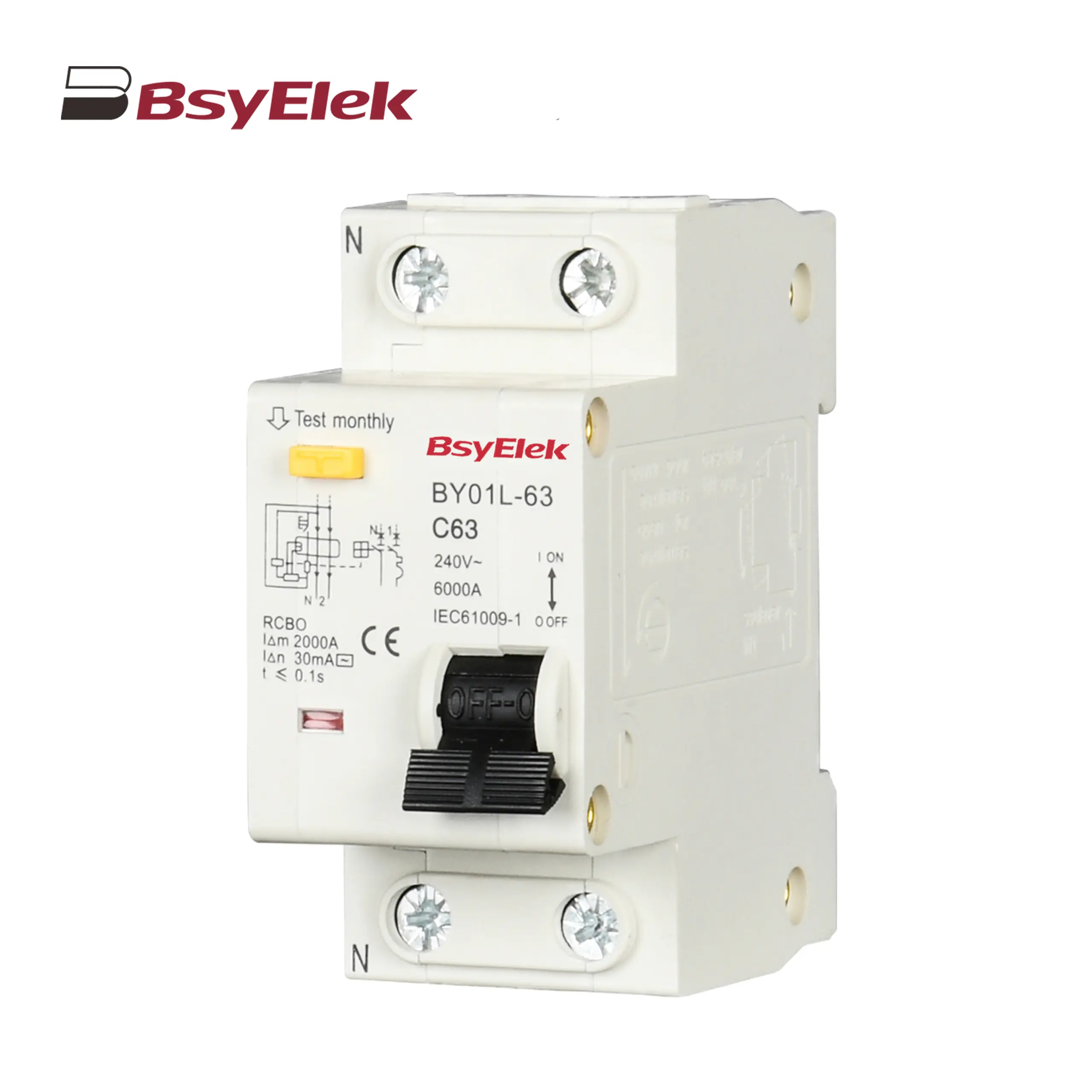 BY01L-63 RCBO 1P+N 3KA Residual Current Circuit Breaker with Over-current Protection
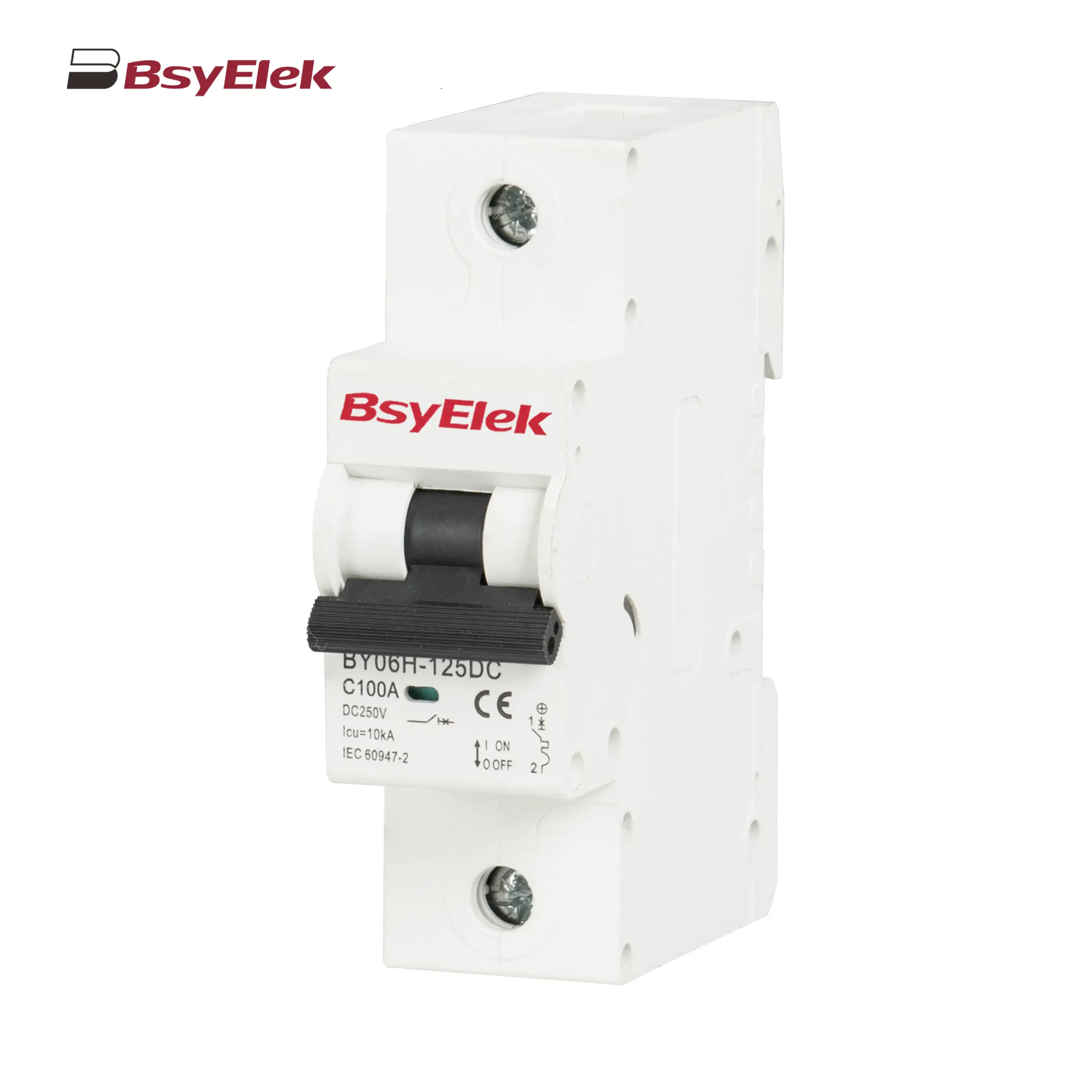 BY06H-125DC MCB 10-15kA DC Miniature Circuit Breaker
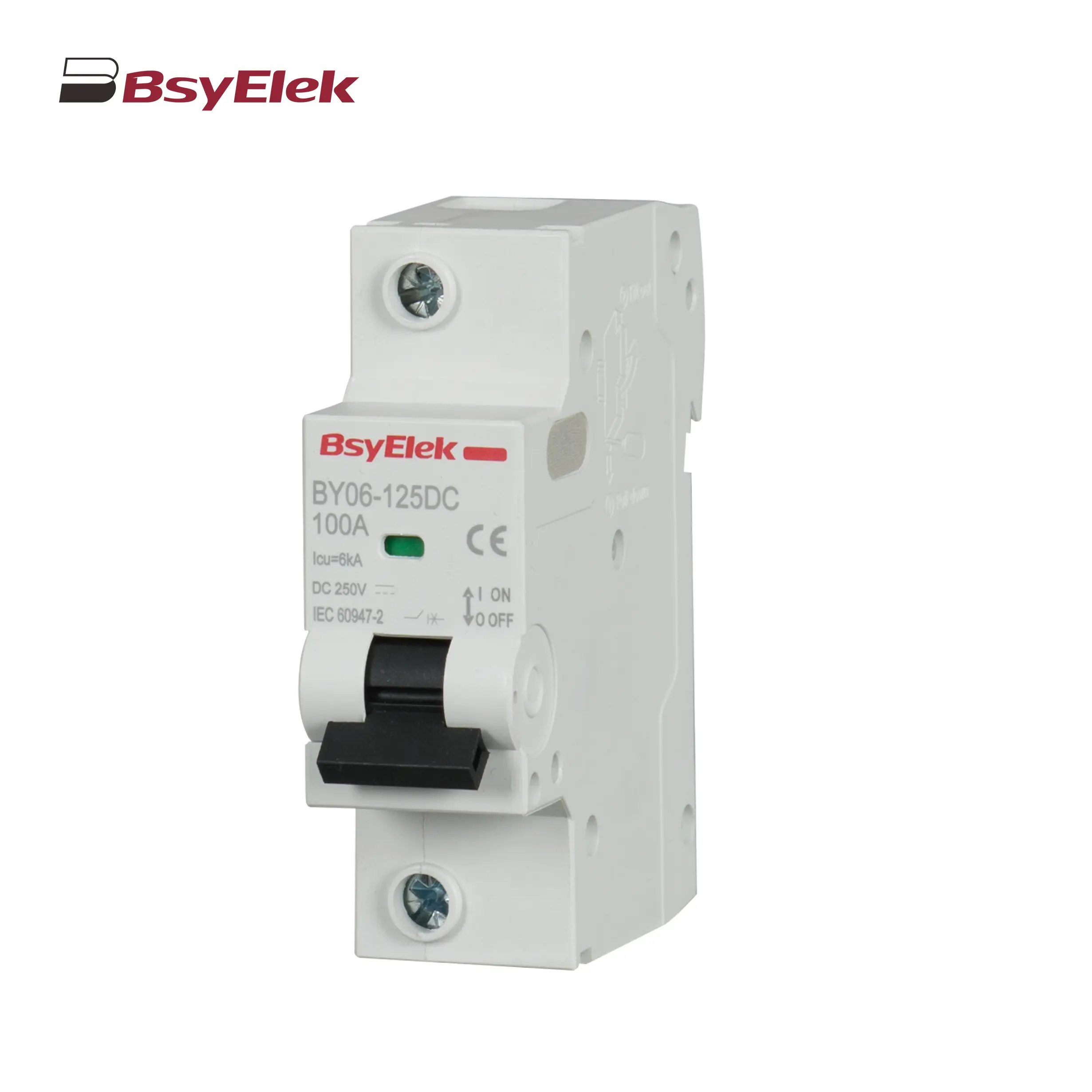 BY06-125DC MCB 6kA DC Miniature Circuit Breaker
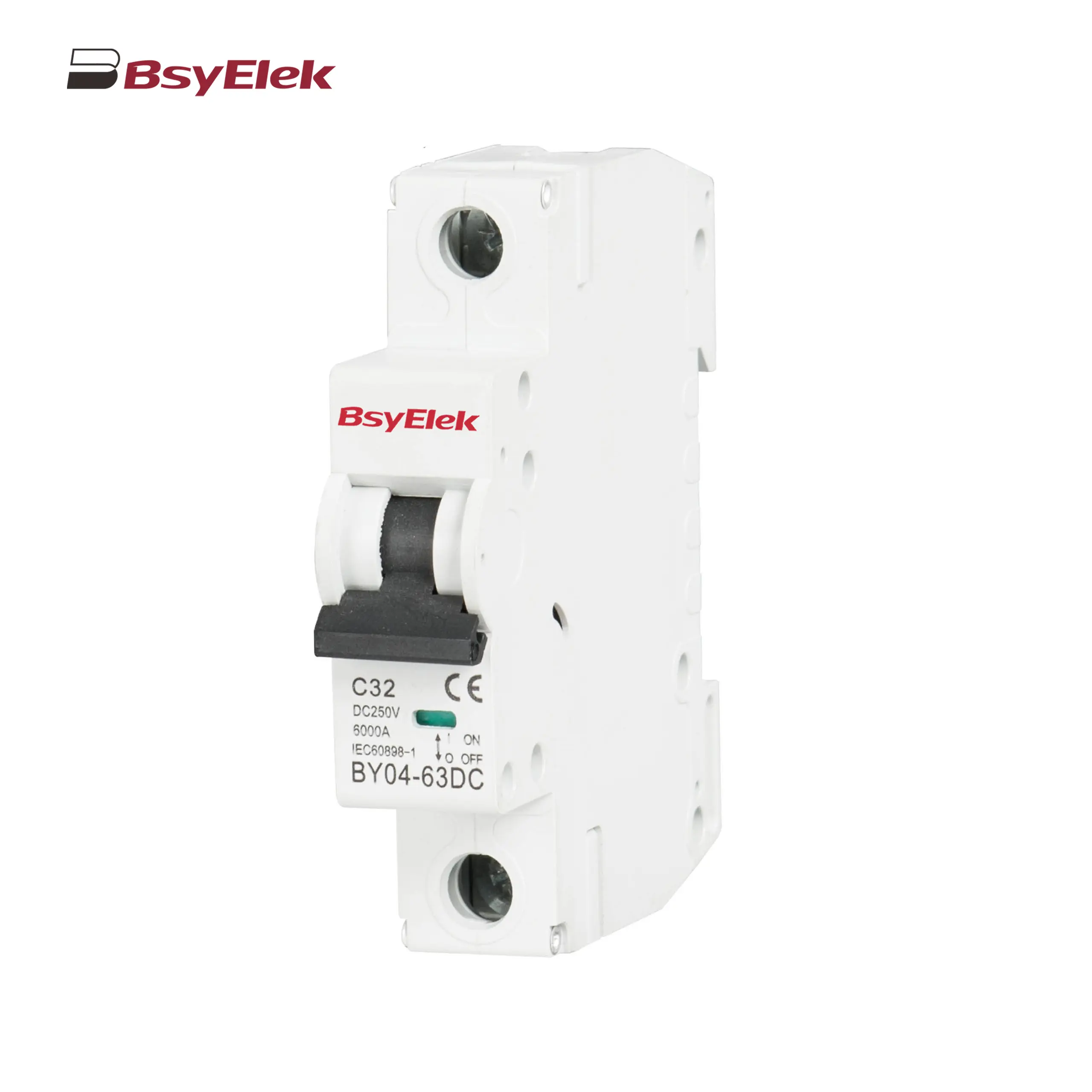 BY04-63DC MCB 6-10kA DC Miniature Circuit Breaker
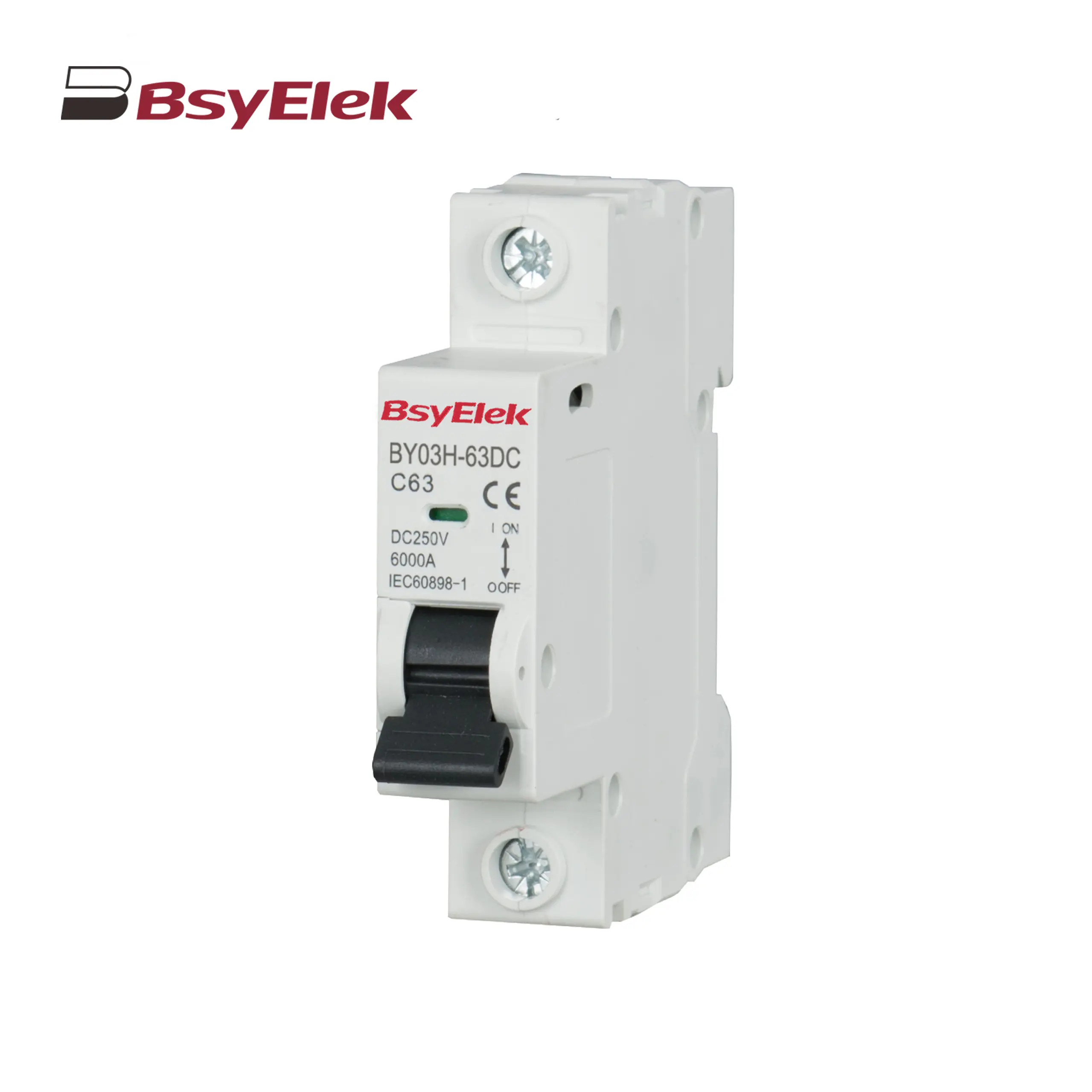 BY03H-63DC MCB 6kA DC Miniature Circuit Breaker
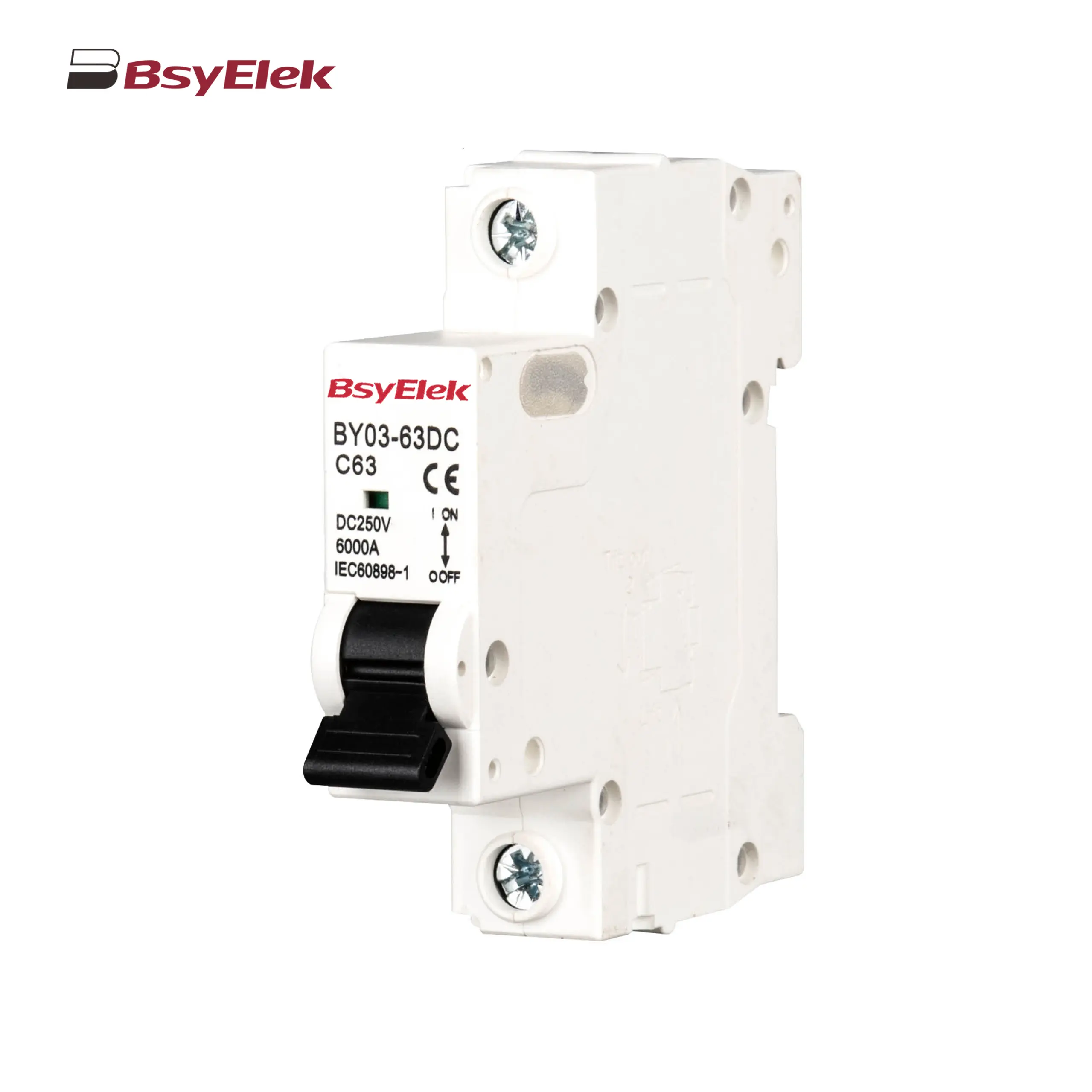 BY03-63DC MCB 4.5kA DC Miniature Circuit Breaker
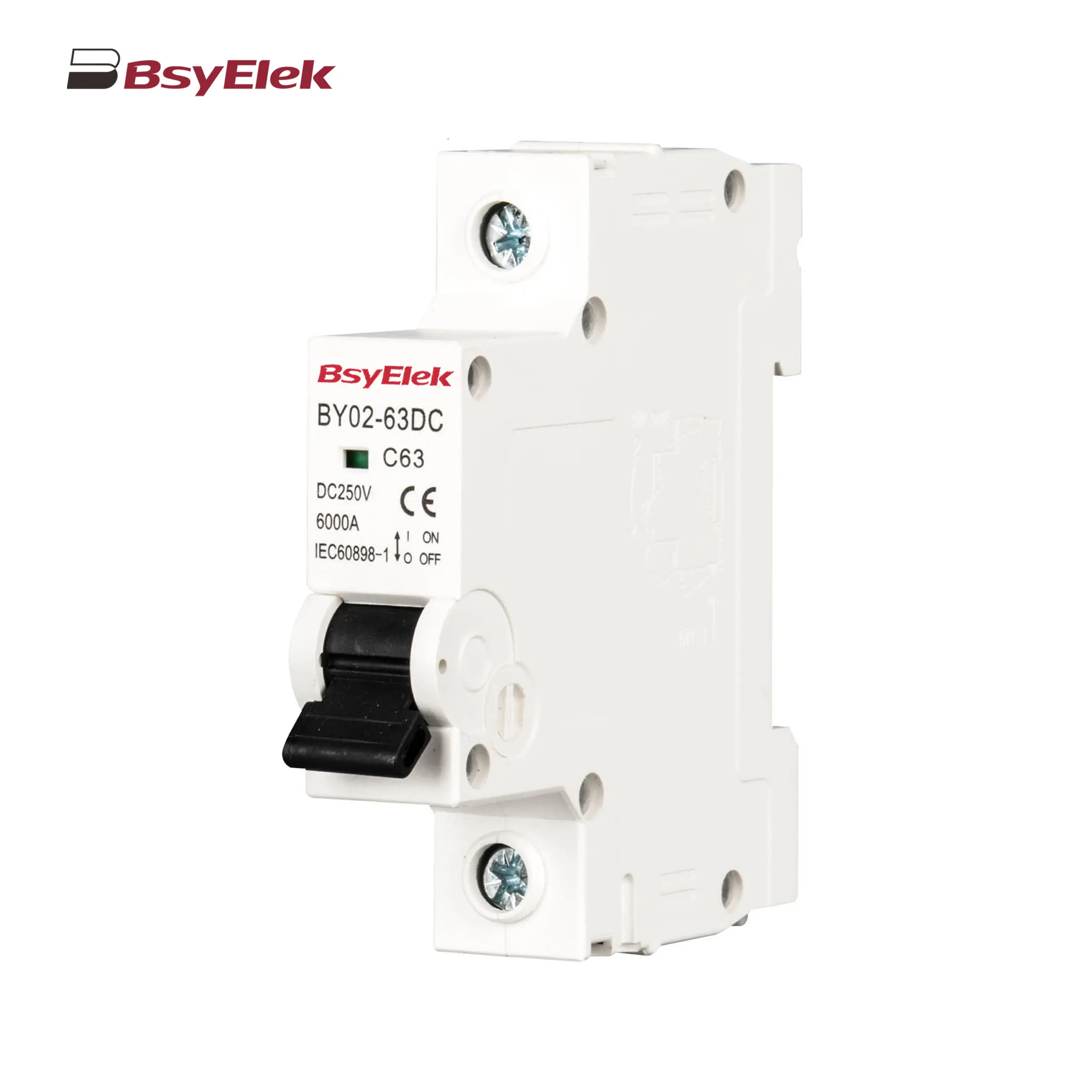 BY02-63DC MCB 3kA DC Miniature Circuit Breaker
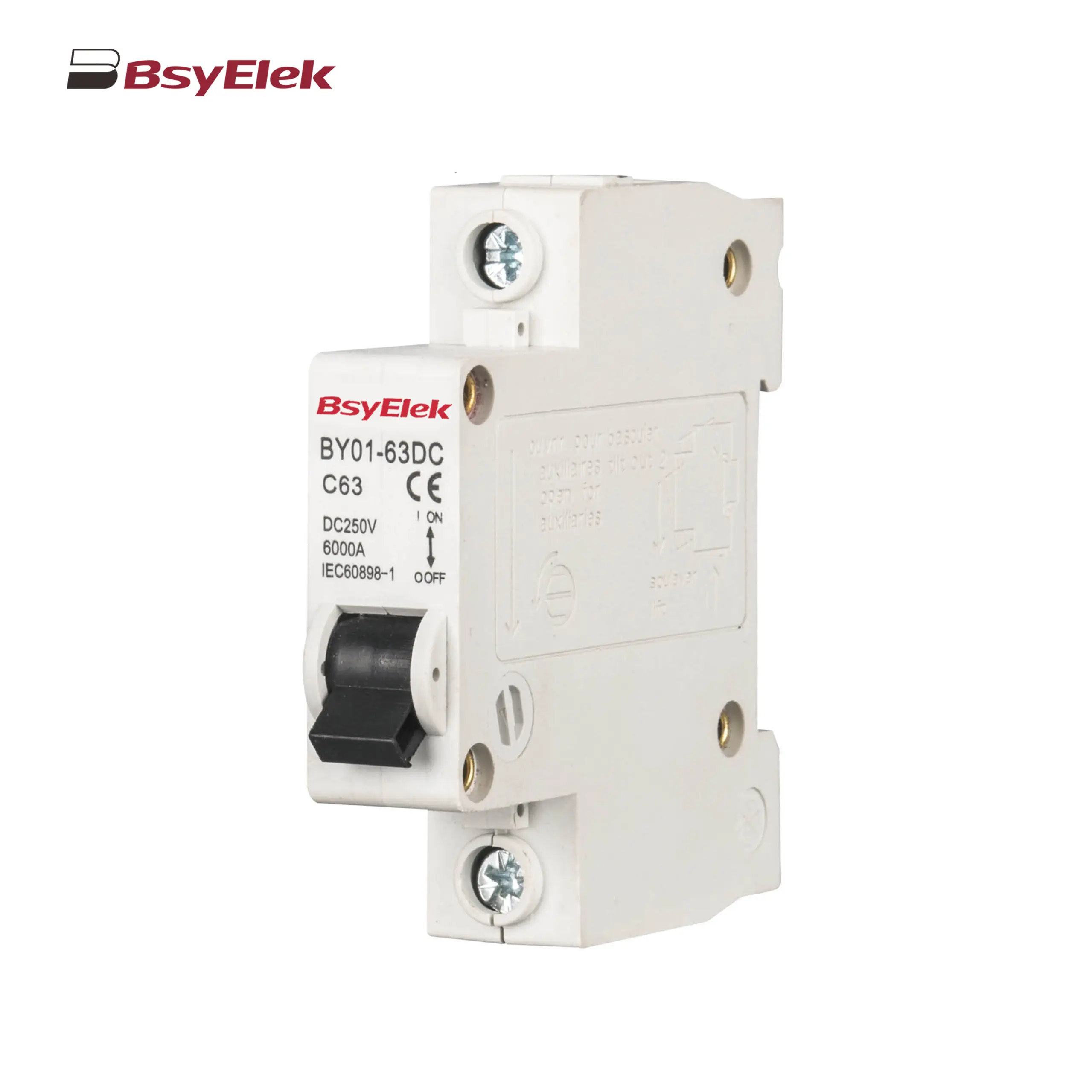 BY01-63DC MCB 3kA DC Miniature Circuit Breaker
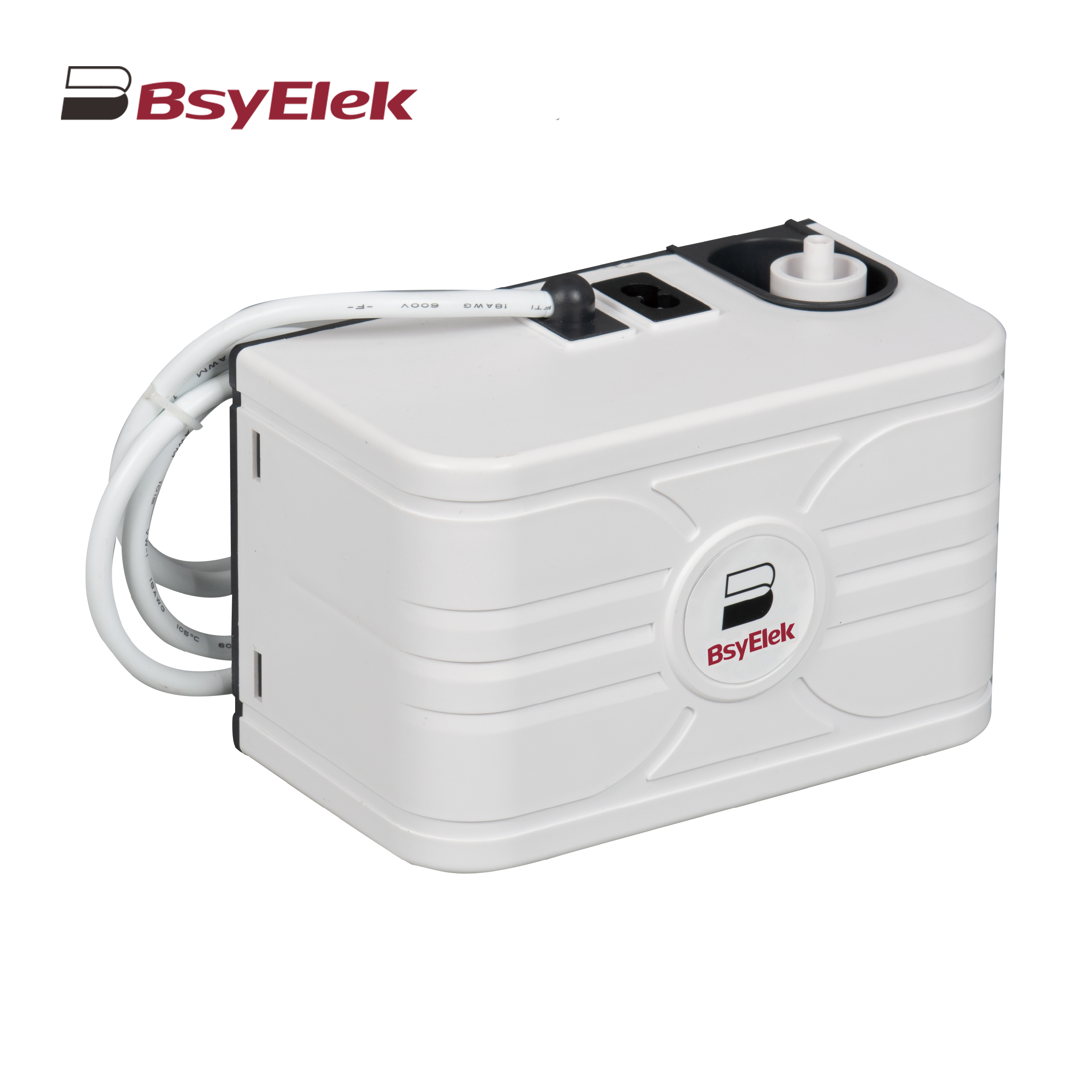 BY-5018 1.8M Engineering Drainage Pump
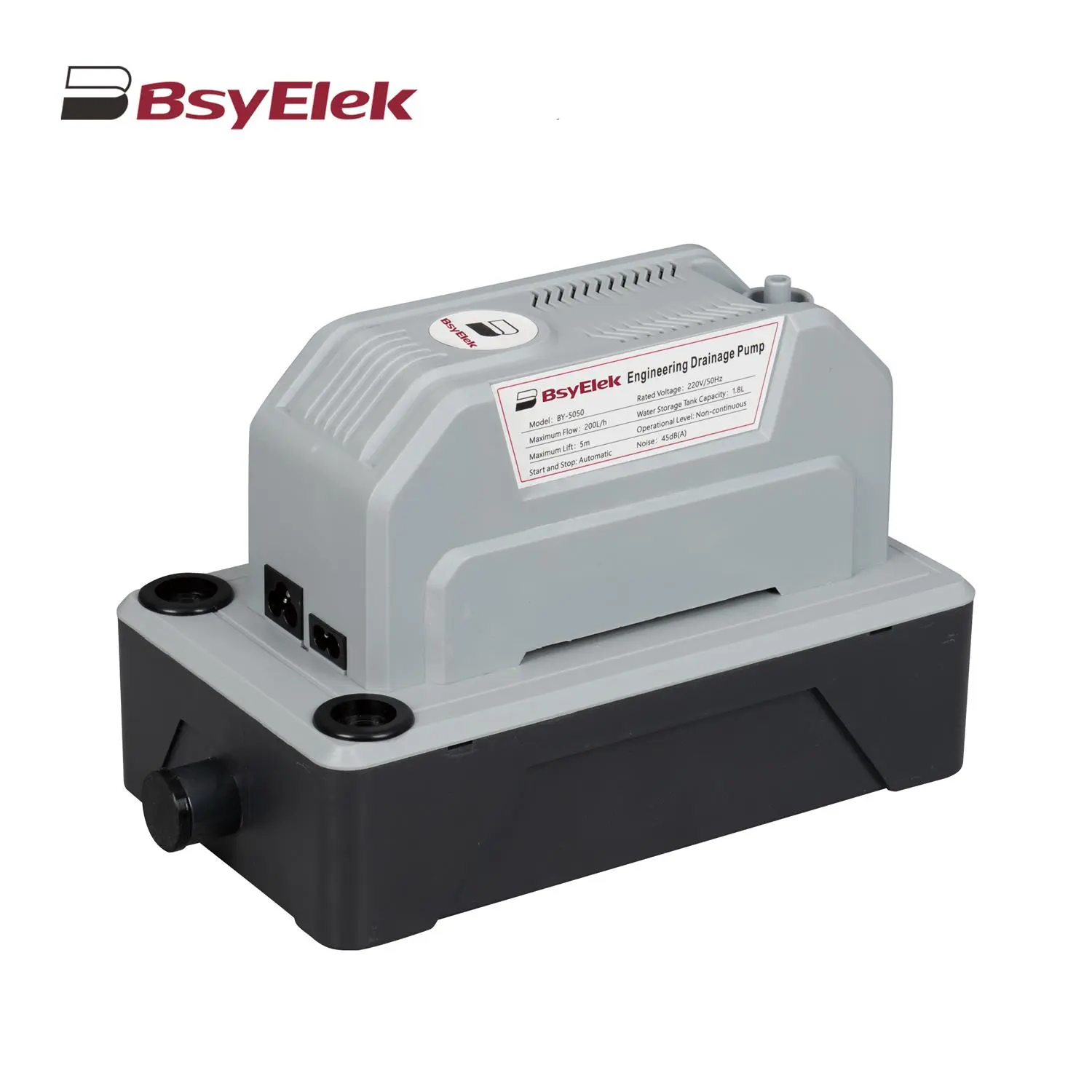 BY-5050 5M Engineering Drainage Pump
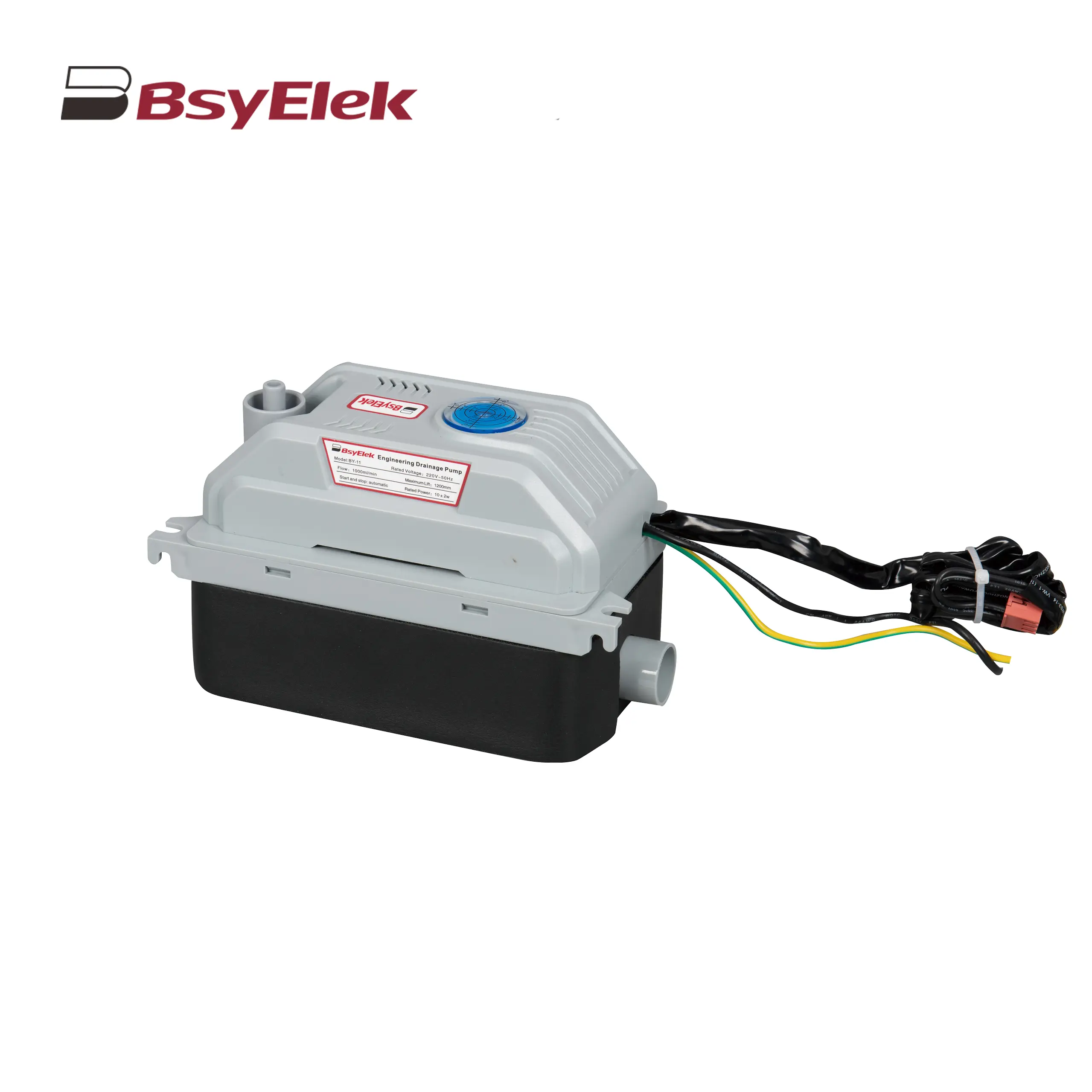 BY-11 1.2M Engineering Drainage Pump
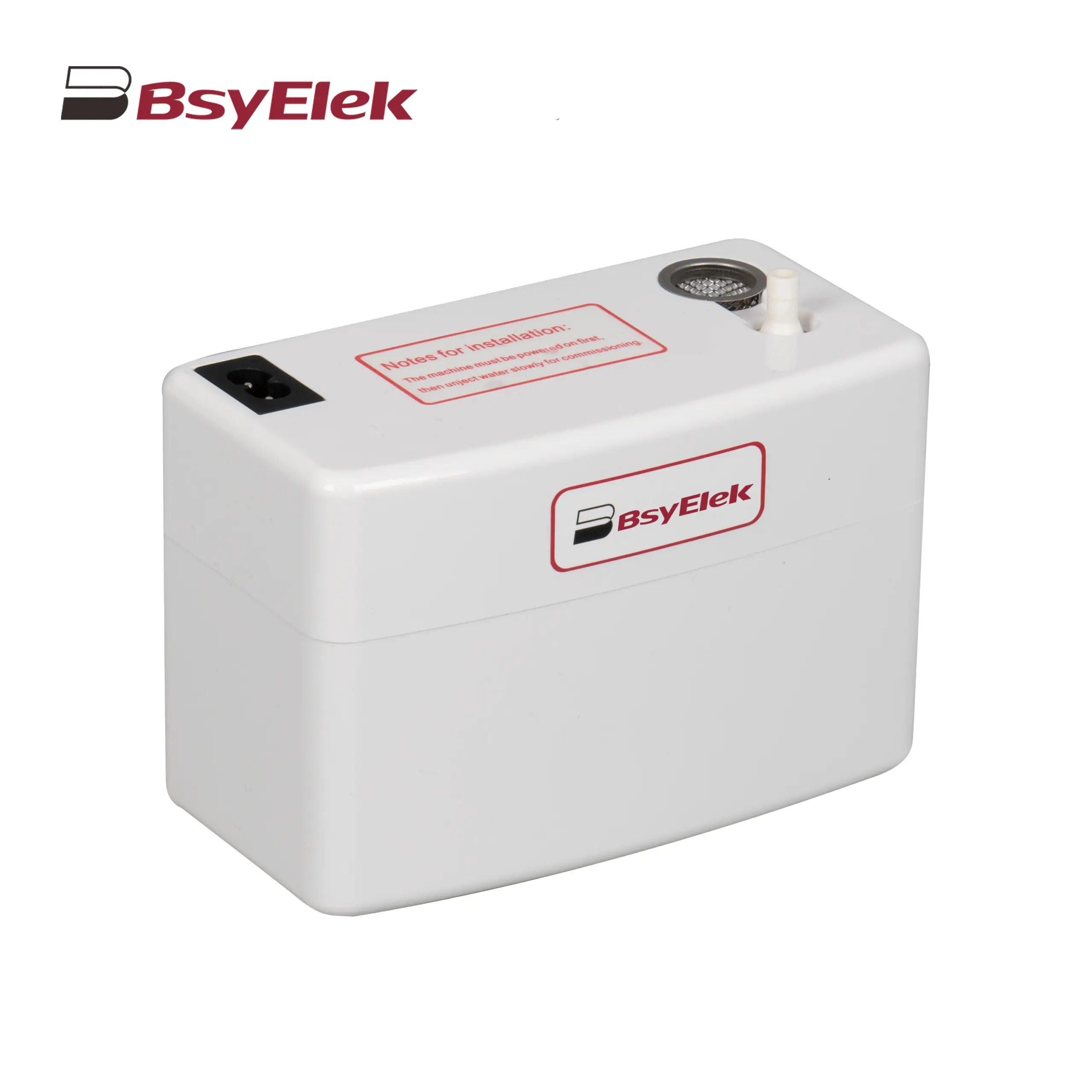
 SBH-05 0.7M Original Drainage Pump of Duct Type Air Conditioner
 BY-24A/40A 10M Drainage Pump of Air Conditioner
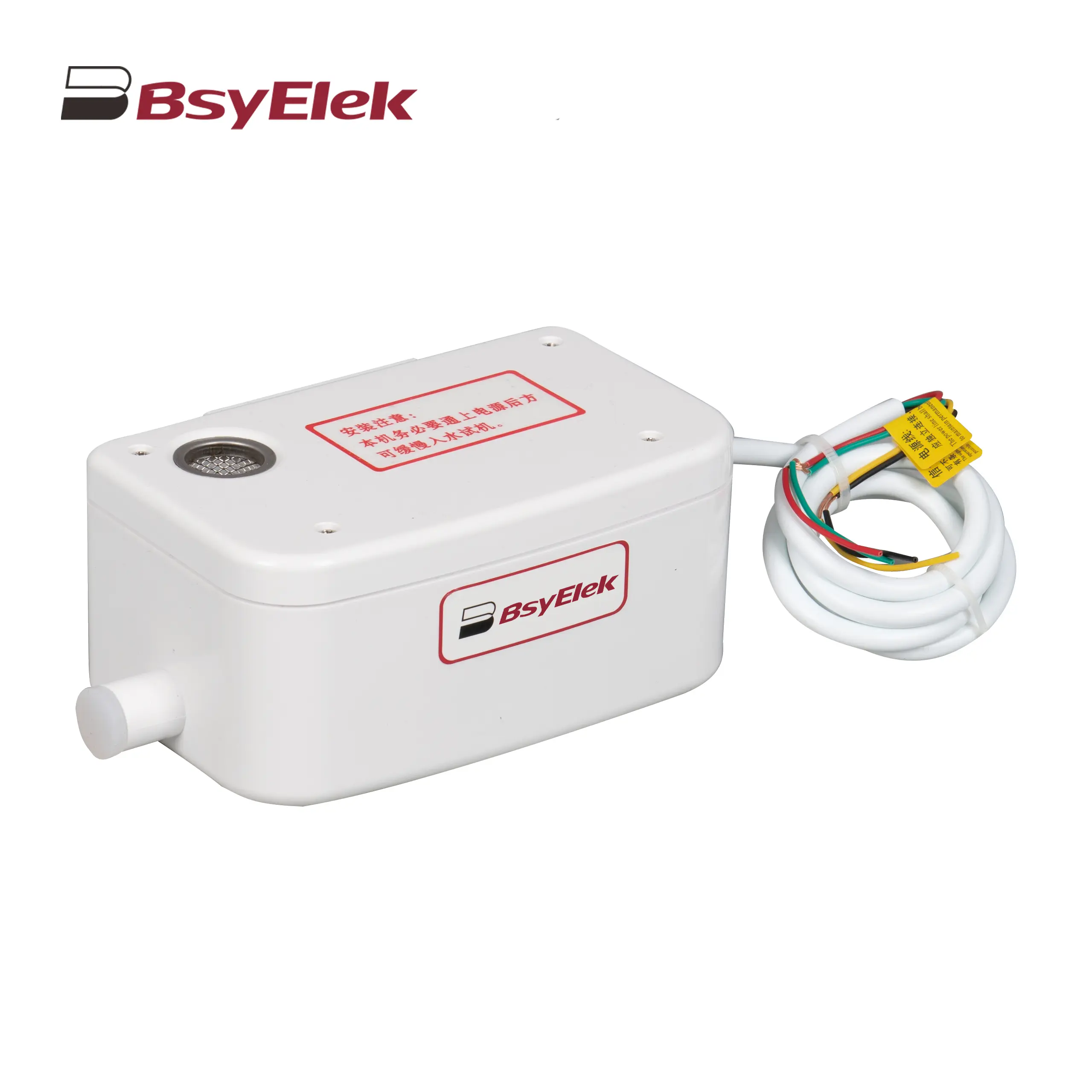 BY-50A 12M Drainage Pump of Air Conditioner
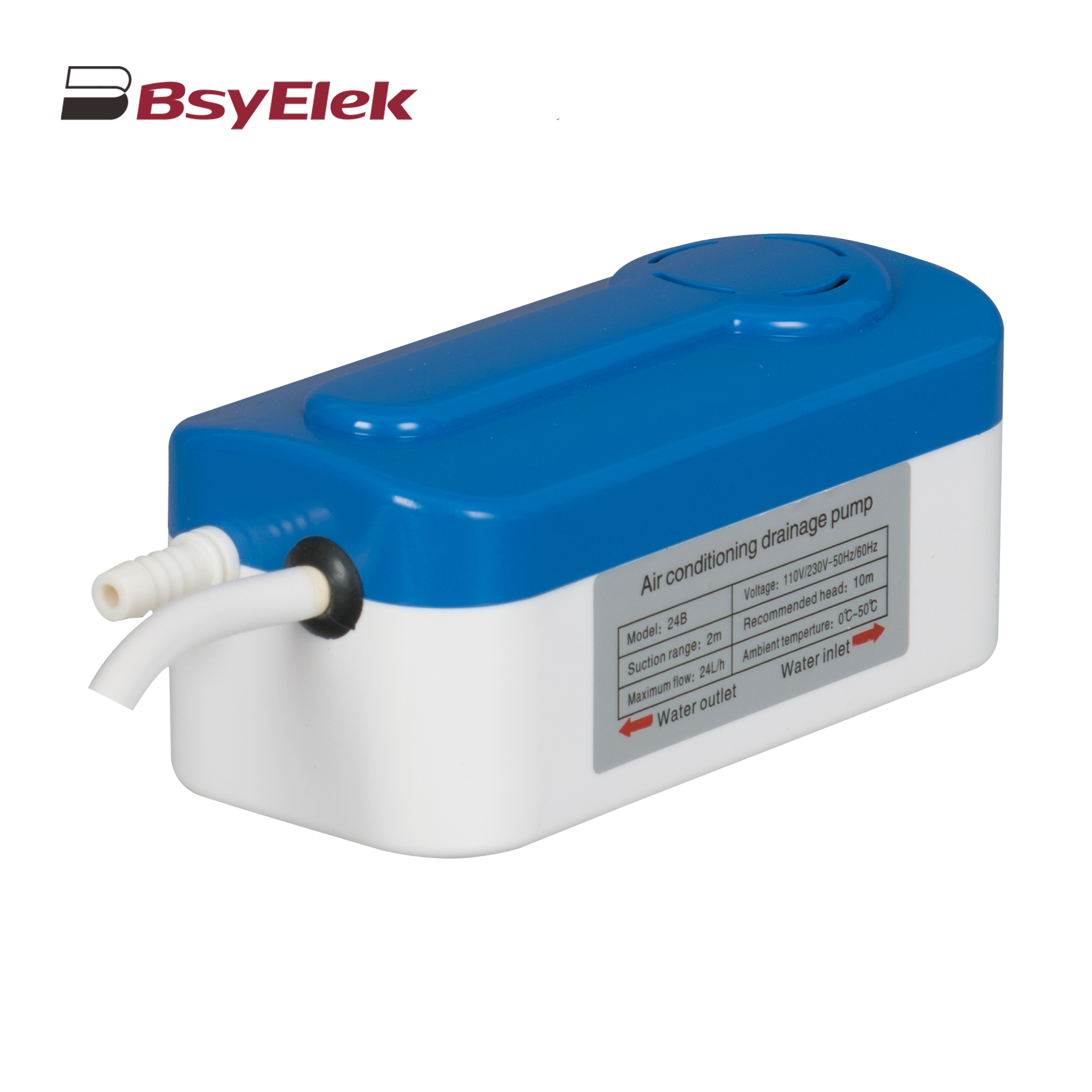 BY-24B/40B 10M Split Type Drainage Pump
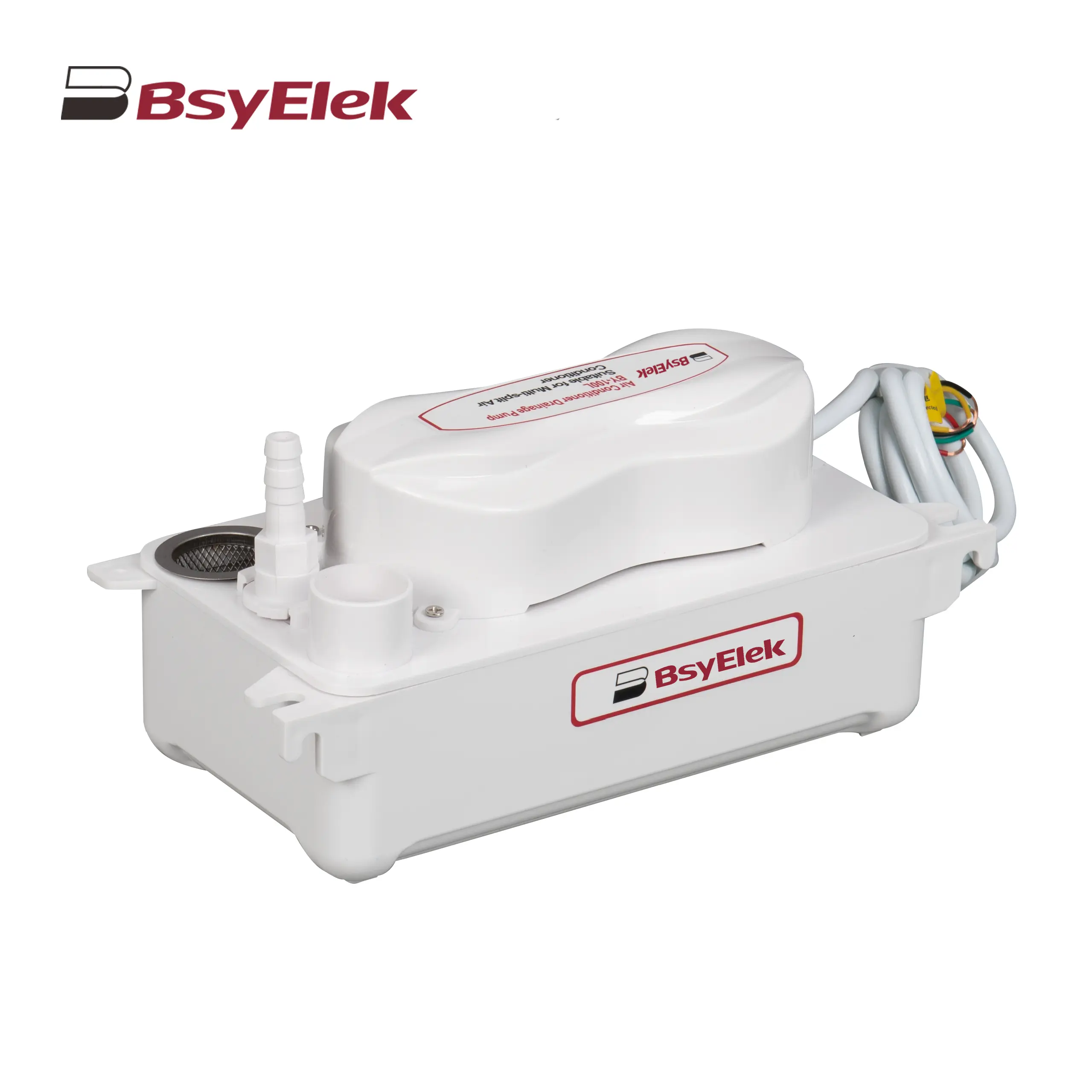 BY-100L 2M Drainage Pump of Air Conditioner
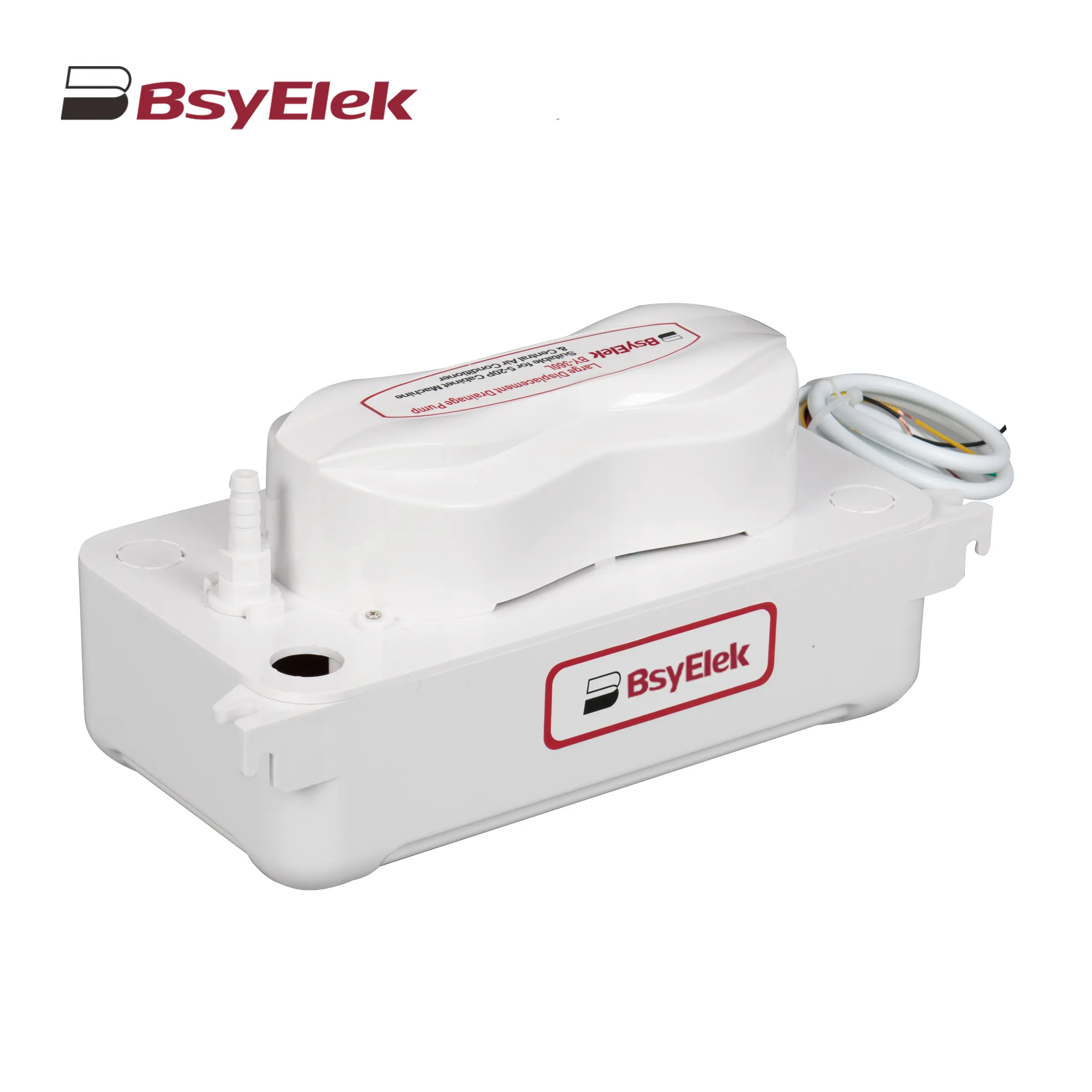 BY-360L 6M Large Displacement Drainage Pump
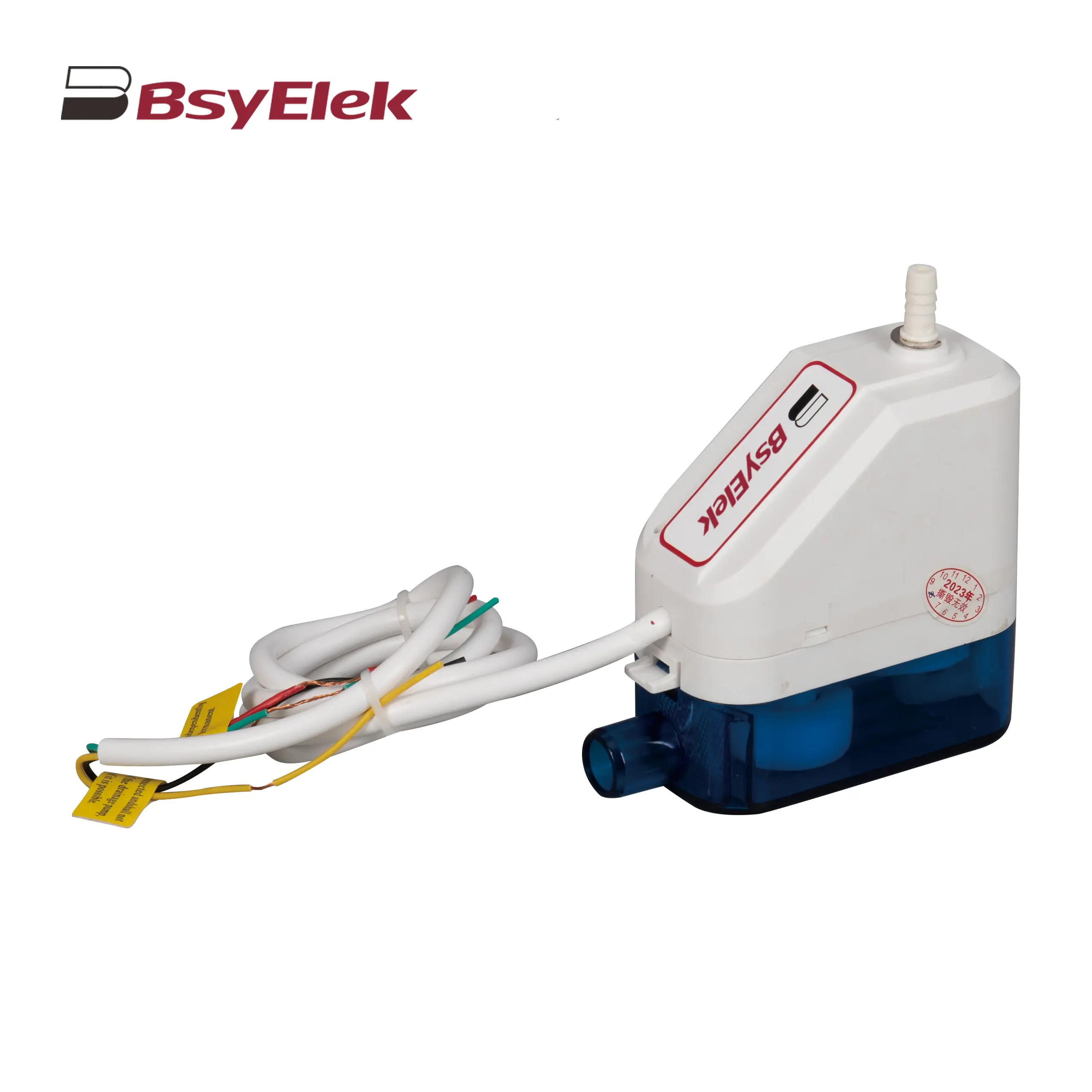 BY-24C/40C 10M Corner Drainage Pump
What is a miniature circuit breaker (MCB)?
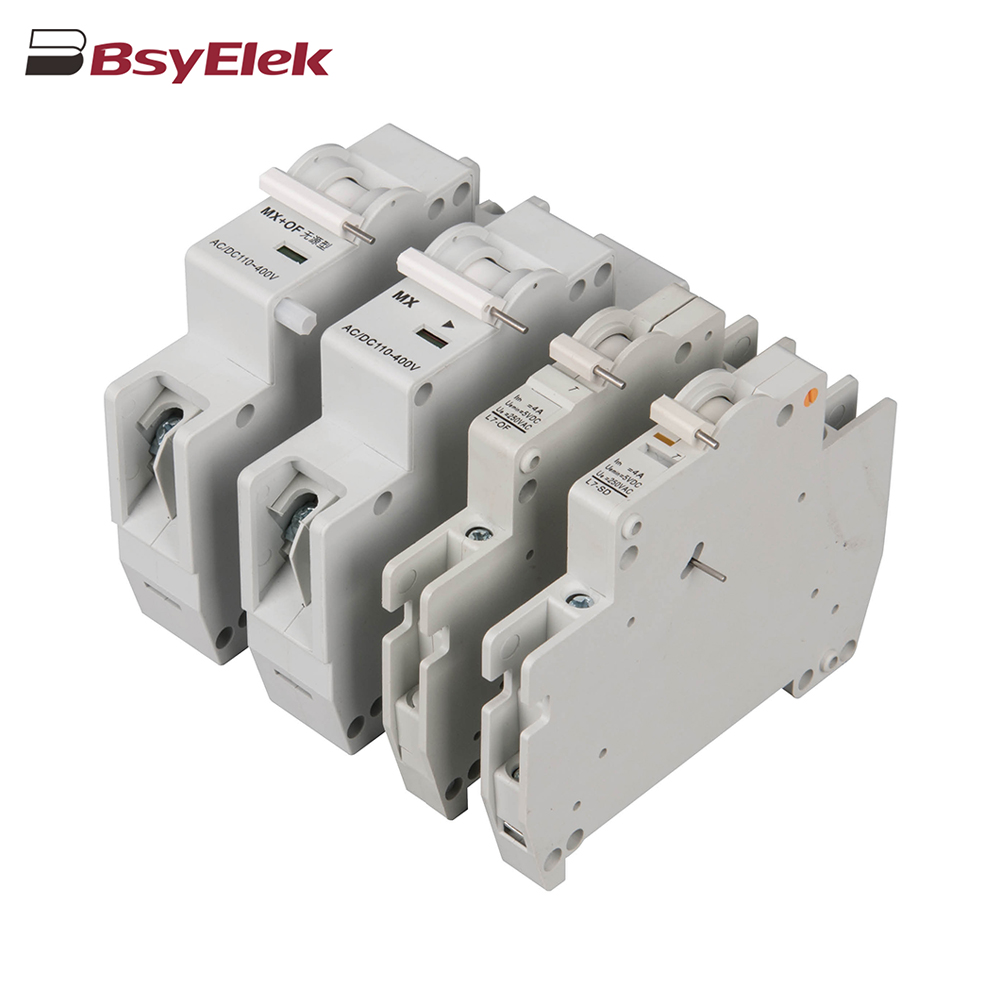 OF SD MX OF MCB Miniature Circuit Breaker Accessories
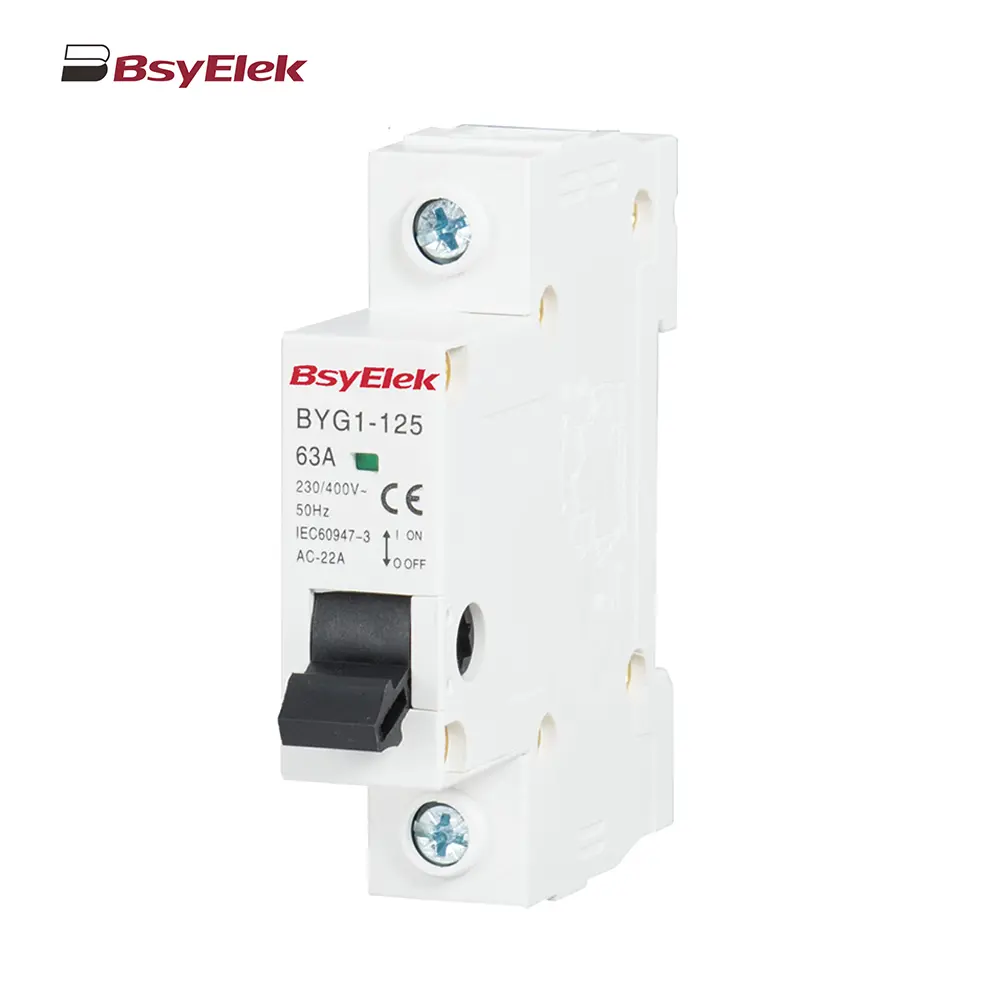 BYG1-125 Main Switch MCB Isolator Switch
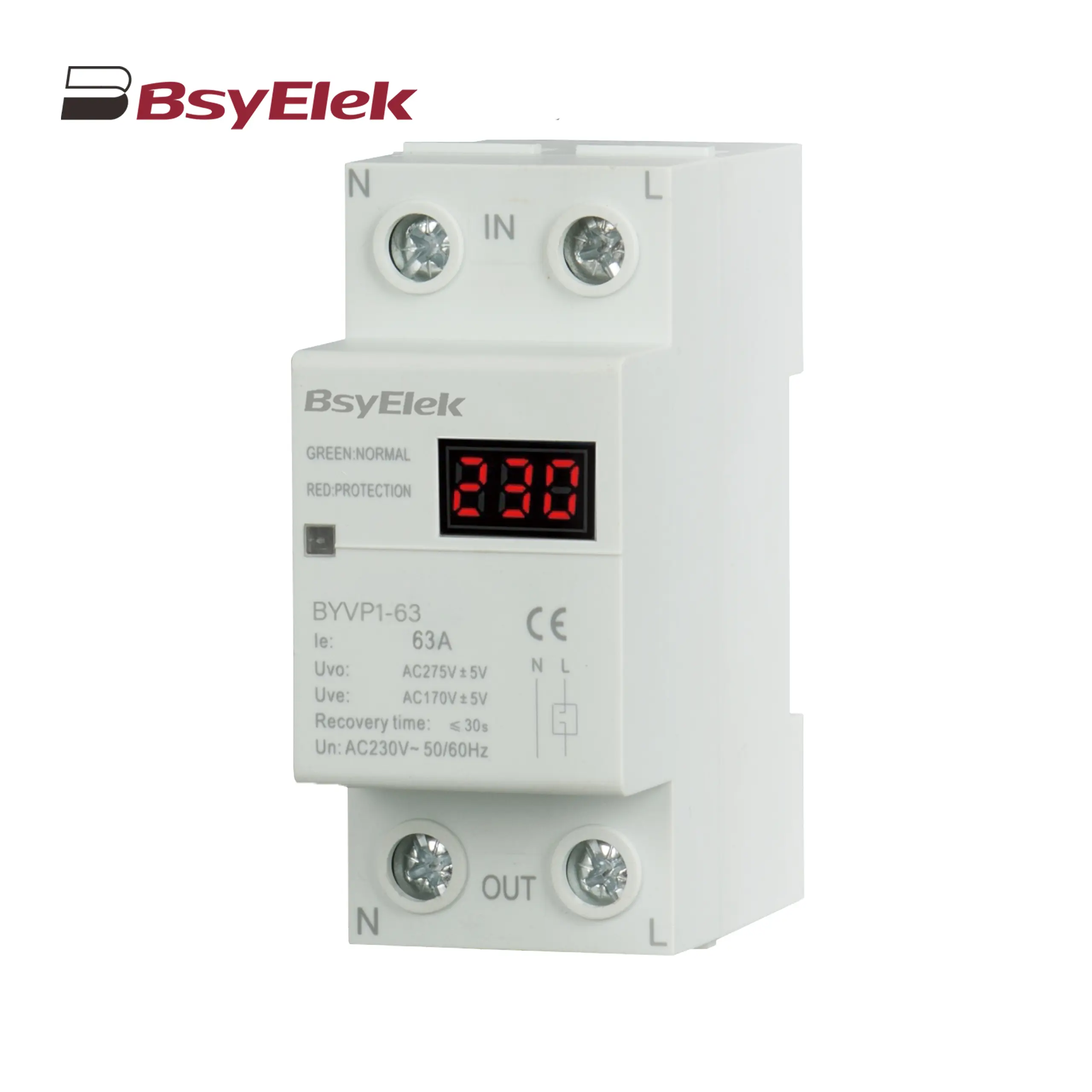 BYVP1-63 100A Single Display Overvoltage and Undervoltage Protector
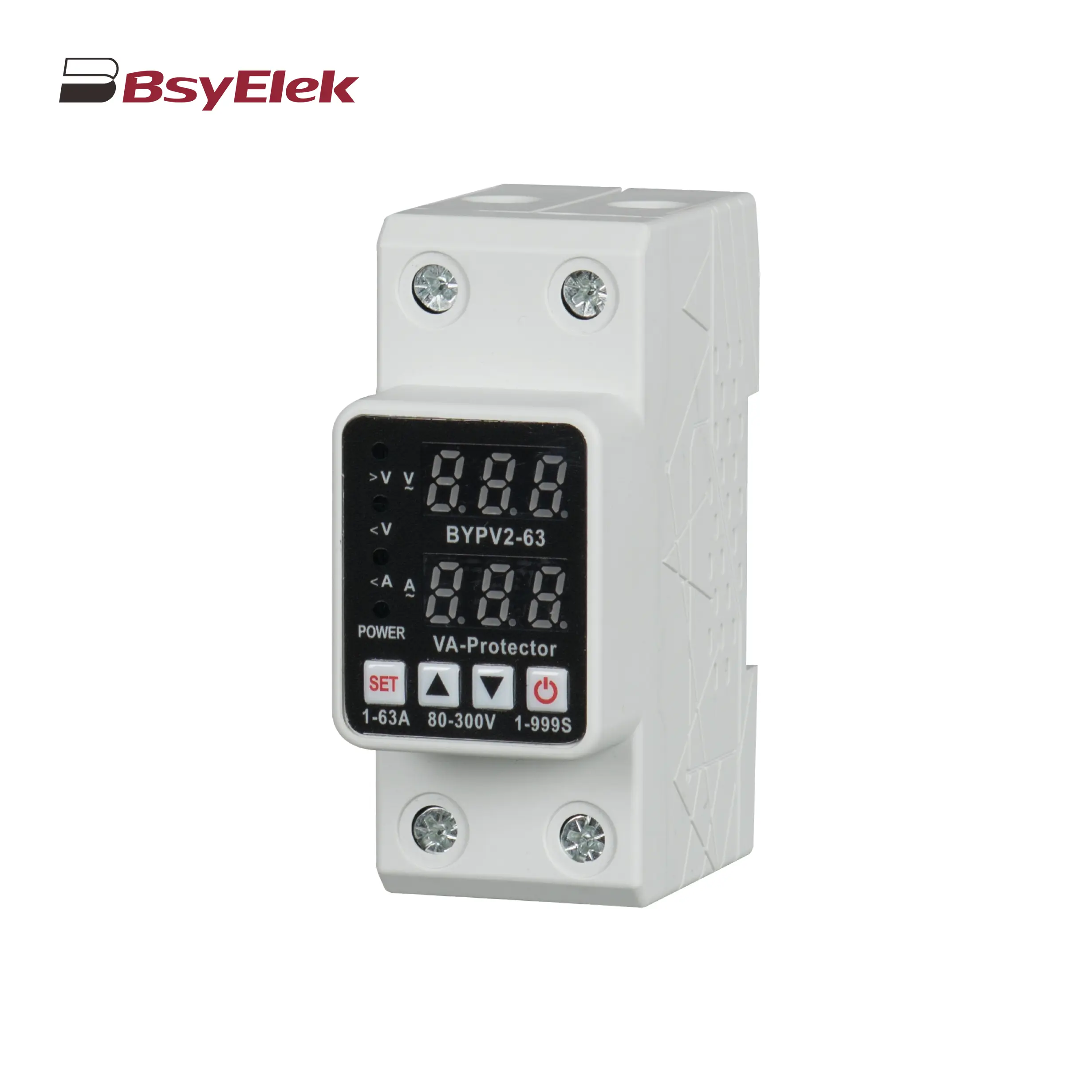 BYVP2-63 40A 63A Adjustable Dual Display Overvoltage and Undervoltage Protector
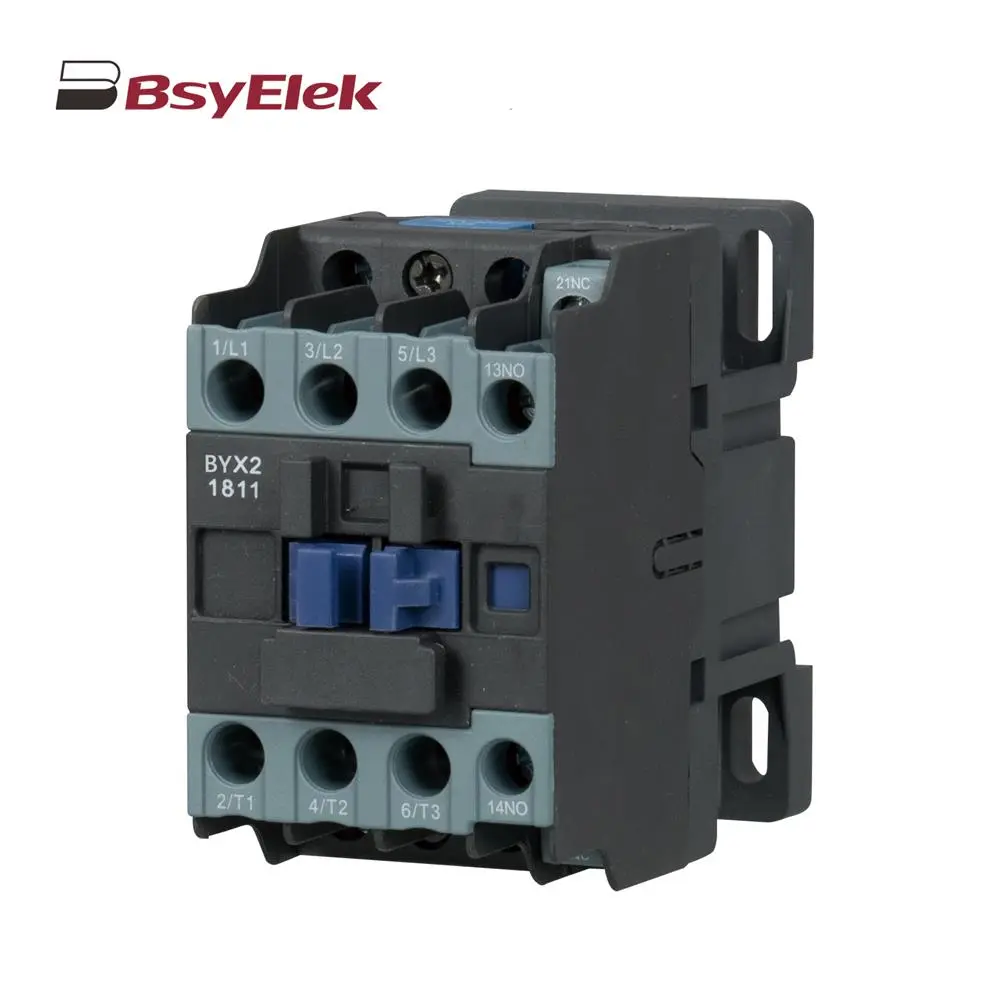 BYX2 6-95A AC Contactor
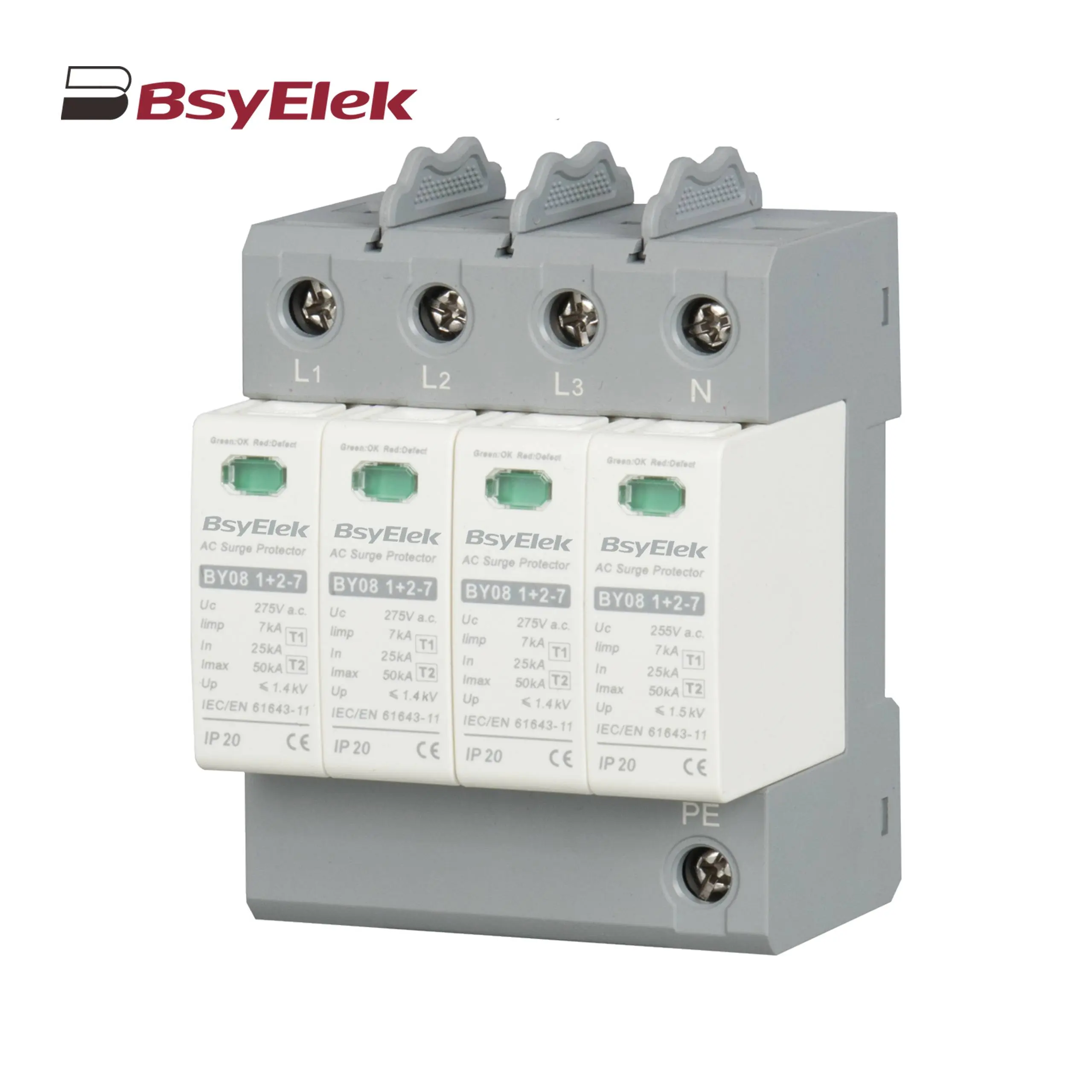 BY08 1+2-7 SPD Class T1+T2 Imax 50KA Surge Protective Device
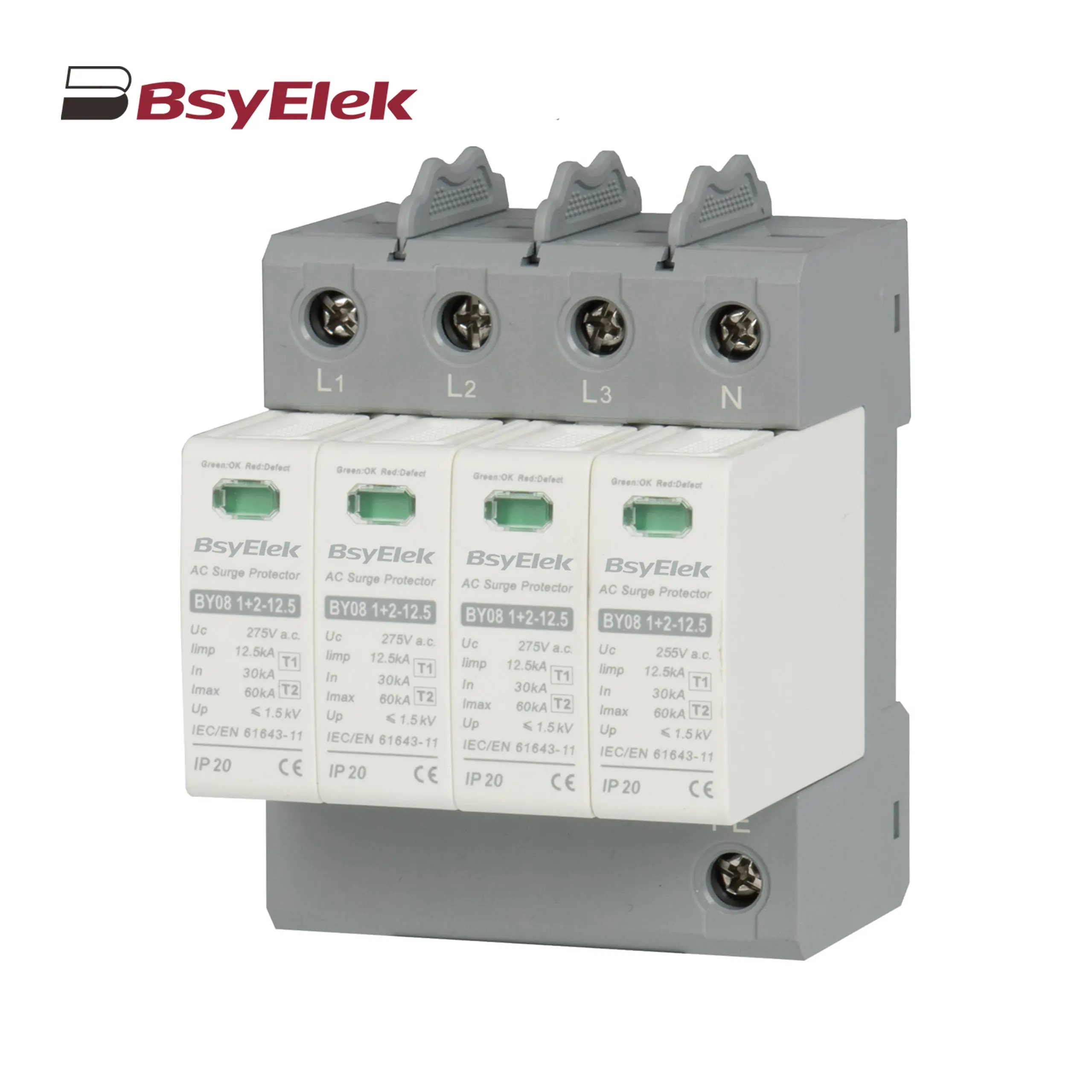 BY08 1+2-12.5 SPD Class T1+T2 Imax 60KA Surge Protective Device
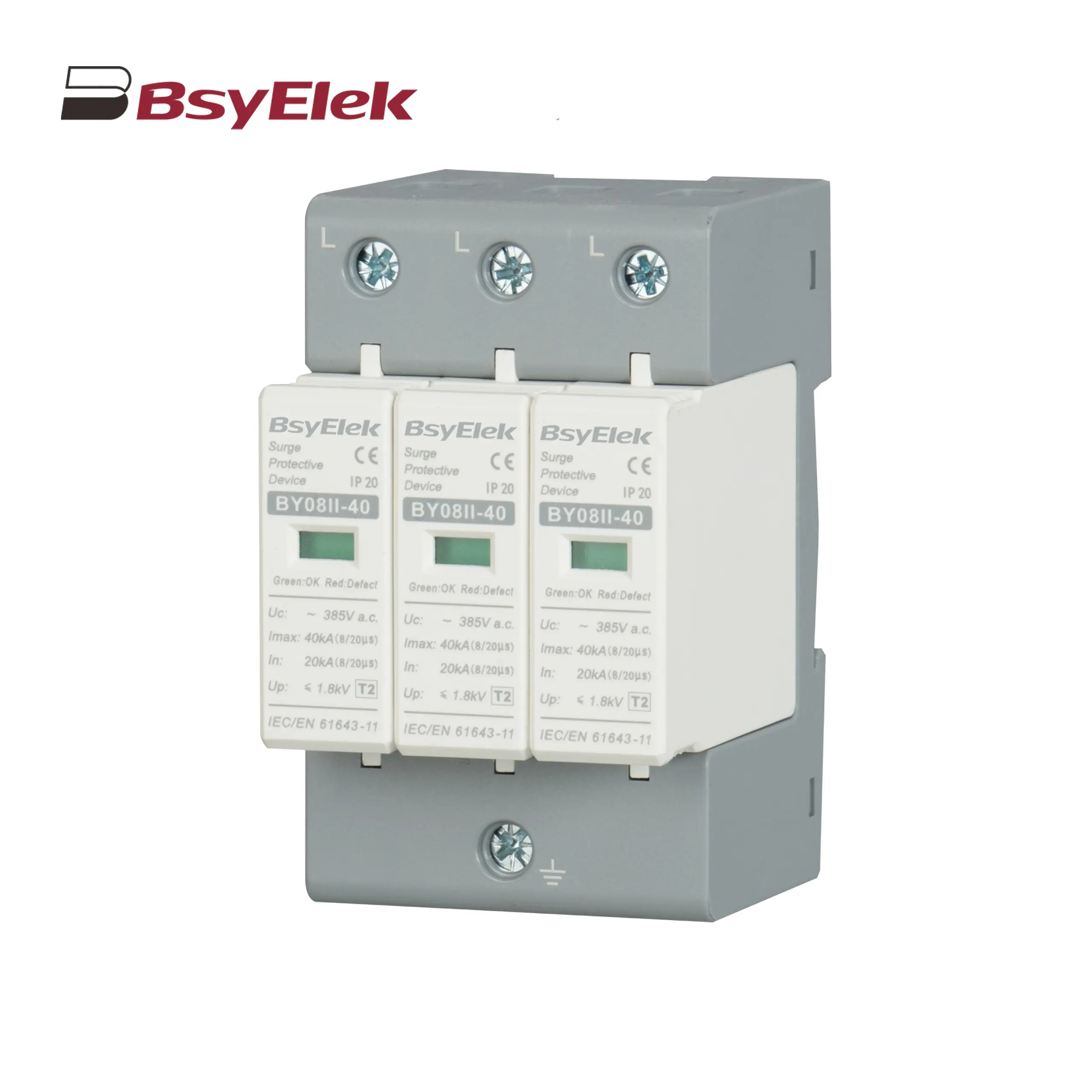 BY08II-40 SPD Class T2 Imax 40KA Surge Protective Device
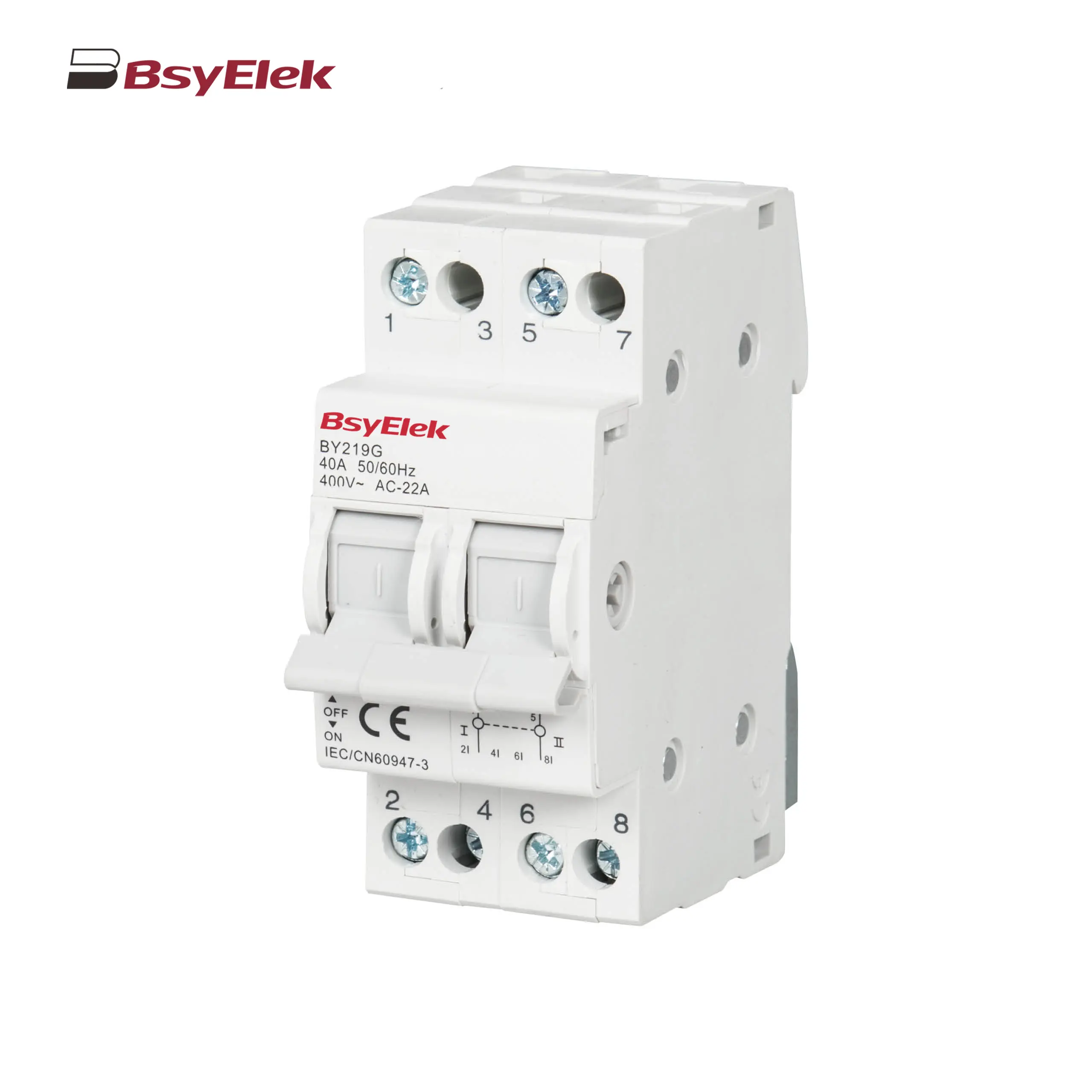 BY19G 63A Manual Changeover Switch
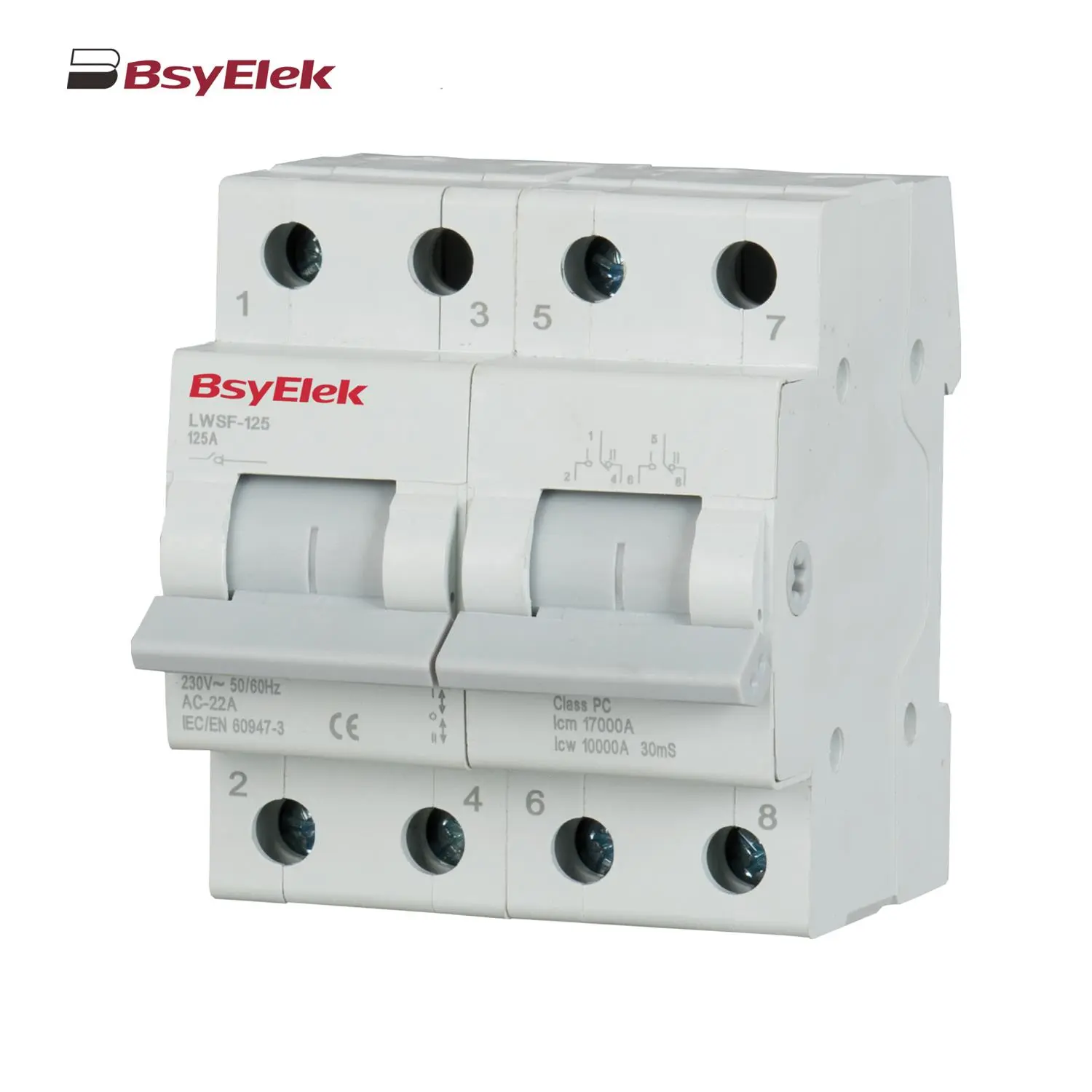 LWSF-125 125A Manual Changeover Switch
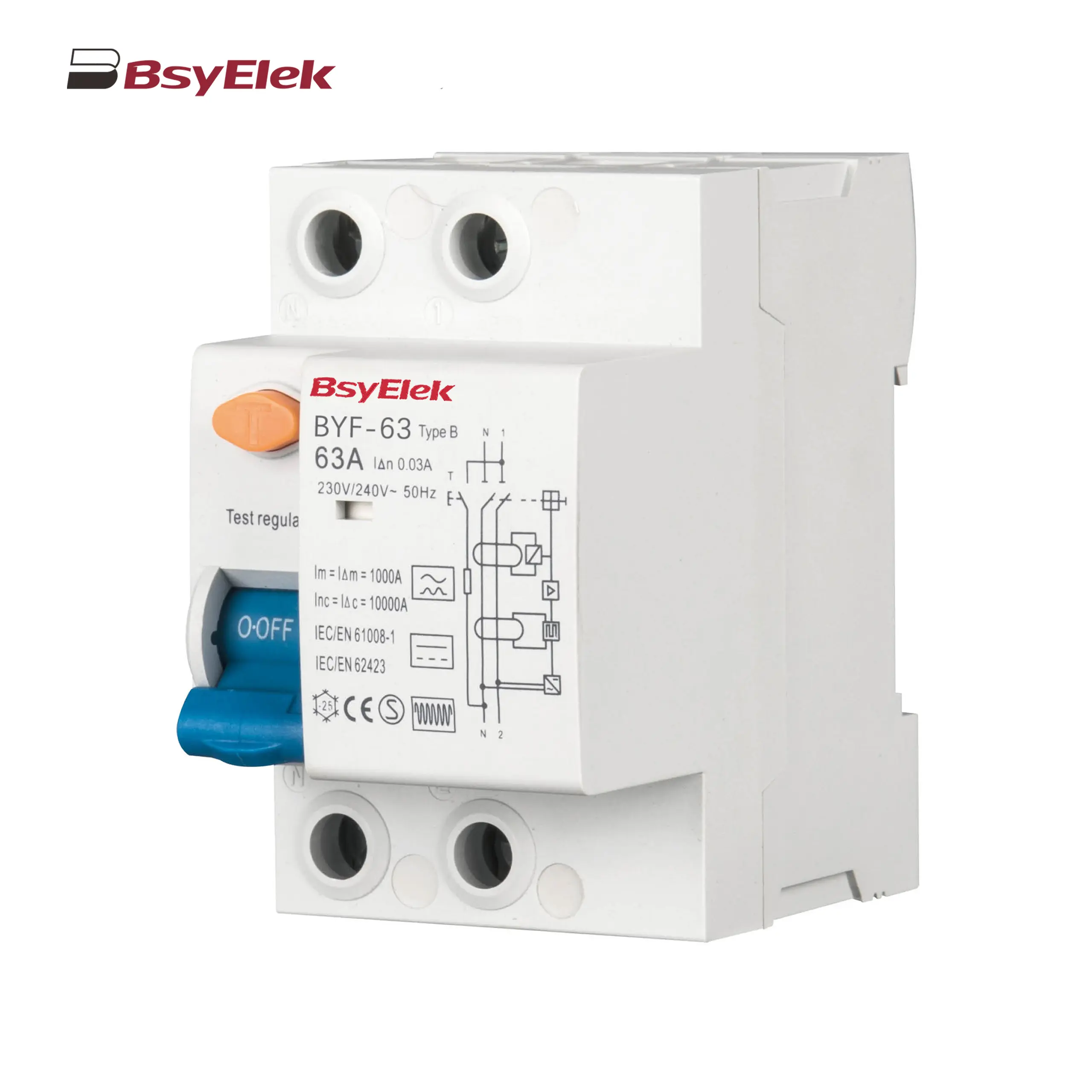 BYF-63 RCD 10KA Type B AC+A+Smoothing DC Residual Current Device
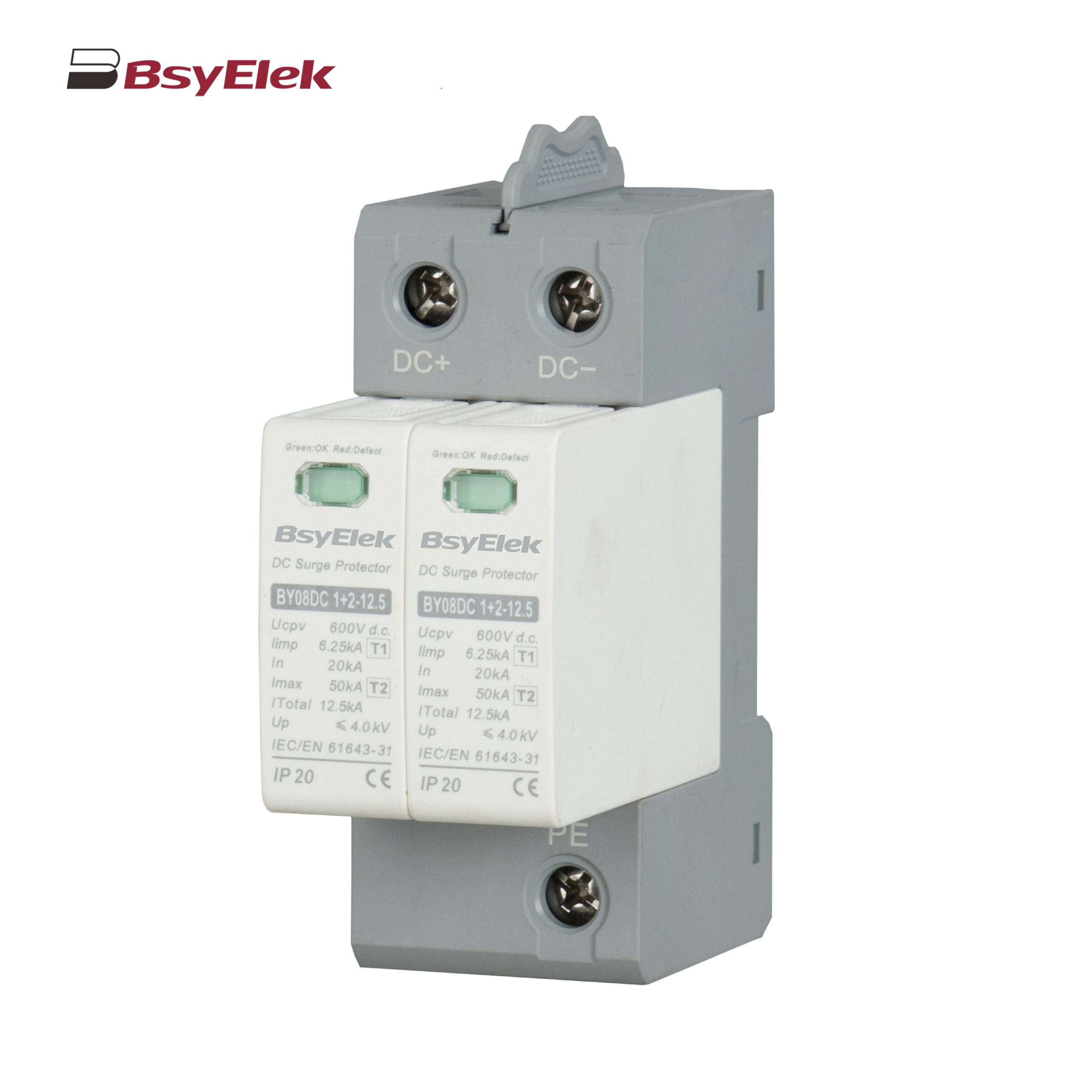 BY08DC 1+2-12.5 SPD Class T1+T2 40KA DC Surge Protective Device
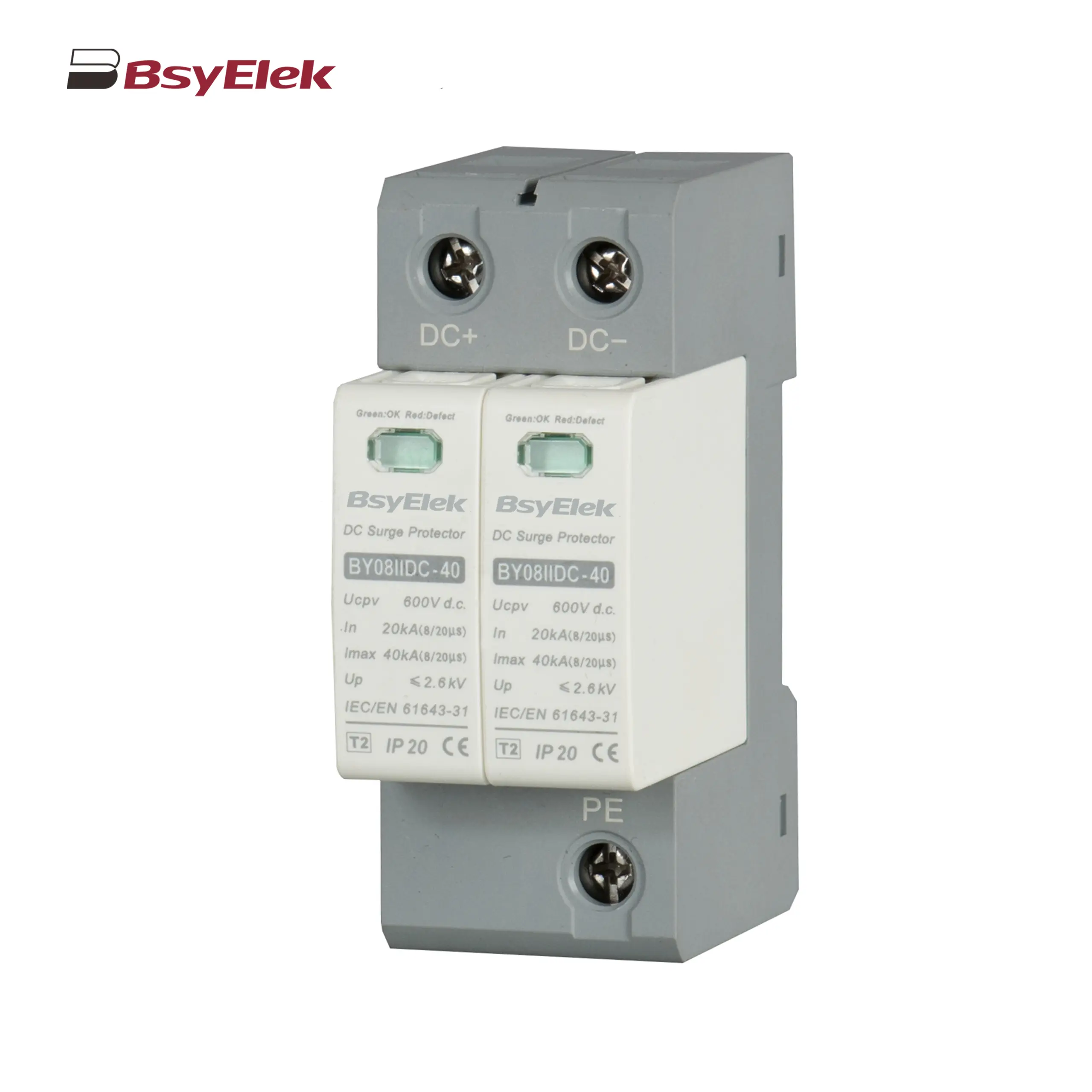 BY08IIDC-40 SPD Class T2 40KA DC Surge Protective Device
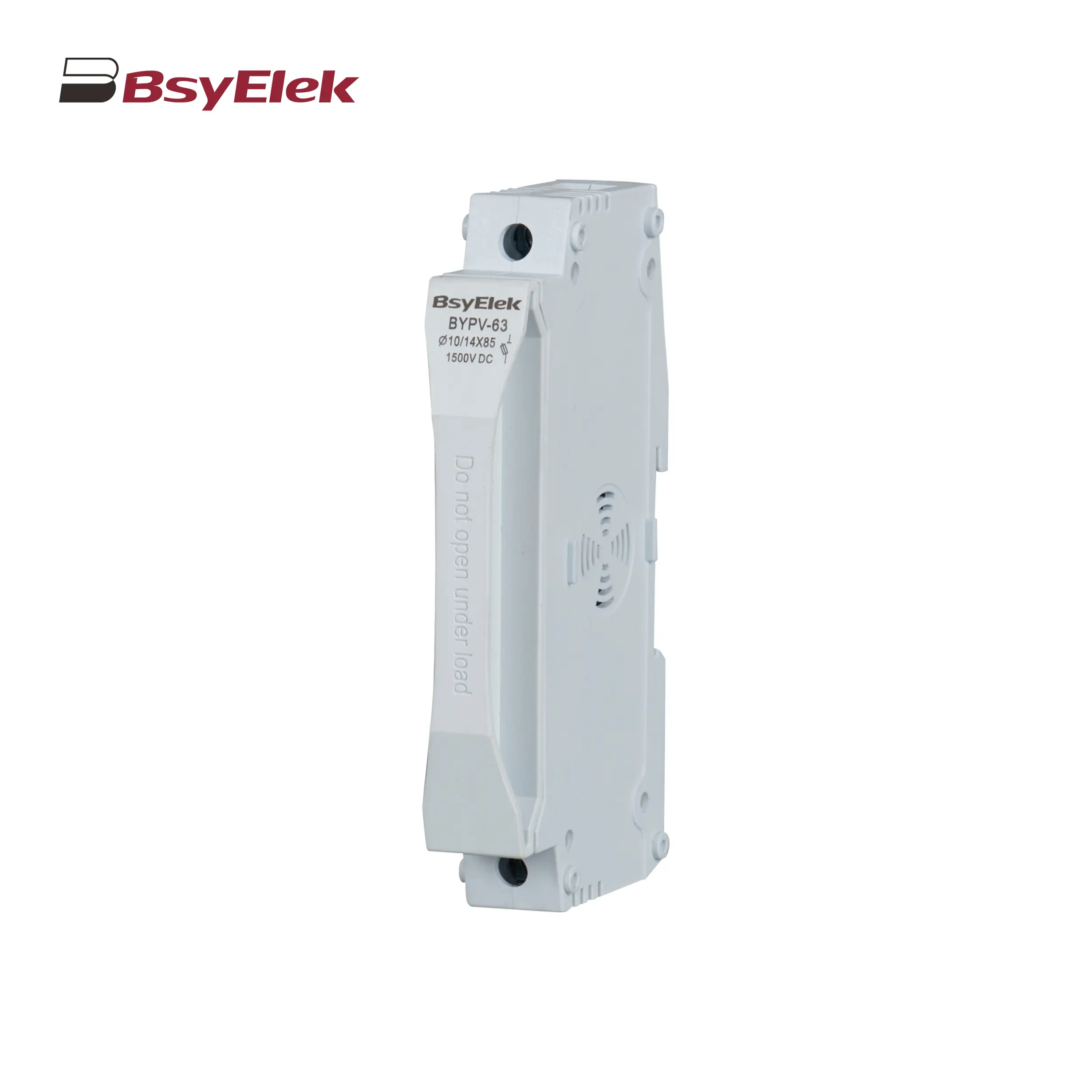 BYPV-63 1500VDC 50A Fuse Holder with 10x85mm 14x85mm Fuse Link
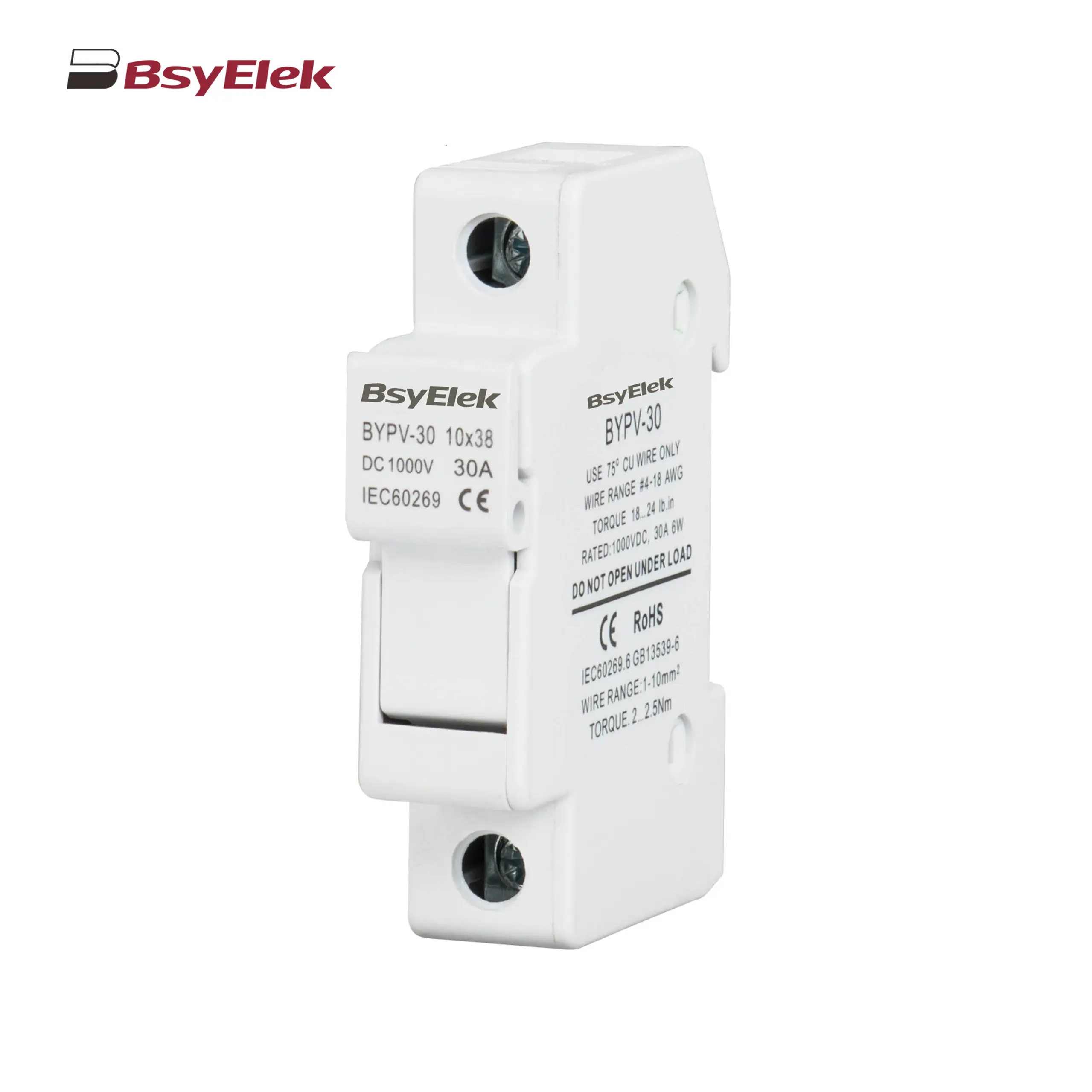 BYPV-30 1000VDC 32A Fuse Holder with 10x38mm Fuse Link
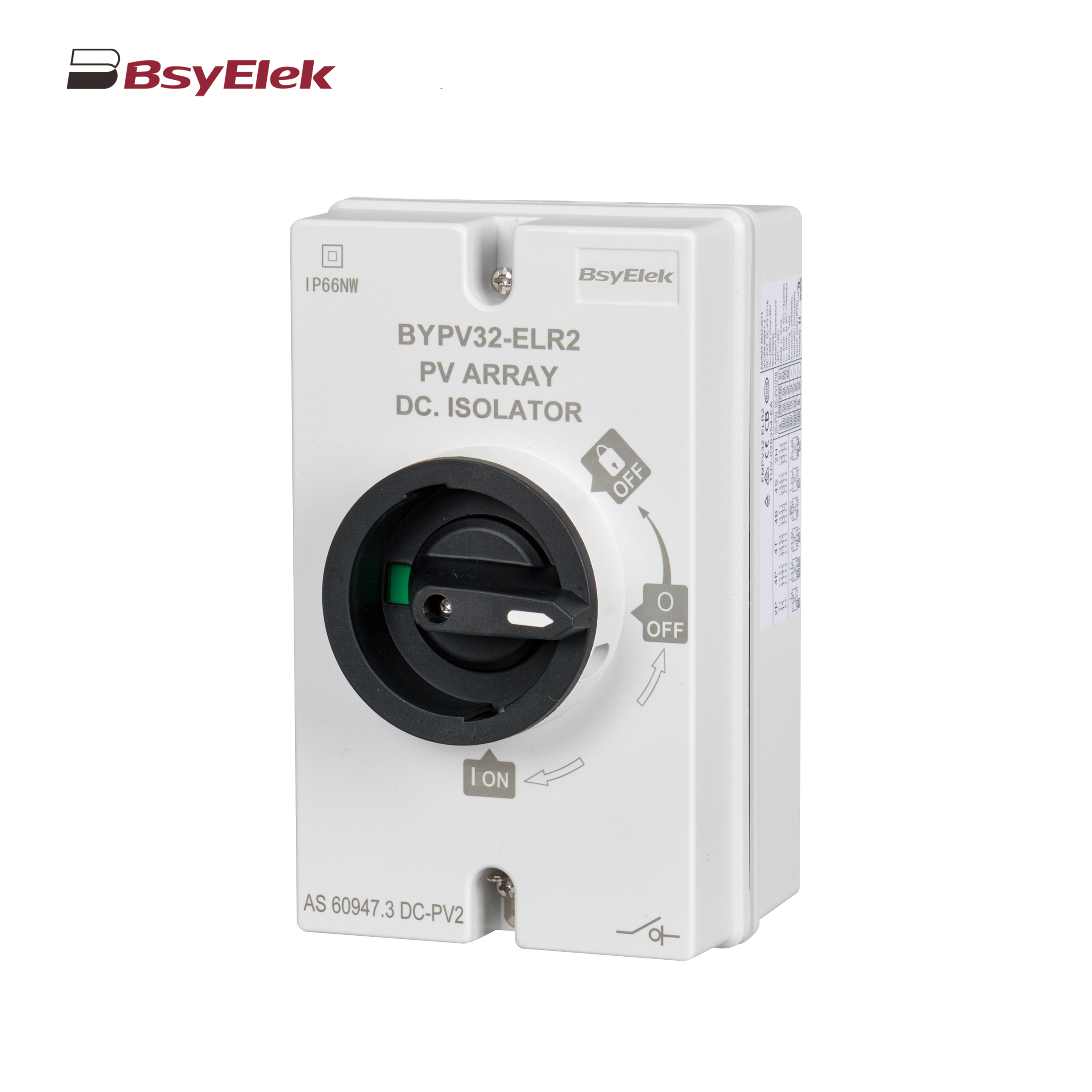 BYPV-ELR2 PV Isolator Switch with Enclosed Version
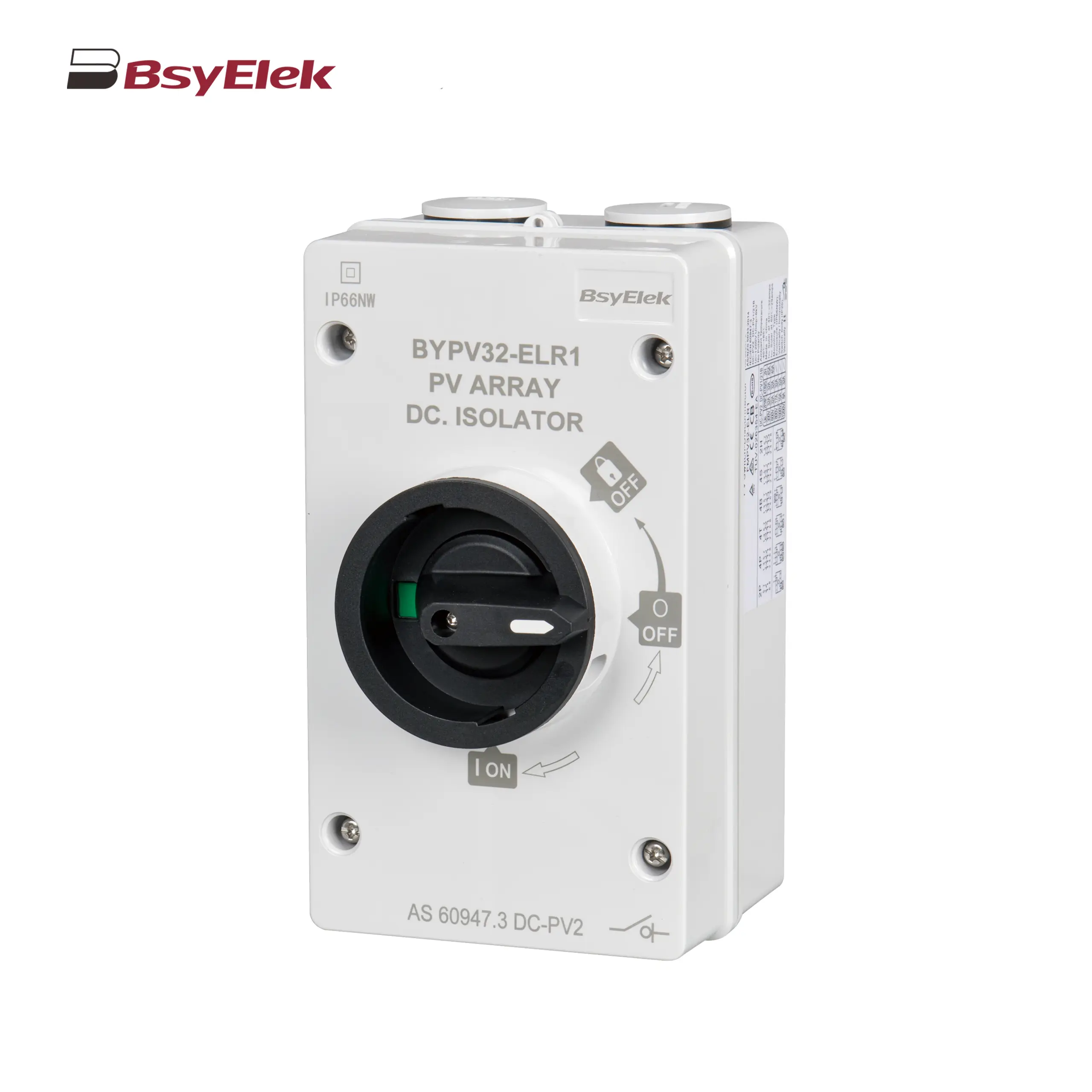 BYPV-ELR1 PV Isolator Switch with Enclosed Version
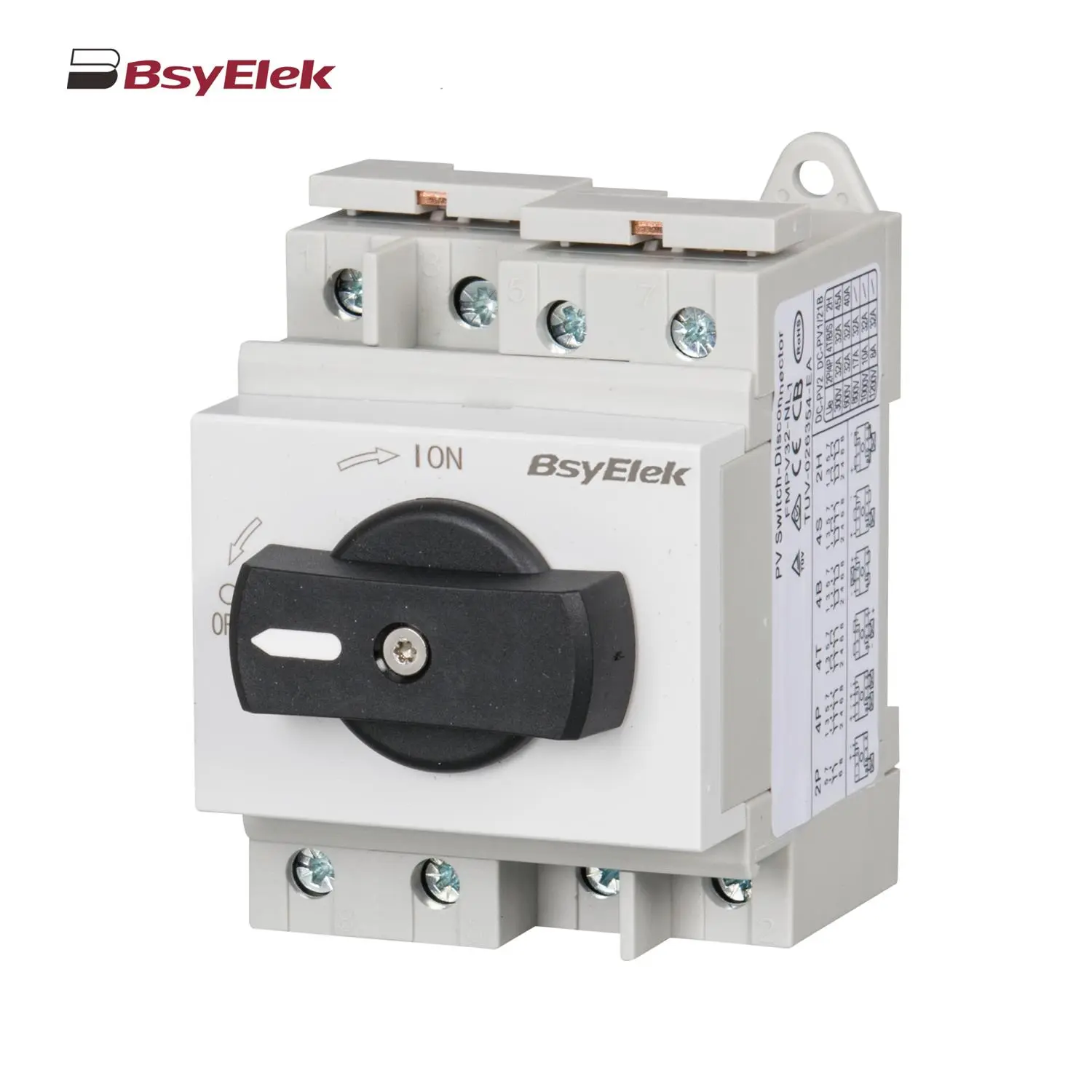 BYPV-NL1/T PV Isolator Switch with Ultra-thin Lever Handle
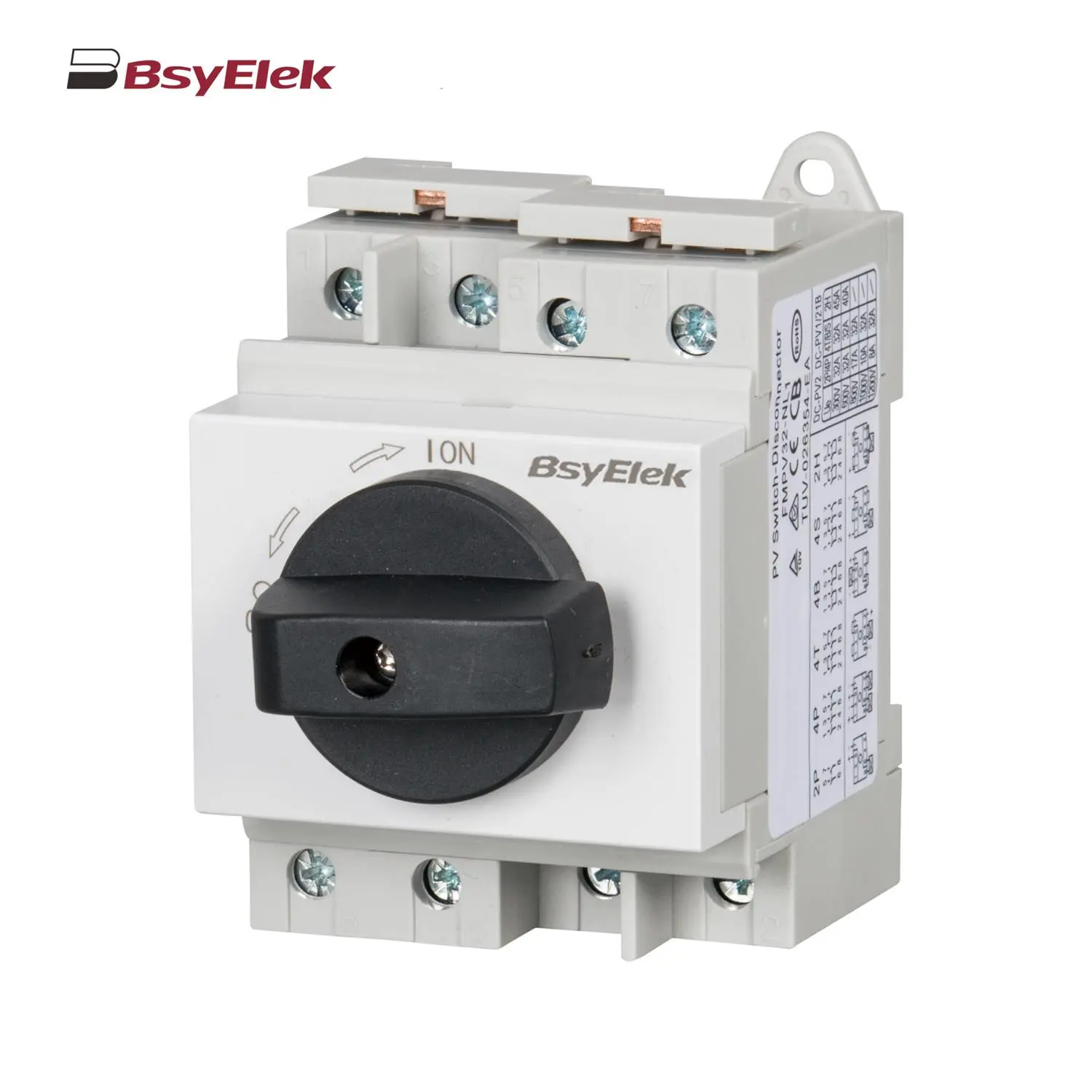 BYPV-NL1 PV Isolator Switch with Lever Handle
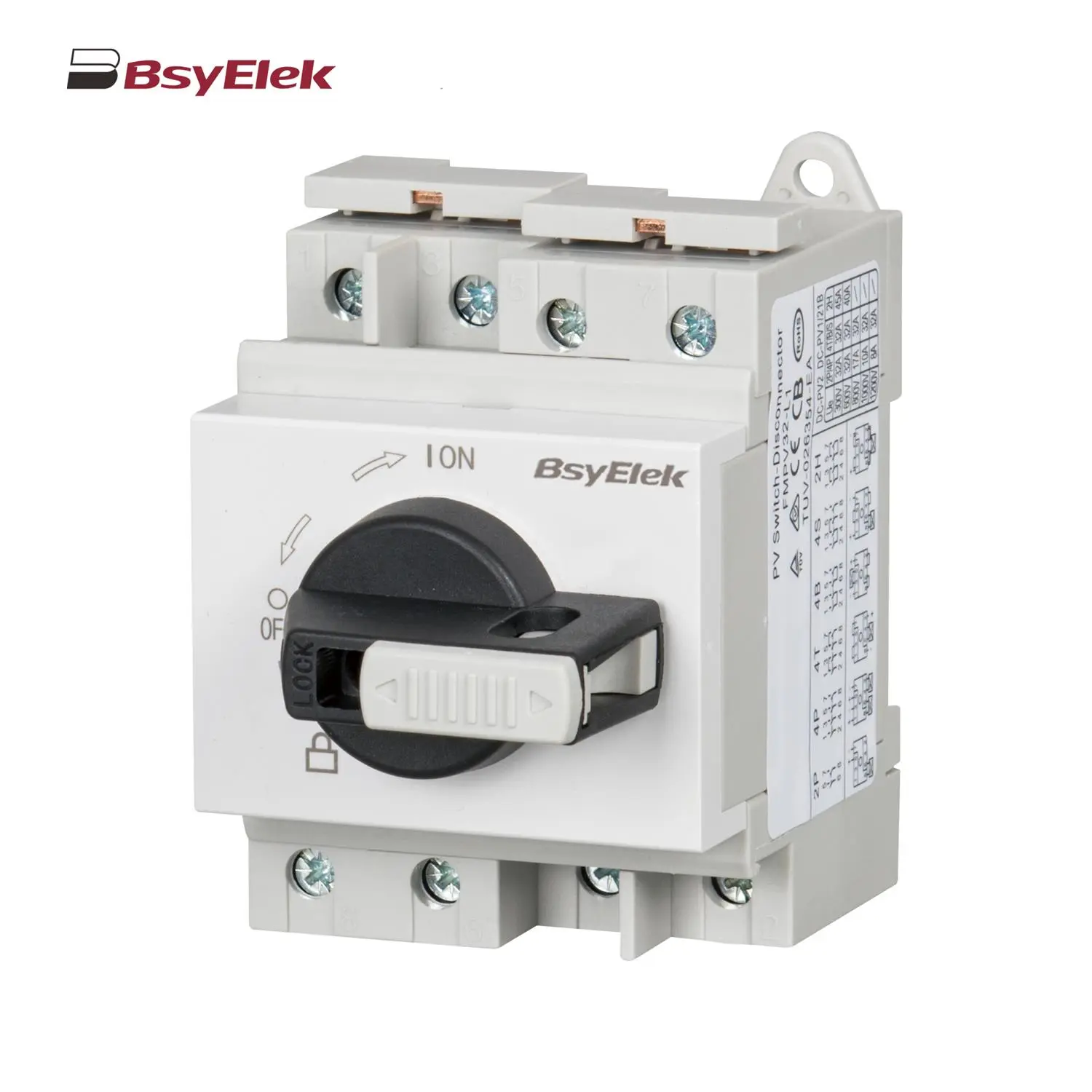 BYPV-L1/L2 PV Isolator Switch with Lockable Lever Handle
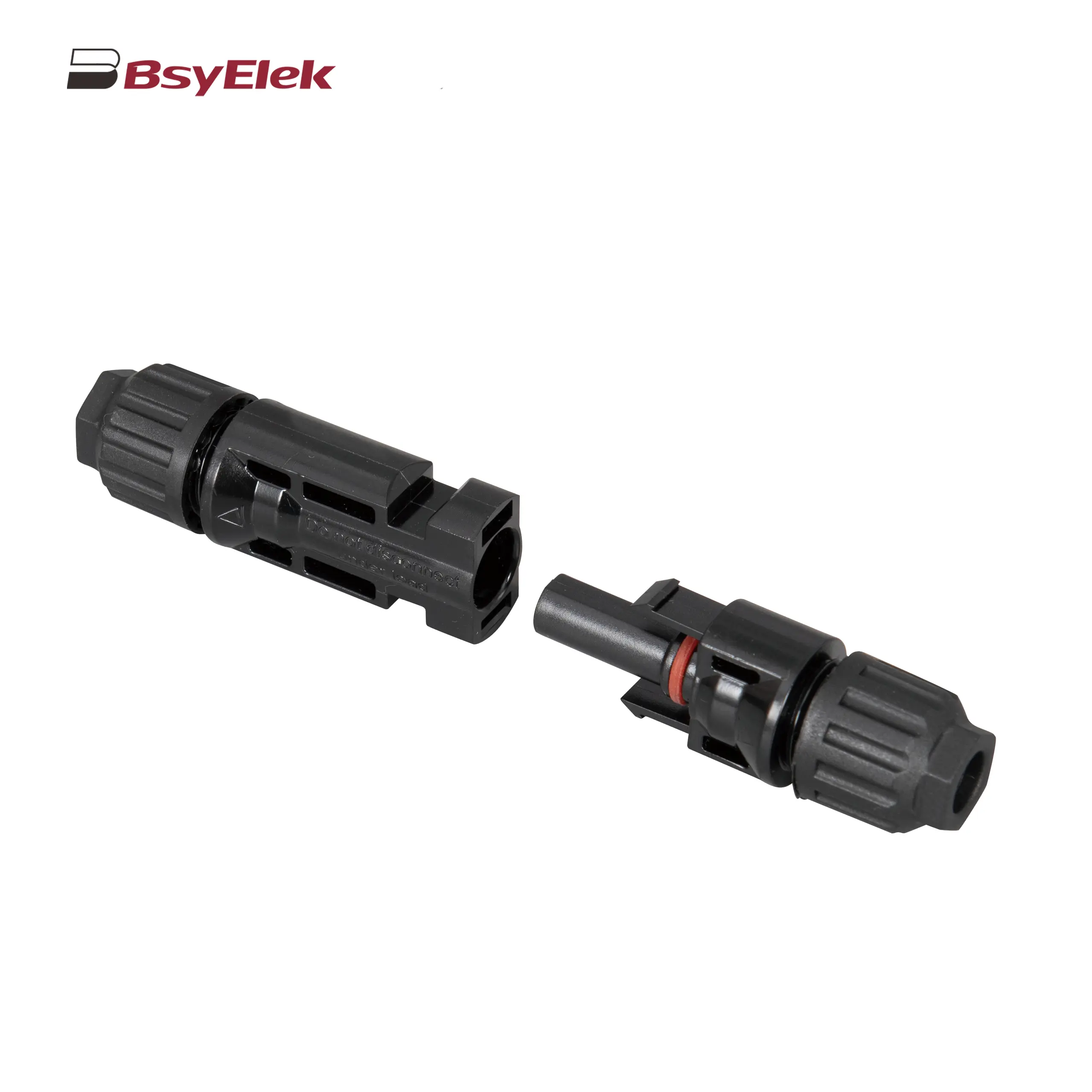 PV-BY-01 30A/50A 1000V Photovoltaic Connector
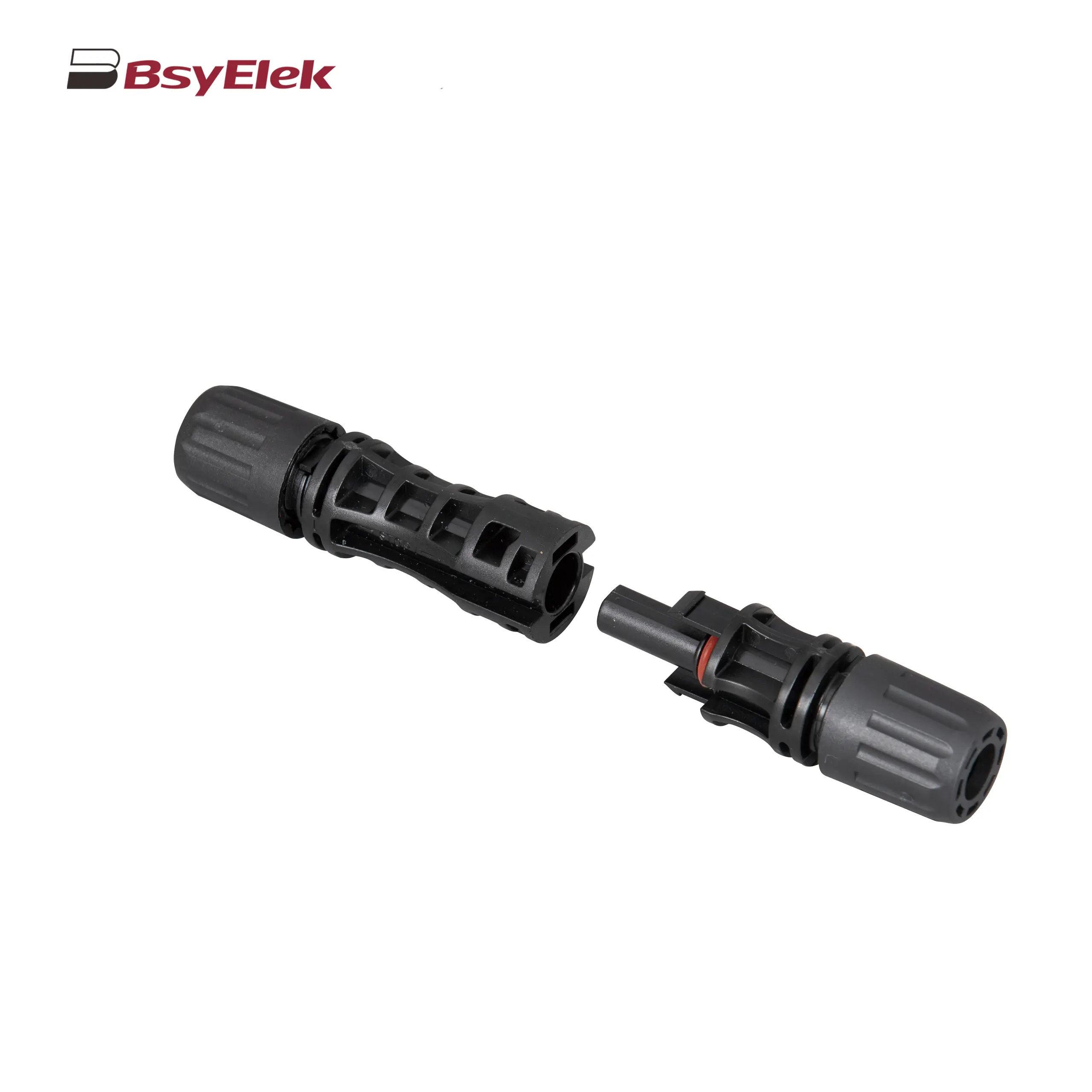 PV-BY-02 30A/50A 1500V Photovoltaic Connector
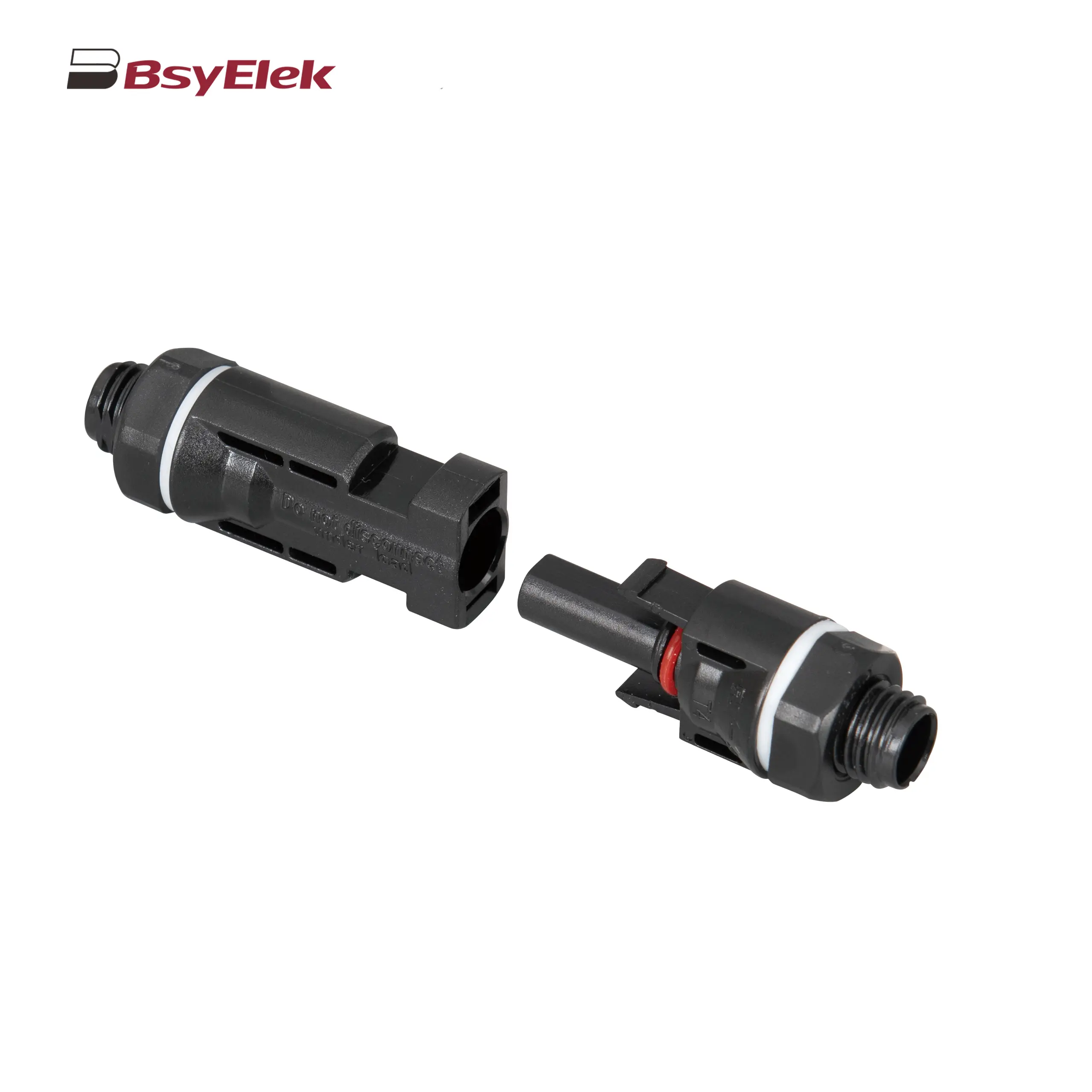 PV-BY-03 30A/50A 1000V Panel Mount Photovoltaic Connector
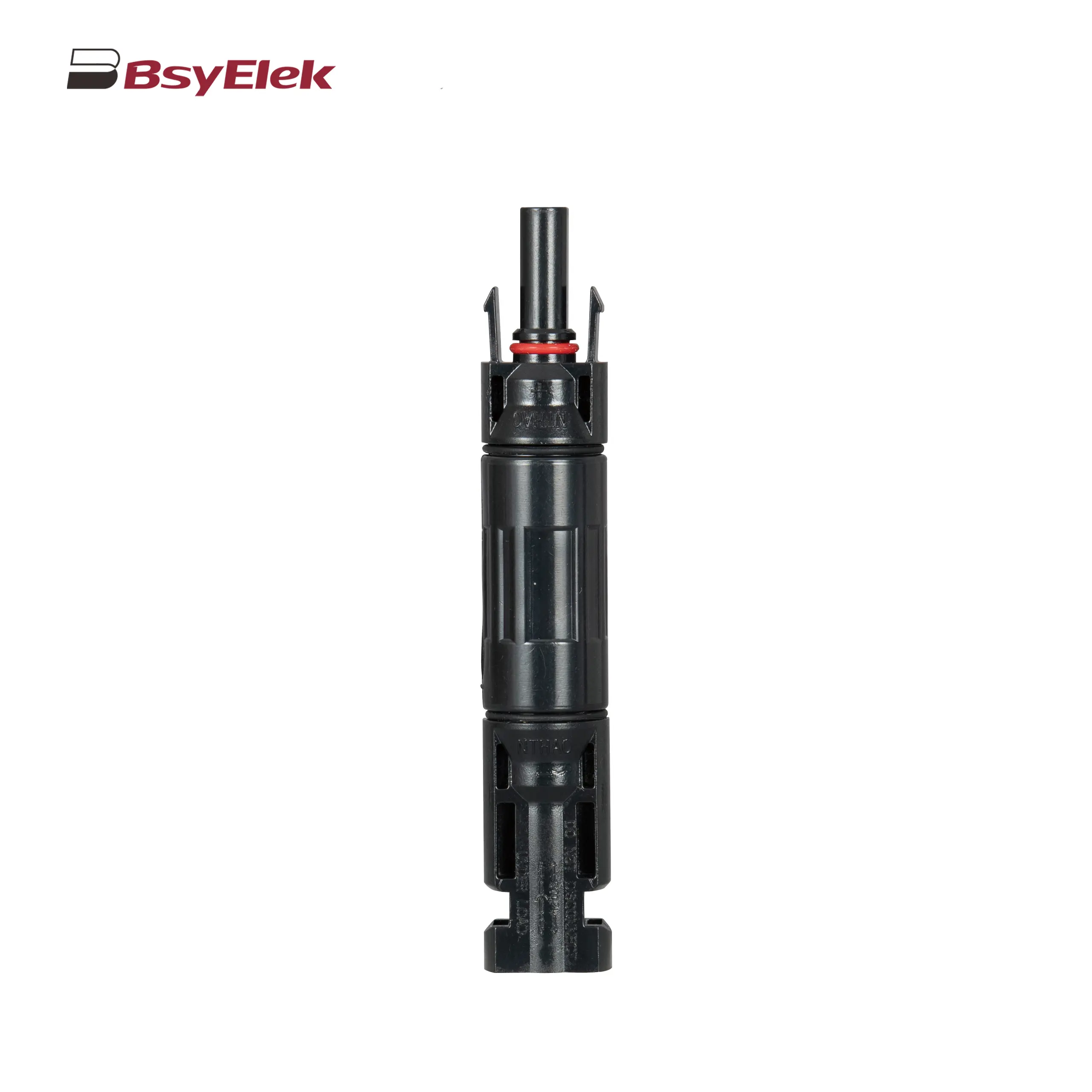 PV-BY-F01 30A 1500V Diode/Fuse Type Connector
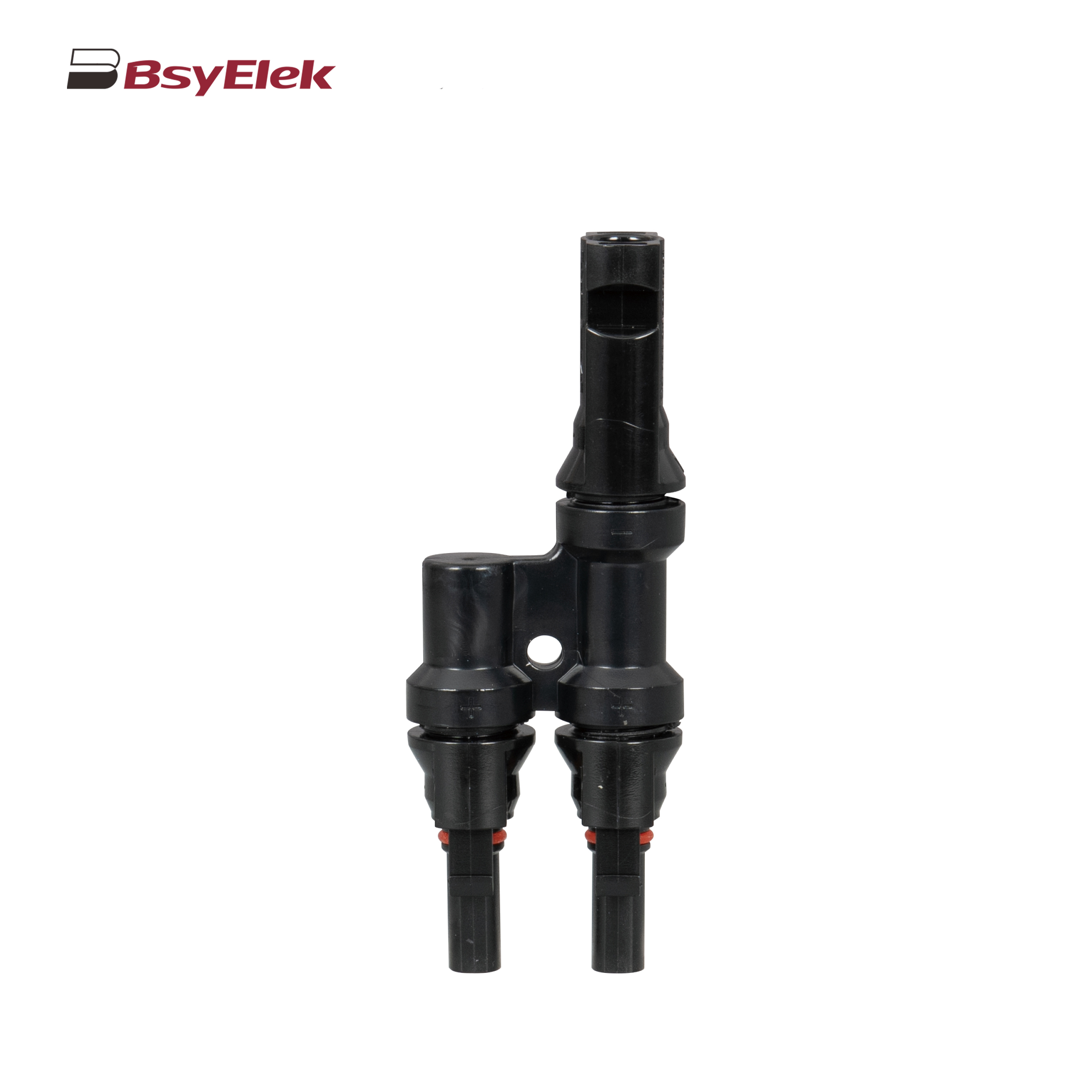 PV-BY-T 50A 1500V T Type Branch Connector
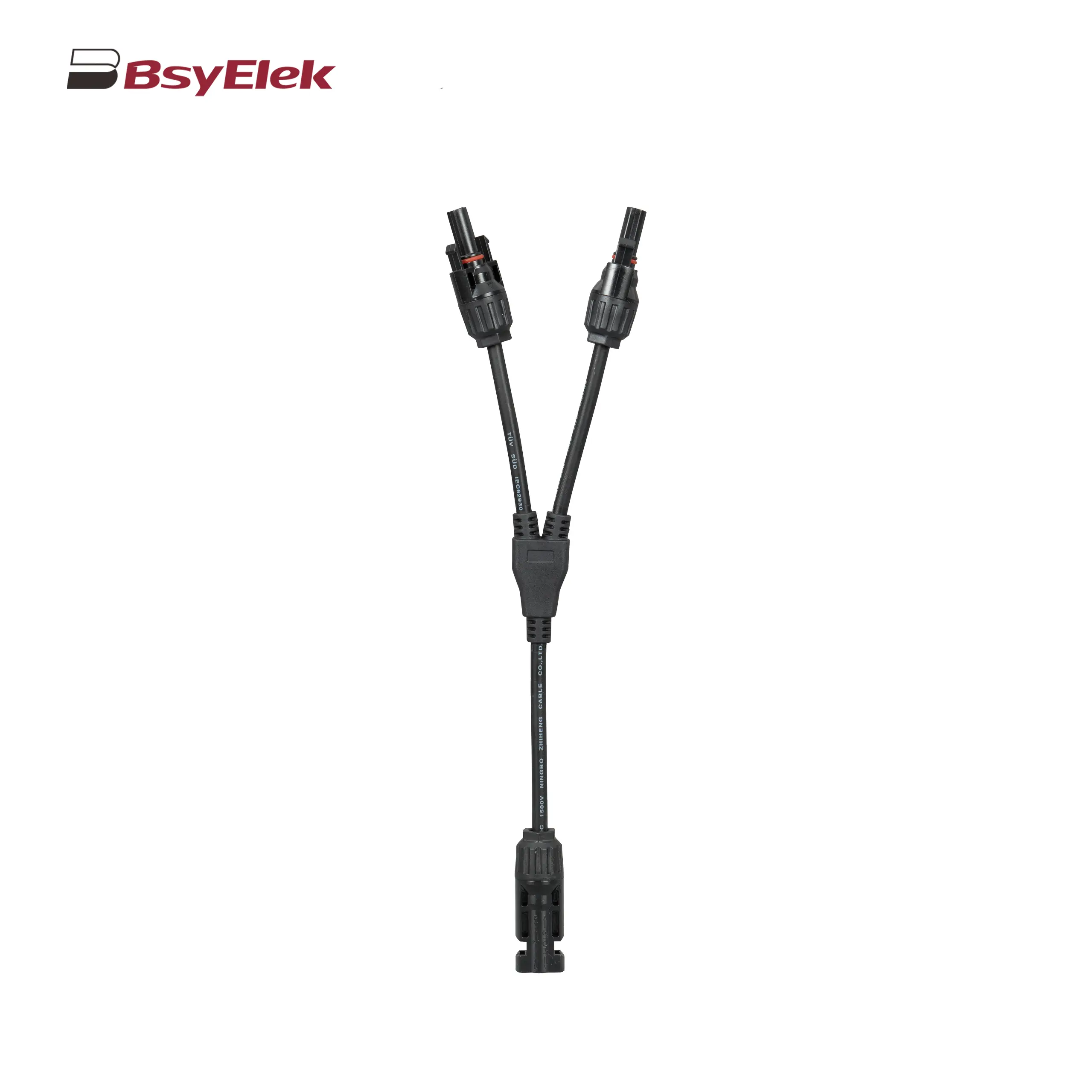 PV-BY-Y 30A 1500V Y Type Branch Connector
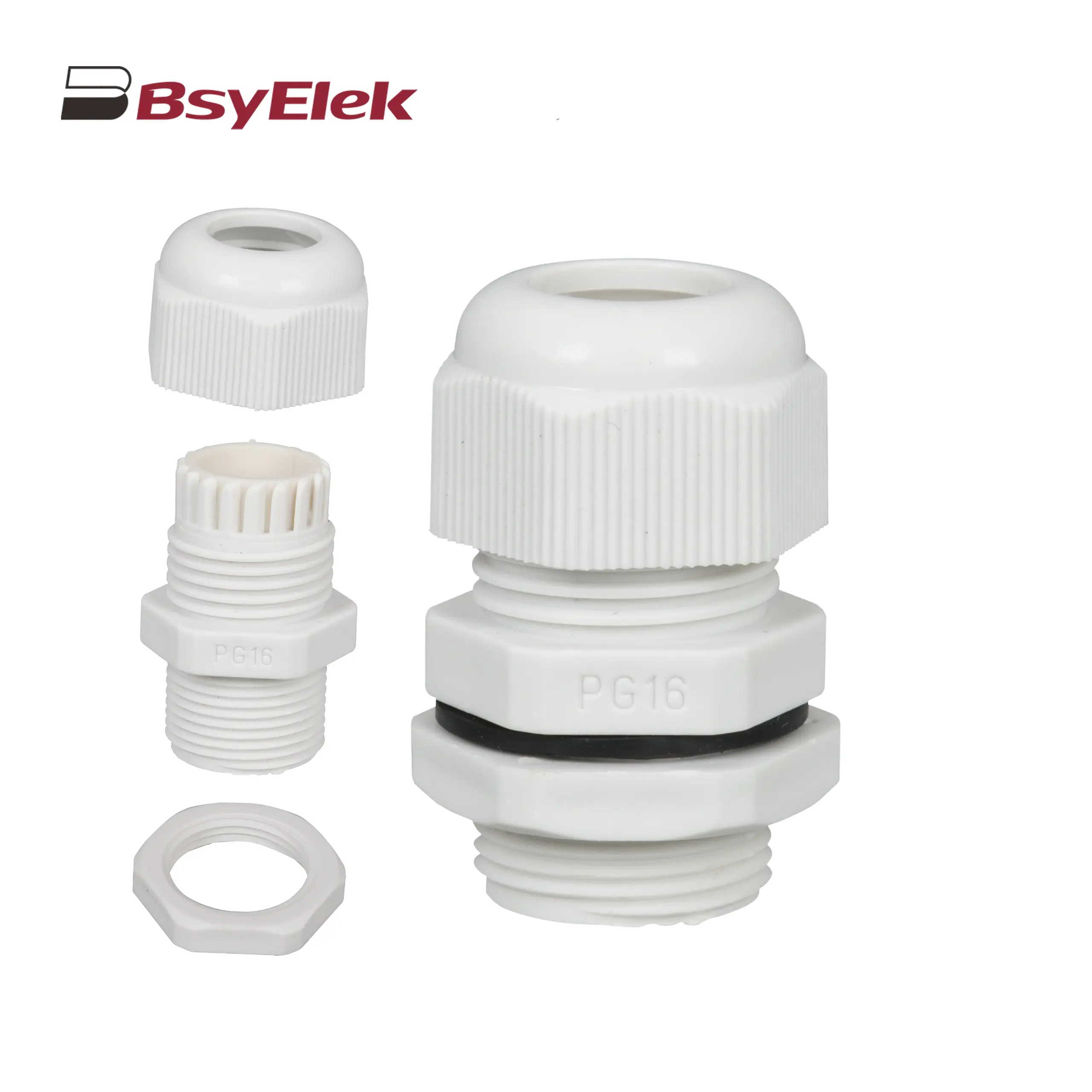 PG Waterproof Cable Gland with Washer
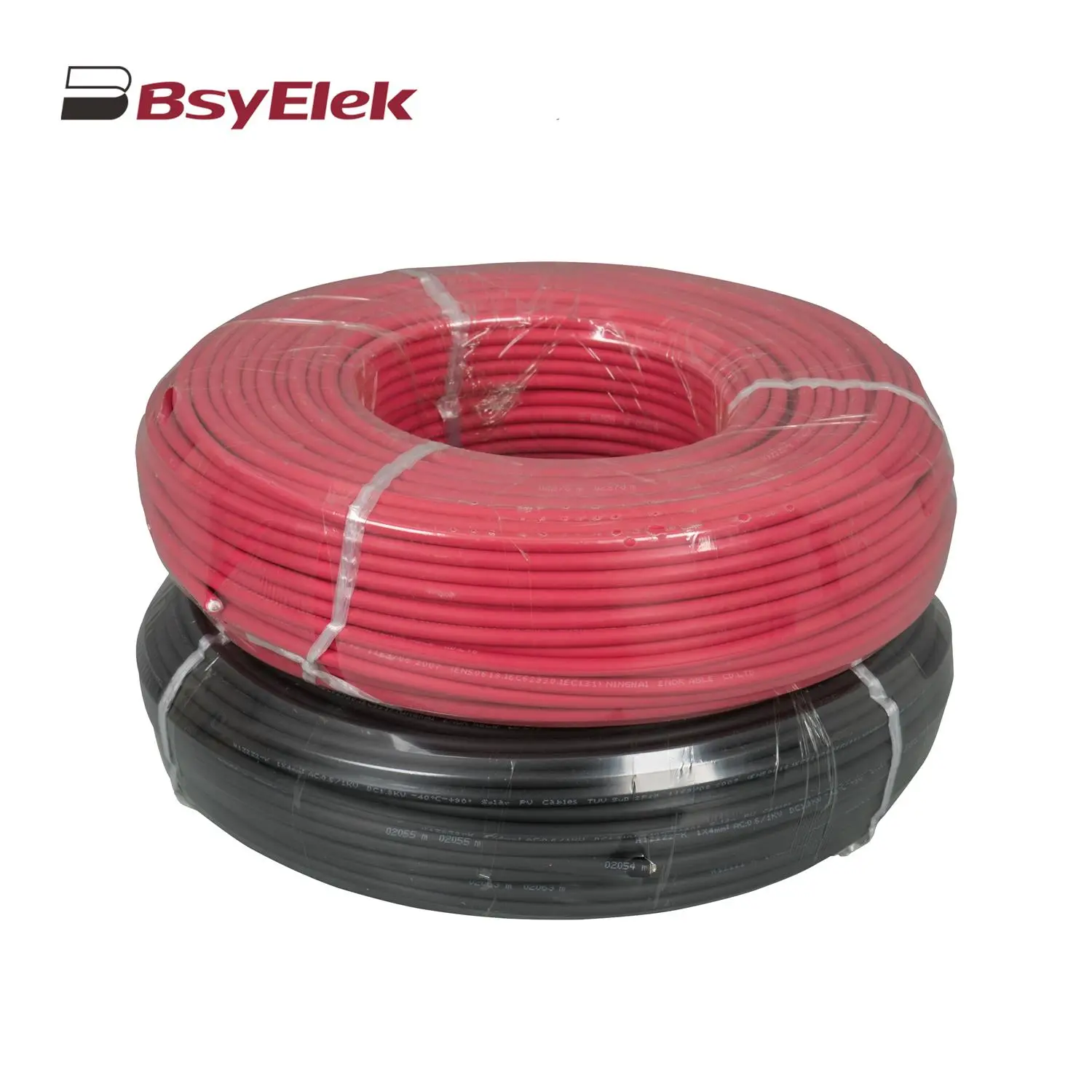 Photovoltaic Cable
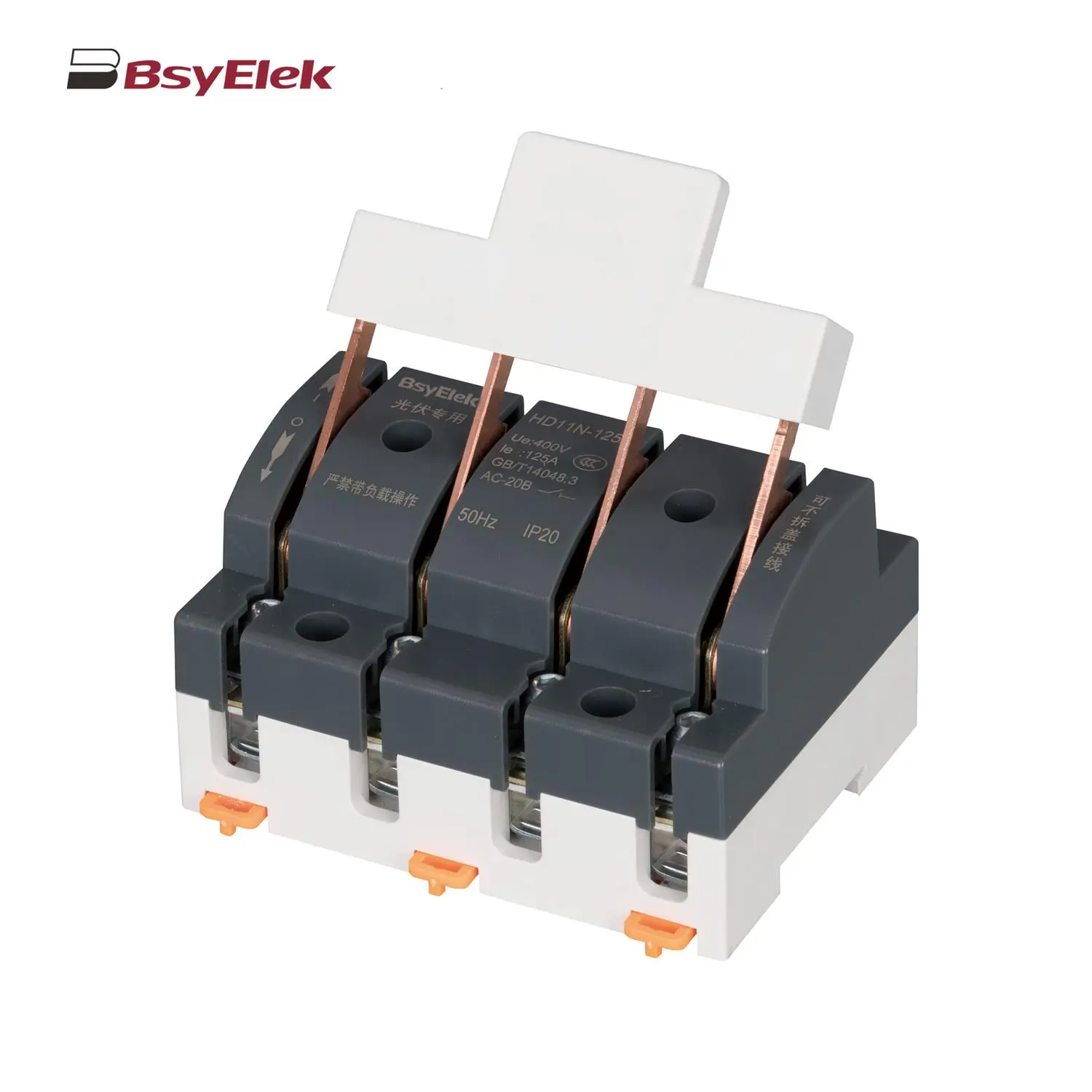 HD11N Photovoltaic Knife Switch
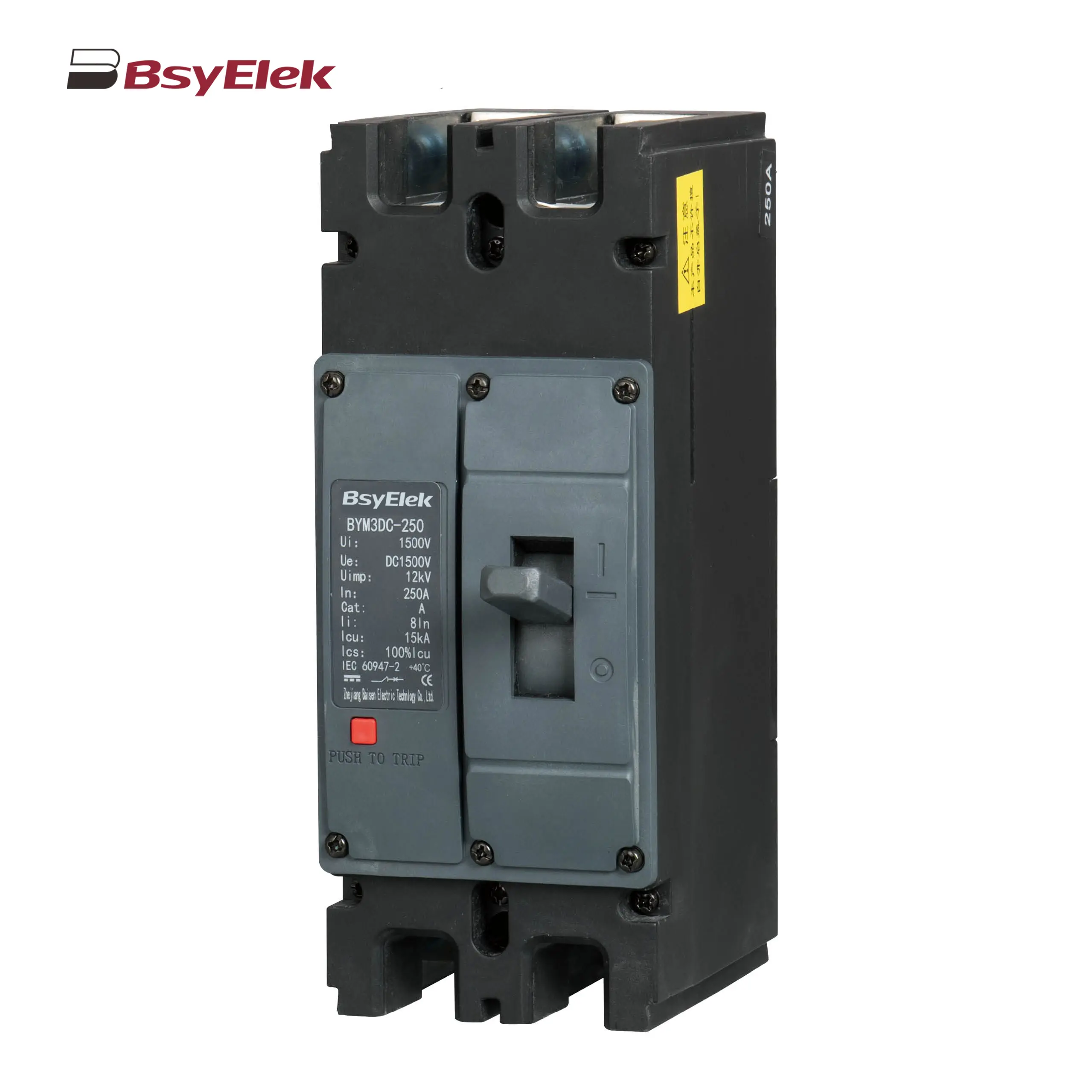 BYM3DC MCCB Photovoltaic DC Molded Case Circuit Breaker
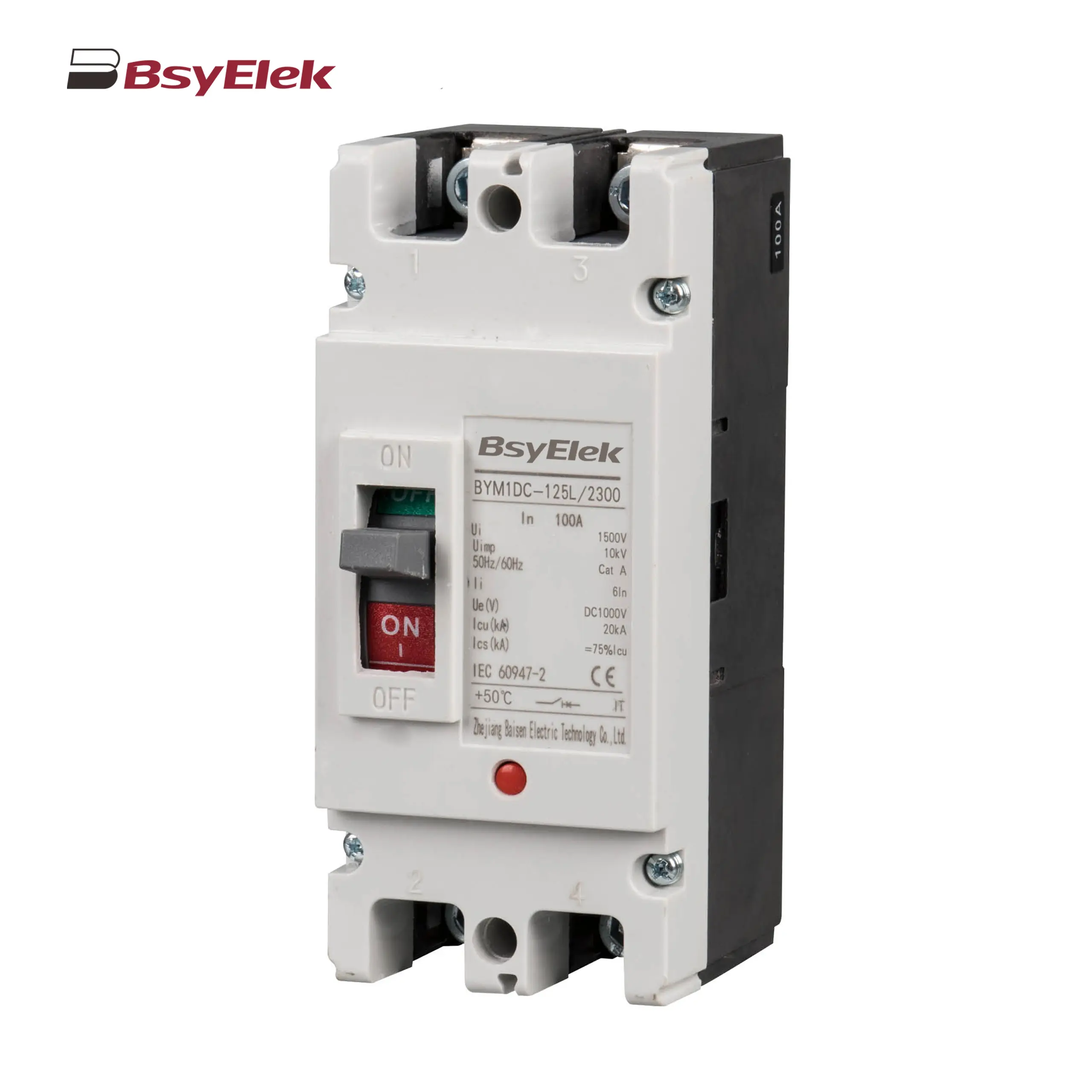 BYM1DC MCCB 1000VDC Thermal Magnetic Type DC Molded Case Circuit Breaker
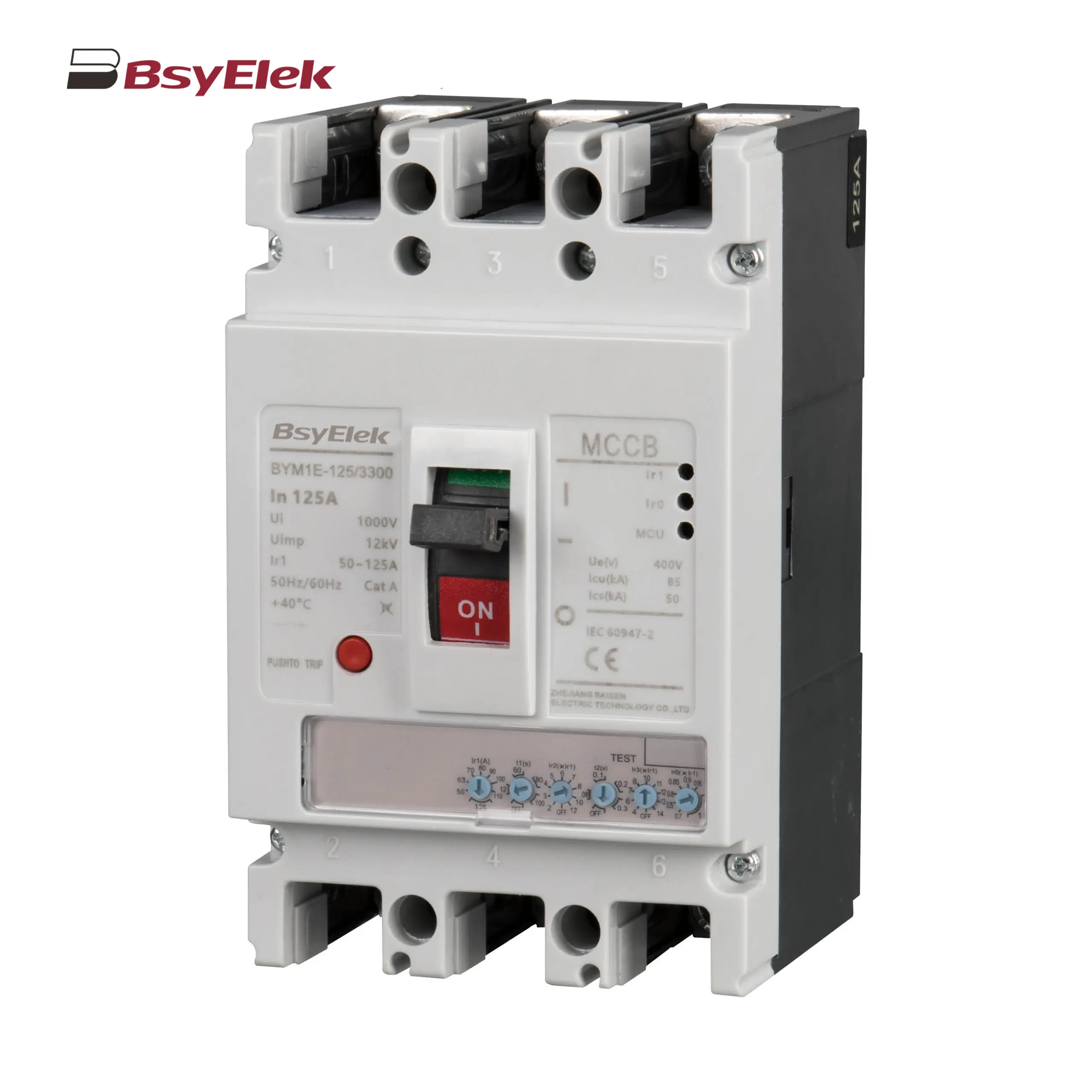 BYM1E MCCB Electronic Type Molded Case Circuit Breaker
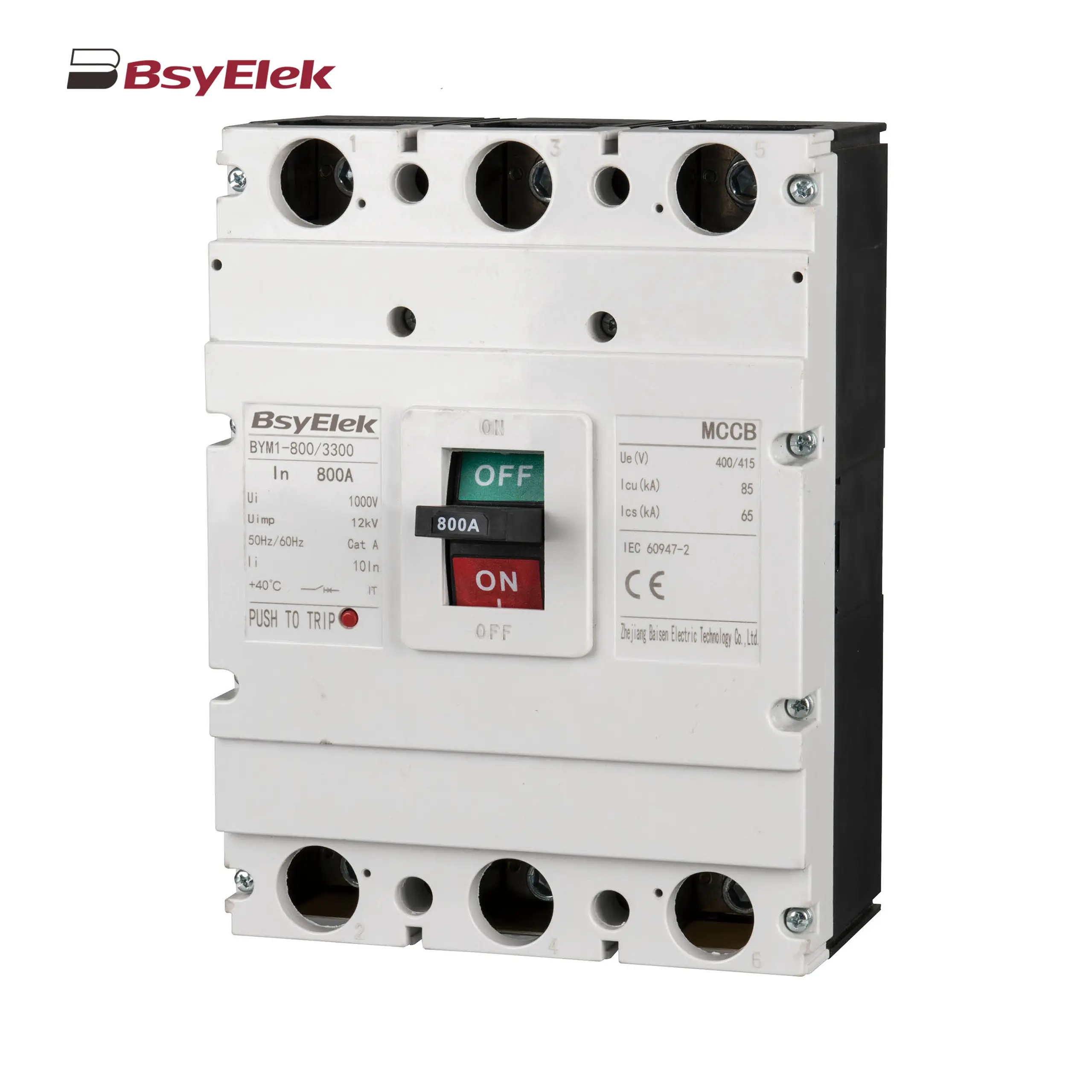 BYM1 MCCB Thermal Magnetic AC Molded Case Circuit Breaker
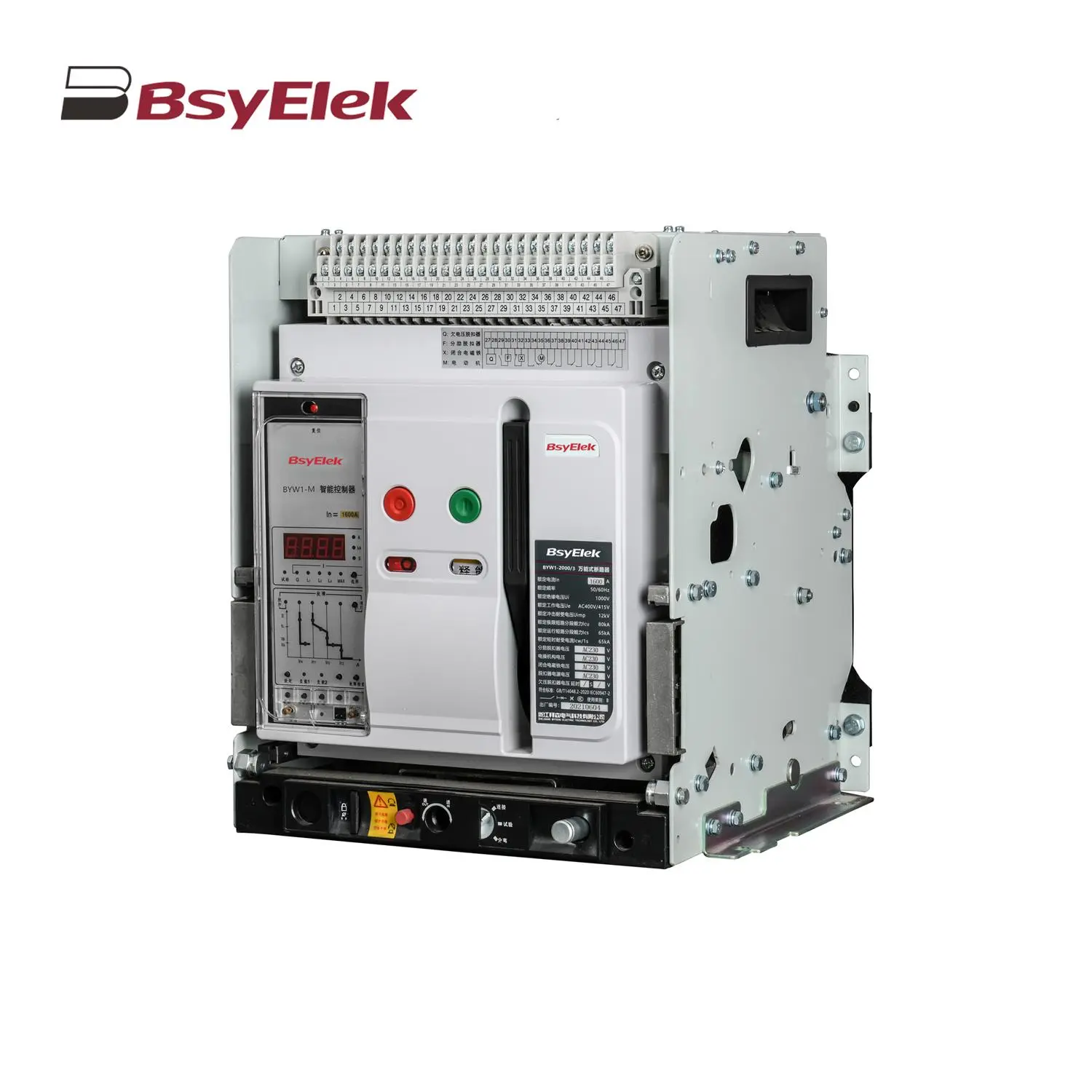 BYW1 ACB Intelligent Universal Air Circuit Breaker
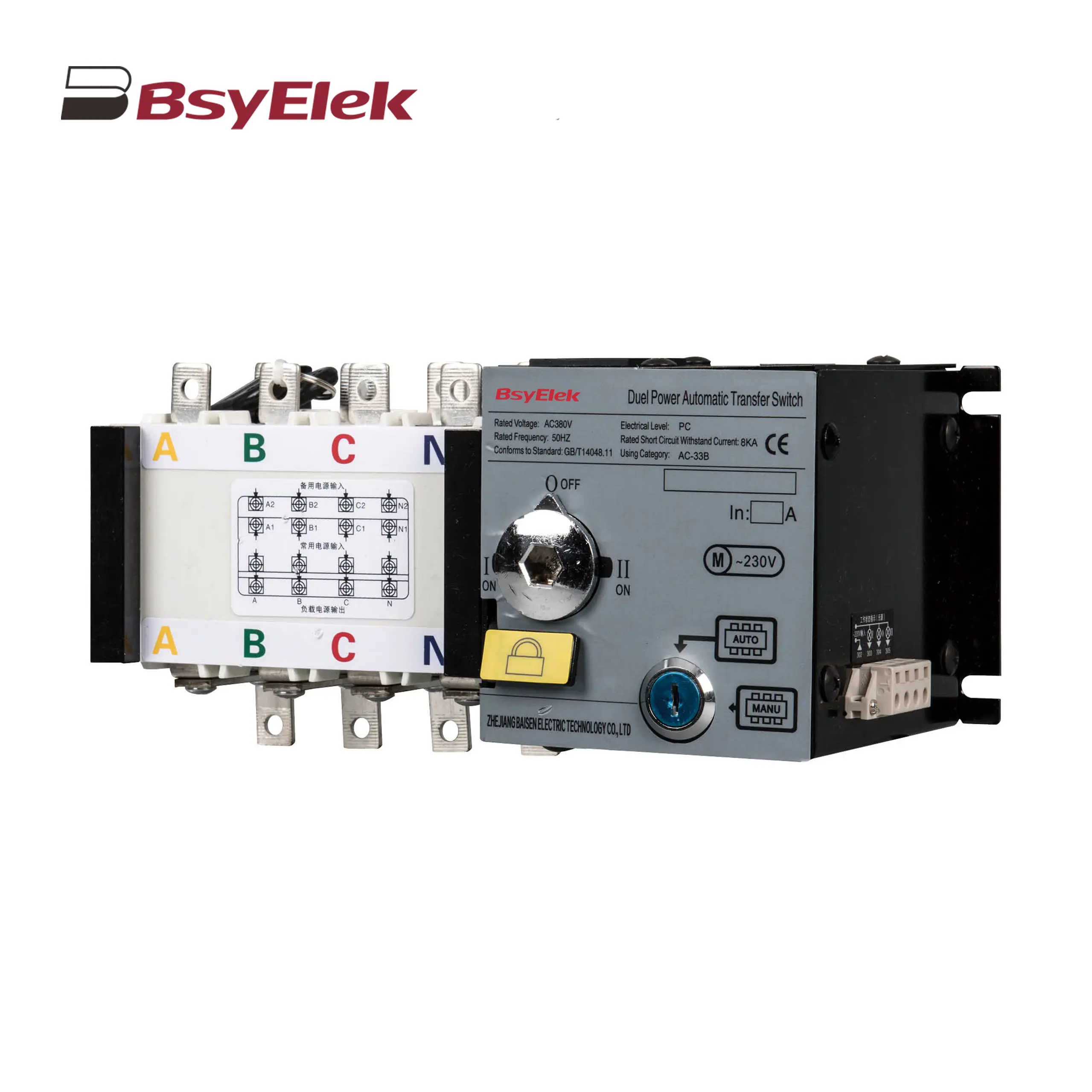 BYQ1 ATS Isolated Type PC Level Dual Power Automatic Transfer Switch
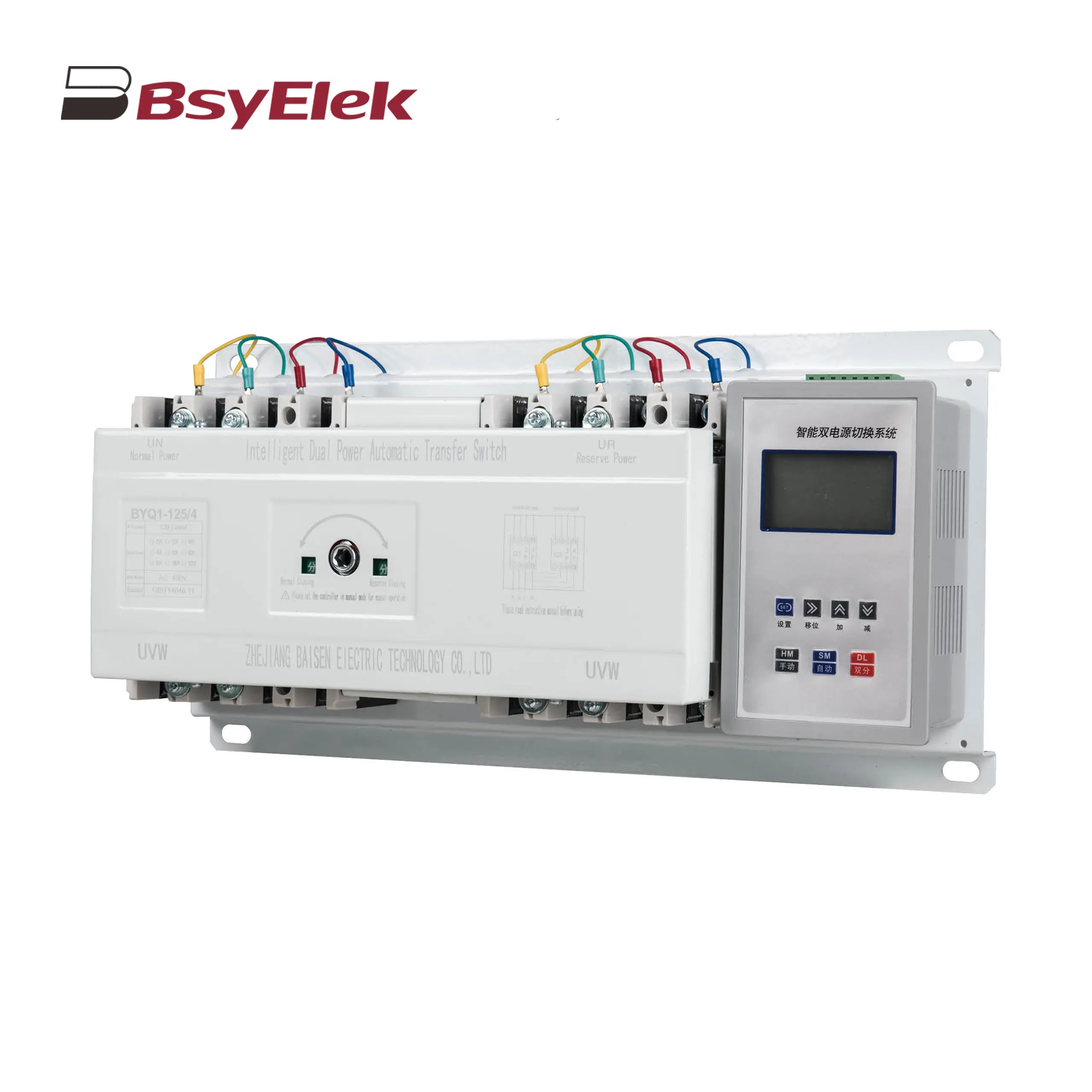 BYQ1 ATS Intelligent Type CB Level Dual Power Automatic Transfer Switch
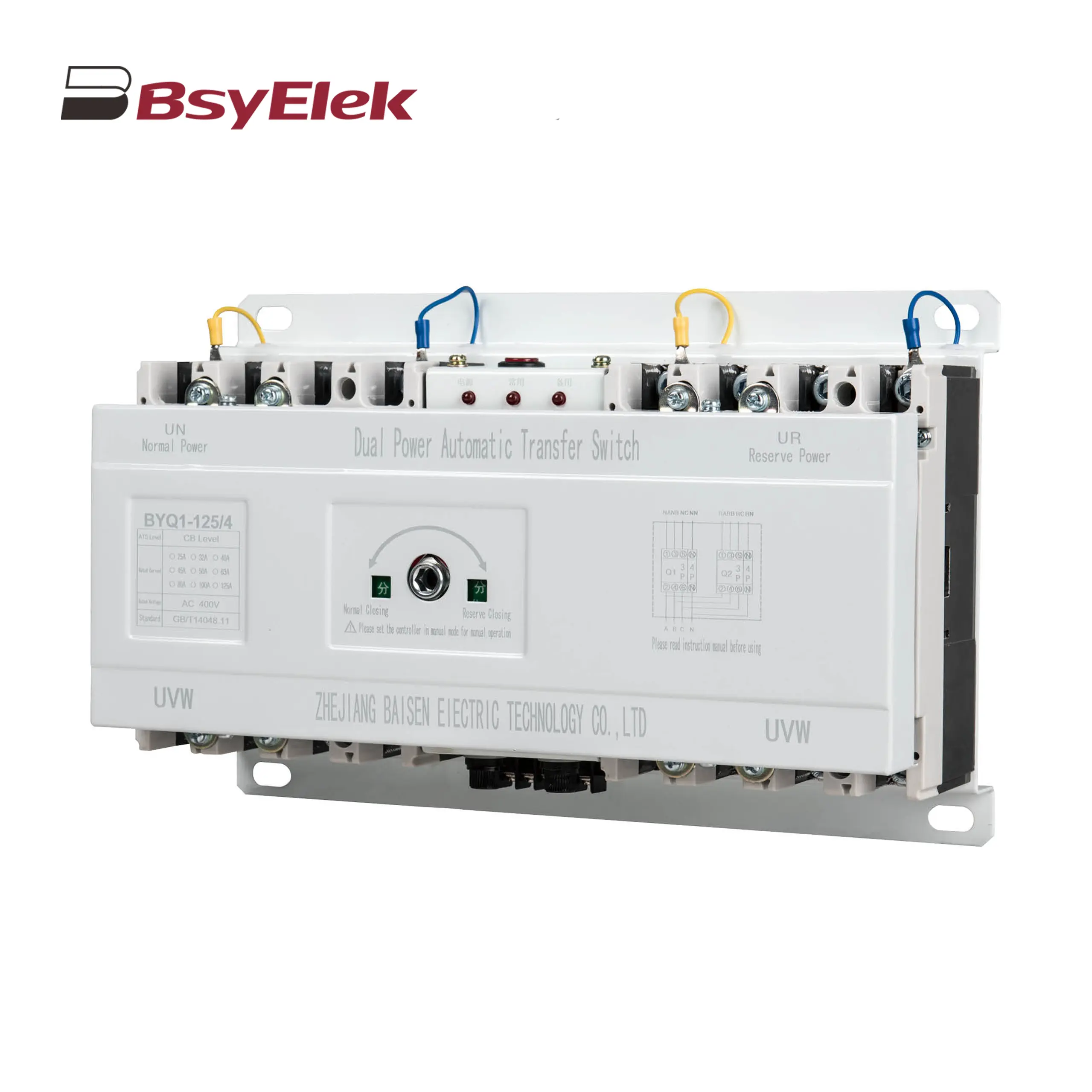 BYQ1 ATS End Type CB Level Dual Power Automatic Transfer Switch
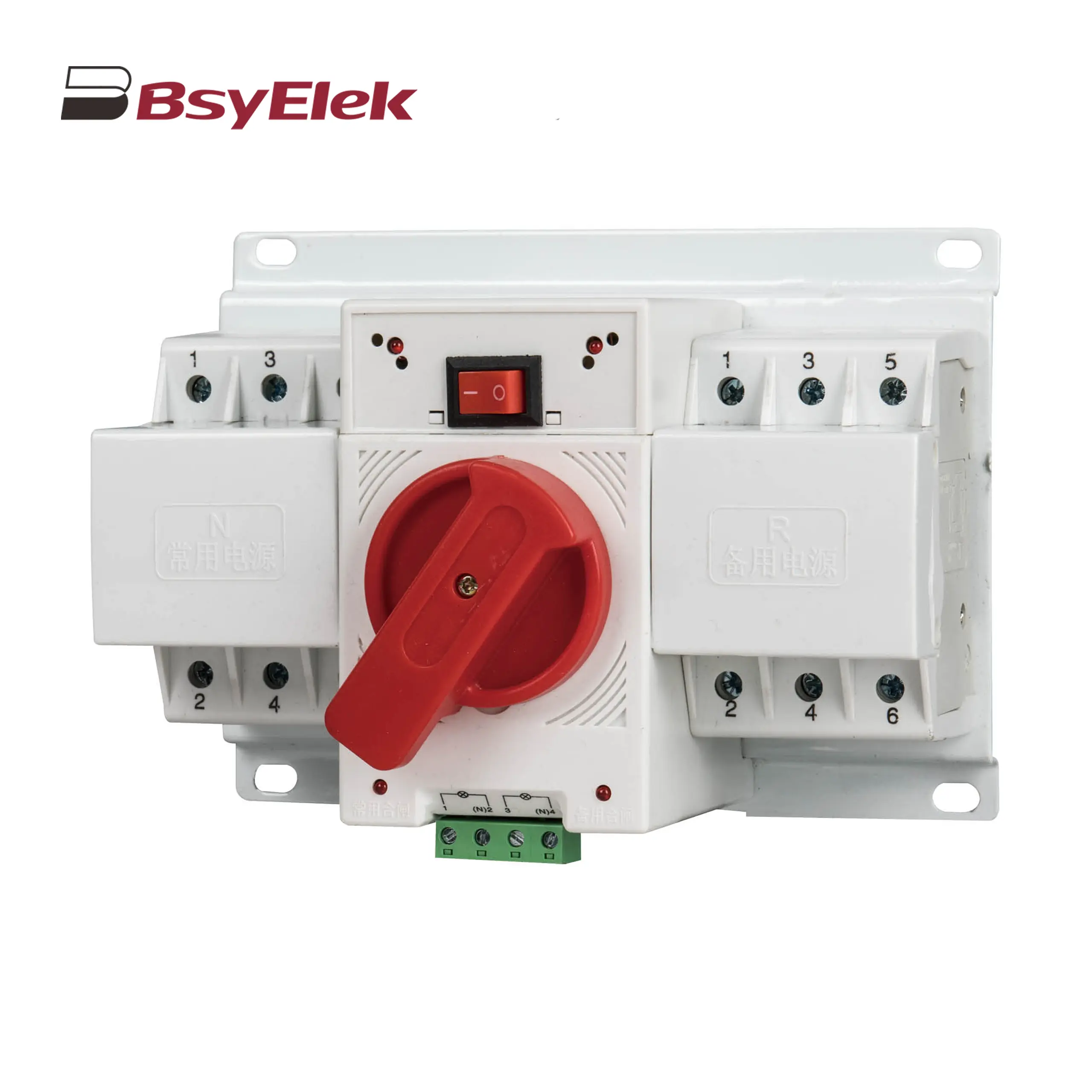 BYQ1 ATS Mini Type CB Level Dual Power Automatic Transfer Switch
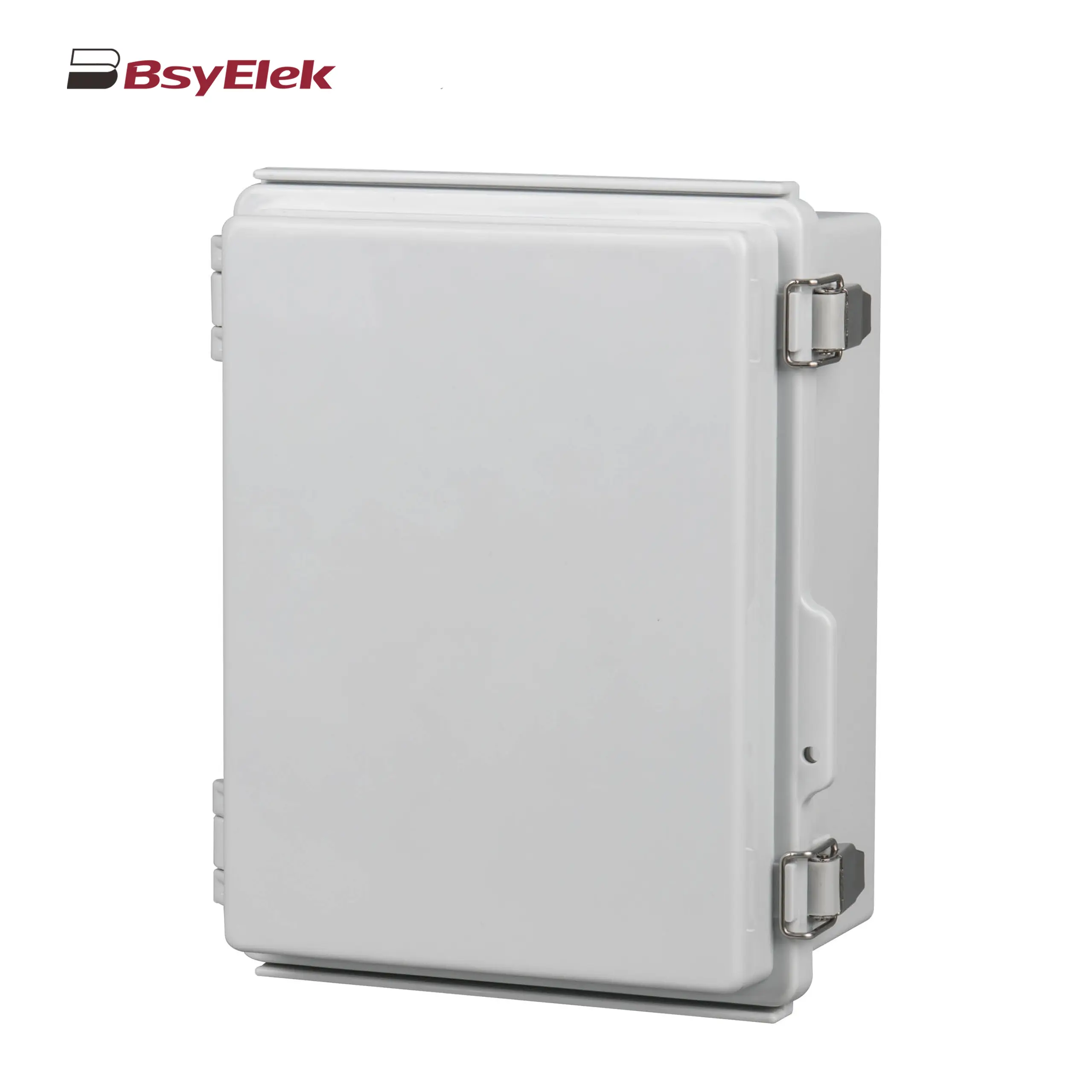 Stainless Steel Hinge Type Electrical Box
 HA Waterproof Distribution Box
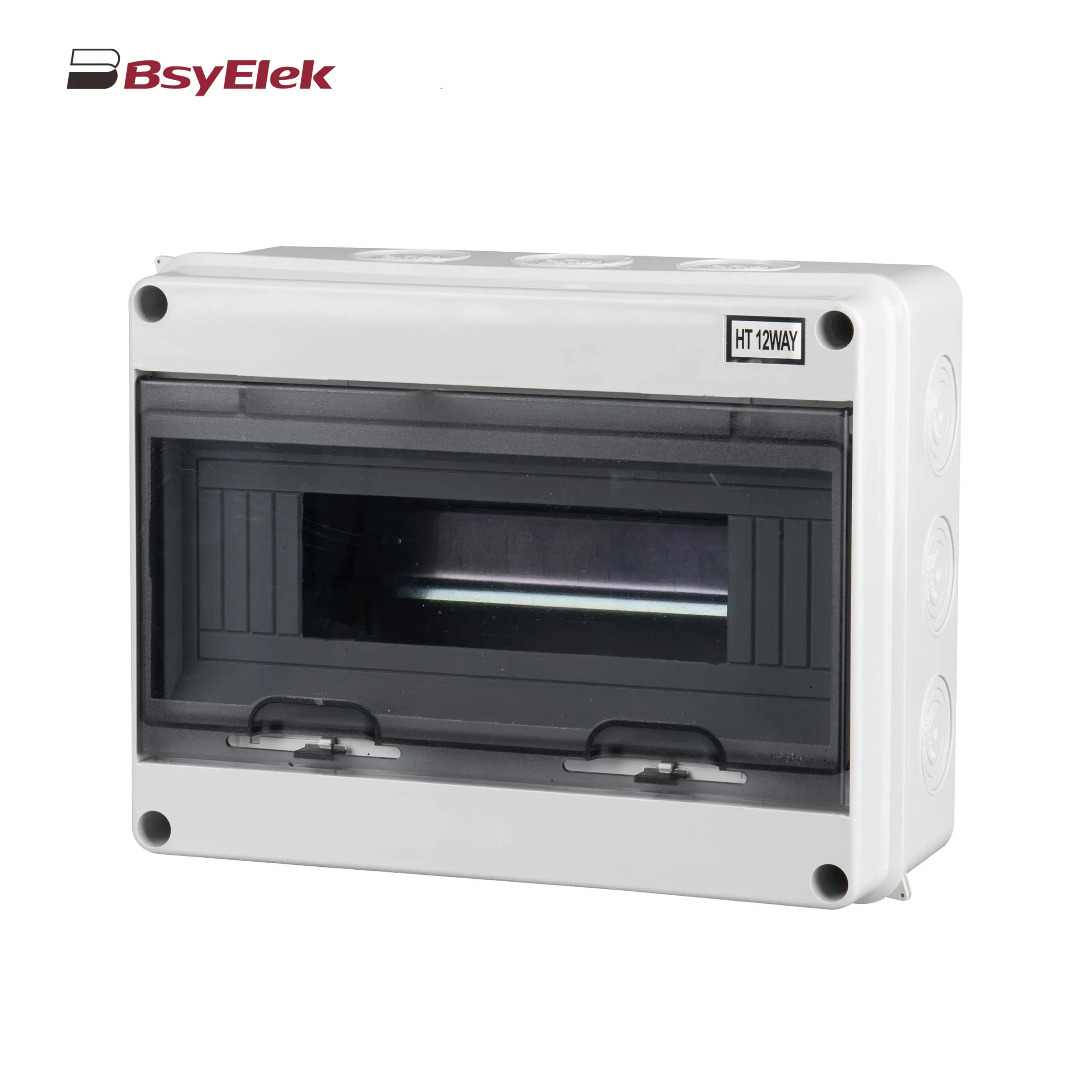 HT Waterproof Distribution Box
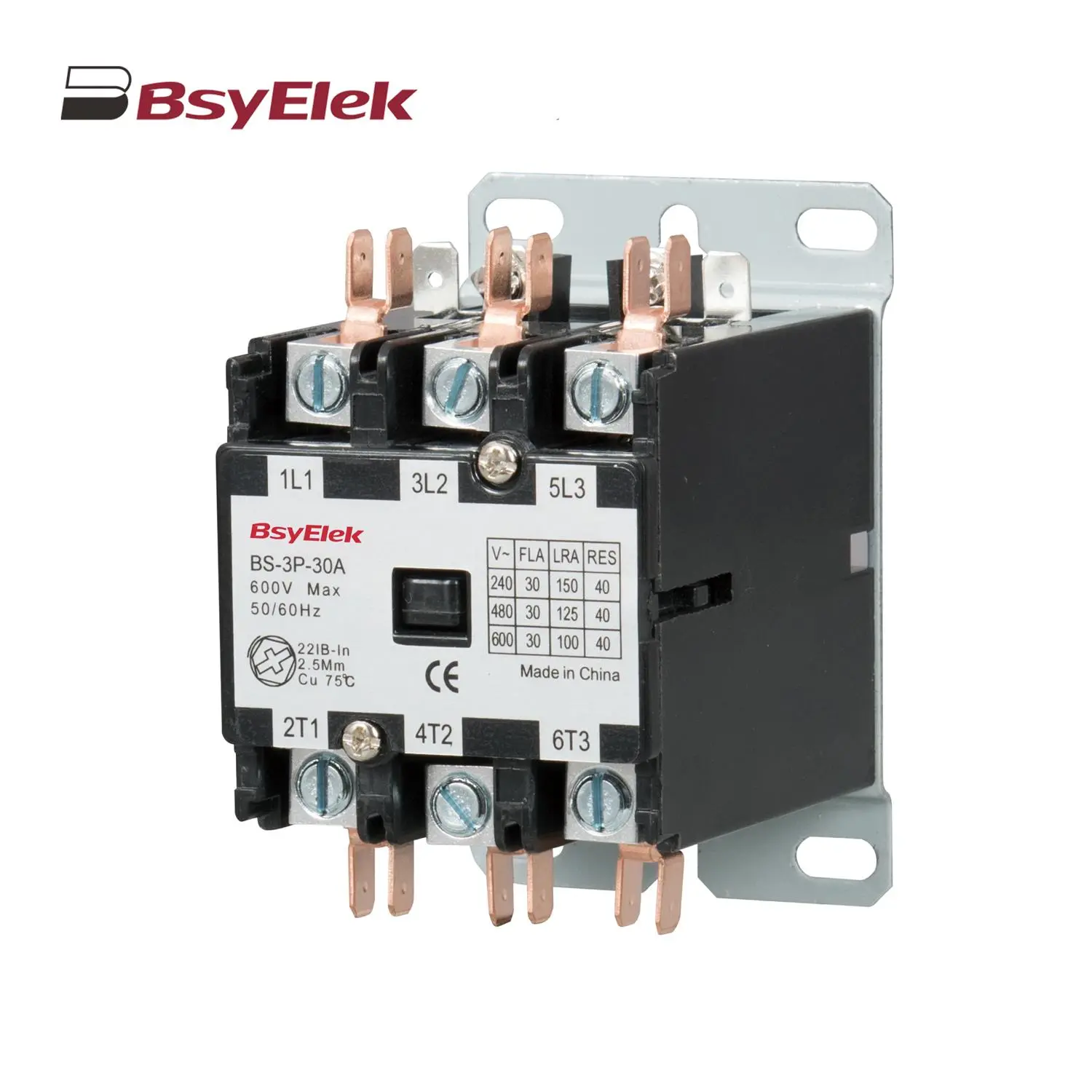 BS Definite Purpose Magnetic AC Contactor